Tag: Explorers

  • The History of Vasco da Gama: Portugal’s greatest Navigator
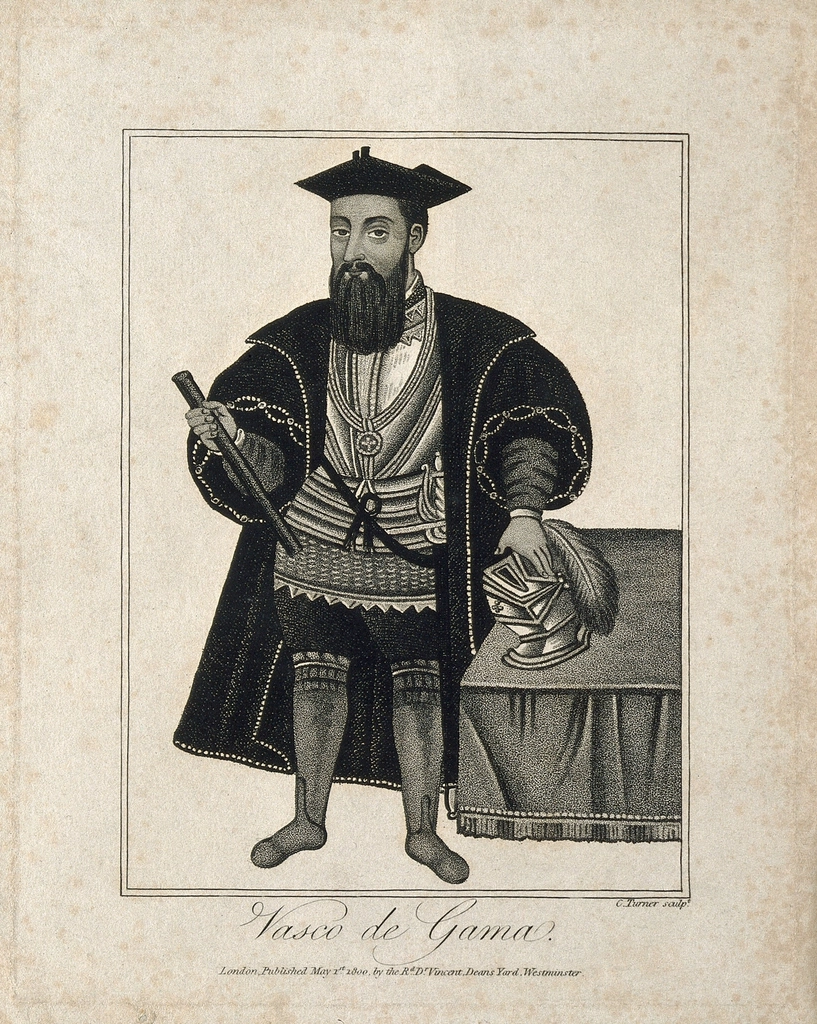
    The History of Vasco da Gama: Portugal’s greatest Navigator

    Introduction

    Vasco da Gama was a pivotal figure in the Age of Exploration, known primarily for his significant role in establishing sea routes between Europe and India during the late 15th century. Born in Sines, Portugal, in 1460, Da Gama came from a family with a rich maritime tradition. His expeditions were crucial in connecting Europe to the lucrative spice trade in Asia, fundamentally altering the course of world history. Through his journey, he not only opened new pathways for commerce but also laid the groundwork for future colonial enterprises. This article delves into the multifaceted life of Vasco da Gama, exploring his early life, landmark voyages, contributions to the Portuguese Empire, and lasting legacy in maritime navigation.

    Early Life and Background of Vasco da Gama

    Vasco da Gama was born into a family of noble lineage in Sines, Portugal. His father, Estêvão da Gama, was a knight of the Order of Santiago, which gave young Vasco early exposure to maritime culture. The importance of navigation and exploration was palpable during this period, as Portugal sought to expand its influence globally. As a young boy, Vasco was reportedly educated at the University of Lisbon, where he studied mathematics, navigation, and astronomy—fields essential for a career at sea.

    By the late 15th century, Portugal emerged as a frontrunner in exploration, actively seeking new routes to India and Africa, specifically for spices and gold. The development of advanced navigational techniques and the construction of powerful ships, like the caravel, set the stage for ambitious expeditions. Vasco da Gama, recognizing the potential for riches and glory, became passionately interested in these undertakings.

    His rise in the ranks began following several successful voyages along the African coast. In 1492, the Portuguese crown decided to send an expedition to India to establish trade routes. Da Gama was appointed as the fleet’s commander, a testament to his skills and the trust placed in him by King Manuel I. This mission was not only commercially driven but also aimed at spreading Christianity and countering the influence of other European powers in the region, particularly the Muslim empires.

    The resources and preparation for this voyage were substantial. Da Gama’s fleet consisted of four ships: the flagship São Gabriel, the São Rafael, the caravel Berrio, and a supply ship. Each vessel was equipped for long-distance travel, marking a shift in maritime capabilities. On July 8, 1497, da Gama and his fleet set sail from Lisbon, embarking on a journey that would change the course of maritime history and open the way for centuries of European dominance in Asia.

    Their first significant stop was the Canary Islands, where the fleet resupplied before continuing down the African coast. The ships navigated treacherous waters, overcoming challenges such as storms, rough seas, and navigational uncertainties. Da Gama’s strategic sense was evident as he relied on the knowledge gained from earlier explorers and integrated them into his methodology.

    As da Gama continued along the African coastline, he made several critical decisions, like establishing alliances with local rulers and learning from their navigation techniques. Such interactions were crucial in understanding the local trade systems and securing safe passage for his ships. His ability to communicate and negotiate with foreign leaders marked a significant part of his leadership style.

    Ultimately, Vasco da Gama’s early endeavors significantly shaped his character as an explorer. His commitment to navigating uncharted waters, his aptitude for leadership, and his strategic approach to establishing foreign relationships set the stage for the immense success of his historic voyage to India.

    The Historic Voyage to India (1497-1499)

    Vasco da Gama’s historic voyage to India is often described as one of the benchmark moments in the Age of Exploration. On July 8, 1497, he set sail from Lisbon with a mission to find a sea route to India. The fleet made pivotal stops along the African coast, where da Gama expertly navigated the tricky waters off the shores of Africa while gathering essential information that would facilitate his journey.

    Reaching the Cape of Good Hope posed a significant challenge for da Gama, characterized by formidable weather and tumultuous seas. With determination and a competent crew, he succeeded in rounding the cape, thus signifying a monumental moment in Portuguese maritime history. After several months battling storms and navigating through uncharted territories, da Gama and his men arrived at the shores of Calicut (now Kozhikode) in May 1498.

    Upon reaching India, the expectations were high. The Portuguese were eager to engage in trade with the local merchants, particularly for spices like pepper, cinnamon, and cardamom. However, da Gama encountered the local sultan, who was initially hesitant about engaging in commerce with foreign traders. Da Gama’s diplomatic skills came to the fore as he attempted to reassure the sultan of the benefits of engaging with the Portuguese. His mission combined commercial interests with a deeper religious and cultural agenda, as he sought to spread Christianity among the local populations.

    The initial trade discussions proved challenging. Local traders were accustomed to dealing in their traditional methods, which included bartering and established networks. Da Gama sought to introduce the idea of direct trade with the Portuguese, hoping to bypass intermediaries and secure more favorable terms. The interactions were fraught with tension, as da Gama’s insistence on Christian superiority clashed with the established Muslim trading networks.

    Despite the initial setbacks, da Gama managed to secure a trade agreement, allowing him to load his ships with valuable spices and goods. The success of this first leg of the expedition marked a significant triumph for Portugal, as it demonstrated the viability of sea routes to the East. The return journey saw the holdings of great wealth, signaling a new dawn for European trade with Asia.

    The return to Portugal in September 1499 was celebrated as a monumental achievement. Vasco da Gama was hailed as a national hero, and the successful voyage established the groundwork for future expeditions. Subsequent voyages sent by the Portuguese crown capitalized on da Gama’s pioneering journey, leading to Spain’s and Italy’s increased involvement in Asian trade while cementing Portugal’s position as a dominant maritime power.

    In retrospect, his voyage was not just about economic gains; it paved the way for a complex interplay between cultural exchanges, religious missions, and the often fraught relationships between European powers and Asian kingdoms. Da Gama’s historic milestone established the Portuguese Empire as a leader in global trade, influencing maritime navigation and patterns for centuries.

    Subsequent Expeditions and Establishing Trade Routes

    Following the success of his first voyage to India, Vasco da Gama embarked on subsequent expeditions, aimed at solidifying Portugal’s presence in the Indian Ocean and expanding its trade networks. Knowing that the spice trade was immensely lucrative, Gama was tasked with ensuring that Portugal held a monopoly over this vital resource.

    In 1502, da Gama was commissioned for his second voyage, consisting of a much larger fleet, including 20 ships, to further secure and expand Portuguese trade in India. His objectives included establishing fortified trading posts, negotiating treaties, and maintaining military leverage over other European and local traders. His fleet departed Lisbon armed with cannons, a signal of the aggressive tactics that would dominate European colonialism during this era.

    The journey to India was fraught with conflict. On reaching Calicut, Gama found the political landscape had changed, leading to tensions with local rulers who viewed the Portuguese as invaders. Da Gama’s approach was characterized by assertiveness, leading to confrontations with rival Indian kingdoms and even attacks on merchant ships of other nations. His reputation for aggressive diplomacy involved a blend of negotiations and military might—common in establishing European colonial rule during this period.

    Lasting alliances and trade agreements were critical as Gama sought to lay the groundwork for a systematic approach to Portugal’s Asian territories. Establishing the first trading post in Cochin was a strategic move, creating a foothold from which Portuguese power could emanate. The construction of forts enabled Gama to assert Portuguese dominance, creating a protective buffer for future commercial ventures.

    Gama returned to Portugal after two years, bringing back immense wealth and a newfound respect for his negotiating prowess. His expeditions fueled the ambition of the Portuguese crown to continue developing its maritime empire, leading to further exploration and conquest in the years to follow. The establishment of treaty systems with local rulers, such as those in Cochin, signaled the shifting dynamics of power in southern India, as Portugal began to emerge as a dominant player in Asian maritime trade.

    In essence, the subsequent voyages led by Vasco da Gama were crucial for not only ensuring the flow of spices and wealth back to Portugal but also pioneering systems of colonial trade that would be replicated by other European powers in their explorations. The developments initiated during this period were invaluable in shaping patterns of trade and conflict that would define the colonial era for centuries.

    Vasco da Gama History
    Vasco da Gama was a pivotal figure in the Age of Exploration, known primarily for his significant role in establishing sea routes between Europe and India during the late 15th century.

    Vasco da Gama’s Role in the Portuguese Empire

    Vasco da Gama’s contributions went beyond his journeys; he became a cornerstone in the establishment of the Portuguese Empire. His experiences and successes in the East provided valuable insights into the methods and strategies necessary for sustaining a colonial endeavor. The Portuguese empire flourished under the foundation laid by da Gama, influencing the course of European maritime history.

    His appointment as the first Count of Vidigueira after his exploration efforts illustrated the high regard in which he was held by the Portuguese monarchy. Not only did he achieve success on the field, but he also worked closely with the crown to develop strategic plans for future exploratory missions. As newfound wealth poured into Portugal from the spice trade, da Gama advocated for the establishment of a comprehensive naval infrastructure to protect these newfound territories.

    The implementation of a strong naval presence in the Indian Ocean was a direct result of da Gama’s experiences. He recognized that the Portuguese Empire needed to defend its interests against established regional powers and rival European nations. To this end, the crown invested in the construction of well-armed ships designated for naval warfare, supporting the notion that control of the seas was vital for maintaining empire.

    Gama’s influence extended to the cultivation of relationships with native rulers, vital for sustaining trade. His diplomatic engagements laid the groundwork for treaties designed to favor Portuguese interests, creating an environment in which trade flourished. Scholarships and yields from wealth garnered through his efforts supported enhanced military campaigns, enabling Portugal to strengthen its empires in Brazil and Africa.

    However, Gama’s legacy also reveals the complexities of colonial rule; while he established fruitful connections for trade, he also fostered an environment of exploitation. The aggressive approach taken by Gama and his successors led to resistance from local populations and instigated conflicts that would span for generations. Da Gama’s tension-filled interactions with local traders emphasized the ethical dilemmas of colonial behavior, illustrating that while wealth flowed into Portugal, it often came at significant human cost.

    Nonetheless, Gama’s vision was instrumental in solidifying Portugal’s status as a leading maritime power during the early 16th century. His unwavering commitment to creating a network of trade dominated by Portugal reshaped global perspectives on commerce, navigation, and colonial enterprise. The impact of Vasco da Gama’s expeditions ultimately resonated through generations, reshaping the geopolitical dynamics of trade, influence, and power on a global scale.

    Legacy and Impact on Global Navigation and Trade

    Vasco da Gama’s legacy extends beyond his voyages and immediate contributions to the Portuguese Empire, as his impact on global navigation and trade remains significant even today. His successful establishment of sea routes opened up new possibilities for European engagement with Asia, resulting in unprecedented exchanges of culture, goods, and ideas.

    One of the most notable effects of Gama’s voyages was the profound transformation in European perceptions of trade routes. Prior to his expeditions, European powers were heavily reliant on land routes that were perilous and fraught with geopolitical tensions. Da Gama’s navigation around the Cape of Good Hope not only illustrated the potential of maritime trade but also mapped out the critical pathways that would define intercontinental commerce for centuries.

    The thriving spice trade, which Gama helped to pioneer, prompted other nations to explore alternative routes for their own gain. His achievements served as both a model and a challenge for European rivals, including Spain, England, and the Netherlands, all of whom would engage in their own quests to establish trade networks and colonies across Asia. The thirst for spices, textiles, and other resources led to competitive expansionism, setting the stage for an age of colonial rivalry that shaped modern geopolitics.

    Additionally, Gama’s contributions to navigation and geographic knowledge were remarkable. His documentation of routes, currents, and wind patterns provided navigators with vital information that improved maritime routes. The practices he instituted concerning cartography and sea travel were foundational, assisting subsequent generations of sailors as they ventured into uncharted waters. Essentially, the trade routes and methods he developed left a lasting legacy that heralded a new era of exploration and maritime innovation.

    Yet, much of the narrative surrounding Gama is also critically intertwined with themes of colonization and exploitation. The aggressive pursuit of trade led to conflicts and the subjugation of indigenous populations across Asia and Africa. As European powers established dominance, the human cost of these expeditions cannot be overlooked. Gama’s interactions with local rulers often presented complex dynamics of negotiation, coercion, and ultimately, domination.

    The legacy of Vasco da Gama is, therefore, a tapestry woven with triumphs and tragedies, where his vision brought forth an era of trade and exploration intertwined with the darker realities of colonization. The repercussions of his journeys continue to echo through history, shaping global trade dynamics, prompting cultural exchanges, and instituting legacies of colonialism that demand ongoing reflection. Da Gama’s role in these historical processes underpins the complexity of the Age of Exploration—one that was full of ambition, innovation, and profound consequences for multiple corners of the globe.

    Conclusion

    In conclusion, Vasco da Gama’s life and explorations mark a dramatic chapter in the narrative of the Age of Exploration. From his origins in Portugal to his historic voyage to India, Gama’s journey exemplifies the ambitions of an era that sought to connect disparate cultures through trade and navigation. His expeditions led to the establishment of sea routes that transformed global commerce, positioned Portugal as a leader in colonial endeavors, and provided frameworks that shaped subsequent transactions between Europe and Asia.

    However, the legacy of Gama must be viewed through a multifaceted lens. While he undoubtedly contributed to the expansion of maritime knowledge and the economic prosperity of Portugal, his actions also precipitated the complex and often violent realities of colonization. The reverberations of his journeys continue to inform our understanding of international trade, maritime navigation, and the intricate web of cultural interactions that characterize our world today.

    As we reflect on Vasco da Gama’s influence, it is essential to recognize both his accomplishments and the broader socio-political contexts in which he operated. His life embodies the complexities of exploration—marked by a spirit of inquiry and the unsettling consequences of the imperial pursuits that stemmed from it. Gama’s story serves as a reminder of the dual nature of exploration: one that seeks to discover and connect while simultaneously imposing power and dominance.

    Sources Consulted

    Watch also

  • Charles Darwin’s amazing Journey on the HMS Beagle (1831-1836) and the Theory of Evolution

    Charles Darwin’s amazing Journey on the HMS Beagle (1831-1836) and the Theory of Evolution

    Introduction

    The voyage of Charles Darwin aboard the HMS Beagle from 1831 to 1836 is one of the most famous scientific expeditions in history. It was during this journey that Darwin gathered observations and evidence that would later form the basis for his groundbreaking theory of evolution by natural selection. The five-year voyage provided Darwin with a unique opportunity to study diverse ecosystems, collect specimens, and observe geological phenomena that challenged contemporary scientific thought.

    In this article, we will explore the historical context of Charles Darwin’s voyage, the significant discoveries he made, and how his experiences led to the development of the theory of evolution. We will also examine the long-term impact of Charles Darwin’s work on science and society.

    Historical Context: The State of Science Before Darwin

    Early Life of Charles Darwin

    Charles Darwin was born on February 12, 1809, in Shrewsbury, England, into a wealthy and intellectual family. His father, Robert Darwin, was a prominent physician, and his grandfather, Erasmus Darwin, was a well-known naturalist and philosopher. Despite this scientific lineage, Darwin initially showed little interest in academic study and struggled with traditional schooling.

    In 1825, Darwin entered the University of Edinburgh to study medicine, but he found the field unappealing. Instead, he became fascinated with natural history and geology, joining student societies that allowed him to explore his growing interest in the natural world. In 1828, Darwin transferred to the University of Cambridge with the intention of becoming a clergyman, a career that would still afford him time to pursue his scientific passions.

    While at Cambridge, Charles Darwin’s interest in natural history deepened under the mentorship of renowned botanist John Stevens Henslow, who encouraged him to read widely and introduced him to leading scientists of the time. It was Henslow who recommended Darwin for the position of naturalist aboard the HMS Beagle, setting the stage for the journey that would change the course of Charles Darwin’s life and the history of science.

    Prevailing Scientific Ideas Before Darwin

    Before Charles Darwin’s voyage, the dominant view in Europe was that species were immutable, meaning they had been created in their present form and had remained unchanged since their creation. This view, rooted in religious doctrine, was supported by natural theologians like William Paley, whose writings argued that the complexity of living organisms was evidence of a divine designer.

    In geology, the prevailing theory was catastrophism, which posited that Earth’s features were shaped by sudden, short-lived events like floods and volcanic eruptions. This idea was championed by Georges Cuvier, a prominent French naturalist. In contrast, uniformitarianism, as proposed by geologists James Hutton and Charles Lyell, suggested that Earth’s geological features were the result of slow, gradual processes such as erosion and sedimentation over long periods. This emerging view, though still controversial, would greatly influence Darwin during his voyage.

    The HMS Beagle: Preparing for the Journey

    The Mission of the HMS Beagle

    The HMS Beagle was a Royal Navy ship tasked with conducting a survey of the South American coast, particularly the coasts of Argentina and Chile. The ship’s captain, Robert FitzRoy, was a skilled sailor and a devout Christian who sought a companion with scientific expertise to accompany him on the voyage. FitzRoy hoped that this individual could help with the ship’s geological and biological observations and provide intellectual companionship during the long journey.

    Charles Darwin was invited to join the voyage after Henslow recommended him to FitzRoy. Although Darwin was initially hesitant, concerned about his lack of formal training in the sciences, he eventually accepted the offer. He was 22 years old when the HMS Beagle set sail from Plymouth, England, on December 27, 1831. The journey, originally planned to last two years, would stretch into a five-year expedition that covered vast regions of South America, the Pacific Islands, and even Australia.

    Darwin’s Role and Preparations

    Before the voyage, Charles Darwin received training in geology and field observation techniques from leading geologists like Lyell and Adam Sedgwick. Lyell’s ideas, particularly those related to uniformitarianism, would later play a crucial role in shaping Charles Darwin’s thinking. Darwin also read widely on natural history, including Alexander von Humboldt’s Personal Narrative, which chronicled the Prussian explorer’s travels in South America and offered insights into tropical ecosystems.

    Darwin’s role aboard the Beagle was unofficial, as the ship already had an official naturalist. However, FitzRoy made Darwin a key member of the scientific team, giving him the freedom to conduct independent research. Darwin brought with him an array of scientific instruments, including microscopes, specimen jars, and notebooks, which he would use to document his findings throughout the voyage.

    The Voyage: Key Stops and Observations

    South America: Geology and Fossils

    The Beagle’s first major stop was in South America, where Charles Darwin made several important discoveries that began to challenge his understanding of the natural world. One of his early geological observations occurred along the coast of Argentina, where he studied sedimentary rock formations and fossilized remains of extinct mammals, including giant armadillos and sloths. These fossils, which resembled modern animals but were significantly larger, prompted Darwin to question the immutability of species. Why, he wondered, would these massive creatures go extinct, while their smaller relatives persisted?

    In Chile, Charles Darwin experienced a major earthquake, which dramatically raised the coastline. This event further confirmed his growing belief in Lyell’s uniformitarianism—that Earth’s features were shaped by gradual, continuous processes. He began to see the Earth’s geological history as being far older than previously thought, providing a much longer timescale for natural processes to operate.

    Charles Darwin
    The voyage of Charles Darwin aboard the HMS Beagle from 1831 to 1836 is one of the most famous scientific expeditions in history.

    The Galápagos Islands: A Turning Point

    The most famous stop on the Beagle’s voyage was the Galápagos Archipelago, a group of volcanic islands located about 600 miles off the coast of Ecuador. Charles Darwin arrived at the Galápagos in September 1835 and spent several weeks exploring the islands. It was here that he made some of his most significant observations, particularly regarding the islands’ unique flora and fauna.

    The Galápagos Islands are home to many species found nowhere else in the world, and Charles Darwin quickly noticed that the animals on different islands seemed to be related but were adapted to their specific environments. The most famous example of this are the Galápagos finches, a group of birds with varying beak shapes and sizes, each suited to different food sources on the islands. Darwin also observed differences in the tortoises, mockingbirds, and other animals that appeared to have evolved differently depending on the specific conditions of each island.

    Though Darwin did not immediately understand the full significance of these observations, the Galápagos Islands would later become central to his theory of natural selection. The diversity of life on the islands suggested to Charles Darwin that species were not fixed but could change over time, adapting to their environment.

    Australia and Other Stops

    The Beagle’s voyage took Darwin to several other regions, including New Zealand, Australia, and the islands of the Pacific. In Australia, Darwin was struck by the stark differences between the native marsupial mammals and the placental mammals he had seen elsewhere. The presence of these unique animals in such an isolated region provided further evidence that species could evolve differently depending on geographic isolation and environmental factors.

    In Tahiti and other Pacific islands, Charles Darwin continued to collect specimens and make detailed notes on plant and animal life. He also studied coral reefs and developed a theory on their formation, which he would later publish in a monograph. His observations of volcanic islands, coral atolls, and other geological formations reinforced his belief in the slow, gradual processes described by Lyell.

    Charles Darwin’s Return to England and Development of the Theory of Evolution

    Organizing His Findings

    When Darwin returned to England in October 1836, he brought with him thousands of specimens, including fossils, plants, and animals, as well as a wealth of notes and observations. Over the next several years, Darwin worked tirelessly to organize and analyze the data he had collected during the voyage.

    Darwin’s reputation as a naturalist grew rapidly after his return. He published a popular account of the voyage, The Voyage of the Beagle, which detailed his discoveries and provided vivid descriptions of the lands he had visited. He also worked with leading scientists of the day, including Richard Owen and Joseph Dalton Hooker, to describe and classify his collections.

    However, it was the puzzle of species variation that occupied most of Darwin’s attention. The observations he had made in the Galápagos and elsewhere suggested that species were not static but could change over time. Yet, Darwin struggled to find a mechanism to explain how such changes occurred.

    Influences on Darwin’s Thinking

    Several key influences helped Darwin develop his theory of evolution by natural selection. In 1838, Darwin read An Essay on the Principle of Population by the British economist Thomas Malthus, which argued that human populations grow faster than food supplies, leading to competition for resources. This idea of competition and “struggle for existence” struck Darwin as a possible explanation for how species might evolve.

    Charles Darwin realized that in nature, individuals with traits that gave them an advantage in survival and reproduction would be more likely to pass those traits on to the next generation. Over time, these advantageous traits would become more common in the population, leading to the gradual evolution of species. This process, which Darwin called natural selection, provided a powerful mechanism for evolution.

    Darwin was also influenced by the work of breeders who selectively bred plants and animals to produce desirable traits. He saw natural selection as a similar process, but one driven by environmental pressures rather than human intervention.

    The Development of the Theory of Natural Selection

    By the early 1840s, Charles Darwin had developed a coherent theory of evolution by natural selection, but he was reluctant to publish it. He spent the next two decades gathering further evidence and refining his ideas. During this time, he corresponded with other scientists, conducted experiments, and wrote extensively on topics related to evolution.

    It wasn’t until 1858, when the British naturalist Alfred Russel Wallace independently developed a similar theory of natural selection, that Darwin was spurred into action. Wallace’s manuscript, sent to Darwin for his opinion, outlined a theory that closely mirrored Darwin’s own ideas. To avoid being pre-empted, Darwin and Wallace presented their findings jointly at a meeting of the Linnean Society of London in July 1858.

    In 1859, Darwin published On the Origin of Species, which laid out his theory of evolution by natural selection in detail. The book was a sensation, sparking widespread debate and controversy. While many scientists embraced Darwin’s ideas, others, particularly those with strong religious convictions, rejected the notion that species could change over time or that humans shared a common ancestry with other animals.

    The Impact of Darwin’s Work

    Scientific Legacy

    Darwin’s theory of evolution by natural selection revolutionized biology and provided a unifying framework for understanding the diversity of life on Earth. It challenged traditional views of species as fixed and unchanging, offering instead a dynamic vision of life that was constantly evolving in response to environmental pressures.

    The theory of evolution has since been supported by a vast body of evidence from fields as diverse as genetics, paleontology, and molecular biology. Darwin’s work laid the foundation for the modern synthesis of evolutionary biology, which integrates natural selection with Mendelian genetics.

    Social and Cultural Impact

    Darwin’s ideas had a profound impact not only on science but also on society. The theory of evolution challenged deeply held religious beliefs about the origin of life and humanity’s place in the natural world. It raised questions about the relationship between science and religion, and sparked debates that continue to this day.

    Darwin’s theory also had far-reaching implications for fields such as psychology, anthropology, and sociology. It influenced thinkers such as Sigmund Freud and Karl Marx, who saw Darwinian concepts as relevant to their own work on human behavior and society.

    In the late 19th and early 20th centuries, Darwin’s ideas were misused by proponents of social Darwinism, a discredited ideology that sought to apply the principles of natural selection to human societies. Social Darwinism was used to justify imperialism, racism, and eugenics, leading to some of the darkest chapters in modern history.

    Conclusion: Darwin’s Enduring Legacy

    The voyage of the HMS Beagle was the catalyst for Charles Darwin’s revolutionary theory of evolution by natural selection. Over the course of five years, Darwin gathered evidence from around the world that challenged the prevailing scientific ideas of his time and laid the groundwork for a new understanding of life on Earth.

    Darwin’s work transformed biology and continues to shape our understanding of the natural world. His theory of evolution remains one of the most important scientific concepts ever developed, offering insights into everything from the development of antibiotic resistance in bacteria to the diversity of species in tropical rainforests.

    More than a century after his death, Darwin’s legacy endures, not only in the field of biology but in the broader scientific and cultural landscape. His voyage on the HMS Beagle stands as a testament to the power of observation, curiosity, and the relentless pursuit of knowledge.

  • The great Voyage of Ferdinand Magellan (1519-1522): The First Circumnavigation of the Globe

    The great Voyage of Ferdinand Magellan (1519-1522): The First Circumnavigation of the Globe

    Introduction

    The first circumnavigation of the globe stands as a landmark achievement in maritime exploration, showcasing the bravery and determination of those who dared to venture into uncharted waters. Led by the Portuguese navigator Ferdinand Magellan, this monumental expedition not only redefined geographical knowledge but also demonstrated the complexities of global navigation and the cultural encounters it bred. Departing from Spain in 1519, Magellan embarked on a perilous journey that ultimately changed the course of history, leading to the first complete navigation around the Earth. This article delves into the myriad facets of this epic journey, highlighting the historical context, Magellan’s background, the trials faced during the voyage, significant encounters, and the lasting impact of this endeavor on world exploration.

    The Historical Context of the Age of Exploration

    The Age of Exploration, spanning from the late 15th century to the early 17th century, marked a transformative period in world history. Driven by the quest for new trade routes, wealth, and territorial expansion, European nations embarked on ambitious maritime expeditions that changed the global landscape. The competition among powers such as Spain, Portugal, England, and France fueled innovations in navigation and shipbuilding, leading to the exploration of previously uncharted territories.

    During this era, the fall of Constantinople in 1453 and the subsequent rise of the Ottoman Empire shifted trade dynamics, prompting European nations to seek alternative routes to Asia for spices, silk, and other luxury goods. The traditional land routes became perilous, and the need for maritime exploration became imperative. The Portuguese were pioneers in this regard, establishing trade routes along the coast of Africa and venturing down to India. These navigators developed advanced techniques in cartography and celestial navigation, which laid the groundwork for more ambitious explorations.

    Ferdinand Magellan’s expedition was emblematic of the era’s adventurous spirit. Unlike other explorers who focused primarily on Africa and Asia, Magellan sought to find a westward route to the Spice Islands (the Moluccas). His proposal to Spain came at a time when competition with Portugal was fierce, and Spain was eager to expand its influence in the East Indies. Magellan, despite being Portuguese, convinced the Spanish crown to sponsor his voyage.

    His journey was also notable for its ambition to complete the circumnavigation of the globe—a concept that was still largely theoretical at the time. The understanding of the Earth’s dimensions, the vastness of the Pacific Ocean, and the complexities of global currents were yet to be fully grasped. This context set the stage for Magellan’s extraordinary venture, one that would require not only skillful navigation but also immense resilience against the unpredictable forces of nature and human conflict.

    Magellan’s expedition departed from Seville on September 20, 1519, with five ships: Trinidad, San Antonio, Concepción, Victoria, and Santiago, carrying a crew of over 200 men. The journey would take three years and traverse thousands of miles across vast and largely unexplored oceans, encountering various cultures, climates, and challenges.

    The Age of Exploration was a time of great ambition, fraught with danger and uncertainty. Explorers like Magellan pushed the boundaries of the known world, fueled by the desire for discovery, wealth, and glory. The significance of Magellan’s circumnavigation cannot be overstated; its impact reverberates through history even today, as it fundamentally reshaped the understanding of global geography and the interconnectedness of diverse cultures.

    Ferdinand Magellan: Early Life and Inspirations

    Ferdinand Magellan was born in 1480 in the Portuguese town of Sabrosa, located in the northern region of Portugal. As a young man, he showed a keen interest in exploration and navigation, influenced by the rising tide of maritime adventures that were sweeping through Europe during the Age of Exploration. Despite the limitations of his social rank as the son of a minor noble, his relentless ambition and obsession with the sea would soon set him on a path toward greatness.

    During his formative years, Magellan sailed under the Portuguese flag, gaining valuable experience in navigation and maritime warfare. He participated in several expeditions along the African coast and was involved in military campaigns against Muslim forces in the Indian Ocean. These early experiences greatly enhanced his navigational skills and understanding of maritime combat, shaping him into a formidable seafarer.

    In 1505, Magellan was assigned to a fleet bound for India, where he witnessed the burgeoning trade networks established by the Portuguese. This exposure ignited his passion for exploration further, and he developed an ambition to find a new route to the Spice Islands. Despite his successes, Magellan’s relations with the Portuguese crown began to deteriorate, leading him to seek opportunities elsewhere.

    In 1517, Magellan proposed an ambitious plan to King Charles I of Spain. His proposal aimed to find a westward route to the Spice Islands, believing that he could navigate through a passage that would connect the Atlantic and Pacific Oceans. At the time, Spain was primarily focused on exploring the Americas, but after much persuasion, the king agreed to finance Magellan’s expedition. He was motivated by the potential riches that could be garnered from the Spice Islands, which were the source of valuable spices such as cloves and nutmeg.

    His decision to sail under the Spanish flag was a remarkable turn, especially considering the rivalry between Spain and Portugal. This choice stemmed from his desire to explore, coupled with a feeling of betrayal by the Portuguese crown. Magellan’s single-minded focus and determination to succeed would ultimately lead to a historic clash of cultures and an unprecedented journey.

    In 1519, Magellan set sail from Seville, commanding a fleet of five ships and a multicultural crew. His journey was fraught with challenges, including navigating complex political dynamics, maintaining crew morale, and confronting the uncertainties of uncharted waters. His ability to lead and inspire others became evident as he embarked on his voyage, which would eventually redefine humanity’s understanding of the globe and its vast interconnectedness.

    Magellan’s early life and inspirations were critical in forming the leader he would become. His background provided him with the necessary experiences and skills, while his ambition and determination pushed him to seek out a path that would ultimately change history. The legacy of Magellan is one of courage and tenacity, symbolizing the very essence of exploration during one of the most transformative periods in human history.

    The Voyage Begins: Magellan’s Departure and Initial Challenges

    The first circumnavigation of the globe began on September 20, 1519, when Ferdinand Magellan and his fleet set sail from the port of Seville, Spain. The journey marked the beginning of a monumental expedition that would encounter significant challenges, both at sea and among the diverse cultures they would encounter. Magellan’s fleet comprised five ships: Trinidad, San Antonio, Concepción, Victoria, and Santiago, carrying approximately 270 men eager for adventure and exploration.

    The initial leg of the journey took the fleet down the western coast of Africa, where they made their way towards the Cape Verde Islands before crossing the Atlantic Ocean. The challenges of sailing during this time were immense; navigators relied on rudimentary tools and often faced unpredictably harsh weather conditions. The crew encountered issues with scurvy, a disease caused by vitamin deficiency during prolonged sea voyages, and the lack of variety in their diet took a toll on the sailors’ health.

    The voyage’s first major setback occurred in the Canary Islands when the San Antonio, the fleet’s flagship, failed to maintain the desired speed, falling behind the rest of the fleet. This event foreshadowed the strife and discord that would plague the journey. There was tension among the crew members, exacerbated by the long days at sea and the challenges of maintaining morale while venturing into the unknown. Magellan faced the difficult task of uniting his multicultural crew, which included sailors from Portugal, Spain, Italy, and other nationalities, all of whom had diverse languages and customs.

    Upon leaving the Canary Islands, the fleet pushed onward into the Atlantic, navigating treacherous waters marked by unpredictable winds and currents. The expedition traveled for several weeks without sighting land, leading to increasing unease among the crew who were anxious about whether they would ever reach their intended destination. However, Magellan’s unwavering determination and leadership helped to maintain discipline and focus, as he reassured the crew that they were on the brink of making a significant breakthrough.

    As the days turned into weeks, the fleet finally approached the coast of Brazil in December 1519. The sighting of land brought much-needed relief to the crew, allowing them to replenish their supplies and repair their ships. However, the challenges were far from over. The expedition faced difficulties navigating the complex river systems and dealing with local indigenous populations who were unfamiliar with the European explorers.

    Unfamiliar territorial disputes emerged, as some crew members attempted to forge alliances with local tribes, while others sought to assert dominance through displays of military force. Magellan’s diplomatic skills would soon be tested as he navigated these cultural exchanges, balancing the interests of the expedition with the sensitivity required to maintain peace.

    The fleet continued its journey south along the Brazilian coastline, where they encountered the harsh realities of the New World, including extreme weather fluctuations and various indigenous groups. These lengthy detours and frustrations contributed to crew tensions, resulting in occasional revolts against Magellan’s leadership. Dealing with dissent became a constant struggle, as some crew members questioned the expedition’s objectives and voiced their desire to abort the journey.

    Ultimately, the initial challenges faced by Magellan and his crew were not merely physical but deeply rooted in human dynamics, as different personalities and motivations clashed in the face of adversity. Despite the turmoil, Magellan’s persistence and adaptability proved essential in overcoming obstacles, enabling the expedition to forge ahead and take critical steps toward achieving the ambitious goal of circumnavigation.

    Ferdinand Magellan's First Circumnavigation of the Globe
    The first circumnavigation of the globe, led by the Portuguese explorer Ferdinand Magellan, represents one of the most extraordinary feats in the history of exploration.

    Significant Discoveries and Interactions During the Voyage

    As the expedition led by Ferdinand Magellan advanced into uncharted waters, the crew encountered a variety of significant discoveries and interactions that would ultimately shape their journey and subsequent historical narrative. The experiences in these foreign lands not only enriched the explorers’ understanding of geography but also transformed their perceptions of the peoples and cultures they encountered.

    Upon leaving Brazil, the fleet sailed through the Strait of Magellan, a treacherous waterway located in the southernmost reaches of South America. This strait was a crucial discovery for the expedition, as it represented the first navigable passage connecting the Atlantic and Pacific Oceans. Its discovery marked a turning point in maritime exploration, offering future navigators an alternative route that would facilitate global trade and exploration. The journey through the strait was characterized by tumultuous weather, rugged coasts, and treacherous tides, as a cacophony of waves crashed against the rocky shoreline.

    Emerging from the Strait of Magellan into the vast expanse of the Pacific Ocean was an exhilarating moment for Magellan and his crew. However, this newfound freedom came with its own set of challenges. The sheer size of the Pacific posed navigational difficulties, and the crew faced an overwhelming sense of isolation. For months, they sailed the calm waters of this immense ocean, grappling with unpredictable weather patterns and a severe shortage of provisions, leading to increased tensions aboard the ships.

    During their time at sea, the crew also established interactions with various indigenous populations. One of the significant encounters occurred upon their arrival in the Philippines in March 1521. Magellan sought out the Spice Islands by navigating through the archipelago, gravitating toward the islands of Cebu and Mactan, where rich cultures thrived. Here, he engaged in important interactions with the local rulers, namely Raja Humabon, who received Magellan with hospitality and warmth.

    The relationship that formed between Magellan and Humabon exemplified the complex nature of colonial dynamics. While Magellan was initially welcomed as a guest, his presence also represented the encroachment of European powers. In an effort to win converts to Christianity, Magellan baptized numerous locals, transforming their socio-religious landscape and establishing a foundation for future missionary endeavors.

    However, the expedition’s renowned diplomacy waned when they encountered resistance from the warrior chieftain Lapu-Lapu on the island of Mactan. Lapu-Lapu, who rejected European intervention, rallied his forces against Magellan’s crew. The ensuing skirmish on April 27, 1521, culminated in a devastating defeat for Magellan, who lost his life on the battlefield. This incident underscored the deep tensions between indigenous populations and European colonizers and the complexities of cultural exchange.

    Significant discoveries were not limited to encounters with indigenous peoples. The expedition also provided vital information about diverse ecological environments, as the crew observed unfamiliar flora and fauna that they documented through meticulous records. From the tropical landscapes of the Caribbean islands to the lush greenery of the Philippine archipelago, these observations would inform subsequent European expeditions and explorations in the region.

    The discoveries made during Magellan’s quest for the Spice Islands and the interactions with different cultures underscore the multifaceted nature of exploration. The lessons learned, both in terms of navigation and diplomacy, shaped the understandings of cross-cultural encounters in an increasingly interconnected world. Magellan’s original vision of uniting the East and the West indeed faced significant trials, ultimately leaving a profound impact on global history.

    The Return Journey and Legacy of Magellan’s Circumnavigation

    Following the tragic death of Ferdinand Magellan in April 1521, the remnants of the fleet were left in a precarious position. The expedition’s leadership fell to Juan Sebastián Elcano, who had been a member of the crew since its inception. Elcano was tasked with navigating the remaining ships through the challenges ahead and ensuring the survival of the expedition and crew.

    With a diminished crew and faced with significant uncertainty, Elcano made the decision to abandon the original quest for the Spice Islands and prioritize the safe return of the crew to Spain. The remaining ship, Victoria, became the single vessel entrusted with the monumental task of circumnavigating the globe. With an estimated crew of only 18 sailors, the journey home was riddled with peril, requiring them to dodge hostile encounters and navigate treacherous waters.

    Upon leaving the Philippines, the crew set sail toward the Spice Islands, where they managed to acquire valuable cargo. Combining their existing resources with fresh spices, they then embarked on the challenging return journey across the Indian Ocean, steering towards the Cape of Good Hope. The sailors were forced to confront the immense challenges of the ocean, adjusting to the rigors of navigating through unfamiliar waters and grappling with potential conflicts with other maritime powers.

    On September 6, 1522, after nearly three years at sea, the Victoria docked back in Spain, effectively completing its journey around the world. This historic event was met with awe and reverence, as only one of the original five ships had completed the journey, carrying with it a wealth of knowledge, experiences, and valuable treasures. The feat remarked not only on the perseverance of the crew but also highlighted the significance of the expedition in expanding European knowledge of the world.

    The legacy of Magellan’s circumnavigation cannot be understated. It fundamentally altered perceptions of geography, demonstrating that the world was far more interconnected than previously understood. The journey provided invaluable information about global trade routes, fostering European interest in exploring new lands. Various nations would soon embark on their expeditions, further expanding the boundaries of the known world.

    In addition to altering the course of navigation, Magellan’s journey had profound cultural implications. The interactions between European explorers and indigenous populations marked the beginning of centuries of colonial encounters, shaping the dynamics between the East and West. The expedition’s legacy influenced later explorers, paving the way for significant advancements in navigation, cartography, and maritime exploration.

    Magellan’s story serves as a reminder of the spirit of exploration and the desire for discovery that has driven humanity for centuries. Through triumph and tragedy, the impact of his expedition resonates even today, as we continue to explore and engage with the diverse cultures of our planet.

    Conclusion

    The first circumnavigation of the globe, spearheaded by Ferdinand Magellan, remains one of the defining moments in the history of exploration. This ambitious journey not only expanded geographic knowledge but also fostered intercultural interactions that would shape the course of history for centuries to come. The expedition faced myriad challenges—harsh weather, uncharted territories, cultural conflicts, and ultimately, the loss of its leader. Yet, through sheer determination and daring spirit, the crew persevered, leaving a profound legacy that reshaped global navigation and interconnectedness.

    Magellan’s vision of uniting continents through exploration exemplified the heights of human ambition and critical endeavor in the quest for knowledge. The saga of discovery, encompassing diverse encounters with various indigenous cultures, along with the eventual success of the Victoria in completing the circumnavigation, altered the tide of history, propelling the world toward greater exploration and global trade.

    The legacy of this monumental undertaking continues to shape our understanding of exploration, trade, and cultural exchange in today’s globalized society. As we reflect on the intricacies of Magellan’s journey and the lessons learned from it, we are reminded of the unyielding human spirit—a spirit that persists in seeking out new frontiers in an ever-evolving world.

    Sources Consulted

    • History.com. (2020). Magellan Circumnavigates the Globe. Retrieved from History.com
    • National Geographic. (2019). Ferdinand Magellan and the First Circumnavigation of the Earth. Retrieved from National Geographic
    • BBC History. (2021). Ferdinand Magellan: Explorer of the World. Retrieved from BBC History
    • Britannica. (2022). Ferdinand Magellan. Retrieved from Britannica
    • World History Encyclopedia. (2021). Magellan’s Circumnavigation of the Earth. Retrieved from World History Encyclopedia

  • The amazing Life and Travels of Ibn Battuta (2025 update)

    The amazing Life and Travels of Ibn Battuta (2025 update)

    Introduction

    The journeys of Ibn Battuta are some of the most remarkable in the history of travel. Born in Tangier, Morocco, in 1304, Ibn Battuta embarked on his first journey at the age of 21 in 1325, initially intending to fulfill the Islamic duty of pilgrimage, the Hajj, to Mecca. What began as a religious obligation turned into an extraordinary odyssey that spanned nearly three decades and over 120,000 kilometers (75,000 miles). His travels took him across vast swathes of the Islamic world and beyond, from North Africa and the Middle East to South Asia, China, and even sub-Saharan Africa.

    Ibn Battuta’s experiences, documented in his travelogue known as the Rihla (meaning “The Journey”), offer a unique perspective on the interconnectedness of the medieval world. He visited more than 40 modern-day countries, engaging with a variety of cultures, religions, and peoples. His accounts provide a window into the political, social, and religious dynamics of the 14th century. In this article, we will explore Ibn Battuta’s extensive travels, his encounters with different civilizations, and the significance of his journey in the broader historical context.

    Early Life and the First Journey

    Ibn Battuta was born into a Berber family of legal scholars in Tangier, a port city in what is now Morocco. His full name was Abu Abdullah Muhammad Ibn Battuta, and he grew up in a household that emphasized education, particularly in Islamic jurisprudence. Like many young men of his social class, Ibn Battuta studied Islamic law (fiqh), preparing for a career as a legal scholar. However, rather than settling into a predictable life in Morocco, Ibn Battuta felt the urge to explore the world.

    In 1325, at the age of 21, he set out on his first major journey, aiming to fulfill his religious obligation to undertake the Hajj, the pilgrimage to Mecca. The Hajj was a monumental experience for many Muslims, offering not just spiritual fulfillment but also opportunities for interaction with people from different parts of the Islamic world. For Ibn Battuta, this pilgrimage marked the beginning of a much longer journey—one that would take him far beyond the holy cities of Mecca and Medina.

    North Africa and Egypt

    The Journey Through the Maghreb

    Ibn Battuta’s first leg of travel took him across North Africa, passing through the Maghreb region, which included the modern-day countries of Morocco, Algeria, Tunisia, and Libya. Traveling primarily by land, he stopped in major cities like Algiers and Tunis, both of which were important centers of trade, learning, and political power. In Tunis, Ibn Battuta joined a caravan of pilgrims also headed to Mecca, forging relationships that would serve him well throughout his journey.

    In his Rihla, Ibn Battuta offers detailed accounts of the landscapes, cities, and people he encountered. For example, he describes the bustling markets of Tunis and the thriving intellectual culture there, noting how Islamic scholars and Sufi mystics enriched the city’s social life. He also provides insights into the political stability of the region, praising the justice and governance of the local rulers.

    Arrival in Egypt

    From Tunisia, Ibn Battuta continued eastward, crossing into Egypt. The first major city he encountered was Alexandria, a coastal city with a rich history as a major port and intellectual hub. Alexandria was a melting pot of different cultures, with traders and scholars from across the Mediterranean world congregating in its streets. Ibn Battuta was particularly impressed by the city’s famous lighthouse, the Pharos of Alexandria, one of the Seven Wonders of the Ancient World, although it was already in ruins by the time he visited.

    From Alexandria, Ibn Battuta traveled south to Cairo, which he described as one of the grandest cities in the world. At that time, Cairo was the capital of the Mamluk Sultanate, a powerful Islamic state that controlled much of Egypt, Syria, and the Hijaz (which included the holy cities of Mecca and Medina). Ibn Battuta marveled at the scale of the city, its thriving markets, magnificent mosques, and the overall prosperity of the Mamluk court. He spent several months in Cairo, taking in its religious and cultural life before continuing his journey toward Mecca.

    The Hajj and the Arabian Peninsula

    The Pilgrimage to Mecca

    In 1326, after traversing Egypt, Ibn Battuta joined a caravan bound for Mecca. Crossing the Sinai Peninsula and traveling through the desert, Ibn Battuta arrived at the Red Sea, where he embarked on a ship to Jeddah, the port city closest to Mecca. His first pilgrimage to Mecca was a profound experience, marking the fulfillment of one of the central tenets of his faith.

    After performing the rites of the Hajj, including the Tawaf (the circumambulation of the Kaaba) and the Sa’i (walking between the hills of Safa and Marwah), Ibn Battuta could have returned to Morocco, as many pilgrims did. However, he chose to continue traveling, driven by a desire to explore the broader Islamic world and expand his knowledge of different cultures and places.

    The Arabian Peninsula and Iraq

    After completing the Hajj, Ibn Battuta traveled north through the Arabian Peninsula, making his way to Medina, where he visited the Prophet Muhammad’s Mosque and the tomb of the Prophet. From there, he journeyed to Iraq, passing through Baghdad, which, although it had been ravaged by the Mongol invasion in 1258, remained an important center of Islamic learning and culture.

    In Baghdad, Ibn Battuta encountered scholars, jurists, and mystics, continuing his practice of engaging with intellectual and religious leaders wherever he went. Despite the city’s diminished political power, Ibn Battuta was struck by the cultural vibrancy that persisted in Baghdad, particularly its commitment to Islamic scholarship.

    Persia

    From Baghdad, Ibn Battuta ventured into Persia (modern-day Iran), where he visited cities like Shiraz and Tabriz. At this time, Persia was under the rule of the Ilkhanate, a Mongol dynasty that had converted to Islam. Ibn Battuta’s travels through Persia exposed him to the unique fusion of Persian and Mongol cultures, as well as the region’s flourishing intellectual life.

    In Shiraz, he was impressed by the city’s resilience in the face of past Mongol invasions and its ongoing reputation as a center of learning, poetry, and Islamic law. He also visited several important Sufi shrines, deepening his connection to the mystical aspects of Islam that were particularly influential in Persia.

    The journeys of Ibn Battuta are some of the most remarkable in the history of travel. Born in Tangier, Morocco, in 1304, Ibn Battuta completed an extraordinary odyssey that spanned nearly three decades and over 120,000 kilometers (75,000 miles).

    Anatolia and the Byzantine Empire

    The Seljuk Turks of Anatolia

    After exploring Persia, Ibn Battuta traveled north into Anatolia (modern-day Turkey), which was then controlled by various Seljuk Turkish emirates. This region was experiencing a period of transition, with the rise of the Ottoman Empire on the horizon. Ibn Battuta was impressed by the hospitality and generosity of the Turkish people, particularly in their treatment of travelers. He described the futuwah system, a kind of chivalric code followed by many Turkish communities, where they provided food, shelter, and protection to travelers.

    Anatolia was also a region where Ibn Battuta encountered significant Sufi influence, and he spent time with various Sufi orders. He noted how Sufi lodges were often the centers of social and religious life, offering not only spiritual guidance but also serving as places of refuge for the poor and travelers.

    The Byzantine Empire

    During his travels in Anatolia, Ibn Battuta ventured into the Byzantine Empire, visiting the city of Constantinople (modern-day Istanbul). His visit to Constantinople was a rare instance of a Muslim traveler documenting his experiences in a Christian empire. He provides valuable insights into the workings of the Byzantine court and society, including descriptions of the Hagia Sophia, the grand Christian basilica that had stood as the centerpiece of Byzantine religious life since the 6th century.

    Ibn Battuta was received with respect by the Byzantine emperor, and his travels through the Christian lands offered him a unique perspective on the cultural and religious differences between the Islamic and Christian worlds.

    India and the Delhi Sultanate

    Arrival in India

    One of the most significant chapters of Ibn Battuta’s journey was his arrival in India in 1333. At this time, India was ruled by the Delhi Sultanate, a powerful Islamic state that controlled much of northern India. The Sultanate was known for its wealth, military might, and cultural achievements, making it an attractive destination for scholars, adventurers, and traders from across the Islamic world.

    Ibn Battuta entered the service of Sultan Muhammad bin Tughluq, one of the most controversial and enigmatic rulers of the time. Known for his ambition and eccentricity, Sultan Tughluq appointed Ibn Battuta as a qadi (judge) in his court, entrusting him with the task of administering Islamic law in his vast empire.

    Life in the Delhi Sultanate

    Ibn Battuta’s time in the Delhi Sultanate was marked by both luxury and danger. While he enjoyed the sultan’s patronage, living in opulent surroundings and receiving rich gifts, he also faced the constant threat of political intrigue. Sultan Tughluq’s court was notorious for its internal strife, and Ibn Battuta narrowly escaped execution on several occasions due to the sultan’s unpredictable nature.

    In his Rihla, Ibn Battuta provides detailed descriptions of the sultan’s court, the grandeur of the capital city of Delhi, and the social and religious life of the region. He also witnessed the sultan’s ambitious but ultimately disastrous plans, such as the forced relocation of the capital from Delhi to Daulatabad, a move that caused widespread suffering and unrest.

    Southeast Asia and China

    Journey to the Maldives and Sri Lanka

    After spending several years in India, Ibn Battuta sought new adventures, and in 1341, he embarked on a journey to the Maldives and Sri Lanka. In the Maldives, he was appointed as a judge, but his strict application of Islamic law led to tensions with the local rulers, and he eventually left the islands. In Sri Lanka, Ibn Battuta visited the sacred mountain of Adam’s Peak, a pilgrimage site revered by Buddhists, Hindus, and Muslims alike.

    His travels through these islands provided him with insights into the diverse religious and cultural practices of the region, and his accounts of Southeast Asia are among the earliest and most detailed by any Muslim traveler.

    Exploring China

    In 1345, Ibn Battuta traveled further east, arriving in China during the Yuan dynasty. He visited major cities like Quanzhou and Guangzhou, where he was struck by the advanced infrastructure, bustling markets, and cosmopolitan nature of Chinese society. China at this time was a hub of global trade, with merchants from across the Indian Ocean, the Middle East, and Southeast Asia congregating in its port cities.

    Ibn Battuta’s travels in China were particularly significant because they demonstrated the vast reach of the Islamic world’s trade networks. Although China was a non-Islamic society, the presence of Muslim traders, scholars, and diplomats in Chinese cities illustrated the interconnectedness of Afro-Eurasian trade during the 14th century.

    Return to Morocco and the Writing of the Rihla

    The Journey Home

    In 1349, after more than two decades of travel, Ibn Battuta began his journey back to Morocco. His return was motivated in part by the news of his mother’s death, which deeply affected him. He retraced his steps through the Middle East and North Africa, arriving in his hometown of Tangier later that year.

    The Writing of the Rihla

    Upon his return, Ibn Battuta was welcomed by the Sultan of Morocco, Abu Inan Faris, who commissioned him to recount his travels. With the help of a scholar named Ibn Juzayy, Ibn Battuta compiled his experiences into the Rihla. This travelogue is one of the most important sources of information about the medieval Islamic world, offering detailed descriptions of the people, places, and cultures Ibn Battuta encountered over his 29 years of travel.

    Legacy of Ibn Battuta

    A Model of Exploration

    Ibn Battuta’s travels are not just a testament to his own adventurous spirit but also to the interconnectedness of the medieval world. His journey spanned three continents and took him through diverse regions, each with its own customs, laws, and religious practices. Yet, despite the diversity of the places he visited, Ibn Battuta’s travels revealed the deep cultural and economic connections that bound the Islamic world together.

    His Rihla remains a vital historical document, providing invaluable insights into the political, social, and religious life of the 14th century. It is a unique chronicle of a world in flux, where empires rose and fell, and where trade and travel linked distant lands in a complex web of relationships.

    Inspiration for Future Generations

    Ibn Battuta’s legacy extends beyond his own time. His travels inspired future generations of explorers, travelers, and scholars. His commitment to seeking knowledge, engaging with different cultures, and embracing the diversity of the world continues to resonate today.

    In an increasingly interconnected world, the lessons of Ibn Battuta’s life are more relevant than ever. His experiences remind us of the value of curiosity, the importance of cultural exchange, and the shared humanity that binds us all, regardless of our backgrounds or beliefs. His story is a celebration of the spirit of exploration and the pursuit of understanding across borders and boundaries.

  • Impact of Joseph Banks’ amazing Tahiti Voyage on Science (2025 update)

    Impact of Joseph Banks’ amazing Tahiti Voyage on Science (2025 update)

    Introduction

    Joseph Banks was an eminent botanist and natural historian, famed for his contributions to the field of science during the 18th century. His voyage to Tahiti in the late 1760s aboard HMS Endeavour, alongside Captain James Cook, provided him an extraordinary opportunity to study the rich biodiversity and intricate cultures of the South Pacific. This expedition was not merely a nautical adventure; it was a journey that led to significant botanical discoveries, keen observations of indigenous lifestyles, and substantial contributions to the fields of oceanography and navigation. As we delve deeper into Banks’ experiences in Tahiti, we will explore how his findings influenced scientific thought and how they reverberated through history, shaping our understanding of natural history and cross-cultural interactions.

    Historical Background of Joseph Banks and His Journey to Tahiti

    Joseph Banks was born on February 29, 1743, in London, England, into a wealthy family that encouraged his burgeoning interest in natural history. He began studying botany at an early age and worked closely with prominent botanists, including the renowned Peter Collinson. By the time he reached adulthood, Banks had established himself as a leading figure in scientific circles, largely due to his extensive plant collection and his keen interest in discovering new species.

    In 1768, Banks was invited to join Captain James Cook on his first voyage to the Pacific Ocean, primarily to observe the transit of Venus across the sun. This journey offered Banks and his fellow scientists the chance to explore uncharted territories and vast oceans. As the Endeavour set sail from England, Banks was armed with a variety of scientific instruments, prepared to document and collect specimens from the natural world.

    Arriving in Tahiti in April 1769, Banks was greeted by the striking beauty of the island’s landscapes, rich biodiversity, and the welcoming nature of its inhabitants. The landscape was adorned with lush vegetation, towering mountains, and pristine beaches, all of which had an indelible impact on Banks. His first impressions were of wonder and excitement as he witnessed flora and fauna that had never been studied nor documented by Western science.

    While in Tahiti, Banks quickly became engrossed in the local ecosystem, meticulously documenting over 1,300 plant species, many of which were previously unknown to European science. His efforts to cultivate and illustrate these new species helped revolutionize the field of botany and fueled the scientific curiosity of his contemporaries. Armed with a naturalist’s zeal, the botanist explored the island’s forests, swamps, and coastal areas, gathering specimens and diligently recording his findings in detailed notebooks.

    As he interacted with the indigenous people of Tahiti, Banks developed an understanding of their agricultural practices, spirituality, and social structures. The bond he forged with local inhabitants not only enriched his experience but also highlighted the necessity of cross-cultural exchanges in understanding the environment. Through thoughtful engagement, he learned about native plants’ uses in traditional medicine and ceremonial practices, providing invaluable insights into the island’s cultural fabric.

    Banks’ time in Tahiti was pivotal not only for his scientific endeavors but also for his personal growth. The experiences stirred a deep respect for the local culture and ecology, setting a precedent for future interactions between Western explorers and indigenous peoples. His observations would later contribute to the development of hybrid scientific disciplines, merging anthropology, ethnography, and botany.

    In many ways, Banks’ expedition to Tahiti was a microcosm that reflected the broader themes of the Age of Enlightenment: exploration, scientific inquiry, and cultural exchange. This multifaceted journey not only spurred Banks’ scientific achievements but also underscored the importance of questioning previously held ideas about the natural world and the cultures that inhabit it.

    The Botanical Discoveries: Flora of Tahiti

    Joseph Banks’ expedition to Tahiti marked a significant turning point in botany and the understanding of Pacific flora. Upon arrival, he was immediate struck by the sheer diversity of plant life, which included tropical trees, shrubs, and flowers displaying vibrant colors and forms unique to this region. Remarkably, many of these plants were previously undocumented in European scientific literature, offering Banks and his team an unparalleled opportunity to explore and catalog this rich biodiversity.

    As a seasoned botanist, Banks meticulously recorded his observations, collecting specimens of numerous plant species. His collections included various medicinal plants, ornamental species, and staple crops that played crucial roles in the livelihood of the Tahitian people. Among his most notable discoveries were the breadfruit tree (Artocarpus altilis), which became famous for its potential to alleviate food shortages in tropical regions, and the noni plant (Morinda citrifolia), revered for its medicinal properties.

    Banks also made systematic attempts to analyze the botanical characteristics of these species, employing a classification system that, while not standardized, reflected his scientific rigor. He studied the morphological features of plants, detailing aspects such as leaf shape, flower structure, and reproductive systems. This approach laid important groundwork for future botanical categorization and taxonomic studies.

    One of Banks’ compelling methods for documenting plant life was through careful illustrations. He worked with artists, who sketched detailed images of the plants he encountered, capturing the exquisite details of their shapes, colors, and growth patterns. These illustrations became valuable assets for future generations of botanists, paving the way for visual references that greatly enhanced botanical education and communication.

    Aside from documenting flora, Banks also engaged in experiments to cultivate various tropical plants back in England. He recognized the economic potential of these plants, leading to significant discussions on the benefits of colonial agriculture and commerce. For instance, his advocacy for introducing the breadfruit tree to the Caribbean sparked seeds of interest among planters who were eager to diversify their crops and reduce dependency on traditional food sources.

    Through his examination of Tahiti’s plant life, Banks also gained insights into traditional Polynesian agriculture practices. He noted indigenous methods of cultivation, such as the development of taro patches and the use of irrigation systems to enhance crop yield. His respect for local knowledge and practices became evident as he acknowledged their sustainable methods that had produced thriving food systems for generations.

    Furthermore, Banks’ botanical discoveries in Tahiti had far-reaching implications. They fueled a spirit of scientific inquiry across Europe, inspiring other naturalists and explorers to embark on their voyages to similar regions in hopes of unveiling the secrets hidden within unexplored lands. His meticulous documentation not only elevated the status of botany but also encouraged a broader appreciation for the interconnectedness of humanity and the natural environment.

    In conclusion, Joseph Banks’ voyage to Tahiti was instrumental in expanding the scope of botanical science. His extensive collections, keen observations, and high-quality illustrations provided a foundation for future research and exploration, forever altering the trajectory of the study of plant life and its relationship to cultural practices. The discoveries made on this expedition went beyond pure scientific inquiry; they represented an awakening of curiosity about the world and our place within it—an ethos that continues to resonate in contemporary scientific endeavors.

    Interactions with Indigenous People: Cultural Insights

    Joseph Banks’ encounters with the indigenous people of Tahiti were profound and transformative, shaping his understanding of their culture, social structure, and ecological knowledge. Upon arrival, Banks was welcomed warmly by the Tahitians, who demonstrated hospitality and curiosity about the newcomers. This initial contact laid the foundation for the exchange of ideas and knowledge that would ensue.

    One of the most striking aspects of Banks’ interactions was his respectful approach to learning about the local customs and social organization. He recognized the depth of knowledge possessed by the Tahitians regarding their environment. Delving into their agricultural practices, Banks observed how they cultivated crops such as taro, sweet potatoes, and breadfruit while carefully managing natural resources. The sustainable practices of the Tahitian people stood in stark contrast to European agricultural approaches, which often led to land degradation and depletion of resources. Through this lens, Banks gained a new appreciation for indigenous ecological knowledge, which had developed over centuries of close interaction with the environment.

    Moreover, Banks noted the spiritual significance many plants held for the Tahitians, which added layers of meaning to their daily practices. He learned that certain species were associated with rituals, healing ceremonies, and social gatherings. For instance, the noni plant was often used in traditional medicine, illustrating the intertwining of health beliefs and botanical knowledge in Tahitian culture. Banks documented these connections, recognizing the value of understanding how local communities utilized native flora in ways that Western science often overlooked.

    Furthermore, Banks encountered various cultural practices that intrigued him immensely. He observed traditional crafts such as weaving, tattooing, and carving, each steeped in cultural significance. His detailed accounts of Tahitian artistry and aesthetics shed light on the ingenuity and creativity of the local people. Banks’ respect for their craftsmanship was evident, as he took meticulous notes and sketches of the artisans at work, documenting not only the techniques they employed but also the narratives that informed their artistry.

    Language emerged as another pivotal aspect of his cultural immersion. While Banks was not fluent in the Tahitian language, he made efforts to learn basic phrases, which allowed him to engage more meaningfully in conversations with local leaders and knowledgeable individuals. These exchanges facilitated the sharing of ideas and customs, allowing Banks to gain deeper insights into their worldview. He understood that language was not merely a tool for communication but a gateway to cultural understanding, enriching his interactions with the Tahitians.

    Importantly, Banks was not solely focused on accumulating knowledge for scientific purposes; he also took great care to document his observations with sensitivity to the local culture. He approached the Tahitian way of life with an open mind, seeking to understand rather than impose his own beliefs. This attitude allowed him to forge connections and foster goodwill among the Tahitian community, ultimately enhancing the quality of his research and experiences.

    The relationships that Banks developed with Tahitian leaders and people further influenced his work. He formed alliances with local chiefs, which allowed him to access remote regions that were rich in biodiversity. These collaborations were mutually beneficial; the Tahitians received assistance in trading for goods they wanted from the Endeavour crew, while Banks gained precious insights into the flora and fauna of the islands.

    As a result of these meaningful interactions, Banks became a proponent of indigenous rights and the significance of cultural preservation. His experiences in Tahiti awakened him to the importance of understanding and respecting different cultures, particularly in the context of colonial rule, where local knowledge was often ignored or exploited. Banks’ careful documentation of Tahitian society provides a significant account of life in the Pacific at that time, serving as a historical perspective that contrasts the broader colonial narratives of exploitation and cultural erasure.

    In summary, Joseph Banks’ interactions with the indigenous people of Tahiti were characterized by mutual respect and a genuine eagerness to learn. His immersion into Tahitian culture enriched his scientific pursuits and transformed his understanding of human-environment relationships. The insights gained from these encounters not only shaped Banks’ work but also led him to advocate for the value of indigenous knowledge as an essential component of scientific inquiry. This recognition remains vital in contemporary studies that seek to bridge Western science with indigenous wisdom.

    Contributions to Oceanography and Navigation

    Joseph Banks’ voyage to Tahiti positioned him as an influential figure in the fields of oceanography and navigation, thanks to the insights gained during his time at sea and in uncharted waters. While his primary focus was botany, his experiences contributed significantly to the understanding of ocean currents, tides, and navigation techniques, thus expanding the scientific community’s knowledge of the Pacific region.

    Upon embarking on the Endeavour, Banks was greeted with a series of challenges associated with long voyages, including unpredictable weather, navigational hazards, and the complexities of maritime exploration. The experience of sailing through the vast expanse of the Pacific Ocean emphasized the importance of accurate navigation and understanding environmental factors that could affect voyage outcomes.

    The first significant contribution Banks made to navigation was through his participation in the mapping and charting of the Pacific Islands. Collaborating closely with Captain Cook and the cartographers on board, he participated in the documentation of coastlines, as well as the identification of important landmarks and resource-rich areas. This meticulous mapping provided vital information for future explorers and traders seeking to venture into the Pacific. By undertaking these efforts, Banks contributed to a more knowledge-driven approach to navigation and maritime exploration.

    In addition to mapping, Banks became acutely aware of the significance of ocean currents and their influence on navigating between islands. He observed how the winds and wave patterns affected the movement of their ship, which informed him about the complexities of ocean travel. Banks’ foundational observations of currents contributed to a better understanding of maritime geography, providing useful data for future navigators and explorers.

    Moreover, Banks was keenly aware of the importance of astronomy in navigation. The Endeavour crew relied on celestial navigation to chart their course across the ocean. Onboard, Banks actively engaged in discussions regarding the use of mathematical calculations and observations of celestial bodies, such as the sun and stars, to determine their position at sea. His awareness of this navigational methodology underscored the interconnectedness between maritime exploration and scientific inquiry.

    Banks’ contributions to navigation were not limited to practices aboard the Endeavour; they extended to his life post-voyage. Upon his return to England, he worked with the Royal Society and other scientific institutions to share his findings and promote the dissemination of navigational techniques. His insights into the practical challenges sailors faced laid the groundwork for developing more efficient methods of long-range navigation, thereby enhancing safety for future expeditions.

    His engagement with both astronomy and navigation also aligned with a broader scientific movement during the Age of Enlightenment, where inquiries led to systematic advances in knowledge. Banks’ push for accurate and extensive mapping not only fed the appetite for exploration but also paved the way for systematic oceanography—an emerging discipline seeking to understand the sea’s physical properties and how it interacted with global climate and ecosystems.

    Banks’ legacy in oceanography was further bolstered by his passion for exploring the relationship between the ocean and the land. He documented the impact of weather patterns on the islands’ biodiversity, noting the influence of oceanic currents on climatic conditions. This early recognition of environmental interconnectivity laid the groundwork for future ecological studies emphasizing adaptive strategies to handle maritime changes.

    In summary, while Joseph Banks is primarily remembered for his contributions to botany, his experiences during the Tahitian voyage led him to play a significant role in advancing the fields of oceanography and navigation. His meticulous documentation and active participation in maritime practices emphasized the symbiotic relationship between science and navigation, ultimately influencing how future explorers approached ocean travel. Banks’ efforts not only represented a quest for knowledge but also underscored the importance of understanding the natural world and humanity’s place within it.

    The Lasting Impact of Banks’ Voyage on Science and Society

    Joseph Banks’ voyage to Tahiti had profound and lasting impacts on both scientific inquiry and society, shaping future exploration, botanical studies, and cross-cultural engagements. His experiences during the expedition contributed significantly to the broader narrative of knowledge-seeking in the Pacific region, influencing generations of scientists, botanists, and explorers who followed in his footsteps.

    One of the foremost impacts of Banks’ voyage was the elevation of botanical science as a critical discipline. His extensive documentation of Tahitian flora not only expanded the existing knowledge of plant species but also garnered attention to the importance of field studies and systematic observations in botany. The detailed descriptions and illustrations of the species he encountered served as crucial references for future botanists, igniting interest in plant exploration across the Pacific and beyond. As a result, subsequent expeditions sought to build on Banks’ work, thus accelerating the pace of botanical taxonomy and classification.

    Furthermore, Banks’ discoveries influenced global agricultural practices. The introduction of tropical crops, such as breadfruit, to new regions was a direct effect of his advocacy. His efforts demonstrated the potential for establishing sustainable food sources in different climates, particularly in the Caribbean and other tropical regions. This shift had lasting effects on colonial agriculture, enhancing food security and influencing trade networks. The legacy of these introductions continues today, as many of the crops that Banks championed have become staples in various diets worldwide.

    In addition to botanical and agricultural advancements, Banks’ voyage left a marked impact on scientific institutions and their approaches to research. After returning to England, Banks became the president of the Royal Society, where he was pivotal in instituting a culture of inquiry that prioritized empirical evidence and interdisciplinary cooperation. Under his leadership, the Society emerged as a hub for scientific dialogue and a platform for disseminating knowledge gained from exploration. Banks’ commitment to collaboration established a model for scientific communities that continued and expanded into collaborative networks across Europe and beyond.

    The cultural implications of Banks’ interactions with indigenous peoples during his voyage also resulted in far-reaching consequences. His respect for Native knowledge and practices inspired a re-examination of the relationships between colonizers and indigenous groups. Banks’ recognition of the value inherent in indigenous ecological understanding contributed to shifting perspectives, advocating for the importance of cultural diversity in scientific explorations. This message remains salient today as indigenous knowledge is increasingly recognized as a vital component in addressing contemporary environmental challenges.

    Furthermore, Banks’ accounts of Tahitian society and culture fostered heightened interest in the South Pacific. His writings inspired not only scientific pursuits but also literary and artistic movements; his colorful descriptions painted an idyllic image of Tahiti that captivated the imaginations of artists, writers, and the public. The portrayal of the Polynesian way of life sparked a fascination with the concept of the “noble savage”—an idealized image of indigenous people that would factor significantly into European artistic and literary expressions throughout the 18th and 19th centuries.

    Lastly, the impact of Banks’ voyage reached beyond his lifetime, influencing contemporary dialogues surrounding exploration, colonialism, and social ethics. The narrative built around exploration has increasingly incorporated considerations of moral responsibility, recognizing the complexities and ramifications of cross-cultural engagements. Banks’ experience calls for a nuanced understanding of exploration—one that values collaboration, respect, and acknowledgment of differing worldviews.

    In conclusion, Joseph Banks’ voyage to Tahiti established a foundation that profoundly influenced both the scientific community and society at large. His dedication to documenting flora, merging botanical studies with cultural interactions, and promoting interdisciplinary dialogue resulted in advancements that resonate through time. The legacy of Banks’ expedition serves as a reminder that the pursuit of knowledge requires both an appreciation for the natural world and a commitment to understanding the diverse cultures that inhabit it. The journey of exploration, steeped in inquiry and respect, is as vital today as it was in Banks’ era.

    Conclusion

    Joseph Banks’ voyage to Tahiti was an extraordinary chapter in the history of scientific exploration, yielding significant insights into botany, oceanography, and cultural interactions. His meticulous documentation of over 1,300 plant species not only advanced botanical sciences but also fostered a respect for indigenous ecological knowledge that continues to inspire current ecological studies. Banks’ ability to engage thoughtfully with the Tahitian people and their culture shaped his understanding of the interconnectedness between humans and the environment.

    The legacy of Banks extends far beyond his immediate discoveries, influencing subsequent generations of scientists and explorers. His contributions to navigation and oceanography emphasized the essential interplay between different scientific fields, paving the way for systematic studies in marine environments. Banks’ experience also sparked a reconsideration of relationships between colonizers and indigenous communities, highlighting the importance of cultural respect and understanding.

    As we reflect on the impact of Joseph Banks’ journey, we can appreciate how the spirit of inquiry and stewardship remains relevant in our contemporary scientific endeavors. The quest for knowledge should always be accompanied by a commitment to fostering respectful exchanges with diverse cultures and valuing the rich tapestry of life on our planet. Banks’ expedition serves as a reminder of the transformative power of exploration; it is a story of wonder, discovery, and an enduring quest to understand our world.