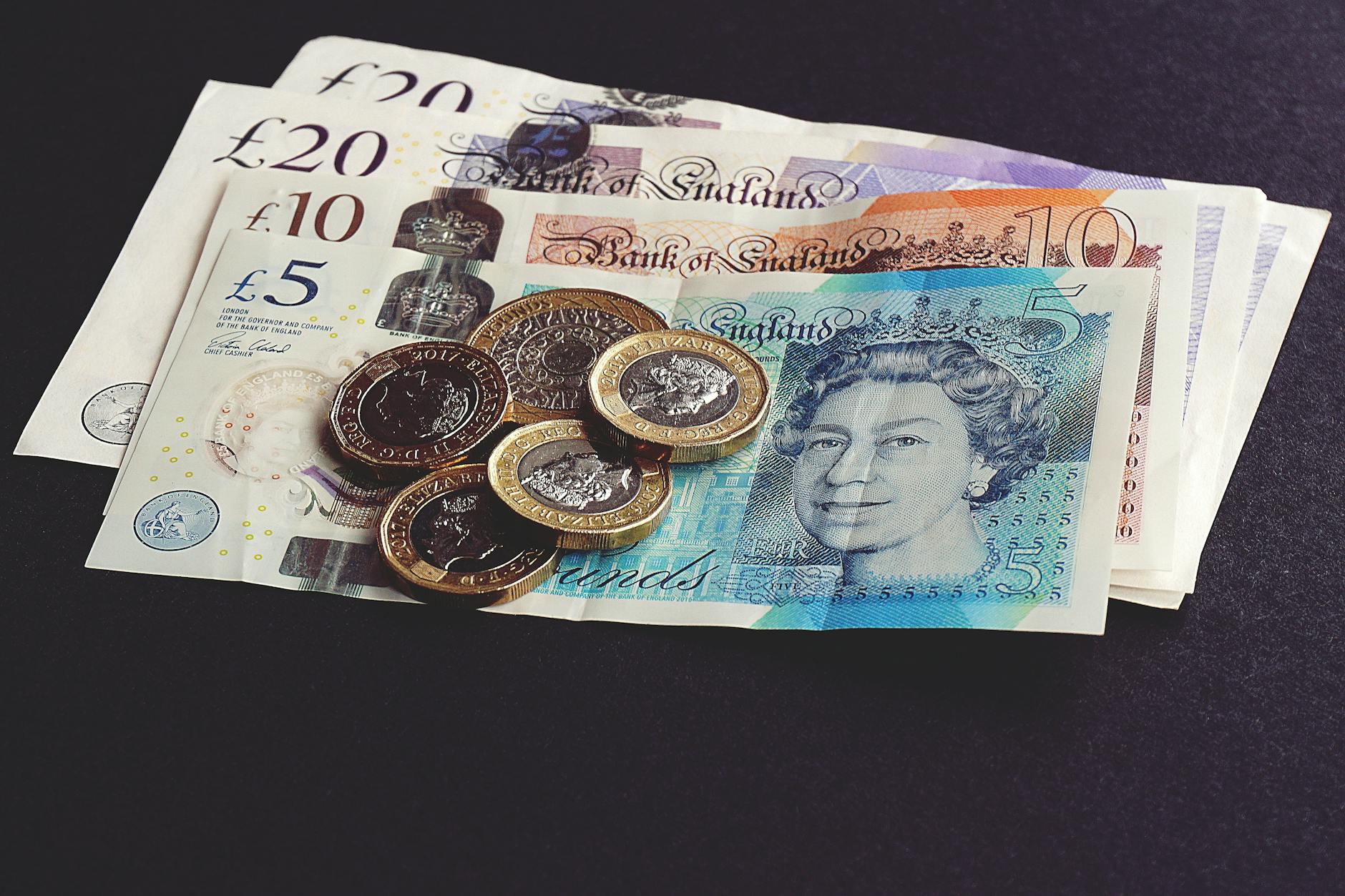
Introduction
The British Pound Sterling, often regarded as one of the world’s oldest currencies still in circulation, boasts a storied historical legacy that reflects the myriad changes in Britain’s social, political, and economic landscapes. Originating in the early medieval period, the pound has evolved dramatically over the centuries, adapting to the shifting dynamics of trade, governance, and globalization. Its journey reveals not only the evolution of currency itself but also the extensive history of Britain as it navigated through periods of stability and upheaval. This article delves into the multifaceted history of the British Pound Sterling, exploring its origins, pivotal economic transitions, and the challenges and future it faces in today’s global economy.
Origins of the British Pound: The Early Days and Medieval Influence
The British Pound Sterling’s origins date back to the Anglo-Saxon period, specifically to the early 8th century. Initially, the term “pound” referred to a unit of weight that was equivalent to a pound of silver. This monetary system was instrumental in the way trade functioned among early Anglo-Saxon kingdoms. Coins, known as “pennies,” were issued, primarily in silver, and played a crucial role in facilitating transactions across the fragmented territories.
One of the first prominent figures in British currency history was King Offa of Mercia, who ruled during the late 8th century and is credited with introducing the first pennies as a standardized unit of currency. Offa’s coins bore his likeness, which established a practice that would be emulated by future monarchs and helped solidify the relationship between currency and royal authority.
As the centuries progressed, the Norman Conquest of 1066 heralded a new era for the British monetary system. William the Conqueror introduced a centralized currency system that followed his establishment of the Royal Mint in London. This not only standardized coinage but also marked the beginning of the evolution towards a more organized economic structure in England. The silver penny became widely accepted, and its uniformity facilitated trade on a national scale.
Throughout the medieval period, the British Pound Sterling continued to expand and evolve, influenced by various factors such as regional trade, the expansion of banking systems, and the development of merchant guilds. Notably, trade during the Crusades opened up new routes and introduced diverse goods, leading to increased commerce and further solidification of the pound as a critical fixture in the economy.
The currency system saw adjustments and variations, including the introduction of different denominations and the issuance of gold coins in the following centuries. The value of the pound fluctuated in response to wars, trade disputes, and agricultural changes, laying the groundwork for future monetary complexity.
By the late medieval era, the British Pound Sterling had transitioned from a simple unit of weight to a recognized currency, central to daily commerce and trade. This early stage highlighted the relationships between currency valuation, trade dynamics, and the sociopolitical landscape of the time.
The Transition to the Gold Standard: Economic Impact and Stabilization
The 19th century marked a vital phase in the history of the British Pound Sterling, particularly with the transition to the Gold Standard. By the early 1800s, the use of gold became increasingly prevalent in international finance, leading to a standardized valuation system for currencies based on their gold content. In Britain, this shift was formalized in 1821 when the pound was officially linked to gold, establishing a fixed exchange rate that provided greater stability and predictability in trade.
The adoption of the Gold Standard significantly impacted Britain’s economy, positioning the pound as one of the primary currencies globally. This standard not only fostered greater confidence in the currency but also encouraged international investments. The pound became synonymous with British economic power, facilitating trade with other nations and bolstering Britain’s industrial growth during the 19th century.
Nonetheless, the Gold Standard was not without its challenges. The fixed nature of currency valuation tethered to gold reserves made it difficult for the government to adjust monetary policy in response to economic fluctuations. This rigidity became particularly pronounced during economic downturns, such as the Panic of 1873 and later, when the global economy faced severe turbulence.
The impact of World War I altered the landscape further as Britain faced enormous financial challenges. The war required extensive borrowing, and by the time the war ended, inflation surged, placing additional pressure on the Gold Standard. The British government struggled to maintain the currency’s value as the economy adapted to the costs of war recovery.
In 1931, Britain formally abandoned the Gold Standard as the economic landscape demanded flexibility in monetary policy. This monumental decision was driven by the need to address the ongoing economic instability and the effects of the Great Depression, allowing for a depreciation of the pound and better control over domestic economic conditions.
The transition away from the Gold Standard marked the end of an era for the British pound Sterling, reshaping its role within the global economy. Although initial adjustments led to uncertainties, they ultimately paved the way for a more adaptable monetary framework that suited the needs of a rapidly evolving economic environment.
The British Pound During the 20th Century: Wars and Economic Shifts
The 20th century was characterized by considerable upheaval for the British Pound Sterling, influenced heavily by two world wars, economic recessions, and significant geopolitical changes. The aftermath of World War I saw Britain grappling with crippling debts, inflation, and the challenge of returning to the Gold Standard. The economic policies instituted in the interwar period struggled to stabilize the pound, leading to fluctuating values against foreign currencies.
During World War II, the British economy faced vast challenges, including fiscal strain, increased borrowing, and inflation. The pound suffered further declines as British exports plummeted, and the nation relied heavily on imports. Following the war, the British government sought to stabilize the economy by forming the Bretton Woods system in 1944, which established fixed exchange rates pegged primarily to the US dollar.
The post-war period prompted a reevaluation of the British economic model. As Britain faced decolonization and the loss of its empire, the pound’s status as a global reserve currency was threatened. The emergence of the US dollar as the dominant currency further complicated the pound’s position on the world stage, prompting concerns about its long-term viability.
Throughout the latter half of the century, economic crises such as the devaluation of the pound in the 1970s and the oil shocks presented ongoing challenges. The government implemented various measures designed to stabilize the currency, but these often produced mixed results, leading to a loss of confidence among investors and the public.
By the late 1990s, the British economy began to witness a resurgence. Economic reforms and a focus on financial services contributed to renewed growth, and the Bank of England was granted independence in 1997, marking a pivotal shift toward inflation targeting. These developments regained public confidence in the pound, which stabilized and regained strength in global markets.
The currency’s resilience in the 20th century demonstrated its ability to adapt in response to systemic changes, even while facing substantial adversities. The lessons learned from economic upturns and downturns in the past laid the groundwork for navigating an increasingly complex global economic environment.
The Role of the British Pound in Global Trade and Economy
As the British Pound Sterling evolved, its role in global trade became increasingly significant, influencing not only the UK economy but also shaping international financial systems. The pound emerged as a major currency in global trade, particularly during the 19th and early 20th centuries. Its foothold as a reserve currency was bolstered by Britain’s prominence in global commerce as the heart of the British Empire.
The pound’s status as a reserve currency attracted foreign investments and facilitated cross-border transactions. Countries holding the pound as part of their foreign exchange reserves underscored its importance in international finance. Trade agreements and economic partnerships often relied on the pound as a medium of exchange and a stable object for trade negotiations.
In contemporary finance, however, the role of the British pound has evolved in response to globalization. The emergence of new economic powers and currencies has introduced increased competition for the pound. Digital currency innovations, such as cryptocurrencies, have disrupted traditional financial systems, prompting questions regarding the future of established currencies like the pound.
Brexit has further complicated the pound’s position in international trade. As the UK negotiates new trade agreements outside the EU, uncertainty surrounding the pound’s value remains a key concern for investors and businesses alike. The currency’s fluctuations during this transitional period have been indicative of broader market anxieties regarding the UK’s economic future.
Additionally, technological advancements have altered the nature of currency and trade. The rise of digital banking and payment systems necessitates that the pound adapt to a new landscape where speed, efficiency, and security become paramount for financial transactions. The Bank of England is currently exploring the development of a digital pound, which could have significant implications for its role in commerce and trade going forward.
Despite these challenges, the British Pound Sterling retains its legacy as an integral component of international finance. Its adaptability in the face of new economic realities will play a crucial role in sustaining its relevance within a shifting global economic landscape.
Future Prospects of the British Pound Sterling: Challenges in a Changing World
Looking into the future, the British Pound Sterling stands at a crossroads, confronting a series of challenges that could shape its trajectory in the coming years. These challenges arise from both domestic and global contexts, where political, economic, and technological factors converge.
The effects of Brexit continue to loom large over the pound, as the UK navigates the complexities of establishing new trade relationships outside the European Union. The uncertainty surrounding trade negotiations and economic policies raises concerns about the pound’s stability. Businesses and investors alike seek clarity on future regulations, tariffs, and trade barriers, with the potential for continued currency volatility as the UK carves out its new position in the global marketplace.
Moreover, the resurgence of inflation concerns has come to the forefront. The global economy is experiencing rising prices and supply chain disruptions, leading central banks worldwide to weigh monetary policy adjustments. The Bank of England will need to balance inflation control with economic growth, as misguided policies could lead to significant repercussions for the pound’s value.
Technological advancements also present opportunities and challenges for the pound’s future. The exploration of digital currencies by central banks is indicative of a significant shift in how money operates. The introduction of a digital pound could enhance transaction efficiencies, improve accessibility, and cater to a new generation of tech-savvy consumers. However, it presents regulatory concerns and competition from emerging cryptocurrencies that could potentially destabilize established financial systems and challenge the existing monetary framework.
Finally, the quest for sustainability is increasingly relevant as financial institutions face pressure to adopt environmentally responsible policies. The push for green finance and investment strategies that address climate change concerns could reshape how the pound interacts within international markets. Adapting to these evolving values will be crucial in positioning the pound favorably among global currencies.
In conclusion, the British Pound Sterling exists in a time of significant transformation. While the challenges ahead are formidable, its historical resilience and adaptability offer a foundation upon which to build. By navigating the complexities of a changing world, the pound has the potential to maintain its significance in both domestic and international finance.
Conclusion
The British Pound Sterling carries a rich and complex history that mirrors the broader economic, political, and social developments within the United Kingdom and around the world. From its origins in the Anglo-Saxon period to becoming a cornerstone of global trade in modern times, the pound has exemplified resilience and adaptability. The transitions through various phases, including the Gold Standard, the impacts of two world wars, and globalization challenges, reflect the currency’s evolving role within the context of a dynamic global economy.
As the British Pound Sterling continues to face 21st-century challenges—including the ramifications of Brexit, technological advancements, and the growing demand for sustainable practices—it remains crucial for policymakers to adapt to these evolving circumstances. The future of the pound hinges upon its ability to negotiate and thrive in the context of an increasingly interconnected world, where historical legacies converge with contemporary realities.
Sources of Information
- Bank of England historical publications
- Economic history texts on the British Pound Sterling
- Academic articles on currency evolution and economic policies
- Reports on the impact of Brexit on the UK economy
- Recent news analyses on the future of currency and technology in finance
Leave a Reply