Tag: India
-
Jaipur History: Exploring the Pink City of Royal Palaces and Rajasthani Architecture
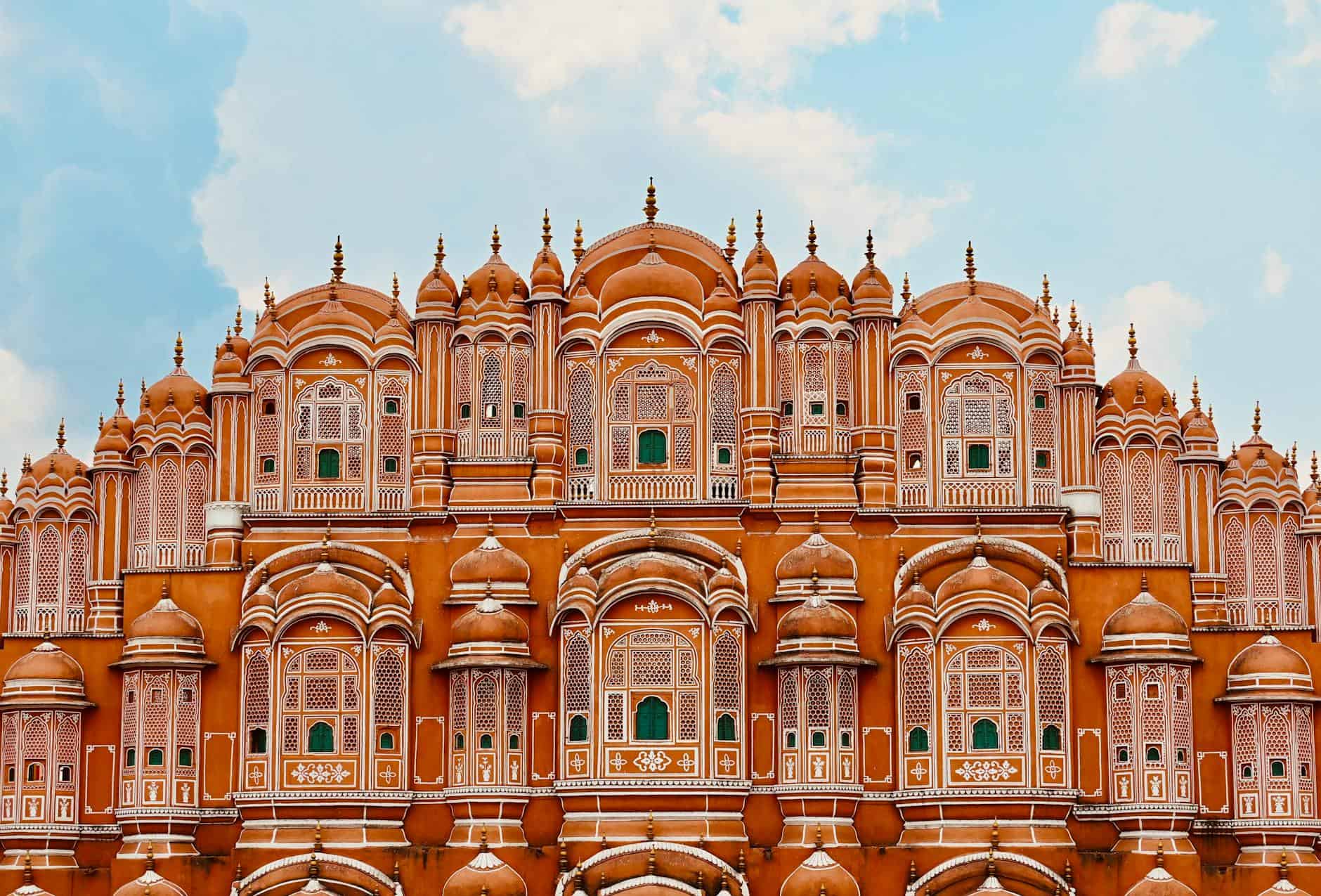
Jaipur, the capital of Rajasthan, India, known as the “Pink City,” was founded in 1727 by Maharaja Sawai Jai Singh II as a blend of royal heritage and modernity. Meticulously planned by architect Vidyadhar Bhattacharya, the city’s unique pink buildings symbolize hospitality and reflect advanced urban design principles. With majestic forts like Amer Fort and architectural gems such as the City Palace and Hawa Mahal, Jaipur showcases its rich history. Modern-day Jaipur thrives on tourism, boasting educational institutions and a growing economy while preserving its cultural identity through festivals, cuisine, and traditional crafts, making it a dynamic destination for visitors.
-
The Ellora Caves History: Exploring India’s Sacred Rock-Cut Marvels of Three Faiths
The Ellora Caves, a UNESCO World Heritage Site in Maharashtra, India, showcase rock-cut architecture representing Buddhism, Hinduism, and Jainism, reflecting India\’s cultural diversity. Built between the 5th and 10th centuries AD, these 34 caves exhibit intricate carvings and significant architectural techniques, particularly the Kailasa Temple, a marvel of Hindu artistry. The caves serve as historical narratives of religious coexistence, promoting ideals of tolerance and collaboration. However, increasing tourism poses challenges for preservation, requiring efforts from government, NGOs, and local communities to protect these artistic and spiritual treasures. Sustainable practices are essential for safeguarding this cultural heritage for future generations.
-
Lotus Temple History: Unfolding the Symbol of Peace in New Delhi
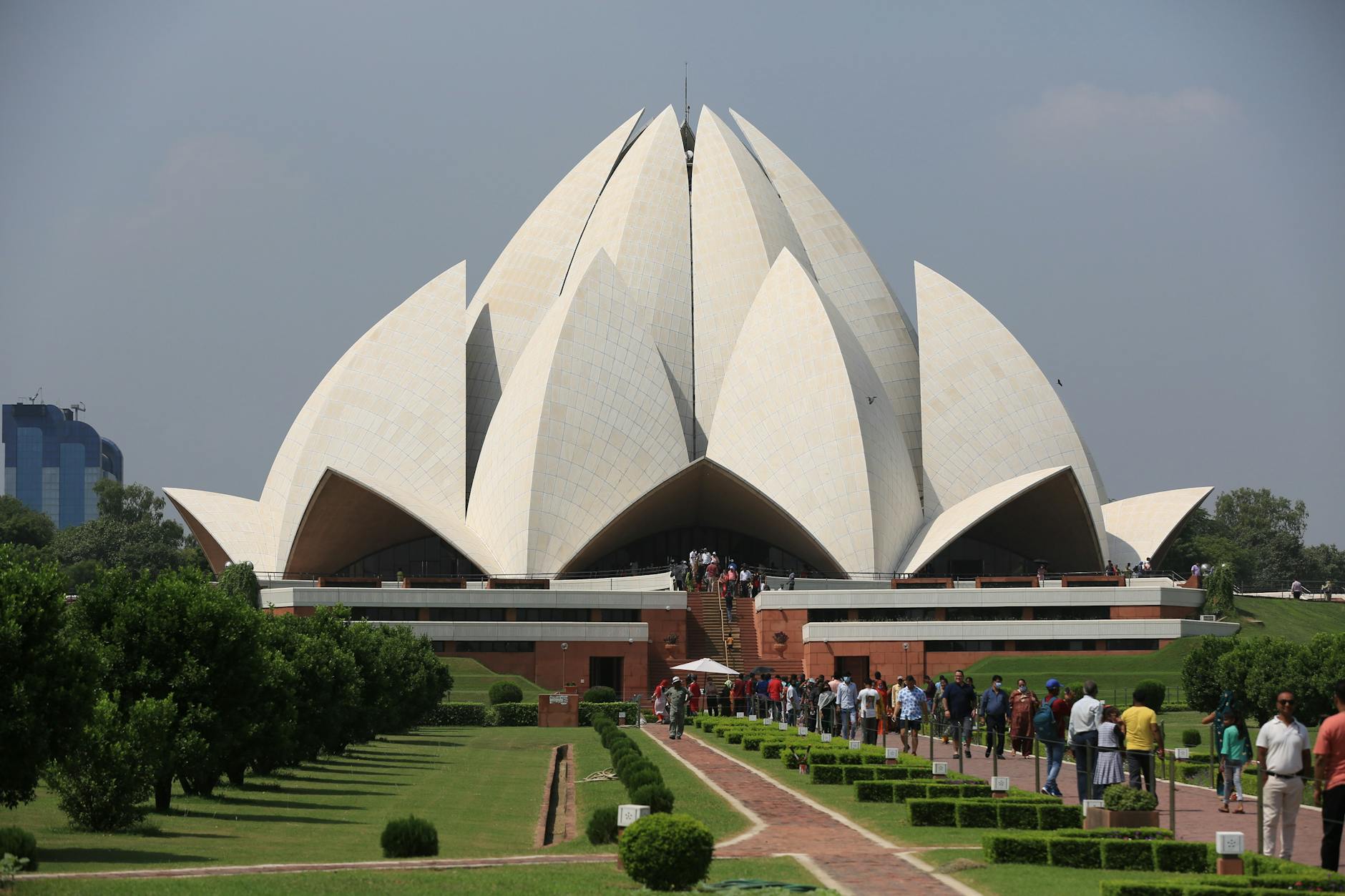
The Lotus Temple in New Delhi, India, completed in 1986, symbolizes peace, unity, and spiritual harmony. Designed by architect Fariborz Sahba, its lotus-shaped structure represents purity and the Bahá’à principles of inclusivity. The temple hosts prayer and meditation for diverse faiths and promotes interfaith dialogue, fostering community connections. Its architectural beauty, featuring 27 marble petals and a large prayer hall, creates a serene environment for reflection. Annually attracting over 10 million visitors, the temple has a global impact as a hub for peace initiatives, education, and cultural exchange, encouraging individuals to recognize their shared humanity and strive for a harmonious…
-
Majestic Agra 2025: Discover the Beauty Beyond the Taj Mahal
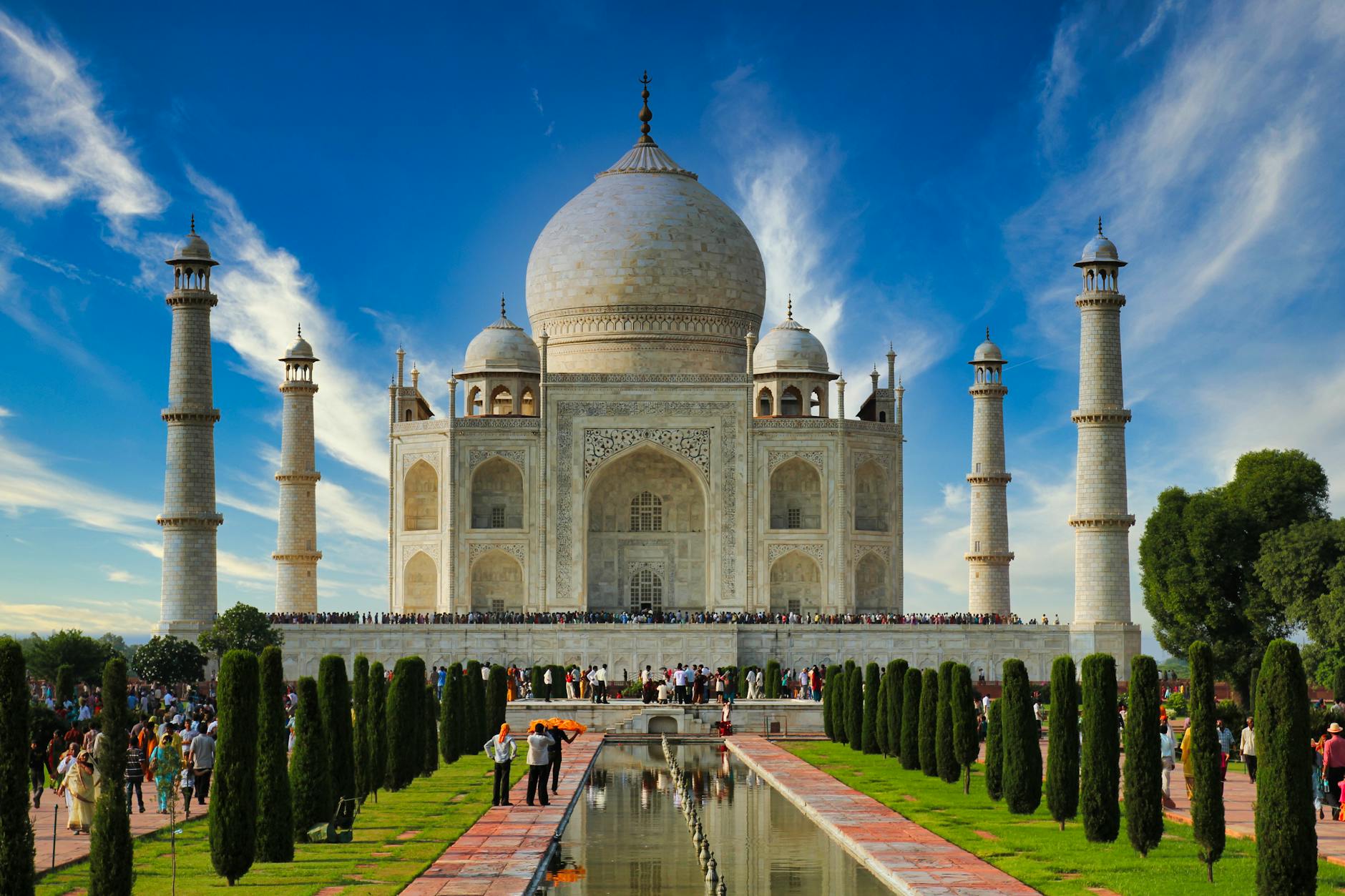
Agra, beyond the Taj Mahal, offers a rich tapestry of historical, architectural, cultural, and natural attractions for visitors in 2025. The city’s history, marked by the Mughal dynasty, includes UNESCO sites like the Agra Fort and Fatehpur Sikri. Architectural marvels, such as Itimad-ud-Daulah’s Tomb and the Jama Masjid, showcase diverse styles and craftsmanship. Agra’s vibrant culture is alive through music, dance, and culinary experiences, particularly its renowned Mughlai cuisine. Natural parks like Mehtab Bagh and wildlife sanctuaries add to its charm. Travelers can expect interactive experiences that deepen their connection to Agra’s rich heritage and diverse offerings, ensuring unforgettable memories.
-
Explore Spiritual Rishikesh in 2025: The Yoga Capital of the World

Rishikesh, known as the “Yoga Capital of the World,” offers a unique blend of spirituality, wellness, and cultural richness. Nestled by the Ganges River, it attracts spiritual seekers through its extensive range of spiritual retreats, Ayurvedic therapies, and immersive cultural experiences. Participants engage in practices like yoga and meditation at various ashrams, while the Ganges is revered for its purifying and healing properties. Rishikesh also emphasizes sustainable tourism, promoting eco-friendly accommodations, responsible travel practices, and community involvement. Travelers can deeply connect with nature, culture, and themselves, making Rishikesh a transformative destination for rejuvenation and enlightenment.
-
The History of Vasco da Gama: Portugal’s greatest Navigator
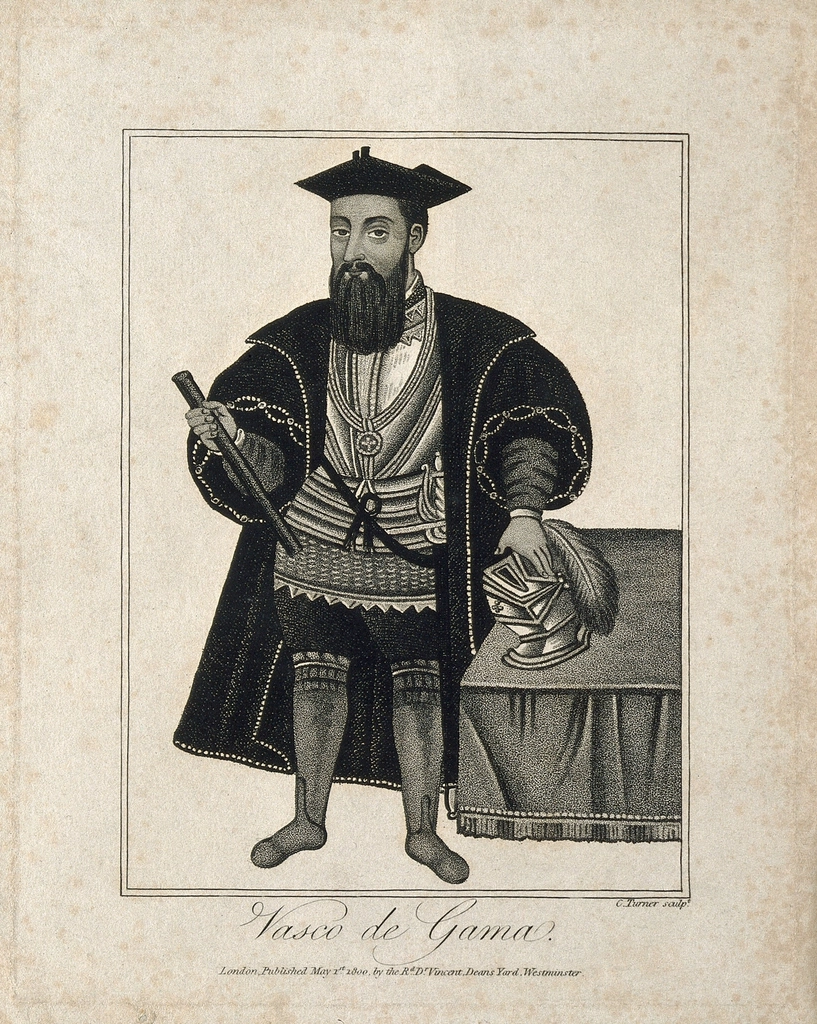
Vasco da Gama, born in Sines, Portugal, in 1460, is celebrated as one of history’s most accomplished explorers. He was the first to chart a direct sea route from Europe to India, fulfilling a vital goal for the Portuguese crown and setting the stage for an era of global trade and European colonialism. His voyages not only unlocked the riches of the East for Europe but also established Portugal as a dominant force in global maritime trade. This article traces Vasco da Gama’s life, his groundbreaking achievements, and his enduring legacy in world history.
-
The amazing Turin, Italy: A Historical and Economic Journey (2025 update)

Turin, the capital of the Piedmont region in northern Italy, is a city steeped in history, culture, and economic significance. Often overshadowed by Italy’s more famous tourist destinations such as Rome, Florence, and Venice, Turin offers its own unique charm with a blend of historical grandeur, industrial prowess, and cultural richness. The city has been at the forefront of Italy’s economic and political transformations, serving as a capital city during critical moments in the country’s unification and industrialization.
-
The Enduring Value of Gold: A Historical Overview (2025 update)

Gold, one of the Earth’s most ancient treasures, has held an unparalleled place in human civilization for millennia. Across cultures and eras, gold has been coveted not just for its physical beauty but for the value and security it symbolizes. Its universal acceptance as a symbol of wealth and a medium of exchange has driven exploration, wars, and economic strategies, establishing it as one of the most reliable stores of value known to humankind. Despite modern financial systems built on fiat currency and digital assets, gold’s intrinsic value has withstood the test of time. In this article, we will explore…
-
The Rich History of Mumbai: Seven Islands to Commercial Hub (2025 update)

Discover the history of Mumbai, from a group of seven islands to a thriving metropolis illustrates a complex historical journey. Initially inhabited by the Kolis, the islands gained significance under various dynasties, including the Silharas and the Gujarat Sultanate. The 16th-century Portuguese recognized their trading potential, followed by British colonization in 1661, which significantly accelerated urban development. British land reclamation projects and infrastructure improvements transformed the fragmented islands into a cohesive city. The cotton boom during the American Civil War further solidified Bombay’s commercial status. Post-independence, the city became a global hub, reflecting India’s resilience and cultural diversity, officially adopting…
-
The Arrival of the Portuguese in India: A New Era of Commerce, Conflict, and Cultural Exchange (2025 update)

The arrival of the Portuguese in India at the dawn of the 16th century was a transformative moment in global history. This event not only reshaped the political and economic landscape of the Indian subcontinent but also marked the beginning of an era of European maritime dominance in the Indian Ocean. Led by Vasco da Gama in 1498, the Portuguese were the first Europeans to successfully navigate the treacherous waters around the southern tip of Africa and establish a direct sea route to India. This monumental achievement set the stage for centuries of European involvement in Indian trade, politics, and…
-
Vasco da Gama’s First Voyage to India: An amazing Journey that Changed the World

Vasco da Gama’s first voyage to India (1497-1499) was a landmark in global exploration, commissioned by King Manuel I of Portugal to establish a direct sea route to India, bypassing traditional overland trade routes. Setting sail with four ships, Gama faced numerous challenges, including unpredictable weather and political complexities, before successfully reaching Calicut in May 1498. This journey opened new trading opportunities for Portugal, leading to its dominance in the spice trade and a significant cultural exchange between Europe and India. While Gama’s expedition enriched Portugal, it also initiated conflicts and imperialistic endeavors that would alter local societies forever.