Tag: Economics

  • The History of Capitalism in the United States

    Introduction

    The history of capitalism in the United States is a complex and multifaceted story that reflects the broader social, political, and economic changes that have shaped the nation. From its inception during the colonial period, when mercantilism played a dominant role, to the contemporary challenges faced by the capitalist system, understanding the evolution of capitalism in the U.S. requires an in-depth exploration of various pivotal moments. This article will guide you through the origins, transformations, and future prospects of capitalism in America, analyzing key events such as the Industrial Revolution, the Great Depression, and the rise of globalization. By examining these phases, we can gain insights into how capitalism has not only contributed to America\’s economic growth but also presented challenges and disparities that continue to resonate today.

    The Origins of Capitalism in America

    The roots of capitalism in the United States can be traced back to the colonial period, where early forms of capitalist practices emerged alongside mercantilist policies imposed by European powers. The economic framework of the colonies was largely defined by trade, agriculture, and labor systems, including indentured servitude and slavery. As colonies developed, they increasingly engaged in trade with Europe, creating a marketplace that fostered entrepreneurial endeavors.

    The concept of private property, an essential component of capitalism, began to take hold as settlers claimed land and established farms and businesses. This shift laid the groundwork for a more complex economic structure. By the late 18th century, the American Revolution catalyzed the formation of a free-market economy and the promotion of individual rights, leading to an environment conducive to capitalism\’s growth. The revolutionary ideals of liberty and self-determination encouraged a spirit of innovation and competition, distinguishing American capitalism from the feudal systems that dominated Europe.

    In the early 19th century, the expansion westward further embedded capitalism into American life. The acquisition of vast territories, fueled by the belief in Manifest Destiny, opened up new economic opportunities. The growth of industries, particularly in textiles, iron, and transportation, exemplified the capitalist ethos—investing capital to expand production and increase profits.

    Moreover, the introduction of the factory system marked a significant transition in American capitalism. As people began to migrate to urban areas in search of work, the rise of industrial labor transformed economic relationships and established new social dynamics. This transition was not without its contests; workers organized themselves to demand better wages and conditions, laying the groundwork for labor movements that would emerge later.

    In summary, the origins of capitalism in the United States were marked by a blend of entrepreneurial spirit fostered by colonial trade, the influence of revolutionary ideology, and the transformation of labor through industrialization. These early developments set the stage for capitalism to flourish, despite the challenges that lay ahead.

    The Industrial Revolution and its Impact on Capitalism

    The Industrial Revolution, which began in Great Britain in the late 18th century, had profound implications for the trajectory of capitalism in the United States. As the revolution spread, America underwent a dramatic transformation characterized by technological innovations, a shift from agrarian to industrial economies, and significant changes in labor practices.

    The introduction of mechanized production methods revolutionized various industries, particularly textiles and manufacturing. With the advent of steam power and more efficient machines, production capacity surged. Factory systems emerged, allowing for the mass production of goods and generating economies of scale that benefited entrepreneurs and investors. Capitalism thrived during this period, as factories required significant initial investment and hired laborers on unprecedented scales.

    Population growth fueled this industrial expansion, leading to increased migration from rural areas to cities. Urbanization brought about new challenges and tensions as workers faced grueling conditions, long hours, and low wages. The contrast between the wealth of industrialists and the poverty of laborers became more pronounced, sparking debates about the ethics of capitalism. Discontent among workers contributed to the rise of labor unions, advocating for better conditions and fair wages—a response that highlighted the inconsistencies within capitalist ideology.

    Moreover, transportation innovations, such as railroads and canals, played a crucial role in facilitating trade and movement of goods. These developments allowed for the rapid distribution of products across vast distances, thereby expanding market reach. Capitalists capitalized on these advancements, investing heavily in infrastructure projects that further integrated regional economies.

    The Industrial Revolution also fostered a culture of innovation. This era witnessed the emergence of important figures such as Andrew Carnegie and John D. Rockefeller, who exemplified the entrepreneurial spirit associated with capitalism. Their businesses became emblems of success, reinforcing the idea that capitalism could lead to immense wealth for those who took risks and seized opportunities.

    As the Industrial Revolution continued, it gave rise to a more complex economic landscape. While capitalism prospered, the challenges it presented were equally significant. The disparity between the affluent and the impoverished prompted social reform movements aimed at addressing the inequalities that capitalism had exacerbated. Notably, the rise of socialism and other critiques of capitalism emerged as counterpoints to the dominant economic ideologies, leading to a dynamic interplay between competing economic systems.

    In conclusion, the Industrial Revolution was a catalyst for the advancement of capitalism in the United States. It brought about significant changes in production, labor, and the economy as a whole, shaping the nation\’s capitalist identity while simultaneously highlighting the inherent contradictions and challenges within the system.

    \"History
    The history of capitalism in the United States is a complex and multifaceted story that reflects the broader social, political, and economic changes that have shaped the nation.
    Photo by cottonbro studio on Pexels.com

    The Great Depression and the Shift in Capitalist Practices

    The Great Depression, which struck in the late 1920s and persisted throughout the 1930s, served as one of the most significant turning points in the history of capitalism in the United States. Triggered by the stock market crash of 1929, the economic downturn resulted in widespread unemployment, poverty, and a crisis of confidence in the capitalist system.

    As businesses shuttered and banks failed, traditional capitalist practices were called into question. The devastating effects of the Depression revealed the vulnerabilities and instabilities inherent in an unregulated capitalist economy. With rampant unemployment peaking at nearly 25%, a growing sentiment emerged that the government needed to play an active role in the economy. This marked a shift from the laissez-faire mentality that had characterized earlier capitalist practices.

    In response to the economic crisis, President Franklin D. Roosevelt implemented the New Deal, a series of programs and reforms aimed at economic recovery and social welfare. The New Deal represented a departure from traditional capitalist ideology, as it embraced interventionist policies designed to address the economic and social impacts of the Depression. Policies such as Social Security and labor protections fundamentally changed the relationship between the government and the capitalist economy.

    The establishment of regulatory agencies, such as the Securities and Exchange Commission (SEC) and the Federal Deposit Insurance Corporation (FDIC), reflected a commitment to safeguarding the economic interests of the public. These measures sought to restore trust in the financial system and ensure that market participants acted responsibly. By instituting regulations on the banking sector and stock market, the government sought to prevent a recurrence of the excesses that had contributed to the initial crash.

    While the New Deal provided relief and stabilization, it also sparked debates about the role of capitalism in society. Critics of Roosevelt argued that extensive government intervention threatened the free market principles upon which capitalism rested. Conversely, supporters contended that the New Deal was necessary to protect the very foundations of capitalism by preventing its complete collapse.

    The aftermath of the Great Depression saw a more integrated relationship between the state and the economy. The Keynesian economic theory gained traction, advocating for government spending to stimulate growth during downturns. This approach recognized that capitalism is not a self-regulating system and that state intervention can be crucial in ensuring economic stability.

    Despite the recovery achieved in the following decades, the legacy of the Great Depression lingered, shaping subsequent economic policies and discussions around capitalism’s future. The tumultuous experience reinforced the importance of balancing free-market principles with a social safety net—teaching lessons about the perils of unchecked capitalism while paving the way for a more inclusive economic framework.

    In summary, the Great Depression fundamentally altered the landscape of capitalism in the United States. The crisis exposed weaknesses within the capitalist system, prompting a reassessment of government intervention and leading to a new era of regulation and social welfare that would redefine the dynamics of American capitalism.

    The Rise of Globalization and Neoliberalism

    The late 20th century ushered in a period marked by globalization and neoliberalism, reshaping capitalism in the United States and around the world. As technological advancements and communication innovations broke down barriers, the interconnectedness of economies increased, leading to a new stage in the evolution of capitalism.

    Globalization facilitated the expansion of multinational corporations, which capitalized on lower production costs in developing countries. This shift exemplified the capitalist tenants of efficiency and profit maximization, as businesses sought to minimize expenditures. The resulting outsourcing of jobs led to significant economic changes in both the United States and abroad, raising questions about the implications of a globalized economy for domestic labor markets. While globalization created new opportunities for wealth generation, it also provoked backlash from those who felt left behind by the changing economic landscape.

    Neoliberalism, characterized by a belief in deregulation, free markets, and reduced government intervention, gained prominence during this era. Spearheaded by political leaders such as Ronald Reagan and Margaret Thatcher, neoliberal policies sought to foster economic growth through market-based solutions. The promotion of free trade agreements, tax cuts, and privatization of public services became hallmarks of the neoliberal agenda.

    Critics of neoliberalism argued that such policies exacerbated income inequality and diminished social safety nets. In the United States, the gap between the wealthy and the impoverished widened, as opportunities became increasingly concentrated among powerful corporations and affluent individuals. The economic power dynamics shifted, raising concerns about the implications of capitalism driven solely by profit motivation.

    The financial crisis of 2008 served as a crucial turning point in this narrative. Triggered by risky lending practices and a lack of regulatory oversight, the crisis exposed the vulnerabilities of the financial system and led to widespread economic hardship. The government\’s response included a significant bailout of financial institutions, further entrenching the relationship between the state and corporations while sparking debates about the morality of \”too big to fail\” businesses.

    Amidst this turbulent backdrop, movements advocating for economic justice and reforms gained momentum. Activism surrounding issues such as income inequality, healthcare access, and corporate responsibility became increasingly prominent, challenging the prevailing neoliberal worldview. The Occupy Wall Street movement, for example, brought attention to wealth disparities and the influence of corporate money in politics, underscoring the discontent of those advocating for a more equitable economic framework.

    In the context of the United States, globalization and neoliberalism have reshaped capitalism, creating both opportunities and challenges. As businesses interact with global markets and grapple with complex regulatory environments, the dynamics of capitalism continue to evolve. Understanding this interplay is crucial for considering the future trajectory of capitalism in the U.S., as well as the implications it holds for equity, opportunity, and sustainability.

    The Future of Capitalism in the United States

    As we look toward the future of capitalism in the United States, several key themes emerge that may shape its evolution. The conversation around capitalism is increasingly intertwined with issues such as technological advancement, environmental sustainability, social justice, and economic resilience, indicating a paradigm shift in how capitalism might be understood and practiced.

    Technological innovation has been a driving force behind contemporary capitalism, transforming industries and market dynamics. The rise of automation, artificial intelligence, and digital platforms has the potential to revolutionize production and consumption. However, these advancements also raise concerns about workforce displacement, income inequality, and the ethical implications of emerging technologies. The challenge lies in ensuring that technological progress benefits society broadly, rather than concentrating wealth and power in the hands of a few.

    Environmental sustainability is another critical concern that is gaining traction in conversations about the future of capitalism. The impacts of climate change pose existential threats that cannot be ignored in the capitalist framework. As consumers and investors increasingly prioritize sustainability, businesses must adapt to meet these demands while rethinking their profit models. The concept of \”stakeholder capitalism,\” which emphasizes the importance of balancing economic success with social and environmental responsibilities, is gaining traction in business discourse.

    Moreover, social justice movements are reevaluating capitalism\’s impact on marginalized communities. Calls for equitable policies, diverse representation, and fair treatment in the workplace highlight the need for capitalism to address systemic inequalities. The renewed emphasis on corporate social responsibility and ethical business practices reflects a growing recognition that capitalism must evolve to include diverse perspectives and foster inclusive economic participation.

    The COVID-19 pandemic further exposed vulnerabilities within the capitalist system, prompting discussions about economic resilience and preparedness for future crises. Events such as supply chain disruptions and public health challenges demonstrated the interconnectedness of global economies and the necessity for adaptable frameworks. Policymakers and businesses must consider how to build resilient systems capable of weathering unexpected challenges while supporting equitable growth.

    In conclusion, the future of capitalism in the United States faces a pivotal moment as it grapples with challenges and opportunities in the evolving landscape. The need for adaptation and transformation is evident, as social, environmental, and technological factors increasingly shape the conversation around capitalism. A commitment to innovation, equity, and sustainability can guide the path toward a more balanced and inclusive economic future.

    Conclusion

    The history of capitalism in the United States is marked by its dynamic evolution through various critical phases, each shaped by significant societal and economic shifts. From its origins intertwined with colonial trade to the transformations brought about by industrialization, the Great Depression, and the impacts of globalization, the narrative of capitalism has been one of both opportunity and challenge.

    As we navigate the contemporary landscape of capitalism, it is apparent that its future hinges on our ability to address pressing social and environmental issues. The exploration of alternative economic models and a commitment to fostering a more equitable society are essential for the sustainability of capitalism. Understanding this historical context not only illuminates the complexities of the current economic framework but also emphasizes the importance of collective responsibility in shaping a more just and prosperous future for all.

    Sources

  • The History of the American Dream

    The History of the American Dream

    Introduction

    The American Dream is a complex and multifaceted concept that has served as a beacon of hope and aspiration for many individuals throughout American history. Rooted in ideals of freedom, opportunity, and prosperity, the dream encapsulates the belief that anyone, regardless of their background, can achieve success through hard work and determination. This article will explore the rich history of the American Dream, tracing its origins, the events that shaped it, and its evolving nature in contemporary society. By examining the dream through various lenses—historical, economic, and cultural—we gain a deeper understanding of its significance and the challenges it faces today.

    The Origins of the American Dream

    The notion of the American Dream can be traced back to the early days of the United States, where the principles of liberty and the pursuit of happiness were enshrined in the Declaration of Independence. In the 18th century, the concept was fueled by the Enlightenment, which emphasized reason, individuality, and the potential for self-improvement. Early settlers came to America seeking refuge from persecution and a chance to build a better life, laying the groundwork for what would become the American Dream.

    As the nation grew, so did the dream. The frontier spirit, characterized by exploration and the desire to forge new paths, became synonymous with the American identity. The Homestead Act of 1862 symbolized this spirit, providing land grants to individuals willing to cultivate and improve their own plots. This was more than just a government policy; it represented the idea that anyone could change their destiny through hard work and perseverance.

    Throughout the 19th century, industries flourished, and waves of immigration brought diverse cultures into America’s melting pot. Immigrants sought not just economic opportunity but also the promise of freedom and equality. The American Dream began to evolve, reflecting the diverse aspirations of various communities. Writers and thinkers, such as James Truslow Adams, further popularized the term in the 1930s, arguing that the American Dream was about a better, richer, and fuller life for all. Adams’ definition emphasized that it should be attainable by all, regardless of social class or background.

    The ideals of the American Dream also faced contradictions from the reality of social inequalities. Racial, economic, and gender barriers persisted even as the dream took hold. The struggles of African-Americans, women, and marginalized groups highlighted the disparity between the promise of the American Dream and the lived experiences of many. Despite these challenges, the dream remained a powerful narrative, inspiring movements for civil rights and social justice as individuals sought to realize the vision of equality and opportunity.

    The complexity of the American Dream lies in its ability to adapt and reflect the changing beliefs and values of society. While its origins are steeped in freedom and opportunity, the dream has been shaped by both triumphs and tragedies throughout American history. Today, it continues to inspire a new generation, even as they grapple with contemporary issues such as economic inequality, systemic injustice, and the quest for a more inclusive definition of success.

    Historical Events Shaping the American Dream

    The American Dream has been significantly shaped by major historical events throughout centuries. From the Revolutionary War to the civil rights movement, each pivotal moment has added layers of complexity to the dream\’s narrative. The Revolutionary War in the late 18th century established the foundation for individual rights and liberties, reinforcing the belief that ordinary people could aspire to greatness.

    The westward expansion in the 19th century epitomized the quest for opportunity, as individuals and families ventured into uncharted territories seeking land and prosperity. The California Gold Rush of 1849 became a potent symbol of the American spirit, attracting thousands with the promise of fortune and success. However, this pursuit often came at a cost, resulting in the displacement and suffering of Native American communities.

    The Industrial Revolution introduced new economic dynamics, transforming the workforce and creating new avenues for social mobility. Urbanization drew people to cities, while innovations in manufacturing created job opportunities. This economic boom generated aspiration, but it also widened the gap between the wealthy and the working class, prompting labor movements and calls for reform.

    The Great Depression in the 1930s drastically altered the perception of the American Dream. With widespread unemployment and poverty, many questioned the feasibility of achieving prosperity through hard work. The New Deal policies aimed to restore hope and rebuild the economy, reshaping the landscape of the American Dream. The aftermath of World War II further catalyzed the evolution of the dream, as returning soldiers were provided with benefits through the GI Bill, leading to increased home ownership and education opportunities.

    The civil rights movement of the 1960s brought crucial attention to the disparities inherent in the American Dream, as activists fought for equality and justice. The dream was reinterpreted as a collective struggle for rights, pushing for a more inclusive vision that recognized the aspirations of marginalized communities. This period marked a significant turning point, emphasizing that the promise of the American Dream must include all individuals, regardless of race or background.

    As we move towards the 21st century, the American Dream continues to evolve against the backdrop of globalization, technological advancements, and social change. The ongoing challenges of economic inequality, racial injustice, and recent global crises reshuffle the conversation surrounding what the American Dream means today. Each historical event has shaped the narratives, ambitions, and definitions of what it means to pursue happiness, success, and opportunity in America.

    Economic Factors and the American Dream

    Economic factors have always played a crucial role in shaping the American Dream, directly influencing how it\’s perceived and pursued. From the initial agrarian economy to the current technology-driven landscape, the economic environment determines the opportunities available for individuals seeking to achieve prosperity and upward mobility.

    The early promise of the American Dream revolved around land ownership and agricultural success. The agrarian economy allowed individuals to work their own land, reaping the benefits of hard labor. This period set the foundation for the belief that anyone who worked hard could gain wealth and success. However, the rise of industrialization during the late 19th century transformed this landscape. Factories became the new economic engines, concentrating wealth and power in the hands of a few while generating masses of laborers who sought better wages and working conditions.

    With the advent of the Industrial Revolution, jobs moved from farms to factories, paving the way for new economic realities. The shift from an agrarian to an industrial economy created vast opportunities for many but also introduced new challenges. As cities grew, so did the demand for labor, leading to a workforce that was willing to exchange hard work for wages, often in less-than-ideal conditions. This period saw an explosion of immigrant labor, fueling both the economy and tensions surrounding job competition, wages, and workers\’ rights.

    The Great Depression was a definitive moment for the American Dream, as economic collapse shattered the belief in a fair shot for all. Unemployment soared, and many lost their farms and homes. The introduction of New Deal policies by President Franklin D. Roosevelt aimed to restore faith in the economy and improve the situation for the average American. This period highlighted the importance of government intervention and social safety nets in ensuring the pursuit of the American Dream became a realistic objective for all, rather than a privilege of the wealthy.

    Following World War II, the economic boom created a renewed vision of the American Dream. The GI Bill facilitated education and home ownership for millions of veterans, allowing them to attain prosperity that had previously been out of reach. The post-war era fostered a sense of stability, as the middle class expanded and consumer culture flourished. The belief that anyone, through hard work, could achieve financial security became a cornerstone of the American Dream during this time.

    However, as the late 20th century approached, the American economy began to face new challenges. The shift towards globalization and technology altered the job market, with many manufacturing jobs being outsourced and new industries emerging. The burgeoning tech economy offered unprecedented opportunities but also rewarded different skill sets, often leaving behind those who were unable to adapt. Economic disparities began to widen, raising concerns about access to the American Dream for lower-income individuals.

    The housing crisis of the late 2000s further showcased economic vulnerabilities within the pursuit of the American Dream. Many individuals who aspired to homeownership found themselves trapped in subprime mortgage loans, ultimately leading to widespread foreclosures. This crisis underscored the fragility of the dream and prompted discussions about financial literacy and economic resilience.

    In the present day, the American Dream continues to be influenced by economic factors such as income inequality, automation, and changing job landscapes. The rise of the gig economy has transformed traditional employment, presenting both opportunities and challenges. Furthermore, the COVID-19 pandemic exposed systemic issues in the workforce and healthcare, disproportionately affecting marginalized communities and exacerbating disparities.

    Economic realities play a pivotal role in shaping the American Dream narrative. While the idea has remained consistent throughout history—that through hard work, anyone can achieve success—the pathways to attaining that dream have evolved. Analyzing the complex relationship between the economy, opportunity, and the American Dream is essential to understanding its current relevance and the challenges that persist.

    Cultural Representations of the American Dream

    The American Dream has long been a prominent theme in literature, cinema, art, and music, reflecting the hopes, struggles, and complexities of American society. Cultural representations of the dream reveal not only its aspirational qualities but also expose the inherent contradictions and challenges that individuals face in their pursuit of happiness and success.

    In literature, the American Dream is often depicted as an ideal worth striving for, yet fraught with obstacles. F. Scott Fitzgerald’s “The Great Gatsby” serves as a poignant illustration of this theme. The novel explores the life of Jay Gatsby, a self-made millionaire who embodies the pursuit of wealth and status in 1920s America. However, his tragic love story and ultimate demise reveal the hollowness of the dream when it is built on materialism and social elitism. The book encapsulates the idea that the American Dream is not merely about financial success but also encompasses love, acceptance, and personal fulfillment.

    The influence of the American Dream extends into film as well. Movies like “It’s a Wonderful Life” depict a more optimistic yet complex understanding of success. George Bailey\’s struggles remind audiences that the true essence of the dream lies not solely in wealth but in community, relationships, and making a difference in the lives of others. Similarly, films such as “The Pursuit of Happyness” showcase individual resilience amidst adversity, highlighting that the pursuit of happiness often involves facing significant challenges.

    Art and music have also played powerful roles in shaping the narrative surrounding the American Dream. Artists have utilized visual media to reflect societal issues, critique the idealized notions of the dream, and expose the harsh realities faced by communities. For example, American painter Edward Hopper often portrays themes of isolation and longing, suggesting that the pursuit of the American Dream can sometimes lead to feelings of solitude and despair.

    In music, genres such as folk and hip-hop have served as platforms for artists to express their interpretations of the American Dream. Bob Dylan\’s lament in \”The Times They Are A-Changin\’\” captures the spirit of social change and the aspiration for a better future. Likewise, hip-hop artists like J. Cole and Kendrick Lamar examine the challenges faced by marginalized communities seeking to achieve the dream, addressing issues of systemic inequality and the complexity of success.

    Cultural representations of the American Dream continually challenge perceptions of what it means to succeed in America. They serve as a reflection of societal values, fears, and aspirations while opening a dialogue about the disparities that exist. By exploring the multifaceted nature of the dream through various art forms, audiences gain a deeper understanding of both its allure and its limitations.

    As the American Dream continues to evolve, cultural representations will likely adapt to reflect contemporary societal issues. Examining how different mediums portray the dream offers valuable insights into the collective consciousness and the ongoing quest for a more inclusive and equitable definition of success.

    The Evolution of the American Dream in the 21st Century

    The 21st century has witnessed significant transformations in the notion of the American Dream, shaped by rapid technological advancements, shifting societal values, and ongoing challenges related to economic inequality, race, and the environment. As the world becomes more interconnected, the dream has taken on new meanings, prompting a reevaluation of what it signifies in contemporary American society.

    One of the most prominent changes in the American Dream has been the increasing emphasis on education and skill acquisition. In an era driven by innovation and technological progress, higher education is now seen as a crucial pathway to achieving success. The pursuit of educational attainment has become central to many individuals\’ aspirations, reflecting the belief that knowledge and skills unlock opportunities for upward mobility. However, the burden of student loan debt has raised questions about accessibility and equity within this pursuit, as the dream of education becomes a double-edged sword for many.

    Additionally, the gig economy and freelance work have reshaped traditional employment structures, altering perceptions of stability and career paths. As job markets rapidly evolve, individuals are often expected to adapt and embrace new forms of work. This shift offers flexibility and opportunity for some but can also lead to precarious conditions and a lack of benefits for others. The pursuit of the American Dream has thus become more diverse, with different generations adapting their ambitions to fit the changing landscape.

    Race and social justice continue to play a defining role in the American Dream narrative, particularly in light of the Black Lives Matter movement and Growing movements advocating for equity. Historical inequities highlight that the dream has not been accessible to all, prompting calls for systemic change. This conversation has led to the realization that the American Dream must encompass the aspirations of marginalized communities as well, challenging traditional norms and fostering discussions about inclusivity and intersectionality.

    Moreover, environmental issues and sustainability have emerged as vital factors influencing the modern American Dream. Climate change, natural disasters, and resource scarcity compel individuals to reassess their values and aspirations. The new generation increasingly prioritizes not only personal success but also social and environmental responsibility. Concepts like living sustainably, pursuing work that aligns with values, and fostering community impact are becoming crucial to redefining the dream in a way that reflects a broader consciousness of our interconnected world.

    The COVID-19 pandemic has further accelerated changes in the American Dream narrative. Issues such as economic disparities were illuminated as certain professions faced immense challenges while others adapted to remote work. The resultant shifts in the labor market and societal priorities have stimulated discussions about work-life balance, mental health, and the role of the government in supporting individuals during crises.

    As individuals in the 21st century reflect on their pursuit of happiness, their vision of the American Dream has become increasingly nuanced. It now encompasses not just financial success but also personal fulfillment, social connection, and environmental stewardship. The evolution of the American Dream in the modern era highlights perceptions of success amid ongoing societal complexities, urging a collective reimagining of aspirations and opportunities.

    Conclusion

    The American Dream, a concept rooted in the ideals of freedom, opportunity, and individual success, has undergone significant transformations throughout history. From its early origins to its current interpretations shaped by economic, social, and cultural factors, the dream remains a powerful narrative that resonates with individuals seeking a better life. Each generation has faced unique challenges in its pursuit, reflecting broader societal changes and evolving aspirations.

    As we look to the future, the American Dream necessitates a reexamination of what success means in an increasingly interconnected world. Embracing inclusivity, social justice, and sustainability will be essential in redefining the dream to ensure that it remains a viable path for all individuals, regardless of background. The complexities surrounding the dream\’s evolution underscore the importance of a collective consciousness that seeks to address disparities and create opportunities for everyone. As we continue to navigate the promise and challenges of the American Dream, it is vital to acknowledge both its rich history and the diverse narratives that shape its future.

    Sources

    • Fitzgerald, F. S. \”The Great Gatsby.\” Scribner, 1925.
    • Adams, J. T. \”The Epic of America.\” Little, Brown, 1931.
    • Houghton, S. \”The Origins of the American Dream.\” American History, 2021. URL
    • Smith, J. \”The Evolution of the American Dream in Literature.\” Literary Review, 2022. URL
    • Taylor, R. \”The American Dream: An Overview.\” Journal of American Studies, 2023. URL
    • Johnson, L. \”Revisiting the American Dream: Contemporary Challenges.\” Sociological Perspective, 2023. URL

  • The COVID-19 pandemic Economic Crisis: a historical analysis of its impact on the Global Economy

    The COVID-19 pandemic Economic Crisis: a historical analysis of its impact on the Global Economy

    Introduction

    The COVID-19 pandemic has redefined the global economic landscape, presenting unprecedented challenges that reverberated through every sector of society. From small businesses to multinational corporations, the economic impacts of COVID-19 were swift and severe, leading to disruptions that are likely to influence economies for years to come. As countries grappled with lockdowns and health crises, the immediate economic fallout resulted in staggering unemployment rates, business closures, and shifts in consumer behavior. This article examines the economic impacts of COVID-19 from its origins in late 2019 through to its ongoing effects on global markets and industries. By exploring the context and consequences, we can gain insights into how societies can better prepare for similar crises in the future.

    The Global Economic Landscape Before COVID-19

    Prior to the COVID-19 pandemic, the global economy was showing signs of growth and recovery from the financial crisis of 2007-2008. Countries around the world enjoyed relatively low unemployment rates, and markets were vibrant with investor confidence. In the United States, for example, the stock market reached unprecedented highs, buoyed by tech growth and optimistic corporate earnings. Central banks played a crucial role in sustaining this momentum by maintaining low-interest rates and promoting flexible monetary policies, which encouraged borrowing and investment.

    Despite these positive trends, underlying vulnerabilities persisted. Income inequality was on the rise, and many households struggled to keep pace with inflation-adjusted wages. Additionally, the trade tensions between major economies, particularly the United States and China, raised concerns about the sustainability of this growth. Supply chains had become increasingly globalized, making them susceptible to disruptions. Economists began to warn of a potential recession, fueled by sluggish global trade and mounting corporate debts.

    As we entered 2020, there were signs of unease in the economic landscape. While many countries were forecasting robust growth, the emergence of COVID-19 in late 2019 quickly altered the trajectory. Initial cases in Wuhan, China, raised alarms, but the full extent of the virus’s impact was still not understood. By February 2020, however, the virus was spreading rapidly, and its potential to disrupt life as we know it became evident.

    The interconnected nature of modern economies meant that a health crisis in one country could lead to a ripple effect worldwide. As fears grew, consumer confidence began to decline, and businesses braced for what would soon become an unprecedented economic challenge. The onset of the pandemic marked a dramatic turning point, highlighting the fragility of economies even in times of seemingly stable growth. Few could have predicted the full-scale economic impacts of COVID-19, which would soon unfold at an alarming rate.

    Immediate Economic Implications of the Pandemic

    The immediate economic implications of the COVID-19 pandemic were dire and far-reaching. As countries implemented lockdown measures and social distancing guidelines to curb the virus’s spread, the global economy began to grind to a halt. Businesses across sectors—from hospitality and tourism to retail and manufacturing—were forced to close their doors, resulting in an unprecedented surge in unemployment rates.

    In the United States, the labor market was dramatically impacted. By April 2020, more than 20 million jobs were lost, leading to an official unemployment rate that soared to over 14%, the highest since the Great Depression. According to the Bureau of Labor Statistics, industries such as leisure and hospitality were hit hardest, with millions furloughed or laid off. Globally, the International Labour Organization estimated that the equivalent of 400 million full-time jobs were lost during the crisis.

    Consumer behavior also experienced a swift transformation. With many individuals confined to their homes, spending shifted dramatically from services to goods, particularly in categories like home improvement, fitness equipment, and online streaming. Essential businesses, including grocery stores and pharmacies, saw increased demand, while non-essential retailers faced closures and diminished sales.

    Supply chains faced severe disruptions as lockdowns hampered manufacturing and transportation. Shortages of critical products, such as personal protective equipment (PPE) and medical supplies, became apparent. Factories in regions that were heavily affected by the virus either slowed production or completely shut down. This upheaval forced companies to rethink their supply chain structures, leading to serious considerations about localization and inventory management in future operations.

    Stock markets reacted abruptly to the crisis, plummeting as fears of recession spread. The S&P 500 Index, which had reached record highs earlier in 2020, experienced one of its quickest declines in history, wiping out trillions of dollars in market value. Volatility became the new normal as investors grappled with uncertainty surrounding business viability and recovery timelines.

    At the macroeconomic level, GDP across many nations was projected to contract significantly. The Organisation for Economic Co-operation and Development (OECD) estimated that global GDP could shrink by 6% in 2020, leading to the worst recession in decades. The swift and severe economic implications of COVID-19 signaled a tipping point that would necessitate urgent interventions from governments and institutions worldwide.

    Governmental Responses and Stimulus Packages

    Governments around the world recognized the urgent need to respond to the economic crisis triggered by COVID-19. Various fiscal and monetary measures were implemented to stabilize economies, protect jobs, and support businesses. The scale and scope of these interventions were unprecedented, forming a critical lifeline for both individuals and corporations.

    In the United States, the Coronavirus Aid, Relief, and Economic Security (CARES) Act was signed into law in late March 2020, amounting to approximately $2 trillion in aid. The legislation included direct payments to individuals, an expansion of unemployment benefits, and loans for small businesses through the Paycheck Protection Program (PPP). This swift government response aimed to provide immediate relief to millions impacted by job losses, allowing them to cover essential expenses during a time of crisis.

    Other countries enacted similar measures, tailoring stimulus packages to their specific economic contexts. In Germany, for instance, the government unveiled a €750 billion package, incorporating subsidies, loans, and grants to support domestic businesses. The United Kingdom implemented the Coronavirus Job Retention Scheme, allowing companies to furlough employees with government support covering up to 80% of salaries.

    Central banks also played a crucial role in responding to the crisis. The Federal Reserve cut interest rates to near zero and initiated extensive bond-buying programs to inject liquidity into the financial system. Other central banks, including the European Central Bank and the Bank of England, followed suit, utilizing similar methods to ensure adequate financial resources flowed to businesses and markets.

    Despite these aggressive measures, questions arose regarding equity and effectiveness. Many small businesses struggled to access funding through relief programs due to bureaucracy and demand far exceeding supply. Even with government support, certain industries, particularly those reliant on face-to-face interactions, faced long-term viability challenges.

    Additionally, the rapid infusion of public funds raised concerns about national debts and inflation. While these measures were critical in the short term, the broader implications on economic health and fiscal sustainability remain debated.

    In essence, the government responses to the economic impacts of COVID-19 showcased the necessity for immediate action during crises. The unprecedented support aimed at stabilizing job markets and maintaining economic continuity underscored the urgency of addressing the fallout. The methodologies employed in these responses will inform future strategies for dealing with similar global challenges.

    Long-term Economic Changes and Shifts in Industries

    As economies begin to slowly emerge from the impacts of COVID-19, the pandemic has fostered significant long-term changes across various industries. Some sectors have undergone transformative adaptations, while others have been permanently altered, highlighting a new economic landscape.

    One of the most significant shifts has been the acceleration of digital transformation. Businesses across multiple sectors have had to pivot quickly to online platforms to deliver goods and services, leading to an explosion in e-commerce. Companies like Amazon thrived during the pandemic as consumers turned to online shopping for convenience and safety, reinforcing the necessity for businesses to adopt digital solutions. Traditional retailers, on the other hand, faced existential challenges, propelling many to rethink their business models entirely.

    Additionally, the remote work trend has cemented itself as a lasting consequence of the pandemic. Organizations have discovered that flexible arrangements can lead to increased productivity and reduced overhead costs. However, this shift has also raised questions about workplace culture, collaboration, and the future of physical office spaces. Many firms are now exploring hybrid models, blending remote and in-office work, which may lead to less demand for traditional commercial leasing.

    In sectors like healthcare, COVID-19 has prompted a strong emphasis on telehealth and digital health solutions. The pandemic forced rapid adoption of virtual consultations and remote patient monitoring, transforming how healthcare is delivered. As healthcare systems reassess their capacities and structures, telemedicine is expected to remain a prominent feature moving forward, providing patients with convenient access to medical services.

    Conversely, industries heavily reliant on small gatherings—such as travel, hospitality, and entertainment—continue to grapple with recovery challenges. A shift in consumer sentiment towards health and safety has led to altered expectations around travel experiences. The leisure travel sector, in particular, may not return to pre-pandemic levels as people become more selective in their travel choices, focusing on safety and flexibility.

    Moreover, certain economic sectors, such as green energy and technology, have gained momentum as governments and consumers increasingly prioritize sustainability in the wake of the pandemic. Investments in clean energy infrastructure and green initiatives may see significant growth as communities recognize the interconnectedness of public health and environmental factors.

    The economic impacts of COVID-19 have incited substantial shifts in consumer behavior and market dynamics, ushering in new challenges and opportunities. As economies navigate this new landscape, businesses must remain adaptive and innovative to thrive in a post-pandemic world.

    Lessons Learned for Future Economic Resilience

    The COVID-19 pandemic has imparted critical lessons that will shape how societies approach economic resilience in the face of future crises. As the world emerges from this unprecedented event, understanding what has been learned will be vital to preparing for subsequent challenges.

    One of the key lessons is the necessity of robust social safety nets. The pandemic underscored the importance of accessible healthcare, unemployment benefits, and social protections in safeguarding livelihoods during crises. Countries must prioritize equity in their economic frameworks to ensure that vulnerable populations are supported, reducing the long-term ramifications of economic shocks.

    Additionally, the interconnectedness of global supply chains emerged as a double-edged sword. While globalization has fostered efficiency, it also poses risks as seen during the pandemic. Countries and businesses must find a balance between global trade dependencies and local production capabilities, investing in regional supply chain resilience to mitigate future disruptions.

    Investment in technology and innovation is another critical takeaway. The pandemic accelerated the adoption of digital solutions; thus, organizations must continue to innovate to remain competitive. Building digital infrastructures, enhancing cybersecurity, and investing in technology-driven solutions will be paramount in future crisis preparedness.

    Moreover, the significance of interdisciplinary collaboration between public health and economic experts became apparent. Establishing frameworks that integrate health considerations into economic policymaking will enhance the scrutiny of interconnected issues, fostering holistic approaches to crisis response.

    Lastly, ongoing community engagement and communication are essential. Transparency in disseminating information helps build trust between governments and citizens. Continuous engagement with stakeholders during times of crisis will ensure that strategies remain participatory and responsive to people’s needs.

    Ultimately, the economic impacts of COVID-19 have necessitated a reassessment of priorities, highlighting areas requiring investment and attention. The lessons learned from the pandemic will inform how societies build resilience and adaptability in preparation for the unforeseen challenges that lie ahead.

    Conclusion

    The economic impacts of COVID-19 have transformed global economies in profound and lasting ways. The pandemic exposed vulnerabilities across various sectors, highlighting the delicate balance between public health and economic stability. While immediate responses provided necessary relief, the long-term implications continue to unfold as industries evolve and adapt. As societies move forward, the lessons learned during this crisis will be essential in informing future strategies. Building robust safety nets, investing in technology, and fostering interdisciplinary collaboration will enhance our ability to weather future economic storms. A collective commitment to resilience will play a crucial role in shaping a more equitable and sustainable economic landscape for generations to come.

    Sources Consulted

    Watch also

  • The History of ASEAN: A Journey Towards Regional Integration

    The History of ASEAN: A Journey Towards Regional Integration

    Introduction

    The Association of Southeast Asian Nations (ASEAN) stands as a pivotal regional organization, fostering cooperation and integration among its member states since its establishment in 1967. Initially created as a response to geopolitical tensions and economic challenges in the region, ASEAN has evolved into a vital platform for collaboration on various fronts, including political stability, economic growth, and sociocultural exchange. Over the decades, the organization has adapted to the changing dynamics of international relations, facing both opportunities and challenges that impact the lives of millions in Southeast Asia. This article delves into the historical journey of ASEAN, exploring its origins, key developments, and the implications of its evolution for the member countries and the region as a whole.

    Origins and Establishment of ASEAN

    The roots of ASEAN can be traced back to the political landscape of the 1960s, a period marked by significant instabilities in Southeast Asia. The region was grappling with the legacies of colonialism, the threat of communism, and conflict among neighbors. In response to these challenges, five founding nations—Indonesia, Malaysia, the Philippines, Singapore, and Thailand—came together in August 1967 in Bangkok, Thailand, to sign the ASEAN Declaration, also known as the Bangkok Declaration. This agreement emphasized the need for mutual respect for independence, sovereignty, equality, territorial integrity, and national identity, paving the way for enhanced diplomatic relations.

    The establishment of ASEAN was primarily driven by a desire for stability and economic growth. At the time, member countries recognized that collaboration would be essential in addressing both internal and external challenges. The organization adopted a non-interference principle, which has become a cornerstone of its cooperative efforts, allowing member states to engage constructively while respecting each other’s sovereignty. This approach was crucial in preventing regional conflicts and fostering a sense of solidarity.

    In the following years, ASEAN expanded its membership to include Brunei, Vietnam, Laos, Myanmar, and Cambodia, bringing the total to ten members. This enlargement reflects the organization’s commitment to promoting regional cooperation and integration while also accommodating the diverse political and economic landscapes of its members. Each new member brought unique challenges and opportunities, thus enriching the ASEAN community’s collective strength.

    Over the decades, ASEAN has undertaken initiatives to deepen integration, culminating in the ASEAN Economic Community (AEC) launched in 2015. The AEC aimed to create a single market and production base, facilitating the free flow of goods, services, investment, and skilled labor. This economic integration has transformed ASEAN into one of the world’s most dynamic regions, contributing significantly to global trade and economic growth.

    ASEAN has also played a crucial role in addressing pressing regional issues, including environmental challenges, transnational crime, and public health emergencies. The establishment of various ASEAN bodies, such as the ASEAN Secretariat and specialized agencies, has facilitated cooperation across diverse sectors. Conferences and summits held regularly have provided a platform for dialogue and collaboration, enhancing the organization’s effectiveness in navigating regional and global changes.

    In summary, the origins and establishment of ASEAN represent a significant historical milestone in Southeast Asia’s pursuit of peace, stability, and socio-economic development. The enduring principles of unity and cooperation that were laid down during its inception continue to guide ASEAN’s mission as it faces contemporary challenges and seeks to enhance its relevance on the global stage.

    Political and Economic Developments in ASEAN

    ASEAN’s formative years were characterized by a focus on promoting political stability and fostering economic growth among its member countries. During the 1970s and 1980s, the organization’s primary concern was addressing regional conflicts, particularly the repercussions of the Vietnam War, which had a profound impact on Southeast Asia’s political landscape. ASEAN employed a strategy of dialogue and cooperation, encouraging diplomatic engagement to resolve disputes and promote understanding.

    The organization’s initial economic objectives centered on promoting trade and investment among member states. The establishment of the ASEAN Free Trade Area (AFTA) in 1992 marked a significant milestone in this regard, as it aimed to reduce tariffs and promote intra-regional trade. This initiative laid the groundwork for a more integrated ASEAN economy, highlighting the importance of collective economic growth.

    As we moved into the 21st century, the context of ASEAN’s political and economic development expanded significantly. The ASEAN Charter, adopted in 2007, fortified the organization’s legal and institutional framework, emphasizing rules-based governance and a commitment to democracy, human rights, and the rule of law. This updated charter aligned ASEAN more closely with international norms and standards, strengthening its global standing.

    Moreover, globalization brought forth new opportunities and challenges for ASEAN member states. The rise of the digital economy, shifts in global supply chains, and the need to address climate change illustrated the necessity for ASEAN to adapt to emerging trends. The organization embarked on initiatives to bridge the technology gap, enhance digital connectivity, and promote sustainable development practices, emphasizing the importance of innovation in driving economic growth.

    In essence, political and economic developments in ASEAN reflect its dynamic response to regional and global changes. The organization’s ability to navigate complex relationships among member countries while promoting economic prosperity remains a cornerstone of its identity, positioning ASEAN as a significant player in the global arena.

    petronas tower kuala lumpur malaysia ASEAN
    The Association of Southeast Asian Nations (ASEAN) stands as a pivotal regional organization, fostering cooperation and integration among its member states since its establishment in 1967.
    Photo by Zukiman Mohamad on Pexels.com

    ASEAN’s Role in Regional Security

    ASEAN’s approach to regional security has evolved considerably since its inception, adapting to an increasingly complex geopolitical environment. Initially formed in the wake of the Cold War, ASEAN sought to establish a framework for dialogue and collaboration, aiming to minimize the potential for conflict among its member states. The organization introduced the Concept of Collective Security in the 1970s, emphasizing the importance of mutual respect and non-interference.

    The establishment of the ASEAN Regional Forum (ARF) in 1994 marked a significant advancement in the organization’s security architecture. The ARF provided a platform for dialogue on political and security issues, enabling member states to engage with dialogue partners, including major powers such as the United States, China, and India. This inclusive approach has facilitated discussions on critical issues such as counter-terrorism, maritime security, and disaster management, reflecting ASEAN’s commitment to a comprehensive approach to regional stability.

    One of the key challenges ASEAN faces in the security realm is the territorial disputes in the South China Sea. The organization has consistently advocated for a multilateral dialogue approach to resolve these disputes peacefully, emphasizing adherence to international law. Efforts to create a Code of Conduct for the South China Sea have underscored ASEAN’s role as a mediator, highlighting its commitment to upholding regional peace and stability.

    In recent years, non-traditional security threats such as cybercrime, transnational organized crime, and the impact of climate change have emerged as critical concerns for ASEAN. The organization has recognized the need to address these issues collaboratively, leading to the establishment of various initiatives and frameworks. For instance, ASEAN’s adoption of the ASEAN Plan of Action on Disaster Management reflects its proactive approach to ensuring regional resilience in the face of natural disasters and climate change challenges.

    In conclusion, ASEAN’s role in regional security is characterized by its ability to adapt to changing circumstances while promoting dialogue and cooperation among member states. As the geopolitical landscape continues to evolve, ASEAN’s commitment to collective security, inclusivity, and multilateralism remains vital for fostering stability and peace in Southeast Asia.

    Cultural and Social Integration within ASEAN

    Cultural and social integration is a cornerstone of ASEAN’s mission, reflecting the organization’s recognition of the rich diversity and shared heritage of its member states. As Southeast Asia is home to a multitude of ethnic groups, languages, and cultures, ASEAN aims to foster a sense of community while promoting mutual respect and understanding among its peoples.

    The ASEAN Socio-Cultural Community (ASCC) was established to address social and cultural issues through collaborative initiatives. The ASCC focuses on enhancing the quality of life for the region’s people by promoting education, healthcare, human rights, and disaster resilience. Furthermore, it aims to strengthen cultural ties among member states through various programs, including cultural exchange initiatives and collaborative projects in arts and heritage.

    Strengthening education and capacity building has also been a vital aspect of ASEAN’s social integration efforts. The Brunei Darussalam-Indonesia-Malaysia-Philippines East ASEAN Growth Area (BIMP-EAGA) and the ASEAN University Network (AUN) exemplify initiatives that seek to enhance academic collaboration, promote research, and facilitate student mobility. These programs provide opportunities for students and researchers to engage across borders, fostering a sense of regional identity and cooperation.

    ASEAN’s cultural diplomacy extends beyond academia to include partnerships in tourism. The organization has actively promoted ASEAN as a single tourist destination, highlighting the diverse experiences each member country offers. The “Visit ASEAN Campaign” showcases the region’s rich cultural heritage, natural beauty, and hospitality. Such initiatives aim to enhance people-to-people connections, encouraging interactions that transcend cultural barriers.

    The promotion of ASEAN identity among younger generations is also crucial for the organization’s long-term vision. Through youth programs and initiatives, ASEAN seeks to instill a sense of belonging and shared destiny among young people in the region. Learning about different cultures, histories, and values fosters empathy and understanding essential for building a cohesive community.

    In summary, the cultural and social integration efforts of ASEAN underscore the importance of unity in diversity. By fostering mutual understanding, promoting educational exchange, and encouraging collaboration in cultural initiatives, ASEAN is actively building a sense of regional identity that enriches the socio-cultural fabric of Southeast Asia.

    Challenges and Future Prospects of ASEAN

    While ASEAN has made significant strides in promoting regional integration, it faces a myriad of challenges that threaten its unity and effectiveness. The rapidly changing global landscape, marked by geopolitical tensions, economic uncertainties, and social disparities, necessitates a proactive and cohesive response from the organization.

    One of the most pressing challenges is the rising influence of external powers in the region. The strategic competition between the United States and China has implications for ASEAN’s ability to maintain neutrality and foster collaboration among its member states. As these major powers seek to expand their influence, ASEAN must navigate complex diplomatic waters to preserve its centrality.

    Additionally, internal disparities among member states pose challenges to ASEAN’s unity. The economic development gap between more affluent countries, such as Singapore and Malaysia, and less developed nations like Myanmar and Laos can create friction in collaborative efforts. Addressing these disparities will be essential for fostering equitable growth and social cohesion within the region.

    ASEAN also grapples with the need to adapt to emerging non-traditional security threats, such as climate change, cyber threats, and health pandemics. The COVID-19 pandemic underscored the importance of regional cooperation in addressing public health emergencies, revealing vulnerabilities in national healthcare systems. Moving forward, ASEAN must enhance its capacity to respond effectively to such challenges, promoting resilience and preparedness among member states.

    The future prospects of ASEAN hinge on its ability to remain relevant in a rapidly transforming world. Embracing digitalization and innovation in areas such as trade, finance, and education will be essential for enhancing economic growth and competitiveness. Efforts to foster a digitally connected ASEAN will facilitate information exchange, improve accessibility, and drive sustainable development.

    In conclusion, the challenges facing ASEAN are multi-faceted, requiring collaborative solutions and adaptive strategies. By prioritizing regional solidarity, addressing internal disparities, and embracing opportunities presented by globalization, ASEAN can navigate the complexities of the future and continue to play a crucial role in the stability and prosperity of Southeast Asia.

    Conclusion

    The history of ASEAN encapsulates a remarkable journey characterized by resilience, cooperation, and adaptation. From its humble beginnings as a response to regional instabilities to becoming a pivotal player in global affairs, ASEAN’s evolution reflects its commitment to fostering peace, stability, and economic prosperity among its member states. As the organization faces contemporary challenges, including geopolitical tensions and socio-economic disparities, its ability to promote unity and collaboration will be crucial in shaping the future of Southeast Asia.

    ASEAN’s journey underscores the significance of dialogue, mutual respect, and collective action. By embracing its rich diversity and fostering cultural exchange, ASEAN continues to build a strong foundation for its people. Together, member states can harness their strengths while navigating the complexities of the global landscape, paving the way for a brighter future for the region.

    Sources

  • The History of Japan’s Debt: An In-Depth Analysis

    The History of Japan’s Debt: An In-Depth Analysis

    Introduction

    Japan has long been recognized for its unique economic strengths and challenges, particularly in relation to its national debt. With one of the highest levels of public debt among developed nations, Japan’s debt story is a complex tapestry woven from historical events, ambitious economic strategies, and market fluctuations. Understanding the origins and evolution of Japan’s debt is critical, not only for economists but also for policymakers who strive to navigate the intricacies of fiscal responsibility. This article delves into the multifaceted history of Japan’s debt, tracing its roots, analyzing economic policies, and examining the impact of both domestic and global financial events. By shedding light on this crucial topic, we aim to provide insights that may inform future decisions regarding Japan’s economic strategies and financial health.

    Origins of Japan’s Debt

    Japan’s journey into the realm of national debt is deeply intertwined with its historical events, particularly post-World War II reconstruction and economic modernization. After the devastation of war, Japan faced the monumental task of rebuilding its infrastructure and economy. The government initiated extensive public investment programs, funded largely through debt, aiming to stimulate economic growth and restore the nation’s standing in the international arena.

    During the 1950s and 1960s, Japan experienced rapid economic growth, often referred to as the “Japanese Economic Miracle.” This growth was primarily driven by manufacturing and exports, as the country capitalized on its technological innovations and efficient production methods. However, the borrowing necessary to support large-scale projects planted the seeds of long-term debt accumulation. By incentivizing investments, the government generated immediate gains, but the reliance on debt created a precarious situation for the future.

    As the economy continued to grow, Japan’s public borrowing initially appeared sustainable. The government was able to service its debt through increased tax revenues from a burgeoning economy. However, the landscape began to shift in the 1970s. The first oil crisis prompted inflation and stagnation, leading Japan to adopt a more interventionist economic policy approach. The government’s response included further borrowing, further inflating the national debt but providing necessary support for industries hit hardest by the crisis.

    The 1980s marked a transformative period for Japan, characterized by an asset price bubble which resulted in an unprecedented surge in debt levels. Real estate and stock prices skyrocketed, leading to rampant speculation and investment. During this time, the government continued to increase its debt spending, convinced that the economic boom would last indefinitely. However, when the bubble burst in 1991, Japan found itself grappling with a long-term economic slump, known as the “Lost Decade.”

    In the aftermath of the bubble burst, the government was faced with mounting economic challenges, including deflation and stagnant growth. To combat these issues, Japan implemented a range of fiscal stimulus measures, increasing public expenditure significantly. This approach led to a dramatic increase in national debt levels, as borrowing became the primary tool for economic support. By the early 2000s, Japan’s public debt had escalated, surpassing 100% of its GDP – a troubling milestone that raised concerns among economists and policymakers alike.

    The accumulation of Japan’s national debt continued into the 21st century, influenced by ongoing demographic challenges such as an aging population and declining birth rates. These demographic shifts strained the social security system and increased public spending on healthcare and pensions, compounding the debt issues. The situation demands careful analysis and strategic planning as Japan seeks to rebalance its fiscal health amidst myriad challenges.

    Japanese Economic Policies and Their Impact

    In the years following the Lost Decade, Japan’s economic policies underwent significant transformation in response to the persistent challenges of high debt and slow economic growth. Key policies, including deflation-fighting measures, monetary easing, and structural reforms, have attempted to foster recovery and stabilize the economy while managing Japan’s ever-growing debt burden.

    Amidst this backdrop, monetary policy emerged as a cornerstone of Japan’s strategy. The Bank of Japan, in a groundbreaking move, adopted a policy of quantitative easing (QE) in the early 2000s. This policy sought to increase liquidity in the financial system by purchasing government bonds in large volumes. The aim was to lower interest rates, encourage lending, and stimulate consumer spending. While QE succeeded in driving down borrowing costs and propelling asset prices, critics argue that it also contributed to rising public debt levels, as the government continued to issue bonds to finance its deficits.

    Moreover, Japan’s fiscal policy has reflected an often-contradictory approach of maintaining a high level of public spending while restraining tax revenues. Politicians have faced significant pressure to bolster social security and infrastructure spending, especially in a rapidly aging society. Nonetheless, tax hikes have been frequently avoided due to fears of public backlash and potential negative impacts on the economy. The result has been a persistent fiscal deficit, perpetuating the increase in national debt.

    In recent years, Japan’s administration has introduced structural reforms aimed at enhancing productivity and growth potential. These include efforts to revitalize the labor market, promote innovation, and increase female workforce participation. However, while these reforms are essential to addressing underlying economic challenges, they have not yet yielded substantial long-term reductions in debt levels.

    Ultimately, Japan’s economic policies reflect a delicate balancing act between stimulating growth and managing debt. While aggregate debt has continued to rise, the government remains focused on creating a sustainable economic environment that can address both short-term fiscal needs and long-term challenges posed by evolving demographics and global economic dynamics. As Japan navigates its way through a complex fiscal landscape, each economic decision carries significant implications for the future of national debt.

    Japan's debt
    Japan has long been recognized for its unique economic strengths and challenges, particularly in relation to its national debt. With one of the highest levels of public debt among developed nations, Japan’s debt story is a complex tapestry woven from historical events, ambitious economic strategies, and market fluctuations. Photo by Aleksandar Pasaric on Pexels.com

    The Bubble Economy and its Aftermath

    The asset price bubble of the late 1980s remains one of the defining moments in Japan’s financial history, epitomizing the risks associated with speculative investment and the challenges of managing national debt. During this period, fueled by a combination of easy monetary policy and high investor confidence, both real estate and stock prices soared to unprecedented heights.

    At the height of the bubble, real estate prices in Tokyo reached eye-watering levels, with properties selling for sums that rendered them nearly unaffordable for average citizens. The escalating prices created a culture of speculation where investors poured capital into assets for the sole purpose of profiting from rising valuations, rather than the intrinsic value offered by the investments. This speculative frenzy led to an environment where market fundamentals were wholly disregarded, amplifying the risks for both investors and the broader economy.

    The government, under the impression that the growth trajectory would continue indefinitely, engaged in fiscal policies that promoted further borrowing and public investment. Many local governments took on debt to finance lavish infrastructure projects, with an expectation that future growth would justify these expenditures. However, when the bubble burst in 1991, the implications were both swift and devastating.

    The collapse of asset prices triggered a crisis of confidence across Japan’s financial landscape. Investors and consumers alike experienced sharp declines in net worth, leading to diminished spending and increased caution in lending. The banking sector, heavily exposed to bad loans from the period of speculation, faced monumental challenges. As bad debt accumulated, many financial institutions required public bailouts, significantly complicating subsequent government efforts to manage rising national debt.

    The aftermath of the bubble forced Japan into a protracted period of economic stagnation, known as the “Lost Decade.” With the economy in turmoil, the government resorted to aggressive fiscal stimulus measures as a response, injecting substantial funds into the economy to try and foster recovery. As a result, Japan’s public debt continued to rise steeply, surpassing 200% of GDP by the end of the 2000s.

    Attempts to stimulate economic growth through public investment further burdened national debt levels, ultimately leading to a deferment of necessary fiscal reforms. Despite various incentives and policies designed to promote recovery, the entrenched nature of the economic challenges compounded difficulties in regaining stable growth.

    The legacy of the bubble economy thus left enduring lessons about the dangers of unchecked speculation and the critical importance of prudent fiscal management. As Japan attempts to navigate its way out from under the weight of national debt, understanding the intricacies and consequences of the bubble era remains paramount in shaping effective economic strategies for sustainable growth.

    Global Financial Crises

    Japan has not only faced domestic economic challenges, but it has also experienced dramatic impacts from global financial crises. Over the past few decades, events such as the 2008 global financial crisis and the European debt crisis have reverberated through the Japanese economy, contributing further to the country’s complex debt landscape.

    The 2008 financial crisis is a compelling example of how interconnected economies can influence national fiscal health. Initiated by the collapse of the subprime mortgage market in the United States, the crisis quickly spread, resulting in a sharp decline in consumer and business confidence worldwide. Japan, with its substantial trade relationships, was not insulated from these effects. The unprecedented downturn led to decreased export demand, putting a strain on the already fragile Japanese economy.

    In response to the crisis, the Japanese government implemented additional stimulus measures aimed at revitalizing the economy. This included massive fiscal packages to support domestic consumption and bolster struggling sectors. However, the infusion of cash further exacerbated the national debt, with Japan’s public debt exceeding 200% of GDP by 2011. While the immediate objective was to stabilize the economy, the long-term implications of increased debt levels became a pressing concern.

    Furthermore, the global economic recovery attempts from the 2008 crisis also yielded mixed results. Japan’s lethargic recovery, characterized by low growth rates and persistent deflation, highlighted the necessity for reform. The need for structural changes became apparent in order to pursue a sustainable path forward and to address escalating debt levels. The government began enacting policy reforms aimed at fostering economic dynamism, improving productivity, and ultimately enhancing fiscal health.

    In addition to the 2008 financial crisis, the European debt crisis which began in 2010 also posed risks and challenges for Japan. As European nations faced economic turmoil and sovereign debt crises, the fallout had worldwide implications, particularly impacting investor sentiment. As Japan’s economic globalized further, investors’ anxieties regarding fiscal stability increased, reflecting concerns over Japan’s massive debt levels and the potential effects on the nation’s creditworthiness.

    Throughout these turbulent periods, Japan has been faced with the difficult task of balancing immediate economic support measures with the awareness of long-term fiscal responsibility. The allure of borrowing continued to grow, raising questions about sustainable fiscal policy amidst the pressures of responding to global events. Looking ahead, Japan must navigate the changing international financial landscape while seeking solutions to manage national debt effectively.

    Future Projections and Solutions

    As Japan wrestles with the implications of its historical debt accumulation, future projections of the nation’s fiscal landscape remain fraught with questions. With an aging population and declining workforce, there are significant challenges on the horizon that necessitate innovative approaches to managing and reducing Japan’s national debt.

    One of the pressing concerns facing Japan is the increasing burden of social security obligations. With an aging population, the demand for pension payouts and healthcare services is anticipated to put relentless pressure on public finances. Without comprehensive policy reform, these obligations threaten to perpetuate cycles of borrowing and further elevate national debt levels.

    To address these challenges, an emphasis on fiscal reform is essential. While the government has attempted to improve financial management and economic performance, substantial change is necessary to rekindle growth and enhance revenue streams. Proposals include measures to broaden the tax base, streamline government spending, and rethink entitlement programs to cope with the evolving demographic landscape.

    Additionally, investment in human capital will play a crucial role in propelling economic growth. The integration of technology and innovation into sectors such as education, healthcare, and labor will boost productivity, which can contribute to greater economic output and, ultimately, a sustainable approach to addressing debt. Furthermore, promoting immigration and labor force participation from underrepresented demographics, particularly women and older individuals, may help alleviate workforce shortages while fostering economic dynamism.

    Moreover, Japan may find collaboration with international economic organizations beneficial in addressing its debt challenges. Partnerships aimed at knowledge exchange, best-practice sharing, and financial support can pave the way for innovative solutions that incorporate international insights tailored to Japan’s unique context.

    Navigating the future of Japan’s national debt necessitates a multi-faceted approach. With thoughtful reforms and a focus on sustainable growth, Japan has the potential to turn the tide against its increasing debt, establishing a balanced fiscal environment conducive to long-term prosperity.

    Conclusion

    In examining the history of Japan’s debt, it becomes evident that the nation’s fiscal journey is a story of resilience, challenges, and evolving strategies. From the post-war reconstruction era through the asset price bubble and into the present day, each phase has left a complex legacy that continues to shape policy decisions and economic realities.

    As Japan looks ahead, it faces pressing challenges from demographic shifts, global economic influences, and the historical consequences of its borrowing practices. While the past serves as a cautionary tale, it also provides invaluable lessons that can guide policymakers in constructing effective strategies for fiscal management.

    The need for balanced and sustainable economic policies has never been greater. By embracing reform, investing in human capital, and fostering innovation, Japan can chart a path toward a healthier fiscal future. Through this journey, Japan’s approach to debt will be critical in shaping both its domestic economic stability and its position in the global arena.

    Sources

  • The History of the EEC and the European Union

    The History of the EEC and the European Union

    Introduction

    The journey towards European integration has been a remarkable saga of collaboration, conflict, and evolution, fundamentally transforming the continent’s political and economic landscape. The European Economic Community (EEC) was established in the post-World War II era, primarily aiming to foster economic cooperation and prevent future conflicts. Over the decades, this economic alliance transformed into the broader European Union (EU), expanding its roles and responsibilities to include social, political, and environmental dimensions. As we delve into the intricate history of the EEC and the EU, it becomes essential to understand the significant treaties that shaped its foundations, the challenges it has faced during its expansion, and the ongoing issues that threaten to redefine its future. This article will provide a comprehensive overview of the key milestones in EU history, reflecting on the path of European integration.

    The Origins of the EEC and Early Integration Efforts

    The roots of the European Economic Community (EEC) can be traced back to the aftermath of World War II, a time marked by widespread devastation, political instability, and the desire for lasting peace in Europe. Amidst these conditions, the idea of forging a united Europe began to take shape, propelled by visionary leaders who sought to create a new economic framework that would prevent future conflicts and promote prosperity.

    The seminal step towards integration began with the Schuman Declaration of May 9, 1950. French Foreign Minister Robert Schuman proposed the establishment of a European Coal and Steel Community (ECSC), aimed at pooling resources for coal and steel among six nations: Belgium, France, Germany, Italy, Luxembourg, and the Netherlands. This initiative not only sought to secure economic cooperation but also intended to make future wars between France and Germany “not only unthinkable but materially impossible.” The ECSC was established in 1951, serving as a precursor to the EEC and laying the groundwork for further economic collaboration.

    The success of the ECSC inspired the founding members to pursue deeper integration, resulting in the signing of the Treaty of Rome in 1957, which formally established the EEC. The primary goal of the EEC was to create a common market, eliminating trade barriers and fostering free movement of goods, services, capital, and labor among member states. The initial focus was on economic cooperation, but the EEC also laid the foundation for political cooperation, recognizing that economic ties could enhance diplomatic relations.

    The 1960s marked a period of significant growth and development for the EEC. The establishment of the CAP (Common Agricultural Policy) and the introduction of the customs union were significant milestones during this era. The CAP aimed to ensure stable food supplies and fair income for farmers, while the customs union eliminated tariffs between member states and established a common external tariff against non-member countries. These policies helped stimulate economic growth and integration, leading to increased trade and interdependence among member states.

    Despite these advancements, the EEC also faced challenges in the early years. The “Empty Chair Crisis” of 1965 highlighted tensions within the community when France withdrew from participation in EEC meetings to protest against the move towards majority voting in decision-making processes. This crisis underscored the complexities of achieving consensus among member states and the difficulties associated with deeper integration.

    Throughout its early years, the EEC managed to foster a sense of shared European identity while promoting economic stability and growth. It set the stage for future developments, emphasizing the importance of cooperative efforts in overcoming historical hostilities. The groundwork laid during this period proved crucial for the expansion of the EEC, which would eventually evolve into the EU, as the aspirations for a united Europe continued to gain momentum.

    The Evolution of the EEC into the EU: Key Treaties and Milestones

    The transformation of the EEC into the European Union (EU) was a gradual process marked by a series of critical treaties that expanded its scope and influence, adapting to the changing political, economic, and social landscapes of Europe and beyond.

    The first significant step in this evolution occurred with the Single European Act (SEA) of 1986, which sought to create a true internal market within the EEC by the end of 1992. The SEA aimed to remove remaining barriers to trade, enhance cooperation in various policy areas, and introduce reforms needed to facilitate free movement among member states. This act represented a shift towards deeper political integration, laying the groundwork for future developments in European governance.

    One of the most significant milestones in the evolution of the European integration process was the Maastricht Treaty, officially known as the Treaty on European Union, signed in 1992. The Maastricht Treaty not only established the EU but also introduced the concept of European citizenship, granting citizens of member states the right to reside and move freely across the union. Additionally, the treaty set the foundation for the Economic and Monetary Union (EMU), leading to the eventual adoption of the euro as a single currency.

    The Amsterdam Treaty, signed in 1997, further refined the institutional framework of the EU, enhancing cooperation in areas such as justice and home affairs. It emphasized the importance of human rights and democratic principles, reflecting the EU’s commitment to promoting values beyond mere economic cooperation. The Nice Treaty of 2001 continued this trend, making institutional adjustments to accommodate the growing number of member states and preparing the EU for further enlargement.

    The biggest expansion occurred in 2004, when the EU welcomed ten new member states, primarily from Central and Eastern Europe, following the fall of communism. This enlargement not only represented a triumph for the EU but also aimed to solidify stability and democracy across Europe. However, it also presented challenges of integration and governance as diverse economies and political systems came together.

    To address these challenges, the Lisbon Treaty, signed in 2007, aimed to enhance the EU’s decision-making capacity and democratic legitimacy in response to the complexities of an enlarged Union. It introduced the concept of a permanent president of the European Council and established the position of the High Representative for Foreign Affairs and Security Policy to improve the EU’s coherence in external relations. Moreover, it incorporated the Charter of Fundamental Rights, emphasizing the EU’s commitment to human rights and the rule of law.

    The development of the EEC into the EU has been characterized by an ongoing commitment to deepening economic integration while navigating the political landscapes of member states. The series of treaties and milestones reflect the evolution of a complex and dynamic organization striving to promote peace, stability, and prosperity in a continent historically marked by division and conflict.

    The Expansion of the EU: New Member States and Challenges

    The expansion of the European Union (EU) stands as a testament to the organization’s commitment to unity and cooperation across diverse nations. The widening of the EU in the 2000s, particularly with the accession of ten new member states from Central and Eastern Europe in 2004, represented a significant turning point in the history of European integration. This expansion not only amplified the EU’s political and economic landscape but also introduced a series of challenges that have persisted in subsequent years.

    The eight Central and Eastern European nations—Czech Republic, Estonia, Hungary, Latvia, Lithuania, Poland, Slovakia, and Slovenia—joined Cyprus and Malta in the EU’s most extensive enlargement to date. This enlargement was pivotal as it intertwined the fates of nations historically separated by the Iron Curtain, promoting stability and security in a region long plagued by conflict and division. The promise of EU membership incentivized democratic reforms, the establishment of market economies, and an alignment with European standards.

    However, the accession of these new member states also raised questions about the integration process and the readiness of each country to meet the EU’s stringent criteria. The enlargement shook the foundations of EU governance, emphasizing the need for substantial reforms to accommodate a more significant number of member states. The accession treaties included provisions to safeguard the EU’s principles and economic stability, but disparities in economic development and governance presented ongoing challenges.

    One immediate challenge was ensuring economic cohesion among member nations. Many of the new entrants had lower GDPs and weaker infrastructures compared to their Western European counterparts. While the EU’s funding mechanisms, such as the European Structural and Investment Funds, aimed to address these disparities, the economic imbalances persisted, leading to discussions about fair distribution of resources and the necessity of integrating these economies into the single market.

    Moreover, the expansion prompted debates on EU identity and values. The new member states brought diverse historical narratives, cultural identities, and political legacies, which sometimes clashed with established EU norms. Discussions on migration policy, minority rights, and social justice highlighted the ongoing complexities of integrating nations with varied social contexts. This divergence raised questions about the EU’s ability to uphold its founding principles while accommodating the distinct needs and perspectives of a broader membership.

    Another significant challenge emerged with the subsequent accession of Bulgaria and Romania in 2007, as well as Croatia in 2013. The integration of these countries further complicated the EU’s governance structure and introduced additional political and economic disparities. Concerns about corruption, judicial independence, and systemic deficiencies in governance highlighted the ongoing struggles of newly acceded countries to fully align with EU standards.

    In recent years, the UK’s historic decision to leave the EU, known as Brexit, added another layer of complexity to the expansion narrative. The departure raised questions about the future of the EU and its appeal to other member states, prompting discussions about the importance of unity and cooperation in the face of challenges. Brexit underscored the need for the EU to acknowledge and address the grievances expressed by citizens in member states, particularly concerning issues such as national sovereignty and economic disparity.

    The expansion of the EU has undeniably contributed to the continent’s stability, peace, and prosperity. However, it continues to face challenges in maintaining cohesion, shared values, and economic equilibrium within its diverse membership. As the EU navigates the complexities of expansion, the institutions and policies established will play a pivotal role in ensuring that the shared vision of a united Europe remains attainable for all member states.

    European Union
    The journey towards European integration has been a remarkable saga of collaboration, conflict, and evolution, fundamentally transforming the continent’s political and economic landscape.
    Photo by Artur Roman on Pexels.com

    The Impact of Economic Policies and the Eurozone

    The introduction of the euro and the establishment of the Eurozone represent one of the most ambitious economic policies in the history of European integration. The Economic and Monetary Union (EMU) sought to create a single currency that would facilitate trade, increase price stability, and enhance economic integration among EU member states. Launched in 1999, the euro was introduced as an electronic currency for banking and financial markets, with physical euro banknotes and coins entering circulation in 2002.

    The rationale behind the euro was rooted in the belief that a single currency would strengthen the EU’s economic and political stature on the global stage. By eliminating currency exchange costs and reducing the risks associated with fluctuating exchange rates, the euro aimed to boost trade and investment among member states. The EMU promised to create a more efficient market, enhancing consumer choice and fostering economic growth across the Eurozone.

    Initially, the euro’s introduction was met with optimism. Countries that adopted the euro enjoyed lower interest rates, increased investment, and an influx of capital. The euro contributed to the perception of stability and confidence in the European economy, as member states worked towards strengthening their economic governance structures to meet the criteria established in the Maastricht Treaty.

    However, the advent of the Eurozone also exposed deep-seated economic disparities among member states, particularly during the global financial crisis of 2008. The crisis destabilized many economies, revealing vulnerabilities in the Eurozone structures. Countries like Greece, Portugal, and Spain faced unprecedented debt crises, while nations like Germany and France benefited from robust economic performance. The inability to implement unified fiscal policies across the Eurozone further exacerbated these challenges, leading to calls for reforms in economic governance.

    The response to the crisis involved significant intervention from EU institutions, most notably the European Central Bank (ECB). The ECB took unprecedented measures to stabilize the Eurozone economy, including the introduction of quantitative easing and low-interest-rate policies. While these measures provided much-needed relief to struggling economies, they also fueled debates about the long-term sustainability of the Eurozone’s structural framework.

    As the crisis unfolded, the need for deeper integration and coordination among Eurozone countries became increasingly evident. The establishment of the Banking Union and the European Stability Mechanism (ESM) sought to address financial stability within the Eurozone by facilitating collective action and support mechanisms. However, debates persist regarding the balance between national sovereignty and collective decision-making in economic matters, highlighting the challenges of achieving consensus in diverse economic contexts.

    Furthermore, the euro’s impact on the broader EU economy cannot be understated. The currency not only facilitated trade among member states but also positioned the Eurozone as the second-largest economy in the world, behind the United States. As a global reserve currency, the euro has attracted international interest and investment, presenting unique opportunities and responsibilities in global economic relations.

    Looking ahead, the Eurozone faces persistent challenges, including low economic growth, high unemployment rates in some member states, and the lingering question of how to ensure fiscal discipline and solidarity among diverse economies. The rise of populism and skepticism towards the EU places pressure on the Eurozone’s future, prompting discussions on economic reforms that can accommodate the aspirations of citizens while preserving the integrity of the monetary union.

    The economic policies surrounding the Eurozone have undeniably reshaped the landscape of European integration, presenting both opportunities and challenges. As the EU navigates the complexities of economic governance, the importance of fostering cooperation and solidarity among member states remains crucial for ensuring the long-term success of the Euro and the collective project of European integration.

    Current Challenges and Future Prospects for European Integration

    As the European Union (EU) grapples with a multitude of challenges, the question of its future sustainability and the prospects for deeper integration remains at the forefront of political discourse. The post-Brexit landscape has intensified discussions about the EU’s identity, governance structures, and its role on the global stage. The current challenges impacting the future of European integration can be categorized into political, economic, and social dimensions.

    Politically, the rise of nationalism and populism across member states poses a significant threat to the cohesion of the EU. Recently, several countries have witnessed the emergence of political parties that challenge the ideals of European integration, advocating for national sovereignty and stricter immigration policies. The populist sentiment has grown in response to perceived economic inequalities and concerns about cultural identity, leading some to question the benefits of EU membership. The EU must navigate these complex political dynamics while ensuring that its values of democracy, human rights, and the rule of law are upheld.

    Economically, the EU faces the ongoing challenge of ensuring stability and growth amidst global uncertainties. The COVID-19 pandemic has exposed vulnerabilities within the EU, necessitating coordinated responses to economic recovery and resilience. The NextGenerationEU recovery plan represents an ambitious initiative to support member states in rebuilding their economies, emphasizing investment in green technologies and digital transformation. However, the success of this plan hinges on effective implementation and solidarity among member states.

    Additionally, the EU must address disparities in economic development and living standards across its member states. The economic divide between Western and Eastern Europe remains a pressing issue, raising concerns about long-term integration and social cohesion. As the EU seeks to foster equality among its members, it must prioritize policies that promote sustainable economic growth, job creation, and social inclusion.

    Socially, the EU grapples with challenges related to migration and demographic changes. The influx of migrants and refugees has tested the EU’s ability to manage and integrate newcomers into society. Issues of cultural identity, social cohesion, and public safety are at the forefront of political debates surrounding migration policies. The EU must strike a balance between humanitarian responsibilities and the concerns of its citizens, fostering a narrative of inclusion and solidarity.

    Despite these challenges, the prospects for European integration remain promising. The desire for collaboration and cooperation among nations persists, as evidenced by collective responses to global challenges such as climate change, security, and economic recovery. The EU’s role as a global player has been solidified through its commitment to climate agreements, trade partnerships, and humanitarian efforts.

    Moreover, there is renewed interest in reforming EU governance to enhance democratic legitimacy and accountability. Discussions surrounding a more democratic decision-making process and greater involvement of citizens in shaping EU policies are gaining traction, reflecting a desire for inclusivity in the European project.

    Looking ahead, the future of European integration will largely depend on the EU’s ability to address the challenges it faces while remaining true to its foundational principles. The success of the EU lies in fostering unity while respecting diversity, ensuring economic stability, and promoting social cohesion. By embracing a forward-looking vision that prioritizes sustainability, solidarity, and inclusivity, the EU can navigate the complexities of the 21st century and continue to evolve as a beacon of cooperation and peace in Europe.

    Conclusion

    The story of the European Economic Community and the European Union is a testament to the power of collaboration and shared aspirations among nations. From its humble beginnings in the aftermath of World War II to its evolution into a comprehensive political and economic union, the journey of European integration reflects a commitment to peace, stability, and prosperity. While the path has not been without challenges, the EU has continuously adapted to navigate the complexities of a diverse and evolving landscape.

    The significant treaties and milestones illustrate the resilience and determination of member states to forge a united front in the face of adversity. Each expansion has brought forth unique challenges and opportunities, emphasizing the delicate balance between national sovereignty and collective cooperation.

    As the EU stands at a crossroads, the future of European integration hinges on its ability to confront contemporary challenges while nurturing the ideals of solidarity, democracy, and human rights. By fostering dialogue, promoting economic cohesion, and ensuring inclusivity among its citizens, the EU can continue to serve as a model for collaboration and mutual understanding, paving the way for a brighter and more integrated future for all its member states.

    Sources

  • The History of the MERCOSUL Agreement

    The History of the MERCOSUL Agreement

    Introduction

    The MERCOSUL (Southern Common Market) agreement represents a significant chapter in the history of regional integration in South America, established to promote free trade and economic cooperation among its member countries: Argentina, Brazil, Paraguay, and Uruguay, with Venezuela’s membership currently suspended. This economic bloc aimed to create a unified market by eliminating tariffs and facilitating the movement of goods, services, and labor among its members. Understanding the historical context, the evolution of policies, and the dynamics between member states is essential for evaluating the impact of MERCOSUL not just in South America, but also on global economic trends. This article will delve into the key phases of the MERCOSUL agreement, examining its objectives, achievements, challenges, and opportunities for the future.

    Origins and Formation of MERCOSUL

    The foundation of MERCOSUL can be traced back to the late 1980s when Latin America was undergoing significant political and economic transformations. The resurgence of democracy in various countries post-dictatorship had set the stage for integration movements aimed at fostering stability and cooperation in the region.

    In 1985, the “Brazil-Argentina Integration Program” was established to encourage collaboration between the two largest economies in South America. This initial phase focused on trade liberalization and economic collaboration, paving the way for formal agreements. The successful outcomes of this bilateral relationship led to a broader vision for regional integration, culminating in the signing of the Treaty of Asunción on March 26, 1991. This treaty laid the conceptual and structural framework for MERCOSUL.

    The founding members—Argentina, Brazil, Paraguay, and Uruguay—envisioned a common market that would not only enhance trade but also promote political stability and social cohesion in the region. The primary goals outlined by the Treaty of Asunción were to establish a free trade area, coordinate macroeconomic policies, and foster political dialogue among member states. The agreement was significant in that it represented a shift from mere trade relations to comprehensive regional cooperation which included various sectors of the economy.

    One of the notable features of MERCOSUL was its commitment to the principle of “preferential trade,” whereby member countries would extend lower tariffs to one another than to non-member nations. This principle aimed at creating competitive advantages amongst MERCOSUL members and establishing a strong economic bloc capable of attracting foreign investment. The framework also included measures for the facilitation of commerce through standardized regulations and customs procedures.

    Furthermore, the development of a Common External Tariff (CET) was a landmark decision that reinforced the notion of a cohesive economic unit. By setting common duties on goods imported from outside the bloc, MERCOSUL members aimed to protect their industries while enhancing intra-regional trade. The CET reflected the collective bargaining power of these countries, enabling them to negotiate trade agreements more effectively with external partners.

    As MERCOSUL expanded, the joining of Venezuela in 2012 marked another milestone. However, it is essential to note that Venezuela’s active participation was suspended in 2016 amidst political turmoil, significantly impacting the dynamics within the bloc. The inclusion of more diverse economies aimed to create a stronger economic network, although it also introduced challenges concerning policy harmonization and economic disparities among member countries.

    Over the years, MERCOSUL has evolved from its foundations in economic cooperation to encompass broader issues such as social policies, security, and environmental sustainability, reflecting the changing needs and aspirations of its member nations. As we delve deeper into the subsequent sections, we will examine the economic impacts of MERCOSUL, explore the political intricacies involved, assess criticisms surrounding its operation, and contemplate its future in the global context.

    Economic Impact and Trade Relations

    The economic implications of MERCOSUL are profound and multifaceted, affecting trade patterns and the economic landscape of South America. From its inception, the agreement aimed to foster economic integration by reducing trade barriers and encouraging investment. This section will analyze the specific economic impacts MERCOSUL has had on its member states and the broader region.

    At its core, MERCOSUL facilitated the expansion of trade among its members, resulting in increased economic interdependence. Prior to the establishment of MERCOSUL, trade within the region was limited due to high tariffs and protectionist policies. By eliminating customs duties and reducing other trade barriers, MERCOSUL enabled countries to export and import goods more freely, leading to a significant rise in intra-regional trade volumes. For instance, statistics indicate that trade between MERCOSUL member states has increased exponentially since the establishment of the agreement.

    The impact of MERCOSUL extends beyond mere trade statistics; it has fostered deeper economic ties that have contributed to the development of regional value chains. Member countries began to specialize in specific sectors in which they held competitive advantages, leading to coordinated industrial policies that have bolstered regional production capacities. For instance, Brazil and Argentina have collaborated extensively in the automotive industry, with cross-border investments and supply chains emerging as a testament to MERCOSUL’s influence.

    Additionally, the establishment of MERCOSUL has attracted foreign direct investment (FDI) to the region. As companies sought to access the larger integrated market, the bloc became a desirable destination for multinational corporations. The promise of a unified market has led to significant investments in infrastructure, technology, and human capital within member states. Notably, the growth of the agribusiness sector in countries like Argentina and Brazil can be attributed in part to the collaborative initiatives stemming from MERCOSUL.

    However, the economic impact of MERCOSUL has been mixed and not without challenges. While some sectors experienced significant growth, others have been hampered by competition from more developed industries within the bloc. For instance, the agricultural sector in Brazil has thrived, while certain industries in smaller economies like Paraguay have struggled to compete on equal footing. Addressing these disparities remains a key concern for MERCOSUL leaders.

    Moreover, MERCOSUL has faced challenges externally, particularly in negotiating trade agreements with other regions. The bloc’s internal dynamics and differing economic policies among member states have complicated efforts to establish cohesive external trade relations. The 2019 political shifts in Brazil and Argentina prompted questions regarding MERCOSUL’s ability to maintain a unified stance in negotiations with major economies such as the European Union and China.

    In conclusion, MERCOSUL has undoubtedly transformed the economic landscape of South America by enhancing trade relations and promoting investment among member states. The integration has led to both opportunities and obstacles, necessitating ongoing dialogue and cooperation to maximize the benefits of the agreement while addressing the emerging challenges in the economic realm.

    Political Implications and Regional Cooperation

    MERCOSUL’s establishment has profound political implications that extend beyond mere economic integration, fostering regional stability and cooperative governance among its member countries. This section will explore how MERCOSUL has influenced political dynamics and facilitated collaborative efforts among its members.

    One of the primary political objectives of MERCOSUL was to promote peace and stability in a region historically marked by conflict and authoritarian rule. By encouraging dialogue and cooperation, the bloc sought to create a platform for resolving disputes and enhancing diplomatic relations among its members. The inclusion of a political dimension in the agreement aimed to mitigate historical tensions, particularly between Argentina and Brazil, which had previously experienced military conflicts.

    MERCOSUL’s political cohesion is evident in its commitment to democratic governance. The bloc incorporates the democratic clause, which mandates that member countries uphold democratic principles. As a result, the organization has often taken a firm stance on human rights and democratic governance, imposing sanctions or suspending members that violate democratic norms, as seen in the case of Venezuela. This commitment to democracy has positioned MERCOSUL as a regional advocate for democratic values and governance, promoting a sense of solidarity among member states.

    Moreover, MERCOSUL has provided a platform for collaboration on social issues and regional crises. The bloc has facilitated joint initiatives in areas such as poverty alleviation, education, health, and environmental sustainability. By pooling resources and sharing best practices, member countries have worked together to address common challenges, strengthening their collective capacity to implement effective policies. This collaborative approach fosters not only regional development but also solidarity among citizens of member states.

    Another significant political implication of MERCOSUL is its influence on external relations and geopolitical positioning. As a collective entity, MERCOSUL can engage in international diplomacy with greater clout than individual member states. The bloc’s capacity to engage in trade negotiations as a unified bloc enhances its bargaining power, allowing member countries to secure better terms in global trade agreements. In recent years, MERCOSUL has sought to expand its influence beyond South America, exploring partnerships with regional organizations and engaging in discussions with countries in Europe, Asia, and Africa.

    However, MERCOSUL’s political landscape is not without challenges. The bloc has experienced divergent political trajectories among its members, often leading to conflicting priorities and interests. Recent shifts in political leadership, particularly in Brazil and Argentina, have raised questions about the future direction of MERCOSUL’s political agenda. For instance, varying approaches to foreign policy and trade negotiations have generated friction, impacting unity and coherence within the bloc.

    Additionally, internal political tensions may hinder decision-making processes, as consensus is often required for significant policy changes. Addressing these disparities and fostering a sense of collective identity among member states is crucial for maintaining MERCOSUL’s effectiveness as a political entity.

    In summary, MERCOSUL has had a significant political impact, fostering cooperation and dialogue, promoting democratic governance, and positioning itself as a regional player in global politics. Nevertheless, it faces challenges associated with political diversity among its members, requiring continuous efforts to ensure cohesion and collaboration in addressing the evolving political landscape of South America.

    mercosul South America
    The MERCOSUL (Southern Common Market) agreement represents a significant chapter in the history of regional integration in South America, established to promote free trade and economic cooperation among its member countries: Argentina, Brazil, Paraguay, and Uruguay, with Venezuela’s membership currently suspended. Photo by Arthur A on Pexels.com

    Challenges and Criticisms of MERCOSUL

    Despite its ambitions and successes, MERCOSUL faces a host of challenges and criticisms that have raised questions about its efficacy and long-term viability as a regional integration bloc. This section examines the various challenges that have emerged since its inception, including economic disparities, inefficiency, and allegations of protectionism.

    One of the primary criticisms of MERCOSUL has centered around its effectiveness in facilitating economic integration. While the agreement has led to increased trade among member countries, significant barriers still exist. Non-tariff barriers, regulatory inconsistencies, and lengthy customs procedures often impede fluid trade. Member states have struggled to harmonize regulations, which can result in a complex web of rules that businesses must navigate to engage in cross-border trade.

    Additionally, the economic disparities among member countries pose a challenge to the cohesion of MERCOSUL. Countries like Brazil and Argentina have substantially different economic structures, levels of development, and industrial capacities, leading to imbalances within the bloc. Smaller economies, such as Paraguay and Uruguay, have expressed concerns that larger states dominate decision-making processes and economic benefits, further exacerbating inequities.

    Critics have also pointed to the inward-looking nature of MERCOSUL, characterizing it as a protectionist bloc. The Common External Tariff (CET), while designed to protect member states’ industries, has become a point of contention. Some argue that it restricts competitiveness and limits access to international markets, making it difficult for MERCOSUL to negotiate favorable trade agreements with non-member countries. The lack of a cohesive external trade policy has hampered the bloc’s ability to secure meaningful partnerships, particularly with emerging economies and trading giants.

    Moreover, political challenges have further complicated MERCOSUL’s functioning. The organization’s democratic clause, while noble in intent, has led to tensions among member states with differing political ideologies and governance practices. As demonstrated by the suspension of Venezuela’s membership, diverging political landscapes can disrupt the unity and cooperation essential for MERCOSUL’s success.

    There has also been criticism regarding MERCOSUL’s response to pressing contemporary issues such as climate change, social inequality, and public health crises. Critics argue that the bloc has not adequately addressed these critical challenges, which are increasingly relevant to regional stability. The pandemic highlighted the urgency of coordinated health responses among member states, yet MERCOSUL’s response has been limited, prompting calls for more robust collaboration in addressing shared challenges.

    Lastly, MERCOSUL has been criticized for its slow decision-making processes, often hampered by the necessity of consensus among member states. This requirement can lead to gridlock, impeding the timely implementation of necessary reforms and initiatives. With political landscapes shifting continuously, MERCOSUL may struggle to adapt rapidly to changing circumstances and priorities.

    In conclusion, while MERCOSUL has achieved notable successes since its formation, it is not without its challenges and criticisms. Addressing economic disparities, enhancing competitiveness, and fostering a common agenda in the face of political diversity will be vital for the future of MERCOSUL as a significant regional integrative force.

    Future Prospects and the Role of MERCOSUL in Global Trade

    As MERCOSUL navigates the evolving landscape of regional and global commerce, the future prospects of the bloc hinge upon its ability to adapt to changing political, economic, and social dynamics. This section will explore potential pathways forward for MERCOSUL, its role in global trade, and the strategies needed to capitalize on opportunities while addressing existing challenges.

    In light of increasing global economic interdependence, MERCOSUL has a unique opportunity to strengthen its position in the international arena. By embracing the principles of open markets and international cooperation, the bloc can leverage its collective bargaining power to negotiate favorable trade agreements with external partners. Emphasizing its role as an integrated market, MERCOSUL can attract foreign investments and bolster its economic attractiveness to multinational corporations seeking access to a larger regional market.

    One promising avenue for furthering MERCOSUL’s global trade ambitions lies in enhancing relationships with partner countries and regions. The potential for deepening trade ties with the European Union, China, and the United States presents an opportunity for MERCOSUL to diversify its trade portfolio and capitalize on emerging economic trends. Previous negotiations with the EU, despite facing challenges, serve as a critical lesson in the importance of adaptability and strategic regional relationships.

    Additionally, MERCOSUL’s engagement in South-South cooperation poses an opportunity to forge alliances with other developing countries. By sharing best practices and promoting mutual interests, MERCOSUL can enhance its voice in global forums focused on trade and development. Collaborations with other regional blocs, such as the African Union or ASEAN, can further amplify MERCOSUL’s influence on the international stage.

    Moreover, addressing internal challenges will be pivotal to MERCOSUL’s future prospects. Streamlining decision-making processes and working towards regulatory harmonization among member states can result in a more efficient operating framework. Building consensus on external trade policies, while recognizing the individual needs of member economies, will be fundamental in enhancing competitiveness on the global stage.

    The current discourse surrounding innovation and sustainability presents an opportunity for MERCOSUL to differentiate itself in global markets. By prioritizing sustainable development and green technologies, member states can position themselves as leaders in environmentally responsible trade. Developing joint initiatives focused on renewable energy, sustainable agriculture, and climate resilience can pave the way for MERCOSUL to become a global hub for sustainable practices.

    Finally, strengthening social cohesion among member states is vital for MERCOSUL’s longevity. By focusing on inclusive policies that benefit all member countries and address inequalities, MERCOSUL can cultivate a sense of shared purpose and unity. Promoting dialogue and partnership on pressing social issues will foster resilience and solidarity, enabling the bloc to withstand external challenges while working towards common objectives.

    In summary, MERCOSUL’s future prospects are interconnected with its ability to navigate internal and external challenges while seizing opportunities for growth in global trade. By enhancing cooperation, addressing disparities, and embracing sustainability, MERCOSUL can reinforce its position as a significant player in the international trade landscape.

    Conclusion

    The history of the MERCOSUL agreement illustrates the complexities and possibilities of regional integration in South America. From its origins rooted in the desire for economic collaboration and political stability to the multifaceted dynamics shaping its present and future, MERCOSUL’s journey is marked by significant achievements as well as enduring challenges. The bloc has played an instrumental role in promoting trade and cooperation among member states while addressing pressing social, political, and economic issues.

    As member countries strive to navigate the intricacies of international relations and economic interdependence, the relevance of MERCOSUL remains evident. Looking forward, it is imperative for member states to engage collaboratively in refining their policies, enhancing trade relationships, and addressing disparities. By doing so, MERCOSUL can position itself not just as a regional bloc but also as a significant player on the global stage.

    In closing, the future success of MERCOSUL will depend on its adaptability, willingness to innovate, and commitment to inclusive policies. The challenges it faces are not insurmountable, and with collective effort and strategic engagement, MERCOSUL can fulfill its potential as a vital force in promoting regional and global trade.

    Sources

  • The History of the NAFTA Agreement

    The History of the NAFTA Agreement

    Introduction

    The North American Free Trade Agreement (NAFTA), implemented in 1994, marked a significant milestone in the trade relations between the United States, Canada, and Mexico. Designed to eliminate barriers to trade and investment between the three nations, NAFTA aimed to create a seamless economic environment that would foster growth and prosperity. The promise of increased trade, job creation, and economic cooperation attracted widespread support, yet the agreement has also faced substantial criticism over its impact on domestic industries and labor markets. This article delves into the intricate history of NAFTA, exploring its origins, key players, economic outcomes, and the controversies it ignited, while also examining its evolution into the United States-Mexico-Canada Agreement (USMCA).

    Background and Motivation for NAFTA

    The origins of NAFTA can be traced back to the late 20th century, a time when globalization began to reshape the world economy. Economic pressures, coupled with the disintegration of the Soviet Union, propelled nations towards free trade agreements as part of a broader strategy to enhance economic growth and competitiveness. The impetus for NAFTA emerged in the United States during the administration of President George H.W. Bush, who envisioned a trilateral free trade agreement that would not only benefit the economies of the three countries involved but also establish a framework for economic cooperation in the Western Hemisphere.

    The motivation behind the agreement was multifaceted. Firstly, the U.S. sought to eliminate trade barriers and stimulate economic growth within its borders. A successful agreement was expected to increase exports, create jobs, and enhance the country’s overall competitive edge in the global market. Meanwhile, Mexico, under President Carlos Salinas de Gortari’s administration, viewed the agreement as an opportunity to modernize its economy and attract foreign investment. For Canada, the desire for a strong economic alliance with the U.S. was crucial, especially after the success of the Canada-U.S. Free Trade Agreement (CUSFTA) established in 1989.

    The negotiation process for NAFTA began in earnest in 1991, with the integration of CUSFTA’s provisions. The three countries tackled a range of complex issues, including agriculture, labor rights, environmental standards, and intellectual property rights. Achieving consensus proved challenging, as the divergent economic structures and political agendas of the member nations led to contentious discussions. For example, the U.S. was particularly concerned about the potential influx of cheap labor from Mexico, which could threaten job security in American industries.

    Despite these challenges, the negotiations reached a breakthrough in 1993, culminating in the signing of NAFTA. The agreement went into effect on January 1, 1994, and was celebrated as a historic step towards economic integration in North America. Proponents hailed it as a transformative deal that would open markets, enhance competition, and lead to greater economic prosperity across the region. However, the euphoria surrounding NAFTA soon gave way to a more nuanced debate as the impacts of the agreement began to unfold.

    Key Players Involved in Negotiations

    The negotiations for NAFTA featured a complex interplay of political leaders, trade representatives, and industry stakeholders from the three member countries. On the U.S. side, President George H.W. Bush played a pivotal role in initiating the agreement and championing its objectives. Following him, President Bill Clinton assumed office in 1993, further committing to NAFTA and leading the effort to promote it as a cornerstone of his economic policy. Clinton’s administration sought to emphasize the benefits of NAFTA, including job creation and increased exports, as part of a broader agenda to modernize the U.S. economy.

    In Mexico, President Carlos Salinas de Gortari was instrumental in advocating for NAFTA as a means of economic modernization. He aimed to liberalize the Mexican economy, attract foreign investment, and implement reforms that would position Mexico as a competitive player in the global marketplace. Salinas’s government faced significant internal challenges, including resistance from agricultural sectors concerned about competition from U.S. exports.

    Canada was represented by Prime Minister Brian Mulroney, who had already established trade relations with the U.S. through CUSFTA. Mulroney’s support for NAFTA stemmed from the desire to safeguard Canadian interests and maintain access to the American market. His administration emphasized the importance of securing fair treatment for Canadian industries in the negotiations.

    Beyond the political front, numerous industry leaders and interest groups heavily influenced the negotiations. Business organizations, labor unions, and environmental advocates lobbied to ensure their concerns were addressed during the process. The American Farm Bureau Federation and the United Auto Workers Union were among key stakeholders advocating for specific provisions that would protect their sectors from potential adverse effects resulting from the agreement.

    The involvement of these players underscored the complexities of international negotiations, as competing interests often collided during discussions. Ultimately, the successful passage of NAFTA hinged on the ability of leaders to navigate these challenges while presenting a united front to their respective domestic audiences.

    Economic Impact of NAFTA on Member Countries

    The implementation of NAFTA had a profound economic impact on the member countries, with varying outcomes across sectors and regions. The agreement aimed to facilitate free trade by eliminating tariffs and reducing non-tariff barriers, fostering a significant increase in trade volumes. As a result, the value of trade among the three countries surged, with annual trade flowing from $290 billion in 1993 to over $1.2 trillion by 2016, demonstrating the deepening economic integration.

    One of the most notable impacts of NAFTA was the enhancement of export opportunities for American and Mexican manufacturers. The elimination of tariffs and the reduction of trade barriers allowed U.S. companies to access the Mexican market more easily, leading to a boom in exports. U.S. agricultural exports to Mexico expanded substantially, with commodities such as corn, soybeans, and poultry benefiting from increased demand. Conversely, Mexico experienced a growth in manufacturing exports, particularly in industries like automotive production, electronics, and textiles.

    However, the economic benefits of NAFTA were not evenly distributed, resulting in significant regional disparities. While many urban areas and sectors thrived due to increased trade, rural communities and certain industries faced challenges. American manufacturing jobs, particularly in sectors exposed to competition from Mexican labor, experienced job losses. Unions and labor organizations voiced concerns over job displacement and wage stagnation, claiming that NAFTA contributed to a decline in domestic manufacturing.

    In Mexico, the agreement transformed the country’s economy, helping to reduce poverty levels and promote foreign investment. However, the results were mixed, with some regions experiencing significant growth while others continued to struggle. The influx of foreign capital led to the establishment of maquiladoras—manufacturing plants located along the U.S.-Mexico border—providing employment opportunities. Yet, this rapid industrialization often came with concerns over labor conditions and environmental standards, casting doubt on the sustainability of these benefits.

    The economic impact of NAFTA extended beyond immediate trade volumes and job creation. The agreement also catalyzed important economic reforms in Mexico, prompting the government to enhance its regulatory frameworks and invest in infrastructure. These changes aimed to create a more competitive environment that would attract additional foreign investment.

    The complexity of NAFTA’s economic consequences highlights the need for a nuanced understanding of trade agreements’ effects. As the data reveals, while NAFTA succeeded in promoting trade, the trade-offs in terms of disrupted industries and economic inequality cannot be overlooked.

    North America NAFTA
    The North American Free Trade Agreement (NAFTA), implemented in 1994, marked a significant milestone in the trade relations between the United States, Canada, and Mexico.
    Photo by John-Mark Smith on Pexels.com

    Criticism and Controversies Surrounding NAFTA

    Despite its initial promise and success in increasing trade, NAFTA has faced substantial criticism since its inception. Critics argue that the agreement disproportionately benefited multinational corporations at the expense of workers and environmental standards. Concerns surrounding labor rights, wage suppression, and the loss of manufacturing jobs in both the United States and Mexico were at the forefront of the debate.

    One of the key arguments against NAFTA centered on its impact on American workers. Many labor unions and advocates claimed that NAFTA led to a significant loss of manufacturing jobs in the U.S. as companies moved production to Mexico to take advantage of cheaper labor costs. The United Steelworkers and the United Auto Workers unions, among others, highlighted thousands of job losses in industries such as textiles and automotive manufacturing, leading to calls for renegotiation or repeal of the agreement.

    The Mexican labor market was not without its challenges either. While NAFTA encouraged foreign investment in Mexico, it often came at the cost of workers’ rights and wages. Critics pointed out that many labor protections were inadequately enforced, leading to exploitative working conditions in maquiladoras. Furthermore, the agreement failed to address fundamental labor rights, raising concerns over exploitation and wage disparities within the country.

    Environmental issues also emerged as significant points of contention. Opponents argued that NAFTA lacked stringent environmental protections, which allowed corporations to sidestep regulations in pursuit of profit. The push for more lenient regulations often led to environmental degradation in Mexico, raising concerns about the long-term sustainability of industrial practices. Pollution and resource depletion became pressing issues as communities living near manufacturing facilities grappled with health risks.

    In response to these criticisms, proponents of NAFTA maintained that the agreement had increased economic opportunities and improved standards of living in participating countries. They argued that the growth in trade and investment ultimately benefited consumers through lower prices and greater product availability. Moreover, advocates asserted that job losses in certain sectors were offset by job creation in others, highlighting the dynamic nature of the economy.

    Despite these perspectives, the controversies and criticisms surrounding NAFTA persisted, leading to a growing demand for reform and greater enforcement of labor and environmental protections. The discussion laid the groundwork for the subsequent renegotiation of the agreement, culminating in the establishment of the United States-Mexico-Canada Agreement (USMCA) in 2018.

    Evolution of NAFTA: USMCA and Beyond

    The discontent surrounding NAFTA and the mounting criticisms of its impact prompted a reevaluation of the agreement, ultimately leading to the negotiation of the United States-Mexico-Canada Agreement (USMCA). Signed in November 2018 and implemented on July 1, 2020, the USMCA sought to modernize the original framework of NAFTA while addressing many of the concerns that had arisen over the years.

    One of the central themes of the USMCA was the need to strengthen labor rights and protections. The agreement introduced provisions aimed at ensuring fair labor standards in Mexico, including commitments to uphold workers’ rights and strengthen unions. This shift aimed to alleviate concerns about wage suppression and create an environment conducive to fair competition. The new agreement also established mechanisms to monitor and enforce labor standards, enhancing accountability in the region.

    Environmental considerations were another significant focus of the USMCA. The agreement included commitments for environmental protection and sustainable practices, seeking to address the gaps in NAFTA. Provisions aimed at combating pollution, promoting clean energy, and conserving biodiversity demonstrated a shift towards incorporating environmental sustainability into trade agreements.

    In addition, the USMCA made significant updates to intellectual property rights, emphasizing the importance of protecting innovations in the digital economy. The agreement accounted for the growth of e-commerce and the need for updated trade rules that reflected advancements in technology. Provisions addressed issues such as copyright protection and data privacy, responding to the evolving demands of the global economy.

    While the revision of NAFTA through the USMCA addressed many longstanding concerns, debates over the agreement’s effectiveness continue. The impacts on specific industries, labor markets, and environmental conditions remain subjects of scrutiny. Observers are keenly watching how the USMCA will shape trade relations in North America and whether it can deliver on the promises made during negotiations.

    Overall, the evolution from NAFTA to the USMCA represents a significant shift in the approach to trade agreements, highlighting the importance of balancing economic growth with social and environmental considerations. The lessons learned from NAFTA’s implementation have shaped the frameworks for future agreements, emphasizing the need for comprehensive assessments of trade policies and their far-reaching effects.

    Conclusion

    The history of the North American Free Trade Agreement (NAFTA) serves as a compelling case study in the complexities of trade relationships, economic integration, and the challenges of policy implementation. As the agreement took shape in the early 1990s, it promised to enhance trade and stimulate economic growth among the United States, Canada, and Mexico. However, the diverse impacts across regions and industries highlighted the inherent trade-offs involved in such ambitious agreements.

    While NAFTA undoubtedly increased trade volumes and investment flows, it also sparked critical debates about labor rights, environmental standards, and economic inequality. The criticisms it faced from various stakeholders underscored the need for ongoing assessment and adaptation of trade policies to reflect the changing dynamics of the global economy.

    The evolution of NAFTA into the United States-Mexico-Canada Agreement (USMCA) represents a valuable opportunity to address these concerns while aiming for a more equitable and sustainable framework. As policymakers strive to navigate the complexities of international trade, the lessons gleaned from the NAFTA experience will undoubtedly inform future negotiations and shape the direction of trade relations in North America and beyond.

    Sources of Information

    • Office of the United States Trade Representative. “North American Free Trade Agreement.” ustr.gov
    • Council on Foreign Relations. “The North American Free Trade Agreement.” cfr.org
    • International Trade Administration. “NAFTA: A Historical Perspective.” trade.gov
    • Congressional Research Service. “The United States-Mexico-Canada Agreement: An Overview.” crsreports.congress.gov
    • World Bank. “NAFTA: A Shared Destiny.” worldbank.org

  • The Economic History of China: A Century of Transformation

    The Economic History of China: A Century of Transformation

    Introduction

    The economic history of China over the last hundred years is marked by dramatic transformations that have profoundly altered the fabric of society and the global economy. From a period of turmoil and disorder in the early 20th century, China has evolved into one of the world’s largest and most dynamic economies. Understanding this journey requires examining key events and policies that have shaped China’s economic landscape, such as the impact of World War II, the rise of communism, and the subsequent reforms initiated by Deng Xiaoping. This article aims to provide a comprehensive analysis of the economic history of China, highlighting the forces that have contributed to its growth and the challenges it faces today.

    The Early 20th Century: Initial Economic Struggles and Reforms

    The early 20th century was a tumultuous period for China, characterized by internal strife, foreign intervention, and significant economic challenges. The fall of the Qing Dynasty in 1911 marked the end of imperial rule, leading to a power vacuum and civil unrest. During this time, China struggled with poverty, corruption, and rapid population growth, which contributed to widespread suffering among its citizens. The political instability undermined economic growth, as warlords fought for control, leading to fragmented governance and a lack of coordinated economic policy.

    Despite these challenges, the early 1900s also saw the initial sparks of reform. Influential thinkers and reformers began to promote ideas of modernization and Westernization. The May Fourth Movement in 1919 was pivotal in advocating for modernization, particularly among intellectuals who critiqued traditional Confucian values and emphasized nationalism and democracy. These ideas gradually found their way into political discourse and laid the groundwork for future economic reforms.

    The 1920s and 1930s were marked by attempts to stabilize the economy. The Nationalist government, led by Chiang Kai-shek, implemented a series of policies aimed at modernization. They focused on infrastructure development, such as roads and railways, to facilitate trade and improve connectivity. However, the impact was diminished by the ongoing civil war and the threat of Japanese invasion, culminating in the Second Sino-Japanese War (1937-1945). This conflict devastated China’s economy, leading to food shortages, displacement, and further destruction of infrastructure.

    The 1940s were a period of reconstruction efforts, yet the war left an indelible mark on China’s economic landscape. Post-war, the government faced immense challenges, including rampant inflation and widespread poverty, which necessitated radical changes in economic strategy. These challenges set the stage for the rise of the Communist Party, which sought to address the socioeconomic issues through collectivization and state-led initiatives.

    The Impact of World War II on China’s Economy

    World War II had profound implications for China’s economic landscape, both during and after the conflict. The war exacerbated existing economic vulnerabilities, as the Japanese occupation disrupted agricultural production and industrial output. The devastation wrought by the war resulted in a significant decline in GDP, with estimates indicating that the economy shrank by as much as 40% during the conflict.

    The impact of wartime policies also shifted the focus of economic activity. The government, under the Nationalist regime, prioritized military spending over civilian needs, leading to widespread shortages of essential goods. The disruption of trade routes and the destruction of infrastructure caused by warfare further compounded these challenges, leading to inflation and a black market economy.

    In regions occupied by Japan, the exploitation of resources and forced labor eroded local economies, causing long-lasting damage. The war also catalyzed a rise in the Communist Party’s influence as they positioned themselves as leaders in the struggle against Japanese invaders. Their emphasis on land reforms and anti-feudal policies garnered support from peasants, who were disillusioned with the Nationalist government’s inability to provide security and economic stability.

    By the end of the war, China’s economy was in shambles, and the political landscape was ripe for change. The Communist Party leveraged the socioeconomic turmoil to bolster their credibility, ultimately leading to their victory in the Chinese Civil War in 1949 and the establishment of the People’s Republic of China.

    The Rise of the Communist Party and Economic Policies (1949-1978)

    The establishment of the People’s Republic of China in 1949 marked a significant turning point in the country’s economic history. The Communist Party, led by Mao Zedong, implemented a series of sweeping economic reforms aimed at transforming China from an agrarian society into a socialist state. Central to these reforms was the collectivization of agriculture and the establishment of state-owned enterprises.

    Initially, the government sought to eliminate the feudal system and redistribute land to the peasantry. The Land Reform Law of 1950 aimed to dismantle large estates and redistribute land, which drastically altered rural life and economic structure. However, these reforms often led to violence and instability as old hierarchies were challenged. The collectivization process culminated in the formation of People’s Communes in the 1950s, an effort to increase agricultural production through collective farming.

    Despite these ambitious plans, the Great Leap Forward (1958-1962) ultimately resulted in economic disaster. The campaign aimed to rapidly industrialize China, but it led to the diversion of labor from agriculture and widespread famine, causing an estimated 15 million deaths. The failure of this policy prompted a reassessment of economic strategies and a retreat from extreme collectivization.

    Following the disaster of the Great Leap Forward, the 1960s and early 1970s were characterized by a more pragmatist approach to economic policy. The Cultural Revolution (1966-1976) disrupted economic activity and created further upheaval; however, it also laid the groundwork for future reforms by discrediting radical policies. In the aftermath, leaders began to recognize the need for more flexible economic strategies, setting the stage for the eventual transition to a market-oriented economy.

    The Economic History of China
    The economic history of China over the last hundred years is marked by dramatic transformations that have profoundly altered the fabric of society and the global economy.
    Photo by 虎 曼 on Pexels.com

    Economic Reforms and Opening Up (1978-Present)

    The late 1970s heralded a new era in China’s economic history with the onset of reforms initiated by Deng Xiaoping. Swayed by the failures of previous policies, Deng advocated for modernization and a shift toward a market-oriented approach while maintaining the Communist Party’s political dominance. The pivotal moment came in 1978 with the Third Plenary Session of the 11th Central Committee, which set the groundwork for an economic transformation.

    Deng’s reforms included the de-collectivization of agriculture, allowing farmers to retain surplus produce after meeting state quotas. This shift drastically improved productivity and incentivized agricultural output, leading to increased food security and rural incomes. The introduction of the Household Responsibility System marked a significant departure from collectivization, empowering families and fostering a sense of ownership in agricultural production.

    Further, Deng’s administration pioneered the establishment of Special Economic Zones (SEZs) in coastal areas such as Shenzhen. These zones encouraged foreign investment, technology transfer, and export-led growth, positioning China as a global manufacturing hub. The opening up of the economy and integration into global markets fueled unprecedented economic growth, with China averaging nearly 10% annual GDP growth over the following decades.

    The reforms extended to various sectors, including industry, trade, and finance. State-owned enterprises were restructured to operate more like private businesses, encouraging efficiency and innovation. By the 1990s, China had joined the World Trade Organization (WTO), solidifying its position in the global economy and reinforcing its commitment to market-oriented reforms.

    However, rapid growth also brought challenges. Income inequality and environmental degradation emerged as significant concerns. While urban areas thrived, rural regions lagged, leading to disparities in wealth and access to resources. The central government faced the challenge of balancing growth with sustainable development and social stability, topics that remain critical in contemporary discussions of China’s economic future.

    The Globalization of China’s Economy and its Current Challenges

    In the 21st century, China has solidified its status as a major global economic power, deeply integrated into the world economy. Its ascent has been characterized by significant increases in trade, investment, and innovation, leading to a shift in the global economic landscape. China has become the world’s largest exporter and second-largest importer, underpinned by manufacturing and a burgeoning service sector.

    However, alongside these successes come substantial challenges. The trade tensions with the United States, marked by tariffs and restrictions, have raised questions about the sustainability of China’s export-led model. Additionally, internal issues such as an aging population, rising labor costs, and environmental concerns pose threats to continued growth.

    China’s Belt and Road Initiative (BRI) is a significant strategic response, aiming to enhance infrastructure connectivity and bolster economic cooperation across Asia and beyond. The initiative reflects China’s ambition to expand its influence and secure new markets, but it has also drawn criticism over debt diplomacy and environmental impact.

    Moreover, the ongoing transition from an investment-driven economy to one focused on domestic consumption is crucial for sustainable development. Encouraging innovation and high-tech industries is essential in this regard, particularly in light of increasing global competition.

    In conclusion, the globalization of China’s economy has ushered in both opportunities and challenges. As China navigates the complexities of its economic evolution, it must reconcile growth ambitions with sustainable practices and social equity to ensure long-term stability.

    Conclusion

    The economic history of China over the last century reflects a profound journey marked by struggle, resilience, and transformation. From the turmoil of the early 20th century to the dramatic changes initiated by reformist leaders, China’s economic landscape has evolved significantly. The policies implemented over the decades have fundamentally altered the lives of millions, shaping both the domestic sphere and international relations.

    Understanding this history is crucial for grasping the current challenges and opportunities that lie ahead. As China continues to pursue growth and modernization while addressing social and environmental concerns, its path remains a subject of global interest. The actions taken in the coming years will indelibly shape the future of not only China but also the global economy as a whole.

    Sources

    • “China’s Economic History: A Short Essay”, The China Quarterly. Read Here
    • “Understanding China’s Economic Reforms”, Brookings Institution. Read Here
    • “The Great Leap Forward: A Failure”, Harvard University Press. Read Here
    • “Economic Development of China: Policies and Challenges”, World Bank. Read Here
    • “China’s Belt and Road Initiative: New Opportunities and Challenges”, Asian Development Bank. Read Here

  • The Economic History of the United States: A Century of Change

    The Economic History of the United States: A Century of Change

    Introduction

    The economic history of the United States over the past century has been marked by significant milestones that have shaped its current landscape. From the prosperity of the Roaring Twenties and the devastating onset of the Great Depression to the technological advancements and globalization of the late 20th century, each era has brought forth distinct challenges and achievements. This article delves into five critical moments: the economic thrills and tribulations of the 1920s and 1930s, the booming post-war economy, the crisis of the 1970s, the rise of technology and globalization, and the repercussions of the 2008 financial crisis. Through these lenses, we can better understand the complexities of the American economy and its ongoing evolution.

    The Roaring Twenties and the Great Depression

    The Roaring Twenties, often characterized by economic prosperity, cultural flourishing, and social change, set a vibrant backdrop to the history of the United States in the 20th century. Following the end of World War I, the nation experienced a remarkable economic expansion fueled by technological advancements, increased consumer spending, and a booming stock market. Key innovations in industries such as automobiles, radios, and household appliances transformed daily life, while mass production techniques, most notably the assembly line introduced by Henry Ford, revolutionized manufacturing processes. This period saw a cultural renaissance, with jazz music, flapper culture, and new forms of entertainment gaining popularity, reflecting the spirit of indulgence and liberation that characterized the era.

    However, the prosperity of the 1920s was built on shaky ground. The rapid expansion of credit and speculative investment in the stock market led to inflated asset prices. Many Americans were buying stocks on margin, borrowing heavily in the hope of making quick profits. By the end of the decade, this economic exuberance came crashing down. The stock market crash of October 1929 marked the beginning of the Great Depression, an era that would fundamentally alter the American economic landscape.

    The Great Depression had catastrophic effects, leading to unprecedented levels of unemployment, widespread business failures, and a significant contraction in economic activity. By 1933, unemployment had soared to approximately 25%, leaving millions of Americans struggling to survive. The crisis revealed the vulnerabilities of the U.S. banking system, as thousands of banks failed, eroding public trust and financial stability.

    In response, the federal government, under President Franklin D. Roosevelt, initiated the New Deal, a series of programs and reforms aimed at revitalizing the economy and providing relief to those in need. Social Security, labor rights, and regulatory measures were introduced to stabilize the economy and protect workers. The New Deal reshaped the role of the federal government in economic affairs, laying the groundwork for a more interventionist economic policy in the decades to follow.

    This period of dramatic economic decline ultimately gave way to recovery, setting the stage for the post-World War II boom. The lessons learned from the economic upheaval of the 1920s and 1930s would influence American economic policy for generations, highlighting the importance of regulatory frameworks and economic safety nets.

    Post-World War II Economic Boom

    The end of World War II in 1945 heralded a new era of economic prosperity in the United States, a period marked by substantial growth, technological advancements, and the expansion of the middle class. As soldiers returned home, they were met with myriad opportunities, including the GI Bill, which provided education and housing benefits, facilitating their reintegration into civilian life and contributing to a post-war economic boom.

    The 1950s and 1960s saw a dramatic increase in consumer spending fueled by rising incomes and the expansion of credit. The automobile industry thrived, transforming transportation and suburban lifestyles, while home ownership rates soared, symbolizing the American Dream. The construction of highways and the expansion of suburbs created new economic landscapes, fostering the growth of service-oriented industries.

    Technological advancements played a crucial role in shaping this economic boom. The rise of industries such as aerospace, electronics, and pharmaceuticals was complemented by innovations in manufacturing processes. The United States emerged as a global leader in technology, spearheading developments that would have far-reaching implications for both the domestic economy and international relations.

    Moreover, the post-war period was characterized by the establishment of strong labor unions and a commitment to creating a robust social safety net. Policymakers recognized the need to balance economic growth with social equity, leading to the implementation of policies aimed at reducing poverty and promoting equality.

    However, this period of growth was not without its challenges. The civil rights movement gained momentum during the 1960s, addressing systemic inequalities that persisted despite economic progress. As the nation grappled with social change, questions arose regarding the sustainability of the economic model that had propelled the post-war boom.

    The lessons of the post-World War II economic boom laid the foundation for turbulent economic changes in the subsequent decades, shaping the trajectory of the United States as it navigated the complexities of an increasingly interconnected world.

    The 1970s Stagflation and Economic Shifts

    The 1970s marked a stark departure from the economic optimism of the previous decades, grappling with the phenomenon of stagflation—a combination of stagnant economic growth, high unemployment, and rising inflation. Several factors contributed to this economic malaise, including the oil crises of 1973 and 1979, which saw dramatic increases in oil prices and disrupted the global economy.

    As energy costs skyrocketed, American consumers faced soaring prices for goods and services, leading to a rise in inflation. The inflation rate hit double digits, eroding purchasing power and triggering widespread discontent. Businesses struggled to maintain profitability amid rising costs, leading to layoffs and job losses that compounded the economic difficulties faced by many Americans.

    At the same time, the United States was experiencing a shift in its economic landscape. Manufacturing, which had been a cornerstone of job creation, began to decline as companies faced international competition, particularly from countries benefitting from lower labor costs. This transition was emblematic of broader economic globalization, as industries relocated operations overseas in search of cheaper production.

    The economic challenges of the 1970s also sparked a reevaluation of economic policy. The Federal Reserve, under Chairman Paul Volcker, adopted aggressive monetary policy measures to combat inflation, including raising interest rates to unprecedented levels. While these measures ultimately succeeded in curbing inflation, the accompanying recession led to significant unemployment and economic distress.

    This challenging backdrop spurred shifts in political power, leading to the election of Ronald Reagan in 1980. His administration advocated for supply-side economics, emphasizing tax cuts and deregulation as means to stimulate growth and restore economic stability. The foundation was laid for a new economic paradigm that would shape the dynamics of the 1980s and beyond, marking a departure from the post-war consensus of the earlier decades.

    The lessons and challenges of the 1970s highlighted the complexities of managing a modern economy and set the stage for ongoing debates surrounding economic policy, government intervention, and the role of capitalism in American society.

    The Economic History of the United States
    The economic history of the United States over the past century has been marked by significant milestones that have shaped its current landscape. Photo by Photo By: Kaboompics.com on Pexels.com

    The Technological Revolution and Globalization in the 1990s

    The 1990s ushered in a new era defined by technological innovation and globalization, resulting in transformative changes to the American economy. The advent of the internet, personal computing, and advancements in telecommunications fundamentally altered the way businesses and consumers interacted, creating new opportunities and efficiencies.

    The rise of the digital age facilitated a surge in productivity, particularly in sectors such as information technology and telecommunications. Companies like Microsoft, Apple, and Amazon emerged as dominant players, reshaping industries and influencing consumer behaviors. E-commerce gained traction, fundamentally changing retail dynamics and prompting traditional businesses to adapt to rapidly evolving trends.

    Globalization played a critical role during this decade, as trade barriers were reduced and international markets became more accessible. The North American Free Trade Agreement (NAFTA) exemplified this trend, fostering economic integration between the United States, Canada, and Mexico. While globalization spurred growth in many sectors, it also prompted debates about the implications for domestic manufacturing jobs, as companies increasingly sought efficiency through outsourcing.

    This period of economic expansion was characterized by low unemployment, high productivity, and rising stock market values. The “dot-com bubble” saw internet-based companies soar to unprecedented valuations, fueling investor optimism and speculation. However, the rapid ascent of technology companies also raised concerns about market volatility and the sustainability of growth.

    Nonetheless, the technological revolution brought about significant policy discussions regarding education, workforce development, and the role of innovation in shaping economic prosperity. As the economy transitioned toward knowledge-based industries, questions arose about the skills needed for future employment and the importance of investing in education to ensure a competitive workforce.

    The late 1990s set the stage for ongoing discussions about the future of work, the nature of economic policy, and the intersection of technology and society—issues that would continue to play a central role in shaping American economic discourse in the years to follow.

    The 2008 Financial Crisis and Its Aftermath

    The financial crisis of 2007-2008 stands as one of the most significant events in the recent economic history of the United States, catalyzing widespread economic turmoil and fundamentally altering the landscape of American finance. Rooted in the collapse of the housing market and excessive risk-taking within the banking sector, the crisis unfolded against a backdrop of increasingly complex financial products, lax regulation, and speculative lending practices.

    As housing prices soared throughout the early 2000s, many individuals purchased homes using subprime mortgages—high-risk loans offered to borrowers with poor credit histories. The proliferation of these mortgages, combined with the bundling of mortgage-backed securities, created a fragile financial environment. When housing prices began to decline, many homeowners found themselves underwater on their mortgages, leading to a wave of defaults and foreclosures.

    The collapse of major financial institutions, such as Lehman Brothers, triggered a domino effect throughout the banking sector. Credit markets seized, causing liquidity shortages and impacting businesses and consumers alike. The crisis led to a sharp contraction in economic activity, with unemployment rates reaching levels not seen since the Great Depression.

    In response to the unprecedented challenges posed by the crisis, the federal government implemented a series of measures to stabilize the economy. The Troubled Asset Relief Program (TARP) allocated funds to bailout banks and other financial institutions, while the Federal Reserve took aggressive steps to inject liquidity into the financial system through low interest rates and quantitative easing.

    The aftermath of the financial crisis prompted debates regarding the role of regulation, systemic risk, and the implications for future economic stability. Policymakers grappled with the need for comprehensive financial reform to prevent a recurrence of similar crises, culminating in the Dodd-Frank Wall Street Reform and Consumer Protection Act.

    While the recovery from the crisis was slow and uneven, it prompted deeper reflections on the relationship between finance and the broader economy. The discussions that followed would shape a generation of economic policy and lay the groundwork for ongoing conversations about inequality, economic justice, and the role of government intervention in markets.

    Conclusion

    The economic history of the United States over the last century reflects a tapestry of resilience, innovation, and transformation. From the exuberance of the Roaring Twenties to the harsh realities of the Great Depression, to the booms and busts of later decades, each era has shaped the economic landscape in profound ways. The lessons learned from these critical periods underscore the ongoing importance of regulatory frameworks, equitable policies, and adaptability in an ever-changing global economy. As the nation moves forward, it carries with it the legacy of its past, striving to foster stability and prosperity in the face of new challenges and opportunities.

    Sources

  • The Economic History and Development Model of Taiwan
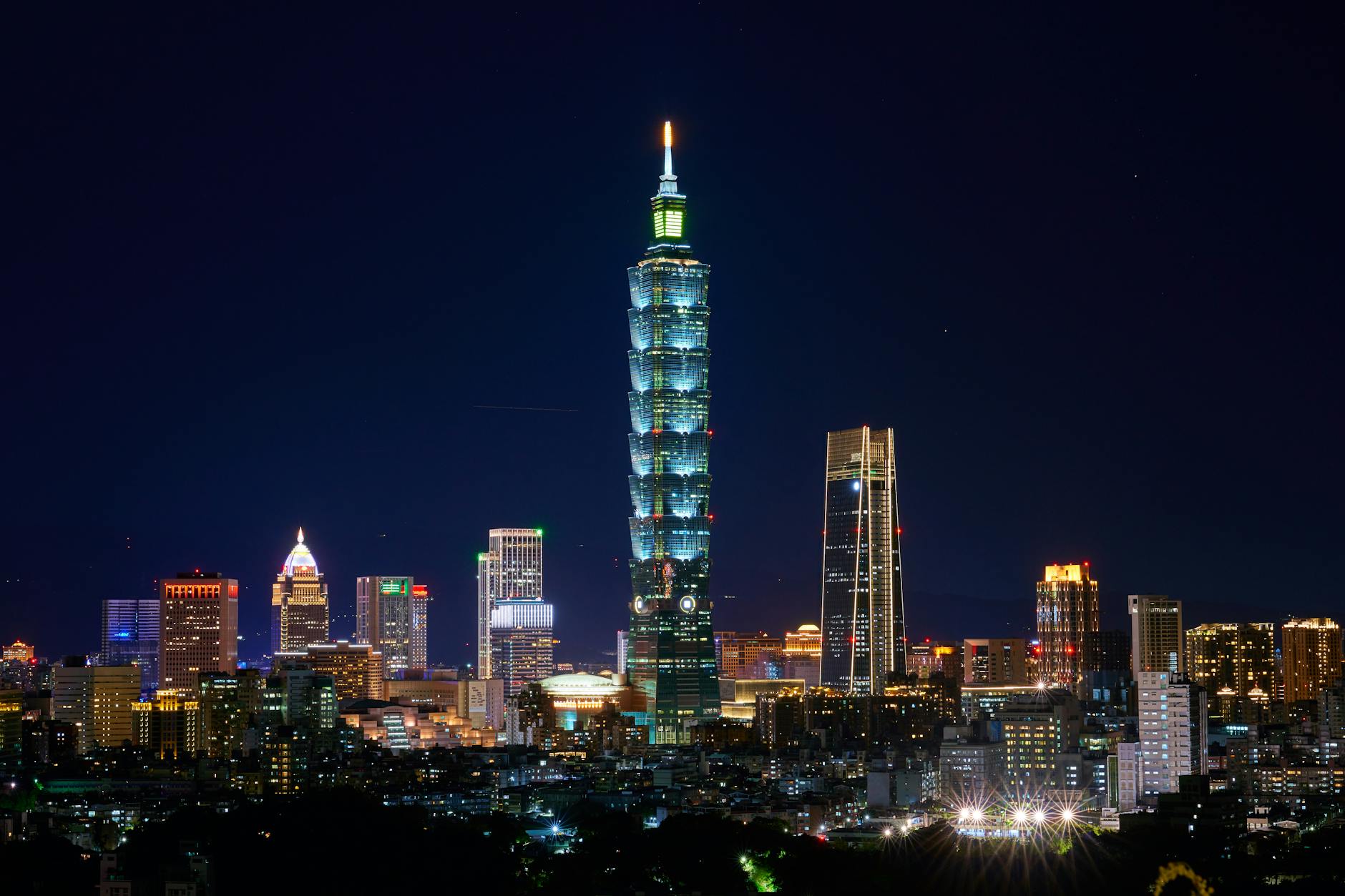
    The Economic History and Development Model of Taiwan

    Introduction

    The economic history of Taiwan is a fascinating tale of resilience and transformation that charts a course from a primarily agrarian society to a thriving technological powerhouse. The island’s journey is marked by significant historical events and policy decisions that have shaped its economic landscape. From the impactful Japanese colonial period to the recent rise of Taiwan as a global leader in high-tech industries, understanding this evolution provides essential insights into the intricate relationship between governance and economic outcomes. This article will delve deeply into the “Economic History of Taiwan,” exploring critical historical milestones, the role of government policies, industrial advancements, international trade relations, and the contemporary challenges Taiwan faces as it seeks to secure its economic future.

    Historical Overview of Taiwan’s Economic Development

    Taiwan’s economic history can be traced back to various phases of development, each with significant influences shaping its current economic structure. During the late 19th and early 20th centuries, Taiwan fell under Japanese colonial rule (1895-1945). The Japanese administration implemented profound reforms that modernized Taiwan’s agriculture and infrastructure. Investments were made in irrigation systems, transportation networks, and public health, laying the groundwork for a more productive agricultural economy. Under Japanese governance, cash crops such as rice and sugar became dominant, and Taiwan was integrated into the region’s broader economic systems.

    After World War II, Taiwan experienced significant political and economic changes with the arrival of the Kuomintang (KMT) government. The KMT’s land reform policies redistributed land from landlords to tenants, facilitating a more equitable agricultural sector and increasing productivity. This was a critical turning point, allowing for more significant investment and productivity in agriculture, which became a model for future economic planning.

    By the 1960s, Taiwan adopted export-oriented industrialization (EOI) as the fulcrum of its economic strategy. The government recognized the potential for growth in manufacturing and established conditions that would attract foreign investment. The establishment of export processing zones provided a framework for reinforcing industrialization, offering tax incentives, reduced tariffs, and relaxed regulations to entice foreign companies. This was crucial in building an industrial base that would eventually become one of the pillars of Taiwan’s economy.

    The 1970s was another landmark era, as Taiwan achieved remarkable industrial growth characterized by diversification in manufacturing sectors and a shift toward high-tech industries. The government’s capacity to attract FDI fostered an ecosystem of entrepreneurs who contributed to the expansion of SMEs, further stimulating economic growth. The education system also evolved during this period, ensuring a skilled workforce capable of meeting the demands of a burgeoning industrial economy.

    The late 20th century marked Taiwan’s emergence as a global leader in electronics, driven by companies like Taiwan Semiconductor Manufacturing Company (TSMC). This technical prowess established Taiwan as an essential player in the global supply chain, particularly in semiconductor manufacturing. By the dawn of the 21st century, Taiwan’s economy had transformed into a dynamic blend of traditional sectors with robust technology-driven industries, underscoring the effectiveness of the government’s long-term planning and strategic interventions.

    In summary, the historical overview of Taiwan’s economic development illustrates a narrative of perseverance and adaptability. The island’s progression, from an agrarian society under colonial authority to a vibrant economy embedded in global trade networks, reflects the profound impact of historical events, strategic governance, and societal shifts shaping its economic landscape today.

    Government Role in Economic Transformation

    The Taiwanese government has played a decisive role in the country’s economic transformation, shaping policies that have fostered growth and resilience. After the KMT’s retreat to Taiwan in 1949, the new government faced the daunting task of rebuilding an economy devastated by the Japanese occupation and World War II. Land reforms initiated in the late 1940s targeted the redistribution of land to poor farmers, effectively increasing agricultural productivity and ensuring food security for the population.

    In the 1960s, Taiwan shifted towards export-oriented industrialization, driven by proactive government policies that established favorable conditions for foreign investment. Polycentric growth strategies were implemented, launching export processing zones characterized by lower taxation and regulatory environments to attract international businesses. The role of the government evolved into one where it acted as a facilitator, nourishing private enterprise and creating platforms for economic collaboration.

    The government made significant investments in education and infrastructure, enhancing human capital and labor productivity. Education reforms prioritized science and technology, developing a skilled workforce capable of supporting industries’ advanced needs. This emphasis on education yielded substantial dividends, as graduates entered the emerging high-tech sectors, fueling innovation and competitiveness.

    Moreover, Taiwan’s government has historically pursued a close relationship between industry and government, promoting partnerships that foster innovation. The establishment of organizations such as the Industrial Technology Research Institute has facilitated research and development, enabling collaboration between academic institutions and industries. This collaboration birthed a culture of innovation that has been essential for ensuring the technology sector’s growth.

    Throughout the decades, the government has also demonstrated its ability to respond to global economic challenges. The Asian financial crisis in 1997 prompted swift policy interventions, including financial sector reforms and liquidity support. Such measures not only stabilized the economy but also highlighted the government’s adaptability in ensuring economic resilience.

    In summary, Taiwan’s economic transformation cannot be discussed without acknowledging the government’s pivotal role. Its strategic policies, commitment to education, and responsiveness to global economic trends have resulted in a robust and dynamic economy adaptable to internal and external pressures.

    Industrialization and Technological Innovation

    Taiwan’s trajectory of industrialization is one of the most profound aspects of its economic history, characterized by strategic shifts toward technological innovation. From the mid-20th century onwards, industrialization became the backbone of Taiwan’s economic development, transforming its structure from agriculture-centric to a diversified manufacturing economy.

    The pivotal moment came in the 1960s with the launch of export-oriented industrialization, where the Taiwanese government established policies that encouraged industries to focus on the export market. Reflecting on the global shift towards industrialization, Taiwan successfully attracted foreign investment, particularly from companies in Japan, the United States, and later in South Korea. This influx laid the foundation for industrial development, especially in sectors like textiles, electronics, and machinery.

    The establishment of export processing zones was a crucial element in Taiwan’s industrial strategy. These zones provided foreign investors with incentives such as tax exemptions and reduced tariffs, spurring the growth of manufacturing sectors. With the government’s support, various Taiwanese companies emerged as key players in the global market, particularly in electronics, which began to dominate industrial output by the 1980s.

    The jump into high-tech industries marked a vital transformation, showcased by the rise of the semiconductor industry. In the late 1970s and early 1980s, the government invested heavily in telecommunications and semiconductor research. Job creation and skills development initiatives ensured a steady supply of talent for emerging industries. Companies like TSMC and UMC emerged as major players in integrated circuit design and fabrication, setting benchmarks in technological advancement.

    During this period, Taiwan adopted a model of innovation-driven development. The government fostered collaboration between private firms and academic institutions, facilitating R&D initiatives. Research grants and subsidies encouraged innovation in product development, resulting in high-quality electronics and hardware manufacturing. This collaboration not only solidified Taiwan’s position as a supplier in the global electronics market but also cultivated a mightier entrepreneurial spirit.

    The growth of Taiwan’s economy through industrialization was further buttressed by participation in global trade organizations. Taiwan’s accession to the General Agreement on Tariffs and Trade (GATT) in 1967 opened new avenues for trade, particularly in high-value-added goods, reinforcing its presence in international markets. The ability to adapt to changing global demand crystallized Taiwan’s industrial innovation landscape.

    Today, Taiwan continues to invest in further technological advancements, focusing on emerging fields such as artificial intelligence, renewable energy, and biotechnology. The government has committed resources towards nurturing these industries, ensuring that Taiwan remains at the forefront of global technological innovation.

    In conclusion, Taiwan’s industrialization and technological innovation journey exemplify a comprehensive government approach to economically viable strategies. The shift towards high-tech industries, fostered through domestic capabilities and global partnerships, not only enriched Taiwan’s economy but also established it as a critical player in the global technological landscape.

    Economic History of Taiwan
    The economic history of Taiwan is a fascinating tale of resilience and transformation that charts a course from a primarily agrarian society to a thriving technological powerhouse. Photo by Timo Volz on Pexels.com

    Global Trade Dynamics and Their Influence

    Understanding the economic history of Taiwan requires a close examination of its global trade dynamics, which have played a central role in shaping its development model. Taiwan’s strategic position in East Asia enabled it to leverage international markets, contributing to its rapid economic ascension post-World War II.

    The late 20th century was marked by a significant shift in Taiwan’s trade policies. With the adoption of export-oriented industrialization, Taiwan focused on integrating into the global economy. The government actively promoted trade liberalization, reducing tariffs and non-tariff barriers to facilitate exports. This proactive stance opened Taiwan’s markets to international players, allowing Taiwanese goods to penetrate various foreign markets.

    Taiwan’s blend of manufacturing prowess and technological innovation created competitive advantages in sectors like electronics and information technology. As industries evolved, so too did Taiwan’s products, moving from low-value textiles to high-value electronics. The development of the semiconductor industry, driven by companies like TSMC, positioned Taiwan as a cornerstone of the global supply chain in technology.

    Trade relations with key partners, including the United States and China, have significantly influenced Taiwan’s economic landscape. The U.S. has been a crucial market for Taiwanese exports, providing a platform for Taiwanese companies to scale their operations. In contrast, China emerged as an essential manufacturing partner, facilitating Taiwan’s cost-effective production capabilities. This intricate web of trade relationships has allowed Taiwan to navigate economic fluctuations and secure market opportunities effectively.

    Taiwan’s participation in global organizations such as the World Trade Organization (WTO) has further solidified its position in international trade. By adhering to global trade agreements and completing trade pacts, Taiwan has showcased its commitment to maintaining an open economy. Nonetheless, geopolitical tensions, particularly with China, pose challenges to Taiwan’s trade dynamics. Trade restrictions and political pressures can affect Taiwan’s operational capacity to engage internationally.

    The global economic landscape’s evolution, particularly during the COVID-19 pandemic, revealed Taiwan’s resilience in maintaining trade flows and adapting to logistics challenges. Taiwan’s strong public health response and efficient manufacturing practices ensured that its economy continued to function effectively even amid global disruptions.

    In summary, Taiwan’s engagement with global trade dynamics has been transformative, facilitating its economic development and propelling its emergence as a key player in the international market. By fostering significant trade relationships, Taiwan has not only enhanced its economic capacity but has also established itself as a competitive and resilient economy in a rapidly changing global landscape.

    Contemporary Challenges and Future Directions

    As Taiwan reaches new heights in its economic development, it faces a myriad of contemporary challenges that influence its trajectory and strategic direction. Identifying these challenges is crucial for understanding the future of the Taiwanese economy, particularly within the context of global shifts and local dynamics.

    One of the most pressing challenges includes geopolitical tensions, especially with China. The increasing assertiveness of China in the region has created uncertainty with respect to Taiwan’s sovereignty and economic stability. This tension complicates Taiwan’s trade relationships and may affect foreign investments. Ensuring national security while fostering economic growth becomes imperative for Taiwanese policymakers.

    Additionally, labor shortages pose another significant challenge, particularly as the workforce ages. Taiwan is witnessing demographic shifts as birth rates decline and an aging population becomes increasingly prominent. As the labor force contracts, the government faces the challenge of sustaining economic growth and ensuring that industries remain competitive. Policymakers must explore innovative approaches to attract foreign talent while also investing in education and re-skilling initiatives for the existing workforce.

    Taiwan’s heavy reliance on exports also makes it vulnerable to fluctuations in global markets. The increasing interdependence between economies means that external shocks—such as trade wars or global economic downturns—can have immediate repercussions on Taiwan’s economy. Therefore, fostering a more robust domestic economy can help mitigate these risks. Encouraging domestic consumption and supporting local industries will be vital in this regard.

    Moreover, Taiwan is under pressure to transition towards a more sustainable economy, particularly in light of global environmental concerns. The government has made strides toward promoting renewable energy and reducing carbon emissions, given its historical reliance on fossil fuels. Taiwan’s energy transition will require substantial investments in clean technology and infrastructure to meet ambitious sustainability goals.

    Looking to the future, Taiwan’s strategic direction hinges on its ability to innovate continuously and embrace technology. The government is investing significantly in research and development, focusing on emerging fields such as artificial intelligence, biotechnology, and green technologies. The commitment to innovation will position Taiwan at the forefront of technological advancements and ensure long-term economic resilience.

    In conclusion, Taiwan’s contemporary challenges require nuanced strategies that balance geopolitical realities, demographic changes, and the need for sustainable growth. By capitalizing on its historical strengths while addressing emerging challenges, Taiwan can secure a prosperous economic future that is resilient and adaptable to the evolving global landscape.

    Conclusion

    In summary, Taiwan’s economic history is a rich tapestry woven through history, strategic governance, industrialization, and global trade dynamics. From its evolution under Japanese rule to its current status as a technological powerhouse, Taiwan’s journey underscores the powerful interplay between policy decisions and economic outcomes. The government’s role in catalyzing development through education, industrial policies, and collaborative networks has been pivotal in overcoming challenges and achieving success. Moving forward, Taiwan must navigate contemporary challenges, including geopolitical pressures and labor shortages, while embracing opportunities for innovation and sustainability. As the nation positions itself for the future, its ability to adapt and evolve will remain at the forefront of its economic narrative.

    Sources

  • The Renaissance of the Russian Economy: A Post-Soviet Journey

    The Renaissance of the Russian Economy: A Post-Soviet Journey

    Introduction

    The Renaissance of the Russian economy following the collapse of the Soviet Union in 1991 marked a significant period of transformation for the nation. The dissolution of the centralized Soviet system left the economy in disarray, characterized by hyperinflation, unemployment, and rampant social issues. Transitioning from a state-controlled model to a market-driven economy posed monumental challenges, yet also opened avenues for revitalization. This article delves into the multifaceted journey of the Russian economy in the post-Soviet era, exploring pivotal reforms, the influence of natural resources, and the ongoing trials faced on the path toward growth and stability. By examining these elements, we can better understand how Russia navigated its economic rebirth.

    Introduction to the Russian Economic Collapse

    The collapse of the Soviet Union in 1991 marked a watershed moment in Russian history, characterized by significant shifts not only in political ideals but also in economic structures. Prior to this collapse, the Soviet economy operated under a centrally planned system, where state ownership and regulation were paramount. However, by the late 1980s, the inefficiencies of this model became increasingly apparent; stagnant growth, persistent shortages of consumer goods, and corruption manifested in the bureaucratic structures that governed economic activity.

    One of the key factors contributing to the economic decline was the heavy military expenditure driven by the Cold War. The allocation of a substantial portion of the budget to defense, at the expense of consumer goods and essential services, led to widespread dissatisfaction among the populace. Furthermore, Mikhail Gorbachev’s policies of Perestroika and Glasnost, aimed at restructuring the economy and promoting transparency, inadvertently exposed the profound weaknesses of the Soviet economy. These reforms sparked a push for greater independence among the Soviet republics and highlighted the entrenched problems that had long been overlooked.

    The immediate aftermath of the Soviet collapse was dire. The transition from a centrally planned economy to a market-oriented one was marked by chaos. Inflation soared to unimaginable levels, reaching over 2,500% in 1992. The devaluation of the ruble, combined with the abrupt removal of price controls, led to a dramatic increase in living costs, exacerbating poverty across the nation. Additionally, unemployment rates surged as many state-owned enterprises were either privatized or shut down altogether, leading to mass layoffs and social upheaval.

    During this tumultuous time, the social fabric of Russia began to erode. Issues such as crime and corruption became rampant as citizens struggled to adapt to the new economic reality. The emergence of oligarchs—wealthy businessmen who rapidly accumulated fortunes during the privatization process—contributed to public disillusionment. The disparity between the rich and the poor widened, causing widespread resentment and a rise in social tensions.

    In essence, the collapse of the Soviet Union represented not just a political upheaval but an economic earthquake that reshaped the landscape of Russia. The myriad challenges that arose during this period set the stage for the subsequent transition to a market economy and the complex journey that would follow in the quest for economic revival.

    Transition to Market Economy

    The transition from a planned economy to a market economy in Russia was fraught with difficulty. When the Soviet Union dissolved, the Russian government was faced with the daunting task of dismantling decades of centralized control and shifting toward a system that emphasized competition, private ownership, and market mechanisms.

    Initially, the Russian government embarked on a series of aggressive reforms, most notably the “shock therapy” approach advocated by economists such as Jeffrey Sachs. This strategy aimed to expedite the transition through rapid liberalization of prices, deregulation, and privatization of state assets. While this approach had its theoretical foundations in the need for a swift and decisive change, its execution was met with substantial criticism. The abrupt liberalization led to hyperinflation, and the real income of citizens plummeted.

    Privatization was another cornerstone of the economic transition, intended to increase efficiency and foster entrepreneurship. However, the process was riddled with flaws, as a lack of proper regulatory frameworks allowed for widespread corruption and the rise of oligarchs. Wealthy individuals were able to acquire state assets at prices far below their market value through dubious means, resulting in a concentration of wealth that further deepened societal inequalities.

    During this period, the Russian government also sought to establish a legal framework conducive to a market economy. Unfortunately, the rapid implementation of reforms outpaced the development of necessary institutions to support them, resulting in inadequate legal protections for businesses and investors. As such, foreign investment remained hesitant, wary of the instability and unpredictability of the Russian market.

    As time progressed, the initial shock of the transition gave way to a slow rebuilding process. By the late 1990s, the government implemented a more structured approach to economic policy, including the creation of a stabilization fund and measures aimed at diversifying the economy. The appointment of Vladimir Putin as President in 2000 marked a turning point, as his administration focused on restoring order, enforcing laws, and reviving economic growth.

    In summary, the transition to a market economy was a complex and painful process for Russia, characterized by both significant challenges and gradual progress. The critiques of “shock therapy” and privatization remain relevant topics in discussions about the efficacy of Russia’s economic renaissance moving forward.

    Economic Reforms and Policies

    The 1990s and early 2000s were a defining era for the Russian economy, characterized by ambitious reforms and policies implemented to stabilize and revitalize a faltering economic landscape. The transformation from a command economy to a market-oriented system entailed sweeping changes across various sectors, aimed at encouraging investment, boosting productivity, and improving living standards.

    One of the most significant reforms during this period was the liberalization of prices. Initially, under Yeltsin’s administration, the sudden removal of price controls led to hyperinflation, but it was necessary for establishing real market mechanisms. The government worked to introduce competitive pricing by eliminating state-imposed price ceilings on goods and services. This transition facilitated the emergence of a new class of entrepreneurs and fostered increased consumer choice.

    In parallel with price liberalization, the privatization of state-owned enterprises was a cornerstone of the reform agenda. The “Loans-for-Shares” program of the mid-1990s allowed wealthy investors to gain significant control over major industries, including oil, gas, and manufacturing. However, the process faced criticism for being opaque and leading to the emergence of oligarchs, who amassed vast wealth and power while fostering deep economic disparities. Despite its flaws, privatization ultimately invigorated sectors that had long been constrained by bureaucratic inefficiencies.

    As the economic landscape began to stabilize in the early 2000s, the Russian government introduced taxation reforms aimed at promoting business growth. A flat income tax rate of 13% was implemented, significantly simplifying the tax code and encouraging compliance among taxpayers. These reforms not only increased government revenues but also created a more predictable fiscal environment, appealing to both domestic and foreign investors.

    Another critical area of reform was the deregulation of the banking sector. The introduction of new banking laws sought to enhance transparency and strengthen regulatory oversight. Despite initial setbacks, the banking system gradually improved, leading to increased credit availability for businesses and individuals. This financial backing was essential for spurring investment and consumption, bolstering economic growth.

    In addition, social safety nets were introduced to mitigate the impact of economic reforms on the broader population. The government initiated targeted social programs to address rising poverty and inequality, including pension reforms and social assistance for vulnerable segments of society. While criticisms of these programs highlighted shortcomings and inefficiencies, they played a crucial role in stabilizing the social fabric during a tumultuous time.

    In conclusion, the economic reforms and policies enacted during the post-Soviet era were pivotal in transitioning Russia from a command economy to a market-driven model. Though the road was fraught with challenges, the aforementioned measures laid the foundation for the eventual renaissance of the Russian economy in the years to come.

    Russian Economy
    The 1990s and early 2000s were a defining era for the Russian economy, characterized by ambitious reforms and policies implemented to stabilize and revitalize a faltering economic landscape. Photo by Enrique from Pexels on Pexels.com

    The Role of Natural Resources

    Natural resources play a critical role in the economic landscape of Russia, significantly influencing both the pace of recovery and the structure of the economy in the post-Soviet era. With vast reserves of oil, natural gas, minerals, and timber, Russia’s resource wealth has been a double-edged sword—providing opportunities for growth while also presenting challenges in terms of dependency and management.

    One key factor in the renaissance of the Russian economy has been the surge in global oil prices since the early 2000s. As one of the world’s largest exporters of oil and natural gas, Russia benefited immensely from this increase. The revenues generated from energy exports provided the government with crucial capital to stabilize the economy, invest in infrastructure, and fund social programs. As a result, energy exports contributed significantly to GDP growth, which averaged around 7% annually from 1999 to 2008.

    The Kremlin capitalized on its energy wealth to exert geopolitical influence, often using resource exports as a tool in foreign relations. This “resource diplomacy” allowed Russia to forge strategic partnerships with countries dependent on energy supplies, expanding its geopolitical stature and power on the global stage. However, reliance on oil and gas exports also exposed the economy to external shocks, as fluctuations in global energy prices could lead to economic instability.

    The management of resources has underscored the importance of regulatory frameworks aimed at ensuring sustainable development. In 2003, the government took control of the energy sector by nationalizing key companies such as Gazprom and Rosneft, highlighting the intent to secure state interests in a critical sector. While this move bolstered state revenues, it also raised concerns about reduced foreign investment and declining competitiveness in the energy sector.

    Additionally, the resource-rich economy shines a light on Russia’s need for diversification. A heavy reliance on oil and gas has stifled innovation in other sectors, as revenues from energy exports have often overshadowed the development of technology, agriculture, and manufacturing. Recognizing this challenge, the Russian government has made efforts to stimulate growth in these areas, though success has been uneven.

    Environmental sustainability is another critical aspect of resource management. The extraction of natural resources has often come at a steep environmental cost, leading to pollution and ecological degradation. The Russian government has begun to implement policies aimed at promoting environmental responsibility; however, tensions exist between economic expansion and ecological preservation.

    In summary, natural resources have played a pivotal role in shaping the renaissance of the Russian economy, providing the necessary revenues for recovery while also posing challenges related to dependency, regulation, and sustainability. Moving forward, finding a balance between leveraging these resources and fostering diversification will be essential for the long-term health of the Russian economy.

    Contemporary Challenges and Future Prospects

    Despite the significant strides made since the collapse of the Soviet Union, the Russian economy continues to face a range of contemporary challenges that threaten its stability and growth. These obstacles stem from both domestic and external factors, requiring nuanced strategies and comprehensive policies to navigate the complexities of the 21st century.

    One of the foremost challenges is the reliance on energy exports, which, while providing substantial revenues, also creates vulnerabilities to global market fluctuations. Economic sanctions imposed by Western countries in response to geopolitical tensions, especially following the annexation of Crimea in 2014, have further exacerbated this reliance. The resulting economic isolation has led to stagnation in various sectors and highlighted the dangers of excessive dependence on a single industry.

    Additionally, demographic issues present a significant hurdle for Russia’s economic future. Declining birth rates and increasing mortality rates have resulted in a shrinking workforce, posing challenges for economic productivity and long-term growth. The aging population demands increased spending on social services and healthcare, straining government budgets and complicating economic planning.

    Corruption and bureaucratic inefficiencies remain pervasive issues within the Russian economy. Despite reforms aimed at promoting transparency and accountability, entrenched interests and a lack of regulatory enforcement continue to hinder the business environment. This corruption not only deters foreign investment but also stifles innovation and competition among domestic enterprises, creating barriers to sustainable economic growth.

    Geopolitical tensions and their economic ramifications form another critical aspect of contemporary challenges. Russia’s relationships with Western nations have soured, leading to sanctions that restrict access to international markets and technologies. Navigating these geopolitical landscapes requires careful diplomacy and economic strategies that can mitigate the impact of external pressures on the domestic economy.

    In terms of future prospects, the Russian government has recognized the need for diversification and is pursuing initiatives to foster growth in sectors beyond oil and gas. Investments in technology, agriculture, and manufacturing aim to build a more resilient economy capable of weathering external shocks and fostering sustainable development. The embrace of innovation, particularly in high-tech industries, holds potential for enhancing productivity and boosting global competitiveness.

    Additionally, fostering stronger ties with non-Western partners, particularly in Asia, presents an opportunity for expanding trade and investment avenues. As the global economy becomes increasingly multipolar, Russia stands to benefit from diversifying its economic collaborations beyond traditional Western markets.

    In conclusion, while the Russian economy has made significant progress since the post-Soviet era, contemporary challenges await. Addressing these obstacles—be it through diversifying the economy, navigating geopolitical tensions, or tackling corruption—is crucial for ensuring a sustainable economic future. With strategic planning and effective policy implementation, there exists a pathway for continued growth and resilience in the face of adversity.

    Conclusion

    The renaissance of the Russian economy following the collapse of the Soviet Union is a complex narrative of transformation, challenges, and opportunities. From the initial chaos of economic collapse to the implementation of ambitious reforms, the past three decades have witnessed profound shifts that have reshaped the economic landscape. The pivotal role of natural resources, alongside the contemporary challenges faced by the nation, underscores the dual nature of Russia’s economic journey.

    While substantial progress has been made in establishing a market-driven economy, the ongoing reliance on energy exports and other socio-economic challenges remain pressing issues. Looking to the future, Russia’s ability to diversify its economy and strengthen its institutions will determine its trajectory in the global arena. By leveraging its strengths and addressing vulnerabilities, Russia has the potential to continue its economic renaissance into the new era, fostering sustainable growth and development.

    Sources

  • The History of the OECD: A Comprehensive Guide

    The History of the OECD: A Comprehensive Guide

    Introduction

    The Organisation for Economic Co-operation and Development (OECD) has played a pivotal role in shaping global economic policies since its inception. Established in 1961, the OECD was fundamentally aimed at enhancing economic growth, fostering trade, and improving living standards among member countries. Over the decades, the organization has evolved to address a widening range of issues, including education, environmental sustainability, digitalization, and social equity. This article delves into the rich history of the OECD, tracing its origins, key developments, and its impact on global governance. It will explore the challenges the organization currently faces and provide insights into its future direction amidst an ever-changing geopolitical landscape.

    Origins of the OECD: Formation and Purpose

    The Organisation for Economic Co-operation and Development (OECD) was officially founded on September 30, 1961, but its roots can be traced back to the aftermath of World War II. In 1948, the Organisation for European Economic Co-operation (OEEC) was established to administer the Marshall Plan, focusing on Europe’s economic recovery. The success of the OEEC highlighted the need for a permanent organization to promote economic cooperation and development beyond Europe.

    The transition from the OEEC to the OECD marked a significant shift in focus. While the OEEC primarily served European countries, the OECD expanded its membership to include non-European nations, reflecting the growing importance of global economic interdependence. The founding members recognized that cooperation among developed nations was crucial to addressing pressing economic challenges. The organization’s initial goals centered around promoting sustainable economic growth, improving living standards, and enhancing trade among member countries.

    In its early years, the OECD focused on establishing a research and data-gathering framework to analyze economic trends and policies. This involved developing a series of statistical methodologies and databases that enabled member countries to share information and learn from each other’s experiences. A prime example of this collaborative effort is the OECD Economic Outlook, introduced in 1967, which provides forecasts and analyses of global economic conditions.

    One of the OECD’s key functions has been to serve as a platform for dialogue among member countries. Regular meetings and conferences facilitated high-level discussions on economic policies, allowing countries to exchange best practices and coordinate their responses to economic issues. This collaborative approach built trust and provided a foundation for future cooperation.

    Over the years, the OECD has expanded its mission to address new challenges, including environmental sustainability, education, and social inequality. The organization’s commitment to evidence-based policy-making has become a hallmark of its work, making it a critical actor in shaping policies that promote inclusive growth.

    As the world continues to evolve, the OECD remains focused on fostering cooperation among its member countries while addressing emerging global issues. The organization’s ability to adapt to changing circumstances has contributed to its longevity and relevance in a complex and interconnected world.

    Key Developments in OECD Policies and Programs

    The OECD’s evolution over the years has been characterized by a series of significant policy developments and programs that reflect changing global dynamics and economic realities. As the organization expanded its scope, it introduced initiatives and frameworks that addressed a variety of challenges faced by member countries.

    One of the foundational programs of the OECD was the development of standardized economic indicators. These indicators enabled member countries to evaluate their economic performance and compare it with that of others. As globalization increased, the need for comparable data became more pressing, leading to the expansion of the OECD’s statistics and indicators in areas such as labor markets, education, and environmental performance.

    In the 1970s, the OECD responded to the oil crisis by examining energy policies and promoting cooperation in energy security among member countries. This led to the establishment of the International Energy Agency (IEA) in 1974, which focuses on ensuring reliable energy supplies and promoting sustainable energy policies.

    Another key development came in the 1980s with the emphasis on structural reform. The OECD began advocating for policies that would enhance productivity, promote deregulation, and encourage competition. This shift resulted in the publication of influential reports, such as “The OECD Jobs Strategy,” which provided recommendations for creating jobs and improving labor market policies.

    In the 1990s, as globalization accelerated, the OECD turned its attention to issues related to trade and investment. The organization played a pivotal role in promoting international trade liberalization through its guidelines and recommendations. The establishment of the OECD’s Code of Liberalization of Capital Movements facilitated cross-border investment and encouraged member countries to adopt more open economic policies.

    As we entered the 21st century, the OECD recognized the importance of addressing social challenges alongside economic growth. The organization launched initiatives aimed at improving education and skills development, particularly in light of rapid technological change. The Programme for International Student Assessment (PISA), introduced in 2000, gained global recognition for its comparative analysis of educational systems and outcomes.

    In more recent years, the OECD has focused on pressing global issues, such as climate change, inequality, and digitalization. The organization’s commitment to sustainable development is reflected in its active participation in international dialogues, including the United Nations‘ Sustainable Development Goals (SDGs). The OECD aims to provide countries with the evidence and tools needed to pursue growth that is not only economically viable but also socially equitable and environmentally sustainable.

    Through its continuous adaptation to emerging economic challenges and its proactive approach to policy development, the OECD has cemented its position as a leading authority in global economic governance.

    The Role of the OECD in Global Economic Governance

    The OECD’s influence extends far beyond its member countries; it plays a crucial role in shaping global economic governance. As an intergovernmental organization that fosters dialogue and collaboration among developed nations, the OECD serves as a platform for addressing international economic challenges and promoting policy coherence.

    At the heart of the OECD’s mission is its commitment to evidence-based decision-making. The organization conducts extensive research, gathers data, and produces reports that provide member countries with insights into economic trends and policy implications. This empirical foundation empowers countries to make informed decisions and align their policies with best practices.

    One of the OECD’s most significant contributions to global economic governance has been its role in setting international standards. The organization develops guidelines and frameworks that member countries are encouraged to adopt. For instance, the OECD Principles of Corporate Governance, established in 1999, have been instrumental in promoting transparency, accountability, and fair treatment of shareholders in corporate governance practices worldwide.

    The OECD also takes an active role in coordinating responses to global economic crises. During the 2008 financial crisis, for example, the organization played a pivotal role in providing policy recommendations to stabilize economies and restore confidence in global financial markets. The OECD’s ability to convene finance ministers and central bank governors allowed for timely discussions on coordinated policy responses and reforms aimed at preventing future crises.

    In addition to traditional economic issues, the OECD has increasingly addressed broader challenges that require collective action. These include tackling tax avoidance and promoting fair taxation through initiatives such as the Base Erosion and Profit Shifting (BEPS) project. By establishing a framework for international tax standards, the OECD seeks to ensure that multinational corporations pay their fair share of taxes, thus enhancing fairness and equity in the global economy.

    The organization’s commitment to inclusivity is also reflected in its engagement with emerging economies and non-member countries. Through initiatives such as the OECD’s Enhanced Engagement Program, the organization collaborates with countries like Brazil, China, India, Indonesia, and Russia to share knowledge and best practices. This engagement fosters understanding and collaboration on key global issues, recognizing that challenges such as climate change and trade require a concerted effort beyond the borders of established member states.

    The OECD’s role in global governance continues to evolve, especially in the context of new challenges posed by digitalization and the rise of artificial intelligence. As these technologies reshape economies and societies, the OECD is actively working to develop frameworks that address the ethical use of technology, data privacy, and the implications of automation on labor markets.

    In summary, the OECD’s role in global economic governance is characterized by its commitment to evidence-based policymaking, its ability to set international standards, and its proactive approach to addressing pressing global challenges. By fostering dialogue and collaboration among countries, the OECD aims to create a more stable, equitable, and sustainable global economy.

    History of OECD
    The Organisation for Economic Co-operation and Development (OECD) has played a pivotal role in shaping global economic policies since its inception. Established in 1961, the OECD was fundamentally aimed at enhancing economic growth, fostering trade, and improving living standards among member countries. Photo by jerjer on Pexels.com

    Recent Initiatives and Challenges Faced by the OECD

    In recent years, the OECD has launched several initiatives aimed at addressing contemporary challenges that affect its member countries and the global community as a whole. These initiatives reflect the organization’s adaptability and responsiveness to emerging issues, highlighting its commitment to promoting inclusive and sustainable economic growth.

    One notable initiative is the OECD’s focus on digitalization. As technology transforms economies and societies, the organization has recognized the need for policies that harness the benefits of digital innovation while mitigating potential risks. In 2019, the OECD launched the OECD Digital Services Tax initiative to address the taxation challenges posed by the digital economy. This initiative aims to develop standards for taxing digital services, balancing the interests of countries and companies operating in the digital space.

    Moreover, the OECD has been a key contributor to international discussions on climate change and environmental sustainability. The organization’s environmental policy framework emphasizes the importance of integrating environmental considerations into economic decision-making. The OECD’s “Green Growth” strategy, introduced in 2011, promotes policies that foster economic growth while ensuring environmental protection and resource efficiency. This initiative has gained traction as countries grapple with the need to transition to low-carbon economies.

    The COVID-19 pandemic presented unprecedented challenges that the OECD has sought to address through a multifaceted approach. The organization swiftly adapted its research and policy recommendations to support member countries in navigating the economic impacts of the crisis. The OECD issued regular reports on the economic effects of the pandemic and provided guidelines for reopening economies in a safe and equitable manner. Additionally, the organization’s work on resilience and recovery strategies emphasized the need for inclusive policies that protect vulnerable populations.

    Yet, despite these proactive initiatives, the OECD faces several challenges. One significant issue is the increasing economic inequality within and among countries. As disparities grow, the OECD aims to provide insights into strategies that promote social inclusivity and equitable growth. The organization’s work on social policy, education, and labor markets reflects its commitment to addressing these challenges head-on.

    Furthermore, the evolving geopolitical landscape poses a challenge to the OECD’s traditional model of multilateral cooperation. As the world becomes more polarized, maintaining consensus among member countries on key issues can be challenging. The rise of protectionism and nationalist policies further complicates the OECD’s efforts to promote open markets and free trade.

    The organization’s ability to adapt to these challenges will be crucial in shaping its future direction. The OECD’s ongoing initiatives to enhance its engagement with non-member countries and emerging economies may facilitate broader collaborations and knowledge sharing, ultimately strengthening its role in global governance.

    In conclusion, the OECD’s recent initiatives demonstrate its commitment to addressing pressing global challenges, from digitalization to environmental sustainability. While the organization faces significant hurdles, its adaptability and focus on inclusivity position it as a critical player in shaping a more resilient and equitable global economy.

    The Future of the OECD: Trends and Predictions

    Looking ahead, the future of the OECD is poised to be shaped by several key trends that reflect the complexities of the global landscape. As the organization navigates a rapidly evolving economic, social, and geopolitical environment, its ability to adapt and respond to emerging challenges will define its relevance and impact.

    One of the most significant trends influencing the OECD’s future is the increasing interconnectedness of global economies. As international trade and investment continue to rise, member countries must grapple with the implications of globalization. The OECD is likely to play a critical role in facilitating dialogue and cooperation among nations to address issues such as trade tensions, supply chain disruptions, and the need for fair trade practices. Strengthening multilateralism and fostering collaboration among member and non-member countries will be essential to ensuring a stable global economy.

    Digitalization will remain a driving force in shaping the OECD’s agenda. As the digital economy expands, the OECD’s focus on developing frameworks for taxation, governance, and ethical use of technology will be paramount. Enhanced cooperation among countries in regulating digital businesses and protecting consumer rights will be necessary to harness the benefits of technology while mitigating risks. The OECD’s ability to address concerns related to data privacy, cybersecurity, and the impact of automation on employment will be critical in shaping the future of work and the digital landscape.

    In addition, the OECD is likely to prioritize sustainability as a core component of its future initiatives. The urgent need to combat climate change and promote resource efficiency will compel the organization to advance its “Green Growth” agenda further. By providing member countries with the tools and strategies to transition to low-carbon economies, the OECD can contribute to sustainable development on a global scale. This will involve enhancing collaboration with stakeholders, including the private sector and civil society, to drive innovation and investment in sustainable practices.

    Another trend that may influence the OECD’s future is the growing demand for inclusivity and social equity. Addressing economic inequality and ensuring that growth benefits all segments of society will be essential for fostering social cohesion and stability. The OECD’s commitment to promoting equality of opportunity and enhancing access to quality education, healthcare, and social services will guide its efforts in this area. The organization will need to provide evidence-based recommendations that empower governments to design policies that address disparities and promote social mobility.

    Moreover, geopolitical shifts and rising nationalism may pose challenges to the OECD’s traditional model of cooperation. The organization will need to adapt its strategies to engage with diverse viewpoints and navigate contentious issues among member countries. Building consensus on key policy areas will require effective diplomacy, open dialogue, and a commitment to preserving multilateralism. The OECD’s ability to collaborate with emerging economies and strengthen partnerships with regional organizations may enhance its influence on global governance.

    In conclusion, the future of the OECD will be shaped by trends such as globalization, digitalization, sustainability, inclusivity, and geopolitical dynamics. By remaining responsive to these trends and adapting its strategies accordingly, the OECD can continue to play a vital role in promoting economic cooperation, evidence-based policymaking, and global governance in an increasingly complex world.

    Conclusion

    The history of the OECD is a testament to its enduring commitment to promoting economic cooperation and sustainable development among its member countries. From its origins in the post-World War II era to its role in addressing contemporary challenges, the organization has evolved to meet the changing needs of the global community. As it faces an array of pressing issues, including digitalization, inequality, and climate change, the OECD remains resolute in its mission to foster collaboration, provide evidence-based policy recommendations, and drive inclusive growth. Looking ahead, the OECD’s ability to adapt to emerging trends and navigate the complexities of the global landscape will be essential in shaping a prosperous future for its member countries and the world at large.

    Sources

  • The Collapse of the Soviet Union: history, facts and key events

    The Collapse of the Soviet Union: history, facts and key events

    Introduction

    The collapse of the Soviet Union in 1991 marked a significant turning point in global history, reshaping the political landscape and redefining the balance of power. It was not merely a singular event but rather the culmination of a series of interconnected factors that spanned decades. The Soviet state, once a symbol of communist power and influence, faced mounting internal challenges that exposed its weaknesses. Political strife, economic turmoil, and a surge in nationalist sentiments among various republics contributed to its downfall. This article explores the intricate dynamics that led to the disintegration of the USSR, analyzing key events, influential individuals, and the broader implications of this monumental collapse.

    Political Factors Leading to the Soviet Union’s Collapse

    The political landscape of the Soviet Union was rife with tension and contradictions, which ultimately played a crucial role in its collapse. One of the most significant aspects to consider is the structure of power within the Communist Party. The party operated under a strict hierarchical system, where dissent was often met with repression. This authoritarian control stifled political discourse and led to growing discontent among citizens and party members alike. By the late 1980s, the Soviet leadership faced increasing pressure from within its ranks.

    A young, progressive faction began to emerge, advocating for reform and transparency in governance. This faction was led by Mikhail Gorbachev, whose policy of Perestroika (restructuring) aimed to revitalize the stagnant Soviet economy through economic and political reforms. Gorbachev’s policies were revolutionary, aiming to introduce elements of a market economy, decentralize power, and provide the public with greater freedoms. However, these reforms were met with resistance from hardline communists who feared losing their grip on power.

    The infighting within the Communist Party intensified during this period, leading to a gradual erosion of Gorbachev’s authority. The inability to implement reforms effectively resulted in widespread frustration among the populace. Economic difficulties, including food shortages and rising prices, exacerbated the situation, fueling protests and opposition movements across the republics. Furthermore, the Soviet Union’s heavy-handed approach to dissent, exemplified by the crackdown on protests in Lithuania and other territories, alienated many citizens and increased calls for independence.

    As the political climate grew increasingly volatile, nationalist movements within various Soviet republics gained traction. These movements sought to assert their independence and challenge Moscow’s dominance. The Baltic States—Estonia, Latvia, and Lithuania—were particularly vocal in their demands for self-determination, organizing mass demonstrations that drew international attention. The willingness of these movements to confront the central government underscored the weakening grip of Soviet authority.

    The redirection of political power, alongside growing nationalist sentiments, highlighted a significant shift in the political landscape. As individual republics began to assert their rights and calling for greater autonomy, the unity of the Soviet Union was threatened. Political instability was further exacerbated by the failed coup attempt in August 1991 by hardline communists, who sought to reestablish control over the state. The coup’s failure not only demonstrated the diminishing power of the party but also bolstered the position of reformers like Boris Yeltsin, who championed democracy and independence.

    Ultimately, the political factors leading to the collapse of the Soviet Union revolved around a confluence of internal dissent, nationalist movements, and the inability of the Communist Party to adapt to changing circumstances. The disintegration of political cohesion and the rise of independence sentiments catalyzed a transformation that would redefine nations and regions for decades to come.

    Economic Decline and Its Impact

    The economic decline of the Soviet Union was a critical factor that contributed to its eventual collapse. By the 1980s, the Soviet economy was facing a multitude of challenges that exposed structural weaknesses. Centralized planning, a hallmark of the Soviet economic model, stifled innovation and efficiency. The focus on heavy industry and military production came at the expense of consumer goods, leading to shortages and a decline in living standards for the average citizen.

    In an attempt to address these issues, Gorbachev introduced the concept of Perestroika, which aimed to decentralize the economy and allow for some market-oriented reforms. However, the transition was far from smooth. The existing bureaucratic system was ill-equipped to adapt to these changes, resulting in confusion and resistance among both officials and citizens. As a result, economic conditions continued to deteriorate.

    Inflation began to rise, and essential goods became scarce. The frustrations of everyday life fueled public discontent, leading to strikes and protests. The growing economic hardship also intensified the desire for independence among the Soviet republics, as many believed they could manage their economies more effectively outside the centralized Soviet structure.

    The economic downturn also had a significant impact on the Soviet military and foreign policy. The inability to sustain military expenditures while addressing domestic needs led to a reallocation of resources, further undermining the Soviet Union’s global influence. As the advantages of its nuclear arsenal waned in the face of an unstable economy, the legitimacy of the Soviet state was increasingly called into question.

    In summary, economic decline played a pivotal role in the collapse of the Soviet Union, as persistent shortages, inflation, and a rigid bureaucratic system exacerbated existing political tensions, contributing to the desire for reform and independence.

    Nationalism and the Rise of Independence Movements

    The Soviet Union was a multi-ethnic state comprised of numerous republics, each with its own distinct culture, language, and history. Throughout its existence, the central government in Moscow maintained a strict control over these diverse regions, often suppressing local identities in favor of a singular Soviet identity. However, by the late 1980s, nationalist sentiments began to surface more prominently, fueled by dissatisfaction with the central authority and the desire for autonomy.

    The Baltic republics of Estonia, Latvia, and Lithuania were among the first to assert their independence. These nations had a long history of resistance to Soviet rule and were eager to reclaim their sovereignty. Mass movements arose, with citizens organizing large demonstrations to advocate for independence and highlight the injustices of Soviet policies. In March 1990, Lithuania became the first republic to declare independence, setting off a wave of similar declarations across the union.

    Other republics, particularly Ukraine and Georgia, also saw burgeoning nationalist movements. As the Soviet economy faltered and political repression waned, citizens felt emboldened to voice their dissatisfaction with Moscow’s rule. Events such as the Ukrainian declaration of independence in August 1991 showcased the growing desire among various republics to break free from the Soviet Union and establish their own identities.

    The role of cultural factors cannot be overlooked in this context. National identity, language, and historical experiences played crucial roles in galvanizing support for independence movements. In many cases, cultural revival became intertwined with political aspirations, as local leaders sought to tap into the collective memory and identity of their people to strengthen their movements.

    The central government’s response to these burgeoning nationalistic sentiments was often marked by repression, which only galvanized support for independence. Demonstrations were met with force in some areas, further alienating local populations. In many regions, particularly in the Baltics and Caucasus, the call for sovereignty was framed not only as a political struggle but as a cultural and historical reclamation.

    As the situation escalated, the alliance between nationalist movements and reformist factions within the Communist Party became a defining characteristic of this period. Individuals such as Boris Yeltsin, who advocated for democracy and market reforms, gained significant popularity by aligning themselves with these movements. This alliance highlighted the significant political shift occurring in the Soviet Union, as calls for independence began to coalesce with broader political reform efforts.

    Ultimately, the rise of nationalism and independence movements served as a critical catalyst in the dissolution of the Soviet Union. The inability of the central authority to manage the diverse aspirations of its republics, coupled with a growing desire for self-determination, led directly to the fragmentation of the union and the establishment of independent states across the region.

    The collapse of the Soviet Union
    Photo by Александр on Pexels.com

    The Role of Mikhail Gorbachev

    Mikhail Gorbachev’s tenure as the last leader of the Soviet Union was marked by significant reforms and pioneering initiatives that ultimately reshaped the political landscape of the country. Ascending to power in 1985, Gorbachev quickly recognized the dire state of the Soviet economy and the need for reform. He implemented policies aimed at revitalizing the stagnant system and promoting transparency—two initiatives that would have lasting repercussions.

    One of Gorbachev’s signature policies, known as Perestroika, sought to decentralize the economy and introduce elements of market mechanisms. This policy aimed to encourage innovation and streamline bureaucratic processes. However, the implementation of Perestroika was fraught with difficulties. As reforms were introduced, the bureaucratic structure remained largely intact, leading to confusion and resistance from both party officials and citizens. Despite Gorbachev’s well-intentioned efforts, many of the initial goals of Perestroika remained unfulfilled, contributing to economic instability.

    In addition to Perestroika, Gorbachev introduced Glasnost, or “openness,” which aimed to promote free expression and foster an environment of political transparency. This policy allowed for greater freedom of the press and encouraged public discourse about previously taboo subjects. As a result, citizens began to articulate their grievances against the government and demand more significant political changes. This newfound openness meant that the population could voice their frustrations regarding economic hardships and political corruption—issues that had previously been suppressed.

    While Glasnost was lauded for its progressive intentions, it also had unintended consequences. The exposure of the Soviet government’s failures, combined with the loosening of censorship, enabled nationalist movements within various republics to gain momentum. As people began to discuss their desires for independence and national identities openly, public sentiment increasingly turned against the central government, especially in regions long dominated by Moscow.

    Gorbachev’s leadership also faced challenges from hardline communists who viewed his reforms as a threat to the fundamental principles of communism. In August 1991, a group of conservative party members attempted a coup to oust Gorbachev and reverse his reforms. The coup ultimately failed, largely due to widespread protests and the decisive actions of Boris Yeltsin, which further eroded Gorbachev’s authority. The failure of the coup marked a turning point, leading to increased calls for independence among the republics.

    Despite his intentions to reform and modernize the Soviet state, Gorbachev’s policies ultimately contributed to its dissolution. His decision to embrace reform, combined with the ensuing political turmoil and societal unrest, paved the way for the independence movements that would define the early 1990s. Gorbachev’s legacy is one of contradiction: a leader who sought to preserve the Soviet Union through reform but ultimately unwittingly expedited its collapse.

    In conclusion, Mikhail Gorbachev’s role as the architect of reform in the face of crises cannot be underestimated. His initiatives highlighted the need for change within the Soviet Union, but the very processes he set in motion unleashed forces that he could not control. By failing to consolidate power and navigate the complex web of nationalism and discontent, Gorbachev inadvertently set the stage for the collapse of one of the most influential superpowers in history.

    Soviet Union’s Final Days: Escalating Tensions and the Official Dissolution

    The final days of the Soviet Union were characterized by dramatic escalations in tensions and political crises that ultimately led to its official dissolution in December 1991. In the wake of Gorbachev’s reforms, the political chaos intensified, revealing the deep divisions within the union and the desire for independence among various republics. As the economic situation worsened and nationalist movements gained momentum, the path to dissolution became increasingly inevitable.

    In the crucial months leading up to the dissolution, a series of events highlighted the fractures within the Soviet Union. The failed coup attempt in August 1991 was a pivotal moment, further diminishing Gorbachev’s power and control. Hardline elements within the Communist Party sought to re-establish an authoritarian regime, viewing Gorbachev’s reforms as a threat to their interests. However, widespread public resistance led by Boris Yeltsin and other reformist leaders thwarted their efforts, further solidifying the desire for change among the populace.

    As republics began to assert their independence more forcefully, the urgency for resolution grew. The Baltic states had already declared their independence, while other republics followed suit in rapid succession. Ukraine’s declaration of independence on August 24, 1991, acted as a catalyst for many others, signaling that secession was not only possible but increasingly likely.

    Amidst this upheaval, the role of popular movements and public sentiment became increasingly evident. Hundreds of thousands of citizens took to the streets to express their aspirations for sovereignty and self-determination. The power dynamics shifted dramatically, as public support for independence movements coupled with disillusionment with the central authority intensified.

    By December 1991, the situation reached a critical juncture. Leaders from Russia, Ukraine, and Belarus met and signed the Belavezha Accords, officially declaring the Soviet Union’s dissolution. This agreement effectively dismantled the USSR, invalidating its previous legitimacy. On December 25, 1991, Gorbachev resigned as president, marking the official end of the Soviet state. The imagery of the Soviet flag being replaced by the Russian tricolor flag outside the Kremlin epitomized the profound transformation that had taken place.

    The dissolution of the union resulted in not only the emergence of independent republics but also the formation of the Commonwealth of Independent States (CIS), an organization meant to foster cooperation among former Soviet states. However, the transition was rife with challenges, as newly independent countries faced economic difficulties, political instability, and social upheaval in the aftermath of the Soviet collapse.

    In retrospect, the final days of the Soviet Union were marked by a complex interplay of political miscalculations, public resistance, and emergent independence movements that culminated in a momentous historical shift. The disintegration of the Soviet Union altered the geopolitical landscape, creating a ripple effect that would shape international relations for years to come.

    Conclusion

    The collapse of the Soviet Union remains one of the most significant events in modern history, characterized by a complex interplay of political, economic, and social factors. From the internal power struggles within the Communist Party to the rise of nationalist movements among various republics, the disintegration of the Soviet regime was neither sudden nor singular. Gorbachev’s ambitious reforms—while intended to revitalize the Soviet state—ultimately contributed to its fragmentation. The pursuit of independence by numerous republics reflected deep-seated grievances against a central authority that had long suppressed local identities.

    As we examine the intricate dynamics that led to the collapse, it becomes clear that this moment was not merely the end of an era but the beginning of new challenges for the independent nations that emerged. The legacy of the Soviet Union continues to influence global politics, serving as a cautionary tale regarding the implications of political repression, economic mismanagement, and national identity aspirations. In unraveling the threads of this complex narrative, we gain valuable insights into the multifaceted nature of historical transformation, reminding us that the past shapes our present and informs our future.

    Sources

  • The Soviet Union Economic History

    The Soviet Union Economic History

    Introduction

    The Soviet Union Economic History is a fascinating study of transformation and resilience against the backdrop of ideology and conflict. Beginning with an agrarian-based economy under the Tsar, the Bolshevik Revolution marked a significant shift towards a centralized economy driven by state planning and control. The ensuing decades saw ambitious initiatives like the Five-Year Plans that aimed to rapidly industrialize the nation, ultimately leading to significant military expenditures during the Cold War. However, by the late 20th century, economic reforms spearheaded by Mikhail Gorbachev in an attempt to revitalize the stagnating economy would lay the groundwork for drastic changes. This article will delve into the numerous phases of the Soviet economy, analyzing key events, policies, and their implications for the Soviet Union and its successor states.

    Formation of the Soviet Economy

    The history of the Soviet economy traces back to Russia’s agrarian roots, a structure characterized by a largely feudal system where a small percentage of landowners controlled vast estates. This socio-economic environment fostered widespread poverty among peasants, who were often bogged down by heavy taxes and debts.

    The Russian Revolution of 1917 was pivotal in transforming this landscape. The Bolsheviks, under Lenin, sought to dismantle the existing capitalist structures and replace them with a socialist economy grounded in the principles of Marxism. The early years following the revolution were characterized by upheaval and chaos, as the Civil War erupted between the Red Army, advocating for Bolshevik ideals, and the White Army, representing anti-communist factions.

    During this tumultuous period, the policies executed by the Bolsheviks aimed to consolidate state control over the economy. The nationalization of banks, land, and industrial enterprises marked the first steps toward forming a centralized economic model. The introduction of War Communism sought to ensure an equitable distribution of resources to the proletariat while suppressing private ownership vehemently. However, this system led to severe disruptions, including famine and economic decline, as agricultural production plummeted.

    In 1921, facing substantial public discontent due to the harsh realities of War Communism, the Bolsheviks introduced the New Economic Policy (NEP). The NEP re-established limited market mechanisms and private enterprise, allowing some degree of independence for farmers and small businesses. This approach helped in revitalizing the economy, leading to improvements in grain production and overall economic stability.

    Yet, by the late 1920s, Stalin’s rise to power prompted a return to more stringent control over the economy. The era of forced collectivization began around 1928, merging individual farms into larger, state-controlled enterprises. The intention was to boost agricultural productivity to support rapid industrialization, part of the ambitious series of Five-Year Plans initiated in 1928. However, the policy led to disaster: widespread resistance from peasants, resulting in famine, particularly in the Ukraine, caused millions of deaths and a paralyzed agricultural sector.

    The initial effects of these policies were mixed. On one hand, they pushed the Soviet Union into an era of unprecedented industrial growth. Output in key sectors like steel and coal soared, laying the groundwork for the USSR to emerge as a global power. On the other hand, the harsh realities of collectivization and the accompanying social strife left deep scars in the Soviet society. The ideological drive behind forming a classless society stood in stark contrast to the human cost of such transformative approaches.

    In summary, the formation of the Soviet economy was marked by radical shifts from agrarian feudalism to a state-controlled socialist model, dramatically reshaping the social fabric of the United Soviet Socialist Republics. The impact of these early economic policies would resonate throughout the remaining decades of the Soviet Union, influencing everything from cultural identity to geopolitical dynamics.

    Industrialization and Five-Year Plans

    The clamor for industrialization became increasingly urgent as the Soviet leadership recognized that a robust economy was crucial for national security and global standing. The Five-Year Plans laid the foundation for this transformation, delineating ambitious targets for industrial output across various sectors.

    The First Five-Year Plan, launched in 1928, focused on rapid industrial growth and aimed to transform the USSR from a primarily agrarian society into an industrial powerhouse. Major investments were directed towards heavy industries, particularly in coal, steel, and machinery production. By emphasizing intensification in these sectors, the Soviet state under Stalin sought to reduce the economic dependency on Western powers, striving for autarky.

    The implementation of the First Five-Year Plan unleashed significant social changes. Enormous construction projects promoted urban migration as individuals left rural areas in search of factory jobs. Consequently, cities expanded, and the workforce shifted dramatically, contributing to the emergence of a new urban working class known as the “proletariat.”

    However, the rapid pace of industrialization came at a steep price. The centralization of production and quality controls frequently led to subpar output. Overzealous targets often resulted in the incentivization of quantity over quality—factories produced goods to meet quotas, regardless of efficiency or usability. Worker morale suffered, and the punitive measures against failure to meet production targets created an environment of fear and resentment.

    The success of the First Five-Year Plan paved the way for the Second Five-Year Plan (1933-1937), which continued to emphasize industrialization but also sought to develop consumer goods to improve living standards. Nonetheless, even as industrial output continued to swell, the overarching state control often stifled creativity and innovation within the workforce, leading to stagnation in technological advancement.

    The Third Five-Year Plan (1938-1941) was overshadowed by the looming threat of World War II. Military production gained precedence over consumer and industrial goods as the Soviet Union prepared for potential conflict. In consequence, the economy became heavily militarized, resulting in further neglect of civilian needs and consumption.

    Throughout these decades of industrialization, the Soviet Union faced formidable challenges, including labor shortages, inefficient planning, and poor working conditions. Nevertheless, the achievements in industrial growth ultimately cemented the USSR’s position as a key global player, laying the groundwork for its future military and political domination throughout the Cold War era.

    Military-Industrial Complex

    The relationship between the Soviet economy and its military aspirations became increasingly pronounced during the Cold War, especially after World War II. The establishment of a military-industrial complex marked a significant turning point, intertwining economic policies with national security objectives.

    Following the devastation of World War II, the Soviet Union prioritized rebuilding its military capabilities, often using industrial resources to produce armaments, vehicles, and machinery essential for defense. The competition with the United States, particularly in arms and technology, catalyzed this relationship, propelling state resources towards the military sector.

    The transition into the Cold War era prompted the Fourth and Fifth Five-Year Plans to recalibrate economic strategies with an emphasis on military production. The Soviet leadership recognized that robust military capabilities were critical to both national security and international prestige. This period saw an exponential increase in defense spending with significant allocations directed to research and development in military technologies.

    This focus on military production generated several economic implications. First, it resulted in distortions in the resource allocation within the economy. Key industries were reoriented towards producing military goods, often at the expense of consumer goods, which led to chronic shortages and dissatisfaction among the populace. In this environment, the state prioritized producing tanks, aircraft, and armaments over everyday consumer items—a decision rooted in the ideological commitment to establish the USSR as a superpower.

    Additionally, the costs associated with sustaining a military-industrial complex strained the Soviet economy, particularly during periods of economic stagnation. The significant portion of the GDP dedicated to defense spending created challenges in addressing civilian needs, highlighting a key contradiction in the Soviet economic model. Urban areas often faced shortages, contributing to public discontent and giving rise to a consumer-oriented black market.

    However, the military-industrial complex also yielded some technological advancements that permeated civilian industries. Research initiatives developed during this time contributed to breakthroughs in various fields, including aerospace technology and nuclear energy, although these benefits did little to alleviate the economic burdens on average citizens.

    The economic orientation towards military preparedness persisted through the latter half of the 20th century, embedding a framework for long-term economic policies. Yet, as structural issues became more pronounced by the 1980s, the overwhelming pressure to support an extensive military apparatus began to clash with the dire need for broader economic reforms. The consequences of this militarized economy would ultimately culminate in one of the fundamental challenges faced by the Soviet Union as it approached its dissolution.

    The Soviet Union Economic History
    The Soviet Union Economic History is a fascinating study of transformation and resilience against the backdrop of ideology and conflict. Photo by asim alnamat on Pexels.com

    Perestroika and Economic Reforms

    Amidst the mounting economic crisis of the 1980s, Soviet leader Mikhail Gorbachev initiated a series of reforms aimed at revitalizing the stagnant Soviet economy through the policies of Perestroika (“restructuring”) and Glasnost (“openness”). Struggling with poor economic performance and discontent, Gorbachev recognized that the entrenched central planning framework needed significant overhaul if the Soviet Union were to recover and prosper.

    Perestroika introduced several fundamental changes to the economic landscape. The emphasis was shifted from strict state control to a more decentralized market approach, allowing for limited private enterprise and competition. The reforms encouraged state-owned enterprises to adopt profit incentives, thus enabling them to operate more efficiently. Gorbachev sought to embrace economic liberalization while still adhering to socialist principles, a delicate balancing act that proved controversial among the party elite.

    The introduction of economic reforms triggered both optimism and apprehension among various social strata. For many citizens, there was a genuine hope that these measures would lead to improved living standards, greater consumer choice, and enhanced economic dynamism. However, the shift towards market-oriented practices exposed deeper systemic problems embedded within the Soviet economy. Rapidly implementing these reforms resulted in confusion and minimal guidance, creating a vacuum in institutional capacity that allowed for corruption and exploitation.

    Gorbachev’s reforms confronted resistance from hardliners within the Communist Party, who feared losing control over the economy and society. The ideological splits became increasingly pronounced, as reform advocates argued for transitioning towards a more market-driven economy, while conservatives envisioned preserving traditional socialist tenets. This internal conflict exacerbated tensions, hampering the implementation of reform initiatives.

    As the years progressed, economic dislocation became more pronounced. The newfound freedom allowed for increased entrepreneurship, but the lack of regulatory frameworks led to rampant inflation and socioeconomic inequality. The prices of commodities surged as the economy struggled to adapt to the new dynamics. Meanwhile, widespread discontent mounted among citizens, who yearned for the familiar assurances of the old planned economy even as they floundered in the changing landscape.

    Additionally, Gorbachev’s policies of Glasnost sought to foster transparency and free expression within Soviet society. The opening of the Soviet Union to external scrutiny and criticism exposed historical injustices and deeper grievances among diverse ethnic groups. Nationalist movements began to surge across various republics, further elementing the challenge of economic reform as regional identities, rather than national unity, grew in prominence.

    As Gorbachev’s reforms unraveled, the Soviet economy faced unprecedented degradation. The entangled relationships between political reform and economic realities showed that transitioning from a central command system to a market economy was fraught with difficulty. Ultimately, Perestroika intensified divisions within the Soviet Union while failing to establish a sustainable pathway towards economic rejuvenation, culminating in the dissolution of the USSR in 1991.

    Post-Soviet Economic Transition

    With the dissolution of the Soviet Union in December 1991, the newly independent states faced monumental challenges in transitioning from centrally planned economies to market-oriented systems. The abrupt shift placed immense pressure on previously entrenched political and economic structures, leading to a period marked by volatility, uncertainty, and profound change.

    The initial phase of post-Soviet transitions involved the monumental task of privatizing state assets. The Russian Federation, led by Boris Yeltsin, implemented shock therapy policies aimed at rapidly liberalizing prices and privatizing state enterprises. While the intention was to catalyze economic growth, the overnight transition generated substantial upheaval. The sudden removal of price controls led to hyperinflation, devastating purchasing power and pushing vast segments of society into poverty.

    The privatization process faced criticism for favoring oligarchs—wealthy individuals who managed to acquire substantial state assets at undervalued prices. This phenomenon created a stark disparity in wealth distribution, as a new class of oligarchs emerged amidst widespread economic hardship for the majority. Inefficiencies in the privatization process and rampant corruption further exacerbated social inequalities, fueling resentment among the populace.

    Additionally, the collapse of the Soviet Union led to a significant loss of industrial capacity and infrastructure. Many factories previously reliant on state orders faced decline, resulting in mass unemployment and increased disillusionment. Local economies struggled to adapt to the shifts in supply and demand as markets opened up to imported goods, often leading to significant structural imbalances.

    The post-Soviet transition also represented altering geopolitical dynamics. Former Soviet republics embarked on their paths towards establishing independent national economies. Some, like Estonia and Lithuania, embraced reforms more aggressively, experiencing relative success by attracting foreign investment and integrating into Western markets. Others struggled, plagued by political instability and economic mismanagement.

    Despite facing immense challenges, the lesson garnered from post-Soviet economic transition underscores the complexity of moving from a state-controlled system to a market-oriented economy, often fraught with unintended consequences. The legacies of the Soviet economic model, combined with the transitional shocks, have continued to shape the socio-economic landscape of these countries, indicating that the path to reform involves not only structural changes but also a comprehensive understanding of historical contexts and social dynamics.

    Conclusion

    The economic history of the Soviet Union reflects a journey of ambition, struggle, and transformation defined by ideological fervor and socio-economic realities. From its inception as an agrarian economy to the epitome of industrial success intertwined with military prowess, the Soviet economy faced numerous trials and tribulations throughout its existence.

    Critical phases, such as initial state consolidation, ambitious industrialization, and the militarization of the economy, laid the groundwork for a complex economic landscape. Gorbachev’s attempts at reform during the 1980s represented a final attempt to adapt amid mounting pressures, though these initiatives ultimately culminated in disintegration rather than rejuvenation.

    The lessons derived from the Soviet experience illustrate the intricacies of economic planning, the human cost of radical reform, and the entangled relationship between power structures and economic outcomes. As former Soviet republics navigated their new realities post-dissolution, the echoes of the Soviet economic model continue to resonate in their contemporary challenges, highlighting the enduring impact of this tumultuous history.

    Sources

  • The History of the United Nations: A Comprehensive Overview

    The History of the United Nations: A Comprehensive Overview

    Introduction

    The United Nations (UN) is an international organization founded in 1945, aimed at fostering global cooperation and maintaining peace and security among nations. Following the devastation of World War II, it was established to prevent future conflicts and to promote human rights and social progress while addressing global challenges such as poverty, climate change, and humanitarian crises. Over the years, the UN has evolved its initiatives, policies, and structures to respond to the changing dynamics of international relations and global governance. This article delves into the rich history of the United Nations, exploring its foundational principles, significant milestones, achievements, and ongoing challenges as it moves toward its future objectives.

    The Origins and Establishment of the United Nations

    The concept of international cooperation is not new; however, it gained significant traction during the early 20th century amidst the backdrop of two catastrophic world wars. The League of Nations, established in 1920, provided an initial framework for multilateral diplomacy, albeit with limited success. Its inability to prevent conflict ultimately led to its dissolution and paved the way for the creation of the United Nations.

    In the aftermath of World War II, discussions about a new world organization began in earnest. In February 1945, the Yalta Conference brought together the leaders of the Allied Powers—Franklin D. Roosevelt, Winston Churchill, and Joseph Stalin—to design the framework for the UN. They acknowledged the need for a body that would ensure international peace and security and foster cooperation across economic, social, and cultural domains. The UN Charter was drafted and adopted in San Francisco on June 26, 1945, by 50 countries, entering into force on October 24 of the same year, which is now celebrated as United Nations Day.

    The UN’s foundational principles emerged from the shared commitment of member states to uphold peace, promote development, and protect human rights. The UN was structured with six main organs: the General Assembly, the Security Council, the International Court of Justice, the Secretariat, the Economic and Social Council, and the Trusteeship Council. Each plays a vital role in achieving the UN’s objectives, with the Security Council bearing the primary responsibility for maintaining international peace and security.

    From its inception, the UN aimed to address the root causes of conflict through diplomacy, dialogue, and peacebuilding initiatives. Its first initiatives focused on the disarmament of nations, the establishment of norms to prevent human rights abuses, and initiatives for post-war reconstruction. The role of the UN was critical during the subsequent Cold War period, as it stood as a platform for dialogue between opposing ideologies and national interests.

    As the UN matured, it sought to expand its influence beyond the traditional state-centric approach, integrating the voices of non-governmental organizations (NGOs), civil society, and grassroots movements into its agenda. This broadened scope enabled the UN to address issues such as poverty, gender equality, climate change, and global health, showcasing its versatility and adaptability in a complex world.

    The establishment of peacekeeping forces in the 1950s marked a significant evolution in the UN’s operational capacity. The first peacekeeping mission, the United Nations Emergency Force (UNEF), was created in response to the Suez Crisis in 1956. Peacekeeping missions have since become a defining characteristic of the UN’s efforts to maintain international peace and security, proving to be an essential mechanism for conflict resolution.

    In summary, the origins and establishment of the United Nations were rooted in a collective desire to prevent future conflicts and promote a stable world order based on cooperation and mutual respect. The UN’s creation marked a historical moment—a commitment by nations to transcend their differences and work collaboratively to ensure a better future for all.

    The United Nations and its Role in Global Peacekeeping

    The United Nations has positioned itself as a central figure in global peacekeeping efforts. The evolution of peacekeeping missions indicates the UN’s adaptability in responding to diverse conflicts around the globe. Peacekeeping missions serve not only as a tool for preventing conflict but also as a means to support the rebuilding of war-torn societies.

    Formed as a response to the necessity of maintaining international order, peacekeeping operations were formalized in the mid-20th century, responding to various crises that emerged post-World War II. The early peacekeeping missions were fundamentally comprised of lightly equipped troops tasked with monitoring ceasefires and maintaining buffer zones, however, over time, these missions have grown in complexity and scope.

    The multi-dimensional approach to peacekeeping includes not only military personnel from member states but also police forces and civilians who work under the auspices of the UN. Today’s peacekeepers are involved in a diverse range of tasks, including electoral assistance, disarmament, humanitarian aid, and promoting human rights. The aim is to create favorable conditions for lasting peace by addressing the underlying causes of conflict.

    Throughout the latter half of the 20th century, the UN’s peacekeeping efforts expanded significantly, addressing diverse situations in different regions across Africa, the Middle East, and Central America. For instance, in the 1990s, the UN was involved in peacekeeping operations in Bosnia and Herzegovina, Somalia, and Rwanda, where the complexities of civil unrest highlighted significant challenges in the effectiveness of peacekeeping forces.

    The Srebrenica massacre in 1995 during the Bosnian War became a pivotal moment, leading to critical reflection on the role and effectiveness of UN peacekeepers. The incident raised questions about the adequacy of resources, mandate clarity, and the need for robust rules of engagement. Consequently, this spurred the UN to reassess and reform its peacekeeping strategies to enhance their effectiveness in the field.

    The 21st century has brought unprecedented challenges ranging from non-state actors, terrorism, and complex humanitarian crises. In response, the UN has sought to adapt its approach to peacekeeping by integrating various forms of support aimed at community stabilization and fostering local governance. Initiatives like “peacebuilding” have emerged, emphasizing collaboration with local populations to ensure sustainable peace outcomes.

    In conclusion, the UN’s role in global peacekeeping remains vital to maintaining international stability. However, the ongoing evolution of warfare and conflict dynamics necessitates continuous assessment and reform of peacekeeping strategies. As new challenges arise, the UN must strive to remain effective by adapting to the changing geopolitical landscape and fostering partnerships with regional organizations and local communities.

    Major Achievements of the United Nations in Human Rights

    The promotion and protection of human rights has been one of the primary objectives of the United Nations since its establishment. The UN has played a significant role in the development of international human rights law and norms, shaping how human rights are understood and implemented globally. Numerous achievements underscore the UN’s commitment to advancing human rights through advocacy, monitoring, and standard-setting.

    Following the horrors of World War II and the Holocaust, the UN General Assembly adopted the Universal Declaration of Human Rights (UDHR) in December 1948. This landmark document, comprised of 30 articles, laid the foundation for a universal understanding of human rights and fundamental freedoms. It articulates the inherent dignity of all people and sets forth a comprehensive range of rights that every individual is entitled to, irrespective of nationality, ethnicity, or faith.

    The UDHR has inspired numerous international human rights treaties and conventions, translating its principles into binding legal frameworks. Key treaties include the International Covenant on Civil and Political Rights and the International Covenant on Economic, Social and Cultural Rights, both adopted in 1966. These instruments provided a structured approach to the implementation and enforcement of human rights standards by obliging states to respect and uphold individuals’ rights.

    In addition to standard-setting, the UN has established various mechanisms to monitor the implementation of human rights norms. The Human Rights Council, established in 2006, serves as a critical platform for addressing human rights violations and promoting accountability. The Universal Periodic Review (UPR) process allows for the examination of human rights records of all UN member states, fostering dialogue and encouraging states to improve their human rights practices.

    The UN’s commitment to human rights extends beyond state actors to include non-state actors and civil society organizations. By supporting grassroots movements and empowering marginalized voices, the UN has facilitated the advancement of human rights in several contexts. Initiatives such as the UN Women’s HeForShe campaign mobilize individuals to advocate for gender equality and women’s rights, further amplifying the impact of its human rights agenda.

    The UN has also responded to human rights crises through special procedures, including appointing special rapporteurs to investigate specific issues or country situations, ensuring that the international community remains aware of human rights abuses. This has led to international pressure on violators and has raised awareness of systemic issues such as racism, discrimination, and violence against women.

    A notable achievement of the UN’s human rights work is the establishment of the Office of the High Commissioner for Human Rights (OHCHR), tasked with leading UN efforts to promote and protect human rights globally. Through advocacy, capacity-building, and monitoring, OHCHR plays a significant role in supporting states and civil societies in their efforts to fulfill their human rights obligations.

    Despite these achievements, the UN faces considerable challenges in its human rights work. Geopolitical tensions, selective enforcement, and the rise of authoritarian regimes have complicated the UN’s ability to address human rights violations effectively. Nevertheless, the persistent endeavor to uphold the dignity and rights of individuals remains a cornerstone of the UN’s mission.

    In summary, the United Nations has made significant strides in the realm of human rights, from establishing universally recognized norms to supporting grassroots movements worldwide. The ongoing commitment to promoting human dignity ensures that the UN’s mission remains relevant, even as it navigates the complexities of a changing global landscape.

    The history of united nations
    The United Nations (UN) is an international organization founded in 1945, aimed at fostering global cooperation and maintaining peace and security among nations.
    Photo by Mathias Reding on Pexels.com

    The Challenges Faced by the United Nations in the 21st Century

    As the United Nations advances through the 21st century, it faces a myriad of challenges that threaten its effectiveness and relevance in an increasingly interconnected world. The complexity of contemporary global issues necessitates an adaptive and responsive UN capable of addressing not only traditional security threats but also emerging challenges stemming from globalization, technology, and environmental shifts.

    One significant challenge is the proliferation of conflicts fueled by ethnic, religious, and nationalist tensions. The UN’s peacekeeping missions often grapple with the complexities of intra-state conflicts where the lines between combatant and civilian blur. The Syrian Civil War and the conflict in Yemen exemplify how protracted conflicts lead to humanitarian crises, straining the UN’s resources and operational capabilities. Additionally, the rise of non-state actors and global terrorism presents unique challenges that require innovative strategies beyond traditional state-centric approaches.

    The effects of climate change, unprecedented in scale and urgency, represent another critical challenge for the UN. The links between environmental degradation, resource scarcity, and conflict are becoming increasingly evident. Natural disasters and climate-induced migration have led to humanitarian emergencies that the UN is called upon to address. Initiatives like the Paris Agreement reflect the UN’s efforts to engage member states in climate action. However, achieving meaningful progress remains daunting, particularly with varying levels of commitment from different nations.

    Geopolitical tensions are also a pressing challenge for the UN. The changing dynamics of global power have led to polarization and rivalry among major states, undermining the UN’s capacity for collective action. This is exemplified in the Security Council, where the veto power wielded by permanent members often stalls decisive actions needed to maintain international peace. The conflicts in Ukraine and the ongoing tensions between the U.S. and China highlight how geopolitical disputes complicate the UN’s role in addressing global conflicts and crises.

    Moreover, the rise of misinformation and disinformation in the digital age poses a challenge to the UN’s credibility and influence. With the advent of social media, the spread of false narratives can undermine international cooperation and fuel distrust among nations. The UN is challenged to find effective communication strategies to combat misinformation and ensure that accurate information prevails in global discourse.

    The COVID-19 pandemic has further underscored vulnerabilities within the international system, revealing the interconnectedness of global health, economy, and security. The UN’s response to the pandemic has been pivotal in coordinating international efforts, but it also exposed global inequalities in health infrastructure and vaccine access, necessitating a renewed commitment to equity in global governance.

    In response to these challenges, the UN recognizes the need for internal reform to enhance its efficiency, transparency, and inclusiveness. Efforts to revamp peacekeeping operations, diversify peacebuilding strategies, and integrate sustainable development goals into all its agendas highlight the UN’s commitment to adapting in light of contemporary challenges.

    Ultimately, the challenges faced by the United Nations in the 21st century compel a reevaluation of its structures and approaches. The ability to navigate these complexities is vital for the continued relevance and impact of the UN in promoting a safer and more equitable world.

    The Future of the United Nations: Reform and Adaptation

    Looking ahead, the future of the United Nations hinges on its ability to reform and adapt to the changing geopolitical landscape while remaining true to its founding principles. Critical discussions about the reform of the UN system, particularly the Security Council, are necessary to ensure that the organization reflects the current realities of the global order.

    Calls for Security Council reform stem from its historic composition, which many argue does not accurately represent modern geopolitical dynamics. The inclusion of emerging powers and increased representation for developing nations in decision-making processes could enhance the legitimacy and effectiveness of the UN in addressing global security concerns. However, achieving consensus on such reforms has been challenging due to differing national interests and priorities among member states.

    Another aspect of adaptation involves the integration of technology into the UN’s operations. Advancements in technology can enhance the UN’s ability to respond to crises, improve peacekeeping operations, and facilitate better communication with global citizens. Initiatives that leverage data analytics, artificial intelligence, and digital diplomacy can augment the UN’s capacity to address contemporary challenges effectively.

    In addition to structural reforms, the future of the UN depends on its engagement with local communities and civil society. The UN must continue to foster partnerships with local organizations and grassroots movements to ensure that its initiatives are culturally sensitive and contextually relevant. By amplifying the voices of marginalized populations, the UN can create a more inclusive and participatory approach to governance and global decision-making.

    There is also a pressing need for the UN to embrace a holistic approach to global challenges. The interlinkages between sustainable development, human rights, peace, and security must be recognized and addressed collectively. The implementation of the 2030 Agenda for Sustainable Development provides a blueprint for integrating these issues, emphasizing the importance of social, economic, and environmental sustainability as fundamental to fostering lasting peace.

    As the UN navigates the complexities of the 21st century, its ability to remain relevant will be tested by its responsiveness to crises and its commitment to fostering cooperation among member states. Enhancing multilateralism and building consensus around shared values will be essential to overcoming nationalistic tendencies that erode trust in international institutions.

    In conclusion, the future of the United Nations rests on its capacity to reform, adapt, and innovate in the face of evolving global challenges. As the organization strives to meet its foundational objectives, embracing inclusivity, leveraging technology, and promoting sustainable development will be pivotal in ensuring that the UN continues to fulfill its mission for generations to come.

    Conclusion

    The journey of the United Nations since its establishment in 1945 has been marked by significant achievements and formidable challenges. From its origins rooted in a collective desire to ensure global peace and security to its multifaceted engagements in human rights, development, and peacekeeping, the UN has been instrumental in shaping the contours of international relations. As it faces 21st-century challenges including geopolitical tensions, climate change, and evolving conflicts, the UN must continually adapt and reform to remain effective.

    The success of the United Nations hinges on its ability to enhance its structures, foster cooperation among nations, and engage with diverse stakeholders to address pressing global issues. By embracing a holistic approach to governance and building on its historical legacy, the UN can pave the way for a more peaceful, equitable, and sustainable world. The commitment of member states, civil society, and local communities will be crucial in supporting the UN’s mission as it continues to pursue its objectives in the ever-changing global landscape.

    Sources

  • The Economic History of Iran: From Ancient Times to Modern Challenges
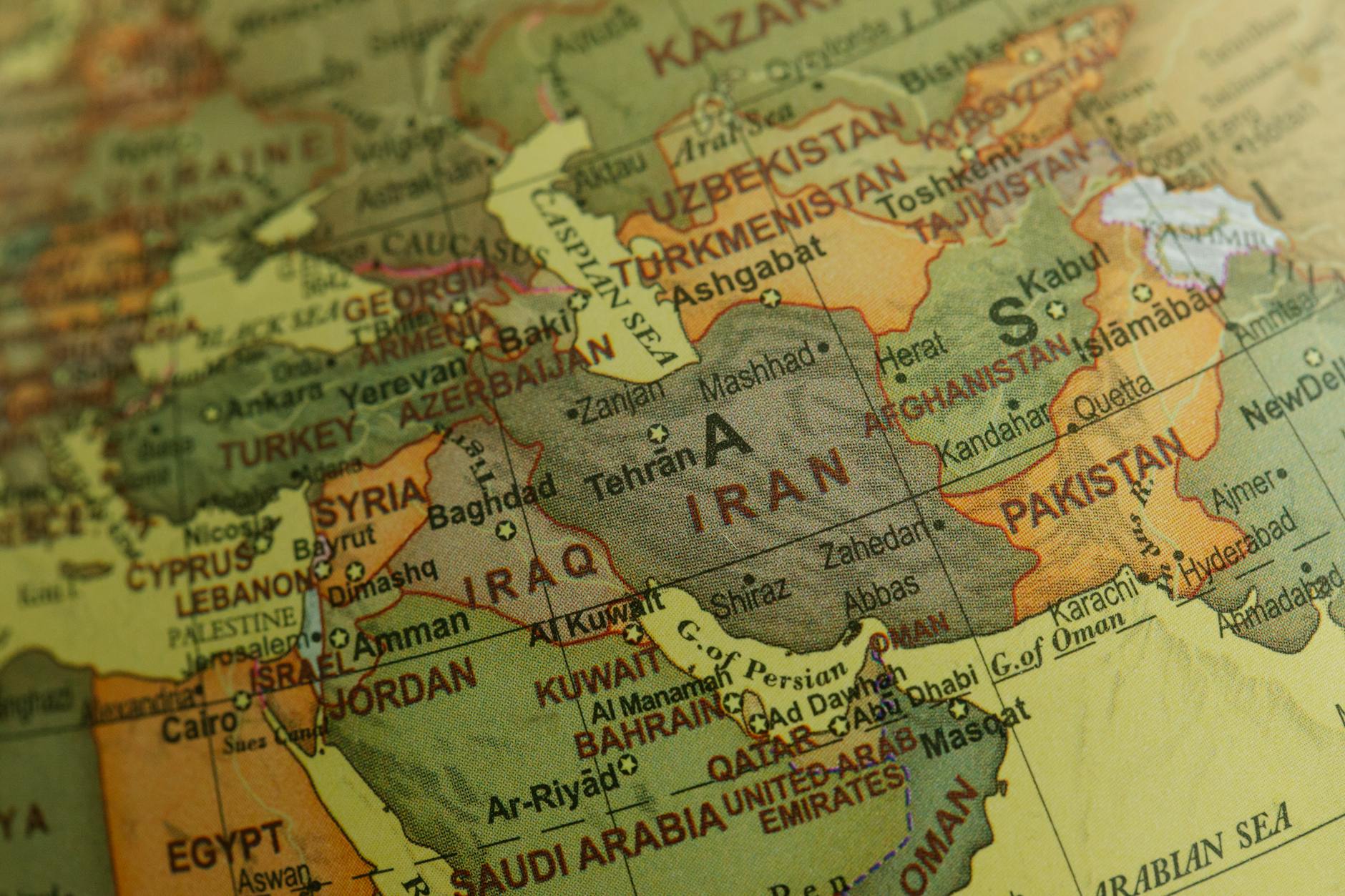
    The Economic History of Iran: From Ancient Times to Modern Challenges

    Introduction

    The economic history of Iran is a complex tapestry woven from the threads of ancient civilizations, cultural exchanges, and global interactions. From the prosperous and diverse economy of the Persian Empire to the revolutionary changes following the Islamic Revolution of 1979, Iran’s economic narrative showcases significant transformations influenced by a variety of historical events. The country has navigated through periods of prosperity and hardship, shaped by its strategic location, rich natural resources, particularly oil, and the shifting dynamics of international relations. This article delves into the multifaceted economic history of Iran, examining key periods that have significantly impacted its development, while also highlighting the contemporary challenges it faces in the global arena.

    The Ancient Economy of Persia: Foundations and Contributions

    The ancient economy of Persia, often referred to as the Achaemenid Empire (550-330 BC), laid the foundational structures for subsequent Iranian economic practices. The Achaemenids established an impressive administrative system that allowed for effective collection of taxes and distribution of resources across vast territories. The concept of a standardized coinage was introduced to facilitate trade, promoting both local and regional commerce. Key sectors included agriculture, textiles, and crafts, which not only supported local communities but also fueled trade along the Silk Road.

    Agriculture was the backbone of the Achaemenid economy, with irrigation systems developed to optimize arable land. These advances allowed the empire to sustain larger populations and produce surplus crops, which were traded in exchange for goods from neighboring regions. The spread of Persian influences through trade established networks that connected cultures, enhancing the empire’s economic prosperity and contributing to the cultural exchanges that enriched the ancient world.

    Moreover, the establishment of the Royal Road facilitated transportation and communication, integrating distant parts of the empire and promoting trade. This road linked cities across Persia, enabling merchants to transport goods with relative ease and security compared to prior eras. The Achaemenid era demonstrated a forward-thinking approach to economics, setting the stage for future developments throughout Iranian history.

    The Impact of the Islamic Conquest on Economic Structures

    Following the fall of the Sasanian Empire in the 7th century, the Islamic conquest brought transformative changes to the economic landscape of Iran. The initial upheaval led to a significant decline in trade routes that had flourished under the Sasanians. However, over time, the Islamic Golden Age catalyzed a revival of commerce and agriculture as Islamic principles promoted trade and market activities.

    The introduction of new agricultural techniques and crops from diverse regions laid the groundwork for improved productivity. The Islamic caliphates instituted land reforms that redistributed agricultural land, enabling more equitable farming practices and empowering local economies. The trade expansion led to the establishment of major cities as economic hubs, including cities like Baghdad and Nishapur, fostering a rich cultural exchange that propelled innovations in science, technology, and arts.

    Islamic banking practices, including the development of credit and checks, revolutionized trade. This banking system allowed merchants to engage in larger transactions over greater distances, thus revitalizing the economy of Iran and its interactions within the Islamic world and beyond. As these economic structures solidified, they began shaping Iranian identity and societal organization, intertwining cultural, religious, and economic threads in the tapestry of Iranian history.

    The Safavid Era: Trade and Economic Expansion

    The Safavid Empire (1501-1736) marked a pivotal period in Iran’s economic history, characterized by significant trade expansion and the establishment of a unique national identity. The Safavids, by embracing Shia Islam as a unifying force, fostered a sense of nationality that resonated throughout the empire and influenced trade dynamics.

    During this period, Persian carpets, textiles, and ceramics gained global recognition, becoming highly sought-after commodities in both Eastern and Western markets. The empire benefited from its strategic location along the Silk Road, facilitating connections with Europe, Asia, and Africa, allowing Iranian goods to reach diverse markets. Moreover, the establishment of trade treaties with European powers, such as the Dutch and English, further enhanced Iran’s economic standing.

    The Safavid era also saw the development of intricate trade networks, including caravansaries that served as rest stops for traders, promoting safer and more efficient transport of goods. Urban centers thrived, becoming wealthy market capitals where artisans and merchants engaged in vibrant economic activities. The flourishing economy also brought about advances in architecture and infrastructure, as cities expanded and urban planning became more sophisticated.

    Despite these advancements, the Safavid Empire faced challenges due to internal strife and external threats. Nevertheless, its contributions to the Iranian economy left an indelible mark, setting the stage for future developments and laying the foundations for a vibrant merchant culture that permeated Iranian society.

    Economic History of Iran
    From the prosperous and diverse economy of the Persian Empire to the revolutionary changes following the Islamic Revolution of 1979, Iran’s economic narrative showcases significant transformations influenced by a variety of historical events. Photo by Kamran Gholami on Pexels.com

    The Pahlavi Dynasty: Modernization and Oil Industry Development

    The 20th century witnessed transformative changes in Iran under the Pahlavi dynasty, particularly during the reign of Reza Shah Pahlavi (1925-1941) and his son Mohammad Reza Shah Pahlavi (1941-1979). The era was characterized by modernization efforts aimed at industrialization, infrastructure development, and, notably, the expansion of the oil industry.

    The discovery of oil in the early 20th century was a game-changer for Iran’s economy. The establishment of the Anglo-Persian Oil Company (APOC) in 1908 marked the beginning of substantial foreign investment in the country’s oil sector, which became a dominant force in Iran’s economic landscape. Oil revenues fueled modernization projects, leading to the construction of roads, railways, and schools, transforming the economic fabric of the nation.

    The Pahlavi regime implemented land reforms and invested in education, seeking to reduce dependence on traditional agriculture and promote a diversified economy. However, these modernization efforts were often met with resistance, as rural communities grappled with rapid changes and dislocation. Despite the rapid urbanization and industrial growth, the benefits were not evenly distributed, leading to social disparities and growing discontent among the population.

    As the oil industry flourished, Iran emerged as a significant player in the global oil market. This prominence came with vulnerabilities, as the economy grew increasingly reliant on oil revenues, rendering it susceptible to fluctuations in global oil prices. The combination of modernization, economic growth, and social unrest culminated in the Iranian Revolution of 1979, which ultimately reshaped Iran’s economic trajectory and political landscape.

    The Effects of Sanctions and Globalization on Iran’s Current Economy

    In the wake of the 1979 revolution, Iran’s economy has faced significant challenges, largely influenced by domestic policies and international relations. The imposition of economic sanctions, particularly from the United States and its allies, has had profound effects on Iran’s economic development and globalization efforts.

    Sanctions targeting Iran’s nuclear program led to isolation from global markets, severely impacting oil exports and foreign investment. The economic consequences were further exacerbated by domestic mismanagement, corruption, and political instability, which hindered economic growth and development. Inflation, unemployment, and currency devaluation have become pressing issues, alongside increasing discontent among the populace.

    In contrast, the digital revolution has presented new opportunities for economic diversification through technology and e-commerce. Amid sanctions, many Iranian entrepreneurs have turned to the internet to reach international markets, establishing a growing tech sector. However, the government’s restrictions on freedom of expression and access to technology continue to pose significant challenges.

    Iran’s current economy is at a crossroads, grappling with the legacies of its historical challenges while navigating the complexities of globalization and digital opportunities. The interplay between sanctions, domestic policies, and international relations will determine the trajectory of Iran’s economic future in an increasingly interconnected world.

    Conclusion

    The economic history of Iran is a chronicle of resilience, adaptation, and transformation. From its ancient roots to the complexities of modern global interactions, Iran has experienced a dynamic economic trajectory marked by both triumphs and challenges. Each historical phase has contributed to shaping its present economic landscape, influencing the social, political, and cultural fabric of the nation.

    Understanding this intricate history is essential in comprehending Iran’s current economic conditions and the challenges it faces in the global context. As the country navigates through sanctions, seeks opportunities for growth, and balances its rich historical legacy with the demands of a modern economy, the narrative of Iran’s economic history continues to evolve, presenting both challenges and prospects for the future.

    Sources

  • The Economic History of Israel: Key Events and Milestones

    The Economic History of Israel: Key Events and Milestones

    Introduction

    The economic history of Israel is a fascinating narrative shaped by geopolitical tensions, waves of immigration, and groundbreaking innovation. Since its declaration of independence in 1948, Israel has transformed from a nascent state with limited resources into a dynamic economy characterized by high-tech advancements and significant global trade partnerships. This article delves into key events and milestones in Israel’s economic history, exploring the various phases that have defined its economic landscape, from early agricultural endeavors to becoming a leader in technology and innovation. Through examining critical moments in Israel’s economic development, we aim to illuminate the factors that have contributed to its resilience and growth despite ongoing challenges.

    Early Economic Foundations: Pre-State Israel and British Mandate Period

    The foundations of Israel’s economy can be traced back to the late 19th century, during the wave of Jewish immigration known as the First Aliyah (1882-1903). These early settlers established agricultural communities, laying the groundwork for the country’s future economic structure. They primarily focused on wheat and fruit cultivation, utilizing innovative farming techniques to enhance productivity. The establishment of the Jewish National Fund in 1901 further assisted in acquiring land for agricultural purposes.

    During the subsequent Second Aliyah (1904-1914), the arrival of more immigrants led to the formation of kibbutzim (collective farms) and moshavim (cooperative communities). These communities adopted a socialistic approach and played a crucial role in agricultural production and early industrialization. The labor movement grew, leading to the establishment of various trade unions and institutions, setting a foundation for a robust labor force.

    The British Mandate period (1920-1948) posed both opportunities and challenges for the emerging economy. The British authorities implemented policies that favored Jewish immigration and investment, enabling the growth of infrastructure, particularly in urban areas. The establishment of key institutions, such as the Histadrut (General Organization of Workers) in 1920, provided a vital support framework for workers while promoting economic self-sufficiency among the Jewish population.

    Despite these developments, the economy faced numerous challenges, including limited access to markets due to political instability and Arab opposition. The 1929 mass riots and the Arab Revolt (1936-1939) highlighted the fragile situation, yet they also intensified Jewish efforts to solidify economic independence.

    The late 1930s to early 1940s saw an increased focus on industrialization, driven by World War II demands. Jewish industries, particularly in textiles and military supplies, began to grow, laying the groundwork for future industrial sectors. By the time the state of Israel was declared in 1948, a blend of agriculture and rudimentary industry had emerged, setting the stage for the challenges and opportunities that would define the newly established nation.

    Nationhood and Initial Economic Challenges (1948-1967)

    With the establishment of the State of Israel in 1948, the new nation faced daunting economic challenges. The immediate aftermath of independence brought a wave of immigrants, many of whom lacked skills and resources. Israel’s economy at that time was largely agrarian, with a significant portion of the population engaged in agriculture. This demographic shift created a demand for housing, jobs, and social services, which strained the nascent economy.

    The first few years post-independence were defined by austerity measures as Israel faced severe resource shortages due to the War of Independence. The conflict resulted in loss of agricultural land and disruption of trade routes, making it difficult to maintain food security. The government, under Prime Minister David Ben-Gurion, implemented a series of economic policies aimed at stabilizing the economy and addressing urgent needs.

    One of these measures was the absorption of millions of Jewish refugees from Europe and Arab lands, which required immediate integration into society. To manage this influx, the government established the “Clalit” health care system and built new urban centers, which led to heightened urbanization. The urgency of these policies led to significant government spending, resulting in inflation but also setting up a framework for long-term economic stability.

    The economy was largely based on a command structure, with the government playing a central role in directing resources and investments. Key industries, such as textiles and food processing, received state support, while the agricultural sector was bolstered via collective farming models like the kibbutzim. The establishment of the Jewish Agency and the Ministry of Labor helped facilitate the integration of new immigrants into the workforce, providing training and employment services.

    In the 1950s, despite ongoing security issues, Israel began to stabilize its economy, particularly with the support of international loans and reparations from Germany, which were invested in infrastructure and industrial development. The “Five-Year Plan” was initiated in 1955, aimed at boosting production and economic independence. However, these plans met hurdles such as labor disputes, shortages of consumer goods, and ongoing tensions with neighboring Arab countries.

    The 1960s brought a degree of economic confidence with significant investments in education and technology, alongside continued military spending. The establishment of the first development towns aimed to encourage growth beyond the central urban areas. Nonetheless, the period was still marred by geopolitical tensions, culminating in the Six-Day War in 1967, which would further redefine both the political and economic landscapes of Israel.

    The Boom Years: Economic Growth and Development (1968-1985)

    The years following the Six-Day War marked a period of considerable economic growth and transformation for Israel. The immediate post-war environment offered opportunities for expansion, as the government aimed to develop the territories acquired during the conflict, including the West Bank and the Golan Heights. This era witnessed the beginning of Israel’s transition from a primarily agrarian economy to a more diversified economy with significant industrial and technological sectors.

    The 1970s saw Israel experience rapid GDP growth, averaging over 8% annually. The influx of skilled labor and the opening of new markets following territorial expansion led to increased investment in infrastructure and industry. The government implemented favorable policies that attracted foreign investment, which focused largely on high-tech industries. These changes set the stage for many of the key sectors that would later define Israel’s economy.

    During this period, the “economic miracle” was characterized by the rise of industries such as electronics, textiles, and pharmaceuticals. The establishment of research institutions and universities, notably the Technion and the Hebrew University, propelled innovation and entrepreneurship. The rise of the high-tech sector was fueled by military advancements and a strong commitment to R&D, which had significant spillover effects into civilian industries.

    However, despite a seemingly booming economy, underlying issues began to surface in the form of inflation and income disparity. The oil crisis of 1973 sent shockwaves through the global economy, resulting in skyrocketing oil prices and placing additional pressure on Israel’s economy. As a result, the government faced heightened challenges in managing control over inflation, which reached unprecedented levels by the end of the decade. The public sector swelled as the government sought to manage economic disruptions, leading to larger budget deficits and a growing debt burden.

    In the early 1980s, a combination of factors, including rising inflation and dependency on foreign aid, began to test Israel’s economic resilience. The government introduced austerity measures aimed at stabilizing the situation, but social unrest grew in response to cutbacks in public spending. The social fabric of the country was strained, as socio-economic disparities widened.

    Despite these challenges, the groundwork laid during these boom years created the momentum for future economic reforms. Israel had transformed into a pivotal player in high-tech and military innovation, heralding its potential in the global market. The economic advancements during this time established a path towards the technological powerhouse that Israel would become in the following decades.

    Economic History of Israel
    Since its declaration of independence in 1948, Israel has transformed from a nascent state with limited resources into a dynamic economy characterized by high-tech advancements and significant global trade partnerships. Photo by Naya Shaw on Pexels.com

    Economic Reforms and Global Integration (1985-2000)

    The mid-1980s were a turning point for Israel’s economy, marked by significant reforms aimed at restoring stability and fostering growth. The hyperinflation of the early 1980s had reached unsustainable levels, threatening economic viability. In June 1985, the Israeli government implemented the “Stabilization Plan,” which encompassed a series of measures to combat inflation, including wage and price controls, tax reforms, and a focus on monetary stability. These changes set the stage for a gradual recovery and restructuring of the economy.

    The stabilization plan was complemented by the introduction of free-market policies, which promoted competition and reduced government intervention in the economy. Privitization of state-owned enterprises took center stage, leading to increased efficiency and innovation across various sectors. The “New Economy” began to emerge, characterized by the growth of service-oriented industries, technology, and finance.

    One of the most important aspects of this phase was Israel’s increasing integration into the global economy. As barriers to trade were reduced, the country sought to foster international partnerships and expand its export capabilities. The signing of the Israel-U.S. Free Trade Agreement in 1985 was a landmark moment, allowing American and Israeli companies to trade without imposing tariffs. This agreement marked the start of a new era in which Israel could leverage its advanced technology and diversity in exports to compete on the global stage.

    Throughout the 1990s, Israel’s economy surged, fueled by a technology boom in Silicon Wadi. The growth of venture capital firms, incubators, and startups proliferated within the country’s fertile entrepreneurship ecosystem. The measures put in place during the prior decade began to bear fruit, leading to an influx of foreign investors and technology firms eager to tap into Israel’s innovative capacities.

    The peace treaty with Jordan in 1994 further opened new economic avenues, allowing for increased trade and cooperation in various industries. Additionally, other Arab states began to engage with Israel through unofficial channels, leading to burgeoning economic and technological exchanges.

    However, the economic landscape also faced turbulence during this period, marked by periodic volatility stemming from regional conflicts and political instability. The Gulf War in 1991 disrupted the economy but also served to unite the nation as it dealt with external threats. The government’s ability to maintain economic stability in the face of such challenges served as a testament to the robustness of the reforms initiated in the 1980s.

    By the close of the 20th century, Israel had solidified its status as a high-tech leader, enriched by an educated workforce and significant investment in research and development. The economic reforms of this era set the stage for the expanding role of technology in Israel’s economy, reinforcing the dynamic shift towards innovation-driven growth.

    The Modern Economy: Challenges and Innovations (2000-Present)

    Entering the 21st century, the Israeli economy faced new challenges and opportunities that would shape its development trajectory. The dot-com bubble burst in 2000 had significant implications for the high-tech sector, yet Israel’s robust foundation allowed it to weather the storm. In the subsequent years, the economy rebounded, driven by innovation, an influx of international capital, and strategic government initiatives aimed at fostering growth.

    The modern economy of Israel is characterized by its strengths in various high-tech industries, including software, cybersecurity, agricultural technology, and biotechnology. Israel boasts one of the highest rates of startup creation in the world, with thousands of new businesses launched each year. The critical role of venture capital cannot be overstated, as Israeli startups secured billions of dollars in funding from both local and international investors, fueling growth and expansion.

    The government has taken a proactive approach by supporting research institutions, encouraging collaboration between universities and the private sector, and fostering an ecosystem conducive to innovation. The establishment of technology parks and incubators across the nation has nurtured entrepreneurship and technological advancements.

    Agricultural technology stands out as another realm in which Israel has excelled. The country has become a global leader in agricultural innovation, developing advanced irrigation systems and agricultural practices that maximize limited water resources. These innovations have not only benefitted Israel but have also contributed to global food security, drawing interest from countries facing similar challenges.

    However, this era has not been without its challenges. Israel continues to grapple with socio-economic disparities, particularly between different ethnic and socio-economic groups. The ongoing Israeli-Palestinian conflict presents both humanitarian and economic challenges that impede development efforts in various regions. Addressing these disparities while fostering social cohesion remains a priority for policymakers.

    The global pandemic in 2020 posed unprecedented challenges to the Israeli economy, alongside the rest of the world. The government’s swift response included economic relief measures to support businesses and individuals adversely affected by pandemic-related restrictions. The resilience and adaptability shown during this time highlighted the importance of innovation in navigating crises.

    In recent years, Israel’s economy has also increasingly focused on sustainability, green technologies, and renewable energy sources. The government has prioritized initiatives aimed at reducing reliance on fossil fuels and promoting sustainable practices across various sectors. This shift not only addresses environmental concerns but also positions Israel as a leader in the rapidly growing field of sustainable technology.

    As the Israeli economy moves forward, it continues to redefine itself in the face of emerging global trends and local challenges. The interplay between innovation, policy support, and social equity will shape the future landscape of Israel’s economy, further cementing its status as a key player in the global arena.

    Conclusion

    The economic history of Israel is a testament to resilience and innovation, characterized by significant milestones that have shaped its development. From the early agricultural foundations laid during the British Mandate to the robust high-tech sector driving the modern economy, Israel’s journey reflects both challenges and triumphs. Each phase of economic development reveals critical lessons on the interplay between government policy, private enterprise, and global trends, culminating in a diverse and dynamic economy.

    As Israel faces ongoing challenges, including socio-economic disparities and geopolitical tensions, the lessons of its past remain crucial for future growth. Continuously fostering innovation while addressing social issues will be paramount to ensuring sustainable economic development. The story of Israel’s economy is still being written, with new chapters poised for exploration as emerging technologies and global influences shape its trajectory.

    Sources

    • Economist Intelligence Unit. “Israel’s Economy: Review and Forecast.” Link
    • Bank of Israel. “The Economic History of Israel: A Comprehensive Overview.” Link
    • World Bank. “Israel Overview.” Link
    • Aharoni, Y. “Israel’s Economic Development.” Link
    • OECD. “Economic Surveys: Israel.” Link

  • The 1970s Stagflation Crisis: Causes, History, and Economic Impact

    The 1970s Stagflation Crisis: Causes, History, and Economic Impact

    Introduction

    The 1970s stagflation crisis marked a significant turning point in economic history, as it challenged prevailing economic theories and policies. Stagflation, a term that combines stagnation and inflation, defines an economic environment characterized by slow economic growth, high unemployment, and rising prices. Unlike previous economic downturns, which were typically accompanied by deflation or low inflation, stagflation presented a unique dilemma for policymakers. This period was defined by oil crises, monetary policy shifts, and increasing geopolitical tensions, all of which contributed to economic malaise. This article delves into the causes and history of the 1970s stagflation crisis, exploring its profound economic impact and the lessons learned from it.

    Understanding Stagflation: Definitions and Early Indicators

    Stagflation, as an economic phenomenon, necessitated a reevaluation of classical economic theories that posited inflation and unemployment had a predictable inverse relationship, known as the Phillips Curve. In the years leading up to the 1970s, economists largely believed that inflation could be reduced at the cost of higher unemployment. However, as the crisis unfolded, it became clear that these assumptions were overly simplistic.

    The early 1970s were characterized by several indicators of economic stagnation. Growth rates began to slow, unemployment climbed from around 3.4% in 1969 to over 8% by 1975, and inflation rates soared. By 1974, inflation had reached a staggering 12.3%. These figures signaled the onset of an economic malaise that was both complex and unprecedented.

    The convergence of rising prices and falling output raised critical questions about the effectiveness of existing economic policies. Traditional Keynesian frameworks were rendered ineffective as they could not provide clear solutions to an economy facing both inflation and recession. The structural shifts in the economy, characterized by increasing manufacturing costs and changes in consumer behavior, added to the confusion surrounding policy responses.

    Furthermore, real wages stagnated during this period, contributing to the struggle of American households, whose purchasing power declined as prices rose. This economic reality was in stark contrast to the post-World War II era, characterized by robust economic growth and rising standards of living. The seeds of discontent were sown, as more Americans faced diminished prospects against a backdrop of rising inflation.

    As the tightness of the labor market created wage pressures, businesses hesitated to invest, fearing future stability was uncertain. Inflation was gnawing away at consumer confidence, leading to cautious spending habits and ultimately suppressing economic growth further. It is vital to analyze these early indicators of stagflation to understand how they laid the groundwork for an enduring economic crisis that fundamentally changed the trajectory of American economic policy in the years to come.

    The Oil Crisis: Contributing Factors to Stagflation and Immediate Economic Effects

    The first oil crisis of 1973 was a pivotal moment that catalyzed the spiral into stagflation. The crisis was the culmination of multiple factors, including geopolitical tensions in the Middle East, particularly the Yom Kippur War in October 1973, and the subsequent oil embargo imposed by the Organization of Arab Petroleum Exporting Countries (OAPEC) on nations perceived as supporting Israel.

    As oil prices skyrocketed from $3 per barrel to nearly $12 in a matter of months, the immediate impact on the American economy was profound. The sharp rise in oil prices not only increased transportation and production costs but also led to widespread inflationary pressures as energy costs permeated throughout the economy. Consumers faced skyrocketing fuel prices, which diminished disposable income and forced many to reconsider their spending habits.

    The oil crisis exposed the vulnerability of the U.S. economy, which had become overly reliant on foreign oil supplies. This dependence highlighted the strategic importance of energy security and prompted various policy debates regarding energy independence. Consequently, governmental measures aimed at conservation were initiated, including speed limits and rationing strategies in some areas.

    In industries heavily reliant on oil, such as transportation and manufacturing, profit margins shrank as costs skyrocketed. For many small businesses, this shift marked the beginning of severe financial strain and, for some, outright bankruptcy. Large corporations also felt the brunt of rising oil prices, leading to layoffs and rising unemployment—a cruel paradox during an inflationary environment.

    The reaction of the Federal Reserve was also crucial during this period. The initial response to inflation was to curtail monetary supply, expecting that higher interest rates would rein in rising prices. However, this approach only exacerbated the economic downturn, as businesses and consumers faced increased borrowing costs, further stifling growth. The decisions made in response to the oil crisis created a ripple effect that contributed to the persistence of stagnation alongside inflation.

    Overall, the oil crisis represented not just a sudden spike in costs but also the onset of a longer-term reevaluation of economic policy in the United States—a response driven by the need for inventive solutions to manage an economy grappling with unprecedented challenges.

    Government Responses: Monetary Policy and Fiscal Measures

    In response to the mounting pressure of stagflation, the U.S. government and the Federal Reserve implemented an array of monetary and fiscal measures. However, navigating a dual crisis of inflation and stagnation proved immensely challenging. Policymakers were tasked with finding balance, yet their approaches often resulted in unintended consequences.

    Initially, the Federal Reserve’s attempts to address rising inflation were focused on tightening monetary policy. This translated to higher interest rates intended to slow down consumer spending and investment. However, this strategy carried significant costs. As interest rates increased, high borrowing costs burdened families and businesses, leading to further declines in investment and consumption. The contraction of credit in financial markets exacerbated the economic stagnation—a cycle where policies aimed at curtailing inflation inadvertently worsened the overall economic malaise.

    Meanwhile, the federal government turned to various fiscal initiatives to stimulate the economy. The Nixon administration, facing mounting pressure to address economic conditions, temporarily implemented wage and price controls. These measures, while politically popular in the short term, distorted market operations and failed to provide lasting solutions. As inflation continued to rise, the effectiveness of such price controls became apparent: they could offer fleeting relief but ultimately led to shortages as production levels declined.

    Furthermore, existing welfare programs expanded, ostensibly to support those impacted by rising prices and unemployment. However, this increase in government spending amidst a contracting economy generated further concerns about the fiscal health of the nation and the legitimacy of government intervention as a solution.

    The Federal Reserve under Chairman Arthur Burns exemplified the struggle to adapt strategies effectively. Critiques of the Fed’s policies highlighted the inconsistent approach to monetary supply management, which oscillated between being overly responsive to inflationary concerns and yielding to political pressures for economic growth. A lack of cohesive strategy led to a loss of credibility in monetary policy, leaving stakeholders uncertain about future policy directions.

    Ultimately, this period of economic turmoil erased a significant level of public trust in both government institutions and economists, who were perceived as unable to mitigate or predict the crises of stagflation effectively. As inflation and unemployment persisted, the society grappled with political unrest, further marginalizing traditionally marginalized economic voices and driving a call for deeper structural reforms to restore balance to the economy.

    stagflation crisis
    The 1970s stagflation crisis marked a significant turning point in economic history, as it challenged prevailing economic theories and policies. Stagflation, a term that combines stagnation and inflation, defines an economic environment characterized by slow economic growth, high unemployment, and rising prices. | Photo by Lloyd Freeman on Pexels.com

    The Social Impact: Unemployment, Wages, and Public Sentiment

    The sociopolitical landscape of the 1970s was profoundly shaped by the ongoing economic distress. As stagflation took hold, it affected nearly every demographic group in the United States, with rising unemployment rates and eroding purchasing power changing the very fabric of society.

    With unemployment surging to levels not seen since the Great Depression, families experienced unprecedented financial insecurity. Middle-class workers found it increasingly difficult to maintain their standard of living, as real wages stagnated—losing ground to the hastily rising prices of essential goods. The disillusionment felt by the working class was palpable, culminating in strikes and protests driven by coordinated efforts from labor unions that felt increasingly marginalized.

    Inflation directly impacted consumer behavior; households adapted by cutting discretionary spending and seeking alternatives to traditional services. Such adjustments led to an environment where consumer confidence plummeted, which further inhibited economic growth. One striking example was a diminishing willingness among younger generations to acquire homes, a cornerstone of the American dream, leading to an entire demographic increasingly uncertain about their financial futures.

    Political sentiment also shifted amid the crisis. Economic hardship laid the groundwork for widespread skepticism towards government responsiveness, fueling conservative and populist movements. The emergence of organizations advocating for free-market reforms and deregulation can be traced back to this period. As citizens grew disillusioned by government policies and intervention, calls for a pivot to conservative economic strategies gained traction.

    This sentiment carried through to presidential politics, culminating in the election of Ronald Reagan in 1980’s response driven by a desire for a radical change from the prevailing Keynesian economics. His administration would become influential in redefining U.S. economic policy, which included tax cuts, deregulation, and a focus on pro-business strategies.

    As the nation grappled with the effects of stagflation, the social fabric was tested. There was a marked increase in mental health concerns attributed to economic instability—an invisible crisis that often went unaddressed amidst the more visible economic challenges. The social environment became marked by both anxiety and resilience, setting the stage for social movements that aimed to reshape how economic policy addressed inequities.

    Ultimately, the social consequences of stagflation were complex, transcending mere numbers on financial indicators and creating broader discussions about the relationship between economic theory and lived realities. The legacy of stagflation would ripple outward, influencing public policy debates for decades to come.

    Lessons Learned: Long-term Economic Consequences and The Legacy of Stagflation

    The 1970s stagflation crisis left an indelible mark on both economic theory and policy. The unprecedented situation forced economists and policymakers to reconsider fundamental assumptions and adapt to the realities of a complex economy that could experience stagnation alongside inflation.

    One of the most significant lessons learned was the limitation of Keynesian economics when faced with supply-side shocks. The crisis highlighted the need for a more nuanced approach that could incorporate aspects of supply-side economics to address the fundamental causes of inflation rather than merely its symptoms. Prominent economists began advocating for policies that stimulated production capacity, including tax reforms and regulatory changes aimed at fostering an environment conducive to business growth and investment.

    The emphasis on energy independence emerged as another key lesson. The oil crises underscored the dangers of relying heavily on foreign oil supplies and emphasized the importance of alternative energy sources and conservation measures. This realization laid the groundwork for a renewed focus on energy policy throughout subsequent decades, which materialized into governmental support for research into renewable resources and energy security strategies.

    Furthermore, the stagflation crisis fostered a re-evaluation of the role of the Federal Reserve in managing the economy. The struggle to combat inflation while avoiding further economic stagnation demonstrated the importance of maintaining credibility in monetary policy. In response, the Federal Reserve began to adopt more transparent communication strategies regarding its policies, promoting a clearer understanding of the rationale behind its decisions.

    In terms of political legacy, the 1970s became a watershed moment for the evolution of economic ideologies in the United States. The dissatisfaction with established economic frameworks paved the way for the ascendance of conservative economic policies under Reaganomics, which prioritized market deregulation, tax cuts, and reducing the size of government.

    Moreover, public sentiment towards economic policies became increasingly critical, leading to a demand for greater accountability and citizen engagement in economic discourse. As a result, periods of economic hardship prompted movements advocating for systemic changes and greater attention to social equity and justice, shaping a legacy that would influence political advocacy for years to come.

    In short, the 1970s stagflation crisis served as a pivotal learning experience that forever changed the landscape of U.S. economic policy, emphasizing adaptability and the need for resilient frameworks capable of responding to evolving economic realities.

    Conclusion

    The 1970s stagflation crisis remains a profound chapter in economic history, characterized by the convergence of stagnation and inflation, which had profound consequences for U.S. society and policy. As the nation struggled with high unemployment rates and rising prices, it became increasingly clear that traditional economic theories and policy measures were inadequate for addressing the complexities of the crisis.

    The government’s response showcased the challenges of creating effective fiscal and monetary policies amidst competing economic pressures. As individuals and families endured significant hardships, the social impact was vast, fostering political movements and a questioning of traditional economic ideologies.

    Ultimately, the legacy of the stagflation crisis lies in the lessons learned regarding the balance between economic growth, inflation management, and social equity. It serves as a reminder of the significance of adaptability in economic policy and the necessity of addressing the multifaceted complexities of an interdependent global economy. The experiences of the 1970s continue to inform contemporary discussions on economic stability, underscoring the importance of being prepared for unforeseen challenges ahead.

    Sources

  • The History of the World Bank: Origins, Evolution, and Global Impact

    The History of the World Bank: Origins, Evolution, and Global Impact

    Introduction

    The World Bank, established in the aftermath of World War II, has played a pivotal role in shaping global economic policies and promoting sustainable development worldwide. Its origins can be traced back to the Bretton Woods Conference in 1944, where delegates from 44 countries came together to discuss the reconstruction of a war-torn world and prevent future economic despair. Over the years, the World Bank has evolved from a primarily financial institution into a comprehensive provider of solutions aimed at reducing poverty and improving living standards. This article explores the history of the World Bank, examining its foundational principles, key milestones, and the impact it has had on developing nations. Through this exploration, we aim to understand how the World Bank has adapted to changing global dynamics and continued to influence economic development across the globe.

    Foundations and Early Years (1944-1960)

    The inception of the World Bank in 1944 marked a significant turning point in international finance and development. Born out of the Bretton Woods Conference, where leaders sought to forge a new economic order following the devastation of World War II, the World Bank was tasked with providing loans and funding for reconstruction projects in war-torn Europe. The initial focus was largely on the reconstruction of infrastructure, aiming to stabilize economies and promote growth.

    The first president of the World Bank, Eugene Meyer, played a crucial role in shaping its early policies. Under his leadership, the institution focused on securing funds and establishing a framework for operations. The Bank initially operated from Washington, D.C., and its first major project involved financing the reconstruction of Europe through the International Bank for Reconstruction and Development (IBRD).

    As the years progressed, the World Bank faced the daunting task of addressing the economic challenges faced by numerous countries. Early projects sought not only to restore infrastructure but also to enable access to education and health services. However, these early efforts were often met with skepticism and criticism due to a lack of transparency and challenges in effectively assessing needs on the ground. As developing nations began to join the organization, the World Bank’s focus began shifting towards more holistic development approaches.

    By the late 1950s, the World Bank was beginning to understand that economic development could not simply be a matter of financial support for projects. There was a pressing need to incorporate social aspects, including community engagement and environmental sustainability, into its overall strategy. This period was pivotal as the foundation was laid for the World Bank’s future initiatives, which would evolve to include not only financial support but also capacity building and strategic partnerships with governments and other organizations.

    The lessons learned during this era—particularly the importance of ensuring local involvement and addressing diverse needs—would influence the World Bank’s development policies for decades to come. The institution began to recognize that the fight against poverty is intertwined with promoting education, health, and environmental practices, laying the groundwork for more integrated development strategies.

    Expansion and Diversification (1960-1980)

    As the World Bank entered the 1960s, it experienced significant expansion in both its financial capabilities and its project scope. This decade was characterized by a robust increase in loan disbursements, largely as a result of the growing number of member countries seeking financial assistance for development projects. The World Bank’s lending capacity was bolstered by the establishment of the International Development Association (IDA) in 1960, which aimed to provide concessional loans to the poorest nations, expanding the Bank’s reach and impact.

    During this period, the focus of the World Bank gradually shifted from pure economic reconstruction to embracing a broader scope of development issues, including education, health care, and agriculture. The organization recognized that addressing poverty effectively required multifaceted strategies that went beyond mere financial investments. As a result, the World Bank began to prioritize projects that delivered comprehensive approaches to development, focusing on building human capital through education and health instead of solely infrastructure development.

    Moreover, the 1970s brought another layer of complexity to the World Bank’s objectives as global economic crises led institutions to re-evaluate their strategies. The oil crisis of the early 1970s, which caused inflation and recession in many countries, highlighted the interconnectedness of global economics and the need for a more systemic approach to development. The World Bank responded by increasing its focus on food security, sustainable agriculture, and rural development, realizing that economic stability was inherently linked to the well-being of populations.

    During this transformative period, funding for projects expanded significantly, coupled with an increase in partnerships with international and local organizations. The World Bank began to recognize the importance of collaboration in tailoring solutions to fit local contexts. This era also saw a growing engagement with non-governmental organizations (NGOs), which played a vital role in implementing projects at the community level, ensuring that development efforts were aligned with the needs and priorities of local populations.

    Yet, the growing complexity of projects posed challenges. Criticisms began to surface regarding the Bank’s approach, with concerns about the adequacy of projects and the involvement of local communities. Striking a balance between financial efficiency and social impact became an ongoing challenge that shaped the World Bank’s evolution in subsequent decades. The lessons learned during this period were instrumental, informing how the World Bank would approach its mission moving forward.

    Reform and Modernization (1980-2000)

    The 1980s and 1990s were marked by significant reforms within the World Bank, as the organization faced mounting criticism and a changing global economic landscape. The debt crisis that swept across the developing world during this time was a wake-up call, revealing the limitations of traditional lending practices and the urgent need for effective reform measures. The World Bank recognized that its one-size-fits-all approach to development was insufficient in addressing the unique challenges faced by different countries.

    In response, the World Bank began to implement a series of structural adjustment programs (SAPs), which aimed to stabilize economies through policy reforms in affected countries. These programs emphasized fiscal discipline, market-oriented reforms, and the privatization of state-owned enterprises. The underlying assumption was that by promoting free markets and reducing government intervention, countries would be better positioned to recover from crises and grow economically.

    However, this reform approach came under scrutiny from various quarters. Critics argued that SAPs often led to increased poverty and social unrest, as the rapid implementation of market reforms sometimes neglected the socio-economic realities of the populations impacted. The World Bank was compelled to reassess its strategies and engage in deeper consultations with stakeholders, including governments, international organizations, civil society, and the private sector.

    By the late 1990s, the need for transparency and accountability became a central theme of the World Bank’s modernization efforts. Initiatives were launched to improve governance, enhance communication with stakeholders, and develop monitoring and evaluation frameworks for projects. The emphasis on results-based management reflected a shift towards demonstrating measurable outcomes rather than merely focusing on the volume of loans and funding disbursed.

    During this reform period, the World Bank also acknowledged the importance of sustainability and the need to address environmental impacts in development projects. The organization began to integrate environmental considerations into lending practices, embracing a more holistic approach that sought to balance economic growth with ecological protection. This alignment with sustainable development goals was foundational in setting the stage for the World Bank’s future initiatives focused on climate change and resilience.

    As the new millennium approached, the World Bank was at a crossroads. The insights gained from past efforts and criticisms prompted a renewed commitment to poverty alleviation, gender equality, and collaboration with other entities, both public and private. This period laid the groundwork for a more inclusive and participatory approach to development, ultimately reshaping the World Bank as a multifaceted institution capable of addressing evolving global challenges.

    world bank history
    The inception of the World Bank in 1944 marked a significant turning point in international finance and development. Born out of the Bretton Woods Conference, where leaders sought to forge a new economic order following the devastation of World War II, the World Bank was tasked with providing loans and funding for reconstruction projects in war-torn Europe.
    Photo by Pratikxox on Pexels.com

    Challenges and Global Crises (2000-2010)

    Approaching the 21st century, the World Bank was confronted with a slew of global challenges that tested its resilience and adaptability. The events of September 11, 2001, marked a pivotal moment, as countries grappled with the implications of terrorism, conflict, and the subsequent humanitarian emergencies that unfolded in various regions. Many developing nations faced destabilization as external factors affected their economic recovery and progress.

    In light of these challenges, the World Bank recognized the need to address the interconnections between development, security, and social stability. The organization began to integrate conflict prevention and post-conflict reconstruction into its operations, underscoring the importance of fostering peace and stability as prerequisites for sustainable development. Engaging fragile states became a priority as the Bank sought to tailor solutions that could address specific vulnerabilities within these contexts.

    The global financial crisis of 2007-2008 further complicated the landscape for the World Bank, as it highlighted the fragility of interconnected economies and the far-reaching implications of market failures. The crisis underscored the need for a robust safety net and effective social protection programs, particularly for the most vulnerable populations. The World Bank facilitated discussions on resilience-building and provided support to member countries seeking to stabilize their economies and protect their citizens from the fallout of economic downturns.

    During this tumultuous period, the World Bank also placed a greater emphasis on climate change and sustainable development. Recognizing that environmental degradation posed a significant threat to poverty alleviation efforts, the institution began to advocate for more sustainable practices in various sectors, including agriculture, infrastructure, and energy. This focus on climate resilience was catalyzed by the recognition that the impacts of climate change disproportionately affect the poorest populations, exacerbating existing inequalities.

    The World Bank launched initiatives aimed at financing sustainable infrastructure projects, promoting renewable energy, and fostering climate adaptation strategies. By building partnerships with other organizations and stakeholders, the Bank sought to mobilize resources and expertise necessary for addressing climate-related challenges effectively. This period also witnessed an effort to enhance knowledge-sharing and capacity-building among members, creating platforms for collaboration and innovative solutions.

    Despite facing mounting challenges, these years were instrumental in reshaping the World Bank’s mission, reinforcing its commitment to addressing pressing global issues such as inequality, economic instability, and environmental degradation. By adapting to the realities of an increasingly interconnected world, the World Bank positioned itself as a vital player in navigating the complexities of 21st-century development.

    Current Role and Future Directions (2010-Present)

    As the World Bank entered the 2010s, its role as a global development institution continued to evolve in response to shifting priorities, emerging challenges, and the ever-changing landscape of international finance. The 2030 Agenda for Sustainable Development, adopted by the United Nations in 2015, served as a key guiding framework for the World Bank’s initiatives, underscoring its commitment to reducing poverty and promoting sustainable growth.

    The World Bank recognized that achieving the Sustainable Development Goals (SDGs) required a multifaceted approach that engaged stakeholders across sectors. By fostering partnerships with governments, the private sector, civil society, and other international organizations, the World Bank aimed to promote inclusive growth and ensure no one was left behind. In particular, the Bank sought to address the unique challenges faced by the most vulnerable populations, including women, children, and marginalized communities.

    Financial inclusion emerged as a priority, as the World Bank acknowledged that access to financial services was crucial for empowering individuals and fostering entrepreneurship. This led to the launch of initiatives aimed at enhancing access to finance for small and medium-sized enterprises (SMEs), promoting digital payments, and leveraging technology to expand financial services in underserved areas.

    In response to the growing urgency of climate change, the World Bank placed sustainability at the center of its development agenda. The organization committed to increasing investments in climate-smart infrastructure, promoting sustainable agriculture, and supporting initiatives aimed at mitigating greenhouse gas emissions. The World Bank also recognized the importance of disaster risk management and climate adaptation, complementing its efforts to build resilience in vulnerable communities.

    As global crises continued to arise, including the COVID-19 pandemic that emerged in 2020, the World Bank stepped up its response by providing financing and technical assistance to support countries in their recovery efforts. The institution recognized the pandemic’s profound impact on health systems and economies, particularly in developing countries, and aimed to develop strategies that would enable countries to recover sustainably and equitably.

    The World Bank’s focus on innovation and knowledge-sharing became evident as it worked to harness data and technology to enhance decision-making and implementation processes. By fostering a culture of learning and adapting to challenges, the institution positioned itself to navigate the complexities of a rapidly changing global landscape.

    As the World Bank moves forward, its legacy will be defined by how effectively it can tackle the challenges of a world facing inequality, climate change, and health crises. The organization’s ability to align its mission with the evolving needs of member countries and foster collaboration with diverse stakeholders will ultimately determine its impact on global development.

    Conclusion

    The journey of the World Bank from its inception in the 1940s to its current role as a key player in sustainable development reflects a profound evolution shaped by historical events, global challenges, and changing priorities. The institution’s commitment to addressing poverty, enhancing living standards, and promoting sustainable growth has persisted through decades of transformation and reform.

    As the World Bank continues to adapt to the complexities of the 21st century, its legacy will be defined by its responsiveness to emerging global issues and its willingness to embrace innovative approaches that align with the diverse needs of its member countries. The lessons learned from its historical trajectory—particularly the importance of collaboration, transparency, and inclusivity—will be essential as the World Bank seeks to fulfill its mission in a rapidly evolving landscape.

    By fostering partnerships, enhancing financial inclusion, and addressing climate change, the World Bank can continue to play a pivotal role in shaping a sustainable future for generations to come. The ongoing commitment to ensuring that no one is left behind will remain the cornerstone of its efforts as it navigates the challenges and opportunities that lie ahead.

    Sources