Introduction
The Venice Carnival, an annual celebration that captures the essence of Venice’s rich cultural heritage, is renowned for its stunning masks, elaborate costumes, and festive atmosphere. With roots tracing back to the 12th century, this iconic event has transformed over the centuries, blending tradition with modern celebration. The use of masks symbolizes a sense of freedom and anonymity, allowing participants to break societal norms and engage in playful revelry. Each year, thousands of visitors flock to Venice to immerse themselves in its vibrant atmosphere, showcasing a blend of artistry and history. This article delves into the fascinating history of the Venice Carnival, exploring its origins, cultural significance, evolving traditions, and future in a world increasingly captivated by the allure of this remarkable festival.
Origins of the Venice Carnival
The origins of the Venice Carnival can be traced back to the 12th century, when the city of Venice began to formally acknowledge the celebration of Carnival. Initially, this event served as a precursor to Lent, a time of fasting and reflection in the Christian calendar. Participants indulged in lavish feasts and joyous celebrations, with the use of masks allowing them to engage in festivities without societal constraints. The name “Carnevale” is derived from the Latin “carnelevare,” meaning “to remove meat,” representing the impending period of abstinence leading up to Easter.
Throughout the late medieval period, the Carnival gained prominence, evolving into a grand spectacle that showcased Venice’s opulence and artistic prowess. In the 13th century, the Carnival became more organized, with official proclamations regulating the celebration. The Venetian Senate recognized the event as an opportunity to demonstrate the city’s wealth and status, attracting nobles and merchants from across Europe. Elaborate masquerade balls became a hallmark of the celebration, as participants donned extravagant costumes and intricate masks designed to mystify and delight.
The Carnival reached its zenith during the 18th century, known as the “Golden Age of the Carnival.” During this time, the tradition of wearing masks became deeply entrenched in Venetian culture. Masks such as the Bauta and Volto were popular, allowing wearers to conceal their identities and partake in clandestine activities, free from judgment. This era was marked by excess, with grand parties, theatrical performances, and street celebrations that captivated both locals and tourists alike.
However, following the fall of the Venetian Republic in 1797, the Carnival faced significant challenges. The new government imposed restrictions, diminishing the vibrancy of the festivities. The once-bustling celebrations dwindled, and many traditions were lost as the focus shifted away from revelry. It wasn’t until the mid-20th century that the Carnival began to regain its former glory, spurred by cultural revivals that sought to reconnect with Venice’s rich heritage.
Today, the Venice Carnival stands as a testament to the city’s resilience and creativity, blending centuries of history with contemporary celebrations. It continues to attract thousands of visitors, eager to experience the enchanting blend of mystery, elegance, and history. The Carnival represents not only a celebration of the past but also a unique opportunity for people around the world to come together in a spirit of joy and unity.
The Evolution of Masquerade Costumes
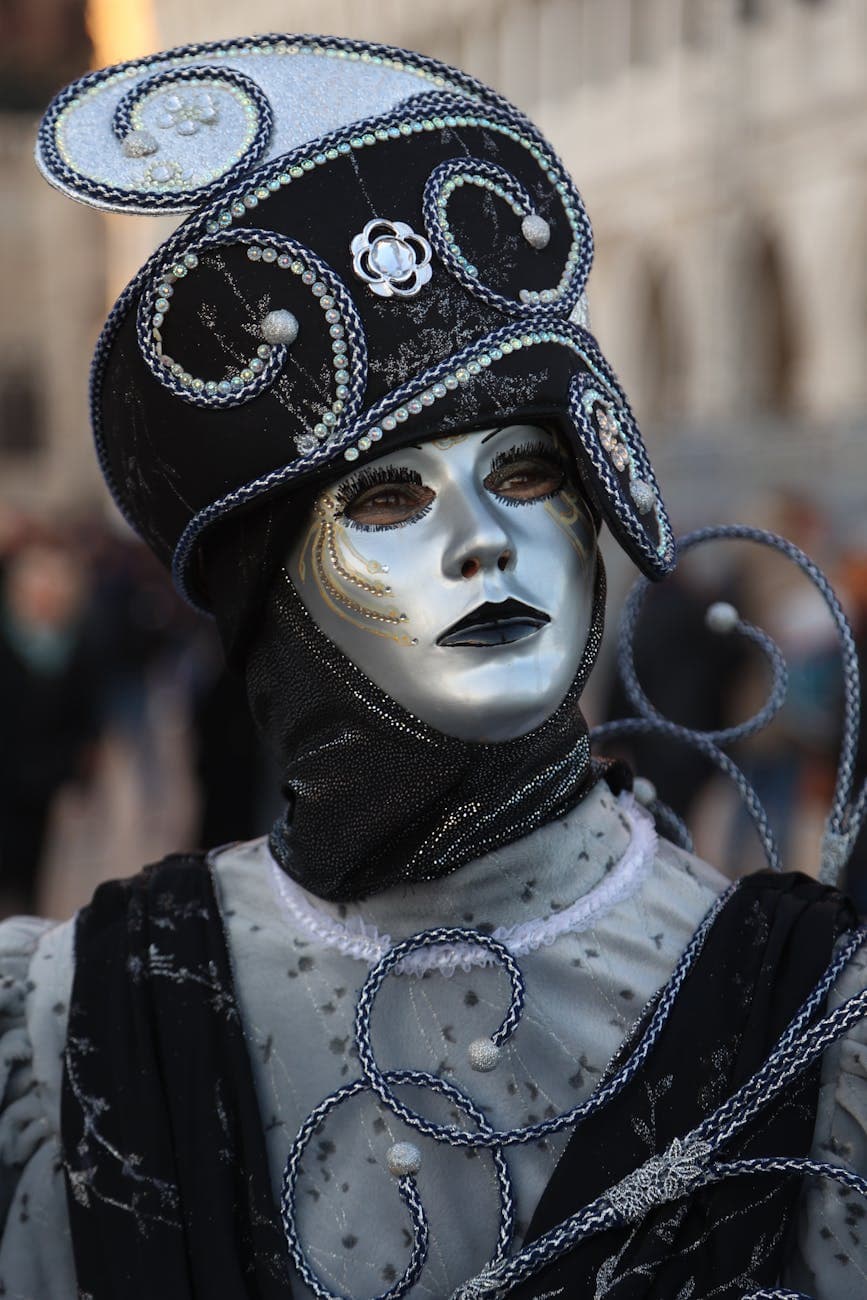
The masquerade costumes of the Venice Carnival are as iconic as the celebration itself, deeply rooted in the artistic expression and cultural identity of Venice. With a rich history of elaborate designs and artistic craftsmanship, these costumes have evolved over centuries, reflecting the changing tastes and values of society.
Initially, during the early festivities, masks were simple and practical, crafted from materials readily available to the Venetian artisans. However, as the Carnival grew in popularity, the complexity and artistry of costumes flourished. By the Renaissance, costumes became a canvas of creativity, with tailors and artisans dedicating their skills to producing flamboyant attire that echoed the era’s opulence.
The materials used in these costumes varied widely. Luxurious fabrics such as silk, brocade, velvet, and lace adorned many outfits, often embellished with pearls, gold threads, and intricate embroidery. The colors also played a significant role, with rich hues symbolizing different emotions, societal roles, or personal values. The designs often imitated the fashion trends of the European elite, showcasing the aspirational nature of Venetian society.
The essence of the mask itself is what makes these costumes so extraordinary. Masks were not merely accessories; they embodied freedom and anonymity, allowing individuals to escape their identities. They ranged from simple and understated designs to extravagant pieces adorned with feathers, jewels, and intricate carvings. The most renowned masks included the Bauta, which covered the entire face and featured an angular shape, enabling wearers to speak freely, and the Moretta, a delicately adorned black mask typically worn by women.
As the century progressed, costume styles became increasingly theatrical. The introduction of professional theatrical performances influenced the design of Carnival costumes, leading to the emergence of character costumes that depicted historical figures, mythological beings, and literary characters. This theatricality added a new layer of engagement to the festivities, transforming Carnival into a platform for storytelling and artistic interpretation.
In the modern era, the evolution of masquerade costumes continues, incorporating contemporary trends while honoring traditional craftsmanship. The resurgence of interest in historical and cultural authenticity has led to a revival of traditional methods, with craftsmen painstakingly creating costumes and masks by hand. While some elements of discretion remain, the flamboyance of modern costumes reflects a blend of historical influences and innovative design.
Moreover, the accessibility of costume rental services has allowed more visitors to participate in the Carnival, enabling a wider range of attendees to embrace the art of costume-play. This inclusivity reinforces the Carnival’s fundamental nature as a celebration of joy, creativity, and imagination.
In conclusion, the evolution of masquerade costumes during the Venice Carnival is a vibrant reflection of the city’s dynamic history and cultural identity. Each costume tells a story, showcasing the artistry and passion of those who don them, while preserving the festive spirit that has enchanted generations.
Cultural Significance and Social Dynamics
The cultural significance of the Venice Carnival extends far beyond mere revelry; it embodies a unique tapestry of social dynamics, tradition, and artistic expression. This annual celebration serves as a conduit for a deeper understanding of Venice’s identity, reflecting the city’s historical complexities and communal spirit.
From its inception, the Carnival has provided an avenue for social interaction among diverse groups, breaking down class barriers and fostering a sense of unity. The anonymity afforded by masks allowed individuals from different socio-economic backgrounds to mingle freely, transcending the constraints of their daily lives. This democratizing aspect of the Carnival, where nobility and commoners could participate equally, was particularly profound in a society characterized by strict social hierarchies.
The celebration also highlights the role of art and creativity in Venetian culture. The intricate designs of costumes and masks serve as expressions of craftsmanship, drawing on centuries of artistic tradition. Artisans dedicated their lives to honing their skills, and the Carnival became a platform for showcasing their work. Street performances, music, and theatrical productions filled the city, captivating audiences and igniting a passion for the arts that continues to thrive today.
In addition to artistic expression, the Carnival served as a ritualistic space where individuals could explore themes of morality, identity, and existence. During this period of celebration, performers and attendees often engaged in satirical commentary on societal norms and contemporary issues. The tradition of masquerading provided a unique opportunity to question power dynamics, social behaviors, and cultural expectations. Through humor and performance, Carnival participants could challenge authorities and provoke thought, reflecting deeper philosophical inquiries into the nature of human experience.
The Carnival also reflects the religious heritage of Venice, intertwined with the Christian calendar. The period leading up to Lent is marked by a temporary suspension of societal norms and values, allowing a sense of freedom and exploration. The rituals and customs associated with the Carnival create a space for reflection on life, death, and resurrection, mirroring the spiritual journey inherent in the Christian tradition.
The impact of globalization cannot be overlooked in the discussion of the Carnival’s cultural significance. As Venice welcomes visitors from around the world, the interpretation of the Carnival has expanded, incorporating influences from diverse cultures. This evolution is evident in the modern festivities, which blend traditional Venetian elements with global celebrations, enriching the Carnival experience while preserving its essence.
Moreover, the environmental sustainability movement is gradually influencing how the Carnival is celebrated. As awareness of our ecological footprint grows, many organizers and participants are exploring ways to make the event more sustainable and eco-friendly, ensuring that future generations can continue to experience the magic of the Carnival while respecting the delicate balance of Venice’s iconic environment.
In summary, the cultural significance of the Venice Carnival lies in its ability to unite diverse individuals, foster artistic expression, and engage with profound societal themes. The spirit of creativity and exploration that permeates the celebrations reflects Venice’s enduring legacy as a center of culture and innovation.
Modern-Day Celebrations and Festivities
The modern-day celebrations of the Venice Carnival have transformed into a grand spectacle, attracting throngs of visitors eager to partake in its enchanting atmosphere. Spanning over two weeks, the festival features a rich lineup of events that pay homage to tradition while incorporating contemporary elements.
Today, the Carnival kicks off with the iconic “Volo dell’Angelo” or “Flight of the Angel,” a symbolic event that marks the official beginning of the festivities. An acrobatally dressed as an angel descends from the Campanile di San Marco, soaring over the crowd gathered in St. Mark’s Square. This dazzling performance not only captures the essence of the Carnival but also sets the tone for the exhilarating events that follow.
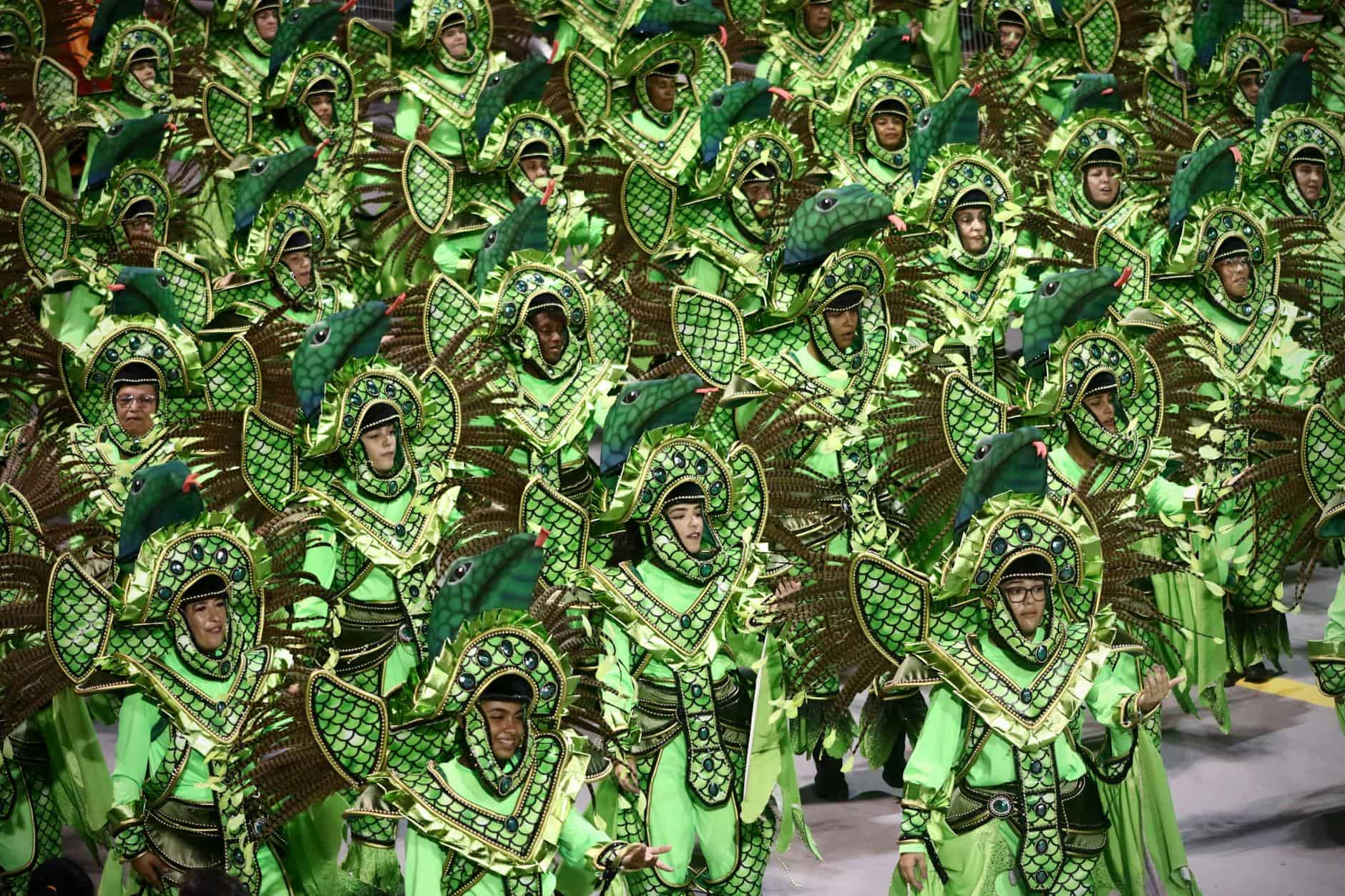
As the celebrations unfold, the streets of Venice come alive with various activities and performances. Historical parades showcase traditional gondolas adorned in colorful decorations, while street performers, musicians, and dancers engage visitors with their talents. The elaborate costumes and masks worn by participants create a visual feast, turning the city into an open-air gallery where history and artistry collide.
Moreover, modern celebrations introduce unique themes and trends that resonate with contemporary audiences. For example, art installations, interactive performances, and digital experiences have been integrated into the Carnival, allowing for a multi-sensory engagement that appeals to younger generations. The use of technology, such as social media platforms, enables festival-goers to share their experiences and connect with a global audience, adding a new layer of excitement to the event.
Culinary experiences also play a pivotal role in the modern-day Carnival, with traditional delicacies taking center stage. Visitors can indulge in Venetian specialties such as “frittelle,” sweet fried pastries filled with cream or custard, and “galani,” crispy doughnuts dusted with powdered sugar. These indulgent treats not only reflect the essence of Carnival but also serve as a way to immerse oneself in the rich culinary heritage of Venice.
Moreover, the Carnival has become an integral part of Venice’s tourism industry, significantly contributing to the local economy. Hotels, restaurants, and businesses thrive during this period, as the city welcomes thousands of tourists eager to experience the unique atmosphere of the Carnival. This influx of visitors fosters a sense of community, as locals collaborate to create a memorable experience for all.
In addition to commercial aspects, modern-day celebrations of the Venice Carnival emphasize sustainability and ecological responsibility. Organizers are increasingly aware of the environmental impact of large-scale events and are implementing measures to minimize waste, promote recycling, and encourage eco-friendly practices. These initiatives reflect a broader shift within society toward sustainability, demonstrating a commitment to preserving Venice’s natural beauty for future generations.
While the spirit of the Carnival remains anchored in tradition, its modern-day celebrations reflect a dynamic interplay between the past and the present. The ongoing evolution of the Venice Carnival ensures that it continues to captivate audiences, providing a platform for creativity, artistic expression, and cultural exchange.
The Future of the Venice Carnival
As the Venice Carnival continues to evolve, its future remains bright with opportunities and challenges. This iconic celebration must balance the desire for innovation with the need to preserve its rich heritage, ensuring that future generations can experience the magic that has captivated hearts for centuries.
One pivotal aspect for the future of the Carnival lies in embracing technological advancements. The integration of digital platforms, virtual reality experiences, and augmented reality enhancements can offer new ways for participants to engage with the celebrations. By harnessing technology, the Carnival can create interactive experiences that extend beyond its geographical boundaries, enabling audiences from around the world to partake in the festivities virtually. This innovation can generate a sense of inclusivity, broadening the Carnival’s reach while enriching its narrative.
Moreover, as societal awareness of climate change and environmental issues grows, sustainability will be critical to the Carnival’s future. Organizers and participants must prioritize eco-friendly practices to reduce waste and minimize the environmental impact of large gatherings. Initiatives such as using recyclable materials for costumes, implementing green transportation solutions, and promoting sustainable tourism can help ensure that the Carnival continues to thrive while respecting Venice’s natural beauty.
Another crucial component of the Carnival’s future is its ability to retain cultural authenticity amid globalization. While welcoming influences from diverse cultures can enhance the Carnival, it is vital to maintain the unique elements that define its identity. The preservation of traditional customs, artistry, and performances will keep the spirit of the Carnival alive while fostering a deeper connection to Venice’s rich cultural heritage.
Moreover, engaging the local community is essential for sustaining the Carnival’s legacy. By involving residents in the planning and execution of events, the sense of ownership and pride can be cultivated. Encouraging local participation not only strengthens community ties but also fosters a deeper appreciation for the Carnival’s historical significance.
The Venice Carnival also faces challenges related to overt commercialization. As the event attracts more tourists and becomes increasingly commercialized, it is essential for organizers to strike a balance between tourism and authenticity. Maintaining the Carnival’s unique character—rooted in artistic expression, cultural heritage, and communal joy—should remain at the forefront of decision-making to ensure that it stays true to its origins.
In conclusion, the future of the Venice Carnival lies in its ability to adapt, innovate, and remain relevant while honoring its storied past. By embracing technology, prioritizing sustainability, preserving cultural authenticity, nurturing community involvement, and countering commercialization, the Carnival can continue to enchant generations to come. With each celebration, the Venice Carnival will remain a beacon of creativity, unity, and joy, inviting all who partake to be part of its timeless legacy.
Conclusion
The Venice Carnival is a remarkable celebration that intertwines history, artistry, and cultural identity. From its origins as a precursor to Lent to its modern-day representations of joy and creativity, the Carnival has evolved while staying true to its roots. As we have explored the origins, the evolution of masquerade costumes, cultural significance, modern-day celebrations, and potential future, it becomes clear that the Carnival encapsulates the essence of Venice itself.
The masks and costumes transform the city into a living canvas, where art and history coexist harmoniously. With each celebration, the Venice Carnival demonstrates the power of creativity to unify people across cultures and backgrounds, providing a space for expression and exploration. It is not merely a festival; it is a transformative experience that invites all to step into a world of imagination and wonder.
As the Carnival looks toward the future, embracing innovation while remaining grounded in tradition will be essential. By fostering sustainability, community involvement, and cultural authenticity, the Venice Carnival can continue to thrive as a kaleidoscopic celebration of history, artistry, and human connection. In doing so, it will ensure that the enchanting spirit of the Venice Carnival endures for generations to come.
Sources Consulted
- “History of the Venice Carnival.” Venice Tourism. [venicetourism.com/history]
- “The Masquerade: A Historical Perspective.” Italian Fashion Academy. [italianfashionacademy.com/masquerade-history]
- “Cultural Practices of the Venice Carnival.” Journal of Cultural Heritage. [jch.com/venice-carnival]
- “Celebrations and Modern Festivals in Venice.” Venice Events Guide. [veniceeventsguide.com/modern-celebrations]
- “Sustainability in Celebrations: The Venice Carnival Approach.” Green Events Journal. [greeneventsjournal.com/venice-sustainability]