Introduction
The Rio de Janeiro Carnival is a world-renowned festival celebrated annually, captivating millions with its exuberance, vibrant parades, and infectious rhythms. Originating from an array of cultural influences, this grand event marks the final days of indulgence before the Lent season in Brazil. With roots stemming from European traditions, African rhythms, and local creativity, the Rio de Janeiro Carnival has evolved into a dynamic and colorful celebration that embodies the essence of Brazilian culture. The festival features samba schools displaying elaborate floats and costumes, engaging participants in a joyful atmosphere filled with music and dance. This article delves into the rich history of the Rio de Janeiro Carnival, exploring its origins, cultural evolution, customs, modern celebrations, and the significant impact it has on the economy and global tourism.
Origins and Early Development of the Rio de Janeiro Carnival
The origins of the Rio de Janeiro Carnival can be traced back to the early 18th century. While Brazil was still a Portuguese colony, European settlers brought a variety of celebratory traditions with them, including the practice of indulging in festivities before Lent—a period of fasting and reflection observed by many Catholics. These early carnival celebrations included folk dances and street parties, where participants dressed in vibrant costumes, a practice that continues to this day.
The first recorded carnival event in Rio de Janeiro took place in 1723, marking a significant milestone in the history of the Rio de Janeiro Carnival. The festival was somewhat unregulated at this time; it primarily consisted of public gatherings where local residents gathered to enjoy music, dancing, and merriment as they welcomed the period of Lent. This initial celebration laid the groundwork for the festival’s growth and transformation into a significant cultural event.
By the 19th century, the Rio de Janeiro Carnival began to adopt more structured forms of entertainment. The introduction of “entrudos,” which were lively street parties filled with playful pranks and provoking engagement between revellers, added excitement to the overall experience. It was during this period that different social classes began to participate in the carnival, further enriching the cultural landscape of this vibrant festival.
As the 1800s progressed, the carnival also evolved with the influence of Afro-Brazilian culture. Enslaved Africans and their descendants, who played an essential role in shaping Brazilian identity, infused the celebrations with rich musical traditions, particularly through the incorporation of samba rhythms. This melding of cultural influences initiated a transformation in the essence of the carnival. As samba music gained popularity, it became the defining soundtrack of the Rio de Janeiro Carnival, establishing a strong connection between the music and the celebration.
The late 19th and early 20th centuries saw an explosion in the popularity of the Rio de Janeiro Carnival. The first samba school, “Deixa Falar,” was founded in 1928, marking a pivotal moment in the carnival’s history. Samba schools would come to play a crucial role in organizing the parades and competitions that characterize the modern Rio de Janeiro Carnival. These schools consist of community members who come together to prepare elaborate floats, choreographed dance routines, and exceptional costumes, merging artistic expression with a sense of community and collaboration.
During this time, the carnival began to be recognized at a national level as an integral part of Brazil’s cultural heritage. The vibrant parades showcased the creativity and diversity of the nation, drawing in tourists and locals alike. The official recognition of the Rio de Janeiro Carnival stands as a testament to the contributions made by various communities, showcasing the shared cultural fabric that binds the city and its people.
As we move into the later decades of the 20th century, the Rio de Janeiro Carnival would experience significant innovations and growth. The introduction of televised events in the 1980s brought a wider audience to the celebrations, elevating the festival’s profile beyond the borders of Brazil. The blend of local traditions and global attention continues to shape the evolution of the Rio de Janeiro Carnival, establishing it as a premier cultural spectacle celebrated worldwide.

Cultural Influences and Evolution Over Time
The cultural influences that shape the Rio de Janeiro Carnival stem from a rich tapestry woven together by various communities and traditions. While the carnival’s initial origins can be traced to European customs, its evolution truly reflects the multicultural essence of Brazil. Faced with diverse influences, the festival has grown to embrace and celebrate its unique identity.
One of the most significant influences on the Rio de Janeiro Carnival is the strong presence of African culture. As enslaved Africans were brought to Brazil, they contributed to the musical and dance elements of the festivities, primarily through forms like samba, which originated from African rhythms and styles. This cultural infusion was revolutionary; samba quickly gained popularity, becoming synonymous with the carnival.
The interaction between European settlers and African enslaved populations laid the groundwork for a fusion of traditional practices. The interplay of European classical music, local folk traditions, and African rhythms created a diverse musical landscape, which eventually gave birth to samba as the defining genre of the Rio de Janeiro Carnival. This merging of cultural influences showcases the resilience and creativity of the communities involved, highlighting the significance of their contributions.
Furthermore, the indigenous peoples of Brazil have also played a role in shaping the carnival. Incorporating elements from their rituals, art, and clothing styles, indigenous influences can be found in discussions about the overall identity of Brazilian culture and, consequently, in the Rio de Janeiro Carnival itself. The result is a festival that not only entertains but also evokes deeper reflections on themes of identity and heritage.
The evolution of the Rio de Janeiro Carnival over time is also characterized by the integration of various socio-political movements. With changing demographics and increasing urbanization, the carnival began to serve as a platform for social commentary. From the 1960s onward, samba music and its lyrics often embraced themes of resistance, hope, and the struggles faced by marginalized communities in Brazil. These narratives were powerful enough to resonate with audiences and establish the platform of the Rio de Janeiro Carnival as a recurring space for activism, creativity, and self-expression.
Today’s Rio de Janeiro Carnival reflects a culmination of centuries of diverse cultural influences. Each element of the celebration can be traced back through history, underscoring its importance not just as a means of entertainment, but as a vehicle for artistic expression and cultural identity. The festival has continually adapted to embrace contemporary issues and engage with emerging trends, making it a living tradition that resonates locally and globally.
As various communities come together to celebrate during the Rio de Janeiro Carnival, it stands as a vibrant testament to Brazil’s cultural dynamism and the powerful narrative of its people. The Rio de Janeiro Carnival today is not just a festival; it is an affirmation of identity, a platform for expression, and a dynamic space where history converges with contemporary culture.
Traditions, Customs, and Societal Impact of the Rio de Janeiro Carnival
The Rio de Janeiro Carnival is rich with traditions and customs that reflect the festival’s historical roots and cultural significance. These practices are integral to the carnival experience, drawing participants and spectators into a world of lively celebration and deep connection.
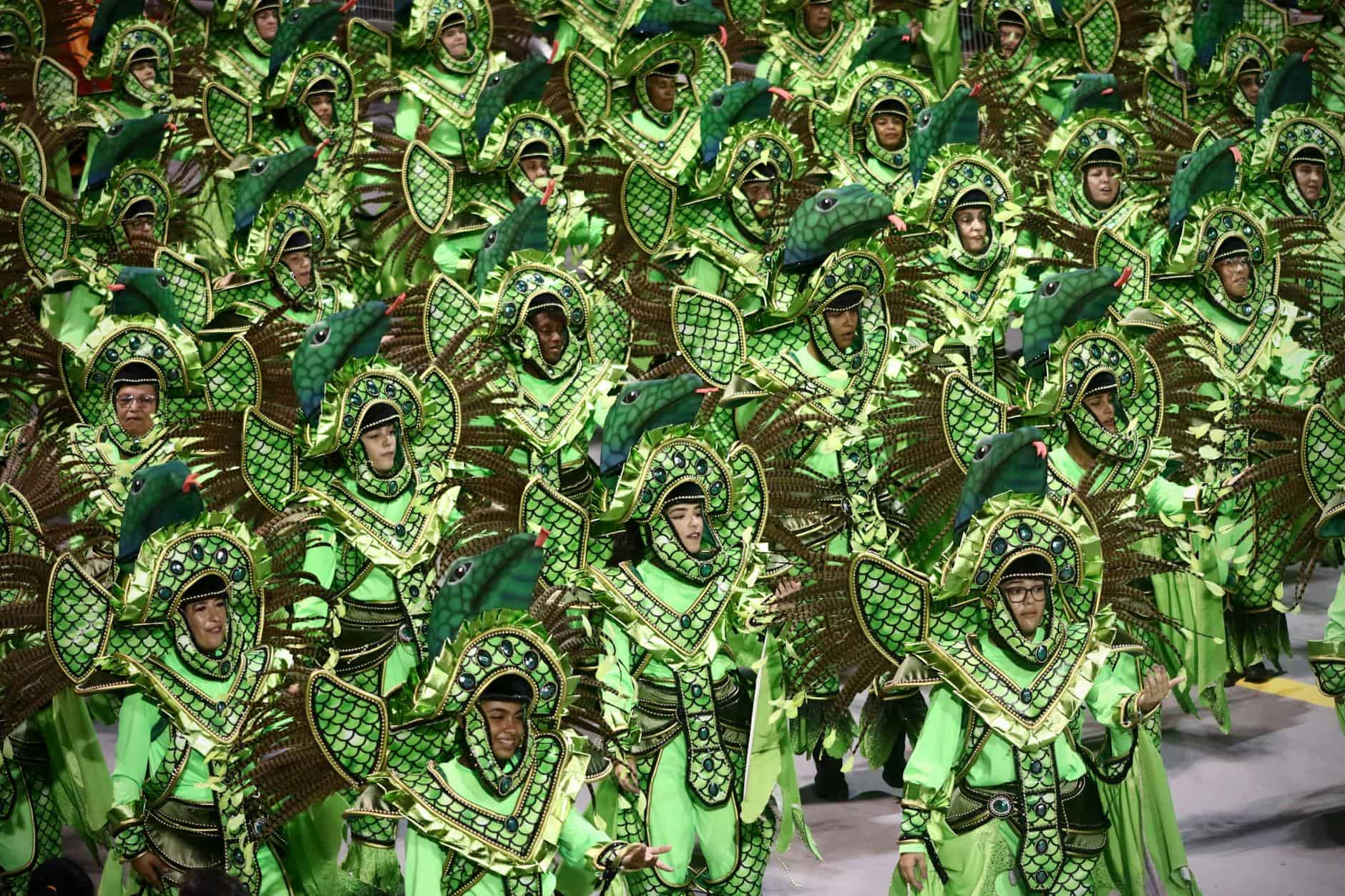
At the heart of the Rio de Janeiro Carnival are the samba parades, a dazzling display of creativity that showcases samba schools’ months of preparation. Each samba school participates in an official competition, presenting elaborate floats, choreographed dances, and extravagant costumes based on a specific theme. These parades are characterized by vibrant colors, rhythmic beats, and dazzling performances that leave an indelible mark on attendees.
Another crucial component of the Rio de Janeiro Carnival is the practice of wearing masks and costumes. Although the traditional use of masks has evolved over time, the spirit of creativity remains alive in the costumes worn by participants. Many people invest significant time and resources in creating unique outfits that reflect their personalities or carry social messages. This tradition fosters a sense of belonging and empowerment, with numerous people proudly expressing themselves through their clothing choices.
Street parties, or “blocos,” further elevate the carnival’s atmosphere and have become increasingly popular in recent years. These informal gatherings take place throughout the city, with neighborhoods organizing their festive events featuring live music, dancing, and food. The spontaneous nature of these street parties reinforces the carnival’s essence of celebration and community, as participants engage in lively interactions and create lasting memories.
The societal impact of the Rio de Janeiro Carnival is profound and multifaceted. From its early days, the carnival has served as a platform for social integration and community cohesion. The event provides an opportunity for people from diverse backgrounds to come together, fostering a sense of unity and shared experience. This ethos promotes cultural exchange, opening the door for interactions among locals, tourists, and international visitors alike.
Historically, the Rio de Janeiro Carnival has also been a space for voicing societal concerns. Samba music, and its lyrics often encapsulate the hopes, struggles, and aspirations of marginalized communities in Brazil. The carnival provides a stage for artists to raise awareness about social issues, transforming a festive atmosphere into a platform for social change. For many, participating in the carnival becomes a way to voice pride in their heritage while drawing attention to broader societal challenges.
Moreover, the Rio de Janeiro Carnival plays a significant economic role in the city. The festival attracts millions of tourists each year, offering opportunities for local businesses to thrive. From hotels and restaurants to vendors selling traditional food and merchandise, the influx of visitors has substantial economic implications, helping support local livelihoods.
As a vibrant representation of Brazilian culture, the traditions and customs of the Rio de Janeiro Carnival echo the resilience, creativity, and diversity of its people. Overall, the carnival serves as a powerful reminder of the importance of cultural heritage, communal joy, and the human spirit’s ability to connect and thrive even in the face of adversity.

Modern Celebrations: Parades and Events
In contemporary times, the Rio de Janeiro Carnival has evolved into an exhilarating and elaborate spectacle of parades and events that captivate audiences worldwide. The modernization of the festival showcases both its historical roots and its capacity for innovation, making the Rio de Janeiro Carnival a living tradition.
At the core of the modern celebrations are the samba parades that take place in the Sambadrome, a specially designed venue created to accommodate the vast crowds and elaborate productions. The parades represent the climax of the carnival and are considered the pinnacle of artistic expression within Brazilian culture. Each samba school invests immense resources and effort in presenting a stunning performance, often taking months to prepare their float designs, choreography, and costumes.
The parades typically occur over four days, featuring competitions among samba schools divided into different categories based on their professional level. On the first night, the elite schools (Grupo Especial) take to the stage, showcasing their most elaborate productions. This competition is broadcasted live on television and streamed online, drawing millions of viewers. The excitement and anticipation surrounding this event are palpable, with extensive media coverage amplifying the carnival’s reach beyond Brazil.
Another crucial aspect of modern celebrations is the integration of technology and social media. The Rio de Janeiro Carnival has expertly leveraged modern communication tools to engage a global audience. From live broadcasts and social media engagement to employing innovative stage designs and lighting, the festival demonstrates how tradition can coexist with contemporary trends. Participants and viewers alike can interact with the carnival in real-time, contributing to the celebratory spirit and excitement.
More than just a display of competition among samba schools, the Rio de Janeiro Carnival encompasses various block parties and events throughout the city. These street parties, referred to as “blocos,” have grown exponentially in popularity, evolving from informal gatherings into large-scale events attracting thousands. Each bloco has its unique style and branding, catering to various themes and audiences. Participants often don costumes and join together in a grand celebration filled with music, dance, and camaraderie.
Moreover, modern celebrations also recognize the need for inclusivity and accessibility. As awareness grows around social issues, the need for diversity within the carnival has been acknowledged. Many samba schools actively work towards ensuring representation and inclusivity among their members, encouraging participation from marginalized communities. This progressive approach helps make the Rio de Janeiro Carnival a more equitable and representative space for everyone involved.
The fusion of traditional and contemporary elements in the Rio de Janeiro Carnival creates an atmosphere of excitement and engagement. Each year, the festival continues to attract both local and international participants, growing in its cultural significance and appeal. The modern celebrations affirm the Rio de Janeiro Carnival’s status as a vital cultural landmark, showcasing the richness of Brazilian culture while standing as a testament to creativity and community.
Economic and Global Impact of the Rio de Janeiro Carnival
The Rio de Janeiro Carnival is far more than just a colorful festival; it plays a crucial role in shaping the city’s economy and bolstering its global reputation. The event generates considerable revenue and offers numerous opportunities for local businesses, creating a ripple effect that benefits the broader community.
Tourism is a primary driver of economic growth during the carnival season. Millions of visitors flock to Rio de Janeiro each year, eager to experience the electrifying atmosphere and vibrant festivities. Hotels, restaurants, transportation services, and local vendors all benefit from the influx of tourists, resulting in significant economic stimulation for the city. According to estimates, the Rio de Janeiro Carnival generates billions of dollars in revenue during the carnival period, highlighting its importance as an economic powerhouse for the region.
Beyond direct economic impact, the carnival also stimulates employment opportunities. Local businesses often hire additional staff to accommodate the increased demand, leading to temporary job creation in sectors such as hospitality, entertainment, and event management. This seasonal upsurge in employment can have long-term positive implications for the city, allowing many individuals to gain valuable experience and skills that can bolster their long-term career prospects.
The global influence of the Rio de Janeiro Carnival is also noteworthy. As one of the most prominent festivals in the world, it attracts media attention and interest from various countries. The promotional campaigns and international partnerships formed around the carnival help further enhance Brazil’s international profile. The festival acts as an ambassador for Brazilian culture, inviting foreigners to explore the country’s rich traditions and diverse heritage.
The media coverage of the carnival is massive, with extensive television broadcasts, documentaries, and social media engagement allowing the vibrant atmosphere of the festival to reach audiences far and wide. This global visibility not only garners respect for the cultural depth of Brazil but also fosters cross-cultural exchange and understanding.
Additionally, the Rio de Janeiro Carnival serves as a catalyst for philanthropic efforts and social initiatives. Many samba schools and organizations leverage the visibility gained during the carnival to advance community-based programs and support local causes. These initiatives can include educational scholarships, cultural workshops, and social outreach programs targeting vulnerable populations. By doing so, the festival contributes to raising awareness around important social issues while simultaneously fostering a sense of civic responsibility.
Ultimately, the Rio de Janeiro Carnival’s economic and global impact is multifaceted. It embodies the spirit of creativity and collaboration, offers significant economic opportunities, and promotes cross-cultural understanding. As it continues to evolve, the carnival remains a cherished celebration that resonates deeply within Brazil and inspires admiration across the globe.

Conclusion
The Rio de Janeiro Carnival is a vibrant manifestation of Brazilian culture, reflecting the rich history, diverse influences, and indomitable spirit of its people. From its origins as a modest celebration to its current status as a worldwide phenomenon, the carnival encapsulates an exhilarating blend of traditions, customs, and societal impact. As participants come together to celebrate joy, creativity, and cultural identity, they create an environment where social barriers fade away, and unity reigns supreme.
Moreover, the economic and global significance of the Rio de Janeiro Carnival underscores its role as a vital cultural institution. With its ability to bring communities together, inspire change, and captivate audiences worldwide, the Rio de Janeiro Carnival stands as a testament to the power of celebration and the enduring legacy of Brazil’s storied past. It truly embodies the magical essence of mirth, community, and cultural pride that resonates long after the parades have concluded.
Sources Consulted
- “A Brief History of the Rio Carnival.” Brazil Carnival. brazilcarnival.com/history
- “Rio Carnival: The Ultimate Guide.” Rio De Janeiro Guide. riodejaneiroguide.com/carnival
- “Samba Schools and Their Role in the Rio Carnival.” Samba Journal. sambajournal.com/schools
- “Celebrating Rio’s Carnival: History, Traditions, and Events.” Cultural Heritage Journal. culturalheritagejournal.com/rio-carnival
- “Economic Impact of the Rio de Janeiro Carnival.” Economic Studies of Latin America. economicstudiesla.com/rio-carnival
Leave a Reply