Tag: Brazil
-
The Vibrant History of the Rio de Janeiro Carnival
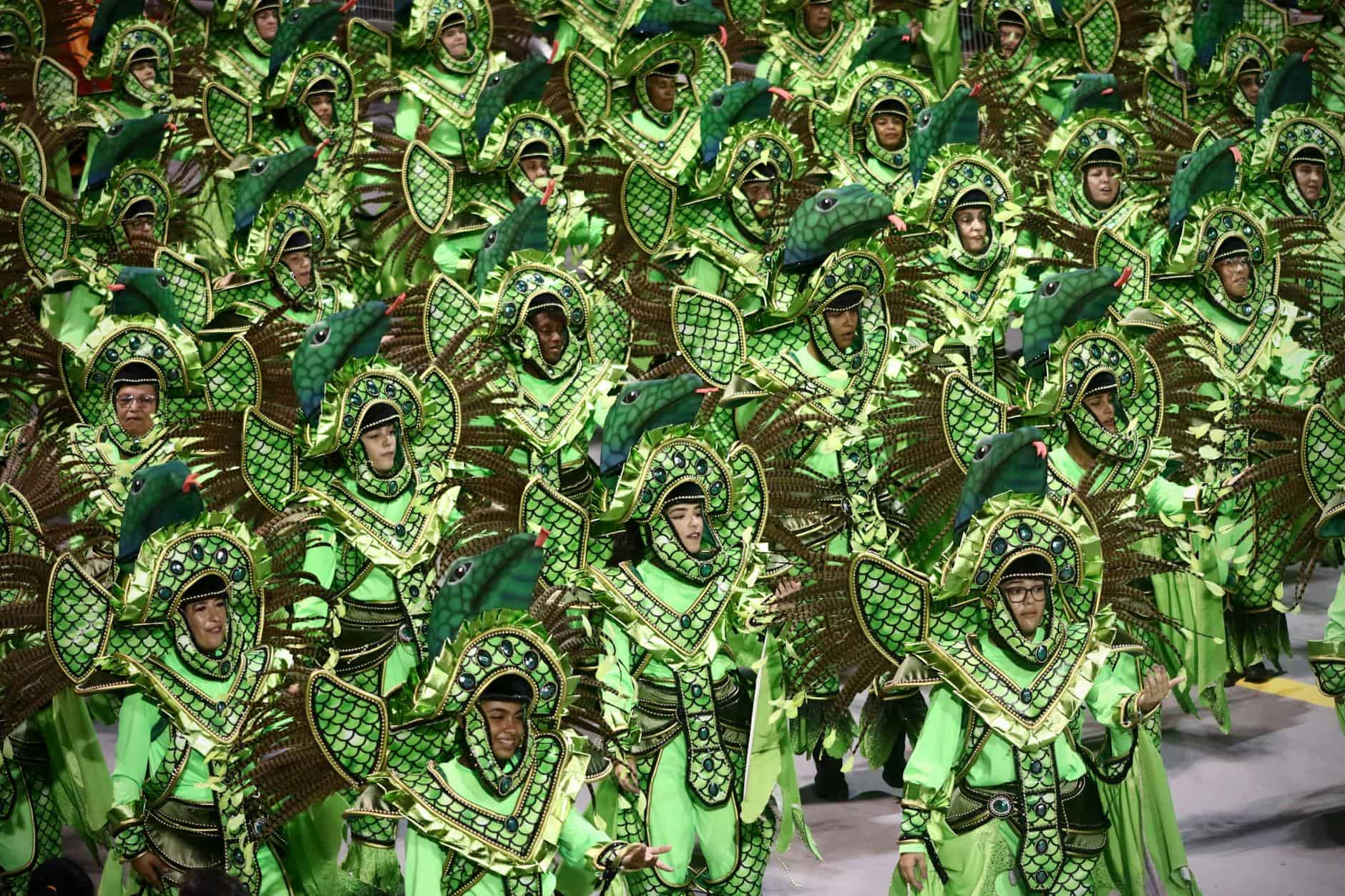
The Rio de Janeiro Carnival is an iconic annual festival that showcases Brazil’s vibrant culture through parades, samba music, and elaborate costumes. Originating in the 18th century from European, African, and local traditions, it has evolved significantly over the years. Today, it features competitive samba schools that prepare intricate performances in the Sambadrome, engaging millions of spectators globally. The carnival serves as both a platform for social commentary and a crucial economic driver, attracting tourists and generating substantial revenue for local businesses. This dynamic celebration underscores Brazilian cultural identity and fosters community cohesion, creativity, and social awareness.
-
Joyful Rio 2025: A Carnival of Sights, Sounds, and Sunshine
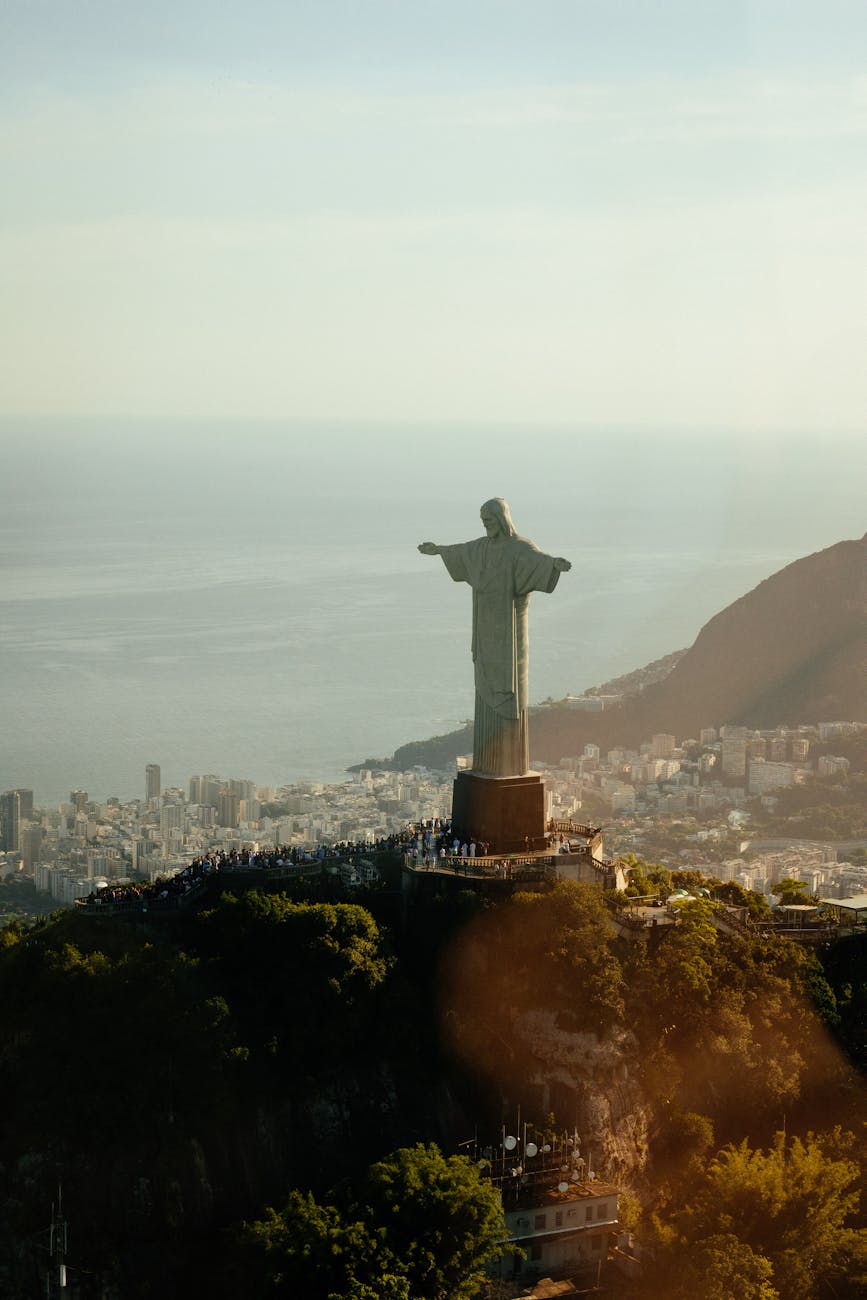
Joyful Rio is a vibrant city known for its lively Carnival, where colorful parades and the rhythms of samba create an unforgettable experience. With millions participating, the parade showcases creativity and community spirit while celebrating Brazilian culture through elaborate floats and costumes. Samba, as the city’s heartbeat, unites people with its infectious beats and storytelling lyrics, inviting all to join in. Culinary delights reflect Rio’s multicultural heritage, featuring iconic dishes like feijoada and street foods. Its picturesque beaches, such as Copacabana and Ipanema, provide leisure and social opportunities, solidifying Joyful Rio’s identity as a dynamic celebration of life and community.
-
Rio de Janeiro History: A Journey Through Time
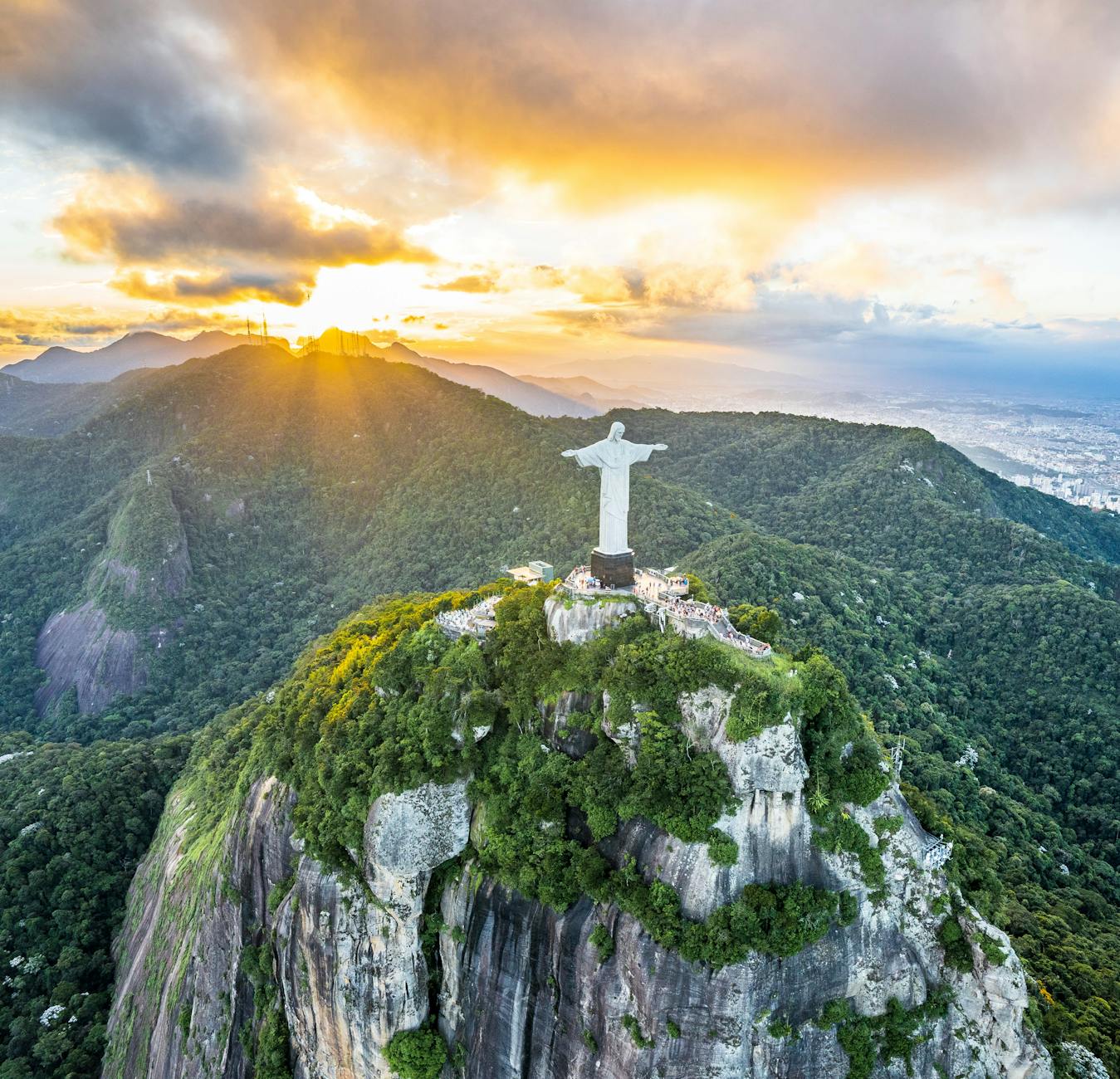
Rio de Janeiro history started in 1565 by the Portuguese. The city has a rich and dynamic history shaped by indigenous cultures, colonialism, and modernization. Initially inhabited by the Tupi and Guarani tribes, its establishment marked the beginning of complex interactions with Europeans. The city’s golden age arose in the 18th century with the discovery of gold, leading to economic growth and cultural flourishing. However, social inequalities persisted. The 19th and early 20th centuries brought significant political and cultural transformations, including the victory of the independence movement. Today, Rio faces challenges like economic disparity and violence, yet it thrives culturally,…
-
The History of BrasÃlia: A Brazil’s Capital Reshaped by Vision (2025 update)
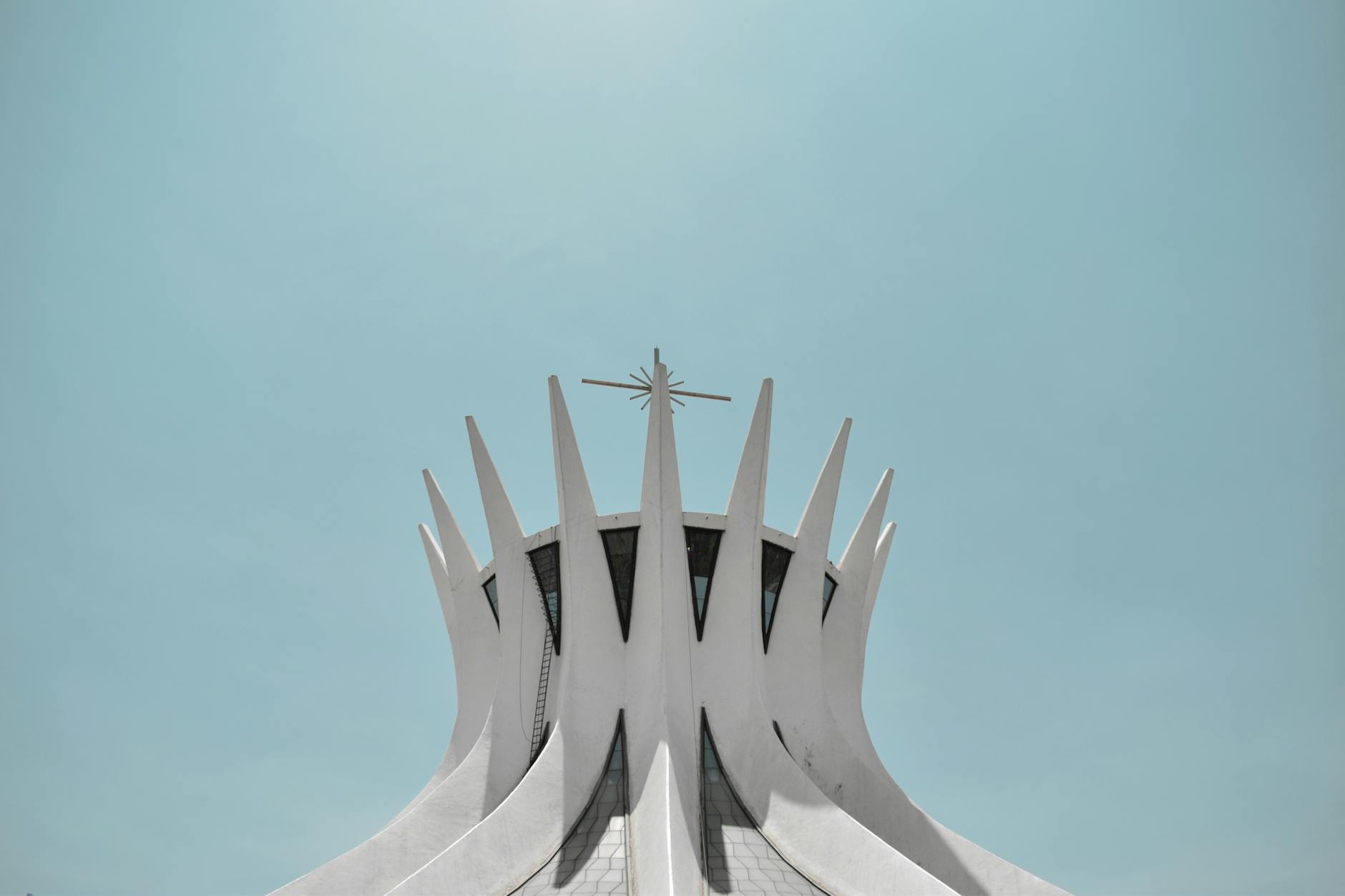
BrasÃlia, Brazil’s capital founded in 1960, is a notable example of mid-20th-century urban planning and architecture, championed by Oscar Niemeyer and Lúcio Costa. Created to encourage development in Brazil’s interior, the city symbolizes national unity and modernity. Despite its architectural grandeur, BrasÃlia faces challenges such as rapid urbanization, social inequality, and infrastructural strain, which emerged from a population surge far exceeding initial projections. Its cultural landscape reflects a mix of influences, while the city’s political significance remains vital as it hosts key governmental institutions. Future prospects hinge on sustainable development and addressing social disparities, striving to fulfill its foundational aspirations.