Category: Tourism & Travel

Explore the world with our comprehensive travel guides, tips, and destination reviews. From hidden gems to popular hotspots, we provide expert advice on everything from planning your trip to travel hacks, accommodations, and local experiences. Start your next adventure with insightful content that helps you travel smarter and create unforgettable memories.

  • Experience Amazing Macao: History, Casinos, and More 2025
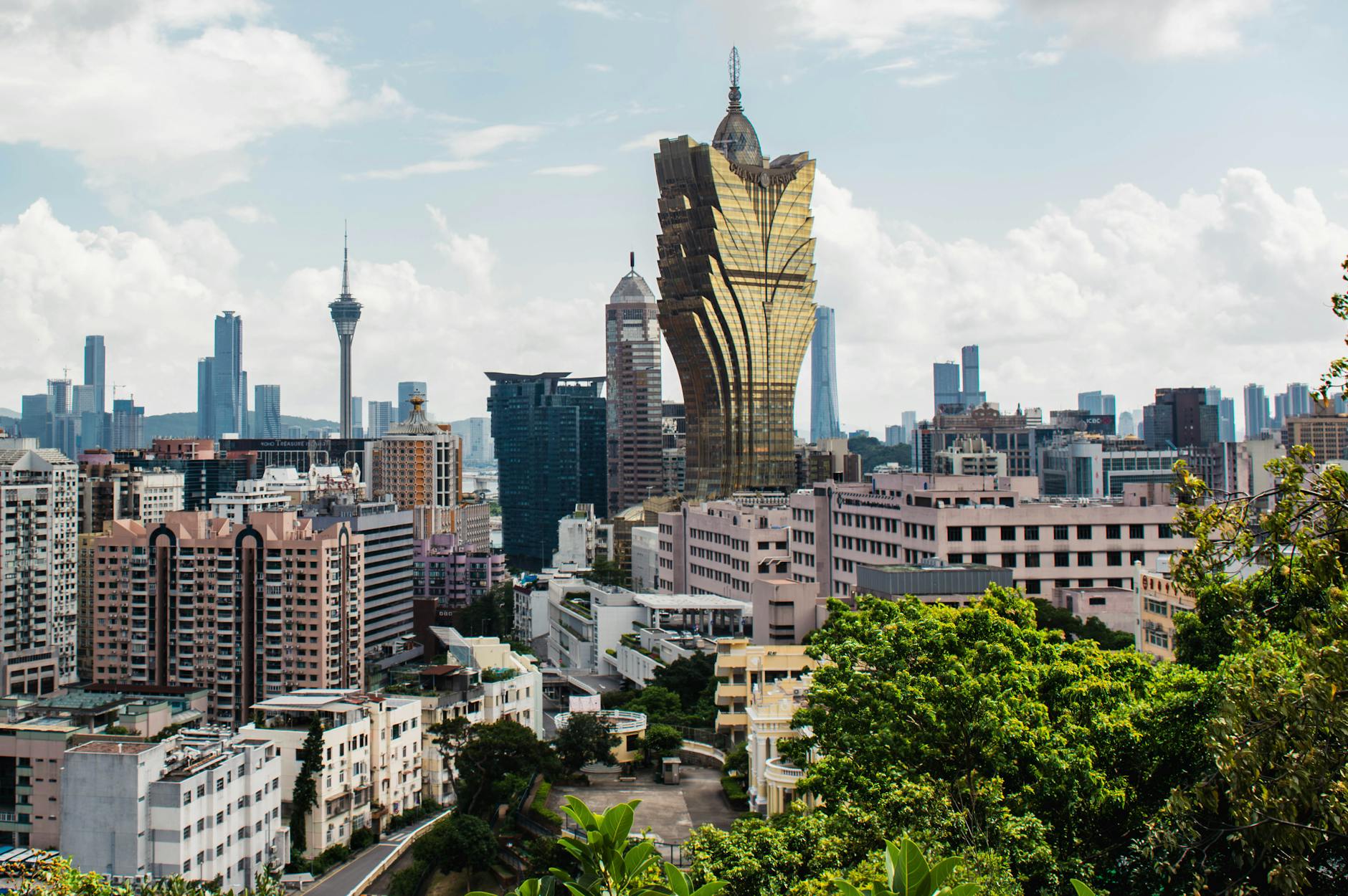
    Experience Amazing Macao: History, Casinos, and More 2025

    Introduction

    Nestled on the southern coast of China, Macao is often dubbed the “Las Vegas of Asia,” yet it remains a gem of cultural richness and history. This unique destination offers visitors a blend of glamour and tradition, marked by its Portuguese colonial architecture and bustling casinos. As you step into Macao, you are greeted by the shimmering lights of world-class resorts, yet just a few streets down, you can experience the charming heritage sites that tell the stories of its diverse past. From the enchanting streets lined with pastel-colored buildings to its vibrant culinary scene influenced by various cultures, Macao presents an adventure unlike any other. This article explores the multifaceted attractions of Macao, providing insights into its history, entertainment, gastronomy, cultural heritage, and activities that await travelers eager to explore this dynamic region.

    A History of Macao: The Fusion of Cultures

    Macao’s history is a tapestry woven from the threads of its early settlements, colonial influences, and contemporary growth. Originally a small fishing village, the area was inhabited by the Chinese for centuries. In the 16th century, Portuguese traders arrived and established a significant presence, turning Macao into a vital port and trading hub. This marked the beginning of a cultural amalgamation that would shape the identity of Macao.

    The Portuguese influence is evident in Macao’s architecture, language, and customs. Buildings like the iconic Ruins of St. Paul’s and the Senado Square showcase a unique blend of European and Asian design. The coexistence of these two cultures is not only a historical fact but a living reality that shapes the lives of the people in Macao today. Portuguese and Cantonese are the official languages, reflecting the dual heritage that defines the city.

    As a colony, Macao operated under different laws from China until the late 20th century, when it was handed back to China in 1999. This transition posed both challenges and opportunities for its citizens, leading to a period of rapid economic growth, particularly in tourism and gambling. Today, Macao’s economy relies heavily on its casino industry, which has evolved from a traditional past into a luxurious attraction that draws millions of visitors annually.

    Despite the modernization, many elements of Macao’s historical identity are preserved. The city is home to numerous museums that narrate its storied past, such as the Macao Museum and the Maritime Museum. Festivals like the Macao Arts Festival celebrate the region’s rich cultural heritage, attracting artists and performers from various backgrounds to showcase their talents.

    This historical richness is not merely confined to museums; it can be experienced in everyday life. Walking through the cobblestone streets of Macao, one can see local markets, traditional Chinese medicine shops, and pastel-tinted homes, all juxtaposed against the backdrop of modern skyscrapers. This unique blend of old and new creates a fascinating environment that charms visitors and residents alike.

    Additionally, Macao’s strategic location as a gateway between the East and West has allowed for a continual exchange of ideas, cuisine, and traditions. Over the centuries, the city has become a melting pot, where Filipino, Indian, and African influences can also be felt. Festivals celebrating these diverse cultures add another layer to Macao’s vibrant atmosphere.

    Ultimately, the history of Macao is essential in understanding its present and future. As it evolves, this unique city continues to honor its past while embracing the modern world, making it a compelling destination for adventurous travelers seeking both excitement and enlightenment.

    The Vibrant Casino Scene: More Than Just Gambling

    The casino scene in Macao is legendary, drawing millions of tourists eager to try their luck in the world’s gaming capital. Yet, there’s more to this lively atmosphere than mere gambling; the casinos are entertainment hubs that offer a plethora of experiences. With grand venues such as The Venetian, City of Dreams, and MGM Cotai, the excitement begins long before you even place a bet.

    Each casino is designed to transport visitors into a world of opulence and creativity. The Venetian, for example, features gondola rides along indoor canals, mimicking the romantic ambiance of Venice complete with singing gondoliers. The intricate designs and decor tell a story, ensuring that each moment spent within these walls is a visual spectacle.

    Beyond gaming tables, many casinos host lavish shows, concerts, and events featuring international artists and performers. The fusion of top-notch entertainment and spectacular gambling options creates an atmosphere unmatched anywhere else in the world. Guests can catch a breathtaking Cirque du Soleil performance or enjoy a live concert from renowned artists, adding another layer of excitement to their visit.

    For those who are less interested in gaming, casinos offer a variety of fine dining options. World-class chefs from around the globe operate restaurants in these resorts, allowing visitors to indulge in a gastronomic journey without leaving the venue. From Michelin-starred establishments to casual eateries, the culinary offerings cater to every palate.

    The vibrant nightlife in Macao is also a significant draw for visitors. Stylish bars and lounges within the casinos offer inventive cocktails and lively music, creating a social atmosphere that calls to party-goers. The nightlife in Macao rivals that of any major city, with venues that keep the celebration going well into the early hours.

    Moreover, safety is paramount in Macao’s casinos. Stringent security measures ensure that guests feel secure and can enjoy the excitement without concern. The staff is trained to provide a welcoming and enjoyable atmosphere for everyone, whether they are seasoned gamblers or first-timers.

    As gambling continues to be a significant aspect of Macao’s economy, the government is taking steps to diversify and broaden its appeal. Initiatives aimed at promoting tourism beyond gaming attract families and other demographics, creating a balanced visitor experience that encompasses culture, history, and entertainment.

    In conclusion, Macao’s casino scene is a multifaceted environment brimming with choice and opportunity. While gaming may be the main attraction for many, the broader offerings ensure that everyone can find something to enjoy. The blend of entertainment, cuisine, and vibrant nightlife makes Macao’s casinos a destination in their own right, ensuring that visitors leave with more than just stories of their luck at the tables.

    Culinary Delights: The Taste of Macao

    Macao’s culinary landscape is as diverse as its history, merging eastern and western flavors into a dining experience that is truly unique. The city is a gastronomic hub, attracting food lovers from around the world who come to taste its exquisite and eclectic offerings. With influences from Portuguese, Chinese, and other international cuisines, the food scene in Macao is vibrant and varied, promising something for every palate.

    One of the most celebrated dishes in Macao is the iconic Portuguese Egg Tart. This flaky pastry filled with creamy custard has become a symbol of Macao’s culinary fusion. Originating from the pastéis de nata of Portugal, this delightful treat presents a perfect blend of sweetness and texture. Bakeries across the city serve these tarts fresh from the oven, often with a light caramelization on top, making them an irresistible snack for locals and tourists alike.

    Another must-try is the Macanese cuisine, often characterized by its use of spices, garlic, and chili peppers. Dishes like African Chicken, a spicy chicken braise often cooked with coconut milk and turmeric, showcase the bold flavors that define this unique culinary tradition. Minchi, a savory stir-fry made with minced meat, potatoes, and soy sauce, offers a comforting taste of home that reflects the city’s cultural melting pot.

    Street food is a vital part of Macao’s culinary culture, and a stroll through its bustling markets will reveal a plethora of delicious options. From pork chop buns to fried durian, vendors present an array of flavors that embody the spirit of Macao. Sampling these street delicacies not only satiates hunger but also allows visitors to immerse themselves in the local food scene.

    Macao also boasts a selection of fine dining establishments, many of which have earned prestigious Michelin stars. These restaurants showcase not only the local cuisine but also reinterpret traditional dishes through modern culinary techniques. Diners can indulge in creative tasting menus that highlight seasonal ingredients and innovative cooking styles, providing a unique dining experience that transcends expectations.

    Wine and dining culture in Macao have also evolved significantly. Wine bars and beverage pairings are increasingly common as the city embraces its status as a top culinary destination. The proximity to wine regions in Portugal allows for an impressive selection of Portuguese wines, which are expertly paired with local dishes to enhance the flavors.

    Additionally, Macao hosts food festivals and events that celebrate its diverse culinary heritage. The annual Macao Food Festival draws food lovers to sample a variety of dishes from different cultures, fostering a spirit of collaboration among chefs and local vendors. These events highlight not just food but the stories behind it, giving visitors a deeper appreciation for what they are tasting.

    In essence, Macao’s culinary scene is a celebration of its historical and cultural influences. Whether indulging in street fare, enjoying fine dining, or sampling local delicacies, every meal offers an opportunity to explore the unique flavors that define this remarkable destination. For food enthusiasts, Macao is a paradise waiting to be discovered, promising flavors and dishes that resonate with vibrancy and originality.

    Cultural Heritage: Museums, Temples, and Festivals

    Macao’s rich cultural heritage is manifested in its vast array of museums, historical sites, and vibrant festivals, providing visitors with an opportunity to delve into the city’s storied past. The blend of Chinese and Portuguese influences creates a unique identity that is celebrated through various cultural expressions and events.

    To begin with, Macao is home to several museums that cater to both history buffs and casual visitors. The Macao Museum, located in the Fortaleza do Monte, provides an insightful overview of the city’s history from its early days to the present. Exhibits showcase artifacts, photographs, and multimedia presentations that highlight the evolution of Macao’s cultural landscape.

    The Maritime Museum offers a fascinating look at the region’s significant role in maritime trade and exploration. With engaging displays featuring ancient vessels and interactive exhibits, guests can learn about Macao’s importance as a trading post during the Age of Discovery. These museums serve as vital educational resources, allowing visitors to gain a deeper understanding of Macao’s unique identity.

    Temples also play a crucial role in Macao’s cultural fabric. The A-Ma Temple, dedicated to the goddess of seafarers, is one of the oldest and most revered temples in the region. Visitors can wander through its beautifully laid-out grounds, marveling at the traditional architecture and intricate decorations. The temple is often bustling with worshippers and tourists, creating an atmosphere of reverence and community.

    The exploration of cultural heritage in Macao wouldn’t be complete without mentioning its festivals. The Macao Arts Festival, held annually, showcases local and international artistic talent through performances, exhibitions, and workshops. This event highlights the city’s commitment to nurturing creativity and fostering artistic expression, bridging cultural gaps through the arts.

    Chinese New Year is another significant celebration in Macao, marked by colorful parades, lion dances, and fireworks. The festive spirit envelops the city as residents engage in various traditional customs aimed at ushering in good fortune for the year ahead. Visitors are encouraged to partake in the vibrant celebrations, transforming their experience in Macao into an immersive cultural adventure.

    The Macao International Fireworks Display Contest is an awe-inspiring event that attracts pyrotechnics experts from around the globe. As the skies illuminate with vibrant colors and synchronized music, the spectacle represents not only local pride but also international collaboration and creativity. This event draws both locals and tourists, allowing everyone to connect through the joy of shared celebration.

    Community events, like the Macao International Marathon, also showcase the city’s culture through the spirit of sports and health. Participants from around the world gather to experience the picturesque routes while engaging with local culture. Such events foster a sense of community and connection among participants and spectators alike.

    In conclusion, Macao’s cultural heritage is a rich tapestry woven from its museums, temples, and festivals. Each experience provides a glimpse into the city’s identity, allowing visitors to appreciate the diverse influences that shape Macao today. Embracing these cultural elements not only enhances the travel experience but also fosters a greater understanding of the world around us.

    Adventure Awaits: Activities Beyond the Strip

    While gambling and entertainment dominate the scene in Macao, the city also offers a wealth of activities for those seeking adventure beyond the casinos. From thrilling outdoor experiences to vibrant markets, there’s much to explore that showcases the natural beauty and energy of this unique destination.

    For adventure enthusiasts, the Macau Giant Panda Pavilion is a must-visit spot. Nestled within the Seac Pai Van Park, this exhibit allows visitors to observe these magnificent creatures in a naturalistic environment. Families can spend the day learning about panda conservation efforts while witnessing the playful antics of these beloved animals.

    For those who appreciate the great outdoors, hiking trails along the coastline offer stunning views of the South China Sea. The trails provide opportunities for scenic walks, jogging, or picnicking in nature, where visitors can escape the hustle and bustle of the city. The picturesque views create an inviting backdrop for both quiet reflection and energetic exploration.

    Water sports are also a popular highlight. Parasailing and jet skiing allow thrill-seekers to experience the beautiful waters surrounding Macao from a unique perspective. The adrenaline rush of soaring above the sea or gliding across the waves provides an exhilarating contrast to the gaming and entertainment found on the strip.

    Shopping in Macao is another enjoyable adventure, with local markets selling everything from artisanal crafts to delectable street food. The Rua do Cunha in Taipa is a vibrant area full of shops and stalls where visitors can try local snacks, purchase souvenirs, and interact with friendly vendors. This experience immerses travelers in the local culture while satisfying their wanderlust.

    Adventurous souls should consider booking a boat trip to the nearby islands, such as Coloane, which offers serene beaches and lush landscapes. These islands provide a peaceful refuge where visitors can spend the day swimming, sunbathing, or hiking through scenic trails, making it easy to escape the city’s fast pace.

    Additionally, Macao’s rich maritime history lends itself to fun activities such as fishing and yachting, which are popular among both tourists and locals. Chartering a boat for the day can be a remarkable way to enjoy the coastal scenery and catch glimpses of the famous skyline from the water.

    For a blend of education and adventure, guided tours of historical sites offer an engaging perspective while immersing travelers in Macao’s heritage. Local guides share fascinating stories and insights into the city’s past, allowing adventurers to absorb the culture while exploring its landmarks.

    In conclusion, Macao is far more than a gaming destination. With its array of outdoor activities, beautiful landscapes, and vibrant local culture, adventure seekers will find multiple ways to engage with the city beyond the casino strip. Whether exploring nature, enjoying water sports, or immersing in local culture, Macao presents endless opportunities for adventure and exploration.

    Conclusion

    In summary, Macao is an extraordinary blend of history, culture, and entertainment, offering a rich tapestry of experiences for every type of traveler. From its historical roots that narrate tales of cultural fusion to its vibrant casino scene that draws tourists from across the globe, Macao captivates its visitors with a unique charm. The diverse culinary offerings are a testament to its cultural melting pot, showcasing flavors that excite the palate and enhance the overall travel experience.

    As visitors explore the myriad of museums, temples, and celebrations, they gain a greater appreciation for the deep cultural heritage that defines this remarkable city. The adventure does not end at the gambling tables; activities beyond the strip provide ample opportunities for those seeking exploration and excitement.

    Macao stands as a testament to the beauty of cultural amalgamation and the spirit of adventure. As travelers seek to uncover its hidden gems, they discover a city rich in stories, flavors, and experiences that create lasting memories. For those looking to create the perfect getaway, Macao offers a dynamic escape that unduly combines the thrill of modern entertainment with the richness of its historical heritage.

  • Discover Vipava Valley: A Wine Lover’s Paradise in Slovenia 2025

    Discover Vipava Valley: A Wine Lover’s Paradise in Slovenia 2025

    Introduction

    Nestled between the Julian Alps and the Adriatic coast, Vipava Valley in Slovenia offers an enchanting blend of natural beauty and culinary delights, making it a prime destination for wine enthusiasts. This picturesque region is characterized by its lush vineyards, warm Mediterranean climate, and stunning landscapes. The valley is home to numerous wineries, each with its unique offerings, highlighting the rich viticultural heritage of Slovenia. Visitors can immerse themselves in the world of wine, exploring local varietals and enjoying exquisite tastings that reflect the unique terroir. Beyond wine, the valley also boasts an intriguing culinary scene, where traditional Slovenian dishes are often paired with the region’s finest wines. Whether you’re a seasoned sommelier or a casual wine drinker, Vipava Valley is a paradise waiting to be discovered.

    Overview of Vipava Valley: A Wine Lover’s Dream

    Vipava Valley, often referred to as the jewel of Slovenian wine country, unfurls beneath the majestic jagged peaks of the Julian Alps. The valley stretches approximately 30 kilometers from the town of Ajdovščina to the village of Vipava, a region that has a long-standing tradition of viticulture dating back to Roman times. The unique geography of the valley—where the river Vipava runs through a picturesque landscape of rolling hills, lush vineyards, and small villages—creates an idyllic setting for both growing grapes and enjoying wine.

    One of the most striking features of Vipava Valley is its microclimate, influenced by both the Alps and the Mediterranean Sea. This combination allows for warm, dry summers and mild winters, creating optimal conditions for growing a diverse range of grapes. The valley’s soil, rich in minerals and diverse in composition, further contributes to the distinct flavors found in local wines. This amalgamation of favorable conditions has made Vipava Valley a hotspot for winemakers seeking to produce exceptional wines that reflect the region’s character.

    Local wineries are dedicated to sustainable viticulture, employing traditional practices that respect the land while also incorporating modern techniques. Many vineyards are family-owned, and the passion for winemaking is palpable as you wander through the vines, where winemakers are often eager to share their stories and invite visitors to participate in the process of wine production. This deep-rooted love for the craft translates into the quality and character of the wines, making a trip to Vipava Valley not just a journey through the region’s beautiful landscapes, but also a step into a world of artisanal craftsmanship and dedication.

    In addition to its commitment to quality wine production, Vipava Valley is home to several wine festivals and events throughout the year, celebrating the region’s illustrious viniculture. These gatherings not only showcase the local wines but also create a sense of community among winemakers and wine lovers alike. Visitors can participate in tastings, workshops, and guided tours, allowing for a deeper understanding of the wine-making process and the unique qualities of the local grapes.

    As you delve into the heart of Vipava Valley, the sense of place becomes increasingly apparent. The blend of natural beauty and rich cultural heritage enriches the wine experience, creating a narrative that is as captivating as the wines themselves. This enchanting valley is indeed a sanctuary for wine enthusiasts, where the lush vineyards and Mediterranean ambiance contribute to an unforgettable oenological adventure.

    The Region’s Unique Terroir and Climate

    The term “terroir” is essential to understanding the allure of Vipava Valley’s wines. Terroir encompasses the unique environmental conditions and characteristics that influence the growth of grapes, including soil composition, climate, and topography. Each of these factors plays an integral role in determining the flavors, aromas, and overall quality of the wine produced in this region.

    Vipava Valley’s terroir is notably diverse, contributing to the complexity of its wines. The predominant soil types range from clay to sand, with limestone and marl deposits providing the vineyards with vital minerals that nourish the vines. The varied soil types allow for a wide array of grape varieties to flourish in the valley, each expressing the unique characteristics of its terroir.

    The valley’s climatic conditions are also vital to its reputation as a premier wine-growing region. The Mediterranean climate ensures plenty of sunshine throughout the growing season, promoting the ripening of grapes while also allowing for sufficient rainfall to support vine health. The influence of the nearby Adriatic Sea results in milder temperatures and protects the vines from extreme weather conditions. As a result, grapes in Vipava Valley enjoy a long growing season, allowing for the development of rich, concentrated flavors.

    Temperature fluctuations between day and night in the summer months also play a crucial role in the overall quality of the grapes. The cooler nights help to preserve acidity, which is essential for creating balanced and refreshing wines. The region’s elevation, with vineyards situated at various altitudes, contributes to variations in microclimates that can produce distinctly different wines even from neighboring vineyards.

    The practice of vineyard management in Vipava Valley is another testament to the care taken by local winemakers to enhance their terroir. Many producers practice organic or biodynamic farming techniques, working in harmony with nature to promote healthy soil and robust vine growth. This commitment to sustainable practices not only helps protect the environment but also contributes to the authenticity and quality of the wines produced.

    Locally grown varieties, such as the indigenous Zelen and Rebula grapes, thrive in this unique terroir, showcasing the depth of character found in Vipava Valley wines. Zelen is known for its bright acidity and fruity notes, while Rebula presents mineral qualities alongside sophisticated flavors. Together, these grapes exemplify the region’s capability to produce wines that reflect their origins.

    Overall, the interplay of terroir and climate in Vipava Valley creates a symphony of flavors in each bottle, inviting wine lovers to savor the essence of this idyllic region. The commitment to understanding and respecting the land shines through in each sip, making Vipava Valley a beacon for those who appreciate the intricacies of fine wine.

    Local Varieties and Signature Wines

    As you venture into the vibrant world of Vipava Valley’s wines, you’ll discover an enticing array of local grape varieties that embody the distinct character of this picturesque region. Slovenia, often overshadowed by its neighbors in the wine world, quietly delights with a rich tapestry of indigenous and internationally recognized grape varieties, allowing it to carve out a niche that is profoundly unique.

    The local grape varieties primarily include Rebula, Zelen, and Pinot Gris, each bringing its signature qualities to the valley’s wine offerings. Rebula, an ancient white grape, reigns supreme in Vipava Valley. Known for producing wines with vibrant acidity and complex aromas, Rebula often exhibits notes of green apples, citrus, and stone fruits. Its versatility shines, making it an ideal candidate for oak maturation, which contributes additional layers of flavor and depth to the wine. As a result, many wineries have embraced Rebula as their flagship varietal, producing vibrant and age-worthy wines that garner recognition both locally and internationally.

    Zelen, another indigenous white grape that qualifies as a hidden gem, has been experiencing a renaissance in recent years. Characterized by its bright acidity and refreshing profile, Zelen typically showcases floral notes accompanied by citrus and herbal undertones. It has the potential to harmonize beautifully with the region’s seafood dishes, making it a favorite in local gastronomy.

    While white wines dominate the region, the production of red varieties is also noteworthy. The most prominent red grape in Vipava Valley is the Merlot, which yields wines that exhibit the rich red fruit characteristics of cherry and blackcurrant, along with hints of spice. Winemakers frequently blend Merlot with local varieties, creating complex and balanced red blends that embody the essence of Vipava Valley.

    In addition to these standout grape varieties, the winemakers in Vipava Valley also experiment with lesser-known grapes, such as Sauvignon Blanc and Chardonnay. These global varietals adapt well to the valley’s climate and conditions, resulting in captivating wines that showcase both their origin and the unique terroir of the region.

    Signature wines from Vipava Valley have received accolades at international wine competitions, where they have been praised for their high quality and distinctive flair. For instance, wineries have seen recognition at the Decanter World Wine Awards and the International Wine Challenge, drawing attention to the incredible potential of Slovenian wines on a global scale.

    This burgeoning reputation shows no signs of slowing, as numerous wineries actively promote their offerings through tastings, events, and partnerships with local restaurants. The wine culture in Vipava Valley fosters collaboration among winemakers and encourages the sharing of knowledge, strengthening the overall wine community, and uplifting both established and emerging talent.

    Beyond the sheer joy of tasting, engaging with the wines of Vipava Valley opens the door to understanding the dedication and artistry that goes into each bottle. Local varietals and signature wines carry a story that connects drinkers to the land, the grape growers, and the winemakers. This experience offers not just a moment of pleasure but also a deeper appreciation for the incredible journey of wine, culminating in a glass filled with the essence of Vipava Valley.

    Wine Tourism: Experiences to Savor

    Wine tourism in Vipava Valley promises a captivating experience for every visitor, blending the thrill of discovery with the pleasures of tasting. This enchanting region has increasingly become a sought-after destination for travelers seeking to immerse themselves in the world of wine, explore picturesque landscapes, and indulge in culinary delights.

    The journey into wine tourism begins with a visit to local wineries, which serve as gateways to understanding the intricacies of winemaking. Many vineyards offer guided tours, providing an opportunity to explore the vineyards, learn about the growing practices, and delve into the winemaking process from grape to glass. Experienced guides share their knowledge, enriching the visitors’ understanding of the vital connection between the land and the wines produced.

    Tastings at local wineries are an essential component of the experience, inviting guests to savor the unique expressions of the terroir. Sampling a flight of local varieties, including Rebula and Zelen, allows wine enthusiasts to appreciate the nuances of flavor and aroma that define the region’s offerings. Many wineries also offer food pairings during tastings, enhancing the overall experience and showcasing the harmonious relationship between local wines and Slovenian cuisine.

    In addition to guided winery tours, visitors can partake in immersive experiences through wine workshops. These workshops often focus on specific themes, such as blending practices, nuances of tasting, or food and wine pairing techniques. Participants may have the opportunity to create their wine blends, gaining hands-on experience and a deeper appreciation for the skill involved in winemaking.

    Beyond the wineries, Vipava Valley’s breathtaking landscapes provide ample opportunities for adventure and exploration. The valley is rimmed with stunning views of the Julian Alps and dotted with charming villages, making it perfect for hiking, cycling, or simply enjoying a leisurely stroll through the vineyards. While many wineries are easily accessible, others may offer beautiful trails leading to hidden gems, allowing visitors to create an unforgettable experience in nature.

    As the wine tourism culture flourishes, the region is also home to various wine festivals and events designed to celebrate local wines and their producers. These festivities create a lively atmosphere, showcasing the vibrancy of the wine community. Visitors can sample a wide array of wines, attend educational seminars, and engage with local winemakers, making it an ideal opportunity to discover the diverse offerings of Vipava Valley.

    Another aspect of wine tourism that is gaining traction is the integration of wellness experiences. Many wineries have begun to embrace the concept of wine as part of a holistic lifestyle. Some vineyards now offer wellness retreats that include yoga in the vineyards, mindful tastings, and workshops on the health benefits of wine, inviting guests to reconnect with the land while indulging in relaxation and rejuvenation.

    As wine tourism continues to flourish in Vipava Valley, local businesses have collaborated to create unforgettable package experiences. This synergy includes partnerships with local hotels and restaurants, allowing visitors to enjoy stays that integrate wine tasting and culinary excellence. From farm-to-table dining experiences to vineyard picnics surrounded by picturesque views, the possibilities for exploration and indulgence are limitless.

    The embrace of wine tourism in Vipava Valley is not merely about wine; it speaks to the region’s desire to share its culture, traditions, and commitment to quality with the world. Enthusiasts’ journeys through the magical landscape unfold like a story, revealing the deep connections between people, land, and the art of winemaking. For anyone intrigued by the beauty of wine and the richness of flavors, Vipava Valley offers an unparalleled experience waiting to be savored.

    Culinary Pairings: The Perfect Complements to Local Wines

    A journey through Vipava Valley would be incomplete without delving into the culinary delights that beautifully complement its array of wines. The region’s gastronomy is deeply intertwined with its winemaking, as local chefs draw inspiration from traditional Slovenian dishes while highlighting the freshness and quality of local ingredients. Wine and food pairings in Vipava Valley create a seamless experience, enhancing the flavors of both the wine and the cuisine.

    In Vipava Valley, fresh, locally-sourced ingredients take center stage. The region’s fertile soil yields an abundance of fruits, vegetables, and herbs, allowing chefs to create dishes that celebrate the seasonality and uniqueness of the area. Traditional recipes are often passed down through generations, infusing every dish with cultural significance. Culinary offerings typically include local meats, cheeses, and seafood, making it essential for visitors to explore the diverse flavors that this culinary landscape has to offer.

    When it comes to pairing food with local wines, the key lies in understanding the balance of flavors. For white wines such as Rebula and Zelen, fresh seafood dishes are often an excellent match. The bright acidity of Rebula harmonizes with the delicate textures of fish or shellfish, while Zelen’s herbal notes can elevate a dish featuring seasonal vegetables. Try pairing a glass of chilled Rebula with a simple grilled sea bass garnished with fresh herbs, or enjoy Zelen alongside a beautiful asparagus risotto that showcases the complexity of both the wine and the dish.

    For red wine enthusiasts, local dishes featuring marinated meats or hearty stews provide ideal pairings. The rich fruit profiles of Merlot can enhance the flavors of grilled lamb or venison, while also finding a perfect companion in a rich mushroom risotto that combines earthiness and depth. The interplay of flavors can create a memorable experience for diners, as they fully embrace the region’s culinary marvels alongside its exquisite wines.

    Additionally, cheese lovers will find joy in exploring local cheese pairings. Traditional Slovenian cheeses, such as Tolminc and Mohant, provide a delectable contrast to the crispness of white wines. The creaminess of these cheeses marries exquisitely with Zelen, creating a delightful sensory experience with every bite and sip. For red wines, aged cheeses can hold their own against the rich tannins in a glass of Merlot, resulting in a satisfying tasting journey.

    Summer brings forth the chance to enjoy outdoor dining experiences, where picnic lunches in the vineyards create a delightful setting for wine and food pairings. Local wineries often provide curated tasting menus that highlight their wines, allowing visitors to savor the perfect combinations of wine and food while immersing themselves in the breathtaking surroundings. Seasonal dishes featuring fresh produce—from heirloom tomatoes to fragrant herbs—paired with the latest vintage showcase the depth of flavor found within the valley.

    The culinary scene in Vipava Valley is not limited to traditional fare alone; innovative chefs are also exploring modern interpretations of Slovenian cuisine. These chefs often embrace farm-to-table practices and collaborate with wineries to create experimental dishes that push the boundaries of flavor. By introducing unexpected elements, such as local spices or fusion techniques, they transform the dining experience, inviting guests to embark on an adventure through taste.

    As the popularity of Vipava Valley continues to rise as a gastronomic destination, visitors are encouraged to join culinary tours that emphasize the union of food and wine. These tours often include stops at local farms, artisan cheese makers, and renowned restaurants, allowing guests to interact with producers and understand the craft behind both wine and food. Each encounter enriches the overall experience and creates lasting memories.

    Ultimately, the harmony between gastronomy and wine in Vipava Valley elevates dining into an art form, drawing on the richness of local traditions, the dedication of winemakers, and the creativity of chefs. Exploring these culinary pairings invites visitors to discover not just the flavors of the region, but the stories and passion that bring them to life.

    Conclusion

    Vipava Valley stands as a breathtaking destination for wine lovers and culinary enthusiasts alike, characterized by its lush vineyards, picturesque landscapes, and vibrant local culture. With its unique terroir and favorable climate, the region produces an impressive array of wines, from indigenous varietals like Rebula and Zelen to notable international grapes. Each winery offers a distinct experience, inviting visitors to explore the art of winemaking through tastings, workshops, and guided tours.

    The wine tourism experience in Vipava Valley is further enriched by engaging with local gastronomy, where traditional Slovenian dishes beautifully complement the local wines. The passion of winemakers and chefs echoes through every glass and plate, offering a seamless fusion of flavors that captivates the senses.

    Whether seeking adventure in the scenic landscapes, indulging in exquisite wine pairings, or immersing oneself in the wine-making process, Vipava Valley shines as a paradise for wine lovers. It encompasses an ethos of quality, craftsmanship, and connection to the land, inviting all who venture here to partake in an extraordinary journey that celebrates the true essence of this enchanting region.

  • Exploring Beautiful Albarracín in 2025: History, Architecture & Nature
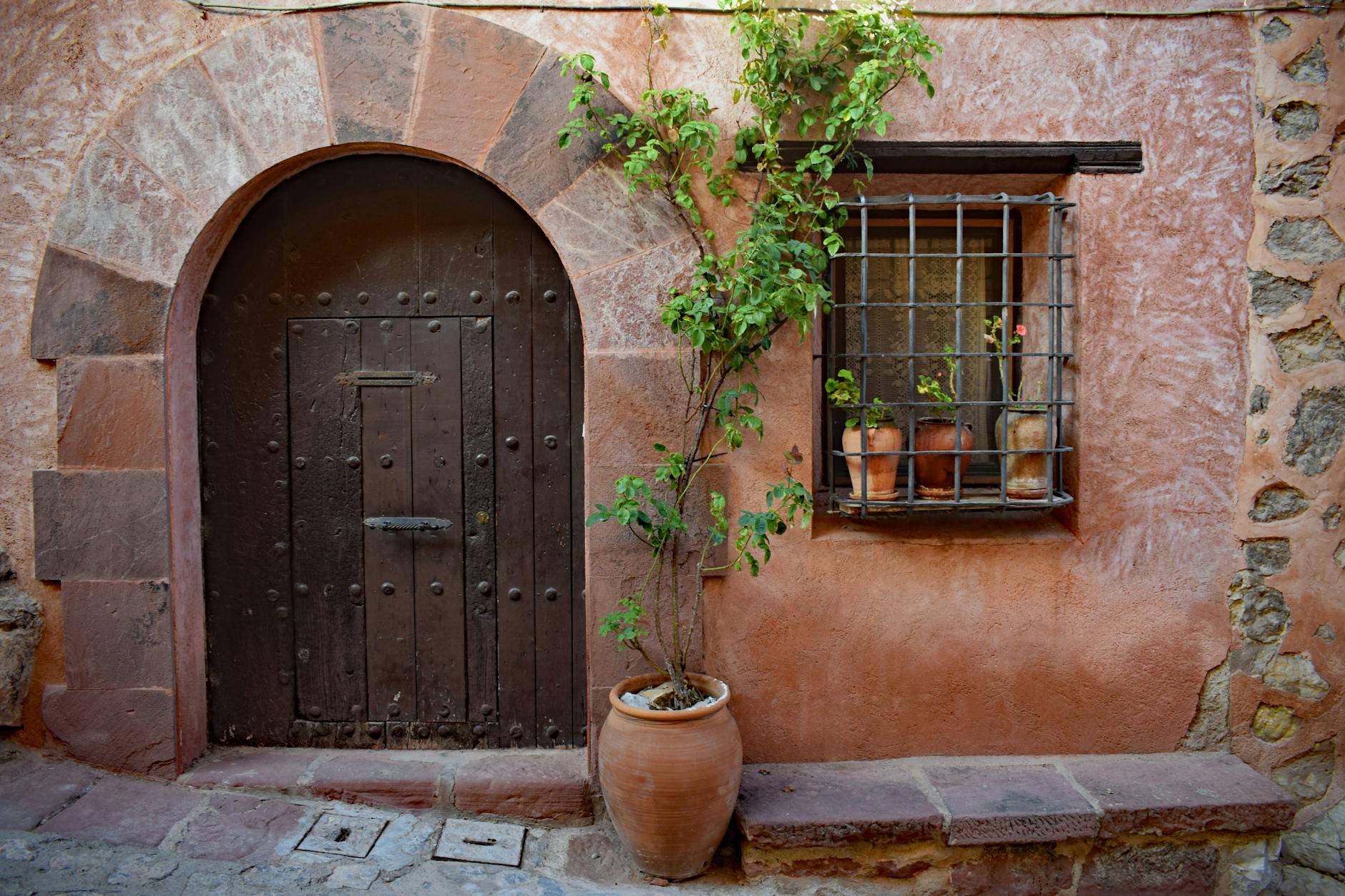
    Exploring Beautiful Albarracín in 2025: History, Architecture & Nature

    Introduction

    Nestled in the hills of Teruel, Albarracín is a mesmerizing escape that feels like stepping into a fairytale. This medieval town, with its charming, pink-hued buildings, winding cobblestone streets, and breathtaking landscapes, offers visitors a unique blend of history and natural beauty. The town’s rich heritage dates back to the Roman era and is characterized by its medieval architecture, including the well-preserved walls and the stunning cathedral. Surrounded by dramatic cliffs and lush forests, Albarracín is set against a backdrop that enhances its ethereal charm. Whether you’re wandering through the narrow streets, enjoying the panoramic views, or immersing yourself in the local culture, Albarracín promises an unforgettable experience steeped in history. This article delves into the captivating elements that make Albarracín a must-visit destination.

    The History of Albarracín: From Medieval Roots to Modern Charm

    The history of Albarracín is as captivating as the town itself. Believed to have been founded by the Romans, this town evolved through various historical periods, shaping its unique character. Its strategic location on the hills allowed it to be fortified, a feature that has been preserved to this day.

    The medieval period marked a significant turning point for Albarracín, as it became the capital of the Taifa of Albarracín, an important Muslim kingdom during the 11th century. The discovery of archaeological remains, including Arabic inscriptions, attests to its rich Islamic heritage. During this era, the town flourished economically and culturally, becoming a center of trade and learning. Many of the architectural elements that remain today, including the ancient walls and the impressive castle, were built during this Islamic period.

    The Reconquista in the late 15th century brought about a shift in power, as Catholic Monarchs took control. The transition was met with resistance but eventually led to the integration of Albarracín into the Kingdom of Aragon. This change significantly influenced its architectural landscape, as Gothic and Renaissance styles began to dominate. The construction of the Cathedral of Albarracín, built on the site of an earlier mosque, symbolizes this blending of cultures.

    Walking through Albarracín today, visitors can see the remnants of its illustrious past through the town’s architecture. The fortified walls encircle the historical center, offering a glimpse into the town’s medieval defenses. The walls date back to the 10th century and stand as a testament to the town’s enduring strength. The castle, perched high atop a hill, was built to provide protection against invasions and offers breathtaking views of the surrounding countryside.

    In the 20th century, Albarracín faced challenges with modernization and urbanization, but a commitment to preservation helped maintain its charm. The town was declared a historic-artistic monument in 1961, ensuring that its historical and cultural heritage would be preserved for future generations. This designation has attracted tourism, leading to a vibrant local economy while allowing residents to maintain their traditions.

    Today, Albarracín is not just a relic of the past but a living town that showcases its history. The local government and community actively engage in preserving its buildings and promoting its heritage. Cultural events, such as music festivals and art exhibitions, celebrate the town’s history while fostering a sense of community among its residents and visitors.

    The rich tapestry of Albarracín’s history is pivotal to understanding its current charm. It’s a place where the echoes of its medieval past resonate through every street corner and building facade. The commitment to preserving its unique character while embracing modernity makes Albarracín a remarkable destination. Visitors can walk in the footsteps of history, exploring the layers of time that have shaped this enchanting town, making it an essential stop for history enthusiasts and curious travelers alike.

    Architectural Wonders: Exploring the Town’s Pink-Hued Buildings

    The architectural landscape of Albarracín is undoubtedly one of the town’s most enchanting features. Known for its striking pink-hued buildings, the town exemplifies a cohesive style that merges functionality with aesthetic beauty. The vibrancy of the structures, built from local sandstone, adds to the fairytale-like atmosphere that envelops Albarracín.

    As you stroll through the narrow, winding streets, the first thing that captures your attention is the uniformity of the colors and materials used in the buildings. The soft, rosy tones of the sandstone soften the harshness often found in other medieval towns, creating a warm and inviting environment. This unique hue not only serves a practical purpose—insulation against the harsh heat of the summer and cold of the winter—but also stands as a testament to the craftsmanship of local artisans through the centuries.

    One of the standout architectural gems in Albarracín is the Cathedral of Saint Mary. Built between the 16th and 18th centuries, this striking structure combines elements of Gothic and Renaissance styles. The façade, adorned with intricate carvings and towering spires, draws visitors’ eyes upward, while the interior boasts magnificent altars and beautiful stained glass. The cathedral serves not just as a religious center but also as a cultural hub, hosting various community gatherings and traditional celebrations that reflect the town’s deep-rooted heritage.

    Another notable building is the Town Hall, located in the central plaza. A fine example of Mudejar architecture, the Town Hall features elaborate wooden balconies and arches that reflect the blending of artistic influences experienced in Albarracín during the medieval period. This central square is often bustling with life, as cafes and shops line the fringes, providing visitors with a taste of local cuisine and culture amidst the stunning architectural backdrop.

    The fortified walls of Albarracín, stretching over 1,000 meters, are another significant architectural feature that should not be overlooked. Built in the 10th century, these walls served as formidable defenses against invaders. Today, they offer visitors the chance to walk along the ramparts and enjoy panoramic views of the town and the surrounding landscape. The well-preserved towers along the walls, such as the Torre del Andador, provide insight into the town’s historical methods of defense and the significance of its strategic location.

    Throughout Albarracín, each building tells a story woven into the town’s history. The narrow alleyways, each leading to quaint plazas or hidden courtyards, create a sense of mystery and adventure. The harmonious blend of architectural styles—from Romanesque to Gothic and Mudejar—demonstrates the town’s evolution over centuries, showcasing the influence of various cultural waves that have washed over it.

    In recent years, local authorities have prioritized the preservation of Albarracín’s architectural heritage. Restoration projects are ongoing, ensuring that these captivating structures remain intact for future generations. This commitment to preserving the past while allowing for modern enhancements reflects the community’s deep appreciation for its roots.

    A walking tour through Albarracín’s architectural landscape is not just a visual feast but also an immersive experience that transports you through time. The pink-hued buildings, with their intricate designs and historical significance, enhance the town’s fairytale aura, making it a living museum that captures the heart and imagination of every visitor.

    Natural Landscapes: The Breathtaking Surroundings of Albarracín

    Albarracín is perched in a region of exceptional natural beauty, surrounded by dramatic landscapes that enhance its charm and allure. The town itself is nestled within the Sierra de Albarracín mountain range, where rolling hills, rocky cliffs, and expansive forests create a stunning backdrop for visitors. This unique setting not only highlights the impressive architecture of the town but also offers a wealth of outdoor activities for nature enthusiasts and adventure seekers alike.

    The striking contrast between the soft pink hues of the buildings and the rugged terrain creates a picturesque scene that feels almost cinematic. The surrounding landscape is characterized by its diversity, from steep cliffs and rocky outcrops to lush valleys and winding rivers. The iconic “Cerro de San Cristóbal” hill provides an excellent vantage point to admire the panoramic views of Albarracín and the undulating hills that stretch into the distance. Hiking trails lead up to the summit, making it a popular spot for both locals and tourists, especially at sunrise and sunset, when the landscape takes on an ethereal glow.

    For those who appreciate outdoor activities, Albarracín offers a variety of opportunities to explore the natural environment. Rock climbing is particularly popular in this region, with numerous climbing routes available for varying skill levels. The local rock formations are known for their quality and variety, attracting climbers from around the world. Whether you are a seasoned climber or a novice, this breathtaking backdrop provides an exhilarating experience.

    Another highlight of the natural landscape surrounding Albarracín is the “Sierra de Albarracín Natural Park.” This protected area boasts a wealth of biodiversity, featuring a variety of flora and fauna unique to the region. Birdwatchers will delight in the chance to spot local species, such as the Bonelli’s eagle and the Egyptian vulture, who inhabit the cliffs and forests. The park also offers several hiking trails that lead through lush woodlands and rocky outcroppings, allowing visitors to immerse themselves in the area’s natural beauty.

    Additionally, the scenic “Río de la Losa,” which flows nearby, provides a peaceful retreat for those looking to unwind. The river’s gentle currents create a soothing soundscape, making it an idyllic spot for picnicking or simply enjoying the tranquility of nature. For families, the picnic areas along the riverbank offer the perfect setting for a leisurely day out.

    The thriving ecosystems surrounding Albarracín also contribute to the region’s agricultural heritage. The fertile valleys cultivate local produce, including olives and herbs, playing a vital role in the culinary traditions of the area. Local markets often showcase fresh, organic products, allowing visitors to savor the flavors of Albarracín while appreciating the landscape’s bounty.

    As you explore the natural beauty surrounding Albarracín, the rich tapestry of the land becomes more apparent. Each season brings a different perspective, from the vibrant greens of spring to the warm tones of autumn. The clarity of the sky at high altitudes adds to the scenic beauty, and the clear night skies make stargazing an enchanting experience.

    The harmonious coexistence of nature and heritage in Albarracín is a testament to the town’s enduring charm. The breathtaking landscapes complement the captivating architecture, creating a destination that appeals to the senses and fosters a deep appreciation for the surrounding environment. Whether you’re hiking through the hills, climbing the rocks, or simply soaking in the views, the natural beauty of Albarracín will create lasting memories and a profound connection to this fairytale-like town.

    Cultural Experiences: Festivals and Local Traditions

    Exploring the cultural experiences of Albarracín is one of the best ways to delve into the local traditions and heritage that define this enchanting town. With its rich history and vibrant community spirit, Albarracín is home to a variety of festivals and events that reflect its unique customs, legends, and history.

    One of the most significant events in Albarracín is the Fiestas de Santa Esteban, celebrated in late August in honor of the town’s patron saint. This festival draws both locals and visitors, transforming the town into a lively space filled with music, dance, and traditional activities. The celebrations begin with a colorful procession, featuring participants dressed in traditional attire, showcasing Albarracín’s enduring customs. Throughout the festival, local bands perform music that resonates through the cobblestone streets, while the aroma of traditional Spanish cuisine wafts from stalls and restaurants.

    In addition to Santa Esteban, the town also celebrates the Festival of the Moors and Christians, commemorating the historical conflict between Christian and Muslim forces. This vibrant event, typically held in September, includes dramatic reenactments that depict pivotal moments in Albarracín’s history. Performers don intricate costumes and carry traditional weapons, bringing the past to life as they march through the streets. The festival culminates in a dazzling fireworks display that illuminates the night sky, symbolizing the spirit of unity and camaraderie in the community.

    Food also plays a vital role in Albarracín’s cultural identity. Visitors have the opportunity to indulge in gastronomic experiences that highlight the region’s culinary heritage. Traditional dishes such as “ternasco,” a succulent lamb dish, and “migas,” a flavorful breadcrumb dish, offer a taste of local culture. The annual gastronomic fair showcases the best of Albarracín’s cuisine, and local chefs often incorporate seasonal ingredients from the surrounding landscape, enhancing the flavors.

    The art and craftsmanship of Albarracín further contribute to its cultural richness. The town has a long history of artisanal traditions, particularly in woodworking and pottery. Visitors can explore local workshops where skilled artisans create intricate pieces, combining traditional techniques with modern design. This commitment to craftsmanship is also evident in the beautifully painted houses that line the streets, showcasing the talents of local painters.

    Throughout the year, various art exhibitions and cultural events take place, emphasizing the town’s dedication to fostering creativity. Art festivals attract local and international artists, transforming Albarracín into a thriving hub of artistic expression. Galleries and workshops welcome visitors to engage with the creative process, offering insights into the inspiration behind the artworks.

    The community spirit in Albarracín is palpable, with locals actively participating in events and celebrations, creating a warm and inclusive atmosphere. Visitors are often welcomed with open arms, encouraged to participate in festivities and connect with the vibrant culture of the town. The stories, legends, and traditions passed down through generations come alive during these celebrations, providing a deeper understanding of Albarracín’s heritage.

    Immersing oneself in the cultural experiences of Albarracín not only enriches the visit but also fosters a connection to the town and its people. From the lively festivals to the dedication to traditional crafts, Albarracín vibrates with life and history. An exploration of these cultural elements is essential for anyone seeking to capture the essence of this fairytale-like town.

    Practical Tips for Visiting Albarracín: What to Know Before You Go

    Visiting Albarracín promises an unforgettable experience, but being prepared can enhance your adventure in this fairytale-like medieval town. Here are some essential tips to ensure you make the most of your trip.

    Getting There: Albarracín is conveniently located approximately 35 kilometers from the city of Teruel, making it easily accessible by car or public transportation. If driving, be prepared for winding roads that offer scenic vistas as you approach the town. For those opting for public transport, regular bus services run between Teruel and Albarracín, providing a reliable option for travelers without a vehicle.

    Accommodation: A range of accommodation options available in Albarracín caters to different budgets and preferences. From charming boutique hotels that reflect the town’s medieval aesthetics to cozy guesthouses that offer a homely touch, you’ll find a place that suits your needs. Booking in advance, especially during peak tourist seasons, is advisable to ensure availability.

    Local Cuisine: Don’t miss the opportunity to savor local delicacies. Restaurants in Albarracín serve traditional Spanish cuisine made with fresh, local ingredients, making the dining experience a culinary journey. Try local specialties such as “ternasco,” “migas,” and regional wines, which provide a true taste of the area. Many establishments also offer outdoor seating, allowing you to enjoy your meal alongside the stunning views.

    Exploring the Town: The best way to explore Albarracín is on foot. The narrow winding streets, often bustling with life and charm, encourage leisurely strolls. Invest in a good pair of walking shoes to navigate the cobblestone paths comfortably. Along the way, take time to explore the hidden nooks and corners, discovering boutique shops, local artisanal crafts, and inviting cafes.

    Cultural Etiquette: While Albarracín is welcoming to visitors, being respectful of local customs and traditions is essential. When dining in restaurants, it is customary to greet staff with a polite “hola” and to say “gracias” upon leaving. Engaging with locals in their language, even if it’s just a few phrases in Spanish, can go a long way in expressing appreciation for their culture.

    Weather Considerations: Weather in Albarracín can vary significantly, so check the forecast beforehand and pack accordingly. Summers can be hot, making lightweight clothing and sun protection essential. In contrast, winters can be quite cold with snowfall, so be sure to bring warm layers if you’re visiting during that season. Wearing comfortable clothing and walking shoes will ensure you’re prepared for various activities.

    Attending Festivals: If possible, plan your visit around one of Albarracín’s local festivals. These events provide a unique insight into the town’s culture, and participation can enhance your overall experience. Be sure to check local calendars for festival dates and specific events during your stay.

    By being mindful of these practical tips, you can navigate Albarracín with confidence and enjoy everything this enchanting town has to offer. From its rich history and breathtaking landscapes to its vibrant culture and welcoming community, Albarracín will leave a lasting impression on your heart.

    Conclusion

    Albarracín offers a unique blend of history, architecture, culture, and stunning natural landscapes, making it a destination unlike any other. Its medieval charm, punctuated by pink-hued buildings and fascinating stories from the past, captivates the imagination of every visitor. The rich traditions and lively festivals bring the town to life, providing a deeper understanding of the local heritage and community spirit. Whether you are wandering through its cobblestone streets, marveling at the breathtaking views, or indulging in the delicious local cuisine, Albarracín offers an experience that resonates long after your visit. As you leave this fairytale-like town, you’ll carry with you not only memories of its beauty but also a connection to its rich cultural tapestry, inspiring a longing to return to this magical place.

  • Explore Dinant in 2025: Belgium’s Riverside Gem with Historical Charm
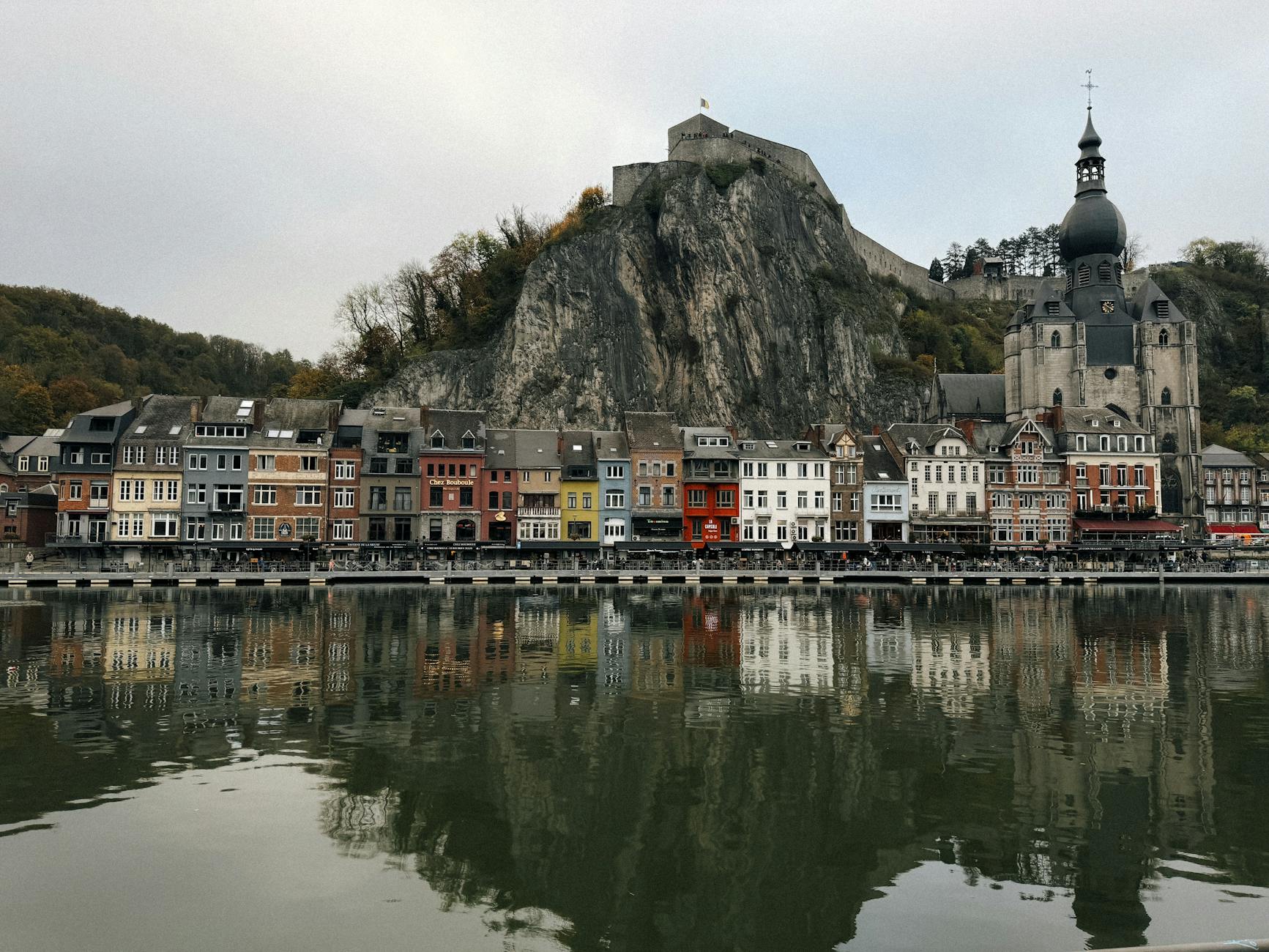
    Explore Dinant in 2025: Belgium’s Riverside Gem with Historical Charm

    Introduction

    Nestled alongside the Meuse River and framed by dramatic limestone cliffs, Dinant, Belgium, is a breathtaking riverside town that enchants visitors with its picturesque landscapes and rich history. Known for its iconic Collegiate Church of Notre Dame, which appears to rise directly from the rock face, Dinant offers a unique blend of architectural splendor, cultural experiences, and outdoor activities. The history of this charming town dates back to medieval times and is steeped in fascinating stories of resilience and transformation. Its strategic location has attracted merchants, artists, and tourists alike. Today, Dilant stands as a testament to Belgium’s beauty and history, drawing travelers to explore its narrow streets lined with traditional houses, vibrant cafes, and hidden gems. This article invites you to delve deeper into the wonders of Dinant, unveiling the secrets that make this town a must-visit destination for anyone exploring Belgium.

    Historical Overview of Dinant

    Dinant’s history is as captivating as its scenery. Its origins date back to around the 9th century when it was established as an important trading post. The town’s location along the Meuse River made it strategically significant for commerce and transportation. Over the centuries, Dinant has witnessed various invasions, particularly during the conflicts between France and the Spanish Netherlands. The town was notably the site of the infamous massacre in 1466, where many inhabitants were killed, demonstrating the challenges it faced throughout history.

    In the late Middle Ages, Dinant thrived as a center for commerce and craftsmanship, particularly known for its brass production. The brasseries of Dinant became renowned across Europe, contributing to the town’s wealth and reputation. The intertwining of economic prosperity and cultural growth fostered a vibrant community that would leave a lasting impact on the region.

    The construction of the Collegiate Church of Notre Dame began in 1240, which showcases the Gothic architectural influences of the period. The church’s dramatic positioning at the foot of the cliff highlights the ingenuity of its builders, who melded nature with architecture in a way that captivates visitors even today. Various political changes, including the impact of the French Revolution and World War I, led to significant transformations in Dinant, yet the town has preserved its historical charm.

    Over the years, restoration efforts have played a crucial role in maintaining the architectural heritage of Dinant. From the quaint stone buildings that line its cobbled streets to the expansive views offered from the cliffs above, every corner of Dinant tells a story of resilience and continuity. The peaceful resurgence of tourism in the 21st century has allowed Dinant to showcase its unique identity, welcoming visitors eager to explore its rich tapestry of history.

    In summary, Dinant’s historical journey reflects both the trials and triumphs of a town shaped by its geographical position. As you wander through its enchanting streets, one cannot help but feel the weight of its past—a past that continues to ripple through its vibrant present.

    The Architectural Wonders of Collegiate Church of Notre Dame

    The Collegiate Church of Notre Dame is not just a church; it is the heart and soul of Dinant. Perched against a dramatic cliffside, it commands attention from every vantage point in town. The church’s construction began in the 13th century and was completed in the 15th century, showcasing a stunning mix of Gothic and Romanesque architectural styles. The striking façade features tall, slender arches and intricate stone carvings that invite admiration and exploration.

    One of the most notable features of the church is its iconic bell tower. The tower, which reached its current height following renovations in the 19th century, houses a large bell named “Marie.” This bell, unique in its sound, rings out over the town, marking the hours and enhancing the town’s connection to its historical roots. The church’s interior is equally breathtaking, filled with beautiful stained glass windows that depict biblical stories and reflect the artistry of the time.

    As you step inside, the cool air greets you, contrasting with the warm hues of the sunlight spilling through the stained glass. The intricate woodwork and ornate altars create a serene ambiance that invites contemplation and reverence. The church also houses several art pieces, including works from notable Belgian artists, adding to its cultural richness.

    Not only is the Collegiate Church of Notre Dame a place of worship, but it also serves as a cultural hub. It hosts various events, including concerts and exhibitions that highlight the town’s artistic heritage. Visitors are often delighted to find that the church’s acoustics enhance the music, making performances an unforgettable experience.

    Moreover, the church’s architectural significance extends beyond its aesthetic appeal. It has become a symbol of resilience for the town of Dinant. Despite facing destruction during World War I, the church was meticulously restored, ensuring that its historical and cultural value continues to thrive. Guided tours offer insight into the architectural techniques used in its construction, shedding light on the craftsmanship that has stood the test of time.

    In conclusion, the Collegiate Church of Notre Dame is more than just an architectural marvel; it is a living testament to the history and culture of Dinant. Its presence on the cliffside epitomizes the harmony between nature and human creativity, inviting all who visit to reflect on the stories it holds within its walls. A visit to Dinant is incomplete without experiencing the magnificence of this church, a defining feature that truly captures the essence of this exquisite riverside town.

    Outdoor Activities and Scenic River Experiences

    Dinant is not only renowned for its historical significance and architectural beauty but also for its breathtaking outdoor experiences. The town is enveloped by lush hills and the flowing Meuse River, providing a picturesque setting that beckons adventurers and nature enthusiasts alike. The varied landscape is ideal for activities ranging from hiking and cycling to kayaking and boating.

    One of the most popular ways to experience Dinant’s stunning scenery is by hiking along the numerous trails that weave through the surrounding valleys and cliffs. The hill known as “La Citadelle,” which overlooks the town, offers several hiking paths with varying levels of difficulty, making it accessible to both seasoned hikers and casual walkers. From the top, visitors are rewarded with panoramic views of the Meuse River, the colorful rooftops of Dinant, and the dramatic cliffs that define the region. The breathtaking vistas alone make the trek worthwhile, allowing hikers to appreciate the natural beauty that frames this charming town.

    Cycling is another popular pastime in Dinant, with several cycling paths available for those looking to explore the area. The Meuse River is bordered by well-maintained bike lanes, making it easy to embark on a leisurely ride while soaking in the beautiful surroundings. Cyclists can choose to pedal along the riverbanks, enjoying the gentle lapping of the water while stopping at quaint cafes along the way. The landscape varies from serene rural vistas to the rugged cliffs that rise majestically above the river.

    For those seeking a more exhilarating experience, the Meuse River itself offers opportunities for kayaking and canoeing. Adventurers can rent kayaks from local shops and paddle along the river, navigating gentle currents while taking in the sights of the surrounding landscape. The experience of gliding across the water offers a unique perspective of Dinant, allowing paddlers to appreciate the town’s beauty from a different angle. Additionally, guided river tours provide insights into the history and ecology of the river, enriching the experience with knowledge about the region.

    Fishing enthusiasts will also find satisfaction in the waters of the Meuse. The river is home to various fish species, creating ideal fishing spots for both novice and experienced anglers. Fishing permits can be easily obtained, and local shops often provide gear and guidance.

    In addition to physical activities, Dinant hosts various events centered around its outdoor environment. From annual river festivals to organized hikes, the town embraces its natural beauty and encourages both residents and visitors to engage with it. These events foster a sense of community and allow individuals to connect with nature and each other.

    Ultimately, Dinant’s outdoor activities and scenic river experiences offer something for everyone, providing a perfect blend of adventure and relaxation. Whether hiking the hills, cycling along the river, or paddling the Meuse, visitors are sure to leave with unforgettable memories of the stunning landscapes that define this remarkable riverside town.

    Culinary Delights and Local Cuisine

    Food lovers will find Dinant a hidden gem of culinary delights, where traditional Belgian cuisine meets local specialties. The town’s gastronomic scene is a reflection of its rich history and cultural melting pot, offering visitors a chance to experience the unique flavors that define the region. From hearty stews and artisanal cheeses to delectable pastries, Dinant boasts an array of dishes that cater to every palate.

    One of Dinant’s most famous culinary exports is the “couque de Dinant,” a hard, sweet biscuit that has been produced in the region since the Middle Ages. Made with simple ingredients, including flour, honey, and water, these biscuits are rolled out and cut into distinctive shapes, often featuring intricate designs. Visitors can purchase these treats from local bakeries, and their unique flavor profile makes them a delightful souvenir as well as a tasty snack while exploring the town.

    Another highlight of Dinant’s culinary offerings is the local cheese. The region is known for its artisanal cheeses, particularly the “Fromage de Dinant,” a soft cheese that is celebrated for its creamy texture and rich flavor. Many local shops offer cheese tastings, allowing visitors to sample a variety of cheeses paired with artisan bread and locally produced wines. Cheese lovers will appreciate the passion and craftsmanship that go into creating these artisanal products.

    For those who enjoy hearty meals, Dinant’s restaurants serve up a range of traditional Belgian dishes. One must-try is the Flemish stew, made from beef, onions, and beer, slow-cooked to perfection and served with a side of fries. This comforting dish embodies the essence of Belgian cuisine and is best enjoyed in a cozy restaurant setting, where the aroma of home-cooked meals fills the air.

    Seafood enthusiasts will also find fresh catches from the Meuse River featured on many restaurant menus. From grilled fish to river pike, diners can experience the flavors of the region’s waters. Pairing these dishes with a glass of local beer, brewed in the tradition of Belgian brewing, completes the authentic dining experience.

    Cafés and bistros lining the streets of Dinant not only serve food but also play an essential role in the social fabric of the town. Visitors can relax in outdoor seating areas, enjoying delicious coffee or local pastries while taking in the lively atmosphere. It’s the perfect way to soak up the ambiance, watch the world go by, and connect with the heart of Dinant.

    As the evening approaches, the town transforms into a hub of culinary delights, with many restaurants offering seasonal menus that highlight locally sourced ingredients. Dinant’s commitment to sustainability is reflected in its food scene, with many establishments supporting local farmers and producers. This dedication ensures that visitors not only enjoy fresh and flavorful dishes but also contribute to the local economy.

    In conclusion, Dinant’s culinary scene is an essential part of the town’s charm, blending tradition, sustainability, and creativity. With a focus on local flavors and artisanal products, the town invites visitors to indulge in a diverse array of dishes that reflect its rich cultural heritage. A journey through Dinant is incomplete without tasting its culinary delights, making it a memorable experience that adds another layer to the town’s allure.

    Cultural Events and Festivals in Dinant

    Dinant is alive with cultural vibrancy, hosting a variety of events and festivals throughout the year that celebrate its rich heritage and community spirit. These gatherings provide wonderful opportunities for visitors and locals alike to come together, enjoy music, art, and local traditions, and engage with the town’s history in a lively atmosphere.

    One of the most significant annual events is the “Festival of the Virgin,” which takes place in August. This colorful celebration pays homage to the patron saint of Dinant, featuring a grand procession through the streets. Participants don traditional costumes, accompanied by music and dance, creating a festive atmosphere that captivates all who attend. The energy of the crowd, combined with the joyful sounds of local bands, creates a vibrant ambiance that reflects the town’s deep-rooted traditions and cultural pride.

    Music plays a vital role in Dinant’s cultural landscape, with several music festivals taking place throughout the year. The “Dinant Jazz Nights,” for instance, attract jazz enthusiasts from across the region. Local and international jazz talents perform in various venues, offering a platform for emerging artists while celebrating the legacy of jazz music. The blend of music and architecture in the town, with performances often taking place in scenic settings, enhances the experience, enveloping audiences in a rich tapestry of sound and history.

    Art lovers will appreciate the “Dinant Art Festival,” which showcases both local and international artists. The festival often includes exhibitions, workshops, and open-air installations, encouraging community engagement with the arts. This event not only highlights the creative talents of artists but also serves as a space for dialogue and collaboration among art enthusiasts, fostering a vibrant cultural community.

    In addition to these festivals, Dinant also celebrates its culinary heritage through various food events. The “Taste of Dinant” festival showcases local cuisine, inviting chefs and food artisans to share their delicious creations with attendees. Visitors can savor traditional dishes, support local vendors, and participate in cooking demonstrations, making it a delicious celebration of the region’s culinary identity.

    The calendar is also filled with seasonal celebrations, including Christmas markets in the winter months. The town is transformed into a holiday wonderland, with twinkling lights and festive decorations lining the streets. Local artisans sell handmade crafts and seasonal treats, creating a warm and inviting atmosphere that attracts families and tourists alike.

    Throughout the year, various smaller events and workshops take place, focusing on traditional crafts, music, and local history. These gatherings create opportunities for community members and visitors to interact, learn from each other, and share in the cultural heritage of Dinant. The sense of camaraderie and pride in their traditions is palpable, making for an enriching experience for all participants.

    In summary, the cultural events and festivals in Dinant serve as a testament to the town’s dynamic spirit and dedication to preserving its heritage. By engaging with a diverse range of activities—be it music, art, food, or tradition—Dinant fosters a sense of belonging and encourages everyone to connect with the stories and values that shape this enchanting riverside town.

    Dinant, Belgium, stands out as a captivating destination that seamlessly melds its majestic natural surroundings, rich historical tapestry, and vibrant cultural scene. From the striking Collegiate Church of Notre Dame to the breathtaking landscapes along the Meuse River, every aspect of Dinant invites exploration and wonder. The town’s rich history, spanning centuries of transformation, reflects resilience and innovation, allowing visitors to connect deeply with its past.

    Conclusion

    Outdoor enthusiasts can revel in the activities that the surrounding hills and river offer, whether it be hiking, cycling, or kayaking. Each outdoor experience provides a unique view of the town and its beautiful setting, making it a perfect getaway for nature lovers. The culinary scene captivates the palate with its local specialties, encouraging visitors to savor the flavors of the region while supporting local producers.

    Cultural events and festivals enrich the experience, offering a glimpse into the vibrant community spirit that defines Dinant. Through music, art, food, and tradition, locals and visitors come together to celebrate the town’s heritage and create lasting memories.

    Ultimately, Dinant serves as a reminder of the beauty found at the intersection of nature, history, and culture. As travelers seek destinations that offer both exploration and relaxation, Dinant stands ready to welcome them with open arms. A visit to this stunning riverside town promises an unforgettable journey filled with discovery, adventure, and a renewed appreciation for the wonders of our world.

  • Discover ÄŒeský Krumlov in 2025: A Timeless Medieval Gem

    Discover Český Krumlov in 2025: A Timeless Medieval Gem

    Introduction

    Nestled in the picturesque hills of the South Bohemia region, ÄŒeský Krumlov stands as a testament to medieval architecture and history, captivating the hearts of all who visit. This UNESCO World Heritage site, with its winding cobblestone streets and enchanting Renaissance buildings, transports visitors back in time, offering an authentic glimpse into the past. Founded in the 13th century, ÄŒeský Krumlov was originally established around the dominant ÄŒeský Krumlov Castle, which overlooks the Vltava River and the charming town. The unique blend of architectural styles—from Gothic to Baroque—reflects the town’s rich history and the various cultures that have influenced it throughout the centuries. Today, it thrives as a vibrant hub for tourism, culture, and art, attracting travelers from around the world eager to immerse themselves in its timeless charm. This article delves into the many facets of ÄŒeský Krumlov, highlighting its significance, beauty, and the unique experiences it offers.

    Historical Significance and Origins

    ÄŒeský Krumlov’s foundation dates back to the 13th century, and its historical significance cannot be overstated. The town’s name translates to “Krumlov,” a term derived from the Czech word for “crooked” or “bend,” referencing the Vltava River’s winding pathways that embrace the town. Initially, the settlement served as a strategic location for trade, and its position on the river was pivotal for transport and commerce. The first record of the town appears in 1253, under the dominion of the Vítkovci family, who played an essential role in establishing the area as a significant feudal seat.

    As the centuries unfolded, ÄŒeský Krumlov saw growth and development under various ruling dynasties, notably the Rosenberg family, who became its prominent lords in the 14th century. Their influence ushered in a period of economic prosperity and architectural development, resulting in the magnificent castle complex that stands today. This was a time of flourishing arts and culture, as the town attracted artists and craftsmen drawn to its vibrant atmosphere. The Rosenbergs were not only patrons of architecture but also of the arts, commissioning numerous works that still resonate within the town’s historic framework.

    The castle, a cornerstone of ÄŒeský Krumlov, evolved from a simple fortress to a grand residence, showcasing a blend of Gothic, Renaissance, and Baroque architectural styles. The complex features an array of well-preserved structures, gardens, and frescoes that paint a vivid picture of the town’s storied past. One of the most notable sections is the castle’s tower, which offers breathtaking views of the surrounding landscape and the city itself, attracting both historians and casual visitors alike.

    Throughout the years, ÄŒeský Krumlov adapted to shifting political climates, including various occupations during the Hussite Wars and later the Thirty Years’ War. Each of these historical moments left its mark on the town, influencing not just its architecture but also its cultural identity. The resilience of its residents in preserving their heritage is evident in the meticulous restoration projects over the decades, especially following the tumultuous 20th century.

    In more recent history, post-World War II, Český Krumlov faced economic decline; however, it soon transformed into a critical tourist destination in the 1990s, thanks in part to its designation as a UNESCO World Heritage site in 1992. This recognition spurred an increased interest in preserving its historical and cultural assets, ensuring that future generations could also experience its unique charm.

    Today, visitors to Český Krumlov are not merely observers but are invited to step into a living museum. Walking through its narrow streets or exploring the castle grounds allows a meaningful connection to its history. Guided tours offer insights into the lives of past inhabitants, detailing stories of nobility, art, and political intrigue that shaped the town. Enthusiasts of history and architecture alike will find themselves enthralled by the tales of Český Krumlov, making it a must-visit for anyone seeking to understand the depths of Bohemian history.

    Architectural Marvels and Landmarks

    ÄŒeský Krumlov showcases an unparalleled collection of architectural marvels that tell tales of different eras and styles. The town’s distinctive skyline is dominated by the majestic ÄŒeský Krumlov Castle, featuring a harmonious blend of Renaissance and Baroque elements. Built atop a rocky promontory overlooking the Vltava River, the castle serves not only as a historical monument but also as a symbol of the town’s artistic heritage. The castle complex is an elaborate ensemble with numerous courtyards, gardens, and breathtaking frescoes that illustrate various scenes from mythology and history.

    Visitors can explore the intricacies of the castle, including the beautifully preserved interiors adorned with original furnishings and artwork. One of the most fascinating aspects is the castle’s unique theater, constructed in the 17th century, which remains the only Baroque theater preserved in its entirety in Europe. Regular performances and events bring this historical space back to life, allowing guests to experience the artistry and entertainment that once thrived within its walls.

    As one meanders through the cobbled streets of the town, numerous other landmarks beckon attention. The Gothic-style Church of St. Vitus, located in the town square, boasts an impressive spire and exquisite stained-glass windows, emphasizing the craftsmanship of the period. The significant architecture of this church provides insight into the religious devotion and cultural values of the time, reflecting the importance of Christianity in shaping the community’s identity.

    The old town square itself is a vibrant hub, surrounded by beautifully preserved Renaissance and Baroque buildings, each telling a story of the past. The colorful facades, adorned with decorative elements and historical plaques, create an inviting atmosphere that draws both tourists and locals. The square is host to various events throughout the year, including markets and festivals that celebrate local traditions and crafts, making it a social focal point for the residents.

    One cannot overlook the significance of the Egon Schiele Art Centrum, a contemporary art museum dedicated to the renowned Austrian painter Egon Schiele, who was inspired by the beauty of ÄŒeský Krumlov in his youth. The museum exhibits not only Schiele’s works but also hosts rotating exhibitions featuring both Czech and international artists, bridging the gap between history and modern artistic expression.

    In addition to the remarkable structures, the landscape of Český Krumlov adds to its architectural allure. The Vltava River curves gracefully around the town, enhancing the scenic beauty and offering a picturesque backdrop for the historic buildings. The riverbanks, complete with quaint cafés and serene walking paths, create a peaceful setting for visitors to appreciate the architectural ensemble from various perspectives.

    The combination of natural beauty and historical architecture forms a captivating experience that immerses visitors in the town’s rich tapestry. The interdependence of architecture and the environment serves as a reminder of how closely cultural heritage is linked with the physical landscape. The ongoing efforts to preserve these architectural treasures ensure that the charm and character of ÄŒeský Krumlov will continue to enchant future generations.

    Cultural Experiences and Local Traditions

    Cultural experiences in Český Krumlov are as rich and diverse as its storied history, presenting visitors with the opportunity to engage with local traditions that have thrived for centuries. From annual festivals to artisanal crafts, the town is alive with a sense of identity nurtured by a blend of historical influences, Czech customs, and artistic endeavors.

    One of the most remarkable ways to experience the culture is through the numerous festivals held throughout the year. The Krumlov Carnival, typically celebrated in February, offers a vibrant display of local folklore, music, and dance. Participants don elaborate costumes, showcasing the region’s creativity and artistic flair. This carnival not only entertains but also retains the essence of communal gatherings, which have bonded the townsfolk for generations.

    In the summer months, visitors can immerse themselves in the Baroque Festival, an event dedicated to celebrating the arts and music of the Baroque period. Concerts take place in the castle’s gardens and other notable venues, featuring local and international musicians. These performances not only highlight the musical legacy of the region but also serve to foster a sense of community pride in ÄŒeský Krumlov’s cultural contributions.

    Artisan crafts play a significant role in preserving local traditions. The town is home to many skilled craftsmen who continue to practice traditional methods of glassblowing, pottery, and woodwork. Visitors have the chance to participate in workshops, observing the techniques and artistry that have been passed down through generations. These experiences provide a tangible connection to the town’s heritage while supporting the local economy.

    Cuisine is another vital aspect of ÄŒeský Krumlov’s culture. Traditional Czech dishes can be savored in the many local restaurants and taverns that dot the streets. Dishes such as svíčková, a creamy sauce served with marinated beef, and trdelník, a sweet pastry rolled over an open flame, are just a few culinary delights that present the flavors of the region. Many establishments focus on using locally sourced ingredients, linking food culture with agricultural practices that have sustained the community for years.

    The impact of folklore in ÄŒeský Krumlov is apparent through various storytelling events held in the town’s square or along the riverbanks. These narratives often recount local legends, historical events, and tales of medieval intrigue, preserving the oral traditions that are central to the town’s cultural fabric. Such events invite both residents and tourists to engage with the town’s identity while fostering a shared understanding of its history.

    Moreover, the town’s focus on preserving its cultural heritage is evident through its museums, including the Museum of Candle-making and the Regional Museum, which offer deeper insights into the artistry and historical significance of the region. These institutions provide curated experiences that enrich understanding while ensuring the legacy of local traditions endures.

    Through these myriad cultural experiences, Český Krumlov reveals itself as more than just a picturesque town; it is a living canvas painted with the vibrant hues of tradition, artistry, and community. The spirit of Český Krumlov resonates not only through its historical landmarks but also through the ongoing celebrations, crafts, and culinary delights that continue to define its essence in the present day.

    Natural Beauty and Surrounding Landscape

    The natural beauty surrounding Český Krumlov adds another layer to its charm, complimenting the architectural and cultural richness of the town. Nestled in a scenic valley, between lush green hills and the winding Vltava River, the landscape offers a tranquil escape into nature that harmonizes beautifully with the historical ambiance.

    The Vltava River, one of the region’s defining features, provides opportunities for outdoor activities such as kayaking, canoeing, and fishing. The gentle flow of the river creates picturesque views, especially when seen from the viewpoints on the hillsides or atop the castle. During the warmer months, visitors can enjoy leisurely boat rides, with several companies providing equipment rentals or guided tours. The serene experience of gliding along the water allows for a unique perspective of the town while soaking in the surrounding natural beauty.

    The riverbanks are adorned with cycling and walking trails that meander through enchanting landscapes. These paths are perfect for those looking to explore the countryside surrounding ÄŒeský Krumlov on foot or by bike. Visitors often take day trips to nearby villages, where they can witness the unspoiled beauty of rural life in the Czech Republic. This ecological diversity showcases the region’s flora and fauna, offering birdwatching opportunities and glimpses of local wildlife.

    Just outside the town, the Bohemian Forest (Å umava) National Park is a prime destination for nature enthusiasts. This expansive protected area, characterized by dense forests, pristine lakes, and unique rock formations, provides an oasis for hikers and outdoor adventurers. Trails of varying difficulties lead through the stunning scenery, with opportunities for picnicking and enjoying the serenity of unspoiled nature. The park’s connection to Czech folklore also adds a captivating element to visits, where one can learn about the legends tied to these ancient woods.

    As seasons change, the landscape around Český Krumlov also transforms. Autumn brings a kaleidoscope of colors, turning the hillsides into a canvas of warm hues. This seasonal transition attracts photographers and nature lovers alike, all eager to capture the beauty of the fall foliage against the backdrop of the medieval town. Winter, on the other hand, casts a tranquil spell over the region, with snow-dusted rooftops and frozen riverbanks creating a fairytale scene that is both magical and serene.

    In the spring, wildflowers bloom, transforming the meadows and forest floors into vibrant patches of color. This renewal of life fosters an atmosphere of hope and new beginnings, compelling visitors to engage with the natural world after the cold winter months. Many events celebrate the arrival of spring, including local flower festivals and outdoor markets that showcase regional crafts and produce.

    Beyond its visual allure, the natural environment surrounding ÄŒeský Krumlov plays a crucial role in supporting local agriculture, which contributes to the region’s economy and culinary offerings. Many small farms thrive on the outskirts, providing fresh ingredients to local restaurants and markets. This farm-to-table ethos reinforces the connection between nature and culture, allowing visitors to experience authentic Czech cuisine that reflects the landscape it originates from.

    The sweeping natural beauty that envelops ÄŒeský Krumlov enhances the town’s allure, providing visitors with an opportunity to explore a harmonious blend of history and nature. The striking landscapes, recreational activities, and seasonal transitions create an inviting atmosphere that enriches the overall experience of those who venture to this enchanting medieval town.

    Practical Tips for Visitors

    Planning a visit to Český Krumlov can be a rewarding experience, and knowing a few practical tips can enhance your journey. With its stunning architecture, vibrant culture, and picturesque scenery, the town attracts tourists year-round. Below are essential insights to make the most of your time in this enchanting locale.

    Getting There: ÄŒeský Krumlov is conveniently accessible by various modes of transportation. Many travelers arrive by bus or train from major cities such as Prague or Linz, with regular schedules that make for easy connections. The scenic route through the Czech countryside offers a delightful prelude to your visit, showcasing the beauty of the region. If you’re driving, the journey provides ample opportunities to stop and explore smaller towns along the way, adding to the overall experience.

    Accommodations: When it comes to staying in ÄŒeský Krumlov, there is a wide variety of accommodations to suit different preferences and budgets. From charming guesthouses nestled in the heart of the old town to luxurious hotels with breathtaking views of the castle, your choice will depend on your desired experience. Many establishments offer traditional Czech hospitality, enhancing the warmth of your stay. It’s advisable to book in advance, particularly during the high tourist season, to secure your preferred accommodation.

    Navigating the Town: ÄŒeský Krumlov is a compact and walkable town, making exploration a delightful venture. Most attractions are within walking distance, and wandering through its narrow streets is a joy in itself. However, be prepared for some steep inclines, especially if you’re heading toward the castle. Comfortable walking shoes are recommended to ensure a pleasant experience as you navigate the cobblestone paths.

    Dining Options: Delve into the local cuisine by sampling traditional Czech dishes at one of the many eateries scattered throughout the town. Trying out local specialties, such as goulash or potato pancakes, provides an authentic taste of the region’s flavors. Additionally, many restaurants emphasize farm-to-table practices, using locally sourced ingredients to create memorable meals. Reservations for popular dining spots are advisable, especially during peak seasons, to avoid long waits.

    Cultural Etiquette: While English is widely spoken in tourist areas, learning a few basic Czech phrases can enhance your interactions with locals and show appreciation for their culture. Common greetings and polite expressions can be helpful and endearing, making for a more engaging experience. Additionally, observe local customs, such as respecting quiet zones in religious sites, and be mindful of personal space during conversations.

    Events and Festivals: If you’re fortunate enough to visit during one of the town’s festivals, such as the Krumlov Carnival or the Baroque Festival, embrace the opportunity to participate fully. These celebrations not only provide stunning spectacles but also offer a unique glimpse into the town’s cultural heritage. Engaging with locals during these festive occasions fosters a sense of community and connection.

    By considering these practical tips, your visit to ÄŒeský Krumlov will be enriched with memorable experiences built upon knowledge and understanding of the town’s unique charms. Embrace the spirit of exploration as you uncover the treasures hidden within this medieval gem.

    Conclusion

    In conclusion, Český Krumlov embodies a rare intersection of history, architecture, culture, and natural beauty. This picturesque town, with its medieval charm and cultural vibrancy, offers visitors a captivating experience that feels suspended in time. From the breathtaking views of the castle to the inviting cobblestone streets lined with artisan shops, every corner of Český Krumlov tells a story that invites exploration and appreciation.

    The town’s rich historical narrative unfolds through its stunning architecture and cultural traditions, preserving the legacy of its past. Visitors can engage with local customs while participating in lively festivals and savoring traditional Czech cuisine. The harmonious blend of nature and urban life enhances the charm of the area, providing outdoor enthusiasts with opportunities to explore its scenic landscapes.

    For anyone considering a visit, the charm of Český Krumlov awaits, promising timeless beauty and unforgettable experiences. As a UNESCO World Heritage site, it stands as a reminder of the past, while its lively present reflects the spirit of a community dedicated to preserving its unique heritage. Regardless of the season, Český Krumlov emerges as a captivating destination, ensuring that every traveler leaves with cherished memories and a desire to return.

  • Top 5 Must-Do Experiences in Bangkok in 2025

    Top 5 Must-Do Experiences in Bangkok in 2025

    Introduction

    Bangkok, the vibrant capital of Thailand, is a city brimming with life, culture, and an eclectic mix of modernity and tradition. Known for its stunning temples, bustling streets, and tantalizing cuisine, it offers travelers an unforgettable experience that captures the essence of Thai culture. Whether you’re wandering through the ornate halls of the Grand Palace, savoring the flavors of street food stalls, or exploring lively floating markets, Bangkok invites adventure at every turn. The sounds of the city, from the honking of tuk-tuks to the chants of monks, create an ambiance that is both exciting and serene. With a rich history and an ever-evolving skyline, Bangkok holds a myriad of experiences waiting to be explored. This article will guide you through the highlights of this remarkable city, ensuring your journey is as memorable as the sights and sounds that define it.

    Exploring the Grand Palace and Wat Phra Kaew

    The Grand Palace, a remarkable architectural masterpiece, serves as the spiritual heart of Thailand and is a must-visit for anyone traveling to Bangkok. Constructed in 1782 during the reign of King Rama I, the palace complex has been the official residence of the Kings of Siam and later Thailand for over 150 years. As you enter the majestic gates, you’re greeted by golden spires, intricate mosaics, and sprawling gardens that reflect the opulence of Thai royalty.

    The Grand Palace is not just a visual delight; it’s also steeped in rich history and culture. The complex houses several buildings, each with its own unique architecture and purpose. The most famous of these is Wat Phra Kaew, or the Temple of the Emerald Buddha, which is regarded as the most sacred Buddhist temple in Thailand. The temple is home to a revered statue of the Emerald Buddha, carved from a single block of jade. Visitors are often awestruck by the exquisite detailing of the temple grounds, adorned with gilded statues, colorful murals depicting Thai lore, and sacred symbols.

    Walking through the Grand Palace, one cannot help but be mesmerized by the stunning architectural styles that illustrate the grandeur of the Rattanakosin era. The intricate motifs and the use of vibrant colors in the decoration of the buildings reflect the influence of Thai culture and the importance of Buddhism in the country. Each structure carries a story that links back to Thailand’s rich heritage, reminding visitors of the deep respect for tradition that permeates the Thai way of life.

    To fully appreciate the splendor of this site, it’s recommended to allocate a few hours for exploration. Guided tours are available, providing insights into the history and significance of the various structures. It’s essential to dress appropriately when visiting, as a strict dress code is enforced – no shorts, sleeveless tops, or open-toed shoes. This respect for tradition enhances the experience, as visitors become part of the cultural fabric of the place.

    As you leave the Grand Palace, the memories of the stunning architecture, the serene atmosphere, and the sense of history will linger long after you’ve departed. This experience is not just about visiting a tourist attraction; it’s about stepping into a narrative that has shaped Thailand’s identity for centuries. From the golden stupas to the peaceful gardens, every corner of the Grand Palace offers a glimpse into the soul of Thailand, making it an unforgettable highlight of any trip to Bangkok.

    Discovering the Floating Markets

    Bangkok’s floating markets provide a unique glimpse into the local lifestyle and offer an array of sustenance that highlights the diversity of Thai cuisine. These markets, where merchants sell their goods from boats, can be found throughout the city and its surroundings, with some of the most famous being Damnoen Saduak and Amphawa. A visit to these vibrant markets is essential for any traveler wishing to experience the true essence of Bangkok.

    The atmosphere at the floating markets is bustling, vibrant, and filled with the aroma of street food. As you glide along the canals in a long-tail boat, you can observe local vendors cooking fresh seafood, serving up bowls of spicy noodles, and selling tropical fruits right from their boats. The vibrant colors of the produce, the sounds of sizzling pans, and the chatter of vendors create a sensory overload that is both captivating and exhilarating. This is not just shopping; it’s a full-blown culinary adventure.

    The floating markets also reflect Thailand’s rich culture. Many of the stalls are family-run businesses passed down through generations, making each purchase not just a transaction but a contribution to preserving a way of life. Engaging with the vendors often reveals fascinating stories about their heritage and passion for their craft. It’s common for visitors to engage in friendly bargaining, which adds to the authenticity of the experience.

    Damnoen Saduak, the most iconic floating market, is particularly popular with tourists. Here, visitors can enjoy a wider range of goods, including handmade handicrafts, spices, and souvenirs. However, be prepared for a crowd, as this market tends to attract many visitors. If you prefer a more authentic experience, Amphawa Floating Market offers a quieter environment, appealing to those interested in tasting local delicacies without the tourist hustle. Here, you can indulge in fresh seafood dishes prepared right before your eyes, or sample traditional Thai desserts flavored with coconut and pandan.

    Besides the amazing food, the scenic beauty surrounding the floating markets enhances the experience. The lush greenery of the canals, the traditional wooden boats, and the quaint stilt houses evoke a sense of nostalgia and connection to the past. Whether you’re savoring a bowl of boat noodles or navigating through the narrow canals, the floating markets are an expression of the charming and enduring Thai culture.

    Partaking in a floating market experience will allow you to delve deeper into the heart of Bangkok, leaving you with unforgettable memories and a more profound appreciation for the ingenuity and spirit of its people. This exploration invites you to taste, engage, and witness Thailand’s rich cultural tapestry first-hand—truly a highlight of your journey in Bangkok.

    A Culinary Adventure through Bangkok Street Food

    Bangkok is often deemed the street food capital of the world, with a delectable array of options catering to every palate and budget. From late-night stalls to bustling food courts, the city’s culinary scene comes alive on the streets, offering a dining experience that’s as vibrant and diverse as the city itself. A culinary adventure through Bangkok is not just about eating; it’s about engaging with the local culture, satisfying your cravings, and discovering the stories behind each dish.

    The street food scene in Bangkok is known for its affordability and the speed at which food is prepared. Vendors work in tight spaces, often with only a few ingredients and minimal equipment, yet they skillfully craft dishes that are nothing short of masterpieces. Popular street foods include pad thai, som tam (green papaya salad), satay skewers, and mango sticky rice, each reflective of the harmonious balance of sweet, spicy, and sour that typifies Thai cuisine.

    Exploring Bangkok’s street food can feel overwhelming due to the sheer variety available. However, it’s recommended to start your culinary tour in areas like Yaowarat, Bangkok’s Chinatown, where food stalls line the streets. The area transforms at night into a bustling food paradise, with sizzling woks, aromatic spices, and the chatter of fellow food lovers filling the air. Here, you can indulge in iconic dishes such as the legendary roasted duck noodles or fresh seafood cooked to perfection.

    Another must-visit is the Ratchada Train Night Market, a haven for foodies. Stalls here offer everything from grilled meat skewers to bizarre delicacies like fried insects. The lively atmosphere, combined with the tantalizing aromas, invites visitors to taste a little bit of everything. Be sure to try the coconut ice cream served in a fresh coconut shell—it’s a perfect treat to cool down after sampling spicy dishes.

    The experience extends beyond just the food. Engaging with vendors can lead to fascinating exchanges. Many are eager to share recipes or stories about their culinary journey, adding a personal touch to your meals. For those willing to venture into the unknown, tasting local favorites like ‘som tam’ or ‘larb’ can be a revelation, providing insights into traditional Thai flavors that define the country’s cuisine.

    Safety is often a concern for first-time street fooders, but by observing long queues of locals at a stall, you can gauge the food’s popularity and quality. It’s worth noting that street food is considered safe for consumption; however, selecting fresh ingredients and cooked-to-order dishes will enhance your experience.

    As your culinary adventure continues, you’ll find that each bite offers a layer of history and tradition, revealing the essence of Bangkok’s vibrant culture. From the bustling street stalls to the rich flavors and scents, your journey will create lasting memories and a newfound appreciation for the incredible world of Thai cuisine.

    Cultural Experiences: Temples and Traditional Shows

    Bangkok is a city where culture flourishes, and a visit to its myriad of temples and cultural performances is essential for a complete understanding of Thai heritage. The architecture and significance behind these sacred sites reflect the deep-rooted traditions and values that have shaped Thailand for centuries. Exploring these cultural experiences provides insight into the rich spiritual tapestry of the country, creating an unforgettable connection to Bangkok.

    Among the numerous temples in Bangkok, Wat Pho, the Temple of the Reclining Buddha, is a highlight. Home to a colossal golden Buddha statue measuring 46 meters long, the temple complex is also a center for traditional Thai massage and education in healing arts. Visitors often marvel at the intricate details of the statue itself, with inlaid mother-of-pearl decorations adorning its feet, symbolizing the 32 characteristics of a great man in Buddhism. The temple’s serene atmosphere and beautiful murals create a contemplative space perfect for reflection.

    Another noteworthy temple is Wat Arun, or the Temple of Dawn, which stands majestically on the banks of the Chao Phraya River. Its striking architecture is characterized by a central prang (tower) adorned with colorful porcelain tiles, shimmering in the sunlight. Climbing to the top of Wat Arun offers stunning panoramic views of the river and the city, an exhilarating reward for your efforts. At sunset, the temple transforms into a breathtaking sight, as the lighting highlights its intricate details, making it a prime location for photography enthusiasts.

    Cultural experiences in Bangkok extend beyond temple visits. Traditional Thai dance performances, such as Khon, can be witnessed at venues like the National Theatre. This classical dance-drama combines elaborate costumes and intricate movements to tell stories from the Ramayana, a significant epic in Thai culture. The performances are captivating, showcasing the grace and precision of the dancers while providing intricate narratives that reflect the moral values of the time.

    For those who wish to dive deeper into the cultural fabric of Thailand, workshops in traditional crafts offer a unique hands-on experience. Learning the art of batik painting or Thai cooking allows you to engage with local artisans, fostering appreciation for the skills and traditions passed down through generations. These lessons provide not only insight but also practical skills that you can take home, creating lasting memories of your time in Bangkok.

    Moreover, participating in local festivals such as Loy Krathong or Songkran showcases the rhythm of Thai life. These festivals highlight the community’s spirit and the significance of water in Thai culture. By immersing yourself in these events, you gain a fuller understanding of the values that guide the people of Thailand.

    Bangkok’s temples and cultural performances create pathways to explore the city’s historical and spiritual dimensions. Each visit to a temple unfolds stories of devotion and artistry, while local performances allow visitors to witness the vibrancy of Thai culture. Engaging with these experiences enriches your journey and leaves you with a deeper appreciation for the soulful heritage that defines Bangkok.

    Shopping in Bangkok: From Markets to Malls

    Bangkok is renowned for its shopping, offering an eclectic mix of traditional markets and modern malls that cater to all preferences and budgets. The vibrant shopping scene reflects the city’s dynamic culture, making it a paradise for both locals and tourists alike. From bargaining at street vendors to indulging in luxury boutiques, shopping in Bangkok is an experience that contributes to the overall adventure of the city.

    One of the most memorable shopping experiences is exploring Chatuchak Weekend Market, one of the largest markets in the world. Spanning over 35 acres and comprising thousands of stalls, this market offers everything from clothing and accessories to home décor and local handicrafts. The lively atmosphere, filled with the chatter of vendors and shoppers, creates an exhilarating environment perfect for hunting down unique finds. Bargaining is part of the fun, with shoppers often walking away with great deals and interesting souvenirs.

    For those seeking a more modern shopping experience, Bangkok’s luxury malls, such as Siam Paragon and CentralWorld, offer a dizzying selection of high-end brands, electronics, and gourmet food courts. These malls are not just shopping destinations; they are cultural hubs, housing art exhibits, cinemas, and even theme parks. Spend a day exploring the vast spaces, indulging in international cuisines, and enjoying various entertainment options that keep the whole family engaged.

    Another exceptional shopping destination is the floating markets, which combine shopping with the unique experience of purchasing goods directly from boats. Vendors offer fresh produce, handmade souvenirs, and delicious street food, allowing visitors to navigate the canals and explore products that encapsulate the essence of Thai culture. Be sure to try local delicacies while browsing through unique crafts, reminding you that shopping here is not just about the goods but also about the experience.

    For a more local touch, head to Thonglor and Ekkamai districts, where hip boutiques and designer shops showcase the creativity of local artisans. Here, you can find everything from handmade jewelry to contemporary fashion that illustrates a blend of traditional Thai culture and modern design. These areas are also dotted with quaint cafes and eateries, making it easy to take breaks between shopping sprees.

    As shopping can often be tiring, consider incorporating spa treatments or wellness breaks at some of the upscale malls and luxury hotels. Many locations offer serene environments and a range of services, from traditional Thai massages to pampering treatments, providing a perfect respite between your shopping adventures.

    Shopping in Bangkok transcends mere transactions; it’s an immersive experience that allows you to engage with the city’s culture, artistry, and people. Whether you’re hunting for souvenirs at a bustling market or indulging in luxury goods in a chic mall, Bangkok’s shopping scene is an unforgettable part of your journey that captures the vibrancy and spirit of this incredible city.

    Conclusion

    Bangkok is a city that thrives on contrasts, offering a unique blend of ancient traditions and modern sensibilities that captivate every visitor. From the grandeur of the Grand Palace to the serene experience of floating markets, and the unforgettable flavors of street food, each element plays a vital role in creating an unforgettable journey. As you explore the vibrant culture through its temples, traditional performances, and exceptional shopping experiences, you find yourself immersed in the spirit of this remarkable city.

    The memories made in Bangkok are often heartfelt and profound, as every corner of the city offers insight into a rich history intertwined with contemporary life. Each interaction, whether with a local vendor or a fellow traveler, adds depth to your understanding and appreciation of the dazzling diversity that defines Bangkok. As you leave this radiant city, the experiences shared and lessons learned will stay with you long after the journey ends, encouraging a return to this incredible destination where adventure and culture await at every turn.

  • Ultimate Guide 2025 to Magical Disney World and Universal Studios in Orlando

    Ultimate Guide 2025 to Magical Disney World and Universal Studios in Orlando

    Introduction

    Orlando, Florida, often dubbed the “Theme Park Capital of the World,” is a must-visit for families, thrill-seekers, and dreamers alike. At the heart of this vibrant city are the world-renowned Disney World and Universal Studios, each offering unique experiences that cater to all ages. A journey to these magnificent parks is not just about the rides and attractions; it’s about creating cherished memories that will last a lifetime. In this article, we will explore the enchanting world of Disney, the exhilarating adventures at Universal Studios, and provide tips on how to make the most of your trip. Whether you’re a first-time visitor or returning after years, the magic of Orlando awaits, promising laughter, excitement, and family bonding in every corner.

    Discovering Disney World: A Magical Experience

    Walt Disney World Resort is a dreamland that ignites the imagination and evokes a sense of nostalgia for adults and children alike. With four theme parks including the Magic Kingdom, Epcot, Disney’s Hollywood Studios, and Disney’s Animal Kingdom, each park presents a unique experience that captures the essence of Disney magic.

    The Magic Kingdom is often the centerpiece of Disney World, featuring iconic attractions such as Cinderella Castle, Space Mountain, and Pirates of the Caribbean. As visitors step into Main Street, U.S.A., they are greeted by a picturesque setting embodying the charm of an idealized Americana. The parades and fireworks displays are experiences that transcend age, thrilling young children and stirring nostalgia in adults.

    Epcot offers a different experience, blending technology with international culture. Here, visitors can explore the Future World section where innovation and creativity highlight human achievement, and World Showcase presents pavilions representing 11 different countries. This park allows guests not only to have fun but also to gain a deeper understanding of diverse cultures and cuisines. The festivals held throughout the year, such as the International Flower and Garden Festival and the Food and Wine Festival, provide even more immersive experiences.

    Disney’s Hollywood Studios transports guests into the heart of the entertainment industry. Popular attractions like Star Wars: Galaxy’s Edge and Toy Story Land engage visitors in an interactive manner, allowing them to step directly into their favorite films. The park’s thrilling rides, such as the Twilight Zone Tower of Terror and Rock ‘n’ Roller Coaster Starring Aerosmith, provide adrenaline-pumping experiences.

    Animal Kingdom combines the magic of Disney with the wonders of the animal kingdom. This park is a celebration of nature, featuring wildlife encounters and stunning landscapes. Pandora – The World of Avatar, an immersive area that brings James Cameron’s film to life, offers one of the most breathtaking attractions in the resort, Avatar Flight of Passage. The park’s commitment to conservation and education is evident through its various exhibits that promote awareness and appreciation of wildlife.

    A trip to Disney World is not complete without the delightful dining experiences available on the property. From character dining with beloved Disney figures to fine dining options like Cinderella’s Royal Table, there is an array of choices to satisfy every palate. The enchanting atmosphere in these restaurants complements the magic of the parks, making every meal memorable.

    Moreover, planning a visit to Disney World requires some strategic considerations. Utilizing the My Disney Experience app can help visitors manage their trip effectively, from booking dining reservations to checking wait times for rides. Understanding the FastPass+ system can also help maximize time spent enjoying attractions rather than standing in line.

    The Thrills of Universal Studios: A World of Adventure

    Universal Studios Florida and its sister parks, Islands of Adventure and Volcano Bay, present unparalleled experiences for those seeking thrill and excitement. While Disney encompasses the whimsical, Universal embraces the adventurous spirit, making it a haven for adrenaline junkies and movie buffs.

    Universal Studios Florida is a place where the magic of movies comes to life. Visitors can immerse themselves in the world of their favorite films, with attractions based on beloved franchises like Harry Potter, Transformers, and The Simpsons. The Wizarding World of Harry Potter, divided between Diagon Alley in Universal Studios and Hogsmeade in Islands of Adventure, is a major draw. Here, fans can experience the sights, sounds, and tastes of J.K. Rowling’s legendary universe, from taking a ride on Harry Potter and the Escape from Gringotts to enjoying a Butterbeer.

    The iconic rides here are designed to thrill and transport, offering a sense of adventure that keeps visitors coming back for more. Rides like Revenge of the Mummy and the Hollywood Rip Ride Rockit are must-tries for those seeking an adrenaline rush. The park also embraces technology, with attractions featuring cutting-edge 3D and 4D experiences that heighten the thrill factor.

    Islands of Adventure, on the other hand, caters to those who love the outdoors with its lush scenery and exciting rides. Each island has its theme, from the Jurassic Park’s thrilling roller coasters to the Seuss Landing, which delights children with whimsical attractions based on Dr. Seuss’s beloved books. The park’s highlight is the Incredible Hulk Coaster, a high-speed roller coaster that promises an exhilarating experience.

    For those looking to cool off, Universal’s Volcano Bay is a water theme park that combines relaxation with thrilling water attractions. The innovative ride tracking system, TapuTapu, allows guests to reserve their spot without waiting in line, maximizing time spent enjoying the waves and slides.

    Dining options at Universal are diverse, ranging from quick service to full-service restaurants. The Toothsome Chocolate Emporium & Savory Feast Kitchen stands out with its steampunk décor and delicious desserts, providing visitors with a unique dining experience that is as memorable as the rides.

    Visiting Universal Studios requires some strategic planning as well, particularly considering the popularity of its attractions. Adding Express Passes can significantly reduce wait times, allowing guests to enjoy more attractions in a shorter time frame. Additionally, understanding the best times to visit each area of the park can provide a smoother experience.

    Planning Your Trip: Tips for a Seamless Experience

    Planning a trip to Orlando, especially when visiting popular parks like Disney World and Universal Studios, requires careful consideration and research. To make the most out of your experience, here are some essential tips to keep in mind.

    First and foremost, choose the right time to visit. Orlando tends to be more crowded during school holidays and summer months, leading to longer wait times at attractions. If possible, consider visiting during off-peak seasons such as late January through mid-February or mid-September through mid-November, when the crowds are typically lighter, and the weather is still pleasant.

    Accommodations can greatly influence your overall trip experience. Staying on-site at either Disney World or Universal Studios resorts comes with numerous benefits, including early park access and complimentary transportation to and from the parks. However, there are also plenty of nearby off-site hotels that offer competitive rates and complimentary shuttle services to the parks, providing flexibility in budget and amenities.

    When it comes to tickets, purchase them in advance to avoid lengthy lines at the entrance. Both Disney and Universal offer various ticket options, including single-park, multi-park, and park-hopper passes. It’s essential to evaluate which type best fits your itinerary and interests.

    Additionally, familiarize yourself with each park’s mobile app. These apps not only provide maps and attraction wait times but also allow you to make dining reservations and order food ahead of time, decreasing time spent waiting in line for meals.

    Understanding the FastPass+ system for Disney or the Express Pass at Universal can save valuable time. These systems allow guests to reserve access to specific attractions, significantly reducing wait times. Be mindful of each park’s rules regarding these passes and plan your must-visit attractions accordingly.

    Meal planning is another crucial aspect of preparation. Reservations at popular dining locations can fill up quickly, particularly those that offer character experiences at Disney. Look into both table-service and quick-service options, and consider trying unique dining experiences within the parks that contribute to the overall adventure.

    Lastly, traveling with children requires special preparations to ensure their comfort and enjoyment. Bring along essentials such as sunscreen, hats, ponchos, and comfortable shoes. Consider scheduling breaks throughout your day to rest and recharge, as the excitement can be overwhelming for young ones.

    Careful planning can lead to a seamless and enjoyable experience at Orlando’s famed theme parks. With the right timing, accommodations, and knowledge of the parks’ processes, visitors can optimize their journey and create lasting memories.

    Dining and Entertainment: Savoring Orlando

    Orlando is not just about thrilling attractions; it is also a culinary destination with a vibrant dining scene. From themed restaurants to local eateries, guests can embark on a gastronomic adventure that complements their experiences at the parks.

    At Disney World, dining options range from character meals to exquisite fine dining experiences. One standout is Be Our Guest Restaurant located within the Magic Kingdom. Set in the enchanting Beast’s castle from “Beauty and the Beast,” guests can indulge in French cuisine while enjoying the ambiance of this iconic film. Reservations are highly recommended, as this dining venue tends to fill up quickly.

    Another exceptional dining experience is the California Grill at Disney’s Contemporary Resort, known for its stunning views of Cinderella Castle and spectacular fireworks shows. This restaurant offers a menu featuring fresh, seasonal ingredients and a carefully curated wine selection, making it a perfect choice for a romantic evening.

    Universal Studios also presents diverse dining experiences to suit different tastes. The Leaky Cauldron allows guests to savor traditional British fare in a truly immersive environment. For those seeking a casual dining experience, The Three Broomsticks in Hogsmeade provides an authentic taste of the Harry Potter universe with a selection of hearty meals and, of course, Butterbeer.

    The vibrant city of Orlando boasts delicious options beyond the theme parks as well. From international flavors to local favorites, food enthusiasts can explore culinary treasures throughout the city. Visit the East End Market, where local vendors offer farm-fresh produce, artisanal goods, and gourmet meals, giving guests a taste of Orlando’s local food scene.

    The diverse entertainment options in Orlando also contribute to the overall experience. Beyond rides and attractions, guests can enjoy live performances, parades, and events that bring extra magic to their visit. In addition to the nightly fireworks at Disney, Universal presents the Cinematic Celebration, a spectacular show combining water, light, and music that takes place at Universal Studios.

    Furthermore, Orlando’s nightlife offers something for everyone. Icon Park, located on International Drive, features The Wheel, a stunning 400-foot-tall observation wheel, along with various restaurants, bars, and entertainment options. The vibrant nightlife is a testament to Orlando’s allure.

    While food and entertainment make for memorable experiences, guests can enhance their trips by scheduling unique events or experiences, such as character meet-and-greets at Disney or behind-the-scenes tours at Universal Studios. These interactions foster connections and allow for more memorable moments.

    Dining and entertainment in Orlando create layers of excitement that add depth to the theme park experience. With a diverse array of options available, guests can savor the flavors of the city while enjoying world-class attractions.

    Beyond the Parks: Exploring Orlando’s Other Attractions

    While Disney World and Universal Studios steal the spotlight, Orlando has much more to offer beyond the theme parks. Whether you’re looking for natural beauty, cultural experiences, or family-friendly entertainment, the city is teeming with attractions to explore.

    One of Orlando’s most beloved destinations is the Orlando Science Center, where visitors of all ages can engage in interactive exhibits and learn about science, technology, and nature. The hands-on experiences foster curiosity and creativity, making it an excellent complement to the high-energy theme park experiences.

    Nature enthusiasts can escape the hustle and bustle by visiting Leu Gardens, a spectacular 50-acre botanical garden showcasing an array of tropical plants, flowers, and trees. The picturesque landscapes provide a serene setting for a relaxing afternoon stroll, with beautiful trails inviting you to discover the garden’s hidden gems.

    Another must-visit destination is the Orlando Museum of Art, which features an impressive collection of American art, contemporary works, and regional art exhibits. Special events and workshops are often held, providing guests with an opportunity to engage and learn more about the art world.

    For those looking to shop and dine, ICON Park and The Mall at Millenia offer a range of retail options, from luxury brands to unique local stores. ICON Park also boasts an exhilarating sky-high view from The Wheel, allowing visitors to take in stunning panoramas of the Orlando skyline.

    Animal lovers can enjoy a visit to the Central Florida Zoo & Botanical Gardens, home to more than 400 animals and various botanical displays. A chance to get up close with animals, meet zookeepers, and explore nature trails makes it a delightful family outing.

    Adventure seekers can explore the great outdoors with activities like airboat tours in the Everglades, zip-lining through lush canopies, or visiting the nearby springs for swimming and kayaking. These experiences allow visitors to connect with Florida’s beautiful natural landscape.

    Additionally, cultural experiences in Orlando highlight the city’s diversity, with various festivals and events throughout the year. The Dr. Phillips Center for the Performing Arts hosts an array of performances, from Broadway shows to concerts, enhancing the cultural fabric of the city.

    Orlando’s theme parks provide unforgettable experiences, but the charm of the city extends beyond the gates. Exploring these attractions will add a rich dimension to your visit, ensuring that you leave with a well-rounded understanding of what Orlando has to offer.

    Conclusion

    Orlando, Florida, is a destination brimming with magic, adventure, and culinary delights. From the enchanting realms of Disney World and the exhilarating rides at Universal Studios to the serene beauty of botanical gardens and immersive cultural experiences, there is something for everyone. As you plan your unforgettable journey to this vibrant city, keep in mind the diverse offerings, tips for smooth navigation, and the importance of savoring every moment. So, pack your bags and prepare for an adventure filled with laughter, excitement, and cherished memories that will last a lifetime. Orlando awaits!

  • 3 Days in Charming Budapest: Essential Itinerary for Travelers in 2025
    3 Days in Charming Budapest: Essential Itinerary for Travelers in 2025

    Introduction

    Charming Budapest, the vibrant capital of Hungary, is a city steeped in history, romance, and culture. Known as the “Pearl of the Danube,” it offers a unique blend of stunning architecture, diverse culinary experiences, and rich traditions. Over the course of three days, travelers can immerse themselves in the city’s captivating atmosphere by exploring its iconic landmarks and engaging with its local culture. From the majestic Buda Castle to the soothing thermal baths, each day presents a new opportunity to discover Budapest’s charm and allure. This itinerary not only highlights must-see attractions but also encourages visitors to savor the delightful nuances of life in this remarkable city. Whether you’re wandering through picturesque streets, savoring traditional cuisine, or enjoying a serene boat ride on the Danube, Budapest promises unforgettable experiences that will linger long after your visit.

    Exploring the Buda Castle District

    The Buda Castle District is an essential stop when visiting Budapest, showcasing the city’s rich history and stunning architectural masterpieces. This UNESCO World Heritage site sits atop a hill, offering breathtaking views of the Danube River and the Pest side of the city. As you ascend the hill, you’ll encounter the majestic Buda Castle, also known as the Royal Palace, which has served as the residence for Hungary’s kings throughout the ages. The castle complex is sprawling, featuring stately courtyards and historic buildings, each steeped in tales of royalty and intrigue.

    Upon entering the castle grounds, visitors can explore the National Gallery, which houses an impressive collection of Hungarian artwork from the Middle Ages to contemporary pieces. The gallery offers a glimpse into the evolution of Hungarian art, providing insight into the cultural heritage of the nation. The exhibitions often feature renowned artists such as Mihály Munkácsy, László Moholy-Nagy, and more, each contributing to a rich tapestry of national pride and artistic expression.

    Adjacent to the National Gallery, the Budapest History Museum delves into the city’s intriguing past. With artifacts dating back to ancient times, the museum uncovers the layers of Budapest’s history, from Roman settlements to the Ottoman occupation, and beyond. Visitors can marvel at the relics that tell the story of the city’s development and resilience over centuries.

    One cannot overlook the Fisherman’s Bastion, a neo-Romanesque terrace that offers some of the most picturesque viewpoints in Budapest. Its seven towers symbolize the seven Magyar tribes that settled in the Carpathian Basin. The vantage points provided by the Bastion offer unparalleled photo opportunities, showcasing the majestic Parliament building across the river and the sweeping panorama of Pest. It’s particularly enchanting during sunrise and sunset when the city’s skyline is bathed in golden hues.

    As you wander the cobbled streets of the district, you can also discover the Church of St. Matthias, a Gothic masterpiece with a colorful tiled roof. This historical church has witnessed numerous significant events, including the coronation of kings, making it a site of great cultural importance. The interior features intricate frescoes, stunning stained glass windows, and an atmosphere of serene reverence.

    Culinary enthusiasts will also find delight in the Buda Castle District, where quaint cafes and local eateries offer traditional Hungarian dishes. Enjoy a comforting bowl of gulyás (goulash) or indulge in sweet pastries like chimney cake (kürtőskalács) while soaking in the views of the city.

    After a day of exploration, conclude your visit with a leisurely evening stroll along the castle walls, illuminated beautifully at night. The glow of the lights against the historical architecture provides a magical ambiance, making it a perfect way to appreciate the beauty of Budapest. Whether you’re an art lover, history buff, or simply in search of stunning views, the Buda Castle District offers an enriching experience that encapsulates the essence of this remarkable city.

    Cruising the Danube River

    The Danube River, Europe’s second-longest river, flows majestically through Budapest, creating a stunning backdrop that enhances the city’s allure. Taking a cruise on the Danube offers a unique perspective of Budapest’s landmarks, giving visitors the chance to appreciate the architectural splendor and beauty of the city from the water. With both daytime and evening cruises available, visitors can choose the experience that best suits their desires.

    During a daytime cruise, the sun glistens on the river’s surface, revealing the magnificent structures lining the banks. Passengers can marvel at key landmarks such as the majestic Hungarian Parliament Building, a stunning Gothic Revival structure that is one of the most iconic buildings in Hungary. Its impressive dome and intricate façade are best viewed from the water, where the symmetry and grandeur are accentuated against the backdrop of the sky.

    As the cruise glides past the Chain Bridge, one of the city’s most famous bridges, passengers can appreciate the engineering marvel that connects Buda and Pest. Completed in the 19th century, the Chain Bridge was the first permanent stone bridge across the Danube and serves as a symbol of unity for the city. The river views capture not just the elegance of the bridge but also the vibrancy of life along the riverbanks, where locals and tourists alike gather to enjoy the scenery.

    Another highlight seen from the river is the iconic Gellért Hill and the Citadel. This hillside fortress offers panoramic views of the city and is crowned by the Liberty Statue, which commemorates those who sacrificed their lives for the independence of Hungary. The sights of Gellért Hill from the water highlight the strategic importance of this location throughout history, as well as its natural beauty.

    For those intrigued by architecture, the cruise also unveils the neo-Renaissance beauty of the Vigadó Concert Hall and the Art Nouveau splendor of the Gellért Baths, famous for their thermal springs and luxurious spa services. These buildings add chic flair to the riverside, showcasing the diverse architectural styles that define Budapest.

    As evening descends, a nighttime cruise transforms the experience into something truly magical. The city lights twinkle against the darkening sky, casting a shimmering reflection on the water. Budapest’s landmarks are illuminated, creating a breathtaking backdrop that’s perfect for romance or simply to soak in the atmosphere. Enjoying a glass of Hungarian wine while cruising under the stars adds an extra layer of enjoyment, making the evening memorable.

    Many evening cruises also offer dinner packages, allowing guests to savor local cuisine while basking in the scenic views. Traditional dishes paired with regional wines are not to be missed, as they offer a taste of Hungary’s rich culinary heritage. After dinner, you may find yourself dancing to live music, creating a festive atmosphere that makes the night unforgettable.

    Whether you choose a daytime excursion to soak in the historical sights or an evening cruise for a romantic adventure under the stars, cruising the Danube is an iconic experience that captures the essence of Budapest. It is a reflective moment, a chance to appreciate the beauty of the city from a different perspective, and a highlight of any trip to Hungary’s capital.

    Visiting the Thermal Baths

    One of Budapest’s most cherished traditions is its historic thermal baths, which offer a unique way to relax and rejuvenate. Renowned for its natural thermal springs, the city has become a wellness hub, with a myriad of bathhouses to choose from. Among the most popular are the Széchenyi Baths, Gellért Baths, and Rudas Baths, each offering a distinct experience that showcases the therapeutic benefits of Hungary’s mineral-rich waters.

    Széchenyi Baths, located in City Park, is one of the largest thermal bath complexes in Europe. Its ornate Neo-Baroque architecture and grand outdoor pools create a unique atmosphere reminiscent of a palace. As you step inside, the warm, mineral-rich waters provide a soothing escape from the hustle and bustle of the city. Whether you prefer lounging in the spacious outdoor pools surrounded by lush greenery or soaking in the more intimate indoor thermal pools adorned with intricate mosaics, Széchenyi has something for everyone.

    The main draw of Széchenyi Baths is its therapeutic properties. The water, which is naturally heated by geothermal springs, is said to have numerous health benefits, including improved circulation and relief from joint pain. The various thermal pools are set at different temperatures, allowing visitors to hop from the soothing warmth of the hotter baths to the refreshing coolness of the cooler pools. Spending a day here is a delightful way to unwind, as you allow the warm waters to work their magic on your body while enjoying the ambiance of an architectural marvel.

    Another popular destination is Gellért Baths, renowned for its stunning Art Nouveau design. The baths feature intricate stained glass windows, colorful tiles, and ornate columns that transport visitors to a bygone era. The thermal waters here are similarly rich in minerals, and the various pools and saunas provide an opportunity for relaxation and rejuvenation. In addition to the bath experience, Gellért also offers a wide array of wellness treatments, including massages and beauty therapies, making it a perfect destination for those seeking a more holistic approach to relaxation.

    Rudas Baths, with its historical significance and unique Turkish architecture, offers a distinctly different atmosphere. Originally built in the 16th century during the Ottoman era, Rudas is characterized by its circular pool beneath a domed ceiling, allowing natural light to filter through the windows. Traditionally a men’s bath, it has since opened its doors to women during specific hours, providing a more authentic experience. The bath has recently added a rooftop terrace with stunning views of the Danube and the city, creating a special experience for visitors enjoying the thermal waters.

    Outside of the traditional thermal baths, Budapest has also embraced the concept of modern wellness. Many spas and wellness centers have emerged, offering a fusion of traditional bathing with contemporary treatment options, including Ayurveda, massages, and beauty treatments. These establishments often emphasize relaxation and wellness, allowing visitors to create a personalized spa day that suits their needs.

    Amidst the bathhouse experiences, it is essential to pay attention to the basic customs and etiquette. Showering before entering the pools is required, as is wearing a swimsuit. Additionally, it is customary to bring your own towel, although many baths offer rentals for a small fee. To enhance the experience, bringing a book or music to enjoy while relaxing can make your time even more fulfilling.

    Visiting the thermal baths is an immersive experience that reflects a cultural tradition deeply woven into the fabric of Budapest. Whether you’re seeking solitude, indulgence, or even a social experience, the thermal baths in Budapest offer a sanctuary that invites visitors to unwind and discover the healing properties of the city’s natural resources. It’s a memorable aspect of the Budapest experience, ensuring that visitors leave feeling both relaxed and revitalized.

    Strolling through the Jewish Quarter

    The Jewish Quarter in Budapest, known as District VII, is a neighborhood brimming with historical significance, culture, and an eclectic mix of modern and traditional influences. This area is home to one of the largest Jewish communities in Europe and offers visitors a poignant glimpse into the history of Jewish life in Hungary, as well as an opportunity to explore vibrant street life and culinary delights.

    At the heart of the Jewish Quarter is the Dohany Street Synagogue, which is the largest synagogue in Europe and one of the most significant in the world. Completed in 1859, the Dohany Synagogue features stunning Moorish Revival architecture and can accommodate thousands of worshippers. The interior is breathtaking, adorned with intricate ornamentation, beautiful stained glass, and a grand organ, which echoes the rich cultural heritage of the Jewish community. Guided tours of the synagogue provide visitors with an in-depth understanding of Jewish history in Budapest, including the impact of World War II and the Holocaust. Adjacent to the synagogue is the Jewish Museum, which houses a collection of artifacts, artworks, and historical documents that offer insight into Jewish traditions and customs.

    Beyond the historical significance, the Jewish Quarter is a vibrant hub bustling with cafes, restaurants, and shops, each offering a unique experience reflective of both contemporary and traditional cultures. The streets resonate with the sounds of locals and tourists alike, creating a lively atmosphere filled with laughter and conversation. Visitors can indulge in a variety of culinary offerings, from classic Jewish dishes like matzo ball soup and challah bread to modern takes on street food and fusion cuisine. The area is also known for its ruin bars, unique establishments situated in abandoned buildings and courtyards, which have become a hallmark of Budapest’s nightlife.

    One of the most famous ruin bars is Szimpla Kert, a labyrinthine space filled with quirky decorations, vintage furniture, and art installations. It serves not only as a bar but also as a cultural center, hosting live music events, markets, and film screenings. The eclectic ambiance offers a glimpse into the youthful spirit of Budapest, as locals and tourists come together to sip on craft beers and cocktails while enjoying live entertainment.

    As you stroll through the Jewish Quarter, the street art and murals that adorn the walls add a contemporary twist to the historical landscape. These vibrant works reflect social and political themes, showcasing the artistic community’s response to the world around them. Exploring the streets allows visitors to appreciate the creativity and expression that flourishes in this dynamic neighborhood.

    The Jewish Quarter has also been recognized for its commitment to preserving and honoring history. Several memorials and monuments can be found throughout the area, particularly in remembrance of the victims of the Holocaust. The Shoes on the Danube Bank memorial is particularly poignant, with iron shoes lining the riverbank representing the lives lost during the tragic events of World War II. This site serves as a powerful reminder of Hungary’s history and the resilience of its people.

    Participating in a guided walking tour of the Jewish Quarter is an excellent way to gain insight into the rich cultural tapestry that defines this neighborhood. Knowledgeable guides can share stories of the Jewish community, highlighting significant events and individuals that have shaped its history while also introducing visitors to lesser-known spots off the beaten path.

    A stroll through the Jewish Quarter in Budapest is an enriching experience that combines history, culture, and modern vibrancy. Whether exploring the grand Dohany Synagogue, enjoying a meal in a charming cafe, or soaking in the lively atmosphere of a ruin bar, this neighborhood invites visitors to reflect on the past while celebrating the resilience of its community. The Jewish Quarter encapsulates the spirit of Budapest—where history and modern life coexist harmoniously, creating a vibrant tapestry that resonates with every visitor.

    Experiencing the Ruin Bars

    Budapest is renowned for its unique nightlife, and the ruin bars located throughout the Jewish Quarter are emblematic of the city’s creative spirit and vibrant social scene. These eclectic venues, housed within abandoned buildings and courtyards, have transformed the concept of nightlife, turning derelict spaces into lively hubs of culture, art, and camaraderie. Visiting ruin bars is not just about enjoying a drink; it’s an experience that immerses guests in an artistic and social environment.

    One of the most famous ruin bars, Szimpla Kert, epitomizes the essence of this concept. Established in 2002, Szimpla Kert has become a cultural phenomenon, attracting locals and tourists alike with its quirky interiors filled with vintage furniture, eclectic art installations, and a laid-back atmosphere. Every corner of the bar tells a story, whether it’s the old-fashioned bicycle hanging from the ceiling or the mismatched chairs scattered throughout the space. The bar often hosts events ranging from live music performances to film screenings, fostering a sense of community among patrons.

    Another notable ruin bar is Instant, which boasts an expansive labyrinth of rooms filled with vibrant décor, art, and different music genres. Each room has its own character, creating a diverse atmosphere that appeals to varying tastes. From intimate spaces perfect for conversation to larger areas that pulse with energy, Instant encapsulates the dynamic nightlife scene in Budapest. The bar also offers a summer garden, where patrons can relax under open skies while sipping cocktails.

    The appeal of ruin bars extends beyond their unique settings; they also serve as cultural hubs that celebrate local art and creativity. Many bars collaborate with local artists to exhibit their work, showcasing paintings, sculptures, and installations that reflect contemporary issues. This fusion of drinking and art creates an environment where patrons can engage with the local culture and support the artistic community.

    Ruin bars also embrace inclusivity, making them welcoming spaces for all. The diversity of the clientele—from young travelers to locals—fosters vibrant conversations and connections among people from different backgrounds. Visitors can easily strike up conversations, share stories, or make new friends over a drink, creating a sense of camaraderie that’s often hard to find in traditional bars.

    For those looking to savor authentic Hungarian flavors, many ruin bars also offer food options. These venues often serve traditional street food, such as lángos (deep-fried flatbread topped with sour cream and cheese), goulash, or various Hungarian pastries. Pairing these local dishes with a craft beer or a glass of palinka—a traditional fruit brandy—enhances the overall experience, allowing guests to indulge in Hungarian culinary delights while enjoying the ambiance of the bar.

    In addition to the lively social scene, ruin bars reflect the spirit of resilience and creativity that defines Budapest. Emerging amidst the city’s complex history and cultural shifts, these bars symbolize a revival of community life and artistic expression. They serve as a testament to the innovative ways in which urban spaces can be reimagined and reinvigorated, turning forgotten buildings into thriving centers of social interaction.

    Ultimately, experiencing Budapest’s ruin bars is not just about enjoying drinks; it’s about embracing the city’s creative spirit and connecting with its cultural heritage. Whether you find yourself lost in the charms of Szimpla Kert, discovering hidden gems in Instant, or mingling with locals in a lesser-known bar, the ruin bars captivate more than just the senses—they draw you into the heart of Budapest’s nightlife and artistic pulse. An evening spent in these eclectic venues will undoubtedly leave a lasting impression, revealing the spirited essence of the city.

    Conclusion

    Budapest is a city that beautifully marries its historical roots with vibrant modern culture, making it a must-visit destination. Over the course of three days, travelers can immerse themselves in the city’s diverse offerings, from the majestic architecture of the Buda Castle District to the insightful history of the Jewish Quarter. Cruising along the Danube River presents a unique viewpoint of the city’s stunning landmarks, while the thermal baths provide a chance to unwind and rejuvenate in soothing natural waters. Exploring the famous ruin bars rounds out the experience, showcasing the creative energy and lively spirit that characterizes Budapest’s nightlife.

    This enchanting city leaves a lasting impression, offering something for every traveler, whether it’s the rich history, culinary delights, or the warmth of its people. Each experience intertwines to create a vibrant tapestry, reflecting the heart and soul of Budapest. The memories made here will surely resonate long after leaving, making Budapest not just a destination, but a cherished experience. Embrace the beauty, history, and culture that Budapest has to offer, and you will find yourself captivated by this remarkable city, eager to return again and again.

  • Top 3 Most Scenic Roads for Epic Road Trips

    Top 3 Most Scenic Roads for Epic Road Trips

    Introduction

    Road trips have a unique way of bringing adventure and freedom to travel, allowing explorers to connect with nature and discover hidden gems along the way. Among the myriad of scenic highways around the globe, certain routes stand out for their breathtaking views, thrilling terrains, and unforgettable experiences. This article delves into three of the most stunning roads perfect for an exhilarating road trip: the Alpine Road in Austria, the Transfăgărășan Highway in Romania, and the Atlantic Road in Norway. Each of these roads offers a unique blend of the natural landscape, rich cultures, and unparalleled driving experiences that captivate every traveler. Whether you are a seasoned road tripper or planning your first journey, these iconic highways promise adventure and beauty at every turn. Get ready to buckle up and explore the best roads in the world!

    The Alpine Road in Austria

    The Alpine Road, known as the “Alpenstraße,” is a mesmerizing route that attracts adventure seekers and nature enthusiasts alike. Spanning approximately 480 kilometers (300 miles), it meanders through the breathtaking landscapes of the Austrian Alps, showcasing the country’s stunning scenery. The route begins in the charming town of Salzburg and unfolds through majestic mountain peaks, enchanting valleys, and picturesque villages, each offering a glimpse into Austria’s rich cultural heritage.

    As you embark on this road trip, the landscape transforms dramatically, with each turn revealing new vistas that are nothing short of spectacular. The road is dotted with various attractions, including serene lakes, lush meadows, and snow-capped peaks. One of the highlights along the route is the picturesque Wolfgangsee Lake, where you can pause to relish its crystal-clear waters while enjoying the surrounding mountain backdrop. Aside from the visual feast, this area offers a plethora of outdoor activities, including hiking and boating, making it a perfect spot for nature lovers.

    The Alpine Road also features charming towns that invite travelers to savor local traditions and savory Austrian cuisine. The historic town of Bad Ischl is a must-visit, with its artisanal shops and delightful coffeehouses. Here, you can sample the famous Sacher Torte, a decadent chocolate cake that embodies Austrian culinary culture. Each stop along the road provides a glimpse into the local way of life while offering opportunities to connect with both nature and local customs.

    For those seeking a thrilling experience, the Alpine Road is not just about the views; exhilarating driving conditions add to the allure. The winding roads and steep climbs present a challenge, making it a favorite among driving enthusiasts. You can enjoy the thrill of navigating through these beautifully maintained roads while surrounded by nature’s splendor. The changing weather adds another layer of excitement, as you may encounter sunny skies one moment and misty, mysterious views the next.

    Additionally, the route is part of the larger “Austrian Romantic Road,” which celebrates the cultural heritage of the region. This historical connection is evident in the architecture and local folk traditions visible in the towns you pass through. From majestic castles to ancient churches, every stop presents an opportunity to immerse yourself in the rich tapestry of Austrian heritage.

    As you traverse the Alpine Road, it’s essential to stay mindful of the environment. The stunning landscapes are a reminder of the beauty of nature, and respecting these surroundings is vital for preserving them for future generations. Ensure to leave no trace, take your waste with you, and practice responsible tourism throughout your journey.

    The Alpine Road in Austria is not just a route; it’s a journey filled with scenic beauty, cultural richness, and adventure. Every twist and turn offers an invitation to explore the incredible Alps, making it an unforgettable experience for any road trip enthusiast.

    The Transfăgărășan Highway in Romania

    The Transfăgărășan Highway, often dubbed as “the best road in the world” by automotive enthusiasts, is an iconic route that slices through the heart of Romania’s Carpathian Mountains. Built as a strategic military road during the Cold War, this remarkable highway stretches approximately 90 kilometers (56 miles) and ascends to a staggering altitude of 2,042 meters (6,732 feet) at its highest point. The road is not only a masterpiece of engineering but also a breathtaking journey that showcases Romania’s stunning natural beauty.

    From the moment you embark on this road trip, the Transfăgărășan reveals itself as a winding ribbon of asphalt weaving through towering peaks, lush forests, and expansive valleys. The dramatic elevation changes offer panoramic views that are nothing short of mesmerizing. As you drive alongside cliffs and through impressive tunnels, you will have the privilege of witnessing some of the most breathtaking landscapes in Europe.

    One of the remarkable features of the Transfăgărășan is the series of hairpin bends that challenge even the most experienced drivers. These twists and turns are not just thrilling but also provide opportunities to stop and take in the incredible vistas. One popular viewpoint is at the Balea Lake, a glacial lake surrounded by rugged mountains, where you can take a break, enjoy a snack, or simply revel in the serene surroundings.

    As you journey along this highway, you may encounter small villages and towns that offer a glimpse into the traditional Romanian way of life. Exploring these quaint locales allows you to experience local culture, crafts, and cuisine. Many villages are known for their warm hospitality, providing visitors with the chance to interact with locals and learn about their customs and traditions.

    The Transfăgărășan is also rich in history and legends. Many travelers are lured by the adventure of discovering Bran Castle, often referred to as Dracula’s Castle, located not too far from the highway. This connection to the Dracula legend and the area’s folklore adds an enchanting allure to the journey, transforming it into more than just a scenic drive.

    Safety is paramount when journeying along the Transfăgărășan. Given the road’s elevation and unpredictable weather conditions, it’s important to maintain proper vehicle maintenance and plan your trip accordingly. The road is typically only open during the warmer months, from late June to early October, making it crucial to check for closures due to snow or adverse weather conditions.

    In addition to its breathtaking views and cultural significance, the Transfăgărășan Highway is a hotspot for adventure sports enthusiasts. The surrounding mountains offer opportunities for hiking, mountain biking, and paragliding, attracting outdoor adventurers from around the globe. The nearby Făgăraș Mountains present trails of varying difficulty levels, providing options for both novice and seasoned hikers.

    The Transfăgărășan Highway is more than a winding road; it is an expedition into the heart of Romania’s natural and cultural wonders. Each bend and curve offers a new vista, a fresh opportunity for adventure, and a deeper appreciation of the beauty that resides within this remarkable country.

    The Atlantic Road in Norway

    The Atlantic Road, known as “Atlanterhavsveien,” is a breathtakingly beautiful roadway that stretches approximately 8.3 kilometers (5.2 miles) across a series of bridges and islands along the Norwegian coastline. This stunning route not only facilitates travel but also offers one of the most picturesque driving experiences in the world. The roadway was completed in 1989 and has since become a popular tourist destination, attracting adventure seekers and photography enthusiasts.

    Driving along the Atlantic Road is like embarking on a journey through a living postcard. The road provides spectacular views of the vast Atlantic Ocean on one side and charming coastal landscapes on the other. Often described as one of the most scenic drives globally, you can expect to encounter a variety of moods, from calm sunny days to stormy seas that intensify the beauty of the rugged coast.

    One of the most notable features of the Atlantic Road is the unique and architecturally impressive bridges that connect the islands. The Storseisundet Bridge, the longest in the series of bridges, is famous for its dramatic, curved design, creating an exhilarating driving experience. Each bridge presents an opportunity to stop and appreciate the scenery, allowing travelers to capture stunning photographs of the towering mountains, shimmering waters, and windswept landscapes.

    As you traverse the Atlantic Road, you will also have the chance to explore charming fishing villages that dot the coastline. These quaint settlements, rich in maritime traditions, invite you to learn about the local fishing culture, where residents have thrived for generations. Sample fresh seafood at one of the many restaurants or join a guided fishing tour to immerse yourself in the local way of life.

    Nature enthusiasts will find plenty to love on the Atlantic Road. The surrounding area is abundant with wildlife, including seabirds, seals, and, occasionally, even whales. Birdwatchers will be particularly excited, as the coastline is a breeding ground for various bird species. Observing these enchanting creatures in their natural habitat adds another layer of wonder to your journey.

    Like many scenic routes, the best time to visit the Atlantic Road is during the summer months when the weather is milder and the days longer, offering more time to explore. Many travelers choose to make this route part of a larger journey through Norway, which is known for its breathtaking fjords and breathtaking natural landscapes. Combining the Atlantic Road with a visit to Geirangerfjord or the Lofoten Islands makes for an unforgettable Norwegian road trip.

    It is important to practice road safety while driving along the Atlantic Road, as weather conditions can rapidly change. Fog, rain, and strong winds may pose challenges, and speed limits are strictly enforced. Staying attentive to the changing conditions allows for a safer experience so that you can focus on the beauty around you.

    The Atlantic Road in Norway is a stunning fusion of natural beauty, architectural ingenuity, and cultural richness. As you embark on this road trip, expect moments of pure awe and the kind of tranquility that only exists in the presence of nature’s finest creations.

    Scenic Routes and Landscapes: What to Expect

    When embarking on a road trip, one of the significant appeals lies in the scenic routes that unfold throughout the journey. Each of the roads discussed not only provides a means of transportation, but they also offer varied landscapes that captivate travelers from start to finish. As you drive along the Alpine Road, the Transfăgărășan Highway, and the Atlantic Road, you immerse yourself in breathtaking beauty and diverse ecosystems.

    Along the Alpine Road, expect to witness a dramatic panorama of alpine meadows dotted with colorful wildflowers, towering peaks, and glistening lakes. The ever-changing scenery provides a wealth of opportunities for photography, with each season bringing forth a unique portrayal of the landscape. The lush green valleys in summer transition to vibrant browns, oranges, and reds during autumn, and snowy whites in winter, ensuring that no two visits are alike.

    The Transfăgărășan captivates with its rugged mountain terrain and picturesque valleys. In the warmer months, the lush greenery is framed by the iconic peaks of the Carpathians, with rich biodiversity that can be explored through hiking opportunities. You can find various trails leading you to breathtaking viewpoints that showcase the striking contrast between jagged mountains and serene lakes.

    The Atlantic Road offers coastal views that change dramatically with the tides and weather. The turquoise oceans, exposed rocks, and sweeping vistas of distant islands work together to create an ever-evolving landscape. Take time to explore the beaches and observe the shifting colors of the water as the sun sets, illuminating the sky in a vibrant mix of colors—an artist’s palette come to life.

    All of these scenic routes are surrounded by diverse ecosystems that support unique flora and fauna. Birdwatching opportunities abound, whether you are in the alpine meadows or coastal regions, where you might spot seabirds or mountain species. Nature enthusiasts will find ample opportunities to learn more about these ecosystems and the conservation efforts in place to protect them.

    Embracing the scenic routes also means experiencing the rich culture and history that surround these landscapes. As you navigate through quaint villages and towns, you gain insights into local customs and traditions unique to each region. Festivals, markets, and artisanal shops offer a glimpse into the cultural tapestry woven into the very fabric of these breathtaking locations.

    Prepare for an unforgettable experience by fully embracing the scenery. Engage with the landscapes around you—they are not only a backdrop but an integral part of the journey itself. Make stops at viewpoints, hike along trails, and seek out quiet moments of reflection to immerse yourself in the beauty of the world around you.

    Tips for a Memorable Road Trip Experience

    Planning a road trip along some of the world’s most scenic routes requires a bit of forethought to ensure a memorable experience. Here are some essential tips to consider as you prepare for your adventure along the Alpine Road, Transfăgărășan Highway, and Atlantic Road.

    1. Plan Your Route and Timing: Research the best times to visit each road to ensure you maximize your experience. Be aware of seasonal weather changes, road closures, and peak tourist seasons that may impact your journey.
    2. Prepare Your Vehicle: Ensure your vehicle is in excellent condition before embarking on your road trip. Carry out regular maintenance checks, including oil changes, tire pressure, and brakes. Having a reliable vehicle is key to ensuring a smooth travel experience.
    3. Pack Smart: Bring along packing essentials such as a first-aid kit, snacks, water, and road maps, in case of limited GPS coverage. Consider packing light, focusing on essentials and outdoor gear if you plan to hike or participate in activities en route.
    4. Explore Locally: Take time to stop at local attractions along each route. Engage with towns and villages, taste local cuisine, and learn about regional history. This adds depth to your road trip and provides unique experiences along the way.
    5. Stay Flexible: While planning is essential, maintaining a sense of flexibility will contribute to a more enjoyable journey. Be open to spontaneous detours that may lead to hidden gems. Allow for unplanned stops where breathtaking views or interesting attractions capture your imagination.

    Being well-prepared and embracing the beauty of spontaneity will ensure a rewarding road trip experience. Each of these scenic routes offers a unique journey through stunning landscapes and cultural treasures that are unforgettable and enriching.

    Conclusion

    Exploring the best roads in the world for road trips—like the Alpine Road in Austria, the Transfăgărășan Highway in Romania, and the Atlantic Road in Norway—promises an adventurous experience that combines breathtaking views, thrilling driving, and rich cultural encounters. Each road carries its unique charm and allows travelers to connect with nature in profound ways while visiting picturesque towns and sampling local cuisines. As you embark on these journeys, allow yourself to be inspired by the beauty of the landscapes, the warmth of local cultures, and the thrill of the open road. Whether planning your first road trip or revisiting these scenic routes, these incredible highways provide memories that will last a lifetime. So, grab your travel companion, pack your bags, and hit the road for an unforgettable adventure!

  • Discover Kangaroo Island in 2025: A Wildlife Paradise of Cliffs and Beaches

    Discover Kangaroo Island in 2025: A Wildlife Paradise of Cliffs and Beaches

    Introduction

    Kangaroo Island, located off the mainland of South Australia, is a mesmerizing destination known for its rich biodiversity and stunning landscapes. This wildlife haven is home to a plethora of unique species, including kangaroos, koalas, and sea lions, making it a paradise for nature lovers and wildlife enthusiasts. From dramatic coastal cliffs that plunge into the ocean to pristine beaches that invite relaxation, the island offers a remarkable blend of natural beauty. Visitors can explore diverse ecosystems, enjoy outdoor activities, and witness conservation efforts aimed at preserving this unique environment. Moreover, Kangaroo Island presents opportunities to immerse oneself in local culture and experience the vibrant community that calls this stunning place home. As a destination, it promises not just scenic views but also memorable experiences that resonate long after leaving its shores.

    Unique Flora and Fauna of Kangaroo Island

    Kangaroo Island is renowned for its exceptional biodiversity, offering a haven for both its endemic and unique wildlife. This majestic island is often referred to as a microcosm of Australia’s natural landscapes, featuring a range of ecosystems from lush forests to arid bushlands. The island serves as a refuge for many species that are rare or endangered on the mainland, showcasing the importance of protected areas in conservation efforts.

    One of the standout features of Kangaroo Island is its fascinating flora. The island’s varied climate and geography have allowed a diverse array of plant life to thrive. Some species can only be found on the island, making it a vital location for botanical enthusiasts. The towering eucalyptus trees provide essential habitats for many of the island’s animal inhabitants, including koalas, which can be spotted dozing in their branches throughout the island’s national parks.

    In terms of fauna, Kangaroo Island is home to a remarkable collection of wildlife. Visitors can encounter kangaroos and wallabies hopping through the bushland, while the coastline is a sanctuary for Australian sea lions and fur seals. Places like Seal Bay offer the opportunity to see these magnificent creatures up close in their natural habitat. Bird watchers also flock to the island to observe an impressive variety of avian species, from the elegant white-bellied sea eagle to the endangered orange-bellied parrot.

    The island’s conservation efforts play a significant role in protecting its wildlife. Various organizations and local initiatives focus on preserving natural habitats and promoting biodiversity. Strategies include habitat restoration projects, controlling invasive species, and facilitating wildlife corridors that allow animals to migrate safely. This commitment to conservation ensures that both residents and visitors can enjoy the island’s unique ecosystems for generations to come.

    One area that highlights Kangaroo Island’s commitment to protection is the Flinders Chase National Park. This vast park not only showcases the island’s dramatic landscapes with its rugged coastline and towering cliffs, but also serves as a sanctuary for wildlife. The park features numerous walking trails that provide breathtaking views of the sea and opportunities to spot kangaroos and other native animals. The park’s visitor center offers educational information about the flora and fauna, enhancing the experience for all who venture into this natural wonder.

    Moreover, the island’s diverse habitats contribute to its ecological richness. The sandy soils of the north are home to mallee and heath species, while the wetter southern areas support dense forests. This variation enables a greater diversity of life, providing unique opportunities for ecotourism. Tours led by local guides often include informative discussions about the importance of each species and the delicate balance of ecosystems.

    To encapsulate, Kangaroo Island stands out as a significant wildlife haven due to its unique flora and fauna. The island not only provides critical habitats for numerous species but also serves as a model for conservation efforts aimed at preserving biodiversity. Its rich ecosystems offer endless opportunities for exploration and education, making it a must-visit destination for anyone wanting to connect with nature.

    The Breathtaking Coastal Cliffs

    Kangaroo Island’s coastal cliffs are nothing short of spectacular, offering some of the most dramatic and picturesque landscapes in Australia. These rugged formations rise majestically from the ocean, creating a breathtaking contrast against the blue waters of the Southern Ocean. The cliffs provide a striking backdrop for the island’s diverse wildlife and are a significant draw for visitors seeking to experience the raw beauty of nature.

    One of the most famous coastal attractions on the island is the Remarkable Rocks, a collection of granite boulders shaped by millions of years of erosion. These large, weathered formations are perched atop a cliff and provide an extraordinary viewpoint from which to admire the scenery. The vibrant colors of the rocks, combined with the ever-changing hues of the sea, create a captivating visual experience. Photographers flock to the site to capture its unique geological features, particularly during sunrise and sunset when the light casts stunning shadows and highlights.

    Additionally, the cliffs of Kangaroo Island are home to a variety of seabirds, including the majestic white-bellied sea eagle and the beautiful Australian pelican. Birdwatchers will find the coastal regions an ideal location to observe these magnificent creatures in flight. The sound of waves crashing against the cliffs adds to the atmospheric experience, immersing visitors in the beauty of the island’s natural environment.

    Safety is paramount when exploring these coastal areas. The island’s parks and wildlife authorities provide guidelines and designated viewing platforms to ensure the safety of visitors while preserving the delicate ecosystems. The trails leading to the cliffs vary in difficulty, offering options for hikers of all skill levels. Many visitors choose to embark on guided tours that not only highlight the best viewing spots but also educate them about the island’s geological history and the environmental factors that have shaped these cliffs.

    From the stark beauty of the cliffs at Admirals Arch to the serene vistas from Sandy Creek clifftops, each viewpoint offers a unique perspective on the island’s rugged coastline. Admirals Arch, located in Flinders Chase National Park, is particularly noteworthy as a natural rock arch formed over centuries of wave erosion. The arch stands as a gateway to incredible views of the ocean and is often frequented by playful fur seals basking on the rocks below.

    The coastal cliffs also play a vital role in the ecosystem, serving as nesting grounds for various seabird species. Protecting these habitats is essential for maintaining the ecological balance on the island. Conservation efforts focus on safeguarding these areas from threats such as invasive species and human impact, ensuring that they remain intact for future generations to enjoy.

    The dramatic coastal cliffs of Kangaroo Island are a feast for the senses, providing stunning landscapes and a wealth of wildlife. Their unique geological features not only enhance the island’s natural beauty but also serve as critical habitats for numerous species. A visit to these cliffs offers memorable experiences and highlights the importance of preserving such breathtaking environments.

    Pristine Beaches for Relaxation and Adventure

    Kangaroo Island boasts an impressive array of pristine beaches that beckon visitors for a day of sun, sand, and surf. These uncrowded shores provide an idyllic setting for relaxation, exploration, and a variety of water-based activities. With crystal-clear waters and soft white sands, these beaches offer something for everyone, from families seeking a tranquil getaway to adventure seekers looking to engage in thrilling water sports.

    One of the most popular beaches on the island is Vivonne Bay, often hailed as one of the best beaches in Australia. Its long stretch of powdery sand and gentle waves make it ideal for swimming, sunbathing, or enjoying a leisurely picnic. The beach is also an excellent spot for fishing, with local anglers often casting their lines in hopes of catching snapper or King George whiting. The atmosphere is relaxed, making it a perfect place to unwind and soak in the natural beauty surrounding you.

    In addition to Vivonne Bay, Khanga Bay and Stokes Bay are also noteworthy destinations. Stokes Bay, in particular, is famous for its hidden lagoon accessed through a narrow rock passage. This secluded spot creates a perfect family-friendly swimming area sheltered from the winds, making it a safe haven for children to play and for adults to lounge. The surrounding cliffs add a dramatic backdrop to the tranquil waters, creating a picturesque scene perfect for photography.

    Adventure enthusiasts will find ample opportunities to indulge in various sports along the coastline. The island’s waters are great for kayaking, with rentals available at several locations. Paddling through the calm coves allows visitors to explore hidden rock formations and spot marine life, including dolphins and sea turtles. For those a bit more daring, surfing is popular at beaches like Middleton Beach, which offers conditions suitable for both novices and experienced surfers.

    Moreover, the island’s diverse marine ecosystems provide a unique snorkeling and diving experience. Places such as the water around Seal Bay National Park and the reefs near Emu Bay reveal vibrantly colored fish, majestic stingrays, and other marine life, captivating underwater explorers. Guided snorkeling tours are available, allowing visitors to safely dive into the stunning underwater world while learning about its ecological significance.

    The pristine beaches are also excellent locations for learning about conservation and responsible tourism practices. Educational programs from local operators shed light on marine preservation efforts and the importance of protecting the ocean’s ecosystem. These initiatives encourage visitors to be mindful of their impact on the natural world, fostering a sense of stewardship among those who enjoy the island’s breathtaking beauty.

    As day turns to dusk, the beaches transform into magical spots for evening relaxation. Watching the sunset paint the sky in hues of orange and pink as the sun dips below the horizon is a mesmerizing experience unique to Kangaroo Island. Many beaches feature picnic areas and fire pits, allowing families and friends to gather for BBQ evenings under a starlit sky, bonding over their shared adventure.

    Kangaroo Island’s pristine beaches offer a perfect combination of relaxation and adventure. With endless opportunities for swimming, surfing, snorkeling, and simply soaking in the sun, they cater to various interests and lifestyles. These beautiful shorelines not only enhance the island’s appeal but also serve as a reminder of the significance of preserving natural landscapes for future enjoyment.

    Wildlife Conservation Efforts on the Island

    Kangaroo Island stands as a beacon of wildlife conservation, showcasing how dedicated efforts can protect endangered species and restore delicate ecosystems. Given its unique flora and fauna, the island has garnered international attention for its effective conservation strategies and responsible tourism practices. The commitment to preserving this haven not only benefits its wildlife but also enriches the experience of visitors who seek to connect with nature.

    Since the early 2000s, the island has seen a collaborative approach to conservation involving government agencies, non-profit organizations, and local communities. This integrated system allows for comprehensive management of the island’s natural resources and habitats. Key players like the Kangaroo Island Landscape Board and the Department of Environment and Water work hand in hand with scientists, environmentalists, and volunteers to implement projects that aim to restore ecosystems and protect species at risk.

    One of the core areas of focus has been habitat restoration. Many unique species in Kangaroo Island, such as the eastern brown bandicoot and the Ligurian bee, have faced threats from habitat loss and invasive species. As a response, reforestation projects are often initiated, involving the planting of native vegetation crucial for providing food and shelter to these animals. This crucial work not only strengthens the habitats but also helps revive populations of endangered wildlife.

    Invasive species management is another significant aspect of conservation on the island. The introduction of non-native plants and animals has posed severe threats to local ecosystems. Efforts to control and remove these invaders, such as feral goats, rabbits, and even cats, have been implemented successfully, allowing native species to thrive once more. Programs such as the “Kangaroo Island Invasive Species Project” educate residents and visitors about the impact of these species while providing strategies for managing them.

    Public awareness and engagement are equally vital for successful conservation. Educational programs and interpretive centers on the island inform visitors about its unique ecosystems and the steps being taken to protect them. The Kangaroo Island Wildlife Park, for example, promotes responsible wildlife tourism while offering insights into local conservation efforts. This dual focus creates a deeper appreciation among visitors and encourages them to support conservation initiatives during their stay.

    Volunteer opportunities for both locals and tourists also play a pivotal role in sustaining these conservation efforts. Programs that engage volunteers in hands-on activities, such as tree planting or wildlife monitoring, foster a sense of community and commitment to preserving the island’s natural heritage. This involvement enriches the visitor experience, allowing them to form a direct connection with the island’s wildlife and ecology.

    Moreover, the island’s conservation success stories serve as a testament to the power of collective action. For example, the recovery of the glossy black-cockatoo—a bird once close to extinction—has been marked by targeted breeding programs and habitat restoration projects. Its resurgence represents hope for other threatened species on the island.

    Kangaroo Island’s wildlife conservation efforts reflect a deep commitment to protecting its rich biodiversity. By addressing habitat loss, controlling invasive species, and fostering community engagement, the island not only preserves its natural ecosystems but also enhances the experiences of those who visit. The ongoing dedication to conservation solidifies Kangaroo Island as a model for how communities can work together to protect their natural heritage.

    Cultural Experiences and Activities

    Kangaroo Island is not simply a natural paradise; it also possesses a rich cultural tapestry that reflects its history and the vibrant communities that inhabit the island. The island’s culture is a blend of Indigenous heritage, settler history, and modern-day artistic expressions that offer visitors a diverse range of experiences and activities to explore beyond its stunning landscapes.

    Indigenous culture is an integral part of Kangaroo Island’s identity. The island is home to the Kaurna, Narungga, and other Aboriginal peoples, with a history that spans thousands of years. A growing number of cultural tours provide insight into Indigenous history, traditions, and connection to the land. Guided experiences, often led by Aboriginal elders, inform visitors about traditional bush tucker, storytelling, and sacred sites, fostering a deeper understanding and appreciation of the island’s rich heritage.

    In addition to Indigenous culture, the history of European settlement is evident, particularly in the charming coastal towns of Penneshaw, Kingscote, and American River. Throughout the island, historic landmarks such as lighthouses, cemeteries, and heritage-listed buildings tell stories of the early settlers who shaped its development. Exploring these sites offers visitors a sense of the challenges and triumphs faced by previous generations, enriching their journey through time on Kangaroo Island.

    Art and craftsmanship also thrive on the island, where many local artisans draw inspiration from the natural beauty that surrounds them. Visitors can explore galleries showcasing works from painters, photographers, and sculptors who translate the island’s landscapes and wildlife into beautiful pieces. Craft markets and workshops provide further opportunities for engagement, allowing guests to create their own masterpieces, all while supporting local artists.

    Gastronomy is a significant element of the cultural experience on Kangaroo Island, with numerous gourmet food producers highlighting the island’s exceptional local produce. Visitors can indulge in freshly harvested seafood, artisanal cheeses, and organic wines that reflect the island’s agricultural richness. The Kangaroo Island Food and Wine Festival celebrates these culinary delights and offers an immersive experience for food lovers, featuring tastings, cooking demonstrations, and farm tours.

    Adventure activities also create memorable cultural experiences. Scenic walking trails, like the Kangaroo Island Wilderness Trail, provide not only stunning views but also opportunities to connect with the island’s diverse environment. Along the way, hikers can encounter local wildlife while learning about the significance of various flora and ecosystems. The trail is well-marked, and the varying terrain caters to different skill levels, making it accessible for families and individuals alike.

    The strong sense of community on Kangaroo Island is palpable, with seasonal events and festivals that bring locals and visitors together. Engage in traditional celebrations during the annual Kangaroo Island Show, where locals showcase their agricultural achievements, crafts, and culinary talents. These events foster connections, presenting opportunities for cultural exchange and an authentic insight into island life.

    Kangaroo Island’s cultural landscape is as diverse and captivating as its natural beauty. From celebrating Indigenous heritage to exploring local art, food, and community initiatives, visitors can immerse themselves in a range of unique experiences that enrich their understanding of the island. Engaging with its people and stories enhances the overall visit, leaving lasting memories of a destination rich in culture and spirit.

    Conclusion

    Kangaroo Island stands as a multifaceted destination offering a unique combination of stunning wildlife, dramatic coastal cliffs, pristine beaches, and rich cultural experiences. Its commitment to conservation ensures the protection of its remarkable biodiversity, while initiatives showcasing Indigenous heritage and local artisans highlight the vibrant communities that thrive on the island. Whether exploring its natural wonders, enjoying adventure activities, or indulging in culinary delights, visitors are bound to leave with lasting impressions of this incredible wildlife haven. Kangaroo Island truly embodies the essence of Australia, providing an unforgettable journey through nature and culture that resonates far beyond one’s time spent on its shores.

    4K Documentary | Kangaroo Island South Australia

    Australia’s Natural Wildlife Sanctuary | 4K Documentary | Kangaroo Island South Australia
  • Ultimate Picturesque Amsterdam Travel Guide 2025: Canals, Food & Culture
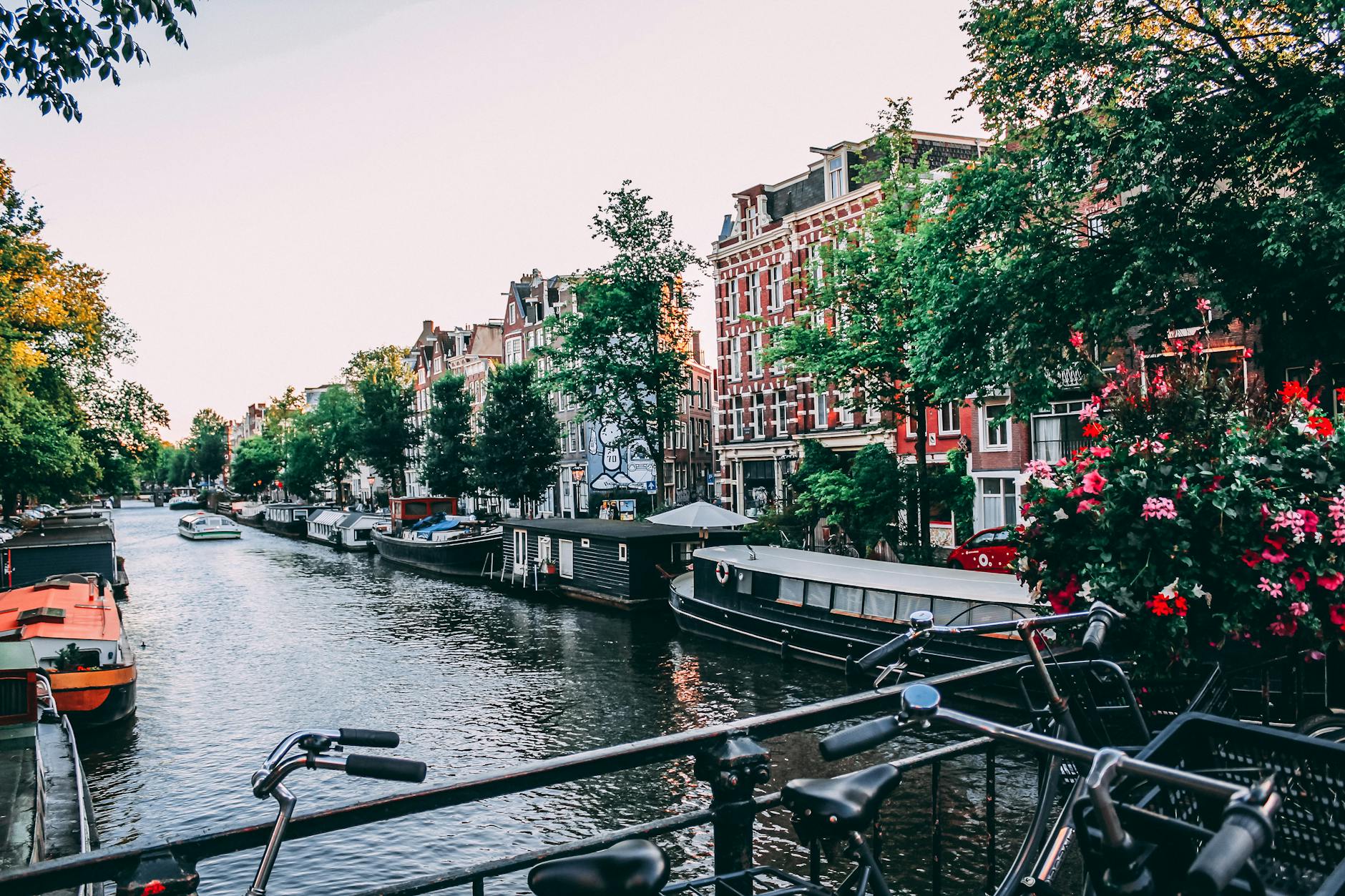
    Ultimate Picturesque Amsterdam Travel Guide 2025: Canals, Food & Culture

    Introduction

    Picturesque Amsterdam, the vibrant capital of the Netherlands, is a city renowned for its picturesque canals, rich cultural heritage, and eclectic culinary scene. Each year, millions of visitors flock to this unique city that blends historic charm with modern vibrancy. Whether you are wandering through the charming streets lined with 17th-century buildings, cycling along the extensive bike paths, or indulging in the local cuisine, Amsterdam offers a plethora of experiences that cater to all tastes. This guide aims to provide an insightful look into the essence of Amsterdam, from its stunning waterways to the mouthwatering dishes that define Dutch gastronomy. Get ready to embark on a journey that showcases the best of this remarkable city, ensuring your visit is not only enjoyable but also memorable.

    Exploring Amsterdam’s Iconic Canals

    Amsterdam’s canals are not just a picturesque backdrop; they are the lifeblood of the city and a UNESCO World Heritage site. The waterways were constructed in the 17th century during the Dutch Golden Age and served as a means for transportation, defense, and trade. The unique layout of the canals, which form a concentric series of belts around the city center, provides a distinctive charm that sets Amsterdam apart from other global cities.

    Walking along the canals is a must-do activity for every visitor. The sights are rich with history, showcasing stunning architecture and quaint houseboats that line the edges of the waterways. Notably, the three main canals—Herengracht, Prinsengracht, and Keizersgracht—are bordered by 1,500 historic houses that provide a snapshot of the city’s past. Each house, with its unique architectural features, tells a story of the merchant families who once inhabited them.

    One of the best ways to experience the canals is by taking a canal cruise. These tours offer a different perspective of the city, allowing visitors to glide past iconic landmarks like the Anne Frank House and the Westerkerk. Various options are available, including private boat rentals, dinner cruises, and guided tours that delve into the history of the canals and the significance of the buildings lining them.

    For a more intimate experience, consider renting a small boat or bike that allows you to explore the canals at your own pace. The canals are also equipped with numerous moorings, making it easy to hop off and explore different neighborhoods. As you navigate the waters, be sure to take note of the unique houseboats that dot the landscape. Many of these floating homes have been transformed into charming residences that add to the character of the city.

    The canals are not just beautiful; they also serve as key social gathering points. In the warmer months, locals and tourists alike take to the waters for picnics, parties, or simply relaxing in the sun. Coffee shops and restaurants with canal-side terraces provide a scenic setting to savor a meal or beverage while soaking up the views.

    In winter, the canals take on an entirely different charm. The annual Amsterdam Light Festival transforms the waterways into a mesmerizing gallery of light art, with installations from international artists illuminating the nights. Additionally, ice-skating on frozen canals is a cherished local pastime, unmatched in its atmospheric charm.

    Exploring Amsterdam’s iconic canals is an essential experience for anyone visiting the city. Each canal tells its own story while providing a unique lens through which to view Amsterdam’s historical and contemporary culture. By embracing the tranquility of the waterway, you invite a sense of serenity amid the bustling city, creating lasting memories that resonate long after your visit.

    Culinary Delights: Traditional Dutch Cuisine

    Dutch cuisine is often underestimated, yet it is a fascinating reflection of the country’s history and cultural diversity. With influences from various regions, Dutch food is hearty, simple, and truly representative of the local lifestyle. Food in Amsterdam is a blend of traditional favorites and modern culinary innovation, emphasizing freshness and quality ingredients.

    To truly appreciate Dutch cuisine, one must start with the classic street foods. Haring is a must-try dish; this raw herring fish is typically served with onions and pickles, eaten by holding the fish by the tail and taking a bite. Many local shops offer their own unique takes on this traditional delicacy, making it a fun culinary challenge to find your favorite spot.

    Another beloved street food is the stroopwafel, a sweet treat made of two thin waffles with a caramel syrup filling. Found at markets and dedicated shops across the city, these delightful snacks can be enjoyed fresh and warm as you wander through the streets. It’s customary to place the stroopwafel over a cup of coffee or tea for a few moments to warm it up, enhancing the gooey texture.

    In addition to street food, Amsterdam is home to diverse restaurant offerings that reflect various culinary traditions. From Indonesian rijsttafel, a feast of small dishes served with rice, to Surinamese roti or Dutch pancakes, the city’s food scene provides ample opportunity to explore international flavors. The influx of immigrants has brought a melting pot of spices and cooking styles that further enrich the Dutch palate.

    A visit to the local markten (markets) offers an authentic taste of Dutch culture. The Albert Cuyp Market is one of the most famous, where you can find everything from fresh produce to traditional snacks. Sampling poffertjes (mini pancakes) and other local treats here is an experience that shouldn’t be missed. The vibrant atmosphere and the chance to chat with local vendors adds a personal touch to your culinary adventure.

    Cheese lovers should not overlook the Edam and Gouda cheeses, which are staples in Dutch cuisine. The cheese shops throughout the city showcase a variety of options, and many even offer tasting sessions. Cheese is an integral part of Dutch culture, and you’ll often find it featured in local dishes or served alongside beers in traditional cafés.

    For drinks, don’t forget to experience Dutch beer or the local genever, a traditional spirit distilled from malt wine, reminiscent of gin. Numerous breweries around the city now function as pubs, allowing visitors to sample a range of local brews in a friendly setting.

    In recent years, Amsterdam’s food scene has evolved dramatically with the rise of the farm-to-table movement and fusion cuisine, leading to a thriving collection of eateries focusing on sustainability and seasonality. Innovative chefs are blending traditional recipes with modern culinary concepts, providing an exciting dining experience that cherishes the best of both worlds.

    Whether you are enjoying street food, dining in a cozy café, or exploring local markets, Dutch cuisine promises a delightful discovery at every turn. Embrace the culinary journey as a fundamental part of your Amsterdam experience, creating lasting connections with the culture and people through the food of this wonderful city.

    Museums and Cultural Experiences

    Amsterdam is renowned for its vast array of museums and cultural institutions that celebrate both the artistic heritage and modern innovations of the Netherlands. The city boasts a rich cultural tapestry, showcasing everything from the masterpieces of the Dutch Golden Age to contemporary art movements.

    The Rijksmuseum is perhaps the most iconic museum in Amsterdam, housing an extensive collection of Dutch art and history. Visitors can admire works from legendary artists such as Rembrandt and Vermeer, including the world-famous “Night Watch.” The museum’s stunning architecture itself is worth the visit, with its 19th-century facade that stands as a testament to Dutch craftsmanship.

    Just a short walk away, the Van Gogh Museum is dedicated solely to the works of Vincent van Gogh. This museum features an impressive collection of his paintings and drawings, providing insights into the artist’s life and creative process. The immersive experience, accompanied by informative exhibits, allows visitors to develop a deeper appreciation for Van Gogh’s groundbreaking techniques and emotional depth.

    Art enthusiasts will also love the Stedelijk Museum, which focuses on modern and contemporary art. Exhibitions cover a wide range of mediums and artistic expressions, including painting, design, and photography. The museum’s collection features works from prominent artists such as Piet Mondrian and Jackson Pollock, making it a rich cultural stop for those interested in modern movements.

    In addition to the major museums, Amsterdam is home to a multitude of smaller galleries and cultural institutions that offer unique experiences. The FOAM Photography Museum showcases innovative photographic art while the Hermitage Amsterdam presents exhibitions from the Hermitage Museum in St. Petersburg, bridging cultures and histories.

    Artis Zoo, one of the oldest zoos in Europe, is also worthy of mention for family visits. Its beautiful setting, along with its variety of animal species, creates an educational experience that explores the connections between nature and urban living. You can even enjoy the aquarium and planetarium to round out your visit.

    Cultural experiences in Amsterdam also extend beyond traditional museums. The city hosts a myriad of festivals throughout the year, celebrating everything from film to music. The Amsterdam Dance Event is a highlight for electronic music lovers, while the Amsterdam Light Festival transforms the city into a stunning display of illuminated artworks during the winter months. Unique events such as the Canal Parade during Pride Month showcase Amsterdam’s commitment to diversity and inclusion, creating a lively atmosphere filled with joy and celebration.

    Participating in a traditional Dutch performing arts show is another way to immerse yourself in the culture. The city features numerous venues where you can enjoy performances ranging from classical music to theater. The Dutch National Opera & Ballet and Concertgebouw offer exquisite shows that convey the country’s rich musical heritage.

    Street art is another burgeoning cultural scene in Amsterdam. The city is adorned with impressive murals and graffiti that reflect the voice of the community and contemporary issues. Guided tours are available to explore these vibrant works while learning about the artists and their messages.

    In conclusion, the wealth of museums and cultural experiences in Amsterdam provides an unmatched opportunity to explore the Netherlands’ history and celebrate its innovative spirit. Whether through traditional art, avant-garde exhibitions, or immersive performances, visitors can discover the narratives that shape this dynamic city.

    Vibrant Neighborhoods and Local Markets

    Amsterdam is a city of neighborhoods, each with its unique character and charm. Exploring its diverse districts is a rewarding journey that allows you to discover local culture, cuisine, and community life.

    One of the most iconic neighborhoods is Jordaan, known for its narrow streets, independent art galleries, and quaint cafes. Originally a working-class district, the Jordaan has transformed into one of the most desirable areas in Amsterdam. The neighborhood is filled with small boutiques and antique shops, offering a treasure trove for those who like to shop off the beaten path. Be sure to visit the Noordermarkt, a famous market held every Saturday where you can find organic products, vintage items, and delicious food stalls.

    Another must-visit area is the De Pijp district, home to the famous Albert Cuyp Market. This multicultural neighborhood is a melting pot of different cultures and influences, showcasing a diverse array of global cuisines. Vendors at the market sell everything from fresh produce to traditional Dutch snacks, making it a great spot to savor local delicacies while enjoying the vibrant atmosphere. De Pijp is also known for its botanical gardens, the Hortus Botanicus, where visitors can escape the hustle and bustle and delight in the beauty of nature.

    The charming Nine Streets (De Negen Straatjes) is a delightful must-visit area located in the heart of the canal belt. This collection of nine picturesque streets is lined with unique shops, vintage boutiques, and cozy cafes, making it an ideal place for a leisurely stroll. The canal bridges in this area provide fantastic photo opportunities, and the quaint ambiance makes it perfect for an afternoon exploring.

    If you’re looking for a contemporary art scene, head over to Amsterdam North. This district has seen significant development in recent years and is home to innovative spaces, such as The Eye Filmmuseum, showcasing the city’s cinematic history. The area is also known for its vibrant street art and creative hubs where you can find local artists at work.

    For those seeking adventure and unique experiences, NDSM Wharf is a fascinating area situated across the IJ River. Once a shipyard, the wharf is now a cultural hotspot filled with studios, workshops, and pop-up events. You can often find open-air festivals, art installations, and music festivals here, making it a lively location to explore.

    Amsterdam’s neighborhoods are complemented by its local markets, which play a vital role in daily life. Apart from the Albert Cuyp Market, other notable markets include the Foodhallen, an indoor food market that offers a culinary adventure with various stalls serving a mix of international cuisines. It’s an ideal place to sample dishes from around the world all under one roof.

    In addition, the Bloemenmarkt, the world’s only floating flower market, is a vibrant destination where you can find an array of flowers and plants, including the famous Dutch tulips. Wandering through this market is an experience that brings a splash of color and fragrance to your visit, capturing the essence of Dutch horticulture.

    Exploring Amsterdam’s vibrant neighborhoods and local markets provides a holistic view of the city’s culture, history, and community. Each district has its own story to tell, offering visitors a chance to connect with the locals and indulge in their culinary treasures. The spirit of Amsterdam shines through in its diverse neighborhoods, making each exploration a uniquely enriching experience.

    Practical Tips for Visiting Amsterdam

    Visiting Amsterdam can be an exhilarating experience filled with adventure and discovery. However, to make the most of your trip, it’s wise to be equipped with practical tips to navigate the city efficiently and comfortably.

    Firstly, getting around Amsterdam is made easy with its extensive public transportation system. The GVB operates trams, buses, and ferries that connect key areas of the city. A convenient option for tourists is the Amsterdam Travel Ticket, which provides unlimited access to public transport for a specified duration. Alternatively, bicycles are the primary mode of transportation for locals, and renting a bike allows you to explore the city from a unique vantage point while embracing the local lifestyle.

    When it comes to accommodation, Amsterdam offers a wide range of options to suit every budget. The city’s hotel scene ranges from luxurious five-star establishments to budget-friendly hostels. For a more authentic experience, consider booking a stay in a bed and breakfast or an Airbnb located in the city’s charming neighborhoods, providing a cozy atmosphere and an opportunity to interact with locals.

    As with most popular tourist destinations, planning your itinerary in advance can significantly enhance your visit. Many museums, including the Rijksmuseum and Van Gogh Museum, offer online booking options for tickets, allowing you to skip the long queues. Additionally, consider purchasing the I Amsterdam City Card, which provides free access to major attractions, public transport, and discounts for local experiences.

    Dining in Amsterdam can be a delightful experience, but dining during peak hours may lead to long waits at popular restaurants. If you are keen on trying specific eateries, making reservations in advance is recommended. For those on a budget, street food and local markets provide ample delicious options that won’t break the bank.

    One unique aspect of Amsterdam is its cultural openness, including its coffee shops. Visitors should be aware of the local laws surrounding the purchase of cannabis, and while many coffee shops operate openly, it is important to be respectful of regulations and practice moderation.

    Safety-wise, Amsterdam is generally considered a safe city for tourists. However, like in any urban area, it is essential to remain vigilant and be aware of your surroundings. Avoid flashing valuables and keep an eye on your belongings, especially in crowded areas.

    As you explore the city, don’t miss out on taking part in local customs and traditions. Whether it’s cycling alongside locals, participating in festivals, or simply enjoying a leisurely canal cruise, immersing yourself in the city’s ambiance can provide a richer travel experience.

    Finally, ensure to take time to relax and soak in the unique vibe of Amsterdam. Whether you’re strolling through Vondelpark or sipping coffee at a canal-side café, embracing the slower pace can be just as rewarding as ticking off activities from your checklist.

    By planning ahead and being mindful of your surroundings, you can fully embrace all that Amsterdam has to offer. The city’s blend of history, culture, and modern life awaits you, promising a memorable experience that resonates long after you leave.

    Conclusion

    As you conclude your exploration of Amsterdam, it’s clear that this city is an enchanting tapestry woven with art, culture, culinary delights, and breathtaking landscapes. From the iconic canals that define its character to the robust museums housing masterpieces from Dutch masters, each facet of the city tells a unique story.

    Walking through the vibrant neighborhoods, indulging in traditional dishes, and engaging with the locals provides an authentic insight into Amsterdam’s rich tapestry. The unique blend of historical heritage and contemporary culture creates an atmosphere that captivates the heart of every visitor.

    As you make your way through this dynamic city, take the time to immerse yourself in the local experience. Savor the flavors, embrace the art, and relish the warmth of the Dutch people. Whether it is through a canal cruise or a stroll through bustling markets, Amsterdam offers countless adventures waiting to be discovered.

    Your journey does not end with the last day of your visit; the memories of Amsterdam will linger long after you depart. This city invites you to return time and again, as each visit reveals new layers and experiences, making it a beloved destination in the hearts of travelers worldwide.

  • Explore Spiritual Rishikesh in 2025: The Yoga Capital of the World

    Explore Spiritual Rishikesh in 2025: The Yoga Capital of the World

    Introduction

    Nestled at the foothills of the Himalayas, Spiritual Rishikesh, India, is often referred to as the “Yoga Capital of the World.” This serene town, located on the banks of the Ganges River, has become a hub for spiritual seekers and wellness enthusiasts from all corners of the globe. With its rich heritage of yoga and meditation, Rishikesh offers a unique blend of ancient traditions and modern wellness practices that attract travelers looking for rejuvenation and self-discovery. The tranquil environment, coupled with the spiritual vibrance of the Ganges, creates an atmosphere that is conducive to healing and personal growth. Various ashrams and wellness centers provide a range of spiritual retreats, as well as teachings in yoga, meditation, and Ayurveda. As visitors immerse themselves in Rishikesh’s captivating atmosphere, they also connect with diverse cultural experiences, making it a truly transformational destination.

    Spiritual Retreats in Rishikesh

    Rishikesh is home to numerous ashrams where individuals can partake in spiritual retreats designed to deepen one’s yoga practice and enhance personal growth. Ashrams such as the Parmarth Niketan and Sivananda Ashram offer immersive programs that focus not only on yoga but also on meditation, chanting, and spiritual discourses. This holistic approach allows participants to explore different aspects of spirituality, fostering a deeper understanding of themselves and their connection to the universe.

    Spiritual retreats typically range from a few days to several weeks, providing an opportunity for individuals to disconnect from the chaos of daily life and reconnect with their inner selves. Participants engage in daily yoga sessions guided by experienced instructors, embracing various styles such as Hatha, Vinyasa, or Ashtanga. These practices not only enhance physical strength and flexibility but also promote mental focus and clarity.

    Meditation, another integral part of spiritual retreats in Rishikesh, helps individuals cultivate mindfulness and emotional balance. Guided meditation sessions help participants learn various techniques, including breath awareness and visualization, enabling them to quiet their minds and access deeper states of consciousness. This practice has shown profound effects on reducing stress and anxiety, paving the way for mental calmness and emotional resilience.

    Moreover, spiritual retreats in Rishikesh often incorporate the teachings of renowned spiritual leaders and ancient scriptures, providing interwoven narratives of wisdom and understanding. Attendees may participate in discussions on philosophies such as Yoga Sutras, Bhagavad Gita, and various forms of meditation, enriching their spiritual experience. These teachings often encourage a shift in perspective, prompting individuals to reflect on their life choices and guiding them toward personal transformation.

    Beyond the practices themselves, the environment of Rishikesh contributes significantly to the experience of these retreats. Surrounded by verdant hills and the flowing Ganges, the natural beauty enhances the spiritual ambiance, allowing participants to feel more connected to nature and their inner selves. Evening ceremonies, like the Ganga Aarti, further immerse retreat attendees in the spiritual culture of Rishikesh, providing a profound connection to the local community and traditions.

    Spiritual retreats in Rishikesh serve as a sanctuary for those seeking enlightenment, healing, and transformation. With comprehensive programs combining yoga, meditation, and spiritual teachings in a stunning natural setting, Rishikesh stands as an unparalleled destination for genuine self-exploration and spiritual awakening.

    Healing Powers of the Ganges River

    The Ganges River, considered sacred by millions, flows through Rishikesh, and its healing properties have attracted spiritual seekers and wellness enthusiasts for centuries. For the Hindu population, the river holds immense significance as it is believed to cleanse the soul of sins and promote spiritual well-being. Rituals, such as bathing in the Ganges, are not only a purification practice but also deeply symbolic, representing a physical and spiritual rebirth.

    The water itself is renowned for its unique qualities, which many believe possess natural healing powers. Studies have found that the Ganges water contains a diverse range of minerals and nutrients, which contribute to its reputed ability to purify and heal various ailments. Devotees come to the river from all over India and beyond to partake in these purification rites, a practice steeped in centuries of tradition.

    In addition to its spiritual significance, the Ganges River contributes to physical health through the principles of hydrotherapy. Many wellness centers in Rishikesh incorporate elements of hydrotherapy into their programs, emphasizing the importance of water for healing and rejuvenation. Participants can engage in rituals like immersing themselves in the river or conducting cleansing practices at designated ghats. These activities impart a sense of relief from stress and anxiety, enhance one’s mood, and promote an overall feeling of well-being.

    Furthermore, the river’s ecosystem offers a plethora of Ayurvedic herbs and plants that are believed to hold potent medicinal properties. Local practitioners often incorporate these natural elements into their wellness therapies, utilizing herbal infusions and poultices to enhance healing processes. This symbiotic relationship between the Ganges and the surrounding ecosystem highlights the importance of nature in holistic healing practices, reinforcing Rishikesh’s role as a haven for wellness.

    Rishikesh is also a center for various other holistic healing practices, such as yoga by the riverbanks. Many yoga instructors believe that practicing yoga in proximity to the Ganges enhances the overall experience, as the energy and flow of the river harmonize with the body’s energy fields. The sounds of flowing water, along with the serene surroundings, help to anchor practitioners in the present moment, creating an ideal environment for yoga and meditation.

    In summary, the Ganges River offers not only a spiritual purification but also a myriad of physical and emotional healing benefits. By embracing its traditional significance and incorporating its natural essence into wellness practices, Rishikesh provides a comprehensive healing experience that transcends mere physicality and delves into the spiritual realm.

    Ayurvedic Therapies Available in Rishikesh

    Ayurveda, the ancient Indian system of medicine, has found a comforting place in Rishikesh, where wellness and holistic healing take center stage. Renowned for its comprehensive approach to health, Ayurveda emphasizes balance among the body, mind, and spirit. Rishikesh is dotted with wellness centers and Ayurvedic clinics that offer various treatments and therapies designed to restore harmony and promote overall well-being.

    At these centers, practitioners begin by conducting a thorough assessment of individuals’ health using the principles of Ayurveda. This evaluation often includes an analysis of one’s dosha—an individual’s unique constitution of physical and psychological characteristics. Understanding one’s dosha is fundamental in determining the appropriate Ayurvedic treatments for achieving balance and health.

    The most commonly offered therapies in Rishikesh include Panchakarma, a detoxifying treatment comprising five cleansing processes. This comprehensive therapy aims to remove toxins accumulated in the body, rejuvenate cells, and revitalize the immune system. Components of Panchakarma may involve techniques like Abhyanga (oil massage), Shirodhara (pouring warm oil on the forehead), and Basti (medicated enema). These therapies work synergistically to detoxify and nourish the body, promoting holistic health.

    In addition to Panchakarma, Rishikesh boasts an array of personalized treatments that focus on specific conditions. For instance, those suffering from stress and anxiety may benefit from therapies utilizing herbs like Brahmi and Ashwagandha to calm the mind and restore emotional balance. Individuals struggling with chronic pain may turn to treatments involving medicinal oils enriched with therapeutic herbs, which help alleviate discomfort and promote physical well-being.

    Furthermore, dietary consultations play a pivotal role in Ayurveda. Every individual’s nutritional needs reflect their unique constitution, and local Ayurvedic experts often provide guidance on meal planning and herbal supplements tailored to balance one’s dosha. Many wellness centers in Rishikesh emphasize the importance of plant-based, organic diets that nourish both the body and the environment.

    Ayurvedic practices also stretch beyond physical health, encompassing mental and spiritual well-being. Meditation, yoga, and mindfulness techniques are often integrated into the treatment plans, reinforcing the Ayurvedic philosophy that emphasizes the need for a balanced lifestyle. These holistic practices create a comprehensive healing journey, allowing individuals not only to address physical ailments but also to cultivate a deeper understanding of their mental and emotional landscapes.

    In essence, Ayurvedic therapies in Rishikesh offer a profound and multi-faceted journey toward healing and well-being. By embracing the principles of Ayurveda, practitioners can help address the root causes of ailments, leading to lasting health and balance.

    Cultural Experiences and Local Traditions

    Rishikesh is a melting pot of culture, spirituality, and community, offering visitors an immersive experience steeped in local traditions. The vibrant cultural landscape is shaped by its historical significance as a pilgrimage site and its ongoing spiritual practices. Travelers have the unique opportunity to engage with local traditions that enrich their understanding of Indian culture and spirituality.

    One of the most profound experiences in Rishikesh is witnessing the daily rituals and ceremonies that take place along the banks of the Ganges River. The evening Ganga Aarti ceremony, held at various ghats, draws crowds of devotees and tourists alike. This enchanting ritual, featuring chanting, singing, and the offering of lamps to the river, creates a meditative atmosphere filled with reverence and spirituality. Attending this ceremony allows visitors to participate in a centuries-old tradition that fosters a sense of connection with the divine.

    In addition to religious rituals, Rishikesh is home to several festivals that reflect its cultural richness. Celebrations such as Maha Shivaratri and Ganga Dussehra attract thousands, who come together to honor the divine and partake in communal festivities. These festivals present an opportunity for visitors to engage with the local community, experience traditional music and dance, and taste authentic Indian cuisine.

    Art and handicrafts also play a significant role in Rishikesh’s cultural fabric. Local artisans create beautiful handcrafted items, including textiles, pottery, and traditional yoga accessories. Visitors often explore local markets to purchase these items, supporting local craftsmen and bringing home a piece of Rishikesh’s artistic heritage.

    Local cuisine in Rishikesh enchants food lovers with its array of flavors and emphasis on vegetarianism, which aligns with the spiritual ethos of the region. Many restaurants and cafes offer a variety of options, celebrating local produce and traditional recipes. Guests can indulge in dishes such as thali, dosa, and chai, which not only stimulate the taste buds but also provide insight into the culinary traditions of India.

    Moreover, visitors are encouraged to explore the teachings of the ancient sages who spent time in Rishikesh, leaving behind a legacy of wisdom in yoga, meditation, and spirituality. Workshops and classes available at various ashrams provide opportunities to delve deeper into these philosophies, contributing to a comprehensive understanding of the region’s cultural heritage.

    In summary, Rishikesh is a vibrant cultural hub where tradition and spirituality intertwine seamlessly. The rich offerings of local rituals, festivals, cuisine, and artistic expression allow visitors to cultivate a deeper appreciation for the region’s heritage while creating lasting memories of their journeys.

    Sustainable Tourism and Eco-Friendly Practices

    Rishikesh stands at the intersection of spirituality and ecology, making sustainable tourism a significant focus in the region. As the influx of travelers seeking wellness and connection with nature continues to grow, local authorities and businesses have recognized the importance of preserving the natural environment and maintaining the cultural integrity of the area.

    The initiatives toward sustainable tourism begin with the promotion of eco-friendly accommodations. Many guesthouses and resorts in Rishikesh prioritize sustainable practices, utilizing renewable energy sources, waste management systems, and water conservation methods. These establishments offer visitors the chance to enjoy their stay while minimizing their ecological footprint and supporting local efforts to safeguard the environment.

    Another crucial aspect of sustainable tourism in Rishikesh is the promotion of responsible travel practices. Local organizations and NGOs actively work to educate visitors about respecting the sacred nature of the Ganges River and its surroundings. Tourists are encouraged to participate in cleanup drives and awareness programs that emphasize the importance of keeping the natural environment litter-free and treating cultural sites with respect.

    Moreover, local businesses often collaborate to support sustainable practices, such as sourcing organic produce and promoting vegetarian and vegan dining options that are not only healthier but also environmentally friendly. The emphasis on plant-based diets aligns with the spiritual values of the region, making food choices a part of the holistic experience of visiting Rishikesh.

    Outdoor activities are also crafted to ensure minimal ecological impact. Guided treks and eco-tours are designed to educate visitors about the local flora and fauna while fostering a sense of stewardship toward nature. This approach allows travelers to immerse themselves in the natural beauty of Rishikesh without compromising its integrity.

    Additionally, the community-driven aspect of sustainable tourism empowers local residents. Initiatives aimed at training local youth in hospitality, guiding, and environmental conservation create job opportunities while ensuring that the local traditions and knowledge are passed down through generations. This kind of tourism fosters a sense of pride and ownership among the local community, ensuring that they remain active participants in showcasing their culture and environment to visitors.

    In conclusion, Rishikesh embodies the concept of sustainable tourism through its emphasis on eco-friendliness, responsible practices, and community involvement. By supporting local initiatives and embracing environmentally conscious choices, visitors can contribute to preserving the beauty and cultural richness of this spiritual haven for future generations.

    Conclusion

    In the heart of India, Rishikesh stands as a beacon of spirituality, wellness, and cultural richness. With its spiritual retreats, healing powers of the Ganges, and Ayurvedic therapies, the town provides a comprehensive journey toward self-discovery and rejuvenation. As visitors delve into the local traditions and engage in sustainable tourism practices, they contribute to the preservation and promotion of Rishikesh’s unique heritage. The harmonious blend of nature, spirituality, and community underscores the transformative potential of Rishikesh, making it a truly magical destination where individuals can embark on a path of healing and enlightenment. By fostering connections with oneself and the environment, Rishikesh invites all who enter its realm to experience the profound depth of their own existence while nurturing the essence of life itself.

  • Discover Tranquil Lamu Island in 2025: UNESCO Heritage and Swahili Culture
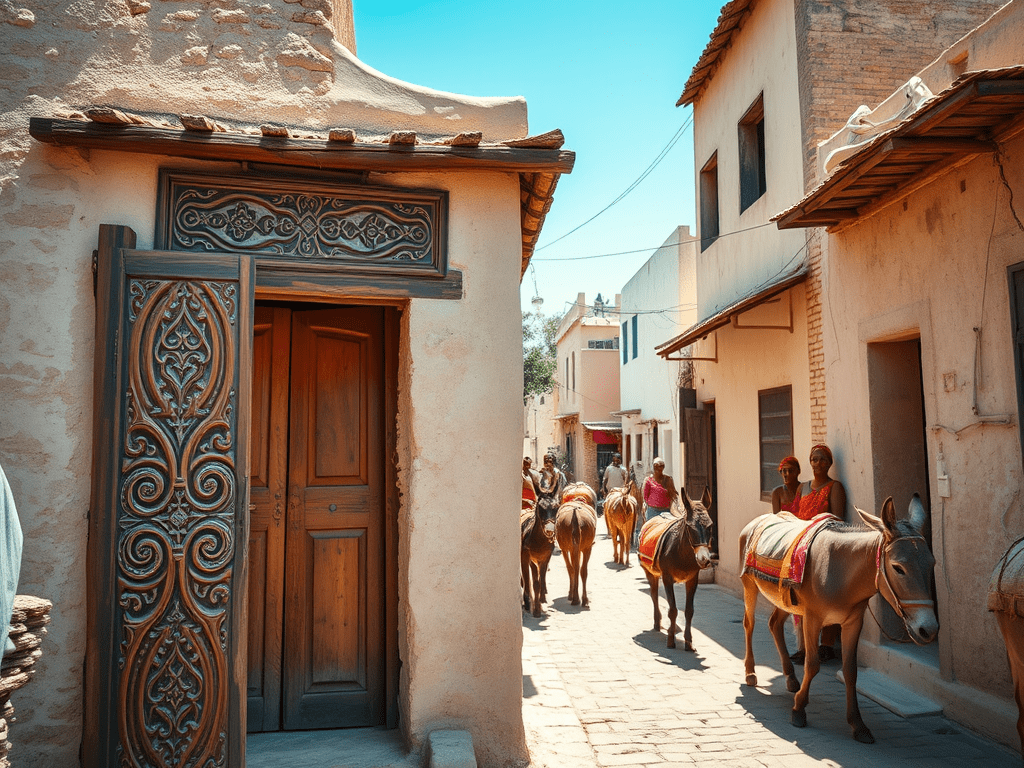
    Discover Tranquil Lamu Island in 2025: UNESCO Heritage and Swahili Culture

    Introduction

    Lamu Island, a gem off the coast of Kenya, stands out for its rich Swahili culture, stunning beaches, and unique car-free lifestyle. Designated as a UNESCO World Heritage site in 2001, the island offers a glimpse into the past with its traditional architecture and vibrant community. Visitors are welcomed by the scent of spices, the sound of the ocean, and the warmth of the locals, who maintain their customs and traditions amidst the encroachment of modernity. From historical sites like Lamu Fort to the breathtaking waters of Shela Beach, every corner of the island narrates a story of cultural significance and natural beauty. Whether you’re strolling through the narrow streets, indulging in local cuisine, or simply soaking in the sun, Lamu Island promises an unforgettable experience that captures the essence of Kenya.

    The Unique Swahili Culture of Lamu Island

    Lamu Island is synonymous with its rich and vibrant Swahili culture, which has been shaped by centuries of trade, interaction, and tradition. As one of the oldest towns in Kenya, Lamu serves as a living testament to the Swahili civilization that flourished along the East African coast. The island’s cultural fabric is woven from influences originating from Arabian, Persian, Indian, and African societies, creating a unique blend that is distinctively Lamu.

    One of the first things that strike visitors upon arriving in Lamu is the island’s stunning architecture. The buildings here are primarily made of coral stone and mangrove timber, designed to withstand the coastal weather. Characteristic wooden doors adorned with intricate carvings tell tales of craftsmanship and artistry that has been passed down through generations. These doors are not just entryways; they are symbols of social status, tradition, and the stories of the families who reside within.

    Lamu town is a UNESCO World Heritage site, largely due to its preserved history and cultural landscape. The town’s layout, with its narrow streets and alleys that discourage vehicular traffic, reflects the traditional way of life in Swahili culture. Donkeys serve as the primary means of transport for residents, further emphasizing the island’s commitment to its heritage. This car-free environment fosters a sense of community, allowing residents to engage with each other in ways that contemporary urban settings often hinder.

    Local festivals play a crucial role in preserving and promoting Swahili culture. The Lamu Cultural Festival, held annually, celebrates the island’s history and traditions through traditional music, dance, art, and cuisine. Visitors have the chance to experience local arts such as dhow sailing, poetry, and storytelling—which are integral to the Swahili identity. The festival not only attracts tourists but also strengthens community ties, enriching the shared cultural experience for both locals and visitors alike.

    Cuisine is another essential aspect of Lamu’s culture, showcasing the island’s diverse heritage. Traditional dishes feature a variety of spices, reflecting the island’s historical spice trade. A visit to Lamu would be incomplete without savoring local specialties such as “swahili biryani,” “prawn masala,” or “loco,” which are prepared using fresh, locally-sourced ingredients. The flavors are as diverse as the cultures that have influenced the island, making culinary exploration a delightful journey.

    The people of Lamu, known for their hospitality, embody the essence of the Swahili spirit. Their way of life, which prioritizes community, respect, and tradition, provides a warm welcome to tourists. Interactions with locals often include discussions about their customs, history, and daily life, deepening the understanding of the island’s culture.

    Furthermore, the influence of Islam, which has been central to the Swahili culture for centuries, is evident in the numerous mosques scattered throughout the island. The oldest mosque, the Friday Mosque, dating back to the 19th century, serves as a focal point for spiritual life in Lamu. This spiritual dimension adds depth to the cultural experience, illustrating how faith integrates with tradition and daily life.

    Lamu Island is more than just a destination; it is a living cultural landscape that continues to thrive amidst the challenges of modernization. The unique Swahili culture, characterized by its architectural beauty, vibrant festivals, delicious cuisine, and the warmth of its people, makes Lamu a distinctive and enriching experience for all who visit.

    Exploring the Pristine Beaches

    Lamu Island is renowned for its breathtaking beaches that offer a perfect escape to nature lovers and sun-seekers alike. The coastline is lined with stretches of golden sand, crystal-clear waters, and swaying palms, creating an idyllic tropical paradise. With several beaches to choose from, each with its own unique charm, visitors can find tranquility, adventure, or a combination of both.

    Shela Beach is perhaps the most famous of all Lamu’s beaches. Stretching over a mile along the coastline, Shela Beach is often considered the crown jewel of the island. Its soft sands are perfect for sunbathing, while the azure waters invite you to take a refreshing dip. One of the most enchanting experiences at Shela Beach is watching the sunrise or sunset; the sky transforms into a canvas of brilliant hues, reflecting off the water and creating a truly magical ambiance. Visitors often describe it as a perfect setting for relaxation, introspection, or simply enjoying the breathtaking beauty of nature.

    For those seeking adventure, the waters surrounding Lamu are ripe for exploration. Scuba diving and snorkeling are popular activities, as the coral reefs teem with vibrant marine life. Divers can explore underwater gardens brimming with colorful fish, starfish, and even sea turtles. Local diving schools offer guided excursions, ensuring beginners and experienced divers alike can experience the underwater wonderland. Kayaking and paddleboarding are also enjoyable options, allowing visitors to navigate through the tranquil waters at their own pace while appreciating the coastal scenery.

    In addition to aquatic activities, Lamu’s beaches provide ample opportunities for relaxation and leisure. Many beachfront establishments offer sunbeds and umbrellas for rent, allowing guests to settle in for a day of sun-soaked tranquility. Beachside restaurants and cafes serve delicious local cuisine, ensuring that visitors can enjoy a meal with a stunning ocean view. The combination of delectable food and the sound of waves creates a perfect backdrop for a leisurely lunch or dinner.

    Beyond Shela Beach, Manda Beach and Kizingoni Beach also deserve mention for their serene atmospheres and stunning settings. Manda Beach, located on the nearby Manda Island, is less crowded and offers a tranquil getaway for those looking to escape the hustle and bustle. The shallow waters are ideal for swimming, making it a family-friendly destination. Kizingoni Beach, known for its remarkable sunsets, provides a picturesque setting for romantic strolls along the shore.

    The natural beauty of Lamu’s beaches is enhanced by the diverse ecosystems that surround them. Mangrove forests and tidal flats support an array of wildlife, including numerous bird species, making it a fantastic destination for birdwatching. Nature enthusiasts can explore the mangrove ecosystems on foot or by boat, gaining insight into the delicate balance of these vital habitats.

    Moreover, marine conservation efforts have been initiated in and around Lamu to protect the delicate coral reefs and oceanic life. Organizations and local communities are actively engaged in promoting sustainable tourism practices. By educating visitors on the importance of preserving the marine environment, they ensure that Lamu’s pristine beaches remain a cherished and protected part of the island’s natural heritage.

    Throughout the year, Lamu’s beaches often host events and cultural celebrations that highlight the island’s traditions. Festivals featuring local music, dance, and food create a lively atmosphere, bringing both locals and visitors together. These events provide a unique opportunity to experience the vibrant culture of Lamu while enjoying the beauty of the beach.

    Lamu Island’s pristine beaches offer more than just a picturesque backdrop; they are a haven for relaxation, adventure, and cultural experiences. From the golden sands of Shela Beach to the tranquil beauty of Manda and Kizingoni, the island’s coastline invites visitors to explore, unwind, and immerse themselves in the natural and cultural wonders of this remarkable destination.

    The Absence of Cars and Its Impact on Life

    One of the most distinctive features of Lamu Island is its car-free environment, a sharp contrast to the bustling streets found in many modern cities. This unique aspect significantly influences the daily lives of residents and the experiences of visitors, creating a slower-paced lifestyle that embodies the essence of traditional Swahili culture.

    Upon arriving in Lamu, visitors immediately notice the lack of cars on the island. The narrow, winding streets of Lamu town were not designed for motor vehicles, and this deliberate choice has ensured that the community remains largely intact. Instead of the sounds of honking horns and revving engines, the air is filled with the soft braying of donkeys, the primary mode of transport for locals. This reliance on donkeys not only preserves the tranquility of the environment but also adds to the charm of the island.

    The absence of cars has a profound impact on the way people interact with their surroundings. Without the distractions and noise of motor vehicles, residents find it easier to engage with one another. The sidewalks are alive with people conversing, children playing, and families gathering. This creates a tight-knit community where social interactions flourish, nurturing bonds that span generations. Residents often share their stories, traditions, and knowledge with one another, preserving the rich cultural heritage of Lamu through these daily encounters.

    Moreover, the car-free lifestyle allows for a greater appreciation of Lamu’s historical architecture. Visitors can roam freely through the narrow streets, marveling at the traditional buildings that date back centuries. The absence of modern transportation thrusts the island’s heritage into the spotlight, highlighting its significance to both residents and tourists. This environment encourages exploration, with many hidden gems waiting to be discovered just around the corner.

    However, the lack of cars does not mean a complete absence of modern amenities. Lamu’s shops, restaurants, and accommodations are designed with easy accessibility in mind, allowing locals and visitors to navigate seamlessly by foot or donkey. This arrangement fosters a leisurely pace that encourages people to stop and converse rather than rushing from one destination to another.

    Another noteworthy impact of the absence of cars is its contribution to environmental sustainability. By minimizing motor vehicle use, Lamu Island has kept air and noise pollution at bay, preserving the natural beauty of the landscape and the clarity of the waters surrounding it. This conscious choice aligns with the island’s ongoing commitment to sustainability and conservation, ensuring that future generations can enjoy its pristine environment.

    The traditional market in Lamu town thrives within this car-free zone. The streets bustle with vendors selling fresh produce, spices, and handcrafted goods. The market provides an opportunity for locals to come together and engage in commerce while retaining their cultural practices. This vibrant atmosphere, where barter and trade occur in an age-old tradition, is a refreshing reminder of how communities can flourish without the pressures of modern consumerism.

    Of course, the donkey is not just a means of transport; it holds cultural significance within the Swahili community. These animals are treated with respect and care, embodying a way of life that values sustainability and connection to nature. Local residents often befriend the donkeys, creating a bond that highlights the importance of coexistence between humans and animals.

    The absence of cars on Lamu Island also influences tourism. Visitors seeking an authentic experience appreciate the opportunity to disconnect from the fast-paced world. Wandering through the streets without the distraction of vehicles provides a sense of calm and allows for genuine interactions with locals. Travelers often return home with not just photos but fond memories of the warmth and hospitality of the people they encountered.

    The car-free environment of Lamu Island is a defining feature that shapes the island’s culture, lifestyle, and interactions. The reliance on donkeys fosters a close-knit community and provides a unique atmosphere for visitors seeking a slow-paced, immersive experience. Lamu’s commitment to preserving its heritage, while embracing the benefits of modernity in a sustainable manner, illustrates the beauty of living in harmony with tradition and the natural environment.

    UNESCO Heritage Status: What It Means for Lamu

    Lamu Island’s designation as a UNESCO World Heritage site in 2001 marked a significant milestone in its history, recognizing the island’s cultural and historical significance. This status serves not only as a badge of honor but also as a mandate for preservation, protection, and promotion of the unique aspects that make Lamu a cherished location both locally and globally.

    The UNESCO listing draws attention to Lamu’s well-preserved medieval town, which boasts a unique architectural style that reflects a fusion of African, Arab, and European influences. The intricate wooden doors, coral stone buildings, and narrow alleyways create a rich tapestry of history that tells the story of the Swahili civilization and its trading past. As a designated heritage site, it is imperative that these structures are maintained, ensuring that future generations can appreciate their historical context.

    With the recognition from UNESCO comes responsibility. Local authorities, in collaboration with community members and conservationists, are tasked with safeguarding the cultural heritage of the island. This involves implementing measures that protect against inappropriate development, urbanization, and environmental degradation that could threaten the unique attributes of Lamu. The dedicated efforts to maintain the integrity of the town reinforce a commitment to preserving traditions, customs, and craftsmanship that define Lamu’s identity.

    UNESCO status also enhances tourism to the island, bringing attention to Lamu as a destination for travelers seeking cultural experiences. This influx of tourists can be a double-edged sword; while it bolsters the local economy and creates opportunities for businesses, it also poses challenges in terms of sustainability and environmental impact. Balancing the needs of locals with those of visitors is essential to ensure that the island’s heritage is not compromised by overtourism.

    The local community plays a crucial role in leveraging UNESCO recognition to their advantage. Through educational initiatives and community engagement, residents can learn about the significance of their heritage and how to act as stewards of their cultural environment. Workshops and programs focusing on traditional crafts, music, dance, and cuisine can empower locals to share their culture with visitors, fostering pride and ownership of their heritage.

    In addition, the UNESCO designation opens doors to international grants and support for conservation projects. These funds can be utilized to restore historical buildings, promote cultural festivals, and develop sustainable tourism practices that benefit both the community and the ecosystem. By investing in preservation efforts, the island can ensure that its cultural treasures remain intact for years to come.

    Another advantage of UNESCO status is the worldwide recognition that comes with it. Lamu is no longer just a hidden gem; it is now a part of a larger narrative about the importance of cultural diversity and heritage. This recognition positions Lamu within the global context of cultural sites, encouraging dialogue on the value of preserving unique ways of life amidst an increasingly homogenized world.

    Furthermore, the UNESCO designation acts as a platform for collaboration with other heritage sites globally. Lamu can exchange ideas, best practices, and experiences with other communities facing similar challenges and triumphs. This interconnectedness fosters a broader understanding of cultural heritage, enriching the experiences of all involved.

    The educational aspect of UNESCO designation cannot be overlooked. Schools and community organizations can utilize Lamu’s status to create programs that highlight the island’s history, encouraging younger generations to take pride in their traditions and ensure their survival. By fostering a sense of identity and belonging, the community can nurture future advocates for their heritage.

    Lamu Island’s UNESCO World Heritage status is a powerful tool that aids in the preservation and promotion of its rich cultural landscape. The designation brings responsibilities, opportunities, and a commitment to sustainability that benefits the local community and the tourists who flock to this remarkable destination. By balancing heritage preservation with modern tourism and fostering community engagement, Lamu can continue to thrive as a beacon of cultural significance in the world.

    Activities and Attractions: Experiencing Lamu Island

    Lamu Island offers a wealth of activities and attractions that cater to diverse interests, ensuring every visitor has the chance to explore, engage, and enjoy the island’s unique offerings. From culture and history to adventure and relaxation, Lamu promises an enriching experience for all who step onto its shores.

    One of the most significant attractions in Lamu is Lamu Fort, a historical landmark built in the 19th century. Located in the heart of Lamu town, the fort holds a prominent place in the island’s history as it was initially constructed to protect the town from pirates and invaders. Today, it serves as a museum showcasing artifacts that tell the story of Lamu’s past. Visitors can wander through its halls, absorbing the rich history and marveling at the architecture which reflects the fort’s strategic importance.

    Another must-visit site is the Lamu Museum, which provides insights into the island’s cultural heritage, showcasing traditional Swahili crafts, instruments, and artifacts. The museum organizes exhibitions and events that engage visitors, creating a deeper understanding of Lamu’s customs and traditions. Learning about the rich history of Lamu is a vital part of any visit to the island.

    Cultural experiences are abundant, with opportunities to immerse oneself in the local way of life. Visitors can participate in cooking classes that focus on traditional Swahili dishes, learning about the spices and ingredients that characterize the local cuisine. This gastronomic journey not only tantalizes the taste buds but also fosters an appreciation for the cultural significance of food in Swahili society.

    Art and craft enthusiasts will find plenty to explore in Lamu as well. The island is known for its skilled artisans who create beautiful handicrafts, textiles, and jewelry. Visitors can join workshops to learn traditional crafts such as weaving and carving, gaining hands-on experience while supporting local artisans. This direct engagement promotes cultural preservation and sustains the livelihoods of the residents.

    For adventure seekers, Lamu’s waters present opportunities for engaging activities, such as dhow sailing. Traditional wooden dhows are still used for fishing and trade, and sailing on one allows visitors to enjoy the beautiful coastline while experiencing a piece of local history. Sunset dhow cruises are particularly popular, providing a stunning view as the sun dips below the horizon, casting brilliant colors across the sky.

    Additionally, watersports like kitesurfing, snorkeling, and diving are readily available for those looking to add an adrenaline rush to their itinerary. The warm waters surrounding Lamu are home to vibrant coral reefs and marine life, providing a feast for the eyes below the surface. Local operators offer excursions and equipment rental, giving access to these aquatic adventures.

    Exploration of the surrounding islands is another highlight of visiting Lamu. Day trips to nearby Manda Island and Pate Island offer beauties less traveled. Visitors can experience untouched beaches, visit ancient ruins, and explore traditional fishing villages that showcase the broader cultural diversity of the region. The quiet allure of these islands provides a serene escape from the busier parts of Lamu.

    Those seeking relaxation can unwind at some of Lamu’s cozy beachfront resorts or guesthouses, where they can soak up the sun on the soft sands, read a book, or indulge in spa treatments featuring local ingredients. The peaceful atmosphere allows for reflection and rejuvenation, making it easy to disconnect from the outside world.

    Throughout the year, Lamu hosts various cultural festivals, showcasing the island’s vibrant traditions. The Lamu Cultural Festival, the Maulid Festival (celebrating the birth of the Prophet Muhammad), and the Lamu Yoga Festival are just a few events that attract participants from around the world. These festivals provide opportunities to engage in traditional music, dance, art, and gastronomy while fostering community spirit and cross-cultural connections.

    Conclusion

    Lamu Island is more than just a destination—it’s an experience that nourishes the soul. In a world increasingly defined by speed and noise, Lamu offers a rare opportunity to slow down and reconnect with what matters: history, nature, and culture. The island’s car-free charm, ancient alleyways, and calm beaches provide a perfect backdrop for both adventure and introspection. Each day begins with the gentle sound of the ocean and ends under a canopy of stars, far from the distractions of modern life. Whether you’re sailing on a dhow at sunset, exploring the winding streets of Lamu Old Town, or simply sipping fresh coconut water by the beach, the island invites you to be present, curious, and at peace. For travelers seeking something authentic, timeless, and truly different, Lamu Island is a treasure waiting to be discovered. It’s not just a place you visit—it’s a place you feel, remember, and long to return to.

    Racing for a Future on Lamu Island | FULL DOCUMENTARY

    Shee Famao’s Journey: Racing for a Future on Lamu Island | SLICE WILD | FULL DOC
  • Discover the Best of Las Vegas in 2025: Casinos, Shows, and More!

    Discover the Best of Las Vegas in 2025: Casinos, Shows, and More!

    Introduction

    Las Vegas, often dubbed “The Entertainment Capital of the World,” is more than just a destination — it’s an experience that captivates the senses and leaves lasting memories. From the moment you step foot on the dazzling Strip, the energy of the city is palpable. Neon lights illuminate the night, the sounds of coins clinking in slot machines echo through the air, and the aroma of gourmet cuisine wafts from lavish restaurants. Whether you’re a high-stakes gambler, a lover of spectacular shows, or a night owl seeking adventure, Vegas has something for everyone. This article will take you on a journey through the heart of Las Vegas, exploring its legendary casinos, sensational entertainment, vibrant nightlife, exquisite dining options, and unique attractions beyond the glitzy facade. Prepare to be inspired to plan your next thrilling escape to this iconic city.

    The Allure of Las Vegas Casinos

    Las Vegas casinos are renowned for their opulence, excitement, and the thrill of the game. As you walk down the Strip, you’re greeted by an array of venues, each with its own unique atmosphere and offerings. In this section, we delve into what makes these casinos not just places to gamble, but immersive experiences that encompass the spirit of Las Vegas.

    The very first casino on the Strip, the Flamingo, established in 1946 by mobster Bugsy Siegel, set the tone for what would become the quintessential Las Vegas experience. Since then, numerous iconic casinos have sprouted along the Strip, each offering visitors a blend of luxury, entertainment, and gaming. The Bellagio, with its stunning fountains, presents a more upscale, serene environment, while casinos like the Circus Circus cater to families and those seeking a more lighthearted experience.

    At the heart of these establishments is the gaming floor, a sprawling area filled with slot machines, poker tables, and blackjack games. The atmosphere is electric, with the cheers of winners and the occasional sigh of disappointment mingling in the air. For both novice and seasoned players, learning the rules is part of the fun, and many casinos offer free lessons for games like poker and blackjack, making it easier for newcomers to join in.

    As you settle into a game, you’ll find that the casinos are equipped with professional dealers and state-of-the-art gaming technology, which enhances the overall experience. The chance to win big attracts many, but the allure extends beyond just gambling. Many casinos feature extensive lounge areas, where guests can relax, enjoy cocktails, and watch live entertainment.

    High-stakes players can experience exclusive rooms with personalized services, where every need is catered to amidst plush surroundings. For those who prefer to watch rather than play, poker tournaments and other competitive games offer a spectator experience filled with tension and excitement. Additionally, the chance to meet professional gamblers and take part in these high-profile tournaments adds an entire new layer of thrill to the world of Las Vegas casinos.

    Moreover, theming plays a significant role in making each casino unique. With structures designed to transport visitors to different eras or locations, the Caesars Palace evokes the grandeur of ancient Rome, while The Venetian brings the romance of Italy to the desert. This immersive theming creates a captivating ambience that enhances the gaming experience, making each visit feel like part of a larger story.

    Aside from gaming, numerous casinos host lavish events and competitions throughout the year, ranging from poker championships to slot tournaments, which can significantly elevate the excitement level. Each casino is committed to providing top-notch entertainment, ensuring that visitors remain engaged even if they aren’t placing bets.

    Dining is also an integral part of the casino experience. Renowned chefs head restaurants in these establishments, delivering culinary delights that rival the finest dining spots. This combination of gambling, entertainment, and gastronomic wonders keeps patrons on-site longer, creating a unique ecosystem where the thrill of the game intertwines seamlessly with other forms of amusement.

    Ultimately, Las Vegas casinos embody the city’s spirit, where thrill-seekers and casual visitors alike find joy and adventure in gaming, entertainment, and the art of living extravagantly.

    World-Class Entertainment: Shows and Performances

    Las Vegas is a haven for entertainment, showcasing some of the most spectacular shows and performances in the world. This section will explore the diverse range of entertainment options available, from Cirque du Soleil productions to headliner concerts and comedians who keep audiences laughing night after night.

    At the forefront of Las Vegas entertainment is the globally acclaimed Cirque du Soleil, known for its stunning blend of acrobatics, dance, music, and visual effects. With several resident shows, such as “O” at the Bellagio, which incorporates a breathtaking water stage, and “Mystère” at Treasure Island, the productions push the boundaries of imagination and artistry. Each show tells a unique story, enveloping audiences in a dream-like experience where gravity-defying acts leave onlookers in awe.

    Beyond Cirque du Soleil, Las Vegas offers a plethora of musical performances that cater to a wide array of tastes. World-renowned artists and bands routinely take to the stages of venues like The Colosseum at Caesars Palace and the T-Mobile Arena. From iconic musicians with decades-long careers to contemporary pop stars, there’s always a concert to attend, making it a musical paradise for fans.

    Comedy lovers will also find their place in Las Vegas, where comedic legends and rising stars perform regularly. The laughter-filled nights at venues such as the Laugh Factory and The Comedy Cellar ensure that audiences leave with sore cheeks and happy hearts. Stand-up comedy has become a staple of the Strip, often paralleling the glitz of the casinos with the art of humor.

    The magic shows that take place in Las Vegas are iconic in their own right, with legendary performers like David Copperfield and Penn & Teller mesmerising audiences with their astonishing tricks and illusions. Magic acts in Las Vegas blend humor, storytelling, and artistry, creating a memorable experience that keeps spectators coming back for more.

    For those seeking a more interactive experience, there are several “choose-your-own-adventure” shows where audience participation is not only welcomed but essential. These events offer a unique twist on traditional performances, allowing guests to shape the narrative and engage with the performers in fun and surprising ways.

    In addition to the regular lineup of shows, Las Vegas also hosts special events, including film premieres, award shows, and seasonal celebrations, making it a dynamic hub of entertainment year-round. The city embraces creativity and innovation, continually evolving its entertainment offerings.

    In summary, the world-class entertainment available in Las Vegas, ranging from dazzling Cirque du Soleil performances to top-tier concerts and immersive comedy shows, ensures that visitors will find something to suit their tastes. With an ever-changing roster of talent and creativity, the city remains at the cutting edge of live entertainment, providing unforgettable memories for all who experience its allure.

    The Vibrant Nightlife Scene

    As the sun sets over Las Vegas, a new excitement stirs: the vibrant nightlife that turns the city into an insatiable party. This section will explore the vast array of nightlife options in Las Vegas, from energetic dance clubs to laid-back lounges, ensuring everyone finds their ideal nighttime escape.

    Las Vegas is home to some of the most famous nightclubs in the world, drawing in renowned DJs and party-goers from around the globe. Clubs like Hakkasan at MGM Grand and XS at Encore offer not just music but an experience that includes intricate light shows, VIP tables, and cutting-edge sound technology. The energy is electrifying, with massive dance floors that invite guests to let loose and immerse themselves in the beat.

    One of the remarkable aspects of the Vegas nightlife scene is its ability to cater to different crowds. From trendy dance clubs to cozy bars and lounges, the options are diverse. For those seeking a more relaxed atmosphere, establishments like the Chandelier Bar at The Cosmopolitan provide an elegant space to enjoy crafted cocktails while soaking up the artistic ambiance of their surroundings. The bar spans multiple levels and is adorned with shimmering crystals that create a whimsical, enchanting setting.

    As nightlife continues to evolve, so too do the offerings in Las Vegas. Rooftop lounges like Skyfall Lounge at Delano and 108 Brunch at The STRAT provide spectacular views of the shimmering Las Vegas skyline, making them ideal spots for pre-club drinks or to wind down after a night of revelry. These venues often host special events, providing an environment where guests can mingle while enjoying stellar views.

    For a unique twist on nightlife, Las Vegas offers themed bars and unique experiences that stand out. For example, the Fremont Street Experience combines live music, street performers, and a canopy of LED lights, creating a bustling outdoor party atmosphere. The eclectic mix of bars and attractions along Fremont Street attracts both locals and tourists looking for something different from the sophisticated vibes of the Strip.

    The nightlife scene in Las Vegas wouldn’t be complete without its extravagant pool parties during the summer months. Popular day clubs like Wet Republic at MGM Grand and Encore Beach Club transform from sun-soaked venues into nightlife hotspots, where guests can enjoy refreshing cocktails, cabanas, and live DJ sets. These parties extend the “Vegas experience” into the daytime, making them hot spots for socializing and revelry.

    For those seeking entertainment beyond the clubs and bars, Las Vegas offers late-night shows and performances that keep the excitement alive into the early hours. From burlesque shows to live music and improv performances, every taste can be satisfied. Late-night dining spots and food trucks also offer options for those looking to refuel after a night of dancing.

    Ultimately, the nightlife scene in Las Vegas is as diverse and dynamic as the city itself. With countless options to suit different moods and tastes, every night in Vegas can be a new adventure. The blend of world-renowned nightclubs, chic lounges, themed experiences, and late-night entertainment ensures that visitors leave with unforgettable memories and exhilaration that lasts well beyond their trip.

    Culinary Delights: Dining in Vegas

    Las Vegas is not only a feast for the eyes and ears but also for the palate. This section will explore the culinary scene in Las Vegas, which has evolved into a gastronomic haven, boasting a wealth of dining options that cater to every taste and budget.

    The culinary landscape of Las Vegas is diverse and represents a melting pot of cultures and cuisines. For food enthusiasts, the city is home to an array of fine dining establishments, many helmed by world-renowned chefs. Restaurants like Joël Robuchon, at the MGM Grand, showcase French haute cuisine in an opulent setting, while Test Kitchen provides a platform for innovative culinary creations. These high-end dining experiences often come with price tags to match, but they offer unforgettable meals that elevate dining to an art form.

    In addition to fine dining, Las Vegas offers an impressive selection of international cuisine. With a deep commitment to diversity, restaurants represent a wide range of cultures, from authentic Italian at Carbone to traditional Chinese dishes at Chang’s. There’s something for everyone, whether craving sushi, Moroccan, Mexican, or classic American fare. The variety is sure to satisfy all appetites and preferences.

    Buffets are an integral part of the Las Vegas dining experience, offering visitors an all-you-can-eat feast that features a smorgasbord of culinary delights. Iconic buffets like the Bacchanal Buffet at Caesars Palace and the Buffet at Wynn are famous for their extravagant spreads, which include everything from prime rib to fresh seafood, decadent desserts, and regional specialties. The buffet experience epitomizes the indulgent spirit of Las Vegas, appealing to those eager to sample a bit of everything.

    For a more casual dining experience, visitors can explore food trucks and cozy eateries sprinkled throughout the city. These hidden gems often serve up some of the most authentic and delicious local bites, from gourmet sandwiches to tantalizing street tacos. The street food scene in Las Vegas is vibrant and diverse, providing visitors a chance to enjoy meals steeped in flavor without the need for a formal dining setting.

    Las Vegas has not overlooked vegetarian and vegan dining options either. The city provides a growing number of establishments that cater to plant-based diets, with creative and delicious offerings that impress even non-vegetarians. Restaurants like Café Gratitude and Lotus of Siam have put plant-based cuisine on the map, showcasing that there’s more to culinary offerings than traditional meat-centric dishes.

    One of the defining trends in the Vegas dining scene is the rise of food experiences that blend dining with entertainment. Restaurant shows, chef’s tables, and interactive dining concepts engage guests in a way that goes beyond simply eating a meal. These experiences provide a unique perspective on culinary art and can often lead to unforgettable, bonding moments.

    In conclusion, the culinary scene in Las Vegas is as diverse and vibrant as the city itself. With world-class dining options ranging from fine dining to casual eateries, buffets to food trucks, and everything in between, visitors are bound to find culinary delights that satisfy their cravings. Each meal captures the essence of Las Vegas, offering experiences that nourish the body while celebrating the joy of adventure.

    Exploring Beyond the Strip: Attractions and Activities

    While the Strip is undoubtedly the heart of Las Vegas, there’s a wealth of attractions and activities beyond its bright lights waiting to be discovered. This section will delve into the diverse options that await those looking to explore beyond the bustling boulevard.

    One of the major attractions outside the Strip is the stunning Red Rock Canyon National Conservation Area, which provides a striking contrast to the urban environment of Las Vegas. Just a short drive away, visitors are met with breathtaking views of sandstone cliffs and rugged terrain. The landscape is accented by various hiking trails that cater to all skill levels, offering opportunities for exploration, photography, and connection with nature. For those who prefer a more relaxing experience, scenic drives through the canyon showcase the stunning natural beauty without requiring strenuous activity.

    Another fascinating destination outside the Strip is the Neon Boneyard, part of the Neon Museum, where iconic Las Vegas signs find their retirement. This unique outdoor gallery allows visitors to witness pieces of history that tell stories of the city’s evolution. Guided tours provide in-depth insights into the backgrounds of many of these signs, making it a perfect stop for anyone interested in the history and culture of Las Vegas.

    For those with an adventurous spirit, a helicopter tour over the Grand Canyon is an unforgettable experience. Departing from Las Vegas, these tours grant visitors unparalleled views of one of the most awe-inspiring natural wonders in the world. Whether soaring over the rim or landing for a picnic at the bottom, the breathtaking perspectives and thrilling adventure create lifelong memories.

    The Las Vegas Arts District, known as 18b, represents a hub of creativity and innovation. Packed with galleries, studios, and vibrant murals, this area is where local artists display their talents. The monthly First Friday event showcases art, food, and performances, providing a unique opportunity to connect with the local arts community. Walking through the district offers a glimpse into the rich cultural tapestry of Las Vegas, separate from the glitzy glamour of the Strip.

    Another option for those seeking adventure is to explore the nearby Lake Mead National Recreation Area, which presents a multitude of outdoor activities such as boating, fishing, and hiking. The area offers a serene retreat from the bustling city, with opportunities to take in stunning sunsets over the water and explore the rugged landscapes.

    Las Vegas is also steeped in history, and a visit to the Mob Museum in downtown Las Vegas offers a fascinating insight into the history of organized crime in America. With interactive exhibits and artifacts, visitors can learn about the role the mob played in shaping Las Vegas and beyond. It’s a captivating exploration of a different side of the city’s past.

    In summary, while the Strip is an undeniable highlight of Las Vegas, a wealth of attractions and activities beyond its borders awaits discovery. From natural wonders to artistic experiences and historical insights, these options invite visitors to explore and deepen their connection to the unique culture of Las Vegas. Embracing the adventures that lie outside the neon lights ensures that every aspect of the Las Vegas experience is rich, diverse, and memorable.

    Conclusion

    Las Vegas is an extraordinary city that offers a kaleidoscope of thrilling experiences, from world-famous casinos to spectacular shows, vibrant nightlife, divine dining, and unique attractions beyond the Strip. Each of these elements comes together to create an unforgettable adventure that caters to diverse tastes and interests. Whether you’re drawn to the thrill of gambling, the allure of culinary delights, or the excitement of live entertainment, Las Vegas holds something captivating for everyone.

    As you wander through the bustling streets, adorned with neon lights and musical performances, the city’s electric energy invites you to forge new memories and capture the joy of the moment. The combination of luxury, excitement, and cultural exploration creates a multifaceted experience that beckons visitors to return.

    Ultimately, Las Vegas lives up to its title as the Entertainment Capital of the World, promising a thrilling escape and a playground for those seeking adventure. As you consider your next getaway, let the allure of Las Vegas inspire you to dive into the unforgettable experiences and vibrant energy found in this remarkable destination.

  • Four Seasons Hotel George V: Parisian Luxury Redefined

    Four Seasons Hotel George V: Parisian Luxury Redefined

    Introduction

    Nestled in the heart of Paris, the Four Seasons Hotel George V stands as a beacon of luxury and elegance, setting the standard for unparalleled hospitality. Established in 1928, this iconic hotel combines contemporary luxury with the rich heritage of Parisian architecture and grandeur. Every corner of the George V speaks of refinement, from its opulent lobby adorned with stunning floral arrangements by renowned designers to its meticulously designed rooms that exude sophistication. What truly sets the hotel apart is not just its aesthetic allure but also its culinary offerings, featuring Michelin-starred restaurants overseen by world-class chefs. These restaurants celebrate the art of gastronomy, making the hotel a premier destination for food enthusiasts. Additionally, the Four Seasons experience extends to its luxurious wellness and spa facilities, providing guests an oasis of tranquility amid the bustling city. Overall, the Four Seasons Hotel George V represents a unique blend of culture, luxury, and top-notch service, making it a quintessential experience for anyone seeking the finest Paris has to offer.

    A Heritage of Elegance and Excellence

    The Four Seasons Hotel George V is steeped in a rich history that dates back to its opening in 1928. Located just steps from the Champs-Élysées, this hotel was designed to provide a lavish escape for travelers seeking the ultimate Parisian experience. The heritage of the hotel is reflected in its stunning architecture, which features an elegant façade that harmonizes with the Parisian skyline. Notably, the hotel has maintained its grandeur over the decades, showcasing vintage furnishings and classic design elements that echo the opulence of the Roaring Twenties.

    From its inception, the hotel has been a preferred choice for royal families, celebrities, and elites from around the globe. This illustrious guest list includes luminaries such as Grace Kelly, James Stewart, and even Audrey Hepburn, whose charm embodied the very spirit of Paris. Every corner of the hotel tells a story, with detailed artwork and antiques meticulously curated to create an atmosphere steeped in culture and sophistication. For instance, the original mosaic floor in the lobby and the iconic chandeliers! Even today, guests can immerse themselves in the rich tapestry of history that binds the hotel to the city.

    The hotel’s commitment to excellence extends beyond aesthetics; it is unparalleled in its service offerings. The team at the Four Seasons embodies the spirit of hospitality, with staff trained to anticipate guests’ needs before they are even voiced. This level of attentive, personalized service has earned the hotel numerous accolades, including consistently high ratings from the prestigious Forbes Travel Guide and Travel + Leisure. Such recognition is a testament to the hotel’s dedication to exceeding expectations and providing an unforgettable experience.

    In recent years, the hotel has undergone meticulous renovations to ensure that its historic charm is preserved while integrating modern amenities and conveniences. The balance between classic elegance and contemporary comfort is a hallmark of the Four Seasons brand, ensuring that guests enjoy the very best of both worlds. With updated, technologically advanced accommodations and luxurious furnishings that maintain the hotel’s historic character, the George V remains a top choice for discerning travelers.

    Furthermore, the location of the Four Seasons Hotel George V cannot be overstated. Nestled amidst the grandeur of the 8th arrondissement, guests are within walking distance of iconic Parisian attractions like the Eiffel Tower, the Louvre, and the Seine River. This prime location enhances the guest experience, allowing visitors to seamlessly transition from the tranquility of their luxurious accommodations to the vibrant streets of Paris, flanked by world-class shopping, dining, and cultural experiences.

    In essence, the heritage of elegance and excellence at the Four Seasons Hotel George V is firmly rooted in its illustrious past while continuously evolving to meet the needs of modern travelers. This balance between history and innovation defines the ethos of the hotel, allowing it to retain its status as a paramount symbol of luxury in Paris.

    Exquisite Accommodations and Unmatched Comfort

    The accommodations at the Four Seasons Hotel George V are a testament to the luxurious experience that awaits guests. With more than 200 rooms and suites, each space is thoughtfully designed to provide a sanctuary of comfort while reflecting the hotel’s artistic grandeur. Every room features elegant decor that combines classic Parisian aesthetics with contemporary luxury, ensuring a restful haven after a day of exploring the vibrant city.

    Each room is adorned with rich fabrics, refined furnishings, and exquisite artwork, creating an atmosphere of sophistication and tranquil elegance. The color palettes are often soft and inviting, combining warm tones that evoke a sense of calm, along with tasteful accents that speak to Parisian style. Guests often rave about the pillow-top mattresses and the high-quality linens that ensure a restful night’s sleep, as well as the beautifully appointed marble bathrooms featuring deep soaking tubs and rain showers for ultimate indulgence.

    One of the standout features of the accommodations at the George V is the breathtaking views that many of the rooms offer. Guests can gaze out over the stunning Paris skyline, the iconic rooftops, and even the Eiffel Tower from the comfort of their own room. These picturesque settings create a personal connection to the city, enhancing the overall experience of staying in one of the world’s most celebrated luxury hotels.

    For those seeking an elevated experience, the hotel offers a range of luxurious suites, including the opulent Royal Suite, which spans over 2,000 square feet and is designed to provide a home away from home for the most discerning guests. The suite features a grand living room, a dining area, multiple bedrooms, and an expansive terrace that allows guests to soak in the ambiance of Paris while enjoying their private space. These accommodations are equipped with state-of-the-art technology, including Smart TVs and high-speed Wi-Fi, ensuring guests can remain connected while they enjoy their stay.

    The personalized services extend to the accommodation experience as well, with options for bespoke amenities tailored to guests’ preferences. Guests can request customized minibar selections, pillow menus offering various choices for the ultimate sleeping experience, and even personal shoppers to assist with exploring the local shops during their stay.

    The Four Seasons Hotel George V also prioritizes guest wellbeing, offering wellness programs that include personalized fitness plans and access to their exclusive spa and fitness facilities. Guests can indulge in rejuvenating spa treatments, yoga sessions, and personal training, all designed to enhance their overall sense of wellness during their stay.

    Furthermore, the hotel is committed to sustainability, integrating eco-conscious practices into its operations. From the sourcing of cleaning supplies to energy-efficient technology in guest rooms, the Four Seasons ultimately works to minimize the environmental impact while maintaining luxury levels.

    In conclusion, the accommodations at the Four Seasons Hotel George V exemplify the essence of luxury and comfort, creating an environment that combines opulence with tranquility. Every detail is curated to ensure guests experience an unparalleled level of indulgence, making their stay in Paris not just enjoyable, but unforgettable.

    Gastronomic Experiences at Michelin-Starred Restaurants

    Guests of the Four Seasons Hotel George V are treated to an epicurean paradise, as the hotel houses some of the finest Michelin-starred restaurants in the world. With culinary offerings that rival the best in Paris, the dining experiences at the hotel are meticulously crafted to showcase the artistry and passion that define French cuisine. The primary dining destinations within the hotel include Le Cinq, Le George, and L’Orangerie, each offering its unique take on gastronomic excellence.

    Le Cinq, the hotel’s flagship restaurant, is a three-Michelin-star establishment overseen by Chef Christian Le Squer. Renowned for its innovative approach to classic French cooking, Le Cinq embodies a blend of tradition and creativity. The restaurant’s menu is crafted with seasonal ingredients sourced from the best producers, ensuring each dish is a true reflection of French culinary heritage. Guests can expect dishes such as perfectly aged beef, delicate seafood creations, and exquisite pastries that tantalize the taste buds. The elegant decor adds to the overall experience, with crystal chandeliers and rich drapery, creating an atmosphere that is both refined and inviting.

    Le George, on the other hand, offers a more relaxed setting while still maintaining an exceptional level of culinary artistry. With one Michelin star, Le George specializes in Mediterranean cuisine with a focus on fresh vegetables, grilled seafood, and handmade pasta. The vibrant flavors and colorful presentations make every meal a feast for the senses. The restaurant’s sleek design, paired with its terrace overlooking the gardens, provides a delightful dining atmosphere for guests seeking a more informal yet equally sophisticated culinary experience.

    L’Orangerie, the hotel’s casual dining venue, is perfect for enjoying lighter fare in a serene environment. Set within a conservatory filled with lush greenery, L’Orangerie offers a menu that emphasizes seasonal produce and health-conscious options. This dining space allows guests to savor delectable dishes while surrounded by the beauty of nature, creating an oasis of tranquility in the heart of the bustling city.

    Aside from the exceptional food, the Four Seasons Hotel George V prides itself on its exceptional wine collection. The hotel features a sommelier team well-versed in the nuances of wine pairing, ensuring that each meal is complemented perfectly by the right vintage. Guests can explore an extensive wine cellar boasting selections from various regions, including Bordeaux, Burgundy, and even select biodynamic wines, showcasing the best of both classic and contemporary wine-making techniques.

    One of the unique aspects of dining at the Four Seasons Hotel George V is the opportunity to enjoy private dining experiences, allowing guests to celebrate special occasions in style. Whether it’s a romantic dinner for two or an extravagant banquet for larger parties, the hotel’s culinary team works to create a bespoke experience that reflects the guests’ desires. This personalized service extends to custom menus, exclusive wine selections, and atmospheric arrangements tailored to the occasion.

    Moreover, the hotel emphasizes culinary education, offering guests hands-on experiences through cooking classes and chef’s table events. Visitors have the chance to learn directly from the expert chefs, gaining insight into the techniques and ingredients that bring the flavors of France to life. This interaction creates a deeper appreciation for the art of cooking and enhances the overall culinary journey during their stay.

    In essence, the dining experiences at the Four Seasons Hotel George V are nothing short of extraordinary. Each restaurant showcases the best of French and Mediterranean cuisine, infused with creativity, technique, and the finest ingredients. For guests seeking a culinary adventure, the hotel is an unparalleled destination that marries luxury with the art of gastronomy, leaving an indelible mark on every visitor’s palate.

    Luxurious Wellness and Spa Offerings

    The Four Seasons Hotel George V extends the luxury experience beyond accommodations and dining with its world-class wellness and spa facilities. Guests are invited to indulge in relaxation and rejuvenation, transforming their getaway into a holistic experience that nurtures the body and soul. The spa, designed to evoke tranquility, offers a sanctuary amid the vibrant city, focusing on holistic treatments catered to individual needs.

    The spa features a range of treatment rooms, each designed to provide a luxurious and serene environment. Guests can select from a menu of revitalizing therapies that combine traditional techniques with modern innovations. Signature treatments such as the “Four Seasons Signature Massage” incorporate elements from around the globe, offering a personalized touch that adapts to the needs of each guest. This customization is particularly important at the George V, where the emphasis is always placed on optimal guest satisfaction.

    The spa experience extends beyond the massage treatments. Guests can indulge in facials designed for all skin types, utilizing the finest skincare products that blend nature and science. The spa therapist’s knowledgeable recommendations ensure that each guest leaves feeling refreshed and radiant. The facial treatments incorporate techniques from renowned skincare brands, focusing on hydration, rejuvenation, and anti-aging effects.

    Additionally, the hotel houses a state-of-the-art fitness center, fully equipped with the latest exercise equipment and offering panoramic views of the city. Personal trainers are available to design customized fitness programs, guiding guests through their wellness journeys whether they seek to maintain their regular workout or engage in new fitness regimes. Group classes, including yoga and Pilates, are also offered, encouraging a sense of community and connection among guests.

    One particularly unique feature of the Four Seasons Hotel George V is the hotel’s commitment to creating a wellness experience that promotes relaxation beyond spa treatments. The hotel provides guests with the option to unwind in its beautiful indoor pool, surrounded by stunning mosaics and natural light. This elegant setting allows for a refreshing swim or a serene moment of peace to escape the hustle and bustle of Paris.

    In tandem with spa and fitness offerings, the hotel places a strong emphasis on nutrition. Guests can enjoy healthy and nourishing options from the hotel’s dining outlets. Special menus are curated to focus on wellness, featuring fresh, organic ingredients that support a balanced lifestyle. Nutritionists and chefs work closely to ensure that offerings are both delicious and health-conscious, allowing guests to indulge without compromising their health goals.

    The Four Seasons George V continually seeks to innovate its wellness programs, introducing seasonal treatments and retreats designed to celebrate the unique characteristics of Parisian culture. These may include seasonal rituals that integrate local ingredients or themed wellness experiences that coincide with art exhibitions currently featured in Paris, creating a well-rounded experience that connects guests to the heartbeat of the city.

    Ultimately, the luxurious wellness and spa offerings at the Four Seasons Hotel George V provide a comprehensive approach to guest well-being. The combination of expert treatments, individualized attention, and tranquil surroundings ensures that guests leave feeling rejuvenated and inspired. The hotel’s commitment to providing an all-encompassing luxury experience makes it a sanctuary for those seeking both relaxation and indulgence.

    Exceptional Events and Tailored Experiences

    The Four Seasons Hotel George V stands out not only for its accommodations and amenities but also for its capacity to host exceptional events and tailored experiences that reflect the grandeur of its surroundings. The hotel is an ideal setting for both intimate gatherings and large celebrations, with elegant spaces that can accommodate various types of occasions. Whether planning a wedding, corporate event, or family reunion, the hotel’s dedicated event team works closely with clients to create memorable experiences tailored to their specific needs.

    The event spaces within the hotel are nothing short of spectacular. The elegant ballrooms are adorned with intricate details, soaring ceilings, and lavish decor, transforming any event into a fairytale setting. For example, the stunning Grand Salon is a masterpiece of design, featuring chandeliers, rich fabrics, and views of the hotel’s landscaped gardens. This majestic space can host up to 150 guests, making it an extraordinary venue for formal dinners, galas, and private receptions.

    In addition to formal event spaces, the hotel offers numerous smaller meeting rooms equipped with the latest audiovisual technology. These venues are perfect for corporate events, conferences, or business meetings, ensuring that both ambiance and functionality are top-notch. The hotel’s technologically advanced facilities allow seamless presentations and workshops, bringing efficiency and productivity for guests in professional settings.

    One of the standout features of hosting events at the Four Seasons Hotel George V is the personalized service and attention to detail provided by the hotel’s experienced event planners. These professionals understand that each event is unique, working closely with clients to curate the perfect ambiance, catering, and entertainment options to suit their vision. From setting up custom seating arrangements to designing specialized menus that reflect the theme of the event, the hotel’s staff is committed to delivering unparalleled service at every stage.

    Catering is another hallmark of the George V experience. The culinary team is led by world-class chefs who can craft exquisite dishes tailored to any event’s specific requirements. Guests can select from a range of menu options, including gourmet hors d’oeuvres, lavish multi-course meals, and exceptional dessert selections. The emphasis on using locally-sourced and seasonal ingredients ensures that each degustation showcases the best of French culinary artistry.

    As part of its commitment to creating memorable experiences, the hotel also offers unique opportunities for guests to participate in Parisian culture. For instance, event organizers can arrange for exclusive tours of historic Parisian sites, private art viewings, or customized excursions that explore the best of the city’s culture and gastronomy. This immersive approach allows guests to leave with lasting memories that extend beyond the walls of the hotel.

    Moreover, the Four Seasons Hotel George V understands the importance of special occasions. For weddings, couples can expect dedicated coordinators who assist with everything from floral arrangements to personalized décor, ensuring that every detail perfectly aligns with their vision. The hotel’s romantic ambiance and exquisite venues provide the ideal backdrop for couples looking to celebrate their love surrounded by family and friends.

    In summary, the Four Seasons Hotel George V excels at hosting exceptional events and curating tailored experiences that create lasting memories. With luxurious event spaces, bespoke services, and an unwavering commitment to excellence, the hotel is an unparalleled choice for those looking to celebrate life’s special moments in style and elegance.

    Conclusion

    In conclusion, the Four Seasons Hotel George V represents the pinnacle of luxury and refined hospitality in Paris. With a storied history, exquisitely designed accommodations, and Michelin-starred dining options, the hotel captures the essence of Parisian elegance. Each aspect of the George V experience is meticulously curated to ensure guests enjoy unparalleled comfort and indulgence.

    As guests immerse themselves in the opulence of the hotel, they are not only surrounded by stunning architecture and artistic ambiance but are also treated to the highest levels of personalized service. From tranquil spa experiences to exceptional event planning, the hotel embodies a commitment to exceeding expectations, offering a truly unparalleled stay in one of the world’s most iconic cities.

    The Four Seasons Hotel George V is more than just a destination; it is a luxurious experience that intertwines tradition and modernity while celebrating the best of French culture. Whether savoring culinary masterpieces created by world-renowned chefs or indulging in rejuvenating spa treatments, guests are left with lasting impressions that resonate long after their departure. For anyone seeking an unforgettable experience marked by sophistication, grace, and the finest offerings Paris has to offer, the Four Seasons Hotel George V remains a timeless choice.

  • Top 5 Luxury Train Rides You Must Experience in 2025

    Top 5 Luxury Train Rides You Must Experience in 2025

    Introduction

    Traveling by train can be a remarkable experience, especially when the journey itself is as extravagant as the destinations. The allure of luxury train travel lies not just in the comfort of the carriages, but also in the stunning landscapes viewed from large windows, exquisite culinary experiences, and exceptional service. In recent years, luxury trains have captivated the imagination of travelers who seek a unique way to explore the world. These trains provide an opulent experience that combines the charm of vintage rail travel with modern amenities, offering passengers a chance to escape from the hustle of daily life while enjoying unparalleled comfort. In this article, we will embark on a journey through the most extravagant train rides around the globe, highlighting the unique features that make each experience special and worthwhile.

    The Orient Express: A Timeless Journey of Elegance

    The Orient Express has become synonymous with luxury travel, famous for its historic routes that once connected Paris to Istanbul. This legendary train, which first launched in 1883, has fostered a mystique of glamour and intrigue, appealing to those with a taste for the finer things in life. Its beautiful Art Deco interiors, plush sleeping compartments, and elegant dining cars make it a top choice for discerning travelers.

    Historical Significance

    The history of the Orient Express is as rich as its luxurious surroundings. Originally designed to offer a fast and comfortable way to travel across Europe, it became an immediate success among aristocrats and wealthy travelers. Its routes often took passengers through captivating cities and breathtaking landscapes, creating an itinerary that would engage the senses. Over the years, the train has been frequently featured in literature and film, notably in Agatha Christie’s classic murder mystery, “Murder on the Orient Express.” This cultural reference has helped solidify the train’s status as a symbol of romantic adventure.

    Onboard Experience

    Traveling aboard the Orient Express is as much about the journey as it is about the destination. Passengers can choose from several classes, each with exceptional service and decor that reflects the golden age of rail travel. The train features sumptuous suites adorned with fine fabrics and antique furniture, allowing travelers to relax in style while enjoying the care of attentive staff who prioritize their comfort.

    Dining aboard the Orient Express is a remarkable experience. Passengers are treated to gourmet meals prepared by renowned chefs, featuring seasonal ingredients and paired with exquisite wines. The dining cars themselves, with their Art Nouveau designs and ambient lighting, create an enchanting atmosphere for savouring culinary delights. En route, guests can engage in leisurely discussions or simply take in the panoramic views of the changing scenery outside their windows.

    Scenic Routes

    The stunning landscape viewed from the train is an integral part of the Orient Express experience. For instance, the route from Paris to Venice passes through the dramatic scenery of the Alps, picturesque Italian villages, and historic European cities. This journey allows travelers to witness some of the continent’s most breathtaking vistas—all from the plush comforts of their train compartment.

    Furthermore, the Orient Express offers themed journeys, such as a culinary tour that focuses on the many delicious regional cuisines found along its routes. Each leg of the journey becomes an opportunity to discover not only the beauty of the land but also the culinary traditions that make the areas unique.

    Overall, the Orient Express is not just a train ride; it is a journey back in time that offers unparalleled luxury and sophistication. Its commitment to providing a magnificent experience continues to attract travelers from all walks of life, maintaining its legacy as one of the most iconic luxury trains in history.

    The Glacier Express: Scenic Splendor through the Swiss Alps

    The Glacier Express stands out for its breathtaking route through Switzerland’s majestic Alps, often dubbed “the slowest express train in the world.” This famous journey traverses stunning landscapes, from lush valleys to snow-capped peaks, making it a must-see for anyone captivated by natural beauty.

    Route Overview

    The train connects two iconic destinations: Zermatt and St. Moritz. Spanning approximately 300 kilometers, the journey takes around eight hours, allowing ample time for passengers to absorb the stunning vistas. The route features 91 tunnels and over 291 bridges, climaxing at the Oberalp Pass, which proudly holds its title as the highest point at 2,033 meters above sea level. The combination of sweeping alpine scenery and engineering marvels makes it a unique travel experience.

    Onboard Comfort

    Traveling on the Glacier Express offers a level of comfort that complements the spectacular views. Each carriage is designed with panoramic windows, providing an unobstructed view of the scenery outside. Passengers can sit at their tables, relax in comfortable seats, and enjoy a meal or drink, all while taking in the enchanting landscapes that unfold around them.

    The onboard service strives to embody Swiss hospitality, with dedicated staff catering to the needs of travelers throughout the journey. Each meal is freshly prepared and showcases local ingredients, allowing guests to indulge in traditional Swiss cuisine while enjoying the breathtaking views.

    Sightseeing Highlights

    As the Glacier Express makes its way through the Swiss Alps, travelers are treated to a wealth of remarkable sights, including the picturesque towns of Andermatt and Disentis, sparkling glacial lakes, and stunning mountain views that change with the seasons. Spring brings vibrant wildflowers, summer showcases lush greenery, autumn paints the landscape in golden hues, and winter transforms it into a snowy wonderland.

    A highlight of the journey is crossing the Landwasser Viaduct, an incredible structure that appears to soar above the valley below. This stunning feat of engineering is often featured in photographs and promotional materials for the train, epitomizing the combination of nature and human achievement.

    Additional Experiences

    Aside from the standard daily experiences, the Glacier Express also offers special themed journeys throughout the year. Seasonal events and gourmet dining experiences let travelers immerse themselves deeper into Swiss culture while enjoying breathtaking backdrops. For instance, wine tastings or fondue evenings provide a unique twist to the typical train ride, making each trip guests take feel special and unique.

    The Eastern & Oriental Express: Cultural Richness Across Southeast Asia

    Traveling on the Eastern & Oriental Express presents a fusion of luxury and culture, offering guests a taste of Southeast Asia’s rich heritage as they traverse the landscapes of Thailand, Malaysia, and Singapore.

    Exotic Routes

    The train’s routes include breathtaking landscapes, historic towns, and attractions of cultural significance. One notable journey includes traveling from Bangkok to Singapore, taking in the sights of lush forests, bustling cities, and serene rice paddies. Throughout the journey, guests have the opportunity to explore different cultures born of the region’s diverse history.

    Luxurious Accommodations

    The elegance of the Eastern & Oriental Express resonates throughout its carriages, which feature handcrafted woodwork, fine linens, and sumptuous furnishings. Rooms are equipped with modern amenities while embodying the charm and grace of colonial-era design. Passengers can unwind here after a day of exploration, enjoying the tranquility and calm of their surroundings.

    Culinary Delights

    Dining on the Eastern & Oriental Express is a true celebration of culinary excellence. Guests are treated to gourmet meals that blend traditional Asian flavors with international cuisines, complemented by a selection of fine wines. The train’s dining cars echo elegance and sophistication, providing an ideal setting for enjoying meals with fellow travelers while sharing stories of their journeys and adventures.

    Cultural Encounters

    What sets the Eastern & Oriental Express apart is the unique opportunity for passengers to engage directly with cultural experiences along the journey. The train regularly makes scheduled stops, allowing guests to disembark and explore local sights, markets, and culinary delights. Various excursions provide a chance to engage with local artisans, visit traditional villages, and learn about the region’s history.

    Overall, the Eastern & Oriental Express successfully blends comfort, culture, and natural beauty, making it an unforgettable travel experience across Southeast Asia.

    The Royal Scotsman: A Taste of Scottish Heritage

    The Royal Scotsman offers a luxurious experience steeped in the traditions and culture of Scotland. Traveling through the Scottish Highlands, this train captures the essence of Scottish elegance, showcasing breathtaking landscapes and profound historical sites.

    Scenic Journeys

    The Royal Scotsman journeys through some of Scotland’s most magnificent scenery, including majestic mountains, sparkling lochs, and charming castles. Passengers can indulge in the picturesque vistas from their windows, witnessing the ever-changing scenery as they traverse the rugged landscape.

    Opulent Cabins

    Accommodations on the Royal Scotsman reflect the country’s rich heritage, with wood-paneled cabins that evoke old-world charm. These luxurious compartments are adorned with plush bedding and modern amenities, allowing guests to unwind in comfort during their travels.

    Culinary Excellence

    Dining aboard the Royal Scotsman is a feast for the senses. Passengers enjoy menus crafted from the finest Scottish ingredients, with many dishes featuring locally sourced items from the Highlands. Traditional fare, such as haggis, neeps, and tatties, are prepared with a gourmet twist, ensuring an unforgettable culinary experience.

    Cultural Experiences

    The Royal Scotsman is known for its themed journeys, which immerse travelers in unique cultural experiences. From whiskey tastings at distilleries to visits to historic landmarks, passengers engage with Scotland’s rich heritage. Opportunities to explore Scottish culture, music, and history ensure each journey is both educational and entertaining.

    In summary, the Royal Scotsman seamlessly blends luxurious travel with the historical and natural treasures of Scotland, making it a captivating experience for all who embark on its routes.

    The Maharajas’ Express: A Regal Experience in India

    Transporting passengers through the heart of India, the Maharajas’ Express exemplifies luxury and grandeur. Adorned with opulent interiors and designed to evoke the splendor of the royal era, passengers experience India in an immersive and sophisticated manner.

    Routes and Destinations

    The Maharajas’ Express operates several itineraries covering diverse regions, from the deserts of Rajasthan to the lush landscapes of Maharashtra. Each journey uncovers India’s rich history and vibrant culture, featuring stops at iconic landmarks, including palaces, forts, and temples.

    Extravagant Accommodations

    The train boasts various classes, including deluxe suites and the lavish Presidential Suite, where passengers can indulge in the comfort and luxury reminiscent of royal palaces. Each cabin combines modern amenities with traditional Indian decor, offering an exquisite stay.

    Gastronomy at Its Finest

    Dining aboard the Maharajas’ Express is a culinary adventure, showcasing the country’s diverse flavors. Passengers enjoy an array of dishes influenced by regional specialties and international cuisine, perfectly paired with fine wines and spirits.

    Thematic Excursions

    Guests aboard the Maharajas’ Express have access to a range of exclusive excursions. From guided tours at historical sites to cultural performances and shopping experiences in local markets, passengers have the opportunity to delve deep into India’s heritage and experience the everyday life of its people.

    To conclude, the Maharajas’ Express skillfully weaves together luxury, history, and rich culture into an extraordinary travel experience that invites passengers to discover the beauty of India like never before.

    Conclusion

    Luxury train travel presents an enchanting blend of elegance, comfort, and unforgettable experiences. From the timeless luxury of the Orient Express to the stunning Alpine views of the Glacier Express, and the cultural richness of the Eastern & Oriental Express, the journeys crafted aboard these magnificent trains cater to those with discerning tastes. Each of these extravagant train rides offers something distinct, whether it’s rich cultural experiences, breathtaking landscapes, or exquisite culinary delights. As the world continues to embrace new forms of exploration, luxury train journeys remain a cherished way to experience the beauty and grandeur our planet has to offer. Embarking on one of these extraordinary train rides is more than just a journey; it is an exploration of both the destination and the luxury travel experience itself, a journey that creates memories that last a lifetime.

  • Discover Dynamic Hong Kong in 2025: A Fusion of Tradition and Modernity
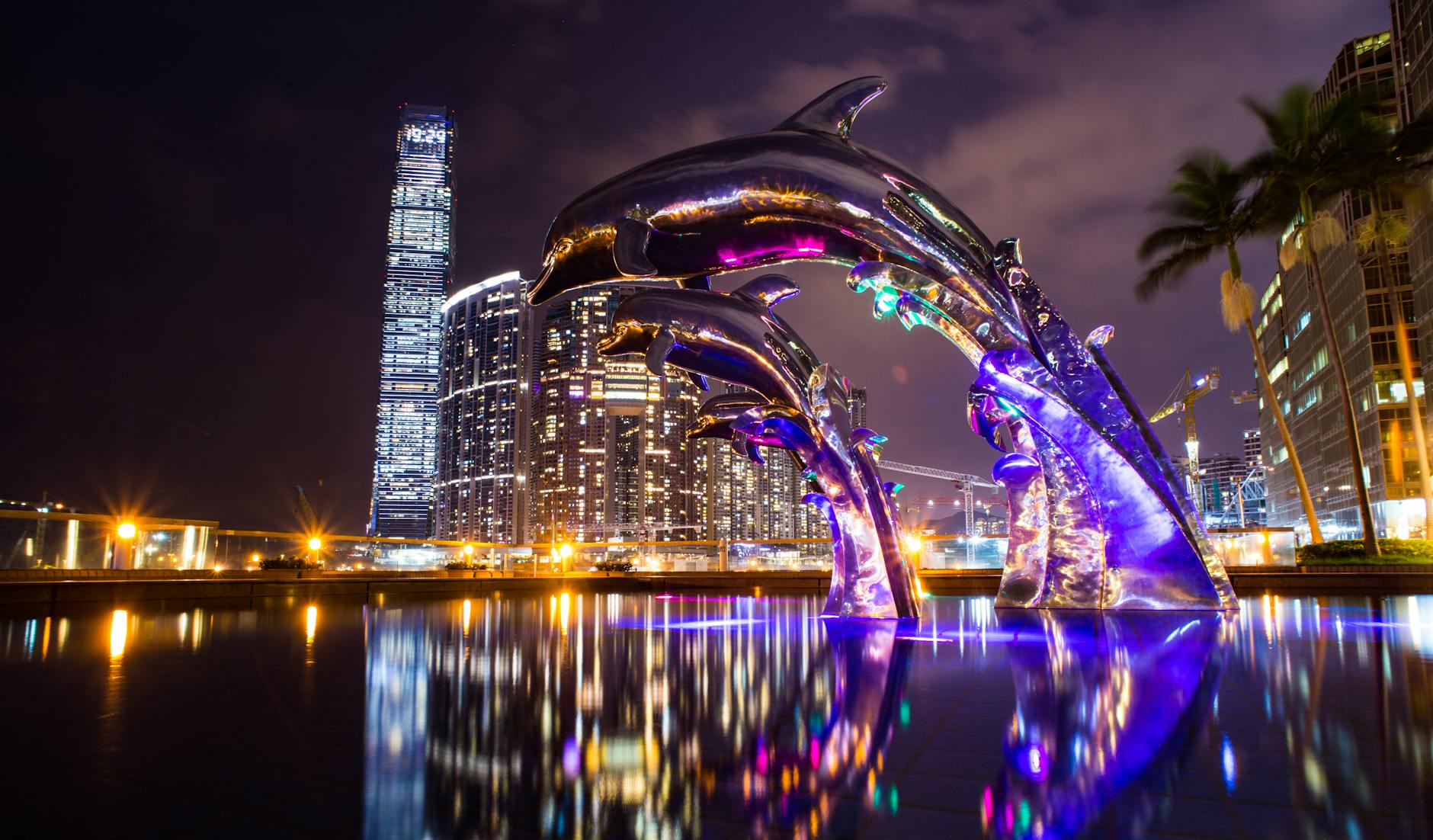
    Discover Dynamic Hong Kong in 2025: A Fusion of Tradition and Modernity

    Introduction

    Hong Kong is a city where the past and the future exist side by side, creating a unique tapestry of culture, modernity, and a vibrant lifestyle. As a bustling metropolis known for its iconic skyline, rich history, and culinary diversity, Hong Kong offers an incredible array of experiences that can be discovered over five exciting days. Each day presents an opportunity to immerse oneself in the sights, sounds, and flavors that define the city. From ancient temples and traditional markets to cutting-edge architecture and innovative technology, this journey through Hong Kong showcases the harmonious blend of tradition and innovation. As we delve into the highlights of each day, we will explore how these elements interact to create an unforgettable experience for both locals and tourists alike.

    Exploring Cultural Heritage: Temples and Traditional Markets

    When wandering through the streets of Hong Kong, one cannot help but notice the presence of its rich cultural heritage, intertwined with the fabric of modern life. Amidst the towering skyscrapers, there are pockets of history that reveal the city’s deep-rooted traditions. Key to understanding this heritage are the temples and traditional markets that dot the cityscape.

    One of the most significant temples is Wong Tai Sin Temple, famous for its ability to grant wishes. The colorful architecture and stunning decorations offer visitors a glimpse into the spiritual practices of the region. Observing worshippers engaging in rituals, lighting incense, and consulting fortune tellers provides an authentic insight into the beliefs that shape the lives of many Hong Kong residents. The temple’s vibrant atmosphere is accentuated by the scent of incense and the sound of bells ringing, creating a sensory experience that transports visitors back in time.

    Aside from Wong Tai Sin, Man Mo Temple, dedicated to the gods of literature and war, offers another traditional experience. Nestled amidst the busy streets of Sheung Wan, this temple represents the historical significance of education and honor in Chinese culture. The intricately carved wooden altar and elaborate incense coils hanging from the ceiling contribute to a serene ambiance, inviting visitors to reflect and appreciate the cultural symbolism embedded in this sacred space.

    In addition to temples, traditional markets like the Wong Tai Sin Market and the Temple Street Night Market offer a taste of everyday life in Hong Kong. These bustling areas are alive with the chatter of vendors, the sizzling sounds of street food cooking, and the vibrant colors of fresh produce and traditional handicrafts. By exploring these markets, visitors can engage with locals, taste regional delicacies like dim sum and egg tarts, and shop for unique souvenirs. The dynamic atmosphere fosters a sense of community and highlights the city’s approach to balancing tradition with everyday modern living.

    As you stroll through the streets lined with stalls, take note of the variety of goods available. From jade jewelry to traditional Chinese medicinal herbs, each item tells a story of age-old practices and local craftsmanship. The markets present a perfect opportunity to interact with local artisans who are keen to share the histories of their trades, providing visitors an engaging, personal connection to the traditions they represent.

    Through this exploration of cultural heritage, one can appreciate not just Hong Kong’s historical context but also how its citizens maintain these traditions within the contemporary landscape. This fascinating juxtaposition offers invaluable insights into the identity and spirit of Hong Kong, setting the stage for a day filled with rich experiences that seamlessly weave together the old and the new.

    The Urban Landscape: Skyscrapers and Modern Architecture

    In stark contrast to the vintage charm of its temples and markets, Hong Kong boasts a skyline that is the pinnacle of modern architectural achievement. This urban landscape, characterized by a remarkable array of skyscrapers, not only reflects the city’s rapid economic growth but also showcases the creativity and innovation of contemporary architecture.

    The iconic International Commerce Centre (ICC), standing at 484 meters, serves as a milestone in Hong Kong’s architectural progression. The ICC is not just the tallest building in the city; it symbolizes the ambition that drives this metropolis forward. Its sleek design, coupled with a variety of facilities including luxury hotels, offices, and observation decks, offers visitors a multifaceted experience. The Sky 100 observation deck, located on the 100th floor, provides panoramic views of Victoria Harbour and the surrounding urban sprawl. On a clear day, the view extends beyond the horizon, allowing one to appreciate the intricate layout of the city, with its harmonious fusion of land and sea.

    Adjacent to the ICC, the innovative design of the Hong Kong International Financial Centre (IFC) is another testament to the city’s progress. Featuring a modern glass façade and a vibrant shopping mall, the IFC presents a lively social scene while standing as a hub for international business. On the lower levels, high-end boutiques and gourmet dining experiences attract locals and tourists alike, making this location a focal point for those looking to indulge in luxury.

    Exploring the architectural wonders of Hong Kong also involves a visit to the Central Plaza, which, with its distinctive triangular shape, provides an interesting element to the skyline. The central location of Central Plaza makes it not only a feat of modern design but also an integral part of the city’s transportation framework. The building’s observation deck and unique features, like the animated LED lighting system, further enhance its reputation as a landmark.

    Furthermore, Hong Kong’s commitment to sustainable architecture is exemplified in the design of the Environmental Protection Department Headquarters. This building illustrates how innovation can coexist with environmental consciousness, featuring energy-efficient systems and a green roof. As the city looks toward the future, such projects represent a significant step forward in making urban living more sustainable.

    While exploring these architectural marvels, one realizes that skyscrapers in Hong Kong are not just functional buildings; they are symbols that reflect the city’s aspirations and character. Each tower, with its unique design and purpose, tells a story of growth and resilience. Whether through the lens of viewing platforms or immediate proximity, each structure contributes to the urban symphony that defines Hong Kong.

    The urban landscape captures the essence of a city that is constantly evolving, striving towards greater heights both literally and metaphorically. Our exploration of this modern architectural wonder serves as a reminder of the limitless possibilities of innovation, making a poignant contrast to the rich cultural heritage found just blocks away.

    Culinary Delights: A Fusion of Flavors

    A visit to Hong Kong would be incomplete without indulging in its culinary offerings, which are a vibrant fusion of local and global flavors. The city’s food scene is a rich tapestry woven from traditional Chinese culinary practices intermingled with influences from around the world, reflecting Hong Kong’s status as a crossroads of cultures.

    Dim sum, a traditional Cantonese style of cuisine, is perhaps Hong Kong’s most famous culinary contribution. The experience of enjoying dim sum goes beyond just the food; it is an integral part of social life for residents. Restaurants throughout the city, from Michelin-starred establishments to quaint tea houses, serve a delectable variety of steamed buns, dumplings, and pastries, all of which carry their own unique flavor profiles. Each bite is a celebration of the city’s culinary heritage, crafted meticulously and presented beautifully.

    Taking part in a traditional dim sum brunch at a bustling tea house in the heart of the city is a quintessential Hong Kong experience. Diners are greeted by the sight of trolleys filled with steaming bamboo baskets, each containing an array of dim sum delicacies. The ritual of choosing from the carts adds an interactive element to the dining experience, allowing for the discovery of new favorites with every visit.

    Beyond dim sum, Hong Kong’s culinary landscape also embraces an array of international cuisines, demonstrating the city’s multicultural fabric. The neighborhood of Tsim Sha Tsui is a premier destination for food lovers, offering everything from authentic Thai to contemporary Japanese fusion dishes. Restaurants like Ichiran Ramen provide a unique way to engage with food, as diners enjoy their meals in private booths, offering an immersive and personal experience.

    The market scene further reflects the diversity of culinary offerings in Hong Kong. Local markets brim with fresh produce, live seafood, and aromatic spices, integral to both everyday cooking and celebrated dishes. The Graham Street Market, one of the oldest in the city, showcases the vibrant colors and sounds synonymous with market life. Visitors can sample street food delicacies such as fish balls, stinky tofu, and egg waffles, each capturing the essence of Hong Kong’s bustling atmosphere.

    Hong Kong is also home to some of the world’s most esteemed chefs and restaurants, earning the city its reputation as a culinary capital. The annual Asia’s 50 Best Restaurants awards reflect this status, with several establishments ranked among the world’s finest. Celebrity chefs continue to push the boundaries of traditional cuisine, introducing innovative techniques and flavors that elevate local dishes to new heights.

    This culinary exploration highlights how Hong Kong’s food scene is a melting pot of tradition and innovation. Each dish served reflects the city’s history, its cultural influences, and its ongoing evolution. As we indulge in the diverse flavors of Hong Kong, we not only satisfy our palate but also connect with the stories and cultures that shaped this vibrant city.

    Nature Retreats: Parks and Scenic Views

    Despite its reputation as a bustling urban center, Hong Kong is surprisingly rich in natural beauty, offering an escape from the frenetic pace of city life through its parks and scenic vistas. Nature retreats are integral to the Hong Kong experience, providing residents and visitors alike with serene spaces to reconnect with the natural world.

    One of the most celebrated green spaces is Victoria Park, situated in Causeway Bay. This lush oasis serves as a community hub, with locals participating in tai chi, jogging, and socializing amid winding pathways and beautiful floral displays. The park’s spacious layout allows for numerous recreational activities, from traditional Chinese exercises to open-air concerts. Visitors can enjoy the scenic views of the surrounding skyscrapers juxtaposed with the tranquility of nature, making it a perfect spot for relaxation and reflection.

    The Hong Kong Park is another gem that combines nature and modern design. Nestled in the heart of the city, the park features a stunning conservatory and a historical reservoir. Strolling through its pathways lined with tropical plants and water features, one can find respite from the urban hustle. The aviary is particularly noteworthy, housing a variety of exotic birds, and provides an educational experience, highlighting the importance of conservation amidst urban development.

    To experience the breathtaking views of Hong Kong from above, a hike to Victoria Peak is essential. The Peak offers an unrivaled vantage point of the city and the surrounding harbor, particularly stunning during sunrise or sunset. The Peak Tram ride adds to the adventure, providing a unique perspective as visitors ascend steeply, offering glimpses of the city below. Once at the top, the panoramic view of the skyline against the picturesque backdrop of mountains and sea leaves an indelible impression.

    For those seeking a more rugged experience, the Dragon’s Back Hiking Trail is among the most popular outdoor activities in Hong Kong. This scenic trail takes hikers along ridges and hillsides, providing breathtaking views of the coastline and lush greenery. With varying levels of difficulty, the trail accommodates both seasoned hikers and casual walkers, encouraging everyone to appreciate the natural wonders that lie just beyond the urban landscape.

    Additionally, the Lai Chi Wo Heritage Trail offers a unique opportunity to explore the cultural aspect of nature by visiting an ancient Hakka village. Surrounded by traditional agriculture and mangroves, the trail showcases the relationship between the land and the local inhabitants, emphasizing sustainable living practices.

    As we explore these nature retreats, we come to realize that Hong Kong is not just a concrete jungle; it is an environment that celebrates the delicate balance between urban development and natural preservation. The parks and trails throughout the city honor the importance of green spaces and their role in enhancing the quality of life, offering serene escapes that complement the vibrant energy of city living.

    The Future of Hong Kong: Innovation and Technology

    As we look towards the future, Hong Kong is at the forefront of innovation and technological advancement, positioning itself as a leading global hub for technology and entrepreneurship. The city’s economic landscape is rapidly evolving, with a strong emphasis on integrating innovative technologies into various sectors.

    The Hong Kong Science and Technology Parks Corporation plays a pivotal role in fostering innovation, providing a platform for startups, entrepreneurs, and researchers. This hub brings together talent and resources, facilitating collaboration among various industries, including biotechnology, artificial intelligence, and fintech. Through initiatives and funding support, Hong Kong continues to cultivate a thriving ecosystem that attracts international businesses and professionals eager to contribute to the city’s growth.

    One area where Hong Kong excels is its emphasis on fintech. The city has positioned itself as a leader in the financial services industry, embracing digital currency, blockchain technology, and mobile payment solutions. With a high percentage of the population utilizing mobile banking and payment apps, Hong Kong serves as a living laboratory for fintech innovations. Initiatives such as the Hong Kong Monetary Authority’s Fast Payment System have significantly enhanced the speed and efficiency of transactions, reinforcing Hong Kong’s status as a global financial hub.

    In addition, the city’s commitment to smart city initiatives reflects its vision for future development. Projects aimed at integrating technology into everyday infrastructure are designed to improve the quality of life for residents. From smart traffic management systems that optimize flow to energy-efficient buildings equipped with the latest technologies, Hong Kong is actively working towards becoming a smarter, more sustainable city.

    Moreover, the burgeoning startup culture has gained momentum, giving rise to a vibrant community of innovators. Co-working spaces and incubators have sprung up across the city, nurturing talent and providing budding entrepreneurs with the tools they need to launch successful ventures. The annual Hong Kong Fintech Week exemplifies this movement, attracting global participants and fostering dialogue about innovation in finance and technology.

    The education sector is also adapting to ensure future generations are equipped with the skills necessary to thrive in a technology-driven world. Initiatives promoting STEM education and coding programs are now embedded in school curriculums, preparing students to navigate the challenges of an increasingly digital landscape. Collaboration between educational institutions and industry players ensures that the workforce is ready to meet the demands of the evolving job market.

    As we explore the confluence of tradition and innovation in Hong Kong, it becomes evident that the city embraces change while respecting its roots. This commitment to technological advancement isn’t just about modernization; it underscores a desire to improve lifestyle, economy, and the environment. Hong Kong is decidedly poised to shape the future, all while maintaining a balance between its rich heritage and forward-thinking vision.

    Conclusion

    As our journey through Hong Kong comes to a close, we reflect on the remarkable interplay between tradition and innovation that permeates every aspect of the city. From the cultural heritage showcased in its temples and markets to the modern architectural marvels that grace its skyline, each element contributes to the captivating narrative of Hong Kong.

    The culinary delights tell their own story, blending flavors and practices that highlight the city’s rich diversity and multicultural influences. Meanwhile, the serene parks and retreats remind us of the natural beauty that coexists within this urban landscape, providing much-needed spaces for tranquility and reflection.

    As we step into the future, it is clear that Hong Kong is on an exciting trajectory of growth and transformation. The commitment to innovation and technology positions the city as a global leader, ensuring it continues to evolve while honoring the traditions that define its identity.

    In conclusion, experiencing five days in Hong Kong reveals an intricate tapestry of history, culture, and modernity. The adventures we take, the flavors we savor, and the explorations we undertake deepen our understanding of this vibrant city. Hong Kong serves not only as a destination but also as a living lesson on the importance of balancing heritage with progress, making it a place where tradition genuinely meets innovation.

  • Experience Elegant Vienna’s Culture and Cuisine in 3 Days

    Experience Elegant Vienna’s Culture and Cuisine in 3 Days

    Introduction

    Elegant Vienna, the enchanting capital of Austria, is a city steeped in history, renowned for its remarkable blend of culture, architecture, and a rich culinary landscape. In just three days, visitors can experience its vibrant coffee culture, majestic castles, and artistic heritage. The city’s imperial past is evident in its stunning palaces, while modern-day Vienna showcases a burgeoning arts scene and an exceptional gastronomic variety. Each district offers a unique glimpse into this fascinating city, with layers of history woven into its streets and buildings. Whether you’re sipping a coffee in a historic café, wandering through the Schönbrunn Palace gardens, or enjoying a concerto at the Vienna State Opera, the city provides an unforgettable experience. This article will guide you through an ideal three-day itinerary to help you uncover the essence of Vienna, ensuring a memorable trip filled with culture, coffee, and castles.

    Discovering Vienna’s Historical Landmarks

    Vienna’s historical landmarks are essential to understanding the city’s rich cultural and political history. The first day of your Viennese adventure should begin with a visit to the iconic St. Stephen’s Cathedral (Stephansdom), a masterpiece of Gothic architecture that has been at the heart of Vienna since the 12th century. Its striking steeple dominates the skyline and is a recognizable symbol of the city. Visitors can climb the 343 steps to the top of the tower for a breathtaking panoramic view of Vienna. Take a moment to appreciate the intricate details of the façade and the majestic tiled roof that features the emblem of the city.

    Next, make your way to the Hofburg Palace, an immense complex that served as the winter residence of the Habsburg rulers. Here, you can explore the Austrian National Library, one of the most beautiful libraries in the world, with its stunning Baroque architecture. Don’t miss the Imperial Apartments, which offer an insight into the lavish lifestyle of the Habsburgs and showcase exquisite furniture, art, and personal belongings of emperors and empresses. The Hofburg is also home to the Sisi Museum, dedicated to Empress Elisabeth of Austria, commonly known as Sisi. Her fascinating life story is interwoven with Vienna’s history, making this museum a must-visit.

    As you stroll through the city center, the Graben and the Kärntnertor Theater beckon with their vibrant atmospheres. The Graben is a bustling street filled with shops, cafes, and historic buildings, including the Pestsäule, a commemorative column honoring the victims of the plague. Grab a traditional Viennese pastry as you soak in the lively street performances and people-watching opportunities.

    Continue your exploration by visiting the Vienna State Opera (Wiener Staatsoper), an architectural marvel in its own right. Known for its world-class performances, the opera house invites visitors to take guided tours that unveil the behind-the-scenes processes of staging operas and ballets. Be sure to check the schedule for any performances; attending a show here is a highlight of any trip to Vienna.

    After your cultural immersion, head to the Ringstrasse, a historic boulevard lined with impressive buildings that reflect the grandeur of the Austro-Hungarian Empire. Key landmarks along the Ring include the Austrian Parliament Building with its neoclassical facade adorned with statues, and the Vienna City Hall (Rathaus), a stunning example of Gothic architecture. Don’t forget to stop by Votivkirche, a neo-Gothic church just a short walk away, known for its intricately designed interior and beautiful stained glass.

    In the afternoon, visit the Belvedere Palace, a stunning baroque masterpiece that now houses an impressive collection of Austrian art, including works by Egon Schiele and Gustav Klimt. The gardens between the two palaces provide a perfect backdrop for a leisurely stroll, offering insights into the landscape design of the time.

    To cap off your day, consider a relaxing evening in one of the local wine taverns (Heurige) or a classic Viennese restaurant, savoring traditional dishes such as Wiener Schnitzel accompanied by a glass of local wine.

    Exploring Vienna’s historical landmarks lays an essential foundation for your understanding of its cultural richness. The grand architecture, combined with the stories infusing each site, creates an atmosphere that is both enchanting and educational, making your first day in the city unforgettable.

    Indulging in the Café Culture

    Café culture in Vienna is steeped in tradition and history, making it an essential part of the city’s identity. The second day of your exploration should be dedicated to discovering the charm of these historic establishments. Start your morning at Café Central, one of the most famous cafés in Vienna, known for its elegant atmosphere and as a former meeting point for literary figures such as Trotsky and Freud. Here, you can indulge in a classic Viennese breakfast featuring a flaky croissant and a café melange, a local coffee blend topped with frothy milk.

    Next, make your way to Café Sacher, where you can taste the legendary Sacher Torte, a chocolate cake layered with apricot jam and coated in dark chocolate. The café’s luxurious interior and the rich aroma of coffee provide a perfect setting to relax after a morning of exploring. As you savor your cake, take note of the café’s historical significance as the birthplace of this signature dessert.

    Venture further into the city to discover Café Landtmann, a favorite of locals and tourists alike. Situated near the Ringstrasse, this café has been serving patrons since 1873 and is renowned for its stylish ambiance and delicious cakes. As you enjoy a slice of apple strudel, observe the artistic decor and subtle buzz of conversation around you; it is the perfect blend of ambiance and hospitality.

    Don’t miss Café Hawelka, a more bohemian option that has refused to change its quintessential flair over the decades. The café’s warm, inviting space, filled with the scent of freshly brewed coffee, gets its charm from its eclectic decor and friendly service. The café is a favorite among artists and writers, making it a prime spot for creative inspiration. Engage with the locals, relish the atmosphere, and soak up the culture of the café scene.

    In the afternoon, consider taking a guided coffeehouse tour that introduces you to lesser-known cafés, showcasing their history and significance. Many of these establishments boast unique environments, from grand ballrooms to cozy corners, each with its own story to tell. Learn about the art of making the perfect cup of Viennese coffee, and discover how coffee houses have become places for intellectual discourse and creative expression over the centuries.

    As your day of café hopping comes to a close, make sure to visit Café Museum, known for its art nouveau design and association with famous artists. Sip on a cup of coffee while surrounded by artwork curated from some of Vienna’s best.

    In the evening, you might want to experience the jazzy vibes of Porgy & Bess, a famous jazz club that also serves meals. Enjoy live performances while mingling with locals as you round off your day inspired, relaxed, and full of delectable treats.

    Indulging in the café culture of Vienna provides a fulfilling way to engage with the city’s spirit. Each coffee house is a universe of its own, a social and historical hub where stories are exchanged over cups of coffee and delicious pastries. This experience not only satisfies your palate but also nourishes the soul, reflecting the unique charm of Vienna.

    Exploring the Palace and Gardens

    A visit to Vienna would be incomplete without dedicating time to exploring its stunning palaces and beautifully manicured gardens. Begin your day at Schönbrunn Palace, one of the most significant architectural, cultural, and historical monuments in Austria. This magnificent baroque palace once served as the summer residence of the Habsburg family, and it is a UNESCO World Heritage site that attracts millions of visitors yearly.

    Enter the grand palace to witness the exquisite rooms filled with opulent furniture and artworks that give a glimpse into imperial life. Among the highlights, the Great Gallery with its stunning ceiling frescoes and the lavish Hall of Mirrors showcase the grandeur that characterized the Habsburg court. Opt for an audio guide or join a guided tour that shares insights into the history of the palace and notable events that took place within its walls.

    After touring the interior, step outside to explore the expansive gardens that surround the palace. The gardens, designed in the 18th century, are a beautiful display of landscaping art. Stroll along tree-lined paths, vibrant flowerbeds, and perfectly trimmed hedges that evoke a sense of tranquility away from the city bustle. Reach the Gloriette, an impressive structure at the top of a hill from where you can enjoy spectacular views of the palace and the city beyond. It is a perfect spot for taking memorable photos or simply basking in the beauty of your surroundings.

    Next, make your way to the Belvedere Palace, a baroque jewel that consists of two palaces set amidst beautiful gardens. The Upper Belvedere houses an extraordinary collection of Austrian art, including Gustav Klimt’s famous piece, The Kiss. The rich history of the palace, combined with breathtaking works of art, makes for an enthralling visit. Take time to explore the gardens that connect the two palaces, where carefully arranged flowerbeds, fountains, and statues create a serene atmosphere for wandering and reflection.

    Spend the afternoon at Palace of Hofburg, where the Imperial Palace Gardens beckon for leisure. Designed in the Baroque style, the gardens are a peaceful retreat where visitors can relax among fountains and well-maintained greenery. The nearby Vienna Botanical Garden offers an enriching experience with its diverse plant species, greenhouses, and themed gardens, allowing for a delightful exploration of plant life from around the world.

    As the day progresses, consider visiting the Landschaftspark near the Danube Canal. This unique park combines gardens with art installations and recreational spaces, showcasing the city’s commitment to integrating nature with urban living. Renting a bike or jogging along the paths allows for a lively exploration of the park and the canal.

    To conclude your palace tour, enjoy a leisurely dinner near one of the palaces. Many local restaurants offer traditional Viennese cuisine, allowing you to relax and reflect on your day immersed in the splendor of Vienna’s regal past.

    Exploring the palaces and gardens of Vienna enables you to connect deeply with the history and culture of the former imperial city. The opulence, artistry, and precision displayed in both architecture and nature come together to create unforgettable experiences, making this part of the journey essential for anyone looking to understand the spirit of Vienna.

    Immersing in Artistic Experiences

    Vienna is a city bursting with artistic expression, characterized by a rich history of music, fine arts, and innovative performances. After indulging in the café culture and exploring majestic palaces, it’s time to immerse yourself in the artistic scene that sets Vienna apart.

    Start your artistic journey at the Kunsthistorisches Museum, one of the most prestigious art museums in the world. Housed in a stunning building inspired by Renaissance architecture, the museum showcases works from the old masters including Caravaggio, Titian, and Vermeer, as well as an impressive collection of Egyptian, Greek, and Roman antiquities. The opulence of the museum itself is an artwork, with grand staircases and ornate ceilings that awe visitors before they even step into the galleries. Opt for a guided tour or use an audio guide to enhance your understanding of the pieces on display, making your visit both educational and inspiring.

    Just a short walk away is the Albertina Museum, famous for its extensive collection of graphic arts and modern museum exhibitions. The museum houses works from artists such as Degas, Monet, and Picasso. One of its highlights is the “Hapsburg’s Collection,” which includes an impressive selection of drawings and prints. When you visit, make sure to explore the regal state rooms of the Albertina Palace, which contrast the modern art exhibitions within, creating a harmonious blend of old and new.

    In the afternoon, venture to the Museum Quarter (MuseumsQuartier), a cultural complex that houses various museums, galleries, and performance spaces. Here you can visit the Leopold Museum, known for its extensive collection of Austrian modern art, particularly works of expressionist artists like Egon Schiele and Gustav Klimt.

    As you stroll through the museum quarter, enjoy the vibrant atmosphere of artistic expression in the outdoor spaces. The area between the museums often plays host to installations, performances, and artistic showcases that create a lively ambience.

    No artistic exploration in Vienna would be complete without experiencing its music scene. In the evening, attend a performance at the Vienna State Opera or the Musikverein, the home of the renowned Vienna Philharmonic Orchestra. Booking tickets in advance is highly recommended, as prestigious performances often sell out quickly. The extraordinary acoustics in these venues and the stunning architecture will enhance your appreciation of the music, whether you’re listening to classical operas or orchestral concerts.

    For a more casual yet equally enriching experience, consider visiting local venues like Haus der Musik, an interactive sound museum that allows visitors to engage with music through innovative installations. It provides insights into the world of sound and showcases the work of famous composers, including Mozart and Strauss, with engaging exhibits that educate visitors in a fun way.

    End your artistic day with a visit to one of Vienna’s vibrant contemporary art galleries, such as Galerie Krinzinger or Contemporary Art Club, where local and international artists showcase their cutting-edge work. Such galleries often feature emerging artists and innovative pieces that provide fresh perspectives on contemporary art.

    Immersing yourself in Vienna’s artistic experiences is not just about observing art, but engaging with the vibrant culture that has shaped the city. From historic masterpieces to contemporary expressions, art in Vienna lives and breathes, inviting you to discover and connect with the city’s rich cultural tapestry.

    Enjoying the Culinary Delights

    Vienna’s culinary scene is as rich and diverse as its history, making it an integral part of the experience. Your last day in this magnificent city should be dedicated to savoring its culinary delights, from traditional Austro-Hungarian dishes to innovative contemporary fare.

    Begin your day with a visit to a local Naschmarkt, a vibrant market brimming with fresh produce, spices, and international delicacies. The market dates back to the 16th century and today features a plethora of food stalls and small eateries offering everything from traditional Viennese breakfast items to exotic street food. Sample local cheeses, cured meats, or freshly baked goods as you stroll through the market, interacting with local vendors and soaking in the lively atmosphere.

    After exploring the market, treat yourself to a meal at one of Vienna’s historic Viennese restaurants. A classic must-try dish is Wiener Schnitzel, a breaded and fried veal cutlet that embodies the city’s culinary tradition. Enjoy this dish at establishments like Figlmüller, widely celebrated as one of the best places to indulge in this culinary classic. Pair your schnitzel with a refreshing local beer or a glass of white wine from the nearby Wachau region, known for its excellent Grüner Veltliner.

    In the afternoon, delve into Vienna’s renowned coffee and pastry scene. Make your way to Demel, a historic pastry shop and chocolaterie that has been delighting customers since 1786. Here, indulge in a delectable selection of pastries, including Apfelstrudel and Sachertorte, while enjoying your coffee in the ornate café setting. As you savor your treats, take a moment to appreciate the elegant ambiance that echoes Vienna’s imperial past.

    For a contemporary dining experience, consider making a reservation at one of Vienna’s trendy restaurants, such as Steirereck or Mraz & Sohn, known for their innovative dishes that showcase local produce and modern culinary techniques. Steirereck, located in Stadtpark, has earned two Michelin stars and features dishes that blend tradition with creativity, providing an unforgettable dining experience.

    As the day draws to a close, unwind at a local wine tavern (Heurige), where you can experience a relaxed atmosphere and enjoy local wine and traditional food. These taverns typically serve seasonal dishes made from locally sourced ingredients, allowing you to relish the flavors of Vienna while mingling with locals. This casual setting is the perfect way to reflect on your culinary journey throughout the city.

    Don’t forget to explore the diverse range of international dining options that reflect Vienna’s multicultural society. You can find everything from Italian and Asian cuisines to Middle Eastern and gourmet vegan establishments. Each restaurant tells a story, connecting you to the global influences that have shaped the city’s dining culture.

    Experiencing the culinary delights of Vienna encompasses not just the food but the cultural connections that come with it. Each meal tells a story and reflects the rich heritage of the city, creating memories that will linger long after your visit. As you savor the flavors and aromas of Vienna, you’ll carry a piece of its culinary artistry back with you, making your journey truly unforgettable.

    Conclusion

    As your three-day adventure in Vienna comes to an end, it’s time to reflect on the experiences that have filled your days with culture, coffee, and castles. From the magnificent historical landmarks that narrate the city’s storied past to the delightful cafés where the coffee culture thrives, every aspect of your visit has contributed to a deeper understanding of what makes Vienna special.

    The majestic palaces and lush gardens you explored revealed the grandeur of the Habsburgs, while the artistic experiences allowed you to immerse yourself in the creativity that permeates the city. Each museum, concert, and gallery visit enriched your connection with Vienna’s vibrant cultural tapestry.

    Finally, the culinary delights you savored showcased not just traditional Viennese fare but also the innovative dining options that reflect the city’s contemporary spirit. Your taste buds have been treated to the various flavors that Vienna offers, from its iconic pastries to its exquisite wine.

    As you depart, carry the memories of Vienna’s elegance and charm with you. The city’s harmonious blend of history, culture, and gastronomy ensures that your heart remains connected to this stunning capital long after you leave. Until your next visit, may the spirit of Vienna continue to inspire you in your everyday life.

  • Discover Enchanting Zanzibar in 2025: Your Ultimate Travel Guide

    Discover Enchanting Zanzibar in 2025: Your Ultimate Travel Guide

    Introduction

    Enchanting Zanzibar, an archipelago off the coast of Tanzania, is a paradise known for its stunning white-sand beaches, azure waters, and rich cultural heritage. Often referred to as the “Spice Island” due to its historical role in the spice trade, Zanzibar boasts a unique blend of African, Arab, Indian, and European influences that shape its identity. As a travel destination, Zanzibar offers more than just picturesque landscapes; it is steeped in history—evident in its bustling markets, ancient architecture, and the vibrant culture that permeates daily life. From the captivating Stone Town, a UNESCO World Heritage site, to the idyllic beaches of Nungwi and Kendwa, there is something for everyone. This guide will serve as your companion to navigate through the wonders of this enchanting destination, ensuring a memorable experience filled with exploration, relaxation, and discovery.

    Introduction to Zanzibar: Historical Context and Cultural Richness

    Zanzibar has a storied history that dates back centuries, making it a fascinating destination for those interested in culture and heritage. The island’s strategic location in the Indian Ocean made it a key trading hub, attracting merchants and travelers from various regions, particularly during the spice trade era. In fact, the island became synonymous with the production of cloves, nutmeg, and cinnamon, which contributed significantly to its economic prosperity and global recognition. This rich historical background has shaped the island’s diverse cultural tapestry, which is reflected in its architecture, traditions, and even its languages.

    The influence of various cultures is particularly evident in Stone Town, the heart of Zanzibar. Here, visitors can wander through narrow alleyways, explore old fortresses like the Old Fort (Ngome Kongwe) and the House of Wonders, and visit local bazaars where spices and handmade crafts abound. The architecture is a blend of Arab, Persian, Indian, and European styles, showcasing the past interactions that took place on the island. The intricate wooden doors adorned with brass studs are a signature of Zanzibar’s craftsmanship and serve as a reminder of the island’s historical connections.

    Culturally, Zanzibar is predominantly Muslim, and its vibrant festivals and traditions reflect this heritage. The islands are alive during the month of Ramadan, culminating in joyful celebrations that showcase food, music, and communal prayers. Additionally, visitors can experience various local dances, like the traditional Taarab, which combines Arabic, Swahili, and Indian musical styles—a testament to the island’s multicultural influences.

    Despite the waves of colonization by the Portuguese in the 16th century, the Omani Arabs in the 17th century, and later the British in the 19th century, the people of Zanzibar have preserved their unique identity. This historical resilience is celebrated through storytelling, art, and continued practice of traditional crafts, such as weaving and pottery, which can be observed in local markets and workshops.

    Understanding Zanzibar’s historical context is essential for appreciating its present-day culture. The island’s past has fostered a deep-seated sense of community and pride among its inhabitants. As you explore the island, you’ll encounter warm hospitality, with locals eager to share their stories and heritage with visitors. Engaging with the community not only enriches your travel experience but also contributes to the preservation of their unique culture.

    Zanzibar’s historical significance is not just confined to its landmarks and festivals. The struggles for independence and the eventual revolution in 1964 have left a lasting impact on the island’s political landscape and society as a whole. This history is not always celebrated openly but is an integral part of the Zanzibari narrative. Visitors may hear stories of resilience, struggle, and hope when interacting with the locals, deepening their understanding of the island’s complex identity.

    In summary, Zanzibar is a treasure trove of historical and cultural richness that deserves exploration. From its vibrant past as a spice trading center to its current status as a beloved travel destination, the island embodies a unique blend of influences that make it special. A trip to Zanzibar is not only about enjoying breathtaking beaches but also about immersing oneself in its rich tapestry of culture, history, and tradition, making it an unforgettable adventure.

    Top Attractions: Must-Visit Places on the Island

    Zanzibar is replete with captivating attractions that showcase its beauty and charm. Visitors to the island are often drawn to a range of experiences, from historic sites to natural wonders. To fully appreciate the essence of Zanzibar, here are some must-visit places that are certainly worth your time.

    Stone Town is undoubtedly the crown jewel of Zanzibar and serves as its historical epicenter. This UNESCO World Heritage site is characterized by its narrow, winding streets, bustling bazaars, and beautifully preserved architecture. Visitors can explore key landmarks like the Old Fort, once a battleground against colonization, and the Palace Museum, which offers insights into the lives of the Sultans of Zanzibar. Do not miss the chance to visit the Old Slave Market and the Anglican Cathedral, which serve as poignant reminders of the island’s darker chapters in history.

    The Spice Tour is another essential experience in Zanzibar. With its rich agricultural background, the island produces a variety of spices including cloves, vanilla, and cardamom. Joining a guided spice tour allows travelers to witness how these spices are grown and harvested while also offering a sensory experience that delights the senses. Visitors can taste fresh spices and learn about their uses in both cuisine and traditional medicine.

    For those seeking natural beauty, Nungwi Beach and Kendwa Beach in the northern part of the island are must-visit spots. With their white sandy shores and crystal-clear waters, these beaches offer a perfect backdrop for relaxation and water activities like snorkeling and diving. The nearby natural coral reefs are teeming with marine life, making it an ideal location for underwater exploration.

    Jozani Forest, home to the rare Red Colobus monkey, is another key attraction. This lush, tropical forest is the only national park on the island and features walking trails that allow visitors to explore the distinctive flora and fauna of Zanzibar. Guided tours can help nature lovers spot these unique monkeys while learning about conservation efforts to protect their habitat.

    Lastly, the island offers opportunities to explore its smaller isles, such as Prison Island, which once served as a quarantine station for cholera patients. Today, it is known for its giant tortoises, snorkeling sites, and a tranquil atmosphere, providing a perfect getaway for a day trip.

    These attractions, among many others, highlight the diversity of experiences available in Zanzibar. From historic sites to stunning natural beauty, the island invites travelers to discover its many layers of charm.

    Cuisine and Dining: A Taste of Zanzibar

    Zanzibar’s culinary scene is a delightful tapestry of flavors that reflects its rich cultural heritage. The island is often referred to as the “Spice Island” for a reason: it boasts a unique fusion of African, Arab, Indian, and European culinary influences that result in a diverse and tantalizing food landscape.

    When exploring the local cuisine, one of the must-try dishes is Zanzibar biryani, a fragrant rice dish that encompasses aromatic spices, tender meats, and assorted vegetables. It is often accompanied by a cooling cucumber or tomato salad, enhancing the meal’s delightful flavors. Street food lovers will find a treasure trove of options in Stone Town, where stalls and vendors serve up fresh, local delights such as samosas and katambuga, a type of deep-fried pastry filled with flavorful fillings.

    Seafood is a central component of Zanzibari cuisine, given the island’s location surrounded by the Indian Ocean. Grilled fish and shellfish are common offerings, often marinated with spices such as turmeric, coriander, and cumin. Dining at beachfront restaurants provides a relaxed atmosphere, where visitors can enjoy freshly caught seafood while listening to the waves lapping against the shore.

    Another iconic dish to sample is ugali, a staple made from ground corn or cassava. It serves as a side dish to various stews or grilled meats and is a fundamental part of the East African diet. The simple yet hearty nature of ugali pairs well with a variety of flavors and ingredients.

    As you delve deeper into Zanzibari flavors, be sure to indulge in local sweet treats like mandazi, which are fried doughnuts typically flavored with coconut or spices. Pairing these delicious pastries with a cup of Zanzibar coffee, which is rich and robust, provides a delightful end to your meal.

    For a more immersive dining experience, consider participating in a cooking class where you can learn to prepare traditional Zanzibari dishes. Many local chefs offer classes that not only teach the techniques but also share stories about the ingredients and cultural significance behind each dish. This hands-on experience enriches your visit and creates lasting memories.

    Overall, the culinary offerings in Zanzibar are a feast for the senses. From street-side snacks to fine dining, the island’s cuisine is a celebration of its rich cultural history, making it an integral part of any traveler’s journey. Exploring the flavors of Zanzibar is not merely about satisfying hunger; it’s about diving into a culinary adventure that reflects the island’s heritage and stories.

    Activities: Adventures and Experiences Await

    Zanzibar is a paradise for adventure seekers and those looking to engage in various activities that highlight its natural beauty and rich culture. From vibrant water sports to cultural immersions, the island offers an array of experiences to suit every traveler’s interest.

    Water activities dominate the landscape of things to do in Zanzibar. The clear turquoise waters surrounding the island are perfect for snorkeling and scuba diving, offering a glimpse into the mesmerizing underwater world. Popular diving sites include Mnemba Atoll, known for its coral reefs teeming with colorful fish, sea turtles, and sometimes even dolphins. Many local dive shops offer guided tours catering to all skill levels, ensuring that both novice and experienced divers can enjoy these underwater adventures.

    If you prefer to explore the ocean at your own pace, consider embarking on a Dhow cruise at sunset. These traditional wooden boats create a serene atmosphere, allowing you to relax and take in the breathtaking coastal views as the sun sets over the horizon. Some cruises also include the chance to go snorkeling or simply enjoy refreshments as you glide across the water.

    For land enthusiasts, guided tours exploring the island’s interior come highly recommended. You can hike through Jozani Forest, encountering unique wildlife and diverse plant species. These guided walks provide an eco-friendly way to enjoy the island’s rich biodiversity while learning about the importance of conservation efforts.

    Cultural and community immersion activities offer another aspect of adventure. Consider participating in a local village tour where you can meet Zanzibari families, engage in traditional practices, and partake in everyday activities such as cooking or farming. These interactions provide invaluable insights into the local way of life.

    Zanzibar is also home to various annual festivals and events. The Zanzibar International Film Festival attracts filmmakers and enthusiasts from around the world, creating an atmosphere of creativity and cultural exchange. Likewise, the Sauti za Busara Music Festival, held annually in Stone Town, showcases local and international talent, celebrating both traditional and contemporary music.

    For thrill-seekers, don’t miss the kitesurfing opportunities available at places like Paje Beach, known for its consistent winds and shallow waters. For less adrenaline-fueled adventures, walking tours in Stone Town present an opportunity to delve into the historical heart of Zanzibar, taking you past ancient architecture and vibrant souks while recounting the island’s complex history.

    Ultimately, the activities available in Zanzibar are as diverse as its culture. The island invites you to partake in experiences that connect you to its environment and people, allowing you to create unforgettable memories during your journey.

    Tips for Travelers: What You Need to Know Before You Go

    Traveling to Zanzibar can be a magical experience, but there are essential tips and guidelines that can help ensure a smooth and enjoyable visit. Here are some important considerations for travelers planning to explore this enchanting island.

    1. Best Time to Visit: The ideal time to visit Zanzibar is during the dry season, which runs from June to October. These months offer beautiful weather, with less humidity and fewer chances of rain. The warm temperatures make it perfect for beach activities and exploration. The short rainy season, from November to December, can also be a good time to visit as it brings fewer crowds, but you can expect occasional downpours.

    2. Health Precautions: It’s important to consider health precautions before traveling. Visitors to Zanzibar are typically advised to take precautions against malaria, so carrying mosquito repellent and taking antimalarial medication may be recommended. Additionally, ensure that you are up to date on routine vaccinations and consider vaccinations for hepatitis A, typhoid, and yellow fever. Carrying a basic first aid kit can also be useful.

    3. Cultural Sensitivity: Zanzibar has a predominantly Muslim population, and as a traveler, it’s important to dress modestly, especially when visiting local villages or religious sites. Beachwear is acceptable at beaches and resorts, but covering up with light clothing is advisable when away from these areas. Understanding and respecting local customs will go a long way in creating positive interactions with local communities.

    4. Currency and Payments: The local currency is the Tanzanian shilling (TZS), but US dollars are widely accepted in tourist areas. It’s wise to carry some local currency for smaller purchases and local markets. Many establishments also accept credit cards, but be aware of potential transaction fees. ATMs are available in major towns, though their reliability may vary, so having a small reserve is helpful.

    5. Transportation: Getting around Zanzibar can be easily accomplished using various modes of transportation. For longer distances, taxis or hired drivers can be arranged, while for shorter trips, “dala-dalas” (minibuses) are a local experience that also provide an economical choice. Renting a scooter or bike offers greater flexibility for exploring at your own pace.

    6. Water and Food Safety: Drink bottled or filtered water instead of tap water to avoid waterborne illnesses. When dining, it’s best to eat at reputable restaurants. Street food is a delicious experience, but it’s important to choose vendors that appear clean and popular among locals to minimize health risks.

    7. Respect Environmental Conservation: Zanzibar is home to unique ecosystems, including coral reefs and wildlife. When snorkeling or engaging in marine activities, respect the environment by not touching or stepping on coral and properly disposing of waste. Supporting eco-friendly tours and sustainable practices is vital for preserving the beauty of Zanzibar.

    By keeping these tips in mind, travelers can enjoy a more seamless experience in Zanzibar. Being prepared not only enhances your journey but also allows you to connect more meaningfully with the culture and natural wonders of this stunning island.

    Conclusion

    Zanzibar is undeniably a captivating destination, rich in history, culture, and natural beauty. It offers a wide range of experiences that cater to diverse interests—from exploring the historic streets of Stone Town to relaxing on pristine beaches. The island’s culinary offerings, infused with spices and cultural influences, provide a remarkable taste of the region’s heritage. As you immerse yourself in the local culture, engage with warm and welcoming community members who are eager to share their stories and traditions.

    This travel guide aims to provide you with practical information and insights to ensure your visit to Zanzibar is unforgettable. Whether you’re an adventurer seeking water sports, a culture enthusiast eager to explore historical landmarks, or a food lover ready to savor local delicacies, Zanzibar has something for everyone. Respecting local customs and the natural environment will only enhance your experience and allow you to forge a deeper connection with this enchanting island.

    As you embark on your journey to Zanzibar, remember to take your time to absorb the beauty around you, embrace the local culture, and savor every moment. The memories you create here will undoubtedly be cherished long after your adventure concludes. Happy travels!

    Zanzibar | Amazing Tales from Zanzibar Island, Tanzania |Documentary

    Earth Untold: Zanzibar | Amazing Tales from Zanzibar Island, Tanzania | Free Documentary
  • Meteora, Greece 2015: The Majestic Monasteries on Rock Pillars
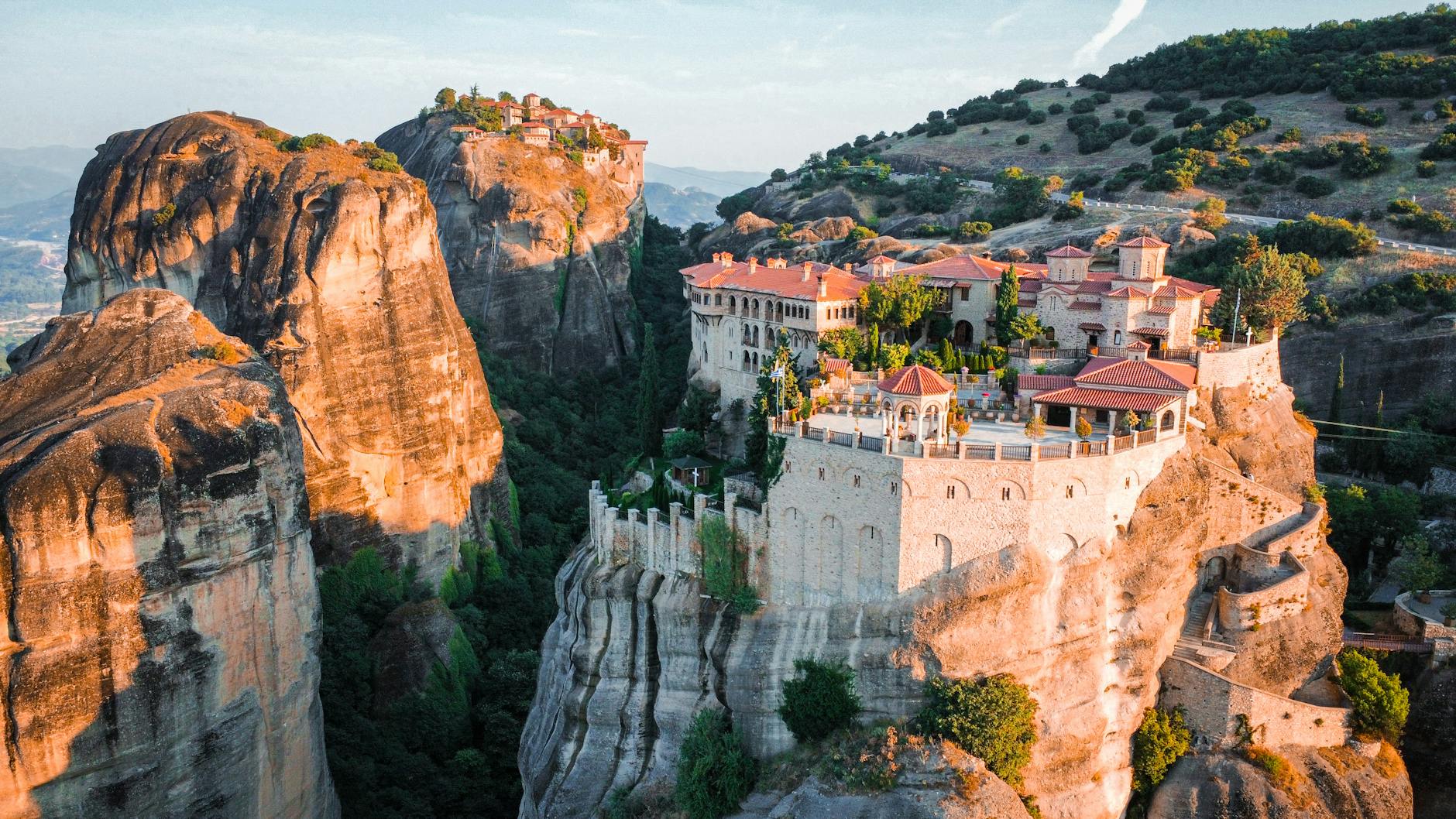
    Meteora, Greece 2015: The Majestic Monasteries on Rock Pillars

    Introduction

    Meteora, located in central Greece, is an awe-inspiring destination known for its striking monasteries nestled atop towering rock pillars. While often overshadowed by more famous sights in Greece, such as Santorini and Athens, Meteora dazzles with its unique blend of natural beauty, rich history, and profound spirituality. The name “Meteora,” meaning “suspended in the air,” aptly describes the breathtaking setting of these monasteries, which sit high above the landscape, providing both solitude and panoramic views. Founded in the 14th century, Meteora’s monasteries served as sanctuaries for monks seeking a life of prayer and contemplation, away from the distractions of the world. In this article, we will delve into the unique geography of the area, the historical context of the monasteries, their architectural significance, the spiritual practices of the monks, and practical tips for visitors eager to uncover the wonders of this remarkable region.

    The Unique Geography and Formation of Meteora

    Meteora’s dramatic landscape is one of its most captivating features, marked by massive rock formations that rise abruptly from the Thessalian plain. These natural pillars, comprised mainly of conglomerate rock, have been sculpted over millions of years through geological processes such as tectonic uplift and erosion. The result is a breathtaking panorama of towering cliffs that reach heights of nearly 400 meters, providing an awe-inspiring backdrop for the monasteries that grace their summits.

    The geological history of Meteora can be traced back to the Late Miocene epoch, approximately 60 million years ago. Tectonic movements caused the land to shift and thrust upward, exposing the conglomerate rocks formed from sedimentary materials. The process of erosion, driven by wind, water, and temperature variations, further shaped the landscape into the unique formations we see today. As softer rock layers were removed, the harder conglomerate rock emerged into towering columns, creating a rugged terrain that is both striking and surreal.

    The formation of these towering pillars offered a perfect opportunity for the establishment of monasteries. The monks, seeking solitude away from the distractions of the world, recognized the geographic advantages of these high locations. The elevation not only provided security but also a vantage point from which to connect with the divine, allowing them to rise closer to Heaven both literally and metaphorically. The perception of the natural world as a manifestation of the divine complements the spiritual mission of the monks, who sought to cultivate a closer relationship with God.

    In addition to their stunning aesthetics, the rock formations of Meteora are rich in biodiversity. The variations in altitude and microclimates create a range of habitats that support diverse flora and fauna, some of which are endemic to the region. The unique ecosystems provide an opportunity for visitors to appreciate not only the visual beauty of Meteora but also its ecological significance. Hiking trails through the landscape allow for exploration of its various habitats, making it a popular destination for nature enthusiasts and those seeking spiritual rejuvenation alike.

    Furthermore, the breathtaking views from the summit of the rock pillars offer perspectives that inspire reflection and tranquility. Visitors often find themselves captivated by the beauty of the surrounding landscapes, which can serve as a reminder of the vastness of creation and the majesty of the natural world. The setting sun casting golden hues across the rock formations is a sight that leaves an indelible imprint on the heart and mind, inviting contemplation and peace.

    Overall, the unique geography and formation of Meteora are integral to the character and allure of this remarkable region. The combination of natural beauty, spiritual significance, and ecological diversity creates an inviting atmosphere for both reflection and exploration. As we continue to delve into the history and culture of the Meteora monasteries, we will discover how this extraordinary geography has shaped the lives and spiritual practices of the monks who have called this place home for centuries.

    Historical Significance of the Meteora Monasteries

    The historical significance of the Meteora monasteries is a reflection of a tumultuous period in Greek history, marked by the decline of the Byzantine Empire and the rise of Ottoman rule. Founded in the 14th century, these monasteries became bastions of the Orthodox Christian faith, preserving cultural identity and providing spiritual refuge during turbulent times.

    The first monks arrived at Meteora during the 14th century, drawn by the stunning landscape and the desire for a secluded life dedicated to prayer and contemplation. The earliest of these monasteries, the Great Meteoron, was established by Athanasios the Meteorite in 1344. Athanasios sought to create a monastic community that adhered to the strict ascetic principles of the Byzantine tradition. As other monks followed suit, additional monasteries were constructed over the ensuing decades, each contributing to the vibrant monastic community that flourished atop the rock pillars.

    At the time of their founding, Greece was experiencing significant sociopolitical changes. The fall of Constantinople in 1453 marked the beginning of Ottoman domination, which brought challenges to Orthodox Christians. The Meteora monasteries served as sanctuaries for the faith, providing a space where spiritual life could continue despite external pressures. The monks played an essential role in preserving Greek language, culture, and religious practices during a period when such traditions were at risk.

    Moreover, the Meteora monasteries became centers of learning and scholarship. Monks engaged in the transcription of religious texts, preserving and disseminating the teachings of the Orthodox Church. The libraries of the monasteries housed important manuscripts, some of which continue to serve as valuable resources in the study of Byzantine history and spirituality. These monastic libraries became jewels of knowledge, safeguarding the intellectual and spiritual heritage of Greece against the backdrop of changing times.

    The monasteries also contributed to the local community, providing agricultural products, education, and support. Monks engaged in various crafts and trades, such as carpentry and iconography, ensuring that the monasteries could sustain themselves while also improving the quality of life for the surrounding population. As a result, the monasteries played a vital role in the economic and social fabric of the region.

    Despite the trials faced throughout the centuries, including invasions, earthquakes, and the challenges of modernization, the Meteora monasteries have demonstrated remarkable resilience. Many structures suffered damage but have been lovingly restored through the efforts of the monastic community and various conservation organizations. The commitment to preserving these sacred places reflects the enduring significance of Meteora in the collective consciousness of the Greek people.

    Today, the Meteora monasteries are recognized as a UNESCO World Heritage Site, showcasing not only their architectural beauty but also their cultural and historical importance. They symbolize the intersection of nature, spirituality, and human creativity, inviting visitors to explore both the physical and spiritual landscapes of the region.

    The historical significance of the Meteora monasteries is deeply rooted in the socio-political context of Greece throughout the centuries. These monastic communities have endured challenges while serving as bastions of faith, culture, and scholarship. As we continue our exploration of Meteora, we will delve deeper into the architectural elegance and design of the monasteries, each of which tells its own story of devotion and resilience.

    Architectural Marvels: The Design and Construction of the Monasteries

    The architectural marvels of Meteora are an extraordinary testament to human ingenuity and creativity. The monasteries, perched precariously atop towering rock pillars, exemplify a distinct blend of Byzantine and local architectural styles, with features that reflect the monks’ dedication to their faith and the challenges of their environment.

    The construction of these monasteries began in the 14th century, driven by the monks’ desire to create sanctuaries that embodied their spiritual aspirations. The sheer logistics of building atop these towering cliffs were daunting. The monks had to utilize rudimentary tools and resources found in their immediate surroundings, which made construction both a labor-intensive and time-consuming endeavor. Stone and timber sourced from the surrounding area were used extensively, ensuring that the monasteries harmonized with the natural environment that cradled them.

    The architectural design of the Meteora monasteries is characterized by their imposing yet graceful forms. Many of the structures feature a quadrilateral arrangement, with the central church surrounded by monastic cells and communal spaces. The main church, often adorned with intricate frescoes and iconography, serves as the heart of the monasteries where communal prayer and worship occur.

    Frescoes and mural paintings cover the interiors of the monasteries, depicting biblical scenes and the lives of saints. These vibrant artworks serve both aesthetic and didactic purposes, conveying spiritual narratives and inviting contemplation among the faithful. The painters employed techniques that employed brilliant colors and intricate details, often taking years to complete a single work. Today, these frescoes stand as a testament to the artistry and dedication of the monks, offering a glimpse into the Orthodox Christian tradition and providing insight into the theological beliefs of the time.

    One of the most remarkable aspects of Meteora’s architecture is the use of natural elements within the designs. The layout of the monasteries takes full advantage of the unique features of the rock formations, with many structures appearing to grow from the cliffs themselves. Balconies and terraces extend from the buildings, offering spectacular views of the surrounding landscape. These open spaces not only serve practical purposes but also symbolize the connection between the earthly and divine without sacrificing the natural beauty that envelops them.

    The Monastery of the Great Meteoron, the largest and oldest of the Meteora monasteries, exemplifies the blending of architectural styles characteristic of the region. It features a well-planned courtyard, stone arches, and a large church adorned with remarkable frescoes. The combination of Byzantine and Gothic influences, noticeable in the pointed arches and intricate carvings, demonstrates the confluence of artistic ideas that flourished throughout the centuries.

    Additionally, the construction of the monasteries exemplifies a deep understanding of the natural world and its elements. The monks used innovative techniques to stabilize structures against the forces of nature. Diligent craftsmanship ensured that the monasteries could endure erosion and maintain their integrity against high winds and heavy rainfall.

    Despite the hardships and challenges of their environment, the monks succeeded in creating a harmonious blend of architecture and nature. The monasteries rise majestically from the rock pillars, a breathtaking sight that draws admiration from visitors around the world. The beauty of Meteora’s architecture is not only in its design but also in its deep connection to the spiritual mission of the monks, who sought to create places where they could draw closer to God.

    The design and construction of the Meteora monasteries are a testament to the dedication and creativity of the monks who built them. The harmonious blend of architectural elements, stunning frescoes, and the natural beauty of the surrounding landscape imbue these structures with a sense of spirituality and reverence. As we continue to explore the significance of Meteora, we will delve into the spiritual practices and daily life of the monks, uncovering the essence of this remarkable monastic community.

    Spiritual Importance and Daily Life in Meteora

    The spiritual importance of Meteora is deeply intertwined with the daily lives of the monks who reside in the monasteries. These sacred spaces serve as retreats from the world, allowing the monks to dedicate themselves fully to a life of prayer, contemplation, and community. The daily routines and practices of the monks reflect their commitment to their faith and the monastic tradition they uphold.

    At the center of monastic life in Meteora is the practice of prayer. The monks observe the Divine Office, a schedule of prayers and services that mark the hours of the day. This practice includes matins (morning prayers), hours, and vespers (evening prayers) as well as the celebration of the Divine Liturgy, which is the central act of worship in the Orthodox Church. The communal nature of the service reinforces the bonds of brotherhood among the monks, as they gather to seek spiritual connection and encouragement with one another.

    The morning silence in the monasteries is a time for personal reflection and meditation. Monks often take this opportunity to engage in individual prayer or study the Scriptures, allowing for a deepening of their understanding and relationship with God. The tranquil surroundings of Meteora, with its stunning vistas and the ever-present sounds of nature, provide an ideal backdrop for introspection and communion with the divine.

    In addition to prayer, the monks engage in manual labor as an expression of their faith. Manual labor holds a significant place in monastic life; it is considered a form of worship and discipline. Monks partake in various tasks, from maintaining the monastery grounds to farming and gardening. This connection to the earth serves to ground their spiritual practices and reinforces the idea that work and prayer are interconnected.

    The spiritual importance of Meteora extends beyond the monks themselves, as the monasteries serve as sanctuaries for people seeking solace and inspiration. Visitors are welcomed to participate in worship and experience the profound atmosphere of spirituality that the monks have cultivated over centuries. The monasteries are open to pilgrims, who often come to engage in their spiritual journeys, finding comfort and enlightenment within the sacred walls.

    Learning about the spiritual teachings and practices that define life in Meteora enhances the visitor experience, as many are moved by the dedication and devotion embodied by the monks. Discussions with the monastic community may foster deeper connections and revelations, illustrating how spirituality transcends individual lives and extends into the broader fabric of society.

    Additionally, the monasteries often maintain libraries filled with ancient texts and religious writings, preserving the rich history of Orthodox Christianity. Monks serve as guardians of this knowledge, ensuring the teachings of the faith remain accessible for future generations. The intense study and devotion to these texts exemplify the commitment of the community to safeguarding their heritage and nurturing spiritual growth.

    The spiritual importance of Meteora is woven into the daily lives of the monks who reside in the monasteries. Their commitment to prayer, work, and service fosters a profound connection between the natural world, human creativity, and the divine. The warm hospitality extended toward visitors encourages a spirit of contemplation and inspiration, reminding us of the timeless pursuit of spirituality that draws individuals to this sacred place. As we continue exploring Meteora, we will provide practical tips for visitors seeking to immerse themselves in the beauty and culture of this extraordinary region.

    Visitor Experience: Tips for Exploring Meteora

    Visiting Meteora is a journey that invites exploration, reflection, and a deeper understanding of one of Greece’s most extraordinary destinations. To fully appreciate the beauty of the monasteries and the surrounding landscape, visitors should consider several tips to enhance their experience and engagement with this remarkable site.

    1. Plan Your Visits to the Monasteries: Meteora is home to six active monasteries: the Great Meteoron, Varlaam, Rousanou, St. Nicholas Anapausas, Trinity, and Holy Spirit. Each monastery offers unique experiences, architectural features, and opportunities for spiritual reflection. Allocate sufficient time to visit each one, as the richness of their historical and artistic significance warrants thorough exploration. Check the opening days and hours in advance, as some monasteries may have different schedules.
    2. Dress Respectfully: As Meteora is primarily a monastic site, it is important to adhere to a dress code that reflects the sacred nature of the space. Men should wear long trousers and shirts with sleeves, while women should wear long skirts or dresses and cover their shoulders. Many of the monasteries provide wraps for visitors who may not be dressed appropriately, but coming prepared shows respect for the spiritual environment.
    3. Consider Guided Tours: If you’re unfamiliar with the region or want to gain deeper insights into the history, architecture, and spirituality of Meteora, consider joining a guided tour. Knowledgeable guides can offer valuable context and anecdotes that enrich your understanding of the monastic communities. Many tours include transportation and visits to multiple monasteries, allowing you to make the most of your time.
    4. Explore the Nature Trails: Beyond the monasteries, the natural beauty of Meteora is a major draw for visitors. Hiking trails wind through the cliffs, providing stunning views of both the rock formations and the valleys below. Make sure to wear sturdy shoes and bring water while exploring the trails, as they can be steep and rugged. Hiking allows for a more personal connection with the landscape, inviting moments of reflection as you immerse yourself in the beauty of nature.
    5. Engage with the Monastic Community: The monks and nuns of Meteora are often welcoming and willing to share their experiences and wisdom with visitors. Engage in respectful conversations, ask questions, and express your interest in their way of life. The stories and insights they offer can provide a unique perspective on monastic spirituality and the significance of the monks’ devotion.
    6. Stay Overnight: Spending a night or two in Meteora allows for a more immersive experience. Early mornings and late evenings often feature fewer crowds, allowing visitors to appreciate the tranquility and beauty of the monasteries. Witnessing the sunrise or sunset over the cliffs can be a breathtaking experience, with the colors reflecting off the rock formations creating an ethereal atmosphere.
    7. Practice Mindfulness: When exploring the monasteries and their surroundings, take moments to pause and reflect. Mindfulness and contemplation can deepen your connection to the spirituality of the region. Whether you are gazing at the intricate frescoes or overlooking the landscape from a high vantage point, allow yourself to absorb the beauty and tranquility present within the sacred spaces.
    8. Respect the Heritage: Finally, as you explore Meteora, remember to be mindful of the cultural and ecological significance of the area. Respect the rules of the monasteries, including photography guidelines and areas that may be off-limits. Adopting a posture of reverence and appreciation will enhance your experience and ensure the preservation of these remarkable sites for future generations.

    The visitor experience at Meteora offers a unique opportunity to connect with nature, history, and spirituality. By following these tips and engaging deeply with the landscape and monastic community, visitors can enrich their understanding of Meteora and cultivate lasting memories of this extraordinary destination.

    Conclusion

    Meteora, with its stunning monasteries built atop soaring rock pillars, is a destination that captivates the heart and soul. While often overshadowed by the more renowned Isle of Santorini and the historical significance of Athens, Meteora stands as a testament to the intersection of spirituality, history, and architectural ingenuity. The breathtaking landscapes, profound histories, and dedicated monastic communities make it a unique and enriching destination for visitors from around the world.

    The unique geography and formation of Meteora shape not only its visual beauty but also its spiritual ambiance, inviting individuals to connect with nature and explore the depths of their beliefs. The historical significance of the monasteries reveals lessons of resilience and dedication, preserving the Orthodox Christian faith during times of turbulence. The architectural marvels exemplify how humans can create sanctuaries that harmonize with their surroundings, showcasing artistry and devotion in every corner.

    As we dig deeper into the spiritual importance of Meteora, we recognize that the daily lives of the monks embody a commitment to prayer and community, offering visitors an invitation to embark on their own spiritual journeys. Sharing their sacred spaces with pilgrims enriches the cultural heritage of the region, illustrating how spirituality transcends individual lives and fosters a sense of interconnectedness.

    Finally, as travelers consider their own experiences in Meteora, practical tips can maximize their exploration and engagement with the beauty and culture of this extraordinary region. The combination of challenges and triumphs faced by the monks throughout history serves as a reminder of the resilience of the human spirit and the pursuit of spiritual growth.

    As we conclude our exploration of Meteora, we encourage all who are fortunate enough to visit this remarkable site to immerse themselves in its stories, engage with its beauty, and reflect on the enduring legacy of this sacred land.

    Meteora: The Incredible Cliff Monasteries Of Northern Greece | Video

    Meteora: The Incredible Cliff Monasteries Of Northern Greece | From the Mountains to the Shoreline