Category: Political & Economic History

  • The KGB: A Deep Dive into its History and Global Impact
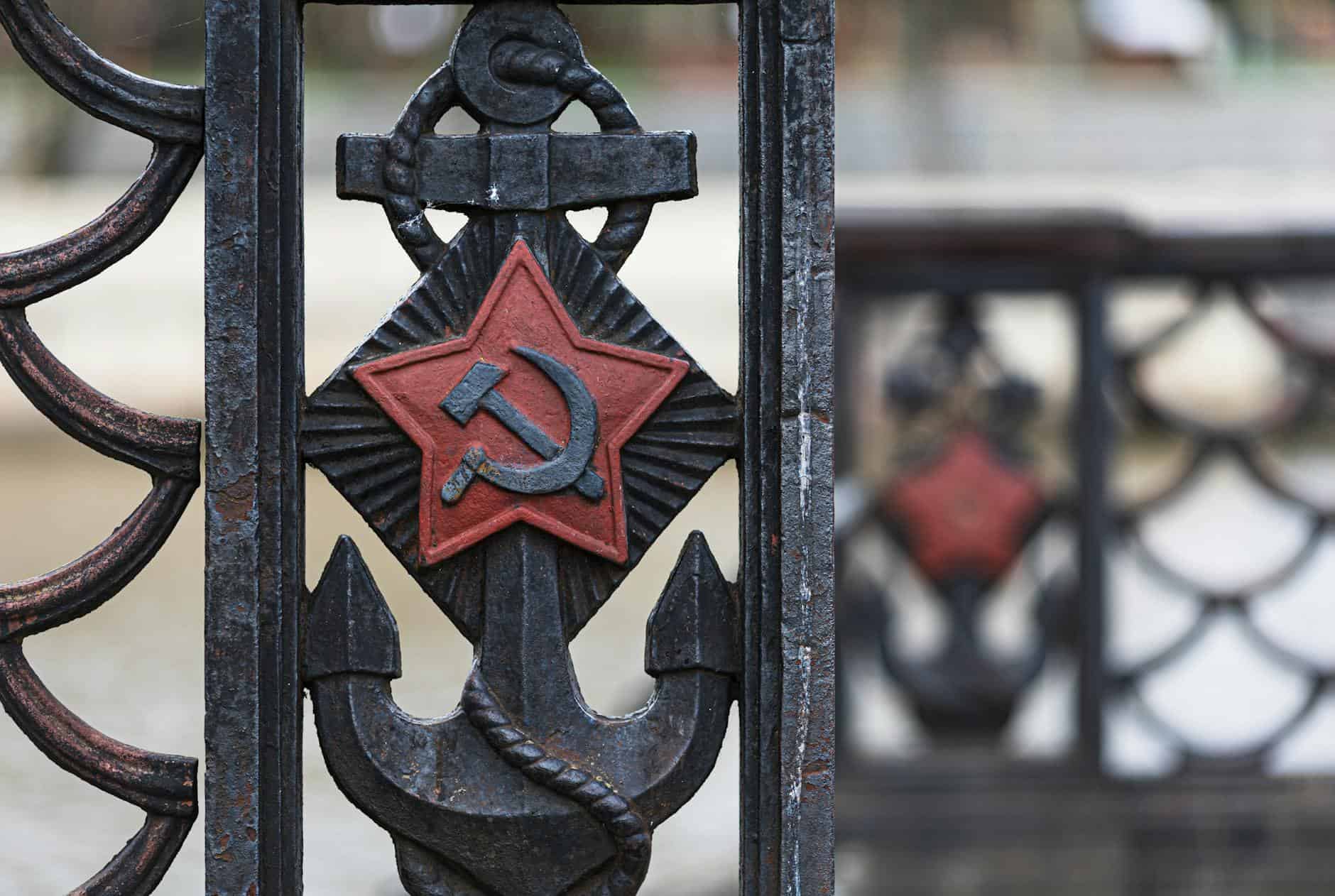
    The KGB: A Deep Dive into its History and Global Impact

    Introduction

    The KGB, or Komitet Gosudarstvennoy Bezopasnosti, was the main security agency of the Soviet Union from 1954 until its dissolution in 1991. Widely regarded as one of the most powerful and feared intelligence organizations in history, the KGB played a crucial role in shaping global politics during the 20th century. Its activities ranged from espionage and surveillance to political repression and control of the Soviet populace, allowing it to gather information and eliminate threats to state security. The KGB’s influence extended well beyond the borders of the Soviet Union, impacting international relations and conflict throughout the Cold War. This article will delve into the KGB’s origins, its pivotal role during the Cold War, the methods it employed, and its lasting legacy in contemporary geopolitics.

    Origins and Formation of the KGB

    The KGB’s origins can be traced back to the aftermath of the Russian Revolution in 1917, a time marked by significant political upheaval and upheaval. As the Bolsheviks seized power, they recognized the necessity of establishing a security service to protect the new regime from both internal and external threats. The first iteration of Soviet state security, called the Cheka (All-Russian Extraordinary Commission for Combating Counter-Revolution and Sabotage), was created in December 1917, laying the groundwork for the KGB.

    Throughout the 1920s, the Cheka evolved and faced several reorganizations as the Soviet government sought to adapt to the complexities of a rapidly changing world. This period was characterized by intense struggles against counter-revolutionaries and political opposition, often leading to the use of brutal tactics. The secret police engaged in mass arrests, executions, and the establishment of labor camps, solidifying its reputation for ruthlessness.

    In the wake of Joseph Stalin‘s rise to power, the Cheka was transformed into the GPU (State Political Directorate), and later into the OGPU (Joint State Political Directorate) in 1923. Under Stalin, the OGPU expanded its reach and intensified its operations. The institution became synonymous with state terror, targeting perceived enemies of the state and further entrenching the role of secret police in Soviet society.

    By 1934, the OGPU was incorporated into the NKVD (People’s Commissariat for Internal Affairs), which expanded its responsibilities to include not only state security but also law enforcement functions. The NKVD played a crucial role in the Great Purge, a campaign of political repression that saw hundreds of thousands imprisoned or executed. This brutal campaign illustrated the lengths to which the Soviet government would go to maintain its grip on power and eliminate dissent.

    The KGB, as we know it, was formally established in March 1954, during the post-Stalin era. This period allowed for some relaxation in government repression, but the KGB was nonetheless a central player in maintaining state security and societal control. The KGB inherited the extensive networks and methodologies developed by its predecessors, allowing it to effectively surveil and control the Soviet populace.

    One notable aspect of the KGB’s formation was its dual role as both an intelligence and a counterintelligence agency. While it gathered intelligence on foreign powers, it also ensured that potentially harmful information within the Soviet Union was suppressed. This duality enabled the KGB to operate effectively both within and outside Soviet borders.

    From its inception, the KGB was not merely an agency of repression; it was also crucial in fostering Soviet ideology abroad. The organization funded and supported leftist movements worldwide, establishing networks that sought to topple existing governments and replace them with communist regimes. This activity would set the stage for some of the major global confrontations of the Cold War.

    The KGB’s formation and early history exemplified a melding of ideological zeal and a commitment to state security. As the world entered the Cold War era, the KGB’s influence would broaden, and its operations would become more sophisticated. Intelligence gathering became a cornerstone of Soviet strategic practices, significantly impacting global affairs.

    In summary, the origins and formation of the KGB are rooted in the tumultuous events of the early Soviet era. The agency evolved through various stages, employing increasingly sophisticated methods of surveillance, control, and foreign influence. Understanding its formation helps contextualize the extensive impact it would later have on world events.

    The Role of the KGB during the Cold War

    The Cold War era, lasting from approximately 1947 to 1991, was marked by geopolitical tension between the Soviet Union and the United States, along with their respective allies. During this period, the KGB played a vital role in shaping the Soviet Union’s foreign and domestic policies, particularly through intelligence operations that aimed at gathering valuable information on adversaries while thwarting their maneuvers against Soviet interests.

    Following World War II, the KGB shifted its focus toward Western intelligence agencies, notably the CIA. The Soviet Union viewed the U.S. and its allies as significant threats that required extensive surveillance and infiltration. One of the KGB’s primary missions during this tense period was to gather strategic intelligence on military developments, technological advancements, and economic conditions within the West.

    The KGB operated numerous espionage networks across Europe and North America, securing some notable successes. One of the most infamous cases was the infiltration of the Manhattan Project by Klaus Fuchs, a German-born physicist who communicated atomic secrets to the Soviets, ultimately aiding in the development of their own atomic bomb. This case, among others, highlighted the effectiveness of KGB operations and contributed to the trend of mutual suspicion that characterized the Cold War.

    Simultaneously, the KGB employed a range of tactics, including disinformation campaigns designed to discredit adversaries and sway public opinion. Operations like “Operation Infektion,” which falsely claimed that the U.S. had developed the HIV virus as a biological weapon, were part of the KGB’s strategy to undermine American credibility while promoting Soviet narratives. Such psychological operations played into the broader strategy of maintaining ideological influence across the globe, reinforcing the dichotomy between capitalist and communist ideologies.

    Throughout the Cold War, the KGB also engaged in activities beyond espionage and disinformation. The agency played a crucial role in supporting communist movements and uprisings around the world, from Africa to Latin America. This involvement often included providing training, funding, and assistance to guerrilla fighters seeking to establish socialist regimes, which further complicated international relations.

    The KGB’s power and influence were not limited to external activities; it also held significant sway within the Soviet Union. The agency’s ability to surveil citizens, control dissent, and manage internal threats was instrumental in maintaining the regime’s stability amid widespread unrest. The KGB became a symbol of fear and repression, with its operatives tasked with ensuring that any opposition to the government was swiftly dealt with.

    As the Cold War progressed into the 1980s, the role of the KGB continued to evolve, facing challenges from both internal dissent and the changing global landscape. With the rise of Mikhail Gorbachev and his policies of glasnost (openness) and perestroika (restructuring), the KGB was forced to adapt to a new environment. The agency’s influence began to wane as public dissent grew and calls for reform mounted.

    In conclusion, the KGB’s role during the Cold War was multifaceted, encompassing intelligence gathering, disinformation campaigns, and support for international communist movements. The agency’s activities had profound implications for global affairs and directly influenced the dynamics of the superpower rivalry. Understanding this period sheds light on the KGB’s broader impact on world history.

    KGB Operations and Tactics

    The KGB employed a wide range of operations and tactics throughout its existence, showcasing an extensive capability to gather intelligence and exert influence both domestically and abroad. These endeavors not only illustrated the organization’s strategic importance within the Soviet Union but also provided insights into its operational methodologies.

    One major focus of the KGB’s operations was human intelligence (HUMINT) collection. Agents and informants were recruited across various sectors, including academia, government, and the military, to gather sensitive information on key issues, often at substantial personal risk. The agency’s ability to cultivate assets was enhanced by the employment of methods such as blackmail, coercion, and ideological persuasion. This allowed the KGB to infiltrate various organizations and maintain a sophisticated web of informants, ensuring a steady flow of information.

    In addition to HUMINT, the KGB made significant investments in technical intelligence (TECHINT). The agency developed advanced surveillance systems, interception technologies, and cryptographic skills to monitor communications and gather data on foreign adversaries. Such capabilities were integral to both offensive and defensive operations, allowing the KGB to stay ahead of Western intelligence agencies.

    The KGB’s operations often involved sophisticated counterintelligence measures. The agency understood that protecting its secrets was just as critical as gathering intelligence. This led to the development of an extensive counterintelligence infrastructure that focused on identifying and neutralizing hostile intelligence efforts. The KGB conducted regular investigations to identify spies and informants within its ranks and targeted foreign diplomats suspected of espionage.

    One infamous KGB operation that exemplified its operational strategy was the recruitment of double agents. The agency sought to turn foreign spies to work on behalf of the USSR, providing valuable insights into enemy plans and operations. By leveraging existing relationships—or in some cases, creating new ones—the KGB effectively undermined adversaries from within, gathering intelligence while simultaneously misleading them about Soviet activities.

    Psychological operations (PSYOPS) were another essential component of the KGB’s tactics. The agency engaged in disinformation campaigns aimed at sowing discord among Western nations and manipulating public opinion. These operations were designed to spread confusion and create a favorable narrative for the Soviet Union. During the Cold War, the KGB was instrumental in spreading conspiracy theories and misinformation about Western governments, which served to bolster Soviet propaganda efforts and destabilize adversaries.

    The KGB’s domestic operations were characterized by extensive surveillance and repression. Urban and rural networks of informants were employed to monitor the activities of Soviet citizens, ensuring that dissent was quickly identified and suppressed. Individuals who were deemed politically dangerous faced not only arrests and imprisonment but also surveillance by KGB operatives, creating an atmosphere of fear that stifled free expression.

    The agency’s approach to censorship also highlighted its operational ethos. The KGB exerted control over media and cultural narratives, censoring publications and entertainment that contradicted the Soviet worldview. This censorship extended to foreign literature and films, which were often altered or banned if deemed politically incorrect, thereby consolidating the KGB’s role in shaping public perception.

    As the Cold War progressed, the KGB adapted its operations to respond to new challenges and technologies. The rise of electronic communication necessitated a focus on signals intelligence (SIGINT) and cyber operations, leading to greater investment in intercept technology and code-breaking efforts. By the late 1980s, the KGB’s capabilities had expanded into the realm of cyber espionage—an evolution that would have lasting implications for international security in the years to come.

    In summary, the KGB’s operations and tactics were diverse, encompassing human intelligence, technical advancements, counterintelligence, and psychological warfare. These strategies not only underscored the agency’s effectiveness in its intelligence-gathering endeavors but also highlighted its role in maintaining state control and influence. The methods employed by the KGB have shaped the landscape of intelligence and will continue to inform contemporary practices.

    The KGB’s Influence on Domestic Policy in the Soviet Union

    The KGB’s influence on domestic policy within the Soviet Union was profound and pervasive, shaping not only the political landscape but also the everyday lives of Soviet citizens. The agency’s methods of surveillance, repression, and manipulation were instrumental in ensuring that the Communist Party maintained control over the populace.

    One of the primary roles of the KGB was to identify and suppress dissent. With a vast network of informants and spies, the agency collected intelligence on individuals suspected of opposing the government. This surveillance created a climate of fear, where citizens were hesitant to express dissenting opinions or engage in political activities. Public discourse was heavily monitored, with many individuals facing persecution for activities as simple as participating in peaceful protests or discussing political ideas perceived as threatening.

    Repression tactics employed by the KGB included arresting dissidents, often on trumped-up charges, and subjecting them to harsh interrogation practices. In many cases, those apprehended would undergo psychological and physical coercion, aimed at obtaining confessions or compelling them to renounce their political beliefs. This brutal approach was part of the KGB’s strategy to eliminate any form of opposition before it could gain traction.

    Moreover, the KGB operated as an extension of the Communist Party, reinforcing its ideology and policies. The agency played a key role in implementing government directives, often acting as a watchdog to ensure loyalty among party members. The KGB’s operatives monitored educational institutions, cultural organizations, and media outlets to ensure that content aligned with Soviet ideological principles. This control extended beyond censorship; the KGB actively promoted propaganda that glorified the achievements of the USSR while demonizing its adversaries.

    The KGB also had significant influence over cultural life in the Soviet Union. The agency vetted artistic works to ensure they adhered to party doctrine and discouraging any expression that deviated from the normative narratives. Writers, filmmakers, and artists faced bureaucratic hurdles, with many subject to threats and persecution if their work was deemed politically unacceptable. As a result, many creative figures chose to self-censor, stifling artistic innovation and contributing to a cultural climate dominated by state-approved narratives.

    During periods of significant political change, such as the Prague Spring in 1968 or the rise of Mikhail Gorbachev in the 1980s, the KGB remained a formidable force in shaping the Soviet response. The agency was instrumental in suppressing movements that sought reform or liberalization, emphasizing its commitment to maintaining the status quo. In instances where a more lenient approach was adopted, such as during Gorbachev’s policy of glasnost, the KGB shifted its tactics to preserve its influence within a changing landscape, sometimes co-opting reformist movements to maintain its power.

    As the USSR approached its collapse, the KGB’s influence faced challenges from increasing public dissent and pressures for reform. However, rather than relinquishing power, the agency sought to adapt its strategies. The rise of nationalist movements and calls for independence in various Soviet republics prompted the KGB to intensify efforts to curtail these trends, resulting in increased military and police presence in regions experiencing unrest.

    In summary, the KGB’s profound influence on domestic policy in the Soviet Union was characterized by extensive surveillance, repression of dissent, and a heavy-handed approach to maintaining ideological conformity. Its pervasive methods not only quelled opposition but also shaped the broader cultural and political landscape, illustrating the critical role of state security apparatus in Soviet governance.

    The Legacy of the KGB in Post-Soviet Russia and Beyond

    With the dissolution of the Soviet Union in 1991, the KGB officially ceased to exist; however, its legacy continues to wield significant influence in contemporary Russia and beyond. The transition from the KGB to the Federal Security Service (FSB) marked a change in the agency’s name but not its operational ethos. The FSB inherited many structures, personnel, and practices, continuing the KGB’s tradition of employing surveillance and state control mechanisms.

    One of the most notable figures emerging from the KGB was Vladimir Putin, who served as an officer in the agency and eventually became the President of Russia. Putin’s background has profoundly influenced his leadership style and governance approach, drawing on the KGB’s emphasis on power consolidation and a strong state role in society. His administration has often employed tactics reminiscent of KGB practices, including suppressing dissent, curtailing media freedom, and employing disinformation campaigns to manipulate public perception.

    In a broader context, the legacy of the KGB is evident in the ongoing geopolitical strategies of Russia. The FSB continues to engage in intelligence operations similar to those of the KGB, actively monitoring potential threats and gathering information on foreign governments. Russia’s alleged interference in foreign elections and cyber operations can be traced back to the KGB’s evolution, demonstrating how its methodologies continue to shape contemporary intelligence practices.

    The KGB’s legacy can also be seen in the resurgence of authoritarian governance trends in various post-Soviet states. Many leaders employ methods of surveillance and repression reminiscent of KGB tactics to maintain control and suppress opposition. This phenomenon has contributed to a global trend of eroding democratic norms and increased state surveillance, raising concerns about civil liberties and human rights.

    Moreover, the KGB’s historical role in shaping international relations during the Cold War has lasting implications for current global dynamics. The agency’s techniques in espionage and disinformation have been adapted by various nations, leading to an international landscape marked by mistrust and a multitude of state-sponsored cyber threats. The lessons learned from the KGB’s operational successes and failures continue to inform contemporary intelligence agencies worldwide.

    Countering the shadow of the KGB legacy involves ongoing debates about security, surveillance, and civil liberties. In contemporary Russia, there is a complex interplay between the state’s need for national security and the rights of individuals, posing challenges for both the government and its citizens. The tension between maintaining a robust security apparatus and upholding democratic values remains a crucial discourse in the post-Soviet context.

    In summary, the legacy of the KGB in post-Soviet Russia and beyond is characterized by a continued influence on governance, intelligence practices, and international relations. Its methodologies endure, shaping contemporary approaches to surveillance and control while highlighting the ongoing challenges of balancing security and civil liberties. The KGB’s historical impact cannot be understated, as it continues to resonate in political discourse and global security contexts.

    Conclusion

    The KGB has left an indelible mark on history, shaping not only Soviet governance but also the international landscape throughout the 20th century. From its origins during the Russian Revolution to its role in the Cold War and its legacy in contemporary Russia, the KGB exemplifies both the power and the dangers of state security apparatuses in controlling information and suppressing dissent.

    The KGB’s sophisticated techniques and methodologies in espionage, surveillance, and psychological operations established it as a formidable intelligence organization. The impact of these operations extended well beyond Soviet borders, influencing global politics and shifting power dynamics during the Cold War. Domestically, the KGB maintained strict control over the Soviet populace, employing fear and repression to ensure compliance with state ideology.

    Today, the remnants of the KGB’s influence can be observed in the practices of the current Russian state, where concerns about surveillance, media control, and the suppression of dissent echo the agency’s historical practices. As the world navigates an increasingly complex geopolitical landscape, the lessons learned from the KGB’s past remain relevant in discussions around security, governance, and civil liberties. Understanding the KGB’s history is essential for grasping the intricacies of contemporary geopolitics and the enduring impact of intelligence organizations on the modern world. The KGB’s legacy serves as a critical reminder of how state security agencies can influence governance and civil liberties. As nations grapple with the balance between security and individual rights, the stories of the KGB and its operations continue to resonate, underscoring the ongoing relevance of historical intelligence practices in shaping our current geopolitical environment. Understanding the history and influence of the KGB not only enriches our perspective on the past but also offers essential insights that can inform contemporary discussions surrounding power, control, and the ethics of intelligence in the digital age.

    Sources Consulted

  • The Iranian Revolution of 1979: A Historical Overview
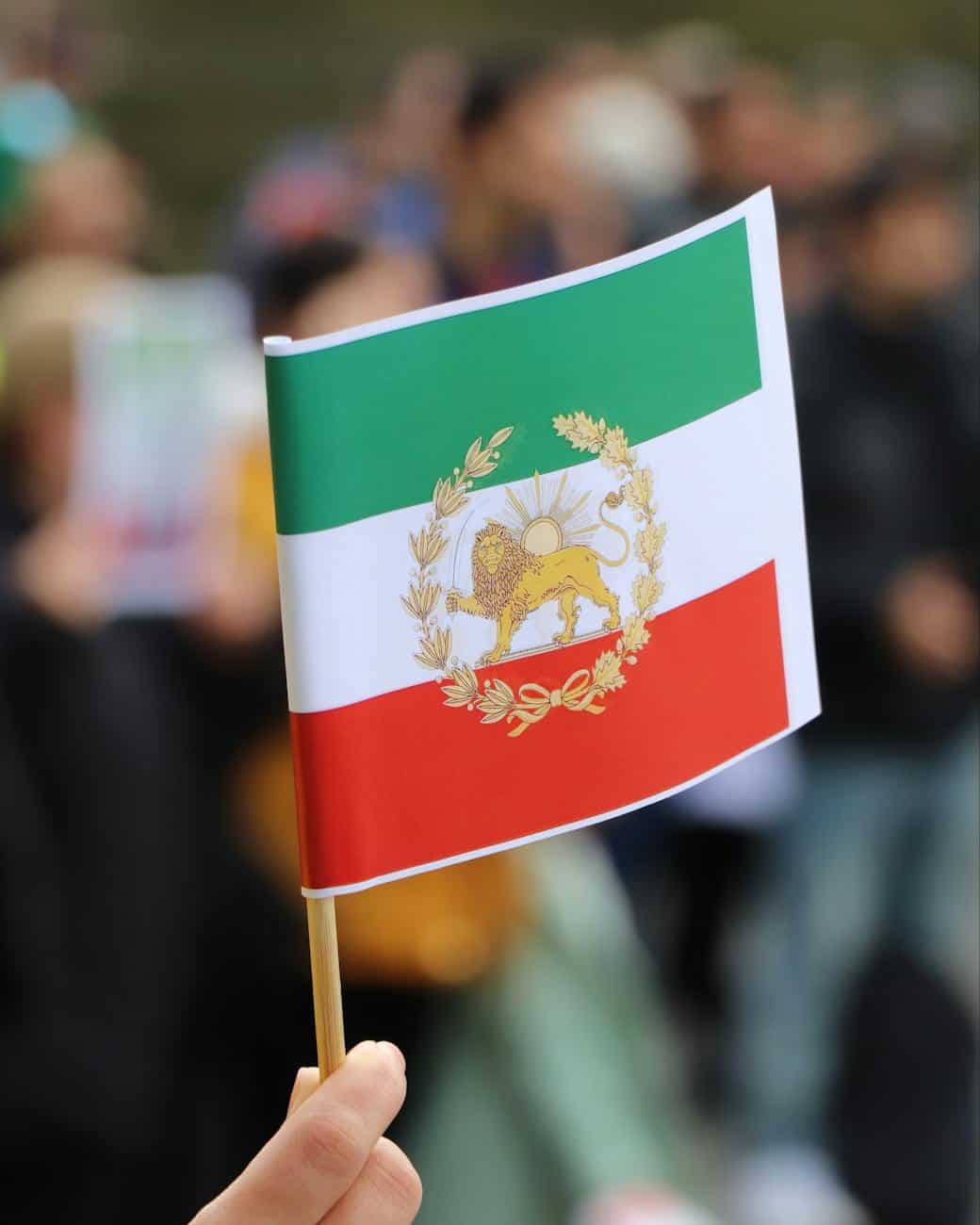
    The Iranian Revolution of 1979: A Historical Overview

    Introduction

    The Iranian Revolution of 1979 was a significant event that fundamentally changed the socio-political landscape of Iran and had far-reaching effects on the Middle East and beyond. Marked by widespread protests, political upheaval, and the eventual overthrow of the Pahlavi monarchy, the revolution was driven by a complex interplay of various political, social, and economic factors. It transformed Iran from a monarchy into an Islamic Republic, setting the stage for a new ideological framework that would influence regional politics for decades. This article delves into the historical context, key events, leading figures, and long-term implications of the Iranian Revolution, providing a comprehensive overview of a pivotal moment in modern history.

    The Political Landscape Leading Up to the Revolution

    The political landscape of Iran prior to the 1979 Revolution was characterized by a combination of authoritarian rule, social unrest, and increasing discontent among various societal factions. At the helm was Mohammad Reza Pahlavi, who assumed power after his father, Reza Shah, was deposed in 1941. His reign was marked by aggressive modernization and Westernization efforts, largely through the “White Revolution,” which aimed at transforming Iran into a modern state. However, these policies often alienated traditional sectors of society, including the clergy, bazaar merchants, and rural populations.

    By the 1970s, discontent had reached a boiling point, fueled by rising inflation, corruption, and political repression. The Shah’s regime was notorious for its heavy-handed approach to dissent, exemplified by the use of the SAVAK, the secret police, to suppress opposition. This created a fertile ground for dissenting voices, with various political groups, from leftist organizations to Islamic fundamentalists, uniting against the monarchy.

    Islamic leader Ayatollah Ruhollah Khomeini emerged as a prominent figure during this period, galvanizing opposition against the Shah. Khomeini’s teachings, which criticized both Western imperialism and the Shah’s secular policies, resonated with the masses and laid the groundwork for a broad coalition of opposition forces. Events such as the 1978 protests, sparked by the government’s publication of a derogatory article about Khomeini, intensified public outrage and led to nationwide strikes and demonstrations.

    By the end of 1978, the Shah’s government was losing control, and the calls for his overthrow became increasingly urgent. The situation escalated as hundreds of thousands of Iranians took to the streets, demanding political change. The growing opposition was marked by a striking unity among various factions, uniting workers, religious groups, and intellectuals under the banner of opposing the Shah’s autocracy. As the year drew to a close, it became apparent that the regime would not be able to maintain its grip on power in the face of such mounting unrest.

    Major Events During the Revolution

    The timeline of the Iranian Revolution is filled with pivotal moments that collectively precipitated the overthrow of the Pahlavi regime. The revolution can be broadly divided into three phases: the rise of popular dissent, the outbreak of violent confrontations, and the final overthrow of the Shah.

    The first major event occurred in January 1978, when protests erupted in response to the publication of an article that insulted Khomeini. This incident catalyzed numerous demonstrations throughout the year, with hundreds of thousands of Iranians expressing dissatisfaction with the Shah’s policies. The regime’s attempts to quell the dissent with crackdowns only fueled further protests, culminating in the tragic events of Black Friday on September 8, 1978, when the military fired on demonstrators, leading to widespread outrage and international condemnation.

    Following Black Friday, the revolution gained momentum, with more organized opposition emerging. By late 1978, general strikes paralyzed the economy, eventually leading to a collapse of governmental authority. The Shah’s increasingly desperate measures, including his departure from Iran in January 1979, illustrated the regime’s unraveling.

    Khomeini returned from exile on February 1, 1979, to a hero’s welcome, marking a crucial turning point. His arrival galvanized the revolutionaries, and on February 11, 1979, the Pahlavi regime officially fell when the military declared neutrality in the conflict, effectively allowing the revolutionaries to seize control.

    The rapid succession of these events highlights the complexity and intensity of the revolution, which saw a previously unthinkable transformation from a monarchy to an Islamic Republic carried out in a matter of months.

    Key Figures and Their Roles in the Iranian Revolution

    The Iranian Revolution of 1979 was not merely a spontaneous uprising but a complex movement driven by a diverse set of key figures who played pivotal roles in galvanizing the population against the ruling Pahlavi monarchy. Each of these individuals brought unique ideologies, backgrounds, and motivations to the forefront of the revolution, which collectively contributed to the eventual overthrow of the Shah. Understanding these figures and their distinct contributions provides significant insight into the dynamics of the revolution.

    Ayatollah Ruhollah Khomeini

    Undoubtedly, the most prominent figure of the Iranian Revolution is Ayatollah Ruhollah Khomeini, who emerged as the face of opposition against the Shah. Born in 1902 in Khomein, he spent much of his early life studying Islamic theology and jurisprudence, eventually becoming a respected cleric. Khomeini’s initial exile in 1964 stemmed from his vocal criticism of the Shah’s policies and Western imperialism, which resonated deeply with a population disillusioned with the monarchy.

    Khomeini’s teachings emphasized the principles of velayat-e faqih, or “guardianship of the jurist,” advocating for a government led by Islamic scholars instead of secular authorities. His return from exile in early 1979 marked a critical turning point in the revolution. Khomeini’s charisma and the authenticity of his anti-imperialist message allowed him to unify various factions, from leftists to religious conservatives, under a common cause. His ability to articulate the aspirations of the masses made him an indispensable figure in the revolution’s success.

    Ultimately, after the Shah’s departure and the establishment of an Islamic Republic, Khomeini was appointed as the Supreme Leader, establishing a theocratic government that significantly altered the political landscape of Iran.

    Mohammad Reza Pahlavi

    The last Shah of Iran, Mohammad Reza Pahlavi, played an equally significant role, albeit as the primary antagonist. Ascending to the throne in 1941, he implemented modernization and Westernization reforms, known as the White Revolution. These policies aimed to industrialize and democratize Iran but created discontent among traditionalists, the clergy, and rural populations who felt alienated by rapid changes.

    The Shah’s authoritarian rule, characterized by political repression and human rights abuses, especially through the actions of SAVAK, his secret police, severely undermined his legitimacy. As protests intensified in the late 1970s, his inability to address public grievances and his underestimation of the revolutionary fervor led to a loss of control. The monarchy’s subsequent collapse culminated in his departure from Iran in January 1979, effectively sealing the fate of his regime.

    Abolhassan Banisadr

    Abolhassan Banisadr was another crucial figure during the revolution, initially serving as the first President of the Islamic Republic after the Shah’s ousting. An intellectual and politician, Banisadr was a staunch supporter of Khomeini, collaborating closely with him to ensure the revolution’s success. His vision for Iran was one that combined democratic principles with Islamic tenets, though this perspective put him at odds with more conservative elements within the revolutionary movement.

    Banisadr’s presidency was short-lived, as he soon found himself sidelined by the clergy. By June 1981, after a power struggle with the more hardline factions within the revolutionary government, he was impeached and fled Iran. His tenure exemplifies the internal conflicts and power struggles that defined the post-revolutionary landscape.

    Ali Khamenei

    Another key player emerging from the turmoil was Ali Khamenei, who would later succeed Khomeini as Supreme Leader. A close associate of Khomeini, Khamenei began his political career as a revolutionary fighter against the Shah’s regime. Following the revolution, he served in various authoritative roles, including Minister of Defense, showcasing his loyalty to the new regime.

    Khamenei’s role became especially significant during the 1980s, as he gained prominence within the political elite and was instrumental in consolidating power among the clergy. His elevation to the position of Supreme Leader in 1989 after Khomeini’s death marked the continuation of an ideological framework rooted in the principles of the revolution. Under Khamenei, Iran pursued a distinctly anti-Western foreign policy and entrenched theocracy in governance, solidifying the revolution’s long-term impact.

    Mehdi Bazargan

    Mehdi Bazargan represented a more moderate voice during the revolution, advocating for a democratic government. Appointed by Khomeini as the Prime Minister of the provisional government, Bazargan aimed to transition Iran into a more pluralistic political structure. He was a prominent intellectual and leader of the National Front, an early opposition group against the Shah.

    Despite his intentions for a more democratic Iran, internal conflicts and the growing power of radical factions undermined his authority. Struggles for power, combined with increasing sectarian divides, led to his resignation in late 1979. Bazargan’s legacy as a champion of democratic ideals remains important, illustrating the tension between revolutionary fervor and aspirations for democracy.

    Other Influential Figures

    In addition to these principal players, various other figures made significant contributions to the revolution. Prominent intellectuals, such as Ali Shariati, provided philosophical underpinnings that connected Islamic ideology with social justice. Shariati’s writings inspired a generation, emphasizing the need for a socio-religious awakening.

    Another influential individual was the exiled Mohammad Mosaddegh, the former Prime Minister who was overthrown in a coup orchestrated by the CIA in 1953. His legacy became a symbol of anti-imperialism, rallying various factions to oppose the Shah.

    Consequences of the Iranian Revolution

    The fall of the Pahlavi regime had immediate and long-lasting consequences both within Iran and internationally. Domestically, the revolution led to the establishment of an Islamic Republic, which fundamentally reshaped the political and social landscape. The new government introduced Sharia law, curtailed civil liberties, and institutionalized gender segregation, all of which marked a radical departure from the previous secular and modernizing policies of the Shah.

    The revolution also had far-reaching implications regionally, as it inspired various Islamist movements across the Middle East. The triumph of a religiously rooted movement alarmed neighboring governments, leading to shifts in geopolitical alignments and an increase in sectarian tensions. The Iranian Revolution became a key event that polarized the region, with Iran positioned as a leader of the resistance against Western influence.

    Internationally, the revolution strained relations between Iran and the West, culminating in the U.S. embassy hostage crisis later in 1979. This episode marked a significant turning point in U.S.-Iran relations and set the stage for decades of hostility.

    The sociopolitical changes resulting from the revolution still resonate in contemporary Iran, drawing both admiration for its revolutionary ethos and criticism for its authoritarian practices. The consequences of the Iranian Revolution reveal a complex legacy that continues to shape regional and global narratives.

    The Legacy of the Iranian Revolution

    The legacy of the Iranian Revolution is multifaceted and enduring, influencing the socio-political climate of not only Iran but the broader Middle East. From a political lens, it showcased the power of mass mobilization and highlighted the discontent present in even the most seemingly stable authoritarian regimes.

    Culturally, the revolution instigated a resurgence of interest in Islamic identity and thought throughout the region. It emboldened various Islamist movements, demonstrating that religious ideology could serve as a rallying point for political change. This has had lasting implications, leading to both reformist and extremist expressions of Islam in various countries.

    Additionally, the revolution has been crucial in shaping discussions on democracy, human rights, and governance in Muslim-majority countries. The dual experience of rapid change and the challenges of foreign influence prompted intellectual debates regarding secularism and religious governance, with Iran serving as a poignant case study.

    The implications of the Iranian Revolution continue to be felt today, as ongoing political and social dynamics within Iran and the surrounding nations bear testament to the complexities and challenges of navigating religious tradition within the modern world.

    Conclusion

    The Iranian Revolution of 1979 remains a pivotal chapter in the history of not only Iran but the global community, representing a profound shift in the political landscape of the Middle East. The interplay of social unrest, religious fervor, and the struggle for rights transformed an entire nation, leaving repercussions that continue to impact regional politics today. While the revolution was celebrated by many as a victory for the oppressed, it also brought forth challenges that revealed the complexities of governance and the quest for modernity in a rapidly changing world. The legacy of the revolution endures, providing valuable lessons about the risks and rewards of social mobilization and ideological shifts.

    Sources Consulted

  • The Strategic Importance of the Strait of Hormuz: a historical perspective

    The Strategic Importance of the Strait of Hormuz: a historical perspective

    Introduction

    The Strait of Hormuz, a narrow passage linking the Persian Gulf with the Gulf of Oman and the Arabian Sea, has been a vital maritime chokepoint throughout history. It plays a crucial role in the global oil supply, with a significant percentage of the world’s petroleum passing through its waters. As nations have recognized the strategic significance of this waterway, its history has been marked by trade, conflict, and geopolitical maneuvering. From ancient civilizations that relied on its waters for trade to modern-day tensions fueled by oil politics, the Strait of Hormuz has always been at the center of global economic and military strategies. This article delves into the rich history of the Strait of Hormuz, examining its geographical importance, historical trade routes, colonial impact, modern economic significance, and future challenges.

    Geographical Overview and Significance

    The Strait of Hormuz is approximately 21 miles wide at its narrowest point, bordered by Iran to the north and the Sultanate of Oman to the south. This geographical positioning makes it not only a vital gateway for maritime traffic but also a strategic zone for military interests. Over the centuries, the strait has facilitated trade and cultural exchanges among nations and regions, shaping the course of history in the Middle East and beyond.

    The significance of the Strait of Hormuz is underscored by its role as a major transit point for oil. According to the U.S. Energy Information Administration (EIA), around 20% of the world’s oil supply passes through this passage, making its security paramount for oil-importing nations. Countries like Saudi Arabia, Iraq, the United Arab Emirates, and Kuwait rely heavily on the strait to transport oil to international markets.

    Historically, control over the Strait of Hormuz has been a pivotal objective for regional and global powers. The narrow channel has served as a canvas for the interplay of various empires and nations, each seeking to dominate the trade routes and secure their maritime interests. The strategic importance of this waterway has also placed it at the center of numerous conflicts, with nations vying for power and control.

    Furthermore, the geographical characteristics of the Strait of Hormuz contribute to its strategic value. The surrounding waters are shallow, creating challenges for navigation and making maritime forces more vulnerable to threats from land-based missile systems. The strategic chokepoint, combined with the region’s geopolitical instability, renders the Strait of Hormuz a focal point for military operations and surveillance.

    Thus, the geographical overview of the Strait of Hormuz provides a foundational understanding of its historical significance, setting the stage for the various historical dynamics that have unfolded in this critical area of the world.

    Historical Trade Routes and Early Civilizations

    The history of the Strait of Hormuz can be traced back to ancient times, when it served as a trade route for early civilizations. The waterway facilitated the exchange of goods, cultures, and ideas between East and West, connecting the Arabian Peninsula with the civilizations of Persia, India, and beyond. Merchants used the strait to transport goods such as spices, textiles, and precious metals, fostering economic ties that laid the groundwork for future trade networks.

    One of the earliest known civilizations to utilize the Strait of Hormuz was the Persian Empire. The Persians recognized the strait’s potential for commerce and strategically positioned themselves to control maritime trade. The development of port cities along the Persian coast, such as Hormuz itself, turned the region into a thriving commercial hub. This control over trade routes not only enhanced Persia’s economic strength but also allowed it to exert influence over neighboring regions.

    As trade expanded, the importance of the Strait of Hormuz grew in parallel with the emergence of the maritime Silk Road. This trade route linked the East to the Mediterranean, enabling goods to flow across vast distances and facilitating cultural exchanges. The strait became a point of transit for merchants, scholars, and travelers, contributing to the spread of knowledge and ideas.

    Trade across the Strait of Hormuz wasn’t without its challenges. The region faced threats from rival powers that sought to disrupt commerce. Conflicts over control of the strait and surrounding territories frequently erupted, highlighting the importance of this maritime route in regional politics.

    The introduction of Islam in the 7th century further transformed dynamics in the Strait of Hormuz. Islamic caliphates expanded their influence, enhancing trade networks and establishing new economic ties between the Arabian Peninsula and other regions. The strait continued to function as a critical corridor for Islamic merchants, facilitating the exchange of goods and ideas across the Muslim world.

    Thus, the history of trade routes and early civilizations around the Strait of Hormuz underscores its role as a conduit for commerce, culture, and conflict. It established a historical precedent for the strait’s ongoing significance in shaping geopolitical dynamics in the region.

    Colonial Interests and Conflicts

    With the advent of European colonial expansion in the 18th and 19th centuries, the Strait of Hormuz became a focal point for imperial powers aiming to exert control over trade routes and resources. European nations, particularly Great Britain and France, recognized the strategic importance of the strait for both commercial and military purposes. Their interests were driven by the growing demand for oil and other natural resources in the industrial age.

    British involvement in the region intensified as they sought to secure their trade routes to India and establish naval dominance. To protect these interests, Britain established treaties with local rulers and constructed naval bases along the Arabian coast. The British presence in the Strait of Hormuz served to safeguard maritime traffic while also asserting their influence over the Persian Gulf region.

    Colonial interests inevitably led to conflicts with other powers, particularly the Ottomans and later, the emerging forces of nationalism in the Middle East. The competition for control over the Strait of Hormuz set the stage for geopolitical tensions that continue to this day. The Iranian and Omani coasts became battlegrounds for imperial ambitions, with local populations often caught in the crossfire of competing interests.

    As the 20th century approached, the discovery of oil in the Persian Gulf heightened the stakes further. The region’s vast oil reserves attracted the attention of major world powers, and the strategic significance of the Strait of Hormuz grew considerably. Tensions often erupted into violence, with various uprisings and confrontations characterizing the colonial era.

    The interplay between colonial powers and regional actors during this time not only shaped the history of the Strait of Hormuz but also laid the groundwork for future conflicts over control of oil and resources. As the world entered the era of globalization, the strait became a pivotal player in the intricate web of international relations and conflicts in the Middle East.

    The Modern Oil Economy and Geopolitical Tensions

    The discovery of vast oil reserves in the Persian Gulf in the 20th century fundamentally altered the geopolitical landscape surrounding the Strait of Hormuz. With the global economy increasingly reliant on oil, the strait emerged as a critical artery for energy transportation, further amplifying its strategic importance. The booming oil economy not only transformed the region but also attracted foreign interests, making it a focal point for international diplomacy and conflict.

    In the post-World War II era, the United States and the Soviet Union engaged in a geopolitical struggle that extended into the Gulf region. Both superpowers recognized the significance of the Strait of Hormuz as a transit point for oil exports, and their rivalry led to interventions in the affairs of Gulf states. The U.S. established alliances with regional partners, particularly Saudi Arabia and Kuwait, to secure oil supplies while countering Soviet influence.

    The Iranian Revolution of 1979 marked a turning point in the geopolitics of the Strait of Hormuz. The establishment of an Islamic Republic led to a realignment of alliances in the region, with the U.S. considering Iran as a potential adversary. This shift intensified tensions in the strait, as both Iraq and Iran engaged in conflict during the Iran-Iraq War (1980-1988). The significance of the strait as a military and economic chokepoint became evident, with both nations attempting to disrupt each other’s oil shipments.

    The 1990-1991 Gulf War further underscored the strategic importance of the Strait of Hormuz. The U.S.-led coalition sought to ensure maritime security in the face of Iraqi aggression, emphasizing the need for the free passage of oil tankers. The deployment of military forces to the region highlighted the intersection of oil interests and geopolitical considerations, solidifying the strait’s status as a vital international trade route.

    As the 21st century unfolds, the Strait of Hormuz continues to be a flashpoint for geopolitical tensions. The rise of non-state actors and regional conflicts, particularly involving Iran’s nuclear ambitions, add complexity to the dynamics in the strait. The potential for disruptions, whether through military engagement or sabotage, raises concerns for global oil markets and international relations.

    In summary, the modern oil economy has redefined the geopolitical landscape surrounding the Strait of Hormuz. The interplay between national interests, military strategies, and economic dependencies underscores the strait’s significance as a crucial crossroads for global energy transportation.

    Recent Developments and Future Outlook

    As we delve into the recent developments concerning the Strait of Hormuz, it is essential to acknowledge the significance of international diplomacy and the changing dynamics in the region. The ongoing conflicts, particularly between Iran and Western powers, have heightened tensions in the strait, raising concerns about the security of maritime routes and global energy supplies.

    In recent years, incidents such as the seizure of oil tankers and attacks on shipping vessels have drawn international attention to the Strait of Hormuz. These provocations have prompted responses from various nations, leading to increased military presence in the region. The U.S. has conducted freedom-of-navigation operations to deter any potential threats, reinforcing the notion that the strait remains a vital international waterway.

    Moreover, the rise of alternative energy sources and shifts in global energy consumption patterns present new challenges and opportunities for the Strait of Hormuz. As countries increasingly pursue renewable energy initiatives, the reliance on oil may evolve, impacting the strategic significance of the strait in the long run. Nonetheless, for the foreseeable future, it remains a critical junction for oil transportation, underscoring the need for continued vigilance and international cooperation.

    Looking ahead, the future outlook for the Strait of Hormuz depends on the interplay of regional stability, international diplomacy, and energy market dynamics. As emerging powers in Asia increasingly demand energy supplies, the strait’s importance as a global transit point will endure. Yet, it is vital for nations to engage in constructive dialogue to mitigate tensions and ensure the secure passage of vessels in this strategically significant waterway.

    Conclusion

    The history of the Strait of Hormuz encapsulates a remarkable narrative of commerce, power struggles, and geopolitical complexities. From ancient trade routes to modern oil dependence, the strait has shaped economic and political landscapes across centuries. Its strategic significance as a chokepoint for global oil transportation underscores the need for comprehensive international cooperation to ensure its security. As we look to the future, the Strait of Hormuz will undoubtedly remain a focal point for global attention, highlighting the interconnections between geography, economics, and international relations. Navigating the challenges ahead will require collaboration among nations to prioritize peace and stability in this crucial maritime corridor.

    Sources Consulted

    • U.S. Energy Information Administration. (n.d.). Retrieved from eia.gov
    • BBC News. (2021). Strait of Hormuz: The Middle East’s most important waterway. Retrieved from bbc.com
    • Center for Strategic and International Studies. (2021). The Strait of Hormuz: A critical maritime chokepoint. Retrieved from csis.org
    • International Maritime Organization. (n.d.). Piracy and armed robbery against ships in Asia. Retrieved from imo.org
    • The Guardian. (2022). Iran and the Strait of Hormuz: A story of conflict and oil. Retrieved from theguardian.com

  • History of China: A Journey Through Time
    History of China: A Journey Through Time

    Introduction

    The history of China is a tapestry woven from millennia of complex events, influential figures, and rich cultural transformations. Spanning over 5,000 years, it narrates the evolution from ancient agrarian societies to a modern global power. This sweeping history offers insights into political systems, philosophy, and art that have shaped not only China itself but also the world at large. Throughout this article, we will delve into significant eras and developments that mark the journey of China, exploring its dynastic rule, cultural achievements, societal changes, and the implications of its rapid modernization. By understanding the history of China, we gain a deeper appreciation of its past and the currents that shape its future.

    Ancient China: From Neolithic Cultures to the Qin Dynasty

    The ancient history of China lays the foundation for understanding its formidable culture and civilization. Archaeological evidence indicates that the earliest known settlements in China date back to the Neolithic period, around 10,000 years ago. During this time, communities began transitioning from nomadic lifestyles to agricultural practices, establishing permanent settlements along the fertile banks of the Yellow River, also known as Huang He. This river became a cradle for early Chinese civilization, providing essential resources for water, agriculture, and trade.

    As these early agrarian societies developed, they formed various tribes and clans, each with its own governance and social systems. The Yangshao and Longshan cultures, which thrived between 5000 to 2000 BC, showcased advanced pottery, agriculture, and early forms of social organization. This period laid the groundwork for the upcoming dynasties, where centralized power began to take shape.

    By the time of the Shang Dynasty, around 1600-1046 BCE, the foundations of Chinese writing, religion, and governance were being solidified. The Shang Dynasty is noted for its advances in bronze metallurgy, as well as its development of a centralized authoritative system. The use of oracle bones for divination showcases the spiritual and religious practices that surrounded the Shang ruling class. This era marked a significant culture that emphasized the importance of ancestor worship and a pantheon of deities.

    The subsequent Zhou Dynasty (1046-256 BCE) expanded upon Shang developments and introduced the concept of the “Mandate of Heaven,” which justified their rule and stated that the ruler was divinely chosen. This concept became a recurring theme in Chinese history, influencing the perspectives of legitimacy and governance for centuries to come. The Zhou era is often recognized for its philosophical achievements, giving birth to schools of thought such as Confucianism, Daoism, and Legalism. These philosophies would profoundly shape Chinese culture, ethics, and governance.

    However, the long Zhou period also saw decline and fragmentation, leading to the Warring States period (475-221 BCE). This era was marked by fierce warfare among various states, giving rise to military innovations and strategies. Leaders like Sun Tzu emerged, whose works would resonate through history in the field of military strategy. The chaos of this period culminated in the rise of the Qin Dynasty.

    The Qin Dynasty, although short-lived (221-206 BCE), was a pivotal era that unified China for the first time. Emperor Qin Shi Huang, often referred to as the First Emperor, implemented radical reforms that standardized weights, measures, and even the writing system. His monumental projects, including the early construction of the Great Wall and the Terracotta Army, exemplify the dynasty’s ambition and determination to solidify power. The Qin’s legalist philosophy enforced strict laws and punishments, fostering an era of order through intimidation. However, the harshness of Qin rule led to widespread resentment and eventually hastened the dynasty’s decline.

    The ancient era of China, with its rich tapestry of cultures, philosophies, and governance, serves as the bedrock for understanding its evolution. The transitions from Neolithic tribes to a centralized state illustrate the profound shifts in societal structures, human interactions, and cultural achievements. Ancient China not only shaped the destinies of its people but also established patterns and principles that would echo through subsequent eras.

    Imperial China: The Rise and Fall of Dynasties

    The imperial history of China spans over two millennia and is characterized by a series of dynasties, each contributing uniquely to the development of Chinese civilization. Following the fall of the Qin Dynasty, the Han Dynasty (206 BCE–220 CE) rose to prominence and is often regarded as a golden age of Chinese history. The Han consolidated and expanded the territorial boundaries established by the Qin, and the period is renowned for its advancements in technology, culture, and trade.

    During the Han period, the Silk Road emerged as a vital trade network linking China to the broader world, fostering cultural exchange and economic prosperity. This era also saw the establishment of Confucianism as a state ideology, influencing the bureaucratic system and societal norms. The examination system introduced during this time laid the groundwork for a meritocratic bureaucracy that favored education over aristocratic lineage.

    However, the Han Dynasty, like many before it, faced internal strife and corruption, leading to its eventual downfall. The political fragmentation that followed plunged China into the Three Kingdoms period, a time marked by warfare and the fragmentation of power. This era, despite its chaos, gave rise to legendary figures and stories, encapsulated in the historical novel “Romance of the Three Kingdoms,” which still influences Chinese culture today.

    The next significant dynasty, the Tang Dynasty (618-907), is often viewed as another golden age, noted for its cultural, artistic, and economic achievements. The Tang established a cosmopolitan culture in the capital city of Chang’an, where diverse ideas and practices fused. The poetry of Li Bai and Du Fu, along with advancements in painting and ceramics, characterized this flourishing of the arts. The Tang also expanded their influence beyond China, establishing tributary relationships with surrounding nations, thereby solidifying China’s role as a cultural beacon in East Asia.

    The later Song Dynasty (960-1279) further enhanced economic prosperity through innovations such as the introduction of paper money, facilitating trade and commerce. The Song period is also marked by significant advancements in technology and science, including the compass and gunpowder. However, despite its cultural splendor, the Song faced ongoing threats from the north, ultimately succumbing to the Mongol invasions led by Genghis Khan, which ushered in the Yuan Dynasty (1271-1368).

    The Yuan Dynasty represents a unique period of foreign rule, with Kublai Khan reigning as the first non-Han emperor of China. The Mongol Empire at its height led to increased trade and contacts with the Western world, as merchants such as Marco Polo documented their experiences in China. However, the Yuan Dynasty also struggled with legitimacy among the Han Chinese, leading to unrest and eventual revolt.

    The Ming Dynasty (1368-1644) would emerge from the ashes of the Yuan, marking a return to Han Chinese rule. The Ming is celebrated for its maritime explorations led by Admiral Zheng He, who established trade routes as far as Africa. This era also saw the construction of the Great Wall in its final form and the blossoming of literature and the arts.

    Yet, the Ming, like its predecessors, could not escape the cycle of decline brought about by internal rebellion and external pressures. This culminated in the establishment of the Qing Dynasty (1644-1912), which became the last imperial dynasty of China. The Qing expanded China’s territory to its greatest extent but struggled with modernization and foreign encroachment.

    As we explore the rise and fall of these dynasties, it becomes apparent that the cyclical nature of imperial China was shaped by established patterns of dynastic rule, cultural flourishing, and ultimately, decline. The rich history illustrates how the philosophies, political systems, and cultural achievements came to define the Chinese civilization, laying a foundation that continues to influence China today.

    Cultural Flourishing: Philosophy, Art, and Science in China

    The rich tapestry of Chinese history is interwoven with profound philosophical, artistic, and scientific accomplishments that have left an indelible mark on the world. This cultural flourishing has its roots in ancient dynasties and has persisted through the various transformations and upheavals faced by the nation.

    Philosophy played a central role in shaping Chinese thought and governance. The teachings of Confucius, who lived during the tumultuous times of the Zhou Dynasty, emphasized morality, social harmony, and the importance of familial relationships. His ideas became foundational for Chinese society, promoting values such as filial piety and respect for authority. The Confucian model established a framework for governance that prioritized moral leadership and ethical behavior, guiding rulers on how to maintain order and stability in society.

    Alongside Confucianism, Daoism emerged as another influential philosophy that emphasized harmony with nature and the pursuit of a balanced life. Founded by Laozi, Daoism offered an alternative worldview that celebrated simplicity and spirituality, influencing both personal conduct and broader cultural practices. The yin-yang concept, central to Daoist thought, illustrated the balance of opposites and became a recurring theme in Chinese art, medicine, and spirituality.

    In addition to philosophical advancements, China experienced substantial artistic growth throughout its history. Calligraphy, painting, and poetry are often regarded as the pinnacle of Chinese artistic expression. The Tang Dynasty marked a high point for poetry, with poets such as Li Bai and Du Fu creating works that resonated with the human experience, nature, and the transient nature of life. Their poetry was marked by simplicity, emotional depth, and often imbued with philosophical themes, making it timeless and relevant even today.

    Chinese painting, characterized by its unique techniques and styles, ranges from intricate landscape depictions to expressive brushwork. The emphasis on capturing the essence of a subject rather than a mere realistic representation is a defining feature of Chinese art. Landscape painting not only showcased the beauty of nature but also reflected philosophical ideals, with mountains symbolizing stability and transcendent ideals. The art of calligraphy, often regarded as the highest form of visual art in China, combines beauty and meaning, showcasing the cultural significance of writing.

    In the realm of scientific advancements, ancient China made significant contributions that shaped the course of human history. The Four Great Inventions of China—the compass, gunpowder, papermaking, and printing—revolutionized various fields and had profound implications for trade, exploration, and communication. The compass facilitated maritime navigation, opening up new trade routes and enabling the Age of Exploration. Gunpowder, initially used for fireworks and rituals, transformed warfare and military strategies worldwide.

    The invention of paper during the Han Dynasty drastically changed the way knowledge was recorded and disseminated. It allowed for the proliferation of literature, philosophy, and education, paving the way for a more educated society. Printing techniques later emerged, further democratizing access to written materials and facilitating cultural exchange.

    These cultural and scientific achievements reflect a deep-seated appreciation for knowledge, art, and philosophical inquiry in Chinese society. Over centuries, China evolved into a crucible of ideas and practices that influenced not only its own civilization but also extended its reach across borders, enriching the cultural landscapes of neighboring countries. The enduring legacy of these contributions continues to shape global thought and practice, establishing China as a cornerstone of human civilization.

    Modernization and Revolution: The 19th and 20th Centuries

    The 19th and 20th centuries marked a turbulent yet transformative period in Chinese history, characterized by significant internal strife, foreign intervention, and the eventual quest for modernization and national sovereignty. This era is critical for understanding the forces that shaped contemporary China.

    The Opium Wars (1839-1842, 1856-1860) served as a critical juncture, exposing the fragility of the Qing Dynasty in the face of imperialism. British trade in opium resulted in widespread addiction and societal issues in China, leading to conflicts that underscored the Qing’s inability to protect its interests. The Treaty of Nanking, signed in 1842, marked the beginning of a series of “unequal treaties” that ceded territory, opened ports to foreign trade, and diminished China’s sovereignty. These humiliating losses fueled nationalistic sentiments and laid bare the need for reform.

    In response to the pressures of modernization and imperialism, various reform movements emerged during the late Qing Dynasty, including the Self-Strengthening Movement and the Hundred Days’ Reform. These movements aimed to adopt Western technologies while preserving traditional Confucian values. However, conservative elements within the court and societal resistance hampered meaningful change, leading to a continued struggle against foreign influence and internal unrest.

    The late 19th and early 20th centuries also witnessed significant social upheaval. The Boxer Rebellion (1899-1901), a popular uprising against foreign privileges and Christian missionary activity, epitomized the growing resentment toward imperialism. Although the rebellion was suppressed, it raised questions about the Qing Dynasty’s legitimacy and ability to govern effectively.

    The fall of the Qing Dynasty in 1911 marked the end of over two millennia of imperial rule, giving way to the establishment of the Republic of China. Sun Yat-sen emerged as a key figure in this transformation, advocating for modernization, nationalism, and democracy. However, the early years of the Republic were plagued by warlordism and political fragmentation, leading to instability and struggles for power.

    As the nation grappled with its identity and direction, the rise of the Chinese Communist Party (CCP) in 1921 marked a significant turning point. Initially founded as a response to the social inequalities and political corruption of the time, the CCP sought to unify and empower the working class and peasantry. The struggles between the CCP and the Nationalist Party (Kuomintang or KMT) culminated in a civil war that would reshape the course of Chinese history.

    The Japanese invasion of China during World War II further complicated the nation’s struggles for sovereignty and identity. The brutal occupation, marked by widespread atrocities such as the Nanjing Massacre, galvanized resistance efforts and united various factions against a common enemy. After the war, the civil war between the CCP and KMT resumed, ultimately leading to the establishment of the People’s Republic of China in 1949 under Mao Zedong.

    With the founding of the People’s Republic, China entered a new era characterized by radical reforms, collectivization, and a campaign to eradicate perceived feudal and capitalist influences. Mao’s vision for a socialist society, however, led to significant social upheaval, economic challenges, and the disastrous Great Leap Forward and Cultural Revolution, which left lasting scars on Chinese society.

    The tumultuous journey through modernization and revolution reflects the resilience and complexity of the Chinese people as they navigated profound changes. The struggles for sovereignty, national identity, and societal transformation continue to shape the trajectory of contemporary China.

    Contemporary China: Economic Reform and Global Influence

    The late 20th century was a pivotal period for China, marked by significant economic reforms and a reorientation towards globalization. Following the turmoil of the Cultural Revolution, China found itself at a crossroads, grappling with the need for economic development and social stability. The death of Mao Zedong in 1976 opened the door for new leadership and ideas, foreign policy efforts, and profound economic changes.

    Deng Xiaoping emerged as the paramount leader and architect of China’s modernization strategy, introducing the “Reform and Opening Up” policies in the late 1970s. These reforms aimed to transition China from a centrally planned economy to a more market-oriented model, allowing for private ownership, foreign investment, and the establishment of Special Economic Zones (SEZs). The SEZs, initially set up in coastal cities like Shenzhen, attracted foreign capital and technology, serving as incubators for economic growth.

    The results were transformative. Chinese GDP soared, lifting hundreds of millions out of poverty and leading to unprecedented urbanization. The economic boom brought about a burgeoning middle class, a rise in consumerism, and increased participation in the global economy. China became a hub for manufacturing, attracting international businesses and transforming its role in global trade.

    However, rapid economic growth came with its challenges. Environmental degradation, income inequality, and social unrest became pressing issues as the Chinese government balanced the demands of development with the need for social stability. The Tiananmen Square protests in 1989 underscored the tensions between political authority and calls for democratic reforms. The government’s response to the protests marked a controversial period and highlighted the lingering issues of governance and human rights in contemporary China.

    In the subsequent years, China continued to reintegrate itself into the world stage, joining the World Trade Organization (WTO) in 2001. Membership in the WTO facilitated broader economic integration, leading to significant trade relationships with countries worldwide. China leveraged its vast labor force and manufacturing capabilities to become the “world’s factory,” producing goods for markets globally.

    As China’s economic power surged, so did its political influence. The Belt and Road Initiative, launched in 2013, aimed to enhance connectivity between China and countries across Asia, Europe, and beyond, solidifying a network of trade and investment relationships. China’s assertive foreign policy, particularly in the South China Sea, demonstrated its growing regional aspirations and role as a global player.

    The 21st century also introduced a new wave of technological innovation in China, with companies like Alibaba, Tencent, and Huawei emerging as global leaders in technology and e-commerce. The government’s push for technological advancement led to investments in research and development, positioning China as a contender in artificial intelligence, telecommunications, and renewable energy.

    However, challenges remain. The COVID-19 pandemic highlighted vulnerabilities in global supply chains and illuminated the interconnectedness of the world. China’s response to the crisis, coupled with its political stance on issues such as Hong Kong and Taiwan, sparked international scrutiny and debates regarding its role in global affairs.

    Contemporary China is a blend of historical traditions and modern aspirations. The journey from imperial rule to a socialist state, followed by a rapid embrace of capitalism, underscores the complexities of its evolution. As China continues to navigate the challenges of modernization, it remains a formidable force on the global stage, influencing economies, societies, and cultures around the world.

    Conclusion

    The history of China is a profound saga characterized by its rich cultural heritage, philosophical depth, and transformative experiences. From its ancient foundations and dynastic evolutions to the tumultuous modern era, China’s journey has been marked by resilience and adaptability. The interplay of tradition, innovation, and external influences has shaped the complexities of Chinese identity and continue to define its future.

    The lessons from Chinese history offer valuable insights not only for understanding China itself but also for comprehending the broader patterns of human civilization. As China stands at the crossroads of tradition and modernity, the echoes of its past resonate through its present and will undoubtedly shape the contours of its future. The world watches with fascination as China continues to write its narrative—one that holds significance not only for its people but for the global community at large.

    Sources Consulted

  • The Monroe Doctrine: A Pillar of American Foreign Policy

    The Monroe Doctrine: A Pillar of American Foreign Policy

    Introduction

    The Monroe Doctrine, introduced in 1823 by President James Monroe, has been a foundational component of American foreign policy for nearly two centuries. This doctrine declared that the Western Hemisphere should be free from European colonialism and interference, thereby asserting the United States‘ role as a protector of newly independent nations in the Americas. This pivotal moment marked a significant shift in U.S. foreign diplomacy from passive observance to a more active stance in global affairs. The Monroe Doctrine not only shaped the future interactions of the United States with its continental neighbors but also laid the groundwork for the country’s evolving role on the world stage. examining its origins, principles, implications, and impact reveals the enduring legacy of the Monroe Doctrine in both historical and contemporary contexts.

    Origins and Context of the Monroe Doctrine

    The origins of the Monroe Doctrine can be traced back to the early 19th century, a time of significant political and social upheaval in both Europe and the Americas. The world was witnessing the aftermath of the Napoleonic Wars, which had altered the balance of power significantly. The Latin American wars of independence were concurrently taking place, leading to the emergence of sovereign nations that sought to break away from colonial rule, particularly from Spain and Portugal. The necessity for a comprehensive American policy became increasingly essential as the newly independent states looked for support from more powerful nations.

    James Monroe, having taken office in 1820, was acutely aware of the complexities of international politics and the potential threat posed by European nations seeking to reclaim their influence in the Americas. A coalition formed by several European powers, known as the Holy Alliance, aimed to suppress revolutionary movements and restore monarchies across Europe. In light of this, Monroe, along with his secretary of state, John Quincy Adams, formulated a doctrine that would serve as a bulwark against European intervention in the Western Hemisphere.

    The inaugural announcement of the Monroe Doctrine was part of Monroe’s annual address to Congress on December 2, 1823. In this address, Monroe articulated key tenets that not only defined U.S. foreign policy but also shaped relationships with European powers. The doctrine clearly stated that any European attempts to colonize or interfere in the affairs of the Americas would be viewed as acts of aggression. It asserted that the Americas were no longer open to European imperialism, signaling to Spain, in particular, that its colonial holdings in the New World would not be re-established.

    This doctrine was somewhat revolutionary, as it established the United States as a self-appointed guardian of the Western Hemisphere. Emerging from the Revolutionary ideals and the nationalistic sentiments of the time, it drew on a mix of moralistic and pragmatic reasons. Monroe believed that the United States had a duty to promote republicanism and democracy, in direct contrast to the monarchical systems prevalent in Europe. Thus, the Monroe Doctrine represented both an expression of American exceptionalism and a response to the geopolitical climate of the era.

    Furthermore, the influence of the doctrine was reinforced by the prevailing ideology of Manifest Destiny, which emerged later in the century. This belief held that it was America’s destiny to expand its territory across the continent, further embedding the Monroe Doctrine into the fabric of American identity. The doctrine’s assertion of a U.S. sphere of influence in the Americas would prove crucial in justifying subsequent interventions in the affairs of Latin American countries.

    In summary, the origins and context of the Monroe Doctrine were deeply rooted in the socio-political landscape of the early 19th century. It demonstrated emerging American confidence on the global stage and set the foundation for a foreign policy that would resonate through the centuries. Its development was influenced by historical events, underlying ideologies, and the aspirations of both the newly birthed nation and its neighbors.

    Key Concepts and Principles behind the Monroe Doctrine

    The Monroe Doctrine’s core principles articulated a clear ideological framework that defined America’s foreign relations. Central to these principles was the idea of a distinct demarcation between the Old World (Europe) and the New World (the Americas). This section explores the fundamental concepts behind the Monroe Doctrine, illustrating how these ideas shaped its implementation and long-term effects.

    One of the primary precepts of the Monroe Doctrine was the principle of non-interference. It declared that the Americas should be off-limits to new European colonization. This was not merely a warning but a definitive statement that any attempt by European powers to extend their influence would be met with hostility by the United States. This assertion was unique in that it established a unilateral American stance against European intervention, positioning the U.S. as the dominant force in the Western Hemisphere.

    Another significant concept included the declaration that the political status quo in the Americas must be preserved. The Doctrine stated that any attempt to alter the established governments or to introduce monarchical systems would be viewed as acts of aggression. This was particularly relevant concerning the newly independent nations of Latin America, which had just fought to liberate themselves from colonial rule. By advocating for the sovereignty of these nations, the Monroe Doctrine sought to promote democracy and self-determination while simultaneously ensuring that European powers remained firmly outside of American affairs.

    The language of the Monroe Doctrine also conveyed a moralistic tone, framing the United States as a protector of liberty and democracy in the face of European autocracy. This was significant in reinforcing the U.S. role as a moral arbiter in global affairs, as it placed America at the center of promoting democratic ideals. However, this moral framework also had its contradictions, as the United States often intervened in Latin America under the guise of protecting democracy while pursuing its strategic interests.

    A key aspect of the Monroe Doctrine was its implications for U.S. foreign policy in the subsequent years. The Doctrine was utilized to justify various military interventions in Latin America, particularly during the late 19th and early 20th centuries. For instance, U.S. actions during the Spanish-American War and subsequent policies in Central America can be seen as direct extensions of the Monroe Doctrine’s principles. The idea of American intervention, framed as a protective measure for the region, became interpreted as a justification for imperialistic expansion.

    Additionally, the Monroe Doctrine highlighted the growing sense of American nationalism and exceptionalism. The belief that the United States had a unique role to play in global affairs was reinforced through the Doctrine, contributing to a burgeoning identity as a world power. This sense of exceptionalism would resonate further as the U.S. expanded in both influence and territory, shaping engagement with the wider world.

    In conclusion, the key concepts and principles behind the Monroe Doctrine were marked by themes of non-interference, preservation of political autonomy, and a moralistic approach to foreign policy. These concepts not only guided American interactions with European powers but also established a framework through which the United States would assert itself as a leader in the Americas. The ideological underpinnings of the Monroe Doctrine laid the groundwork for future U.S. foreign policy, ensuring that its legacy would endure throughout history and beyond.

    The Monroe Doctrine in Practice: Major Events

    The practical application of the Monroe Doctrine serves as a critical lens through which its significance and impact can be analyzed. Throughout the 19th and early 20th centuries, various events reflected the Doctrine’s principles while illustrating both its strengths and limitations. This section will delve into key historical events where the Monroe Doctrine played a pivotal role, showcasing its interpretation and enforcement by successive U.S. administrations.

    One of the most defining moments reflecting the Monroe Doctrine’s application was the U.S. involvement in the Greek War of Independence (1821-1830). The American public was largely supportive of Greece’s struggle against Ottoman rule, viewing it through a lens of democracy versus autocracy. President Monroe’s administration recognized this sentiment and declared that the United States would not tolerate European intervention to suppress Greek independence. Though Monroe did not take tangible military action, this sentiment showcased the influence of the Doctrine in shaping public opinion and U.S. foreign relations.

    Later, the 1898 Spanish-American War marked a significant point in the enforcement of the Monroe Doctrine. Framed as a liberation effort for Cuba, the United States intervened decisively against Spain, leading to its defeat and the freedom of Cuba. This conflict was directly linked to the Monroe Doctrine, as American leaders expressed concerns over Spanish colonial rule in the proximity of U.S. borders. The outcome of the war resulted in the U.S. acquiring territories like Puerto Rico and the Philippines, setting a precedent for American imperialism consistent with the Doctrine’s framework.

    Another crucial moment came in the early 20th century during the Roosevelt Corollary (1904), which effectively expanded upon the original Doctrine. Theodore Roosevelt asserted that the U.S. had the right to intervene in Latin American countries to maintain stability and order, especially when European powers were perceived to be threatening regional stability. This corollary reinforced the idea that the United States was both a protector and a potential aggressor, using the Monroe Doctrine to justify direct interventions in nations such as the Dominican Republic and Nicaragua.

    The actions taken in Nicaragua during the early 20th century illustrated the complexities and contradictions underlying the Monroe Doctrine. When a civil war broke out, the U.S. summoned troops and effectively took control of the country’s financial system, a decision justified by the need to maintain order. Though described as a protective measure under the Monroe Doctrine, these actions raised ethical concerns about American imperialism and the consequences of intervention.

    The Cuban Missile Crisis in 1962 demonstrated the evolving interpretation of the Monroe Doctrine in the context of the Cold War. As tensions escalated between the United States and the Soviet Union over missile installations in Cuba, the Monroe Doctrine was invoked to underscore the U.S. resolve to prevent any foreign power from establishing a presence in the Americas. The crisis highlighted the Doctrine’s continued relevance as a mechanism of U.S. foreign policy, underscoring the lengths to which America would go to ensure that the Western Hemisphere remained free from external influences.

    As the 20th century progressed, the Monroe Doctrine continued to serve as a reference point for justifying American interventions in Central and Latin America, particularly during the Cold War. The United States viewed various leftist movements in these regions as a direct threat to the democratic ideals espoused by the Monroe Doctrine. Consequently, U.S. involvement in places such as Guatemala and Chile further exemplified the Doctrine’s long-standing implications woven into the fabric of American foreign policy.

    In conclusion, the Monroe Doctrine’s practical application has been marked by several defining events that shaped how the United States engaged with both its continental neighbors and Europe. While the Doctrine served to establish a policy of non-interference and protection for Latin American countries, it also facilitated U.S. imperialistic actions, demonstrating the complexity of American foreign policy throughout history. These events underscored the potency of the Monroe Doctrine in informing U.S. strategies while also revealing the ethical dilemmas accompanying its enforcement.

    The Impact of the Monroe Doctrine on U.S. Foreign Policy

    The Monroe Doctrine’s formulation and subsequent implementation fundamentally transformed U.S. foreign policy by defining America’s role in the Western Hemisphere and establishing a precedent for future interventions. This section will explore the Doctrine’s profound impact on American foreign policy, examining how it shaped diplomatic relations, fostered a sense of national identity, and influenced interactions with both neighboring countries and global powers.

    One of the most significant impacts of the Monroe Doctrine was its role in shaping the American perception of nationalism and exceptionalism. By claiming a protective role over the Americas, the Doctrine fostered a sense of duty among American leaders to ensure stability and democracy within the region. This idea of American exceptionalism became particularly pronounced in the 19th century, as successive U.S. administrations viewed themselves as custodians of republican democracy and a model for other nations to emulate. The Doctrine provided a moral justification for America’s foreign policy decisions, enabling leaders to frame interventions as noble acts aimed at preventing European domination and promoting democratic ideals.

    Moreover, the Monroe Doctrine significantly influenced U.S.-Latin American relations throughout the years. It established a framework within which the United States assumed the rights to intervene in the internal affairs of neighboring countries, ostensibly for the purpose of maintaining peace and stability. For instance, the Doctrine was used to justify U.S. interventions in Mexico during the early 20th century, and later, in the Caribbean and Central America, fostering both resentment and dependence from countries in the region.

    The long-term effects of the Monroe Doctrine’s enforcement were also seen through the cultural and economic ties it fostered between the United States and Latin American countries. While the Doctrine’s justification for intervention often led to direct military involvement, it also created economic relationships that favored U.S. interests. By establishing political influence in various Latin American nations, the United States capitalized on economic opportunities, leading to a pattern of investment and trade that reinforced its dominance in the region.

    In the 20th century, the Monroe Doctrine’s influence extended beyond the Americas, as its principles were invoked to justify the U.S. stance in international conflicts, particularly during the Cold War. American policymakers consistently referenced the Doctrine when confronting leftist movements in the Western Hemisphere, perceiving them as threats to regional stability. This perception contributed to an aggressive foreign policy characterized by covert operations, military interventions, and support for dictatorial regimes that aligned with U.S. interests.

    The eventual evolution of U.S. foreign policy towards a more multilateral approach in the late 20th century reflected both the successes and failures of the Monroe Doctrine. While the principles of the Doctrine still inform and influence contemporary discussions on U.S.-Latin American relations, there has been a growing recognition of the need for collaborative partnerships based on mutual respect rather than unilateral intervention. Consequently, this shift highlights an important evolution from the more imperialistic attitudes underpinning the Monroe Doctrine to an understanding of complex interdependence in a globalized world.

    In summary, the impact of the Monroe Doctrine on U.S. foreign policy has been multifaceted, shaping national identity, justifying interventions, and fostering economic relationships across the Americas. While it established the United States as a dominant force in the region, it also revealed the complexities and contradictions inherent in such a position. The legacy of the Monroe Doctrine continues to resonate in contemporary discussions surrounding American foreign policy, underscoring the lasting influence of this pivotal doctrine.

    Contemporary Relevance of the Monroe Doctrine

    In today’s globalized landscape, the Monroe Doctrine continues to hold relevance, albeit in a reinterpreted and often criticized form. Many contemporary political analysts and historians debate its implications, assessing how its principles can be applied—or should be reconsidered—in the context of modern diplomacy. This section will explore the contemporary relevance of the Monroe Doctrine, examining its implications in current geopolitical dynamics and its impact on U.S.-Latin American relations.

    The resurgence of great power competition in the 21st century, particularly with the rise of China and Russia, has reinvigorated discussions around the Monroe Doctrine. Observers assert that recent engagement strategies by these countries in Latin America pose a direct challenge to the principles championed by the Doctrine. China’s increased investment in infrastructure projects and its active diplomacy in the region are seen as strategic bids to expand its influence, leading some U.S. policymakers to invoke the Monroe Doctrine as a means of reassessing American priorities in the Americas.

    In this context, the Monroe Doctrine’s implications are often revisited to justify a renewed focus on U.S. engagement with Latin America. There is a growing recognition that strengthening economic and diplomatic ties with regional partners is essential to counter the perceived threats posed by non-Western powers. Policymakers advocate for meaningful investments in economy-based initiatives, trade partnerships, and collaborative efforts on pressing issues such as climate change and migration, which reflect the changing nature of U.S. relations within the hemisphere.

    However, the continued invocation of the Monroe Doctrine also raises ethical considerations and concerns regarding neocolonial tendencies. Critics argue that framing U.S. involvement in Latin America through a lens of interventionism risks perpetuating historical patterns of dominance and undermines the agency of sovereign nations. Consequently, contemporary discussions challenge the necessity of revisiting the Doctrine itself and call for initiatives that prioritize respectful partnerships and mutual cooperation.

    The ongoing challenges faced by Latin American countries, including political instability, social inequality, and economic hardship, further complicate the application of the Monroe Doctrine in the modern era. It is essential to consider how U.S. policies can be recalibrated to address these challenges without resorting to interventionist tactics. As scholars and political leaders advocate for collaborative responses to regional issues, the Monroe Doctrine serves both as a reference point for past interventions and a reminder of the need for a more nuanced approach to U.S.-Latin American relations.

    Ultimately, the contemporary relevance of the Monroe Doctrine highlights the ongoing evolution of American foreign policy. While it remains a crucial historical reference, the need for progressive, equitable, and cooperative engagement with Latin American countries is paramount. As policymakers navigate this complex terrain, reflecting on the lessons learned from the past will be pivotal in fostering diplomatic relations that respect the sovereignty and agency of nations in the region.

    Conclusion

    The Monroe Doctrine stands as a significant hallmark of American foreign policy, articulating fundamental principles that have shaped U.S. interactions within the Western Hemisphere for nearly two centuries. Its origins, foundational concepts, practical applications, and impacts on both domestic and international relations reveal both the progress and challenges that accompany such a doctrine. While initially serving as a protective measure for newly independent nations, the Monroe Doctrine has often been wielded to justify interventions rooted in American interests.

    In considering its legacy, it becomes clear that the Monroe Doctrine must be examined not only as a historical document but also as a continuing influence on contemporary diplomacy. Modern engagements with the various nations of Latin America necessitate a shift away from imperialistic tendencies toward a more collaborative and respectful approach. By understanding the complexities and nuances of the Monroe Doctrine, current leaders can foster an American foreign policy that promotes stability, democracy, and equity across the Americas.

    Sources Consulted

  • The Evolving Conflict: Analyzing the USA-China Rivalry in the 21st Century

    The Evolving Conflict: Analyzing the USA-China Rivalry in the 21st Century

    Introduction

    The USA-China rivalry has emerged as one of the defining geopolitical conflicts of the 21st century. Rooted in historical tensions and shaped by modern-day complexities, this rivalry has significant implications not only for the two nations involved but also for the global order. From economic disputes that escalate into trade wars to military posturing in the South China Sea, the interplay between these superpowers is multifaceted and constantly evolving. As both countries vie for influence and supremacy, understanding the historical context and key events since the year 2000 is crucial. This article will delve into the factors contributing to the rivalry, analyze pivotal moments in their relationship, and explore the impacts on international relations and global policy.

    The Origins of the USA-China Rivalry in the 21st Century

    The USA-China rivalry can be traced back to the late 20th century, but it was in the early 2000s that the tensions began to crystallize into a distinct geopolitical conflict. As China embraced market-oriented reforms and joined the World Trade Organization (WTO) in 2001, the United States initially viewed this development with optimism. Many in the West believed that as China became more integrated into the global economy, it would inevitably adopt liberal democratic values. However, the reality has proved otherwise, as China has maintained a one-party system and wielded its economic power as a tool for political influence.

    One key event that marked the deepening of the rivalry occurred in 2008 during the financial crisis. While the United States, the epicenter of the crisis, struggled to recover, China’s quick economic rebound showcased its growing power and resilience. This divergence in fortunes contributed to a shift in perceptions, with many American policymakers growing wary of China’s expanding influence on the global stage.

    Additionally, incidents such as the 2001 Hainan Island incident, where a Chinese fighter jet collided with a U.S. surveillance plane, highlighted the military dimensions of the rivalry. The Washington administration’s response to this incident underscored the rising tension, as both nations engaged in a blame game that reflected wider security concerns.

    The establishment of China’s “peaceful rise” doctrine presented another layer of complexity in the rivalry. While China sought to reassure the international community about its intentions, the U.S. remained skeptical. The U.S. pivot to Asia under President Obama in 2011 was a significant policy shift aimed at counterbalancing China’s growing influence and asserting American leadership in the region.

    Moreover, the increasing assertiveness of China in its territorial claims, particularly in the South China Sea, further exacerbated tensions. The U.S. viewed these actions as aggressive provocations, and military freedom of navigation operations were initiated to challenge China’s expansive claims. As China’s military capabilities expanded, so too did the sense of urgency within the U.S. to address what was seen as an emerging threat.

    As the 2010s progressed, the rivalry took on additional dimensions, with economic competition and technological advancements becoming central themes in the relationship. The United States began to scrutinize China’s intellectual property practices, accusations of espionage, and its ambitious Belt and Road Initiative, which sought to expand China’s influence through infrastructure investments overseas.

    Through these developments, it became increasingly clear that the USA-China rivalry was not only about economic competition but also about ideological differences, military strategy, and cultural perceptions. The analysts and strategists in both countries began to acknowledge that this rivalry would shape global dynamics for years to come, pushing the two powers to confront each other across various domains, including commerce, technology, and military strategy.

    Economic Tensions and Trade Wars

    The economic relationship between the USA and China has always been fraught with complexity. Initially marked by mutual dependency, the partnership began to reveal significant tensions in the early 2000s as imbalances grew. China emerged as the world’s second-largest economy, while the USA remained the largest. The escalating trade deficits sparked debates about unfair trade practices, with accusations that China was engaging in currency manipulation and maintaining an unfair competitive advantage.

    The tensions reached a critical point in 2018, when trade relations deteriorated drastically under the Trump administration. The U.S. enacted tariffs on billions of dollars’ worth of Chinese goods in an effort to curb the trade deficit and address concerns over intellectual property theft. China retaliated with its own tariffs, sparking what would be known as the trade war. This conflict not only affected the economies of both nations but also had ripple effects throughout the global economy.

    As negotiations dragged on amid tariff increases and retaliations, the ramifications of the trade war were felt across various sectors, from agriculture to technology. American farmers found their markets disrupted, while major Chinese companies faced increased costs for American goods. The trade war thus created a climate of uncertainty, causing companies on both sides to reevaluate their supply chains and operational strategies.

    Furthermore, the trade war was set against a backdrop of shifting policies as both nations grappled with domestic pressures. The U.S. sought to promote domestic manufacturing as a response to outsourcing trends, resulting in initiatives aimed at revitalizing American industries. Meanwhile, China ramped up its efforts to become self-sufficient in strategic technologies through its “Made in China 2025” initiative, seeking to reduce reliance on foreign technology.

    The trade negotiations between the two nations illuminated deeper ideological divides regarding economic models. The U.S. pushed for a rules-based trading system, while China emphasized a model that prioritized state control and strategic advantages. The failure of several high-profile talks only heightened the sense of division, leading to predictions of a long-term economic decoupling.

    The COVID-19 pandemic further complicated the economic rivalry. As both countries grappled with the health crisis, blame was cast and accusations arose over the origins of the virus. The pandemic became a catalyst for intensifying hostilities, with both sides using it to reinforce national narratives and deepen division. The economic fallout of the pandemic put additional strain on their relationship, revealing vulnerabilities that would shape future interactions between the two nations.

    Ultimately, the economic tensions between the USA and China encapsulate a rivalry marked by interdependence yet defined by suspicion and competition. The trade war and associated disputes represent just one facet of a broader ideological conflict, with the global economy at stake.

    Military Escalations in the South China Sea

    As the USA-China rivalry intensified in the 21st century, the South China Sea emerged as a focal point of military tension. This strategically important region not only holds significant economic resources, accounting for a substantial portion of the world’s shipping trade, but it also features competing territorial claims that have fueled confrontations between China and its neighbors, as well as the United States.

    China’s assertion of expansive claims over the South China Sea, based on the so-called “nine-dash line,” has been contested by several countries, including Vietnam, the Philippines, and Malaysia. In 2016, a landmark ruling by an international tribunal in The Hague invalidated China’s claims, stating that there was no legal basis for them. However, the ruling was ignored by China, which continued to bolster its military presence in the region, constructing artificial islands and militarizing them.

    The U.S., advocating for freedom of navigation and overflight, has conducted freedom of navigation operations (FONOPs) in the area to challenge China’s territorial claims. These military maneuvers have increasingly become a point of contention, with China responding assertively to American ships’ presence, often issuing warnings and conducting military drills nearby.

    The militarization of the South China Sea became particularly evident with exercises such as the annual “Rim of the Pacific” (RIMPAC) and bilateral training operations between the U.S. and allied nations in the region. These collaborations aimed to enhance interoperability and send a signal of unity against perceived aggression from China, underscoring the growing military alignment of the U.S. with regional allies.

    Additionally, rising military expenditures in both countries have marked an arms race in the region. China has invested heavily in modernizing its naval and air capabilities, developing advanced weaponry, and expanding its fleet. The U.S., meanwhile, has signaled its commitment to maintaining its military presence in the Indo-Pacific through increased troop deployments and strategic partnerships.

    This military escalation has led to heightened risks of miscalculations or confrontations at sea. The potential for confrontations between naval vessels or aircraft is a reality that both nations must navigate carefully, yet, the geopolitical stakes are increasingly high. Accidental encounters or aggressive maneuvers could escalate into larger conflicts, making it imperative for both sides to pursue dialogue alongside military readiness.

    In the context of regional alliances, countries such as Japan, Australia, and India have sought to bolster their own defense posture in light of the U.S.-China rivalry. Their involvement in joint exercises and discussions on regional security reflect a growing trend of multilateralism aimed at counterbalancing China’s influence. Attempts to establish frameworks such as the Quad have emerged, emphasizing a collaborative approach to regional stability.

    In summary, the South China Sea represents a volatile intersection of U.S. and Chinese interests, marked by territorial disputes and military posturing. The rivalry in this region encapsulates broader themes of competition, ideology, and the quest for strategic dominance, with far-reaching implications for global security.

    Technological Competition and Cybersecurity

    In recent years, technology has become a crucial battleground in the USA-China rivalry, with both nations recognizing its potential to influence economic and military outcomes. As global leaders in innovation and technology development, the competition between the U.S. and China has significant implications for cybersecurity, critical infrastructure, and the future of global technological dominance.

    One of the most evident manifestations of this competition has been in the telecommunications sector, particularly with the rise of 5G technology. Chinese tech giant Huawei became a focal point of contention as the U.S. government expressed concerns about security vulnerabilities associated with its products. Accusations of espionage and potential backdoor access to Chinese intelligence services fueled fears among U.S. allies, leading to the U.S. pressuring countries to exclude Huawei from their 5G networks.

    In response to these security concerns, the U.S. launched efforts to counter China’s technological advancements, including investment in domestic industries and initiatives to bolster cybersecurity measures. The establishment of entities such as the “Cybersecurity and Infrastructure Security Agency” (CISA) exemplified a coordinated approach to address cyber threats and enhance resilience against potential attacks.

    Moreover, technological rivalry expanded beyond telecommunications to encompass artificial intelligence (AI), semiconductors, and quantum computing. Both China and the United States have identified these areas as vital for national security and economic competitiveness. China’s “Next Generation Artificial Intelligence Development Plan,” launched in 2017, aimed to position the country as a leader in AI by 2030.

    The competition in innovation also took the form of significant investments in research and development, talent acquisition, and global partnerships. The U.S. sought to maintain its lead in technological advancements through initiatives such as the “National Artificial Intelligence Initiative Act,” emphasizing collaboration between government, academia, and industry.

    However, the technological rivalry is not limited to government initiatives. It extends into the realm of private enterprises, where companies like Google, Microsoft, and other U.S. tech giants face competition from their Chinese counterparts, including Alibaba, Tencent, and others. This competition has heightened debates surrounding intellectual property rights, with accusations of tech theft framing the narrative in both countries.

    The cybersecurity landscape has also evolved as an extension of the technological rivalry. Cyberattacks and incidents of data breaches attributed to state-sponsored actors from both nations have contributed to a climate of fear and distrust. The evolving nature of cyber warfare poses threats not only to national security but to economic stability, with critical infrastructure at risk from potential cyber-attacks.

    As technological advancements continue to shape the future, the rivalry between the U.S. and China is likely to intensify, with both nations striving for supremacy in emerging fields and seeking to establish global standards. The implications of this technological race extend beyond bilateral concerns, influencing global alliances and shaping the future of international order.

    Diplomatic Strategies and Global Influence

    As the USA-China rivalry unfolded in the 21st century, both countries employed varied diplomatic strategies to exert influence within the global arena. The approaches taken by each nation reflect not only differing worldviews but also varying priorities in their pursuit of international standing.

    For the United States, the post-World War II order was predicated upon the values of liberal democracy and a rules-based international system. The U.S. has traditionally positioned itself as a champion of human rights, international cooperation, and transparency. However, with rising competition from China, American diplomacy has shifted toward a more assertive and protectionist stance. The Trump administration’s withdrawal from international agreements, such as the Paris Climate Accord and the Trans-Pacific Partnership, signaled a shift towards unilateralism, impacting U.S. credibility on the global stage.

    China, conversely, has leveraged its economic power in pursuit of global influence through initiatives like the Belt and Road Initiative (BRI). Launched in 2013, the BRI seeks to connect countries through infrastructure investments and trade partnerships, fostering a sense of economic dependency. The expansion of Chinese influence through investments in developing nations has allowed China to strengthen bilateral ties while enhancing its soft power.

    Alongside economic strategies, China has focused on building its international partnerships through multilateral organizations such as the Shanghai Cooperation Organization (SCO) and the BRICS group. By strengthening its relationships with emerging economies, China has sought to challenge the traditional Western-dominated order and reshape global governance structures to be more inclusive of its interests.

    While economic engagement has become central to China’s diplomacy, the USA has aimed to reinforce alliances with partners in the Indo-Pacific and beyond. Initiatives like “A Free and Open Indo-Pacific” have highlighted the U.S.’s commitment to regional partners such as Japan, Australia, and India. The Quadrilateral Security Dialogue (Quad) has emerged as a strategic platform to bolster cooperation in security and economic arenas, signaling a renewed focus on multilateralism from the U.S.

    Additionally, the USA has been involved in attempts to counteract China’s narratives related to human rights and governance issues, presenting itself as an advocate for democracy. The tensions surrounding the status of Hong Kong, human rights abuses in Xinjiang, and the situation in Taiwan have became focal points for U.S. diplomatic interventions, often resulting in strained relations.

    In conclusion, the diplomatic strategies employed by each superpower reflect broader ideologies and national interests in the face of competition. The USA-China rivalry is not simply a battle for geopolitical influence; it encompasses a struggle for the future of global governance and values. As both nations navigate this complex landscape, the outcomes of their respective diplomatic efforts will have lasting implications for international relations.

    Conclusion

    The rivalry between the USA and China has transformed significantly over the past two decades, shaped by economic tensions, military escalations, technological competition, and diplomatic strategies. As both nations continue to navigate this complex relationship, the implications extend far beyond their bilateral interactions, influencing global security dynamics and international order. Understanding the historical context and pivotal developments of this rivalry is crucial for policymakers and scholars alike. The paths chosen in the coming years will dictate not only the future of USA-China relations but also the broader geopolitical landscape of the 21st century. In an increasingly interconnected world, cooperation and competition will likely coexist, necessitating a nuanced approach to managing one of the most significant rivalries of our time.

    Sources Consulted:

  • The History of the Belt and Road Initiative: A Comprehensive Overview

    The History of the Belt and Road Initiative: A Comprehensive Overview

    Introduction

    The Belt and Road Initiative (BRI), launched by China in 2013, marks one of the most ambitious infrastructure and economic projects in recent history. Aiming to enhance global trade and stimulate economic growth across Asia and beyond, the BRI encompasses a vast network of roads, railways, ports, and other infrastructure developments linking countries across several continents. As an extension of the ancient Silk Road, the initiative seeks to promote connectivity and cooperation among nations, promising to generate opportunities for economic development. However, the BRI is not without criticism, facing scrutiny regarding debt sustainability, environmental concerns, and geopolitical tensions. This article will explore the multifaceted history of the Belt and Road Initiative, delving into its origins, projects, geopolitical impact, challenges, and prospective future.

    Origins and Objectives of the Belt and Road Initiative

    The Belt and Road Initiative, initially conceived as the “One Belt, One Road” (OBOR) strategy, was officially announced by President Xi Jinping during his visit to Kazakhstan in September 2013. The initiative was designed to revive and modernize the ancient Silk Road trading routes, which historically facilitated commerce between Asia, Europe, and Africa. With the BRI, China seeks to create a modern-day economic corridor, fostering trade links through investment in infrastructure and greater economic cooperation among participating nations.

    The principal objectives of the Belt and Road Initiative are to enhance regional connectivity, improve trade, and promote economic integration among various countries. It encompasses two primary components: the Silk Road Economic Belt, which focuses on overland transportation networks, and the 21st Century Maritime Silk Road, targeting sea routes and ports. Together, these components create a comprehensive framework aimed at facilitating trade and investment in several regions, including Central Asia, South Asia, and parts of Europe and Africa.

    A critical driving force behind the BRI is China’s desire to export its surplus production capacity and diversify its trade routes. With an increasing number of domestic projects being constructed, there’s a pressing need for China to identify new markets for its goods and services. By investing in countries along the BRI, China can utilize its surplus machinery, labor, and capital, while simultaneously fostering economic development in less developed regions.

    Furthermore, the initiative aims to strengthen China’s geopolitical influence. By linking China more closely with participant countries through infrastructure investments and projects, the BRI serves to enhance bilateral relations, promote cultural exchanges, and build strategic alliances. Through economic dependencies created via the BRI, China can exert considerable influence over participating nations, potentially leading to stronger political ties and greater cooperation on the global stage.

    Despite its ambitious goals, the BRI is shaped by various challenges, including skepticism regarding China’s intentions, concerns about debt sustainability among recipient countries, and potential environmental impacts. Critics argue that projects under the initiative may lead to increased debt burdens, eroding national sovereignty or leading to negative economic consequences for some nations involved. The government of China asserts that the BRI is designed to be a win-win initiative, aiming for shared prosperity and economic development across participating regions.

    In sum, the Belt and Road Initiative’s origins stem from a blend of historical motivations, economic necessity, and strategic ambition. As the initiative continues to evolve, its objectives will likely adapt to changing global dynamics, necessitating ongoing scrutiny and analysis of its implementation and impact.

    Key Projects and Their Economic Impact

    The development of the Belt and Road Initiative has paved the way for numerous high-profile infrastructure projects across Asia, Europe, and Africa. Some notable projects exemplify the potential economic impact of this initiative and its ambitious vision for connectivity.

    One of the most notable projects under the BRI umbrella is the China-Pakistan Economic Corridor (CPEC), a collection of infrastructure projects designed to connect Gwadar Port in Pakistan to China’s Xinjiang region via a network of highways, railways, and energy projects. With an estimated investment of over $60 billion, CPEC is set to transform Pakistan’s economy by improving transportation efficiency, reducing energy shortages, and fostering regional trade. These enhancements are expected to significantly boost GDP growth, create jobs, and provide lucrative opportunities for both countries.

    Another significant project is the China-Laos Railway, which connects Kunming, the capital of Yunnan Province, to Vientiane, the capital of Laos. This $5.9 billion project is part of the broader effort to create a trans-Asian railway network. Upon completion, it promises to shorten travel times between China and Southeast Asia, thereby facilitating trade and enhancing tourism in Laos. The government of Laos anticipates that revenue from transportation and trade activities will help alleviate poverty and boost local economies.

    Furthermore, the Mombasa-Nairobi Standard Gauge Railway (SGR) in Kenya—built with significant Chinese investment—symbolizes the BRI’s potential to reshape regional connectivity and spur economic development. The SGR has substantially reduced transportation times for goods and passengers, fostering trade between the coastal city of Mombasa and the capital, Nairobi. This project not only facilitates domestic economic activities but also integrates Kenya further into global trade networks.

    These key projects underline the BRI’s ambition of improving regional connectivity and stimulating economic growth. However, the economic impact extends beyond just physical infrastructure. The initiative fosters skills training, knowledge transfer, and the establishment of local industries through investment. By promoting labor-intensive projects, the BRI initiates economic development while boosting local employment rates.

    Additionally, new transportation networks create opportunities for businesses, increase trade volume, and can enhance market access for products, particularly for developing countries. Improved transport infrastructure incentivizes foreign direct investment, initiating a cycle of economic growth that benefits participating nations.

    However, the projects also attract criticisms regarding the sustainability of the investments, transparency of the agreements, and potential environmental impacts. As countries partake in these ambitious infrastructural developments, it becomes vital to maintain a delicate balance between economic advancement and sustainable practices to ensure long-term benefits for both the investors and the recipient states.

    Geopolitical Implications of the Belt and Road Initiative

    The Belt and Road Initiative is not merely an economic endeavor; it also carries significant geopolitical implications that reverberate through international relations. The growing influence of China, particularly in regions traditionally dominated by Western powers, has sparked both collaboration and contention.

    China’s approach in promoting the BRI involves not only financial investments but also diplomatic initiatives aimed at strengthening bilateral relationships with participating countries. By establishing economic dependencies through BRI projects, China can forge strategic partnerships to enhance its influence globally. This is particularly evident throughout Asia, where countries like Pakistan, Sri Lanka, and Myanmar have engaged in various BRI projects, often solidifying their ties with Beijing.

    Critics argue that the BRI represents a form of economic imperialism, as participating nations may find themselves heavily indebted to China. This creates potential leverage for China, allowing it to exercise influence over domestic policies or decision-making processes in these nations. For instance, in 2017, Sri Lanka agreed to lease Hambantota Port to a Chinese company for 99 years after struggling to repay its loans. Such incidents have raised concerns about the potential loss of sovereignty for smaller nations involved in the BRI.

    Moreover, the BRI has the potential to reshape regional power dynamics. India, traditionally regarded as a regional powerhouse in South Asia, perceives the initiative as a challenge to its influence. India’s exclusion from many key BRI projects, along with China’s growing presence in Pakistan and neighboring countries, has led to heightened tensions and apprehensions regarding its regional roles. In response, India has initiated its own regional connectivity projects, seeking alternatives to ensure its relevance in the competitive geopolitical landscape.

    The BRI also affects relations between China and the United States, as the latter views the initiative as part of China’s broader strategy to project its power on the global stage. The U.S. has expressed concerns about the implications of increased Chinese influence in Asia, Africa, and Europe. In response, the U.S. has sought to bolster its alliances with countries in these regions and counterbalance China’s influence through initiatives like the Blue Dot Network, which aims to promote high-quality infrastructure development based on transparent financing and sustainable practices.

    Additionally, the Belt and Road Initiative has implications for the global governance landscape, as China’s engagement through projects challenges Western-led institutions and norms. As Chinese investments pour into various regions, countries involved in the BRI gain alternative pathways to development that might not align with traditional Western paradigms. This shift may lead to a reconfiguration of international governance, as recipient countries advocate for approaches that prioritize their national interests, sometimes at the expense of established global standards.

    Overall, the geopolitical implications of the Belt and Road Initiative extend into multiple dimensions, affecting regional alliances, power dynamics, and the broader international political economy. The initiative catalyzes shifts in global governance and raises important questions regarding international norms and economic dependencies.

    Challenges and Criticisms Faced by the Initiative

    Despite its ambitious goals and promising potential, the Belt and Road Initiative faces a myriad of challenges and criticisms that could hinder its effectiveness and sustainability. Stakeholders must navigate a complex landscape of concerns, including financial, political, and environmental factors.

    One of the foremost challenges lies in debt sustainability among participating nations. Numerous projects require substantial investments, leading some recipient countries to incur significant debt. Critics argue that these countries may struggle to repay loans, resulting in defaults that could have far-reaching effects. For instance, the case of Sri Lanka’s Hambantota Port illustrates the potential risks associated with overwhelming debt obligations. When the country was unable to repay its loans, it granted control of the strategically important port to a Chinese company for nearly 100 years. Such instances raise alarm bells over the long-term consequences of debt dependency on a single creditor, as it may compromise national autonomy.

    Furthermore, concerns surrounding transparency and governance persist, particularly regarding the negotiations and execution of BRI projects. Critics argue that contracts are often opaque, lacking public scrutiny, and giving rise to corruption. This lack of transparency complicates accountability and raises questions about the long-term integrity of projects. Ensuring that investments benefit local communities and adhere to ethical standards becomes paramount, yet remains a challenge in various instances.

    Environmental considerations are also at the forefront of criticisms regarding the BRI. The extensive infrastructure projects can lead to significant ecological consequences, including deforestation, habitat destruction, and disruptions to local ecosystems. Critics contend that rapid development often prioritizes economic interests over environmental protection and sustainability. The challenge is to balance infrastructural growth with ecological preservation, which is essential for long-term viability.

    Additionally, there are cultural and social implications tied to the BRI. As foreign investments pour into local economies, there is a risk of cultural homogenization, where local customs and practices may be overshadowed by external influences. The influx of foreign labor can also result in community tensions, especially in regions where job opportunities may favor expatriates over local workers.

    Lastly, geopolitical tensions add a layer of complexity to the BRI. Critics assert that certain countries perceive the initiative as a vehicle for Chinese expansionism, leading to increasing resistance and pushback. These perceptions can jeopardize collaborations and hinder the progress of projects. Political shifts, such as changes in government or shifts in leadership, can also dramatically alter the degree of engagement in BRI initiatives.

    In conclusion, while the Belt and Road Initiative presents an ambitious framework aimed at fostering global connectivity and economic growth, it grapples with multiple challenges and criticisms. Addressing these concerns necessitates a multifaceted approach that balances development with sustainability, transparency, and inclusivity to ensure the long-term success of the initiative.

    The Future of the Belt and Road Initiative

    The future of the Belt and Road Initiative appears dynamic and multifaceted, shaped by evolving global dynamics, economic realities, and geopolitical considerations. As the BRI moves forward, several trends and potential developments may define its trajectory.

    One key factor influencing the initiative’s future is the sentiment among participating countries regarding debt sustainability. Growing consciousness about the risks associated with excessive borrowing may lead nations to pursue more cautious strategies in engaging with the BRI. Countries may seek to negotiate more favorable terms for loans or diversify their sources of investment. This change could prompt a shift towards multilateral development programs that align with sustainable practices and regional development goals.

    An increased emphasis on environmental sustainability and green development may significantly impact the future of BRI projects. Countries and stakeholders around the world are recognizing the importance of sustainable investments in the face of climate change. In response, China has committed to promoting environmentally friendly practices within the BRI, embracing concepts of “green” infrastructure and development. This shift creates opportunities for collaborating with international partners that prioritize ecological considerations. A greater emphasis on technology transfer and best practices can pave the way for greener projects throughout the initiative.

    Moreover, the geopolitical landscape will continue to influence the BRI’s direction. Tensions between China and other nations, particularly the United States, may lead to increased scrutiny of BRI projects. Participating countries may find themselves navigating challenges as they balance their relations with China while maintaining strong ties with other global powers. The withdrawal of support from traditional allies or a shift in political leadership can also impact countries’ willingness to engage in the BRI, shaping the initiative’s overall effectiveness.

    Innovation and technology integration are poised to play critical roles in the future of the BRI. As countries seek to modernize their infrastructure, the integration of smart technologies, such as transport automation, logistics management, and communication technologies, may enhance the efficiency and effectiveness of BRI projects. By embracing innovative solutions, the initiative can promote smarter resource management and optimize logistics across diverse regions.

    Finally, the Belt and Road Initiative may evolve to become more inclusive, taking into account the voices and needs of local communities. As engagement in BRI projects increases, stakeholders may prioritize stakeholder consultation, local capacity building, and co-development efforts. Broadening participation in the planning and execution phases can lead to more sustainable projects, fostering better relations with local communities.

    In conclusion, the future of the Belt and Road Initiative is rife with opportunities and challenges. Adapting to evolving contexts, integrating sustainable practices, embracing technology, and prioritizing inclusivity will determine the BRI’s long-term success. As China, along with participating countries, navigates these complexities, the initiative stands as a pivotal endeavor with the potential to reshape global trade, connectivity, and economic development for years to come.

    Conclusion

    The Belt and Road Initiative represents a transformative vision, blending historical aspirations with contemporary economic realities. Launched in 2013, the initiative aims to enhance global connectivity, promote trade, and ultimately foster economic growth through a vast network of infrastructure investments. While the potential benefits are substantial, the journey of BRI is laden with challenges that demand thoughtful navigation.

    As participating countries grapple with issues related to debt sustainability, transparency, and environmental impacts, it becomes evident that a balanced approach is essential for long-term success. The geopolitical implications of the BRI highlight its influence on international relations, regional dynamics, and the evolving global landscape.

    Looking ahead, the BRI’s future hinges on adaptability and responsiveness to pressing concerns. By prioritizing sustainable practices, embracing technological innovations, and emphasizing inclusivity, the initiative can emerge as a vital catalyst for shared prosperity. The path of the Belt and Road Initiative may be complex, but its potential to reshape global trade and forge connections between nations remains an enduring promise worth pursuing.

    Sources

  • The Evolution of World Public Debt: A Historical Perspective

    The Evolution of World Public Debt: A Historical Perspective

    Introduction

    Public debt has been a pivotal aspect of economic development and governance throughout history. Its roots can be traced back to early civilizations, where the borrowing of funds for state projects began as a means to finance wars, infrastructure, and public welfare. As economies grew and evolved, so too did the complexities of managing public debt, bringing about new structures for borrowing and repayment. This article delves deep into the annals of history to illuminate the trajectory of public debt, from its ancient origins to its modern implications. By examining various global events and the policy responses to economic crises, we aim to unravel the intricacies of public debt management and its significant role in shaping nations. Each section will provide a comprehensive understanding of how public debt shaped the world and the lessons it offers for the future.

    The Origins of Public Debt: Ancient Civilizations

    The concept of public debt dates back thousands of years, with evidence found in ancient Mesopotamia, where financial tablets reveal that city-states borrowed from one another to fund military expeditions or public projects, such as irrigation systems. The Sumerians developed one of the earliest known forms of writing, cuneiform, to draft these lending agreements, showcasing an evolved understanding of contractual obligations. Similarly, in ancient Egypt, Pharaohs turned to debt as a means to finance monumental constructions like the Pyramids. They borrowed from nobility and wealthy merchants, promising repayment in future grain harvests or tax revenues, establishing a significant precedent for government debt.

    The interactions between debts and governance in these civilizations highlight a dual role of public debt: as a tool for development and an avenue for economic vulnerability. In Athens, public debt became crucial for democracy’s expansion, enabling the government to fund public services and investments while simultaneously empowering citizens through access to public funds. However, these early examples also sowed the seeds for economic crises when borrowing exceeded the limits of revenue generation, leading to defaults that often resulted in social upheaval.

    As trade routes expanded, notions of public debt evolved. In places like Rome, a more sophisticated system of borrowing emerged, incorporating structured interest payments and terms that balanced the needs of lenders and funders effectively. Through the Roman experience, we witness how public debt could be leveraged positively to consolidate power but also how excessive borrowing could lead to political instability and decline. The challenges faced by these ancient societies provide critical insights into the interplay between debt and sovereignty, social equity, and economic resilience.

    As empires rose and fell, the historical narratives of public debt continued to evolve, laying the groundwork for the complex global financial systems we witness today. The legacies of these early encounters with debt reflect not only historical financial practices but also the philosophies governing state relations and responsibilities toward their citizens—an ongoing dialogue that continues to influence contemporary public debt strategies.

    The Rise of Modern Public Debt in the 18th and 19th Centuries

    In the 18th and 19th centuries, the landscape of public debt underwent a dramatic transformation, particularly in Europe, as the rise of nation-states thrived amid burgeoning industrialization. In this era, public debt emerged as a crucial financing tool for countries, with England leading the way after the Glorious Revolution of 1688. The establishment of the Bank of England significantly altered how financial markets operated, enabling the state to issue bonds for funding wars and infrastructure. This system not only facilitated the funding of military engagements, such as the Napoleonic Wars, but also began institutionalizing public debt as a normalized practice among governments.

    Countries began to realize the strategic advantage of having a reliable borrowing mechanism, and as economic activity expanded, so did the appetite for public debt. France, for instance, used public borrowing to finance the extensive costs stemming from the American Revolution, reflecting a growing interdependence of international finance and public expenditures. The fallout from the financial crises triggered by revolutionary wars demonstrated the perils of mismanaged public debt, yet countries persisted in using debt as a lever for economic growth.

    In this period, the concept of ‘sovereign debt’ gained prominence, raising questions around national responsibility and accountability. Various regions experienced significant inflationary pressures due in part to over-borrowing. The introduction of new financial instruments and the establishment of stock markets allowed nations to disperse their borrowing across broader investor bases. Nonetheless, records show that governments often struggled to balance their debts with public needs, leading to austerity measures that affected citizens’ trust in their leadership.

    The debate regarding the nature of public debt intensified, with some economists arguing for its necessity as a fiscal policy tool, while others warned against its potential to lead to unsustainable welfare states. This dichotomy staked claims in both public policy and economic theories, fostering an increasingly polarized discourse on the role of debt in achieving or undermining national objectives. As we transitioned into the 20th century, the lessons learned during this tumultuous period continued to shape fiscal policy debates, lending insight into the governance challenges faced by modern economies today.

    The Great Depression and Its Impact on Public Debt

    The Great Depression, beginning in 1929, marked a pivotal moment in the history of public debt, altering perceptions of government responsibility and intervention in economic affairs. As the global economy teetered into collapse, countries faced unprecedented levels of job loss and industrial decline, sparking widespread calls for governmental intervention. This moment led to the expansion of public debt as governments sought to stabilize their economies through direct financial support and massive public projects.

    In the United States, the New Deal policies introduced by President Franklin D. Roosevelt effectively combined public works programs with increased government spending, presenting public debt as a necessary means to spark economic recovery. Programs such as the Works Progress Administration (WPA) aimed to create jobs while simultaneously investing in national infrastructure, marking a significant shift in how public debt was perceived—as a tool not only for funding but for economic revitalization.

    However, this expansion of public debt was not without controversy. Critics feared that increasing government borrowing would lead to excessive inflation and the discrediting of national currencies. Yielding to such pressures, some countries attempted to curb their debts during the Depression, only to find their economies further deteriorating. The tension between fiscal restraint and economic stimulation illuminated the harsh realities of relying exclusively on public debt without comprehensive management strategies.

    Globally, the rise of totalitarian regimes and radical economic policies, in response to the economic chaos, often involved restructuring public debt, showcasing how crises may twist national priorities. Instead of a clear return to fiscal conservatism, many nations extended their debts amid dire circumstances, leading to post-Depression economies fraught with inflated debts and complicated repayment prospects.

    The aftermath of the Great Depression left lasting lessons concerning the balance between sustainable public debt levels and proactive economic policy. Nations learned that public debt could have positive outcomes when governed effectively, catalyzing debates about the role of Keynesian economics and state involvement in the marketplace that reverberate to this day.

    The Post-World War II Era: The Expansion of Public Debt

    The period following World War II was characterized by unprecedented global upheaval and rebuilding efforts, which necessitated a significant escalation of public debt. Countries across Europe and Asia found themselves ravaged by war, devastated economies, and urgent needs for reconstruction. The Marshall Plan, initiated by the United States to provide financial aid to rebuild Europe, exemplifies this approach, stimulating rapid economic growth through significant public investment.

    Empirical analyses indicate that nations that effectively utilized public debt during these rebuilding phases experienced faster recoveries. Governments issued bonds to finance infrastructural development, industrialization, and social services, marking a watershed moment in the acceptance of public debt as an instrument for revitalization. This era saw the emergence of sophisticated financial market instruments, which allowed governments to tap into domestic and international investors’ reserves.

    However, this expansion led to tensions and debates about the long-term sustainability of such debts. Countries like France faced strikes and social unrest as citizens debated the benefits of welfare programs funded through public borrowing versus the ramifications of future taxes needed to alleviate these debts. The dilemma of balancing public needs with fiscal responsibility emerged as a central theme in governmental post-war policies.

    The Bretton Woods Conference in 1944 further established a new economic order, with an embedded recognition of public debt’s role in achieving stability. Countries adopted fixed exchange rates tied to the U.S. dollar, further integrating the global economy and illustrating how intertwined national debts could shape international relations.

    While borrowing in the post-war period laid the groundwork for prosperity in many nations, it also set the stage for future challenges. As economies flourished in the 1960s and beyond, complacency regarding public debt management took hold, leading to discussions about not just the amounts owed but also the implications of public debt on sovereignty and future economic resilience.

    Contemporary Challenges and the Future of Public Debt

    As we enter the contemporary era, public debt remains a significant issue on both national and global stages, with economic crises, pandemics, and geopolitical tensions influencing fiscal landscapes. The 2008 financial crisis served as a key turning point, where countries, particularly in the Eurozone, struggled under burdens of high public debt levels owing to bailouts and attempts to stabilize financial systems.

    Following the crisis, many debated the efficacy of austerity measures versus increased public spending to stimulate growth, reflecting continuing dilemmas around fiscal policy. Countries that adopted aggressive fiscal strategies, like Japan, have brought into question the long-term sustainability of high debt levels. Their experiences demonstrate the complex balancing act that modern governments face between stimulating growth and managing debt without triggering inflation or economic stagnation.

    In the wake of the COVID-19 pandemic, public debt surged again as governments worldwide took unprecedented steps to cushion economies against lockdown impacts. Discussions around “Modern Monetary Theory” emerged, suggesting that countries with sovereign currencies might manage higher debt levels without immediate repercussions. This theoretical approach presents both opportunities and pitfalls, igniting debates among policymakers and economists worldwide.

    As nations grapple with impending climate crises, there is a burgeoning dialogue on the role of public debt in financing green initiatives and sustainable development. The intersection of public debt and environmental considerations marks a significant evolution in the discourse surrounding economic policy, shifting focus from mere financial metrics to the broader implications of borrowing for sustainable futures.

    Moving forward, the fundamental question remains: How can governments develop systems that manage public debt effectively while ensuring economic stability, social equity, and environmental sustainability? The answers lie in a deeper understanding of historical precedents and a commitment to innovative fiscal policies that recognize the complexities of global interdependencies.

    Conclusion

    The history of world public debt is a compelling narrative of economic evolution, illustrating the balance between necessity and peril. From its ancient origins to modern complexities, public debt reflects society’s priorities, challenges, and aspirations. Each era has contributed valuable insights, resulting in lessons that continue shaping contemporary fiscal policies. As nations navigate current challenges, the historical context provides a vital framework for understanding the implications of public debt on governance and economic sustainability. Careful management of public debt remains paramount in a world where the stakes are increasingly high, underscoring both the risks and rewards of financial strategies employed by nation-states. Moving forward, embracing these lessons from history can help steer effective policy-making and fiscal responsibility, enabling nations to thrive in an interconnected global economy.

    Sources Consulted

  • The Potsdam Conference: A Turning Point in History

    The Potsdam Conference: A Turning Point in History

    Introduction

    The Potsdam Conference, held from July 17 to August 2, 1945, marked a significant turning point in the aftermath of World War II. Leaders from the Allied powers—President Harry S. Truman of the United States, Prime Minister Winston Churchill of the United Kingdom (later replaced by Clement Attlee), and General Secretary Joseph Stalin of the Soviet Union—gathered in Potsdam, Germany, to discuss the post-war reorganization of Europe and address critical issues emerging from the war’s conclusion. The conference aimed to establish a framework for peace, address territorial disputes, and ensure a stable future for Germany and Europe. This article will explore the historical context of the conference, the key figures involved, the major agreements made, and the lasting legacy of the Potsdam Conference, with a focus on its significant impact on international relations.

    Historical Context: Post-World War II Landscape

    The Potsdam Conference took place against a backdrop of devastation resulting from World War II, which had left much of Europe in ruins and its political landscape radically altered. The war, which lasted from 1939 to 1945, was one of the deadliest conflicts in human history, resulting in tens of millions of deaths, widespread destruction of infrastructure, and a complete upheaval of existing political systems. By mid-1945, with Germany’s unconditional surrender in May, the Allied forces faced the daunting task of reshaping Europe.

    As the war had progressed, tensions grew among the Allies, particularly between the Soviet Union and the Western powers. The ideological differences between communist and capitalist systems began to surface, sowing the seeds of what would later become the Cold War. The aftermath of the war posed significant questions: How should the defeated nations be treated? What political structures should emerge in Europe? How could nations ensure that such a devastating conflict would never happen again?

    The Potsdam Conference aimed to address these questions and reach a consensus among the major Allied leaders. Key issues included the demilitarization and denazification of Germany, the establishment of boundaries in Eastern Europe, and the management of war reparations. The stakes were high; the decisions made in Potsdam would not only shape the future of Germany but also set the tone for post-war Europe, leading to a new international order.

    During the conference, the leaders faced various challenges. Truman had assumed the presidency following Franklin D. Roosevelt’s death and entered the conference with limited diplomatic experience. Stalin, on the other hand, had emerged from the war as the leader of a superpower with significant military strength and a desire to expand Soviet influence in Eastern Europe. Meanwhile, Churchill, and later Attlee, represented British interests in the conversation, advocating for a vision of a united Europe that would prevent future conflicts.

    The presence of differing priorities among the Allies reflected the complex geopolitics of the time. While the United States aimed to promote democracy and economic recovery in Europe through programs such as the Marshall Plan, the Soviet Union sought to establish communist regimes and expand its political ideology across the continent. These competing interests would often lead to tension and disagreements during and after the conference.

    The political and social climate leading up to the Potsdam Conference was further complicated by the recent use of atomic bombs on Hiroshima and Nagasaki, which illustrated the destructive power of nuclear weapons and signaled a new era in international relations. The implications of nuclear warfare were a topic of concern at the conference, influencing discussions on military power and security.

    In summary, the historical context leading up to the Potsdam Conference was characterized by a world transformed by war, with immense challenges to overcome. The leaders of the Allied powers gathered with the enormous responsibility of shaping a new, peaceful order that would lessen the likelihood of future global conflict while navigating their differing ideologies and national interests.

    Key Figures in the Potsdam Conference

    The Potsdam Conference was characterized not only by its significant diplomatic achievements but also by the complex relationships among key figures involved. The contrasting personalities and leadership styles of Truman, Stalin, and Churchill contributed to the dynamic atmosphere of the negotiations and ultimately shaped the outcomes of the conference.

    Harry S. Truman: Taking office as President of the United States in April 1945 after the death of Franklin D. Roosevelt, Truman faced the immense challenges of leading a nation still deeply engaged in World War II. His leadership style was marked by decisiveness and a belief in the importance of direct communication. Truman’s commitment to democratic values and capitalist principles influenced his approach at the conference. He sought to contain the spread of communism and promote a stable, democratic Europe. His decisions during the conference were shaped by the information he had received about the atomic bomb, which he believed would bolster his negotiating power against the Soviet Union.

    Joseph Stalin: As the General Secretary of the Communist Party and premier of the Soviet Union, Stalin wielded substantial power and influence over the Eastern Bloc. His leadership style was authoritarian, and he was known for his shrewd political maneuvering. Stalin aimed to expand Soviet influence across Eastern Europe by establishing communist-friendly governments in countries such as Poland, Hungary, and Czechoslovakia. He was determined to ensure the security of the Soviet Union and to secure reparations from Germany, viewing territorial gains and a buffer zone of satellite states as essential to Soviet security.

    Winston Churchill and Clement Attlee: Initially representing the United Kingdom at the conference, Churchill was known for his oratory skills and strong leadership. He carried with him the legacy of Britain’s wartime resilience, advocating for a balanced approach that would prevent future conflicts while ensuring that Britain retained its global influence. However, just days before the conference concluded, the British parliamentary elections resulted in a victory for the Labour Party, leading to Clement Attlee taking over as Prime Minister. Attlee approached the negotiations with a more collaborative and less imperialistic perspective, focusing on rebuilding a secure and democratic Europe.

    The interactions between these key figures were crucial to the discussions at Potsdam. Truman’s initial relationship with Stalin was characterized by mutual respect, but as the conference progressed, differences in ideology and national interests became more pronounced. Stalin’s insistence on securing Soviet interests clashed with Truman’s desire for a democratic and capitalist Europe. Meanwhile, Churchill’s initial alignment with Truman’s vision of a democratic Europe shifted with Attlee’s leadership, which prioritized collaboration over confrontation. The dynamics among these leaders revealed the complexities of post-war diplomacy and foreshadowed the emerging divisions that would define the Cold War era.

    Major Outcomes and Agreements

    The Potsdam Conference is well-known for the array of agreements and declarations that attempted to set the course for peace and reconstruction in post-war Europe. Key discussions revolved around Germany and Eastern Europe, reflecting both the immediate concerns of the post-war period and the broader tensions that would shape international relations for decades to come.

    One of the cornerstone outcomes of the conference was the Potsdam Agreement, which outlined the framework for Germany’s future. The agreement called for the demilitarization and denazification of Germany, along with the need to dismantle its wartime industry. The Allied leaders recognized that a militarily weak Germany could prevent the resurgence of aggression that characterized the Nazi regime. Additionally, they agreed to try Nazi leaders accused of war crimes, establishing the precedent for future international trials such as the Nuremberg Trials.

    The conference also addressed territorial adjustments in Europe. The leaders agreed to change Germany’s borders, shifting significant territory to Poland and the Soviet Union. The Oder-Neisse line was established as the new border between Poland and Germany, leading to the transfer of millions of Germans from their homeland. While intended to create stability, this mass relocation caused significant humanitarian challenges and resentment among the affected populations.

    Another significant outcome of the conference was the discussion surrounding reparations. The Allied leaders debated the appropriate reparations that Germany should pay for its wartime actions. The Soviet Union, having suffered the highest casualties, demanded substantial reparations to help rebuild its devastated economy. The conference ultimately decided that reparations would be extracted primarily from Germany’s former territories, rather than crippling the country’s economy through excessive demands.

    In terms of Eastern Europe, the conference saw the solidification of Soviet influence in the region. The leaders recognized the necessity of a stable Eastern Europe and allowed the Soviets to establish pro-communist governments in countries such as Poland, Hungary, and Czechoslovakia. However, this agreement sowed the seeds of division between the East and West, leading to the Iron Curtain that would come to symbolize the Cold War.

    The Potsdam Conference also highlighted issues of international cooperation. While the conference aimed to address immediate concerns post-war, the divergent interests of the Allies indicated that achieving lasting peace would be more complex than anticipated. The agreements reached reflected a temporary coalition but foreshadowed the growing ideological divide between the United States and the Soviet Union.

    Consequences for Germany and Europe

    The consequences of the Potsdam Conference for Germany and Europe were profound and far-reaching. The agreements and discussions at Potsdam not only shaped the immediate aftermath of World War II but also set the stage for the geopolitical landscape of Europe throughout the latter half of the 20th century.

    One of the most significant consequences was the division of Germany. The Potsdam Agreement established the initial framework for the occupation of Germany by the Allied powers, dividing the country into four occupation zones—American, British, French, and Soviet. This division marked the beginning of a long-standing political and social separation that would culminate in the full-fledged division of Germany into East and West following the currency reform in 1948. The division imposed by the Potsdam Conference crystallized the ideological divide between the capitalist West and the communist East, paving the way for the Berlin Wall’s construction in 1961.

    In addition to the geographic division, the social and economic consequences of the conference were also significant. The denazification and demilitarization efforts laid out in the Potsdam Agreement led to extensive trials and purges that sought to root out former Nazis from positions of power and authority. This process created a challenging environment in which many Germans struggled to reestablish their lives and institutions. While necessary for justice and rebuilding, these efforts also contributed to resentment from some Germans who felt unfairly subjected to collective guilt.

    The outline of post-war reparations agreements created critical complications for Germany’s economic recovery. The reparations taken from German territories, while aimed at addressing the historical wrongs, created destabilizing economic impacts in the affected countries. The difficulty of establishing a fair reparations system highlighted the complexities of post-war reconstruction. Over the years, frustration over economic difficulties contributed to the development of radical political movements within Germany.

    The Potsdam Conference further solidified the geopolitical landscape in Europe. The decisions made regarding Eastern Europe and the Soviet sphere of influence laid the groundwork for the Cold War. The Soviet Union‘s dominance in Eastern Europe became a defining characteristic of the geopolitical landscape, leading to the establishment of communist governments and intensifying tensions with the West. The division of Europe into competing spheres of influence created a power struggle that would endure for decades.

    Additionally, the conference had lasting implications on European integration and cooperation. The need to rebuild and establish stability gave way to various initiatives aimed at fostering economic and political collaboration in post-war Europe. The lessons learned from the immediate aftermath of World War II played a crucial role in shaping the path toward European unity, ultimately culminating in the formation of institutions like the European Union.

    Legacy and Historical Significance of the Potsdam Conference

    The legacy of the Potsdam Conference remains significant in understanding the trajectory of international relations and the evolution of geopolitical dynamics in the post-war world. The decisions made and the atmosphere of cooperation—tinged with underlying tensions—solidified the framework under which Europe would function for decades.

    One of the most critical aspects of the Potsdam Conference was its role in the inception of the Cold War. The divergent visions presented by the Allied powers—capitalism and democracy versus communism and authoritarianism—set the stage for decades of ideological confrontation. The agreements regarding Eastern Europe allowed the Soviet Union to assert its dominance, leading to the establishment of the Eastern Bloc and the Iron Curtain, which symbolized the division of Europe.

    The decisions made at Potsdam also informed future diplomacy and international relations. The principles of cooperation among nations established in the aftermath of World War II laid the groundwork for the United Nations, an organization committed to promoting peace and security, human rights, and fostering international cooperation. The lessons learned from the conference shaped the post-war international order and the significance of multilateral dialogue in resolving conflicts.

    Moreover, the humanitarian challenges and moral implications of the decisions taken during the conference are worth noting. The forced relocation and mass migrations resulting from border adjustments created significant human suffering and resentment. Understanding the long-term implications of these decisions is essential in evaluating the moral dimensions of international negotiations.

    In retrospect, the Potsdam Conference serves as a critical case study of the complexities of diplomacy faced by world leaders. The pursuit of peace and stability, often fraught with tensions and conflicting national interests, illustrates the ongoing challenge of achieving consensus among nations. The dynamic interplay of personalities, ideologies, and international pressures at Potsdam continues to resonate in contemporary geopolitical discussions.

    In conclusion, the Potsdam Conference left an indelible mark on the course of history, shaping the post-war world in profound ways. The consequences of the agreements reached continue to inform the understanding of international relations and the importance of diplomacy in navigating ideological divides. By examining the legacy of the Potsdam Conference, historians and policymakers alike can glean valuable insights into the complexities and challenges of creating a lasting and just peace in a world marked by conflict.

    Sources Consulted

  • The Yalta Conference: A Pivotal Moment in World War II History

    The Yalta Conference: A Pivotal Moment in World War II History

    Introduction

    The Yalta Conference, held in February 1945, stands as one of the most significant meetings among the Allied leaders during World War II. As the war neared its conclusion, Franklin D. Roosevelt, Winston Churchill, and Joseph Stalin convened in the Crimean resort of Yalta to discuss the post-war reorganization of Europe and the future of nations affected by the conflict. This conference not only aimed to plan military strategy against Nazi Germany but also set the stage for geopolitical developments in the years following the war. The agreements made at Yalta would eventually shape international relations, contribute to the onset of the Cold War, and influence global politics for decades. Understanding the Yalta Conference is essential to grasp how historical events shaped the contemporary world.

    The Background Leading to the Yalta Conference

    To comprehend the significance of the Yalta Conference, one must delve into the historical context leading up to its convening. By early 1945, the Allied forces had made substantial gains against Nazi Germany, and the end of the war in Europe was in sight. However, the long-term fate of Europe was far from decided. The events of the previous years—especially the rise of the Axis Powers, the entry of the United States into the war, the coordination among the Allies, and the shifting balance of power within Europe—created a complex backdrop for the meeting.

    The rise of Adolf Hitler and the Nazi Party in Germany during the 1930s led to the outbreak of World War II in 1939. The initially successful military campaigns of the Axis Powers, particularly in Europe, quickly escalated the conflict. However, several critical turning points shifted the momentum toward the Allies. The Battle of Stalingrad in 1942-1943 marked a significant defeat for the Germans and began the pushback into Eastern Europe by Soviet forces. Meanwhile, the United States joined the war after the attack on Pearl Harbor in December 1941, bolstering the Allied forces with fresh troops and resources.

    Throughout 1944, the Allied forces coordinated their strategies, culminating in successful operations such as D-Day, where Allied troops launched a massive invasion of Nazi-occupied France. As the Allies liberated territory in Western Europe, the Soviet Union was simultaneously pushing through Eastern Europe, recapturing territories lost to the Nazis. This military collaboration not only demonstrated the might of the Allied forces but also underscored the divergent political visions for post-war Europe held by the participants.

    Simultaneously, tensions began to rise among the Allies, predominantly between the Soviet Union and Western nations. The ideological differences between communism and democracy framed discussions about the future political landscape of Europe. While the Western Allies aimed for a democratic and capitalist Europe, the Soviets sought to expand their influence and promote communist ideologies in Eastern Europe.

    The Yalta Conference emerged as a crucial venue to address these tensions. The meeting aimed to finalize military strategies against Germany, discuss the treatment of liberated European countries, and negotiate territorial disputes that were arising from the changing dynamics of military strength. The leaders recognized that how they settled these issues would critically determine the nature of international relations in the post-war period, leading to extensive negotiations and discussions during the conference.

    In preparation for Yalta, the leaders engaged in private discussions and correspondence to establish their stances on various issues. Roosevelt was optimistic about establishing a framework for peace and cooperation, which he believed hinged on maintaining a strong relationship with Stalin. Meanwhile, Churchill was more cautious, wary of Soviet intentions in Eastern Europe.

    In essence, the Yalta Conference would serve as both a culmination of wartime efforts and a defining moment for the future of Europe. The delicate balance between cooperation and emerging tensions among the Allies figured prominently in the discussions that followed, reflecting the nuances of diplomacy during one of history’s most complex conflicts.

    The Attendees: Key Figures and Their Roles

    The Yalta Conference brought together three of the most powerful leaders of World War II, each representing different military and ideological perspectives. Franklin D. Roosevelt, Winston Churchill, and Joseph Stalin played pivotal roles during the conference, making decisions that would influence the course of history.

    Franklin D. Roosevelt (FDR) was the President of the United States and a central figure in the Allied strategy against Axis powers. Roosevelt’s leadership was characterized by his ability to inspire confidence and unify the American public during the war. He was committed to creating a lasting peace and fostering international cooperation through the establishment of the United Nations, an idea he passionately promoted.

    At Yalta, Roosevelt aimed to solidify the cooperation between the United States and the Soviet Union, believing that cultivating a positive relationship with Stalin was vital for creating a stable post-war order. He was particularly focused on securing Soviet participation in the war against Japan, seeking to hasten the defeat of the Japanese Empire at the end of World War II.

    Winston Churchill, the Prime Minister of the United Kingdom, was known for his stirring speeches and steadfast resolve during the Blitz. Churchill had been an essential leader in rallying the British people and maintaining military morale. His primary concern at Yalta was to ensure that the Soviet Union did not gain undue influence in post-war Europe, particularly over Eastern European countries.

    Churchill’s approach at the conference was diplomatic but wary. He sought to balance cooperation with the Soviets while advocating for a democratic future for Eastern Europe. His experience and insight into the complexities of warfare made him a vital voice in discussions about territorial divides and political arrangements for post-war nations.

    Joseph Stalin, the General Secretary of the Communist Party of the Soviet Union and Chairman of the Council of Ministers, represented a regime characterized by strict control and authoritarian rule. Stalin’s primary objective at Yalta was to expand Soviet influence in Eastern Europe and secure the borders of the Soviet Union. Having endured massive losses and sacrifices during the war, the Soviet Union emerged as a superpower with significant leverage.

    Stalin’s contributions during the conference included pushing for territorial gains in Poland and securing a Soviet sphere of influence in Eastern Europe. His strong negotiation tactics highlighted the emerging tensions between the democratic ideals of the West and the communism that he implemented in the Soviet sphere.

    The dynamic among these leaders was both collaborative and tense, reflecting the complex interplay of wartime alliances and post-war ambitions. Their differing objectives necessitated extensive negotiations, showcasing the delicate balance that would dictate future international relations. The interplay of ideology, power, and personal rapport among Roosevelt, Churchill, and Stalin would ultimately shape the decisions made at Yalta and their subsequent implementation.

    The Main Agreements and Decisions Made

    The Yalta Conference was marked by several key agreements and decisions that would set the stage for the post-war world. Central to these discussions were issues related to the reorganization of Europe, the handling of Germany post-war, and the establishment of the United Nations.

    One of the pivotal agreements reached at Yalta involved the fate of post-war Germany. The leaders decided that Germany would be divided into four occupation zones, each administered by one of the Allies: the United States, the United Kingdom, the Soviet Union, and France. This division aimed to prevent Germany from becoming a military threat in the future and to facilitate the rebuilding of the nation. Discussions about reparations were also held, with the understanding that Germany would be required to pay for the damages caused during the war.

    In addition to the fate of Germany, the issue of Eastern Europe emerged as a significant point of contention. The leaders agreed to the need for free and democratic elections in liberated nations, particularly in Poland. However, the nuances in the interpretation of this agreement would lead to varying degrees of adherence to democratic ideals in Eastern Europe, with the Soviet Union pushing for communist governments in many of the newly liberated countries.

    Another critical decision made at Yalta was the agreement to establish the United Nations, an organization aimed at fostering international cooperation and preventing future conflicts. Roosevelt championed this initiative, believing that a multinational organization would help address disputes and facilitate dialogue between nations. The leaders laid the groundwork for the United Nations Conference later in 1945 and agreed to hold meetings to discuss its structure and policies.

    The discussion of post-war Eastern Europe also included the assertion of the rights of liberated nations, with both Roosevelt and Churchill urging Stalin to commit to a policy of self-determination. However, Stalin’s reluctance to provide genuine freedoms in the Soviet sphere raised concerns about the extent of democratic governance in those regions. This pivotal agreement foreshadowed the ideological divisions that would define the Cold War.

    Outside of Europe, Roosevelt successfully secured Stalin’s agreement to enter the war against Japan three months after Germany’s surrender. This agreement was significant for the U.S., as it aimed to reduce American casualties by having Soviet forces engaged in combating Japanese forces in the Pacific.

    The outcomes of the Yalta Conference highlighted both the potential for cooperation among the Allies and the underlying tensions that foreshadowed future conflicts. The agreements established a framework for post-war Europe, but the differing interpretations of these commitments would lead to a divided continent, reflecting the growing split between East and West, culminating in the Cold War.

    The Immediate Aftermath of the Yalta Conference

    The days and months following the Yalta Conference were marked by a mix of optimism and rising tensions among the Allies. As news of the conference’s outcomes filtered through the media, various political factions within the Soviet Union and the West began interpreting the agreements in ways that reflected their national interests.

    For Roosevelt, the immediate aftermath was one of cautious optimism. He returned to the United States buoyed by the perception of a successful collaboration among the Allied leaders. The assurance of Soviet participation in the war against Japan was viewed as a major diplomatic victory, promising a quicker end to the Pacific conflict. Unfortunately, Roosevelt’s sudden death in April 1945 would soon shift the dynamics. His successor, Harry S. Truman, approached U.S.-Soviet relations with greater skepticism, particularly regarding the intentions and commitments made by Stalin at Yalta.

    In the United Kingdom, Churchill faced domestic criticism regarding his handling of the Yalta Conference. The British public and press expressed concern about the extent of Soviet influence granted in Eastern Europe, particularly in Poland, sparking fears of communist expansion. Churchill’s desire to maintain a balance of power in Europe meant he had to navigate a challenging political environment back home while also reconciling growing differences with Stalin.

    One significant consequence of the Yalta Conference was the delineation of influence in Europe. As countries began to redefineme their geopolitical identities, immediate shifts occurred, especially in Eastern Europe. Countries liberated from Nazi occupation found themselves caught between competing ideologies, with many ultimately falling under Soviet control. While the Allies had agreed upon the principle of free elections, the Soviet Union’s actions soon undermined these commitments.

    The establishment of the United Nations further complicated the post-Yalta landscape. The organization, designed to promote international cooperation and peace, was quickly embroiled in the tensions between the Soviet bloc and the Western nations. Strategic disagreements over territorial boundaries, reparations, and the spread of communism would set the stage for future international confrontations.

    Moreover, even as the major powers celebrated their wartime victories, the ideological chasm between East and West widened. The differing interpretations of the Yalta agreements would lead to significant contention, paving the way for the Cold War’s beginning. In essence, the immediate aftermath of the Yalta Conference illustrated the fragility of wartime alliances and the complexities surrounding post-war governance. As the world grappled with the legacies of the conference, it became evident that the decisions made at Yalta had lasting implications for international relations.

    The Long-term Implications of the Yalta Agreements

    The Yalta Conference’s agreements marked a turning point in global affairs, with long-term implications that would redefine international relations for decades. The conference revealed the delicate balance of power and illuminated the growing ideological divide between the capitalist West and the communist East—factors that would culminate in the Cold War.

    One of the conference’s most significant outcomes was the division of Europe into spheres of influence, effectively solidifying the Iron Curtain’s rise. The demarcation of influence in Eastern Europe, particularly the Soviet Union’s control over Poland and the Baltic states, set the precedent for a divided continent. This division was not just political but ideological, giving rise to conflicts and struggles for identity within nations under Soviet influence.

    The notion of self-determination, while graphically agreed upon at Yalta, became increasingly compromised in practice. The Eastern European territories, liberated from Nazi control, sank into the grip of Soviet-style regimes that suppressed dissent and curtailed democratic processes. As a result, for several decades, many Eastern European countries struggled to assert their national identities and pursue democratic governance.

    Additionally, the establishment of the United Nations fostered new hopes for diplomatic engagement and conflict resolution. However, the dynamics underlying the organization reflected the tensions present at Yalta. The UN quickly became a forum for East-West rivalries, as the United States and the Soviet Union often found themselves at odds over critical security issues, including crises in Korea and the Middle East.

    Perhaps one of the most far-reaching implications was the establishment of the Cold War, a period characterized by geopolitical tension, proxy wars, and the ideological battle between communism and capitalism. The foundational agreements made at Yalta set the framework for both the military and economic strategies employed by the superpowers in subsequent decades. The longstanding rivalry functioned as a backdrop for numerous conflicts around the globe, affecting nations in Africa, Asia, and Latin America.

    In sum, the Yalta Conference was a watershed moment that shaped the post-war world in profound ways. It laid the groundwork for the complex and often contentious relationships between nations, particularly between the U.S. and the Soviet Union. The legacies of the conference notably shaped political boundaries, ideologies, and international relations throughout the late 20th century. The decisions made within the context of Yalta continue to reverberate, illustrating the intricate and often fragile nature of diplomacy in a transforming world.

    Conclusion

    The Yalta Conference was a pivotal moment in World War II history, marking a significant turning point in both military strategy and international relations. The decisions made by Roosevelt, Churchill, and Stalin not only shaped the immediate post-war landscape but also set a course for decades of conflict and cooperation between nations. The agreements regarding Germany, Eastern Europe, and the founding of the United Nations showcased the complex interplay of diplomacy, power, and ideology among the Allies.

    As the immediate aftermath unfolded, diverging national interests led to rising tensions and disagreements, particularly in how the ideological lines were drawn between East and West. The principles of self-determination and democracy espoused at Yalta often fell short of realization, giving rise to authoritarian regimes in Eastern Europe and the emergence of the Cold War.

    In reflecting on the Yalta Conference, it is clear that its legacies continue to be felt today. The choices made in those crucial days shaped the identities and trajectories of nations, influencing the global order and international relations long after the war’s end. To fully understand the modern geopolitical landscape, one must recognize the lasting impacts of the Yalta agreements and the delicate dance of diplomacy that characterized this formative moment in history.

    Sources Consulted

    • History.com. (n.d.). Yalta Conference. Retrieved from history.com
    • U.S. Department of State. (n.d.). The Yalta Conference. Retrieved from state.gov
    • Roberts, G. (2012). Stalin’s wartime conferences with Roosevelt and Churchill. Retrieved from cambridge.org
    • Gaddis, J. L. (2005). The Cold War: A New History. New York: Penguin Press. Retrieved from penguinrandomhouse.com
    • Campbell, N. (2017). History of the Yalta Conference. Retrieved from americanhistory.org
  • The History of the Iraq-Iran Conflict: A Comprehensive Analysis

    The History of the Iraq-Iran Conflict: A Comprehensive Analysis

    Introduction

    The Iraq-Iran Conflict, spanning several decades, is one of the most significant geopolitical struggles in modern history, influencing the dynamics of the Middle East and shaping relationships among various nations. The roots of this conflict lie in a complex interplay of historical grievances, territorial disputes, religious tensions, and international politics. Understanding the nuances of the Iraq-Iran Conflict requires an examination of both countries’ histories, their political aspirations, and the ideological divides that have fueled animosity. This article delves into the rich tapestry of events surrounding this conflict, analyzing its historical context, the devastating eight-year war that ensued, and the lasting repercussions that continue to affect not only Iraq and Iran but also the broader region. By dissecting the key agenda points, readers will gain insight into how this conflict has evolved and its significance in contemporary geopolitics.

    Historical Background: Pre-Conflict Relations between Iraq and Iran

    The Iraq-Iran relationship has been complicated by a series of historical, ethnic, and religious factors. Long before hostilities erupted in the late 20th century, the two nations shared a tumultuous history marked by territorial disputes and rivalries. Both countries emerged from the remnants of the Ottoman Empire, with Iraq gaining independence in 1932 and Iran in 1925, though both experienced foreign intervention and influence during their formative years.

    During the 20th century, before the outbreak of the Iraq-Iran Conflict, both countries were governed by leaders who held ambitions of regional dominance. Iraq, under the leadership of Saddam Hussein, sought to assert its power in the Persian Gulf, matched by Iran’s revolutionary zeal following the 1979 Islamic Revolution, which established a theocratic regime. This stark contrast in governance and ideology—secular authoritarianism in Iraq versus theocratic republicanism in Iran—set the stage for conflict.

    One of the major flashpoints arose from the contentious Shatt al-Arab waterway, a crucial sea outlet for both nations. The border along this waterway was a source of prolonged contention, culminating in Iraq’s decision to launch an offensive against Iran in September 1980. Historical grievances, including Iran’s support for Kurdish rebels in Iraq and Hussein’s desire to dominate the region economically and politically, further escalated tensions.

    Another critical factor in the pre-war dynamics was the ethnic and religious composition of both countries. Iraq’s population was predominantly Arab Sunni, while Iran’s was largely Persian Shia. This division contributed to a sense of rivalry, with Saddam Hussein attempting to rally Sunni support against what he perceived as an expansionist Shia regime in Iran.

    The outbreak of the war in 1980 was initially characterized by rapid and aggressive territorial maneuvers from Iraq, exploiting Iran’s post-revolution vulnerability. However, as the conflict progressed, Iran’s morale and military capabilities were rejuvenated, leading to a protracted and bloody confrontation that would last until 1988. The conflict underscored how historical grievances combined with contemporary political agendas could lead to devastating outcomes, impacting not only Iran and Iraq but the entire Middle East.

    The Iran-Iraq War (1980-1988): Causes and Consequences

    The Iran-Iraq War, also known as the First Persian Gulf War, commenced on September 22, 1980, and lasted until August 20, 1988. This conflict was not merely a territorial dispute but represented a profound clash of ideologies, national aspirations, and ethnic identities—elements that made the war especially complex and destructive.

    Several immediate causes triggered the war. First, Saddam Hussein’s regime feared the spread of the Islamist revolution in Iran, which threatened to inspire similar sentiments among Iraq’s Shia majority. As Hussein sought to consolidate power, he perceived Iran’s actions as a direct challenge to Iraq’s sovereignty and stability. Moreover, the Shatt al-Arab waterway remained a persistent source of contention, with both nations asserting conflicting claims over this crucial maritime route, vital for oil exports.

    As the war unfolded, it evolved beyond simple territorial ambitions. The heavy artillery engagements and trench warfare, reminiscent of World War I tactics, led to staggering casualties on both sides. By the end of the conflict, estimates suggested that between 1.5 to 2 million people had died, making it one of the bloodiest conflicts of the late 20th century.

    The war also had significant economic consequences for both nations. Iraq, financing the war through external loans and support from Gulf States and Western powers, found itself deeply indebted, while Iran’s economy suffered from extensive bombing and blockades. The war destabilized the region, with implications that would resonate for decades.

    Furthermore, the Iran-Iraq War contributed to the militarization of both nations and altered the balance of power in the region. Post-war, Iran emerged with a more resilient military and a stronger sense of national identity, whereas Iraq, despite Saddam’s claims of victory, faced economic ruin and mass grievances among its own populace.

    The ideological divide deepened as both nations entrenched their narratives. For Iran, the war was portrayed as a holy struggle against an aggressor, further solidifying the Islamic revolution. For Iraq, it was a fight against perceived Iranian expansionism and a means of securing Arab dominance.

    Ultimately, while the war concluded in a stalemate, the legacies of these events would continue to shape Iraq-Iran relations and regional geopolitics for years, paving the way for future conflicts rooted in unresolved issues from this turbulent period.

    Geopolitical Implications of the Iraq-Iran Conflict

    The geopolitical implications of the Iraq-Iran Conflict extend far beyond the borders of these two nations, as the war fundamentally altered the strategic landscape of the Middle East. Both regional and global powers navigated the complex dynamics of the conflict, each pursuing their own interests amid the turmoil.

    At the center of this geopolitical quagmire were the oil-rich Gulf states, particularly Saudi Arabia and Kuwait, who were wary of a Shia-dominated Iran expanding its influence. As a result, these nations provided substantial financial and military support to Iraq. Their involvement reflected a broader strategy intended to contain the spread of Iranian revolutionary fervor that could destabilize the region and undermine their own monarchies.

    Simultaneously, the United States played a complicated role during the conflict. Initially advocating neutrality, American attitudes shifted as they sought to counter the growing influence of Iran following the revolution. Washington’s eventual support for Iraq included intelligence sharing and military supplies, which significantly bolstered Saddam Hussein’s war efforts. However, this alignment led to long-term consequences, including the deepening enmity between the U.S. and Iran, which remains fraught with tension to this day.

    The Iraq-Iran Conflict also had far-reaching effects on global oil markets. As both nations waged war, oil production suffered, leading to fluctuations in global prices. The war raised concerns about the security of vital shipping routes, particularly the Strait of Hormuz, through which a significant portion of the world’s oil passed. This situation underscored the strategic importance of the region, compelling foreign powers to maintain a vested interest in Middle Eastern affairs.

    Additionally, the fallout from the Iran-Iraq Conflict set the stage for future conflicts in the region. The power vacuums and sectarian divisions exacerbated by the war contributed to the instability seen during the Gulf War in 1990, the Iraq War in 2003, and the rise of extremist groups in the region. The lingering effects of the conflict manifested in enduring rivalries, as Shia and Sunni factions continue to engage in power struggles, fueling sectarian violence that challenges regional unity.

    In summary, the geopolitical implications of the Iraq-Iran Conflict reverberated across the Middle East and beyond. The alignments formed during this period would shape the relationships among nations and dictate the course of future conflicts, continuing to influence the political landscape in the region.

    Aftermath and Continuing Tensions in the Region

    The aftermath of the Iran-Iraq Conflict left deep scars on both nations, affecting their internal politics and international relations. While the war officially ended in 1988, tensions persisted, and the unresolved issues from the conflict continued to influence regional dynamics in significant ways.

    Following the war, Iraq found itself economically devastated, with massive debts accumulated during the conflict and a faltering infrastructure. Saddam Hussein’s regime attempted to assert itself by launching military campaigns against Kuwait in 1990, a move rooted in the perception that Kuwait’s oil extraction was undermining Iraq’s economic recovery. This led to the Gulf War, further entrenching regional and international animosities.

    In contrast, Iran emerged from the war with a heightened sense of national identity and resilience. The Islamic Republic had successfully navigated the turmoil of war, and its regime gained legitimacy through portraying the conflict as a defense of the nation against its aggressors. However, Iran found itself increasingly isolated, facing international sanctions, particularly as it pursued a controversial nuclear program in the following decades.

    The sectarian divides that were exacerbated during the war further complicated the post-conflict landscape. The long-standing rivalry between Shia Iran and Sunni Arab states, especially Saudi Arabia, was amplified by the power struggles unfolding in Iraq and the broader region. The U.S. invasion of Iraq in 2003 removed Saddam Hussein, leading to a power vacuum that allowed Iran to expand its influence among Shia populations in Iraq and beyond, further intensifying sectarian tensions.

    Moreover, regional conflicts, such as the Syrian Civil War, have roots in the Iran-Iraq Conflict, as Iranian support for Assad’s regime aligns with its broader interests against Sunni adversaries, while Iraq remains embroiled in its struggles against extremist factions that thrive on the sectarian divides. The continued hostilities in Yemen and the rise of organizations like Hezbollah in Lebanon underscore the ongoing consequences of the Iraq-Iran Conflict, with Iran asserting itself as a regional power often in opposition to Sunni states.

    In summary, the aftermath of the Iraq-Iran Conflict ushered in a new era of instability that continues to characterize Middle Eastern geopolitics. The enduring tensions, shaped by the ideologies and grievances stemming from the war, remain a significant concern for peace and security in the region, as nations navigate a complex web of alliances and rivalries.

    The Role of International Powers in the Iraq-Iran Conflict

    Throughout the Iraq-Iran Conflict, the involvement of international powers played a pivotal role, influencing the course of the war and shaping the interests of both Iraq and Iran. These powers, motivated by a combination of regional stability, economic interests, and ideological alignments, crafted policies that had lasting effects on the conflict and its aftermath.

    The Soviet Union initially maintained a balancing act by providing arms to both sides; however, as the conflict progressed, its support for Iraq became more pronounced, particularly in the form of military supplies and diplomatic backing. This provided Iraq with a critical edge during the early stages of the conflict, enabling Hussein’s ambitions and reflecting Soviet interests in countering U.S. influence in the Gulf.

    Conversely, the West, led by the United States, adopted a policy of containment towards Iran. Following the 1979 Islamic Revolution, the U.S. perceived Iran as a regional threat, particularly after the hostage crisis in Tehran that soured relations. The U.S. shifted its support towards Iraq, providing intelligence and financial assistance under the belief that a strong Iraq could act as a bulwark against Iranian expansionism. This complex relationship underscored an era where Cold War dynamics intertwined with Middle Eastern conflicts, complicating the political landscape.

    The intervention of Arab Gulf States, particularly Saudi Arabia and Kuwait, was also crucial. These nations feared the ramifications of a successful Iranian regime and thus actively supported Iraq with both financial aid and military resources. This regional support was motivated by a desire to maintain Sunni dominance in the region and counter Shia influence.

    The international arms trade became a focal point during the war, as various nations engaged in questionable dealings that fueled the violence. The infamous Iran-Contra Affair in the mid-1980s demonstrated the complexities of U.S. involvement, as the Reagan administration secretly facilitated arms sales to Iran with the hope of negotiating the release of hostages held by Hezbollah, all while continuing to support Iraq openly.

    Post-war, the lingering effects of international involvement in the Iraq-Iran Conflict continued to shape the region. The U.S. invasion of Iraq in 2003, justified on the basis of eliminating weapons of mass destruction, drew heavily on the narratives formed during the Iran-Iraq Conflict. The power vacuums created by these interventions have had lasting implications for sectarian violence, regional stability, and global geopolitics, underscoring the profound interconnectedness of international politics and local conflicts in the Middle East.

    Conclusion

    The Iraq-Iran Conflict encapsulates a tragic tale of warfare, nationalism, and the enduring struggle for power that has significantly shaped the contemporary Middle East. As we have explored the multifaceted dimensions of this conflict—from the intricate historical relationships between the two nations to the profound geopolitical implications—it is evident that the repercussions have far-reaching consequences that extend beyond the combatants involved. The legacy of the Iraq-Iran Conflict continues to be felt in current regional dynamics and will likely influence future policies and actions among nations in the Middle East. Understanding this history is crucial for navigating today’s complex geopolitical landscape, where the tensions of the past still resonate loudly in the present.

    Sources Consulted

    • “The Iran-Iraq War: A Military and Strategic History”
    • “Iran-Iraq War: Analysis and Lessons Learned”
    • “Saddam Hussein and the 1980-1988 Iraq-Iran War”
    • “The Geopolitics of the Iran-Iraq Conflict”
    • “After the Iraq-Iran War: Regional Stability and Security”

  • The History of Oil Shocks: A Global Perspective

    The History of Oil Shocks: A Global Perspective

    Introduction

    The history of oil shocks has profoundly impacted the global economy, international relations, and energy policies. Characterized by sudden spikes or drops in oil prices, these shocks occurred due to various geopolitical, economic, and environmental factors. Starting with the first oil shock in 1973, triggered by the OAPEC embargo, the world witnessed how oil dependencies led to economic recessions, inflation, and a reevaluation of energy strategies. Subsequent shocks, including the Iranian Revolution in 1979 and the 2008 financial crisis, further demonstrated the precarious balance between oil supply and geopolitical tensions. Through analyzing these pivotal events, we can understand the far-reaching effects of oil shocks on a global scale.

    The First Oil Shock of 1973: Causes and Consequences

    The year 1973 marks a significant turning point in the history of oil shocks. Before this year, oil was relatively cheap and abundant, fueling the post-World War II economic boom. However, the political landscape in the Middle East was shifting rapidly, laying the groundwork for the first oil shock. The Yom Kippur War in October of that year ignited tensions between Israel and a coalition of Arab nations led by Egypt and Syria. In response to Western support for Israel, the Organization of Arab Petroleum Exporting Countries (OAPEC) decided to impose an oil embargo against nations perceived as supporting Israel, including the United States and several European countries.

    The embargo led to an immediate spike in oil prices from about $3 per barrel to nearly $12 per barrel by early 1974. As prices soared, the effects rippled through the global economy, resulting in substantial inflation and economic stagnation in oil-dependent nations. Countries that had previously enjoyed robust growth suddenly faced crises as fuel costs skyrocketed. The energy crisis forced governments to reconsider their energy policies, leading to a push towards conservation and alternative energy sources.

    The unfolding crisis revealed the vulnerability of nations heavily reliant on imported oil. The United States, which had been primarily dependent on domestic oil production, found itself in a precarious position, as it suddenly had to contend with the realization that foreign oil supplies could be cut off. This vulnerability instigated a series of policy changes aimed at reducing dependence on foreign oil, including the establishment of the Strategic Petroleum Reserve.

    In the broader geopolitical context, the 1973 oil shock intensified existing tensions between the West and the Arab world. It underscored the critical role of oil in global politics, demonstrating how access to energy resources could be leveraged as a political tool. Consequently, Western nations began to avert their eyes from the Middle East, exploring other energy sources, such as coal, nuclear, and renewables, albeit cautiously.

    The impact of the oil shock was not limited to immediate economic concerns; it also caused significant shifts in consumer behavior and transportation policies. Citizens in oil-dependent nations began to reassess their consumption habits, gravitating toward smaller, fuel-efficient vehicles. The automotive industry’s landscape started changing, with manufacturers focusing on developing cars that catered to the new economic realities.

    In the years following the shock, several essential reforms were enacted in response to the vulnerabilities exposed during the crisis. Energy conservation programs were initiated, leading to improved efficiencies and technological innovations. Governments worldwide began to invest heavily in research and development in alternative energy options, seeking to diversify their energy portfolios to reduce reliance on oil.

    The legacy of the 1973 oil shock extends far beyond its immediate impacts. It initiated a paradigm shift in the perception of oil as a critical resource, influencing the foreign policies of powerful nations and reshaping global power dynamics. The direct consequences of the embargo highlighted the need for international cooperation in energy security, paving the way for future dialogues on energy relationships among nations.

    Ultimately, the first oil shock served as a wake-up call for the entire world. It illustrated the fragility of economies tied to oil dependency and marked the beginning of a new era. This crisis underscored how interconnected global markets were, as the ripple effects of decisions made in one corner of the world could send shockwaves through economies globally.

    The Iranian Revolution and the Second Oil Shock of 1979

    The Iranian Revolution of 1979, which led to the overthrow of the Pahlavi monarchy and the establishment of the Islamic Republic, represented another critical moment in the history of oil shocks. The revolution caused a significant disruption in Iran’s oil production, contributing to a new and dramatic spike in oil prices shortly after the 1973 oil shock had subsided. As the largest oil producer in the Persian Gulf, Iran supplied a significant portion of the world’s crude oil, and any disruptions significantly impacted global oil markets.

    The revolution was not just an internal affair; it had international implications. Following the establishment of the new regime, Iranian oil exports dropped precipitously from approximately 6 million barrels per day (bpd) to less than 1 million bpd. This severe decline in output triggered fears of future oil shortages, resulting in increased panic within the global oil market.

    As prices began to rise, countries heavily dependent on oil imports faced challenges similar to those seen during the first oil shock. Within months, oil prices surged again, reaching near $40 per barrel by mid-1980. The sudden increase had extensive ramifications, driving inflation rates sky-high and causing widespread economic disruptions, particularly in Western nations.

    During this period, governments scrambled to devise strategies to mitigate the impending crisis. Economic policies aimed at controlling inflation began to take shape, but the inflationary spiral proved challenging to contain. Central banks raised interest rates, which compounded the struggles of already burdened economies. The oil shock of the late 70s led to two severe recessions in the United States and numerous European nations, resulting in significant job losses and provisions for government assistance programs.

    The second oil shock also served to heighten geopolitical tensions in the Middle East. The United States, in particular, sought to maintain a foothold in the region, fearing the spread of revolutionary movements. The Iranian Revolution sparked concerns over the stability of oil-producing nations and led to intensified diplomatic efforts to secure oil supplies from other regions.

    In response to the crisis, OPEC attempted to stabilize prices and production levels by collaborating with member countries. However, the internal divisions within OPEC became prominent, leading to various national interests complicating consensus decisions. As a result, oil prices remained volatile, and the international and national implications of the Iranian Revolution continued to unfold for years.

    One significant outcome of the 1979 oil shock was the acceleration of energy conservation programs and initiatives globally. Governments began to invest heavily in alternative energy sources, such as solar, wind, and biofuels. The idea of energy independence gained traction, leading to several policy changes aimed at reducing dependency on foreign oil and promoting domestic energy production. This transformative phase marked a shift toward sustainability that has become increasingly significant in contemporary energy discussions.

    The oil shocks of the 1970s fundamentally altered the global economy’s relationship with oil, emphasizing its significance in both economic stability and geopolitical strategy. By navigating the complex interplay between energy needs and political relationships, countries adapted and reevaluated their energy strategies for future resilience.

    The 1980s and 1990s: Volatility in the Oil Market

    The 1980s and 1990s were characterized by significant instability and volatility in the oil market, shaped by ongoing geopolitical tensions and shifting economic landscapes. Following the impact of the two oil shocks in the 1970s, the world grappled with the consequences of those crises, leading to an ongoing evolution of the oil market.

    In the early 1980s, the oil market experienced a downturn in prices as production increased and demand grew sluggish due to economic recessions worldwide. Several factors contributed to this price drop, including the newfound emphasis on energy conservation practices initiated during the previous oil shocks. The United States, having sought to enhance energy efficiency, successfully reduced its dependence on foreign oil, with alternative energy sources beginning to gain traction.

    By 1986, OPEC faced significant challenges; the organization struggled to maintain price stability as non-OPEC producers, particularly those from the North Sea and Alaska, ramped up production. The combination of increased supply and lower demand led to an oil price crash, with prices plummeting to around $10 per barrel. This tremendous drop caused severe financial distress for oil-dependent nations, many of which relied heavily on oil revenues to support their economies. The crises exacerbated debt situations for numerous countries, particularly in Latin America, leading to demanding structural adjustment programs imposed by international financial institutions like the International Monetary Fund (IMF).

    The late 1980s and early 1990s also saw geopolitical upheaval that continued to perturb the oil market. The Gulf War of 1990-1991, triggered by Iraq’s invasion of Kuwait, resulted in a brief spike in oil prices as markets reacted to the uncertainty surrounding oil supplies from the region. The conflict reaffirmed the strategic significance of Middle Eastern oil in global energy policies, with the United States and its allies amongst those ensuring that oil flow remained uninterrupted.

    In response to the uncertain environment, the energy sector began to see significant advancements in technology, with oil exploration moving into deeper offshore waters and more remote regions. The growing capability of producers to locate and extract oil from previously unreachable reserves encouraged new exploration and investment, leading to increased supply and pressure on oil prices.

    By the mid-1990s, a semblance of stability returned to the oil market due to rising global demand, particularly from emerging markets such as China. The Asian economic boom provided new opportunities for oil producers, leading to a resurgence of oil prices as demand soared. Moreover, the volatility of the 1980s offered lessons that informed future OPEC strategies. The organization increasingly centralized its production quotas, recognizing the necessity of cohesive cooperation among member nations to stabilize prices.

    The ongoing evolution of the oil market also resulted in the emergence of new players, including Russia and various Central Asian nations. The dissolution of the Soviet Union opened new markets and resulted in the reconfiguration of energy geographies. The discovery of significant oil reserves in the Caspian region emphasized the shifting landscape of global oil production.

    Throughout the 1980s and 1990s, the constant oscillation of oil prices reflected the precarious balance between supply and demand, compounded by geopolitical tensions. Lesson learned from the oil shocks paved the way for more adaptive, resilient strategies among oil-rich nations, service companies, and technologically driven industries, shaping the current dynamics we see within the oil market today.

    The Post-9/11 Era: Geopolitical Tensions and Oil Prices

    The attacks on September 11, 2001, initiated a new and complex era in the history of oil shocks. Following the tragedy, the global geopolitical landscape shifted dramatically, and the ramifications were felt acutely in the oil market. In the aftermath of 9/11, U.S. foreign policy emphasized combating terrorism, particularly within the Middle East, where the interplay between geopolitics and oil would yet again create a volatile environment.

    The first major impact on oil prices post-9/11 was the invasion of Afghanistan in late 2001 and the subsequent war in Iraq in 2003. The goal of securing stability in the region and protecting oil interests intensified concerns over supply chains, as markets reacted to escalating tensions. Oil prices experienced fluctuations as fears of potential disruptions grew.

    The Iraq War led to significant analysis regarding oil and its relationship with national security and foreign policy. Proponents of the invasion argued it was crucial to dismantle Saddam Hussein’s regime to stabilize oil supplies, framing control over oil as integral to America’s national interests. The conflict resulted in a considerable rise in oil prices, driven by fears of instability in a key oil-producing region.

    In the subsequent years leading to the 2008 financial crisis, the interplay of geopolitical tensions and oil prices continued. As global demand for oil surged, driven particularly by growing economies like China and India, prices hit unprecedented levels. By mid-2008, oil prices soared to around $140 per barrel, marking a significant peak, underscoring both the demand dynamics and the fragile state of geopolitical peace in oil-rich regions.

    The adverse effects of skyrocketing oil prices resulted in increased inflation, affecting transportation and consumer markets globally. Industries heavily reliant on oil grappled with soaring operational costs, prompting many companies to rethink their supply chains and explore alternative energy sources.

    As the year progressed, the global economy encountered grave challenges, exacerbated by the escalating financial crisis. The housing market collapse and subsequent credit crunch triggered a downturn in consumer spending, fundamentally shifting the balance of demand. Oil prices plummeted, collapsing from their mid-2008 highs to under $50 per barrel by early 2009.

    The period following 9/11 vividly illustrated how geopolitical events directly impacted oil markets, prompting many nations to reassess their energy strategies. Ongoing concerns over energy security and the need for diversification accelerated investments in renewable energy sources, with heightened awareness surrounding environmental impacts.

    The war on terror also stimulated discussions related to energy independence and national security, shaping policies toward enhancing domestic energy sources. The United States began to emphasize energy exploration, leading to advancements in technologies such as hydraulic fracturing, which expanded access to previously untapped resources, shifting the dynamics of the global oil landscape.

    The post-9/11 era crystallized the relationship between geopolitics, energy security, and economic stability, emphasizing that the international oil market remains deeply intertwined with global political events. As governments, consumers, and industries navigated this complex landscape, the repercussions of geopolitical decisions resonated throughout the energy sector, leaving an indelible imprint on future market dynamics.

    The 2008 Financial Crisis and Its Impact on Oil Prices

    The financial crisis of 2008 represented one of the most significant challenges to the global economy in recent history, but it was also an inflection point for the oil market. In the years leading up to the crisis, soaring oil prices revealed the interconnectedness of financial systems and energy markets, compounded by thematic vulnerabilities such as speculative trading and geopolitical dynamics.

    As the crisis unfolded, it brought to light the unsustainable path that had characterized the growth-driven economy in previous years. The financial turmoil led to widespread uncertainty and panic throughout global markets, ultimately culminating in a drastic decrease in oil demand and production levels. The unprecedented collapse of major financial institutions had immediate repercussions, forcing governments to intervene on a massive scale.

    In the wake of the financial crisis, consumer behavior shifted dramatically. Nations confronted significant economic downturns, leading to reduced consumer expenditure and travel. This decreased demand for oil brought prices crashing down from the record highs witnessed just months earlier. By early 2009, crude oil prices fell below $50 per barrel, leading to considerable fallout for oil producers and economies heavily reliant on oil revenues.

    The abrupt price decline had extensive ramifications, further exacerbating challenges for oil-producing nations. Many countries dependent on oil exports found their revenues decimated, leading to budgetary imbalances and increased risks of political instability. Major oil-exporting nations such as Venezuela, Russia, and Nigeria began to feel the pressure, grappling with economic woes due to an over-reliance on oil revenue.

    In anticipation of potential future crises, OPEC and other global oil producers faced the pressing need to adapt and rethink their strategies. With demand projections uncertain and pricing volatility apparent, many countries reformulated their energy policies, now seeking diversification and seeking alternative sources of energy – trends that echoed through the aftermath of previous oil shocks.

    The financial crisis prompted a newfound urgency among Western nations to reassess their energy dependencies. The economic fallout and consequences of rising oil prices reinforced the discourse on energy independence, with conversations shifting toward developing sustainable energy practices. Federal policies and regulations began advocating for increased investment in renewables, which remain critical in shaping energy strategies today.

    Emerging markets also played a significant role in the evolving oil narrative during this period. The continued economic expansion of nations like China and India saw a recovery in oil demand towards the end of the decade. By 2010, as the global economy stabilized, oil prices began to rebound, emphasizing the inherent volatility and complexities concerned with oil as a critical resource.

    The 2008 financial crisis underscored the deep-rooted relationship between the financial and energy sectors and highlighted how external shocks could reverberate through traditional energy landscapes. With lessons learned, countries adapted their approaches to energy, treasury, and fiscal management, highlighting the ongoing transformation in the wake of crisis-driven realities.

    Conclusion

    The history of global oil shocks vividly illustrates the intricate relationship between oil prices, geopolitics, and economic stability. From the first shock in 1973 to the seismic events following 9/11 and the 2008 financial crisis, countries have continuously reevaluated their energy strategies, revealing ongoing vulnerabilities tied to oil dependencies. This enduring legacy of oil shocks has prompted a broader dialogue about energy independence, sustainability, and the importance of diversifying energy portfolios. Understanding these historic tensions and shifts positions nations to make informed choices for future energy challenges, paving the way for a more sustainable energy future.

    Sources Consulted

    • Yergin, Daniel. The Prize: The Epic Quest for Oil, Money & Power. Free Press, 1990.
    • IEA. (2022). “World Energy Outlook.” Retrieved from IEA Official Website
    • BP. (2022). “Statistical Review of World Energy.” Retrieved from BP Official Website
    • U.S. Energy Information Administration. (2022). “Historical Energy Price Data.” Retrieved from EIA Official Website

  • How U.S. and Iran became enemies: understanding the USA-Iran relations

    How U.S. and Iran became enemies: understanding the USA-Iran relations

    Introduction

    The relationship between the United States and Iran has been fraught with tension and conflict for decades, rooted in a complex history that includes political interventions, revolutions, and shifting alliances. Initially characterized by mutual interests, the bond deteriorated sharply following critical events such as the 1953 coup and the 1979 Islamic Revolution. As both nations navigated their ideological paths, misunderstandings and geopolitical maneuvers have led to a profound enmity that continues to influence international relations today. The following exploration delves into the historical milestones that shaped U.S.-Iran relations, examining how past decisions resonate through present-day conflicts and affect global politics.

    The Roots of U.S.-Iran Relations: A Historical Overview

    The groundwork for U.S.-Iran relations can be traced back to the early 20th century when Iran was perceived as a pivotal player in the geopolitics of the Middle East. Initially, American interests in Iran were largely economic, focusing on oil exploration and trade. However, the discovery of oil in Iran in the early 1900s marked a significant shift, as both British and American companies sought to capitalize on this valuable resource. The Anglo-Persian Oil Company, established in 1908, became a central figure in the oil industry, further intertwining British and American interests in Iran.

    The strategic significance of Iran grew during World War II when Allied powers recognized its geographical importance. With the rise of Soviet influence in the region post-war, the United States began to view Iran as a bulwark against communism. This perspective led to increased American involvement in Iranian affairs, setting the stage for future conflicts. The U.S. aimed to foster a pro-Western government that aligned with its broader Cold War strategy.

    Despite the initial cooperation, tensions began to surface. The Iranian nationalization movement in the early 1950s, led by Prime Minister Mohammad Mossadegh, aimed to reclaim control over the country’s oil resources from foreign companies. This move alarmed both the British government and American officials, who feared the spread of communism in the region. Consequently, the Eisenhower administration orchestrated a coup in 1953, known as Operation Ajax, which ousted Mossadegh and reinstalled the Shah, Mohammad Reza Pahlavi, effectively undermining Iran’s democratic processes.

    The aftermath of the coup significantly altered the trajectory of U.S.-Iranian relations. The Shah’s regime, characterized by authoritarian rule and Westernization efforts, faced growing discontent from various factions within Iran. Opposition groups, including secular nationalists and Islamic clergy, began to unite against the Shah’s rule, citing the regime’s dependence on American support as a primary grievance. As resentment towards foreign intervention grew, the seeds of anti-American sentiment were sown within the Iranian populace.

    In the subsequent decades, U.S.-Iran relations continued to evolve against the backdrop of geopolitical shifts. Events like the 1973 oil crisis, where OPEC nations, including Iran, leveraged their oil production capabilities, reaffirmed the importance of the region in global politics. The U.S. remained deeply invested in maintaining a friendly relationship with the Shah, despite his oppressive policies, contributing to an atmosphere ripe for revolution.

    Throughout the late 1970s, economic instability and political repression led to widespread protests against the Shah, culminating in the 1979 Iranian Revolution. The success of this revolution marked a pivotal moment in U.S.-Iran relations, as it not only resulted in the establishment of an Islamic republic under Ayatollah Khomeini but also signaled the end of American influence in Iran. The Islamic Republic’s anti-Western ideology and the subsequent hostage crisis further cemented the adversarial relationship, forever altering the landscape of U.S.-Iran relations.

    The 1953 Iranian Coup: A Turning Point

    The 1953 Iranian coup, often referred to as Operation Ajax, was a clandestine operation orchestrated by the Central Intelligence Agency (CIA) and the British Secret Intelligence Service (MI6) to overthrow the democratically elected Prime Minister Mohammad Mossadegh. The roots of this operation can be traced to dissatisfaction among Western powers regarding Mossadegh’s push for oil nationalization. This movement threatened the interests of both the British and the Americans, as Mossadegh aimed to take control of Iran’s vast oil resources from foreign companies.

    Amidst the growing Cold War tensions, the U.S. and U.K. feared that Iran, under Mossadegh’s leadership, could fall into the Soviet sphere of influence. To counter this perceived threat, they devised a plan to destabilize the Iranian government. The coup took place in August 1953 and involved a mix of propaganda, bribery, and orchestrated protests that culminated in the ousting of Mossadegh and the reinstatement of the Shah, Mohammad Reza Pahlavi.

    The immediate aftermath of the coup saw the Shah consolidating power with support from the U.S. However, the coup also sparked significant political unrest and deep-seated resentment among Iranians, who viewed it as foreign interference in their national sovereignty. The Shah’s regime became increasingly authoritarian, leading to widespread discontent and the suppression of dissent. Opponents of the Shah, including various social and political factions, began to gain momentum as they unified against the perceived oppression supported by the United States.

    The coup had lasting implications for U.S.-Iran relations. It not only solidified the Shah’s authoritarian rule but also laid the groundwork for a deep-seated animosity towards the United States, as many Iranians viewed American intervention as a betrayal of their democratic aspirations. The events surrounding Operation Ajax are often cited as a pivotal turning point in the trajectory of U.S.-Iran relations, setting the stage for future conflicts and highlighting the complexities of foreign intervention in domestic politics.

    As Iran grappled with the consequences of the coup, anti-American sentiment began to permeate throughout Iranian society. The Shah’s reliance on U.S. support to maintain his regime further fueled public outrage. Iranian nationalism and anti-colonial sentiments grew stronger, culminating in a powerful opposition movement that would eventually lead to the Iranian Revolution in 1979. The deep-rooted grievances stemming from the 1953 coup continue to reverberate in U.S.-Iran relations today, as both nations grapple with the legacy of foreign intervention and its impact on national identity.

    The Islamic Revolution of 1979 and Its Aftermath

    The Islamic Revolution of 1979 marked a profound transformation in Iran’s political landscape, resulting in the overthrow of the Pahlavi monarchy and the establishment of the Islamic Republic under the leadership of Ayatollah Khomeini. The backdrop of this revolution was characterized by widespread dissatisfaction with the Shah’s regime, fueled by social, economic, and political grievances. The combination of authoritarian rule, corruption, and repression led to growing unrest among various segments of Iranian society, including students, intellectuals, and religious leaders.

    As protests intensified throughout the late 1970s, Khomeini emerged as a unifying figure for the opposition, advocating for a return to Islamic values and criticizing Western influence in Iranian affairs. His powerful speeches, delivered from exile in France, resonated with a populace disillusioned with the Shah’s regime. By late 1978, the protests had grown into a full-fledged revolution, culminating in the Shah’s departure from Iran in January 1979.

    Khomeini’s return from exile in February 1979 marked the consolidation of power by the revolutionary forces. A provisional government was established; however, internal conflicts among various factions quickly emerged. Despite initial hopes for a democratic transition, the revolution evolved into an Islamic regime that prioritized the establishment of a theocratic state based on Shia Islamic principles.

    The revolution had significant implications for U.S.-Iran relations. The falling out with the United States was immediate and dramatic. Many Iranians viewed the U.S. as complicit in the Shah’s oppressive regime due to the support provided to him during the years of his rule. This perception was exacerbated by the U.S. Embassy takeover in November 1979, when militant students stormed the embassy in Tehran, taking dozens of American diplomats and citizens hostage. This event served as a catalyst for the further deterioration of bilateral relations, marking a turning point that would cast a long shadow over U.S.-Iran relations for decades to come.

    The hostage crisis lasted for 444 days, during which diplomatic relations between the two nations were severed. The impact of this event was profound, as it not only led to a complete breakdown in diplomatic ties but also fueled anti-American sentiment within Iran. The crisis captivated American media and public attention, contributing to a perception of Iran as a rogue state in the eyes of many Americans.

    As the new Islamic regime solidified its power, it pursued policies that antagonized the United States and Western countries. Iran’s support for radical groups across the region and its defiance of U.S. interests further exacerbated tensions. The ideological rift was now not only political but also cultural, as the new leadership espoused a staunch anti-Western and anti-American rhetoric that characterized its foreign policy.

    The Islamic Revolution of 1979 fundamentally altered the landscape of U.S.-Iran relations, establishing a pattern of enmity that would persist in the ensuing decades. As both nations navigated the complexities of regional politics and ideological conflicts, the shadows of past grievances continued to influence their interactions, solidifying a legacy of mistrust and hostility.

    The Hostage Crisis and Its Impact on Bilateral Relations

    The U.S. Embassy hostage crisis of 1979 represented a defining moment in the history of U.S.-Iran relations, fundamentally altering the diplomatic landscape between the two nations. Following the Iranian Revolution, tensions between the new Islamic Republic and the United States reached a boiling point when Iranian militants seized the U.S. Embassy in Tehran on November 4, 1979. The takeover was a culmination of years of resentment and anger towards American intervention in Iranian affairs, particularly in light of the 1953 coup that had ousted Prime Minister Mohammad Mossadegh.

    The embassy personnel, 52 American diplomats and citizens, were held hostage for 444 days, becoming a focal point for both Iranian and American national identities. For the militants, the seizure was a symbolic act of defiance against perceived U.S. imperialism, while for Americans, it represented an unprecedented violation of diplomatic norms and an affront to national honor. The hostage crisis dominated American media coverage, capturing the public’s attention and inflaming anti-Iranian sentiment across the United States.

    The negative public perception of Iran solidified during the hostage crisis, as Americans were captivated by the images of hostages, protests, and the seemingly helpless response of the U.S. government. President Jimmy Carter faced significant backlash for his administration’s inability to resolve the crisis, leading to a decline in his approval ratings and impacting his electoral prospects.

    Internationally, the hostage crisis further isolated Iran, as the U.S. imposed economic sanctions and an arms embargo in response to the crisis. The episode also contributed to a shift in U.S. foreign policy, as the government began to approach the Middle East through a lens of skepticism and distrust. The crisis underscored the complexity of U.S.-Iran relations, setting a precedent for future diplomatic challenges and further entrenching animosity between the two nations.

    As the hostages were finally released on January 20, 1981, coinciding with the inauguration of Ronald Reagan, the crisis had long-lasting implications for U.S.-Iran relations. The events surrounding the hostage crisis became emblematic of the broader struggle between the two nations and influenced subsequent U.S. policies towards Iran. The hostages’ ordeal highlighted the vulnerability of American interests abroad and the potential consequences of foreign interventions, leading to a more cautious approach in U.S. foreign policy in the Middle East.

    The hostage crisis also fostered the narrative of Iran as a pariah state, shaping public opinion and policy decisions for decades to come. Even as Iran underwent political changes and leadership transitions, the legacy of the hostage crisis continued to loom large in U.S.-Iran relations, reinforcing a cycle of mistrust and hostility that would persist in various forms into the 21st century.

    The Ongoing Tensions: Nuclear Concerns and Sanctions

    As the 21st century unfolded, the relationship between the United States and Iran continued to be characterized by significant tensions, largely driven by concerns over Iran’s nuclear ambitions. The Iranian nuclear program, which began in the 1950s under the Shah’s regime, became a focal point of contention following the 1979 Islamic Revolution. The potential for Iran to develop nuclear weapons capabilities sparked widespread alarm among U.S. officials and its allies, leading to escalating diplomatic efforts and sanctions aimed at preventing proliferation.

    In the early 2000s, the U.S. and its allies became increasingly concerned about Iran’s nuclear activities, particularly when evidence emerged suggesting that Iran was pursuing uranium enrichment in violation of international agreements. The U.S. government, alongside the international community, sought to address these concerns through diplomatic negotiations and economic sanctions. The United Nations Security Council imposed a series of sanctions aimed at curtailing Iran’s nuclear program and pressuring the regime to comply with international norms.

    The culmination of these tensions led to the negotiation of the Joint Comprehensive Plan of Action (JCPOA) in 2015, an agreement between Iran and six world powers designed to limit Iran’s nuclear program in exchange for sanctions relief. The deal was seen as a diplomatic breakthrough, fostering hope for improved U.S.-Iran relations. However, the 2018 decision by President Donald Trump to withdraw the United States from the JCPOA and reimpose sanctions against Iran significantly exacerbated hostilities.

    The reimposition of sanctions had a damaging impact on Iran’s economy, leading to widespread protests and further destabilizing the regime. As tensions escalated, incidents like the attack on U.S. military bases in Iraq and the downing of a U.S. drone by Iran heightened fears of military confrontation in the region. The cycle of hostility between the U.S. and Iran intensified, leading to a precarious geopolitical landscape characterized by uncertainty and potential for conflict.

    Furthermore, the dynamics of U.S.-Iran relations became increasingly intertwined with larger regional issues, including the conflicts in Syria, Iraq, and Yemen, where Iran’s involvement was perceived as a threat to U.S. interests and allies in the region. American officials consistently voiced concerns over Iran’s support for militant groups and its expansionist ambitions, further complicating diplomatic efforts.

    As the 2020s unfold, the challenges facing U.S.-Iran relations remain multifaceted and complex. Nuclear discussions continue, with negotiations ongoing but fraught with difficulties. The historical grievances stemming from past interventions, the legacy of the hostage crisis, and the ongoing nuclear concerns all contribute to a relationship marked by distrust and animosity. Both nations wrestle with their historical narratives and perceptions of security, making the path towards reconciliation a daunting task.

    Conclusion

    The historical rift between the United States and Iran is rooted in a complex tapestry of political interventions, revolutions, and evolving geopolitical dynamics. From the early stages of cooperation in the 20th century to the defining moments of the 1953 coup and the Islamic Revolution, the relationship has been marked by a series of pivotal events that solidified mutual distrust and animosity. The ensuing tensions, highlighted by the hostage crisis and the persistent concerns over Iran’s nuclear ambitions, underline the challenges that continue to inhibit diplomatic progress..

    Understanding the historical context of U.S.-Iran relations is crucial to navigating contemporary challenges and seeking pathways towards reconciliation. Historical grievances and ideological differences shape the perceptions and narratives that both nations maintain, complicating efforts for meaningful diplomatic engagement. As global challenges persist and the stakes escalate, the need for dialogue and understanding remains paramount, emphasizing the importance of learning from history to forge a more constructive path forward in U.S.-Iran relations.

    Sources Consulted

  • The History of the Regime of the Ayatollahs

    The History of the Regime of the Ayatollahs

    Introduction

    The regime of the Ayatollahs represents a pivotal phase in Iranian history, marked by dramatic political shifts and social transformations. Emerging from a complex backdrop of political discontent and historical grievances, the Ayatollahs came to dominate the Iranian political landscape following the 1979 revolution. The figure of Ayatollah Khomeini symbolized not only a challenge to the existing royal establishment but also a vigorous embodiment of religious and ideological zeal. This article explores the historical context surrounding the Ayatollahs’ rise to power, significant events involving key figures, the nature of their governance, and the contemporary implications of their rule, shedding light on how these elements interconnect to shape Iran’s identity today.

    The Rise of the Ayatollahs: Roots and Historical Context

    The origins of the Ayatollahs’ regime can be traced back to a confluence of societal discontent, political repression, and emerging religious sentiments that gained momentum after World War II. The Pahlavi dynasty, particularly under Mohammad Reza Shah, implemented sweeping modernization efforts that sought to secularize Iranian society. While the Shah’s White Revolution aimed to promote development through land reforms and women’s rights, it alienated various segments of Iranian society, including traditionalists, clerics, and the working class. These decisions turned many against the ruling regime, leading to a growing undercurrent of opposition.

    The socio-economic reforms of the Pahlavi era reshaped the fabric of Iranian life. Traditional local economies were disrupted, and many found themselves disillusioned with the rapid changes. The frustrations culminated in widespread protests during the late 1970s. The dissatisfaction with the Shah reached critical mass, fueled by the voices of powerful religious leaders and intellectuals, among whom Ayatollah Khomeini emerged as a particularly compelling figure.

    Khomeini, born in 1902 in Khomein, is noteworthy not only for his theological credentials but also for his political acumen. His initial opposition to the Shah stemmed from constitutional violations, particularly around the 1963 insurrections. He saw secular policies as an assault on Islam and Iranian identity. Khomeini’s notions of velayat-e-faqih (guardianship of the jurist) and his emphasis on a government leading based on Islamic principles attracted a diverse audience, including students, workers, and even disillusioned members of the middle class.

    Throughout the late 1970s, Khomeini leveraged various mediums, including audio cassettes and written pamphlets, to circulate his message. His ability to articulate the grievances against the Shah resonated widely and, as a result, he became the figurehead of the revolution. By late 1978, protests intensified, with millions participating. The Shah’s regime attempted to quell the dissent through violence, only serving to galvanize opposition further. Ultimately, the Shah fled Iran in January 1979, setting the stage for Khomeini’s triumphant return.

    The subsequent power vacuum and ensuing struggle for political control highlighted the ambiguous nature of the revolution. While many had desired a transition to democratic governance, Khomeini and his supporters were determined to replace the monarchy with an Islamic Republic defined by clerical authority. The revolution culminated in the establishment of the Islamic Republic of Iran on April 1, 1979, radically altering the country’s political trajectory.

    The early years of the Ayatollahs’ regime were marked by a complicated interplay of ideology and governance. Implementing the principles of Islamic rule, Khomeini’s government enacted policies reminiscent of Sharia law that curtailed freedoms for women and non-Muslims, creating tension within a multifaceted society. While some celebrated the removal of the Shah, others found the new regime’s authoritarian tendencies equally oppressive. This paradox highlighted a critical aspect of the Ayatollahs’ rule—one rooted deeply in historical context, significantly affecting the sociopolitical climate of Iran in the decades that followed.

    Key Figures: Ayatollah Khomeini and His Influence

    The ascent of Ayatollah Khomeini as the central figure within the Ayatollahs’ regime was not merely a product of his theological credentials; it stemmed from his deep understanding of both religion and politics. Post-revolution, Khomeini established a unique clerical system of governance that blurred the lines between religious authority and political power, resulting in the formation of an Islamic Republic that enforced strict adherence to Islamic laws.

    Khomeini’s vision of an Islamic state was inspired by his conviction in the necessity of a government that reflects the values of Islam. His doctrine of velayat-e-faqih, which emphasizes the rule by Islamic jurists, became a foundational principle of the new regime. Khomeini envisioned himself as both a political leader and a religious authority, providing legitimacy to his regime through the intertwining of faith and governance.

    During his leadership, Khomeini faced various challenges, from opposition factions to economic pressures. His ability to maintain a unified front, however, stemmed from acute political insight and a shrewd manipulation of religious sentiments. He managed to rally support from different factions by presenting himself as a champion of the oppressed against imperialist influences, particularly focusing on anti-Western rhetoric that struck a chord among many Iranians.

    Despite his initial popularity, Khomeini’s regime faced significant opposition, particularly concerning human rights abuses and economic mismanagement. Opposition voices, including leftist groups and moderate Muslims, were swiftly silenced through repression, characterized by crackdowns leading to the establishment of a security apparatus that stifled dissent. This heavy-handed approach, although initially effective in quelling unrest, sowed the seeds of a discontent that would resurface in subsequent decades.

    Khomeini’s death in 1989 marked a significant turning point, yet his influence persisted. Successors, including Ayatollah Ali Khamenei, struggled to maintain Khomeini’s charisma and authority, but Khamenei utilized the same ideological framework set forth by Khomeini to solidify his rule. The continuation of Khomeini’s policies, along with the mythologizing of his legacy, functioned as powerful tools for maintaining the regime’s grip on power.

    Khomeini’s legacy is a complex tapestry interwoven with the aspirations and disappointments of the Iranian people. While his vision of an Islamic Republic brought about significant changes, it also provoked a legacy of division and dissent that continues to impact contemporary Iranian society. Understanding Khomeini’s indelible influence helps contextualize the problems Iran faces today, including calls for reform and modernization clashing with entrenched conservative values.

    The 1979 Iranian Revolution: Events and Consequences

    The Iranian Revolution of 1979 stands as a defining moment not just in Iranian history, but also in the global political landscape. The culmination of widespread dissatisfaction with the monarchy, a diverse coalition of opposition forces, and a powerful religious narrative propelled the Islamic Revolution to success. As the Shah’s regime faltered under mounting pressure, the revolution’s trajectory revealed a complex interplay of social and political dynamics that shifted the power balance in Iran dramatically.

    As burgeoning discontent with the Shah’s regime exploded into widespread protests in late 1978, various groups emerged within the opposition. Secular intellectuals, leftist factions, and religious clerics all sought a voice against the authoritarian rule. However, it is crucial to note that religious leaders, particularly Khomeini, managed to consolidate this opposition under a singular banner of the Islamic Revolution. Khomeini’s messages of justice, anti-imperialism, and Islamic governance resonated deeply, enabling him to galvanize a broad spectrum of society.

    On January 16, 1979, the Shah fled Iran, a pivotal event that cleared the path for Khomeini’s return from exile on February 1, 1979. His arrival was met with jubilant crowds, symbolizing the rejection of years of despotism. On April 1, 1979, a referendum established the Islamic Republic of Iran, fundamentally changing the ideological backdrop of governance. This revolution marked the transition from a secular monarchy to an Islamic state, igniting a wave of enthusiasm for a new political paradigm rooted in Islamic theology.

    Despite the revolutionary fervor, the aftermath was characterized by swift and often violent consolidations of power. The new regime faced immediate challenges in the form of internal dissent and external pressures. The establishment of the Islamic Republic did not foster the inclusive democracy many had hoped for; instead, repressive measures ensued to quell ideological plurality. Political dissenters were systematically targeted, leading to a climate of fear where opposition was silenced through execution, imprisonment, or exile.

    Internationally, the revolution incited shockwaves that reverberated throughout the region and beyond. The overthrow of the Shah, a key ally of the United States, led to the reevaluation of Middle Eastern geopolitics. The United States faced a crisis of credibility, as relations with Iran deteriorated rapidly. The subsequent hostage crisis in November 1979, where fifty-two American diplomats and citizens were held prisoner for 444 days, profoundly strained U.S.-Iran relations, setting a precedent that remains fraught with tension.

    The revolution also led to increased sectarian tensions in the region, especially concerning Western interests and influences in Islamic countries. The rhetoric of the Islamic Republic posed a challenge to existing regimes in nearby states, compelling many leaders to suppress dissent to avoid similar upheavals. The emulation of the Iranian revolution by Islamist movements in countries like Lebanon and Afghanistan emphasized the broader ideological implications of Khomeini’s rule.

    In summary, the Iranian Revolution of 1979 was a multifaceted event shaped by a myriad of societal forces, leaders, and circumstances. If it signaled the decline of Western-backed autocracy, it initiated a new chapter of Iranian governance characterized by a theocratic regime. The consequences of the revolution continue to shape Iran’s political landscape, influencing both internal governance and international relations.

    Governance and Policies of the Ayatollahs: A New Social Order

    Following the establishment of the Islamic Republic, the Ayatollahs implemented a sweeping governance framework characterized by unique policies that aimed to reshape every aspect of Iranian society. The intertwining of religion and state led to significant changes in legal systems, social norms, education, and gender relations, as the regime endeavored to create a society reflective of its Islamic ideals.

    The legal system underwent a radical transformation based on Islamic jurisprudence, which sought to enforce Sharia law as the law of the land. New codes of conduct emerged, dictating various aspects of life, particularly for women. The enforcement of dress codes, segregation in public spaces, and restrictions on employment for women symbolized a return to conservative societal structures. The Islamic Republic positioned itself as a protector of Islamic values and morality, often at the expense of individual freedoms and rights.

    Moreover, the political sphere became strictly controlled by the clerical establishment, with significant authority granted to the Supreme Leader. The structure of governance limited political participation to those who aligned with the regime’s ideology, thus curtailing the democratic aspirations many had during the revolution. The Revolutionary Guards were also established as a paramilitary force loyal to the Supreme Leader, enforcing the regime’s policies and suppressing any signs of dissent.

    Economic policies activated under the Ayatollahs also led to a departure from the previous monarchy’s modernization efforts. One of the regime’s early responses to socio-economic challenges was the nationalization of key industries, particularly oil, which was deemed to be an essential component of Islamic identity. The economic landscape became characterized by state control, leading to inefficiencies and a dependency on the state that ultimately stunted economic growth.

    Simultaneously, an attempt was made to replace Western educational paradigms with ones aligned with Islamic teachings. Educational reforms aimed to instill religious values, eliminate secular influences, and foster an educated populace loyal to the regime. Universities faced crackdowns on liberal thought, while curriculum reforms promoted an Islamic worldview.

    Socially, the Ayatollahs’ policies were instrumental in redefining gender roles. Under Khomeini’s rule, women were stripped of many rights previously granted under the Shah’s regime. Legislation aimed at reinforcing traditional roles and family structures led to widespread discrimination. Women’s organizations and movements that had flourished during the 1960s and 70s faced severe backlash, stymieing any progress made during that period.

    Despite these repressive policies, some segments of society adapted and continued to challenge the status quo. For instance, women’s resilience has played a crucial role in resisting conservative dictates, demonstrating agency amidst stringent restrictions. Over the years, grassroots movements advocating for greater rights and liberties have emerged, signaling an ongoing societal negotiation against clerical authority.

    In summary, the Ayatollahs’ governance redefined the sociopolitical landscape of Iran, embedding religious doctrines into legal, educational, and social frameworks. This restructuring established a new social order that, while resonant with many religious ideals, also sparked opposition and challenges that continue to reverberate in contemporary Iranian society.

    Contemporary Issues: The Legacy of the Ayatollah Regime and Global Impact

    The legacy of the Ayatollahs’ regime persists well beyond its initial establishment in 1979, shaping not only Iran’s internal dynamics but also its relationships in an increasingly interconnected world. The effects of ideological governance, along with socio-economic challenges, have compelled a reexamination of Iran’s role in the global landscape and its future trajectory.

    Internally, the consolidation of power by the Ayatollahs has created a climate of repression that has inhibited political freedoms and human rights. Protest movements, particularly those advocating for political reform, women’s rights, and claims for personal liberties, have faced brutal crackdowns. The Green Movement following the disputed 2009 elections exemplifies the resilience of civil society despite the regime’s attempts to stifle dissent. The evolution of these movements has highlighted that, amid oppressive governance, aspirations for democracy and individual freedoms continue to thrive.

    Economically, the international sanctions imposed due to Iran’s controversial nuclear program further complicated the Ayatollahs’ ability to govern. The crippling sanctions exacerbated existing grievances, leading to widespread discontent and socioeconomic instability. The Iranian populace, notably the youth, has increasingly sought engagement with the world, craving opportunities and freedoms beyond the confines of the regime’s ideology. Calls for reform and governmental accountability continue to challenge the status quo and have been met with violent repression.

    On the regional level, Iran’s influence has surged post-revolution, exemplified by its support for various proxy groups across the Middle East. The regime’s backing of entities such as Hezbollah in Lebanon and support for movements in Iraq and Syria reflects a broader ambition to expand its ideological reach. While presenting itself as a champion of anti-imperialist sentiments, Iran’s influence has also ignited tensions with neighboring states and further complicated geopolitical relations.

    Internationally, the Ayatollahs’ regime has perpetuated a contentious relationship with Western powers, particularly the United States. The animosity stemming from events such as the 1979 hostage crisis and the continued disputes over Iran’s nuclear aspirations have entrenched mutual suspicions. The regime’s strategic use of anti-Western rhetoric has served to unify domestic sentiments while simultaneously positioning Iran as a defiant power on the global stage.

    In conclusion, the regime of the Ayatollahs has ushered in an era of profound changes for Iran, characterized by both significant internal opposition and notable global repercussions. Understanding this complex legacy is critical for grappling with contemporary issues, as the dichotomy between the aspirations of the Iranian populace and the ideological edifice of the regime continues to evolve. The future of Iran remains uncertain, yet the enduring spirit of resistance against the Ayatollahs’ governance persists, suggesting ongoing struggles in pursuit of democratic ideals.

    Sources Consulted

    • Keddie, Nikki R. “Modern Iran: Roots and Results of Revolution.” Yale University Press. Read here
    • Abrahamian, Ervand. “A History of Modern Iran.” Cambridge University Press. Read here
    • Khomeini, Ruhollah. “Islamic Government: Governance of the Jurist.” Read here
    • Rizvi, Sayyid Zafarul Islam. “Iran’s 1979 Revolution: A Re-evaluation.” Read here
    • “Iran, a country study.” Federal Research Division, Library of Congress. Read here

  • The Final Days of the Russian Empire: An In-Depth Analysis

    The Final Days of the Russian Empire: An In-Depth Analysis

    Introduction

    The final days of the Russian Empire mark a significant turning point in world history, characterized by a series of revolutionary events that led to the end of centuries of autocratic rule. The socio-political landscape of Russia during this period was marred by widespread discontent due to economic hardship, military failures, and a lack of political freedoms. As World War I raged on, the tenuous situation in Russia reached a breaking point, ultimately culminating in the February Revolution of 1917. The overthrow of the Tsarist regime was quickly followed by the October Revolution, which heralded the rise of Bolshevism and the establishment of a new political order. This article will explore these critical events and their implications, providing a comprehensive understanding of the Russian Empire’s dramatic collapse.

    The Socio-Political Landscape of Russia Before the Fall

    In the late 19th and early 20th centuries, the Russian Empire was a vast and diverse territory encompassing a multitude of ethnicities, languages, and religions. The empire, under the rule of the Romanov dynasty since 1613, was characterized by a rigid hierarchical structure where the Tsar wielded absolute power. Despite its vast resources and influence, the Russian Empire faced significant challenges that would ultimately contribute to its downfall.

    One of the primary issues plaguing the Russian Empire was the stark social inequality that divided its population. The nobility and aristocrats held enormous wealth and power, while the majority of common people, including peasants and industrial workers, suffered from extreme poverty. The agrarian economy, which relied heavily on serfdom until its abolition in 1861, failed to adapt to modernization. Many peasants remained tied to the land, working under oppressive conditions that left them little opportunity for advancement.

    In cities, rapid industrialization in the late 19th century gave rise to a burgeoning working class. Workers faced grueling hours, unsafe working conditions, and meager pay. Growing unrest among the working population led to the formation of labor unions and strikes, which were often met with violent suppression by the authorities. This created a volatile atmosphere of discontent that was further exacerbated by the government’s inability to address the economic and social grievances of its citizens.

    Politically, the Russian Empire was marked by a lack of representation and civil liberties. The Tsar maintained a centralized autocracy, and dissent against the regime was met with harsh consequences. The few political movements that emerged, such as the Social Democrats and the Socialist Revolutionaries, were largely suppressed. Political repression and censorship stifled free expression, leading to a growing sense of frustration among educated Russians and intellectuals who sought reform.

    The dissatisfaction with the Tsarist regime was not confined to the lower classes; it extended to the liberal middle class, who desired greater political freedoms and constitutional reforms. The growing influence of revolutionary ideas began to infiltrate the educated populace, placing pressure on the imperial government to adapt or risk upheaval.

    As World War I began in 1914, the situation in Russia became increasingly precarious. The empire’s entry into the war revealed the stark inadequacies of its military and logistical capabilities. The Russian army, plagued by poor leadership and lack of equipment, suffered devastating losses on the frontlines, leading to widespread disillusionment among soldiers and civilians alike. Morale plummeted, and the reality of war exacerbated existing social and economic issues, laying the groundwork for revolutionary fervor.

    In summary, the socio-political landscape of the Russian Empire before its fall was characterized by deep-rooted inequalities, a lack of political representation, and a populace that was increasingly discontented with the status quo. The combination of social unrest, economic hardship, and military failures created a perfect storm that would ultimately lead to the swift demise of the Romanov dynasty and the establishment of a radically different political order.

    World War I and Its Impact on the Russian Empire

    As World War I unfolded, the Russian Empire faced tremendous challenges that would significantly alter its trajectory. The war placed immense strain on the Russian economy and exacerbated existing social tensions. Despite initially being a show of strength, military engagements soon revealed the empire’s structural weaknesses.

    The early stages of World War I saw Russia mobilizing quickly to defend its interests against Germany and Austria-Hungary. However, the initial enthusiasm for the war soon waned as the harsh realities of military engagements came into focus. The Russian army, poorly equipped and lacking proper leadership, encountered significant losses. The Battle of Tannenberg in August 1914 marked a devastating defeat, causing the death and injury of hundreds of thousands of soldiers, while eroding public support for the war.

    With the mounting casualties and failures at the front, the morale of both soldiers and civilians plummeted. Many soldiers faced starvation and inadequate medical care, leading to unrest within the ranks. In the cities, families of soldiers struggled to manage as food shortages worsened. The economic impact of the war was felt deeply, leading to skyrocketing prices and widespread hunger. Public dissatisfaction grew, and protests became more frequent.

    Discontent was further fueled by reports of corruption and mismanagement within the government. Many citizens viewed the Tsar and his officials as out of touch with the realities faced by ordinary Russians. Tsar Nicholas II’s decision to take direct command of the military in 1915 was particularly disastrous, as it tied his personal reputation to the fate of the army. When defeats continued, the Tsar became a target of blame, and calls for his abdication grew louder.

    Furthermore, the weakening of the Russian Empire during the war opened the door for revolutionary sentiments to take hold. Groups advocating for social change began to organize more effectively amid the chaos. The Bolsheviks, in particular, capitalized on the dissatisfaction, promoting their vision of a socialist state. Their promises of “peace, land, and bread” resonated with a war-weary populace desperate for change.

    The impact of World War I on the Russian Empire cannot be understated. It served as both a catalyst and a magnifier of existing problems. As public sentiment turned against the Tsarist regime, the possibility of revolution came closer to reality. World War I unveiled the fragility of imperial power and the potential for change, setting the stage for the seismic shifts that would soon unfold.

    The February Revolution of 1917: Catalyst for Change

    The February Revolution of 1917 marked a pivotal moment in Russian history, serving as the catalyst for the end of Tsarist rule. Growing dissatisfaction with the regime had reached a boiling point, leading to mass protests and strikes that ultimately forced Tsar Nicholas II to abdicate.

    The events leading up to the February Revolution were characterized by increasing unrest. By early 1917, food shortages had become dire, with widespread hunger affecting the population. The morale of citizens crumbled as they faced bleak living conditions exacerbated by the ongoing war. In this climate, workers in Petrograd (formerly St. Petersburg) began to organize strikes, demanding better wages and an end to the war.

    On International Women’s Day, March 8 (February 23 on the Julian calendar in use in Russia at the time), women gathered in Petrograd to demonstrate for bread. Their peaceful protests sparked a larger movement, with workers and students joining the cause. As protests escalated, clashes with police became more violent, further inflaming the situation.

    The Tsar, unaware of the extent of the crisis, failed to respond effectively. His decision to leave Petrograd to take command at the front compounded the government’s inability to manage the crisis. By March 12 (February 27 according to the Julian calendar), the situation had deteriorated into chaos. Soldiers in the city began to mutiny, turning their rifles against their officers and joining the demonstrators.

    On March 12, the Petrograd Soviet was formed, a council of workers’ and soldiers’ deputies that would play a crucial role in the revolution. This organization represented the interests of the people and called for an end to the war and the establishment of a new government. As the protests gained momentum and support from various sectors of society, the Tsar’s position became increasingly untenable.

    On March 15, 1917, Tsar Nicholas II officially abdicated the throne, marking the end of over three centuries of Romanov rule. His abdication was a watershed moment, as it symbolized the complete collapse of the Tsarist regime. A provisional government was established, yet it struggled to maintain order amid the chaos of the revolution.

    The February Revolution had lasting implications for Russia. It undermined the established order and paved the way for the rise of radical political ideologies, including Bolshevism. While the provisional government sought to legitimize its authority, it faced significant challenges, including the continuing demands for land reform and withdrawal from World War I.

    The revolution also catalyzed the formation of political factions, further fostering divisions within Russian society. The Bolsheviks, led by Vladimir Lenin, capitalized on the discontent, gaining increasing support among the disillusioned population. The February Revolution set the stage for the more radical October Revolution later that same year, thrusting Russia into a new and tumultuous era.

    In conclusion, the February Revolution of 1917 served as the pivotal moment that ultimately eradicated the Tsarist regime and exposed the fractures within Russian society. As a precursor to more profound changes, it laid the foundations for the emerging power struggles that would reshape the country in the months ahead.

    The October Revolution and the Rise of Bolshevism

    The October Revolution of 1917, also known as the Bolshevik Revolution, marked the beginning of a new political era in Russia, culminating in the rise of the Bolshevik Party and the establishment of a socialist state. Building on discontent from the earlier February Revolution, the October Revolution was characterized by its rapid and decisive overthrow of the provisional government, fundamentally transforming the social and political landscape of Russia.

    As the provisional government struggled to address the pressing grievances of the population, discontent simmered. War continued to ravage the nation, and the government’s inability to withdraw Russian forces from World War I further fueled unrest. The Bolsheviks, under the leadership of Vladimir Lenin, asserted themselves as the voice of the revolution, promising “peace, land, and bread” to a war-weary populace frustrated by economic instability and social inequality.

    During the summer of 1917, the Bolsheviks began to gain traction, winning significant support among workers and soldiers. The party organized demonstrations and strikes, gradually presenting itself as a viable alternative to the provisional government. Lenin’s return to Russia in April 1917 reinvigorated the party’s vision, and he called for an armed uprising, arguing that the time for revolution had come.

    By October, tensions reached a critical point. The provisional government, led by Alexander Kerensky, was challenged by the growing influence of the Bolsheviks. On October 24, 1917, the Bolsheviks initiated their revolution, seizing key government buildings and communication centers in Petrograd with the support of the workers and soldiers. The strategic planning by Bolshevik leaders allowed for the surprisingly swift capture of power.

    The critical moment of the October Revolution occurred on October 25 (November 7 in the Gregorian calendar), when Bolshevik forces stormed the Winter Palace, the seat of the provisional government. The resistance was minimal, and within hours, key members of the government were arrested. Lenin and his fellow Bolsheviks established the Council of People’s Commissars, effectively ushering in a new era of communist governance.

    The rise of Bolshevism was marked by radical social and political changes. The regime immediately sought to dismantle the frameworks of the old order, enacting decrees to abolish private property and redistribute land among the peasantry. The Bolshevik government also withdrew Russia from World War I, signing the Treaty of Brest-Litovsk with Germany in March 1918, which ceded vast territories in exchange for peace.

    However, the Bolshevik takeover also resulted in significant opposition. Many factions opposed the new regime, leading to the Russian Civil War (1917-1922) between the Red Army (Bolsheviks) and the White Army (anti-Bolshevik forces). This period was characterized by violence and turmoil as various groups vied for power, with millions of lives lost and widespread devastation across the country.

    The October Revolution fundamentally altered Russia’s course, transitioning from an empire rooted in autocracy to a socialist state. The ideals of Bolshevism would shape not only the future of Russia but also influence revolutionary movements around the world. To this day, the October Revolution stands as a testament to the power of radical change amidst social upheaval, its consequences resonating through history.

    The Abdication of Tsar Nicholas II and Its Consequences

    The abdication of Tsar Nicholas II on March 15, 1917, marked the definitive end of the Romanov dynasty and set in motion a series of events that would lead to the establishment of a communist regime in Russia. The decision to abdicate was not one made lightly, but rather the culmination of mounting pressure from political, social, and military unrest.

    As World War I escalated, the Russian Empire struggled to maintain cohesion under the Tsar’s rule. The catastrophic military defeats and mounting casualties created widespread disillusionment among both soldiers and civilians. In his attempts to exert control, Nicholas II took personal command of the military, an action that ultimately tied his reputation to the army’s performance on the front lines. As failure ensued, the Tsar’s leadership became increasingly questioned.

    Public dissent grew as food shortages and economic disarray infested urban areas, particularly in large cities like Petrograd. Strikes and demonstrations proliferated, challenging the authority of the Tsar. The discontent culminated in the February Revolution, where combined efforts of workers, soldiers, and women demanding “bread” forced the political upheaval that led to Nicholas’s downfall.

    Faced with the inevitability of losing power and failing to suppress the revolutionary movements, Nicholas II made the pivotal decision to abdicate. His abdication letter referenced his desire to ensure the safety of his people and the welfare of the empire as reasons for his act. However, the abdication was not only about losing his position; it represented the collapse of a centuries-old autocratic rule.

    Following his abdication, the Tsar and his family were placed under house arrest. Initially, Nicholas was viewed with pity by some segments of society, as a symbol of the empire’s former glory. However, the provisional government struggled to maintain order and legitimacy, while internal power struggles continued. The Tsar’s presence became a liability as revolutionary sentiments surged, leading to him being transferred to several locations in an attempt to pervade the potential for a royalist uprising.

    By the summer of 1917, the provisional government’s failure to stabilize the nation provided fertile ground for the Bolshevik Party to grow in influence. As the winter of 1917 approached, the country was enveloped in chaos. In response to the rising power of the Bolsheviks and their revolutionary rhetoric, the provisional government decided to hold the former Tsar in brutal and secretive captivity, which inadvertently fueled public sympathy for the monarchy and heightened tensions.

    The consequences of Nicholas II’s abdication were far-reaching. Without a centralized figure of authority, Russia entered into a power vacuum, leading to the outbreak of the October Revolution where the Bolsheviks ultimately seized control. The events that followed aligned with the longstanding theories of revolution and societal conflict, highlighting how dissatisfaction with governance can result in sweeping political changes.

    In July 1918, the entire Romanov family was executed by Bolshevik forces in Yekaterinburg, a decision that not only served to eliminate the potential rallying point for royalist supporters but also permanently severed the ties to Russia’s imperial past. The execution put a stamp on the ideology of the new regime—there would be no return to monarchy or aristocracy.

    In reflection, the abdication of Tsar Nicholas II was a watershed moment not merely in Russian history but in global history. It symbolized the end of imperial rule and the emergence of revolutionary ideology that had profound implications extending beyond Russia’s borders. The transition from an autocratic empire to a socialist state illustrated how swiftly national identity and governance structures could be upended in the face of social upheaval.

    Conclusion

    The final days of the Russian Empire represent a complex tapestry of social, political, and military factors that converged to dismantle centuries of autocratic rule. From the socio-political grievances that festered before the revolution, through the cataclysm of World War I, leading to the radical transformations during the February and October Revolutions, the fall of the empire was both inevitable and tragic. The abdication of Tsar Nicholas II marked not just the end of a dynasty, but the beginning of an era dramatically reshaped by the rise of Bolshevism.

    The implications of these revolutionary events resonated throughout the 20th century, influencing socialist movements globally and altering the course of world history. The collapse of the Russian Empire highlighted the fragility of autocratic rule and underscored the profound desire for social and political change among oppressed populations. The turbulent history of this period serves as a reminder of the consequences of discontent and the enduring quest for a society governed by principles of equity and representation.

    Sources Consulted

    • “The Russian Revolution: A New History” by Sean McMeekin Link
    • “October: The Story of the Russian Revolution” by China Miéville Link
    • “The Fall of the Romanovs: Political Dreams and Personal Struggles in a Family in Crisis” by Helen Rappaport Link
    • “A People’s Tragedy: The Russian Revolution: 1891-1924” by Orlando Figes Link
    • “The Russian Revolution, 1917” by S.A. Smith Link
  • The Final Days of the Romanov Family

    The Final Days of the Romanov Family

    Introduction

    The Romanov family, ruling Russia for over three centuries, faced a tragic end during the tumultuous times of the Russian Revolution. As the world changed around them, this royal family became symbols of an era marked by autocracy, war, and unrest. Their final days, infused with uncertainty and foreboding, reflect a gripping narrative of betrayal, loyalty, and sacrifice. This article seeks to explore the intricacies of the Romanov family’s last days, delving deep into the historical, political, and social contexts that surrounded their final moments. By examining the fall from grace of one of history’s most storied dynasties, we can gain insight into not only their fate but also the broader implications for Russia and the world.

    Background of the Romanov Dynasty: Ascendancy and Governance

    The story of the Romanov family began in the early 17th century when Michael Romanov was elected Tsar in 1613, marking the commencement of a lineage that would wield immense power for over 300 years. Emerging from the chaos of the Time of Troubles—a period of political instability and foreign invasion—Michael’s ascent represented both a return to stability and a foundation for the future expansion of the Russian Empire. The dynasty was notable for its ambitious rulers, including Peter the Great and Catherine the Great, who transformed Russia into a significant European power.

    Peter the Great, reigning from the late 17th century to the early 18th century, introduced numerous reforms that modernized the Russian state. His efforts to open Russia to Western ideas led to the establishment of St. Petersburg, a city designed to reflect Russia’s newfound aspirations. This marked a turning point for the Romanovs, signaling both cultural and economic advancement. Similarly, Catherine the Great expanded the empire significantly and solidified the Romanovs’ influence across Europe, establishing a legacy of power that resonated throughout the continent.

    However, the grandeur of the Romanov dynasty began to show cracks in the late 19th and early 20th centuries. The industrialization movement, like in many parts of the world, brought about social and economic changes that fueled discontent among various Russian social classes. Intellectuals, workers, and peasants increasingly questioned the autocratic rule of the Tsar, leading to rising tensions within the empire. The impact of wars, including the Russo-Japanese War and World War I, further exacerbated these divisions. While the imperial family attempted to maintain their exalted status, they found themselves increasingly estranged from the realities faced by their subjects.

    Tsar Nicholas II, the last sovereign of the Romanov dynasty, took the throne in 1894 under challenging circumstances. He struggled with the demands of modern governance and the pressures from an increasingly dissatisfied populace. His decision to involve Russia in World War I was particularly consequential, leading to significant military losses and profound economic hardships at home. As casualties mounted and food shortages became critical issues, public sentiment shifted dramatically against the Tsar and his family. In this atmosphere of chaos and despair, revolutionary ideas escalated, leading to mass protests and calls for reform.

    The role of Rasputin, a mystic and advisor to the royal family, further tarnished their reputation. Many viewed him as wielding undue influence over the Tsar and Tsarina Alexandra, leading to public outrage and disillusionment. Rasputin was eventually assassinated by nobles plotting to restore the monarchy’s image, highlighting the growing dissent among the aristocracy itself.

    By early 1917, discontent reached a boiling point, and the wave of unrest culminated in the February Revolution. On March 15, 1917, facing insurmountable pressure, Tsar Nicholas II abdicated, marking the end of more than three centuries of Romanov rule. The imperial family found themselves confined under inconsistent and often dangerous conditions, marking the beginning of their tragic journey into infamy.

    The Political Climate Leading to the Fall of the Romanovs

    As the early 20th century unfolded, the political landscape of Russia became increasingly volatile. Social unrest brewed across the nation due to vast economic disparities, food shortages, and a burgeoning desire for democratic reforms. The impact of World War I exacerbated these tensions significantly, with millions of soldiers suffering on the front lines and families grappling with the ramifications at home. Discontent transformed into full-fledged outrage, manifesting in strikes and protests that plagued cities such as Petrograd (formerly St. Petersburg).

    The revolutionary wave took root amidst a growing dissatisfaction with the Tsarist regime. Many saw Tsar Nicholas II as disconnected, unable to relate to the suffering of the humble populace. His inability to effectively communicate or connect with the electorate further alienated him from his subjects. The factionalization of political support, with radical groups like the Bolsheviks gaining momentum, rendered the Romanov monarchy increasingly paralyzed.

    The influence of World War I on the downfall of the dynasty cannot be overstated. The Russian army struggled enormously against their adversaries, leading to devastating defeats that eroded both morale and confidence in the Tsar. Nicholas’s decision to assume command of the military in 1915 drew him from the court, leaving power in the hands of Tsarina Alexandra and opening a chasm of vulnerability. Alexandra’s reliance on Rasputin only added to public exasperation, as many believed he was manipulating imperial decisions for his gain.

    The rise of revolutionary sentiment, fueled by the dissatisfaction of the working class and the influence of Marxist ideologies, planted the seeds for change. Socialists, peasants, and factory workers began to unite under the banner of reform, pushing for an end to autocracy and demanding a more equitable, representative government. This emphasis on widespread reform became a focal point during the political turmoil of 1917.

    The brewing revolution reached its peak in February when mass strikes and protests erupted. The International Women’s Day march on March 8 (23 March on the Julian calendar) acted as a catalyst that ignited a broader revolt. Workers, soldiers, and revolutionaries coalesced around the cry for “Bread, Land, and Peace.” This unprecedented show of solidarity marked a seismic shift, culminating in the abdication of the Tsar just days later.

    The Provisional Government that emerged in the wake of Nicholas’s abdication struggled to maintain order and implement the necessary reforms. Compounding this instability was the emergence of the Petrograd Soviet, a parallel authority formed by workers and soldiers demanding immediate change. Faced with significant challenges, the provisional leaders often found themselves at odds with more radical factions advocating for direct action.

    Amidst this anarchy, the resurgent Bolsheviks, led by Vladimir Lenin, capitalized on the chaos. Their promise of “peace, land, and bread” resonated with the war-weary population and garnered substantial support. The Bolshevik Revolution of October 1917 ultimately marked the definitive end of Romanov rule, leaving the family vulnerable in their subsequent confinement.

    The Russian Revolution: The Abdication of Tsar Nicholas II

    As we delve deeper into the events surrounding the Russian Revolution, the abdication of Tsar Nicholas II stands as a pivotal moment in Russian history. The growing unrest across industrial cities and the cries for democratic representation reached a volume that was impossible for the imperial regime to ignore. In March 1917, widespread protests emerged as workers demanded better living conditions and an end to the war — a narrative that was swift and relentless.

    On March 12, 1917, the upheaval took a dramatic turn when soldiers in Petrograd sided with the protestors, refusing to fire on their fellow citizens. This shift marked a significant turning point, and by March 15, under extraordinary pressure, Nicholas II abdicated the throne in favor of his brother, Grand Duke Michael, who promptly refused it. This ended over 300 years of the Romanov dynasty and condemned the family to a precarious fate.

    The abdication itself was not merely a moment of surrender but a demonstration of the extent to which the Tsar had lost control. His decision to step down came from an acute understanding of the precariousness surrounding the imperial family, yet this very act caused the monarchy to fall further into disrepute. Following his abdication, Nicholas and his family were initially placed under house arrest at Tsarskoye Selo and later moved to Tobolsk in Siberia as tensions grew.

    Despite the abdication, the uncertainty did not diminish for the Romanovs. The Provisional Government sought to establish order but faced immense challenges, including divisions among political factions and ongoing military failures. The provisional leaders, lacking legitimacy in the eyes of the populace, struggled under the shadow of the Soviet, which continued to gain influence among workers and soldiers. As the Provisional Government faltered, the need for leadership and stability became more pronounced.

    Relationships between Nicholas II and the Provisional Government oscillated between cautious cooperation and blatant disregard for his authority. Though the family initially believed in their potential to regain their power and legitimacy, they remained skeptics. The Provisional Government sought to leverage the Romanovs for political gain, considering the family as a potential rallying point for unity. However, the reality was that both the family and the government reached a consensus— there was no way back to the old regime.

    Furthermore, leading figures in Russia made clear that Nicholas and his family would not be allowed to return to their former status. Under the prevailing revolutionary ethos, there was little appetite for the monarchy, and public sentiment did not favor a return to autocratic rule. Marginalized and increasingly isolated, the role of the Romanovs diminished as their security became increasingly precarious.

    The Bolsheviks, championed by Lenin and others, began to articulate a unified vision for Russia that set them apart. While the Provisional Government floundered under pressure, the Bolsheviks were ready, willing, and able to take action in November 1917. The Coup brought upheaval once again and marked the definitive end of Tsarist rule in Russia.

    Nicholas II’s abdication and the subsequent fallout underscore the fragility of the Romanovs’ rule and the susceptibility of monarchies to revolutionary fervor. The once-mighty dynasty, now faced with a nation in the throes of change, would soon experience the dire consequences ushered in by the revolution.

    The Last Days of the Romanov Family in Exile

    After the abdication of Tsar Nicholas II, the Romanov family found themselves in a precarious exile, stripped of the luxuries of their imperial past. They were initially held under moderate security at Tsarskoye Selo, but as the political climate shifted, safety became a significant concern. Their relocation to Siberia, first to Tobolsk and later to Yekaterinburg, heralded a new, ominous chapter in their lives.

    The transition from ruling royals to captives was extraordinary. The once-magnificent lifestyle they enjoyed was replaced by a modest existence filled with uncertainty. The family, consisting of Nicholas, Alexandra, and their five children—Olga, Tatiana, Maria, Anastasia, and Alexei—had to grapple with the reality of their diminished status. Their surroundings changed drastically, and they struggled to maintain a semblance of normalcy under increasingly dire conditions.

    The family was kept in close quarters, living in a small house in Tobolsk where the cold Siberian winters made life difficult. The isolation from their former companions and the loss of their empire weighed heavily upon them. They were largely cut off from the world, relying on scarce resources provided by guards and prison conditions that became increasingly harsh. Alexandra, who was deeply anxious about her son Alexei’s health due to his hemophilia, also worried for the future of her daughters, who were raised in a sheltered environment with very little knowledge of the chaos that had upended their world.

    As time went on, tensions among the family became evident, especially as rumors of impending execution swirled among their guards. Their sense of despair and hopelessness quickly grew, further strained by the uncertainty of their situation. Reports of armed Bolshevik units moving westward added to their palpable anxiety. Even as the family tried to remain resilient and hopeful, they understood that their days were numbered.

    The fall of optimism for the Romanovs became apparent as conditions deteriorated drastically in the summer of 1918. The Bolsheviks had just seized power in significant terms, and a hit list emerged with the family’s name glaringly prominent. By now, it was evident: the old world they belonged to was irrevocably gone, and the emerging revolutionary government was bent on erasing all reminders of its imperial past.

    By April 1918, the family had been moved to Yekaterinburg, where they were placed in a house named the “House of Special Purpose.” The conditions of confinement improved only slightly, allowing them more freedom to walk around the house. However, under the constant surveillance of Bolshevik guards, they remained in a state of distress. The hope of regaining some semblance of power evaporated with the realization that they were mere hostages in a nation seeking to distance itself from monarchy.

    As summer approached, the political landscape around Yekaterinburg grew dangerously unstable. The White Russian forces, consisting of anti-Bolshevik elements, were advancing towards the city intending to rescue the Romanovs and restore the monarchy. Sensing the imminent danger of a coup and fearing a successful rescue, the Bolshevik regime intensified its resolve to eliminate the Romanov family.

    Within a matter of months, hope turned into dread as the family faced the reality of imminent danger. What was once a royal abode became a space laden with fear, doubt, and resignation. Little did they know that their lives would culminate in a tragedy that would mark a dark chapter not only in Russian history but in the annals of royal families throughout the world.

    The Execution: Events of July 16-17, 1918

    The events leading to the execution of the Romanov family are shrouded in an atmosphere of horror and tragedy. On the night of July 16, 1918, the Bolsheviks made the heart-wrenching decision that would seal the fate of the last royal family of Russia. As anti-Bolshevik forces were advancing towards Yekaterinburg, the leaders felt pressured to act, leading them to execute a plan that would be both swift and ruthless.

    The family was awakened in the dead of night and informed that they were to be moved to a safer location. Under the pretense of acting in their best interest, they were told to dress and prepare for the journey. Still stunned, the Romanovs complied, not recognizing the grim reality that this would be their final night alive. They gathered in the basement of the house, which had been dubbed a temporary holding area.

    Here, on the bleak night of July 16, Nikolai, Alexandra, and their five children—four daughters and one son—huddled together in a room filled with the echoes of uncertainty. Accompanying them were a few loyal servants who had refused to abandon them—an act of bravery amid the impending doom. But these fleeting moments of companionship provided little comfort as the tension in the air became palpable.

    Early in the morning on July 17, as silence enveloped the whitewashed walls of the basement, the family’s fate became sealed. Bolshevik guards burst in, guns drawn, and without warning, ordered them to line up against the wall. The nature of the execution was hurried and merciless; the authorities, intent on making an example of the royal family, participated in a brutal act that shocked even some of their comrades.

    In a fit of horrendous violence, shots were fired, and the family fought valiantly for their lives. Despite their royal bearing, they were faced with a chilling slaughter that ended their lineage and silenced their legacy. The chaotic exchange resulted in the deaths of Tsar Nicholas II, Alexandra, and their five children, alongside their faithful servants, all executed in a blind act of revolutionary resolve.

    What followed—the disposal of the bodies in a remote location—is a story soaked in the tragedy of their demise. As news of the execution spread, it sent shockwaves through the world, signaling the definitive end of the Romanov dynasty. The once-magnificent royal family, which had ruled for over three hundred years, had now vanished into the darkness of history.

    The execution of the Romanovs became symbolic, representing the end of an era in Russia and altering the course of the nation forever. The circumstances surrounding their deaths raised questions that would linger: Was it necessary? Was this the only way forward for an emerging socialist state? The responses to these questions remain complex, but what is unambiguous is the tragic finality of their fate.

    Conclusion

    The journey of the Romanov family, from imperial grandeur to the dark confines of the execution chamber, serves as a poignant reminder of the volatility of power and the unpredictable tides of history. Their tale resonates with themes of loyalty, betrayal, and the unyielding thrust of revolutionary fervor, leaving a scar etched into the national consciousness of Russia.

    As we reflect upon their final days, we acknowledge not just the tragedy of their deaths but the deep upheaval that gripped an entire nation longing for transformation. The Romanovs symbolize an enduring legacy, one that reminds us of the dangers of autocracy, the price of privilege, and the fragility of life itself. The tragedy of the Romanovs remains a lesson: that the walls of power can crumble with astonishing speed, ushering in both endings and new beginnings.

    Sources Consulted

    • “The Last Days of the Romanovs” by Helen Rappaport. Link
    • “Nicholas and Alexandra” by Robert K. Massie. Link
    • “The Romanov Family Album” by Tania D. Gropper. Link
    • “The Romanovs: 1613-1918” by Simon Sebag Montefiore. Link
    • “The Fate of the Romanovs” by Greg King and Penny Wilson. Link

  • The History of the League of Nations: A Comprehensive Overview

    The History of the League of Nations: A Comprehensive Overview

    Introduction

    The League of Nations was established in the aftermath of World War I with the primary goal of maintaining peace and preventing future conflicts. Officially formed in 1920, the League represented a significant shift in international relations; for the first time, countries came together to discuss and settle disputes through diplomacy rather than warfare. Prominent figures like Woodrow Wilson championed the idea, highlighting the need for collective security and disarmament to avert another global conflict. However, despite its ambitious ideals, the League faced numerous challenges, including the rise of totalitarian regimes in the 1920s and 1930s, which ultimately undermined its effectiveness. This article delves into the history of the League of Nations, exploring its formation, operations, achievements, failures, and its eventual legacy as a precursor to the United Nations.

    The Formation of the League of Nations

    The League of Nations was born out of the desire to create a new world order that prioritized peace and cooperation among countries. Following the devastation of World War I, there was a universal recognition of the necessity for a mechanism to prevent future wars. The initial proposal for the League was included in the Fourteen Points outlined by U.S. President Woodrow Wilson in January 1918, which emphasized self-determination, open diplomacy, and collective security.

    Wilson’s vision was initially met with resistance from various governments, especially during the Versailles Peace Conference in 1919, where the terms to end the war were negotiated. Despite the skepticism, representatives from over 40 nations convened to draft the League’s covenant, which served as its founding document. The League officially came into being on January 10, 1920, with its headquarters in Geneva, Switzerland.

    The League’s structure was built on several core components, including the Assembly, Council, and the Permanent Secretariat. The Assembly included all member states and met yearly to discuss issues and propose solutions. The Council, composed of major powers and elected members, was responsible for addressing more immediate matters. This hierarchy aimed to ensure that every nation had a voice while creating a streamlined decision-making process.

    One of the initial challenges faced by the League was gaining acceptance from key global players. Although many European nations were eager to join, the United States, a principal architect of the League, never became a member due to domestic political opposition led by Senate Republicans who were wary of entangling alliances. The absence of the United States raised questions about the League’s legitimacy and power, as it created a significant vacuum in global leadership.

    Another challenge was the League’s reliance on collective security—an ambitious framework that required member states to come to each other’s defense. However, this concept proved difficult to implement in practice. Many member nations were reluctant to commit military forces to aid others, especially if they felt the situation did not directly threaten their own national interests. This reluctance would be a recurring theme throughout the League’s existence, undermining its collective security philosophy.

    In its early years, the League did achieve some initial successes in settling minor disputes between member states, such as the Aaland Islands conflict between Sweden and Finland and the Mosul dispute involving Britain and Turkey. However, major issues such as the rise of fascism, the Great Depression, and the aggressive territorial ambitions of nations like Japan and Italy posed significant threats to the League’s authority and effectiveness. The League struggled to impose sanctions or take decisive action against aggressor nations, leading to a growing perception of its impotence.

    By the 1930s, as tensions escalated across Europe and Asia with incidents like the Japanese invasion of Manchuria and the Italian invasion of Ethiopia, the shortcomings of the League became glaringly apparent. Member states often prioritized their national interests over collective action, and as a result, the League could not stop these aggressions. The reluctance of countries to enforce the principles of collective security and the absence of the United States diminished the League’s credibility and effectiveness, ultimately paving the way for its decline.

    Structure and Function of the League

    The League of Nations was designed with a complex structure aimed at facilitating international diplomacy and conflict resolution. At its core lay the principles of collective security and mutual cooperation, drawing upon the idea that the security of one state was inherently linked to the security of all. This shift from unilateral action to collaborative efforts marked a significant evolution in the approach to international relations in the early 20th century.

    Central to the League’s operations was the Assembly, which convened annually and included representatives from all member states. Each member had an equal vote, reflecting the League’s founding principle of sovereign equality. This feature was intended to foster open dialogue and collective decision-making. In practice, however, it often led to lengthy discussions and difficulty in reaching consensus, particularly when major powers had conflicting interests. The Assembly’s decisions were primarily advisory, as it lacked the power to enforce resolutions.

    Another vital component was the Council, which met more frequently than the Assembly and dealt with pressing issues that required immediate attention. Comprised of four permanent members—Britain, France, Italy, and Japan—and several elected non-permanent members, the Council was tasked with investigating disputes and recommending solutions. The structure attempted to balance the influence of major powers with the voice of smaller nations.

    The League also established various specialized agencies to handle specific global issues, such as health, labor, and finance. The International Labor Organization (ILO) was one such body created to improve labor standards and conditions worldwide. Through these agencies, the League sought to address social and economic factors contributing to conflict.

    Despite its innovative structure, the League confronted numerous operational challenges. The decision-making process was frequently hampered by political divisions. For example, during the 1920s, the responses to aggression were often slow and indecisive, undermining the League’s credibility. The inability to enforce resolutions raised concerns about the League’s authority. The absence of effective military enforcement mechanisms further limited its capacity. While the League could recommend collective sanctions, it relied on member states to implement these actions, leading to inconsistencies and failures.

    Additionally, the League was divided on critical issues such as disarmament. Member states varied significantly in their willingness to reduce armaments, leading to an impasse on proposals to demilitarize international relations. The lack of consensus on this front further complicated the League’s efforts to establish a stable and secure world order.

    The Permanent Secretariat played a crucial role in the day-to-day operations of the League. It was responsible for administrative functions and served as the civil service of the League. However, despite its foundational role in coordinating the work of the League, the lack of a cohesive long-term strategy often rendered its efforts ineffective.

    With the rising challenges of the 1930s, such as the rearmament of Germany and the aggressions of Japan and Italy, the League’s structure was put to the test. The organization struggled to respond effectively to these crises due to a lack of support from member states and internal discord. Consequently, as the geopolitical landscape evolved, the League’s inability to adapt led to its eventual decline.

    Major Achievements and Failures

    The League of Nations, within its brief existence, experienced a mix of significant achievements and notable failures. Its initial successes in resolving disputes demonstrated a potential for international collaboration, but these accomplishments contrast sharply with its challenges in confronting aggressions and maintaining peace.

    Among the League’s early triumphs was the resolution of the Aaland Islands dispute in 1921. This conflict between Finland and Sweden was successfully mediated by the League, which determined that the islands should belong to Finland. The peaceful resolution of such a dispute was hailed as a testament to the League’s potential influence in resolving international conflicts without warfare.

    Another noteworthy achievement was the Bulgaria-Greece incident in 1925. When tensions flared over a border dispute, Greece invaded Bulgaria. The League intervened by convening an emergency meeting, leading to a withdrawal of Greek forces and the establishment of peace through diplomatic dialogue. This intervention illustrated the League’s ability to de-escalate potential military confrontations.

    The League also took significant steps in promoting social issues globally. The International Labor Organization (ILO) was a pioneering body for labor rights, achieving international agreements on working conditions, hours, and child labor laws. The foundation laid by the ILO established frameworks for future labor rights initiatives, influencing domestic policies in many countries.

    However, the League’s failures became increasingly pronounced during its existence. The most glaring shortcomings surfaced during the rise of militaristic regimes and aggressive expansionist policies in the 1930s. The inability to halt the Japanese invasion of Manchuria in 1931 served as a crucial turning point. The League condemned Japan’s actions and established a commission to investigate, but the lack of enforcement mechanisms undermined its authority. Japan ultimately withdrew from the League, illustrating the organization’s failure to hold member states accountable to collective agreements.

    Similarly, the League’s response to Italy’s invasion of Ethiopia in 1935 was equally ineffective. Despite imposing economic sanctions, the League could not prevent Italy from conquering the nation. This failure eroded confidence in the League’s ability to maintain peace and enforce collective security, as major powers like Britain and France were reluctant to risk conflict with Italy, a fellow member.

    By the late 1930s, the League’s limitations became evident as Europe edged closer to another devastating conflict. The Spanish Civil War (1936-1939) exemplified the League’s lack of influence, as member states were unable to agree on policies to assist either side of the conflict. The League’s paralysis in the face of escalating tensions underscored a loss of prestige and relevance.

    The League’s inability to enforce resolutions led to a growing perception that the organization was powerless. This perception was devastating, as it fostered an environment where aggressive nations felt emboldened to pursue expansionist agendas with impunity. The eventual collapse of the League of Nations was thus a combination of its initial successes being overshadowed by significant failures, which ultimately led to its obsolescence and the emergence of World War II.

    Impact of World War II on the League

    World War II had a profound impact on the League of Nations, ultimately marking the end of its existence and leading to a reevaluation of international diplomacy. While some observers had hoped that the League would play a crucial role in mitigating the conflict, it instead became increasingly irrelevant as war enveloped Europe.

    By the time World War II erupted in 1939, the League of Nations had already experienced significant deterioration in its authority. The failure to prevent key aggressions, such as Japan’s invasion of Manchuria and Italy’s invasion of Ethiopia, severely undermined the League’s credibility. Many member states were already questioning the effectiveness of collective security, and the lack of a cohesive response to fascism alarmed leaders in the region.

    As tensions escalated with the rise of Nazi Germany, the League was again rendered powerless. Germany’s initial rearmament and subsequent annexation of Austria (Anschluss) were met with condemnation from the League, but no meaningful action followed. Britain and France, still reeling from the experiences of World War I, adopted policies of appeasement, believing that negotiations might prevent a further outbreak of hostilities. This approach demonstrated a tragic miscalculation of Hitler’s ambitions and intentions.

    The League convened meetings and attempted to reaffirm its authority during the early years of the war; however, many major powers were preoccupied with their own national interests. As European countries focused on their survival, the League failed to rally a unified response to Germany and its allies. The breakdown of the League highlighted the limitations of its framework and the challenges of enforcing international agreements.

    The plunge into World War II illustrated that the ideals of collective security had faltered. As large-scale conflicts erupted in Europe, and as nations fought primarily for their own interests, the role of the League diminished. By 1940, the League had lost membership and influence, with many countries seeing the organization as ineffective and incapable of addressing the realities of modern warfare.

    In 1946, after the conclusion of World War II, the League of Nations was officially dissolved. Its failure to prevent the conflict signified the need for a more robust international organization capable of managing global relations. This paved the way for the establishment of the United Nations (UN), which aimed to promote peace, security, and cooperation among countries based on the lessons gleaned from the League’s shortcomings.

    The UN adopted the principles of collective security but sought to strengthen enforcement mechanisms by granting more authority to its Security Council. Designed to address issues of international conflict with greater credibility, the UN would attempt to overcome the deficiencies that plagued the League. The creation of the UN also reflected the shifting geopolitical landscape and the need for more effective diplomacy in light of newfound global challenges, including the onset of the Cold War.

    Ultimately, the impact of World War II on the League of Nations was transformative, marking a period of reflection on the efficacy of international cooperation. The lessons learned from the League’s experience laid the groundwork for future international efforts to achieve peace, highlighting the necessity for unity in the face of global challenges.

    Legacy and Transition to the United Nations

    The legacy of the League of Nations continues to resonate in contemporary international relations, reflecting both its accomplishments and failures. While its dissolution in 1946 might suggest an end, the principles and lessons learned from the League greatly influenced the creation and structure of the United Nations (UN).

    One of the most significant contributions of the League was its pioneering role in fostering dialogue about multilateral cooperation. Despite its inability to enforce collective security effectively, the League laid the groundwork for future international organizations by establishing channels through which countries could communicate and negotiate. The experiences of the League provided valuable insights into the potential successes and pitfalls of collaborative diplomacy, serving as a reference point for the UN’s founders.

    The establishment of the United Nations in 1945 sought to rectify the flaws of the League while building upon its accomplishments. The UN incorporated principles of collective security but created a more structured system for enforcement. The UN Security Council, with its permanent members granted veto power, introduced a framework meant to ensure that major powers had a stake in maintaining international peace, addressing one of the critical weaknesses that plagued the League.

    Moreover, the League’s experiences in addressing economic and social issues informed the creation of various UN agencies. The World Health Organization (WHO) and the United Nations Educational, Scientific and Cultural Organization (UNESCO) emerged as platforms to tackle global challenges that transcended national boundaries. The focus on humanitarian and social welfare through these agencies reflects a progression in the international community’s commitment to addressing the root causes of conflict, emphasizing the importance of sustainable development and human rights.

    Despite its failures, the League of Nations’ emphasis on the need for peace and cooperation resonates in today’s global landscape. The ideals of diplomatic engagement, conflict resolution, and international collaboration remain central to contemporary efforts to avoid warfare and promote stability among nations. Forums for dialogue, such as today’s regional organizations and international summits, owe much to the groundwork established by the League.

    However, the memory of the League’s shortcomings serves as a cautionary tale about the necessity for effective mechanisms in maintaining global peace. The League’s inability to take decisive action against aggressor nations, coupled with its reliance on member states’ goodwill, highlights the importance of defining clear protocols for accountability and enforcement in multilayered diplomatic interactions. The continuance of conflict in various regions of the world underscores the need for the ongoing evolution of international governance structures.

    In conclusion, while the League of Nations ultimately failed to achieve its grand aspirations, it provided crucial lessons that shaped the trajectory of international diplomacy. Its aspirations for peace and collective cooperation laid the seeds for institutional frameworks that persist today. As the world continues to grapple with complex geopolitical challenges, the legacy of the League emphasizes the importance of diligent engagement, accountability, and the shared responsibility of states to cooperate in the pursuit of a more peaceful global order.

    Conclusion

    The history of the League of Nations encapsulates a remarkable yet tumultuous chapter in international relations. Born out of the devastating experiences of World War I, the League was a groundbreaking attempt to forge a new path in diplomacy, emphasizing collective security and mutual cooperation. Although it celebrated initial successes in mediating disputes and addressing social issues, the inadequacies of its framework were soon revealed, leading to an erosion of its credibility in the face of rising militarism and aggressive nationalism in the 1930s.

    The outbreak of World War II marked the definitive collapse of the League, a poignant reminder of its inability to adapt and respond proactively to contemporary global challenges. However, the lessons garnered from this endeavor did not go unnoticed. The transition to the United Nations encompassed a renewed commitment to achieving international peace while emphasizing more effective means of accountability and enforcement.

    Today, the legacy of the League lingers, reinforcing the case for diplomatic dialogue and the necessity of collective efforts to navigate future challenges. As nations continue to confront complex issues on the global stage, the principles established by the League serve as a reminder of both the aspirations and limitations inherent in our pursuit of peace.

    Sources Consulted

  • The History of the Russian Revolution of 1917

    The History of the Russian Revolution of 1917

    Introduction

    The Russian Revolution of 1917 stands as one of the most significant events in modern history, reshaping not only Russia but also the world at large. This monumental upheaval consisted of two revolutions: the February Revolution, which led to the abdication of Tsar Nicholas II and the establishment of a provisional government, and the October Revolution, where the Bolsheviks seized power. Driven by a complex interplay of social, economic, and political factors, the revolution emerged from a society beset by war, famine, and discontent. The events of 1917 not only dismantled centuries of imperial rule but also introduced radical ideas that influenced political movements across the globe. This article delves into the intricacies of the Russian Revolution, examining its causes, key events, and lasting impacts on society and governance, thus illuminating the profound transformation of Russia.

    Causes of the Russian Revolution

    The causes of the Russian Revolution are multifaceted, stemming from a confluence of social, economic, and political grievances. By the early 20th century, Russia was a vast empire with a diverse population facing significant strife. Militarily, Russia was embroiled in World War I, a conflict that strained the country’s resources and intensified public dissatisfaction. The army faced monumental losses on the Eastern Front, leading to disillusionment among soldiers and citizens alike, as the Tsarist regime appeared increasingly incompetent.

    Economically, the war exacerbated existing issues. Food shortages became rampant, as much of the agricultural workforce was conscripted to fight, disrupting production. Inflation soared, while the government struggled to maintain order and provide for its citizens. The urban working class grew increasingly frustrated as bread lines lengthened and conditions in factories deteriorated. These daily hardships fueled resentment against the ruling elite, who seemed disconnected from the struggles of ordinary Russians.

    Politically, the autocratic rule of Tsar Nicholas II was increasingly challenged. The lack of political reform, combined with the oppressive nature of the Tsarist regime, polarized different social classes. The Duma, Russia’s legislative body, was ineffective and largely sidelined, leading to growing demands for constitutional reform and democratic governance. Revolutionary ideas began to spread among intellectuals and workers, further demanding change. Groups such as the Bolsheviks and Mensheviks emerged, advocating for Marxist ideologies and a radical overhaul of society.

    Moreover, the influence of revolutionary leaders like Vladimir Lenin, who had been exiled for his opposition to the Tsar, played a pivotal role in articulating the demands of the revolutionary base and strategizing around the discontent. The increasing effectiveness of socialist propaganda campaigns, combined with the organizational efforts of various revolutionary groups, began mobilizing the masses. Workers’ strikes and peasants’ uprisings characterized the social landscape, showcasing a brewing storm that threatened the very foundation of the Tsar’s rule.

    This combination of military failures, economic turmoil, and political oppression resulted in a volatile situation in Russia by early 1917. The people’s growing frustration was poised to erupt into action, setting the stage for the first of two revolutions that year.

    The February Revolution: A Turning Point

    The February Revolution of 1917 marked a pivotal moment in Russian history, leading to the abdication of Tsar Nicholas II and the end of over three centuries of Romanov rule. Sparked largely by the discontent of soldiers and workers, the revolution unfolded rapidly, catching the Tsarist regime unprepared. Demonstrations began in Petrograd (now St. Petersburg) on International Women’s Day, with women protesting for bread, which soon escalated into larger demonstrations against the government’s failure to address the dire economic conditions exacerbated by World War I.

    The discontent spread like wildfire, with workers joining the fray, leading to massive strikes and protests. By February 25, the already strained relations between the Tsar and his subjects boiled over as the military, which had been called in to suppress the protests, began to side with the demonstrators. Mutinies occurred in the ranks of soldiers, many of whom were tired of fighting a war they deemed unjust and senseless. The army’s loyalty began to waver, a crucial sign that the Tsar’s authority was no longer effective.

    Faced with escalating unrest, Nicholas II attempted to dissolve the Duma and established a state of emergency, but this move only fueled further anger and resistance. The Duma, rather than disbanding, established a provisional government in competition with the Tsarist regime, composed of liberal and moderate socialist leaders. The emergence of the Petrograd Soviet, a council of workers’ and soldiers’ deputies, played a significant role in challenging the provisional government and represented the burgeoning power of revolutionary socialism.

    By March 2, 1917, the situation had reached a breaking point. Nicholas II was forced to abdicate in favor of his brother, Grand Duke Michael, who refused the throne, effectively ending Romanov rule. This abdication was not merely a resignation; it represented a profound shift in a society long accustomed to autocratic rule. The provisional government assumed power, and although it sought to maintain order and establish a democratic state, it was hamstrung by internal divisions and its inability to resolve pressing issues such as war and economic instability.

    Furthermore, the provisional government’s decision to continue fighting in World War I alienated many citizens who desperately wanted peace. The Bolsheviks, who had been marginalized at first, quickly began to gain popularity by promising “peace, land, and bread,” thus capitalizing on the discontent that the provisional government had failed to address. The February Revolution set in motion a series of events that would lead to more radical changes in the following months, culminating in the October Revolution, where the Bolsheviks seized power and established a new socialist government.

    The October Revolution: The Rise of Bolshevism

    The October Revolution of 1917 was a significant turning point in Russian history, marking the rise of the Bolsheviks and the establishment of a socialist state. Following the February Revolution, which overthrew the Tsar, the provisional government struggled to maintain control and respond to the mounting issues plaguing the country, notably the ongoing participation in World War I and economic hardships. The Bolsheviks, led by Vladimir Lenin, took advantage of this tumultuous climate to mobilize support among workers and soldiers.

    By the fall of 1917, the Bolsheviks had gained considerable popularity, positioned as champions of the disillusioned masses who sought land reform and an end to the war. Their promises resonated strongly with the working class, and their slogan, “All power to the Soviets,” appealed to a populace yearning for radical change and a voice in governance. The growing support enabled the Bolsheviks to agitate heavily against the provisional government, criticizing its inability to address basic needs and asserting that only a radical overhaul could bring about meaningful reform.

    In the lead-up to the October Revolution, Lenin returned to Russia from exile, spurred by the revolution’s momentum. He articulated a vision for a new socialist state that would break away from the traditional norms of governance and establish a government by the people. The Bolshevik Party organized demonstrations and rallies, urging workers and soldiers to prepare for an insurrection.

    On the night of October 24, 1917, the Bolsheviks initiated their insurrection. They took strategic control of key locations in Petrograd, including government buildings, communication centers, and the Winter Palace, the seat of the provisional government. The insurrection faced minimal opposition, as the soldiers and most of the urban population supported the Bolsheviks. By October 25, the Bolsheviks had effectively taken control of the city, meeting little resistance from an ill-prepared provisional government.

    The success of the October Revolution can be attributed to the meticulous planning executed by the Bolsheviks and the widespread dissatisfaction among the populace. Lenin’s leadership, characterized by decisiveness and clear messaging, drew previously apathetic citizens into a fervently revolutionized political sphere. As power shifted to the Bolsheviks, they moved rapidly to implement their agenda. Land redistribution was announced, and promises to withdraw from World War I began to materialize, addressing immediate concerns and establishing further support for the new regime.

    However, the October Revolution did not merely lead to a change in governmental structure; it signified a profound ideological shift. The Bolsheviks set forth on a path to create a socialist state, which they idealized as an embodiment of workers’ rights and empowerment. This moment not only heralded the rise of Bolshevism in Russia but also sent shockwaves throughout the global political landscape, inspiring communists worldwide and sparking fears among capitalist nations about the spread of socialist ideologies.

    Impact on Russian Society and Governance

    The impact of the Russian Revolution of 1917 on Russian society and governance was profound and far-reaching, creating sweeping changes across multiple dimensions. With the establishment of Bolshevik rule following the October Revolution, the groundwork was laid for a new social order grounded in socialist principles, fundamentally reshaping the lives of millions.

    One of the most significant immediate reforms was the land redistribution policy. Under the previous regime, land was predominantly owned by the nobility, leading to stark inequalities. The Bolsheviks enacted decrees that redistributed land to peasant collectives, aiming to dismantle feudal structures and address grievances that had simmered for years. This radical reallocation of land altered the agrarian landscape, transforming the social fabric of rural Russia as peasants gained ownership and control over their labor.

    In addition to land reforms, the Bolsheviks implemented widespread nationalization of key industries, including the banking sector, heavy industries, and transportation. This move was designed to give the state full control over the economic system, funneling resources into supporting the revolution and its ideologic goals. The transition to a centrally planned economy had its share of challenges, with initial disruptions leading to inefficiencies. However, it also marked a considerable shift in how the economy operated, influencing labor relations, production, and worker empowerment in the longer term.

    Socially, the revolution aimed to reshape the cultural identity of Russia. The Bolsheviks actively promoted the idea of proletarian art and literature, encouraging the development of a literary and cultural scene that aligned with socialist values. Women’s rights emerged as a focal point for reform, with the government enacting laws to promote gender equality, including suffrage for women, access to education, and legal rights in marriage. The radical changes adopted by the Bolsheviks represented a departure from traditional norms, advancing the role of women in public life.

    Politically, the revolution marked the end of the old autocratic regime and the establishment of a one-party system, with the Bolsheviks consolidating power. Opposition parties were suppressed, leading to a lack of political pluralism that characterized the early years of Bolshevik governance. The creation of the Communist Party as the central political force concentrated power in the hands of a few, which set the stage for future authoritarian governance.

    However, the consolidation of power was met with significant resistance. The Bolsheviks faced opposition not only from conservative factions loyal to the former regime but also from other socialist groups and political movements. This led to the Russian Civil War (1917-1922), a brutal conflict that further polarized society, as factions fought for control of the country. This war not only devastated the nation but also solidified the Bolsheviks’ identity as defenders of the revolution, allowing them to justify their authoritarian measures.

    Ultimately, the revolution initiated a profound transformation in Russian society and governance that would evolve throughout the Soviet era. The ideals of socialism influenced political, economic, and social aspects of life, leaving a lasting legacy that shaped the course of Russian and world history for decades to come.

    Legacy and Consequences of the Revolution

    The legacy of the Russian Revolution is complex and multifaceted, with consequences that extended beyond its immediate aftermath. The revolution not only catalyzed the establishment of a new regime in Russia but also inspired a series of global revolutionary movements and ideological shifts throughout the 20th century. Understanding this legacy requires examining both the short-term outcomes and long-term implications of the revolution on Russia and the world.

    In the short term, the Bolsheviks’ consolidation of power led to significant social and political changes. The introduction of the New Economic Policy (NEP) in 1921 represented a pragmatic shift towards a mixed economy, as the state recognized the need for limited private enterprise after years of economic struggle. This policy aimed to revitalize the economy and restore order, easing the harshest conditions that had arisen during the Civil War and subsequent economic turmoil. While it temporarily relaxed the grip of state control over every aspect of life, it underscored the practical challenges facing the Bolshevik leadership.

    In terms of governance, the revolution established a foundation for authoritarian regimes that would characterize the Soviet Union under leaders such as Joseph Stalin. As the single-party rule became entrenched, dissent was increasingly suppressed, accompanied by purges and widespread repression. This repressive environment marked a stark departure from the initial revolutionary ideals of democracy and worker empowerment, giving rise to a totalitarian state that sought to control all aspects of life, from politics to culture.

    The global consequence of the Russian Revolution was equally significant. It served as a catalyst for communist movements worldwide, providing a model for rebellion against capitalist systems. The establishment of the Soviet Union in 1922 fostered a sense of revolutionary optimism among leftist movements, inspiring revolutions and uprisings in various countries, including China and several regions in Europe and Latin America. The ideological battle between capitalism and communism intensified throughout the 20th century, culminating in the Cold War, a prolonged period of tension between the U.S. and the USSR.

    The revolution also led to the creation of a distinct Soviet identity, shaping cultural and ideological narratives that justified the regime’s policies. The romanticization of the revolution served to legitimize the use of force in pursuit of ideological goals, influencing generations of political and cultural discourse. Despite the authoritarian governance that ensued, the revolution left a mark on Russian literature, art, and philosophy, with themes of revolution, struggle, and identity pervading cultural expressions.

    In examining the legacy of the Russian Revolution, the contrast between ideals and the reality of Soviet governance becomes evident. While it aspired to create a society based on equality and workers’ rights, the methods employed to achieve these ends often betrayed those very ideals. The consequences of this legacy continue to resonate, shaping contemporary Russian politics and society, as well as influencing global political movements. The events of 1917 were not merely a moment in history but a transformative seismic shift that shaped the trajectory of the 20th century and beyond.

    Conclusion

    The Russian Revolution of 1917 stands as a defining moment in world history, representing the hopes, struggles, and conflicts of a society yearning for transformation. From the immediate economic and political pressures that incited widespread discontent to the sweeping changes brought about by the February and October Revolutions, the events of that year set in motion a series of developments that would reshape not only Russia but the entire global landscape. The impact of the revolution is evident in its profound social changes, the establishment of a communist regime, and its legacy that continues to influence political ideologies around the world.

    While the Bolsheviks championed the cause of the working class and the peasantry, the realities of governance under their rule highlighted the challenges and contradictions inherent in the pursuit of radical change. The quest for utopia often collided with the harshness of authoritarianism, leading to state-sanctioned violence and repression that betrayed many of the initial promises of the revolution.

    As contemporary societies grapple with issues of inequality, governance, and social justice, the Russian Revolution serves as both a warning and an inspiration. Its lessons about the complexities of change, the dangers of unchecked power, and the enduring quest for equity resonate today, reminding us that the fight for a just society remains ongoing. The legacy of the Russian Revolution is a testament to the power of collective action but also a reminder of the need to remain vigilant in the defense of liberty and democratic values.

    Sources Consulted

  • The Lisbon Treaty: A Milestone in European Union History

    The Lisbon Treaty: A Milestone in European Union History

    Introduction

    The Lisbon Treaty, signed on December 13, 2007, marked a pivotal moment in the evolution of the European Union (EU). This treaty aimed to enhance the efficiency, democratic legitimacy, and coherence of the EU’s policies and actions. Following years of debate and reflection on the challenges facing the European integration process, the Lisbon Treaty sought to address numerous shortcomings observed in earlier treaties. Not only did it simplify institutional decision-making processes, but it also aimed to bolster the EU’s global presence and effectiveness. This article delves into the rich history of the Lisbon Treaty, exploring its implications on governance, integration, and the member states involved in this significant landmark agreement.

    Background and Context of the Lisbon Treaty

    The journey to the Lisbon Treaty can be traced back to the 2004 European Constitution, which sought to create a constitutional framework for the EU. This ambitious project, however, faced significant setbacks as it was rejected in referendums in France and the Netherlands. The failure of the European Constitution prompted a reevaluation of the EU’s structural needs, highlighting the necessity for reform without the constitutional baggage that had proved too heavy for member states to bear.

    In response to this situation, the European Council convened in 2007 in Lisbon, where leaders from EU member states gathered to discuss a new treaty that would address institutional inefficiencies brought to light by the failed constitution. The aim was clear: to ensure that the EU could function effectively with an expanding membership while retaining its commitment to democratic principles and the rule of law.

    Negotiations surrounding the Lisbon Treaty reflected the diverse perspectives and priorities of the member states. Countries with smaller populations, for instance, were particularly concerned with maintaining their influence within the EU, while larger states sought to preserve their leadership roles. These discussions ultimately culminated in a treaty that included significant provisions designed to enhance both the decision-making processes and the democratic legitimacy of the EU’s institutions.

    One notable aspect of the Lisbon Treaty is its focus on simplifying the EU’s governance structure. By altering the way votes were cast within the Council of the European Union, the treaty introduced qualified majority voting (QMV) on a range of key issues. This shift was intended to facilitate swifter decision-making, allowing the EU to navigate complex challenges with greater agility.

    Additionally, the treaty established a dual presidency system, which comprised the permanent President of the European Council and the High Representative of the Union for Foreign Affairs and Security Policy. This new leadership structure aimed to provide a clearer and more cohesive direction for EU policies on the global stage, marking a departure from previous arrangements where leadership was less defined.

    The final ratification of the Lisbon Treaty involved each member state, underscoring the importance of democratic processes within the EU. This was particularly evident in countries like Ireland, which held a referendum on the treaty. The initial rejection by Irish voters prompted additional assurances regarding issues like neutrality and taxation, leading to a second referendum that ultimately resulted in approval. This process exemplified the ongoing dialogue between EU institutions and citizen concerns, an aspect critical to the legitimacy of the treaty.

    Key Provisions and Changes Introduced by the Treaty

    The Lisbon Treaty introduced several landmark changes to the institutional framework of the European Union, making it a crucial document in EU law and governance. Among its key provisions, the treaty aimed to clarify roles and responsibilities within EU institutions, streamline decision-making processes, and enhance the EU’s capacity to operate on the global stage.

    One of the most significant innovations was the establishment of a permanent President of the European Council. This role was designed to provide continuity and leadership within the Council, contrasting with the previous rotating presidency that could create inconsistencies in policy direction and visibility. The permanent presidency allows for a more cohesive representation of the EU, especially in external relations, promoting a stronger voice in global diplomacy and negotiations.

    In addition, the Lisbon Treaty expanded the power of the European Parliament, granting it equal legislative power with the Council of Ministers in many areas. This shift aimed to enhance democratic accountability by ensuring that EU legislation has a stronger connection to the citizens of Europe. The increased role of the Parliament also signifies a recognition of the importance of public engagement in the EU’s law-making process, aligning the legislative process more closely with the democratic will of the people.

    Moreover, the treaty introduced the concept of “citizens’ initiatives,” allowing EU citizens to propose legislation directly if they gather enough support from diverse member states. This provision is a testament to the EU’s commitment to enhancing participatory democracy and providing avenues for citizen engagement in the political process. By empowering citizens to influence legislative matters, the treaty sought to foster a sense of ownership among the populace concerning EU policies.

    Furthermore, the Lisbon Treaty increased the scope of qualified majority voting (QMV) in the Council of the European Union. By expanding the areas where decisions could be made by majority rather than requiring unanimity, the treaty aimed to enhance the EU’s efficiency and responsiveness to crises. This change is particularly relevant in times of economic or geopolitical challenges, where swift action is imperative.

    Additionally, the treaty reformed the legal basis for the EU, replacing the former pillars structure with a single framework that encompasses all areas of EU action. This reform simplified the legal architecture of the EU and provided greater clarity regarding the competencies of the Union and its member states. By articulating the shared competencies and exclusive competences more clearly, the Lisbon Treaty aimed to create a more coherent approach to governance across various policy areas.

    Implications for EU Governance and Member States

    The Lisbon Treaty significantly altered the governance landscape of the European Union, ultimately influencing the relationship between EU institutions and member states. With the introduction of key provisions, the treaty aimed to enhance the democratic legitimacy of the Union while maintaining the balance between national sovereignty and supranational authority.

    One of the most notable implications of the Lisbon Treaty is the strengthening of the European Parliament’s role in the legislative process. By granting the Parliament co-decision power with the Council of Ministers in most policy areas, the treaty elevated the significance of direct representation within the EU’s decision-making framework. This shift reflects a broader trend of increasing accountability and transparency in governance, as decisions within the EU become more closely aligned with the interests and preferences of EU citizens.

    However, this strengthening of the Parliament’s role has also posed challenges for member states. National governments have had to adapt to a more complex decision-making environment where their influence may be diluted in favor of a collective EU approach. As member states navigate this landscape, they must balance their national interests with their commitments to the EU’s broader objectives, leading to potential tensions in their domestic policies.

    The Lisbon Treaty also introduced a dual presidency system, which created distinct roles for the President of the European Council and the High Representative for Foreign Affairs and Security Policy. This arrangement aimed to enhance the EU’s coherence in external relations, positioning it as a more robust actor on the global stage. However, the separation of powers within the EU’s leadership raised questions about the clarity of decision-making processes, and concerns remained regarding the potential for overlaps and conflicts between the two roles.

    Moreover, the increased use of qualified majority voting (QMV) has implications for member states’ ability to influence EU policies. While this shift is designed to facilitate efficient decision-making, smaller or less influential states may feel disenfranchised, as their capacity to block decisions in critical areas has diminished.

    In response to these challenges, member states have had to enhance their diplomatic strategies and forge coalitions within the EU to ensure that their interests are adequately represented. This dynamic has necessitated a rethinking of how national governments approach EU negotiations, emphasizing the importance of collaboration, consensus-building, and strategic alliances.

    Importantly, the Lisbon Treaty also reaffirmed the role of national parliaments within the EU framework. By introducing the “yellow card” mechanism, the treaty empowered national parliaments to contest EU proposals that they believe contravene the principle of subsidiarity. This provision reflects a commitment to ensuring that decisions are made as closely as possible to the citizens affected by them, reinforcing the principle of local governance.

    The balance struck by the Lisbon Treaty between EU-level decision-making and national sovereignty has been both praised and criticized. While the reforms have improved the EU’s efficiency and adaptability, concerns about the democratic deficit and the perceived distance between EU institutions and citizens persist. Member states must continue to navigate these tensions as they engage with the EU’s evolving governance structure.

    The Lisbon Treaty’s Role in Strengthening European Integration

    The Lisbon Treaty stands as a cornerstone in the ongoing process of European integration, reflecting the EU’s commitment to fostering a more integrated and cohesive union among its member states. By addressing issues of governance, democratic legitimacy, and capacity to act on the global stage, the treaty has played a vital role in shaping the future trajectory of European integration.

    At the heart of the Lisbon Treaty is the principle of enhanced cooperation, which allows groups of member states to pursue deeper integration in specific policy areas, even if not all EU countries choose to participate. This mechanism promotes flexibility within the EU, enabling willing countries to advance more quickly on shared goals while maintaining the integrity of the broader union. It exemplifies the EU’s recognition of diverse national interests and varying levels of commitment to integration, facilitating a more tailored approach to cooperation.

    The treaty’s focus on creating a more cohesive and efficient institutional framework has also promoted European integration by providing clearer pathways for collaboration. The strengthened role of the European Parliament as a co-legislator, the establishment of a permanent President of the European Council, and the expansion of qualified majority voting enhance the EU’s capacity to respond to common challenges. These reforms have reduced the likelihood of deadlock in decision-making processes and encouraged member states to commit more fully to joint initiatives.

    Moreover, the Lisbon Treaty emphasizes the importance of external relations in furthering European integration. The appointment of a High Representative for Foreign Affairs and Security Policy signifies the EU’s ambition to enhance its role as a global actor. With a dedicated representative to coordinate foreign policy efforts, the EU is better positioned to project its interests and values on the international stage, showcasing the benefits of unity in diversity.

    In terms of economic integration, the Lisbon Treaty also laid the groundwork for deeper financial cooperation. By enabling the EU to respond more effectively to economic crises and forging stronger measures for economic governance, the treaty has supported initiatives aimed at stabilizing the Eurozone and fostering economic resilience. This focus on economic stability underscores the interconnectedness of member states and the need for collective action to address fiscal challenges.

    However, the push for deeper integration based on the Lisbon Treaty has not been without its challenges. The reactions of member states to the treaty’s provisions have varied widely, reflecting differing perspectives on the benefits and risks associated with further integration. Some countries have embraced the opportunities presented by the treaty, while others have expressed hesitation or outright opposition, driven by concerns over national sovereignty and the influence of EU institutions.

    This interplay between national interests and the drive for deeper integration captures the complexity of the EU landscape. As member states navigate these dynamics, the Lisbon Treaty serves as a framework for promoting dialogue and cooperation, underpinning the ongoing evolution of the EU as it seeks to reconcile diverse political, economic, and social contexts.

    Criticism and Future Prospects of the Lisbon Treaty

    Despite its significant achievements, the Lisbon Treaty has faced criticism and scrutiny since its inception. Detractors argue that while the treaty introduced essential reforms, it also fell short in addressing substantive issues of democratic legitimacy, accountability, and transparency within the EU’s governance structure.

    One major point of contention relates to the perceived democratic deficit of EU institutions. Critics argue that while the Lisbon Treaty strengthened the role of the European Parliament, it still does not provide adequate means for citizens to influence decision-making processes effectively. The complexity of EU institutions and the layers of governance can lead to a disconnect between policymakers and the European populace, fueling skepticism about the democratic nature of the EU.

    Furthermore, the treaty has faced opposition from nationalists and populist movements within member states, who argue that it encroaches upon national sovereignty and dilutes the identity of individual nations. Concerns relating to the transfer of powers from member states to EU institutions have provoked backlash, with some leaders calling for a renegotiation or reevaluation of their country’s commitments to the EU.

    The challenges posed by the refugee crisis, economic difficulties, and geopolitical tensions have also tested the EU’s unity and effectiveness under the Lisbon Treaty framework. Criticism emerged regarding the EU’s inability to respond cohesively to these challenges, exposing weaknesses in the decision-making process and intergovernmental solidarity among member states.

    Looking ahead, the future prospects of the Lisbon Treaty hinge on the EU’s ability to adapt to changing circumstances and emerging challenges. As the geopolitical landscape evolves and issues such as climate change, digital transformation, and security threats gain prominence, the EU may need to reconsider how it approaches governance, integration, and collaboration among member states.

    The concept of differentiated integration may gain traction as member states seek diverse pathways towards greater collaboration while respecting national interests and varying levels of commitment. This approach acknowledges that not all countries will move at the same pace, allowing those willing to advance significant initiatives to do so while accommodating less enthusiastic nations.

    In navigating these possibilities, a renewed emphasis on strengthening the EU’s democratic legitimacy and accountability will also be critical. Initiatives aimed at enhancing citizen engagement, fostering transparency in decision-making, and promoting self-awareness among representatives can alleviate concerns regarding the EU’s democratic deficit and cultivate a more inclusive dialogue between institutions and citizens.

    Ultimately, the Lisbon Treaty signifies a crucial turning point in the history of the European Union, providing a framework for deeper integration and collaboration. Its legacy will be shaped by the ability of the EU and its member states to confront challenges, harness opportunities, and adapt to the evolving needs of a diverse and interconnected Europe.

    Conclusion

    In summary, the Lisbon Treaty represents a crucial development in the history of the European Union, embodying a commitment to reform and integration while confronting the complexities of governance among diverse member states. As this treaty navigated the aftermath of the failed constitutional project, it laid down important provisions that enhanced the efficiency, democratic legitimacy, and coherence of the EU.

    While the Lisbon Treaty aimed to balance the interests of member states and the overarching objectives of the Union, ongoing challenges regarding national sovereignty, citizen engagement, and the democratic legitimacy of EU institutions continue to provoke discussion and scrutiny. As Europe faces new and evolving challenges on the global stage, the capabilities afforded by the Lisbon Treaty will play a pivotal role in shaping the direction of European integration.

    The future of the treaty and its provisions will require member states to engage thoughtfully with one another, fostering cooperation while respecting the diverse contexts within the EU. As discussions regarding the future of the Union unfold, the legacy of the Lisbon Treaty underscores the importance of dialogue, adaptability, and commitment to shared democratic principles, thus positioning the EU to address emerging challenges and embrace opportunities for collective growth.

    Sources Consulted

    • European Union. (2007). “Treaty of Lisbon Amending the Treaty on European Union and the Treaty Establishing the European Community.” europa.eu
    • European Parliament. (n.d.). “The Lisbon Treaty: A New Institutional Framework for the EU.” europarl.europa.eu
    • Dorsey, J. (2019). “The Lisbon Treaty and the Future of EU Governance.” Journal of European Integration, 41(5), 251-268.
    • Weatherill, S. (2014). “The Lisbon Treaty: A New Foundation for the EU.” Common Market Law Review, 51(5), 1235-1270.
    • Maurer, A. (2013). “Implications of the Lisbon Treaty for EU Foreign Policy.” International Relations, 27(1), 27-51.
  • The History of UNICEF: A Legacy of Hope

    The History of UNICEF: A Legacy of Hope

    Introduction

    UNICEF, or the United Nations Children’s Fund, stands as one of the most impactful organizations dedicated to the welfare of children worldwide. Established in 1946, UNICEF was created in the aftermath of World War II to address the needs of children suffering from the effects of war and poverty. Over decades, UNICEF evolved into a vital force advocating for children’s rights and ensuring essential services such as education, nutrition, and healthcare reach the most vulnerable populations. This article delves deep into the history of UNICEF, charting its journey from a post-war relief organization to a global leader in child advocacy. By examining its milestones, challenges, and future prospects, we aim to illuminate the crucial role UNICEF plays in shaping a better future for the world’s children.

    Founding and Early Years of UNICEF

    UNICEF was established on December 11, 1946, as part of the United Nations, with the primary goal of addressing the urgent needs of children suffering from the aftermath of World War II. The organization was born out of a transformative vision; its founders recognized that the war had decimated entire populations, and children were among the most affected. Initially, UNICEF aimed to provide emergency food and healthcare to these children, who were at higher risk of malnutrition and disease.

    The first Executive Director of UNICEF, Maurice Pate, played a crucial role in shaping the organization’s mission and establishing its operations. Pate was instrumental in garnering support from various nations and facilitating the delivery of relief supplies. UNICEF’s early work focused on affected European countries, as millions of children were left orphaned or displaced by the war. The organization implemented a four-point program that provided essential services such as food, health, education, and sanitation, laying the groundwork for its future endeavors.

    UNICEF’s distinctive approach to child welfare distinguished it from other humanitarian organizations. Rather than merely providing short-term relief, UNICEF prioritized children’s long-term development by integrating healthcare, education, and protection into its programs. This holistic view of children’s needs marked a paradigm shift in global child welfare strategies.

    As UNICEF began to establish itself as a key player in post-war reconstruction efforts, it faced various challenges. The organization had to secure funding and support from donor countries, which often found it difficult to prioritize foreign aid amid their own recovery efforts. Additionally, UNICEF had to navigate the political landscape of the time, balancing the interests of diverse nations while remaining focused on its commitment to children.

    By the end of the 1950s, UNICEF had cemented its place in the international community. The organization’s work evolved as it expanded its focus beyond Europe to address the needs of children in the developing world. This expansion marked a significant shift in UNICEF’s mission, aiming to improve living conditions for children across various cultural and socio-economic contexts.

    Advancements in technology and communication also played a critical role in UNICEF’s early years. The organization began to embrace mass media to raise awareness about the plight of children globally, advocating for donations and assistance through innovative campaigns. The launch of the “Trick or Treat for UNICEF” program in 1950 was particularly impactful, engaging a generation of children in charity while bringing attention to global issues. This initiative not only raised funds but also educated children about global citizenship and the importance of helping those in need.

    Overall, UNICEF’s founding years were marked by resilience and innovation. The organization expanded its operations, navigated geopolitical challenges, and established a reputation as a steadfast advocate for children. The legacy of UNICEF’s early work laid the foundation for its future as a vital entity within the United Nations and a champion for children’s rights around the world. As we continue to explore the history of UNICEF, it is essential to recognize these initial efforts, as they inform the ongoing mission and values of the organization.

    UNICEF’s Expansion and Global Reach

    In the 1960s, UNICEF experienced a significant transformation, expanding its focus and reach beyond the immediate aftermath of World War II. The organization’s mission evolved from post-war relief to long-term development, emphasizing the need to improve children’s health, education, and welfare in a broader context. This era marked the beginning of UNICEF’s ambitious agenda to address the systemic issues that hindered children’s growth and development across the globe.

    During this time, UNICEF introduced the concept of integrated child development, which sought to provide a comprehensive approach to children’s needs. The organization recognized that factors such as poverty, discrimination, and lack of access to education and healthcare directly impacted children’s well-being. Consequently, UNICEF began implementing programs aimed at addressing these interconnected issues, focusing on the holistic development of children in various countries.

    One of the key milestones in UNICEF’s expansion was the launch of the “Universal Child Immunization” initiative in the 1980s. This campaign aimed to vaccinate children against preventable diseases, significantly reducing child mortality rates in developing countries. As a result of extensive collaboration with governments, non-governmental organizations, and local communities, UNICEF helped immunize millions of children, demonstrating the effectiveness of partnerships in achieving common goals.

    Additionally, UNICEF expanded its educational initiatives during this period. The organization recognized that education was a crucial factor in breaking the cycle of poverty and empowering children. UNICEF’s programs focused on increasing access to quality education, promoting gender equality in schools, and supporting initiatives that encouraged community involvement in education. By advocating for policies that made education accessible to all children, regardless of their background, UNICEF played a pivotal role in increasing literacy rates and improving educational outcomes globally.

    UNICEF’s global reach extended further through its involvement in emergency response efforts during humanitarian crises. The organization established itself as a vital partner in disaster relief, providing immediate assistance to children affected by armed conflicts, natural disasters, and epidemics. By mobilizing resources quickly and efficiently, UNICEF aimed to mitigate the impact of these crises on vulnerable populations. The organization’s expertise in child welfare uniquely positioned it to address the specific needs of children during emergencies, ensuring they received the necessary protection, health care, and education amid adversity.

    UNICEF’s commitment to research and advocacy also grew during this period. The organization initiated several studies that focused on understanding the unique challenges facing children worldwide. By gathering data and evidence, UNICEF was able to inform policymakers and advocate for better child protection laws and practices. This approach emphasized the importance of a data-driven strategy in addressing the root causes of issues affecting children, guiding the organization’s programs and interventions.

    The 1990s marked an important turning point for UNICEF as the organization adopted the Convention on the Rights of the Child (CRC) as a framework for its work. This landmark treaty set out the civil, political, economic, social, and cultural rights of children and emphasized the government’s responsibility in protecting these rights. UNICEF embraced the CRC’s principles, using them as guiding tenets in its advocacy efforts and programmatic initiatives.

    As the new millennium dawned, UNICEF continued to evolve, adapting its strategies to align with the changing landscape of global child advocacy. The organization recognized the need to focus on the most marginalized and vulnerable children, including those affected by conflict, poverty, and discrimination. UNICEF’s work became increasingly data-driven, relying on research to identify emerging issues and develop solutions tailored to the needs of various communities.

    Through its sustained efforts, UNICEF expanded its global reach and established a legacy of advocacy and action for children worldwide. The organization’s programs, rooted in the principles of child rights, have continued to evolve, addressing the ever-changing challenges that children face today. As we look at UNICEF’s history, it is essential to recognize the strides made during its expansion and global outreach as fundamental aspects of its ongoing mission.

    Key Milestones in UNICEF’s Mission

    Throughout its history, UNICEF has achieved numerous key milestones that have significantly advanced its mission of promoting and protecting children’s rights. These milestones not only reflect the organization’s dedication to improving children’s lives but also illustrate the evolving landscape of global child welfare.

    One of the most seminal moments in UNICEF’s journey was the adoption of the Convention on the Rights of the Child (CRC) by the United Nations General Assembly in 1989. This treaty set a new standard for the treatment and rights of children worldwide, establishing a comprehensive framework that emphasized the importance of ensuring children’s survival, development, protection, and participation. UNICEF played a leading role in advocating for the CRC and has since used it as a cornerstone of its work, guiding its programs and initiatives toward the fulfillment of children’s rights.

    The early 2000s marked another critical milestone for UNICEF with the launch of the “Millennium Development Goals” (MDGs) in 2000. These ambitious goals aimed to address various global challenges, including poverty, education, and maternal health, with a specific focus on improving the lives of children. UNICEF contributed to the MDGs by implementing programs that aligned with the goals, further emphasizing the importance of child-centered approaches in development efforts.

    In 2006, UNICEF launched the “Child Friendly Schools” initiative, recognizing the essential role of education in shaping children’s futures. This program aimed to create supportive learning environments that foster academic performance and promote children’s rights and well-being. By focusing on quality education that is inclusive and nondiscriminatory, UNICEF underscored the importance of equitable access to learning opportunities for all children, regardless of their background.

    Another significant milestone was the establishment of the “Global Strategy for Women’s, Children’s and Adolescents’ Health” in 2015. This strategy, developed in collaboration with various stakeholders, aimed to address the unique health needs of women, children, and adolescents, emphasizing the importance of maternal and child health as a foundation for overall societal well-being. UNICEF took a leadership role in implementing this strategy, promoting integrated approaches that connected health, nutrition, education, and protection for the most vulnerable populations.

    The Sustainable Development Goals (SDGs), adopted in 2015, further galvanized UNICEF’s mission, providing a roadmap for global development through 2030. These 17 goals, which include an explicit focus on ending poverty, ensuring quality education, and promoting gender equality, align closely with UNICEF’s objectives. The organization has been at the forefront of advocating for children’s rights within the SDG framework, emphasizing the need to prioritize children’s needs to achieve comprehensive and sustainable outcomes.

    In recent years, UNICEF has also made significant strides in leveraging technology to enhance its efforts. The organization has embraced digital innovations in its programs, focusing on reaching children and communities through new channels. Initiatives such as “U-Report,” a social messaging tool that enables young people to voice their opinions and access information, showcase how UNICEF is adapting to the digital age and empowering youth to contribute to discussions on issues impacting their lives.

    Overall, these key milestones in UNICEF’s mission reflect a dynamic and responsive organization continuously evolving to address the complex challenges children face worldwide. As UNICEF marks its legacy in the global child welfare arena, it is essential to acknowledge these milestones as foundational elements of its ongoing commitment to advocating for children’s rights and fulfilling its mission to improve the lives of children everywhere.

    Contemporary Issues and UNICEF’s Response

    In recent years, UNICEF has confronted a myriad of contemporary issues that significantly impact children globally. These challenges range from conflicts and climate change to health crises and inequality, necessitating a multifaceted and adaptive response from the organization.

    One pressing issue is the impact of armed conflict on children. According to UNICEF, more than 420 million children live in conflict-affected areas, where they face grave risks such as violence, exploitation, and displacement. The organization’s response has been to prioritize conflict-affected children, ensuring they receive emergency assistance, protection, and access to education. UNICEF has implemented programs focusing on psychosocial support for children traumatized by war, ensuring they receive the care and attention needed to heal and rebuild their lives.

    Climate change poses another significant challenge to children’s well-being. Children are disproportionately affected by the impacts of climate change, facing health risks from pollution, increased vulnerability to diseases, and disruptions in education and nutrition due to extreme weather events. UNICEF has recognized the need to integrate climate action into its programs, advocating for climate-resilient approaches that prioritize children’s health and education. The organization emphasizes the importance of involving young people in climate advocacy, empowering them to address environmental issues that directly affect their futures.

    The COVID-19 pandemic has also had devastating effects on children, exacerbating existing inequalities and creating new barriers to education and healthcare. During the pandemic, UNICEF mobilized resources to provide essential services such as nutrition support, health care, and educational resources to children and families in need. The organization worked tirelessly to ensure that vulnerable populations received the necessary support during this unprecedented crisis, launching campaigns highlighting the importance of mental health and well-being for children amidst the challenges posed by the pandemic.

    Furthermore, UNICEF has emphasized the importance of tackling issues of inequality. Discrimination based on gender, ethnicity, and socio-economic status continues to prevent millions of children from accessing their rights. The organization has prioritized advocacy efforts focused on promoting gender equality, emphasizing that every child, regardless of their background, deserves equal opportunities. Programs aimed at supporting girls’ education and empowering women are central to UNICEF’s response to these disparities.

    UNICEF’s innovative approaches to addressing contemporary issues also include collaborations with other organizations and stakeholders. By forming strategic partnerships, UNICEF can leverage resources, expertise, and networks to enhance its impact. The organization collaborates with local communities to understand their unique challenges, ensuring that interventions are culturally relevant and tailored to specific needs.

    In response to the growing importance of digital technology, UNICEF has embraced innovative solutions to enhance its outreach and services. The organization has utilized digital platforms to provide educational resources, health information, and psychosocial support. Initiatives such as the “Digital Futures” program aim to ensure that children have access to safe and inclusive digital environments where they can thrive.

    Overall, UNICEF’s response to contemporary issues highlights its commitment to adapting to the changing landscape of global challenges. The organization continues to advocate for children’s rights, ensuring that their voices are heard and their needs are prioritized. By addressing pressing issues such as armed conflict, climate change, the COVID-19 pandemic, and inequality, UNICEF strives to create a world where every child can realize their full potential.

    The Future of UNICEF

    As UNICEF reflects on its history and achievements, the organization is also focused on the future and the challenges that lie ahead. The landscape of global child welfare is constantly evolving, and UNICEF must remain agile to continue its mission of promoting and protecting children’s rights.

    One critical area of focus for UNICEF’s future is addressing the ongoing impacts of climate change. As the consequences of climate change worsen, children will be increasingly affected by extreme weather events, health risks, and food insecurity. UNICEF recognizes the importance of integrating climate action into all its programs, advocating for sustainability and environmental education. The organization also aims to empower young people to become advocates for climate justice, ensuring their voices are considered in decision-making processes.

    The issue of digital equity is another crucial consideration for UNICEF’s future. As children increasingly rely on digital technologies for education, communication, and access to information, ensuring equity in digital access is paramount. UNICEF aims to address the digital divide by advocating for policies that promote affordable and inclusive internet access for all children, particularly those in marginalized communities. The organization also emphasizes the importance of digital literacy, equipping children with the skills needed to navigate the digital landscape safely and effectively.

    Furthermore, as globalization continues to shape societies, UNICEF is committed to addressing the unique challenges faced by children in migratory contexts. Displaced children, including refugees and those affected by internal conflicts, require tailored support and protection. UNICEF plans to enhance its focus on providing comprehensive services to these populations, ensuring they receive access to education, health care, and psychosocial support.

    Another aspect of UNICEF’s future endeavors involves further strengthening partnerships with governments, non-governmental organizations, and private-sector entities. Collaborative approaches will play a critical role in addressing complex challenges and maximizing resources for children. By creating inclusive networks that bring together diverse stakeholders, UNICEF can enhance its impact and develop innovative strategies to support children worldwide.

    Additionally, UNICEF will continue to prioritize research and data collection in its efforts. The organization recognizes that evidence-based approaches are vital for shaping effective policies and interventions. By investing in research, UNICEF can better understand emerging trends and challenges affecting children, allowing it to adapt its strategies accordingly.

    In conclusion, the future of UNICEF is rooted in its commitment to evolving alongside the changing needs of children. By addressing pressing global issues such as climate change, digital equity, migration, and collaboration, UNICEF aims to ensure that every child is afforded the rights, protection, and opportunities they deserve. The organization stands at the forefront of advocacy for children and is poised to continue its legacy of hope and progress for generations to come.

    Conclusion

    The history of UNICEF is a testament to the unwavering commitment to advocating for the rights and well-being of children worldwide. From its founding in the aftermath of World War II to its current role as a global leader in child advocacy, UNICEF has made significant strides in improving the lives of millions of children. Through its comprehensive programs, innovative approaches, and dedication to promoting children’s rights, UNICEF has established itself as an indispensable partner in advancing global child welfare.

    As we have explored in this article, UNICEF’s journey has been marked by key milestones, challenges, and triumphs. The organization continues to evolve, adapting its strategies to address contemporary issues and responding to the unique needs of children in a constantly changing world. The future holds both challenges and opportunities, and UNICEF is committed to ensuring that every child has a safe, nurturing environment in which they can thrive.

    With a focus on collaboration, evidence-based approaches, and advocacy for children’s rights, UNICEF remains poised to make a lasting impact on the lives of children around the globe. As we look forward, let us recognize the importance of continued support for UNICEF’s mission, as it is through collective efforts that we can build a better future for our children.

    Sources Consulted