Category: Finance, Economy & Business
Stay informed with the latest trends, insights, and strategies in finance, economy, and business. Our expert articles cover everything from investment tips and market analysis to economic forecasts and business growth strategies. Get valuable information to make smarter financial decisions and stay ahead in the competitive world of business.
-
American Express History: From 1850 Express Service to Global Financial Leader

American Express, founded in 1850, began as an express mail service before evolving into a leader in financial services, particularly known for its traveler’s checks and charge cards. By the early 20th century, the company positioned itself as a household name by introducing innovative financial products and expanding its global presence. American Express focused on luxury branding and customer service, appealing to affluent consumers. Its corporate responsibility initiatives and support for small businesses have significantly impacted local economies. Today, as it faces digital transformation and competition from fintech, American Express continues to adapt, emphasizing technology and sustainability while maintaining its…
-
GEICO History: From 1936 Startup to Berkshire Hathaway’s Insurance Powerhouse

The Government Employees Insurance Company (GEICO) was founded in 1936 to provide auto insurance primarily for federal employees, revolutionizing the industry with a direct-to-consumer sales model. This approach allowed GEICO to offer lower prices by eliminating agents, fostering relationships through targeted marketing. Over the decades, it adapted to market changes, expanding into diverse insurance products and utilizing innovative marketing strategies, including memorable advertising campaigns. Strategic acquisitions and entering new markets contributed to its growth. Today, GEICO stands as one of the largest auto insurers in the U.S., recognized for its commitment to customer satisfaction and affordability. Read the full article…
-
Berkshire Hathaway History: From 1839 Textile Roots to Warren Buffett’s Investment Empire

Berkshire Hathaway, initially a textile manufacturing company founded in 1839, transformed into a leading global conglomerate under Warren Buffett’s leadership. After Buffett acquired the company in the 1960s, he shifted its focus from textiles to investments, emphasizing strategic diversification across various sectors such as insurance, utilities, and consumer goods. Key acquisitions, including GEICO and BNSF Railway, expanded its portfolio and financial stability. As of 2023, Berkshire consists of over 60 subsidiaries and significant stakes in major companies like Apple. Its commitment to ethical practices and quality management has solidified its reputation as a resilient and innovative investment entity within modern…
-
The History of Lockheed Martin: A full guide

Lockheed Martin, a major player in the aerospace and defense industry, was formed from the merger of Lockheed Aircraft Corporation and Martin Marietta. Tracing its origins to 1912, the company has pioneered numerous innovations, notably the F-22 Raptor and F-35 Lightning II, and contributed significantly to military and space exploration technologies, including the Hubble Space Telescope. Despite its success, Lockheed Martin faces challenges such as evolving geopolitical climates, cybersecurity threats, and the need for sustainable practices. Its commitment to innovation and adaptability positions it well for future opportunities in both defense and commercial aerospace, ensuring its relevance in an ever-changing…
-
The History of the Federal Reserve and Its Role in Dollar Stability

The Federal Reserve, established in 1913 to stabilize the financial system, has evolved into a pivotal institution for both the U.S. and global economies. Its primary roles include regulating inflation, managing employment, and supervising banks, impacting the U.S. dollar’s stability. The Fed employs various monetary policy tools such as the federal funds rate, open market operations, and reserve requirements to influence economic activity. Its proactive responses to economic crises, including the Great Depression and the 2008 financial crisis, highlight its crucial role in maintaining stability. Facing future challenges, such as digital currencies and geopolitical shifts, the Fed must adapt to…
-
The History of the Vatican Bank: from business model to scandals

The Vatican Bank, or Institute for the Works of Religion (IOR), was established in 1942 to manage the financial assets of the Catholic Church and support its charitable initiatives. Its inception arose from the Church’s need for secure financial management following significant political changes in Italy. Despite its mission of ethical banking, the IOR has faced numerous scandals, including involvement in the Banco Ambrosiano collapse and allegations of money laundering. Recent reforms initiated under Pope Francis focus on enhancing transparency, compliance with international banking standards, and ethical investment practices. The Vatican Bank continues to evolve, striving for legitimacy in a…
-
The Complete History of Tariffs in the Global Economy

Tariffs have significantly influenced the global economy, evolving from ancient taxation systems to modern economic strategies. Historically, tariffs were introduced to generate revenue and protect nascent industries, particularly during the Industrial Revolution. Countries like Britain and the U.S. employed tariffs to promote domestic production, often resulting in trade wars and economic repercussions. In recent times, the rise of globalization and digital economies has challenged traditional tariff frameworks, leading to debates over protectionism versus free trade. Modern tariffs must adapt to new goods and services while considering sustainability and geopolitical dynamics, with policymakers needing to balance local interests and global trade…
-
The Transformation of the American Financial System after the Great Depression
The Great Depression triggered widespread unemployment and poverty, prompting a reassessment of the American financial system. Following the crisis, significant legislative reforms were enacted, notably the Banking Act of 1933, which established the Federal Deposit Insurance Corporation (FDIC) and the Glass-Steagall Act, separating commercial and investment banks. The creation of the Securities and Exchange Commission (SEC) in 1934 aimed to regulate the stock market and protect investors. These reforms have shaped modern financial regulations, promoting accountability and stability, while adaptations continue to address technological advancements and systemic risks in the evolving financial landscape.
-
The Most Valuable Coins in History: Rarest Mints and Their Incredible Worth

This article investigates the five most valuable coins historically, highlighting their unique stories, cultural significance, and lasting impact. It begins with the ancient Gold Dinar, which facilitated trade in the Islamic world, followed by the controversial 1933 Double Eagle, nearly destroyed after the adoption of the gold standard. The narrative continues with the Maria Teresa Thaler, an influential trade currency, illustrating its global reach. Lastly, Bitcoin is explored as a revolutionary digital currency challenging traditional economic systems. Overall, the piece emphasizes the complex interplay of currency, culture, and history, showcasing each coin as a reflection of its time.
-
The End of the Gold Standard: Why the World Embraced Fiat Currency

The gold standard, linking currency directly to gold, significantly influenced global finance until its abandonment during times of economic upheaval. Initially adopted in the 19th century to stabilize trade, the system faced challenges during World War I and the Great Depression, leading to deflationary pressures and limited economic responsiveness. The crisis pushed nations to abandon the rigid structure, prompting a transition to fiat currencies, which allow greater flexibility in monetary policy. This shift enabled governments to adjust money supply dynamically, fostering economic growth and influencing modern financial systems. Understanding this historical context aids in navigating contemporary economic challenges.
-
How Binance changed the Cryptocurrency Industry: history and impact

Binance, founded by Changpeng Zhao in 2017, has rapidly changed the cryptocurrency trading landscape, introduced innovative features like advanced trading options, and created a user-centric ecosystem. Its rise was fueled by a significant ICO, ensuring liquidity and attracting a vast user base. As it grew, Binance tackled regulatory challenges by enhancing compliance measures and fostering relationships with regulators. Looking ahead, it aims to expand its blockchain ecosystem, including DeFi and NFTs, while promoting global outreach and education to boost crypto adoption. By doing so, Binance continues to establish its influence on the evolving cryptocurrency markets.
-
The History of Bitcoin Bubbles: A complete guide Since 2008
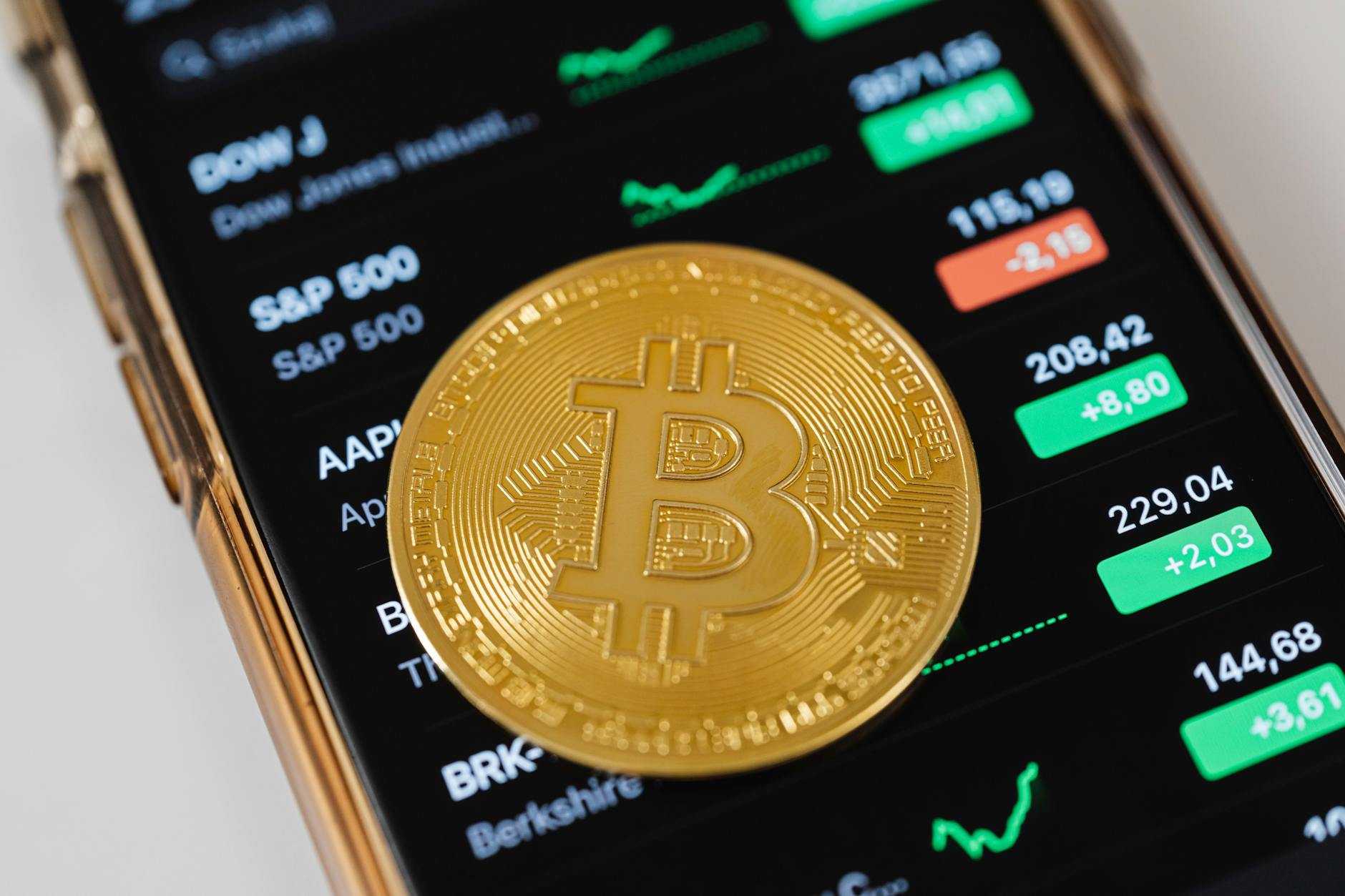
Since its launch in 2008 by Satoshi Nakamoto, Bitcoin has undergone significant price bubbles driven by speculation, market psychology, and socio-economic factors. The initial surge from negligible values to $31 in 2011 exemplifies its volatility, leading to a crash by year-end. The Mt. Gox era (2013-2014) saw rapid growth followed by a major exchange collapse, triggering further scrutiny. The 2017 hype propelled Bitcoin to nearly $20,000, marking its mainstream acceptance but ending in a sharp correction. Despite challenges and a bear market from 2018-2020, Bitcoin’s resilience paved the way for institutional interest and innovations like DeFi, shaping its uncertain yet…
-
The Sovereign Debt Crisis in the European Union: complete guide 2011-2015

The sovereign debt crisis in the EU, starting in 2011, arose from excessive debt from the 2008 financial crisis, affecting countries like Greece, Portugal, and Ireland. Greece’s inability to meet its obligations led to a €110 billion bailout, sparking public protests against austerity measures. Subsequent bailouts for Portugal and Ireland included similar austerity conditions. The crisis prompted significant EU interventions, including the establishment of the European Stability Mechanism and the ECB’s Outright Monetary Transactions program. Lessons learned emphasize the need for solidarity among member states, comprehensive recovery strategies prioritizing social welfare, and enhanced economic governance to prevent future crises.
-
What to Expect from the Cryptocurrency Market in 2025

The cryptocurrency market is poised for significant change, influenced by emerging trends, regulatory shifts, technological advancements, and growing adoption. Experts predict continued institutional interest, potential decoupling of Bitcoin from traditional markets, and substantial growth in decentralized finance (DeFi). Regulatory frameworks are evolving, with varying global approaches shaping market dynamics. Technological innovations, including Layer 2 solutions and enhanced privacy features, promise improved efficiency and user accessibility. Adoption rates are projected to rise due to increasing recognition of cryptocurrencies’ viability and mainstream integration by businesses. Investors must adopt diversified, informed strategies to navigate this complex landscape effectively.
-
Central Banks History: a complete guide to understand the Evolution, Role and Economic Impact

Central banks history have evolved from their origins in the 17th century, primarily providing fiscal support to governments, to becoming pivotal institutions managing monetary policy and ensuring financial stability. They influence economies through tools such as interest rates and capital regulation. As globalization and technology reshape financial landscapes, central banks face challenges like managing exchange rates and regulating decentralized cryptocurrencies. The introduction of central bank digital currencies (CBDCs) aims to maintain monetary control while enhancing payment efficiency. Balancing innovation with stability is crucial for central banks, which remain integral to fostering economic resilience in a rapidly changing world.
-
The History and Evolution of Digital Payments: Their Impact on Banking and the Economy

Introduction The landscape of payments has undergone a monumental transformation over the past few decades. Once dominated by physical currency and traditional banking methods, the rise of digital payments has revolutionized how consumers and businesses conduct transactions. In an increasingly connected world, the flexibility, speed, and convenience of digital payment systems are reshaping not only banking practices but also the global economy. This article delves into the rich history of payment systems, examining their evolution and the various forms they have taken—from credit cards to mobile wallets, cryptocurrencies, and e-commerce solutions. As we explore these facets, we will highlight both…
-
The 1997 Asian Financial Crisis: Causes, Impacts and Lessons Learned

The Asian Financial Crisis of 1997 significantly impacted Southeast Asia, originating in Thailand with the baht’s devaluation. This crisis stemmed from excessive borrowing, speculative investments, currency pegging, and weak financial regulations. The initial devaluation led to investor panic and capital flight across the region, culminating in widespread economic turmoil in countries like Indonesia and South Korea. The International Monetary Fund responded with bailout packages but imposed austerity measures that exacerbated social unrest. The crisis resulted in increased poverty, unemployment, and political upheaval, prompting crucial lessons about fiscal policy, regulatory oversight, and the need for international cooperation to prevent future financial…
-
Ferrari History: Legacy of Speed and Innovation

Ferrari, synonymous with speed, luxury, and performance, has become an iconic brand in the automotive world. Founded by Enzo Ferrari in 1939, the company began as a small racing team and has since evolved into a symbol of automotive excellence. This article explores the rich history of Ferrari, from its origins and racing success to its innovations in road cars and future direction in a rapidly changing automotive industry.
-
Dolce Gabbana History: From Milan to Global Fame

Dolce & Gabbana, founded by Domenico Dolce and Stefano Gabbana in 1985, has become a pivotal force in the luxury fashion industry by merging Sicilian heritage with Mediterranean flair. Renowned for bold designs that celebrate femininity, the brand gained acclaim through iconic collections like the “Sicilian Dress” and the Alta Moda line. Their global expansion saw flagship stores in major cities and successful ventures into fragrances and accessories. Celebrity collaborations, notably with Madonna, enhanced their visibility. Despite facing controversies, Dolce & Gabbana’s resilience and innovative spirit have solidified their enduring legacy as symbols of Italian glamour and artistry in fashion.
-
Understanding Louis Vuitton History: Icons of Luxury

Louis Vuitton, established in 1854 in Paris, has transcended its origins as a trunk-making business to become a global luxury icon, known for its iconic designs and innovation. The brand expanded its offerings, introducing products like the Speedy bag and the Monogram Canvas under Georges Vuitton. Collaborations with artists and streetwear brands have kept it culturally relevant, bridging high fashion with contemporary movements. Embracing sustainability and digital innovation, Louis Vuitton has adapted to modern market demands while retaining its heritage of craftsmanship. Today, it stands as a symbol of sophistication and cultural influence in the luxury industry, continuously shaping trends.