Category: Finance, Economy & Business
Stay informed with the latest trends, insights, and strategies in finance, economy, and business. Our expert articles cover everything from investment tips and market analysis to economic forecasts and business growth strategies. Get valuable information to make smarter financial decisions and stay ahead in the competitive world of business.
-
How Apple Macintosh Redefined Personal Computing

The Apple Macintosh, introduced in 1984, revolutionized personal computing with its intuitive graphical user interface, challenging traditional text-based systems. Designed to be accessible and user-friendly, it underwent significant evolution amidst competition from IBM and Windows. Key innovations like MacPaint and the Finder transformed user interactions, while the Macintosh became synonymous with creativity, particularly in design industries. Despite challenges, the return of Steve Jobs in 1997 revitalized the brand, leading to the introduction of models like the iMac. The transition from Intel to Apple Silicon has further solidified the Mac’s legacy as a leader in innovation, shaping technology and culture.
-
The history of Blockchain Technology: From Bitcoin to Smart Contracts

Blockchain technology has evolved significantly since its inception as the foundation of Bitcoin, expanding its applications across various industries such as finance, supply chain, healthcare, and governance. At its core, blockchain acts as a decentralized and secure ledger, fostering transparency and trust. Innovations like Ethereum introduced smart contracts, enabling decentralized applications. While blockchain offers transformative potential, challenges such as scalability, energy consumption, and regulatory issues remain. The future promises growth in decentralized finance, enterprise solutions, and interoperability, positioning blockchain as a key player in the digital economy.
-
The Ford Mustang GT: A Cultural Icon of Power and Freedom

The Ford Mustang GT, launched in 1964, symbolizes American ingenuity and individuality, establishing the “pony car†segment with its striking design and thrilling performance. Initially targeting the youthful demographic, it combined affordability with customization options. As it evolved through decades, the Mustang faced challenges yet adapted while retaining its core identity. The GT became synonymous with power, driven by innovative engineering, and left a cultural mark across films and music, reinforcing its status as an icon of freedom. Today, the Mustang GT continues to blend tradition with modern performance, maintaining its relevance and legacy as an enduring symbol of American…
-
The History of Bitcoin: From a crazy idea to Global Currency

The history of Bitcoin started in 2008 by Satoshi Nakamoto, and has evolved from a decentralized digital currency intended to challenge traditional finance into a significant global economic force. Initially gaining traction during the 2008 financial crisis, its innovation—blockchain technology—enables secure and transparent transactions without reliance on centralized authorities. Bitcoin faced early skepticism but slowly transitioned into a recognized investment asset, achieving mainstream acceptance driven by its limited supply and appeal as “digital gold.” Regulatory scrutiny and environmental concerns have shaped its development, yet Bitcoin’s influence on global finance, its potential for financial inclusion, and ongoing technological innovations reaffirm its…
-
History of AIG: How AIG overcame the 2008 financial crisis and rebuilt its insurance business

Founded in 1919 in Shanghai, American International Group (AIG) has evolved into one of the most recognizable names in global insurance. With operations spanning over 100 countries, the history of AIG is marked by bold entrepreneurship, rapid international expansion, and resilience in the face of crises. From its origins as a small insurance agency catering to the needs of Asia’s rapidly developing economies, AIG emerged as a multinational corporation leading innovation in insurance and financial services. However, its journey was not without challenges. The 2008 financial crisis profoundly impacted AIG, necessitating a historic government bailout and a complete transformation of…
-
The History of Hilton Hotels: from Local to Global Hospitality

The Hilton Hotels brand, founded by Conrad Hilton in 1919, has become synonymous with luxury, innovation, and a global standard of hospitality. From its humble beginnings in Texas, Hilton expanded rapidly to redefine the travel experience, setting new benchmarks for service and amenities. Over the years, the company has introduced pioneering concepts such as room service and airport hotels, constantly adapting to meet the evolving needs of travelers. Today, Hilton Hotels remains at the forefront of the industry, embracing sustainability, advanced technology, and a commitment to global hospitality excellence.
-
History of Walmart: from Small Store to Global Retail Leader – facts and key events

The history of Walmart started in 1962 by Sam Walton, and has evolved into a global retail leader defined by its commitment to affordability, innovation, and adaptability. Starting as a single store, Walmart’s strategic focus on cost-efficiency and advanced logistics fueled rapid expansion and reshaped retail. Despite criticisms regarding labor practices and environmental impact, Walmart has increased its commitment to sustainability, workforce development, and corporate social responsibility. Its digital transformation, including e-commerce initiatives and the integration of technology, reflects an effort to meet modern consumer demands. As Walmart navigates ongoing challenges, its legacy continues to influence global retail standards and…
-
The history of Montblanc: Heritage of Luxury Writing Instruments

The history of Montblanc started in 1906 in Germany. Since then, Montblanc has evolved from a small pen manufacturer to a global luxury brand recognized for elegance, craftsmanship, and innovation. Its iconic Meisterstück collection, launched in 1924, redefined luxury writing instruments with meticulous design and superior writing performance. Over the decades, Montblanc expanded into luxury goods like watches and leather products while maintaining a commitment to quality and sustainability. Recently, the brand has emphasized environmental responsibility, adopting eco-friendly practices and supporting social initiatives. Montblanc symbolizes timeless sophistication, blending tradition with modernity, ensuring its legacy continues to inspire future generations.
-
History of Coca-Cola: From Tonic to Global Icon – key facts end events

The history of Coca-Cola, a globally recognized brand, began as a medicinal tonic in the late 19th century. John Pemberton created it in Atlanta, evolving under Asa Candler’s marketing strategies into a national phenomenon. Its early branding emphasized refreshment and community connections, further bolstered by support for American soldiers during both World Wars. Coca-Cola’s international expansion demonstrated adaptability to diverse cultures, and today, it faces challenges related to health concerns and environmental sustainability. In response, the company is diversifying its product range, enhancing transparency, promoting recyclable materials, and investing in water stewardship, reflecting a commitment to modern consumer values and…
-
The history of Boeing: a great contribution to Aviation

Boeing, one of the most iconic names in the aerospace industry, has played a vital role in the evolution of aviation since its inception in 1916. Founded by William E. Boeing in Seattle, Washington, the company started as a modest manufacturer of seaplanes and has grown to become one of the largest aerospace firms in the world. The history of Boeing is marked by innovation, resilience, and a commitment to pushing the boundaries of aviation technology. From its early forays into military aircraft production to the introduction of the first successful commercial jetliner, Boeing has continually shaped the future of…
-
Amartya Sen: Main Contributions to Economics, Welfare and Development

Amartya Sen, a renowned economist and philosopher, has profoundly influenced global development and welfare economics through his groundbreaking “Capability Approach,” which emphasizes individual freedoms over traditional economic metrics. His extensive academic career includes pivotal work at institutions such as Harvard and the Delhi School of Economics, where he redefined poverty and development. Sen’s influential publications, including “Development as Freedom” and “Poverty and Famines,” challenged conventional beliefs and led to the creation of the Human Development Index (HDI). Awarded the Nobel Prize in Economics in 1998, Sen’s interdisciplinary approach reshapes contemporary economics and policy-making, prioritizing human well-being and social justice.
-
The History of Money

Get in touch with the history of money. Money is a crucial element of human society, essential for driving economies, facilitating trade, and shaping civilizations over millennia. It serves multiple functions, such as a medium of exchange, a store of value, a unit of account, and a standard for deferred payments. The concept of money has evolved from barter systems to commodity money, then to coins and paper money, culminating in fiat currencies and digital assets like cryptocurrencies. Money influences economic growth, social mobility, and globalization while technological advancements continue to reshape its role. Ultimately, money remains a vital institution…
-
Milton Friedman: biography and the legacy of Free-Market Economics

Milton Friedman (1912–2006) was a transformative economist renowned for his advocacy of monetarism and free-market principles. His work severely challenged Keynesian economics, promoting the idea that controlling the money supply is crucial for economic stability. Friedman argued against extensive government intervention, contending it often leads to inefficiencies. He introduced concepts like the Permanent Income Hypothesis and the natural rate of unemployment, reshaping economic thought. His influence extended globally, impacting policies during the Reagan and Thatcher eras, and his ideas remain relevant in ongoing economic debates. Despite criticisms, Friedman’s legacy continues to inspire advocates for individual and economic freedom.
-
The Enduring Value of Gold: A Historical Overview (2025 update)

Gold, one of the Earth’s most ancient treasures, has held an unparalleled place in human civilization for millennia. Across cultures and eras, gold has been coveted not just for its physical beauty but for the value and security it symbolizes. Its universal acceptance as a symbol of wealth and a medium of exchange has driven exploration, wars, and economic strategies, establishing it as one of the most reliable stores of value known to humankind. Despite modern financial systems built on fiat currency and digital assets, gold’s intrinsic value has withstood the test of time. In this article, we will explore…
-
Gucci History: From Humble Beginnings to Fashion Empire

The Gucci history started in 1921 in Florence, Italy and brings us to a journey of transformation from a small leather goods store into a prestigious global fashion brand synonymous with luxury and craftsmanship. Inspired by Guccio’s exposure to English nobility, Gucci initially focused on high-quality luggage and equestrian items. The brand expanded significantly in the 1930s and introduced iconic designs, including the Bamboo Bag during WWII. The post-war boom further elevated its status, attracting Hollywood stars. However, family conflicts in the 1980s threatened its standing. A revival under designer Tom Ford in the 1990s propelled Gucci back to prominence,…
-
The Timeless History of Rolex: From Origins to Iconic Status

Rolex, founded by Hans Wilsdorf and Alfred Davis in 1905, revolutionized watchmaking by prioritizing precision and innovation. Originally focusing on wristwatches, it soon gained prominence with the introduction of the Rolex Oyster, the first waterproof watch, famously tested by swimmer Mercedes Gleitze in 1927. The history of Rolex continued to advance with the self-winding Oyster Perpetual in 1931 and became a symbol of reliability among explorers. The brand produced iconic models, such as the Day-Date, GMT-Master, and Cosmograph Daytona, while also engaging in philanthropy. Today, Rolex maintains its status as a leader in luxury watches through ongoing innovation and commitment…
-
How HSBC Shaped International Banking Since 1865: history and evolution

HSBC, founded in 1865 in Hong Kong, has evolved into a prominent global banking institution with a presence in over 60 countries. Initially established to facilitate trade between Europe and Asia, the bank expanded its operations across key Asian cities and later into global financial centers like London and New York. Throughout its history, HSBC faced challenges, including two World Wars and the Great Depression, yet maintained resilience. It transitioned to a global powerhouse through strategic acquisitions and responded well to the 2008 financial crisis. Today, HSBC navigates geopolitical complexities while focusing on growth in Asia and embracing digital transformation.
-
The Great Depression of 1929: A Global Economic Catastrophe
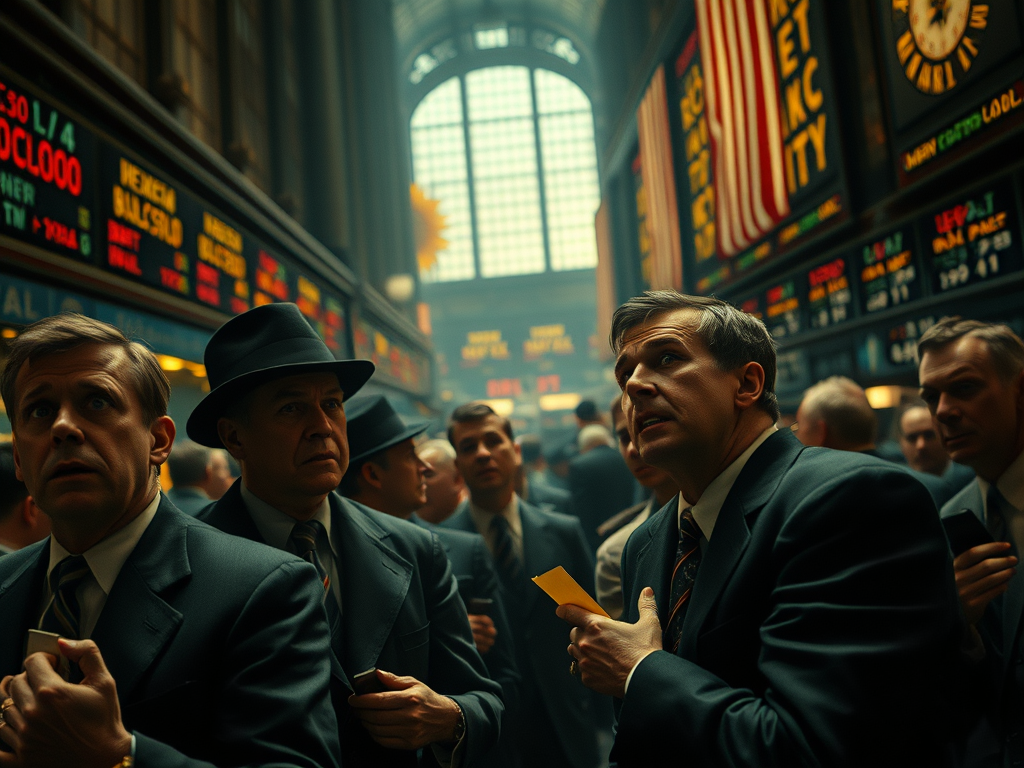
The Great Depression, triggered by the 1929 stock market crash, was a monumental economic downturn lasting nearly a decade, profoundly impacting the U.S. and global economies. Key causes included reckless financial speculation, banking failures, and protectionist policies, which led to skyrocketing unemployment and widespread poverty. The social effects transformed family dynamics, ignited community cooperation, and revealed systemic inequalities. In response, the U.S. government, notably through Roosevelt’s New Deal, adopted significant economic and social reforms, setting precedents for future federal intervention. The lasting legacy of this era reshaped public perception of government roles, social welfare, and economic policy, imparting critical lessons…
-
The fascinating History of LEGO Company: From Wooden Toys to an Empire of Imagination

LEGO Company, founded in 1932 in Denmark, began as a wooden toy manufacturer before innovative shifts to plastic in the late 1940s revolutionised its product line. The introduction of interlocking bricks in 1958 set the stage for LEGO’s iconic status, fostering creativity and collaborative play. Over the decades, the brand expanded into themed sets and collaborations, notably with Lucasfilm for LEGO Star Wars. Embracing digital innovations, LEGO launched video games and educational tools, reinforcing its role in learning. The company’s commitment to creativity and quality has solidified its reputation as a leading toy brand, continually engaging with generations through both…