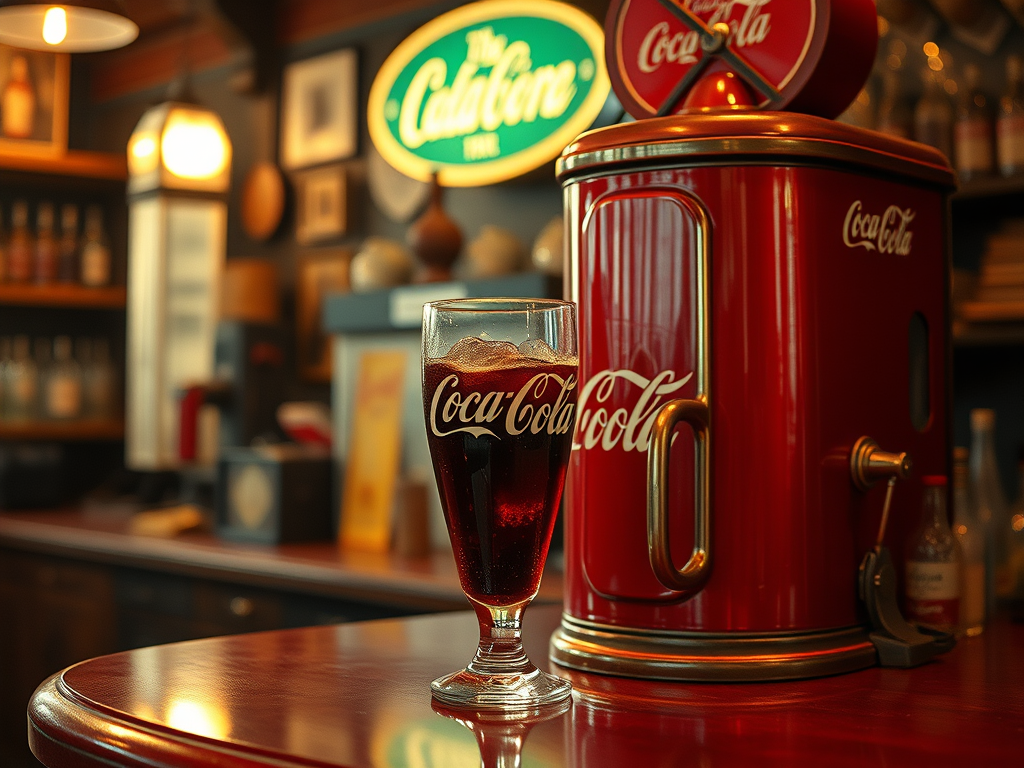
Introduction
This article explores the fascinating history of Coca-Cola, from its humble beginnings in Atlanta to its status as a multinational powerhouse, examining the innovations and challenges that have shaped its legacy. Coca-Cola, one of the most recognizable brands in the world, has a rich history that dates back to the late 19th century. Originally created as a medicinal tonic, Coca-Cola has evolved into a cultural icon and a staple beverage across the globe.
The Origins of Coca-Cola
The story of Coca-Cola begins in the late 19th century, a time when the American public was captivated by new and exciting remedies for various ailments. John Stith Pemberton, a pharmacist in Atlanta, Georgia, was at the forefront of this trend. In 1886, Pemberton developed a syrup that combined coca leaf extract and kola nuts, which he claimed could cure headaches and provide energy. This concoction, initially marketed as “Pemberton’s French Wine Coca,” was intended as a medicinal tonic.
Pemberton’s tonic was a response to the growing popularity of patent medicines, which were often marketed with exaggerated claims. However, the introduction of prohibition laws in Atlanta forced Pemberton to alter his formula. In an effort to adapt to these new regulations, he created a non-alcoholic version of his tonic, which he named Coca-Cola, deriving the name from its two primary ingredients: coca and kola.
The first Coca-Cola was served at Jacobs’ Pharmacy in Atlanta on May 8, 1886. It was sold as a fountain drink for five cents per glass. The beverage was initially not a commercial success, selling only a modest number of servings each day. However, Pemberton recognized the potential of his creation and began to promote it more aggressively.
One of the key turning points for Coca-Cola came when Pemberton’s business partner, Frank M. Robinson, suggested a distinctive logo and advertising campaign. Robinson’s marketing acumen played a crucial role in Coca-Cola’s early branding. He designed the now-iconic script logo and emphasized the drink’s refreshing qualities. The first advertisements highlighted Coca-Cola as a delightful tonic that invigorated both body and spirit.
Despite its slow start, Coca-Cola began to gain traction. Pemberton’s marketing strategies, including free samples and strategic partnerships with local soda fountains, gradually increased sales. By the end of the 19th century, Coca-Cola was becoming increasingly popular, particularly in the southern United States. However, Pemberton’s health was failing, and in 1888, he sold the rights to Coca-Cola to a group of investors led by Asa Candler, who would play a pivotal role in the brand’s expansion.
Under Candler’s leadership, Coca-Cola underwent significant changes that transformed it into a national phenomenon. He implemented aggressive marketing strategies, expanded distribution networks, and introduced innovative advertising campaigns that captured the public’s imagination. Candler’s vision was to make Coca-Cola a household name, and his efforts paid off as the beverage gained popularity across the United States.
By the turn of the century, Coca-Cola had firmly established itself in the American beverage market. It was being sold in bottles for the first time, allowing it to reach a wider audience. This marked a significant shift in the distribution of soft drinks, as bottled beverages became increasingly popular. Candler’s commitment to quality control and consistent production standards ensured that Coca-Cola maintained its reputation as a refreshing and enjoyable drink.
As Coca-Cola’s popularity soared, the company faced the challenge of competition from other beverage manufacturers. However, Candler’s innovative marketing strategies, including promotional contests, advertising in newspapers, and partnerships with various retailers, helped Coca-Cola remain a dominant player in the industry. The company’s growth during this period laid the foundation for its future success and set the stage for the iconic brand we know today.
In conclusion, the origins of Coca-Cola as a medicinal tonic reflect the entrepreneurial spirit of John Stith Pemberton and the marketing genius of Asa Candler. From its humble beginnings in a pharmacy to becoming a national sensation, Coca-Cola’s early history is marked by innovation, adaptation, and a relentless pursuit of success.

The Rise of Coca-Cola: Branding and Marketing innovations
The rise of Coca-Cola as a dominant force in the beverage industry can be attributed to its innovative branding and marketing strategies. Asa Candler’s vision for the brand transformed Coca-Cola from a regional curiosity into a national phenomenon. His marketing acumen played a crucial role in establishing Coca-Cola as one of the most recognized brands in the world.
One of Candler’s key strategies was to position Coca-Cola as a refreshing and invigorating beverage that could be enjoyed by people of all ages. He understood the power of advertising and used it to create a strong brand identity. Candler invested heavily in print advertising, utilizing newspapers and magazines to promote Coca-Cola. Advertisements featured catchy slogans and eye-catching imagery, emphasizing the drink’s unique qualities. This approach helped create a sense of familiarity and trust among consumers, solidifying Coca-Cola’s place in American culture.
In addition to print advertising, Candler recognized the importance of building a strong visual identity for Coca-Cola. The iconic script logo, designed by Frank Robinson, became synonymous with the brand. The distinctive red and white color scheme further reinforced Coca-Cola’s image and made it easily recognizable. This emphasis on branding laid the groundwork for Coca-Cola’s future marketing campaigns and established a visual identity that endures to this day.
Candler also understood the significance of promoting Coca-Cola as a social beverage. He positioned it as a drink that could be enjoyed in various settings, from family gatherings to social events. To reinforce this image, Coca-Cola began sponsoring community events and sporting activities. This strategy not only increased brand visibility but also fostered a sense of community around the Coca-Cola experience.
The introduction of Coca-Cola in bottles marked a pivotal moment in the brand’s history. Bottling allowed Coca-Cola to reach consumers beyond soda fountains, making it more accessible. Candler recognized the potential of bottling as a means of expanding distribution. In 1899, he entered into partnerships with bottling companies, creating a network that enabled Coca-Cola to be sold in various locations across the country.
The company’s success in bottling led to further innovations in marketing. Coca-Cola introduced the concept of “contests and promotions,” incentivizing consumers to engage with the brand. One notable promotion was the distribution of coupons for free Coca-Cola drinks, which encouraged trial and increased sales. These strategies not only boosted revenue but also generated excitement around the brand.
As Coca-Cola continued to grow, Candler sought to further expand its reach by introducing new flavors and variations. This included the launch of diet and caffeine-free versions, catering to changing consumer preferences. The introduction of new products allowed Coca-Cola to appeal to a broader audience and remain relevant in a competitive market.
Coca-Cola’s marketing campaigns also embraced the spirit of the times. During the early 20th century, the company capitalized on the nostalgia of the American public by incorporating themes of family, friendship, and togetherness. The famous slogan “The Pause That Refreshes,” introduced in the 1920s, perfectly encapsulated Coca-Cola’s message of enjoyment and refreshment.
The brand’s presence during major historical events further solidified its place in American culture. During World War II, Coca-Cola took the initiative to support American troops by providing them with beverages. The company’s efforts to ensure that soldiers had access to Coca-Cola created a strong emotional connection with consumers, reinforcing the idea that Coca-Cola was a symbol of home and comfort.
As Coca-Cola’s popularity soared, the company faced challenges from competitors. However, Candler’s innovative marketing strategies and commitment to quality helped the brand maintain its market leadership. The combination of clever advertising, strong branding, and a focus on community engagement positioned Coca-Cola as a beloved beverage.
In conclusion, the rise of Coca-Cola can be attributed to its innovative branding and marketing strategies under Asa Candler’s leadership. From its strong visual identity to its social positioning, Coca-Cola became a cultural icon that transcended its status as a mere beverage. The company’s ability to connect with consumers through clever marketing and community engagement laid the foundation for its enduring success.

Coca-Cola and the world wars: a popular beverage for soldiers
Coca-Cola’s role during the World Wars is a significant chapter in the brand’s history, showcasing its adaptability and commitment to supporting American troops. The company’s efforts to provide Coca-Cola to soldiers not only contributed to the beverage’s popularity but also established a deep emotional connection with consumers that persists to this day.
During World War I, Coca-Cola was relatively new on the scene, but it quickly recognized the potential to support American soldiers. In 1917, the company established a program called the “Coca-Cola Brigade,” which sent bottling equipment and employees to military camps to provide soldiers with their favorite beverage. This initiative ensured that troops could enjoy Coca-Cola while serving overseas, helping to boost morale and create a sense of comfort amidst the hardships of war.
The success of this program laid the groundwork for even greater efforts during World War II. As the war escalated, Coca-Cola became a symbol of home and nostalgia for American soldiers stationed abroad. The company ramped up its production and distribution efforts, ensuring that Coca-Cola reached military bases and combat zones. This commitment was further amplified by the introduction of “Coca-Cola in a Can,” which allowed for easier transport and storage in challenging environments.
Coca-Cola’s partnership with the U.S. military proved mutually beneficial. The company supplied soldiers with the beverage at a low cost, fostering goodwill among the troops. Coca-Cola’s presence in military rations became a source of comfort for soldiers, reminding them of home and providing a taste of normalcy during difficult times. The brand’s association with the military also enhanced its image in the eyes of the American public.
In 1943, the U.S. government awarded Coca-Cola a special contract, allowing the company to sell its products to military personnel at home and abroad. This contract solidified Coca-Cola’s status as a trusted beverage provider and helped to expand its distribution network. Soldiers returning home after the war often brought their fond memories of Coca-Cola with them, contributing to the beverage’s enduring popularity in post-war America.
The company’s marketing during and after the war capitalized on this emotional connection. Coca-Cola ran advertisements that highlighted its role as a beverage for soldiers, emphasizing the idea of unity and shared experiences. Slogans such as “Coca-Cola: The Drink of the Fighting Man” resonated with consumers, reinforcing the brand’s image as a patriotic symbol.
Moreover, Coca-Cola’s commitment to supporting the troops extended beyond just providing beverages. The company actively participated in various war bond drives and initiatives aimed at supporting the war effort. This philanthropic approach endeared Coca-Cola to consumers, who viewed the brand as a responsible and caring corporate citizen.
The legacy of Coca-Cola’s support for soldiers during the World Wars continues to be celebrated today. The company’s historical ties to the military have led to collaborations with veterans’ organizations and initiatives aimed at honoring those who served. Coca-Cola’s ongoing commitment to social responsibility and community support reflects the brand’s recognition of its role in American history.
In conclusion, Coca-Cola’s role during the World Wars was pivotal in establishing the brand as a beloved beverage and a symbol of support for American troops. The company’s commitment to providing Coca-Cola to soldiers fostered a deep emotional connection with consumers, ensuring that the brand would remain ingrained in the fabric of American culture for generations to come.

Coca-Cola’s global expansion and Cultural Impact
As Coca-Cola evolved into a global brand, its expansion into international markets marked a significant milestone in the company’s history. The beverage’s journey from a local tonic in Atlanta to a global phenomenon reflects not only the brand’s commitment to growth but also its ability to adapt to diverse cultures and preferences around the world.
Coca-Cola’s international expansion began in the late 19th century when the company started to export its products to markets outside the United States. The first international bottling plant was established in 1906 in Canada, setting the stage for further expansion. The company’s strategy involved partnering with local bottlers to ensure that Coca-Cola could be produced and distributed efficiently in various regions.
By the 1920s, Coca-Cola had expanded its presence to several countries, including Cuba, Mexico, and the Philippines. This international growth was fueled by the brand’s innovative marketing strategies and commitment to quality. Coca-Cola’s ability to adapt its messaging and marketing campaigns to resonate with local cultures was instrumental in its success abroad. The company recognized the importance of understanding the preferences and values of different consumer groups, allowing it to tailor its approach accordingly.
In addition to traditional advertising methods, Coca-Cola utilized sponsorships and community engagement to build its brand globally. The company partnered with local events, festivals, and sports teams, creating a sense of connection between Coca-Cola and the communities it served. These initiatives not only increased brand visibility but also fostered a positive perception of Coca-Cola as a caring and community-oriented company.
Coca-Cola’s expansion into Europe in the aftermath of World War II marked a turning point in its global journey. The company recognized the potential of the European market and invested heavily in establishing bottling plants across the continent. This move not only expanded its reach but also contributed to the economic recovery of war-torn regions, positioning Coca-Cola as a symbol of hope and renewal.
Throughout the decades, Coca-Cola continued to embrace globalization, adapting its marketing strategies to align with local customs and preferences. The company’s iconic “Share a Coke” campaign, which encouraged consumers to share personalized bottles with their names, exemplified this approach. Launched in Australia in 2011, the campaign quickly gained popularity worldwide, resonating with consumers across diverse cultures. This innovative marketing strategy not only increased sales but also fostered a sense of personal connection between consumers and the brand.
The cultural impact of Coca-Cola extends beyond marketing and sales. The brand has become synonymous with American culture, representing ideals of happiness, friendship, and togetherness. Coca-Cola’s presence in popular culture, from movies and music to art and literature, underscores its status as a cultural icon. The company’s advertisements often feature heartwarming stories that celebrate human connections, reinforcing its image as a beverage that brings people together.
Moreover, Coca-Cola has played a significant role in shaping global beverage consumption patterns. The brand’s success has influenced the soft drink industry, prompting competitors to adopt similar marketing strategies and product innovations. Coca-Cola’s commitment to sustainability and social responsibility has also set a standard for other companies to follow, encouraging a shift toward more ethical business practices in the industry.
In conclusion, Coca-Cola’s global expansion and cultural impact have solidified its status as a leading beverage brand. The company’s ability to adapt to diverse markets, engage with local communities, and resonate with consumers worldwide has been instrumental in its success. As Coca-Cola continues to evolve, its legacy as a cultural icon remains firmly entrenched in the hearts and minds of people around the world.
Modern Challenges and Sustainability Initiatives from Coca-Cola
In recent years, Coca-Cola has faced a series of modern challenges that have prompted the company to reevaluate its strategies and commitments. As consumers become increasingly health-conscious and environmentally aware, Coca-Cola has recognized the need to adapt to these changing preferences while maintaining its iconic brand identity.
One of the most pressing challenges for Coca-Cola is the growing concern over sugar consumption and its impact on health. As obesity rates rise and awareness of the health risks associated with sugary beverages increases, consumers are seeking healthier alternatives. In response, Coca-Cola has diversified its product offerings to include low-sugar and zero-calorie options. The introduction of Coca-Cola Zero Sugar and various flavored water products reflects the company’s commitment to meeting consumer demand for healthier choices.
Coca-Cola has also embraced the trend toward transparency and clean labeling. Consumers are increasingly interested in knowing what is in their food and beverages, leading the company to reformulate its products and provide clearer nutritional information. By prioritizing transparency and health-conscious formulations, Coca-Cola aims to rebuild trust with consumers and reinforce its position in the competitive beverage market.
In addition to health-related challenges, Coca-Cola faces scrutiny over its environmental practices. Concerns about plastic waste and water consumption have prompted consumers and activists to call for greater sustainability measures from the company. Coca-Cola has recognized the importance of addressing these issues and has committed to ambitious sustainability initiatives.
One of the key components of Coca-Cola’s sustainability strategy is its pledge to use more recyclable materials in its packaging. The company has set a goal to make all of its packaging recyclable by 2025, aiming to reduce the environmental impact of its products. Additionally, Coca-Cola is working to increase the use of recycled materials in its packaging, promoting a circular economy approach that minimizes waste.
Water stewardship is another critical focus for Coca-Cola. The company recognizes that access to clean water is essential for both communities and its operations. In response to this challenge, Coca-Cola has implemented initiatives aimed at replenishing water resources and improving water efficiency in its manufacturing processes. The company has committed to returning to nature an amount of water equivalent to what it uses in its beverages and production, demonstrating its dedication to responsible water management.
Furthermore, Coca-Cola has made strides in promoting sustainable agricultural practices in its supply chain. The company is working to support farmers in adopting sustainable practices that reduce their environmental impact while maintaining productivity. By investing in sustainable sourcing initiatives, Coca-Cola aims to create a positive impact on both the environment and the communities from which it sources its ingredients.
Coca-Cola has also engaged with various stakeholders, including governments, NGOs, and consumers, to address environmental challenges collaboratively. By participating in global initiatives aimed at reducing plastic waste and promoting sustainable practices, Coca-Cola is positioning itself as a leader in corporate responsibility.
In conclusion, Coca-Cola’s response to modern challenges demonstrates its commitment to evolving with consumer preferences while prioritizing sustainability. By addressing health concerns, promoting recyclable packaging, and investing in water stewardship, Coca-Cola is not only working to maintain its market position but also striving to create a positive impact on society and the environment. As the company navigates these challenges, its commitment to sustainability and social responsibility will be crucial in shaping its future.
Conclusion
Coca-Cola’s journey from a medicinal tonic to a global beverage giant is a remarkable story of innovation, branding, and cultural impact. The company’s ability to adapt to changing consumer preferences, navigate challenges, and embrace sustainability reflects its commitment to maintaining its legacy. As Coca-Cola continues to evolve in the modern landscape, it remains a symbol of refreshment and connection, inspiring generations around the world.


Leave a Reply