Tag: Business
-
The Evolution of the Nebius Group: A Comprehensive History

The Nebius Group, founded in the early 2000s, has become a significant player in the technology sector, integrating innovation and overcoming challenges throughout its journey. Initially focused on software development, the company rapidly adapted to emerging trends such as cloud computing and mobile technology, leading to substantial growth and diverse product offerings. Its contributions extend to advancements in AI, sustainability initiatives, and promoting digital literacy. However, the group has navigated obstacles, including regulatory compliance and internal culture challenges. Looking forward, the Nebius Group aims to embrace AI and cybersecurity, enhance workplace diversity, and maintain its commitment to sustainability.
-
The History of the Wall Street Journal: since 1889 impacting society

The Wall Street Journal (WSJ), established in 1889, has become a cornerstone of American journalism, recognised for its rigorous reporting on financial news. Initially aimed at business professionals, it evolved through numerous economic crises, including the Great Depression and the 2008 financial meltdown, each time adapting its approach to journalism while upholding integrity and analytical depth. With the shift to digital in the late 1990s, the WSJ expanded its reach, embracing innovative technologies and diversifying content. Today, it remains influential in journalism, navigating challenges in a competitive media landscape, focusing on quality and engagement to secure its future as a…
-
The History of Marvell Technology Inc: A Journey Through Innovation
Marvell Technology Inc., established in the late 1990s, has emerged as a significant player in the semiconductor industry through innovation and strategic acquisitions. Originally focused on data storage solutions, Marvell expanded its portfolio to include technologies for networking, storage, and security, driven by a commitment to quality and adaptability. Key milestones include the launch of its first Ethernet controller in 1998 and notable acquisitions like Cavium Networks. Facing challenges such as rapid technological change and competition, Marvell prioritises research and development. Looking forward, it aims to leverage trends in 5G, AI, and sustainability, ensuring its continued leadership in the tech…
-
The Evolution of Micron Technology: A Comprehensive Overview

Micron Technology, Inc., founded in 1978 in Boise, Idaho, is a significant player in the semiconductor industry, specialising in dynamic random-access memory (DRAM) and NAND flash memory. The company’s commitment to innovation has led to numerous milestones, including the introduction of DDR memory and advancements in manufacturing processes. Despite facing challenges such as market volatility and intense competition from rivals like Samsung, Micron has adapted through strategic investments and a focus on sustainability. Looking ahead, Micron aims to capitalise on the surging demand for memory solutions driven by AI, IoT, and cloud technologies, positioning itself for continued growth and influence…
-
The Timeless Elegance of Rolls Royce: A Journey Through History

The story of Rolls Royce is one of luxury, engineering excellence, and resilience. Founded in 1904 by Charles Rolls and Henry Royce, the company quickly established itself as a symbol of status with models like the Silver Ghost. While initially centred on luxury automobiles, Rolls Royce adapted during both World Wars to manufacture aircraft engines, significantly contributing to military aviation. As the automotive industry evolved, the brand has embraced advancements in sustainability and technology, including electric vehicles. Rolls Royce maintains its commitment to quality and bespoke luxury, navigating contemporary challenges while remaining a benchmark in both automotive and aviation sectors.
-
The History of TESCO: key facts in a full guide

Founded in 1919 by Jack Cohen, TESCO began as a small grocery stall in London and has since evolved into one of the world’s leading retailers. Initially known for low prices and quality products, TESCO revolutionised shopping with its self-service model. The supermarket expanded significantly in the following decades, diversifying its offerings and innovating with store formats and technology. Entering international markets in the late 1990s and early 2000s, TESCO adapted its business strategies to local preferences, although it faced challenges in the US market. Today, it confronts rising competition from discount retailers and the need for digital transformation while…
-
The Legacy of Innovation: History of Siemens

Siemens, founded in 1847 by Werner von Siemens, has evolved from a telegraph manufacturer into a global powerhouse in diverse sectors like energy, healthcare, and automation. The company’s journey is marked by significant milestones including its early innovations in telegraphy, expansion into electrical engineering and transportation in the early 20th century, and post-war contributions to infrastructure and automation. As digital technologies advanced in the 1990s, Siemens embraced modernisation, focusing on smart cities and sustainability. Today, the company prioritises renewable energy and social responsibility while fostering diversity, positioning itself as a leader in addressing contemporary global challenges and shaping a sustainable…
-
The History of Novo Nordisk: A Journey Through Innovation and Advancements

Novo Nordisk, founded in Denmark in 1923, has established itself as a leader in diabetes care and hormone therapy through innovation and sustainable practices. Originating from the merger of two companies, it revolutionised diabetes management by producing the first human insulin via recombinant DNA technology. The company’s growth in the 1980s and 1990s included global expansion and the introduction of insulin delivery systems. Known for its corporate social responsibility, Novo Nordisk developed various initiatives to improve diabetes care access, particularly in underserved areas. As it navigates future healthcare challenges, its commitment to innovation, patient support, and sustainability remains integral to…
-
Tim Cook: The Legacy and Leadership of Apple’s CEO

Tim Cook, CEO of Apple Inc. since 2011, has played a crucial role in transforming the company into a tech giant. Born in Alabama, Cook’s early life and education instilled a strong work ethic and a passion for technology. His professional journey included roles at IBM, Intelligent Electronics, and Compaq before joining Apple in 1998 as Senior Vice President for Operations. Following Steve Jobs’ passing, Cook became CEO and emphasised collaboration, ethical leadership, and social responsibility. Under his guidance, Apple launched innovative products like the Apple Watch, expanded its services, and committed to sustainability, ensuring the company’s continued relevance and…
-
The Evolution of Revolut: Transforming Fintech

Revolut, founded in 2015, has transformed finance management with its app-based platform offering multi-currency accounts, cryptocurrency trading, and budgeting tools. Initial growth capitalized on the desire for accessible financial services, leading to rapid adoption, especially among millennials. As it expanded, Revolut introduced diverse financial solutions, including business accounts and personal finance tools. This innovation disrupted traditional banking, challenging outdated fee structures and encouraging tech investment. While navigating regulatory hurdles internationally, the company secured a UK banking license in 2021. Looking ahead, Revolut aims to capitalize on emerging technologies and trends like sustainable finance, solidifying its role as a fintech leader.
-
The History of Deloitte: A Comprehensive History

Deloitte, founded in 1845 by William Welch Deloitte in London, has evolved from a local accounting practice into a leading global professional services firm. Initially focused on auditing, the company expanded its offerings to include consulting, tax, and advisory services, making it a major player in the business world. Key milestones include its first U.S. office in 1910, the 1968 merger with Haskins & Sells, and the integration of technology to enhance service delivery. Despite facing challenges such as economic crises and increasing competition, Deloitte’s commitment to innovation, sustainability, and adapting to market needs positions it for future success.
-
The History of the Robinhood Trading Platform
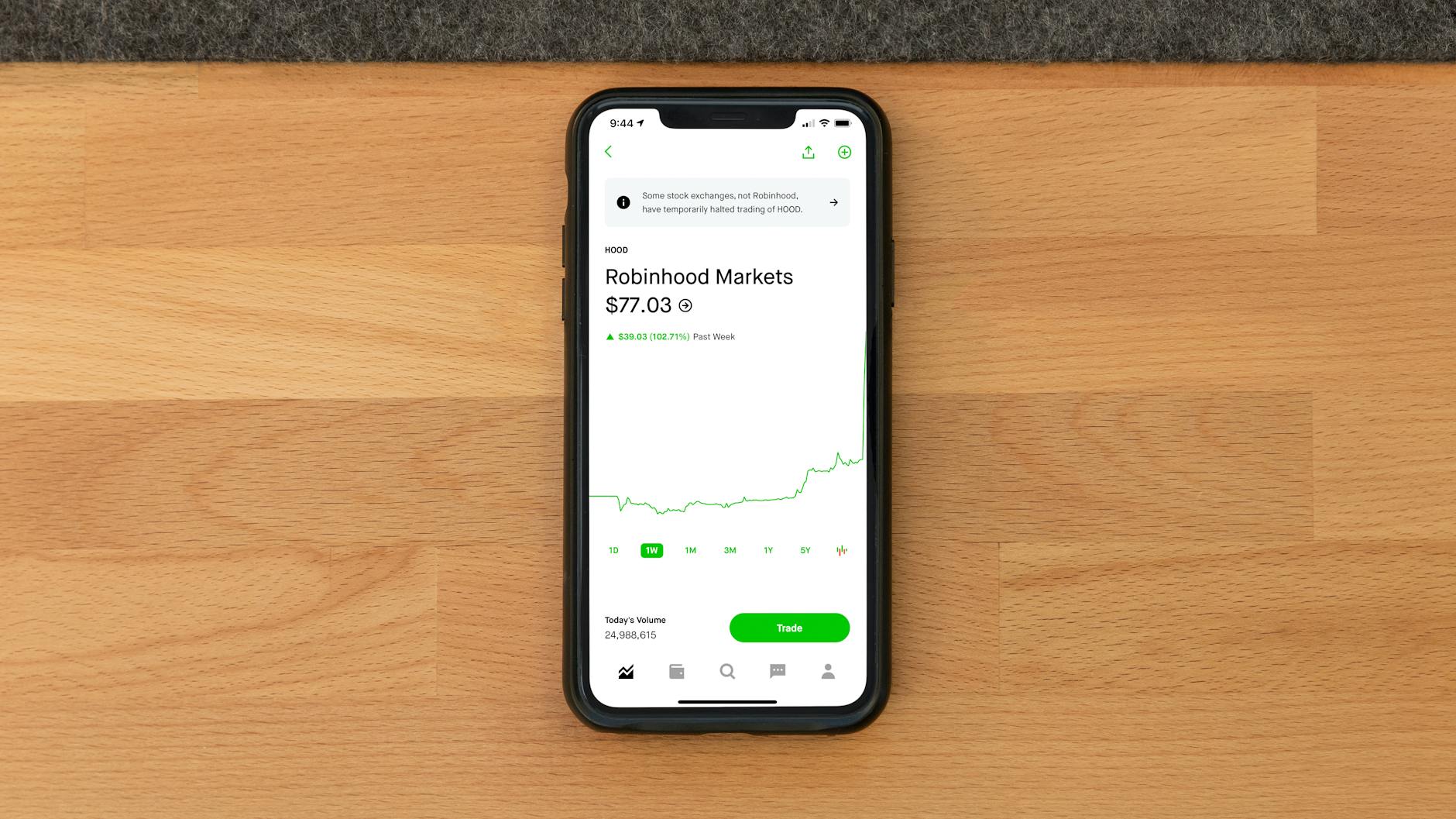
The Robinhood trading platform, founded in 2013 by Vlad Tenev and Baiju Bhatt, transformed retail investing with commission-free trades and a user-friendly mobile interface. Targeting Millennials and Gen Z, it rapidly gained users, reaching over 13 million by 2020. Robinhood’s innovative referral program and marketing strategies aided its growth, but controversies arose, including trading outages and regulatory scrutiny over its payment for order flow model. Despite challenges, Robinhood has significantly impacted the financial-services industry, democratizing finance and prompting competitors to eliminate trading fees. Looking ahead, it must adapt to regulatory pressures and evolving user demands while continuing its commitment to…
-
The GameStop Saga: A Revolutionary Moment in Wall Street History

The GameStop saga exemplifies a transformative moment in the stock market landscape, merging technology, finance, and grassroots activism. Originating as a struggling video game retailer, GameStop’s stock became the focal point for retail investors, particularly from the r/WallStreetBets community, challenging institutional players betting against it through short selling. The rise of user-friendly trading platforms democratized investing, allowing younger, tech-savvy individuals to mobilize against hedge funds. The ensuing panic among short sellers led to extraordinary price surges, raising questions about market integrity and regulation. Ultimately, this movement underscored the potential of collective action in reshaping financial practices.
-
The History of Palantir Technologies

Palantir Technologies, founded in 2003 by notable figures like Peter Thiel and Alex Karp, specializes in big data analytics, providing solutions for both government and commercial sectors. Initially focused on counter-terrorism data, its flagship products, Gotham and Foundry, facilitate data integration and analysis, serving diverse industries. Despite its success, Palantir faces controversies regarding privacy and surveillance, particularly with U.S. Immigration and Customs Enforcement. The company aims for growth by enhancing its ethical AI capabilities and expanding internationally while addressing critiques regarding data ethics and transparency. Palantir’s future hinges on balancing innovation and responsible technology use in an evolving data landscape.
-
The History of Disney: An enchanting journey

Disney\’s history is a testament to creativity and innovation, beginning in 1923 with Walt and Roy Disney\’s animation venture. The company evolved from producing short films to establishing an entertainment empire, highlighted by the iconic Mickey Mouse and the groundbreaking feature film, Snow White and the Seven Dwarfs. The Golden Age of Animation followed, introducing beloved characters and narratives that resonated deeply with audiences. Expanding further into theme parks and merchandise, Disney transformed into a cultural cornerstone. In the 21st century, it embraced new technologies and societal changes while maintaining a commitment to diverse storytelling, ensuring its legacy continues to…
-
The History of HP: Charting a Path Through Innovation

Hewlett-Packard (HP), founded in 1939 by Bill Hewlett and Dave Packard, began as a small garage startup and has become a leader in computing and printing solutions. With a focus on innovation and quality, HP expanded from audio equipment to computers and diverse electronic products. Key milestones include the introduction of the HP LaserJet printer, which transformed the printing industry. HP has confronted market challenges by adapting its strategies and embracing sustainability, committing to using recycled materials and promoting responsible consumption. Looking ahead, HP aims to balance technological advancement with social responsibility, ensuring its relevance in a changing market.
-
Oracle History: From Larry Ellison’s Vision to a Cloud Computing Titan

Oracle Corporation, founded in 1977 by Larry Ellison and colleagues, evolved from a relational database pioneer into a leader in cloud computing solutions. Its initial success stemmed from the launch of Oracle V2, which utilized SQL for efficient data management. Innovation remained central to its growth, leading to breakthroughs like multi-version concurrency control and later cloud services in 2012. Oracle expanded through strategic acquisitions of companies like PeopleSoft and Sun Microsystems, enhancing its application and cloud portfolios. Looking ahead, Oracle plans to focus on refining cloud technologies, integrating AI, addressing security demands, and leveraging partnerships to maintain its market leadership.
-
The History of Verizon Communications

Verizon Communications, established in 2000 from the merger of Bell Atlantic and GTE, has transformed into a leading telecommunications provider known for innovation and customer service. The company has notably enhanced its brand through significant investments in infrastructure, including its high-speed fiber-optic service, FiOS. Key acquisitions, such as AOL and Yahoo, have bolstered its digital media presence. Technologically, Verizon has set benchmarks with advancements like 4G LTE and 5G networks, enabling new applications in various sectors. As it navigates future opportunities, Verizon faces competition, regulatory challenges, and the need for sustainable practices while maintaining its commitment to quality service.
-
The History of United Health Group: a full guide

United Health, founded in 1977, has significantly influenced the American healthcare system through continuous innovation and expansion. Initially focused on managed care in Minnesota, the company broadened its services in the 1990s, enhancing technological capabilities and personalized healthcare options. Notable acquisitions strengthened its market presence and integrated care models. Recent advancements include data analytics, telemedicine, and mental health services, improving patient engagement and outcomes. Currently, United Health serves millions through diverse insurance plans and emphasizes health equity and accessibility. Moving forward, the company aims to leverage technology for enhanced care delivery while addressing public health challenges.
-
The History of Lenovo: a journey of innovation through time
Lenovo, founded in 1984 as Legend in Beijing, evolved from a small start-up to a leading global PC manufacturer. The company achieved early success by rebranding and assembling PCs, eventually becoming the top seller in China. Key milestones include transitioning to a private entity in 1990, focusing on international expansion in the 1990s, and acquiring IBM’s PC division in 2005. This acquisition not only enhanced its market presence but also combined Lenovo’s innovation with IBM’s expertise. Currently, Lenovo emphasizes innovation across diverse product segments, sustainability, and customer engagement, positioning itself for future growth amid rapid technological advancements.