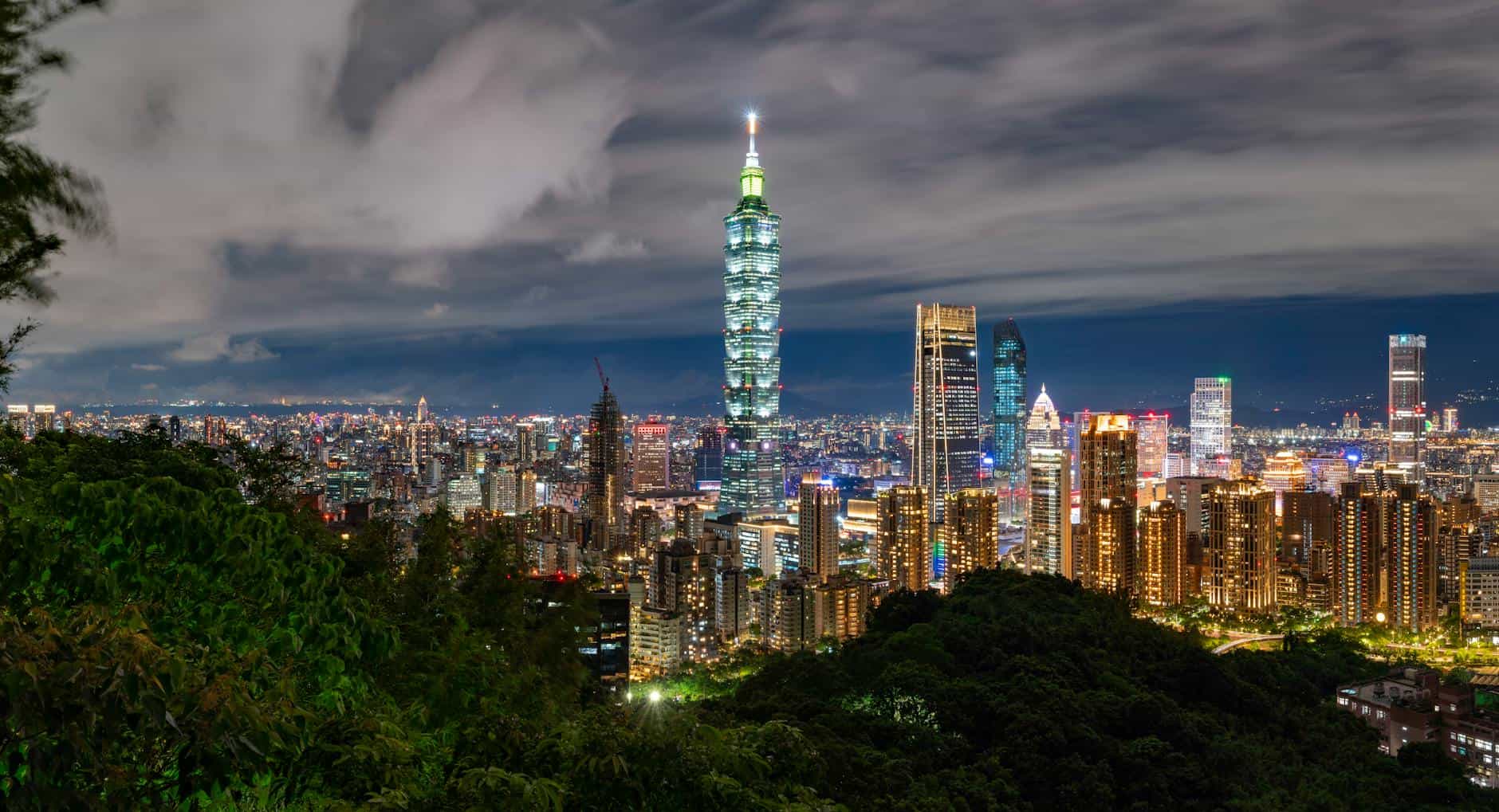
The history of Taiwan is a tapestry woven from indigenous cultures, colonial experiences, and significant geopolitical conflicts. From its early settlement by native tribes to the complex political landscape it finds itself in today, Taiwan’s story is multifaceted and rich. The island’s strategic location in East Asia has attracted various powers, resulting in a unique blend of cultures and influences.
Understanding the history of Taiwan is vital not only to appreciate its cultural heritage but also to grasp contemporary issues influencing its identity and governance. This article aims to explore significant milestones in Taiwanese history, shedding light on the processes that have shaped the island and its people over centuries.
Early Settlement and Indigenous Cultures
Taiwan’s history begins long before external influences arrived on its shores. The island has been home to indigenous peoples for thousands of years. These indigenous groups, whose ancestry can be traced back to the Austronesian peoples, developed unique cultures, languages, and traditions based on their relationship with the land and sea.
The first settlers are believed to have arrived around 6,000 years ago, bringing with them agricultural practices and later forming complex societies. As these communities settled, they adapted to the diverse environments of the island, ranging from mountainous regions to coastal areas. Each indigenous group developed distinct customs, languages, and social structures. Today, it is estimated that there are around 16 recognized indigenous tribes in Taiwan.
One of the most significant aspects of indigenous life was their connection to nature, which is deeply embedded in their spiritual beliefs and practices. The indigenous cultures of Taiwan viewed the land as sacred, and their traditional practices involved rituals that celebrated harvests and honored their ancestors. This spirituality is evident in their music, art, and oral storytelling traditions, all of which emphasize a harmonious relationship with the environment.
With the arrival of outside forces in the late 16th century, notably the Europeans, the dynamics on the island began to change significantly. The Portuguese and Spanish were among the first to explore Taiwan, mapping the coast and encountering indigenous peoples. However, it was not until the arrival of the Dutch and the establishment of a colonial regime in the early 17th century that the indigenous cultures began to face more profound challenges.
The Dutch engaged in trade and sought to Christianize local populations, leading to significant cultural interchange. While this was an opportunity for some indigenous groups to benefit from commerce, it also resulted in conflicts over land and resources, reshaping Taiwanese society.
The complex history of interaction between indigenous peoples and foreign powers continued throughout Taiwan’s history. As the 17th century progressed, Han Chinese migration to the island increased, driven by the promise of land and opportunity. This migration led to further cultural interchange but also conflict, as the increasing numbers of settlers began to encroach on the territories of indigenous groups.
In the centuries that followed, as Taiwan transitioned through various colonial powers, including the Qing Dynasty and Japanese rule, the history of Taiwan became characterized by the struggle of indigenous peoples to maintain their identity amid significant sociopolitical changes. The dynamic between preservation of indigenous cultures and the influences of settler populations created a rich yet tumultuous historical narrative that continues to impact Taiwan today.
Understanding the early settlement of Taiwan and the intricate histories of its indigenous cultures is essential to grasp the complexities of contemporary Taiwanese society. The legacies of these early peoples remain, not only in the remarkable resilience of their cultures but also in the ongoing struggles for recognition and rights within the modern state framework.

Colonial Era: European and Japanese Influences
The colonial era marks a pivotal phase in the history of Taiwan, introducing significant political, social, and economic changes resulting from European and Japanese interventions. The island became a focal point of colonial interests, with several European powers vying for control, followed by Japanese imperial ambitions that dramatically altered Taiwan’s socio-political landscape.
The Dutch East India Company established the first significant European presence in 1624, exploiting Taiwan’s strategic location for trade routes and resource extraction. The Dutch sought to control the lucrative trade in sugar and rice while asserting authority over the indigenous populations. In their efforts to manage the local tribes, the Dutch employed a combination of trade and coercive tactics, sometimes forming alliances with indigenous groups against others.
The Dutch rule lasted nearly four decades, during which they introduced various agricultural practices, constructed infrastructure such as forts and roads, and attempted to promote Christianity among the indigenous peoples. However, their oppressive policies led to revolts, most notably the 1661 uprising led by Zheng Chenggong (Koxinga), who expelled the Dutch and established his regime based on a power-sharing structure with Han settlers and indigenous groups.
After the fall of Koxinga’s rule, the island came under the control of the Qing Dynasty in 1683. The Qing administration continued to promote Han Chinese migration to Taiwan, facilitating the assimilation of the island into a greater Chinese cultural and political context. It was during this period that significant land conflicts arose, as Han settlers often displaced Indigenous populations. The social fabric of Taiwan shifted dramatically with the influx of Han Chinese, leading to cultural syncretism yet also exacerbating tensions with indigenous communities.
In 1895, following the First Sino-Japanese War, Taiwan was ceded to Japan under the Treaty of Shimonoseki. This marked the beginning of a significant transformation under Japanese colonial rule, which lasted for half a century. The Japanese investment in Taiwan was substantial, focusing on industrialization, infrastructure development, and education.
Japanese authorities sought to assimilate the Taiwanese people, promoting the Japanese language and culture while attempting to suppress Chinese identity. Schools were established to educate the populace, and the economy was modernized, laying the groundwork for future development. However, this process often involved harsh policies toward dissent, including repression of uprisings such as the Wushe Incident in 1930, where indigenous groups revolted against colonial rule.
Although the Japanese period saw infrastructural growth and economic modernization, it also led to significant cultural and social changes, with many Taiwanese grappling with their identity amidst pressures from colonial rule. Ultimately, the interactions and conflicts during this colonial era created lasting legacies that still resonate in contemporary Taiwan, influencing its cultural identity and political status.

Post-World War II Governance and the Chinese Civil War
Following Japan’s defeat in World War II, Taiwan was placed under the administration of the Republic of China (ROC), marking a significant turning point in its governance. The historical context surrounding this transition is crucial in understanding the complexities of Taiwan’s modern political landscape.
At the end of the war in 1945, Taiwan was handed over to the ROC based on the Cairo Declaration, which expressed plans for the post-war order in Asia. The early years of ROC governance were marked by hope and expectation but soon descended into disillusionment. The influx of Chinese officials and military personnel from the mainland led to tensions with the local Taiwanese population, which had experienced a degree of autonomy under Japanese rule.
In 1947, these tensions culminated in the 228 Incident, a violent uprising against the ROC government. The brutal crackdown by the authorities resulted in thousands of deaths and created deep-seated resentment that would echo throughout Taiwanese society for decades. The government imposed martial law in response, leading to the White Terror period, which stifled dissent and suppressed political freedoms.
Simultaneously, the Chinese Civil War played out on the mainland, pitting the ROC against the Chinese Communist Party (CCP). In 1949, the CCP declared victory and established the People’s Republic of China (PRC), forcing the ROC government to retreat to Taiwan. This marked the beginning of a prolonged separation between Taiwan and the mainland, with the ROC continuing to claim legitimacy over all of China.
In Taiwan, the ROC implemented a series of reforms aimed at consolidating power, including land reform and investment in economic development. The government promoted anti-communism and sought to build a distinct national identity separate from that of the mainland. However, political repression continued, and dissent against the regime was harshly punished.
Throughout the latter half of the 20th century, Taiwan transformed into an economic powerhouse, often dubbed the “Taiwan Miracle,” due to rapid industrialization and export-oriented growth. Social and economic changes began to foster a more robust Taiwanese identity, with increasing calls for political liberalization and democracy.
This period also saw burgeoning grassroots movements that openly challenged the authoritarian regime. As the Cold War drew to a close and democratization swept across the globe, Taiwan began its journey toward political reform in the late 1980s. The lifting of martial law in 1987 was a watershed moment, allowing political parties to form and paving the way for a democratic transition.
Taiwan’s political evolution in this era is a testament to the resilience of its people, who navigated the complexities of governance in the shadow of a contentious relationship with the mainland. The historical legacy of the ROC’s governance, coupled with the impact of the Chinese Civil War, continues to shape Taiwan’s political identity and its present-day struggles for international recognition and sovereignty.
Democratization and Social Movements
The period of democratization in Taiwan, particularly from the late 1980s to the early 2000s, represents a crucial chapter in the history of Taiwan. As the society experienced profound changes, various social movements emerged that sought to challenge traditional power structures and advocate for democratic values, human rights, and social justice.
The lifting of martial law in 1987 was one of the most significant milestones leading to democratization. It marked a turning point for Taiwanese society, as citizens began to engage more actively in political discourse. The opening of the political landscape led to the formation of the Democratic Progressive Party (DPP) in 1986, which emerged as the primary opposition to the long-dominant Kuomintang (KMT). This party played a pivotal role in mobilizing grassroots support for democratic reforms.
As Taiwan transitioned toward democracy, it witnessed a surge in civic engagement, with various social movements calling for political reforms, environmental protection, and labor rights. The social movements of the 1990s shaped the discourse on national identity and rights, challenging the notion of a singular Taiwanese identity often promoted by the KMT.
One of the notable movements was the Taiwan Hakka Movement, which aimed to promote the rights and culture of the Hakka people, an ethnic minority in Taiwan. Activists fought to have Hakka language and culture recognized in education and government policy, reflecting the increasing demand for inclusivity and representation in Taiwanese society.
Moreover, the women’s movement gained momentum during this period, advocating for gender equality and women’s rights. Grassroots organizations emerged to combat gender discrimination and address issues such as domestic violence and reproductive rights. The impact of these movements was profound, influencing legislation and raising awareness about the importance of gender equality in public policy.
The environmental movement also gained traction in the late 20th century, with activists raising concerns about issues such as pollution, land preservation, and sustainable development. The 1990s saw significant public protests against environmentally damaging infrastructure projects, prompting government authorities to re-evaluate their approach to environmental regulations.
The culmination of these movements came to fruition with the first direct presidential election in 1996, a landmark event for Taiwan’s democratic journey. The election allowed the citizens to vote in their leader, representing a significant shift from decades of martial law and authoritarian rule. It was a testament to the collective efforts of numerous social movements and civic engagement that fostered a democratic and participatory political culture.
Despite the advances made during this period, challenges remain, including issues concerning political polarization and debates around the future identity of Taiwan. Nonetheless, the democratization process has played a crucial role in fostering a vibrant civil society where various voices can be heard, contributing to Taiwan’s ongoing journey of self-definition and representation on the global stage.

Taiwan’s Role in Contemporary Geopolitics
Taiwan’s geopolitical significance has evolved dramatically in the 21st century, particularly in the context of rising tensions between China and the United States. As an island democracy situated prominently in East Asia, Taiwan finds itself at the center of global political dynamics, navigating its sovereignty and international recognition amid complex relations with its neighbors.
China considers Taiwan a renegade province, asserting its claim to reunification, which has resulted in ongoing tensions between the two sides. The PRC has increased military activities around the Taiwan Strait, causing international concern over potential conflict. Taiwan’s government, under the leadership of the DPP, has maintained a firm stance on defending its sovereignty while seeking to strengthen international support.
Over the past few years, Taiwan has stepped onto the world stage with a more assertive foreign policy, attempting to establish diplomatic ties despite facing increasing pressure from Beijing. The island has sought to engage with nations that, while lacking formal recognition, are willing to collaborate on trade, technology, and shared democratic values. This strategy has led to unofficial partnerships with countries like the United States, Japan, and several Southeast Asian nations.
Taiwan’s response to the COVID-19 pandemic highlighted its capacity for effective governance and public health management, garnering international praise. The island’s advanced health infrastructure and early intervention strategies enabled it to control the spread of the virus efficiently, presenting itself as a model for public health crisis management.
In addition to health security, Taiwan has positioned itself as a key player in the global supply chain, especially in semiconductor manufacturing. Its semiconductor industry is vital to the global technology landscape, with many countries recognizing that dependence on Taiwanese manufacturers poses both economic opportunities and strategic challenges. Taiwan’s ability to maintain its manufacturing dominance will play a crucial role in shaping its geopolitical relevance moving forward.
The relationship with the United States remains a critical component of Taiwan’s defense and international standing. The U.S. continues to support Taiwan through arms sales and political recognition, affirming its commitment to Taiwan’s self-defense capabilities. However, this relationship is fraught with challenges, as the U.S. also maintains a delicate balance in its diplomatic ties with China.
Taiwan’s role in contemporary geopolitics is further complicated by the concept of “strategic ambiguity” espoused by the U.S. This policy aims to deter potential aggression from Beijing by maintaining a vague stance on U.S. military intervention should conflict arise. The ambiguity often leaves Taiwan in a precarious position, navigating its security and identity within an increasingly polarized global context.
In conclusion, Taiwan’s historical trajectory has profound implications for its contemporary role in geopolitics. The interplay between internal dynamics and external influences shapes Taiwan’s current challenges and opportunities as it seeks to establish its identity on the global stage.
Conclusion
The history of Taiwan is a rich and complex narrative woven through time, marked by early settlements, colonial periods, significant political transformations, and evolving identities. From its indigenous roots to the present-day struggle for sovereignty, Taiwan’s journey reflects the resilience of its people and their ongoing quest for recognition in a changing world.
In exploring the early settlement and indigenous cultures, colonial influences, post-war governance, and democratization, we can appreciate the multifaceted nature of Taiwan’s identity. The island’s experience during the colonial era laid the groundwork for the contemporary political and social landscape, while the emergence of social movements has fostered a vibrant civil society committed to values of democracy and inclusion.
As Taiwan navigates its role in a dynamic global environment, it faces the challenges of maintaining its sovereignty and fostering international partnerships. The interplay between domestic realities and international politics will continue to shape Taiwan’s future. By understanding its history, we equip ourselves with the knowledge necessary to engage with the ongoing dialogue surrounding Taiwan’s identity, governance, and contributions to the global community.
Sources Consulted
- “A Brief History of Taiwan” – https://www.history.com/topics/asia/taiwan
- “The Taiwan Identity Crisis” – https://www.jstor.org/stable/23413007
- “Taiwan’s Democratic Transition” – https://www.brookings.edu/research/taiwans-democratic-transition
- “Taiwan’s Role in the Global Semiconductor Industry” – https://www.reuters.com/business/taiwan-semiconductors-world-inside-2021-09-30/
- “The State of Taiwan-U.S. Relations” – https://www.c-span.org/video/?516153-1/taiwan-us-relations
Leave a Reply