Introduction
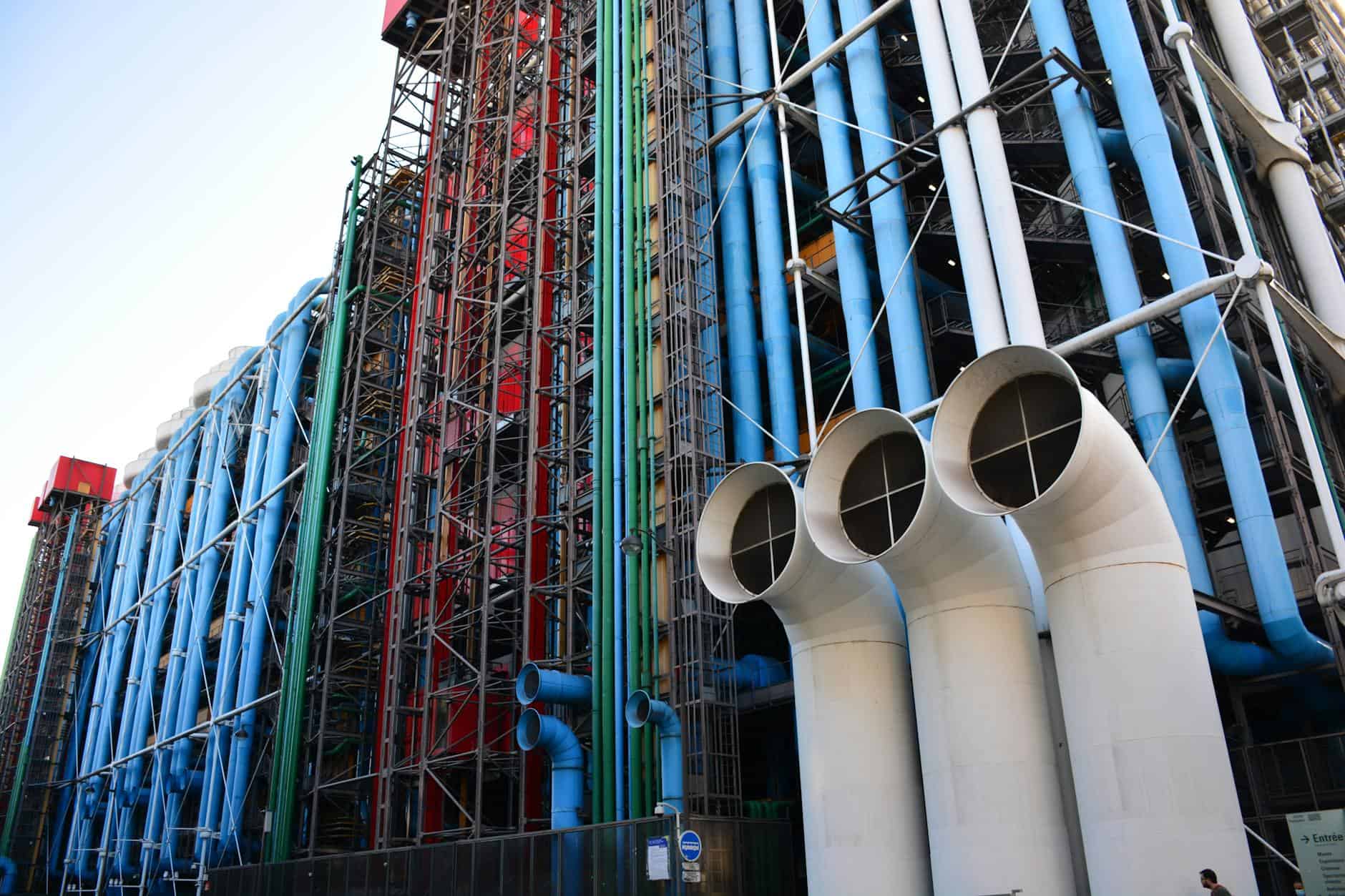
The Centre Pompidou, nestled in the heart of Paris, is not just a museum; it is a revolutionary architectural landmark that has significantly influenced the art world. Opened in 1977, it was designed by architects Renzo Piano and Richard Rogers, representing a break from traditional museum designs by placing its structural and mechanical systems on the outside. This daring approach to architecture embodies the notion of “turning architecture inside out,” allowing for greater flexibility in space usage and a unique aesthetic appeal. The Centre is a vibrant hub of creativity, housing a vast public library, cinemas, and a music research center alongside its renowned art collection. Over the years, it has become a symbol of modern art and an essential destination for art lovers and tourists alike, sparking conversations about art, architecture, and cultural diversity.
The inception of the Centre Pompidou: Vision and Planning
The genesis of the Centre Pompidou is rooted in the ambitious vision of then-French President Georges Pompidou. In the late 1960s, Pompidou proposed the establishment of a cultural institution that would serve as a center for modern art, culture, and the public’s engagement with these fields. His approach was revolutionary for its time, aiming to democratize access to culture and art by creating a space that would welcome all, regardless of socioeconomic status.
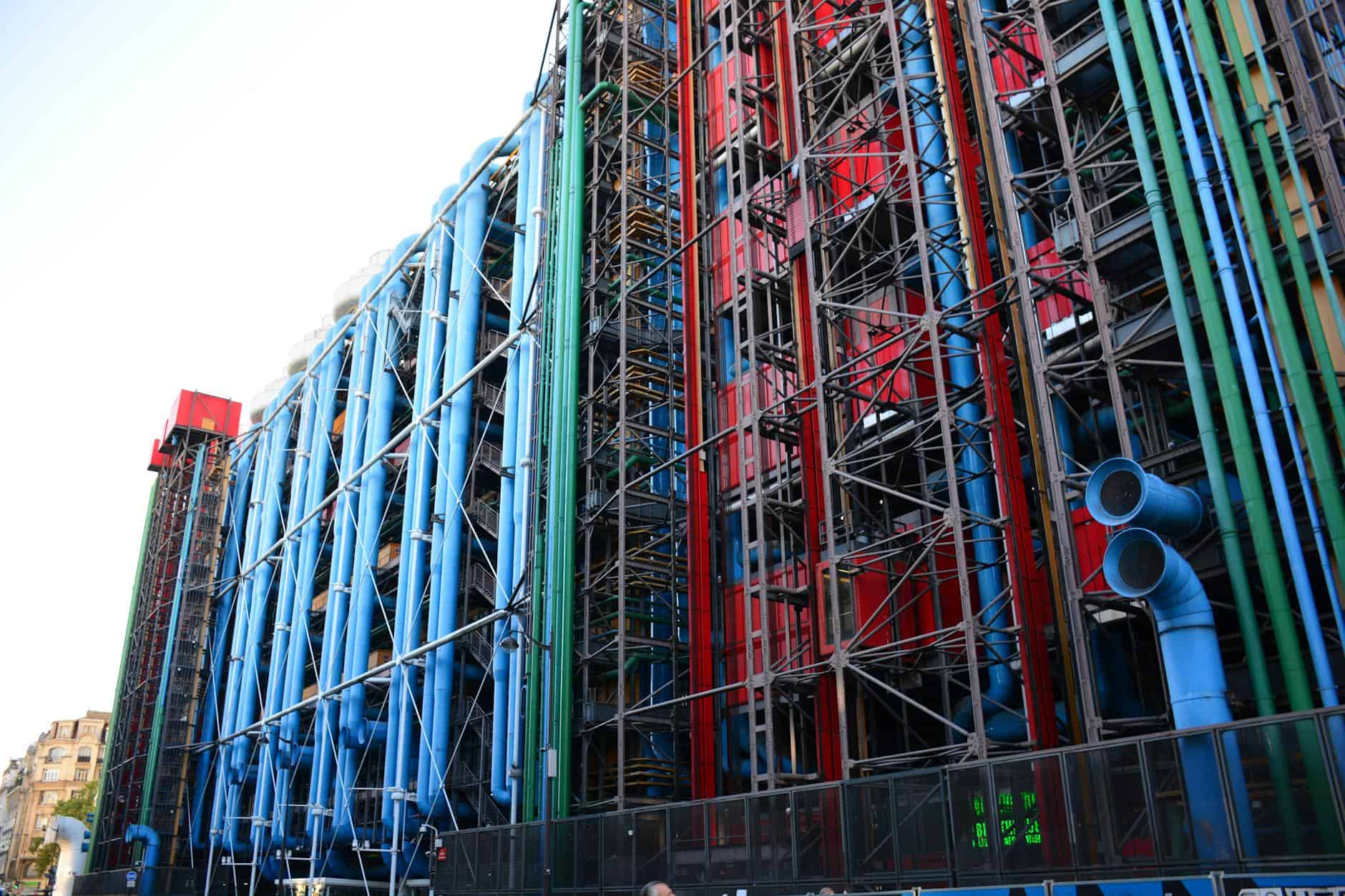
This vision presented a unique challenge to architects, prompting a national competition for design proposals under the auspices of the Ministry of Culture. Renzo Piano and Richard Rogers, two relatively unknown architects at that time, submitted a bold design that would eventually capture the essence of Pompidou’s vision. Their concept was radical: they placed all of the building’s functional components—such as elevators, pipes, and electrical systems—on the exterior, allowing the interior space to be entirely flexible and adaptable for different art installations and public programs.
The design not only challenged the norms of museum architecture but also redefined how cultural institutions could interact with the urban environment. The location was carefully selected, situated in the Beaubourg area of Paris, which had previously been an industrial zone. The architects envisioned the Centre Pompidou as a catalyst for urban regeneration, transforming the surrounding area into a lively cultural precinct.
Despite the innovative design, the project faced significant criticism and controversy during its planning and construction phases. Many prominent architects and critics dismissed the design as overly industrial and inappropriate for the historical context of Paris. They argued that the Centre Pompidou’s bold presence would clash with the city’s traditional aesthetic, raising questions about the place of modernity in a city steeped in history.
Nevertheless, Pompidou and his supporters remained resolute. They recognized that the Centre Pompidou would serve as a challenge to convention, embodying a new perspective on how art and architecture could converge. This visionary tenacity paid off when the Centre Pompidou was inaugurated in January 1977, solidifying Pompidou’s legacy and altering the landscape of cultural architecture in Paris and beyond.
The significance of the Centre Pompidou extends beyond its architectural merits; it symbolizes a broader cultural shift towards inclusivity and accessibility in art. Its creation marked the beginning of a new era in which cultural institutions sought to break away from elitist traditions, inviting people from all walks of life to engage with art in innovative and interactive ways.

Moreover, the Centre serves as an educational platform, hosting workshops, films, performances, and lectures, further widening its appeal. By fulfilling Pompidou’s original vision of a center for the public, the Centre Pompidou not only revolutionized museum architecture but also reshaped the relationship between art, culture, and the community.
As we delve into the architectural innovations and design philosophy of the Centre Pompidou, we must acknowledge its inception’s profound impact on contemporary cultural landscapes, an impact that continues to inspire new generations of artists, architects, and enthusiasts globally.
Architectural Innovations and Design Philosophy
The architectural innovations embodied in the Centre Pompidou are not merely aesthetic choices; they reflect a fundamental rethinking of what modern architecture could achieve. At its core, the design by Renzo Piano and Richard Rogers champions transparency, accessibility, and functionality. By placing essential services like escalators, plumbing, and electrical systems on the outside of the building, the architects provided an unprecedented level of versatility for the interior spaces, gaining international attention and acclaim.
The use of a colorful, exposed skeletal framework is emblematic of the high-tech architectural movement that emerged in the 1970s. This movement emphasized the expression of technology within architectural form, prioritizing materials like glass and steel that would highlight a structure’s inner workings rather than conceal them. The Centre Pompidou’s façade, with its vibrant colors and playful forms, is a visual feast that invites curiosity and exploration. The architects designed the building with a flexible system of modular spaces to adapt to various exhibitions and events, reinforcing the idea that the museum is a living entity that evolves over time.
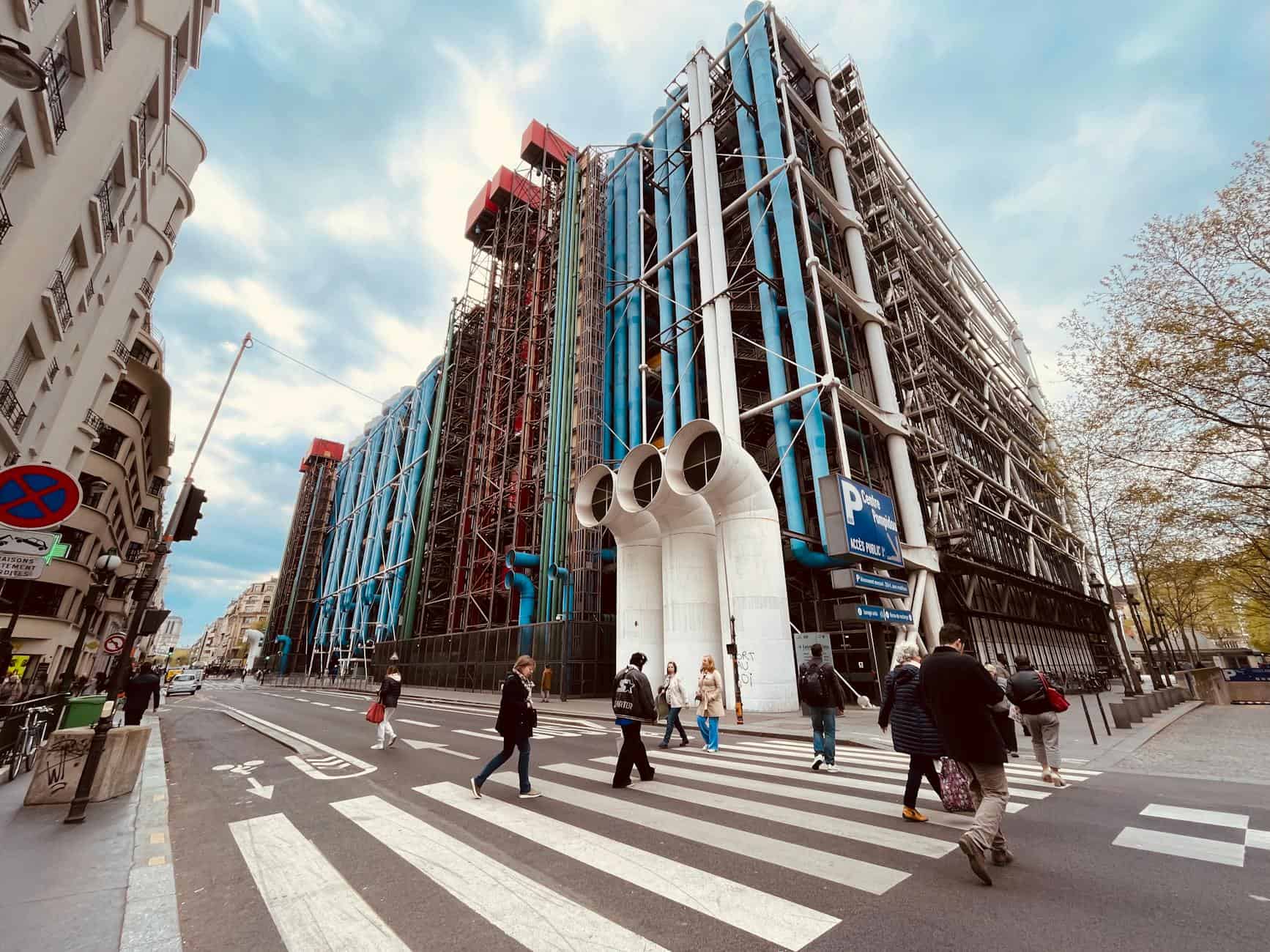
Moreover, the Centre Pompidou’s design prompts a reevaluation of the relationship between a building and its environment. Instead of standing in stark contrast to the Parisian landscape, the Centre engages with its surroundings, challenging the dialogue between historical architecture and modern design. Its open plaza encourages social interaction and invites visitors into a space of cultural exchange, blurring the lines between public and private realms.
Piano and Rogers meticulously considered the integration of the Centre Pompidou into the city, establishing it as a cultural landmark that serves the community. The vibrant public space surrounding the building has become a crucial part of Paris’s urban fabric, hosting performances, artistic installations, and everyday leisure activities. This focus on community engagement reflects a broader trend in contemporary architecture that seeks to address urban challenges by fostering inclusivity and encouraging collaboration among diverse groups.
The importance of natural light in the design cannot be overstated. Large glass façades allow for an abundance of daylight, illuminating exhibition spaces and creating a welcoming atmosphere for visitors. This emphasizes another tenet of modern architecture: blurring indoor and outdoor experiences. Visitors can slide through the transparent walls, seamlessly transitioning between the external plaza and the vast, open exhibition areas within.
The Centre Pompidou also employs sustainable architectural practices, aiming to minimize its environmental impact. Its innovative approach to energy efficiency, such as using natural ventilation, has paved the way for more environmentally conscious design in future cultural institutions.
Ultimately, the architectural innovations and design philosophy of the Centre Pompidou have transcended its physical structure, serving as a model for a new generation of buildings. It exemplifies how architecture can encourage social connection, promote cultural engagement, and challenge traditional conventions, redefining what a cultural institution can be and represent within the urban setting it occupies.
Controversies and Criticism Surrounding the Centre
The Centre Pompidou has never been without its controversies and criticism. From the moment its design was unveiled, it elicited passionate reactions from various stakeholders, including architects, critics, and the general public. Many viewed the building as an affront to Paris’s architectural heritage, arguing that its bold industrial aesthetics were out of place in a city renowned for its classical and Renaissance architecture.
Prominent architects of the time, including the likes of Jean Nouvel and Charles Jencks, voiced strong objections, alleging that the Centre Pompidou’s exposed structure and mechanical systems compromised the integrity of urban aesthetics. Critics referred to it as an “eyesore” and contended that it interrupted the visual harmony of the surrounding area. This sentiment reflected a broader apprehension about modern architecture’s capacity to complement or enhance historical landscapes.
In addition to visual and aesthetic criticisms, socio-political responses to the Centre Pompidou often focused on its implications for cultural access and democratization. Many questioned whether such an avant-garde structure would genuinely serve the public interest. Some argued that the energy spent on creating such an elaborate and costly structure could have been better allocated to support community art initiatives and grassroots cultural movements. These discussions ignited a debate on elitism in the art world; was the Centre Pompidou an emblem of progress or a symbol of cultural elitism that ultimately served a more privileged audience?
As the Centre Pompidou began its operations, it quickly attracted a diverse pool of visitors, and while many celebrated its groundbreaking design, others were skeptical about its capacity to fulfill Pompidou’s original vision of accessibility and community engagement. The challenges of maintaining such an expansive and multifaceted institution presented ongoing scrutiny regarding its operational practices. Critics raised concerns about whether the programming and exhibitions reflected a true representation of contemporary art or simply showcased works from established, predominantly Western artists.
Moreover, as the Centre Pompidou’s reputation evolved, it became synonymous with the commercialization of art. With the increasingly lucrative art market and high-profile exhibitions, many critics argued that the Centre was forgetting its foundational commitment to accessibility in favor of financial gain. This scenario epitomizes a broader tension faced by many cultural institutions today: the necessity of funding versus the mission of enhancing community access to art and culture.
Over the years, as the Centre Pompidou has adapted to changing contexts, criticisms have persisted but also transformed. The rise of contemporary art from diverse global perspectives has gradually shifted the narrative around the Centre. It has increasingly sought to broaden its exhibitions to represent a more inclusive range of voices, pushing back against accusations of elitism and ensuring that its programs resonate with an ever-evolving audience.
These controversies surrounding the Centre Pompidou, while often polarizing, have ultimately sparked important conversations about the role of modern architecture in historical contexts, the challenges of democratizing art access, and the evolving nature of cultural institutions. Despite the criticisms, the Centre’s enduring legacy defies categorization; it remains a fixture of debate and discussion, highlighting the intersection of art, architecture, and community engagement in the modern world.
Impact on Contemporary Art and Culture
The Centre Pompidou has had a profound impact on the landscape of contemporary art and culture since its inception. Its innovative approach to architecture and curation has redefined how museums engage with artists, audiences, and the broader cultural dialogue. This impact can be understood through several key dimensions: the promotion of avant-garde art, the facilitation of artist collaborations, the expansion of public engagement initiatives, and the Centre’s role as an incubator for new ideas and practices within the art world.
When the Centre Pompidou opened its doors in 1977, it quickly positioned itself as a leading institution for modern and contemporary art, housing a vast collection that includes works by legendary artists such as Pablo Picasso, Georges Braque, and Henri Matisse, among many others. It serves not only as a repository of art but as a platform for new and emerging artists whose practices challenge traditional norms. The Centre has consistently spotlighted avant-garde movements and experimental art forms, encouraging visitors to engage with concepts that may be challenging or provocative.
Moreover, the Centre Pompidou has facilitated numerous artist collaborations and residencies, enabling artists to produce work within its walls and interact with the public. By fostering an environment of creativity and collaboration, the Centre has become a space where artistic ideas can be nurtured and explored. Such collaborations have allowed emerging artists to have visibility on a global stage, often leading to exciting dialogues that transcend conventional boundaries of art.
Initiatives such as the Centre Pompidou’s public programs, workshops, and educational offerings further amplify its impact on contemporary culture. By engaging with the community directly, the Centre opens its doors to a diverse audience, breaking down traditional barriers that separate art institutions from the public. This commitment to outreach encourages innovation and creativity in various communities, illustrating art’s ability to inspire change and spark dialogue on critical social issues.
The Centre’s impact extends beyond its physical space, as it actively contributes to the global discourse surrounding contemporary art and culture. By hosting international exhibitions, conferences, and symposiums, the Centre Pompidou fosters a sense of connectivity between artists, curators, and cultural practitioners across the globe. This exchange of ideas promotes cross-cultural understanding and amplifies the voices of artists who may otherwise be marginalized.
Furthermore, the architectural innovation of the Centre Pompidou has sparked discussions about the role of cultural institutions in urban environments. Its transparent, inviting design encourages visitors to think critically about the relationship between art and architecture, as well as the dynamic nature of public spaces. As museums around the world look to the Centre Pompidou as a source of inspiration, many are reconsidering how they can create more engaging and inclusive environments for their visitors.
As contemporary art continues to evolve, the Centre Pompidou remains a vital institution that champions new ideas and practices, promoting dialogue and understanding in an increasingly interconnected world. The legacies of its groundbreaking history, innovative programming, and commitment to community engagement ensure that the Centre will continue to shape the cultural landscape for generations to come.
The Future of the Centre Pompidou
As we look towards the future of the Centre Pompidou, several key themes emerge that will guide its evolution in the coming years. The institution faces various challenges and opportunities in a rapidly changing cultural landscape, including the impact of digital technology, the need for sustainability, and the responsibilities associated with public engagement and accessibility.
With the rise of digital technology and the changing dynamics of art consumption, the Centre Pompidou has an opportunity to expand its reach beyond the physical space. Virtual exhibitions, online workshops, and digital programming can attract global audiences, allowing the institution to share its rich collections and innovative programming with communities that may not have the means to visit in person. By leveraging digital platforms, the Centre can continue to democratize access to contemporary art, ensuring that innovative works and discussions resonate with a broader audience.
However, the digital transition also comes with challenges. There are ongoing discussions about the necessity of preserving the sanctity of physical spaces and the in-person experience of engaging with art. How can the Centre Pompidou find an equilibrium between maintaining its physical structure’s authenticity and embracing the benefits of digital innovation? The response to this question will shape how institutions adapt their practices in a tech-driven era while ensuring that artistic experience remains a core priority.
Moreover, sustainability will undeniably be at the forefront of the Centre’s future undertakings. As global consciousness about environmental issues rises, cultural institutions like the Centre Pompidou must address their ecological impact through sustainable design, energy efficiency, and responsible programming. By pioneering sustainable practices, the Centre can serve as a leading example for other institutions, aligning its values with the growing demand for accountability and stewardship in cultural production.
Public engagement remains another critical aspect of the Centre Pompidou’s future. The institution’s commitment to fostering inclusivity is paramount as it strives to engage a diverse range of voices and perspectives within its exhibitions and programming. Community-led initiatives, dialogues, and partnerships can enrich the Centre’s offerings, ensuring that it remains a vital hub of cultural exchange and innovation. Collaborating with local artists, marginalized communities, and other institutions can strengthen the Centre’s relationship with the public, reaffirming its vital role as a space for dialogue, understanding, and empowerment.
In addition, the Centre Pompidou’s programming must evolve to reflect the shifting landscape of contemporary art, embracing a multitude of practices and mediums that are redefining artistic expression. As art transcends mediums and borders, the Centre should prioritize interdisciplinary engagement that encourages experimentation and explores the intersections between art, technology, and social issues. By promoting diverse narratives and embracing non-traditional art forms, the Centre can become a dynamic space for innovation that speaks to the realities of contemporary society.
As the Centre Pompidou looks forward to its next chapter, it must strike a balance between honoring its rich legacy and embracing transformative possibilities for the future. By navigating the complexities of technological advancement, environmental stewardship, and public engagement, the Centre can reposition itself as an essential cultural institution that embodies resilience, creativity, and inclusivity in an ever-changing world. Continuing to foster dialogue and collaboration will ultimately define the institution’s success and relevance in the years to come.
Conclusion
The Centre Pompidou stands as a testament to the transformative power of architecture, art, and cultural engagement. Since its inception, it has challenged traditional boundaries by redefining how art and architecture relate to the public, creating a space that reflects the diversity and dynamism of contemporary society. Although it faced considerable criticism and controversy, the Centre has emerged as a vital institution that has played a significant role in the evolution of modern culture and art, inspiring generations of artists, architects, and art lovers.
As we consider the impact of the Centre Pompidou, it is clear that its innovative design and commitment to inclusivity have made it a model for cultural institutions worldwide. The future presents exciting possibilities for the Centre to continue building on its legacy, leveraging technology, prioritizing sustainability, and enhancing public engagement to ensure that it remains a beacon of creativity and thought-provoking discourse.
Ultimately, the Centre Pompidou epitomizes the intersection of art, architecture, and community. Its bold vision has not only revolutionized museum design but also reinforced the idea that culture is a living, breathing entity that exists beyond the confines of traditional formats. As we look to the future, the Centre Pompidou promises to continue playing a pivotal role in shaping the cultural landscape, inviting all to participate in this shared journey of exploration and discovery.