Tag: Museums
-
Centre Pompidou History: Inside the Museum That Turned Architecture Inside Out
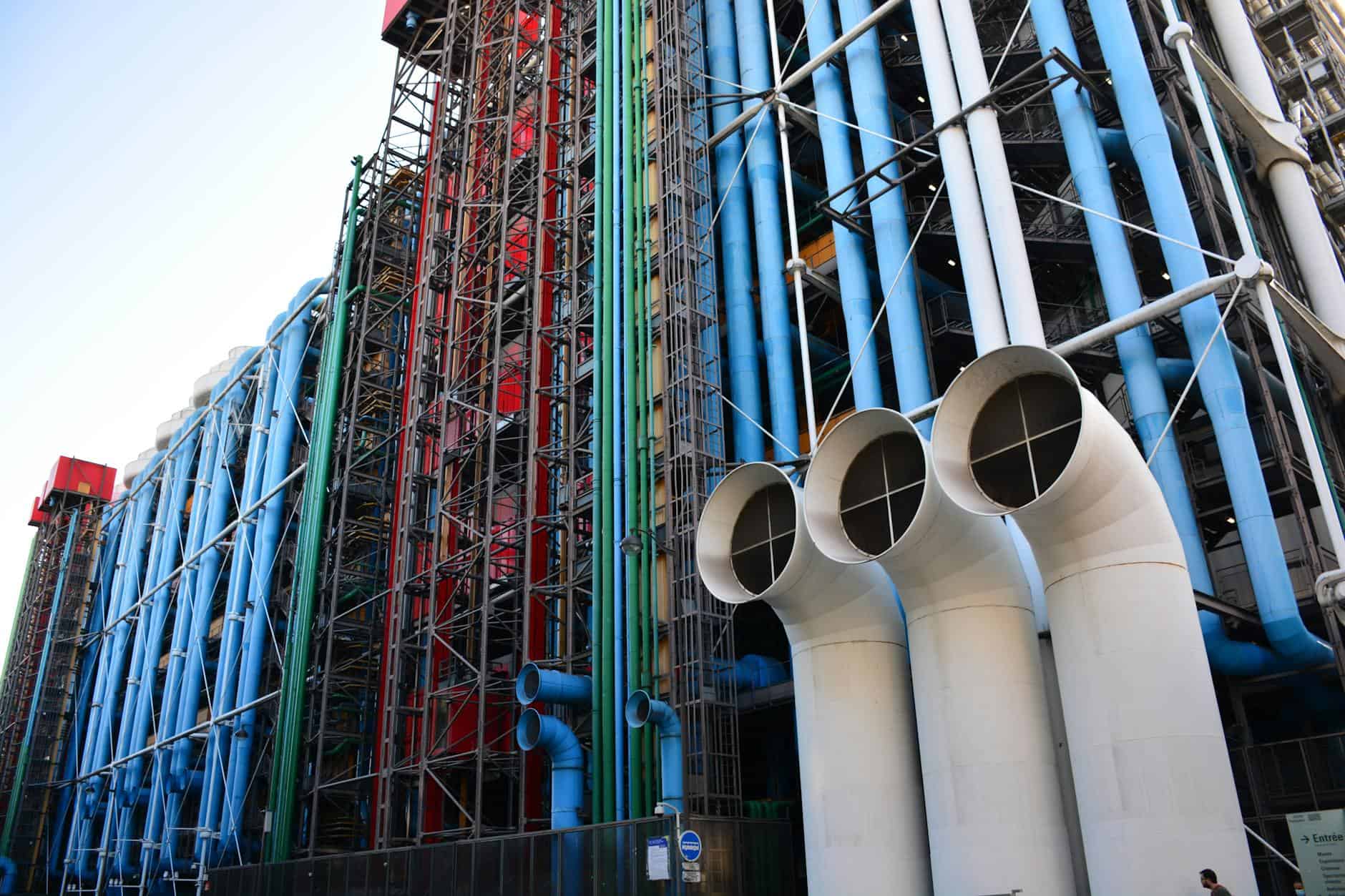
The Centre Pompidou in Paris, inaugurated in 1977, is a groundbreaking cultural institution that redefined modern museum design. Created by architects Renzo Piano and Richard Rogers, its exteriorized structural components symbolize transparency and accessibility. Initiated by President Georges Pompidou to democratize access to culture, the Centre has sparked debates on modern architecture’s role in historical contexts. While facing criticism for its unconventional aesthetics, it has become a vibrant hub for contemporary art and public engagement. Looking ahead, it must navigate digital innovation, sustainability, and inclusivity while continuing to challenge traditional art narratives and foster community connection.
-
Art Institute of Chicago History: A Legacy of Masterpieces and Innovation

The Art Institute of Chicago, founded in 1879, is a leading global art institution celebrated for its extensive collection and commitment to education and accessibility. Originally established as the Chicago Academy of Fine Arts, it evolved into a cultural cornerstone post-Great Chicago Fire, enhancing the local art scene. Its notable collection houses over 300,000 works, including iconic pieces like Grant Wood’s “American Gothic.” The Institute emphasizes community engagement through educational programs for diverse audiences, ensuring art’s transformative power is accessible to all. Its dedication to diversity and innovation continues to influence American art and culture, shaping future generations of artists…
-
The History of the Tretyakov Gallery: From Private Collection to National Treasure

The Tretyakov Gallery in Moscow, founded by Pavel Tretyakov in the mid-19th century, is a significant institution in Russian art history. Transitioning from a private collection to a public museum in 1893, it democratized access to art and became a cultural symbol. The gallery showcases a diverse array of Russian artistic talent, from historical figures to contemporary movements, reflecting societal changes and national identity. Its architectural evolution mirrors Russia’s cultural dynamics, enhancing visitor experience. Today, the gallery embraces modern technology and community engagement, ensuring its relevance while continuing to inspire appreciation for Russian art and heritage among future generations.
-
The History of London’s Science Museum: Where Curiosity Meets Invention

The Science Museum in London, founded in 1857, has evolved into a leading institution that promotes public understanding of science and technology. Originating from the Great Exhibition of 1851, it houses over 300,000 items, highlighting significant milestones in scientific achievement. Its architectural evolution reflects advancements in design and accessibility. The museum includes iconic exhibitions like “Making the Modern World” and “Exploring Space,” engaging visitors with interactive displays. Through educational programs, public events, and a commitment to inclusivity, it fosters scientific literacy. Moving forward, the museum aims to integrate digital technology and sustainability, ensuring it remains relevant and inspiring for future…
-
History of Musée d’Orsay and l’Orangerie: From Railway Relics to Artistic Landmarks

The Musée d’Orsay, formerly a railway station, showcases the evolution of art and architecture in Paris, featuring over 4,000 artworks primarily from the Impressionist era. Designed in Beaux-Arts style, it retains its stunning original structure, creating an engaging experience for visitors. L’Orangerie complements this with Monet’s Water Lilies, emphasizing the relationship between nature and art. Together, these institutions highlight the significance of Paris’s cultural landscape while engaging the public through educational programs and community involvement. Their ongoing adaptations ensure both museums remain relevant, fostering future generations’ appreciation for art and the intricate narratives within architectural heritage.
-
The Guggenheim Bilbao: How One Museum Transformed a City and Redefined Modern Art
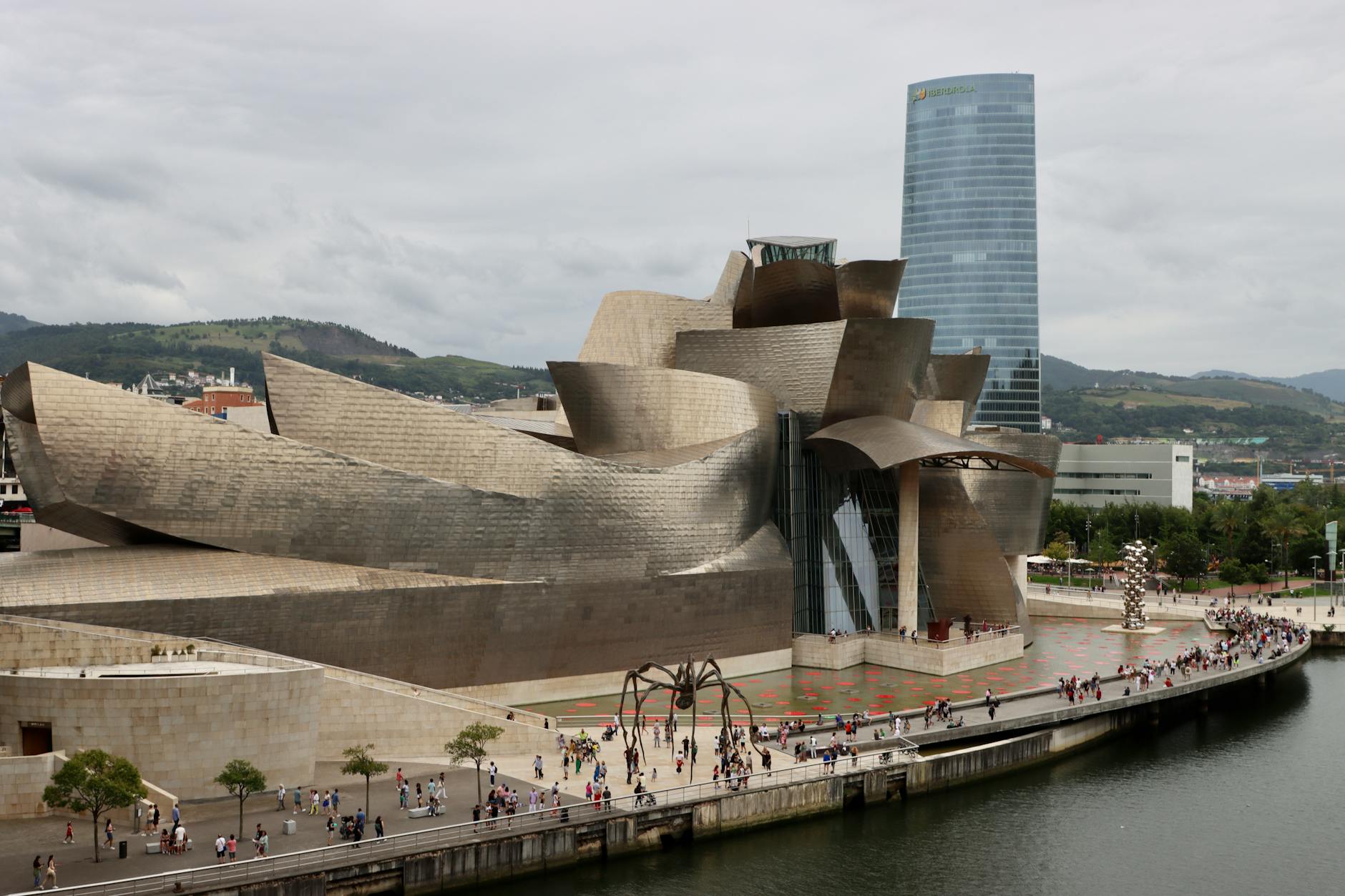
The Guggenheim Museum Bilbao, opened in 1997, epitomizes the revitalization of a city previously viewed as industrially stagnant. Designed by Frank Gehry, the museum’s innovative architecture attracted millions of visitors, reshaping Bilbao’s global cultural identity. Before its establishment, Bilbao faced economic decline due to deindustrialization, prompting local leaders to invest in cultural tourism as a revitalization strategy. The museum has since spurred economic growth, reducing unemployment and enhancing local quality of life. Additionally, it has redefined modern art’s dialogue by prioritizing innovative, socially engaged exhibitions, becoming a global model for integrating art, architecture, and community impact.
-
Van Gogh Museum History: A Tribute to the Life and Legacy of a Genius

The Van Gogh Museum in Amsterdam is a prominent institution dedicated to Vincent van Gogh, housing the world’s largest collection of his works, including over 200 paintings and 500 drawings. Founded in 1973, it serves as both a museum and an educational hub, offering programs that connect Van Gogh’s life and artistry to contemporary audiences. Through guided tours, workshops, and digital initiatives, the museum fosters engagement with diverse communities. It also actively participates in global art discourse, highlighting Van Gogh’s influence and contemporary relevance. The museum’s extensive offerings ensure that Van Gogh’s legacy continues to inspire and resonate worldwide.
-
The Hermitage Museum: Unveiling the History of Russia’s Cultural Treasure

The Hermitage Museum in St. Petersburg, established in 1764 by Catherine the Great, is a premier cultural institution housing over three million artifacts, illustrating the evolution of art and history. Its extensive collections include European masterpieces and significant Asian art, offering insights into diverse cultural narratives. Architecturally, the Winter Palace exemplifies Rococo elegance, complemented by other buildings showcasing various styles. The museum actively engages the public through thematic exhibitions, educational programs, and community outreach, fostering appreciation for the arts. In the 21st century, the Hermitage embraces sustainability and modern technology while promoting inclusivity, ensuring its relevance in a dynamic cultural…
-
Exploring the Uffizi Gallery History: The Heart of Florence’s Artistic Heritage
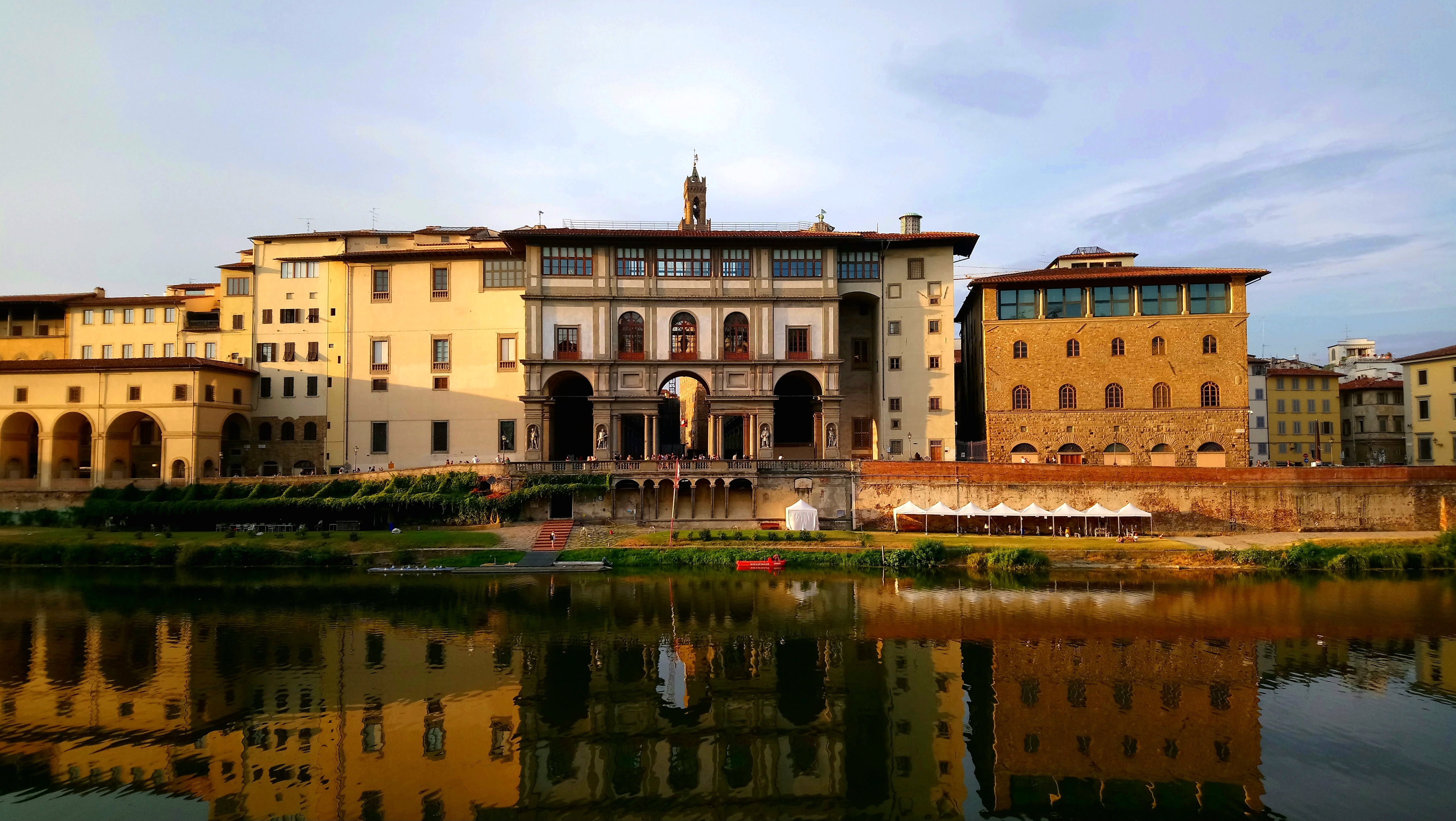
The Uffizi Gallery in Florence, originally built as government offices, has transformed into a premier art museum showcasing Renaissance masterpieces. Established under the direction of Francesco I de’ Medici and designed by Giorgio Vasari, the gallery’s architecture reflects Renaissance ideals. Housing over 1,800 significant works from artists like Botticelli, Michelangelo, and Caravaggio, it serves as a cultural hub that attracts millions annually. The Uffizi promotes art appreciation and education through outreach initiatives and digital accessibility. Its commitment to restoration and inclusivity ensures the preservation of Florence’s artistic heritage for future generations, making it a significant cultural landmark.
-
From Vision to Icon: The History of the Metropolitan Museum of Art

The Metropolitan Museum of Art, established in 1870, embodies a vision of accessible art for everyone, transcending social barriers. This esteemed institution began in Bryant Park and evolved through significant architectural expansions, notably under architect Richard Morris Hunt. The Met’s curatorial practices have significantly shifted, emphasizing thematic exhibitions and inclusivity, showcasing diverse narratives. The museum’s cultural impact extends beyond its collections, engaging with vital societal issues and fostering educational programs, particularly for underserved communities. Looking ahead, The Met remains committed to technological innovation, sustainability, and creating a sense of belonging, ensuring its continued relevance and inspiration in the arts.
-
Exploring the Natural History Museum

The Natural History Museum in London, inaugurated in the late 19th century, is a cultural landmark combining Victorian architecture and scientific inquiry. Designed by Alfred Waterhouse, its Romanesque Revival style houses over 80 million specimens, facilitating education and research in natural history. The museum showcases significant exhibits, including the iconic blue whale skeleton named “Hope” and the Dinosaur Gallery featuring animatronic displays. It actively contributes to global conservation and biodiversity initiatives, engaging the public through interactive experiences and innovative technology. The museum represents the intersection of art, science, and environmental stewardship, inspiring future generations to explore and protect the natural…
-
The Prado Museum: A Journey Through Art History

The Museo del Prado in Madrid is a premier art museum showcasing European masterpieces, especially Spanish art. Established in 1819 by King Ferdinand VII, it originally displayed royal collections but has since evolved into a global cultural emblem. The museum features works by prominent artists like Velázquez, Goya, and Titian, representing centuries of artistic evolution. Its architecture blends classical and modern styles, with expansions to accommodate its growing collection. The Prado also plays a key role in art preservation and education, fostering international engagement through exhibitions and digital initiatives. It remains vital in understanding Spain’s cultural heritage and global art…
-
Top 5 Museums Around the World You Must Visit in 2025

The article highlights the significance of five renowned museums: The Louvre, The British Museum, The Metropolitan Museum of Art, The Vatican Museums, and The Uffizi Gallery. Each institution serves as a gateway to diverse cultures and human history through their vast collections of art and artifacts. The Louvre showcases a blend of historical and modern architecture, featuring masterpieces like the “Mona Lisa.” The British Museum offers insights into global civilizations, while The Met emphasizes artistic expression across eras. The Vatican Museums merge spirituality and artistry, and the Uffizi Gallery showcases Renaissance masterpieces. Collectively, these museums foster understanding and appreciation of…
-
3 Days in London: Essential Itinerary for First-Timers
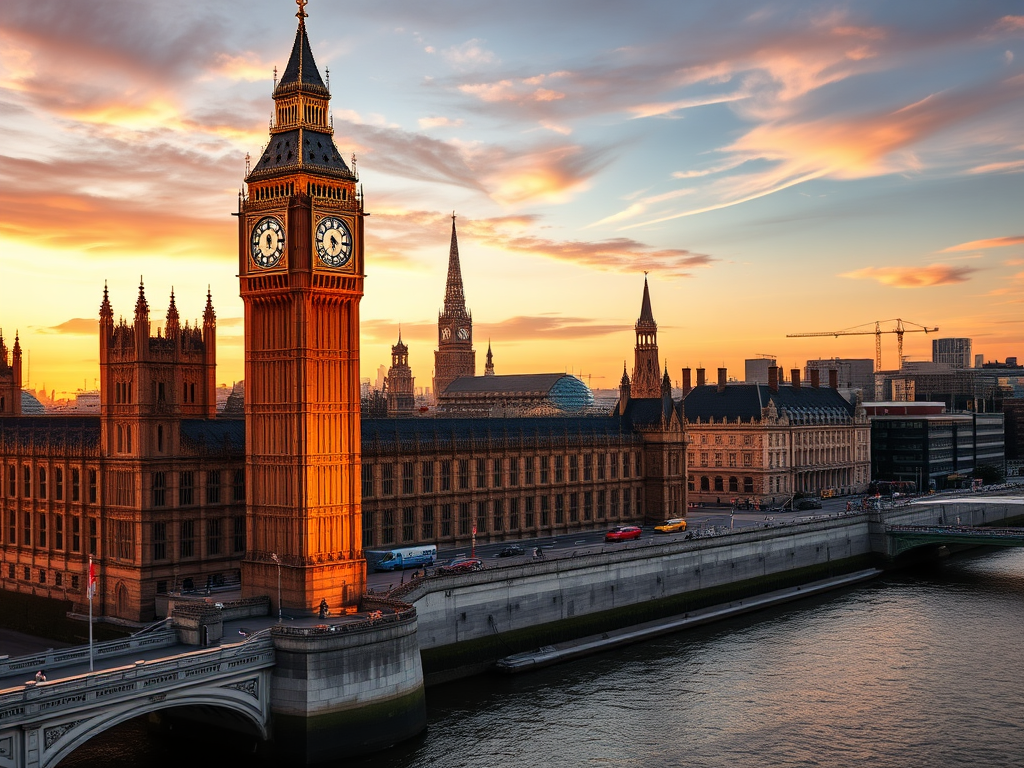
Introduction London, the vibrant capital of the United Kingdom, is a city where history meets modernity at every turn. With its iconic landmarks, world-class museums, and diverse neighborhoods, London offers an unforgettable experience for any traveler. But with so much to see, planning a trip can be overwhelming. This 3 days in London itinerary is designed to help you make the most of your time while experiencing the city’s highlights. From the historic grandeur of Westminster and Buckingham Palace to the cultural treasures of the British Museum and West End theaters, you’ll see the very best London has to offer.…
-
Top 5 Paris Landmarks You Can’t Miss in 2025

Paris, the “City of Light,” is renowned for its rich history, stunning architecture, and vibrant culture, attracting millions of visitors annually. This article explores five iconic landmarks: the Eiffel Tower, a symbol of innovation and panoramic views; the Louvre Museum, housing timeless masterpieces like the Mona Lisa; the Gothic Notre-Dame Cathedral, a historical marvel undergoing restoration; the Champs-Élysées and Arc de Triomphe, embodying Parisian grandeur; and Montmartre with the Sacré-CÅ“ur Basilica, representing artistic spirit. Each site reflects Paris’s cultural heritage, blending past and present, making it an unforgettable destination for all who visit.
-
Exploring the Uffizi Galleries: Art, History, and Renaissance Legacies

Introduction The Uffizi Galleries, located in Florence, are one of the world’s most renowned museums, housing an extensive collection of art from the Italian Renaissance and beyond. Originally conceived as administrative offices by Giorgio Vasari for Francesco I de’ Medici in the 16th century, the Uffizi evolved into a prominent public gallery showcasing the wealth and artistic legacy of the powerful Medici family. Over the centuries, it has become a symbol of Florence’s cultural heritage and a major destination for art lovers globally. The gallery’s collection boasts masterpieces by iconic artists like Leonardo da Vinci, Botticelli, Raphael, and Michelangelo. However,…
-
The History of the National Gallery: London’s Cultural Treasure

The National Gallery in London is one of the world’s most renowned art institutions, housing a vast collection that spans centuries of artistic excellence. Founded in 1824, the gallery began with just 38 paintings purchased from the collection of the banker and patron John Julius Angerstein. Its mission was to make art accessible to the public, offering an unparalleled experience to learn from and engage with European masterpieces across periods and styles. Over nearly two centuries, the National Gallery has grown both in its collection and influence, now possessing over 2,300 works, ranging from medieval to post-impressionist masterpieces.
-
Michelangelo’s David Statue: The History, Meaning, and Legacy

The Michelangelo’s David Statue, created between 1501 and 1504, is a Renaissance masterpiece symbolizing strength, beauty, and the human spirit. This statue emerged from the rich artistic context of Florence amidst political turmoil, reflecting the city’s resilience. Through his early life, mentorship under the Medici, and exposure to classical art, Michelangelo honed his sculptural skills. Commissioned by the Operai del Duomo, the statue illustrates David before his battle with Goliath, emphasizing internal struggle. Its completion in 1504 solidified Michelangelo’s reputation, as David became a cultural and political icon, influencing artists for generations and representing Italy’s quest for unity and strength.