Tag: Paris

  • Centre Pompidou History: Inside the Museum That Turned Architecture Inside Out
    Centre Pompidou History: Inside the Museum That Turned Architecture Inside Out

    Introduction

    The Centre Pompidou, nestled in the heart of Paris, is not just a museum; it is a revolutionary architectural landmark that has significantly influenced the art world. Opened in 1977, it was designed by architects Renzo Piano and Richard Rogers, representing a break from traditional museum designs by placing its structural and mechanical systems on the outside. This daring approach to architecture embodies the notion of “turning architecture inside out,” allowing for greater flexibility in space usage and a unique aesthetic appeal. The Centre is a vibrant hub of creativity, housing a vast public library, cinemas, and a music research center alongside its renowned art collection. Over the years, it has become a symbol of modern art and an essential destination for art lovers and tourists alike, sparking conversations about art, architecture, and cultural diversity.

    The inception of the Centre Pompidou: Vision and Planning

    The genesis of the Centre Pompidou is rooted in the ambitious vision of then-French President Georges Pompidou. In the late 1960s, Pompidou proposed the establishment of a cultural institution that would serve as a center for modern art, culture, and the public’s engagement with these fields. His approach was revolutionary for its time, aiming to democratize access to culture and art by creating a space that would welcome all, regardless of socioeconomic status.

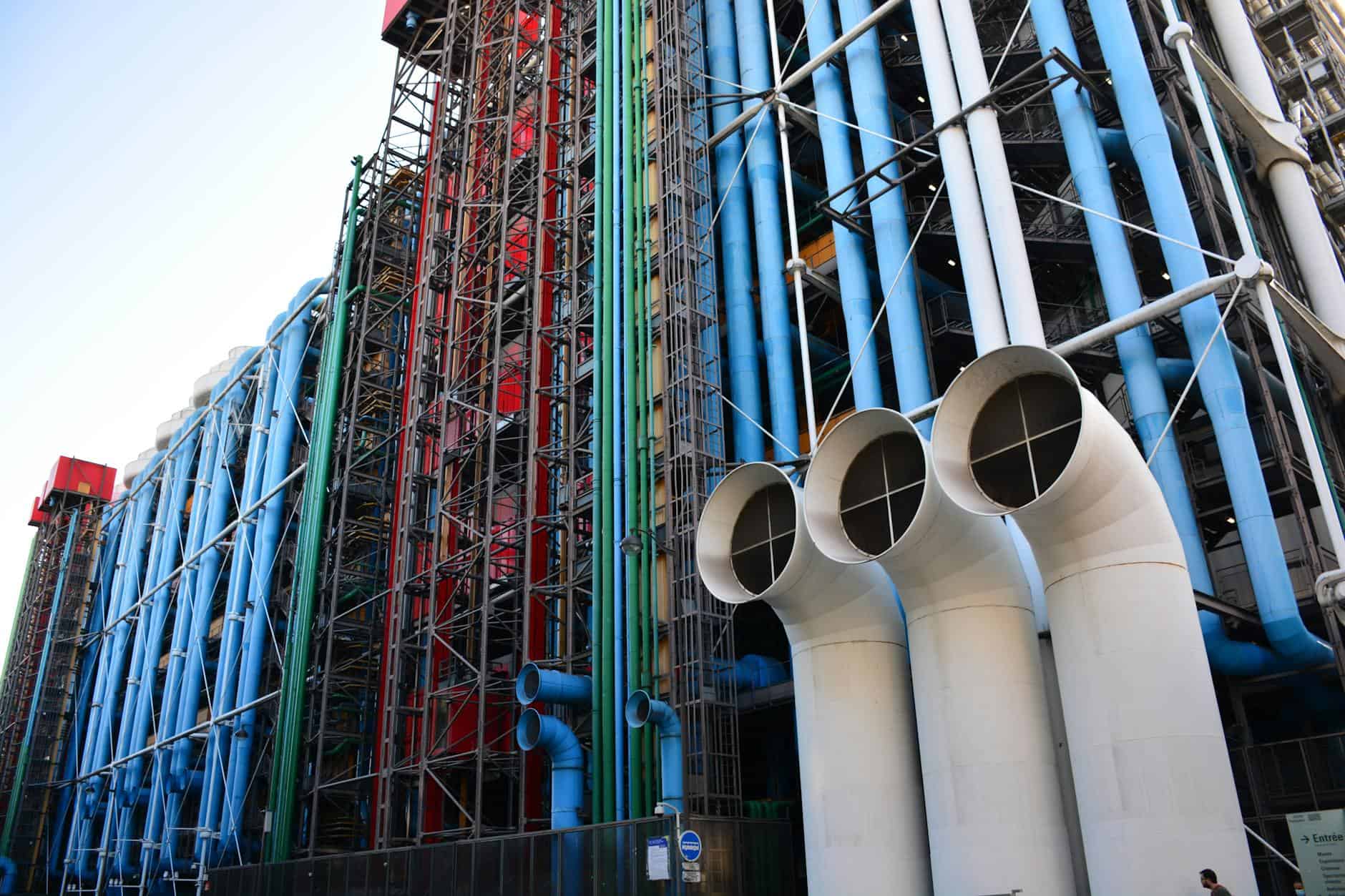
    This vision presented a unique challenge to architects, prompting a national competition for design proposals under the auspices of the Ministry of Culture. Renzo Piano and Richard Rogers, two relatively unknown architects at that time, submitted a bold design that would eventually capture the essence of Pompidou’s vision. Their concept was radical: they placed all of the building’s functional components—such as elevators, pipes, and electrical systems—on the exterior, allowing the interior space to be entirely flexible and adaptable for different art installations and public programs.

    The design not only challenged the norms of museum architecture but also redefined how cultural institutions could interact with the urban environment. The location was carefully selected, situated in the Beaubourg area of Paris, which had previously been an industrial zone. The architects envisioned the Centre Pompidou as a catalyst for urban regeneration, transforming the surrounding area into a lively cultural precinct.

    Despite the innovative design, the project faced significant criticism and controversy during its planning and construction phases. Many prominent architects and critics dismissed the design as overly industrial and inappropriate for the historical context of Paris. They argued that the Centre Pompidou’s bold presence would clash with the city’s traditional aesthetic, raising questions about the place of modernity in a city steeped in history.

    Nevertheless, Pompidou and his supporters remained resolute. They recognized that the Centre Pompidou would serve as a challenge to convention, embodying a new perspective on how art and architecture could converge. This visionary tenacity paid off when the Centre Pompidou was inaugurated in January 1977, solidifying Pompidou’s legacy and altering the landscape of cultural architecture in Paris and beyond.

    The significance of the Centre Pompidou extends beyond its architectural merits; it symbolizes a broader cultural shift towards inclusivity and accessibility in art. Its creation marked the beginning of a new era in which cultural institutions sought to break away from elitist traditions, inviting people from all walks of life to engage with art in innovative and interactive ways.

    view of building
    The Centre Pompidou

    Moreover, the Centre serves as an educational platform, hosting workshops, films, performances, and lectures, further widening its appeal. By fulfilling Pompidou’s original vision of a center for the public, the Centre Pompidou not only revolutionized museum architecture but also reshaped the relationship between art, culture, and the community.

    As we delve into the architectural innovations and design philosophy of the Centre Pompidou, we must acknowledge its inception’s profound impact on contemporary cultural landscapes, an impact that continues to inspire new generations of artists, architects, and enthusiasts globally.

    Architectural Innovations and Design Philosophy

    The architectural innovations embodied in the Centre Pompidou are not merely aesthetic choices; they reflect a fundamental rethinking of what modern architecture could achieve. At its core, the design by Renzo Piano and Richard Rogers champions transparency, accessibility, and functionality. By placing essential services like escalators, plumbing, and electrical systems on the outside of the building, the architects provided an unprecedented level of versatility for the interior spaces, gaining international attention and acclaim.

    The use of a colorful, exposed skeletal framework is emblematic of the high-tech architectural movement that emerged in the 1970s. This movement emphasized the expression of technology within architectural form, prioritizing materials like glass and steel that would highlight a structure’s inner workings rather than conceal them. The Centre Pompidou’s façade, with its vibrant colors and playful forms, is a visual feast that invites curiosity and exploration. The architects designed the building with a flexible system of modular spaces to adapt to various exhibitions and events, reinforcing the idea that the museum is a living entity that evolves over time.

    Moreover, the Centre Pompidou’s design prompts a reevaluation of the relationship between a building and its environment. Instead of standing in stark contrast to the Parisian landscape, the Centre engages with its surroundings, challenging the dialogue between historical architecture and modern design. Its open plaza encourages social interaction and invites visitors into a space of cultural exchange, blurring the lines between public and private realms.

    Piano and Rogers meticulously considered the integration of the Centre Pompidou into the city, establishing it as a cultural landmark that serves the community. The vibrant public space surrounding the building has become a crucial part of Paris’s urban fabric, hosting performances, artistic installations, and everyday leisure activities. This focus on community engagement reflects a broader trend in contemporary architecture that seeks to address urban challenges by fostering inclusivity and encouraging collaboration among diverse groups.

    The importance of natural light in the design cannot be overstated. Large glass façades allow for an abundance of daylight, illuminating exhibition spaces and creating a welcoming atmosphere for visitors. This emphasizes another tenet of modern architecture: blurring indoor and outdoor experiences. Visitors can slide through the transparent walls, seamlessly transitioning between the external plaza and the vast, open exhibition areas within.

    exterior of centre pompidou
    The Centre Pompidou

    The Centre Pompidou also employs sustainable architectural practices, aiming to minimize its environmental impact. Its innovative approach to energy efficiency, such as using natural ventilation, has paved the way for more environmentally conscious design in future cultural institutions.

    Ultimately, the architectural innovations and design philosophy of the Centre Pompidou have transcended its physical structure, serving as a model for a new generation of buildings. It exemplifies how architecture can encourage social connection, promote cultural engagement, and challenge traditional conventions, redefining what a cultural institution can be and represent within the urban setting it occupies.

    Controversies and Criticism Surrounding the Centre

    The Centre Pompidou has never been without its controversies and criticism. From the moment its design was unveiled, it elicited passionate reactions from various stakeholders, including architects, critics, and the general public. Many viewed the building as an affront to Paris’s architectural heritage, arguing that its bold industrial aesthetics were out of place in a city renowned for its classical and Renaissance architecture.

    Prominent architects of the time, including the likes of Jean Nouvel and Charles Jencks, voiced strong objections, alleging that the Centre Pompidou’s exposed structure and mechanical systems compromised the integrity of urban aesthetics. Critics referred to it as an “eyesore” and contended that it interrupted the visual harmony of the surrounding area. This sentiment reflected a broader apprehension about modern architecture’s capacity to complement or enhance historical landscapes.

    In addition to visual and aesthetic criticisms, socio-political responses to the Centre Pompidou often focused on its implications for cultural access and democratization. Many questioned whether such an avant-garde structure would genuinely serve the public interest. Some argued that the energy spent on creating such an elaborate and costly structure could have been better allocated to support community art initiatives and grassroots cultural movements. These discussions ignited a debate on elitism in the art world; was the Centre Pompidou an emblem of progress or a symbol of cultural elitism that ultimately served a more privileged audience?

    As the Centre Pompidou began its operations, it quickly attracted a diverse pool of visitors, and while many celebrated its groundbreaking design, others were skeptical about its capacity to fulfill Pompidou’s original vision of accessibility and community engagement. The challenges of maintaining such an expansive and multifaceted institution presented ongoing scrutiny regarding its operational practices. Critics raised concerns about whether the programming and exhibitions reflected a true representation of contemporary art or simply showcased works from established, predominantly Western artists.

    Moreover, as the Centre Pompidou’s reputation evolved, it became synonymous with the commercialization of art. With the increasingly lucrative art market and high-profile exhibitions, many critics argued that the Centre was forgetting its foundational commitment to accessibility in favor of financial gain. This scenario epitomizes a broader tension faced by many cultural institutions today: the necessity of funding versus the mission of enhancing community access to art and culture.

    Over the years, as the Centre Pompidou has adapted to changing contexts, criticisms have persisted but also transformed. The rise of contemporary art from diverse global perspectives has gradually shifted the narrative around the Centre. It has increasingly sought to broaden its exhibitions to represent a more inclusive range of voices, pushing back against accusations of elitism and ensuring that its programs resonate with an ever-evolving audience.

    These controversies surrounding the Centre Pompidou, while often polarizing, have ultimately sparked important conversations about the role of modern architecture in historical contexts, the challenges of democratizing art access, and the evolving nature of cultural institutions. Despite the criticisms, the Centre’s enduring legacy defies categorization; it remains a fixture of debate and discussion, highlighting the intersection of art, architecture, and community engagement in the modern world.

    Impact on Contemporary Art and Culture

    The Centre Pompidou has had a profound impact on the landscape of contemporary art and culture since its inception. Its innovative approach to architecture and curation has redefined how museums engage with artists, audiences, and the broader cultural dialogue. This impact can be understood through several key dimensions: the promotion of avant-garde art, the facilitation of artist collaborations, the expansion of public engagement initiatives, and the Centre’s role as an incubator for new ideas and practices within the art world.

    When the Centre Pompidou opened its doors in 1977, it quickly positioned itself as a leading institution for modern and contemporary art, housing a vast collection that includes works by legendary artists such as Pablo Picasso, Georges Braque, and Henri Matisse, among many others. It serves not only as a repository of art but as a platform for new and emerging artists whose practices challenge traditional norms. The Centre has consistently spotlighted avant-garde movements and experimental art forms, encouraging visitors to engage with concepts that may be challenging or provocative.

    Moreover, the Centre Pompidou has facilitated numerous artist collaborations and residencies, enabling artists to produce work within its walls and interact with the public. By fostering an environment of creativity and collaboration, the Centre has become a space where artistic ideas can be nurtured and explored. Such collaborations have allowed emerging artists to have visibility on a global stage, often leading to exciting dialogues that transcend conventional boundaries of art.

    Initiatives such as the Centre Pompidou’s public programs, workshops, and educational offerings further amplify its impact on contemporary culture. By engaging with the community directly, the Centre opens its doors to a diverse audience, breaking down traditional barriers that separate art institutions from the public. This commitment to outreach encourages innovation and creativity in various communities, illustrating art’s ability to inspire change and spark dialogue on critical social issues.

    modern architectural street view of pompidou center
    The Centre Pompidou

    The Centre’s impact extends beyond its physical space, as it actively contributes to the global discourse surrounding contemporary art and culture. By hosting international exhibitions, conferences, and symposiums, the Centre Pompidou fosters a sense of connectivity between artists, curators, and cultural practitioners across the globe. This exchange of ideas promotes cross-cultural understanding and amplifies the voices of artists who may otherwise be marginalized.

    Furthermore, the architectural innovation of the Centre Pompidou has sparked discussions about the role of cultural institutions in urban environments. Its transparent, inviting design encourages visitors to think critically about the relationship between art and architecture, as well as the dynamic nature of public spaces. As museums around the world look to the Centre Pompidou as a source of inspiration, many are reconsidering how they can create more engaging and inclusive environments for their visitors.

    As contemporary art continues to evolve, the Centre Pompidou remains a vital institution that champions new ideas and practices, promoting dialogue and understanding in an increasingly interconnected world. The legacies of its groundbreaking history, innovative programming, and commitment to community engagement ensure that the Centre will continue to shape the cultural landscape for generations to come.

    The Future of the Centre Pompidou

    As we look towards the future of the Centre Pompidou, several key themes emerge that will guide its evolution in the coming years. The institution faces various challenges and opportunities in a rapidly changing cultural landscape, including the impact of digital technology, the need for sustainability, and the responsibilities associated with public engagement and accessibility.

    With the rise of digital technology and the changing dynamics of art consumption, the Centre Pompidou has an opportunity to expand its reach beyond the physical space. Virtual exhibitions, online workshops, and digital programming can attract global audiences, allowing the institution to share its rich collections and innovative programming with communities that may not have the means to visit in person. By leveraging digital platforms, the Centre can continue to democratize access to contemporary art, ensuring that innovative works and discussions resonate with a broader audience.

    However, the digital transition also comes with challenges. There are ongoing discussions about the necessity of preserving the sanctity of physical spaces and the in-person experience of engaging with art. How can the Centre Pompidou find an equilibrium between maintaining its physical structure’s authenticity and embracing the benefits of digital innovation? The response to this question will shape how institutions adapt their practices in a tech-driven era while ensuring that artistic experience remains a core priority.

    Moreover, sustainability will undeniably be at the forefront of the Centre’s future undertakings. As global consciousness about environmental issues rises, cultural institutions like the Centre Pompidou must address their ecological impact through sustainable design, energy efficiency, and responsible programming. By pioneering sustainable practices, the Centre can serve as a leading example for other institutions, aligning its values with the growing demand for accountability and stewardship in cultural production.

    Public engagement remains another critical aspect of the Centre Pompidou’s future. The institution’s commitment to fostering inclusivity is paramount as it strives to engage a diverse range of voices and perspectives within its exhibitions and programming. Community-led initiatives, dialogues, and partnerships can enrich the Centre’s offerings, ensuring that it remains a vital hub of cultural exchange and innovation. Collaborating with local artists, marginalized communities, and other institutions can strengthen the Centre’s relationship with the public, reaffirming its vital role as a space for dialogue, understanding, and empowerment.

    In addition, the Centre Pompidou’s programming must evolve to reflect the shifting landscape of contemporary art, embracing a multitude of practices and mediums that are redefining artistic expression. As art transcends mediums and borders, the Centre should prioritize interdisciplinary engagement that encourages experimentation and explores the intersections between art, technology, and social issues. By promoting diverse narratives and embracing non-traditional art forms, the Centre can become a dynamic space for innovation that speaks to the realities of contemporary society.

    As the Centre Pompidou looks forward to its next chapter, it must strike a balance between honoring its rich legacy and embracing transformative possibilities for the future. By navigating the complexities of technological advancement, environmental stewardship, and public engagement, the Centre can reposition itself as an essential cultural institution that embodies resilience, creativity, and inclusivity in an ever-changing world. Continuing to foster dialogue and collaboration will ultimately define the institution’s success and relevance in the years to come.

    Conclusion

    The Centre Pompidou stands as a testament to the transformative power of architecture, art, and cultural engagement. Since its inception, it has challenged traditional boundaries by redefining how art and architecture relate to the public, creating a space that reflects the diversity and dynamism of contemporary society. Although it faced considerable criticism and controversy, the Centre has emerged as a vital institution that has played a significant role in the evolution of modern culture and art, inspiring generations of artists, architects, and art lovers.

    As we consider the impact of the Centre Pompidou, it is clear that its innovative design and commitment to inclusivity have made it a model for cultural institutions worldwide. The future presents exciting possibilities for the Centre to continue building on its legacy, leveraging technology, prioritizing sustainability, and enhancing public engagement to ensure that it remains a beacon of creativity and thought-provoking discourse.

    Ultimately, the Centre Pompidou epitomizes the intersection of art, architecture, and community. Its bold vision has not only revolutionized museum design but also reinforced the idea that culture is a living, breathing entity that exists beyond the confines of traditional formats. As we look to the future, the Centre Pompidou promises to continue playing a pivotal role in shaping the cultural landscape, inviting all to participate in this shared journey of exploration and discovery.

    The story of the Centre Pompidou | Video

    The story of the Centre Pompidou
  • Arc de Triomphe History: Paris’s Monument of Victory and Memory

    Arc de Triomphe History: Paris’s Monument of Victory and Memory

    Introduction

    The Arc de Triomphe, one of Paris’s most iconic monuments, stands tall at the western end of the Champs-Élysées. Commissioned by Napoleon Bonaparte in 1806 to honor the French army, this grand structure not only serves as a tribute to military victories but also embodies the spirit of French nationalism. Over the years, it has become a symbol of unity, hope, and remembrance for both the French people and visitors from around the globe. The monument’s architectural grandeur, adorned with intricate sculptures and carvings, tells stories of bravery and sacrifice. As we delve into the Arc de Triomphe history, we will explore its origins, architectural features, historical events, preservation efforts, and cultural significance, revealing how this magnificent arch has transcended time to remain a vital part of Parisian identity.

    The Origins and Construction of the Arc de Triomphe

    The Arc de Triomphe’s conception dates back to the early 19th century, a period marked by turmoil and transformation in France. After the French Revolution, a sense of national pride surged throughout the country, fueled by a desire to commemorate the sacrifices made during the Revolution and the Napoleonic Wars. In 1806, after his decisive victory at Austerlitz, Emperor Napoleon Bonaparte envisioned a monumental arch that would celebrate not only his military achievements but also the valiant efforts of the French troops.

    The design of the Arc de Triomphe was commissioned to Jean Chalgrin, who crafted a neoclassical structure inspired by the ancient Roman arches, intended to encapsulate the grandeur of the Roman Empire while also reflecting France’s contemporary strength. The construction commenced in 1806, with a blend of skilled artisans and laborers contributing to the project. However, the building faced numerous delays due to political upheavals, economic challenges, and the shifting tides of war.

    Initially, Napoleon aimed for the arch to be completed within a short timeframe, but as circumstances transformed, the project saw a series of revisions. After the fall of Napoleon and the restoration of the monarchy, construction was abruptly halted. It wasn’t until 1810 that the work resumed under the rule of King Louis XVIII, demonstrating the arch’s significance as a national emblem that transcended the reigns of individual leaders.

    The arch was built from a local limestone known for its durability, which was crucial given Paris’s unpredictable climate. Over the years, the architects revised its design, ensuring that it not only reflected Napoleonic ideals of glory but also considered the city’s landscape and harmony with surrounding architecture. The strikingly large arch stands 50 meters tall, 45 meters wide, and 22 meters deep, making it an impressive sight that commands attention from every angle.

    magnificent view of arc de triomphe in paris
    The Arc de Triomphe

    In 1836, after three decades of labor, the Arc de Triomphe was finally completed. Its inauguration coincided with the restoration of the monarchy, thus representing a new chapter for France—one that honored the memories of those who served while also allowing room for renewed national pride. During the inauguration, a grand procession featuring military troops marched beneath the arch, signifying the reconsolidation of power and unity among the French people.

    The arch is adorned with intricate reliefs and sculptures, each depicting significant military events and historical figures. Notable among them are the names of 660 generals inscribed on its facades, including the famous victories at Valmy, Austerlitz, and Jena. These engravings serve as reminders of France’s remarkable military achievements and the sacrifices made in pursuit of glory and freedom.

    Additionally, the arch houses the Tomb of the Unknown Soldier, which was added in 1921. The eternal flame that burns at the tomb has become a symbol of remembrance for all soldiers who died for France. Each evening, a ceremony takes place where the flame is rekindled, reinforcing the arch’s role as a site for remembrance and reflection. The Arc de Triomphe not only represents victory but also honors the memories of those who gave their lives.

    In conclusion, the origins and construction of the Arc de Triomphe are deeply intertwined with the national identity of France, embodying the complexities of its history—from the heights of military triumph to the somber reflections of sacrifice. This monument stands as a testament to the evolving narrative of a nation, a constant reminder of its storied past, and a beacon of hope for its future.

    Architectural Features and Design Elements

    The Arc de Triomphe’s architectural design exemplifies the neoclassical style that was predominant in the early 19th century, influenced by the grandeur of ancient Rome. Its massive scale and intricate detailing make it a masterpiece that not only draws tourists’ attention but also invites admiration from architects and historians alike.

    The structure is characterized by its bold, monumental proportions, which are intended to convey strength and resilience. The arch stands at 50 meters (164 feet) in height, 45 meters (148 feet) wide, and 22 meters (72 feet) deep, creating a visually stunning focal point in the Parisian landscape. It’s strategically positioned at the center of Place Charles de Gaulle, where twelve major avenues converge, emphasizing its role as a central symbol of the city.

    At the base of the arch, four massive columns rise majestically, adorned with reliefs that pay tribute to military victories and pivotal moments in French history. These reliefs are not only decorative but also narrate the story of the nation’s martial glory. For example, the sculptural panels depict scenes from the Revolutions of 1789 and 1830, showcasing the evolution of French democracy and the sacrifices made by its citizens.

    A distinctive feature of the Arc de Triomphe is its elyptical arch, which is further embellished with intricate carvings and sculptural reliefs. These carvings represent allegorical figures personifying concepts such as Peace, Freedom, and the triumphs of various military units. The choice of these themes underscores the monument’s duality: it celebrates victories while also reflecting on the importance of peace and unity in the aftermath of wartime struggles.

    The arch’s façade is richly decorated with military motifs, including laurel wreaths, cannons, and shields, emphasizing its purpose as a military memorial. The sculptures are the work of many prominent artists of the time, including Antoine Étex and Jean-Pierre Cortot, who meticulously crafted the ornamentation that adorns the arch. Such attention to detail exemplifies the craftsmanship of the era and enhances the monument’s historical and cultural significance.

    Additionally, the arch is designed to provide an unobstructed view of the impressive skyline of Paris, blending both functionality and aesthetic beauty. The top of the arch features a viewing platform that offers panoramic views of the city, allowing visitors to appreciate the grand urban landscape and its historical landmarks, including the Eiffel Tower and the Louvre.

    Further enhancing the design, the surrounding area features beautiful gardens and open spaces that create a serene atmosphere in contrast to the bustling city life. The placement of trees and seating areas invites contemplation and provides a moment of respite for visitors. The juxtaposition of nature with the grandness of the arch encourages appreciation for both the monument and the surrounding landscape.

    Lighting plays a crucial role in accentuating the architectural features of the Arc de Triomphe, especially at night when the monument is illuminated by strategically positioned lights that highlight its grandeur against the evening sky. The soft glow creates a mesmerizing effect that transforms the arch into a beacon of history and pride, drawing crowds who gather to witness its beauty.

    a low angle shot of arc de triomphe
    The Arc de Triomphe

    Over the years, the Arc de Triomphe has undergone various restoration efforts to preserve its structural integrity and enhance its visual appeal. Efforts include cleaning the stone facades, repairing weather-related damage, and restoring the intricate carvings to their original splendor. These preservation initiatives are vital not only for maintaining the physical structure but also for ensuring that the monument continues to serve as a testament to France’s rich history for generations to come.

    In conclusion, the architectural features and design elements of the Arc de Triomphe are a testament to the vision and artistry of its creators. From its monumental scale to the intricate reliefs that tell the story of France, this iconic monument stands as a symbol of both military honor and national unity. Its enduring presence continues to inspire awe and admiration, inviting visitors to reflect on the sacrifices made for freedom and the enduring spirit of the French nation.

    Historical Significance and Events Surrounding the Arc

    The Arc de Triomphe is not merely an architectural marvel; it is a monument steeped in history and laden with significance stemming from the tumultuous events that shaped France. Its unveiling in 1836 marked a pivotal moment in the country’s narrative, connecting the past with the present while commemorating the valor of soldiers and the overarching themes of victory and remembrance.

    Constructed during a time of political upheaval, the Arc de Triomphe emerged as a beacon of national pride—reflecting the wounds and triumphs of the Revolution and the Napoleonic era. Each relief adorning its façade recounts historical moments, from the fall of the Bastille to the various military campaigns led by Napoleon. By immortalizing these events, the arch serves as a reminder of the sacrifices made by countless individuals in the pursuit of peace and national identity.

    One of the arc’s most significant historical moments is its connection to the Tomb of the Unknown Soldier. Established in 1921 and placed beneath the arch, this solemn site honors the memory of soldiers who perished without recognition during World War I. The eternal flame that burns at the tomb, rekindled each evening with a ceremony, represents a powerful tribute to the fallen. This act of remembrance has become a national ritual, allowing citizens and visitors alike to pay homage to those whose lives were given in the name of freedom.

    Throughout the 19th and 20th centuries, the Arc de Triomphe has also been the stage for numerous important events. During World War I, Paris witnessed celebrations of the armistice on November 11, 1918, with thousands of citizens gathering around the arch to commemorate the end of the conflict. In this sense, the monument has become synonymous with resilience and hope, symbolizing a new dawn of peace for the nation.

    Moreover, the Arc de Triomphe has witnessed numerous parades and ceremonies, becoming an emblematic backdrop for military displays, national holidays, and patriotic gatherings. Notably, it played a central role during France’s liberation from Nazi occupation in 1944, when Allied forces celebrated the city’s freedom by marching through under the arch. This moment not only reinforced the monument’s significance as a symbol of military honor but also demonstrated its place in the collective memory of the French people.

    arc de triomphe de letoile in paris
    The Arc de Triomphe

    In recent years, the Arc de Triomphe has also been the site of various public demonstrations and protests, highlighting its dual role as both a monument of memory and a space for civic expression. Movements advocating for social justice, environmental concerns, and political changes have leveraged the monument’s prominence to draw attention to their causes. This ongoing relationship between the arc and contemporary events emphasizes its enduring relevance in French society.

    The historical significance of the Arc de Triomphe is further enriched by its connection to various cultural influences across Europe. During the Napoleonic Wars, the arch served as a testament to the expansion of French ideals—and later, as a symbol of French resistance during times of adversity. It embodies the evolution of France’s national identity and values, mirroring the country’s pursuit of liberty, equality, and fraternity.

    Ultimately, the Arc de Triomphe represents not only a tribute to military victories but also a reminder of the complexities of history. It stands as a living testament to the events that shaped France, encouraging reflection on the collective sacrifices made by the nation. As a central symbol of Paris, the arch continues to inspire reverence and respect while inviting visitors to delve into the narrative of a country—one that intertwines valor, hope, and memory.

    Preservation and Restoration Efforts

    The Arc de Triomphe has faced the daunting challenges of preserving its grandeur and structural integrity over nearly two centuries. As one of France’s most beloved landmarks, continuous preservation and restoration efforts have been crucial to maintaining its historical significance and aesthetic appeal. These initiatives not only ensure the monument’s survival but also contribute to the collective memory of a nation that holds the arc dearly in its heart.

    From the beginning, the materials used in the construction of the arch were selected for their durability. The limestone sourced from the Paris basin provided the necessary resilience to endure the city’s unpredictable weather patterns, pollution, and the passage of time. However, the effects of air pollution, acid rain, and natural erosion have taken their toll on the structure, prompting restoration efforts to counteract the damage.

    One of the most significant restoration projects occurred in the late 20th century when the arch underwent a thorough cleaning and refurbishment from 1984 to 1988. This comprehensive effort aimed to remove decades of grime and soot, revealing the original beauty of the limestone facades. High-pressure cleaning methods were employed with sensitivity to protect the intricate carvings, ensuring the preservation of the arch’s historical details.

    In addition to cleaning, cracks and other structural issues were addressed during this restoration period. Engineers and artisans collaborated to reinforce certain sections of the monument that had weakened over time, ensuring its long-term stability without compromising its historical integrity. This careful balance of modern techniques alongside traditional craftsmanship reflects the duality of preserving history while embracing contemporary technology.

    More recent restoration efforts have heavily emphasized preventative measures, aiming to mitigate further deterioration. The arch’s protective measures include a specialized coating designed to shield the stone from environmental impacts and biological growth. This proactive approach has been instrumental in prolonging the life of the monument and minimizing the necessity for extensive repairs in the future.

    Monitoring systems have also been implemented as part of the preservation strategy. These systems continuously assess the arch’s condition, documenting changes in the structural integrity as well as environmental factors that may affect the monument. Such advancements ensure that preservation efforts remain informed, timely, and effective in addressing any arising concerns.

    Community involvement has played an essential role in supporting preservation initiatives. Numerous organizations, including the Association of Friends of the Arc de Triomphe, actively engage in public awareness campaigns, fundraising, and educational programs aimed at fostering appreciation for the monument’s historical significance. Their efforts are vital in rallying support for ongoing maintenance and restoration projects, allowing the public to actively participate in the safeguarding of a national treasure.

    grayscale photo of the arc de triomphe
    The Arc de Triomphe

    Moreover, the Arc de Triomphe serves as a platform for contemporary artists and cultural collaboration. Temporary installations and art projects have enhanced the arch’s presence in the modern cultural landscape, drawing attention to its history while challenging perspectives through engagement. Such initiatives blend tradition and innovation, reinforcing the arch’s relevance in today’s society and promoting a sense of shared ownership among citizens and visitors alike.

    Ultimately, the preservation and restoration efforts surrounding the Arc de Triomphe reflect a deep commitment to safeguarding the historical and cultural legacy of France. By addressing the challenges posed by time and the environment, these initiatives ensure that the arch continues to stand as a symbol of national pride and remembrance for generations to come. The ongoing dedication to preserving the monument underscores the importance of commemorating the past while nurturing a vibrant future, allowing the arc to flourish as a testament to the resilience of the French spirit.

    Cultural Impact and Modern Interpretations

    The Arc de Triomphe has transcended its original purpose as a military monument to become a profound symbol of French culture and identity. Throughout its history, the arch has inspired countless artists, writers, and filmmakers, enriching its cultural narrative and ensuring its place in the hearts of the public. Its impact can be observed in various forms, from literature and art to popular media, where it serves as a canvas for modern interpretations and expressions.

    Artistic representations of the Arc de Triomphe have flourished, reflecting diverse perspectives and interpretations of its significance. Iconic painters, such as Claude Monet, have captured the structure within the broader context of Parisian life, showcasing its monumental stature against the dynamic skies of the city. These paintings not only portray the arc itself but also reveal the atmospheric elements—light, color, and movement—infusing contemporary narratives into the timeless structure.

    Moreover, the arch has become a popular point of reference in photography, serving as a backdrop for countless wedding portraits, tourist snapshots, and social media posts. This visual representation plays a crucial role in linking the monument to personal stories and shared experiences, allowing people from all walks of life to forge connections with the symbol of national pride.

    In literature, the Arc de Triomphe has been featured prominently in the works of authors who sought to explore the essence of French culture and history. Notably, Victor Hugo’s “Les Misérables” illustrates the impact of the Revolution and its aftermath, with the arch serving as a meaningful backdrop to the struggles of the characters. This literary association emphasizes the monument’s role as a witness to the human condition, resonating deeply with readers and fostering connections to the nation’s turbulent past.

    Modern interpretations of the Arc de Triomphe extend beyond traditional art forms, permeating contemporary culture in striking ways. For instance, the arch has inspired social movements and demonstrations, emphasizing its role as a focal point for civic engagement. Recent protests, particularly during the Yellow Vest movement, have utilized the monument as a symbol of the people’s voice and a stage for political discourse, reinforcing the connection between the arch and the ongoing narrative of social justice.

    The arch’s cultural impact was further amplified during the Paris 2024 Olympics, as it served as a new stage for significant events. The Games showcased the monument’s continued relevance, transforming it into a symbol of unity, diversity, and celebration that resonates with audiences worldwide. Through this association, the Arc de Triomphe solidified its position as a contemporary icon, capable of evolving alongside the changing landscape of society.

    Furthermore, events showcasing French artisanship and craftsmanship throughout Paris often incorporate the Arc de Triomphe as a central theme, emphasizing its enduring representation of resilience, style, and innovation. Initiatives highlighting local artists, musicians, and designers connect modern creative expressions to the arch’s rich cultural history, allowing new generations to draw inspiration from its legacy.

    In relation to globalization, the Arc de Triomphe’s cultural significance expands into an international dimension as tourists from various backgrounds flock to witness its grandeur. This fusion of perspectives creates a shared moment—where individuals from diverse cultures encounter a common symbol of victory and remembrance. The arch fosters dialogue and understanding, allowing visitors to collectively engage with history while reflecting on their own narratives.

    The cultural impact of the Arc de Triomphe is evident in the myriad of interpretations and representations that resonate through artistic, literary, and social expressions. As a continuously evolving symbol, it bridges the past and the present while preserving the spirit of France’s journey. The arch remains a powerful reminder of national pride, unity, and remembrance, celebrating the richness of a shared human experience that extends well beyond its stones.

    Conclucion

    In reflecting on the storied history of the Arc de Triomphe, we uncover a monument that is not only an architectural marvel but also a profound symbol of French identity and resilience. From its origins, envisioned by Napoleon as a testament to military victory, to its place as a contemporary anchor in the heart of Paris, the arch has withstood the tests of time, war, and societal change. Its intricate design, steeped in historical narrative, invites exploration and reflection on the rich tapestry of French culture and values.

    The grand structure serves as a site of remembrance, honoring those who sacrificed their lives for freedom and peace. The Tomb of the Unknown Soldier encapsulates the eternal flame of memory that burns in the hearts of citizens and visitors alike, reinforcing the arch’s role as a living memorial. Every year, millions of visitors gather to witness its majesty, participate in ceremonies, and absorb its historic atmosphere.

    Ultimately, the Arc de Triomphe is far more than stone and sculpture—it is a narrative in itself, carrying stories of glory, loss, resilience, and unity. As Paris continues to evolve, the arch remains an enduring beacon of national pride, ensuring that the lessons of history and the sacrifices of the past are never forgotten.

    Paris’ Arc de Triomphe Video

    Paris’ Arc de Triomphe Explained
  • The Architecture of Paris: From Cathedrals to Contemporary Icons

    The Architecture of Paris: From Cathedrals to Contemporary Icons

    Introduction

    The Architecture of Paris offers an exquisite tapestry of styles, eras, and innovations that reflect the city’s rich history and cultural evolution. This vibrant metropolis showcases an incredible blend of the medieval and contemporary, serving as a canvas for artists, architects, and dreamers alike. From the intricate Gothic structures like Notre-Dame to the sleek lines of modern skyscrapers, the architecture of Paris tells stories of triumph, tragedy, and transformation. As we delve into the diverse architectural styles present throughout the city, we will explore how these creations not only define its skyline but also embody the spirit of the Parisians. Join us as we journey through the breathtaking architectural landscape of one of the world’s most iconic cities, shedding light on the masterpieces that have stood the test of time and those that embody the bold visions of the present.

    Historical Overview of Parisian Architecture

    The Architecture of Paris has evolved tremendously over the centuries, with each period leaving an indelible mark on the city’s landscape. To grasp the significance of Parisian architecture, one must appreciate its historical context. The city was established around the 3rd century BC as a modest settlement of the Parisii tribe on the Ile de la Cité, growing steadily over the years into a burgeoning urban center. The architecture of Paris began to flourish in the Middle Ages, as Romanesque and Gothic styles emerged, enabling the construction of monumental cathedrals and impressive fortifications.

    As the 12th century unfolded, the Gothic movement took shape, resulting in architectural advancements that would define Paris for centuries. The most iconic example is the Notre-Dame Cathedral, where flying buttresses, ribbed vaults, and pointed arches became hallmarks of the architecture of Paris. These evolved designs not only fulfilled aesthetic purposes but also addressed practical needs—such as better support systems for taller structures—that allowed buildings to reach new heights, both literally and metaphorically.

    The Renaissance period brought additional influences to the architecture of Paris, as classical forms and symmetry found their way into the city. The construction of the Palais du Louvre reflects this transition, as it combined traditional Gothic elements with Renaissance aesthetics. The architecture of Paris during this time was characterized by grand châteaux and palaces, demonstrating a keen focus on harmony and proportionality, which were evident in artworks and literature of the era.

    The 17th and 18th centuries bore witness to the emergence of Baroque architecture in Paris. Grand structures such as the Palais Royale and Saint-Sulpice were built, illustrating the grandeur and opulence of the age. This period coincided with the rise of absolute monarchy, and the architecture of Paris mirrored the power dynamics of the ruling class. Baroque influences manifested in lavish decorations, intricate patterns, and grandeur that left a lasting impression on the Parisian landscape.

    The 19th century heralded the advent of industrialization, leading to new building techniques and materials. The architecture of Paris began to embrace the modern age, with landmarks such as the Eiffel Tower and the Palais Garnier reflecting the era’s innovation and artistic freedom. The architecture of Paris underwent subsequent changes with each passing century. The structural advancements allowed for new expressions in design, ushering in movements such as Art Nouveau and, later, the International Style.

    As the 20th century rolled into view, the architecture of Paris saw the influence of modernism and minimalism. Architects began prioritizing functionality and simplicity over ornate decorations, resulting in new forms that challenged traditional norms. Structures like the Centre Pompidou, with its industrial design and visible infrastructure, exemplify this radical departure from the past.

    Today, the architecture of Paris continues to evolve, as new projects are embraced alongside the preservation of historical landmarks. Contemporary designs such as the La Défense skyscrapers contrast sharply with classical styles, creating a vibrant coexistence of old and new. The architecture of Paris remains a thrilling testament to the evolution of society, reflecting the city’s rich heritage while looking toward a bright future.

    Gothic Masterpieces: Notre-Dame and Beyond

    The Architecture of Paris is perhaps most profoundly represented by its Gothic masterpieces. Among these, Notre-Dame Cathedral stands as the crown jewel, an iconic symbol of the city’s religious, cultural, and architectural heritage. Completed in the 14th century, this cathedral encapsulates the essence of Gothic architecture through its intricate design, soaring spires, and magnificent stained glass windows.

    Notre-Dame was groundbreaking for its time, employing innovative engineering techniques such as flying buttresses that allowed the walls to be thinner and more adorned with windows. This architectural marvel provided an ethereal quality to the interiors, flooding them with natural light and creating a divine atmosphere for worshippers. Visitors are often left in awe of the detailed sculptures adorning the façade, depicting biblical scenes and key figures that resonate with the history of Christianity in France.

    Aside from Notre-Dame, many other Gothic structures contribute to the rich architectural narrative of Paris. The Sainte-Chapelle is a stunning example of how the architecture of Paris can captivate with its sheer beauty. Built in the 13th century to house sacred relics, it features extraordinary stained glass windows that stretch from floor to ceiling, each pane telling a story of biblical significance. The interplay of light and color in the chapel creates an almost transcendent experience, showcasing the artistry and devotion poured into Gothic design.

    La crypte archéologique, located near Notre-Dame, offers a glimpse into the city’s ancient past. Displaying remnants of the Roman settlement and an array of architectural styles, it showcases how the architecture of Paris evolved over the centuries. Visitors can appreciate the juxtaposition of ancient Roman columns against Gothic arches, highlighting the transformation of architectural styles and techniques in the city.

    Saint-Denis Basilica, the burial place of the French kings, also embodies the essence of Gothic architecture. Its design set the precedent for the cathedral style across Europe, featuring ribbed vaults and a clear vertical emphasis that invites the eyes to travel upwards, symbolizing a connection to the divine. The architecture of Paris reached new heights—both literally and figuratively—through such innovations, establishing a towering legacy of Gothic influence.

    As a culmination of these architectural movements, the architecture of Paris demonstrates an evolving dialogue between functionality and artistry. Each Gothic structure speaks to the technological advancements of its time while maintaining a commitment to the spiritual and cultural roots of French history. This dialogue continues to influence not just Paris, but the world at large.

    The legacy of Gothic architecture in Paris is not limited to the physical structures themselves but extends into the collective consciousness of the city’s inhabitants. The architecture of Paris, with its Gothic elements, tells stories of faith, struggle, and aspiration, eternally etched into the hearts of Parisians. As we look to the past, the lessons learned from these masterpieces remain relevant, guiding architectural practices and inspiring future generations.

    Furthermore, the restoration efforts following the 2019 fire at Notre-Dame Cathedral reflect not only a dedication to preserving the heritage of the architecture of Paris but also a recognition of its symbolic importance. Such endeavors remind us of the resilience and spirit of a city that continues to evolve while honoring its storied past.

    The Renaissance and Baroque Influence

    The Renaissance and Baroque periods were transformative for the Architecture of Paris, showcasing a remarkable evolution in style, technique, and cultural expression. This era marked a departure from the Gothic dominance, infusing Parisian structures with classical influences and a newfound appreciation for symmetry, proportion, and grandeur.

    Starting in the late 15th century and blossoming through the 16th century, the Renaissance period in France was characterized by a revival of classical ideas from ancient Greece and Rome. This rebirth of humanism found expression in various art forms, including architecture, where the focus shifted from verticality to harmony and balance. The architecture of Paris during this time reflected an intellectual awakening, leading to the construction of several landmark buildings that remain relevant today.

    One of the pivotal projects illustrating the Renaissance influence in Paris was the expansion of the Louvre. Originally a fortress built by King Philippe II in the late 12th century, the Louvre underwent significant transformations over the years, culminating in the grand Renaissance-style architectural redesign by architect Pierre Lescot. Completed in the mid-16th century, the Louvre featured classical columns, pilasters, and decorative motifs that honored the ideals of the Renaissance. Its façade exudes elegance, inviting visitors to marvel at the artistry captured in stone.

    Closely associated with the Renaissance movement is the Palais de Fontainebleau, a royal residence that demonstrates the opulence and sophistication of the era. Although situated slightly outside of Paris, its significance to the architectural evolution of the region is undeniable. The architecture of Fontainebleau embodies the seamless blend of classical elements with the vibrant artistic creativity of the Renaissance, presenting a harmonious interplay of light and intricate detail that reflects the era’s values.

    As the Renaissance progressed into the 17th century, the Baroque movement emerged, characterized by its exuberance, grandeur, and emotional appeal. The architecture of Paris experienced an infusion of this style, which manifested in elaborate designs, dramatic contrasts, and a flair for theatricality. Structures such as the Church of Saint-Sulpice and the Palais Royale exemplify the Baroque transformation, featuring intricate façades adorned with sculptures, gilt decor, and magnificent interiors.

    The Church of Saint-Sulpice, completed in the mid-18th century, showcases the architectural principles of the Baroque period with its grand scale and dynamic curves. The soaring dome captivates onlookers, while the play of light within the interior evokes a sense of awe and spirituality. This church stands as a testament to how the architecture of Paris embraced the innovative spirit of its time, enhancing the emotional experience for both worshippers and visitors.

    Similarly, the Palais Royale, constructed in the 17th century, illustrates the interplay of Renaissance and Baroque aesthetics. The architectural design combines symmetry with an ornate façade, adorned with columns, arches, and rich detailing. The palace’s gardens provide an oasis amidst the bustling city, embodying the ideals of leisure and culture that flourished during this era.

    The impact of the Renaissance and Baroque architectural styles continues to resonate in the architecture of Paris today. Their influence is evident not only in the grand buildings that grace the city but also in the approach to urban planning and design that emphasizes beauty, functionality, and public enjoyment. The Renaissance’s emphasis on symmetry and proportion laid the groundwork for future architectural movements, while Baroque’s emotive essence introduced dynamic expressions that enriched the Parisian landscape.

    Moreover, the blend of Renaissance and Baroque influences has resulted in a diverse architectural heritage that captures the essence of Paris’ evolution. Understanding this interplay is crucial to appreciating the city’s unique aesthetic—a harmonious coexistence of tradition and innovation.

    As we traverse the streets of Paris, the remnants of these eras can be observed in the architectural styles that define its neighborhoods. Each building serves as a silent storyteller, inviting us to explore the rich tapestry of the city’s history—the architecture of Paris forever immortalized in its magnificent structures.

    The Modernist Movement: A New Era

    The Modernist movement in the early 20th century revolutionized the Architecture of Paris, bringing forth a radical shift in design philosophy that challenged entrenched conventions. As the world experienced profound changes fueled by technological advancements and shifting cultural paradigms, architects began to redefine their approach to urban spaces, creating structures that reflected the spirit of the times.

    In this era, architects like Le Corbusier emerged as pioneers of modernist architecture, emphasizing functionality and simplicity over ornate detailing. Le Corbusier’s principles of deconstructing architectural elements and embracing new materials revolutionized the way buildings were conceptualized and constructed. His vision prioritized the needs of inhabitants, leading to the creation of spaces that fostered harmony between people and their environments.

    One of the hallmarks of modernist architecture is the use of steel and glass, which allowed architects to create expansive interiors and utilize natural light in innovative ways. The architecture of Paris saw a notable shift towards these materials, with buildings like the Centre Pompidou exemplifying the commitment to modernist principles. Designed by architects Renzo Piano and Richard Rogers, the Pompidou presents a striking façade that challenges traditional notions of architecture. The exposed structural elements and vibrant color schemes create a sense of dynamism, embodying the creative energy of the age.

    Another influential figure in Parisian modernism was architect Auguste Perret, recognized for his pioneering use of reinforced concrete. His work on the Théâtre des Champs-Élysées showcases the architectural transformation occurring during this period. The theatre’s clean lines, functional forms, and minimal ornamentation reflect the principles of modernism while also embodying elegance and sophistication. The architecture of Paris was entering a new era of expression and innovation.

    The modernist movement was also marked by significant social changes, including the rise of urbanization and the need for more efficient housing solutions. Many architects focused on affordable housing projects that prioritized communal living, incorporating green spaces and public amenities that enhanced the quality of life for residents. The Cité de la Mode et du Design is a prominent example, where innovative design practices met urban planning to create a vibrant community hub along the Seine River.

    The Maison de la Culture du Japon in Paris serves as another testament to modernist architectural practices. Its unique design blends contemporary aesthetics with traditional Japanese influences, creating a dialogue between cultures and architectural styles. This building, alongside other contemporary architectural feats, emphasizes the continued exploration of new forms and the incorporation of global influences that characterizes the architecture of Paris today.

    The modernist movement in the Architecture of Paris was not without its controversies. Some critics argued that the departure from traditional designs led to a loss of cultural identity, while others celebrated the freedom and experimentation associated with modernism. This ongoing dialogue reflects the evolving nature of architecture and its ability to inspire, provoke, and unite.

    In navigating the landscape of modernist architecture in Paris, one cannot overlook the role of public spaces in shaping the urban fabric. Parks, plazas, and open areas are integrated into the architectural discourse, contributing to a holistic concept of city living. The architecture of Paris today embraces the intersection of nature and built environments, fostering community engagement and social interaction.

    As the 20th century progressed, the architecture of Paris became a focal point of global interest, drawing attention from architects and scholars worldwide. The modernist movement paved the way for subsequent architectural trends, including postmodernism and deconstructivism, influencing new generations of designers and thinkers.

    Ultimately, the influence of modernism on the architecture of Paris is evident in its evolving landscape. The daring concepts, innovative materials, and functional design philosophies continue to shape the city’s identity and inform the direction of future architectural endeavors. As we look ahead, the spirit of modernism persists, inspiring the architecture of Paris to embrace experimentation and creativity while remaining rooted in its rich history.

    Parisian Architecture Today: Blending Old and New

    Today’s Architecture of Paris reflects a captivating blend of historical charm and contemporary innovation, showcasing the city’s ability to honor its rich past while embracing the future. As Paris continues to evolve, architects and designers face the challenge of integrating modern structures within the context of historical neighborhoods and iconic monuments. The dialogue between old and new is an ever-present theme that shapes the architectural landscape of the city, creating a unique aesthetic narrative that resonates with both locals and visitors alike.

    The preservation of Paris’ architectural heritage remains a priority, as evidenced by the meticulous restoration efforts undertaken for landmarks such as the Notre-Dame Cathedral and the Palais Garnier. These projects illustrate a commitment to honoring the craftsmanship and artistry of the past, ensuring that the architecture of Paris retains its historical significance. However, the challenge lies in harmonizing these preservation efforts with contemporary needs and aspirations.

    One notable example of this harmonious coexistence is the redevelopment of the area surrounding the Seine River. The Parisian waterfront has been revitalized, with contemporary pedestrian promenades and green spaces that invite people to engage with the city in new ways. Innovative structures like the Cité de la Mode et du Design exemplify how modern design can enhance the urban landscape, reflecting current trends in sustainability and public engagement. This adaptive reuse of spaces allows the architecture of Paris to remain relevant in a rapidly changing world, bridging the gap between the past and the present.

    Moreover, the importance of sustainability has become a defining aspect of Parisian architecture today. The city has embraced eco-friendly building practices and green technologies, ensuring that new developments minimize their ecological footprint. The creation of vertical gardens, solar energy systems, and energy-efficient designs is transforming the way architects approach their projects. An example can be seen in the recent constructions in La Défense, where contemporary skyscrapers are designed to blend functionality with sustainability, showcasing a new architectural language for modern Paris.

    The Architecture of Paris is also experiencing a resurgence in community-oriented designs that prioritize public spaces and encourage social interaction. Contemporary projects often incorporate plazas, parks, and recreational areas where residents can gather, fostering a sense of community within the urban fabric. The design of the Parc de la Villette, with its whimsical pavilions and expansive green spaces, showcases how contemporary architecture can create vibrant environments that enrich the quality of urban life.

    As we explore the current architectural trends in Paris, it is essential to acknowledge the role of technology in shaping the future. Digital design tools and innovative construction techniques are empowering architects to break boundaries and experiment with new forms. The works of architects like Jean Nouvel and Frank Gehry exemplify this trend, as they utilize cutting-edge technologies to create dynamic structures that challenge conventional architectural norms. The Fondation Louis Vuitton is a prime example of this approach, where its fluid design and imaginative use of glass create a mesmerizing visual experience for visitors.

    The architecture of Paris today is a testament to the city’s ability to adapt while preserving its essence. The new structures standing alongside historical landmarks symbolize progress and a desire to redefine urban life, ensuring Paris remains at the forefront of architectural discourse. The integration of modern designs within the context of a historically rich environment creates a tapestry of styles that exemplifies the diverse influences shaping the city.

    In conclusion, the architecture of Paris is a living narrative that reflects the city’s history, aspirations, and values. The conversation between old and new continues to unfold, weaving together stories of heritage and innovation. As we look to the future, the architecture of Paris will undoubtedly evolve, embracing new challenges while remaining rooted in the rich legacy of its past—a celebration of creativity and life at the heart of one of the world’s most beloved cities.

    Conclusion

    In exploring the architecture of Paris, we unravel a vivid tapestry woven from centuries of history, innovation, and cultural expression. From the awe-inspiring Gothic cathedrals to the sleek, modern structures that now contribute to the city’s skyline, each era of architectural development tells a unique story that enriches our understanding of this iconic metropolis. The layers of history found in the architecture of Paris create a compelling narrative—a narrative that embodies the triumphs and tribulations of a city that has always been at the heart of artistic and intellectual pursuits.

    The journey through the architecture of Paris highlights the importance of preserving the past while embracing modernity. While the historic landmarks pay homage to the rich heritage of the city, contemporary designs challenge our perceptions and invite us to imagine new possibilities for urban living. This delicate balance between old and new defines the rapidly evolving architectural landscape of Paris, bearing witness to an enduring commitment to both honor tradition and explore innovation.

    As we reflect on the remarkable architectural achievements of this city, we are reminded of the indelible impact that buildings and spaces have on our lives. The architecture of Paris serves as both a backdrop and a catalyst for the human experience, shaping our interactions and fostering connections among people and communities. With each building imbued with stories of creativity, resilience, and cultural significance, the architecture of Paris will surely inspire generations to come.

    Documentary video

    The Gigantic Architectural Transformation of Paris
  • The History of the Louvre: From Medieval Fortress to Masterpiece Museum – Facts and Key Events
    The History of the Louvre: From Medieval Fortress to Masterpiece Museum – Facts and Key Events

    Introduction

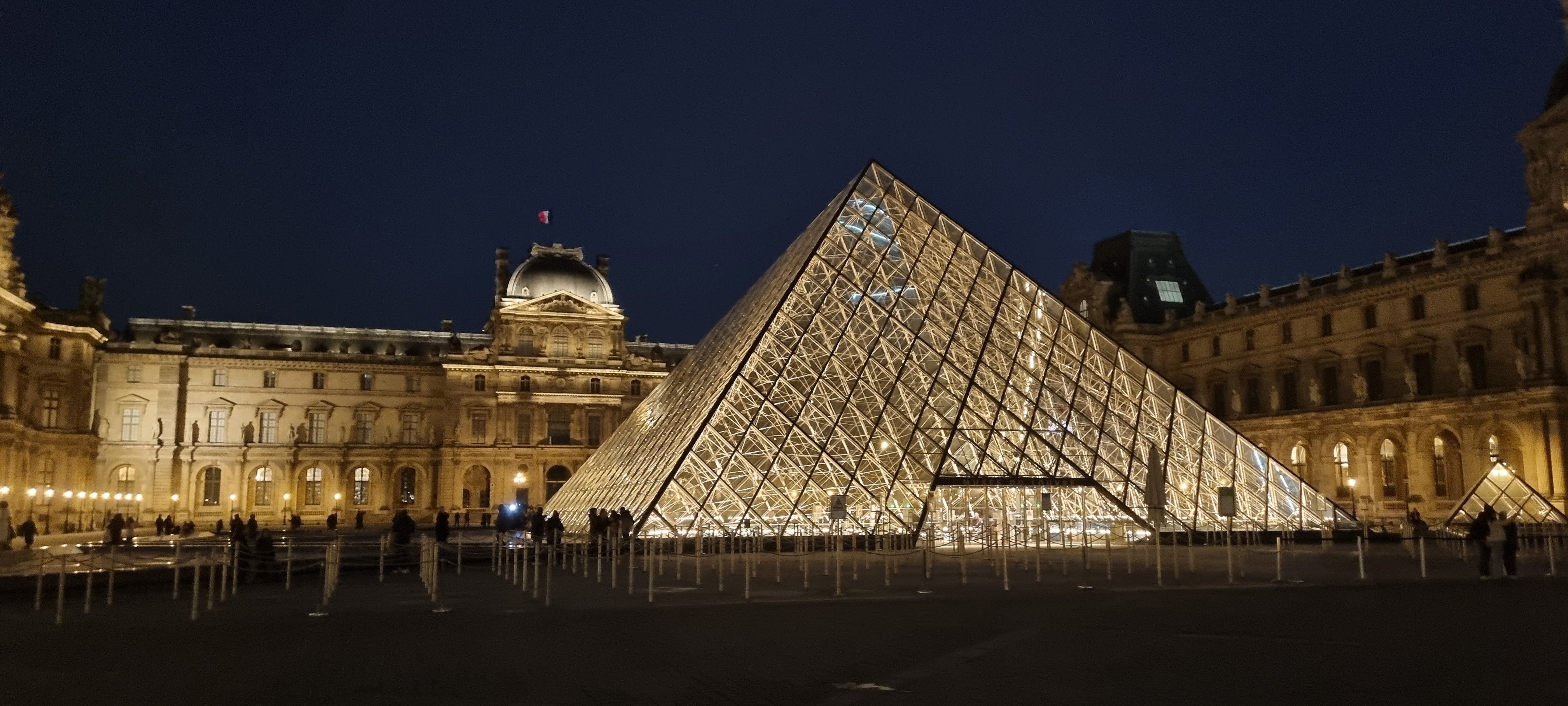
    The Louvre, one of the world’s most renowned museums, stands as a testament to centuries of art, culture, and history. Its iconic glass pyramid entrance contrasts sharply with the ancient stone fortress that once guarded the city of Paris. This transformation from a medieval stronghold into a cultural beacon is a history woven with the threads of political power, artistic patronage, and changing societal values. Originally constructed in the late 12th century as a fortress under King Philip II, the Louvre has undergone numerous renovations and expansions throughout its existence. Each phase has left an indelible mark on its architecture and collection, leading to its current status as a hub for artistic and historical treasures. This article delves into the noteworthy phases of the Louvre’s evolution, revealing how it became a masterpiece museum that continues to inspire millions of visitors each year.

    The Origins of the Louvre

    The Louvre’s story begins in the late 12th century during the reign of King Philip II, who ordered the construction of a fortified castle to protect Paris from potential threats, especially from the English during the Hundred Years’ War. This structure, known as the “Louvre Fortress,” was strategically located along the Seine River, allowing for efficient surveillance and defense. As Paris expanded, the fortress’s purpose evolved, transitioning from a military stronghold to a royal residence.

    By the 14th century, the fortress was no longer deemed necessary for defense, and Charles V transformed it into a royal palace. Under Charles, the Louvre was refurbished, boasting lavish interiors and rich art collections. This early accumulation of artworks set the stage for the museum’s future. The transition from a fortress to a royal residence also marked a significant shift in perception of the Louvre, shaping its future as a center for culture and art.

    The Renaissance era brought further transformation with the accession of Francis I in 1515. The king was a passionate patron of the arts who sought to elevate France’s cultural status. Francis I initiated the renovation and extension of the Louvre, enlisting notable artists and architects of the time, including Leonardo da Vinci. The influence of Italian Renaissance art is palpable in the Louvre’s architecture, including the introduction of classical elements such as columns and vaulted ceilings.

    The decision to amass an art collection culminated in the acquisition of numerous artworks, including masterful pieces from Italy. The Louvre began to house not only royal treasures but also collections that included paintings, sculptures, and antiquities from different cultures and periods. This period laid the foundation for the museum’s diverse and expansive collection.

    As time progressed, the Louvre continued to evolve, reflecting the monarchy’s changing needs and the fluctuating political landscape. Louis XIV, after relocating the court to Versailles, overlooked the Louvre for a time, leading to periods of neglect but also allowing its collection to grow without interruption. These early years were crucial in solidifying the Louvre’s place in history as not merely an architectural feat but as a growing repository of France’s artistic heritage.

    With the advent of the French Revolution in 1789, the Louvre’s destiny shifted drastically. The revolutionary leaders sought to democratize access to art by transitioning the royal collections into public galleries. In 1793, the Louvre was officially opened as a public museum, showcasing approximately 537 paintings, many of which were confiscated from the nobility. This pivotal moment established the Louvre as a place where art could be appreciated by all, a significant departure from its previous existence as a private royal collection.

    From its inception as a medieval fortress to its evolution into a royal palace and ultimately to a public museum, the Louvre’s origins reflect the broader historical and cultural transformations within France. The early adaptations of the Louvre not only highlight the importance of security and power dynamics but also underscore the growing appreciation for art as a defining aspect of national identity. This legacy set the stage for the museum’s rich history, leading to upgrades, expansions, and a continuous adaptation of its mission to connect people with art.

    The Renaissance Transformation

    The Renaissance period marked a dramatic turning point in the Louvre’s history, transforming it from a medieval royal fortress to a symbol of artistic ambition and cultural renaissance. The architectural changes under King Francis I were groundbreaking, as they incorporated elements of Italian Renaissance styles, including symmetry, proportion, and use of columns. This transformation represented not only a shift in architectural trends but also a cultural awakening in France, as the king sought to align his kingdom with the illustrious cultural ideals of Renaissance Italy.

    Francis I’s passion for art was not merely for personal pleasure; it was deeply political. He envisioned a France that rivaled Italy in cultural and artistic prestige. His acquisition of artworks, particularly through relationships with artists like Leonardo da Vinci, catalyzed the development of a rich artistic dialogue in France. The Louvre began to host works from the likes of Michelangelo and Raphael, heralding its transformation into a center for artistic expression.

    Furthermore, this shift aligned with a broader societal yearning for knowledge and beauty. The Renaissance was not only a celebration of art but also a reawakening in philosophy, science, and literature. Within the walls of the Louvre, these themes coalesced, fostering an environment where ideas could flourish. This rich tapestry of Renaissance thought began to attract scholars, artists, and thinkers to Paris, making the Louvre a hub of intellectual activity.

    Louis XIV further expanded the Louvre’s significance. Though he primarily resided in Versailles, he recognized the importance of the Louvre as a cultural center. His Baroque artistic taste influenced the Louvre’s interiors, with grand halls being remodeled to reflect opulence and artistic grandeur. Under Louis XIV, the Royal Collections significantly increased as he amassed numerous artworks, reinforcing the Louvre’s status as a leading center for the arts in Europe.

    The architectural evolution continued with the addition of the Cour Carrée and the construction of the famous Colonnade, designed by architect Claude Perrault. These enhancements not only amplified the Louvre’s grandeur but provided a stage for the artistic treasures it housed. The aesthetic appeal of the Louvre during this period transcended architecture; it was a merging of art, nature, and human creativity.

    As the Louvre amassed artworks and evolved into an architectural masterpiece, it started to represent the power and aspirations of the French monarchy. It became synonymous with France’s identity as a cultured nation, capable of competing with its European neighbors. The Renaissance Renaissance transformation of the Louvre was not merely an architectural endeavor; it embodied a larger cultural narrative of renewal and aspiration, paving the way for the establishment and conception of the Louvre as a public museum in the years to come.

    The Revolution and the Birth of a Museum

    The political upheaval during the French Revolution brought a seismic shift, radically altering the Louvre’s purpose and function. With the fall of the monarchy in 1789, revolutionary forces aimed to democratize French society, which included redefining access to culture and the arts. The Louvre became one of the first institutions designed to serve the public, bridging the gap between the elite and the masses.

    The transformation started with the confiscation of royal collections, which had previously been the privilege of the aristocracy. These artworks, once hoarded within private galleries, were repurposed as a collective national heritage designated for public enjoyment. The Louvre officially opened its doors as a museum in 1793, showcasing a collection of approximately 537 artworks. This radical shift laid the foundation for a new vision: art was no longer the sole domain of the privileged; it became an essential element of national identity accessible to all citizens.

    The museum’s inaugural exhibition embraced revolutionary ideals by presenting artworks that epitomized the values of liberty, equality, and fraternity. The Louvre became a stage where the cultural aspirations of the new republic could be realized. Notably, artworks from the nobility were complemented by pieces reflecting everyday life and revolutionary themes, allowing for a diverse representation of society. With this reimagining of art collections, the Louvre did not just exhibit paintings and sculptures but presented a narrative deeply intertwined with the revolutionary spirit of the era.

    In the following years, the museum expanded steadily as more art was seized from aristocrats and religious institutions. This accumulation enriched the museum’s offerings, allowing it to present works from various regions and styles—from classical antiquities to modern European masters. This eclectic mix symbolized the blending of new republican ideals with the remnants of ancient customs, showcasing not just art but a narrative of historical continuity.

    The transformation of the Louvre into a public museum also highlighted emerging debates about art’s purpose in society. Art was no longer only viewed as a reflection of power but became a vital instrument for cultural and social engagement. Access to the arts was now recognized as a public right, and the Louvre’s role shifted beyond mere exhibition to become an educational platform, fostering a sense of community and national pride among citizens.

    As the revolution progressed, the Louvre continued to evolve, mirroring the political climate of the time. The museum became a site of complex interactions between governance, culture, and society. It attracted artists, intellectuals, and revolutionaries, making it a mosaic of the nation’s evolving identity. The ideas explored within the museum walls resonated throughout society, influencing art and cultural production while simultaneously providing a forum for new ideas to emerge.

    Eventually, after the tumult of revolutionary fervor, the Louvre emerged not just as a symbol of French cultural identity but as a representation of modern museum concepts. The revolutionary transformation marked a pivotal moment in art history, setting the stage for the Louvre’s present-day legendary status. It transitioned from a royal convening point to a place that embodies public dialogue surrounding art, culture, and societal values.

    Modern Expansions and Renovations

    The 19th and 20th centuries heralded substantial changes for the Louvre, as modern expansions and renovations reshaped its physical and aesthetic landscape. As the population of Paris swelled and the city’s role on the global stage intensified, the Louvre faced the challenge of accommodating burgeoning crowds of visitors and an expanding collection.

    In the mid-19th century, during the reign of Emperor Napoleon III, significant renovations were initiated to expand the museum and enhance its architectural grandeur. The Louvre underwent an ambitious transformation under the direction of architect Hector Lefuel, who added the impressive Richelieu Wing to the museum. This expansion not only increased the gallery space but also celebrated the rich artistic legacy of the museum with additional exhibition rooms.

    One of the most notable elements of these renovations was the integration of modern lighting and layout strategies that accommodated a growing number of visitors. The 19th century saw a surge in public interest in museums and galleries; the Louvre’s curators recognized the need to optimize the exhibition of its myriad treasures. A reorganization of the collections led to the creation of themed galleries, allowing visitors to experience art in a more coherent manner.

    The efforts to modernize the Louvre extended beyond architecture. In 1863, the Salon des Refusés was established within the museum, a reception that showcased works deemed “unworthy” to be exhibited in the official salon. This event highlighted the Louvre’s role as a crucible for artistic experimentation and advocacy for new movements. It was a critical acknowledgment of burgeoning modern artistic expressions that stood against conventional norms.

    As the 20th century unfolded, the Louvre continued to adapt to the changing landscape of art and culture. The devastating impact of World War II led to adaptations not only in the museum’s operations but in its mission. Measures were taken to safeguard its collections, including the transport of artworks to various locations across France, demonstrating the museum’s commitment to art preservation, even amid turmoil.

    After the war, the Louvre faced new challenges, including the need to modernize its infrastructure while respecting its historical significance. In the 1980s, the museum embarked on an ambitious renovation project under the leadership of President François Mitterrand. This initiative aimed to revitalize the museum and included the groundbreaking design of the glass pyramid by architect I. M. Pei, which came to symbolize the fusion of modernity and tradition.

    The glass pyramid, inaugurated in 1989 as the museum’s main entrance, transformed the visitor experience. It effectively connected the historical palace with contemporary architectural aesthetics, creating a dialogue between the past and the present. The pyramid allowed natural light to flood the underground reception hall while still honoring the grandiosity of the Louvre itself.

    Furthermore, the renovations improved accessibility for a global audience, providing clear pathways and services for visitors. Enhanced multimedia guides, educational programs, and exhibitions became integral components of the Louvre’s mission, catering to the diverse audience that flocked to the museum.

    As the museum approached the 21st century, its expansion continued, with ongoing initiatives to better serve its visitors and protect its collections. Modernization efforts focused on the integration of technology in exhibitions, allowing for dynamic engagement with art and history. Through responsive design and a commitment to accessibility, the Louvre has become a beacon of artistic and educational engagement.

    The modern expansions and renovations have transcended mere architectural alterations. They have enabled the Louvre to navigate the evolving landscape of culture and society while preserving its historical narrative. The sustained dedication to modernization maintains the Louvre’s status as a pioneering cultural institution and a venerated museum recognized across the globe.

    The Louvre Today: A Cultural Icon

    Today, the Louvre stands as a global symbol of culture, art, and history, embodying centuries of transformation and growth. From its origins as a medieval fortress to its current status as one of the world’s most visited museums, the Louvre encompasses a rich tapestry of artistic achievement and cultural dialogue.

    With over 38,000 artworks spanning from antiquity to the 21st century, the Louvre offers a comprehensive snapshot of human creativity. Iconic pieces such as the “Mona Lisa,” the “Venus de Milo,” and the “Winged Victory of Samothrace” draw millions of visitors every year, establishing the museum as a pilgrimage site for art enthusiasts. Its incredible collection reflects not just European masterpieces but also significant artifacts and artworks from cultures around the globe, encompassing a mosaic of traditions and narratives.

    The Louvre’s commitment to accessibility has expanded its reach beyond the confines of the museum’s walls. Educational programs for schools, online exhibitions, and partnerships with global institutions have fostered cultural engagement. The museum has embraced digital technologies, facilitating virtual tours and interactive experiences that allow audiences around the world to connect with its treasures. This emphasis on outreach reflects a commitment to sharing art and culture in an increasingly digital age while ensuring that art is not just preserved, but interpreted and appreciated by new generations.

    In recent years, the Louvre has also taken steps to address contemporary themes in its exhibitions, exploring issues of race, colonialism, and the role of art in society. These dialogues provide contextual layers to the artworks on display, inviting visitors to reflect on the broader implications of art within historical and social frameworks. This evolution mirrors society’s growing recognition of the nuances of cultural representation and the importance of inclusivity in artistic narratives.

    Furthermore, the Louvre has faced challenges, particularly amid the global pandemic, which necessitated the closure of museums worldwide. It demonstrated resilience by adapting to these circumstances, implementing health and safety measures to protect visitors while navigating unprecedented operational difficulties. The responses to these challenges showcased the Louvre’s commitment to maintaining its relevance and ensuring the continuity of its mission.

    As a cultural icon, the Louvre’s landscape will continue to evolve, navigating the intersection of tradition and innovation. Its role as a custodian of artistic heritage remains pivotal in an ever-changing world, ensuring that art continues to inspire, educate, and ignite dialogue. The journey from a medieval fortress to a revered masterpiece museum is not merely a tale of bricks and mortar but a narrative of humanity’s collective aspirations and creative achievements.

    Conclusion

    The history of the Louvre is a compelling narrative of transformation, resilience, and cultural significance. Its evolution from a medieval fortress to a masterpiece museum encapsulates the rich complexities of art and history, serving as a reflection of changing societal values and political landscapes. Each phase of its development is marked by key moments that have defined its mission, shaping its role in the preservation and celebration of human creativity.

    The Louvre today stands as a testament to the enduring power of art and its ability to connect people across time and space. Through ongoing renovations, modern expansions, and a commitment to accessibility, the museum continues to adapt to the needs and aspirations of global audiences. The diverse collection it houses serves not only as a repository of significant cultural artifacts but as a platform for dialogue, education, and inspiration.

    Ultimately, the Louvre is more than just a museum; it is a vibrant cultural institution that embodies the richness of human expression while inviting reflection on our shared heritage. As it navigates the challenges and opportunities of the future, the Louvre’s legacy will undoubtedly persist as a beacon of art and culture, continuing to illuminate the minds and hearts of generations to come.

    The Louvre, from Fortified Castle to the World’s Largest Palace: Video

    The Louvre, from Fortified Castle to the World’s Largest Palace
  • Four Seasons Hotel George V: Parisian Luxury Redefined

    Four Seasons Hotel George V: Parisian Luxury Redefined

    Introduction

    Nestled in the heart of Paris, the Four Seasons Hotel George V stands as a beacon of luxury and elegance, setting the standard for unparalleled hospitality. Established in 1928, this iconic hotel combines contemporary luxury with the rich heritage of Parisian architecture and grandeur. Every corner of the George V speaks of refinement, from its opulent lobby adorned with stunning floral arrangements by renowned designers to its meticulously designed rooms that exude sophistication. What truly sets the hotel apart is not just its aesthetic allure but also its culinary offerings, featuring Michelin-starred restaurants overseen by world-class chefs. These restaurants celebrate the art of gastronomy, making the hotel a premier destination for food enthusiasts. Additionally, the Four Seasons experience extends to its luxurious wellness and spa facilities, providing guests an oasis of tranquility amid the bustling city. Overall, the Four Seasons Hotel George V represents a unique blend of culture, luxury, and top-notch service, making it a quintessential experience for anyone seeking the finest Paris has to offer.

    A Heritage of Elegance and Excellence

    The Four Seasons Hotel George V is steeped in a rich history that dates back to its opening in 1928. Located just steps from the Champs-Élysées, this hotel was designed to provide a lavish escape for travelers seeking the ultimate Parisian experience. The heritage of the hotel is reflected in its stunning architecture, which features an elegant façade that harmonizes with the Parisian skyline. Notably, the hotel has maintained its grandeur over the decades, showcasing vintage furnishings and classic design elements that echo the opulence of the Roaring Twenties.

    From its inception, the hotel has been a preferred choice for royal families, celebrities, and elites from around the globe. This illustrious guest list includes luminaries such as Grace Kelly, James Stewart, and even Audrey Hepburn, whose charm embodied the very spirit of Paris. Every corner of the hotel tells a story, with detailed artwork and antiques meticulously curated to create an atmosphere steeped in culture and sophistication. For instance, the original mosaic floor in the lobby and the iconic chandeliers! Even today, guests can immerse themselves in the rich tapestry of history that binds the hotel to the city.

    The hotel’s commitment to excellence extends beyond aesthetics; it is unparalleled in its service offerings. The team at the Four Seasons embodies the spirit of hospitality, with staff trained to anticipate guests’ needs before they are even voiced. This level of attentive, personalized service has earned the hotel numerous accolades, including consistently high ratings from the prestigious Forbes Travel Guide and Travel + Leisure. Such recognition is a testament to the hotel’s dedication to exceeding expectations and providing an unforgettable experience.

    In recent years, the hotel has undergone meticulous renovations to ensure that its historic charm is preserved while integrating modern amenities and conveniences. The balance between classic elegance and contemporary comfort is a hallmark of the Four Seasons brand, ensuring that guests enjoy the very best of both worlds. With updated, technologically advanced accommodations and luxurious furnishings that maintain the hotel’s historic character, the George V remains a top choice for discerning travelers.

    Furthermore, the location of the Four Seasons Hotel George V cannot be overstated. Nestled amidst the grandeur of the 8th arrondissement, guests are within walking distance of iconic Parisian attractions like the Eiffel Tower, the Louvre, and the Seine River. This prime location enhances the guest experience, allowing visitors to seamlessly transition from the tranquility of their luxurious accommodations to the vibrant streets of Paris, flanked by world-class shopping, dining, and cultural experiences.

    In essence, the heritage of elegance and excellence at the Four Seasons Hotel George V is firmly rooted in its illustrious past while continuously evolving to meet the needs of modern travelers. This balance between history and innovation defines the ethos of the hotel, allowing it to retain its status as a paramount symbol of luxury in Paris.

    Exquisite Accommodations and Unmatched Comfort

    The accommodations at the Four Seasons Hotel George V are a testament to the luxurious experience that awaits guests. With more than 200 rooms and suites, each space is thoughtfully designed to provide a sanctuary of comfort while reflecting the hotel’s artistic grandeur. Every room features elegant decor that combines classic Parisian aesthetics with contemporary luxury, ensuring a restful haven after a day of exploring the vibrant city.

    Each room is adorned with rich fabrics, refined furnishings, and exquisite artwork, creating an atmosphere of sophistication and tranquil elegance. The color palettes are often soft and inviting, combining warm tones that evoke a sense of calm, along with tasteful accents that speak to Parisian style. Guests often rave about the pillow-top mattresses and the high-quality linens that ensure a restful night’s sleep, as well as the beautifully appointed marble bathrooms featuring deep soaking tubs and rain showers for ultimate indulgence.

    One of the standout features of the accommodations at the George V is the breathtaking views that many of the rooms offer. Guests can gaze out over the stunning Paris skyline, the iconic rooftops, and even the Eiffel Tower from the comfort of their own room. These picturesque settings create a personal connection to the city, enhancing the overall experience of staying in one of the world’s most celebrated luxury hotels.

    For those seeking an elevated experience, the hotel offers a range of luxurious suites, including the opulent Royal Suite, which spans over 2,000 square feet and is designed to provide a home away from home for the most discerning guests. The suite features a grand living room, a dining area, multiple bedrooms, and an expansive terrace that allows guests to soak in the ambiance of Paris while enjoying their private space. These accommodations are equipped with state-of-the-art technology, including Smart TVs and high-speed Wi-Fi, ensuring guests can remain connected while they enjoy their stay.

    The personalized services extend to the accommodation experience as well, with options for bespoke amenities tailored to guests’ preferences. Guests can request customized minibar selections, pillow menus offering various choices for the ultimate sleeping experience, and even personal shoppers to assist with exploring the local shops during their stay.

    The Four Seasons Hotel George V also prioritizes guest wellbeing, offering wellness programs that include personalized fitness plans and access to their exclusive spa and fitness facilities. Guests can indulge in rejuvenating spa treatments, yoga sessions, and personal training, all designed to enhance their overall sense of wellness during their stay.

    Furthermore, the hotel is committed to sustainability, integrating eco-conscious practices into its operations. From the sourcing of cleaning supplies to energy-efficient technology in guest rooms, the Four Seasons ultimately works to minimize the environmental impact while maintaining luxury levels.

    In conclusion, the accommodations at the Four Seasons Hotel George V exemplify the essence of luxury and comfort, creating an environment that combines opulence with tranquility. Every detail is curated to ensure guests experience an unparalleled level of indulgence, making their stay in Paris not just enjoyable, but unforgettable.

    Gastronomic Experiences at Michelin-Starred Restaurants

    Guests of the Four Seasons Hotel George V are treated to an epicurean paradise, as the hotel houses some of the finest Michelin-starred restaurants in the world. With culinary offerings that rival the best in Paris, the dining experiences at the hotel are meticulously crafted to showcase the artistry and passion that define French cuisine. The primary dining destinations within the hotel include Le Cinq, Le George, and L’Orangerie, each offering its unique take on gastronomic excellence.

    Le Cinq, the hotel’s flagship restaurant, is a three-Michelin-star establishment overseen by Chef Christian Le Squer. Renowned for its innovative approach to classic French cooking, Le Cinq embodies a blend of tradition and creativity. The restaurant’s menu is crafted with seasonal ingredients sourced from the best producers, ensuring each dish is a true reflection of French culinary heritage. Guests can expect dishes such as perfectly aged beef, delicate seafood creations, and exquisite pastries that tantalize the taste buds. The elegant decor adds to the overall experience, with crystal chandeliers and rich drapery, creating an atmosphere that is both refined and inviting.

    Le George, on the other hand, offers a more relaxed setting while still maintaining an exceptional level of culinary artistry. With one Michelin star, Le George specializes in Mediterranean cuisine with a focus on fresh vegetables, grilled seafood, and handmade pasta. The vibrant flavors and colorful presentations make every meal a feast for the senses. The restaurant’s sleek design, paired with its terrace overlooking the gardens, provides a delightful dining atmosphere for guests seeking a more informal yet equally sophisticated culinary experience.

    L’Orangerie, the hotel’s casual dining venue, is perfect for enjoying lighter fare in a serene environment. Set within a conservatory filled with lush greenery, L’Orangerie offers a menu that emphasizes seasonal produce and health-conscious options. This dining space allows guests to savor delectable dishes while surrounded by the beauty of nature, creating an oasis of tranquility in the heart of the bustling city.

    Aside from the exceptional food, the Four Seasons Hotel George V prides itself on its exceptional wine collection. The hotel features a sommelier team well-versed in the nuances of wine pairing, ensuring that each meal is complemented perfectly by the right vintage. Guests can explore an extensive wine cellar boasting selections from various regions, including Bordeaux, Burgundy, and even select biodynamic wines, showcasing the best of both classic and contemporary wine-making techniques.

    One of the unique aspects of dining at the Four Seasons Hotel George V is the opportunity to enjoy private dining experiences, allowing guests to celebrate special occasions in style. Whether it’s a romantic dinner for two or an extravagant banquet for larger parties, the hotel’s culinary team works to create a bespoke experience that reflects the guests’ desires. This personalized service extends to custom menus, exclusive wine selections, and atmospheric arrangements tailored to the occasion.

    Moreover, the hotel emphasizes culinary education, offering guests hands-on experiences through cooking classes and chef’s table events. Visitors have the chance to learn directly from the expert chefs, gaining insight into the techniques and ingredients that bring the flavors of France to life. This interaction creates a deeper appreciation for the art of cooking and enhances the overall culinary journey during their stay.

    In essence, the dining experiences at the Four Seasons Hotel George V are nothing short of extraordinary. Each restaurant showcases the best of French and Mediterranean cuisine, infused with creativity, technique, and the finest ingredients. For guests seeking a culinary adventure, the hotel is an unparalleled destination that marries luxury with the art of gastronomy, leaving an indelible mark on every visitor’s palate.

    Luxurious Wellness and Spa Offerings

    The Four Seasons Hotel George V extends the luxury experience beyond accommodations and dining with its world-class wellness and spa facilities. Guests are invited to indulge in relaxation and rejuvenation, transforming their getaway into a holistic experience that nurtures the body and soul. The spa, designed to evoke tranquility, offers a sanctuary amid the vibrant city, focusing on holistic treatments catered to individual needs.

    The spa features a range of treatment rooms, each designed to provide a luxurious and serene environment. Guests can select from a menu of revitalizing therapies that combine traditional techniques with modern innovations. Signature treatments such as the “Four Seasons Signature Massage” incorporate elements from around the globe, offering a personalized touch that adapts to the needs of each guest. This customization is particularly important at the George V, where the emphasis is always placed on optimal guest satisfaction.

    The spa experience extends beyond the massage treatments. Guests can indulge in facials designed for all skin types, utilizing the finest skincare products that blend nature and science. The spa therapist’s knowledgeable recommendations ensure that each guest leaves feeling refreshed and radiant. The facial treatments incorporate techniques from renowned skincare brands, focusing on hydration, rejuvenation, and anti-aging effects.

    Additionally, the hotel houses a state-of-the-art fitness center, fully equipped with the latest exercise equipment and offering panoramic views of the city. Personal trainers are available to design customized fitness programs, guiding guests through their wellness journeys whether they seek to maintain their regular workout or engage in new fitness regimes. Group classes, including yoga and Pilates, are also offered, encouraging a sense of community and connection among guests.

    One particularly unique feature of the Four Seasons Hotel George V is the hotel’s commitment to creating a wellness experience that promotes relaxation beyond spa treatments. The hotel provides guests with the option to unwind in its beautiful indoor pool, surrounded by stunning mosaics and natural light. This elegant setting allows for a refreshing swim or a serene moment of peace to escape the hustle and bustle of Paris.

    In tandem with spa and fitness offerings, the hotel places a strong emphasis on nutrition. Guests can enjoy healthy and nourishing options from the hotel’s dining outlets. Special menus are curated to focus on wellness, featuring fresh, organic ingredients that support a balanced lifestyle. Nutritionists and chefs work closely to ensure that offerings are both delicious and health-conscious, allowing guests to indulge without compromising their health goals.

    The Four Seasons George V continually seeks to innovate its wellness programs, introducing seasonal treatments and retreats designed to celebrate the unique characteristics of Parisian culture. These may include seasonal rituals that integrate local ingredients or themed wellness experiences that coincide with art exhibitions currently featured in Paris, creating a well-rounded experience that connects guests to the heartbeat of the city.

    Ultimately, the luxurious wellness and spa offerings at the Four Seasons Hotel George V provide a comprehensive approach to guest well-being. The combination of expert treatments, individualized attention, and tranquil surroundings ensures that guests leave feeling rejuvenated and inspired. The hotel’s commitment to providing an all-encompassing luxury experience makes it a sanctuary for those seeking both relaxation and indulgence.

    Exceptional Events and Tailored Experiences

    The Four Seasons Hotel George V stands out not only for its accommodations and amenities but also for its capacity to host exceptional events and tailored experiences that reflect the grandeur of its surroundings. The hotel is an ideal setting for both intimate gatherings and large celebrations, with elegant spaces that can accommodate various types of occasions. Whether planning a wedding, corporate event, or family reunion, the hotel’s dedicated event team works closely with clients to create memorable experiences tailored to their specific needs.

    The event spaces within the hotel are nothing short of spectacular. The elegant ballrooms are adorned with intricate details, soaring ceilings, and lavish decor, transforming any event into a fairytale setting. For example, the stunning Grand Salon is a masterpiece of design, featuring chandeliers, rich fabrics, and views of the hotel’s landscaped gardens. This majestic space can host up to 150 guests, making it an extraordinary venue for formal dinners, galas, and private receptions.

    In addition to formal event spaces, the hotel offers numerous smaller meeting rooms equipped with the latest audiovisual technology. These venues are perfect for corporate events, conferences, or business meetings, ensuring that both ambiance and functionality are top-notch. The hotel’s technologically advanced facilities allow seamless presentations and workshops, bringing efficiency and productivity for guests in professional settings.

    One of the standout features of hosting events at the Four Seasons Hotel George V is the personalized service and attention to detail provided by the hotel’s experienced event planners. These professionals understand that each event is unique, working closely with clients to curate the perfect ambiance, catering, and entertainment options to suit their vision. From setting up custom seating arrangements to designing specialized menus that reflect the theme of the event, the hotel’s staff is committed to delivering unparalleled service at every stage.

    Catering is another hallmark of the George V experience. The culinary team is led by world-class chefs who can craft exquisite dishes tailored to any event’s specific requirements. Guests can select from a range of menu options, including gourmet hors d’oeuvres, lavish multi-course meals, and exceptional dessert selections. The emphasis on using locally-sourced and seasonal ingredients ensures that each degustation showcases the best of French culinary artistry.

    As part of its commitment to creating memorable experiences, the hotel also offers unique opportunities for guests to participate in Parisian culture. For instance, event organizers can arrange for exclusive tours of historic Parisian sites, private art viewings, or customized excursions that explore the best of the city’s culture and gastronomy. This immersive approach allows guests to leave with lasting memories that extend beyond the walls of the hotel.

    Moreover, the Four Seasons Hotel George V understands the importance of special occasions. For weddings, couples can expect dedicated coordinators who assist with everything from floral arrangements to personalized décor, ensuring that every detail perfectly aligns with their vision. The hotel’s romantic ambiance and exquisite venues provide the ideal backdrop for couples looking to celebrate their love surrounded by family and friends.

    In summary, the Four Seasons Hotel George V excels at hosting exceptional events and curating tailored experiences that create lasting memories. With luxurious event spaces, bespoke services, and an unwavering commitment to excellence, the hotel is an unparalleled choice for those looking to celebrate life’s special moments in style and elegance.

    Conclusion

    In conclusion, the Four Seasons Hotel George V represents the pinnacle of luxury and refined hospitality in Paris. With a storied history, exquisitely designed accommodations, and Michelin-starred dining options, the hotel captures the essence of Parisian elegance. Each aspect of the George V experience is meticulously curated to ensure guests enjoy unparalleled comfort and indulgence.

    As guests immerse themselves in the opulence of the hotel, they are not only surrounded by stunning architecture and artistic ambiance but are also treated to the highest levels of personalized service. From tranquil spa experiences to exceptional event planning, the hotel embodies a commitment to exceeding expectations, offering a truly unparalleled stay in one of the world’s most iconic cities.

    The Four Seasons Hotel George V is more than just a destination; it is a luxurious experience that intertwines tradition and modernity while celebrating the best of French culture. Whether savoring culinary masterpieces created by world-renowned chefs or indulging in rejuvenating spa treatments, guests are left with lasting impressions that resonate long after their departure. For anyone seeking an unforgettable experience marked by sophistication, grace, and the finest offerings Paris has to offer, the Four Seasons Hotel George V remains a timeless choice.

  • Understanding Louis Vuitton History: Icons of Luxury

    Understanding Louis Vuitton History: Icons of Luxury

    Introduction

    Louis Vuitton, a name synonymous with luxury and craftsmanship, stands as one of the most iconic fashion houses in history. Founded in 1854 by Louis Vuitton Malletier, the brand began as a modest trunk-making business in Paris and has since transformed into a global symbol of sophistication and innovation. Known for its signature monogram canvas and timeless designs, Louis Vuitton has redefined the fashion industry by combining artistry with functionality.

    Throughout its illustrious journey, the brand has continually evolved, expanding its offerings to include handbags, ready-to-wear apparel, footwear, and jewelry. Iconic models like the Speedy, Neverfull, and Keepall have become staples in the world of fashion, cherished by celebrities and everyday consumers alike.

    This article delves into the rich history of Louis Vuitton, exploring its evolution, design milestones, collaborations, and lasting cultural influence, highlighting why it remains a leader in the world of luxury fashion.

    The Founding of Louis Vuitton: From Humble Beginnings to Global Prestige

    The story of Louis Vuitton begins in 1821, in the small French village of Anchay, where Louis Vuitton Malletier was born into a family of modest means. At the age of 13, Vuitton set out on foot for Paris, a journey spanning more than 400 kilometers, driven by ambition and a determination to forge a better life. By 1837, he arrived in the bustling French capital and began apprenticing as a box-maker and packer for the renowned Monsieur Maréchal. This craft, which involved creating custom trunks and packing goods for the elite, would become the foundation of his future success.

    In 1854, Vuitton established his own workshop on Rue Neuve-des-Capucines in Paris, marking the official birth of the Louis Vuitton brand. His vision was revolutionary: he sought to create luggage that was not only functional but also stylish. At a time when travel trunks were typically cumbersome and crafted with rounded tops, Vuitton introduced a flat-topped design made from lightweight materials. This innovative shape allowed trunks to be easily stacked, revolutionizing the way people traveled. The introduction of his signature canvas, a durable and water-resistant material, further solidified Vuitton’s reputation as a pioneer in the field.

    The rise of the brand coincided with the golden age of travel during the mid-19th century. The expansion of railroads and ocean liners created a new class of affluent travelers who sought luxurious yet practical luggage. Vuitton’s creations, tailored to meet the needs of this elite clientele, quickly gained popularity. Among his most notable patrons was Empress Eugénie, wife of Napoleon III, whose endorsement propelled Vuitton into the spotlight.

    As the brand gained recognition, Vuitton faced challenges from imitators who sought to replicate his designs. In response, he introduced the Damier Canvas in 1888, featuring a checkerboard pattern and the words “Marque L. Vuitton déposée” (L. Vuitton Registered Trademark). This marked the beginning of the brand’s commitment to safeguarding its identity through distinctive patterns and trademarks.

    By the time of Louis Vuitton’s passing in 1892, his eponymous brand had established itself as a symbol of elegance and innovation. Under the leadership of his son, Georges Vuitton, the company would expand globally, cementing its status as a luxury powerhouse.

    The legacy of Louis Vuitton’s founding principles—uncompromising quality, innovation, and timeless design—continues to define the brand today. From a humble artisan in Paris to a global symbol of luxury, Louis Vuitton’s journey is a testament to the power of vision and craftsmanship.

    Expansion and Diversification: The Growth of a Luxury Empire

    Following the passing of Louis Vuitton in 1892, his son, Georges Vuitton, took the helm and embarked on a journey to transform the family business into a global brand. Georges was a visionary who recognized the potential for expansion and innovation, ensuring that the foundation laid by his father would not only endure but also thrive in the evolving luxury market.

    One of Georges’ most significant contributions was the introduction of the now-iconic Louis Vuitton Monogram Canvas in 1896. Featuring a floral motif and interlocking “L” and “V” initials, this design was both a tribute to his father and a strategic response to counterfeiters. The Monogram Canvas became a symbol of exclusivity and craftsmanship, solidifying Louis Vuitton’s identity as a luxury brand.

    Under Georges’ leadership, the company expanded its product offerings beyond trunks to include smaller luggage items and handbags, catering to a growing audience of affluent consumers. This diversification was instrumental in adapting to the changing needs of travelers, particularly during the early 20th century as automobiles and air travel became more popular. The Speedy bag, introduced in 1930, exemplified this shift. Compact, lightweight, and stylish, it became a favorite among fashionable women on the move.

    Georges also spearheaded the brand’s international expansion. In 1898, Louis Vuitton participated in the Paris World’s Fair, introducing its products to a global audience. By the early 20th century, Louis Vuitton stores had opened in major cities, including London, New York, and Buenos Aires. This global presence positioned Louis Vuitton as a leader in luxury, appealing to an elite clientele worldwide.

    The company’s expansion continued under the leadership of Gaston-Louis Vuitton, Georges’ son, who further diversified the brand’s offerings. During the mid-20th century, Louis Vuitton introduced innovative designs, such as the Keepall and Noé bags, which remain staples in the brand’s lineup. The Keepall, a versatile duffel bag, catered to the needs of modern travelers, while the Noé, originally designed to carry champagne bottles, highlighted the brand’s blend of functionality and elegance.

    The latter half of the 20th century marked a period of unprecedented growth for Louis Vuitton. In 1987, the company merged with Moët Hennessy to form LVMH (Louis Vuitton Moët Hennessy), the world’s largest luxury goods conglomerate. This strategic move provided Louis Vuitton with the resources to expand further and maintain its position at the forefront of the luxury industry.

    Today, Louis Vuitton’s legacy of expansion and diversification is evident in its wide range of products, including ready-to-wear apparel, footwear, jewelry, and fragrances. The brand’s ability to innovate while preserving its heritage ensures that it remains a leader in the ever-evolving world of luxury.

    Timeless Designs: Iconic Bags and Accessories That Defined the Brand

    Louis Vuitton’s reputation as a pioneer in the luxury fashion world owes much to its timeless designs, particularly its iconic bags and accessories. These pieces, celebrated for their impeccable craftsmanship and elegant aesthetic, have transcended trends to become enduring symbols of sophistication.

    One of the earliest and most notable creations was the Speedy bag, introduced in 1930. Designed as a compact and lightweight handbag, the Speedy was an evolution of the brand’s larger travel bags. Its practicality, combined with its elegant Monogram Canvas design, quickly made it a favorite among women who sought both style and utility. The Speedy gained further prominence when actress Audrey Hepburn requested a smaller version in the 1960s, leading to the creation of the Speedy 25. Today, the Speedy remains one of Louis Vuitton’s best-selling models, available in various sizes, materials, and finishes.

    Another timeless piece is the Neverfull tote, launched in 2007. Despite its relatively recent introduction, the Neverfull has become a staple in the fashion world, beloved for its versatility and spacious design. With its reversible interior and adjustable side laces, the bag offers both functionality and a touch of luxury. The Neverfull’s enduring popularity highlights Louis Vuitton’s ability to innovate while staying true to its heritage.

    The Keepall duffel bag, introduced in 1930, exemplifies the brand’s commitment to creating travel-friendly yet stylish products. Designed for modern travelers, the Keepall’s lightweight construction and spacious interior made it an instant classic. Its timeless appeal lies in its ability to adapt to contemporary needs while retaining the elegance and durability synonymous with Louis Vuitton.

    In addition to bags, Louis Vuitton’s accessories have also left a significant mark on the fashion landscape. The Louis Vuitton wallet collection, featuring designs like the Zippy and Sarah wallets, showcases the brand’s dedication to combining practicality with luxury. These wallets, crafted from signature materials such as the Monogram Canvas and Damier Ebene, are cherished for their durability and timeless charm.

    Louis Vuitton’s commitment to innovation is also evident in its limited-edition collections and collaborations. The brand frequently partners with renowned artists and designers to reinterpret its classic pieces. For instance, the collaboration with artist Yayoi Kusama brought a playful, polka-dotted twist to Louis Vuitton’s iconic bags, blending art and fashion seamlessly. Similarly, the collaboration with Supreme, a streetwear brand, introduced a modern edge to the luxury house’s traditional designs, attracting a younger audience and redefining its cultural relevance.

    These timeless designs have not only defined Louis Vuitton as a brand but have also cemented its status as a global symbol of luxury. The meticulous craftsmanship, attention to detail, and innovative spirit behind each piece ensure their continued relevance and appeal across generations.

    Collaborations and Artistic Influence: Bridging Fashion and Art

    Louis Vuitton’s enduring appeal is not solely due to its craftsmanship and iconic designs; it also stems from the brand’s ability to merge fashion with art through groundbreaking collaborations. These partnerships have elevated Louis Vuitton from a luxury fashion house to a cultural phenomenon, blurring the lines between traditional fashion and avant-garde artistry.

    The brand’s first major collaboration took place in 2001 under the direction of Marc Jacobs, then creative director of Louis Vuitton. Jacobs invited contemporary artist Stephen Sprouse to reinterpret the classic Monogram Canvas. The result was a graffiti-inspired collection featuring bold lettering over the traditional Louis Vuitton monogram. This innovative approach not only revitalized the brand’s image but also introduced it to a younger, edgier audience. The collection became an instant success, marking the beginning of Louis Vuitton’s long-standing relationship with the art world.

    Another iconic collaboration was with Japanese artist Takashi Murakami in 2003. Murakami’s playful and colorful reinterpretation of the Monogram Canvas introduced motifs such as the Multicolore Monogram and the Cherry Blossom pattern. These designs, which juxtaposed traditional luxury with whimsical modernity, were immensely popular and became collectibles. Murakami’s influence extended beyond handbags to include a series of limited-edition accessories and even store installations, further solidifying Louis Vuitton’s reputation as a pioneer in blending fashion and art.

    Louis Vuitton shop
    Louis Vuitton, a name synonymous with luxury and craftsmanship, stands as one of the most iconic fashion houses in history. Founded in 1854 by Louis Vuitton Malletier, the brand began as a modest trunk-making business in Paris and has since transformed into a global symbol of sophistication and innovation. Photo by Magda Ehlers on Pexels.com

    In 2012, the brand partnered with Yayoi Kusama, another Japanese artist known for her obsession with polka dots. Kusama’s distinctive style was applied to Louis Vuitton’s bags, shoes, and clothing, creating a collection that celebrated both the brand’s heritage and Kusama’s artistic vision. The collaboration, featuring vibrant and repetitive dot patterns, was a critical and commercial success, highlighting the potential for fashion to serve as a canvas for artistic expression.

    Louis Vuitton’s willingness to engage with streetwear culture became evident in its 2017 collaboration with Supreme, a New York-based skatewear brand. This partnership was revolutionary, merging the world of high fashion with street culture. The collection, featuring items like hoodies, T-shirts, and bags emblazoned with both brands’ logos, was highly coveted and sold out almost instantly. This collaboration demonstrated Louis Vuitton’s adaptability and its ability to remain relevant in an ever-changing fashion landscape.

    Under Virgil Abloh, the late artistic director for Louis Vuitton’s menswear, the brand took its collaborations to new heights. Abloh, known for his streetwear label Off-White, brought a fresh perspective to Louis Vuitton. His collections often featured nods to popular culture, including partnerships with artists like Nigo and projects inspired by contemporary themes. Abloh’s tenure at Louis Vuitton redefined the brand’s image, making it more inclusive and appealing to a diverse global audience.

    These collaborations have not only enriched Louis Vuitton’s design portfolio but have also strengthened its position as a cultural and artistic innovator. By bridging the worlds of fashion, art, and street culture, Louis Vuitton has transcended its role as a luxury brand, becoming a symbol of creative freedom and boundary-pushing vision.

    Louis Vuitton in the 21st Century: Modernization and Global Reach

    As Louis Vuitton entered the 21st century, the brand faced the challenge of maintaining its heritage of craftsmanship while adapting to the rapidly changing global luxury market. With new technologies, shifting consumer preferences, and the rise of social media, Louis Vuitton has navigated these transformations by modernizing its offerings and expanding its global presence.

    One of the key strategies for Louis Vuitton’s modernization has been the continual evolution of its product lines. While staying true to its iconic designs, the brand has embraced cutting-edge materials, technology, and functionality. In the early 2000s, Louis Vuitton introduced the Monogram Vernis leather collection, a line that applied a glossy finish to its Monogram Canvas, adding a contemporary twist to the classic design. Similarly, the Damier Graphite canvas, launched in 2008, brought a modern, darker interpretation of the traditional checkered pattern. These innovations allowed Louis Vuitton to appeal to a new generation of consumers while retaining the elegance and heritage of its original pieces.

    Louis Vuitton has also embraced digital innovation, particularly in the realm of e-commerce and social media. The brand has consistently been at the forefront of online retail, offering a seamless shopping experience through its website and app. Social media platforms like Instagram and Facebook have become essential tools for Louis Vuitton to engage with its audience, showcase new collections, and collaborate with influencers and celebrities. These platforms have played a significant role in reshaping the fashion industry, allowing Louis Vuitton to connect directly with consumers and establish itself as a leader in digital marketing within the luxury sector.

    In terms of global reach, Louis Vuitton has aggressively expanded its presence in emerging markets. With a keen focus on Asia, particularly China, the brand has capitalized on the growing demand for luxury goods in these regions. Louis Vuitton opened several flagship stores in major Chinese cities, including Beijing and Shanghai, and has tailored its offerings to meet the specific tastes and preferences of Chinese consumers. The brand’s popularity in China has been bolstered by its association with prestige and status, making it a symbol of success for the country’s burgeoning middle and upper classes.

    Additionally, Louis Vuitton has invested in building its presence in the Middle East and Africa, recognizing these regions as key markets for luxury goods. In Dubai, the brand opened a spectacular flagship store in the Dubai Mall, further solidifying its position as a luxury giant in the Middle Eastern market.

    The brand’s reach also extends beyond its retail stores. Louis Vuitton has diversified into travel experiences and cultural ventures. The launch of the Louis Vuitton Foundation in 2014 in Paris, an art museum and cultural center, exemplifies the brand’s commitment to the arts and its desire to position itself as a cultural leader. The museum, designed by renowned architect Frank Gehry, serves as a space for contemporary art exhibitions, enriching the brand’s association with artistic excellence.

    Another major milestone in Louis Vuitton’s 21st-century evolution was the appointment of Virgil Abloh as the brand’s artistic director for menswear in 2018. Abloh, known for his work in streetwear and his label Off-White, brought a new energy to the brand, blending high fashion with street culture. His tenure marked a significant shift in Louis Vuitton’s approach to menswear, blending luxury with inclusivity and tapping into the growing intersection of fashion and popular culture. Under Abloh, Louis Vuitton reached new audiences, particularly younger consumers, and gained recognition for its boundary-pushing designs that drew from music, art, and street style.

    In addition to Abloh’s contributions, Louis Vuitton has continued to innovate with its design philosophy. The introduction of the LV Trainer sneakers and collaborations with sports figures and artists further exemplified the brand’s expansion into diverse categories, cementing its place at the intersection of fashion, art, and pop culture.

    By successfully modernizing its product offerings, embracing digital technologies, and expanding into emerging markets, Louis Vuitton has ensured its continued relevance and global reach in the 21st century. The brand has not only maintained its heritage of luxury and craftsmanship but has also evolved into a global icon of contemporary culture.

    Sustainable Practices: Louis Vuitton’s Efforts Toward Environmental Responsibility

    As the global luxury market has evolved, so too has the need for brands to address environmental concerns and contribute to sustainability. Louis Vuitton, as a leading player in the luxury industry, has made significant strides in incorporating sustainable practices into its operations. While the brand has a long history of craftsmanship, it has increasingly been under pressure from both consumers and activists to adopt greener practices and reduce its ecological footprint. Over the past few decades, Louis Vuitton has made strides to balance its luxurious image with the growing demand for eco-consciousness.

    One of the key areas in which Louis Vuitton has focused its sustainability efforts is in the sourcing and use of materials. The brand has made efforts to ensure that its leather, one of the most iconic materials used in Louis Vuitton products, comes from responsible sources. For example, the company has committed to sourcing leather from tanneries that meet rigorous environmental and social standards. These tanneries are often certified by the Leather Working Group (LWG), an organization that promotes sustainable practices in the leather industry. Louis Vuitton’s collaboration with LWG is just one of the ways it ensures its materials are produced with minimal environmental impact.

    In terms of its manufacturing processes, Louis Vuitton has implemented energy-efficient systems in its workshops and production facilities. The brand has focused on reducing energy consumption and improving waste management to lessen its environmental impact. This includes efforts to minimize water usage in production processes and to recycle waste materials where possible. Additionally, the brand has sought to improve its supply chain by prioritizing local production to reduce carbon emissions associated with transportation.

    Another significant step toward sustainability has been Louis Vuitton’s investment in innovative materials that are more eco-friendly. For example, the brand has developed and incorporated Econyl (a regenerated nylon fabric) into some of its products, including accessories and bags. Econyl is made from recycled materials, including plastic waste, fabric scraps, and discarded fishing nets, and can be regenerated infinitely without compromising quality. This initiative reflects Louis Vuitton’s commitment to reducing waste and promoting a circular economy, where materials are continually repurposed rather than disposed of.

    The brand has also taken steps to limit the use of harmful chemicals in its manufacturing processes. In 2015, Louis Vuitton signed the Zero Discharge of Hazardous Chemicals (ZDHC) initiative, which aims to eliminate hazardous chemicals from the textile and leather industries. By committing to ZDHC’s standards, Louis Vuitton ensures that harmful substances are not used in the creation of its products, thus reducing the environmental impact of its production processes.

    Louis Vuitton has also made strides in sustainable packaging. The company has worked to reduce the environmental impact of its packaging by using materials that are recyclable and biodegradable. The brand has also sought to reduce unnecessary packaging, ensuring that the materials used in packaging are as sustainable as possible. The shift to more eco-friendly packaging not only minimizes waste but also reflects Louis Vuitton’s commitment to adopting responsible production practices across all aspects of its business.

    The luxury brand’s commitment to sustainability is further exemplified by its Louis Vuitton Foundation in Paris, which promotes art and culture while integrating sustainable architectural principles. The building itself, designed by architect Frank Gehry, features environmentally friendly elements, such as a glass façade that maximizes natural light, reducing energy consumption. The foundation is also committed to environmental responsibility, hosting exhibitions and events that raise awareness about sustainability in the art world.

    While these efforts reflect progress in Louis Vuitton’s commitment to sustainability, the brand continues to face challenges in balancing luxury with environmental responsibility. The high demand for luxury goods often comes with environmental costs, from sourcing rare materials to creating products that will last a lifetime. However, Louis Vuitton’s ongoing efforts to adopt sustainable practices suggest that it is working toward a future where luxury and environmental responsibility can coexist harmoniously.

    The brand’s sustainability journey is far from over, but Louis Vuitton’s commitment to environmental responsibility marks a significant shift within the luxury industry. By embracing sustainable practices in its production processes, materials sourcing, and packaging, the brand has begun to position itself as a leader in sustainability within the luxury sector.

    The Legacy of Louis Vuitton: Cultural Impact and Iconic Status

    Louis Vuitton’s enduring legacy transcends the realm of fashion, influencing not only the luxury industry but also broader cultural movements. From its humble beginnings as a small workshop in Paris to becoming one of the world’s most recognizable brands, Louis Vuitton’s status as an icon is a testament to its ability to adapt to changing times while staying true to its core values of craftsmanship, innovation, and exclusivity.

    The cultural impact of Louis Vuitton is deeply intertwined with its rich history. In the 19th century, the brand’s founder, Louis Vuitton, revolutionized travel by creating durable, practical trunks that were both stylish and functional. This innovation appealed to the wealthy elite of Europe, and over time, the brand became synonymous with luxury and sophistication. As Louis Vuitton’s products gained popularity, they became not just travel accessories but also symbols of status, embodying the epitome of refined taste and elegance.

    Throughout the 20th and 21st centuries, Louis Vuitton’s role in shaping luxury culture continued to evolve. In the post-World War II era, the brand’s bags, trunks, and accessories became highly coveted by celebrities, fashion icons, and royalty. Figures such as Grace Kelly, Jackie Kennedy, and Catherine Deneuve were frequently photographed carrying Louis Vuitton products, further cementing the brand’s association with high society. By the 1980s, the Monogram Canvas became ubiquitous, solidifying Louis Vuitton’s position as a global luxury powerhouse. The iconic design became so well-known that it transcended its status as a mere accessory, becoming a cultural symbol recognized around the world.

    Louis Vuitton’s cultural influence reached new heights in the 21st century, particularly with the rise of social media and celebrity culture. The brand’s strategic collaborations with artists, musicians, and designers allowed it to stay relevant and tap into younger, more diverse audiences. For instance, the partnership with streetwear brand Supreme in 2017 was groundbreaking, merging the worlds of high fashion and street culture. The collection’s limited-edition status and the inclusion of popular figures like Kanye West, who has long been associated with both fashion and music, amplified Louis Vuitton’s cultural reach. This move highlighted the brand’s ability to resonate with not just wealthy consumers but also with a broader global audience.

    In addition to collaborations, Louis Vuitton’s commitment to art and design has played a key role in establishing its iconic status. The Louis Vuitton Foundation, opened in 2014, is a prime example of the brand’s dedication to the intersection of fashion and art. The foundation’s vast collection of contemporary art, along with its striking architecture designed by Frank Gehry, has become a cultural destination in Paris. The foundation’s exhibitions attract art lovers and tourists from around the world, further reinforcing Louis Vuitton’s position as not just a fashion house but a symbol of cultural sophistication and creativity.

    Louis Vuitton’s impact on the world of luxury fashion is also evident in the way it has influenced other brands. The Monogram Canvas, for instance, has inspired numerous imitations, but none have been able to match its prestige. Louis Vuitton set the standard for quality, exclusivity, and innovation in luxury fashion, and its success has helped to define the luxury market as we know it today.

    The brand’s cultural impact is also intertwined with its ability to define modern luxury. Louis Vuitton has shown that luxury does not only lie in the exclusivity and price of a product but in the emotional and cultural connection it fosters with its consumers. By aligning itself with art, street culture, and popular music, Louis Vuitton has demonstrated its adaptability, ensuring that its legacy will remain strong for future generations.

    In conclusion, Louis Vuitton’s legacy as an icon of culture, fashion, and luxury is firmly established. From its early innovations to its modern-day collaborations, the brand continues to shape cultural trends and redefine what it means to be a luxury brand. Louis Vuitton’s ability to evolve with the times, while maintaining its commitment to excellence, ensures its place as a leader in the global luxury market and as an enduring symbol of sophistication, creativity, and cultural relevance.

    Conclusion

    Louis Vuitton’s journey from a humble trunk maker in Paris to one of the world’s most iconic and influential luxury brands is a testament to its innovation, craftsmanship, and strategic adaptability. Over its long history, the brand has consistently redefined the concept of luxury, embracing new materials, modern technologies, and groundbreaking collaborations while staying true to its roots of craftsmanship and exclusivity.

    In the 21st century, Louis Vuitton has not only maintained its status as a symbol of wealth and prestige but has also broadened its cultural impact, connecting with younger audiences through partnerships with artists, designers, and musicians. By integrating sustainable practices into its operations and maintaining a keen focus on digital engagement, the brand has demonstrated its ability to evolve with changing times while retaining its heritage.

    Louis Vuitton’s iconic products, from its timeless Monogram bags to innovative new releases, have solidified its place at the intersection of fashion, art, and pop culture. The brand’s legacy, characterized by its commitment to excellence and its ability to adapt, ensures that Louis Vuitton will continue to shape the luxury industry for generations to come. As it stands today, Louis Vuitton is not just a brand; it is a global symbol of style, sophistication, and cultural influence.

  • Top 5 Paris Landmarks You Can’t Miss in 2025
    Top 5 Paris Landmarks You Can’t Miss in 2025

    Introduction

    Paris, often referred to as the “City of Light,” is one of the most iconic and visited cities in the world. Renowned for its rich history, breathtaking architecture, and vibrant culture, Paris is home to some of the most famous landmarks on the planet. From towering monuments to historic cathedrals, each site tells a unique story of the city’s past and present. Whether you are an art lover, history buff, or simply an admirer of beautiful places, Paris offers something for everyone. This article takes you on a journey through five of the city’s most celebrated Paris landmarks: the Eiffel Tower, the Louvre Museum, Notre-Dame Cathedral, the Champs-Élysées with the Arc de Triomphe, and Montmartre with the Sacré-CÅ“ur Basilica. Each of these locations embodies the essence of Paris, providing an unforgettable experience for visitors from all over the world.

    The Eiffel Tower: The Symbol of Paris

    The Eiffel Tower stands as the most recognizable symbol of Paris and perhaps even France itself. Designed by Gustave Eiffel and completed in 1889 as part of the Exposition Universelle, this iron lattice tower was initially met with criticism from artists and intellectuals. However, over time, it has become an enduring emblem of architectural innovation and cultural significance. Standing at 330 meters tall, the tower offers breathtaking panoramic views of the city from its observation decks.

    Visiting the Eiffel Tower is an unforgettable experience. Tourists can ascend to the top via elevators or, for those seeking adventure, climb the stairs to the second level. Each level presents a different perspective of Paris, from the winding Seine River to the grand boulevards below. The tower is especially magical at night when it twinkles with thousands of sparkling lights, creating a mesmerizing spectacle.

    Beyond its aesthetic appeal, the Eiffel Tower has played an essential role in history, serving as a military radio transmission tower during World War I and continuing to be a vital telecommunications hub. Today, it remains one of the most visited monuments in the world, welcoming millions of tourists annually.

    The Louvre Museum: Home to Timeless Masterpieces

    The Louvre Museum is one of the most famous and visited museums in the world, housing an unparalleled collection of art and historical artifacts. Originally a medieval fortress, it was transformed into a royal palace before becoming a public museum in 1793 during the French Revolution. Today, it stands as a testament to artistic and historical grandeur, drawing millions of visitors annually.

    One of the museum’s most celebrated works is Leonardo da Vinci’s Mona Lisa, a painting renowned for its enigmatic smile and masterful technique. Alongside it, masterpieces such as The Winged Victory of Samothrace and Venus de Milo showcase the artistic brilliance of ancient civilizations. The museum’s vast collection spans centuries and cultures, including works from the Renaissance, Egyptian antiquities, Islamic art, and more.

    The Louvre itself is an architectural marvel, featuring the iconic glass pyramid entrance designed by I. M. Pei, which has become a symbol of modernity blending with history. Visitors can spend hours—or even days—exploring its galleries, each revealing a different chapter of human creativity and history.

    Notre-Dame Cathedral: A Gothic Marvel

    Notre-Dame Cathedral is one of the most famous Gothic cathedrals in the world, standing proudly on Île de la Cité in the heart of Paris. Construction began in 1163 and continued for nearly two centuries, resulting in an architectural masterpiece that has witnessed centuries of French history. With its towering spires, intricate sculptures, and stunning rose windows, Notre-Dame remains an awe-inspiring site.

    The cathedral is well-known for its role in literature, particularly in Victor Hugo’s The Hunchback of Notre-Dame, which brought renewed appreciation for the structure in the 19th century. Visitors are often drawn to its detailed façade, which includes statues of saints, gargoyles, and biblical scenes that tell stories of faith and devotion.

    Inside, the cathedral’s vast interior, with its soaring vaulted ceilings and magnificent stained-glass windows, creates a breathtakingly spiritual atmosphere. Though it suffered a devastating fire in 2019, restoration efforts continue to bring Notre-Dame back to its former glory, ensuring that future generations can appreciate its historical and artistic significance.

    The Champs-Élysées and Arc de Triomphe: The Heart of Parisian Grandeur

    The Champs-Élysées is one of the most famous avenues in the world, stretching from Place de la Concorde to the Arc de Triomphe. Lined with luxury boutiques, historic cafés, and theaters, it is a vibrant center of Parisian life and culture. Known as “the most beautiful avenue in the world,” it is a must-visit destination for tourists and locals alike.

    At the western end of the avenue stands the Arc de Triomphe, a monumental structure commissioned by Napoleon in 1806 to honor the French army. Inspired by ancient Roman architecture, it features detailed sculptures and inscriptions commemorating military victories. Visitors can climb to the top for a breathtaking view of Paris, including a perfect alignment with the Eiffel Tower.

    The Champs-Élysées is also a venue for major celebrations, including Bastille Day parades and the final stage of the Tour de France, solidifying its place in French history and culture.

    Montmartre and the Sacré-Cœur Basilica: The Bohemian Spirit of Paris

    Montmartre, a historic district in northern Paris, has long been associated with artists, writers, and free-spirited creatives. Its narrow, winding streets lead to the Sacré-Cœur Basilica, a stunning white-domed church that sits atop the highest point in the city. Built in the late 19th and early 20th centuries, the basilica stands as a place of peace and reflection, offering a panoramic view of Paris.

    The area was once home to legendary artists such as Picasso, Van Gogh, and Toulouse-Lautrec, making it a hub of artistic innovation. Visitors can still feel this creative energy in Place du Tertre, where street artists and performers showcase their talents.

    Montmartre is also known for the famous Moulin Rouge, the birthplace of the modern can-can dance. Whether exploring its artistic roots, admiring its historic charm, or simply enjoying the breathtaking views, Montmartre remains a must-see for anyone visiting Paris.

    Conclusion

    Paris is a city that never ceases to inspire and captivate visitors. Its landmarks, each rich in history and significance, offer a glimpse into the past while standing as vibrant parts of the present. From the awe-inspiring heights of the Eiffel Tower to the artistic treasures of the Louvre, from the Gothic grandeur of Notre-Dame to the lively atmosphere of Montmartre, Paris is a mosaic of culture and beauty. Walking its streets, one can feel the essence of centuries past blending seamlessly with the modern charm of today. Whether you visit for a short stay or a long exploration, these iconic landmarks will leave an indelible mark on your memory. Paris is not just a city—it is an experience, an emotion, and a story waiting to be discovered.

  • The History of the Eiffel Tower: an Engineering and Cultural Landmark

    The History of the Eiffel Tower: an Engineering and Cultural Landmark

    Introduction

    The Eiffel Tower is an iconic structure that has become synonymous with Paris and French culture. Completed in 1889 as the centerpiece for the Exposition Universelle (World’s Fair), it was initially met with skepticism and criticism from some of the leading artists and intellectuals of the time. However, over the years, it has transformed into a beloved symbol of France’s architectural and engineering prowess. Towering at 1,083 feet, the Eiffel Tower was the tallest man-made structure in the world until the completion of the Chrysler Building in New York City in 1930. This article delves into the rich history of the Eiffel Tower, exploring its design, cultural significance, renovations, and a selection of fascinating facts that showcase its enduring appeal.

    Historical Background

    The Eiffel Tower’s history begins with a vision of innovation and a desire to showcase technological advancement. Designed by engineer Gustave Eiffel and his team, the tower was conceived as part of the 1889 Exposition Universelle, celebrating the 100th anniversary of the French Revolution. At the time, France was eager to demonstrate its industrial capabilities, and what better way to do so than by building an extraordinary structure that challenged the norms of traditional architecture?

    Construction began in January 1887 and took just over two years to complete, a feat that was remarkable for its time. Over 300 workers dedicated themselves to erecting the tower, utilizing about 18,000 iron pieces held together by over 2.5 million rivets. The construction faced significant hurdles, including skepticism from the public and artistic circles who viewed the design as an eyesore. However, Eiffel and his team remained resolute, believing in the structural integrity and aesthetic potential of their design.

    As the tower grew taller, it began to gain respect. The project faced political pressures as well; many saw it as an extravagant expenditure amid social unrest in France. Eiffel cleverly defended the structure by conducting educational campaigns that emphasized its scientific and hydraulic significance. He showcased its meteorological and aerodynamics capabilities, which helped shift perceptions among skeptics.

    Upon completion, the Eiffel Tower was unveiled on March 31, 1889, and opened to the public on May 6 of the same year. It was initially meant to be a temporary installation set to be dismantled after 20 years. However, its utility as a communications tower and its popularity among tourists prompted officials to retain it. Thus, the Eiffel Tower’s historical significance extended far beyond its initial purpose, marking a new era of construction and a superb representation of modern engineering.

    Architectural Design

    The architectural design of the Eiffel Tower is as fascinating as its history, characterized by its unique structure and innovative use of materials. Gustave Eiffel’s vision was not just to build a tall tower; he aimed to create a structure that showcased the artistry of iron as a building material. The aesthetic appeal and elegance of the design have made the Eiffel Tower a subject of study for architects and engineers alike.

    One of the most striking aspects of its design is the way it tapers, allowing for stability and reducing windswept forces. The original design featured a lattice structure built from wrought iron, reflecting Eiffel’s deep understanding of mechanics and physics. This choice of material was not only iconic but also efficient, providing the necessary strength while keeping the weight down to a manageable level.

    The tower is divided into three levels, each featuring distinct characteristics. The first level includes a glass floor that provides visitors with a unique perspective of the ground below, while the second level hosts various restaurants offering premium dining experiences with spectacular views of the city. The third level, situated at the pinnacle of the tower, presents an observation deck that allows visitors to enjoy panoramic views of Paris.

    Eiffel’s foresight in incorporating elevators into the design was a groundbreaking achievement, making the tower accessible for everyone, not just the physically adept. Originally, the tower had steam-powered elevators, which were eventually replaced with electric ones. This aspect of design illuminated the necessity of blending form and function, positioning the Eiffel Tower as a precursor to modern skyscrapers.

    Moreover, the Eiffel Tower has undergone several redesigns and upgrades since its opening. Seasonal lighting displays and the addition of glass pavilions reflect evolving tastes and technology. The intricate behaviors of light across its iron lattice add a dynamic quality to the structure, enhancing its iconic status as an urban landmark.

    Cultural Impact

    The Eiffel Tower’s cultural impact extends far beyond its physical presence in the Paris skyline. It is deeply interwoven with the fabric of French culture, symbolizing both national pride and artistic achievement. Over the years, it has become a muse for artists, filmmakers, and writers, serving as a backdrop for countless works that celebrate love, adventure, and the human spirit.

    As a vital component of Paris’s identity, the Eiffel Tower attracts millions of tourists annually. Its unveiling marked a shift in how structures were perceived; it transformed from a mere architectural feat into a symbol of modernity that defined an era. The tower has become synonymous with romance, embodying the idea that Paris is a city of love. Couples from around the world flock to the Eiffel Tower to propose, celebrate anniversaries, and capture unforgettable moments against its magnificent backdrop.

    Furthermore, the Eiffel Tower stands as a canvas for artistic expression. Each year, it is adorned with light installations that celebrate various occasions — from national holidays to international events. These displays infuse the structure with cultural significance, creating a sense of unity and festivity among visitors and locals alike. The tower’s light shows promote inclusivity and spark conversations around shared experiences.

    The Eiffel Tower has also featured prominently in the media and pop culture. From its depiction in classic films like “An American in Paris” to modern adventures in movies like “Midnight in Paris,” it serves as a powerful symbol of exploration and artistic inspiration. Additionally, the tower’s presence in books, paintings, and songs further cements its status as an eternal muse. Through art, the Eiffel Tower transcends its physical form, representing ideals of love, freedom, and aspiration shared across cultures.

    While the tower embodies the essence of Paris and France, it also carries a global significance. It has transformed into a universal icon, representing the spirit of innovation and culture on an international scale. Its image can be found in various forms around the world, serving as an emblem for numerous global initiatives. Thus, the cultural influence of the Eiffel Tower extends beyond borders, echoing the universal themes of hope and marvel.

    The history of the Eiffel Tower
    Photo by Yovan Verma on Pexels.com

    Renovations and Maintenance

    To preserve the Eiffel Tower as both a historic site and a functional attraction, regular renovations and maintenance are crucial. The immense structure requires continuous upkeep to withstand weather conditions and the thousands of visitors who traverse its levels. Since its completion, numerous renovations have been executed to enhance safety and sustainability while retaining its historical significance.

    One of the most significant challenges faced by the structure is rust. Given its iron composition, the Eiffel Tower is particularly vulnerable to corrosion, especially in the moist climate of Paris. To combat this, the tower undergoes a comprehensive painting process every seven years. These paint jobs not only protect the iron from rust but also serve to refresh its aesthetic appeal. The paint color has also evolved over the years; initially painted Venetian red, it has transitioned to shades of bronze—known as “Eiffel Tower Brown”—to complement the surrounding architecture and environment.

    In addition to protective maintenance, accessibility upgrades have also played a role in the tower’s preservation. This includes the installation of modern elevators, allowing all visitors, regardless of physical ability, to experience the breathtaking views from its observation decks. These enhancements are critical in maintaining the Eiffel Tower’s status as a top tourist destination.

    In recent years, attention has shifted toward sustainability as a growing priority. Efforts to reduce the tower’s carbon footprint have led to the implementation of solar panels and energy-efficient lighting systems. These initiatives reflect a commitment to evolving with the times and addressing environmental concerns while preserving the historical aspects of the structure.

    Significant renovations have also included advancements in technology and visitor experience enhancements. For example, the installation of interactive exhibits and digital guides enriches the visitor experience, providing insights into the history and engineering of the tower. These modern technology integrations bridge the gap between history and innovation, ensuring that the Eiffel Tower remains relevant and engaging for future generations.

    Overall, ongoing renovations and maintenance serve as a testament to France’s commitment to preserving this national treasure. Every initiative reflects a microcosm of the balance between historical integrity and contemporary demands. By addressing physical deterioration and enhancing visitor experiences, the Eiffel Tower continues to stand tall as a symbol of resilience and innovation.

    Interesting Facts

    The Eiffel Tower is not only an architectural marvel but also a repository of fascinating trivia that astounds visitors and residents alike. The following facts highlight the unique features and historical milestones of this iconic structure.

    1. Height Adjustments: The Eiffel Tower’s height is not fixed; it can grow or shrink by up to six inches depending on temperature. During warmer months, the metal expands, creating a taller silhouette. This phenomenon is a direct result of the thermal expansion properties of iron.
    2. Two-time World Record Holder: Upon its completion, the Eiffel Tower was the tallest man-made structure in the world, holding this title until the Chrysler Building was erected in 1930. It regained its status as the tallest building after the addition of the antenna in 1957, making it a two-time world record holder.
    3. Colorful History: The Eiffel Tower has been painted different colors throughout its life. Besides the initial Venetian red, it has sported shades like yellow-ochre and chestnut brown before settling on the current bronze palette.
    4. Inspiration for Other Structures: The design of the Eiffel Tower has inspired a myriad of other structures around the world. Notable replicas and variations can be found in Las Vegas, Tokyo, and Shenzhen, showcasing its global influence in architecture.
    5. Visitors from Around the Globe: Each year, over 7 million people visit the Eiffel Tower, making it one of the most visited paid monuments in the world. Its international draw speaks to the universal appeal of its beauty and historical significance.

    These facts merely scratch the surface of what makes the Eiffel Tower so captivating. Each piece of trivia tells a story of innovation, history, and culture, reaffirming why the Eiffel Tower continues to enchant people from all walks of life.

    Conclusion

    The Eiffel Tower is much more than a towering metal structure; it is an emblem of human ingenuity and artistic expression. Its rich history, breathtaking design, cultural significance, and ongoing maintenance efforts contribute to its status as one of the most recognized landmarks in the world. Busy tourists, artists seeking inspiration, and couples celebrating love all gather beneath its iconic silhouette, connecting in a shared admiration of its charm.

    As we reflect on the legacy of the Eiffel Tower, it becomes evident that it represents not just the city of Paris but a broader message of hope, innovation, and resilience. As it continues to evolve and adapt to modern needs while preserving its historical integrity, the Eiffel Tower will undoubtedly remain a cherished symbol for generations to come. The stories, memories, and experiences that it has fostered will linger long after its construction, deepening its significance in the hearts of people worldwide.

    Sources

    • “The Eiffel Tower: A Cultural History” by David E. Schneider
    • “Eiffel: The Genius Who Reinvented Architecture” by David I. McCullough
    • “A Comprehensive Guide to The History of The Eiffel Tower” by Architectural Digest
    • “Eiffel Tower: The 125th Anniversary” from the official Eiffel Tower website
    • Documentaries on the construction and design of the Eiffel Tower from BBC and History Channel

  • Notre Dame Cathedral: History, Fire, and Restoration
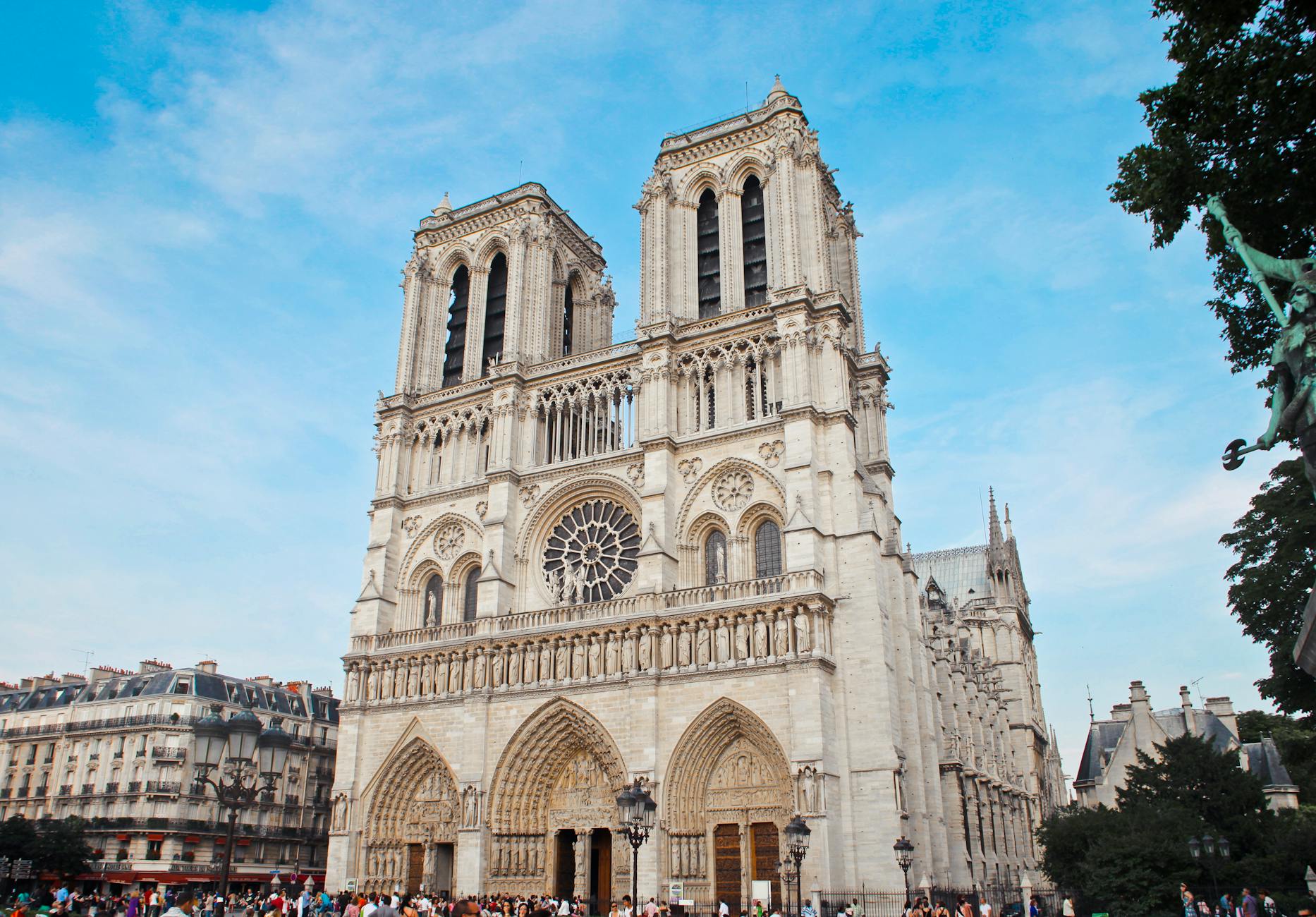
    Notre Dame Cathedral: History, Fire, and Restoration

    Introduction

    The Notre Dame Cathedral in Paris stands as a timeless symbol of faith, artistry, and resilience. Constructed over the course of nearly 200 years, this architectural masterpiece has witnessed centuries of historical change, serving as a spiritual, cultural, and political cornerstone of French heritage. From its inception in the 12th century to its devastation in the tragic fire of April 2019, Notre Dame has captured the imagination of millions and inspired movements for preservation and renewal.

    Throughout its history, the cathedral has been a silent witness to revolutions, wars, and the ebb and flow of Parisian life. Its iconic Gothic architecture, breathtaking rose windows, and spiritual significance have cemented its place in global history. The ongoing reconstruction efforts following the fire are not merely an act of repair but a profound commitment to ensuring that Notre Dame remains a symbol of resilience and inspiration for generations to come.

    The Origins of Notre Dame: Architectural Beginnings (12th–14th Century)

    Notre Dame de Paris, or “Our Lady of Paris,” was conceived during an era of monumental change in medieval Europe. Its construction began in 1163, under the reign of King Louis VII and the supervision of Bishop Maurice de Sully, who envisioned a grand cathedral that would symbolize the power of the Catholic Church and the growing prominence of Paris as a cultural and political hub.

    The cathedral was designed in the Gothic architectural style, which had emerged in the mid-12th century and revolutionized medieval construction. This style was characterized by innovations such as pointed arches, ribbed vaults, and flying buttresses, allowing for taller, more luminous buildings with expansive stained-glass windows. The foundation stone of Notre Dame was laid in the presence of Pope Alexander III, marking the beginning of a project that would span nearly two centuries.

    Early Construction and Architectural Marvels

    The first phase of construction focused on the choir and apse, completed around 1182. The cathedral’s nave, its long central hall, was finished by the early 13th century. The two massive towers on the western façade were completed by 1250, while the final touches, including additional sculptural decorations, continued into the early 14th century.

    The iconic flying buttresses of Notre Dame were one of its most groundbreaking features. Introduced in the 13th century, these external supports allowed the cathedral walls to be thinner and higher, accommodating the large stained-glass windows that bathed the interior in vibrant light. The rose windows, particularly the North and South Roses, are masterpieces of medieval craftsmanship, showcasing intricate designs and vivid colors that tell biblical stories.

    Symbolism and Religious Significance

    From its earliest days, Notre Dame was more than just a building; it was a spiritual beacon. Dedicated to the Virgin Mary, it became a central place of worship for Parisians and a pilgrimage site for the devout. The cathedral hosted significant religious ceremonies, including the coronation of Henry VI of England in 1431 during the Hundred Years’ War.

    Notre Dame’s design also reflected medieval theological principles. Its soaring spires and intricate carvings were intended to lift the eyes—and the soul—toward heaven. The façade was adorned with hundreds of sculptures, including gargoyles and chimeras, which served both functional and symbolic purposes. While some acted as rain spouts, others represented the spiritual battle between good and evil, reinforcing the cathedral’s role as a sacred space.

    Cultural and Civic Importance

    In addition to its religious significance, Notre Dame quickly became a centerpiece of Parisian life. Situated on the ÃŽle de la Cité, it stood at the heart of medieval Paris, serving as a gathering place for public events and a marker of the city’s identity. The cathedral’s construction coincided with the consolidation of Paris as the political and intellectual capital of France, further cementing its status as a symbol of national pride.

    By the time construction was completed in the early 14th century, Notre Dame had already established itself as one of the most magnificent architectural achievements of its time—a testament to human ingenuity and devotion.

    Notre Dame in the Middle Ages: Spiritual and Cultural Center

    During the Middle Ages, Notre Dame de Paris was not only a sacred space but also a cultural, social, and intellectual hub for the city of Paris. As the cathedral’s grandeur grew, it became deeply intertwined with the life of medieval Parisians and held a central role in both religious and civic affairs.

    A Beacon of Faith

    From its consecration, Notre Dame served as the spiritual heart of Paris. Daily Masses, solemn processions, and elaborate religious ceremonies were integral to life within its walls. The cathedral was a centerpiece for Christian observances, such as Easter, Christmas, and the Feast of the Assumption, drawing thousands of worshippers. It also played a role in significant state events, including royal marriages and coronations, cementing the alliance between the French monarchy and the Catholic Church.

    Notre Dame housed several important religious relics, including the Crown of Thorns, believed to have been worn by Jesus Christ during his crucifixion. King Louis IX, who acquired the relic in 1239, ensured its placement within the cathedral. Such treasures elevated Notre Dame’s significance, transforming it into a site of pilgrimage for believers across Europe.

    The cathedral also became a center for Marian devotion, emphasizing its dedication to the Virgin Mary. Artistic depictions of Mary adorned its architecture, including the stunning sculptures on the western façade and the luminous rose windows, which symbolized her purity and grace.

    A Hub of Knowledge and Art

    During the High Middle Ages, Paris emerged as a leading center of education and intellectual life, particularly through the establishment of the University of Paris. Located nearby, the university contributed to Notre Dame’s significance by hosting theological debates, academic ceremonies, and religious lectures. Scholars from the university often collaborated with cathedral clergy, enhancing Notre Dame’s role as a seat of learning.

    The Gothic art and architecture of Notre Dame also influenced generations of artisans, architects, and stonemasons. Its elaborate carvings, such as the Gallery of Kings—depicting biblical monarchs—served as both decoration and visual storytelling. These elements educated an illiterate population through vivid depictions of biblical narratives and saints’ lives.

    Notre Dame’s choral music further enriched its cultural legacy. The cathedral became known for fostering the development of polyphony, an early form of multi-voiced music. Composers from the Notre Dame School of Polyphony, such as Léonin and Pérotin, revolutionized medieval music by introducing intricate harmonies and rhythmic structures. Their contributions spread across Europe, solidifying Notre Dame’s influence in the evolution of Western music.

    A Center for Civic Life

    In medieval Paris, Notre Dame functioned as more than a place of worship—it was a civic landmark. The parvis, or plaza, in front of the cathedral served as a gathering place for public meetings, markets, and even judicial proceedings. As the cathedral stood on the Île de la Cité, the political and geographical heart of Paris, it became a natural venue for addressing the public.

    In times of war and hardship, Notre Dame symbolized hope and unity. It stood as a physical and spiritual anchor for the city, offering solace to Parisians during the uncertainties of the Middle Ages. The cathedral’s bells, particularly the iconic Emmanuel bell, rang out to mark important events, summon the faithful, and warn of danger, weaving it further into the fabric of daily life.

    Legacy of the Medieval Era

    By the end of the Middle Ages, Notre Dame had firmly established itself as a cornerstone of Parisian identity. It was not merely a structure of stone and glass but a living testament to the city’s faith, creativity, and resilience. The cathedral’s role during this period laid the foundation for its enduring cultural and spiritual significance, which would resonate far beyond the medieval era.

    The French Revolution and Notre Dame: Decline and Transformation

    The French Revolution (1789–1799) marked a tumultuous period for Notre Dame Cathedral, as the political and social upheavals that swept France brought about profound changes to the church’s role and physical state. Once a symbol of religious and royal authority, the cathedral became a target for revolutionary fervor, leading to its decline and transformation during this era.

    Notre Dame’s Fall from Grace

    As the revolutionaries sought to dismantle the old order, institutions associated with the monarchy and the Catholic Church were stripped of their influence. Notre Dame, a towering emblem of both, found itself at the center of this ideological conflict. In 1793, the cathedral was officially secularized and rededicated as the Temple of Reason, reflecting the revolutionary shift towards Enlightenment ideals and the rejection of traditional religious practices.

    Religious artifacts and symbols within Notre Dame were systematically destroyed or removed. Statues of biblical kings on the western façade, mistakenly identified as French monarchs, were decapitated by revolutionaries. The interior was desecrated, with altars, statues, and relics either vandalized or removed. The iconic Crown of Thorns, one of Christianity’s most revered relics, was seized and transferred to the national library for safekeeping. Even the bells of Notre Dame, except for the great Emmanuel bell, were melted down and repurposed to produce cannons for the revolutionary army.

    Transformation and Rededication

    During the height of the revolution, Notre Dame became a stage for political propaganda. In November 1793, the cathedral hosted the Festival of Reason, an event intended to promote secular values. A statue symbolizing Liberty replaced the Virgin Mary on the altar, and revolutionary leaders used the space to convey their vision of a rational, secular republic. While these ceremonies were short-lived, they left an indelible mark on Notre Dame’s history.

    By 1794, the revolutionary government adopted a more moderate stance, and some religious practices were reinstated. However, the damage inflicted upon Notre Dame during this period was immense, leaving the cathedral in a state of disrepair. Its symbolic status as a house of worship and as a civic landmark had been deeply shaken, reflecting the broader societal shifts of the revolution.

    Notre Dame Cathedral, Paris, France
    The Notre Dame Cathedral in Paris stands as a timeless symbol of faith, artistry, and resilience. Constructed over the course of nearly 200 years, this architectural masterpiece has witnessed centuries of historical change, serving as a spiritual, cultural, and political cornerstone of French heritage. Photo by Paul Deetman on Pexels.com

    The Cathedral’s Near-Demise

    After the revolution, Notre Dame faced an uncertain future. The dechristianization movement had left the building neglected, and it narrowly avoided being dismantled entirely. Napoleon Bonaparte’s rise to power in 1799 brought some relief, as he sought to reconcile with the Catholic Church to stabilize France. In 1801, the Concordat of 1801 between Napoleon and the Pope restored Notre Dame to the Church, reopening it for religious services. Napoleon himself contributed to its legacy by holding his coronation as Emperor of the French in Notre Dame in 1804, an event immortalized by Jacques-Louis David’s famous painting.

    Legacy of Revolutionary Turmoil

    The French Revolution fundamentally altered Notre Dame’s identity. Once a beacon of religious and royal power, it emerged from the revolutionary period scarred but resilient. Its survival through such upheaval stands as a testament to its enduring significance, not only as a physical structure but as a symbol of France’s complex history. The damage inflicted during this era would later spur efforts to restore the cathedral, leading to one of the most famous revival projects of the 19th century.

    The 19th-Century Restoration by Viollet-le-Duc

    The 19th century marked a turning point in the history of Notre Dame Cathedral, as the scars left by the French Revolution led to widespread calls for its restoration. Spearheaded by the French architect Eugène Viollet-le-Duc, the ambitious restoration project not only repaired the physical damage but also reimagined the cathedral as a symbol of Gothic revival and national pride.

    A Call for Preservation

    By the early 19th century, Notre Dame had fallen into a state of neglect and disrepair. Decades of vandalism, secularization, and lack of maintenance had left the cathedral’s structure weakened, with many of its iconic features damaged or missing. Public sentiment toward the cathedral began to shift following the publication of Victor Hugo’s novel Notre-Dame de Paris in 1831, which brought attention to the cathedral’s plight. The novel, a passionate ode to Gothic architecture, sparked widespread admiration for Notre Dame and underscored the need to preserve France’s architectural heritage.

    In 1844, King Louis-Philippe declared Notre Dame’s restoration a priority. The French government commissioned Eugène Viollet-le-Duc and Jean-Baptiste Lassus, two leading proponents of the Gothic revival movement, to undertake the monumental task of restoring the cathedral to its former glory.

    The Restoration Project

    Viollet-le-Duc and Lassus approached the restoration with a mix of historical fidelity and creative reinterpretation. Their goal was not simply to repair the cathedral but to enhance its Gothic character, adhering to the principles of the Gothic revival movement.

    One of the most iconic additions during this restoration was the reconstruction of Notre Dame’s central spire, which had been removed in the 18th century due to structural concerns. Viollet-le-Duc designed a new spire that blended seamlessly with the existing Gothic architecture, adorned with intricate sculptures, including the famous statues of the twelve apostles. Notably, one of the statues—a representation of Saint Thomas—bears the face of Viollet-le-Duc himself, a subtle nod to the architect’s dedication to the project.

    The restoration also involved repairing the cathedral’s western façade, which had been severely damaged during the French Revolution. Viollet-le-Duc and his team meticulously recreated missing statues and sculptures, drawing inspiration from surviving medieval designs. The Gallery of Kings, a row of statues depicting biblical monarchs, was painstakingly reconstructed to restore the grandeur of the façade.

    Stained Glass and Gargoyles

    The restoration extended to Notre Dame’s stunning stained glass windows, including the three iconic rose windows. While much of the original glass had been destroyed or removed, Viollet-le-Duc’s team recreated the windows using 19th-century techniques, maintaining the vibrant colors and intricate designs that defined the originals.

    Another significant aspect of the restoration was the addition of the cathedral’s famous gargoyles and chimeras. Though not part of the original medieval design, these grotesque sculptures became one of Notre Dame’s defining features. Viollet-le-Duc envisioned them as both decorative and functional elements, channeling rainwater away from the building while adding a sense of mystery and drama to the cathedral’s exterior.

    Controversy and Legacy

    While the restoration was widely celebrated, it was not without controversy. Critics argued that Viollet-le-Duc’s creative liberties, such as the addition of the spire and gargoyles, strayed from the historical authenticity of the original structure. However, supporters praised his vision, emphasizing the importance of reviving Notre Dame as a symbol of France’s cultural and architectural heritage.

    Viollet-le-Duc’s restoration, completed in 1864, was a triumph of the Gothic revival movement. It not only saved Notre Dame from ruin but also cemented its status as one of the most iconic landmarks in Paris. The restoration transformed the cathedral into a cultural and historical treasure, ensuring its place at the heart of French identity for generations to come.

    Notre Dame in the 20th Century: A Beacon of Resilience

    The 20th century was a period of profound change and challenges for Notre Dame Cathedral. From surviving two world wars to hosting momentous events that defined French and global history, Notre Dame emerged as a symbol of resilience and continuity. However, it also faced the pressures of modernization and conservation, which would set the stage for the challenges of the 21st century.

    World War I: A Symbol of Hope

    During World War I (1914–1918), Notre Dame stood as a steadfast symbol of hope amidst the chaos and destruction engulfing Europe. Although Paris faced bombardment and air raids, the cathedral itself escaped significant damage. Its bells rang out on November 11, 1918, to celebrate the signing of the Armistice, marking the end of the war. This moment underscored Notre Dame’s enduring presence as a beacon of spiritual and national unity during times of crisis.

    World War II: Survival and Liberation

    Notre Dame’s resilience was again tested during World War II (1939–1945). Paris fell under Nazi occupation in 1940, and while the city’s historic landmarks, including Notre Dame, were spared the widespread destruction that befell other European cities, the cathedral became a silent witness to the oppression and turmoil of the occupation. Its bells remained silent for much of the war, a poignant reminder of the loss of freedom.

    As the war drew to a close, Notre Dame played a significant role in the celebrations of liberation. On August 26, 1944, just days after the liberation of Paris, a Te Deum—a traditional hymn of thanksgiving—was sung in the cathedral to honor the city’s freedom. The ceremony, attended by General Charles de Gaulle, symbolized the triumph of resilience and hope over tyranny. The sight of de Gaulle walking down the nave of Notre Dame amidst a jubilant yet chaotic crowd remains an enduring image of France’s liberation.

    Notre Dame as a Cultural and National Icon

    Throughout the 20th century, Notre Dame continued to serve as a stage for significant cultural and national events. It hosted numerous state funerals, including those of President Charles de Gaulle in 1970 and President François Mitterrand in 1996. These ceremonies highlighted the cathedral’s role as a unifying space where French history and identity could be honored and remembered.

    In addition to its religious and national significance, Notre Dame became an increasingly popular tourist destination during the 20th century. Millions of visitors from around the world came to admire its architectural beauty and spiritual atmosphere. This surge in popularity brought both opportunities and challenges, as the cathedral faced growing concerns over the preservation of its aging structure.

    Conservation Efforts

    The latter half of the 20th century saw increased efforts to address Notre Dame’s structural issues. The effects of pollution, weathering, and time took a toll on the cathedral’s stonework, prompting numerous restoration campaigns. In the 1960s, cleaning efforts were launched to remove centuries of grime from the façade, revealing its original brightness and detail.

    The need for ongoing maintenance and restoration underscored Notre Dame’s delicate balance between preserving its historical integrity and adapting to the demands of the modern era. These efforts were critical in ensuring that the cathedral could withstand the test of time, setting the stage for its enduring role in the 21st century.

    A Witness to Change

    By the end of the 20th century, Notre Dame had firmly established itself as more than just a place of worship. It stood as a symbol of resilience, unity, and cultural heritage, having weathered the storms of war, political change, and environmental challenges. Its ability to adapt and endure through the trials of the 20th century solidified its place as one of the most treasured landmarks in human history.

    The Tragic Fire of 2019: A Global Wake-Up Call

    On the evening of April 15, 2019, the world watched in horror as a devastating fire engulfed Notre Dame Cathedral, threatening one of humanity’s most cherished architectural and cultural treasures. The fire, which started in the attic, caused catastrophic damage to the roof and central spire, collapsing these iconic features and jeopardizing the stability of the entire structure. This tragic event marked a pivotal moment in Notre Dame’s history, rallying global support for its preservation and highlighting the vulnerabilities of historic monuments.

    The Fire and Its Immediate Impact

    The fire broke out around 6:30 PM local time and quickly spread through the cathedral’s ancient wooden framework, known as the “forest” due to its dense interwoven beams. Constructed in the 13th century, the framework was highly flammable, and despite the rapid response of more than 400 firefighters, the fire proved difficult to contain. As flames consumed the roof, the iconic central spire, a masterpiece added by Viollet-le-Duc during the 19th-century restoration, collapsed dramatically, sending shockwaves across the globe.

    Inside the cathedral, the damage was extensive but uneven. The stone vaults of the ceiling largely contained the fire, preventing it from reaching the lower levels where invaluable artifacts, artworks, and relics were stored. However, significant portions of the roof and upper structures were destroyed, leaving the interior exposed to the elements.

    Miraculously, many of Notre Dame’s most treasured items were saved. Firefighters and cathedral staff worked tirelessly to rescue the Crown of Thorns, believed to have been worn by Christ, and other relics, as well as irreplaceable artworks and furnishings. The famous rose windows, though at risk from heat and debris, also survived with minimal damage, preserving their place as symbols of Notre Dame’s enduring beauty.

    A Global Outpouring of Grief and Solidarity

    As images of the fire spread across news and social media, the world reacted with profound sorrow and solidarity. Notre Dame was not just a French icon but a global cultural and spiritual landmark, representing centuries of history, art, and human achievement. Leaders from around the world, including Pope Francis and then-President Donald Trump, expressed their condolences and offered support. In Paris, thousands gathered along the Seine River to sing hymns and pray as they watched the fire consume the cathedral.

    French President Emmanuel Macron addressed the nation that same evening, vowing to rebuild Notre Dame and preserve it for future generations. “We will rebuild this cathedral together,” he declared, “because that is what the French people expect, and because it is our history.”

    The Challenges of Reconstruction

    In the aftermath of the fire, efforts to assess the damage and stabilize the structure began immediately. Engineers and preservationists faced enormous challenges, from removing the charred debris to reinforcing weakened walls and buttresses. The collapse of the spire and roof had also exposed the cathedral to potential water damage, necessitating swift action to protect the interior from rain.

    Financial support poured in from across the globe. Within days, more than €1 billion was pledged by individuals, corporations, and governments, including significant contributions from French billionaires such as François-Henri Pinault and Bernard Arnault. However, questions arose about how these funds would be managed and whether the reconstruction should faithfully replicate the original design or incorporate modern elements.

    Symbolism and Reflection

    The 2019 fire was more than a physical disaster; it was a profound reminder of the fragility of cultural heritage. Notre Dame, a survivor of wars, revolutions, and centuries of wear, had been vulnerable to a single accidental fire caused by renovation work. The tragedy highlighted the importance of investing in the maintenance and preservation of historic monuments worldwide.

    The fire also underscored Notre Dame’s role as a unifying force. In an era marked by political and social divisions, the global response to the fire demonstrated the shared human connection to art, history, and faith. For France, it became a rallying point for national identity and pride, symbolizing resilience in the face of adversity.

    A New Chapter

    The fire of 2019 marked a turning point in Notre Dame’s story, ushering in a new era of restoration and renewal. While the physical scars were immense, the event galvanized a worldwide commitment to ensuring the cathedral’s survival for generations to come. It was a tragic yet transformative moment, reaffirming Notre Dame’s place at the heart of global cultural and spiritual life.

    The Ongoing Restoration: Reviving a Global Icon

    The fire of 2019 left Notre Dame Cathedral in a perilous state, but it also set in motion one of the most ambitious restoration projects in history. Under the leadership of French President Emmanuel Macron, the commitment to rebuild Notre Dame became a national and global priority. With a deadline set for 2024, coinciding with the Paris Olympics, the project has combined cutting-edge technology, traditional craftsmanship, and international expertise to restore the cathedral to its former glory.

    Assessing the Damage and Securing the Structure

    The first step in the restoration process was to assess the extent of the damage and stabilize the remaining structure. The fire had destroyed the roof, the central spire, and much of the timber framework, while the stone vaulting had suffered significant cracks due to the intense heat and falling debris. Engineers worked meticulously to remove tons of debris, including melted lead from the roof, while ensuring that the remaining walls, buttresses, and towers were structurally sound.

    A critical milestone was the installation of a temporary wooden “umbrella” over the cathedral to protect the interior from further weather damage. This structure allowed conservators to work on preserving the cathedral’s priceless artifacts and artworks, many of which had been moved offsite during the fire.

    Recreating the Spire and Roof

    One of the most iconic features lost in the fire was the central spire, designed by 19th-century architect Eugène Viollet-le-Duc. After much debate, it was decided that the spire would be rebuilt exactly as it had been before the fire, honoring Viollet-le-Duc’s vision and maintaining the cathedral’s historic integrity. The reconstruction process required sourcing oak trees for the framework, many of which were carefully selected from French forests to match the original materials.

    Craftsmen from across Europe have contributed to the project, using traditional techniques to replicate the original design. The roof reconstruction has also involved the use of lead sheeting, despite concerns over its environmental impact, to maintain the authenticity of Notre Dame’s silhouette.

    Innovations in Restoration

    While the restoration has adhered closely to historical accuracy, modern technology has played a crucial role in speeding up and enhancing the process. 3D laser scanning and digital modeling, conducted before and after the fire, have provided invaluable data for recreating intricate details. These tools have ensured precision in replicating the cathedral’s Gothic features, from the carved gargoyles to the ornate tracery of the windows.

    The project has also incorporated sustainability practices, with efforts to minimize waste and energy consumption. For example, scaffolding used in the restoration has been designed for reuse in future projects, reflecting a broader commitment to environmental responsibility.

    The Workforce Behind the Revival

    The restoration of Notre Dame has brought together an extraordinary team of skilled artisans, architects, engineers, and historians. From stone masons and carpenters to stained-glass restorers, these professionals have demonstrated unparalleled dedication and expertise. Their work not only honors the craftsmanship of the past but also ensures that future generations can appreciate the cathedral’s magnificence.

    A Symbol of Renewal

    As the 2024 deadline approaches, the restoration of Notre Dame has become a symbol of resilience and unity. The project has captured the world’s imagination, inspiring hope and reminding us of the enduring power of cultural heritage. It is a testament to humanity’s ability to come together in the face of adversity, blending tradition and innovation to preserve a shared legacy.

    While challenges remain, the progress made so far has been remarkable. The reopening of Notre Dame will mark not just the restoration of a historic monument but also the revival of a spiritual and cultural icon that continues to inspire millions around the globe.

    Conclusion: Notre Dame, A Testament to Human Spirit and Heritage

    The history of Notre Dame Cathedral reflects the enduring legacy of human creativity, devotion, and resilience. From its construction in the 12th century to the devastation of the 2019 fire, the cathedral has stood as a symbol of faith, culture, and architectural brilliance. Each chapter in its story, from medieval innovations to 19th-century restorations and the ongoing reconstruction, underscores its importance as a global treasure.

    The 2019 fire, while a moment of profound loss, also united the world in a shared determination to restore Notre Dame to its former glory. The ambitious restoration project blends traditional craftsmanship with modern technology, ensuring the cathedral remains a beacon of inspiration for future generations.

    As Notre Dame rises again, it embodies humanity’s ability to overcome adversity and preserve our shared cultural heritage. It is not merely a building but a living testament to the enduring power of faith, art, and human ingenuity.