Introduction
Jaipur, the capital city of Rajasthan, India, is renowned for its stunning architecture, rich history, and vibrant culture. Founded in 1727 by Maharaja Sawai Jai Singh II, this city, often referred to as the “Pink City,” is a brilliant amalgamation of the regal past and contemporary life. The unique pink-hued buildings are not just an aesthetic delight; they reflect a carefully executed city planning and architectural prowess. As a hub of Rajasthani culture and traditions, Jaipur offers a fascinating glimpse into the lives of ancient royals through its majestic forts and palaces. This article seeks to explore the deep-rooted Jaipur history, delving into its iconic structures, cultural festivals, and the modern vibrancy that makes it a popular tourist destination today.
The Origins of Jaipur: A Historical Overview
The history of Jaipur dates back to the early 18th century, with its establishment being a significant milestone in India’s architectural and urban landscape. Founded by Maharaja Sawai Jai Singh II, the city was built in accordance with the principles of Vastu Shastra, an ancient Indian science that dictates spatial arrangements to harmonize with nature. Before its establishment, the region was a part of the Kachwaha clan’s dominion, with the kings residing in Amber Fort, located just outside the newly planned city.
Jaipur’s inception was largely driven by Maharaja Jai Singh II’s vision to create a meticulously structured city that would serve not only as a royal capital but also as a center for commerce and culture. With trade flourishing around that time due to the burgeoning Silk Route, he recognized the need for a city that could accommodate the increasing population and serve as a hub for economic activity.
The planning of Jaipur was undertaken by the renowned architect Vidyadhar Bhattacharya. His design featured wide streets, meticulous zoning, and an efficient water supply system, which demonstrated advanced urban planning of the time. The city was laid out in a grid pattern, a stark contrast to the typically chaotic design of older Indian cities. The major streets were dedicated to different trades, allowing economic activities to thrive alongside residential areas.
To honor the Maharaja and contribute to the city’s identity, the buildings were painted in a uniform shade of pink – a tradition that persists today and has earned Jaipur its nickname, “The Pink City.” The pink color symbolizes hospitality and was adopted to welcome the visit of the Prince of Wales in 1876, thereby solidifying the city’s reputation as a royal capital.
During its early years, Jaipur became a cultural melting pot, reflecting the diverse influences of various communities that settled in the area. The city was not just a political center but also a bastion for arts and crafts, with traditional artisans continuing their skills in textiles, pottery, and jewelry. The economy flourished, allowing the royal family to sponsor art, music, and various cultural festivals, which laid the groundwork for an enduring cultural legacy.
However, Jaipur’s history is not without its challenges. As with many regions in India, the city saw a decline during British colonial rule when political and economic structures transformed dramatically. The traditional modes of governance were replaced, affecting local leaders’ authority and community unity. Nevertheless, the resilience of Jaipur’s people and their attachment to their cultural heritage helped preserve the city’s architectural and historical significance.
Post-independence, Jaipur embarked on a path of modernization while striving to maintain its historical essence. The city developed rapidly, welcoming tourists and establishing itself as a historical site to be explored, with a plethora of museums, galleries, and cultural exhibitions showcasing its rich heritage.
The origins of Jaipur are inextricably linked to the vision of Maharaja Jai Singh II and the meticulous planning of his architects. The city continues to stand as a testament to the innovative spirit of its founders while embracing modernity. Today, the blend of history, art, architecture, and culture makes Jaipur a vibrant destination that captures the imagination of visitors from around the world.
Architectural Wonders: The Palaces and Forts
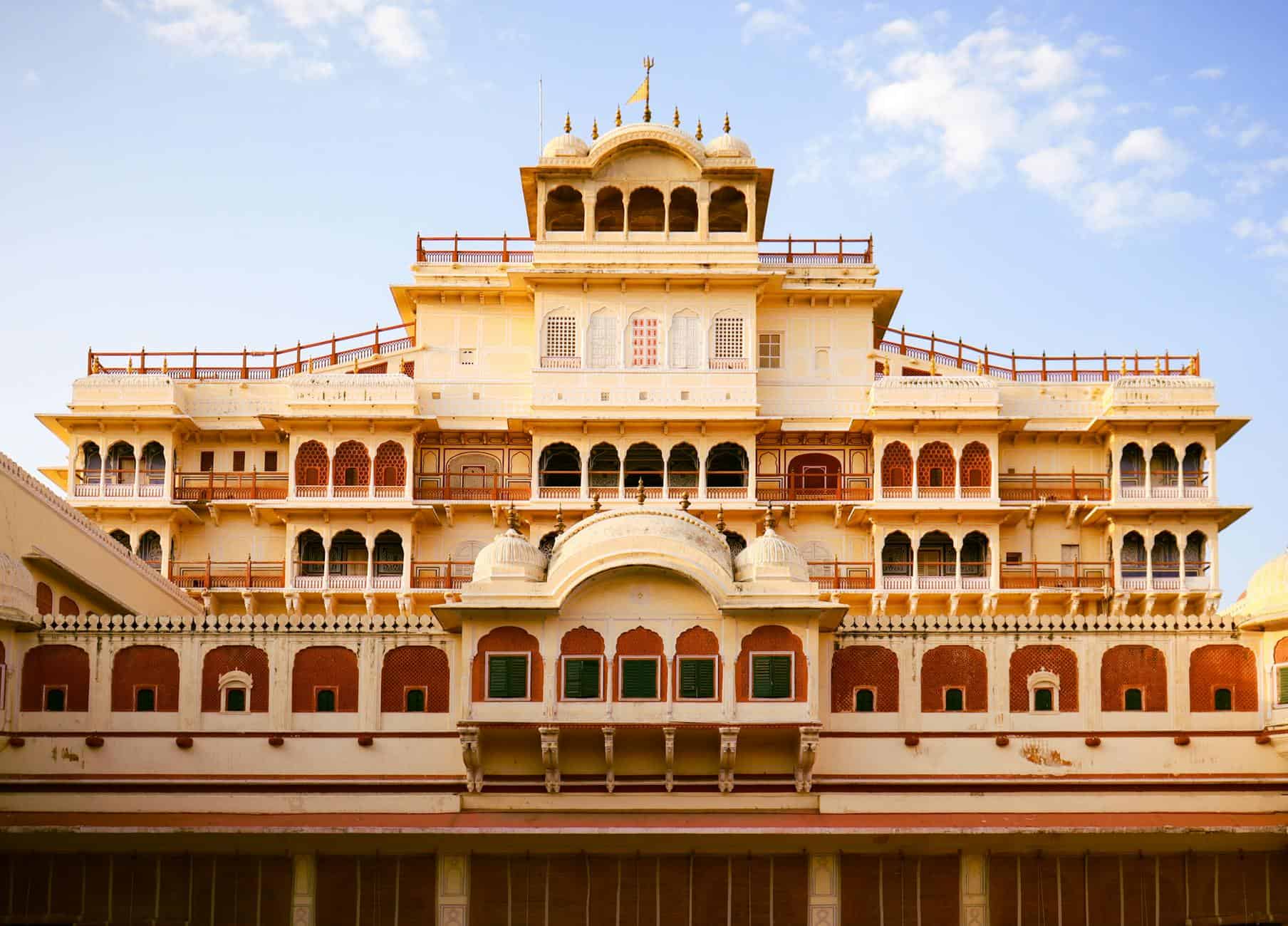
The architectural narrative of Jaipur is marked by majestic palaces and formidable forts, each telling a unique story of the city’s illustrious past. The most notable of these is the City Palace, which showcases a fascinating mix of Rajput and Mughal architectural styles. Constructed by Maharaja Sawai Jai Singh II, the palace complex was an evolving entity, as each successive ruler contributed to its embellishment. Within its sprawling grounds, museums house artifacts that depict Jaipur’s royal history, from intricately designed armaments to exquisite textiles.
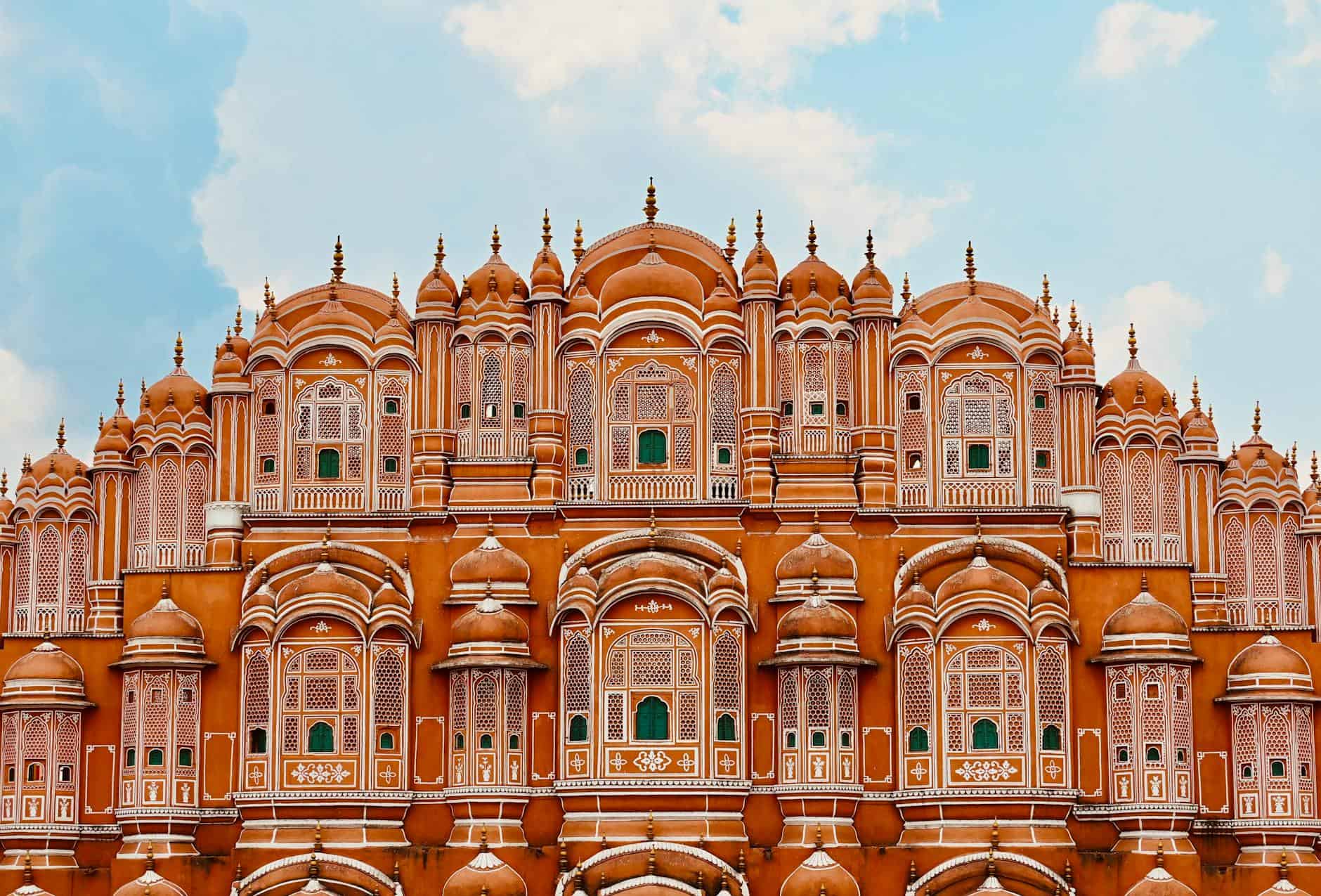
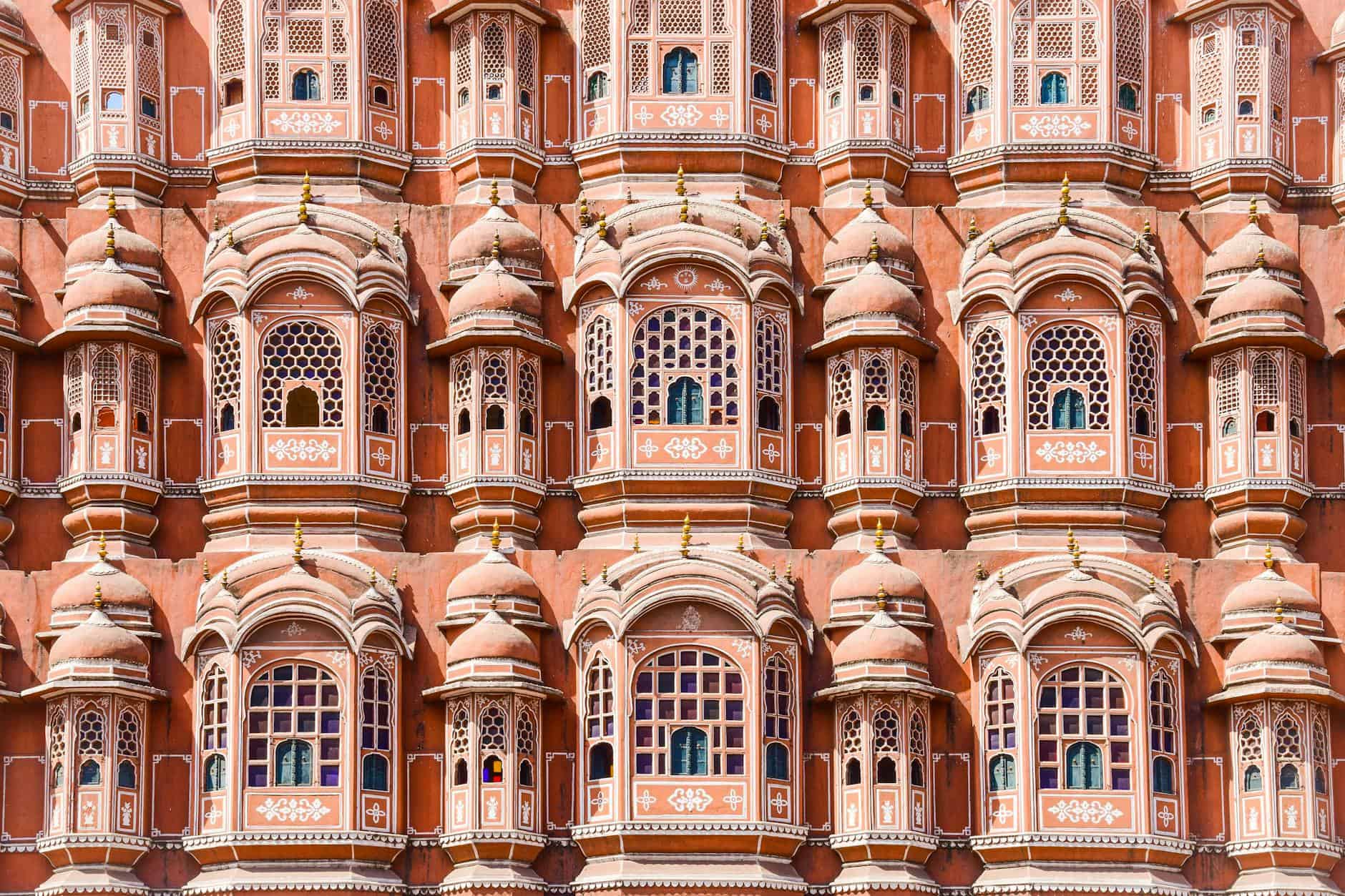
One cannot discuss Jaipur’s architecture without mentioning the iconic Hawa Mahal, or the “Palace of Winds.” With its unique façade adorned with 953 small windows, this architectural marvel was designed to allow royal women to observe street festivities without being seen. Built in 1799 by Maharaja Sawai Pratap Singh, the palace exemplifies the blend of functionality and aesthetics typical of Rajasthani architecture.

Moreover, Amer Fort, located just outside the city, stands as a prime example of Rajput architecture. The fort, with its artistic blend of Hindu and Mughal designs, is characterized by its grand entrance, soaring walls, and beautiful gardens. Visitors traverse the fort’s intricate pathways, marveling at the grand Diwan-e-Aam (Hall of Public Audience) and the splendid Sheesh Mahal (Mirror Palace), which further illuminate the luxurious lifestyle of the Rajput kings.
Other significant structures include the Nahargarh Fort, perched on the Aravalli hills, offering panoramic views of the city, and Jaigarh Fort, known for its colossal cannon and impressive military architecture. Together, these forts and palaces serve as a historical narrative, reflecting the grandeur and ingenuity of the Rajput era.
Exploring the Cultural Heritage: Festivals and Traditions
Jaipur’s rich cultural heritage is vividly expressed through its numerous festivals, which showcase the city’s vibrant traditions and the spirit of its people. Celebrations such as Diwali, Holi, and Teej are deeply intertwined with the local customs and reflect the religious diversity of the region. Diwali, the Festival of Lights, sees the entire city come alive with dazzling decorations and illuminated homes, while Holi, the Festival of Colors, witnesses an exuberant display of joy and camaraderie as residents and visitors partake in color-filled festivities.
Additionally, Jaipur is famous for its traditional Rajasthani music and dance forms, which often take center stage during events and celebrations. From the graceful movements of Ghoomar dancers to the soulful renditions of folk songs, these performances offer a glimpse into the rich cultural tapestry of Rajasthan. The annual Jaipur Literature Festival draws literary enthusiasts worldwide, affirming the city’s role as a cultural hotspot.
Culinary traditions are also an essential aspect of Jaipur’s culture. Local cuisine reflects the grandeur of Rajasthani royalty, featuring dishes such as Dal Baati Churma, Gatte ki Sabzi, and delectable sweets like Ghevar and Mohanthal. Street food, too, is integral to Jaipur’s culinary scene, with vendors serving mouthwatering snacks like Pyaaz Kachori and Chaat, enticing both locals and tourists alike.
Traditional handicrafts play a significant role in preserving Jaipur’s cultural heritage. The city is renowned for its gemstone cutting and polishing, textile production, and the intricate art of block printing. Visitors can explore local bazaars, such as Johari Bazaar and Bapu Bazaar, where artisans display their craftsmanship, providing insight into the age-old traditions that continue to thrive.
The Modern City: Jaipur Today
Today, Jaipur stands as a thriving metropolis that seamlessly blends historical significance with contemporary advancements. The city’s growth has transformed it into a major administrative and educational center, fostering economic development while preserving its cultural identity. Modern infrastructure, with newly constructed roads, smart city initiatives, and public transport systems, reflects Jaipur’s commitment to progress.
The city has also seen a surge in hospitality and tourism, with luxurious hotels and heritage properties catering to visitors seeking an authentic experience. The fusion of traditional Rajasthani hospitality with modern amenities ensures that both domestic and international tourists leave with memorable experiences. The Jaipur International Airport enhances connectivity, making the city accessible to travelers worldwide.
Additionally, Jaipur has embraced technological advancements, with a burgeoning start-up ecosystem that encourages innovation and entrepreneurship. The city hosts numerous business incubation centers and co-working spaces aimed at nurturing new ventures, contributing to the local economy.
The blend of modernity and tradition is evident in various fields, including education. Jaipur boasts prestigious institutions contributing to the academic landscape, offering courses in arts, science, and technology. Initiatives aimed at promoting sustainability and environmental consciousness are also making waves, as local government and non-profit organizations promote green practices.
Moreover, Jaipur’s status as a UNESCO World Heritage Site highlights the city’s commitment to preserving its historical integrity while moving forward. This recognition not only increases international tourism but also reinforces the importance of preserving the unique architectural styles and cultural traditions that define Jaipur.
Tourism in Jaipur: Attractions and Travel Tips
Jaipur’s allure as a tourist destination lies in its rich heritage, architectural wonders, and vibrant culture. Several attractions draw visitors from across the globe, including the majestic City Palace, the enigmatic Amer Fort, and the intricately designed Jantar Mantar, an astronomical observatory boasting a series of monumental instruments.
Other notable spots include the Albert Hall Museum, showcasing an extensive collection of artifacts and art, and the vibrant market scene, where one can shop for traditional handicrafts, textiles, and jewelry. The heritage walk through the city’s old quarters provides an immersive experience, allowing visitors to appreciate the local lifestyle and soak in the city’s bustling atmosphere.
When visiting Jaipur, it’s essential to embrace local customs and etiquette, which enhances the experience and fosters goodwill. Engaging with the locals not only enriches travel experiences but also facilitates a deeper understanding of the region’s culture. It is advisable to try local cuisine at authentic eateries to savor the true flavors of Rajasthani gastronomy.
Travelers should plan their visit to coincide with prominent festivals to witness the city in its full vibrancy. Furthermore, understanding the climatic conditions is crucial; the best time to visit is during the winter months, from October to March, when the weather is pleasant.
Conclusion
Jaipur’s historical narrative and vibrant culture create an impressive canvas for exploration. The Pink City stands as a testament to the confluence of rich history, architectural brilliance, and a dynamic modern landscape. From its regal palaces and imposing forts to colorful festivals and thriving arts, Jaipur invites visitors to immerse themselves in its legacy and experience the magic of Rajasthan. Whether wandering through bustling bazaars or gazing at the stars from the ancient observatories, Jaipur promises an unforgettable journey through time.
The city’s carefully planned layout, iconic pink sandstone façades, and masterful examples of Rajasthani architecture reflect a deep understanding of aesthetics, science, and governance. Landmarks such as the City Palace, Hawa Mahal, and Amber Fort reveal stories of royal ambition, cultural exchange, and artistic excellence. At the same time, Jaipur continues to evolve as a living city where tradition and modernity coexist harmoniously. By preserving its heritage while embracing contemporary life, Jaipur remains not only a historical treasure but also a vibrant cultural capital that continues to inspire travelers from around the world.