
Introduction
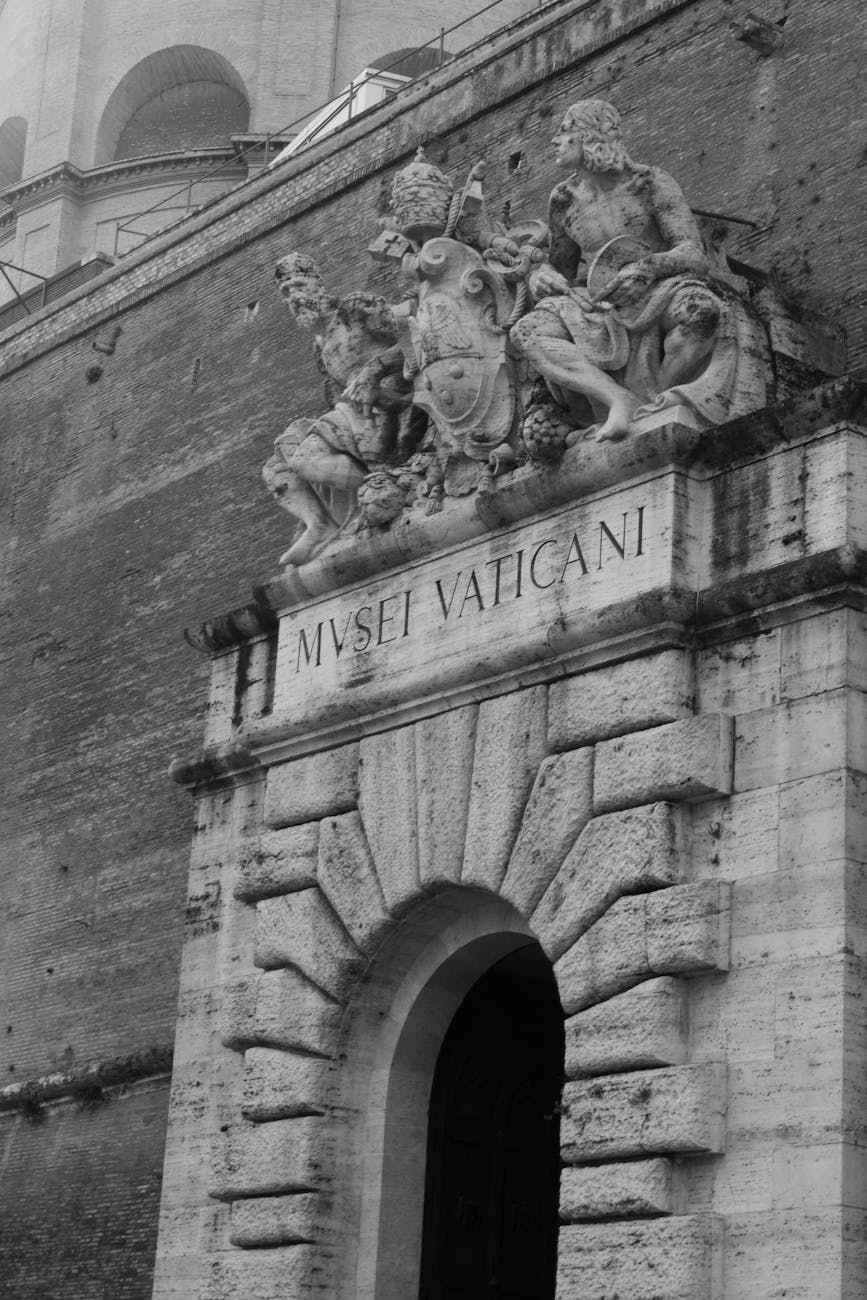
The Vatican Museums, an illustrious institution nestled within the heart of the Vatican City, offers a glimpse into one of the most important collections of art and historical artifacts in the world. Established in the early 16th century, the museum has grown from a modest collection initiated by Pope Julius II to a sprawling complex housing over 70,000 works of art. Each gallery and exhibit narrates stories of religious significance, artistic genius, and cultural evolution, symbolizing the Vatican’s enduring influence over the centuries. Visitors are not only immersed in the beauty of renowned masterpieces from artists such as Michelangelo and Raphael but also discover the museum’s deep-rooted connection to the papacy and Christianity. This exploration will unveil the museum’s origins, its most celebrated works, the architectural splendor, its role in preserving art, and the profound impact it has on contemporary culture and tourism.
The Origins of the Vatican Museums: A Historical Overview
The Vatican Museums’s origins can be traced back to the early 16th century, a period marked by profound changes in art, culture, and religion. The story begins with Pope Julius II, often referred to as the “Warrior Pope,” who was a significant patron of the arts. Julius II’s vision was to consolidate the papal image and influence through art, and he initiated collecting statues and artifacts he believed represented the height of classical achievement.
The first significant acquisition for the Vatican Museum was the Laocoön and His Sons, a magnificent marble sculpture unearthed in Rome by a laborer in 1506. The pope was so taken by the piece that he immediately ordered it to be transported to the Vatican. This event marked a pivotal moment, signaling the beginning of the Vatican’s transformation into a major center for art and culture.
In 1503, Julius II commissioned Michelangelo to paint the ceiling of the Sistine Chapel, which would go on to become one of the most important masterpieces in Western art. The Sistine Chapel ceiling not only showcased the artistic genius of Michelangelo but also highlighted the Vatican as a focal point of spiritual and artistic endeavors. The completion of this monumental work in 1512 solidified the Vatican’s reputation, drawing the attention of artists, scholars, and visitors from across Europe.

Under subsequent popes, the Vatican Museums expanded considerably. Pope Clement XIV, in the 18th century, continued Julius II’s legacy by acquiring numerous collections and artworks. The Vatican’s archives and libraries flourished, housing texts and manuscripts of immense historical value. The continued patronage of art contributed to the museum’s growing reputation, leading to the establishment of the Gregorian Egyptian Museum in 1839, which displayed the Vatican’s expansive collection of Ancient Egyptian artifacts.
Entering the 19th century, the Vatican Museums underwent further transformation. The papal states’ political challenges and external pressures prompted the Vatican to modernize and expand its collections. Museums began to attract a wider audience, and openness to the public became a priority. The Vatican Museums evolved from an exclusive gathering of papal possessions into a public institution, reflecting the dynamic socio-political landscape of the time.
The Vatican Museums officially opened their doors to the public in 1771, allowing art lovers, scholars, and common folk to appreciate its treasures. This move transformed the Vatican into not just a religious institution but a cultural beacon, symbolizing the intersection of faith and art. Over the years, the museum has continued to expand, now encompassing various collections, including the Vatican Historical Museum, the Museum of Modern Religious Art, and the Raphael Rooms, which prominently display works that bridge significant cultural epochs.
Throughout the centuries, the Vatican Museum has acted as a custodian of art and history, preserving the legacy of the Catholic Church while simultaneously embracing a broader artistic narrative. This historical overview is crucial for understanding the evolving identity of the Vatican Museum and its significance in the global art landscape.
Key Artworks and Artists: Masterpieces of the Vatican
Among the myriad treasures housed within the Vatican Museum, several key artworks and artists stand out, shaping the cultural and artistic identity of not only the museum but also the broader European art scene. The collection is testament to the Vatican’s storied past, showcasing artworks that span various styles and epochs, from classical antiquity to the Renaissance and beyond.
One of the most renowned masterpieces is Michelangelo’s Sistine Chapel ceiling. Completed between 1508 and 1512, it is a monumental accomplishment that represents the zenith of Renaissance art. The ceiling features a series of frescoes depicting scenes from the Book of Genesis, including the iconic Creation of Adam, which illustrates the divine spark of life. This piece demonstrates Michelangelo’s unparalleled skill in portraying the human form, employing a mastery of anatomical precision and emotional depth. Visitors to the Sistine Chapel often report a profound spiritual experience while gazing at the frescoes, highlighting the intersection of art and religion.
Another notable artist represented in the Vatican is Raphael, whose School of Athens, part of the Raphael Rooms, showcases the artist’s mastery of perspective and composition. Completed between 1509 and 1511, this fresco depicts prominent philosophers and thinkers from ancient Greece, including Plato and Aristotle, engaging in discourse. Raphael’s ability to synthesize classical ideals with Renaissance humanism is evident in this work, making it a quintessential representation of the era. The Raphael Rooms themselves, exquisitely decorated, have become a focal point for visitors who seek to understand the evolution of visual language during the Renaissance.
Additionally, the Vatican Museums houses significant works by Caravaggio, a revolutionary figure in Baroque art known for his dramatic use of chiaroscuro—the contrast of light and shadow. His masterpiece, The Calling of Saint Matthew, uses this technique to create a sense of immediacy and emotional depth, powerfully portraying the moment of spiritual awakening. Caravaggio’s works not only reflect religious themes but also challenge traditional representations, establishing a new narrative style that would influence generations of artists.
Beyond painting, the Vatican Museums are also home to exquisite sculptures, most notably the Pietà by Michelangelo. Crafted during the late 15th century, this marble sculpture depicts the Virgin Mary cradling the lifeless body of Christ. The emotional intensity and the delicate rendering of both figures highlight Michelangelo’s understanding of human emotion and physical form. The Pietà has become an enduring symbol of grief and solace, resonating deeply with viewers.

In addition to these masterpieces, the Vatican’s collections boast an array of artifacts and historical pieces that narrate the story of the Catholic Church and its interaction with the world. Ancient Roman sculptures, Byzantine mosaics, and even contemporary art pieces contribute to a narrative that spans millennia, reflecting the Vatican’s ongoing role as a cultural custodian.
Visitors to the Vatican Museums experience not only a journey through art history but also an emotional and spiritual odyssey, as each artwork invites contemplation and dialogue. The melding of artistic brilliance with religious devotion creates a unique atmosphere that has drawn countless visitors, ensuring that the Vatican Museum remains a vital hub of cultural heritage.
Architectural Evolution: The Design and Structure of the Museum
The architectural evolution of the Vatican Museum is a captivating story that parallels the gallery’s rich artistic collection. The museum’s architecture reflects centuries of artistic endeavor, combining elements from various styles and periods, resulting in an intricate tapestry of design that narrates the ongoing dialogue between art and architecture.
The museum’s roots can be traced back to the Belvedere Courtyard, designed by Donato Bramante in the early 16th century. This grand space was intended to showcase the Vatican’s classical sculptures in an environment that resonated with the ideals of the Renaissance. Bramante’s design emphasized symmetry and proportion, borrowing heavily from ancient Roman principles. The Courtyard served as a precursor to the complex that would later expand to house thousands of artworks.
As additional layers of the museum were added, various popes commissioned significant architectural projects. Pope Sixtus IV, known for establishing the Sistine Chapel, also played a pivotal role in developing the museum’s early designs. The chapel itself, completed in 1480, became a central point of reference, its classic Renaissance style granting an air of dignity and grandeur to the surrounding structures.
One of the notable features of the museum is the Gallery of Maps, designed by Francesco Musi and completed in 1580. This gallery is adorned with stunning topographical maps of Italy, visually connecting the Vatican to its geographic context. The intricate frescoes and painted ceilings create a sense of continuity with the surrounding architecture while also providing a bridge between science and art, reflecting the humanist ideals of the period.
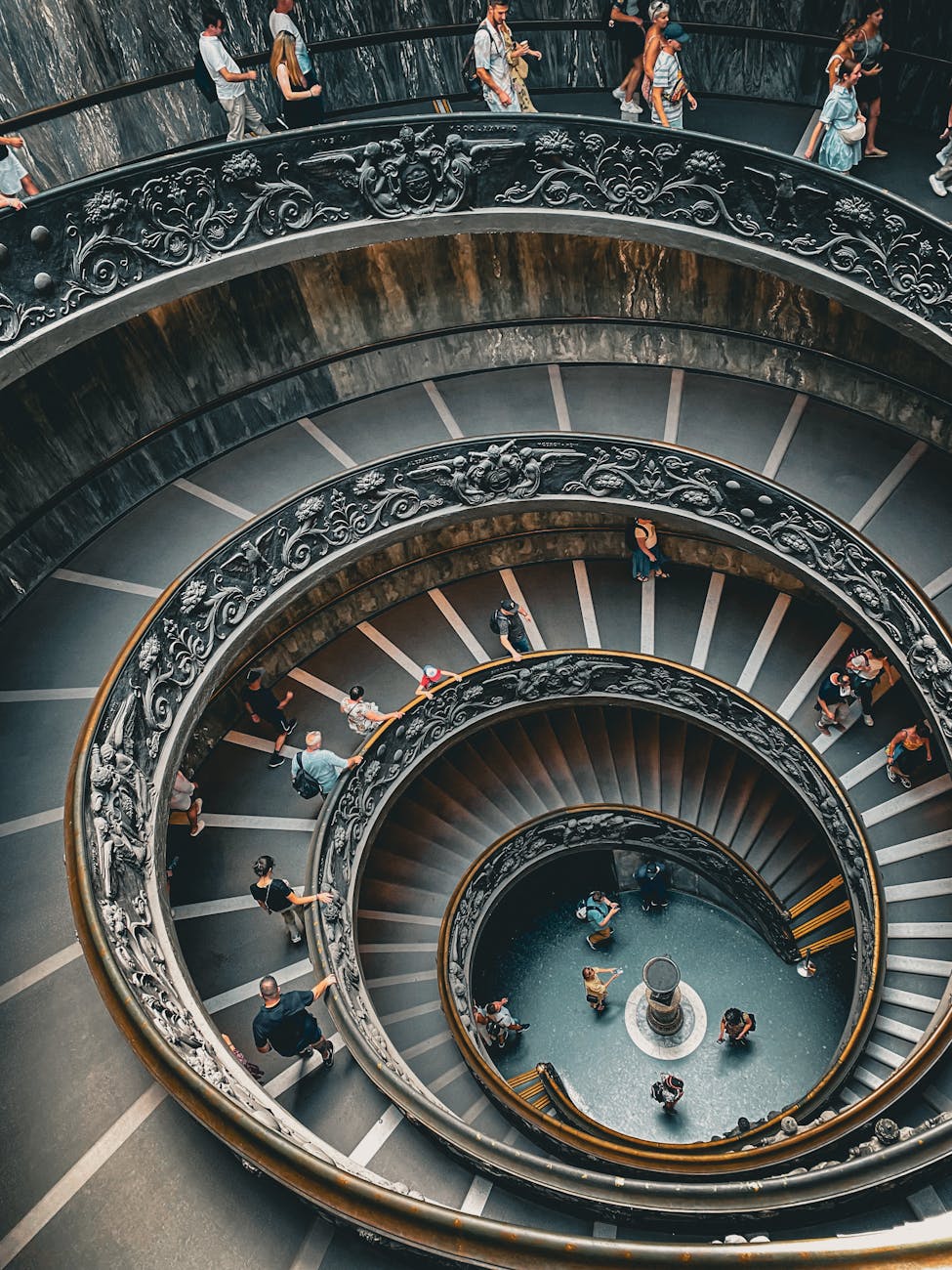
During the Baroque period, the Vatican Museums underwent significant transformations under Pope Urban VIII. His vision included the construction of the famous Spiral Staircase, designed by Giuseppe Momo in 1932, which is emblematic of the museum’s ability to marry form with function. The staircase’s swirling design engages visitors, inviting them to ascend while experiencing a visual delight of curves and lines that enhance the overall architectural narrative.
The Vatican Museums’ expansion in the 19th century marked a pivotal moment in its architectural history. With the increasing popularity of the museum, the need for larger exhibition spaces became apparent. The construction of the new wings began, housing important collections and allowing the museum to display its treasures more effectively. This period also saw the incorporation of Neo-Renaissance and Neo-Classical architectural elements, further enriching the museum’s aesthetic appeal.
Throughout the 20th century, modern architects contributed to the Vatican’s architectural landscape. The recent additions have sought to honor the heritage of the existing structures while incorporating innovative design elements. An example is the contemporary Museo della Scultura, which emphasizes glass and steel, creating a dialogue between modernity and traditional aesthetics.
The architectural evolution of the Vatican Museums serves not only as a physical representation of its history but also as an expression of the cultural and spiritual aspirations of the Catholic Church. Each structure, gallery, and corridor tells a story, inviting visitors to reflect on the interplay between space, art, and the divine. As a result, the architectural journey through the Vatican Museum becomes an integral aspect of the overall experience, celebrating centuries of creativity and devotion.
The Role of the Vatican in Art Preservation and Cultural Heritage
The Vatican Museums plays an essential role in the preservation of art and cultural heritage, acting as a custodian of countless works that bear witness to the socio-historical fabric of humanity. Its significance extends beyond merely showcasing art; it involves a deep commitment to safeguarding cultural artifacts, thereby ensuring that future generations can engage with and learn from these treasures.
At the heart of the Vatican’s preservation efforts is a profound respect for the artistic integrity of each piece. The museum employs a range of conservation techniques and practices to maintain and restore artworks, from oil paintings to delicate frescoes. Highly trained conservators work diligently to address issues caused by time, climate, and environmental exposure. These efforts not only combat physical deterioration but also strive to preserve the historical context and narratives that accompany each work of art.
One of the most celebrated conservation projects undertaken by the Vatican Museums was the restoration of the Sistine Chapel’s ceiling, a monumental endeavor that began in 1980 and concluded in 1994. The restoration aimed to remove centuries of grime and candle soot, revealing Michelangelo’s vibrant color palette and intricate details that had faded over time. This project not only reinvigorated public appreciation for Renaissance art but also articulated the Vatican’s commitment to maintaining its cultural heritage.
Moreover, the Vatican’s extensive archives and libraries serve as vital resources for art historians and researchers, providing access to a wealth of documents, manuscripts, and historical records. This repository of knowledge enhances the understanding of the historical and cultural significance of the artworks housed within the museum. The Vatican’s dedication to making its resources available through educational programs and research initiatives underscores its commitment to disseminating knowledge and fostering academic discourse.
The Vatican Museums is also at the forefront of international collaborations focused on cultural preservation. By participating in initiatives like the UNESCO World Heritage program, the Vatican contributes to global efforts to protect and celebrate cultural sites and artworks, recognizing the interconnectedness of cultural heritage across borders.
Sustainability has emerged as a vital consideration in the context of art preservation, and the Vatican Museums actively seeks to balance contemporary environmental challenges with its preservation mandates. Strategies for protecting artworks in an era of climate change include improved humidity control systems, energy-efficient lighting, and innovative materials that minimize the impact of environmental factors on fragile artifacts. These initiatives ensure that the Vatican remains a leader in the field of conservation, adapting to modern challenges while honoring its historical mission.
Lastly, the Vatican’s influence extends beyond the walls of the museum, as its commitment to cultural heritage fosters a broader global dialogue about the value of art and history. By advocating for the importance of preserving cultural identity, the Vatican Museums emphasizes art as a powerful medium for healing, understanding, and unity in a diverse world.
The Vatican Museum transcends its role as a mere collection of artworks; it occupies a critical position in the discourse surrounding art preservation and cultural heritage. Through its commitment to conservation, scholarship, and international collaboration, the Vatican ensures that the stories of the past continue to resonate in the present, inspiring future generations to appreciate and engage with the rich tapestry of human creativity.
The Impact of the Vatican Museums on Modern Art and Tourism
The Vatican Museums’s grandeur and cultural significance have made it a cornerstone of modern art appreciation and tourism. Attracting millions of visitors each year, the museum serves as a vital nexus where history, spirituality, and artistry intertwine, influencing both contemporary art movements and global tourism landscapes.
The museum’s extensive collections, which include works by legendary artists such as Michelangelo, Raphael, and Caravaggio, have long been a source of inspiration for modern artists. Their explorations of faith, humanity, and existential themes resonate with contemporary artistic expressions. For instance, the emotional depth and introspective qualities found in Renaissance works continue to influence artists grappling with similar themes in today’s society. Modern visual artists often draw upon the techniques and aesthetics of their predecessors, channeling the foundational ideas established in the Vatican into new and relevant contexts.
Moreover, the Vatican Museum’s significance as a cultural hub has encouraged art dialogues on a global scale. Art fairs, exhibitions, and symposiums often utilize the museum as a touchstone, providing a historical lens through which contemporary debates about aesthetics, identity, and societal values can be examined. The Vatican’s commitment to contemporary art is evidenced by initiatives such as the Museum of Modern Religious Art, which seeks to interrogate and celebrate the spiritual through modern artistic practice.
In terms of tourism, the Vatican Museums plays a crucial role in shaping the visitor experience in Rome. As one of the most visited museums in the world, its reputation attracts diverse audiences, including art enthusiasts, pilgrims, scholars, and casual tourists. The Vatican Museum’s significance extends beyond its physical realm, becoming a pilgrimage destination where people seek not only artistic enrichment but also spiritual and cultural fulfillment.
The phenomenon of “art tourism” has burgeoned in recent years, with more travelers engaging with destinations renowned for their cultural and artistic heritage. The Vatican Museums exemplifies this trend, combining an appreciation for historical art with the sacred dimension of the Vatican. Visitors often describe their encounters with the artworks as transformative experiences, and the interplay between spirituality and artistry enhances the museum’s allure.
The Vatican Museums’s impact on tourism is also reflected in the economic contributions it makes to the local and national economy. Increased foot traffic generates revenue for surrounding businesses, from hotels to restaurants, contributing to the overall vitality of Rome as a cultural destination. Special events, exhibitions, and educational programs further engage and enrich the visitor experience, allowing the Vatican Museum to maintain its status as an important player in the cultural tourism sector.
Alongside its economic impact, the museum facilitates cross-cultural exchange, encouraging dialogue among visitors from diverse backgrounds. Engaging with the art and artifacts housed within prompts reflections on shared histories and human creativity, fostering a sense of connection among individuals from different cultures and perspectives. This cultural dialogue enriches the global understanding of art and fosters appreciation for the commonly held values of faith, beauty, and heritage.
In addressing modern challenges such as accessibility and inclusivity, the Vatican Museum remains committed to enhancing the visitor experience. Initiatives that provide multilingual resources, educational programs, and physical accessibility empower a wider audience to engage with its collections, thus broadening the museum’s impact and relevance in contemporary society.
The Vatican Museums’s impact on modern art and tourism is profound and multifaceted. Its esteemed collection has inspired generations of artists while simultaneously serving as a pilgrimage destination that attracts millions of visitors from around the world. By fostering dialogue, generating economic vitality, and promoting inclusivity, the Vatican Museums ensures its continued relevance, solidifying its place as both a guardian of cultural heritage and a catalyst for contemporary artistic engagement.
Conclusion
The Vatican Museums’s rich history and comprehensive collections intertwine to create a compelling narrative of art, spirituality, and cultural heritage. From its origins under Pope Julius II to its present-day status as a cornerstone of global art and tourism, the Vatican Museums embodies the dynamic relationship between faith and creativity. Its role as a custodian of art not only preserves significant works for future generations but also fosters contemporary dialogues about identity, spirituality, and the universal language of art.
In addition to being a treasure trove of masterpieces by renowned artists, the museum exemplifies architectural evolution that tells a story of resilience and adaptation throughout history. As the Vatican continues to engage with the challenges of modernity, it remains committed to cultural preservation, accessibility, and inclusivity, ensuring that its vast collections are not only preserved but also appreciated by diverse audiences worldwide.
Visitors leave the Vatican Museums enriched not only by the beauty of art but also by a profound understanding of the shared human experience. From the breathtaking Sistine Chapel ceiling to the scholarly pursuits found in the archives, the Vatican Museums creates a unique intersection of the artistic and the spiritual. Its legacy as a cultural institution will continue to shape and inspire the realms of art, education, and tourism for generations to come, reinforcing its position as a vital beacon of creativity and faith in a rapidly changing world.




Isn’t it amazing and appropriate that the first acquired art piece was Greco/Roman and not a Christian subject. Indeed, the foundation of Western Art must come through Greece, and the subsequent Christian artists likely emulated the agony in expression of this work in later depictions of the Passion. Thanks for sharing!
[…] biblical events, serve both as cultural landmarks and sources of revenue through tourism. The Vatican Museums attract millions of visitors annually, generating substantial income and affirming the importance […]