Tag: Museum
-
Rijksmuseum History: Inside Amsterdam’s Most Celebrated Museum

The Rijksmuseum in Amsterdam is a key cultural institution illuminating the Netherlands’ artistic heritage, especially featuring works from the Dutch Golden Age. Founded in the early 19th century, it evolved from the Nationale Kunstgalerij to its current status as a state museum. The museum houses over a million artifacts, including masterpieces like Rembrandt’s “The Night Watch” and Vermeer’s “The Milkmaid.” It emphasizes education and accessibility through various programs, engaging the community and promoting diversity. Recent renovations blend historical elements with modern updates, ensuring sustainability and accessibility as it continues to inspire and connect audiences to art and history.
-
From Popes to Paintings: The Epic History of the Vatican Museums
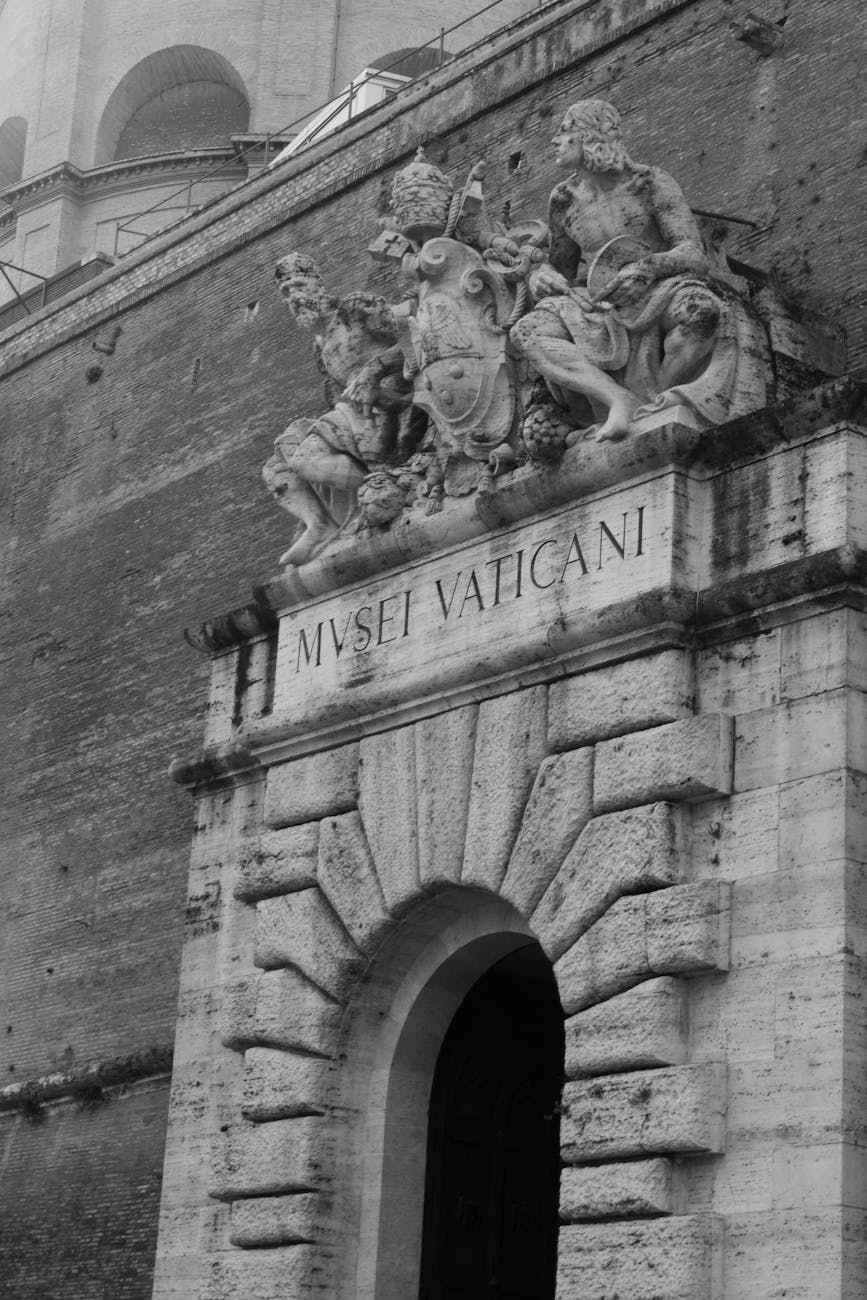
The Vatican Museums, founded in the early 16th century by Pope Julius II, houses over 70,000 art pieces, illustrating the convergence of religious significance and artistic heritage. Key masterpieces include Michelangelo’s Sistine Chapel ceiling and Raphael’s School of Athens, marking pivotal moments in art history. The museum has evolved architecturally, reflecting various styles over centuries, while its conservation efforts safeguard cultural heritage for future generations. It plays a vital role in global art discourse and tourism, attracting millions annually and promoting cross-cultural dialogue. The Vatican Museum serves as a focal point for understanding the interplay of faith, art, and heritage.
-
Victoria and Albert Museum History: London’s Treasure Trove of Design
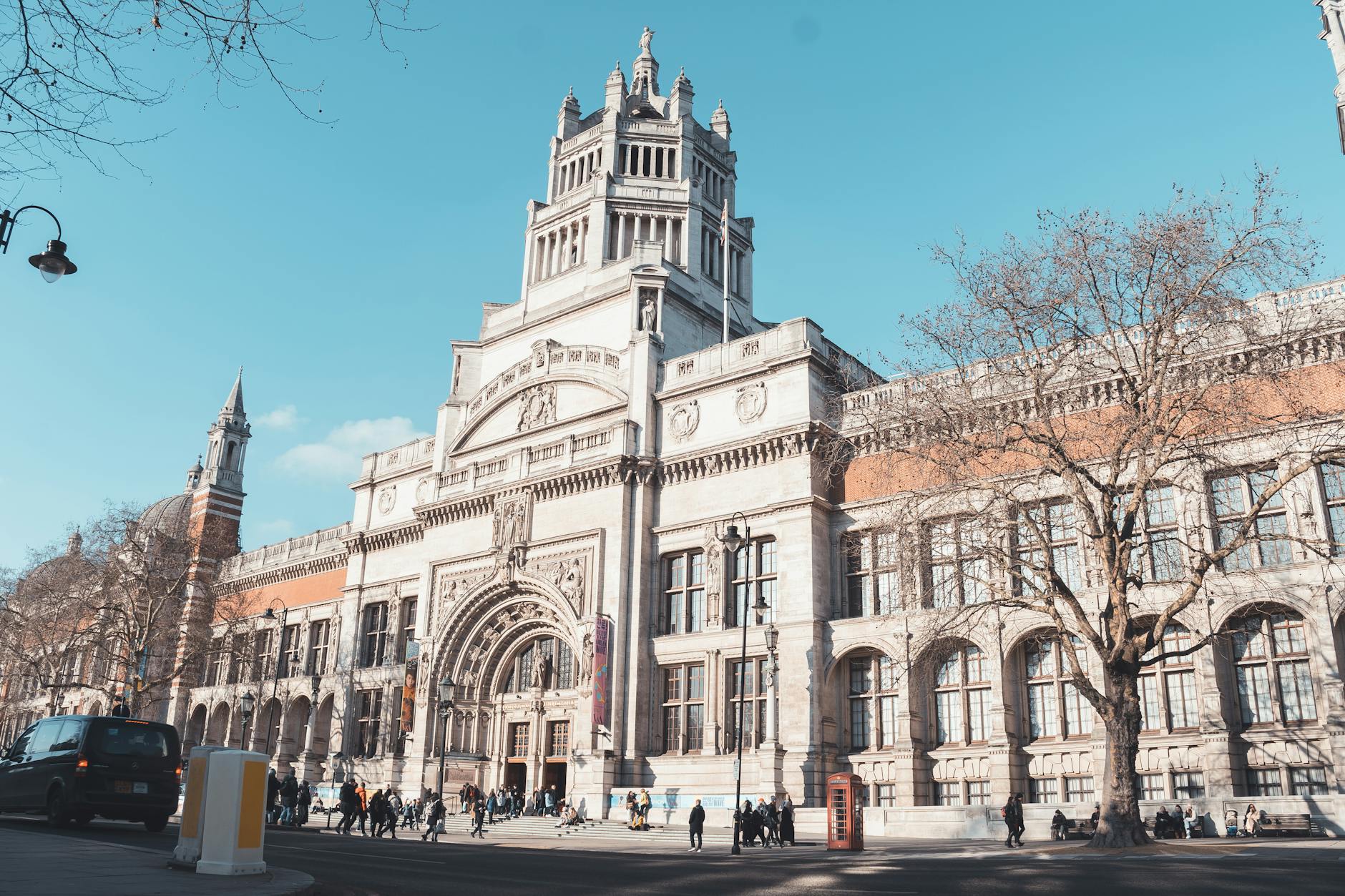
The Victoria and Albert Museum (V&A) in London, established in 1852, is a premier institution celebrating art, design, and culture through its vast collections of over 2.3 million objects. It began as the South Kensington Museum, inspired by the Great Exhibition of 1851, with a commitment to educate and engage the public in decorative arts. The V&A’s evolving architectural landscape reflects its adaptability and cultural significance, while its robust educational programs foster accessibility and community engagement. Looking ahead, the museum aims to embrace sustainability, innovative technology, and diverse narratives, ensuring its relevance and inspiring future generations.
-
The Fascinating History of the British Museum: Where Civilizations Meet

The British Museum, established in 1753, is a vital cultural institution that houses a vast collection representing numerous civilizations. Initially founded through Sir Hans Sloane’s bequest, it became the first national public museum aimed at democratizing knowledge. Over time, it expanded its international collections, often acquired during the colonial era, raising ongoing ethical debates about repatriation. Notable exhibitions like the Rosetta Stone and the Elgin Marbles highlight its mission, while architectural developments, including the Great Court, enhance visitor experience. The Museum faces future challenges related to repatriation, technology, sustainability, and inclusivity, necessitating a commitment to ethical practices and cultural sensitivity.
-
The History of the Louvre: From Medieval Fortress to Masterpiece Museum – Facts and Key Events
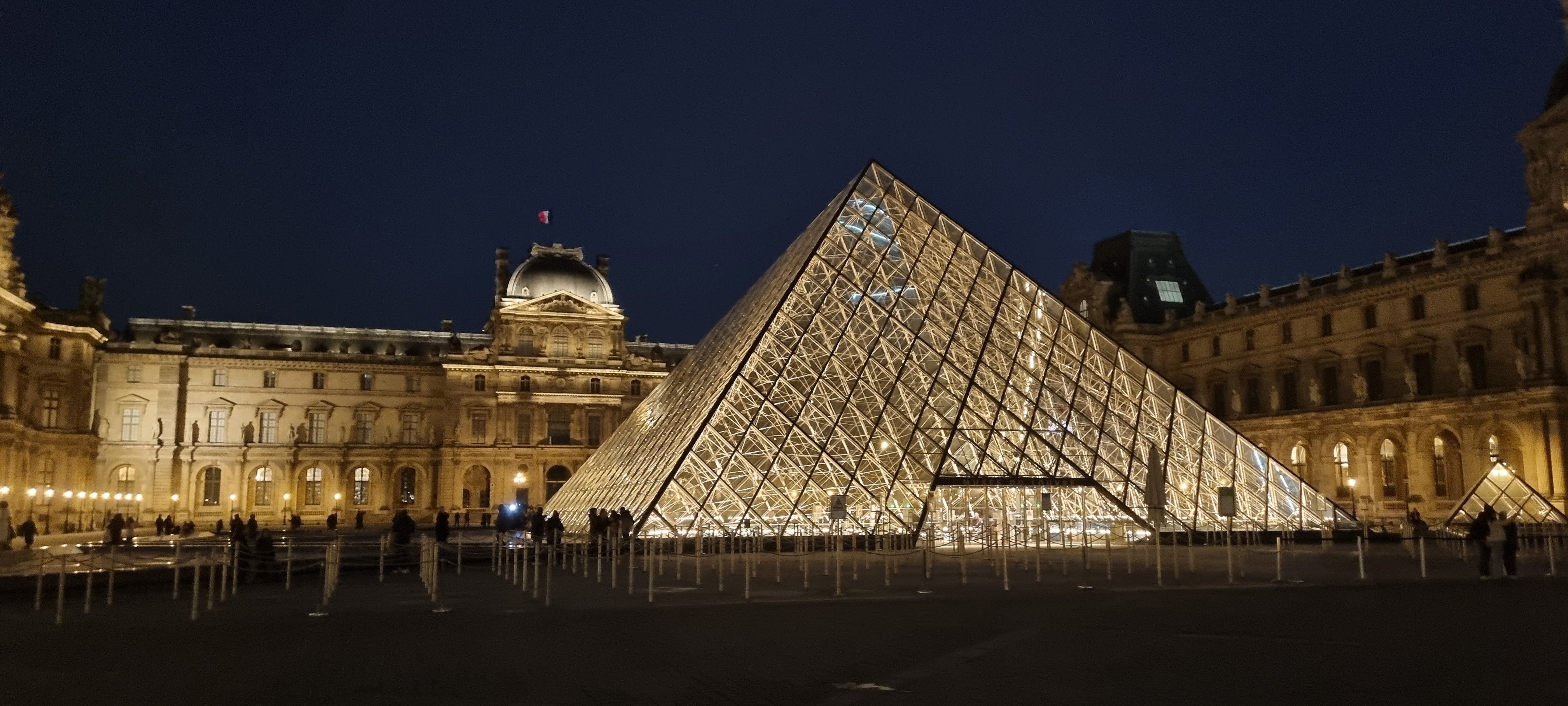
The Louvre, once a medieval fortress, has transformed over the centuries into a global cultural icon and one of the most visited museums. Initiated in the late 12th century under King Philip II, it evolved first into a royal palace before opening as a public museum during the French Revolution in 1793. This pivotal shift democratized art, making it accessible to all. The Renaissance era, spearheaded by Francis I, infused the Louvre with Italian artistic influences, expanding its collection. Modern expansions in the 19th and 20th centuries further solidified its status, culminating in the iconic glass pyramid entrance. Today, the…