Tag: History

  • The Mind Behind Microsoft: The Life and Legacy of Bill Gates

    The Mind Behind Microsoft: The Life and Legacy of Bill Gates

    Introduction

    Bill Gates, co-founder of Microsoft, is one of the most influential figures in the technology industry. Born on October 28, 1955, in Seattle, Washington, Gates displayed an early interest in computers and programming, which would shape his future. After studying at Harvard University, he dropped out to establish Microsoft with his childhood friend Paul Allen in 1975. Microsoft’s mission was to put a computer on every desk and in every home, a vision that transformed the approach to personal computing and software development. Gates’ relentless drive for innovation and his business acumen propelled Microsoft into becoming the world’s leading software company. Beyond his corporate achievements, Gates is known for his philanthropic endeavors, significantly impacting global health and education through the Bill & Melinda Gates Foundation. This article explores the life and legacy of Bill Gates, examining the key stages of his journey and his enduring influence on technology and society.

    Bill Gate’s Early Life and Education

    Bill Gates was born into a well-off family, where both his parents encouraged his intellectual curiosity and aspirations. His father, William H. Gates Sr., was a prominent attorney, while his mother, Mary Maxwell Gates, served on the board of directors for several organizations, including the United Way. Growing up, Gates showed an early affinity for numbers and problem-solving, often participating in math competitions.

    During his early school years at Lakeside School, Gates encountered his first computer, a General Electric machine, which ignited his passion for programming. He began writing computer programs at the age of 13 and quickly became the top student in his class, demonstrating prodigious talent. His early experiences also included an entrepreneurial endeavor with friends, where they developed a scheduling program for his school. They charged students for the use of the program, marking Gates’ first foray into business.

    Gates’ education continued as he moved on to Harvard University in 1973, where he further developed his programming skills. It was at Harvard where he met Steve Ballmer, who would later become the CEO of Microsoft. Gates thrived in the intellectually stimulating environment, but ultimately, his passion for computing eclipsed his academic pursuits. In 1975, he made the controversial decision to drop out of Harvard to start Microsoft with Paul Allen, a move that would fundamentally change the landscape of computing.

    The early years of Microsoft were marked by determination and innovation. Gates and Allen focused on developing software for personal computers, a relatively new concept at the time. Their breakthrough came when they created an operating system for IBM‘s first personal computer, which would lead to the widespread adoption of personal computing. Gates was driven by a vision to democratize technology, believing that software could empower individuals and foster innovation. This belief laid the foundation for Microsoft’s growth and influence in the tech industry.

    With his strong work ethic and relentless pursuit of excellence, Gates cultivated a team-oriented approach that fostered collaboration and creative problem-solving. He encouraged his team to think outside the box and challenge conventional wisdom, resulting in revolutionary products such as Microsoft Windows. Gates’ ability to adapt to market changes and anticipate customer needs became a hallmark of his leadership style.

    In conclusion, Gates’ early life and educational experiences played a pivotal role in shaping his future achievements. His curiosity, passion for computing, and entrepreneurial spirit set the stage for Microsoft’s rise and his eventual legacy as a leader in technology.

    Founding Microsoft and the Rise of Personal Computing

    The inception of Microsoft is a fascinating story of vision, tenacity, and a bit of luck. After Gates and Allen dropped out of their respective educational pursuits, they founded Microsoft in 1975 in Albuquerque, New Mexico, focusing initially on developing software for the Altair 8800, one of the earliest personal computers. Their partnership was fueled by a shared belief in the potential of personal computing to change lives, a conviction that would set them on a path to monumental success.

    In the early years, the company operated from a modest office, and resources were scarce. Gates often wore many hats’ programming, managing, and even marketing’s as he sought to build Microsoft’s brand in an emerging industry. His keen understanding of software and the capabilities of early computers allowed Microsoft to develop innovative solutions, such as their first programming language, BASIC. This was a crucial stepping stone that showcased their ability to create user-friendly software accessible to non-technical users.

    As the personal computing market began to flourish, Microsoft seized the opportunity to capitalize on the growing demand for computer software. The partnership with IBM in 1980 was a game-changer that would elevate Microsoft’s status in the tech world. IBM sought to create a personal computer (PC) and needed an operating system. Gates and his team provided a version of the BASIC programming language for the IBM PC, successfully positioning Microsoft in the industry’s forefront.

    However, the defining moment came when Microsoft was contracted to provide the operating system for IBM’s PC. Gates recognized that this was an unparalleled opportunity. Instead of developing a new OS from scratch, his team purchased the QDOS operating system from Seattle Computer Products, rebranded it as MS-DOS, and supplied it to IBM. This strategic move not only secured Microsoft’s foothold in the burgeoning market but also set the stage for its dominance in the PC software industry.

    Through aggressive marketing and continuous software innovation, Gates guided Microsoft through rapid growth during the 1980s. The release of Windows 1.0 in 1985 marked a significant shift in the software landscape, introducing a graphical user interface that would eventually become the standard for operating systems. Microsoft Windows became synonymous with personal computing, and Gates’ relentless focus on usability and user experience contributed to its widespread adoption.

    Gates’ management style contributed significantly to Microsoft’s success. He fostered a challenging work environment where employees were encouraged to excel and innovate. His commitment to hiring the best talent ensured that Microsoft remained at the cutting edge of technology. Moreover, Gates was not afraid to disrupt market competitors, often employing aggressive tactics to gain market share. This determination propelled Microsoft to become the leading software company of the era, reaching nearly 90% market share in the PC operating system market by the 1990s.

    As Microsoft grew, so did Gates’ reputation as a visionary leader. His ability to foresee trends and adapt to market demands set him apart from his contemporaries. Gates was not just building a company; he was shaping an industry. His work laid the groundwork for the digital age, affecting how technology is integrated into everyday life.

    In summary, the founding of Microsoft and the rise of personal computing mark a pivotal chapter in Bill Gates’ life. His innovative thinking, strategic decision-making, and dynamic leadership fueled the company’s ascent to a technological powerhouse. Gates’ vision of a computer on every desk became a reality, fundamentally altering the landscape of business and personal productivity around the globe.

    Philanthropy and Global Health Initiatives

    Bill Gates’ journey is not solely defined by his entrepreneurial achievements; his philanthropic efforts have also significantly impacted global health and education. After stepping down from his day-to-day role at Microsoft in 2006, Gates dedicated more time to philanthropy through the Bill & Melinda Gates Foundation, which he co-founded in 2000 with his then-wife, Melinda French Gates. The foundation focuses on addressing some of the world’s most pressing challenges, including poverty, disease, and educational inequality.

    One of the foundation’s flagship initiatives is its commitment to improving global health. Gates recognized early on that many preventable diseases disproportionately affected the world’s poorest populations. By leveraging his technological expertise and business acumen, he has directed billions of dollars towards research, development, and distribution of vaccines and treatments for diseases such as malaria, tuberculosis, and HIV/AIDS. The foundation’s investment in vaccine research, specifically, has been transformative, leading to the development of new and more effective vaccines that save millions of lives annually.

    In 2010, Gates launched the Global Vaccine Action Plan to eradicate polio, highlighting the foundation’s dedication to immunization. Working with governments, organizations, and health agencies across the globe, the initiative has made significant strides in reducing the incidence of polio, contributing to the global effort to eradicate the disease entirely. Gates’ advocacy for vaccination programs has raised awareness about the importance of immunizations not only as a key health intervention but as a moral imperative.

    Education is another critical focus of the Gates Foundation. Gates firmly believes that education is the most effective tool for breaking the cycle of poverty. The foundation has invested heavily in educational reforms in the United States, seeking to improve educational outcomes for underprivileged students. Through initiatives that promote access to quality education, support for teachers, and innovative learning tools, the foundation aims to increase opportunities for all children, regardless of their socio-economic background.

    Gates’ philanthropic approach is characterized by data-driven decision-making. He prioritizes evidence-based initiatives, ensuring that funds are directed towards programs that demonstrate measurable results. For instance, the foundation has invested in improving health data systems to track the effectiveness of interventions globally, ensuring that resources are allocated efficiently to maximize impact.

    Moreover, the foundation has played a pivotal role in addressing global health disparities exacerbated by the COVID-19 pandemic. Gates has been vocal about the need for equitable access to vaccines and therapeutics, advocating for global cooperation and funding to ensure that vaccines reach populations in low-income countries. This response underscores his vision of health equity and the necessity of collaborative approaches in tackling global health crises.

    Gates has also engaged in advocacy efforts, often using his platform to raise awareness about issues such as climate change and its impact on public health. He acknowledges the interconnectedness of these challenges, advocating for sustainable solutions that address both environmental and health concerns. His work emphasizes the importance of proactive measures in mitigating the effects of climate change on vulnerable populations.

    In conclusion, Bill Gates’ philanthropic efforts through the Gates Foundation have left an indelible mark on global health and education. By directing resources towards innovative solutions and advocating for equitable access to healthcare and education, Gates is leveraging his influence to create lasting change. His legacy is one not only of technological innovation but also of a commitment to improving the lives of millions around the world.

    Bill Gate’s Influence on Technology and Business

    Bill Gates’ influence on technology and business extends far beyond the creation of Microsoft. His innovative approach has revolutionized industries and shaped the global economy, making him a pivotal figure in the transition to the information age. Gates’ emphasis on software development has fundamentally transformed how businesses operate, communicate, and interact with consumers.

    During Microsoft’s rapid growth in the 1980s and 1990s, Gates recognized the potential of software as a powerful tool for productivity. He introduced concepts that emphasized the importance of user-friendly interfaces and enhanced functionality to simplify complex tasks. This foresight led to the widespread adoption of personal computers in homes and offices, changing the landscape of business operations. Organizations began to rely on software to streamline processes, enhance communication, and improve decision-making.

    Gates’ business strategies also paved the way for the emergence of the software industry. By licensing software rather than selling it outright, he created a model that allowed for continuous updates and improvements. This model not only ensured a steady revenue stream for Microsoft but also laid the groundwork for other software companies to follow suit. Today, subscription-based services such as software-as-a-service (SaaS) are ubiquitous, demonstrating the lasting impact of Gates’ approach.

    Another key aspect of Gates’ influence is his belief in continuous innovation. Throughout his career, he emphasized the need for businesses to adapt and evolve in response to market trends and consumer demands. Microsoft’s various product iterations, from MS-DOS to Windows to Office Suite, exemplify this commitment. Gates’ ability to foresee the trajectory of technology’s such as the shift to cloud computing’s further solidified Microsoft’s position as a leader in the tech industry.

    In addition, Gates’ contributions to the rise of the internet cannot be overstated. Recognizing the potential of the web in the late 1990s, he positioned Microsoft to take advantage of the digital revolution. The launch of Internet Explorer in 1995 enabled users to access the broad expanse of online information, catalyzing the growth of e-commerce and digital communication. Gates understood that the future of business lay in leveraging online platforms, and Microsoft’s investment in internet technologies positioned the company for continued success.

    Moreover, Gates has been an advocate for technology education, emphasizing the importance of equipping future generations with the skills necessary to thrive in a digital economy. He supports initiatives that promote STEM education, ensuring that students have access to the knowledge and resources needed to succeed in a rapidly changing job market. By promoting technical literacy, Gates is fostering a workforce prepared to navigate and contribute to an increasingly tech-driven landscape.

    His influence extends to the realm of entrepreneurship, where he has inspired countless innovators and business leaders. Many tech entrepreneurs cite Gates as a role model, drawn to his relentless pursuit of excellence and willingness to take risks. His journey from a college dropout to a billionaire CEO serves as a testament to the possibilities that arise from innovation, creativity, and dedication.

    In a broader context, Gates’ business practices have raised discussions about ethics in the tech industry. Microsoft’s market dominance sparked debates about anti-competitive practices and monopolistic behavior, prompting regulatory scrutiny. These discussions have led to a reevaluation of business practices not only in the tech sector but across various industries. Gates’ legacy includes not only technological advancements but also the lessons learned about corporate responsibility and ethical business conduct.

    In conclusion, Bill Gates’ influence on technology and business is profound and multifaceted. From pioneering software development to advocating for education and ethical practices, his contributions have shaped the landscape of the tech industry. Gates’ approach to problem-solving and innovation continues to inspire generations of entrepreneurs and business leaders, making him a lasting figure in the annals of business history.

    Reflections on Leadership and Future Vision

    Bill Gates is not only a prominent entrepreneur and philanthropist but also a thought leader whose reflections on leadership and vision have significant implications for the future. Throughout his career, Gates has articulated key principles that define effective leadership in an ever-evolving landscape, emphasizing the importance of adaptability, collaboration, and social responsibility.

    One of Gates’ central beliefs is that leaders must be willing to embrace change. He often cites the fast-paced nature of technological advancements as a driving force behind industry evolution, insisting that successful leaders must continually adapt to emerging trends and challenges. His experience at Microsoft, where he navigated the company through periods of rapid growth and market shifts, serves as a case study in the importance of agility in leadership. Gates encourages future leaders to cultivate a mindset that values innovation and is open to new ideas, understanding that stagnation can hinder progress.

    Collaboration is another critical aspect of Gates’ leadership philosophy. He recognizes that no single individual possesses all the answers, and effective leadership involves building strong teams and fostering a culture of collaboration. Gates has often reflected on the collaborative environment he cultivated at Microsoft, where diverse perspectives were encouraged, leading to innovative solutions and breakthroughs. This principle extends to his philanthropic work, as the Gates Foundation collaborates with governments, NGOs, and other organizations to tackle complex global challenges.

    Furthermore, Gates advocates for a sense of social responsibility among leaders. He believes that business leaders have the power and obligation to create positive change in society. This idea is reflected in his philanthropic efforts, where he emphasizes the need to address health disparities, education inequities, and climate change. Gates encourages leaders to leverage their resources and influence for the greater good, fostering a culture of accountability and social impact in the business world.

    As Gates looks to the future, he emphasizes the critical importance of technology in addressing pressing global challenges. He envisions a world where innovation can drive sustainable solutions, particularly in the realms of health, education, and environmental sustainability. Gates often speaks about the role of technology in combating climate change, advocating for investments in renewable energy, carbon capture, and sustainable agriculture. His commitment to addressing these challenges reflects a forward-thinking approach that recognizes the interconnectedness of global issues.

    Moreover, Gates envisions that future leaders must prioritize equitable access to technology and education. He believes that the benefits of technological advancements should be accessible to all, particularly marginalized communities that have historically been left behind. By advocating for inclusive policies and equitable resource distribution, Gates aspires to create a future where technology serves as a tool for empowerment and progress.

    In the face of growing concerns about data privacy, misinformation, and the ethical implications of emerging technologies, Gates emphasizes the need for responsible innovation. Leaders must navigate the complexities of the digital age with integrity, prioritizing the well-being of individuals and society. Gates encourages a proactive approach to ethical considerations in technology development, ensuring that advancements align with societal values and benefit the greater good.

    In summary, Bill Gates’ reflections on leadership and future vision highlight the key principles that will define the leaders of tomorrow. His emphasis on adaptability, collaboration, and social responsibility serves as a guide for navigating the complexities of the modern world. By fostering a culture of innovation and prioritizing equitable access to technology, Gates envisions a future where leaders harness the power of innovation to create lasting positive change.

    Conclusion

    The life and legacy of Bill Gates illustrate the profound impact one individual can have on technology, business, and global societal issues. From his early beginnings as a computer enthusiast to becoming one of the wealthiest individuals in the world, Gates has continuously demonstrated a relentless pursuit of innovation. His role in founding Microsoft revolutionized the personal computing landscape, providing individuals and businesses with powerful tools that have transformed how we interact with technology.

    Beyond his entrepreneurial success, Gates has committed his resources and influence to philanthropy through the Bill & Melinda Gates Foundation. His initiatives in global health and education reflect his belief that technology and access to knowledge are key drivers of progress. Gates’ work has saved millions of lives, improved educational opportunities, and catalyzed meaningful change in addressing global disparities.

    As he reflects on leadership, Gates emphasizes the importance of adaptability, collaboration, and social responsibility. His visionary approach inspires future generations of leaders to harness technological advancements for the greater good, ensuring that innovation serves as a tool for empowerment and progress.

    In conclusion, Bill Gates’ journey is a testament to the power of ambition, creativity, and a commitment to making the world a better place. His legacy continues to inspire and challenge individuals across the globe to envision a future where technology and compassion coexist harmoniously, driving societal change and igniting hope for a better tomorrow.

  • From Popes to Paintings: The Epic History of the Vatican Museums
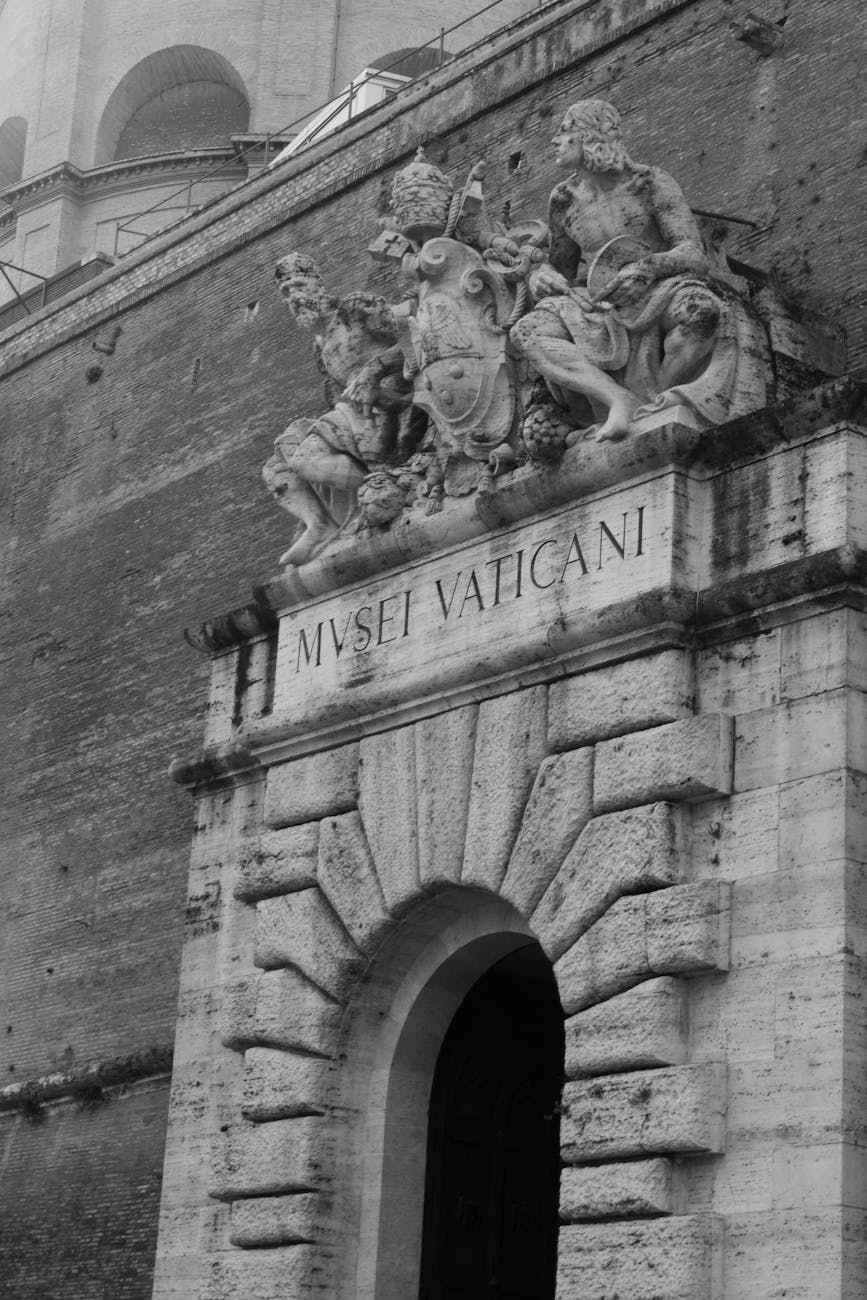
    From Popes to Paintings: The Epic History of the Vatican Museums

    Introduction

    The Vatican Museums, an illustrious institution nestled within the heart of the Vatican City, offers a glimpse into one of the most important collections of art and historical artifacts in the world. Established in the early 16th century, the museum has grown from a modest collection initiated by Pope Julius II to a sprawling complex housing over 70,000 works of art. Each gallery and exhibit narrates stories of religious significance, artistic genius, and cultural evolution, symbolizing the Vatican’s enduring influence over the centuries. Visitors are not only immersed in the beauty of renowned masterpieces from artists such as Michelangelo and Raphael but also discover the museum’s deep-rooted connection to the papacy and Christianity. This exploration will unveil the museum’s origins, its most celebrated works, the architectural splendor, its role in preserving art, and the profound impact it has on contemporary culture and tourism.

    The Origins of the Vatican Museums: A Historical Overview

    The Vatican Museums’s origins can be traced back to the early 16th century, a period marked by profound changes in art, culture, and religion. The story begins with Pope Julius II, often referred to as the “Warrior Pope,” who was a significant patron of the arts. Julius II’s vision was to consolidate the papal image and influence through art, and he initiated collecting statues and artifacts he believed represented the height of classical achievement.

    The first significant acquisition for the Vatican Museum was the Laocoön and His Sons, a magnificent marble sculpture unearthed in Rome by a laborer in 1506. The pope was so taken by the piece that he immediately ordered it to be transported to the Vatican. This event marked a pivotal moment, signaling the beginning of the Vatican’s transformation into a major center for art and culture.

    In 1503, Julius II commissioned Michelangelo to paint the ceiling of the Sistine Chapel, which would go on to become one of the most important masterpieces in Western art. The Sistine Chapel ceiling not only showcased the artistic genius of Michelangelo but also highlighted the Vatican as a focal point of spiritual and artistic endeavors. The completion of this monumental work in 1512 solidified the Vatican’s reputation, drawing the attention of artists, scholars, and visitors from across Europe.

    sistine chapel ceiling frescoes in the vatican museums
    The Sistine Chapel

    Under subsequent popes, the Vatican Museums expanded considerably. Pope Clement XIV, in the 18th century, continued Julius II’s legacy by acquiring numerous collections and artworks. The Vatican’s archives and libraries flourished, housing texts and manuscripts of immense historical value. The continued patronage of art contributed to the museum’s growing reputation, leading to the establishment of the Gregorian Egyptian Museum in 1839, which displayed the Vatican’s expansive collection of Ancient Egyptian artifacts.

    Entering the 19th century, the Vatican Museums underwent further transformation. The papal states’ political challenges and external pressures prompted the Vatican to modernize and expand its collections. Museums began to attract a wider audience, and openness to the public became a priority. The Vatican Museums evolved from an exclusive gathering of papal possessions into a public institution, reflecting the dynamic socio-political landscape of the time.

    The Vatican Museums officially opened their doors to the public in 1771, allowing art lovers, scholars, and common folk to appreciate its treasures. This move transformed the Vatican into not just a religious institution but a cultural beacon, symbolizing the intersection of faith and art. Over the years, the museum has continued to expand, now encompassing various collections, including the Vatican Historical Museum, the Museum of Modern Religious Art, and the Raphael Rooms, which prominently display works that bridge significant cultural epochs.

    Throughout the centuries, the Vatican Museum has acted as a custodian of art and history, preserving the legacy of the Catholic Church while simultaneously embracing a broader artistic narrative. This historical overview is crucial for understanding the evolving identity of the Vatican Museum and its significance in the global art landscape.

    Key Artworks and Artists: Masterpieces of the Vatican

    Among the myriad treasures housed within the Vatican Museum, several key artworks and artists stand out, shaping the cultural and artistic identity of not only the museum but also the broader European art scene. The collection is testament to the Vatican’s storied past, showcasing artworks that span various styles and epochs, from classical antiquity to the Renaissance and beyond.

    One of the most renowned masterpieces is Michelangelo’s Sistine Chapel ceiling. Completed between 1508 and 1512, it is a monumental accomplishment that represents the zenith of Renaissance art. The ceiling features a series of frescoes depicting scenes from the Book of Genesis, including the iconic Creation of Adam, which illustrates the divine spark of life. This piece demonstrates Michelangelo’s unparalleled skill in portraying the human form, employing a mastery of anatomical precision and emotional depth. Visitors to the Sistine Chapel often report a profound spiritual experience while gazing at the frescoes, highlighting the intersection of art and religion.

    Another notable artist represented in the Vatican is Raphael, whose School of Athens, part of the Raphael Rooms, showcases the artist’s mastery of perspective and composition. Completed between 1509 and 1511, this fresco depicts prominent philosophers and thinkers from ancient Greece, including Plato and Aristotle, engaging in discourse. Raphael’s ability to synthesize classical ideals with Renaissance humanism is evident in this work, making it a quintessential representation of the era. The Raphael Rooms themselves, exquisitely decorated, have become a focal point for visitors who seek to understand the evolution of visual language during the Renaissance.

    Additionally, the Vatican Museums houses significant works by Caravaggio, a revolutionary figure in Baroque art known for his dramatic use of chiaroscuro—the contrast of light and shadow. His masterpiece, The Calling of Saint Matthew, uses this technique to create a sense of immediacy and emotional depth, powerfully portraying the moment of spiritual awakening. Caravaggio’s works not only reflect religious themes but also challenge traditional representations, establishing a new narrative style that would influence generations of artists.

    Beyond painting, the Vatican Museums are also home to exquisite sculptures, most notably the Pietà by Michelangelo. Crafted during the late 15th century, this marble sculpture depicts the Virgin Mary cradling the lifeless body of Christ. The emotional intensity and the delicate rendering of both figures highlight Michelangelo’s understanding of human emotion and physical form. The Pietà has become an enduring symbol of grief and solace, resonating deeply with viewers.

    madonna della pieta statue
    The Pietà by Michelangelo

    In addition to these masterpieces, the Vatican’s collections boast an array of artifacts and historical pieces that narrate the story of the Catholic Church and its interaction with the world. Ancient Roman sculptures, Byzantine mosaics, and even contemporary art pieces contribute to a narrative that spans millennia, reflecting the Vatican’s ongoing role as a cultural custodian.

    Visitors to the Vatican Museums experience not only a journey through art history but also an emotional and spiritual odyssey, as each artwork invites contemplation and dialogue. The melding of artistic brilliance with religious devotion creates a unique atmosphere that has drawn countless visitors, ensuring that the Vatican Museum remains a vital hub of cultural heritage.

    Architectural Evolution: The Design and Structure of the Museum

    The architectural evolution of the Vatican Museum is a captivating story that parallels the gallery’s rich artistic collection. The museum’s architecture reflects centuries of artistic endeavor, combining elements from various styles and periods, resulting in an intricate tapestry of design that narrates the ongoing dialogue between art and architecture.

    The museum’s roots can be traced back to the Belvedere Courtyard, designed by Donato Bramante in the early 16th century. This grand space was intended to showcase the Vatican’s classical sculptures in an environment that resonated with the ideals of the Renaissance. Bramante’s design emphasized symmetry and proportion, borrowing heavily from ancient Roman principles. The Courtyard served as a precursor to the complex that would later expand to house thousands of artworks.

    As additional layers of the museum were added, various popes commissioned significant architectural projects. Pope Sixtus IV, known for establishing the Sistine Chapel, also played a pivotal role in developing the museum’s early designs. The chapel itself, completed in 1480, became a central point of reference, its classic Renaissance style granting an air of dignity and grandeur to the surrounding structures.

    One of the notable features of the museum is the Gallery of Maps, designed by Francesco Musi and completed in 1580. This gallery is adorned with stunning topographical maps of Italy, visually connecting the Vatican to its geographic context. The intricate frescoes and painted ceilings create a sense of continuity with the surrounding architecture while also providing a bridge between science and art, reflecting the humanist ideals of the period.

    During the Baroque period, the Vatican Museums underwent significant transformations under Pope Urban VIII. His vision included the construction of the famous Spiral Staircase, designed by Giuseppe Momo in 1932, which is emblematic of the museum’s ability to marry form with function. The staircase’s swirling design engages visitors, inviting them to ascend while experiencing a visual delight of curves and lines that enhance the overall architectural narrative.

    spiral staircase at vatican museums
    The famous Spiral Staircase, designed by Giuseppe Momo

    The Vatican Museums’ expansion in the 19th century marked a pivotal moment in its architectural history. With the increasing popularity of the museum, the need for larger exhibition spaces became apparent. The construction of the new wings began, housing important collections and allowing the museum to display its treasures more effectively. This period also saw the incorporation of Neo-Renaissance and Neo-Classical architectural elements, further enriching the museum’s aesthetic appeal.

    Throughout the 20th century, modern architects contributed to the Vatican’s architectural landscape. The recent additions have sought to honor the heritage of the existing structures while incorporating innovative design elements. An example is the contemporary Museo della Scultura, which emphasizes glass and steel, creating a dialogue between modernity and traditional aesthetics.

    The architectural evolution of the Vatican Museums serves not only as a physical representation of its history but also as an expression of the cultural and spiritual aspirations of the Catholic Church. Each structure, gallery, and corridor tells a story, inviting visitors to reflect on the interplay between space, art, and the divine. As a result, the architectural journey through the Vatican Museum becomes an integral aspect of the overall experience, celebrating centuries of creativity and devotion.

    The Role of the Vatican in Art Preservation and Cultural Heritage

    The Vatican Museums plays an essential role in the preservation of art and cultural heritage, acting as a custodian of countless works that bear witness to the socio-historical fabric of humanity. Its significance extends beyond merely showcasing art; it involves a deep commitment to safeguarding cultural artifacts, thereby ensuring that future generations can engage with and learn from these treasures.

    At the heart of the Vatican’s preservation efforts is a profound respect for the artistic integrity of each piece. The museum employs a range of conservation techniques and practices to maintain and restore artworks, from oil paintings to delicate frescoes. Highly trained conservators work diligently to address issues caused by time, climate, and environmental exposure. These efforts not only combat physical deterioration but also strive to preserve the historical context and narratives that accompany each work of art.

    One of the most celebrated conservation projects undertaken by the Vatican Museums was the restoration of the Sistine Chapel’s ceiling, a monumental endeavor that began in 1980 and concluded in 1994. The restoration aimed to remove centuries of grime and candle soot, revealing Michelangelo’s vibrant color palette and intricate details that had faded over time. This project not only reinvigorated public appreciation for Renaissance art but also articulated the Vatican’s commitment to maintaining its cultural heritage.

    Moreover, the Vatican’s extensive archives and libraries serve as vital resources for art historians and researchers, providing access to a wealth of documents, manuscripts, and historical records. This repository of knowledge enhances the understanding of the historical and cultural significance of the artworks housed within the museum. The Vatican’s dedication to making its resources available through educational programs and research initiatives underscores its commitment to disseminating knowledge and fostering academic discourse.

    The Vatican Museums is also at the forefront of international collaborations focused on cultural preservation. By participating in initiatives like the UNESCO World Heritage program, the Vatican contributes to global efforts to protect and celebrate cultural sites and artworks, recognizing the interconnectedness of cultural heritage across borders.

    Sustainability has emerged as a vital consideration in the context of art preservation, and the Vatican Museums actively seeks to balance contemporary environmental challenges with its preservation mandates. Strategies for protecting artworks in an era of climate change include improved humidity control systems, energy-efficient lighting, and innovative materials that minimize the impact of environmental factors on fragile artifacts. These initiatives ensure that the Vatican remains a leader in the field of conservation, adapting to modern challenges while honoring its historical mission.

    Lastly, the Vatican’s influence extends beyond the walls of the museum, as its commitment to cultural heritage fosters a broader global dialogue about the value of art and history. By advocating for the importance of preserving cultural identity, the Vatican Museums emphasizes art as a powerful medium for healing, understanding, and unity in a diverse world.

    The Vatican Museum transcends its role as a mere collection of artworks; it occupies a critical position in the discourse surrounding art preservation and cultural heritage. Through its commitment to conservation, scholarship, and international collaboration, the Vatican ensures that the stories of the past continue to resonate in the present, inspiring future generations to appreciate and engage with the rich tapestry of human creativity.

    The Impact of the Vatican Museums on Modern Art and Tourism

    The Vatican Museums’s grandeur and cultural significance have made it a cornerstone of modern art appreciation and tourism. Attracting millions of visitors each year, the museum serves as a vital nexus where history, spirituality, and artistry intertwine, influencing both contemporary art movements and global tourism landscapes.

    The museum’s extensive collections, which include works by legendary artists such as Michelangelo, Raphael, and Caravaggio, have long been a source of inspiration for modern artists. Their explorations of faith, humanity, and existential themes resonate with contemporary artistic expressions. For instance, the emotional depth and introspective qualities found in Renaissance works continue to influence artists grappling with similar themes in today’s society. Modern visual artists often draw upon the techniques and aesthetics of their predecessors, channeling the foundational ideas established in the Vatican into new and relevant contexts.

    Moreover, the Vatican Museum’s significance as a cultural hub has encouraged art dialogues on a global scale. Art fairs, exhibitions, and symposiums often utilize the museum as a touchstone, providing a historical lens through which contemporary debates about aesthetics, identity, and societal values can be examined. The Vatican’s commitment to contemporary art is evidenced by initiatives such as the Museum of Modern Religious Art, which seeks to interrogate and celebrate the spiritual through modern artistic practice.

    In terms of tourism, the Vatican Museums plays a crucial role in shaping the visitor experience in Rome. As one of the most visited museums in the world, its reputation attracts diverse audiences, including art enthusiasts, pilgrims, scholars, and casual tourists. The Vatican Museum’s significance extends beyond its physical realm, becoming a pilgrimage destination where people seek not only artistic enrichment but also spiritual and cultural fulfillment.

    The phenomenon of “art tourism” has burgeoned in recent years, with more travelers engaging with destinations renowned for their cultural and artistic heritage. The Vatican Museums exemplifies this trend, combining an appreciation for historical art with the sacred dimension of the Vatican. Visitors often describe their encounters with the artworks as transformative experiences, and the interplay between spirituality and artistry enhances the museum’s allure.

    The Vatican Museums’s impact on tourism is also reflected in the economic contributions it makes to the local and national economy. Increased foot traffic generates revenue for surrounding businesses, from hotels to restaurants, contributing to the overall vitality of Rome as a cultural destination. Special events, exhibitions, and educational programs further engage and enrich the visitor experience, allowing the Vatican Museum to maintain its status as an important player in the cultural tourism sector.

    Alongside its economic impact, the museum facilitates cross-cultural exchange, encouraging dialogue among visitors from diverse backgrounds. Engaging with the art and artifacts housed within prompts reflections on shared histories and human creativity, fostering a sense of connection among individuals from different cultures and perspectives. This cultural dialogue enriches the global understanding of art and fosters appreciation for the commonly held values of faith, beauty, and heritage.

    In addressing modern challenges such as accessibility and inclusivity, the Vatican Museum remains committed to enhancing the visitor experience. Initiatives that provide multilingual resources, educational programs, and physical accessibility empower a wider audience to engage with its collections, thus broadening the museum’s impact and relevance in contemporary society.

    The Vatican Museums’s impact on modern art and tourism is profound and multifaceted. Its esteemed collection has inspired generations of artists while simultaneously serving as a pilgrimage destination that attracts millions of visitors from around the world. By fostering dialogue, generating economic vitality, and promoting inclusivity, the Vatican Museums ensures its continued relevance, solidifying its place as both a guardian of cultural heritage and a catalyst for contemporary artistic engagement.

    Conclusion

    The Vatican Museums’s rich history and comprehensive collections intertwine to create a compelling narrative of art, spirituality, and cultural heritage. From its origins under Pope Julius II to its present-day status as a cornerstone of global art and tourism, the Vatican Museums embodies the dynamic relationship between faith and creativity. Its role as a custodian of art not only preserves significant works for future generations but also fosters contemporary dialogues about identity, spirituality, and the universal language of art.

    In addition to being a treasure trove of masterpieces by renowned artists, the museum exemplifies architectural evolution that tells a story of resilience and adaptation throughout history. As the Vatican continues to engage with the challenges of modernity, it remains committed to cultural preservation, accessibility, and inclusivity, ensuring that its vast collections are not only preserved but also appreciated by diverse audiences worldwide.

    Visitors leave the Vatican Museums enriched not only by the beauty of art but also by a profound understanding of the shared human experience. From the breathtaking Sistine Chapel ceiling to the scholarly pursuits found in the archives, the Vatican Museums creates a unique intersection of the artistic and the spiritual. Its legacy as a cultural institution will continue to shape and inspire the realms of art, education, and tourism for generations to come, reinforcing its position as a vital beacon of creativity and faith in a rapidly changing world.

    Inside the Vatican Museums Video

    Inside the Vatican Museums
  • The History of the Longest Papal Conclaves
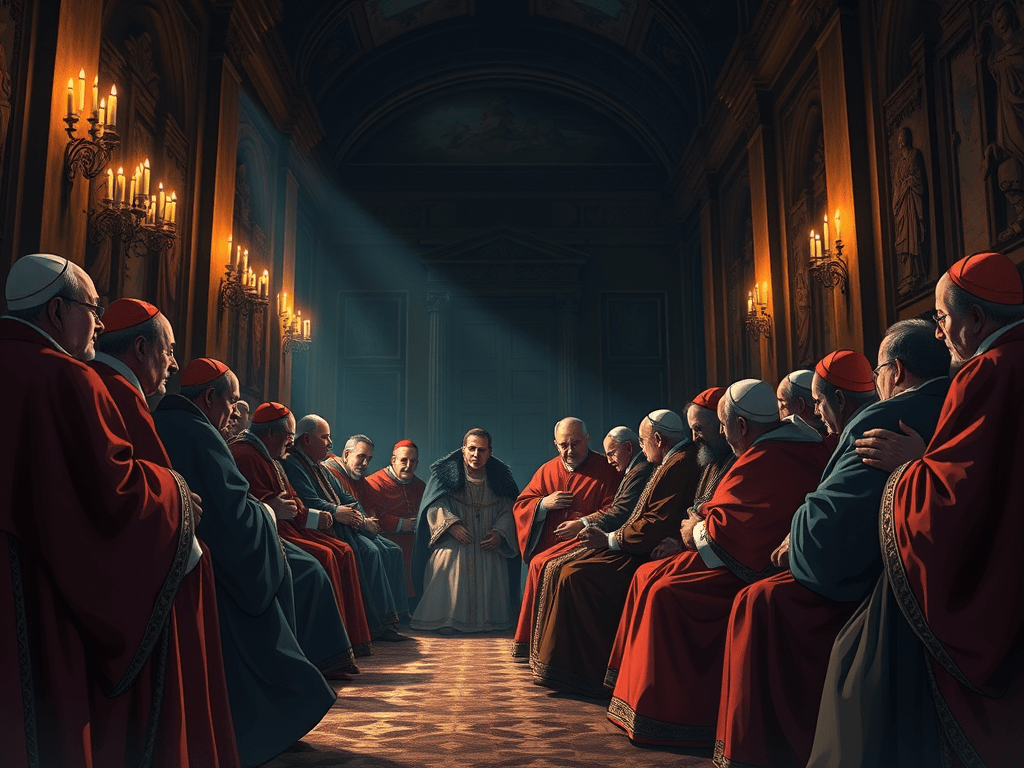
    The History of the Longest Papal Conclaves

    Introduction

    The selection of a new pope through the conclave process is a profound event in the history of the Catholic Church. Many conclaves have captured the attention of the world, but some are particularly notable for their duration. The longest papal conclaves, often marked by political intrigue, uncertainty, and tension, have left a lasting impact on the Church and its followers. This article delves into the stories of the three longest conclaves, exploring their historical contexts, the challenges faced by the cardinals, and the eventual outcomes of these lengthy electoral processes. By understanding these pivotal moments in church history, we can gain insight into the complexities that surround the selection of the pope, a spiritual leader with immense influence over millions worldwide.

    Overview of Papal Conclaves and Their Historical Significance

    Papal conclaves serve as the critical mechanism through which the Roman Catholic Church elects its leader, the pope. The term “conclave,” derived from the Latin “cum clave,” meaning “with a key,” reflects the practice of locking the cardinals in a room until they reach a decision. This tradition underscores the solemnity and seriousness of the task at hand, as the newly elected pope must be someone who can lead the Church and embody its spiritual mission.

    Conclaves have existed since the 13th century, with their rules and procedures evolving over time. One of the central purposes of a conclave is to ensure a secure and confidential environment where the cardinals can deliberate without external pressures. Throughout history, various factors have influenced the length of conclaves, including internal church politics, external political pressures, and the personal ambitions of the cardinals involved.

    The longest conclave in history, which extended from 1268 to 1271, serves as a cautionary tale of divisive factions within the Church, as well as external pressures from influential political figures. The conclave often descended into chaos, highlighting the challenges associated with reaching a consensus among diverse and often conflicting interests.

    The significance of these lengthy conclaves extends beyond their immediate political implications. They often set precedents that influence subsequent conclaves, shaping the processes and the outcomes of future papal elections. The enduring legacy of a long conclave can impact the Church’s governance and its relationship with the wider world for generations.

    In essence, the history of papal conclaves is an integral part of the Catholic Church’s narrative. Not only do they reflect the internal dynamics of the Church, but they also serve as a lens through which we can examine broader social, political, and cultural trends that have influenced the Church’s development over the centuries. Understanding the intricate details of these lengthy conclaves is crucial for appreciating the significance of the papacy and its impact on the global Catholic community.

    The Longest Papal Conclave in History: The Conclave of 1268-1271

    The conclave that took place from 1268 to 1271 holds the record as the longest papal conclave in history. This prolonged election arose from a complex interplay of political and social factors that both reflected and amplified the tensions in the Church at that time. Following the death of Pope Clement IV in 1268, the cardinals faced immense pressure from various factions that influenced the church and Italian politics.

    The conclave began with 18 cardinals gathering at the papal palace in Viterbo, Italy. Their initial hope was to quickly elect a new pope, but as discussions progressed, divisions surfaced. The papal throne was increasingly embroiled in secular politics, and the cardinals were not immune to the external pressures of the day. The cardinals struggled to reach a consensus on a suitable candidate, with multiple factions vying for influence. The candidate’s potential alignment with various political powers further complicated the vote, leading to a deadlock.

    As the conclave dragged on for years, the situation turned increasingly dire. The townspeople of Viterbo, frustrated by the lengthy deliberations and the disruption caused to their city, took matters into their own hands. They implemented drastic measures to hasten the election process. In a bid to expedite the conclave, they sealed the cardinals in the chapel and reduced their rations, effectively forcing them to come to an agreement on a candidate. This intervention led to heated debates and further deepened the rifts among the cardinals.

    Ultimately, after more than two years of stalemate, the conclave concluded electing Cardinal Giovanni Benedetto Caetani, who took the name Pope Boniface VIII. The choice was somewhat unexpected, as he had not been a prominent candidate at the start of the conclave. His election came as a compromise, reflecting the cardinals’ desperation to end the prolonged deadlock and restore the papacy’s stability.

    The lengthy conclave of 1268-1271 serves as a poignant example of how deeply entwined the politics of the Church were with external political pressures, leading to not only a historic election but also illustrating the complexities that involve the selection of the pope. The event has had a lasting impact on the Church, leading to reforms in the conclave process that sought to prevent such an extended struggle in future elections.

    Papal Conclaves Vatican
    Papal conclaves serve as the critical mechanism through which the Roman Catholic Church elects its leader, the pope. The term “conclave,” derived from the Latin “cum clave,” meaning “with a key,” reflects the practice of locking the cardinals in a room until they reach a decision. | Photo by Tomas Anunziata on Pexels.com

    The Conclave of 1542-1543 and Its Political Intrigues

    The Papal conclave that stretched from 1542 to 1543 arose in a tumultuous period for the Roman Catholic Church, marked by the Protestant Reformation and significant political strife across Europe. Following the death of Pope Adrian VI in 1523, the cardinals gathered once more under the heavy cloud of political pressures and an urgent need to stabilize the Church in the face of growing dissent.

    From the outset, the conclave was entrenched in political maneuvering that often overshadowed religious considerations. Factions formed around influential cardinals, and the contest for papal office reflected not only theological ideologies but also regional interests and personal ambitions. The Spanish cardinals sought to promote a candidate who would support Habsburg interests, while the French cardinals leaned towards someone who could counterbalance Spanish influence.

    As discussions ensued, the conclave faced external pressures from powerful monarchs, particularly Charles V, Holy Roman Emperor, who directly influenced the proceedings. The cardinals were aware of the looming threat of Protestant advancements in Europe and the need to act decisively in electing a pope who could address these challenges with authority and resolve. However, the tension and bitterness among the factions led to protracted debating, with no candidate able to secure the necessary majority.

    The inner workings of the conclave reveal the intricate balance cardinals were attempting to strike between their loyalties and the broader implications of their votes. As paralysis set in, cardinal Jean de Lorraine, a leading candidate, found himself unwilling to concede due to the demands presented by rival factions. This deadlock persisted for months, eroding the conclave’s initial momentum and straining the reconciliation efforts among cardinals.

    Ultimately, after nearly a year of intense deliberation, the conclave reached a critical juncture when they elected Giovanni Maria del Monte, who assumed the papal throne as Pope Paul III. His election signaled a turning point for the Church, as Paul III prioritized addressing the challenges posed by the Protestant Reformation. He convened the Council of Trent soon after, which would play a crucial role in the Catholic Church’s response to the Reformation and the reaffirmation of its doctrines.

    The conclave of 1542-1543, while historically significant for its protracted duration, also illustrates how political intrigues and divisions within the Church can sustain or prolong an election. It stands as a testament to the necessity for unity and clarity in the electoral process, which remains paramount in times of crisis.

    The 1978 Papal Conclaves: John Paul I and John Paul II

    The events surrounding the 1978 papal conclaves have become pivotal moments in modern ecclesiastical history, as they showcased the convergence of a rapid succession of events, heightened media scrutiny, and the dynamics of contemporary Church politics. Following the unexpected death of Pope John Paul I after just 33 days in office, the Catholic Church faced the daunting task of unifying its leadership amid considerable uncertainty.

    The conclave commenced under the watchful eyes of the world, with 111 cardinals gathering at the Vatican. The atmosphere was charged with anticipation and concern, as speculation ran rampant about the potential successor who could address the challenges facing the Church in a rapidly changing society. The cardinals entered the conclave with a sense of urgency yet remained fundamentally divided about the direction the Church should take.

    During the proceedings, different factions emerged. Some cardinals pushed for reformist candidates who would embrace modernity and address pressing social issues, while others rallied behind traditional candidates steadfast in their orthodox beliefs. The resulting contentious negotiations and orgies of behind-the-scenes lobbying extended the conclave’s timeline across multiple ballots.

    Ultimately, on October 16, 1978, the papal conclave concluded with the election of Cardinal WojtyÅ‚a, who became Pope John Paul II. His election was unprecedented, marking the first time a non-Italian had assumed the papacy in 455 years. John Paul II’s election represented a monumental shift, as he embraced outreach, interfaith dialogue, and a commitment to the global stage. His papacy would come to define an era in which the Church sought to engage with contemporary issues, such as human rights, peace, and social justice.

    However, the fallout from the hasty previous conclave was evident, with cardinals needing to find common ground amid existing tensions. The dual conclaves of 1978 underscored the complexities inherent in modern church politics and the need to address within discrepancies among cardinals. While John Paul II’s papacy began a new chapter, it also highlighted the lessons learned regarding the handling of internal divisions and the effects of the global stage on church leadership.

    The Impact of Papal Conclave Length on the Papacy and the Church

    The lengths of papal conclaves and their historical significance reveal insights into the state of the Church at pivotal moments in history. Prolonged conclaves often reflect deep divisions within the Church, revealing not only the internal dynamics among cardinals but also the external pressures from societal and political contexts. These extended periods of uncertainty can have far-reaching implications that impact both the Church’s governance and its outreach.

    When cardinals struggle to reach a consensus, it can indicate a lack of unity on pivotal issues such as doctrine, governance, and the Church’s role in the modern world. For instance, the lengthy conclaves of history have shaped the nature of papal legitimacy and the expectations placed upon the newly elected pope. In cases like the conclave of 1268-1271, the drawn-out process led to an elected pope who served as a compromise candidate, reflecting the desperation to restore stability amid conflicting interests.

    Moreover, the duration of conclaves influences the perception of the papacy itself. Extended conclaves can amplify public scrutiny and foster skepticism among believers. As a new pope emerges from a protracted election, they may be burdened with the expectation of quickly resolving lingering tensions. The balance between tradition and reform becomes increasingly crucial as well, particularly when cardinals representing diverse ideological perspectives engage in lengthy discussions.

    While the selection of a pope is inherently consequential for the Catholic Church, the ongoing dynamics and context of the conclave resonate globally. The decisions made, the compromises achieved, and the emerging leadership style of the elected pope ultimately shape the Church’s trajectory. Historical examples underscore the imperative for cardinals to prioritize unity and a clear vision; as the Church confronts contemporary challenges, the lessons gleaned from prolonged conclaves remain relevant.

    Conclusion

    Exploring the histories of the longest papal conclaves reveals the intricate interplay of politics, ambition, and religious authority within the Catholic Church. The lengthy deliberations witnessed during conclaves such as those of 1268-1271 and 1542-1543 serve as a reminder of the complex considerations that influence the selection of the pope. These moments of tension and uncertainty ultimately shape the leadership and direction of the Church, leaving a lasting impact on both its governance and its faithful population.

    In the case of the 1978 conclaves, the rapid succession of events underscored the challenges of navigating modernity while remaining grounded in faith and tradition. As the Church continues to engage with contemporary issues, the lessons learned from these historical precedents remain essential for fostering unity among its leaders.

    In conclusion, the histories of papal conclaves encapsulate the importance of deliberation, careful reflection, and collaborative decision-making, which are vital for edifying the Catholic Church and guiding the faithful. By understanding these lengths and their implications, we gain deeper insights into the complexities of church governance and the enduring significance of papal elections.

    Read also our articles The History of the Vatican Bank: from business model to scandals and Sacred Vatican 2025: A 3-Day Journey of Art, Faith, and Wonder

    Sources

    • “History of the Papacy.” Catholic Encyclopedia.
    • “The Papal Conclave: A Historical Overview.” Encyclical Letters.
    • “Pope John Paul II: A Life.” Vatican News.
    • “Long and Short of the Papal Conclave.” The Guardian.
    • “Medieval Politics and the Papacy: The Conclave of 1268.” Journal of Ecclesiastical History.

  • The Fascinating History of the British Museum: Where Civilizations Meet

    The Fascinating History of the British Museum: Where Civilizations Meet

    Introduction

    The British Museum, founded in 1753, is one of the world’s most significant cultural institutions, housing a vast collection that spans thousands of years and numerous civilizations. It serves as a vital resource for understanding human history and cultural heritage, attracting millions of visitors each year. From its inception, the Museum has been a place where the legacies of ancient Rome, Greece, Egypt, and beyond converge, offering insights into the shared experiences of humanity. As societies evolve, so too does the Museum’s mission—balancing the preservation of artifacts with the responsibility of sharing their stories in a respectful manner. This article delves into various aspects of the British Museum’s rich history, examining its founding, notable exhibitions, architectural features, cultural ramifications, and future challenges, allowing readers to appreciate the institution’s role as a bridge among civilizations.

    Founding and Early Years

    The foundation of the British Museum marked a pivotal moment in the history of cultural institutions. The Museum’s inception can be traced back to the bequest of Sir Hans Sloane, a physician and collector who, upon his death in 1753, generously left his vast collection of artifacts, natural specimens, and curiosities to the nation. This collection formed the cornerstone of the Museum, which opened its doors to the public in 1759, becoming the first national public museum in the world. At that time, the Museum was housed in Montagu House, a former mansion in Bloomsbury, London.

    The early years of the British Museum were characterized by a commitment to education and enlightenment, driven by the ideals of the Age of Enlightenment. The Museum sought to democratize knowledge, making it accessible to individuals from all walks of life, a revolutionary idea at the time. With an emphasis on the pursuit of knowledge, the Museum organized lectures, guided tours, and educational programs for the public, fostering a sense of curiosity and appreciation for the diverse cultures represented within its walls.

    One of the distinguishing features of the Museum during its early years was its emphasis on systematic classification and arrangement of artifacts. The founding curators implemented a classification system that organized objects by type and geographical origin. This approach not only made it easier for visitors to navigate the vast collection but also reflected the Enlightenment-era philosophy of knowledge as an ordered and hierarchical entity. The displays were designed to promote intellectual inquiry, encouraging visitors to draw connections between different cultures and time periods.

    As the Museum expanded its collections through donations, purchases, and explorations, it underwent significant changes. Throughout the late 18th and early 19th centuries, the British Empire’s colonial pursuits fueled the acquisition of numerous artifacts. The Museum began to showcase items from the Americas, Africa, Asia, and the Pacific, making it an international hub of cultural exchange. However, this practice of collecting artifacts from colonized regions raised ethical questions that still resonate today. Critics have argued that many of these items were acquired under dubious circumstances, leading to ongoing discussions about repatriation and cultural ownership.

    In the context of expanding collections, the Museum also became a hub for scholarly research. Scholars, archaeologists, and anthropologists flocked to the Museum to study its vast archives, explore its artifacts, and contribute to the growing body of knowledge about world cultures. This engagement with the academic community established the British Museum as a center for research and education, further solidifying its reputation as a world-class institution.

    The architectural development of the Museum also played a critical role in its identity during these formative years. In 1823, the Museum commissioned the architect Sir Robert Smirke to design a monumental new building to accommodate the rapidly growing collection. The result was a neoclassical structure that harmoniously blended with the architectural styles of the time. The grand façade, adorned with tall columns and pediments, symbolized the elevated purpose of the Museum as a repository of knowledge and culture.

    As the British Museum navigated its early years, it constantly adapted to the changing cultural landscape. The commitment to making the Museum accessible to the public and preserving the integrity of artifacts laid the groundwork for its future endeavors. While the challenges of colonialism and ethical considerations were just beginning to surface, the foundation established during this period remains crucial to the ongoing dialogue about the role of cultural institutions in today’s global society.

    Key Exhibitions and Collections

    The British Museum is home to an unparalleled array of exhibitions and collections, reflecting the richness and diversity of human civilization. Throughout its history, the Museum has hosted numerous landmark exhibitions, each showcasing the intricacies of particular cultures, time periods, or themes. Among these, one of the most notable is the Rosetta Stone, which has become an iconic representation of the Museum’s mission. Discovered in 1799, this ancient Egyptian artifact played a crucial role in deciphering Egyptian hieroglyphs, and its exhibition has captivated audiences for generations.

    In addition to the Rosetta Stone, the Museum boasts a comprehensive collection of ancient artifacts. The Elgin Marbles, salvaged from the Parthenon in Athens, stand as testaments to classical Greek artistry, while the Egyptian mummies and artifacts provide insights into ancient funerary practices. Particularly noteworthy are the Assyrian lion hunt reliefs, which vividly depict royal prowess and ancient storytelling, offering a window into the lives of the Assyrian Empire’s kings.

    Moreover, the Museum houses significant collections from Africa, the Americas, and Asia. The African collections showcase diverse cultural artifacts, such as masks and sculptures, highlighting the continent’s artistic heritage. Similarly, items from the Americas, including indigenous art and artifacts, tell stories of the rich traditions and histories of native peoples. The collections from Asia, including Chinese porcelain and Japanese woodblock prints, demonstrate the intricate craftsmanship and cultural significance of these works.

    In terms of exhibitions, the British Museum’s commitment to presenting new and varied perspectives is admirable. Temporary exhibitions, such as those featuring contemporary artists or thematic explorations of cultural concepts, allow the Museum to engage with current issues and foster connections between the past and present. One particularly impactful recent exhibition explored the representation of colonial histories and how these narratives shape our understanding of cultural artifacts today.

    The Museum’s approach to curating exhibitions involves collaboration with communities, scholars, and artists from around the world. These partnerships ensure that diverse voices and perspectives are represented, acknowledging the complex legacies of the artifacts on display. This collaborative approach is especially important regarding controversial items obtained during colonial times, allowing for a more nuanced understanding of their significance.

    Another crucial aspect of key collections lies in their educational potential. The Museum offers various programs, workshops, and resources designed to enhance the visitor experience while also fostering an appreciation for the diverse cultures represented. By providing context and storytelling around the artifacts, visitors can better understand their historical and cultural significance.

    Throughout its journey, the British Museum’s exhibitions and collections have evolved in tandem with societal changes and shifting perspectives. Through its dedication to showcasing humanity’s collective heritage, the Museum remains committed to promoting dialogue, understanding, and respect for the multifaceted tapestry of human existence.

    Architecture and Design

    The architecture and design of the British Museum serve as reflections of the cultural ideals and aspirations associated with the institution since its inception. Beginning with the initial Montagu House, where the Museum was first located, the architectural vision emphasized enlightenment ideals through grandeur and accessibility. However, it was not until 1823 that the Museum’s architectural identity took shape with the commission of Sir Robert Smirke to design the new building, a neoclassical structure that would become emblematic of the institution.

    Smirke’s design was marked by its classical elements, paying homage to ancient Greek and Roman architecture while influencing the neoclassical movement of the 19th century. The grand façade, characterized by its imposing portico supported by tall columns, creates an impression of strength and durability. The pediment above the entrance invites visitors to partake in the grandeur of human achievement, setting the stage for the treasures housed within.

    One of the most iconic features of the British Museum is the Great Court, completed in 2000. Designed by Lord Foster, this stunning addition features a striking glass roof that floods the space with natural light, creating an interaction between the exterior and interior. The Great Court serves as a central hub within the Museum, connecting different wings and providing a dynamic space for visitors to gather, admire, and engage with the institution’s offerings. The openness of the design reflects a democratization of knowledge, inviting all guests to explore the diverse narratives contained within the Museum.

    The interplay between historical and modern design elements within the British Museum also showcases the institution’s evolution. The juxtaposition of the neoclassical exterior against the contemporary Great Court emphasizes the Museum’s adaptability and commitment to growth. Additionally, the blending of the old with the new allows for a richer visitor experience, where the grandeur of history is accessible in a modern context.

    Accessibility and visitor experience are also integral aspects of the architectural design. The layout navigates through extensive galleries and collections, guiding visitors through time and space while ensuring that all can appreciate the diversity of the artifacts. Wheeled pathways and elevators have been incorporated to accommodate all visitors, acknowledging the importance of inclusivity in cultural institutions.

    An essential feature of the design is the careful consideration of light and display space. The Museum’s galleries are crafted to enhance the viewing experience, utilizing natural light and strategically placed artificial lighting to highlight artifacts without causing damage. This design philosophy reflects a respect for the objects on display, ensuring that their stories can continue to be told for generations to come.

    Moreover, the Museum often embarks on restoration projects, ensuring that the architectural integrity of its historic buildings is preserved. The desire to maintain these historical elements while accommodating modern needs showcases a stewardship that balances preservation with innovation.

    As architectural styles evolve, so too does the British Museum’s commitment to engaging with contemporary design trends. By hosting temporary installations or exhibitions, the Museum opens its doors to cutting-edge artistic expressions, presenting a dialogue between historical artifacts and modern creativity.

    In conclusion, the architecture and design of the British Museum are integral to its identity as a cultural institution. The harmonious blend of historical grandeur with contemporary elements reflects its mission to be a bridge between civilizations and to celebrate humanity’s collective achievements. Through thoughtful design, accessibility, and a commitment to preserving historical integrity, the Museum continues to inspire visitors and engage communities, ensuring that the narratives of civilizations can be shared and cherished for years to come.

    Cultural Impact and Controversies

    The British Museum’s cultural impact has been profound, shaping perceptions of history, art, and cultural heritage worldwide. As one of the largest museums globally, it has provided a platform for exploring, sharing, and preserving the narratives of countless civilizations. However, this influence has also been accompanied by controversies, especially concerning the origins of certain items in its collection.

    The Museum has become a symbol of cultural exchange, attracting millions of visitors each year who come to experience the wonders of human creativity and history. It has played a key role in education, inspiring generations of scholars, students, and visitors alike. By showcasing artifacts from diverse cultures, the Museum encourages a sense of global interconnectedness, reminding us that human experiences transcend geographic and temporal boundaries.

    However, the very diversity of its collection has sparked significant debates regarding colonialism and cultural appropriation. Many artifacts within the Museum were acquired during the British Empire’s colonial expansion, raising questions about the methods of collection and ownership. Critics argue that some items were taken under circumstances that can be deemed unethical, such as through military conquest or colonial exploitation. Prominent examples include the Elgin Marbles and the Benin Bronzes, which have become focal points in discussions over repatriation.

    Calls for the return of these artifacts to their countries of origin have gained traction in recent years, fueled by changing attitudes towards cultural heritage and ownership. Advocacy groups, governments, and cultural organizations have pushed for a reevaluation of the Museum’s collection practices, demanding greater transparency and accountability. In response, the British Museum has initiated various dialogues regarding repatriation and has been open to discussions with source countries. Still, these discussions often reveal deeper tensions over historical grievances and the legacies of colonialism.

    Moreover, the Museum’s effectiveness as a representative of world heritage has been scrutinized. Critics argue that its narrative may often reflect a Eurocentric perspective, sidelining the voices and histories of the cultures it presents. This concern raises important questions about the responsibilities of museums in accurately representing the legacies of diverse civilizations, particularly those that have been marginalized or misrepresented throughout history. The challenge lies in achieving a balance between honoring the artifacts’ histories and ensuring that contemporary narratives are inclusive and equitable.

    Despite these controversies, the British Museum has taken steps to address its cultural impact. The institution now collaborates with descendant communities, indigenous groups, and cultural representatives to foster dialogue about shared heritage. Workshops, educational programs, and community initiatives have been developed to enhance understanding and respect for cultural diversity.

    Furthermore, the Museum has embraced technology to expand its reach and engage with broader audiences. Virtual tours, educational resources, and interactive exhibitions allow individuals from all corners of the globe to access its collections and learn about world cultures. This shift toward digital engagement showcases the Museum’s commitment to inclusivity, opening doors for those unable to visit in person.

    In conclusion, the cultural impact of the British Museum extends far beyond its physical collections, shaping conversations about heritage, history, and identity. While it has played an undeniably influential role in fostering global appreciation for the arts and cultures, ongoing controversies highlight the need for ethical reflection and responsiveness in the museum sector. As the Museum navigates the complexities of its legacy, it must continue to engage in meaningful dialogues that promote understanding and respect for the shared stories of humanity’s diverse civilizations.

    Future Directions and Challenges

    As the British Museum looks to the future, it faces a myriad of directions and challenges that will shape its role as a cultural institution in an increasingly interconnected and complex world. These challenges encompass ethical considerations, technological advancements, public engagement, and the evolving expectations of the global community.

    One of the foremost challenges lies in addressing the ongoing debates around repatriation and the ethical implications of artifact ownership. As discussions surrounding the return of culturally significant items intensify, the Museum must navigate the delicate balance between preserving its historical collections and recognizing the rights and narratives of the cultures from which these artifacts originated. This involves engaging in open dialogue with nations and communities that seek the return of their heritage, fostering collaboration that respects cultural sovereignty while enhancing mutual understanding.

    In parallel, technology presents both opportunities and challenges for the British Museum. The rise of digital engagement tools, such as virtual tours, online exhibitions, and interactive educational resources, has the potential to broaden access and democratize knowledge about world cultures. Embracing these advancements can help the Museum reach diverse audiences, especially those unable to visit in person. However, this digital transition must be approached mindfully, ensuring that it enhances rather than detracts from the tangible experiences of visiting the Museum.

    Furthermore, sustainability has emerged as a paramount concern for cultural institutions worldwide. The British Museum must consider its environmental impact and strive to adopt sustainable practices in its operations, exhibitions, and collections management. From energy-efficient building designs to responsible sourcing of materials, the Museum has the opportunity to serve as a model for responsible stewardship, promoting environmental awareness alongside cultural heritage.

    Public engagement and relevance are also crucial for the Museum’s future success. As societal dynamics continue to evolve, the Museum must actively adapt its narratives, exhibitions, and educational initiatives to resonate with contemporary audiences. This requires an ongoing commitment to inclusivity, ensuring that diverse voices and perspectives are reflected in its collections and programming. Utilizing community feedback and collaboration can help tailor the Museum’s offerings to better reflect the interests and needs of the public.

    In addition, the British Museum must navigate the complexities of cultural sensitivity as it presents artifacts from various civilizations. As discussions about representation, cultural appropriation, and misinterpretation gain traction, the Museum must ensure that its exhibitions convey accurate, respectful narratives that honor the cultural significance of the items on display. This might involve reevaluating curatorial practices and actively seeking input from cultural representatives.

    Ultimately, the British Museum’s path forward will be shaped by its willingness to engage in reflective practices, adapt to changing times, and address pressing societal issues. By embracing innovation, fostering inclusivity, and promoting ethical stewardship, the institution can continue to fulfill its mission as a bridge among civilizations, inspiring understanding and appreciation for the shared heritage of humanity.

    Conclusion

    The British Museum stands as a testament to the complexities of cultural heritage, history, and the responsibilities of collecting and preserving artifacts from around the world. From its founding in the 18th century to its evolution into a global cultural institution, the Museum has navigated challenges and controversies while remaining dedicated to its mission of education and enlightenment. Through its remarkable collections, landmark exhibitions, and the rich architectural tapestry that defines its identity, the British Museum continues to inspire curiosity and appreciation for the diverse narratives of humanity.

    As the Museum looks to the future, it must contend with pressing issues such as ethical repatriation, the impact of technology, and the necessity of representing diverse perspectives accurately. By engaging in open dialogues with global communities, embracing technological advancements, and fostering inclusivity in its programming, the British Museum can honor its legacy while positioning itself as a progressive cultural institution.

    In navigating these complexities, the Museum has the opportunity to reimagine its role as a steward of cultural heritage, fostering appreciation for the interconnected stories of civilizations. As it adapts to a changing world, the British Museum is poised to continue its journey as a vital bridge among cultures, ensuring that the shared experiences of humanity are preserved and celebrated for generations to come.

  • The History of the Louvre: From Medieval Fortress to Masterpiece Museum – Facts and Key Events
    The History of the Louvre: From Medieval Fortress to Masterpiece Museum – Facts and Key Events

    Introduction

    The Louvre, one of the world’s most renowned museums, stands as a testament to centuries of art, culture, and history. Its iconic glass pyramid entrance contrasts sharply with the ancient stone fortress that once guarded the city of Paris. This transformation from a medieval stronghold into a cultural beacon is a history woven with the threads of political power, artistic patronage, and changing societal values. Originally constructed in the late 12th century as a fortress under King Philip II, the Louvre has undergone numerous renovations and expansions throughout its existence. Each phase has left an indelible mark on its architecture and collection, leading to its current status as a hub for artistic and historical treasures. This article delves into the noteworthy phases of the Louvre’s evolution, revealing how it became a masterpiece museum that continues to inspire millions of visitors each year.

    The Origins of the Louvre

    The Louvre’s story begins in the late 12th century during the reign of King Philip II, who ordered the construction of a fortified castle to protect Paris from potential threats, especially from the English during the Hundred Years’ War. This structure, known as the “Louvre Fortress,” was strategically located along the Seine River, allowing for efficient surveillance and defense. As Paris expanded, the fortress’s purpose evolved, transitioning from a military stronghold to a royal residence.

    By the 14th century, the fortress was no longer deemed necessary for defense, and Charles V transformed it into a royal palace. Under Charles, the Louvre was refurbished, boasting lavish interiors and rich art collections. This early accumulation of artworks set the stage for the museum’s future. The transition from a fortress to a royal residence also marked a significant shift in perception of the Louvre, shaping its future as a center for culture and art.

    The Renaissance era brought further transformation with the accession of Francis I in 1515. The king was a passionate patron of the arts who sought to elevate France’s cultural status. Francis I initiated the renovation and extension of the Louvre, enlisting notable artists and architects of the time, including Leonardo da Vinci. The influence of Italian Renaissance art is palpable in the Louvre’s architecture, including the introduction of classical elements such as columns and vaulted ceilings.

    The decision to amass an art collection culminated in the acquisition of numerous artworks, including masterful pieces from Italy. The Louvre began to house not only royal treasures but also collections that included paintings, sculptures, and antiquities from different cultures and periods. This period laid the foundation for the museum’s diverse and expansive collection.

    As time progressed, the Louvre continued to evolve, reflecting the monarchy’s changing needs and the fluctuating political landscape. Louis XIV, after relocating the court to Versailles, overlooked the Louvre for a time, leading to periods of neglect but also allowing its collection to grow without interruption. These early years were crucial in solidifying the Louvre’s place in history as not merely an architectural feat but as a growing repository of France’s artistic heritage.

    With the advent of the French Revolution in 1789, the Louvre’s destiny shifted drastically. The revolutionary leaders sought to democratize access to art by transitioning the royal collections into public galleries. In 1793, the Louvre was officially opened as a public museum, showcasing approximately 537 paintings, many of which were confiscated from the nobility. This pivotal moment established the Louvre as a place where art could be appreciated by all, a significant departure from its previous existence as a private royal collection.

    From its inception as a medieval fortress to its evolution into a royal palace and ultimately to a public museum, the Louvre’s origins reflect the broader historical and cultural transformations within France. The early adaptations of the Louvre not only highlight the importance of security and power dynamics but also underscore the growing appreciation for art as a defining aspect of national identity. This legacy set the stage for the museum’s rich history, leading to upgrades, expansions, and a continuous adaptation of its mission to connect people with art.

    The Renaissance Transformation

    The Renaissance period marked a dramatic turning point in the Louvre’s history, transforming it from a medieval royal fortress to a symbol of artistic ambition and cultural renaissance. The architectural changes under King Francis I were groundbreaking, as they incorporated elements of Italian Renaissance styles, including symmetry, proportion, and use of columns. This transformation represented not only a shift in architectural trends but also a cultural awakening in France, as the king sought to align his kingdom with the illustrious cultural ideals of Renaissance Italy.

    Francis I’s passion for art was not merely for personal pleasure; it was deeply political. He envisioned a France that rivaled Italy in cultural and artistic prestige. His acquisition of artworks, particularly through relationships with artists like Leonardo da Vinci, catalyzed the development of a rich artistic dialogue in France. The Louvre began to host works from the likes of Michelangelo and Raphael, heralding its transformation into a center for artistic expression.

    Furthermore, this shift aligned with a broader societal yearning for knowledge and beauty. The Renaissance was not only a celebration of art but also a reawakening in philosophy, science, and literature. Within the walls of the Louvre, these themes coalesced, fostering an environment where ideas could flourish. This rich tapestry of Renaissance thought began to attract scholars, artists, and thinkers to Paris, making the Louvre a hub of intellectual activity.

    Louis XIV further expanded the Louvre’s significance. Though he primarily resided in Versailles, he recognized the importance of the Louvre as a cultural center. His Baroque artistic taste influenced the Louvre’s interiors, with grand halls being remodeled to reflect opulence and artistic grandeur. Under Louis XIV, the Royal Collections significantly increased as he amassed numerous artworks, reinforcing the Louvre’s status as a leading center for the arts in Europe.

    The architectural evolution continued with the addition of the Cour Carrée and the construction of the famous Colonnade, designed by architect Claude Perrault. These enhancements not only amplified the Louvre’s grandeur but provided a stage for the artistic treasures it housed. The aesthetic appeal of the Louvre during this period transcended architecture; it was a merging of art, nature, and human creativity.

    As the Louvre amassed artworks and evolved into an architectural masterpiece, it started to represent the power and aspirations of the French monarchy. It became synonymous with France’s identity as a cultured nation, capable of competing with its European neighbors. The Renaissance Renaissance transformation of the Louvre was not merely an architectural endeavor; it embodied a larger cultural narrative of renewal and aspiration, paving the way for the establishment and conception of the Louvre as a public museum in the years to come.

    The Revolution and the Birth of a Museum

    The political upheaval during the French Revolution brought a seismic shift, radically altering the Louvre’s purpose and function. With the fall of the monarchy in 1789, revolutionary forces aimed to democratize French society, which included redefining access to culture and the arts. The Louvre became one of the first institutions designed to serve the public, bridging the gap between the elite and the masses.

    The transformation started with the confiscation of royal collections, which had previously been the privilege of the aristocracy. These artworks, once hoarded within private galleries, were repurposed as a collective national heritage designated for public enjoyment. The Louvre officially opened its doors as a museum in 1793, showcasing a collection of approximately 537 artworks. This radical shift laid the foundation for a new vision: art was no longer the sole domain of the privileged; it became an essential element of national identity accessible to all citizens.

    The museum’s inaugural exhibition embraced revolutionary ideals by presenting artworks that epitomized the values of liberty, equality, and fraternity. The Louvre became a stage where the cultural aspirations of the new republic could be realized. Notably, artworks from the nobility were complemented by pieces reflecting everyday life and revolutionary themes, allowing for a diverse representation of society. With this reimagining of art collections, the Louvre did not just exhibit paintings and sculptures but presented a narrative deeply intertwined with the revolutionary spirit of the era.

    In the following years, the museum expanded steadily as more art was seized from aristocrats and religious institutions. This accumulation enriched the museum’s offerings, allowing it to present works from various regions and styles—from classical antiquities to modern European masters. This eclectic mix symbolized the blending of new republican ideals with the remnants of ancient customs, showcasing not just art but a narrative of historical continuity.

    The transformation of the Louvre into a public museum also highlighted emerging debates about art’s purpose in society. Art was no longer only viewed as a reflection of power but became a vital instrument for cultural and social engagement. Access to the arts was now recognized as a public right, and the Louvre’s role shifted beyond mere exhibition to become an educational platform, fostering a sense of community and national pride among citizens.

    As the revolution progressed, the Louvre continued to evolve, mirroring the political climate of the time. The museum became a site of complex interactions between governance, culture, and society. It attracted artists, intellectuals, and revolutionaries, making it a mosaic of the nation’s evolving identity. The ideas explored within the museum walls resonated throughout society, influencing art and cultural production while simultaneously providing a forum for new ideas to emerge.

    Eventually, after the tumult of revolutionary fervor, the Louvre emerged not just as a symbol of French cultural identity but as a representation of modern museum concepts. The revolutionary transformation marked a pivotal moment in art history, setting the stage for the Louvre’s present-day legendary status. It transitioned from a royal convening point to a place that embodies public dialogue surrounding art, culture, and societal values.

    Modern Expansions and Renovations

    The 19th and 20th centuries heralded substantial changes for the Louvre, as modern expansions and renovations reshaped its physical and aesthetic landscape. As the population of Paris swelled and the city’s role on the global stage intensified, the Louvre faced the challenge of accommodating burgeoning crowds of visitors and an expanding collection.

    In the mid-19th century, during the reign of Emperor Napoleon III, significant renovations were initiated to expand the museum and enhance its architectural grandeur. The Louvre underwent an ambitious transformation under the direction of architect Hector Lefuel, who added the impressive Richelieu Wing to the museum. This expansion not only increased the gallery space but also celebrated the rich artistic legacy of the museum with additional exhibition rooms.

    One of the most notable elements of these renovations was the integration of modern lighting and layout strategies that accommodated a growing number of visitors. The 19th century saw a surge in public interest in museums and galleries; the Louvre’s curators recognized the need to optimize the exhibition of its myriad treasures. A reorganization of the collections led to the creation of themed galleries, allowing visitors to experience art in a more coherent manner.

    The efforts to modernize the Louvre extended beyond architecture. In 1863, the Salon des Refusés was established within the museum, a reception that showcased works deemed “unworthy” to be exhibited in the official salon. This event highlighted the Louvre’s role as a crucible for artistic experimentation and advocacy for new movements. It was a critical acknowledgment of burgeoning modern artistic expressions that stood against conventional norms.

    As the 20th century unfolded, the Louvre continued to adapt to the changing landscape of art and culture. The devastating impact of World War II led to adaptations not only in the museum’s operations but in its mission. Measures were taken to safeguard its collections, including the transport of artworks to various locations across France, demonstrating the museum’s commitment to art preservation, even amid turmoil.

    After the war, the Louvre faced new challenges, including the need to modernize its infrastructure while respecting its historical significance. In the 1980s, the museum embarked on an ambitious renovation project under the leadership of President François Mitterrand. This initiative aimed to revitalize the museum and included the groundbreaking design of the glass pyramid by architect I. M. Pei, which came to symbolize the fusion of modernity and tradition.

    The glass pyramid, inaugurated in 1989 as the museum’s main entrance, transformed the visitor experience. It effectively connected the historical palace with contemporary architectural aesthetics, creating a dialogue between the past and the present. The pyramid allowed natural light to flood the underground reception hall while still honoring the grandiosity of the Louvre itself.

    Furthermore, the renovations improved accessibility for a global audience, providing clear pathways and services for visitors. Enhanced multimedia guides, educational programs, and exhibitions became integral components of the Louvre’s mission, catering to the diverse audience that flocked to the museum.

    As the museum approached the 21st century, its expansion continued, with ongoing initiatives to better serve its visitors and protect its collections. Modernization efforts focused on the integration of technology in exhibitions, allowing for dynamic engagement with art and history. Through responsive design and a commitment to accessibility, the Louvre has become a beacon of artistic and educational engagement.

    The modern expansions and renovations have transcended mere architectural alterations. They have enabled the Louvre to navigate the evolving landscape of culture and society while preserving its historical narrative. The sustained dedication to modernization maintains the Louvre’s status as a pioneering cultural institution and a venerated museum recognized across the globe.

    The Louvre Today: A Cultural Icon

    Today, the Louvre stands as a global symbol of culture, art, and history, embodying centuries of transformation and growth. From its origins as a medieval fortress to its current status as one of the world’s most visited museums, the Louvre encompasses a rich tapestry of artistic achievement and cultural dialogue.

    With over 38,000 artworks spanning from antiquity to the 21st century, the Louvre offers a comprehensive snapshot of human creativity. Iconic pieces such as the “Mona Lisa,” the “Venus de Milo,” and the “Winged Victory of Samothrace” draw millions of visitors every year, establishing the museum as a pilgrimage site for art enthusiasts. Its incredible collection reflects not just European masterpieces but also significant artifacts and artworks from cultures around the globe, encompassing a mosaic of traditions and narratives.

    The Louvre’s commitment to accessibility has expanded its reach beyond the confines of the museum’s walls. Educational programs for schools, online exhibitions, and partnerships with global institutions have fostered cultural engagement. The museum has embraced digital technologies, facilitating virtual tours and interactive experiences that allow audiences around the world to connect with its treasures. This emphasis on outreach reflects a commitment to sharing art and culture in an increasingly digital age while ensuring that art is not just preserved, but interpreted and appreciated by new generations.

    In recent years, the Louvre has also taken steps to address contemporary themes in its exhibitions, exploring issues of race, colonialism, and the role of art in society. These dialogues provide contextual layers to the artworks on display, inviting visitors to reflect on the broader implications of art within historical and social frameworks. This evolution mirrors society’s growing recognition of the nuances of cultural representation and the importance of inclusivity in artistic narratives.

    Furthermore, the Louvre has faced challenges, particularly amid the global pandemic, which necessitated the closure of museums worldwide. It demonstrated resilience by adapting to these circumstances, implementing health and safety measures to protect visitors while navigating unprecedented operational difficulties. The responses to these challenges showcased the Louvre’s commitment to maintaining its relevance and ensuring the continuity of its mission.

    As a cultural icon, the Louvre’s landscape will continue to evolve, navigating the intersection of tradition and innovation. Its role as a custodian of artistic heritage remains pivotal in an ever-changing world, ensuring that art continues to inspire, educate, and ignite dialogue. The journey from a medieval fortress to a revered masterpiece museum is not merely a tale of bricks and mortar but a narrative of humanity’s collective aspirations and creative achievements.

    Conclusion

    The history of the Louvre is a compelling narrative of transformation, resilience, and cultural significance. Its evolution from a medieval fortress to a masterpiece museum encapsulates the rich complexities of art and history, serving as a reflection of changing societal values and political landscapes. Each phase of its development is marked by key moments that have defined its mission, shaping its role in the preservation and celebration of human creativity.

    The Louvre today stands as a testament to the enduring power of art and its ability to connect people across time and space. Through ongoing renovations, modern expansions, and a commitment to accessibility, the museum continues to adapt to the needs and aspirations of global audiences. The diverse collection it houses serves not only as a repository of significant cultural artifacts but as a platform for dialogue, education, and inspiration.

    Ultimately, the Louvre is more than just a museum; it is a vibrant cultural institution that embodies the richness of human expression while inviting reflection on our shared heritage. As it navigates the challenges and opportunities of the future, the Louvre’s legacy will undoubtedly persist as a beacon of art and culture, continuing to illuminate the minds and hearts of generations to come.

    The Louvre, from Fortified Castle to the World’s Largest Palace: Video

    The Louvre, from Fortified Castle to the World’s Largest Palace
  • The Independence of Pakistan: A New Nation’s Birth Amidst Division and Struggle

    The Independence of Pakistan: A New Nation’s Birth Amidst Division and Struggle

    Introduction

    The creation of Pakistan in 1947 was a momentous event in world history, marking the end of British colonial rule in India and the emergence of a new, independent nation. Pakistan’s independence was born out of decades of political struggle, religious tensions, and the demands of the Muslim minority in India for a separate homeland. This article explores the historical context leading to the formation of Pakistan, the key players involved, the process of partition, and the immediate challenges faced by the fledgling state.

    The Historical Context: Colonial India and the Seeds of Division

    Before the British arrived in India in the 17th century, the Indian subcontinent was a mosaic of different kingdoms, empires, and cultures. The Mughal Empire, established in the 16th century, was one of the most powerful in the region, and it provided a relative sense of unity among the different communities, including Hindus and Muslims. However, by the 18th century, the Mughal Empire was in decline, and the British East India Company began to consolidate its control over large parts of India.

    By the mid-19th century, the British had established direct colonial rule over India after the Indian Rebellion of 1857, also known as the First War of Independence or the Sepoy Mutiny. The British Raj governed India, imposing a system of administration and economy that exploited the country’s resources and peoples. Although the British introduced reforms, infrastructure, and education, their rule also exacerbated social divisions, particularly between Hindus and Muslims.

    The Indian National Congress (INC), founded in 1885, became the leading political party advocating for Indian self-rule. However, many Indian Muslims felt underrepresented within the Congress and were concerned about the domination of Hindus in a future independent India. This led to the formation of the All-India Muslim League in 1906, a political party that sought to protect Muslim rights and promote Muslim interests.

    Early Calls for a Separate Muslim State

    As the Indian independence movement gained momentum in the early 20th century, so did the idea of a separate Muslim state. Muhammad Iqbal, a prominent philosopher and poet, was one of the first leaders to articulate the idea of an independent Muslim state in the 1930s. Iqbal argued that Muslims in India constituted a distinct nation, with their own religion, culture, and traditions, and thus deserved a separate homeland where they could govern themselves according to Islamic principles.

    However, it was Muhammad Ali Jinnah, the leader of the Muslim League, who would become the most important figure in the creation of Pakistan. Initially, Jinnah was a member of the Indian National Congress and worked for Hindu-Muslim unity. But as communal tensions between Hindus and Muslims escalated, Jinnah became convinced that a united India would not be able to safeguard Muslim rights.

    In 1940, Jinnah and the Muslim League passed the Lahore Resolution, which called for “independent states” in the northwestern and eastern zones of India where Muslims were in the majority. This was the first formal demand for the creation of Pakistan, although the name “Pakistan” had already been coined by Choudhry Rahmat Ali, a student at Cambridge University, in 1933. “Pakistan” was an acronym derived from the names of regions with Muslim majorities: Punjab, Afghania (North-West Frontier Province), Kashmir, Sindh, and Baluchistan.

    The Road to Independence: Negotiations and Conflict

    The demand for a separate Muslim state was met with fierce opposition from the Indian National Congress, particularly from its leader Mahatma Gandhi and the future Prime Minister of India, Jawaharlal Nehru. The Congress envisioned a united, secular India where all communities, including Muslims, would live together as equals. The Muslim League, however, argued that Muslims were a “nation” unto themselves, and that they would be politically, economically, and culturally marginalized in a Hindu-majority India.

    The British, eager to withdraw from India after World War II, faced the difficult task of reconciling the demands of the Congress and the Muslim League. Several attempts were made to find a compromise. The Cripps Mission in 1942, for example, offered India full dominion status after the war, but this failed to satisfy either side. Similarly, the Cabinet Mission Plan of 1946 proposed a loose federation with autonomous provinces, but the Muslim League rejected it, insisting on complete sovereignty for Muslim-majority areas.

    Communal violence between Hindus and Muslims began to escalate in the 1940s, particularly after the Direct Action Day on August 16, 1946, when the Muslim League called for mass protests in support of Pakistan. The resulting riots in Calcutta, and later in Bihar, Noakhali, and other regions, led to thousands of deaths and deepened the divisions between the two communities.

    The creation of Pakistan in 1947 was a momentous event in world history, marking the end of British colonial rule in India and the emergence of a new, independent nation.

    Partition: The Creation of Pakistan and India

    Faced with growing violence and the inability to reconcile the demands of the Congress and the Muslim League, the British decided to partition India into two independent states: India and Pakistan. On June 3, 1947, the British government, led by Lord Mountbatten, the last Viceroy of India, announced the plan for partition. The borders of the two new nations would be drawn by a British lawyer, Sir Cyril Radcliffe, who had little knowledge of the region and was given only a few weeks to complete the task.

    The partition of India and the creation of Pakistan took place on August 14-15, 1947. Pakistan was created as a country with two geographically separated wings: West Pakistan (modern-day Pakistan) and East Pakistan (modern-day Bangladesh), with India situated in between. The new state of Pakistan was intended to be a homeland for Muslims, while India was to remain a secular, pluralistic state.

    However, the partition was poorly planned and hastily executed, leading to one of the largest and most violent migrations in human history. As the borders were drawn, millions of Hindus and Sikhs in what became Pakistan fled to India, while millions of Muslims in India migrated to Pakistan. The migration was accompanied by widespread communal violence, with massacres, rapes, and forced displacements on both sides. An estimated 1 to 2 million people were killed, and 10 to 15 million people were displaced during this period.

    The Immediate Challenges of the New Nation

    At its inception, Pakistan faced numerous challenges. The country was created in two separate wings, more than 1,600 kilometers apart, with different languages, cultures, and economic structures. West Pakistan was dominated by Punjabis and Pashtuns, while East Pakistan was largely inhabited by Bengalis. This geographical and ethnic divide would eventually lead to tensions between the two wings and, in 1971, the independence of Bangladesh after a brutal civil war.

    Economically, Pakistan was in a precarious position. While it inherited a significant Muslim population, the regions that formed Pakistan were relatively less developed compared to India. Most of the industrial and financial infrastructure was concentrated in Indian cities like Bombay (now Mumbai) and Calcutta (now Kolkata). Pakistan had to build its economy from scratch, relying heavily on agriculture, particularly the cultivation of wheat and rice.

    Politically, Pakistan also faced instability. Muhammad Ali Jinnah, who became the country’s first Governor-General, was a unifying figure, but he passed away in 1948, just a year after independence. His death left a leadership vacuum, and Pakistan struggled to establish a stable political system. Over the next few decades, the country would oscillate between civilian rule and military dictatorships, with political power often concentrated in the hands of the military and bureaucracy.

    The Kashmir Conflict

    One of the most contentious issues following the partition was the status of Kashmir, a princely state with a majority Muslim population but a Hindu ruler, Maharaja Hari Singh. When the Maharaja chose to accede to India rather than Pakistan, it led to the first Indo-Pakistani War in 1947-1948. The war ended with a ceasefire brokered by the United Nations, but Kashmir remained divided, with Pakistan controlling a portion known as Azad Kashmir and India controlling the rest. The Kashmir conflict has continued to be a major source of tension between India and Pakistan, leading to further wars in 1965 and 1999, and remains unresolved to this day.

    Pakistan’s Identity: A Struggle Between Secularism and Islamism

    From its inception, Pakistan grappled with questions about its national identity. While Jinnah envisioned Pakistan as a homeland for Muslims, he also spoke of a country where all citizens, regardless of religion, would be equal. However, after his death, debates over whether Pakistan should be a secular state or an Islamic one intensified. Over time, Pakistan moved towards greater Islamization, particularly under the military rule of General Zia-ul-Haq in the 1980s, who introduced Sharia laws and promoted Islamic education.

    This tension between secularism and Islamism continues to shape Pakistan’s political and social landscape. While the country has made significant strides in areas such as education, science, and culture, it also faces challenges related to religious extremism, political instability, and economic inequality.

    Conclusion

    The independence of Pakistan was a monumental event that changed the geopolitical landscape of South Asia. Born out of a complex mix of religious, political, and cultural factors, Pakistan’s creation was accompanied by immense violence and suffering, but also by hope for a better future. Over the decades, Pakistan has faced numerous challenges, from internal divisions and political instability to conflicts with neighboring India. Yet, despite these difficulties, Pakistan has survived and continues to play a critical role in the region and the wider world. The story of Pakistan’s independence is not just one of partition, but also of resilience and the ongoing quest for identity and unity.

  • The history of Berlin: A great journey of transformation
    The history of Berlin: A great journey of transformation

    Introduction

    Berlin, the capital of Germany, has long been a symbol of resilience, cultural dynamism, and historical change. The history of Berlin started in the 13th century, and it evolved from a small trading post into one of Europe’s most vibrant and influential cities. As the capital of Prussia and later Germany, Berlin witnessed periods of remarkable growth and intense conflict, from the rise of the Nazi regime to the devastation of World War II and the ensuing Cold War. This article explores Berlin’s journey through these defining moments, shedding light on the events and transformations that have shaped the city’s unique identity and enduring spirit.

    Founding and Early Development

    Berlin’s origins date back to the 13th century, when two small settlements, Berlin and Cölln, were established along the River Spree. Located at the crossing of two major trade routes, the area quickly developed as a center for commerce and culture, attracting merchants, artisans, and traders from surrounding regions. By 1307, the two towns formed a union, marking the first step toward Berlin’s growth as a significant urban center.

    Throughout the medieval period, Berlin grew in both size and prominence, benefiting from its favorable location for trade. In 1415, the region came under the control of Frederick I, who established the Margraviate of Brandenburg. This event marked the beginning of Berlin’s association with the Hohenzollern dynasty, which would later shape its political and cultural landscape. Under Hohenzollern rule, Berlin saw the construction of significant landmarks, including the Marienkirche and the Stadtschloss, or City Palace, which became symbols of the city’s growing stature.

    The Protestant Reformation in the 16th century had a profound impact on Berlin, aligning it with the religious and political shifts that swept through Europe. The adoption of Protestantism under Elector Joachim II brought religious reform and increased autonomy from the Catholic Church, fostering a sense of independence that became a defining characteristic of the city. As Berlin continued to expand, it developed a unique identity as a place of innovation, trade, and governance.

    By the 17th century, Berlin had solidified its role as the center of the Brandenburg-Prussian state, positioning itself for further growth in the coming eras. The city’s development was marked by cultural and economic prosperity, which laid the foundation for its transformation into a major European capital in the centuries that followed.

    Berlin in the Prussian and Imperial German Eras

    The 18th and 19th centuries marked a period of profound change for Berlin as it became the capital of the Kingdom of Prussia. Under the rule of Frederick the Great in the mid-18th century, Berlin flourished as a center of arts, education, and military power. Frederick’s vision transformed the city with architectural masterpieces, including the Berlin State Opera and the Brandenburg Gate, which remains an iconic symbol of the city today.

    As Prussia expanded its influence in Europe, Berlin’s population and importance grew. The Industrial Revolution brought rapid urbanization, transforming Berlin into an economic powerhouse. Factories, railways, and modern infrastructure turned the city into one of Europe’s leading industrial centers, attracting workers from across Germany and beyond. This period of growth continued into the formation of the German Empire in 1871, when Berlin was declared the imperial capital of a newly unified Germany.

    With its new status, Berlin underwent massive development, becoming a hub for politics, science, and the arts. The city’s universities, theaters, and scientific institutions attracted scholars and artists, establishing Berlin as a beacon of intellectual and cultural achievement. However, this era was also marked by social and political tensions, as industrialization brought about economic disparities and demands for political reform. Despite these challenges, Berlin’s status as the heart of the German Empire solidified its role as a major European capital.

    By the early 20th century, Berlin was at the height of its power, a symbol of Germany’s unity and ambition. However, the political upheaval and eventual outbreak of World War I would soon bring about drastic changes, setting the stage for a turbulent new chapter in the city’s history.

    Weimar Republic and the Rise of Nazi Berlin

    After Germany’s defeat in World War I, Berlin became the capital of the Weimar Republic, a period marked by both cultural blossoming and political turmoil. The city emerged as a global hub for art, theater, and intellectual thought, symbolizing the avant-garde spirit of the 1920s. Known for its vibrant nightlife, Berlin attracted artists, writers, and performers who pushed the boundaries of creativity and self-expression, making it one of the most progressive cities in Europe.

    However, the economic instability and political divisions that plagued the Weimar Republic also affected Berlin. Hyperinflation, unemployment, and street violence became common, as various political factions, including communists and right-wing extremists, vied for power. Amid this unrest, Adolf Hitler’s Nazi Party gained support by exploiting the city’s discontent, and in 1933, Hitler was appointed Chancellor of Germany, marking the end of the Weimar era.

    Berlin, the capital of Germany
    Berlin, the capital of Germany, has long been a symbol of resilience, cultural dynamism, and historical change. Founded in the 13th century, it evolved from a small trading post into one of Europe’s most vibrant and influential cities.

    Under Nazi rule, Berlin transformed into the nerve center of the Third Reich. The city’s architectural landscape was reshaped to reflect Nazi ideology, with grandiose plans by architect Albert Speer to make Berlin the capital of a new world empire, Germania. During this period, Berlin also became a site of oppression, with systematic persecution of Jews, political dissidents, and other groups. The city’s Jewish population, once a vibrant part of its cultural fabric, faced brutal repression, leading to the tragic events of the Holocaust.

    World War II brought devastating consequences for Berlin, as Allied bombings destroyed much of the city’s infrastructure. By 1945, Berlin was a city in ruins, marking the end of the Nazi regime and the beginning of a new, divided chapter in its history. The fall of Berlin in 1945 was symbolic of the larger collapse of Nazi Germany, leaving the city scarred but poised for reconstruction and change.

    Division, the Berlin Wall, and the Cold War

    After World War II, Berlin became the focal point of Cold War tensions between the Soviet Union and the Western Allies. Divided into four occupation zones controlled by the United States, the United Kingdom, France, and the Soviet Union, Berlin quickly became a microcosm of the ideological divide between East and West. In 1949, the establishment of the German Democratic Republic (East Germany) and the Federal Republic of Germany (West Germany) formalized this division, with East Berlin as the capital of East Germany and West Berlin remaining a democratic enclave within the communist state.

    In 1961, the construction of the Berlin Wall physically divided the city, separating families, friends, and communities. The Wall became a powerful symbol of the Cold War, representing the stark division between communist and capitalist ideologies. For nearly three decades, the Berlin Wall dominated the city’s landscape, with escape attempts from East Berlin often ending in tragedy.

    Life in Berlin was dramatically different on each side of the Wall. West Berlin thrived as a center of culture, innovation, and freedom, while East Berlin, under the control of the socialist government, struggled with economic hardships and restrictions on personal freedoms. The Berlin Wall became a focal point of international attention, with political leaders like U.S. President John F. Kennedy famously declaring “Ich bin ein Berliner” as a statement of solidarity with the people of Berlin.

    The Cold War tensions began to thaw in the late 1980s, and on November 9, 1989, the Berlin Wall fell, marking a turning point in history. The reunification of Berlin and Germany soon followed, symbolizing the end of the Cold War and the beginning of a new era for the city.

    Reunification and Modern Berlin

    The fall of the Berlin Wall was a pivotal moment in Berlin’s history, leading to the reunification of Germany in 1990. Berlin was once again named the capital of Germany, and a massive reconstruction effort began to unify the city’s infrastructure, economy, and society. This period of transformation saw Berlin emerge as a vibrant, cosmopolitan metropolis, attracting people from all over the world.

    In the years following reunification, Berlin embraced its multicultural identity, becoming a hub for art, music, and technology. Iconic landmarks like the Brandenburg Gate, once located in the shadow of the Wall, were restored as symbols of unity and freedom. The city also undertook significant economic development, with modern skyscrapers and business districts rising alongside historic buildings, creating a unique blend of old and new.

    Berlin’s cultural scene flourished, with events like the Berlinale film festival, the Berlin Philharmonic, and its numerous museums and galleries attracting millions of visitors each year. The city also became a center for political and social movements, reflecting its role as a place of progressive thought and activism.

    Today, Berlin stands as a testament to resilience and reinvention. It is a city that has confronted and overcome immense challenges, from war and division to economic hardship. The story of Berlin is one of transformation and hope, embodying the enduring spirit of a city that has always managed to rebuild, renew, and redefine itself.

    Conclusion

    Berlin’s history is a tapestry of triumphs, tragedies, and transformations. From its medieval roots to its role as the capital of a unified Germany, Berlin has been shaped by the forces of politics, war, culture, and resilience. Each era in the city’s history has left an indelible mark, creating a metropolis that reflects both the hardships and hopes of its people. Today, Berlin stands as a symbol of unity and progress, a city that embraces its past while looking toward the future. Its journey serves as a reminder of the resilience of human spirit and the power of a city to continuously reinvent itself.