Tag: Vatican

  • From Popes to Paintings: The Epic History of the Vatican Museums
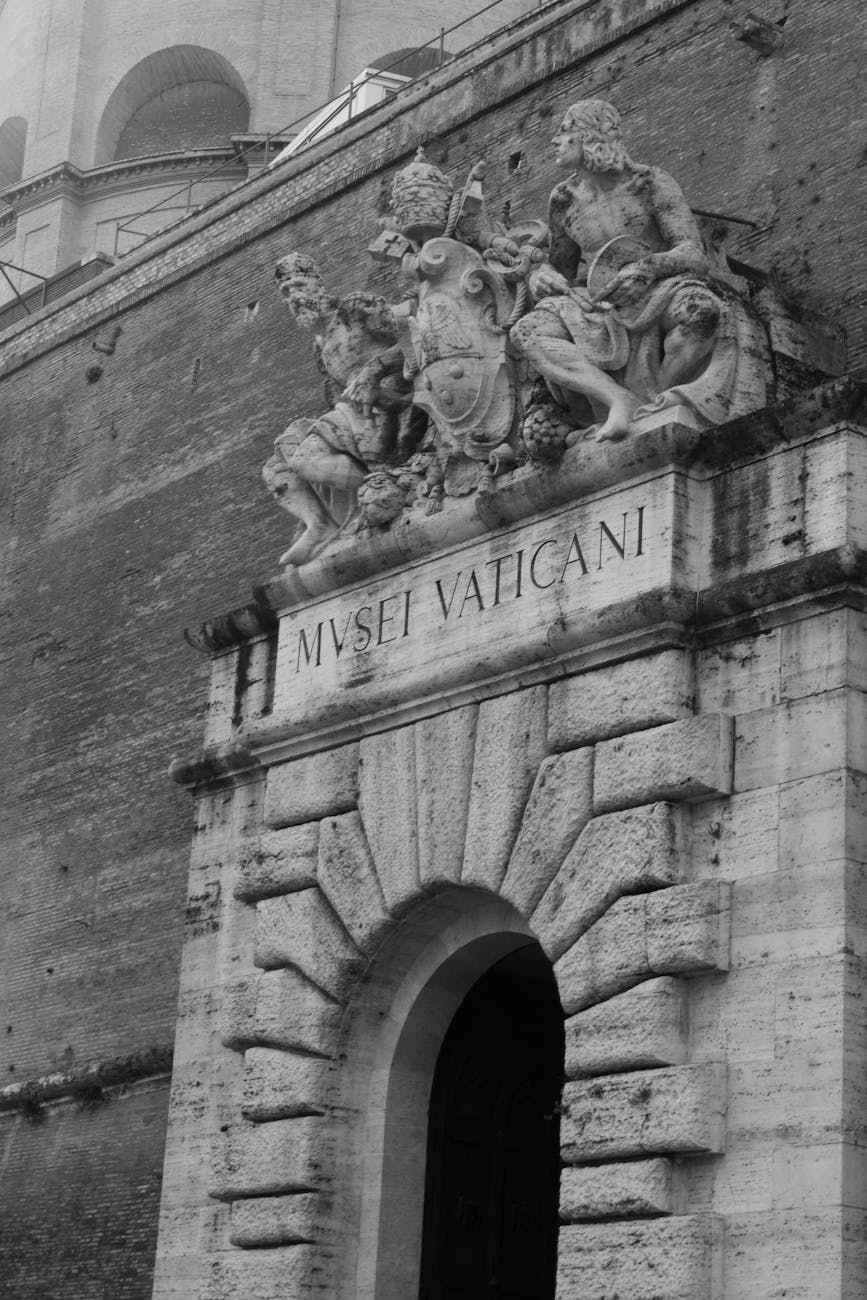
    From Popes to Paintings: The Epic History of the Vatican Museums

    Introduction

    The Vatican Museums, an illustrious institution nestled within the heart of the Vatican City, offers a glimpse into one of the most important collections of art and historical artifacts in the world. Established in the early 16th century, the museum has grown from a modest collection initiated by Pope Julius II to a sprawling complex housing over 70,000 works of art. Each gallery and exhibit narrates stories of religious significance, artistic genius, and cultural evolution, symbolizing the Vatican’s enduring influence over the centuries. Visitors are not only immersed in the beauty of renowned masterpieces from artists such as Michelangelo and Raphael but also discover the museum’s deep-rooted connection to the papacy and Christianity. This exploration will unveil the museum’s origins, its most celebrated works, the architectural splendor, its role in preserving art, and the profound impact it has on contemporary culture and tourism.

    The Origins of the Vatican Museums: A Historical Overview

    The Vatican Museums’s origins can be traced back to the early 16th century, a period marked by profound changes in art, culture, and religion. The story begins with Pope Julius II, often referred to as the “Warrior Pope,” who was a significant patron of the arts. Julius II’s vision was to consolidate the papal image and influence through art, and he initiated collecting statues and artifacts he believed represented the height of classical achievement.

    The first significant acquisition for the Vatican Museum was the Laocoön and His Sons, a magnificent marble sculpture unearthed in Rome by a laborer in 1506. The pope was so taken by the piece that he immediately ordered it to be transported to the Vatican. This event marked a pivotal moment, signaling the beginning of the Vatican’s transformation into a major center for art and culture.

    In 1503, Julius II commissioned Michelangelo to paint the ceiling of the Sistine Chapel, which would go on to become one of the most important masterpieces in Western art. The Sistine Chapel ceiling not only showcased the artistic genius of Michelangelo but also highlighted the Vatican as a focal point of spiritual and artistic endeavors. The completion of this monumental work in 1512 solidified the Vatican’s reputation, drawing the attention of artists, scholars, and visitors from across Europe.

    sistine chapel ceiling frescoes in the vatican museums
    The Sistine Chapel

    Under subsequent popes, the Vatican Museums expanded considerably. Pope Clement XIV, in the 18th century, continued Julius II’s legacy by acquiring numerous collections and artworks. The Vatican’s archives and libraries flourished, housing texts and manuscripts of immense historical value. The continued patronage of art contributed to the museum’s growing reputation, leading to the establishment of the Gregorian Egyptian Museum in 1839, which displayed the Vatican’s expansive collection of Ancient Egyptian artifacts.

    Entering the 19th century, the Vatican Museums underwent further transformation. The papal states’ political challenges and external pressures prompted the Vatican to modernize and expand its collections. Museums began to attract a wider audience, and openness to the public became a priority. The Vatican Museums evolved from an exclusive gathering of papal possessions into a public institution, reflecting the dynamic socio-political landscape of the time.

    The Vatican Museums officially opened their doors to the public in 1771, allowing art lovers, scholars, and common folk to appreciate its treasures. This move transformed the Vatican into not just a religious institution but a cultural beacon, symbolizing the intersection of faith and art. Over the years, the museum has continued to expand, now encompassing various collections, including the Vatican Historical Museum, the Museum of Modern Religious Art, and the Raphael Rooms, which prominently display works that bridge significant cultural epochs.

    Throughout the centuries, the Vatican Museum has acted as a custodian of art and history, preserving the legacy of the Catholic Church while simultaneously embracing a broader artistic narrative. This historical overview is crucial for understanding the evolving identity of the Vatican Museum and its significance in the global art landscape.

    Key Artworks and Artists: Masterpieces of the Vatican

    Among the myriad treasures housed within the Vatican Museum, several key artworks and artists stand out, shaping the cultural and artistic identity of not only the museum but also the broader European art scene. The collection is testament to the Vatican’s storied past, showcasing artworks that span various styles and epochs, from classical antiquity to the Renaissance and beyond.

    One of the most renowned masterpieces is Michelangelo’s Sistine Chapel ceiling. Completed between 1508 and 1512, it is a monumental accomplishment that represents the zenith of Renaissance art. The ceiling features a series of frescoes depicting scenes from the Book of Genesis, including the iconic Creation of Adam, which illustrates the divine spark of life. This piece demonstrates Michelangelo’s unparalleled skill in portraying the human form, employing a mastery of anatomical precision and emotional depth. Visitors to the Sistine Chapel often report a profound spiritual experience while gazing at the frescoes, highlighting the intersection of art and religion.

    Another notable artist represented in the Vatican is Raphael, whose School of Athens, part of the Raphael Rooms, showcases the artist’s mastery of perspective and composition. Completed between 1509 and 1511, this fresco depicts prominent philosophers and thinkers from ancient Greece, including Plato and Aristotle, engaging in discourse. Raphael’s ability to synthesize classical ideals with Renaissance humanism is evident in this work, making it a quintessential representation of the era. The Raphael Rooms themselves, exquisitely decorated, have become a focal point for visitors who seek to understand the evolution of visual language during the Renaissance.

    Additionally, the Vatican Museums houses significant works by Caravaggio, a revolutionary figure in Baroque art known for his dramatic use of chiaroscuro—the contrast of light and shadow. His masterpiece, The Calling of Saint Matthew, uses this technique to create a sense of immediacy and emotional depth, powerfully portraying the moment of spiritual awakening. Caravaggio’s works not only reflect religious themes but also challenge traditional representations, establishing a new narrative style that would influence generations of artists.

    Beyond painting, the Vatican Museums are also home to exquisite sculptures, most notably the Pietà by Michelangelo. Crafted during the late 15th century, this marble sculpture depicts the Virgin Mary cradling the lifeless body of Christ. The emotional intensity and the delicate rendering of both figures highlight Michelangelo’s understanding of human emotion and physical form. The Pietà has become an enduring symbol of grief and solace, resonating deeply with viewers.

    madonna della pieta statue
    The Pietà by Michelangelo

    In addition to these masterpieces, the Vatican’s collections boast an array of artifacts and historical pieces that narrate the story of the Catholic Church and its interaction with the world. Ancient Roman sculptures, Byzantine mosaics, and even contemporary art pieces contribute to a narrative that spans millennia, reflecting the Vatican’s ongoing role as a cultural custodian.

    Visitors to the Vatican Museums experience not only a journey through art history but also an emotional and spiritual odyssey, as each artwork invites contemplation and dialogue. The melding of artistic brilliance with religious devotion creates a unique atmosphere that has drawn countless visitors, ensuring that the Vatican Museum remains a vital hub of cultural heritage.

    Architectural Evolution: The Design and Structure of the Museum

    The architectural evolution of the Vatican Museum is a captivating story that parallels the gallery’s rich artistic collection. The museum’s architecture reflects centuries of artistic endeavor, combining elements from various styles and periods, resulting in an intricate tapestry of design that narrates the ongoing dialogue between art and architecture.

    The museum’s roots can be traced back to the Belvedere Courtyard, designed by Donato Bramante in the early 16th century. This grand space was intended to showcase the Vatican’s classical sculptures in an environment that resonated with the ideals of the Renaissance. Bramante’s design emphasized symmetry and proportion, borrowing heavily from ancient Roman principles. The Courtyard served as a precursor to the complex that would later expand to house thousands of artworks.

    As additional layers of the museum were added, various popes commissioned significant architectural projects. Pope Sixtus IV, known for establishing the Sistine Chapel, also played a pivotal role in developing the museum’s early designs. The chapel itself, completed in 1480, became a central point of reference, its classic Renaissance style granting an air of dignity and grandeur to the surrounding structures.

    One of the notable features of the museum is the Gallery of Maps, designed by Francesco Musi and completed in 1580. This gallery is adorned with stunning topographical maps of Italy, visually connecting the Vatican to its geographic context. The intricate frescoes and painted ceilings create a sense of continuity with the surrounding architecture while also providing a bridge between science and art, reflecting the humanist ideals of the period.

    During the Baroque period, the Vatican Museums underwent significant transformations under Pope Urban VIII. His vision included the construction of the famous Spiral Staircase, designed by Giuseppe Momo in 1932, which is emblematic of the museum’s ability to marry form with function. The staircase’s swirling design engages visitors, inviting them to ascend while experiencing a visual delight of curves and lines that enhance the overall architectural narrative.

    spiral staircase at vatican museums
    The famous Spiral Staircase, designed by Giuseppe Momo

    The Vatican Museums’ expansion in the 19th century marked a pivotal moment in its architectural history. With the increasing popularity of the museum, the need for larger exhibition spaces became apparent. The construction of the new wings began, housing important collections and allowing the museum to display its treasures more effectively. This period also saw the incorporation of Neo-Renaissance and Neo-Classical architectural elements, further enriching the museum’s aesthetic appeal.

    Throughout the 20th century, modern architects contributed to the Vatican’s architectural landscape. The recent additions have sought to honor the heritage of the existing structures while incorporating innovative design elements. An example is the contemporary Museo della Scultura, which emphasizes glass and steel, creating a dialogue between modernity and traditional aesthetics.

    The architectural evolution of the Vatican Museums serves not only as a physical representation of its history but also as an expression of the cultural and spiritual aspirations of the Catholic Church. Each structure, gallery, and corridor tells a story, inviting visitors to reflect on the interplay between space, art, and the divine. As a result, the architectural journey through the Vatican Museum becomes an integral aspect of the overall experience, celebrating centuries of creativity and devotion.

    The Role of the Vatican in Art Preservation and Cultural Heritage

    The Vatican Museums plays an essential role in the preservation of art and cultural heritage, acting as a custodian of countless works that bear witness to the socio-historical fabric of humanity. Its significance extends beyond merely showcasing art; it involves a deep commitment to safeguarding cultural artifacts, thereby ensuring that future generations can engage with and learn from these treasures.

    At the heart of the Vatican’s preservation efforts is a profound respect for the artistic integrity of each piece. The museum employs a range of conservation techniques and practices to maintain and restore artworks, from oil paintings to delicate frescoes. Highly trained conservators work diligently to address issues caused by time, climate, and environmental exposure. These efforts not only combat physical deterioration but also strive to preserve the historical context and narratives that accompany each work of art.

    One of the most celebrated conservation projects undertaken by the Vatican Museums was the restoration of the Sistine Chapel’s ceiling, a monumental endeavor that began in 1980 and concluded in 1994. The restoration aimed to remove centuries of grime and candle soot, revealing Michelangelo’s vibrant color palette and intricate details that had faded over time. This project not only reinvigorated public appreciation for Renaissance art but also articulated the Vatican’s commitment to maintaining its cultural heritage.

    Moreover, the Vatican’s extensive archives and libraries serve as vital resources for art historians and researchers, providing access to a wealth of documents, manuscripts, and historical records. This repository of knowledge enhances the understanding of the historical and cultural significance of the artworks housed within the museum. The Vatican’s dedication to making its resources available through educational programs and research initiatives underscores its commitment to disseminating knowledge and fostering academic discourse.

    The Vatican Museums is also at the forefront of international collaborations focused on cultural preservation. By participating in initiatives like the UNESCO World Heritage program, the Vatican contributes to global efforts to protect and celebrate cultural sites and artworks, recognizing the interconnectedness of cultural heritage across borders.

    Sustainability has emerged as a vital consideration in the context of art preservation, and the Vatican Museums actively seeks to balance contemporary environmental challenges with its preservation mandates. Strategies for protecting artworks in an era of climate change include improved humidity control systems, energy-efficient lighting, and innovative materials that minimize the impact of environmental factors on fragile artifacts. These initiatives ensure that the Vatican remains a leader in the field of conservation, adapting to modern challenges while honoring its historical mission.

    Lastly, the Vatican’s influence extends beyond the walls of the museum, as its commitment to cultural heritage fosters a broader global dialogue about the value of art and history. By advocating for the importance of preserving cultural identity, the Vatican Museums emphasizes art as a powerful medium for healing, understanding, and unity in a diverse world.

    The Vatican Museum transcends its role as a mere collection of artworks; it occupies a critical position in the discourse surrounding art preservation and cultural heritage. Through its commitment to conservation, scholarship, and international collaboration, the Vatican ensures that the stories of the past continue to resonate in the present, inspiring future generations to appreciate and engage with the rich tapestry of human creativity.

    The Impact of the Vatican Museums on Modern Art and Tourism

    The Vatican Museums’s grandeur and cultural significance have made it a cornerstone of modern art appreciation and tourism. Attracting millions of visitors each year, the museum serves as a vital nexus where history, spirituality, and artistry intertwine, influencing both contemporary art movements and global tourism landscapes.

    The museum’s extensive collections, which include works by legendary artists such as Michelangelo, Raphael, and Caravaggio, have long been a source of inspiration for modern artists. Their explorations of faith, humanity, and existential themes resonate with contemporary artistic expressions. For instance, the emotional depth and introspective qualities found in Renaissance works continue to influence artists grappling with similar themes in today’s society. Modern visual artists often draw upon the techniques and aesthetics of their predecessors, channeling the foundational ideas established in the Vatican into new and relevant contexts.

    Moreover, the Vatican Museum’s significance as a cultural hub has encouraged art dialogues on a global scale. Art fairs, exhibitions, and symposiums often utilize the museum as a touchstone, providing a historical lens through which contemporary debates about aesthetics, identity, and societal values can be examined. The Vatican’s commitment to contemporary art is evidenced by initiatives such as the Museum of Modern Religious Art, which seeks to interrogate and celebrate the spiritual through modern artistic practice.

    In terms of tourism, the Vatican Museums plays a crucial role in shaping the visitor experience in Rome. As one of the most visited museums in the world, its reputation attracts diverse audiences, including art enthusiasts, pilgrims, scholars, and casual tourists. The Vatican Museum’s significance extends beyond its physical realm, becoming a pilgrimage destination where people seek not only artistic enrichment but also spiritual and cultural fulfillment.

    The phenomenon of “art tourism” has burgeoned in recent years, with more travelers engaging with destinations renowned for their cultural and artistic heritage. The Vatican Museums exemplifies this trend, combining an appreciation for historical art with the sacred dimension of the Vatican. Visitors often describe their encounters with the artworks as transformative experiences, and the interplay between spirituality and artistry enhances the museum’s allure.

    The Vatican Museums’s impact on tourism is also reflected in the economic contributions it makes to the local and national economy. Increased foot traffic generates revenue for surrounding businesses, from hotels to restaurants, contributing to the overall vitality of Rome as a cultural destination. Special events, exhibitions, and educational programs further engage and enrich the visitor experience, allowing the Vatican Museum to maintain its status as an important player in the cultural tourism sector.

    Alongside its economic impact, the museum facilitates cross-cultural exchange, encouraging dialogue among visitors from diverse backgrounds. Engaging with the art and artifacts housed within prompts reflections on shared histories and human creativity, fostering a sense of connection among individuals from different cultures and perspectives. This cultural dialogue enriches the global understanding of art and fosters appreciation for the commonly held values of faith, beauty, and heritage.

    In addressing modern challenges such as accessibility and inclusivity, the Vatican Museum remains committed to enhancing the visitor experience. Initiatives that provide multilingual resources, educational programs, and physical accessibility empower a wider audience to engage with its collections, thus broadening the museum’s impact and relevance in contemporary society.

    The Vatican Museums’s impact on modern art and tourism is profound and multifaceted. Its esteemed collection has inspired generations of artists while simultaneously serving as a pilgrimage destination that attracts millions of visitors from around the world. By fostering dialogue, generating economic vitality, and promoting inclusivity, the Vatican Museums ensures its continued relevance, solidifying its place as both a guardian of cultural heritage and a catalyst for contemporary artistic engagement.

    Conclusion

    The Vatican Museums’s rich history and comprehensive collections intertwine to create a compelling narrative of art, spirituality, and cultural heritage. From its origins under Pope Julius II to its present-day status as a cornerstone of global art and tourism, the Vatican Museums embodies the dynamic relationship between faith and creativity. Its role as a custodian of art not only preserves significant works for future generations but also fosters contemporary dialogues about identity, spirituality, and the universal language of art.

    In addition to being a treasure trove of masterpieces by renowned artists, the museum exemplifies architectural evolution that tells a story of resilience and adaptation throughout history. As the Vatican continues to engage with the challenges of modernity, it remains committed to cultural preservation, accessibility, and inclusivity, ensuring that its vast collections are not only preserved but also appreciated by diverse audiences worldwide.

    Visitors leave the Vatican Museums enriched not only by the beauty of art but also by a profound understanding of the shared human experience. From the breathtaking Sistine Chapel ceiling to the scholarly pursuits found in the archives, the Vatican Museums creates a unique intersection of the artistic and the spiritual. Its legacy as a cultural institution will continue to shape and inspire the realms of art, education, and tourism for generations to come, reinforcing its position as a vital beacon of creativity and faith in a rapidly changing world.

    Inside the Vatican Museums Video

    Inside the Vatican Museums
  • The Most Influential Popes in the History of the Catholic Church
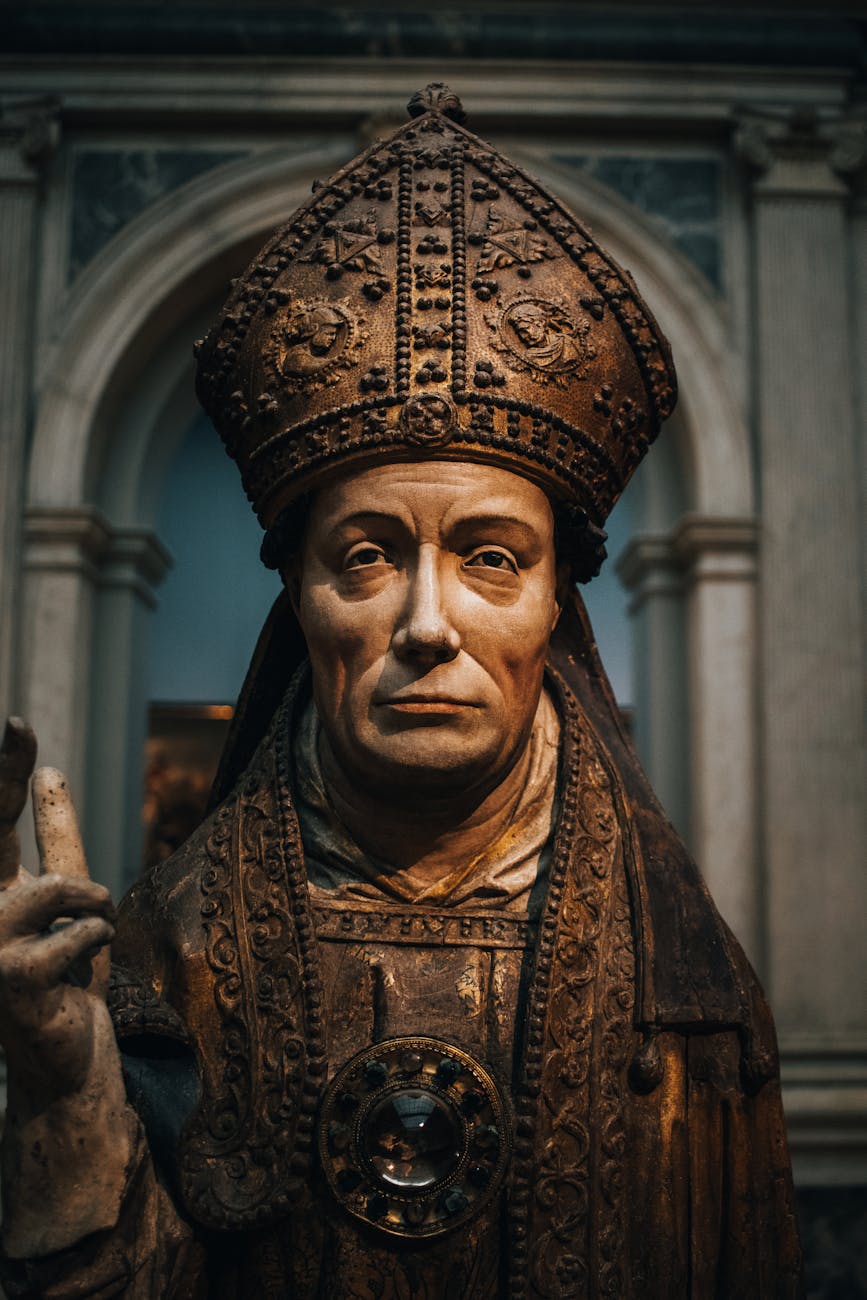
    The Most Influential Popes in the History of the Catholic Church

    Introduction

    The history of the papacy is a profound narrative that intertwines with the development of Christianity and the Catholic Church. Throughout the centuries, numerous popes have assumed leadership, each leaving an indelible mark on religious practices and societal norms. These influential popes not only shaped the spiritual journey of millions but also influenced politics, culture, and education within the broader spectrum of human history. This article delves into the lives and impacts of the most significant popes, examining their contributions, challenges, and legacies. Moreover, the exploration will highlight how these leaders navigated through tumultuous periods of change, asserting their authority while addressing contemporary issues. Through a comprehensive overview, readers will gain insight into how these influential popes have guided the course of the Catholic Church and beyond.

    The Early Papacy: Foundations and Influences

    The early papacy emerged in the wake of the apostolic age, marked by the establishment of the Catholic Church as a formal institution. Notably, the first pope, St. Peter, played a critical role as one of Christ’s apostles and is often referred to as the “rock” upon which the Church was built. His leadership and martyrdom set a precedent for the authority and sanctity associated with the papacy.

    Following Peter, there were several influential figures, such as St. Linus and St. Anacletus, who served during the first century. Their contributions were foundational, establishing the office’s legitimacy and ecclesiastical structure. The early papacy faced numerous challenges, chiefly the persecution of Christians within the Roman Empire. This period of suffering and martyrdom strengthened the resolve of the Church and its leaders, who sought to consolidate their power and protect their followers.

    By the fourth century, the Edict of Milan issued by Emperor Constantine marked a significant turning point for the papacy. It legalized Christianity and allowed the Church to grow without fear of persecution. As the Church flourished, the office of the pope began to assume greater authority not only spiritually but also politically. The role of the pope transformed from a local leader to a prominent figure influencing the vast expanses of Christendom.

    The establishment of the doctrine of Petrine supremacy, asserting that the pope is the spiritual successor to St. Peter, was crucial during this early phase. This belief granted the pope authority over bishops and established a hierarchy that reinforced the central role of Rome in global Christianity. The theological and political implications of this doctrine remain significant to this day.

    Throughout the early papacy, significant events such as the First Council of Nicaea, convened in 325, illustrated the increasing power of the pope. The council addressed pressing theological disputes and affirmed the Nicene Creed, showcasing the pope’s central role in Christian unity. This early involvement in the ecumenical councils set a precedent for future papal influence in theological matters.

    In summary, the early papacy laid the groundwork for the authority and influence that the pope would later exert over both spiritual and worldly matters. The challenges faced and the foundations established during this pivotal time greatly shaped the future of the Catholic Church and reinforced the significance of the pope in ecclesiastical and secular domains.

    Papal Authority during the Middle Ages

    During the Middle Ages, the papacy reached unprecedented heights of power and influence, becoming a central institution in European society. This era was characterized by intricate relationships between the popes and monarchs, leading to a complex dynamic of authority and territorial control.

    One of the most notable popes of this period was Pope Gregory VII, who reigned from 1073 to 1085. His reforms aimed to eradicate corruption and enforce clerical celibacy, which he believed was essential for the moral integrity of the Church. Gregory’s conflict with Emperor Henry IV over the appointment of bishops exemplified the struggle for power between the papacy and secular rulers. The famous phrase “I am in the place of God” echoed Gregory’s belief in the divine legitimacy of papal authority.

    Another key figure was Innocent III, whose papacy from 1198 to 1216 marked the zenith of papal power. Innocent wielded significant influence over European monarchies, asserting the supremacy of the pope in political and spiritual matters. He played a pivotal role in initiating the Fourth Crusade and called for the Albigensian Crusade against heretical movements in southern France. His decisions during this time shaped the political landscape of Europe and demonstrated the papacy’s capability to mobilize forces for religious purposes.

    The medieval period also saw the establishment of crucial doctrines, such as the doctrine of transubstantiation, which solidified the significance of the Eucharist and the priesthood. The pope’s role as the intermediary between God and humanity underscored the Church’s spiritual authority, reinforcing the belief in papal infallibility when defining doctrines on faith and morals.

    Moreover, the medieval Catholic Church acted as a unifying force in a divided Europe, providing stability and continuity through its governance and social services. Monasteries and cathedral schools flourished, with the Church at the center of intellectual and cultural life. The papacy promoted education, art, and the establishment of universities that contributed to the intellectual revival of Europe during the High Middle Ages.

    However, this period was not without challenges. The emergence of dissenting movements, such as the Cathars and Waldensians, posed significant threats to the Church’s authority. The papacy responded with measures ranging from dialogue to the implementation of investigations and inquisitions to combat heresy.

    In conclusion, the Middle Ages were a transformative time for the papacy, where its authority evolved amidst political power struggles, ecclesiastical reforms, and cultural developments. The legacies left by influential popes during this period continue to resonate within the Catholic Church today.

    The Impact of the Reformation on the Papacy

    The Protestant Reformation in the 16th century marked one of the most radical changes in Christianity, as figures like Martin Luther and John Calvin challenged the established authority of the Catholic Church and, by extension, the papacy. The movement led to the fragmentation of Western Christianity and resulted in significant repercussions for the role of the pope.

    At the onset of the Reformation, the papacy faced deep-rooted criticism for perceived corruption and decadence. The sale of indulgences, whereby individuals could purchase remission from sins, incited outrage among reformers and ordinary believers alike. Luther’s 95 Theses laid bare these grievances and called for a return to biblical principles. As the movement spread like wildfire across Europe, the pope’s authority came under tremendous scrutiny.

    Pope Leo X, during whose papacy the Reformation began, underestimated the power of reformist ideas. His response to Luther was one of condescension, thinking that the movement would quickly dissipate. However, the Protestant Reformation gained momentum, leading to the formation of various Protestant sects that fundamentally rejected papal authority.

    In response to the growing crisis, subsequent popes took steps to address the pressing issues raised by Protestant reformers. The Council of Trent (1545-1563), convened by Pope Paul III, marked a significant turning point in the Church’s efforts to clarify doctrine and enact reform. The council sought to counter the Protestant movement and reaffirm the supremacy of papal authority while addressing issues of morality and corruption within the Church. This endeavor resulted in comprehensive reforms in areas such as clerical education, conduct, and the administration of sacraments.

    Additionally, the papacy became more involved in missionary work to reclaim territories lost to Protestantism. The Jesuits, founded by St. Ignatius of Loyola in 1540, played an instrumental role in this revival, emphasizing education and engagement with different cultures around the world. The papacy’s efforts during this period extended beyond Europe, influencing Christianity in Asia, Africa, and the Americas.

    While the Reformation posed serious challenges, it also prompted the Renaissance of Catholic thought and spirituality. The emphasis on personal faith, scripture, and morality led to the development of new spiritual movements within the Church, including the Counter-Reformation, which galvanized Catholic identity.

    In summary, the impact of the Reformation on the papacy was profound and multifaceted. The challenges posed by reformers not only highlighted the need for internal reform within the Church but also sparked a renewed emphasis on the authority and central role of the pope in guiding the Catholic Church through turbulent times.

    Most Influential Popes - renaissance art in vatican city historic fresco
    Throughout the centuries, numerous popes have assumed leadership, each leaving an indelible mark on religious practices and societal norms.
    Photo by Alina Rossoshanska on Pexels.com

    Modern Popes and Their Influence on Global Society

    In the contemporary era, popes have become increasingly influential figures not only in religious contexts but also in broader global society. Modern popes have taken active stances on social, political, and economic issues, addressing some of the most pressing challenges faced by humanity.

    Pope John XXIII, who served from 1958 to 1963, is widely recognized for initiating the Second Vatican Council, a landmark event that aimed to modernize the Church and engage with the contemporary world. The council produced significant documents on ecumenism, religious freedom, and the role of laity, marking a shift towards a more inclusive and dynamic Church. His vision emphasized the need for the Church to engage with societal issues and foster dialogue among diverse faiths.

    Similarly, Pope Paul VI, who reigned from 1963 to 1978, continued these efforts, advocating for peace during the Cold War and addressing issues of social justice. His encyclical “Populorum Progressio” emphasized economic development and highlighted the moral obligation of wealthier nations to assist those in poverty. Paul VI’s connection with global issues positioned the papacy as a voice for the marginalized and oppressed.

    Pope John Paul II, serving from 1978 to 2005, wielded tremendous influence both within the Church and in the global arena. His travels around the world helped bolster the image of the papacy as a leader of moral authority and conscience. John Paul II was pivotal in advocating for human rights, peaceful resolution to conflicts, and the promotion of interfaith dialogue. His presence in Poland during the Solidarity Movement significantly contributed to the collapse of Communist regimes in Eastern Europe, emphasizing the papacy’s role as a political force for good.

    Pope Benedict XVI, while known for his academic approach to theology, also addressed contemporary issues through a critical lens. His encyclicals tackled topics such as the environment, social justice, and the role of religion in modern society. Benedict’s resignation in 2013 paved the way for the election of Pope Francis, who has emerged as an advocate for the marginalized, environmental issues, and economic inequality.

    Pope Francis, the first Jesuit pope, has made headlines with his emphasis on compassion, social consciousness, and community engagement. His encyclical “Laudato Si’” called for urgent action against climate change and underscored the moral duty of caring for the environment. He has challenged the Church to be more open and welcoming while addressing issues such as immigration, poverty, and human trafficking.

    In conclusion, modern popes have evolved to become influential leaders within a global context, addressing pressing social, economic, and political issues. Their voices have resonated beyond the confines of the Vatican, shaping conversations that affect millions of lives around the world. The papacy has adapted to meet contemporary challenges, reaffirming its commitment to justice, peace, and the dignity of all people.

    The Role of the Papacy in Contemporary Issues

    In the 21st century, the papacy continues to play a pivotal role in addressing contemporary issues that resonate deeply with both the Catholic faithful and the global community. This era has seen a remarkable transformation in the visibility and influence of the papal office, as popes engage with matters that affect society and the world at large.

    One of the foremost contemporary issues has been the Church’s stance on social justice and inequality. Poverty remains a pressing challenge, and successive popes have highlighted the need for compassion and active engagement in aiding the poor. Pope Francis, in particular, has brought attention to the plight of marginalized communities, calling on Catholics and individuals of goodwill to take action. His emphasis on the “preferential option for the poor” reminds the Church of its mission to care for those in need, echoing the teachings of Christ on love and solidarity.

    Additionally, the papacy has become increasingly involved in discussions surrounding climate change and environmental justice. Pope Francis’s encyclical “Laudato Si’” emphasizes the interconnectedness of creation and the moral imperative to protect our planet for future generations. The document has galvanized Catholics and non-Catholics alike to address ecological issues and foster a sustainable future. The Vatican’s engagement in global climate summits has underscored the significance of moral leadership in environmental stewardship.

    The papacy also addresses issues of migration and refugee crises, as millions are displaced worldwide due to conflict, persecution, and climate-related disasters. Popes have consistently called for compassion and solidarity with migrants, urging governments and communities to welcome and protect those seeking refuge. This advocacy resonates with the Church’s teachings on the inherent dignity of every human being, irrespective of their circumstances.

    Furthermore, the Catholic Church is actively engaging with contemporary debates surrounding human rights. Issues such as gender equality, racial justice, and LGBTQ+ rights are increasingly on the papal agenda. While the Church traditionally held conservative views on many of these matters, recent statements have indicated a willingness to engage in dialogue and compassionately respond to the needs of diverse communities. This willingness reflects the evolving nature of the papacy concerning societal changes and challenges.

    The role of the papacy in interfaith dialogue has also gained prominence in contemporary society. Pope Francis is known for fostering relationships with leaders of other faiths, aiming to promote mutual understanding and collaboration. His historic visit to Abu Dhabi in 2019 and the signing of the Document on Human Fraternity with the Grand Imam of Al-Azhar exemplified a commitment to unity in diversity, shaping a narrative of peace and respect among different religions.

    In conclusion, the papacy’s role in contemporary issues highlights its relevance in an ever-changing world. The engagement with social justice, environmental concerns, migration, human rights, and interfaith dialogue portrays a Church striving to meet the challenges of the times. Modern popes continue to inspire action and reflection, calling on the faithful and all of humanity to work toward a more just and compassionate world.

    Conclusion

    The history of the papacy is rich with influential figures who have shaped the trajectory of the Catholic Church and society at large. From the early papacy’s foundation to the multifaceted roles of modern popes, each era has seen the papacy navigate challenges while asserting its authority and mission. The legacies of influential popes continue to inspire millions of Catholics and serve as a moral compass for contemporary society.

    As the Church faces new challenges in a rapidly changing world, the call for compassion, justice, and engagement remains paramount. Each pope’s commitment to addressing social, political, and spiritual issues demonstrates the papacy’s evolving nature as it seeks to respond to the needs of the faithful and humanity as a whole. The story of the papacy, therefore, is not merely a tale of leadership but a continuous journey marked by faith, resilience, and an enduring commitment to serve God and humanity.

    Sources

    • “A History of the Papacy” – Scholarly articles on early popes and their influences.
    • “The Vatican and its Role in World Affairs” – Publications and resources on the modern papacy and its global impact.
    • “The Reformation: A History” – Historical texts detailing the events and figures of the Reformation.
    • “Pope John XXIII: The Good Pope” – Biographies exploring the life and impact of John XXIII.
    • “Laudato Si’: On Care for Our Common Home” – The encyclical by Pope Francis addressing environmental issues.

  • The Economic Power of the Catholic Church: A Historical Perspective on Popes and Influence
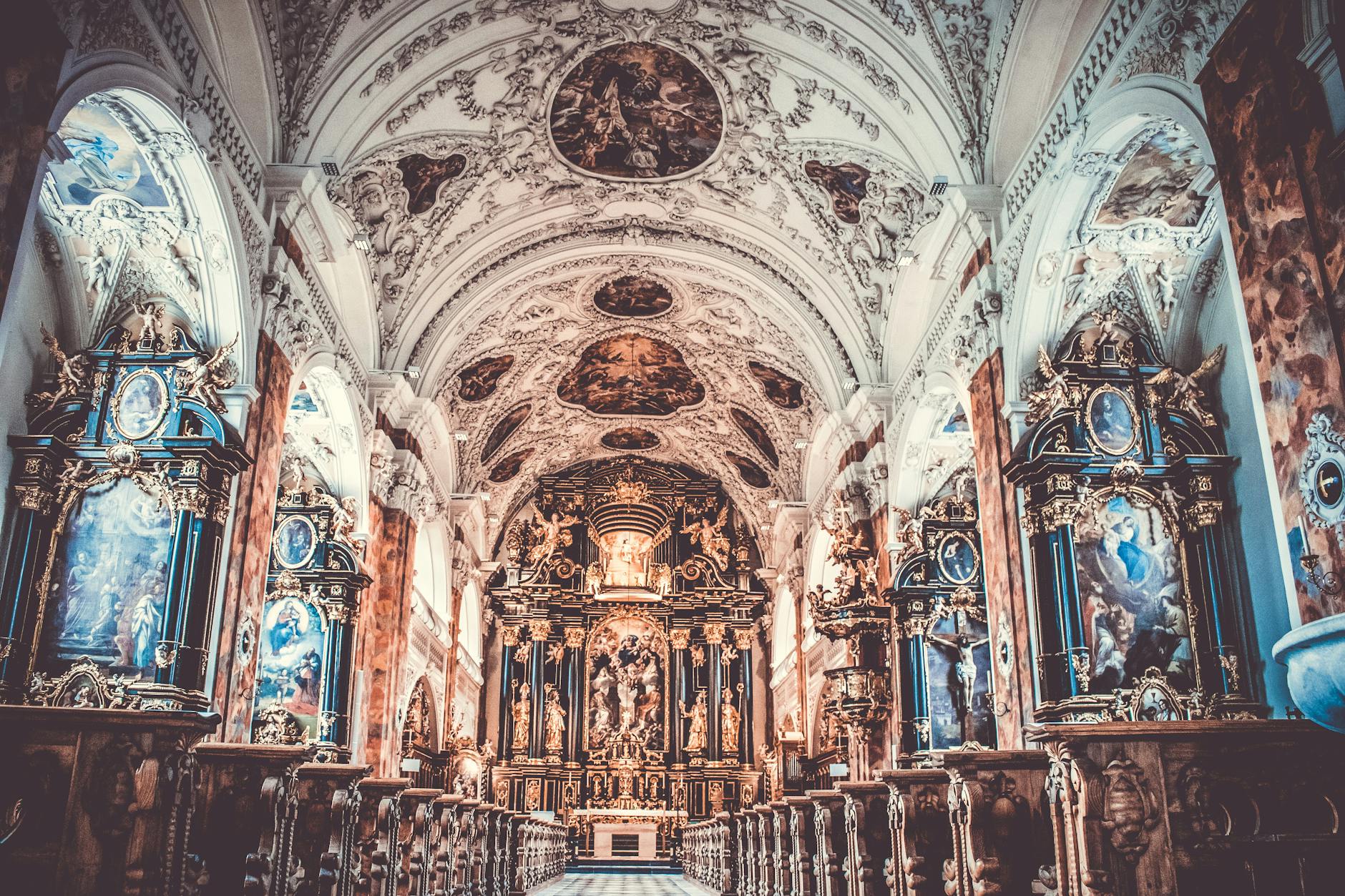
    The Economic Power of the Catholic Church: A Historical Perspective on Popes and Influence

    Introduction

    The Catholic Church, one of the oldest and most influential institutions in the world, has not only been a spiritual beacon for billions of followers but also a formidable economic power throughout history. Founded in the 1st century AD, the Church has played a pivotal role in European politics, the economy, and daily life, with its influence extending to various aspects of society. This article aims to delve into the historical trajectory of the Catholic Church, exploring how its leadership through the papacy has intertwined with economic power over the centuries. From its humble beginnings to its current standing as a major global institution, the Catholic Church’s economic strategies have shaped not only its own destiny but also that of numerous nations and communities. We will explore the multifaceted nature of its wealth, the role of popes in economic decision-making, and the implications for contemporary society.

    The Emergence of the Catholic Church: A Brief Historical Overview

    The Catholic Church traces its origins to the life and teachings of Jesus Christ in the 1st century AD, with its institutional foundation established on the belief that the Apostle Peter was appointed by Christ as the leader of his followers. This led to the formation of a structured church hierarchy, which gradually gained influence within the Roman Empire, often sharing power with secular authorities. By the Edict of Milan in 313 AD, Christianity was legalized, paving the way for the Church to grow in stature and power.

    In the Middle Ages, the Church’s authority expanded significantly, aided by the fall of the Western Roman Empire and the rise of feudalism. The Catholic Church became a unifying force across different kingdoms and territories, promoting stability and continuity during a time of great political fragmentation. With the papacy at its helm, the Church acquired vast tracts of land, wealth, and prestige, becoming a leading player in European politics.

    During this period, the Church also positioned itself as a moral arbiter and provider of social services, often filling gaps left by collapsing governments. The Crusades showcased not only religious fervor but also the Church’s ability to mobilize resources and people, thus further intensifying its economic power. The sale of indulgences and other financial practices, however, led to mounting criticism and ultimately the Protestant Reformation in the 16th century, challenging the Church’s supremacy and contributing to a profound transformation of its economic landscape.

    This section will examine the historical milestones that shaped the Catholic Church’s emergence as a leading economic entity, highlighting key events, figures, and institutional developments. The relationship between the Church and state during various periods will also be critically analyzed, showcasing how this dynamic influenced the accumulation of wealth and economic authority.

    The Role of Popes in Shaping Economic Policies

    The papacy has historically been one of the most powerful institutions, not only in spiritual terms but also regarding economic policies. Popes have wielded unprecedented influence over the socioeconomic landscape through various means, including the excommunication of rulers, the granting of absolution, and the endorsement of particular economic practices. In this segment, we will explore how specific popes contributed to shaping the economic power of the Catholic Church.

    From Pope Leo X’s controversial sale of indulgences to fund the arts and architecture to Pope Urban II’s calls for the Crusades, these actions often had significant economic implications. The Catholic Church’s financial practices during these periods will be scrutinized to understand better how papal decrees impacted societal structure. Moreover, the role of various papal bulls—such as those promoting land donations and wealth redistribution—will be evaluated within the broader context of their economic influence.

    Furthermore, this section will also look into how modern popes continue to mold economic policies, especially through social justice teachings and initiatives aimed at addressing poverty and inequality. The Church’s involvement in global economic discussions, including its stance on capitalism versus socialism, adds another layer to its economic influence.

    Through this analysis, we will uncover the intricate relationship between the papacy and the economic strategies adopted by the Catholic Church, with a focus on specific policies and their far-reaching consequences.

    Wealth Accumulation: Land, Donations, and Tithes

    One of the fundamental ways in which the Catholic Church amassed wealth was through land acquisition, donations, and tithes from its followers. In medieval Europe, the Church became one of the largest landowners, managing extensive estates and agricultural output. This section will explore the strategies employed by the Catholic Church to accumulate wealth, focusing on the significance of these practices in consolidating its economic power.

    By analyzing the systems of donations and tithes, we will uncover the deep-rooted culture of financial support that the Church cultivated among its laity. Factors such as the belief in divine favor through generosity and the Church’s role as a mediator between God and humanity contributed to the sustenance of this economic model. Furthermore, we will examine how the Church’s charitable endeavors were funded through these donations, positioning itself as a moral steward of wealth.

    Additionally, we will investigate the repercussions of wealth accumulation on the Catholic Church’s relationship with secular authorities and the populace. Instances of conflict over land ownership, taxation, and wealth redistribution will be discussed in detail, revealing the complex interplay between the Church and political entities.

    Ultimately, this section will illustrate the influence of wealth on the Catholic Church’s operations, decision-making processes, and ability to extend its reach across different societies, underlining its stature as an economic powerhouse.

    Catholic Church Power and Wealth
    The Catholic Church, one of the oldest and most influential institutions in the world, has not only been a spiritual beacon for billions of followers but also a formidable economic power throughout history. | Photo by Pixabay on Pexels.com

    The Catholic Church’s Economic Influence through Patronage and Investments

    The Catholic Church’s economic influence has been further extended through its patronage systems and investments in various sectors. This segment will delve into how the Church has strategically positioned itself in cultural, educational, and economic spheres through patronage and wise financial investments.

    We will explore the Church’s role in financing arts, education, and healthcare, emphasizing how these endeavors not only fulfilled its charitable mission but also enhanced its reputation and economic standing. By supporting artists, musicians, and scholars, the Church fostered a cultural climate that both enriched society and solidified its control over intellectual and artistic domains. The Renaissance period will serve as a prime example of how the Church’s patronage led to monumental advancements in the arts and sciences while concurrently increasing its wealth and influence.

    Investments in real estate, agriculture, and even banking practices had substantial implications for the Church’s economic posture. The establishment of institutions such as the Vatican Bank will serve as a critical case study for understanding its financial dealings and global investments.

    By examining the broader economic network that the Church constructed through patronage and investments, we will highlight how these practices have shaped and sustained its power over centuries. The implications of this influence on modern economies will also be touched upon to provide a contemporary perspective.

    Modern-Day Impact: The Catholic Church’s Economic Power in Today’s Society

    In the contemporary world, the Catholic Church continues to wield considerable economic power, albeit in a different context. This final section will analyze the modern-day expressions of the Church’s economic influence, including its involvement in global discussions surrounding poverty, inequality, and economic morality.

    We will evaluate the Church’s response to contemporary socioeconomic challenges, investigating its teachings on social justice and its initiatives aimed at alleviating poverty. The document “Gaudium et Spes,” which addresses the Church’s relationships with the modern world, will be referenced to illustrate its contemporary economic outlook.

    The Catholic Church’s role in advocating for economic equity, through partnerships with organizations and engagement in dialogues on ethical capitalism, showcases its ongoing relevance in global economic matters. Discussions on the Church’s investments in social programs and development projects will also be included, emphasizing its dual role as a religious and economic entity in modern society.

    Through this examination, we will showcase how the Catholic Church navigates the complexities of today’s economic landscape while maintaining its doctrinal influence, ultimately illustrating its sustained power as a significant global actor.

    Conclusion

    The Catholic Church’s history is a testament to its ability to intertwine spiritual leadership with economic power. From its early formation to its modern-day initiatives, the Church has demonstrated a unique capacity to influence economic thought and practice. The role of popes as economic leaders, wealth accumulation through land and donations, and modern engagement in sociopolitical issues reflect the multifaceted nature of this institution. As society evolves, so too does the Church, continuing to assert its place not only as a spiritual authority but also as a key player in addressing economic challenges, shaping moral dialogue around wealth, and promoting social justice.

    Sources

    • McBrien, Richard P. “Catholicism.” HarperCollins, 1994.
    • Hillerbrand, Hans J. “The Protestant Reformation: A History.” Yale University Press, 2005.
    • Sykes, Christopher. “The Catholic Church: A Short History.” Yale University Press, 2012.
    • O’Malley, John W. “A History of the Popes.” Continuum, 2009.
    • Duffy, Eamon. “Saints and Sinners: A History of the Popes.” Yale University Press, 1997.
    • Becker, Peter. “The Popes and Economic Justice.” Journal of Church and State, Vol. 60, No. 3 (2018).

  • The History of the Longest Papal Conclaves
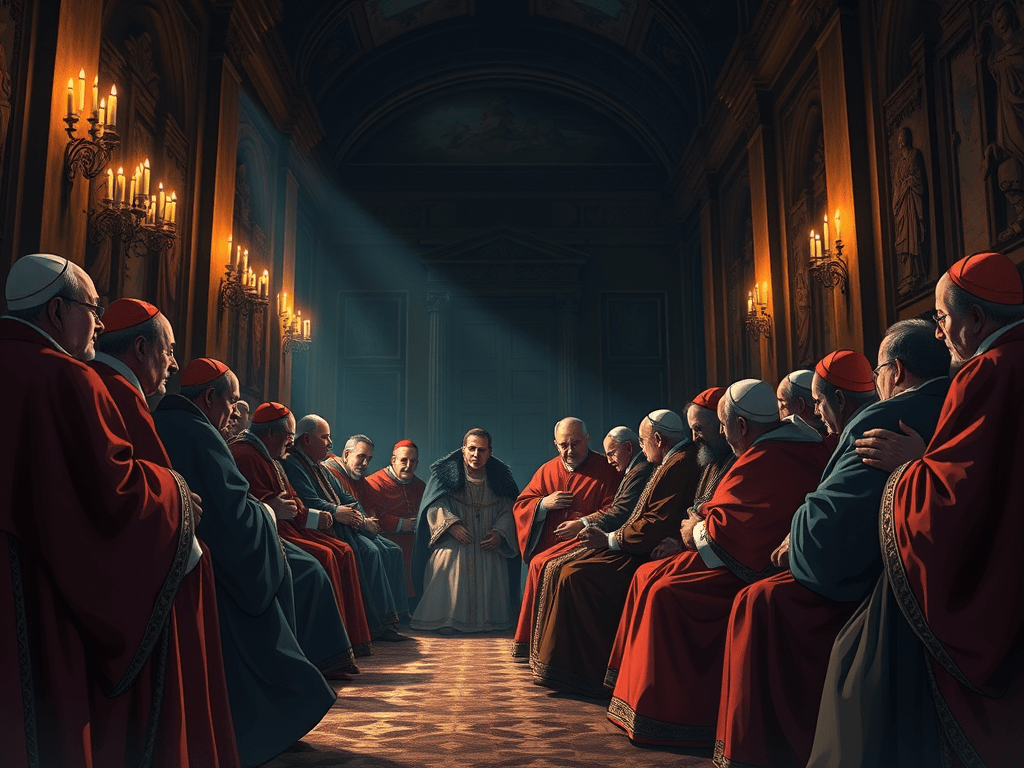
    The History of the Longest Papal Conclaves

    Introduction

    The selection of a new pope through the conclave process is a profound event in the history of the Catholic Church. Many conclaves have captured the attention of the world, but some are particularly notable for their duration. The longest papal conclaves, often marked by political intrigue, uncertainty, and tension, have left a lasting impact on the Church and its followers. This article delves into the stories of the three longest conclaves, exploring their historical contexts, the challenges faced by the cardinals, and the eventual outcomes of these lengthy electoral processes. By understanding these pivotal moments in church history, we can gain insight into the complexities that surround the selection of the pope, a spiritual leader with immense influence over millions worldwide.

    Overview of Papal Conclaves and Their Historical Significance

    Papal conclaves serve as the critical mechanism through which the Roman Catholic Church elects its leader, the pope. The term “conclave,” derived from the Latin “cum clave,” meaning “with a key,” reflects the practice of locking the cardinals in a room until they reach a decision. This tradition underscores the solemnity and seriousness of the task at hand, as the newly elected pope must be someone who can lead the Church and embody its spiritual mission.

    Conclaves have existed since the 13th century, with their rules and procedures evolving over time. One of the central purposes of a conclave is to ensure a secure and confidential environment where the cardinals can deliberate without external pressures. Throughout history, various factors have influenced the length of conclaves, including internal church politics, external political pressures, and the personal ambitions of the cardinals involved.

    The longest conclave in history, which extended from 1268 to 1271, serves as a cautionary tale of divisive factions within the Church, as well as external pressures from influential political figures. The conclave often descended into chaos, highlighting the challenges associated with reaching a consensus among diverse and often conflicting interests.

    The significance of these lengthy conclaves extends beyond their immediate political implications. They often set precedents that influence subsequent conclaves, shaping the processes and the outcomes of future papal elections. The enduring legacy of a long conclave can impact the Church’s governance and its relationship with the wider world for generations.

    In essence, the history of papal conclaves is an integral part of the Catholic Church’s narrative. Not only do they reflect the internal dynamics of the Church, but they also serve as a lens through which we can examine broader social, political, and cultural trends that have influenced the Church’s development over the centuries. Understanding the intricate details of these lengthy conclaves is crucial for appreciating the significance of the papacy and its impact on the global Catholic community.

    The Longest Papal Conclave in History: The Conclave of 1268-1271

    The conclave that took place from 1268 to 1271 holds the record as the longest papal conclave in history. This prolonged election arose from a complex interplay of political and social factors that both reflected and amplified the tensions in the Church at that time. Following the death of Pope Clement IV in 1268, the cardinals faced immense pressure from various factions that influenced the church and Italian politics.

    The conclave began with 18 cardinals gathering at the papal palace in Viterbo, Italy. Their initial hope was to quickly elect a new pope, but as discussions progressed, divisions surfaced. The papal throne was increasingly embroiled in secular politics, and the cardinals were not immune to the external pressures of the day. The cardinals struggled to reach a consensus on a suitable candidate, with multiple factions vying for influence. The candidate’s potential alignment with various political powers further complicated the vote, leading to a deadlock.

    As the conclave dragged on for years, the situation turned increasingly dire. The townspeople of Viterbo, frustrated by the lengthy deliberations and the disruption caused to their city, took matters into their own hands. They implemented drastic measures to hasten the election process. In a bid to expedite the conclave, they sealed the cardinals in the chapel and reduced their rations, effectively forcing them to come to an agreement on a candidate. This intervention led to heated debates and further deepened the rifts among the cardinals.

    Ultimately, after more than two years of stalemate, the conclave concluded electing Cardinal Giovanni Benedetto Caetani, who took the name Pope Boniface VIII. The choice was somewhat unexpected, as he had not been a prominent candidate at the start of the conclave. His election came as a compromise, reflecting the cardinals’ desperation to end the prolonged deadlock and restore the papacy’s stability.

    The lengthy conclave of 1268-1271 serves as a poignant example of how deeply entwined the politics of the Church were with external political pressures, leading to not only a historic election but also illustrating the complexities that involve the selection of the pope. The event has had a lasting impact on the Church, leading to reforms in the conclave process that sought to prevent such an extended struggle in future elections.

    Papal Conclaves Vatican
    Papal conclaves serve as the critical mechanism through which the Roman Catholic Church elects its leader, the pope. The term “conclave,” derived from the Latin “cum clave,” meaning “with a key,” reflects the practice of locking the cardinals in a room until they reach a decision. | Photo by Tomas Anunziata on Pexels.com

    The Conclave of 1542-1543 and Its Political Intrigues

    The Papal conclave that stretched from 1542 to 1543 arose in a tumultuous period for the Roman Catholic Church, marked by the Protestant Reformation and significant political strife across Europe. Following the death of Pope Adrian VI in 1523, the cardinals gathered once more under the heavy cloud of political pressures and an urgent need to stabilize the Church in the face of growing dissent.

    From the outset, the conclave was entrenched in political maneuvering that often overshadowed religious considerations. Factions formed around influential cardinals, and the contest for papal office reflected not only theological ideologies but also regional interests and personal ambitions. The Spanish cardinals sought to promote a candidate who would support Habsburg interests, while the French cardinals leaned towards someone who could counterbalance Spanish influence.

    As discussions ensued, the conclave faced external pressures from powerful monarchs, particularly Charles V, Holy Roman Emperor, who directly influenced the proceedings. The cardinals were aware of the looming threat of Protestant advancements in Europe and the need to act decisively in electing a pope who could address these challenges with authority and resolve. However, the tension and bitterness among the factions led to protracted debating, with no candidate able to secure the necessary majority.

    The inner workings of the conclave reveal the intricate balance cardinals were attempting to strike between their loyalties and the broader implications of their votes. As paralysis set in, cardinal Jean de Lorraine, a leading candidate, found himself unwilling to concede due to the demands presented by rival factions. This deadlock persisted for months, eroding the conclave’s initial momentum and straining the reconciliation efforts among cardinals.

    Ultimately, after nearly a year of intense deliberation, the conclave reached a critical juncture when they elected Giovanni Maria del Monte, who assumed the papal throne as Pope Paul III. His election signaled a turning point for the Church, as Paul III prioritized addressing the challenges posed by the Protestant Reformation. He convened the Council of Trent soon after, which would play a crucial role in the Catholic Church’s response to the Reformation and the reaffirmation of its doctrines.

    The conclave of 1542-1543, while historically significant for its protracted duration, also illustrates how political intrigues and divisions within the Church can sustain or prolong an election. It stands as a testament to the necessity for unity and clarity in the electoral process, which remains paramount in times of crisis.

    The 1978 Papal Conclaves: John Paul I and John Paul II

    The events surrounding the 1978 papal conclaves have become pivotal moments in modern ecclesiastical history, as they showcased the convergence of a rapid succession of events, heightened media scrutiny, and the dynamics of contemporary Church politics. Following the unexpected death of Pope John Paul I after just 33 days in office, the Catholic Church faced the daunting task of unifying its leadership amid considerable uncertainty.

    The conclave commenced under the watchful eyes of the world, with 111 cardinals gathering at the Vatican. The atmosphere was charged with anticipation and concern, as speculation ran rampant about the potential successor who could address the challenges facing the Church in a rapidly changing society. The cardinals entered the conclave with a sense of urgency yet remained fundamentally divided about the direction the Church should take.

    During the proceedings, different factions emerged. Some cardinals pushed for reformist candidates who would embrace modernity and address pressing social issues, while others rallied behind traditional candidates steadfast in their orthodox beliefs. The resulting contentious negotiations and orgies of behind-the-scenes lobbying extended the conclave’s timeline across multiple ballots.

    Ultimately, on October 16, 1978, the papal conclave concluded with the election of Cardinal WojtyÅ‚a, who became Pope John Paul II. His election was unprecedented, marking the first time a non-Italian had assumed the papacy in 455 years. John Paul II’s election represented a monumental shift, as he embraced outreach, interfaith dialogue, and a commitment to the global stage. His papacy would come to define an era in which the Church sought to engage with contemporary issues, such as human rights, peace, and social justice.

    However, the fallout from the hasty previous conclave was evident, with cardinals needing to find common ground amid existing tensions. The dual conclaves of 1978 underscored the complexities inherent in modern church politics and the need to address within discrepancies among cardinals. While John Paul II’s papacy began a new chapter, it also highlighted the lessons learned regarding the handling of internal divisions and the effects of the global stage on church leadership.

    The Impact of Papal Conclave Length on the Papacy and the Church

    The lengths of papal conclaves and their historical significance reveal insights into the state of the Church at pivotal moments in history. Prolonged conclaves often reflect deep divisions within the Church, revealing not only the internal dynamics among cardinals but also the external pressures from societal and political contexts. These extended periods of uncertainty can have far-reaching implications that impact both the Church’s governance and its outreach.

    When cardinals struggle to reach a consensus, it can indicate a lack of unity on pivotal issues such as doctrine, governance, and the Church’s role in the modern world. For instance, the lengthy conclaves of history have shaped the nature of papal legitimacy and the expectations placed upon the newly elected pope. In cases like the conclave of 1268-1271, the drawn-out process led to an elected pope who served as a compromise candidate, reflecting the desperation to restore stability amid conflicting interests.

    Moreover, the duration of conclaves influences the perception of the papacy itself. Extended conclaves can amplify public scrutiny and foster skepticism among believers. As a new pope emerges from a protracted election, they may be burdened with the expectation of quickly resolving lingering tensions. The balance between tradition and reform becomes increasingly crucial as well, particularly when cardinals representing diverse ideological perspectives engage in lengthy discussions.

    While the selection of a pope is inherently consequential for the Catholic Church, the ongoing dynamics and context of the conclave resonate globally. The decisions made, the compromises achieved, and the emerging leadership style of the elected pope ultimately shape the Church’s trajectory. Historical examples underscore the imperative for cardinals to prioritize unity and a clear vision; as the Church confronts contemporary challenges, the lessons gleaned from prolonged conclaves remain relevant.

    Conclusion

    Exploring the histories of the longest papal conclaves reveals the intricate interplay of politics, ambition, and religious authority within the Catholic Church. The lengthy deliberations witnessed during conclaves such as those of 1268-1271 and 1542-1543 serve as a reminder of the complex considerations that influence the selection of the pope. These moments of tension and uncertainty ultimately shape the leadership and direction of the Church, leaving a lasting impact on both its governance and its faithful population.

    In the case of the 1978 conclaves, the rapid succession of events underscored the challenges of navigating modernity while remaining grounded in faith and tradition. As the Church continues to engage with contemporary issues, the lessons learned from these historical precedents remain essential for fostering unity among its leaders.

    In conclusion, the histories of papal conclaves encapsulate the importance of deliberation, careful reflection, and collaborative decision-making, which are vital for edifying the Catholic Church and guiding the faithful. By understanding these lengths and their implications, we gain deeper insights into the complexities of church governance and the enduring significance of papal elections.

    Read also our articles The History of the Vatican Bank: from business model to scandals and Sacred Vatican 2025: A 3-Day Journey of Art, Faith, and Wonder

    Sources

    • “History of the Papacy.” Catholic Encyclopedia.
    • “The Papal Conclave: A Historical Overview.” Encyclical Letters.
    • “Pope John Paul II: A Life.” Vatican News.
    • “Long and Short of the Papal Conclave.” The Guardian.
    • “Medieval Politics and the Papacy: The Conclave of 1268.” Journal of Ecclesiastical History.

  • The Rise of Vatican Power

    The Rise of Vatican Power

    Introduction

    This article delves into the multifaceted aspects of the rise of Vatican Power, exploring its historical foundation, political strategies, religious governance, economic endeavors, and modern-day influence. The Vatican, often synonymous with the Catholic Church, has a profound history that stretches back to ancient Rome. From its humble origins to becoming a sovereign entity recognized worldwide, the evolution of its power is a complex tapestry woven through centuries of political intrigue, religious devotion, and strategic alliances. As the spiritual center of Catholicism, the Vatican has influenced global politics and society, particularly in Europe. Its ability to navigate political landscapes, form crucial alliances, and maintain a strong economic base has allowed it to wield significant power throughout history.

    Historical Foundations

    The story of the Vatican’s rise to power begins with its historical roots, tracing back to early Christianity. The establishment of the Vatican as a center of spiritual authority can be linked to the martyrdom of Saint Peter, regarded as the first Pope. Peter’s burial site, located in what is now St. Peter’s Basilica, became a focal point for early Christians seeking connection with the divine. As such, the Vatican began to develop as a prominent place of worship and pilgrimage.

    Throughout the fourth century, Christianity gained significant traction within the Roman Empire, particularly after Emperor Constantine’s Edict of Milan in 313 AD, which allowed for religious tolerance. This pivotal moment marked a shift as Christianity transitioned from a persecuted faith to the state religion of the empire. The power of the papacy grew, positioning the Pope as a religious and moral authority—not just over the Church, but increasingly over political matters as well.

    The formation of the Papal States in the 8th century solidified the Vatican’s territorial claims. The Donation of Pepin in 756 AD gave the Pope control over a substantial territory in central Italy, representing both religious power and political sovereignty. This act effectively transformed the Pope into a secular ruler, establishing a dual authority that blurred the lines between church and state.

    As the centuries progressed, the Vatican faced challenges such as the Investiture Controversy, which highlighted the struggle between secular rulers and the Church over the appointment of bishops. This conflict underscored the significance of the Pope’s role in political matters, further entrenching the Vatican’s position as a formidable power in Europe.

    By the Middle Ages, the Vatican had begun to assert itself through a series of decrees and legislation, shaping society’s moral and ethical frameworks. The establishment of universities and the commissioning of grand architectural projects, including the rebuilding of St. Peter’s Basilica during the Renaissance, marked an era of cultural and intellectual dominance. The Vatican was not only a religious authority but also a patron of the arts and education, disseminating its influence through cultural channels.

    Overall, the early foundations of the Vatican encapsulate the intertwining of faith and power, highlighting the role of historical events and personalities in shaping its authority. This complex relationship laid the groundwork for the Vatican to navigate the tumultuous political landscapes of Europe, allowing it to grow in strength and influence over the ensuing centuries.

    Political Alliances and Influence

    The Vatican’s strategic political alliances played a crucial role in its rise to power during the Middle Ages and Renaissance. These alliances not only bolstered the papacy’s authority but also provided a framework for the Vatican to influence political outcomes across Europe. Several key relationships, formed through diplomacy, marriage, and mutual interests, helped secure the papal seat in the shifting sands of political power.

    The Vatican often aligned itself with strong monarchies to ensure mutual protection and support. For instance, during the reign of Pope Gregory VII in the 11th century, the Church sought to solidify its power against the Holy Roman Emperor. This led to open conflict, but ultimately, it facilitated the strengthening of papal authority, as it pushed the Church to establish itself as an indispensable ally to kings and emperors in maintaining political stability.

    Marriage alliances were also significant. The Vatican strategically fostered marriages between royal families and the Church’s influence, effectively intertwining the fates of monarchs and popes. These unions created a network of kinship, expanding the Vatican’s political reach by ensuring that various European leaders would support papal initiatives, thereby enhancing the Vatican’s power.

    Moreover, the Vatican’s influence extended through regional stability as it often played the role of mediator in conflicts. By offering a neutral ground for negotiations, the popes positioned themselves as vital actors in European politics. The Treaties of Westphalia in 1648, which ended the Thirty Years’ War, exemplified the Vatican’s role in international diplomacy, highlighting how the Church was seen as a legitimate mediator.

    In addition, the Vatican supported the explorations of Catholic monarchs during the Age of Discovery. The papal bull Inter caetera issued by Pope Alexander VI in 1493 divided newly discovered lands between Spain and Portugal, demonstrating how the Vatican’s influence extended beyond Europe into the New World. This control over colonization not only signified the Vatican’s political reach but also its economic ambitions.

    The Vatican’s involvement in the Congress of Vienna in 1815 further illustrated its political connections, as it sought to restore not only the balance of power in Europe but also the political authority of the papacy. Throughout these alliances, the Vatican adeptly navigated the tumultuous transitions of power, showcasing its ability to maintain relevance and authority in an ever-changing political landscape.

    As the modern world evolved, so did the Vatican’s strategies. In the 20th century, the Vatican managed to maintain and enhance its influence through diplomatic relations with various states, thereby solidifying its status as an observer in international organizations such as the United Nations. By fostering strong, strategic relationships, the Vatican successfully transformed itself into a cornerstone of global diplomacy, illustrating its ongoing significance in contemporary politics.

    The Role of Religion in Governance

    The intertwining of religion and governance has long characterized the Vatican’s exercise of power, enabling it to extend its influence deep into the cultural and political arenas of society. The Church’s authority has shaped laws, moral values, and social practices throughout history, often reinforcing the power of the papacy while simultaneously providing a sense of legitimacy to monarchies.

    At the heart of this relationship is the concept of divine right—the belief that monarchs are chosen by God to rule, which served to endorse their authority. This notion benefitted both the pope and the ruling class, as kings and queens sought the papal blessing to legitimate their reigns. In return, the Church received resources and support in its efforts to propagate Christianity throughout Europe.

    The medieval period saw the Church exercising considerable influence over societal norms and laws, establishing a moral authority that affected governance. Canon law, a system of ecclesiastical law, dictated various aspects of daily life and governance. The Vatican interpreted biblical texts to create laws that governed marriage, family, and ethical behavior, further entrenching the Church’s power in civic matters. The foundation of universities during this time was also instrumental; the Church shaped education, which not only provided clergy members but also produced educated leaders who upheld Catholic doctrine in governance.

    As the Renaissance ushered in a renewed interest in humanism, the Vatican navigated these shifts by promoting the arts and encouraging a blend of classical thought with Christian theology. This evolution in cultural thinking allowed for a more profound interaction between Church teachings and governance, as educated leaders emerged who could articulate the Church’s values in the context of contemporary society.

    With the Protestant Reformation in the 16th century challenging papal authority, the Vatican faced significant threats to its influence. In response, the Counter-Reformation marked a period of revitalization, where the Church sought to reaffirm its position through a combination of reforms and strong leadership. This movement emphasized the importance of spiritual governance, including the establishment of various religious orders dedicated to education and social service. These efforts not only responded to the demand for reform but also reasserted the Vatican’s authority over moral and ethical standards.

    In modern times, the Vatican’s influence on governance persists through its substantial engagement in global issues such as human rights, social justice, and peacebuilding. The encyclicals and speeches delivered by popes often address contemporary governance issues, providing moral guidance to political leaders and influencing public policy. The Vatican promotes the idea of the common good, urging governments to consider how their policies affect all people, particularly the marginalized and vulnerable.

    The Vatican’s role in governance illustrates a unique synergy between religion and politics, whereby the Church shapes moral frameworks that influence how societies are organized and governed. This relationship continues to reflect the enduring power of the Vatican, showcasing its capability to adapt to changing socio-political landscapes while remaining a pivotal player in the interplay of faith and governance.

    Economic Strategies and Wealth Accumulation

    The economic strategies employed by the Vatican reflect its long-standing quest for wealth accumulation, serving both ecclesiastical and secular objectives. The dual nature of the Vatican’s economic framework has allowed it to sustain its vast operations, maintain influence, and expand its reach globally.

    Historical records indicate the Vatican’s early wealth stemmed from land ownership and donations from wealthy patrons, clergy, and local leaders. The acquisition of land during the Papal States period provided a significant revenue source derived from agriculture and taxation systems. This economic power offered the papacy independence and autonomy, enabling it to engage in political alliances without being beholden to secular rulers.

    The Renaissance heralded a new era for Vatican economics, characterized by a flourishing patronage of the arts. Popes commissioned masterpieces from acclaimed artists, enhancing the Vatican’s cultural capital. This not only turned the Vatican into a center for artistic excellence but also attracted pilgrims and tourists, further boosting its economic standing. The treasury of the Vatican garnered funds through pilgrimage fees, indulgences, and various religious services.

    Throughout the centuries, the Vatican adeptly diversified its revenue streams. Investments in financial markets became prominent, especially in the 19th and 20th centuries, as the Vatican sought to modernize its financial practices. The establishment of the Vatican Bank in 1887 marked a significant step in managing finances, providing services to church institutions globally. Although it has faced controversies, the financial management of the Vatican Bank has evolved to include transparency and accountability measures necessary for contemporary operations.

    The Vatican’s economic strategies have also included diplomatic financial agreements with various nations. For example, the Lateran Treaty of 1929 between the Holy See and Italy recognized the Vatican City as a sovereign entity, providing the Catholic Church with revenues while enabling it to operate independently. This agreement showcased the intersection of diplomacy and economic strategy, cementing the Vatican’s financial standing.

    In terms of global outreach, the Vatican has strategically engaged in charitable endeavors. The establishment of various humanitarian organizations allowed the Vatican to leverage its resources to help those in need. This not only fostered goodwill but also reinforced the Church’s moral authority and social responsibility in the eyes of the public. The financial assistance provided by agencies like Caritas Internationalis exemplifies the Vatican’s commitment to serving humanity while simultaneously enhancing its global influence.

    Furthermore, the digital age has prompted the Vatican to explore innovative methods for financial growth. Through online donations, merchandise sales, and partnerships with technological entities, the Vatican is adapting to contemporary economic landscapes. Such initiatives not only reflect the Church’s resourcefulness but also demonstrate its willingness to remain relevant in an evolving world.

    The economic strategies and wealth accumulation of the Vatican exemplify a complex narrative woven into its history. Through a blend of historical land ownership, artistic patronage, modern financial management, and outreach, the Vatican has built an economic foundation that supports its spiritual mission, enabling it to wield considerable influence in both religious and secular domains.

    Modern Influence and Global Reach

    In today’s world, the Vatican stands as a unique entity that wields considerable influence on global affairs. This influence is exerted through a mixture of diplomacy, moral authority, and engagement in pressing contemporary issues. The role of the Vatican has evolved significantly, reflecting its responsiveness to the changing socio-political landscape and its commitment to addressing global challenges.

    One of the critical aspects of the Vatican’s modern influence lies in its diplomatic relations. The Holy See maintains formal diplomatic ties with numerous countries, recognizing its status as an independent sovereign entity. This allows the Vatican to act as a mediator in international conflicts and provide ethical guidance on matters of global concern. Through its diplomatic missions, the Vatican advocates for peace, religious freedom, and social justice, fostering collaboration among nations.

    The papacy has also embraced contemporary communication strategies, utilizing media to disseminate messages on a global scale. The Vatican’s presence on social media platforms, its official website, and the establishment of the Vatican News agency reflect a commitment to engaging with the modern world. By harnessing digital tools, the Vatican reaches broader audiences, fostering a dialogue on issues such as climate change, poverty, and human rights.

    Pope Francis, in particular, has leveraged his platform to address pressing global challenges, emphasizing themes of inclusivity, compassion, and social responsibility. His encyclicals and public addresses consistently call for action on critical issues like climate change, advocating for a more sustainable world. The encyclical “Laudato Si’,” focused on the environment, serves as a rallying cry for action, urging governments and individuals to prioritize ecological concerns and care for creation.

    The Vatican’s involvement in humanitarian efforts further enhances its global reach. By collaborating with international organizations and providing aid to regions afflicted by poverty, conflict, and natural disasters, the Church fulfills its mission of service while reinforcing its moral authority. The work of organizations such as Caritas Internationalis exemplifies the Vatican’s commitment to solidarity, emphasizing the responsibility of nations to care for the most vulnerable.

    Moreover, the Vatican’s stance on ethical issues, such as family, migration, and social justice, informs global discussions, influencing policymakers and public opinion. Popes have utilized their platforms to advocate for the protection of human dignity, promote gender equality, and support the rights of marginalized groups. The Vatican’s moral voice resonates in international forums, positioning it as a key player in shaping global policies.

    The Vatican’s participation in multinational discussions, such as the United Nations climate summits and conferences, underscores its commitment to promoting principles rooted in Catholic social teaching. This involvement enhances the Vatican’s legitimacy as a global actor, allowing it to advocate for sustainable development goals while providing a moral framework that guides collective action.

    The modern influence of the Vatican is a testament to its adaptability and relevance in a rapidly changing world. By leveraging diplomacy, media, and humanitarian endeavors, the Vatican continues to extend its reach on the global stage, maintaining its status as a significant player in international affairs and moral discourse.

    Conclusion

    The evolution of Vatican power encapsulates a complex interplay of historical, political, and economic factors. From its origins as a modest spiritual authority to its current status as a sovereign entity with significant global influence, the Vatican’s journey is marked by strategic alliances, economic endeavors, and an unwavering commitment to moral leadership. Throughout history, its ability to navigate the dynamic landscapes of power reflects both resilience and adaptability.

    The Vatican’s unique position allows it to serve as a moral compass in contemporary society, tackling urgent global issues while fostering dialogue and understanding among diverse communities. As the world faces unprecedented challenges, the Vatican’s enduring influence remains an essential beacon that advocates for peace, social justice, and stewardship of creation.

    By examining the various dimensions of its power, we see that the Vatican is not merely a religious institution; it is a potent actor in the global arena. As it continues to evolve and adapt, the Vatican’s impact on politics, culture, and society remains profound and pivotal in shaping the future.

    Sources

    • “History of the Vatican” – Encyclopaedia Britannica
    • “The Papacy in the Modern World” – University Press
    • Smith, John. The Political Power of the Vatican – Scholarly Journal
    • “The Vatican: The Secret History” – Historical Review
    • “Pope Francis and Global Issues” – Global Governance Report

  • The History of the Vatican Bank: from business model to scandals

    The History of the Vatican Bank: from business model to scandals

    Introduction

    The Vatican Bank, officially known as the Institute for the Works of Religion (IOR), has maintained a controversial and enigmatic position within the financial world since its establishment. Founded in 1942 during a tumultuous period in European history, it has often been the subject of scrutiny due to various scandals and allegations of financial misconduct. Yet, it operates within a unique business model aimed at supporting the charitable works of the Catholic Church, alongside managing the financial assets of religious institutions. This article delves into the intricate history of the Vatican Bank, its operational strategies, and the scandals that have cast a shadow over its legacy. By examining these elements, we aim to provide insights into the complexities of the Vatican Bank and its role within both the Church and the global financial system.

    The Origins of the Vatican Bank: Formation and Historical Context

    The Vatican Bank, or the Institute for the Works of Religion (IOR), was established in 1942 under the papacy of Pius XII, but its roots extend much deeper into history. Understanding its origin requires a look at the broader context of the Catholic Church’s financial practices and the political landscape of the time.

    In the late 19th century, prior to the establishment of the Vatican Bank, the Catholic Church faced significant challenges regarding its finances, especially following the unification of Italy in 1870 when the Papal States were absorbed into the Kingdom of Italy. This shift significantly reduced the temporal power and financial independence of the papacy, pushing the Church to consider new methods for managing its assets.

    During the early 20th century, various ecclesiastical institutions needed a centralized method to manage their resources. The lack of a dedicated banking institution led to various informal agreements and unreliable financial practices. The Vatican and its leaders recognized the necessity of creating a banking facility that would serve not only the church’s financial infrastructure but also its charitable missions.

    The Vatican Bank was officially founded in October 1942, serving as a bank to manage the funds and assets of the Holy See. This initiative aimed to streamline the church’s financial dealings while ensuring that its investments did not contradict its moral teachings. The formation of the IOR allowed the Vatican to consolidate various financial activities under one umbrella, enhancing its operational efficiency.

    The operational framework of the Vatican Bank was influenced by the need to balance the church’s spiritual and temporal activities. The IOR’s primary purpose was to foster the works of religion, serving ecclesiastical entities, religious institutions, and the needs of the Church. As part of its mission, the IOR was structured to ensure that all financial activities were ethically in line with the church’s teachings, which significantly shaped its business practices.

    However, the Vatican Bank also operated within the complex political climate of post-World War II Europe. The rebuilding efforts across the continent brought about opportunities, while also exposing vulnerabilities in financial governance. The need for transparency and ethical banking practices became increasingly evident. Amidst these challenges, the Vatican Bank sought to position itself as a stable institution, aimed not only at supporting the church but also at fostering economic stability in a war-torn Europe.

    Throughout the decades, the Vatican Bank navigated various financial landscapes, adapting to changes in regulations and perceptions of the banking industry. Despite its intentions to operate as a moral banking institution, it faced numerous challenges that would later define its legacy—tying historical decisions made in the establishment of the bank to the scandals that would emerge in later years.

    In summary, the origins of the Vatican Bank are deeply intertwined with the historical shifts within the Catholic Church and the socio-political dynamics of the early to mid-20th century. From its inception, the institution sought to balance faith with financial prudence, although the complexities of this relationship have continued to evolve, leading to both significant successes and notable controversies.

    The Business Model of the Vatican Bank: How It Operates

    The Vatican Bank operates under a unique business model designed to support the Catholic Church’s mission while maintaining financial sustainability. Unlike traditional banks, the IOR does not seek to maximize profits; instead, its model focuses on serving the broader interests of the Church and its affiliated institutions. The operations of the Vatican Bank are primarily geared towards stewarding funds contributed by clergy, religious institutions, and the laity for charitable purposes, while also managing the Church’s investments.

    The Vatican Bank maintains a clientele that consists of various ecclesiastical entities, such as dioceses, parishes, and religious orders. By providing them with banking services, the IOR facilitates the financial management of these institutions, which often rely on donations and bequests. This service includes handling deposits, providing loans for projects, and ensuring financial security for religious missions.

    In terms of investment strategies, the Vatican Bank aims to operate in alignment with Catholic social teaching, which emphasizes ethical investments. The IOR focuses on sectors that reflect the Church’s values, while also ensuring financial growth. This approach to investing differentiates the Vatican Bank from commercial banks that may have fewer restrictions on investment choices. By prioritizing ethics alongside financial returns, the Vatican Bank strives to create a balance between its spiritual obligations and financial responsibilities.

    Transparency and accountability are crucial themes in the IOR’s business model. Despite historical allegations of secrecy and lack of oversight, recent reforms have aimed to address these issues by improving governance. These measures are essential in gaining the trust of both church members and the public, as well as complying with international banking regulations.

    Furthermore, the Vatican Bank has faced increasing pressure to adapt to modern banking practices, particularly in the digital realm. This includes the implementation of technological advancements aimed at enhancing operational efficiency and security. As financial transactions evolve, ensuring robust cyber security measures becomes paramount for the Vatican Bank to protect sensitive financial information.

    The balance between operating as a bank while maintaining the mission of the Church presents ongoing challenges. Achieving this delicate equilibrium requires continuous evaluation of the Vatican Bank’s policies and practices. As the financial landscape changes globally, the IOR must adapt its model while remaining true to its core mission of supporting the works of religion.

    Major Scandals Impacting the Vatican Bank: A Historical Overview

    The Vatican Bank’s history is punctuated by several scandals that have shaped its reputation and influenced its operations. These incidents not only highlight the challenges faced by the institution but also reflect broader issues within the global financial systems.

    One of the earliest and most significant scandals occurred in the 1970s when the IOR became embroiled in the collapse of the Banco Ambrosiano, an Italian bank with close ties to the Vatican. The scandal erupted in 1982 when the bank’s chairman, Roberto Calvi, was found dead under mysterious circumstances. Investigations revealed that the Banco Ambrosiano had engaged in extensive money laundering operations involving various illicit activities. As the trail of financial misconduct unraveled, it was exposed that a significant portion of the bank’s assets was linked to the Vatican Bank. This scandal deeply tarnished the institution’s image and raised alarms about the adequacy of oversight within the IOR.

    In the wake of this scandal, the Vatican Bank faced scrutiny from both financial authorities and the public. The situation prompted the need for significant reforms within the institution, including calls for increased transparency and accountability. Consequently, the Vatican initiated measures to improve governance, enhancing supervision of banking activities and ensuring compliance with international regulations.

    The 1990s brought additional difficulties for the Vatican Bank, particularly related to its handling of funds through offshore accounts. Allegations of tax evasion and financial secrecy surfaced, further complicating the IOR’s reputation. These controversies intensified the need for reevaluation of banking practices, as the Vatican struggled to reconcile its spiritual mission with financial realities.

    In recent years, the Vatican Bank faced scrutiny regarding money laundering concerns. In 2013, as part of broader efforts to reform the financial operations of the Holy See, Pope Francis initiated a comprehensive review of the IOR. The review aimed to address longstanding allegations of financial misconduct and to establish a renewed focus on ethical banking practices.

    In response to these pressing issues, the Vatican employed external experts and established partnerships with international financial institutions to develop practices that embrace transparency. The IOR also implemented a more stringent control framework to prevent future misconduct, which is a vital step toward rebuilding trust in the institution.

    In summary, the Vatican Bank’s history is marred by various scandals that have raised questions regarding its governance and the ethical implications of its operations. These incidents not only reflect the difficulties of managing a financial institution within the complex landscape of the Catholic Church but also underscore the ongoing challenges of reforming financial practices amidst a legacy of controversy.

    Financial Reforms and Transparency Efforts: The Path to Legitimacy

    In the wake of numerous scandals, the Vatican Bank recognized the urgent need for significant reforms aimed at increasing transparency and restoring its legitimacy. The historical controversies associated with the IOR have compelled the Vatican to undertake a series of transformative measures to ensure compliance with international standards and to rebuild trust among its stakeholders.

    One of the pivotal moments in the reform process came with the election of Pope Francis in 2013. With a strong emphasis on humility and accountability, the Pope signaled a new direction for the Vatican Bank, prioritizing ethical practices and transparency. In his efforts to modernize the institution, Pope Francis appointed a new management team with a mandate to oversee and implement necessary changes.

    One significant reform initiative involved the establishment of a Supervisory and Financial Information Authority (ASFIA) aimed at enhancing oversight and regulatory compliance. The ASFIA is charged with monitoring the IOR’s operations and ensuring adherence to anti-money laundering regulations. By aligning itself with international standards, the Vatican Bank aimed to distance itself from past allegations of impropriety.

    The IOR also intensified its collaboration with external experts and financial regulators in the pursuit of greater transparency. The goal was to implement best practices that align with those in the broader banking sector. These efforts included the incorporation of modern banking technologies to streamline operations while ensuring security.

    In terms of financial operations, the Vatican Bank revised its customer base and strengthened its due diligence procedures. The changes included revising the criteria for account holders, prioritizing clients with a clear alignment to the Church’s mission. This strategic shift aimed to prevent associations with clients engaged in questionable financial activities, thereby safeguarding the bank and the integrity of the Vatican.

    Transparency not only encompasses financial operations but also extends to broader communication efforts. The IOR has committed to providing more information about its operations to the public. Through annual reports and updates on financial standing, the Vatican Bank strives to share insights into its performance while reaffirming its commitment to ethical banking.

    Despite these advancements, challenges remain. Deep-rooted perceptions of secrecy still linger, and ongoing skepticism from external observers persists. The Vatican Bank must continue to prove its dedication to reform and accountability through sustained commitment to its new operational framework.

    Ultimately, the path to legitimacy for the Vatican Bank requires a continual process of evaluation and adaptation. As financial landscapes evolve, so too must the IOR’s approach to governance, compliance, and serving the Church’s broader mission.

    The Future of the Vatican Bank: Challenges and Opportunities

    As the Vatican Bank moves forward, it faces a host of challenges that could impact its future operations, alongside unique opportunities to redefine its role in the global financial landscape. With increasing scrutiny from regulators and the public, the IOR must navigate a delicate balance between its religious obligations and the need for modern banking practices.

    One of the most pressing challenges is maintaining compliance with evolving international banking regulations. The Vatican Bank operates in a complex regulatory environment, where non-compliance could result in severe consequences. To address this challenge, the IOR must commit to ongoing education and training for its staff, ensuring that they are well-versed in current compliance standards and best practices.

    Additionally, financial technology and digital banking are reshaping the industry. As more customers prefer digital transactions and services, the Vatican Bank must invest in technology upgrades to enhance operational efficiency and customer experience. Embracing innovations such as blockchain for secure transactions and online banking capabilities can position the IOR as a forward-thinking institution while improving transparency.

    Furthermore, the challenge of public perception remains a crucial consideration for the Vatican Bank. Rebuilding trust after years of scandals requires sustained effort and a proactive approach to communication. Engaging with stakeholders through transparent reporting and open channels of communication will be critical in fostering confidence in the institution.

    Despite these challenges, the Vatican Bank is presented with valuable opportunities for growth. By leveraging its unique position within the Catholic Church, the IOR can continue to expand its charitable efforts and enhance its commitment to socially responsible investing. Emphasizing investments in sectors that align with the Church’s teachings can redefine its financial strategy while positively impacting society.

    Moreover, the Vatican Bank can explore partnerships with international financial organizations to bolster its credibility. Collaborations with reputable institutions can enhance the IOR’s capacity to comply with global standards while positioning it as a credible player in the financial world.

    In conclusion, the future of the Vatican Bank holds significant potential for redefining its role within the Church and the wider financial community. By embracing transparency, adopting modern banking practices, and maintaining a strong ethical framework, the IOR can continue to evolve, fully realizing its mission to support the works of religion while adapting to the demands of a changing financial landscape.

    Conclusion

    The Vatican Bank has a complex and multifaceted history, characterized by its commitment to the Church’s mission amid numerous challenges and controversies. From its historical roots, the operational model has evolved to navigate the intricacies of banking ethics, financial scandals, and the need for reform. The Vatican Bank’s journey reflects both the struggle and success of balancing faith with modern financial practices.

    As the institution continues to redefine its approaches, the focus on transparency, compliance, and engagement with broader financial practices stands as a guiding principle. Notably, the reforms initiated in recent years signal a pivotal shift towards fostering integrity and accountability within the Vatican Bank, showcasing the commitment to aligning with ethical standards.

    The future of the Vatican Bank remains a journey filled with opportunities and challenges, yet it is essential to recognize the potential for growth and evolution. By staying true to its foundational principles while adapting to contemporary financial realities, the Vatican Bank can forge a path that honors its mission while earning the trust of its stakeholders.

    Sources

    • Official Vatican Press Releases
    • Historical Accounts on the Foundation of the Vatican Bank
    • Financial Regulatory Standards Reports
    • Academic Studies on Banking Ethics and Scandal Management
    • Articles from Financial News Outlets covering the Vatican Bank’s Reforms

  • Sacred Vatican 2025: A 3-Day Journey of Art, Faith, and Wonder

    Sacred Vatican 2025: A 3-Day Journey of Art, Faith, and Wonder

    Introduction

    The Sacred Vatican stands as a timeless beacon of art, faith, and wonder, drawing millions to its sacred grounds each year. This small but profoundly significant enclave is the heart of the Roman Catholic Church, serving as both a spiritual sanctuary and a storehouse of artistic masterpieces. Over three days, visitors can immerse themselves in the Sacred Vatican’s rich history, exquisite art, and transformative spirituality. From exploring the magnificent Vatican Museums, which house an unparalleled collection of Renaissance art, to experiencing the grandeur of St. Peter’s Basilica, this journey offers an unrivaled opportunity to connect with the divine while appreciating human creativity. Each corner of the Sacred Vatican reveals stories of faith and artistry that have inspired generations. This article will guide you through a transformative 72-hour experience, ensuring your journey through the Sacred Vatican is both enlightening and inspiring.

    Exploring the Holy See: An Overview of Sacred Vatican

    Your journey begins with a comprehensive introduction to the Sacred Vatican, a place where religious devotion meets unparalleled artistic achievement. The Sacred Vatican is not merely a city-state; it is a testament to centuries of faith and creativity. Located on the west bank of the Tiber River in Rome, this independent territory is home to some of the most important spiritual and cultural landmarks in the world.

    Upon arrival at the Sacred Vatican, the first impression is often one of awe and reverence. The majestic entrance invites visitors to leave the bustling streets of Rome behind and step into a realm dedicated to the divine. A guided tour can enhance this experience, offering insights into the rich history and traditions that have shaped the Sacred Vatican over the centuries. The cloisters, courtyards, and basilicas are imbued with a sense of peace that emphasizes the sacredness of the space.

    The Vatican Museums, a cornerstone of your visit, showcase the evolution of art through the ages. The extensive collection houses works from Michelangelo, Raphael, and countless other master artists. Visitors often begin their exploration here, entranced by the divine beauty of the artworks that adorn the walls and ceilings. One of the highlights of the museum is the Sistine Chapel, where Michelangelo’s famous ceiling frescoes depict biblical stories in vibrant colors, serving as a compelling narrative of faith.

    From the Vatican Museums, your journey continues to St. Peter’s Basilica, where the significance of the Sacred Vatican reaches new heights. This architectural marvel stands as a symbol of the Catholic Church, drawing pilgrims and tourists alike. Here, the unique blend of art and spirituality is palpable, and many find themselves moved by the grandeur of the space. The basilica houses the iconic Pietà by Michelangelo, a masterpiece that evokes deep emotion as it captures the essence of sacrifice and love.

    madonna della pieta statue
    The Iconic Pietà by Michelangelo

    No visit to the Sacred Vatican would be complete without exploring the Vatican Gardens. These serene landscapes are a hidden gem, offering a peaceful retreat from the often crowded sites. It’s a place for contemplation, where the beauty of nature meets the divine. The gardens are meticulously maintained, featuring a variety of plants, fountains, and sculptures that reflect the harmonious relationship between God’s creation and human artistry.

    As you delve deeper into the Sacred Vatican experience, take time to participate in the various spiritual offerings available. Attending a mass or participating in prayer services can add a profound layer to your understanding of what makes this place sacred. The Sacred Vatican is not only an artistic treasure trove but also a center for spirituality, providing visitors with a chance to connect with their faith and reflect on their beliefs.

    In summary, the first day of your journey through the Sacred Vatican is a rich tapestry of artistic exploration, spiritual engagement, and historical insight. By taking the time to appreciate both the art and the deeper meanings behind them, you lay the groundwork for a transformative experience that will deepen your understanding of this sacred space.

    Art Masterpieces: The Vatican Museums and the Sistine Chapel

    As the second day arrives, you find yourself immersed in the art masterpieces that define the Sacred Vatican. The Vatican Museums are an expansive collection of art and historical artifacts that chronicle the rich legacy of the Catholic Church and the evolution of global art. Spanning multiple galleries and halls, each space tells a story, and the sheer volume of artistic achievement leaves visitors in awe.

    The journey through the museums begins with the Gregorian Egyptian Museum, where ancient artifacts showcase the skill of artisans from centuries ago. These exhibits highlight the influence of ancient cultures on the development of Christian art within the Sacred Vatican. As you move through the timeline of history, you’ll encounter works that reflect the merging of artistic techniques and religious themes.

    One of the most significant segments of the Vatican Museums is the Raphael Rooms, where the genius of Raphael commands attention. These magnificent frescoes depict powerful scenes from scripture and classical mythology, interpreting them with an unmatched grace that continues to resonate with viewers today. Observing the radiant colors and dynamic forms is an enlightening experience, revealing the spiritual connection between faith and artistic expression.

    The climax of your exploration comes with a visit to the Sistine Chapel. The awe-inspiring ceiling, painted by Michelangelo, is arguably one of the most recognizable artworks in the world. The iconic scenes from Genesis, culminating in “The Last Judgment,” convey the grandeur of divine creation and the ultimate destiny of humanity. The dramatic composition and emotional depth captured in the figures reflect Michelangelo’s deep faith and artistic mastery.

    michelangelo s sistine chapel ceiling fresco
    The Sistine Chapel

    Visitors to the Sistine Chapel are often struck by the atmosphere of reverence that permeates the space. It’s not just an art gallery; it’s a focal point of spirituality within the Sacred Vatican. As you stand beneath the elaborate frescoes, you’ll experience a profound connection to the themes of salvation, grace, and redemption that resonate throughout the Catholic faith.

    After spending the afternoon in the museums, take a moment to reflect on the works you’ve witnessed. Engage with fellow visitors or spend time alone in contemplation, drawing connections between the art and your personal beliefs. The Sacred Vatican, as a center of faith, invites every visitor to engage with its storied past and reflect on the impact of art in the realm of spirituality.

    As the day concludes, consider participating in one of the evening events held within the Sacred Vatican. You might find a guided night tour through the museums, offering a different perspective on the artworks. The artwork, illuminated by soft lights and fewer crowds, creates an intimate atmosphere, allowing you to connect with the artwork on a deeper level.

    The journey through the art masterpieces of the Sacred Vatican is filled with discovery—of both human creativity and the divine. Each artwork encapsulates a moment in time, a passion for faith, and a commitment to the beauty of God’s creation.

    The Heart of Faith: St. Peter’s Basilica

    Your third day in the Sacred Vatican brings you to the heart of faith—St. Peter’s Basilica, an architectural wonder that stands as a testament to the splendor of sacred devotion. As you approach this magnificent structure, the grandeur of its dome rising above the skyline strikes awe. It’s this very basilica that has become synonymous with the Sacred Vatican, both for its artistic brilliance and its spiritual significance.

    Entering St. Peter’s Basilica, you are overwhelmed by the vastness of the interior, designed to accommodate thousands of worshippers. The soaring ceilings, rich mosaics, and intricate details invite visitors to reflect on the divine presence within the space. The air is filled with an ambiance of worship, and as you move through the aisles, the sanctity of the surroundings begins to resonate with your spirit.

    the interior of a cathedral with gold and marble
    St. Peter’s Basilica

    One of the first masterpieces you encounter is Michelangelo’s Pietà, a stunning sculpture that captures the moment of Mary’s grieving embrace of Jesus after the Crucifixion. The delicate portrayal of emotion and vulnerability speaks volumes, and many visitors find themselves moved by the raw expression of love and loss. The artistry of the Pietà encapsulates the essence of the Sacred Vatican’s dedication to faith and creativity.

    As you continue your exploration, be sure to pause at the main altar, where numerous masses and ceremonies are held. This focal point of the basilica is adorned with gold and intricate designs, reflecting the wealth of artistry that has been invested in this sacred space over centuries. Each element tells a story—of faith, history, and the continuity of the Catholic Church.

    The basilica’s dome, designed by Michelangelo, is perhaps its most iconic feature. You can climb to the base of the dome, where breathtaking views of the Vatican City and beyond await. Standing at this vantage point allows for a moment of reflection—not just on the beauty of the landscape below, but on the journey of faith that transcends the physical space. It can serve as a reminder of the connection between the Sacred Vatican and believers worldwide.

    After soaking in the magnificence of St. Peter’s Basilica, consider participating in a service or event if available. Attending mass within these hallowed halls offers a transformative experience; the communal worship and shared faith bring a deeper understanding of the Vatican’s role as a spiritual center. Whether you practice the Catholic faith or simply seek to explore the richness of spirituality, the experience is deeply moving.

    Moreover, the surrounding areas of St. Peter’s Basilica are filled with opportunities for spiritual enrichment. The Vatican often hosts special events, seminars, and pilgrimages that can enhance your engagement with the faith. Make time to embrace these offerings, as they deepen one’s understanding of what it means to be part of such a sacred community.

    In summary, St. Peter’s Basilica is not just an architectural feat; it embodies the very heart of faith within the Sacred Vatican. The experiences you’ll gather here will stay with you long after you leave the basilica, enriching your journey and understanding of spiritual devotion.

    Awe-Inspiring Architecture: The Vatican Gardens

    Following your profound experiences at St. Peter’s Basilica, the fourth day invites you to embrace the wonders of the Vatican Gardens, whose beauty and tranquility create a stark contrast to the bustling art of the Vatican Museums and the profound spirituality of the basilica. Covering about half of the territory of the Sacred Vatican, these meticulously kept gardens are a hidden oasis for visitors, often overlooked in favor of more famous landmarks.

    As you enter the Vatican Gardens, a serene atmosphere envelops you. The meticulously arranged flora—exotic plants, flowerbeds, and fountains—invite contemplation and relaxation. The Vatican Gardens represent a harmonious blend of nature and spirituality, a sacred space where visitors can reconnect with themselves and the divine. The experience is one of peace in a landscape that echoes centuries of Christian contemplation and reflection.

    Each corner of the gardens tells its own story. Statues, chapels, and fountains intersperse the greenery, creating focal points for stillness and reflection. The rich history of the gardens dates back to the Renaissance, a time when popes sought to create an environment of beauty and harmony that reflected their devotion. These gardens served not only as spaces for discrete pleasure but also as places where prayer and reflection could harmoniously coexist with nature.

    A guided tour through the Vatican Gardens offers insights into their history and significance. You might explore the original spaces designed by Italian Renaissance artists who contributed to their beauty, learning about the influences of various plants and landscaping techniques on spirituality. Visitors will discover how the gardens have been a refuge for popes throughout history, where they could pray and meditate amidst nature.

    Notable features include the beautifully designed terrace gardens, which provide expansive views of the countryside bordering the Vatican. The panoramic views allow guests to witness the layers of history that surround the Sacred Vatican, fostering appreciation for the geography that has hosted thousands of years of faith and religious practice.

    As you wander, look for the Monastery of the Passion, an Augustinian community that embodies the principles of reflection and prayer. The gardens provide an essential backdrop for the monks to fulfill their spiritual devotions, reminding visitors of the continuous cycle of faith within the Sacred Vatican.

    The tranquility of the gardens also allows for personal reflection. Find a quiet spot to sit, perhaps on a bench or under a tree, and allow the day’s experiences to blossom in your heart. Whether it’s penning down thoughts in a journal, meditating, or simply breathing in the beauty of your surroundings, this moment nourishes the soul, reinforcing the spiritual connection cultivated throughout your journey.

    Be mindful to take your time in the gardens; the slower pace allows you to appreciate the details—the textures of petals, the gentle sound of water cascading from fountains, and the scents of various plants that characterize this sacred space. Living in the moment enhances your connection to the Sacred Vatican, transforming mere sightseeing into an immersive experience.

    In summary, the Vatican Gardens offer an essential perspective on the sacredness of the land, representing the intertwining of nature and faith. Here, beauty serves as a path to reflection, inviting every visitor to experience the Sacred Vatican’s profound spiritual essence through the natural world.

    Immersion in Spirituality: Pilgrimage and Reflection

    As your 72-hour journey through the Sacred Vatican draws to a close, it is fitting to dedicate time to spiritual immersion. The Sacred Vatican is not merely a destination for art enthusiasts; it serves as a powerful pilgrimage site for those seeking connection with their faith. Whether you arrive as a believer or an inquisitive traveler, the opportunity to reflect on your spiritual journey is an integral part of the experience.

    Pilgrimage to the Sacred Vatican resonates with individuals from all walks of life. Each year, millions of people visit to pay homage, to seek blessings, or to fulfill their spiritual aspirations. This aspect of the Sacred Vatican ensures that personal faith is honored, allowing visitors to engage deeply with the underlying messages of love, mercy, and redemption.

    angel carrying the cross statue
    Statue of an Angel

    Consider partaking in a mass or spiritual gathering. That interaction provides a sense of community and shared purpose, as it invites individuals from various backgrounds to join as one body in worship. The rituals of mass, combined with the Sacred Vatican’s majestic surroundings, heighten the experience of belonging within the global Catholic community.

    If mass is not occurring during your visit, you may still find a place for quiet reflection. The various chapels and prayer areas throughout St. Peter’s Basilica allow for individual connection to the divine. Light a candle and pray in your own way or simply pause in silence, allowing the sacredness of the space to envelop you.

    In addition to religious services, consider exploring the Vatican’s access to spiritual resources. Many visitors engage in spiritual reading, using texts from the lives of saints or contemporary authors to inspire introspection. The Sacred Vatican has a rich library of spiritual literature that can deepen your understanding of faith and guide you on your journey.

    An essential component of spiritual immersion is the act of service and giving back. While visiting the Sacred Vatican, you might consider how to turn your engagement into positive action. Maybe participate in local charitable initiatives or simply commit to incorporating acts of kindness into your daily life.

    Lastly, allow yourself time to carry the lessons learned during your visit back into your everyday life. The Sacred Vatican is a place of transformation; the connections forged with the divine, art, and community can sustain you long after you depart. Reflect on the themes encountered during your journey, allowing these insights to permeate your spirit as you navigate the world beyond the walls of the Sacred Vatican.

    The immersion in spirituality is the culminating experience of your journey through the Sacred Vatican. The synthesis of art, faith, and community solidifies your encounter and encourages you to carry the essence of the Sacred Vatican within you. This reflection will remain an everlasting part of your spiritual journey.

    Conclusion

    As your 3-day journey through the Sacred Vatican concludes, you carry with you a wealth of experiences that transcend mere sightseeing. This enclave of faith and art has provided a unique opportunity for reflection, connection, and deep appreciation for the divine blend of creativity and spirituality. Each moment—whether spent in the awe of the basilica, contemplating the artistry of the museums, savoring the tranquility of the gardens, or sharing in the communal experience of faith—serves to enrich your understanding of the Sacred Vatican.

    In today’s fast-paced world, the lessons learned here remind us of the importance of slowing down, reflecting on our beliefs, and recognizing the beauty found in faith and artistry. Your exploration of the Sacred Vatican has not only illuminated its storied past but also enriched your own journey. The memories forged during this pilgrimage will resonate long after your departure, inviting you to continually seek connection to the divine and the artistic wonders that enrich our lives. The Sacred Vatican beckons all who seek to engage deeply with faith and artistry—an invitation to return and explore further or perhaps inspire others to begin their own journey.

  • Unforgettable 5 Days in Rome: A Guide to Art, Food, and History

    Unforgettable 5 Days in Rome: A Guide to Art, Food, and History

    Introduction

    Rome, often referred to as the “Eternal City,” is a treasure trove of history, culture, and culinary delights waiting to be explored. With a perfect blend of ancient ruins, breathtaking art, and vibrant street life, a visit to Rome promises an unforgettable experience that spans centuries of human achievement. In just five perfect days, travelers can immerse themselves in the distinct neighborhoods, historical landmarks, and local traditions that define this remarkable city. From the grandeur of the Colosseum to the spiritual essence of the Vatican, every corner of Rome tells a story. This guide offers a structured itinerary that highlights the must-see attractions while also encouraging adventure beyond the typical tourist trail. Whether you are a history buff, an art lover, or a foodie, there is something for everyone in Rome, making it a destination that captivates the heart and mind.

    Day One: The Ancient Heart of Rome

    The first day in Rome is all about diving into the city’s ancient history, where every stone whispers tales of glory, power, and sometimes treachery. The day typically begins at the iconic Colosseum, a marvel of engineering that has stood for nearly 2,000 years. As you step inside, you can’t help but imagine the roar of the crowd, the athletes, and the history that unfolded in this vast amphitheater. Guided tours often provide insights into the games that took place here, the architecture, and the significance of the Colosseum in ancient Roman society.

    After exploring the Colosseum, a short walk will take you to the Roman Forum, the heart of political life in ancient Rome. Here, you can wander among the ruins of temples, basilicas, and public spaces that were once bustling with citizens engaged in commerce, politics, and social gatherings. Notable landmarks within the Forum include the Temple of Saturn, the Arch of Titus, and Via Sacra, the main street that connected the Forum to the Colosseum. A knowledgeable guide can help bring these ruins to life, sharing stories of the great leaders and events that shaped Roman history.

    Next, head to Palatine Hill, the legendary birthplace of Rome and the site of lavish palaces belonging to emperors such as Augustus and Tiberius. The panoramic views from Palatine Hill are breathtaking, providing a unique perspective of the Forum and Circus Maximus. As you stroll through the gardens and remnants of opulent villas, you’ll understand why this hill is steeped in myth and history.

    For lunch, consider dining at a nearby trattoria, savoring traditional Roman dishes like Cacio e Pepe or Saltimbocca alla Romana. The atmosphere here is casual yet vibrant, allowing you to relax and recharge for the afternoon ahead.

    In the afternoon, make your way to the Piazza Venezia, where you will encounter the stunning Altar of the Fatherland (Altare della Patria), an enormous monument dedicated to King Victor Emmanuel II. Climbing to the terrace can provide another fantastic view of the city. After taking in the grand architecture, stroll through the bustling streets to your next destination, the Capitoline Museums. Home to a remarkable collection of ancient Roman art and artifacts, these museums allow you a closer look at the art that once adorned this great civilization. Don’t miss the famous Capitoline Wolf, which symbolizes Rome’s legendary founding.

    As your day comes to a close, find your way to the Campo de’ Fiori for dinner. This lively square is home to a market by day and a popular dining spot by night, with numerous restaurants offering everything from pizzas to gourmet meals. Enjoy a glass of local wine and reflect on the sights and stories you’ve encountered throughout your day.

    To wrap up your first evening, consider taking a leisurely stroll across the Ponte Sisto, where you can enjoy the illuminated scenery of Rome. The views of the Tiber River and distant ruins create a magical backdrop as day turns to night, marking the perfect end to a day steeped in the ancient essence of Rome.

    Day Two: The Vatican and Spiritual Exploration

    Day Two revolves around the Vatican City, an independent enclave steeped in religious importance and cultural heritage. Start your exploration early by heading to St. Peter’s Basilica, one of the largest and most impressive churches in the world. The grandeur of its architecture will leave you in awe as you gaze up at the magnificent dome designed by Michelangelo. To fully appreciate the basilica, consider booking a guided tour that highlights the artwork and historical significance, including the impressive tombs of popes and marvel at the stunning mosaics that adorn the ceilings.

    After your tour of St. Peter’s, take some time to wander through St. Peter’s Square, designed by Bernini, which serves as a vibrant gathering place for pilgrims and tourists alike. Look closely at the Colonnade; the 284 Doric columns symbolize the embrace of the Church, inviting visitors into its fold. You might find you are captivated by the atmosphere here, especially when the Pope addresses the public.

    Next, make your way to the Vatican Museums, which house one of the world’s most important art collections. Be prepared to spend a few hours here, as the museums are expansive and filled with incredible artworks from artists such as Raphael and Michelangelo. Don’t miss the Sistine Chapel, where the ceiling painted by Michelangelo is often regarded as one of the finest masterpieces of Renaissance art. The Last Judgment on the altar wall is equally mesmerizing, providing a deep sense of spiritual resonance. It’s advisable to book your tickets in advance to avoid long lines, allowing more time to explore the treasures within.

    As lunchtime approaches, venture to a nearby café for a traditional Italian meal. Whether it’s a simple plate of pasta or a fresh Caprese salad, enjoy the flavors of local cuisine, reflecting on the morning’s experience.

    Post-lunch, dedicate your afternoon to a visit to Castel Sant’Angelo, which served as a mausoleum, fortress, and papal residence. Climb to the top for yet another panoramic view of Rome. The history of this castle, with its ties to emperors and popes, captures the evolution of Roman power and influence over the centuries. The museum housed within details the rich history and significant artifacts from different periods, creating a compelling narrative that ties into your Vatican experience.

    In the early evening, consider walking along the Tiber River, where you might find picturesque views and the chance to witness the softer side of the city as the sun begins to set. The reflection of the buildings on the water creates a dreamlike quality, perfect for contemplation after a day of deep exploration.

    Conclude your day with dinner in the Trastevere neighborhood, known for its charming streets and eclectic dining options. Here, you can enjoy a warm atmosphere, perhaps dining at a family-run trattoria that serves traditional Roman dishes or sampling the vibrant street food.

    This second day in Rome not only brings you closer to the heart of Catholicism but also allows you to feel part of the rich tapestry of history that defines this iconic city.

    Day Three: Art and Architecture in Trastevere

    On Day Three, immerse yourself in the vibrant neighborhood of Trastevere, which boasts a bohemian atmosphere, narrow cobblestone streets, and authentic Roman lifestyle. Start your exploration at the Basilica di Santa Maria in Trastevere, one of the oldest churches in Rome, renowned for its stunning mosaics. The church’s façade is breathtaking, while the interior gleams under soft light, showcasing intricate artwork that tells stories of early Christianity.

    After soaking in the atmosphere within the basilica, meander through the backstreets of Trastevere. Your walk should include the Piazza di Santa Maria, where you can grab a coffee at one of the nearby outdoor cafés and people-watch. The square is often filled with locals and travelers alike, reflecting a rich cultural blend.

    Next, head to the Villa Farnesina, a Renaissance villa that houses impressive frescoes by artists such as Raphael. The ornate design and well-maintained gardens offer a peaceful escape from the busy streets, allowing visitors to appreciate the artistry of the period. Each room presents a fascinating glimpse into the life of the wealthy Roman nobles who once inhabited this space.

    For lunch, enjoy a meal at a local trattoria, indulging in classic Roman fare. Typical dishes include Pasta alla Gricia or a refreshing Insalata Caprese to keep your energy levels high. Pair it with a local wine to complement your culinary experience.

    In the afternoon, visit the Orto Botanico (Botanical Garden) for a moment of serenity amidst nature. The garden spans several hectares and showcases a wide variety of plant species. It’s a great place to relax before continuing your adventure through Trastevere.

    Next, delve into contemporary art at the nearby MACRO (Museum of Contemporary Art of Rome). Although not located directly in Trastevere, it is within a short distance and offers a contrasting experience to the classical art throughout the city. The museum features works from both Italian and international artists, showcasing modern interpretations and innovative exhibits.

    As the sun begins to set, head back to Trastevere, where the evening comes alive with music, laughter, and a warm ambiance. Visit the Ponte Sisto to take in the sunset views over the Tiber, providing a picturesque backdrop to your day’s adventures.

    Dinner options abound in Trastevere, with everything from pizza al taglio to elegant dining establishments. Opt for a restaurant that specializes in Roman cuisine, sampling local specialties such as Artichokes alla Romana (Roman-style artichokes) or Carciofi Cacio e Pepe (artichokes with cheese and pepper). The bustling squares and lively streets make for the perfect dining atmosphere, perhaps even leading to a local gelato shop for dessert afterward.

    End your day by exploring the nightlife of Trastevere. With its lively bars and youthful vibe, you may find that the neighborhood transforms into a galley of sounds and lights, where you can enjoy a drink and continue to soak in the vibrant culture that defines this beautiful corner of Rome.

    Day Four: Culinary Delights and Local Markets

    On Day Four, indulge your senses with the culinary magic of Rome, combining a love for food with the city’s cultural experiences. Begin your day with a visit to markets where locals shop for fresh produce, meats, cheeses, and baked goods. Start at the Campo de’ Fiori Market, a lively hub that draws chefs and residents alike. Strolling through stalls packed with vibrant fruits and vegetables, you’ll encounter vendors passionately sharing stories about their products.

    As you sample local olives, cheeses, or freshly baked bread, interact with the vendors who are often more than willing to share recipes or cooking tips. This market is vibrant, making early morning a great time to interact with local shoppers and immerse yourself in daily Roman life.

    For lunch, pick up ingredients from the market and consider joining a cooking class, where you can learn to prepare traditional Roman dishes. Many local chefs offer classes that focus on making pasta from scratch, providing not only a delicious result but also a memorable and hands-on experience.

    After your class, devour the fruits of your labor, indulging in the dishes you’ve created while gaining insight into the culinary history of Rome. Enjoy how the use of fresh, local ingredients plays a crucial role in Roman cuisine, making each meal a reflection of both the history and culture of the region.

    In the afternoon, continue your culinary journey with a visit to a nearby gelateria. Sampling authentic Italian gelato is a must while in Rome, and with flavors ranging from traditional pistachio to unique berry blends, it’s a delightful treat to cool off and recharge.

    Next, embark on a food tour through one of Rome’s vibrant neighborhoods. These tours typically lead you through various culinary stops, each representing a different aspect of Roman cuisine—like pastries, coffee, wine, and street food. You can find favorites such as Supplì (fried rice balls) and Porchetta sandwiches, often served at family-run establishments with histories intertwined with the community.

    Dinner that evening can be a continuation of your culinary explorations. Opt to dine in the Jewish Ghetto, known for its unique blend of Roman and Jewish cuisine. Taste dishes such as Carciofi alla Giudia (Jewish-style artichokes) and Fried Zucchini Flowers, which are local delicacies that showcase historical influences in Roman cooking.

    As you savor your evening meal, take a moment to appreciate not just the flavors but the stories behind each dish. Engage in conversations with locals who frequent these dining spots, enhancing your understanding of the city’s rich culinary culture.

    Conclude your evening with a stroll along the Tiber or find a cozy wine bar where you can experience the convivial atmosphere of an Italian evening. Perhaps indulge in another gelato or a final glass of wine as you reflect on your immersive culinary explorations throughout this remarkable city.

    Day Five: Hidden Gems and Scenic Walks

    As your time in Rome draws to a close on Day Five, immerse yourself in some hidden gems that reflect the quieter, lesser-known sides of the city. Start your day in Testaccio, a neighborhood often underappreciated by tourists, that hosts a rich assortment of culinary delights and local culture. Explore the Testaccio Market, where you can browse fresh produce, specialty shops, and street food stalls.

    While at the market, taste local delicacies such as Trapizzino or visit a nearby bakery to sample freshly made Maritozzo, a delightful cream-filled bun that is a Roman staple. This district is known as the birthplace of Roman cuisine, although it remains a well-kept secret.

    Continue your exploration at the Cimitero Acattolico (Non-Catholic Cemetery), a serene and beautiful resting place for poets and artists such as John Keats and Percy Bysshe Shelley. The cemetery is flanked by stunning cypress trees and elaborate tombstones, providing a peaceful atmosphere for reflection.

    After absorbing the beauty of this tranquil space, take a short walk to the Aventine Hill, famed for its beautiful gardens and stunning vistas of the city. One of the highlights here is Giardino degli Aranci (Orange Garden). As you stroll through, the fragrant orange trees and mesmerizing views of St. Peter’s Basilica make it a delightful escape from the bustling streets below.

    Following your morning of hidden treasures, make your way back towards the center and prepare for an afternoon visit to the Galleria Borghese. This art gallery is set within the exquisite Villa Borghese gardens and homes breathtaking masterpieces by Caravaggio, Raphael, and Bernini. Advance reservations are recommended, as the gallery limits visitors to ensure an intimate experience with the artwork.

    Immerse yourself in the beauty and intricate detail of Baroque art, and explore the stunning gardens that surround the villa. A scenic walk through the gardens also provides a moment to relax amidst nature, a refreshing change from the historical sites.

    As the day winds down, consider visiting the Spanish Steps, a popular gathering place that is particularly lovely in the early evening. Climb to the top of the steps for one last panoramic view of the city as the sun sets, casting warm colors over the landscape.

    For your last dinner in Rome, choose a restaurant that highlights regional specialties, perhaps in Monti, a neighborhood that has a vibrant food scene. Here, you can forge lasting memories over a meal, accompanied by lively discussions about your Roman adventures. Select a dish that resonates with you, and toast to the experiences you’ve had and the culture you’ve embraced throughout your five-day journey.

    As the evening comes to a close, take one last leisurely stroll through the streets, perhaps returning to any favorite spots or indulging in one final gelato. Let the essence of Rome, with its rich history, stunning architecture, and vibrant culture, linger in your heart as you prepare to bid goodbye to this incredible city.

    Conclusion

    As your five-day exploration of Rome comes to a close, the city leaves an indelible mark on your heart and soul. The blend of ancient history, vibrant culture, and unforgettable culinary delights creates an experience that truly embodies the spirit of the Eternal City. From revisiting iconic sites like the Colosseum and St. Peter’s Basilica to uncovering the charm of neighborhoods like Trastevere and Testaccio, each day offers a unique tapestry of discoveries.

    Every corner of Rome tells a story—stories of emperors, artists, and everyday Romans who have shaped this city over millennia. The culinary adventure, too, enriches your understanding of the culture, showcasing the importance of food and fellowship in Roman life. As you savor traditional dishes and indulge in local flavors, you realize that food is not just sustenance; it is a connection to the past and a celebration of the present.

    Traveling through Rome is like stepping into a living museum where every step reveals layers of history and culture waiting to be uncovered. Whether you find joy in art, architecture, or gastronomy, Rome invites you to engage with its essence, making an indelible imprint on your wanderlust-filled soul. As you reflect on your journey, you’ll carry memories of the Eternal City with you long after your departure, ensuring that a piece of Rome lives on in your heart.