Introduction
Traveling offers the chance to explore new cultures, breathtaking landscapes, and thrilling adventures. However, some tourist routes come with considerable risks that can turn a dream vacation into a harrowing experience. From challenging treks to paths lined with hazards, the allure of these destinations often lies in their danger, attracting adrenaline junkies and seasoned travelers alike. In this article, we delve into the riskiest hiking routes worldwide, examining what makes them both captivating and treacherous. The journeys not only test the physical limits of those brave enough to traverse them but also require a deep respect for nature’s unpredictable forces. This exploration of dangerous paths will shed light on essential safety considerations, the thrill of adventure, and why some choose to embark on these daunting journeys despite the risks involved.
The Inca Trail, Peru
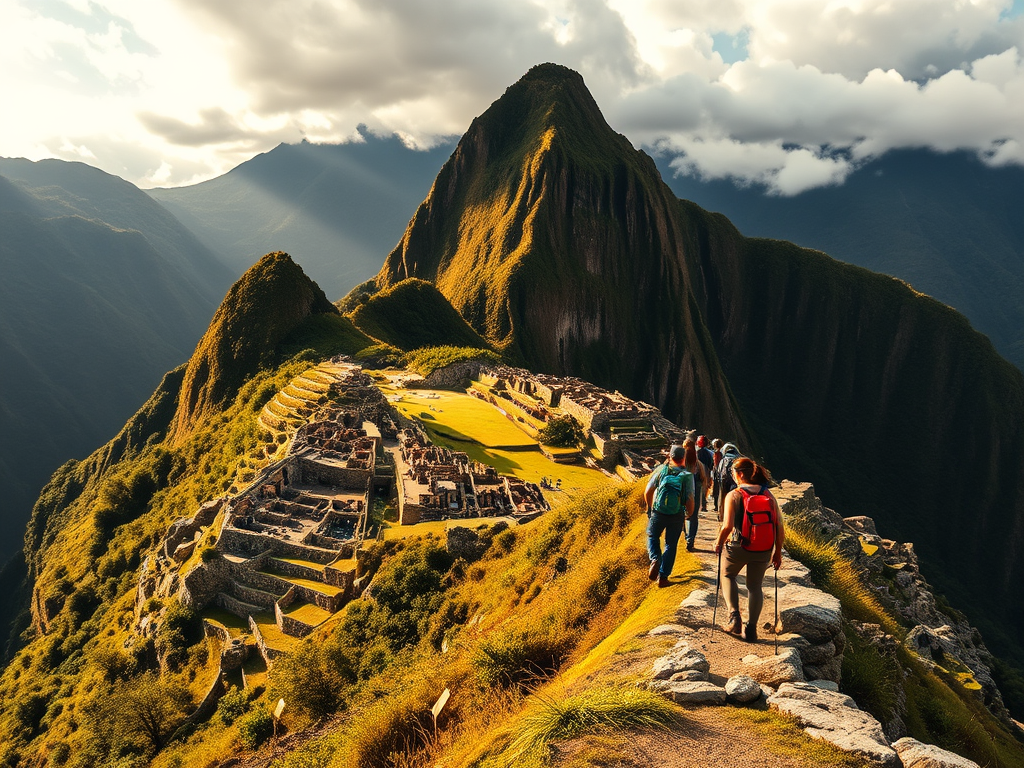
The Inca Trail, stretching approximately 26 miles, is renowned as one of the most breathtaking treks in the world, but it is fraught with challenges. Traveling along this ancient path, trekkers are rewarded with stunning views of the Andes and an unparalleled connection to Incan history and culture. However, its popularity has led to overcrowding and increased concerns about safety.
The trail spans diverse terrain, including steep ascents and descents, rough rocky paths, and the ever-present threat of altitude sickness. The journey typically takes four days, including various campsites, with the final destination at Machu Picchu, a UNESCO World Heritage site. The combination of high elevation, varying weather conditions, and the physical demands of the hike contribute to the trail’s danger. Trekkers often find themselves facing unpredictable weather, ranging from scorching sun to sudden rainstorms.
Additionally, the Inca Trail bears historical significance, as it was used by the Incas for trade and transit. It winds through lush cloud forests, ancient ruins, and breathtaking landscapes, making every step packed with beauty and history. Despite its enchantment, adventurers must be prepared for the physical exertion it requires as the trail peaks at over 4,200 meters (13,780 feet) above sea level, where altitude sickness can strike without warning.
Safety regulations have been put in place to manage the number of trekkers and ensure visitor protection. These measures include permits that are limited and require travelers to book in advance through licensed tour operators. Although this has helped to control crowds, it doesn’t eliminate accidents caused by the trail’s inherent risks. Hikers are urged to train beforehand, plan their itineraries carefully, and consider acclimatization days to mitigate altitude effects.
Moreover, preparation is critical. Trekkers should invest in quality gear, including sturdy hiking boots, appropriate clothing layers, and necessary supplies, like water purification systems and first-aid kits. Learning about local flora and fauna is also advisable, as wildlife encounters, while rare, can still pose threats. Because the trail goes through remote regions, access to help can be limited, so having emergency protocols in place is essential.
For those brave enough to embark on this adventure, the Inca Trail provides an unforgettable journey rich with history, stunning vistas, and self-discovery. Yet caution is paramount, and respect for the natural environment should guide every step of the way.
The Huayna Picchu, Peru
Huayna Picchu is the iconic mountain that looms behind the ruins of Machu Picchu, offering visitors an exhilarating hike with extraordinary panoramic views. However, this short, yet steep, trail has a reputation for being one of the most dangerous hikes in the world. Reaching an elevation of nearly 2,700 meters (8,800 feet), the trek to the summit is steep and often slippery, presenting numerous hazards along the way.
The trail to Huayna Picchu is characterized by narrow paths, steep staircases, and sections where hikers are required to use handholds for stability. While the trek may only take about two hours at a brisk pace, it demands a considerable level of fitness and confidence. Those with a fear of heights may find it particularly challenging, as certain sections require traversing cliffs with sheer drops on either side. Accidents, though rare, can occur, leading to serious injuries.
Despite these risks, the rewards of conquering Huayna Picchu are immense. Reaching the summit offers breathtaking views of the famed Machu Picchu citadel far below, as well as the surrounding mountains and valleys. Many hikers emerge from the journey filled with a sense of accomplishment, as the physical challenge is coupled with the stunning natural beauty of the area.
Safety on Huayna Picchu has seen improvements in recent years, including restrictions on the number of hikers allowed on the trail at any given time. Visitors must secure tickets in advance and are often encouraged to hike with a guide familiar with the territory. These measures help to maintain a safe and enjoyable experience while preserving the fragile environment.
However, even with regulations in place, getting to the top requires preparation and caution. Hikers should pack essential items such as adequate water, snacks, and items for sun protection, as the intense sun can zap energy levels quickly. Proper footwear is critical; sturdy hiking shoes with good traction can make a significant difference when navigating the rocky terrain. Visitors should also take the time to acclimatize themselves to the altitude before attempting the journey, as altitude sickness can hinder progress and affect the overall experience.
Despite the challenges that Huayna Picchu presents, many who make the trek regard it as a life-changing adventure. The combination of physical exertion, the mesmerizing landscapes, and the sense of connection to the ancient Incan civilization makes the climb worth the risks. With proper preparation, respect for the trail, and the breathtaking views that await those who reach the peak, Huayna Picchu embodies the spirit of adventure that captivates travelers around the globe.
The Tiger’s Nest Trek, Bhutan
Nestled high in the Paro Valley, Taktsang Monastery, commonly known as the Tiger’s Nest, is considered one of Bhutan’s most sacred sites. The trek to this extraordinary spiritual retreat is a challenge worthy of its awe-inspiring destination, as hikers navigate steep, rocky paths and thick forests that wind their way to the cliffside location of the monastery. Though stunningly beautiful, the journey can be arduous and requires both mental fortitude and physical stamina.
The hike typically takes around four to five hours to reach the monastery, and while it is not excessively long, the steep and rocky nature of the terrain can make it quite difficult for inexperienced hikers. The elevation gain alone, which reaches approximately 3,120 meters (10,240 feet), poses a challenge for those not accustomed to high altitudes. Additionally, the varying weather conditions, including sudden rain and fog, can further complicate the trek.
The route takes trekkers through tranquil forests of rhododendrons and pines, offering intermittent views of the monastery perched dramatically on the cliff’s edge. This unique combination of breathtaking views and spiritual significance spurs many travelers to undertake the hike despite the physical challenges involved. However, those unprepared for high-altitude activities risk encountering altitude sickness, which can manifest in symptoms such as headaches, dizziness, and fatigue.
For adventurers planning to hike to the Tiger’s Nest, preparation is crucial. It is advisable to begin acclimatizing several days prior to the trek, allowing bodies time to adjust to the higher elevation. Participating in training hikes and building up stamina can also prove beneficial. Visitors should wear proper hiking gear, ensuring they have sturdy footwear and weather-appropriate clothing to deal with changing conditions.
The trek also requires a level of self-discipline, as some may be tempted to rush to the final destination for the breathtaking views it offers. However, it is essential to pace oneself and take regular breaks, ensuring that the experience remains enjoyable and safe. Along the way, travelers are often treated to glimpses of local wildlife and an opportunity to interact with friendly Bhutanese villagers, enhancing the overall experience.
In conclusion, despite the strenuous nature of the trek to the Tiger’s Nest, the stunning views and rich cultural heritage provide a unique sense of accomplishment and wonder that resonates with hikers long after their return home. The challenge is not just physical but also spiritual, offering a chance to reflect on personal limits, endurance, and the beauty of travel.
The Drakensberg Traverse, South Africa
The Drakensberg Mountains, known as uKhahlamba (“barrier of spears”) in Zulu, rise majestically across the landscape, offering some of South Africa’s most spectacular hiking routes. The Drakensberg Traverse is one of the most adventurous options in this region, enticing experienced hikers with its combination of breathtaking scenery and challenging terrain. Spanning vast distances with several options available, trekkers can spend days navigating rocky passes, steep climbs, and unpredictable weather patterns.
The terrain of the Drakensberg includes everything from lush valleys to towering cliffs, creating an environment filled with both beauty and risk. Hikers should prepare for long days of walking, as some stretches require up to eight hours on foot each day. The key to success on this trek is adequate preparation; careful planning of the route, gear, and supplies, along with a strong sense of navigation, is critical for a safe experience.
At higher altitudes, conditions can shift rapidly, with intense storms, hail, and cold temperatures presenting real hazards. Safety should always be a priority, and trekkers must have strategies in place for inclement weather and emergency situations. Familiarizing oneself with essential navigation tools, such as maps and compasses, is advisable since some areas may have limited visibility due to fog or rain.
The Drakensberg Traverse is not only physically demanding but a feat that allows hikers to connect with nature intimately. Stunning views of the mountain range, dramatic waterfalls, and ancient San rock art can be discovered along the way, making every step rewarding despite the struggles. A variety of wildlife has also made its home in the region, including the elusive Eland and bearded vultures, delighting nature enthusiasts.
To maintain safety during the traverse, trekkers should keep informed about trail conditions and any potential risks before setting out. Ensuring that they have necessary gear, including waterproof jackets, sleeping bags rated for the temperatures they might encounter, and first-aid kits, can make the difference between an enjoyable trek and a dangerous situation.
The critical aspect of the Drakensberg Traverse lies in understanding personal limits. While adventure should be embraced, it is essential to acknowledge when to turn back or seek assistance. Trails can be rugged, and an experienced guide can be an invaluable asset to mitigate risks and enhance the overall experience.
In essence, the Drakensberg Traverse promises an incredible journey through stunning natural beauty and an opportunity to engage with South Africa’s cultural history. For those willing to face its challenges, the hike transforms into an unforgettable adventure that rewards tenacity and respect for the wilderness.
The Knife Edge, Mount Katahdin, USA
Mount Katahdin, located in Baxter State Park, Maine, is renowned for its stunning vistas and challenging climbs. Specifically, the Knife Edge trail is infamous for its narrow and rocky ridge. The trail stretches approximately 1.1 miles along the ridge and is described as one of the most exhilarating—and potentially dangerous—hikes in the northeastern United States. It presents a unique combination of stunning beauty and significant risk, drawing experienced hikers looking for their next challenge.
The Knife Edge trail is characterized by steep drops on both sides, rocky terrain, and sections where climbers must scramble over boulders. The narrowness of the trail adds to the high stakes, as one misstep could lead to a dangerous fall. Additionally, weather conditions can change rapidly in the region, and hikers should be prepared for unpredictable elements, including fog, rain, and fierce winds.
Hikers who undertake the challenge should be in excellent physical condition, as the steep trail can be exhausting and requires significant stamina. Conditioning before the trek is critical, with many supporters recommending multiple days of preparatory hikes. Additionally, ensuring one is equipped with the proper gear—such as sturdy and supportive footwear, climbing gloves, and non-slip materials—can significantly reduce the risk of accidents.
Navigating the Knife Edge often requires planning and strategy. Many prefer to start early in the morning to take advantage of clearer weather conditions. A common approach is to combine the Knife Edge hike with the ascent of Mount Katahdin’s summit, which reaches an elevation of 1,606 meters (5,269 feet) in a single outing. This all-day commitment requires preparation in terms of food and hydration, as well as a solid understanding of the trail and potential hazards.
Though the risks on the Knife Edge may deter some, the breathtaking panoramic views of the surrounding wilderness and distant mountains are overwhelmingly rewarding. Reaching the summit completed by the Knife Edge is a shared moment among hikers, inviting respect for the landscape and nature itself. The experience embodies a sense of community as hikers bond over shared struggles and triumphs.
Despite the inherent risks, hiking the Knife Edge can be a transcendent experience for those prepared to respect the challenges it presents. With planning and care, the adventure encapsulates the spirit of exploration and the beauty that exists within the great outdoors.
Conclusion
Exploring the world’s most dangerous tourist routes not only presents a thrilling adventure but also demands an understanding of risks and careful preparation. From the Inca Trail to the Knife Edge of Mount Katahdin, each route highlights the beauty of nature alongside the need for respect and responsibility for one’s safety. These treks challenge physical limits, offering trekkers the opportunity to confront fears and embrace the wilderness in ways not possible in more accessible locations.
While these paths captivate many individuals with their breathtaking landscapes, they also remind us that danger lurks close at hand. Each of these challenging routes underscores the importance of preparation: physical training, proper gear, and a comprehensive understanding of weather conditions can mean the difference between an enjoyable adventure and a perilous situation.
As we reflect on the experiences of those who dare to traverse these treks, let us consider the immense rewards of adventure. For many, the journey is as significant as the destination. With proper respect for the great outdoors and a mindful approach to safety, individuals can embark on remarkable voyages while enjoying the thrill that comes from tackling the world’s most dangerous trails.
Leave a Reply