Tag: XVII Century

  • The great Voyage of the Mayflower (1620): The Pilgrims and the Colonization of America

    The great Voyage of the Mayflower (1620): The Pilgrims and the Colonization of America

    Introduction

    In 1620, the Mayflower, a modest cargo ship, carried 102 passengers’ now famously known as the Pilgrims’ from England to the New World, marking one of the most significant journeys in American history. The Pilgrims were driven by the desire for religious freedom and sought a place to establish a society based on their beliefs. Braving a perilous Atlantic crossing, they arrived in present-day Massachusetts and laid the foundations for what would become Plymouth Colony. The voyage and settlement that followed set important precedents for self-governance, community cooperation, and cultural exchange, shaping values that continue to influence American ideals to this day.

    Background of the Pilgrims: Who They Were and Why They Left England

    The Pilgrims who set sail on the Mayflower in 1620 were a group of English Separatists seeking religious freedom. In early 17th-century England, they found themselves in conflict with the Church of England and faced persecution for their dissenting beliefs. They belonged to a larger religious movement that sought to “purify” the Church from practices they viewed as corrupt. However, while some Puritans aimed to reform the Church from within, the Pilgrims, or Separatists, believed that the Church of England was beyond reform and sought to break away entirely, forming independent congregations.

    In the early 1600s, the Separatists fled to the Netherlands, a haven for religious minorities at the time, settling in the city of Leiden. Although they enjoyed freedom of worship there, they faced other significant challenges. Many struggled with poverty, and they felt that their children were losing their English identity in a foreign culture. Furthermore, the Separatists worried that religious tolerance in the Netherlands might not be sustainable if political alliances shifted. These issues led the Separatists to consider the New World as a potential place where they could practice their beliefs freely, preserve their culture, and build a community based on their values.

    The decision to embark on such a journey was not easy. The New World was fraught with dangers, from unknown lands and hostile environments to the threat of indigenous resistance. The Separatists, however, were deeply motivated by their vision of a society free from religious persecution, where they could live according to their faith without interference. Their leader, William Bradford, wrote extensively about the group’s determination to “advance the gospel of the kingdom of Christ in those remote parts of the world.”

    Their plans took years to organize, and they eventually secured financial backing from English investors, who provided the Mayflower ship to carry them across the Atlantic. The group, composed of both Separatists and other English settlers seeking a fresh start, came to be known collectively as the “Pilgrims”. Their journey was fraught with risk, but for them, the New World represented a chance to realize their vision of a godly community. They set sail with a determination to create a new society based on their ideals of faith and freedom, a journey that would have profound consequences for the future of America.

    The Journey Across the Atlantic: Hardships and Challenges on the Mayflower

    The Mayflower’s transatlantic journey was one of incredible hardship, with 102 passengers and around 30 crew members crammed into the small, crowded vessel. Originally, the Pilgrims planned to travel aboard two ships: the Mayflower and the Speedwell. However, after repeated leaks in the Speedwell, they were forced to abandon it, squeezing all passengers onto the Mayflower. This delay extended their journey significantly, pushing their departure into September, which meant they would face colder weather and rougher seas.

    Life on the Mayflower was grueling. The ship was designed for cargo, not passengers, and conditions were cramped and unsanitary. The Pilgrims endured months in the ship’s small, dimly-lit, and poorly ventilated space, where disease spread easily, and food and water supplies were limited. Living quarters were below deck, with no fresh air, natural light, or relief from the smell of bilge water. Families were forced to huddle together, often battling seasickness and severe cold as they crossed the Atlantic.

    The voyage took over two months, during which the passengers faced violent storms that threatened to sink the ship. At one point, a main beam cracked, leading the crew to consider turning back to England. However, the passengers and crew worked together to repair it using a large iron screw they had brought along for emergencies, allowing them to continue. Despite the treacherous conditions, only one passenger and one crew member died during the crossing, a testament to the resilience and determination of the Pilgrims.

    The harshness of the journey forged a strong sense of community among the passengers. Despite their differences in background and belief, they relied on each other for survival and formed bonds that would become crucial in the establishment of their new settlement. The grueling voyage marked the beginning of a shared struggle and a collective identity that would influence their approach to governance and cooperation in the New World.

    By mid-November, the Mayflower finally approached the coast of Cape Cod, ending the harrowing journey but beginning a new chapter of challenges. The months spent together on the Mayflower had prepared the Pilgrims to face the trials ahead, instilling in them a determination to succeed in building a new life in America. Their perseverance during this journey would become a defining part of their legacy and a symbol of the determination that shaped the earliest days of American colonization.

    The Arrival of the Mayflower at Cape Cod: First Encounters and Exploration

    When the Mayflower arrived at Cape Cod on November 11, 1620, it was not their intended destination. They had initially aimed for the area near the Hudson River, which lay within the bounds of the Virginia Company’s charter. However, treacherous seas and difficult navigation forced them to settle for landing at Cape Cod. The Pilgrims’ arrival marked the beginning of their exploration of an unknown land, where they would soon face challenges they had not anticipated.

    Upon arrival, the Pilgrims realized that their charter did not apply to this region, as it was outside the jurisdiction of the Virginia Company. This issue led to tensions among the passengers, as some argued they were now free to settle independently without abiding by the group’s initial agreements. To maintain unity and establish a framework for governance, the Pilgrims created the Mayflower Compact, a landmark agreement that would set the stage for self-governance and cooperation in their new colony.

    The Pilgrims spent the next few weeks exploring Cape Cod, searching for a suitable place to establish their settlement. They encountered harsh winter conditions and were often short of supplies. Additionally, their explorations brought them into contact with Native American artifacts and burial sites, indicating they were entering inhabited lands. Though they did not immediately encounter any indigenous people, they realized they would have to coexist with native communities, which posed both opportunities for alliance and potential conflict.

    During these explorations, the Pilgrims experienced several skirmishes with Native Americans, specifically the Nauset tribe. In one instance, known as the “First Encounter,” they were ambushed by Nauset warriors but managed to escape unharmed. These initial interactions highlighted the risks and uncertainties of settling in an unfamiliar and potentially hostile environment. However, they also foreshadowed the relationships that would later develop between the Pilgrims and native tribes, shaping the future of Plymouth Colony.

    After weeks of searching, the Pilgrims decided to settle in an area known as Patuxet, a location previously inhabited by the Wampanoag people but devastated by a recent epidemic. The site offered natural resources, fresh water, and some cleared land, making it an ideal location for their new settlement. On December 25, 1620, they began construction of their settlement, which they named Plymouth. Their arrival at Cape Cod marked the beginning of a challenging journey of survival, adaptation, and the creation of a society grounded in their shared beliefs and aspirations.

    The Mayflower Compact: Significance and Establishment of Self-Governance

    The Mayflower Compact, signed on November 11, 1620, was a pivotal moment in the establishment of Plymouth Colony and is often celebrated as one of the earliest forms of self-governance in the American colonies. Before disembarking from the Mayflower, 41 male passengers signed this agreement to form a “civil body politic” which laid the foundation for cooperative governance among the settlers. The compact’s primary purpose was to establish order and unity, ensuring that the diverse group of passengers’ many of whom were not Separatists’ would work together for the success of the colony.

    The Pilgrims understood that without a governing agreement, social and political chaos could ensue. Since they had landed outside the Virginia Company’s jurisdiction, they realized they needed a new governing framework to maintain stability and commitment among the settlers. The Mayflower Compact was thus created as a mutual covenant, binding all signatories to follow the rules and laws established by leaders elected by the colony’s members. This compact was revolutionary for its time, emphasizing collective agreement and consent as the basis for governance.

    The language of the Mayflower Compact reflects the deep religious convictions of the Pilgrims, as well as their commitment to unity and mutual welfare. It begins by acknowledging their loyalty to King James of England, then establishes their purpose as “for the glory of God, and advancement of the Christian faith”. The document concludes with the commitment to “enact, constitute, and frame such just and equal laws, ordinances, acts, constitutions, and offices” deemed necessary for the colony’s survival.

    The Mayflower Compact is significant not only because it established self-governance but also because it demonstrated the Pilgrims’ pragmatic approach to law and community. Unlike other colonial charters that relied on governance from overseas, the Compact was locally constructed, addressing the unique circumstances and needs of the Plymouth settlers. This early experiment in self-governance set an example for later colonies and contributed to the democratic principles that would later be foundational to American political culture.

    In the years that followed, Plymouth Colony maintained a simple yet effective system of self-governance based on the Compact, with elected officials and community assemblies to make decisions. This system helped to establish a sense of responsibility, accountability, and cooperation among the settlers, reinforcing the bonds forged during their transatlantic journey. The Mayflower Compact remains a symbol of democratic values, self-determination, and the importance of mutual respect in governance, leaving an indelible mark on the political ideals of future generations in America.

    The First Winter: Survival, Sickness and Loss among the Pilgrims after arrival

    The Pilgrims’ first winter in the New World was an ordeal of unimaginable hardship, testing their resilience and unity. Arriving in late November, they had little time to prepare adequate shelter before winter set in. Exposure to the harsh New England winter, combined with inadequate food and limited supplies, led to devastating consequences. Disease spread rapidly through the colony, with many succumbing to scurvy, pneumonia, and malnutrition. Within a few months, nearly half of the original 102 passengers had died.

    The Pilgrims had to build homes quickly, yet they faced constant struggles. Working in freezing temperatures and heavy snow, they managed to construct a few simple structures, but these offered minimal protection against the elements. Many were forced to live aboard the Mayflower through the winter, which exacerbated the spread of illness. By March 1621, only 53 of the original settlers remained, with many families having lost loved ones, leaving them grieving and weakened.

    The loss of so many was a harsh reality that underscored the fragility of the colony and the sacrifices required of the survivors. The Pilgrims relied on a few key leaders, including William Bradford and Myles Standish, whose leadership and perseverance were critical to the colony’s survival. Bradford, who would become governor of Plymouth Colony, documented the Pilgrims’ hardships and losses in his writings, capturing the sorrow and determination that defined that difficult winter.

    Despite the toll, the survivors’ faith and sense of community deepened, drawing them closer and inspiring them to rebuild. In the spring, the Mayflower returned to England, but none of the Pilgrims chose to return, showing their commitment to their new life and determination to see their community thrive.

    The first winter was an enduring reminder of the Pilgrims’ resilience and unity, solidifying a sense of shared identity and purpose among the settlers. This experience reinforced the importance of cooperation and interdependence, values that would help the colony survive and grow in the years to come. The hardships they endured during that winter would also shape the Pilgrims’ relationships with Native American tribes, who would soon come to their aid in a crucial partnership.

    Mayflower
    In 1620, a small, overcrowded vessel named the Mayflower carried 102 passengers across the Atlantic on a perilous journey to the New World.

    Relationship with Native American Tribes: Initial Contact and Cooperation

    The Pilgrims’ survival in Plymouth would not have been possible without the assistance and cooperation of Native American tribes, particularly the Wampanoag people. Initial contact with the Native Americans was cautious and tentative. The first formal interaction occurred in March 1621 when Samoset, a member of the Abenaki tribe, approached the settlers and introduced himself in broken English. Samoset had learned English from English fishermen off the coast of Maine and offered to facilitate further contact with the local tribes.

    Through Samoset, the Pilgrims were introduced to Squanto, a member of the Patuxet tribe who had been captured by an English explorer years earlier and taken to Europe, where he learned English. Squanto’s knowledge of the English language and understanding of European customs were instrumental in helping the Pilgrims navigate their new surroundings. Squanto taught the Pilgrims essential survival skills, including how to cultivate corn, extract sap from maple trees, and fish in the local rivers. His guidance in planting and harvesting crops would prove invaluable in preventing another devastating winter.

    A formal peace treaty was established between the Pilgrims and the Wampanoag, led by Chief Massasoit. This treaty, signed in the spring of 1621, was a mutual agreement to protect each other from external threats and to maintain a cooperative relationship. The Wampanoag offered the Pilgrims protection and guidance, while the Pilgrims agreed to respect the sovereignty of the Wampanoag people. This treaty remained largely intact for over fifty years, marking one of the earliest instances of cooperation between European settlers and Native Americans.

    This alliance allowed the Pilgrims to establish a stable settlement and ensure their survival. The cooperation between the Pilgrims and the Wampanoag set a precedent for peaceful coexistence and mutual respect, although these relationships would later deteriorate as more settlers arrived and tensions over land and resources increased. For the Pilgrims, however, this early relationship with the Wampanoag was crucial to their survival and success in the New World, providing a foundation for the colony’s growth and security.

    The relationship with Native American tribes also holds significant cultural and historical importance, as it contributed to the story of the first Thanksgiving. This cooperation became symbolic of cross-cultural exchange, though it also serves as a reminder of the complexities and eventual challenges that would come to define Native American and European settler interactions.

    The First Thanksgiving: Origins and Significance

    The event now known as the “First Thanksgiving” took place in the fall of 1621, following the Pilgrims’ first successful harvest in the New World. After enduring a harsh winter and narrowly surviving their early days in Plymouth, the Pilgrims, aided by the skills and knowledge shared by the Wampanoag, managed to produce a bountiful harvest. To celebrate this accomplishment and express gratitude, they invited the Wampanoag people to join them in a feast of thanksgiving. This gathering marked a rare moment of unity and shared cultural celebration between the settlers and the native inhabitants.

    The First Thanksgiving feast likely lasted three days and was attended by about 50 Pilgrims and 90 Wampanoag, including Chief Massasoit. The menu of this celebration differed greatly from the modern Thanksgiving dinner. Although there is no detailed record of the specific dishes served, historians believe it included local game, such as venison provided by the Wampanoag, as well as wild fowl like duck or goose. Other likely items included corn, beans, squash, and possibly seafood—staples of the Native American diet and foods that the Pilgrims had learned to cultivate and gather in their new environment.

    The significance of the First Thanksgiving extends beyond the event itself. It was an important moment for the Pilgrims, symbolizing their survival in the New World and the friendships they had begun to establish with the Wampanoag people. For the Pilgrims, who were religiously devout, the feast was an opportunity to give thanks to God for the bounty that had allowed them to survive, a theme that would resonate through future generations in America.

    Though the First Thanksgiving is now celebrated as a moment of peace and cooperation, it is important to note that the relationship between Native Americans and European settlers was often fraught with tension and would later turn violent as the colony expanded. The holiday we now know as Thanksgiving was not institutionalized until President Abraham Lincoln declared it a national holiday in 1863, amid the Civil War, as a means of fostering national unity. Thus, while the First Thanksgiving in 1621 is remembered as an emblem of cooperation, it also represents the complexities of Native American-European relations.

    Today, Thanksgiving remains a time to reflect on gratitude, family, and community, but it also invites a broader reflection on the history and impact of colonization. The First Thanksgiving serves as both a story of survival and a point of reflection on the varied experiences that have shaped American history.

    The Legacy of the Pilgrims: Influence on American Ideals and Culture after Mayflower’s journey

    The Pilgrims’ legacy has had a profound influence on American ideals and culture, shaping the values of religious freedom, self-governance, and community that are often seen as foundational to the nation’s identity. The Pilgrims’ journey, driven by the desire to practice their faith freely, set an example that resonated with future generations seeking liberty and the right to live according to their beliefs. The Pilgrims’ determination to establish a society grounded in their principles served as a precursor to the idea of religious tolerance and freedom that would later become enshrined in American law and culture.

    Moreover, the Pilgrims’ emphasis on self-governance, epitomized in the Mayflower Compact, laid the groundwork for democratic principles that are central to American identity. The Compact, which established a framework for collective decision-making, showed that a community could govern itself based on mutual agreement and shared values. This concept of governance by the people and for the people foreshadowed the democratic ideals that would be further developed in American government, from town meetings in New England to the principles outlined in the U.S. Constitution.

    The Pilgrims also played a role in fostering the American spirit of resilience and cooperation. Their experiences during the first winter, their alliance with the Wampanoag, and their survival in a harsh environment reflected qualities of perseverance, mutual aid, and community support that are celebrated as part of the American ethos. This narrative of overcoming hardship and finding unity in diversity would be echoed throughout American history, from early colonial times to the challenges faced by modern society.

    However, the Pilgrims’ legacy is also complex and often viewed through various lenses in contemporary discussions. While they are celebrated as pioneers of religious freedom and self-governance, the arrival of European settlers also marked the beginning of profound disruptions for Native American populations. As more settlers arrived, land disputes and cultural misunderstandings led to conflict, and European diseases brought devastation to indigenous communities. Therefore, while the Pilgrims’ legacy is revered, it is essential to remember the broader context of colonization and its impacts on Native American societies.

    Today, the story of the Pilgrims is celebrated in American folklore, symbolizing a hopeful vision of freedom, opportunity, and community. This legacy, though multifaceted, has become an enduring part of American history and values, with the Pilgrims often seen as archetypal founders of American ideals that continue to be celebrated, debated, and reinterpreted.

    Economic and Social Development of Plymouth Colony

    The economic and social development of Plymouth Colony, though modest compared to later colonies, provided a foundation for early colonial life and set a precedent for self-sufficiency and community organization in New England. Initially, Plymouth faced severe economic challenges due to limited resources, harsh winters, and a lack of immediate financial success. Unlike the Virginia Colony, which was sustained by cash crops like tobacco, Plymouth lacked a similarly lucrative export and had to rely on subsistence farming, fishing, and fur trading to sustain the colony.

    The settlers organized their economy around a communal system in which resources were pooled and shared. This system, however, proved to be inefficient, leading to disputes and lackluster productivity. Recognizing the need for a change, Governor William Bradford allowed for a division of land and private property rights in 1623, enabling families to manage their own plots. This shift to a semi-capitalist system fostered greater motivation, productivity, and accountability, which in turn improved the colony’s economic stability and food security.

    Trade became an essential part of Plymouth’s economy as well. The Pilgrims engaged in fur trading with Native American tribes, exchanging European goods such as metal tools and cloth for animal pelts. This trade not only provided a source of income for the colony but also strengthened relations with native tribes, particularly the Wampanoag. Despite this positive interaction, the settlers faced competition from other European powers, such as the Dutch, who sought control of the lucrative fur trade. This economic rivalry underscored the challenges of establishing a successful economy in a competitive colonial environment.

    Plymouth’s social structure reflected the Pilgrims’ religious and communal values. The church was at the center of daily life, with strict moral codes governing behavior and shaping the community’s sense of identity and purpose. The Pilgrims’ shared faith and beliefs in self-discipline and humility reinforced social cohesion, helping the colony endure its early challenges. Families formed the backbone of the social structure, and each family contributed to the well-being of the community. Education and literacy were emphasized as means of promoting religious understanding, and children were taught to read so they could study the Bible.

    Though Plymouth remained a small colony compared to others that would later emerge, its economic and social development laid a foundation for New England’s growth. The colony’s emphasis on self-reliance, community cooperation, and moral values influenced the broader Puritan migration that followed and contributed to the distinctive character of New England. While the colony was eventually absorbed into the larger Massachusetts Bay Colony in 1691, the lessons learned in Plymouth regarding governance, community, and economic adaptation had a lasting impact on the region.

    The Mayflower’s Role in American Mythology and Cultural Memory

    The Mayflower voyage has become an iconic part of American cultural memory, symbolizing the pursuit of freedom, religious conviction, and resilience in the face of adversity. Over time, the story of the Pilgrims and the Mayflower has evolved into a powerful national myth, representing ideals that resonate with Americans across generations. The Mayflower has been memorialized in countless ways, from literature and art to annual Thanksgiving celebrations, solidifying its place in the collective American consciousness.

    The story of the Mayflower and the Pilgrims often emphasizes the themes of religious freedom and self-governance, portraying the Pilgrims as early champions of liberty who laid the groundwork for American democracy. This narrative has been embraced in popular culture, with the Pilgrims often depicted as pioneering figures whose journey was a precursor to the fight for independence and the establishment of a democratic society. These ideals have become intertwined with the national identity, symbolizing a commitment to freedom, community, and resilience.

    However, the mythologizing of the Mayflower has also led to oversimplifications and romanticizations of history. For instance, the challenges faced by the Pilgrims and the hardships they endured are often downplayed, while the complexities of their relationship with Native Americans are frequently overlooked or idealized. In reality, the Pilgrims’ arrival marked the beginning of a period of intense cultural exchange but also significant conflict and disruption for Native American communities. Today, historians and educators emphasize the importance of acknowledging these nuances, advocating for a more comprehensive understanding of the Mayflower’s legacy.

    In American education and cultural celebrations, the Mayflower and the First Thanksgiving are often used as symbols to teach values of gratitude, perseverance, and unity. While these celebrations honor the resilience of the Pilgrims, there is also growing recognition of the need to honor Native American perspectives and contributions. In recent years, efforts to include Native American narratives in the story of the Mayflower have led to a more balanced view that acknowledges both the achievements and the impact of colonization on indigenous communities.

    The legacy of the Mayflower, therefore, is both a source of inspiration and a reminder of the complexity of America’s origins. Its role in American mythology continues to evolve, serving as a lens through which Americans explore and reinterpret the founding ideals and historical realities of the United States. As a symbol, the Mayflower endures, representing both the aspirations and the contradictions that have shaped the American story.

    Want to know more about the United States? Check also our article about the history of San Francisco.

    If you want to learn more about how the pilgrins created the United States of America, watch the video above.

  • The amazing Turin, Italy: A Historical and Economic Journey (2025 update)

    The amazing Turin, Italy: A Historical and Economic Journey (2025 update)

    Introduction

    Turin, the capital of the Piedmont region in northern Italy, is a city steeped in history, culture, and economic significance. Often overshadowed by Italy’s more famous tourist destinations such as Rome, Florence, and Venice, Turin offers its own unique charm with a blend of historical grandeur, industrial prowess, and cultural richness. The city has been at the forefront of Italy’s economic and political transformations, serving as a capital city during critical moments in the country’s unification and industrialization.

    In this article, we will explore the history of Turin from its ancient origins to its present-day role as a vibrant cultural and economic hub. We will examine the city’s evolution, its contributions to Italy’s industrial growth, and its most important tourist attractions that make it a must-visit destination for travelers.

    Foundation of Turin and Roman Era

    Turin’s history dates back over 2,000 years to the time of the ancient Celts and Ligurians who first settled in the region. However, it was the Romans who established the city as we know it today. In 28 BC, the Romans founded Augusta Taurinorum on the site of present-day Turin. The city was strategically located at the confluence of the Po River and the Dora Riparia, making it an ideal military outpost for controlling the western Alpine passes and facilitating trade between Italy and the rest of Europe.

    Turin’s Roman layout, with its rectangular grid of streets and fortified walls, remains visible to this day. Key Roman landmarks such as the Porta Palatina (a well-preserved Roman gate) still stand as a testament to the city’s ancient origins. The city quickly became a crucial part of the Roman Empire, serving both military and commercial purposes. During the Roman period, Turin was a modest yet important settlement with a forum, public baths, and a theater.

    Middle Ages and Lombard Influence

    Following the fall of the Roman Empire, Turin entered a period of instability, like much of Europe. In the 6th century, the city came under the control of the Lombards, a Germanic people who established the Kingdom of Lombardy in northern Italy. Turin became a duchy within this kingdom, and its strategic location once again made it a site of military and political significance.

    During the Middle Ages, Turin was part of the Holy Roman Empire and was controlled by various noble families, including the Counts of Savoy. The House of Savoy would later play a critical role in shaping the city’s destiny. Turin during this period was a fortified town, known for its defensive walls, towers, and castles. Though smaller and less influential compared to other Italian cities like Venice or Florence, it maintained a steady economic base through agriculture, trade, and artisanal production.

    Turin and the House of Savoy

    The House of Savoy, one of Europe’s oldest noble families, began to assert control over Turin in the 13th century. Their influence would grow steadily over the next few centuries, turning the city into the political and military capital of the Duchy of Savoy. In the 16th century, Emmanuel Philibert, Duke of Savoy, moved the ducal capital from Chambéry (now in France) to Turin in 1563, cementing the city’s role as the center of Savoyard power.

    Under the Savoy dynasty, Turin underwent significant urban and architectural transformations. The dukes of Savoy sought to make Turin a modern, fortified capital, commissioning grand palaces, churches, and defensive structures. Architects such as Guarino Guarini and Filippo Juvarra were employed to create Baroque masterpieces that still define Turin’s skyline today, including the Palazzo Reale (Royal Palace), Palazzo Madama, and the Superga Basilica.

    In the 18th century, the House of Savoy expanded its territorial holdings and became rulers of the Kingdom of Sardinia, with Turin as the capital. This period marked a golden age for Turin, as the city flourished both economically and culturally. It became a hub for intellectuals, scientists, and architects, laying the groundwork for its later role in Italian unification.

    The 18th and early 19th centuries also saw the rise of the first stirrings of Italian nationalism. Turin, as the capital of the Kingdom of Sardinia, became a focal point for the Risorgimento, the movement for Italian unification. King Victor Emmanuel II of Sardinia, along with his prime minister, Count Camillo Benso di Cavour, spearheaded the efforts to unite Italy under a single monarchy, with Turin playing a leading role in this political process.

    Turin and Italian Unification

    The culmination of the Risorgimento came in 1861 when the Kingdom of Italy was officially proclaimed, and Turin was chosen as the first capital of unified Italy. This was a momentous occasion for the city, which had been at the heart of the unification process. However, Turin’s status as capital was short-lived. In 1865, the capital was moved to Florence, and later to Rome in 1871, reflecting the centralization of power in the newly unified nation.

    Despite losing its status as the capital, Turin remained an influential city, especially in terms of economic development. The late 19th century saw the city transform into one of Italy’s major industrial centers, laying the foundation for its role in the automotive industry and its association with Fiat.

    Turin, the capital of the Piedmont region in northern Italy, is a city steeped in history, culture, and economic significance.

    Turin and the Industrial Revolution

    Turin was one of the first cities in Italy to embrace the Industrial Revolution. The late 19th century saw a rapid expansion of factories, particularly in textiles and mechanical engineering. The arrival of the railway in the mid-1800s helped connect Turin with other major Italian and European cities, boosting trade and transportation.

    However, it was in the early 20th century that Turin truly earned its reputation as Italy’s industrial powerhouse, thanks in large part to the founding of Fiat (Fabbrica Italiana Automobili Torino) in 1899. Fiat’s emergence marked the beginning of Turin’s dominance in the automotive industry, and the company would go on to become a symbol of Italian industrial strength.

    Under the leadership of Giovanni Agnelli, Fiat became Italy’s largest and most important automobile manufacturer. The company’s growth during the 20th century was extraordinary, with Turin emerging as a hub of automotive innovation and production. The Fiat Lingotto factory, completed in 1923, became a symbol of modern industrial architecture with its rooftop test track and innovative production techniques.

    During the Fascist regime and World War II, Fiat’s production shifted toward military vehicles, contributing significantly to Italy’s war effort. However, this also made Turin a target for Allied bombing raids, which caused significant destruction to the city’s industrial infrastructure.

    After the war, Turin and Fiat played a crucial role in Italy’s post-war economic recovery, known as the Italian economic miracle. The city attracted thousands of workers from southern Italy, leading to rapid urban expansion and social changes. By the 1960s, Fiat was producing millions of cars each year, and Turin had become synonymous with Italian automotive excellence.

    Post-War Turin: Economic Transformation

    The post-war period was a time of economic growth and transformation for Turin. The city benefited from Italy’s broader industrial boom, with Fiat leading the way as one of the country’s largest employers. Turin became a melting pot of cultures as thousands of migrants from southern Italy moved to the city in search of jobs, leading to a rapid increase in population.

    The city’s industrial success was not without its challenges. Labor unrest and strikes were common, as workers demanded better wages and conditions. The social tensions of the 1960s and 70s, coupled with economic crises in the 1980s, led to a period of decline for Turin’s manufacturing sector. However, despite these challenges, Fiat remained a key player in the city’s economy.

    By the late 20th century, Turin’s reliance on heavy industry began to wane, and the city embarked on a process of economic diversification. While the automotive sector remained important, Turin began to develop other industries, including aerospace, telecommunications, and information technology. The city is now home to leading companies such as Leonardo (aerospace and defense), Telecom Italia, and Lavazza (coffee production).

    Turin also became a hub for research and innovation, with the Polytechnic University of Turin playing a leading role in developing cutting-edge technologies. The city’s shift from a purely industrial base to a more knowledge-based economy has helped it weather the challenges of deindustrialization.

    Modern Turin: Culture, Tourism, and Economy

    In recent decades, Turin has undergone a cultural renaissance, repositioning itself as a leading cultural and tourist destination. The city’s rich architectural heritage, with its Baroque palaces, churches, and grand piazzas, has been restored and preserved, attracting visitors from around the world. Major renovations of historic buildings such as the Palazzo Reale and Palazzo Madama have helped showcase Turin’s royal past.

    The city is also home to a vibrant arts and cultural scene. The Museo Egizio (Egyptian Museum) is one of the most important collections of Egyptian artifacts outside of Cairo, while the Museo Nazionale del Cinema, housed in the iconic Mole Antonelliana, celebrates Italy’s rich cinematic history. Turin has also become a hub for contemporary art, with numerous galleries and cultural festivals held throughout the year.

    Key Tourist Attractions

    Turin offers a wide array of tourist attractions that reflect its rich history and cultural diversity. Some of the must-see sites include:

    • Mole Antonelliana: Turin’s most recognizable landmark, originally conceived as a synagogue and now home to the Museo Nazionale del Cinema.
    • Palazzo Reale: The former royal palace of the House of Savoy, a UNESCO World Heritage site.
    • Superga Basilica: A beautiful baroque church overlooking the city, also serving as the burial place of the Savoy family.
    • Museo Egizio: One of the world’s largest and most important collections of Egyptian antiquities.
    • Shroud of Turin: Held in the Cathedral of St. John the Baptist, the Shroud is one of the most revered Christian relics, though its authenticity is still debated.
    • Piazza Castello and Palazzo Madama: The heart of Turin, featuring impressive architecture and vibrant public spaces.

    Turin’s Role in Modern Italy

    Today, Turin remains an important economic and cultural hub within Italy. Although its industrial base has shifted, the city has managed to reinvent itself as a center for innovation, research, and culture. The automotive sector, led by Fiat Chrysler Automobiles (now part of Stellantis), remains central to the city’s economy, but new industries such as aerospace, robotics, and renewable energy are emerging as key drivers of growth.

    Turin’s successful hosting of the 2006 Winter Olympics further boosted the city’s international profile, leading to extensive urban regeneration projects and increased tourism.

    Conclusion

    From its Roman origins to its pivotal role in Italian unification and industrialization, Turin has always been a city of great historical and economic importance. Today, it stands as a dynamic and multifaceted city, blending its rich cultural heritage with modern innovation and economic diversification. Its world-class museums, architectural wonders, and vibrant cultural scene make it a prime destination for travelers, while its role in Italy’s economy remains significant, particularly in the automotive and technological sectors.

    As Turin continues to evolve, it retains its identity as a city that is both rooted in history and forward-looking, playing a vital role in shaping the future of Italy and Europe.

  • The Enduring Value of Gold: A Historical Overview (2025 update)

    The Enduring Value of Gold: A Historical Overview (2025 update)

    Introduction

    Gold, one of the Earth’s most ancient treasures, has held an unparalleled place in human civilization for millennia. Across cultures and eras, gold has been coveted not just for its physical beauty but for the value and security it symbolizes. Its universal acceptance as a symbol of wealth and a medium of exchange has driven exploration, wars, and economic strategies, establishing it as one of the most reliable stores of value known to humankind. Despite modern financial systems built on fiat currency and digital assets, gold’s intrinsic value has withstood the test of time.

    In this article, we will explore how gold was first discovered, the historical significance it has held, how it catalyzed international conflicts, and its continued role today as a store of value and indicator of wealth.

    The Discovery of Gold: A Timeless Treasure

    Gold’s allure began long before written history. Archaeological findings suggest that gold was first discovered as early as 4,000 BCE in ancient Mesopotamia and Egypt. Gold’s distinct appearance—its luster, color, and malleability—made it stand out in riverbeds and in the earth, attracting the attention of early humans. Unlike other metals that required smelting, gold could be found in its pure form, ready to be worked by hand.

    The first civilizations to harness gold were not simply drawn to its beauty but recognized its utility. Gold was soft enough to be molded into jewelry, religious artifacts, and symbols of authority. In ancient Egypt, gold became synonymous with the divine; the Pharaohs adorned themselves with it and were often buried in gold-lined tombs to ensure their wealth in the afterlife. Egyptian hieroglyphs and historical accounts even describe gold as “the flesh of the gods.”

    As trade routes expanded, gold spread to other parts of the world. By 1,500 BCE, Egypt had become the center of a massive gold-mining network, and their gold reserves were used as currency in trade with neighboring kingdoms. The metal’s unique properties—durability, divisibility, and scarcity—were starting to make it more than just a symbol of divinity. It was becoming a standard measure of value and wealth.

    Gold and the Birth of Money

    The role of gold expanded dramatically when it began to be used as a medium of exchange. Around 600 BCE, the Lydians, a people in what is now modern-day Turkey, are credited with minting the world’s first gold coins. These coins were stamped with official symbols, which guaranteed their weight and purity, and allowed for standardization in trade. The idea was revolutionary: gold could now be used as a universal currency, facilitating trade between different cultures and kingdoms.

    This concept of gold-backed money spread rapidly throughout the ancient world. The Persians, Greeks, and Romans all adopted gold coinage in their economies. The Roman Empire, at its height, depended heavily on gold to maintain its vast network of roads, cities, and armies. Roman emperors often devalued their currency by reducing the gold content in their coins, leading to inflation—a problem that would become a recurring theme in the history of money.

    Gold also played a key role in the medieval era, particularly during the reign of Charlemagne, who helped consolidate much of Western Europe under the use of a gold-backed monetary system. During the Islamic Golden Age (8th-13th centuries), the Islamic dinar, made of gold, became a preferred currency for trade across the vast Caliphate, from Spain to India. This period helped solidify gold’s role in global commerce, with gold coins circulating widely across continents.

    Gold as a Catalyst for Conflict and Exploration

    Gold’s desirability made it not only a tool for trade but also a cause for conflict. The desire to control gold reserves motivated empires to expand their territories and wage wars.

    One of the most famous examples of gold’s role in warfare is Spain’s conquest of the Americas in the 16th century. Spanish explorers, driven by reports of vast quantities of gold in the New World, sought to conquer the indigenous empires of the Aztecs and Incas. In 1519, Hernán Cortés famously encountered the Aztec Empire and its emperor Montezuma, whose capital, Tenochtitlan, was rumored to be filled with gold. Cortés and his men, lured by the promise of unimaginable riches, laid siege to the city, ultimately toppling the Aztec Empire and shipping enormous quantities of gold back to Spain.

    Similarly, Francisco Pizarro’s conquest of the Inca Empire in 1532 resulted in the capture of the Inca ruler, Atahualpa. Pizarro demanded a room filled with gold as ransom for the emperor’s release—a promise the Incas fulfilled, providing nearly 24 tons of gold and silver. Yet, despite their compliance, Pizarro ordered Atahualpa’s execution, solidifying Spain’s control over the region.

    The influx of gold and silver from the Americas dramatically transformed Spain’s economy and the European balance of power. However, the sudden abundance of precious metals also led to significant inflation, devaluing gold and silver in Europe and contributing to long-term economic instability. This phenomenon, known as “the Price Revolution,” demonstrated both the power and the volatility of gold-based economies.

    Beyond conquest, gold motivated countless exploratory missions. The famous Gold Rushes of the 19th century—first in California (1848-1855), then in Australia (1851), and later in South Africa (1886)—triggered mass migrations, the founding of cities, and the rapid expansion of industry. Gold fever gripped entire populations, as the promise of wealth led prospectors to remote regions in search of fortune. The California Gold Rush alone saw hundreds of thousands of people from around the world flock to the American West, transforming it from a sleepy frontier into an economic powerhouse almost overnight.

    Gold, one of the Earth’s most ancient treasures, has held an unparalleled place in human civilization for millennia.

    Gold as an Economic Indicator and Store of Value

    Over time, the relationship between gold and global economics became more sophisticated. As national economies grew, many governments moved away from the direct use of gold coins in daily transactions. However, gold still played a central role in the development of modern monetary systems.

    In 1821, the United Kingdom became the first country to adopt the gold standard, a system in which a country’s currency was directly linked to a specific quantity of gold. This allowed for the stabilization of exchange rates between nations and facilitated international trade. By the late 19th century, most of the world’s leading economies, including the United States and many European countries, had adopted the gold standard.

    The gold standard proved relatively effective at maintaining stable economies until the outbreak of World War I in 1914, which saw many countries temporarily abandon the system to finance the war effort. After the war, attempts were made to restore the gold standard, but by the time of the Great Depression in the 1930s, most countries, including the United States, had abandoned it. The extreme economic pressures of the period, particularly the collapse of international trade and falling prices, made the rigidity of the gold standard untenable.

    Despite the abandonment of the gold standard, gold has continued to be seen as a safe-haven asset and a reliable store of value. During times of economic uncertainty or political instability, investors often turn to gold as a means of protecting their wealth. This is because gold has a unique combination of attributes: it is scarce, durable, and universally recognized as valuable. Unlike fiat currencies, which can be subject to inflation or government manipulation, gold’s value has remained relatively stable over centuries.

    In the 20th century, gold’s role as a financial asset was formalized with the creation of the Bretton Woods system in 1944. Under this system, the US dollar was linked to gold, and other currencies were pegged to the dollar, effectively making gold the ultimate reserve currency. However, as global trade expanded and the US struggled with trade deficits and inflation in the 1960s, the system became unsustainable. In 1971, President Richard Nixon famously “closed the gold window,” ending the convertibility of the US dollar into gold and effectively bringing the Bretton Woods system to an end.

    Modern Gold: A Safe-Haven Asset and Investment

    Even after the dissolution of the gold standard, gold remains a crucial part of modern financial systems. Central banks around the world continue to hold significant gold reserves, and gold remains a preferred investment asset, particularly during times of economic uncertainty.

    The price of gold is often seen as a barometer for broader market confidence. During times of economic growth and stability, gold prices tend to remain relatively flat or even decrease as investors prefer higher-risk, higher-reward investments. However, during times of crisis—such as the 2008 financial collapse, the Eurozone debt crisis, or the COVID-19 pandemic—gold prices tend to surge as investors seek safer assets. This “flight to safety” reflects the enduring belief that gold holds its value even when other assets do not.

    Moreover, gold has become increasingly accessible to average investors. While in the past, individuals might have needed to physically buy gold bars or coins, today’s investors can easily gain exposure to gold through exchange-traded funds (ETFs), futures contracts, or stocks in gold mining companies. This has contributed to gold’s liquidity and its continued appeal as part of a diversified investment portfolio.

    The Cultural and Symbolic Significance of Gold

    Beyond its economic role, gold continues to hold immense cultural significance. It remains the metal of choice for wedding rings, trophies, and other symbols of achievement and status. Gold jewelry remains highly sought after around the world, particularly in countries like India, where it plays a central role in festivals and wedding ceremonies.

    Gold’s enduring appeal can also be seen in its use in technology. It is an excellent conductor of electricity and is resistant to corrosion, making it a valuable material for electronic components. While only a small fraction of the world’s annual gold production is used in electronics, it highlights gold’s unique combination of physical and economic properties.

    Conclusion: Gold’s Role in the Future

    Gold’s journey from ancient riverbeds to the heart of modern economies illustrates its unmatched ability to maintain value over time. Despite the evolution of financial systems and the rise of digital assets like cryptocurrencies, gold’s status as a store of value remains unchallenged. It continues to serve as a hedge against inflation, a safe-haven asset during times of uncertainty, and a symbol of wealth and success.

    As the world faces new challenges—from geopolitical instability to economic volatility—gold’s role in the global economy seems unlikely to diminish. It may not be the primary form of currency anymore, but it will always represent stability, security, and enduring value. Gold, as it has for thousands of years, will continue to shine.

  • Gucci History: From Humble Beginnings to Fashion Empire

    Gucci History: From Humble Beginnings to Fashion Empire

    Introduction

    The Gucci history is full of details. Gucci’s one of the most prestigious and iconic fashion houses in the world, is synonymous with luxury, sophistication, and craftsmanship. The brand’s intertwined double-G logo has become a symbol of timeless style, embraced by celebrities, royalty, and fashion connoisseurs globally. However, the road to international recognition was not a straightforward one, as Gucci evolved from a small luggage company into a global fashion powerhouse.

    This article delves into the fascinating history of Gucci, the growth of the company, its rise to prominence in the fashion world, and the enduring legacy of its founder, Guccio Gucci.

    The Origins of Guccio Gucci: Inspiration from Abroad

    The story of Gucci begins with its founder, Guccio Gucci, who was born on March 26, 1881, in Florence, Italy, into a modest family. His father, a leather goods maker, introduced young Guccio to the world of craftsmanship, but it was his travels abroad that would later inspire him to create his own luxury brand.

    In his early twenties, Guccio left Italy and moved to London, where he worked as a dishwasher and a lift attendant at the prestigious Savoy Hotel. During his time at the Savoy, he was exposed to the lifestyles of the wealthy and the aristocratic, observing their opulent tastes in fashion, accessories, and travel goods. This exposure to luxury and the high standards of the upper class left a lasting impression on Guccio, particularly the fine luggage and travel accessories that were carried by the hotel’s elite clientele.

    Inspired by the elegance of the English nobility and their desire for high-quality leather goods, Guccio returned to Florence in 1921 with a vision. He sought to combine the refined sophistication he had observed abroad with the traditional Italian craftsmanship he had grown up with. This marked the beginning of what would eventually become the world-renowned Gucci brand.

    History of Gucci: A Modest Beginning

    In 1921, Guccio Gucci founded his first store in Florence, Italy, which initially specialized in selling fine leather goods, particularly luggage and equestrian equipment. The shop catered to the needs of the affluent Florentine class, as well as European travelers passing through the city. At the time, travel was a luxury afforded only to the wealthy, and Guccio recognized an opportunity to create high-end products that would appeal to this elite clientele.

    Guccio’s emphasis was on quality, craftsmanship, and attention to detail. His leather goods were handmade by skilled artisans, and the materials used were of the highest standard. This focus on excellence quickly gained Gucci a reputation for producing some of the finest luggage and accessories in the region.

    Florence, with its rich heritage of artistry and craftsmanship, was the perfect location for Gucci’s fledgling business. The city was known for its tradition of leatherworking, and Guccio drew from this tradition while infusing it with the sophistication and luxury he had experienced during his time in London. This unique blend of Italian craftsmanship and English refinement became a defining characteristic of the Gucci brand.

    As demand for his products grew, Guccio began to expand his offerings to include more than just luggage and travel accessories. He began producing handbags, gloves, shoes, and belts—all with the same attention to detail and commitment to quality that had made his luggage famous.

    The 1930s: Growth and Expansion

    The 1930s was a pivotal decade for Gucci, as the brand began to grow beyond its initial offerings and expand its presence both in Italy and internationally. The brand’s reputation for luxury, craftsmanship, and quality spread throughout Europe, and Gucci started to attract a global clientele.

    One of the key developments during this time was Gucci’s entry into the world of equestrian-inspired products. Italy has a long history of equestrian culture, and Guccio Gucci recognized an opportunity to cater to this niche market. He introduced finely crafted saddles, riding boots, and other equestrian accessories, all of which were embraced by the European aristocracy. This equestrian influence would later become a key motif in Gucci’s designs, with elements such as the horsebit and the green-red-green stripe becoming iconic symbols of the brand.

    The 1930s also saw Gucci’s first major expansion beyond Florence. In 1938, Guccio opened a second store in Rome, located on Via Condotti, one of the city’s most prestigious shopping streets. The Rome store attracted an even larger and more diverse clientele, including international travelers, diplomats, and celebrities. This marked the beginning of Gucci’s rise as an internationally recognized luxury brand.

    Despite the global economic challenges of the 1930s, Gucci continued to thrive by focusing on its core values of quality and craftsmanship. Guccio’s sons, Aldo, Vasco, and Rodolfo Gucci, began to play larger roles in the company, helping to expand the brand’s reach and ensure its continued success.

    The Impact of World War II: Creativity Amidst Scarcity

    World War II presented significant challenges for many businesses, and Gucci was no exception. The war caused widespread material shortages, including the leather and other high-quality materials that were central to Gucci’s products. However, rather than allowing these constraints to hinder the business, Guccio and his team turned adversity into an opportunity for innovation.

    During the war, Gucci began to experiment with alternative materials, such as canvas, hemp, and jute, to create their signature products. This was a necessity, given the scarcity of leather, but it also allowed the brand to explore new creative directions. One of the most famous innovations from this period was the development of the “Bamboo Bag” in 1947. Crafted from pigskin leather and bamboo, the bag became an instant classic and remains one of Gucci’s most iconic designs to this day. The use of bamboo, a durable and lightweight material, was both practical and aesthetically pleasing, and it showcased Gucci’s ability to adapt and innovate under difficult circumstances.

    The Bamboo Bag symbolized the brand’s resilience during a time of great turmoil, and it helped solidify Gucci’s reputation as a forward-thinking luxury brand that could maintain its standards of quality and elegance even in the face of adversity.

    The Post-War Boom: The Gucci Dynasty Begins

    With the end of World War II, Gucci entered a period of rapid growth and international expansion. The post-war economic boom created new opportunities for luxury brands, as consumers in Europe and the United States sought to indulge in high-end goods after years of wartime austerity.

    Guccio’s sons Aldo, Vasco, and Rodolfo became more involved in the day-to-day operations of the company, and together they embarked on an ambitious expansion plan that would transform Gucci into a global brand. In 1953, the company made its first foray into the American market, opening a store in New York City on 58th Street. This move was a significant milestone for the brand, as it marked Gucci’s arrival on the world stage. The New York store attracted a wealthy and fashionable clientele, including Hollywood stars, socialites, and international elites.

    Tragically, just two weeks after the opening of the New York store, Guccio Gucci passed away at the age of 72. His death marked the end of an era, but his legacy would live on through his sons, who continued to grow the business in the years that followed. Aldo, in particular, took on a prominent leadership role, overseeing the expansion of Gucci’s retail presence around the world.

    The 1950s and 1960s were a golden age for Gucci, as the brand became synonymous with Hollywood glamour and international jet-set style. Icons like Audrey Hepburn, Elizabeth Taylor, Grace Kelly, and Jacqueline Kennedy were frequently seen wearing Gucci products, from handbags to scarves to shoes. The famous Gucci loafer with the horsebit detail, introduced in 1953, became an instant hit and remains a classic to this day.

    In 1961, the Gucci Jackie Bag was introduced, named after Jacqueline Kennedy Onassis, who was frequently photographed carrying the chic, crescent-shaped bag. The association with such a glamorous and influential figure helped cement Gucci’s status as a symbol of timeless luxury.

    Gucci History
    Gucci, one of the most prestigious and iconic fashion houses in the world, is synonymous with luxury, sophistication, and craftsmanship.

    The 1960s and 1970s: International Expansion and the Birth of Icons

    As Gucci’s global presence grew, so did its roster of iconic designs. The 1960s and 1970s were marked by a series of product innovations and design elements that would become forever associated with the brand.

    In 1966, one of Gucci’s most enduring symbols, the “Flora” pattern, was introduced. The design was created at the request of Rodolfo Gucci, who wanted to present a unique scarf to Princess Grace of Monaco. The vibrant, nature-inspired pattern became an instant classic and has been reinterpreted many times over the decades. The Flora pattern reflects Gucci’s deep connection to the world of nature and its ability to translate beauty from the natural world into high fashion.

    Another key moment in Gucci’s history came in 1971, when the brand introduced its famous GG logo, representing the initials of Guccio Gucci. The double-G logo quickly became a symbol of luxury and status, appearing on handbags, belts, scarves, and other accessories. The GG logo, along with the green-red-green web stripe that had been used since the 1950s, became two of the most recognizable and enduring symbols of the Gucci brand.

    Throughout the 1970s, Gucci continued to expand its retail network, opening stores in key fashion capitals such as Paris, London, and Tokyo. The brand also began to diversify its product range, moving beyond leather goods and accessories into new categories like clothing, jewelry, and fragrances.

    This period of expansion and creativity was not without its challenges, however. The Gucci family’s growing success led to internal conflicts, particularly among Guccio’s sons, who had differing visions for the future of the company. These family disputes would eventually lead to a series of power struggles that threatened to derail the brand in the decades that followed.

    The 1980s: Family Feuds and Financial Troubles

    The 1980s were a tumultuous time for Gucci, as internal family conflicts began to take their toll on the business. The power struggle between Aldo Gucci and his nephew Maurizio Gucci, Rodolfo’s son, dominated much of the decade and created significant tension within the company.

    Aldo, who had played a key role in expanding Gucci into a global brand, was convicted of tax evasion in the United States in 1986 and served a year in prison. Meanwhile, Maurizio, who had inherited his father Rodolfo’s stake in the company, sought to modernize and reposition the brand, but his efforts were hampered by the ongoing family disputes.

    The infighting and financial mismanagement led to a decline in the brand’s reputation, and Gucci found itself struggling to maintain its status as a leader in the luxury market. By the late 1980s, the company was on the brink of financial collapse, and it became clear that drastic changes were needed to save the brand.

    The 1990s: A New Era Under Tom Ford

    In the early 1990s, Gucci underwent a dramatic transformation that would not only save the brand but also catapult it back to the forefront of the fashion world. This revival was spearheaded by American designer Tom Ford, who was appointed creative director in 1994.

    Ford’s vision for Gucci was bold, sexy, and modern, and he quickly set about reimagining the brand for a new generation. His provocative designs, characterized by sleek silhouettes, luxurious fabrics, and daring cuts, captured the attention of the fashion world and redefined the Gucci aesthetic.

    One of Ford’s most iconic collections was his Fall/Winter 1995 collection, which featured minimalist black dresses, velvet suits, and high-gloss glamour. The collection was a critical and commercial success, and it marked the beginning of Gucci’s resurgence as a symbol of high fashion and cutting-edge design.

    Under Ford’s leadership, Gucci became one of the most desirable brands of the 1990s, with its products worn by A-list celebrities and featured on the covers of top fashion magazines. The brand’s sales skyrocketed, and Gucci once again became a dominant force in the luxury market.

    The Modern Gucci: Reinvention and Global Success

    In the years since Tom Ford’s departure in 2004, Gucci has continued to evolve and adapt to the changing fashion landscape. The brand has embraced new technologies, sustainability initiatives, and a younger, more diverse audience, all while maintaining its commitment to quality and craftsmanship.

    Alessandro Michele, who became creative director in 2015, has taken the brand in a bold new direction, infusing Gucci with a sense of eclecticism, individuality, and whimsy. Michele’s designs have been embraced by a new generation of fashion lovers, and Gucci’s influence in the worlds of fashion, art, and culture remains as strong as ever.

    From its humble beginnings in a small shop in Florence to its status as a global fashion empire, Gucci’s journey is a testament to the power of innovation, craftsmanship, and enduring style. Today, nearly a century after its founding, Gucci continues to set the standard for luxury and remains one of the most iconic and influential brands in the world.

    More about Gucci: https://www.gucci.com/us/en/nst/history-of-gucci

  • The Tower Bridge: A Marvel of Victorian Engineering and Architecture (2025 update)
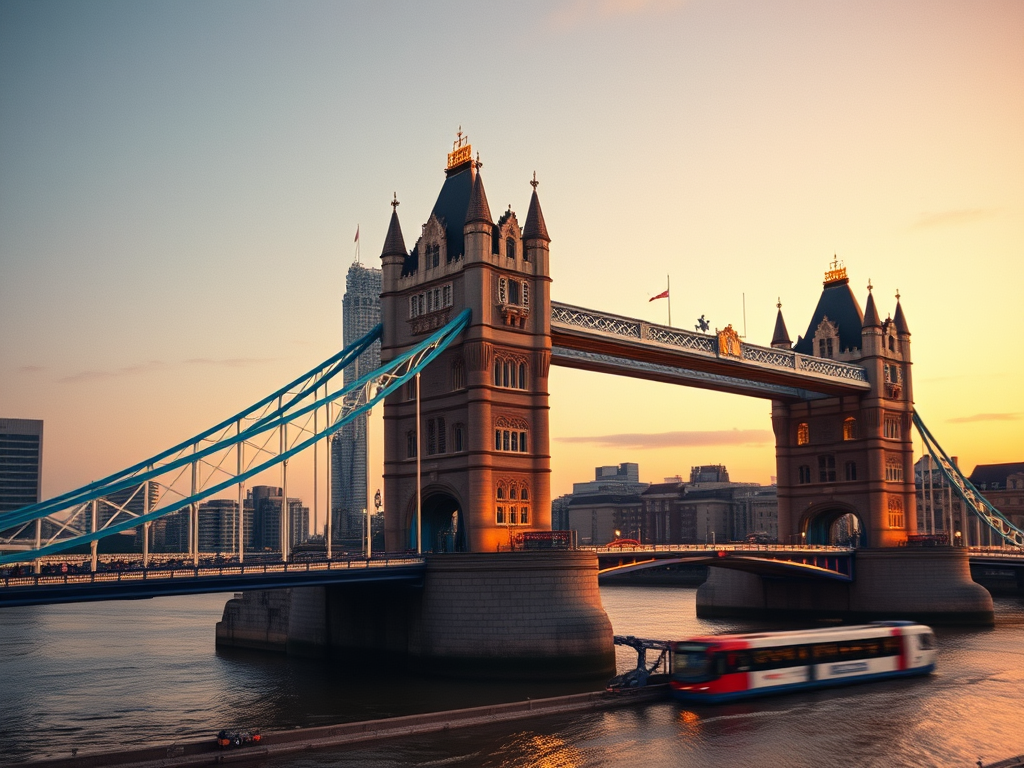
    The Tower Bridge: A Marvel of Victorian Engineering and Architecture (2025 update)

    Introduction

    The Tower Bridge is one of the most iconic landmarks in London, instantly recognizable by its twin Gothic towers and bascules that open to allow ships to pass through. Since its completion in 1894, the bridge has stood as a symbol of British innovation, merging architectural beauty with cutting-edge engineering. Its unique combination of function and form has made it a global icon of London and a testament to Victorian ingenuity.

    This article traces the fascinating history of Tower Bridge’s construction and architecture, from the initial need for a new crossing over the River Thames to the ambitious solutions that created a masterpiece of industrial design.

    The Need for a New Crossing

    In the mid-19th century, London was rapidly growing into a global metropolis due to the Industrial Revolution, leading to a significant increase in both population and commercial activity. The River Thames, which bisects the city, was already spanned by several bridges, but they were all located upstream of the Pool of London, a busy stretch of the river serving as the city’s port. East of London Bridge, however, the river remained unbridged, and with the growth of the East End, the need for a new crossing became increasingly urgent.

    The problem was complex: any new bridge built in the east of London had to accommodate the demands of both land and river traffic. On the one hand, London’s growing population required a reliable bridge to cross the Thames, but on the other, the Pool of London was one of the busiest ports in the world, with tall-masted ships constantly sailing in and out. A fixed bridge would block access for large vessels, while a conventional drawbridge might disrupt traffic flow.

    By the 1870s, public pressure had mounted, and a special committee was formed in 1876 to find a solution that would both facilitate road traffic and allow the passage of ships. This challenge would lead to one of the most remarkable engineering projects of the Victorian era.

    A Bold Proposal: Horace Jones and John Wolfe Barry

    In 1884, after several designs had been submitted and rejected, the responsibility of designing the bridge was given to Sir Horace Jones, the City of London’s official architect, and civil engineer Sir John Wolfe Barry. Together, they proposed a solution that combined the practicality of a bascule (drawbridge) system with the grandeur of twin towers in a Gothic style that echoed the nearby Tower of London.

    Their design featured two massive towers built on piers in the middle of the Thames, connected by a central roadway that could be raised to allow ships to pass. The bascules, each weighing over 1,000 tons, would be powered by steam engines and operated hydraulically—a cutting-edge technology at the time. Above the road level, two high-level walkways would provide pedestrians with a way to cross the river even when the bascules were raised.

    The Tower bridge’s design was a triumph of both engineering and aesthetics. Jones and Barry created a bridge that not only solved the practical problems posed by the site but also contributed to the city’s architectural legacy. The Gothic Revival style of the towers, with their crenellated turrets and pointed arches, was intended to harmonize with the medieval architecture of the Tower of London, linking the bridge visually and historically to the city’s past.

    Construction Begins: Challenges and Triumphs

    Construction of the Tower Bridge began in 1886 and took eight years to complete, involving the work of five major contractors and a workforce of over 400 men. The project faced several significant challenges, not least of which was the need to build massive piers in the middle of the Thames to support the towers. These piers had to be built deep into the riverbed to ensure stability and were constructed using enormous caissons—watertight chambers that were sunk into the river and then filled with concrete.

    Once the piers were in place, the towers themselves began to rise. The towers are a combination of steel framework, which provides structural support, and Cornish granite and Portland stone, which were added to give the bridge its decorative appearance. The use of stone was not only an aesthetic choice but also a practical one, as it helped protect the steel structure from the corrosive effects of pollution.

    The bascules, which form the central span of the bridge, were one of the most complex elements of the design. Each bascule is counterbalanced to reduce the amount of energy needed to raise it, and they could be lifted in just over a minute using the original hydraulic system. This system was powered by steam-driven pumps, which stored energy in hydraulic accumulators to be used when the bascules were raised. Although the original steam engines have since been replaced with modern electric motors, the basic principle of operation remains the same.

    By 1894, the Tower Bridge was complete, and on June 30 of that year, it was officially opened by the Prince of Wales (later King Edward VII) and his wife, Princess Alexandra. The opening was a grand affair, marking the culmination of years of work and innovation.

    The Tower Bridge is one of the most iconic landmarks in London, instantly recognizable by its twin Gothic towers and bascules that open to allow ships to pass through.

    Architectural Design: A Gothic Revival Masterpiece

    One of the defining features of Tower Bridge is its striking architectural design, which combines the functional needs of a bascule bridge with the ornate Gothic Revival style popular in the 19th century. This aesthetic choice was largely driven by Sir Horace Jones, who wanted the bridge to complement its surroundings, particularly the nearby Tower of London.

    The towers of the bridge are built in a neo-Gothic style, with their pointed arches, decorative stonework, and crenellations giving them the appearance of medieval fortifications. This was a deliberate choice, designed to root the bridge in London’s historical landscape and provide a visual link to the Tower of London, which had been a symbol of royal power and authority for centuries.

    The use of stone cladding also added to the bridge’s monumental appearance, giving it a sense of permanence and grandeur. The high-level walkways, which were originally open to pedestrians but later closed due to lack of use, further contribute to the bridge’s dramatic silhouette. Today, these walkways serve as part of the Tower Bridge Exhibition, offering visitors panoramic views of the city.

    Engineering Feats: The Hydraulic System and Bascule Mechanism

    While the architectural beauty of Tower Bridge is immediately apparent, its engineering achievements are equally impressive. The bridge’s most remarkable feature is its bascule mechanism, which allows the central roadway to be lifted to permit ships to pass. The bascules were originally operated by a hydraulic system powered by steam engines—a state-of-the-art technology in the 19th century.

    The hydraulic system worked by pumping water into accumulators, where the pressure was stored and then used to drive engines that operated the bascules. This system was highly efficient and allowed the bridge to open quickly, minimizing disruption to road traffic. In fact, the bascules could be raised in just 60 seconds, a remarkable feat for the time.

    The original steam engines remained in use until 1976, when they were replaced by an electro-hydraulic system. However, the old engines have been preserved as part of the Tower Bridge Exhibition, allowing visitors to see the original machinery that powered this engineering marvel.

    Tower Bridge in the 20th and 21st Centuries

    Over the course of the 20th century, Tower Bridge became one of London’s most recognizable landmarks, its distinctive silhouette featured in countless photographs, films, and works of art. Despite its Victorian origins, the bridge has continued to play a vital role in London’s transportation network, carrying thousands of vehicles across the Thames each day.

    In the latter half of the 20th century, the bridge underwent several renovations to modernize its systems and ensure its continued functionality. In 1976, the original steam-powered hydraulic system was replaced with an electro-hydraulic system, making the bridge easier to operate. The high-level walkways, which had been closed to pedestrians in 1910, were reopened in the 1980s as part of a new exhibition that explores the history and engineering of the bridge.

    In 2008, Tower Bridge underwent a major refurbishment, which included the cleaning and repainting of its stone and metalwork. The bridge’s blue and white color scheme, which has become synonymous with its appearance, was restored, ensuring that it remains one of the most visually striking structures in the city.

    Conclusion: A Timeless Symbol of London

    Tower Bridge is more than just a functional crossing over the River Thames; it is a symbol of London’s industrial heritage, architectural innovation, and engineering prowess. Its construction marked a pivotal moment in the city’s history, solving a critical transportation problem while creating a structure that would become an enduring part of the London skyline.

    Today, Tower Bridge continues to serve both as a vital part of London’s infrastructure and as a global icon of British engineering and design. Its combination of aesthetic beauty and practical functionality has ensured that it remains one of the most beloved and photographed landmarks in the world, a testament to the vision and ingenuity of its creators.

  • The Arrival of the Portuguese in India: A New Era of Commerce, Conflict, and Cultural Exchange (2025 update)

    The Arrival of the Portuguese in India: A New Era of Commerce, Conflict, and Cultural Exchange (2025 update)

    Introduction

    The arrival of the Portuguese in India at the dawn of the 16th century was a transformative moment in global history. This event not only reshaped the political and economic landscape of the Indian subcontinent but also marked the beginning of an era of European maritime dominance in the Indian Ocean. Led by Vasco da Gama in 1498, the Portuguese were the first Europeans to successfully navigate the treacherous waters around the southern tip of Africa and establish a direct sea route to India. This monumental achievement set the stage for centuries of European involvement in Indian trade, politics, and culture.

    While the presence of the Portuguese in India is often remembered for its role in establishing colonial rule and expanding European imperialism, it also had a profound and complex impact on the people and societies of India. From the introduction of new goods and technologies to the spread of Christianity and the emergence of new political alliances, the Portuguese encounter with India was a multifaceted phenomenon with far-reaching consequences. This article will explore the key dimensions of this encounter, focusing on the economic, political, social, and cultural impacts of the arrival of the Portuguese in India.

    The Search for Spices: Portugal’s Quest for a Sea Route to India

    By the late 15th century, Europe had developed a voracious appetite for luxury goods from the East, particularly spices such as pepper, cinnamon, and cloves. These goods were in high demand not only for their culinary uses but also for their medicinal and preservative properties. However, the overland routes that connected Europe to Asia, often referred to as the Silk Road, were controlled by Muslim powers, and the goods had to pass through several intermediaries before reaching European markets. This made Eastern spices extraordinarily expensive by the time they reached European consumers.

    In this context, the Portuguese crown, under the leadership of King Manuel I, embarked on a mission to find a direct sea route to India. If successful, this would allow Portugal to bypass the Muslim and Venetian intermediaries who dominated the spice trade and establish a direct link with the spice-producing regions of Asia. After several exploratory voyages along the coast of West Africa, Portuguese navigators finally achieved this goal when Vasco da Gama reached the port of Calicut (modern-day Kozhikode) on the Malabar Coast of India in 1498.

    Da Gama’s arrival in India was a watershed moment in global trade history. For the first time, European powers had access to the rich markets of the East by sea, laying the groundwork for what would become a vast and lucrative trading empire. However, the Portuguese were not content to merely participate in existing trade networks; they sought to dominate them through both diplomacy and military force.

    Establishing a Portuguese Presence in India

    Following Vasco da Gama’s successful voyage, the Portuguese wasted little time in consolidating their presence in India. In 1503, they established their first fort in Cochin, a key spice trading port on the Malabar Coast. This marked the beginning of Portuguese colonial activity in India, and over the next few decades, they built a network of forts and trading posts along the coast, from Goa in the west to Daman and Diu in the north.

    One of the most significant moments in the establishment of Portuguese power in India came in 1510 when the Portuguese captured the city of Goa from the Bijapur Sultanate. Goa would go on to become the capital of Portuguese India and the center of their commercial, military, and religious activities in the region. The city remained under Portuguese control for over four centuries, making it one of the longest-lasting European colonies in Asia.

    The Portuguese presence in India lasted more than 4 centuries

    The Portuguese were not merely passive participants in the Indian Ocean trade. They used a combination of diplomacy, treaties, and outright military force to establish a monopoly over the lucrative spice trade. They introduced the cartaz system, a licensing arrangement that required all ships in the Indian Ocean to purchase a pass from the Portuguese in order to trade. This system allowed the Portuguese to control the flow of goods and extract revenue from traders, giving them a powerful position in the regional economy.

    Economic Impact: Transforming the Indian Ocean Trade

    The Portuguese arrival in India had a profound impact on the existing trade networks in the Indian Ocean. Prior to their arrival, the Indian Ocean was a highly interconnected and relatively peaceful trading zone, where merchants from across the Arabian Peninsula, Persia, East Africa, and Southeast Asia exchanged goods such as spices, textiles, precious stones, and metals. These trade networks had been in place for centuries, and while there was competition between different powers, they operated under a system of mutual cooperation and shared interests.

    The Portuguese, however, introduced a new element of competition and coercion into the trade system. With their superior naval technology and heavily armed ships, the Portuguese were able to dominate the sea routes and impose their will on local traders. By monopolizing the spice trade, they disrupted the traditional flow of goods and shifted the balance of power in the region. Indian merchants, who had previously enjoyed considerable autonomy in their dealings, now found themselves subject to Portuguese control and taxation.

    The economic impact of Portuguese dominance was not limited to the spice trade. They also played a key role in expanding the export of Indian textiles, which were highly prized in Europe and other parts of Asia. Portuguese traders facilitated the exchange of Indian cotton and silk fabrics for goods such as silver, gold, and horses. This led to the growth of new markets for Indian textiles and helped integrate India further into the global economy.

    At the same time, however, Portuguese control over trade routes and their aggressive policies often led to conflict with local powers. The Sultanate of Gujarat, the Kingdom of Calicut, and other regional players resented Portuguese interference in their economic affairs and frequently engaged in military confrontations with the newcomers. These conflicts underscored the disruptive nature of Portuguese influence in the Indian Ocean and foreshadowed the broader struggles that would characterize European colonialism in the region.

    Political Consequences: Shifting Alliances and Power Struggles

    The Portuguese presence in India not only reshaped economic relationships but also had significant political consequences. In their quest to expand their influence, the Portuguese formed alliances with various local rulers, often playing them off against one another to secure their own position. For example, the Portuguese allied with the kingdom of Cochin, which sought protection against its more powerful neighbor, the Zamorin of Calicut. This alliance allowed the Portuguese to establish a foothold in the region and eventually capture Goa, one of the most strategic ports in India.

    However, these alliances were often fraught with tension, as the Portuguese were seen as foreign interlopers by many Indian rulers. The introduction of European military technology, particularly firearms and cannons, further intensified regional power struggles. Some Indian rulers sought to acquire these new technologies to gain an advantage over their rivals, while others viewed the Portuguese as a destabilizing force that threatened the traditional balance of power.

    One of the most significant political consequences of the Portuguese presence was the eventual decline of the Indian Ocean’s Muslim-dominated trade networks. The Portuguese, who were staunchly Catholic, often clashed with Muslim merchants and rulers, particularly the Ottoman Empire, which also sought to control key trade routes. The Portuguese-Ottoman rivalry played out in a series of naval battles and sieges, with both sides vying for dominance over the lucrative spice trade. Over time, the Portuguese were able to weaken the influence of Muslim traders in the Indian Ocean, though they never fully eliminated their presence.

    Religious and Cultural Impact: The Spread of Christianity and Cultural Exchange

    One of the key motivations for Portuguese expansion in Asia was the desire to spread Christianity. The Portuguese crown, in close collaboration with the Catholic Church, saw their overseas ventures as an opportunity to evangelize non-Christian peoples. In India, the Portuguese embarked on an ambitious program of Christian missionary activity, particularly in their colonial capital of Goa.

    The most famous figure associated with the Portuguese missionary effort in India is Saint Francis Xavier, a Jesuit priest who arrived in Goa in 1542. Xavier traveled across India, converting thousands of locals to Christianity, particularly among the lower castes. The Catholic Church played a central role in Portuguese colonial society, and many churches and religious institutions were built during this period. Goa, in particular, became a center of Christian life in India, and its impressive churches, such as the Basilica of Bom Jesus, remain important cultural landmarks to this day.

    The spread of Christianity, however, was not without controversy. Hindu and Muslim rulers often resisted Portuguese attempts to convert their subjects, and there were numerous instances of conflict between local religious communities and Portuguese missionaries. Moreover, the forced conversions and persecution of non-Christians by the Portuguese authorities created tensions that would persist long after the end of Portuguese rule.

    Despite these conflicts, the Portuguese presence in India also facilitated significant cultural exchange. The Portuguese introduced new foods, such as chili peppers, tomatoes, and potatoes, which would go on to become staples of Indian cuisine. They also brought European artistic styles and architectural techniques, which influenced local traditions and led to the development of Indo-Portuguese art and architecture. The fusion of Indian and European cultures during this period created a unique cultural legacy that can still be seen in Goa and other former Portuguese territories.

    Decline of Portuguese Power in India

    While the Portuguese were initially successful in establishing a powerful presence in India, their dominance was not to last. By the mid-17th century, the Portuguese empire in Asia began to decline, due in part to competition from other European powers, particularly the Dutch and the British. The Dutch East India Company, founded in 1602, quickly established itself as a formidable rival to the Portuguese, capturing key trading posts and undermining Portuguese control of the spice trade.

    In India, the rise of the Mughal Empire under emperors such as Akbar and Aurangzeb further diminished Portuguese influence. The Mughals, with their vast armies and sophisticated administration, were able to resist Portuguese encroachments and reassert control over important trade routes. By the late 17th century, the Portuguese presence in India had been reduced to a few isolated enclaves, most notably Goa, which remained under Portuguese control until it was annexed by India in 1961.

    Conclusion: A Complex Legacy

    The arrival of the Portuguese in India was a defining moment in the history of both Europe and Asia. For India, it marked the beginning of a new era of global trade, cultural exchange, and political conflict. The Portuguese introduced new technologies, foods, and religious ideas to India, while also playing a pivotal role in the emergence of European colonialism in the region. However, their legacy is also marked by violence, exploitation, and religious conflict, as they sought to impose their will on a complex and diverse society.

    For the Portuguese, India represented both the height of their imperial ambitions and the limits of their power. While they were able to establish a profitable trading empire and spread Christianity to new regions, their dominance was ultimately short-lived, as other European powers and local rulers challenged their position.

    In the end, the Portuguese presence in India left a lasting impact on the subcontinent, shaping its history in ways that are still felt today. The story of this encounter is a reminder of the complexities and contradictions of empire, where commerce, culture, and conflict are inextricably intertwined.

  • Tulip Mania: Lessons from a 17th Century Economic Bubble

    Tulip Mania: Lessons from a 17th Century Economic Bubble

    Introduction

    In the early 17th century, a strange and intoxicating fever spread through the Dutch Republic, one of the world’s wealthiest and most powerful nations at the time. This fever wasn’t driven by gold, silver, or spices—but by flowers, more specifically, tulips. The phenomenon, now known as “Tulip Mania,” remains one of the most famous examples of an economic bubble, where speculation and greed led to irrational levels of investment, ultimately followed by a spectacular crash. It was a period where tulip bulbs became more valuable than houses, land, or even the finest jewels, creating a short-lived but extraordinary market frenzy.

    The story of the Tulip Mania is as much a tale of economic folly as it is a reflection of human nature’s vulnerability to herd mentality and speculative excess. While the bubble’s true scale and impact have been debated by historians, its cultural legacy and lessons for understanding modern financial crises continue to resonate.

    The Origins of Tulip Mania

    Tulips were first introduced to Europe from the Ottoman Empire in the mid-1500s by botanist Carolus Clusius, who was instrumental in cultivating and spreading the flower across the continent. Initially, tulips were a rarity, treasured for their vibrant colors and unique, petal shapes, unlike anything seen in European gardens before. They became a symbol of luxury and status, admired by the wealthy elite who sought to adorn their estates with these exotic flowers.

    By the early 1600s, the Dutch were particularly captivated by tulips. The Netherlands was experiencing a Golden Age, marked by its dominance in trade, finance, and culture. Cities like Amsterdam and Haarlem were flourishing, filled with wealthy merchants and a burgeoning middle class. As tulip cultivation expanded, the flower quickly gained popularity among the upper echelons of Dutch society. Tulips became status symbols, and their rarity made them objects of desire. The Dutch love for tulips was not just aesthetic; it became an economic opportunity.

    What added to the tulip’s mystique was a peculiar phenomenon known as “tulip breaking.” Some tulips developed vivid streaks or “flames” of color on their petals due to a viral infection. These “broken” tulips were even more prized for their uniqueness, leading to a surge in their value. Some of the most sought-after varieties, such as the Semper Augustus and Viceroy, fetched staggering prices. The stage was set for a speculative bubble to form.

    The Bubble Inflates

    By the late 1620s, tulip prices began to rise steadily. The demand for tulips was fueled not only by gardeners and collectors but also by speculators, who saw an opportunity to profit from the rising market. Many began to trade tulip bulbs as a commodity, buying and selling them in anticipation of higher prices. These transactions often took place in informal markets, such as taverns or in private arrangements, and soon a futures market developed for tulips, where bulbs could be bought and sold months before they had even been harvested.

    The Tulip’s Mania remind us how is easy to create a financial bubble

    The speculative craze accelerated in the early 1630s, when prices for some of the rarest tulip bulbs skyrocketed to extraordinary levels. Bulbs that had once sold for a few guilders were now being traded for thousands. At the height of the mania, single bulbs were said to be worth as much as a townhouse in the heart of Amsterdam or the annual salary of a skilled artisan. People from all walks of life were swept up in the frenzy. Farmers, merchants, and even the middle class began selling their possessions to invest in tulip bulbs, believing that prices would only continue to rise.

    One famous anecdote tells of a sailor who, mistaking a valuable tulip bulb for an onion, ate it with his breakfast, much to the horror of its owner. The bulb had been worth more than his entire ship’s cargo.

    The Dutch government had little involvement in the tulip market during the bubble’s inflation. Tulip trading remained mostly unregulated, and as prices spiraled higher, more and more speculators entered the market, convinced they could make a fortune by buying low and selling high. The growing sense of invincibility was bolstered by tales of instant wealth, as even the humblest of individuals seemingly transformed their fortunes overnight.

    The Collapse

    As with all bubbles, the surge in prices could not be sustained indefinitely. In early 1637, the tulip market reached its breaking point. In Haarlem, a routine tulip auction failed to attract buyers willing to meet the exorbitant prices being asked. Panic quickly set in, and within days, prices plummeted as speculators rushed to sell their bulbs before the market collapsed entirely.

    The sudden collapse in tulip prices was devastating for many investors. Those who had purchased bulbs at peak prices found themselves holding assets that were now worth a fraction of their former value. Many who had borrowed money to invest in the tulip market were left bankrupt, unable to repay their debts. The widespread financial losses rippled through the Dutch economy, though the overall impact on the nation’s wealth was likely less severe than commonly imagined.

    Historians debate the true extent of the economic damage caused by Tulip Mania. While some accounts from the 17th century suggest that the collapse was catastrophic, with numerous bankruptcies and ruined lives, others argue that the event’s impact was more localized and that the Dutch economy, as a whole, quickly recovered. Nevertheless, the psychological toll of the bubble’s burst was profound. The dream of endless riches from tulip bulbs had turned into a nightmare almost overnight.

    Myth or Reality?

    Over the centuries, Tulip Mania has taken on a mythic quality, often cited as the first recorded speculative bubble in history. However, many modern scholars have questioned the traditional narrative, suggesting that the scale of the bubble may have been exaggerated in later retellings. Some argue that the popular accounts of Tulip Mania, particularly those written in the 19th century, were influenced by moralizing sentiments against excessive speculation and greed.

    For example, the renowned Scottish author Charles Mackay’s 1841 book Extraordinary Popular Delusions and the Madness of Crowds is one of the most widely cited sources on Tulip Mania. Mackay portrayed the event as a cautionary tale of irrational exuberance and collective folly, where people mortgaged their homes and livelihoods for the sake of a single tulip bulb. Yet, more recent research suggests that the mania was largely confined to a relatively small group of wealthy speculators and that the broader Dutch economy was not as deeply affected as once believed.

    Still, whether exaggerated or not, the lessons of Tulip Mania remain relevant today. The event serves as a timeless reminder of the dangers of speculative bubbles, where market participants, driven by greed and the fear of missing out, lose sight of fundamental value and succumb to irrational exuberance.

    Lessons from the Tulip Bubble

    The story of Tulip Mania has been retold countless times, not just because of its historical significance but because it illustrates universal truths about human behavior in financial markets. Many of the same patterns seen during the tulip bubble have repeated themselves in subsequent speculative episodes, from the South Sea Bubble in 1720 to the dot-com bubble of the late 1990s and even the 2008 global financial crisis.

    At the heart of these bubbles is the concept of “irrational exuberance,” a term coined by economist Robert Shiller to describe the psychological factors that drive asset prices beyond their true intrinsic value. In every case, the belief that prices will only continue to rise fuels a speculative frenzy, drawing in ever-greater numbers of participants until the bubble bursts, often with painful consequences.

    Tulip Mania reminds us that markets are not always rational and that even the most intelligent and experienced investors can be swept up in a speculative fervor. It also underscores the importance of maintaining perspective and discipline when investing, resisting the temptation to chase after the latest hot trend or asset class.

    In today’s globalized, highly interconnected financial markets, bubbles can form and burst with startling speed. Whether in housing markets, stocks, cryptocurrencies, or other assets, the story of Tulip Mania endures as a poignant warning that the line between fortune and folly can sometimes be as thin as a tulip petal.

    Conclusion

    Tulip Mania may have been one of the first recorded financial bubbles, but it is far from the last. The fever that gripped the Dutch Republic in the 1630s, turning tulip bulbs into objects of wild speculation, continues to fascinate and inform discussions of market behavior and human psychology. Though the scale and impact of the mania have been debated, the lessons it offers remain timeless: markets can be driven by emotion rather than reason, and unchecked speculation can lead to dramatic and often painful consequences.

    As we continue to witness cycles of boom and bust in modern financial markets, the tulip bubble serves as a vivid historical reminder of how easily rational thought can be overtaken by the lure of quick riches, and how quickly fortunes can turn to dust.