Tag: XIX Century
-
The Meiji Period: a complete guide to understanding the Era that transformed Japan into a modern power

The Meiji Period (1868-1912) was a pivotal era in Japanese history, marking the transition from a feudal society to a modern industrialized nation. The 1868 Meiji Restoration ended Tokugawa Shogunate rule and reinstated imperial power, prompting extensive political, economic, and social reforms. Centralized government and modern bureaucratic institutions emerged, fostering industrial growth with investments in infrastructure and key industries. Educational reforms established a nationwide system, promoting an educated populace. Military modernization included conscription and Western techniques, enabling Japan to assert itself internationally. Overall, the Meiji era laid the foundations for Japan’s future as a significant global power, influencing contemporary society.
-
The History of the National Gallery: London’s Cultural Treasure

The National Gallery in London is one of the world’s most renowned art institutions, housing a vast collection that spans centuries of artistic excellence. Founded in 1824, the gallery began with just 38 paintings purchased from the collection of the banker and patron John Julius Angerstein. Its mission was to make art accessible to the public, offering an unparalleled experience to learn from and engage with European masterpieces across periods and styles. Over nearly two centuries, the National Gallery has grown both in its collection and influence, now possessing over 2,300 works, ranging from medieval to post-impressionist masterpieces.
-
The great history of the Colosseum: Architecture, Construction and its impact in Rome

The article explores the history of the Colosseum construction, and significance within Roman society. Built under Emperor Vespasian and completed under Titus, the Colosseum symbolizes Roman engineering prowess and reflects the social hierarchy of the era. It served as a venue for gladiatorial games, animal hunts, and public spectacles, illustrating the emperors’ power and the culture of entertainment in ancient Rome. The structure faced decline after the 4th century due to changing social attitudes and natural disasters but was later recognized as a sacred site. Today, the Colosseum stands as a historical monument, representing the Roman Empire’s legacy.
-
The Enduring Value of Gold: A Historical Overview (2025 update)

Gold, one of the Earth’s most ancient treasures, has held an unparalleled place in human civilization for millennia. Across cultures and eras, gold has been coveted not just for its physical beauty but for the value and security it symbolizes. Its universal acceptance as a symbol of wealth and a medium of exchange has driven exploration, wars, and economic strategies, establishing it as one of the most reliable stores of value known to humankind. Despite modern financial systems built on fiat currency and digital assets, gold’s intrinsic value has withstood the test of time. In this article, we will explore…
-
Gucci History: From Humble Beginnings to Fashion Empire
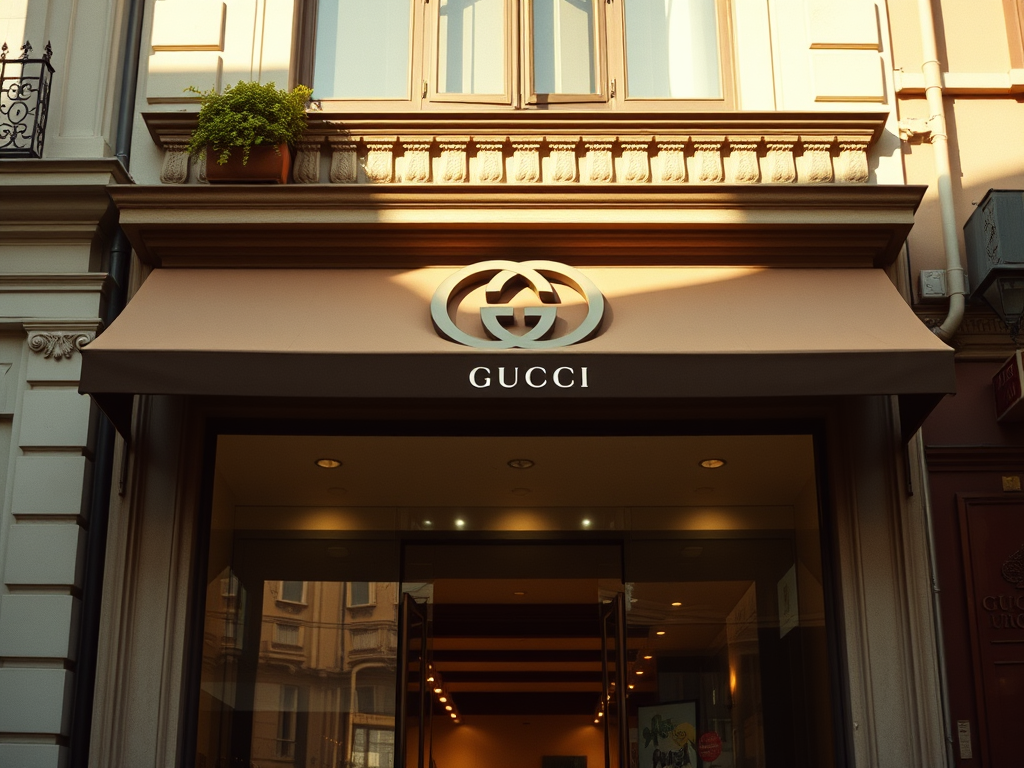
The Gucci history started in 1921 in Florence, Italy and brings us to a journey of transformation from a small leather goods store into a prestigious global fashion brand synonymous with luxury and craftsmanship. Inspired by Guccio’s exposure to English nobility, Gucci initially focused on high-quality luggage and equestrian items. The brand expanded significantly in the 1930s and introduced iconic designs, including the Bamboo Bag during WWII. The post-war boom further elevated its status, attracting Hollywood stars. However, family conflicts in the 1980s threatened its standing. A revival under designer Tom Ford in the 1990s propelled Gucci back to prominence,…
-
The Tower Bridge: A Marvel of Victorian Engineering and Architecture (2025 update)
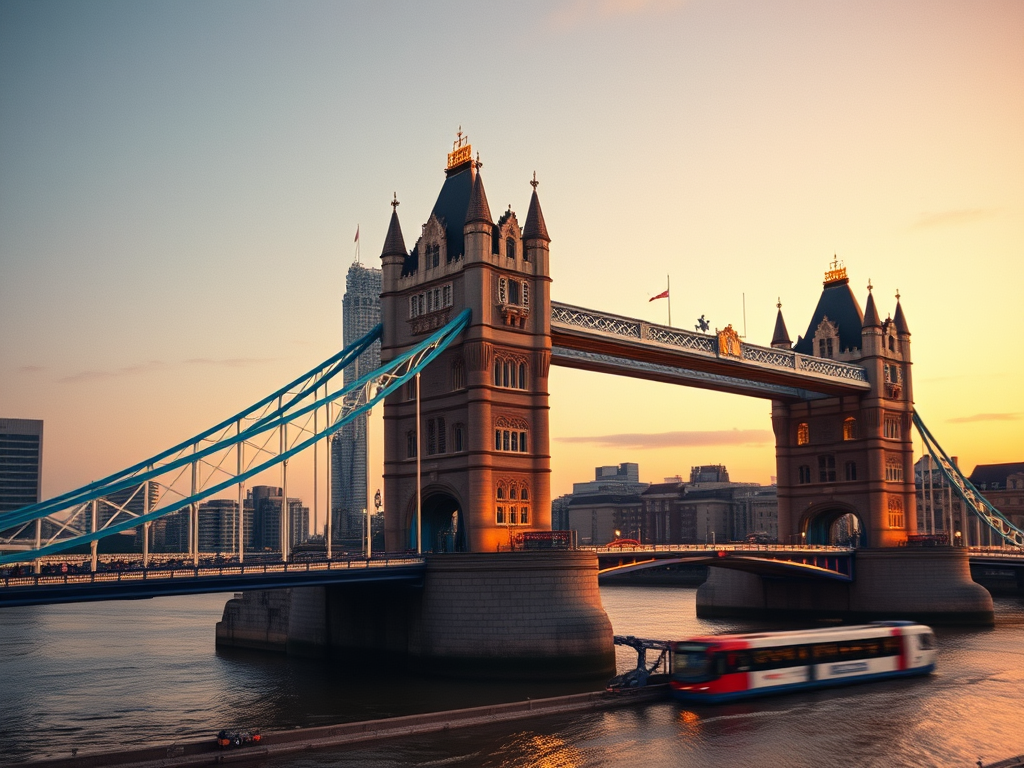
The Tower Bridge is one of the most iconic landmarks in London, instantly recognizable by its twin Gothic towers and bascules that open to allow ships to pass through. Since its completion in 1894, the bridge has stood as a symbol of British innovation, merging architectural beauty with cutting-edge engineering. Its unique combination of function and form has made it a global icon of London and a testament to Victorian ingenuity.
-
History of Nikola Tesla: The Fascinating Life and complete biography

Nikola Tesla, born on July 10, 1856, in Croatia, was a groundbreaking innovator in electricity who transformed the scientific landscape with his work on alternating current (AC) technology. Despite early promise and significant inventions like the AC induction motor and the Tesla coil, Tesla faced intense rivalry with Thomas Edison during the “War of Currents”, which overshadowed his contributions. Financial struggles plagued his later years, leading to isolation and obscurity until public recognition grew posthumously. Today, Tesla is celebrated as a cultural icon, with his ideas influencing modern electrical systems, wireless communication, and sustainable technology, solidifying his enduring legacy and…
-
How HSBC Shaped International Banking Since 1865: history and evolution

HSBC, founded in 1865 in Hong Kong, has evolved into a prominent global banking institution with a presence in over 60 countries. Initially established to facilitate trade between Europe and Asia, the bank expanded its operations across key Asian cities and later into global financial centers like London and New York. Throughout its history, HSBC faced challenges, including two World Wars and the Great Depression, yet maintained resilience. It transitioned to a global powerhouse through strategic acquisitions and responded well to the 2008 financial crisis. Today, HSBC navigates geopolitical complexities while focusing on growth in Asia and embracing digital transformation.