Tag: Wealth

  • The Economic Development of Switzerland: A Historical Perspective

    The Economic Development of Switzerland: A Historical Perspective

    Introduction

    Switzerland’s economic development is a captivating tale that spans centuries, marked by a series of transformative events that have shaped its current status as one of the world’s wealthiest nations. This article delves into the historical evolution of Switzerland’s economy, beginning from its medieval roots to its current standing in the global financial arena. Central to understanding this progression is the recognition of how historical events, geographical factors, and innovative sectors have intersected to foster an environment of economic stability and prosperity. As we explore various key points, this comprehensive analysis will highlight not only the milestones that have been achieved, but also the challenges that have tested the resilience and adaptability of the Swiss economy.

    The Origins of Switzerland’s Economic Structure in the Middle Ages

    Switzerland’s journey toward economic development can be traced back to the Middle Ages, during which time the region began to take shape economically. The early Swiss confederation, established in 1291 with the alliance of three cantons—Uri, Schwyz, and Unterwalden—began to lay the groundwork for a unique socio-economic structure. At that time, the economy was predominantly agrarian, with agriculture as the mainstay for the population. The geographical landscape, characterized by mountains and lakes, played a vital role in determining the types of farming practices and trades that could be pursued.

    The trade routes across the Alps became crucial for commerce, connecting various regions across Europe. Local merchants established trade relationships, exchanging goods such as textiles, cheese, and commodities like salt. Salt mining, in particular, emerged as a significant economic activity, with regions like the city of Basel benefiting greatly from this vital trade resource. The influx of trade led to the rise of towns, which became economic hubs, facilitating commerce and cultural exchanges.

    The establishment of guilds in the 14th century was another integral aspect of economic development during the Middle Ages. These guilds not only provided skilled craftspeople with a sense of community and support but also regulated trade practices in substantial ways. Membership within a guild often ensured fair wages, quality control, and access to markets, allowing the economy to flourish in an organized manner. The rise of textile production in the towns of Zurich and Geneva is a testament to how these guilds spurred industrial activities, helping to generate wealth.

    As the century progressed, the increasing demand for trade and services spurred innovation in banking practices. The establishment of early banking institutions enabled wealth accumulation and investment opportunities within the community. This development was foundational, as it created the financial infrastructure that Switzerland would later be known for in global economics.

    Political stability also played an instrumental role in economic growth during this period. The decentralized nature of Swiss governance, with cantonal autonomy allowing for localized decision-making, provided a conducive environment for economic activities. The ability of cantons to legislate according to their unique needs enabled them to foster industries that suited their geographical and social circumstances.

    In summary, the origins of Switzerland’s economic structure can be traced to its agrarian society, vibrant trade practices, the establishment of guilds, innovative banking practices, and the unwavering political stability of the confederation. These components set the stage for the great economic transformations that would occur in later centuries, leading to the sophisticated economy that Switzerland is known for today.

    The Impact of the Industrial Revolution on Swiss Economy

    The Industrial Revolution, which began in the late 18th century, had profound implications for Switzerland’s economy, marking a transition from agrarian-based systems to industrialized economies. The invention of new machinery, the rise of factories, and the development of transportation infrastructure played crucial roles in reshaping the economic landscape of Switzerland.

    Initially, Switzerland was slow to embrace industrialization compared to its European counterparts. However, by the early 19th century, the country began to witness significant advancements in industries such as textiles and machinery. The introduction of mechanized production methods increased efficiency and output, leading to a boost in employment opportunities. Notably, the textile industry, particularly in the regions of Zurich and St. Gallen, became a cornerstone of Swiss industrial growth, specializing in silk and cotton production. The shift from cottage industries to large-scale production not only created jobs but also stimulated population growth as workers migrated to urban centers in search of employment.

    Moreover, the development of the Swiss railway system in the mid-19th century facilitated internal and external trade, connecting previously isolated regions and enhancing market accessibility. The Swiss Federal Railways, established in 1902, revolutionized transportation and commerce, allowing goods to be transported quickly and efficiently across the country. This infrastructural advancement was vital not only for the industrial sector but also for agricultural products, enabling farmers to reach wider markets.

    The impact on financial services cannot be overlooked during this period. The need for capital to fund industrial ventures prompted significant growth in the banking sector. Swiss banks began to offer innovative financial products, including loans and investments in burgeoning industries. As a result, Switzerland became known for its robust banking system, which would play an essential role in supporting economic ventures for decades to come.

    Furthermore, the latter half of the 19th century saw a diversification in Switzerland’s economic activities. Although textiles and machinery remained dominant, industries such as chemicals, pharmaceuticals, and watchmaking began to emerge and upscale. Switzerland’s expertise in precision engineering allowed for the growth of the watchmaking industry, leading to the establishment of world-renowned brands. This diversification diminished dependency on a singular industry and positioned Switzerland as a leader in multiple sectors.

    In conclusion, the Industrial Revolution marked a turning point in Switzerland’s economic development. The transition from agrarian roots to industrialized practices catalyzed significant changes in employment, infrastructure, finance, and industry diversification. These transformations laid the foundation for the modern Swiss economy and established the country as a key player on the global stage.

    Switzerland’s Neutrality and Economic Growth

    Switzerland’s policy of neutrality has been a defining characteristic of its national identity and has significantly contributed to its economic growth. Throughout the tumultuous periods of both World Wars, Switzerland maintained a stance of neutrality, which provided a unique haven for economic stability and development during times of global unrest.

    The First World War posed considerable challenges for many European economies, yet Switzerland navigated this period with relative ease due to its neutral status. Swiss industries, particularly those related to food production and manufacturing, experienced an influx of demand from both belligerent nations. Additionally, Switzerland’s neutrality enabled it to serve as a diplomatic hub, facilitating negotiations and humanitarian efforts during the war. This positioned Swiss banks and businesses favorably, as they catered to foreign interests seeking stability amid chaos.

    Following the war, the 1920s and 1930s brought about renewed economic prosperity. Swiss banks attracted foreign investments, capitalizing on the political stability and reliable financial systems. This influx of capital not only stimulated the economy but also reinforced Switzerland’s reputation as a global financial center. Furthermore, industries such as pharmaceuticals and machinery continued to thrive, bolstered by foreign investments and collaborations.

    The Second World War once again demonstrated how neutrality could serve as an economic boon. With much of Europe engulfed in conflict, Switzerland maintained open trade routes and served as an essential hub for humanitarian aid, diplomacy, and international negotiations. The Swiss economy prospered during this time as neighboring countries turned to Swiss industries for supplies and materials. Switzerland became a vital source of goods for Axis and Allied powers alike, allowing its industries to expand capacity and innovate in production.

    Despite the growth during the war, Switzerland faced economic challenges under scrutiny for its role in the global market, particularly regarding financial dealings with nations involved in the conflict. This recognition spurred reforms in the banking sector, emphasizing transparency and ethical practices, which ultimately strengthened the financial services industry’s integrity.

    Post-World War II, Switzerland emerged as one of the wealthiest nations in the world, with a GDP per capita that ranked among the highest globally. The country’s neutral status allowed it to avoid the significant economic disruptions that affected many European nations, positioning it to rapidly recover and grow. The establishment of international organizations in Geneva, including the United Nations and the World Health Organization, further reinforced Switzerland’s role as a center for international diplomacy and economic cooperation.

    In summary, Switzerland’s neutral stance has played a crucial role in its economic growth, allowing the country to thrive amid global conflicts. Its ability to act as a stable economic entity, coupled with its innovative industries and financial practices, has been instrumental in establishing Switzerland as a significant player in the global economy.

    Financial Services and Banking: The Backbone of Switzerland’s Economy

    The financial services and banking sector have long been regarded as the backbone of Switzerland’s economy. The country’s banking industry is characterized by its stability, privacy, and robust regulatory framework, which have collectively contributed to its reputation as a global financial hub. This agenda point will explore the development of the banking sector, its impact on the economy, and the key principles that underpin its success.

    Switzerland’s banking tradition dates back to the 16th century, with the establishment of local banks that facilitated trade and commerce in the burgeoning economies of Swiss cities. Over the centuries, the banking sector evolved, culminating in the emergence of prominent institutions such as UBS and Credit Suisse in the 19th and 20th centuries. These banks not only catered to Swiss customers but also attracted a considerable volume of international business, thanks to their expertise and stable regulatory environment.

    One of the key factors contributing to the growth of banks in Switzerland is the principle of banking secrecy, which guarantees the confidentiality of client information. This legislation, established in the late 19th century, attracted a multitude of international clients seeking a safe haven for their wealth. This environment of privacy established Switzerland as a preferred destination for investors, particularly those from politically unstable regions. Although banking secrecy has undergone significant scrutiny in recent years, the foundational principle of client confidentiality still resonates within the sector today.

    The rise of wealth management services has further solidified Switzerland’s position in the global financial market. The country has become synonymous with high-quality wealth management and advisory services, stemming from a long-standing tradition of personalized banking. Wealth management firms in Switzerland cater to affluent individuals globally, providing bespoke financial solutions that encompass investment management, estate planning, and tax optimization. This focus on personalized services has created enduring client relationships, making Swiss firms leaders in the luxury banking sector.

    Moreover, innovation has played a pivotal role in the development of the Swiss banking industry. Swiss banks have been at the forefront of adopting financial technology solutions, enabling them to offer sophisticated digital banking services. The rise of fintech in Switzerland, including blockchain and cryptocurrency initiatives, has allowed banks to diversify their offerings, attract tech-savvy clients, and maintain their competitive edge in a rapidly changing financial landscape.

    In addition to wealth management and fintech advancements, the Swiss banking industry is governed by stringent regulatory standards. The Swiss Financial Market Supervisory Authority (FINMA) oversees banks, ensuring compliance with international norms and protecting the integrity of the financial system. These regulations help to maintain public confidence in Swiss banks, positioning them as secure and reliable institutions for both domestic and international clients.

    Overall, the financial services sector is integral to Switzerland’s economic framework, driving job creation, attracting international investments, and generating substantial revenue. The combination of historical precedence, banking secrecy, innovative solutions, and stringent regulatory practices has established Switzerland as a global leader in banking, contributing extensively to its economic development.

    Modern Challenges and Future Prospects for Swiss Economic Development

    As Switzerland navigates the complexities of the 21st century, its economy faces several modern challenges that will require strategic responses to ensure continued growth and stability. This agenda point will examine contemporary issues like global economic shifts, labor shortages, technological advancements, and sustainability pressures, and explore how these challenges shape the future of Swiss economic development.

    One significant challenge arises from the global shift toward digitalization and automation. As industries evolve and adapt to technological advancements, Switzerland must ensure that its workforce possesses the necessary skills to thrive in a rapidly changing economy. The education system, renowned for its quality and rigor, must continuously evolve to align with the needs of the labor market, emphasizing STEM (Science, Technology, Engineering, and Mathematics) fields and vocational training to prepare future generations for emerging professions.

    Additionally, Switzerland’s economy faces pressure from a shrinking labor force, compounded by an aging population. The potential labor shortage could hinder economic growth unless addressed through proactive policies. Strategies to attract skilled foreign workers can help mitigate these challenges, ensuring that industries continue to have access to the talent necessary for innovation and productivity.

    Switzerland’s status as a global leader in finance and pharmaceuticals also comes with its own set of challenges. While the banking sector remains resilient, regulatory pressures and calls for transparency have forced banks to adapt their practices. Striking a balance between maintaining a competitive edge and adhering to international compliance standards will be essential for maintaining Switzerland’s reputation as a financial hub.

    In the pharmaceutical industry, competition is intensifying as emerging markets, particularly in Asia, gain prominence. To remain at the forefront, Swiss companies must invest in research and development, prioritizing innovation to create cutting-edge therapies and medications. Collaborations between academia and industry can help drive research initiatives while positioning Switzerland as an incubator for pharmaceutical innovations.

    Moreover, sustainability poses a pressing challenge as well as an opportunity for Switzerland. The increasing importance of environmental responsibility calls for diverse industries to adopt sustainable practices, from energy sources to waste management. The Swiss government has implemented initiatives aimed at achieving carbon neutrality and promoting renewable energy sources. The transition toward a green economy can generate new job opportunities, propel technological advancements, and enhance Switzerland’s global reputation as a leader in environmentally conscious development.

    Despite these challenges, the future prospects for Swiss economic development remain optimistic. With a strong commitment to innovation, a well-educated workforce, and a robust financial infrastructure, Switzerland possesses the foundational elements necessary to navigate uncertainties and thrive in a dynamic global landscape.

    Conclusion

    The history of economic development in Switzerland is a story marked by resilience, adaptability, and innovation. From its origins in the Middle Ages, Switzerland has evolved into a sophisticated economy characterized by a diverse range of industries and a strong financial services sector. Historical events, including the Industrial Revolution and neutral stances during the World Wars, have contributed to its growth and stability, fostering an environment conducive to economic prosperity.

    Today, while Switzerland faces modern challenges—such as digitalization, labor shortages, and sustainability—its adaptability and commitment to innovation position it for future success. As the nation continues to pivot towards new opportunities and navigate challenges, Switzerland remains a global leader in economic development, ensuring its place on the world stage for generations to come.

    Sources Consulted

  • The Rise of Vatican Power

    The Rise of Vatican Power

    Introduction

    This article delves into the multifaceted aspects of the rise of Vatican Power, exploring its historical foundation, political strategies, religious governance, economic endeavors, and modern-day influence. The Vatican, often synonymous with the Catholic Church, has a profound history that stretches back to ancient Rome. From its humble origins to becoming a sovereign entity recognized worldwide, the evolution of its power is a complex tapestry woven through centuries of political intrigue, religious devotion, and strategic alliances. As the spiritual center of Catholicism, the Vatican has influenced global politics and society, particularly in Europe. Its ability to navigate political landscapes, form crucial alliances, and maintain a strong economic base has allowed it to wield significant power throughout history.

    Historical Foundations

    The story of the Vatican’s rise to power begins with its historical roots, tracing back to early Christianity. The establishment of the Vatican as a center of spiritual authority can be linked to the martyrdom of Saint Peter, regarded as the first Pope. Peter’s burial site, located in what is now St. Peter’s Basilica, became a focal point for early Christians seeking connection with the divine. As such, the Vatican began to develop as a prominent place of worship and pilgrimage.

    Throughout the fourth century, Christianity gained significant traction within the Roman Empire, particularly after Emperor Constantine’s Edict of Milan in 313 AD, which allowed for religious tolerance. This pivotal moment marked a shift as Christianity transitioned from a persecuted faith to the state religion of the empire. The power of the papacy grew, positioning the Pope as a religious and moral authority—not just over the Church, but increasingly over political matters as well.

    The formation of the Papal States in the 8th century solidified the Vatican’s territorial claims. The Donation of Pepin in 756 AD gave the Pope control over a substantial territory in central Italy, representing both religious power and political sovereignty. This act effectively transformed the Pope into a secular ruler, establishing a dual authority that blurred the lines between church and state.

    As the centuries progressed, the Vatican faced challenges such as the Investiture Controversy, which highlighted the struggle between secular rulers and the Church over the appointment of bishops. This conflict underscored the significance of the Pope’s role in political matters, further entrenching the Vatican’s position as a formidable power in Europe.

    By the Middle Ages, the Vatican had begun to assert itself through a series of decrees and legislation, shaping society’s moral and ethical frameworks. The establishment of universities and the commissioning of grand architectural projects, including the rebuilding of St. Peter’s Basilica during the Renaissance, marked an era of cultural and intellectual dominance. The Vatican was not only a religious authority but also a patron of the arts and education, disseminating its influence through cultural channels.

    Overall, the early foundations of the Vatican encapsulate the intertwining of faith and power, highlighting the role of historical events and personalities in shaping its authority. This complex relationship laid the groundwork for the Vatican to navigate the tumultuous political landscapes of Europe, allowing it to grow in strength and influence over the ensuing centuries.

    Political Alliances and Influence

    The Vatican’s strategic political alliances played a crucial role in its rise to power during the Middle Ages and Renaissance. These alliances not only bolstered the papacy’s authority but also provided a framework for the Vatican to influence political outcomes across Europe. Several key relationships, formed through diplomacy, marriage, and mutual interests, helped secure the papal seat in the shifting sands of political power.

    The Vatican often aligned itself with strong monarchies to ensure mutual protection and support. For instance, during the reign of Pope Gregory VII in the 11th century, the Church sought to solidify its power against the Holy Roman Emperor. This led to open conflict, but ultimately, it facilitated the strengthening of papal authority, as it pushed the Church to establish itself as an indispensable ally to kings and emperors in maintaining political stability.

    Marriage alliances were also significant. The Vatican strategically fostered marriages between royal families and the Church’s influence, effectively intertwining the fates of monarchs and popes. These unions created a network of kinship, expanding the Vatican’s political reach by ensuring that various European leaders would support papal initiatives, thereby enhancing the Vatican’s power.

    Moreover, the Vatican’s influence extended through regional stability as it often played the role of mediator in conflicts. By offering a neutral ground for negotiations, the popes positioned themselves as vital actors in European politics. The Treaties of Westphalia in 1648, which ended the Thirty Years’ War, exemplified the Vatican’s role in international diplomacy, highlighting how the Church was seen as a legitimate mediator.

    In addition, the Vatican supported the explorations of Catholic monarchs during the Age of Discovery. The papal bull Inter caetera issued by Pope Alexander VI in 1493 divided newly discovered lands between Spain and Portugal, demonstrating how the Vatican’s influence extended beyond Europe into the New World. This control over colonization not only signified the Vatican’s political reach but also its economic ambitions.

    The Vatican’s involvement in the Congress of Vienna in 1815 further illustrated its political connections, as it sought to restore not only the balance of power in Europe but also the political authority of the papacy. Throughout these alliances, the Vatican adeptly navigated the tumultuous transitions of power, showcasing its ability to maintain relevance and authority in an ever-changing political landscape.

    As the modern world evolved, so did the Vatican’s strategies. In the 20th century, the Vatican managed to maintain and enhance its influence through diplomatic relations with various states, thereby solidifying its status as an observer in international organizations such as the United Nations. By fostering strong, strategic relationships, the Vatican successfully transformed itself into a cornerstone of global diplomacy, illustrating its ongoing significance in contemporary politics.

    The Role of Religion in Governance

    The intertwining of religion and governance has long characterized the Vatican’s exercise of power, enabling it to extend its influence deep into the cultural and political arenas of society. The Church’s authority has shaped laws, moral values, and social practices throughout history, often reinforcing the power of the papacy while simultaneously providing a sense of legitimacy to monarchies.

    At the heart of this relationship is the concept of divine right—the belief that monarchs are chosen by God to rule, which served to endorse their authority. This notion benefitted both the pope and the ruling class, as kings and queens sought the papal blessing to legitimate their reigns. In return, the Church received resources and support in its efforts to propagate Christianity throughout Europe.

    The medieval period saw the Church exercising considerable influence over societal norms and laws, establishing a moral authority that affected governance. Canon law, a system of ecclesiastical law, dictated various aspects of daily life and governance. The Vatican interpreted biblical texts to create laws that governed marriage, family, and ethical behavior, further entrenching the Church’s power in civic matters. The foundation of universities during this time was also instrumental; the Church shaped education, which not only provided clergy members but also produced educated leaders who upheld Catholic doctrine in governance.

    As the Renaissance ushered in a renewed interest in humanism, the Vatican navigated these shifts by promoting the arts and encouraging a blend of classical thought with Christian theology. This evolution in cultural thinking allowed for a more profound interaction between Church teachings and governance, as educated leaders emerged who could articulate the Church’s values in the context of contemporary society.

    With the Protestant Reformation in the 16th century challenging papal authority, the Vatican faced significant threats to its influence. In response, the Counter-Reformation marked a period of revitalization, where the Church sought to reaffirm its position through a combination of reforms and strong leadership. This movement emphasized the importance of spiritual governance, including the establishment of various religious orders dedicated to education and social service. These efforts not only responded to the demand for reform but also reasserted the Vatican’s authority over moral and ethical standards.

    In modern times, the Vatican’s influence on governance persists through its substantial engagement in global issues such as human rights, social justice, and peacebuilding. The encyclicals and speeches delivered by popes often address contemporary governance issues, providing moral guidance to political leaders and influencing public policy. The Vatican promotes the idea of the common good, urging governments to consider how their policies affect all people, particularly the marginalized and vulnerable.

    The Vatican’s role in governance illustrates a unique synergy between religion and politics, whereby the Church shapes moral frameworks that influence how societies are organized and governed. This relationship continues to reflect the enduring power of the Vatican, showcasing its capability to adapt to changing socio-political landscapes while remaining a pivotal player in the interplay of faith and governance.

    Economic Strategies and Wealth Accumulation

    The economic strategies employed by the Vatican reflect its long-standing quest for wealth accumulation, serving both ecclesiastical and secular objectives. The dual nature of the Vatican’s economic framework has allowed it to sustain its vast operations, maintain influence, and expand its reach globally.

    Historical records indicate the Vatican’s early wealth stemmed from land ownership and donations from wealthy patrons, clergy, and local leaders. The acquisition of land during the Papal States period provided a significant revenue source derived from agriculture and taxation systems. This economic power offered the papacy independence and autonomy, enabling it to engage in political alliances without being beholden to secular rulers.

    The Renaissance heralded a new era for Vatican economics, characterized by a flourishing patronage of the arts. Popes commissioned masterpieces from acclaimed artists, enhancing the Vatican’s cultural capital. This not only turned the Vatican into a center for artistic excellence but also attracted pilgrims and tourists, further boosting its economic standing. The treasury of the Vatican garnered funds through pilgrimage fees, indulgences, and various religious services.

    Throughout the centuries, the Vatican adeptly diversified its revenue streams. Investments in financial markets became prominent, especially in the 19th and 20th centuries, as the Vatican sought to modernize its financial practices. The establishment of the Vatican Bank in 1887 marked a significant step in managing finances, providing services to church institutions globally. Although it has faced controversies, the financial management of the Vatican Bank has evolved to include transparency and accountability measures necessary for contemporary operations.

    The Vatican’s economic strategies have also included diplomatic financial agreements with various nations. For example, the Lateran Treaty of 1929 between the Holy See and Italy recognized the Vatican City as a sovereign entity, providing the Catholic Church with revenues while enabling it to operate independently. This agreement showcased the intersection of diplomacy and economic strategy, cementing the Vatican’s financial standing.

    In terms of global outreach, the Vatican has strategically engaged in charitable endeavors. The establishment of various humanitarian organizations allowed the Vatican to leverage its resources to help those in need. This not only fostered goodwill but also reinforced the Church’s moral authority and social responsibility in the eyes of the public. The financial assistance provided by agencies like Caritas Internationalis exemplifies the Vatican’s commitment to serving humanity while simultaneously enhancing its global influence.

    Furthermore, the digital age has prompted the Vatican to explore innovative methods for financial growth. Through online donations, merchandise sales, and partnerships with technological entities, the Vatican is adapting to contemporary economic landscapes. Such initiatives not only reflect the Church’s resourcefulness but also demonstrate its willingness to remain relevant in an evolving world.

    The economic strategies and wealth accumulation of the Vatican exemplify a complex narrative woven into its history. Through a blend of historical land ownership, artistic patronage, modern financial management, and outreach, the Vatican has built an economic foundation that supports its spiritual mission, enabling it to wield considerable influence in both religious and secular domains.

    Modern Influence and Global Reach

    In today’s world, the Vatican stands as a unique entity that wields considerable influence on global affairs. This influence is exerted through a mixture of diplomacy, moral authority, and engagement in pressing contemporary issues. The role of the Vatican has evolved significantly, reflecting its responsiveness to the changing socio-political landscape and its commitment to addressing global challenges.

    One of the critical aspects of the Vatican’s modern influence lies in its diplomatic relations. The Holy See maintains formal diplomatic ties with numerous countries, recognizing its status as an independent sovereign entity. This allows the Vatican to act as a mediator in international conflicts and provide ethical guidance on matters of global concern. Through its diplomatic missions, the Vatican advocates for peace, religious freedom, and social justice, fostering collaboration among nations.

    The papacy has also embraced contemporary communication strategies, utilizing media to disseminate messages on a global scale. The Vatican’s presence on social media platforms, its official website, and the establishment of the Vatican News agency reflect a commitment to engaging with the modern world. By harnessing digital tools, the Vatican reaches broader audiences, fostering a dialogue on issues such as climate change, poverty, and human rights.

    Pope Francis, in particular, has leveraged his platform to address pressing global challenges, emphasizing themes of inclusivity, compassion, and social responsibility. His encyclicals and public addresses consistently call for action on critical issues like climate change, advocating for a more sustainable world. The encyclical “Laudato Si’,” focused on the environment, serves as a rallying cry for action, urging governments and individuals to prioritize ecological concerns and care for creation.

    The Vatican’s involvement in humanitarian efforts further enhances its global reach. By collaborating with international organizations and providing aid to regions afflicted by poverty, conflict, and natural disasters, the Church fulfills its mission of service while reinforcing its moral authority. The work of organizations such as Caritas Internationalis exemplifies the Vatican’s commitment to solidarity, emphasizing the responsibility of nations to care for the most vulnerable.

    Moreover, the Vatican’s stance on ethical issues, such as family, migration, and social justice, informs global discussions, influencing policymakers and public opinion. Popes have utilized their platforms to advocate for the protection of human dignity, promote gender equality, and support the rights of marginalized groups. The Vatican’s moral voice resonates in international forums, positioning it as a key player in shaping global policies.

    The Vatican’s participation in multinational discussions, such as the United Nations climate summits and conferences, underscores its commitment to promoting principles rooted in Catholic social teaching. This involvement enhances the Vatican’s legitimacy as a global actor, allowing it to advocate for sustainable development goals while providing a moral framework that guides collective action.

    The modern influence of the Vatican is a testament to its adaptability and relevance in a rapidly changing world. By leveraging diplomacy, media, and humanitarian endeavors, the Vatican continues to extend its reach on the global stage, maintaining its status as a significant player in international affairs and moral discourse.

    Conclusion

    The evolution of Vatican power encapsulates a complex interplay of historical, political, and economic factors. From its origins as a modest spiritual authority to its current status as a sovereign entity with significant global influence, the Vatican’s journey is marked by strategic alliances, economic endeavors, and an unwavering commitment to moral leadership. Throughout history, its ability to navigate the dynamic landscapes of power reflects both resilience and adaptability.

    The Vatican’s unique position allows it to serve as a moral compass in contemporary society, tackling urgent global issues while fostering dialogue and understanding among diverse communities. As the world faces unprecedented challenges, the Vatican’s enduring influence remains an essential beacon that advocates for peace, social justice, and stewardship of creation.

    By examining the various dimensions of its power, we see that the Vatican is not merely a religious institution; it is a potent actor in the global arena. As it continues to evolve and adapt, the Vatican’s impact on politics, culture, and society remains profound and pivotal in shaping the future.

    Sources

    • “History of the Vatican” – Encyclopaedia Britannica
    • “The Papacy in the Modern World” – University Press
    • Smith, John. The Political Power of the Vatican – Scholarly Journal
    • “The Vatican: The Secret History” – Historical Review
    • “Pope Francis and Global Issues” – Global Governance Report

  • The History of the Vatican Wealth

    The History of the Vatican Wealth

    Introduction

    This article delves into the intricate history of Vatican wealth, exploring how it has evolved from its origins to the present day. By examining historical events, cultural contributions, and contemporary financial practices, we aim to understand the complexities surrounding the Vatican’s financial empire. This exploration not only highlights the Vatican’s lavish treasures but also its resilience in navigating the challenges posed by politics and global economics. The Vatican, a city-state surrounded by Rome, is renowned not only for its religious significance but also for its immense wealth accumulated over centuries. As the spiritual center of the Catholic Church, the Vatican has garnered financial resources from a myriad of sources, including donations, art patronage, and its global influence.

    The Origins of Vatican Wealth: Historical Context

    The story of Vatican wealth begins deep in history, tracing back to the early days of Christianity. As the church gained prominence, it established roots in Rome with the martyrdom of Saint Peter, regarded as the first Pope. His burial site became a place of pilgrimage, attracting followers and donations. As the church’s influence expanded throughout the Middle Ages, so did its financial assets.

    Initially, the Vatican amassed wealth through land ownership. Monasteries and church properties were granted extensive lands, generating income through agriculture. The system of tithing, where congregants contributed a portion of their income, became a steady revenue stream, empowering the church to not only sustain its ministers but also to fund various ecclesiastical projects.

    During the Renaissance, the Vatican’s wealth flourished. Popes became influential patrons of the arts, commissioning works from masters such as Michelangelo and Raphael. This patronage not only enriched the Vatican’s coffers but also transformed it into a cultural powerhouse, laying the groundwork for its long-standing legacy. The construction of St. Peter’s Basilica, funded by both donations and the controversial sale of indulgences, exemplifies how financial decisions were intertwined with spiritual objectives.

    Moreover, the Vatican established diplomatic relationships with various monarchies, allowing for the acquisition of favor and financial support across Europe. These alliances often led to significant gifts, further bolstering the Vatican’s wealth. The church’s ability to navigate the complex political terrain of the time helped secure its financial standing, as it provided sanctity and stability during turbulent periods.

    In conclusion, the origins of Vatican wealth are rooted in both spiritual devotion and shrewd management of resources. The church’s ability to adapt to changing times while maintaining its economic power has been a continuous narrative throughout its history.

    The Role of Donations and Patronage in Building Wealth

    One of the fundamental pillars of Vatican wealth relies heavily on the generosity of its followers. Donations form a significant part of the church’s income, reflecting the devotion of millions to the Catholic faith. Contributions range from regular tithes from parishioners to extraordinary gifts from the affluent and influential. The Vatican has implemented various fundraising campaigns over the years, emphasizing its reliance on voluntary contributions to support its ministries, charities, and maintenance of sacred sites.

    Throughout history, notable figures have contributed substantial donations to the Vatican, solidifying their legacy while supporting the church. The church’s ability to inspire such generosity showcases its potent spiritual influence, as many view financial support as an investment in their faith.

    However, it is not only the individual donations that have contributed to Vatican wealth; patronage has played a critical role as well. During the Renaissance and Baroque periods, numerous wealthy patrons supported the Church’s artistic endeavors, resulting in an impressive collection of artwork that today constitutes one of the Vatican’s most valuable assets. These artists, funded through generous commissions, created works that would immortalize both their own legacies and that of the church.

    Additionally, some popes actively sought to enhance their own power and prestige through opulent displays of wealth, commissioning public works and architectural projects intended to captivate the loyalty of their followers while establishing their dominance. These actions, while occasionally controversial, were stark reminders of how closely financial resources were tied to ecclesiastical influence.

    Art and Artifacts: The Vatican’s Cultural Treasures

    The Vatican is home to one of the world’s most valuable collections of art and artifacts, representing not only religious significance but also immense financial value. Spanning centuries, these treasures include works from some of the most illustrious artists in history, such as Raphael, Michelangelo, and Bernini. Each piece not only stands as a testament to artistic evolution but also contributes to the Vatican’s overall wealth.

    Renowned examples like the Sistine Chapel, where Michelangelo’s frescoes depict pivotal biblical events, serve both as cultural landmarks and sources of revenue through tourism. The Vatican Museums attract millions of visitors annually, generating substantial income and affirming the importance of art as an economic asset.

    Additionally, the extensive collection of manuscripts and rare books stored within the Vatican Library is another priceless element of its wealth. These historical documents, many of which date back to the early days of Christianity, provide insights into religious, cultural, and political developments over the past millennia. Their preservation not only showcases the Vatican’s commitment to scholarship but also underscores its financial value, as rare texts can command significant prices on the antiquarian market.

    Furthermore, the Vatican has utilized its collection strategically over the years. Loans to prestigious museums and exhibitions have not only showcased the Vatican’s riches to a broader audience but have also contributed to its reputation as a preeminent cultural institution. This visibility enhances its influence and fosters further donations.

    In summary, the Vatican’s art and artifacts represent a duality of spiritual and financial significance. Beyond their intrinsic worth, these treasures serve as vital contributors to the Vatican’s enduring wealth.

    Investments and Financial Management: Modern Approaches to Wealth

    In recent decades, the Vatican has adopted more sophisticated financial management strategies to navigate the complexities of its wealth. Moving beyond traditional income sources such as donations and art patronage, the Vatican has explored diverse investment opportunities to ensure its financial sustainability.

    One significant development has been the establishment of the Vatican Bank, formally known as the Institute for the Works of Religion (IOR). Founded in 1942, the IOR plays a crucial role in managing the church’s financial assets. The bank primarily serves the financial needs of the Catholic Church, contributing to various charitable projects while safeguarding the financial contributions of its followers.

    Moreover, the Vatican has diversified its investment portfolio, venturing into real estate, global markets, and sustainable industries. This strategy not only aims to optimize returns but also aligns with the church’s ethical practices, ensuring investments reflect its values. Such diversification has helped mitigate risks associated with economic fluctuations, allowing the Vatican to maintain financial stability even during uncertain times.

    However, the Vatican’s financial management has not been without controversy. Issues related to transparency, accountability, and allegations of mismanagement have arisen, leading to increased scrutiny from both the public and international financial institutions. In response, the Vatican has implemented reforms to improve governance and align itself with international best practices. These reforms are essential in restoring trust and ensuring the longevity of its financial resources.

    In conclusion, the Vatican’s modern approach to financial management reflects a significant evolution in how it oversees its wealth. By embracing contemporary investment strategies while upholding spiritual values, the Vatican aims to secure its financial future for generations to come.

    The Impact of Politics and Global Economics on Vatican Wealth

    Vatican wealth is inextricably linked to the broader political and economic landscapes across the globe. As a sovereign entity, the Vatican interacts with various nations, influencing and being influenced by their policies.

    Throughout history, the Vatican has navigated complex political environments, often playing a central role in mediating conflict and promoting peace. This diplomatic engagement has sometimes resulted in financial arrangements that benefit the Vatican, providing a framework for further economic cooperation. For instance, treaties such as the Lateran Treaty of 1929 established the Vatican City as an independent state, securing its sovereignty and financial independence while generating revenue from the ecclesiastical state.

    Furthermore, the Vatican faces the challenge of adapting to a rapidly changing global economy. Issues such as economic inequality, climate change, and shifts in global power patterns present both obstacles and opportunities for its financial portfolio. The Vatican has increasingly advocated for social justice and ethical stewardship of resources, aligning its financial practices with its commitment to moral values.

    As the global landscape continues to shift, the Vatican remains poised to respond to both emerging challenges and new opportunities for partnerships, ensuring its wealth is utilized not only for institutional purposes but also for positive societal impact. The interplay between politics, global economics, and Vatican wealth will define its future trajectory and ongoing relevance in a complex world.

    Conclusion

    The history of Vatican wealth encapsulates a rich tapestry of spiritual devotion, cultural heritage, and strategic financial management. From its early foundations as a religious institution to its status as one of the most influential entities in the world, the Vatican’s ability to adapt and thrive is a testament to its enduring legacy.

    As it faces contemporary challenges, the Vatican remains committed to upholding its core values while navigating the complexities of modern finance and global economics. Understanding the interplay of these elements enriches our appreciation for the Vatican’s history and its intricacies. As we move forward, the Vatican must continue to embrace transparency and ethical practices to maintain trust, ultimately ensuring that its wealth serves both the Church and the wider community.

    Sources

    • “The Vatican: A History” by Charles J. Reid
    • “The Vatican Museums: The Complete Illustrated History” by Francesco Buranelli
    • “The Catholic Church: A Short History” by Hans Küng
    • “The Vatican Bank: Investigation into Money Laundering and Financial Crimes” administered by international financial watchdogs
    • Academic journals and articles on religious economics and the financial practices of religious institutions

  • The Wealth of the Spanish Empire: Gold, Silver, and Global Influence in the Colonial Era
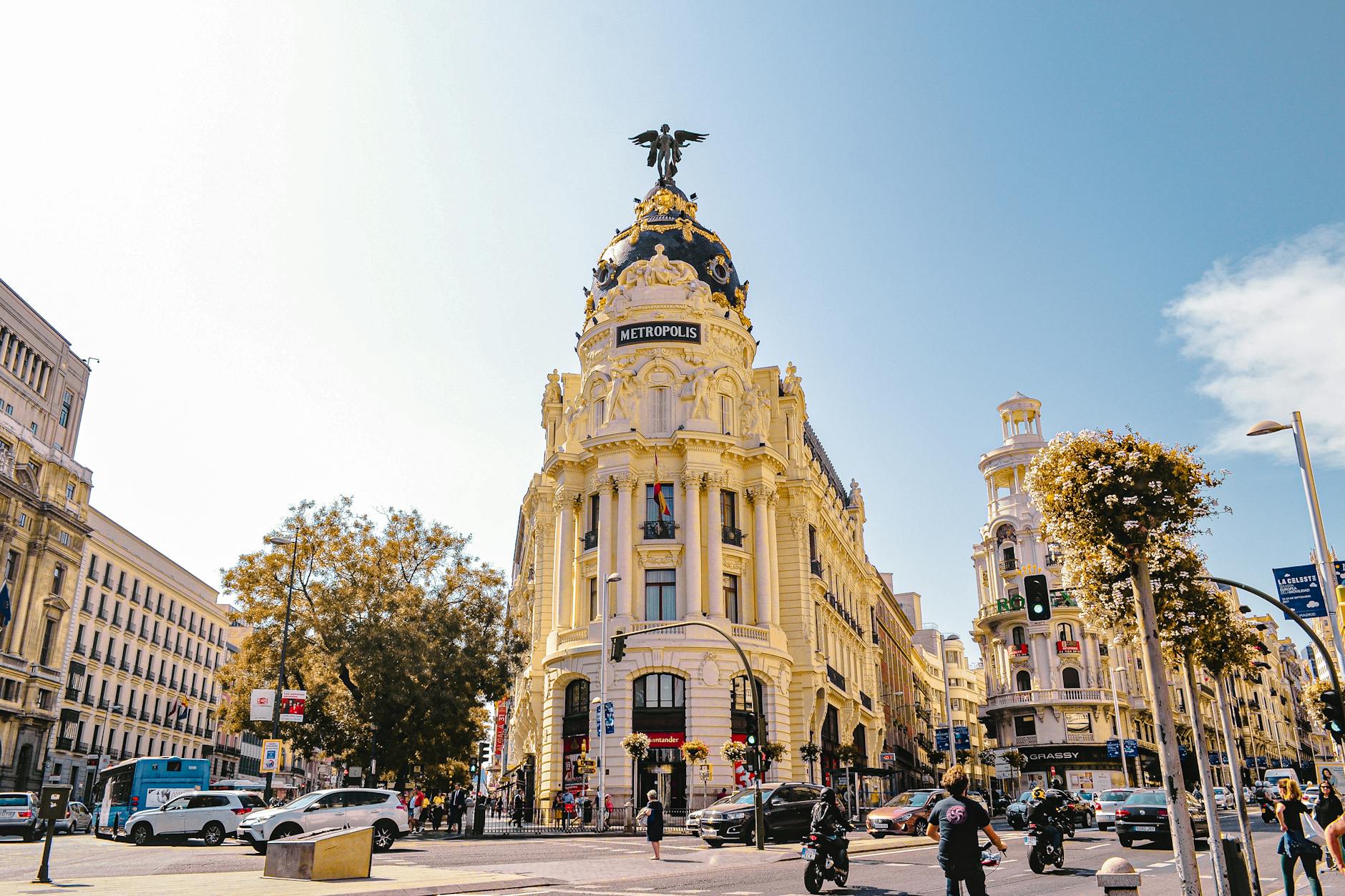
    The Wealth of the Spanish Empire: Gold, Silver, and Global Influence in the Colonial Era

    Introduction

    This article will delve into the intricate history of the Spanish Empire wealth, examining the various factors that contributed to its rise and eventual decline. The Spanish Empire, once the largest global empire of its time, is a fascinating subject for historical analysis, particularly regarding its vast wealth and the economic strategies that fueled its expansion. Spanning from the late 15th century through the 19th century, this empire dominated the political and economic landscapes of Europe and the Americas, accumulating immense riches from its colonies. The wealth of the Spanish Empire was not merely a result of fortunate circumstances but rather a complex interplay of exploration, exploitation, agriculture, and trade.

    Origins of the Spanish Empire and the Early Accumulation of Wealth

    The origins of the Spanish Empire can be traced back to the late 15th century, a period characterized by both exploration and conquest. Following the unification of Spain under Ferdinand II of Aragon and Isabella I of Castile in 1492, Spain became increasingly motivated to expand its territory and influence. This motivation was not only driven by a desire for glory but also by the quest for wealth. The discovery of the Americas by Christopher Columbus in the same year marked the onset of Spain’s aggressive colonial pursuits.

    The early Spanish colonies were established in various regions, including the Caribbean, Central America, and parts of South America. Each conquest brought with it rich resources, notably gold and silver. The Spanish were particularly quick to capitalize on the vast mineral wealth of the Inca and Aztec Empires. The systematic extraction of precious metals from these territories laid the groundwork for an influx of wealth into Spain, which dramatically transformed its economy and helped finance wars and royal extravagance.

    As the Spanish crown established and expanded its colonial rule, it implemented the encomienda system, which allowed settlers to exploit local populations and resources under the guise of providing protection and religious instruction. This system led to the rapid accumulation of wealth but also resulted in the exploitation and decimation of indigenous populations.

    Trade routes were rapidly established, connecting the New World to Spain and facilitating the exchange of goods. Goods such as sugar, tobacco, and later, silver and gold, became crucial to the Spanish economy. The establishment of this trade network not only increased wealth but also enhanced Spain’s maritime power. This period was marked by the rise of Spanish privateers and the establishment of powerful fleets like the Spanish Armada, further solidifying Spain’s dominance on the seas.

    However, the early successes of the empire also planted the seeds of future troubles. The dependence on precious metals and the exploitation of local populations created economic imbalances and social challenges. While wealth poured into Spain, the mismanagement and corrupt practices of officials often squandered these resources. Additionally, the reliance on enslaved labor and the disruption of local economies hindered sustainable growth in the colonies. As the empire expanded, the complexity of managing far-flung territories arose, creating logistical challenges and leading to inefficiencies.

    The Role of Gold and Silver: The New World’s Treasure

    The discovery of vast gold and silver deposits in the Americas marked a pivotal moment in the history of the Spanish Empire. The wealth derived from these mines allowed Spain to dominate European politics and finance from the 16th through the early 18th centuries.

    The most famous source of wealth was the silver mines located in Potosí (now in Bolivia) and Zacatecas (in Mexico). These mines produced staggering amounts of silver, heavily influencing the global economy of the time. The silver extracted from these mines underpinned Spain’s currency, facilitating trade with Europe and Asia. While initially, the influx of silver contributed to Spain’s economic prowess, it also led to inflation, destabilizing local economies and diminishing the actual value of currency.

    The acquisition of wealth from the New World was not without its challenges. The labor to extract these resources relied heavily on native populations, who were often subjected to harsh conditions under the mita system. This forced labor system contributed to significant mortality rates among indigenous workers and sparked widespread resistance and rebellion.

    As Spain’s wealth grew through its colonial exploits, so did its ambitions. The influx of riches allowed the Spanish monarchy to finance military campaigns across Europe, including the infamous wars against France and the Ottoman Empire. This military expansionist policy, fueled by newfound wealth, spread Spain’s influence but also stretched its resources thin, leading to overextension of its military and administrative capabilities.

    In the 17th century, however, the consequences of Spain’s overreliance on New World treasures began to manifest. Repeated military conflicts drained the royal treasury, leading to financial debts. Combined with a declining mining output and economic mismanagement, these factors foreshadowed the empire’s gradual decline.

    Agricultural and Economic Innovations in Spanish Colonial Territories

    The agricultural landscape of the Spanish Empire played a crucial role in sustaining not just the colonies but also the economy of Spain itself. The introduction of new crops and agricultural practices transformed the economic structure of the colonies and contributed significantly to their wealth.

    One of the most significant innovations was the establishment of haciendas, large estates that produced cash crops such as sugar, coffee, and tobacco. These crops became highly lucrative exports to Europe and were cultivated through the labor of enslaved Africans, further entrenching the economy of the colonies in a cycle of exploitation. The agricultural reforms transformed the productivity of the land, allowing Spain to capitalize on the demand for these goods in international markets.

    In addition to cash crops, the Spanish implemented new farming techniques and introduced species from the Old World, including wheat, barley, and domesticated livestock. This exchange of resources played a pivotal role in reshaping the agriculture of both the colonies and Spain itself. The resultant agricultural surplus not only fed the local populations but also bolstered trade between Spain and its colonies.

    However, the focus on cash crops and export-oriented agriculture led to challenges. Local food production often took a backseat, creating vulnerabilities when global demand shifted or when economic crises hit. Furthermore, the dependency on a monoculture system tied the colonial economy to fluctuations in global markets.

    Despite these challenges, agricultural wealth significantly contributed to the empire’s stability for a time. The wealth generated in the colonies funded administrative costs for governance, facilitated infrastructure development, and enhanced Spain’s economic network. Yet, as global agricultural practices evolved, Spain struggled to compete, leading to the gradual erosion of its economic power.

    Trade Networks and Maritime Power in the 16th and 17th Centuries

    The Spanish Empire’s success in building a formidable trade network and maritime power in the 16th and 17th centuries was instrumental in establishing its wealth and influence. Spain’s strategic positioning and control over key trade routes facilitated not only the exchange of goods but also reinforced its political power on the global stage.

    The establishment of the Casa de Contratación in Seville marked a significant turning point in managing and regulating trade with the colonies. This institution oversaw the mercantile activities and helped monetize the wealth flowing in from the Americas through a regulated system of commerce. Spanish galleons, heavily armed merchant ships, were crucial to maintaining the safety of trade routes and transporting valuable resources across the Atlantic.

    The “Flota de Indias” system organized regular convoys that transported goods between Spain and the colonies, ensuring the flow of wealth and maintaining the empire’s economic stability. The success of these trade networks solidified Spain’s dominance in global trade, allowing it to control the supply of precious metals as well as agricultural products, and facilitating trade across Europe and Asia.

    However, with power came competition. Other European powers, such as Britain, France, and the Netherlands, sought to challenge Spanish dominance on the seas. Piracy, privateering, and naval warfare became common as rival nations targeted Spanish ships carrying precious cargo. The Spanish Armada, once a symbol of invincibility, faced significant challenges during the Anglo-Spanish War, diminishing Spain’s maritime supremacy.

    As the wealth of the empire continued to flow from the colonies, so did corruption and inefficiencies within the administration. While trade produced significant profits, mismanagement and rampant bureaucratic corruption drained the royal treasury and contributed to a decline in economic power by the end of the 17th century.

    Decline of the Spanish Empire: Factors Leading to Economic Downturn

    The decline of the Spanish Empire can be attributed to a confluence of factors that eroded its economic foundations. By the late 17th century, the once-lofty heights of the Spanish economy and power began to wane dramatically. External competition, internal strife, and financial mismanagement contributed to a cascading decline.

    One major external factor was the increasing military confrontations with other European powers. The costly wars drained the treasury, and as Spain became embroiled in conflicts like the Thirty Years’ War and the War of Spanish Succession, resources were stretched thin. Additionally, competition from rival maritime powers effectively siphoned away trade routes and profits previously dominated by Spain.

    Internally, the consequences of colonial exploitation began to surface. Overreliance on precious metals from the New World had created an economy heavily dependent on external resources. When silver and gold output diminished towards the end of the 17th century, the Spanish economy faced debilitating inflation and economic stagnation. This depletion was compounded by natural disasters, such as floods and famines, further undermining agricultural productivity.

    Moreover, social discontent and political instability began to take root. The strain of continuous taxation and forced labor created significant unrest among both indigenous peoples and colonial subjects. The uprisings in places like Peru and New Spain highlighted the empire’s weakened authority and governance challenges.

    Compounding these issues were structural rigidities in the Spanish economy. The feudal nature of agricultural practices limited innovation and adjustment to changing economic landscapes, hindering productivity. Spain failed to adapt to the emerging capitalist models that increasingly defined European economies, resulting in loss of competitiveness.

    This slow economic decay ultimately culminated in the loss of most of its colonies by the early 19th century. The independence movements sweeping across Latin America further dismantled the remnants of Spanish power, leading to the gradual and poignant decline of the Spanish Empire.

    Conclusion

    The history of the wealth of the Spanish Empire is a complex tapestry intricately woven from conquest, exploitation, agriculture, trade, and eventual decline. What began as an ambitious pursuit of resources turned into a vast economic enterprise that shaped global history. While Spain amassed copious wealth through its colonies, the systems and policies that sustained it also harbored vulnerabilities that ultimately led to the empire’s downfall.

    From the golden eras marked by the influx of precious metals to the debilitating factors contributing to its decline, the Spanish Empire’s narrative serves as a profound lesson in the dynamics of power, economy, and human consequence. The legacy of this empire continues to resonate in contemporary discussions on colonialism, economic structures, and their long-lasting impacts.

    Sources

    • “The Spanish Empire: A Historical Encyclopedia” by Charles W. Poling
    • “Empire: A Very Short Introduction” by Dinah Munck
    • “The Age of Exploration” by Richard Hakluyt
    • “Spanish Colonialism in the Americas” from Stanford Encyclopedia of Philosophy
    • Academic journals and articles on colonial economics and resource extraction practices in the Spanish Empire

  • The Rise of the Medici family: A Journey through Wealth and Power

    The Rise of the Medici family: A Journey through Wealth and Power

    Introduction

    The Medici family, a name synonymous with wealth and power, played a pivotal role in shaping Renaissance Italy. Originating from a modest background, the Medici’s ascent began in the late 14th century, and their influence grew through a potent blend of banking, political strategy, and cultural patronage. Over the decades, they established a dynasty that not only ruled Florence but also became key players in European politics. Their legacy is marked by an incredible array of artistic and intellectual achievements, making them legendary figures in history. This article explores the multifaceted journey of the Medici family, detailing how they developed their wealth and wielded their power over centuries.

    Origins of the Medici Family

    The story of the Medici family’s rise to prominence begins in the Mugello region of Tuscany, where Giovanni di Bicci de’ Medici was born around 1360. A descendant of a family that had lived in the region for generations, Giovanni was initially involved in small-scale commerce but had grander ambitions. He recognized the potential in banking, and in 1397 he established the Medici Bank in Florence. This bank would become one of the most significant financial institutions in Europe.

    Giovanni’s ability to navigate the complexities of banking allowed him to amass considerable wealth. He developed close ties with the Papacy, establishing accounts for Pope Benedict XIII and other high-ranking church officials. These connections not only bolstered the bank’s financial status but also elevated the Medici family’s political influence.

    As the family wealth grew, so did the Medici’s status in Florence. Giovanni’s son, Cosimo de’ Medici, took over the family business and expanded it even further. Under Cosimo’s leadership in the early 15th century, the Medici Bank became the largest bank in Europe. He demonstrated exceptional skill in balancing the interests of various factions in Florence, using his wealth to cultivate loyalty and build alliances. His strategic investments not only enriched the family but also solidified their political power.

    The Medici family became synonymous with political maneuvering in Florence, often acting behind the scenes to control the city’s governance. Cosimo’s ability to gather supporters, combined with their financial empire, allowed the Medici to exert significant influence. He carefully curated a network of alliances, ensuring that the Medici name was both feared and respected.

    Furthermore, the family’s origins are inseparably linked to the historical and socio-political context of Florence during the Renaissance. At the time, Florence was a vibrant center of trade and culture, filled with competing factions and dynamic power shifts. The Medici took advantage of this environment by employing tactics that combined both soft power and hard money.

    In addition to their financial endeavors, the Medici family distinguished themselves by their commitment to civic duty and community. They played a critical role in supporting public institutions and contributing to the well-being of Florence, which further secured their position among the elite. Their reputation as benefactors allowed them to intertwine their fortunes with the cultural identity of the city.

    In summary, the origins of the Medici family highlight a transformational journey from humble beginnings to the apex of wealth and power. Giovanni di Bicci and Cosimo de’ Medici laid the foundation for a dynasty that would forever alter the cultural and political landscape of Italy. Their innovative banking practices, political acumen, and social initiatives set the stage for the Medici family’s enduring legacy.

    Banking and Finance

    The Medici’s dominance in banking was one of their most significant pathways to wealth and power. Established by Giovanni di Bicci de’ Medici, the Medici Bank pioneered financial practices that laid the groundwork for modern banking. This section delves into how the Medici family revolutionized banking, accumulated unprecedented wealth, and used their financial prowess to influence political power.

    Banking in the late 14th century was a complex affair, often based on limited practices that relied heavily on personal relationships and regional trade. Giovanni recognized the need for more efficient systems and introduced innovative methods, such as double-entry bookkeeping, which allowed for better tracking of assets and liabilities. This system enhanced the bank’s ability to lend money while managing risks, thereby ensuring its stability and growth.

    The Medici Bank expanded rapidly, establishing branches across Europe, including locations in Rome, London, and Bruges. These branches provided not just banking services but also created a network of influence that allowed the Medici to engage with the political and economic elites of those regions. The bank became the principal financier for the Pope and other significant clients, solidifying its position as a powerhouse in international finance.

    One of the unique aspects of the Medici’s banking strategy was their focus on community relationships and long-term investment over short-term gains. They built alliances with merchants and nobles, fostering loyalty that translated into stable investment opportunities. The Medici understood the importance of reputation in banking and maintained a strong commitment to customer service, ensuring that they were seen as trustworthy and reliable.

    Moreover, the Medici family sought to diversify their investments. While the bank was its backbone, the family also engaged in textiles, real estate, and public investment. This multi-faceted approach mitigated risk and ensured continual cash flow, which was crucial during periods of economic downturn.

    Interestingly, the Medici’s financial strategies were also interwoven with their political ambitions. They often used their wealth to influence elections, sponsor public projects, and fund military endeavors. This financial backing not only secured their political position but also allowed them to cultivate public sentiment in their favor. They became patrons of the arts, commissioning works that both enriched the city’s culture and solidified their legacy.

    As the Renaissance flourished, the Medici’s investment in culture and education also paid dividends. By funding artists, architects, and scholars, the family not only enhanced their reputation but also attracted a wave of talent and creativity that benefited Florence immensely. This cultural leadership further emphasized their dual role as financial powerhouses and cultural patrons.

    In conclusion, the Medici family’s revolutionary banking practices were central to their rise to prominence. They established a financial empire that transformed banking and intertwined it with their political endeavors. Through innovation, strategic alliances, and a commitment to community, the Medici built a legacy of wealth and power that would resonate throughout history.

    Political Influence

    The Medici family’s political influence was a testament to their strategic acumen and deep understanding of power dynamics in Renaissance Florence. Their approach combined diplomacy, marriage alliances, and a keen sense of public relations, effectively securing their position as de facto rulers of the city. This section explores how the Medici navigated the treacherous waters of Florentine politics to expand their power and influence.

    Initially, the Medici’s political involvement was subtle, relying on their financial might rather than overt displays of power. Cosimo de’ Medici, Giovanni’s son, was particularly adept at wielding his wealth to gain influence among the ruling elite. He strategically positioned himself as a mediator between rival factions, facilitating peace and stability within Florence, which garnered him respect and admiration from both commoners and nobility.

    Cosimo’s political maneuvering often involved creating alliances through marriage. He understood that marrying into influential families could elevate the Medici’s status and secure loyalties. Such alliances resulted in strong familial ties that bolstered their power. For example, Cosimo arranged marriages for his children with members of other prominent families, including the Pazzi and the Strozzi. These connections fortified the Medici’s political network and provided essential support in times of crisis.

    In times of political upheaval, the Medici often relied on their considerable resources to influence elections and appointments within the city’s governance. They would fund candidates sympathetic to their interests, ensuring that key positions in government were held by allies. This strategy allowed them to shape policies favoring their financial interests while maintaining the facade of a democratic governance structure.

    The family’s ability to maintain control in Florence was tested during conflicts such as the Pazzi Conspiracy in 1478, which aimed to oust the Medici from power. The plot was orchestrated by the Pazzi family, who sought to undermine the Medici’s influence. In response, the Medici quickly mobilized their resources and allies to suppress the conspirators. The brutal aftermath of the failed coup only solidified Medici control, as they became seen as protectors of Florence. By demonstrating their willingness to defend the city and their legacy, they further entrenched their position.

    The Medici’s influence extended beyond Florence, impacting broader Italian politics. Their financial support of the Papacy and connections with other ruling families allowed them to play a key role in regional power dynamics. By aligning themselves with influential popes, such as Sixtus IV and Leo X, they were able to leverage their financial resources to command respect and authority throughout Italy.

    Moreover, the Medici utilized propaganda and public displays of wealth to cultivate a favorable image. They funded public works and lavish celebrations, presenting themselves as benevolent rulers committed to the prosperity of Florence. The famous Palazzo Medici-Riccardi, built during Cosimo’s rule, served as both a residence and a symbol of their power. Such displays served to reinforce the perception of the Medici as pivotal players in the political landscape of Florence.

    In summary, the political influence exerted by the Medici family was a complex interplay of financial power, strategic alliances, and public relations. Through careful maneuvering, they established themselves as essential figures in the governance of Florence and utilized their wealth to secure their legacy in the annals of history.

    Cultural Patronage

    The Medici family’s cultural patronage was one of the defining features of their legacy and played a crucial role in the flourishing of the Renaissance. Their investment in the arts, education, and intellectual pursuits not only elevated their status but also transformed Florence into a center of cultural excellence. This section examines how the Medici’s patronage shaped the cultural landscape of the time.

    At the heart of the Medici’s cultural investment was the belief that art and culture could serve as tools of power. Cosimo de’ Medici was particularly influential in this regard, understanding the importance of supporting artists and intellectuals to promote a cultural renaissance that paralleled his family’s political ambitions. He boldly sponsored prominent artists like Donatello and Fra Angelico, who produced masterpieces that adorned Florence’s churches and public spaces.

    The Medici’s patronage extended beyond mere financial support; they nurtured talent and provided opportunities for artistic innovation. For example, they established the Medici Academy, fostering a learning environment that attracted brilliant minds, including the likes of Leonardo da Vinci and Michelangelo. This institution became a hub for intellectual exchange, encouraging the exploration of new ideas in art, science, and philosophy.

    In addition to individual artists, the Medici commissioned monumental works that showcased their wealth and influence. The construction of the magnificent Cathedral of Santa Maria del Fiore and the Baptistery of Florence were significant projects funded by the Medici. These architectural feats not only served religious purposes but also stood as testaments to the Medici’s prominence and their dedication to the beautification of Florence.

    The Medici’s support for the arts was also intertwined with their religious aspirations. The family commissioned numerous religious works, perpetuating their legacy within the church while simultaneously enhancing their political authority. By positioning themselves as benefactors of the church, they reinforced their societal standing and garnered public favor.

    Furthermore, the Medici’s influence over the cultural narrative extended to their strategic use of art in political propaganda. They commissioned portraits and public sculptures that emphasized their virtues and contributions to Florence. Statues celebrating their lineage and achievements populated the city, aligning them with historical figures and igniting the public’s imagination regarding their significance.

    The cultural patronage of the Medici family had a lasting impact that transcended their era. The Renaissance, characterized by a revival of classical learning and artistic expression, was significantly propelled by their investments. The beauty and innovation of artworks created during this period remain influential today, underscoring the profound role the Medici played in cultivating artistic talent.

    In conclusion, the Medici family’s commitment to cultural patronage solidified their legacy as one of the most influential dynasties of the Renaissance. Through their support of the arts, education, and intellectual pursuits, they not only transformed Florence into a cultural epicenter but also established a lasting imprint on the fabric of Western civilization.

    Legacy and Decline

    The legacy of the Medici family is a complex narrative that intertwines wealth, cultural flourishing, and political power with the eventual decline of their dynasty. This section delves into the factors that contributed to their enduring influence and how, despite their powerful beginnings, they faced challenges that ultimately led to their waning power.

    The greatness of the Medici family is often measured through their contributions to art, architecture, and education during the Renaissance. Their support for artists, architects, and scholars resulted in an unparalleled cultural flourishing in Florence. This legacy is epitomized by renowned works such as Michelangelo’s David and Botticelli’s Birth of Venus, which still symbolize the Renaissance’s innovative spirit.

    However, despite these achievements, the Medici faced numerous challenges in the subsequent centuries leading to their decline. One significant factor was the shifting political landscape of Italy. As the power of the Papacy diminished and new city-states rose, the Medici struggled to maintain their influence. Other families, emboldened by weakened conditions, began to challenge their authority, leading to heightened tensions and conflict within Florence.

    Moreover, the family’s dynastic ambitions sometimes backfired. Marrying into other noble families created alliances, but it also invited rivalries that complicated their political standing. For instance, the marriage of Lorenzo de’ Medici, also known as Lorenzo the Magnificent, was designed to strengthen the family’s claim to power; however, it also introduced friction with the Sforza family in Milan, creating a precarious balance that ultimately destabilized Medici rule.

    The inability to produce a male heir was a critical challenge. The dynasty’s survival hinged on strong leadership, and as generations passed, the Medici found themselves increasingly reliant on the marriages of their female line and the marriages of their children to solidify power. This reliance often resulted in marriage alliances that did not yield the desired political outcomes, further undermining their dominance.

    The rise of other powers in Italy, such as the Spanish and French, also played a role in the Medici’s decline. The influx of foreign influence reshaped the power dynamics within the region, often sidelining the Medici’s interests. The family faced internal dissent, with growing frustration among the Florentine populace regarding the restrictions imposed on their freedoms by the Medici’s rule. These tensions culminated in revolts that destabilized their governance.

    Eventually, the Medici family lost their position as the rulers of Florence when Francesco de’ Medici, the last grand duke of Tuscany, died without an heir in 1587. This event marked the end of Medici rule in Florence, although their legacy continued through the links they had established with the Grand Duchy of Tuscany and other noble houses across Europe.

    In conclusion, the legacy and decline of the Medici family reflect the intricate interplay of wealth, power, and cultural achievement. While they left an indelible mark on the Renaissance through their patronage of the arts and their political maneuvers, the eventual decline underscores the fragility of even the most powerful dynasties in the face of changing circumstances and rival dynamics.

    Conclusion

    In retrospection, the Medici family’s journey through wealth and power illustrates the intricacies of Renaissance politics, economics, and culture. Their remarkable rise, fueled by astute banking practices, political marriages, and cultural patronage, made them one of the most influential dynasties in European history. The Medici established a significant legacy that transformed Florence into a vibrant cultural hub and contributed to the broader Renaissance movement.

    However, their story is also a cautionary tale about the challenges of maintaining power and the unpredictable nature of fortune. As external forces and changing political dynamics swept through Renaissance Italy, even the mightiest families could find their influence waning. The Medici’s eventual decline serves as a reminder that power, while formidable, is often precarious and subject to the tides of history.

    Ultimately, the Medici family stands as a testament to the impact of individual ambition, strategic foresight, and commitment to cultural enrichment. Their contributions continue to resonate today, reminding us of the powerful role that patrons of the arts and culture can play in shaping a society’s identity.

    Sources

    • “The Medici: Power, Money, and Art in Renaissance Florence” by Paul Strathern
    • “The Rise and Fall of the House of Medici” by Christopher Hibbert
    • “Medici Money: Banking, Metaphysics, and Art in Renaissance Florence” by Tim Parks
    • “The Medici: Guardians of Art” by Matthew Sturgis
    • “Renaissance Florence: A Social History” by Roger J. Crum and John T. Paoletti
  • The amazing history of the Rothschild Family

    The amazing history of the Rothschild Family

    Introduction

    The Rothschild family, often referenced as one of the wealthiest families in history, has played a pivotal role in the development of banking and finance over the centuries. Their story begins in the late 1700s when Mayer Amschel Rothschild established a banking empire in Frankfurt, Germany. From these modest beginnings, the Rothschilds ascended to remarkable heights of wealth and influence, establishing banks across Europe and financing significant historical events. Their legacy transcends mere financial success; it encompasses art, science, philanthropy, and an enduring fascination with the impact of money on society. This article delves deep into the intricate tapestry of the Rothschild family’s history, examining their origins, expansion, political ties, cultural contributions, and contemporary public perception.

    Origins and Early Years

    The Rothschild family traces its origins back to the Jewish ghetto in Frankfurt, Germany, where Mayer Amschel Rothschild was born in 1744. His early life was shaped by the restrictions imposed on Jews in the Holy Roman Empire, which significantly influenced his later success in banking. As the son of a court factor—someone who managed financial operations for aristocrats—Mayer developed a keen interest in finance from a young age.

    Mayer Amschel Rothschild began his career working for various banking houses, honing his skills in finance and establishing connections with influential figures. By the 1760s, he had secured a position as a court factor to Prince William IX of Hesse, a connection that would prove vital in the years to come. Through this association, Rothschild gained access to the prince’s wealth, which he would later utilize to build his own banking empire.

    In 1770, Mayer Amschel Rothschild laid the foundation for his family’s future by establishing his bank in Frankfurt. He began by handling deposits and loans for the upper class, gradually expanding his clientele to include royalty and nobility. Rothschild’s innovative banking strategies and ability to forge connections allowed him to amass wealth rapidly.

    The strategic marriages of his five sons were a key element in the family’s expansion. Mayer Amschel Rothschild trained his sons to manage various branches of the family business across Europe. The brothers—Amschel Mayer, Solomon, Nathan, Karl, and James—established banks in London, Paris, Vienna, and Naples, further solidifying the Rothschild name in the world of finance.

    By the early 1800s, the Rothschild family had become synonymous with banking. Their ability to lend large sums of money to governments and facilitate international financial transactions was unprecedented. This access to capital positioned the Rothschilds as key players in significant events such as the financing of the Napoleonic Wars, demonstrating their influence and power during this turbulent period in European history.

    The family’s early years were marked by resilience, ingenuity, and a commitment to building a financial dynasty that would last for generations. Their success was not just a product of their banking acumen but also their understanding of social dynamics and the ability to navigate the political landscape of the time.

    As the 19th century approached, the Rothschild family was on the brink of becoming one of the most powerful banking dynasties in history, setting the stage for further expansion and influence that would shape not only their legacy but the financial systems of Europe as well.

    Expansion of Wealth and Influence

    As the 19th century unfolded, the Rothschild family capitalized on the burgeoning opportunities within the rapidly changing European landscape. The Napoleonic Wars (1803-1815) presented substantial financial opportunities for the family, allowing them to extend their influence significantly. During this tumultuous period, the family financed various governments on both sides of the conflict, bolstering their reputation for reliability and discretion.

    Nathan Mayer Rothschild, based in London, played a pivotal role in this expansion. His financial foresight enabled his family to gain advantage during the war. Notably, he orchestrated the purchase of government bonds just before the Battle of Waterloo, benefiting tremendously when the outcome favored the British side. This moment marked a significant turning point, raising the family’s profile and wealth exponentially.

    With wealth accumulated during the wars, the Rothschilds looked to diversified investments. They engaged in railroad financing, recognizing the transformative potential of rail transport throughout Europe. By investing in railroads across England, France, and beyond, they not only secured significant profit but also contributed to the modernization and infrastructural development of the nations.

    Furthermore, the family became involved in the burgeoning field of mining, acquiring interests in various enterprises, including the extraction of precious metals in places like South Africa and Australia. Their investments in this sector highlighted the family’s forward-thinking approach to new industries, allowing them to establish a diversified portfolio.

    Alongside their financial endeavors, the Rothschilds leveraged their wealth for social and cultural influence. They engaged in philanthropy, funding educational institutions, hospitals, and cultural projects in their respective cities. This commitment to public service helped to mollify anti-Semitic sentiments towards their family and offered them better standing in society.

    The expansion of wealth was paralleled by an expanse of political influence. The Rothschilds maintained close connections with European monarchies and governments, guiding them in various matters of state. Their financial acumen and ability to provide substantial loans gave them leverage in political dealings, solidifying their position as key advisors and financiers.

    Despite achieving immense wealth and influence, the Rothschilds remained a subject of fascination and controversy. They were often portrayed as shadowy figures behind global events, leading to a complex public perception. The myths surrounding their wealth often obscured the hard work, strategy, and risk management that enabled their rise.

    By the mid-19th century, the Rothschild family stood as a testament to the power of a well-orchestrated financial strategy, having established themselves as the preeminent banking dynasty in Europe and laying the groundwork for their enduring legacy.

    Political Interactions and Influence

    Throughout their history, the Rothschild family expertly navigated the complex interplay between finance and politics, becoming indispensable figures in the political spheres of Europe. As their banking empire expanded, so too did their connections with influential political leaders and governments. This symbiotic relationship allowed the Rothschilds to not only secure their wealth but also impact significant historical events.

    The family’s political involvement is perhaps most famously exemplified during and after the Napoleonic Wars. As they financed various state endeavors, the Rothschilds forged relationships with key political figures, gaining access to critical information and influencing policy decisions. For instance, Nathan Mayer Rothschild’s relationship with the British government positioned him to provide substantial financial support, enabling military efforts that impacted the course of European history.

    As Britain transitioned into the Industrial Revolution, the Rothschilds contributed financially to burgeoning industries and essential public works. Their investments in railroads and infrastructure projects were not merely financial transactions; they involved negotiating with various governments, emphasizing the interconnectedness of economic power and political strategy. They assisted governments in issuing bonds and securing loans, functioning as the primary financial advisors for state initiatives.

    In France, the Rothschild family’s influence was equally significant. They supported King Louis XVIII after Napoleon’s fall, offering loans to stabilize the French economy. The family’s ability to support governments during crises led to strengthened ties, allowing them to wield considerable power in political decisions. This relationship culminated in the family’s close connection to the French aristocracy and influential political circles, establishing them as a significant political force.

    The family’s ambitions were not confined to direct financial dealings. They engaged in diplomacy, involving themselves in negotiations that shaped national policies across Europe. These interactions demonstrated the Rothschilds’ understanding of the importance of soft power; they recognized that establishing rapport and trust with political leaders would reinforce their financial standing and influence.

    While the family successfully nurtured their political relationships, they also faced scrutiny and opposition. Antisemitism and conspiracy theories regarding their wealth and influence flourished during this period, painting them as shadowy puppeteers behind world events. Despite these challenges, the Rothschilds continued to maneuver through this minefield, using their financial prowess to counter negative narratives and strengthen their political capital.

    Over time, the Rothschild family’s political influence evolved, with the brothers engaging in philanthropic endeavors to mitigate backlash against their financial activities and enhance their public image. They contributed significantly to the arts and education, further embedding themselves within society and political structures.

    In essence, the Rothschild family’s political interactions were a testament to their strategic acumen. They understood that wealth could generate significant influence, but fostering relationships with political figures was vital in shaping a world that secured both their financial interests and legacy.

    The Rothschild Legacy

    The legacy of the Rothschild family stretches far beyond their financial achievements. Their contributions to culture, science, and philanthropy have made a profound impact on society and continue to be felt today. Their multi-faceted legacy is a testament to their forward-thinking mindset and commitment to being more than just financiers.

    Philanthropy played a crucial role in shaping the Rothschild legacy. As the family amassed wealth, they recognized their responsibility to give back to society. The Rothschilds contributed to numerous social causes, including education, health care, and the arts. They established educational institutions, funded hospitals, and supported various cultural organizations, significantly improving the communities in which they lived and worked.

    One of the notable contributions of the Rothschild family is the establishment of the Rothschild Family Philanthropic Foundation, which seeks to support educational initiatives and promote social equity. This foundation reflects their commitment to social responsibility, demonstrating that their financial endeavors were coupled with a profound respect for humanitarian values.

    In the arts, the Rothschilds cultivated patronage that enriched cultural heritage. They amassed a significant collection of art that included masterpieces from renowned artists, and they opened their doors to the public, sharing their collection with society. Their investments in the arts not only enhanced their reputation but also established them as cultural benefactors, intertwining their legacy with the creative expressions of their time.

    The Rothschild family’s legacy is also evident in their contributions to science and research. They funded scientific endeavors that supported groundbreaking research in various fields, including medical and environmental studies. These investments highlighted their understanding of the importance of progress and innovation, reinforcing their commitment to advancing human knowledge.

    Despite facing criticism and conspiracy theories, the Rothschilds maintained their philanthropic mission, countering negative narratives with positive contributions to society. They shaped their legacy around the principles of responsibility, social justice, and cultural enrichment.

    Furthermore, the family’s legacy encompasses the unparalleled influence they had over the development of modern banking practices. The principles of finance and investing that they pioneered continue to resonate within contemporary financial institutions, and the impact of their financial strategies remains significant in the global economy.

    As we explore the legacy of the Rothschild family, it is important to recognize their commitment to philanthropy, culture, and societal advancement. Their journey reflects not just a pursuit of wealth, but a desire to play an integral role in the broader tapestry of human progress.

    Modern Era and Public Perception

    In the modern era, the Rothschild family’s legacy is often viewed through a dual lens, characterized by both admiration for their historical contributions and scrutiny regarding their wealth and influence. The family’s long-standing history has placed them at the center of numerous narratives—from veneration as financial pioneers to conspiracy theories questioning their motives and impact.

    While the family’s banking empire has considerably diminished its presence on the global financial stage, the Rothschilds still retain significant wealth and influence. Their involvement in various investments and financial initiatives, particularly in sectors such as real estate, renewable energy, and investment banking, showcases their adaptability in a changing economic landscape.

    Despite their legitimate business operations, the Rothschild family frequently encounters public fascination intermingled with skepticism. Conspiracy theories surrounding their supposed manipulation of global events persist, often painting them in a negative light. These narratives have historical roots; the family’s success, combined with their Jewish heritage, has fueled anti-Semitic sentiments throughout history. This intersection of wealth and prejudice has perpetuated misconceptions about their role in the world today.

    To mitigate these narratives, many members of the Rothschild family have engaged in public relations efforts to clarify their philanthropic work and contributions to society. They have made intentional efforts to connect with communities, funding educational programs and promoting transparency regarding their influences. This outreach is crucial in an age where public perception can drastically shift with the dissemination of information.

    Moreover, the Rothschild family remains committed to preserving their legacy through a focus on sustainability and ethical investments, aligning their practices with contemporary values. Their engagement in environmental initiatives and responsible investment strategies reflects an understanding of the modern consumer’s priorities and the importance of social responsibility.

    The challenge for the Rothschilds moving forward is navigating their place in society while combating persistent stereotypes and misinformation. The family’s historical significance carries a weight of expectation; they are both respected for their contributions and scrutinized for their wealth. Their ongoing efforts to address these perceptions show a willingness to adapt to societal changes, demonstrating a deeper understanding of the nuances in today’s financial and cultural landscape.

    In summary, the modern era for the Rothschild family is one of balancing historical legacy with contemporary challenges. Their journey reflects a desire to redefine public perception through philanthropy and responsible engagement, illustrating that the complexities of their influence remain relevant in today’s world.

    Conclusion

    The history of the Rothschild family is a tale of ambition, resilience, and multifaceted influence. From their modest beginnings in Frankfurt to becoming one of the most powerful banking dynasties in history, the Rothschilds have left an indelible mark on finance, politics, culture, and philanthropy. Their journey is characterized by strategic foresight and an understanding of societal dynamics, allowing them to navigate challenges and seize opportunities.

    Through their commitment to philanthropic endeavors, the Rothschilds showcased a dedication to improving human lives beyond financial gain. Their contributions to art, education, health, and scientific research demonstrate a willingness to invest in the future, ensuring that their legacy is not defined solely by wealth but also by positive impact.

    Despite facing scrutiny and misconceptions, the family has strategically addressed public perception, reinforcing their commitment to responsible practices and social contributions. In a world that continues to grapple with issues of wealth inequality and corporate influence, the Rothschild family’s legacy serves as a reminder of the profound responsibilities held by those in positions of power.

    As we reflect on the Rothschilds’ journey, we recognize their significance not just as financial magnates but as contributors to societal progress. Their story continues to evolve, providing insights into the intersections of wealth, influence, and responsibility, making it all the more relevant in today’s world.

    Sources

    • Rothschild family archives and publications
    • Historical accounts on European banking and the Napoleonic Wars
    • Scholarly articles on philanthropy and cultural contributions of the Rothschilds
    • Biographies and historical texts on Mayer Amschel Rothschild and his descendants
    • Credible news sources and magazines covering current events and public perception of the Rothschild family

  • The Wealthiest Individuals in History: A Deep Dive into the 5 Greatest Fortunes

    The Wealthiest Individuals in History: A Deep Dive into the 5 Greatest Fortunes

    Introduction

    Throughout history, wealth accumulation has been a powerful force that has shaped societies, economies, and cultures. The stories behind the wealthiest individuals reveal not only the ambition and ingenuity of individuals but also the sociopolitical contexts in which they flourished. From banking dynasties that financed nations to industrialists who transformed entire sectors, these fortunes serve as a testament to the entrepreneurial spirit and the diverse paths individuals have taken toward affluence. This article will meticulously explore the histories, influences, and legacies of the five greatest fortunes in human history — those of the Rothschilds, John D. Rockefeller, Andrew Carnegie, and Henry Ford. Through in-depth analysis, we will uncover the strategies and choices that led these figures to unparalleled wealth, and consider the enduring impact of their fortunes on the world today.

    Introduction to Historical Wealth

    The concept of wealth is as old as civilization itself. It has been accumulated through various means—agriculture, trade, conquest, and industry—and has often dictated the power dynamics within societies. Historical wealth is more than just the number of coins or assets someone possesses; it encompasses the influence and legacy that a wealthy family or individual leaves on the world.

    Wealth has, throughout history, provided not just financial power but also political and cultural capital. For instance, some of the world’s most influential figures used their riches to shape policies, influence governments, and promote philanthropy. This intertwining of money with power has led to the formation of dynasties, some of which still hold significant sway today.

    The accumulation of wealth often involves strategic decision-making, foresight, and exceptional entrepreneurial skills. The foundations laid by wealthy individuals and families have paved the way for entire industries, societal shifts, and movements. As we delve into the specific fortunes discussed here, we will analyze the forces that propelled their ascendancy and the ethical implications of their wealth.

    The Rothschild Family

    The Rothschild family’s legacy is synonymous with banking and finance. Originating in the late 18th century, Mayer Amschel Rothschild laid the groundwork by establishing a banking enterprise in Frankfurt, Germany. He devised a unique strategy involving his five sons, sending them to various European capitals—London, Paris, Vienna, and Naples—to create a banking network that spanned the continent.

    Through their innovative banking practices and strategic investments, the Rothschilds played a crucial role in financing governments, wars, and industries. The family’s wealth grew exponentially during the 19th century, particularly during the Napoleonic Wars when they financed both sides, strategically benefiting regardless of the outcome. This ability to read political and economic currents allowed them to amass fortunes, but their path was not without challenges.

    The Rothschilds were often met with skepticism and anti-Semitism, yet they managed to rise above societal prejudices, ultimately becoming one of the wealthiest families in history. Their influence reached beyond finance; they became patrons of the arts and science, funding various initiatives that contributed to cultural heritage.

    As custodians of their fortune, the Rothschilds have been known for their philanthropic endeavors, focusing on education, science, and the arts. The family leaves an indelible mark on banking and philanthropy, ensuring their legacy will endure for generations.

    John D. Rockefeller

    John D. Rockefeller’s journey to becoming America’s first billionaire is a compelling narrative of ambition and innovation. Born in 1839, Rockefeller entered the oil industry at a time when it was in its infancy. He co-founded Standard Oil in 1870, transforming not only his fortune but the entire landscape of the petroleum industry.

    Rockefeller was a pioneer in efficiency and business practices. He implemented revolutionary techniques in refining oil and distribution, which drastically reduced costs and increased profits. His aggressive strategies, including negotiating favorable rail rates and acquiring competing companies, allowed Standard Oil to dominate the market. At its peak, Standard Oil controlled over 90% of U.S. refineries and pipelines.

    His wealth was immense, leading to significant social scrutiny, which culminated in government investigations and antitrust lawsuits that ultimately dismantled Standard Oil in 1911. Despite the controversies surrounding his business practices, Rockefeller is also remembered for his extraordinary philanthropy. He believed in giving back to society, establishing foundations that contributed to public health, education, and scientific research.

    Ultimately, Rockefeller’s legacy is two-fold: he is seen as both a ruthless industrialist and a generous philanthropist, exemplifying the complexities of wealth and its impact on society.

    Andrew Carnegie

    Andrew Carnegie’s narrative reflects the quintessential American Dream—rising from humble beginnings to vast riches. Born in Scotland in 1835, his family immigrated to the United States, where young Carnegie worked his way up from a bobbin boy in a cotton factory to become a titan of the steel industry.

    Carnegie entered the railroad industry, where he identified a growing demand for steel. In the late 19th century, he established Carnegie Steel, which became the largest steel producer in the United States. By employing innovative production techniques, including the Bessemer process, Carnegie significantly reduced costs and increased production efficiency.

    His business acumen led to unparalleled success, making him one of the wealthiest men of his era. However, Carnegie’s story is intertwined with labor issues and social responsibility. His steel mills were often criticized for poor working conditions and low wages. The infamous Homestead Strike of 1892 highlighted the tensions between management and labor, marking a turning point in labor relations in America.

    Carnegie believed in the “Gospel of Wealth,” which advocated for the wealthy to use their fortunes for the betterment of society. After selling Carnegie Steel to J.P. Morgan in 1901, he devoted his life to philanthropy, funding libraries, educational institutions, and peace initiatives. His legacy as a philanthropist reshaped modern philanthropy and provided frameworks for future wealthy individuals to follow.

    Henry Ford

    Henry Ford’s contribution to wealth and industry shifted the paradigms of both manufacturing and transportation. Born in 1863 in Michigan, Ford was fascinated by mechanics and engineering from a young age. His vision revolved around making automobiles affordable for the average American.

    In 1903, Ford founded the Ford Motor Company and introduced the Model T in 1908. However, it was not just the car that revolutionized the industry; it was Ford’s implementation of the assembly line that transformed mass production. His system reduced the time to build a car from over twelve hours to just a couple of hours, making vehicles accessible to the broader public.

    Ford’s philosophies extended beyond automobiles. He introduced the $5 workday—twice the average wage at the time—believing that paying workers well would improve productivity and create loyal employees. His practices reshaped labor relations and influenced wages across industries.

    However, Ford’s legacy is mixed with controversies. His views on labor movements were often adversarial, leading to significant struggles with unions. Additionally, he faced criticism for his publications that expressed anti-Semitic views, creating a complex narrative about his character.

    Today, Henry Ford is remembered not only for transforming transportation but also for establishing a new economic model that prioritized consumer access, labor relations, and industrial efficiency.

    Conclusion

    The exploration of the five greatest fortunes in history reveals a complex tapestry of ambition, innovation, and societal impact. From the banking prowess of the Rothschilds to the industrial revolutions led by Rockefeller, Carnegie, and Ford, these figures exemplify the multifaceted nature of wealth. Their stories reflect not only the pursuit of financial success but also the ethical considerations and social responsibilities that come with it.

    As we analyze their legacies, it is crucial to discern the lessons from their paths, understanding the interplay between wealth and societal advancement. Their contributions have undoubtedly shaped modern economies, and their philanthropic efforts remind us that wealth can be a tool for social good. The impact of these fortunes resonates today, exemplifying the ongoing dialogue about wealth, responsibility, and human progress.

    Sources

    • “The House of Rothschild: Money’s Prophets 1798-1848” by Niall Ferguson
    • “Titan: The Life of John D. Rockefeller, Sr.” by Ron Chernow
    • “The Gospel of Wealth” by Andrew Carnegie
    • “Ford: The Men and the Machine” by Robert Lacey
    • “Empire of Wealth: The Epic History of American Economic Power” by John Steele Gordon