Tag: Village

  • Delightful Eguisheim 2025: Discover France’s Most Colorful Village
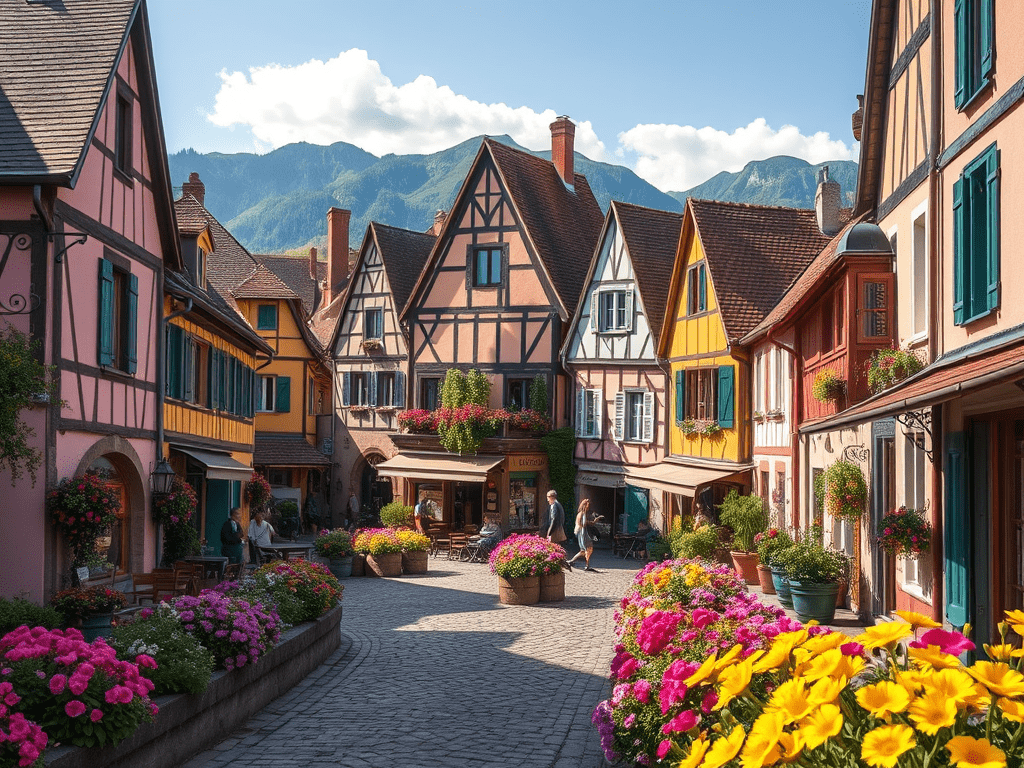
    Delightful Eguisheim 2025: Discover France’s Most Colorful Village

    Introduction

    Nestled in the Alsace region of France, Eguisheim stands as a vivid testament to the charm and beauty of traditional French villages. Renowned for its colorful facades, cobbled streets, and rich history, it has embraced travelers seeking an authentic taste of French culture. Often described as one of the most picturesque villages in France, Eguisheim is not just a feast for the eyes but also a haven for the senses, offering a delightful blend of art, gastronomy, and hospitality. Visitors are enchanted by its vibrant flowers and friendly locals, all set against the stunning backdrop of rolling vineyards and the Vosges mountains. Whether you are exploring its fascinating history, indulging in local delicacies, or participating in lively festivals, Eguisheim promises an unforgettable experience that lingers in the hearts of all who visit.

    The History and Cultural Significance of Eguisheim

    Eguisheim, with its origins dating back to the early Middle Ages, is steeped in a rich tapestry of history that reflects the broader narrative of Alsace. Initially, it began as a small settlement around the castle built by Count Eberhard of Eguisheim in the 9th century. This fortress, which was a point of defense, gave the village its name and laid the groundwork for its development into a vibrant community. The Count’s descendants played a pivotal role in shaping the political landscape of the region, leading to Eguisheim’s prominence in both local and ecclesiastical matters.

    As the years rolled on, Eguisheim flourished due to trade, particularly in the wine industry, which became synonymous with its identity. The Alsace wine route, which stretches through the surrounding vineyards, has its roots deeply embedded in Eguisheim’s history. This development not only fostered economic growth but also facilitated cultural exchanges, influencing architecture, culinary arts, and local customs. Many buildings in the village showcase the distinctive Alsatian style, characterized by half-timbered houses adorned with elaborate carvings and bright colors, reflecting the village’s prosperous past.

    In addition to its architectural heritage, Eguisheim holds a significant place in the story of the Catholic Church. It is the birthplace of Pope Leo IX, who became one of the key figures in the reform movement of the Church in the 11th century. His legacy continues to evoke pride among the locals, as they celebrate his contributions to both the Church and the community. The historical ties to the papacy add a unique layer to Eguisheim’s cultural fabric, underscoring its importance beyond mere aesthetics.

    However, the village has also experienced its share of challenges. The tumultuous history of Alsace, particularly during the Franco-German War and World War II, impacted Eguisheim significantly. The shifting national boundaries meant that the village was often at the forefront of cultural and political battles. Nevertheless, Eguisheim has shown resilience, emerging from these periods with a renewed sense of identity.

    Today, Eguisheim stands as a monument not only to its own history but also to the enduring spirit of Alsace. The villagers take great pride in preserving their heritage, as evidenced by the numerous festivals celebrating local traditions throughout the year. These events are more than mere celebrations; they serve as a means of anchoring the community in its past while welcoming new influences that come with tourism. The annual wine festival, for instance, not only highlights the region’s agricultural bounty but also fosters a sense of camaraderie among locals and visitors alike.

    Moreover, Eguisheim’s designation as one of France’s “Les Plus Beaux Villages” (the Most Beautiful Villages) captures the essence of why it draws so many people. The vibrant colors of the houses, often draped in flowers, create a postcard-like setting that has inspired artists and photographers. Visitors often find themselves captivated by the sheer joy that radiates from the village’s winding streets, charming squares, and welcoming atmosphere. The deep-rooted traditions, coupled with a forward-looking outlook, render Eguisheim not just a scenic spot to visit, but a living testament to the resilience and identity of its people.

    As one meanders through Eguisheim, the interplay of history and culture becomes palpably clear, offering an insight into how the past continues to shape present experiences. With every step, travelers are invited to engage not just with the sights, but with the stories that define this delightful village.

    A Stroll Through the Charming Streets and Architecture

    The enchanting streets of Eguisheim are a central part of its appeal, drawing visitors into a kaleidoscope of colors and textures that tell a story of time-honored craftsmanship and cultural heritage. Walking through this village feels like stepping into a living gallery where art and architecture coalesce, inviting admiration at every turn.

    One of the first things that captures attention is the unique layout of Eguisheim. Unlike many French villages, which often adhere to a linear form, Eguisheim features a circular layout. This design, which is believed to have been inspired by the local castle, is not only visually striking but also serves functional purposes. The concentric streets create a gradual way for visitors to explore the village, offering an immersive experience that fosters discovery.

    As you wander along the cobbled paths, the buildings reveal intricate details. The half-timbered houses, adorned with brightly painted shutters and vibrant flower boxes, exude a quaint charm that seems to transport you back in time. Each building tells its own story through its design, with some dating back to the 15th and 16th centuries. These homes, often bearing a distinctive style known as Alsatian architecture, incorporate locally sourced materials, creating a harmonious blend with their surroundings.

    Among the standout structures is the Maison de la Régionale, a historic building that serves as a focal point of local culture. This house not only reflects architectural beauty but also functions as a venue for exhibitions and cultural events that celebrate Eguisheim’s rich history. The attention given to maintaining such sites highlights the villagers’ commitment to preserving their heritage for future generations.

    Further along the streets, visitors will encounter the Wine Museum, a treasure trove of information about the region’s viticulture. Here, the architecture takes on a more rustic charm, with wooden beams and stone walls that evoke the area’s agricultural roots. This museum is a testament to the significance of wine in Eguisheim, showcasing how entwined it is with the village’s identity. Exhibits detail the traditional winemaking process, allowing visitors to appreciate the craft and passion that goes into each bottle.

    In addition to individual buildings, the overall aesthetics of Eguisheim create an enchanting atmosphere. The village is incredibly photogenic, with gabled roofs, ivy-clad walls, and quaint courtyards that seem plucked from a fairy tale. The artistic angle revealed by the interplay of light and color throughout the day captivates photographers and artists who come to capture its essence.

    Moreover, exploring Eguisheim goes beyond just observing the architecture; it offers a sensory journey. The air is often perfumed with the fragrance of blooming flowers in the warmer months, enhancing the visual beauty. Cafés and patisseries dot the streets, inviting visitors to pause and indulge in local delicacies while soaking up the idyllic surroundings. The convivial atmosphere is palpable as locals greet one another and engage in friendly banter, reinforcing the village’s sense of community.

    Yet, the charm of Eguisheim extends into its enchanting squares, where gatherings and festivities take place, bringing the village to life. The main square, often bustling with activity, is framed by restaurants and shops, creating a focal point for social interaction. Here, visitors can enjoy traditional Alsatian dishes or sample regional wines, fostering a deeper connection to the local culture.

    Ultimately, a stroll through Eguisheim is not just a leisurely walk but a profound exploration of its character and history. The streets serve as a narrative thread that weaves together the past and present, allowing one to experience the essence of this colorful village firsthand. As the sun sets, casting a golden hue over the charming architecture, it becomes apparent that Eguisheim is a place where time stands still, offering a glimpse into a world that celebrates beauty, tradition, and community.

    Local Delicacies: Culinary Treats Not to Miss

    The gastronomic landscape of Eguisheim is a delightful reflection of its rich cultural heritage and local resources. As a village proudly situated in the Alsace region, renowned for its culinary traditions, Eguisheim offers visitors an array of delectable treats that tantalize the taste buds. A focus on locally sourced ingredients and time-honored recipes is evident in the region’s cuisine, encompassing everything from hearty dishes to exquisite pastries.

    One of the most iconic dishes to sample in Eguisheim is the famous “Tarte Flambée” (Flammekueche), a savory pastry that resembles a thin pizza. Topped with cream, onions, and lardons (bacon), this dish embodies the hearty flavors of Alsace. Traditionally cooked in a wood-fired oven, the tart boasts a crispy crust and a rich, savory flavor that is both comforting and satisfying. Many local restaurants take pride in their unique variations of this classic, offering toppings ranging from mushrooms to seasonal vegetables, allowing guests to explore the dish’s versatility.

    Another culinary gem to indulge in is “Choucroute Garnie,” a flavorful dish of fermented cabbage served with an assortment of sausages and meats. This dish is especially popular during winter months and reflects the region’s German culinary influence. The careful preparation of ingredients ensures that the layers of flavor harmonize beautifully, making it a hearty representation of Alsatian cuisine. Often paired with a glass of locally produced white wine, particularly Riesling or Gewürztraminer, Choucroute Garnie is a must-try for those seeking an authentic taste of the region.

    For those with a sweet tooth, Eguisheim offers a variety of pastries and confections that celebrate its culinary heritage. One particularly beloved treat is the “Bredele,” small cookies traditionally made during the Christmas season. These delightful morsels come in various shapes and flavors, each bearing the warmth of local traditions. Visitors will find them in bakeries year-round, each cookie often crafted with love and care. Tasting Bredele while sipping a cup of Alsatian coffee is a perfect way to immerse oneself in the local culture.

    Additionally, the village is surrounded by vineyards, making it an excellent place to explore the local wines. As part of the famous Alsace Wine Route, Eguisheim is home to numerous cellars where visitors can sample a range of wines, from light and fruity to full-bodied and complex. Wine tasting in the village is an experience that combines education and pleasure, as local vintners share their knowledge of the unique terroir. The crisp white wines produced in this region pair wonderfully with the local dishes and are a preferred choice among many visitors to Eguisheim.

    The village also hosts food festivals, where culinary enthusiasts gather to celebrate local flavors. These events provide a wonderful opportunity to taste a variety of dishes, meet local artisans, and learn about traditional cooking methods. Local chefs often showcase their skills, offering cooking demonstrations or workshops that allow participants to recreate beloved recipes. These gatherings foster a sense of community and connection to the land, showcasing how food can bring people together.

    As you explore the culinary landscape of Eguisheim, it becomes evident that dining is not merely a matter of sustenance but a journey into the heart of Alsatian culture. The local chefs and inhabitants take immense pride in their culinary traditions, ensuring that each meal is a reflection of their dedication to quality and flavor. The convivial atmosphere shared in local restaurants and wine cellars makes dining in Eguisheim an experience filled with warmth and hospitality.

    Ultimately, the flavors of Eguisheim are interwoven with its identity. From traditional dishes that celebrate the harvest to innovative adaptations reflecting modern tastes, the culinary offerings in Eguisheim invite everyone to discover the rich heritage of this colorful village. Each meal provides a deeper understanding of the culture, history, and people of Eguisheim, leaving an indelible mark on every visitor’s journey.

    Festivals and Events: The Vibrant Spirit of Eguisheim

    In addition to its stunning architecture and delectable cuisine, Eguisheim is renowned for its lively festivals and events that infuse the village with a vibrant spirit. The calendar year is marked by various celebrations that showcase local traditions, artistry, and the integrative culture of the community. These spirited events not only draw visitors from afar but also foster a sense of unity and joy among locals.

    One of the most anticipated events is the Wine Festival, held each September. The festival serves as a fantastic platform for local winemakers to showcase their finest offerings. The streets come alive with music, laughter, and the clinking of glasses as residents and visitors gather to sample wines and savor regional delicacies. Stalls are strewn throughout the village, inviting curiosity and exploration as guests engage with winemakers who share their passion and expertise. This dynamic atmosphere illustrates the significant role that viticulture plays in Eguisheim’s identity, as well as the pride that the community takes in sharing their heritage with others.

    Another highlight of Eguisheim’s event calendar is the Christmas Market, which transforms the village into a winter wonderland each December. The smell of gingerbread and mulled wine wafts through the air as visitors meander through charming stalls adorned with twinkling lights. Local artisans display handcrafted ornaments, candles, and festive treats, creating a unique shopping experience that promotes local craftsmanship. The spirit of community is palpable during this time, as villagers come together to celebrate the holiday season, offering a heartwarming atmosphere filled with joy and camaraderie. Visitors can also enjoy live music, performances, and traditional storytelling that imbue the market with a sense of holiday cheer.

    Additionally, the village hosts the “Fête de l’Escargot,” a festival dedicated to the culinary delight of snails. Held during the summer months, this quirky festival celebrates this local delicacy with various preparations, from garlic-baked to creamy sauces. Chefs compete to create the most delicious snail dishes, and visitors can indulge in tastings while enjoying lively entertainment. This event not only promotes culinary creativity but also showcases the village’s playful nature and willingness to embrace its gastronomic heritage.

    Cultural events like art exhibitions and music festivals also play an essential role in Eguisheim’s identity. Local artists are given a platform to showcase their talents, turning public spaces into galleries that inspire creativity and appreciation for the arts. Music festivals often feature local bands and musicians, spanning genres from classical to contemporary, ensuring that there is something for everyone to enjoy.

    Moreover, Eguisheim’s festivals often incorporate themes that pay homage to the village’s history and culture. Celebrations such as the “Fête de la St. Martin” feature parades that highlight traditional costumes and historical reenactments, allowing visitors to immerse themselves in the rich stories of the region. Witnessing these customs offers a deeper understanding of the village’s heritage, forging connections between past and present.

    Lastly, the spirit of kindness and hospitality shines through during these events. Visitors often find themselves warmly welcomed into the celebrations, encouraged to participate and share in the joy. The communal atmosphere reinforces the idea that Eguisheim is not just a picturesque village but a thriving community where traditions thrive and relationships flourish.

    In summary, the festivals and events in Eguisheim signify more than mere enjoyment; they represent the resilience of the community and the enduring nature of its traditions. Each celebration is a testimony to the village’s identity, inviting exploration, connection, and an appreciation for the unique cultural landscape that defines this colorful gem in France.

    Practical Tips for Visiting Eguisheim

    When planning a visit to Eguisheim, it’s essential to consider a few practical tips that can enhance your overall experience. Nestled in the Alsace region, Eguisheim is easily accessible and offers a warm invitation to travelers. To help navigate this charming village seamlessly, here are some useful recommendations.

    Best Time to Visit

    While Eguisheim is beautiful year-round, the ideal time for visiting is during the spring and autumn months. Spring brings blooming flowers and mild weather, making it perfect for leisurely strolls through the picturesque streets. Autumn, on the other hand, unveils the stunning colors of the vineyards, and the grape harvest season adds to the vibrant spirit. If you wish to enjoy the festive atmosphere, plan your visit around September for the Wine Festival or December for the Christmas Market.

    Getting There

    Eguisheim is well-connected by rail and road, making it a convenient destination for travelers. If you’re arriving by train, the closest major railway station is Colmar, located about 6 kilometers away. From Colmar, regular bus services and taxis are available to take you directly to Eguisheim. For those traveling by car, on-site parking is available in designated areas outside the village to preserve its intimacy and ambiance.

    Exploring On Foot

    One of the best ways to explore Eguisheim is on foot. The village is small and walkable, allowing visitors to fully appreciate its charm at a leisurely pace. Strolling through the picturesque streets and alleyways unveils delightful surprises at every corner, from vibrant flower boxes to quaint shops. Be sure to grab a map at the local tourist office to help navigate the village’s attractions.

    Embrace Local Cuisine

    Don’t miss the opportunity to explore the local culinary scene. Restaurants and cafés throughout the village offer a variety of delectable dishes and Alsatian specialties. Be sure to experiment with local wines, particularly the famous Rieslings, which pair beautifully with regional cuisine. Dining at a traditional winstub (Alsatian bistro) can enhance your experience and provide insights into the local culture.

    Engage with Locals

    Connecting with the friendly locals adds a personal touch to your visit. Many residents are passionate about sharing their traditions, history, and recommendations for exploring the village. Engaging in friendly conversations can lead to discovering hidden gems, whether it’s a quaint shop or a lesser-known viewpoint.

    Attend Local Events

    If possible, synchronize your visit with one of Eguisheim’s lively festivals or events. The seasonal celebrations provide a vibrant atmosphere and an opportunity to experience the local culture authentically. From wine tastings to Christmas markets, participating in these festivities leaves a lasting impression and enriches your understanding of the village’s heritage.

    Plan for the Weather

    Alsace experiences a temperate climate, with warm summers and chilly winters. Dressing in layers is recommended, especially in spring and autumn when temperatures can fluctuate. Be prepared for occasional rain by bringing an umbrella or raincoat, ensuring that the weather won’t hinder your exploration of the village.

    Discover Beyond the Village

    While Eguisheim offers numerous charms, don’t forget to explore the surrounding area. The Alsace Wine Route is dotted with picturesque villages, vineyards, and historical sites, inviting day trips to further enrich your experience. Consider visiting nearby attractions such as the city of Colmar, known for its stunning canals and charming architecture, or hiking in the Vosges mountains for breathtaking views.

    Conclusion

    Visiting Eguisheim promises a delightful journey filled with beauty, culture, and culinary treasures. By keeping these practical tips in mind, you can navigate the village with ease, delve into its history, and forge memorable connections with the community. Whether enjoying the vibrant festivals or savoring local delicacies, your time in Eguisheim will undoubtedly be a cherished chapter in your travel stories.

    Eguisheim, with its picturesque streets, delicious cuisine, and vibrant traditions, stands out as a jewel in the Alsace region of France. This charming village, adorned with colorful facades and warm-hearted locals, offers visitors an enchanting experience that transcends mere sightseeing. From its rich historical roots to the timeless rhythm of daily village life, Eguisheim invites you to slow down and savor every moment. As you wander through its concentric cobblestone lanes, admire the half-timbered houses, and sip world-class Alsatian wines, you’ll feel a deep connection to both the past and present. The welcoming atmosphere and preserved heritage of Eguisheim make it an ideal destination for travelers seeking authenticity, charm, and inspiration. Whether you’re a history enthusiast, a food lover, or simply someone in search of a quiet escape, this village offers something special for everyone. Let your time in Eguisheim be more than a visit—let it be an immersion into the heart of Alsace, where every detail tells a story and every encounter leaves a lasting impression. With thoughtful preparation and an open heart, your journey to Eguisheim will become an unforgettable experience worth revisiting in memories for years to come.

    Eguisheim Video Guide : The Most Enchanting Village of Alsace

    Eguisheim : The Most Enchanting Village of Alsace, France
  • Discover Piódão in 2025: Portugal’s Enchanting Schist Village

    Discover Piódão in 2025: Portugal’s Enchanting Schist Village

    Introduction

    Nestled in the heart of the Serra do Açor mountains, Piódão emerges like a scene from a storybook, enchanting visitors with its rustic charm and stunning natural landscape. This picturesque village, built almost entirely from schist stone, showcases a unique architectural style that blends harmoniously with its mountainous surroundings. With narrow winding streets, traditional slate-roofed houses, and vibrant flowers adorning window sills, Piódão exudes an atmosphere of tranquility and history. The village also holds a rich cultural tapestry, reflecting the traditions of the region and an enduring connection to its past. As you wander through Piódão, you will discover not only its visual beauty but also the warmth of a community that thrives amidst nature’s splendor. This article endeavors to explore the allure of Piódão, from its distinctive architecture and cultural heritage to the breathtaking scenery that envelops it.

    Introduction to Piódão: A Hidden Gem in Portugal

    Piódão is undoubtedly one of Portugal’s best-kept secrets, hidden away within the steep hills of the Serra do Açor. At first glance, the village appears frozen in time, with its traditional schist houses hugging the mountainside, their dark stone facades glowing warmly in the sunlight. The route leading to Piódão meanders through the lush green valleys and picturesque landscapes of the region, setting the tone for an adventure that feels like stepping into a forgotten world.

    Upon arrival, visitors are immediately captivated by Piódão’s charm. The village’s origins date back to the 12th century, and its establishment is closely tied to the surrounding natural resources. Piódão was initially a settlement for those extracting and utilizing schist stone, which is prominent in the area. As you explore the narrow, cobblestoned streets, each turn reveals stunning vistas and quaint spaces that seem alive with the whispers of history.

    Despite its remote location, Piódão has managed to retain a vibrant community. The locals have embraced their heritage, and their pride is evident in the way they maintain their ancestral homes and traditions. Festivals, culinary delights, and artisan crafts are integrated into the life of the village, offering visitors a glimpse into the culture that makes Piódão unique. The annual celebrations often bring the community together, showcasing traditional music, dance, and food that reflect the region’s agricultural roots.

    One of Piódão’s most notable aspects is its interaction with nature. Steeped in lush greenery and dramatic mountain landscapes, the village is surrounded by natural beauty that invites exploration. Hiking trails abound in the area, and outdoor enthusiasts will find the terrain both challenging and rewarding. The various routes provide stunning viewpoints overlooking the village and the deep ravines that characterize the landscape.

    Moreover, its elevation and unique climate contribute to a distinguished flora and fauna that thrives in the region. Birdwatchers and nature lovers will delight in the opportunity to witness diverse species in their natural habitats. The surrounding forests are not only a haven for wildlife but also feature trails that reveal the secrets of the natural ecosystem.

    Piódão serves as not only a destination but also a gateway to the richness of Portugal’s rural heritage. Visitors can learn about traditional crafts, such as weaving and pottery, that have been passed down through generations. Each interaction with the locals provides insight into their way of life, deepening the appreciation for the traditions that define the community.

    In recent years, Piódão has gained popularity among travelers seeking authentic experiences away from the bustling metropolitan areas. The village’s remote nature lends itself to a sense of peace and rejuvenation, making it an ideal retreat for those looking to escape the chaos of modern life. Its charm lies not just in its picturesque streets, but in its ability to transport visitors to a world where time moves at a slower pace, allowing for reflection and connection with both the past and the present.

    In summary, Piódão stands as a hidden gem that captures the essence of Portugal’s heritage and natural beauty. Its enchanting atmosphere, rich history, and commitment to maintaining traditions make it a must-visit destination for anyone exploring the depths of the country’s cultural landscape.

    The Architectural Charm of Schist Houses

    The architectural wonder of Piódão is intrinsically tied to its local geology and the materials that define its landscape. The village is renowned for its unique buildings, constructed primarily from schist, a metamorphic rock that is abundant in the region. This stark yet beautiful stone lends the homes a distinctive appearance, creating a harmonious balance between the man-made structures and the rugged mountain backdrop.

    At first sight, the houses of Piódão seem to emerge organically from the earth itself. Their slate-grey facades are not just visually striking but also functional, designed to withstand the elements of the mountainous climate. The roofs, often lined with similarly dark slate, are pitched steeply to allow rainwater to run off easily, preventing the accumulation of snow and ice during the winter months. This practical architectural style highlights the local understanding of the environment, showcasing the ingenuity of the people who built these dwellings generations ago.

    Walking through the village, one can notice the intricate details that define each house. Many homes feature wooden shutters that add a splash of color against the dark stone, while traditional flower pots filled with vibrant blooms soften the overall aesthetic. The placement of windows is also significant; designed to capture the maximum amount of sunlight, they create bright, inviting interiors and facilitate natural ventilation. This architectural strategy not only enhances comfort for the inhabitants but also reflects the communal spirit, as many homes are built close together, fostering a sense of neighborhood.

    The layout of Piódão is another fascinating aspect of its architecture. The village is built upon a steep hillside, leading to a tiered system of streets that present a unique challenge for both builders and residents. The narrow pathways wind between the houses, creating a labyrinth that encourages exploration. Each twist and turn reveals stunning views of the surrounding mountains and valleys, reminding visitors of the beauty and ruggedness of nature.

    Piódão’s architecture serves as a visual narrative of its history. Many of the buildings date back centuries, reflecting the evolution of construction techniques and the ability of the community to adapt to changing times. Restorations have been undertaken to preserve the integrity of these structures, ensuring that future generations can appreciate the rich heritage embedded in the village’s fabric.

    Moreover, the architectural significance of Piódão extends beyond just the homes. The village also boasts several important communal buildings, such as the local church and community hall. The Igreja de Piódão, for instance, showcases a blend of traditional and functional design, with its striking whitewashed exterior standing out against the slate of the village. This building not only serves as a place of worship but also as a gathering point for celebrations and community events, underlining the interconnectedness of Piódão’s architectural identity.

    As visitors delve deeper into the village, they may notice the compelling craftsmanship found in both the interiors and exteriors of the homes. Many families have taken great pride in their properties, adorning them with intricate carvings, wrought iron railings, and local artwork. This dedication to detail emphasizes a commitment to culture and heritage, allowing each home to express individuality while still being part of the collective identity of Piódão.

    One can also see that many of the architectural elements in Piódão have been carefully preserved or restored. Traditional techniques are still employed today, showcasing a continuity of knowledge that has been safeguarded through generations. Craftsmen and artisans contribute to this preservation effort, infusing modern elements while respecting the historical context of their work.

    In conclusion, the architectural charm of Piódão lies not just in its unique construction materials, but also in the stories that each stone and wood beam tells. The interplay between traditional design principles and the natural landscape creates an enchanting environment that captures the essence of rural life in Portugal. For visitors, exploring the village’s architecture offers an immersive experience that connects them with the past and deepens their appreciation for the craftsmanship and community spirit inherent in Piódão.

    Cultural Significance and Traditions of Piódão

    The cultural tapestry of Piódão is woven from centuries of heritage, tradition, and the resilient spirit of its inhabitants. From its folklore to its culinary delights, the village embodies a rich array of practices that reflect the life of this remote community, deeply rooted in the rural landscape of Portugal.

    Central to Piódão’s culture is its connection to nature and the agrarian practices that have sustained the community for generations. The surrounding hills and fertile valleys have provided not only the materials for construction but also the agricultural bounty that shapes daily life. Traditionally, farming was the lifeblood of Piódão, with villagers cultivating crops such as corn, potatoes, and various fruits. This agricultural heritage continues to influence local cuisine, with traditional recipes passed down through generations, showcasing the seasonal ingredients found in the region.

    One of the most cherished culinary delicacies of Piódão is the local dish known as “Pão de Milho,” or corn bread. This staple food is often enjoyed with a variety of accompaniments, from cured sausages to homemade cheeses, allowing visitors to savor the flavors of the region. Communal meals are an integral aspect of village life, creating opportunities for residents to come together, share stories, and maintain social ties. Festivals centered around food are common, celebrating harvests and seasonal changes in a vibrant display of community spirit.

    In addition to its culinary traditions, Piódão is steeped in folklore that reflects the beliefs and values of its people. Tales of mythical creatures and local legends add a layer of enchantment to the village, captivating both residents and visitors. These stories serve as a reminder of the village’s past, providing insight into the collective imagination of its inhabitants. Festivals and gatherings often incorporate these folkloric elements, ensuring that the traditions are kept alive and shared with younger generations.

    One of the most significant cultural events in Piódão is the “Feira de São Miguel,” or the Feast of Saint Michael, held in late September. This annual celebration features traditional music, dancing, and artisanal crafts, showcasing the vibrant cultural identity of the village. Local musicians often gather to perform traditional songs, filling the air with melodies that have been cherished for generations. Dancers in traditional attire engage in lively folk dances, inviting everyone to participate in the festivities.

    The artisan community of Piódão also plays a crucial role in maintaining its cultural significance. Local craftspeople specialize in traditional pottery and weaving, creating beautiful handcrafted items that reflect the region’s heritage. These artisans contribute not only to the economy but also to the preservation of techniques that have been practiced for centuries. Workshops and demonstrations provide visitors with the opportunity to engage with these crafts, fostering a deeper understanding of the skills involved.

    Moreover, the village’s location has made it a crossroads for traders and travelers over the years. Piódão has welcomed visitors from all walks of life, facilitating cultural exchange and interaction. As a result, the village can be seen as a melting pot of influences, where various customs and traditions have blended together, enriching the local identity.

    The community’s commitment to preserving its traditions is palpable. Many families actively participate in initiatives aimed at safeguarding the cultural heritage of Piódão. This dedication is not only about maintaining the past but also about enriching the future, ensuring that younger generations have a sense of pride and belonging within their community.

    In conclusion, the cultural significance of Piódão extends far beyond its picturesque streets and unique architecture. It is a living testament to the resilience and creativity of its inhabitants, encapsulated in the stories, traditions, and culinary delights that create a vibrant tapestry of life. For visitors, understanding the cultural essence of Piódão offers a unique glimpse into the heart of rural Portugal, fostering connections that resonate long after their visit.

    Exploring the Natural Beauty Surrounding Piódão

    Piódão is not only a marvel of architecture and culture but also a gateway to some of the most breathtaking natural landscapes in Portugal. The village is framed by the rugged peaks of the Serra do Açor, a protected natural park that offers an abundance of outdoor adventures and scenic vistas. The surrounding nature invites exploration, allowing visitors to immerse themselves in the stunning beauty of the area.

    The Serra do Açor is characterized by its dramatic topography, featuring steep valleys, lush forests, and picturesque rivers. As you venture beyond the village, a network of hiking trails unfolds, leading you through diverse ecosystems and offering panoramic views of the landscape. These trails cater to various skill levels, providing options for both casual strollers and avid trekkers. The well-marked paths enhance the experience, guiding you through wildflower meadows, ancient oak forests, and rugged hillsides, each step revealing a new aspect of the breathtaking scenery.

    One of the most popular hiking routes is the “Rota do Piódão,” a trail that beautifully encapsulates the essence of the region. The route winds through the mountains, promoting a deeper connection with the natural world as it showcases the local flora and fauna. Along the way, hikers may encounter traditional stone walls and abandoned agricultural terraces, remnants of a way of life that once dominated the area. These historical landmarks serve as poignant reminders of the village’s agrarian past, encouraging contemplation and appreciation for the landscape.

    The region is renowned for its rich biodiversity, with many species of plants and animals that are endemic to the area. Birdwatchers will find delight in observing the many avian species that inhabit the forests, such as the black woodpecker and various types of owl. The pristine rivers provide habitats for various aquatic species, and lucky anglers may catch glimpses of native fish. This rich biodiversity embodies the ecological significance of the Serra do Açor, highlighting the importance of preserving its natural heritage.

    Another highlight of exploring the surroundings is the breathtaking waterfalls that can be found scattered throughout the region. Cascades such as “Cascata da Fraga da Água d’Alta” invite visitors to bask in their beauty and enjoy the soothing sounds of flowing water. These natural wonders provide perfect spots for resting and rejuvenating during hikes, allowing for moments of reflection amidst pristine surroundings.

    In addition to hiking, the region offers opportunities for other outdoor activities such as mountain biking, horseback riding, and even birdwatching excursions. Local guides often lead tours, sharing their extensive knowledge of the landscape and its ecological intricacies. Engaging with these guides allows visitors to forge a deeper connection with the environment, as they gain insights into the flora and fauna that characterize the area.

    The changing seasons play an essential role in the natural beauty of Piódão, providing a dynamic backdrop for exploration. Spring brings bursts of wildflowers, while summer offers lush green scenery shimmering under the sun. Autumn transforms the landscape into a tapestry of warm hues, and winter blankets the peaks in a serene layer of snow. Each season bestows its unique charm upon the region, allowing for varied experiences throughout the year.

    Furthermore, the stunning views from higher elevations reveal the interconnectedness of the natural world. Standing atop the mountains allows visitors to gain perspective, understanding the vastness of the landscape while simultaneously feeling the intimacy of Piódão nestled below. This profound connection to nature amplifies the overall experience of visiting the village.

    In conclusion, the natural beauty surrounding Piódão enhances its allure and transforms it into a haven for outdoor enthusiasts and nature lovers. The lush landscapes, winding trails, and diverse ecosystems create an immersive experience that invites exploration and appreciation. Visitors who embark on these adventures are ultimately rewarded with not only stunning vistas but also a profound connection to the unspoiled beauty of the Serra do Açor.

    Practical Information for Visitors

    Visiting Piódão is an enchanting experience that requires some planning to ensure travelers make the most of their time in this idyllic village. Whether you’re drawn by its rustic charm, cultural heritage, or surrounding natural beauty, it’s essential to be equipped with the right information before embarking on your journey.

    Getting There

    Piódão is situated in the Coimbra district of Portugal, approximately 200 kilometers southeast of Lisbon and 130 kilometers from Porto. The village’s remote location means that getting there may involve some travel on winding mountain roads. The most convenient way to reach Piódão is by car, as public transportation options are limited. Renting a vehicle allows you the freedom to explore the surrounding region at your own pace and take in the breathtaking scenery along the way. The drive to Piódão is scenic and offers an opportunity to enjoy the natural beauty of central Portugal.

    For those relying on public transport, the nearest railway stations are in the towns of Oliveira do Hospital and Seia, both approximately 30 kilometers from Piódão. From these stations, visitors can take a taxi or arrange for local transport services to reach the village.

    Accommodations

    Piódão offers a range of accommodations for visitors, from charming guesthouses to small hotels. Staying in the village allows you to fully immerse yourself in its serene atmosphere. Many establishments are run by local families who pride themselves on providing warm hospitality and delicious traditional meals. Booking ahead is recommended, particularly during peak tourist seasons when the village attracts visitors seeking its picturesque charm.

    For those looking for a more immersive experience, consider staying in a country cottage or exploring nearby rural retreats. Many accommodations provide easy access to hiking trails and offer stunning views of the surrounding landscape, creating an ideal base for your outdoor adventures.

    Local Cuisine

    Dining in Piódão is an essential aspect of the visit, as the local cuisine reflects the regional agricultural practices. Traditional restaurants and taverns serve hearty dishes made from locally sourced ingredients. Don’t miss the opportunity to try “Pão de Milho” (corn bread), “Cozido à Portuguesa” (a traditional Portuguese stew), and various grilled meats. Most eateries are welcoming, providing a cozy atmosphere that allows guests to sample authentic dishes while interacting with friendly locals.

    Best Times to Visit

    The ideal time to visit Piódão depends on your preferences for weather and activities. Spring (March to June) is particularly lovely, with blooming wildflowers and mild temperatures, making it perfect for hiking and exploring the natural landscapes. Summer (July and August) is warm but can also bring crowds. Autumn (September to November) transforms the scenery into a riot of colors, ideal for photography and outdoor activities. Winter (December to February) can be chilly, particularly at higher elevations, but its serene beauty offers a unique charm for those willing to brave the colder temperatures.

    Activities & Attractions

    In addition to exploring the village’s architecture and cultural traditions, visitors are encouraged to partake in outdoor activities. Hiking trails in the Serra do Açor provide access to stunning viewpoints and natural landmarks, while nearby waterfalls offer picturesque spots for relaxation. Guided tours and workshops in local crafts also enhance the experience, allowing you to engage with the artisans and learn about traditional techniques.

    Visitor Etiquette

    As with any rural community, it’s important to be respectful of local customs and the environment. When exploring Piódão, travelers should stay on marked paths and be mindful of nature, leaving no trace behind. Engaging with locals and participating in their festivities and traditions fosters a spirit of connection and appreciation for the village’s heritage.

    Conclusion

    Planning a visit to Piódão promises a rich and rewarding experience for those seeking to discover the hidden gems of Portugal. By considering transportation, accommodations, local cuisine, and activities, travelers can fully immerse themselves in the enchanting atmosphere of this schist village. With its breathtaking landscapes and vibrant culture, Piódão is sure to leave a lasting impression long after your visit. Piódão is a captivating haven that enchants visitors with its fairytale-like beauty, rich cultural heritage, and stunning natural surroundings. The village invites exploration and discovery.

    PIODÃO | Historical Village of Portugal Video

    PIODÃO | Aldeias Históricas de Portugal