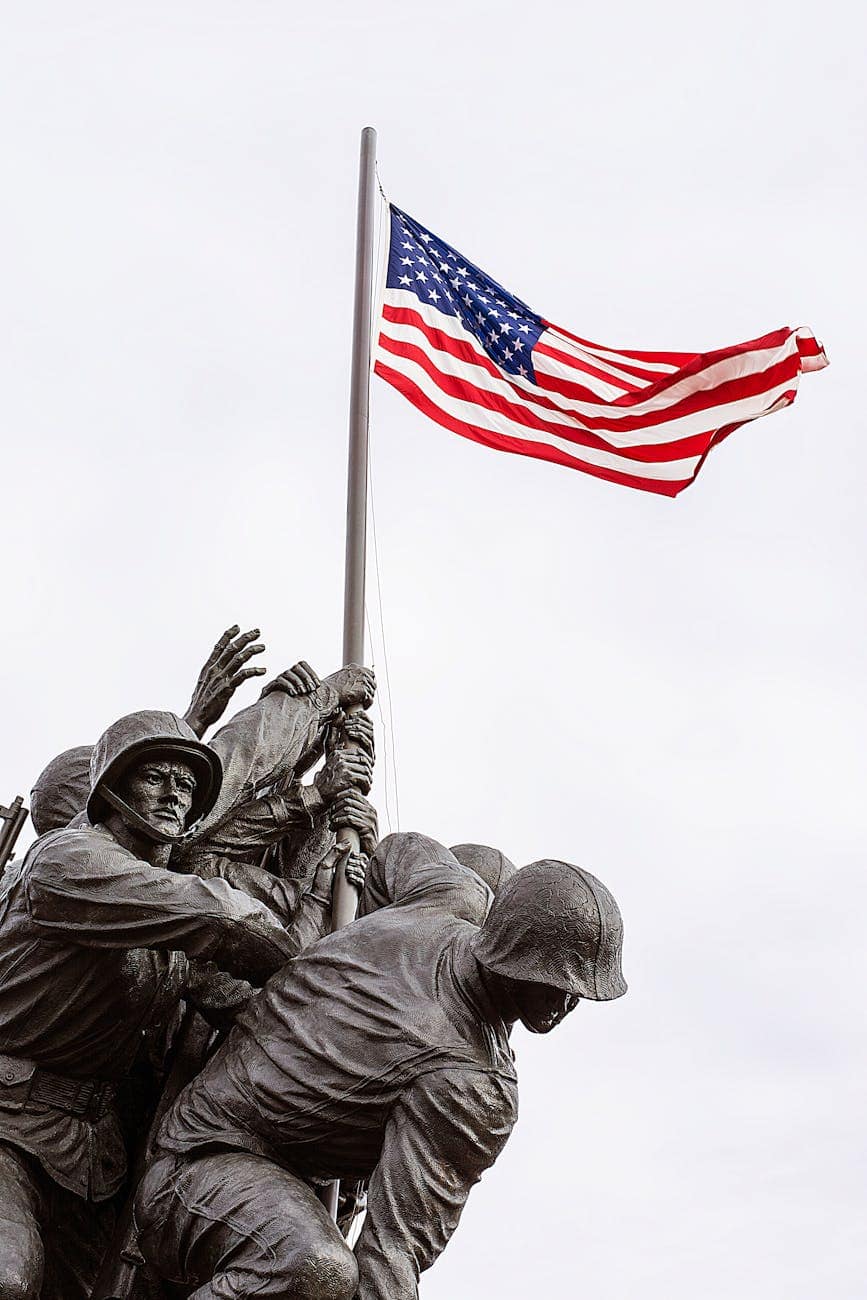
Tag: USA

  • The History of TESCO: key facts in a full guide

    The History of TESCO: key facts in a full guide

    Introduction

    Founded in 1919, TESCO has grown from a small market stall into one of the largest retailers in the world. The journey of TESCO reflects not just the evolution of a supermarket chain, but also the changing dynamics of consumer culture and retail practices over the decades. Initially established by Jack Cohen in Hackney, London, TESCO has expanded its operations and diversified its product offerings significantly. With over 3,400 stores in the UK alone and an extensive international presence, TESCO continues to adapt to market trends while upholding its commitment to customer satisfaction. This article will explore the milestones in TESCO’s history, detailing its early beginnings, growth phases, technological innovations, global reach, and the challenges it faces today.

    Founding of TESCO: The Early Years

    TESCO originated in 1919, when Jack Cohen, a former soldier in World War I, set up a stall selling groceries in London’s East End. He quickly gained recognition for his low prices and high-quality products, appealing to local shoppers. The name TESCO first appeared in 1924 when Cohen combined the initial letters of his tea supplier, TE Stockwell, with the first two letters of his own surname. This branding strategy proved effective; by the end of the 1920s, Cohen opened his first retail store in Burnt Oak, Edgware, which marked the official beginning of TESCO as a business.

    As TESCO expanded, Cohen introduced the concept of self-service shopping, which was revolutionary at the time. Unlike the traditional model of shops where staff served customers, TESCO’s self-service approach allowed shoppers to browse products at their leisure, ultimately enhancing their shopping experience. The innovation was a significant factor in driving sales and building customer loyalty.

    In the late 1930s, during the lead-up to World War II, TESCO began to consolidate its position in the market. The company expanded its product lines to include not just groceries but also household goods, which helped it cater to a broader customer base. By the end of the war in 1945, TESCO had grown into one of the leading grocery chains in London, boasting 200 outlets. Cohen’s focus on customer service and quality products paved the way for TESCO’s strong reputation.

    During the post-war period, the UK economy underwent significant changes, prompting TESCO to adapt its business model. Cohen recognized the importance of expanding into new markets and enhancing the shopping experience. This era also saw the establishment of the TESCO brand as a household name in the UK, thanks to extensive advertising and promotion strategies. The company’s motto, “Every little helps,” emerged during this time, encapsulating its commitment to customer satisfaction.

    Expanding beyond London, TESCO ventured into new territories by acquiring existing grocery stores. These acquisitions not only increased TESCO’s market share but also integrated new communities into the TESCO family, enriching its brand identity. Furthermore, TESCO focused on maintaining competitive prices and offering loyalty schemes, establishing itself as a champion among budget-conscious consumers.

    Overall, the early years of TESCO were characterized by innovation, strategic expansion, and a steadfast commitment to quality and customer service. These foundational principles laid the groundwork for TESCO’s future success and set the stage for the massive retail empire that would follow.

    Expansion and Growth: The 1960s to 1980s

    TESCO entered a new phase of rapid expansion in the 1960s, driven by changing consumer preferences and economic conditions. The introduction of larger store formats, such as hypermarkets, allowed TESCO to capitalize on the growing demand for one-stop shopping experiences. By 1968, TESCO had made its first significant foray into non-food items, integrating clothing and electronics into its store offerings.

    This strategy not only increased store sales but also attracted a diverse customer base seeking convenience and variety. TESCO’s commitment to providing an extensive range of products in one location positioned the retailer as a leader in the supermarket sector. By the end of the 1970s, TESCO had expanded its store count to over 500 nationwide, further solidifying its presence in the UK retail market.

    The 1980s marked another pivotal decade for TESCO, characterized by bold strategic moves, including the launch of its own brand products. TESCO’s commitment to private label products enabled the company to offer quality goods at lower prices, fostering consumer loyalty and increasing profit margins. By integrating these products into its marketing and promotional strategies, TESCO maintained a competitive edge over other retailers.

    As part of its expansion strategy, TESCO also ventured into the store acquisition arena, effectively absorbing weaker competitors and enhancing its overall market position. The concept of the “superstore” became synonymous with TESCO, as customers began to associate the brand with convenience, low prices, and quality offerings.

    During this period, TESCO was also at the forefront of technological advancements in retail. The company invested heavily in logistics and supply chain management, implementing new systems to manage inventory more efficiently. This investment paid off as TESCO continued to refine its operations, which contributed to its ability to respond swiftly to market demands and consumer preferences.

    The 1980s were not without challenges, as economic recession and rising competition prompted TESCO to rethink some strategies. The company recognized the importance of enhancing customer experience through service-oriented initiatives and heavily promoted its membership loyalty program, which rewarded shoppers for their purchases. This effort increased customer retention and encouraged repeat visits, reinforcing TESCO’s position as a market leader.

    Overall, the period from the 1960s to the 1980s was marked by TESCO’s aggressive expansion, market diversification, and commitment to innovation. By evolving its business strategies and adapting to the changing landscape of retail, TESCO set a strong foundation for its future growth.

    Modernization and Technological Advancement: 1990s to 2000s

    The 1990s represented an era of significant transformation for TESCO as the company embraced modernization and technological advancement. As the retail landscape continued to evolve with the advent of e-commerce and increasing competition, TESCO’s adaptive strategies positioned it as a leader in the industry.

    The decade saw TESCO make substantial investments in technology, including the introduction of sophisticated inventory management systems and customer relationship management (CRM) tools. These initiatives enabled TESCO to improve stock accuracy and consumer insights, thereby enhancing customer experiences. The introduction of barcode scanning systems in stores allowed for faster checkout processes, which significantly increased operational efficiency.

    In 1995, TESCO launched its first online shopping service, making it one of the early adopters of e-commerce in the UK grocery sector. This initiative provided customers with a convenient way to shop without visiting physical stores. Online shopping quickly gained traction, boosting TESCO’s market share and enabling the company to reach a wider audience. Additionally, the introduction of home delivery services transformed the convenience aspect of grocery shopping, solidifying TESCO’s position as a pioneer in the sector.

    TESCO’s commitment to sustainability and responsible sourcing became more pronounced during the 1990s as consumer awareness of environmental issues grew. The company initiated various programs aimed at reducing waste, promoting recycling, and sourcing locally produced products. TESCO’s sustainability initiatives resonated with environmentally-conscious consumers, enhancing the brand’s reputation and consumer loyalty.

    Moreover, the late 1990s marked TESCO’s foray into international markets, as the company began opening stores outside of the UK. With a strategic focus on Asia and Eastern Europe, TESCO aimed to diversify its market presence and tap into emerging economies. The company’s experience in adapting to different cultural preferences and retail environments allowed TESCO to successfully establish itself in countries like Thailand and Hungary.

    By the early 2000s, TESCO had cemented its status as the market leader in UK grocery retail, commanding a significant share of the market. The company’s focus on customer satisfaction remained unwavering, guided by its slogan, “Every little helps.” TESCO continued to innovate and refine its retail models, including the expansion of its Extra format stores, which offered an extensive range of products, from groceries to clothing and electronics.

    While TESCO’s rapid growth and modernization were commendable, the company faced challenges, including increasing competition from discounters and shifts in consumer behavior. The need to continuously adapt to market changes became apparent. TESCO responded by further refining its operations, investing in advanced data analytics, and implementing targeted marketing strategies that resonated with its customer base.

    Overall, the 1990s to 2000s was characterized by TESCO’s embrace of technology, sustainability, and international expansion. These advancements not only enhanced the shopping experience but also solidified TESCO’s position as a trailblazer in the retail sector.

    Global Expansion: TESCO’s International Ventures

    As TESCO entered the 2000s, its ambitions extended beyond the UK market. The company initiated a robust international expansion strategy, cementing its position as a global retail giant. TESCO’s foray into international markets was a calculated approach aimed at diversifying revenue streams and reducing dependency on the UK market.

    The first significant international move occurred in the late 1990s with TESCO’s entry into Hungary, followed by a successful expansion into Poland. The company’s strategy in these markets focused on adapting offerings to meet local tastes and preferences while applying its established business model. TESCO’s ability to integrate into new markets was further demonstrated by entering Thailand in 1998. By leveraging its experience from earlier expansions, TESCO effectively captured market share in these regions, focusing on customer service and quality.

    By the mid-2000s, TESCO had established a presence in Asia, Europe, and even ventured into the United States. In 2007, the company launched its Fresh & Easy stores in California, aiming to cater to the growing demand for convenient grocery shopping. However, this venture faced challenges with cultural adaptation and competition. Despite significant investments, TESCO eventually withdrew from the U.S. market in 2013, acknowledging the difficulties in competing with established American retailers.

    Despite setbacks, TESCO continued to thrive in many international markets, particularly in Asia. In countries like Thailand and South Korea, the company quickly adapted its products and marketing strategies to align with local preferences. TESCO utilized its global resources to tailor store layouts, pricing, and customer engagement initiatives to resonate with different cultures.

    TESCO’s success in these international markets was largely fueled by its commitment to incorporating local practices and preferences. The company invested in building strong relationships with local suppliers, focused on understanding consumer trends, and prioritized community engagement. This strategy established TESCO as a respected and trusted retailer in diverse markets.

    The company also leveraged its extensive supply chain expertise to create efficiencies within the newly established stores, to ensure cost-effectiveness. TESCO’s operational know-how allowed it to offer competitive pricing while maintaining quality. Furthermore, the retailer’s loyalty programs were tailored based on local market needs, fostering brand loyalty among customers.

    As TESCO expanded globally, it recognized the importance of corporate social responsibility, initiating programs that aligned with the communities in which it operated. This commitment included sourcing local products to support local economies, enhancing its reputation as a responsible corporate citizen.

    Though TESCO’s global expansion strategy experienced both triumphs and setbacks, it underscored the retailer’s ambitions to become a formidable international player. By navigating cultural differences and adapting its strategies accordingly, TESCO continued to grow its operational footprint and market presence worldwide.

    Current Challenges and Future Directions of TESCO

    In recent years, TESCO has faced a multitude of challenges that have tested its resilience in the fast-changing retail landscape. With the rise of e-commerce and changing consumer behaviors, TESCO has had to adapt to remain relevant amidst increasing competition from both established players and new entrants.

    One of the most significant challenges has been the surge of discount retailers, such as Aldi and Lidl. These competitors have gained substantial market share by offering low prices and attracting budget-conscious consumers. TESCO responded by sharpening its focus on value, restructuring pricing, and enhancing the quality of its private label products to match or exceed that of discount retailers. The “Aldi Price Match” campaign was introduced to reassure customers of TESCO’s competitive pricing, helping the company to retain its customer base.

    The COVID-19 pandemic further accelerated fundamental shifts in shopping habits, with a dramatic increase in online grocery shopping and home delivery services. TESCO adapted quickly, investing in its online infrastructure to accommodate the surge in demand. The introduction of click-and-collect services met the evolving needs of consumers, demonstrating TESCO’s agility in responding to market changes.

    As TESCO navigates the aftermath of the pandemic, it must continue to prioritize digital transformation. The integration of advanced technology, such as artificial intelligence for inventory management, data analytics for consumer insights, and enhanced e-commerce platforms, will be pivotal in maintaining a competitive advantage. The retailer’s investments in technology are designed to streamline operations, improve efficiency, and offer a seamless customer experience across all shopping platforms.

    Sustainability remains another crucial focus for TESCO, as consumer awareness of environmental issues continues to rise. The company has made substantial commitments to reduce plastic packaging, reach net-zero emissions by 2050, and promote ethical sourcing. These initiatives resonate with environmentally-conscious consumers and position TESCO as a leader in corporate sustainability efforts.

    Looking towards the future, TESCO aims to strengthen its community presence and foster a sense of belonging among consumers. Initiatives that highlight local suppliers, community support programs, and a commitment to ethical practices will further enhance TESCO’s brand image.

    Overall, the current challenges facing TESCO demand a multifaceted response. By continuing to innovate and adapt to consumer preferences, investing in technology, and prioritizing sustainability, TESCO is well-positioned to navigate the complexities of the retail landscape while maintaining its status as a market leader.

    Conclusion

    The history of TESCO is a remarkable narrative of adaptation, innovation, and resilience. From its humble beginnings as a market stall to its status as a global retail powerhouse, TESCO has continually evolved to meet changing consumer needs and market dynamics. Through innovative strategies and a commitment to quality and customer service, TESCO has captured the hearts of millions and redefined the grocery shopping experience.

    Despite facing challenges, including increased competition and the impact of the COVID-19 pandemic, TESCO’s proactive approach to modernization and sustainability positions it for future success. The company’s strategic initiatives, commitment to community engagement, and emphasis on technological advancement will be pivotal as it navigates the ever-changing retail landscape.

    As TESCO looks to the future, the lessons learned from its history will guide its path forward. By leveraging its rich heritage and responding to the evolving needs of consumers, TESCO can continue to thrive and maintain its legacy in the world of retail.

    Sources Consulted

  • The Rich History of Thanksgiving Day

    The Rich History of Thanksgiving Day

    Introduction

    Thanksgiving Day is a cherished holiday celebrated in the United States, known for its emphasis on gratitude, family gatherings, and, of course, a feast of turkey and other culinary delights. The origins of this festive day date back to early harvest celebrations, where gratitude was expressed for bountiful crops and successful harvests. As the years progressed, Thanksgiving evolved, intertwining with various cultural practices and societal changes, leading to the rich tapestry of traditions we observe today. This article delves into the history of Thanksgiving Day, exploring its origins, evolution, cultural significance, and modern-day observances, celebrating a holiday that unites millions of Americans each November.

    Origins of Thanksgiving Day: The Early Harvest Celebrations

    The concept of celebrating a harvest can be traced back to ancient practices across various cultures. These rituals were often tied to agriculture and were seen as a way to thank deities for the successful gathering of crops. In North America, these early harvest celebrations were no different. The roots of what we now recognize as Thanksgiving Day can be linked to the harvest feasts held by the Indigenous peoples long before European settlers arrived on the continent.

    One of the most notable early celebrations occurred in 1621 with the Pilgrims and the Wampanoag tribe. After a grueling first year in Plymouth, where many colonists faced starvation and disease, the arrival of a bountiful harvest led to a three-day feast in November, which is often touted as the first Thanksgiving. This event was not just a feast but a powerful symbol of cooperation and friendship between two distinct cultures.

    The Pilgrims, who had settled in Plymouth Colony, were in search of religious freedom and faced myriad challenges, including harsh winters and finding enough food. Thanks to the invaluable knowledge and assistance from the Wampanoag, including Squanto, a member of the tribe who helped the settlers learn to cultivate corn and extract sap from maple trees, they were able to successfully grow crops. The harvest feast in 1621 included fowl, venison, and an array of vegetables grown by the colonists. It was a time for both the Pilgrims and the Native Americans to come together, share in the bounty of the land, and celebrate survival.

    Following the initial celebration, the tradition of autumn harvest festivals continued in various forms. The American colonies began to adopt their own customs of expressing thanks for the arrival of bountiful crops. Days of Thanksgiving were declared but were often more religious in nature than the community celebrations we think of today. The practice spread among other colonies, with several states observing days of harvest thanksgiving interspersed throughout the fall.

    As settlers moved further west, the adoption of Thanksgiving celebrations took on different meanings, reflecting the diverse cultures and experiences of those in various regions. A noteworthy figure in the promotion of Thanksgiving as a national holiday is Sarah Josepha Hale, a 19th-century author and activist known for her persistent campaign to establish a national Thanksgiving Day.

    Hale wrote numerous letters to presidents and influential figures, advocating for the day to be a fixed national observance, which culminated during the Civil War. In 1863, President Abraham Lincoln, seeking to unify a country torn apart by war, proclaimed a national day of “Thanksgiving and Praise to our beneficent Father who dwelleth in the Heavens.” This proclamation solidified Thanksgiving’s place in American culture and established the last Thursday in November as the official day of observance.

    Through these historical origins, we see the intertwining of Native American traditions and European colonial customs forming the foundation of Thanksgiving Day. These early gatherings served not only to mark the end of the harvest season but also as a testament to resilience, unity, and the spirit of gratitude that continues to resonate through modern celebrations.

    The Evolution of Thanksgiving Traditions Over Centuries

    Thanksgiving has transformed significantly from its early roots, with a myriad of traditions emerging, reflecting changes in society, culture, and values. As the decades progressed, different customs and practices became intertwined with the holiday, resulting in the enrichment of the Thanksgiving experience. This transformation reveals much about the American identity and adaptability over time.

    In the early years following Lincoln’s designation of Thanksgiving, the holiday retained its religious undertones. Families would often attend church services to give thanks, and meals would be simpler, focusing on seasonal foods that were locally available. The centerpiece of these gatherings was the meal, but it often varied widely across regions, dictated by local customs and available ingredients.

    As America expanded westward, regional variations began to influence traditional Thanksgiving meals. In the South, the holiday became associated with rich foods such as fried turkey, collard greens, and sweet potatoes, while in the North, roasted turkey with stuffing became the universal standard. Additionally, the influence of immigrants began to shape Thanksgiving menus, introducing dishes that reflected a blend of cultural heritages. German immigrants brought flavors of sauerkraut and sausages, while Italian immigrants would often add pasta to their feasts.

    The commercialization of Thanksgiving began in the late 19th and early 20th centuries, shaping the holiday into a more public celebration. The rise of the food industry led to the mass production of both ingredients and Thanksgiving meal essentials, including canned pumpkin and pre-packaged foods, making it easier for American families to prepare feasts without the labor-intensive processes of earlier centuries.

    The mid-20th century marked the solidification of Thanksgiving as a predominantly family-focused holiday, with an increased emphasis on family gatherings. The establishment of the Macy’s Thanksgiving Day Parade in 1924 further exemplified the commercialization and public celebration of Thanksgiving. This extravagant event, featuring floats, balloons, and performances, became a staple of the holiday and a showcase of American culture, drawing millions of viewers each year.

    Television also played a significant role in shaping Thanksgiving traditions, as family-friendly sitcoms began to feature Thanksgiving episodes that showcased the holiday’s value of togetherness. The portrayal of Thanksgiving in popular media helped propagate specific customs and expectations surrounding the holiday, leading to a more homogenized experience across the country.

    Additionally, the food-centric aspect of Thanksgiving has allowed the holiday to evolve further. The turkey has become an iconic representation of the holiday, with families often choosing to serve one as the centerpiece of their dining table. The traditions of football games, parades, and post-Thanksgiving shopping have also developed, contributing to the communal and, at times, chaotic nature of the day.

    In the 21st century, Thanksgiving has become a time for reflection on gratitude and family but also a period where discussions around social justice and historical narratives are emerging. These conversations prompt Americans to consider the implications of their Thanksgiving celebrations concerning Indigenous peoples and the impact of colonization. Movements advocating for a more honest recognition of history are influencing the way people choose to celebrate or commemorate the holiday.

    Overall, the evolution of Thanksgiving traditions reflects broader changes in American culture, highlighting shifts in family dynamics, social norms, and cultural influences. What began as a simple harvest festival has admittedly transformed into a multi-faceted holiday rich with history, significance, and diverse practices that continue to evolve with each generation.

    The Role of Thanksgiving in American Culture and Society

    Thanksgiving Day has carved out a unique place within the fabric of American culture and society, acting as a time of reflection, celebration, and community bonding. The holiday’s significance extends beyond just the food and festivities; it also encapsulates the values and beliefs that define the American spirit. As families convene, the acts of gratitude and sharing serve as pivotal elements of the collective cultural narrative that Thanksgiving fosters.

    At its core, Thanksgiving embodies the ideals of gratitude, emphasis on family, and community. It harkens back to its origins, where the themes of sharing and thankfulness provided the foundation for the day. Over the years, this sense of communal gratitude has expanded, allowing people from various backgrounds and walks of life to partake in the celebration differently. This inclusivity reflects the melting pot characterization of American society, where diverse cultural traditions meld into the overarching Thanksgiving narrative.

    Additionally, the rituals and customs surrounding Thanksgiving contribute to its cultural significance. The traditional Thanksgiving meal, centered around turkey and surrounded by seasonal accompaniments, serves as a universal symbol of the holiday that transcends original regional variations. The practice of preparing a feast often brings families together, creating a culinary experience that is woven with memories and traditions passed down through generations. This shared meal becomes an opportunity for families to connect, reminisce, and strengthen their bonds.

    The value of Thanksgiving is not solely in the act of gathering but is also linked to the values associated with the holiday, such as generosity and compassion. Many people use this season to give back, engaging in acts of charity and service within their communities. Initiatives like food drives and soup kitchens gain traction as people recognize the importance of sharing abundance with those who are less fortunate. This spirit of giving underscores the call to remember those in need during a time when family and gratitude are paramount.

    However, the celebration of Thanksgiving has also become a conduit for discourse around historical narratives and cultural representation. The growing awareness of the impact of colonization on Indigenous communities has led many to reevaluate how they engage with the holiday. People are increasingly encouraged to reflect on the origins of Thanksgiving and acknowledge the contributions and struggles of Native Americans. This shift in perspective is fostering critical discussions that create space for dialogue about history, reconciliation, and healing.

    Moreover, Thanksgiving Day serves as a catalyst for communal celebrations, often becoming a bridge between Thanksgiving and the Christmas season. The connections formed during Thanksgiving pave the way for further family gatherings and holiday festivities. Black Friday shopping and Christmas preparations often spiraled from the extended Thanksgiving weekend, revealing how intertwined these celebrations have become.

    In popular culture, Thanksgiving’s role has been elevated through movies, television shows, and literature. Many classic films and television episodes showcase the holiday, often playing on themes of family dynamics, humor, and emotional connections. These portrayals, while simplified, contribute to the cultural perception of Thanksgiving and shape expectations around the holiday.

    In essence, Thanksgiving Day occupies a vital role within American culture and society through its unifying themes, tradition, and evolving narratives. It serves as a reminder of the importance of gratitude, community connections, and reflection, encapsulating the spirit of a nation that has continually adapted and reshaped its practices to celebrate unity and togetherness.

    Thanksgiving Day: A Reflection of American History and Values

    Thanksgiving Day is not merely a holiday; it embodies a complex interplay of American history, values, and identity. The various historical threads intertwined with Thanksgiving illustrate essential themes of resilience, cooperation, and cultural exchange, reflecting the broader narrative of the American experience.

    The historical origins of Thanksgiving can be characterized as emblematic of the American journey. The coexistence of the Pilgrims and the Wampanoag tribe represents a moment of collaboration and acknowledgment between divergent cultures during a tumultuous period. This partnership highlights the potential for community and shared experience amid the challenges faced by early settlers. However, it also serves as a reminder that such relationships were often fraught with tension and struggle as the legacy of colonization unfolded.

    As the nation progressed toward independence and self-definition, Thanksgiving evolved, symbolizing both resilience and unity during times of hardship. The Civil War was a critical period where the call for a formal national Thanksgiving Day emerged as an effort to unify a fractured nation. President Abraham Lincoln’s proclamation in 1863 aimed to instill a sense of hope amid the despair of war, illustrating how the holiday served as a rallying point for collective reflection and healing.

    Thanksgiving’s association with gratitude intersects with the moral values that many Americans hold dear, including hope, community, empathy, and generosity. These values resonate strongly during the holiday, as families gather not only to share a meal but also to cultivate a spirit of togetherness. The practice of expressing gratitude, grounded in the holiday’s historic ideals, permeates contemporary celebrations as family members recount stories of what they are thankful for, highlighting interpersonal connections that are vital to the human experience.

    Moreover, Thanksgiving Day has historically reflected broader American values related to inclusivity, diversity, and the blending of cultural practices. The holiday is enriched by traditions brought by immigrants who have settled in the United States, emphasizing a national narrative characterized by continual adaptation and cultural amalgamation. The culinary aspects of Thanksgiving, with various dishes representing diverse cultural influences, serve as a manifestation of this dynamic exchange, celebrating the multi-dimensionality that defines American identity.

    Thanksgiving, however, is also an opportunity for critical engagement with history and its implications for contemporary society. As discourse surrounding the holiday shifts to incorporate conversations about Indigenous communities and the colonial legacy, many individuals and organizations are calling for a deeper acknowledgment of history. Movements like the National Day of Mourning, observed by some Native American communities as an alternative to Thanksgiving, highlight the importance of recognizing past injustices and fostering reparative relationships.

    In this light, Thanksgiving Day emerges as a reflective space, urging contemporary Americans to engage with history and consider the ramifications of their celebrations. Such reflection can transform the nature of Thanksgiving, moving beyond a superficial appreciation for abundance and instead toward an understanding of the responsibility that comes with it.

    Ultimately, Thanksgiving Day serves as a potent reflection of American history and values. It encapsulates the duality of progress and struggle while celebrating resilience, community, and shared heritage. As individuals and families come together each year, they are called not only to express gratitude but also to consider the complexities and histories that shape their experiences and values.

    Modern-Day Observances of Thanksgiving: Food, Family, and Festivities

    In contemporary society, Thanksgiving Day has taken on new dimensions, adapting to modern lifestyles and cultural shifts while maintaining its core essence of gratitude and togetherness. The ways in which Americans celebrate Thanksgiving today encompass a fusion of food traditions, family gatherings, and cultural festivities that resonate with current values while honoring historical roots.

    At the heart of modern Thanksgiving observances is the meal, which has evolved into a grand event characterized by an array of dishes. The traditional roasted turkey remains a staple, often accompanied by myriad side dishes reflecting regional and familial variations. Dishes such as stuffing, mashed potatoes, cranberry sauce, and pumpkin pie have become synonymous with the holiday meal. The act of sharing this feast fosters camaraderie among families as they gather around the table, creating an environment rich with warmth and connection.

    Within the context of food celebrations, many families have also embraced the notion of culinary experimentation, introducing international dishes or contemporary twists on old favorites. While some maintain strict adherence to traditional menus, others delight in diversifying their offerings, reflecting their backgrounds and culinary experiences. This blend of new and old not only allows for creativity but also highlights the evolving nature of cultural traditions within the context of Thanksgiving.

    Family dynamics play a pivotal role in modern Thanksgiving celebrations. The holiday often acts as a reunion catalyst, bringing together relatives from various parts of the country. These gatherings create opportunities for storytelling, bonding, and the strengthening of familial ties that may otherwise fade due to distance and busy lives. It is a chance for families to reflect on their shared history, record their legacies, and appreciate the support and love they provide each other.

    Modern-day Thanksgiving has also seen the rise of multifaceted celebrations that embrace diversity and inclusivity. Some families choose to recognize the cultural significance of the day by acknowledging Indigenous perspectives through various activities or discussions as they gather. As contemporary values emphasize diversity, many households are opening their doors to individuals from varying backgrounds, welcoming new traditions and perspectives into their Thanksgiving celebrations.

    In addition to family gatherings, Thanksgiving has evolved into a larger community observance encompassing parades, community events, and charitable activities. The Macy’s Thanksgiving Day Parade has become a widely watched event that showcases elaborate floats, performances, and cultural representation. This public spectacle serves as a celebratory expression of unity and enjoyment, fostering a sense of shared identity among diverse communities.

    The charitable component of Thanksgiving also remains influential in modern-day observances. Many individuals and families take time to volunteer in their communities, often through local food drives, outreach programs, and soup kitchens. As the holiday approaches, organizations ramp up their efforts to provide meals to those who are food insecure, embodying the spirit of giving that is central to Thanksgiving. This sense of community extends as individuals come together not only to celebrate their own abundance but also to ensure that others have an opportunity to experience the joy of the season.

    Moreover, the increased commercialization of Thanksgiving, including the onset of Black Friday shopping, embodies the dual nature of the holiday—one that combines gratitude with consumerism. Shopping traditions that have emerged in recent years, with the opening of retail stores on Thanksgiving evening, have sparked debate over the appropriateness of such practices and their impact on family togetherness.

    In conclusion, modern-day observances of Thanksgiving Day encapsulate a rich tapestry of food, family, inclusion, and communal spirit. While the roots of gratitude continue to anchor the celebration, the ways in which individuals interpret and engage with Thanksgiving have evolved, carving out spaces for cultural exchange, social responsibility, and contemporary values. As people gather each November, they embrace a holiday that is both a nod to history and an exciting opportunity to celebrate the present and shape the future.

    Conclusion

    In reflecting on the profound history of Thanksgiving Day, it is essential to recognize how the holiday has transformed over the centuries into a day celebrated by millions. From its origins steeped in cooperation and survival to its modern-day representations of gratitude and community, Thanksgiving serves as a powerful reminder of shared experiences and values. As families and communities gather to celebrate, they carry with them the legacy of the past while embracing the opportunities for growth and healing in the present. By honoring the diverse narratives interwoven within Thanksgiving, individuals can deepen their connections to one another and the rich tapestry of history they share.

    Sources Consulted

    Watch also

  • The History of US Army Forces: A Comprehensive Overview

    The History of US Army Forces: A Comprehensive Overview

    Introduction

    The US Army Forces have played a pivotal role in shaping the nation’s history, from its early formation during the struggle for independence to becoming a leading military power on the global stage. This article delves into the rich history of US Army Forces, tracing its development through significant conflicts and transformations. By examining pivotal eras such as the Revolutionary War, the Civil War, both World Wars, and the modern military landscape, we will illuminate the evolution of the army and its impact on American society and global events. Understanding this history not only honors the sacrifices made by soldiers but also contextualizes the current military structure and its operations. Through a comprehensive exploration of these key agenda points, we will gain insight into the enduring legacy of the US Army Forces and their role in maintaining national security.

    Early Formation and Revolutionary War

    The roots of the US Army can be traced back to the colonial militias formed in the 1600s, which were composed of local settlers ready to defend their homes against foreign threats. However, it was not until the onset of the American Revolutionary War in 1775 that a more organized military force was required. The Continental Congress recognized the need for a formal army to combat British rule and appointed George Washington as its commander-in-chief. This move marked the establishment of the Continental Army, which was initially composed of militia units from various colonies.

    One of the primary challenges faced by the Continental Army was a lack of resources. Soldiers were often ill-equipped and poorly trained compared to their British counterparts. Despite these challenges, the army managed to secure pivotal victories at battles such as Trenton and Princeton, showcasing their resilience and strategic ingenuity. The Siege of Yorktown in 1781 was a significant turning point, where combined American and French forces led to the surrender of the British army, effectively ending the war.

    Post-war, the attention turned towards ensuring the newly independent nation had a formidable defense. The Articles of Confederation created a weak federal government, resulting in an underfunded military that lacked resources and the ability to respond to internal or external threats. This inadequacy was dramatically highlighted by Shays’ Rebellion in 1786, reflecting the need for a more robust military structure. Consequently, the US Constitution was drafted in 1787, leading to the establishment of a standing army under federal control, a crucial step in the formation of the modern US Army.

    This period laid the foundation for the US Army Forces by solidifying the concept of a structured military capable of involving itself in international conflicts while maintaining domestic stability. The early army was characterized by a spirit of volunteerism and patriotism, drawing many young men eager to fight for their liberty and the principles of democracy. The integration of various military tactics and lessons learned during the Revolutionary War would influence army policies for generations to come.

    The Expansion and the Civil War Era

    As the United States expanded westward in the 19th century, the role of US Army Forces transformed significantly. The concept of Manifest Destiny, the idea that Americans were destined to expand across the continent, led to numerous conflicts with Native American tribes and other nations. The army was often called upon to maintain order and assist in the settlement of new territories, which resulted in the establishment of forts and military outposts throughout the expanding nation.

    This period also witnessed significant internal strife, leading to the Civil War (1861-1865), which was among the most significant events in American history. The conflict pitted the Union against the Confederate states, raising questions about federal authority and state rights. The army’s role in this societal division was profound, with its composition reflecting the nation’s demographic landscape—composed of volunteers, draftees, and freed African Americans who served valiantly. The army was instrumental in significant battles such as Gettysburg and Antietam, which would not only define military strategy but also politically realign the nation.

    The Civil War served as a crucible for the US Army Forces, defining its capacity and efficiency. Challenges such as poor communication, logistics, and outdated tactics were addressed through innovations in technology and strategy. The introduction of railroads for troop movement and the use of telegraph for communication improved the army’s operational capabilities. The war’s aftermath brought about the Reconstruction era, during which the army played a critical role in enforcing new laws aimed at integrating freed slaves into society and protecting their rights.

    The lessons learned during this tumultuous time set the stage for a reformed and modernized army, highlighting the need for preparedness and adaptability in an ever-changing political landscape. The sacrifices and strategies developed during the Civil War would influence military doctrine for decades, emphasizing the importance of unified command and the integration of new technologies in warfare.

    World War I and the Role of the US Army Forces

    The onset of World War I in 1914 marked a significant shift in the global military landscape, and the United States’ entry into the war in 1917 played a pivotal role in the eventual Allied victory. The US Army Forces faced the daunting task of preparing a relatively small peacetime military to combat well-established European forces. This necessitated an expansive mobilization effort that included training thousands of troops, modernizing equipment, and logistical planning on an unprecedented scale.

    Under the Selective Service Act of 1917, millions of American men were drafted into service, significantly increasing the size of the army. The American Expeditionary Forces (AEF), commanded by General John J. Pershing, were dispatched to Europe, where they quickly became pivotal in several key operations, including the Meuse-Argonne Offensive, one of the largest and bloodiest campaigns in American military history. The deployment of American troops not only bolstered morale among Allied forces but also showcased the United States as a rising military power.

    Furthermore, World War I catalyzed several advancements in military organization and technology. The introduction of tanks, aircraft, and chemical weapons transformed the nature of warfare, compelling the army to innovate rapidly. This era also emphasized the importance of coordination among branches of the military, leading to improvements in joint operations and command structures.

    The post-war period presented new challenges for the US Army Forces. The Treaty of Versailles and the resulting geopolitical landscape necessitated a reevaluation of military priorities and strategies. The army faced the task of demobilizing a large portion of its forces, transitioning from a wartime posture to a peacetime structure, while still addressing the rising tensions leading to World War II.

    This period solidified the United States’ position as a formidable military power, showcasing the capability of the US Army Forces to adapt to new challenges and technology. The experiences and lessons from World War I would lay the groundwork for future military endeavors, influencing operational strategies and international relations for years to come.

    World War II: A Turning Point in Military History

    World War II was not just another chapter in the history of US Army Forces; it was a transformative era that reshaped military strategy and global dynamics. The war began in 1939, yet it wasn’t until the attack on Pearl Harbor in December 1941 that the United States fully committed to the conflict. This marked a crucial turning point, as the US Army Forces rapidly expanded to confront the Axis powers.

    The mobilization for World War II led to the creation of one of the largest military forces in history. By the war’s end, over 16 million Americans had served in the armed forces, leading to significant advancements in military organization, tactics, and technology. The United States adopted a strategy of “total war,” involving the entire nation in the war effort, resulting in advancements in weaponry and innovative military tactics.

    Key battles such as D-Day during the Normandy invasion showcased the ingenuity and collaborative power of the US Army Forces, working alongside the Allied forces. The strategy behind D-Day was a massive logistical operation that reflected the US military’s ability to coordinate across multiple nations and services. The success of this invasion led to a significant turning point in Europe, facilitating the eventual defeat of Nazi Germany.

    Additionally, WWII was a period of crucial developments in military technology, including the use of airplanes in combat, advancements in naval warfare, and the development of nuclear weapons. The Manhattan Project illustrated the military’s push towards innovation, culminating in the bombings of Hiroshima and Nagasaki, leading to Japan’s surrender.

    The aftermath of World War II left an indelible mark on the US Army Forces, highlighting the necessity for a standing army in peacetime, as the Cold War began to unfold. This era saw the establishment of NATO and an entrenched military strategy focused on deterrence, fundamentally altering the purpose and operational strategies of the US Army Forces.

    Through rigorous training, resilience in battle, and an ability to adapt to new warfare techniques, the US Army Forces emerged as a symbol of American power and a key player in shaping post-war global dynamics. The lessons learned during this era informed military policies for decades, ushering in a new age of military strategy and international relations.

    The Modern Era of US Army Forces

    The late 20th and early 21st centuries present a new landscape for the US Army Forces, characterized by technological advancements and evolving global threats. The post-Cold War era saw a reassessment of military strategy in the face of new challenges, including terrorism, cyber warfare, and asymmetric conflicts.

    The Gulf War in 1990-1991 marked a significant turning point, demonstrating the effectiveness of modern military strategy and technology. The swift and decisive operation, known as Operation Desert Storm, highlighted the importance of coalition warfare and the use of precision weaponry. The success of this campaign established the United States as the world’s preeminent military power in the aftermath of the Cold War.

    In the years following 9/11, the nature of warfare shifted dramatically. The involvement in Afghanistan and Iraq ushered in a new phase of military engagement focused on counter-insurgency and nation-building efforts. These conflicts highlighted the importance of adaptability and the need for comprehensive strategies that encompassed not only military action but also diplomatic efforts and humanitarian assistance.

    As the modern battlefield continues to evolve with advancements in technology, the US Army Forces have integrated cyber capabilities, unmanned systems, and advanced data analytics into their operations. These innovations reflect a contemporary understanding of warfare that extends beyond traditional combat scenarios, emphasizing the need for information warfare and strategic partnerships.

    Challenges such as budget constraints, recruitment, and the integration of diverse groups into the military have necessitated a focus on inclusivity and personnel management within the armed forces. The recognition of the sacrifices made by service members and their families has also fostered initiatives aimed at improving mental health support and transitioning veterans to civilian life.

    The modern era emphasizes the importance of versatility in military strategy. The US Army Forces’ ability to coordinate with various branches, allies, and international organizations is crucial in addressing the multifaceted challenges of today’s global threats. The evolution of military doctrine, driven by historical lessons and emerging technologies, navigates the complexities of contemporary warfare while remaining committed to safeguarding national and global security.

    Conclusion

    The history of US Army Forces is a testament to the evolution of military strategy, organizational structure, and the resilience of the American spirit. From the early formations during the Revolutionary War to the complexities of modern conflicts, each era shaped the army’s capabilities and identity. The lessons learned throughout these pivotal moments in history continue to influence today’s military doctrine and operations.

    Understanding the US Army Forces’ multifaceted history enriches our appreciation for their ongoing commitment to safeguarding democracy and freedom. As the world continues to change, the army remains a vital component of national security and an ever-adapting entity that reflects the values and challenges of the time. Acknowledging the sacrifices and contributions of those who served helps preserve the legacy of the US Army Forces, ensuring that their historical significance resonates through generations.

    Sources Consulted

  • The History of the Joe Biden Presidency

    The History of the Joe Biden Presidency

    Introduction

    The presidency of Joe Biden, inaugurated on January 20, 2021, marked a significant transition in the American political landscape. After four tumultuous years under Donald Trump, Biden’s administration sought to restore unity and normalcy to a deeply divided nation. With a focus on tackling pressing issues such as the COVID-19 pandemic, economic recovery, and social justice, Biden’s presidency has been characterized by its ambitious agenda and historic challenges. This article will delve into the history of the Joe Biden Presidency, exploring key moments and decisions that have shaped the past few years, while also considering the broader implications of his presidency on America’s future.

    The 2020 Presidential Election: Context and Campaign

    The 2020 presidential election was marked by unprecedented circumstances. In the midst of the COVID-19 pandemic, the electoral process faced significant challenges, including health concerns for voters and the integrity of mail-in voting. Joe Biden, representing the Democratic Party, secured the nomination amid a crowded field, eventually solidifying his campaign as he emerged as a unifying figure against the incumbent, Donald Trump.

    Biden’s campaign was rooted in a message of empathy and recovery, fundamentally presenting himself as a leader who could bridge the deep divides in American society. His platform emphasized restoring the soul of America, tackling systemic racism, addressing climate change, and managing the public health crisis effectively. The Biden campaign leveraged digital platforms and grassroots organizing to connect with voters, adapting to the constraints imposed by the pandemic.

    Key moments in the campaign included the Democratic National Convention, where Biden accepted the nomination, emphasizing the importance of unity over division. His running mate, Kamala Harris, made history as the first female, first Black, and first South Asian vice president, adding to the momentum of his campaign. The election’s intensity was further amplified by the national protests following the murder of George Floyd, pushing issues of racial justice to the forefront of political discussions.

    On Election Day, the Biden-Harris ticket garnered over 81 million votes, the highest in U.S. electoral history, reflecting a significant turnout amid a climate of political activism. The aftermath of the election was marred by claims of voter fraud from the Trump camp, leading to various legal challenges. The culmination of this election period was particularly dramatic, culminating in the storming of the Capitol on January 6, 2021, during the certification of electoral votes, underscoring the election’s contentious nature.

    Biden’s inauguration took place in a heavily fortified Washington, D.C., symbolizing the precarious nature of American democracy at that time. The election and its surrounding events set the stage for Biden’s presidency, marking a critical juncture in American history as the country grappled with polarization and the need for healing.

    The COVID-19 Pandemic Response

    The COVID-19 pandemic dominated the early days of the Biden presidency, presenting a complex crisis demanding immediate action. Upon taking office, Biden prioritized a comprehensive and science-led response to the pandemic, focusing on increasing vaccine distribution, expanding testing capabilities, and implementing public health measures to contain the virus’s spread.

    Understanding the urgency of the situation, Biden’s administration quickly rolled out a series of initiatives aimed at controlling the pandemic. The American Rescue Plan, a $1.9 trillion stimulus package, was introduced, providing direct financial relief to Americans, allocating funds for vaccine distribution, and supporting overwhelmed health care systems. This package represented one of the largest financial stimulus efforts in U.S. history and was designed to bolster the economy while simultaneously addressing public health needs.

    Biden’s administration faced the monumental task of ramping up vaccine production and distribution nationwide. Collaborating with pharmaceutical companies and the Federal Emergency Management Agency (FEMA), the administration prioritized equitable access to vaccines across diverse communities, launching campaigns aimed at educating the public about vaccine safety and efficacy. The acceleration of vaccine distributions saw millions of doses administered within months, significantly shifting the trajectory of the pandemic.

    As the vaccination rate increased, Biden pivoted to address vaccine hesitancy. The administration organized community outreach, engaged with trusted local leaders, and launched campaigns that highlighted personal stories to encourage vaccinations. These efforts underscored the administration’s recognition of the importance of community trust in overcoming public health challenges.

    Critics noted the challenges faced in dealing with the variants of the virus, leading to ongoing updates of health guidelines and booster shot campaigns, reflecting the evolving nature of the pandemic. However, despite these hurdles, the steady vaccination rollout paired with economic relief measures positioned the Biden administration as proactive in navigating one of the most significant public health crises in modern history.

    Overall, Biden’s approach to the COVID-19 pandemic was foundational in establishing his leadership style and priorities as president, emphasizing science-driven policy and the critical responsiveness required in times of crisis.

    Domestic Policies and Economic Recovery

    In the wake of the COVID-19 pandemic, the Biden presidency aimed to not only vaccinate the population but also restore economic stability through an array of domestic policies. Recognizing the financial devastation wrought by the pandemic, the administration prioritized initiatives designed to stimulate economic recovery and address social inequalities exacerbated by the crisis.

    Central to Biden’s economic strategy was the American Rescue Plan, a sweeping legislative package that provided direct relief to individuals and families. It included extended unemployment benefits, stimulus checks, and funding to support small businesses that had suffered due to the pandemic, illustrating the administration’s commitment to immediate fiscal support and economic rejuvenation. The plan was also notable for providing significant resources to state and local governments, helping them stabilize budgets and keep critical services running.

    As a follow-up to immediate recovery efforts, Biden outlined broader ambitions through his infrastructure proposition — the American Jobs Plan — which aimed to strategically invest in the nation’s infrastructure while also tackling issues of climate change and social equity through job creation. This initiative was characterized by ambitious targets, including upgrading transportation systems, enhancing broadband access in underserved areas, and investing in clean energy projects. The plan was positioned as a critical step toward “building back better,” seeking to move the economy towards sustainable practices while providing millions of jobs.

    The Biden administration also made strides in addressing systemic issues within the economy, including initiatives to support childcare, increase the minimum wage, and tackle wealth disparity. These proposals included the Child Tax Credit expansion, which significantly benefitted American families by providing direct support, aiming to reduce poverty rates. Each of these initiatives emanated from a focus on constructing a more equitable economy, reflecting a commitment to long-term change rather than short-term fixes.

    However, the economic recovery efforts were faced with challenges, including inflation concerns and supply chain disruptions that emerged as the economy began to reopen. The administration faced scrutiny regarding its approach to managing these aspects while attempting to balance recovery with the long-term vision laid out in its policy agenda. The complexities of navigating economic recovery became a defining aspect of the Biden presidency, demonstrating the interconnected nature of health, social equity, and economic stability.

    Foreign Relations and International Policies

    As the Biden administration took office, restoring America’s global standing became a pivotal goal amid a backdrop of shifting international dynamics. A core element of Biden’s foreign policy emphasized the return to multilateralism, rebuilding alliances that had been strained during the previous administration, and reasserting U.S. leadership on the global stage.

    Biden’s approach to foreign relations began with rejoining international agreements and organizations that the U.S. had withdrawn from. One of the most notable moves was the decision to reenter the Paris Agreement on climate change. This reaffirmation of commitment illustrated Biden’s recognition of climate change as a critical issue and the necessity for collective action on a global scale. In addition, the administration launched initiatives to promote green technologies and secure commitments from allies to reduce emissions, reinforcing a collaborative approach to environmental crises.

    In addressing international conflicts, Biden’s administration faced the intricate challenge of the U.S. withdrawal from Afghanistan. The decision to end America’s longest war was met with mixed reactions, raising debates about the implications for national security and regional stability. The chaotic withdrawal process and the subsequent takeover by the Taliban posed questions regarding U.S. foreign policy strategy and its impact on global perceptions of American reliability.

    Biden’s administration also focused on navigating the complex relationship with China, balancing competition and cooperation. The administration adopted a strategic approach, investing in domestic industries while also working with allies to counteract China’s influence in sectors such as technology and trade. Engagement with China on issues like climate change and trade proved essential, highlighting the importance of dialogue amid competitive tensions.

    Additionally, the Biden administration sought to re-engage with NATO allies and foster partnerships in the Indo-Pacific region to address growing concerns about global security. This included enhancing alliances through joint military exercises and strategic discussions to ensure preparedness against emerging threats.

    Biden’s foreign policy initiatives illustrated an effort to redefine America’s role in the world through collaboration, diplomacy, and a recognition of global interdependence. The complexities faced during his presidency underscored the intricate nature of international relations in a rapidly changing geopolitical landscape.

    Social Justice Initiatives and Environmental Policies

    The Biden presidency has been marked by a strong commitment to advancing social justice and environmental policies as integral to his administration’s agenda. Building upon the heightened awareness of systemic inequities driven by movements such as Black Lives Matter, Biden sought to implement measures that would address racial disparities and promote equality.

    One significant aspect of this initiative has been the administration’s focus on police reform and civil rights protections. While the complexities of enacting significant legislation faced challenges from various political constituents, the Biden administration engaged with community advocates and lawmakers to lay down groundwork for reform. Executive orders were issued to address issues of police accountability, and discussions began about broader legislative reforms aimed at transforming policing in America.

    On environmental policy, the Biden administration prioritized combating climate change, recognizing it as an existential threat that intersects with economic and social concerns. The appointment of climate advocates and scientists to leadership roles within the administration signaled a serious commitment to these issues. Key initiatives included a push to transition towards renewable energy sources, protect natural resources, and support environmental justice in communities disproportionately affected by climate impacts.

    The intersectionality of race, social equity, and environmental justice became a facet of the administration’s strategy, emphasizing that environmental policies could rectify historical injustices faced by marginalized communities. Various administrative actions aimed to incorporate these values into federal decision-making processes.

    The administration’s pledge to create a more inclusive economy extended beyond environmental issues to incorporate protections for workers’ rights and support for marginalized communities. Initiatives aimed at closing the wealth gap and creating equitable access to resources reinforced a broader understanding of social justice, connecting economic empowerment with environmental sustainability.

    The breadth of these initiatives reflects not only the Biden administration’s commitment to addressing past injustices but also an understanding of the interconnectedness of social and environmental issues as pivotal in building a just and sustainable future for all Americans.

    Conclusion

    The history of the Joe Biden Presidency has been significantly shaped by pressing challenges and ambitious goals. Navigating the COVID-19 pandemic, implementing social and economic reforms, and redefining America’s role in global affairs have all been central themes of Biden’s leadership. His administration has faced scrutiny and obstacles, yet it has also made strides in areas such as social justice and environmental sustainability, attempting to create a more equitable future. As Biden’s presidency continues to unfold, it remains to be seen how the policies and initiatives enacted will leave a lasting impact on the country and its position in the world.

    Sources

  • The History of the US Declaration of Independence

    The History of the US Declaration of Independence

    Introduction

    The Declaration of Independence, adopted on July 4, 1776, stands as a seminal document in American history, symbolizing the birth of a new nation situated on the principles of freedom and self-governance. This historic text articulated the colonies’ grievances against British rule, asserting their right to independence and the pursuit of happiness. It reflects Enlightenment ideals that emphasized individual liberty, reason, and social contract theory. This article explores the rich historical context leading to the Declaration’s creation, the philosophical influences that shaped its content, the process of its drafting by key figures, and its enduring significance in both American society and the broader context of democratic movements worldwide.

    The Context Leading to Independence

    The context leading to the Declaration of Independence is a multifaceted narrative marked by growing tensions between the American colonies and the British Crown. By the mid-18th century, the colonies were thriving economically and politically, yet they were increasingly aware of their rights and the liberties they desired. The aftermath of the French and Indian War (1754-1763) set the stage for conflict; Britain, burdened with debt, looked to the colonies as a source of revenue. This shift in policy initiated a series of taxing measures that colonists met with vehement opposition.

    Key legislative acts, such as the Stamp Act of 1765 and the Townshend Acts of 1767, galvanized public sentiment against British authority. These acts imposed taxes on everyday items, from newspapers to tea, without colonial representation in the Parliament, leading to the rallying cry of “no taxation without representation.” Resistance movements surged, reflected in events like the Boston Tea Party in 1773, which directly challenged British rule and showcased colonists’ willingness to act decisively against perceived oppression.

    The growing unrest culminated in the convening of the Continental Congresses. The First Continental Congress met in 1774 as a response to the Intolerable Acts, where representatives from twelve colonies united to discuss a collective response to British actions. This display of unity illustrated the colonies’ shared grievances and the desire for autonomy. The Second Continental Congress convened in 1775 amid the outbreak of armed conflict at Lexington and Concord; it transitioned from seeking redress to advocating for independence.

    Throughout this period, influential leaders such as Samuel Adams, Patrick Henry, and George Washington emerged, pushing for greater rights and the establishment of an independent American identity. The ideological shift was significant; no longer were the colonists merely seeking to negotiate their relationship with Britain; they sought complete sovereignty.

    As the New World clashed with the Old, the idea of citizenship and governance shifted dramatically. Increasingly, the call for independence resonated with ideas of liberty and democratic principles, leading to the initial drafts of what would become the Declaration of Independence.

    The Enlightenment Ideas Influencing the Declaration

    The Enlightenment era significantly influenced the intellectual foundations of the Declaration of Independence. Philosophers like John Locke, Jean-Jacques Rousseau, and Montesquieu championed concepts of natural rights, government by consent, and the idea that all men are created equal. These thoughts permeated colonial society and shaped the vision of the founders as they sought to establish a government that was responsive to the will of the people.

    Locke’s theories provided a critical lens through which colonists justified their rebellion. He posited that individuals possess intrinsic rights to life, liberty, and property, and that governments are instituted to protect these rights. When a government fails to uphold its duty, Locke argues, the people have the right to alter or abolish it. This principle of rebellion against tyranny found its way into the Declaration’s text, asserting the colonists’ rationale for independence.

    Rousseau’s notion of the social contract diverged from Locke’s emphasis on property and shifted focus to collective rights and the general will of the populace. This conception offered a more democratic perspective, advocating for a government that reflects the collective aspirations of the governed. The Declaration of Independence echoed this sentiment, advocating that governments derive their powers from the consent of the governed, thereby embedding democratic ideals in its very fabric.

    These Enlightenment principles paved the way for the organizational structure of the Declaration itself. The thorough delineation of grievances against the British Crown establishes the justification for independence, demonstrating the colonies’ commitment not only to their own rights but also to the philosophical underpinnings of a just society. This synergy of Enlightenment thought and revolutionary practice culminated in a document that would inspire numerous movements for liberty and democracy across the globe.

    The Drafting Process and Key Contributors

    The drafting of the Declaration of Independence was a monumental task that involved numerous debates, revisions, and collaborative efforts among the founding fathers. As the colonies faced increasing pressures from Britain, the need for a unified and formal declaration became paramount. In June 1776, the Continental Congress appointed a five-member committee tasked with drafting the declaration. This committee included notable figures such as Thomas Jefferson, John Adams, Benjamin Franklin, Roger Sherman, and Robert R. Livingston.

    Thomas Jefferson, a passionate advocate for independence and a product of Enlightenment ideals, was chosen as the primary author. His eloquence and philosophical grounding in the principles of liberty made him an ideal selection for this pivotal role. Jefferson began drafting the document in early June 1776, producing a text that combined legal language, philosophical assertions, and poignant rhetoric.

    The drafting process prompted intense discussions and revisions within the committee and the larger Continental Congress. Jefferson’s initial draft included a section that condemned the slave trade, asserting that it was contrary to the principles of liberty. However, this clause was ultimately removed due to concerns about alienating southern colonies that relied heavily on slavery. This decision reflects the complex interplay of regional interests and moral considerations during the revolutionary period.

    As the drafting committee presented the Declaration to the Congress, further amendments and debates ensued. Key figures like John Adams and Benjamin Franklin provided invaluable feedback, refining the language while ensuring that the fundamental principles remained intact. On July 2, 1776, Congress officially voted in favor of independence, and on July 4, the final version of the Declaration was adopted, marking a historic moment in which the colonies formally severed ties with Britain.

    After its adoption, the Declaration of Independence was disseminated widely, being read at public gatherings and printed in newspapers. Its powerful message resonated deeply with colonists and served as a rallying point for the burgeoning independence movement. Over time, the document became synonymous with American identity and democratic ideals, embodying the aspirations of a new nation willing to defend its liberty.

    The Declaration’s Significance and Reception

    The significance of the Declaration of Independence extends beyond its immediate political context, solidifying its status as a cornerstone of American democracy. Upon its adoption, the Declaration served as an unparalleled assertion of human rights, steering the course of modern political thought. The document was revolutionary; it established the idea that governments exist to serve their citizens and that authority is derived from the people’s consent. This radical notion challenged the established norms of monarchy and imperial rule, inspiring movements for independence around the globe.

    The reception of the Declaration was far from uniform. Initial reactions among American colonists were largely favorable, as the desire for independence had been steadily building. However, it also faced criticism, particularly from those loyal to the Crown, who viewed it as an act of treason. As the war for independence ensued, the Declaration’s rhetoric instilled a sense of purpose and unity among disparate colonial factions, crystallizing the notion of a collective American identity.

    Internationally, the Declaration of Independence captured the imagination of reformers and revolutionary leaders across Europe and beyond. The principles articulated in the document echoed throughout history, inspiring movements such as the French Revolution. The Declaration’s assertion that “all men are created equal” became a rallying cry for advocates of social justice and human rights around the world.

    In the years following its adoption, the Declaration of Independence continued to evolve in its impact. It served as a source of reference for other nations seeking to break free from oppressive regimes, establishing a narrative of liberty and self-determination. Throughout American history, moments like the abolitionist movement, the suffragette struggle, and civil rights movements sought to realize the promises enshrined in the Declaration, pressing for an inclusive interpretation of its ideals.

    Even today, the Declaration remains a touchstone for discussions of rights and governance. Its language continues to inspire those advocating for justice and equality, ensuring that the principles of liberty remain ever-relevant as societies evolve. The Declaration of Independence’s enduring legacy exemplifies the power of a written statement to shape the course of history and to influence generations in their pursuit of freedom.

    The Impact of the Declaration on Future Democracies

    The Impact of the Declaration of Independence on future democracies across the globe cannot be overstated. Serving as a foundational document for the United States, its principles have resonated through the ages, influencing countless democratic movements and constitutional frameworks worldwide. As nations have grappled with the concepts of governance, rights, and independence, the Declaration’s ethos has provided both a benchmark and a source of inspiration.

    One profound impact of the Declaration is its promotion of the idea of universal human rights. The assertion that individuals possess inalienable rights to life, liberty, and the pursuit of happiness has echoed in the narratives of numerous revolutions and rights movements. From the French Declaration of the Rights of Man and of the Citizen in 1789 to more contemporary human rights covenants, the influence of the American document is clear. It has inspired various constituents to forge declarations and constitutions that enshrine individual freedoms and delimit governmental power.

    Moreover, the Declaration has served as an essential reference in the establishment of new governments around the world. As colonies gained independence throughout the 19th and 20th centuries, the principles embedded within the Declaration informed their constitutional writing, guiding new nations toward establishing their identities free from colonial rule. The widespread adoption of democratic ideals, notably in Latin America, Asia, and Africa, reflects the Declaration’s impact on concepts of governance and citizenship.

    The rhetoric of the Declaration also provided a framework for anti-colonial struggles as oppressed peoples worldwide evoked its principles to articulate their demands for justice and self-rule. Leaders like Mahatma Gandhi and Nelson Mandela drew upon the ideas enshrined in the Declaration as they fought against colonialism and apartheid, respectively, demonstrating the text’s power in uniting disparate voices toward a common goal of freedom.

    In addition, the Declaration of Independence has generated dialogues on democracy itself. The notion that governments are accountable to their citizens raises critical discussions around participation, representation, and the importance of civic engagement in both historical and contemporary contexts. As a touchstone for political discourse, the Declaration serves as both a reminder of the ideals of democracy and a call to action for societies striving toward a more equitable and just governance.

    The reverberations of the Declaration of Independence are felt not only within the United States but also around the world as a symbol of hope for the continued quest for freedom, justice, and equality. The document endures as a testament to the enduring human aspiration for a voice in governance, cementing its place as one of the most significant documents in history.

    Conclusion

    In conclusion, the Declaration of Independence is much more than a mere assertion of autonomy; it is a profound statement of human rights and democratic ideals that continues to inspire individuals and nations worldwide. Emerging from a complex backdrop of colonial grievances and Enlightenment philosophy, the Declaration articulated the aspirations of a fledgling nation and established a framework for governance rooted in the consent of the governed. Its significance reverberates throughout history, influencing revolutions, movements for justice, and the establishment of new democracies across the globe.

    As we reflect on the values enshrined in the Declaration, it is essential to recognize not only its historical context but also its relevance in contemporary discussions of rights and governance. The principles of liberty, equality, and the pursuit of happiness remain cornerstones of democratic societies, urging us to strive for a future reflective of these ideals. Ultimately, the Declaration of Independence invites us to engage deeply with our responsibilities as citizens in shaping a world where freedom and justice can prevail for all.

    Sources Consulted

    • “The Declaration of Independence: A Transcription.” National Archives. URL
    • Wood, Gordon S. The American Revolution: A History. Modern Library, 2002.
    • McCullough, David. 1776. Simon & Schuster, 2005.
    • Green, John L. “The Importance of the Declaration of Independence.” American Historical Review. URL
    • Bailyn, Bernard. The Ideological Origins of the American Revolution. Harvard University Press, 1967.
  • The Founding Fathers: Architects of America’s Future

    The Founding Fathers: Architects of America’s Future

    Introduction

    The Founding Fathers of the United States are among the most revered figures in American history. Comprising a diverse group of leaders, they were instrumental in establishing the nation’s independence and shaping its foundational documents. These men, who included George Washington, Thomas Jefferson, Benjamin Franklin, John Adams, and James Madison, faced enormous challenges during their efforts to create a government based on democratic principles. Their vision and actions laid the groundwork for the American republicanism we know today. This article explores the complexities of their backgrounds, the ideas that influenced them, the pivotal documents they authored, and their enduring legacies, aiming to provide a comprehensive overview of who the Founding Fathers were and how they transformed a collection of colonies into a united nation.

    The Origins and Backgrounds of the Founding Fathers

    The Founding Fathers were a heterogeneous group, each representing a unique blend of backgrounds, experiences, and philosophies. Understanding their origins is crucial to grasping their motivations and the contexts within which they operated. Most of them hailed from the British colonies in America, but they were influenced by a variety of cultural, economic, and political factors that shaped their worldviews.

    George Washington, often regarded as the leader among the Founding Fathers, was born into a wealthy plantation family in Virginia in 1732. His early life on a tobacco plantation instilled in him the values of hard work and leadership. Washington’s experience as a military officer during the French and Indian War provided him with military skills and a deep understanding of the complexities of colonial governance. He emerged as a unifying figure, chosen as the commander of the Continental Army during the Revolutionary War, and ultimately became the nation’s first president.

    Thomas Jefferson, the principal author of the Declaration of Independence, was born in 1743 to an affluent family in Virginia. His education at the College of William and Mary cultivated his interest in philosophy, science, and law. Jefferson was profoundly influenced by Enlightenment thinkers, particularly John Locke, whose ideas about natural rights and government’s role in protecting those rights permeated the Declaration he penned in 1776. His vision extended beyond mere governance; he imagined an agrarian society where individuals exercised their rights freely.

    Benjamin Franklin’s roots lay in a humble family in Boston, where he was born in 1706 as the fifteenth child of a candle maker. Franklin was largely self-taught and became a leading figure in the Enlightenment, known for his contributions to science, philosophy, and politics. His diplomatic skills later proved crucial in securing French support during the American Revolution, showcasing his ability to navigate complex political landscapes.

    John Adams, born in Massachusetts in 1735 to a farmer, was an attorney who became a vocal advocate for independence. His early experiences with British taxation and governance fueled his passion for American rights. Adams played a pivotal role in the Continental Congress and was instrumental in drafting the Declaration of Independence alongside Jefferson.

    James Madison, known as the “Father of the Constitution,” was born in Virginia in 1751. He was a keen student of political theory and history, shaped by a deeply reflective and analytical mindset. Madison’s commitment to a balanced government led him to draft the Federalist Papers, which argued for the ratification of the Constitution and provided insight into the principles of federalism.

    Each of these men brought distinct perspectives shaped by their upbringing, education, and the socio-political environment of their time. Together, they forged a remarkable partnership that would lead to revolutionary change. The interplay of their experiences created a rich tapestry of thought that defined the early American republic.

    The Influences of Enlightenment Thinkers on Their Ideals

    The Founding Fathers were profoundly influenced by the Enlightenment, a philosophical movement that emphasized reason, individualism, and the power of human intellect to understand and shape the world. Enlightenment thinkers such as John Locke, Montesquieu, and Voltaire profoundly shaped their views on governance, liberty, and human rights.

    John Locke’s theories on social contract and natural rights were particularly influential. Locke argued that individuals possess inherent rights to life, liberty, and property, and that governments are formed to protect these rights. His assertion that governmental authority should derive from the consent of the governed resonated deeply with the Founding Fathers, who sought to establish a government based on popular sovereignty. Thomas Jefferson drew heavily from Locke’s writings as he crafted the Declaration of Independence, famously articulating the right to “Life, Liberty, and the pursuit of Happiness.”

    Montesquieu’s advocacy for the separation of powers impacted the structure of the American government. His idea that no one branch of government should hold absolute power was pivotal in the design of checks and balances within the U.S. Constitution. James Madison, in particular, incorporated Montesquieu’s principles into the Constitution, ensuring that executive, legislative, and judicial powers would be distinct and independent of one another, thus preventing tyranny.

    Voltaire’s critiques of religious intolerance and advocacy for freedom of expression resonated with leaders like Benjamin Franklin and Thomas Jefferson. Voltaire’s belief in civil liberties inspired the First Amendment, which posits the fundamental right to free speech and free practice of religion. This emphasis on individual rights would become a cornerstone of American democratic values.

    The Founding Fathers were not just passive recipients of Enlightenment ideas; they actively engaged with them, debating their applications within the context of Colonial America. Their writings and correspondence reveal an ongoing dialogue with Enlightenment principles, demonstrating a remarkable synthesis of philosophical thought and pragmatic governance. This intellectual heritage not only informed the design of the American political system but also stoked the flames of revolution, encapsulating the quest for a government that was accountable to its people.

    As these ideas took root, the Founding Fathers began to develop a unique American identity grounded in Enlightenment ideals. They envisioned a republic characterized by civic virtue, where informed citizens would participate actively in their governance. This vision resonated deeply with the expansion of democratic principles, as they sought to create a society that would be a model for future generations.

    In conclusion, the Founding Fathers were profoundly shaped by Enlightenment thinkers, whose ideas encouraged them to pursue liberty, equality, and justice. Their commitment to these ideals framed the debates and decisions that would ultimately lead to the formation of a new republic based on democratic principles and the protection of individual rights.

    The Declaration of Independence: Crafting a New Vision

    The drafting of the Declaration of Independence in 1776 represented a pivotal moment in American history and was a defining act by the Founding Fathers to articulate their aspirations for a free nation. This document not only declared the colonies’ independence from Great Britain but also enshrined the philosophical foundations upon which the United States would be built.

    The Continental Congress convened in Philadelphia in 1776, facing the monumental task of justifying their break from Britain. Thomas Jefferson emerged as the principal author, drawing from a myriad of Enlightenment ideas and the grievances accrued against the crown. The Declaration began with the powerful assertion of the colonies’ right to independence, stating, “We hold these truths to be self-evident, that all men are created equal, that they are endowed by their Creator with certain unalienable Rights…” This phrase encapsulated the essence of democratic thought, challenging the monarchical system that denied individuals their rights.

    To reinforce their claims, the Declaration outlined a long list of grievances against King George III, articulating the many ways in which the British government had violated the rights of the colonists. This indictment served both as a rallying cry for the revolution and a clear statement of the principles of government that the Founding Fathers believed should govern the new nation.

    The Declaration of Independence was revolutionary not merely for its political content but for its philosophical implications. It laid the foundation for American political identity, emphasizing the importance of self-governance, individual rights, and the social contract. The influence of John Locke is strikingly evident; the assertion that governments derive their legitimacy from the consent of the governed urged all citizens to hold their leaders accountable.

    In addition to its immediate political significance, the Declaration of Independence has had a lasting impact on American culture and the global fight for democracy and human rights. Its language has inspired countless movements for freedom and equality, extending far beyond American borders. The promise of “life, liberty, and the pursuit of happiness” continues to resonate globally, serving as a reference point for those seeking to challenge oppression and advocate for their rights.

    The deliberative process leading to the Declaration’s final form was marked by intense debate and compromise among the Founding Fathers. The voices and ideas of various delegates were woven together to create a cohesive statement that encapsulated their collective vision. Each word and phrase was meticulously considered, revealing the thoughtfulness with which these men approached the task at hand.

    As the Declaration was adopted on July 4, 1776, it represented a bold commitment to a new political order based on equality and democratic governance. This defining moment not only set in motion the American Revolution but also cemented the ideals of freedom and rights at the center of the American ethos.

    In subsequent years, the Declaration would be scrutinized and interpreted by scholars, activists, and politicians, feeding into the ongoing dialogue about the meaning of liberty and justice. The Founding Fathers understood that their words would trigger complex debates about who benefited from these rights and how they would evolve over time.

    In summary, the Declaration of Independence stood as a milestone achievement for the Founding Fathers, showcasing their ability to articulate a powerful vision for a nation based on Enlightenment ideals. Its lasting impact on American democracy and political thought is a testament to the foresight of those who crafted its revolutionary message.

    The Constitutional Convention: Debating Democracy

    The Constitutional Convention of 1787 was a watershed moment in American history, as it aimed to address the weaknesses of the Articles of Confederation and create a stronger federal government. Convening in Philadelphia, the Founding Fathers engaged in a series of heated debates that would culminate in the drafting of the United States Constitution.

    The Articles of Confederation, adopted in 1781, had proven inadequate in managing the burgeoning nation. The lack of centralized power rendered the government ineffective in areas such as taxation, regulation of commerce, and foreign diplomacy. Recognizing the urgent need for reform, delegates from twelve of the thirteen states convened to deliberate the future of the American republic.

    Key figures like James Madison, Alexander Hamilton, and George Washington played significant roles in the Convention. Madison, often referred to as the “Father of the Constitution,” arrived prepared with detailed plans and a visionary approach to governance. His belief in a strong central government balanced by individual rights prompted him to advocate for a system of checks and balances among the three branches of government.

    The debates at the Convention were contentious and marked by differing visions of democracy. Some delegates favored a more centralized authority, while others worried about the dangers of potential tyranny. The debates surrounding representation became especially heated; the Virginia Plan proposed representation based on state population, which favored larger states, whereas the New Jersey Plan sought equal representation for all states, irrespective of size. Ultimately, the Great Compromise resolved this debate, establishing a bicameral legislature that balanced representation between both large and small states.

    As the Convention progressed, the framers grappled with fundamental issues regarding individual rights and the role of government in safeguarding them. The inclusion of a Bill of Rights became a focal point for many delegates, spurred by concerns that the new Constitution might empower the federal government at the expense of individual liberties. The promise of adding a Bill of Rights post-ratification was crucial in soothing apprehensions and securing support for the Constitution.

    The deliberations also raised essential questions of federalism. The balance between state and federal powers was a complex and often contentious issue. The framers envisioned a system that would delegate certain powers to the federal government while reserving others for the states. This framework allowed for the unique coexistence of diverse state laws and a unified national government.

    After months of vigorous debate, dissenting voices were heard, and compromises were struck, ultimately resulting in the Constitution being signed on September 17, 1787. The document represented a bold attempt to create a framework for governance that blended democratic ideals with practical considerations for a functioning government.

    The ratification process was not without its challenges, as supporters, known as Federalists, faced opposition from Anti-Federalists who were wary of centralized authority and potential infringements on civil liberties. To address the concerns raised during the ratification debates, the Bill of Rights was promised, leading to its adoption in 1791 as the first ten amendments to the Constitution.

    The legacy of the Constitutional Convention reverberates throughout American history. It established a framework for governance that balances power, protects individual rights, and enshrines the principles of democracy. The debates and compromises forged during this era laid the foundation for a flexible and resilient legal structure that has endured for over two centuries.

    In conclusion, the Constitutional Convention marked a critical turning point in American governance. The Founding Fathers’ commitment to democratic principles, coupled with their willingness to engage in robust debate and compromise, resulted in a Constitution that remains a living document, embodying the core values of America while adapting to the changing needs of society.

    The Legacies of the Founding Fathers in Modern America

    The legacies of the Founding Fathers reverberate through American society today, shaping the nation’s values, political structures, and cultural identity. Their contributions laid the groundwork for a democratic system that champions individual rights, civic participation, and the rule of law.

    One of the most enduring influences of the Founding Fathers is the U.S. Constitution, which remains the supreme law of the land. The principles of checks and balances, separation of powers, and federalism that they established have served as a blueprint for governance and have influenced democratic movements worldwide. The Constitution’s adaptability, through the amendment process, allows it to evolve with the changing needs of society while preserving its core principles.

    The Bill of Rights, proposed as a response to concerns about governmental overreach, solidifies the individual liberties that are the hallmark of American democracy. Freedoms of speech, religion, assembly, and the press, as well as protections against unreasonable searches and seizures, ensure that citizens can express their beliefs and hold their government accountable. The principles enshrined in the Bill of Rights are frequently referenced in legal debates and continue to play a vital role in protecting civil liberties.

    Moreover, the Founding Fathers have served as moral and intellectual exemplars for future generations. Their writings, speeches, and actions provide insight into the principles of governance and ethical leadership. Figures like Jefferson and Franklin remain celebrated not just for their political achievements but for their commitment to education, civic virtue, and public service. Their belief in the importance of an informed citizenry continues to resonate, emphasizing the necessity of education as the foundation for a healthy democracy.

    The historical narrative of the Founding Fathers has also been embraced and critiqued within the broader context of American history. While they are honored for their roles in establishing a democratic republic, their legacies are now viewed through the lens of contemporary issues such as slavery, women’s rights, and indigenous rights. The contradictions between their ideals and their actions, particularly regarding issues of equality and justice, have spawned important conversations about who benefits from the freedoms and rights they championed.

    In modern America, the Founding Fathers are invoked in political discourse, legal debates, and cultural discussions. Their thoughts on governance, rights, and civic responsibility are referenced by leaders, activists, and citizens advocating for social change. The ideals they espoused continue to inspire movements for civil rights, social justice, and democratic reform, reflecting an ongoing engagement with their vision for a just society.

    In conclusion, the legacies of the Founding Fathers are woven into the fabric of American life, influencing every aspect of governance, civil rights, and public discourse. Their commitment to democracy, individual rights, and civic virtue continues to shape the nation’s values and aspirations, ensuring that their contributions remain relevant in the ongoing pursuit of a more perfect union.

    Conclusion

    The history of the Founding Fathers is a testament to the enduring ideals of liberty, democracy, and self-governance. These remarkable men, with their diverse backgrounds and profound intellect, shaped the trajectory of a nation in its infancy. From their philosophical influences to the foundational documents they authored, their legacies continue to resonate through the halls of American governance and the lives of its citizens.

    As we reflect on their contributions, it is essential to acknowledge the complexity of their legacies and engage in critical discussions about the application of their principles in our contemporary world. The conversations they ignited about rights, representation, and governance remain relevant as we navigate the challenges of our times. The Founding Fathers may have laid the groundwork for a new nation, but it is the ongoing commitment to their ideals that will determine the future of American democracy.

    Sources Consulted

  • The History of Silicon Valley

    The History of Silicon Valley

    Introduction

    Silicon Valley, located in the southern part of the San Francisco Bay Area, is known as a global center for technology and innovation. Its history is rich and multifaceted, transitioning from a region dominated by agriculture to the birthplace of some of the world’s most influential tech companies. This transformation began in the mid-20th century, with key developments in electronics and computer technology paving the way for a formidable tech ecosystem. Silicon Valley not only became synonymous with high-tech innovation but also fostered a unique culture of entrepreneurship and collaboration that continues to shape the global economy today. As we delve deeper into the history of Silicon Valley, we will explore its origins, the pivotal moments that defined its evolution, and how it has adapted to the challenges of the modern age.

    The Origins of Silicon Valley: From Agriculture to Tech Hub

    Silicon Valley’s roots can be traced back to the agricultural landscape of the Santa Clara Valley. In the 19th century, this area was primarily known for its fertile land and rich agricultural production, which included prunes and apricots. The establishment of the Western Farm Life Association in 1910 marked one of the first significant steps towards innovation in the valley, as it highlighted the importance of agricultural education and technology. By the 1920s and 1930s, higher education institutions like Stanford University began to play a critical role in integrating science and technology into the local economy.

    The post-World War II era marked a pivotal period in Silicon Valley’s transformation. The demand for electronics surged, reflecting broader trends in global warfare technology. Stanford University capitalized on this by encouraging faculty and graduates to commercialize their research and inventions. This gave birth to the first wave of tech startups. Notably, William Shockley, co-inventor of the transistor, set up Shockley Semiconductor Laboratory in 1956 in Mountain View, contributing significantly to the region’s technological foundation. Shockley’s company attracted talented engineers who would later become the backbone of the silicon industry.

    The transition from agriculture to technology was significantly facilitated by government funding in the post-war era. The establishment of the Defense Advanced Research Projects Agency (DARPA) fueled research in advanced technologies, directly influencing the burgeoning tech ecosystem in Silicon Valley. The mix of academic prowess from universities like Stanford and the influx of military funding created a fertile environment for innovation.

    By the late 1950s and 1960s, Silicon Valley began to establish itself as a prominent hub for electronics manufacture and research. The region saw the founding of major companies like Fairchild Semiconductor, which played an integral role in advancing semiconductor technology. The “Fairchild Eight,” the group of engineers who left Fairchild to start their own companies, became the progenitors of many successful firms, including Intel and AMD, further solidifying Silicon Valley’s reputation.

    This period also witnessed an essential shift in the local culture — a shift towards risk-taking and entrepreneurship. The failures and successes of early tech companies instilled an attitude of resilience and innovation, propelling the entire region’s development. Rentable office spaces, networking opportunities, and incubators began to emerge, making it easier for nascent startups to thrive. As the agricultural foundation of Silicon Valley faded, the entrepreneurial spirit took over, laying the groundwork for what would soon become a tech-centric powerhouse.

    As we can see, the origins of Silicon Valley were marked by an extraordinary transformation. Agriculture laid the groundwork, but it was scientific research, military investment, and a robust educational foundation that catalyzed the growth of the technology sector. In the decades that followed, Silicon Valley would further evolve, characterized by explosive growth in tech businesses and the insatiable quest for innovation.

    The Rise of Iconic Companies: The 1970s and 1980s Boom

    In the 1970s and 1980s, Silicon Valley saw a dramatic evolution marked by the emergence of iconic technology companies that revolutionized industries worldwide. It was a period characterized by groundbreaking technological advancements, increased venture capital investment, and the rise of microprocessors, which ultimately fueled the personal computing revolution. This era laid the cornerstone for many household names in the tech industry today.

    The introduction of the microprocessor by Intel in 1971 was a significant milestone that heralded the era of computers. The Intel 4004 was the first commercially available microprocessor, sparking a series of innovations that would transform consumer technology. It enabled the development of early personal computers and drastically reduced the size of complex computing machinery. Various companies began to see the potential of this technology, leading to the foundation of several pivotal organizations in the valley.

    Companies like Apple and Xerox demonstrated the incredible potential of personal computing in the market. Apple was founded in 1976 by Steve Jobs and Steve Wozniak, and they created the Apple I computer, which paved the way for the popular Apple II in 1977. The latter was revolutionary; it brought color graphics and a keyboard to the table, capturing the interest of consumers and home users. Apple not only became a household name but also set a new standard for computer design and user experience.

    Meanwhile, Xerox, with its Palo Alto Research Center (PARC), was pivotal in introducing innovations that would shape computing interfaces. Technologies such as the graphical user interface (GUI), the computer mouse, and advanced networking concepts were pioneering ideas that changed how users interacted with computers. Although Xerox did not capitalize on these innovations as effectively as Apple, its contributions were invaluable in setting the stage for future tech companies to build upon these concepts, impacting the design of operating systems like Windows and macOS.

    The late 1970s and early 1980s also saw the birth of numerous startups, driven by the venture capital boom that Silicon Valley began to experience. The success of companies like Tandem Computers and Sun Microsystems drew substantial investments. Venture capitalists recognized the immense potential in technological innovation and were willing to take risks on startups. This influx of capital enabled ambitious entrepreneurs to launch their ideas without the traditional constraints posed by lack of funds.

    The culture of collaboration and innovation flourished during this period, creating a supportive ecosystem for tech entrepreneurs. Silicon Valley became synonymous with the “garage startup,” where fledgling companies flourished in the humble settings of working-class neighborhoods. This model not only provided cost-effective solutions for fledgling startups but also fostered community and collaboration among innovators.

    As the decade progressed, the market expanded, giving rise to various sectors, from software development to hardware manufacturing. The competitive tension and collaborative spirit in the valley fueled rapid advancements in technology, making it a global symbol of technological progression. The “Valley’s ethos” of “fail fast, learn fast” became the mantra for many startups, fostering an environment where experimentation and resilience were encouraged.

    The burgeoning tech sector also began influencing education in the area, adapting curricula to meet the demands of the industry. Institutions began emphasizing computer science and engineering, producing a skilled workforce that was crucial to sustaining the valley’s growth.

    In summary, the emergence of iconic companies in the 1970s and 1980s marked a watershed moment in Silicon Valley’s history. The convergence of innovative technologies, supportive capital investment, and a dynamic culture resulted in the growth of a tech ecosystem that redefined global interactions with technology. This unusual blend of entrepreneurship and academia would continue to shape the entire industry, setting the precedent for many of today’s most successful tech giants.

    Venture Capital’s Role in Silicon Valley’s Growth

    Venture capital has played a vital role in the growth and evolution of Silicon Valley, acting as the lifeblood of innovation and fostering the entrepreneurial spirit that the region is known for today. The dynamic relationship between venture capitalists and tech entrepreneurs has propelled countless startups to success, creating a thriving ecosystem where new ideas can flourish.

    The concept of venture capital as we know it began to emerge in the mid-20th century. While investment in new businesses existed prior, it was during the post-World War II era that the atmosphere shifted. With government funding ceasing and the promise of new technologies rising, there was a thriving need for private investment in startups that focused on technology. This marked the start of a new era for Silicon Valley, as individuals who understood the potential of technology began establishing funds to invest in aspiring entrepreneurs.

    One of the pioneering venture capital firms that emerged during this period was Draper, Gaither and Anderson, founded in 1959. This firm was instrumental in funding the development of early technology companies, including the famous Fairchild Semiconductor. The firm’s success created a blueprint for subsequent venture capitalists, demonstrating the importance of finances in transforming innovative ideas into viable businesses. As more venture capital firms began to establish themselves, the competition intensified, and the willingness to risk investment in technology startups increased.

    The 1970s marked the beginning of an explosion of venture capital investments in Silicon Valley, especially during the tech boom. With significant returns from successful ventures, such as Intel, Microsoft, and more, venture capitalists saw the potential for enormous profits in backing technology firms. This encouraged a wave of investment, where firms entered the scene looking for the next groundbreaking innovation. The impact of venture capital can be seen in the creation of thousands of tech businesses, some of which went on to become giants in the industry.

    One of the defining traits of venture capital in Silicon Valley is the hands-on involvement of investors in the businesses they fund. Unlike traditional investment avenues, venture capitalists often become active mentors and advisors to the companies they support. They bring their industry expertise, networks, and a vast array of resources, which is crucial for startups competing in a fast-paced environment. This collaborative approach enhances innovation and encourages entrepreneurs to dream bigger.

    The relationship between venture capital and innovation was further solidified with the introduction of the limited partnership structure, which allowed venture capitalists to raise funds from various investors. This mechanism enabled them to pool resources, bringing in substantial capital needed to support growing companies. This foundational system of raising funds continues to be a significant feature of venture capital, allowing diverse investments across startups with untapped potential.

    The dot-com boom of the late 1990s exemplified the peak of venture capital’s influence in Silicon Valley. The proliferation of internet-based companies led to an unprecedented surge in investments. Firms poured billions into ideation and development, giving rise to well-known names like Google, Amazon, and eBay. However, the dot-com bubble eventually burst, leading to a temporary decline in investments—yet the resilience of Silicon Valley came to the forefront once again, spurred by the desire to innovate and adapt.

    Today, Silicon Valley remains a hub of venture capital activity. The significant financial backing enables a continuous cycle of innovation, with new technologies emerging in various sectors, including artificial intelligence, biotechnology, and green technologies. The continued investment in startups ensures that Silicon Valley remains at the forefront of technological advancements.

    In conclusion, venture capital has been a fundamental driving force behind Silicon Valley’s growth. It has provided the necessary funding and expertise to transform ideas into successful businesses, creating an ecosystem where risk-taking is encouraged, and innovation thrives. The collaboration between venture capitalists and entrepreneurs has played a critical role in shaping the technological landscape we see today, and its ongoing influence will inevitably continue to shape the future of the valley.

    The Internet Revolution: How Silicon Valley Became the Digital Epicenter

    The advent of the Internet marked a revolutionary turning point for Silicon Valley, transforming it into the digital epicenter of the world. The rapid progression of technology during the 1990s and 2000s redefined business models, communication, and even daily life for millions. This era catalyzed the emergence of countless companies that would dominate the global technology landscape.

    The groundwork for the Internet’s rise in Silicon Valley can be traced back to early computer networking projects in the 1960s and 1970s. The ARPANET, a precursor to the modern Internet, functioned as a research initiative funded by the U.S. Department of Defense, which connected various academic and research institutions. The concept of packet switching, developed during this period, enabled data to flow seamlessly across networks, paving the way for future innovations.

    As computing technology advanced, so too did the possibilities for connecting computers. Silicon Valley was in a prime position to enhance these capabilities, with many tech firms undertaking initiatives to democratize access to the Internet. The late 1980s and early 1990s saw the rise of the World Wide Web, a critical advancement that made the Internet more user-friendly and accessible. Tim Berners-Lee’s invention of the HTTP protocol laid the foundation for web browsers, which allowed users to navigate the Internet easily.

    The commercialization of the Internet in the mid-1990s brought about a digital gold rush. Silicon Valley was at the forefront, with entrepreneurs and businesses recognizing the potential for e-commerce and digital communication. Companies like Netscape, founded in 1994, introduced web browsers that changed how users accessed information online. Netscape’s initial public offering (IPO) in 1995 marked a significant moment, signaling the beginning of the dot-com boom and enticing a new wave of investment.

    As e-commerce gained traction, significant players began to emerge. Amazon, launched in 1994 as an online bookstore, expanded its offerings and quickly became a leading e-commerce platform driven by the principles of customer satisfaction and convenience. Another notable phenomenon was the rise of eBay, founded in 1995, which capitalized on the Internet’s capabilities to create a global online marketplace. These companies demonstrated that the Internet had the potential to reshape traditional industries.

    During this transformational period, Silicon Valley shifted from being solely a hub for hardware and software development into a center for Internet-based solutions. Tech giants such as Google, founded in 1998, began revolutionizing the way users interacted with information. Google’s search engine rapidly became the dominant force in online information retrieval, showcasing how data could be organized and accessed efficiently.

    The rapid expansion of the Internet also led to a cultural shift in business practices. Traditional marketing and sales methods evolved, giving rise to digital marketing strategies that utilized social media and online platforms. Companies utilizing data analytics gained invaluable consumer insights, enabling them to tailor their products and services more effectively.

    As the Internet evolved and matured, so did the need for security, prompting new sectors to emerge focused on cybersecurity solutions. Startups dedicated to protecting sensitive data and enhancing online trust began to flourish in Silicon Valley, further establishing its importance as a technology hub.

    However, the dot-com bubble burst in the early 2000s as many Internet companies failed to generate sustainable business models. Yet, the resilient entrepreneurial spirit of Silicon Valley prevailed. Many companies adapted and pivoted their strategies while continuing to innovate, leading to the eventual resurgence of growth and success that characterized the subsequent decades.

    The emergence of social media platforms such as Facebook in 2004 and Twitter in 2006 epitomized the evolution of the Internet. These platforms transformed the way individuals connected, communicated, and interacted with one another, further entrenching Silicon Valley’s influence in daily life.

    In conclusion, the Internet revolution was instrumental in Silicon Valley’s ascent as a global technology leader. The fusion of entrepreneurship, innovation, and a supportive ecosystem of venture capital enabled the region to capitalize on emerging advancements continually. As we look forward, Silicon Valley continues to adapt, reinventing itself as a digital powerhouse that plays a critical role in shaping future technologies and global connectivity.

    Current Trends and The Future of Silicon Valley

    As the technological landscape continually evolves, Silicon Valley has become a key focal point for emerging trends that will likely define the future of technology and innovation. The complexity of modern challenges calls for a nuanced approach to development, sustainability, and collaboration. The valley stands at the intersection of transformative technologies that promise to influence various sectors, ranging from artificial intelligence to biotechnology and green technology.

    One of the most significant trends currently shaping Silicon Valley is the rapid advancement of artificial intelligence (AI). AI technologies are being integrated across various industries, from finance to healthcare, enhancing efficiency and decision-making processes. Silicon Valley-based companies have been at the forefront of these advancements, developing machine learning algorithms and natural language processing capabilities, which hold immense potential in automating processes, improving customer experience, and enabling predictive analytics.

    Companies like Tesla are pioneering the use of AI in transportation, pushing the boundaries of autonomous vehicle technology. The competition in this field is fierce, encouraging developers to innovate continuously in the quest for safer and more reliable self-driving systems. The potential implications of AI in everyday life, especially in areas such as personal assistance, smart homes, and industrial automation, underscore the significance of Silicon Valley’s role in shaping the future.

    Another defining trend in Silicon Valley is the commitment to sustainability and green technology. The urgency of climate change challenges has prompted many startups to focus on developing sustainable solutions to energy, transportation, and resource consumption. Companies innovating in renewable energy, electric vehicles, energy storage, and carbon capture technologies are gaining traction, reflecting a profound shift toward environmentally conscious practices.

    Biotechnology is also experiencing rapid growth in Silicon Valley, fueled by advancements in genomics and personalized medicine. Organizations are striving to bring innovative treatments and technologies to market, enhancing healthcare delivery. With the application of CRISPR technology and precision medicine, Silicon Valley companies are pioneering new frontiers and redefining healthcare paradigms, vying for a future where healthcare is more predictive and preventive.

    Furthermore, the rise of remote work and digital collaboration technology has reshaped the way businesses operate. The COVID-19 pandemic accelerated these changes, emphasizing the need for adaptable workplace solutions. Silicon Valley’s tech companies have responded by providing tools that facilitate communication, project management, and virtual collaboration, heralding a new era of work.

    With challenges such as income inequality and housing costs in the region, Silicon Valley must also navigate socio-economic topics as it shapes its future. The increasing cost of living and potential barriers for new talent entering the industry underscore the need for solutions that promote inclusivity, workforce diversity, and affordable housing. This dynamic calls for collaborative action within the tech ecosystem to address these pressing issues.

    As we look toward the future, it is clear that Silicon Valley will remain a focal point of innovation, characterized by continuous reinvention and adaptability. The region’s culture of entrepreneurship fosters a climate where new ideas can thrive, enhancing the agility of companies to meet evolving market demands. The shift toward responsible technology development and prioritizing social equity will play a crucial role in determining the trajectory of Silicon Valley in the coming years.

    In conclusion, Silicon Valley is poised to lead the way in embracing transformative changes that will shape the future. Its commitment to breakthrough technologies, including artificial intelligence, sustainability, and biotechnology, showcases its enduring influence in the tech industry. As the region grapples with socio-economic challenges, the resolution of these issues will be equally pivotal in ensuring that the valley remains a beacon of innovation for the world.

    Conclusion

    The history of Silicon Valley is a tale of transformation, resilience, and innovation. From its agricultural roots to becoming a global technology powerhouse, the valley’s journey illustrates the pivotal role of ideas, investments, and culture in fostering an environment conducive to growth. Key moments, such as the rise of iconic companies, the influence of venture capital, and the Internet revolution, highlight the influences that shaped the tech landscape we know today.

    Looking forward, Silicon Valley faces both opportunities and challenges as it continues to adapt to rapid technological advancements and social demands. Addressing issues of sustainability, inclusivity, and social responsibility will be critical for ensuring its continued leadership in the tech industry. As the valley embraces new trends, its legacy of innovation will shape the future, reinforcing its status as the world’s hub for technological advancement.

    Sources

    • “A Brief History of Silicon Valley” by Stanford University
  • The History of the American Constitution

    The History of the American Constitution

    Introduction

    The American Constitution, adopted in 1787, forms the foundation of the United States government and its legal system. Emerging from the turbulence of the Revolutionary War and the inadequacies of the Articles of Confederation, this seminal document encapsulates principles of democracy, liberty, and justice. Crafted by the Founding Fathers during the Constitutional Convention in Philadelphia, the Constitution outlines the structure of government, delineates the separation of powers, and establishes the rights of citizens. This article endeavors to explore the rich history of the American Constitution, examining its origins, development, and lasting impact on contemporary governance. By understanding the historical context and the pivotal moments that shaped this document, we can appreciate its significance and relevance in today’s political landscape.

    The Context of the American Constitution’s Creation

    To fully understand the American Constitution, it’s vital to delve into the socio-political climate of the late 18th century. The road to the Constitution began long before 1787, rooted in the colonial experience and the philosophical influences that would ultimately shape the Founding Fathers’ vision.

    During the colonial period, Americas experienced a growing sense of independence from British rule, accentuated by restrictive policies and lack of representation in Parliament. Events such as the Stamp Act (1765) and the Boston Tea Party (1773) galvanized colonial resistance, leading to the American Revolutionary War (1775-1783). After declaring independence in 1776, the colonies faced the challenge of establishing a stable government. The Articles of Confederation, enacted in 1781, were America’s first attempt at a national government, but its structure proved ineffective.

    The Articles reflected a deep-seated fear of centralized authority, emphasizing state sovereignty at the expense of national coherence. This created a myriad of problems, including economic instability, interstate disputes, and a weak military presence. States operated almost independently, leading to conflicts over trade regulations, debts, and border control. Recognizing the inadequacies of the Articles, key political figures, such as George Washington, Alexander Hamilton, and James Madison, began advocating for a stronger federal framework.

    By the mid-1780s, it became increasingly clear that the nation’s future hinged on a unified approach to governance. Shifts in public opinion, coupled with the economic downturn following the war, led to calls for a Constitutional Convention to address the urgent issues facing the young nation. The backdrop of the Constitutional Convention was set against a populace weary of disorder and seeking effective governance. Men like Thomas Jefferson and John Adams, who were overseas in diplomatic missions, contributed to the ideological conversations shaping the debate.

    Philosophers such as John Locke and Montesquieu greatly influenced the Founding Fathers’ thoughts on governance, emphasizing natural rights and the importance of checks and balances. The ideal of a government that derives its power from the consent of the governed was integral, giving rise to not just a document of laws but a manifesto for democratic governance.

    The ratification debates that followed the convention further highlighted the contention between Federalists, who supported a strong central government, and Anti-Federalists, who feared the potential for tyranny. The context of these debates reflects the broader tensions rooted in American society — the struggle between liberty and order, state power and federal authority — which continues to resonate in contemporary political discourse.

    The Constitutional Convention of 1787

    The Constitutional Convention of 1787 marked a pivotal moment in American history. Convened in Philadelphia, the convention sought to forge a new path for governance that would resolve the crippling issues created by the Articles of Confederation. In May 1787, representatives from twelve of the thirteen states gathered in the Pennsylvania State House, driven by the urgency to address the failures of the existing governmental framework.

    Upon arrival, delegates found themselves faced with contentious debates over representation, state sovereignty, and the distribution of power. One of the major conflicts arose from differing views held by larger and smaller states regarding representation in the new legislature. The Virginia Plan proposed representation based on population, which favored larger states, while the New Jersey Plan advocated for equal representation, benefiting smaller states. This contention culminated in the Great Compromise, which established a bicameral legislature, consisting of the House of Representatives based on population and the Senate with equal representation.

    As debates progressed, the framers of the Constitution grappled with complex issues, including slavery, economic disparity, and the powers allotted to each branch of government. Although initially hesitant to address the issue of slavery, the delegates recognized its significance to the Southern states’ economies, which led to the infamous three-fifths compromise that counted three-fifths of the slave population for purposes of representation and taxation.

    Central to the debates was the concept of separation of powers, inspired by Montesquieu, which sought to prevent any single branch from wielding too much authority. Delegates ultimately agreed on a structure comprising the executive, legislative, and judicial branches, each with defined powers and checks to ensure balance and accountability.

    The discussions were intense, leading to long hours of deliberation and revision of the proposed document. The framers exhibited a remarkable willingness to debate and revise, often sacrificing individual preferences for the sake of national unity. This culminated in the final draft of the Constitution, which was completed on September 17, 1787, and signed by thirty-nine delegates.

    However, the convention did not conclude without controversy. The failure to include a Bill of Rights raised significant concern among many delegates and citizens. Although proponents argued that a bill of rights was unnecessary since the government’s powers were limited to those expressly granted by the Constitution, others believed it was crucial to safeguard individual liberties. This unresolved matter would fuel vigorous debates during the ratification process, underscoring the ongoing struggle to balance between national authority and personal freedoms.

    Ultimately, the Constitutional Convention set the stage for profound changes in the landscape of American governance. The resulting document would lay the groundwork for a government that aimed to embody the principles of democracy and justice, addressing societal disparities while also preserving the rights of its citizens.

    The Ratification Process

    The ratification of the Constitution was a contentious process that put the newly proposed framework of government to a test. Following the Constitutional Convention, the framers faced the challenge of convincing the states to adopt the Constitution. The nation was divided into factions, with Federalists advocating for ratification and Anti-Federalists opposing it, igniting a fierce debate over the merits and potential pitfalls of the new government.

    The Constitution required approval from nine out of the thirteen states to become law, initiating a series of ratifying conventions across the country. Federalists, including prominent figures such as Alexander Hamilton, James Madison, and John Jay, launched a campaign to promote the Constitution through a series of essays known as The Federalist Papers. This collection of writings aimed to address concerns raised by opponents and articulate the rationale behind the proposed government structure.

    The Federalist Papers provided compelling arguments for a strong central government and the necessity of a system of checks and balances to prevent tyranny. They emphasized the dangers of factions and the need for a stable and unified national government to manage interstate relations and foreign affairs.

    Opponents of the Constitution, however, raised significant concerns. The lack of a Bill of Rights was a primary point of contention, as skeptics feared that the new government would have the power to infringe upon individual liberties. The Anti-Federalists argued that the Constitution centralized power at the expense of state sovereignty and warned against the potential for a federal army to suppress dissent.

    As ratification conventions convened in various states, debates raged over the merits of the Constitution. In several states, such as Massachusetts, Virginia, and New York, the discussions were fiercely contested, often leading to narrow votes in favor of ratification. In Virginia, for example, the decision hinged on the understanding that a Bill of Rights would be promptly added once the new government was formed, a compromise that ultimately led to its acceptance.

    Amidst the heated debates, popular support for the Constitution began to grow, particularly as Federalists effectively utilized media, canvassing, and targeted messaging to sway public opinion in their favor. The campaign turned increasingly personal, with both sides accusing each other of threats to the nation’s unity and individual rights.

    By June 1788, New Hampshire became the ninth state to ratify the Constitution, ensuring its viability. However, the remaining states, notably Virginia and New York, remained pivotal in shaping the future of the Constitution. Their ratification would symbolize broader national acceptance and legitimacy.

    Even after its ratification, the Constitution faced challenges. The Anti-Federalists continued to voice their criticisms and maintained a keen interest in proposing amendments to protect individual liberties. This ongoing debate culminated in a crucial promise by the Federalists to add a Bill of Rights in the first Congress, which became instrumental in ensuring broader acceptance of the Constitution.

    The successful ratification of the Constitution on June 21, 1788, marked a new beginning for the United States. It not only established a framework for governance but also exemplified the principles of compromise and negotiation, vital to the country’s foundational ethos. While the debates surrounding ratification highlighted deeply rooted societal divisions and fears about centralized power, the decision to ratify ultimately paved the way for the establishment of a dynamic and adaptive government.

    The Bill of Rights and Subsequent Amendments

    Upon ratification, the Constitution was constitutionally binding, yet its acceptance was fraught with concern regarding the protection of individual liberties. In response to the considerable unease voiced by Anti-Federalists and various state ratifying conventions, the Bill of Rights was introduced as the first ten amendments to the Constitution, ultimately adopted in 1791.

    The Bill of Rights represents a direct response to the demands for explicit guarantees of personal freedoms and limitations on government power. It encompasses critical protections for individual rights, including the freedoms of speech, religion, assembly, and the press, as well as the rights to bear arms and to a fair trial. By including these fundamental rights, the Bill of Rights sought to reassure citizens that the newly formed government would not infringe upon their liberties.

    The origins of the Bill of Rights can be traced back to historical documents and ideas, such as the English Bill of Rights (1689) and the Virginia Declaration of Rights (1776). James Madison played a pivotal role in drafting the amendments, drawing on foundational principles of Enlightenment thinkers and reacting to the specific concerns raised during the ratification debates. Madison initially viewed the Constitution as inherently protective of rights, emphasizing its limited governmental authority. However, as debates progressed, he recognized the importance of articulating individual protections explicitly.

    The ratification of the Bill of Rights was met with widespread approval, marking a crucial moment in American history. It solidified the concept that government derives its authority from the people and must operate within boundaries that respect individual liberties. The adoption of these amendments laid the groundwork for a constitutional culture that would evolve over time.

    Subsequent amendments to the Constitution continued to reflect the changing societal landscape and address emerging issues. The Eleventh Amendment, ratified in 1795, shielded states from certain types of lawsuits. The Thirteenth, Fourteenth, and Fifteenth Amendments, enacted during the Reconstruction era, sought to secure civil rights for formerly enslaved individuals and protect against discrimination. Particularly, the Fourteenth Amendment played a crucial role in shaping civil liberties, incorporating the doctrine of “equal protection under the law” and expanding the reach of the Bill of Rights to include state governments through the doctrine of incorporation.

    The amendment process itself reflects the framers’ commitment to ensuring the Constitution could adapt to societal changes. Article V outlines the stringent requirements for amendments, emphasizing the need for broad consensus to modify the nation’s foundational document. Since its ratification, the Constitution has been amended twenty-seven times, a testament to its enduring flexibility and the importance of responding to the evolving needs of the American populace.

    Through various legal interpretations and landmark Supreme Court cases, the Bill of Rights and subsequent amendments have been instrumental in shaping the understanding of civil liberties in the United States. Landmark rulings, such as Brown v. Board of Education (1954), Miranda v. Arizona (1966), and Roe v. Wade (1973), have demonstrated how the Constitution remains a living document, essential in safeguarding citizens’ rights and addressing complex moral and legal challenges.

    Overall, the Bill of Rights stands as a hallmark of American democracy, underscoring the ongoing necessity for vigilance in the protection of individual freedoms. As society continues to evolve, the discourse surrounding constitutional rights and the need for ongoing amendments remains paramount in ensuring that the principles of justice and equality are upheld for future generations.

    The Constitution in Modern America

    The Constitution remains a vital pillar of contemporary American governance, shaping political, social, and judicial landscapes even as the nation confronts new challenges. Its principles are foundational to discussions about rights, liberties, and the role of government in society. However, the interpretation and application of the Constitution have evolved, reflecting the complexities of modern life.

    Supreme Court jurisprudence has played a significant role in interpreting the Constitution in a manner that responds to contemporary issues. Landmark cases have reshaped constitutional understanding and application, particularly in relation to civil rights, individual liberties, and government powers. For example, the Civil Rights Movement of the 1960s saw the Court address racial discrimination through interpretations of the Equal Protection Clause and the Civil Rights Act, fortifying the Constitution’s relevance in discussions of equality and justice.

    In the realm of free speech, cases like Tinker v. Des Moines Independent Community School District (1969) and Citizens United v. Federal Election Commission (2010) illustrate the ongoing debate around First Amendment rights and their limits. The principles of free expression continue to face scrutiny as technological advancements and social media raise new questions about the role and responsibilities of citizens and corporations in public discourse.

    Moreover, the ongoing discussions regarding the Second Amendment demonstrate the complexities surrounding gun rights and regulations in the context of contemporary gun violence and safety concerns. The Supreme Court’s rulings in cases such as District of Columbia v. Heller (2008) underscore the evolving interpretation of the Right to Bear Arms, illustrating tensions between individual rights and collective security.

    Constitutional issues extend beyond the court system, permeating political dialogue and shaping electoral campaigns. The ongoing debates on topics such as healthcare, immigration, and climate change emphasize the interplay between constitutional principles and policy-making. Moreover, social movements continue to invoke constitutional ideals to advocate for change, emphasizing the enduring relevance of the Constitution as a tool for progress.

    Critics and scholars frequently engage in discussions surrounding the Constitution’s originalism versus a living Constitution approach. Originalists advocate interpreting the text as it was understood at the time of its ratification, while proponents of a living Constitution argue for interpretations that account for societal change and evolving values. This ongoing debate reflects the nuances of constitutional interpretation and the need to balance historical contexts with contemporary realities.

    Ultimately, the Constitution in modern America continues to serve as both a guide and a battleground for civic discourse, challenging citizens to engage with its principles and ideals critically. As society grapples with divisive issues and seeks to uphold democratic values, the Constitution remains a powerful testament to the enduring aspirations of a nation striving for justice, equality, and liberty.

    Conclusion

    The history of the American Constitution is a tale of conflict, compromise, and profound principles that resonate with the ideals of democracy and freedom. From the carefully curated debates at the Constitutional Convention to the ratification processes that acknowledged diverse voices, the Constitution embodies the aspirations of a fledgling nation in search of unity and governance. The subsequent addition of the Bill of Rights preserved individual liberties, ensuring that citizens’ voices remained central to the governmental narrative.

    As contemporary America navigates complex societal landscapes, the Constitution continues to adapt and inspire discourse on rights, responsibilities, and the role of government. Through judicial interpretation and civic engagement, its legacy endures, urging Americans to reflect on the delicate balance between liberty and order. Understanding the evolution of the American Constitution not only highlights its historical significance but emphasizes its vital role in shaping a democratic society that aspires to uphold the principles of justice, equality, and freedom for all.

    Sources

  • The History of NASA: Pioneering Space Exploration

    The History of NASA: Pioneering Space Exploration

    Introduction

    The National Aeronautics and Space Administration, better known as NASA, has been at the forefront of space exploration since its establishment in 1958. Born out of the Cold War space race, NASA’s formation marked a significant turning point in human exploration and scientific achievement. With groundbreaking missions such as Apollo 11, which first landed humans on the Moon, and the development of the Space Shuttle, NASA has not only expanded our understanding of the cosmos but has also reshaped technology and education on Earth. This article will delve into the history of NASA, exploring its origin, major milestones, collaborations, and future endeavors as we continue to push the boundaries of what is possible in space.

    The Formation of NASA: Origins and Early Missions

    The establishment of NASA was a direct response to the launch of Sputnik by the Soviet Union in 1957, igniting the space race that defined the Cold War era. This historic event raised concerns about U.S. national security and the need for the nation to catch up in space technology. In response, President Dwight D. Eisenhower pushed for the formation of a dedicated agency to oversee civilian space exploration and research.

    On July 29, 1958, the National Aeronautics and Space Act was signed into law, officially creating NASA. The agency’s primary goals were to conduct space exploration, improve aeronautics technology, and oversee research relating to the atmosphere and space. NASA’s first administrator, Dr. T. Keith Glennan, emphasized a scientific approach, aiming to push the boundaries of human knowledge and capability.

    NASA’s early years were characterized by its involvement in several important projects. One of its first missions, Project Mercury, aimed to put a human in orbit around Earth. The program successfully launched its first astronaut, Alan Shepard, in 1961 aboard the Freedom 7 capsule. Shepard’s suborbital flight lasted just over 15 minutes but was a significant achievement in establishing the United States as a competitive force in aerospace.

    Following Mercury, NASA quickly moved into Project Gemini, which aimed to execute longer missions and develop techniques necessary for future lunar exploration. Gemini missions expanded the duration of spaceflights, achieved the first spacewalk, and demonstrated the ability to rendezvous and dock spacecraft in orbit.

    These early missions set the groundwork for what would become one of humanity’s most significant accomplishments: the Apollo program. Launched in the 1960s, Apollo aimed to land humans on the Moon and safely return them to Earth. The culmination of this ambition came in 1969 with Apollo 11, when astronauts Neil Armstrong and Buzz Aldrin made history by stepping onto the lunar surface.

    NASA’s formative years were not without challenges. Technical obstacles, budget restrictions, and the evolving political landscape posed risks to its goals. However, the agency persevered, driven by the spirit of exploration and scientific discovery. The establishment of NASA marked a new era in human ingenuity, where collaboration across various sectors—government, private industry, and academia—played a vital role in shaping the landscape of space exploration.

    By the late 1960s, NASA had firmly positioned itself as a leader in space exploration, with a clear commitment to pushing the frontiers of science and technology. As we look back at the origins of NASA, it is evident that the spirit of innovation, resilience, and ambition was integral to its foundation and would continue to propel its missions for decades to come.

    The Apollo Program: A Giant Leap for Mankind

    The Apollo program stands as one of NASA’s hallmark achievements and represents one of humanity’s most significant accomplishments: landing a man on the Moon. Initiated in the early 1960s under President John F. Kennedy’s directive, the program aimed not only to outpace Soviet advancements in space but also to push the boundaries of human capabilities and scientific understanding.

    Apollo’s first mission, Apollo 1, was tragically mired in disaster. In January 1967, a cabin fire during a pre-launch test resulted in the deaths of astronauts Gus Grissom, Ed White, and Roger B. Chaffee. This harrowing event prompted a thorough evaluation of spacecraft safety, leading to significant design and engineering changes that enhanced the program’s safety protocols.

    Despite the setback, NASA swiftly moved forward with the program. The subsequent missions, Apollo 2 through Apollo 6, focused on testing the Saturn V launch vehicle and refining various aspects of mission operations. These preparatory flights laid the groundwork for Apollo 7’s success—a full crewed mission orbiting Earth in 1968, which marked NASA’s return to manned spaceflight.

    The pivotal moment of the Apollo program came with Apollo 11 in July 1969. On the 16th of that month, astronauts Neil Armstrong, Edwin “Buzz” Aldrin, and Michael Collins launched towards the Moon aboard the Saturn V rocket. As the world watched, the lunar module, known as the Eagle, separated from the command module and began its descent to the lunar surface. On July 20, 1969, Neil Armstrong became the first human to set foot on the Moon, uttering the famous words, “That’s one small step for [a] man, one giant leap for mankind.” Buzz Aldrin joined him shortly after, as they conducted experiments, collected samples, and planted the American flag, symbolizing a milestone achievement for humanity.

    Apollo 11 was followed by several more missions, each contributing vastly to the scientific understanding of the Moon through the collection of lunar samples and the deployment of various scientific instruments. Apollo 12 proved successful with its precision landing, while Apollo 13 faced the challenge of an in-flight emergency, demonstrating the resilience of NASA’s engineering teams and astronauts alike. The mission ended with a harrowing but ultimately successful return to Earth, showcasing the ingenuity and teamwork prevalent within NASA.

    The Apollo program concluded with Apollo 17 in December 1972, which remains the last crewed mission to the Moon. Over its course, the program inspired generations, fostered international cooperation in science, and bolstered technological advancements, leading to innovations that have had lasting impacts on various fields, including telecommunications, materials science, and medicine.

    The legacy of the Apollo program continues to influence NASA’s direction and the broader space exploration landscape. It set a precedent for ambitious goals, instilling a passion for exploration and discovery that transcends national boundaries. As mankind looks to future endeavors beyond our planet, the achievements of the Apollo missions serve as a reminder of what can be achieved through exploration, human perseverance, and the quest for knowledge.

    Space Shuttle Era: Reusable Space Travel

    The Space Shuttle program represents a transformative era in space exploration, synonymous with NASA’s efforts to make space travel more accessible and routine. Initiated in the 1970s, the program aimed to develop a reusable spacecraft that could transport astronauts, satellites, and scientific instruments to and from low Earth orbit. Launched to replace the expendable launch methods used in previous missions, the Space Shuttle program marked a monumental shift in the approach to human spaceflight.

    The first shuttle, Columbia, lifted off on April 12, 1981, on the STS-1 mission, signifying a new chapter in NASA’s history. This innovative vehicle featured a unique design, consisting of an orbiter, solid rocket boosters, and an external fuel tank, which together enabled a variety of missions. The capability of reusability allowed NASA to significantly reduce the costs of space travel and conduct a more extensive range of operations, including scientific work, satellite deployment, and construction of the International Space Station (ISS).

    Throughout its operational period from 1981 to 2011, the Space Shuttle completed 135 missions, becoming the backbone of human spaceflight for three decades. Astronaut crews aboard these shuttles conducted groundbreaking research, conducted spacewalks, and contributed to the development of the ISS. The shuttle program facilitated international collaborations, uniting multiple countries, including Russia, Canada, and those in the European Space Agency, in the pursuit of scientific discovery.

    However, the Space Shuttle program experienced profound challenges. The tragic losses of Challenger in 1986 and Columbia in 2003 resulted in significant changes in NASA’s approach to safety and mission protocols. These tragedies highlighted the risks associated with space travel, prompting a renewed focus on safety, engineering standards, and enhanced training for crews.

    Despite these setbacks, the program achieved remarkable milestones. It played a pivotal role in deploying and servicing the Hubble Space Telescope, a cornerstone in our understanding of the universe. The Space Shuttle also contributed to significant advances in science and technology through its payloads, which included experiments in various fields, from biology to materials science, conducted in the unique microgravity environment of space.

    As the program concluded in 2011, NASA’s exploration objectives transitioned towards new initiatives, including Mars missions and deep space exploration. The legacy of the Space Shuttle program endures however, as it established a foundation for cooperative international efforts, expanded scientific knowledge, and inspired a generation of scientists and engineers.

    In the future, NASA aims to leverage what has been learned from the Shuttle program in developing new spacecraft, including the Space Launch System and the Orion crew vehicle, as it sets its sights on returning humans to the Moon and eventually sending crews to Mars. The pioneering innovations introduced during the Shuttle era have left an indelible mark on aerospace engineering and remain integral to ongoing advancements in space exploration.

    International Collaborations: ISS and Beyond

    NASA’s commitment to fostering international collaborations is exemplified through the development and operation of the International Space Station (ISS). Established as a joint venture involving multiple space agencies, including Roscosmos (Russia), ESA (Europe), JAXA (Japan), and CSA (Canada), the ISS represents a monumental achievement in human spaceflight, scientific discovery, and international cooperation.

    Construction of the ISS began in 1998, with the first module, Zarya, launched into orbit. Over the next decade, numerous modules were sent into space, gradually expanding the ISS into a vast laboratory and observatory. This collaborative effort symbolizes a shift from competition during the space race to a shared commitment among nations to pursue the common goals of scientific research and exploration.

    The ISS has facilitated hundreds of groundbreaking experiments in various disciplines, including biology, physics, astronomy, and Earth sciences. Research conducted aboard the station has provided critical insights into how living organisms react in microgravity, informing both scientific understanding and practical applications on Earth. It has also been a platform for technological demonstrations, including advancements in life support systems and robotics.

    Furthermore, the ISS serves as a prime example of diplomacy in space, promoting peaceful engagement and fostering relationships among countries. Astronauts and cosmonauts from different nations work side by side, exemplifying the spirit of collaboration as they conduct experiments, maintain the station, and oversee the implementation of new technologies. The positive impact of these relationships extends beyond the realm of space, contributing to addressing global challenges on Earth, such as climate change and health crises.

    As NASA looks beyond the ISS, plans are in place to return to the Moon and eventually send humans to Mars in the forthcoming Artemis program. These future missions will undoubtedly be influenced by the lessons learned through collaboration on the ISS, as NASA aims to build on the international partnerships established there and inspire a new generation of explorers.

    Additionally, NASA’s efforts in fostering global cooperation extend toward institutional relationships with numerous countries and private organizations, reflecting a broader vision for human space exploration. Projects and outreach initiatives aim to engage different nations, encouraging shared access and the equitable distribution of benefits derived from space research.

    Ultimately, the ISS serves as a vital hub for scientific innovation and international dialogue. Its legacy emphasizes that collaborative endeavors can transcend borders and unite humanity in the shared pursuit of knowledge and discovery.

    Future of NASA: Mars Missions and Beyond

    As NASA looks to the horizon of space exploration, the agency has set ambitious goals for the future, with a primary focus on returning humans to the Moon and eventually establishing a human presence on Mars. The Artemis program, announced in 2019, aims to land “the first woman and the next man” on the lunar surface by the mid-2020s, marking a new stepping stone for humanity in pushing the frontiers of space exploration.

    The Artemis program will build on the knowledge gained from the Apollo missions while incorporating contemporary advances in technology and knowledge. NASA plans to establish a sustainable presence on the Moon, deploying new lunar landers, habitats, and systems that support long-term human exploration. The lunar South Pole is of particular interest due to its potential water resources, which science indicates could be vital for future missions to Mars.

    Following the Moon landing, NASA’s sights will pivot towards Mars. The Mars 2020 mission, featuring the Perseverance rover, has made significant strides in understanding the Martian environment and searching for signs of past life on the planet. Perseverance is also testing technology that will facilitate future human missions, such as the collection and preservation of Martian soil samples that will eventually be returned to Earth for analysis.

    Beyond Mars, NASA envisions a new era of exploration that includes not only crewed missions but also robotic exploration. As humanity’s reach into space expands, missions to asteroids, the moons of Jupiter and Saturn, and beyond offer opportunities for scientific discovery, resource utilization, and potentially new habitats for humankind.

    NASA recognizes the necessity of building partnerships in these ventures, focusing on collaboration with commercial space companies, international agencies, and academic institutions. These partnerships will leverage private sector innovation, sharing resources, and utilizing collective knowledge to accomplish shared objectives in space exploration.

    Moreover, the agency aims to inspire future generations to pursue careers in science, technology, engineering, and mathematics (STEM). Educational outreach initiatives will foster interest and excitement about space, ensuring the sustainability of exploration efforts through the development of a skilled workforce.

    In conclusion, NASA’s future endeavors are not just about reaching new destinations but also about unifying humanity in the quest for knowledge and exploration. By embracing international collaboration, harnessing technological advancements, and inspiring upcoming generations, NASA seeks to foster a spirit of exploration that echoes through the ages.

    Conclusion

    The history of NASA is a testament to human innovation, resilience, and the unyielding spirit of exploration. From its inception in the late 1950s to its ambitious plans for the future, NASA has continually pushed the boundaries of what is possible in space exploration. Through landmark achievements like the Apollo moon landings, the development of the Space Shuttle, and the collaborative spirit embodied in the International Space Station, NASA has significantly advanced our understanding of the cosmos and our place within it.

    As we look into the future, NASA’s vision is clear: to return to the Moon and reach for Mars, all while inspiring new generations to dream big and pursue scientific inquiry. The challenges may be great, but the potential rewards—new discoveries, international cooperation, and the promise of human life beyond Earth—are even greater. NASA’s journey is far from over, and its story continues to unfold as we venture into the unknown.

    Sources

  • The History of the American Independence War

    The History of the American Independence War

    Introduction

    The American Independence War, also known as the Revolutionary War, was a pivotal conflict that laid the foundation for the United States of America. Spanning from 1775 to 1783, this war marked the colonies’ struggle against British imperial rule. The desire for autonomy, combined with economic factors and Enlightenment ideals, propelled the colonies toward independence. This article delves deep into the historical context of the war, exploring its causes, key battles, influential figures, foreign involvement, and its long-lasting impact on American society.

    The Causes of the American Independence War

    The American Independence War did not arise spontaneously; rather, it was the culmination of various factors that increasingly alienated the colonists from British rule. Initially, the relationship between Britain and its American colonies was largely symbiotic, characterized by mutual economic and social benefits. However, as the British Crown sought to exert greater control and extract revenue from the colonies, tensions began to simmer, leading to a profound sense of discontent among the colonists.

    One of the primary catalysts for the American Independence War was the imposition of taxes without representation. The British Parliament passed several acts, such as the Stamp Act of 1765 and the Townshend Acts of 1767, aimed at raising revenue from the colonies. The Stamp Act required that various forms of documentation be produced on stamped paper, thereby imposing a direct tax on the colonies. The subsequent Townshend Acts extended these policies to include indirect taxes on a range of goods, such as tea, paint, and glass. Colonists viewed these taxes as unjust, arguing that only their own colonial assemblies had the authority to tax them. This led to the rallying cry of “No taxation without representation!” that became synonymous with the independence movement.

    In addition to taxation, the British government’s increasing interference in colonial governance fueled resentment. The Quartering Act of 1765, which required colonists to provide housing and supplies to British troops stationed in America, was seen as an infringement on local autonomy. Furthermore, the Prohibitory Act of 1775 effectively declared the colonies in rebellion, further alienating British leaders from colonial sentiments. These legislative measures culminated in calls for greater unity among the colonies, leading to the formation of groups like the Sons of Liberty who actively resisted British policies.

    Another significant factor contributing to the war was the ideological shift instigated by the Enlightenment. Enlightenment thinkers such as John Locke espoused ideas about natural rights, social contracts, and government by consent, which strongly influenced colonial leaders and thinkers. These ideas resonated deeply with the American populace, as they began to see themselves not just as subjects of the British Crown but as individuals entitled to certain inalienable rights. Texts like Thomas Paine’s “Common Sense” played a crucial role in articulating these notions, galvanizing public opinion toward independence.

    Furthermore, the impact of the First Continental Congress in 1774 cannot be overlooked. This assembly brought together delegates from the various colonies who united to address their grievances against Britain. The congress formed the Continental Association, which called for a boycott of British goods, further solidifying colonial unity. Such gatherings exemplified the growing political consciousness and collective identity of the colonies, moving them closer to the decision for independence.

    In summary, the causes of the American Independence War were multifaceted, driven by a combination of economic grievances, ideological shifts, and political actions. The combination of taxation without representation, increased British control, and the influence of Enlightenment philosophy created a perfect storm that propelled the colonies towards the precipice of war. Each of these factors contributed to a growing desire for autonomy, setting the stage for the ultimate confrontation between the American colonies and British authority.

    Major Battles and Military Strategies

    The American Independence War was characterized by a series of significant battles and military strategies that defined the conflict’s trajectory. Each faction—the American colonists and the British forces—implemented varied tactics that reflected their strengths and vulnerabilities. Understanding these battles not only reveals the military dynamics of the war but also highlights the resilience and ingenuity of the American cause.

    From the outset, the battles of Lexington and Concord in April 1775 were crucial, as they marked the first military engagements of the war. British troops were dispatched to seize colonial military supplies, but the colonial militia’s unexpected resistance illustrated their determination. This encounter ignited further conflicts and demonstrated the potential for organized colonial opposition.

    Following Lexington and Concord, the Siege of Boston became a pivotal campaign for the colonists. General George Washington, appointed as the commander of the Continental Army, employed strategic practices such as fortifying positions and leveraging knowledge of the local terrain. The culmination of this siege was the successful capture of Dorchester Heights in March 1776, where Washington positioned cannons seized from Fort Ticonderoga. This maneuver forced the British to evacuate Boston, providing a morale boost and solidifying American resolve.

    As the war progressed, the battles shifted to the mid-Atlantic region, with the Battle of Trenton serving as a turning point. In December 1776, a daring cross of the icy Delaware River led Washington’s troops to a surprise attack against Hessian mercenaries in Trenton. The victory not only bolstered recruitment but also reversed the momentum of the war, instilling confidence within the Continental Army and its supporters.

    The Battle of Saratoga in late 1777 further demonstrated the growing effectiveness of American military strategy. This decisive victory over British General John Burgoyne’s forces was a turning point in the war, as it ultimately secured French support for the American cause. The alliance with France brought critical military aid, naval support, and increased international recognition of the struggle for independence.

    The final major engagement of the war occurred at the Siege of Yorktown in 1781. Here, General Cornwallis’s British forces found themselves trapped by a combined American and French army, supported by a maritime blockade that prevented British reinforcements. The eventual surrender of Cornwallis marked a conclusive victory for the American forces and demonstrated the critical role of strategic alliances and logistics in warfare.

    Throughout the duration of the American Independence War, both sides adapted their strategies in response to the evolving battlefield realities. The British Army relied on traditional European warfare techniques, including linear formations and a reliance on superior firepower. However, the colonists adapted to incorporate guerrilla tactics, leveraging their knowledge of local geography and engaging in unconventional warfare to counter British strengths.

    In conclusion, the battles and military strategies employed during the American Independence War were pivotal to its outcome. From the early skirmishes in Lexington and Concord to the decisive victory at Yorktown, the evolving strategies showcased the resilience and adaptability of the American forces. These military engagements not only shaped the course of the war but also demonstrated the complex interplay of tactics, morale, and international alliances that ultimately dictated the success of the American fight for independence.

    The Role of Key Figures in the War

    The American Independence War was not only fought in the fields and battlefronts but was also significantly influenced by key figures whose decisions, leadership, and ideologies shaped the outcome of the conflict. These individuals played vital roles in mobilizing support, strategizing military efforts, and articulating the ideals of the Revolution, which helped forge a sense of national identity among the colonies.

    One of the most prominent figures was George Washington, whose leadership as commander of the Continental Army was instrumental in the fight for independence. Washington’s military career began in the French and Indian War, where he honed his skills and developed a deep understanding of warfare. Appointed as the leader of the Continental Army in 1775, he faced the daunting task of uniting disparate colonial forces and maintaining morale amid adversity. Washington emphasized the principles of discipline and resilience, ultimately leading the troops to significant victories, including the surprise attack at Trenton and the Siege of Yorktown.

    Another key figure was Thomas Jefferson, whose eloquent articulation of the ideals of liberty and governance helped frame the philosophical foundation of the Revolution. As the principal author of the Declaration of Independence in 1776, Jefferson encapsulated the colonists’ desire for self-determination and the inherent rights of individuals. His words not only rallied support for the independence movement but also established a vision for a new nation grounded in Enlightenment principles. Jefferson’s influence extended beyond homefront logic, further inspiring revolutionary movements around the world.

    The contributions of Benjamin Franklin cannot be overlooked, as his diplomatic efforts were crucial in securing French support during the war. Serving as the American envoy to France, Franklin effectively communicated the colonies’ plight and aspirations, persuading the French government to ally with the Americans. This alliance provided essential military aid, resources, and a naval presence, significantly tipping the balance of power in favor of the American forces. Franklin’s wit, charm, and strategic diplomacy played a vital role in unifying French support, which proved pivotal as the war progressed.

    In addition to these well-known figures, leaders such as John Adams and Samuel Adams also emerged as staunch advocates for independence. John Adams, a prominent lawyer and statesman, was integral in advocating for independence through his fiery rhetoric and legal expertise. As a member of the Continental Congress, Adams’ impassioned speeches helped sway undecided delegates toward supporting the notion of a break from British rule. His persistent efforts laid the groundwork for both independence and the formation of American governmental structures in the years following the war.

    On the battlefield, figures like Marquis de Lafayette, a French military officer, played vital roles in American victory. Lafayette, captivated by the cause of independence, joined the Continental Army and became one of Washington’s most trusted generals. His commitment to the American cause exemplified the transnational support for the Revolution, and his strategic input in battles like Yorktown contributed significantly to the ultimate success of military campaigns.

    In conclusion, the contributions of key figures throughout the American Independence War were instrumental in shaping the conflict’s trajectory and ultimate outcome. From military leaders like George Washington to intellectual architects such as Thomas Jefferson, each played a unique yet pivotal role in the fight for independence. Their legacies continue to resonate within American culture and governance, serving as a reminder of the power of leadership, vision, and collective action in the face of adversity.

    Impact of Foreign Alliances on the Independence Effort

    The struggle for American independence from British rule was significantly shaped by the involvement of foreign allies whose support proved crucial in the fight for sovereignty. While the colonists sought to establish their freedom, they recognized the necessity of building alliances with foreign powers to bolster their military capability and secure essential resources.

    One of the most significant alliances forged during the American Independence War was with France. The relationship with France began informally, as French officials sympathized with the American cause and provided covert aid even before formal recognition. This support included arms, ammunition, and funding which were vital for the colonial forces that were struggling against British military supremacy. The most noteworthy moment of the alliance came after the American victory at the Battle of Saratoga, where the French formally recognized the United States and agreed to support the fight against Britain.

    The Treaty of Alliance, signed in 1778, provided the framework for a military alliance between the two nations. Under this treaty, both countries agreed to support each other in their respective conflicts. The French commitment to send troops and naval support would significantly alter the dynamics of the war. The presence of the French fleet in American waters curtailed British naval dominance, allowing for critical victories such as the Siege of Yorktown, where French forces joined the Continental Army to decisively defeat British General Cornwallis.

    Spain, although not formally aligned with the American rebels, also provided substantial aid through covert channels. Spanish Louisiana’s Governor, Bernardo de Gálvez, financed military operations, provided troops, and disrupted British operations along the Mississippi River and Gulf Coast. His efforts in supporting the revolution not only diverted British resources but also showcased the broader struggle for independence from colonial rule prevalent in various territories.

    Additionally, the contributions of the Dutch Republic proved invaluable. Although the Dutch refused to directly ally with the American colonies, they supplied loans that were crucially needed to fund the war effort. The Dutch were motivated by their opposition to British maritime dominance and actively traded arms with the rebels, helping to sustain the Continental Army through financially challenging times.

    The involvement of foreign powers had far-reaching implications on the independence struggle, impacting both military strategies and the global perception of the revolution. As European powers recognized the legitimacy of the American cause, the colonies shifted from being viewed as mere rebels to legitimate actors on the world stage. This shift helped construct a narrative of freedom and self-determination that resonated with growing revolutionary sentiments across Europe, culminating in a wave of revolutions and independence movements throughout the globe.

    In summary, foreign alliances significantly impacted the American Independence War by providing critical military, financial, and diplomatic support. The complex interplay between the colonists and their foreign allies, particularly France, Spain, and the Dutch Republic, not only altered the outcome of the war but also laid the foundation for a new nation recognized on the international stage. Those vital partnerships highlight how the struggle for independence transcended borders, catalyzing movements for liberty and self-governance worldwide.

    The Aftermath and Legacy of the American Independence War

    The conclusion of the American Independence War marked not only the birth of a new nation but also the beginnings of a complex journey toward establishing a functional democratic state. The legacy of the Revolutionary War reverberated through the political, social, and economic fabric of what would become the United States of America, profoundly shaping its development in the years that followed.

    The signing of the Treaty of Paris in 1783 symbolized the official end of hostilities and the recognition of American independence by Britain. It established territorial boundaries that expanded the newly formed nation and ignited a spirit of movement and expansion among the populace. Yet this rapid growth brought with it the challenge of unifying diverse states under a single government framework. The Articles of Confederation, drafted in 1777 and ratified in 1781, served as the first governing document, promoting a loose alliance of states. However, its weaknesses became evident almost immediately, as the federal government lacked the authority to levy taxes, regulate trade, or enforce laws effectively, leading to economic turmoil and instability.

    In response to these challenges, the Constitutional Convention was convened in 1787, resulting in the drafting of the current United States Constitution. This pivotal document established a stronger federal government with checks and balances among the branches, aiming to prevent the emergence of tyranny. The Constitution also included the Bill of Rights, a fundamental set of amendments that secured individual liberties and addressed many concerns raised during the independence struggle. The successful ratification of the Constitution marked a significant step in ensuring that the ideals of the Revolution—liberty, democracy, and justice—were enshrined in the nation’s legal framework.

    The war’s legacy also had profound social implications, influencing movements for universal rights and equality. The rhetoric of liberty espoused during the Revolution inspired various social groups to advocate for their rights, including enslaved people, women, and Indigenous peoples. While the war did not immediately eliminate slavery in America, it laid the groundwork for emancipation movements by prompting debates around freedom and equality. Notably, figures like Abigail Adams urged for women’s rights, famously reminding her husband, John Adams, to “remember the ladies” as they formed the new nation.

    Internationally, the success of the American Revolution had a significant ripple effect, inspiring a wave of revolutionary fervor across Europe and the Americas. The principles of self-governance and liberty championed by the American patriots resonated with oppressed peoples globally, leading to revolutions in France, Haiti, and eventually Latin America. The struggle for independence encouraged a reevaluation of governance and sovereignty, challenging the longstanding practices of monarchy and colonialism.

    In conclusion, the aftermath of the American Independence War was as transformative as the war itself. It catalyzed major political reforms, spurred social changes, and inspired revolutions around the globe. The sacrifices made by the colonies paved the way for the establishment of a democratic society grounded in the principles of liberty and equality. While the challenges facing the young nation were formidable, the legacy of the independence struggle continues to shape American identity and ideals, reminding every generation of the enduring quest for freedom.

    Conclusion

    The American Independence War was a transformative period that redefined the relationship between citizens and government, laying the foundation for the United States of America. From its causes rooted in dissatisfaction with British rule to the significant battles and strategies employed, the conflict became a testament to the resilience and determination of the American people. Key figures such as Washington, Jefferson, and Franklin played pivotal roles, fostering unity and articulating the ideals of freedom and self-governance. The enlistment of foreign allies not only provided critical support but also lent credibility to the American cause on the world stage.

    Beyond the battlefield, the war established a legacy that would shape generations. The establishment of the Constitution and movements for rights and equality highlighted the ongoing journey toward achieving the aspirations of the Revolution. As such, the American Independence War occupies a central place in history, symbolizing the human spirit’s quest for liberation and the eternal drive for democracy. The lessons learned from this conflict resonate today, reminding us of the importance of standing firm in the pursuit of justice and equality for all.

    Sources

    • “The American Revolution: A History” by Gordon S. Wood. Link
    • “Common Sense” by Thomas Paine. Link
    • “The Declaration of Independence” – U.S. National Archives. Link
    • “A People’s History of the New United States” by Howard Zinn. Link
    • “The Continental Congress” by Edward C. Papenfuse. Link
  • The History of the Emancipation Proclamation: A Turning Point in American Civil Rights

    The History of the Emancipation Proclamation: A Turning Point in American Civil Rights

    Introduction

    The Emancipation Proclamation, issued by President Abraham Lincoln on January 1, 1863, represents a pivotal moment in American history. This executive order proclaimed the freedom of slaves in Confederate-held territory, igniting a wave of change that would reshape the nation. It emerged during the tumultuous years of the Civil War, a conflict born out of intense debates over slavery, state rights, and national unity. While the Proclamation itself did not immediately free a single slave, its significance lies in its role as a moral compass and a strategic wartime measure aimed at undermining the Confederacy. As it redefined the purpose of the war, the Emancipation Proclamation became a beacon of hope for enslaved individuals and a critical step towards the eventual abolition of slavery in the United States.

    The Historical Context: Slavery and Civil War

    The foundation of the Emancipation Proclamation is deeply rooted in the historical context of slavery in America. By the time the Civil War erupted in 1861, the institution of slavery had been entrenched in American society for over two centuries. Enslaved Africans were brought to the colonies as early as the 1600s, and by the 19th century, slavery had become an integral part of the agricultural economy, particularly in the Southern states. The cotton industry thrived on slave labor, with entire plantations relying on the exploitation of enslaved people to produce this valuable cash crop.

    As the nation expanded westward, the question of whether new territories would permit slavery became a contentious issue. The resulting political tensions contributed to the breakdown of national consensus on slavery, leading to the formation of the Confederate States of America in 1861. The Civil War ignited as a battle for the preservation of the Union, but as it progressed, it became increasingly clear that the fate of enslaved individuals was intricately linked to the conflict.

    Amid this backdrop, President Abraham Lincoln initially approached the Civil War with the primary goal of preserving the Union rather than abolishing slavery. However, he recognized the strategic advantage of undermining the Confederacy’s labor force. The Union army’s advancement into Confederate territory revealed the dire conditions faced by enslaved people, further fueling debates about the ethical implications of slavery. Lincoln’s evolving stance reflected the growing realization that emancipation could serve as both a moral imperative and a military strategy.

    In addition to the political context, the social climate of the time played a crucial role in shaping the Emancipation Proclamation. Abolitionists, both black and white, tirelessly campaigned for the end of slavery, advocating for freedom and equal rights. Their efforts galvanized public opinion, urging Lincoln to consider emancipation not only as a wartime necessity but as a national moral obligation. Figures such as Frederick Douglass used their platforms to advocate for immediate emancipation, pushing Lincoln to take decisive action.

    The Proclamation itself was not an instantaneous policy but rather a culmination of numerous factors, conversations, and events leading up to its issuance. The decision to emancipate enslaved individuals was contentious and faced criticism even from within Lincoln’s administration. Nonetheless, the ethical underpinnings of the Proclamation would ultimately redefine the motives for the Civil War and set the stage for profound societal changes. Enslaved individuals began seeking refuge within Union lines, further complicating the war’s narrative and demonstrating the human desire for freedom.

    As the Union army advanced, enslaved people actively participated in their liberation by escaping to freedom and joining the fight, marking their agency in the struggle. The Emancipation Proclamation of 1863 emerged not only as a product of military strategy but also as a beacon of hope for millions yearning for freedom, setting a historic precedent in the fight for civil rights.

    The Creation of the Proclamation: Lincoln’s Decisions and Influences

    The creation of the Emancipation Proclamation was influenced by a myriad of political, social, and personal factors. President Lincoln’s early hesitance to address slavery directly stemmed from his initial commitment to preserving the Union as his main objective. However, as the war progressed and pressures mounted from advisors, abolitionists, and the realities of war, Lincoln was compelled to reconsider his position.

    In early 1862, after several Union military defeats, Lincoln recognized that a bold move was necessary to galvanize support within the North and weaken the Confederate war effort. Influential figures such as Secretary of State William H. Seward urged Lincoln to take action. Seward articulated the need for a significant policy shift, arguing that emancipation would serve as a strategic measure to erode the Confederate economy while also showing the Union’s commitment to human rights.

    As Lincoln deliberated, he faced opposition from moderates and Democrats who feared that emancipation could alienate border states loyal to the Union. He sought a cautious approach; in fact, he initially proposed various legislative measures and compensated emancipation, which would offer financial incentives to slaveholders in exchange for freeing their slaves. However, these proposals did not gain traction, compelling him to reassess his approach.

    The turning point came during the summer of 1862, amidst increasing pressure from abolitionist activists and a growing number of enslaved individuals escaping to Union lines. The realities of war highlighted the moral imperative of ending slavery. Influenced by the actions of enslaved people who risked everything to pursue freedom, Lincoln began drafting the proclamation with a growing sense of urgency and moral responsibility.

    Lincoln’s decision to issue the Emancipation Proclamation also coincided with changing public sentiments. By the fall of 1862, the tide of the war had turned with significant battles, such as the Battle of Antietam, signaling that the Union could not simply maintain the status quo. The Proclamation emerged as a cataclysmic shift in the war’s purpose, transforming it into a moral crusade against slavery.

    In his final draft, Lincoln carefully framed the proclamation to assert the military necessity of emancipation while remaining strategic about its limitations. The proclamation specifically applied to states in rebellion, meaning it not only excluded border states but also implied that Union-controlled territories would still have their slaves. This limitation aimed to maintain crucial support within the Union and facilitate a delicate political maneuver.

    When Lincoln finally issued the Emancipation Proclamation on January 1, 1863, he framed it not only as an act of emancipation but as a war measure justified under his executive authority as commander-in-chief. This bold action set a precedent for future civil rights advancements and firmly aligned the Union’s goals with the pursuit of freedom.

    The creation of the Emancipation Proclamation was a testament to Lincoln’s evolution as a leader, navigating the treacherous waters of civil war dynamics, public opinion, and moral imperatives aimed at transforming society.

    The Immediate Effects of the Proclamation: Military and Social Implications

    Upon its issuance, the Emancipation Proclamation had profound immediate effects on both the military landscape of the Civil War and on the social fabric of the nation. While it did not immediately free all enslaved individuals, it signified a critical turning point in the Union’s war efforts and the quest for civil rights.

    Militarily, the proclamation positioned the Union Army as a liberating force, with the goal to destroy the very economic foundation of the Confederacy. Furthermore, it turned the Civil War into a conflict not only about preserving the Union but also about ending slavery. This shift allowed African Americans to enlist in the Union Army, ultimately leading to the recruitment of nearly 200,000 black soldiers and sailors. Their participation not only bolstered Union forces but also altered the demographic and social dynamics of the war. It demonstrated that African Americans were not merely passive victims but active agents seeking their own freedom and the freedom of their communities.

    This shift in perception was pivotal for both the military and the Union’s strategy. The contributions of black soldiers were instrumental in several key victories and demonstrated their capability and dedication. By allowing African Americans to fight for their freedom, the Emancipation Proclamation galvanized efforts to challenge racism and discrimination within the military, ultimately leading to greater recognition and opportunities for black troops.

    Socially, the proclamation sent ripples throughout both Northern and Southern states. In the South, it incited fear and resistance among slaveholders, as the prospect of slave revolts loomed large. Enslaved individuals began to interpret the proclamation as a call to freedom, with many taking the initiative to escape to Union lines. This mass movement of people destabilized the Southern economy and challenged the very structure of the slave system.

    In the North, the proclamation ignited fervent debate. While many abolitionists hailed it as a monumental step toward justice, others criticized Lincoln for not going far enough. The proclamation did not eradicate slavery in the border states or in areas already under Union control, causing frustrations among those who sought immediate abolition. Nonetheless, it marked a significant shift in public consciousness by framing slavery as a national issue requiring collective responsibility and action.

    The proclamation also spurred the formation of organizations aimed at supporting freed individuals, including programs to settle newly freed men and women in new communities and provide access to education and employment opportunities. However, the immediate aftermath was complex, as many newly liberated individuals faced challenges integrating into a society that remained deeply divided over issues of race and equality.

    The immediate effects of the Emancipation Proclamation highlighted the interconnection between military strategies and social transformations during the Civil War. The realization that the war’s outcome was tied to the fate of slavery propelled countless individuals into action, setting in motion a series of events that would ultimately lead to the abolition of slavery and reshape the nation’s trajectory.

    Long-term Consequences: The Legacy of the Emancipation Proclamation

    The legacy of the Emancipation Proclamation extends far beyond its immediate effects during the Civil War, shaping the trajectory of civil rights in America and laying the groundwork for future legal and social advancements. As the Proclamation redefined the purpose of the war, it also reinstated the moral imperative of addressing racial injustices.

    One of the most significant long-term consequences of the Emancipation Proclamation was its role in paving the way for the passage of the Thirteenth Amendment in 1865, which formally abolished slavery in the United States. The Proclamation served as a catalyst for subsequent legislative action, highlighting the federal government’s commitment to eradicating slavery. This legislative shift not only enshrined the notion of freedom in law but also acknowledged the fundamental rights of African Americans.

    Furthermore, the Emancipation Proclamation impacted social attitudes towards race and equality. Propelled by the shift in public discourse, African Americans began to redefine their roles in society as free citizens. The assertion of freedom prompted cultural movements, such as the establishment of schools, churches, and communities that asserted collective identity and resilience. The early foundations of civil rights organizations emerged in this post-Proclamation landscape, which would later take up the mantle in the ongoing fight for equality.

    The proclamation also influenced the international landscape, garnering support from European nations, particularly those that had outlawed slavery. By framing the Civil War in moral terms, Lincoln strategically positioned the Union as a force that championed liberty and justice, persuading foreign powers to reconsider their potential alliances with the Confederacy. This international perception was crucial in strengthening the Union’s diplomatic standing and limiting the Confederacy’s ability to secure support.

    Moreover, the Emancipation Proclamation fundamentally altered the narrative of American identity. It established an understanding that freedom was an integral value of the nation, challenging the very foundation of an economic system built on human bondage. It contributed to a re-examination of American ideals and aspirations, igniting a broader discourse on civil rights that would resonate through subsequent generations.

    In the aftermath of the Civil War, while progress was made, the struggle for true equality and justice faced immense challenges. Jim Crow laws and systemic racism posed significant barriers to African Americans, yet the principles rooted in the Emancipation Proclamation continued to resonate within civil rights movements in the 20th century. Figures such as Martin Luther King Jr. drew inspiration from the promises of emancipation as they fought for desegregation and voting rights.

    Ultimately, the legacy of the Emancipation Proclamation stands as a testament to the dynamic interplay between war, policy, and social change. It forever altered the landscape of American society, introducing an era in which the principles of liberty and equality would take center stage in the ongoing struggle against racial injustice.

    The Role of the Emancipation Proclamation in the Greater Civil Rights Movement

    The Emancipation Proclamation played a critical role in shaping the trajectory of the American civil rights movement, cementing its importance in the struggle for racial equality and justice. By articulating the moral imperative of emancipation, Lincoln’s decree laid the groundwork for a legacy of activism that would endure long after the Civil War ended.

    One of the most impactful elements of the Proclamation was its ability to galvanize both black and white activists in the fight for civil rights. Following its issuance, black leaders emerged as potent forces in advocating for legal and social equality. The proclamation acted as a rallying cry, inspiring organizations such as the National Association for the Advancement of Colored People (NAACP) and others dedicated to advocating for African American rights.

    Moreover, the Emancipation Proclamation’s emphasis on freedom prompted a re-evaluation of the roles and contributions of black individuals in the shaping of American history. As African Americans began to assume positions of leadership in their communities, they sought to define their identity and demand recognition and respect. This assertion of agency was pivotal in laying the foundation for civil rights activism in the decades following the Civil War.

    The Proclamation also catalyzed intellectual and cultural movements aimed at seeking further rights and recognition. Black intellectuals and writers used the principles enshrined in the Emancipation Proclamation to articulate their demands for equality, culminating in crucial civil rights initiatives throughout the 20th century. Prominent figures such as Frederick Douglass continued to advocate for civil rights, asserting that emancipation was just the beginning of a broader struggle for justice.

    In addition to fostering organizational efforts and community empowerment, the Emancipation Proclamation shaped the legal landscape surrounding civil rights. By framing the abolition of slavery as a moral imperative, it established legal precedents for future anti-discrimination laws. The ideals expressed in the Proclamation later inspired landmark legislation, such as the Civil Rights Act of 1964 and the Voting Rights Act of 1965, further extending the benefits of emancipation to subsequent generations.

    Furthermore, the symbolism of the Emancipation Proclamation resonated powerfully during major civil rights movements. Activists drew parallels between their struggles and the historical journey towards freedom, invoking the Proclamation as part of a larger narrative of resilience and empowerment. The proclamation effectively underscored the ongoing fight against systemic racism and prejudice, illustrating that the quest for civil rights remained unfinished.

    In conclusion, the Emancipation Proclamation was not merely a document of its time but a transformative declaration that transcended the Civil War. It became a cornerstone in the struggle for civil rights, drawing together generations of activists and community leaders dedicated to realizing the ideals of equity and justice. The Proclamation’s legacy served as a reminder that the fight for freedom is an ongoing journey, intertwining the past with present and future efforts toward equality.

    Conclusion

    The Emancipation Proclamation stands as a defining moment in American history, encapsulating the complexities of freedom, morality, and justice. By proclaiming the freedom of enslaved individuals in Confederate territory, President Lincoln set in motion a series of events that redefined the Civil War and the values of the nation. The Proclamation emerged from a confluence of historical, political, and social forces and laid the groundwork for the eventual abolition of slavery and the ongoing civil rights movement.

    The transformative legacy of the Emancipation Proclamation stretches far beyond its immediate implications. It propelled the fight for equality, grace, and justice into the national consciousness, inspiring generations of Americans to join the struggle. As an essential milestone in the quest for civil rights, it reminds us that the pursuit of true freedom and equality remains an enduring endeavor requiring vigilance and perseverance.

    These reflections prompt us to honor the sacrifices made by those who fought for emancipation and to recognize the ongoing fight against racial injustice in our modern landscape. The lessons learned from the Emancipation Proclamation resonate today, encouraging us to remain committed to the principles of liberty and equality for all citizens, ensuring that history serves as both a testament and a guide in shaping a more just future.

    Sources Consulted

    • Abraham Lincoln’s Emancipation Proclamation. National Archives. Retrieved from https://www.archives.gov/exhibits/american_originals/emancipa.html
    • The Civil War and Reconstruction: A Documentary Reader. Blackwell Publishing.
    • The Emancipation Proclamation: A Brief History with Documents. Bedford/St. Martin’s Press.
    • David Blight, “American Oracle: The Civil War in the Civil Rights Era.” Simon & Schuster.
    • Eric Foner, “The Fiery Trial: Abraham Lincoln and American Slavery.” W.W. Norton & Company.
  • Understanding the American Civil War: A Historical Overview

    Understanding the American Civil War: A Historical Overview

    Introduction

    The American Civil War, fought from 1861 to 1865, was a pivotal moment in United States history that defined the nation’s future. This conflict erupted primarily due to stark differences between the Northern states, which were more industrialized and favored abolition, and the Southern states, reliant on slave labor for their agrarian economy. The war not only resulted in significant loss of life and resources but also set the stage for a profound transformation in American society, including the abolition of slavery and the establishment of civil rights. As we delve into the intricate details of this monumental event, we will explore its causes, key battles, societal impacts, influential figures, and the consequential Reconstruction era.

    The Causes of the American Civil War

    The origins of the American Civil War are deeply rooted in a complex interplay of economic, social, and political factors. At the heart of the conflict was the contentious issue of slavery, which had been a divisive topic since the country’s founding. The Southern states viewed slavery as essential to their agrarian economy and way of life, while Northern states pushed for its abolition and the promotion of free labor. This fundamental disagreement created a widening chasm between the North and South.

    The 1850s marked a critical decade leading up to the war, characterized by controversial legislative actions and events that exacerbated tensions. The Compromise of 1850 attempted to address the sectional differences by allowing California to enter the Union as a free state while also enacting a stricter Fugitive Slave Law. This law mandated that escaped slaves be returned to their owners, infuriating many in the North who opposed slavery. The debate highlighted the moral crisis surrounding slavery and propelled abolitionist sentiment.

    In 1857, the Supreme Court’s decision in the Dred Scott case further inflamed tensions. The court ruled that African Americans were not citizens and that Congress had no authority to prohibit slavery in the territories. This ruling negated the Missouri Compromise and enraged Northern abolitionists, who viewed it as a betrayal of their efforts to limit the spread of slavery. The decision also cemented the Southern belief that their rights to slavery must be protected at all costs.

    Another significant catalyst for the war was the emergence of the Republican Party, which opposed the expansion of slavery into Western territories. The election of Abraham Lincoln as the first Republican president in 1860 was viewed as a direct threat by Southern states, prompting them to consider secession. In response to his election, South Carolina was the first to secede from the Union, followed by several other Southern states, leading to the formation of the Confederate States of America.

    The attack on Fort Sumter in April 1861, where Confederate forces fired upon Union troops, marked the official beginning of the Civil War. This event galvanized both sides, and many Southern states joined the Confederacy in solidarity against what they perceived as Northern aggression. Conversely, the North rallied to preserve the Union, framing the conflict as a struggle for democracy and national integrity.

    In summary, the causes of the American Civil War were multifaceted, rooted in economic interests, political ideologies, and societal values surrounding slavery. The culmination of these tensions not only led to a devastating war but also reshaped the United States’ trajectory toward a more unified nation committed to civil rights.

    Key Battles and Military Strategies

    Throughout the United States Civil War, numerous key battles and military strategies emerged, defining the conflict’s course and ultimately influencing its outcome. Among the most significant battles were those at Gettysburg, Antietam, and Vicksburg, each showcasing pivotal moments in the war and showcasing different military strategies.

    The Battle of Gettysburg, fought from July 1 to July 3, 1863, is often deemed the turning point of the Civil War. It was one of the largest battles ever fought in North America, involving approximately 170,000 soldiers. Confederate General Robert E. Lee sought to invade the North and deliver a decisive blow to the Union, but Union General George G. Meade’s forces were able to repel the attack. The Union’s victory at Gettysburg not only ended Lee’s invasion but also marked a shift in momentum in favor of the North.

    Antietam, fought on September 17, 1862, holds the dubious distinction of being the bloodiest single day in American military history, with about 22,000 casualties. This battle did not yield a decisive victory for either side; however, it gave President Lincoln the opportunity to announce the Emancipation Proclamation, which redefined the purpose of the war by making the abolition of slavery a central goal. The battle illustrated the grim reality of war and the urgent need for effective military strategies to minimize casualties and achieve operational objectives.

    The strategy employed by the Union, particularly under General Ulysses S. Grant, moved from conventional engagements to a more total war approach. Grant recognized the need to deplete the Confederate resources thoroughly, leading to aggressive campaigns aimed at destroying Southern infrastructure. The Siege of Vicksburg, lasting from May 18 to July 4, 1863, showcased this shift. By cutting off supplies and reinforcements, Grant ultimately secured a profound victory for the Union, gaining control of the Mississippi River and effectively splitting the Confederacy in two.

    Similar to Grant, Confederate leaders also developed unique strategies to combat the strengths of the Union forces. With limited resources, they often relied on defensive tactics and maneuver warfare. The South frequently had superior knowledge of the terrain and used it to their advantage, employing guerrilla tactics when necessary. Throughout the war, the command hierarchy and the ability to adapt to the battlefield shaped strategy effectiveness.

    Many battles of the Civil War, although tactically intricate, became overshadowed by the scale of human suffering they produced. The battles were not only about military might; they were also profoundly human experiences that affected countless families across the nation. Understanding these key battles and the strategies that shaped them offers insights into the broader narrative of the American Civil War.

    Impact of the Civil War on Society

    The American Civil War had far-reaching effects on American society that transcended the immediate devastation of the battlefield. It brought about seismic changes in various facets of life, including social structures, family dynamics, and gender roles, all of which were influenced by the realities of war.

    One significant change was the impact on the institution of slavery. The Civil War fundamentally altered the status of African Americans. The Emancipation Proclamation, issued by President Lincoln in 1863, announced the freedom of slaves in Confederate-held territories. While it did not immediately free all enslaved individuals, it signified a pivotal shift in public perception and set the stage for future legal actions. The war’s conclusion ultimately led to the passage of the Thirteenth Amendment in 1865, abolishing slavery altogether.

    Beyond the emancipation of slaves, the Civil War’s impact extended to women. With a considerable portion of the male population engaged in the conflict, women had to fill roles traditionally held by men, taking on jobs in factories, farms, and hospitals. The war laid the groundwork for women’s rights movements that blossomed in the following decades, as women asserted their capabilities beyond domestic roles. The experience of warfare and the organized efforts of women in support of the war prompted early conversations about gender equality.

    Moreover, the socioeconomic landscape of the United States was significantly transformed as a result of the war. The Northern states emerged from the conflict more industrialized, while the Southern economy lay in shambles. The war ravaged Southern agriculture, and the transition from slave labor to free labor was a radical shift that required redefining economic relationships. The North’s dominance in industry and finance increasingly shaped the development of the post-war economy, laying the groundwork for modernization.

    Civilians were also profoundly affected by the war. The war marked one of the first instances in U.S. history where the civilian population directly experienced the harsh realities of warfare. With the advent of photography, the public gained unprecedented access to imagery depicting the war’s brutality. The graphic documentation of battles and suffering became a catalyst for generating anti-war sentiment and influenced public opinion about the legitimacy of military engagement.

    Despite these brutal realities, the war also fostered new forms of nationalism and identity. The collective experience of conflict and struggle forged a distinct American identity dedicated to principles of freedom and unity. The idea of a “New Birth of Freedom” became deeply ingrained in the national conscience, shaping the U.S. narrative in the years to come.

    In conclusion, the impact of the Civil War on American society was multifaceted and transformative. The legacies of emancipation, gender roles, socioeconomic changes, civilian experiences, and national identity demonstrated how deeply intertwined society became with the consequences of the conflict, paving the way for the future of the nation.

    The Role of Leaders and Influential Figures

    The American Civil War was defined as much by its leaders as by its events. A cast of influential figures shaped both the military and political landscapes of the era, leaving an indelible mark on history.

    Abraham Lincoln, the 16th President of the United States, emerged as a unifying figure during a tumultuous time. His leadership was characterized by courage and resolve, as he navigated through national disunity. Lincoln’s vision for the nation was rooted in preserving the Union, and he viewed the war as a crucial step towards that goal. His moral conviction, especially regarding slavery, evolved over time, culminating in the issuance of the Emancipation Proclamation. Lincoln’s adept political maneuvering and ability to communicate effectively with diverse groups helped sustain the Northern war effort.

    General Ulysses S. Grant represented a transformative figure in the Union’s military history. Known for his unconventional strategies and bold tactics, Grant’s leadership in key battles such as Vicksburg and the Overland Campaign exemplified his commitment to achieving victory. His approach emphasized total war, targeting not only enemy combatants but also infrastructure that supported the Confederate war effort. Grant’s ascension to the position of commander of all Union forces marked a turning point in the war, and his collaboration with Lincoln solidified a unified effort towards ultimate victory.

    On the Confederate side, General Robert E. Lee became one of the war’s most renowned military leaders. His tactical brilliance was evident in battles such as the Second Battle of Bull Run and Chancellorsville, where he achieved significant victories despite being often outnumbered. Lee’s leadership instilled loyalty among his troops, and he became a symbol of Southern resistance and valor. However, his decision to invade the North ultimately ended in tragedy during the Battle of Gettysburg, which signaled a shift in fortunes for the Confederacy.

    Political leadership also extended to figures such as Jefferson Davis, the President of the Confederate States, who faced monumental challenges in unifying the South and sustaining the war effort. Under his leadership, the Confederacy struggled with issues of resource allocation, interstate rivalries, and military strategy.

    Other influential figures included abolitionists who played critical roles during the war. Frederick Douglass, a former enslaved person and a prominent abolitionist, tirelessly advocated for African American enlistment in the Union Army. His efforts not only influenced public perception of the war but also changed the composition of the Army, providing African American soldiers the opportunity to fight for their freedom.

    Throughout the Civil War, these leaders and their relationships—with each other, their tactics, and their convictions—defined the character of the conflict. Each figure contributed to the complex narrative that ultimately reshaped the United States, epitomizing the struggle for justice and unity.

    The Aftermath and Reconstruction Era

    The conclusion of the American Civil War in 1865 marked the beginning of a challenging Reconstruction era that sought to reconcile a divided nation. The aftermath of the war brought with it significant legislative, social, and political changes as efforts were made to rebuild not only the South’s economy but also its social fabric.

    The period of Reconstruction was defined by the federal government’s attempt to integrate formerly enslaved individuals into society as free citizens. The Thirteenth, Fourteenth, and Fifteenth Amendments were monumental achievements during this time, establishing a constitutional foundation for civil rights. However, the transition from slavery to freedom proved complex, as African Americans faced systemic racism and socio-economic challenges in the newly formed post-war society.

    Freedmen’s Bureau was established in 1865 to aid newly freed African Americans by providing education, health care, and employment opportunities. While it made substantial contributions, the bureau struggled against entrenched opposition from Southern whites who resisted changes in the status quo. Many Southern states implemented Black Codes, which aimed to restrict the freedoms of African Americans and maintain a labor system akin to slavery. This hardening of racial divides laid the groundwork for the enduring legacy of inequality.

    Politically, Reconstruction fostered tumultuous relations between the newly formed Republican government and Southern Democrats. Radical Republicans in Congress sought to impose strict measures for Southern states’ readmission into the Union, leading to numerous clashes over policy and enforcement. The impeachment of President Andrew Johnson highlighted the political instability of the period, as differing visions for Reconstruction led to significant conflict.

    The eventual withdrawal of federal troops in 1877 amid the Compromise of 1877 effectively ended Reconstruction. This withdrawal enabled a resurgence of white supremacist movements, leading to the establishment of Jim Crow laws that institutionalized racial segregation. The subsequent decades saw African Americans stripped of their rights, revealing how the promise of Reconstruction failed to be fully realized.

    The aftermath of the American Civil War and the challenges of the Reconstruction era resonate throughout U.S. history, serving as a reminder of the ongoing struggle for equality and justice. The political, social, and economic ramifications of this period continue to influence contemporary discussions around race, identity, and civil rights.

    Conclusion

    The American Civil War remains one of the most consequential events in the history of the United States. Its causes and consequences are woven into the fabric of the nation, shaping its identity and future trajectory. The complex interplay of economic, social, and political factors led to a conflict that not only resulted in the abolition of slavery but also propelled significant societal transformations. As we reflect on the leaders and key moments throughout the war and subsequent Reconstruction era, it becomes evident that the struggle for freedom and equality is an essential narrative within the American experience. Understanding this history enables us to appreciate the ongoing impact of the Civil War today and the continuing fight for justice and civil rights.

    Sources

    • McPherson, James. Battle Cry of Freedom: The Civil War Era. Oxford University Press, 1988. Link
    • Foote, Shelby. The Civil War: A Narrative. Random House, 1958. Link
    • Guelzo, Allen C. Fateful Lightning: A New History of the Civil War and Reconstruction. Oxford University Press, 2012. Link
    • Blight, David W. American Oracle: The Civil War in the Civil Rights Era. Harvard University Press, 2011. Link
    • Arnold, James R. and Roberta Wiener. The Civil War on the Screen. Kentucky University Press, 1998. Link
  • The Legacy of Abraham Lincoln: A Deep Dive into His Life and Presidency

    The Legacy of Abraham Lincoln: A Deep Dive into His Life and Presidency

    Introduction

    Abraham Lincoln, the 16th President of the United States, is widely regarded as one of the nation’s greatest leaders. His presidency, marked by pivotal moments in American history, including the Civil War and the abolition of slavery, continues to resonate in contemporary discussions about freedom, equality, and leadership. Born in a humble log cabin in Kentucky, Lincoln’s journey to the White House is a testament to resilience and determination. His self-education and rise through politics demonstrate a commitment to public service and the ideals of democracy. As we explore Lincoln’s life and presidency, we dive into the complexities of his leadership style, the challenges he faced during tumultuous times, and his enduring legacy that shapes American society today.

    Early Life and Education of Abraham Lincoln

    Abraham Lincoln was born on February 12, 1809, in Hardin County, Kentucky, to Thomas and Nancy Lincoln. He was the second child in a family that would face their fair share of hardships. The Lincolns were primarily farmers, and the family struggled with poverty. In 1811, when Lincoln was just two years old, his family moved to Indiana, seeking better opportunities. This move was a defining moment, as it marked Lincoln’s first experience of a frontier life that would shape his character.

    Lincoln’s childhood was marked by a lack of formal education. The rural areas where he lived offered limited schooling, yet Lincoln showcased an unquenchable thirst for knowledge. He was an avid reader, often borrowing books from neighbors and devouring whatever literature he could find. This self-education would later contribute significantly to his eloquence and thoughtfulness as a leader. By the age of 16, he had already developed an interest in literature and language, reading texts on mathematics, grammar, and the classics.

    Despite his early hardships, landscape and experiences in Indiana cultivated a strong sense of justice and fairness in young Lincoln. Though he had to work on the family’s farm, he often found time to debate with locals and engage in discussions that shaped his political views. His ability to articulate his thoughts and understanding of the world around him would soon pave the way for his future endeavors.

    In 1830, the Lincolns moved once more, this time to Illinois. This move was pivotal in Lincoln’s life, as it provided him with new opportunities. Eventually, he sought a more formal career path. Lincoln worked various jobs, including rail-splitting and store keeping, before pursuing a career in law. A self-taught lawyer, he would study legal texts and apply his knowledge practically. His early work in the legal field established him as a prominent figure in his community.

    Lincoln’s rise in the Illinois legal community led to his entry into politics. In 1834, he was elected to the Illinois State Legislature as a member of the Whig Party. His work in the legislature began to reflect his deep-rooted principles, advocating for internal improvements and the abolition of slavery. This was just the beginning of Lincoln’s influential career in politics as he rose through the ranks, shaping his understanding of governance and societal issues.

    Political Career Before the Presidency

    After his initial foray into politics, Abraham Lincoln’s political career continued to flourish throughout the 1830s and begun 1840s. His tenure in the Illinois State Legislature was marked by a focus on infrastructure projects, capitalizing on the growing demand for internal improvements as the nation expanded. His determination to improve the lives of his constituents was evident in his advocacy for roads, railroads, and education. These experiences would lay the groundwork for Lincoln’s future policies as President.

    In 1846, Lincoln was elected to the United States House of Representatives, where he served a single term. Although his time in Congress was relatively short, it was significant. He bravely opposed the Mexican-American War, arguing that it was driven largely by the expansion of slavery. This stance, alongside his Whig Party affiliation, began to shape his reputation nationally as a politician committed to justice and the principles of the founding fathers.

    Following his congressional term, Lincoln returned to Illinois to focus on his law practice. It was during this period that he established himself as a highly regarded attorney, known for his persuasive skills and integrity. His legal career kept him deeply entrenched in Illinois politics, allowing him to build networks and continue to advocate for the issues he passionately believed in.

    The political landscape began to evolve in the 1850s with the rise of the Republican Party, which was galvanized by opposition to the expansion of slavery into the territories. Lincoln instantly aligned himself with the party’s principles, emphasizing the importance of freedom and equality. His involvement in the Illinois Republican Party further solidified his leadership role, and he gained recognition for his articulate speeches and unwavering stance against slavery.

    The Lincoln-Douglas debates of 1858 were pivotal in catapulting him to national prominence. During his campaign for the U.S. Senate against Stephen A. Douglas, Lincoln showcased his remarkable oratory skills, engaging in debates that raised important points about human rights, governance, and the morality of slavery. Though he lost the Senate race, the debates cemented his status as a prominent Republican figure.

    As the country approached the volatile political climate of the 1860 presidential election, Lincoln’s name emerged as a leading candidate for the Republican nomination. His ability to unite various factions represented a new hope for the party. Ultimately, Lincoln secured the nomination and won the presidency in a time marked by deep divisions and impending conflict.

    The Civil War Era: Leadership and Decisions

    With the election of Abraham Lincoln in 1860, the United States faced unprecedented challenges. His presidency began amidst the swirling tensions of sectionalism, which would soon erupt into the Civil War. The South’s fears of losing their way of life, particularly regarding the institution of slavery, combined with Lincoln’s ascension to power, led to the secession of seven Southern states shortly after his election. Lincoln’s commitment to preserving the Union would define his leadership during this tumultuous period.

    Immediately upon taking office, Lincoln’s priority was clear: he would not allow the Union to disintegrate. His approach was marked by a delicate balance—seeking to preserve the Union while responding to the ramifications of the Southern states’ secession. Lincoln’s leadership style was characterized by a combination of humility, resolve, and strategic foresight. He understood that the country needed clear direction, which necessitated decisive actions even amidst uncertainty.

    The early months of Lincoln’s presidency were consumed by the escalating conflict between the North and South. He faced enormous pressure from various factions, each demanding different approaches to the conflict. Many in the North initially believed that the war would be short-lived, yet as battles raged on, it became evident that the struggle would be long and arduous.

    A turning point during this period was the First Battle of Bull Run in July 1861, where Union troops suffered a surprising defeat. This loss highlighted the need for more effective military leadership and strategic planning. Lincoln took decisive action by appointing General George B. McClellan as the commander of the Army of the Potomac, hoping to instill a sense of discipline and strategy within the Union forces. However, McClellan’s reluctance to engage aggressively would lead to frustration in Lincoln and among the general public.

    As the war progressed, Lincoln demonstrated remarkable adaptability in military leadership. He sought to learn from his initial failures and engaged directly with his generals about strategies. The appointment of General Ulysses S. Grant marked another significant shift; Grant’s aggressive tactics and relentless pursuit of victory reflected Lincoln’s own vision of warfare. Together, they epitomized a new approach in military strategies that would ultimately prove effective in securing Union victories.

    Beyond military concerns, Lincoln was deeply committed to the question of emancipation. As the war unfolded, he began to recognize that the abolition of slavery was not just a moral imperative but also a strategic necessity to undermine the Confederate war effort. In 1862, Lincoln issued the preliminary Emancipation Proclamation, which set the stage for a transformative shift in the war’s goals. His decision was met with both acclaim and criticism, further illustrating the complexities of his leadership.

    Lincoln’s ability to navigate the ever-changing landscape of the Civil War showcased his resilience as a leader. Through correspondence, public addresses, and personal communication, he conveyed his unwavering commitment to the Union’s survival. His famous speeches, such as the Gettysburg Address, underscored the larger ideals at stake—not just the preservation of the Union, but the principles of democracy and liberty that are foundational to the nation.

    Emancipation Proclamation and Its Impact

    One of the most consequential decisions of Abraham Lincoln’s presidency was the issuance of the Emancipation Proclamation on January 1, 1863. This landmark executive order transformed the nature of the Civil War, making clear that the struggle was not only about preserving the Union but also about emancipation and human rights. The proclamation declared that all enslaved people in Confederate-held territories were to be set free, shifting the focus of the conflict toward a fight for liberty.

    The Emancipation Proclamation was a strategic move that reflected Lincoln’s evolving views on slavery and its relationship to the war. Initially wary of imposing abolition as a national policy due to fears of alienating border states and moderates in the North, Lincoln’s perspective shifted as the war progressed. He recognized that emancipation would weaken the Confederacy’s ability to sustain the war effort, and it would transform the conflict into one that could rally the North’s moral commitment.

    The document was not without limitations; it did not immediately free all enslaved individuals, as it only applied to the states in rebellion. However, it set the stage for a broader pursuit of freedom. The proclamation galvanized enslaved people to escape from bondage and seek refuge with Union forces. Many individuals took great risks to assert their freedom, and thousands responded to Lincoln’s call to arms, enlisting in the Union army. The participation of former enslaved individuals would play a critical role in the eventual Union victory.

    Beyond its military implications, the Emancipation Proclamation signified a moral and ideological shift in the war. It aligned the Union’s cause with the principles of freedom and equality, challenging the nation to confront its history of enslavement. Lincoln promoted the proclamation as a necessity for achieving broader goals, emphasizing that slavery would not only be challenged but also dismantled as a “wrong which must be righted.”

    Internationally, the Emancipation Proclamation painted the Union in a favorable light, gaining support from countries such as Britain and France, which had frowned upon slavery. It transformed the Civil War into a struggle not just for the Union but for human dignity, making it more difficult for foreign powers to intervene on behalf of the Confederacy.

    However, the proclamation also attracted criticism from various factions. Some abolitionists felt it did not go far enough, while conservatives viewed it as an overreach of presidential authority. Nevertheless, Lincoln defended his actions, emphasizing the necessity of the decision during wartime. The proclamation ultimately laid the groundwork for the passage of the Thirteenth Amendment, which abolished slavery altogether.

    The impact of the Emancipation Proclamation reverberated through history, establishing Lincoln as a key figure in advancing civil rights and reshaping national identity. His unwavering commitment to the principles enshrined in the document underscored a legacy that continues to resonate in contemporary discussions about freedom, equality, and justice.

    Lincoln’s Legacy and Assassination

    Abraham Lincoln’s presidency came to a tragic end with his assassination on April 14, 1865. Just days after the surrender of Confederate General Robert E. Lee at Appomattox Court House, Lincoln was shot by John Wilkes Booth, a Confederate sympathizer. The assassination shocked the nation and plunged America into mourning, marking a significant turning point in the country’s history.

    Lincoln’s legacy as a leader is defined by his resolve in uniting the country and advocating for the abolition of slavery. His leadership style, characterized by empathy, resilience, and a commitment to moral principles, continues to inspire generations. Lincoln viewed democracy not merely as a system of governance but as a moral force that hinged on the principles of equality and human rights.

    In the years following his death, Lincoln’s contributions were recognized and celebrated. The passage of the Thirteenth, Fourteenth, and Fifteenth Amendments, aimed at securing civil rights for all Americans, can be directly attributed to the groundwork laid during his presidency. His vision for a united nation free from the shackles of slavery became foundational to the civil rights movements that would emerge throughout American history.

    Moreover, Lincoln’s speeches, such as the Gettysburg Address and his second inaugural address, remain cornerstone texts of American rhetoric. They encapsulate the essence of his ideals, emphasizing unity, reconciliation, and the critical nature of human rights. These speeches continue to inspire not only political leaders but also citizens seeking to effect social change.

    The various monuments, memorials, and literary portrayals of Lincoln highlight the profound impact he made during his time and the ways in which he is venerated as a symbol of hope and perseverance. His birthday is celebrated, and his likeness appears on currency and in numerous institutions, ensuring his place in the annals of history.

    Despite the challenges during his presidency, Lincoln’s unwavering commitment to the Union and his deep moral convictions leave an indelible mark on American history. He embodies the ideals of democracy and social justice, serving as a reminder of the ongoing struggle for equality. As contemporary society grapples with issues of division and inequality, Lincoln’s legacy continues to inspire dialogue and action toward a more just and inclusive world.

    Conclusion

    The history of President Abraham Lincoln is a testament to the power of resilience, leadership, and moral conviction. From his humble beginnings to becoming one of the most revered figures in American history, Lincoln’s journey illustrates the challenges of governance during tumultuous times. His presidency, defined by the upheaval of the Civil War and the transformative Emancipation Proclamation, left an enduring legacy that shapes the nation today.

    Lincoln’s unwavering commitment to preserving the Union and promoting the ideals of freedom and equality serves as a powerful reminder of the importance of leadership in the face of adversity. His ability to communicate profoundly and empathetically set a precedent for future leaders. As we reflect on his life, we recognize that America’s journey toward justice—and the ideals embraced by Lincoln—is a continual process that requires active participation from all citizens.

    Through his determination, Lincoln paved the way for a nation to confront its identity and recommit to the values enshrined in its founding documents. The lessons learned from his presidency resonate deeply today, highlighting the importance of unity, resilience, and unwavering dedication to justice and equality. Lincoln’s legacy is not merely a chapter in history; it is an ongoing story of struggle, hope, and the pursuit of a better future for all.

    Sources

    • “Abraham Lincoln: A Life” by Michael Vorenberg. Link
    • “Team of Rivals: The Political Genius of Abraham Lincoln” by Doris Kearns Goodwin. Link
    • “Lincoln’s Emancipation Proclamation: The End of Slavery in America” by Allen C. Guelzo. Link
    • “Abraham Lincoln and the Fight for Union and Freedom” by John Stauffer. Link
    • National Park Service. Abraham Lincoln. Link

  • The History of the United States: A Comprehensive Overview

    The History of the United States: A Comprehensive Overview

    Introduction

    The history of the United States is a complex tapestry woven from the diverse narratives of its native peoples, European explorers, settlers, and immigrants. Encompassing significant events that shaped its identity, this article delves into the evolution of the United States, revealing how it transformed into a global superpower. From the pre-Columbian era, through colonization and independence, to modern-day challenges, the journey chronicles not only the triumphs and struggles of its citizens but also the cultural and societal shifts that occurred over centuries. Understanding this history is crucial in comprehending the contemporary issues faced by the United States today. In this comprehensive overview, we will systematically explore pivotal moments that defined the nation’s past and continue to influence its future.

    Pre-Columbian Era and European Exploration

    The land now known as the United States has seen human presence for over 15,000 years, with complex societies and cultures flourishing long before European contact. The indigenous peoples, including tribes such as the Navajo, Cherokee, and Sioux, developed rich traditions, social structures, and technological advancements tailored to their specific environments. They utilized agriculture, hunted, and gathered, which led to thriving communities across what is now the continental United States.

    As we transition to European exploration, we find a pivotal moment in 1492 when Christopher Columbus set sail from Spain and inadvertently stumbled upon the Americas. Although Columbus’ voyages primarily focused on the Caribbean, his expeditions ignited European interest in the New World. Following Columbus, explorers like Amerigo Vespucci and John Cabot charted parts of the coastline, leading to the realization that this newfound land was vast and ripe for exploration.

    The impact of European exploration on Native American cultures was profound and often devastating. Initial encounters varied: some European explorers engaged in trade with native tribes, while others sought to conquer and colonize. The Spanish initiated some of the earliest efforts at colonization, establishing settlements in present-day Florida and the Southwest, where they also brought with them diseases that decimated indigenous populations. The interaction between these two worlds was marked by exchanges that affected trade, culture, and the very demographic makeup of the continent.

    The competition among European powers—most notably Spain, France, and England—led to an increased influx of settlers. The English, for instance, established their first permanent colony at Jamestown in 1607, setting off a wave of English colonization along the Atlantic seaboard. This expansion established new political and economic structures, often at the cost of Native American lands. As settlers pushed westward, they frequently clashed with indigenous tribes, leading to violent confrontations and significant loss of indigenous life.

    In addition to the urgency of colonization, the motivations of European settlers were driven by the search for resources, land, and religious freedom. Many fled persecution in Europe, seeking refuge in the New World where they could practice their religious beliefs freely. This quest for freedom and prosperity laid the groundwork for societal norms and governance that would characterize the emerging American identity.

    By the mid-1600s, the burgeoning population of European settlers began to shape the political landscape, leading to the establishment of self-governing bodies and the adoption of legal frameworks. The introduction of tobacco as a cash crop in Virginia and the subsequent reliance on African slave labor set the stage for the economic complexities of the Southern colonies, contributing to stark regional divides that would later culminate in conflict.

    Overall, the connection between the pre-Columbian era and European exploration laid a foundation for the future of the United States, marked by cultural exchanges, conflict, and transformation.

    Colonial America and the Road to Independence

    As we progress into the colonial period, we observe the development of varied regional identities in North America. The 13 colonies emerged with distinct characteristics influenced by geography, economy, and the diverse origins of their settlers. In the New England colonies, communities were heavily shaped by Puritan ideals, leading to a strong emphasis on education and civic responsibility. Conversely, the Southern colonies developed a plantation economy, which relied extensively on slave labor and cultivated crops such as tobacco, rice, and indigo.

    The period leading up to the American Revolution was marked by a growing sense of dissatisfaction among the colonists regarding British governance. Factors contributing to this discontent included taxation without representation, the imposition of the Stamp Act, and the Townshend Acts, each fostering resentment toward British authority. The colonists felt increasingly marginalized, leading to coordinated acts of resistance, notably the Boston Tea Party in 1773, which symbolized a collective rejection of British rule.

    In response, the British government took measures to assert its control, deploying additional troops to maintain order and enforcing harsh reprisals against the colonies. This escalating tension culminated in the First Continental Congress in 1774, where colonists from various regions convened to address grievances and develop a unified stance against British policies. This gathering represented a significant step towards a collective American identity, as diverse colonies began to see themselves as part of a singular resistance movement.

    The outbreak of war in 1775 marked the transformation of colonial discontent into open rebellion. The Battles of Lexington and Concord ignited the flame of revolution, and as hostilities escalated, the Second Continental Congress convened. This congress would lead to the formation of the Continental Army, with George Washington at its helm, uniting the colonies in a common cause.

    The Declaration of Independence, adopted on July 4, 1776, solidified the colonies’ aspirations for self-governance and articulated a vision of liberty and equality. Authored primarily by Thomas Jefferson, it outlined the philosophical underpinnings of the revolution and expressed the necessity of breaking free from oppressive rule. This document became a rallying cry for colonial forces, galvanizing support not only among colonists but also from foreign allies, such as France.

    The war for independence was not merely a confrontation between British forces and colonial militias; it was a complex conflict involving international diplomacy and alliances. The involvement of France proved instrumental in turning the tide of the war. With their support, the Continental Army gained access to superior resources and crucial naval assistance, leading to significant American victories, including the pivotal Battle of Yorktown in 1781.

    As the war concluded, the delicate balance of power necessitated careful nation-building efforts. The Articles of Confederation were adopted as the first governing document, but their weaknesses soon became apparent. This period underscored the importance of a new united vision for the United States, leading to the Constitutional Convention of 1787, where the framework for a new government was established.

    In summary, the colonial experience and the road to independence played a critical role in shaping the identity of the United States. From the development of regional economies and society to the emergence of resistance against British rule, these events collectively laid the groundwork for the founding of a nation built on the principles of freedom and democracy.

    The American Revolution and Birth of a Nation

    The American Revolution (1775-1783) stands as a pivotal moment in world history, marking the birth of a new nation founded on the principles of freedom, equality, and self-governance. Following years of escalating tensions and skirmishes, the revolutionaries aimed to break away from British imperial dominance and establish a sovereign state grounded in democratic ideals.

    Rooted in Enlightenment thought, the revolution was driven by an intellectual current that emphasized natural rights and individual liberties. Thinkers like John Locke influenced colonial leaders, providing the philosophical justification for rebellion. Locke’s ideas regarding government’s responsibility to protect citizens’ rights resonated deeply, leading colonists to view the monarchy as a threat to their freedoms.

    The early battles of the revolution illustrated both the determination of the colonists and their struggle against a formidable British military force. Despite early setbacks, the American forces began to coalesce under the leadership of George Washington, whose strategies capitalized on the home-field advantage and the commitment of his troops. The war’s most significant turning point came at the Battle of Saratoga in 1777, where American forces achieved a decisive victory, persuading France to enter the war as an ally. This alliance brought much-needed military support and resources, effectively tipping the scales in favor of the American cause.

    The revolution also spawned a vibrant propaganda effort, capturing the hearts and minds of common citizens. Pamphlets, newspapers, and political cartoons emerged as tools for shaping public opinion, emphasizing the revolutionaries’ narrative of freedom and resistance to tyranny. Figures like Thomas Paine played a crucial role in rallying support through works such as “Common Sense,” which urged ordinary people to consider independence as a viable and essential goal.

    As victories mounted, the Declaration of Independence became a foundational document that articulated the aspirations of the revolution. Ratified on July 4, 1776, it proclaimed the colonies’ right to self-rule and enumerated grievances against King George III. The words of the Declaration resonated beyond American borders, inspiring revolutionary movements worldwide.

    The culmination of the war occurred at Yorktown in 1781, where British General Cornwallis, besieged by American and French forces, surrendered. This marked a decisive victory for the United States, leading to negotiations for peace and the eventual signing of the Treaty of Paris in 1783. This treaty recognized American independence and established borders for the new nation.

    The aftermath of the revolution brought about the challenge of nation-building. The Articles of Confederation served as the inaugural framework for governance, yet their limitations quickly became evident. Issues such as interstate commerce, lack of centralized authority, and inability to raise revenue prompted calls for a stronger federal government.

    In 1787, delegates gathered for the Constitutional Convention, resulting in the United States Constitution—a document that would lay the foundation for the nation’s governance. With its principles of separation of powers, checks and balances, and the protection of individual rights, the Constitution sought to reflect the ideals for which the revolutionaries fought. The promise of a Bill of Rights further solidified the commitment to safeguarding civil liberties.

    The American Revolution and the birth of the nation symbolized more than the break from British control; it represented a radical shift in the concept of governance, with power deriving from the consent of the governed. This revolutionary ideology laid the groundwork for the United States’ development as a democratic society and would continue to influence future generations in their quests for liberty and justice.

    Civil War: The Struggle for Unity and Equality

    The mid-19th century marked one of the most tumultuous periods in American history, characterized by deepening divisions over slavery, states’ rights, and national unity. The Civil War (1861-1865) arose from these conflicts, ultimately determining the fate of the Union and the moral compass of the nation.

    The roots of the Civil War can be traced back to the early days of American settlement, with slavery emerging as a contentious issue between the agrarian South and the industrializing North. The Southern economy heavily relied on slave labor for its cotton plantations, leading to a social and economic system that was fundamentally at odds with the more progressive views on labor and individual rights held in the North.

    As the nation grew, the question of slavery’s expansion into new territories became increasingly contentious. The Missouri Compromise of 1820 and the Compromise of 1850 attempted to address these tensions but ultimately failed to provide a lasting solution. The Kansas-Nebraska Act of 1854, which allowed new territories to decide the issue of slavery by popular sovereignty, escalated conflicts and ignited violence in “Bleeding Kansas.”

    The emergence of the abolitionist movement also contributed to the conflict, with figures like Frederick Douglass, Harriet Tubman, and William Lloyd Garrison advocating for the end of slavery. Their efforts brought national attention to the moral implications of slavery, contrasting sharply with the South’s staunch defense of the institution.

    Increasing sectionalism culminated in the election of Abraham Lincoln in 1860, perceived by many Southern states as a direct threat to slavery. As a result, several states seceded from the Union, forming the Confederate States of America. Lincoln’s view was clear: the preservation of the Union was paramount, and he was prepared to act to maintain constitutional order.

    The Civil War commenced with the attack on Fort Sumter in April 1861. Initial battles revealed the intensity of the conflict, with major engagements occurring at Bull Run, Antietam, and Gettysburg. The war was characterized by unprecedented violence and suffering, with both sides suffering heavy casualties and facing dire economic challenges.

    Lincoln’s leadership during the war was pivotal. His Emancipation Proclamation in 1863 transformed the conflict’s goals, framing it as a fight for human freedom. While it did not immediately free all enslaved individuals, it set the stage for the eventual abolition of slavery and sought to weaken the Confederacy’s ability to sustain its war effort.

    The Union’s eventual victory at the Battle of Gettysburg, coupled with General Ulysses S. Grant’s relentless campaigns, marked a turning point in the war. By April 1865, Confederate General Robert E. Lee surrendered at Appomattox Court House, signaling the end of the Civil War.

    The war’s aftermath necessitated a significant reconstruction effort, as the nation grappled with integrating millions of formerly enslaved individuals into society. The Reconstruction Amendments—the 13th, 14th, and 15th—sought to establish legal equality and protect the rights of African Americans. However, the resistance to these changes and the imposition of Jim Crow laws in the South signified the ongoing struggle for true equality and civil rights.

    The Civil War reshaped the American landscape, reinforcing the necessity of a unified nation committed to the principles of liberty and justice. It ultimately set in motion a legacy of civil rights struggles that would echo throughout American history, reminding future generations of the ongoing fight for equality and human dignity.

    The United States in the 20th Century and Beyond

    The 20th century heralded a period of profound transformation for the United States, as the nation evolved into a global power and faced both significant challenges and opportunities. This era was marked by the emergence of modernity, with technological advancements, social movements, and international conflicts reshaping the American landscape.

    The century began with the Progressive Era (1890s-1920s), a response to the excesses of industrialization and urbanization. Reform movements aimed to address issues such as women’s suffrage, workers’ rights, and anti-corruption in politics. The temperance movement gained traction, culminating in the Prohibition era and highlighting the social changes underway in American society. Figures such as Susan B. Anthony and W.E.B. Du Bois led the charge for social justice and equality, advocating for civil rights and suffrage.

    World War I (1914-1918) marked a turning point in global dynamics, with the United States emerging as a crucial ally. The war effort accelerated industrial production and introduced women into the workforce in unprecedented numbers, challenging traditional gender roles. Post-war, the 1920s saw a flourishing of cultural expression known as the Harlem Renaissance and a spirit of optimism encapsulated in the Roaring Twenties.

    However, the economic prosperity came to a screeching halt with the onset of the Great Depression in 1929. The stock market crash led to widespread unemployment and poverty, challenging the very foundations of American capitalism. Franklin D. Roosevelt’s New Deal sought to address these issues through government intervention, providing relief and restructuring the economy. This period saw the expansion of social programs and labor rights, profoundly altering the relationship between government and citizens.

    World War II (1939-1945) further showcased the United States’ emergence as a global leader. The attack on Pearl Harbor prompted a united national effort in support of the war, marked by the mobilization of millions of Americans and industrial resources. The war had a lasting impact on American society, with women entering the workforce in droves and ethnic minorities playing crucial roles in combat and support efforts.

    The post-war period ushered in the Cold War, characterized by ideological conflict between the United States and the Soviet Union. The undeniable rise of the arms race and the fear of communism shaped foreign and domestic policies. The Truman Doctrine and the Marshall Plan were significant components of a strategy to contain communism and promote democracy and capitalism worldwide.

    Domestically, the Civil Rights Movement gained momentum in the 1950s and 1960s, fueled by the enduring struggle for racial equality and justice. Icons like Martin Luther King Jr. and Rosa Parks led pivotal campaigns against segregation and discrimination, culminating in landmark legislation such as the Civil Rights Act of 1964 and the Voting Rights Act of 1965.

    The late 20th century introduced further upheaval, with the Vietnam War testing the limits of American resolve and credibility on the world stage. Concurrently, social movements advocating for women’s rights, LGBTQ+ rights, and environmental protection challenged societal norms and advocated for justice on multiple fronts.

    As we entered the 21st century, the events of September 11, 2001, reshaped American foreign policy and domestic security measures, leading to the so-called War on Terror and ongoing debates regarding civil liberties and national security. The nation grappled with globalization, economic shifts, and demographic changes, paving the way for complex discussions on immigration and diversity.

    In conclusion, the 20th century and beyond illustrated the resilience and adaptability of the United States amid an ever-changing global landscape. The ongoing narrative of equality, civic engagement, and democratic principles continues to define the American journey as citizens strive for a more inclusive future.

    Conclusion

    The history of the United States presents a rich tapestry of triumphs and struggles, each era contributing to the nation’s complex identity. From the early encounters of Native Americans and European explorers to the creation of a democratic society, the evolution of the United States is defined by pivotal moments that shaped its aspirations for freedom and equality.

    Throughout its journey, the nation has faced monumental challenges, such as the fight for independence, the Civil War, and the ongoing struggle for civil rights. The collective experiences of its diverse populations have forged a unique American narrative, marked by resilience and a commitment to the principles of democracy.

    As we look to the future, understanding this history not only enriches our appreciation of the past but also informs the ongoing dialogues about equity, justice, and civic responsibility that continue to shape the United States. The evolution of the nation is far from complete; it remains a work in progress, inviting all citizens to participate in the ongoing pursuit of a more perfect union.

    Sources Consulted

    • “A People’s History of the United States” by Howard Zinn – Link
    • “The American Civil War: A Narrative” by Shelby Foote – Link
    • “Battle Cry of Freedom: The Civil War Era” by James M. McPherson – Link
    • Library of Congress: American History – Link
    • National Archives: Founding Documents – Link
  • The History of Donald Trump: From Real Estate to the White House

    The History of Donald Trump: From Real Estate to the White House

    Introduction

    Donald Trump, a name that commands attention and elicits strong reactions, has played a pivotal role in shaping contemporary American politics and culture. From his roots in a wealthy New York family to becoming the 45th and 47th president of the United States, Trump’s journey is marked by bold ventures, controversial statements, and a unique approach to governance. His rise in the business world set the stage for a later foray into politics, where his unorthodox style resonated with millions of voters seeking change. This comprehensive article delves into key stages of Trump’s life, highlighting his early years, business endeavors, political rise, presidency, and post-presidency impact. Through this exploration, we aim to understand the complexities of Donald Trump’s legacy and his influence on American society.

    Early Years and Education

    Donald John Trump was born on June 14, 1946, in Queens, New York, to Frederick C. and Mary MacLeod Trump. He was the fourth of five children in a well-to-do family. His father was a prominent real estate developer who instilled a strong work ethic in his children while shaping young Donald’s perspectives on business and success. Growing up in a privileged environment, Trump was exposed to the world of real estate from an early age, setting the stage for his future career.

    From a young age, Trump displayed a competitive and ambitious personality. He attended the Kew-Forest School, where he was often described as a bright student but struggled with discipline. At the age of 13, he transitioned to the New York Military Academy, where his parents hoped that a structured environment would help him mature. The military school provided Trump with some discipline and helped cultivate his leadership skills. He engaged in various activities, including athletics, contributing to his development as a confident and driven individual.

    Following his graduation from the military academy in 1964, Trump enrolled at Fordham University, where he spent two years before transferring to the prestigious Wharton School of the University of Pennsylvania. At Wharton, he focused on real estate and finance, ultimately graduating in 1968 with a Bachelor of Science degree in economics. This academic background laid the foundation for his understanding of business and finance, which would prove instrumental in his career.

    Upon graduation, Trump faced the draft for the Vietnam War. He received multiple deferments, claiming medical issues—including bone spurs—prevented him from serving. This aspect of his life would later attract attention and criticism during his political career. After fulfilling his military obligations, Trump joined his father’s real estate company, E. Trump & Son. Initially, he worked on various projects, learning the ropes of the real estate industry while developing a keen eye for opportunity.

    In the 1970s, Trump began to carve out his niche in the business world. His first significant venture was the renovation of the Commodore Hotel, which he transformed into the Grand Hyatt New York in partnership with Hilton Hotels. This successful project propelled him into the public eye and helped establish his reputation as a savvy businessman. Trump’s ability to leverage his family name and his innovative marketing strategies attracted attention and set a precedent for his future ventures.

    By the end of the 1970s, Trump had built a diverse portfolio of real estate holdings and business interests. His early years and educational experiences shaped him into a dynamic figure capable of navigating the complexities of the business landscape. The foundation laid during this period would significantly influence his later ventures, allowing him to navigate the challenges that accompanied his rise to fame and notoriety.

    Business Career and Major Ventures

    Donald Trump’s business career is characterized by both remarkable successes and significant failures, making it a subject of extensive discussion. After establishing himself in the real estate market, Trump expanded his empire into various industries. His efforts to diversify his investments illustrated his ambition and desire to remain in the public eye.

    In the 1980s, Trump became a household name due to high-profile projects such as the Trump Tower, a luxury skyscraper located on Fifth Avenue in Manhattan. This iconic building exemplified Trump’s brand of opulence and success. During this time, he also delved into casino ownership, launching ventures like the Trump Taj Mahal, which opened in 1990. The Taj Mahal was touted as the “eighth wonder of the world,” yet it faced challenges almost immediately, leading to bankruptcy just a year later. This marked one of Trump’s first major failures, raising questions about his business strategies and financial decisions.

    Trump’s approach to business was often characterized by high-risk ventures and aggressive marketing. He frequently appeared in the media to promote his projects and lifestyle, which played a critical role in establishing his brand. However, his ventures were not without controversy. Trump’s casinos, including the Trump Plaza and Trump Marina, faced financial difficulties, leading him to file for bankruptcy multiple times throughout the 1990s. These bankruptcies raised concerns among investors and brought scrutiny to his management style and business ethics.

    In addition to real estate and casinos, Trump ventured into other industries, including reality television. The reality show “The Apprentice,” which aired in 2004, propelled him into mainstream media and helped solidify his status as a celebrity. The show’s success allowed Trump to rebrand himself as a successful entrepreneur and negotiator, further enhancing his public persona.

    Despite his successes, Trump’s business career was marred by controversies regarding ethics and practices. He faced multiple lawsuits, including allegations of fraud related to Trump University, a for-profit educational institution accused of misleading students. These controversies highlighted the complexities of his approach to business, where successes were often overshadowed by failures and legal challenges.

    Throughout the late 1990s and early 2000s, Trump navigated a tumultuous business landscape. While he continued to achieve notable successes, the financial struggles of his casinos and various lawsuits created a mixed legacy. Trump’s fearless business endeavors were emblematic of his personality—both bold and brash—mirroring the rollercoaster nature of his career. As he transitioned into politics, the experiences gained during these entrepreneurial challenges would inform his approach to leadership and governance.

    Political Ascendancy and 2016 Election

    Donald Trump’s entry into politics marked a significant turning point in his life and heralded a new chapter in American political discourse. In June 2015, he announced his candidacy for the presidency as a Republican, launching a campaign that defied conventional political norms. Trump’s platform focused on issues such as immigration, trade, and national security, appealing to a base of voters dissatisfied with traditional politicians and the status quo.

    Trump’s campaign kicked off with a controversial statement regarding immigration, where he characterized Mexican immigrants as “criminals” and “rapists.” This statement ignited a firestorm of debate and media coverage, often overshadowing other candidates in the Republican primary. His unfiltered approach to communication resonated with voters seeking authenticity and challenged political correctness in discourse, allowing him to differentiate himself from his competitors.

    As the Republican primaries unfolded, Trump employed a media strategy that leveraged social media—particularly Twitter—to engage directly with his supporters. This ability to control the narrative and communicate instantaneously became a hallmark of his campaign. Trump’s rallies drew large crowds, and his messaging centered on a populist theme of restoring American greatness, which captivated many disaffected voters.

    Throughout the primary season, Trump faced seasoned politicians yet managed to maintain a lead over the packed Republican field. His straightforward style and ability to articulate grievances regarding the political establishment garnered him considerable support. By the time he secured the Republican nomination in July 2016, Trump had transformed the party’s platform, prioritizing nationalist and populist themes.

    The general election campaign against Democratic nominee Hillary Clinton was marked by heated debates and polarizing rhetoric. Trump’s ability to connect with voters in key swing states played a crucial role in his strategy. Issues such as economic inequality, job creation, and immigration were central to his campaign, and he effectively communicated these themes to resonate with working-class voters.

    Despite controversies, including scrutiny over his business dealings and personal conduct, Trump won the election on November 8, 2016, with a narrow victory in the Electoral College, despite losing the popular vote. His victory sent shockwaves through the political landscape, prompting discussions about the future of political engagement in the United States. Trump’s candidacy and subsequent victory were emblematic of a broader trend of populism and discontent with conventional politics.

    The election of Donald Trump as president marked a watershed moment in American history, provoking intense reactions from supporters and critics alike. His rise in politics spotlighted the deep divisions within American society and raised fundamental questions about governance, identity, and the role of the media in contemporary politics. As he prepared to assume office, the implications of his election and style of leadership were still unfolding.

    President Trump Postlaunch Remarks (NHQ202005300077)
    Donald Trump, a name that commands attention and elicits strong reactions, has played a pivotal role in shaping contemporary American politics and culture.
    President Trump Postlaunch Remarks (NHQ202005300077) by NASA HQ PHOTO is licensed under CC-BY-NC-ND 2.0

    Presidency: Policies and Administration

    Donald Trump was inaugurated as the 45th president of the United States on January 20, 2017, bringing with him a new approach to governance that diverged sharply from his predecessors. His administration was marked by rapid changes, a focus on deregulation, and an “America First” foreign policy.

    One of his first significant actions as president was the signing of an executive order to withdraw the United States from the Trans-Pacific Partnership (TPP) and the Paris Agreement on climate change, signaling a shift toward nationalism and prioritization of American interests. Trump’s administration emphasized tax reform, culminating in the passage of the Tax Cuts and Jobs Act in December 2017, which aimed to stimulate economic growth by lowering tax rates for individuals and businesses. Proponents hailed the legislation as a successful tool for economic revitalization, while critics argued it disproportionately favored corporations and high-income earners.

    Immigration policy became a defining issue during Trump’s presidency. He implemented controversial measures, such as the travel ban targeting several predominantly Muslim countries and efforts to construct a wall along the U.S.-Mexico border. These initiatives drew sharp criticism, including accusations of promoting xenophobia and racism. However, Trump defended his immigration policies as necessary measures to protect national security and uphold the rule of law.

    Deregulation became another hallmark of the Trump administration, with extensive efforts to roll back federal regulations across various sectors. The administration argued that deregulation would spur economic growth and reduce the burden on businesses, while opponents expressed concerns about public safety and environmental protections. These actions raised questions about the balance between economic interests and regulatory oversight.

    Trump’s foreign policy was characterized by unpredictability and a willingness to challenge traditional alliances. His approach to international relations included contentious meetings with world leaders and a focus on bilateral agreements. Trump’s summit with North Korean leader Kim Jong-un in 2018 was historic, as it represented the first time a sitting U.S. president met with a North Korean leader to discuss denuclearization. Although the meetings garnered significant attention, the outcomes were met with skepticism as follow-up agreements fell short of substantial progress.

    Throughout his presidency, Trump faced considerable challenges, including investigations into alleged connections between his campaign and Russian interference in the 2016 election, leading to a two-year inquiry by Special Counsel Robert Mueller. While the investigation did not result in criminal charges against Trump, it contributed to a climate of division and contentiousness within American politics.

    Trump’s presidency was a period of profound ideological polarization, with supporters lauding his ability to challenge the establishment and critics condemning his divisive rhetoric and actions. The legacy of his administration remains fiercely debated, as discussions about governance, accountability, and the future direction of American democracy continue to unfold.

    Post-Presidency Influence and Legacy

    After leaving office on January 20, 2021, Donald Trump’s influence on American politics remained significant and contentious. His departure was marked by the January 6 Capitol riot, when a mob of his supporters stormed the U.S. Capitol in an attempt to overturn the election results. This unprecedented event provoked widespread condemnation and raised serious concerns about the state of democracy in the United States. In the aftermath, Trump faced a second impeachment, making him the only president in U.S. history to be impeached twice. However, he was acquitted by the Senate, reflecting deep partisan divisions in Congress.

    Trump’s post-presidency period has been characterized by a continued commitment to his political brand and a focus on maintaining influence within the Republican Party. He championed candidates in the 2022 midterm elections who embraced his vision and utilized his endorsement power to sway primaries in favor of loyalists. This strategy illustrated Trump’s enduring popularity among his base and his ability to shape the party’s agenda.

    His frequent public appearances, rallies, and social media engagement allowed him to remain relevant in political discussions. Trump’s messaging often focused on themes of victimhood and grievances about the 2020 election, reinforcing the notion of a stolen election among his supporters. This narrative fostered ongoing divisions within the Republican Party and heightened tensions between differing factions.

    The legacy of Donald Trump continues to spark intense debate. Supporters argue that his presidency revitalized American nationalism and prioritized American interests, while critics contend that his actions have undermined democratic institutions and norms. The polarization generated during his tenure has reshaped political engagement in the United States, prompting significant discussions about the future of democracy and governance.

    Researchers and political analysts grapple with the impact of Trump’s presidency on the Republican Party, the role of populism in contemporary politics, and the evolving landscape of American society. As events continue to unfold, discussions surrounding Trump’s legacy are likely to remain relevant, serving as a critical case study in modern American history.

    Transition Authorization Act Signing (NHQ201703210001)
    By 2025, Trump’s legacy continued to be a topic of intense debate and reflection.
    Transition Authorization Act Signing (NHQ201703210001) by NASA HQ PHOTO is licensed under CC-BY-NC-ND 2.0

    Trump’s Life from 2021 to 2025

    The years following Donald Trump’s presidency, from 2021 to 2025, were marked by a series of significant events that underscored his ongoing influence in American politics and the evolving dynamics within the Republican Party. After leaving office, Trump remained a dominant figure within the party, leveraging his vast base of support while navigating a divided political landscape.

    Following the tumultuous end to his presidency and the events of January 6, 2021, Trump faced scrutiny regarding his role in inciting the Capitol riot. Nevertheless, he quickly shifted his focus back to political life, establishing a presence through public speeches, rallies, and a robust social media strategy, despite being banned from major platforms. He maintained his commentary through his own channels and conservative media outlets, allowing him to address his supporters directly and shape the political narrative.

    In the 2022 midterm elections, Trump played a pivotal role by endorsing candidates who aligned with his vision of America First. Many of the candidates he supported successfully won their primaries, showcasing Trump’s enduring popularity among his base. However, the midterms also revealed fractures within the Republican Party, with some traditional conservatives pushing back against Trump’s more radical elements. These tensions foreshadowed a challenging path for party unity as the 2024 presidential election approached.

    Throughout this period, Trump faced various legal challenges. These included ongoing investigations into his business practices and potential election interference. In particular, the New York Attorney General’s office and the Manhattan District Attorney’s office conducted extensive inquiries, leading to civil and criminal cases against him concerning financial dealings and alleged tax fraud. Trump vehemently denied any wrongdoing and characterized these investigations as politically motivated assaults, reinforcing the narrative of victimhood among his supporters.

    Despite the legal pressures, Trump remained undeterred and continued to assert his position in political discourse. His rallies and public appearances were characterized by familiar themes of grievance and resistance against perceived injustices, further energizing his base and solidifying his status as a key player in American politics.

    As the 2024 presidential election cycle began, Trump officially announced his candidacy, seeking a second term in the White House. His campaign emphasized familiar slogans, such as “Make America Great Again,” and focused on core issues, including immigration, economic recovery post-COVID-19, and critiques of the Biden administration’s policies. Trump’s ability to mobilize supporters and dominate media coverage was evident throughout his campaign events.

    His main challengers within the Republican Party included notable figures who sought to distinguish themselves from Trump’s influence while appealing to the party’s base. This led to heated primary debates and contests, further amplifying the ideological divide both within the party and among the electorate. Despite the competition, Trump’s influence remained formidable, and he consistently led in polls among Republican voters.

    By 2025, Trump’s legacy continued to be a topic of intense debate and reflection. His presidency had provoked deep societal divides, influencing not only political discourse but also cultural conversations around nationalism, populism, and media representation. Supporters viewed him as a champion for the forgotten American worker, while critics pointed to his actions as detrimental to democratic norms.

    Amid his ongoing legal battles and the complexities of his campaign, discussions surrounding Trump’s potential impact on the future of the Republican Party intensified. Many political analysts speculated about the party’s direction post-Trump and whether a new generation of leadership could emerge. However, it was clear that Trump’s brand of politics had indelibly altered the landscape, raising fundamental questions about the values and priorities of American conservatism.

    Conclusion

    The comprehensive history of Donald Trump underscores the complexities of his trajectory from a New York real estate developer to President of the United States. His early life and education shaped his ambitious nature and entrepreneurial spirit, leading to a diverse business career marked by both significant successes and notable failures. Trump’s rise in politics represented a significant departure from traditional political norms, resonating with millions of voters who sought change and authenticity.

    His presidency was characterized by rapid transformations, controversial policies, and unprecedented challenges, all of which contributed to an evolving political landscape. Following his departure from office, Trump’s ongoing influence in the Republican Party and American politics signals that his legacy remains a subject of fervent discourse. Understanding the history of Donald Trump offers valuable insights into contemporary American society and the complexities of political engagement in an increasingly polarized environment.

    Sources Consulted

    Watch also

  • SpaceX History: From 2002 Startup to Mars Ambitions and Reusable Rockets

    SpaceX History: From 2002 Startup to Mars Ambitions and Reusable Rockets

    Introduction

    SpaceX, founded in 2002 by Elon Musk, has revolutionized the aerospace industry with its ambitious goal of reducing space transportation costs and enabling the colonization of Mars. The company’s engineering marvels, including the Falcon 1, Falcon 9, and the Dragon spacecraft, have transformed the way people perceive space exploration. This article delves into the rich history of SpaceX, detailing its inception, significant milestones, and the technological advancements that have positioned the company at the forefront of the space race. With a focus on the innovative spirit and relentless pursuit of excellence, we explore how SpaceX has not only achieved remarkable feats but also inspired a new generation of dreamers aiming for the stars.

    The Founding of SpaceX: Vision and Mission

    SpaceX, or Space Exploration Technologies Corp., was founded by Elon Musk with a bold vision—to make space travel cheaper and sustainable. Recognizing the need for a new approach to space exploration, Musk sought to develop technologies that would reduce the cost of space missions, thereby making them more accessible. The inception of SpaceX was not just about creating rockets; it was rooted in an overarching mission to colonize Mars, a dream that has been a significant driver for the company since its early days.

    Elon Musk’s journey into space entrepreneurship began after his philanthropic efforts in the field of sustainable energy. He became increasingly aware of the challenges facing humanity, particularly the threat of catastrophic events, which further fueled his desire to explore new frontiers beyond Earth. Utilizing his wealth from the sale of PayPal, Musk initially attempted to purchase rockets from Russia. However, when he found that the cost was prohibitively high, he decided to embark on building his own rockets.

    In March 2002, he founded SpaceX in El Segundo, California. Armed with a small team of engineers and a clear vision, Musk aimed to design and manufacture fully reusable rockets. The company faced numerous challenges, including skepticism from seasoned aerospace engineers and significant technical hurdles. Many doubted Musk’s ambitious claims, with traditional aerospace players dismissing his efforts as unrealistic.

    However, Musk’s determination led to the development of the Falcon 1, the first privately developed liquid-fueled rocket to reach orbit. The path to the successful launch of Falcon 1 in 2008 was fraught with failures; four consecutive failed launches tested the company’s resilience and Musk’s commitment. Despite the setbacks, Musk’s unwavering belief in his mission, paired with his willingness to invest personal funds, kept the dream alive.

    The success of Falcon 1 marked a critical turning point, demonstrating that private companies could indeed achieve spaceflight milestones. Following this success, SpaceX did not rest on its laurels but continued to innovate, focusing on the development of the Falcon 9 and Dragon spacecraft. Musk’s vision expanded to include reducing the cost of launch services, eventually leading to partnerships with NASA.

    In the early years, the company’s mission was not just to launch satellites but to prove that space access could be significantly affordable and reliable—a concept that had the potential to democratize space exploration. This vision laid the groundwork for SpaceX’s later achievements, including resupply missions to the International Space Station (ISS) and pioneering the commercial crew program.

    Critically, Musk instilled a culture of innovation and rapid iteration at SpaceX. Each setback was viewed as an opportunity to learn and improve, leading to groundbreaking technologies such as the reusable rocket system. The initial vision and unwavering commitment to that mission propelled SpaceX from a fledgling startup to a major player in the space industry, igniting interest, investment, and public support for commercial space exploration.

    Key Milestones and Achievements in SpaceX’s Early Years

    Elon Musk‘s creation of SpaceX was just the beginning of a long journey filled with both triumphs and challenges. One of the cornerstone achievements was the successful launch of the Falcon 1 rocket on March 24, 2006. Although this first attempt ended in failure, it set the stage for relentless innovation and subsequent successes. The critical milestone came on July 4, 2009, when Falcon 1 became the first privately developed liquid-fueled rocket to reach orbit, marking a historical moment in space exploration.

    Pushing the boundaries of technology further, SpaceX developed the Falcon 9 rocket, designed for larger payloads and higher frequency launches. The maiden flight took place in June 2010, and the rocket’s advanced design featured a strong emphasis on safety, reliability, and cost-effectiveness. The Falcon 9 quickly gained traction in the commercial satellite launch market, capturing numerous contracts, including those from NASA.

    In December 2010, SpaceX achieved another landmark when it successfully launched its Dragon spacecraft, which later became the first commercial spacecraft to reach the ISS in October 2012. This monumental achievement transformed SpaceX’s reputation and demonstrated the viability of commercial partnerships in space exploration. The contract NASA awarded to SpaceX for cargo resupply missions to the ISS through its Commercial Resupply Services program showcased the government’s confidence in the company’s capabilities.

    Early into its operations, SpaceX became a pioneer for the new era of commercial space flight. The company’s commitment to reusability was not the only innovative aspect but also its ability to adapt to challenges and its willingness to learn from failures. The aggressive timeline and Musk’s ambitious goals motivated the entire team to push boundaries, moving from concept to successful launch within shorter timeframes than traditional aerospace companies.

    SpaceX’s early years set the foundation for a legacy of success, where perseverance in the face of adversity defined the company’s trajectory. The fundamental goal to reduce space transportation costs illuminated the pathway for future advancements, laying the groundwork for even more ambitious projects, including Mars colonization and interplanetary exploration.

    The Falcon Rockets: Innovations and Developments

    Having established a solid foundation with its initial achievements, SpaceX focused heavily on the development of its flagship rockets: the Falcon 9 and Falcon Heavy. Central to the company’s success was the commitment to innovation, specifically the pursuit of reusable rocket technology, which would drastically reduce the cost per launch—a revolutionary concept in the aerospace industry.

    The Falcon 9 was a game-changer, boasting a two-stage rocket design that integrated advanced technologies such as a computer-controlled guidance system and the ability to return to Earth for reusability. The engineering team employed a modular design approach that allowed for various configurations, accommodating a range of payload types. This flexibility made the Falcon 9 an attractive option for diverse customers, from satellite operators to government entities.

    In December 2015, SpaceX made history by successfully landing the first stage of the Falcon 9 on solid ground following a launch, which marked a significant leap toward achieving reusability. This accomplishment not only reduced the cost of future launches but also instilled confidence in potential customers about the reliability of the Falcon 9. The success of landing the rocket made it evident that SpaceX was poised to revolutionize the aerospace landscape.

    Following this milestone, SpaceX continued to build on its success with systematic advancements. The company introduced the Falcon Heavy in February 2018, a super heavy-lift launch vehicle capable of carrying a payload of over 64 metric tons to low Earth orbit. This rocket was built using three Falcon 9 first stage cores, making it the most powerful operational rocket in the world at the time. The Falcon Heavy’s maiden flight showcased the rocket’s extraordinary capabilities and solidified SpaceX’s position as a leader in heavy payload launches.

    The reusability aspect proved to not only be a financial game changer but also environmentally conscious, aligning with Musk’s vision for sustainable space exploration. Each successful recovery and reuse of rocket components provided invaluable data, further refining SpaceX’s technology, and enhancing overall mission reliability. The iterative process allowed engineers to understand the stresses rockets experienced during launch and recovery, leading to substantial improvements in design and performance.

    Widespread media attention followed each successful launch, cementing SpaceX’s reputation in the public eye while simultaneously inspiring a new generation of engineers and scientists. Children across the globe began to dream of a future where space travel was commonplace, directly influenced by the achievements showcased by SpaceX.

    Critically, the advancements made through the Falcon rocket lineage not only aimed at economic success but also laid the groundwork for interplanetary missions, advanced human spaceflight, and the vision of the Mars colonization project. SpaceX’s innovations set a benchmark for other aerospace companies whilst changing humanity’s approach to space exploration, proving that with the right vision and dedication, the stars are within reach.

    SpaceX Falcon 9
    SpaceX’s engineering marvels, including the Falcon 1, Falcon 9, and the Dragon spacecraft, have transformed the way people perceive space exploration.
    Photo by SpaceX on Pexels.com

    Crewed Missions: Advancements and Successes

    As SpaceX’s operations evolved, the company expanded its ambitions beyond cargo resupply missions to the ISS, heralding a new chapter in its history: human spaceflight. In partnership with NASA’s Commercial Crew Program, SpaceX aimed to develop the Crew Dragon spacecraft, designed specifically to carry astronauts to and from the ISS—a critical undertaking in the realm of space exploration.

    The Crew Dragon was built on the foundation of the uncrewed Dragon spacecraft, incorporating enhancements to meet strict safety and reliability standards required for human spaceflight. The spacecraft was equipped with advanced autonomously controlled systems, ensuring a high degree of safety for crew members during flight. This commitment to crew safety and operational efficiency was paramount, especially as SpaceX prepared for its first crewed launch.

    On May 30, 2020, SpaceX achieved a monumental milestone with the launch of the Demo-2 mission. This marked the first crewed flight of a commercially developed spacecraft, transporting NASA astronauts Robert Behnken and Douglas Hurley to the ISS. The journey was witnessed by millions across the globe, reviving public interest in spaceflight and reinforcing the capabilities of private space enterprise. The successful docking of Crew Dragon with the ISS demonstrated that commercial partners could effectively contribute to the ongoing operations of the orbiting laboratory.

    Following the success of Demo-2, SpaceX continued to strengthen its crewed missions by implementing regular operational flights. The company has since completed multiple Crew Dragon missions under NASA’s Commercial Crew Program, successfully transporting astronauts to the ISS while simultaneously enhancing its technology and operational paradigms.

    The Crew Dragon spacecraft featured a revolutionary launching format using the Falcon 9 rocket, where the streamlined design of the launch system reduced overall flight time while maximizing payload capacity. Crew Dragon’s capacity to carry up to seven astronauts demonstrated the potential for significant crew rotation and long-term missions, heightening the possibilities for extended research aboard the ISS.

    Moreover, each crewed mission offered valuable experiences that contributed to the continuous improvement of space travel technologies. Feedback from the astronaut crews pertaining to the spacecraft’s design, operations, and user experience guided subsequent enhancements, ultimately leading to a more refined system that prioritized astronaut safety and operational efficiency.

    SpaceX’s success in the realm of crewed missions set a new standard in the industry, showcasing the potential for commercial space travel while rekindling widespread public enthusiasm about human exploration beyond Earth. The achievements of Crew Dragon paved the way for future ventures, providing essential insights needed to embark on larger-scale missions, including those targeting lunar and Martian exploration.

    Future Aspirations: Mars and Beyond

    Elon Musk’s iconic ambition for SpaceX has always been to make humanity a multi-planetary species. The ultimate vision is to establish a self-sustaining city on Mars, requiring an unprecedented amount of planning and innovation in space travel and logistics. The roadmap to achieving this lofty goal includes the development of the Starship system, an advanced spacecraft designed to transport crew and cargo across vast interplanetary distances.

    Starship is envisioned as a fully reusable spacecraft capable of carrying up to 100 metric tons of payload, functioning as both a launch vehicle for deep space missions and a planetary lander. The design highlights the shift toward an integrated transportation system, with the spacecraft intended to undergo rapid reusability, drastically reducing the cost of access to space.

    SpaceX has conducted numerous flight tests of Starship prototypes, showcasing innovations in materials, propulsion systems, and landing capabilities. Each test flight, whether successful or not, has provided valuable data contributing to the ongoing improvements and design refinements of the spacecraft. The iterative testing process has become a hallmark of SpaceX’s approach, where lessons learned from each attempt rapidly influence future designs.

    Mars colonization raises profound challenges, such as life support systems, sustainable habitats, and the logistics of transporting diverse cargo and human crews over significant distances. SpaceX’s initiative recognizes that colonizing Mars requires not only technology but also a carefully orchestrated infrastructure capable of sustaining long-term human life.

    Furthermore, beyond Mars, Musk envisions SpaceX facilitating missions to other celestial bodies, including the Moon. The company has engaged with NASA’s Artemis program, working to develop and integrate Starship as a lunar lander for upcoming crewed missions to the Moon. This collaboration underscores SpaceX’s role as a catalyst for advancing humanity’s exploration beyond low Earth orbit.

    The aspirations of Mars and beyond represent the convergence of technological innovation, bravery, and human curiosity. SpaceX has redefined what is possible within the aerospace industry, igniting a spark of hope and wonder among people worldwide. The initiative to explore new worlds feeds into humanity’s collective imagination and scatter dreams of exploration across generations.

    As SpaceX continues to push the boundaries of technology and inspire the imagination, the possibility of a new frontier awaits—not just in reaching Mars but extending the horizons of human exploration through interplanetary travel.

    Conclusion

    The evolution of SpaceX from its humble beginnings to a cornerstone of modern aerospace innovation exemplifies the transformative power of vision and determination. With its bold ambition to make space travel affordable and promote human colonization beyond Earth, SpaceX has changed the landscape of space exploration. Each achievement—from the successful launches of Falcon 1 and Falcon 9 to the revolutionary Crew Dragon missions—has laid the groundwork for future endeavors.

    With aspirations set on Mars and beyond, SpaceX continues to inspire individuals worldwide, instilling hope in the idea of a multi-planetary future. The continuous advancements in rocket technology, the dedication to safety in crewed missions, and the relentless pursuit of a sustainable interplanetary presence illustrate how innovation can redefine humanity’s relationship with the cosmos. As SpaceX prepares for the next chapter in its journey, its vision of space exploration remains a beacon of possibility, urging society to reach for the stars.

    Sources

    • SpaceX Official Website
    • NASA Commercial Crew Program Resources
    • News Articles from Space.com and The Verge
    • “Elon Musk: Tesla, SpaceX, and the Quest for a Fantastic Future” by Ashlee Vance
    • Various online academic publications on aerospace engineering and space policy

  • Sunny Miami 2025: Dive into Beaches, Culture, and Endless Fun

    Sunny Miami 2025: Dive into Beaches, Culture, and Endless Fun

    Introduction

    Miami, a bustling metropolis in the heart of Florida, is a paradise for those seeking sun-soaked beaches, a rich cultural tapestry, and exhilarating activities. Known for its year-round warm climate and stunning coastlines, Sunny Miami attracts millions of visitors eager to explore its vibrant atmosphere. From the iconic Art Deco architecture of South Beach to the diverse neighborhoods that celebrate its multicultural heritage, Miami offers something for everyone. Whether you’re lounging on pristine shores, indulging in gourmet cuisine, or immersing yourself in local arts, this city promises an unforgettable experience. As you dive into the many attractions and activities that define Miami, get ready to uncover why it’s a prime destination for adventure-seekers and relaxation enthusiasts alike. Let’s explore the beaches, culture, and endless fun that Sunny Miami has in store!

    The Irresistible Beaches of Miami

    Miami is famed for its breathtaking beaches, each offering its own unique charm and atmosphere. With miles of pristine sands and crystal-clear waters, the coastal landscape of Sunny Miami is a true coastal paradise. The most famous, South Beach, is where the glitzy lifestyle meets the azure waves, attracting sunbathers, families, and party-goers alike. Its iconic pastel Art Deco buildings line the beachfront, providing a picturesque backdrop for day-long beach escapades.

    For a more laid-back experience, head to Key Biscayne. This quieter area boasts beautiful parks and tranquil beaches, perfect for picnics and leisurely strolls. With ample space, it’s a haven for those looking to escape the bustling crowds often found in the heart of Sunny Miami. The beach at Crandon Park is particularly family-friendly, offering calm waters and historical landmarks that add to its appeal.

    lifeguard building on seashore against sundown sky
    Photo by Arnie Watkins on Pexels.com

    Another hidden gem is Isles Beach, known for its stunning high-rise hotels and stunning beachfront. This area is perfect for water sports enthusiasts, offering activities like jet skiing, paddleboarding, and parasailing. It’s also home to the scenic Oleta River State Park, where visitors can enjoy cycling trails that lead to the lush nature of North Miami.

    The diverse ecosystems found along the shoreline, such as coral reefs and seagrass beds, also provide opportunities for snorkeling and diving. The underwater world surrounding Sunny Miami teems with marine life, from colorful fish to majestic sea turtles, enticing adventure seekers to explore the vibrant habitats beneath the waves.

    No trip to Sunny Miami would be complete without indulging in the local beach culture. Beachfront bars and restaurants serve up fresh seafood and refreshing cocktails, allowing visitors to soak up the sun while enjoying the local flavors. Sunsets in Sunny Miami are particularly magical, with the sky transforming into a canvas of warm hues as day turns to night. Many beaches host community events, such as movie nights or live music, offering a fantastic way to experience local culture fully.

    Accessibility is another perk of the beaches in Sunny Miami. With ample parking, rideshare services, and public transport options, getting to your favorite stretch of sand is hassle-free. The friendly and welcoming vibe of the locals enhances the experience, ensuring that every visitor leaves with unforgettable memories.

    The beaches of Sunny Miami are an alluring blend of breathtaking beauty, exciting activities, and a laid-back atmosphere. Whether you prefer lounging under the sun, engaging in thrilling water sports, or enjoying vibrant beachside nightlife, Sunny Miami’s beaches cater to every preference. Thus, they stand as a testament to why this city remains an iconic destination for travelers seeking sun and fun.

    The Vibrant Cultural Scene in Miami

    Miami is not just a haven for beach lovers; it is also a vibrant cultural hub that celebrates diversity and creativity. The city’s cultural scene is a rich tapestry woven from its Cuban heritage, Latin influences, and a dazzling array of artistic expressions that shape the local identity.

    One of the most iconic institutions that embody the artistic spirit of Sunny Miami is the Pérez Art Museum Miami (PAMM). This contemporary art museum offers a glimpse into modern artistic practices while integrating environmental sustainability and community engagement into its programming. The exhibitions showcase works from local and international artists, reflecting the dynamic cultural landscape of Sunny Miami. Visitors can take a stroll through the museum’s stunning waterfront park, enjoying the scenic views of Biscayne Bay.

    In addition to large institutions, the city is brimming with galleries and art neighborhoods. The Wynwood Arts District is a prime example, transforming from an industrial area into a vibrant canvas where street art thrives and creativity flourishes. The bold murals that adorn the walls tell stories of the city’s diverse communities, and art walks held regularly attract locals and tourists alike. It’s not uncommon to find artists working on-site, inviting visitors to engage with the creative process actively.

    Music and dance are integral components of the cultural scene in Sunny Miami. The city’s lively rhythm can be felt in events like the Calle Ocho Festival, a celebration of Hispanic cultures featuring music, food, and dance from various Latin American countries. From salsa to reggaeton, the sounds of Sunny Miami pulse through the air, offering everyone a chance to join in the festivities.

    The theater scene is equally dynamic, with venues like the Adrienne Arsht Center for the Performing Arts hosting a range of performances, from Broadway shows to local productions. The center embodies the artistic ambition of Sunny Miami, providing a space for cultural expression and community engagement.

    Culinary arts also play a significant role in the cultural landscape of Sunny Miami. The fusion of flavors and culinary traditions mirrors the city’s multicultural makeup. No visit would be complete without sampling classic Cuban dishes at a traditional restaurant or savoring the latest gastronomic trends at innovative eateries. The Miami Culinary Institute offers classes where visitors can learn about local ingredients and cooking techniques, further enriching their experience of the city’s dynamic food culture.

    Festivals throughout the year foster a sense of community and celebration among residents. Events such as Art Basel, Miami Beach Pride, and the South Beach Food and Wine Festival highlight the city’s creativity and inclusivity, showcasing the talents of artists, chefs, and performers.

    Sunny Miami’s commitment to cultural preservation is demonstrated through initiatives aimed at supporting local artists and musicians. Community centers and cultural organizations often offer classes, workshops, and exhibitions that promote artistic expression and cultural exchange, ensuring that the legacy of Sunny Miami’s rich heritage is passed down through generations.

    The cultural scene in Sunny Miami is a remarkably diverse and vibrant space where creativity knows no bounds. From contemporary art museums to lively music festivals and world-class dining experiences, the city’s cultural offerings are as dynamic as its population. Exploring this artistic richness not only enriches the visitor experience but also highlights the importance of community, inclusivity, and cultural identity within Sunny Miami.

    Culinary Delights in Miami

    Miami is a culinary paradise that reflects its multicultural heritage through a plethora of flavors and dishes. The city’s food scene combines traditional cooking methods with contemporary innovations, creating a unique gastronomic landscape that caters to every palate. From street food vendors to high-end dining establishments, the options are abundant, ensuring that culinary enthusiasts will find something to indulge their taste buds.

    One of the defining characteristics of Sunny Miami’s culinary culture is its deep-rooted ties to Latin American cuisine—particularly Cuban. Classic dishes like Ropa Vieja, a savory shredded beef stew, and lechón, succulent marinated pork, are staples in many local restaurants. The famous Cuban sandwich, featuring layers of ham, roasted pork, Swiss cheese, pickles, and mustard, is a must-try for any visitor. Many Cuban eateries, such as Versailles, generations-old establishments, serve these dishes with heart and authenticity, making it a favored spot for both locals and tourists.

    Moving beyond Latin influences, Sunny Miami’s culinary diversity encompasses a broad spectrum of flavors from around the world. The city’s evolving dining scene showcases international cuisines, reflecting the melting pot that it is. For those with a taste for fresh seafood, the bustling fish markets and waterfront restaurants offer delectable catches of the day, including stone crabs, conch, and local snapper, provided at some of the city’s most renowned seafood spots.

    As a center for culinary innovation, Sunny Miami has become home to a plethora of trendy, upscale dining establishments that feature award-winning chefs. Innovative eateries showcase everything from farm-to-table concepts to fusion cuisine that combines elements from different culinary traditions. The vibrant neighborhood of Brickell is a hotbed for fine dining and a hub for food lovers eager to experience the latest in gastronomic trends.

    No culinary exploration in Sunny Miami would be complete without savoring its street food, a reflection of the city’s casual dining scene. Food trucks and local vendors serve an array of snacks that capture the essence of Miami culture. Empanadas, arepas, and churros can be found at various locations, offering visitors a chance to sample authentic flavors on the go.

    Moreover, the coffee culture in Sunny Miami has proliferated, with local cafés serving up phenomenal brews, pastries, and desserts. Influences from Latin American coffee cultures can be found in the offerings at many establishments, making for a rich coffee experience that complements the culinary journey. The famous cortadito, a Cuban espresso drink, is a favorite among locals and visitors alike.

    Beyond traditional dining, Sunny Miami is also known for its vibrant brunch scene, offering a meal that blends breakfast and lunch at various stylish eateries. From innovative pancake stacks to lavish seafood towers, brunch places add an element of fun, creativity, and flavor, making it a social focal point for friends and family.

    Food festivals held throughout the year provide an opportunity for locals to showcase their culinary talents and popular dishes, fostering a sense of community empowerment and creativity. Events such as the South Beach Food and Wine Festival attract food lovers and industry professionals from around the globe, establishing Sunny Miami as a premier culinary destination.

    Finally, with an emphasis on nutrition and sustainability, an increasing number of restaurants are turning towards farm-fresh ingredients, organic produce, and sustainable seafood. The focus on health-conscious dining does not compromise flavor but instead elevates the overall experience.

    In essence, the culinary scene in Sunny Miami is a reflection of its culturally rich and diverse landscape. The blend of traditional dishes, innovative culinary practices, and a thriving street food culture creates an exciting tapestry of flavors that beckons all to indulge. With each bite, visitors are invited to embark on a journey through the vibrant palate of Sunny Miami, finding delight in both the familiar and the exotic.

    The Thrill of Outdoor Activities in Miami

    Miami is a playground for outdoor enthusiasts, with its ideal weather and stunning natural landscapes setting the stage for thrilling adventures. From adrenaline-pumping water sports to scenic parks and trails, the vibrant city offers a broad range of outdoor activities designed to cater to all interests and skill levels.

    For water aficionados, Sunny Miami’s coastal location presents endless opportunities for water sports. Kayaking and paddleboarding through the calm waters of Biscayne Bay allows for an intimate perspective of the stunning coastline and the lush ecosystems surrounding it. Many rental companies offer easy access to equipment, making it convenient for visitors to dive into the adventure. The adjacent Key Biscayne provides picturesque views and serene settings perfect for those who prefer a more tranquil outdoor experience.

    For thrill-seekers, jet skiing is an exhilarating way to explore the waters of Sunny Miami while getting a rush of adrenaline. Various options are available to rent jet skis, with guided tours offering expert insight into the local sights and marine life, including dolphins and manatees.

    Snorkeling and scuba diving are also exhilarating activities available in Sunny Miami. The vibrant coral reefs off the coast offer a mesmerizing underwater experience teeming with marine life. Dive shops and tour companies provide guided excursions for both beginners and experienced divers, ensuring an unforgettable adventure under the waves.

    human in black orange swimming suit in blue body of water
    Photo by Pixabay on Pexels.com

    Beyond the water, the sunny climate of the city provides the perfect backdrop for outdoor sports and activities on land. Cycling enthusiasts can explore scenic routes like the Miami Beach Boardwalk, allowing riders to soak in the beautiful ocean views while exercising. For those keen on a more rugged experience, the nearby Oleta River State Park features mountain biking trails amidst lush greenery, making it a favorite destination for biking lovers.

    Additionally, Miami boasts numerous parks and recreational areas designed for outdoor activities. The expansive Amelia Earhart Park provides ample space for trekking and picnicking while offering sports facilities like soccer fields, baseball diamonds, and even a petting zoo for families to enjoy.

    For adventure-seekers looking to elevate their experience, parasailing is a unique opportunity to gaze down upon the stunning vistas of Miami from above. Local companies facilitate this thrilling experience, sending adventurers soaring high into the sky while providing unparalleled views of the coastline.

    Fishing enthusiasts can also revel in the bountiful waters surrounding Sunny Miami. With numerous charter boats available, visitors can embark on deep-sea fishing excursions, targeting species like marlin, snapper, and grouper. Locals often gather at the piers, exchanging tips and stories about their latest catches.

    In addition to thrilling activities, Sunny Miami is home to various gardens and nature preserves, like the Fairchild Tropical Botanic Garden. Here, visitors can immerse themselves in the beauty of tropical flora and fauna, wandering through lush landscapes while learning about native plant species. The garden’s scenic pathways offer a serene escape from the bustling city, attracting nature lovers and photographers alike.

    No outdoor experience in Sunny Miami would be complete without closing the day with a beach bonfire or a sunset picnic. The idyllic beaches provide the perfect setting for unwinding after a day of adventures, as the warm evening air and vibrant sunset paint the sky with vivid colors.

    Miami is a haven for outdoor activities that cater to every taste and preference. With its warm climate, breathtaking natural landscapes, and diverse range of sports and activities, the city stands out as the ultimate destination for those seeking adventure and exploration. Whether you’re riding the waves, cycling along scenic routes, or delving into the wonders of nature, Sunny Miami promises endless thrills under the sun.

    Nightlife and Entertainment in Miami

    As the sun sets over Miami, the city transforms into a vibrant nightlife haven, welcoming revelers with open arms. The nightlife in Sunny Miami is as diverse as its population, offering an array of options that cater to everyone—from high-energy clubs to chic lounges and live entertainment venues.

    The world-renowned nightclub scene is a major draw for visitors seeking unforgettable nights out. Iconic venues such as LIV at the Fontainebleau and Story in South Beach consistently host top DJs and celebrity performances, ensuring that the party never stops. The pulsating beats, stunning light shows, and luxurious settings create an electrifying atmosphere, attracting party-goers from all corners of the globe.

    For those looking for alternative nightlife experiences, Miami is home to a vibrant live music scene. Numerous bars and intimate venues, such as Ball & Chain in Little Havana, feature local bands and artists performing everything from jazz to salsa. The cultural richness of the city comes alive through the melodies and rhythms, allowing visitors to experience the diverse musical influences that shape Sunny Miami.

    The art of cocktail-making is also celebrated in the city, with many bars and lounges offering innovative drink menus crafted by skilled mixologists. Rooftop bars like Sugar at EAST Miami provide stunning panoramic views of the city skyline, making them perfect spots to unwind with a crafted cocktail while soaking in the breathtaking surroundings.

    Sunny Miami also boasts a thriving comedy scene and live theater performances that showcase local talent and nationally recognized acts. The Adrienne Arsht Center for the Performing Arts attracts theater enthusiasts with its diverse programming, ranging from Broadway shows to ballet and concerts. Alternatively, comedy clubs such as the Miami Improv host stand-up shows that promise a night filled with laughter.

    For a more laid-back evening, visitors can explore the city’s signature beach bars, where the relaxed ambiance complements the coastal views. Bars like the Wreck Bar in Fort Lauderdale even feature live mermaid shows, offering a unique experience that combines entertainment with delicious cocktails.

    Furthermore, the food scene continues to thrive throughout the night, with many eateries remaining open late to satisfy those late-night cravings. Food trucks and street vendors often line the streets, offering delicious bites that ensure no one goes hungry while enjoying the nightlife.

    As part of the dynamic nightlife options, art and cultural events are commonly held, showcasing local talent in unique settings. Events such as Wynwood’s monthly art walks allow guests to explore the neighborhood’s galleries, enjoy live music, and indulge in food from local vendors while mingling with the creative community.

    Sunny Miami’s diversity is reflected in its nightlife options, with venues and events catering to every taste and style. From upscale dance clubs and high-energy live music to cozy bars and laid-back beach hangouts, there is something for everyone looking to enjoy an evening out in the city.

    As the night goes on, the energy of Miami pulsates through the streets, creating a magical ambiance that beckons visitors to keep exploring. Nightlife in Sunny Miami is more than just a scene; it offers opportunities to connect, celebrate, and create cherished memories that will last a lifetime.

    Conclusion

    Miami is a treasure trove of experiences waiting to be explored. From its breathtaking beaches and thrilling outdoor activities to its vibrant cultural scene and delectable culinary offerings, the city presents a unique blend that caters to all interests and preferences. As visitors dive into the endless fun that Miami has to offer, they are immersed in a world that celebrates diversity, creativity, and community. The combination of sun, sea, and exciting activities ensures that every moment spent in this dynamic city is nothing short of memorable. Whether you’re basking in the warmth of the sun on pristine shores, indulging in mouthwatering cuisine, or dancing the night away, Sunny Miami invites everyone to create unforgettable memories that last a lifetime. So, pack your bags and prepare to experience everything that Sunny Miami has in store for you—a perfect getaway that genuinely embodies the spirit of joy and adventure.

  • Dynamic Chicago 2025: Discover the Soul of the Windy City

    Dynamic Chicago 2025: Discover the Soul of the Windy City

    Introduction

    Dynamic Chicago is a city filled with an electrifying spirit that embodies the essence of urban energy and cultural diversity. Known as the Windy City, this vibrant metropolis has something for everyone, whether you’re a history enthusiast, an architecture aficionado, or a foodie looking to indulge in culinary delights. With a rich tapestry woven from its storied past and its dynamic present, Chicago invites adventurers and casual visitors alike to discover its unique soul. This article explores the captivating elements that make Chicago a must-visit destination, delving into its history, architectural wonders, cultural vibrancy, mouthwatering cuisine, and outdoor spaces. By the end of this journey, you will gain a profound appreciation for the dynamic essence of Chicago—an essence that has long drawn people from around the globe to its bustling streets and majestic skyline.

    The Rich History of Chicago

    Dynamic Chicago’s history is as vibrant as its skyline, marked by resilience, innovation, and cultural evolution. Its origins date back to the early 19th century, when it began as a modest trading post. The city quickly grew into a bustling center of commerce and transportation, thanks to its strategic location near Lake Michigan and the confluence of several waterways. The establishment of the Illinois and Michigan Canal in the 1840s further bolstered Chicago’s economic importance, facilitating trade between the Great Lakes and the Mississippi River.

    One of the most defining events in the city’s history is the Great Chicago Fire of 1871, which devastated a significant portion of the city. The fire, fueled by the wooden structures prevalent at the time, razed thousands of buildings and left tens of thousands homeless. However, this catastrophic event was also a catalyst for change. In the aftermath, Dynamic Chicago embarked on a massive reconstruction effort, embracing modern architectural techniques and materials. This led to the development of the Chicago School of Architecture, characterized by steel frames and large plate-glass windows, setting a precedent for modern skyscraper design.

    The late 19th and early 20th centuries saw a wave of immigrants arriving in Dynamic Chicago, each group contributing to the city’s rich cultural mosaic. From Irish and German settlers to the influx of Eastern European Jews and Italian communities, these populations brought their traditions, foods, and customs, making Chicago a melting pot of cultures. This era also witnessed the rise of significant figures such as Al Capone, whose association with organized crime during Prohibition led to a fascinating, albeit troubled, chapter in the city’s history.

    As we moved into the mid-20th century, Dynamic Chicago became a hub for civil rights activism, with influential leaders emerging to fight for equality and justice. The city played a pivotal role in movements advocating for labor rights, women’s rights, and racial equality. Iconic protests and rallies marked this time, showcasing the city’s commitment to social progress.

    Today, visitors to Chicago can explore this rich history through a variety of museums, historical sites, and cultural institutions. The Chicago History Museum, for instance, offers insightful exhibitions that document the city’s past, while historic neighborhoods like Pilsen and Hyde Park celebrate the diverse heritage of their communities. Furthermore, dynamic events such as Chicago’s annual History Expo celebrate the city’s legacy and promote public engagement with its history.

    To truly understand Chicago, one must delve into the events and personalities that shaped its foundations. The legacy of resilience and innovation continues to influence the city, as it evolves in response to modern challenges and embraces the future. From its origins as a trading post to its status as a global urban center, Dynamic Chicago embodies a spirit of perseverance and creativity that resonates with both residents and visitors alike.

    Architectural Marvels of Chicago

    Dynamic Chicago’s skyline is a testament to its architectural prowess. It hosts iconic structures that not only define the city’s visual identity but also reflect its historical evolution and innovative spirit. The city is home to some of the tallest and most renowned buildings in the world. Landmark skyscrapers like the Willis Tower (formerly Sears Tower) and the John Hancock Center showcase the audacity and ingenuity of Chicago’s architects.

    The Willis Tower, once the tallest building in the world, is famous for its skydeck that offers breathtaking views of the city and beyond. Visitors can step out onto The Ledge, a glass balcony that juts out 1,353 feet above the ground, providing a thrilling experience and a unique perspective on Dynamic Chicago’s sprawling cityscape. Such architectural feats exemplify the modern era of construction that began in the late 19th century and highlight the city’s ongoing commitment to innovation.

    Exploring The Loop, the central business district, one encounters an array of architectural styles, from Gothic Revival to Art Deco. A prime example is the Chicago Board of Trade building, featuring its striking statue of Ceres, the Roman goddess of agriculture. Meanwhile, the Tribune Tower showcases bold Gothic elements that pay homage to European cathedrals. The diverse architectural landscape of Dynamic Chicago reflects the city’s rich cultural influences and its status as a canvas for architectural experimentation.

    Chicago’s architectural influence extends beyond its own borders. The city was the birthplace of the skyscraper, a genre of architecture that transformed urban landscapes worldwide. Influential architects such as Frank Lloyd Wright and Louis Sullivan, who sought to shape modern aesthetics, have left a lasting legacy. Their designs emphasized functionality while embracing ornamentation, setting benchmarks for future generations.

    Moreover, the Chicago River Walk, which enhances the interplay between water and architecture, is another highlight of the city’s urban design. With its pedestrian-friendly pathways, the River Walk provides stunning views of the city’s architectural masterpieces while offering dining and recreational spaces. This fusion of nature and urban development embodies Dynamic Chicago’s innovative urban planning.

    Dynamic Chicago also embraces preservation, ensuring that its architectural heritage is honored. Historic districts, such as the Prairie Avenue Historic District and the Landmark Historic District, offer glimpses into the city’s past while integrating with modern advancements. The Chicago Landmarks Commission plays a crucial role in protecting significant structures, maintaining the city’s historical integrity while allowing it to flourish.

    As we explore Dynamic Chicago’s architectural marvels further, we discover that they narrate the story of a city that continuously reinvents itself. Each building contributes to the mosaic of stories and experiences that define the Windy City. The interplay between history and modernity is palpable, creating a dynamic environment that attracts architects, designers, and tourists from around the globe. The architectural significance of Dynamic Chicago is not only a matter of aesthetics; it reflects the city’s resilience, creativity, and the constant pursuit of progress.

    Vibrant Culture and Arts Scene in Chicago

    The cultural scene of Dynamic Chicago is as diverse and vibrant as the city itself. Throughout its history, Chicago has fostered creativity in arts, music, theater, and literature, making it a vibrant cultural hub in the United States. The city’s artistic expression is reflected in its numerous museums, galleries, music venues, and theaters that showcase both local talent and world-renowned works.

    The Art Institute of Chicago stands as a beacon of artistic achievement, housing an extensive collection that spans centuries and genres. From Impressionist masterpieces to contemporary installations, the museum attracts art enthusiasts from all over the world. Its iconic bronze lion statues at the entrance symbolize the city’s commitment to the arts. The museum’s exhibitions often feature works that engage with social issues, reflecting Dynamic Chicago’s dynamic conversation about art and society.

    The theater scene in Dynamic Chicago is equally rich, with an array of performance spaces offering everything from Broadway-style shows to experimental performances. The Chicago Theatre, known for its historic marquee and stunning interior, hosts major productions that draw crowds year-round. The renowned Steppenwolf Theatre Company and Second City comedy troupe further bolster the city’s reputation as a breeding ground for artistic talent, producing both celebrated plays and iconic comedians.

    Moreover, the music scene in Dynamic Chicago has deep roots, with genres like blues, jazz, and house music shaping its identity. The city is celebrated as the birthplace of Chicago blues, which emerged from its vibrant nightclubs in the early 20th century. Venues like Kingston Mines and Buddy Guy’s Legends continue to showcase the electric sounds that define this genre, providing an authentic experience for music lovers. Annual events, such as the Chicago Blues Festival, celebrate this rich musical heritage, attracting thousands to experience live performances from legendary musicians.

    Dynamic Chicago also plays host to various cultural festivals that celebrate its diverse communities. The Chicago Air and Water Show, Chicago Jazz Festival, and Pilsen’s Día de los Muertos festivities are just a few examples of events that highlight the rich tapestry of cultural influences that define the city. Each festival offers a unique glimpse into the traditions and customs of Chicago’s multifaceted population, emphasizing the importance of community engagement and the sharing of cultural stories.

    Art and culture are not confined to institutions alone; street art flourishes in many neighborhoods, transforming urban spaces into open-air galleries. The murals of the Pilsen neighborhood, for instance, reflect the vibrant Mexican heritage of the community while addressing social and political themes. These public artworks invite dialogue and foster a sense of belonging, making art accessible to all residents and visitors.

    As we delve deeper into Dynamic Chicago’s cultural landscape, we see that it is a city that values creativity and artistic expression. The fusion of various cultural influences, from immigrants contributing their unique heritage to contemporary artists pushing boundaries, enriches the city’s creative narrative. By embracing and celebrating its diverse cultural history, Dynamic Chicago remains a dynamic hub of inspiration, creativity, and artistic exploration, drawing people to its ever-evolving scene.

    Culinary Adventures in Chicago

    Dynamic Chicago is a culinary paradise, offering a culinary tour that spans the globe. The city’s rich history of immigration has given rise to a melting pot of flavors that reflect its diverse population. From deep-dish pizza and Chicago-style hot dogs to gourmet restaurants and international cuisine, the culinary landscape of the Windy City is as vibrant as its culture.

    One cannot mention Chicago without acknowledging its iconic deep-dish pizza. This beloved dish, with its flaky crust, abundant cheese, and hearty toppings, has become synonymous with the city. Pizzerias like Giordano’s and Lou Malnati’s are legendary, attracting both locals and tourists eager to experience the true taste of Chicago. The debate over which establishment serves the best deep-dish is a cherished tradition among Chicagoans, highlighting the dish’s significant place in the city’s culinary identity.

    However, Chicago’s culinary scene extends well beyond deep-dish pizza. The city boasts a vast array of ethnic cuisine that tells the story of its diverse neighborhoods. The vibrant Argentine community in the city offers delectable steaks found in parrillas, while Vietnamese cuisine thrives in neighborhoods like Little Saigon, known for its pho and banh mi. Each culinary experience offers a taste of the culture and history of its community, allowing visitors to embark on a worldly gastronomic adventure without leaving the city.

    For food enthusiasts, exploring Chicago’s trendy neighborhoods is essential. Areas like Wicker Park and Logan Square are home to an array of innovative restaurants led by talented chefs pushing the boundaries of culinary tradition. Farm-to-table establishments, pop-up eateries, and food trucks offer unique dining experiences, transforming the way people view food. Annual events like Chicago Gourmet celebrate this dynamic food scene, showcasing renowned chefs, culinary competitions, and local flavors.

    Chicago’s culinary landscape is not just about food; it encompasses the art of mixology and craft beverages. The city has seen a surge in the cocktail culture, with speakeasies and bars emphasizing artisanal spirits and imaginative concoctions. The thriving craft beer scene also contributes to Chicago’s reputation as a destination for beverage enthusiasts. With breweries like Revolution Brewing and Lagunitas Brewing Co. leading the way, Chicagoans can enjoy a diverse range of locally brewed beers.

    Street food also plays a significant role in Dynamic Chicago’s culinary experience. Festivals celebrate everything from food trucks serving gourmet tacos to vendors dishing out traditional Polish pierogis. Events like the Chicago Food Truck Festival allow visitors to sample a variety of flavors while enjoying live music and community atmosphere.

    Beyond savory bites, Chicago’s culinary scene embraces sweet treats and innovative desserts. From the famous Portillo’s chocolate cake to gourmet doughnuts at Do-Rite Donuts, the city is filled with delightful indulgences that satisfy any sweet tooth. Bakeries and dessert shops often draw long lines, showcasing the public’s passion for flavorful desserts.

    As Dynamic Chicago continues to evolve, so does its culinary landscape. The city embraces culinary diversity, honoring traditional recipes while encouraging innovation. Food plays a vital role in the cultural identity of Chicago, bringing people together and celebrating flavors that connect communities. Exploring the culinary treasures of Dynamic Chicago is not just about dining; it’s an immersion into the heart and soul of a city defined by its gastronomic wonders.

    Outdoor Activities and Hidden Gems in Chicago

    Dynamic Chicago offers an abundance of outdoor activities that allow residents and visitors alike to connect with nature while still enjoying the urban landscape. The city’s commitment to green spaces, rivers, and waterfronts creates a unique environment for outdoor enthusiasts. From sprawling parks to scenic lakefronts, Chicago is a city that embraces the great outdoors.

    One of the city’s crown jewels is Millennium Park, a vibrant urban oasis located in the heart of the downtown area. Home to iconic sculptures like Anish Kapoor’s Cloud Gate (often referred to as “The Bean”), the park draws millions of visitors each year. The beautifully designed gardens, walking paths, and public art installations create a dynamic space for relaxation and recreation. During the summer months, Millennium Park hosts free concerts and movie nights, fostering community engagement and making art accessible to all.

    cloud gate in millennium park chicago skyline
    Photo by Diego Alberto Martínez Mendoza on Pexels.com

    The Chicago Lakefront Trail is another highlight for outdoor enthusiasts. Stretching 18 miles along the shores of Lake Michigan, the trail provides breathtaking views of the city skyline and the sparkling waters of the lake. Cyclists, joggers, and walkers flock to the trail, taking in the fresh air and serene surroundings. Parks dot the trail, offering recreational opportunities such as picnicking, beach activities, and sports, making it a go-to destination for those looking to unwind.

    For those seeking a more adventurous outdoor experience, the Chicago River offers kayaking and paddleboarding opportunities. Urban Kayaks and various rental companies provide equipment and guided tours, allowing participants to explore the city from a new perspective. Paddling along the river reveals stunning architecture and bridges while providing a bit of exercise. The river’s revitalization reflects the city’s dynamic approach to urban development, transforming its waterways into vibrant recreational spaces.

    Hidden gems abound in Dynamic Chicago for those willing to venture off the beaten path. The Garfield Park Conservatory, often referred to as “Chicago’s Hidden Gem,” houses a diverse collection of plants and flowers in beautifully designed glass structures. This lush botanical garden serves as an escape from the hustle and bustle of the city, offering tranquility and a chance to connect with nature.

    Lincoln Park, another diamond in the rough, is not just a beautiful park but a cultural hub. Home to the Lincoln Park Zoo, this free zoo draws visitors year-round and is dedicated to wildlife conservation. The park’s picturesque landscapes, gardens, and trails make it an ideal spot for leisurely strolls, picnics, and family outings.

    brown metal canopy across city building
    Photo by Vishal Shah on Pexels.com

    Moreover, Chicago’s commitment to outdoor art can be seen in the various sculptures and installations scattered throughout the city. The Bronzeville neighborhood boasts a collection of outdoor art dedicated to celebrating the African American experience, while the Near North Side features stunning murals that tell the stories of the community. Exploring these hidden treasures adds another layer of adventure to the outdoor experience in Dynamic Chicago.

    As you embark on outdoor adventures in Dynamic Chicago, you will discover that the city celebrates nature, artistry, and community engagement. The harmony between urban life and nature creates a dynamic atmosphere where residents and visitors can experience the invigorating spirit of the city in its parks, trails, and hidden gems.

    Conclusion

    Dynamic Chicago is a city that captivates the hearts and minds of all who venture within its limits. From its rich history and architectural marvels to its vibrant cultural scene and culinary adventures, the Windy City offers an abundance of experiences that speak to its unique identity. Each aspect of Dynamic Chicago contributes to the story of a resilient and innovative city that embraces diversity and creativity.

    The exploration of its history provides invaluable context, showcasing how the past shapes the present. The architectural wonders inspire awe and admiration, reflecting both the artistic vision of its creators and the spirit of progress ingrained in the city’s culture. Dynamic Chicago’s cultural scene invites all to come together through shared experiences, fostering a sense of belonging and understanding among its diverse communities.

    The culinary landscape further enriches the experience, offering flavors that represent the city’s multicultural heritage. Each dish tells a story, reflecting the experiences of the individuals and communities that make Chicago home. The outdoor spaces provide an escape, offering tranquility and adventure amid bustling urban life.

    As you immerse yourself in the dynamic essence of Chicago, one cannot overlook the heart of its people—their passion, creativity, and commitment to community shine through in every corner of the city. Dynamic Chicago is more than just a destination; it is an experience that leaves a lasting impression, inviting all who visit to discover its soul and embrace its dynamic spirit. Whether through its history, architecture, culture, cuisine, or outdoor treasures, Chicago’s allure remains timeless, ensuring it continues to be a cherished destination for generations to come.

  • Ultimate Guide 2025 to Magical Disney World and Universal Studios in Orlando

    Ultimate Guide 2025 to Magical Disney World and Universal Studios in Orlando

    Introduction

    Orlando, Florida, often dubbed the “Theme Park Capital of the World,” is a must-visit for families, thrill-seekers, and dreamers alike. At the heart of this vibrant city are the world-renowned Disney World and Universal Studios, each offering unique experiences that cater to all ages. A journey to these magnificent parks is not just about the rides and attractions; it’s about creating cherished memories that will last a lifetime. In this article, we will explore the enchanting world of Disney, the exhilarating adventures at Universal Studios, and provide tips on how to make the most of your trip. Whether you’re a first-time visitor or returning after years, the magic of Orlando awaits, promising laughter, excitement, and family bonding in every corner.

    Discovering Disney World: A Magical Experience

    Walt Disney World Resort is a dreamland that ignites the imagination and evokes a sense of nostalgia for adults and children alike. With four theme parks including the Magic Kingdom, Epcot, Disney’s Hollywood Studios, and Disney’s Animal Kingdom, each park presents a unique experience that captures the essence of Disney magic.

    The Magic Kingdom is often the centerpiece of Disney World, featuring iconic attractions such as Cinderella Castle, Space Mountain, and Pirates of the Caribbean. As visitors step into Main Street, U.S.A., they are greeted by a picturesque setting embodying the charm of an idealized Americana. The parades and fireworks displays are experiences that transcend age, thrilling young children and stirring nostalgia in adults.

    Epcot offers a different experience, blending technology with international culture. Here, visitors can explore the Future World section where innovation and creativity highlight human achievement, and World Showcase presents pavilions representing 11 different countries. This park allows guests not only to have fun but also to gain a deeper understanding of diverse cultures and cuisines. The festivals held throughout the year, such as the International Flower and Garden Festival and the Food and Wine Festival, provide even more immersive experiences.

    Disney’s Hollywood Studios transports guests into the heart of the entertainment industry. Popular attractions like Star Wars: Galaxy’s Edge and Toy Story Land engage visitors in an interactive manner, allowing them to step directly into their favorite films. The park’s thrilling rides, such as the Twilight Zone Tower of Terror and Rock ‘n’ Roller Coaster Starring Aerosmith, provide adrenaline-pumping experiences.

    Animal Kingdom combines the magic of Disney with the wonders of the animal kingdom. This park is a celebration of nature, featuring wildlife encounters and stunning landscapes. Pandora – The World of Avatar, an immersive area that brings James Cameron’s film to life, offers one of the most breathtaking attractions in the resort, Avatar Flight of Passage. The park’s commitment to conservation and education is evident through its various exhibits that promote awareness and appreciation of wildlife.

    A trip to Disney World is not complete without the delightful dining experiences available on the property. From character dining with beloved Disney figures to fine dining options like Cinderella’s Royal Table, there is an array of choices to satisfy every palate. The enchanting atmosphere in these restaurants complements the magic of the parks, making every meal memorable.

    Moreover, planning a visit to Disney World requires some strategic considerations. Utilizing the My Disney Experience app can help visitors manage their trip effectively, from booking dining reservations to checking wait times for rides. Understanding the FastPass+ system can also help maximize time spent enjoying attractions rather than standing in line.

    The Thrills of Universal Studios: A World of Adventure

    Universal Studios Florida and its sister parks, Islands of Adventure and Volcano Bay, present unparalleled experiences for those seeking thrill and excitement. While Disney encompasses the whimsical, Universal embraces the adventurous spirit, making it a haven for adrenaline junkies and movie buffs.

    Universal Studios Florida is a place where the magic of movies comes to life. Visitors can immerse themselves in the world of their favorite films, with attractions based on beloved franchises like Harry Potter, Transformers, and The Simpsons. The Wizarding World of Harry Potter, divided between Diagon Alley in Universal Studios and Hogsmeade in Islands of Adventure, is a major draw. Here, fans can experience the sights, sounds, and tastes of J.K. Rowling’s legendary universe, from taking a ride on Harry Potter and the Escape from Gringotts to enjoying a Butterbeer.

    The iconic rides here are designed to thrill and transport, offering a sense of adventure that keeps visitors coming back for more. Rides like Revenge of the Mummy and the Hollywood Rip Ride Rockit are must-tries for those seeking an adrenaline rush. The park also embraces technology, with attractions featuring cutting-edge 3D and 4D experiences that heighten the thrill factor.

    Islands of Adventure, on the other hand, caters to those who love the outdoors with its lush scenery and exciting rides. Each island has its theme, from the Jurassic Park’s thrilling roller coasters to the Seuss Landing, which delights children with whimsical attractions based on Dr. Seuss’s beloved books. The park’s highlight is the Incredible Hulk Coaster, a high-speed roller coaster that promises an exhilarating experience.

    For those looking to cool off, Universal’s Volcano Bay is a water theme park that combines relaxation with thrilling water attractions. The innovative ride tracking system, TapuTapu, allows guests to reserve their spot without waiting in line, maximizing time spent enjoying the waves and slides.

    Dining options at Universal are diverse, ranging from quick service to full-service restaurants. The Toothsome Chocolate Emporium & Savory Feast Kitchen stands out with its steampunk décor and delicious desserts, providing visitors with a unique dining experience that is as memorable as the rides.

    Visiting Universal Studios requires some strategic planning as well, particularly considering the popularity of its attractions. Adding Express Passes can significantly reduce wait times, allowing guests to enjoy more attractions in a shorter time frame. Additionally, understanding the best times to visit each area of the park can provide a smoother experience.

    Planning Your Trip: Tips for a Seamless Experience

    Planning a trip to Orlando, especially when visiting popular parks like Disney World and Universal Studios, requires careful consideration and research. To make the most out of your experience, here are some essential tips to keep in mind.

    First and foremost, choose the right time to visit. Orlando tends to be more crowded during school holidays and summer months, leading to longer wait times at attractions. If possible, consider visiting during off-peak seasons such as late January through mid-February or mid-September through mid-November, when the crowds are typically lighter, and the weather is still pleasant.

    Accommodations can greatly influence your overall trip experience. Staying on-site at either Disney World or Universal Studios resorts comes with numerous benefits, including early park access and complimentary transportation to and from the parks. However, there are also plenty of nearby off-site hotels that offer competitive rates and complimentary shuttle services to the parks, providing flexibility in budget and amenities.

    When it comes to tickets, purchase them in advance to avoid lengthy lines at the entrance. Both Disney and Universal offer various ticket options, including single-park, multi-park, and park-hopper passes. It’s essential to evaluate which type best fits your itinerary and interests.

    Additionally, familiarize yourself with each park’s mobile app. These apps not only provide maps and attraction wait times but also allow you to make dining reservations and order food ahead of time, decreasing time spent waiting in line for meals.

    Understanding the FastPass+ system for Disney or the Express Pass at Universal can save valuable time. These systems allow guests to reserve access to specific attractions, significantly reducing wait times. Be mindful of each park’s rules regarding these passes and plan your must-visit attractions accordingly.

    Meal planning is another crucial aspect of preparation. Reservations at popular dining locations can fill up quickly, particularly those that offer character experiences at Disney. Look into both table-service and quick-service options, and consider trying unique dining experiences within the parks that contribute to the overall adventure.

    Lastly, traveling with children requires special preparations to ensure their comfort and enjoyment. Bring along essentials such as sunscreen, hats, ponchos, and comfortable shoes. Consider scheduling breaks throughout your day to rest and recharge, as the excitement can be overwhelming for young ones.

    Careful planning can lead to a seamless and enjoyable experience at Orlando’s famed theme parks. With the right timing, accommodations, and knowledge of the parks’ processes, visitors can optimize their journey and create lasting memories.

    Dining and Entertainment: Savoring Orlando

    Orlando is not just about thrilling attractions; it is also a culinary destination with a vibrant dining scene. From themed restaurants to local eateries, guests can embark on a gastronomic adventure that complements their experiences at the parks.

    At Disney World, dining options range from character meals to exquisite fine dining experiences. One standout is Be Our Guest Restaurant located within the Magic Kingdom. Set in the enchanting Beast’s castle from “Beauty and the Beast,” guests can indulge in French cuisine while enjoying the ambiance of this iconic film. Reservations are highly recommended, as this dining venue tends to fill up quickly.

    Another exceptional dining experience is the California Grill at Disney’s Contemporary Resort, known for its stunning views of Cinderella Castle and spectacular fireworks shows. This restaurant offers a menu featuring fresh, seasonal ingredients and a carefully curated wine selection, making it a perfect choice for a romantic evening.

    Universal Studios also presents diverse dining experiences to suit different tastes. The Leaky Cauldron allows guests to savor traditional British fare in a truly immersive environment. For those seeking a casual dining experience, The Three Broomsticks in Hogsmeade provides an authentic taste of the Harry Potter universe with a selection of hearty meals and, of course, Butterbeer.

    The vibrant city of Orlando boasts delicious options beyond the theme parks as well. From international flavors to local favorites, food enthusiasts can explore culinary treasures throughout the city. Visit the East End Market, where local vendors offer farm-fresh produce, artisanal goods, and gourmet meals, giving guests a taste of Orlando’s local food scene.

    The diverse entertainment options in Orlando also contribute to the overall experience. Beyond rides and attractions, guests can enjoy live performances, parades, and events that bring extra magic to their visit. In addition to the nightly fireworks at Disney, Universal presents the Cinematic Celebration, a spectacular show combining water, light, and music that takes place at Universal Studios.

    Furthermore, Orlando’s nightlife offers something for everyone. Icon Park, located on International Drive, features The Wheel, a stunning 400-foot-tall observation wheel, along with various restaurants, bars, and entertainment options. The vibrant nightlife is a testament to Orlando’s allure.

    While food and entertainment make for memorable experiences, guests can enhance their trips by scheduling unique events or experiences, such as character meet-and-greets at Disney or behind-the-scenes tours at Universal Studios. These interactions foster connections and allow for more memorable moments.

    Dining and entertainment in Orlando create layers of excitement that add depth to the theme park experience. With a diverse array of options available, guests can savor the flavors of the city while enjoying world-class attractions.

    Beyond the Parks: Exploring Orlando’s Other Attractions

    While Disney World and Universal Studios steal the spotlight, Orlando has much more to offer beyond the theme parks. Whether you’re looking for natural beauty, cultural experiences, or family-friendly entertainment, the city is teeming with attractions to explore.

    One of Orlando’s most beloved destinations is the Orlando Science Center, where visitors of all ages can engage in interactive exhibits and learn about science, technology, and nature. The hands-on experiences foster curiosity and creativity, making it an excellent complement to the high-energy theme park experiences.

    Nature enthusiasts can escape the hustle and bustle by visiting Leu Gardens, a spectacular 50-acre botanical garden showcasing an array of tropical plants, flowers, and trees. The picturesque landscapes provide a serene setting for a relaxing afternoon stroll, with beautiful trails inviting you to discover the garden’s hidden gems.

    Another must-visit destination is the Orlando Museum of Art, which features an impressive collection of American art, contemporary works, and regional art exhibits. Special events and workshops are often held, providing guests with an opportunity to engage and learn more about the art world.

    For those looking to shop and dine, ICON Park and The Mall at Millenia offer a range of retail options, from luxury brands to unique local stores. ICON Park also boasts an exhilarating sky-high view from The Wheel, allowing visitors to take in stunning panoramas of the Orlando skyline.

    Animal lovers can enjoy a visit to the Central Florida Zoo & Botanical Gardens, home to more than 400 animals and various botanical displays. A chance to get up close with animals, meet zookeepers, and explore nature trails makes it a delightful family outing.

    Adventure seekers can explore the great outdoors with activities like airboat tours in the Everglades, zip-lining through lush canopies, or visiting the nearby springs for swimming and kayaking. These experiences allow visitors to connect with Florida’s beautiful natural landscape.

    Additionally, cultural experiences in Orlando highlight the city’s diversity, with various festivals and events throughout the year. The Dr. Phillips Center for the Performing Arts hosts an array of performances, from Broadway shows to concerts, enhancing the cultural fabric of the city.

    Orlando’s theme parks provide unforgettable experiences, but the charm of the city extends beyond the gates. Exploring these attractions will add a rich dimension to your visit, ensuring that you leave with a well-rounded understanding of what Orlando has to offer.

    Conclusion

    Orlando, Florida, is a destination brimming with magic, adventure, and culinary delights. From the enchanting realms of Disney World and the exhilarating rides at Universal Studios to the serene beauty of botanical gardens and immersive cultural experiences, there is something for everyone. As you plan your unforgettable journey to this vibrant city, keep in mind the diverse offerings, tips for smooth navigation, and the importance of savoring every moment. So, pack your bags and prepare for an adventure filled with laughter, excitement, and cherished memories that will last a lifetime. Orlando awaits!

  • New York Complete Guide 2025: Discover the City’s Most Iconic Attractions

    New York Complete Guide 2025: Discover the City’s Most Iconic Attractions

    Introduction

    New York City, often referred to as “The Big Apple,” is a vibrant metropolis that pulsates with energy and excitement. Among its many iconic destinations, Times Square stands out as a dazzling hub of entertainment, culture, and commerce. As the sun sets and the lights of Broadway flicker to life, visitors are drawn into a world where art and performance take center stage. Beyond the bright lights, the city boasts a wealth of museums that house extraordinary collections, enriching the cultural tapestry of this remarkable place. Central Park offers a refreshing retreat from the urban hustle, providing a breath of fresh air amid the concrete jungle. Finally, the diverse culinary scene reflects the multicultural makeup of the city, ensuring there’s something for everyone to savor. In this edition of the New York Complete Guide, we explore five captivating aspects of New York City that shape its iconic character.

    Times Square: The Heart of the City

    Times Square, often referred to as “The Crossroads of the World”, is an iconic symbol of New York City that captures the essence of urban life. Located at the intersection of Broadway and Seventh Avenue, it attracts millions of tourists each year with its bright lights, towering skyscrapers, and electric atmosphere. Times Square is not just a location; it is a vibrant cultural and commercial epicenter that epitomizes the spirit of New York.

    The history of Times Square dates back to the mid-19th century when it was primarily an area for horse-drawn carriages and warehouses. The transformation began in the early 1900s when the subway system was introduced, making it more accessible. The area gained its name in 1904, when The New York Times moved its headquarters to the nearby Times Building, which fast became famous for its illuminating New Year’s Eve ball drop.

    Today, Times Square is known for its massive electronic billboards and advertisements, creating an almost surreal visual experience. The square’s ambiance comes alive with street performers, vendors, and tourists snapping photos of its world-famous attractions. It feels as if the city never sleeps, with the lights shining brightly throughout the night.

    Visitors to Times Square can immerse themselves in Broadway shows, which are some of the finest theatrical performances available. The Theater District, surrounding Times Square, is home to more than 40 Broadway theaters, showcasing everything from classic musicals to cutting-edge plays. The energy in this area is palpable, as theatergoers anticipate the curtain rising on their favorite performances.

    Beyond theater, Times Square is also a hub for shopping and dining. Visitors can explore flagship stores such as the Disney Store, M&M’s World, and the iconic Hershey’s Chocolate World. Dining options abound, offering everything from quick bites to upscale restaurants. Visitors can enjoy diverse cuisines, whether it’s a classic New York slice of pizza or international fare reflecting the city’s multicultural roots.

    For those seeking a unique experience, Times Square offers events throughout the year, including the famous New Year’s Eve celebration, when thousands gather to watch the ball drop. The square becomes a venue for parades, live music, and public gatherings, celebrating the diverse culture and spirit of New York.

    As a social and cultural melting pot, Times Square represents the hustle and bustle of the city that attracts millions of visitors. Whether it’s the thrill of catching a Broadway show, exploring unique shops, or marveling at the radiant lights, Times Square encapsulates what makes New York City truly extraordinary. Its unparalleled energy and vibrance are sure to leave a lasting impression on anyone who crosses its busy sidewalks.

    Broadway: The Epicenter of Theater

    Broadway, known as the pinnacle of American theater, is an integral part of New York City’s identity. As a premier destination for those seeking world-class performances, Broadway has earned its reputation as a cultural institution that attracts theater enthusiasts from around the globe. Rich in history and artistic expression, Broadway is not just a street; it’s a tradition that embodies the very essence of creative storytelling.

    Tracing its roots back to the early 18th century, Broadway has developed into a hub for dramatic arts, housing the highest concentration of theaters in the United States. The area is adorned with over 40 professional theaters, each offering unique productions ranging from timeless classics to contemporary hits. The allure of Broadway lies in its ability to transport audiences into different worlds, as they experience the magic of live performances that engage the senses and evoke emotions.

    The year-round lineup of Broadway shows features a diverse collection of musicals, dramas, and comedies. Iconic productions such as “Hamilton,” “The Phantom of the Opera,” and “Wicked” have become household names, attracting audiences of all ages. The production quality on Broadway is renowned, boasting top-tier talent, elaborate sets, and stunning choreography. Many actors who grace Broadway stages have gone on to achieve fame in film and television, showcasing the high caliber of talent found in these productions.

    Attending a Broadway show is more than just watching a performance; it’s an immersive experience. The energy from the audience is infectious, creating an atmosphere that enhances the storytelling on stage. From the moment the curtains rise, spectators are captivated by the artistry and skill of the performers. The connection between the actors and the audience adds a unique layer to the art form, as every performance feels like a one-of-a-kind experience.

    In addition to the sheer entertainment value, Broadway also serves as a platform for social commentary and cultural exploration. Many productions tackle significant issues such as identity, race, love, and the human experience. Shows like “Dear Evan Hansen” and “Rent” have resonated with audiences by addressing contemporary topics, sparking conversations that extend beyond the theater walls.

    Visitors to Broadway also have the opportunity to participate in the rich tradition of theater by attending special events, such as talkbacks with cast members and behind-the-scenes tours. For aspiring performers, Broadway provides inspiration and motivation, showcasing the possibilities of pursuing a career in the arts.

    The theater district is not just limited to performances; it also offers a delightful culinary scene, with numerous restaurants and cafés that cater to theatergoers. Dining options range from quick pre-show bites to elegant post-show dinners, creating a well-rounded experience that complements the world of theater.

    In conclusion, Broadway stands tall as an unparalleled epicenter of live theater, captivating audiences with its diverse array of productions and artistic talent. The timeless allure of the stage continues to inspire generations, proving that the magic of storytelling through music and drama is an essential part of the human experience. For anyone visiting New York City, experiencing a Broadway show is a must-do that adds a touch of unforgettable magic to their journey.

    World-Class Museums: A Cultural Haven

    New York City is home to some of the most renowned museums in the world, making it a true haven for art and culture enthusiasts. From the masterpieces of the past to contemporary installations, these institutions showcase an eclectic mix of artistic expression, history, and innovation. A visit to New York would be incomplete without exploring the vast collections that these museums offer, as they provide insights into a wide array of human experiences and creativity.

    The Metropolitan Museum of Art, often referred to simply as “The Met,” is one of the largest and most prestigious art museums globally, attracting millions of visitors each year. Founded in 1870, The Met houses over two million works, encompassing a diverse range of cultures and time periods. Its vast collection includes everything from ancient Egyptian artifacts to European masterpieces by artists such as Rembrandt and Van Gogh. The museum’s numerous wings and galleries offer visitors a journey through time, allowing them to witness the evolution of art and culture.

    Another must-visit institution is the Museum of Modern Art (MoMA), which is synonymous with modern and contemporary art. Home to celebrated works by iconic artists such as Pablo Picasso, Andy Warhol, and Jackson Pollock, MoMA provides a glimpse into the revolutionary art movements of the 20th and 21st centuries. The museum often engages visitors with thought-provoking exhibitions that challenge traditional notions of art, making it a dynamic and ever-evolving space for artistic exploration.

    The American Museum of Natural History offers a different kind of cultural experience, focusing on the natural world and human history. From its stunning dinosaur fossils to its impressive planetarium, the museum captivates visitors of all ages. The exhibits delve into the various aspects of natural history, geology, astronomy, and anthropology. The museum’s commitment to education and conservation enables visitors to gain a deeper understanding of our planet and its diverse ecosystems.

    In addition to these iconic institutions, New York City boasts a variety of specialized museums that cater to specific interests. The Whitney Museum of American Art celebrates 20th- and 21st-century American art, showcasing the work of contemporary artists who reflect the complexities of modern society. The Guggenheim Museum, with its distinctive architectural design by Frank Lloyd Wright, focuses on modern art and offers an opportunity to experience unique exhibits in a breathtaking setting.

    Visiting these museums often goes beyond the traditional viewing experience, as many institutions host educational programs, workshops, and special exhibitions. Guests can engage with art and culture through interactive installations, guided tours, and lectures led by industry experts. These experiences foster a sense of community and promote dialogue around the significance of art in shaping our world.

    For those who wish to explore New York’s vibrant art scene further, several smaller galleries and cultural spaces throughout the city offer innovative exhibitions, showcasing up-and-coming artists and diverse voices. Areas such as Chelsea and the Lower East Side are particularly known for their dynamic art scenes, where visitors can discover the work of emerging talent.

    In summary, New York City’s world-class museums provide an unparalleled opportunity for cultural exploration, education, and inspiration. They serve as vital spaces that promote understanding and appreciation of the arts and sciences, enriching the lives of all who step through their doors. Whether marveling at ancient artifacts, reflecting on contemporary art, or delving into the wonders of the natural world, a visit to New York’s museums offers a transformative experience that leaves a lasting impact.

    Exploring Central Park: Nature in the City

    Nestled in the heart of Manhattan, Central Park stands as a green oasis amidst the hustle and bustle of New York City. Spanning over 840 acres, this expansive park offers a respite from city life, presenting visitors with a serene environment filled with lush landscapes, tranquil lakes, and vibrant recreational areas. Central Park is not just a place to escape; it is a living testament to the importance of nature within an urban setting.

    Designed by Frederick Law Olmsted and Calvert Vaux in the mid-19th century, Central Park was the first landscaped public park in the United States. The park was meticulously designed to create a naturalistic environment that would bring the beauty of nature to urban dwellers. Today, it remains an enduring symbol of the importance of green space in promoting well-being and social connection.

    As visitors enter Central Park, they can choose from a myriad of activities to enjoy. The park’s diverse landscapes feature picturesque meadows, wooded areas, and stunning rock formations. Whether it’s a leisurely stroll along the winding paths or a vigorous run through the park’s designated trails, Central Park caters to outdoor enthusiasts of all types. Cycling and rollerblading are also popular activities, with designated paths that allow visitors to explore the park at their own pace.

    One of the park’s most notable attractions is its iconic lakes, including the Central Park Lake, where visitors can enjoy rowboat rentals during the warmer months. The lake is a beautiful sight, surrounded by willow trees and offering picturesque views of the surrounding skyline. Ice skating is a popular winter activity, with rinks that draw crowds seeking a fun way to embrace the chilly weather.

    Central Park is also a hub for cultural events and performances. The Delacorte Theater, an outdoor venue within the park, hosts free Shakespeare productions each summer, attracting theater lovers from all over the city. Additionally, concerts and festivals often take place throughout the year, creating a lively atmosphere filled with music and celebration.

    Families will find plenty to engage in within Central Park, as playgrounds, sports fields, and picnic areas abound. The Central Park Zoo is a delightful attraction for children and adults alike, showcasing a variety of animal species in beautifully designed habitats. The zoo also emphasizes conservation education, teaching visitors about the importance of preserving wildlife.

    For those seeking a quiet respite, Central Park offers numerous peaceful spots for relaxation, such as the tranquil Conservatory Garden or the picturesque Bethesda Terrace, complete with a stunning fountain. These areas provide ideal settings for reading, meditating, or simply soaking in the beauty of nature.

    Art and history also thrive in Central Park, as visitors can discover various statues, sculptures, and monuments scattered throughout the grounds. Notable landmarks, such as The Alice in Wonderland statue and Strawberry Fields, pay homage to cherished cultural icons. These artistic features enhance the park’s charm and encourage visitors to explore its rich history.

    In conclusion, Central Park serves as a vital green lung for New Yorkers, providing a sanctuary where people can connect with nature and each other. Its diverse offerings cater to all interests, making it a beloved destination for both locals and tourists. Whether it’s for relaxation, recreation, or cultural engagement, a visit to Central Park is a quintessential New York experience that encapsulates the city’s commitment to preserving green spaces for future generations.

    5. Culinary Delights: A Taste of New York

    In addition to its vibrant culture and iconic landmarks, New York City is a culinary capital that delights food lovers from around the world. The city’s diverse and dynamic food scene represents a melting pot of flavors, showcasing cuisines from every corner of the globe. Whether you’re craving street food, fine dining, or something in between, New York has something to satisfy every palate.

    One of the most iconic elements of New York’s food culture is its pizza. The city’s famed thin-crust pizza, characterized by its crispy base and rich tomato sauce, has earned a devoted following. Pizzerias such as Lombardi’s, Di Fara Pizza, and Joe’s Pizza have become legendary for their mouthwatering slices and dedication to quality. Visitors flock to these establishments to experience the quintessential New York pizza, often enjoyed straight from the oven and devoured on the go.

    Bagels are another beloved New York staple, known for their dense texture and delicious flavors. A trip to New York would be incomplete without savoring a freshly baked bagel, often enjoyed with cream cheese or lox. Iconic spots like Ess-a-Bagel and Russ & Daughters have become culinary institutions, offering bagels that locals swear by. The process of selecting the perfect combination of toppings has become an art form in itself, making bagels a must-try for visitors.

    The street food scene in New York is equally renowned, offering an array of quick bites that reflect the city’s cultural diversity. From halal carts serving flavorful gyros and falafel to trucks offering gourmet tacos and artisanal sliders, there’s no shortage of delicious options. Food markets, like Smorgasburg, feature a rotating lineup of vendors, each showcasing their unique culinary creations, making it a fantastic place for foodies to explore.

    For those seeking fine dining experiences, New York City boasts an impressive selection of Michelin-starred restaurants. Esteemed chefs craft innovative dishes that combine global influences with local ingredients. Institutions like Eleven Madison Park and Le Bernardin have garnered critical acclaim for their exceptional cuisine and impeccable service, making them coveted reservations for special occasions.

    Furthermore, New York’s vibrant nightlife and bar scene complement its culinary offerings, with numerous establishments stepping up their food game. Trendy cocktail bars often feature creative menus that pair drinks with mouthwatering bites, elevating the dining experience. Rooftop bars, such as230 Fifth and The Press Lounge, provide stunning views of the city skyline, allowing guests to savor delectable snacks while sipping signature cocktails.

    The city also celebrates its multicultural heritage through food festivals and events that showcase diverse culinary traditions. Events like the New York City Wine & Food Festival bring together celebrated chefs and food enthusiasts, creating a joyous celebration of gastronomy. These gatherings allow visitors to explore various cuisines and learn more about the culinary techniques that define New York’s food culture.

    Despite its fast-paced lifestyle, New York City remains committed to promoting locally sourced and sustainable food practices. Farmers’ markets offer residents access to fresh produce and artisanal goods, reflecting the city’s dedication to supporting local farmers and businesses. These markets not only promote healthy eating but also foster a sense of community as people gather to engage with their neighbors and discover new ingredients.

    In conclusion, the culinary landscape of New York City is a dynamic tapestry woven from the many cultures and communities that call the city home. From iconic dishes like pizza and bagels to innovative fine dining experiences and street food delights, there is something for every food lover to discover. Exploring New York’s diverse culinary offerings is an integral part of the city’s charm, inviting visitors to indulge in flavors that resonate with history, creativity, and passion.

    Conclusion

    New York City is a multifaceted destination offering a rich tapestry of experiences that cater to a wide array of interests. From the dazzling lights of Times Square to the artistic brilliance of Broadway, the cultural treasures found in world-class museums, the natural beauty of Central Park, and the gastronomic delights that reflect its diversity, NYC is a city that pulsates with life and inspiration. Each of these elements contributes to the unique identity of New York, weaving together a vibrant narrative that continues to captivate visitors from around the globe.

    As you navigate through the streets of this iconic city, you’ll discover not only the stories that art and culture tell but also the connections forged through shared experiences. The invitation to explore, engage, and immerse oneself in the vibrant life of New York City is endless. Whether you’re a first-time visitor or a seasoned local, the charm and energy of this remarkable city ensure that there is always something new to discover. As you leave, the memories of Times Square’s excitement, Broadway’s magic, museum treasures, Central Park’s serenity, and culinary adventures linger long after the visit, compelling you to return to the heartbeat of the city that never sleeps.