Tag: Universities

  • The Rich History of Yale University

    The Rich History of Yale University

    Introduction

    Yale University, one of the most prestigious institutions of higher education in the world, boasts a rich and storied history that dates back to its founding in 1701. Established in the colonies of America during a time of great change and expansion, Yale has grown from a small college to a global institution renowned for its academic excellence and commitment to research. Situated in New Haven, Connecticut, the university has shaped countless leaders, thinkers, and innovators who have made significant contributions across a variety of fields. This article will explore the multifaceted history of Yale University, highlighting its foundational years, pivotal moments in its evolution, and its continued influence on modern education and society.

    Founding and Early Years of Yale University

    Yale University was founded in 1701 by a group of Congregationalist ministers in response to the need for a new institution of higher education in the American colonies. Originally named the Collegiate School, the institution was established in Killingworth, Connecticut, where it operated informally for several years. The founding members recognized a growing need to educate young men for the ministry and to prepare them to engage in public life as informed citizens.

    The early years were marked by a struggle for resources and recognition. The school’s first official building was built in 1718, and soon after the institution was moved to New Haven. It was here that a significant chapter in Yale’s history unfolded, as it began to attract more students and build a stronger academic reputation. The first class graduated in 1701, consisting of just three individuals, yet the small size did not deter the school’s ambitions.

    The college adopted the name Yale in 1718 after a wealthy benefactor, Elihu Yale, donated a collection of books and a small sum of money in support of the institution. His contributions significantly impacted the school’s financial stability and growth, prompting the trustees to formally rename the school in his honor. This change not only brought an increase in prestige but also marked a turning point in Yale’s history, as it started gaining national recognition.

    Throughout the first half of the 18th century, Yale faced challenges typical of colonial institutions, including fluctuating enrollment and limited funding. However, as the colonies approached the 1750s, Yale experienced a surge in student applications. The college expanded its curriculum to include more subjects beyond theology, encompassing natural philosophy, mathematics, and humanities, thereby broadening the educational experience for its students.

    The early years saw a deeply rooted commitment to academic rigor, and the emphasis on liberal arts laid a sturdy foundation for Yale’s future development. Faculty members of the time included prominent theologians and scholars who influenced the intellectual landscape of New England. As Yale’s academic offerings grew, so too did its mission; it was no longer simply a school for clergy but a full-fledged college committed to a broader educational mandate.

    Yale’s Role in American History

    Yale University has played a significant role in shaping the socio-political landscape of the United States. Throughout its history, the institution has produced numerous graduates who have held positions of power and influence in government, law, and various professional fields. In the 18th and 19th centuries, many Yale alumni actively participated in pivotal events, including the American Revolution and the founding of the nation.

    Notably, several Founding Fathers were associated with Yale, which further solidified the university’s position in the collective narrative of American history. The institution’s commitment to producing leaders extended well beyond the political sphere; Yale alumni contributed to significant advancements in science, education, and social reforms, shaping the modern American experience in profound ways.

    During the Civil War, Yale’s involvement in social and political issues continued. The university became a hub for discussions surrounding abolition and civil rights, with many students and faculty actively advocating for reform. As the nation grappled with its identity during and after the war, Yale emerged as an intellectual refuge, fostering discourse and thought that contributed to the eventual reconstruction effort.

    Throughout the 20th century, Yale continued to respond to the changing landscape of American society. It took an active role during both World Wars, with many alumni serving in the military and contributing to efforts on the home front. The university adapted its academic programs to meet the needs of a rapidly changing world, influencing fields ranging from medicine to engineering.

    In response to the civil rights movement in the 1960s, Yale made strides towards becoming a more inclusive institution. Efforts to diversify both the student body and faculty commenced, an essential development reflecting the societal changes of the time. Yale played a part in broader social movements, positioning itself at the forefront of academic discourse concerning equality, justice, and human rights.

    These developments illustrate how Yale University has not only been a place of learning but also an active participant in the evolution of American ideals and practices. Its history is interwoven with the fabric of the nation, making it a significant player in shaping what America represents today.

    Academic Evolution and Notable Alumni

    As Yale University grew in stature, so too did its academic programs and offerings. In the 19th century, the university expanded its faculties and introduced graduate-level programs, initiating a significant departure from the traditional educational structure of the time. The establishment of professional schools, including the Yale Law School in 1824, created pathways for advanced education in diverse fields, setting Yale apart from other institutions.

    The legal education provided by Yale Law School became synonymous with excellence and produced a cadre of influential figures, including Supreme Court Justices and prominent lawyers. Yale’s emphasis on critical thinking and advocacy has made it a magnet for students aspiring to make a mark in the legal field.

    Yale’s reputation for fostering innovation continued throughout the 20th century, particularly in the social sciences and humanities. The establishment of research institutes, such as the Institute for Social and Policy Studies, allowed students and faculty to engage in groundbreaking work that addressed real-world issues. These interconnected programs facilitated collaborations across disciplines, nurturing a vibrant intellectual community known for its rigor and creativity.

    The university’s commitment to producing leaders extended beyond politics and law; Yale has also been instrumental in developing pioneers in science, technology, and the arts. Among the most notable alumni are Nobel laureates, Pulitzer Prize winners, and influential writers. The university’s dedication to research has led to significant advancements in medicine, environmental science, and the social sciences.

    In the realm of arts and humanities, Yale’s graduates have left an indelible mark on culture, literature, and the performing arts. From playwrights and authors to scientists and technologists, alumni have achieved remarkable success and continue to contribute significantly to society. The synthesis of diverse disciplines has created a unique environment that fosters creativity, leading to innovations and breakthroughs that impact the broader world.

    As the 21st century unfolded, Yale continued to evolve, incorporating modern educational practices, including interdisciplinary studies, online learning, and community engagement initiatives. This commitment to adaptation is a testament to Yale’s resilience and vision, ensuring that it remains at the forefront of higher education.

    Yale University in the 20th Century

    The 20th century marked a transformational period for Yale University as it faced the challenges and opportunities of a rapidly changing world. The aftermath of World War I ushered in a wave of new ideas and a redefined mission for higher education, and Yale adapted to these changes with remarkable agility.

    In the early decades of the century, Yale became increasingly involved in international affairs, reflecting broader societal concerns and the lingering effects of the Great Depression. The university emphasized the importance of interdisciplinary studies, aiming to prepare students to address complex global issues. The establishment of centers focused on international relations helped cement Yale’s reputation as a key player in global discourse.

    World War II dramatically impacted Yale, as many students and faculty members served in the military. The university played a crucial role in wartime research, contributing to advancements in various fields, including medicine and engineering. After the war, Yale experienced a surge in enrollment, necessitating the expansion of campus facilities and academic programs to accommodate a burgeoning student body.

    The post-war era also brought increased scrutiny regarding social justice, civil rights, and diversity within academic institutions. Yale’s response included efforts to diversify its student population, beginning to admit women in significant numbers and expanding its outreach to underrepresented communities. These changes were pivotal in shaping the future of the university, establishing it as a more inclusive and equitable environment for learning.

    As the latter half of the century approached, Yale continued to thrive academically and socially. The university expanded its research capabilities, leading to groundbreaking discoveries in medicine, science, and technology. The establishment of the Yale School of Management positioned the university as a leader in business education, gaining acclaim for its innovative approach to management studies.

    The cultural landscape of the university flourished as well, with the arts and humanities receiving robust support. Notable musicians, writers, and scholars emerged from Yale during this time, contributing to the rich tapestry of American art and literature. This flourishing cultural environment made Yale a vibrant and dynamic institution, attracting a diverse array of talent.

    Moreover, the late 20th century was marked by a renewed commitment to global engagement. Yale expanded its international programs, establishing partnerships with institutions across the globe and emphasizing the importance of global citizenship among its student body. This broadened perspective prepared Yale graduates to navigate an increasingly interconnected world.

    The Modern Era and Yale Today

    Today, Yale University stands as a testament to resilience, innovation, and excellence. The institution has embraced the challenges and opportunities of the modern era, continuing to enhance its academic programs while fostering an inclusive community.

    Yale’s commitment to research and interdisciplinary studies has led to the creation of cutting-edge facilities, including the Yale West Campus and the Yale Science Building. These state-of-the-art spaces promote collaboration and innovation, reflecting the university’s dedication to addressing the pressing issues of our time, such as climate change, health disparities, and social justice.

    In recent years, Yale has made significant strides in promoting diversity, equity, and inclusion. The university has implemented comprehensive programs to recruit and support underrepresented students, faculty, and staff. This focus on inclusivity has enriched the academic and social landscape of the university, reflecting its commitment to creating a welcoming environment for all.

    Yale’s global outreach has also expanded, with programs designed to engage students in international research and service opportunities. The university encourages students to participate in global dialogues, fostering a sense of responsibility to address global challenges. This commitment to global engagement has positioned Yale as a leader in educating the next generation of global citizens.

    Academically, Yale continues to uphold its tradition of excellence, with programs consistently ranked among the best in the world. The university’s emphasis on experiential learning, hands-on research, and community engagement has prepared students to emerge as leaders and changemakers in their respective fields.

    As Yale navigates the complexities of the 21st century, the institution remains dedicated to its founding ideals of education, leadership, and social responsibility. The story of Yale University is one of evolution and adaptation, reflecting the broader narrative of higher education and the enduring pursuit of knowledge.

    Conclusion

    The history of Yale University is a testament to the evolution of education in America. From its modest beginnings as the Collegiate School to its present status as a global leader in higher education, Yale’s journey has been marked by resilience, innovation, and a commitment to excellence. The university’s impact on American society and the world at large is profound, with countless alumni influencing diverse fields and shaping the future of our global community.

    As Yale continues to adapt to the rapidly changing landscape of education, it remains committed to fostering a diverse, inclusive, and intellectually stimulating environment. The legacy of Yale University is not just in its impressive buildings and historical landmarks, but in the ideas and leaders that have emerged from its halls—individuals dedicated to improving the world through education, research, and service.

    Yale’s ongoing mission to cultivate critical thinkers, creative problem-solvers, and responsible leaders ensures that it will remain a vital force in the landscape of higher education for years to come. As the university embraces the challenges and opportunities of the modern era, it reaffirms its commitment to advancing knowledge and promoting the common good, upholding the values that have guided it since its founding over three centuries ago.

    Sources Consulted

  • The History of Stanford University: A Legacy of Innovation and Excellence
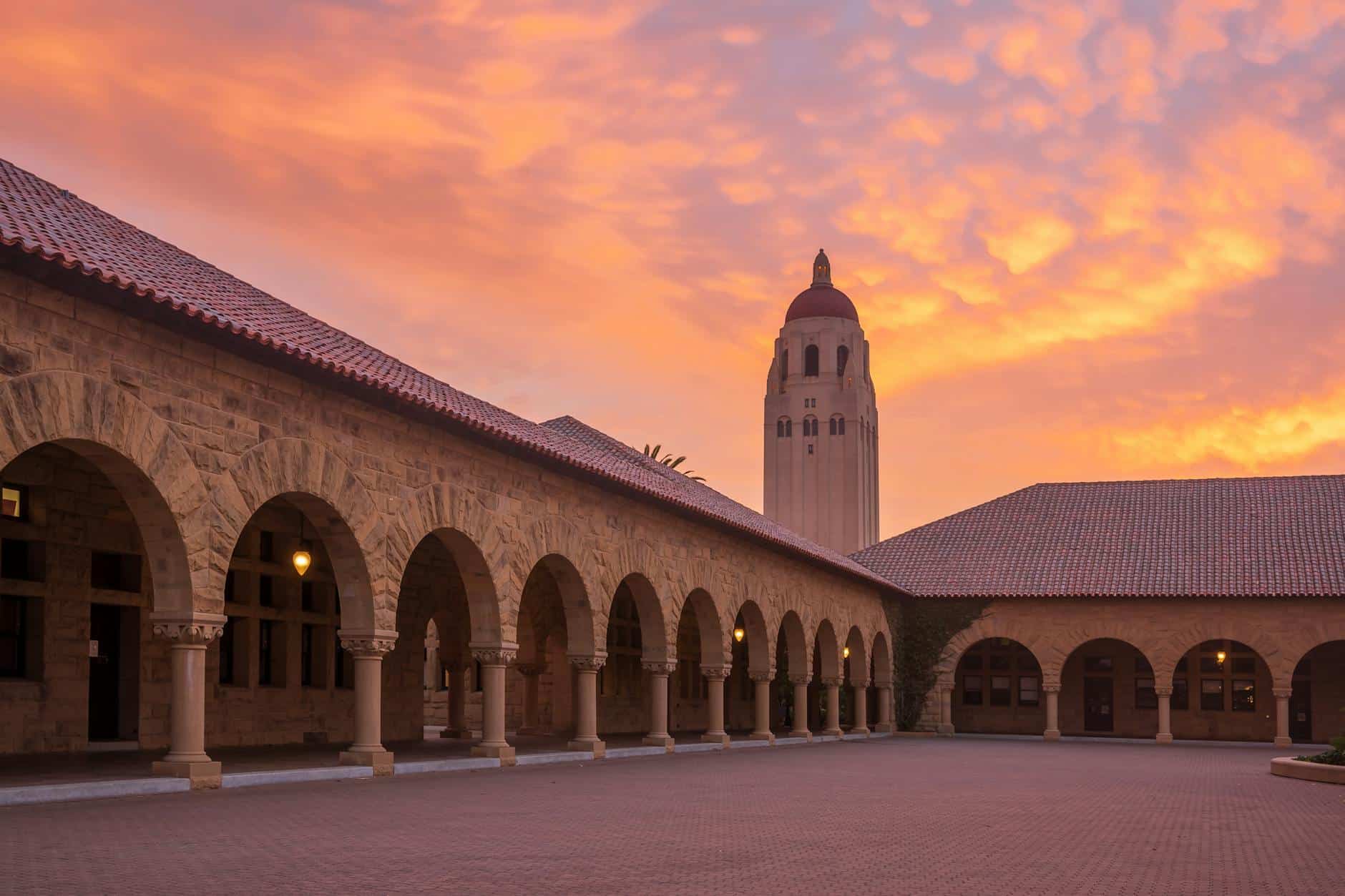
    The History of Stanford University: A Legacy of Innovation and Excellence

    Introduction

    Stanford University, often heralded as one of the premier institutions of higher learning in the world, has a rich and storied history that dates back to its founding in 1885 by Leland Stanford and his wife, Jane. Initially established as a memorial to their only child, Leland Stanford Jr., who passed away at a young age, the university has grown from its humble beginnings into a global leader in education, research, and innovation. Nestled in the heart of Silicon Valley, Stanford has played an instrumental role in the development of many industries, especially technology and entrepreneurship. Its alumni include countless influential figures in business, science, and public service, making it a central player in shaping the contemporary landscape of higher education and societal progress. This article delves deep into the various facets of Stanford’s history, exploring its founding, growth, contributions, and continuing legacy as a cornerstone of knowledge and innovation.

    Founding of Stanford University: The Vision of Leland and Jane Stanford

    The inception of Stanford University can be traced back to the transformative vision of Leland and Jane Stanford. Following the untimely death of their son, Leland Stanford Jr., in 1884, the Stanfords were deeply impacted by this personal tragedy. They resolved to create an institution that would honor his memory by providing educational opportunities to young people, enabling them to thrive in a rapidly changing world. This vision led to the establishment of the university in 1885, with its charter declaring a commitment to academic excellence that has endured over the years.

    The Stanfords, both prominent figures in California’s socio-economic landscape, leveraged their considerable wealth from the California railroad boom to fund the university. They believed that a university should not only serve the elite but also offer its doors to students from varied backgrounds, a principle reflected in their initial admissions policy. This inclusive ideology was relatively progressive for the time and laid the groundwork for the institution’s diverse and vibrant student population.

    The university’s first courses were offered in 1891, with a strong emphasis on the liberal arts and sciences. The inaugural class consisted of just 559 students, yet the spirit of innovation and exploration was palpable and set the tone for Stanford’s future. The campus, located in the heart of the San Francisco Peninsula, was architecturally inspired by the Collegiate Gothic style, with plans drawn from famed architect Charles A. Coolidge. The design aimed to foster a conducive learning environment, surrounded by nature’s beauty, which remains a defining feature of the campus to this day.

    Throughout its early years, Stanford faced numerous trials, most notably financial difficulties that threatened its survival. However, the Stanfords’ commitment to their vision remained steadfast. They continually provided substantial funding and support, even as they faced varying periods of economic downturn. Eventually, their endowment laid a financial foundation that would propel the university into the future, allowing for expansion and innovation across various programs and facilities.

    By the end of the 19th century, Stanford’s first graduates were already making an impact in various fields. The university quickly established itself as an institution of higher education that championed both practical skills and theoretical knowledge. Its motto, “The wind of freedom blows,” epitomized the university’s ethos, encouraging students to think critically and independently while challenging social norms. Stanford continued to evolve, with a focus on aligning its curriculum with the needs of an industrializing society.

    Growth and Development: From a Small College to a Major Research Institution

    In its early years, Stanford University focused primarily on education in the liberal arts, sciences, and engineering. However, as the 20th century unfolded, the university began a remarkable transformation into a major research institution recognized for its groundbreaking contributions. This shift was fueled by a combination of visionary leadership, a commitment to innovation, and the increasing centrality of research in higher education.

    With the leadership of presidents such as David Starr Jordan and later Ray Lyman Wilbur, Stanford expanded its academic offerings and infrastructures, which included the establishment of specialized research centers that played pivotal roles in various scientific fields. The growth of the School of Engineering, in particular, marked a significant turning point, as the need for engineers surged during the industrial boom. Engineering programs were rapidly developed, leading Stanford to become a central figure in training professionals who would contribute to major infrastructure developments across the country.

    In the mid-20th century, Stanford began to gain national attention for its robust contributions to scientific research, particularly during and after World War II. The university developed significant partnerships with government entities, including the U.S. military and various federal research projects, which brought substantial funding and resources to its research initiatives. This environment fostered an atmosphere of scientific inquiry and exploration that led to crucial advancements in fields such as medicine, technology, and environmental studies.

    Simultaneously, Stanford expanded its physical footprint. The development of state-of-the-art facilities and laboratories not only attracted top-tier faculty and researchers but also provided students with opportunities for hands-on experiences. The university invested heavily in its libraries, laboratories, and research centers, which became hubs of innovation and collaboration. The faculty attracted to Stanford included many Nobel laureates and renowned scholars who would shape the field of research and academic discourse.

    As the academic programs at Stanford continued to diversify, the university also began to emphasize interdisciplinary studies, recognizing that complex global challenges required holistic approaches drawing on multiple fields of study. This shift aligned with the broader trends in academia, where the lines between disciplines began to blur, fostering environments where tackling real-world problems became increasingly collaborative.

    By the latter half of the 20th century, Stanford had established a global reputation for research excellence, particularly through its contributions to Silicon Valley, which became a hotbed of technological advancement. The proximity of the university to major tech companies and startups catalyzed a synergistic relationship, with professors and graduates playing pivotal roles in the founding and development of influential companies.

    Stanford University’s growth and development reflect a commitment to academic excellence, innovation, and research that has permeated its culture. The institution has consistently embraced change while staying true to its foundational principles, positioning itself as a leader in education and research for decades to come.

    Notable Contributions: Stanford’s Impact on Science and Technology

    Stanford University has consistently been at the forefront of scientific and technological advancements throughout its history. From its early days, the institution has fostered an environment ripe for innovation, contributing significantly to various fields, including medicine, engineering, computer science, and environmental studies.

    The university’s emphasis on research began to pay dividends as early as the 20th century, when faculty and students collaborated on pioneering projects that would change the course of history. One of the most notable contributions came in the field of medicine, where Stanford has been a leader in medical research and education. The establishment of the Stanford School of Medicine in 1908 led to groundbreaking discoveries in areas such as cancer research, genetics, and biomedical engineering. The university’s research hospitals and partnerships with healthcare organizations have accelerated advancements in patient care, significantly impacting public health.

    In the realm of engineering, Stanford made significant strides with its Department of Electrical Engineering, which became a cornerstone in the development of modern technology. The university’s role in the early evolution of the semiconductor industry cannot be overstated. Pioneering research by Stanford faculty contributed to the development of silicone technology, leading to the creation of integrated circuits, which serve as the backbone of contemporary electronic devices.

    Moreover, the emergence of computer science as a discipline within Stanford laid the groundwork for significant contributions to the digital age. The Stanford Artificial Intelligence Laboratory, founded in 1963, played an instrumental role in the development of AI technology. Notable alumni and faculty members from Stanford have pioneered advancements in machine learning, robotics, and data science, shaping the trajectory of the tech industry.

    The university’s innovative spirit also found its way into the burgeoning field of renewable energy. Stanford’s commitment to addressing climate change brought forth groundbreaking research into solar energy, sustainable practices, and environmental management. Faculty in their Earth System Science department have led initiatives aimed at understanding and combating global warming, solidifying Stanford as a leader in promoting sustainability.

    The university’s contributions extend beyond academia; Stanford had a hand in the foundation of pivotal companies that transformed the tech landscape. Cisco Systems, Google, Hewlett-Packard, and many other successful enterprises have roots tracing back to collaborations among faculty and students at Stanford. This relationship between academia and industry exemplifies Stanford’s unique role in fostering innovation and promoting entrepreneurship, with their Office of Technology Licensing facilitating the transfer of research findings into practical applications.

    Stanford’s commitment to innovation continues to flourish, as seen in its focus on interdisciplinary research and collaboration. The university has established numerous centers and institutes that facilitate cross-departmental partnerships, ensuring that varied perspectives converge to tackle the complexities of modern challenges.

    In summary, Stanford University’s contributions to science and technology are extensive and deeply ingrained in its history. Its commitment to research excellence has not only advanced knowledge but has also transformed industries and enhanced the quality of life for people around the globe.

    Cultural and Social Changes at Stanford: A Reflection of American History

    The history of Stanford University is intertwined with the cultural and social shifts that have shaped the United States over the past century. As societal norms evolved, so too did the university’s policies, addressing issues ranging from civil rights to gender equality, ultimately reflecting the larger narrative of American history.

    In the early years, Stanford was a predominantly male institution, mirroring the higher education trends of the time. However, as women began to advocate for their rights in the 20th century, Stanford made strides toward gender inclusivity. The admission of women into graduate programs marked a crucial turning point; by the 1970s, efforts to recruit a diverse student body had gained momentum, encouraging greater participation of women across various fields of study. Today, women comprise a significant portion of the student and faculty population, exemplifying the university’s commitment to inclusivity.

    The civil rights movement of the 1960s served as a catalyst for social change at Stanford, prompting an examination of issues related to race and equity within the university. Students became increasingly vocal about the need for diversity, equality, and representation, leading to the establishment of ethnic studies programs. This move not only enriched the academic offerings but also fostered a more inclusive campus culture that resonated with broader societal movements.

    Throughout the latter half of the 20th century, as the United States grappled with the implications of the Vietnam War and other social upheavals, Stanford students actively engaged in activism. The university campus became a site for protests and discussions advocating for change, reflecting the evolving political landscape. Administrators began to realize the importance of addressing student concerns openly and fostering a dialogue surrounding sociopolitical issues.

    Moreover, Stanford has made substantial contributions to the LGBT rights movement, becoming one of the first universities to support LGBTQ+ students and create an environment that welcomes diversity. Initiatives promoting LGBTQ+ visibility, support services, and events have transformed the university into an inclusively progressive campus.

    As Stanford navigated these societal changes, the institution also embraced technological advancements that influenced campus culture. For instance, the rise of the internet and digital technology revolutionized communication and learning. The establishment of student-run organizations focusing on technology, social justice, and environmental issues reflected a dynamic campus that encourages students to engage with contemporary global challenges.

    Stanford’s response to the evolving societal landscape included a proactive approach toward fostering a diverse and inclusive community, launching programs focused on building cultural competence and understanding among students. Events that celebrate cultural heritage, identity, and activism have become part of Stanford’s identity, reinforcing its commitment to social responsibility.

    In summary, the cultural and social changes at Stanford University offer a mirror to the broader progression of American society. The university has shown a willingness to adapt and evolve, responding to the needs and concerns of its students while prioritizing inclusivity and social justice. This commitment positions Stanford as not just an academic institution but as a dynamic entity that actively engages with and reflects the cultural currents of its time.

    The Global Influence of Stanford University: Educating Leaders for Tomorrow

    Stanford University has long been recognized as a leader in shaping the future of higher education and educating the leaders of tomorrow. Its global influence is profound, as the institution produces graduates who go on to impact various sectors around the world, from technology to politics, healthcare, and beyond.

    With an emphasis on fostering innovation and critical thinking, Stanford’s curriculum equips students with the skills needed to navigate the complexities of the modern world. The university attracts a diverse student body from all corners of the globe, facilitating cross-cultural exchanges and collaborative learning experiences. This vibrant environment encourages students to engage with differing perspectives, preparing them to lead discussions around pressing global issues, such as climate change, economic inequality, and social justice.

    Stanford’s international partnerships and initiatives further enhance its global reach. Collaborations with universities and research institutions worldwide facilitate knowledge-sharing and joint research ventures. The university’s various global centers promote intercultural understanding and provide students the opportunity to study abroad, immersing themselves in diverse cultures while addressing global challenges.

    Additionally, Stanford’s alumni network boasts influential leaders who are effecting change within their respective fields. Notable figures include former U.S. Secretary of Defense Leon Panetta, Google co-founders Larry Page and Sergey Brin, and renowned authors and scholars. This extensive network not only connects graduates but also offers current students mentorship opportunities, fostering a sense of community and lifelong connections that span the globe.

    Moreover, Stanford’s focus on entrepreneurship has positioned it as a beacon of innovation. The Stanford Venture Studio and other entrepreneurial programs support students in their endeavors to create startups and launch social enterprises. This focus on entrepreneurship not only fuels economic growth but also contributes to societal advancements, addressing challenges through creative solutions.

    In recent years, Stanford has placed a significant emphasis on interdisciplinary education, recognizing that the complexity of global issues requires multifaceted approaches. The university encourages collaboration between different fields, allowing students to develop comprehensive strategies that leverage diverse skill sets, ultimately positioning them as future leaders capable of effecting meaningful change.

    As the stakes for global leadership continue to rise, Stanford’s commitment to social responsibility remains evident. The university actively engages students in initiatives that promote civic responsibility and ethical leadership. Programs focused on social entrepreneurship empower students to apply their education to address pressing social issues, aligning their professional aspirations with the greater good.

    In conclusion, Stanford University’s global influence is undeniable. Through its commitment to academic excellence, innovation, and social responsibility, the institution prepares students to become leaders who will shape the future. The diverse experiences, interdisciplinary approaches, and opportunities available at Stanford enable graduates to navigate an increasingly interconnected world with purpose and vision.

    Conclusion

    The history of Stanford University is a testament to the power of vision, innovation, and commitment to education. From its founding in 1885 by Leland and Jane Stanford, the institution has evolved into a global leader in academia and research. Each era of Stanford’s history reflects broader societal changes, embracing inclusion, diversity, and the values of its founding principles. Through its notable contributions to science, technology, and social responsibility, Stanford continues to shape the landscape of higher education and prepare future leaders for the complexities of an interconnected world. As it moves forward, the university’s enduring legacy is secured by its ongoing commitment to excellence, innovation, and making a positive impact on society.

    Sources Consulted

  • The History of Harvard University: A Journey Through Time

    Introduction

    Harvard University, established in 1636, holds the distinguished title of being the oldest institution of higher education in the United States. Its origins trace back to a modest collection of books and a commitment to the pursuit of knowledge, driven by the founding ideals of educating clergy for the new world. Over the centuries, it has evolved into a world-renowned educational institution, influencing countless fields of study and preparing leaders who have shaped both national and global landscapes. The university\’s history mirrors that of America itself, reflecting the changes in society, politics, and culture. This article delves into the rich historical tapestry of Harvard University, exploring its milestones, challenges, and revolutionary contributions to education and society.

    Founding and Early Years (1636-1700)

    Harvard University was founded on September 8, 1636, primarily to train clergy. Early in its establishment, the college faced considerable challenges, including a lack of financial resources and a small student body. The institution was initially called \”New College\” and was later renamed in 1639 in honor of its first benefactor, John Harvard, who bequeathed his library and half of his estate to the college upon his death. This act of generosity laid the financial and intellectual foundation necessary for the institution to flourish.

    By the mid-17th century, Harvard had begun to establish an academic curriculum that emphasized a classical education with a focus on theology, philosophy, and the liberal arts. The original curriculum was heavily influenced by the educational practices of English universities, particularly Cambridge and Oxford. The early students typically engaged in rigorous studies of Latin, Greek, and Hebrew, essential for masterful command over theological texts and scholarly discussion.

    Throughout its early years, the university grappled with its identity and mission. Initially, the college catered to a small number of students, often just a handful seeking religious training and professional preparation. However, as the population of the Massachusetts Bay Colony grew, so too did the demand for higher education. This resulted in a gradual increase in enrollment, particularly among young men who aspired to engage in public service.

    Despite its struggles, Harvard achieved a significant milestone with the establishment of its first printing press in the late 17th century. This advancement facilitated the publication of textbooks and academic works, significantly broadening the reach of knowledge throughout the colonies. Furthermore, the university\’s officials worked diligently to secure long-term financial support, leading to the establishment of endowments and scholarships that would fortify the institution\’s future.

    The university\’s governance evolved during these early years, with the appointment of its first president, Henry Dunster, in 1640. Dunster played a crucial role in shaping both the academic and administrative foundations of Harvard. His tenure witnessed the introduction of regulations regarding student conduct and academic integrity, which helped to solidify the principles upon which the university would operate for centuries.

    As Harvard matured in these formative years, its faculty grew more diverse, with instructors holding specialized degrees and rich academic backgrounds. This was pivotal to developing a robust curriculum that extended beyond theological studies. By the end of the 17th century, the university had laid an intellectual groundwork that would enable it to adapt to emerging needs and navigate the challenges ahead. The legacy of its early years is evident not only in its academic rigor but also in its enduring commitment to cultivating leaders capable of addressing the complex issues facing society.

    In conclusion, the early history of Harvard University is characterized by its determination to provide quality education and nurture future leaders despite the obstacles it faced. The dedication of its founders, faculty, and benefactors ensured that Harvard would not only survive but thrive, ultimately becoming an institution synonymous with excellence in education. This foundation was pivotal in setting the stage for future developments and expansions that would continue to shape Harvard\’s role in academia and society.

    Expansion and Development (1700-1820)

    During the 18th century, Harvard University experienced significant growth and change, driven by the expansion of the American colonies and the increasing importance of education in a rapidly evolving society. As a result, the university redefined its goals, broadened its curriculum, and adapted to the changing social and political landscape.

    In the early 1700s, Harvard remained primarily focused on training clergy, yet it also began to recognize the need for a more comprehensive education that included the sciences, humanities, and social sciences. This shift was partly influenced by the Enlightenment, which emphasized rational thought, empirical evidence, and the pursuit of knowledge. Faculty members began to incorporate courses in mathematics, natural philosophy, and the arts into the curriculum, reflecting the growing importance of a liberal education that prepared students for various professions.

    As Harvard expanded its academic offerings, the student body also grew rapidly. By the 1750s, enrollment had reached over 100 students, requiring the university to adapt its facilities and resources to accommodate the increasing demand for education. The construction of new buildings, such as the iconic Harvard Hall, exemplified the university\’s commitment to providing adequate space for instruction and student activities.

    In addition to physical expansion, Harvard also saw significant administrative changes during this period. The establishment of the Board of Overseers in 1642 and the incorporation of the college in 1780 enabled greater oversight and governance. This transformation allowed for improved financial management and institutional stability, ensuring a more sustainable future for the university.

    One notable development during this era was the founding of the Harvard Law School in 1817. This marked the university\’s foray into professional education, paving the way for specialized training in various fields. The introduction of law and other professional programs signaled Harvard\’s intention to prepare graduates for practical careers, further solidifying its status as a leading institution in America.

    The challenges posed by the American Revolution in the late 18th century also significantly impacted Harvard. As tensions escalated, the university faced financial strains due to dwindling resources and declining enrollment. Many faculty members took up arms, and the college itself was often used for military purposes. However, Harvard managed to navigate these difficulties, emerging relatively intact by the end of the war.

    The post-Revolutionary period was marked by a new focus on national identity and civic responsibility. Harvard positioned itself as a champion of a democratic education, emphasizing the need for well-informed citizens in a fledgling democracy. The university\’s curriculum began to reflect a more secular orientation, centralizing philosophical inquiry, the natural sciences, and humanistic studies, encouraging students to engage with contemporary issues and moral dilemmas.

    As Harvard progressed through the late 18th and early 19th centuries, it became increasingly influential within the broader national context. Its graduates emerged as prominent figures in business, politics, and intellectual discourse. The university was beginning to solidify its reputation as a crucible for innovation and leadership, setting the groundwork for future expansion that would define its 19th-century trajectory.

    In summary, the period between 1700 and 1820 was transformative for Harvard University. It adapted and evolved, responding to the changing needs of society while expanding its academic focus beyond theology. By doing so, Harvard laid the groundwork for the modern university model, positioning itself as a leader in higher education and setting standards that would influence universities across the nation.

    \"Harvard
    Harvard University, established in 1636, holds the distinguished title of being the oldest institution of higher education in the United States. Photo by Joel Zar on Pexels.com

    The Civil War Era and Reconstruction (1820-1870)

    The years leading up to, during, and following the American Civil War were a tumultuous time for Harvard University, as the institution struggled to maintain its mission and respond to the pressing social issues of the day. The period between 1820 and 1870 was marked by significant developments in academic programs, student demographics, and the university\’s engagement in national discourse.

    As the 1820s progressed, Harvard began to embrace a broader mission that included a more diverse range of academic disciplines, such as the sciences, humanities, and social sciences. The founding of the Lawrence Scientific School in 1847 was a significant turning point, as it marked the university\’s commitment to both scientific inquiry and practical training. This new focus reflected the growing demands of an industrializing society and the need for professionals equipped with the skills necessary to navigate complex social and technological changes.

    The student body during this time was also evolving. The admission of students from varied backgrounds contributed to a richer intellectual environment on campus. The influence of the abolitionist movement was paramount, as many students and faculty members actively engaged in the struggle for civil rights. The commitment to social justice would come to define the university community, further fostering an environment where activism and public service were deeply valued.

    During the Civil War itself, Harvard faced numerous challenges. Enrollment dropped significantly as many students enlisted to fight, and classes were disrupted by the conflict. Yet, despite these difficulties, the university maintained its focus on education. The faculty rallied to support war efforts, contributing their expertise to the war\’s scientific and medical needs. Notably, the university\’s involvement in the war brought to light crucial issues of morality, leadership, and citizenship, prompting deep reflection and discussion within the Harvard community.

    In the years following the war, Harvard experienced a resurgence. The Reconstruction era provided fertile ground for new ideas and reforms. Faculty and administration recognized the importance of addressing social change, leading to the establishment of innovative programs and initiatives. The creation of the Harvard Divinity School in 1816 and the Radcliffe College for women in 1879 represented significant steps towards diversifying and expanding the educational offerings available.

    Additionally, by the late 19th century, Harvard began integrating more modern pedagogical approaches into its curriculum, which included the adoption of electives that allowed students to tailor their education based on individual interests. This flexibility signified a departure from rigid classical education models, positioning Harvard as a progressive institution responsive to the needs of a changing society.

    Harvard\’s commitment to academic excellence was further solidified through prestigious faculty appointments. Scholars such as William James and Charles Sanders Peirce brought innovative thought to the university, promoting critical discourse across various disciplines. The university\’s intellectual climate flourished, resulting in numerous advancements in research and scholarship.

    The Civil War and Reconstruction period was not only a time of conflict but also an era of profound transformation for Harvard University. It emerged from this period with a renewed commitment to education, social engagement, and intellectual rigor. The university\’s evolution reflected the broader societal changes taking place in America, as it aspired to address the complex issues of the day and cultivate future leaders capable of navigating an ever-evolving world.

    20th Century Advancements and Challenges (1900-2000)

    The 20th century was a period of remarkable transformation for Harvard University, marked by significant advancements in research, pedagogy, and global engagement. As the world grappled with monumental shifts, from the aftermath of World War I to the complexities of the Cold War and beyond, Harvard evolved, adapting its mission to meet the demands of an increasingly interconnected and competitive global landscape.

    The early 1900s brought with them profound changes in academia. Harvard\’s emphasis on research solidified during this era, as the university established itself as a leader in scientific and scholarly inquiry. The creation of the Graduate School of Arts and Sciences in 1905 marked a pivotal moment for the institution, emphasizing advanced degrees and the pursuit of knowledge beyond the undergraduate level. This newfound focus on research enabled Harvard to attract prominent scholars from diverse disciplines, further enriching its academic environment.

    The impact of the Great Depression tested universities nationwide, including Harvard. The university faced financial challenges but remained committed to its mission of access to quality education. Federal support through new programs and initiatives helped broaden opportunities for students, creating a more diverse and inclusive student body. The establishment of the New Deal policies inadvertently benefited institutions like Harvard through increased funding and grants designed to spur educational development.

    World War II presented further challenges, as the university took on roles within the national defense efforts. Harvard became a hub of scientific research, leading to breakthroughs in wartime technologies, including significant advancements in medicine and engineering. The university\’s involvement in developing the atomic bomb through the Manhattan Project exemplified the intersection of academia and national security. Following the war, Harvard witnessed a surge in enrollment as returning veterans sought higher education opportunities, transforming the university into a dynamic learning community.

    The post-war era ushered in a period of unprecedented growth for Harvard. The university expanded its infrastructure, erecting new buildings and facilities to accommodate the growing student body and a heightened emphasis on research. The creation of interdisciplinary centers and institutes facilitated collaboration across fields, leading to groundbreaking advancements in social sciences, public health, and technology.

    Throughout the latter half of the century, Harvard also became increasingly committed to addressing societal issues, reflecting the activism of the time. The Civil Rights Movement, students’ efforts against the Vietnam War, and the push for gender equality fueled a sense of social responsibility among students and faculty. This engagement with contemporary issues spurred discussions around curriculum reform and social justice, and the university embraced a more holistic approach to education that encouraged civic engagement.

    The introduction of technological advancements and the rise of the internet in the late 1990s marked yet another turning point for the university. Harvard took advantage of these innovations, incorporating them into its academic framework to provide students with new methods of learning and collaboration. The university’s commitment to utilizing technology in education reflected its forward-thinking approach and established it as a global leader in edu-tech integration.

    As the century drew to a close, Harvard faced not only the challenges of maintaining its status but also the responsibility of fostering innovation in a rapidly changing world. The university had become a symbol of academic excellence, attracting students and scholars from all corners of the globe. Its influence extended far beyond campus, shaping policy, research, and thought leadership in an increasingly complex global society.

    In conclusion, the 20th century was a transformative era for Harvard University, characterized by significant advancements in research, pedagogy, and engagement with societal issues. The university emerged as a leading educational institution, navigating challenges while adapting its mission to continue to foster innovation and societal impact.

    \"Harvard
    Harvard University was founded on September 8, 1636, primarily to train clergy. Early in its establishment, the college faced considerable challenges, including a lack of financial resources and a small student body. Photo by Gu Bra on Pexels.com

    21st Century Innovations and Global Impact (2000-Present)

    As Harvard entered the 21st century, it grappled with the challenges and opportunities presented by a rapidly changing world. The institution distinguished itself through innovative academic programs, a commitment to diversity and inclusion, and a focus on global engagement that positions it as a leader in higher education.

    In recent years, Harvard has expanded its curriculum to reflect the complexities of contemporary society. Emphasizing interdisciplinary studies, the university has developed programs that address pressing global issues such as climate change, public health, and social justice. This integration of multiple fields fosters a holistic approach to education, equipping students with the skills and perspectives necessary to confront multifaceted challenges.

    The establishment of initiatives like the Harvard Global Institute and various research centers focusing on global health and sustainability exemplifies the university\’s dedication to effecting positive change on a global scale. By forming collaborative partnerships with international institutions, Harvard has contributed to advancing knowledge and sharing best practices worldwide. The university\’s emphasis on research with real-world applications has resulted in significant impact, fostering innovations that address enduring issues in society.

    In recent years, Harvard has made significant strides toward enhancing diversity and inclusion on campus, acknowledging the importance of equitable representation in higher education. The implementation of programs aimed at attracting underrepresented students and creating an inclusive environment reflects the university\’s commitment to social responsibility. Efforts include increasing financial aid, expanding outreach initiatives, and promoting a culture of belonging, necessary for fostering an enriching academic experience.

    The impact of technology on education has been profound in the 21st century, and Harvard has been at the forefront of integrating digital resources into its academic framework. The development of online learning platforms, including HarvardX, has enabled the university to reach a broader audience, offering free courses to learners worldwide. This commitment to accessible education enhances Harvard\’s global reach, democratizing knowledge and empowering individuals far beyond campus borders.

    As the global landscape continues to evolve, Harvard recognizes the importance of adapting its mission and values. The university is committed to examining its historical legacy, addressing contemporary social issues, and shaping a future characterized by ethical leadership and service to humanity. Engaging with critical topics such as the intersection of technology and democracy demonstrates Harvard\’s intention to be a responsible steward of knowledge in an age increasingly defined by digital connectivity.

    In conclusion, the 21st century represents a pivotal era for Harvard University, marked by innovations in education, a commitment to diversity, and a focus on global impact. As the world faces unprecedented challenges, Harvard continues to evolve, maintaining its position as a leading institution dedicated to fostering knowledge and ensuring that its graduates emerge as informed and engaged global citizens.

    Conclusion

    The history of Harvard University is a testament to its resilience, adaptability, and commitment to excellence in education. From its modest beginnings in the 17th century to its status as a global leader in higher education, Harvard has navigated numerous challenges while remaining true to its founding ideals. The university’s evolution reflects the changing landscape of American society, incorporating diverse disciplines and engaging in pressing social issues.

    As Harvard moves further into the 21st century, its dedication to fostering innovation, social responsibility, and global engagement remains unwavering. By embracing diversity, adapting its curriculum to address contemporary challenges, and leveraging technology for greater accessibility, Harvard prepares its students not only for successful careers but also for leadership roles that demand ethical decision-making and a commitment to service.

    As we look to the future, Harvard stands poised to continue shaping the higher education landscape, influencing policy, and equipping the next generation of leaders with the tools necessary to navigate an ever-evolving world. Its rich legacy serves as a reminder of the transformative power of education, underscoring the importance of cultivating knowledge and fostering a spirit of inquiry that transcends boundaries.

    Sources