Tag: UNESCO

  • The Rich History of Mérida, Spain

    The Rich History of Mérida, Spain

    Introduction

    Mérida, the capital of the province of Badajoz, Spain, is a city steeped in history that dates back thousands of years. Recognized for its well-preserved Roman ruins, it offers a glimpse into the ancient world, where it was known as Emerita Augusta. As a key settlement throughout various eras— from Roman to Visigoth, Moorish, and into the modern age—Mérida has been a melting pot of cultures and traditions. The blend of influences is reflected not only in its architecture and monuments but also in its vibrant cultural life today. This article will explore the significant historical phases of Mérida, examining the city’s legacy and its role in shaping present-day Spain.

    The Roman Foundation of Mérida

    Mérida’s foundation is rooted in its establishment as Emerita Augusta in the year 25 B.C. by the Romans. The city was created as a retirement colony for veterans of the Roman army, a common practice to Romanize the provinces and secure loyalty to the Empire. This particular era marked the beginning of Mérida’s significance within the Roman Empire—an exploit that would shape its character for centuries to come.

    The site was chosen strategically due to its favorable location near the confluence of the Albarregas and the Guadiana rivers, contributing to its economic prosperity and military advantage. Roads that connected to major Roman cities, such as Lisbon, Salamanca, and Toledo, made it a vital hub in the network of Roman communication and trade. The development of Mérida during this period is exemplary of Roman town planning; it consisted of a grid layout that reflected Roman urban design principles.

    One of the most significant contributions of the Romans to Mérida is its impressive infrastructure, including aqueducts, temples, and theaters that showcase their architectural ingenuity. The most notable structure, the Roman Theater built in 15 B.C., could accommodate around 6,000 spectators. It served as a cultural center, hosting various performances and events, solidifying the city’s status as an essential artistic venue in the Roman Empire. In 2011, this theater, along with other Roman monuments in Mérida, was designated a UNESCO World Heritage site, recognizing its exceptional historical significance.

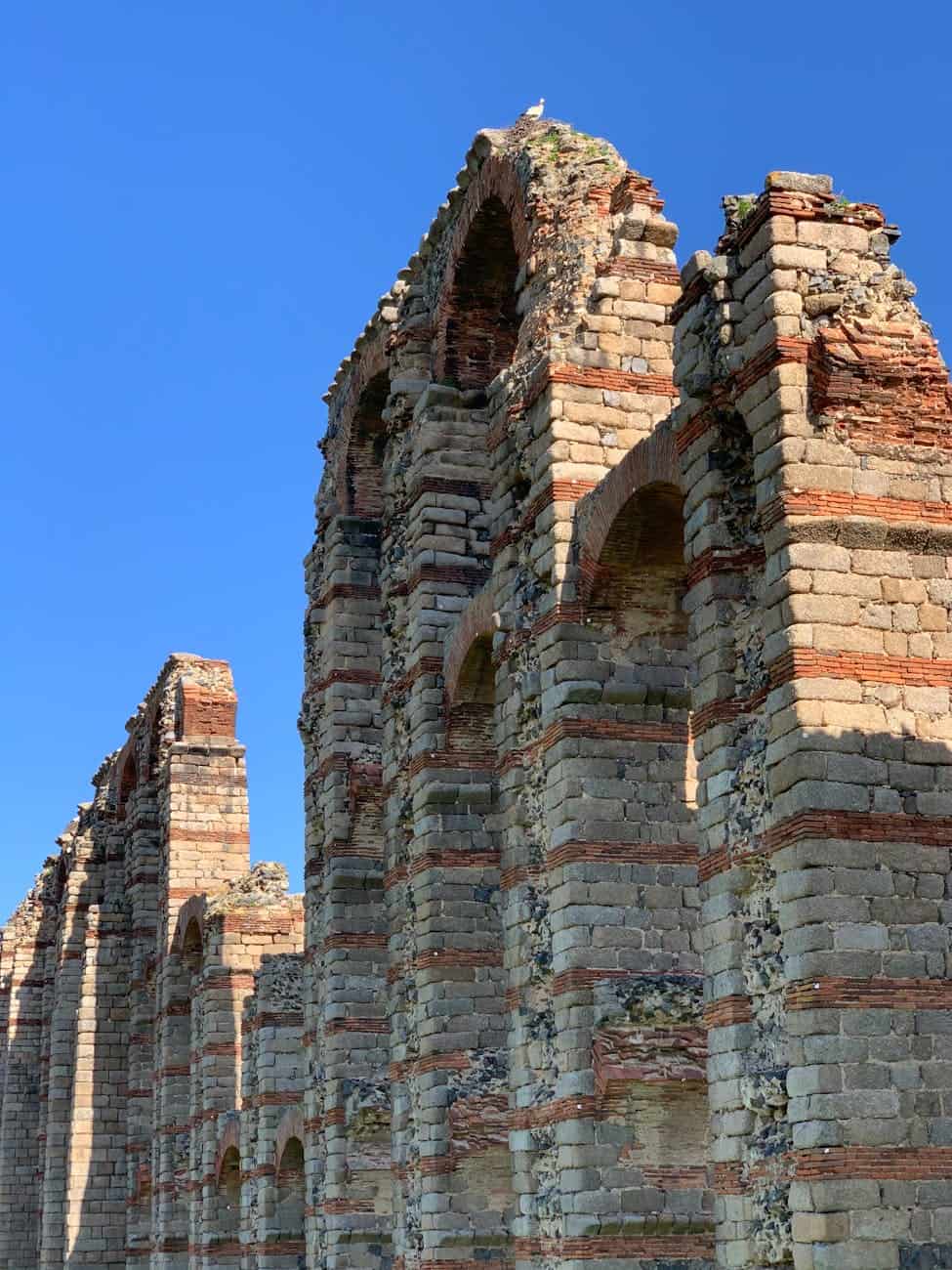
    Additionally, the Roman Aqueduct of Los Milagros exemplifies the engineering prowess of the Romans, displaying an intricate system that supplied water to the city. Its ruins still stand today, a testament to the ingenuity and durability of Roman engineering, which not only facilitated urban life but also contributed to the agricultural development in the surrounding areas.

    Roman religion also played a crucial part in shaping the identity of Mérida. Temples dedicated to various deities peppered the landscape, reflecting the city’s importance in religious activities of the time. The Temple of Diana, closely associated with Emerita Augusta, remains one of the most photographed ruins in Mérida, showcasing the architectural style and religious practices of ancient Rome.

    Economically, the Roman period allowed Mérida to flourish, with trade routes facilitating the exchange of goods such as olive oil, wines, and textiles. This commerce contributed significantly to the wealth of the city, as it became an administrative center for the surrounding province of Lusitania.

    As time passed, Mérida continued to evolve, but the foundations laid during the Roman period set the stage for subsequent historical developments. The city’s Roman heritage not only influenced its architectural landscape but also its cultural and social frameworks, establishing a dynamic identity that would be built upon in the centuries to come.

    The Visigoth Era and Its Influence

    With the decline of the Roman Empire and the subsequent political fragmentation in the 5th century, Mérida underwent significant changes as it fell under the influence of the Visigoths. This period marked a transition from the glory of Roman civilization to the establishment of the Visigothic Kingdom, which had profound implications for the cultural and religious landscape of the city.

    The Visigoths, a Germanic tribe, took control of Mérida in 418 AD, initially integrating the Roman administrative systems into their governance. This integration allowed Mérida to retain its status as an essential urban center in the Iberian Peninsula. However, the Visigothic rule introduced changes, particularly in religious affiliations, society, and governance.

    One notable development during this era was the shift in religious practices. The Visigoths initially adhered to Arian Christianity, a branch that was often at odds with the Orthodox Christian beliefs adopted by the wider Roman populace. However, as Arianism waned, the Visigoths converted to Catholicism by the late 6th century, leading to significant religious transformations in Mérida. The establishment of churches and the rise of monastic life became prominent, fostering a sense of community among adherents.

    The famous church of Santa Eulalia in Mérida, built on the site of the martyrdom of Saint Eulalia, became a pivotal point for the emerging Christian community. It served as a symbol of identity, converging the remnants of Roman religious architecture with burgeoning Christian traditions. The church, alongside others, illustrated the slow but steady transition from pagan practices to the Christian faith during the Visigothic period.

    The Visigothic monarchy in Mérida was characterized by a more localized governance system. The establishment of the Council of Mérida in 666 AD represented a significant milestone in ecclesiastical governance and local power dynamics. Here, local bishops wielded considerable influence, shaping the religious and social fabric of the region. This Council also addressed various issues concerning church practices, shedding light on the Visigoths’ efforts to unify their religious doctrine.

    In terms of art and culture, the Visigothic era fostered a unique blend of Roman and Gothic influences, evident in the decorative arts, metalwork, and architecture. Distinctive jewelry, intricately designed manuscripts, and wooden artifacts became active expressions of both cultural heritage and innovation.

    Although the Visigothic influence was relatively short-lived, lasting until the Islamic conquest in the early 8th century, its imprint on Mérida’s identity remained marked. The transition from Roman to Visigothic control symbolized broader shifts in power structures, beliefs, and cultural identities in late antiquity, ultimately creating a foundation for significant historical narratives that would unfold in the subsequent centuries.

    Mérida Under Moorish Rule

    The fall of Mérida to the Moors in 714 AD ushered in a new era characterized by significant cultural, social, and architectural transformations. This period lasted until the Christian Reconquista, profoundly shaping the city’s identity. The Muslims brought advancements in various fields, such as science, philosophy, and architecture, that influenced not only Mérida but also the entire Iberian Peninsula.

    Under Moorish rule, Mérida was integrated into the vast Islamic Caliphate of Al-Andalus, which was known for its intellectual and cultural flourishing. The city benefitted from this period’s advancements, gaining new techniques in agriculture, irrigation, and urban planning. The introduction of sophisticated techniques transformed the rural landscape surrounding Mérida, making it rich in cultivation. The establishment of irrigation systems allowed for the flourishing of crops such as rice and citrus fruits.

    Culturally, the Moorish influence was immensely significant. The Islamic architectural style began to dominate the urban landscape, with the integration of intricate tile work, arches, and calligraphic art. The Great Mosque of Mérida, although later converted to a church, stood as an important religious edifice during Moorish rule. Its construction represented how Islamic architectural principles were adapted and merged with the existing cultural elements of the city.

    Education and the arts thrived during this period, with Islamic scholars and poets making notable contributions to literature and philosophy. The period saw the rise of a thriving scholarship, where libraries flourished with texts in Arabic and translations from Greek and Latin. This intellectual environment produced prominent figures who influenced the fields of astronomy, medicine, and mathematics.

    Mérida’s strategic location made it a significant military and trade center during Moorish rule. The city facilitated trade routes connecting the Iberian Peninsula with North Africa, thereby enhancing economic richness. Markets became vibrant hubs for commerce, facilitating the exchange of goods while encouraging cultural exchanges between Islamic and Christian communities.

    Resistance against Moorish rule began to grow, especially toward the late 11th century. The decline of the Caliphate led to political fragmentation and the emergence of smaller, rival kingdoms. This turmoil set the stage for Christian factions to begin their campaigns to retake the territory, culminating in the eventual fall of Mérida to the forces of the Reconquista in 1230.

    The period of Moorish governance left an undeniable mark on Mérida, establishing a complex cultural tapestry that influenced its artistic, architectural, and social evolution. Inextricably linked to the city’s identity, this rich history contributed significantly to its character as a city where various civilizations converged and thrived.

    The Renaissance and Baroque Periods

    The transition from Islamic to Christian rule marked a transformative phase for Mérida as it entered the Renaissance and Baroque periods. The 16th to the 18th centuries were marked by artistic and architectural advancements, the rise of local governance, and shifts in cultural landscapes that demonstrated Mérida’s resilience and adaptability.

    With the Reconquista’s completion, Mérida became part of the emerging Spanish kingdom under Catholic Monarchs, leading to significant sociopolitical changes. The re-establishment of Christian governance fostered a wave of renewal, wherein former Muslim structures were often repurposed or replaced with new edifices that reflected Christian values and architectural styles.

    One key example of this is the conversion of the Great Mosque into the Church of Santa María. This transformation represented the symbolic departure from Moorish dominance while maintaining portions of the original structure, which served as a reminder of the city’s rich and diverse past. The Renaissance period emphasized humanism and art, and Mérida was not impervious to these influences. This era introduced the city to prominent artists and craftsmen whose works characterized the aesthetic and cultural milieu of the time.

    The Baroque period, particularly in the 17th century, saw Mérida flourish as a center for local artisanship. The architectural style of the Baroque is prominent in many of the city’s churches and public buildings, characterized by elaborate decorations, sculptural elements, and grand facades. Notable structures such as the Church of Nuestra Señora de la Antigua exemplify the wealth and artistic ambition of the era, showcasing intricate altarpieces and ornate chapels.

    Culturally, this period encouraged the mingling of religious and secular art forms. The emergence of theater and literature redefined the local cultural landscape, allowing various expressions of identity to manifest. Festivals and religious celebrations became central to social life, with events celebrating their patron saints becoming focal points for unity and community engagement.

    Moreover, the Renaissance and Baroque periods also led to urban expansion. New neighborhoods emerged, often characterized by wide streets and spacious squares that facilitated social interaction and community life. This urban planning mirrored broader trends occurring throughout Spain, where cities began adopting Renaissance principles in their design and layout.

    Economically, the influx of wealth from trade and agriculture, bolstered by local craftsmanship, set a foundation for bourgeois culture that began to shape Mérida’s societal hierarchy. The local elites became patrons of the arts, commissioning works that celebrated the city’s identity and its newfound Christian heritage.

    By the end of the 18th century, however, the city faced challenges from economic decline and population shifts as larger urban centers began to dominate. Nevertheless, the period left an indelible mark on Mérida, where Renaissance and Baroque themes would continue to echo in the city’s architectural and cultural endeavors for centuries into the future.

    Modern Mérida: Cultural Heritage and Tourism

    Moving into the 19th and 20th centuries, Mérida transformed into a beacon of cultural heritage and tourism, increasingly known for its historical significance and well-preserved monuments. The city embraced modernization while striving to maintain its rich historical identity, which continues to attract visitors from around the world today.

    In the 19th century, efforts to promote awareness of the city’s Roman heritage gained momentum. Archaeological excavations unearthed significant findings, leading to a resurgence of interest in Mérida’s historical narrative. Local authorities began formalizing the preservation of sites such as the Roman theater and the Acueducto de los Milagros. The establishment of cultural heritage organizations highlighted the importance of conserving Mérida’s legacy.

    With the advent of the 20th century, tourism began to flourish as people sought to explore the remnants of historical grandeur. The city became a significant tourist destination, receiving recognition for its archaeological richness. The promotion of Mérida as a UNESCO World Heritage site in 1993 placed it firmly on the international map, further attracting travelers interested in delving into Spain’s cultural and historical narratives.

    Mérida’s festivals, particularly the Festival Internacional de Teatro Clásico, showcase classical theater and music against the backdrop of its Roman theater. These events not only reaffirm the city’s commitment to its history but also enrich its cultural scene, drawing artists, performers, and audiences alike. The blending of ancient and contemporary performances allows for a unique celebration of cultural heritage that resonates across generations.

    Infrastructure improvements, such as the development of modern transport systems and accommodation options, ensured that the city was equipped to welcome an increasing number of visitors. Restaurants that celebrate local cuisine emerged, contributing to the gastronomic aspect of tourism. The city has embraced modernity while simultaneously highlighting and preserving its storied past.

    While tourism has significantly boosted the local economy, it also prompted discussions around sustainability and the preservation of cultural integrity. City planners and cultural institutions work collaboratively to ensure that growth does not come at the expense of the unique heritage that defines Mérida. Striking a balance between modernization and preservation remains a core concern for local authorities.

    The 21st century has further entrenched Mérida’s status as a cultural hub. With developments in cultural education, arts programs, and celebrations of local artisanship, the city continues to expand its cultural offerings. The intertwining of Mérida’s historical legacy with contemporary expressions reflects an ongoing dialogue between the past and present.

    As Mérida continues to evolve, its rich history remains the foundation of its identity. The city’s remarkable journey from Roman foundation to a modern center of tourism encapsulates the passage of time, showcasing how various historical influences have contributed to a vibrant culture that captivates and educates visitors from around the globe.

    Conclusion

    Mérida’s history is a testament to its resilience and cultural richness, shaped by the many civilizations that have left their mark on the city. From its Roman origins, through Visigothic and Moorish periods, to the Renaissance and Baroque flourishes, each age contributed unique elements that have woven together to create the vibrant tapestry that is modern-day Mérida. The city stands as a reminder of the power of heritage, as it embraces its past while looking to the future.

    As a UNESCO World Heritage site, Mérida continues to attract visitors and scholars alike, illuminating the profound historical narratives that unfolded within its borders. Today, the city balances the act of modernization with the preservation of its cultural identity, ensuring that future generations will not only remember its storied past but also draw inspiration from it.

    The harmonious coexistence of history, culture, and tourism in Mérida exemplifies how a city can thrive while honoring its roots. Whether wandering the ancient ruins or participating in festivals that celebrate its diverse legacy, visitors to Mérida are guaranteed an enriching experience that showcases the enduring significance of this remarkable Spanish city.

    Sources Consulted

    • UNESCO World Heritage Centre. (n.d.). Emerita Augusta
    • García-Fernández, M. T. (2005). Mérida: Historia de una ciudad romana. Ediciones de la Universidad de Extremadura.
    • West, S. (2002). The Roman Theatres of Mérida: A Historical and Archaeological Study. Archaeopress.
    • Murray, A. T. (2008). A History of the City of Mérida, Spain: From Roman Times to the Present. Journal of Historical Geography.
    • McCarthy, R. A. (2019). Cultural Heritage and Tourism: The Case of Mérida. Tourism Review International.

  • The History of Abu Simbel: Exploring the Rock-Temples of Ramses II

    The History of Abu Simbel: Exploring the Rock-Temples of Ramses II

    Introduction

    Abu Simbel, a stunning complex of ancient temples carved into solid rock, stands as a testament to the grandeur of Pharaoh Ramses II, one of Egypt\’s most celebrated rulers. Located on the banks of Lake Nassar in southern Egypt, these monumental structures were built during the 13th century BCE to commemorate Ramses II’s victory at the Battle of Kadesh and to honor the gods Ra-Horakhty and Amun. The site features two temples: the Great Temple, dedicated to Ramses II himself, and the smaller Temple of Nefertari, dedicated to his favorite wife. The temples are not just architectural marvels but also hold deep historical and cultural significance, reflecting the power and divinity attributed to the pharaohs of ancient Egypt. In the following sections, we will delve into the fascinating Abu Simbel history, exploring its construction, architectural splendor, religious importance, and the significant efforts taken to preserve this world heritage site for future generations.

    The Construction of Abu Simbel

    The construction of the temples at Abu Simbel was an extraordinary engineering achievement of its time, commissioned by Ramses II around 1264 BCE as part of a larger campaign to solidify his legacy and power. The decision to carve the temples directly into the mountainside was both symbolic and practical, aimed at making a grand statement about his might and connection to the divine. The complex was designed to align with the sun during the equinoxes, highlighting the advanced understanding of astronomy and architectural design possessed by ancient Egyptian builders.

    The project employed thousands of skilled artisans, laborers, and craftsmen, illustrating the extensive resources and workforce commanded by Ramses II. Historical records suggest that the construction took nearly two decades to complete, with meticulous planning that involved skilled quarrying techniques to extract the rock and carve the intricate hieroglyphs and statues that adorn the temple walls.

    At the heart of the Great Temple, the colossal statues of Ramses II stand guard, each towering at about 20 meters high. These statues are not mere decorative elements; they serve a deeper purpose, symbolizing the pharaoh\’s divine status and his role as an intermediary between the gods and the Egyptian people. Each statue is surrounded by intricate carvings that depict the pharaoh’s conquests, religious rituals, and the adoration of the gods, emphasizing the divine connection that empowered his rule.

    The construction of the temple complex also had a significant impact on the regional politics of ancient Egypt. It was strategically located to present a formidable sight to travelers entering Egypt from the south. By showcasing his power through such monumental architecture, Ramses II aimed to intimidate potential adversaries while simultaneously fostering a sense of national pride among his people. The positioning of the temples near the borders of the Egyptian Empire was a calculated move to reinforce the idea of Ramses as a protector of his realm.

    Despite the ambitious nature of the project, the construction faced several challenges, including the rocky terrain and the harsh climate of southern Egypt. Workers had to navigate the obstacles presented by the environment while maintaining precision in their carving and layout. The ingenuity of the architects is evident in the way they harmonized the natural landscape with their artistic vision, creating a seamless integration between nature and human craftsmanship.

    Numerous inscriptions found in the temples provide insight into the logistics of the construction process, including the organization of labor and the materials used. They reveal that the project not only involved local resources but also incorporated elements sourced from various parts of the Egyptian empire, showcasing Ramses II’s ability to mobilize resources on an unprecedented scale.

    In conclusion, the construction of Abu Simbel was not merely an architectural endeavor but a manifestation of Ramses II’s power and vision. It symbolized the pharaoh\’s ambition to immortalize his reign while reinforcing his divine connection and authority over the kingdom. Through the labor of thousands and the blend of art, engineering, and grandeur, the temples at Abu Simbel continue to captivate and inspire those who visit, serving as a timeless reminder of ancient Egypt\’s glorious past.

    Architectural Features of the Temples

    One of the most striking aspects of the temples at Abu Simbel is their architectural features, which showcase a remarkable fusion of art, engineering, and symbolic representation. Carved directly into the mountainside, the temples are not only monumental in their scale but also intricate in their design, reflecting the sophisticated craftsmanship of the ancient Egyptians.

    The Great Temple, dedicated to Ramses II, stands as a magnificent example of New Kingdom architecture. The façade is adorned with four colossal statues of Ramses himself, seated majestically on thrones, each measuring an impressive 20 meters in height. These statues, flanked by smaller figures representing various deities and family members, convey the grandeur of the pharaoh and his divine right to rule. The symmetry of the façade is also notable, with the four statues perfectly aligned, demonstrating the ancient Egyptians\’ understanding of architectural proportion and balance.

    As visitors enter the Great Temple, they are greeted by a vast hypostyle hall supported by a series of intricately decorated columns. These columns feature detailed carvings depicting scenes of Ramses engaging in battles, making offerings to the gods, and receiving tribute, emphasizing the divine connection that pharaohs maintained with their deities. The ceiling of the hall is equally impressive, adorned with celestial motifs that reflect the sky and the importance of the sun in Egyptian cosmology.

    Beyond the hypostyle hall, the temple continues to reveal its architectural wonders, leading to the inner sanctum where four seated figures of the most significant deities are housed—Amun, Ra-Horakhty, Ptah, and a deified representation of Ramses II himself. This inner chamber, illuminated only during the equinoxes, represents the culmination of the temple\’s design, where both the divine and the mortal realms intersect.

    The smaller Temple of Nefertari, dedicated to Ramses II’s beloved wife, is equally masterful, illustrating the importance of women in ancient Egyptian society. Although smaller in scale, the temple features exquisite carvings and paintings that celebrate Nefertari\’s beauty and grace. The façade showcases six statues—two of Ramses alongside four of Nefertari—each radiating elegance. Inside, the walls are adorned with images of the queen interacting with various deities, reinforcing her status and significance within the divine hierarchy.

    \"stunning
    The Abu Simbel

    Both temples exhibit a unique combination of Egyptian architectural styles, including the use of rock-cut architecture, which was revolutionary for its time. This method involved meticulous cutting and carving directly into the rock, allowing for the creation of complex interiors accompanied by artistic decorations that have withstood the test of time. The artists and architects employed techniques that not only ensured durability but also facilitated the intricate detailing that is characteristic of the temples’ interior spaces.

    The alignment of the temples with astronomical phenomena accentuates their architectural brilliance. The main axis of the Great Temple is oriented such that at certain times of the year, the rising sun illuminates the inner sanctuary, symbolizing the divine power of the sun god. This phenomenon not only reflects the Egyptians\’ profound relationship with the sun but also illustrates their advanced understanding of celestial movements.

    The preservation of Abu Simbel\’s architectural features has been a testament to the ingenuity of ancient engineers and artists. Despite the challenges posed by water erosion and natural decay over centuries, concerted efforts to preserve the integrity of the temples have ensured that they continue to stand as a symbol of Egypt’s illustrious heritage.

    In conclusion, the architectural features of Abu Simbel are a remarkable interplay of artistry, engineering prowess, and spiritual significance. The grandeur of the temples, through their colossal statues, intricate carvings, and astronomical alignments, serves as a permanent reminder of Ramses II’s legacy and the artistic achievements of ancient Egypt. The enduring beauty and craftsmanship of these temples continue to draw visitors from around the world, adding to their rich historical narrative.

    The Temples\’ Religious Significance

    The temples at Abu Simbel hold immense religious significance that transcends their physical grandeur. Dedicated to the worship of the gods and the glorification of Ramses II, these magnificent structures reflect the spiritual beliefs and practices of ancient Egyptians, illustrating the interplay between religion and power in their society.

    Central to the religious significance of the temples is the concept of divine kingship, which was a cornerstone of ancient Egyptian belief. Ramses II positioned himself not only as a ruler but also as a living god, drawing parallels between his achievements and those of the deities he venerated. The Great Temple is dedicated primarily to the solar deity Ra-Horakhty, the creator god Amun, and the deified Ramses himself. This triad symbolizes the connection between the pharaoh and the divine, reinforcing his role as a mediator between the gods and the people.

    The temple’s layout embodies significant religious themes. Visitors who entered the Great Temple were guided through a series of chambers that revealed various aspects of the divine narrative. The hypostyle hall, adorned with reliefs illustrating battle scenes and offerings to the gods, served as a visual testament to Ramses’ divine favor and his efforts to maintain cosmic order. Each relief was carefully crafted to communicate messages of power, piety, and the omnipresence of the gods in the everyday lives of the ancient Egyptians.

    A critical ritual conducted in the temples was the festival of the sun, which occurred during the equinoxes. During this time, the inner sanctuary would be illuminated by the sun’s rays, casting light upon the statues of the deities housed within. This event symbolized the rebirth of the sun and reaffirmed the Egyptians\’ belief in the cyclical nature of life, death, and renewal—a central tenet of their religious philosophy. The careful alignment of the temple with celestial events underscores the Egyptians’ deep understanding of astronomy and its importance in their religious practices.

    Moreover, the presence of smaller shrines within the temples dedicated to various gods indicates the syncretic nature of Egyptian religion. The smaller Temple of Nefertari, dedicated to the goddess Hathor, represents the importance of love, motherhood, and music among the religious beliefs of the time. Nefertari’s association with divine elements served to elevate her status and solidify her role as a key figure within the religious landscape of ancient Egypt. The temple’s walls are rich with vibrant paintings and inscriptions that celebrate her, reinforcing the connection between queenship and divine favor.

    The rituals performed within these sacred spaces were not solely for the benefit of the ruling elite but also served the broader populace. They provided a connection between the gods and the people, fostering a sense of community and shared identity. Festivals, prayers, and offerings created an ongoing dialogue with the divine, and the temples acted as focal points for worship and celebration. The ability of the pharaoh to maintain this connection was paramount for the stability and prosperity of the kingdom, illustrating the intertwined nature of religion and politics in ancient Egyptian society.

    \"statues
    The Abu Simbel

    The temples also served as educational spaces for priests and worshippers, where religious teachings were imparted through art and architecture. The depictions of divine narratives and hymns engraved on the walls were meant to educate the populace about their beliefs and cultivate a sense of reverence for the gods and the pharaoh. Religious education was crucial in perpetuating the social order, ensuring that generations understood their roles within the cosmic framework established by the ancient Egyptians.

    In summary, the religious significance of the temples at Abu Simbel extends far beyond their grand architectural features. They embody the beliefs and practices of a civilization that revered its gods and the divine right of its rulers. Through the careful orchestration of rituals, artistic expression, and the alignment of celestial events, Abu Simbel stands as a testament to the profound religious devotion and cultural sophistication of ancient Egypt. The legacy of these temples continues to resonate today, reminding us of a time when faith, power, and artistry converged in the creation of lasting monuments to the divine.

    The Rescue Mission of the 1960s

    In the 1960s, the legacy of Abu Simbel faced a significant threat due to the construction of the Aswan High Dam, which would lead to the flooding of large areas along the Nile, including the site of the temples. Recognizing the immense cultural and historical value of Abu Simbel, a monumental international effort was initiated to save these ancient wonders from the rising waters.

    The rescue mission, spearheaded by UNESCO, began in earnest in 1960 when it became evident that the temples were in danger. The plan involved one of the most ambitious engineering feats of the time, aiming to dismantle the temples and relocate them to higher ground. This operation was unprecedented in scale, representing both a scientific challenge and a testament to the dedicated leadership of international collaboration.

    A team of architects, engineers, and archaeologists from around the world came together to devise a strategy for the relocation. The first step in this process was to meticulously document the temples in their original state, using advanced technology for three-dimensional mapping and photography. These records would serve as a guide for reassembling the temples in their new location, ensuring that the historical integrity of the site was maintained.

    Once documentation was complete, a detailed plan was put into action. The temples were carefully cut into large blocks of rock, each weighing several tons. Remarkably, the cutting involved precise techniques that allowed for minimal damage, as for centuries these temples had withstood the test of time and natural elements. The workers operated with utmost care, striving to honor the artistry and craftsmanship that characterized the structures during their original construction.

    The transportation of these massive stone blocks was another monumental task. A specialized transport system was developed to move the stones to the new site, approximately 200 meters above the original location. This involved creating a complex network of roads and pulleys, along with custom-built ferries that could navigate the surrounding waters. The collaboration of engineers and workers ensured that each block arrived safely and could be reassembled accurately at the new site.

    By 1968, the relocation process was complete. The temples were reconstructed at a site known as New Abu Simbel, where they were positioned to preserve their alignment with the sun during the important equinox dates. The new location allowed for the temples to remain an active site of historical significance and cultural pride, reflecting the enduring legacy of Ramses II and the religious practices of ancient Egypt.

    The international community applauded the successful rescue mission, which not only demonstrated the power of cooperation in preserving cultural heritage but also highlighted the impact of modern engineering techniques. The Abu Simbel operation set a precedent for future preservation projects around the world, showcasing how technology and cultural awareness can work hand in hand to safeguard our collective history.

    Furthermore, the rescue mission left a lasting impact on tourism in Egypt. Abu Simbel quickly became a must-visit destination for travelers eager to witness the grandeur of the temples and learn about their dramatic rescue from the waters of Lake Nassar. The temples attract millions of visitors each year, contributing to the economic development of the region and providing a means for cultural exchange and appreciation.

    In conclusion, the remarkable rescue mission of the 1960s serves as a powerful reminder of the importance of preserving our shared cultural heritage. Through international cooperation and innovative engineering, the temples of Abu Simbel were saved from potential destruction, allowing future generations to experience the magnificence of Ramses II\’s legacy. This monumental effort not only safeguarded a vital piece of history but also reaffirmed the commitment of humanity to honor and protect the wonders of the past.

    Abu Simbel Today: Tourism and Preservation Efforts

    Today, Abu Simbel stands as a symbol of resilience and cultural pride, attracting tourists from around the globe who come to marvel at the grandeur of the temples and learn about their rich history. The profound beauty and historical significance of these structures have made them a powerhouse in Egypt’s tourism industry, contributing to both local economies and the preservation of Egypt’s ancient heritage.

    The tourism industry surrounding Abu Simbel has grown significantly since the successful relocation of the temples in the 1960s. Daily tours and organized excursions allow visitors to explore the intricacies of the temples while experiencing the stunning landscape of Lake Nassar. This has not only fostered a deeper appreciation of ancient Egyptian civilization but has also created economic opportunities for local communities, including tours, accommodations, and local crafts.

    However, the increase in tourism also poses challenges in maintaining the integrity of the site and ensuring its long-term preservation. Environmental factors, such as rising water levels and weathering, continue to threaten the structures. As a result, ongoing preservation efforts are crucial to safeguard the temples from decay. Experts are continuously assessing the site and implementing conservation measures to mitigate damage and protect the intricate carvings and artwork from the effects of time and tourism.

    In addition to physical preservation, there is a concerted effort to promote awareness and education regarding the importance of Abu Simbel and its cultural heritage. Educational programs are designed to engage local communities and visitors, emphasizing responsible tourism practices. This includes respecting the sites, understanding their significance, and promoting sustainable tourism that benefits the local economy without compromising the integrity of the site.

    \"an
    The Abu Simbel

    International collaborations continue to play a vital role in the ongoing preservation of Abu Simbel. UNESCO and various cultural organizations are dedicated to ensuring that the site receives the attention and resources necessary for its maintenance. Research initiatives, technological advancements, and expert consultations contribute to developing effective preservation strategies, drawing on lessons learned from the successful relocation project of the 1960s.

    Moreover, efforts to digitize and document the temples have expanded, allowing for virtual experiences that make the history of Abu Simbel more accessible to a global audience. This technological approach enables schools and institutions to incorporate the site into educational curricula, fostering a broader understanding of ancient Egyptian civilization and the significance of cultural preservation.

    In conclusion, Abu Simbel today symbolizes a harmonious balance between tourism, preservation, and education. While the splendor of Ramses II’s temples continues to attract visitors from around the world, the ongoing efforts to protect and preserve this remarkable heritage site remind us of our collective responsibility to honor and safeguard the past. By promoting awareness and engaging with local and international communities, Abu Simbel can continue to thrive as a beacon of ancient history for generations to come.

    Conclusion

    The history of Abu Simbel is a remarkable narrative of artistry, devotion, and resilience that transcends its physical grandeur. From the impressive construction of the temples during Ramses II\’s reign to the daring rescue mission of the 1960s, Abu Simbel serves as a testament to the ingenuity of ancient Egyptian civilization and the enduring impact of that legacy on contemporary society. The grandeur of these rock-hewn temples encapsulates not only the power and divinity of the pharaoh but also the deep-rooted beliefs that shaped the spiritual landscape of ancient Egypt.

    As we explored, the architectural brilliance and religious significance of the temples reflect the profound cultural heritage that continues to resonate today. In the face of modern challenges, ongoing preservation efforts play a crucial role in safeguarding this world heritage site, ensuring that Abu Simbel remains a source of inspiration and knowledge for future generations.

    Through responsible tourism and heightened awareness, we can continue to appreciate the historical significance of Abu Simbel while fostering a commitment to preserving our shared cultural heritage. As visitors from around the globe journey to this extraordinary site, they not only witness the magnificence of ancient Egyptian engineering and artistry but also partake in a rich narrative that connects us all to a timeless past. Abu Simbel stands not only as a monument to Ramses II but as a reminder of our collective responsibility to honor and protect the treasures of our history.

    Abu Simbel: Secrets of the Nile Colossus – Documentary Video

    Abu Simbel: Secrets of the Nile Colossus – Full Documentary

  • Exploring Lord Howe Island in 2025: A Biodiversity Paradise
    Exploring Lord Howe Island in 2025: A Biodiversity Paradise

    Introduction

    Nestled between Australia and New Zealand, Lord Howe Island is a breathtaking destination that captivates visitors with its stunning natural beauty and rich biodiversity. Declared a UNESCO World Heritage Site in 1982, the island offers a unique combination of majestic mountains, lush forests, and pristine beaches, making it an ideal spot for outdoor enthusiasts and nature lovers alike. One of the island’s standout features is its extraordinary variety of flora and fauna, many of which are endemic to this remote paradise. With its unique geography and variety of ecosystems, Lord Howe Island boasts some of the most scenic hiking trails and vibrant marine life in the world. This captivating island not only provides a perfect getaway for those seeking adventure but also presents an opportunity to appreciate and understand the importance of environmental conservation and sustainable tourism.

    Geography and Natural Features of Lord Howe Island

    Lord Howe Island is a striking remnant of a volcanic eruption that occurred approximately 7 million years ago. Its unique geography plays a significant role in its ecological diversity. The island covers an area of about 14.55 square kilometers and features dramatic landscapes, including the iconic Mount Gower, which rises to 875 meters (2,874 feet) and is the highest peak on the island. The rugged terrain is characterized by steep cliffs, sandy beaches, lush forests, and serene lagoons, all of which contribute to the island’s breathtaking beauty.

    Geographically, Lord Howe Island is situated around 600 kilometers (370 miles) east of the Australian mainland. Its remote location leads to a combination of subtropical and temperate maritime climates, providing a unique environmental oasis that supports a variety of ecosystems. The island’s unique basalt cliffs and sandy shores create naturally sheltered bays, which are ideal for both aquatic life and visitors looking to explore.

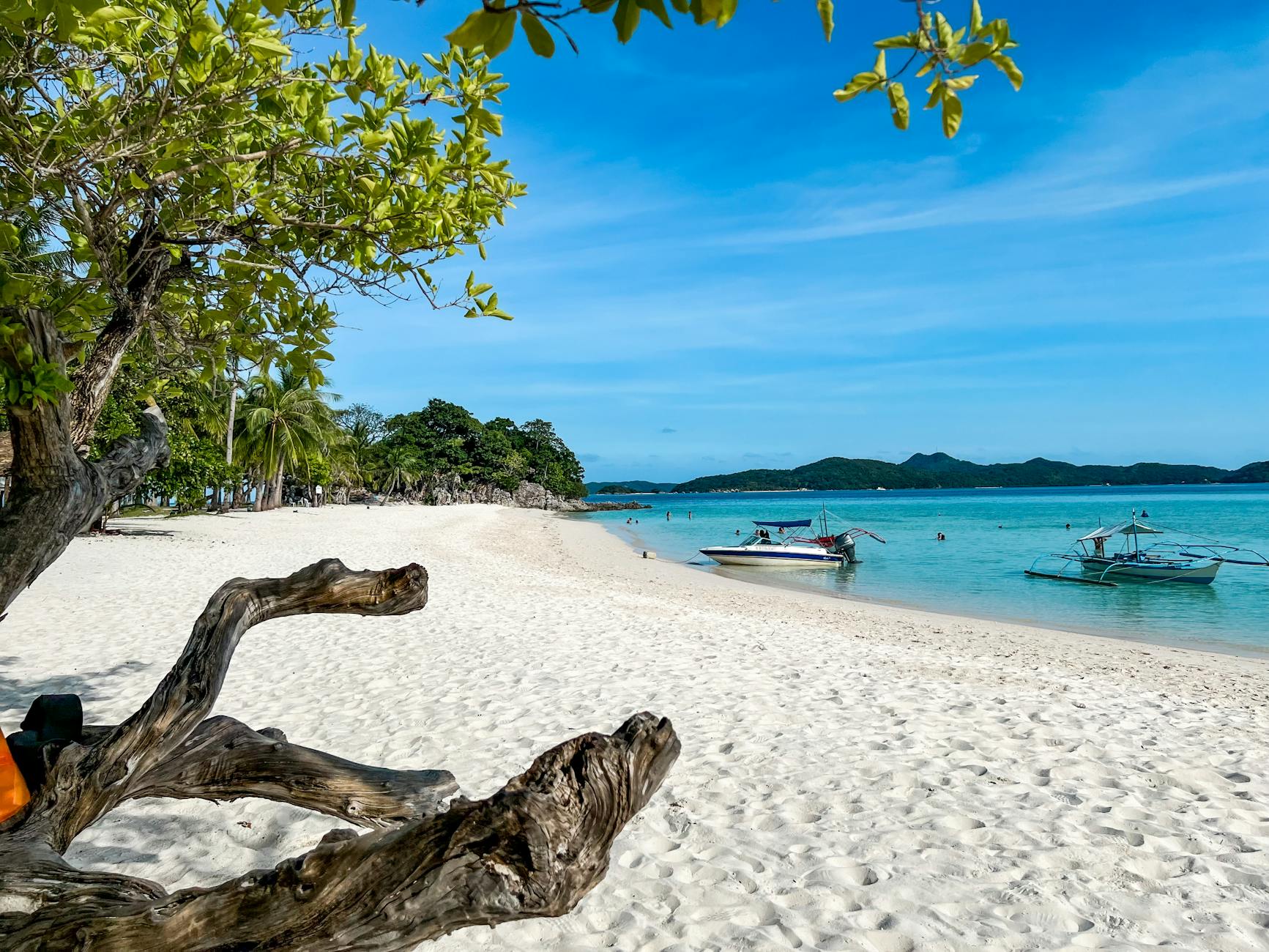
    The island’s flora is incredibly diverse due to the varied habitats created by its geography. Lord Howe Island is home to around 241 native plant species, many of which cannot be found anywhere else in the world. The dense forests that blanket the island are filled with towering tree ferns, fragrant eucalyptus trees, and colorful flowering plants, creating a vibrant and lush environment. The coastal areas are characterized by stunning beaches and lagoons, including the famous Neds Beach and Lagoon Beach, which are perfect for swimming and snorkeling.

    Notably, the island’s unique geographical location provides essential habitats for numerous bird species, including the striking Norfolk Island Parakeet and the Lord Howe Woodhen, another endemic species. The elevated terrain creates various microclimates, which allow different ecosystems to flourish in close proximity, further contributing to the island’s complex ecological web.

    The surrounding waters host one of the most southern coral reef systems in the world, which forms a vital ecological barrier against ocean swells. This reef system is composed of over 90 species of fish and vibrant coral gardens, thriving in the clear, warm waters. The interdependence between land and sea creates a harmonious balance, making Lord Howe Island an essential spot for ecological research and conservation.

    Overall, Lord Howe Island’s geography and natural features contribute to its status as a World Heritage site, highlighting the island as an ecological treasure with unparalleled natural beauty. The combination of stunning landscapes and diverse habitats provides a captivating destination for travelers and nature enthusiasts alike.

    Unique Flora and Fauna of the Island

    The stunning biodiversity of Lord Howe Island is one of the primary reasons it was declared a UNESCO World Heritage Site. The island serves as a sanctuary for numerous species of flora and fauna, many of which are endemic and found nowhere else on the planet.

    One of the standout features of the island’s vegetation is the dense subtropical rainforest that flourishes in its rich volcanic soil, providing nourishment and sustenance to a variety of unique plants. The island is home to around 241 native plant species, with notable examples like the endemic Kentia palm (Howea forsteriana) and the Lord Howe Island cabbage tree (Cordyline stricta). These trees provide habitat for numerous bird species and contribute to the island’s lush greenery.

    Among the island’s plant life, the distinctive mountain flora is particularly remarkable. At higher altitudes, one can find hardy species that have adapted to the cooler climate, including the endemic Lord Howe Island White-Yellow (Pseudoweinmannia lachnocarpa) and various mosses and lichens that thrive on rocky surfaces. The diverse ecological zones that emerge from the island’s varying altitudes and slopes support a unique assemblage of plant communities.

    The unique fauna of Lord Howe Island is equally impressive. This includes the famous Lord Howe Island Woodhen, a flightless bird that was once on the brink of extinction but has made a remarkable recovery due to conservation efforts. The island also hosts a variety of seabirds, including the Sooty Tern and the Red-tailed Tropicbird, which nest along the cliffs and rocky outcrops around the island.

    In addition to birds, the island’s native reptiles are fascinating examples of evolutionary adaptation. The Lord Howe Island Phasmid, a large stick insect species, was once thought to be extinct but has been successfully reintroduced through conservation initiatives. This insect is emblematic of the island’s efforts to protect its endemic wildlife and prevent habitat destruction.

    Another notable fauna feature is the diverse range of marine life found in the waters surrounding the island. As an integral part of the marine ecosystem, corals, mollusks, and fish species thrive in the coral reefs that encircle Lord Howe Island. Snorkeling and diving opportunities allow visitors to experience this vibrant underwater world, where they can encounter colorful fish and other marine creatures up close.

    In conclusion, the unique flora and fauna of Lord Howe Island highlight its ecological significance and the importance of its protection. The island not only serves as a home for an extraordinary range of species but also represents a critical site for ongoing ecological research and conservation efforts.

    Scenic Hiking Trails and Their Highlights

    Lord Howe Island is renowned for its breathtaking hiking trails, which offer some of the most spectacular views of both the island’s rugged landscapes and its pristine coastline. With a variety of trails catering to different skill levels, there’s a hiking adventure for everyone—from leisurely strolls to challenging treks that lead to stunning vistas.

    One of the most popular hikes on the island is the trek to Mount Gower, which stands at 875 meters (2,874 feet). This challenging walk takes approximately 5-6 hours to complete and should only be attempted by seasoned hikers equipped with proper gear. The trail begins at the southern end of the island and ascends through lush forests and rocky outcrops, providing hikers with an immersive experience in the island’s native flora. The panoramic views from the summit are truly breathtaking, offering a commanding view of Lord Howe Island and its surrounding waters.

    Another iconic hike is the shorter, yet equally stunning, 2.5-kilometer (1.5-mile) trek to the Mutiny on the Bounty monument, which commemorates the shipwreck of the HMS Bounty in 1789. This relatively easy hike welcomes participants of all ages and skill levels, featuring well-marked paths and informative signs along the way. The trail leads through beautiful scenery, culminating in captivating coastal views that serve as a reminder of the island’s tumultuous history.

    For those looking for a more leisurely option, the Lagoon Walk is a must-do. This flat, 2.4-kilometer (1.5-mile) circuit takes hikers around the calm waters of the lagoon, where they can enjoy stunning reflections of the surrounding mountains and potentially catch sight of various bird species. The Trail provides an idyllic setting for spotting marine life in the water and reveling in the island’s vibrant greenery.

    In addition to these popular routes, several other trails weave through the island’s landscapes, each with its own unique attractions. The Short Walk and the Palm Grove Walk are excellent options for those who prefer a gentler exploration, meandering through lush forests filled with palms and ferns, creating a serene atmosphere for leisurely exploration.

    As hikers traverse the island’s network of trails, they are treated to not only the beauty of the natural environment, but also the opportunity to engage with its history and culture. Interpretative signs provide insight into the island’s unique ecosystems, birdlife, and geological history, enriching the hiking experience.

    In conclusion, the hiking trails of Lord Howe Island represent the ultimate combination of physical activity, nature appreciation, and historical exploration. Each hike offers a distinct perspective on the island’s breathtaking landscapes, making the experience an unforgettable highlight for all who venture to this UNESCO World Heritage Site.

    Marine Life and Coral Reefs Surrounding Lord Howe Island

    The marine environment surrounding Lord Howe Island is nothing short of spectacular. As a UNESCO World Heritage Site, the waters around the island are protected, allowing for rich marine biodiversity that attracts snorkelers, divers, and nature enthusiasts from around the world. The island is surrounded by a unique coral reef system that supports an array of marine life, making it a prime destination for underwater exploration.

    Diving and snorkeling in the crystal-clear waters surrounding Lord Howe Island reveal a vibrant ecosystem teeming with life. The coral reefs are home to over 90 species of fish, including parrotfish, wrasse, and clownfish. Hikers and nature lovers will appreciate the chance to see these colorful marine creatures thriving in their natural environment. The shallow coral gardens provide a safe and intriguing backdrop for snorkelers, while scuba diving enthusiasts can venture further to explore deeper waters full of diverse fish populations and intricate coral formations.

    One notable feature of Lord Howe’s marine life is the unique biodiversity found in its coral reefs. As one of the southernmost coral reef systems in the world, the coral here has adapted to cooler waters and boasts a mix of both tropical and temperate species. This unique combination allows visitors to observe various corals, including the large plate corals, branching corals, and fan corals, creating an enchanting underwater landscape.

    The waters around the island are not only home to vibrant corals but also serve as a habitat for other marine animals, such as sea turtles, rays, and dolphins. The waters provide a crucial breeding ground for various fish species, while seasonal migrations of larger marine animals often occur, attracting divers eager to encounter these magnificent creatures.

    The marine life diversity around Lord Howe Island also encompasses various invertebrates. Vibrant sea stars, crabs, and a variety of mollusks can be found residing among the coral formations. The delicate balance of these ecosystems highlights the importance of conservation efforts, which strive to protect the marine environments and the wildlife that depend on them.

    Visitors to the island can participate in guided snorkeling and diving tours, where experts share their knowledge of the marine ecology while facilitating encounters with the island’s diverse underwater inhabitants. Tour operators prioritize responsible practices and promote environmentally friendly behaviors, ensuring that visitors experience the stunning marine life while minimizing their impact on fragile ecosystems.

    In conclusion, the waters surrounding Lord Howe Island are a treasure trove of marine biodiversity, offering exceptional opportunities for underwater exploration and appreciation. The unique coral reefs, diverse marine life, and conservation efforts contribute to the island’s allure and highlight its importance as a protected ecological zone. The undeniable beauty of the underwater world surrounding Lord Howe Island enhances its identity as a premier destination for marine adventurers.

    Conservation Efforts and Sustainable Tourism on the Island

    The conservation of Lord Howe Island’s unique ecosystems is paramount to its identity and future as a UNESCO World Heritage Site. Efforts to preserve the island’s natural and cultural heritage are supported by a combination of government initiatives, community engagement, and tourism practices that emphasize sustainability.

    One of the most notable conservation achievements is the eradication of invasive species, which have threatened the unique flora and fauna of the island. Programs have been implemented to remove pests such as rats, which historically impacted the breeding of native bird populations. The commitment to restoring the island’s ecological balance is evident, with dedicated resources allocated for ongoing research and monitoring to assess the impacts of these efforts.

    Sustainable tourism practices play a vital role in the island’s conservation strategy. Visitors are encouraged to engage in eco-friendly activities that minimize their ecological footprint. Accommodations often adhere to sustainable principles, such as energy-efficient designs and waste reduction. Tour operators are committed to educating visitors about responsible behavior while enjoying the island’s beauty, promoting the importance of wildlife conservation and respecting natural habitats.

    The local community actively participates in various conservation initiatives and educational programs, fostering a sense of stewardship among residents and visitors alike. Workshops, volunteer opportunities, and community events aim to raise awareness of the challenges facing Lord Howe Island and the importance of protecting its unique ecosystems. The collaborative approach involves everyone working together to preserve the island’s natural resources for future generations.

    Alongside these efforts, research projects focusing on biodiversity assessment and habitat restoration are essential components of Lord Howe Island’s conservation strategy. These studies provide insight into the effects of climate change on the island’s ecosystems, informing management practices and allowing for adaptive responses to protect vulnerable species.

    As a testament to the significance of conservation, Lord Howe Island has also focused on engaging visitors with its natural environment through various sustainable tourism initiatives. Guided nature walks, educational programs, and eco-tours contribute to a deeper understanding of the island’s ecosystems, while simultaneously supporting conservation efforts through responsible tourism expenditures.

    The commitment to sustainability and conservation not only enhances the visitor experience but also strengthens the island’s reputation as a premiere eco-tourism destination. By promoting a balance between community needs, tourism, and environmental preservation, Lord Howe Island exemplifies how a commitment to sustainability can enhance both the natural environment and the visitor experience.

    In conclusion, the conservation efforts and sustainable tourism practices on Lord Howe Island are critical in maintaining the island’s remarkable biodiversity and nurturing its ecological integrity. By working together as a community, visitors, and conservationists, the island is poised to continue thriving as a UNESCO World Heritage Site, ensuring that its breathtaking beauty endures for generations to come.

    Conclusion

    Lord Howe Island stands as a remarkable example of natural beauty, ecological diversity, and successful conservation efforts. As a UNESCO World Heritage Site, it offers breathtaking hikes, vibrant marine life, and unique flora and fauna that draw visitors from across the globe. From the stunning landscapes created by its volcanic origins to the diverse ecosystems that thrive both on land and underwater, Lord Howe Island is a treasure that highlights the significance of environmental preservation.

    With ongoing conservation initiatives and a commitment to sustainable tourism, Lord Howe Island not only preserves its unique heritage but also educates and inspires visitors about the value of nature. As travelers explore the island’s picturesque trails and azure waters, they become part of a greater movement to protect and cherish this pristine environment. The balance between tourism and conservation creates a blueprint for future eco-destinations, demonstrating how appreciation for natural beauty can coexist with responsible stewardship.

    The enchanting landscapes and diverse ecosystems of Lord Howe Island serve as a reminder of our connection to the environment. By immersing ourselves in the island’s captivating beauty and fostering a commitment to sustainability, we can ensure that this stunning paradise continues to inspire and awe visitors for generations to come.

    Lord Howe Island – Garden of Eden between Australia and New Zealand Video

    Lord Howe Island – Garden of Eden between Australia and New Zealand
  • Underwater Waterfall of Mauritius is a Must-See in 2025
    Underwater Waterfall of Mauritius is a Must-See in 2025

    Introduction

    Mauritius, renowned for its stunning beaches and vibrant culture, is home to a unique natural wonder that often goes unnoticed by many travelers: the underwater waterfall. Unlike any ordinary waterfall, this mesmerizing phenomenon can only be seen from above, creating an illusion of water cascading into the abyss. This visual marvel, located off the southwestern coast of the island, attracts photographers, adventurers, and nature enthusiasts alike. The underwater waterfall of Mauritius is not just a feast for the eyes; it’s a testament to the island’s rich geological history and the interplay of natural elements. In this article, we will explore the unique characteristics of the underwater waterfall, the science behind its formation, the best spots to witness this phenomenon, and the cultural significance it holds for the local population. Prepare to embark on a virtual journey to one of nature’s most extraordinary spectacles.

    Introduction to the Underwater Waterfall

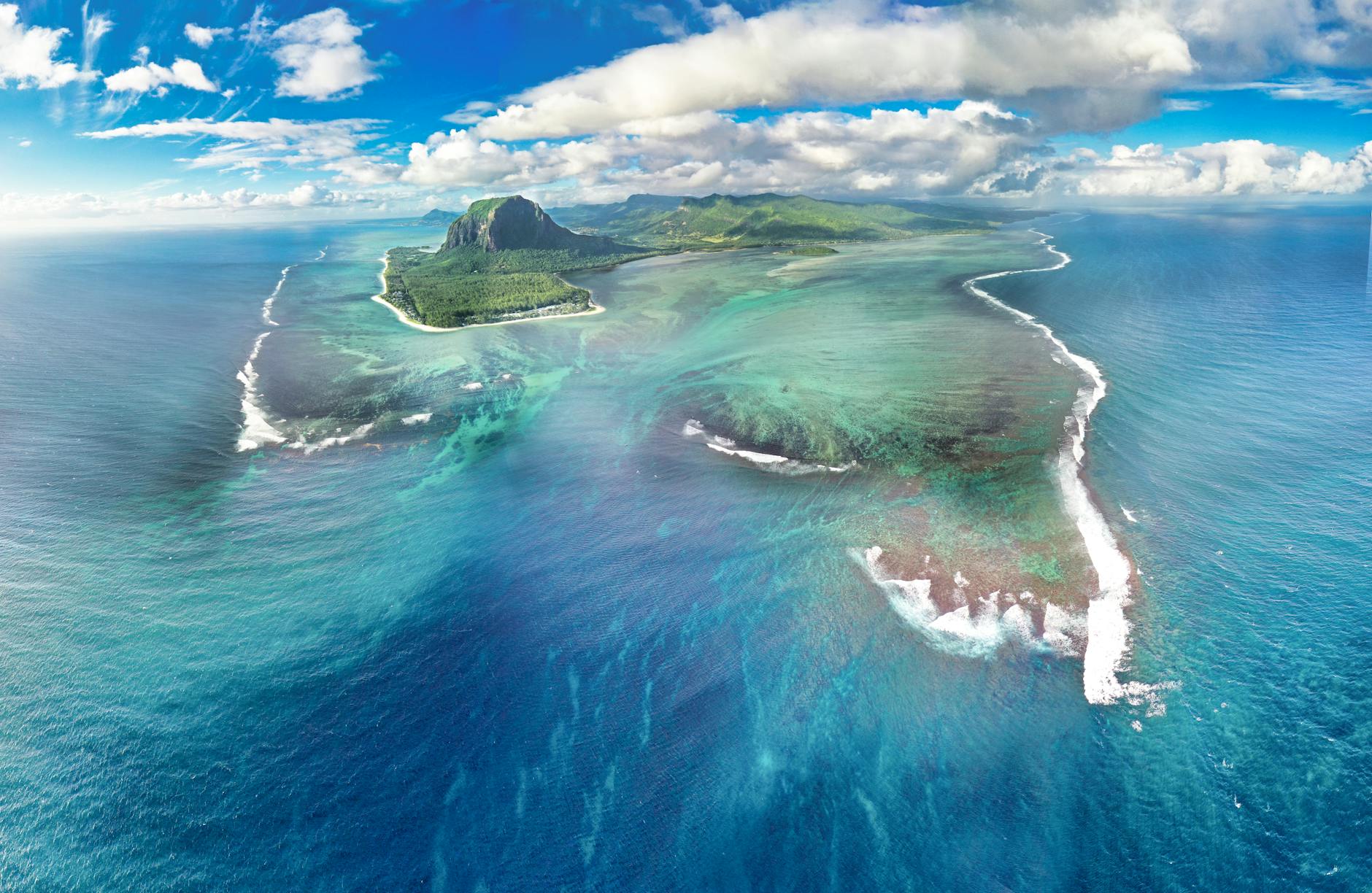
    The underwater waterfall of Mauritius is a captivating optical phenomenon that attracts visitors from around the globe. This unique display of nature is not a waterfall in the traditional sense; rather, it is an illusion created by the interplay of sand, silt, and ocean currents. When viewed from an aerial perspective, the underwater waterfall presents a stunning visual effect, as if the water is flowing over an unseen edge into the ocean depths below.

    Located near the Le Morne Peninsula, the underwater waterfall is part of a larger system of rivers and lagoons that makes up the island’s intricate coastal ecosystem. It is essential to understand that this phenomenon is not a singular event but a consistent feature of Mauritius’ underwater topography. The blend of currents and sediment disperses, leading to an ever-shifting and dynamic appearance, creating the illusion of a waterfall cascading into the abyss.

    This illusion is exacerbated by the unique geographical features of Mauritius. The island is a volcanic formation, characterized by dramatic cliffs, vibrant coral reefs, and stunning lagoons. As the currents move through these geological structures, they pick up sand and silt, which is then carried towards deeper waters. The result is a gradient of colors and patterns that look like a waterfall, but is merely the dispersion of sediments.

    The best way to experience this magnificent illusion is through a helicopter tour. From the sky, visitors are treated to a breathtaking view of the underwater waterfall as the contrasting colors of the turquoise waters and the sandy deposits create a spectacle that is truly unforgettable. These aerial tours allow for a clear perspective, highlighting the intricate details of this unique feature.

    Aside from its undeniable beauty, the underwater waterfall serves as a reminder of the fragile coexistence of land and sea. This phenomenon is a consequence of natural processes that have taken millions of years to evolve, such as erosion and sedimentation. Each wave and current plays a critical role in shaping the underwater landscape, contributing to the island’s ecological diversity.

    The underwater waterfall is not just a visual marvel but also a significant attraction for tourists who seek to immerse themselves in the serene beauty of Mauritius. It draws thousands of visitors every year, prompting the need for sustainable tourism practices to preserve this breathtaking phenomenon for future generations. Local authorities have implemented measures to regulate sightseeing tours, ensuring that the area’s natural beauty remains intact.

    Moreover, the underwater waterfall is situated near several other attractions in Mauritius, making it easy for travelers to plan comprehensive itineraries. Its proximity to historical sites, lush hiking trails, and pristine beaches provides ample opportunities for exploration. Visitors can enjoy a range of activities, from exploring the vibrant marine life at nearby coral reefs to embarking on cultural tours that delve into the island’s rich heritage.

    In essence, the underwater waterfall is a prime example of nature’s artistry, one that invites exploration and curiosity. The astonishing visual effects, coupled with the natural elements that create this wonder, remind us of the beauty and diversity of our planet. It is an experience that leaves a lasting impression, making it a must-see destination for anyone traveling to Mauritius.

    How the Phenomenon Occurs

    The underwater waterfall phenomenon in Mauritius is a result of several geological and hydrological factors that work in concert to create a breathtaking visual spectacle. Understanding the science behind this optical illusion involves examining ocean currents, sediment transport, and the unique topography of the region.

    At its core, the underwater waterfall is not a waterfall at all, but rather an accumulation of sand and silt that is displaced by deep ocean currents. The process begins in shallow coastal regions where erosion takes place, driven largely by wave action and prevailing winds. Over time, tiny particles of sand and silt are gradually eroded from the land and transported into the ocean. As these particles are swept away, they are carried by the currents to deeper waters.

    One of the key factors contributing to the appearance of the underwater waterfall is the steep drop-offs along the ocean floor around the island of Mauritius. The ocean around the island is relatively shallow in certain areas, with dramatic cliffs that plunge into deeper waters. This steep gradient creates an effect similar to that of a traditional waterfall, where the water seems to flow over an edge. When viewed from above, the combination of these geological features and water movement generates the illusion of a waterfall cascading into the depths.

    Another crucial element is the interaction of different ocean currents. The Indian Ocean, which surrounds Mauritius, is characterized by various currents that flow at different speeds and directions. These currents carry sediments and influence how they settle on the ocean floor. The powerful currents that move through the area can create swirling patterns as they collide with one another, further enhancing the effect of the underwater waterfall.

    Changes in tide also play a significant role in how the underwater waterfall appears. During high tide, the water levels rise, causing sediments to spread out more evenly and creating a more subtle effect. Conversely, during low tide, the sediments become more concentrated, intensifying the visual illusion of a waterfall as they are drawn more dramatically towards the drop-off. This dynamic interplay between tides and currents means that the appearance of the underwater waterfall can vary from one moment to the next, providing a unique experience for anyone fortunate enough to witness it.

    The underwater waterfall is also influenced by seasonal changes. During certain times of the year, heavy rains can wash more sediment into the ocean, altering the visual display. Increased rainfall can lead to a higher concentration of sediments being swept out, enhancing the contrast of the lighter sands against the deeper blue of the ocean, thereby amplifying the beauty of this natural wonder.

    Additionally, marine life in the area can affect the overall experience of witnessing the underwater waterfall. The rich ecosystems surrounding the underwater waterfall are home to a diverse range of fish and other marine creatures that enhance the beauty of the scene. The interactions of these organisms with the sediments can further enhance the aesthetics of the waterfall effect as their movements stir up particles and create rippling patterns.

    Ultimately, the underwater waterfall of Mauritius is a reminder of the complexity and beauty of natural processes. The convergence of currents, sediments, geological features, and marine life work together to create a stunning natural wonder that captivates all who experience it. Understanding how the underwater waterfall occurs adds depth to the appreciation of this illusion, allowing visitors to recognize the intricate systems at play beneath the surface of the ocean.

    Best Viewing Locations

    To fully appreciate the enchanting underwater waterfall of Mauritius, selecting the best viewing locations is crucial. While the phenomenon itself can only be observed from above, there are a few key spots across the island that offer spectacular perspectives and experiences. Here’s a closer look at the top locations for witnessing this natural wonder.

    One of the most iconic ways to see the underwater waterfall is via a helicopter tour. Helicopter flights are popular among tourists and provide a panoramic view of the underwater waterfall, allowing visitors to see its vast and intricate patterns from an aerial perspective. The helicopter rides typically depart from the main tourist areas, such as the capital city of Port Louis or the resort town of Flic en Flac. During these exhilarating flights, passengers can admire not only the underwater waterfall but also other breathtaking landscapes of Mauritius, including the lush green mountains, sparkling lagoons, and vivid coral reefs. The helicopter tours usually last around 30 minutes and are often accompanied by knowledgeable guides who provide insights and details about the geography and ecology of the region.

    For those who prefer to stay closer to the ground, there are other fantastic spots to witness the underwater waterfall’s beauty. One such location is the iconic Le Morne Brabant, a UNESCO World Heritage site that offers stunning views of the southwestern coast of Mauritius. Visitors can hike to the summit, where they are rewarded with breathtaking vistas that include the illusion of the underwater waterfall spilling over the edge of the ocean. The hike can be challenging but provides an opportunity to immerse oneself in the natural beauty of the island while enjoying panoramic views from the top.

    Additionally, boat tours departing from nearby coastal towns, such as La Gaulette, offer an alternative way to experience the underwater waterfall from the water. While these tours won’t provide the same aerial perspective, they allow for a unique vantage point, offering views of the surrounding landscape and the impressive drop-offs that create the illusion of a waterfall. Many boat tours also provide opportunities for snorkeling in the nearby coral reefs, allowing visitors to experience the rich marine biodiversity of Mauritius up close.

    Another great spot to consider is the viewpoint at Chamarel, a small village located inland from the southwestern coast. While Chamarel is best known for its Seven Colored Earths and stunning waterfalls, the viewpoint near the village also offers glimpses of the underwater waterfall in the distance. Visitors exploring Chamarel can enjoy a day of hiking, observing unique geological formations, and touring the nearby parks, all while taking in the enchanting sights of the underwater waterfall in the backdrop.

    For photographers and nature enthusiasts, visiting during the early morning or late afternoon when the light is soft can enhance the visual experience, leading to striking photographs that capture the underwater waterfall’s beauty framed by the stunning landscape of Mauritius. It’s essential to plan your visit accordingly, as a little planning goes a long way in ensuring you experience this natural wonder in its fullest glory.

    In summary, the best viewing locations for the underwater waterfall of Mauritius range from exhilarating helicopter tours to scenic hikes and boat excursions. Each perspective offers a unique experience, allowing visitors to appreciate the breathtaking beauty and complexity of this extraordinary phenomenon. Whether from the sky or the ground, the underwater waterfall remains a must-see attraction that showcases the natural wonders of Mauritius.

    Tips for Visiting Mauritius

    Visiting the breathtaking underwater waterfall of Mauritius is a dream for many travelers, but to get the most out of your experience, there are several tips and recommendations to consider. These pointers will help ensure that your trip is memorable, enjoyable, and filled with awe-inspiring moments.

    Plan Ahead: Timing is vital when it comes to witnessing the underwater waterfall in its full glory. The phenomenon is best viewed during the dry season, which typically lasts from May to December. These months offer clearer skies and calm winds, making for ideal conditions for helicopter tours and scenic views. If you visit during the wet season, be prepared for potential rain and increased cloud cover, which could obscure your view.

    Book in Advance: Helicopter tours are extremely popular among tourists. To secure your spot and avoid missing out on this once-in-a-lifetime experience, it is recommended to book your flights in advance. Numerous companies offer helicopter tours, and prices can vary, so researching different options will help you find a package that suits your budget. Additionally, booking in advance ensures you get to choose your preferred times, maximizing your chances of clear weather.

    Bring Your Camera: The underwater waterfall is one of the most photogenic places on the planet, and capturing its beauty is a must. Don’t forget to bring a good quality camera or smartphone to document your experience. A polarized lens can help reduce glare and enhance the colors in your photos, delivering striking images that showcase the mesmerizing hues of the underwater waterfall and its surroundings.

    Dress Comfortably: Whether you plan to hike, take a helicopter tour, or relax on the beach, it’s essential to wear comfortable clothing and suitable footwear. If hiking to viewpoints or embarking on boat tours, choose shoes that provide good support and grip. Lightweight, breathable fabrics are ideal for Mauritius’ humid climate, and don’t forget sun protection, as you’ll likely spend a considerable amount of time outdoors.

    Explore Beyond the Waterfall: While the underwater waterfall is a spectacular highlight, Mauritius is filled with exceptional attractions waiting to be discovered. Consider visiting the nearby attractions, such as the Black River Gorges National Park, which boasts incredible hiking trails, lush forests, and a myriad of endemic wildlife. Alternatively, explore the rich culture of Mauritius through visits to local markets, cuisine experiences, and historical landmarks that reveal the island’s unique heritage.

    Engage with Local Guides: To gain a deeper understanding of Mauritius and the underwater waterfall, consider engaging with local guides who possess insider knowledge. Guided tours can enhance your experience by providing context, stories, and its cultural significance. Local experts can introduce you to hidden gems, share personal anecdotes, and help you navigate the island’s attractions while promoting sustainable and responsible tourism practices.

    Stay Hydrated and Enjoy the Cuisine: Mauritius boasts a rich culinary scene influenced by its diverse population. While exploring the island and its stunning natural wonders, make sure to try local dishes that reflect the island’s cultural diversity. Be mindful of staying hydrated throughout your explorations, especially while hiking or spending time outdoors in the sun.

    By following these tips, you will be well-prepared to experience the underwater waterfall of Mauritius and the many attractions it has to offer. Planning ahead, being mindful of your surroundings, and embracing the spirit of adventure will create lasting memories that enrich your journey through this captivating island.

    The Cultural Significance of the Underwater Waterfall

    The underwater waterfall of Mauritius is not only a natural wonder but also carries significant cultural meaning for the local population. Understanding this significance adds depth to the appreciation of the phenomenon, showcasing how it intertwines with the identity of the island and its people.

    For many Mauritians, the underwater waterfall represents the resilience of nature and the harmony between land and sea. The illusion serves as a reminder of the intricate ecosystems that exist beneath the surface, reflecting the island’s diverse landscape and rich biological heritage. The vibrant colors and patterns created by the underwater waterfall symbolize various aspects of Mauritian culture, including the diversity of its inhabitants, traditions, and beliefs.

    Historically, the presence of water has always played a vital role in the lives of Mauritians. The island’s rivers, lagoons, and coastal waters are deeply intertwined with the cultural practices of multiple ethnic groups, such as Indo-Mauritians, Creole, and Sino-Mauritians. Water is often viewed as a source of life, nourishment, and spiritual significance. Folklore and stories passed down through generations frequently feature elements of water, serving as a bridge between the physical and spiritual worlds. The underwater waterfall, as a captivating natural feature, embodies these cultural narratives and adds to the island’s rich tapestry of traditions.

    The underwater waterfall is also seen as a symbol of prosperity and beauty, attracting visitors from around the world. As ecotourism gains traction, the phenomenon highlights the importance of preserving the island’s natural resources and promoting sustainable practices. The locals recognize that the underwater waterfall serves as a magnet for tourism, which, when managed responsibly, can support the local economy and provide opportunities for community development.

    Artistic expression in Mauritius is closely tied to its natural wonders, and the underwater waterfall inspires local artists, musicians, and writers. The stunning visuals and the story behind the phenomenon can be found reflected in various forms of art, showcasing the deep connection between the island’s cultural identity and its natural landscape. The presence of the underwater waterfall in artistic endeavors encourages a greater awareness of nature and environmental conservation, emphasizing the need to protect such breathtaking treasures.

    Furthermore, educational initiatives surrounding the underwater waterfall often involve local communities, encouraging them to actively participate in its conservation. Workshops and activities allow locals to share their knowledge and traditions regarding marine life, while raising awareness of sustainable tourism practices. By engaging communities in stewardship efforts, the underwater waterfall becomes a vehicle for cultural and environmental education.

    In conclusion, the underwater waterfall of Mauritius represents more than just a stunning visual spectacle; it embodies the cultural significance of the island’s people and their connection to nature. This natural wonder serves as a source of inspiration, promoting a sense of pride for locals while encouraging sustainable tourism practices. Understanding the cultural context enhances visitors’ experiences, deepening the appreciation for this enchanting phenomenon and the vibrant island it resides in.

    Conclusion

    The underwater waterfall of Mauritius is undoubtedly one of nature’s most mesmerizing spectacles, captivating visitors with its stunning visual illusion and the beauty of the surrounding landscapes. From its creation through geological processes and ocean currents to its cultural significance for the island’s inhabitants, the underwater waterfall offers a unique insight into the relationship between nature and humanity. Witnessing this extraordinary phenomenon is not just about marveling at its appearance; it is an opportunity to connect with the stories and traditions woven into the fabric of Mauritian culture.

    As travelers plan their journeys to experience the underwater waterfall firsthand, it is imperative to approach such natural wonders with respect and consideration for their ecological importance. Engaging with local communities, understanding sustainable tourism practices, and exploring the rich cultural heritage of Mauritius enhances the overall experience, creating lasting memories and a deeper appreciation for the island’s beauty.

    In essence, the underwater waterfall serves as a reminder of the breathtaking artistry of nature and the interconnectedness of ecosystems. Whether soaring over it in a helicopter, hiking nearby, or meeting local guides, each experience unveils a different facet of this incredible phenomenon. For those seeking adventure, beauty, and a moment of awe in their travels, the underwater waterfall of Mauritius promises an unforgettable journey into the heart of nature’s wonders.

  • Explore Essaouira in 2025: A Hidden Coastal Jewel in Morocco

    Explore Essaouira in 2025: A Hidden Coastal Jewel in Morocco

    Introduction

    Essaouira, a picturesque coastal town in Morocco, is often overlooked by travelers drawn to the bustling streets of Marrakech or the serene landscapes of the Sahara. However, Essaouira boasts its unique charm with its blend of history, culture, and stunning seaside vistas. The town’s medina, a UNESCO World Heritage site, is characterized by its narrow alleys, vibrant blue-and-white buildings, and lively souks. Beyond its architectural beauty, Essaouira is famous for its strong winds, making it a popular destination for windsurfers and kitesurfers alike. Moreover, the local culture is enriched by festivals and events that celebrate music, arts, and gastronomy, enticing visitors to immerse themselves fully. In this article, we will delve into the historical significance, explore the medina, celebrate local culture, engage in adventurous activities, and savor the culinary delights that Essaouira has to offer.

    The Historical Significance of Essaouira

    Essaouira, known in ancient times as Mogador, has a rich tapestry of history that is deeply intertwined with the trade routes of the Atlantic. Located on the west coast of Morocco, this town has served as a critical port city since the 18th century. Its strategic position attracted various civilizations, from the Phoenicians and Romans to the Portuguese and French, each leaving their mark on the city’s architecture and culture.

    The most significant development occurred during the reign of Sultan Mohammed III, who transformed Essaouira into a fortified town in the 1760s. He commissioned notable architect Tahar Sebti to design the medina, ensuring that it would be both functional and beautiful. This period marked the growth of the town as a thriving center for trade, particularly in sugar, textiles, and spices. The impressive ramparts, built of local limestone, still stand today, offering visitors a glimpse into the town’s fortified past.

    Moreover, Essaouira’s port became an essential hub for the Berber, Arab, and European traders, fostering a unique multicultural environment. The Mellah, or Jewish quarter, further exemplified this cultural synthesis, where Jewish merchants played a significant role in the city’s commerce during the 19th century. Today, remnants of this diverse history can be explored through the narrow streets, ancient synagogues, and bustling marketplaces.

    Essaouira also has historical significance in its connection to the arts. The town has been a haven for artists and musicians alike, drawing influential figures such as Jimi Hendrix and Orson Welles, who found inspiration in its tranquil landscapes and vibrant culture. The Gnaoua World Music Festival, held annually, pays homage to this artistic legacy, celebrating the fusion of traditional and contemporary music.

    Visitors can explore the historical sites scattered throughout Essaouira, including the Moulay Hassan Square, where lively gatherings often take place. The nearby Skala de la Ville features an impressive sea wall punctuated by ancient cannons, with panoramic views of the Atlantic Ocean. Each structure tells a story, revealing the intricate history of this enchanting town.

    In addition to its architectural and commercial heritage, Essaouira has played a vital role in the preservation of traditional Moroccan crafts. The town is known for its artisans who create exquisite woodworking, intricate thuya wood products, and vibrant textiles. These crafts reflect the merging influences of different cultures and the town’s rich artistic traditions.

    Thus, Essaouira is more than just a tourist destination; it is a living museum that encapsulates the historical significance of Morocco’s coastal heritage. Exploring its storied past deepens the appreciation for this stunning gem and allows travelers to connect with the enduring spirit of its people and culture.

    Exploring the Medina: A UNESCO World Heritage Site

    The medina of Essaouira is a vibrant and enchanting area that invites exploration. Designated as a UNESCO World Heritage Site in 2001, it showcases an exceptional example of late 18th-century town planning, with its well-preserved ramparts, narrow streets, and distinct blue-and-white architecture. The medina serves as the heart of Essaouira, pulsating with energy and life, where visitors can immerse themselves in the local culture.

    As you stroll through the winding streets, you’ll encounter the fragrant scent of spices wafting from the numerous souks lining the pathways. The artisans are often at work, showcasing their craft and producing beautiful handmade goods, from intricate ceramics to colorful textiles. Engaging with these artisans offers a glimpse into the town’s cultural fabric and the skill that has been passed down through generations.

    A visit to the medina wouldn’t be complete without exploring the many shops and boutiques. Each store offers unique treasures, including handmade jewelry, vibrant rugs, and carved wooden items made from thuya wood, native to the region. The atmosphere is lively, with shopkeepers often eager to share the stories behind their crafts, adding personal touches to each transaction.

    One of the highlights of the medina is the Moulay Hassan Square, a bustling hub where locals and tourists gather. The square exudes a sense of community, teeming with life, street performers, and cafes where you can sip mint tea while people-watching. It’s the perfect spot to soak in the local atmosphere, with views of the surrounding medina and the Atlantic Ocean providing a breathtaking backdrop.

    The medina is also home to several historical landmarks that are well worth visiting. The Moulay Hassan Mosque, though not open to non-Muslims, is an impressive architectural feat that adds to the medina’s charm. The charming little streets lead visitors to the iconic Essaouira Citadel, which boasts stunning views of the sea and the vibrant life of the port.

    Moreover, Essaouira’s medina is known for its artistic and cultural events that are often held throughout the year. From art exhibitions to live music performances, the medina is a stage for creativity. The Gnaoua World Music Festival, which attracts musicians from around the globe, is one of the most popular events, celebrating the fusion of traditional and contemporary sounds with a backdrop of mesmerizing lights and local art displays.

    In conclusion, the medina of Essaouira is a treasure trove of history, artistry, and culture, inviting travelers to wander through its vibrant streets and discover the rich stories hidden within its walls. With its engaging atmosphere, welcoming locals, and stunning architecture, the medina ensures an unforgettable experience for any visitor.

    The Vibrant Local Culture and Festivals

    Essaouira’s culture is a rich tapestry woven from various influences, reflecting the city’s long history as a melting pot of civilizations. The local population, a blend of Berbers, Arabs, and Jewish descendants, has cultivated traditions that celebrate their shared heritage. Festivals in Essaouira play a crucial role in bringing together these communities, fostering a sense of unity and pride.

    One of the most prominent events in Essaouira is the Gnaoua World Music Festival, celebrated each June. This festival highlights the significant role Gnaoua music, a captivating blend of African, Arabic, and Berber traditions, plays in the town’s cultural identity. The event attracts musicians and music lovers from around the world, featuring a captivating lineup of artists who perform in various genres, ranging from traditional to contemporary. The festival creates an atmosphere of joyous celebration, with performances taking place on multiple stages throughout the medina, bringing thousands of people together to celebrate the cultural richness of Essaouira.

    In addition to music, Essaouira also hosts the Essaouira Moulay Hassan Festival, which showcases the region’s artisanal heritage. Held annually, this festival is a tribute to local crafts, celebrating the talent of local artisans and promoting traditional crafts such as pottery, leatherwork, and weaving. Visitors can indulge their senses while exploring various stalls, where artisans demonstrate their skills and offer their handcrafted products for sale. The festival also hosts workshops and interactive sessions where attendees can learn about the techniques behind these ancient crafts, fostering a deeper appreciation for the local heritage.

    Culinary culture is also a significant aspect of Essaouira’s identity. The town is known for its seafood, fresh from the Atlantic, and the famous fish stalls lining the port are a must-visit for food enthusiasts. The Essaouira Culinary Festival celebrates this gastronomic delight, where chefs showcase their culinary skills through tastings and competitions. The festival invites visitors to indulge in delicious dishes that merge traditional Moroccan flavors with modern techniques, allowing them to savor the diverse palate of Essaouira.

    Beyond festivals, the local culture is reflected in everyday life. The rhythm of the town flows with the tides, and residents are interconnected with the sea. Fishing continues to be a vital part of Essaouira’s identity, with fishermen often seen at dawn hauling in their catch. The experience of watching the fishermen at work provides insight into the life of the locals and the importance of the sea to their culture.

    Moreover, Essaouira is renowned for its vibrant arts scene. The town has long attracted artists, writers, and musicians, drawn by its natural beauty and cultural richness. Many galleries and studios can be found within the medina, showcasing a variety of artistic expressions, from painting to photography. Local art exhibitions often take place, allowing emerging artists to gain recognition while enriching the cultural landscape.

    In summary, Essaouira’s vibrant local culture, characterized by its festivals and artistic traditions, showcases the town’s unique identity. Whether through music, craft, or cuisine, the spirit of Essaouira thrives in its community celebrations, inviting visitors to engage with its rich cultural heritage.

    Adventure Activities: From Surfing to Camel Rides

    For adventure enthusiasts, Essaouira offers a myriad of exciting activities that take full advantage of its beautiful coastal landscape. With its consistent winds and picturesque beaches, the town is a paradise for water sports lovers. The local surf scene is flourishing, drawing in surfers and kiteboarders from around the globe. Whether you’re a novice or an expert, Essaouira’s beaches cater to all levels, offering both lessons for beginners and challenging waves for seasoned pros.

    One of the most popular beaches in the region is Essaouira Beach, where surfers can ride the waves while overlooking the stunning backdrop of the old medina. Surf schools line the beach, providing essential equipment and experienced instructors to help beginners catch their first waves. The exhilarating experience of riding the Atlantic swells is not just thrilling but also allows you to appreciate the natural beauty of Essaouira from a different perspective. Advanced surfers can find excellent conditions beyond the main beach, where larger swells can be found.

    In addition to surfing, windsurfing and kitesurfing are signature activities in Essaouira, thanks to the town’s strong wind conditions. The steady winds create an ideal environment, making it one of the world’s top destinations for these sports. Many kite schools provide rentals and lessons, making it easy for travelers to get started in this exhilarating activity. Riding the winds while taking in the scenic beauty of Essaouira’s coastline is an unforgettable experience, one that captures the thrill of adventure.

    For those who prefer land-based excursions, camel rides along the breathtaking coastline are a must. A unique way to explore the sandy shores, camel trekking provides a cultural experience deeply rooted in Moroccan tradition. Guided tours offer visitors an opportunity to ride through the dunes and witness stunning sunsets, reflecting on the beauty of the Atlantic and the serene landscape. The gentle swaying of the camel as you embark on your journey ensures a memorable experience, allowing for ample photo opportunities while creating fantastic memories.

    Another exciting adventure awaits at the Essaouira dunes, where sandboarding has gained popularity in recent years. Adventurers can cruise down the vast sand dunes, taking in the views and enjoying the adrenaline rush of descending the sandy slopes. The juxtaposition of the golden sands against the azure ocean enhances the beauty of the experience, inviting thrill-seekers to have fun and embrace the spirit of adventure.

    For hiking enthusiasts, the landscape surrounding Essaouira provides fantastic trails to explore. The coastal cliffs offer stunning views of the ocean, while diverse flora and fauna create a unique setting for nature lovers. Guided hikes can take you through the argan forests, where you might spot the famous argan trees and learn about the production of argan oil, known for its health benefits and culinary uses.

    In conclusion, Essaouira is an adventure lover’s dream, offering thrilling opportunities on land and sea. From surfing the Atlantic to riding camels along the coastline, each activity provides a unique way to experience the beauty and culture of this coastal gem. Whether you are seeking relaxation or an adrenaline rush, Essaouira is the perfect destination for anyone looking to immerse themselves in adventure.

    Culinary Delights: A Taste of Essaouira

    Essaouira’s culinary scene is a vibrant tapestry woven from fresh local ingredients and traditional Moroccan flavors. The town’s rich coastal heritage means that seafood is at the forefront of its culinary offerings, with fresh catches arriving daily at the bustling port. Visitors can indulge in a diverse array of dishes, from simple street food to exquisite dining experiences, savoring the unique flavors that make Essaouira a gastronomic delight.

    One of the highlights of Essaouira’s culinary experience is its seafood, particularly the grilled fish found at the beachside stalls. At the port, fishermen display the catch of the day, where visitors can choose their fish, which is then grilled to perfection right before their eyes. The result is a delicious dish, often accompanied by the traditional Moroccan bread and a drizzle of local olive oil. The simplicity of this dining experience allows the freshness of the ingredients to shine, making it a must-try when visiting the town.

    In addition to seafood, Essaouira is known for its traditional Moroccan cuisine, with options ranging from tagines to couscous that showcase the rich flavors of the region. Tagine, a slow-cooked stew, often prepared with chicken or lamb and a variety of vegetables, is a staple dish in local restaurants. The fragrant spices such as saffron, cumin, and coriander create an aromatic flavor profile that captivates the senses. Many eateries offer a variety of tagines, allowing visitors to explore different combinations while experiencing the warmth of Moroccan hospitality.

    Street food is an integral part of Essaouira’s culinary culture, with vendors lining the streets selling delicious snacks such as briouates, fried pastries filled with savory ingredients, and zaalouk, a flavorful eggplant salad. The medina becomes dynamic and lively, especially as the sun sets, and food stalls spring to life, enticing visitors with the mouthwatering aromas of local delicacies.

    Essaouira’s culinary scene also pays tribute to its multicultural heritage. The influence of Jewish cuisine can be tasted in dishes like fish chraime, a spicy fish stew, and the iconic Moroccan pastry, pastilla, a sweet and savory pie typically made with pigeon or chicken. Such dishes highlight the town’s diverse influences that have shaped its culinary identity over the years.

    For those looking to dive deeper into Moroccan cuisine, cooking classes are widely available, allowing visitors to learn how to prepare their favorite dishes and pick up tips from local chefs. Participants can learn about the spices used, the significance of the ingredients, and the methods behind making traditional meals, enriching their understanding of Moroccan culture.

    Desserts also play a pivotal role in Essaouira’s culinary landscape. Traditional sweets, such as chebakia, a honey-soaked sesame cookie, and almond pastries, provide a perfect ending to any meal. Enjoying mint tea, a symbol of Moroccan hospitality, is a must-do experience, typically served with a flourish and accompanied by delicious sweets.

    In summary, the culinary delights of Essaouira offer a sensational experience, blending flavors, traditions, and cooking practices that reflect the town’s rich history and coastal identity. Each bite allows visitors to savor the essence of Essaouira, making its culinary scene an exciting exploration for food lovers.

    Conclusion

    Essaouira, Morocco, stands as a coastal gem that invites exploration, appreciation, and adventure. From its rich historical background to the vibrant chaos of the medina, the town offers a myriad of experiences waiting to be discovered. The blend of cultural influences reflects a unique identity that is echoed in the lively festivals, rich culinary delights, and engaging local traditions. Adventure enthusiasts will find their thrill on the waves, while those seeking relaxation can bask in the sun and enjoy the stunning views of the Atlantic.

    The welcoming nature of Essaouira’s inhabitants adds warmth to the experience, inviting travelers to connect with the local community. Exploring the town means partaking in its vibrant daily life, whether through engaging in conversations with artisans, savoring delicious homemade dishes, or enjoying performances at annual festivals. Each of these experiences contributes to the unforgettable tapestry of memories created in Essaouira.

    In essence, Essaouira transcends the realm of being merely a travel destination. It offers a chance to experience a harmonious blend of history, culture, and adventure. The charm of this coastal town captivates the heart of every traveler, ensuring that Essaouira remains etched in their memory long after their visit. For anyone seeking an extraordinary journey filled with unique encounters, Essaouira awaits, ready to share its treasures with open arms.