Tag: UNESCO World Heritage

  • Mtskheta History: Exploring the Sacred Heart of Georgian Civilization
    Mtskheta History: Exploring the Sacred Heart of Georgian Civilization

    Introduction

    Mtskheta, one of the oldest continuously inhabited cities in the world, is a treasure trove of history, culture, and spirituality. Located at the confluence of the Aragvi and Mtkvari rivers, this ancient capital of Georgia is steeped in tales that date back to the early days of human civilization. Mtskheta’s significance spans centuries, playing a crucial role in the religious and political landscape of Georgia. The city is perhaps most renowned for the magnificent Svetitskhoveli Cathedral, a UNESCO World Heritage site and a spiritual heart of the Georgian Orthodox Church. This article explores the rich tapestry of Mtskheta history, the architectural grandeur of Svetitskhoveli, the city’s cultural heritage, its religious importance, and how the modern Mtskheta reflects its storied past while adapting to present-day dynamics.

    Historical Overview of Mtskheta

    Mtskheta’s history is a chronicle of resilience, leadership, and cultural development. As the ancient capital of the Kingdom of Iberia (or Eastern Georgia), which existed from the 4th century BC to the 5th century AD, Mtskheta was a pivotal center of governance and trade. Its strategic position at the crossroads of important trade routes made it a melting pot of diverse cultures and influences. Historical accounts point to Mtskheta as one of the vital hubs where the East met the West, promoting the exchange of ideas, art, and commerce.

    The city’s archaeological sites reveal layers of human habitation and civilization, with evidence of settlements dating back to the 3rd millennium BC. The rich findings include ancient burial mounds, pottery, and tools, highlighting the area’s long-standing significance as a site of human activity. The citadel of Mtskheta, built atop a nearby hill, served as a fortification, protecting the city from invasions while also symbolizing the power and authority of local rulers.

    In the early centuries of the Common Era, Mtskheta became an essential center for Christianity. Traditionally, it is believed to be the place where Saint Nino preached and converted King Mirian III of Iberia to Christianity in the early 4th century, marking a pivotal moment in Georgian history. This conversion laid the groundwork for Georgia’s adoption of Christianity as the state religion in 337 AD, transforming the cultural and spiritual landscape of the region.

    Beyond its religious transformation, Mtskheta served as a political hub during various dynasties, including the early medieval period when it was integral to the formation of the Georgian kingdom. The city’s prominence continued through the Middle Ages, with the construction of important architectural structures. Several ruling dynasties chose Mtskheta as their capital, reinforcing its status in the regional hierarchy.

    As invasions occurred throughout the centuries, Mtskheta faced challenges. The Persian, Arab, and Mongol invasions impacted the city’s development, but it consistently emerged resilient. Architectural relics from these periods reflect cultural exchanges and influences from various conquerors and settlers. This historical ebb and flow of power and culture gives Mtskheta a complexity that makes it a vital part of Georgia’s national identity.

    svetiskhoveli cathedral in georgia
    Svetitskhoveli Cathedral, Mtskheta, Georgia

    By the late 19th and early 20th centuries, Mtskheta began to attract attention from scholars, tourists, and pilgrims interested in its historical and religious significance. This renewed interest led to restoration efforts and investments in preserving its cultural heritage. Today, Mtskheta is a UNESCO World Heritage site, a testament to its historical importance and cultural richness.

    The fascinating history of Mtskheta unfolds a narrative of a city that has been at the forefront of Georgia’s cultural, religious, and political evolution. Each stone, monument, and archaeological find tells a story of the past, offering insights into the lives and beliefs of those who walked its ancient streets. Through this exploration, Mtskheta continues to captivate visitors, scholars, and residents alike, bridging the past with the present.

    The Significance of the Svetitskhoveli Cathedral

    Svetitskhoveli Cathedral, known as the “Living Pillar,” is one of the most revered religious sites in Georgia and an architectural marvel of the medieval period. It stands as a symbol of faith and resilience, embodying the spirit of the Georgian people. The cathedral’s significance extends beyond its religious role; it is also an essential part of Georgian national identity and a showcase of the country’s rich history and artistic heritage.

    The construction of Svetitskhoveli began in the early 11th century, replacing earlier churches that had occupied the same site. The current structure, built under the orders of King David IV, represents a stunning example of Georgian architecture and serves as a historic echo of earlier Christian traditions. The cathedral is designed in a cruciform layout with a high dome, featuring intricate frescoes, sculptures, and stone carvings that reflect the artistic prowess of the era. Its design incorporates elements of Byzantine architecture while showcasing unique Georgian techniques and styles.

    aerial view of historical svetitskhoveli cathedral
    Svetitskhoveli Cathedral

    One of the primary reasons Svetitskhoveli holds such significance is its association with the legendary story of Christ’s robe. According to Georgian tradition, when Christ was crucified, His robe was brought to Mtskheta, where it was buried, turning the location into a sacred site. This tale has cemented the cathedral’s place in the hearts of Georgians, drawing pilgrims and visitors from around the world. The building’s name, “Svetitskhoveli,” translates to “the pillar that gives life,” emphasizing its role as a source of spiritual nourishment for believers.

    The interior of Svetitskhoveli is adorned with stunning mosaics depicting biblical scenes, saints, and important figures in Georgian history. The grandeur of the nave is flanked by extensive frescoes that date back centuries, depicting not only religious themes but also the daily lives of the Georgian people throughout history. These artistic elements provide insight into the cultural values, beliefs, and historical events that shaped Georgian society.

    Centrally located in Mtskheta, Svetitskhoveli has been a place for significant national ceremonies, including coronations and other vital events that shaped the nation’s history. Its role as a spiritual center has made it a gathering place for the faithful, fostering community and dialogue among different generations of Georgians. The cathedral continues to function as an active house of worship, hosting religious services and ceremonies that connect the past to the present.

    In 2010, Svetitskhoveli Cathedral was inscribed as a UNESCO World Heritage Site, recognizing its outstanding universal value as a monument of cultural heritage. This designation has increased awareness and appreciation for the cathedral’s artistic and architectural significance and has inspired preservation efforts to ensure that future generations can continue to experience its beauty and importance.

    Through its architectural splendor and rich tradition, Svetitskhoveli Cathedral stands not only as a testament to the artistic achievements of the medieval period but also as a beacon of faith and cultural identity for the Georgian people. It embodies the spirit of Mtskheta, connecting the past with the present while continuing to inspire awe and reverence in those who visit.

    Cultural Heritage and UNESCO Status

    Mtskheta’s designation as a UNESCO World Heritage site highlights its invaluable cultural heritage and the need for its preservation for future generations. This recognition stems from Mtskheta’s unique historical narrative, showcasing the evolution of Georgian architecture, art, and spirituality. The city’s rich tapestry of cultural influences illustrates the convergence of various civilizations and religions over millennia, establishing Mtskheta as a significant cultural oasis in the region.

    The significance of Mtskheta’s cultural heritage is not solely limited to its monuments but extends to the living traditions, crafts, and practices of its people. The city’s historical role as a center of trade facilitated the exchange of artistic techniques and cultural practices, showcasing the diversity of Georgia’s historical tapestry. Artisans in Mtskheta have preserved traditional crafts, such as weaving, pottery, and metalwork, contributing to the city’s vibrant cultural landscape.

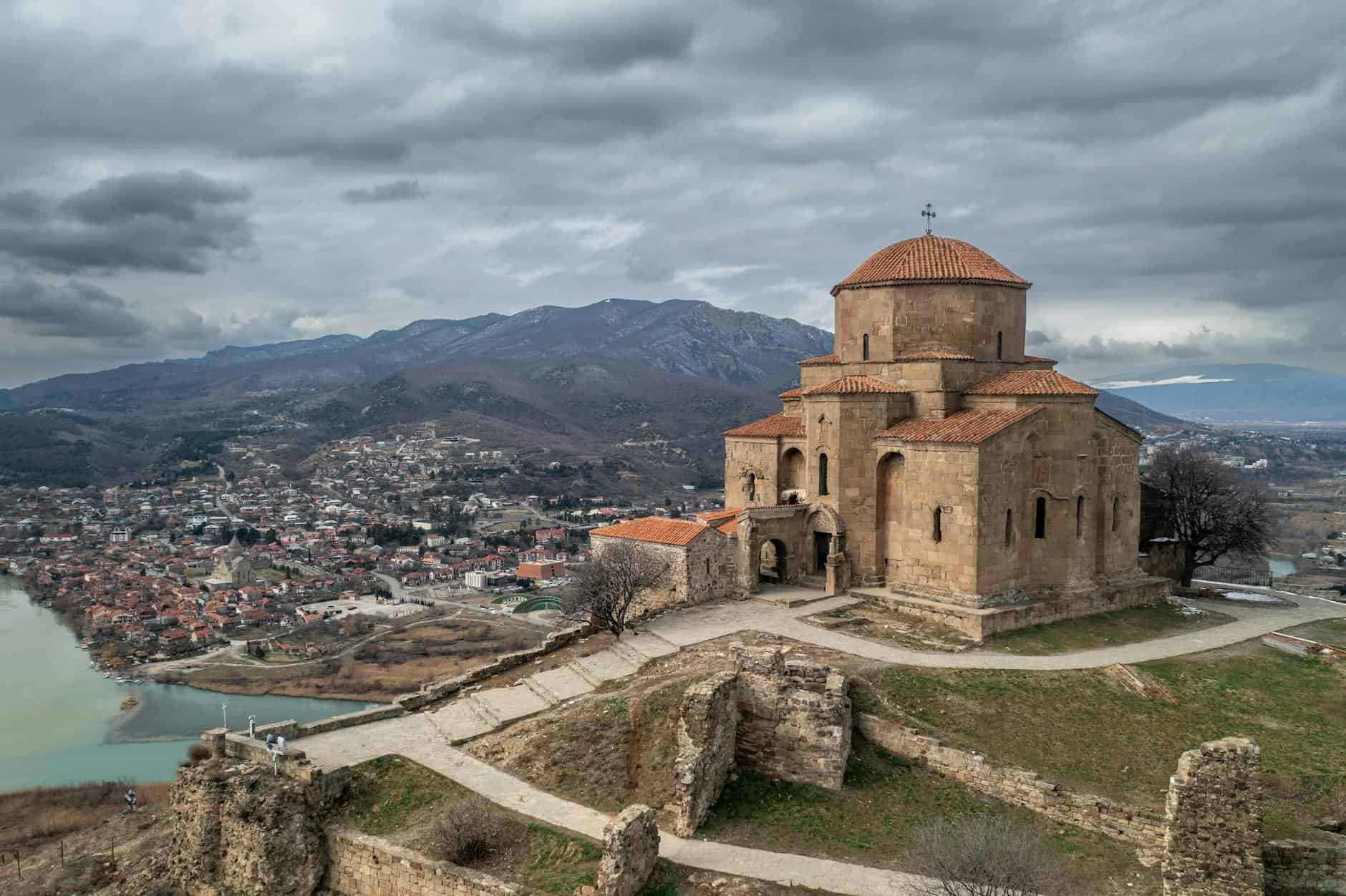
    Much of Mtskheta’s architectural heritage is exemplified in its churches, monasteries, and other religious buildings that dot the landscape. In addition to Svetitskhoveli Cathedral, the Jvari Monastery, perched on a hill overlooking the city, stands as another testament to the height of Georgian ecclesiastical architecture. Built in the 6th century, Jvari is celebrated for its striking design and panoramic views, symbolizing the introduction of Christianity in the region and serves as an emblem of Georgian national identity.

    UNESCO’s recognition of Mtskheta is vital for several reasons. It raises awareness about the importance of preserving the city’s unique cultural heritage and promotes sustainable tourism that respects and values local customs and traditions. Such attention leads to increased funding and support for restoration efforts, helping to safeguard both tangible and intangible cultural heritage from the threats of urbanization, neglect, or dilapidation.

    Moreover, Mtskheta serves as a living museum, where cultural heritage is not merely confined to historical artifacts but is actively practiced and celebrated by local communities. Festivals, religious ceremonies, and traditional events draw upon Mtskheta’s historical and cultural resources, inviting residents and visitors alike to engage in the city’s vibrant legacy.

    As part of UNESCO’s efforts, initiatives aimed at educating the local population about their heritage have been implemented, fostering a sense of pride and responsibility toward preserving the city’s cultural assets. This awareness promotes community involvement in conservation efforts, ensuring that the historical legacy of Mtskheta remains alive and relevant in a modern context.

    Mtskheta’s cultural heritage provides essential insights into the broader narrative of Georgia’s history, identity, and spirituality. The blending of architectural styles, the preservation of traditional crafts, and the continuation of vibrant cultural practices signify the city’s ongoing significance and resilience. As Mtskheta moves forward into the future, this heritage will continue to resonate, inspiring both locals and visitors to cherish and protect its unique legacy.

    The Role of Mtskheta in Georgian Orthodox Christianity

    Mtskheta’s pivotal role in Georgian Orthodox Christianity establishes it as a cornerstone of spiritual life in Georgia. The city has long been recognized as the birthplace of Christianity in the region, stemming from the momentous conversion of King Mirian III and subsequently his subjects in the early 4th century. This transformation marked a watershed moment, making Mtskheta the primary center for ecclesiastical authority and establishing a strong foundation for the development of the Georgian Orthodox Church.

    The city’s significance grew as it became the site of many crucial religious events and milestones. Svetitskhoveli Cathedral, as previously mentioned, was built to honor the arrival of Christianity in Iberia, and it houses numerous relics associated with the faith, making it a pilgrimage site for devout believers. The cathedral is home to the tomb of Saint Mchedlthe Orthodox patron saint of Georgia, further cementing its importance as a pilgrimage destination.

    Mtskheta became a vibrant hub for religious education and training, where seminarians and clergy gathered to study and develop their theological understanding. This role fostered a strong scholarly tradition, contributing to the formulation of Georgian Orthodox doctrines and practices. The city’s monasteries, such as the ancient Shio-Mgvime Monastery and Samtavro Monastery, played an instrumental role in nurturing the next generation of clergy and preserving sacred texts, art, and liturgies.

    fresco of jesus christ in svetitskhoveli cathedral in georgia
    Svetitskhoveli Cathedral

    The spiritual vitality of Mtskheta is also reflected in the numerous festivals celebrated throughout the year, marking significant milestones in the Christian calendar. These events draw thousands of pilgrims, who gather to participate in religious rituals, processions, and communal prayers, reinforcing the sense of community and shared faith within the Georgian Orthodox tradition. The city’s streets come alive with folk music, dance, and traditional cuisine during such festivals, blending spirituality with cultural expression.

    In addition to its religious role, Mtskheta has been an essential player in fostering national unity and identity through faith. The Georgian Orthodox Church has consistently served as a unifying force amidst historical challenges, such as invasions and occupations. Mtskheta’s significance is further amplified by its connection to historical figures who shaped the Georgian church and state, including Saints Nino, Andrew, and others revered for their contributions to spreading Christianity and establishing ecclesiastical traditions in the region.

    Mtskheta has also fostered ecumenical dialogue, promoting understanding and cooperation between different Christian denominations and fostering respect for diverse beliefs and practices. Its religious leaders have often played a mediating role in times of political or social tension, offering moral guidance and fostering reconciliation.

    As modernity continues to shape the world, Mtskheta remains steadfast in its commitment to preserving its spiritual heritage, blending ancient traditions with contemporary practices. The city continues to welcome pilgrims and visitors, further solidifying its role as a beacon of faith and spirituality within the broader framework of Georgia’s national identity.

    Modern-Day Mtskheta: A Fusion of History and Culture

    Today, Mtskheta stands as a testament to the interplay between history and contemporary life. The city has embraced modernity while maintaining a deep respect for its rich heritage, creating an environment where the past coexists with the present. As a popular destination for tourists and pilgrims alike, Mtskheta showcases Georgia’s unique cultural fabric and offers opportunities for visitors to engage with its historical narrative.

    The influx of tourists has highlighted Mtskheta’s importance as a cultural and economic hub, resulting in developments aimed at improving infrastructure and amenities. Local businesses, artisans, and craftsmen have flourished, providing visitors with traditional Georgian products, crafts, and culinary experiences that reflect the city’s history. This fusion allows locals to share their culture while fostering economic growth and sustainability.

    Modern Mtskheta has also adopted inclusive approaches to cultural preservation, engaging in community initiatives that celebrate traditional customs and practices. Festivals and events organized by local authorities resonate with the city’s historical narrative, drawing townsfolk and visitors together. These gatherings strengthen communal ties and foster spirit while showcasing the vibrant cultural expressions that have emerged over centuries.

    Furthermore, educational institutions and organizations have sprung up, aiming to promote awareness and appreciation of Mtskheta’s heritage among younger generations. Programs focused on historical studies, art, and ecology emphasize the significance of safeguarding the city’s cultural resources. Initiatives that encourage engagement with local history enhance the city’s capacity to cultivate future custodians of its heritage.

    Preserving the aesthetics and historical integrity of the Mtskheta landscape is also essential in contemporary planning. Efforts have been made to ensure that new constructions harmonize with the existing architectural styles while providing modern conveniences. Strategic urban planning aims to merge modern functionality with historical preservation, ensuring that new developments do not detract from Mtskheta’s cultural essence.

    As a UNESCO World Heritage site, Mtskheta has also entered the global stage, attracting increased international interest and investment in its cultural preservation. This recognition emphasizes the importance of preserving and promoting the city’s rich heritage as a valuable cultural resource that speaks to humanity’s shared history.

    In summary, modern-day Mtskheta illustrates the enduring relationship between history and contemporary life. As the city navigates an ever-changing world, its commitment to preserving its cultural and spiritual heritage remains steadfast. Mtskheta continues to be a beacon of tradition, innovation, and resilience, fostering a deep appreciation for its historical narrative while forging connections with the future.

    Conclusion

    The rich history of Mtskheta and the grandeur of the Svetitskhoveli Cathedral encapsulate the essence of Georgia’s identity, reflecting its cultural heritage and spirituality. As one of the oldest continually inhabited cities in the world, Mtskheta serves not only as a historical landmark but also as a living testament to the resilience and vibrancy of Georgian culture. Through an exploration of its ancient past, religious significance, and active role in contemporary society, Mtskheta demonstrates the interconnectedness of history, faith, and the human experience.

    The cultural treasures of Mtskheta provide insights into generations of artistic and architectural achievements, while its religious sites continue to inspire devotion and foster communal ties. The preservation efforts supported by UNESCO status ensure that Mtskheta’s legacy endures for future generations, inviting them to witness its unique narrative and appreciate the intersection of tradition and modernity.

    As Mtskheta moves into an uncertain future, it stands as a model for other historical cities navigating the challenges of modernization while honoring their heritage. The city embraces its role as a historical and spiritual beacon, welcoming visitors from all corners of the globe to celebrate the shared legacy of human spirituality and creativity found within its ancient streets. Through continuous engagement and commitment to preserving its cultural identity, Mtskheta will undoubtedly remain a source of inspiration and reverence for generations to come.

    Exploring the Historical Monuments of Mtskheta, Georgia|Video

    Exploring the Historical Monuments of Mtskheta, Georgia

  • Magical Lord Howe Island 2025: Discover Australia’s Untouched Natural Wonder

    Magical Lord Howe Island 2025: Discover Australia’s Untouched Natural Wonder

    Introduction

    Nestled in the Tasman Sea, approximately 600 kilometers off the coast of New South Wales, Lord Howe Island offers a unique retreat into Australia’s untouched natural beauty. Listed as a UNESCO World Heritage site, this small but stunning island is renowned for its diverse landscape, rich biodiversity, and crystal-clear waters. Its breathtaking scenery, featuring rugged mountains, lush forests, and pristine beaches, creates an idyllic backdrop for both adventure seekers and relaxation enthusiasts. With a limited number of visitors allowed at any given time, Lord Howe Island maintains its charm and tranquility, making it a perfect escape from the hustle and bustle of daily life. In this article, we will explore the island’s unique ecosystem, adventure opportunities, birdwatching experiences, sustainable tourism initiatives, and the cultural richness of its local community, revealing why Lord Howe Island is indeed a magical treasure of Australia.

    The Unique Ecosystem of Lord Howe Island

    Lord Howe Island is often described as a living museum of flora and fauna, showcasing a range of ecosystems that are rare and unique to this isolated location. The island’s diverse habitats include rainforests, coral reefs, and high mountain ranges, which together support a variety of species that are found nowhere else in the world.

    One of the most notable aspects of Lord Howe’s ecosystem is its impressive array of endemic plant species—approximately one-third of the island’s 250 plant species are not found elsewhere. These include the famous Kentia palm and the remarkable Banyan tree, which contribute to the island’s stunning landscapes. The lush vegetation that covers the island supports a myriad of wildlife, from colorful insects to a variety of reptiles and amphibians. Lord Howe is also part of the global biodiversity hotspot, making it a critical area for conservation efforts.

    The island’s unique position in the Tasman Sea places it at the meeting point of temperate and subtropical ecosystems, allowing for a mix of species. For instance, the waters surrounding the island are home to over 500 species of fish, more than 70 species of corals, and a variety of marine mammals, including dolphins and whales during migration season. The coral reef systems are remarkably healthy and contribute to the overall vibrancy of marine life in the area.

    Furthermore, the island is home to the world’s southernmost coral reef, which provides an incredible opportunity for snorkeling and diving enthusiasts. Visitors can marvel at the mesmerizing underwater ecosystems that boast vibrant coral gardens and playful sea life. The abundance and diversity of marine species make Lord Howe Island a significant area for marine research and education.

    The unique ecosystems are not only vital for conservation but also play a key role in the local economy, particularly through eco-tourism. Efforts to protect these environments are crucial to ensuring that future generations can experience the same wonder that current visitors enjoy. Local authorities have implemented sustainable tourism practices to help maintain the ecological integrity of the island while allowing tourists to enjoy its natural treasures.

    Understanding Lord Howe Island’s unique ecosystems requires appreciation for the delicate balance of species dependence and environmental conditions. Factors such as climate change and invasive species pose threats to these ecosystems, making conservation efforts ever more critical. Local communities and conservation groups work tirelessly to monitor biodiversity, manage invasive species, and promote awareness among visitors about their responsibility in keeping the island pristine.

    In conclusion, the unique ecosystems of Lord Howe Island are a precious aspect of its allure and identity, making it a must-see destination for nature lovers and those interested in learning about the complexities of biodiversity. From its endemic flora and fauna to its vibrant underwater ecosystems, the island stands as a testament to the beauty and fragility of nature.

    Adventure Activities: Hiking and Water Sports

    Lord Howe Island isn’t just a peaceful getaway; it’s also a haven for adventure enthusiasts eager to explore its myriad outdoor activities. With its dramatic landscapes, including rugged mountains, lush forests, and unspoiled beaches, the island offers ample opportunities for hiking and water sports that appeal to thrill-seekers and nature lovers alike.

    One of the most popular activities on the island is hiking. There are numerous well-maintained trails that cater to various skill levels, making it accessible for both novice and experienced hikers. The most famous trail is the hike up Mount Gower, a challenging trek that takes around six hours to complete. At 875 meters above sea level, the summit rewards those who reach it with panoramic views of the island and the surrounding ocean, showcasing the full extent of Lord Howe’s beauty. The hike also offers a chance to experience the island’s unique flora and fauna, with various endemic species visible along the way.

    The trek to Mount Gower requires a guide to ensure safety and environmental protection, reflecting the island’s commitment to sustainable tourism. Experienced guides not only lead hikers through the challenging terrain but also provide insights into the island’s ecology and the importance of conservation efforts. This not only enhances the hiking experience but also educates visitors about the delicate balance of the local environment.

    In addition to mountain hikes, other popular trails like the Malabar Hill walk and the scenic Lover’s Bay trail offer stunning coastal views. These walks are generally easier in terms of difficulty, making them suitable for families and those looking for a more leisurely experience. Highlights include observing the unique rock formations along the coastline and the chance to see native bird species in their natural habitats.

    Water sports are another major draw for adventurous spirits visiting Lord Howe Island. The island boasts pristine waters that are ideal for activities like snorkeling, diving, and kayaking. The coral reefs surrounding the island are teeming with marine life, making them perfect for both beginners and experienced divers. Snorkeling tours are available, providing guided experiences that allow visitors to explore the colorful underwater ecosystems while learning about the diverse marine species that inhabit them.

    For those interested in kayaking, rental options are readily available, allowing individuals to paddle through the calm lagoons and along the coastline at their own pace. Kayaking is a fantastic way to observe the natural beauty of the island from a different perspective and enjoy the tranquility of the waters while possibly encountering sea turtles and playful dolphins.

    Moreover, fishing is offered for both recreational enthusiasts and those looking to catch their dinner. Charters and lease arrangements for fishing gear can be found easily on the island. The waters around Lord Howe are known for their rich fishing grounds, where you can find species like snapper and kingfish.

    Safety equipment and briefings are always provided for those engaging in water activities, ensuring that participants are well-informed and prepared for their adventures. This emphasis on safety is a key aspect of the island’s approach to tourism and recreation.

    In conclusion, adventure activities on Lord Howe Island cater to a wide range of interests and skill levels. From challenging hikes that offer breathtaking views to thrilling water sports that encourage exploration of the vibrant marine environments, the island is a paradise for anyone seeking adventure. This focus on outdoor experiences not only enriches visitors’ stays but also fosters a deeper appreciation for the stunning natural landscapes of this unique destination.

    Birdwatching: A Paradise for Ornithologists

    Lord Howe Island is recognized globally as a premier destination for birdwatching enthusiasts, attracting ornithologists from around the world with its rich avian biodiversity and numerous endemic species. The island serves as a critical habitat for both resident and migratory birds, making it a must-visit location for anyone interested in birdlife.

    The unique geographical position of Lord Howe Island contributes significantly to its avian population. It is home to around 190 species of birds, some of which are endemic, meaning they can only be found on this island. Notably, the Lord Howe woodhen, a flightless bird, has made an inspiring comeback from the brink of extinction thanks to rigorous conservation efforts. Seeing these birds in their natural habitat is a rewarding experience for birdwatchers, who appreciate the opportunity to observe their unique behaviors and characteristics.

    Birdwatching tours are popular on the island, catering to both novice and experienced birders. These specialized tours not only guide participants to the best viewing locations but also provide them with expert insights into the species they encounter. Local guides are passionate about sharing their knowledge of the island’s birdlife and often lead excursions at the crack of dawn when many species are most active. This immersive experience allows birdwatchers to witness the vibrant morning chorus as different bird calls echo across the landscape.

    One of the key sites for birdwatching on Lord Howe Island is the northern part, including the areas surrounding the lagoon and its mangrove forests. These natural habitats attract a wealth of birds, including the red-tailed tropicbird, white-bellied sea eagle, and various species of tern. These areas are recognized for providing ideal nesting locations, making them hotspots for observing nesting behavior during the breeding season.

    During certain times of the year, migrants flock to the island, adding to the excitement for birdwatchers. Species such as shearwaters and waders can be spotted, transforming the island into a vibrant migratory stopover. These seasonal changes in bird populations mean that each visit offers something new for avid birders looking to add to their life lists.

    In addition to guided tours, several viewing platforms and observation hides are strategically located across the island. These spots allow birdwatchers to settle in and enjoy the diverse activity around them without disturbing the natural environment. Equipped with binoculars and cameras, visitors can capture memories of unique sightings and take the time to appreciate the intricate details of their feathered friends.

    The preservation of the native bird species necessitates the implementation of responsible birdwatching practices. Tour operators emphasize ethical birdwatching guidelines to ensure that visitors minimize their impact on the birds and their habitats. By educating tourists about the threats posed to bird populations and how to observe them respectfully, the island community fosters awareness and responsibility among its visitors.

    Overall, Lord Howe Island stands out as a birdwatching paradise, offering unparalleled opportunities to observe a diverse array of bird species in their natural environments. The combination of endemic species, migratory visitors, and dedicated conservation efforts ensures that this aspect of the island will continue to captivate and inspire birdwatchers for generations to come.

    Sustainable Tourism Practices

    As tourism continues to grow worldwide, the need for sustainable practices has become ever more important, and Lord Howe Island exemplifies commitment to protecting its natural environment while providing visitors with a remarkable experience. The island’s limited capacity for tourists—only 400 at any given time—helps to maintain its pristine condition and fosters an ethos of responsible tourism.

    Central to Lord Howe’s approach to sustainable tourism is the commitment to preserving its delicate ecosystems. Local authorities have instituted a range of regulations aimed at minimizing the environmental impact of tourism. For example, strict guidelines govern the use of motorized vehicles on the island, encouraging visitors to explore via bicycles or on foot. This not only reduces carbon emissions but also allows guests to immerse themselves more deeply in the island’s natural beauty.

    Accommodations on Lord Howe Island also prioritize sustainability. Many lodges and guesthouses have adopted eco-friendly practices, such as utilizing solar energy, harvesting rainwater, and implementing waste reduction strategies. Guests are often encouraged to participate in conservation initiatives during their stay, further fostering a sense of responsibility towards the preservation of the island’s environment.

    Another critical aspect of sustainable tourism on Lord Howe Island is the collaboration between the local community and conservation organizations. A number of initiatives are designed to involve residents and visitors in conservation efforts, such as beach clean-up days, tree planting events, and educational workshops about the importance of protecting native species. This inclusivity cultivates a culture of stewardship among both locals and visitors, reinforcing the idea that everyone has a role to play in safeguarding the island’s natural heritage.

    The emphasis on preserving local culture is another vital facet of sustainable tourism on Lord Howe Island. Many businesses prioritize sourcing local produce, supporting farmers and fishermen who practice sustainable methods. This not only reduces food miles but also enriches the dining experience by spotlighting the island’s unique culinary offerings. Visitors have the chance to taste locally grown fruits and vegetables, seafood, and other products while learning about the importance of supporting sustainable practices within the community.

    The ongoing commitment to environmental education is paramount for ensuring that the principles of sustainability endure. Guided tours and workshops offer visitors insight into the flora and fauna of the island, as well as the challenges faced in conservation efforts. By educating guests on the importance of respecting the natural habitat and the delicate balance required to maintain it, Lord Howe Island promotes a deeper appreciation for its ecological treasures.

    Sustainable tourism practices on Lord Howe Island not only protect the environment but also enhance the overall visitor experience by fostering connections between visitors and the local community. Through responsible practices and collaborative efforts, the island serves as a model for how tourism can be both an enjoyable and environmentally conscientious experience.

    Cultural Heritage and Local Community

    The cultural heritage of Lord Howe Island is rich and diverse, shaped by the interplay of its indigenous history and the traditions brought by European settlers. Understanding the cultural aspects of the island deepens visitors’ appreciation for the community and its unique heritage, making it an integral part of the Lord Howe experience.

    The island’s original inhabitants, the Laki people, have a profound connection to the land and sea, their cultural practices centered around sustainable living and respect for nature. Traditional stories and customs are woven into the fabric of life on Lord Howe Island, and many residents actively strive to preserve and share these narratives. A visit to the island includes meeting local artists, craftspeople, and historians who are eager to showcase their cultural heritage and explain the significance of indigenous connections to the land.

    Cultural programs, workshops, and storytelling events provide guests with the opportunity to engage with the local community and learn about their way of life. These interactive experiences foster mutual respect and understanding, allowing visitors to step outside their tourist roles and become part of the island’s story. Encouraging interactions with community members enhances the cultural experience and leaves a lasting impact.

    The influence of European settlers is also evident in the island’s architecture and traditions. Historic buildings and ruins tell tales of Lord Howe’s past, and guided tours often include visits to these sites. The remnants of the early settlements, such as the old lighthouse and shipwrecks, offer glimpses into the challenges faced by the island’s early inhabitants and their resilience in overcoming adversity.

    Local cuisine serves as another vibrant reflection of the island’s cultural heritage. Many establishments prioritize locally sourced ingredients, showcasing the flavors of Lord Howe through traditional recipes reinvented with a modern twist. The culinary scene is a blend of influences, drawing on indigenous practices and the diverse backgrounds of the island’s residents. Visitors can enjoy meals that celebrate the island’s bounty, often paired with stories about the cultural significance of the ingredients used.

    Community events, such as the annual Lord Howe Island Bike Festival and other festivities, serve as pivotal occasions for residents to come together and celebrate their heritage in a vibrant, inclusive manner. These gatherings emphasize the importance of social bonds and communal spirit, allowing visitors to witness the island’s culture in action.

    Environmental stewardship is an extension of the island’s cultural values. The local community works tirelessly to protect the pristine environment they cherish, understanding that their cultural and natural heritage is inextricably linked. Engaging visitors in conversations about sustainable practices helps bridge the gap between conservation and culture.

    In conclusion, the cultural heritage and local community of Lord Howe Island are vital components of its identity, enriching the visitor experience while promoting respect and understanding of this unique destination. By immersing themselves in the stories, traditions, and practices of the island’s residents, visitors will find their time on Lord Howe to be not just a getaway, but a profound journey into a living tapestry of heritage and community.

    Conclusion

    In summary, Lord Howe Island stands as an untouched natural wonder that captivates visitors with its exceptional beauty and rich biodiversity. From its unique ecosystems and adventure activities to its opportunities for birdwatching and emphasis on sustainable tourism, the island offers a variety of experiences that encourage exploration and appreciation of nature. Additionally, the island’s cultural heritage and commitment to community engagement provide a deeper understanding of its significance beyond just a picturesque getaway. Lord Howe Island is not only a destination for relaxation and adventure but also a model for responsible tourism and conservation. As visitors depart, they carry with them not only memories of breathtaking landscapes and thrilling activities but also a heightened awareness of the importance of preserving such extraordinary places for future generations. The enchantment of Lord Howe Island lies in its ability to make every visitor feel connected to the land and its people, ensuring that its magical essence endures.

    Video Guide of Lord Howe Island’s rain forest paradise

    Lord Howe Island’s rain forest paradise in the clouds “like a fairy tale world”
  • Discover Enchanting Zanzibar in 2025: Your Ultimate Travel Guide

    Discover Enchanting Zanzibar in 2025: Your Ultimate Travel Guide

    Introduction

    Enchanting Zanzibar, an archipelago off the coast of Tanzania, is a paradise known for its stunning white-sand beaches, azure waters, and rich cultural heritage. Often referred to as the “Spice Island” due to its historical role in the spice trade, Zanzibar boasts a unique blend of African, Arab, Indian, and European influences that shape its identity. As a travel destination, Zanzibar offers more than just picturesque landscapes; it is steeped in history—evident in its bustling markets, ancient architecture, and the vibrant culture that permeates daily life. From the captivating Stone Town, a UNESCO World Heritage site, to the idyllic beaches of Nungwi and Kendwa, there is something for everyone. This guide will serve as your companion to navigate through the wonders of this enchanting destination, ensuring a memorable experience filled with exploration, relaxation, and discovery.

    Introduction to Zanzibar: Historical Context and Cultural Richness

    Zanzibar has a storied history that dates back centuries, making it a fascinating destination for those interested in culture and heritage. The island’s strategic location in the Indian Ocean made it a key trading hub, attracting merchants and travelers from various regions, particularly during the spice trade era. In fact, the island became synonymous with the production of cloves, nutmeg, and cinnamon, which contributed significantly to its economic prosperity and global recognition. This rich historical background has shaped the island’s diverse cultural tapestry, which is reflected in its architecture, traditions, and even its languages.

    The influence of various cultures is particularly evident in Stone Town, the heart of Zanzibar. Here, visitors can wander through narrow alleyways, explore old fortresses like the Old Fort (Ngome Kongwe) and the House of Wonders, and visit local bazaars where spices and handmade crafts abound. The architecture is a blend of Arab, Persian, Indian, and European styles, showcasing the past interactions that took place on the island. The intricate wooden doors adorned with brass studs are a signature of Zanzibar’s craftsmanship and serve as a reminder of the island’s historical connections.

    Culturally, Zanzibar is predominantly Muslim, and its vibrant festivals and traditions reflect this heritage. The islands are alive during the month of Ramadan, culminating in joyful celebrations that showcase food, music, and communal prayers. Additionally, visitors can experience various local dances, like the traditional Taarab, which combines Arabic, Swahili, and Indian musical styles—a testament to the island’s multicultural influences.

    Despite the waves of colonization by the Portuguese in the 16th century, the Omani Arabs in the 17th century, and later the British in the 19th century, the people of Zanzibar have preserved their unique identity. This historical resilience is celebrated through storytelling, art, and continued practice of traditional crafts, such as weaving and pottery, which can be observed in local markets and workshops.

    Understanding Zanzibar’s historical context is essential for appreciating its present-day culture. The island’s past has fostered a deep-seated sense of community and pride among its inhabitants. As you explore the island, you’ll encounter warm hospitality, with locals eager to share their stories and heritage with visitors. Engaging with the community not only enriches your travel experience but also contributes to the preservation of their unique culture.

    Zanzibar’s historical significance is not just confined to its landmarks and festivals. The struggles for independence and the eventual revolution in 1964 have left a lasting impact on the island’s political landscape and society as a whole. This history is not always celebrated openly but is an integral part of the Zanzibari narrative. Visitors may hear stories of resilience, struggle, and hope when interacting with the locals, deepening their understanding of the island’s complex identity.

    In summary, Zanzibar is a treasure trove of historical and cultural richness that deserves exploration. From its vibrant past as a spice trading center to its current status as a beloved travel destination, the island embodies a unique blend of influences that make it special. A trip to Zanzibar is not only about enjoying breathtaking beaches but also about immersing oneself in its rich tapestry of culture, history, and tradition, making it an unforgettable adventure.

    Top Attractions: Must-Visit Places on the Island

    Zanzibar is replete with captivating attractions that showcase its beauty and charm. Visitors to the island are often drawn to a range of experiences, from historic sites to natural wonders. To fully appreciate the essence of Zanzibar, here are some must-visit places that are certainly worth your time.

    Stone Town is undoubtedly the crown jewel of Zanzibar and serves as its historical epicenter. This UNESCO World Heritage site is characterized by its narrow, winding streets, bustling bazaars, and beautifully preserved architecture. Visitors can explore key landmarks like the Old Fort, once a battleground against colonization, and the Palace Museum, which offers insights into the lives of the Sultans of Zanzibar. Do not miss the chance to visit the Old Slave Market and the Anglican Cathedral, which serve as poignant reminders of the island’s darker chapters in history.

    The Spice Tour is another essential experience in Zanzibar. With its rich agricultural background, the island produces a variety of spices including cloves, vanilla, and cardamom. Joining a guided spice tour allows travelers to witness how these spices are grown and harvested while also offering a sensory experience that delights the senses. Visitors can taste fresh spices and learn about their uses in both cuisine and traditional medicine.

    For those seeking natural beauty, Nungwi Beach and Kendwa Beach in the northern part of the island are must-visit spots. With their white sandy shores and crystal-clear waters, these beaches offer a perfect backdrop for relaxation and water activities like snorkeling and diving. The nearby natural coral reefs are teeming with marine life, making it an ideal location for underwater exploration.

    Jozani Forest, home to the rare Red Colobus monkey, is another key attraction. This lush, tropical forest is the only national park on the island and features walking trails that allow visitors to explore the distinctive flora and fauna of Zanzibar. Guided tours can help nature lovers spot these unique monkeys while learning about conservation efforts to protect their habitat.

    Lastly, the island offers opportunities to explore its smaller isles, such as Prison Island, which once served as a quarantine station for cholera patients. Today, it is known for its giant tortoises, snorkeling sites, and a tranquil atmosphere, providing a perfect getaway for a day trip.

    These attractions, among many others, highlight the diversity of experiences available in Zanzibar. From historic sites to stunning natural beauty, the island invites travelers to discover its many layers of charm.

    Cuisine and Dining: A Taste of Zanzibar

    Zanzibar’s culinary scene is a delightful tapestry of flavors that reflects its rich cultural heritage. The island is often referred to as the “Spice Island” for a reason: it boasts a unique fusion of African, Arab, Indian, and European culinary influences that result in a diverse and tantalizing food landscape.

    When exploring the local cuisine, one of the must-try dishes is Zanzibar biryani, a fragrant rice dish that encompasses aromatic spices, tender meats, and assorted vegetables. It is often accompanied by a cooling cucumber or tomato salad, enhancing the meal’s delightful flavors. Street food lovers will find a treasure trove of options in Stone Town, where stalls and vendors serve up fresh, local delights such as samosas and katambuga, a type of deep-fried pastry filled with flavorful fillings.

    Seafood is a central component of Zanzibari cuisine, given the island’s location surrounded by the Indian Ocean. Grilled fish and shellfish are common offerings, often marinated with spices such as turmeric, coriander, and cumin. Dining at beachfront restaurants provides a relaxed atmosphere, where visitors can enjoy freshly caught seafood while listening to the waves lapping against the shore.

    Another iconic dish to sample is ugali, a staple made from ground corn or cassava. It serves as a side dish to various stews or grilled meats and is a fundamental part of the East African diet. The simple yet hearty nature of ugali pairs well with a variety of flavors and ingredients.

    As you delve deeper into Zanzibari flavors, be sure to indulge in local sweet treats like mandazi, which are fried doughnuts typically flavored with coconut or spices. Pairing these delicious pastries with a cup of Zanzibar coffee, which is rich and robust, provides a delightful end to your meal.

    For a more immersive dining experience, consider participating in a cooking class where you can learn to prepare traditional Zanzibari dishes. Many local chefs offer classes that not only teach the techniques but also share stories about the ingredients and cultural significance behind each dish. This hands-on experience enriches your visit and creates lasting memories.

    Overall, the culinary offerings in Zanzibar are a feast for the senses. From street-side snacks to fine dining, the island’s cuisine is a celebration of its rich cultural history, making it an integral part of any traveler’s journey. Exploring the flavors of Zanzibar is not merely about satisfying hunger; it’s about diving into a culinary adventure that reflects the island’s heritage and stories.

    Activities: Adventures and Experiences Await

    Zanzibar is a paradise for adventure seekers and those looking to engage in various activities that highlight its natural beauty and rich culture. From vibrant water sports to cultural immersions, the island offers an array of experiences to suit every traveler’s interest.

    Water activities dominate the landscape of things to do in Zanzibar. The clear turquoise waters surrounding the island are perfect for snorkeling and scuba diving, offering a glimpse into the mesmerizing underwater world. Popular diving sites include Mnemba Atoll, known for its coral reefs teeming with colorful fish, sea turtles, and sometimes even dolphins. Many local dive shops offer guided tours catering to all skill levels, ensuring that both novice and experienced divers can enjoy these underwater adventures.

    If you prefer to explore the ocean at your own pace, consider embarking on a Dhow cruise at sunset. These traditional wooden boats create a serene atmosphere, allowing you to relax and take in the breathtaking coastal views as the sun sets over the horizon. Some cruises also include the chance to go snorkeling or simply enjoy refreshments as you glide across the water.

    For land enthusiasts, guided tours exploring the island’s interior come highly recommended. You can hike through Jozani Forest, encountering unique wildlife and diverse plant species. These guided walks provide an eco-friendly way to enjoy the island’s rich biodiversity while learning about the importance of conservation efforts.

    Cultural and community immersion activities offer another aspect of adventure. Consider participating in a local village tour where you can meet Zanzibari families, engage in traditional practices, and partake in everyday activities such as cooking or farming. These interactions provide invaluable insights into the local way of life.

    Zanzibar is also home to various annual festivals and events. The Zanzibar International Film Festival attracts filmmakers and enthusiasts from around the world, creating an atmosphere of creativity and cultural exchange. Likewise, the Sauti za Busara Music Festival, held annually in Stone Town, showcases local and international talent, celebrating both traditional and contemporary music.

    For thrill-seekers, don’t miss the kitesurfing opportunities available at places like Paje Beach, known for its consistent winds and shallow waters. For less adrenaline-fueled adventures, walking tours in Stone Town present an opportunity to delve into the historical heart of Zanzibar, taking you past ancient architecture and vibrant souks while recounting the island’s complex history.

    Ultimately, the activities available in Zanzibar are as diverse as its culture. The island invites you to partake in experiences that connect you to its environment and people, allowing you to create unforgettable memories during your journey.

    Tips for Travelers: What You Need to Know Before You Go

    Traveling to Zanzibar can be a magical experience, but there are essential tips and guidelines that can help ensure a smooth and enjoyable visit. Here are some important considerations for travelers planning to explore this enchanting island.

    1. Best Time to Visit: The ideal time to visit Zanzibar is during the dry season, which runs from June to October. These months offer beautiful weather, with less humidity and fewer chances of rain. The warm temperatures make it perfect for beach activities and exploration. The short rainy season, from November to December, can also be a good time to visit as it brings fewer crowds, but you can expect occasional downpours.

    2. Health Precautions: It’s important to consider health precautions before traveling. Visitors to Zanzibar are typically advised to take precautions against malaria, so carrying mosquito repellent and taking antimalarial medication may be recommended. Additionally, ensure that you are up to date on routine vaccinations and consider vaccinations for hepatitis A, typhoid, and yellow fever. Carrying a basic first aid kit can also be useful.

    3. Cultural Sensitivity: Zanzibar has a predominantly Muslim population, and as a traveler, it’s important to dress modestly, especially when visiting local villages or religious sites. Beachwear is acceptable at beaches and resorts, but covering up with light clothing is advisable when away from these areas. Understanding and respecting local customs will go a long way in creating positive interactions with local communities.

    4. Currency and Payments: The local currency is the Tanzanian shilling (TZS), but US dollars are widely accepted in tourist areas. It’s wise to carry some local currency for smaller purchases and local markets. Many establishments also accept credit cards, but be aware of potential transaction fees. ATMs are available in major towns, though their reliability may vary, so having a small reserve is helpful.

    5. Transportation: Getting around Zanzibar can be easily accomplished using various modes of transportation. For longer distances, taxis or hired drivers can be arranged, while for shorter trips, “dala-dalas” (minibuses) are a local experience that also provide an economical choice. Renting a scooter or bike offers greater flexibility for exploring at your own pace.

    6. Water and Food Safety: Drink bottled or filtered water instead of tap water to avoid waterborne illnesses. When dining, it’s best to eat at reputable restaurants. Street food is a delicious experience, but it’s important to choose vendors that appear clean and popular among locals to minimize health risks.

    7. Respect Environmental Conservation: Zanzibar is home to unique ecosystems, including coral reefs and wildlife. When snorkeling or engaging in marine activities, respect the environment by not touching or stepping on coral and properly disposing of waste. Supporting eco-friendly tours and sustainable practices is vital for preserving the beauty of Zanzibar.

    By keeping these tips in mind, travelers can enjoy a more seamless experience in Zanzibar. Being prepared not only enhances your journey but also allows you to connect more meaningfully with the culture and natural wonders of this stunning island.

    Conclusion

    Zanzibar is undeniably a captivating destination, rich in history, culture, and natural beauty. It offers a wide range of experiences that cater to diverse interests—from exploring the historic streets of Stone Town to relaxing on pristine beaches. The island’s culinary offerings, infused with spices and cultural influences, provide a remarkable taste of the region’s heritage. As you immerse yourself in the local culture, engage with warm and welcoming community members who are eager to share their stories and traditions.

    This travel guide aims to provide you with practical information and insights to ensure your visit to Zanzibar is unforgettable. Whether you’re an adventurer seeking water sports, a culture enthusiast eager to explore historical landmarks, or a food lover ready to savor local delicacies, Zanzibar has something for everyone. Respecting local customs and the natural environment will only enhance your experience and allow you to forge a deeper connection with this enchanting island.

    As you embark on your journey to Zanzibar, remember to take your time to absorb the beauty around you, embrace the local culture, and savor every moment. The memories you create here will undoubtedly be cherished long after your adventure concludes. Happy travels!

    Zanzibar | Amazing Tales from Zanzibar Island, Tanzania |Documentary

    Earth Untold: Zanzibar | Amazing Tales from Zanzibar Island, Tanzania | Free Documentary