Tag: Turkey

  • Aphrodisias History: Discovering the Ancient City of Love and Art in Turkey

    Introduction

    Aphrodisias, an ancient city located in southwestern Turkey, is renowned for its rich historical legacy and artistic achievements, particularly in marble sculpture. Named after Aphrodite, the Greek goddess of love and beauty, the city flourished during the Hellenistic and Roman periods, becoming a vibrant center for culture, art, and religion. The city was known for its exceptional marble quarries, which attracted talented artisans who created stunning works that celebrate both human and divine beauty. Today, Aphrodisias, a UNESCO World Heritage Site, offers a glimpse into a world where art and worship were deeply intertwined. Visitors can explore magnificent ruins, including temples, theaters, and sculptures, inviting an appreciation for the creativity and devotion of ancient civilizations. The study of Aphrodisias provides valuable insights into the cultural dynamics of the time and how these legacies continue to resonate in modern society. Aphrodisias history offers a fascinating glimpse into an ancient city where art, religion, and culture flourished under the watchful eye of the goddess Aphrodite.

    Historical Overview of Aphrodisias

    Aphrodisias was founded in the 2nd century BC in the region of Caria, a historical territory in southwestern Anatolia (modern-day Turkey). Its strategic location, nestled in a fertile valley near the Büyük Menderes River, facilitated trade and cultural exchange. The city was dedicated to the goddess Aphrodite, which influenced its development as a religious and cultural hub. This dedication is significant; it marked Aphrodisias as a center for the worship of love and beauty, attracting pilgrims and scholars alike.

    During the Hellenistic period, Aphrodisias flourished under the rule of the Attalid dynasty of Pergamon, gaining prominence in trade and culture. The city was known for its marble quarries, which provided high-quality stone for sculpture and building materials. This natural resource supported the development of distinctive artistic styles in the region. The abundance of marble attracted skilled sculptors, leading to the emergence of an artistic tradition that would define the character of the city.

    Aphrodisias became part of the Roman Empire in the 1st century BC, integrating into the broader socio-political fabric of the empire. The Romans recognized the economic importance of Aphrodisias, particularly its marble production, and invested in expanding its infrastructure. As a result, the city experienced a golden age characterized by architectural grandeur, population growth, and cultural vibrancy. The Roman influence left a lasting impact on the architectural style and urban planning of Aphrodisias.

    Moreover, the city was a site of intellectual and philosophical activity. It housed schools of philosophy and rhetoric, attracting scholars and students from various parts of the empire. The intellectual climate of Aphrodisias contributed to its reputation as a center of learning, where ideas flourished and cultural exchanges occurred. This environment fostered creativity in both the arts and sciences, helping the city thrive during Roman domination.

    However, the prosperity of Aphrodisias faced challenges over the centuries, including natural disasters such as earthquakes and economic fluctuations. Despite these challenges, the city managed to maintain its identity and significance throughout the Byzantine period, sustaining worship of Aphrodite and continuing its traditions until the decline of urban life in the region during the medieval era.

    \"ruins
    Aphrodisias

    The archaeological significance of Aphrodisias was not fully realized until excavations began in the 20th century, revealing a rich tapestry of history and artistry. The systematic exploration of the site has unearthed numerous structures and artifacts, allowing researchers to reconstruct the historical narrative of the city and its people. Key discoveries include the Temple of Aphrodite, the theater, and the monumental gateway, known as the Tetrapylon, showcasing the grandeur and complexity of ancient urban life.

    In summary, the historical overview of Aphrodisias encompasses a journey through time, reflecting the intertwined nature of culture, worship, and artistic expression. From its foundation as a religious city dedicated to Aphrodite to its rise as a center of art and intellectual thought during the Hellenistic and Roman periods, Aphrodisias embodies the rich heritage of ancient civilizations. The city’s legacy continues to intrigue historians and visitors alike, marking it as an essential site for understanding the cultural dynamics of the ancient world.

    Artistic Contributions of Aphrodisias

    The city of Aphrodisias is renowned for its extraordinary artistic contributions, particularly its marble sculptures and architectural marvels, which have left an indelible mark on the ancient world. The artistic achievements of Aphrodisias are a testament to the skill and creativity of its artisans, who were able to transform raw marble into breathtaking works of art that celebrated both the divine and the human experience.

    Central to Aphrodisias\’ artistic legacy is its high-quality marble, sourced from local quarries. This fine material allowed sculptors to carve intricate details and create lifelike representations, showcasing their mastery of form and technique. The availability of this resource made Aphrodisias a significant center for sculpture, attracting skilled craftsmen from across the ancient world. The city became known for producing some of the finest sculptures, including monumental statues, decorative friezes, and elegant altars.

    One of the most iconic artistic achievements in Aphrodisias is the depiction of Aphrodite herself. The goddess, celebrated for her beauty and love, was the focal point of religious devotion and artistic expression in the city. Numerous representations of Aphrodite can be found in sculptures and reliefs throughout the site, each exhibiting a unique interpretation of her divine attributes. The artistry surrounding her image reflects a deep understanding of aesthetics, proportion, and human emotion.

    The sculptors of Aphrodisias often employed a naturalistic style, characterized by realistic portrayals of the human body and expressive features. This approach allowed them to convey complex emotions and narratives through their work. The detailed carving of drapery, musculature, and facial expressions is particularly notable in the surviving sculptures, which exemplify the high level of craftsmanship prevalent in the city.

    Among the significant artistic contributions is the Great Altar of Aphrodite, an elaborate structure adorned with intricate reliefs depicting mythological scenes and figures from the pantheon of the gods. The altar not only served a religious purpose but also functioned as a canvas for artistic storytelling, displaying the artistic prowess of the sculptors and their ability to convey divine narratives through visual means. The intricate carvings on the altar showcase the blending of intricate designs and spiritual significance, elevating the work beyond mere decorative art.

    Additionally, the theater of Aphrodisias is a remarkable example of the city’s architectural achievements. This grand structure, capable of seating thousands of spectators, exemplifies the cultural importance of public performances in ancient society. The theater’s design incorporates sophisticated acoustics, ensuring that performers could be heard clearly by the audience. The elaborate decorations, including statues and friezes, enhanced the theatrical experience, reflecting the city’s commitment to artistic splendor.

    Another notable aspect of Aphrodisias’ artistic contributions is the integration of inscriptions and texts into the art. Many sculptures and monuments feature inscriptions in Greek, highlighting the significance of commissioning and honoring individuals or deities. These inscriptions provide valuable context for understanding the social and political landscape of the city, as well as its artistic patronage. The combination of art and text creates a multifaceted experience for viewers, inviting them to engage with both the visual and intellectual aspects of the city\’s artistic output.

    The artistic achievements of Aphrodisias had a lasting impact on subsequent generations of artists and sculptors. The techniques developed in the city, such as the use of marble carving and the emphasis on naturalism, influenced artists in surrounding regions and beyond. Even during the later Roman Empire and into the Byzantine era, the styles and traditions cultivated in Aphrodisias continued to resonate in the artistic practices of other cultures.

    \"aphrodisias
    Aphrodisias Amphitheatre

    Moreover, the artistic legacy of Aphrodisias is significant in the broader context of ancient art history. The city represents a unique convergence of Hellenistic and Roman artistic traditions, allowing scholars to explore the evolution of styles and themes during this transformative period. The synthesis of artistic influences provides a rich narrative of cultural exchange and adaptation.

    In conclusion, the artistic contributions of Aphrodisias reflect the city\’s profound impact on the ancient world. From exquisite sculptures and architectural marvels to elaborate altars and inscriptions, the artistic output of Aphrodisias showcases the exceptional skill and creativity of its artisans. These works not only served religious and civic purposes but also continue to inspire appreciation for ancient artistry and culture. The enduring legacy of Aphrodisias stands as a testament to the beauty and complexity of human expression, inviting future generations to celebrate the timeless allure of art.

    Archaeological Discoveries and Significance

    The archaeological discoveries at Aphrodisias have unveiled a rich tapestry of history, revealing significant insights into the lives, beliefs, and creativity of its ancient inhabitants. Systematic excavations have taken place in the city since the mid-20th century, leading to the discovery of remarkable structures, artifacts, and art that reflect the city’s cultural and historical significance.

    One of the most profound discoveries has been the Temple of Aphrodite, a monumental structure that served as the religious center of the city. Excavations revealed the temple’s foundation, columns, and intricately designed pediments, showcasing the architectural prowess of the ancient builders. The temple was a focal point for religious ceremonies and gatherings, drawing visitors and worshippers from neighboring regions. The discovery of votive offerings and altars within the temple complex provides insights into the religious practices and rituals dedicated to the goddess.

    Another significant archaeological feature is the well-preserved amphitheater, which could accommodate thousands of spectators. The amphitheater’s design reflects the importance of public entertainment and civic engagement in ancient Aphrodisias. Excavations revealed seating arrangements, a stage area, and decorative elements that contributed to the grandeur of performances. The amphitheater continues to serve as a testament to the city’s vibrant cultural life and highlights the role of theatrical exhibitions in fostering social connections within the community.

    The Tetrapylon, an impressive monumental gateway, is another remarkable discovery that showcases the city’s architectural ingenuity. This four-way archway, adorned with ornate columns and carvings, served as an entry point into the city, symbolizing its prominence and grandeur. The Tetrapylon exemplifies the fusion of art and architecture in Aphrodisias, inviting visitors to appreciate its beauty while also serving as a functional structure that welcomed travelers and pilgrims.

    The city’s cemeteries, featuring elaborate tombs and burial monuments, provide valuable insights into the beliefs and customs surrounding death and the afterlife in ancient Aphrodisias. Excavations of these burial sites uncovered intricate tomb sculptures, inscriptions, and grave goods, reflecting the social status and cultural practices of the deceased. The tombs often featured representations of the individuals interred within, reminding visitors of their human experiences and connections to the living.

    Numerous artifacts unearthed during excavations, such as pottery, coins, and everyday items, help reconstruct the daily lives of the residents of Aphrodisias. These objects offer a glimpse into the economic activities, trade networks, and domestic practices of the city’s inhabitants. The presence of various materials and styles reflects the cultural exchanges that occurred as Aphrodisias engaged with neighboring regions and the broader Mediterranean world.

    The inscriptions discovered at Aphrodisias are particularly significant, providing a wealth of information about the city’s governance, civic life, and social organization. Many inscriptions commemorate local officials, citizens, or events, revealing insights into the political structure and community dynamics. These texts help researchers understand the values and priorities of the city, contributing to a richer understanding of its historical narrative.

    Moreover, the archaeological discoveries at Aphrodisias have contributed to the broader field of ancient studies by offering comparative insights into other contemporary cities and cultures. The integration of diverse artistic styles and practices reflected in the city’s artworks and architecture allows historians to explore cross-cultural influences and the development of urban centers in the ancient world. The discoveries at Aphrodisias have generated interest among scholars, engendering discussions regarding the interactions between culture, art, and society in ancient civilizations.

    In recent years, advancements in technology and methods have enhanced the study and preservation of Aphrodisias. Modern techniques such as ground-penetrating radar, 3D modeling, and digital mapping have improved archaeological methods, allowing researchers to document and analyze the site with greater precision. These tools help identify previously unrecognized structures and inform preservation strategies for ongoing conservation efforts.

    \"ruins
    Aphrodisias

    The ongoing archaeological work at Aphrodisias continues to yield exciting findings, with each excavation season providing new layers of understanding. The discoveries made at the site serve to deepen appreciation for the cultural legacy of Aphrodisias and contribute to the ongoing dialogue about ancient history. They underscore the importance of preserving archaeological sites, as they hold invaluable insights into our shared human history.

    In conclusion, the archaeological discoveries at Aphrodisias represent a treasure trove of knowledge about an ancient civilization. From monumental temples and theaters to everyday artifacts and inscriptions, each find contributes to the reconstruction of Aphrodisias’ past. The significance of these discoveries extends beyond the confines of the site, enriching our understanding of cultural dynamics, artistic expression, and social structures in the ancient world.

    Cultural and Religious Importance of Aphrodite

    The cultural and religious importance of Aphrodite in the ancient city of Aphrodisias is profound, as the goddess served as both a spiritual beacon and a cultural symbol. Dedicated to the worship of Aphrodite, the city embraced her as the embodiment of love, beauty, and fertility. The narrative surrounding the goddess was intricately woven into the fabric of everyday life, influencing artistic expressions, social practices, and the spiritual landscape of the city.

    Aphrodite\’s influence began with the establishment of the Temple of Aphrodite, which became the focal point of religious devotion in the city. This grand structure, adorned with intricate sculptures and dedicated altars, provided a sacred space for worship and offerings to the goddess. The temple served not only as a religious site but also as a societal hub where community members gathered to celebrate festivals, rituals, and ceremonies honoring Aphrodite. These events fostered a sense of collective identity among the inhabitants, reinforcing their connection to both the divine and each other.

    The religious practices surrounding Aphrodite in Aphrodisias were an intricate blend of cultural traditions, rites, and rituals aimed at seeking the goddess’s favor. Among these practices were offerings of flowers, incense, and dedicatory inscriptions, expressing devotion and gratitude. Celebrations and festivals in honor of Aphrodite were marked by communal gatherings, music, and dance, creating an atmosphere of joy and festivity. These events drawn attention to the significance of love and beauty not only in personal relationships but also in the community as a whole.

    Moreover, Aphrodite\’s cultural relevance influenced artistic expression throughout the city. The sculptors and artisans of Aphrodisias consistently drew inspiration from the goddess, creating captivating representations that celebrated her beauty and allure. Statues, reliefs, and decorative elements adorned public and private spaces alike, reflecting the goddess\’s prominence in the lives of the people. The artistic portrayals of Aphrodite often emphasized themes of love, harmony, and divine beauty, highlighting her role as a guardian of relationships and emotional connections.

    The connection between Aphrodite and the increase of prosperity in Aphrodisias further underscores her cultural significance. The goddess was associated with fertility, not just in the context of love and relationships but also in agricultural prosperity and abundance. Farmers and landowners invoked her blessings for fruitful harvests, believing that honoring Aphrodite would lead to bountiful yields and economic growth. This aspect of her worship reveals the practical implications of religious devotion in everyday life, where spirituality was intertwined with societal and economic success.

    Additionally, the city’s cultural identity was heavily influenced by the syncretism of Aphrodite with other deities and cultural traditions. As Aphrodisias interacted with various civilizations through trade and cultural exchange, the worship of Aphrodite blended with the attributes of other goddesses and local traditions, creating a rich tapestry of spiritual beliefs. This integration allowed Aphrodite’s worship to adapt and evolve, appealing to a broader audience and ensuring her continued relevance throughout changing historical contexts.

    Over the centuries, the enduring influence of Aphrodite shaped not only the identity of Aphrodisias but also had a broader cultural resonance throughout the ancient Mediterranean. The goddess’s themes of love and beauty transcended geographical and cultural boundaries, inspiring similar reverence in other cities and regions. Arts and literature across civilizations often echoed the attributes and narratives associated with Aphrodite, demonstrating the universal appeal of her symbolism.

    Even as the dynamics of the ancient world transformed, with the rise of Christianity and the decline of classical pagan worship, the legacy of Aphrodite persisted. The themes of love and beauty associated with the goddess continued to resonate in various cultural expressions, reminding subsequent generations of the timeless nature of these ideals. The city of Aphrodisias, with its rich history and artistic achievements, stands as a testament to the lasting impact of Aphrodite\’s worship and cultural significance.

    In conclusion, the cultural and religious importance of Aphrodite in Aphrodisias reflects the deep connection between spirituality and everyday life in the ancient city. From the grand Temple of Aphrodite to the artistic representations and communal celebrations, the goddess permeated the essence of the city and its inhabitants. The enduring legacy of Aphrodite speaks to the universal themes of love and beauty, shaping not only the spiritual landscape of Aphrodisias but also leaving an indelible mark on the cultural heritage of the ancient world.

    Modern Relevance and Preservation Efforts

    Aphrodisias continues to hold modern relevance as a significant site of cultural heritage and historical interest. Recognized as a UNESCO World Heritage Site, it attracts researchers, scholars, and tourists eager to explore its ancient ruins and appreciate its artistic and cultural contributions. The preservation of Aphrodisias serves not only to safeguard its physical remains but also to ensure the transmission of knowledge about the city’s rich history to future generations.

    Preservation efforts at Aphrodisias have garnered attention, prompting various archaeological and conservation initiatives to maintain the integrity of the site. These efforts are essential as natural elements and human activities pose threats to the ancient structures. Archaeologists and conservationists work collaboratively to conduct excavations, stabilize ruins, and restore damaged sculptures and architectural elements. These projects are crucial in ensuring that the layered history of Aphrodisias remains accessible to visitors and scholars alike.

    Furthermore, ongoing excavations at Aphrodisias continue to yield new discoveries, enriching our understanding of the city\’s past. As researchers explore different areas of the site, they uncover artifacts, architectural remnants, and inscriptions that shed light on the lives of its ancient inhabitants. These ongoing findings have the potential to reshape historical narratives and deepen our appreciation for the artistic and cultural achievements of Aphrodisias.

    Modern technological advancements have significantly enhanced preservation efforts. Utilizing tools such as digital mapping, 3D modeling, and geo-archaeology, researchers can document and analyze the site with increased accuracy. These methods allow for a holistic understanding of Aphrodisias while ensuring that the details of the site are accurately recorded for study and public dissemination. Additionally, applying technologies to monitor environmental conditions helps protect the site from potential damage caused by climate change and urban encroachment.

    ?onclusion

    Aphrodisias stands as a mesmerizing window into the grandeur and cultural sophistication of the ancient world. Once a thriving hub of religion, art, and intellectual life, the city’s devotion to Aphrodite shaped its identity and left a legacy that continues to inspire modern visitors. Its temples, theaters, and intricately carved marble reliefs are more than remnants of stone — they are silent storytellers of a society that celebrated beauty, creativity, and spiritual devotion. The skill of Aphrodisias’ sculptors, whose works traveled across the Roman Empire, remains one of its most enduring contributions to world heritage.

    Today, walking through its well-preserved streets and standing before the magnificent Tetrapylon, one can almost feel the pulse of the city as it was centuries ago. Aphrodisias is not just an archaeological site but a bridge between past and present, reminding us of humanity’s timeless pursuit of love, art, and meaning.

    Exploring the Ancient City of Aphrodisias| Video

    Exploring the Ancient City of Aphrodisias, Turkey
  • Cappadocia 2025: Unforgettable Hot Air Balloon Adventures

    Cappadocia 2025: Unforgettable Hot Air Balloon Adventures

    Introduction

    Cappadocia, a breathtaking region in central Turkey, beckons adventure seekers and nature lovers from around the globe. Known for its distinctive rock formations, subterranean cities, and rich cultural history, this captivating region offers a myriad of experiences that promise to leave travelers in awe. Among its most iconic attractions are the breathtaking hot air balloon rides, which provide a bird’s-eye view of the stunning landscapes dotted with fairy chimneys and lush valleys. Additionally, the enchanting Tuz Lake, famous for its saline waters and mesmerizing pink hue, adds a unique charm to the trip. This article will delve into the wonders of Cappadocia, exploring the exhilarating adventures it has to offer, from soaring high above in a hot air balloon to uncovering the secrets of ancient civilizations that have thrived in this remarkable area.

    The Magic of Hot Air Balloon Rides in Cappadocia

    One of the most iconic experiences in Cappadocia is undoubtedly the hot air balloon ride. As the sun begins to rise, the skies transform into a canvas of colors, making it an ideal time for balloon flights. Each morning, dozens of colorful balloons take to the air, creating a mesmerizing spectacle that draws visitors from every corner of the world. The thrill of ascending gently into the sky offers a unique perspective of the landscape, showcasing the fairytale-like beauty of Cappadocia.

    The hot air balloon rides generally start before dawn; the cool morning gives way to crisp air that is perfect for flying. Upon arrival at the launch site, passengers are greeted by a team of skilled pilots who share details about the morning’s flight. As the balloons are inflated with hot air, excitement builds, and soon, the moment everyone has been waiting for arrives. Passengers climb into the basket, and with a gentle lift, they ascend into the sky.

    Looking down, guests are treated to a breathtaking panorama of Cappadocia’s unique geology. The landscape is marked by volcanic rock formations, valleys, and the famous fairy chimneys that have been sculpted by centuries of erosion. As the sun rises higher, the colors of the land become more vivid, with hues of amber, gold, and green blossoming across the valleys and hills.

    The experience is not just about the visuals; the serenity of floating above the landscape is profoundly enchanting. Unlike many other forms of adventure, hot air ballooning in Cappadocia allows for an intimate connection with nature. The gentle breeze whispers through the air, and the distant sounds of the waking town down below create an almost musical backdrop to the view.

    Additionally, many balloon companies offer celebratory champagne breakfasts post-flight, giving participants a chance to relive their experience while savoring delicious food and drink. The camaraderie formed among passengers during the flight often leads to lasting friendships, as all share in the exhilaration of the ride. Each trip concludes with personalized certificates commemorating the experience, allowing guests to take home a tangible memory of their breathtaking adventure.

    The ballooning industry in Cappadocia is not just a tourist attraction; it also supports local economies and fosters a sense of community among operators and crew. The rigorous training that pilots undergo ensures safety and excellence, emphasizing the importance of adhering to regulations and standards that maintain the integrity of this iconic activity.

    As one of Cappadocia’s highlights, hot air ballooning embodies the region’s allure. Whether it’s sunrise over the fairy chimneys or the kaleidoscope of balloons scattered across the expanse of sky, the imagery remains etched in memory long after the experience. It is a must-do adventure for anyone visiting Cappadocia, providing an unmatched opportunity to witness the stunning beauty of this unique landscape from above.

    Exploring the Legendary Fairy Chimneys

    Cappadocia is famously known for its fairy chimneys, tall, thin spires of rock that tower above the landscape, creating an otherworldly atmosphere. These natural wonders are primarily found in areas such as Pasabag Valley (Monks Valley), Devrent Valley, and Love Valley, where visitors are treated to stunning formations that have inspired stories and legends throughout history.

    The creation of these fairy chimneys dates back millions of years, the result of volcanic eruptions and subsequent erosion by wind and water. The softer volcanic rock around the harder stone that sits atop these formations has slowly eroded away, leaving behind the unique shapes that we see today. The picturesque fairy chimneys often have pointed tops and can reach heights of up to 40 meters, allowing for dramatic vistas against the backdrop of Cappadocia’s spectacular landscape.

    Visitors can explore these extraordinary formations on foot, taking in the surrounding valleys and areas often not visible from hot air balloons. Trails weave through the valleys, inviting hikers to engage directly with the natural beauty of the region. Most notably, a traversal of the Pasabag Valley, where fairy chimneys are in abundance, allows for close-up encounters with these geological formations. The valley’s relatively easy hiking paths make it accessible for all ages, making it a perfect family-friendly activity.

    In addition to their visual appeal, the fairy chimneys hold significant cultural and historical value. Many of these formations feature ancient cave dwellings, once inhabited by early Christians and other communities seeking refuge from invaders. Notably, some fairy chimneys are home to old churches adorned with faded frescoes that provide insight into the lives and beliefs of the people who resided there. Exploring these dwellings offers a glimpse into a fascinating slice of history and the resilience of human ingenuity in adapting to the region’s unique challenges.

    In recent years, the fairy chimneys have also become a canvas for artists and photographers. The striking natural beauty provides endless inspiration for creative endeavors, and visitors may often find local vendors selling artistic representations of these formations. The interplay of natural rock, creative expression, and the spirit of discovery add a rich layered experience to any visit.

    In conclusion, exploring the fairy chimneys is essential to the Cappadocia adventure. The combination of nature, history, and artistic inspiration offers visitors a unique perspective of the region’s charm. As one wanders among these towering formations, the sheer power of nature and the ingenuity of people come together, creating a captivating story that intertwines the past with the present.

    A Day at the Enchanting Tuz Lake

    Tuz Lake, or Tuz Gölü, is one of Turkey’s largest and saltiest lakes, located about 150 kilometers from Cappadocia. What makes Tuz Lake truly enchanting is not just its size, but its distinctive pink hue, created by microorganisms and algae that thrive in its saline environment. This remarkable feature makes it a popular photography spot, drawing visitors who seek the perfect shot of its reflective surface, especially during the golden hours of sunrise and sunset.

    The journey to Tuz Lake can be a delightful road trip, offering scenic views of the surrounding countryside. Upon arrival, the sight of endless white salt flats contrasted against azure blue skies creates an otherworldly atmosphere that captivates travelers. The salt crust that forms on the surface extends for miles, inviting visitors to walk across them as they experience the extraordinary landscape underfoot.

    For those interested in natural wonders, the diverse bird species that inhabit the lake’s shores add to its allure. Tuz Lake is a crucial resting spot for migratory birds, including flamingos, which are often seen wading through the shallow waters during the spring and summer months. Birdwatchers and nature enthusiasts will appreciate the opportunity to observe these stunning creatures in their natural habitat, creating vibrant images against the lake’s salt flats.

    Moreover, a visit to Tuz Lake is not complete without indulging in a bit of local culture. The nearby village of Kulu, known for its traditional crafts and hospitality, offers visitors a warm welcome and a chance to taste local delicacies. Options for sampling traditional Turkish cuisine abound within the area, allowing for a full experience that encompasses the region’s culinary heritage.

    The lake’s saline properties also promote wellness tourism, as the salts found in the lake are believed to have therapeutic effects. Visitors often rave about the benefits of soaking in the mineral-rich mud, which is said to rejuvenate the skin and provide a sense of relaxation. Facilities for bathing and wellness activities are available, enhancing the overall experience.

    In conclusion, a day at Tuz Lake embodies the serene beauty of nature, offering a peaceful escape where visitors can indulge in photography, birdwatching, local culture, and laid-back exploration. The vivid landscapes and unique ecological features create an enchanting environment that showcases the unfiltered beauty of Cappadocia’s surroundings. It is a must-visit for anyone wishing to deepen their understanding of the region’s natural wonders.

    Cultural Insights: The Rich Heritage of Cappadocia

    Cappadocia is not only known for its breathtaking landscapes but also for its rich cultural heritage that reflects the tapestry of civilizations that have called this region home throughout history. From the ancient Hittites to the Byzantine Empire, various cultures have left their mark, creating a unique blend that characterizes the area today.

    Historic Cappadocia is dotted with cave churches, monasteries, and ancient settlements that narrate the story of its past inhabitants. The Göreme Open-Air Museum, a UNESCO World Heritage site, is a prime example of this cultural richness, featuring rock-cut churches adorned with stunning frescoes that date back to the Byzantine period. Each church provides a glimpse into the religious practices and artistic expressions of the early Christians who sought refuge in these safe havens.

    Exploration of local towns and villages reveals the traditional lifestyle of the Cappadocian people who have preserved their customs and crafts. The local artisans engage in age-old practices, from pottery and carpet weaving to stone carving, offering visitors a chance to witness the craftsmanship that has been handed down through generations. Many villages hold workshops where tourists can engage in these artisanal activities, fostering a deeper connection to the culture.

    The region is also intertwined with myths and legends, adding a layer of intrigue to its cultural narrative. Hints of ancient folklore and heroic tales can be found across Cappadocia, giving life to the formations and historical sites. Guided tours often share these fascinating stories, animating the landscape with scenes from a rich narrative tapestry.

    Moreover, Cappadocia hosts various cultural events and festivals throughout the year, celebrating its heritage through music, dance, and food. The Whirling Dervishes Festival is one of the most notable events, showcasing the spiritual practices of Sufism and captivating audiences with mesmerizing performances. Visitors to the region during such events will find themselves immersed in a vibrant atmosphere that fosters a sense of community and pride in cultural heritage.

    Cappadocia’s culinary scene is another aspect of its rich culture. Traditional dishes, often made from locally sourced ingredients, offer a taste of the region’s history and diversity. Meals are typically hearty, embodying the warmth and hospitality of the local people. Dining experiences in Cappadocia often extend beyond just food, as sharing meals is an integral part of the cultural experience, fostering connections among guests and hosts alike.

    In summary, Cappadocia’s rich heritage encompasses a fascinating blend of history, artistry, and traditions that shape the identities of its communities. Exploring this cultural landscape offers visitors an opportunity to connect with the region on a deeper level, enhancing the overall experience of their Cappadocian adventure. Understanding the history and culture of the area allows travelers to appreciate the enchanting beauty of Cappadocia even more fully.

    Practical Tips for Your Adventure in Cappadocia

    Planning a trip to Cappadocia requires some insight to ensure a smooth and enjoyable experience. Being adequately prepared can make all the difference in making the most of your adventure. Here are some practical tips for anyone looking to explore this enchanting region.

    First and foremost, timing your visit is essential. The best seasons to experience Cappadocia are in spring (April to June) and autumn (September to November), when temperatures are mild and the landscapes are at their most picturesque. Peak tourist season typically occurs in July and August, making it a good idea to plan accordingly to avoid crowds.

    Transportation options are readily available in the region. For those arriving from Istanbul or Ankara, domestic flights to NevÅŸehir or Kayseri are frequent and affordable. Once in Cappadocia, renting a car can offer the most flexibility, as many attractions are spread out over considerable distances. However, there are also local tours and public transportation options available to explore the region if preferred.

    Choosing the right accommodation can enhance your experience. Cappadocia is famed for its unique cave hotels, providing a stay that blends luxury and history. Booking in advance, especially during peak season, will ensure a wider range of choices and better prices. Travelers should look for accommodations that are centrally located to easily access attractions, restaurants, and tours.

    When it comes to selecting activities, balancing adventure with relaxation is the key to satisfaction. Schedule hot air balloon rides early in the mornings, as weather conditions can be unpredictable later in the day. It’s also advisable to book these rides well in advance due to high demand. Beyond ballooning, popular activities include hiking through the valleys, visiting historical sites, and participating in cooking classes to learn about local cuisine.

    Travelers should always be equipped for varying weather conditions. Cozy layers are recommended, as mornings can be cool, while afternoons can heat up significantly. Good hiking shoes are also essential for exploring rugged terrains throughout the region. Hydration is key, too, especially during warm months, so bringing refillable water bottles is a practical choice.

    Cultural etiquette plays a vital role in making the most of your Cappadocian adventure. Respect the local customs and traditions, particularly when visiting religious sites or rural areas. Politeness and patience, especially toward locals, will foster a friendly atmosphere and enhance interactions throughout your journey.

    Photography enthusiasts should be mindful of their impact on the environment and be cautious not to disturb wildlife or heritage sites. Early morning light is also ideal for capturing the landscapes, making the golden hours a perfect time to take stunning photographs.

    Ultimately, planning ahead while retaining some flexibility can result in an enriching experience in Cappadocia. The region’s combination of natural beauty, cultural heritage, and exciting excursions creates an unparalleled adventure that will linger in the memories of travelers long after they return home.

    Conclusion

    Cappadocia is a land of breathtaking landscapes, rich cultural heritage, and incredible adventures. From the stunning hot air balloon rides that offer panoramic views of fairy chimneys to the mesmerizing experience at Tuz Lake, this region captures the essence of Turkish beauty in every corner. Exploring Cappadocia allows travelers to immerse themselves in history, art, and the vibrant local culture, making it a top destination for anyone seeking both adventure and relaxation. With practical tips to guide your visit, you can ensure a memorable and fulfilling trip. Whether wandering through ancient cave churches, soaking in the serene beauty of Tuz Lake, or simply enjoying the warmth of local hospitality, Cappadocia stands as a testament to nature’s artistry and human resilience, waiting to enchant everyone who steps foot on its magical soil.

    Social media favorite Cappadocia – A wonderland in peril? |Documentary

    Social media favorite Cappadocia – A wonderland in peril? | DW Documentary

  • Istanbul Travel Guide 2025: Must-See Sites and Local Cuisine
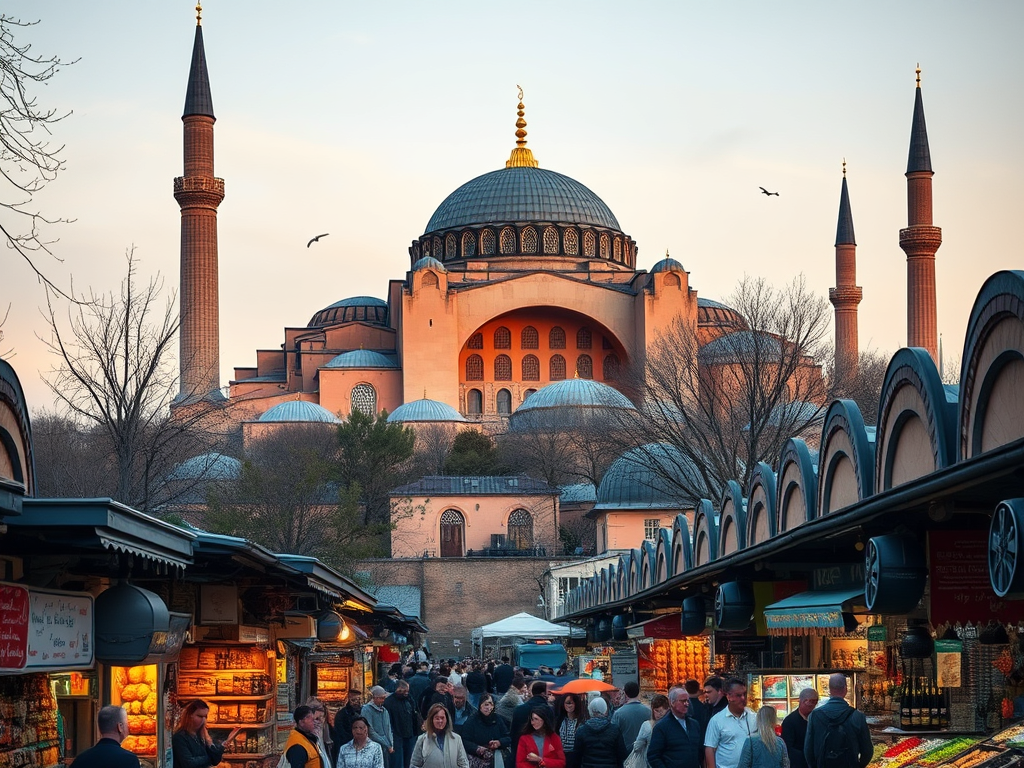
    Istanbul Travel Guide 2025: Must-See Sites and Local Cuisine

    Introduction

    Istanbul, a vibrant city that straddles two continents, offers a rich tapestry of history, culture, and culinary delights. As Turkey’s largest city, it serves as a bridge between east and west, making it a melting pot of diverse heritage and modern influences. Visitors are drawn to its stunning architecture, bustling markets, and warm hospitality. From the majestic Hagia Sophia and the vibrant Grand Bazaar to the serene Bosphorus Strait, there’s no shortage of sights to explore. Additionally, Istanbul’s culinary scene is a feast for the senses, offering everything from tantalizing street food to exquisite dining experiences. Whether you’re wandering the ancient streets of Sultanahmet, sipping tea in a local café, or enjoying the vibrant nightlife, Istanbul is a destination that captivates the heart and leaves a lasting impression. This Istanbul Travel Guide takes you through the city’s iconic sights, delicious cuisine, and best accommodation options.

    Must-See Attractions in Istanbul

    Istanbul is a city overflowing with history and iconic sights, ideally suited for travelers wishing to experience a deep connection with its past. Beginning with the most prominent landmark, Hagia Sophia is a symbol of architectural brilliance that has stood the test of time. Originally built as a church in the 6th century, it was later converted into a mosque and now serves as a museum, allowing all visitors to appreciate its grandeur. The stunning mosaics, soaring domes, and mesmerizing ambiance make it a must-see location. Not only does it reflect Byzantine architecture’s splendor, but it also showcases a rich tapestry of religious significance throughout its history.

    Just a short walk away lies the Blue Mosque (Sultan Ahmed Mosque), famous for its striking blue tiles that adorn the interior. This functional mosque allows tourists to enter, providing a serene opportunity to witness Islamic worship. Make sure to observe the beautiful cascades of light pouring through the stained glass windows, which enhance the spiritual atmosphere. It’s essential to dress modestly and remove shoes before entering, as a sign of respect.

    Another signature attraction is the Topkapi Palace, the former residence of Ottoman sultans. The palace is akin to a mini-city within Istanbul, with courtyards, gardens, and intricate rooms showcasing impressive collections of artifacts, including the Prophet Muhammad’s cloak and sword. Hire a knowledgeable guide or rent an audio guide to fully grasp the historical context and tales of intrigue associated with this remarkable place.

    For those looking to immerse themselves in local life, the Grand Bazaar is a sensory overload that shouldn’t be missed. With over 4,000 shops, this vibrantly colored labyrinth is one of the oldest and largest covered markets in the world. Each turn reveals a multitude of stalls selling everything from handwoven carpets and exquisite jewelry to spices and ceramics. Bargaining is a common practice here; embrace the tradition by engaging with shopkeepers and haggling for the best price.

    Lastly, the Bosphorus Strait offers stunning views and a relaxing escape from the city’s hustle. Consider taking a ferry ride to get a unique perspective on Istanbul’s skyline and dramatic coastline. Revel in the historical waterfront mansions, ancient fortresses, and quaint fishing villages that line the shores. Sunset cruises are particularly enchanting, as the city lights begin to twinkle against the backdrop of the setting sun.

    In summary, Istanbul’s must-see attractions weave together its rich past and vibrant present. From awe-inspiring monuments to lively markets and breathtaking views, this city promises an unforgettable experience for every traveler.

    Culinary Delights: What to Eat

    Istanbul is not just a feast for the eyes; it’s also a culinary paradise that showcases the diverse flavors of Turkish cuisine. As you wander through the streets of this bustling metropolis, tantalizing aromas of grilled meats, spices, and freshly baked bread will entice you to explore the local gastronomic scene in depth. The intersection of cultures has resulted in a vibrant food landscape influenced by Mediterranean, Middle Eastern, and Central Asian cuisines.

    A staple of Turkish cuisine, Kebabs are not to be missed. These skewered delights come in various forms, including the juicy shish kebab, flavorful döner kebab, and the succulent Adana kebab. Often served with fluffy rice, grilled vegetables, and an array of flavorful dips, each provides a unique taste of local tradition. The best way to enjoy kebabs is at a dedicated restaurant such as the acclaimed Zubeyir Ocakbasi, known for its high-quality meats and lively atmosphere.

    Street food enthusiasts will find bliss in the simple yet delicious simit, a sesame-crusted bread that has become a popular snack throughout the city. Vendors selling these delights can be found at every corner, often served with Turkish tea or yogurt. Don’t forget to try Börek, flaky pastry filled with a variety of ingredients, such as cheese, spinach, or minced meat. This dish offers a perfect bite to enjoy as you navigate the bustling streets.

    No culinary journey in Istanbul would be complete without indulging in Meze, small dishes that embrace local flavors and textures, often enjoyed with a glass of Raki, an anise-flavored spirit. Meze selections range from creamy hummus and melty feta cheese to roasted eggplant dishes and tangy stuffed grape leaves. Accompanying meals with these delectable appetizers is a fantastic way to experience the rich flavors of Turkish traditions and create a communal dining experience.

    Finally, don’t miss the chance to satisfy your sweet tooth with a slice of Baklava. This rich dessert, made with layers of filo pastry filled with nuts and soaked in syrup, is a signature treat that showcases Turkish sweet-making expertise. You can find countless patisseries and cafes throughout the city specializing in this beloved dish. Pair it with a cup of Turkish coffee for the ultimate indulgence as you take a moment to relax and soak in the local atmosphere.

    Istanbul’s culinary scene is a reflection of its cultural diversity, and tasting your way through the city is one of the best ways to explore its rich heritage.

    Best Neighborhoods and Accommodations

    Choosing the right place to stay in Istanbul can significantly enhance your travel experience. The city is made up of distinct neighborhoods, each boasting its own unique character and charm, so selecting accommodations in the right area will help you make the most of your visit.

    One of the most popular areas for tourists is Sultanahmet, home to many of Istanbul’s historical landmarks, including Hagia Sophia, the Blue Mosque, and Topkapi Palace. This central location allows for easy walking access between these iconic sites, making it an ideal base for first-time visitors. Within Sultanahmet, there are numerous hotels ranging from luxury boutique options to budget-friendly hostels. Consider trying the Sultanahmet Palace Hotel, where traditional Turkish hospitality meets breathtaking views of the city.

    Just a short distance away, the lively neighborhood of BeyoÄŸlu offers a different atmosphere, mixing modernity with tradition. It’s famous for its bustling streets lined with shops, restaurants, and cafes, particularly on Istiklal Avenue. Here, travelers can find chic and stylish accommodations, such as the Marmara Taksim Hotel, which stands out with its contemporary design and panoramic views of the Bosphorus. This neighborhood is a fantastic choice for those interested in nightlife, with a plethora of bars and clubs nearby.

    For a more local experience, consider staying in Kadıköy, located on the Asian side of Istanbul. This vibrant neighborhood encompasses a lively market scene, artistic street art, and an array of dining options. While Kadıköy may be less touristy, it captures the daily life and culture of Istanbul residents. Visitors can find charming boutique hotels such as the Moda Hotel, which features cozy rooms and easy access to the ferry for adventures across the Bosphorus.

    Galata is another picturesque area that offers stunning views of the Golden Horn and the historic Galata Tower. The streets are steeped in history, with the neighborhood providing a mix of quaint cafes and bakeries alongside modern shops. The Galata Hotel exemplifies the region’s charm, characterized by its ancient architecture paired with contemporary comfort.

    Lastly, for travelers wanting to experience a more upscale atmosphere, the Nişantaşı district showcases luxury living with high-end designer boutiques, fantastic restaurants, and art galleries. This area is perfect for those willing to splurge on lavish accommodations. Hotels like the St. Regis Istanbul offer unparalleled luxury with their world-class service and elegant design.

    With such a variety of neighborhoods and accommodation options, finding the perfect place to stay will help deepen your experience in Istanbul, enabling you to create wonderful memories in this dynamic city.

    Tips for Navigating the City

    As one of the most populous cities in the world, navigating Istanbul can be both exciting and overwhelming. The key to efficiently exploring this bustling metropolis lies in understanding the transportation options available and embracing the local culture. Here are some essential tips to help you navigate the city with ease.

    Firstly, the Istanbulkart is an essential tool for any visitor. This smart travel card allows access to all forms of public transportation, including buses, trams, metros, and ferries. Purchasing an Istanbulkart is simple – look for kiosks in major transportation hubs or the airport. By loading credit onto the card, you can easily tap in and out of various modes of transport, saving you both time and money.

    The tram system is particularly convenient for reaching popular tourist destinations. The T1 line connects the main sites in Sultanahmet to the BeyoÄŸlu area, while also connecting with the modern metro network. Be prepared for crowds, especially during peak tourist seasons, but frequent trains ensure that wait times are kept to a minimum.

    In addition to the tram, taking a ferry across the Bosphorus is a fantastic way to experience the city from the water. Ferries operate regularly between European and Asian sides, and the journey offers stunning views of the skyline and waterfront landmarks. Weekends and evenings are especially popular times, so consider taking the ferry during weekdays for a more peaceful experience.

    For those who enjoy walking, many parts of Istanbul are pedestrian-friendly, particularly in tourist-heavy areas. The streets of Sultanahmet, Galata, and BeyoÄŸlu come alive with local shops and eateries, inviting exploration. Make time to wander off the main paths and discover lesser-known streets filled with charming cafes and hidden gems.

    While public transportation is efficient, consider taking a taxi or rideshare service for late-night travel or when visiting more remote locations in the city. Ensure you use licensed taxis to guarantee a safe journey; avoid any unmarked vehicles. Rideshare apps like Uber function in Istanbul, providing another option for easy navigation.

    When it comes to communication, learning a few basic Turkish phrases can significantly enhance your interaction with locals and help you feel more at home. While many people in the tourism industry speak English, knowing simple greetings or navigational questions can go a long way in building rapport.

    Finally, always stay aware of your surroundings, particularly in crowded areas. Pickpocketing can occur in tourist hotspots, so it’s wise to keep personal belongings secure and wear a crossbody bag to deter any unwanted attention.

    By taking advantage of public transportation, embracing the local culture, and exercising awareness, you can navigate the vibrant city of Istanbul seamlessly, ensuring a memorable travel experience.

    Cultural Experiences and Local Insights

    Exploring Istanbul’s cultural experiences provides a profound understanding of the city’s rich heritage and diverse influences. Engaging with local traditions and vibrant customs fosters a deeper connection to the city’s spirit, allowing visitors to truly appreciate its beauty.

    A fantastic way to immerse yourself in Istanbul’s culture is through a traditional Turkish bath, or hammam. Dating back centuries, these bathhouses are an essential part of Turkish life, serving as a social space to relax and rejuvenate. During a visit, you can expect a warm welcome, fragrant soaps, and a scrubbing treatment that leaves your skin feeling refreshed. Many well-known historical hammams, like the ÇemberlitaÅŸ Hamamı, provide an authentic experience and are beautifully preserved, allowing you to soak in the history while indulging in self-care.

    Participating in a cooking class presents a unique opportunity to delve into Turkish cuisine. Numerous local chefs offer classes where you can learn to prepare traditional dishes such as dolma, köfte, and baklava. As you chop, mix, and season, you will gain insights into the methods passed down through generations while discovering the significance of food in Turkish culture.

    To appreciate the arts, visit the Istanbul Modern Art Museum or the Pera Museum, both of which showcase contemporary and classical works. Istanbul’s vibrant art scene reflects the city’s unique blend of East and West, featuring local artists and international exhibitions alike. Additionally, exploring the many galleries in the Karşıyaka neighborhood reveals another facet of the local art community, offering a platform for emerging talent.

    Music is another integral part of Istanbul’s culture. Live music venues abound, offering an eclectic mix of traditional Turkish music, pop, and contemporary genres. Venues such as Babylon cater to various musical tastes, hosting both local and international artists. You can also stumble upon spontaneous performances in the streets or in bustling squares, enhancing your experience of the city’s lively atmosphere.

    For a more immersive experience, consider attending a local dance performance such as the Whirling Dervishes of the Mevlevi Order. This incredible spiritual practice blends mesmerizing movement with deep-rooted traditions. Observing the Dervishes performing their stunning ritual can provide insight into the mystical side of Turkish culture that many are eager to experience.

    Lastly, engaging in meaningful conversations with locals will provide invaluable insights into modern Istanbul life. Whether through your host in a homestay or through casual exchanges in cafés and markets, you’ll glean perspectives and stories that paint a fuller picture of this diverse city. Be open, ask questions, and listen closely, as these interactions will enrich your experience beyond the tourist attractions.

    All in all, Istanbul offers an array of cultural experiences that showcase its complex identity. Embrace these opportunities, and you’ll leave with cherished memories and a deeper appreciation for this magnificent city.

    Conclusion

    Istanbul stands as a vibrant testament to the beauty of cultural convergence, offering visitors an unforgettable experience that blends history, culinary delights, and local traditions. From exploring must-see attractions like Hagia Sophia and the Grand Bazaar to savoring delectable dishes such as kebabs and baklava, the city promises to captivate every traveler. Choosing the right neighborhood for accommodations enhances the overall experience, making it possible to dive deep into the city’s rich tapestry.

    Navigating Istanbul reveals the city’s charming complexity, with its efficient public transport system, walkable streets, and stunning ferry rides that transport you between continents. Engaging with cultural experiences, such as traditional hammams, cooking classes, and live music, adds depth to your visit, allowing you to truly appreciate the city’s spirit.

    Istanbul is not just a destination; it’s a vibrant and dynamic experience that encourages exploration and connection. Whether you find yourself wandering through ancient streets, indulging in a culinary adventure, or simply enjoying the breathtaking views, the memories created in Istanbul will linger long after your trip concludes. Embrace the journey, for Istanbul invites you to discover its endless offerings and treasures.

  • The Transformation of Constantinople into Istanbul: A Historical Overview (2025 update)
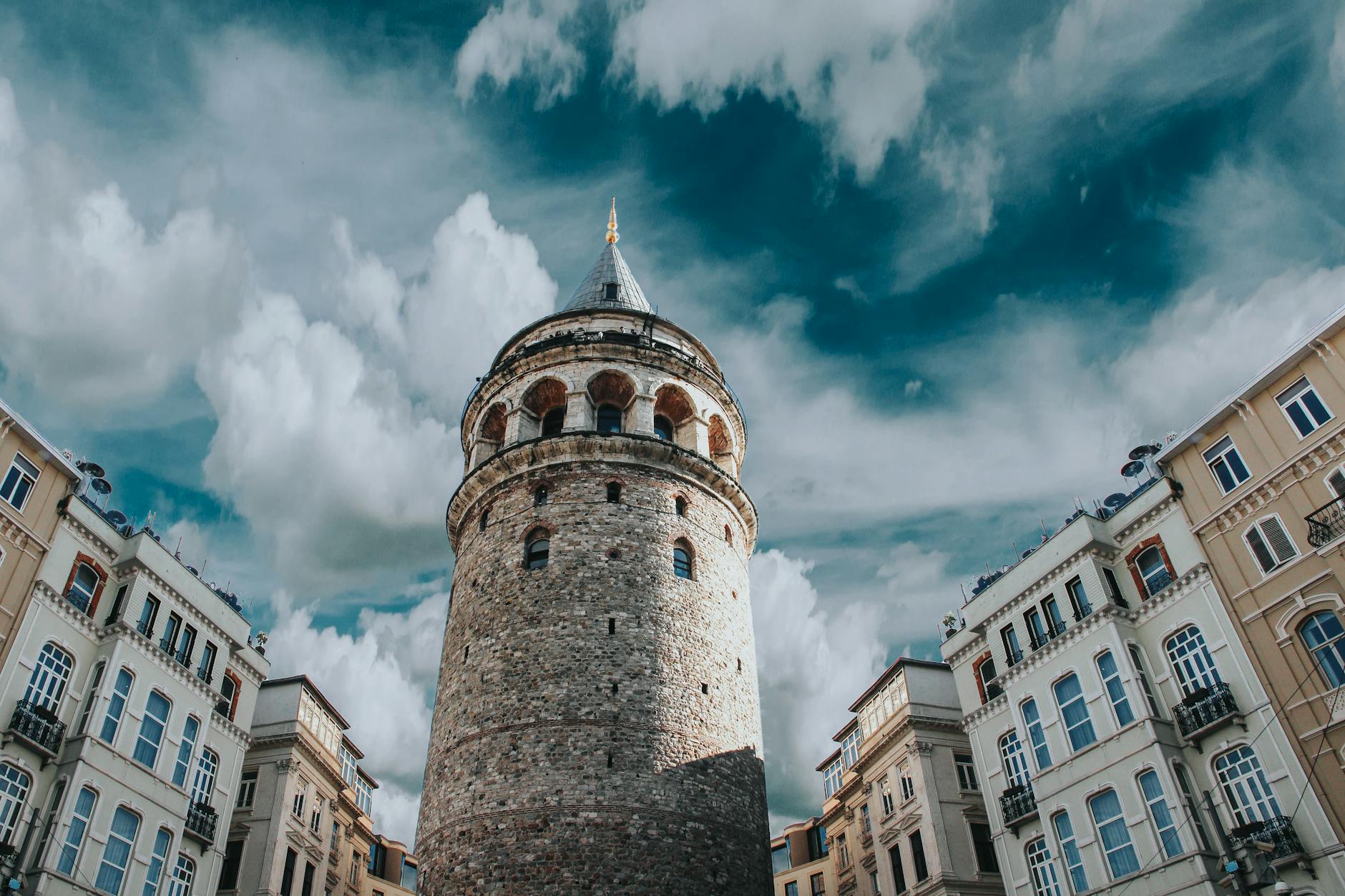
    The Transformation of Constantinople into Istanbul: A Historical Overview (2025 update)

    Introduction

    Istanbul, straddling Europe and Asia, stands among the world’s richest cities in terms of history and culture. Founded millennia ago, this iconic city played central roles in some of history’s greatest empires, including the Roman, Byzantine, and Ottoman empires. Known as Byzantium, then Constantinople, and finally Istanbul, it retains the imprint of each era and civilization it hosted. Every chapter in its history has added layers to its diversity, with mosques, churches, and palaces that rise as silent witnesses to its past. Today, Istanbul remains a vibrant crossroads of cultures and a constantly evolving metropolis.

    Foundation and Early Inhabitants

    Istanbul’s earliest history reaches back thousands of years, with archaeological findings suggesting that the area was first inhabited as early as 3000 BCE. Initially known as Byzantium, the settlement was established by Greek colonists from the city of Megara around the 7th century BCE. This ancient city found its place on the European side of the Bosporus, a strategic position that would come to define its future as a major urban center.

    The Megarian colonists, led by a legendary figure named Byzas, are credited with the foundation of Byzantium. According to myth, Byzas consulted the oracle of Delphi before his journey, seeking guidance on where to establish his colony. The oracle advised him to settle opposite the “land of the blind.” Upon reaching the Bosporus, Byzas noted the thriving settlement of Chalcedon on the Asian shore and realized that those inhabitants, “blind” to the superior strategic position across the water, had missed a vital opportunity. Thus, he and his followers claimed the European side, where Byzantium would be protected by its advantageous geography and could benefit from the bustling trade that passed through the Bosporus.

    The geography of Byzantium offered both natural defenses and economic opportunities. Surrounded by water on three sides, with access to both the Black Sea and the Mediterranean, the city had a natural advantage against invaders and an ideal position for controlling trade routes. This would later make Byzantium a valuable asset for any empire that sought dominance in the region. The city grew quickly, with its initial economy centered around fishing, trade, and the strategic tolls collected from ships that passed through the Bosporus.

    In these early years, Byzantium developed a distinct cultural identity, blending Greek traditions with local customs. Its proximity to Anatolia also exposed the city to influences from eastern cultures, particularly from the Persians, who at various points controlled regions close to Byzantium. This mix of eastern and western influences created a cultural foundation that would endure through the city’s transformation into Constantinople and later Istanbul.

    Byzantium remained an independent city-state for several centuries, although it periodically faced threats from neighboring powers. Its wealth and strategic location made it a target for various regional powers, but the city managed to retain a level of autonomy through diplomacy and its formidable defenses. It was not until the 4th century CE, when Roman Emperor Constantine the Great recognized the city’s potential, that Byzantium would undergo its first major transformation.

    Roman Empire and the Foundation of Byzantium

    The city of Byzantium, established by Greek settlers, soon caught the attention of the Roman Empire due to its strategic position on the Bosporus Strait. By the 2nd century BCE, the Romans had integrated most of the Greek territories into their rapidly expanding empire, and Byzantium became a part of this vast Roman network. Its significance grew not only because of its strategic position but also due to its potential as a defense hub, helping Rome to maintain control over its eastern frontiers.

    In 196 CE, the Roman Emperor Septimius Severus waged a brutal campaign against Byzantium. At the time, the city had taken a rebellious stance during a civil war, supporting a rival of Severus in his bid for the throne. Following his victory, Severus’s retaliation was swift and severe. He besieged and captured Byzantium, dismantling its fortifications, and significantly reducing its population. This harsh treatment marked a brief period of decline for the city; however, Severus soon recognized its value and undertook substantial efforts to rebuild and restore Byzantium. Under his reign, the city saw the construction of new walls, theaters, and public buildings, reinstating it as an important Roman outpost.

    Byzantium’s fortunes would take a historic turn when Emperor Constantine the Great came to power in the early 4th century. Seeking to stabilize his empire, Constantine turned his attention eastward, envisioning a new center for the Roman Empire that would be more secure and symbolically distanced from the volatile politics of Rome itself. Byzantium, with its commanding view over Europe and Asia, stood as the ideal location for this ambition. In 324 CE, after defeating his rival Emperor Licinius at the Battle of Chrysopolis, Constantine chose Byzantium as the foundation for his “New Rome.” This decision set in motion Byzantium’s transformation from a modest Greek colony into a grand imperial capital.

    Constantine embarked on an ambitious construction campaign to remake Byzantium. He expanded the city’s boundaries, built elaborate fortifications, and commissioned monumental structures, including churches, palaces, and forums, designed to reflect the city’s new status. One of the most significant additions was the Forum of Constantine, a central public square adorned with statues, where a grand column bearing his likeness was erected. With the construction of the Hippodrome, a massive chariot racing arena that could host thousands of spectators, Constantine sought to rival the grandeur of the Circus Maximus in Rome. This expansion transformed the city both physically and culturally, as Constantine infused it with Roman art, architecture, and institutions while honoring its Greek heritage.

    The renaming of Byzantium to Constantinople symbolized not only Constantine’s personal mark on the city but also the inception of a new Christian capital. Constantine was the first Roman emperor to convert to Christianity, and his vision for Constantinople included the construction of grand churches. Among these was the Church of the Holy Apostles, which would later serve as the resting place for Constantine himself and become a central Christian monument. As Constantine encouraged the spread of Christianity, Constantinople emerged as a center for the new faith, a status that would define its role in the centuries that followed.

    Constantine’s decision to make Byzantium the capital of the Roman Empire had far-reaching consequences. By shifting the empire’s focus eastward, he set the stage for the eventual division of the Roman Empire into Eastern and Western halves. This division would become formalized after his death, and Constantinople would flourish as the capital of the Eastern Roman Empire, later known as the Byzantine Empire. Constantine’s transformation of Byzantium into a Roman imperial center marked the beginning of a new era in the city’s history, embedding it deeply into the political and religious fabric of the Mediterranean and setting it on a path to becoming one of the most influential cities in the world.

    Incorporation into the Roman Empire

    Byzantium’s integration into the Roman Empire marks a pivotal chapter in the city’s history, one that would significantly shape its future as a center of power. In the 2nd century BCE, Rome was extending its reach across the Mediterranean, driven by the ambitions of a republic on its way to becoming an empire. Byzantium’s position at the Bosporus Strait was valuable not only for controlling sea trade between Asia and Europe but also for military strategy, as it lay along Rome’s eastern frontier. This importance made the small but prosperous city of Byzantium a prime target.

    The Roman Republic first brought Byzantium under its influence in 196 BCE, following a period of conflict during the Roman-Macedonian Wars. The city initially struggled to maintain autonomy but gradually came under direct Roman control. By the time of Emperor Septimius Severus in the early 3rd century CE, Byzantium was fully incorporated into the Roman Empire. Severus initially punished the city for siding with a rival faction during a Roman civil war, dismantling its walls and damaging much of its infrastructure. However, Severus later recognized Byzantium’s value and reversed his decision, rebuilding its walls and even introducing Roman architecture to further integrate it into the empire.

    Byzantium under Roman rule benefited from the empire’s extensive infrastructure and administrative systems. Roman engineers introduced aqueducts, roads, and public buildings that enhanced the quality of life and facilitated economic growth. With its wealth in trade, Byzantium prospered and served as a vital link between the eastern and western regions of the empire. Roman culture also began to permeate the city, with Latin becoming prominent, even as Greek traditions and language remained influential.

    In this period, Roman customs, governance, and military practices took root in Byzantium, forming a bridge between Roman and Greek cultures. This blend of influences was evident in the city’s daily life, from the marketplaces filled with goods from across the empire to the architecture that combined Hellenistic and Roman styles. The Roman amphitheaters, baths, and forums introduced in Byzantium offered a glimpse of the public life and entertainment common in Roman cities, adapting them to the Greek traditions that locals still embraced.

    As the Roman Empire continued to grow, the strategic importance of Byzantium increased. Emperor Constantine the Great, recognizing the city’s centrality, would later make it the empire’s new capital, rebranding it as “Constantinople.” But even before this monumental decision, Byzantium played a crucial role in safeguarding Rome’s eastern border and enabling trade across the known world. Its economic growth and fusion of cultures during this period laid the groundwork for its transformation into one of the empire’s most celebrated cities.

    This period of Romanization set the stage for Byzantium’s future as Constantinople, a city that would not only carry forward Rome’s legacy but also stand as a cultural crossroads for centuries to come. Byzantium’s incorporation into the Roman Empire was not just an expansion of Roman territory; it was a critical moment in its evolution from a regional city to an imperial center.

    Constantine and the Rise of Constantinople

    The transformation of Byzantium into Constantinople began under the rule of Emperor Constantine the Great, who sought a new eastern capital for the Roman Empire. In the early 4th century CE, Rome had become challenging to defend and govern due to its distance from the empire’s more vulnerable eastern regions. After securing his authority over the entire Roman Empire in 324 CE, Constantine turned his attention to establishing a strategic and fortified center in the East. He saw great potential in Byzantium due to its location at the Bosporus Strait, which connected the Aegean and Black Seas and acted as a bridge between Europe and Asia. The city’s strong natural defenses and access to trade routes made it the perfect choice.

    In 330 CE, Constantine officially declared Byzantium the new capital of the Roman Empire, renaming it “Nova Roma,” or New Rome. However, the name Constantinople, meaning “City of Constantine,” quickly took hold, honoring the emperor’s ambition and vision. Constantine invested heavily in transforming the city, aiming to make it a true imperial capital that rivaled, if not surpassed, Rome in grandeur and significance. His plans included enlarging the city’s boundaries, fortifying its defenses, and introducing monuments that would establish Constantinople as a symbol of the empire’s continuity and power.

    One of Constantine’s most ambitious projects was the construction of the Forum of Constantine, a large public square that served as the city’s center. Decorated with statues, the forum included a massive column topped with a statue of Constantine dressed as the god Apollo, reflecting the blend of imperial and divine imagery common in Roman culture. Constantine also initiated the building of Christian churches, most notably the Church of the Holy Apostles, which later became his burial place. This church symbolized Constantine’s role in promoting Christianity and established the city’s connection to the new faith, which was gaining prominence across the empire.

    The city was fortified with new walls, expanding beyond Byzantium’s original borders. These defensive walls would be expanded further in later centuries to become the famous Theodosian Walls, which protected the city against numerous sieges. Constantine’s improvements made Constantinople a secure, well-protected city and highlighted its role as a political and military center.

    Constantine’s decision to move the capital marked a shift in Roman identity, signaling the empire’s transformation from a dominantly western to a more eastern-focused power. Constantinople quickly became the administrative, cultural, and economic heart of the Roman world in the East. Its influence grew as scholars, artists, and merchants flocked to the city, attracted by its new status and opportunities. Over time, Constantinople would also become a center of Christian thought, giving it lasting religious significance.

    Constantine’s decision not only gave the Roman Empire a renewed eastern capital but also set the stage for the city’s role in the Byzantine Empire, the Eastern Roman Empire that would endure for over a thousand years. His vision transformed a small Greek colony into a world-renowned metropolis and laid the foundation for one of the most influential cities in history.

    Religious Influence and Growth of Christianity

    Under Constantine’s rule, Constantinople emerged not only as a political capital but also as a central city for the spread of Christianity. Constantine himself converted to Christianity and issued the Edict of Milan in 313 CE, granting religious tolerance across the Roman Empire. This decision marked the beginning of Christianity’s rise from a persecuted faith to the empire’s dominant religion. In choosing Constantinople as his new capital, Constantine aimed to distance the city from the traditional polytheistic customs of Rome, providing a fresh beginning for a Christian-led empire.

    Constantine’s influence on the growth of Christianity in Constantinople was profound. He invested in the construction of significant churches, like the Church of the Holy Apostles and an early version of Hagia Sophia, which was completed by his son, Constantius II. These monumental churches represented the growing importance of Christianity in the empire and helped establish Constantinople as a center of Christian worship, scholarship, and governance. Unlike the old Roman temples, which celebrated a pantheon of gods, these churches symbolized a monotheistic vision, marking a new era in the empire’s religious life.

    Constantine also championed the organization of Christianity through the First Council of Nicaea in 325 CE, an ecumenical council that sought to address theological disputes, especially about the nature of Christ. The council produced the Nicene Creed, a statement of faith that remains central to Christian doctrine today. This council solidified Constantine’s role not just as a political ruler but as a patron of Christianity, ensuring that the religion’s unity and organization aligned with the empire’s stability.

    The rise of Christianity within Constantinople had a lasting impact on both the city and the empire. Religious scholars, orators, and theologians began to see Constantinople as a place for intellectual and spiritual debate, attracting figures such as Gregory of Nazianzus and John Chrysostom, who would later become key Christian leaders. The city’s role in Christian theological development would deepen over the centuries, particularly as it became a focal point for early Christian councils that defined fundamental doctrines.

    By the late 4th century, Emperor Theodosius I declared Christianity the official religion of the Roman Empire, further solidifying its place in Constantinople and the empire at large. Pagan temples were gradually closed, and Christian practices became part of daily life and law. This transformation gave the city an identity that set it apart from Rome, where traditional polytheistic beliefs were still observed. In Constantinople, Christianity was not just a belief system; it became part of the city’s foundation and governance, influencing the laws, culture, and values that defined the empire.

    Constantinople’s development as a Christian center helped solidify its influence and reputation, particularly after the fall of the Western Roman Empire in the 5th century. As the capital of what would become the Byzantine Empire, Constantinople preserved Christian traditions and became a bastion for the faith during periods of political and religious turmoil. This legacy would continue for centuries, with Constantinople as a spiritual and cultural heart of Eastern Christianity, shaping the religious landscape of the empire and beyond.

    Istanbul
    Istanbul, straddling Europe and Asia, stands among the world’s richest cities in terms of history and culture.

    Conflicts, Invasions, and the Fourth Crusade

    Throughout its history, Constantinople faced numerous invasions and conflicts that tested its strength and resilience. Due to its strategic location and immense wealth, the city was a constant target for foreign powers. From the 5th century onward, Constantinople withstood attacks by various groups, including the Visigoths, Persians, and later, Arab forces during the expansion of the Islamic caliphates. Despite these threats, the city’s formidable defenses, including the renowned Theodosian Walls, held strong, preserving Constantinople as a secure and prosperous center of the Byzantine Empire.

    However, the most severe blow came not from external invaders but from within the Christian world during the Fourth Crusade in 1204. The crusaders, originally tasked with reclaiming Jerusalem, found themselves embroiled in political and financial entanglements that redirected their focus to Constantinople. The Byzantine Empire was weakened by internal divisions, and the crusaders, with encouragement from Venice, turned their attention to the Byzantine capital, lured by promises of wealth and strategic advantage.

    The Fourth Crusade was a turning point for Constantinople. In April 1204, crusader forces breached the city’s defenses and sacked Constantinople, causing unprecedented destruction and plundering. Churches, libraries, and palaces were looted, and countless works of art, relics, and manuscripts were destroyed or stolen, with many treasures ending up in Western Europe. This sacking deeply scarred the city, marking one of the darkest chapters in its history. The destruction was not only a physical blow but also a psychological one, as Constantinople was violated by those who shared its Christian faith.

    Following the sack, the crusaders established the Latin Empire in Constantinople, ruling over the city for 57 years until 1261. This period saw the decline of the city’s infrastructure, economy, and population. The Latin rulers lacked the resources and knowledge to maintain the city at the level of its Byzantine predecessors. Many Byzantine nobles and elites fled to nearby territories, establishing rival Byzantine successor states, most notably in Nicaea. These states aimed to reclaim Constantinople and restore the Byzantine Empire.

    In 1261, Michael VIII Palaiologos, ruler of the Empire of Nicaea, successfully retook Constantinople and re-established the Byzantine Empire. However, the damage inflicted by the Fourth Crusade had lasting consequences. The city was a shadow of its former glory, with much of its wealth and cultural heritage lost. While the Byzantines worked to rebuild, Constantinople never fully recovered its previous strength and influence. The empire was weakened, its defenses depleted, and its economic base eroded. The sack of 1204 had irrevocably altered the course of the Byzantine Empire, contributing to its gradual decline in the centuries that followed.

    The Fourth Crusade highlighted both the city’s vulnerability and its resilience. Despite being betrayed by its Christian allies, Constantinople survived and continued as the Byzantine capital for nearly two more centuries. The city’s recovery from the devastation demonstrated the resilience of its people, yet it also foreshadowed the challenges the Byzantines would face in defending their capital against future threats.

    The Ottoman Conquest and Transformation into Istanbul

    The fall of Constantinople in 1453 marked the end of the Byzantine Empire and the beginning of a new era under the Ottoman Empire. The siege, led by the young Sultan Mehmed II, was a turning point in world history, symbolizing the shift of power from the Byzantine Empire to the rising Ottoman Empire. Mehmed, determined to make Constantinople his capital, brought advanced military technology, including massive cannons capable of breaching the city’s formidable Theodosian Walls. After a two-month siege, the Ottomans finally entered the city on May 29, 1453, bringing an end to over a millennium of Byzantine rule.

    Upon capturing the city, Mehmed II, later known as “Mehmed the Conqueror,” quickly set about transforming Constantinople into Istanbul, a new imperial capital for his expanding empire. Recognizing the city’s strategic and symbolic importance, Mehmed initiated significant changes to revive its economy, rebuild its infrastructure, and re-populate its dwindling population. Mehmed’s vision for Istanbul included blending the city’s Byzantine legacy with Islamic culture, creating a unique and diverse metropolis that served as the Ottoman Empire’s heart.

    One of Mehmed’s first acts was converting the Hagia Sophia, Constantinople’s most iconic church, into a mosque. This transformation signified the city’s new identity as an Islamic center while preserving the grandeur of Byzantine architecture. Hagia Sophia became a symbol of Istanbul’s new status as an Islamic city, while many other Byzantine churches were repurposed for Islamic worship. Mehmed also ordered the construction of the Grand Bazaar, which would become one of the world’s oldest and largest covered markets, reflecting the city’s new role as a thriving center of trade.

    Mehmed encouraged migration to Istanbul, inviting people of various backgrounds—Turks, Greeks, Armenians, Jews, and others—to settle in the city. His policies aimed to make Istanbul not only a political capital but also a cultural and economic hub, enriched by its diverse population. This openness to different ethnic and religious communities fostered an environment where Islamic, Christian, and Jewish traditions coexisted, giving the city a multicultural character that became one of its defining features.

    Under Ottoman rule, Istanbul flourished. The Ottomans undertook extensive building projects, including mosques, palaces, and schools, to establish the city as a center of Islamic culture and learning. Sultan Mehmed’s successors, particularly Suleiman the Magnificent, expanded on his legacy, commissioning grand architectural projects that reshaped the city’s skyline. Architect Mimar Sinan, one of the greatest Ottoman architects, designed iconic buildings like the Suleymaniye Mosque, which became lasting symbols of Ottoman grandeur and Istanbul’s significance.

    The Ottoman conquest and transformation of Constantinople into Istanbul turned the city into a powerful symbol of the Islamic world and a bridge between East and West. For centuries, Istanbul stood as the heart of the Ottoman Empire, a place where cultures converged, and a center of trade, religion, and art. Mehmed’s vision and the Ottomans’ architectural, cultural, and social investments made Istanbul a dynamic city that reflected both the legacy of the Byzantine past and the vibrant spirit of the Ottoman future.

    Golden Age Under the Ottoman Empire

    The Ottoman Empire’s Golden Age, spanning the 16th and early 17th centuries, transformed Istanbul into one of the world’s most magnificent cities. Under the rule of Sultan Suleiman the Magnificent, who reigned from 1520 to 1566, the city became a vibrant center of political, cultural, and economic life. Suleiman’s rule, known for its prosperity and stability, witnessed a flowering of arts, architecture, and literature, as well as military and administrative reforms that strengthened Istanbul’s position as the empire’s heart.

    Suleiman’s court attracted artists, scholars, and architects, making Istanbul a focal point for innovation and cultural exchange. Architect Mimar Sinan, often regarded as the Ottoman Empire’s greatest architect, played a central role in reshaping Istanbul’s landscape. Commissioned by Suleiman, Sinan designed the Suleymaniye Mosque, a masterpiece of Ottoman architecture that reflects the grandeur of this period. Built atop Istanbul’s Third Hill, the Suleymaniye Mosque complex included not only a mosque but also schools, a hospital, a library, and baths, serving as a microcosm of Ottoman society. Sinan’s work symbolized the city’s architectural renaissance and laid the foundation for Istanbul’s skyline, which still bears his influence.

    Istanbul’s artistic achievements were equally remarkable during this period. Ottoman miniaturists, calligraphers, and ceramic artists reached new heights, producing exquisite works that adorned imperial palaces and mosques. The Topkapi Palace, the Ottoman sultans’ primary residence, became the center of royal art production, housing workshops where artisans created finely crafted textiles, manuscripts, and tiles. The Imperial Harem, part of Topkapi, was a center of culture and education for the sultan’s family, where young women received training in music, literature, and etiquette, further enriching the cultural life of the empire.

    The city’s role as a trade center expanded during this Golden Age. The Grand Bazaar, established under Mehmed II, flourished and grew, attracting merchants from across Europe, Asia, and the Middle East. Istanbul’s strategic location between East and West enabled it to become a hub for silk, spices, precious metals, and other valuable commodities. The influx of goods brought wealth to the city and fostered a cosmopolitan atmosphere as traders and diplomats from distant lands mingled in Istanbul’s bustling markets.

    Religious life in Istanbul during the Ottoman Golden Age also evolved, with Islam becoming the city’s dominant faith while other religious communities, including Christians and Jews, continued to thrive under Ottoman protection. The millet system allowed religious minorities to govern themselves in many respects, maintaining their cultural traditions and religious practices. This policy of relative tolerance contributed to Istanbul’s diverse character and facilitated peaceful coexistence within the city’s complex social fabric.

    The Golden Age left an indelible mark on Istanbul, solidifying its reputation as one of the most impressive cities of the medieval world. The Ottoman Empire’s investment in culture, architecture, and governance during this period not only enhanced Istanbul’s status but also created a lasting legacy. The city’s vibrant artistic and architectural achievements, coupled with its diverse society, made Istanbul a symbol of Ottoman greatness and a testament to the empire’s cultural and intellectual depth.

    Decline of the Ottoman Empire and Challenges Faced by Istanbul

    By the 18th and 19th centuries, the Ottoman Empire was grappling with significant internal and external challenges that would ultimately lead to its decline. As the empire’s influence waned, so too did Istanbul’s status, although it remained the symbolic heart of Ottoman power. The empire faced a series of military defeats, economic setbacks, and social upheavals that affected Istanbul’s prosperity, population, and infrastructure.

    One of the factors contributing to the Ottoman decline was the rise of European powers and the empire’s growing inability to keep pace with Western advancements. Industrialization, military modernization, and territorial ambitions in Europe began to outstrip the capabilities of the Ottoman administration, which was slow to adopt similar reforms. Istanbul, once a thriving trade center, found itself bypassed as European trade routes increasingly favored sea passages, especially after the discovery of alternative routes to Asia.

    Economic difficulties were compounded by political instability within the empire. Corruption and inefficiency in the Ottoman administration, as well as conflicts between regional leaders, further eroded the empire’s stability. Attempts at reform, including the Tanzimat reforms in the mid-19th century, aimed to modernize the Ottoman state and revitalize its institutions, economy, and military. These reforms introduced new laws, centralized the bureaucracy, and sought to integrate non-Muslim citizens into society more fully. While they brought some improvements to Istanbul, they ultimately fell short of reversing the empire’s decline.

    Istanbul’s changing social fabric also posed challenges. As European influence grew, so did tensions between traditionalists and reformists within the city. European embassies, businesses, and cultural institutions became more prominent, particularly in the Galata and Pera districts, introducing Western customs, fashion, and ideas. This influx created a cosmopolitan environment, but it also led to cultural clashes and debates over identity. For many, the contrast between Istanbul’s Ottoman-Islamic heritage and the new European influences highlighted the city’s complex role in a rapidly modernizing world.

    Military defeats and territorial losses further weakened the empire. By the late 19th century, the Ottomans lost significant territory in Europe, the Middle East, and North Africa. Each loss not only reduced the empire’s economic base but also impacted Istanbul, where refugees from former Ottoman territories arrived, straining the city’s resources. Istanbul’s infrastructure, already in need of modernization, struggled to support its expanding population, and poverty became more visible in parts of the city.

    The final blow came during World War I, when the Ottomans sided with the Central Powers and faced defeat. Following the war, Istanbul was occupied by Allied forces, marking a low point in the city’s history. Ottoman sovereignty was severely compromised, and the once-great empire was in ruins. The occupation highlighted Istanbul’s vulnerability and marked the end of its era as the Ottoman capital.

    In 1923, the Republic of Turkey was established under Mustafa Kemal Atatürk, and the capital was moved to Ankara, a shift that symbolized Turkey’s break from its Ottoman past. Though no longer the capital, Istanbul remained Turkey’s largest and most influential city, poised to undergo a new chapter of modernization and transformation in the 20th century.

    Modernization of Istanbul in the 20th Century

    The 20th century brought profound changes to Istanbul as it transformed from the former Ottoman capital into a modern metropolis within the Republic of Turkey. Although the new capital was established in Ankara in 1923, Istanbul retained its significance as Turkey’s cultural and economic center. Under Mustafa Kemal Atatürk’s leadership, Turkey embarked on an ambitious program of modernization, secularization, and Westernization, all of which significantly affected Istanbul’s identity and development.

    One of the most visible changes was the city’s shift toward a more secular society. Atatürk’s government abolished the Ottoman Sultanate and Caliphate, stripping Istanbul of its centuries-old role as the center of Islamic authority. Religious institutions were brought under state control, and Islamic schools were replaced with secular educational institutions. The Hagia Sophia, which had served as a mosque since the Ottoman conquest, was converted into a museum in 1935, symbolizing the republic’s commitment to a secular national identity.

    Urban planning and infrastructure development also reshaped Istanbul. The city expanded beyond its historic peninsula, with new districts, roads, and bridges designed to support a growing population. Key infrastructure projects, like the construction of the Bosphorus Bridge in 1973, connected the city’s European and Asian sides, facilitating transportation and commerce and positioning Istanbul as a bridge between continents. This growth spurred the development of modern neighborhoods, skyscrapers, and industrial areas, all of which altered Istanbul’s appearance and functionality as a modern city.

    The mid-20th century brought a wave of migration to Istanbul as people from rural areas moved to the city in search of economic opportunities. This population boom led to the rapid expansion of informal settlements, known as “gecekondus,” around the city’s outskirts. Although these areas initially lacked infrastructure, they gradually became formalized, contributing to Istanbul’s growing diversity and complexity. This period saw the city’s population swell, leading to significant demographic and cultural changes as Istanbul evolved into a multicultural urban center.

    Istanbul’s modernization efforts also sparked a revival in the arts, media, and academia. The city’s universities and cultural institutions became focal points for intellectual discourse, contributing to the emergence of a vibrant arts scene. Turkish cinema, music, and literature flourished in Istanbul, making the city a hub for cultural production and innovation. Traditional Turkish art forms blended with Western influences, resulting in a unique and dynamic cultural landscape that attracted artists, writers, and intellectuals from across Turkey and beyond.

    Despite these advancements, Istanbul’s rapid growth also presented challenges. The city struggled with overcrowding, traffic congestion, and pollution, and urban planning efforts often lagged behind population growth. The pressure on infrastructure led to various problems, including strained public services and a housing shortage. Additionally, Istanbul faced the threat of earthquakes, with its location near the North Anatolian Fault posing a significant risk. The 1999 İzmit earthquake underscored the need for improved building regulations and disaster preparedness.

    By the close of the 20th century, Istanbul had transformed into a modern, bustling metropolis that balanced its rich historical heritage with a progressive vision for the future. As Turkey’s cultural, economic, and artistic heart, Istanbul continued to attract people from all walks of life, embodying both the legacy of its Ottoman past and the spirit of Turkey’s modernization efforts.

    Istanbul in the 21st Century: A Global City

    In the 21st century, Istanbul has emerged as a dynamic global city, bridging continents, cultures, and histories. As Turkey’s largest city, Istanbul is a major financial, cultural, and tourism hub that attracts millions of visitors and residents from around the world. Known for its unique blend of old and new, Istanbul’s rich historical heritage exists alongside a modern skyline of skyscrapers, shopping centers, and tech-driven infrastructure, positioning it as a leading metropolis in the globalized world.

    Istanbul’s economy has seen significant growth, fueled by both its strategic geographic position and Turkey’s broader economic ambitions. The city is home to numerous multinational corporations, financial institutions, and thriving industries, from textiles and manufacturing to technology and real estate. Its importance as a financial center was solidified with the establishment of the Istanbul Financial Center, a major project aimed at attracting international businesses and investors. This project seeks to position Istanbul as a major economic bridge between East and West, making it an appealing destination for investors across Europe, Asia, and the Middle East.

    Infrastructure development has been key to Istanbul’s transformation. The completion of significant projects like the Marmaray Tunnel, which connects Istanbul’s European and Asian sides via an underwater rail line, exemplifies the city’s commitment to improving transportation and connectivity. The New Istanbul Airport, one of the largest in the world, has further established the city as a major travel hub. Istanbul’s three Bosphorus bridges, along with the Yavuz Sultan Selim Bridge and Eurasia Tunnel, also facilitate movement, easing the challenges of commuting across continents and reducing the city’s notorious traffic congestion.

    While modernizing, Istanbul has retained and celebrated its historic sites. The Hagia Sophia, Topkapi Palace, Blue Mosque, and the Grand Bazaar continue to draw millions of tourists each year, allowing visitors to experience the city’s Byzantine, Ottoman, and Islamic heritage. In recent years, Istanbul’s government has invested in preserving these landmarks, as well as in reviving neighborhoods that showcase its multicultural legacy, such as Balat and Galata. This balance of heritage preservation and modernization has made Istanbul one of the world’s most attractive cities for travelers seeking a blend of history and contemporary culture.

    However, Istanbul’s rapid growth also presents ongoing challenges. The city’s population, now over 15 million, has strained infrastructure, housing, and resources, particularly in suburban areas experiencing urban sprawl. Additionally, Istanbul faces environmental challenges, from pollution to earthquake risks due to its proximity to the North Anatolian Fault. The government has implemented urban resilience programs, introducing stricter building codes and promoting sustainable projects to address these issues.

    Despite these challenges, Istanbul continues to thrive as a symbol of resilience and adaptability. The city’s vibrant arts scene, encompassing everything from classical Turkish music and traditional crafts to modern art galleries and international film festivals, reflects its role as a cultural melting pot. As Istanbul grows, it remains a testament to its historic role as a meeting point of cultures, embodying both Turkey’s rich past and its aspirations for the future. Istanbul today is not only Turkey’s pride but also a city with a global voice, where East meets West in a lively blend that continues to captivate and inspire the world.