Tag: Technology
-
The history of Facebook: From Startup to Tech Giant – facts and key events
Facebook, now Meta, originated in 2004 at Harvard, intended for university students, but rapidly expanded, revolutionizing online communication. Its growth was supported by strategic investments, user-friendly features, and a successful monetization model through targeted ads, significantly boosting revenue. Acquisitions like Instagram and WhatsApp diversified its offerings, while a focus on virtual reality and augmented reality signaled a shift toward future technologies. However, challenges like privacy concerns, competition from other platforms, and misinformation persist. As Meta navigates these issues and pivots to the metaverse, its legacy as a tech innovator underscores its influential role in shaping digital interaction.
-
Qualcomm history: A Leader in Mobile Chipset Innovation
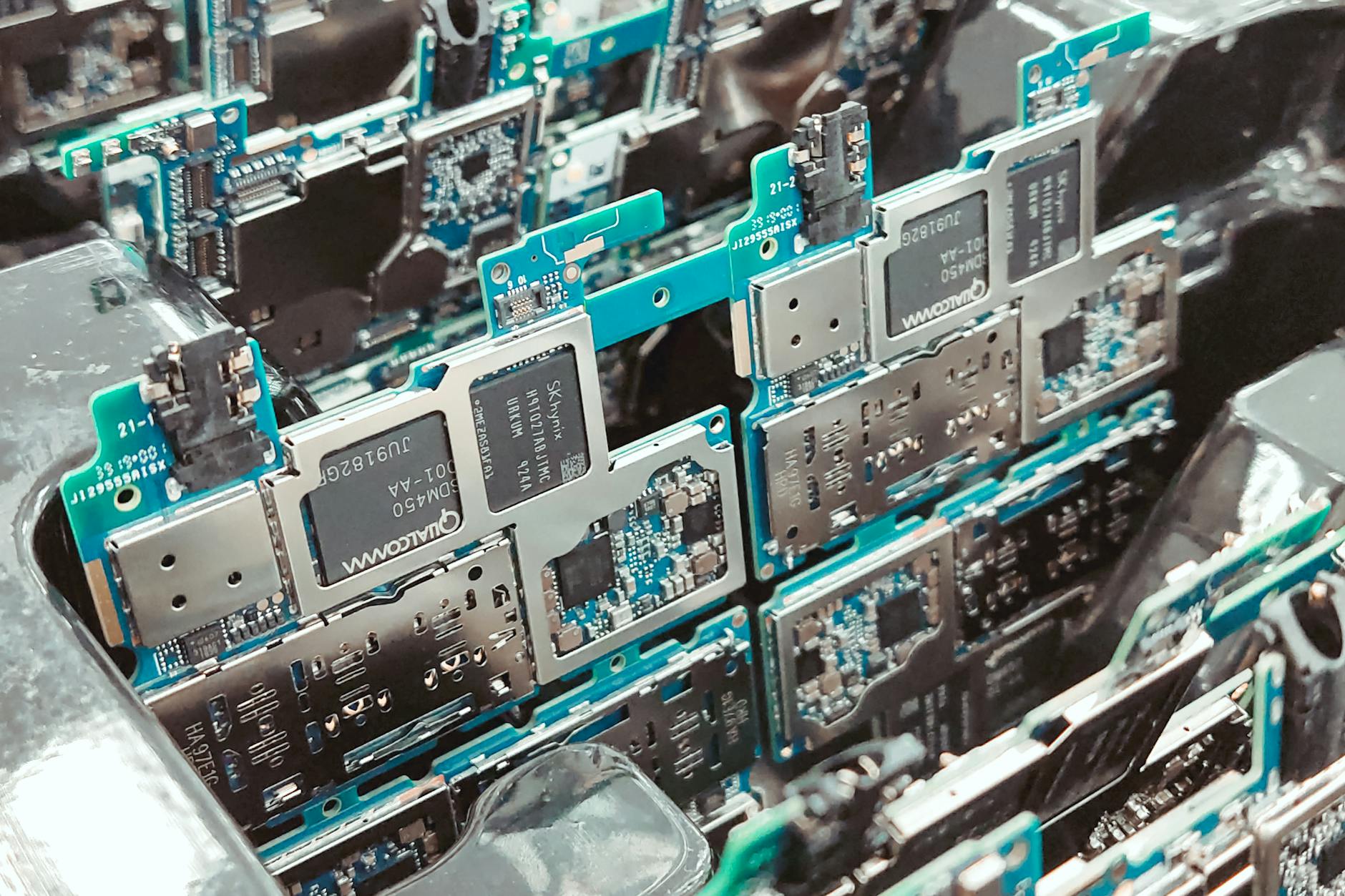
Qualcomm history started in 1985, and since than the company has been a transformative force in wireless communication, significantly contributing to mobile connectivity and semiconductor technology. The company pioneered CDMA technology, which revolutionized cellular networks by improving efficiency and capacity. Qualcomm’s innovations extended through 3G, 4G, and now 5G technologies, facilitating the rise of smartphones and mobile data services. The introduction of Snapdragon processors marked a leap in mobile performance. As Qualcomm leads in the Internet of Things (IoT) space, it faces challenges from competitors, yet its focus on research and development positions it as a crucial player in the…
-
How Google Started and Became a Global Tech Powerhouse

Google began in 1998 as a search engine by Larry Page and Sergey Brin, evolving into a dominant tech powerhouse with diverse products like Gmail and YouTube. It revolutionized search with an advanced algorithm and quickly attracted users and investors, leading to its 2004 IPO. Strategic acquisitions, such as Android and YouTube, boosted growth and revenue, especially through its AdWords advertising model. However, Google faces challenges like privacy concerns and increasing competition from emerging technologies and platforms. Despite these hurdles, its commitment to innovation and adaptability positions it well for continued success in the tech industry.
-
The remarkable History of OpenAI

OpenAI, founded in December 2015 to harness AI for humanity’s benefit, has evolved from a non-profit entity to a market leader in artificial intelligence, particularly known for its advancements in deep learning and natural language processing. Notable innovations include GPT models and DALL·E, which have transformed industries and sparked ethical debates regarding AI’s potential risks. OpenAI’s shift to a “capped-profit” model enabled significant funding and commercial applications, enhancing AI integration across sectors. Faced with ethical challenges and competition from industry giants, OpenAI’s future will hinge on balancing innovation with responsibility while addressing regulatory scrutiny.
-
How Samsung Became a Global Leader in Electronics

Samsung, founded in 1938 by Lee Byung-chul, started as a trading company in Korea and has since transformed into a leading global technology powerhouse. Initially diversifying into various industries, Samsung ventured into electronics in the late 1960s, establishing Samsung Electronics. The 1990s saw it become a premier brand in consumer electronics, successfully competing with giants like Sony. The 2000s marked Samsung’s rise in the smartphone market, particularly with the Galaxy series. Despite facing challenges such as legal disputes and product recalls, Samsung’s commitment to innovation and R&D ensures its ongoing impact on the global economy and technology landscape.
-
The history of iPhone: how the device Revolutionized Communication and Media

The iPhone, launched by Apple in 2007, transformed the smartphone industry by integrating innovative features such as a multitouch interface, seamless iOS, and a focus on user experience. It marked a shift from basic mobile phones to advanced communication devices, with significant advancements in hardware and software across subsequent models. The App Store fueled a thriving ecosystem for developers and users, enhancing personalization and convenience. The iPhone also revolutionized media consumption and communication styles while driving fierce competition in the market. Its integral role in Apple’s ecosystem ensures customer loyalty and sets the stage for future technological advancements, maintaining its…
-
How Apple Macintosh Redefined Personal Computing

The Apple Macintosh, introduced in 1984, revolutionized personal computing with its intuitive graphical user interface, challenging traditional text-based systems. Designed to be accessible and user-friendly, it underwent significant evolution amidst competition from IBM and Windows. Key innovations like MacPaint and the Finder transformed user interactions, while the Macintosh became synonymous with creativity, particularly in design industries. Despite challenges, the return of Steve Jobs in 1997 revitalized the brand, leading to the introduction of models like the iMac. The transition from Intel to Apple Silicon has further solidified the Mac’s legacy as a leader in innovation, shaping technology and culture.
-
The history of Blockchain Technology: From Bitcoin to Smart Contracts

Blockchain technology has evolved significantly since its inception as the foundation of Bitcoin, expanding its applications across various industries such as finance, supply chain, healthcare, and governance. At its core, blockchain acts as a decentralized and secure ledger, fostering transparency and trust. Innovations like Ethereum introduced smart contracts, enabling decentralized applications. While blockchain offers transformative potential, challenges such as scalability, energy consumption, and regulatory issues remain. The future promises growth in decentralized finance, enterprise solutions, and interoperability, positioning blockchain as a key player in the digital economy.
-
The History of Bitcoin: From a crazy idea to Global Currency

The history of Bitcoin started in 2008 by Satoshi Nakamoto, and has evolved from a decentralized digital currency intended to challenge traditional finance into a significant global economic force. Initially gaining traction during the 2008 financial crisis, its innovation—blockchain technology—enables secure and transparent transactions without reliance on centralized authorities. Bitcoin faced early skepticism but slowly transitioned into a recognized investment asset, achieving mainstream acceptance driven by its limited supply and appeal as “digital gold.” Regulatory scrutiny and environmental concerns have shaped its development, yet Bitcoin’s influence on global finance, its potential for financial inclusion, and ongoing technological innovations reaffirm its…
-
The history of Elon Musk: entrepreneur and innovator
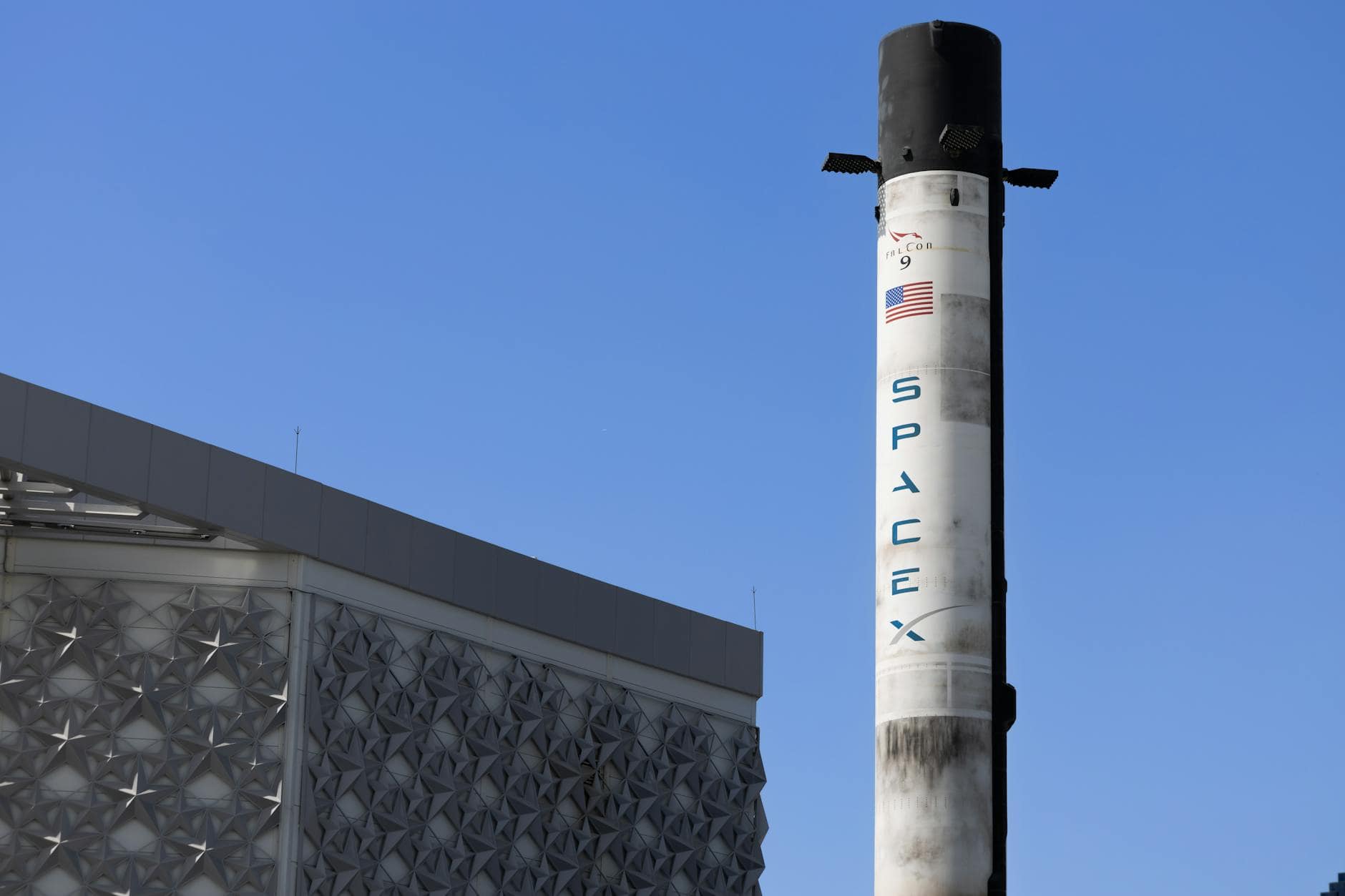
Elon Musk stands as one of the most polarizing and groundbreaking figures of our era. Known for his ambitious visions that often seem to leap straight out of science fiction, Musk’s achievements span a wide range of industries, from electric vehicles and space exploration to artificial intelligence and infrastructure. Born in Pretoria, South Africa, in 1971, Musk displayed a keen interest in technology from a young age, immersing himself in computer programming and later moving to North America to pursue his education and career goals. His journey is marked by bold choices, immense risks, and a relentless drive to shape…
-
The History of the Nuclear Bomb: how Manhattan Project changed the world

The invention of the nuclear bomb marked a transformative moment in history, reshaping World War II and global geopolitics. Its development stemmed from early nuclear physics discoveries, culminating in the Manhattan Project during World War II, which aimed to prevent Nazi Germany from building a bomb. The successful Trinity Test in 1945 demonstrated its destructive power, leading to the bombings of Hiroshima and Nagasaki, resulting in immense loss of life. This ushered in the Cold War and a nuclear arms race. The legacy of the nuclear bomb represents both scientific achievement and ethical dilemmas, highlighting the dual nature of human…