Tag: Sports

  • The Evolution of FIFA: A Journey Through Football’s Governing Body

    The Evolution of FIFA: A Journey Through Football’s Governing Body

    Introduction

    Founded in 1904, the Fédération Internationale de Football Association (FIFA) has been at the forefront of global football governance for over a century. Initially established as a response to the growing popularity of football across Europe, FIFA quickly evolved into the premier governing body responsible for organizing international competitions, including the World Cup. This article will explore the rich history of FIFA, from its modest beginnings through its tumultuous journey marked by both triumphs and scandals. By delving into FIFA’s development, the article aims to provide an in-depth understanding of how it has shaped the landscape of football and its impact on millions of fans worldwide. Each section will highlight key milestones, influential figures, and the socio-political context that influenced FIFA’s evolution, ultimately revealing the significance of this organization in the world of sports.

    The Founding of FIFA and Early Years (1904-1930)

    The inception of FIFA can be traced back to the desire for a unified governing body to handle the rapidly growing popularity of football in Europe. Before FIFA’s founding, each country managed its own football associations, leading to a patchwork of rules and regulations that varied significantly. In 1904, representatives from seven different football associations convened in Paris and formally established FIFA. The founding members included Belgium, France, the Netherlands, Spain, Sweden, Switzerland, and Denmark. The newly formed organization sought to create a cohesive set of rules – known as the Laws of the Game – to govern international matches and promote the sport’s growth.

    As the early years progressed, FIFA organized its first major international tournament, the Olympic Football Tournament, which took place in London in 1908. This marked a significant milestone as FIFA began to establish itself in the international sports arena. However, it wasn’t until 1930 that the first FIFA World Cup was conceptualized and executed, largely due to the persistent advocacy of FIFA President Jules Rimet. The tournament took place in Uruguay and was intended to showcase the sport to a wider audience while fostering international cooperation through football.

    Rimet’s vision was not merely about competition; it was about promoting the sport on a global scale. To achieve this, FIFA began working on solidifying membership, leading to significant expansion. By the time of the first World Cup, FIFA had grown to include 41 member associations, underlining its position as the leading authority in football governance. The success of the inaugural World Cup in 1930 solidified FIFA’s role not just as a governing body but as a significant player in the global sports landscape.

    The organization continuously faced challenges in the early years, particularly in unifying the rules governing football across diverse cultures and countries. Debates over aspects like player eligibility, match scheduling, and the transfer market began to emerge, setting the stage for ongoing dialogues that would evolve over the decades. As football grew in popularity, FIFA also navigated the complex landscape of international relations, especially during the tumultuous interwar years.

    By the time the second World Cup was held in Italy in 1934, FIFA had firmly entrenched itself as an essential entity within the sports world, driving the professionalization and commercial expansion of football. The fervor that surrounded international competitions began to take root, making football a central cultural phenomenon in many nations. The early years of FIFA laid the foundational ethos of sport as a global unifying force, emphasizing that football transcends borders and brings people together, a hallmark that continues to resonate in FIFA’s mission today.

    FIFA’s Global Expansion and World Cup Introduction (1930-1950)

    The period from 1930 to 1950 marked a transformative phase for FIFA, characterized by the institution of the World Cup and the establishment of football as a global spectacle. The inaugural tournament in 1930 was not just a milestone for FIFA; it was a bold experiment in establishing a global sports event. Hosted by Uruguay, the tournament featured 13 teams and showcased the nation’s football prowess, but it also highlighted challenges, such as international travel constraints and the participation of European teams.

    The success of the first World Cup stirred immense interest and saw the tournament grow in stature. The 1934 World Cup held in Italy was the first to feature a qualification process, which increased the competitive nature of the event and expanded its appeal. Italy emerged victorious, fueling national pride and harnessing football’s unique power to unite people. This period saw FIFA’s membership soar, as more countries recognized the benefits of being part of an international football governing body.

    Despite the disruption caused by the Second World War, during which no World Cup was held, FIFA maintained its vision. Wartime challenges and the subsequent geopolitical shifts necessitated adaptive strategies. In 1946, FIFA reconvened, reaffirming its commitment to the sport and facilitating the return of international football competitions. By the time the 1948 Olympics occurred, FIFA was instrumental in reestablishing international fixtures and tournaments, setting the stage for the next World Cup in Brazil in 1950.

    The tournament held in Brazil brought together 15 teams and was notable for its thrilling matches and unexpected results. Uruguay’s victory over Brazil in the decisive final match, known as the Maracanazo, became a legendary moment in football history. This dramatic encounter encapsulated not only the spirit of competition but also the profound societal impacts of football, particularly in Latin America, where football had begun to shape national identities.

    FIFA’s role in promoting football at this time extended beyond the football field. The organization began to engage with issues of professionalization, youth development, and women’s football, laying critical groundwork for future expansions in the 1960s and beyond. Throughout the late 1940s, FIFA also established new competitions and collaborations with continental confederations, which enabled a broader range of countries to participate in international tournaments.

    This period highlighted FIFA’s potential as a catalyst for bringing nations together, reflecting a deep-rooted desire for unity and collaboration through sports, overcoming the scars left by global conflicts. By evolving from local competitions to an integrated global tournament system, FIFA positioned football as not just a game but as a significant cultural movement—an embodiment of hope and resilience.

    The Post-War Era and Professionalization of Football (1950-1980)

    The post-war era was pivotal for FIFA as football experienced a surge in popularity and evolved into a professional sport. This phase, spanning from 1950 to 1980, saw the global landscape of the sport redefine itself through broader participation, increased commercial interests, and the establishment of professional leagues. The professionalization of football not only changed the dynamics of the game but also had lasting sociocultural implications worldwide.

    As nations rebuilt following the devastation of World War II, football emerged as a leading form of entertainment. The 1954 World Cup in Switzerland captured the imaginations of millions, further popularizing the sport globally. The tournament was characterized by dramatic encounters, particularly the “Miracle of Bern,” where West Germany defeated Hungary, a team that had been undefeated in their previous 34 matches. This match highlighted football’s capacity to unify and energize nations, fostering a spirit of competition and national identity in the post-war context.

    The 1960 European Championship marked another significant step in football’s evolution. FIFA began to understand the potential profitability of football, leading to increased investment in player development, marketing, and broadcasting rights. This trend accelerated with the introduction of television, which transformed how fans engaged with football, allowing millions to watch matches live, thereby broadening the sport’s audience and commercial appeal.

    During this period, the establishment of league systems and professional clubs began to flourish across Europe and beyond. Football associations in various countries recognized the need to establish clear structures and governance frameworks, leading to the formation of professional leagues. The English Football League, Serie A in Italy, and La Liga in Spain further solidified the notion of football as a lucrative profession, attracting talent from around the globe.

    FIFA also took proactive steps to enhance competition standards. The introduction of additional international tournaments, such as the Intercontinental Cup and the FIFA Confederations Cup, provided platforms for top clubs and national teams to compete on a global stage, raising the overall quality of the sport. FIFA instituted more rigorous regulations concerning player transfers and eligibility, promoting fairness and integrity in competitions.

    By the late 1970s, women’s football began gaining momentum, partly due to FIFA’s recognition of the sport’s potential for growth. The inaugural FIFA Women’s World Cup in 1991 served as a precursor for greater representation of women in football and equality in sporting opportunities. These developments indicated a broader shift towards inclusivity within FIFA’s governance and showcased the organization’s evolving understanding of global football dynamics.

    FIFA’s ability to adapt to new challenges during this transformative period set the stage for future growth and professionalism in football. The global landscape of football was now marked by commercial partnerships, sponsorships, and marketing deals, significantly enhancing FIFA’s stature and enabling the organization to invest in various programs and initiatives that would benefit the sport in the long run. The post-war era solidified FIFA’s role as not just a governing body but as an orchestrator of football’s evolution into a mainstream cultural phenomenon.

    Modernization and Controversies in FIFA (1980-2010)

    The timeframe from 1980 to 2010 was a period of modernization for FIFA, punctuated by significant achievements and deep-rooted controversies. As football soared in popularity, FIFA faced mounting pressure to innovate and adapt to the globalized world while simultaneously navigating through crises that threatened its integrity and reputation.

    The 1982 World Cup in Spain marked a turning point, showcasing the tournament’s evolution into a spectacle that captivated audiences worldwide. This World Cup was notable for its expanded format, featuring 24 teams and an increased number of matches. The emergence of star players and high-profile sponsorships began to attract global attention, transforming the World Cup into one of the most-watched sporting events in history.

    Despite this success, FIFA grappled with criticisms regarding match-fixing allegations and corruption. The scandal surrounding the 1982 tournament brought to light the need for transparency in FIFA’s operations. As response measures were taken, FIFA expanded its regulatory framework and initiated discussions around fair play and ethical practices. This initiated a prolonged dialogue about governance reform within FIFA, culminating in the establishment of various committees to address issues of integrity and accountability.

    The 1990s ushered in a wave of technological advancements that transformed the game, with FIFA embracing innovation as crucial to enhancing the fan experience. The introduction of VAR (Video Assistant Referee) technology and goal-line technology in subsequent decades were significant milestones that showcased FIFA’s commitment to fair play and accuracy in officiating.

    However, this modernization was not without growing pains. The latter part of the decade was marred by high-profile scandals, including allegations of bribery and corruption involving senior FIFA officials. The abuses of power called into question FIFA’s governance and led to global outrage from fans, players, and member associations. The 2006 FIFA World Cup was overshadowed by these issues, as former president Sepp Blatter faced increasing scrutiny over FIFA’s handling of allegations.

    The situation escalated in 2015 when several FIFA officials were indicted on corruption charges, leading to the resignation of Blatter. This marked a significant turning point in FIFA’s history, as it forced a complete reevaluation of the organization’s practices. New leadership promised reform and pledged to restore integrity, but the shadow of corruption continued to loom.

    The FIFA Women’s World Cup gained traction during this period, championing gender equality in sports. The 1995 Women’s World Cup in Sweden laid groundwork for greater support for women’s football, resulting in increased visibility, sponsorship, and involvement within FIFA’s organizational framework. This period underscored a critical shift towards inclusivity, as FIFA recognized the necessity of addressing gender disparities and fostering women’s football on a global scale.

    In acknowledging its complex history, FIFA emerged from these challenges with a renewed commitment to transparency, inclusivity, and ethical governance. The difficulties faced during this transformative era provided essential lessons that would serve as guiding principles for FIFA in the years to come. Modernization and controversy became intertwined, propelling FIFA to implement internal reforms while striving to regain the trust of fans, players, and nations.

    FIFA Today: Technological Advances and Future Challenges (2010-Present)

    In the contemporary era, FIFA stands at the crossroads of tradition and innovation. The period from 2010 to the present has been marked by significant advances in technology, evolving fan expectations, and the persistent challenges of maintaining integrity and inclusion within the sport.

    The 2010 World Cup held in South Africa was a historic event, as it was the first time the tournament took place on the African continent. This represented a significant milestone for FIFA, highlighting the organization’s commitment to globalizing football. The event showcased the rich culture and passion for football in Africa, as millions tuned in to witness the tournament. Technological advancements played a crucial role in enhancing the viewing experience, with high-definition broadcasts and improved coverage reaching audiences worldwide.

    The introduction of VAR in recent years has sparked debates regarding its impact on the fluidity of the game. This technology allows for video replays to assist referees in crucial decisions, aiming to reduce errors and increase fairness. While many praise the decision-making accuracy, detractors argue that VAR disrupts the natural flow of matches and alters the fan experience. FIFA continues to assess feedback on VAR, illustrating the challenges of embracing technology within an age-old sport.

    Expanding upon efforts to foster inclusivity, FIFA has actively pursued initiatives aimed at growing women’s football. The FIFA Women’s World Cup has seen exponential growth in popularity, as increased investment and promotion have attracted wider audiences. The 2019 tournament in France was viewed by over one billion people, reflecting the growing recognition of women’s contributions to the sport. FIFA’s initiatives, such as the “Women’s Football Strategy,” aim to promote women’s participation from grassroots to professional levels, striving for equal representation in football.

    Despite these advances, FIFA faces ongoing challenges concerning governance and accountability. The organization continues to address issues of corruption by establishing more robust frameworks for compliance and ethics. The rigorous scrutiny over FIFA’s leadership and decision-making processes underlines the need for continued vigilance to protect the integrity of football.

    Environmental sustainability and social responsibility have also taken center stage, as FIFA recognizes its role in addressing global issues. Initiatives encouraging sustainable practices during tournaments highlight the organization’s commitment to minimizing its ecological footprint. These efforts stand as a testament to FIFA’s evolution beyond just governing football towards fostering responsible stewardship of the game.

    Looking to the future, FIFA faces the ongoing challenge of adapting to an ever-changing landscape influenced by globalization, digitalization, and societal shifts. As football continues to resonate across cultural divides, FIFA is tasked with ensuring that the sport embodies its core values of fairness and integrity. By uniting diverse narratives and fostering positive change, FIFA can continue to uphold its legacy while navigating the complexities of modern sports governance.

    Conclusion

    The history of FIFA paints a vivid picture of the complexities that accompany the growth of a global sports organization. From its establishment in 1904 to the challenges of the 21st century, FIFA has evolved into a pivotal entity within the landscape of football. The organization’s efforts to promote inclusivity, embrace technology, and confront issues of integrity highlight its ongoing commitment to the sport.

    FIFA’s journey reflects the transformative nature of football, from uniting nations to confronting controversies. As the organization moves forward, the lessons learned from its past will shape its strategies to enhance the game’s integrity and inclusiveness. The legacy of FIFA serves as an emblem of how sport can transcend boundaries and remain a powerful force for unity worldwide. Continued advancements and a steadfast commitment to ethical governance will be essential as FIFA navigates the intricacies of the modern sporting environment. By fostering a global community through football, FIFA has the potential to inspire future generations, proving that the beautiful game can indeed change lives and unite the world.

    Sources Consulted

  • The History of the Football World Cup

    The History of the Football World Cup

    Introduction

    The Football World Cup, arguably the most prestigious tournament in the realm of sports, brings together nations in a celebration of athletic prowess, international camaraderie, and rich cultural exchange. Since its inception in 1930, the tournament has grown in both size and significance, evolving from a modest event into a global phenomenon watched by billions. As we delve into the history of the Football World Cup, we will explore its origins, the evolution of its structure and format, the unforgettable matches that have left an indelible mark on the hearts of fans, the technological advancements shaping the game, and the tournament’s role in contemporary society. This journey through time highlights the Football World Cup’s importance not just as a sporting event, but also as a cultural touchstone that unites diverse nations and peoples.

    Origins of the Football World Cup

    The story of the Football World Cup begins in the early 20th century, a period marked by the burgeoning popularity of football across Europe and South America. While football had been played in various forms since the 19th century, the establishment of standardized rules in 1863, known as association football, set the stage for organized competition. By the late 1800s and early 1900s, football associations were forming across the globe, and national competitions were seizing the imagination of fans.

    In 1904, the Fédération Internationale de Football Association (FIFA) was founded in Paris, primarily to oversee international competition among national associations. However, it wasn’t until the 1920s that the idea of a World Cup tournament began to take shape. The Olympics had been hosting football as a demonstration sport, but FIFA sought a standalone event to showcase the sport on an international stage.

    The inaugural Football World Cup was proposed by FIFA president Jules Rimet, who envisioned a tournament that would bring together nations to compete for the title of world champion. In 1928, during the FIFA Congress in Amsterdam, the proposal was unanimously approved. Uruguay was chosen to host the first tournament in 1930, not only because of its burgeoning football culture but also in celebration of its centenary of independence.

    The 1930 World Cup was a true reflection of the era’s spirit, with 13 teams participating—seven from South America, four from Europe, and two from North America. The tournament format was straightforward, featuring a group stage followed by knockout rounds. Uruguay emerged triumphant, defeating Argentina 4-2 in the final held in Montevideo, thereby becoming the first-ever World Cup champions. The success of this inaugural event set the foundation for future tournaments, igniting a passion for the game worldwide.

    Evolution of the Tournament Structure

    As the Football World Cup grew in popularity, its structure underwent several transformations to accommodate a growing number of nations and the evolving dynamics of international football. From the beginning with just 13 teams, the tournament gradually expanded, reflecting global interest in the beautiful game.

    By the 1934 World Cup in Italy, the number of participating nations had increased to 16, achieved through a qualification process that saw teams vying for limited spots. This change marked a significant shift as nations had to compete in preliminary rounds, elevating the stature and competition level of the tournament. These preliminary rounds would become a staple in World Cup cycles, enhancing the interest and investment in national teams.

    The 1938 World Cup in France would be the last before World War II caused the cancellation of the next two tournaments. Following the war, the 1950 World Cup in Brazil not only resumed the competition but also introduced a new round-robin format for the final stage, creating dramatic encounters in which teams would face multiple opponents, raising the stakes for every match.

    As football’s popularity soared across continents, so did the number of teams participating. The 1966 World Cup in England marked the first tournament with 16 teams squared off in a knockout format, blending the best of both worlds—the round-robin and knockout stages. The emergence of African and Asian teams in the 1970 tournament represented a monumental step in inclusivity and global belief in the sport.

    By the 1998 World Cup held in France, FIFA expanded the tournament to 32 teams, a number that remained for subsequent tournaments until the recent decision to increase participation to 48 teams starting from the 2026 World Cup in United States. This evolution of the tournament structure reflects a commitment to globalization, embracing nations from all corners of the world, allowing new talents to shine and engage audiences.

    Memorable Moments and Iconic Matches

    The Football World Cup has delivered unforgettable moments that have imprinted themselves in the collective memory of sports fans across generations. Each tournament is a treasure trove of drama, skill, and unexpected twists—turning players into legends and moments into history.

    One of the most iconic matches in World Cup history occurred during the 1970 tournament in Mexico, where Brazil faced Italy in the final. The match is often celebrated as one of the greatest displays of team football, with Brazil’s attacking flair showcased through fabulous goals, including the legendary Pelé’s header that opened the scoring. Brazil would go on to win 4-1, marking their third World Cup title and solidifying their status as a dominant force in international football.

    The 1982 World Cup is remembered for a particular match that encapsulates the beauty of the game—the quarter-final clash between Italy and Brazil. The encounter, described by many as a match for the ages, saw Italy triumph 3-2, eliminating the favorites. The match featured sensational play from Paolo Rossi, who scored a hat-trick, leading the Italians to an eventual World Cup victory.

    Fast forward to the 1998 World Cup in France, where the final presented a showdown between France and Brazil. The hosts, under immense pressure, delivered an extraordinary performance, winning 3-0. Zinedine Zidane’s two headers from corner kicks catapulted France into the footballing elite and is frequently cited as a hallmark of World Cup prestige.

    The tournament continues to draw fans in with new stories. The 2014 World Cup featured Germany’s unforgettable 7-1 victory over Brazil in the semi-finals, a match that left the footballing world in shock. These moments emphasize not only the skill and passion of the teams but also reflect the rich tapestry of emotions that the World Cup induces—a blend of joy, heartbreak, and national pride.

    The Impact of Technology on the World Cup

    In recent years, technology has played an increasingly pivotal role in shaping the Football World Cup. These advancements have not only transformed the way the game is played but also how it’s officiated, experienced, and analyzed by fans around the world.

    The introduction of Video Assistant Referee (VAR) technology at the 2018 World Cup in Russia marked a watershed moment in officiating, allowing referees to consult video footage for critical decisions. This controversial yet groundbreaking amendment aimed to reduce errors and ensure fair play. The implementation of VAR generated mixed reactions from fans, with some praising its accuracy, while others criticized the interruptions it caused to the flow of matches. The debate surrounding VAR continues to shape discussions about the future of officiating in football.

    Beyond officiating, technology has also enhanced how fans engage with the tournament. The advent of social media platforms, live streams, and mobile applications has altered the fan experience, enabling supporters to connect with the tournament in real-time. FIFA’s investment in digital engagement has seen an explosion of fan interaction, allowing people to share moments, analyses, and opinions globally.

    Moreover, advancements in broadcasting technology have revolutionized how matches are viewed, with high-definition displays, instant replays, and multiple camera angles providing an immersive experience unlike any previous era. Broadcasters use sophisticated algorithms to analyze player performances, providing viewers with new layers of insight into the games.

    In addition to immediate gameplay enhancements, data analytics has become a cornerstone of modern football strategy. Coaches and analysts utilize data to track player movements, assess performance metrics, and devise strategies that enhance team performance. This analytical approach has become vital in understanding opponents, optimizing training, and improving overall game play.

    The Football World Cup in Contemporary Society

    The Football World Cup’s relevance extends well beyond the pitch; it plays a vital role in contemporary society, influencing cultural exchanges, socio-economic dynamics, and global interactions. The event presents an opportunity for nations to showcase their cultural identities on an international stage, fostering pride among communities.

    For many nations, the World Cup serves as a platform for social change and political dialogue. The tournament has seen moments where football transcended beyond sport, igniting discussions about race, identity, and unity. Events like the 1998 France World Cup, with its multicultural team, became emblematic of societal change and identity, promoting narratives of inclusivity.

    Additionally, the economic impact of hosting a World Cup is profound, spurring tourism, job creation, and infrastructure development. Host countries experience an influx of visitors, creating a temporary boom in the economy, generating revenue for small businesses, and fostering international investments.

    Yet, the World Cup also raises important questions regarding the ethics behind mega sporting events. There have been concerns about labor practices in the construction of stadiums, gentrification, and the displacement of communities in preparation for the tournament. These issues spotlight the need for a balanced approach that weighs economic gains against social responsibility.

    Furthermore, the ongoing global push for sustainability is reshaping how the Football World Cup is organized. FIFA has begun to integrate environmental considerations into its planning, advocating for eco-friendly practices and striving for a minimal ecological footprint as the tournament evolves.

    Conclusion

    The history of the Football World Cup is a rich tapestry woven with remarkable stories, unforgettable moments, and profound cultural significance. From its humble beginnings to its current status as a global juggernaut, the tournament has continually evolved, reflecting broader societal changes and human experiences. Each four-year cycle not only showcases the pinnacle of athletic achievement but also serves as a reminder of football’s unique ability to unite people across the globe. As we look forward to future tournaments, the legacy of the Football World Cup continues to inspire passions, ignite dreams, and foster connections among fans from all walks of life.

    Sources Consulted

  • The History of the Olympic Games

    The History of the Olympic Games

    Introduction

    The Olympic Games, one of the most celebrated sporting events in the world, hold a rich history that dates back to ancient Greece. These games were originally a religious festival honoring Zeus and featured a variety of athletic competitions among city-states. Over time, the Olympics transcended their localized roots to become a symbol of international unity and sportsmanship. The modern revival of the Olympic Games in the late 19th century brought with it new ideals and challenges, reflecting changes in society, politics, and culture. This article delves into the comprehensive history of the Olympic Games, tracing their evolution and significance through the ages, and exploring the controversies that have emerged in recent years.

    The Origins of the Olympic Games

    The origins of the Olympic Games can be traced back to ancient Greece, around 776 BC, in the city-state of Olympia. Initially, the games were part of a religious festival dedicated to Zeus, the king of the gods. The ancient Olympics were characterized by a deep connection between sport and religion, as athletes would compete not only for glory but also to please the gods. The games were held every four years, and this period became known as an Olympiad, which later became a method of timekeeping in ancient Greece.

    Athletes would perform in a variety of events, including running, wrestling, and the pentathlon, which comprised five disciplines: running, long jump, discus throw, javelin throw, and wrestling. The ancient Greeks valued physical fitness, and these competitions reflect their appreciation for the human form and athletic prowess. Notable champions were celebrated, and victors were honored with olive wreaths, further solidifying the games’ significance in Greek culture.

    As the popularity of the Olympics grew, they began to attract competitors from different city-states, fostering a sense of unity among the often-fractious Greek regions. The games served as a truce during periods of conflict, allowing people to come together for competition and celebration, which underpins the Olympic spirit we recognize today. This unifying aspect of the games played a vital role in the development of Greek identity.

    However, the ancient Olympic Games were not without challenges. They faced periods of decline, notably during the Roman Empire when the emphasis on gladiatorial combat and other spectacles overshadowed athletic competition. The last recorded ancient Olympic Games took place in AD 393, when they were banned by the Roman Emperor Theodosius I as part of his efforts to promote Christianity and eliminate pagan practices.

    Despite this abrupt end, the ideals and legacy of the Olympic Games lived on, influencing later sports and cultural events in Europe and beyond. The fascination with ancient Greece, particularly during the Renaissance, reignited interest in the games and their underlying principles of competition and goodwill. This laid the groundwork for a revival of the Olympic Games in the modern era, which would eventually lead to the establishment of the International Olympic Committee (IOC) in 1894.

    The Evolution of the Games Through History

    The evolution of the Olympic Games from their ancient origins to the modern era is a fascinating journey marked by cultural shifts, societal changes, and global events. After the revival of the Olympics in 1896, the first modern Games were held in Athens, Greece, striving to recapture the spirit of the ancient competitions. Hosted by countries across Europe and the United States, the modern Olympics introduced new sports, such as basketball and swimming, and emphasized inclusivity.

    The early 20th century saw significant advancements in the organization of the Games. In 1900, women were allowed to compete for the first time, marking a vital step towards gender equality in sports. This inclusivity continued to expand, with more countries and athletes participating, reflecting global changes and the promotion of internationalism.

    As the Olympic Games grew in stature, they also became entangled in the politics of the time. The 1936 Berlin Olympics, for example, were used by Adolf Hitler as a propaganda tool to showcase Nazi Germany. Despite the underlying political tensions, these Games highlighted the spirit of competition and unity, exemplified by the achievements of African American athlete Jesse Owens.

    World War II brought about the cancellation of the 1940 and 1944 Olympics, but the Games resumed in 1948 in London. The post-war era prompted a surge of nationalism and pride, with countries using the Olympics to assert their place on the global stage. The Cold War further intensified the political dimensions of the Games, turning sporting events into platforms for ideological conflicts.

    Over the decades, the Olympics continued evolving, incorporating advancements in technology, media coverage, and changing societal norms. Each iteration of the Games reflects the historical context of its time, showcasing how sports can unite people across boundaries while also highlighting the ongoing struggles for equality, representation, and peace.

    The Modern Olympic Movement

    The modern Olympic movement, spearheaded by figures like Pierre de Coubertin, is rooted in the belief that sports can promote human excellence and foster international cooperation. The establishment of the International Olympic Committee (IOC) in 1894 laid the foundation for the organization and management of the Games. Coubertin’s vision emphasized the importance of education and athleticism, aiming to inspire future generations.

    Initially, the Games were relatively small-scale events, but they gradually expanded in size and complexity. The introduction of the Olympic Charter in 1908 delineated the rules and regulations governing the Games, further professionalizing the movement. The Olympics became a focal point for international diplomacy and cultural exchange, with athletes transcending national boundaries to compete.

    Over time, the modern Olympics introduced more sports, reflecting changing interests and societal values. The inclusion of winter sports in the 1924 Chamonix Games expanded the reach and appeal of the Olympics, while the 1960 Rome Olympics marked the first televised Games, revolutionizing how audiences engaged with the event.

    However, the Olympic movement is not without its challenges. Doping scandals, controversies over amateurism, and boycotts have surfaced throughout history, raising questions about the integrity of the Games. Critics argue that commercialization and the pressure for athletes to perform at elite levels have compromised the original ideals of the Olympics.

    In response to these challenges, the IOC has implemented reforms and initiatives aimed at promoting fair play, sustainability, and inclusivity. The addition of new sports such as skateboarding and surfing demonstrates a commitment to evolving the Games and appealing to younger audiences. The modern Olympic movement thus continues to adapt, reflecting the dynamic interplay between sports, society, and culture.

    olympic games
    The Olympic Games, one of the most celebrated sporting events in the world, hold a rich history that dates back to ancient Greece. Photo by Frans van Heerden on Pexels.com

    Cultural Impact of the Olympic Games

    The cultural impact of the Olympic Games extends far beyond the realm of athletics. They serve as a powerful platform for fostering national pride, unity, and cultural exchange among participating countries. The Olympics not only showcase the athletic prowess of individuals but also highlight the unique cultural heritage of each nation represented.

    Opening ceremonies, often grand spectacles, provide a rich tapestry of cultural displays, with rituals, music, and traditional attire that offer insights into the participating nations’ identities. These ceremonies are a celebration of diversity, promoting understanding and respect among different cultures.

    Furthermore, the Olympics influence art, literature, and media, inspiring countless works that reflect the themes of competition, excellence, and the human spirit. Artists, filmmakers, and writers often draw on the imagery and narratives associated with the Games to explore broader themes of struggle, triumph, and the pursuit of dreams.

    Moreover, the accessibility of the Olympics through modern media has transformed the way audiences engage with sports. The global reach of the Games allows for a shared experience among viewers from diverse backgrounds, fostering a sense of community and shared aspirations. Social media platforms have also facilitated discussions around the Olympics, allowing for real-time engagement and the dissemination of information.

    However, the cultural impact of the Olympics has also faced criticism. The commercialization of the Games raises concerns about the dilution of cultural values and the prioritization of profit over tradition. Additionally, the representation of athletes from marginalized communities is an ongoing issue, prompting calls for greater visibility and recognition.

    In light of these challenges, it is essential to find a balance that honors the cultural significance of the Olympic Games while embracing innovation and inclusivity. The Olympics can serve as a catalyst for positive cultural exchange, promoting understanding and solidarity in an increasingly fragmented world.

    Controversies and Challenges Faced by the Olympics

    The Olympic Games, while celebrated for their ideals of international camaraderie and athleticism, have not been without controversies and challenges throughout their history. These issues often reflect broader societal and political dynamics, underscoring the complexities of hosting such a monumental event.

    One significant concern is the issue of doping and the integrity of competition. High-profile scandals involving performance-enhancing drugs have raised questions about the fairness of the Games. Efforts to combat doping through stringent testing protocols and regulations are ongoing, but the effectiveness and ethical implications of these measures continue to spark debate.

    Additionally, political controversies have marred various Olympic Games. The 1980 and 1984 Olympic boycotts, born out of geopolitical tensions, highlighted how sports can become entangled in global politics. Athletes who were eager to represent their countries were often caught in the crossfire, leading to disappointment and resentment on both sides.

    The financial burden of hosting the Olympics poses another challenge. Cities invest billions in infrastructure, security, and facilities, often leading to public debt and discontent among local populations. Critics argue that these resources could be better allocated to social services rather than extravagant sporting events, raising ethical questions about the priorities of governments.

    Moreover, issues related to human rights and treatment of marginalized communities have garnered attention. The construction of Olympic venues has sometimes resulted in the displacement of residents, sparking protests and activism. The 2022 Beijing Olympics, in particular, faced scrutiny over human rights abuses, shedding light on the ethical implications of holding the Games in countries with questionable records.

    In response to these challenges, the IOC has implemented reforms aimed at enhancing transparency, ensuring sustainability, and promoting inclusivity. Nevertheless, the future of the Olympics remains uncertain, as the events must navigate the balance between tradition, commercial interests, and social responsibility.

    Conclusion

    The history of the Olympic Games is a rich tapestry woven from threads of ancient tradition, modern innovation, and cultural exchange. From their origins in ancient Greece to the global spectacle they have become today, the Games embody the spirit of competition and unity while reflecting the complex socio-political landscape of each era.

    The Olympic Games have continuously evolved, overcoming challenges and embracing new ideals that promote inclusivity and equality. As society changes, so too must the Games adapt to remain relevant and meaningful to audiences around the world. In this ongoing journey, the Olympics serve as a powerful reminder of the enduring human spirit, uniting people through a shared passion for sports and the pursuit of excellence.

    As we look to the future, it is crucial for the Olympic movement to address the controversies and challenges faced over the years while remaining true to its core values. The legacy of the Olympics must not only be one of athletic achievement but also of fostering peace, understanding, and respect among nations, echoing the original spirit in which the Games were founded.

    Sources

  • Formula 1 History: From 1950 Silverstone Debut to Global Motorsport Phenomenon
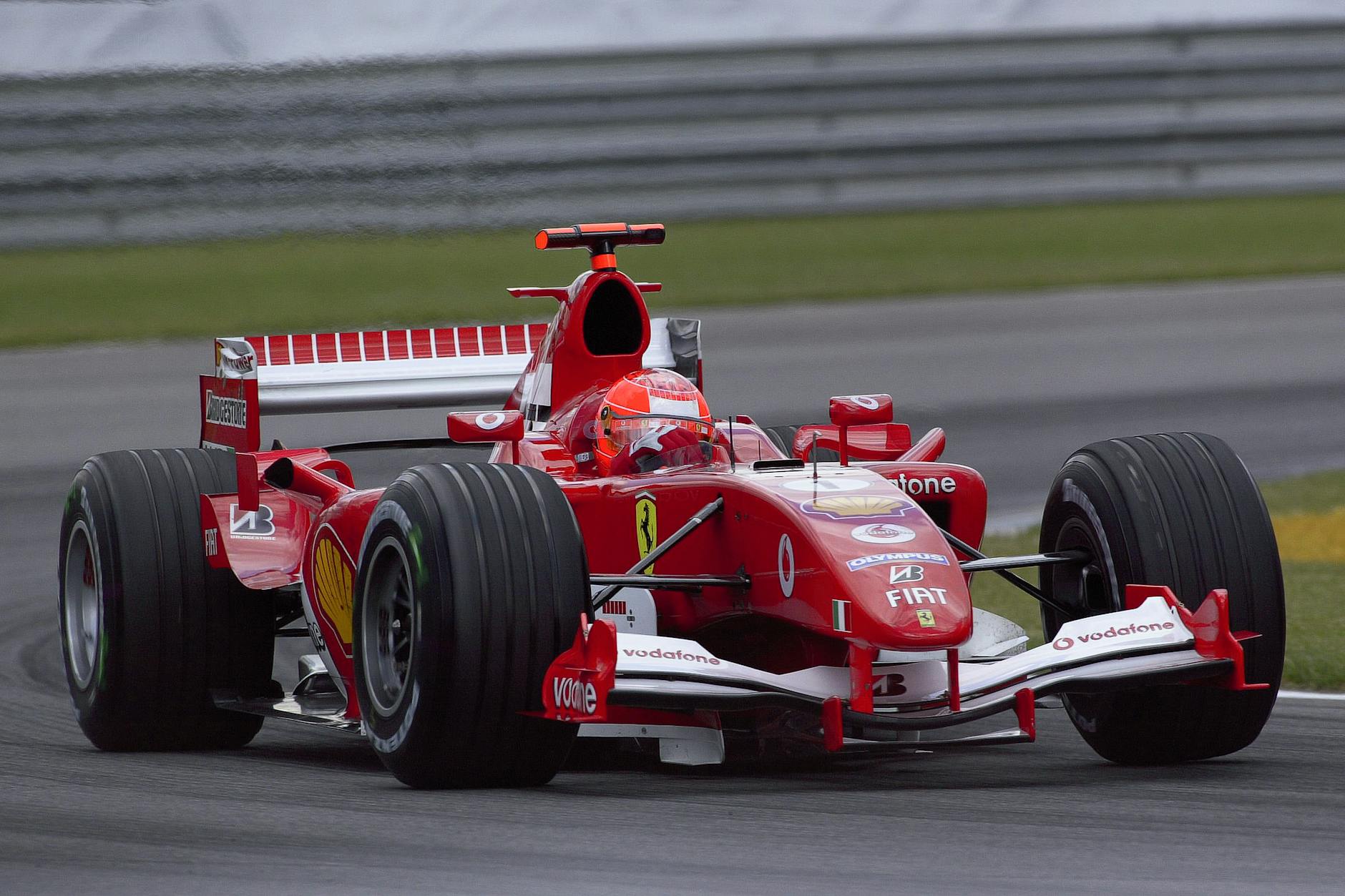
    Formula 1 History: From 1950 Silverstone Debut to Global Motorsport Phenomenon

    Introduction

    Formula 1, often regarded as the pinnacle of motorsport, is a legacy that has transformed throughout its remarkable history. Since the inaugural World Championship race in 1950, Formula 1 has woven a tapestry of speed, technology, and intense rivalries. From the iconic tracks of Monaco to the modern, high-tech circuits like Abu Dhabi, the sport encapsulates the essence of engineering excellence and human resilience. The allure of the sport is not just in the races but also in the legendary drivers who have left their mark on the asphalt. This article will explore the evolution of Formula 1, delve into its most iconic moments, and examine the future of the sport as it strives to maintain its relevance in a rapidly changing world.

    The Birth of Formula 1 (1950-1960)

    The history of Formula 1 officially begins in 1950, with the establishment of the World Championship for Drivers. This was the culmination of years of racing competitions that had taken place since the early 20th century. The inaugural race was held at Silverstone in the UK, consisting of a mix of British, Italian, and French competitors. The race was won by Giuseppe Farina driving an Alfa Romeo, marking the beginning of what would become an intense battle for supremacy on the race circuit.

    In these formative years, the regulations were relatively relaxed compared to today’s stringent standards. The cars were not only sophisticated pieces of engineering but also reflected the personality of the constructors themselves—each team had unique designs and technologies. Alfa Romeo emerged as the dominant force in the early seasons, but soon other manufacturers such as Ferrari and Maserati began to challenge their supremacy.

    The 1950s also saw the emergence of some legendary drivers, none more so than Juan Manuel Fangio. The Argentine’s remarkable skill behind the wheel would earn him five World Championships between 1951 and 1957, a record that stood for decades. Fangio’s ability to navigate the tight turns of the circuits, coupled with his incredible reflexes, made him a formidable force and an enduring symbol of excellence in the sport.

    The technology of the time was primitive by today’s standards, yet it set the groundwork for rapid advancements. The early Formula 1 cars were characterized by their lightweight frames and powerful engines, generally featuring 1.5-liter supercharged engines. This allowed for exhilarating speeds that captivated audiences and fueled a growing fanbase.

    As the 1950s progressed, the rivalry between Alfa Romeo and Ferrari intensified, leading to thrilling races filled with drama and passion. Each race was not only a test of speed but also of strategy, with teams having to make quick decisions regarding pit stops and tire selections. This combination of speed and tactical prowess laid the foundation for what Formula 1 would come to be known for in later years.

    Tragically, this era was not without its dark moments. The danger inherent in motorsport was ever-present, leading to several accidents and fatalities. The death of drivers, such as the young and talented British driver Peter Collins in 1958, highlighted the need for improved safety measures—a need that would become increasingly pressing in the years to come.

    The 1950s thus served as the crucible for Formula 1, establishing the framework that would evolve into the high-octane spectacle seen today. As the decade closed, the stage was set for the golden era of racing that would unfold in the subsequent decades, characterized by technological advancements, fierce rivalries, and an evolving relationship with safety and regulations.

    The Golden Era of Racing (1960-1980)

    The transition from the 1950s into the 1960s marked a significant turning point in Formula 1. This period, often referred to as the “Golden Era,” was a time where innovation, speed, and theatrical rivalries blossomed. As technology advanced, racing cars underwent radical transformations that significantly increased their performance on the track.

    One of the critical changes was the introduction of rear-engine designs, which began to dominate the grid. Teams like Lotus, led by the legendary Colin Chapman, pioneered innovations that would set new standards for aerodynamics and chassis configurations. The Lotus 25, for example, was the first car to use a monocoque chassis, which offered a considerable reduction in weight and improved stability—wielding a powerful advantage on the racetrack.

    During this era, iconic drivers began etching their names into the annals of history. In particular, the competition between Jim Clark, Graham Hill, and Jackie Stewart created a fervor among racing fans. Jim Clark, driving for Lotus, was known for his smooth driving style and unparalleled ability to control a car at high speeds. His dominance in the mid-1960s, combined with tragic accidents, highlighted the fine line between genius and danger in motorsport.

    The 1970s saw the rise of another legend, Niki Lauda, whose fierce rivalry with James Hunt captured public imagination and was later immortalized in the film “Rush.” Lauda’s methodical approach and Hunt’s flamboyant style created a narrative that exemplified the diverse personalities within the sport. Their rivalry reached a crescendo at the 1976 season, wherein Lauda suffered a near-fatal accident at the Nürburgring, only to return to racing just weeks later to compete for the championship.

    The advances in safety began to take precedence during the 1970s, although at a cost. The deaths of several drivers brought attention to the need for more stringent safety measures and regulations. The 1978 death of the talented piloto, Ronnie Peterson, during a crash at Monza served as a wake-up call for the racing community. This tragedy prompted teams and governing bodies to reevaluate safety protocols, ultimately leading to significant changes in car design and event management.

    Furthermore, the introduction of sponsorship deals transformed the financial structure of Formula 1. Major brands began to realize the marketing potential of the sport, associating their names with high-speed adrenaline and glamour. This fusion of sport and business laid the groundwork for the commercial juggernaut that Formula 1 would become in the coming decades.

    The Golden Era of Racing was characterized not only by technological advancements and legendary rivalries but also by the fervent emergence of a global fanbase. As television coverage expanded, fans from around the world could witness the excitement and passion that Formula 1 races offered. The atmosphere of grand prix events transcended mere sport, evolving into a cultural phenomenon that attracted millions and established Formula 1 as a premier global entertainment experience.

    In conclusion, from the introduction of revolutionary engineering to the unforgettable rivalries that captivated audiences, the Golden Era of Formula 1 shaped the sport profoundly. It forged legends and began a narrative of speed, rivalry, and relentless pursuit of excellence—a legacy that resonates in the modern-day Formula 1 landscape.

    The Rise of Safety Regulations (1980-2000)

    As Formula 1 progressed into the 1980s, the need for improved safety regulations became increasingly urgent. The sport’s inherent dangers were glaringly evident, with a series of tragic accidents resulting in significant driver casualties and raising concerns among fans, teams, and governing bodies alike.

    In this period, the deaths of high-profile drivers like Ayrton Senna and Roland Ratzenberger in 1994 during the San Marino Grand Prix marked one of the darkest chapters in Formula 1’s history. Senna, widely regarded as one of the greatest drivers of all time, died in a crash that shocked the world and initiated an outcry for change. The events of that fateful weekend prompted a re-evaluation of safety protocols in every facet of Formula 1—from car design to track configurations.

    In response to these tragedies, a renewed focus on safety began to manifest across the sport. The FIA (Fédération Internationale de l’Automobile) commissioned comprehensive investigations into the accidents and implemented a series of significant regulatory changes aimed at enhancing driver safety. These changes included the introduction of the Halo device, which protects the driver’s head in the event of a collision, and improved crash helmet standards.

    Additionally, the design of cars evolved significantly during the 1980s and 1990s. The implementation of a survival cell, an advanced integrity-focused structure surrounding the cockpit, aimed to protect drivers from the forces endured during accidents. Furthermore, the materials used in car construction shifted, with many teams incorporating carbon fiber for its incredibly lightweight properties and enhanced strength, allowing for improved crash resistance.

    Perhaps equally crucial was the evolution of circuit design itself. Earlier tracks were often perilously narrow and lacked adequate run-off areas, which could amplify the consequences of crashes. The need for safer track designs encouraged organizations to add additional safety features, such as gravel traps, soft barriers, and improved escape roads, thus maximizing driver and spectator safety.

    By the late 1990s, it became more commonplace for safety concerns to take precedence over competitive balance. The introduction of an increased number of gravel and asphalt run-off areas transformed tracks into layouts that prioritized driver recovery in the event of a mishap. These changes, while sometimes criticized by purists for detracting from the challenge of racing, significantly lowered injury rates among drivers.

    As the new millennia approached, Formula 1 embraced the advent of advanced technology and data collection, enabling teams to analyze performance thoroughly. Telemetry systems allowed engineers to monitor car behavior in real time, providing insights into potential weaknesses that could compromise safety. These technologies would not only enhance performance but also contribute to driver protection.

    The rise of safety regulations undoubtedly altered the very fabric of Formula 1, instigating a profound cultural shift. While speed and skill continued to be paramount, the sport moved into an era where safety was no longer an afterthought but an integrated part of competitive racing strategy. This cultural shift resonated with fans and competitors alike, creating a perception of Formula 1 as a responsible and progressive sport—one that acknowledged the weight of its past while forging a safer future.

    In summary, the rise of safety regulations from the 1980s to the turn of the millennium represents a critical period in Formula 1 history. As advancements in car design and circuit safety took center stage, they forever changed how the sport approached risk and responsibility, ensuring a legacy of innovation and care for drivers and fans alike.

    The History of Formula 1
    Formula 1, often regarded as the pinnacle of motorsport, is a legacy that has transformed throughout its remarkable history. Since the inaugural World Championship race in 1950, Formula 1 has woven a tapestry of speed, technology, and intense rivalries. | Photo by Jonathan Borba on Pexels.com

    The Commercial Explosion (2000-Present)

    As the new millennium dawned, Formula 1 entered an era of unprecedented commercial growth and global expansion. The sport became a cultural phenomenon, attracting attention from diverse demographic groups worldwide, thanks in large part to its strategic partnerships and multimedia exposure. This commercial explosion redefined how Formula 1 operated, transforming it into a global spectacle that captivated millions.

    The media landscape played a crucial role in escalating Formula 1’s popularity. The wider accessibility of satellite television brought live coverage of races directly into homes worldwide, introducing the thrill of high-speed competition to a new generation of fans. Many broadcasters, particularly in emerging markets, recognized the unique appeal of the sport, paving the way for global broadcasts and multi-million-dollar broadcasting rights.

    With larger audiences came increased interest from corporate sponsors, resulting in an influx of funding that transformed how teams operated. Major brands soon aligned themselves with the sport, recognizing the marketing potential of associating their brands with the excitement of Formula 1 racing. Partnerships with global names such as Vodafone, Red Bull, and Mercedes-Benz brought enhanced revenues into the sport and revolutionized team budgets.

    Developments in digital technology were equally impactful. Formula 1 began to embrace digital platforms to reach audiences beyond traditional media channels, utilizing social media to connect with fans and generate excitement around races. The official Formula 1 website became a central hub for news, live updates, and fan engagement, nurturing a growing online community eager for exclusive behind-the-scenes content and interactive experiences.

    Moreover, the expansion of Formula 1 into new markets fostered an atmosphere of inclusivity while invigorating local motorsport cultures. The introduction of races in places like Abu Dhabi, Singapore, and Bahrain showcased the sport’s adaptability and appeal across different cultures. Night races captured the imagination of fans, combining thrilling racing with spectacular visuals, and further demonstrating the sport’s ability to innovate and excite.

    As the competition grew increasingly commercialized, the structure of the sport also evolved. The introduction of a new points system incentivized drivers to pursue victories aggressively, creating more competitive dynamics on the grid. The rivalry between legendary teams, such as Ferrari and Mercedes, showcased the technological advancements that arose from intense competition and the desire to outperform rivals.

    However, the increase in commercialization raised concerns among fans about the authenticity of the sport. Detractors questioned whether the essence of racing was being overshadowed by corporate interests and whether traditional rivalries still mattered if they were driven by financial gain. Nevertheless, fans continued to embrace the sport, witnessing thrilling on-track action alongside extravagant off-track events, thus maintaining a delicate balance between commercialism and competition.

    In conclusion, the commercial explosion from 2000 to the present has reshaped Formula 1 into a global entertainment spectacle. With diverse media coverage, strategic partnerships with corporate sponsors, and a commitment to engaging fans in innovative ways, Formula 1 has not only expanded its reach but also established itself as a cultural force, ensuring its relevance for generations to come.

    The Future of Formula 1

    As Formula 1 races toward the future, several key trends and challenges await the sport. With the increasing awareness of environmental issues, Formula 1 is striving to align itself with sustainability efforts without compromising the thrill of competition. The introduction of hybrid engines in 2014 marked a significant step towards reducing the sport’s carbon footprint, embodying a commitment to evolving without losing its competitive edge.

    Looking ahead, the potential integration of electric vehicles adds another layer of complexity to the future of Formula 1. While hybrid technology has already been embraced, the shift to fully electric racing poses numerous ethical and logistical questions. Will the electrification of the sport encourage new fans, or will it dilute the very essence of what makes Formula 1 captivating? This challenge compels governing bodies, teams, and sponsors to navigate uncharted territory.

    Another significant trend involves the ever-increasing role of technology and data analytics. As cars become more sophisticated, teams are utilizing advanced telemetry, artificial intelligence, and machine learning to extract every ounce of performance. Utilizing this technology will be crucial in the quest for competitive advantages on the circuit, but it also raises questions about the future of driver skill and the balance between technology and human talent.

    Formula 1’s commitment to inclusivity and diversity is also a focal point for the future. Efforts to attract a broader audience, including women and younger fans, are necessary for the continued growth of the sport. Initiatives like the “We Race as One” program, which aims to increase diversity within the motorsport community, articulate a vision for a more inclusive and representative sport. As societal perspectives continue to shift, Formula 1 must adapt to foster a culture that resonates with its growing fanbase.

    Furthermore, the impact of global events, such as the COVID-19 pandemic, highlighted the importance of adaptability in the face of uncertainty. The ability to host races, manage logistics, and engage with fans digitally demonstrated Formula 1’s resilience. It underscores that the sport must prioritize flexibility and innovation, ensuring its survival and relevance in unpredictable times.

    In conclusion, the future of Formula 1 is characterized by exciting challenges and opportunities. The integration of sustainability, advancing technology, commitment to inclusivity, and the need for adaptability will are shaping the trajectory of the sport. As Formula 1 gears up for this new era, its storied legacy will continue to drive innovation and passion, captivating fans with the thrill of racing.

    Conclusion

    The history of Formula 1 is a testament to the sport’s ability to evolve over time, adapting to changing societal values and technological advancements while remaining a captivating spectacle. From its humble beginnings in the 1950s to the emotionally charged rivalries and groundbreaking safety measures of the 1980s, the sport has seen considerable growth, both in terms of commercial appeal and fan engagement.

    The golden era of racing solidified the reputations of iconic drivers and set in motion a racing narrative filled with drama and excitement. The subsequent emphasis on safety and innovation reshaped Formula 1 into a more responsible and contemporary sport, where both thrill and protection go hand in hand.

    As we look to the future, Formula 1 faces the challenge of continuing its legacy while navigating new global realities. Prioritizing sustainability, embracing technological advancements, fostering inclusivity, and exhibiting resilience in the face of obstacles will be crucial for maintaining the sport’s relevance in our ever-changing world.

    Ultimately, Formula 1’s rich history and commitment to excellence ensure that it will continue to thrill fans for generations to come. The next chapter in its story is yet to be written, and anticipation surrounds the endless possibilities ahead.

    Sources

    • Formula 1 official website
    • “The History of Formula One” by Roger Williamson
    • “Ayrton Senna: The Legend Lives On” by Richard Williams
    • Various articles from automotive industry publications
    • Documentaries and coverage provided by the BBC and Sky Sports

  • History of Tennis: Ancient Origins to Modern Revolution (2025 update)

    History of Tennis: Ancient Origins to Modern Revolution (2025 update)

    Introduction

    Tennis is one of the world’s most popular and widely played sports, enjoyed by millions of people across the globe. Its history, however, is long and complex, evolving over centuries from its earliest forms in medieval Europe to the global professional sport we know today. The origins of tennis can be traced back to ancient ball games, but it was in the royal courts of Europe that the game began to take shape, eventually transforming into “lawn tennis” in the 19th century.

    In this article, we will explore the fascinating history of tennis, from its ancient beginnings and the development of the medieval game known as jeu de paume, to the invention of modern lawn tennis and its rise as a global sport. We will also examine the key figures, events, and innovations that have shaped tennis into the beloved sport it is today.

    Ancient Ball Games: The Predecessors of Tennis

    The origins of tennis can be traced back to ancient civilizations that played various forms of ball games. Historians believe that ball games were popular in many cultures, from ancient Greece and Rome to Egypt and Persia. These games, which often involved hitting a ball with the hand or a rudimentary bat, served as recreational activities for both leisure and physical training.

    In ancient Rome, a game called harpastum involved hitting a ball with the hand, while in Greece, there was a similar game known as sphairistike. These games may have influenced later European ball games, although they bore little resemblance to modern tennis.

    Medieval Origins: Jeu de Paume

    The direct precursor to tennis, however, is generally considered to be a French game known as jeu de paume (“game of the palm”). This medieval game emerged in France around the 12th century, where it was initially played in the open air with bare hands. The name jeu de paume comes from the fact that players used the palm of their hands to strike the ball.

    As the game evolved, players began to wear gloves and eventually used wooden paddles or rackets. The ball was made of leather stuffed with hair or wool, and the game was played in enclosed spaces, such as courtyards or specially constructed courts.

    Jeu de paume quickly became popular among the French aristocracy and clergy, and it spread to other parts of Europe, particularly England and Italy. The game was often associated with the nobility and was played in royal courts, earning it the nickname “royal tennis” in England. Jeu de paume courts were constructed in royal palaces, monasteries, and noble estates, and the game became a symbol of elite culture.

    The Evolution of Tennis: From Royal Courts to Lawn Tennis

    The Renaissance and the Formalization of Rules

    By the 16th century, jeu de paume had become an established pastime among European royalty and aristocrats. King Henry VIII of England was an avid player and had several jeu de paume courts built at his palaces, including the famous court at Hampton Court Palace, which still exists today. The game became deeply intertwined with royal culture, and various European monarchs played an active role in popularizing it.

    During the Renaissance, the game began to evolve more formally, and rules were established to regulate play. The use of rackets became standard, replacing the earlier practice of hitting the ball with the hand. The courts were enclosed, with walls that allowed the ball to be hit off them during play, a characteristic that still exists in the modern game of real tennis (the direct descendant of jeu de paume).

    The term “tennis” is believed to have derived from the French word tenez, meaning “take this” or “hold,” which players would shout before serving the ball.

    Decline and Survival of Real Tennis

    As the centuries progressed, jeu de paume (now commonly referred to as “real tennis”) began to decline in popularity. By the late 17th and early 18th centuries, the rise of other sports and changes in recreational tastes led to a waning interest in the game. However, real tennis survived in small pockets, particularly in France and England, where a few dedicated courts and players kept the tradition alive.

    Despite its decline, real tennis remained a cherished pastime for a select few, and it is still played today, although it is a niche sport compared to its modern counterpart, lawn tennis.

    The Invention of Lawn Tennis

    The turning point in the history of tennis came in the 19th century, during the Victorian era in England. As industrialization transformed society, there was a growing emphasis on physical fitness, outdoor recreation, and organized sports. In this context, the modern version of tennis, known as lawn tennis, was born.

    Lawn tennis was invented in 1873 by Major Walter Clopton Wingfield, a British Army officer who sought to create a new game that could be played outdoors on grass. Wingfield patented his game, which he called sphairistike (after the ancient Greek word for ball games), and published a set of rules for play. The game quickly gained popularity among the British upper class, who appreciated its combination of physical exercise and social interaction.

    Unlike real tennis, which was played in enclosed courts with walls, lawn tennis was played on open grass courts, making it accessible to a broader audience. The rules of lawn tennis were also simplified, with a standard rectangular court and a net dividing the playing area. Players used rackets to hit a rubber ball over the net, and the objective was to score points by making the ball land in the opponent’s court without being returned.

    Wingfield’s version of the game spread rapidly, and by the 1880s, it had become a popular pastime in Britain, particularly in country estates and clubs. The All England Lawn Tennis and Croquet Club, established in 1868, played a pivotal role in promoting the game. In 1877, the club held the first Wimbledon Championship, the oldest and most prestigious tennis tournament in the world. The success of Wimbledon helped to solidify lawn tennis as a formal sport.

    The Rise of Tennis in the 20th Century

    International Expansion

    As the 19th century came to a close, tennis expanded beyond Britain’s borders and gained popularity in Europe, North America, and beyond. The game’s appeal was not limited to the British elite; it spread rapidly to countries like France, the United States, and Australia. By the early 20th century, international tournaments were being organized, and tennis had become a global sport.

    The formation of national tennis associations and governing bodies helped to standardize the rules of the game and promote international competition. In 1900, the Davis Cup, the premier international team competition in men’s tennis, was established, pitting national teams against each other in an annual tournament. This further fueled interest in tennis and contributed to its growing international presence.

    The Role of Technology in Tennis Development

    One of the significant developments that influenced the evolution of tennis was the advancement of technology, particularly in terms of equipment and court surfaces. Early tennis rackets were made of wood, and their strings were made from animal gut. These rackets had a small, oval-shaped hitting area, and the balls were made of leather filled with cork or sawdust.

    In the 20th century, new materials were introduced, such as steel, graphite, and carbon fiber, which allowed for the production of lighter, more durable, and more powerful rackets. These advancements revolutionized the game, enabling players to hit the ball with greater speed and precision. The introduction of synthetic strings also improved racket performance, enhancing spin and control.

    Similarly, the evolution of court surfaces played a significant role in the development of tennis. While lawn tennis was traditionally played on grass courts, other surfaces such as clay and hard courts were introduced in the 20th century. Each surface offered unique playing characteristics, leading to the development of different styles of play. For example, clay courts, like those used at the French Open, are slower and favor players with strong baseline skills, while hard courts, like those used at the US Open, provide a faster, more balanced playing surface.

    The Rise of Professional Tennis

    For much of its early history, tennis was an amateur sport. Players competed for the love of the game and the prestige of winning titles, but they were not allowed to earn money from the sport. This changed in the mid-20th century with the advent of the “open era” in tennis.

    In 1968, the sport underwent a significant transformation when the major tennis tournaments (including Wimbledon and the other Grand Slam events) allowed professional players to compete alongside amateurs. This decision marked the beginning of the professional era in tennis, and it opened the door for the sport to become a lucrative career for top players.

    The open era led to the establishment of professional tennis tours for both men and women. The men’s tour, governed by the Association of Tennis Professionals (ATP), and the women’s tour, governed by the Women’s Tennis Association (WTA), brought structure to the sport, with rankings, prize money, and sponsorship deals creating a new era of professionalism.

    Key Players and Moments in Tennis History

    The Legends of Early Tennis

    In the early 20th century, several players emerged as dominant forces in the sport, shaping the future of tennis and laying the foundation for its global popularity.

    One of the most influential players of this era was Suzanne Lenglen of France, who dominated women’s tennis in the 1920s. Lenglen’s grace, athleticism, and aggressive style of play revolutionized women’s tennis. She won six Wimbledon singles titles and was one of the first female athletes to gain international fame.

    In men’s tennis, players like Bill Tilden and René Lacoste made their mark in the early decades of the 20th century. Tilden, an American, was known for his powerful serve and volley game, while Lacoste, one of the “Four Musketeers” of French tennis, was renowned for his strategic and cerebral approach to the game. Lacoste also became a successful entrepreneur, founding the Lacoste clothing brand, famous for its polo shirts.

    The Modern Era: Champions of the Open Era

    The open era has produced some of the greatest players in the history of tennis, with legends like Rod Laver, Björn Borg, Martina Navratilova, Steffi Graf, Pete Sampras, Roger Federer, Rafael Nadal, and Serena Williams dominating the sport.

    Rod Laver, an Australian, is widely regarded as one of the greatest players of all time. He is the only player to have won the Grand Slam (all four major tournaments in a calendar year) twice, once as an amateur and once in the open era.

    In the 1970s and 1980s, players like Björn Borg, John McEnroe, and Martina Navratilova captivated audiences with their rivalries and unique playing styles. Borg, known for his ice-cold demeanor, was a dominant force on clay and grass courts, while McEnroe’s fiery temperament and brilliant shot-making made him one of the most exciting players to watch. Navratilova, with her incredible athleticism and all-court game, became one of the most successful female players in history.

    Conclusion: The Enduring Appeal of Tennis

    The history of tennis is a rich tapestry of evolution, innovation, and global expansion. From its humble beginnings as a medieval ball game played by European nobility to its rise as a global professional sport, tennis has captivated people across the world for centuries. Its blend of athleticism, strategy, and skill, combined with its rich traditions and iconic tournaments like Wimbledon, the French Open, the US Open, and the Australian Open, has cemented its status as one of the most popular and enduring sports.

    As tennis continues to evolve in the 21st century, with new players, technologies, and styles of play, its history serves as a reminder of the enduring appeal of this beautiful game. Whether played on the grass courts of Wimbledon or on neighborhood tennis courts around the world, tennis remains a sport that inspires passion, competition, and admiration from millions of people.