Tag: Space

  • The Evolution of China’s Space Program: A Journey Through Time

    The Evolution of China’s Space Program: A Journey Through Time

    Introduction

    China’s Space Program has evolved remarkably over the past few decades, transforming the nation into a formidable force in the arena of space exploration. From its nascent stages in the early 1950s to the dynamic and ambitious projects of today, the program reflects the country’s technological advancement and strategic aspirations. The journey began with foundational work in rocketry and satellite development, paving the way for manned spaceflights and lunar missions. Understanding the history of China’s Space Program not only illuminates the country’s achievements but also reveals its motivations and future ambitions in outer space, showcasing the intricate interplay between technology, politics, and international relations.

    The Early Years: Origins and Initial Developments

    The history of China’s Space Program can be traced back to the early 1950s. In this formative period, China recognized the strategic importance of developing its space capabilities. The initiation of the space program was primarily influenced by the political climate and the desire to showcase national strength. After the founding of the People’s Republic of China in 1949, the government sought to assert its technological prowess, leading to investments in space endeavors.

    In 1956, China established the China Academy of Launch Vehicle Technology (CALT), marking a significant step in its commitment to space exploration. Initially modeled after the Soviet space program, China focused on developing ballistic missiles, which would later provide the technological backbone for its satellite launch capabilities. The first successful test of a domestic missile, the Dongfeng-1, occurred in 1958, signaling the beginning of China’s journey into aerospace technology.

    The Chinese government appointed key scientists to spearhead the space program, including Qian Xuesen, a former Chinese expatriate in the United States and a prominent figure in rocket technology. His return to China was instrumental in advancing the nation’s ballistic and space technology. Qian emphasized the importance of independent development, urging for the creation of domestic technology rather than solely relying on foreign models.

    The political climate of the time fostered a sense of urgency and competition, particularly in light of the Cold War dynamics. China aimed to catch up with established spacefaring nations, primarily the United States and the Soviet Union. This competitive environment fueled research and development efforts, leading to the establishment of the first satellite design program in 1965. The significant milestone was reached in 1970 when China launched its first satellite, Dong Fang Hong 1, into orbit, making it the fifth country to achieve this feat.

    This initial success laid the groundwork for future advancements. The engineers and scientists behind this launch faced numerous challenges, including technical hurdles and resource limitations. However, their perseverance turned this historic moment into a source of national pride, reinforcing the government’s commitment to further developing the space program.

    As the 1970s progressed, China continued to refine its satellite technology, developing new systems that enhanced communications and weather forecasting capabilities. The advancements also redirected focus towards scientific endeavors in space, leading to partnerships between various research institutions and a more structured approach to space exploration.

    The late 1970s and early 1980s were pivotal, as China began to diversify its space initiatives. The establishment of the China National Space Administration (CNSA) in 1993 marked a significant reorganization, underlining the importance of a unified agency dedicated to coordinating all aspects of the nation’s space activities. This move enhanced the program’s efficiency and facilitated the overall growth of China’s aerospace capabilities in the years to follow.

    The Launch of Satellites and the Growth of Technology

    China entered the realm of satellite technology with the construction and launch of its first satellite, which symbolized not only technical advancement but also a significant step towards becoming a key player in global space affairs. The exploration in this area led to a multitude of satellite programs, launching operational satellites for communications, navigation, meteorology, remote sensing, and scientific research.

    Following the success of Dong Fang Hong 1, which orbited the Earth in 1970, China quickly sought to expand its capabilities. The early 1980s saw the introduction of various series of satellites, including the Fengyun series for weather observation and the Zhongxing series for telecommunications, which became critical for enhancing infrastructure and services across the country.

    The development of the Long March rocket series played a crucial role in the success of these satellite launches. From the first Long March rocket in 1970, the design went through several iterations, enabling China to develop more reliable and powerful launching vehicles. By the 1980s, the Long March series had established itself as a key asset for China, allowing for a steady stream of satellite launches that contributed to various sectors, including agriculture, disaster response, and environmental monitoring.

    China’s success in satellite technology wasn’t just a matter of national pride but also a necessary evolution for its economic development. The satellite systems enabled significant advancements in telecommunications, broadcasting, and internet connectivity, particularly in remote areas that previously lacked access to vital services. In this context, the growth of China’s Space Program was intrinsically linked to its socio-economic objectives.

    Throughout the 1990s and early 2000s, China continued to expand its satellite portfolio, launching the Beidou navigation system, which aimed to provide global positioning services as a rival to GPS. The development of Beidou demonstrated China’s strategic approach to achieving self-reliance in critical communication and navigation services, thereby reducing its dependence on foreign systems. By successfully implementing Beidou, China asserted its technological independence and showcased its capabilities to contribute to global satellite navigation.

    The advancement of technology within China’s Space Program also opened doors for international collaboration, with foreign satellite launches occurring, thus establishing China as an emerging player in the global satellite market. Various countries recognized the potential benefits of partnering with Chinese organizations, leading to joint ventures and shared technologies that increased China’s space capabilities.

    Furthermore, the expansion of satellite technology necessitated advancements in ground support systems, satellite manufacturing, and scientific research. The collaborative efforts within China’s academic and scientific communities resulted in notable accomplishments, such as the establishment of ground stations for tracking and data collection, which further enhanced the scope and efficiency of missions.

    The overall trajectory of China’s satellite endeavors revealed a pattern of exponential growth in both technological capacity and operational effectiveness. The commitment to research and development, coupled with a strong strategic vision, positioned China as one of the world leaders in satellite technology by the 21st century. This growth would ultimately lay the foundation for even more ambitious missions, including human spaceflight and lunar explorations in the following decades.

    Human Spaceflight Endeavors: The Shenzhou Program

    Human spaceflight emerged as a hallmark of China’s Space Program in the early 21st century, with the Shenzhou program representing a major milestone in this journey. The aspiration to send humans into space was motivated by a combination of strategic goals, scientific exploration, and a desire to enhance national prestige. The Shenzhou spacecraft, designed to replicate Russia’s Soyuz system, serves as a crucial platform for China’s human space exploration efforts.

    The inaugural mission of the Shenzhou program took place in 1999 with an unmanned flight, which demonstrated the spacecraft’s systems and capabilities. This foundational mission set the stage for subsequent human spaceflights following a rigorous testing period. China’s first manned spaceflight occurred in 2003 with the successful launch of Shenzhou 5, carrying astronaut Yang Liwei into orbit. This event marked China as the third country, alongside Russia and the United States, to independently send humans into space, solidifying its position in the global space community.

    The success of Shenzhou 5 was a pivotal moment for the program, generating widespread national pride and galvanizing support for future space missions. Following this operation, China has conducted several human spaceflights, with each mission building upon the lessons learned from its predecessors. The missions have aimed not only to achieve short-term objectives but also to pave the way towards long-term space habitation.

    The Shenzhou program is notable for its advancements in both human spaceflight and the development of technological capabilities that support long-duration missions. The emphasis on astronaut training has been an integral part of preparing for these voyages, with candidates undergoing extensive training programs to simulate space environments, learn the operations of the spacecraft, and develop the necessary skills for conducting experiments in microgravity.

    In addition to manned flights, the Shenzhou program also plays a significant role in placemaking in space. After the construction of the Tiangong space station commenced, the Shenzhou missions evolved to include visits to this orbital lab. The missions effectively transitioned from independent spaceflights to multi-component operations aimed at assembling and maintaining a permanent presence in space.

    The development of Tiangong (meaning “Heavenly Palace”) was an ambitious project that reflects China’s long-term vision in space. The first module, Tiangong-1, was launched in 2011 to serve as a testbed for technologies, including docking, rendezvous, and habitat life support systems necessary for future endeavors. This initial module hosted crews of astronauts sent through Shenzhou missions, facilitating their work in a microgravity environment and allowing them to conduct various scientific experiments.

    In addition to scientific experimentation, the Shenzhou missions fostered international collaboration in space research. As the program expanded, it began to engage with other countries and share its findings on human spaceflight. International scientific involvement offered opportunities for collaborative projects and data sharing with global space agencies, creating an environment of shared knowledge and technological development.

    Shenzhou missions not only increased China’s scientific footprint in space but also established a robust pipeline for technological expertise and workforce development. The increasing number of flights led to a seasoned corps of astronauts, ensuring a skilled and knowledgeable workforce that could adapt to the complexities of future deep space missions.

    The Shenzhou program is an embodiment of China’s commitment to advancing its space capabilities, providing insight into how human spaceflight initiatives can enhance national interests and diplomatic ties while fostering scientific advancement. As China continues its quest for greater exploration, the Shenzhou missions will undoubtedly play an essential role in shaping the future direction and success of China’s Space Program.

    International Collaborations and Space Exploration

    The trajectory of China’s Space Program has increasingly included a focus on international collaboration, particularly as China has emerged as a significant player in global space exploration. Historically, China’s space initiatives were characterized by a strong sense of national pride and self-sufficiency. However, as the program matured, the benefits of engaging in collaborative projects with other nations became increasingly apparent.

    Early international interactions were primarily limited to sharing expertise and technology with cooperating nations. For example, in the 1980s, Chinese scientists began fostering relationships with European nations, engaging in discussions about satellite technology and space science. These early partnerships laid the groundwork for future collaborations and positioned China as a credible partner on the international stage.

    The most significant development in international collaboration recently is represented by China’s participation in the International Space Station (ISS) program. Although the United States has largely excluded China from direct participation in the ISS due to national security concerns, China has sought other avenues for building partnerships in space. As a result, China began to develop its own modular space station, Tiangong, as a platform for international collaboration.

    China’s engagement in space diplomacy has led to the signing of agreements and partnerships with various countries to promote joint missions and scientific research. For instance, partnerships with nations such as Russia, the European Space Agency (ESA), and nations in the developing world highlight an intent to share knowledge, technology, and infrastructure. These collaborations allow for a more comprehensive exchange of ideas, enabling scientists from different countries to work together on common challenges related to space exploration.

    In addition, China has become a vital partner with countries in Africa, Asia, and South America by providing satellite deployments and offering technological assistance to developing nations. These initiatives demonstrate China’s willingness to extend its reach and foster goodwill on an international scale. For instance, China has offered knowledge sharing on remote sensing technology to enhance agricultural outputs and disaster management in partner countries.

    Cultural exchanges and joint academic programs have been established to create a more profound understanding of technology transfer and education in space science. Chinese universities have collaborated with their international counterparts to develop programs that enhance expertise and provide training for astronauts, researchers, and engineers globally.

    Moreover, active participation in international conferences and symposiums showcases China’s commitment to transparency in space activities. Presentations at these global forums often highlight significant achievements and innovations in their space initiatives, such as satellite technology and human spaceflight endeavors.

    The potential for collaboration becomes particularly apparent in the realm of scientific research. China has actively proposed shared research projects in astrobiology, Earth observation, and microgravity experiments aboard Tiangong. By offering access to its space station, China seeks to attract international researchers and institutional collaborations, thereby enhancing its standing as a global leader in space science.

    Endeavors in planetary exploration have also opened pathways for collaboration. China’s ambitious lunar and Mars missions have garnered interest from other spacefaring nations seeking partnership opportunities for shared goals in scientific understanding and technological advancement. Joint mission discussions with the European Space Agency illustrate the potential for collective exploration initiatives that could yield remarkable findings about the solar system.

    Overall, the growth of international collaboration in China’s Space Program highlights the importance of diplomacy, scientific synergy, and global cooperation. By pursuing collaborative efforts, China not only elevates its status in the international space community but also underscores the shared human endeavor to explore the cosmos together for the betterment of all.

    Current Achievements and Future Prospects in Space

    As of 2023, China’s Space Program stands at the forefront of global space exploration, boasting significant achievements that underscore its robust capacity for innovation and ambition. The program has evolved far beyond its foundational years, now characterized by a series of successful missions, groundbreaking technologies, and visionary future projects, setting a course for continued exploration well into the next decade.

    One of the most notable recent achievements was the launch of the Mars rover Tianwen-1 in July 2020. This ambitious mission marked China’s first exploration of the Red Planet, demonstrating advanced capabilities in space exploration and robotic technology. Tianwen-1’s successful landing on Mars in May 2021 marked a significant milestone, making China the second country, after the United States, to successfully deploy a rover on Mars. The rover continues to collect valuable data about the planet’s geology and atmosphere, enhancing our understanding of Mars.

    The ongoing development of the Tiangong space station has further solidified China’s position as a major player in human spaceflight. The construction of the Tiangong space station module is poised to complete within the next few years. This modular space station will not only allow for long-duration human habitation but also serve as a platform for international scientific experiments and collaborations. The potential for hosting astronauts from other countries who wish to conduct research in microgravity is indicative of China’s vision for building bridges through space exploration.

    China’s ambitious lunar exploration program has also made headlines with the Chang’e missions. The launch of Chang’e 4 in January 2019, which made the first-ever landing on the far side of the Moon, has garnered global acclaim. This mission has provided critical insights into the Moon’s geology and has inspired plans for future lunar bases, including potential international cooperation aimed at sustainable exploration.

    Furthermore, China’s ambitious plans encompass exploring deeper into space, with missions aiming toward Mars, asteroids, and beyond. Initiatives such as establishing permanent bases on the Moon and launching advanced telescope programs indicate a commitment to expanding human knowledge of the cosmos. These sweeping goals affirm China’s intention to become a leader in not only exploration but also the potential commercialization of space, setting forth a vision of utilizing extraterrestrial resources for future endeavors.

    In conjunction with technological advancements, China is actively developing innovative space systems including next-generation launch vehicles and satellite technology. The planned upgrades to the Long March rocket series reflect ongoing investments to remain competitive in the burgeoning global space market. Research facilities are increasingly focused on developing reusable launch technology, aiming to decrease the costs of space access and facilitate a more sustainable approach to exploration.

    China’s Space Program’s pursuit of astronomical discoveries stands as a testament to its commitment to expanding the frontiers of human knowledge. The collaboration with international space agencies and the establishment of partnerships for collective exploration are pivotal for future space endeavors. By embracing international collaborative efforts, China aims to create a favorable environment for knowledge exchange, shared resources, and collective advancements in space science.

    In conclusion, the current status and future prospects of China’s Space Program showcase not only the remarkable journey from its humble beginnings to its robust present-day capabilities but also unlock extensive opportunities for the global aerospace community. The trajectory of future explorations, grounded in technology and international collaboration, highlights China’s resolve in achieving unprecedented milestones while contributing to a more profound understanding of our universe.

    Conclusion

    In capturing the essence of China’s Space Program, it becomes evident that the journey has been marked by remarkable achievements, technological advancements, and a steadfast vision for the future. From its humble beginnings in the early 1950s to the robust capabilities and global collaborations we witness today, China’s endeavors in space reflect a commitment to scientific exploration that transcends national boundaries. The successful launch of satellites, human spaceflight missions, and planetary exploration demonstrates China’s comprehensive approach to exploring the cosmos while fostering international partnerships.

    As the program continues to evolve, we expect to see breakthroughs in innovative technology and even more ambitious missions destined for deeper space. The focus on sustainable practices and exploration of extraterrestrial resources positions China as an essential contributor to the future of space exploration. By prioritizing collaboration on a global scale, China’s Space Program not only aims to cement its place among the influential spacefaring nations but also fosters a spirit of unity in unearthing the mysteries of the universe.

    Looking ahead, the next several decades promise to be exciting for China’s Space Program, as new scientific discoveries and technological advancements beckon. Through resilience, ambition, and collaboration, China is poised to leave an indelible mark on our understanding of space and its vast potential for human exploration.

    Sources Consulted

  • The Historic Journey of the Apollo Program: A Leap into Space

    The Historic Journey of the Apollo Program: A Leap into Space

    Introduction

    The Apollo Program represents one of humanity’s most remarkable achievements in space exploration, symbolizing ambition, innovation, and international pride. Initiated in the 1960s amid the Cold War rivalry between the United States and the Soviet Union, the program aimed to land humans on the Moon and safely return them to Earth. Through a series of historic missions, the Apollo Program not only succeeded in its original objective but also laid the groundwork for future space endeavors, enhanced scientific understanding, and inspired generations. This article delves into the history of the Apollo Program, exploring its origins, key missions, technologies, impacts on society, and lasting legacy within the realm of space exploration.

    Origins of the Apollo Program: The Cold War Context

    The Apollo Program’s roots can be traced back to the geopolitical climate of the early 1960s, characterized by the burgeoning tension between the United States and the Soviet Union. The space race was a critical element of this rivalry, with both powers striving to showcase their technological prowess and ideological superiority. Following the Soviet Union’s successful launch of Sputnik 1 in 1957, the first artificial satellite, American policymakers recognized the urgent need to advance their own space efforts to avoid losing ground. This backdrop provided fertile ground for the conception of what would eventually become the Apollo Program.

    In 1961, President John F. Kennedy delivered a landmark address to Congress, in which he declared the ambitious goal of sending an American astronaut to the Moon before the decade’s end. Kennedy’s speech galvanized public and political support for the space program, framing it as a national priority that would demonstrate American resolve and innovation. The Apollo Program was officially formalized soon after, under the leadership of NASA Administrator T. Keith Glennan, who emphasized the importance of a sustained effort in space technology development.

    As the Apollo initiative took shape, critical projects laid the groundwork for future missions. The Mercury and Gemini programs, which preceded Apollo, were instrumental in testing space travel concepts, including human endurance, orbital maneuvering, and rendezvous techniques. These early missions not only cultivated a cadre of skilled astronauts but also provided invaluable data that would inform Apollo’s design and execution.

    The Apollo spacecraft itself was a sophisticated combination of systems optimized for human space travel. It consisted of a command module (CM) where astronauts would live and work during flight, and a lunar module (LM) designed to land on the Moon’s surface. Engineering innovations made during the Apollo era would eventually revolutionize numerous fields, from materials science to telecommunications, contributing to advancements far beyond the boundaries of astronomy.

    Moreover, the Apollo Program was influenced by international collaboration and competition. The United States sought to assert its dominance in space exploration while benefiting from the expertise of private industry and contracted companies. The aerospace sector rapidly expanded as major players like North American Aviation (later part of Rockwell International) and Grumman Aircraft Engineering Corporation took on pivotal roles in crafting the technologies and vehicles used during the Apollo missions.

    Kennedy’s vision came to fruition through the United States’ commitment to the Apollo Program, which required unprecedented levels of funding and engineering talent. With its ambitious timeline, the program drew on the nation’s scientific resources and spurred innovation at a pace never seen before in American history. This merging of national pride, scientific exploration, and technological prowess would eventually culminate in the historic landing on the Moon.

    In conclusion, the origins of the Apollo Program are inextricably linked to the Cold War context in which it was developed. This era set the stage for monumental achievements through fierce competition and a collective human spirit striving for exploration. The challenges faced by NASA would provide transformative energy to the evolving narrative of space exploration and scientific achievement, making the Apollo Program a defining chapter in human history.

    Key Missions and Milestones: From Apollo 1 to Apollo 17

    The Apollo Program is marked by a series of key missions, each contributing to the overarching goal of establishing a human presence on the Moon. The timeline from Apollo 1 to Apollo 17 encapsulates human courage, ingenuity, and moments of both triumph and tragedy.

    The program’s first mission, Apollo 1, was tragically marred by a cabin fire during a pre-launch test, claiming the lives of astronauts Gus Grissom, Ed White, and Roger B. Chaffee in January 1967. This incident served as a sobering reminder of the dangers associated with space exploration and prompted a major overhaul of safety protocols within NASA. The lessons learned from Apollo 1 ultimately led to significant advancements in spacecraft design and safety measures.

    In mid-1967, the program continued with Apollo 7, the first successful crewed mission, which lifted off on October 11, 1968. This mission tested the Command Module in low Earth orbit and demonstrated the operational capabilities necessary for future missions. The crew, consisting of astronauts Walter M. Schirra, Donn F. Eisele, and Walter Cunningham, successfully laid the groundwork for subsequent Apollo flights.

    Apollo 8 was another significant milestone, as it became the first crewed mission to orbit the Moon. Launched on December 21, 1968, the bold mission, featuring astronauts Frank Borman, James Lovell, and William Anders, showcased a crucial step towards achieving lunar landing by performing a lunar reconnaissance and conducting live broadcasts of Earth as viewed from the Moon. Apollo 8’s success reinvigorated public interest in space exploration and set the stage for the highly anticipated Apollo 11 mission.

    Apollo 11, launched on July 16, 1969, marked the most historic moment in the program’s timeline. Astronauts Neil Armstrong, Buzz Aldrin, and Michael Collins set off with the explicit goal of landing on the lunar surface. On July 20, 1969, Armstrong and Aldrin piloted the lunar module, Eagle, and achieved an extraordinary feat by becoming the first humans to step onto the Moon’s surface. Armstrong’s iconic words, “That’s one small step for man, one giant leap for mankind,” resonated across the globe, signifying a new era of human achievement.

    The subsequent Apollo missions, including Apollo 12, Apollo 14, Apollo 15, Apollo 16, and Apollo 17, aimed to gather scientific data, conduct experiments, and expand human understanding of the Moon. Each mission reached new heights in terms of scientific objectives, including the deployment of seismic equipment, the collection of rock samples, and the exploration of the lunar highlands. Notably, Apollo 15 marked the first use of the Lunar Roving Vehicle, allowing astronauts to cover greater distances and explore more extensive areas of the lunar surface.

    The Apollo program ultimately culminated with Apollo 17, the final crewed lunar landing mission, which took place in December 1972. Astronauts Eugene Cernan, Harrison Schmitt, and Ronald Evans conducted extensive scientific research and exploration during their time on the Moon, collecting rock samples, deploying experiments, and navigating the lunar surface. Cernan subsequently became the last person to walk on the Moon, leaving behind a legacy emphasizing both human exploration and scientific inquiry.

    In summary, the key missions of the Apollo Program are a testament to human ambition and resilience. Despite setbacks and tragedies, each milestone brought humanity closer to the goal of lunar exploration and contributed significantly to our understanding of the cosmos. The success of these missions served to inspire generations of scientists, engineers, and dreamers, cementing the Apollo Program’s status as a monumental achievement in human history.

    Technological Innovations and Challenges Encountered

    The Apollo Program was not only a monumental human endeavor but also a catalyst for unprecedented technological innovations that continue to reverberate throughout science and engineering today. Successful missions required the development of new technologies, materials, and methodologies to address the myriad challenges faced during various phases of the program, from design to execution.

    One of the primary technological advancements was the development of the Saturn V rocket, the launch vehicle that propelled Apollo missions to the Moon. As the most powerful rocket ever built, the Saturn V stood at an unparalleled height of 363 feet and generated 7.5 million pounds of thrust at launch. Its design incorporated multiple stages, allowing for the efficient expulsion of mass as the spacecraft ascended into space. While its sheer size and power posed engineering challenges, the Saturn V ultimately proved to be a reliable vehicle, successfully launching 13 missions, including the historic Apollo 11.

    The Command Module (CM) and Lunar Module (LM) also exemplified engineering innovations driven by the Apollo Program. The CM was designed for the arduous task of re-entry and landing, and it had to withstand the incredible heat generated during the atmospheric re-entry phase. Engineers utilized advanced materials like ablative heat shields to protect the spacecraft and its occupants. The LM, on the other hand, was an entirely new concept—a vehicle designed specifically for landing on and departing from the Moon. Its lightweight construction relied on aluminum alloys and innovative engineering designs that minimized weight while maximizing functionality.

    Avionics also underwent transformative advancements during the Apollo era. The Apollo Guidance Computer (AGC) was a pioneering piece of technology that utilized early computation techniques to provide navigational capabilities for the spacecraft. This computer was one of the first to utilize integrated circuits, paving the way for future computing applications across various industries. NASA’s engineers and scientists worked tirelessly to integrate software and hardware to ensure reliable navigational support, even in the harsh environment of space.

    However, the program was not without its challenges. The inherent risks of human spaceflight became increasingly clear, particularly following the tragedy of Apollo 1. The need for improved safety protocols and robust engineering standards became paramount, leading to comprehensive reviews and modifications of spacecraft and mission protocols. NASA implemented stringent quality controls and testing requirements to ensure the safety of astronauts and the integrity of missions.

    Moreover, the political and financial support for the Apollo Program fluctuated over its course, often oscillating with public interest and support. This necessitated ongoing advocacy for NASA and its appropriations, particularly as missions moved from spectacular lunar landings to more routine operations in space. As public interest waned, managers had to work creatively to sustain funding and enthusiasm—highlighting the need for effective public relations and communication strategies in science and technology projects.

    Throughout the realization of its ambitious goals, the Apollo Program inspired a generation of engineers and scientists to pursue careers within the fields of aerospace and technology. The classroom innovations fostered by Apollo inspired advancements in fields such as robotics, telecommunications, materials science, and computer engineering. Educational programs across the nation sought to engage students, ensuring that the legacy of innovation initiated by the Apollo Program would continue to flourish for decades to come.

    In conclusion, the technological innovations and challenges encountered throughout the Apollo Program underscore its transformative impact on multiple frontiers. From engineering feats to advancements in computation, the program generated a wave of progress that fundamentally altered human capabilities in scientific exploration and technology. The lessons learned, both in success and adversity, continue to shape modern-day engineering and space exploration.

    The Impact of the Apollo Program on Science and Society

    The Apollo Program’s influence extended far beyond the immediate goals of landing on the Moon and returning astronauts safely to Earth. Its scientific and societal impacts reshaped how humanity perceives its relationship with space and paved the way for advancements in various fields, including environmental science, communication, and education.

    One of the Apollo Program’s primary scientific contributions was its extensive lunar research. The collection of rock and soil samples provided invaluable data regarding the Moon’s formation and geology. Unlike other celestial bodies, the Moon lacks any atmosphere, which means its geological record has remained preserved over billions of years. Analysis of samples returned by Apollo astronauts has helped scientists answer fundamental questions about the Moon’s history, including its volcanic activity, surface composition, and age.

    In addition to lunar studies, the program significantly influenced planetary science as a whole. The methodologies developed and honed during the Apollo missions laid the groundwork for subsequent planetary exploration. Understanding the Moon’s geology served as a stepping stone for understanding other celestial bodies in our solar system. This knowledge has proven critical for missions to Mars, asteroids, and beyond. Investments in planetary science following Apollo ushered in an era of robotic exploration that continues to enrich our understanding of the cosmos.

    The visibility and prestige of the Apollo Program also had profound impacts on education and public engagement in science and technology. The excitement surrounding lunar landings captivated the imaginations of people around the world and inspired a generation of students to pursue careers in science, technology, engineering, and mathematics (STEM). Educational institutions integrated space science into curricula, leading to widespread academic interest and the development of programs dedicated to aerospace research and technology.

    Public engagement efforts during the Apollo missions transformed the way policymakers and scientists fostered an appreciation for scientific exploration. Media coverage of the missions produced a sense of shared experience among millions, instilling pride in national achievement and fostering international unity amidst Cold War tensions. The televised broadcasts, particularly the live coverage of the Apollo 11 Moon landing, demonstrated the power of media in shaping public perception and interest in science and exploration.

    The societal effects of the Apollo Program extended into advancements in technology and engineering fields. The need for rapid innovation compelled private companies and academic institutions to collaborate with NASA, leading to breakthroughs that reshaped modern technology. Innovations such as advanced materials, telecommunications systems, and computer technologies emerged from the program, benefiting various sectors including medicine, manufacturing, and consumer electronics.

    Moreover, the Apollo Program became a symbol of international cooperation. While initially rooted in Cold War competition, its success sparked discussions about collaborative efforts in space exploration. The foundation laid by Apollo paved the way for future partnerships, most notably the International Space Station (ISS) initiative, where nations work together toward shared goals in scientific research and exploration.

    In summation, the Apollo Program had a profound and multi-faceted impact on science and society. Its achievements in lunar research, advancements in education, and contributions to technological innovations continue to resonate today. The program not only fulfilled the dream of human spaceflight but also inspired ongoing exploration and cooperation, defining the course of space exploration for generations to come.

    The Legacy of Apollo and its Influence on Future Space Exploration

    As the last of the Apollo missions concluded in December 1972, the legacy of the Apollo Program became embedded in the collective memory of humanity—a testament to what can be achieved through vision, perseverance, and collaboration. Apollo’s exploration of the Moon not only solidified the United States’ position as a leader in space exploration but also inspired future generations to look beyond Earth and to contemplate the possibilities of human presence on other celestial bodies.

    The program’s legacy is deeply woven into the fabric of modern space exploration initiatives. Following Apollo, numerous space programs have been launched with a commitment to exploration and discovery. Notably, the Shuttle Program allowed for continued human presence in low Earth orbit, facilitating scientific research and experimentation aboard the Space Shuttle. The Shuttle missions were integral in constructing and maintaining the International Space Station, which serves as an international laboratory for research and collaboration.

    Moreover, the successes of the Apollo Program provided a framework for future interplanetary missions. NASA’s Voyager spacecraft and subsequent Mars rovers owe much to the knowledge gained from the Moon landings. The rigorous engineering and scientific methodologies established during the Apollo missions served as models for future design, planning, and execution of exploratory missions aimed at planets such as Mars and beyond. The legacy of Apollo persists as humanity prepares for future crewed missions to Mars and even further, where the lessons learned from lunar exploration will guide new generations of explorers.

    Additionally, the Apollo Program bequeathed enduring interest in the fields of space science and astronomy. Universities and institutions continue to cultivate the spirit of discovery fostered by Apollo, fueling ambitious research initiatives aimed at understanding the universe. Programs in planetary science, astrobiology, and robotics have blossomed, often inspired by the original goals of lunar exploration.

    The societal legacy of Apollo also endures, influencing public policy regarding space exploration. The program demonstrated the value of investing in science and technology and reinforced the notion of exploration as a shared human endeavor. As more nations begin to reach for the stars, the collaborative spirit initiated by Apollo is likely to shape future international partnerships in space exploration, fostering cooperation and mutual understanding among diverse cultures and countries.

    In recent years, the renewed interest in lunar exploration—with the Artemis program aiming to return humans to the Moon by the mid-2020s—serves as a direct acknowledgment of the significance of the Apollo legacy. Artemis aims not only to land “the first woman and the next man” on the lunar surface but also to establish a sustainable presence on the Moon, providing a launchpad for future missions to Mars and beyond.

    In conclusion, the legacy of the Apollo Program is a powerful narrative of human achievement and aspiration. Its profound influence can be seen in modern exploration efforts, technological advancements, and educational pursuits across the globe. The bold achievements of Apollo have become a source of inspiration, reminding humanity of its potential to overcome challenges and to seek the unknown. As we journey into the future of space exploration, the spirit of Apollo will continue to guide our aspirations and endeavors.

    Conclusion

    The Apollo Program stands as a remarkable chapter in human history, characterized by unprecedented ambition, significant advances in technology, and the quest for knowledge. Launched during an era of intense competition, the program overcame a multitude of hurdles to achieve its primary goal of landing humans on the Moon and safely returning them home. Through its missions—from the tragic lessons learned during Apollo 1 to the triumph of Apollo 11 and beyond—the program has left an indelible mark on science, society, and future endeavors in space exploration.

    The scientific revelations garnered from lunar missions have expanded our understanding of the Moon and increased our knowledge of planetary science as a whole. Simultaneously, the program inspired generations of students and professionals to embrace careers in STEM fields, cultivating a culture of inquiry and discovery. Its legacy fosters ongoing investments in scientific research and international collaboration, ensuring that the spirit of exploration thrives.

    As we endeavor to explore new frontiers and look towards Mars and beyond, the lessons of the Apollo Program resonate strongly, reminding humanity of the power of aspiration and collaboration. The audacity of that era serves as a beacon for future exploration and interstellar ambition, embodying the notion that through concerted efforts, we can continue to reach for the stars.

    Sources

    • NASA Historical Data on the Apollo Program
    • “The Apollo Program: A History” by NASA
    • “Apollo: The Definitive Guide” by Charles M. Duke
    • “First Man: The Life of Neil A. Armstrong” by James R. Hansen
    • Apollo Lunar Exploration Missions – Science and Technology Review, NASA
    • Personal accounts and interviews with Apollo astronauts and mission control personnel
    • Various documentaries and archival footage from NASA’s Apollo missions
  • The History of NASA: Pioneering Space Exploration
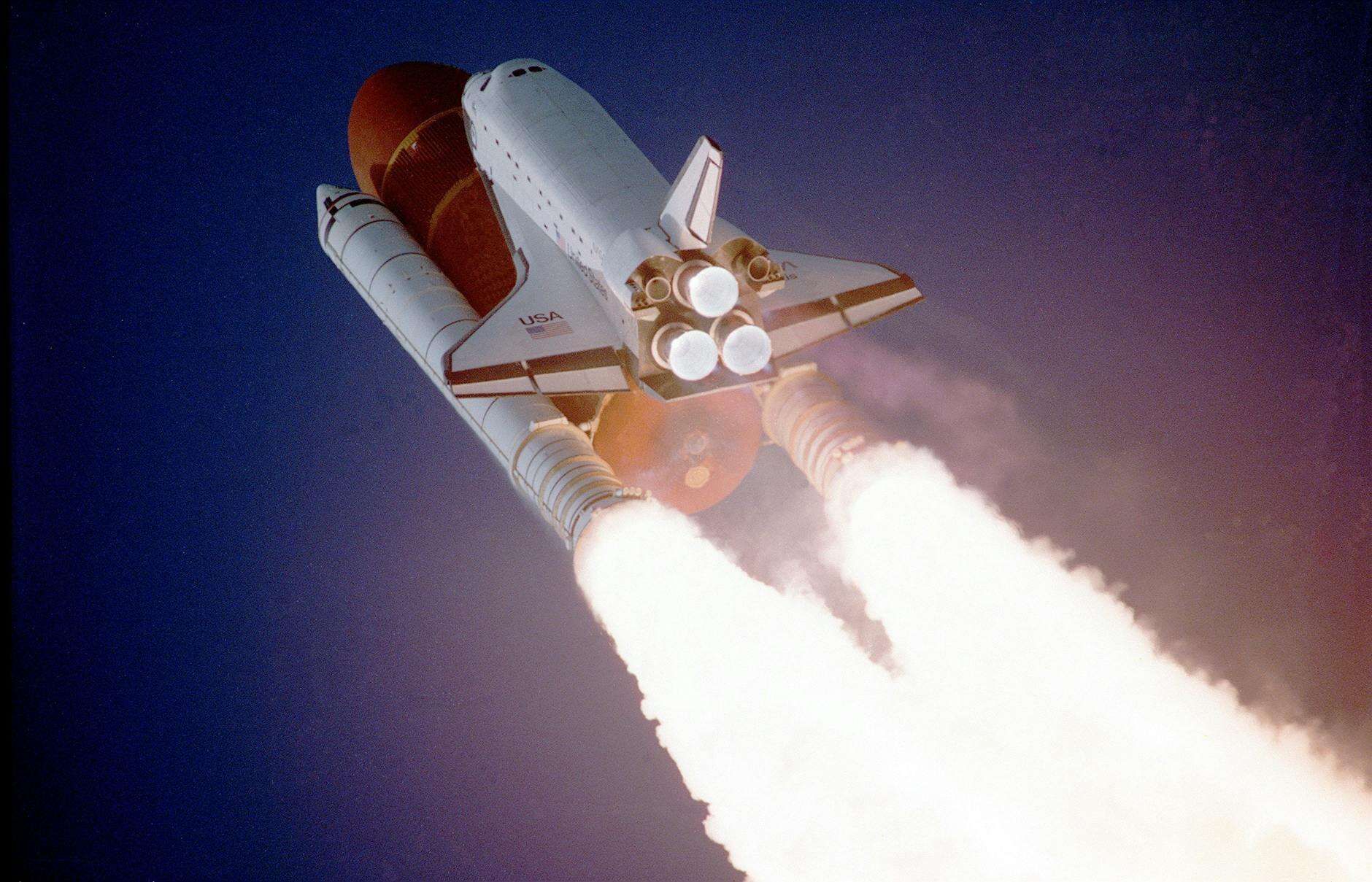
    The History of NASA: Pioneering Space Exploration

    Introduction

    The National Aeronautics and Space Administration, better known as NASA, has been at the forefront of space exploration since its establishment in 1958. Born out of the Cold War space race, NASA’s formation marked a significant turning point in human exploration and scientific achievement. With groundbreaking missions such as Apollo 11, which first landed humans on the Moon, and the development of the Space Shuttle, NASA has not only expanded our understanding of the cosmos but has also reshaped technology and education on Earth. This article will delve into the history of NASA, exploring its origin, major milestones, collaborations, and future endeavors as we continue to push the boundaries of what is possible in space.

    The Formation of NASA: Origins and Early Missions

    The establishment of NASA was a direct response to the launch of Sputnik by the Soviet Union in 1957, igniting the space race that defined the Cold War era. This historic event raised concerns about U.S. national security and the need for the nation to catch up in space technology. In response, President Dwight D. Eisenhower pushed for the formation of a dedicated agency to oversee civilian space exploration and research.

    On July 29, 1958, the National Aeronautics and Space Act was signed into law, officially creating NASA. The agency’s primary goals were to conduct space exploration, improve aeronautics technology, and oversee research relating to the atmosphere and space. NASA’s first administrator, Dr. T. Keith Glennan, emphasized a scientific approach, aiming to push the boundaries of human knowledge and capability.

    NASA’s early years were characterized by its involvement in several important projects. One of its first missions, Project Mercury, aimed to put a human in orbit around Earth. The program successfully launched its first astronaut, Alan Shepard, in 1961 aboard the Freedom 7 capsule. Shepard’s suborbital flight lasted just over 15 minutes but was a significant achievement in establishing the United States as a competitive force in aerospace.

    Following Mercury, NASA quickly moved into Project Gemini, which aimed to execute longer missions and develop techniques necessary for future lunar exploration. Gemini missions expanded the duration of spaceflights, achieved the first spacewalk, and demonstrated the ability to rendezvous and dock spacecraft in orbit.

    These early missions set the groundwork for what would become one of humanity’s most significant accomplishments: the Apollo program. Launched in the 1960s, Apollo aimed to land humans on the Moon and safely return them to Earth. The culmination of this ambition came in 1969 with Apollo 11, when astronauts Neil Armstrong and Buzz Aldrin made history by stepping onto the lunar surface.

    NASA’s formative years were not without challenges. Technical obstacles, budget restrictions, and the evolving political landscape posed risks to its goals. However, the agency persevered, driven by the spirit of exploration and scientific discovery. The establishment of NASA marked a new era in human ingenuity, where collaboration across various sectors—government, private industry, and academia—played a vital role in shaping the landscape of space exploration.

    By the late 1960s, NASA had firmly positioned itself as a leader in space exploration, with a clear commitment to pushing the frontiers of science and technology. As we look back at the origins of NASA, it is evident that the spirit of innovation, resilience, and ambition was integral to its foundation and would continue to propel its missions for decades to come.

    The Apollo Program: A Giant Leap for Mankind

    The Apollo program stands as one of NASA’s hallmark achievements and represents one of humanity’s most significant accomplishments: landing a man on the Moon. Initiated in the early 1960s under President John F. Kennedy’s directive, the program aimed not only to outpace Soviet advancements in space but also to push the boundaries of human capabilities and scientific understanding.

    Apollo’s first mission, Apollo 1, was tragically mired in disaster. In January 1967, a cabin fire during a pre-launch test resulted in the deaths of astronauts Gus Grissom, Ed White, and Roger B. Chaffee. This harrowing event prompted a thorough evaluation of spacecraft safety, leading to significant design and engineering changes that enhanced the program’s safety protocols.

    Despite the setback, NASA swiftly moved forward with the program. The subsequent missions, Apollo 2 through Apollo 6, focused on testing the Saturn V launch vehicle and refining various aspects of mission operations. These preparatory flights laid the groundwork for Apollo 7’s success—a full crewed mission orbiting Earth in 1968, which marked NASA’s return to manned spaceflight.

    The pivotal moment of the Apollo program came with Apollo 11 in July 1969. On the 16th of that month, astronauts Neil Armstrong, Edwin “Buzz” Aldrin, and Michael Collins launched towards the Moon aboard the Saturn V rocket. As the world watched, the lunar module, known as the Eagle, separated from the command module and began its descent to the lunar surface. On July 20, 1969, Neil Armstrong became the first human to set foot on the Moon, uttering the famous words, “That’s one small step for [a] man, one giant leap for mankind.” Buzz Aldrin joined him shortly after, as they conducted experiments, collected samples, and planted the American flag, symbolizing a milestone achievement for humanity.

    Apollo 11 was followed by several more missions, each contributing vastly to the scientific understanding of the Moon through the collection of lunar samples and the deployment of various scientific instruments. Apollo 12 proved successful with its precision landing, while Apollo 13 faced the challenge of an in-flight emergency, demonstrating the resilience of NASA’s engineering teams and astronauts alike. The mission ended with a harrowing but ultimately successful return to Earth, showcasing the ingenuity and teamwork prevalent within NASA.

    The Apollo program concluded with Apollo 17 in December 1972, which remains the last crewed mission to the Moon. Over its course, the program inspired generations, fostered international cooperation in science, and bolstered technological advancements, leading to innovations that have had lasting impacts on various fields, including telecommunications, materials science, and medicine.

    The legacy of the Apollo program continues to influence NASA’s direction and the broader space exploration landscape. It set a precedent for ambitious goals, instilling a passion for exploration and discovery that transcends national boundaries. As mankind looks to future endeavors beyond our planet, the achievements of the Apollo missions serve as a reminder of what can be achieved through exploration, human perseverance, and the quest for knowledge.

    Space Shuttle Era: Reusable Space Travel

    The Space Shuttle program represents a transformative era in space exploration, synonymous with NASA’s efforts to make space travel more accessible and routine. Initiated in the 1970s, the program aimed to develop a reusable spacecraft that could transport astronauts, satellites, and scientific instruments to and from low Earth orbit. Launched to replace the expendable launch methods used in previous missions, the Space Shuttle program marked a monumental shift in the approach to human spaceflight.

    The first shuttle, Columbia, lifted off on April 12, 1981, on the STS-1 mission, signifying a new chapter in NASA’s history. This innovative vehicle featured a unique design, consisting of an orbiter, solid rocket boosters, and an external fuel tank, which together enabled a variety of missions. The capability of reusability allowed NASA to significantly reduce the costs of space travel and conduct a more extensive range of operations, including scientific work, satellite deployment, and construction of the International Space Station (ISS).

    Throughout its operational period from 1981 to 2011, the Space Shuttle completed 135 missions, becoming the backbone of human spaceflight for three decades. Astronaut crews aboard these shuttles conducted groundbreaking research, conducted spacewalks, and contributed to the development of the ISS. The shuttle program facilitated international collaborations, uniting multiple countries, including Russia, Canada, and those in the European Space Agency, in the pursuit of scientific discovery.

    However, the Space Shuttle program experienced profound challenges. The tragic losses of Challenger in 1986 and Columbia in 2003 resulted in significant changes in NASA’s approach to safety and mission protocols. These tragedies highlighted the risks associated with space travel, prompting a renewed focus on safety, engineering standards, and enhanced training for crews.

    Despite these setbacks, the program achieved remarkable milestones. It played a pivotal role in deploying and servicing the Hubble Space Telescope, a cornerstone in our understanding of the universe. The Space Shuttle also contributed to significant advances in science and technology through its payloads, which included experiments in various fields, from biology to materials science, conducted in the unique microgravity environment of space.

    As the program concluded in 2011, NASA’s exploration objectives transitioned towards new initiatives, including Mars missions and deep space exploration. The legacy of the Space Shuttle program endures however, as it established a foundation for cooperative international efforts, expanded scientific knowledge, and inspired a generation of scientists and engineers.

    In the future, NASA aims to leverage what has been learned from the Shuttle program in developing new spacecraft, including the Space Launch System and the Orion crew vehicle, as it sets its sights on returning humans to the Moon and eventually sending crews to Mars. The pioneering innovations introduced during the Shuttle era have left an indelible mark on aerospace engineering and remain integral to ongoing advancements in space exploration.

    International Collaborations: ISS and Beyond

    NASA’s commitment to fostering international collaborations is exemplified through the development and operation of the International Space Station (ISS). Established as a joint venture involving multiple space agencies, including Roscosmos (Russia), ESA (Europe), JAXA (Japan), and CSA (Canada), the ISS represents a monumental achievement in human spaceflight, scientific discovery, and international cooperation.

    Construction of the ISS began in 1998, with the first module, Zarya, launched into orbit. Over the next decade, numerous modules were sent into space, gradually expanding the ISS into a vast laboratory and observatory. This collaborative effort symbolizes a shift from competition during the space race to a shared commitment among nations to pursue the common goals of scientific research and exploration.

    The ISS has facilitated hundreds of groundbreaking experiments in various disciplines, including biology, physics, astronomy, and Earth sciences. Research conducted aboard the station has provided critical insights into how living organisms react in microgravity, informing both scientific understanding and practical applications on Earth. It has also been a platform for technological demonstrations, including advancements in life support systems and robotics.

    Furthermore, the ISS serves as a prime example of diplomacy in space, promoting peaceful engagement and fostering relationships among countries. Astronauts and cosmonauts from different nations work side by side, exemplifying the spirit of collaboration as they conduct experiments, maintain the station, and oversee the implementation of new technologies. The positive impact of these relationships extends beyond the realm of space, contributing to addressing global challenges on Earth, such as climate change and health crises.

    As NASA looks beyond the ISS, plans are in place to return to the Moon and eventually send humans to Mars in the forthcoming Artemis program. These future missions will undoubtedly be influenced by the lessons learned through collaboration on the ISS, as NASA aims to build on the international partnerships established there and inspire a new generation of explorers.

    Additionally, NASA’s efforts in fostering global cooperation extend toward institutional relationships with numerous countries and private organizations, reflecting a broader vision for human space exploration. Projects and outreach initiatives aim to engage different nations, encouraging shared access and the equitable distribution of benefits derived from space research.

    Ultimately, the ISS serves as a vital hub for scientific innovation and international dialogue. Its legacy emphasizes that collaborative endeavors can transcend borders and unite humanity in the shared pursuit of knowledge and discovery.

    Future of NASA: Mars Missions and Beyond

    As NASA looks to the horizon of space exploration, the agency has set ambitious goals for the future, with a primary focus on returning humans to the Moon and eventually establishing a human presence on Mars. The Artemis program, announced in 2019, aims to land “the first woman and the next man” on the lunar surface by the mid-2020s, marking a new stepping stone for humanity in pushing the frontiers of space exploration.

    The Artemis program will build on the knowledge gained from the Apollo missions while incorporating contemporary advances in technology and knowledge. NASA plans to establish a sustainable presence on the Moon, deploying new lunar landers, habitats, and systems that support long-term human exploration. The lunar South Pole is of particular interest due to its potential water resources, which science indicates could be vital for future missions to Mars.

    Following the Moon landing, NASA’s sights will pivot towards Mars. The Mars 2020 mission, featuring the Perseverance rover, has made significant strides in understanding the Martian environment and searching for signs of past life on the planet. Perseverance is also testing technology that will facilitate future human missions, such as the collection and preservation of Martian soil samples that will eventually be returned to Earth for analysis.

    Beyond Mars, NASA envisions a new era of exploration that includes not only crewed missions but also robotic exploration. As humanity’s reach into space expands, missions to asteroids, the moons of Jupiter and Saturn, and beyond offer opportunities for scientific discovery, resource utilization, and potentially new habitats for humankind.

    NASA recognizes the necessity of building partnerships in these ventures, focusing on collaboration with commercial space companies, international agencies, and academic institutions. These partnerships will leverage private sector innovation, sharing resources, and utilizing collective knowledge to accomplish shared objectives in space exploration.

    Moreover, the agency aims to inspire future generations to pursue careers in science, technology, engineering, and mathematics (STEM). Educational outreach initiatives will foster interest and excitement about space, ensuring the sustainability of exploration efforts through the development of a skilled workforce.

    In conclusion, NASA’s future endeavors are not just about reaching new destinations but also about unifying humanity in the quest for knowledge and exploration. By embracing international collaboration, harnessing technological advancements, and inspiring upcoming generations, NASA seeks to foster a spirit of exploration that echoes through the ages.

    Conclusion

    The history of NASA is a testament to human innovation, resilience, and the unyielding spirit of exploration. From its inception in the late 1950s to its ambitious plans for the future, NASA has continually pushed the boundaries of what is possible in space exploration. Through landmark achievements like the Apollo moon landings, the development of the Space Shuttle, and the collaborative spirit embodied in the International Space Station, NASA has significantly advanced our understanding of the cosmos and our place within it.

    As we look into the future, NASA’s vision is clear: to return to the Moon and reach for Mars, all while inspiring new generations to dream big and pursue scientific inquiry. The challenges may be great, but the potential rewards—new discoveries, international cooperation, and the promise of human life beyond Earth—are even greater. NASA’s journey is far from over, and its story continues to unfold as we venture into the unknown.

    Sources

  • The Great Moon Race: A Journey to the Stars

    The Great Moon Race: A Journey to the Stars

    Introduction

    The Moon race was not just a pursuit for scientific knowledge but also a pivotal moment in history, deeply intertwined with the geopolitical tensions of the Cold War. As the United States and the Soviet Union vied for supremacy, the desire to land a human on the Moon became a symbol of national pride and technological prowess. As we delve into the era of the Moon race, we uncover the narratives that shaped this remarkable journey, underscoring the significance of technological advancements and the fierce competition between two world superpowers. Spanning several decades, this race not only captivated the imagination of millions but also laid the foundation for future explorations beyond our planet. In this article, we will meticulously examine the origins, technological breakthroughs, key players, significant milestones, and the enduring legacy of the Moon race.

    Origins of the Moon Race: The Cold War Context

    The Moon race emerged in the late 1950s amid escalating tensions between the United States and the Soviet Union, two superpowers engaged in a fierce Cold War. The launch of Sputnik 1 by the USSR on October 4, 1957, marked the onset of the space age and caught the United States by surprise. This achievement was not merely about sending a satellite into orbit; it was a demonstration of technological and military capability. For the United States, the Sputnik crisis catalyzed a national response that would lead to a vigorous pursuit of space exploration.

    In reaction to Sputnik, the U.S. government increased funding for scientific education and advanced research. The National Aeronautics and Space Administration (NASA) was established in July 1958, embodying America’s commitment to regaining its stature in space exploration. The Sputnik launch heightened fears of Soviet dominance in technology, prompting the U.S. to prioritize its own space program.

    The geopolitical landscape during this period was defined by propaganda and a quest for supremacy. Both superpowers believed that achieving significant milestones in space exploration would solidify their status on the world stage. The Moon, as the most visible celestial body, became the ultimate prize in this rivalry, serving as a powerful symbol of triumph and superiority.

    As the 1960s approached, events intensified the urgency of the race. The U.S. government responded decisively to the Soviet achievements, outlining ambitious goals for its space program. President John F. Kennedy famously addressed a joint session of Congress on May 25, 1961, declaring the ambitious goal of landing a man on the Moon before the decade’s end. This declaration galvanized a nation and galvanized immense resources and talent towards the space program.

    In this charged atmosphere, the Cold War objectives played a significant role in shaping the approaches of both NASA and the Soviet space program. While the U.S. aimed to demonstrate democracy’s capabilities and the importance of individual effort, the Soviet Union emphasized collective achievement and state support. The contrasts in ideologies influenced everything from research priorities to mission execution.

    Additionally, the cultural climate surrounding the Moon race was characterized by fascination with science fiction and the possibilities of space travel. Films, literature, and media fueled a public yearning for knowledge and adventure beyond Earth, inspiring a new generation of scientists and engineers. The idea of exploring the cosmos began to resonate not just with scientists but with the general populace as well.

    The Moon race’s origins are thus rooted in a complex interplay of political rivalry, technological innovation, and cultural fascination. As both nations embarked on this journey, they would confront not only the immense challenges of space travel but also the ideological battleground that surrounded them. Thus, analyzing the origins of the Moon race offers crucial insights into how human ambition and competing ideologies can drive extraordinary achievements.

    The Role of Technology and Innovation in Space Exploration

    The Moon race was fundamentally propelled by a series of groundbreaking technological advancements that transformed the capabilities of space travel. A myriad of innovations in rocketry, telemetry, navigation, and materials science played pivotal roles in enabling both the United States and the Soviet Union to achieve their lunar ambitions. These developments were not spontaneous; rather, they were the culmination of years of research, experimentation, and, in many cases, trial and error.

    Rocket technology stood at the forefront of the Moon race. The USSR had initially set the tone with the R-7 Semyorka, the world’s first intercontinental ballistic missile (ICBM). This technology became the basis for the Soviet space program, including the launch of the Vostok spacecraft that carried the first human into space, Yuri Gagarin. The ability to deliver payloads into orbit was essential for both nations, and the advancements in propulsion that were derived from military rocket technology helped establish a foundation for future missions to the Moon.

    In the U.S., NASA leveraged the expertise of various aerospace engineers and scientists, many of whom were brought in from the German rocket program after World War II. The Saturn V rocket, developed under the Apollo program, showcased technical prowess with its multi-stage design and unprecedented thrust. It became the primary launch vehicle for Apollo missions, including the historic Apollo 11 mission that successfully landed the first humans on the lunar surface. The development of Saturn V integrated both existing knowledge and innovative methodologies, epitomizing the spirit of collaboration that defined the American approach.

    Telemetry and communication technology also underwent rapid evolution during this period. Missions to the Moon required precise tracking and data transmission capabilities, and systematic advancements in radio technology were essential. Both the U.S. and USSR invested heavily in developing ground control networks capable of managing the complex, high-stakes maneuvers required throughout each mission.

    Navigation technology witnessed unprecedented advancements as well. Early space missions relied on celestial navigation techniques or pre-computed trajectories. However, as missions grew in complexity, innovative systems including inertial navigation were developed. These systems used gyroscopes and accelerometers to deliver real-time positioning and orientation data, crucial for the precise maneuvers needed during lunar orbit and landing.

    Materials science played a significant role in the Moon race as well. The challenges posed by the harsh environment of outer space necessitated the development of lightweight, durable materials capable of withstanding extreme temperatures and radiation. Innovations in alloys, composites, and insulating materials allowed spacecraft to be designed more efficiently, contributing not only to mission success but also to the safety of astronauts.

    Finally, the technological advancements during this period ignited a broader interest in STEM fields. The competition fostered a culture of innovation and feasibility within both nations’ educational systems. Scientists and engineers inspired by the excitement of space exploration propelled forward advances that would reverberate across various industries.

    In conclusion, the Moon race was a monumental endeavor underpinned by technological evolution driven by a sense of urgency and ambitious goals. The race catalyzed developments that shaped not just the missions to the Moon but laid the groundwork for future space exploration and scientific discovery in our pursuit of the cosmos.

    Key Players: NASA vs. USSR

    The Moon race was characterized by the intense rivalry between NASA, representing the United States, and the Soviet space program. Each organization aimed to showcase their technological prowess and natural superiority, leading to impressive achievements in the field of space exploration. As each country developed its strategies and capabilities, individual contributions and organizational prowess dramatically impacted the course of the Moon race.

    NASA was established as a response to the Soviet Union’s early space accomplishments, and as its success in the space race became evident, the agency sought to achieve monumental goals. President John F. Kennedy’s 1961 announcement propelled NASA forward. Under the guidance of visionary administrators and engineers like Wernher von Braun, the space agency set its sights firmly on the Moon. The Apollo program became NASA’s flagship mission architecture, encompassing deep investments in research and technology, training of astronauts, and the coordination of various operations necessary to achieve the goal of a lunar landing.

    The Soviet space program, officially known as the Soviet Space Program, was rigorous, well-resourced, and led by prominent figures such as Sergei Korolev, the chief designer and mastermind behind a range of successful missions. The Soviets were the first to achieve significant milestones, including launching the Sputnik satellite, sending the first human into space, and achieving the first spacewalk. Their early successes established a formidable reputation in the realm of space exploration. However, despite their rich history of milestones, they faced challenges in developing the technology necessary for a crewed lunar landing.

    An essential aspect of this competition was the focus on astronauts and cosmonauts. NASA implemented a rigorous selection and training program for its astronauts, creating a cadre of highly skilled individuals who would undertake the daunting task of traveling to the Moon. The Mercury and Gemini programs included preparations for long-duration space missions and skill development in weightlessness and reentry. The Apollo Astronaut Corps eventually emerged, leading to a spirit of cooperation among the astronauts, cementing a shared sense of purpose as they readied for lunar missions.

    In contrast, the Soviet program maintained a higher degree of secrecy, and the cosmonauts operated under the guidance of state directives and limited public interaction. Their training emphasized collaboration and as a result, the Soviet cosmonauts received accolades and support as national heroes. The generalized secrecy often surrounded the realities of progress within the Soviet space program, particularly during the race to the Moon.

    While both NASA and the Soviet program made strides to maintain their respective advantages, criticisms and internal challenges emerged within each organization. NASA’s Apollo program faced budgetary constraints, political scrutiny, and immense pressure to meet the ambitious timeline set by the president. Similarly, the Soviet program faced issues like internal rivalry, which often hindered its ability to transition smoothly from human-centered missions to those targeting lunar landings.

    Ultimately, the competition between NASA and the Soviet space program highlighted the cultural, political, and technological contrasts in their approaches. The race fostered innovation while instilling a sense of urgency, leading to momentous achievements that defined an era of human exploration.

    Major Milestones: Events That Shaped the Moon Race

    The Moon race was marked by a series of monumental milestones that defined its trajectory and ultimately culminated in humanity’s first steps on the lunar surface. These milestones reflect the intense competition, the rapid development of technology, and the expansion of knowledge about space beyond Earth’s atmosphere. Each event stands as a testament to human ingenuity and perseverance in the pursuit of astronomical exploration.

    The space race began on October 4, 1957, with the launch of Sputnik 1, the first artificial satellite, by the Soviet Union. This momentous occasion marked not only the start of the space age but also ignited a sense of urgency in the United States to compete in what was perceived as a new frontier for national prestige. The U.S. response included substantial increases in funding for science and technology education, leading to the establishment of NASA in July 1958, which would play a pivotal role in the Moon race.

    The next major milestone came in 1961 when Yuri Gagarin became the first human to journey into space aboard Vostok 1. This achievement was met with worldwide attention and admiration, but it also heightened concerns in the U.S. about falling behind in the space race. In response, President Kennedy famously declared the goal of landing a man on the Moon by the end of the 1960s, setting into motion NASA’s Apollo program and framing the Moon as the next great challenge of human exploration.

    The early Apollo missions laid the groundwork for future lunar exploration. Apollo 1 tragically ended in disaster with the loss of three astronauts during a test, underscoring the risks of manned spaceflight. However, subsequent missions, such as Apollo 8, which orbited the Moon in December 1968, provided crucial insights and set the stage for the upcoming landing attempts. Apollo 8’s broadcast revealed Earthrise from lunar orbit, an iconic image that symbolized the fragility of our planet and invoked a sense of global unity.

    On July 20, 1969, Apollo 11 achieved the historic lunar landing, becoming the first mission to successfully deposit humans on the Moon. Neil Armstrong and Buzz Aldrin stepped onto the lunar surface, making an indelible mark on history while Michael Collins remained in lunar orbit. The world watched in awe as Armstrong famously declared, “That’s one small step for man, one giant leap for mankind.” This milestone epitomized not only technological triumph but also the spirit of exploration that has underscored human history.

    The subsequent Apollo missions further solidified the legacy of lunar exploration. Apollo 12, 14, 15, 16, and 17 took place between 1969 and 1972, each contributing valuable scientific knowledge and samples from the lunar surface. These missions advanced our understanding of lunar geology, and provided insights about the origins of the Moon and its relationship with Earth. The scientific findings from these missions continue to shape our understanding of planetary science.

    The culmination of the Moon race can be seen in its aftermath. The technological advancements birthed from this era laid the groundwork for future space exploration efforts including the Space Shuttle program and the International Space Station. The race’s underpinnings resulted in a global focus on the broader implications of space travel, propelling both collaborative and competitive efforts among nations.

    Today, the milestones achieved in the Moon race are not only historical events; they serve as inspiration for future generations of space explorers, scientists, and dreamers. The concerted efforts that culminated in the Moon landings remind us of the potential of human imagination and determination as we look toward the stars.

    The Legacy of the Moon Race and Its Impact on Future Space Exploration

    The conclusion of the Moon race by the early 1970s marked not the end of space exploration, but a transformative legacy that would influence the direction of human endeavors in space for decades to come. The achievements of the Apollo program not only exemplified the capabilities of technology but also ignited public interest and excitement around space exploration. The cultural, educational, political, and scientific ramifications of this period remain relevant to contemporary society and will continue to inspire future generations of space enthusiasts.

    One of the most significant legacies of the Moon race is its enduring impact on global cooperation in space exploration. As nations began breaking barriers to reach beyond Earth, the successful missions of the Apollo program served as a powerful symbol of what humanity could achieve through collaboration. This spirit of partnership has extended into international efforts such as the International Space Station, which represents a coalition of spacefaring nations working together towards common goals in scientific research and exploration.

    In scientific terms, the Moon race radically transformed our understanding of both the lunar environment and planetary science. The samples gathered during the Apollo missions yielded invaluable data on geology, lunar history, and the solar system’s origins. Researchers utilized these findings to develop new theories regarding the formation of celestial bodies and the dynamics of planetary systems. Even today, ongoing analysis of lunar samples continues to offer insights into geological processes and evolution across the solar system.

    The technological advancements made during the Moon race catalyzed innovation that extended well beyond space exploration. Pioneering developments in materials science, rocketry, telecommunications, and engineering resulted in breakthroughs that permeated numerous commercial and military sectors. Many technologies originally developed for space missions have found applications in fields such as medical imaging, environmental monitoring, and telecommunications. The era also sparked interest in STEM education, inspiring generations of scientists and engineers, and promoting a culture of scientific inquiry.

    The legacy of the Moon race is also entwined with public perception and inspiration. The iconic imagery and narratives surrounding the achievements of human spaceflight captured the imagination of people around the globe. This excitement continues to resonate today, as evident in the resurgence of interest in space exploration, including missions to Mars and atmospheric explorations of diverse celestial bodies. The successful landings on the Moon galvanized popular support for continued investment in space, with both private and public sectors embracing the quest for knowledge beyond our home planet.

    Political ramifications of the Moon race are equally significant. The intense competition between the U.S. and the USSR during this period shaped foreign policy discussions and decisions related to science and national security. The pursuit of lunar exploration illustrated the significance of maintaining technological superiority, leading to ongoing investments in research and innovation. While geopolitical tensions remain, the historical context of the Moon race serves as a reminder of the power of exploration to unite rather than divide.

    Furthermore, the Moon race’s legacy extends into the future with renewed ambitions for lunar exploration and eventual colonization. Recent missions from various nations and entities emphasize the importance of returning to the Moon to establish a sustainable presence, facilitate scientific research, and lay the groundwork for deeper space missions to Mars and beyond. Plans for lunar bases, the Artemis program, and ambitious goals regarding human endurance in space continue to echo the pioneering spirit initiated during the original Moon race.

    In conclusion, the legacy of the Moon race is one of triumph rooted in exploration, innovation, and a perpetual drive to expand the horizons of human knowledge. As we continue to look for new frontiers in space, the remarkable achievements and stories from this era will serve as guiding lights, inspiring future generations to reach for the stars and pursue their aspirations with determination.

    Conclusion

    The history of the Moon race serves as a profound reminder of human ambition and creativity, encapsulating a defining moment in the annals of exploration. From the Cold War’s geopolitical complexities to the technological advancements that arose, the journey to the Moon was forged through passion, competition, and collaboration. The milestones achieved during this time not only illuminated the paths taken by NASA and the Soviet space program but also set the foundation for international cooperation and scientific advancement.

    The legacy of the Moon race continues to propel humanity forward as we seek to explore beyond our planet and unlock the mysteries of the universe. The accomplishments of the Apollo program resonate today, inspiring new generations to undertake their explorations and pursue ambitious visions for future ventures into space. It is our responsibility to carry forward the torch of exploration, cherishing the achievements of the past while facing the possibilities of the future. Together, as we navigate the stars, we honor the spirit of those who first ventured beyond Earth, reminding us of the infinite potential that lies in the pursuit of knowledge and the quest to explore the unknown.

    Sources Consulted

    • NASA. “Apollo 11 Mission Overview.” nasa.gov
    • Smithsonian National Air and Space Museum. “The Space Race.” si.edu
    • Smithsonian Magazine. “The Moon Landing: A 50-Year Legacy.” smithsonianmag.com
    • European Space Agency. “The Role of the Moon in Space Exploration.” esa.int
    • History.com. “Space Race.” history.com

  • Exploring Space Tourism 2025: A New Era of Travel

    Exploring Space Tourism 2025: A New Era of Travel

    Introduction

    Space tourism has transitioned from the realm of science fiction to a burgeoning reality, capturing the imagination of many. In recent years, major companies like SpaceX, Blue Origin, and Virgin Galactic have made significant strides toward making space travel accessible to civilians. As technology evolves and funding increases, the dream of orbiting Earth or even visiting the Moon is within reach for a new generation of adventurous travelers. The implications of this industry extend beyond mere travel; they touch on economic development, technological innovation, and regulatory challenges that will shape the future of space exploration. This article explores the current state of commercial space travel, the technological advancements propelling the industry forward, its economic impact, the regulatory hurdles it faces, and what the future holds for humanity’s quest to travel beyond our planet.

    Current State of Commercial Space Travel

    In recent years, commercial space travel has evolved at an unprecedented pace, moving from visionary concepts to practical realities. This transformation is spearheaded by a handful of companies that have established themselves at the forefront of the space tourism industry. Notably, SpaceX, founded by Elon Musk, has achieved numerous milestones, such as launching astronauts to the International Space Station (ISS) and successfully landing reusable rockets. This capability drastically reduces costs and increases the frequency of space missions, making commercial space travel more viable.

    Blue Origin, founded by Jeff Bezos, has made its mark with the New Shepard spacecraft, which successfully carried its first crew in July 2021. This suborbital journey allows passengers to experience a few minutes of weightlessness, a tantalizing preview of life beyond Earth. Meanwhile, Virgin Galactic, led by Richard Branson, has focused on suborbital flights, offering a unique experience that allows passengers to witness Earth from the edge of space, coupled with a brief taste of microgravity.

    Each company’s approach toward space tourism exhibits distinct characteristics, yet they share a common goal: democratizing access to space for people beyond trained astronauts. Ticket prices have been a point of contention; while early prices ranged from hundreds of thousands to millions of dollars, the competition promises to drive costs down over time. As technology progresses, it’s envisioned that space travel could eventually become accessible to a broader audience, possibly akin to air travel today.

    Furthermore, partnerships with established aerospace agencies and private enterprises have paved the way for collaborative ventures, enhancing the robustness of space travel programs. The potential for research opportunities onboard the ISS or further into space adds another layer of motivation for companies to invest in commercial spaceflight.

    However, this rapid development is not without challenges. The demand for safety and reliability is paramount, as companies race to build trust among potential space tourists. Previous incidents in the history of space travel serve as reminders of the inherent risks involved. Each successful flight builds confidence, but ongoing technological improvements must continue to prioritize passenger safety.

    The ecological footprint of space tourism also sparks debate. With space missions requiring significant resources and contributing to carbon emissions, the industry faces the challenge of balancing excitement for space travel with environmental concerns. Research into sustainable practices and fuels is ongoing, central to ensuring that space tourism does not come at a significant ecological cost.

    In conclusion, the current state of commercial space travel is dynamic and optimistic. With several companies vying for leadership and advancements in technology, the vision of space tourism as part of human experience edges closer to reality. Yet, as with any significant venture, it remains essential to navigate the accompanying challenges with vigilance, ensuring a sustainable and safe experience for future travelers.

    Technological Advancements Enabling Space Tourism

    The success of space tourism largely hinges on the rapid advancements in technology that have emerged in recent years. Innovations in rocket design, propulsion systems, and spacecraft habitats have been pivotal in transitioning space travel from government-funded missions to commercial endeavors.

    One of the most significant advancements has been in reusable rocket technology. Companies such as SpaceX have demonstrated that rockets can be launched and recovered multiple times, drastically reducing the cost of access to space. The Falcon 9 and Falcon Heavy rockets exemplify this progression, making it economically feasible to send cargo and passengers into orbit and back safely. The implications for space tourism are profound, as lowering launch costs means ticket prices can decrease, thereby attracting a broader audience.

    Another technological breakthrough in space tourism is the development of spacecraft designed with the customer experience in mind. Capsule designs have evolved to ensure comfort and safety for non-professional astronauts. For instance, the SpaceX Crew Dragon features touchscreen controls that are intuitive, promoting a user-friendly experience for passengers unfamiliar with spaceflight operations. Cabin presentations, designed to mimic familiar air travel environments, help ease the transition for space travelers, contributing to an overall enjoyable experience.

    Moreover, advancements in training simulations have transformed how space tourists prepare for their voyage. Companies provide pre-flight training that includes simulations of launch and re-entry, as well as simulations of experiencing weightlessness. This approach familiarizes passengers with the sensations they will encounter in space, reducing anxiety and enhancing overall enjoyment. Virtual reality and augmented reality technologies are poised to take the training experience further, giving potential travelers a taste of what is to come before they even board the spacecraft.

    The improvements in safety technology are also noteworthy. Enhanced tracking systems, communication protocols, and emergency response strategies are all vital considerations for commercial space travel. Companies are investing in extensive testing of their equipment and implementing redundant systems to ensure that passenger safety remains the top priority. Each successful flight builds confidence not just in the technology but also in the companies delivering these services.

    The fuels and propulsion methods used for space travel are evolving too, focusing on efficiency and environmental impact. Traditional rocket fuels, while potent, are being scrutinized in light of furthering sustainable practices. Companies are exploring greener alternatives and more efficient rocket designs to reduce reliance on fossil fuels. These innovations aim to mitigate the environmental concerns associated with frequent space travel.

    Furthermore, innovations in satellite technology are playing a crucial role in space tourism. The integration of satellite communication provides real-time data relay from spacecraft, contributing to enhanced safety and efficiency during flights. This technological collaboration enhances the overall feasibility of commercial space travel while providing necessary updates and information to passengers during their journeys.

    The culmination of these advancements paints an optimistic picture for the future of space tourism. As technology evolves, the potential for enhanced consumer experiences, lowered costs, and improved safety measures becomes increasingly evident. This robust foundation allows the dream of commercial space travel to transition from an exclusive luxury to a more attainable venture for intrepid travelers eager to explore the final frontier.

    The Economic Impact of Space Tourism

    Space tourism has the potential to spur significant economic growth and innovation, reshaping various sectors and creating numerous opportunities in the years to come. As the industry matures, its financial implications will reach beyond the direct revenues generated by ticket sales and services; they will permeate local economies, spur new job creation, and facilitate technological advancements.

    One of the most immediate economic impacts of space tourism is the creation of jobs. As companies invest in infrastructure, production facilities, and research and development, thousands of high-skilled jobs will emerge in engineering, manufacturing, operations, and customer service. A robust workforce dedicated to space tourism could invigorate industries such as aerospace, technology, and even hospitality. Areas surrounding launch sites may see a proliferation of businesses catering to tourists seeking not just flights but also unique experiences. This shift could rejuvenate local economies, leading to new hotels, restaurants, and tourism services tailored specifically to space enthusiasts.

    The financial lure of space tourism is already enticing private investors and corporations to explore partnerships with governmental space agencies. The collaboration between private industry and governmental bodies can lead to the acceleration of technological advancements while presenting an enormous market potential. Venture capital is flowing into space-focused startups, reflecting the optimism for growth and profitability in this new market. As more companies join the fray, competition is likely to drive innovation and reduce costs, further increasing the consumer base.

    The economic windfall associated with space tourism extends to related sectors as well. For instance, advances in communication technologies developed for space tourism could benefit terrestrial applications. Satellite data, telecommunications advancements, and even advancements in materials science are likely to find widespread application across numerous industries, resulting in institution-wide efficiencies and improvements.

    Moreover, the global nature of space tourism opens up vast market potential across different demographics and geographical areas. The interest in space tourism is not limited to the U.S. or Europe; emerging markets like Asia and the Middle East are also showing a growing appetite for space travel experiences. This global perspective means that international partnerships might form to facilitate cross-border travel and operations, leading to economic interdependence among nations through shared interests in outer space.

    Public interest in space travel also has potential spillover effects. As fascination with space grows, education and outreach programs around science, technology, engineering, and mathematics (STEM) will likely thrive. Cultivating future generations of scientists and engineers will help ensure sustainability in space-related industries, driving continual innovation across multiple fields.

    However, while the prospects appear promising, challenges remain. The initial high cost of space tourism tickets is a barrier for broader market penetration. Companies must strategize not only to lower ticket prices but also to diversify their offerings, appealing to a wide range of consumers. The industry must also navigate the fluctuations of the global economy, which could affect discretionary spending on luxury experiences like space travel.

    In summary, the economic impact of space tourism extends far beyond individual tickets and flights. The potential for job creation, technological advancement, and global market engagement positions the space tourism industry as a catalyst for economic growth and innovation. By harnessing these opportunities, the industry could contribute meaningfully to economic development and foster a new era of exploration and discovery, inviting humanity to reach for the stars.

    Regulatory Challenges and Safety Concerns

    As space tourism moves into the realm of commercial viability, regulatory challenges and safety concerns pose significant hurdles that must be addressed. Ensuring the safety of passengers and operating within a framework of established regulations are paramount not only for the industry’s credibility but also for parlaying public trust.

    The aerospace regulatory landscape is evolving rapidly, with existing frameworks primarily designed for traditional space missions rather than commercial tourism. In the U.S., the Federal Aviation Administration (FAA) has established regulations for commercial space vehicles, requiring extensive safety evaluations before granting launch licenses. However, as new players enter the market and flight frequency increases, it is essential to adapt existing regulations to reflect the unique nature of space tourism. Narrowing the gap between regulatory frameworks and emerging technologies is crucial to facilitating safe and efficient operations.

    Safety is a primary concern when it comes to commercial space travel. The risks involved in spaceflight, including possible equipment failure, emergency situations during launch and re-entry, and medical emergencies in-flight, cannot be underestimated. Ensuring that each company adheres to rigorous safety standards is essential for the protection of passengers. This includes thorough testing of spacecraft, comprehensive emergency response plans, and ensuring all personnel are adequately trained to handle potential emergencies.

    Recent incidents within the aviation and space industries underline the importance of robust safety measures. Without adequate safety measures and responses, catastrophic accidents could tarnish the industry’s reputation and deter potential customers. The Space Shuttle disasters and the loss of the Virgin Galactic SpaceShipTwo in 2014 underscore the importance of prioritizing safety as the industry develops, fostering public trust will be instrumental in increasing participation and investment in space tourism.

    Regulatory frameworks governing commercial space travel must also address insurance requirements and liability issues. Understanding who is responsible in the event of an incident is crucial not only for protecting businesses but also for ensuring consumer safety. Companies may face substantial financial risks in the event of accidents, necessitating well-defined insurance protocols. This regulatory framework can influence operational costs and, in turn, ticket prices, further impacting the attractiveness of space tourism.

    Moreover, the demographic diversity and varying experience levels of space tourists present additional challenges for safety regulations. Training programs for customers must be standardized to adequately prepare all passengers for the rigors of space travel, regardless of their backgrounds. More thorough training or informational resources accommodate a range of capabilities and knowledge levels, enabling a comfortable and safe experience for all travelers.

    A collaborative approach between private companies and government agencies becomes vital in tackling these regulatory challenges. Creating a multidisciplinary framework that incorporates input from aerospace engineers, safety experts, regulatory bodies, and public safety officials can yield innovative solutions that enhance safety measures while promoting participation in the industry.

    International regulations also pose additional complexities due to the global nature of space travel. Cohesion among nations in setting standards and regulations is essential for mitigating risks and ensuring compliance. As the number of international commercial spaceflights increases, establishing frameworks for oversight and coordination becomes increasingly vital.

    In conclusion, navigating the regulatory challenges and safety concerns associated with space tourism remains a critical aspect of fostering a safe and sustainable industry. Striking the right balance between innovative advancement and stringent safety measures will be essential in achieving public trust and ultimately realizing the full potential of space tourism. The path to making space more accessible to all requires ongoing dialogue, adaptive regulations, and a priority on passenger safety that will pave the way for this exciting new chapter in travel.

    The Future of Space Tourism: A Look Ahead

    The future of space tourism holds immense potential, offering a tantalizing glimpse into what awaits humanity beyond the confines of Earth. As the industry evolves, developments in technology and infrastructure will allow an increasing number of people to experience the wonders of space firsthand.

    One of the most exciting prospects is the inevitability of expanded missions to various celestial destinations. Currently, suborbital flights dominate the commercial market, providing short trips that allow passengers to experience microgravity and enjoy a view of Earth from space. However, as advancements in spacecraft technology continue to progress, orbital tourism will become a reality. Space hotels and research facilities in low Earth orbit may soon welcome guests, offering extended stays that allow travelers to engage in unique activities like scientific research, spacewalks, and breathtaking views of Earth.

    In addition to low Earth orbit, the Moon and Mars represent fascinating frontiers for future space tourism. Proposals for lunar tourism are already being floated, with companies like SpaceX seeking to land civilians on the Moon as part of the Crew Dragon program. This would mark a historic milestone, as humans would return to our nearest celestial neighbor over 50 years since the Apollo missions. Additionally, Mars tourism could become a long-term goal, despite the logistical and safety challenges that such a venture presents. As technology progresses, the quest to make interplanetary travel accessible is likely to ignite public excitement and further promote investment in the industry.

    Space tourism is also expected to foster global collaboration in scientific research and exploration. Joint missions with international partners could pave the way for addressing shared challenges related to space travel, environmental sustainability, and resource management. Collaborative initiatives can provide opportunities for educational and research purposes, encouraging greater public curiosity and engagement with science.

    Moreover, as the industry matures, we may witness an increased focus on environmental considerations and sustainability. The initial push for commercial space flight has raised concerns regarding the environmental impact of space travel, particularly concerning rocket launches. Innovative companies are already exploring more sustainable fuels and propulsion methods. As these technologies mature, the industry can address environmental concerns while maintaining the excitement and allure of space travel. Fostering sustainable practices will be essential for ensuring the longevity of the space tourism industry and mitigating negative impacts on Earth.

    Furthermore, as the concept of space tourism becomes embedded in popular culture, we can expect a burgeoning network of experiential opportunities focused on space themes. From educational programs in schools to the rise of theme parks dedicated to space exploration, the interest in space tourism will likely inspire new avenues for engagement that excite and captivate audiences of all ages. This cultural integration can contribute to nurturing the next generation of scientists, engineers, and space enthusiasts.

    As space tourism emerges from niche markets into broader society, a critical consideration will involve ensuring equal access to these extraordinary experiences. Efforts to democratize space travel should explore diverse markets and lower entry barriers to accommodate a more extensive clientele. Innovations in pricing, subsidies, and educational programs can help bridge the gap, allowing for a more inclusive vision of space tourism that welcomes all types of travelers.

    While challenges remain, including regulatory hurdles and safety considerations, the prospects for space tourism signal a transformative evolution in how humanity engages with the cosmos. Space tourism represents not just an avenue for adventure and exploration, but a broader glimpse into a future where humans can sustainably inhabit, explore, and thrive beyond the boundaries of our planet.

    Conclusion

    Space tourism embodies humanity’s eternal quest for exploration and discovery. Built on a foundation of technological advancements, economic potential, and a commitment to safety and sustainability, the industry is poised to transform the way we experience travel. The progress made by private companies has initiated a new era that offers a tantalizing glimpse into what the future holds. As passengers prepare for liftoffs toward the stars, we recognize the underlying challenges of regulations, safety, and environmental concerns that must be navigated with care.

    The broader implications of space tourism reach beyond individual experiences, shaping global collaborations, technological innovations, and cultural shifts. With the possibility of lunar outposts, orbital hotels, and even Martian expeditions on the horizon, the allure of space becomes a vital motivator for future generations. It beckons not only the adventurous but also inspires curiosity, engineering advancements, and educational initiatives aimed at fostering the next wave of scientists and space enthusiasts.

    As we look ahead, the onus is on the industry to balance excitement with responsibility, ensuring that the dream of space tourism remains achievable, sustainable, and accessible. The prospect of venturing beyond Earth presents untold opportunities for humanity—capturing our imagination and reaffirming our resilience as we embark on this extraordinary journey into the final frontier. The future is bright for pioneers of space tourism, and with continued advancements, we may soon witness a new exploratory chapter that redefines our understanding of travel beyond the Earth.