Tag: Seville
-
The Enchanting History of Seville: From Moorish Palaces to Flamenco Rhythms

Seville, the vibrant heart of Andalusia, boasts a rich history shaped by various cultural influences, predominantly the Moorish legacy. This Islamic heritage is evident in architectural marvels like the Giralda and the Alcázar, which blend Muslim and Christian elements. The city’s significance was magnified during the Middle Ages, rooted in trade and intellectual advancements. Festivals such as the Feria de Abril and Semana Santa celebrate Seville’s traditions while flamenco embodies its cultural essence. Today, Seville merges history with innovation, embracing sustainability and culinary creativity. Its past continues to inspire and captivate, revealing an enduring spirit that draws visitors and locals…
-
Seville History: From Roman Roots to Islamic Influence

Seville is the capital of Andalusia, Spain, and has a rich history influenced by various cultures, beginning with ancient Iberian settlements, Roman development, and Islamic rule when it transformed into Isbiliya. The city’s Golden Age followed the Christian Reconquista in 1248, becoming a trade hub for the Americas. However, its prominence declined due to economic shifts and environmental challenges by the late 16th century. The 19th and 20th centuries brought modernization and revivals, exemplified by events like the Expo 92. Today, Seville balances its heritage with innovation, preserving traditions while embracing sustainability and contemporary architecture.
-
Exploring the amazing Cathedral of Seville: History & Art
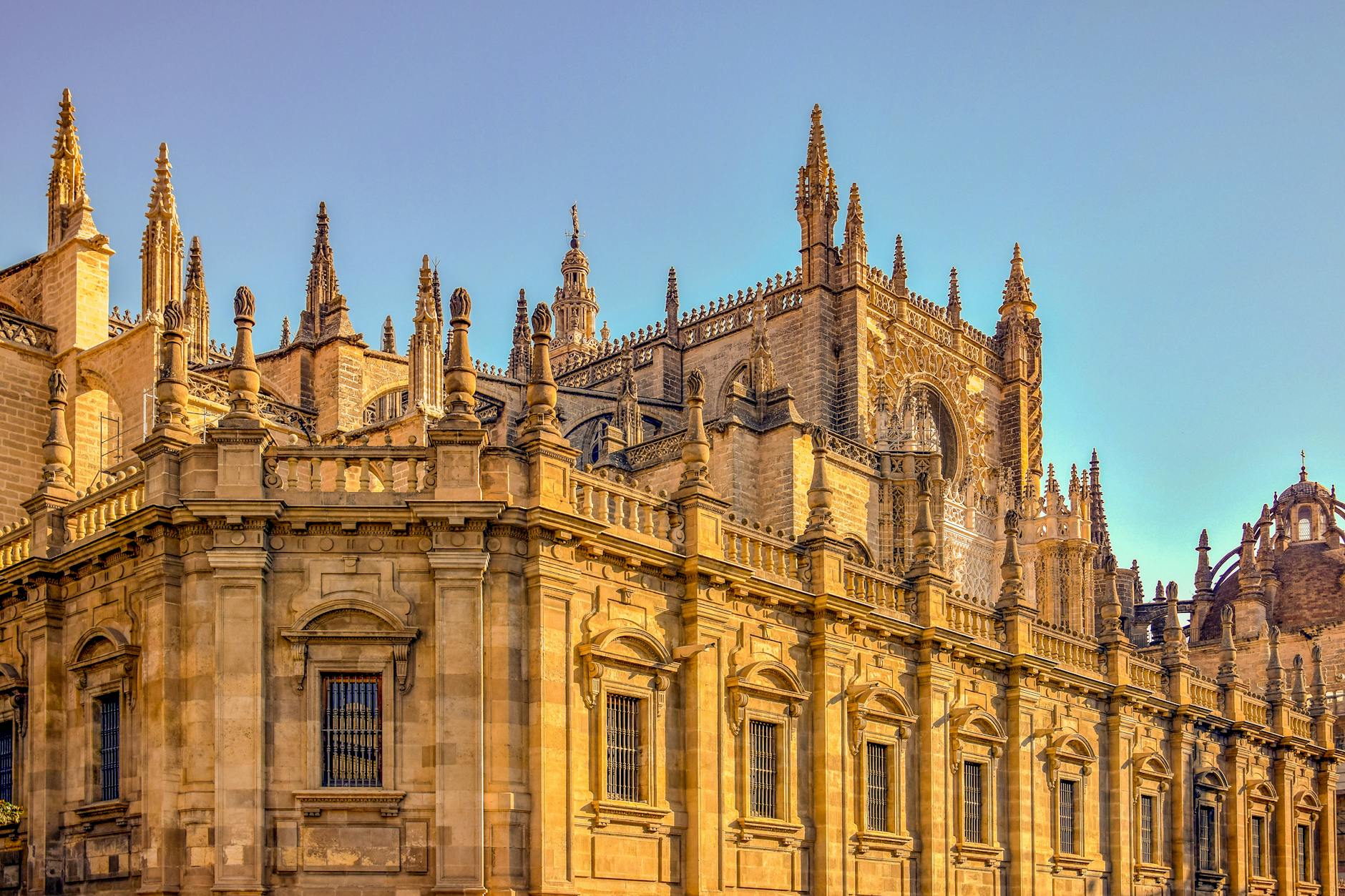
The Cathedral of Seville, a UNESCO World Heritage Site, epitomizes the fusion of Islamic, Christian, and secular influences in its Gothic and Renaissance architecture. Originally built as a mosque in 1198, it was transformed into a cathedral after Seville’s Reconquista in 1248. The construction commenced in 1401, aiming to surpass all other cathedrals. The Giralda tower, originally a minaret, showcases this cultural blend. Housing remarkable artistic treasures, including the largest altarpiece, the cathedral symbolizes Seville’s power and historical significance. Today, it faces preservation challenges due to environmental factors and tourism, yet remains a vital spiritual and cultural landmark.