Tag: Norway

  • Top 3 Most Scenic Roads for Epic Road Trips

    Top 3 Most Scenic Roads for Epic Road Trips

    Introduction

    Road trips have a unique way of bringing adventure and freedom to travel, allowing explorers to connect with nature and discover hidden gems along the way. Among the myriad of scenic highways around the globe, certain routes stand out for their breathtaking views, thrilling terrains, and unforgettable experiences. This article delves into three of the most stunning roads perfect for an exhilarating road trip: the Alpine Road in Austria, the Transfăgărășan Highway in Romania, and the Atlantic Road in Norway. Each of these roads offers a unique blend of the natural landscape, rich cultures, and unparalleled driving experiences that captivate every traveler. Whether you are a seasoned road tripper or planning your first journey, these iconic highways promise adventure and beauty at every turn. Get ready to buckle up and explore the best roads in the world!

    The Alpine Road in Austria

    The Alpine Road, known as the “Alpenstraße,” is a mesmerizing route that attracts adventure seekers and nature enthusiasts alike. Spanning approximately 480 kilometers (300 miles), it meanders through the breathtaking landscapes of the Austrian Alps, showcasing the country’s stunning scenery. The route begins in the charming town of Salzburg and unfolds through majestic mountain peaks, enchanting valleys, and picturesque villages, each offering a glimpse into Austria’s rich cultural heritage.

    As you embark on this road trip, the landscape transforms dramatically, with each turn revealing new vistas that are nothing short of spectacular. The road is dotted with various attractions, including serene lakes, lush meadows, and snow-capped peaks. One of the highlights along the route is the picturesque Wolfgangsee Lake, where you can pause to relish its crystal-clear waters while enjoying the surrounding mountain backdrop. Aside from the visual feast, this area offers a plethora of outdoor activities, including hiking and boating, making it a perfect spot for nature lovers.

    The Alpine Road also features charming towns that invite travelers to savor local traditions and savory Austrian cuisine. The historic town of Bad Ischl is a must-visit, with its artisanal shops and delightful coffeehouses. Here, you can sample the famous Sacher Torte, a decadent chocolate cake that embodies Austrian culinary culture. Each stop along the road provides a glimpse into the local way of life while offering opportunities to connect with both nature and local customs.

    For those seeking a thrilling experience, the Alpine Road is not just about the views; exhilarating driving conditions add to the allure. The winding roads and steep climbs present a challenge, making it a favorite among driving enthusiasts. You can enjoy the thrill of navigating through these beautifully maintained roads while surrounded by nature’s splendor. The changing weather adds another layer of excitement, as you may encounter sunny skies one moment and misty, mysterious views the next.

    Additionally, the route is part of the larger “Austrian Romantic Road,” which celebrates the cultural heritage of the region. This historical connection is evident in the architecture and local folk traditions visible in the towns you pass through. From majestic castles to ancient churches, every stop presents an opportunity to immerse yourself in the rich tapestry of Austrian heritage.

    As you traverse the Alpine Road, it’s essential to stay mindful of the environment. The stunning landscapes are a reminder of the beauty of nature, and respecting these surroundings is vital for preserving them for future generations. Ensure to leave no trace, take your waste with you, and practice responsible tourism throughout your journey.

    The Alpine Road in Austria is not just a route; it’s a journey filled with scenic beauty, cultural richness, and adventure. Every twist and turn offers an invitation to explore the incredible Alps, making it an unforgettable experience for any road trip enthusiast.

    The Transfăgărășan Highway in Romania

    The Transfăgărășan Highway, often dubbed as “the best road in the world” by automotive enthusiasts, is an iconic route that slices through the heart of Romania’s Carpathian Mountains. Built as a strategic military road during the Cold War, this remarkable highway stretches approximately 90 kilometers (56 miles) and ascends to a staggering altitude of 2,042 meters (6,732 feet) at its highest point. The road is not only a masterpiece of engineering but also a breathtaking journey that showcases Romania’s stunning natural beauty.

    From the moment you embark on this road trip, the Transfăgărășan reveals itself as a winding ribbon of asphalt weaving through towering peaks, lush forests, and expansive valleys. The dramatic elevation changes offer panoramic views that are nothing short of mesmerizing. As you drive alongside cliffs and through impressive tunnels, you will have the privilege of witnessing some of the most breathtaking landscapes in Europe.

    One of the remarkable features of the Transfăgărășan is the series of hairpin bends that challenge even the most experienced drivers. These twists and turns are not just thrilling but also provide opportunities to stop and take in the incredible vistas. One popular viewpoint is at the Balea Lake, a glacial lake surrounded by rugged mountains, where you can take a break, enjoy a snack, or simply revel in the serene surroundings.

    As you journey along this highway, you may encounter small villages and towns that offer a glimpse into the traditional Romanian way of life. Exploring these quaint locales allows you to experience local culture, crafts, and cuisine. Many villages are known for their warm hospitality, providing visitors with the chance to interact with locals and learn about their customs and traditions.

    The Transfăgărășan is also rich in history and legends. Many travelers are lured by the adventure of discovering Bran Castle, often referred to as Dracula’s Castle, located not too far from the highway. This connection to the Dracula legend and the area’s folklore adds an enchanting allure to the journey, transforming it into more than just a scenic drive.

    Safety is paramount when journeying along the Transfăgărășan. Given the road’s elevation and unpredictable weather conditions, it’s important to maintain proper vehicle maintenance and plan your trip accordingly. The road is typically only open during the warmer months, from late June to early October, making it crucial to check for closures due to snow or adverse weather conditions.

    In addition to its breathtaking views and cultural significance, the Transfăgărășan Highway is a hotspot for adventure sports enthusiasts. The surrounding mountains offer opportunities for hiking, mountain biking, and paragliding, attracting outdoor adventurers from around the globe. The nearby Făgăraș Mountains present trails of varying difficulty levels, providing options for both novice and seasoned hikers.

    The Transfăgărășan Highway is more than a winding road; it is an expedition into the heart of Romania’s natural and cultural wonders. Each bend and curve offers a new vista, a fresh opportunity for adventure, and a deeper appreciation of the beauty that resides within this remarkable country.

    The Atlantic Road in Norway

    The Atlantic Road, known as “Atlanterhavsveien,” is a breathtakingly beautiful roadway that stretches approximately 8.3 kilometers (5.2 miles) across a series of bridges and islands along the Norwegian coastline. This stunning route not only facilitates travel but also offers one of the most picturesque driving experiences in the world. The roadway was completed in 1989 and has since become a popular tourist destination, attracting adventure seekers and photography enthusiasts.

    Driving along the Atlantic Road is like embarking on a journey through a living postcard. The road provides spectacular views of the vast Atlantic Ocean on one side and charming coastal landscapes on the other. Often described as one of the most scenic drives globally, you can expect to encounter a variety of moods, from calm sunny days to stormy seas that intensify the beauty of the rugged coast.

    One of the most notable features of the Atlantic Road is the unique and architecturally impressive bridges that connect the islands. The Storseisundet Bridge, the longest in the series of bridges, is famous for its dramatic, curved design, creating an exhilarating driving experience. Each bridge presents an opportunity to stop and appreciate the scenery, allowing travelers to capture stunning photographs of the towering mountains, shimmering waters, and windswept landscapes.

    As you traverse the Atlantic Road, you will also have the chance to explore charming fishing villages that dot the coastline. These quaint settlements, rich in maritime traditions, invite you to learn about the local fishing culture, where residents have thrived for generations. Sample fresh seafood at one of the many restaurants or join a guided fishing tour to immerse yourself in the local way of life.

    Nature enthusiasts will find plenty to love on the Atlantic Road. The surrounding area is abundant with wildlife, including seabirds, seals, and, occasionally, even whales. Birdwatchers will be particularly excited, as the coastline is a breeding ground for various bird species. Observing these enchanting creatures in their natural habitat adds another layer of wonder to your journey.

    Like many scenic routes, the best time to visit the Atlantic Road is during the summer months when the weather is milder and the days longer, offering more time to explore. Many travelers choose to make this route part of a larger journey through Norway, which is known for its breathtaking fjords and breathtaking natural landscapes. Combining the Atlantic Road with a visit to Geirangerfjord or the Lofoten Islands makes for an unforgettable Norwegian road trip.

    It is important to practice road safety while driving along the Atlantic Road, as weather conditions can rapidly change. Fog, rain, and strong winds may pose challenges, and speed limits are strictly enforced. Staying attentive to the changing conditions allows for a safer experience so that you can focus on the beauty around you.

    The Atlantic Road in Norway is a stunning fusion of natural beauty, architectural ingenuity, and cultural richness. As you embark on this road trip, expect moments of pure awe and the kind of tranquility that only exists in the presence of nature’s finest creations.

    Scenic Routes and Landscapes: What to Expect

    When embarking on a road trip, one of the significant appeals lies in the scenic routes that unfold throughout the journey. Each of the roads discussed not only provides a means of transportation, but they also offer varied landscapes that captivate travelers from start to finish. As you drive along the Alpine Road, the Transfăgărășan Highway, and the Atlantic Road, you immerse yourself in breathtaking beauty and diverse ecosystems.

    Along the Alpine Road, expect to witness a dramatic panorama of alpine meadows dotted with colorful wildflowers, towering peaks, and glistening lakes. The ever-changing scenery provides a wealth of opportunities for photography, with each season bringing forth a unique portrayal of the landscape. The lush green valleys in summer transition to vibrant browns, oranges, and reds during autumn, and snowy whites in winter, ensuring that no two visits are alike.

    The Transfăgărășan captivates with its rugged mountain terrain and picturesque valleys. In the warmer months, the lush greenery is framed by the iconic peaks of the Carpathians, with rich biodiversity that can be explored through hiking opportunities. You can find various trails leading you to breathtaking viewpoints that showcase the striking contrast between jagged mountains and serene lakes.

    The Atlantic Road offers coastal views that change dramatically with the tides and weather. The turquoise oceans, exposed rocks, and sweeping vistas of distant islands work together to create an ever-evolving landscape. Take time to explore the beaches and observe the shifting colors of the water as the sun sets, illuminating the sky in a vibrant mix of colors—an artist’s palette come to life.

    All of these scenic routes are surrounded by diverse ecosystems that support unique flora and fauna. Birdwatching opportunities abound, whether you are in the alpine meadows or coastal regions, where you might spot seabirds or mountain species. Nature enthusiasts will find ample opportunities to learn more about these ecosystems and the conservation efforts in place to protect them.

    Embracing the scenic routes also means experiencing the rich culture and history that surround these landscapes. As you navigate through quaint villages and towns, you gain insights into local customs and traditions unique to each region. Festivals, markets, and artisanal shops offer a glimpse into the cultural tapestry woven into the very fabric of these breathtaking locations.

    Prepare for an unforgettable experience by fully embracing the scenery. Engage with the landscapes around you—they are not only a backdrop but an integral part of the journey itself. Make stops at viewpoints, hike along trails, and seek out quiet moments of reflection to immerse yourself in the beauty of the world around you.

    Tips for a Memorable Road Trip Experience

    Planning a road trip along some of the world’s most scenic routes requires a bit of forethought to ensure a memorable experience. Here are some essential tips to consider as you prepare for your adventure along the Alpine Road, Transfăgărășan Highway, and Atlantic Road.

    1. Plan Your Route and Timing: Research the best times to visit each road to ensure you maximize your experience. Be aware of seasonal weather changes, road closures, and peak tourist seasons that may impact your journey.
    2. Prepare Your Vehicle: Ensure your vehicle is in excellent condition before embarking on your road trip. Carry out regular maintenance checks, including oil changes, tire pressure, and brakes. Having a reliable vehicle is key to ensuring a smooth travel experience.
    3. Pack Smart: Bring along packing essentials such as a first-aid kit, snacks, water, and road maps, in case of limited GPS coverage. Consider packing light, focusing on essentials and outdoor gear if you plan to hike or participate in activities en route.
    4. Explore Locally: Take time to stop at local attractions along each route. Engage with towns and villages, taste local cuisine, and learn about regional history. This adds depth to your road trip and provides unique experiences along the way.
    5. Stay Flexible: While planning is essential, maintaining a sense of flexibility will contribute to a more enjoyable journey. Be open to spontaneous detours that may lead to hidden gems. Allow for unplanned stops where breathtaking views or interesting attractions capture your imagination.

    Being well-prepared and embracing the beauty of spontaneity will ensure a rewarding road trip experience. Each of these scenic routes offers a unique journey through stunning landscapes and cultural treasures that are unforgettable and enriching.

    Conclusion

    Exploring the best roads in the world for road trips—like the Alpine Road in Austria, the Transfăgărășan Highway in Romania, and the Atlantic Road in Norway—promises an adventurous experience that combines breathtaking views, thrilling driving, and rich cultural encounters. Each road carries its unique charm and allows travelers to connect with nature in profound ways while visiting picturesque towns and sampling local cuisines. As you embark on these journeys, allow yourself to be inspired by the beauty of the landscapes, the warmth of local cultures, and the thrill of the open road. Whether planning your first road trip or revisiting these scenic routes, these incredible highways provide memories that will last a lifetime. So, grab your travel companion, pack your bags, and hit the road for an unforgettable adventure!

  • Discover the Northern Lights in 2025: A Guide to Aurora Borealis
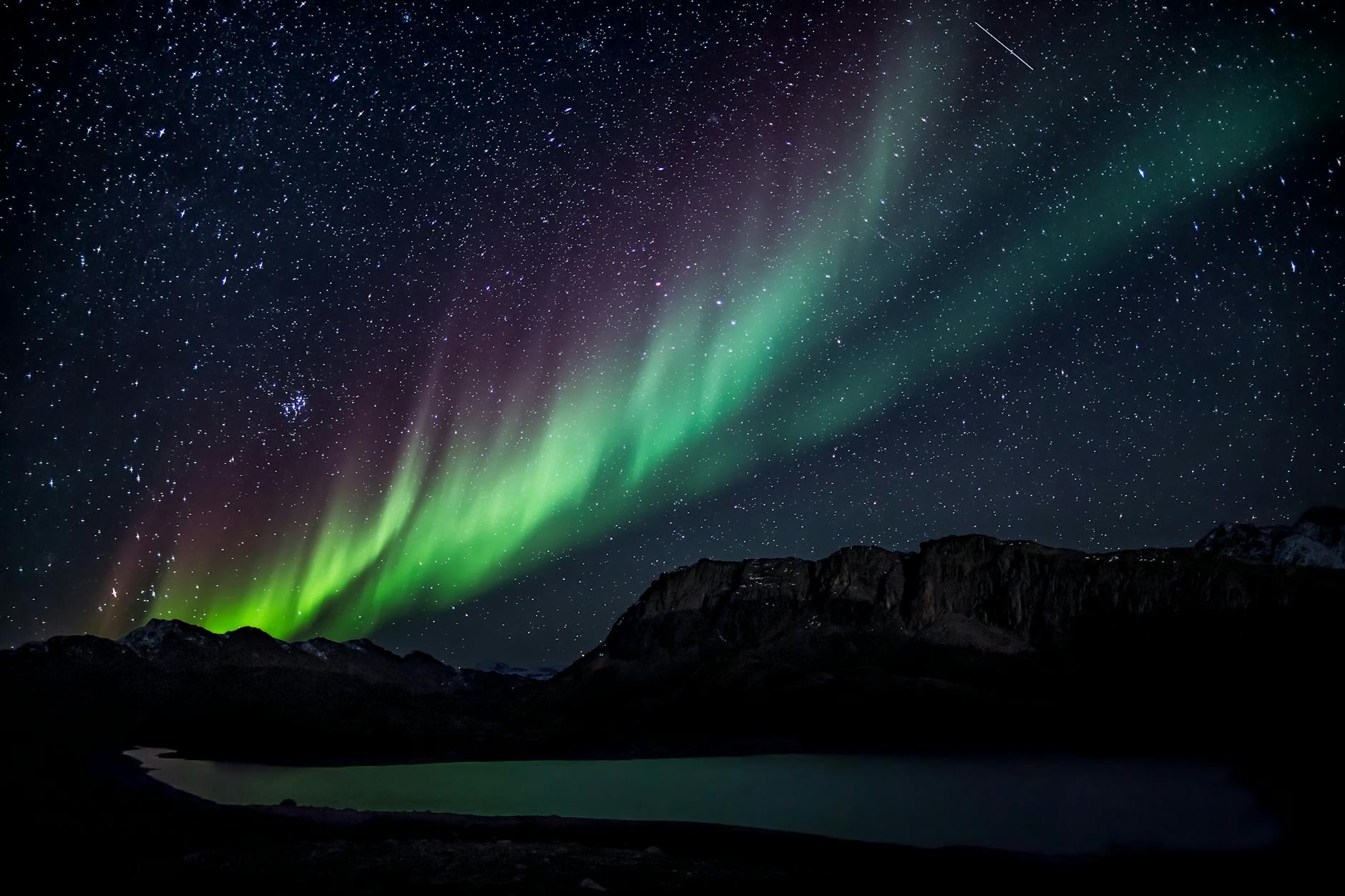
    Discover the Northern Lights in 2025: A Guide to Aurora Borealis

    Introduction

    The Northern Lights, or Aurora Borealis, are one of the most breathtaking natural phenomena on Earth. This spectacular display of dancing lights, predominantly in green, pink, and violet hues, captivates millions of people worldwide. The best regions to experience this cosmic ballet lie in the Arctic zones, including Norway, Sweden, Finland, Iceland, Canada, Alaska, and Russia. From September to March, particularly during the long and dark winter months, the chances of viewing this ethereal light show are significantly heightened. The blend of scientific wonder and cultural significance makes witnessing the Northern Lights an enchanting experience that should not be missed. In this article, we delve into the science of the auroras, the best spots to experience them, the optimal viewing times, their rich folklore, and essential tips to ensure you fully embrace this unforgettable experience.

    The Science Behind the Aurora Borealis

    The Aurora Borealis is not just a beautiful spectacle; it is a manifestation of complex scientific processes. At its core, this phenomenon occurs when charged particles from the sun collide with atoms in Earth’s atmosphere. The sun releases these charged particles during solar flares; as they travel toward Earth, they interact with the magnetic field surrounding our planet. This interaction occurs mostly in polar regions, where the magnetic field lines converge and allow these solar winds to enter the atmosphere.

    When the charged particles collide with gas molecules in the atmosphere, typically oxygen and nitrogen, they transfer energy to these molecules. As the energy is released, it emits light, creating the stunning colors we see during the Northern Lights. The color of the auroras depends on the type of gas involved and the altitude at which the collisions occur. Oxygen at higher altitudes can emit red and green shades, while nitrogen can produce blue and purple hues.

    Notably, the Aurora Borealis is part of a larger phenomenon called auroras, which also include the Aurora Australis or Southern Lights found in the Southern Hemisphere. However, the Northern Lights are often more renowned due to their accessibility and the popular tourist destinations in the Arctic regions.

    Understanding the science behind the auroras adds a layer of appreciation to the experience. Many observers are not aware of the intricate processes behind this celestial light show. When witnessing the Northern Lights, people are not just admiring a mere visual experience; they are witnessing the Earth’s interaction with solar activity—a dance between the sun and the planet that has been occurring for millennia.

    Additionally, scientists study the auroras to gather important information about space weather and its effects on Earth. Solar storms can disrupt satellite communications and power systems, making the understanding of these phenomena crucial. Researchers use various tools and satellites to monitor solar activity and predict auroral occurrences, which helps enthusiasts better plan their trips to witness these extraordinary displays.

    While the scientific explanation plays a significant role in demystifying the Northern Lights, the combination of natural beauty and scientific wonder creates an exhilarating experience. As people gaze up at the dancing lights and marvel at the universe’s grandeur, they become part of a tradition that spans cultures and generations. This celestial dance is a reminder of nature’s beauty and the scientific processes that govern our world, making the pursuit of witnessing the Northern Lights a captivating endeavor.

    Best Locations to Witness the Northern Lights

    The quest to see the Northern Lights would be incomplete without discussing the best locations. The Arctic region offers numerous spots where the auroras can be witnessed in all their glory. Among these, Norway, Sweden, Finland, Iceland, Canada, Alaska, and Russia are renowned as prime locations.

    Starting with Norway, one of the most popular destinations is Tromsø, often referred to as the “Gateway to the Arctic.” Positioned within the auroral oval, Tromsø boasts a high probability of viewing the Northern Lights, especially during winter months. The city offers a variety of organized tours, ranging from dog sledding to snowshoeing, allowing visitors to enjoy the stunning landscape while chasing the lights.

    Moreover, the Lofoten Islands provide a picturesque backdrop to the auroras with their dramatic peaks and dramatic coastal scenery. The combination of tangible natural beauty and the ethereal lights creates a unique experience for travelers seeking both adventure and serenity.

    Next, Sweden’s Abisko National Park is known for its clear skies and high altitude, making it one of the best locations for Northern Lights observation. The park is located in the Swedish Lapland and is particularly famous for its Aurora Sky Station, where visitors can enjoy heated facilities to wait for the lights in comfort while indulging in local cuisine.

    Finland offers its own hidden gems, such as the village of Luosto, which is home to the unique Aurora Cabin experiences, where guests can spend the night in glass-igloos, providing them with a front-row seat to the celestial display. Rovaniemi, the official hometown of Santa Claus, also attracts many tourists who wish to combine the magic of winter with the awe of the Northern Lights.

    Iceland is another spectacular location, especially for those who enjoy combining urban exploration with nature. Reykjavik serves as an excellent base for aurora chasers, with several picturesque spots nearby like Thingvellir National Park and the Snaefellsnes Peninsula, both of which offer stunning views of the lights against the backdrop of Iceland’s unique geological features.

    In Canada, Yellowknife, in the Northwest Territories, stands out as one of the top destinations for viewing the auroras. With its ideal geographical location away from light pollution and a long viewing season, Yellowknife attracts numerous tourists and offers a variety of tours designed specifically for aurora spotting.

    Finally, Alaska features prime viewing locations such as Fairbanks and Anchorage. Fairbanks, in particular, claims to have aurora potential during over 200 nights each year, making it a favored choice among those seeking consistent sightings.

    Each of these locations has something unique to offer, and whether your preference lies in remote wilderness or vibrant urban settings, the Arctic offers diverse experiences bundled with the magic of the Northern Lights.

    Optimal Times for Viewing

    To maximize your chances of witnessing the stunning Northern Lights, timing is crucial. The auroras are most active from late September to March, with winter months often providing the best opportunities for clear skies and darker nights.

    During these months, nights are significantly longer, with many areas experiencing polar nights where the sun doesn’t rise at all. However, for optimal viewing conditions, a clear, dark sky is necessary. Locations far from city lights significantly enhance the viewing experience, allowing the natural colors and intensity of the auroras to shine through.

    Among the winter months, the peak activity tends to occur during the equinoxes in late September and late March. These times align with increased solar activity, as solar storms often coincide with the seasonal shifts. Observers should keep an eye on solar weather forecasts to better plan their trips during these periods of heightened activity.

    In addition to the timing of the month, the specific time of night plays a vital role in viewing the Northern Lights. Typically, auroras are most active during the evening hours, usually between 10 PM and 2 AM. However, this can vary depending on various environmental factors and solar activity levels. Many dedicated aurora chasers recommend arriving at your viewing location earlier in the evening and remaining patient for the lights to appear, as they can sometimes emerge abruptly after a period of anticipation.

    Weather conditions should also dictate the best times for aurora viewing. Overcast skies can obscure the lights, so checking local weather reports for cloud cover can help you plan accordingly. Some apps and websites provide forecasts specifically for aurora activity, allowing enthusiasts to monitor potential sightings.

    Furthermore, local tourism agencies often provide real-time updates on auroral conditions and organize tours tailored to follow the lights based on the weather and solar activity. Engaging with local operators can provide valuable insights and enhance your experience.

    While viewing the Northern Lights may require patience and flexibility, the thrill of witnessing this magical display amidst the breathtaking Arctic landscape ultimately makes it worthwhile. With proper planning and a bit of luck, visitors can revel in the awe-inspiring glory of the Aurora Borealis.

    Cultural Significance and Folklore

    The Northern Lights have long fascinated and inspired cultures around the world, leading to a rich tapestry of folklore and cultural significance. Throughout history, many civilizations sought to explain the auroras, attributing various meanings, beliefs, and myths to this celestial display.

    In Norse mythology, the auroras were believed to be the reflections of the Valkyries, warrior maidens who guided fallen soldiers to Valhalla. This connection to battle and honor imbued the lights with a sense of reverence and solemnity, leading many to view the phenomenon as a bridge between the earthly world and the divine.

    Similarly, the indigenous Sámi people of Northern Scandinavia have their own interpretations of the Northern Lights. They regard the lights as spirits of the deceased or as manifestations of reindeer, which embody the connection between their culture and the natural world. Traditionally, the Sámi believed that whistling at the lights could attract their attention or that engaging with the lights could evoke a spiritual connection. Today, many Sámi continue to pass down these stories, emphasizing the importance of the auroras in their cultural heritage.

    In some Native American traditions, the Northern Lights are thought to represent a gathering of souls. The different colors and shapes of the auroras often elicit awe and reverence, inspiring stories that celebrate the connection between the living and the spirits of the past. Similarly, various Asian cultures, including the Inuit in Canada and Alaska, have attributed significant meanings to the auroras, viewing them as omens, celebrations, or even warnings.

    Modern interpretations also see the Northern Lights as symbols of hope and renewal. In today’s world, where technology and urbanization often disconnect individuals from nature, the auroras stand as a reminder of the beauty and wonder of the natural world. They encourage individuals to immerse themselves in nature and cultivate a deeper appreciation for the universe around them.

    Moreover, the Northern Lights have become a vital aspect of tourism in the Arctic regions. Travelers flock from around the globe to witness this spectacle, which brings various cultures together under the shared experience of wonderment. Local businesses and communities harness this cultural significance, fostering opportunities for meaningful engagement and celebration of shared history related to the auroras.

    As the Northern Lights continue to enchant people, they intertwine science, culture, and art. In contemporary media, the auroras frequently appear in photography, literature, and art, showcasing their beauty and inspiring future generations.

    In this way, the cultural significance of the Northern Lights transcends mere observation; it reflects humanity’s ongoing relationship with our environment, history, and spirituality. It remains a phenomenon woven with layers of meaning, inviting all who view it to contemplate their place within the universe.

    Tips for an Unforgettable Experience

    Witnessing the Northern Lights is undoubtedly an exhilarating experience, but proper planning can enhance your adventure. Here are some invaluable tips to ensure your auroral pursuit becomes an unforgettable memory.

    1. Plan Ahead: Research your destination thoroughly, focusing on the best times and locations known for frequent auroral displays. Consider factors like weather conditions, accessibility, and the availability of local tours or guides who specialize in aurora viewing.

    2. Dress Appropriately: Arctic temperatures can be extreme, so dressing in layers is essential. Choose thermal undergarments, insulated outer layers, and waterproof clothing to keep warm. Sturdy, insulated footwear and warm gloves are also crucial for maintaining comfort while you’re outdoors.

    3. Be Patient: The Northern Lights are a natural phenomenon, and their appearances can be unpredictable. While many factors can increase your chances, such as timing and location, patience remains key. Bring along snacks, hot beverages, and comfortable seating options to endure the wait, as the lights might take time to reveal themselves.

    4. Capture the Moment: If you’re keen on photography, bring a camera that allows for long exposure shots. A tripod is essential for stability when capturing the lights, and be sure to familiarize yourself with your camera settings to achieve the desired results. Darker settings will produce the most vibrant colors, so experiment with settings during the wait.

    5. Keep an Eye on Solar Activity: Monitoring solar weather forecasts and aurora predictions can significantly improve your chances of sightings. Use apps that provide real-time updates and alerts on solar activity, allowing you to stay informed and adjust your plans if needed.

    6. Consider Guided Tours: If you’re unsure about self-navigating the experience, consider joining a guided tour. Local experts can provide insights into the best viewing spots and area history, enhancing your understanding and appreciation of the Northern Lights. Plus, many guides are well-versed in photography and can help you capture the perfect shot.

    7. Embrace the Experience: Finally, remember to immerse yourself in the experience. The Northern Lights are a breathtaking display that evokes emotions and awe—it’s essential to pause, breathe, and truly observe the moment. Sharing the experience with friends or loved ones can also create lasting memories tied to this magnificent sight.

    By implementing these tips, travelers can ensure that their quest to witness the Northern Lights is filled with joy, wonder, and treasured memories that will last a lifetime.

    Conclusion

    Witnessing the Northern Lights is not just about admiring a beautiful natural phenomenon; it is about experiencing the intertwined journey of science, culture, and spirituality. From understanding the scientific processes behind the auroras to exploring the best locations and times to view them, every aspect enriches the pursuit of this ethereal spectacle. The cultural significance and folklore surrounding the lights add depth to the experience, allowing observers to connect with generations of storytelling and tradition. By planning thoughtfully and embracing the adventure, individuals can transform their quest into an unforgettable experience. The Aurora Borealis serves as a timeless reminder of the mysteries of our universe and the beauty that lies within the Arctic skies. Whether it’s your first encounter or a cherished return, the Northern Lights will forever remain an enchanting spectacle that inspires awe and wonder.