Tag: Marrakesh

  • Marrakesh Architecture: A Tapestry of Riads, Arches, and Mosaic Beauty
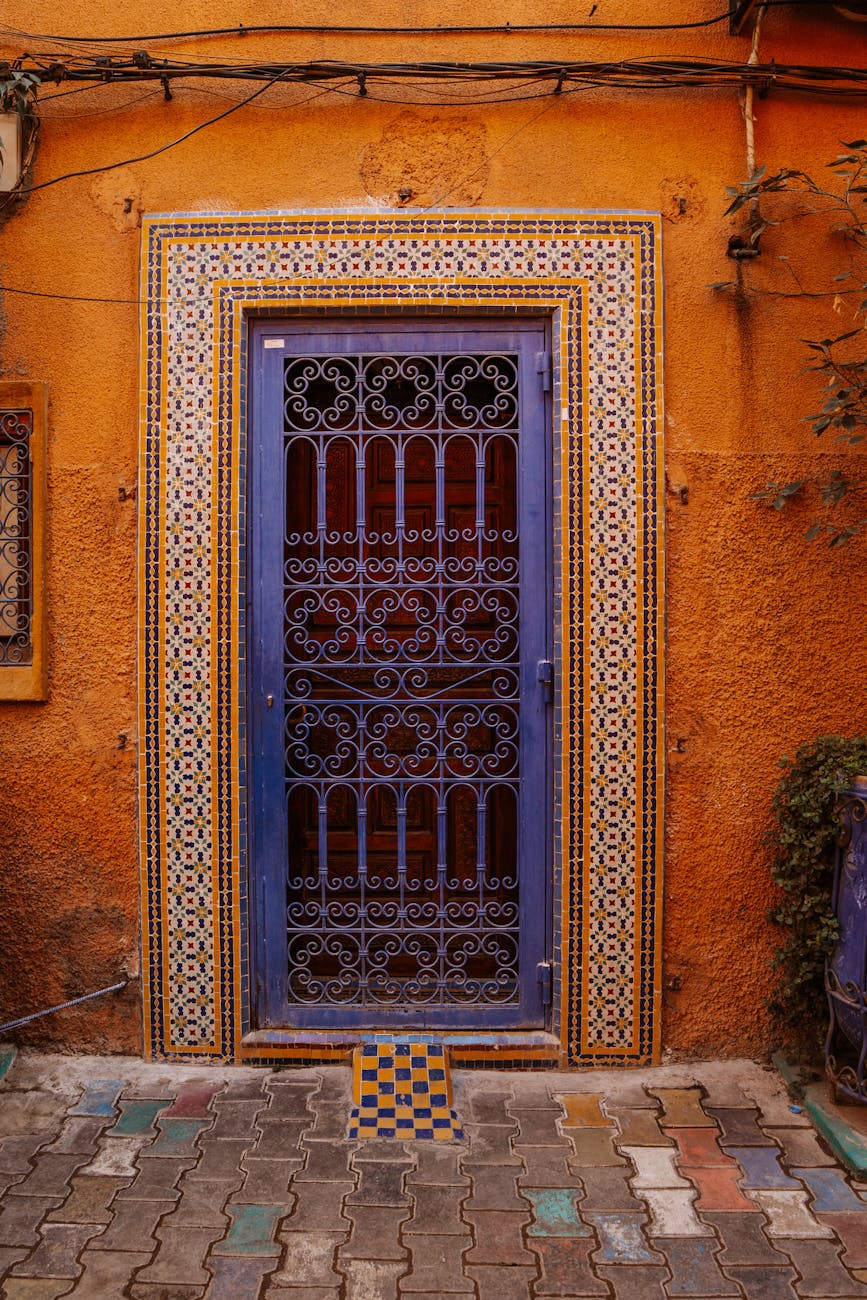
    Marrakesh Architecture: A Tapestry of Riads, Arches, and Mosaic Beauty

    Introduction

    Marrakesh, a city that effortlessly marries the past with the present, is renowned for its vibrant architectural tapestry that showcases centuries of history, culture, and artistic expression. The city’s unique blend of Islamic, Berber, and Moorish influences provides an exceptional look into its architectural evolution, where each structure is a testament to the craftsmanship and design sophistication of its time. Central to Marrakesh’s charm is the riad, an intricately designed house or palace, often featuring gardens and intricate tile work that reflect the city’s rich aesthetic. Alongside riads, the use of arches and exquisite mosaics contributes significantly to the visual allure of the city. In this article, we will explore the historical significance of riads, delve into various Marrakesh architecture styles, examine the role of mosaics, highlight the unifying element of arches, and discuss the importance of preserving Marrakesh architecture.

    The Historical Significance of Riads

    Riads are an iconic element of the Marrakesh architecture landscape, serving not just as residences but as intricate representations of the cultural and social dynamics of Moroccan life. The term “riad” originates from the Arabic word for “garden,” and it perfectly encapsulates the essence of these architectural gems, designed around a central courtyard often planted with lush greenery, fountains, and intricate tile work. Historically, riads were built during the reign of the Almoravid and Almohad dynasties, roughly between the 11th and 13th centuries, and they played a crucial role in the social structure of Marrakech.

    The architectural layout of a riad is intentionally private, with high exterior walls and minimal openings, ensuring seclusion for its inhabitants. This design mirrors the Islamic cultural emphasis on privacy, especially for women, while simultaneously representing a sanctuary from the bustling streets of Marrakesh outside. Inside, the riad often boasts ornate decorations, including beautifully carved woodwork and stucco, serving as a testament to the artisanship prevalent in Islamic art.

    The gardens in the center provide not only an aesthetic appeal but also a cooling effect in the hot Moroccan climate, creating an oasis of tranquility. Water features, such as fountains and pools, are also key components, deriving their significance from the necessity of water in arid environments, as well as its symbolic connection to life in Islamic culture.

    elegant moroccan riad interior with fountain
    Moroccan Riad

    Over time, the role of riads has evolved. Initially reserved for the wealthy elite, many riads have been transformed into boutique hotels and guesthouses, allowing visitors to experience a piece of history firsthand while promoting cultural exchange. This transition has raised questions about authenticity and preservation, prompting ongoing discussions about how to balance commercialization with the integrity of historical structures. Some argue that the influx of tourism dilutes the traditional significance of these homes, while others see it as a necessary effort to maintain and restore dilapidated buildings that might otherwise be lost to time.

    Furthermore, riads are significant as they represent an architectural response to the social norms and lifestyle of the period. The design elements found in riads often incorporate layers of symbolism; for instance, the intricate geometric patterns and arabesques reflect fundamental Islamic beliefs about the infinite nature of creation, while the incorporation of light and shadows enhances the spiritual experience for those who reside within.

    Contemporary architects are now exploring ways to adapt the traditional features of riads to suit modern living while respecting the historical context. Innovations like eco-friendly materials, open-plan designs, and modern amenities are being seamlessly integrated into the classic riad structure, creating a harmonious blend of past and present. In doing so, they further the narrative that riads are not static relics of history but dynamic spaces that continue to evolve.

    luxurious moroccan courtyard with pool
    Moroccan Riad

    As we delve deeper into Marrakesh Architecture, it becomes evident that riads are at the heart of the city’s identity, embodying the beauty and complexity of a culture steeped in history. They stand as enduring symbols of Marrakesh Architecture’s past while elegantly bridging the gap to modernity.

    Exploring Architectural Styles: From Islamic to Contemporary

    The Marrakesh architecture is a fascinating tapestry woven from diverse influences that span centuries. At its core, Marrakesh’s architectural styles reflect the rich Islamic heritage intrinsic to Moroccan history, which also intermingles with Berber and Spanish elements. Key features that define Marrakesh’s architectural identity grasp the essence of cultural fusion and regional interpretation.

    The city’s oldest structures exhibit traditional Islamic architectural styles characterized by intricate tile work, elaborate stucco decoration, and grand arches. These elements are not merely decorative; they also carry deep symbolic meaning within Islamic culture. For example, geometric designs found in tiles and stucco echo the philosophical notion of infinity, representing the unending nature of the universe.

    One of the most significant periods in Marrakesh Architecture’s journey was during the reign of the Almoravids in the 11th century. They introduced a style that featured pronounced arches and a preference for large, ornamental minarets. The Koutoubia Mosque, with its towering minaret, serves as a key example of this early Islamic influence and remains one of the city’s most recognized landmarks.

    carriages in front of marrakesh koutoubia mosque
    The Koutoubia Mosque

    As time progressed, the Almohad dynasty further refined these architectural principles, promoting a more austere aesthetic. They favored open spaces, simplicity, and larger courtyards, which can still be appreciated in numerous structures throughout the city. One such structure is the Ben Youssef Madrasa, a magnificent example of Almohad architecture that highlights the importance of education and spirituality in Moroccan society.

    The merging of architectural styles reached its peak during the Saadian dynasty in the 16th century, as it ushered in a period of opulence and grandeur. The Saadian Tombs, adorned with intricate tile work that symbolizes the relationship between life and death, encapsulate this era’s artistic peaks. The use of zellij, or mosaic tiles, flourished during this period, emphasizing precision and complexity in design that remains a hallmark of Marrakesh’s aesthetic.

    interior of arabic palace with ornamental arched passage
    The Saadian Tombs

    However, the architectural narrative of Marrakesh is not confined to historical styles. In the 20th century, architects began to adopt contemporary elements while still honoring traditional Moroccan design. Influential figures like André Mare and Paul André played a pivotal role in integrating modernism with local aesthetics, particularly in the design of villas portraying clean lines and open spaces. This approach recognized the changing needs of urban residents while ensuring the city’s rich architectural character remained intact.

    Contemporary Marrakesh Architecture has also seen a rise in the blending of international styles, where projects incorporate sustainable practices and eco-friendly materials. This convergence arises from an increasing awareness of environmental sustainability and the desire to preserve cultural integrity amidst rapid urbanization.

    Modern buildings are now carefully designed to align with the city’s historical fabric. The use of local materials, such as clay, stone, and wood, has become more prevalent, creating a harmonious connection with the surroundings while providing contemporary functionality. As Marrakesh continues to grow, the inspiration drawn from traditional architecture continues to shape new designs that resonate with the city’s ambiance.

    Marrakesh Architecture styles stand as a testament to the city’s enduring spirit. They reflect a culture sustained by time, adopting new elements while preserving historical significance. Each style narrates a story, creating a vibrant historical context that continues to enchant visitors and residents alike.

    The Role of Mosaic Art in Marrakesh Architecture

    Mosaic art, or zellij, plays a profound role in the architectural identity of Marrakesh, weaving intricate patterns that speak both to the artistic mastery of Moroccan artisans and the rich cultural narratives embedded within the city. This traditional craft has been a signature element of Marrakesh Architecture since at least the 11th century, and its significance extends beyond simple decoration to embody the very essence of Islamic art.

    Zellij is characterized by the meticulous arrangement of thousands of small, often geometrically-shaped tiles made of clay that are glazed in vibrant colors, including deep blues, greens, and warm earth tones. These tiles are not merely ornamental; they hold deep symbolic value within Islam, representing the infinite nature of creation through their repetitive geometric patterns. This reverence for geometry and symmetry reflects a philosophical belief in the harmony of the universe, which is a foundational element of Islamic art.

    In Marrakesh, mosaic art can be found everywhere, from the facades of grand palaces and mosques to the interiors of charming riads and public squares. Each application tells a story of craftsmanship and cultural heritage. The artisans—often referred to as “fann artisans”—have honed their skills over generations, employing techniques passed down through family lineages, thereby keeping the artisanal tradition alive.

    The process of creating zellij is a labor-intensive endeavor that requires immense skill and precision. Artisans begin by cutting clay tiles into specific shapes, typically squares, triangles, and hexagons, before glazing and firing them. They then painstakingly assemble these small tiles into larger patterns on a backing surface, allowing for the creation of complex, interlocking designs. This meticulous process is a testament to the patience and dedication required to produce the stunning mosaics that characterize the city’s architecture.

    One of the most iconic examples of zellij in Marrakesh is the exquisite tile work found in the Medersa Ben Youssef, a historical Islamic school that showcases traditional motifs and vibrant colors in its intricate decoration. The entrance to the school, adorned with mosaics depicting intricate arabesques and geometric patterns, welcomes visitors into a space that embodies the spiritual and educational mission of this revered institution.

    ben youssef madrasa in marrakesh morocco
    Medersa Ben Youssef

    Beyond their aesthetic appeal, mosaics in Marrakesh serve functional purposes as well. For instance, they adorn flooring and walls in courtyards, providing cooling properties that counterbalance the intense heat of the Moroccan sun. The reflective qualities of the glazed tiles enable them to bounce light, creating dynamic visual effects that change with the time of day. The sense of harmony and balance that emerges from the careful arrangement of tiles creates an alluring space that invites contemplation and tranquility.

    As the world modernizes and architectural practices evolve, the future of traditional mosaic artistry in Marrakesh hangs in the balance. While many contemporary architects incorporate zellij into their designs, there’s a growing concern that the authenticity of the craft may be threatened by mass production and declining artisanal skills. Therefore, various initiatives have emerged to support and promote the next generation of craftsmen, ensuring the survival of this significant art form. Workshops and training programs are being established to educate younger artisans about traditional techniques while also providing them with opportunities to innovate and apply their skills in contemporary contexts.

    The resilience of zellij in Marrakesh architecture symbolizes the enduring nature of cultural identity. Each mosaic tells a story, preserving the values, beliefs, and aesthetics of a rich heritage while continuing to inspire new interpretations and expressions in both historical and contemporary design. As the city evolves, so too will the role of mosaic art, intertwining the beauty of the past with the innovation of the present.

    Arches: A Unifying Element in Design

    Arches have been a defining characteristic of Marrakesh’s architectural landscape, serving as both practical structural elements and symbolic motifs that unify and enhance the city’s diverse architectural styles. Their origins in ancient construction techniques underscore the ingenuity and craftsmanship that have shaped Marrakesh architecture throughout the centuries.

    Historically, the use of arches can be traced back to the Roman period, and their adoption into Islamic architecture marked a significant evolution. In Marrakesh, arches can be found in various forms, each representing a blend of function and artistic expression. From the grand, horseshoe-shaped arches of the Koutoubia Mosque to the elegant, pointed arches prevalent in riads, their presence is emblematic of the city’s architectural identity and its cultural context.

    One of the most notable aspects of arches in Marrakesh is their ability to create transitions between spaces. When entering a riad, the archway often serves as a threshold, marking the transition from the bustling city streets to the serene courtyard within. This simple yet powerful design element establishes a sense of separation and privacy, inviting residents and visitors to experience a retreat from the outside world. In many ways, arches function as portals that guide movement through the spaces they frame, allowing for a rich interaction between the built environment and its inhabitants.

    The design of arches in Marrakesh extends beyond mere aesthetics; the structural function they serve is paramount. By distributing weight and providing support to vaulted ceilings, arches enable the construction of expansive open spaces free from supporting columns. This innovation is particularly evident in mosque architecture, where the grand prayer halls benefit from an abundance of natural light filtering through large archways, creating an atmosphere of tranquility and reverence.

    In addition to their practical attributes, arches in Marrakesh carry symbolic meaning within the Islamic tradition. The curves of horseshoe arches, for instance, reflect cultural ties to Andalusian architecture and evoke notions of spirituality and harmony. They serve as a reminder of the interconnectedness of life and faith, emphasizing the importance of creating a sense of unity and balance in both individual experience and communal spaces.

    The intricate detailing often found in arch designs further enhances their significance. From carved motifs and tile applications to stucco embellishments, each arch tells a story of craftsmanship and artistic dedication. These details not only elevate the visual appeal but also connect the architecture to the cultural narratives of the region, reinforcing the identity of Marrakesh as a city steeped in history and artistry.

    As contemporary architecture continues to evolve, the reinterpretation of arches has become a focal point for modern architects seeking to blend tradition with innovation. While some have opted for minimalist designs that reflect a more abstract understanding of space, others strive to maintain the essence of traditional arches, integrating advanced materials and construction techniques that preserve cultural significance.

    However, the challenge of preserving the architectural heritage of Marrakesh while accommodating modern needs remains a delicate balance. Conversations around adaptive reuse and sustainable practices often center on how to incorporate arches in contemporary construction without jeopardizing their historical integrity.

    Ultimately, arches not only unify the city’s diverse architectural styles but also embody the rich historical narratives that have shaped Marrakesh over the centuries. They represent the confluence of tradition and modernity, illustrating the ongoing dialogue between the past and present. As Marrakesh continues to evolve, the arches will endure, standing as timeless testaments to the enduring beauty of architectural design.

    Preserving Marrakesh’s Architectural Heritage

    The preservation of Marrakesh Architecture’s heritage is a pressing concern in an era of rapid urbanization and globalization that threatens to dilute the city’s rich cultural identity. As an UNESCO World Heritage Site, Marrakesh is not only recognized for its historical significance but also for the unique blend of architectural styles that reflect its dynamic past. However, the challenge lies in balancing development with the imperative to maintain and protect its cherished heritage.

    One of the primary threats facing Marrakesh Architecture’s legacy is the pressure of modern development. As demand for housing, commercial space, and tourism increases, many traditional structures are at risk of being demolished or altered beyond recognition. This kind of development often prioritizes profit over cultural integrity, leading to a growing concern among local residents and heritage advocates alike about the consequences of erasing significant landmarks.

    In response to these challenges, numerous initiatives have emerged to promote the conservation of Marrakesh Architecture’s heritage. Local organizations, together with international partners, are working on restoring historic sites and buildings, ensuring that they retain their cultural significance while adapting to contemporary needs. These restoration projects often incorporate traditional building techniques and craftsmanship, allowing the revitalization of spaces to honor their history while breathing new life into the city.

    narrow alleyway in marrakesh medina
    Marrakesh Medina

    Public awareness campaigns also play a crucial role in the preservation efforts. By educating residents and visitors about the importance of architectural heritage, these initiatives aim to foster a sense of pride and responsibility towards the safeguarding of the city’s unique identity. Additionally, engaging local communities in the preservation process encourages a collective effort to protect and celebrate cultural heritage, ensuring that it is passed down to future generations.

    Furthermore, government policies can be instrumental in shaping the future of Marrakesh Architecture’s landscape. Implementing zoning laws and regulations that prioritize the conservation of historical districts is essential for preventing inappropriate developments that jeopardize the integrity of traditional structures. Collaborating with architects, planners, and historians can foster a holistic approach to urban development, ensuring that new projects seamlessly integrate while enhancing the surrounding architectural context.

    Cultural tourism is also increasingly being recognized as an avenue for funding preservation initiatives. Encouraging responsible tourism that showcases Marrakesh’s architectural gems brings not only economic benefits but also emphasizes the importance of cultural heritage. Visitors often come to appreciate the city’s intricate architecture and historical significance, which prompts a collective commitment to preserving these landmarks.

    In addition, integrating modern technology has opened new avenues for preservation as well. Techniques such as digital mapping and 3D modeling assist in documenting and analyzing historical structures, providing indispensable tools for conservationists. By utilizing digital platforms and social media, stakeholders can share progress, engage the community, and promote awareness of ongoing projects.

    Ultimately, the preservation of Marrakesh Architecture heritage is a multifaceted endeavor requiring collaboration between government bodies, local communities, and international organizations. By fostering a cultural consciousness that values history and craftsmanship, Marrakesh can navigate the complexities of modernization while securing its architectural legacy for generations to come.

    Conclusion

    Marrakesh stands as a living testament to the intricate tapestry of architectural history and artistic expression. From the captivating riads and their historical significance to the majestic arches that unify the city’s diverse designs, each element reveals layers of cultural narrative and artistic ingenuity. The role of mosaic art serves as a striking reminder of the dedication and craftsmanship that define the city, while the preservation of this unique architectural heritage addresses the challenges of modernity with a focus on sustainability and cultural integrity.

    As Marrakesh continues to evolve in the face of globalization and urbanization, it is imperative that we remain vigilant in our pursuit of preserving the architectural treasures that reflect the heart and soul of the city. By celebrating the past while embracing innovation, Marrakesh can navigate the complexities of the present, ensuring that its rich heritage is cherished and passed on to future generations.

    Through continued efforts in conservation, community engagement, and education, we can foster a culture that values Marrakesh’s architectural identity and its interconnectedness with the broader narratives of Moroccan culture. The future holds a promise of hope, where the beauty of Marrakesh Architecture can live on—a tapestry woven from history, art, and humanity.

    Wonders of Morocco | The Most Amazing Places in Morocco | Travel Video

    Wonders of Morocco | The Most Amazing Places in Morocco | Travel Video
  • Marrakesh: The Rich History of Morocco’s Red City
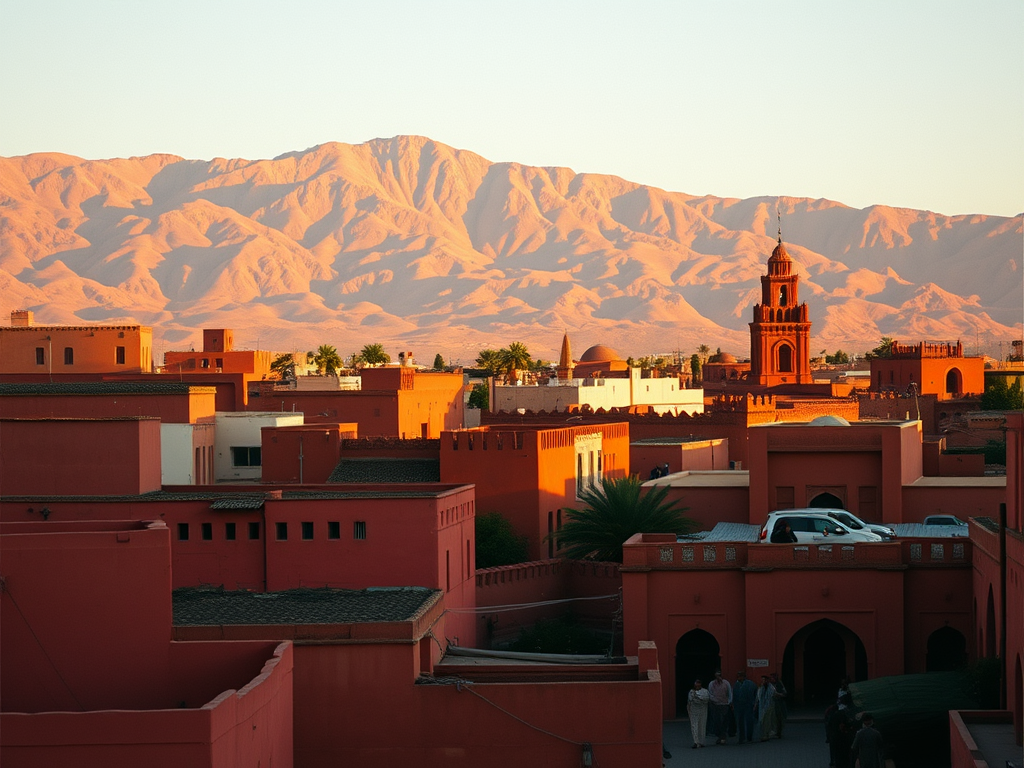
    Marrakesh: The Rich History of Morocco’s Red City

    Introduction

    Marrakesh, often referred to as the “Red City” due to its distinctive red sandstone buildings, is one of the most iconic cities in Morocco. Situated at the foothills of the majestic Atlas Mountains, Marrakesh has been a cultural, religious, and commercial hub in North Africa for almost a millennium. From its foundation in the 11th century to its modern-day allure as a global tourist destination, the city has played a pivotal role in shaping the history of Morocco and the broader Maghreb region. This article explores the rich history of Marrakesh, from its founding, through its golden ages, periods of decline, and eventual resurgence.

    The Foundation of Marrakesh

    The Almoravid Dynasty and the Birth of the City (1070-1147)

    The city of Marrakesh was founded in 1070 by the Almoravid dynasty, a Berber Muslim empire that controlled a large part of the Maghreb and Al-Andalus (Muslim Spain). The Almoravids, originally a nomadic people from the Sahara, established Marrakesh as their capital under the leadership of Abu Bakr ibn Umar and his cousin Yusuf ibn Tashfin, who is often credited with completing the initial construction of the city.

    The strategic location of Marrakesh made it a crucial hub for trade and communication between the Sahara Desert and the Mediterranean, as well as between sub-Saharan Africa and Europe. The city quickly grew into a major center for commerce, culture, and learning. The Almoravids built mosques, palaces, and military fortifications, many of which still stand today, though often in altered form. Notably, they introduced an innovative system of underground irrigation known as the khettara, which allowed the city to flourish in the otherwise arid environment.

    One of the most famous landmarks from this era is the Koutoubia Mosque, whose original structure was begun by the Almoravids and later completed by the Almohads. Though the Almoravid version of the mosque was demolished, it remains a symbol of the city’s long Islamic heritage.

    The fall of the Almoravid dynasty came at the hands of the Almohads, a rival Berber Muslim group that overthrew them in 1147. The Almohads, under the leadership of Abd al-Mu’min, seized control of Marrakesh and made it their capital, marking the beginning of a new era of expansion and development for the city. The Almohads, like the Almoravids before them, were deeply religious and sought to reform the Islamic practices of the region.

    The Rise of the Almohads (1147-1269)

    Marrakesh continued to grow under Almohad rule, reaching new heights of architectural and cultural splendor. The Almohads were responsible for much of the city’s iconic architecture, including the aforementioned Koutoubia Mosque, which was rebuilt in its current form under their rule. The mosque, with its towering minaret, remains one of the most famous symbols of the city and is a quintessential example of Almohad architecture.

    The Almohads also established a network of schools and madrasas (Islamic schools) in Marrakesh, turning the city into a center of religious scholarship. Their empire extended from Morocco to modern-day Tunisia and even into parts of Spain, making Marrakesh a political and intellectual capital of the western Islamic world.

    However, by the late 13th century, the Almohad empire began to weaken, and the city fell into a period of decline as the political landscape of the Maghreb shifted.

    The Marinid and Saadian Dynasties: Decline and Revival

    The Marinid Era (1269-1554)

    Following the fall of the Almohads, Marrakesh was eclipsed by the rise of the Marinid dynasty, who chose to establish their capital in Fez. During the Marinid period, Marrakesh experienced a significant decline in political importance, as Fez became the new center of power in Morocco. While the Marinids did contribute to the architectural and cultural landscape of Morocco, they largely neglected Marrakesh in favor of their northern capital.

    Marrakesh, however, remained an important city, sustained by its role as a center for trade. The city’s markets and caravan routes continued to attract merchants from across North Africa and sub-Saharan Africa. Despite its diminished status, Marrakesh retained its cultural vibrancy and religious significance, though it was no longer the political powerhouse it had been under the Almoravids and Almohads.

    The Saadian Revival (16th Century)

    The fortunes of Marrakesh began to improve dramatically in the 16th century with the rise of the Saadian dynasty. The Saadians were a Berber dynasty that came to power after defeating the Portuguese and other European forces during the battle of Ksar El Kebir in 1578, marking a pivotal moment in Moroccan history. Under the Saadians, Marrakesh once again became the capital of Morocco.

    The Saadians are perhaps best known for their lavish architectural projects, which included the construction of the Saadian Tombs, a stunning funerary complex that remains one of Marrakesh’s most popular historical sites today. They also built the El Badi Palace, a magnificent structure that was meant to showcase the power and wealth of the Saadian rulers. Though much of the palace was later looted and destroyed, its ruins still inspire awe.

    During this period, Marrakesh re-established itself as a thriving cultural and economic center, with the Saadians fostering trade with Europe, the Middle East, and sub-Saharan Africa. The city’s prominence was further enhanced by its strategic location at the crossroads of these major trade routes.

    The Saadian era marked a renaissance for Marrakesh, but it would prove to be short-lived. By the late 17th century, the Saadians were overthrown by a new dynasty, the Alaouites, who moved the capital once again, this time to Meknes.

    Marrakesh, often referred to as the “Red City” due to its distinctive red sandstone buildings, is one of the most iconic cities in Morocco.

    The Alaouite Dynasty and French Colonialism

    The Alaouite Period (17th-19th Century)

    The Alaouite dynasty, which came to power in the mid-17th century and continues to rule Morocco today, shifted the political focus away from Marrakesh. While Meknes, and later Rabat, became the new centers of power, Marrakesh remained an important regional hub, though it no longer served as the imperial capital.

    During the Alaouite period, Marrakesh continued to play a role as a commercial and religious center. The city’s famous souks (markets) thrived, attracting traders and artisans from across the region. The city’s distinctive red buildings, constructed from local clay, became its trademark during this era, lending Marrakesh the nickname “the Red City.”

    Though the city’s political importance had waned, the Alaouite sultans did invest in the restoration of several key monuments and mosques, helping to preserve the city’s architectural heritage. The dynasty’s commitment to maintaining the city’s status as a religious center ensured that Marrakesh remained an essential part of Moroccan identity.

    French Colonial Period (1912-1956)

    In 1912, Morocco was formally divided into French and Spanish protectorates, with the French taking control of most of the country, including Marrakesh. The French colonial authorities saw the city as a valuable cultural and economic asset, and they sought to modernize it while preserving its historic charm.

    One of the most significant figures during this period was French Resident-General Hubert Lyautey, who developed a vision for modernizing Moroccan cities while respecting their traditional architectural styles. In Marrakesh, this led to the development of the Ville Nouvelle (New City), which included wide boulevards, European-style buildings, and modern infrastructure. At the same time, the historic medina (old city) was preserved as a cultural and tourist attraction.

    The French presence also brought new economic opportunities to Marrakesh. The city became a popular destination for European tourists, drawn by its exoticism, warm climate, and historical significance. Marrakesh’s growing reputation as a tourist destination laid the groundwork for the city’s modern economy.

    Despite these changes, the French colonial period was marked by political unrest, as many Moroccans sought independence from foreign rule. Marrakesh, like other cities in Morocco, became a focal point for nationalist movements. In 1956, Morocco gained its independence, and Marrakesh, along with the rest of the country, embarked on a new chapter in its history.

    Post-Independence Marrakesh: A Modern Cultural Hub

    The Rebirth of Marrakesh (1956-Present)

    After Morocco gained independence from France in 1956, Marrakesh underwent a period of transformation and modernization. The city remained an important cultural center, attracting artists, writers, and musicians from around the world. During the 1960s and 1970s, Marrakesh became a haven for countercultural figures, including the likes of Yves Saint Laurent and the Rolling Stones, who were drawn to the city’s exotic allure and relaxed atmosphere.

    The city’s economy, now largely driven by tourism, began to flourish. Tourists from around the world flocked to Marrakesh to experience its rich history, bustling markets, and vibrant street life. The city’s medina, with its narrow alleyways, traditional souks, and iconic Jemaa el-Fnaa square, became a UNESCO World Heritage Site in 1985, cementing Marrakesh’s status as one of the most important cultural destinations in the world.

    The Modern City and Global Influence

    Today, Marrakesh is a city that seamlessly blends the old with the new. The historic medina remains at the heart of the city, while the Ville Nouvelle has continued to expand, featuring modern hotels, restaurants, and shopping centers that cater to both tourists and locals. Marrakesh has also become a center for contemporary art and fashion, with events such as the Marrakesh International Film Festival and the Marrakesh Biennale drawing global attention.

    In recent years, the city has seen significant investment in infrastructure, with the development of new airports, roads, and public spaces aimed at accommodating its growing population and tourist base. The city’s reputation as a luxury destination has only grown, with high-end resorts, spas, and cultural institutions offering visitors a taste of both traditional Moroccan life and modern luxury.

    Conclusion: Marrakesh – A City of Timeless Appeal

    Marrakesh’s long and storied history, from its founding by the Almoravids in the 11th century to its modern-day status as a global cultural hub, reflects its unique role in shaping the identity of Morocco and the wider Maghreb. Throughout the centuries, the city has been a center for trade, religion, and learning, as well as a crossroads for diverse cultures and civilizations.

    As one of Morocco’s most iconic cities, Marrakesh continues to captivate visitors with its blend of ancient history and modern vibrancy. The city’s architectural wonders, bustling markets, and rich cultural heritage stand as a testament to its enduring appeal and importance. Whether as the capital of empires, a colonial stronghold, or a global tourist destination, Marrakesh remains a jewel of North Africa, its red walls bearing witness to nearly a thousand years of history.