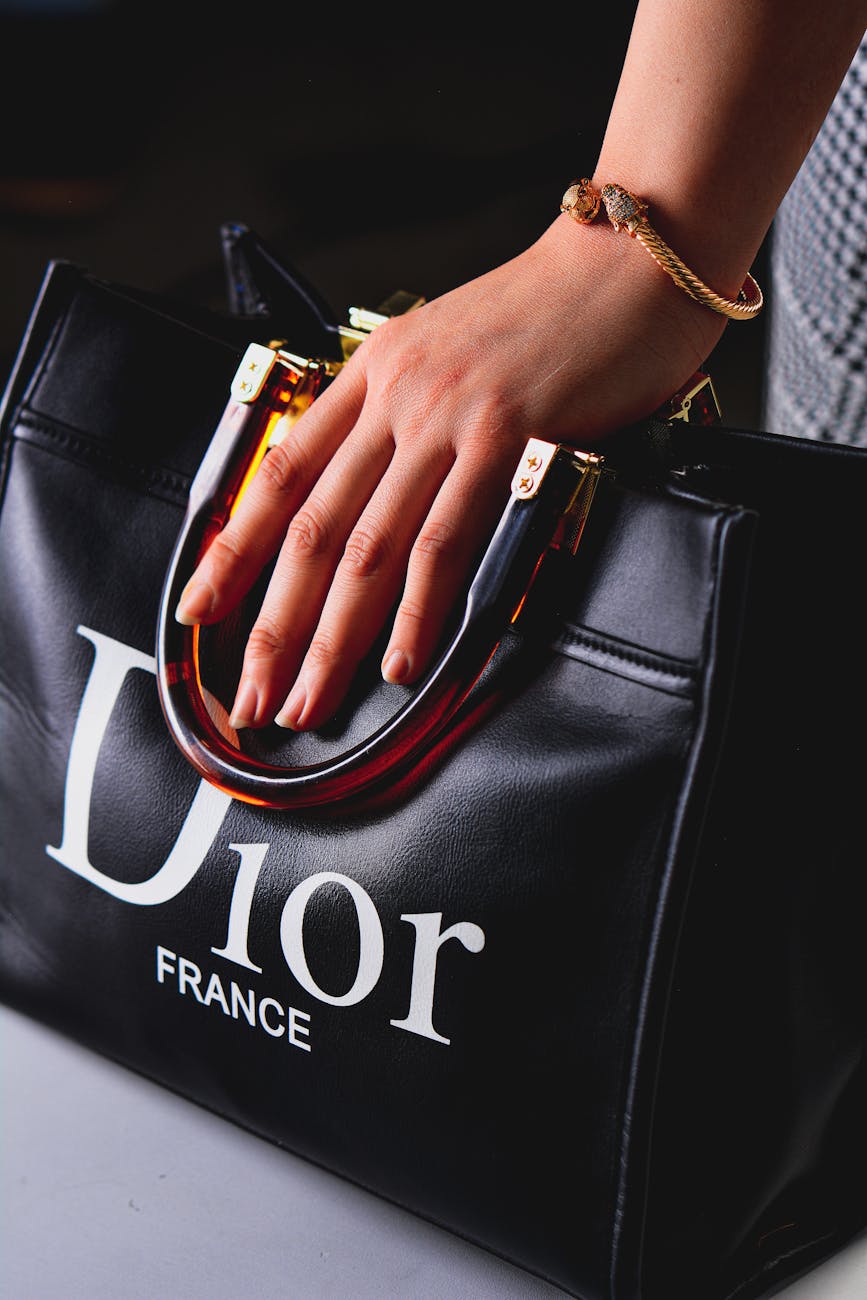
Pandora Jewelry is renowned not only for its exquisite craftsmanship but also for its rich history and evolution in the jewelry industry. Founded in 1982 in Copenhagen, Denmark, by Per Enevoldsen and his wife Winnie, Pandora began as a small jewelry shop with a humble vision. Over the decades, it has transformed into a global brand, synonymous with personalized and customizable jewelry pieces, primarily known for its charm bracelets. This article delves deep into the history of Pandora Jewelry, exploring its roots, innovative product lines, marketing brilliance, commitment to sustainability, and its future in a rapidly changing market, offering readers insights into what makes this brand a cherished favorite among jewelry enthusiasts worldwide.
Origins of Pandora: The Founding Story
Pandora Jewelry’s story begins in 1982, when Per and Winnie Enevoldsen, keen on establishing their own jewelry business, opened a small shop in Copenhagen. Initially, they imported jewelry from Thailand, discerning an opportunity in the market for unique and high-quality pieces that were not widely available in Denmark. Their commitment to quality craftsmanship and distinctive designs soon paved the way for growth.
By 1987, the Enevoldsens started designing their own products, which allowed them to create pieces that reflected their vision and the aspirations of their customers. They aimed to cater to a wide audience, consistently focusing on affordability without sacrificing elegance. This philosophy became the backbone of the Pandora brand.
The breakthrough moment came in 2000, when Pandora launched its customizable charm bracelet collection. This innovation disrupted the jewelry market, giving consumers the power to create personal narratives through their jewelry. Each charm represented a memory, an achievement, or a significant moment in one’s life, encouraging a deeper emotional connection with the product. The charm bracelet quickly gained popularity, leading to exponential growth in sales and brand recognition.
By establishing a unique business model that combined retail with a focus on personal expression, Pandora rapidly expanded its footprint. By the end of the 2000s, Pandora’s charm bracelets were available worldwide, cementing its status as a global leader in the jewelry industry. The vision of offering affordable luxury that resonated with many people enabled the brand’s significant expansion into new markets, appealing to diverse demographics.
Today, Pandora Jewelry is recognized globally, not only for its signature charm bracelets but for its extensive range of customizable pieces, ensuring that the brand remains relevant in an ever-changing fashion landscape. Its origin story is a testament to the founders’ vision and the brand’s ability to adapt and innovate, setting the stage for the fascinating journey that follows.
The Rise of the Charm Bracelet: A Game-Changer in Accessories
The introduction of the charm bracelet was a pivotal moment in the jewelry industry, revolutionizing how individuals expressed themselves through accessories. Pandora recognized that consumers sought more than just beautiful jewelry; they wanted pieces that encapsulated their unique stories and personal experiences. This section delves into how the charm bracelet not only became a fashion statement but also a cultural phenomenon.
Each charm offered customers a way to curate their jewelry, selecting pieces that represented their life’s journey. From moments of joy to milestones, these interchangeable charms allowed wearers to tailor their jewelry to reflect their current emotions and experiences. This personalized approach redefined consumer expectations and established a new trend where jewelry became a portal of self-expression.
As the popularity of charm bracelets soared, Pandora implemented effective marketing strategies to amplify this trend. They tapped into social media, influencer partnerships, and direct customer engagement to showcase the versatility and emotional significance of their jewelry. Campaigns and collaborations further fostered a community around the brand, encouraging customers to share their Pandora stories online, making it an integral part of their social lives.
The charm bracelet phenomenon also encouraged cross-generational engagement, appealing to a broad demographics, including younger consumers, which reinforced re-occurring purchases as individuals expanded their collections over time. Collecting charms became a shared activity, with families gifting charms for milestones, enhancing their emotional value.
This segment of Pandora’s history exemplifies how innovation and understanding of consumer dynamics can lead to a lasting impact in the market. The charm bracelet phenomenon not only transformed consumer attitudes towards jewelry but also molded Pandora into a global powerhouse.
Brand Evolution: Marketing Strategies and Global Expansion
The remarkable evolution of Pandora Jewelry can be attributed largely to strategic marketing and global expansion efforts initiated after the successful launch of its charm bracelet. This section will explore these strategies in detail, looking at how Pandora effectively positioned itself to penetrate international markets and become a household name.
From the outset, Pandora embraced a multi-channel marketing approach, utilizing both traditional and digital channels to reach a diverse customer base. Advertisements were carefully crafted to showcase the emotional appeal of charm bracelets, emphasizing the brand’s tagline of “Unforgettable Moments.†This narrative created a strong emotional connection with customers, allowing them to see the jewelry as more than just accessories, but as intrinsic components of their life stories.
As part of its international strategy, Pandora adopted a franchise model, allowing it to scale quickly while ensuring controlled brand representation across various regions. By partnering with skilled local businesses and entrepreneurs, the brand could adapt to cultural nuances and consumer preferences effectively. This approach helped establish flagship stores in key global cities, enhancing brand visibility and accessibility.
Pandora Jewelry is renowned not only for its exquisite craftsmanship but also for its rich history and evolution in the jewelry industry. Founded in 1982 in Copenhagen, Denmark, by Per Enevoldsen and his wife Winnie, Pandora began as a small jewelry shop with a humble vision. Photo by Gurpreet Dhaliwal on Pexels.com
Social media and influencer marketing further propelled Pandora’s reach. By engaging with popular influencers, the brand shared authentic content that resonated with viewers, sparking interest and conversation around its products. They cultivated an online community, allowing fans to connect over shared experiences, effectively turning customers into brand ambassadors.
Sustainability and corporate responsibility also became central to Pandora’s marketing ethos. The brand began to highlight its commitment to ethical sourcing and environmental conservation, appealing to increasingly conscious consumers. By integrating these values into their marketing strategy, Pandora positioned itself not only as a jewelry brand but as a leader in accountability within the industry.
In conclusion, the brand’s strategic marketing endeavors and global expansion plans not only facilitated significant growth but also reinforced Pandora’s mission to create meaningful jewelry that resonates with people’s lives.
Sustainability and Corporate Responsibility at Pandora
Given the growing consumer demand for sustainable and socially responsible practices, Pandora Jewelry has committed itself to ethical sourcing and sustainability in its operations. This segment will explore the brand’s initiatives and practices centered around corporate responsibility and the positive impact on the environment and communities.
Sustainability has been at the forefront of Pandora’s strategy, particularly with its aim to use only recycled silver and gold in its products by 2025. This ambitious goal emphasizes the brand’s dedication to reducing its environmental footprint and promoting circular economy principles. By committing to recycled metals, Pandora not only minimizes waste but also lowers the demand for newly mined resources, which often leads to environmental degradation.
Additionally, Pandora actively works to ensure their suppliers follow ethical practices, contributing to fair labor conditions and responsible governance. The brand closely monitors their supply chain, fostering transparency and collaboration with stakeholders to encourage ethical mining practices. These efforts reflect a broader commitment to corporate responsibility that enhances customer trust and loyalty.
Moreover, Pandora engages in community initiatives aimed at supporting education, health, and well-being, focusing on empowering underprivileged groups. The brand funds various projects that help provide resources to children and women in need, driving positive change and enabling brighter futures. Such investments resonate with consumers who increasingly prefer brands that align with their values.
Pandora has effectively communicated its sustainability efforts through marketing campaigns, encouraging customers to support responsible jewelry purchasing. By weaving environmental consciousness into its brand narrative, Pandora continues to attract and engage a customer base that prioritizes sustainability.
This segment highlights that Pandora’s commitment to sustainability not only demonstrates corporate accountability but also reflects the evolving expectations of the jewelry industry, paving the way for a more responsible future.
The Future of Pandora: Trends and Innovations in Jewelry Design
As the jewelry industry evolves, so does Pandora Jewelry, continuously exploring innovations and trends to meet the preferences of its diverse customer base. This section will discuss how Pandora plans to adapt to future market dynamics through creative designs, technology integration, and consumer engagement strategies.
Wearable technology represents a burgeoning frontier within the jewelry space, and Pandora is exploring possibilities within this realm. Innovations such as smart jewelry, which can monitor health metrics or facilitate communication, offer exciting prospects for future product lines. Integrating technology with fine craftsmanship could redefine how consumers interact with their jewelry, making it both functional and beautiful.
Moreover, creative design will be at the heart of Pandora’s evolution. The brand is likely to continue collaborating with artists and designers, generating limited edition collections that stir excitement and exclusivity among consumers. These collaborations not only introduce fresh artistic perspectives but also enable consumers to feel a connection to cutting-edge trends.
Personalization remains a significant driver in the jewelry market, and Pandora is expected to utilize technology to enhance customization options further. Advanced 3D printing techniques may enable consumers to create unique pieces tailored specifically to their taste, reinforcing the emotional connection associated with their jewelry.
In tandem with product innovation, delivers immersive customer experiences will be essential. Pandora might explore augmented reality (AR) to allow consumers to visualize how certain pieces would look on them in real-time. An engaging shopping experience is essential for attracting a contemporary clientele that seeks more from their purchasing journeys.
Finally, as sustainability continues to shape consumer preferences, Pandora will likely invest in eco-friendly materials and practices, reflecting this growing demand. The confluence of technology, creativity, and sustainability will chart Pandora’s path forward, ensuring it not only meets but exceeds the expectations of future generations.
Conclusion
The journey of Pandora Jewelry showcases a profound evolution from a modest jewelry shop in Denmark to one of the leading global brands in the industry. Through innovative charm bracelets, strategic marketing, and a commitment to sustainability, Pandora has carved a unique niche that resonates with consumers worldwide. As the brand looks to the future, the potential for continued growth through design innovation and an unwavering dedication to ethical practices bodes well for its legacy. By embodying the values of personal storytelling, artistry, and responsible consumption, Pandora Jewelry remains not just a brand, but a cherished part of customers’ lives, symbolizing unforgettable moments and connections that transcend generations.
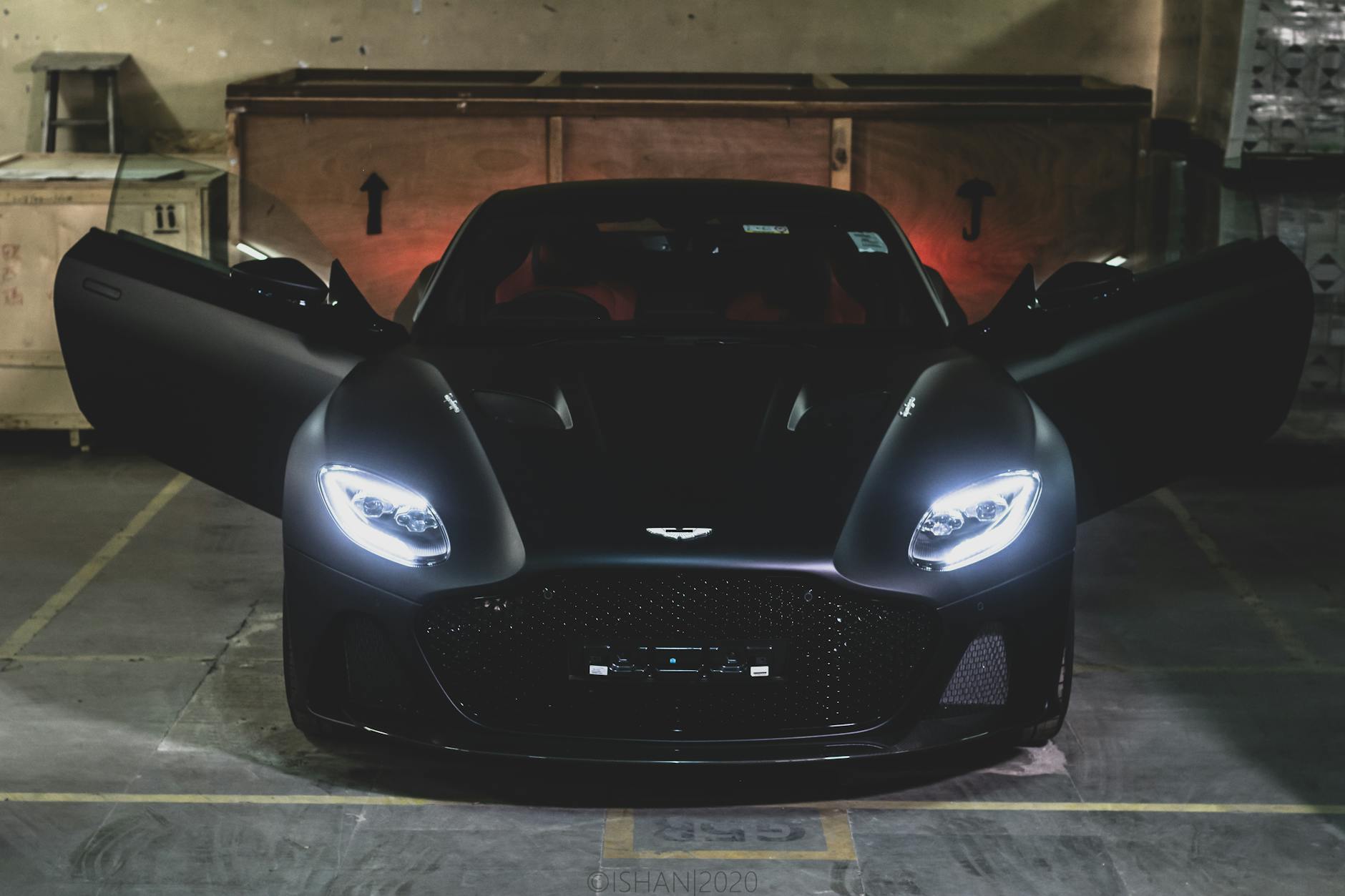
Aston Martin, a name synonymous with luxury and high-performance automobiles, has a storied history that intertwines craftsmanship with innovation. Founded in 1913, the brand has not only become a symbol of elegance but has also made significant strides in automotive engineering. With its sleek design and powerful performance, Aston Martin has captured the hearts of car enthusiasts and celebrities alike, becoming a staple in popular culture, notably through its association with the James Bond franchise. This article delves into the rich history of Aston Martin, exploring its evolution, challenges, and what the future holds for this iconic brand.
The Founding of Aston Martin: An Overview
Aston Martin was born out of a vision shared by Lionel Martin and Robert Bamford in the early 20th century. The company’s origin can be traced back to 1913 when the duo began building cars under the name “Bamford & Martin.” Their first vehicle, the Aston Martin ‘Coal Scuttle,’ was a lightweight racing car that showcased the duo’s passion for speed and performance. The name “Aston Martin” was adopted shortly after when Lionel Martin raced one of his creations at the Aston Hill Climb near Aston Clinton in 1914.
The early years were characterized by financial struggles and ownership changes, yet Aston Martin’s commitment to craft and racing prowess remained intact. With the onset of World War I, production halted, but the brand rebounded in the 1920s, focusing on sports cars that would define its legacy. During this period, the company participated in several endurance races, staking its claim in the automotive world and gaining recognition for its engineering excellence.
By the 1930s, Aston Martin’s reputation as a luxury brand was solidified, attracting affluent clients, including royalty and celebrities. The introduction of the iconic Aston Martin 2 Litre Sports in 1921 marked a significant milestone, blending performance with luxury. The challenges of the Great Depression tested the company’s resilience, but it managed to survive, setting the stage for further innovation in the years that followed.
In essence, the founding period of Aston Martin laid the groundwork for what would become a remarkable journey through the automotive industry. The initial dream of two men fueled the fire of an enduring legacy, characterized by innovation, style, and an unyielding commitment to quality.
The Evolution of Aston Martin Models
Aston Martin has produced an array of models that reflect the brand’s commitment to performance, luxury, and design excellence. From its early racing cars to the modern supercars, the evolution of Aston Martin models is a testament to the brand’s adaptability and innovation.
The post-World War II era marked a significant turning point for Aston Martin. The introduction of the DB series, initiated with the DB2 in 1949, revolutionized the company’s offerings. The DB2’s innovative design and powerful engine capabilities helped establish Aston Martin as a key player in the luxury sports car market.
As the years progressed, the DB series continued to evolve, leading to the iconic DB5 in the early 1960s. This model gained worldwide fame after being featured in the James Bond film “Goldfinger,” cementing Aston Martin’s status as a symbol of sophistication and elegance. The DB5 was notable for its powerful 4.0-liter inline-six engine and luxurious interior, setting new standards for performance and style.
Following the success of the DB5, Aston Martin introduced various models that catered to different market segments. The V8 Vantage, launched in the 1970s, became renowned for its muscular stance and exhilarating performance. This model further diversified the brand’s offerings, showcasing Aston Martin’s ability to blend classic design with cutting-edge technology.
The 1990s saw the launch of the DB7, which reinvigorated the brand after a challenging financial period. This model was pivotal in expanding Aston Martin’s customer base and enhancing its global presence. The DB7 combined luxury with accessibility, appealing to a broader audience while maintaining the high standards associated with the brand.
In recent years, Aston Martin has continued to innovate, with models such as the Vantage and the DB11 pushing the boundaries of design and technology. The brand’s commitment to blending traditional craftsmanship with modern advancements emphasizes its dedication to excellence in automotive engineering.
The evolution of Aston Martin models showcases not only the brand’s rich heritage but also its forward-thinking approach. Every model tells a story, reflecting the changing times and the enduring appeal of luxury sports vehicles.
Aston Martin and Motorsport: A Legacy of Racing
Aston Martin’s involvement in motorsport has been a defining aspect of its history, demonstrating the brand’s commitment to performance and engineering excellence. From its inception, racing played a crucial role in establishing Aston Martin’s reputation as a maker of high-performance vehicles.
In the early days, Aston Martin cars were designed with racing in mind. The company participated in various competitive events, such as the 24 Hours of Le Mans, where it first showcased its prowess in endurance racing. The 1920s and 1930s saw Aston Martin achieve significant successes, with several podium finishes that contributed to its growing legacy in motorsport.
The post-war years witnessed a resurgence of Aston Martin in competitive racing. The introduction of the iconic DBR1 in the 1950s marked a pivotal moment for the brand, as it became a dominant force in sports car racing. With renowned drivers like Carroll Shelby and Sir Stirling Moss behind the wheel, the DBR1 achieved victory at Le Mans in 1959, solidifying Aston Martin’s status in the racing world. This triumph showcased the brand’s engineering capabilities and commitment to achieving peak performance, further enhancing its reputation.
During this period, Aston Martin also developed a strong relationship with various racing organizations, participating in events around the globe. The brand’s focus on performance and innovation allowed it to compete with other prestigious manufacturers, and its racing success translated into credibility for its road-going models. Each victory on the track reinforced the idea that Aston Martin vehicles were not only luxurious but also built for speed and agility.
As the automotive landscape evolved, so did Aston Martin’s approach to motorsport. The brand continued to embrace innovation, utilizing advanced technologies to improve performance in competition. In recent years, Aston Martin has engaged in partnerships with teams in various racing series, including GT racing and Formula E, showcasing its commitment to sustainability and modern engineering.
Aston Martin’s legacy in motorsport remains a significant aspect of its identity. Racing has allowed the brand to push the boundaries of automotive engineering while maintaining its commitment to high performance and luxury. The lessons learned on the racetrack often translate to enhancements in their consumer vehicles, ensuring that the spirit of competition remains at the core of Aston Martin’s ethos.
Aston Martin, a name synonymous with luxury and high-performance automobiles, has a storied history that intertwines craftsmanship with innovation. Founded in 1913, the brand has not only become a symbol of elegance but has also made significant strides in automotive engineering. Photo by Tyler Clemmensen on Pexels.com
Challenges and Triumphs: Aston Martin in the Modern Era
Aston Martin has faced numerous challenges in the modern era that have tested its resilience and adaptability. The brand’s journey through financial difficulties, management changes, and market shifts has shaped its present and future trajectory.
In the late 1990s and early 2000s, Aston Martin experienced financial struggles, leading to changes in ownership and management. The introduction of the DB7 proved to be a significant turning point, as it revitalized the brand and attracted a new generation of customers. However, maintaining production levels and ensuring profitability remained a challenge.
The global financial crisis of 2008 significantly impacted luxury automotive brands, including Aston Martin. With declining sales and a shrinking market for high-end vehicles, the company had to adapt to survive. During this turbulent time, Aston Martin focused on streamlining operations and innovating its product lineup. The launch of models like the V8 Vantage and the DBS helped the brand regain traction, appealing to buyers looking for luxury sports cars.
Despite these challenges, Aston Martin managed to re-establish its position in the luxury market. The appointment of new leadership brought fresh ideas, focusing on expanding the brand’s global presence and diversifying its product range. Partnerships with key manufacturers and suppliers allowed Aston Martin to access cutting-edge technologies, enhancing its models for greater performance and sustainability.
The brand’s dedication to innovation became evident with the introduction of hybrid and electric models as part of its future vision. The announcement of the Aston Martin Valhalla and other upcoming models represents a commitment to sustainability while retaining the brand’s core values of performance and luxury. This forward-thinking approach positions Aston Martin as a relevant player in an evolving automotive landscape.
Today, Aston Martin continues to navigate the complexities of a changing industry. The blend of heritage and modernity in its designs showcases its ability to honor its legacy while embracing the future. The challenges faced in recent decades have strengthened Aston Martin, allowing it to emerge as a brand resilient in the face of adversity.
The Future of Aston Martin: Innovations and New Directions
As Aston Martin looks to the future, the brand is set on a path of innovation and sustainability, ensuring it remains relevant in an ever-evolving automotive industry. The future vision involves embracing advanced technologies, developing electrified models, and continuing to enhance its luxury offerings.
Aston Martin is undertaking significant steps toward electrification, with plans to unveil hybrid and fully electric models. The introduction of the Aston Martin Valhalla, a hybrid supercar, signifies the brand’s commitment to combining performance with environmental responsibility. This model represents a shift in engineering philosophy, aiming to push the boundaries of performance while adhering to sustainability goals.
Moreover, Aston Martin is leveraging modern technology, including advancements in connectivity and automation, to enhance the driving experience. Integration of smart technologies into its vehicles aligns with consumer demands for connected cars, improving safety and user interaction. Features such as advanced driver assistance systems and infotainment platforms are increasingly becoming focal points in the development of new models.
The collaboration with other industry leaders, including partnerships for shared technology development, is a crucial aspect of Aston Martin’s future strategy. These alliances not only foster innovation but also allow the brand to remain competitive in a landscape dominated by rapid technological advancements.
In addition to vehicle innovation, Aston Martin is focusing on expanding its footprint in emerging markets. The brand’s strategy includes reaching younger consumers by showcasing lifestyle and aspirational elements that resonate with a broader audience. With increased emphasis on brand experience, Aston Martin aims to enhance consumer engagement through exclusive events and partnerships that highlight the uniqueness of its heritage.
Moreover, the brand’s commitment to craftsmanship and quality remains uncompromised. The fusion of artisanal skills with cutting-edge technology ensures that Aston Martin’s vehicles continue to embody luxury and performance while appealing to contemporary tastes.
As Aston Martin embraces the future, its endeavors reflect a commitment to evolution and sustainability. The brand’s legacy is grounded in performance and craftsmanship, but its vision for tomorrow includes innovation, connectivity, and an unwavering dedication to delivering exceptional driving experiences.
Conclusion
The history of Aston Martin is a compelling narrative of ambition, innovation, and resilience. From its humble beginnings in 1913 to becoming a global icon of luxury and performance, Aston Martin has carved a path defined by excellence in automotive engineering.
Each chapter of its story reveals the brand’s ability to adapt and thrive in changing environments, from financial hardships to the challenges of modern technology and sustainability. Aston Martin’s commitment to combining traditional craftsmanship with contemporary innovation ensures that it remains a beloved marque among enthusiasts and collectors worldwide.
As the brand continues to evolve, embracing electrification and advanced engineering, it honors its rich heritage while boldly stepping into a future filled with possibility. The spirit of Aston Martin—luxury, performance, and passion—will undoubtedly endure, captivating car enthusiasts for generations to come.
Nestled in the picturesque landscape of the Austrian Alps, Aurelio Lech offers an unparalleled boutique chalet experience characterized by luxurious accommodations and premium service. This haven, situated in the charming village of Lech, is designed to provide a perfect blend of relaxation and adventure. With its stunning mountain views, guests are treated to a serene environment where every detail has been thoughtfully curated to ensure their comfort and enjoyment. The chalet not only serves as a restful retreat after a day spent exploring the expansive alpine region but also offers a unique opportunity to indulge in the local culture and culinary delights. Whether you are a skiing enthusiast or in search of a tranquil escape, Aurelio Lech presents the ideal setting to unwind and connect with the beauty of nature, making it a premier destination for discerning travelers.
Overview of Aurelio Lech and its Unique Offerings
Aurelio Lech stands as an emblem of luxury within the enchanting surroundings of the Austrian Alps. This boutique chalet is not just an accommodation; it is a carefully orchestrated experience designed to appeal to those who appreciate the finer things in life. Upon arrival, guests are welcomed with a warm ambiance that immediately sets the tone for their stay. The aesthetic of the chalet beautifully marries traditional alpine charm with contemporary elegance, featuring wood accents, plush furnishings, and expansive windows that showcase the breathtaking views of the surrounding mountains.
The uniqueness of Aurelio Lech lies in its commitment to personalization and excellence in service. Each guest’s experience is tailored to ensure their stay exceeds expectations. From private concierge services that arrange bespoke itineraries to spa treatments and wellness programs designed to rejuvenate the body and mind, every aspect is aimed at offering a memorable retreat. The staff, trained to uphold the highest standards of hospitality, are dedicated to anticipating the needs of guests, often going beyond the call of duty to create a seamless and enjoyable experience.
Accommodations at Aurelio Lech range from opulent rooms to luxurious suites, each equipped with modern amenities while retaining a rustic charm that reflects the local character. High-quality linens, state-of-the-art technology, and en-suite bathrooms with indulgent toiletries are standard in every room, contributing to the overall sense of well-being and relaxation. Furthermore, many rooms feature private balconies or terraces, providing an intimate area for guests to soak in the stunning alpine vistas.
In addition to comfort and aesthetics, Aurelio Lech prides itself on its sustainable practices. The chalet has been designed with environmental consciousness in mind, utilizing eco-friendly materials and systems that minimize its ecological footprint. Efforts to preserve the breathtaking natural surroundings are evident, making it a responsible choice for environmentally-aware travelers. Eco-conscious guests can feel good about enjoying the majesty of the Alps without contributing to its degradation.
The location of Aurelio Lech is another aspect that sets it apart. Situated in one of the most prestigious ski resorts in Europe, it offers ease of access to world-class skiing and snowboarding during the winter months, as well as hiking and mountain biking in the summer. For those who seek adventure, the surrounding landscape provides endless possibilities, from exploring hidden mountain trails to embarking on guided excursions that delve into the cultural and historical significance of the region. More than just a place to stay, Aurelio Lech serves as a gateway to experience the breathtaking beauty and diverse activities that the Austrian Alps have to offer.
The social atmosphere at Aurelio Lech plays an essential role in its charm. Guests often mingle in the communal areas, sharing stories of their daily adventures over a glass of wine by the fireplace or enjoying conversations in the outdoor lounge while taking in the stunning views. The connections made here are often as memorable as the experiences themselves, fostering a sense of community among adventurers from all walks of life. This inviting atmosphere encourages guests to forge lasting friendships, enhancing the overall experience at Aurora Lech.
In conclusion, the overview of Aurelio Lech reveals a boutique chalet that is committed to offering a luxurious and personalized retreat in the Austrian Alps. With its unique offerings, attention to detail, and dedication to sustainability, it stands out as a premier destination for those seeking an extraordinary escape.
Luxurious Amenities and Services Provided
Aurelio Lech prides itself on providing a range of luxurious amenities and services that elevate the guest experience to extraordinary heights. From the moment one steps into this exquisite chalet, it is evident that every detail has been thoughtfully curated to ensure both comfort and indulgence. One of the standout features is the exceptional wellness area designed to rejuvenate and relax guests.
Upon entering the wellness zone, visitors are greeted by a peaceful ambiance, complete with ambient lighting, soothing sounds, and a variety of treatment options. The spa facilities include a state-of-the-art sauna, steam room, and an outdoor hot tub that overlooks the enchanting alpine scenery. Guests can choose from an impressive menu of treatments, including massages, facials, and body rituals, all designed with natural products to promote relaxation and holistic well-being. Couples can indulge in a private treatment room, allowing them to share intimate moments while being pampered by expert therapists.
Beyond wellness, Aurelio Lech enhances the experience with an extensive range of concierge services. The dedicated staff is always on hand to cater to specific guest requests, be it arranging private transportation to and from the airport, booking exclusive ski lessons with local experts, or creating personalized itineraries for exploring the area. Whether guests desire a guided mountain hike, a ticket to a local cultural event, or a reservation at the finest dining establishments, the concierge team excels in making arrangements to suit individual preferences.
In addition to the concierge services, Aurelio Lech features a chic lounge and bar area, offering a cozy space for guests to unwind after a day of exploration. It is elegantly designed, with plush seating, a curated selection of books, and a sophisticated ambiance that encourages conversation and relaxation. The bar serves an impressive array of beverages, from artisan cocktails to carefully selected wines, adding a touch of glamour to the evenings spent at the chalet. Guests can also interact with the staff, who are well-versed in the local wines and spirits, enhancing the experience with bespoke recommendations.
An essential aspect of luxury hospitality is the culinary experience, and Aurelio Lech excels in this regard. The in-house restaurant showcases the best of Austrian cuisine, prepared by talented chefs who are passionate about using fresh, local ingredients. A changing seasonal menu reflects regional specialties, allowing guests to savor the authentic flavors of the culture. Breakfast is an elaborate affair, featuring gourmet options like smoked salmon, regional cheeses, and freshly baked pastries, setting the tone for a fulfilling day ahead.
For those who wish to dine in the comfort of their rooms, room service is available, offering a wide selection of delectable dishes that can be enjoyed in the privacy of one’s suite. The team is attentive to dietary requirements and preferences, ensuring that each meal is a delightful experience tailored to individual tastes.
Furthermore, the chalet is equipped with modern technological amenities to enhance comfort and entertainment. Wi-Fi is available throughout the property, ensuring guests can stay connected if needed. Each room comes equipped with a smart TV and a variety of streaming options, allowing guests to unwind with their favorite shows after an adventurous day.
In summary, the luxurious amenities and services provided by Aurelio Lech are designed to create a seamless and unforgettable experience for every guest. From wellness treatments to personalized concierge services, exquisite dining options, and entertainment amenities, each detail adds to the overall impression of unparalleled luxury that exemplifies the essence of this boutique chalet.
The Breathtaking Location: Nature Meets Elegance
The location of Aurelio Lech is perhaps one of its most compelling features—perched amid the majestic Austrian Alps, it offers a picturesque backdrop that enhances the charm and elegance of the retreat. The breathtaking views of snow-capped mountains, lush valleys, and pristine natural landscapes create an awe-inspiring atmosphere that beckons guests to explore the region’s beauty.
As one approaches the chalet, the magnificent panorama unfolds, showcasing the striking contrasts between rocky peaks and verdant meadows. The picturesque village of Lech, known for its rich cultural heritage and vibrant alpine lifestyle, serves as the perfect setting for this luxurious retreat. Surrounded by natural splendor, Aurelio Lech provides a tranquil sanctuary that feels removed from the hustle and bustle of everyday life.
Accessibility to outdoor adventures is another advantage of this extraordinary location. In the winter months, guests can indulge in world-class skiing and snowboarding, with access to some of the best slopes in Europe. The expansive ski area of Arlberg boasts a dizzying array of trails for all skill levels, ensuring that both novice and experienced skiers find their spot of paradise. Ski lifts and slopes are conveniently close to the chalet, allowing for effortless transitions from luxury to adventure with minimal effort.
Summer months bring a different kind of magic to the region, with opportunities for hiking, mountain biking, and exploring nature trails that showcase the breathtaking alpine flora and fauna. The trails are well-marked and cater to various fitness levels, making it easy for guests to embark on their preferred outdoor journeys. Guided excursions are readily available for those wishing to delve deeper into the natural wonders of the area, providing insight into the geology, ecology, and local folklore of the region.
The benefits of the chalet’s location extend beyond outdoor adventures and cultural experiences; the region is also known for its serene environment and fresh alpine air. The quiet tranquility allows guests to disconnect from their daily routines, promoting relaxation and rejuvenation. Nature’s embrace fosters a peaceful atmosphere, where one can unwind and recharge amidst the vibrant greens of summer or the deceptively inviting winter landscapes.
In conclusion, the breathtaking location of Aurelio Lech seamlessly combines nature’s elegance with luxurious comforts. With proximity to both exhilarating outdoor activities and cultural experiences, guests are inspired to embrace the enchanting beauty of the Austrian Alps. The location enriches the overall experience, making Aurelio Lech not just a destination for leisure but also an adventure into the heart of nature’s splendor.
Culinary Delights: Fine Dining Experience
At Aurelio Lech, the culinary experience is elevated to an art form, with a focus on delivering exceptional tastes and unforgettable dining moments. The fine dining restaurant at the chalet serves as a gastronomic haven where guests can indulge in exquisite dishes crafted from the highest quality ingredients sourced from local and sustainable producers. The menu is thoughtfully curated to showcase regional specialties and seasonal flavors, allowing diners to experience the essence of Austrian cuisine while enjoying the luxurious atmosphere of the chalet.
Breakfast at Aurelio Lech sets the stage for the day, inviting guests to immerse themselves in a gourmet feast. An expansive buffet features a wide range of options, including artisanal breads, freshly baked pastries, local cheeses, and cured meats. Guests can also enjoy made-to-order dishes, such as fluffy omelets, perhaps paired with perfectly brewed coffee or traditional Austrian teas. This idyllic start energizes guests for their adventures in the stunning alpine landscape.
As the day transitions to evening, the dining experience undergoes a transformation, becoming a celebration of culinary creativity. The restaurant’s ambiance evolves, with candlelight and soft music creating an intimate setting. The accomplished chefs take pride in presenting a menu driven by the seasons—each dish tells a story of the region’s agricultural heritage. Fresh produce, game meats, and seafood are crafted into sumptuous plates, accompanied by the finest regional wines which the knowledgeable staff gladly helps pair with the meals.
For those seeking a personalized dining experience, the executive chef is open to crafting custom menus based on guest preferences and dietary requirements. This attention to detail ensures each dining experience is unique and tailored, allowing guests to explore new tastes in a welcoming environment.
Moreover, the kitchen often takes part in interactive experiences, enabling guests to engage with the culinary team during cooking classes or special gastronomic events. These occasions allow for a deeper connection with the craft of cooking and the opportunity to learn about the ingredients being used. Guests take home not only new skills but also a sense of pride in their ability to recreate the delightful dishes they’ve enjoyed during their stay.
Aurelio Lech also offers private dining experiences, allowing guests to enjoy a meal in the comfort of their own suites or in exclusive settings within the chalet. Whether it’s a romantic dinner for two or a celebratory gathering with friends and family, these customizable dining options elevate every experience, making it truly special.
Overall, the culinary delights at Aurelio Lech are a true testament to the ambiance of luxury, elegance, and artistic expression. Each meal is a journey in itself, inviting guests to embrace not only the flavors of Austrian cuisine but also the surrounding culture that influences each dish. Dining at Aurelio Lech is much more than just a meal; it is an experience that resonates within and creates lasting memories of indulgence and delight.
Activities and Experiences: Embracing the Alpine Lifestyle
Aurelio Lech is perfectly situated to offer guests a variety of activities and experiences that embrace the captivating alpine lifestyle. With both winter and summer seasons providing unique opportunities, visitors can immerse themselves in the magic of the mountains throughout the year. Whether seeking heart-pounding adventure or quiet contemplation, a diverse range of activities ensures that every guest finds their perfect experience.
During the winter months, the region transforms into a white wonderland, attracting skiing and snowboarding enthusiasts from all over the globe. The nearby Arlberg ski area boasts vast ski slopes, offering over 300 kilometers of runs suitable for various skill levels. For those new to skiing, the chalet collaborates with local instructors to provide personalized lessons, ensuring guests build confidence on the slopes while enjoying breathtaking vistas. Adventurous guests can also explore opportunities for freeriding, a thrilling experience that allows for skiing or snowboarding off-piste in untouched snow.
Moreover, for those looking to enjoy winter from a different perspective, the area offers unique experiences such as snowshoeing and winter hiking. Well-marked trails guide guests through the serene winter landscape, allowing for peaceful exploration surrounded by nature’s beauty. As the trails wind through enchanting forests and past frozen lakes, guests can embrace the tranquility of the season—perfectly complemented by invigorating fresh alpine air.
As the temperatures rise and the snow melts away, the summer months reveal a different side of the Austrian Alps. Hiking trails become accessible, providing a plethora of options for exploration. From leisurely walks along scenic paths to challenging mountain hikes that lead to secluded peaks, there is an adventure waiting for everyone. Guided hikes are available, offering insights into the flora and fauna of the area while ensuring that guests discover hidden gems along the way.
Mountain biking enthusiasts can also revel in the summer offerings, with trails catering to various experience levels. Guests can rent high-quality bikes directly from the chalet, allowing them to explore the beautiful landscapes at their own pace. The exhilarating combination of mountain biking and stunning views creates memories that linger long after the journey ends.
Additionally, Aurelio Lech is committed to providing guests with cultural and social experiences that further enhance their stay. The chalet often organizes excursions that introduce visitors to the rich local traditions and crafts, such as cheese-making workshops or visits to local artisans. These activities allow guests to connect with the community by engaging in time-honored practices, creating unique personal experiences that resonate beyond the vacation.
For those looking to unwind and indulge in leisure, the chalet’s luxury spa offers an extensive menu of treatments designed to promote relaxation and well-being. Yoga and meditation sessions, guided by skilled practitioners, can be arranged upon request, allowing guests to embrace stillness and reflection amidst the beauty of nature. In this serene environment, one can reconnect with themselves and experience the rejuvenating power of the alpine Lifestyle.
In summary, the activities and experiences available at Aurelio Lech provide an enriching opportunity to embrace the alpine lifestyle fully. Each season brings its unique offerings, inviting guests to explore the breathtaking landscapes, relish in recreational adventures, or engage in immersive cultural experiences that deepen their connection with the region. At Aurelio Lech, every moment is an invitation to discover the beauty of the mountains and create unforgettable memories.
Conclusion
In conclusion, Aurelio Lech stands out as a premier boutique chalet that masterfully combines luxury, comfort, and the breathtaking beauty of the Austrian Alps. With its thoughtfully designed accommodations, exceptional service, and an array of personalized amenities, guests are guaranteed an unforgettable experience. The chalet’s stunning location serves as a gateway to adventure, inviting visitors to explore an exciting blend of winter sports and summer activities in a picturesque alpine setting.
The culinary delights offered at Aurelio Lech highlight the essence of Austrian cuisine, allowing guests to enjoy a delightful gastronomic journey as part of their stay. Meanwhile, the spa and wellness facilities create an idyllic environment for relaxation and rejuvenation, ensuring a well-rounded experience that satisfies both mind and body.
As visitors embrace the activities and experiences available, they connect more deeply with the enchanting surroundings and the local culture, forging memories that will last a lifetime. By providing opportunities to participate in the alpine lifestyle, Aurelio Lech allows guests to immerse themselves fully in this magnificent setting.
Whether seeking adventure or tranquility, Aurelio Lech is the perfect destination for travelers wishing to escape the ordinary and embrace the extraordinary in the heart of the Alps. It is a haven where every guest can create their unique experience, leaving with a newfound appreciation for the stunning beauty and rich culture that define this exceptional region.
Nestled in the heart of Paris, the Four Seasons Hotel George V stands as a beacon of luxury and elegance, setting the standard for unparalleled hospitality. Established in 1928, this iconic hotel combines contemporary luxury with the rich heritage of Parisian architecture and grandeur. Every corner of the George V speaks of refinement, from its opulent lobby adorned with stunning floral arrangements by renowned designers to its meticulously designed rooms that exude sophistication. What truly sets the hotel apart is not just its aesthetic allure but also its culinary offerings, featuring Michelin-starred restaurants overseen by world-class chefs. These restaurants celebrate the art of gastronomy, making the hotel a premier destination for food enthusiasts. Additionally, the Four Seasons experience extends to its luxurious wellness and spa facilities, providing guests an oasis of tranquility amid the bustling city. Overall, the Four Seasons Hotel George V represents a unique blend of culture, luxury, and top-notch service, making it a quintessential experience for anyone seeking the finest Paris has to offer.
From its inception, the hotel has been a preferred choice for royal families, celebrities, and elites from around the globe. This illustrious guest list includes luminaries such as Grace Kelly, James Stewart, and even Audrey Hepburn, whose charm embodied the very spirit of Paris. Every corner of the hotel tells a story, with detailed artwork and antiques meticulously curated to create an atmosphere steeped in culture and sophistication. For instance, the original mosaic floor in the lobby and the iconic chandeliers! Even today, guests can immerse themselves in the rich tapestry of history that binds the hotel to the city.
The hotel’s commitment to excellence extends beyond aesthetics; it is unparalleled in its service offerings. The team at the Four Seasons embodies the spirit of hospitality, with staff trained to anticipate guests’ needs before they are even voiced. This level of attentive, personalized service has earned the hotel numerous accolades, including consistently high ratings from the prestigious Forbes Travel Guide and Travel + Leisure. Such recognition is a testament to the hotel’s dedication to exceeding expectations and providing an unforgettable experience.
In recent years, the hotel has undergone meticulous renovations to ensure that its historic charm is preserved while integrating modern amenities and conveniences. The balance between classic elegance and contemporary comfort is a hallmark of the Four Seasons brand, ensuring that guests enjoy the very best of both worlds. With updated, technologically advanced accommodations and luxurious furnishings that maintain the hotel’s historic character, the George V remains a top choice for discerning travelers.
Furthermore, the location of the Four Seasons Hotel George V cannot be overstated. Nestled amidst the grandeur of the 8th arrondissement, guests are within walking distance of iconic Parisian attractions like the Eiffel Tower, the Louvre, and the Seine River. This prime location enhances the guest experience, allowing visitors to seamlessly transition from the tranquility of their luxurious accommodations to the vibrant streets of Paris, flanked by world-class shopping, dining, and cultural experiences.
In essence, the heritage of elegance and excellence at the Four Seasons Hotel George V is firmly rooted in its illustrious past while continuously evolving to meet the needs of modern travelers. This balance between history and innovation defines the ethos of the hotel, allowing it to retain its status as a paramount symbol of luxury in Paris.
Exquisite Accommodations and Unmatched Comfort
The accommodations at the Four Seasons Hotel George V are a testament to the luxurious experience that awaits guests. With more than 200 rooms and suites, each space is thoughtfully designed to provide a sanctuary of comfort while reflecting the hotel’s artistic grandeur. Every room features elegant decor that combines classic Parisian aesthetics with contemporary luxury, ensuring a restful haven after a day of exploring the vibrant city.
Each room is adorned with rich fabrics, refined furnishings, and exquisite artwork, creating an atmosphere of sophistication and tranquil elegance. The color palettes are often soft and inviting, combining warm tones that evoke a sense of calm, along with tasteful accents that speak to Parisian style. Guests often rave about the pillow-top mattresses and the high-quality linens that ensure a restful night’s sleep, as well as the beautifully appointed marble bathrooms featuring deep soaking tubs and rain showers for ultimate indulgence.
One of the standout features of the accommodations at the George V is the breathtaking views that many of the rooms offer. Guests can gaze out over the stunning Paris skyline, the iconic rooftops, and even the Eiffel Tower from the comfort of their own room. These picturesque settings create a personal connection to the city, enhancing the overall experience of staying in one of the world’s most celebrated luxury hotels.
For those seeking an elevated experience, the hotel offers a range of luxurious suites, including the opulent Royal Suite, which spans over 2,000 square feet and is designed to provide a home away from home for the most discerning guests. The suite features a grand living room, a dining area, multiple bedrooms, and an expansive terrace that allows guests to soak in the ambiance of Paris while enjoying their private space. These accommodations are equipped with state-of-the-art technology, including Smart TVs and high-speed Wi-Fi, ensuring guests can remain connected while they enjoy their stay.
The personalized services extend to the accommodation experience as well, with options for bespoke amenities tailored to guests’ preferences. Guests can request customized minibar selections, pillow menus offering various choices for the ultimate sleeping experience, and even personal shoppers to assist with exploring the local shops during their stay.
The Four Seasons Hotel George V also prioritizes guest wellbeing, offering wellness programs that include personalized fitness plans and access to their exclusive spa and fitness facilities. Guests can indulge in rejuvenating spa treatments, yoga sessions, and personal training, all designed to enhance their overall sense of wellness during their stay.
Furthermore, the hotel is committed to sustainability, integrating eco-conscious practices into its operations. From the sourcing of cleaning supplies to energy-efficient technology in guest rooms, the Four Seasons ultimately works to minimize the environmental impact while maintaining luxury levels.
In conclusion, the accommodations at the Four Seasons Hotel George V exemplify the essence of luxury and comfort, creating an environment that combines opulence with tranquility. Every detail is curated to ensure guests experience an unparalleled level of indulgence, making their stay in Paris not just enjoyable, but unforgettable.
Gastronomic Experiences at Michelin-Starred Restaurants
Guests of the Four Seasons Hotel George V are treated to an epicurean paradise, as the hotel houses some of the finest Michelin-starred restaurants in the world. With culinary offerings that rival the best in Paris, the dining experiences at the hotel are meticulously crafted to showcase the artistry and passion that define French cuisine. The primary dining destinations within the hotel include Le Cinq, Le George, and L’Orangerie, each offering its unique take on gastronomic excellence.
Le Cinq, the hotel’s flagship restaurant, is a three-Michelin-star establishment overseen by Chef Christian Le Squer. Renowned for its innovative approach to classic French cooking, Le Cinq embodies a blend of tradition and creativity. The restaurant’s menu is crafted with seasonal ingredients sourced from the best producers, ensuring each dish is a true reflection of French culinary heritage. Guests can expect dishes such as perfectly aged beef, delicate seafood creations, and exquisite pastries that tantalize the taste buds. The elegant decor adds to the overall experience, with crystal chandeliers and rich drapery, creating an atmosphere that is both refined and inviting.
Le George, on the other hand, offers a more relaxed setting while still maintaining an exceptional level of culinary artistry. With one Michelin star, Le George specializes in Mediterranean cuisine with a focus on fresh vegetables, grilled seafood, and handmade pasta. The vibrant flavors and colorful presentations make every meal a feast for the senses. The restaurant’s sleek design, paired with its terrace overlooking the gardens, provides a delightful dining atmosphere for guests seeking a more informal yet equally sophisticated culinary experience.
L’Orangerie, the hotel’s casual dining venue, is perfect for enjoying lighter fare in a serene environment. Set within a conservatory filled with lush greenery, L’Orangerie offers a menu that emphasizes seasonal produce and health-conscious options. This dining space allows guests to savor delectable dishes while surrounded by the beauty of nature, creating an oasis of tranquility in the heart of the bustling city.
Aside from the exceptional food, the Four Seasons Hotel George V prides itself on its exceptional wine collection. The hotel features a sommelier team well-versed in the nuances of wine pairing, ensuring that each meal is complemented perfectly by the right vintage. Guests can explore an extensive wine cellar boasting selections from various regions, including Bordeaux, Burgundy, and even select biodynamic wines, showcasing the best of both classic and contemporary wine-making techniques.
One of the unique aspects of dining at the Four Seasons Hotel George V is the opportunity to enjoy private dining experiences, allowing guests to celebrate special occasions in style. Whether it’s a romantic dinner for two or an extravagant banquet for larger parties, the hotel’s culinary team works to create a bespoke experience that reflects the guests’ desires. This personalized service extends to custom menus, exclusive wine selections, and atmospheric arrangements tailored to the occasion.
Moreover, the hotel emphasizes culinary education, offering guests hands-on experiences through cooking classes and chef’s table events. Visitors have the chance to learn directly from the expert chefs, gaining insight into the techniques and ingredients that bring the flavors of France to life. This interaction creates a deeper appreciation for the art of cooking and enhances the overall culinary journey during their stay.
In essence, the dining experiences at the Four Seasons Hotel George V are nothing short of extraordinary. Each restaurant showcases the best of French and Mediterranean cuisine, infused with creativity, technique, and the finest ingredients. For guests seeking a culinary adventure, the hotel is an unparalleled destination that marries luxury with the art of gastronomy, leaving an indelible mark on every visitor’s palate.
Luxurious Wellness and Spa Offerings
The Four Seasons Hotel George V extends the luxury experience beyond accommodations and dining with its world-class wellness and spa facilities. Guests are invited to indulge in relaxation and rejuvenation, transforming their getaway into a holistic experience that nurtures the body and soul. The spa, designed to evoke tranquility, offers a sanctuary amid the vibrant city, focusing on holistic treatments catered to individual needs.
The spa features a range of treatment rooms, each designed to provide a luxurious and serene environment. Guests can select from a menu of revitalizing therapies that combine traditional techniques with modern innovations. Signature treatments such as the “Four Seasons Signature Massage” incorporate elements from around the globe, offering a personalized touch that adapts to the needs of each guest. This customization is particularly important at the George V, where the emphasis is always placed on optimal guest satisfaction.
The spa experience extends beyond the massage treatments. Guests can indulge in facials designed for all skin types, utilizing the finest skincare products that blend nature and science. The spa therapist’s knowledgeable recommendations ensure that each guest leaves feeling refreshed and radiant. The facial treatments incorporate techniques from renowned skincare brands, focusing on hydration, rejuvenation, and anti-aging effects.
Additionally, the hotel houses a state-of-the-art fitness center, fully equipped with the latest exercise equipment and offering panoramic views of the city. Personal trainers are available to design customized fitness programs, guiding guests through their wellness journeys whether they seek to maintain their regular workout or engage in new fitness regimes. Group classes, including yoga and Pilates, are also offered, encouraging a sense of community and connection among guests.
One particularly unique feature of the Four Seasons Hotel George V is the hotel’s commitment to creating a wellness experience that promotes relaxation beyond spa treatments. The hotel provides guests with the option to unwind in its beautiful indoor pool, surrounded by stunning mosaics and natural light. This elegant setting allows for a refreshing swim or a serene moment of peace to escape the hustle and bustle of Paris.
In tandem with spa and fitness offerings, the hotel places a strong emphasis on nutrition. Guests can enjoy healthy and nourishing options from the hotel’s dining outlets. Special menus are curated to focus on wellness, featuring fresh, organic ingredients that support a balanced lifestyle. Nutritionists and chefs work closely to ensure that offerings are both delicious and health-conscious, allowing guests to indulge without compromising their health goals.
The Four Seasons George V continually seeks to innovate its wellness programs, introducing seasonal treatments and retreats designed to celebrate the unique characteristics of Parisian culture. These may include seasonal rituals that integrate local ingredients or themed wellness experiences that coincide with art exhibitions currently featured in Paris, creating a well-rounded experience that connects guests to the heartbeat of the city.
Ultimately, the luxurious wellness and spa offerings at the Four Seasons Hotel George V provide a comprehensive approach to guest well-being. The combination of expert treatments, individualized attention, and tranquil surroundings ensures that guests leave feeling rejuvenated and inspired. The hotel’s commitment to providing an all-encompassing luxury experience makes it a sanctuary for those seeking both relaxation and indulgence.
Exceptional Events and Tailored Experiences
The Four Seasons Hotel George V stands out not only for its accommodations and amenities but also for its capacity to host exceptional events and tailored experiences that reflect the grandeur of its surroundings. The hotel is an ideal setting for both intimate gatherings and large celebrations, with elegant spaces that can accommodate various types of occasions. Whether planning a wedding, corporate event, or family reunion, the hotel’s dedicated event team works closely with clients to create memorable experiences tailored to their specific needs.
The event spaces within the hotel are nothing short of spectacular. The elegant ballrooms are adorned with intricate details, soaring ceilings, and lavish decor, transforming any event into a fairytale setting. For example, the stunning Grand Salon is a masterpiece of design, featuring chandeliers, rich fabrics, and views of the hotel’s landscaped gardens. This majestic space can host up to 150 guests, making it an extraordinary venue for formal dinners, galas, and private receptions.
In addition to formal event spaces, the hotel offers numerous smaller meeting rooms equipped with the latest audiovisual technology. These venues are perfect for corporate events, conferences, or business meetings, ensuring that both ambiance and functionality are top-notch. The hotel’s technologically advanced facilities allow seamless presentations and workshops, bringing efficiency and productivity for guests in professional settings.
One of the standout features of hosting events at the Four Seasons Hotel George V is the personalized service and attention to detail provided by the hotel’s experienced event planners. These professionals understand that each event is unique, working closely with clients to curate the perfect ambiance, catering, and entertainment options to suit their vision. From setting up custom seating arrangements to designing specialized menus that reflect the theme of the event, the hotel’s staff is committed to delivering unparalleled service at every stage.
Catering is another hallmark of the George V experience. The culinary team is led by world-class chefs who can craft exquisite dishes tailored to any event’s specific requirements. Guests can select from a range of menu options, including gourmet hors d’oeuvres, lavish multi-course meals, and exceptional dessert selections. The emphasis on using locally-sourced and seasonal ingredients ensures that each degustation showcases the best of French culinary artistry.
As part of its commitment to creating memorable experiences, the hotel also offers unique opportunities for guests to participate in Parisian culture. For instance, event organizers can arrange for exclusive tours of historic Parisian sites, private art viewings, or customized excursions that explore the best of the city’s culture and gastronomy. This immersive approach allows guests to leave with lasting memories that extend beyond the walls of the hotel.
In summary, the Four Seasons Hotel George V excels at hosting exceptional events and curating tailored experiences that create lasting memories. With luxurious event spaces, bespoke services, and an unwavering commitment to excellence, the hotel is an unparalleled choice for those looking to celebrate life’s special moments in style and elegance.
Conclusion
In conclusion, the Four Seasons Hotel George V represents the pinnacle of luxury and refined hospitality in Paris. With a storied history, exquisitely designed accommodations, and Michelin-starred dining options, the hotel captures the essence of Parisian elegance. Each aspect of the George V experience is meticulously curated to ensure guests enjoy unparalleled comfort and indulgence.
As guests immerse themselves in the opulence of the hotel, they are not only surrounded by stunning architecture and artistic ambiance but are also treated to the highest levels of personalized service. From tranquil spa experiences to exceptional event planning, the hotel embodies a commitment to exceeding expectations, offering a truly unparalleled stay in one of the world’s most iconic cities.
The Four Seasons Hotel George V is more than just a destination; it is a luxurious experience that intertwines tradition and modernity while celebrating the best of French culture. Whether savoring culinary masterpieces created by world-renowned chefs or indulging in rejuvenating spa treatments, guests are left with lasting impressions that resonate long after their departure. For anyone seeking an unforgettable experience marked by sophistication, grace, and the finest offerings Paris has to offer, the Four Seasons Hotel George V remains a timeless choice.
Traveling by train can be a remarkable experience, especially when the journey itself is as extravagant as the destinations. The allure of luxury train travel lies not just in the comfort of the carriages, but also in the stunning landscapes viewed from large windows, exquisite culinary experiences, and exceptional service. In recent years, luxury trains have captivated the imagination of travelers who seek a unique way to explore the world. These trains provide an opulent experience that combines the charm of vintage rail travel with modern amenities, offering passengers a chance to escape from the hustle of daily life while enjoying unparalleled comfort. In this article, we will embark on a journey through the most extravagant train rides around the globe, highlighting the unique features that make each experience special and worthwhile.
The Orient Express: A Timeless Journey of Elegance
The Orient Express has become synonymous with luxury travel, famous for its historic routes that once connected Paris to Istanbul. This legendary train, which first launched in 1883, has fostered a mystique of glamour and intrigue, appealing to those with a taste for the finer things in life. Its beautiful Art Deco interiors, plush sleeping compartments, and elegant dining cars make it a top choice for discerning travelers.
Historical Significance
The history of the Orient Express is as rich as its luxurious surroundings. Originally designed to offer a fast and comfortable way to travel across Europe, it became an immediate success among aristocrats and wealthy travelers. Its routes often took passengers through captivating cities and breathtaking landscapes, creating an itinerary that would engage the senses. Over the years, the train has been frequently featured in literature and film, notably in Agatha Christie’s classic murder mystery, “Murder on the Orient Express.†This cultural reference has helped solidify the train’s status as a symbol of romantic adventure.
Onboard Experience
Traveling aboard the Orient Express is as much about the journey as it is about the destination. Passengers can choose from several classes, each with exceptional service and decor that reflects the golden age of rail travel. The train features sumptuous suites adorned with fine fabrics and antique furniture, allowing travelers to relax in style while enjoying the care of attentive staff who prioritize their comfort.
Dining aboard the Orient Express is a remarkable experience. Passengers are treated to gourmet meals prepared by renowned chefs, featuring seasonal ingredients and paired with exquisite wines. The dining cars themselves, with their Art Nouveau designs and ambient lighting, create an enchanting atmosphere for savouring culinary delights. En route, guests can engage in leisurely discussions or simply take in the panoramic views of the changing scenery outside their windows.
Scenic Routes
The stunning landscape viewed from the train is an integral part of the Orient Express experience. For instance, the route from Paris to Venice passes through the dramatic scenery of the Alps, picturesque Italian villages, and historic European cities. This journey allows travelers to witness some of the continent’s most breathtaking vistas—all from the plush comforts of their train compartment.
Furthermore, the Orient Express offers themed journeys, such as a culinary tour that focuses on the many delicious regional cuisines found along its routes. Each leg of the journey becomes an opportunity to discover not only the beauty of the land but also the culinary traditions that make the areas unique.
Overall, the Orient Express is not just a train ride; it is a journey back in time that offers unparalleled luxury and sophistication. Its commitment to providing a magnificent experience continues to attract travelers from all walks of life, maintaining its legacy as one of the most iconic luxury trains in history.
The Glacier Express: Scenic Splendor through the Swiss Alps
The Glacier Express stands out for its breathtaking route through Switzerland’s majestic Alps, often dubbed “the slowest express train in the world.” This famous journey traverses stunning landscapes, from lush valleys to snow-capped peaks, making it a must-see for anyone captivated by natural beauty.
Route Overview
The train connects two iconic destinations: Zermatt and St. Moritz. Spanning approximately 300 kilometers, the journey takes around eight hours, allowing ample time for passengers to absorb the stunning vistas. The route features 91 tunnels and over 291 bridges, climaxing at the Oberalp Pass, which proudly holds its title as the highest point at 2,033 meters above sea level. The combination of sweeping alpine scenery and engineering marvels makes it a unique travel experience.
Onboard Comfort
Traveling on the Glacier Express offers a level of comfort that complements the spectacular views. Each carriage is designed with panoramic windows, providing an unobstructed view of the scenery outside. Passengers can sit at their tables, relax in comfortable seats, and enjoy a meal or drink, all while taking in the enchanting landscapes that unfold around them.
The onboard service strives to embody Swiss hospitality, with dedicated staff catering to the needs of travelers throughout the journey. Each meal is freshly prepared and showcases local ingredients, allowing guests to indulge in traditional Swiss cuisine while enjoying the breathtaking views.
Sightseeing Highlights
As the Glacier Express makes its way through the Swiss Alps, travelers are treated to a wealth of remarkable sights, including the picturesque towns of Andermatt and Disentis, sparkling glacial lakes, and stunning mountain views that change with the seasons. Spring brings vibrant wildflowers, summer showcases lush greenery, autumn paints the landscape in golden hues, and winter transforms it into a snowy wonderland.
A highlight of the journey is crossing the Landwasser Viaduct, an incredible structure that appears to soar above the valley below. This stunning feat of engineering is often featured in photographs and promotional materials for the train, epitomizing the combination of nature and human achievement.
Additional Experiences
Aside from the standard daily experiences, the Glacier Express also offers special themed journeys throughout the year. Seasonal events and gourmet dining experiences let travelers immerse themselves deeper into Swiss culture while enjoying breathtaking backdrops. For instance, wine tastings or fondue evenings provide a unique twist to the typical train ride, making each trip guests take feel special and unique.
The Eastern & Oriental Express: Cultural Richness Across Southeast Asia
Traveling on the Eastern & Oriental Express presents a fusion of luxury and culture, offering guests a taste of Southeast Asia’s rich heritage as they traverse the landscapes of Thailand, Malaysia, and Singapore.
Exotic Routes
The train’s routes include breathtaking landscapes, historic towns, and attractions of cultural significance. One notable journey includes traveling from Bangkok to Singapore, taking in the sights of lush forests, bustling cities, and serene rice paddies. Throughout the journey, guests have the opportunity to explore different cultures born of the region’s diverse history.
Luxurious Accommodations
The elegance of the Eastern & Oriental Express resonates throughout its carriages, which feature handcrafted woodwork, fine linens, and sumptuous furnishings. Rooms are equipped with modern amenities while embodying the charm and grace of colonial-era design. Passengers can unwind here after a day of exploration, enjoying the tranquility and calm of their surroundings.
Culinary Delights
Dining on the Eastern & Oriental Express is a true celebration of culinary excellence. Guests are treated to gourmet meals that blend traditional Asian flavors with international cuisines, complemented by a selection of fine wines. The train’s dining cars echo elegance and sophistication, providing an ideal setting for enjoying meals with fellow travelers while sharing stories of their journeys and adventures.
Cultural Encounters
What sets the Eastern & Oriental Express apart is the unique opportunity for passengers to engage directly with cultural experiences along the journey. The train regularly makes scheduled stops, allowing guests to disembark and explore local sights, markets, and culinary delights. Various excursions provide a chance to engage with local artisans, visit traditional villages, and learn about the region’s history.
Overall, the Eastern & Oriental Express successfully blends comfort, culture, and natural beauty, making it an unforgettable travel experience across Southeast Asia.
The Royal Scotsman: A Taste of Scottish Heritage
The Royal Scotsman offers a luxurious experience steeped in the traditions and culture of Scotland. Traveling through the Scottish Highlands, this train captures the essence of Scottish elegance, showcasing breathtaking landscapes and profound historical sites.
Scenic Journeys
The Royal Scotsman journeys through some of Scotland’s most magnificent scenery, including majestic mountains, sparkling lochs, and charming castles. Passengers can indulge in the picturesque vistas from their windows, witnessing the ever-changing scenery as they traverse the rugged landscape.
Opulent Cabins
Accommodations on the Royal Scotsman reflect the country’s rich heritage, with wood-paneled cabins that evoke old-world charm. These luxurious compartments are adorned with plush bedding and modern amenities, allowing guests to unwind in comfort during their travels.
Culinary Excellence
Dining aboard the Royal Scotsman is a feast for the senses. Passengers enjoy menus crafted from the finest Scottish ingredients, with many dishes featuring locally sourced items from the Highlands. Traditional fare, such as haggis, neeps, and tatties, are prepared with a gourmet twist, ensuring an unforgettable culinary experience.
Cultural Experiences
The Royal Scotsman is known for its themed journeys, which immerse travelers in unique cultural experiences. From whiskey tastings at distilleries to visits to historic landmarks, passengers engage with Scotland’s rich heritage. Opportunities to explore Scottish culture, music, and history ensure each journey is both educational and entertaining.
In summary, the Royal Scotsman seamlessly blends luxurious travel with the historical and natural treasures of Scotland, making it a captivating experience for all who embark on its routes.
The Maharajas’ Express: A Regal Experience in India
Transporting passengers through the heart of India, the Maharajas’ Express exemplifies luxury and grandeur. Adorned with opulent interiors and designed to evoke the splendor of the royal era, passengers experience India in an immersive and sophisticated manner.
Routes and Destinations
The Maharajas’ Express operates several itineraries covering diverse regions, from the deserts of Rajasthan to the lush landscapes of Maharashtra. Each journey uncovers India’s rich history and vibrant culture, featuring stops at iconic landmarks, including palaces, forts, and temples.
Extravagant Accommodations
The train boasts various classes, including deluxe suites and the lavish Presidential Suite, where passengers can indulge in the comfort and luxury reminiscent of royal palaces. Each cabin combines modern amenities with traditional Indian decor, offering an exquisite stay.
Gastronomy at Its Finest
Dining aboard the Maharajas’ Express is a culinary adventure, showcasing the country’s diverse flavors. Passengers enjoy an array of dishes influenced by regional specialties and international cuisine, perfectly paired with fine wines and spirits.
Thematic Excursions
Guests aboard the Maharajas’ Express have access to a range of exclusive excursions. From guided tours at historical sites to cultural performances and shopping experiences in local markets, passengers have the opportunity to delve deep into India’s heritage and experience the everyday life of its people.
To conclude, the Maharajas’ Express skillfully weaves together luxury, history, and rich culture into an extraordinary travel experience that invites passengers to discover the beauty of India like never before.
Conclusion
Luxury train travel presents an enchanting blend of elegance, comfort, and unforgettable experiences. From the timeless luxury of the Orient Express to the stunning Alpine views of the Glacier Express, and the cultural richness of the Eastern & Oriental Express, the journeys crafted aboard these magnificent trains cater to those with discerning tastes. Each of these extravagant train rides offers something distinct, whether it’s rich cultural experiences, breathtaking landscapes, or exquisite culinary delights. As the world continues to embrace new forms of exploration, luxury train journeys remain a cherished way to experience the beauty and grandeur our planet has to offer. Embarking on one of these extraordinary train rides is more than just a journey; it is an exploration of both the destination and the luxury travel experience itself, a journey that creates memories that last a lifetime.
Ferrari, synonymous with speed, luxury, and performance, has become an iconic brand in the automotive world. Founded by Enzo Ferrari in 1939, the company began as a small racing team and has since evolved into a symbol of automotive excellence. This article explores the rich history of Ferrari, from its origins and racing success to its innovations in road cars and future direction in a rapidly changing automotive industry.
Founding and Early Years of Ferrari
The story of Ferrari begins in the early 20th century with Enzo Ferrari, born in Modena, Italy, in 1898. Enzo’s passion for cars and racing was ignited at a young age. After serving as a driver for Alfa Romeo during the 1920s, he established Scuderia Ferrari in 1929, initially as a racing division for Alfa Romeo. This marked the beginning of a journey that would redefine the world of motorsport and luxury automobiles.
In the early years, Scuderia Ferrari primarily focused on supporting amateur drivers. The team quickly gained a reputation for its engineering excellence and competitive spirit, achieving numerous victories in local and national races. Enzo’s commitment to racing was unwavering, and he often referred to his drivers as “family,†creating a unique team culture that prioritized performance and camaraderie.
The turning point for Ferrari came in 1939 when Enzo, dissatisfied with the constraints placed on him by Alfa Romeo, decided to break away and focus on building his own cars. This decision was not without challenges, as the outbreak of World War II halted production and forced Ferrari to shift its focus to manufacturing military vehicles. However, this period also allowed Ferrari to refine his engineering skills and develop a vision for what would become the Ferrari brand.
After the war, in 1947, Ferrari produced its first car under the Ferrari name, the 125 S. This model marked the beginning of a new era for the company, showcasing Ferrari’s commitment to performance and innovation. The 125 S featured a 1.5-liter V12 engine, setting the foundation for the iconic engine configuration that would become synonymous with the brand. The car’s success in racing helped establish Ferrari as a formidable contender on the track, capturing the attention of motorsport enthusiasts worldwide.
The post-war period also saw the introduction of the Ferrari logo, featuring a prancing horse on a yellow background—a symbol of speed and elegance that remains iconic to this day. This logo, inspired by a World War I fighter pilot, embodies the spirit of Ferrari: a combination of power, performance, and Italian craftsmanship.
Ferrari’s early years were marked by challenges, including financial struggles and intense competition from other manufacturers. However, Enzo’s relentless drive and passion for racing propelled the company forward. By the early 1950s, Ferrari had established itself as a leading manufacturer of sports cars, garnering numerous accolades and victories in prestigious races such as the Mille Miglia and the 24 Hours of Le Mans.
As Ferrari continued to grow, Enzo’s vision for the brand became increasingly focused on creating a lineage of high-performance vehicles that combined cutting-edge technology with Italian artistry. This commitment to excellence laid the groundwork for Ferrari’s future success and solidified its status as a global icon in the automotive industry.
Ferrari’s Iconic Racing Heritage
Ferrari’s legacy is inextricably linked to its illustrious racing history. The company has participated in various motorsport events, most notably Formula 1, where it has become synonymous with success and innovation. The pursuit of victory on the racetrack has driven Ferrari to develop some of the most iconic racing cars in history, establishing a reputation that endures to this day.
In 1950, Ferrari made its debut in the inaugural Formula 1 season, quickly asserting itself as a dominant force in the sport. The company’s commitment to engineering excellence, combined with a deep understanding of racing dynamics, allowed Ferrari to secure its first World Championship title in 1961 with driver Phil Hill. This victory marked the beginning of a remarkable era for Ferrari in Formula 1, as the team consistently pushed the boundaries of performance and technology.
Throughout the decades, Ferrari has produced legendary cars such as the 156 “Sharknose,†which claimed the 1961 Constructors’ Championship, and the 312 series, which dominated the sport in the 1970s. The iconic 246 F1, driven by legends like Niki Lauda and Clay Regazzoni, further solidified Ferrari’s status in racing history. Each model represented a combination of innovative engineering, aerodynamic design, and the relentless pursuit of speed.
Ferrari’s commitment to racing extends beyond Formula 1. The company has excelled in endurance racing, notably at the 24 Hours of Le Mans. In the 1960s, Ferrari achieved remarkable success, with cars like the 330 P4 and the 512 S dominating the competition. The rivalry with Ford during the Le Mans races is legendary, culminating in the dramatic showdown depicted in the film “Ford v Ferrari.†This fierce competition further elevated Ferrari’s status and highlighted the brand’s dedication to victory.
The influence of Ferrari in motorsport goes beyond mere statistics. The company has fostered a culture of innovation, often leading the way in developing new technologies and materials that enhance performance. From advancements in aerodynamics to the use of lightweight composites, Ferrari has consistently been at the forefront of automotive engineering.
Ferrari’s racing heritage is not solely about winning; it’s also about the passion and dedication of the people behind the brand. Enzo Ferrari’s philosophy emphasized the importance of teamwork and the pursuit of excellence. The close-knit relationships among drivers, engineers, and mechanics have created a unique environment that thrives on collaboration and shared goals.
As Ferrari continues to compete in Formula 1 and other racing disciplines, its legacy is preserved through the stories of legendary drivers and unforgettable races. The brand’s commitment to pushing the limits of performance remains unwavering, ensuring that the spirit of racing endures in every Ferrari produced. Today, Ferrari is not just a car manufacturer; it is a symbol of motorsport excellence, embodying the thrill of speed and the relentless pursuit of victory.
The story of Ferrari begins in the early 20th century with Enzo Ferrari, born in Modena, Italy, in 1898.
The Evolution of Ferrari Road Cars
While Ferrari is renowned for its racing prowess, the evolution of its road cars has been equally significant in shaping the brand’s identity. From the early days of the 125 S to the cutting-edge models of today, Ferrari’s road cars have consistently exemplified luxury, performance, and innovation. This evolution reflects the brand’s commitment to blending technology with artistry, creating vehicles that captivate enthusiasts around the globe.
The transition from racing cars to road cars began in earnest in the 1950s, as Ferrari sought to bring the excitement of the racetrack to the public. The 1953 Ferrari 500 Mondial, with its elegant design and powerful engine, showcased the brand’s commitment to performance on the road. The introduction of models like the 250 series in the 1960s solidified Ferrari’s reputation for producing high-performance sports cars. The 250 GTO, in particular, became an icon, revered not only for its racing success but also for its beauty and craftsmanship.
As the decades progressed, Ferrari continued to innovate, introducing advanced technologies and design elements that set its road cars apart. The 1980s saw the launch of the Ferrari Testarossa, a car that became synonymous with luxury and performance. With its striking design and powerful flat-12 engine, the Testarossa epitomized the era’s automotive excess and captured the imagination of car enthusiasts worldwide.
The 1990s marked a turning point for Ferrari, as the brand embraced modern engineering techniques. The introduction of the F355 and later the 360 Modena demonstrated Ferrari’s ability to merge traditional craftsmanship with cutting-edge technology. Features such as electronic throttle control and advanced aerodynamics became standard, elevating the performance and handling of Ferrari road cars to new heights.
In the early 2000s, Ferrari introduced the Enzo, a limited-production supercar that showcased the brand’s engineering capabilities. Named after founder Enzo Ferrari, the Enzo featured a carbon-fiber chassis, a powerful V12 engine, and advanced aerodynamics. This model exemplified the pinnacle of Ferrari’s engineering prowess, attracting collectors and enthusiasts alike.
The introduction of the California in 2008 marked another significant milestone in Ferrari’s history. As the brand’s first retractable hardtop convertible, the California appealed to a broader audience while maintaining Ferrari’s signature performance. This model represented a shift in strategy, as Ferrari aimed to attract new customers without compromising the essence of the brand.
In recent years, Ferrari has embraced hybrid technology with models like the LaFerrari, blending traditional internal combustion engines with electric power for enhanced performance and efficiency. This commitment to innovation reflects Ferrari’s dedication to remaining at the forefront of automotive technology while addressing the evolving demands of the market.
Today, Ferrari road cars continue to embody the brand’s legacy of performance, luxury, and exclusivity. Each model is meticulously crafted, combining advanced engineering with stunning design. The emphasis on personalization allows customers to create unique vehicles that reflect their individual tastes, further enhancing the allure of owning a Ferrari.
As Ferrari looks to the future, the evolution of its road cars will undoubtedly continue. With advancements in technology, environmental considerations, and changing consumer preferences, Ferrari remains committed to delivering vehicles that encapsulate the spirit of speed and innovation that defines the brand.
Ferrari’s Influence on Automotive Technology
Ferrari’s impact on automotive technology extends beyond its own vehicles, influencing the entire industry through innovation and engineering excellence. The brand has consistently pushed the boundaries of what is possible in automotive design and performance, leading to advancements that benefit not only Ferrari but also other manufacturers.
One of the most significant contributions Ferrari has made to automotive technology is its development of high-performance engines. The brand’s expertise in engine design, particularly its iconic V12 and V8 configurations, has set benchmarks for power, efficiency, and sound. Ferrari engines are renowned for their responsiveness and distinctive roar, characteristics that enthusiasts have come to cherish.
The use of lightweight materials has also been a hallmark of Ferrari’s engineering philosophy. From early models constructed with aluminum to the adoption of carbon fiber in recent years, Ferrari has prioritized weight reduction to enhance performance. This focus on lightweight construction has influenced other manufacturers, encouraging a broader shift toward the use of advanced materials in sports cars and supercars.
Ferrari’s commitment to aerodynamics has resulted in groundbreaking advancements in vehicle design. The brand’s engineers continuously optimize airflow to improve performance and efficiency. Features such as active aerodynamics and innovative wing designs have been integrated into Ferrari models, allowing for better downforce and handling at high speeds. These advancements not only benefit Ferrari’s racing efforts but also trickle down to road cars, enhancing their performance capabilities.
In the realm of hybrid technology, Ferrari has taken a pioneering approach to blending traditional combustion engines with electric power. The LaFerrari represents a significant leap in this direction, showcasing the potential of hybrid systems to deliver exhilarating performance while reducing emissions. This commitment to sustainable performance has positioned Ferrari as a leader in the ongoing transition to more environmentally friendly automotive technologies.
Ferrari’s influence extends to vehicle dynamics and handling. The brand has developed advanced suspension systems, traction control, and electronic stability programs that enhance the driving experience. These technologies allow Ferrari drivers to enjoy exceptional handling and control, ensuring that the performance capabilities of each model are fully realized.
Furthermore, Ferrari’s focus on integrating cutting-edge technology into its vehicles has set a standard for luxury features and infotainment systems. Modern Ferrari models incorporate advanced connectivity options, driver-assistance features, and sophisticated infotainment systems, enhancing the overall driving experience while maintaining the brand’s focus on performance.
Ferrari’s commitment to racing has also driven technological advancements that benefit everyday drivers. The knowledge gained from the track informs the design and engineering of road cars, ensuring that Ferrari vehicles remain at the forefront of automotive performance. This symbiotic relationship between racing and road car development is a testament to Ferrari’s dedication to innovation.
As the automotive landscape evolves, Ferrari remains committed to leading the way in technological advancements. The brand’s rich heritage of engineering excellence and its willingness to embrace new technologies position it as a key player in shaping the future of the automotive industry.
The Future of Ferrari in a Changing Automotive Landscape
As the automotive industry undergoes a profound transformation driven by technological advancements, environmental concerns, and changing consumer preferences, Ferrari finds itself at a pivotal crossroads. The brand’s commitment to innovation and performance remains unwavering, but the path forward requires adaptation to a rapidly evolving landscape.
One of the most significant challenges facing Ferrari is the increasing demand for environmentally friendly vehicles. As governments worldwide implement stricter emissions regulations and consumers become more conscious of their carbon footprint, automakers are compelled to rethink their strategies. Ferrari recognizes the importance of sustainability and is actively working to develop hybrid and electric vehicles that maintain the performance characteristics for which the brand is known.
The introduction of the LaFerrari marked a significant step in Ferrari’s journey toward electrification. This hybrid supercar combined a powerful V12 engine with an electric motor, delivering exceptional performance while reducing emissions. As technology continues to advance, Ferrari is likely to explore further hybrid models and fully electric vehicles, ensuring that the brand remains relevant in a market that increasingly prioritizes sustainability.
In addition to electrification, Ferrari is also focusing on enhancing connectivity and driver experience. The integration of advanced infotainment systems and connectivity features is becoming essential for modern vehicles. Ferrari aims to provide drivers with seamless connectivity while maintaining the performance-oriented focus that defines the brand. This balance between technology and driving pleasure is crucial for attracting new customers, particularly younger generations who value digital experiences.
Another aspect of Ferrari’s future involves the preservation of its rich heritage while embracing innovation. The brand’s history is a significant part of its identity, and maintaining that connection is essential as it navigates the future. Ferrari continues to celebrate its racing legacy and iconic models through various initiatives, including limited-edition releases and commemorative events. This approach allows the brand to honor its past while looking forward to new challenges and opportunities.
Moreover, the changing landscape of automotive retail is reshaping how consumers engage with brands. The rise of online sales and digital marketing strategies presents both challenges and opportunities for Ferrari. The brand is likely to explore innovative ways to connect with customers, ensuring that the buying experience reflects the exclusivity and luxury associated with Ferrari ownership.
In conclusion, Ferrari’s future is defined by its ability to adapt to a rapidly changing automotive landscape while remaining true to its core values of performance, innovation, and craftsmanship. The brand’s commitment to sustainability, technological advancement, and customer engagement will play a crucial role in shaping its trajectory. As Ferrari embraces the challenges ahead, it is poised to continue its legacy as a leader in the automotive world, captivating enthusiasts and drivers for generations to come.
Conclusion
Ferrari’s history is a testament to the brand’s unwavering commitment to performance, innovation, and excellence. From its humble beginnings under Enzo Ferrari to its status as a global icon, Ferrari has continually pushed the boundaries of automotive engineering. The company’s rich heritage in racing, the evolution of its road cars, and its influence on automotive technology solidify its place in history. As Ferrari navigates the future, its dedication to sustainability and innovation ensures that the brand will continue to inspire and captivate car enthusiasts around the world.
Dolce & Gabbana, one of the most celebrated names in fashion, embodies the essence of Italian style, glamour, and artistry. Founded in 1985 by Domenico Dolce and Stefano Gabbana, the brand quickly established itself as a pioneer in the luxury industry, redefining contemporary fashion with its distinctive blend of Sicilian heritage, Mediterranean sensuality, and daring innovation.
From their iconic collections inspired by traditional Italian culture to their bold campaigns featuring celebrities, Dolce & Gabbana has consistently pushed boundaries, influencing trends and shaping global fashion. Their unique vision has made the brand synonymous with passion, creativity, and opulence, earning a loyal following among the world’s elite.
Despite facing controversies and challenges, Dolce & Gabbana has remained a powerhouse of innovation and resilience. This article delves into the journey of the iconic brand, its groundbreaking achievements, and its lasting impact on the fashion world.
The Origins: Founding Dolce & Gabbana
The story of Dolce & Gabbana begins with two remarkably talented individuals: Domenico Dolce and Stefano Gabbana. Born into modest circumstances in Italy, their paths crossed serendipitously in Milan, a city renowned as the heart of Italian fashion. This meeting would spark a creative partnership that would revolutionize the fashion world and establish Dolce & Gabbana as one of the most iconic luxury brands of the 20th and 21st centuries.
Domenico Dolce: The Artisan of Craftsmanship
Domenico Dolce was born on August 13, 1958, in Polizzi Generosa, a small town in Sicily. Growing up, Dolce was immersed in the world of tailoring, as his father owned a small clothing factory. From an early age, he developed an appreciation for meticulous craftsmanship and an eye for detail. These formative experiences laid the foundation for his passion for creating exquisite garments. After completing his studies in fashion design, Dolce moved to Milan, where he sought to turn his vision of luxury fashion into reality.
Stefano Gabbana: The Visionary of Creativity
Stefano Gabbana, born on November 14, 1962, in Milan, came from a different background. Unlike Dolce, Gabbana’s initial aspirations were not rooted in fashion. He studied graphic design, a discipline that honed his sense of visual storytelling and creativity. However, after deciding to pursue fashion, Gabbana’s bold aesthetic and innovative ideas found a natural complement in Dolce’s refined craftsmanship.
The Meeting That Changed Everything
In 1980, Dolce and Gabbana first met while working as assistants at a fashion house in Milan. Recognizing their complementary talents and shared vision, they decided to join forces and establish their own brand. In 1982, they founded a design consultancy and officially launched Dolce & Gabbana as a label in 1985. The duo’s synergy—Dolce as the master of tailoring and Gabbana as the creative visionary—became the cornerstone of their success.
The First Collection: A Glimpse of Greatness
Dolce & Gabbana debuted their first collection in 1985 during Milan Fashion Week. Unlike the polished and minimalist trends dominating the fashion world at the time, their designs were unapologetically bold, sensual, and rooted in Italian heritage. The collection, titled “Real Women,” featured pieces inspired by the curves and confidence of Mediterranean women. They even used local friends as models, showcasing their commitment to authenticity.
Though modest in its production—rumor has it that bed sheets were repurposed as backdrops—the debut made an impression. Critics praised their unique approach to femininity, and their use of traditional Italian motifs set them apart from other designers. This marked the beginning of their rise to prominence.
Building a Brand Rooted in Passion
Dolce & Gabbana’s early years were defined by a relentless drive to establish their identity. They drew inspiration from Sicily’s rich culture, crafting collections that celebrated lace, corsetry, and traditional craftsmanship. Their partnership extended beyond the professional; their romantic relationship during these early years deepened their creative collaboration.
The origins of Dolce & Gabbana serve as a testament to the power of collaboration and shared vision. From a chance meeting in Milan to the runway of Milan Fashion Week, Dolce and Gabbana laid the foundation for what would become a global empire synonymous with Italian luxury and innovation.
Establishing a Unique Identity: Sicilian Heritage and Mediterranean Flair
From the very beginning, Dolce & Gabbana stood out in the competitive fashion industry by embracing their roots and turning their cultural heritage into an integral part of their design philosophy. Central to their success was their celebration of Sicilian culture and Mediterranean aesthetics, which transformed the brand into a global icon of Italian luxury.
Sicilian Influence: A Tribute to Tradition
Domenico Dolce’s Sicilian heritage became a cornerstone of the brand’s identity. Sicily, with its rich history, vibrant traditions, and dramatic landscapes, provided a treasure trove of inspiration for the duo. Their designs often reflected elements of the island’s cultural tapestry: intricate lace patterns reminiscent of traditional Sicilian bridal dresses, vivid floral prints inspired by the island’s natural beauty, and bold colors that evoke the sun-drenched Mediterranean scenery.
Sicilian widow-inspired black lace dresses, gold embellishments resembling Baroque architecture, and traditional religious iconography became signature elements in their collections. By infusing their designs with these motifs, Dolce & Gabbana not only paid homage to their heritage but also introduced the world to the romance and mystique of Sicily.
Celebrating Mediterranean Femininity
Dolce & Gabbana’s designs redefined femininity by blending sensuality with strength, a reflection of the women they admired. Their vision of the Mediterranean woman—confident, passionate, and unapologetically glamorous—became a recurring theme in their work.
This ideal was epitomized in their famous corset dresses, which celebrated the female form with fitted silhouettes, luxurious fabrics, and intricate detailing. Lace, embroidery, and delicate embellishments often adorned their creations, enhancing their allure. These designs exuded a timeless elegance while remaining bold and daring, establishing the brand as a leader in high-end women’s fashion.
Storytelling Through Fashion
Each Dolce & Gabbana collection tells a story, often inspired by Italian life, history, or art. For instance, their Fall/Winter 2013 collection drew inspiration from the mosaics of Sicily’s Cathedral of Monreale, featuring garments adorned with intricate patterns of gold and jewel tones. Similarly, their Spring/Summer 2016 collection celebrated the Italian lifestyle, incorporating elements of pasta, gelato, and vintage postcard prints into their designs.
Through these collections, Dolce & Gabbana brought Italian culture to the global stage, transforming fashion into a form of storytelling. Their commitment to their roots resonated with audiences worldwide, as their designs struck a balance between traditional influences and modern sophistication.
Bridging Tradition and Modernity
While deeply rooted in heritage, Dolce & Gabbana have always managed to stay relevant by evolving with the times. Their incorporation of traditional elements into contemporary designs showcased their ability to bridge the gap between the past and present. This balance appealed to a diverse clientele, from traditionalists to trendsetters.
A Lasting Impact
By establishing a design identity so closely tied to their heritage, Dolce & Gabbana set themselves apart from their contemporaries. Their unique approach not only elevated their brand but also contributed to the global appreciation of Italian culture. In doing so, they created a timeless aesthetic that continues to inspire and captivate audiences around the world.
Iconic Collections: Redefining High Fashion
Dolce & Gabbana’s ascent to global acclaim can largely be attributed to their ability to consistently deliver groundbreaking collections that redefine high fashion. Each collection they release is more than just a series of garments—it is a cohesive narrative that blends culture, art, and luxury. Their bold creativity and commitment to Italian traditions have resulted in some of the most memorable moments in modern fashion history.
The 1987 “Sicilian Dress†and the Birth of a Signature Style
One of Dolce & Gabbana’s first breakthroughs came with the debut of the “Sicilian Dress†in their 1987 collection. This figure-hugging black dress, adorned with lace and intricate details, became an emblem of their design philosophy. It exuded sensuality and elegance, perfectly capturing the essence of the Mediterranean woman. This piece not only solidified their brand identity but also became a symbol of their dedication to celebrating the female form.
The “Sicilian Dress†remains one of their most iconic creations and a staple in subsequent collections, showcasing their ability to create timeless pieces that resonate across decades.
Alta Moda: Bridging Fashion and Art
In 2012, Dolce & Gabbana launched their Alta Moda line, a couture collection that brought their creative vision to unparalleled heights. Alta Moda was not just about luxury—it was about celebrating Italian craftsmanship and artistry. Inspired by Italy’s rich cultural heritage, these collections featured hand-painted fabrics, intricate embroidery, and designs that often drew from Italian history and folklore.
Alta Moda collections were unveiled at exclusive events in breathtaking locations across Italy, such as Venice, Sicily, and Florence. The presentations were as much about storytelling as they were about fashion, with the garments serving as works of art. By focusing on personalization and exclusivity, Dolce & Gabbana reinvigorated the idea of couture as a deeply personal and culturally rich experience.
The Mosaic Collection: An Ode to Monreale
One of the brand’s most celebrated collections, the Fall/Winter 2013 collection, was inspired by the mosaics of the Cathedral of Monreale in Sicily. The garments featured intricate prints and embellishments that mimicked the shimmering gold and jewel-toned mosaics of the iconic cathedral. Dresses, capes, and accessories were adorned with religious imagery, blending spiritual motifs with high fashion.
This collection not only highlighted their mastery of craftsmanship but also reinforced their dedication to showcasing Italian art and history on a global platform.
Spring/Summer 2018: The DG Millennials Show
Dolce & Gabbana demonstrated their ability to adapt to contemporary trends with their Spring/Summer 2018 collection, dubbed the “DG Millennials Show.” This collection featured vibrant designs aimed at younger audiences, with playful motifs, bold colors, and oversized accessories. The runway was graced by influential social media stars, highlighting the brand’s embrace of the digital age.
Lasting Contributions to High Fashion
Over the years, Dolce & Gabbana have created countless other iconic pieces, from their corset dresses to their bold animal prints and Sicilian-inspired floral patterns. They’ve consistently pushed boundaries, blending traditional aesthetics with modern flair. Their ability to innovate while remaining true to their roots has made their collections not just relevant but revolutionary in the world of fashion.
Global Expansion: Building a Fashion Empire
From their humble beginnings in Italy, Dolce & Gabbana have grown into a global fashion powerhouse. Their journey from a small design consultancy in Milan to one of the most recognizable luxury brands in the world is a testament to their vision, creativity, and business acumen. Over the decades, they expanded their offerings, established a strong international presence, and built a brand synonymous with high-end Italian fashion.
The Early Years of Growth
After gaining critical acclaim in Italy during the late 1980s, Dolce & Gabbana set their sights on international markets. Their unique designs, which celebrated Italian heritage while exuding bold modernity, resonated with global audiences. By the early 1990s, they began showcasing their collections in Paris, New York, and Tokyo, where fashion enthusiasts eagerly embraced their vision.
Their expansion was not limited to clothing. In 1992, they launched their first fragrance, Dolce & Gabbana Parfum, which won the International Perfume Academy Award. This move marked their entry into the lucrative beauty market, a sector they would continue to dominate with a series of successful fragrances for both men and women.
Dolce & Gabbana, one of the most celebrated names in fashion, embodies the essence of Italian style, glamour, and artistry. Founded in 1985 by Domenico Dolce and Stefano Gabbana, the brand quickly established itself as a pioneer in the luxury industry, redefining contemporary fashion with its distinctive blend of Sicilian heritage, Mediterranean sensuality, and daring innovation. Photo by Rafeeque Kodungookaran on Pexels.com
Retail Expansion: Flagship Stores Across the Globe
As their popularity soared, Dolce & Gabbana opened flagship stores in key fashion capitals. Their first international flagship store debuted in New York in 1999, strategically located on Madison Avenue. This was followed by flagship stores in London, Paris, Tokyo, and Hong Kong, further solidifying their presence in global markets.
These stores were designed to be more than retail spaces—they were immersive brand experiences. Luxurious interiors, featuring opulent chandeliers, marble floors, and Baroque-inspired decor, reflected the brand’s signature aesthetic. Customers were not just buying products; they were stepping into the world of Dolce & Gabbana.
Diversification of Products
Recognizing the potential for growth beyond haute couture, Dolce & Gabbana diversified their offerings. They launched ready-to-wear lines, accessories, footwear, and eyewear, all infused with the brand’s distinctive style. Their eyewear collection, in particular, became a hit, with bold, statement-making designs that appealed to a wide demographic.
In 1994, they introduced the D&G line, a more youthful and accessible diffusion line. This allowed the brand to reach younger consumers and expand its influence within the fashion industry. Although D&G was eventually merged back into the main brand in 2012, it played a significant role in broadening the brand’s appeal during its years of operation.
Celebrity Endorsements and Pop Culture Influence
Dolce & Gabbana’s rise to global prominence was also fueled by their strong ties to the entertainment industry. Throughout the 1990s and 2000s, the brand became a favorite among celebrities. Stars like Madonna, Monica Bellucci, and Kylie Minogue donned their creations, bringing unparalleled visibility to the brand.
Madonna, in particular, played a pivotal role in amplifying their global reach. In 1993, she collaborated with the duo to design over 1,500 costumes for her Girlie Show World Tour. This partnership not only showcased their talent but also aligned the brand with the glamour of pop stardom.
Challenges in Global Markets
Like any global brand, Dolce & Gabbana faced challenges during their expansion. Their foray into the Asian market, while initially successful, encountered setbacks due to controversies and cultural misunderstandings. Despite these challenges, the brand has continued to maintain a strong presence in regions like China, Japan, and South Korea by adapting their strategies and focusing on cultural sensitivity.
A Global Powerhouse
Today, Dolce & Gabbana operates in over 40 countries, with a robust retail network and a loyal customer base. Their ability to adapt to changing market demands while staying true to their roots has been key to their success. Whether it’s through their bold runway shows, celebrity collaborations, or diversified product lines, Dolce & Gabbana continue to dominate the global fashion landscape.
Celebrity Collaborations: Strengthening the Dolce & Gabbana Legacy
The relationship between Dolce & Gabbana and the world of celebrity has been pivotal to the brand’s global success. From music and film to sports and royalty, Dolce & Gabbana’s collaborations with high-profile figures have elevated their profile, transformed trends, and cemented their position as a luxury powerhouse. These partnerships have not only brought their designs to wider audiences but also helped establish an enduring cultural relevance.
Madonna: A Defining Partnership
Perhaps one of Dolce & Gabbana’s most iconic collaborations was with Madonna. Their relationship began in the early 1990s, at a time when both the brand and the artist were gaining global recognition. Madonna famously chose Dolce & Gabbana to create her costumes for the Girlie Show World Tour in 1993. The designs were bold, provocative, and inherently theatrical, embodying both the artist’s persona and the brand’s daring aesthetics.
The collaboration didn’t stop there. In 2010, Madonna starred in an advertising campaign for Dolce & Gabbana’s Spring/Summer collection. The campaign was inspired by Italian neorealist cinema, featuring Madonna in a domestic setting that evoked the nostalgic warmth of Italian family life. This partnership not only showcased the brand’s designs but also reinforced their deep connection to Italian culture.
Hollywood Stars on the Red Carpet
Dolce & Gabbana’s presence on the red carpet has been consistent and impactful. Over the decades, countless A-list celebrities have chosen the brand’s glamorous and sensual creations for major events. Monica Bellucci, Scarlett Johansson, and Angelina Jolie are just a few of the stars who have graced the red carpet wearing Dolce & Gabbana.
Their designs are known for their ability to capture both elegance and individuality, making them a favorite among celebrities who seek to make a bold statement. For instance, at the 2021 Venice Film Festival, Zendaya wore a Dolce & Gabbana gown adorned with intricate floral embroidery, showcasing the brand’s unparalleled craftsmanship.
Kylie Minogue and Music Icons
The world of music has also embraced Dolce & Gabbana with open arms. Kylie Minogue collaborated with the brand on numerous occasions, including her 2002 Fever Tour, for which they designed a series of stunning stage outfits. These designs highlighted the brand’s ability to blend theatricality with high fashion, creating looks that were both functional and visually arresting.
In recent years, Dolce & Gabbana have extended their influence to the world of royalty and sports. Kate Middleton, Duchess of Cambridge, has been seen in their elegant designs, bringing a touch of regality to the brand. On the other hand, sports figures like Lionel Messi and David Beckham have also embraced Dolce & Gabbana’s tailored menswear, showcasing the versatility of the brand.
Celebrating Diversity Through Collaborations
The brand has also collaborated with influencers and personalities from diverse backgrounds, reflecting their commitment to inclusivity. Campaigns such as the DG Millennials Project have featured digital influencers and social media stars, targeting younger audiences and ensuring the brand’s relevance in the digital age.
A Mutually Beneficial Relationship
Celebrity collaborations have been a win-win for Dolce & Gabbana. While the brand gains global exposure and cultural clout, celebrities benefit from wearing designs that enhance their public image. This symbiotic relationship has been a cornerstone of Dolce & Gabbana’s enduring success, ensuring that their designs remain in the spotlight.
6. Iconic Collections and Campaigns: Showcasing Creativity and Innovation
Dolce & Gabbana’s reputation as one of the most innovative and daring luxury brands has been cemented by their iconic collections and advertising campaigns. Throughout their history, the duo has consistently redefined fashion trends and created memorable pieces that embody their vision of Italian glamour, passion, and heritage.
The Sicilian Influence: Early Collections
One of Dolce & Gabbana’s hallmark contributions to fashion is their celebration of Sicilian culture. This influence was most prominently showcased in their Spring/Summer 1989 collection, which marked their first major breakthrough. The collection featured designs inspired by traditional Sicilian attire, incorporating black lace, corsetry, and sensual cuts that would become synonymous with the brand. Dubbed the “Sicilian Dress,” this look became an icon, reflecting the duo’s deep respect for their Italian roots.
This Sicilian influence continued to shape their collections, particularly in the 1990s, when they introduced garments inspired by religious iconography, baroque art, and Mediterranean landscapes. Each piece told a story, blending nostalgia with modernity and appealing to women who sought to embrace their femininity unapologetically.
Alta Moda: Redefining Couture
In 2012, Dolce & Gabbana launched their Alta Moda line, a celebration of high-fashion Italian craftsmanship. Unlike traditional haute couture, Alta Moda is steeped in Italian history and culture, with each collection presented in unique settings, from Sicilian palaces to Roman ruins. These exclusive shows feature intricate, hand-embroidered gowns, theatrical designs, and one-of-a-kind creations that epitomize luxury.
The Alta Moda collections not only elevated Dolce & Gabbana’s status in the fashion world but also introduced a new level of intimacy between the brand and its most elite clients. By offering highly personalized designs, Dolce & Gabbana carved out a niche that allowed them to compete with Parisian couture houses while staying true to their heritage.
The Devotion Handbag: A Modern Icon
Among Dolce & Gabbana’s most iconic creations is the Devotion handbag, introduced in 2018. Characterized by its heart-shaped clasp adorned with intricate gold filigree, the Devotion bag quickly became a symbol of the brand’s dedication to craftsmanship and elegance. It was unveiled during a show that featured drones carrying the handbags down the runway—an audacious move that blended traditional design with cutting-edge technology.
The Devotion handbag continues to be a cornerstone of the brand’s accessory collections, appealing to a new generation of fashion enthusiasts while retaining its timeless charm.
Advertising Campaigns: Blending Art and Fashion
Dolce & Gabbana’s advertising campaigns are as celebrated as their collections. Renowned for their cinematic quality, these campaigns often draw inspiration from Italian neorealism, depicting scenes of family life, village celebrations, and cultural rituals. One standout campaign is the Spring/Summer 2013 campaign, which featured Monica Bellucci and Bianca Balti in a vibrant, sun-drenched Italian village setting. The images exuded warmth, tradition, and community, capturing the essence of the Dolce & Gabbana brand.
Another notable campaign was their Fall/Winter 2017 collection, which celebrated diversity by featuring influencers, models of different ethnicities, and individuals from various age groups. This campaign marked a shift towards inclusivity, resonating with modern audiences while maintaining the brand’s distinct aesthetic.
Experimentation with Digital Fashion
Dolce & Gabbana have also embraced the digital revolution, using innovative technologies to showcase their collections. In 2021, the brand ventured into the world of NFTs (non-fungible tokens) by launching the Collezione Genesi, a collection of digital fashion pieces. This bold move positioned Dolce & Gabbana at the forefront of fashion’s technological evolution, appealing to a tech-savvy audience and setting a precedent for other luxury brands.
Cultural Relevance Through Creativity
The key to Dolce & Gabbana’s success lies in their ability to stay culturally relevant while remaining true to their core values. Whether through their homage to Italian heritage, their exploration of modern themes, or their collaborations with artists and technologists, the brand has consistently demonstrated its commitment to pushing boundaries.
A Legacy of Iconic Fashion
Through their collections and campaigns, Dolce & Gabbana have created a legacy of iconic fashion moments that continue to inspire the industry. Their work is a testament to the power of storytelling in design, proving that fashion can be both an art form and a means of cultural expression.
The Global Expansion and Enduring Legacy of Dolce & Gabbana
The growth of Dolce & Gabbana from a small Milan-based fashion house to a globally recognized luxury brand is a testament to the vision, creativity, and resilience of its founders. Over the decades, the brand has successfully navigated the complexities of the fashion industry, expanding its reach across continents while maintaining its Italian identity.
From Italy to the World
Dolce & Gabbana began its journey in Italy, where its designs celebrated Mediterranean culture and Italian craftsmanship. However, the brand quickly recognized the importance of reaching international audiences. In the late 1980s, they began participating in Milan Fashion Week, which attracted global buyers and fashion enthusiasts. Their participation in international shows and their increasing visibility in global fashion magazines helped propel the brand to new heights.
By the 1990s, Dolce & Gabbana had established flagship stores in major cities, including New York, Tokyo, and London. These stores served as ambassadors of the brand, showcasing its bold designs and luxurious aesthetic to a diverse clientele. Their boutiques were designed to reflect the brand’s opulent yet modern style, creating immersive shopping experiences that resonated with high-end customers.
The launch of their first fragrance in 1992 marked a significant milestone in their journey. The fragrance, simply named Dolce & Gabbana Parfum, was an instant success, winning the International Perfume Academy’s Most Feminine Flavor of the Year award. This success paved the way for a series of best-selling perfumes, such as Light Blue, which remains one of the most iconic scents in the industry.
In addition to fragrances, the brand introduced a range of luxury accessories, including handbags, shoes, and eyewear. These products allowed Dolce & Gabbana to reach a broader audience and become a complete lifestyle brand.
Connecting with Global Audiences
Dolce & Gabbana’s marketing strategy has been instrumental in building their global presence. The brand’s advertising campaigns, featuring celebrities like Monica Bellucci, Madonna, and David Gandy, resonated with audiences worldwide. Their ability to adapt their campaigns to different cultural contexts without losing their core identity has been a hallmark of their success.
Furthermore, Dolce & Gabbana’s embrace of digital platforms has enabled them to connect with younger, tech-savvy audiences. From their active presence on social media to the introduction of digital fashion shows and collaborations with influencers, the brand has consistently adapted to the evolving landscape of global fashion.
Overcoming Challenges
The journey of Dolce & Gabbana has not been without challenges. The brand has faced controversies and criticisms over the years, particularly related to cultural sensitivity. These moments have tested the resilience of the brand, forcing it to reflect and adapt. Despite these hurdles, Dolce & Gabbana has continued to thrive, leveraging its strong legacy and commitment to innovation.
The Enduring Legacy
Today, Dolce & Gabbana stands as a symbol of Italian luxury and creativity. With a presence in over 40 countries, the brand continues to expand, opening new boutiques and strengthening its digital presence. Their commitment to craftsmanship, storytelling, and cultural celebration ensures that Dolce & Gabbana remains relevant in an ever-changing industry.
A Global Icon
As they look to the future, Dolce & Gabbana’s focus on sustainability and innovation will play a key role in their continued success. By balancing tradition with modernity, the brand has positioned itself as a timeless icon in the fashion world, celebrated for its passion, artistry, and global impact.
Conclusion: Dolce & Gabbana’s Lasting Impact on the Fashion World
Dolce & Gabbana’s journey from a small atelier in Milan to a global fashion powerhouse is a testament to the vision, artistry, and resilience of its founders, Domenico Dolce and Stefano Gabbana. Over nearly four decades, the brand has redefined luxury fashion by celebrating Italian heritage, pushing creative boundaries, and embracing innovation.
From their iconic Sicilian-inspired collections to their expansion into fragrances, accessories, and haute couture, Dolce & Gabbana have consistently demonstrated a deep commitment to craftsmanship and storytelling. Their bold advertising campaigns, cultural homages, and foray into digital fashion have further cemented their position as trailblazers in the industry.
Despite challenges, the brand remains a symbol of glamour, individuality, and excellence. Dolce & Gabbana’s legacy is one of passion and reinvention, ensuring its enduring influence on the fashion world for generations to come. As they continue to evolve, their impact on global style remains unmistakable and profound.
Louis Vuitton, a name synonymous with luxury and craftsmanship, stands as one of the most iconic fashion houses in history. Founded in 1854 by Louis Vuitton Malletier, the brand began as a modest trunk-making business in Paris and has since transformed into a global symbol of sophistication and innovation. Known for its signature monogram canvas and timeless designs, Louis Vuitton has redefined the fashion industry by combining artistry with functionality.
Throughout its illustrious journey, the brand has continually evolved, expanding its offerings to include handbags, ready-to-wear apparel, footwear, and jewelry. Iconic models like the Speedy, Neverfull, and Keepall have become staples in the world of fashion, cherished by celebrities and everyday consumers alike.
This article delves into the rich history of Louis Vuitton, exploring its evolution, design milestones, collaborations, and lasting cultural influence, highlighting why it remains a leader in the world of luxury fashion.
The Founding of Louis Vuitton: From Humble Beginnings to Global Prestige
In 1854, Vuitton established his own workshop on Rue Neuve-des-Capucines in Paris, marking the official birth of the Louis Vuitton brand. His vision was revolutionary: he sought to create luggage that was not only functional but also stylish. At a time when travel trunks were typically cumbersome and crafted with rounded tops, Vuitton introduced a flat-topped design made from lightweight materials. This innovative shape allowed trunks to be easily stacked, revolutionizing the way people traveled. The introduction of his signature canvas, a durable and water-resistant material, further solidified Vuitton’s reputation as a pioneer in the field.
By the time of Louis Vuitton’s passing in 1892, his eponymous brand had established itself as a symbol of elegance and innovation. Under the leadership of his son, Georges Vuitton, the company would expand globally, cementing its status as a luxury powerhouse.
The legacy of Louis Vuitton’s founding principles—uncompromising quality, innovation, and timeless design—continues to define the brand today. From a humble artisan in Paris to a global symbol of luxury, Louis Vuitton’s journey is a testament to the power of vision and craftsmanship.
Expansion and Diversification: The Growth of a Luxury Empire
Following the passing of Louis Vuitton in 1892, his son, Georges Vuitton, took the helm and embarked on a journey to transform the family business into a global brand. Georges was a visionary who recognized the potential for expansion and innovation, ensuring that the foundation laid by his father would not only endure but also thrive in the evolving luxury market.
One of Georges’ most significant contributions was the introduction of the now-iconic Louis Vuitton Monogram Canvas in 1896. Featuring a floral motif and interlocking “L” and “V” initials, this design was both a tribute to his father and a strategic response to counterfeiters. The Monogram Canvas became a symbol of exclusivity and craftsmanship, solidifying Louis Vuitton’s identity as a luxury brand.
Under Georges’ leadership, the company expanded its product offerings beyond trunks to include smaller luggage items and handbags, catering to a growing audience of affluent consumers. This diversification was instrumental in adapting to the changing needs of travelers, particularly during the early 20th century as automobiles and air travel became more popular. The Speedy bag, introduced in 1930, exemplified this shift. Compact, lightweight, and stylish, it became a favorite among fashionable women on the move.
Georges also spearheaded the brand’s international expansion. In 1898, Louis Vuitton participated in the Paris World’s Fair, introducing its products to a global audience. By the early 20th century, Louis Vuitton stores had opened in major cities, including London, New York, and Buenos Aires. This global presence positioned Louis Vuitton as a leader in luxury, appealing to an elite clientele worldwide.
The latter half of the 20th century marked a period of unprecedented growth for Louis Vuitton. In 1987, the company merged with Moët Hennessy to form LVMH (Louis Vuitton Moët Hennessy), the world’s largest luxury goods conglomerate. This strategic move provided Louis Vuitton with the resources to expand further and maintain its position at the forefront of the luxury industry.
Today, Louis Vuitton’s legacy of expansion and diversification is evident in its wide range of products, including ready-to-wear apparel, footwear, jewelry, and fragrances. The brand’s ability to innovate while preserving its heritage ensures that it remains a leader in the ever-evolving world of luxury.
Timeless Designs: Iconic Bags and Accessories That Defined the Brand
Louis Vuitton’s reputation as a pioneer in the luxury fashion world owes much to its timeless designs, particularly its iconic bags and accessories. These pieces, celebrated for their impeccable craftsmanship and elegant aesthetic, have transcended trends to become enduring symbols of sophistication.
One of the earliest and most notable creations was the Speedy bag, introduced in 1930. Designed as a compact and lightweight handbag, the Speedy was an evolution of the brand’s larger travel bags. Its practicality, combined with its elegant Monogram Canvas design, quickly made it a favorite among women who sought both style and utility. The Speedy gained further prominence when actress Audrey Hepburn requested a smaller version in the 1960s, leading to the creation of the Speedy 25. Today, the Speedy remains one of Louis Vuitton’s best-selling models, available in various sizes, materials, and finishes.
Another timeless piece is the Neverfull tote, launched in 2007. Despite its relatively recent introduction, the Neverfull has become a staple in the fashion world, beloved for its versatility and spacious design. With its reversible interior and adjustable side laces, the bag offers both functionality and a touch of luxury. The Neverfull’s enduring popularity highlights Louis Vuitton’s ability to innovate while staying true to its heritage.
The Keepall duffel bag, introduced in 1930, exemplifies the brand’s commitment to creating travel-friendly yet stylish products. Designed for modern travelers, the Keepall’s lightweight construction and spacious interior made it an instant classic. Its timeless appeal lies in its ability to adapt to contemporary needs while retaining the elegance and durability synonymous with Louis Vuitton.
In addition to bags, Louis Vuitton’s accessories have also left a significant mark on the fashion landscape. The Louis Vuitton wallet collection, featuring designs like the Zippy and Sarah wallets, showcases the brand’s dedication to combining practicality with luxury. These wallets, crafted from signature materials such as the Monogram Canvas and Damier Ebene, are cherished for their durability and timeless charm.
Louis Vuitton’s commitment to innovation is also evident in its limited-edition collections and collaborations. The brand frequently partners with renowned artists and designers to reinterpret its classic pieces. For instance, the collaboration with artist Yayoi Kusama brought a playful, polka-dotted twist to Louis Vuitton’s iconic bags, blending art and fashion seamlessly. Similarly, the collaboration with Supreme, a streetwear brand, introduced a modern edge to the luxury house’s traditional designs, attracting a younger audience and redefining its cultural relevance.
These timeless designs have not only defined Louis Vuitton as a brand but have also cemented its status as a global symbol of luxury. The meticulous craftsmanship, attention to detail, and innovative spirit behind each piece ensure their continued relevance and appeal across generations.
Collaborations and Artistic Influence: Bridging Fashion and Art
Louis Vuitton’s enduring appeal is not solely due to its craftsmanship and iconic designs; it also stems from the brand’s ability to merge fashion with art through groundbreaking collaborations. These partnerships have elevated Louis Vuitton from a luxury fashion house to a cultural phenomenon, blurring the lines between traditional fashion and avant-garde artistry.
The brand’s first major collaboration took place in 2001 under the direction of Marc Jacobs, then creative director of Louis Vuitton. Jacobs invited contemporary artist Stephen Sprouse to reinterpret the classic Monogram Canvas. The result was a graffiti-inspired collection featuring bold lettering over the traditional Louis Vuitton monogram. This innovative approach not only revitalized the brand’s image but also introduced it to a younger, edgier audience. The collection became an instant success, marking the beginning of Louis Vuitton’s long-standing relationship with the art world.
Another iconic collaboration was with Japanese artist Takashi Murakami in 2003. Murakami’s playful and colorful reinterpretation of the Monogram Canvas introduced motifs such as the Multicolore Monogram and the Cherry Blossom pattern. These designs, which juxtaposed traditional luxury with whimsical modernity, were immensely popular and became collectibles. Murakami’s influence extended beyond handbags to include a series of limited-edition accessories and even store installations, further solidifying Louis Vuitton’s reputation as a pioneer in blending fashion and art.
Louis Vuitton, a name synonymous with luxury and craftsmanship, stands as one of the most iconic fashion houses in history. Founded in 1854 by Louis Vuitton Malletier, the brand began as a modest trunk-making business in Paris and has since transformed into a global symbol of sophistication and innovation. Photo by Magda Ehlers on Pexels.com
In 2012, the brand partnered with Yayoi Kusama, another Japanese artist known for her obsession with polka dots. Kusama’s distinctive style was applied to Louis Vuitton’s bags, shoes, and clothing, creating a collection that celebrated both the brand’s heritage and Kusama’s artistic vision. The collaboration, featuring vibrant and repetitive dot patterns, was a critical and commercial success, highlighting the potential for fashion to serve as a canvas for artistic expression.
Louis Vuitton’s willingness to engage with streetwear culture became evident in its 2017 collaboration with Supreme, a New York-based skatewear brand. This partnership was revolutionary, merging the world of high fashion with street culture. The collection, featuring items like hoodies, T-shirts, and bags emblazoned with both brands’ logos, was highly coveted and sold out almost instantly. This collaboration demonstrated Louis Vuitton’s adaptability and its ability to remain relevant in an ever-changing fashion landscape.
Under Virgil Abloh, the late artistic director for Louis Vuitton’s menswear, the brand took its collaborations to new heights. Abloh, known for his streetwear label Off-White, brought a fresh perspective to Louis Vuitton. His collections often featured nods to popular culture, including partnerships with artists like Nigo and projects inspired by contemporary themes. Abloh’s tenure at Louis Vuitton redefined the brand’s image, making it more inclusive and appealing to a diverse global audience.
These collaborations have not only enriched Louis Vuitton’s design portfolio but have also strengthened its position as a cultural and artistic innovator. By bridging the worlds of fashion, art, and street culture, Louis Vuitton has transcended its role as a luxury brand, becoming a symbol of creative freedom and boundary-pushing vision.
Louis Vuitton in the 21st Century: Modernization and Global Reach
As Louis Vuitton entered the 21st century, the brand faced the challenge of maintaining its heritage of craftsmanship while adapting to the rapidly changing global luxury market. With new technologies, shifting consumer preferences, and the rise of social media, Louis Vuitton has navigated these transformations by modernizing its offerings and expanding its global presence.
One of the key strategies for Louis Vuitton’s modernization has been the continual evolution of its product lines. While staying true to its iconic designs, the brand has embraced cutting-edge materials, technology, and functionality. In the early 2000s, Louis Vuitton introduced the Monogram Vernis leather collection, a line that applied a glossy finish to its Monogram Canvas, adding a contemporary twist to the classic design. Similarly, the Damier Graphite canvas, launched in 2008, brought a modern, darker interpretation of the traditional checkered pattern. These innovations allowed Louis Vuitton to appeal to a new generation of consumers while retaining the elegance and heritage of its original pieces.
Louis Vuitton has also embraced digital innovation, particularly in the realm of e-commerce and social media. The brand has consistently been at the forefront of online retail, offering a seamless shopping experience through its website and app. Social media platforms like Instagram and Facebook have become essential tools for Louis Vuitton to engage with its audience, showcase new collections, and collaborate with influencers and celebrities. These platforms have played a significant role in reshaping the fashion industry, allowing Louis Vuitton to connect directly with consumers and establish itself as a leader in digital marketing within the luxury sector.
In terms of global reach, Louis Vuitton has aggressively expanded its presence in emerging markets. With a keen focus on Asia, particularly China, the brand has capitalized on the growing demand for luxury goods in these regions. Louis Vuitton opened several flagship stores in major Chinese cities, including Beijing and Shanghai, and has tailored its offerings to meet the specific tastes and preferences of Chinese consumers. The brand’s popularity in China has been bolstered by its association with prestige and status, making it a symbol of success for the country’s burgeoning middle and upper classes.
Additionally, Louis Vuitton has invested in building its presence in the Middle East and Africa, recognizing these regions as key markets for luxury goods. In Dubai, the brand opened a spectacular flagship store in the Dubai Mall, further solidifying its position as a luxury giant in the Middle Eastern market.
The brand’s reach also extends beyond its retail stores. Louis Vuitton has diversified into travel experiences and cultural ventures. The launch of the Louis Vuitton Foundation in 2014 in Paris, an art museum and cultural center, exemplifies the brand’s commitment to the arts and its desire to position itself as a cultural leader. The museum, designed by renowned architect Frank Gehry, serves as a space for contemporary art exhibitions, enriching the brand’s association with artistic excellence.
Another major milestone in Louis Vuitton’s 21st-century evolution was the appointment of Virgil Abloh as the brand’s artistic director for menswear in 2018. Abloh, known for his work in streetwear and his label Off-White, brought a new energy to the brand, blending high fashion with street culture. His tenure marked a significant shift in Louis Vuitton’s approach to menswear, blending luxury with inclusivity and tapping into the growing intersection of fashion and popular culture. Under Abloh, Louis Vuitton reached new audiences, particularly younger consumers, and gained recognition for its boundary-pushing designs that drew from music, art, and street style.
In addition to Abloh’s contributions, Louis Vuitton has continued to innovate with its design philosophy. The introduction of the LV Trainer sneakers and collaborations with sports figures and artists further exemplified the brand’s expansion into diverse categories, cementing its place at the intersection of fashion, art, and pop culture.
By successfully modernizing its product offerings, embracing digital technologies, and expanding into emerging markets, Louis Vuitton has ensured its continued relevance and global reach in the 21st century. The brand has not only maintained its heritage of luxury and craftsmanship but has also evolved into a global icon of contemporary culture.
Sustainable Practices: Louis Vuitton’s Efforts Toward Environmental Responsibility
As the global luxury market has evolved, so too has the need for brands to address environmental concerns and contribute to sustainability. Louis Vuitton, as a leading player in the luxury industry, has made significant strides in incorporating sustainable practices into its operations. While the brand has a long history of craftsmanship, it has increasingly been under pressure from both consumers and activists to adopt greener practices and reduce its ecological footprint. Over the past few decades, Louis Vuitton has made strides to balance its luxurious image with the growing demand for eco-consciousness.
One of the key areas in which Louis Vuitton has focused its sustainability efforts is in the sourcing and use of materials. The brand has made efforts to ensure that its leather, one of the most iconic materials used in Louis Vuitton products, comes from responsible sources. For example, the company has committed to sourcing leather from tanneries that meet rigorous environmental and social standards. These tanneries are often certified by the Leather Working Group (LWG), an organization that promotes sustainable practices in the leather industry. Louis Vuitton’s collaboration with LWG is just one of the ways it ensures its materials are produced with minimal environmental impact.
In terms of its manufacturing processes, Louis Vuitton has implemented energy-efficient systems in its workshops and production facilities. The brand has focused on reducing energy consumption and improving waste management to lessen its environmental impact. This includes efforts to minimize water usage in production processes and to recycle waste materials where possible. Additionally, the brand has sought to improve its supply chain by prioritizing local production to reduce carbon emissions associated with transportation.
Another significant step toward sustainability has been Louis Vuitton’s investment in innovative materials that are more eco-friendly. For example, the brand has developed and incorporated Econyl (a regenerated nylon fabric) into some of its products, including accessories and bags. Econyl is made from recycled materials, including plastic waste, fabric scraps, and discarded fishing nets, and can be regenerated infinitely without compromising quality. This initiative reflects Louis Vuitton’s commitment to reducing waste and promoting a circular economy, where materials are continually repurposed rather than disposed of.
The brand has also taken steps to limit the use of harmful chemicals in its manufacturing processes. In 2015, Louis Vuitton signed the Zero Discharge of Hazardous Chemicals (ZDHC) initiative, which aims to eliminate hazardous chemicals from the textile and leather industries. By committing to ZDHC’s standards, Louis Vuitton ensures that harmful substances are not used in the creation of its products, thus reducing the environmental impact of its production processes.
Louis Vuitton has also made strides in sustainable packaging. The company has worked to reduce the environmental impact of its packaging by using materials that are recyclable and biodegradable. The brand has also sought to reduce unnecessary packaging, ensuring that the materials used in packaging are as sustainable as possible. The shift to more eco-friendly packaging not only minimizes waste but also reflects Louis Vuitton’s commitment to adopting responsible production practices across all aspects of its business.
The luxury brand’s commitment to sustainability is further exemplified by its Louis Vuitton Foundation in Paris, which promotes art and culture while integrating sustainable architectural principles. The building itself, designed by architect Frank Gehry, features environmentally friendly elements, such as a glass façade that maximizes natural light, reducing energy consumption. The foundation is also committed to environmental responsibility, hosting exhibitions and events that raise awareness about sustainability in the art world.
While these efforts reflect progress in Louis Vuitton’s commitment to sustainability, the brand continues to face challenges in balancing luxury with environmental responsibility. The high demand for luxury goods often comes with environmental costs, from sourcing rare materials to creating products that will last a lifetime. However, Louis Vuitton’s ongoing efforts to adopt sustainable practices suggest that it is working toward a future where luxury and environmental responsibility can coexist harmoniously.
The brand’s sustainability journey is far from over, but Louis Vuitton’s commitment to environmental responsibility marks a significant shift within the luxury industry. By embracing sustainable practices in its production processes, materials sourcing, and packaging, the brand has begun to position itself as a leader in sustainability within the luxury sector.
The Legacy of Louis Vuitton: Cultural Impact and Iconic Status
Louis Vuitton’s enduring legacy transcends the realm of fashion, influencing not only the luxury industry but also broader cultural movements. From its humble beginnings as a small workshop in Paris to becoming one of the world’s most recognizable brands, Louis Vuitton’s status as an icon is a testament to its ability to adapt to changing times while staying true to its core values of craftsmanship, innovation, and exclusivity.
The cultural impact of Louis Vuitton is deeply intertwined with its rich history. In the 19th century, the brand’s founder, Louis Vuitton, revolutionized travel by creating durable, practical trunks that were both stylish and functional. This innovation appealed to the wealthy elite of Europe, and over time, the brand became synonymous with luxury and sophistication. As Louis Vuitton’s products gained popularity, they became not just travel accessories but also symbols of status, embodying the epitome of refined taste and elegance.
Throughout the 20th and 21st centuries, Louis Vuitton’s role in shaping luxury culture continued to evolve. In the post-World War II era, the brand’s bags, trunks, and accessories became highly coveted by celebrities, fashion icons, and royalty. Figures such as Grace Kelly, Jackie Kennedy, and Catherine Deneuve were frequently photographed carrying Louis Vuitton products, further cementing the brand’s association with high society. By the 1980s, the Monogram Canvas became ubiquitous, solidifying Louis Vuitton’s position as a global luxury powerhouse. The iconic design became so well-known that it transcended its status as a mere accessory, becoming a cultural symbol recognized around the world.
Louis Vuitton’s cultural influence reached new heights in the 21st century, particularly with the rise of social media and celebrity culture. The brand’s strategic collaborations with artists, musicians, and designers allowed it to stay relevant and tap into younger, more diverse audiences. For instance, the partnership with streetwear brand Supreme in 2017 was groundbreaking, merging the worlds of high fashion and street culture. The collection’s limited-edition status and the inclusion of popular figures like Kanye West, who has long been associated with both fashion and music, amplified Louis Vuitton’s cultural reach. This move highlighted the brand’s ability to resonate with not just wealthy consumers but also with a broader global audience.
In addition to collaborations, Louis Vuitton’s commitment to art and design has played a key role in establishing its iconic status. The Louis Vuitton Foundation, opened in 2014, is a prime example of the brand’s dedication to the intersection of fashion and art. The foundation’s vast collection of contemporary art, along with its striking architecture designed by Frank Gehry, has become a cultural destination in Paris. The foundation’s exhibitions attract art lovers and tourists from around the world, further reinforcing Louis Vuitton’s position as not just a fashion house but a symbol of cultural sophistication and creativity.
Louis Vuitton’s impact on the world of luxury fashion is also evident in the way it has influenced other brands. The Monogram Canvas, for instance, has inspired numerous imitations, but none have been able to match its prestige. Louis Vuitton set the standard for quality, exclusivity, and innovation in luxury fashion, and its success has helped to define the luxury market as we know it today.
The brand’s cultural impact is also intertwined with its ability to define modern luxury. Louis Vuitton has shown that luxury does not only lie in the exclusivity and price of a product but in the emotional and cultural connection it fosters with its consumers. By aligning itself with art, street culture, and popular music, Louis Vuitton has demonstrated its adaptability, ensuring that its legacy will remain strong for future generations.
In conclusion, Louis Vuitton’s legacy as an icon of culture, fashion, and luxury is firmly established. From its early innovations to its modern-day collaborations, the brand continues to shape cultural trends and redefine what it means to be a luxury brand. Louis Vuitton’s ability to evolve with the times, while maintaining its commitment to excellence, ensures its place as a leader in the global luxury market and as an enduring symbol of sophistication, creativity, and cultural relevance.
Conclusion
Louis Vuitton’s journey from a humble trunk maker in Paris to one of the world’s most iconic and influential luxury brands is a testament to its innovation, craftsmanship, and strategic adaptability. Over its long history, the brand has consistently redefined the concept of luxury, embracing new materials, modern technologies, and groundbreaking collaborations while staying true to its roots of craftsmanship and exclusivity.
In the 21st century, Louis Vuitton has not only maintained its status as a symbol of wealth and prestige but has also broadened its cultural impact, connecting with younger audiences through partnerships with artists, designers, and musicians. By integrating sustainable practices into its operations and maintaining a keen focus on digital engagement, the brand has demonstrated its ability to evolve with changing times while retaining its heritage.
Louis Vuitton’s iconic products, from its timeless Monogram bags to innovative new releases, have solidified its place at the intersection of fashion, art, and pop culture. The brand’s legacy, characterized by its commitment to excellence and its ability to adapt, ensures that Louis Vuitton will continue to shape the luxury industry for generations to come. As it stands today, Louis Vuitton is not just a brand; it is a global symbol of style, sophistication, and cultural influence.
Bayerische Motoren Werke AG, universally known as BMW, stands as a hallmark of luxury, performance, and engineering precision in the automotive world. Founded in 1916 as a manufacturer of aircraft engines, BMW history from aviation to automobiles is a testament to resilience and innovation. Renowned for its iconic vehicles, such as the 3 Series, the M3, and the i8, BMW consistently pushes the boundaries of what cars can achieve, both on the road and the racetrack.
BMW’s commitment to technological advancement has fostered its reputation as the “Ultimate Driving Machine,” combining engineering excellence with elegant design. With a strong heritage in motorsport and a visionary approach toward sustainability, BMW has not only revolutionized the automotive industry but also cemented its influence on global culture. This article delves into BMW’s history, its engineering achievements, iconic models, and its roadmap toward shaping the future of mobility.
Founding and Early History of BMW: The Roots as an Aviation Engine Manufacturer
Bayerische Motoren Werke (BMW) originated from a convergence of German engineering ingenuity and industrial necessity during the early 20th century. Officially established in 1916, BMW’s initial focus was on manufacturing aircraft engines—a pursuit tied to the technological demands of World War I. The company was born out of the merger of two companies: Rapp Motorenwerke, founded by Karl Rapp, and Gustav Otto’s Flugmaschinenfabrik. This fusion marked the start of BMW’s legacy in precision engineering and innovation.
The iconic blue and white BMW logo, designed in 1917, symbolized its aviation heritage. Often interpreted as a spinning aircraft propeller against a blue sky, the emblem traces its inspiration to the Bavarian state flag. The brand quickly gained recognition for creating high-performance engines, such as the BMW IIIa, a six-cylinder aircraft engine known for its efficiency and reliability.
However, BMW’s focus on aviation engines faced significant challenges after the Treaty of Versailles in 1919, which prohibited Germany from producing aircraft. This forced the company to diversify its product offerings. BMW began manufacturing industrial engines, agricultural equipment, and, eventually, motorcycles. In 1923, the company launched the R32 motorcycle, which featured a flat-twin boxer engine and shaft drive—technological hallmarks that would define BMW’s engineering ethos for decades.
This adaptive spirit set the stage for BMW’s entry into automotive manufacturing. By the late 1920s, the acquisition of Fahrzeugfabrik Eisenach enabled BMW to build its first car, the BMW 3/15. These formative years underscored BMW’s resilience, paving the way for its emergence as a leader in the automotive industry.
Transition to Automotive Excellence: BMW’s Entry into Car Manufacturing and Early Successes
The transition from motorcycles to automobiles marked a pivotal chapter in BMW’s history. In 1928, the company acquired Fahrzeugfabrik Eisenach, a German automaker known for producing small cars under the Dixi brand. This acquisition provided BMW with the technical expertise and facilities needed to embark on car production. The first car to bear the BMW badge, the BMW 3/15, was essentially a licensed version of the British Austin 7.
Despite being a modest vehicle, the 3/15 was a commercial success, showcasing BMW’s ability to adapt and compete in the evolving automotive landscape. This early foray into car manufacturing positioned BMW to experiment with design and performance innovations. In the 1930s, BMW expanded its lineup, introducing models like the BMW 303, which featured the brand’s first inline-six engine and the iconic kidney-shaped grille that remains a signature design element to this day.
The BMW 328, introduced in 1936, solidified the company’s reputation as a builder of performance-oriented cars. Its lightweight construction, advanced aerodynamics, and powerful engine made it a dominant force in motorsport, earning accolades such as victory at the 1938 Mille Miglia. The 328 not only laid the foundation for BMW’s future sports cars but also demonstrated the company’s engineering capabilities on a global stage.
By the onset of World War II, BMW had firmly established itself as a producer of high-quality vehicles, though its focus temporarily shifted back to aviation engines and military equipment. Post-war reconstruction would bring challenges and opportunities that would redefine BMW’s automotive journey.
Engineering Innovations: BMW’s Reputation for Technical Mastery and Automotive Breakthroughs
At the heart of BMW’s success lies its relentless pursuit of engineering excellence. From its earliest days, the company prioritized innovation, developing technologies that have often redefined industry standards. One of BMW’s most significant engineering contributions is its inline-six engine, renowned for its smooth performance and reliability. Introduced in the 1930s and continually refined over decades, this engine became a cornerstone of the brand’s identity.
During the 1960s, BMW launched the Neue Klasse (New Class) series, a collection of compact sedans and coupes that revolutionized the company’s fortunes. Models like the BMW 1500 and 2002 introduced advanced suspension systems, responsive steering, and efficient engines, setting benchmarks for driving dynamics. The 2002, in particular, became an icon, blending practicality with performance and paving the way for the modern sports sedan.
BMW also pioneered turbocharging in the 1970s with the BMW 2002 Turbo, Europe’s first mass-produced turbocharged car. This technological leap underscored the company’s commitment to pushing the boundaries of automotive performance. In the 1980s, BMW continued to innovate with the introduction of advanced electronic systems, such as anti-lock braking systems (ABS) and digital engine management, enhancing both safety and efficiency.
More recently, BMW’s innovations in electrification and connectivity have positioned the brand at the forefront of modern automotive technology. The launch of the BMW i sub-brand in 2013 marked a new era, with the BMW i3 and i8 demonstrating the company’s expertise in sustainable mobility and cutting-edge design. These achievements highlight BMW’s ability to integrate tradition with modernity, ensuring its continued relevance in a rapidly evolving industry.
The Iconic Models: A Closer Look at the Most Celebrated Cars in BMW’s History
BMW’s legacy is intricately tied to its portfolio of iconic models, each embodying the brand’s commitment to performance, luxury, and innovation. Among these, the BMW 3 Series stands as a beacon of success. Introduced in 1975, the 3 Series revolutionized the sports sedan market, blending engaging driving dynamics with everyday practicality. Over its generations, this model has consistently set benchmarks, cementing BMW’s reputation as the “Ultimate Driving Machine.”
Another standout is the BMW M3, which debuted in 1986. As a high-performance version of the 3 Series, the M3 quickly became a motorsport legend, winning numerous championships and setting the standard for performance sedans. The E30 M3, in particular, remains an icon among car enthusiasts for its balanced handling and race-bred engineering.
In the realm of luxury, the BMW 7 Series represents the pinnacle of the brand’s technological prowess. Launched in 1977, the flagship sedan has consistently introduced groundbreaking features, including advanced driver-assistance systems, innovative suspension technologies, and industry-firsts like gesture control. The 7 Series combines opulence with cutting-edge innovation, making it a symbol of modern luxury.
BMW started in 1916 as an aircraft engine manufacturer and evolved into a symbol of luxury automotive performance. Photo by Danila Perevoshchikov on Pexels.com
BMW’s venture into sports cars also deserves recognition. The BMW Z8, unveiled in 1999, is a prime example of the brand’s ability to merge retro-inspired design with modern engineering. Inspired by the legendary BMW 507 of the 1950s, the Z8 featured a powerful V8 engine and remains a collector’s favorite.
The brand’s foray into electrification brought the BMW i8 to the forefront. As a plug-in hybrid sports car, the i8 exemplifies BMW’s vision for sustainable performance. With its futuristic design, lightweight carbon-fiber construction, and eco-friendly credentials, the i8 stands as a testament to BMW’s innovative spirit.
These models, among others, showcase BMW’s versatility and enduring appeal, reflecting the company’s ability to cater to diverse markets while maintaining its core values of performance and luxury.
BMW’s Motorsport Heritage: The Brand’s Influence in Racing and Performance Vehicles
BMW’s motorsport heritage is a cornerstone of its identity, showcasing the brand’s engineering prowess and competitive spirit. The journey began in the 1930s with the BMW 328, a lightweight sports car that dominated racing events, including the prestigious Mille Miglia. This early success set the stage for decades of motorsport innovation.
The creation of BMW’s M division in 1972 marked a significant milestone. Tasked with developing high-performance vehicles, BMW Motorsport GmbH transformed the brand’s racing aspirations into reality. The first product of this division, the BMW 3.0 CSL, affectionately nicknamed the “Batmobile,” became a legend on the track and the street. Winning multiple European Touring Car Championships, the 3.0 CSL cemented BMW’s status as a motorsport powerhouse.
The M division continued to innovate, giving birth to the M1 in 1978. As BMW’s first mid-engine sports car, the M1 was designed for Group 4 racing but also became a limited-production road car. Its striking design by Giorgetto Giugiaro and powerful inline-six engine made it an icon of the era.
BMW’s commitment to motorsport extended beyond cars. The brand achieved significant success in motorcycle racing and even Formula 1. In the 1980s, BMW-powered cars competed in F1, with the Brabham-BMW team winning the 1983 World Championship. This era highlighted BMW’s engineering versatility and competitiveness at the highest level.
Today, BMW continues to excel in motorsport, participating in DTM, endurance racing, and electric racing series like Formula E. This enduring legacy underscores the company’s philosophy: that racing is not only a proving ground for innovation but also a way to connect with enthusiasts worldwide.
Sustainability and Future Visions: BMW’s Commitment to Eco-Friendly Technologies and Innovation
BMW’s dedication to sustainability represents a significant evolution in its approach to automotive engineering and design. As the global automotive industry pivots toward a greener future, BMW has emerged as a leader, demonstrating how luxury and performance can coexist with environmental responsibility.
This journey began in earnest with the launch of BMW’s “EfficientDynamics†program in 2007. The initiative aimed to reduce fuel consumption and emissions across the company’s lineup without compromising performance. Technologies such as regenerative braking, lightweight materials, and turbocharged engines became integral to BMW’s vehicles, setting a new standard for eco-friendly innovation.
In 2013, BMW took a bold step by introducing its dedicated electric vehicle sub-brand, BMW i. The BMW i3, an all-electric city car, was a milestone in sustainable design. Its lightweight carbon-fiber-reinforced plastic (CFRP) construction, combined with a zero-emissions drivetrain, exemplified the brand’s ability to merge sustainability with cutting-edge technology. Similarly, the BMW i8 redefined the hybrid sports car segment with its futuristic aesthetics and performance credentials.
BMW’s commitment to sustainability extends beyond its vehicles. The company has invested heavily in green manufacturing practices, such as utilizing renewable energy at its production facilities and adopting circular economy principles to minimize waste. By 2030, BMW aims to reduce COâ‚‚ emissions per vehicle by 40% compared to 2019 levels, a testament to its long-term vision for climate neutrality.
The development of the Neue Klasse platform, set to debut in the mid-2020s, highlights BMW’s focus on the future. Designed exclusively for electric vehicles, the platform will feature advanced battery technologies, increased range, and seamless digital integration. These innovations underscore BMW’s determination to remain at the forefront of sustainable mobility, ensuring its relevance in an increasingly eco-conscious world.
Global Influence and Cultural Impact: How BMW Has Shaped Automotive Trends and Culture
BMW’s influence extends far beyond its engineering achievements and sales figures. The brand has become a cultural symbol, representing sophistication, performance, and innovation. Its global reach and aspirational image have made it a cornerstone of automotive culture and a trendsetter in the industry.
The company’s “Ultimate Driving Machine†slogan, introduced in 1974, encapsulates its philosophy of delivering unparalleled driving pleasure. This ethos has resonated with enthusiasts worldwide, fostering a loyal community of BMW owners and fans. BMW Car Clubs, present in nearly every country, celebrate this shared passion, organizing events, rallies, and exhibitions that underscore the brand’s cultural significance.
BMW’s presence in popular media has further cemented its cultural impact. Iconic models like the BMW Z3 and Z8 gained widespread recognition after being featured in James Bond films, enhancing the brand’s association with luxury and adventure. The company’s innovative designs and cutting-edge technologies have also made it a favorite in video games, television, and advertising.
Beyond its consumer appeal, BMW has influenced broader automotive trends. The success of the BMW 3 Series, for instance, redefined the sports sedan segment, inspiring competitors to emulate its balance of performance and practicality. Similarly, BMW’s advancements in connectivity and infotainment systems have set benchmarks for the industry, shaping expectations for modern vehicles.
BMW’s cultural impact also reflects its commitment to societal progress. The brand actively supports art, music, and design through initiatives like the BMW Art Car Project, which has collaborated with renowned artists including Andy Warhol and Jeff Koons. These endeavors showcase BMW’s dedication to creativity and its role as a cultural pioneer.
As a global ambassador for German engineering and innovation, BMW continues to influence automotive culture and inspire future generations.
Conclusion
BMW’s legacy as a leader in the automotive industry is a testament to its relentless pursuit of innovation, performance, and sustainability. From its origins as an aircraft engine manufacturer to its evolution into a global automotive powerhouse, BMW has consistently redefined what it means to create the “Ultimate Driving Machine.” Its engineering excellence, exemplified by iconic models like the 3 Series, M3, and i8, has set benchmarks for performance and luxury.
Beyond vehicles, BMW’s commitment to sustainability and green innovation positions it as a pioneer in shaping the future of mobility. Its influence in motorsport, coupled with its cultural resonance through media and art, underscores its enduring global impact.
As BMW continues to embrace new challenges and opportunities, it remains a symbol of progress and ambition, inspiring car enthusiasts and setting the standard for the automotive world in the 21st century and beyond.
The Burj Al Arab, often referred to as the world’s only “seven-star” hotel, stands tall on a man-made island off the coast of Dubai, UAE, a testament to unparalleled luxury and architectural innovation. Since its opening in 1999, the hotel has redefined opulence, becoming a global icon synonymous with the extravagance of the Arab world. Designed by architect Tom Wright, the Burj Al Arab’s stunning sail-shaped silhouette symbolizes the rich maritime heritage of the UAE while also representing its bold aspirations for the future. With a height of 321 meters, it is one of the tallest hotels in the world and offers a breathtaking view of the Arabian Gulf. Guests who stay at this luxurious establishment are treated to the finest amenities and services, ensuring a memorable experience that epitomizes indulgence. Each aspect of the Burj Al Arab is a celebration of Arabian culture and hospitality, making it not just a hotel, but a landmark of luxury.
Architectural Marvel: Design and Construction
The Burj Al Arab’s design is nothing short of revolutionary, showcasing the ingenuity of contemporary architecture. The structure resembles the sail of a dhow, a traditional Arabian boat, which is a nod to the maritime heritage of the region. Designed by the London-based architect Tom Wright of WKK Architects, the concept of the hotel was inspired by the desire to create an iconic building that would represent Dubai’s rich culture and history.
Constructed on a man-made island, the Burj Al Arab represents a remarkable feat of engineering. The island is connected to the mainland by a private curving bridge, ensuring exclusivity for guests. The base of the building was carved from concrete and reinforced with steel, allowing the structure to withstand the forces of nature while also supporting the luxury that lies within. The hotel boasts a unique design that features a fabric-covered atrium that stands at 180 meters in height, enveloping guests in a breathtaking first impression as they enter the hotel.
The exterior of the Burj Al Arab is equally stunning, clad in a unique Teflon-coated, fiberglass composite that reflects the sun, creating a shimmering effect during the day while illuminated by an array of lights at night. The building is almost a piece of art, ensuring that it stands out on the Dubai skyline, creating a lasting impression on both tourists and locals alike.
Internally, the Burj Al Arab is a masterpiece of opulence. The interiors were designed by Khuan Chew and embody sophistication through the use of gold leaf accents, rich textiles, and elaborate designs. Notable features include the grand atrium, which features a stunning waterfall and displays of lush greenery, creating an oasis of luxury. High-end materials such as marble, glass, and onyx adorn the rooms and suites, providing an atmosphere of extravagance.
Every detail in the architectural design of the Burj Al Arab has a purpose, showcasing the luxurious lifestyle combined with modern technology, including high-speed elevators and cutting-edge communication systems. The hotel’s overall structure, size, and design represent a significant achievement in modern architecture, demonstrating not just engineering prowess but also the commitment of Dubai to become synonymous with luxury and innovation. The Burj Al Arab isn’t just a place to stay; it’s a destination in itself.
Exquisite Luxury: Inside Burj Al Arab
Stepping inside the Burj Al Arab is akin to entering a realm where every luxury is amplified. The hotel boasts 202 lavish suites, each designed to offer an unmatched level of comfort and sophistication. The smallest suite is an impressive 170 square meters, while the Royal Suite spans an expansive 780 square meters, replete with amenities that cater to the elite. Each suite is designed with sumptuous furnishings, including custom-made rugs, luxurious linens, and awe-inspiring views of the Arabian Gulf through floor-to-ceiling windows.
Guests are welcomed into their suites with personalized butler service, a distinctive feature that reflects the hotel’s unwavering commitment to hospitality. These butlers are available 24/7, ensuring every need is met, from unpacking luggage to arranging excursions in Dubai. The level of service and attention to detail is unparalleled, emphasizing the notion that guests are not just visitors, but part of an exclusive lifestyle.
The hotel’s interiors are thoughtfully curated with a blend of traditional Arabian aesthetics and contemporary design. Gold leaf accents adorn walls, while grand chandeliers made of crystal hang dramatically in public spaces. The atrium is a focal point, with a waterfall cascading down stones, perfectly merged with a vibrant display of exotic flowers and live plants that evoke a sense of tranquility amidst the opulent surroundings.
Dining at the Burj Al Arab is an experience unlike any other, with several award-winning restaurants that not only provide culinary specialties but also offer exquisite dining environments. The Al Muntaha restaurant, located on the 27th floor, offers panoramic views of the Dubai skyline while serving exquisite dishes crafted from the finest international ingredients. Another highlight is the underwater restaurant, Al Mahara, which provides diners an immersive experience whilst surrounded by a mesmerizing aquatic environment.
To complement the extraordinary accommodations, the Burj Al Arab features innovative entertainment options for its guests. A lavish spa offers a range of treatments designed to rejuvenate body and mind, while the stunning infinity pool provides a serene escape with stunning views of the Gulf. While staying at the Burj Al Arab, visitors can also indulge in personalized experiences such as private yacht charters or helicopter tours, further amplifying the luxury associated with this iconic hotel.
Overall, the Burj Al Arab is a sanctuary of luxury and comfort, designed to cater to the needs of the most discerning travelers. The combination of world-class facilities, exceptional service, and lavish interiors creates an unforgettable experience that meets the highest standards of luxury hospitality.
Culinary Experiences: Gourmet Dining
Dining at the Burj Al Arab is an extraordinary experience that transcends traditional hotel dining. The hotel houses multiple fine-dining establishments, each offering a unique culinary journey that reflects the rich flavors of Arabia complemented by global cuisines. The restaurants are helmed by renowned chefs who craft menus using only the finest ingredients, making every meal a celebration of gastronomy.
One of the standout restaurants is Al Muntaha, located 200 meters above the ground on the hotel’s 27th floor. Offering sweeping views of the Arabian Gulf and the Dubai skyline, Al Muntaha provides diners with an exquisite selection of contemporary European cuisine. The dining experience here is not solely about the food; it is about the ambiance. Guests can enjoy the breathtaking scenery while savoring dishes that masterfully blend flavors and textures. Seasonal menus leverage locally sourced ingredients, ensuring that diners experience the best of what is available.
Another culinary gem within the Burj Al Arab is Al Mahara, a unique underwater restaurant that transports guests into the depths of the ocean. Diners are surrounded by an aquarium filled with marine life while enjoying fresh seafood prepared with flair. The ambiance is unparalleled, as it creates a serene dining atmosphere that is both relaxing and visually captivating. The menu at Al Mahara focuses on the finest seafood caught from local waters, merging traditional cooking methods with modern techniques to create dishes that are both innovative and delicious.
For those seeking a taste of traditional Arabian cuisine, the hotel offers the Sahn Eddar restaurant, located in the atrium. This restaurant captures the essence of Middle Eastern flavors through a menu filled with lavish mezze platters, grilled meats, and fragrant rice dishes. Guests can enjoy a relaxing breakfast or afternoon tea at Sahn Eddar, immersing themselves in the hospitality that is characteristic of Arab culture. The luxurious setting, combined with authentic flavors, creates an unforgettable culinary celebration.
The Burj Al Arab also boasts an impressive collection of bars and lounges, where guests can relax after a day of exploration. One such venue is the Juna Lounge, featuring a stunning terrace that offers magnificent views of the sunset. Here, guests can sip on handcrafted cocktails crafted by talented mixologists while enjoying a selection of artisanal snacks that showcase the region’s flavors.
To ensure an unparalleled dining experience, the Burj Al Arab offers personalized dining options, allowing guests to choose unique locations throughout the hotel for their meals. Whether it be dining in-suite, on the beach, or amidst the lush gardens, the hotel orchestrates bespoke dining experiences that cater to individual tastes and preferences.
The emphasis on culinary innovation, exceptional service, and luxurious settings at each dining venue in the Burj Al Arab elevates the gastronomic experience to new heights. It is an essential aspect of the luxury lifestyle that the hotel embodies, ensuring that every meal is a remarkable event for residents and guests alike.
Exceptional Service: A Commitment to Hospitality
At the core of the Burj Al Arab’s reputation for luxury lies its unparalleled commitment to providing exceptional service. The hotel’s staff are trained to uphold a level of hospitality that is unsurpassed, reflecting a culture that places guest satisfaction at the forefront of its operation. With a staff-to-guest ratio of nearly 8:1, guests can expect personalized attention throughout their stay, ensuring every need is met with the utmost care and efficiency.
From the moment guests arrive, they are enveloped in an atmosphere of warmth and sophistication. Upon check-in, visitors are greeted by their personal butler, who will be their primary point of contact during their stay. This butler service is a signature feature of the Burj Al Arab, providing guests with a dedicated staff member to assist them with anything from unpacking and packing luggage to making dining reservations or arranging transportation. This personalized approach ensures that each guest feels valued, allowing them to relax and enjoy their experience while leaving the details to the expert staff.
The training regimen for the staff at Burj Al Arab is exhaustive, focusing not only on skills and knowledge but also on soft skills such as communication, problem-solving, and cultural awareness. Staff members are trained to anticipate guest needs and preferences, empowering them to create memorable experiences that cater to even the most specific requests. This commitment to service excellence is evident in everything the staff does, from serving breakfast in bed to arranging surprise celebrations for special occasions.
In addition to the core services, the Burj Al Arab also offers a range of luxurious amenities that enhance the overall guest experience. The exclusive spa provides treatments that are tailored to individual preferences, ensuring that each guest receives an experience that rejuvenates both body and mind. The hotel’s in-house concierge team is dedicated to curating bespoke experiences, ranging from private city tours to exclusive access to events in Dubai.
The exceptional service extends beyond the physical aspects of the hotel; it is ingrained in the very culture of the Burj Al Arab. Staff members are encouraged to forge connections with guests, creating a welcoming environment that fosters meaningful interactions. This greeting culture allows guests to feel a sense of belonging, as staff members take the time to learn names, preferences, and special requests.
By marrying tradition with modern expectations of hospitality, the Burj Al Arab establishes itself as a beacon of excellence in service. The emphasis on guest well-being and the commitment to creating unforgettable experiences ensure that every visit is extraordinary. This exceptional service not only enhances the luxury of the hotel but also solidifies the Burj Al Arab as a leading light in the realm of high-end hospitality.
Cultural Significance: Burj Al Arab as a Tourist Attraction
The Burj Al Arab serves not only as a luxurious hotel but also as a symbol of Dubai’s cultural and economic transformation. Its iconic sail-shaped silhouette has become synonymous with the city itself, representing a new era of wealth and innovation brought on by tourism and trade. The hotel attracts millions of tourists each year, who come to experience its exclusivity and luxury while marveling at its architectural brilliance.
As one of Dubai’s premier tourist attractions, the Burj Al Arab has made significant contributions to the local economy. By drawing tourists from around the world, the hotel helps stimulate other sectors, including dining, entertainment, and retail. Its iconic status as a landmark encourages visitors to explore Dubai, contributing to a vibrant tourism industry that has rapidly grown over the past few decades.
Beyond its economic contributions, the Burj Al Arab also holds a significant place within the cultural landscape of the UAE. The hotel hosts a variety of events and exhibitions that showcase Emirati art, culture, and fashion. Through collaborations with local artists and designers, the Burj Al Arab provides a platform for the promotion and preservation of Arab culture on the global stage. This aligns with Dubai’s vision to position itself as a cultural hub within the region.
Moreover, the Hotel plays a pivotal role in creating a narrative that globalizes Arab traditions. The luxurious accommodations, exquisite dining, and exceptional service serve as a testament to the rich heritage and hospitality traditions of the Emirates. As tourists interact with the hotel and its offerings, they gain valuable insights into the customs and lifestyle of the Arab people.
The Burj Al Arab participates in several initiatives aimed at supporting local communities. The hotel partners with educational programs and charities, contributing to social responsibility projects that aim to uplift the citizens of Dubai and the UAE. This involvement cements its role as a responsible tourist attraction that not only celebrates luxury but also gives back to the community.
Overall, the Burj Al Arab’s cultural significance extends beyond its opulent façade; it is a powerful symbol of Arab identity and hospitality. The hotel stands as a beacon of luxury and an invitation for visitors to immerse themselves in the rich vibrant culture of the UAE. From its breathtaking architecture to its commitment to exceptional service, the Burj Al Arab continues to inspire awe and admiration for travelers around the world.
Conclusion
The Burj Al Arab is not just a hotel; it is an emblem of Arab luxury and innovation. Its architectural brilliance and luxurious accommodations redefine the standards of hospitality and serve as a reflection of Dubai’s extraordinary growth and ambition. From the exquisite dining options to the exceptional service provided by a dedicated staff, every aspect of the Burj Al Arab is meticulously crafted to provide an unforgettable experience for guests.
This iconic landmark has a profound influence on the tourism industry and plays a significant role in the cultural fabric of the UAE. As a destination in itself, the hotel attracts millions who come to experience luxury, affirming Dubai’s status as a global tourism powerhouse. The Burj Al Arab encapsulates the essence of Arabian hospitality, seamlessly blending tradition and modernity while showcasing the rich culture of the region.
As visitors explore the luxurious offerings and amenities of the Burj Al Arab, they are reminded of the beauty, opulence, and warm hospitality that characterize the UAE. The hotel stands as a testament to what can be achieved when ambition meets creativity and serves as an enduring symbol of luxury that will captivate generations to come.
The Billion Pound Hotel \The Burj Al Arab Documentary
Founded in 1946, the House of Dior quickly transformed the fashion landscape with its innovative designs and bold vision. Christian Dior’s creations introduced a new standard of luxury and femininity, redefining post-war fashion. With the launch of the iconic “New Look” in 1947, Dior encapsulated the spirit of freedom and elegance that women craved after years of rationing. The brand’s commitment to artistry, craftsmanship, and sophistication not only led to its meteoric rise but also set the foundation for the luxury fashion industry as we know it today. This article delves into the rich history of Dior, exploring its significant contributions, innovations, and lasting legacy within the world of haute couture and luxury branding.
The Founding of Dior and its Early Years
In the aftermath of World War II, Europe was in a state of reconstruction and recovery. The fashion industry, having been significantly impacted during the war, yearned for revival and innovation. Christian Dior, a young designer who began his career as an illustrator, saw an opportunity to redefine womens fashion during this pivotal period. With the financial backing of entrepreneur Marcel Boussac, Dior established the House of Dior in 1946.
Dior’s first collection, presented in February 1947, would go down in history as one of the most formative moments in fashion. The collection was met with extraordinary acclaim, primarily due to its groundbreaking silhouette, which embraced the feminine form. The “New Look,” as it came to be called, featured cinched waists, full skirts, and luxurious fabrics, departing sharply from the utilitarian fashion of the wartime era. This radical aesthetic not only celebrated femininity but also provided an emotional release for women who had endured years of conflict and austerity.
Dior’s designs were characterized by meticulous attention to detail and exquisite craftsmanship. He championed the use of luxurious fabrics such as silk, taffeta, and organza, elevating the experience of wearing haute couture. Dior’s early years were marked by an emphasis on craftsmanship, which became a defining characteristic of the brand. Each garment was tailored to perfection, often taking hundreds of hours to complete, positioning Dior as a leader in the fashion industry.
As the brand gained popularity, it expanded rapidly. By the early 1950s, Dior had opened boutiques in several international cities, including New York and London. The brand’s global reach was complemented by its ability to adapt to local markets while retaining its core identity. This commitment to global expansion laid the groundwork for Dior’s eventual status as a true luxury powerhouse.
Dior’s success in the early years was not merely the result of a singular vision but also due to the brilliant team he assembled. Notable collaborators, such as Pierre Cardin and Yves Saint Laurent, brought fresh perspectives and ideas that further propelled the brand’s innovation. Dior’s ability to cultivate talent ensured a continual evolution within the brand, fostering a culture of creativity and excellence.
Moreover, Dior’s impact extended beyond just clothing. The brand’s forays into accessories, fragrances, and beauty products helped solidify its status in the luxury market. The launch of Dior’s first perfume, Miss Dior, in 1947 became a hallmark of the brand’s identity, further intertwining fashion and fragrance in the luxury industry.
Dior’s early commitment to philanthropy and support for young designers also underscored the brand’s ethos. The House of Dior championed various initiatives that promoted creativity and artistic expression, reinforcing its position not just as a fashion house but as a cultural institution.
In summary, the foundation of Dior marked the beginning of a new era in fashion. Christian Dior’s innovative vision and dedication to craftsmanship in the immediate post-war years laid the groundwork for the brand’s long-lasting impact on the luxury industry. Through strategic growth, a commitment to quality, and the nurturing of talent, Dior established itself as a leader, whose influence can still be felt today.
The New Look Revolution: Redefining Fashion in the 1940s
The New Look represented a radical departure from the austere, wartime fashion that dominated the 1940s. It was not merely a collection but a revolution in how women embraced style and femininity. The New Look came to symbolize the rebirth of luxury and glamour in the post-war era. Christian Dior’s designs reintroduced the opulence that had been rationed during the war, challenging societal norms and reshaping perceptions of women in the fashion world.
At the heart of the New Look was the “Bar Suit,” which featured a structured jacket with rounded shoulders and a dramatically cinched waist, paired with a voluminous skirt that fell below the knee. This silhouette highlighted the female form, exuding elegance and sensuality. Dior famously stated, “The feminine silhouette should always be accented,†emphasizing his belief that fashion was a means of empowerment for women. This focus on femininity resonated with women of the time, offering a newfound sense of confidence and identity.
The New Look’s influence was felt beyond the realm of fashion. It sparked a cultural movement, symbolizing hope and renewal in a world recovering from devastation. Women were eager to embrace this new vision of elegance, trading in their utilitarian wartime wardrobes for luxurious fabrics and flattering lines. This change in sentiment was not limited to social circles; it also reached the business realm, with fashion publications and retailers rushing to feature Dior’s designs, propelling the brand to international fame.
Dior’s innovation did not stop with the silhouette alone. The meticulous craftsmanship involved in each piece reinforced the idea of luxury that the New Look epitomized. The brand invested in skilled artisans and tailors who brought Dior’s visions to life, ensuring that each garment was not just a product but an art piece. The attention to detail and quality became paramount, establishing Dior as the gold standard for luxury.
Dior also understood the importance of marketing in the fashion industry. The designer skillfully leveraged press coverage, securing features in magazines and newspapers, which significantly raised the profile of not only the brand but also haute couture as a concept. The strategic use of marketing techniques and the establishment of a strong brand identity fostered a new era of luxury consumerism. Dior effectively tapped into the desires of women to express themselves through fashion, positioning the New Look as not just a trend but a lifestyle.
While the New Look was celebrated in the fashion world, it was not without its controversies. Some critics contended that the silhouette was impractical for everyday life, perpetuating an image of women as decorative rather than dynamic. However, Dior remained undeterred, asserting that his designs liberated women from the shackles of wartime attire. His vision went beyond aesthetics; it was a statement about the importance of femininity and the role of women in society.
The success of the New Look ultimately set a precedent for future designers and established a blueprint for luxury fashion. It demonstrated that a strong creative vision, coupled with an understanding of societal needs, could lead to groundbreaking innovations in design. Many contemporaries were inspired by Dior’s boldness, resulting in a wave of creative explorations throughout the fashion landscape of the 1950s and beyond.
In conclusion, the New Look revolutionized the fashion industry by reintroducing femininity, luxury, and empowerment at a time when women needed it most. Christian Dior’s ability to blend artistry with commercial success not only established the House of Dior as a leader in haute couture but also reshaped the trajectory of the luxury fashion industry. The influence of the New Look continues to resonate, serving as a reminder of the transformative power of fashion in society.
Founded in 1946, the House of Dior quickly transformed the fashion landscape with its innovative designs and bold vision. Christian Dior’s creations introduced a new standard of luxury and femininity, redefining post-war fashion. | Photo by Phil Nguyen on Pexels.com
Dior’s Influence on Luxury Branding and Marketing
Christian Dior’s visionary approach not only transformed women’s fashion but also redefined how luxury brands engage with their audiences. At its core, Dior understood that luxury was not simply about the product; it was about crafting an experience that connected emotionally with consumers. This understanding laid the foundation for modern luxury branding and marketing strategies.
One of the most significant contributions of Dior to the luxury market was the establishment of a recognizable brand identity. The logo, which features the elegant “Dior” in a classic font, became synonymous with sophistication. Dior was among the first luxury brands to emphasize a cohesive identity across all product lines, making it instantly recognizable. This focus on branding extended to the overall aesthetic of each collection, wherein every piece captured a distinct aura, thus enhancing consumer loyalty and desire for the brand.
Dior also innovated the concept of fashion shows, transforming them into grand events that celebrated not just the clothes but the entire lifestyle associated with the brand. The elaborate presentations of the collections drew significant media attention and created buzz that translated into sales. By positioning fashion shows as high-profile events, Dior effectively bridged the gap between art and commerce, engaging celebrity endorsements and media coverage to amplify brand visibility.
The House of Dior was also ahead of its time in diversifying its offerings beyond clothing. By expanding into accessories, perfumes, and cosmetics, the brand created a lifestyle ecosystem that encapsulated the essence of luxury living. The launch of products like Miss Dior perfume served to reinforce the brand’s identity and extended its reach into consumers’ everyday lives. This strategy not only captured new markets but also broadened consumer engagement with the brand.
Dior’s marketing strategies were particularly significant during the rise of modern media. Capitalizing on the growing influence of fashion magazines and celebrity culture, Dior harnessed the power of media to showcase its designs. Editorial shoots featuring Dior clothing adorned the covers of prestigious magazines, further embedding the brand’s identity within the luxury fashion narrative. This strategic alliance with the press helped establish the aspirational nature of Dior’s identity, elevating it within the minds of consumers.
In addition to traditional marketing, Dior engaged with emerging forms of media, foreseeing the transition to digital platforms. The brand was among the pioneers in creating an online presence, emphasizing storytelling through websites and social media channels. By sharing behind-the-scenes content, designer interviews, and glimpses into the brand’s culture, Dior cultivated a community of loyal followers who felt personally connected to the brand. This innovative approach to engagement foreshadowed the current trend of interactive marketing, where brands leverage social media to forge authentic connections with consumers.
Furthermore, the emphasis on exclusivity became a crucial component of Dior’s brand strategy. By limiting availability, particularly in limited-edition pieces, Dior maintained its allure and desirability. This exclusivity encouraged consumers to perceive Dior as not just a purchase but an investment in a lifestyle associated with elegance and sophistication. The luxury brand experience was intricately tied to notions of rarity and unique craftsmanship.
Dior’s influence on luxury branding can also be observed through collaborations with other luxury entities and artists. Such alliances not only expanded the brand’s visibility but also reached diverse audiences. By associating with renowned artists, musicians, and designers, Dior elevated its status as an innovative powerhouse within the fashion industry, blurring the lines between luxury, art, and culture.
In conclusion, Christian Dior’s forward-thinking approach to branding and marketing revolutionized the luxury fashion industry. By prioritizing a cohesive brand identity, expanding product offerings, and engaging with consumers through innovative marketing strategies, Dior set the bar for future luxury brands. The legacy of Dior’s influence on luxury branding continues to shape how high-end brands communicate and connect with their audiences in today’s dynamic marketplace.
Expansion and Globalization: Dior in the 21st Century
The House of Dior has experienced significant transformation in the 21st century, adapting to the fast-paced and ever-changing landscape of global luxury fashion. As the demand for luxury items surged internationally, Dior strategically expanded its reach and strengthened its market presence across continents. This era marked both a continuation of Christian Dior’s legacy and a response to new consumer preferences, technological advancements, and evolving cultural contexts.
The global expansion began with a deliberate focus on key markets, particularly in Asia. The rise of affluent consumers in China and other regions prompted Dior to establish flagship boutiques in major cities such as Beijing, Shanghai, and Hong Kong. These flagship stores were designed not merely as retail spaces but as immersive experiences that reflected the elegance and craftsmanship synonymous with the brand. The architectural grandeur and exclusive products offered a taste of the luxury lifestyle that Dior sought to convey.
Dior also introduced limited-edition pieces and collections to cater to the diverse tastes of its international clientele. Recognizing that luxury consumers appreciated exclusivity, Dior carefully curated its product offerings to create a sense of rarity. This bespoke approach to fashion allowed the brand to resonate with varied markets while maintaining the integrity of its core identity. Dior’s success in localizing its designs while staying true to its essence demonstrated a keen awareness of cultural nuances and consumer behavior.
In addition to geographical expansion, Dior embraced digital transformation, establishing a solid online presence that complemented its physical boutiques. The brand recognized the growing significance of e-commerce and social media as vital channels for engaging consumers. By launching an interactive website and utilizing platforms like Instagram, Dior could showcase its collections and connect with a global audience. The digital strategy also included exclusive online releases, virtual fashion shows, and collaborations with influencers, allowing Dior to innovate its marketing approach in the digital age.
A hallmark of Dior’s advancements in the 21st century has been its commitment to sustainability. As awareness over environmental concerns and ethical practices grew among consumers, Dior implemented initiatives aimed at reducing its environmental footprint. The brand prioritized responsible sourcing of materials, eco-friendly practices in manufacturing, and community engagement programs. This shift towards sustainability not only aligned with contemporary consumer values but also positioned Dior as a forward-thinking leader in luxury fashion.
Dior has also maintained its status as a cultural icon by engaging in collaborations with renowned artists, musicians, and designers. These partnerships have allowed the brand to push artistic boundaries while catering to niche markets. The collaboration with contemporary artists, for example, has resulted in capsule collections that celebrate creativity and innovation, bridging the gap between fashion and art.
Additionally, the appointment of impactful creative directors has played a pivotal role in shaping Dior’s direction in the 21st century. Figures like Maria Grazia Chiuri, who became the first female artistic director for the women’s line, have integrated contemporary themes and narratives into the brand. Chiuri’s focus on feminist principles in her collections opened conversations around women’s empowerment and identity, thereby solidifying the brand’s relevance in today’s cultural zeitgeist.
The challenges posed by the COVID-19 pandemic in 2020 necessitated a reevaluation of retail strategies, leading Dior to embrace the hybrid model of in-person and online shopping experiences. While physical stores faced unprecedented closures, Dior adapted swiftly by enhancing its digital offerings, creating virtual experiences and welcoming a new generation of consumers who increasingly turned to online platforms.
In conclusion, Dior’s expansion and globalization in the 21st century reflect a dynamic interplay between tradition and innovation. By embracing technological advancements, engaging in sustainability efforts, and establishing a strong global presence, Dior remains at the forefront of the luxury fashion industry. As it continues to evolve, the House of Dior not only honors its rich heritage but also looks toward a future where quality, creativity, and inclusivity are paramount.
Dior’s Legacy: The Future of Luxury Fashion
Dior’s legacy extends beyond its innovative designs and significant contributions to the luxury market; it has paved the way for future generations of designers and brands, influencing the very fabric of the fashion industry. As modern consumers navigate a rapidly evolving landscape, the principles established by Christian Dior provide a foundational framework upon which the future of luxury fashion can be constructed.
At the core of Dior’s legacy lies a dedication to craftsmanship and artistry. The brand exemplifies the highest standards of quality, encouraging aspiring designers to prioritize these elements in their own creations. The meticulous techniques and materials used in haute couture serve as benchmarks, inspiring new generations to uphold these values. In a time where fast fashion often overshadows artistry, Dior stands as a reminder of the importance of intentional design and the beauty of craftsmanship.
Additionally, Dior’s ability to blend tradition with modernity offers an invaluable lesson in versatility. The brand has successfully navigated the challenges of contemporary fashion while honoring its heritage. This adaptability allows Dior to remain relevant and appealing to a diverse audience, showcasing the power of a strong narrative. Future luxury brands can learn from this approach, recognizing that true success lies in the balance between authenticity and evolution.
Dior’s commitment to inclusivity also represents a significant aspect of its legacy. As the fashion industry grapples with issues of representation and diversity, Dior has made strides in promoting inclusivity. By appointing diverse creative directors and championing varied aesthetics, the brand fosters dialogues around identity and empowerment. This commitment resonates with consumers who increasingly seek brands that reflect their values. As the conversation around inclusivity continues, Dior sets a standard for future brands to prioritize representation in all forms.
The focus on sustainability and ethical practices is another element of Dior’s enduring legacy. As the fashion industry faces scrutiny regarding its environmental impact, Dior’s initiatives in sustainable sourcing and responsible manufacturing serve as exemplary models. The brand’s commitment to minimizing its ecological footprint reinforces the idea that luxury can coexist with sustainability. The push for conscious consumerism is rising, and Dior’s proactive approach encourages future designers to innovate responsibly and ethically.
Lastly, Dior’s integration of technology into its branding and marketing strategies demonstrates the importance of embracing change in an increasingly digital world. The digital transformation of fashion is not just a trend but a necessary evolution. Dior’s adeptness at utilizing social media and e-commerce platforms serves as an important reminder that future luxury brands must engage with consumers directly, fostering community and connection in a digital landscape.
In conclusion, Dior’s legacy is not solely defined by its historical successes but also by its impact on the present and future of luxury fashion. The values of craftsmanship, adaptability, inclusivity, sustainability, and innovation established by Christian Dior will continue to shape new generations of designers. As the industry embarks on a new chapter, the House of Dior will remain a guiding force—an emblem of excellence and a testament to the enduring allure of luxury fashion.
Zara, a global fashion giant, has revolutionized the retail industry with its fast fashion model and efficient supply chain. The history of Zara started in 1975 in Spain by Amancio Ortega and RosalÃa Mera, and the company began as a modest store in the city of A Coruña, offering affordable and stylish clothing. Over the years, Zara transformed into one of the world’s leading fashion retailers, with thousands of stores across the globe. Its success is largely attributed to its ability to quickly respond to market trends, providing consumers with the latest styles at competitive prices. Zara’s innovative approach to supply chain management, coupled with a keen understanding of consumer preferences, has allowed it to stay ahead of its competitors in an ever-changing fashion landscape. Today, Zara is not only a symbol of the fast fashion industry but also a major player in shaping the future of global retail.
The origin of Zara’s business
The story of Zara begins in the mid-1970s in the Spanish city of A Coruña, where Amancio Ortega, a skilled garment worker, and his then-wife RosalÃa Mera opened the first Zara store in 1975. Initially, the store sold inexpensive, ready-to-wear clothing and home goods. Ortega had no formal education in business or fashion but had learned the ins and outs of the garment industry working for a textile company. His goal was to create stylish yet affordable clothing for the Spanish market. Zara’s first store was relatively small and focused on offering a range of products from nightwear to casual wear. However, Ortega quickly realized the potential for growth by focusing exclusively on the fashion industry.
One of the early breakthroughs for Zara was the realization that fashion could be profitable if the company could react to trends faster than its competitors. Unlike traditional fashion brands, which followed a seasonal schedule for designing and manufacturing collections, Zara implemented a strategy that focused on speed and flexibility. This approach allowed the brand to produce clothing in weeks rather than months, responding almost immediately to the latest fashion trends.
The success of the first Zara store in A Coruña allowed Ortega and Mera to expand quickly throughout Spain. By 1980, the company had already opened stores in major cities like Madrid and Barcelona. A key aspect of Zara’s early expansion was Ortega’s decision to avoid traditional advertising campaigns. Instead, the company focused on word-of-mouth marketing, strategic store placements, and the in-store experience. This approach helped Zara to save on advertising costs while still attracting a loyal customer base.
During the early years, Ortega took a highly hands-on approach to every aspect of the business. From overseeing store layouts to selecting fabric, he ensured that Zara’s offerings were consistently of high quality, which set the brand apart from its competitors. Zara’s initial strategy was to design, manufacture, and distribute new collections to stores twice a week, a frequency that was unparalleled in the industry at the time. This model created a sense of urgency for customers, as new items were constantly introduced and sold out quickly.
Zara’s ability to control its supply chain played a crucial role in its rapid success. Unlike many traditional fashion brands that outsourced production to countries with lower labor costs, Zara kept a significant portion of its manufacturing in Spain and nearby countries, enabling the company to have much greater control over production times and quality. This approach also allowed Zara to quickly respond to shifts in demand, ensuring that its stores always had fresh, in-demand items on display.
By the late 1980s, Zara had established itself as a leader in affordable fashion in Spain. However, it was only the beginning of the brand’s trajectory. Ortega’s innovative business model, which emphasized quick turnaround times and a deep understanding of consumer preferences, would lay the foundation for Zara’s future success on a global scale. The brand’s unique approach to fashion where speed, affordability, and quality were paramount’s would soon help it grow beyond Spain and revolutionize the entire fashion retail industry.
Zara expansion into world market
As Zara’s success grew in Spain, Amancio Ortega realized that the potential for expansion was vast. In the early 1990s, the company set its sights on international markets, with the goal of establishing Zara as a global fashion brand. The first step in Zara’s international expansion took place in 1988, when the company opened its first store outside of Spain, in Oporto, Portugal. This initial expansion into Portugal proved successful, providing Zara with a solid base from which to venture further into other European markets.
In 1990, Zara opened its flagship store in New York, marking its first foray into the American market. The decision to open in New York was a bold one, as the U.S. fashion scene was already home to established brands. However, Zara’s ability to offer the latest fashion at affordable prices, along with its reputation for quick turnover in styles, quickly resonated with American consumers. The New York store helped establish Zara’s presence in the global fashion world, and its success encouraged the company to expand even further into the United States.
Throughout the 1990s and early 2000s, Zara continued to expand its footprint worldwide. By the end of the 1990s, the brand had stores in cities across Europe, the Americas, and Asia. Zara’s strategy for international expansion was to target major metropolitan areas and open stores in prime locations. The company’s focus on high-traffic urban centers ensured that Zara’s stores would attract large numbers of potential customers, further establishing the brand’s reputation as a leader in global fashion.
The key to Zara’s successful international expansion was its ability to adapt to local markets while maintaining a consistent brand identity. Zara was able to introduce new collections in each country by sourcing local trends and incorporating them into its offerings. The company also took care to tailor store designs to local preferences while maintaining its core principles of affordability and style. This flexibility allowed Zara to resonate with diverse cultures and expand rapidly across different continents.
By the early 2000s, Zara had grown to become one of the largest fashion retailers in the world, with a presence in over 30 countries. The company continued to open new stores across Europe, Asia, and the Americas. Zara’s retail success was driven by its ability to respond quickly to changing fashion trends, while also maintaining its commitment to quality and affordability. As Zara continued to grow, it expanded its product offerings beyond women’s clothing to include men’s and children’s apparel, further solidifying its position in the global fashion market.
One of the driving forces behind Zara’s expansion was its integrated supply chain, which enabled the company to quickly manufacture and distribute new collections to stores worldwide. The ability to monitor sales in real-time and quickly adjust production based on demand allowed Zara to maintain a competitive edge in international markets. Unlike many other fashion brands, which relied on long lead times for manufacturing and delivery, Zara’s short production cycles ensured that its stores were always stocked with the latest trends, making it a preferred shopping destination for fashion-conscious consumers.
As Zara continued to expand internationally, the brand’s commitment to innovation and speed allowed it to stay ahead of competitors in the fast fashion industry. Zara’s rapid growth during the 1990s and 2000s established it as a global retail powerhouse and set the stage for its ongoing success in the years to come.
How Zara created innovation in Fashion Retail and changed fast fashion business model
Zara’s success is largely attributed to its innovative approach to fashion retail, which has been a driving force behind its rise as a global brand. The company’s ability to transform the traditional fashion model by implementing a fast fashion strategy has set it apart from competitors and revolutionized the entire retail industry. The fast fashion model, which focuses on producing and distributing new styles at an accelerated pace, allows Zara to capture the latest trends and respond to consumer demands almost in real-time.
One of the key elements of Zara’s fast fashion model is its efficient supply chain. Unlike many traditional fashion brands, which operate on a seasonal model and place large orders months in advance, Zara designs, manufactures, and distributes new collections within weeks. This quick turnaround time is made possible by Zara’s highly integrated supply chain, which allows the company to move from concept to product in record time. While competitors often rely on outsourcing production to overseas factories, Zara maintains a significant portion of its manufacturing in Spain and nearby countries. This geographic proximity allows Zara to quickly produce clothing based on current fashion trends, ensuring that new products are always available in stores.
Another key component of Zara’s fast fashion success is its ability to gather and process consumer data. The company tracks sales patterns, customer preferences, and feedback from its stores on a daily basis. This data is then used to adjust inventory levels, make design adjustments, and create new collections. Zara is known for its “test and repeat†method, which involves introducing small quantities of new styles and monitoring how they perform in stores. If a particular item proves popular, Zara quickly produces more of it and ships it to its stores. This ability to react quickly to consumer demand ensures that Zara’s products remain fresh and desirable, while minimizing the risk of excess inventory.
Zara’s commitment to speed and responsiveness has allowed the brand to stay ahead of trends and maintain its reputation as a fashion leader. The company is known for its ability to bring runway-inspired designs to the masses in a matter of weeks, making high fashion accessible to a wider audience. Zara’s “just in time’s production system allows the company to minimize the risk of overproduction and reduce waste, a problem that has plagued many other fast fashion brands. This ability to produce limited quantities of each style also creates a sense of urgency among consumers, encouraging them to purchase items before they sell out.
In addition to its efficient supply chain, Zara’s in-store experience is also designed to support its fast fashion model. The brand’s stores are known for their sleek, minimalist design, with new merchandise arriving regularly. Store layouts are strategically planned to highlight new collections, and merchandise is often displayed in a way that encourages customers to explore and discover the latest trends. Zara’s frequent store updates and product rotations create a sense of excitement and anticipation, keeping customers coming back for more.
Zara’s fast fashion model has allowed the company to stay at the forefront of the retail industry, with a competitive advantage that is difficult for other brands to replicate. By constantly innovating its supply chain, product offerings, and store experience, Zara has become the quintessential fast fashion retailer and set the standard for others to follow.
Zara, a global fashion giant, has revolutionized the retail industry with its fast fashion model and efficient supply chain. Photo by Quang Vuong on Pexels.com
Zara’s sustainability initiatives and the future
As one of the largest fast fashion brands in the world, Zara has faced growing pressure in recent years to address the environmental and social impacts of its business model. The fashion industry is widely recognized as one of the most polluting industries, and Zara, as a major player in the fast fashion sector, has been at the center of the sustainability conversation. In response to increasing concerns about environmental degradation, waste, and labor conditions, Zara has implemented a range of sustainability initiatives aimed at reducing its ecological footprint and improving its practices.
One of the key steps in Zara’s sustainability journey has been its commitment to using more sustainable materials in its collections. The company has pledged to make its entire clothing range from sustainable fabrics by 2025. Zara has already begun incorporating organic cotton, recycled polyester, and other eco-friendly materials into its garments, with the goal of reducing the environmental impact of its production processes. Additionally, the company has committed to eliminating hazardous chemicals from its supply chain and increasing the use of sustainable packaging.
Zara has also taken steps to improve its manufacturing processes. The company has invested in energy-efficient technologies and aims to reduce its carbon emissions. Its headquarters in Arteijo, Spain, has been designed to minimize energy consumption, and Zara has taken measures to ensure that its stores are more energy-efficient as well. The company has also pledged to reduce water usage in its manufacturing processes, a significant concern in the textile industry, which is notorious for its heavy water consumption.
Another aspect of Zara’s sustainability efforts has been its commitment to circular fashion. The company has launched initiatives aimed at promoting recycling and reusing garments. Zara has introduced in-store collection points for used clothing, where customers can drop off their old garments to be recycled or reused. This initiative is part of a broader effort to create a more sustainable fashion system that minimizes waste and encourages customers to think about the lifecycle of their clothing.
Despite these efforts, Zara faces significant challenges when it comes to achieving true sustainability. The fast fashion model, which prioritizes speed and volume over longevity, remains inherently at odds with the principles of sustainability. Zara’s business model relies on producing large quantities of clothing at low prices, and the constant turnover of styles can contribute to overconsumption and waste. Critics argue that while Zara’s sustainability initiatives are a step in the right direction, the company’s overall impact on the environment may still be significant, given the nature of its business model.
Zara’s challenge lies in balancing its commitment to sustainability with its need to maintain profitability and competitive advantage. While the company has made progress in incorporating sustainable practices into its operations, it must continue to innovate and find new ways to reduce its environmental impact without compromising on the speed and affordability that has made it successful.
Zara’s position in the global fashion industry
Today, Zara remains one of the most influential and successful brands in the global fashion industry. As part of the Inditex group, one of the world’s largest fashion retailers, Zara has become synonymous with fast fashion and continues to dominate the retail sector with its rapid response to market trends, efficient supply chain, and commitment to affordability. The company operates in over 90 countries, with more than 2,000 stores worldwide, making it one of the most recognized fashion brands across the globe.
Despite the challenges posed by the ongoing evolution of the retail industry, including the rise of e-commerce and shifting consumer behavior, Zara has remained adaptable. The company has successfully integrated online and offline shopping experiences, allowing customers to browse collections, purchase items, and have them delivered to their doorstep. Zara’s strong online presence has helped it maintain its relevance in an increasingly digital world, particularly during the COVID-19 pandemic, which saw a surge in online shopping.
Zara’s success in maintaining its position as a global fashion leader can also be attributed to its ability to innovate continuously. The company’s commitment to efficient supply chain management and quick turnarounds has given it a competitive advantage in the fast fashion industry. By leveraging data and technology, Zara is able to produce collections that reflect the latest trends, ensuring that it remains a go-to brand for fashion-forward consumers.
However, Zara faces increasing competition in the fast fashion sector, as brands like H&M, Uniqlo, and newer players like Shein have gained significant market share. These competitors have adopted similar business models, offering affordable and trendy clothing, often with a stronger focus on sustainability and online shopping. Zara’s ability to retain its market position will depend on its continued ability to innovate and adapt to the changing retail landscape.
Furthermore, the rise of sustainability as a key concern among consumers presents both a challenge and an opportunity for Zara. While the company has made significant strides in improving its sustainability practices, it must continue to invest in eco-friendly initiatives and communicate its efforts effectively to consumers who are increasingly seeking more responsible fashion options.
Despite these challenges, Zara remains a major force in the fashion industry, and its future success will likely depend on its ability to balance profitability with sustainability and continue to innovate in an ever-changing retail environment.
Conclusion
Zara’s journey from a small Spanish store to a global fashion powerhouse is a testament to the brand’s ability to adapt, innovate, and stay ahead of market trends. Through its fast fashion model, efficient supply chain, and focus on affordability, Zara has successfully revolutionized the fashion retail industry and captured the attention of consumers worldwide. The company’s continued global expansion and commitment to sustainability demonstrate its adaptability in a rapidly changing retail landscape. However, as the industry becomes more competitive and sustainability concerns intensify, Zara faces ongoing challenges in balancing its business model with the growing demand for eco-friendly practices. Nevertheless, Zara’s legacy as a pioneer in fast fashion is secure, and its ability to innovate will likely ensure its place as a leader in the global fashion industry for years to come.
Few names in fashion evoke as much admiration and influence as Yves Saint Laurent. From his humble beginnings in Oran, Algeria, to becoming one of the most celebrated designers in the world, Yves Saint Laurent redefined the boundaries of style, creativity, and empowerment. His career began under the mentorship of Christian Dior, where he quickly became a prodigy of haute couture, revitalizing the industry with his innovative vision.
In 1961, he co-founded the Yves Saint Laurent brand, which became synonymous with elegance and rebellion. The introduction of iconic pieces such as the Mondrian dress and Le Smoking tuxedo for women shattered traditional fashion norms, empowering individuals through bold, modern designs.
This article delves into the remarkable journey of Yves Saint Laurent, exploring his life, the revolutionary creations that shaped fashion, and his lasting impact on a global industry. YSL’s story is one of passion, creativity, and a legacy that continues to inspire.
The Early Life of Yves Saint Laurent: A Prodigy in the Making
The story of Yves Saint Laurent, one of the greatest fashion designers in history, begins in Oran, Algeria, where he was born on August 1, 1936. Born into a well-off French family, Laurent’s childhood was filled with creativity, yet marked by challenges that would shape his character and artistry.
As a boy, Saint Laurent displayed an extraordinary talent for art and design. He spent hours sketching dresses and creating paper dolls, an unusual hobby that set him apart from his peers. His early designs reflected an innate understanding of form, color, and proportion, which would later become hallmarks of his career. Despite being bullied at school for his delicate nature and artistic inclinations, he found solace in fashion, immersing himself in magazines and the glamorous world of haute couture.
At the age of 17, Saint Laurent moved to Paris, a decision that proved pivotal. Determined to enter the world of fashion, he enrolled at the prestigious Chambre Syndicale de la Haute Couture. His prodigious talent caught the attention of Michel de Brunhoff, the editor of Vogue Paris, who was instrumental in introducing the young designer to Christian Dior. This meeting would change the trajectory of Saint Laurent’s life and career.
His first collection for Dior, unveiled in 1958, introduced the groundbreaking “Trapeze†line. The collection was met with critical acclaim, as its softer, more relaxed silhouette offered a fresh departure from the rigid styles of the 1950s. It marked the beginning of Saint Laurent’s reputation as an innovator who could balance tradition with modernity.
However, his journey was not without struggles. In 1960, Saint Laurent was conscripted into the French military during the Algerian War, a traumatic experience that led to his dismissal from Dior. The period was marked by mental health challenges, including a stay in a psychiatric hospital. Yet, this adversity did not dim his creative brilliance. Instead, it spurred his determination to establish his own brand.
The early life of Yves Saint Laurent reveals a story of extraordinary talent, resilience, and vision. His journey from a young boy in Algeria to the head of Dior and later the founder of his own iconic brand highlights the making of a prodigy whose work continues to inspire the world of fashion.
The Dior Years: Redefining Haute Couture
Yves Saint Laurent’s tenure at the House of Dior stands as one of the most transformative chapters in his career and in the history of haute couture. Joining Dior in 1955 at the age of 19, Saint Laurent began as a junior assistant, quietly observing and learning from Christian Dior, the master of post-war fashion. This apprenticeship was short-lived, as Saint Laurent’s exceptional talent soon propelled him to the forefront of the fashion world.
When Christian Dior unexpectedly passed away in 1957, Yves Saint Laurent, at just 21 years old, was named the head designer of the prestigious fashion house. The decision was met with skepticism due to his youth and inexperience, but Saint Laurent quickly silenced critics with his debut collection in January 1958. The collection introduced the “Trapeze” line, characterized by A-line dresses that flowed freely from the shoulders, creating an elegant yet liberating silhouette.
The “Trapeze” collection was a radical departure from the structured, cinched-waist designs that had dominated the 1950s. Its fresh, modern approach to fashion was celebrated by critics and customers alike, establishing Saint Laurent as a visionary who could reinterpret tradition for a new era. The collection not only saved the House of Dior from financial uncertainty but also marked the beginning of a new aesthetic in haute couture, one that balanced sophistication with wearability.
Saint Laurent’s designs during his Dior years were characterized by their artistic innovation and a willingness to challenge convention. He introduced elements of youthfulness and playfulness to haute couture, drawing inspiration from contemporary art, literature, and culture. This approach resonated deeply with a younger, more progressive audience, bringing new life to the storied fashion house.
Despite his early success, Saint Laurent faced immense pressure as the head of Dior. The demands of producing multiple collections annually, combined with the weight of expectations, began to take a toll on his mental health. Yet, his creative output remained prolific. Over the course of his tenure, he introduced collections that blended traditional craftsmanship with bold, avant-garde elements, ensuring that Dior remained at the forefront of global fashion.
One of Saint Laurent’s most significant contributions during his time at Dior was his ability to adapt to the shifting societal landscape. The late 1950s and early 1960s were marked by cultural change, with women seeking greater freedom and individuality. Saint Laurent’s designs reflected these aspirations, offering garments that were both beautiful and empowering.
However, Saint Laurent’s tenure at Dior came to an abrupt end in 1960. Drafted into the French military during the Algerian War, he was forced to leave his position. His experience in the military, coupled with the subsequent termination of his contract at Dior, led to a period of personal and professional turmoil.
Despite these challenges, Saint Laurent’s time at Dior cemented his reputation as a prodigy and an innovator. His work during this period not only redefined haute couture but also laid the foundation for his future as one of the most influential designers in history.
The Birth of the Yves Saint Laurent Brand: Innovation Meets Elegance
From the outset, Saint Laurent sought to push the boundaries of design, embracing a modern, avant-garde aesthetic that challenged the conventions of haute couture. In January 1962, YSL’s inaugural collection debuted in Paris, signaling the arrival of a bold new force in fashion. The collection showcased clean, elegant lines and a focus on wearability, elements that appealed to the growing market of modern, independent women. It was immediately hailed as a triumph, solidifying Saint Laurent’s reputation as a trailblazer.
One of the defining features of the YSL brand was its ability to blend high fashion with cultural influences. Saint Laurent drew inspiration from art, history, and global cultures, incorporating these elements into his designs. For example, his fascination with the works of artists like Mondrian, Picasso, and Van Gogh would later inspire some of his most iconic pieces. This interdisciplinary approach set the YSL brand apart, elevating fashion to the level of fine art.
In 1966, Saint Laurent introduced Rive Gauche, the first ready-to-wear line under a couture designer’s name. This move was revolutionary, as it democratized fashion by making high-quality designs more accessible to a broader audience. The opening of the first Rive Gauche boutique in Paris further emphasized this shift, targeting younger, fashion-forward consumers who wanted to embrace luxury without the exclusivity of haute couture. The ready-to-wear concept was a resounding success, cementing Saint Laurent’s role as a designer who understood and shaped the evolving fashion landscape.
The story of Yves Saint Laurent, one of the greatest fashion designers in history, begins in Oran, Algeria, where he was born on August 1, 1936. Born into a well-off French family, Laurent’s childhood was filled with creativity, yet marked by challenges that would shape his character and artistry. Photo by Mohammed Mzabi on Pexels.com
YSL also broke ground with its approach to gender norms in fashion. The introduction of Le Smoking tuxedo for women in 1966 was a defining moment. This sleek, tailored suit reimagined traditional menswear for women, offering an androgynous yet undeniably chic alternative to evening gowns. The design challenged societal norms and empowered women, becoming a timeless symbol of rebellion and elegance.
The YSL brand also became known for its bold use of color and innovative fabric choices. From safari jackets to see-through blouses, Saint Laurent’s designs were daring yet sophisticated, often sparking trends that would dominate the fashion world for decades.
Through the YSL brand, Saint Laurent redefined the relationship between fashion, culture, and individuality. His ability to innovate while maintaining elegance ensured the enduring appeal of his designs. By creating a brand that celebrated creativity and inclusivity, Yves Saint Laurent set the stage for a legacy that continues to influence the fashion industry today.
Iconic Creations: The Mondrian Dress, Le Smoking, and More
Yves Saint Laurent’s career is defined by his unparalleled ability to craft iconic designs that have transcended the boundaries of fashion. His creations not only captured the essence of their time but also set new standards for innovation and artistry. Among his most celebrated works are the Mondrian dress, Le Smoking tuxedo, and numerous other groundbreaking pieces that continue to resonate with audiences worldwide.
In 1965, Yves Saint Laurent unveiled the Mondrian dress, a piece inspired by the geometric abstract art of Dutch painter Piet Mondrian. The shift dress, characterized by its bold black lines and blocks of primary colors, became an instant sensation. This design epitomized the fusion of art and fashion, a hallmark of Saint Laurent’s work. The Mondrian dress was not just a garment; it was a wearable masterpiece that showcased how fashion could serve as a canvas for artistic expression. Its simplicity, coupled with its striking visual impact, ensured its place in the annals of fashion history.
The following year, in 1966, Saint Laurent introduced Le Smoking, a tailored tuxedo for women that redefined traditional gender norms in fashion. This design was revolutionary, as it offered women a powerful yet elegant alternative to the conventional evening gown. The sleek, androgynous silhouette of Le Smoking tuxedo exuded confidence and sophistication, making it a symbol of female empowerment. While initially met with controversy, the design eventually gained widespread acclaim and became one of the most enduring symbols of Yves Saint Laurent’s genius. To this day, Le Smoking remains a quintessential piece in modern fashion, embodying timeless elegance and rebellion.
Another noteworthy creation was the safari jacket, introduced in 1968. Saint Laurent’s take on this utilitarian garment elevated it to a high-fashion staple. Paired with thigh-high boots or styled as a dress, the safari jacket embodied adventure, sensuality, and a modern, liberated spirit. Similarly, his sheer blouses, introduced in the same period, challenged societal norms by embracing a bold, unapologetic approach to sensuality.
In the 1970s, Saint Laurent’s fascination with cultural influences became increasingly evident. His collections drew inspiration from various sources, including Moroccan culture, Russian folklore, and Chinese art. One of his standout collections was the Ballets Russes collection in 1976, which featured opulent designs inspired by the lavish costumes of Sergei Diaghilev’s Russian ballet. These creations showcased Saint Laurent’s ability to reinterpret historical and cultural motifs in a contemporary, wearable format.
The influence of Saint Laurent’s iconic designs extended far beyond the runway. They inspired countless designers and shaped the way people dressed, thought, and felt about fashion. His work blurred the lines between art, culture, and commerce, proving that fashion could be both innovative and timeless.
Through the Mondrian dress, Le Smoking, and other groundbreaking pieces, Yves Saint Laurent demonstrated that clothing could be a medium for self-expression, empowerment, and storytelling. His creations continue to inspire new generations, ensuring his legacy as one of the greatest innovators in the history of fashion.
Breaking Barriers: Gender, Race, and Diversity in Fashion
Yves Saint Laurent was more than a designer; he was a revolutionary figure who challenged societal norms and redefined inclusivity in the fashion world. At a time when the industry was often constrained by traditional ideas of gender roles and beauty standards, Saint Laurent consistently broke barriers, championing diversity and reshaping perceptions of identity through his designs and casting choices.
One of Saint Laurent’s most groundbreaking contributions was his reimagining of gender norms in fashion. With creations like Le Smoking tuxedo in 1966, he offered women an alternative to conventional femininity, celebrating androgyny and empowerment. Le Smoking became a cultural phenomenon, symbolizing strength and liberation. Saint Laurent’s use of tailored suits for women was not merely about aesthetics but about challenging deeply rooted notions of what women could wear in formal and professional settings. By giving women access to traditionally masculine attire, he made a powerful statement about gender equality and the fluidity of identity.
Saint Laurent’s impact on racial diversity in fashion was equally profound. He was among the first major designers to feature Black models prominently in his shows and campaigns. In an era when the fashion industry largely excluded non-white models, Saint Laurent’s decision to cast icons like Katoucha Niane, Iman, and Naomi Campbell sent a powerful message. His 1967 “African Collection,†which paid homage to African culture and artistry, showcased his deep respect for cultural diversity. While the collection sparked debates about cultural appropriation, it also highlighted his admiration for global influences and brought African-inspired designs to the forefront of haute couture.
Another example of Saint Laurent’s commitment to diversity was his approach to body positivity and inclusivity. Although the industry of his time often celebrated a narrow standard of beauty, Saint Laurent embraced a broader spectrum. His muses included women of different ages, backgrounds, and aesthetics, reflecting his belief that fashion should serve as a tool for self-expression accessible to everyone. His designs celebrated individuality, allowing wearers to embrace their uniqueness while feeling elegant and empowered.
Saint Laurent also drew inspiration from a wide range of cultures, integrating elements from Asia, Africa, and the Middle East into his collections. Unlike many contemporaries, he approached these influences with a sense of reverence, often collaborating with artisans from the regions he admired. His fascination with Moroccan culture, in particular, was evident in his work, as he frequently incorporated the country’s vibrant colors, patterns, and textiles into his designs. His home in Marrakech served as both a sanctuary and a source of inspiration, influencing his creative vision for decades.
The inclusivity and boldness of Yves Saint Laurent’s designs extended beyond the runway. His work challenged the status quo and opened the door for future designers to embrace diversity in its many forms. By pushing boundaries and celebrating the richness of human expression, he reshaped the fashion industry, leaving a legacy of inclusion and innovation that continues to inspire today.
The Influence of Art and Culture in Yves Saint Laurent’s Creations
Yves Saint Laurent’s ability to merge art, culture, and fashion remains one of the most distinctive aspects of his career. He was not merely a designer but a true artist, constantly drawing inspiration from the worlds of fine art, theater, literature, and global cultures. His work blurred the lines between disciplines, elevating fashion to a level of artistic expression that transcended trends and cemented his status as a cultural visionary.
One of the most iconic examples of Saint Laurent’s integration of art into fashion is the 1965 Mondrian collection. Inspired by the works of Dutch painter Piet Mondrian, this series featured dresses with clean, geometric lines and bold blocks of primary colors, mimicking the style of Mondrian’s De Stijl art movement. These dresses were not just garments but tributes to modern art, showcasing Saint Laurent’s belief that fashion could serve as a canvas for creativity. The Mondrian collection resonated deeply with the public and critics alike, establishing a new standard for artistic collaboration in design.
Beyond Mondrian, Saint Laurent’s work frequently paid homage to a wide array of artists. His 1988 collection featured pieces inspired by Vincent van Gogh, including jackets adorned with intricate beaded and embroidered sunflower and iris motifs. These garments were masterpieces in their own right, combining haute couture craftsmanship with the emotional depth of Van Gogh’s paintings. Similarly, his 1979 collection drew upon the works of Henri Matisse, translating the painter’s fluid lines and vibrant colors into elegant, wearable art.
Theater and literature also played significant roles in shaping Saint Laurent’s vision. He designed costumes for stage productions, including plays by Jean Cocteau and operas by Roland Petit. These collaborations allowed him to experiment with dramatic silhouettes and theatrical flair, which often found their way into his runway collections. His love for literature was evident in his designs as well; he frequently referenced literary figures like Marcel Proust, incorporating their influence into the narratives of his collections.
Saint Laurent’s fascination with global cultures further enriched his work. His travels to Morocco, Russia, China, and other regions deeply impacted his designs, as he sought to reinterpret traditional aesthetics through a modern lens. The 1976 Ballets Russes collection, inspired by Sergei Diaghilev’s legendary Russian ballet company, featured opulent fabrics, vibrant patterns, and ornate detailing. Similarly, his Chinese and Moroccan-inspired collections celebrated the beauty of these cultures while reimagining their elements for haute couture.
Saint Laurent’s ability to weave cultural and artistic influences into his designs not only elevated the status of fashion but also created a universal language of beauty and creativity. His work demonstrated that fashion could be more than just clothing—it could be a celebration of human achievement, a tribute to artistic genius, and a means of connecting with diverse histories and traditions.
Through his seamless blending of art, culture, and design, Yves Saint Laurent redefined the boundaries of what fashion could achieve. His creations remain timeless works of art, continuing to inspire designers and audiences around the world.
Yves Saint Laurent’s Legacy and Impact on Modern Fashion
Yves Saint Laurent’s legacy is unparalleled, as his revolutionary designs and forward-thinking philosophy left an indelible mark on the fashion industry. Even after his passing in 2008, his influence continues to resonate in contemporary design, business models, and the way we perceive clothing as a form of cultural and personal expression.
One of Saint Laurent’s most significant contributions was democratizing fashion. By launching the Rive Gauche ready-to-wear line in 1966, he shattered the exclusivity of haute couture and made high-quality, stylish clothing accessible to a broader audience. This move not only redefined the business model of luxury fashion but also aligned with the cultural shifts of the 1960s, as younger, more liberated consumers sought affordable yet chic designs. Today, the ready-to-wear concept is a cornerstone of the fashion industry, a testament to Saint Laurent’s foresight.
His influence extended far beyond clothing; Yves Saint Laurent redefined what it meant to be a designer. He was among the first to establish a designer as a global brand, expanding into accessories, fragrances, and beauty products. The 1977 launch of Opium, a provocative and exotic perfume, exemplified his ability to blend innovation with marketing genius. The fragrance became a cultural phenomenon, reflecting his talent for creating products that captured the spirit of their time.
Yves Saint Laurent’s impact on fashion also lies in his ability to challenge norms and celebrate individuality. Through iconic creations like Le Smoking tuxedo, he reimagined femininity and redefined women’s wardrobes. Today, the acceptance of androgyny and gender-neutral fashion owes much to Saint Laurent’s trailblazing designs. Modern designers frequently cite his work as a source of inspiration, acknowledging his role in breaking the boundaries of traditional menswear and womenswear.
Diversity in fashion also owes a debt to Yves Saint Laurent. He celebrated models of various ethnicities, making bold casting choices at a time when inclusivity was far from the norm. His 1967 “African Collection†and subsequent use of Black models like Iman and Katoucha Niane signaled his commitment to representing a broader spectrum of beauty. This inclusive ethos has become a critical focus in modern fashion, with designers and brands increasingly embracing diversity in their campaigns and runway shows.
Saint Laurent’s designs have proven to be timeless, with pieces like the Mondrian dress and Le Smoking continuing to influence trends and red-carpet fashion. The structured tailoring, bold use of color, and artistic inspiration that defined his work remain hallmarks of contemporary fashion. Luxury brands often look to his legacy as a benchmark for elegance, innovation, and cultural relevance.
The Yves Saint Laurent brand, now under the creative direction of successors, remains a global powerhouse. While the label has evolved, it continues to honor its founder’s spirit of creativity and rebellion. Through his fearless vision, Yves Saint Laurent not only transformed fashion but also shaped the way people express themselves through clothing, leaving a legacy that is as relevant today as it was during his lifetime.
Saint Laurent’s commitment to diversity and inclusivity reshaped the fashion landscape, making it more reflective of a global and multifaceted audience. His influence on gender fluidity, cultural appreciation, and democratization of luxury continues to resonate. As a trailblazer who bridged tradition and modernity, Yves Saint Laurent’s enduring impact reminds us that fashion is not just about clothing—it is a powerful medium for storytelling and transformation.
Mercedes-Benz stands as a beacon of excellence in the automotive industry, blending luxury, innovation, and engineering prowess. Founded in 1926, the brand’s roots trace back to the groundbreaking work of Karl Benz and Gottlieb Daimler, whose ingenuity forever changed the way humanity travels. From the invention of the world’s first automobile to pioneering safety features and iconic designs, Mercedes-Benz has consistently led the industry in shaping the future of mobility.
Through its commitment to innovation, Mercedes-Benz has also played a pivotal role in motorsport, solidifying its reputation for performance and reliability. In recent years, the company has embraced green technology, pushing the boundaries of sustainable engineering while maintaining its dedication to quality and luxury. This article delves into the storied history of Mercedes-Benz, exploring its origins, groundbreaking contributions, and the profound impact it has had on the global automotive landscape.
The Founding of Mercedes-Benz: A Legacy Born from Innovation
The story of Mercedes-Benz begins with two visionary inventors: Karl Benz and Gottlieb Daimler. In the late 19th century, both men were working independently on groundbreaking technologies that would redefine transportation. Karl Benz, a mechanical engineer, developed the Benz Patent-Motorwagen in 1886, the world’s first gasoline-powered automobile. Around the same time, Gottlieb Daimler and his collaborator Wilhelm Maybach built their own combustion engine, which they successfully fitted onto a carriage.
The three-pointed star logo, symbolizing mobility on land, sea, and air, became a powerful emblem of the company’s ambition and vision. From its inception, Mercedes-Benz was committed to pushing technological boundaries, focusing on performance, luxury, and reliability. This commitment was evident in the 1926 Mercedes-Benz Model K, an advanced vehicle for its time, combining elegance with powerful engineering.
Throughout the 20th century, Mercedes-Benz emerged as a leader in automotive innovation, introducing groundbreaking technologies such as supercharged engines and diesel-powered passenger cars. By consistently prioritizing research and development, the company built a reputation for quality and durability that continues to define the brand.
The post-war years were particularly transformative. Mercedes-Benz reestablished itself as a global powerhouse, producing vehicles that combined cutting-edge technology with unparalleled craftsmanship. Iconic models such as the 300 SL “Gullwing,” with its revolutionary design and direct fuel injection system, exemplified the brand’s ingenuity and appeal.
From its humble beginnings to its status as a global symbol of luxury and innovation, the founding of Mercedes-Benz is a testament to the power of vision, collaboration, and relentless pursuit of excellence. This enduring legacy would set the stage for the brand’s continued evolution and influence over the automotive world.
The Invention of the Automobile: Karl Benz and the Benz Patent-Motorwagen
The invention of the automobile is widely credited to Karl Benz, whose Benz Patent-Motorwagen revolutionized transportation in 1886. This groundbreaking creation was not only the first gasoline-powered vehicle but also a profound step forward in the industrialization of mobility.
Karl Benz’s vision for a “horseless carriage†was fueled by his background in mechanical engineering and his fascination with the internal combustion engine. In collaboration with his wife, Bertha Benz, he developed a lightweight, three-wheeled vehicle powered by a single-cylinder, four-stroke engine. The Benz Patent-Motorwagen was patented on January 29, 1886, under Patent No. 37435, marking a historic moment in technological innovation.
Bertha Benz played a critical role in proving the Motorwagen’s practicality. In 1888, without informing Karl, she undertook a long-distance journey from Mannheim to Pforzheim—a distance of about 66 miles—to demonstrate the reliability and usability of the vehicle. Along the way, she solved mechanical issues and even refueled at a pharmacy, effectively creating the world’s first road trip. Her journey garnered public attention and proved the Motorwagen’s potential, paving the way for its commercial success.
The Benz Patent-Motorwagen was revolutionary not just for its engine but also for its design, which incorporated features like a high-speed gear and lightweight construction. It laid the foundation for modern automobile engineering, influencing countless innovations that followed. Benz’s invention marked the beginning of a new era, transforming personal and commercial transportation on a global scale.
In the decades following the Motorwagen’s introduction, the automobile industry expanded rapidly, with Mercedes-Benz leading the charge. The company’s commitment to innovation ensured that Benz’s legacy lived on, with each new model incorporating advancements that pushed the boundaries of what a car could achieve. The Benz Patent-Motorwagen remains an enduring symbol of human ingenuity, its impact resonating across generations.
Pioneering Safety Features: From Crumple Zones to ABS
Safety has always been at the forefront of Mercedes-Benz’s design philosophy. The brand’s dedication to protecting passengers and other road users has led to the development of some of the most important safety innovations in automotive history.
Another major milestone was the introduction of the anti-lock braking system (ABS) in 1978. Co-developed with Bosch, ABS prevents wheels from locking during emergency braking, allowing drivers to maintain steering control. This innovation dramatically reduced the likelihood of accidents, especially in slippery conditions. Mercedes-Benz was the first automaker to offer ABS as a standard feature, setting a new benchmark for safety.
The company’s commitment to safety didn’t stop there. Over the years, Mercedes-Benz has pioneered features such as airbags, electronic stability control (ESP), and advanced driver-assistance systems (ADAS). These technologies not only enhanced vehicle safety but also influenced regulations and industry standards worldwide.
In recent years, Mercedes-Benz has continued to push the envelope with cutting-edge innovations like Pre-Safe, which prepares the car and its occupants for an impending collision, and the Drive Pilot system, which offers semi-autonomous driving capabilities. These advancements reflect the brand’s vision of achieving zero accidents through intelligent design and technology.
Mercedes-Benz’s contributions to automotive safety have saved countless lives and set a standard for the industry. The brand’s relentless pursuit of innovation ensures that safety remains a core pillar of its identity, influencing not only its own vehicles but also the broader landscape of transportation.
Iconic Designs and Engineering Marvels: The Evolution of the Mercedes-Benz Lineup
Mercedes-Benz is synonymous with luxury, innovation, and engineering excellence. Over the decades, the company has produced some of the most iconic and influential vehicles in automotive history, combining advanced technology with timeless design.
One of the earliest examples of Mercedes-Benz’s design prowess is the 1936 Mercedes-Benz 260 D, the world’s first diesel-powered passenger car. This innovation not only improved fuel efficiency but also set a precedent for alternative engine technologies. During the 1950s, the 300 SL “Gullwing” stunned the world with its revolutionary design. Featuring upward-opening doors and a lightweight tubular space frame, the Gullwing was a marvel of both aesthetics and engineering. Its direct fuel injection system, borrowed from aircraft technology, offered unmatched performance for its time.
The post-war period saw Mercedes-Benz refining its luxury vehicles to cater to the elite. Models like the W100 600 “Grosser Mercedes” became the epitome of opulence, favored by celebrities, world leaders, and dignitaries. The attention to detail, handcrafted interiors, and cutting-edge features made these vehicles status symbols.
In the 1970s and 1980s, Mercedes-Benz introduced the S-Class (short for “Sonderklasse†or “Special Classâ€), which would become a flagship model for the brand. The S-Class redefined luxury sedans, incorporating innovative features like anti-lock brakes, airbags, and sophisticated climate control systems. Each generation of the S-Class served as a technological showcase, with innovations eventually trickling down to other vehicle segments.
Mercedes-Benz stands as a beacon of excellence in the automotive industry, blending luxury, innovation, and engineering prowess. Founded in 1926, the brand’s roots trace back to the groundbreaking work of Karl Benz and Gottlieb Daimler, whose ingenuity forever changed the way humanity travels. Photo by Mike Bird on Pexels.com
The company’s engineering ingenuity also extended to commercial vehicles. The Mercedes-Benz Unimog, first introduced in the late 1940s, became a versatile workhorse for military, agricultural, and industrial applications. Known for its durability and off-road capabilities, the Unimog remains an iconic utility vehicle to this day.
Mercedes-Benz continued its tradition of innovation into the 21st century. The introduction of the AMG line brought high-performance engineering to the forefront, with models like the Mercedes-AMG GT combining track-ready performance with luxury. The design language of modern Mercedes-Benz vehicles, characterized by sleek lines, aerodynamic profiles, and advanced lighting systems, reflects the brand’s commitment to blending form with function.
Beyond cars, Mercedes-Benz’s concept vehicles have offered glimpses into the future of mobility. From the F 015 Luxury in Motion, an autonomous concept car, to the Vision EQS, a fully electric luxury sedan, the brand continues to push the boundaries of automotive design and engineering.
The evolution of the Mercedes-Benz lineup is a testament to the brand’s ability to adapt and innovate while maintaining its core values. Each model embodies the company’s relentless pursuit of perfection, ensuring that Mercedes-Benz remains a global leader in luxury and performance.
Motorsport Excellence: The Role of Mercedes-Benz in Racing History
Motorsport has been an integral part of Mercedes-Benz’s DNA since its inception. The company’s involvement in racing has not only solidified its reputation for performance and reliability but also served as a testing ground for groundbreaking technologies that would later be incorporated into production vehicles.
Mercedes-Benz’s motorsport journey began in 1901 with the Mercedes 35 PS, designed by Wilhelm Maybach. This car dominated the Nice Speed Week, earning the company international recognition. The success of the 35 PS marked the beginning of Mercedes-Benz’s association with high-performance engineering and innovation.
The 1930s were a golden era for Mercedes-Benz in motorsport, with the introduction of the Silver Arrows. These sleek, aerodynamic race cars, named for their unpainted aluminum bodies, became legends on the track. Drivers like Rudolf Caracciola and Hermann Lang achieved numerous victories, including Grand Prix championships, showcasing the technical superiority of Mercedes-Benz engineering.
After a hiatus during World War II, Mercedes-Benz returned to racing in the 1950s with the W196 Formula 1 car. This vehicle, piloted by the legendary Juan Manuel Fangio, dominated the 1954 and 1955 seasons, securing multiple championships. The W196 featured advanced technologies, including fuel injection and streamlined bodywork, that gave it a competitive edge.
The company’s commitment to motorsport extended beyond Formula 1. The 300 SLR, based on the W196, achieved iconic status after Stirling Moss and Denis Jenkinson won the 1955 Mille Miglia in record time. However, tragedy struck that same year at the Le Mans 24 Hours race, leading Mercedes-Benz to withdraw from motorsport for decades.
In the 1990s, Mercedes-Benz made a triumphant return to racing, partnering with Sauber in the World Sports Car Championship and later with McLaren in Formula 1. The McLaren-Mercedes partnership resulted in iconic cars like the MP4/13, which helped Mika Häkkinen secure two world championships in 1998 and 1999.
Today, the Mercedes-AMG Petronas Formula One Team is a dominant force in Formula 1, with Lewis Hamilton and Nico Rosberg securing multiple championships. The team’s success is underpinned by cutting-edge hybrid power units and advanced aerodynamics, showcasing Mercedes-Benz’s engineering prowess.
Motorsport has also influenced the development of high-performance road cars. Models like the Mercedes-AMG One, which incorporates Formula 1 hybrid technology, exemplify the brand’s ability to bridge the gap between the racetrack and the road.
Mercedes-Benz’s legacy in motorsport is a testament to its pursuit of excellence and innovation. The lessons learned on the track have shaped the company’s engineering philosophy, ensuring that every Mercedes-Benz vehicle embodies the spirit of competition and performance.
Environmental Responsibility: Advancements in Green Technology and Sustainability
As global attention shifted toward environmental sustainability in the 21st century, Mercedes-Benz embraced the challenge of reducing its ecological footprint while maintaining its reputation for luxury and innovation. This commitment to green technology has transformed the brand, making it a leader in the transition toward sustainable mobility.
Mercedes-Benz’s journey into environmentally friendly solutions began with its focus on fuel efficiency. In the early 1990s, the company introduced cleaner diesel engines under its BlueTEC technology. These engines utilized advanced emission control systems to reduce nitrogen oxide emissions, meeting stricter environmental standards without compromising performance.
The introduction of hybrid powertrains marked another significant step. Models like the Mercedes-Benz S 400 Hybrid, launched in 2009, combined luxury with improved fuel economy, paving the way for the integration of electrified systems across the lineup. The brand’s dedication to electrification culminated in the creation of the EQ (Electric Intelligence) sub-brand, which focuses entirely on electric vehicles (EVs).
The first flagship EV from the EQ family, the Mercedes-Benz EQC, debuted in 2019, showcasing the company’s vision for an all-electric future. Equipped with a high-capacity lithium-ion battery and cutting-edge driver-assistance systems, the EQC combined sustainability with the brand’s hallmark luxury and performance. This was followed by models like the EQS, an all-electric luxury sedan featuring an aerodynamic design and innovative features such as the MBUX Hyperscreen infotainment system.
Beyond vehicles, Mercedes-Benz has taken steps to ensure sustainability throughout its operations. The company has committed to making its production facilities carbon-neutral by 2039 under its Ambition 2039 initiative. To achieve this, Mercedes-Benz has invested in renewable energy, energy-efficient manufacturing processes, and the development of sustainable materials for its vehicles.
In addition to electrification, Mercedes-Benz has explored hydrogen fuel cell technology. The GLC F-Cell, a hydrogen-electric hybrid SUV, demonstrates the company’s efforts to diversify its portfolio of sustainable solutions. Hydrogen fuel cells offer an alternative to traditional EVs, especially for markets with access to hydrogen refueling infrastructure.
Mercedes-Benz’s dedication to environmental responsibility extends to recycling and resource efficiency. The company designs its vehicles with end-of-life recyclability in mind, ensuring that materials can be reused and waste minimized. Additionally, partnerships with suppliers emphasize the use of sustainably sourced materials and innovative recycling methods.
As the automotive industry moves toward a zero-emission future, Mercedes-Benz remains at the forefront of innovation. By combining advanced technology, luxurious design, and environmental stewardship, the brand is not only adapting to the demands of a changing world but also leading the way in shaping the future of sustainable transportation.
The Global Impact of Mercedes-Benz on the Automotive Industry
Mercedes-Benz’s influence on the global automotive industry is unparalleled. From pioneering technologies to setting new standards for luxury and safety, the brand has consistently shaped the evolution of transportation on a global scale.
One of the most significant ways Mercedes-Benz has impacted the industry is through innovation. Technologies such as the crumple zone, anti-lock braking system (ABS), and electronic stability program (ESP) have become standard features in modern vehicles, thanks to Mercedes-Benz’s commitment to safety and engineering excellence. These advancements have not only saved countless lives but also set benchmarks for other automakers to follow.
Mercedes-Benz has also redefined luxury in the automotive world. The brand’s flagship S-Class, often referred to as the “best car in the world,†serves as a platform for debuting new technologies and design elements that later trickle down to other vehicle segments. Features like advanced infotainment systems, autonomous driving aids, and plush interiors have become synonymous with the Mercedes-Benz name, influencing competitors to elevate their offerings.
The company’s contributions to motorsport have further cemented its legacy. Success in racing has enhanced the brand’s reputation for performance and innovation, inspiring a culture of excellence that permeates its road cars. The development of hybrid technologies in Formula 1, for example, has had a direct impact on the creation of efficient and powerful engines for production vehicles.
Beyond technology and luxury, Mercedes-Benz has also played a crucial role in globalizing the automotive industry. The brand’s presence spans more than 130 countries, with manufacturing plants strategically located around the world. This global reach has allowed Mercedes-Benz to cater to diverse markets, offering tailored solutions that meet local needs while maintaining its signature quality.
Furthermore, the brand has been a leader in addressing environmental challenges, pushing for sustainability and innovation in response to climate change. Mercedes-Benz’s investment in electric and hydrogen-powered vehicles has set a precedent for the industry, encouraging other manufacturers to adopt cleaner technologies.
Mercedes-Benz’s influence extends beyond the automotive sector. The brand’s iconic status has made it a cultural symbol, representing success, prestige, and aspiration. From its appearance in films and music videos to its association with world leaders and celebrities, Mercedes-Benz has become a part of global culture, inspiring generations of consumers.
In sum, Mercedes-Benz’s contributions to the automotive industry are multifaceted, spanning safety, innovation, sustainability, and cultural impact. Its commitment to excellence and forward-thinking approach ensures that the brand will continue to shape the future of transportation, influencing the industry for years to come.
Conclusion
Mercedes-Benz’s legacy is a testament to the transformative power of innovation and vision. From its inception as a pioneer of the automobile to its role as a global leader in luxury, safety, and sustainability, the brand has consistently pushed the boundaries of what is possible.
Through groundbreaking technologies such as the crumple zone, ABS, and electrification, Mercedes-Benz has not only redefined the automotive landscape but also set industry benchmarks. Its commitment to excellence extends beyond vehicles, influencing global sustainability practices and cultural perceptions of luxury and performance.
As the world moves toward a future of autonomous driving and zero-emission vehicles, Mercedes-Benz remains at the forefront, blending tradition with innovation. Its storied history and ongoing contributions ensure that it will continue to shape the industry, inspiring future generations to strive for excellence and sustainability in the pursuit of progress.
The House of Chanel is synonymous with elegance, sophistication, and innovative fashion design. Founded by the visionary Gabrielle Bonheur “Coco” Chanel in the early 20th century, the brand has transformed the fashion landscape and redefined women’s clothing. Coco Chanel’s revolutionary designs emphasized comfort, simplicity, and a break from the restrictive fashions of her time, paving the way for modern women’s fashion. The House of Chanel is not only known for its luxurious clothing but also for its iconic fragrances, accessories, and a rich history that continues to inspire designers today. This article explores the origins of the House of Chanel, key developments within the brand, the impact of historical context on its evolution, and the brand’s future direction in the dynamic world of fashion.
The Origins of the House of Chanel: Coco Chanel’s Early Life and Vision
Gabrielle Bonheur Chanel was born on August 19, 1883, in Saumur, France. Her upbringing was marked by hardship and resilience, which shaped her character and later influenced her groundbreaking work in fashion. Orphaned at a young age, Coco and her sisters were raised in a convent, where she first learned to sew. This skill would become the foundation for her future career. Recognizing her creative talent and yearning for freedom, Coco transitioned from life in the convent to become a cabaret singer. It was during this time that she adopted the nickname “Coco.”
Coco Chanel’s vision for the House of Chanel emerged from her desire to liberate women from the constraints of traditional fashion. In the early 1900s, women were expected to adhere to strict dress codes that emphasized corsetry and elaborate designs. Coco sought to revolutionize women’s clothing by introducing comfortable yet chic designs that allowed them to express their personalities. Her first shop, established in 1910, sold hats and quickly gained popularity among fashionable women in Paris, marking the beginning of the House of Chanel.
By 1913, the brand expanded its offerings to include a range of clothing, drawing attention to the innovative use of jersey fabric—a material previously reserved for men’s underwear. This choice was instrumental in defining Chanel’s minimalist aesthetic and signified her commitment to blending comfort with style. The House of Chanel was established with the core principle of enhancing the modern woman’s lifestyle, a mission that resonated deeply during a time of social change. As women began to take on new roles during World War I, Chanel’s designs reflected their newfound freedom and independence.
The 1920s marked a pivotal moment for the House of Chanel as Coco Chanel’s influence reached its zenith. The introduction of the “little black dress” and the iconic Chanel No. 5 perfume solidified her position as a pioneering fashion designer. By prioritizing modernity and versatility, the House of Chanel stepped beyond conventional boundaries, setting a precedent for future fashion enterprises. Coco’s vision was not merely about clothing; it was about creating a lifestyle that empowered women. The early years of the House of Chanel laid the foundation for a legacy based on innovation, elegance, and the celebration of feminine identity.
The Development of Iconic Chanel Designs and Products
The House of Chanel is known for several enduring designs that have become icons in the fashion world. One of the most significant contributions is the “little black dress,” introduced in 1926. The dress offered a versatile and elegant option for women, departing from the vibrant, ornate garments typical of the era. Coco Chanel envisioned this piece as a staple item—one that could be dressed up or down depending on the occasion. Its success marked a turning point, solidifying the concept of the “LBD” as an essential in women’s wardrobes, one that retains its status to this day.
Another hallmark of the House of Chanel is its signature handbag, the Chanel 2.55, introduced in February 1955. Created by Coco Chanel herself, this handbag featured a unique quilted design and a double-C logo, and it was one of the first shoulder bags specifically designed for women, allowing them to move freely without the constraints of carrying a handbag. Its timeless appeal has made it one of the most coveted accessories in fashion history.
Coco Chanel’s impact extended beyond clothing to the realm of perfume with the launch of Chanel No. 5 in 1921. Created in collaboration with perfumer Ernest Beaux, Chanel No. 5 was revolutionary for its blend of floral notes and aldehydes, creating a scent that was completely unique at the time. It became the first perfume to gain international recognition, and its success catapulted the House of Chanel to global prominence. The fragrance remains a hallmark of luxury and sophistication, embodying Coco’s belief that “a woman should smell like a woman, not a rose.”
Chanel’s designs were not merely products; they were statements. Coco’s emphasis on the fluidity between masculine and feminine styles allowed her to appeal to a vast audience. The brand broke away from the rigid confines of traditional fashion and promoted liberation through style. The popularity of Chanel’s designs was not just about aesthetics but also rooted in a genuine desire to empower women to embrace their individuality.
Later developments in the House of Chanel focused on maintaining Coco Chanel’s vision in a rapidly changing fashion landscape. The introduction of Karl Lagerfeld as chief designer in the 1980s marked a significant evolution of the brand. Lagerfeld reinvigorated the House of Chanel by blending its classic elements with modern influences, appealing to new generations while paying homage to its rich history. His unique interpretations of Chanel’s timeless designs brought the brand back into the limelight and ensured its revered status in contemporary fashion.
The Influence of Historical Events on the House of Chanel
The history of the House of Chanel cannot be separated from the historical events that shaped the 20th century. World War I was a critical turning point, significantly influencing Coco Chanel’s designs and the fashion industry’s trajectory. As men went off to war, women stepped into roles traditionally held by men, leading to a dramatic shift in societal norms. This newfound freedom opened the door for Chanel to introduce designs that aligned with women’s changed roles in society.
During this tumultuous period, Chanel created clothing that emphasized comfort, freedom of movement, and practicality. Her designs resonated with women seeking both style and functionality. The break from the restrictive fashions of the pre-war era was not only a practical choice but also a political statement underscoring women’s empowerment and their capabilities beyond domestic spheres.
The Great Depression in the 1930s also had significant consequences for the fashion industry. Chanel, undeterred by economic challenges, presented clothing that was glamorous yet accessible. Her designs focused on elegance without extravagance, appealing to women who still wanted to maintain sophistication in a challenging economic climate. By prioritizing quality over ostentation, the House of Chanel captured the essence of its era, providing fashionable solutions for women undergoing economic hardship.
World War II brought additional challenges, resulting in Coco Chanel closing her businesses during the Nazi occupation of France. However, the post-war era marked a resurgence for the House of Chanel, as French fashion sought to reclaim its position in the global market. With the introduction of the classic Chanel suit, which combined elegance with functionality, the brand earned acclaim for its modern approach to women’s attire, establishing itself as a leader in the fashion industry.
The latter half of the 20th century saw the rise of youth culture and changing fashion trends, with the emergence of rock and roll, punk, and later, grunge styles. The House of Chanel adapted to these shifting sentiments while retaining its classic identity. This ability to evolve with the times while remaining true to its roots exemplifies the brand’s resilience and relevance in an ever-evolving fashion landscape.
Chanel is more than just a brand; it is a symbol of sophistication, innovation, and timeless elegance. Founded in 1910 by Gabrielle “Coco” Chanel, the company revolutionized fashion with its minimalist designs and commitment to liberating women from the constraints of corsetry. Photo by Irina Iriser on Pexels.com
The Evolution of the Brand in Modern Fashion
The contemporary period has seen the House of Chanel deftly navigate the complexities of modern fashion while honoring its storied history. After the passing of Coco Chanel in 1971, the brand’s leadership transitioned through various designers, each contributing their creative vision and perspective. In 1983, Karl Lagerfeld took over as the creative director and introduced a more youthful and edgy direction to the House of Chanel.
Lagerfeld was instrumental in blending Chanel’s classic elements with modern aesthetics, successfully appealing to a younger generation of consumers. He introduced bold fashion statements, such as the use of graphic prints and innovative materials, while maintaining the brand’s iconic status. Lagerfeld’s reinventions of Chanel’s classics were celebrated, and his ability to merge past and present attracted a diverse audience, leading to resounding commercial success.
Today, the House of Chanel is recognized as one of the leading luxury fashion brands globally. Its products encompass high fashion, ready-to-wear clothing, accessories, and skincare, reflecting the brand’s continuous innovation and expansion. The House of Chanel maintains its positioning by celebrating craftsmanship, with dedicated artisans producing exclusive collections that showcase meticulous attention to detail.
Collaborations with influential artists, musicians, and designers have further solidified Chanel’s relevance in popular culture. Campaigns featuring high-profile celebrities launch new products and ensure the brand remains at the forefront of fashion trends. In an era dominated by digital marketing, the House of Chanel successfully embraces social media and online retail to engage with a global audience, reinforcing its status as a contemporary luxury leader.
Furthermore, the House of Chanel places significant emphasis on sustainability and social responsibility. The brand has begun to address modern consumer concerns by incorporating sustainable practices into its production processes and promoting ethical labor practices. These initiatives resonate with today’s consumers, who increasingly prioritize brands aligning with their values.
As the House of Chanel continues to evolve in the ever-changing fashion industry, its commitment to art, culture, and innovation remains steadfast, ensuring its storied legacy and relevance for generations to come.
Conclusion
The history of the House of Chanel is a rich and fascinating narrative that intertwines fashion, empowerment, and resilience. From Coco Chanel’s early life to the brand’s enduring legacy, the House of Chanel has played a pivotal role in shaping modern fashion. Through revolutionary designs, iconic products, and a steadfast commitment to innovation, Chanel has not only transformed the fashion landscape but also empowered women to embrace their individuality and assert their identity.
As the fashion industry continues to evolve in response to societal changes, the House of Chanel stands firm as a testament to its founder’s visionary spirit. Coco Chanel’s values of elegance, simplicity, and empowerment are ingrained in the brand’s DNA, guiding its direction for the future. The House of Chanel exemplifies how a brand can maintain relevance through adaptation while honoring its history and cultural significance. Looking ahead, the legacy of the House of Chanel remains poised to inspire generations to come, making a profound impact on the world of fashion and beyond.
Hugo Boss, a name synonymous with refined elegance and modern style, has carved a unique place in the global fashion industry. Founded in 1924 in Metzingen, Germany, by its eponymous creator, the brand’s journey is one of resilience, reinvention, and innovation. From its early beginnings as a manufacturer of workwear to its rise as a symbol of luxury and sophistication, the history of Hugo Boss reflects the evolution of fashion over the decades.
However, the brand’s history is not without controversy. Its role during World War II remains a subject of scrutiny, yet it is also a testament to the company’s ability to rebuild and transform in the post-war years. Today, Hugo Boss is a global powerhouse known for its menswear, womenswear, fragrances, and accessories, blending timeless craftsmanship with contemporary trends. This article explores the milestones that have defined Hugo Boss’s legacy, highlighting its impact on the fashion industry and its cultural significance.
The Founding Era: Hugo Boss in 1924
The story of Hugo Boss began in 1924, when the brand’s founder, Hugo Ferdinand Boss, established a modest workshop in Metzingen, a small town in southern Germany. Metzingen, known for its textile industry, provided an ideal environment for Boss to realize his entrepreneurial ambitions. Initially, the company specialized in producing durable workwear, raincoats, and uniforms, catering primarily to local businesses and workers.
The timing of the company’s founding was challenging. Germany in the 1920s was marked by economic instability, hyperinflation, and the aftermath of World War I. For small businesses like Hugo Boss, survival required adaptability and ingenuity. Boss leveraged his understanding of textile production and a commitment to quality to establish a reputation for reliability and craftsmanship.
Despite the economic hurdles, the brand managed to secure a foothold in the competitive market. The workshop’s focus on functional, high-quality garments resonated with customers who valued practicality and durability during uncertain times. This early emphasis on precision and attention to detail would later become hallmarks of the Hugo Boss identity.
However, the Great Depression of the 1930s posed new challenges for the fledgling business. The global economic downturn led to reduced demand for clothing, forcing many small manufacturers to close their doors. Hugo Boss, like many others, struggled to stay afloat, leading to financial restructuring and a reorientation of the business. These early trials tested the resilience of the brand, laying the foundation for its future growth and adaptability.
While these initial years were marked by modest achievements, they set the stage for Hugo Boss’s evolution. The brand’s focus on quality and its ability to navigate economic adversity would become defining traits, enabling it to emerge stronger in the decades to come. As the company transitioned through these formative years, it began to expand its offerings, setting the stage for a more ambitious future.
World War II and the Controversial Chapter
Hugo Boss’s involvement during World War II represents one of the most controversial and scrutinized periods in the brand’s history. Like many German businesses at the time, the company became entangled with the political and economic landscape shaped by the Nazi regime.
In the early 1930s, Hugo Ferdinand Boss joined the National Socialist German Workers’ Party (Nazi Party), a decision that aligned the company with the regime’s demands and economic opportunities. As World War II unfolded, Hugo Boss became a contracted supplier for the German government, manufacturing uniforms for the Wehrmacht, SS, and other Nazi organizations. This partnership was financially advantageous for the business, enabling it to recover from the economic struggles of the Great Depression and expand its operations.
However, this growth came at a significant ethical and humanitarian cost. Historical investigations have revealed that Hugo Boss utilized forced labor during the war, employing prisoners of war and individuals from occupied territories under harsh and exploitative conditions. These practices were consistent with broader wartime policies in Germany but have since been acknowledged as serious violations of human rights.
Following the war, Hugo Ferdinand Boss faced legal repercussions for his affiliation with the Nazi regime. In 1946, he was fined and stripped of his right to run the company, although he retained partial ownership until his death in 1948. This period marked a turning point for the business, as it struggled to rebuild its reputation and redefine its identity in the post-war era.
The company’s wartime history remained a largely untold story until the early 21st century, when independent research commissioned by Hugo Boss shed light on its past. In 2011, the company published a formal acknowledgment of its role during World War II, expressing regret for its actions and commitment to transparency. This move was part of a broader effort to confront historical accountability while focusing on ethical and sustainable practices in the modern era.
Despite this dark chapter, Hugo Boss managed to recover and reestablish itself as a prominent player in the fashion industry. The acknowledgment of its wartime activities highlights the complex legacy of the brand, underscoring the importance of facing historical truths while striving for progress. This period, though troubling, serves as a reminder of the responsibilities businesses have in shaping ethical practices and preserving human dignity.
Post-War Reconstruction and Brand Reinvention
The end of World War II marked a period of significant transformation for Hugo Boss. With Hugo Ferdinand Boss no longer in control of the company, the business passed to his son-in-law, Eugen Holy, who took the reins in a challenging economic and social climate. Germany, devastated by the war, faced a lengthy process of rebuilding, and businesses like Hugo Boss had to reinvent themselves to survive.
Eugen Holy shifted the focus of the company from military contracts to civilian clothing, laying the groundwork for a new era of growth. The transition required significant adjustments in production, as the company needed to repurpose its facilities and retrain its workforce to meet the demands of a changing market. The post-war years also saw an emphasis on restoring the brand’s reputation, distancing itself from its controversial wartime activities.
During the 1950s, Hugo Boss began to specialize in men’s suits, a decision that would ultimately define its identity in the global fashion industry. The company’s commitment to quality tailoring and classic designs resonated with the growing demand for formalwear in a recovering Europe. By focusing on craftsmanship and timeless style, Hugo Boss established itself as a trusted name in menswear, gaining a loyal customer base.
The brand’s reinvention was further supported by Germany’s economic resurgence during the post-war period, known as the Wirtschaftswunder (economic miracle). As prosperity returned, consumers increasingly sought high-quality, fashionable clothing, creating new opportunities for growth. Hugo Boss capitalized on this trend, expanding its operations and investing in modern production techniques to enhance efficiency and precision.
By the late 1960s, Hugo Boss had gained a reputation as a leading manufacturer of men’s formalwear in Germany. Its success set the stage for international expansion and diversification in the decades to follow. The company’s ability to adapt to changing circumstances and rebuild its brand identity demonstrated remarkable resilience, ensuring its place in the competitive world of fashion.
This period of reinvention not only shaped the future of Hugo Boss but also laid the foundation for its evolution into a global fashion powerhouse. It exemplifies the importance of innovation and adaptability in overcoming challenges and seizing new opportunities.
The Evolution into a Global Fashion Powerhouse
The transformation of Hugo Boss from a regional menswear manufacturer into a global fashion powerhouse began in the late 20th century. Under the leadership of Eugen Holy’s sons, Jochen and Uwe Holy, the company embarked on a period of bold expansion and diversification. Their vision aimed to position Hugo Boss as an international symbol of luxury, elegance, and modernity.
Strategic International Expansion
In the 1970s, Hugo Boss made its first moves into international markets, targeting affluent consumers in Europe and North America. This expansion was bolstered by Germany’s strong export economy and the growing popularity of European fashion brands abroad. Hugo Boss’s tailored suits, known for their precision and sophistication, became a favorite among business professionals and celebrities alike.
By the 1980s, Hugo Boss had firmly established itself as a global leader in men’s formalwear. The company leveraged high-profile marketing campaigns, including sponsorships of sporting events such as Formula 1 racing and partnerships with influential figures. These efforts helped to elevate the brand’s image, associating it with success, power, and elite lifestyles.
The Introduction of Franchising and Licensing
A key strategy in Hugo Boss’s growth was the use of franchising and licensing agreements. This approach allowed the company to expand rapidly without the significant costs and risks associated with owning and operating retail locations. Licensees were responsible for producing and distributing Hugo Boss products in various regions, ensuring that the brand reached new markets while maintaining consistent quality and branding.
This model also enabled Hugo Boss to diversify its product offerings beyond suits. By the 1980s and 1990s, the brand had introduced a range of casual wear, accessories, and fragrances. These new categories allowed Hugo Boss to appeal to a broader audience while retaining its core focus on quality and sophistication.
Diversification and Innovation
As the company expanded, it introduced several sub-brands to cater to different segments of the market. The creation of BOSS Black, BOSS Orange, and BOSS Green offered consumers distinct styles and price points, ranging from classic formalwear to casual and sportswear. These sub-brands helped Hugo Boss maintain its luxury appeal while reaching younger and more diverse demographics.
Hugo Boss also embraced innovation in its designs and production processes. The company invested heavily in research and development, incorporating advanced materials and technologies to improve the comfort, durability, and functionality of its garments. This commitment to innovation ensured that the brand remained at the forefront of fashion trends while preserving its reputation for quality.
Challenges and Successes
Despite its successes, Hugo Boss faced challenges in navigating the complexities of the global market. Competition from other luxury brands and the need to adapt to changing consumer preferences required constant vigilance and strategic agility. Additionally, the brand worked to balance its rapid growth with maintaining its identity and heritage.
By the end of the 20th century, Hugo Boss had cemented its status as a global fashion icon. Its presence in over 100 countries, coupled with its reputation for exceptional craftsmanship and style, reflected the company’s remarkable journey from a small German workshop to an international leader in luxury fashion.
This era of expansion and diversification marked a turning point for Hugo Boss, establishing it as a brand that could compete on the world stage while staying true to its values of quality and sophistication.
Hugo Boss in the 21st Century: Diversification and Sustainability
As the 21st century unfolded, Hugo Boss entered a new phase of its evolution, driven by diversification, innovation, and a commitment to sustainability. The brand sought to redefine itself in a rapidly changing world, responding to shifting consumer preferences, technological advancements, and increasing demands for corporate responsibility.
Expanding Product Offerings
One of the defining strategies of Hugo Boss in the 21st century has been its diversification into new product categories and markets. Building on its established reputation for menswear, the company expanded its focus on womenswear, launching tailored collections that embodied the same elegance and quality as its men’s line. The introduction of chic dresses, business suits, and casual apparel for women allowed Hugo Boss to appeal to a broader customer base.
The brand also enhanced its portfolio of accessories, including watches, eyewear, footwear, and leather goods. These offerings complemented its core fashion lines and contributed to the brand’s image as a complete lifestyle brand. In addition, the continued success of its fragrance division, in collaboration with leading perfumers, solidified Hugo Boss as a key player in the luxury fragrance market.
Hugo Boss, a name synonymous with refined elegance and modern style, has carved a unique place in the global fashion industry. Founded in 1924 in Metzingen, Germany, by its eponymous creator, the brand’s journey is one of resilience, reinvention, and innovation.
Digital Transformation and E-Commerce
Recognizing the growing importance of digital platforms, Hugo Boss invested heavily in e-commerce and digital marketing strategies. Its online store, launched in the early 2000s, became a cornerstone of its retail strategy, allowing the brand to reach global consumers directly. The company also embraced social media, using platforms like Instagram, Facebook, and TikTok to connect with younger audiences and showcase its collections in innovative ways.
Hugo Boss has incorporated cutting-edge technologies into its operations, from AI-driven inventory management to virtual reality showrooms. These innovations have enhanced customer experiences, making shopping more personalized and immersive. Additionally, the brand has partnered with influencers and celebrities, leveraging their platforms to amplify its reach and cultural relevance.
Commitment to Sustainability
In recent years, Hugo Boss has prioritized sustainability, aligning its operations with global efforts to combat environmental challenges. The company introduced initiatives aimed at reducing its carbon footprint, such as transitioning to renewable energy in its production facilities and minimizing waste through circular fashion practices.
Hugo Boss has also made strides in sourcing sustainable materials, including organic cotton, recycled polyester, and eco-friendly dyes. The brand’s Responsibility program outlines ambitious goals, such as achieving climate neutrality and ensuring fair labor practices throughout its supply chain.
Additionally, Hugo Boss has embraced transparency, publishing detailed sustainability reports and engaging in collaborations with organizations like the Better Cotton Initiative (BCI). These efforts reflect the company’s acknowledgment of its role in fostering a more sustainable fashion industry.
Navigating Industry Challenges
The 21st century has presented unique challenges for Hugo Boss, including economic downturns, evolving fashion trends, and the global impact of the COVID-19 pandemic. During the pandemic, the brand adapted by accelerating its digital transformation and launching casual and athleisure collections to meet the demand for comfortable, work-from-home apparel.
Despite these challenges, Hugo Boss has remained resilient, driven by its ability to innovate and adapt. The company’s focus on customer-centric strategies, sustainability, and digital growth has positioned it for continued success in an increasingly competitive industry.
A Vision for the Future
Looking ahead, Hugo Boss aims to strengthen its global presence and appeal to new generations of consumers. The brand’s dedication to balancing heritage with modernity, quality with innovation, and luxury with responsibility underscores its commitment to enduring relevance.
This era of diversification and sustainability has not only reinforced Hugo Boss’s leadership in the fashion world but also demonstrated its capacity to evolve in harmony with societal and environmental priorities.
Signature Collections and Iconic Styles
Hugo Boss has long been celebrated for its ability to create timeless yet contemporary collections that resonate across generations. The brand’s signature styles, rooted in impeccable tailoring and modern aesthetics, have become synonymous with sophistication and versatility. Over the years, Hugo Boss has consistently adapted its designs to reflect changing trends while maintaining its core commitment to quality and elegance.
The Power Suit: A Hugo Boss Hallmark
The tailored suit is arguably the most iconic offering from Hugo Boss, representing the brand’s identity as a leader in menswear. From its early days in the 1950s, Hugo Boss established itself as a go-to name for business professionals seeking expertly crafted formalwear. Its suits, characterized by clean lines, precision cuts, and premium fabrics, embody the ideal blend of tradition and modernity.
The introduction of the BOSS Black line further solidified the brand’s association with power dressing. This collection focused on timeless business attire, appealing to executives and entrepreneurs who valued style as a reflection of their success. The Hugo Boss suit became a status symbol, worn by politicians, celebrities, and influential figures worldwide.
Diversification into Casual and Athleisure Wear
Recognizing the growing demand for relaxed and versatile clothing, Hugo Boss expanded its repertoire to include casual and athleisure wear. The BOSS Orange line, introduced in the early 2000s, offered a more laid-back approach to fashion, featuring denim, knitwear, and contemporary accessories. This line appealed to younger, trend-conscious consumers seeking comfort without compromising style.
The BOSS Green collection marked the brand’s foray into sportswear, blending athletic functionality with luxury aesthetics. Its polo shirts, performance jackets, and golf-inspired pieces became staples for individuals embracing active lifestyles. By catering to both formal and casual needs, Hugo Boss positioned itself as a comprehensive lifestyle brand.
Iconic Collaborations and Limited Editions
Hugo Boss has also elevated its brand through strategic collaborations and limited-edition releases. Partnerships with renowned designers, artists, and organizations have allowed the brand to explore creative boundaries while reaching new audiences. For instance, collaborations with Formula 1 and prestigious golf tournaments have reinforced its connection to elite sports and high-performance lifestyles.
The limited-edition capsule collections often feature bold designs and innovative concepts, showcasing the brand’s ability to experiment while staying true to its essence. These exclusive releases generate excitement among loyal customers and collectors, enhancing Hugo Boss’s appeal as a dynamic and trendsetting brand.
Women’s Collections: Elegance Redefined
While Hugo Boss initially focused on menswear, its expansion into women’s fashion has been equally impactful. The women’s collections mirror the sophistication and attention to detail that define the brand’s menswear. From tailored blazers and trousers to flowing dresses and statement coats, Hugo Boss offers versatile options for modern women navigating both professional and personal spheres.
The brand’s ability to create pieces that transition seamlessly from office settings to social events has made it a favorite among working professionals. Additionally, its women’s eveningwear, characterized by sleek silhouettes and luxurious materials, has become a popular choice for red carpet events and special occasions.
Timeless Appeal and Modern Relevance
One of Hugo Boss’s greatest strengths lies in its ability to balance timeless appeal with contemporary relevance. Its designs are often understated, favoring classic colors and minimalist aesthetics that never go out of style. At the same time, the brand incorporates modern elements, such as bold patterns, innovative fabrics, and tailored fits that reflect current trends.
This duality ensures that Hugo Boss remains a staple in wardrobes around the world, appealing to consumers who value enduring style and adaptability. Whether it’s a perfectly tailored suit, a relaxed weekend outfit, or an eye-catching accessory, Hugo Boss continues to set the standard for refined fashion.
Marketing Excellence and Global Brand Recognition
Hugo Boss has distinguished itself not only through its impeccable craftsmanship and innovative designs but also through its strategic marketing efforts. Over the decades, the brand has mastered the art of positioning itself as a symbol of sophistication, power, and modern luxury. Through high-profile advertising campaigns, celebrity endorsements, and global sponsorships, Hugo Boss has achieved unparalleled brand recognition across continents.
High-Profile Advertising Campaigns
From its earliest days as a luxury brand, Hugo Boss recognized the importance of compelling advertising to establish its identity. The company has consistently launched campaigns that resonate with its target audience, blending aspirational themes with visual elegance.
Hugo Boss campaigns often feature striking imagery, iconic models, and sleek designs that highlight the brand’s core values of confidence and sophistication. These advertisements frequently showcase its tailored suits and versatile collections, appealing to professionals, fashion enthusiasts, and trendsetters alike.
The brand’s transition into digital marketing in the 21st century further amplified its reach. Leveraging platforms like Instagram, YouTube, and TikTok, Hugo Boss engages with a global audience, using dynamic content to highlight its collections and connect with younger demographics.
Celebrity Endorsements and Influencer Collaborations
The use of celebrity endorsements has been a cornerstone of Hugo Boss’s marketing strategy. High-profile figures from the worlds of film, music, and sports have served as brand ambassadors, associating Hugo Boss with success and cultural relevance.
In the 1990s and 2000s, celebrities such as Gerard Butler and Ryan Reynolds appeared in campaigns, embodying the modern, confident persona that Hugo Boss represents. More recently, collaborations with social media influencers have allowed the brand to reach a digitally savvy audience. These partnerships showcase how Hugo Boss seamlessly bridges its heritage of luxury with contemporary appeal.
Sponsorships and Strategic Partnerships
Hugo Boss has long been associated with elite sports and global events, leveraging these platforms to enhance its brand visibility. One of its most notable sponsorships has been in Formula 1 racing, where Hugo Boss partnered with leading teams, including McLaren and later Mercedes-AMG Petronas. This association with speed, precision, and excellence aligns perfectly with the brand’s values.
In addition to motorsports, Hugo Boss has sponsored prestigious golf tournaments, sailing events, and marathons. These sponsorships underscore the brand’s versatility and its connection to high-performance lifestyles. The partnerships are carefully curated to reinforce Hugo Boss’s identity as a brand that celebrates ambition and achievement.
Hugo Boss Fragrance Campaigns
Fragrances have become a significant aspect of Hugo Boss’s global presence, supported by some of its most memorable advertising efforts. Campaigns for iconic scents like BOSS Bottled and The Scent often feature narratives of ambition, romance, and self-assurance, resonating with audiences worldwide.
The fragrance campaigns are known for their cinematic quality and international appeal, starring celebrities such as Chris Hemsworth and Jamie Dornan. These advertisements play a pivotal role in maintaining Hugo Boss’s image as a lifestyle brand that embodies elegance and confidence.
Global Presence and Cultural Impact
Today, Hugo Boss enjoys a presence in over 100 countries, with flagship stores in major fashion capitals such as New York, Paris, and Tokyo. Its omnichannel strategy, combining physical retail, e-commerce, and social media engagement, ensures that the brand remains accessible to a diverse global audience.
The brand’s cultural impact extends beyond fashion. Hugo Boss’s alignment with art, music, and philanthropy reflects its commitment to creativity and social responsibility. Collaborations with artists and support for cultural initiatives have further elevated its standing as a progressive and forward-thinking brand.
Future Marketing Directions
Looking ahead, Hugo Boss continues to innovate in its marketing strategies. With a focus on sustainability, the brand has incorporated environmentally conscious themes into its campaigns, appealing to eco-aware consumers. Additionally, investments in virtual reality and augmented reality experiences offer new ways for customers to interact with the brand.
Hugo Boss’s marketing excellence has been instrumental in its journey from a regional menswear manufacturer to a globally recognized luxury brand. By embracing creativity, strategic partnerships, and cutting-edge technologies, the brand remains a powerful force in the ever-evolving world of fashion.
Conclusion
Hugo Boss has navigated a remarkable journey from its origins as a small German tailoring business to a globally recognized luxury brand. Through decades of innovation, strategic expansion, and a consistent commitment to quality, the brand has evolved into a symbol of sophistication, power, and modern elegance.
From the creation of iconic suits to the diversification into casual wear, fragrances, and accessories, Hugo Boss has continually redefined what it means to be a leader in the fashion industry. Its dedication to crafting timeless, high-quality products has earned it a loyal following among consumers worldwide.
Equally important to its success has been its visionary marketing strategies. By aligning with high-profile endorsements, global sponsorships, and digital innovations, Hugo Boss has maintained a strong presence across diverse markets. The brand’s ability to adapt to changing consumer preferences, all while staying true to its legacy, underscores its enduring relevance in an ever-evolving world of fashion.
Looking to the future, Hugo Boss is poised to continue building on its legacy, focusing on sustainability, inclusivity, and cutting-edge design. The brand’s commitment to elegance, craftsmanship, and modernity ensures that Hugo Boss will remain at the forefront of global fashion for generations to come.
Montblanc, renowned for its luxury writing instruments, has become an enduring symbol of elegance, craftsmanship, and innovation. The history of Montblanc started in Germany in the early 20th century, where the company began as a small business dedicated to creating quality pens, but soon evolved into an international icon with its Meisterstück collection, which redefined the standards of writing excellence. Throughout its history, Montblanc has consistently integrated innovation with tradition, expanding into watches, leather goods, and accessories, while maintaining its commitment to quality and sustainability. This article explores Montblanc’s journey, from its origins to its pioneering role in luxury, revealing the brand’s dedication to artistry and timeless sophistication.
Founding and Early Years: The Beginnings of Montblanc
The story of Montblanc began in 1906, when three visionary entrepreneurs in Hamburg, Germany—Alfred Nehemias, Claus-Johannes Voss, and August Eberstein—founded the Simplo Filler Pen Company. Driven by a passion for high-quality craftsmanship and inspired by the precision engineering of Swiss watchmaking, they set out to create superior fountain pens that would stand out in both function and design. These early years were characterized by a dedication to innovation and an ambition to revolutionize the writing experience.
In an era when writing instruments were primarily utilitarian, Montblanc sought to elevate the art of writing with meticulously crafted pens that not only performed reliably but also embodied elegance and sophistication. In 1909, the company introduced its first pen collection, which featured a simple yet refined design. This collection, named “Rouge et Noir,†represented a pivotal moment for Montblanc, showcasing a unique mechanism that prevented ink spills—a major advancement at the time. The Rouge et Noir series was met with enthusiasm, helping the company establish a reputation for quality and innovation.
In 1910, the founders decided to rename the brand Montblanc, inspired by the highest peak in the Alps, Mont Blanc. This name was chosen to symbolize the brand’s aspiration to achieve the pinnacle of quality and craftsmanship. The Montblanc logo, featuring a white star representing the snow-capped peak of Mont Blanc, was introduced shortly after and became an instantly recognizable symbol of luxury and precision. This emblem underscored Montblanc’s commitment to producing the finest writing instruments, positioning it as a leader in the industry.
Throughout the 1910s and 1920s, Montblanc expanded its product line and refined its manufacturing processes. The brand became known for its attention to detail, quality materials, and rigorous quality control. As the company gained popularity in Europe, it also began to develop its signature style, focusing on sleek designs and innovative features that set its products apart from competitors. The growth of Montblanc during this period can be attributed to its relentless pursuit of excellence, which would become a cornerstone of its brand identity.
The 1930s saw Montblanc introduce its iconic Meisterstück (German for “Masterpieceâ€) collection, which would later become synonymous with luxury writing instruments. By this time, Montblanc had firmly established itself as a leader in the market, known for its reliability, design elegance, and high standards. The Meisterstück line quickly gained popularity among writers, professionals, and collectors, becoming a cultural symbol of success and refinement.
Montblanc’s early years laid a solid foundation for what would become a legacy of excellence. The founders’ vision and dedication to quality positioned Montblanc as a premier name in writing instruments. Over the decades, Montblanc’s commitment to craftsmanship and innovation has remained unwavering, making it a brand that not only celebrates tradition but also continually pushes the boundaries of luxury and performance.
The introduction of the Meisterstück collection in 1924 marked a defining moment for Montblanc and set a new standard for luxury writing instruments. Translating to “Masterpiece†in German, the Meisterstück was designed to embody the pinnacle of elegance, quality, and functionality. The collection’s sleek design, combined with Montblanc’s commitment to using the finest materials and craftsmanship, established the Meisterstück as a cultural icon and a symbol of success.
The Meisterstück’s design was minimalistic yet refined, characterized by its signature black resin barrel, gold-plated accents, and the distinctive Montblanc emblem on the cap. This emblem, representing the snow-covered peak of Mont Blanc, became synonymous with quality and prestige. The pen’s design was both timeless and modern, appealing to a sophisticated clientele who valued quality and understated elegance.
Beyond aesthetics, the Meisterstück offered a superior writing experience, which contributed significantly to its success. Montblanc introduced advanced nib technology that provided smooth, precise writing with every stroke. The Meisterstück nib was hand-crafted from solid gold and required skilled artisans to shape, polish, and test each nib individually. This meticulous process ensured that every pen met Montblanc’s high standards of quality and performance. The use of precious metals and high-grade resin not only enhanced the pen’s durability but also contributed to its luxurious feel, distinguishing it from ordinary writing instruments.
The Meisterstück quickly gained popularity among professionals, writers, and intellectuals, establishing itself as a status symbol. Over the years, it became more than just a writing instrument; it was a symbol of accomplishment, creativity, and aspiration. Prominent figures, including politicians, authors, and business leaders, favored the Meisterstück, and its reputation grew beyond Europe to reach a global audience. The pen’s enduring appeal lies in its ability to transcend trends, offering a design that remains relevant and stylish regardless of changing fashion.
Montblanc has continuously innovated within the Meisterstück line, introducing limited editions and collaborations that pay homage to cultural icons, literary figures, and historical events. These limited editions often feature intricate engravings, unique materials, and design elements that make each piece a work of art. Collectors eagerly seek these editions, viewing them as investments and expressions of individual taste and sophistication.
The Meisterstück’s enduring legacy is a testament to Montblanc’s dedication to quality, innovation, and design excellence. Nearly a century after its introduction, the Meisterstück remains one of the most coveted writing instruments in the world, celebrated for its craftsmanship and the unparalleled writing experience it offers. As Montblanc expands into new markets and adapts to modern tastes, the Meisterstück stands as a timeless symbol of the brand’s heritage and its commitment to excellence.
Technological Advancements and Innovation in Writing Instruments
Throughout its history, Montblanc has embraced technological advancements, continuously improving the functionality and durability of its writing instruments. As early as the 1900s, Montblanc introduced innovations that addressed common issues with traditional fountain pens, such as ink spillage and inconsistent ink flow. These early breakthroughs established Montblanc as an innovator, dedicated to refining the writing experience.
In the mid-20th century, Montblanc revolutionized the industry with the introduction of a piston-filling mechanism that allowed for easier and more efficient ink refilling. This design replaced traditional ink cartridges, reducing waste and providing a more seamless writing experience. The piston-filling system became a signature feature of Montblanc pens, offering users a convenient and reliable way to fill their pens with ink. This innovation not only improved functionality but also reflected Montblanc’s commitment to craftsmanship, as each pen required precise engineering and skilled assembly.
Montblanc, renowned for its luxury writing instruments, has become an enduring symbol of elegance, craftsmanship, and innovation. Founded in Germany in the early 20th century, Montblanc began as a small company dedicated to creating quality pens, but soon evolved into an international icon with its Meisterstück collection, which redefined the standards of writing excellence.
Montblanc’s research and development teams have continued to push the boundaries of writing technology, incorporating new materials and manufacturing techniques. For instance, the brand has explored the use of high-tech resins and metal alloys to create pens that are both lightweight and durable. These materials provide a comfortable grip, reduce hand fatigue, and enhance the pen’s overall performance. Montblanc’s engineers work closely with artisans to ensure that each pen not only meets technical standards but also aligns with the brand’s aesthetic values.
In recent years, Montblanc has also embraced digital technology, creating products that blend traditional craftsmanship with modern functionality. The Montblanc Augmented Paper, introduced in 2016, is an example of this innovation. This device allows users to write with a Montblanc pen on specially designed paper, and the content is automatically digitized and stored on a mobile app. This combination of analog and digital technologies provides a seamless transition from handwritten notes to digital records, appealing to professionals who value the tactile experience of writing but also require digital convenience.
Montblanc’s commitment to innovation extends to sustainability. The brand has implemented eco-friendly practices, such as using recycled materials in packaging and developing environmentally friendly inks. Montblanc is also exploring ways to reduce its carbon footprint and minimize waste in its production processes. This dedication to sustainable innovation aligns with Montblanc’s mission to create products that are not only beautiful and functional but also responsible.
As Montblanc looks to the future, it continues to explore new technologies that enhance the writing experience while respecting the brand’s heritage. The balance between tradition and innovation is at the core of Montblanc’s philosophy, enabling the brand to remain relevant in an ever-evolving market. Montblanc’s technological advancements have not only improved the quality of its products but have also reinforced its reputation as a leader in luxury and innovation.
Expansion Beyond Writing: Montblanc’s Foray into Luxury Goods
In the late 20th century, Montblanc began expanding its portfolio beyond writing instruments, venturing into the world of luxury goods to reach a broader audience. Recognizing its potential to become a lifestyle brand, Montblanc launched collections of high-quality leather goods, watches, jewelry, and fragrances, each crafted with the same dedication to precision and quality that defined its pens. This diversification allowed Montblanc to evolve from a writing instrument specialist into a full-fledged luxury brand.
Montblanc’s entry into the watch industry, in particular, marked a significant expansion. In 1997, the brand launched its first timepieces, introducing the Montblanc Meisterstück Watch Collection. Drawing inspiration from the precision engineering that had defined Montblanc’s pens, the watches were crafted in the Swiss tradition, with intricate mechanics and a commitment to excellence. Montblanc acquired the Minerva watchmaking company, a prestigious Swiss manufacturer with a history dating back to 1858. With this acquisition, Montblanc gained access to Minerva’s expertise in high-precision chronographs, allowing the brand to produce watches that rival the craftsmanship of established Swiss watchmakers.
Montblanc’s leather goods collection also exemplified the brand’s expansion. The leather products, including wallets, briefcases, and bags, are crafted in Montblanc’s Pelleteria in Florence, Italy, using high-quality materials and artisanal techniques. Like Montblanc’s writing instruments, these leather goods are designed to last, with each piece meticulously crafted to ensure durability and elegance. Montblanc’s leather products appeal to those who appreciate understated luxury and functional design, offering timeless pieces that complement the brand’s aesthetic.
Jewelry was another area where Montblanc ventured, developing collections that emphasized simplicity and sophistication. Montblanc jewelry features clean lines and elegant designs, often incorporating materials like sterling silver, onyx, and diamonds. These pieces are crafted to be both stylish and versatile, suitable for daily wear or special occasions. Montblanc’s jewelry collections have appealed to a diverse clientele, offering pieces that range from classic to contemporary, all bearing the brand’s commitment to quality.
With fragrances, Montblanc sought to create scents that captured the essence of its brand identity—elegant, sophisticated, and timeless. The fragrances, both for men and women, have become popular additions to Montblanc’s product range, adding another dimension to the brand’s lifestyle appeal. Scents like Montblanc Legend and Montblanc Explorer have garnered acclaim for their refined, lasting compositions that reflect Montblanc’s standards of luxury.
Montblanc’s strategic diversification allowed it to cultivate a global lifestyle brand that extends well beyond writing instruments. Each new product line embodies the qualities that define Montblanc—craftsmanship, timeless design, and a dedication to quality. The expansion into luxury goods has not only strengthened Montblanc’s brand presence but also allowed it to create a cohesive luxury experience for its customers. Today, Montblanc’s diverse offerings serve as symbols of refinement and accomplishment, making the brand a staple in the world of luxury.
Montblanc Today: Sustainability and Commitment to Craftsmanship
In recent years, Montblanc has emphasized sustainability, reflecting a growing awareness of environmental and social responsibility within the luxury industry. The brand recognizes that quality craftsmanship goes hand-in-hand with a commitment to sustainable practices, ensuring that Montblanc’s legacy is not only defined by excellence but also by ethical responsibility. This commitment has led Montblanc to adopt environmentally conscious policies in both its manufacturing processes and product materials.
One area of focus for Montblanc’s sustainability efforts is the reduction of its carbon footprint. Montblanc’s production facilities are designed to minimize waste and energy consumption, incorporating eco-friendly practices wherever possible. The brand has implemented recycling programs and energy-efficient systems to reduce its environmental impact. For example, Montblanc has invested in renewable energy sources and technologies that lower greenhouse gas emissions in its production processes, aligning with the global push for carbon neutrality.
Montblanc is also committed to using sustainably sourced materials in its products. In its leather goods collection, Montblanc ensures that the leather is sourced from suppliers who adhere to ethical and environmental standards. The brand has also introduced eco-friendly packaging solutions, reducing the use of plastic and adopting recyclable materials. This initiative aligns with Montblanc’s broader goal of minimizing its environmental footprint while still delivering high-quality luxury products to its customers.
The brand’s commitment to craftsmanship remains central to its philosophy, and Montblanc takes pride in preserving traditional artisanal techniques in its production. Each Montblanc pen, watch, or leather accessory undergoes a meticulous crafting process that involves skilled artisans and state-of-the-art technology. Montblanc’s artisans undergo rigorous training to master the techniques required for creating its products, ensuring that every item bearing the Montblanc emblem meets the brand’s high standards. This dedication to craftsmanship not only upholds Montblanc’s reputation for quality but also supports the preservation of traditional skills in a rapidly evolving industry.
In addition to environmental sustainability, Montblanc is dedicated to social responsibility. The brand actively supports charitable initiatives, particularly those focused on education and literacy, which align with its identity as a purveyor of writing instruments. The Montblanc Cultural Foundation, established in 1992, promotes arts and culture, supporting initiatives that encourage creativity and literacy around the world. Through partnerships and sponsorships, Montblanc funds programs that provide educational resources and cultural opportunities to underserved communities, reinforcing the brand’s belief in the transformative power of writing and the arts.
Today, Montblanc stands as a luxury brand that prioritizes both excellence and sustainability. By embracing eco-friendly practices and fostering social responsibility, Montblanc ensures that its legacy of quality is sustainable in every sense of the word. This commitment to a holistic approach to luxury sets Montblanc apart, appealing to a modern clientele who value not only elegance and craftsmanship but also ethical and environmental integrity. Montblanc’s focus on sustainability is a testament to its dedication to building a future that respects both people and the planet, ensuring that the brand’s values endure for generations to come.
Conclusion
Montblanc’s journey from a Hamburg-based pen manufacturer to an international luxury brand is a story of innovation, quality, and resilience. With each new product line and technological advancement, Montblanc has upheld its commitment to excellence, continually redefining the standards of luxury. Today, Montblanc is more than a brand; it represents a legacy of craftsmanship and a dedication to sustainable practices that resonate with modern values. As Montblanc moves forward, it remains rooted in tradition while embracing the future, ensuring that its products will continue to inspire and symbolize achievement for generations to come.