Tag: London

  • The History of London’s Science Museum: Where Curiosity Meets Invention

    The History of London’s Science Museum: Where Curiosity Meets Invention

    Introduction

    The Science Museum in London stands as a testament to human curiosity and innovation, evolving from a small collection of scientific instruments into one of the world’s leading institutions dedicated to the pursuit of knowledge. Established in 1857, the museum has played an integral role in the public understanding of science and technology, showcasing groundbreaking inventions and promoting exploration. With over 300,000 items in its collection, the museum not only traces the history of scientific achievement but also inspires future generations to engage with science. From fascinating exhibits that detail the evolution of medicine to displays highlighting the advancements in space exploration, the Science Museum serves as a hub for learning, interaction, and inspiration. As we delve into its rich history and significance, we will uncover the key milestones in its development, explore its architectural marvels, and consider its ongoing impact on society.

    Origins and Establishment of the Science Museum

    The roots of the Science Museum can be traced back to the Great Exhibition of 1851, which was held in the Crystal Palace in Hyde Park. This landmark event, organized to showcase the wonders of industrial technology and design from around the world, laid the groundwork for the museum’s eventual formation. The exhibition was a celebration of progress and ingenuity, attracting millions of visitors and igniting public interest in science and technology. Following its success, there was a growing demand for a permanent institution that would house the artifacts and innovations displayed.

    In 1857, the Science Museum was officially established as part of the South Kensington Museum, which would later become known as the Victorian Albert Museum. The initial collection consisted of items that were emblematic of the technological advancements of the time, such as industrial machines, scientific instruments, and models of important inventions. The founding vision was to provide the public with direct access to the fruits of scientific endeavor, fostering an environment where knowledge could be shared and learned.

    Over the years, the museum expanded its collections significantly, thanks to the efforts of pioneering curators and benefactors who recognized the importance of documenting scientific achievements. Notable figures such as Sir Henry Cole, the museum’s first director, played a significant role in promoting education in science, advocating for the incorporation of practical science in schools, and establishing a museum that appealed to all, including those who were not academically inclined.

    The museum’s mission was clear: to promote understanding and appreciation of science and its transformative role in society. By the late 19th century, the Science Museum began to gain importance as a center for scientific education and public engagement. The museum offered a variety of educational programs, lectures, and exhibitions designed to enlighten visitors about the crucial role science played in their daily lives.

    A transformative moment for the museum came with the appointment of Dr. Richard Owen as its first superintendent. Owen was not only a prominent anatomist and paleontologist, known for his contributions to the field of comparative anatomy, but also a visionary leader who championed the idea that science museums should be places of learning for the general public. Under his guidance, the museum curated exhibits that were accessible, engaging, and informative, paving the way for future curators and educators.

    The establishment of the Science Museum as a standalone institution took place in 1909, when it was officially separated from the South Kensington Museum. This marked a significant shift in its identity, allowing it to curate exhibitions and collections that highlighted the history of scientific progress independently. Throughout the 20th century, the museum continued to grow, acquiring notable additions to its collection, including historical artifacts, medical devices, and space exploration exhibitions that reflect humanity’s quest for knowledge and understanding of the universe.

    As a result of its ever-expanding focus, the Science Museum became a repository of not just scientific instruments but also an active participant in the advancement of scientific understanding. Exhibitions began to incorporate interactive elements, encouraging visitors to engage with the exhibits and explore concepts in science firsthand. The museum’s dedication to becoming a leader in public education set a precedent that inspired other institutions worldwide, allowing them to follow suit in making science accessible to everyone.

    In summary, the origins of the Science Museum are deeply intertwined with the celebration of human accomplishment and the desire to educate the public about scientific advancement. Its establishment in the wake of the Great Exhibition marked the beginning of a journey that would transform how science is perceived and understood, fostering an ongoing dialogue between innovation and societal impact that continues to resonate today.

    Architectural Evolution and Design Influences

    The architectural significance of the Science Museum is equally as compelling as its collection, reflecting changes in design philosophies and technological advancements throughout its history. Originally, the museum shared its physical space with the Victorian Albert Museum, but as its collection and visitor numbers grew, the need for a dedicated structure became apparent.

    The design of the first building, completed in 1881, was spearheaded by the architect Captain Francis Fowke, whose vision harmonized striking architectural elements with functionality. The initial grand facade of the museum was characterized by classical features, creating an inviting atmosphere that emphasized the importance of knowledge and enlightenment. The use of brick and terracotta not only provided aesthetic beauty but also durability, reinforcing the institution’s presence as a cornerstone of scientific learning.

    Throughout its history, the Science Museum expanded significantly, adding new galleries and exhibition spaces. Each architectural addition showcased contemporary design principles, incorporating modern materials and styles that reflected the technological progress celebrated within its walls. For instance, the 1960s saw the construction of the modernist wing, designed by the renowned architect Sir Hugh Casson. This new space was carefully designed to foster interaction between various exhibits and improve the visitor experience, showcasing how architectural evolution could harmonize with evolving exhibition methodologies.

    The importance of creating an environment conducive to engagement extended beyond simple exhibit space. The museum’s design underwent further transformations in the late 20th century, with a focus on creating a cohesive visitor experience that included interactive elements, educational spaces, and areas for rest and reflection. Architects were enlisted to enhance accessibility, ensuring that the building catered to all visitors, including those with physical challenges. This sensitivity to inclusivity reinforced the museum’s dedication to public engagement and education.

    In 2000, the museum embraced a major redevelopment, led by architect Sir Richard Rogers, whose design redefined the visitor experience through innovative use of space and light. The centerpiece of this redevelopment was the ‘Who Am I?’ gallery, a groundbreaking installation that combined modern design with interactive displays aimed at personal engagement with science. This evolution mirrored a broader trend in museums worldwide, emphasizing the importance of user experience and accessibility.

    The contrast between the traditional aspects of the museum and the modern interventions offers visitors a compelling narrative about the relationship between science and architecture. Each phase of the Science Museum’s architectural evolution brings forth a story, a reflection of societal values and priorities, underscoring the idea that museums themselves are spaces for innovation as much as their collections.

    In conclusion, the architectural evolution of the Science Museum not only mirrors advancements in design but also emphasizes the importance of accessibility and engagement in the museum experience. As it continues to adapt to contemporary needs and expectations, it stands as a powerful example of how built environments can enhance learning and foster an appreciation for the scientific achievements that shape our world.

    Iconic Exhibitions and Collections

    The Science Museum houses an extensive array of exhibitions and collections that highlight the milestones and breakthroughs in science and technology. From its inception, the museum has curated displays that capture the imagination, provoke thought, and instill a sense of wonder in its visitors. Iconic exhibitions provide glimpses into historical achievements, enhancing our understanding of scientific discovery while serving as a portal to the future.

    One of the museum’s most famous exhibits includes the “Making the Modern World” gallery, showcasing groundbreaking inventions that have shaped contemporary life. Visitors marvel at the displays featuring the original locomotive “The Rocket,” as well as the first airplane, the “Wright Flyer.” This gallery allows individuals to explore the intersection of industry and innovation, unpacking the societal impacts of these inventions. Interactive displays encourage guests to engage with the mechanics of these iconic machines, fostering curiosity about how they revolutionized travel and commerce.

    The “Exploring Space” exhibition is another highlight of the museum, celebrating humanity’s quest to understand the farthest reaches of our universe. This exhibition showcases an array of artifacts, including space probes, satellites, and models of groundbreaking spacecraft. Notably, the museum displays the actual Soyuz TMA-19 spacecraft used by astronaut Tim Peake during his mission to the International Space Station. This exhibit not only highlights the technological achievements of space exploration but also emphasizes international collaboration in the pursuit of knowledge.

    The Science Museum’s medical collection is equally impressive, providing insight into the evolution of healthcare and medical science. The “Medicine: The Wellcome Galleries” exhibits an extensive variety of artifacts, including rare medical instruments and early diagnostic tools. Visitors can engage with narratives that detail the advancements in medical treatments, ranging from the discovery of anesthesia to the development of antibiotics. This exhibition highlights the ethical considerations surrounding medical practices and offers reflections on the societal implications of these advancements throughout history.

    Another fascinating collection within the museum’s walls is the history of communications technology. The “Telecoms” gallery chronicles the evolution of communication methods, from early telegraphs to modern mobile technology. This exhibition provides insight into how communication shapes human interaction, emphasizing the transformative role that technology plays in connecting individuals and communities. Visitors can see historic telephones, radios, and even the first computer developed by Charles Babbage. As they explore this gallery, they not only encounter the devices themselves but also engage with stories that illuminate the technological advancements that make global communication possible today.

    The Science Museum is also home to temporary exhibitions that often spotlight contemporary scientific research and societal challenges. These exhibits encourage dialogue about pressing issues such as climate change, biotechnology, and energy sustainability. They reflect the institution’s commitment to remaining relevant in an ever-changing world and its belief in the importance of involving the public in conversations about the future of science and technology.

    Overall, the iconic exhibitions and collections of the Science Museum capture the essence of human ingenuity and curiosity. They serve as a reminder of the transformative power of science, presenting visitors with a multifaceted view of how knowledge has advanced through history. By connecting the past with the present, the museum plays a significant role in shaping public understanding and appreciation of science while inspiring future generations to pursue their own discoveries.

    Impact on Education and Public Engagement

    The Science Museum has long been at the forefront of educational outreach, playing an instrumental role in shaping how science is taught and understood. With its vast array of resources and interactive exhibits, the museum provides an invaluable platform for engaging audiences of all ages in conversation about scientific inquiry and discovery. This commitment to education manifests in various forms, including programs for schools, public events, and collaborative initiatives aimed at fostering a lifelong love for science.

    Through its educational programs, the Science Museum reaches thousands of students every year, offering tailored learning experiences that align with the National Curriculum. Workshops, demonstrations, and hands-on activities allow students to explore scientific concepts in an immersive environment. For instance, the “Science in the Making” workshops encourage students to engage with historic artifacts, learning about the methodologies and practices behind significant scientific advancements. These interactive experiences aim to ignite curiosity, critical thinking, and a passion for discovery that students can carry with them beyond their time at the museum.

    Moreover, the museum is committed to enhancing digital engagement through its online resources. The Science Museum’s website features a wealth of educational materials, including videos, virtual tours, and downloadable activities that educators can use to complement classroom learning. This initiative aims to bridge the gap between museum experiences and formal education, enabling teachers to incorporate science into their lessons effectively. The museum’s online presence also serves to reach a wider audience, allowing anyone, regardless of their physical location, to access information about significant scientific achievements and exhibitions.

    Public engagement initiatives play an equally significant role in the museum’s mission. The Science Museum offers numerous public lectures and discussions featuring leading scientists and thinkers, providing insight into current scientific research and its relevance to everyday life. These events foster a sense of community, allowing visitors to interact with experts and ask questions, thereby deepening their understanding of complex scientific issues.

    Additionally, the museum organizes special events, such as the annual “Science Museum Lates,” which invite adults to explore the museum in a relaxed atmosphere after-hours. These themed evenings feature talks, hands-on activities, and opportunities for networking with fellow science enthusiasts. This initiative emphasizes that learning can occur in various contexts, encouraging adults to engage with science outside a formal educational setting.

    In collaboration with local schools and community organizations, the Science Museum has further embraced its role as a catalyst for social change and inclusivity. Programs specifically designed for underrepresented groups aim to create pathways into the sciences, ensuring that diverse voices are heard and represented within the scientific community. These outreach efforts empower individuals to explore careers in science and technology, reflecting the museum’s commitment to enriching society through education.

    Overall, the impact of the Science Museum on education and public engagement is profound. By offering varied learning experiences and fostering dialogue around scientific topics, the museum serves as a bridge between academic knowledge and public understanding. Its dedication to inspiring curiosity and promoting science literacy ensures that generations will continue to engage with science, empowering them to explore, innovate, and contribute to the advancement of knowledge.

    Future Directions and Innovations in the Science Museum

    As the world continues to evolve at a rapid pace, the Science Museum is poised to embrace future directions that reflect the changing landscape of science and education. Amidst technological advancements and global challenges, the museum is committed to remaining a beacon of knowledge, inquiry, and innovation. Its forward-thinking approach encompasses various aspects, including the integration of cutting-edge technology, sustainable practices, and a commitment to inclusivity and diversity.

    One area where the Science Museum is leading the charge is in the embrace of digital technology as a means of enhancing visitor experiences. Notably, augmented reality (AR) and virtual reality (VR) applications are being explored to create immersive exhibitions that transport visitors into the heart of scientific phenomena. Imagine stepping into a virtual model of the solar system or experiencing key historical moments through interactive simulations. By incorporating these technologies, the museum aims to communicate complex scientific principles in engaging and relatable ways.

    Moreover, the Science Museum is committed to addressing contemporary issues such as climate change, health disparities, and ethical questions surrounding emerging technologies. Future exhibitions will likely delve into these themes, encouraging visitors to reflect on the implications of scientific advancements on society and the environment. By fostering a space for critical dialogue, the museum seeks to inspire action and empower individuals to navigate the complexities of modern scientific challenges.

    Sustainability initiatives are also set to play a crucial role in the museum’s future direction. As global awareness of environmental issues increases, the Science Museum is committed to incorporating sustainable practices into its operations and exhibitions. Efforts to reduce energy consumption, minimize waste, and utilize eco-friendly materials will be key components of future planning. This commitment to sustainability extends to educational programming, empowering visitors to understand their role in fostering a sustainable future and advocating for responsible stewardship of the planet.

    Furthermore, the museum intends to continue its focus on inclusivity and diversity, acknowledging that science is enriched by diverse perspectives and voices. Future initiatives will emphasize representation across scientific disciplines, ensuring that visitors see themselves reflected in the stories told within the museum. Outreach programs will actively engage marginalized communities, providing equitable access to resources and fostering a welcoming environment for all.

    Finally, collaboration with scientists, educators, and artists will be essential in shaping future exhibitions and programming. By establishing partnerships across different fields, the Science Museum aims to explore interdisciplinary approaches to scientific inquiry and storytelling. This collaborative spirit not only brings new ideas to the forefront but also allows for a more comprehensive understanding of the interconnectedness of science and society.

    In summary, the future directions of the Science Museum reflect a commitment to innovation, sustainability, inclusivity, and collaboration. By embracing emerging technologies, addressing pressing global challenges, and fostering diverse voices, the museum is dedicated to remaining a relevant and inspiring institution as it navigates the complexities of an ever-evolving world. Its ongoing mission to educate, engage, and inspire will ensure that curiosity continues to meet invention within its walls for generations to come.

    Conclusion

    The Science Museum in London embodies the intersection of curiosity and invention, stemming from its rich history that reflects the evolution of scientific understanding and public engagement. From its origins during the Great Exhibition to its status as a world-renowned institution, the museum has continuously adapted to fulfill its mission of making science accessible to all. Through an impressive array of iconic exhibitions and collections, it has ignited a fascination with innovations that have transformed society and empowered individuals to think critically about the role of science in their lives.

    The impact of the museum goes beyond its exhibitions, as it has become a vital educational resource, engaging students, educators, and the public in meaningful dialogue about scientific concepts and contemporary issues. With a strong commitment to inclusivity and sustainability, the Science Museum is actively shaping its future to remain a relevant space for exploration and learning in a rapidly changing world.

    As we look ahead, the museum’s focus on digital innovation, interdisciplinary collaboration, and environmental consciousness positions it to continue to inspire generations to come. By nurturing curiosity and promoting scientific literacy, the Science Museum will play a vital role in shaping a society that values inquiry, celebrates diverse perspectives, and embraces the limitless possibilities of human ingenuity. In this way, the museum remains a beacon of knowledge, where curiosity meets invention, driving progress for the future.

    Video Tour of Medicine: The Wellcome Galleries at The Science Museum

    The Curator’s Tour of Medicine: The Wellcome Galleries at The Science Museum
  • Victoria and Albert Museum History: London’s Treasure Trove of Design
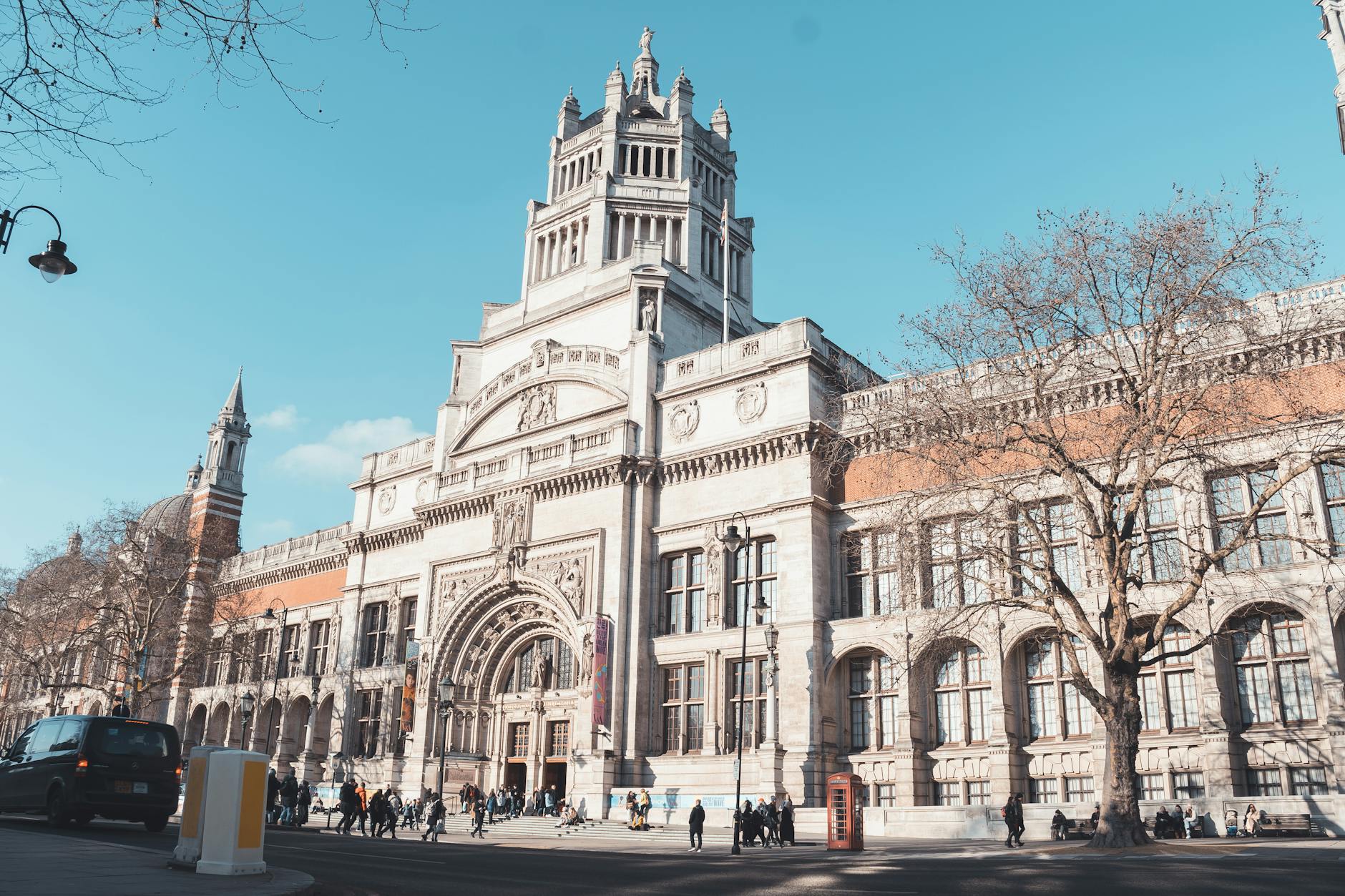
    Victoria and Albert Museum History: London’s Treasure Trove of Design

    Introduction

    The Victoria and Albert Museum (V&A) in London stands as a beacon of art, design, and culture, showcasing humanity’s creative endeavors across centuries. This extraordinary institution, founded in 1852, serves not only as a museum but as a vibrant hub where art meets the everyday life of individuals in a rapidly changing world. The collection spans a diverse range of disciplines, including decorative arts, textiles, fashion, and sculpture, with pieces from various cultures and eras that illustrate the artistic dialogue through time. In this article, we delve into the rich history of the V&A, tracing its origins, exploring its extensive collections and architectural developments, and examining its cultural significance and future aspirations. Through understanding the evolution of this museum, we can appreciate how it continues to inspire and engage audiences from all walks of life.

    Founding of the Museum

    The Victoria and Albert Museum, one of the world’s leading art and design museums, has its roots deeply embedded in the great exhibition culture of the Victorian era. Established in 1852, the V&A’s inception was largely a response to the Great Exhibition of 1851, held at the Crystal Palace in Hyde Park. This monumental event showcased the industrial and artistic achievements of the time, reflecting the Victorian commitment to innovation and excellence. The tremendous success of the exhibition prompted a renewed interest in the importance of design and craftsmanship, leading to the necessity for a permanent venue to foster the appreciation of decorative arts.

    Prince Albert, the husband of Queen Victoria, was a significant figure behind the museum’s establishment. He recognized the potential for a museum to educate the public about art and design. The Society of Arts, established by a group of notable Victorian intellectuals, played a crucial role in supporting this vision. In 1852, under the guidance of key figures, including Sir Henry Cole, the first director of the museum, the South Kensington Museum opened its doors. Its primary goal was to promote the study of art and design, making it accessible to the wider public.

    The museum’s name was officially changed to the Victoria and Albert Museum in 1899, reflecting the royal patronage and the desire to honor Queen Victoria and her husband. This renaming marked a significant shift in the museum’s identity, elevating its status and reinforcing its connection to the Victorian ideals of progress and enlightenment.

    Initially, the collection focused on applied arts, such as ceramics, textiles, and metalwork. The acquisition of artifacts was strategic, aimed at providing rich educational resources for students, artisans, and the general public. The V&A became a repository for examples of the best design practices of the time, encouraging British artisans to embrace innovative styles and techniques to compete with international counterparts.

    To this end, the V&A has continuously expanded its role beyond merely being a collections-based institution. It has developed numerous educational programs, workshops, and events that aim to engage the community and inspire the next generation of artists and designers. These initiatives reflect the museum’s mission to connect history with contemporary practices, providing insights into how historical design principles can inform modern creativity.

    Over the years, the V&A has also faced the challenge of adapting to changing cultural and artistic trends. In the late 19th and early 20th centuries, as design movements evolved—ranging from Arts and Crafts to Art Nouveau—the museum enriched its collections with new acquisitions reflective of these styles. This adaptability has allowed the V&A to remain relevant and significant in the art world, continually fostering public interest in design.

    In summary, the founding of the Victoria and Albert Museum was a pivotal moment in the history of art and design in the UK. It was born out of a desire to promote education and appreciation of the arts, influenced by royal vision and public enthusiasm. The institution’s evolution exemplifies a commitment to not only preserving history but also to engaging with contemporary culture, thereby ensuring its lasting significance in the realm of design.

    Key Collections and Exhibitions

    The Victoria and Albert Museum is renowned for its remarkable collections, which span over 5,000 years of art and design history. It houses more than 2.3 million objects, representing cultures from around the world and showcasing a wide array of artistic mediums. One of the most notable aspects of the V&A’s collections is its focus on decorative arts, which are often overlooked in other major museums.

    The museum’s collections are divided into several categories, each reflecting different artistic movements and styles. The textile collection, for instance, is one of the largest and most comprehensive in the world, encompassing fabrics, fashion, and tapestries from various periods and regions. This collection highlights the evolution of textile design and the significance of fabric in cultural expression.

    The fashion gallery is particularly noteworthy, presenting an overview of fashion history through significant garments and accessories. Exhibits range from exquisite historical dresses to contemporary pieces by renowned designers, illustrating the transformative nature of fashion as both art and functional attire. The V&A also hosts temporary exhibitions, frequently spotlighting contemporary designers and emerging trends in the fashion world.

    In addition to textiles and fashion, the museum features extensive collections of ceramics, glass, metalwork, and furniture. Each collection tells a story, demonstrating the craftsmanship and creativity that defined different eras and styles. The ceramics collection, for example, includes significant pieces from the Ming Dynasty and British pottery, showcasing the diversity of ceramic art and its cultural significance throughout history.

    The V&A actively collaborates with artists and designers to curate exhibitions that push the boundaries of traditional artistic expression. These exhibitions often juxtapose historical objects with contemporary artworks, creating dialogues that challenge perceptions of art and design. This innovative approach not only attracts diverse audiences but also emphasizes the museum’s commitment to adaptation and relevance in a global context.

    A highlight of the V&A’s exhibitions is the annual London Design Festival, during which the museum becomes a central hub for designers, artists, and the public to explore new ideas and concepts in design. The festival includes installations, talks, and workshops, encouraging participation from the community and fostering creativity.

    The museum’s role as a cultural institution extends beyond merely displaying artworks. It serves as a platform for discussions about art, design, and societal issues. The V&A engages in contemporary debates regarding sustainability and ethical practices in design, furthering its mission to educate and inspire future generations.

    Through its key collections and dynamic exhibitions, the V&A remains a pivotal institution in the landscape of art and design. It continues to evolve and adapt, ensuring that the rich history of design is accessible and engaging to all, reaffirming its status as London’s treasure trove of creativity.

    Architectural Evolution

    The architectural journey of the Victoria and Albert Museum is a story of evolution, innovation, and adaptation. The original building, designed by Sir Henry Cole in a style known as Victorian Gothic, opened its doors as the South Kensington Museum in 1852. The distinctive features of the early design, including terracotta decorations and pointed arches, were emblematic of the era’s fascination with medieval influences. This initial structure provided a fitting setting for the museum’s extensive collections, emphasizing an atmosphere of grandeur and sophistication.

    As the museum’s ambitions grew, so did the need for expansion and modernization. The first major addition was the Museum’s East Wing, completed in 1909, designed by Sir Aston Webb. This new wing became home to the British Galleries, showcasing British decorative arts from the 14th century to the present day. Webb’s design maintained the Victorian style while introducing elements of classical architecture, bridging the old with the new.

    The V&A’s commitment to innovation in architecture continued throughout the 20th century. In the 1990s, under the direction of Sir Mark Jones, the museum underwent a significant renovation. The addition of the John Madejski Garden in 1999 provided a tranquil outdoor space for visitors, enhancing the overall visitor experience. Designed by landscape architect Kim Wilkie, the garden offered a contemporary contrast to the historic architectural elements of the museum.

    The museum’s most notable architectural addition in recent decades is the state-of-the-art Exhibition Road entrance, designed by Amanda Levete Architects, which opened in 2017. This entrance marks a significant shift towards accessibility and engagement, accommodating increased visitor numbers and providing a seamless connection between the museum and the bustling surroundings of Exhibition Road. The design features a stunning translucent canopy and an open central space that invites visitors into the museum while encouraging interaction with the city.

    The architectural evolution of the V&A is not only about spatial expansion, but it also reflects changing attitudes towards art and design. Each new addition represents a dialogue between historical principles and contemporary needs, ensuring that the museum remains a vibrant, relevant institution. The thoughtful integration of modern architecture into the historic fabric of the museum serves to connect visitors with the past while embracing the future.

    Furthermore, the museum’s architectural identity is closely linked to its mission of education and inspiration. The design of exhibition spaces has evolved to accommodate evolving curatorial practices, allowing for more flexible and engaging displays. This adaptability ensures that the V&A can showcase diverse collections and respond to the dynamic nature of cultural discourse.

    The architectural journey of the Victoria and Albert Museum encapsulates a narrative of progress, ambition, and vision. It exemplifies London’s broader architectural story, where history and modernity coalesce to create inspiring cultural spaces. Through thoughtful design and strategic expansion, the V&A continues to be a beacon of creativity, drawing visitors into its rich historical tapestry while preparing for the challenges of the future.

    Cultural Impact and Educational Role

    The Victoria and Albert Museum has played a pivotal role in shaping the cultural landscape of London and beyond, serving as a catalyst for artistic exploration and educational initiatives. Its extensive collections and dynamic programming have established it as a vital resource for students, educators, and the general public alike, fostering a deeper understanding and appreciation for art and design.

    One of the standout features of the V&A is its commitment to education. The museum offers a multitude of educational programs designed to engage visitors of all ages and backgrounds. These programs include workshops, lectures, and guided tours tailored to enhance the learning experience. By breaking down barriers between art and education, the V&A emphasizes the importance of creative thinking and critical engagement with the arts in an increasingly complex world.

    The museum’s dedicated education department works tirelessly to create opportunities for schools, colleges, and universities to connect with its resources. Through outreach programs, the V&A reaches underserved communities, ensuring that access to art and culture is inclusive. Special initiatives, such as the V&A’s school partnerships, allow students to experience firsthand the richness of the museum’s collections, bridging the gap between academic study and experiential learning. By fostering collaboration with educational institutions, the museum empowers educators to utilize its resources effectively in their curricula.

    In addition to formal education, the V&A engages with the community through a variety of programming that encourages public participation and dialogue. Themed events, family activities, and seasonal festivals create a vibrant atmosphere that welcomes diverse audiences. Programs like the “Friday Late” events draw in crowds for after-hours access to exhibitions, featuring live performances, talks, and interactive experiences that stimulate creativity and conversation.

    The cultural impact of the V&A extends beyond its walls, influencing broader conversations on art, design, and society. The museum often collaborates with contemporary artists, designers, and cultural organizations to address pressing social issues and initiate discussions on themes such as sustainability, cultural diversity, and the role of technology in art-making. These partnerships not only enrich the museum’s exhibitions but also situate it as a responsive and responsible cultural institution.

    Moreover, the V&A has made significant strides in the digital realm, recognizing the need to reach global audiences beyond its physical location. Through virtual tours, online collections, and digital learning resources, the museum expands its educational outreach, allowing individuals from around the world to engage with its treasures from the comfort of their homes. This pivot to digital engagement during challenging times has highlighted the resilience of cultural institutions and their ability to adapt in the face of adversity.

    The museum also serves as an incubator for emerging talent in the arts. Through initiatives like the “V&A and Adobe Creative Residency,” the museum supports artists and designers working on innovative projects, providing them a platform to experiment and showcase their work. This symbiotic relationship between established cultural institutions and emerging creatives fosters an environment where new ideas can flourish.

    In conclusion, the Victoria and Albert Museum’s cultural impact and educational role are paramount in shaping the understanding and appreciation of art and design. By prioritizing inclusivity, innovation, and engagement, the V&A continues to serve as an invaluable resource for learning and inspiration in the contemporary world. Its commitment to education not only preserves history but also propels society toward a more creative and informed future.

    Future Directions and Innovations

    As the Victoria and Albert Museum looks to the future, it stands at the intersection of tradition and innovation, poised to embrace new opportunities while remaining rooted in its rich history. The museum’s forward-thinking approach reflects a deep understanding of the evolving landscape of culture, design, technology, and audience engagement.

    One of the key directions for the V&A is to expand its commitment to sustainability. Like many institutions, the museum recognizes the pressing need to address the environmental challenges facing the planet. In response, the V&A has implemented sustainable practices in its operations and exhibitions, emphasizing the role of the arts in promoting awareness and action on climate change. Collaborations with designers and artists who prioritize eco-friendly materials and processes further reinforce the museum’s dedication to a sustainable future.

    The integration of technology also plays a crucial role in shaping the future of the V&A. As digital engagement becomes increasingly important, the museum continues to invest in innovative technologies that enhance visitor experiences. From augmented reality (AR) applications that allow visitors to interact with objects in new ways to virtual reality (VR) experiences that transport users to different times and places, the V&A is leveraging technology to deepen connections with its collections.

    Additionally, the museum is exploring new formats for exhibitions and programming that reflect contemporary practices and audience expectations. This includes more flexible exhibition layouts that encourage interactivity and participation, allowing visitors to engage with art and design on a personal level. The V&A is also prioritizing diverse narratives, ensuring that a wide array of voices and perspectives are represented in its collections and exhibitions.

    In terms of accessibility, the V&A is committed to enhancing the museum experience for all visitors, regardless of ability. Recent initiatives include improving physical access to exhibition spaces and developing resources that cater to individuals with diverse learning needs. The museum aims to create an inclusive environment where everyone can engage meaningfully with art and culture.

    As the museum evolves, it also places a strong emphasis on collaborative partnerships. By working with artists, designers, cultural institutions, and academic organizations, the V&A is creating a network of support that fosters innovation and creativity. Collaborative projects often result in interdisciplinary initiatives that engage broader audiences and stimulate new conversations about the role of design in society.

    One of the museum’s most ambitious future projects is its continuing focus on global narratives. As the world becomes increasingly interconnected, the V&A recognizes the importance of showcasing diverse cultural expressions and fostering cross-cultural dialogue. This initiative aims not only to enrich the museum’s collections but also to create a platform for storytelling that transcends geographical boundaries.

    In summary, the future directions and innovations of the Victoria and Albert Museum are centered on sustainability, technology, inclusivity, and collaboration. By prioritizing these core principles, the V&A ensures that it remains a dynamic institution, inspiring generations to come. Its ability to adapt to changing cultural landscapes while honoring its storied history positions the V&A as not just a museum of the past, but a vibrant hub for contemporary creativity and dialogue.

    Conclusion

    The Victoria and Albert Museum is not merely a repository of historical artifacts; it is a living institution that continually evolves to meet the needs and interests of a diverse audience. Through its founding principles of education and accessibility, the museum has established itself as a vital part of London’s cultural landscape. As it moves forward, the V&A remains committed to exploring new avenues of engagement, fostering artistic innovation, and promoting a deeper understanding of the importance of design in everyday life. By embracing the challenges and opportunities of the future, the V&A will continue to inspire and enrich the lives of visitors, ensuring its status as a treasure trove of design for generations to come.

    Victoria and Albert Museum Virtual Tour

    Victoria and Albert Museum London Virtual Tour V&A Art Design
  • The Fascinating History of the British Museum: Where Civilizations Meet

    The Fascinating History of the British Museum: Where Civilizations Meet

    Introduction

    The British Museum, founded in 1753, is one of the world’s most significant cultural institutions, housing a vast collection that spans thousands of years and numerous civilizations. It serves as a vital resource for understanding human history and cultural heritage, attracting millions of visitors each year. From its inception, the Museum has been a place where the legacies of ancient Rome, Greece, Egypt, and beyond converge, offering insights into the shared experiences of humanity. As societies evolve, so too does the Museum’s mission—balancing the preservation of artifacts with the responsibility of sharing their stories in a respectful manner. This article delves into various aspects of the British Museum’s rich history, examining its founding, notable exhibitions, architectural features, cultural ramifications, and future challenges, allowing readers to appreciate the institution’s role as a bridge among civilizations.

    Founding and Early Years

    The foundation of the British Museum marked a pivotal moment in the history of cultural institutions. The Museum’s inception can be traced back to the bequest of Sir Hans Sloane, a physician and collector who, upon his death in 1753, generously left his vast collection of artifacts, natural specimens, and curiosities to the nation. This collection formed the cornerstone of the Museum, which opened its doors to the public in 1759, becoming the first national public museum in the world. At that time, the Museum was housed in Montagu House, a former mansion in Bloomsbury, London.

    The early years of the British Museum were characterized by a commitment to education and enlightenment, driven by the ideals of the Age of Enlightenment. The Museum sought to democratize knowledge, making it accessible to individuals from all walks of life, a revolutionary idea at the time. With an emphasis on the pursuit of knowledge, the Museum organized lectures, guided tours, and educational programs for the public, fostering a sense of curiosity and appreciation for the diverse cultures represented within its walls.

    One of the distinguishing features of the Museum during its early years was its emphasis on systematic classification and arrangement of artifacts. The founding curators implemented a classification system that organized objects by type and geographical origin. This approach not only made it easier for visitors to navigate the vast collection but also reflected the Enlightenment-era philosophy of knowledge as an ordered and hierarchical entity. The displays were designed to promote intellectual inquiry, encouraging visitors to draw connections between different cultures and time periods.

    As the Museum expanded its collections through donations, purchases, and explorations, it underwent significant changes. Throughout the late 18th and early 19th centuries, the British Empire’s colonial pursuits fueled the acquisition of numerous artifacts. The Museum began to showcase items from the Americas, Africa, Asia, and the Pacific, making it an international hub of cultural exchange. However, this practice of collecting artifacts from colonized regions raised ethical questions that still resonate today. Critics have argued that many of these items were acquired under dubious circumstances, leading to ongoing discussions about repatriation and cultural ownership.

    In the context of expanding collections, the Museum also became a hub for scholarly research. Scholars, archaeologists, and anthropologists flocked to the Museum to study its vast archives, explore its artifacts, and contribute to the growing body of knowledge about world cultures. This engagement with the academic community established the British Museum as a center for research and education, further solidifying its reputation as a world-class institution.

    The architectural development of the Museum also played a critical role in its identity during these formative years. In 1823, the Museum commissioned the architect Sir Robert Smirke to design a monumental new building to accommodate the rapidly growing collection. The result was a neoclassical structure that harmoniously blended with the architectural styles of the time. The grand façade, adorned with tall columns and pediments, symbolized the elevated purpose of the Museum as a repository of knowledge and culture.

    As the British Museum navigated its early years, it constantly adapted to the changing cultural landscape. The commitment to making the Museum accessible to the public and preserving the integrity of artifacts laid the groundwork for its future endeavors. While the challenges of colonialism and ethical considerations were just beginning to surface, the foundation established during this period remains crucial to the ongoing dialogue about the role of cultural institutions in today’s global society.

    Key Exhibitions and Collections

    The British Museum is home to an unparalleled array of exhibitions and collections, reflecting the richness and diversity of human civilization. Throughout its history, the Museum has hosted numerous landmark exhibitions, each showcasing the intricacies of particular cultures, time periods, or themes. Among these, one of the most notable is the Rosetta Stone, which has become an iconic representation of the Museum’s mission. Discovered in 1799, this ancient Egyptian artifact played a crucial role in deciphering Egyptian hieroglyphs, and its exhibition has captivated audiences for generations.

    In addition to the Rosetta Stone, the Museum boasts a comprehensive collection of ancient artifacts. The Elgin Marbles, salvaged from the Parthenon in Athens, stand as testaments to classical Greek artistry, while the Egyptian mummies and artifacts provide insights into ancient funerary practices. Particularly noteworthy are the Assyrian lion hunt reliefs, which vividly depict royal prowess and ancient storytelling, offering a window into the lives of the Assyrian Empire’s kings.

    Moreover, the Museum houses significant collections from Africa, the Americas, and Asia. The African collections showcase diverse cultural artifacts, such as masks and sculptures, highlighting the continent’s artistic heritage. Similarly, items from the Americas, including indigenous art and artifacts, tell stories of the rich traditions and histories of native peoples. The collections from Asia, including Chinese porcelain and Japanese woodblock prints, demonstrate the intricate craftsmanship and cultural significance of these works.

    In terms of exhibitions, the British Museum’s commitment to presenting new and varied perspectives is admirable. Temporary exhibitions, such as those featuring contemporary artists or thematic explorations of cultural concepts, allow the Museum to engage with current issues and foster connections between the past and present. One particularly impactful recent exhibition explored the representation of colonial histories and how these narratives shape our understanding of cultural artifacts today.

    The Museum’s approach to curating exhibitions involves collaboration with communities, scholars, and artists from around the world. These partnerships ensure that diverse voices and perspectives are represented, acknowledging the complex legacies of the artifacts on display. This collaborative approach is especially important regarding controversial items obtained during colonial times, allowing for a more nuanced understanding of their significance.

    Another crucial aspect of key collections lies in their educational potential. The Museum offers various programs, workshops, and resources designed to enhance the visitor experience while also fostering an appreciation for the diverse cultures represented. By providing context and storytelling around the artifacts, visitors can better understand their historical and cultural significance.

    Throughout its journey, the British Museum’s exhibitions and collections have evolved in tandem with societal changes and shifting perspectives. Through its dedication to showcasing humanity’s collective heritage, the Museum remains committed to promoting dialogue, understanding, and respect for the multifaceted tapestry of human existence.

    Architecture and Design

    The architecture and design of the British Museum serve as reflections of the cultural ideals and aspirations associated with the institution since its inception. Beginning with the initial Montagu House, where the Museum was first located, the architectural vision emphasized enlightenment ideals through grandeur and accessibility. However, it was not until 1823 that the Museum’s architectural identity took shape with the commission of Sir Robert Smirke to design the new building, a neoclassical structure that would become emblematic of the institution.

    Smirke’s design was marked by its classical elements, paying homage to ancient Greek and Roman architecture while influencing the neoclassical movement of the 19th century. The grand façade, characterized by its imposing portico supported by tall columns, creates an impression of strength and durability. The pediment above the entrance invites visitors to partake in the grandeur of human achievement, setting the stage for the treasures housed within.

    One of the most iconic features of the British Museum is the Great Court, completed in 2000. Designed by Lord Foster, this stunning addition features a striking glass roof that floods the space with natural light, creating an interaction between the exterior and interior. The Great Court serves as a central hub within the Museum, connecting different wings and providing a dynamic space for visitors to gather, admire, and engage with the institution’s offerings. The openness of the design reflects a democratization of knowledge, inviting all guests to explore the diverse narratives contained within the Museum.

    The interplay between historical and modern design elements within the British Museum also showcases the institution’s evolution. The juxtaposition of the neoclassical exterior against the contemporary Great Court emphasizes the Museum’s adaptability and commitment to growth. Additionally, the blending of the old with the new allows for a richer visitor experience, where the grandeur of history is accessible in a modern context.

    Accessibility and visitor experience are also integral aspects of the architectural design. The layout navigates through extensive galleries and collections, guiding visitors through time and space while ensuring that all can appreciate the diversity of the artifacts. Wheeled pathways and elevators have been incorporated to accommodate all visitors, acknowledging the importance of inclusivity in cultural institutions.

    An essential feature of the design is the careful consideration of light and display space. The Museum’s galleries are crafted to enhance the viewing experience, utilizing natural light and strategically placed artificial lighting to highlight artifacts without causing damage. This design philosophy reflects a respect for the objects on display, ensuring that their stories can continue to be told for generations to come.

    Moreover, the Museum often embarks on restoration projects, ensuring that the architectural integrity of its historic buildings is preserved. The desire to maintain these historical elements while accommodating modern needs showcases a stewardship that balances preservation with innovation.

    As architectural styles evolve, so too does the British Museum’s commitment to engaging with contemporary design trends. By hosting temporary installations or exhibitions, the Museum opens its doors to cutting-edge artistic expressions, presenting a dialogue between historical artifacts and modern creativity.

    In conclusion, the architecture and design of the British Museum are integral to its identity as a cultural institution. The harmonious blend of historical grandeur with contemporary elements reflects its mission to be a bridge between civilizations and to celebrate humanity’s collective achievements. Through thoughtful design, accessibility, and a commitment to preserving historical integrity, the Museum continues to inspire visitors and engage communities, ensuring that the narratives of civilizations can be shared and cherished for years to come.

    Cultural Impact and Controversies

    The British Museum’s cultural impact has been profound, shaping perceptions of history, art, and cultural heritage worldwide. As one of the largest museums globally, it has provided a platform for exploring, sharing, and preserving the narratives of countless civilizations. However, this influence has also been accompanied by controversies, especially concerning the origins of certain items in its collection.

    The Museum has become a symbol of cultural exchange, attracting millions of visitors each year who come to experience the wonders of human creativity and history. It has played a key role in education, inspiring generations of scholars, students, and visitors alike. By showcasing artifacts from diverse cultures, the Museum encourages a sense of global interconnectedness, reminding us that human experiences transcend geographic and temporal boundaries.

    However, the very diversity of its collection has sparked significant debates regarding colonialism and cultural appropriation. Many artifacts within the Museum were acquired during the British Empire’s colonial expansion, raising questions about the methods of collection and ownership. Critics argue that some items were taken under circumstances that can be deemed unethical, such as through military conquest or colonial exploitation. Prominent examples include the Elgin Marbles and the Benin Bronzes, which have become focal points in discussions over repatriation.

    Calls for the return of these artifacts to their countries of origin have gained traction in recent years, fueled by changing attitudes towards cultural heritage and ownership. Advocacy groups, governments, and cultural organizations have pushed for a reevaluation of the Museum’s collection practices, demanding greater transparency and accountability. In response, the British Museum has initiated various dialogues regarding repatriation and has been open to discussions with source countries. Still, these discussions often reveal deeper tensions over historical grievances and the legacies of colonialism.

    Moreover, the Museum’s effectiveness as a representative of world heritage has been scrutinized. Critics argue that its narrative may often reflect a Eurocentric perspective, sidelining the voices and histories of the cultures it presents. This concern raises important questions about the responsibilities of museums in accurately representing the legacies of diverse civilizations, particularly those that have been marginalized or misrepresented throughout history. The challenge lies in achieving a balance between honoring the artifacts’ histories and ensuring that contemporary narratives are inclusive and equitable.

    Despite these controversies, the British Museum has taken steps to address its cultural impact. The institution now collaborates with descendant communities, indigenous groups, and cultural representatives to foster dialogue about shared heritage. Workshops, educational programs, and community initiatives have been developed to enhance understanding and respect for cultural diversity.

    Furthermore, the Museum has embraced technology to expand its reach and engage with broader audiences. Virtual tours, educational resources, and interactive exhibitions allow individuals from all corners of the globe to access its collections and learn about world cultures. This shift toward digital engagement showcases the Museum’s commitment to inclusivity, opening doors for those unable to visit in person.

    In conclusion, the cultural impact of the British Museum extends far beyond its physical collections, shaping conversations about heritage, history, and identity. While it has played an undeniably influential role in fostering global appreciation for the arts and cultures, ongoing controversies highlight the need for ethical reflection and responsiveness in the museum sector. As the Museum navigates the complexities of its legacy, it must continue to engage in meaningful dialogues that promote understanding and respect for the shared stories of humanity’s diverse civilizations.

    Future Directions and Challenges

    As the British Museum looks to the future, it faces a myriad of directions and challenges that will shape its role as a cultural institution in an increasingly interconnected and complex world. These challenges encompass ethical considerations, technological advancements, public engagement, and the evolving expectations of the global community.

    One of the foremost challenges lies in addressing the ongoing debates around repatriation and the ethical implications of artifact ownership. As discussions surrounding the return of culturally significant items intensify, the Museum must navigate the delicate balance between preserving its historical collections and recognizing the rights and narratives of the cultures from which these artifacts originated. This involves engaging in open dialogue with nations and communities that seek the return of their heritage, fostering collaboration that respects cultural sovereignty while enhancing mutual understanding.

    In parallel, technology presents both opportunities and challenges for the British Museum. The rise of digital engagement tools, such as virtual tours, online exhibitions, and interactive educational resources, has the potential to broaden access and democratize knowledge about world cultures. Embracing these advancements can help the Museum reach diverse audiences, especially those unable to visit in person. However, this digital transition must be approached mindfully, ensuring that it enhances rather than detracts from the tangible experiences of visiting the Museum.

    Furthermore, sustainability has emerged as a paramount concern for cultural institutions worldwide. The British Museum must consider its environmental impact and strive to adopt sustainable practices in its operations, exhibitions, and collections management. From energy-efficient building designs to responsible sourcing of materials, the Museum has the opportunity to serve as a model for responsible stewardship, promoting environmental awareness alongside cultural heritage.

    Public engagement and relevance are also crucial for the Museum’s future success. As societal dynamics continue to evolve, the Museum must actively adapt its narratives, exhibitions, and educational initiatives to resonate with contemporary audiences. This requires an ongoing commitment to inclusivity, ensuring that diverse voices and perspectives are reflected in its collections and programming. Utilizing community feedback and collaboration can help tailor the Museum’s offerings to better reflect the interests and needs of the public.

    In addition, the British Museum must navigate the complexities of cultural sensitivity as it presents artifacts from various civilizations. As discussions about representation, cultural appropriation, and misinterpretation gain traction, the Museum must ensure that its exhibitions convey accurate, respectful narratives that honor the cultural significance of the items on display. This might involve reevaluating curatorial practices and actively seeking input from cultural representatives.

    Ultimately, the British Museum’s path forward will be shaped by its willingness to engage in reflective practices, adapt to changing times, and address pressing societal issues. By embracing innovation, fostering inclusivity, and promoting ethical stewardship, the institution can continue to fulfill its mission as a bridge among civilizations, inspiring understanding and appreciation for the shared heritage of humanity.

    Conclusion

    The British Museum stands as a testament to the complexities of cultural heritage, history, and the responsibilities of collecting and preserving artifacts from around the world. From its founding in the 18th century to its evolution into a global cultural institution, the Museum has navigated challenges and controversies while remaining dedicated to its mission of education and enlightenment. Through its remarkable collections, landmark exhibitions, and the rich architectural tapestry that defines its identity, the British Museum continues to inspire curiosity and appreciation for the diverse narratives of humanity.

    As the Museum looks to the future, it must contend with pressing issues such as ethical repatriation, the impact of technology, and the necessity of representing diverse perspectives accurately. By engaging in open dialogues with global communities, embracing technological advancements, and fostering inclusivity in its programming, the British Museum can honor its legacy while positioning itself as a progressive cultural institution.

    In navigating these complexities, the Museum has the opportunity to reimagine its role as a steward of cultural heritage, fostering appreciation for the interconnected stories of civilizations. As it adapts to a changing world, the British Museum is poised to continue its journey as a vital bridge among cultures, ensuring that the shared experiences of humanity are preserved and celebrated for generations to come.

  • Exploring the Natural History Museum

    Exploring the Natural History Museum

    Introduction

    The Natural History Museum in London stands as one of the world’s most iconic cultural institutions, drawing millions of visitors each year to its stunning halls. Established in the late 19th century, this architectural masterpiece combines Victorian-era design with groundbreaking science. Its mission has always been to preserve, study, and display the natural world in ways that educate and inspire.

    The museum is celebrated not just for its rich history but also for its breathtaking Romanesque Revival architecture, designed by Alfred Waterhouse. Within its walls lie over 80 million specimens spanning zoology, paleontology, botany, entomology, and mineralogy, making it a hub of scientific research and education.

    Among its many attractions, the towering Diplodocus skeleton and cutting-edge interactive exhibits make it a favorite for all ages. As a beacon of global science and conservation efforts, the Natural History Museum remains a timeless bridge between past wonders and future discoveries.

    Origins of the Natural History Museum: Vision and Foundation

    The origins of the Natural History Museum are deeply intertwined with the growth of Britain’s scientific curiosity during the 19th century. Before its establishment, natural history specimens were housed as part of the British Museum, under the stewardship of Sir Hans Sloane’s extensive collections. Sloane, an avid naturalist, bequeathed over 71,000 items, including plants, animals, and cultural artifacts, to the British Museum in 1753. However, as the collection grew exponentially, the need for a dedicated space became apparent.

    In 1856, Sir Richard Owen, an influential biologist and paleontologist, championed the idea of creating a museum exclusively devoted to natural history. Owen envisioned an institution where the natural world’s wonders could be explored by scientists and the public alike. His advocacy was instrumental in securing funding and approval for the new museum.

    The museum’s journey officially began when a prime location in South Kensington, London, was chosen. Construction commenced in 1873 under the direction of Alfred Waterhouse, a renowned architect. By 1881, the doors of the Natural History Museum were opened to the public. Its purpose was revolutionary for its time: to blend education, science, and art within a space that celebrated the natural world.

    This founding phase was marked by challenges, including debates over the separation from the British Museum and the complexities of cataloging and transporting millions of specimens. Despite these hurdles, the museum established itself as a leader in public engagement and research. Its foundation marked a pivotal moment in making natural history accessible to all, setting the stage for over a century of scientific discovery and cultural enrichment.

    Architectural Marvel: The Romanesque Revival Design

    The architectural splendor of the Natural History Museum is one of its most distinguishing features, and much of its charm owes to the vision of Alfred Waterhouse. A proponent of the Romanesque Revival style, Waterhouse designed a building that combined functionality with aesthetic grandeur, turning the museum itself into a work of art. Construction began in 1873, and the building was completed in 1881, instantly becoming an architectural landmark.

    The Romanesque Revival style draws inspiration from medieval European churches and abbeys, characterized by rounded arches, symmetrical forms, and intricate stone carvings. Waterhouse adapted this style for the museum, creating a cathedral-like structure that reflected the sanctity and wonder of nature. The use of terracotta, a durable and decorative material, was revolutionary at the time and allowed for intricate detailing that celebrated the natural world. The walls, columns, and arches are adorned with sculptures of flora and fauna, including extinct species, which symbolically underline the museum’s mission.

    A defining feature of the architecture is the grand Central Hall, now renamed Hintze Hall. With its soaring vaulted ceiling and a dramatic staircase, it offers a breathtaking entry point for visitors. At the heart of Hintze Hall stood the iconic Diplodocus skeleton, nicknamed “Dippy,” for over a century. Although Dippy has since been replaced by a blue whale skeleton named “Hope,” the hall remains a symbol of the museum’s grandeur.

    The design also prioritized practical needs. Waterhouse’s layout allowed for natural light to illuminate the galleries, creating a welcoming environment for both visitors and researchers. The building’s terracotta façade, with its self-cleaning properties, ensured the museum would stand the test of time.

    Waterhouse’s architectural masterpiece not only housed invaluable collections but also embodied the spirit of discovery and learning. Today, it remains a striking symbol of Victorian innovation and a fitting home for one of the world’s most renowned museums.

    Collections That Inspire: Highlights From the Museum’s Treasures

    The Natural History Museum in London boasts one of the most extensive and diverse collections of natural specimens in the world, housing over 80 million items that span billions of years of Earth’s history. The collection is divided into five major categories: zoology, paleontology, botany, entomology, and mineralogy. Each category holds treasures that have become symbols of scientific curiosity, exploration, and discovery.

    One of the most iconic exhibits is the fossilized skeleton of a Diplodocus, affectionately known as “Dippy,” which greeted visitors in the Central Hall for over a century. Although Dippy has been replaced by the blue whale skeleton “Hope,” it remains a beloved emblem of the museum’s history. The current centerpiece, Hope, represents the museum’s commitment to conservation and the protection of endangered species.

    The museum’s paleontology collection is particularly noteworthy, featuring over nine million fossils. Highlights include a near-complete skeleton of a Stegosaurus, ancient marine reptiles such as Ichthyosaurs and Plesiosaurs, and even fragments of dinosaur eggs. The Earth Hall, with its striking escalator ascending through a model of the Earth, showcases meteorites, gemstones, and minerals, including the 3,500-year-old Williamite meteorite from Egypt.

    Another area of fascination is the Darwin Centre, which provides a behind-the-scenes look at the museum’s zoological and entomological collections. This facility allows visitors to explore over 22 million insect specimens and 80,000 plant specimens. Its most famous resident is Archie, a 9-meter-long giant squid preserved in a tank, offering a rare glimpse into the mysterious deep sea.

    The mineralogy section, with over 500,000 specimens, includes the stunning Vault exhibit, showcasing gemstones, meteorites, and precious metals. Among these treasures is the Aurora Pyramid of Hope, a dazzling collection of 296 naturally colored diamonds.

    The museum also holds a wealth of cultural and historical items, such as the first edition of Charles Darwin’s On the Origin of Species and specimens collected during Captain James Cook’s voyages. These artifacts bridge the gap between science and history, illustrating the impact of exploration on our understanding of nature.

    Interactive and temporary exhibits further enhance the museum’s appeal. Visitors can experience rotating exhibitions such as “Wildlife Photographer of the Year,” which showcases the world’s most compelling nature photography.

    In summary, the Natural History Museum’s collections are more than mere displays; they are gateways to the mysteries of the natural world. Through its carefully curated treasures, the museum continues to ignite curiosity, inspire awe, and foster a deeper appreciation for our planet.

    The Dinosaur Gallery: A World-Famous Exhibit

    The Dinosaur Gallery is one of the most popular and iconic attractions at the Natural History Museum, drawing millions of visitors annually to marvel at the prehistoric wonders of Earth’s ancient past. Situated in the Blue Zone of the museum, this gallery offers a captivating journey into the age of dinosaurs, combining scientific research with engaging displays.

    Upon entering the Dinosaur Gallery, visitors are greeted by life-sized replicas, fossilized skeletons, and interactive exhibits that explore the biology, behavior, and extinction of dinosaurs. The highlight of the gallery is the towering animatronic Tyrannosaurus rex, a lifelike depiction that roars and moves, creating an unforgettable experience for visitors of all ages. This immersive exhibit showcases the advancements in paleontology, using cutting-edge technology to bring the prehistoric world to life.

    The gallery features a wide range of fossil specimens, from the fearsome Allosaurus to the plant-eating Iguanodon, providing insights into the diversity of dinosaur species. One of the most significant exhibits is the fossilized remains of Baryonyx, a crocodile-like dinosaur discovered in Surrey, England, in 1983. This remarkable find offers a unique glimpse into the life of a predatory dinosaur and underscores the museum’s role in documenting British paleontology.

    The Dinosaur Gallery also delves into the scientific methods used to study dinosaurs. Exhibits explain how paleontologists use fossil evidence, such as footprints, bones, and eggs, to reconstruct the behavior and environment of these ancient creatures. Visitors can examine dinosaur skulls to learn about their diets and study fossilized nests to understand their reproductive habits.

    For younger visitors, the gallery includes interactive stations where they can become “junior paleontologists.” Activities such as digging for fossils, piecing together skeleton puzzles, and engaging with touchscreens make the learning process enjoyable and memorable.

    Beyond the visual spectacle, the Dinosaur Gallery addresses critical scientific debates, such as the cause of the dinosaurs’ extinction. Exhibits explore theories like the asteroid impact, volcanic activity, and climate change, encouraging visitors to think critically about Earth’s evolutionary history.

    Temporary exhibitions within the Dinosaur Gallery add a dynamic element, ensuring that repeat visits remain exciting. These special displays often feature rare fossils from partner institutions around the world, providing fresh perspectives on dinosaur discoveries and ongoing research.

    The gallery’s educational impact is immense, inspiring countless children and adults to develop an interest in paleontology and natural history. It embodies the museum’s mission to combine entertainment with education, fostering a deeper understanding of life on Earth.

    In conclusion, the Dinosaur Gallery is not just an exhibit; it is an experience that bridges the gap between science and storytelling. By showcasing the awe-inspiring world of dinosaurs, it continues to captivate and educate, solidifying its place as one of the most beloved features of the Natural History Museum.

    Interactive Experiences and Modern Innovations

    The Natural History Museum has embraced modern technology and interactive elements to engage visitors and provide immersive experiences that go beyond traditional exhibits. These innovations not only enhance the museum’s appeal but also make complex scientific concepts accessible to a broader audience, ensuring its relevance in the digital age.

    One of the standout interactive features is the Investigate Centre, a hands-on science lab where visitors can act as scientists for a day. Equipped with microscopes, specimens, and expert guidance, the centre allows children and adults to explore real fossils, bones, minerals, and plants. This tactile experience encourages curiosity and critical thinking, making science feel tangible and exciting.

    Digital innovation plays a significant role in transforming how visitors interact with the museum’s vast collections. The DinoLab Virtual Reality Experience is a prime example. Using VR headsets, visitors can step into a prehistoric world, walking alongside life-sized dinosaurs and witnessing their habitats as they existed millions of years ago. This cutting-edge technology immerses users in a vivid simulation, providing a dynamic way to learn about the past.

    The museum’s Explore App is another modern tool that enriches the visitor experience. This mobile app offers interactive maps, detailed information about exhibits, and self-guided tour options. Through augmented reality (AR), users can even view digital recreations of extinct species layered onto physical spaces, blending the real and virtual worlds seamlessly.

    Natural History Museum, London, England
    The Natural History Museum in London stands as one of the world’s most iconic cultural institutions, drawing millions of visitors each year to its stunning halls. Established in the late 19th century, this architectural masterpiece combines Victorian-era design with groundbreaking science. Photo by Joshua on Pexels.com

    Temporary exhibitions often feature innovative technology to keep content fresh and engaging. For example, the “Ice Rink Experience,” hosted during winter months, incorporates projections of wildlife and natural scenes, creating a magical, immersive environment that highlights the museum’s seasonal appeal. Similarly, the “Fantastic Beasts” exhibition blended natural history with the fictional world of J.K. Rowling’s Wizarding World, using interactive displays to bridge fantasy and reality.

    Interactive learning also extends to environmental and conservation topics. Exhibits such as “Our Broken Planet: How We Got Here and Ways to Fix It” use touchscreens and multimedia installations to explore humanity’s impact on the environment. These displays encourage visitors to reflect on pressing global issues, such as climate change, biodiversity loss, and sustainable living, while offering actionable steps for a better future.

    Behind the scenes, the museum leverages digital tools for scientific research and public engagement. Digitization efforts have made millions of specimens available online, opening up access for researchers and enthusiasts worldwide. Through initiatives like “Digital Darwin,” users can explore Charles Darwin’s handwritten manuscripts and correspondence, connecting them to his revolutionary ideas.

    Workshops and live demonstrations further enhance interactivity. Programs such as “Dinosaur Live” feature expert-led talks with animatronic puppets, blending entertainment and education. Meanwhile, night-time events like “Dino Snores for Kids” offer families the chance to camp under the museum’s iconic skeletons, transforming the space into an unforgettable adventure.

    In conclusion, the Natural History Museum’s commitment to interactive experiences and modern innovations reflects its mission to inspire curiosity and lifelong learning. By integrating technology with traditional displays, the museum ensures that visitors of all ages and backgrounds can connect with the natural world in meaningful, unforgettable ways.

    Global Contributions to Science and Conservation

    The Natural History Museum in London is more than just a showcase of specimens; it is a global leader in scientific research and conservation efforts. With a legacy spanning over a century, the museum has contributed significantly to understanding biodiversity, climate change, and the intricate connections within Earth’s ecosystems.

    One of the museum’s most impactful initiatives is its role in cataloging and preserving global biodiversity. The museum houses over 80 million specimens, many of which serve as reference points for identifying and classifying new species. Scientists at the museum have described thousands of species over the decades, contributing to the broader understanding of Earth’s rich diversity. This research is crucial for conservation efforts, as identifying species is often the first step in protecting them.

    The museum is also at the forefront of environmental monitoring and climate research. Projects such as PREDICTS (Projecting Responses of Ecological Diversity In Changing Terrestrial Systems) use global biodiversity data to study how human activities impact ecosystems. This research informs policymakers and conservation organizations, aiding efforts to mitigate the effects of habitat destruction and climate change.

    One of the museum’s most notable conservation programs focuses on endangered species. The Darwin Centre, a state-of-the-art facility, serves as a hub for studying and preserving vulnerable species. For example, the museum’s scientists have played a critical role in studying pollinator decline, examining the ecological importance of bees and other insects. Such research highlights the interconnectedness of life and the urgent need to address environmental challenges.

    The museum’s Urban Nature Project is another groundbreaking initiative aimed at fostering local biodiversity in urban areas. By creating green spaces in cities and studying how wildlife adapts to these environments, the project seeks to inspire sustainable living and reconnect urban populations with nature. Educational programs tied to this initiative empower communities to participate in conservation efforts, ensuring that the next generation understands the importance of protecting the planet.

    On the global stage, the museum collaborates with institutions and governments worldwide. Its partnerships extend to areas such as tropical rainforest conservation, marine biodiversity studies, and the protection of fossil heritage sites. For example, museum scientists have worked in the Amazon to document its unparalleled biodiversity, contributing to efforts to preserve this vital ecosystem.

    Digitization has also amplified the museum’s global impact. By digitizing millions of specimens and making them available online, the museum allows researchers from around the world to access invaluable data without needing to visit London. This open-access approach democratizes science and accelerates discoveries in fields ranging from medicine to ecology.

    Public engagement is another cornerstone of the museum’s conservation mission. Through exhibits like Our Broken Planet and events such as the Wildlife Photographer of the Year competition, the museum raises awareness about critical environmental issues. These platforms encourage visitors to think critically about their role in shaping the future of the planet.

    In conclusion, the Natural History Museum’s contributions to science and conservation resonate far beyond its walls. By advancing research, fostering global collaboration, and engaging the public, the museum exemplifies its commitment to understanding and protecting the natural world for generations to come.

    Architectural Marvel: The Design and Evolution of the Museum Building

    The Natural History Museum in London is as much an architectural treasure as it is a scientific institution. Often referred to as a “cathedral of nature,” the building’s stunning design and intricate details reflect the Victorian era’s fascination with the natural world. Conceived by architect Alfred Waterhouse, the museum opened its doors in 1881 and remains a masterpiece of Romanesque Revival architecture.

    The exterior of the museum is a striking blend of grandeur and symbolism. Built from terracotta tiles, a material chosen for its resistance to the city’s polluted air, the façade is adorned with intricate carvings of flora and fauna. These decorations celebrate the diversity of life on Earth, with creatures from both prehistoric and modern times represented. Gargoyles shaped like reptiles and birds add to the building’s unique character, creating a visual link between the architectural style and the museum’s purpose.

    Waterhouse drew inspiration from continental cathedrals, evident in the imposing central towers and arched windows that dominate the structure. The museum’s grand entrance hall, known as the Hintze Hall, echoes a cathedral nave, with soaring ceilings and a central focus that once showcased the iconic “Dippy” the Diplodocus. Today, the blue whale skeleton, named “Hope,” serves as the centerpiece, symbolizing the museum’s commitment to conservation.

    Inside, the museum’s layout balances functionality with aesthetic appeal. The galleries are arranged by themes, including dinosaurs, human evolution, and Earth’s treasures, allowing visitors to explore specific aspects of natural history. The design encourages both education and wonder, with expansive spaces that accommodate large exhibits while preserving the intimacy needed for detailed displays.

    The architecture also incorporates innovative features for its time. The use of terracotta not only provided durability but also allowed for the intricate detailing that defines the building’s character. Large windows and skylights flood the interiors with natural light, creating an inviting atmosphere that enhances the viewing experience. The open-plan design of many galleries reflects the Victorian ideal of making knowledge accessible to the public.

    The museum’s architecture has evolved to meet modern needs while preserving its historical integrity. Recent renovations, such as the transformation of Hintze Hall, have introduced contemporary elements that complement the building’s original design. The addition of new facilities, such as the Darwin Centre, integrates cutting-edge technology and research capabilities without detracting from the museum’s historic charm.

    The museum gardens, an often-overlooked aspect of its architecture, provide a tranquil space that complements the grandeur of the main building. These gardens are designed to support biodiversity, featuring native plants that attract pollinators and other wildlife. Seasonal exhibits in the gardens, such as butterfly houses and the Christmas ice rink, further enhance the museum’s appeal.

    In conclusion, the Natural History Museum’s architecture is a testament to the Victorian era’s ambition and creativity. Its blend of artistry and practicality has made it an enduring symbol of scientific exploration and public education. By preserving its historical features while adapting to contemporary demands, the museum ensures that its architectural legacy will continue to inspire future generations.

    Conclusion

    The Natural History Museum in London is far more than a repository of specimens—it is a dynamic institution where history, science, and culture converge. From its inception as a Victorian-era marvel to its modern-day role as a hub of global research and public engagement, the museum has consistently inspired awe and curiosity. Its vast collections, groundbreaking exhibits, and iconic architecture embody the human quest to understand and preserve the natural world.

    Through interactive experiences, conservation initiatives, and educational outreach, the museum has remained relevant in a rapidly changing world. It bridges the past and the future, using both traditional displays and cutting-edge technology to spark interest in science among diverse audiences. Its role in addressing critical global issues, such as biodiversity loss and climate change, underscores its importance not only as a cultural landmark but also as a beacon of hope for the planet.

    As visitors walk through its halls, they are not just spectators but participants in a larger narrative about the Earth’s history and its future. The museum’s commitment to fostering wonder, knowledge, and action ensures that it will continue to be a source of inspiration for generations to come. The Natural History Museum stands as a testament to the enduring power of science and art to shape and elevate the human experience.

  • 3 Days in London: Essential Itinerary for First-Timers
    3 Days in London: Essential Itinerary for First-Timers

    Introduction

    London, the vibrant capital of the United Kingdom, is a city where history meets modernity at every turn. With its iconic landmarks, world-class museums, and diverse neighborhoods, London offers an unforgettable experience for any traveler. But with so much to see, planning a trip can be overwhelming.

    This 3 days in London itinerary is designed to help you make the most of your time while experiencing the city’s highlights. From the historic grandeur of Westminster and Buckingham Palace to the cultural treasures of the British Museum and West End theaters, you’ll see the very best London has to offer.

    Whether you’re a history enthusiast, a shopping lover, or a foodie looking to indulge in London’s culinary delights, this itinerary covers it all. Plus, you’ll get practical tips on transportation and dining, ensuring a smooth and enjoyable trip. Let’s dive into your perfect 3-day adventure in London!

    Day 1: Exploring the Historic Heart of London – Westminster and the Thames

    London’s rich history is best experienced in Westminster, home to some of the city’s most iconic landmarks. Your first day will take you through the heart of London’s political and royal heritage, including Big Ben, Westminster Abbey, Buckingham Palace, and the scenic River Thames.

    Morning: The Majesty of Westminster

    Start your day at Westminster Station, emerging to the stunning view of Big Ben and the Houses of Parliament. The famous clock tower is one of the most recognized symbols of London. Next, head to Westminster Abbey, where British monarchs have been crowned for centuries. The gothic architecture and historical tombs make this a must-visit site.

    After visiting Westminster Abbey, take a short walk to Downing Street, the residence of the British Prime Minister, before heading to St. James’s Park, one of London’s most beautiful green spaces. From there, make your way to Buckingham Palace, where you can witness the famous Changing of the Guard ceremony (usually around 10:45 AM).

    Afternoon: Trafalgar Square and the Thames

    After a morning of royal splendor, take a short walk to Trafalgar Square, where you can admire Nelson’s Column and visit the National Gallery, home to masterpieces by Van Gogh, da Vinci, and Monet.

    For lunch, head to Covent Garden, a lively district filled with street performers, boutique shops, and excellent eateries. Grab a meal at Dishoom (Indian), Flat Iron (steakhouse), or Petersham Nurseries (a charming café).

    Evening: The Thames and the London Eye

    As the sun sets, stroll along the South Bank of the River Thames, where you’ll find Shakespeare’s Globe Theatre, the Tate Modern, and the Millennium Bridge. The evening highlight is a ride on the London Eye, offering panoramic views of the city skyline.

    For dinner, consider a riverside restaurant like Skylon or OXO Tower Brasserie for stunning nighttime views of London.

    Day 2: Culture and Shopping – Museums, Markets, and West End Shows

    After a history-filled first day, your second day in London is all about culture, shopping, and entertainment. From world-famous museums to bustling markets and dazzling theater performances, today’s itinerary will give you a deeper taste of London’s vibrant lifestyle.

    Morning: A Cultural Start – British Museum or Victoria and Albert Museum

    Start your day with a visit to one of London’s legendary museums. If you’re a history lover, head to the British Museum, home to incredible artifacts such as the Rosetta Stone, Egyptian mummies, and the Elgin Marbles. Entry is free, and you could easily spend hours exploring its vast collection.

    Alternatively, if you prefer art and design, visit the Victoria and Albert Museum (V&A) in South Kensington. This museum is a treasure trove of fashion, sculpture, and decorative arts, offering everything from medieval armor to haute couture dresses.

    Afternoon: Shopping and Markets – Oxford Street or Camden Market

    After soaking in history, it’s time to enjoy London’s shopping scene. If you love high-street brands and department stores, Oxford Street and Regent Street are the places to be. Visit Selfridges, Liberty London, or Hamleys (for toy lovers), and explore the designer boutiques on nearby Bond Street.

    If you prefer something more eclectic, head to Camden Market, famous for its alternative fashion, quirky souvenirs, and street food. Try some delicious dishes from vendors selling everything from Asian bao buns to classic British fish and chips.

    Evening: West End Theatre Night

    No trip to London is complete without seeing a show in the West End, often compared to Broadway. Popular choices include classics like The Lion King, Les Misérables, or Phantom of the Opera, or you can check out new hits like Harry Potter and the Cursed Child or Moulin Rouge!

    For dinner before or after the show, try The Ivy (British cuisine), Dishoom (Indian), or Hawksmoor (steakhouse), all located near London’s theater district.

    Day 3: Royal Palaces and Hidden Gems – A Journey Beyond the Obvious

    Your final day in London takes you beyond the usual tourist spots, offering a mix of royal splendor, charming neighborhoods, and off-the-beaten-path attractions.

    Morning: Tower of London and Tower Bridge

    Begin with a visit to the Tower of London, a historic fortress home to the Crown Jewels and fascinating medieval history. Explore the White Tower, the Bloody Tower, and the Beefeaters’ quarters, and hear stories of imprisoned royals and dramatic executions.

    Afterward, walk across Tower Bridge, one of London’s most famous landmarks, and admire the view of the River Thames and The Shard.

    Afternoon: Notting Hill and Kensington Palace

    For a change of pace, head to the colorful streets of Notting Hill, famous for its charming townhouses, antique shops, and the Portobello Road Market. Grab lunch at a cozy café like Farm Girl or Granger & Co.

    Next, visit Kensington Palace, the official residence of Prince William and Kate Middleton. The palace features exhibitions on Queen Victoria’s childhood, royal fashion, and the elegant Kensington Gardens.

    Evening: Greenwich or a Thames Cruise

    For a relaxing end to your trip, take a Thames River Cruise to Greenwich, where you can stand on the Prime Meridian at the Royal Observatory and explore the Cutty Sark, a historic tea clipper ship.

    Alternatively, return to Shoreditch or Soho for a final night out, enjoying London’s buzzing nightlife with drinks at a rooftop bar like Sky Garden or Madison.

    Best Ways to Get Around London Efficiently

    London is a massive city, but getting around is easy with its excellent public transport system. Here’s how to navigate the city like a pro.

    The London Underground (“The Tube”)

    The Underground (Tube) is the fastest way to travel between major attractions. With 11 lines covering the city, it operates from 5 AM to midnight, with some lines running 24 hours on weekends. Buy an Oyster Card or use contactless payment for the cheapest fares.

    Buses and Trams

    London’s famous red double-decker buses offer a great way to see the city while traveling between destinations. Night buses are available after the Tube stops running.

    River Transport

    The Thames Clipper is a scenic and efficient way to travel along the river, connecting places like Westminster, Tower Bridge, and Greenwich.

    Walking and Cycling

    London is very walkable, especially in areas like Covent Garden, Soho, and South Bank. You can also rent bikes using the Santander Cycles (“Boris Bikes”) system.

    Taxis and Ride-Sharing

    Traditional black cabs are iconic but expensive. Uber and Bolt offer more affordable ride-sharing options.

    Where to Eat and Experience London’s Culinary Scene

    London’s food scene is diverse, offering everything from classic British cuisine to international flavors. Here’s where to eat on your trip.

    Traditional British Food

    • Fish and Chips – Try Poppie’s Fish & Chips or The Golden Hind.
    • Sunday Roast – Visit Blacklock or The Harwood Arms for the best roasts.
    • Afternoon Tea – Enjoy tea at The Ritz, Fortnum & Mason, or Sketch.

    International Cuisine

    • Indian – London has amazing Indian food. Try Dishoom or Gymkhana.
    • Chinese – Visit Four Seasons or Hakkasan in Chinatown.
    • Italian – Padella or Lina Stores serve excellent fresh pasta.

    Street Food and Markets

    For casual eats, visit Borough Market, Camden Market, or Maltby Street Market for delicious street food.

    Conclusion

    Three days in London may not be enough to see everything, but this itinerary ensures you experience the best of the city’s history, culture, shopping, and food. From the iconic landmarks of Westminster and the Tower of London to the vibrant streets of Notting Hill and Camden, each day offers a new perspective on this dynamic city.

    London is a city that blends royal traditions with cutting-edge innovation, making it an exciting destination for any traveler. Whether you’re watching a West End show, indulging in afternoon tea, or exploring the bustling markets, every moment in London is an adventure.

    Before leaving, be sure to pick up some souvenirs, take one last walk along the Thames, and start planning your next visit—because London always has more to offer!

  • The History of the National Gallery: London’s Cultural Treasure

    The History of the National Gallery: London’s Cultural Treasure

    Introduction

    The National Gallery in London is one of the world’s most renowned art institutions, housing a vast collection that spans centuries of artistic excellence. Founded in 1824, the gallery began with just 38 paintings purchased from the collection of the banker and patron John Julius Angerstein. Its mission was to make art accessible to the public, offering an unparalleled experience to learn from and engage with European masterpieces across periods and styles. Over nearly two centuries, the National Gallery has grown both in its collection and influence, now possessing over 2,300 works, ranging from medieval to post-impressionist masterpieces.

    Situated in the heart of London’s Trafalgar Square, the National Gallery is an architectural and cultural landmark. The gallery is distinguished not only by its comprehensive collection but also by its role in art conservation and education, attracting millions of visitors annually from across the globe. The works housed within its walls showcase the evolution of European art, featuring masterpieces by Leonardo da Vinci, Vincent van Gogh, Caravaggio, and countless other luminaries.

    This article delves into the gallery’s history, its key artworks, and the efforts behind the scenes to preserve these invaluable pieces for future generations. From its foundational years to the masterpieces that define it, the National Gallery remains a testament to the enduring power of art, heritage, and public engagement.

    Origins and Founding of the National Gallery

    The history of the National Gallery begins in the early 19th century when Britain’s elite recognized a pressing need for a public art museum. London, despite its prominent status as a global capital, lacked a national art collection accessible to the general populace. The cultural trend across Europe had already led to the establishment of major public galleries like the Louvre in Paris, inspiring England’s intellectuals and art patrons to push for a similar institution in Britain. In 1824, this dream became a reality through the efforts of the British government and private individuals.

    The founding collection of the National Gallery was purchased from John Julius Angerstein, a wealthy banker and art connoisseur. Angerstein’s collection of 38 paintings, including significant works from artists like Raphael, Titian, and Claude Lorrain, was bought by the government for £57,000—a substantial sum at the time. The acquisition was primarily motivated by the desire to educate and elevate British society. Art, once reserved for private viewings by the elite, was now seen as a resource that could contribute to public moral and intellectual growth.

    Initially housed in Angerstein’s former townhouse at 100 Pall Mall, the gallery’s collection was modest but of high quality, embodying a wide variety of artistic periods and styles. This early emphasis on diversity set the tone for future acquisitions, aiming to present an all-encompassing picture of European art history. The gallery’s location was eventually deemed inadequate due to the growing number of visitors and limited exhibition space, prompting the government to search for a more suitable site.

    In 1831, a decision was made to construct a new building in Trafalgar Square. The architect William Wilkins was commissioned to design the structure, which was completed in 1838. Its location in Trafalgar Square was symbolic, a central area that not only represented British pride but also provided a fitting backdrop for a national institution. Over time, however, Wilkins’ building faced criticism for its modest scale and limited exhibition space. Expansion and renovations would become recurring themes in the gallery’s development, adapting to the demands of an ever-growing collection and increasing public interest.

    The National Gallery’s early years established it as an inclusive institution aimed at educating the public. Unlike other museums with restricted access, the National Gallery from its inception was intended to be free to all visitors. This ethos of accessibility has remained a core tenet of the gallery’s mission, ensuring that people from all backgrounds can experience the transformative power of art.

    The Evolution of the Gallery’s Collection: Key Acquisitions and Donations

    The evolution of the National Gallery’s collection is a narrative of strategic acquisitions and generous donations that have helped it achieve an unparalleled breadth and depth. With each acquisition, the gallery has worked toward its mission of representing the best of Western European art from the late medieval period to the early 20th century. The gallery’s collection policy has always emphasized quality over quantity, focusing on acquiring singular works that exemplify an artist’s vision or a pivotal movement within the art world.

    During its first few decades, the National Gallery’s collection grew at a moderate pace. Notable early acquisitions include the Wilton Diptych, a rare and exquisite example of medieval religious art, and works by Italian masters like Leonardo da Vinci and Raphael. These acquisitions underscored the gallery’s ambition to showcase the finest works of different European schools, particularly the Italian Renaissance, which was a significant period in art history.

    One of the most impactful donations came in 1861, when the wealthy art collector Robert Vernon bequeathed 157 paintings to the National Gallery. This contribution was instrumental in expanding the collection, introducing a variety of English paintings, and enhancing the gallery’s representation of British art. Similarly, in 1900, the gallery received the Turner Bequest, consisting of the works of J.M.W. Turner, one of England’s most celebrated landscape painters. This bequest, made possible by Turner’s will, not only bolstered the gallery’s British collection but also provided a comprehensive look into Turner’s artistic evolution.

    Private benefactors have played a pivotal role in shaping the gallery’s holdings. The bequest of Sir Hugh Lane in 1917, for example, added several Impressionist and Post-Impressionist masterpieces, including works by Monet, Renoir, and Van Gogh. This addition allowed the gallery to expand beyond its traditional focus and embrace more modern forms of expression, which was crucial in attracting new audiences.

    The acquisition process was not always smooth, with certain works facing resistance due to their perceived modernity or controversial themes. However, the gallery’s administrators and trustees often displayed remarkable foresight, understanding that art must reflect both the past and the evolving present. By embracing diversity in its acquisitions, the National Gallery has managed to create a balanced collection that mirrors the progression of Western art.

    Today, the gallery’s collection policy continues to adapt to contemporary challenges, with an emphasis on conservation and responsible acquisition. The museum seeks to fill gaps within its holdings, ensuring that future generations can witness the full spectrum of European artistic achievement.

    Highlights from the Renaissance Period

    The Renaissance period remains one of the crowning jewels of the National Gallery’s collection. The gallery houses a remarkable selection of Renaissance masterpieces, each representing the spirit of innovation, exploration, and humanism that defined this era. These works are not only artistically significant but also serve as historical documents that reflect the cultural and intellectual shifts occurring in Europe from the 14th to the 17th centuries.

    Among the highlights of the Renaissance collection is Leonardo da Vinci’s “The Virgin of the Rocks,” a painting that epitomizes da Vinci’s mastery of light, composition, and psychological depth. This piece, one of two versions attributed to da Vinci, captivates viewers with its soft chiaroscuro and harmonious arrangement, embodying the artist’s deep understanding of human emotion and divine grace. “The Virgin of the Rocks” remains a testament to da Vinci’s skill in merging scientific inquiry with artistic beauty, qualities that defined much of Renaissance thought.

    Raphael’s “The Madonna of the Pinks” is another Renaissance masterpiece housed in the National Gallery. This intimate portrayal of the Madonna and Child is celebrated for its delicate color palette, idealized figures, and poetic composition. Raphael, often considered the quintessential Renaissance painter, imbues the piece with a serene and transcendent quality, reflecting the era’s reverence for classical harmony and proportion.

    Titian’s “Bacchus and Ariadne” is another iconic work from the Italian Renaissance, featuring the vibrant colors and dynamic composition characteristic of the Venetian school. This painting depicts the dramatic mythological scene of Bacchus’ arrival and Ariadne’s subsequent love for him. Titian’s work is celebrated not only for its rich hues but also for its ability to capture motion, passion, and divine intervention in a single, cohesive image.

    Beyond the Italian masters, the National Gallery’s Renaissance collection also includes significant works by Northern European artists such as Jan van Eyck and Albrecht Dürer. Van Eyck’s “The Arnolfini Portrait” is especially renowned for its meticulous detail and symbolic complexity, offering insight into both the artistry and societal norms of the time. This marriage portrait is meticulously rendered, showcasing Van Eyck’s innovative use of oil paint to achieve lifelike textures and depth.

    Dürer’s work in the gallery, notably “Saint Jerome in His Study,” captures the intellectual side of the Renaissance, depicting the saint in a contemplative setting surrounded by scholarly tools. Dürer’s ability to convey texture and light with precision is evident in this piece, which serves as a visual representation of the period’s intellectual rigor and spiritual introspection.

    The National Gallery’s Renaissance collection thus offers visitors a comprehensive view of one of the most transformative periods in Western art history. Each piece tells a story of artistic evolution, embodying the ideals of a period that redefined humanity’s understanding of the world and the self.

    Masterpieces from the Baroque to Romanticism

    The Baroque and Romantic periods brought dramatic shifts in artistic style, characterized by bold compositions, emotional intensity, and new approaches to realism and subject matter. The National Gallery’s collection contains remarkable examples from these periods, showcasing the evolution of European art in response to political, religious, and philosophical changes.

    Caravaggio’s “The Supper at Emmaus” stands as one of the gallery’s most impactful Baroque works, illustrating the artist’s revolutionary use of chiaroscuro and his commitment to depicting religious themes with emotional realism. This painting captures the moment when the resurrected Christ reveals himself to two disciples, an intense scene conveyed through Caravaggio’s expert manipulation of light and shadow. His ability to create lifelike characters with raw emotion changed the course of European painting and heavily influenced the Baroque movement.

    Another significant Baroque piece is Peter Paul Rubens’ “Samson and Delilah,” a portrayal of betrayal and sensuality that reflects Rubens’ mastery of dynamic compositions and rich color. This painting, with its dramatic contrasts and textured surfaces, captures the viewer’s attention, evoking the power and vulnerability of its subjects. Rubens, known for his vibrant scenes and expressive characters, illustrates the Baroque interest in human emotion and physicality, elements that were central to the period’s appeal.

    The Romantic era, known for its emphasis on emotion and the sublime, is represented through works like J.M.W. Turner’s “The Fighting Temeraire.” Turner’s painting depicts the final journey of a once-glorious warship, tugged by a steamboat toward its dismantling. This work captures the Romantic fascination with nature, industry, and the inevitable passage of time. Turner’s expressive brushstrokes and use of color convey a sense of nostalgia and reverence for the past, reflecting the Romantic preoccupation with beauty, mortality, and the power of nature.

    Francisco de Goya’s “The Duke of Wellington” and “The Family of Carlos IV” also exemplify Romanticism’s darker side, with an emphasis on psychological depth and critique of contemporary society. Goya’s work reflects the turbulence of his era, marked by social unrest and political upheaval. His intense, sometimes unsettling portrayal of subjects highlights Romanticism’s interest in the complexities of human psychology.

    The National Gallery’s Baroque and Romantic collections offer a compelling exploration of artistic innovation. These works reflect a growing emphasis on emotion, realism, and the human condition, marking a departure from the idealized forms of the Renaissance toward a more visceral representation of reality.

    The National Gallery Today: Preservation, Exhibitions, and Future Initiatives

    The National Gallery today continues to honor its mission of preserving and showcasing the best of European art. Preservation is a key focus, with dedicated teams of conservators working tirelessly to maintain and restore the gallery’s treasures. Advances in technology have allowed for more precise conservation techniques, ensuring that artworks are protected from the effects of aging, environmental factors, and even past restoration efforts that may have caused damage. The gallery’s conservation efforts are integral to its commitment to historical preservation and educational outreach.

    In addition to conservation, the National Gallery is committed to making art accessible through a wide range of exhibitions. These exhibitions often focus on specific artists, themes, or periods, providing visitors with a deeper understanding of the artworks and their historical contexts. Recent exhibitions have featured works by Michelangelo, Vermeer, and Turner, each attracting large audiences and generating renewed interest in the gallery’s permanent collection.

    Educational programs also play a vital role in the gallery’s mission. The National Gallery offers workshops, lectures, and tours for visitors of all ages, fostering a lifelong appreciation for art. Special programs for schools and families have been developed to engage younger generations, ensuring that the gallery remains a vibrant educational resource.

    Looking to the future, the National Gallery has initiated projects to enhance visitor experience and expand its collection. Plans for a new wing dedicated to modern and contemporary works are under discussion, reflecting the gallery’s evolving approach to art curation. This expansion would allow the gallery to address gaps in its collection and present a more comprehensive view of art history, from the medieval to the modern.

    The National Gallery’s commitment to accessibility, preservation, and education ensures its ongoing relevance in a rapidly changing world. As it continues to adapt to new challenges, the gallery remains a vital institution for art lovers, scholars, and casual visitors alike.

    Conclusion

    The National Gallery in London stands as a testament to the power of art to inspire, educate, and transform. From its modest beginnings with a collection of just 38 paintings, the gallery has grown into a cultural landmark with over 2,300 works spanning centuries of artistic achievement. Each piece within its walls tells a story—not just of the artist’s vision but of the historical, social, and philosophical currents that have shaped Western art.

    Through its dedication to accessibility, the gallery has democratized art, allowing millions of visitors from around the world to experience works by masters like Leonardo da Vinci, Raphael, Caravaggio, and Turner. Its emphasis on conservation and education underscores the gallery’s mission to preserve these invaluable pieces for future generations, ensuring that the lessons and beauty of art remain accessible to all.

    As the National Gallery looks to the future, it remains a beacon of cultural heritage and innovation. Its plans to expand and diversify its collection demonstrate an understanding of art as an evolving dialogue between past and present. The gallery’s commitment to inclusivity, historical preservation, and public engagement will continue to guide its path forward, cementing its role as one of the world’s premier art institutions. Through its collection, conservation efforts, and educational programs, the National Gallery upholds the belief that art has the power to connect humanity across time, offering insight, inspiration, and a sense of shared history.