Tag: Japan

  • The Legacy of Shinzo Abe: Abenomics explained

    Introduction

    Shinzo Abe, who served as Japan\’s Prime Minister from 2006 to 2007 and again from 2012 to 2020, remains one of the most significant political figures in contemporary Japanese history. His leadership marked a critical turning point for Japan, particularly through his economic policies known as Abenomics, which aimed to combat the prolonged economic stagnation that the country had faced since the 1990s. Throughout his tenure, his governance was characterized by ambitious reforms, strong foreign policies, and a unique approach to social issues. This article endeavors to delve into the multifaceted aspects of Abe\’s leadership, exploring his economic strategies, foreign relations, and the complexities surrounding his social policies, culminating in an analysis of his legacy and influence on both Japan and global economics.

    Early Years and Political Landscape

    Shinzo Abe was born on September 21, 1954, into a prominent political family, which significantly shaped his outlook and career. His grandfather, Nobusuke Kishi, served as Prime Minister and was influential in post-war Japanese politics, providing Abe with unique insights into governance and policy-making. After graduating from Seikei University and studying in the United States, Abe entered politics in 1993 when he won a seat in the House of Representatives.

    In his professional journey, Abe initially served as a parliamentary aide and then held various positions within the government, including Chief Cabinet Secretary under Prime Minister Junichiro Koizumi, before his first term as Prime Minister in 2006. This early tenure was marked by a commitment to reforming the Japanese constitution, addressing economic stagnation, and promoting a more assertive Japanese presence on the international stage. However, his first term was short-lived, concluding in 2007 due to health issues and declining public support.

    Upon returning to power in December 2012, Abe faced a very different Japan. The country was grappling with a stagnant economy, a declining birth rate, and increasing geopolitical tensions, particularly with neighboring countries like China and North Korea. The backdrop of his second term provided both challenges and opportunities, allowing him to build a foundation for the sweeping reforms that would characterize Abenomics. His experience from the first term helped him navigate the political landscape with greater resilience, focusing on policies that were not only economically driven but also aimed at restoring Japan’s global presence.

    Abe\’s initial domestic agenda included revitalizing consumer spending and business investment, which he believed were essential for stimulating economic growth. He utilized the \”three arrows\” strategy of Abenomics—monetary easing, flexible fiscal policy, and structural reforms—aiming to turn the tide on decades of deflation and stagnation. The political landscape during his second term also saw a shift towards a Nationalistic approach, where Abe sought to revise Japan\’s constitution and bolster the Self-Defense Forces, which stirred both national debate and international concern regarding militarization.

    Significantly, Abe\’s leadership coincided with rising nationalism among the Japanese populace, often invoking Japan\’s historical grievances and successes. His approach sought to redefine Japan\’s role in the world, emphasizing self-reliance and a return to power. However, this nationalist rhetoric sometimes led to tensions with neighboring countries, complicating the regional geopolitical dynamics.

    In essence, the early years of Shinzo Abe\’s political career laid the groundwork for his later policies and the assertive leadership style that would shape Japan’s direction during his prime ministership. Understanding this context is crucial to grasping the magnitude of his economic policies and their implications, both domestically and internationally.

    Abenomics Explained

    Abenomics, coined from Shinzo Abe\’s name, represented a comprehensive economic strategy designed to revitalize Japan\’s economy, which had suffered from stagnation since the early 1990s. At the core of Abenomics were its “three arrows”: aggressive monetary policy, fiscal stimulus, and structural reforms.

    Monetary easing was the first arrow, aiming to combat deflation and encourage spending. Under the leadership of Haruhiko Kuroda, the Bank of Japan implemented unprecedented quantitative easing, effectively doubling the money supply and lowering interest rates to near-zero levels. This influx of money into the economy was intended to spur consumer spending and investment by making borrowing more accessible.

    The second arrow focused on fiscal policy, involving a mix of government spending to stimulate economic demand. Abe\’s administration aimed to increase infrastructure investments and promote public works projects, creating jobs and enhancing public services. Additionally, there were discussions around raising the consumption tax to offset public debt while ensuring that social security systems remained intact.

    The final arrow represented structural reforms, which sought to address the long-standing issues hindering Japan\’s economic growth, such as labor market inefficiencies, gender disparities in the workforce, and corporate governance. Abe advocated for policies that promoted more flexible employment structures and encouraged female participation in the workforce, aiming to utilize Japan\’s human resources more effectively.

    However, the implementation of Abenomics faced various challenges. Critics pointed to a lack of significant structural reforms and questioned the effectiveness of monetary easing in achieving lasting growth. While Japan did experience some progress, including a temporary rise in GDP and improvements in employment rates, the long-term sustainability of these economic gains remained a topic of contention.

    Foreign Relations and Trade Policies

    Foreign relations during Shinzo Abe\’s tenure underwent significant transformation as he sought to redefine Japan\’s role on the global stage. Facing increasing assertiveness from China and continuing tensions with North Korea, Abe\’s administration adopted a more proactive approach to foreign policy, aiming to strengthen alliances and enhance Japan\’s security capabilities.

    Abe\’s administration emphasized the importance of the United States-Japan alliance, which he regarded as a cornerstone of Japan\’s national security strategy. His visits to the United States, including a historic address before the U.S. Congress, underscored the commitment to deepening ties between the two nations, especially in light of challenges posed by North Korea\’s nuclear ambitions and China\’s expanding influence in the Asia-Pacific region.

    In parallel, Abe advocated for the Trans-Pacific Partnership (TPP), a trade agreement involving multiple Pacific Rim countries aimed at promoting trade liberalization and reducing tariffs. The TPP was integral to Abe\’s strategy to counter China\’s economic influence and establish Japan as a leader in free trade within the region. However, the withdrawal of the United States from the TPP under President Trump posed challenges for Abe, leading to efforts to renegotiate the agreement with remaining member countries and ultimately leading to the Comprehensive and Progressive Agreement for Trans-Pacific Partnership (CPTPP).

    Abe\’s approach to China was more nuanced, balancing economic ties with increasing security concerns. He recognized the importance of China as a trading partner while being cautious of its growing military assertiveness in disputed maritime territories. As a result, Abe sought to enhance Japan\’s defense capabilities and engage with regional allies, including Australia and India, to establish a collective front against potential threats.

    Despite these efforts, Abe\’s foreign relations strategy faced criticism for fostering nationalist sentiments that strained relations with neighboring countries, particularly South Korea and China. Historical grievances, including issues surrounding wartime reparations and memorialization, continued to hinder diplomatic progress and complicated Abe\’s attempts to forge meaningful alliances in the region.

    Social Policies and Domestic Issues

    During Shinzo Abe\’s tenure, social policies became a focal point as his administration grappled with pressing domestic issues, including Japan\’s aging population, low birth rates, and labor market challenges. Recognizing these demographic pressures, Abe implemented various reforms aimed at addressing these societal challenges while promoting economic growth.

    A significant aspect of Abe\’s social agenda was the initiative to empower women in the workforce, encapsulated in the \”Womenomics\” policy. Abe aimed to increase female labor participation and close the gender wage gap, recognizing that maximizing women\’s contributions was essential for revitalizing the economy. His administration introduced measures such as expanded childcare facilities, parental leave incentives, and corporate transparency on gender equality, aiming to create an environment where women could thrive professionally. However, progress was slow, and while there were improvements, deeply-rooted societal norms and workplace cultures continued to present obstacles for women seeking advancement.

    Abe’s government also sought to address the challenges presented by an aging population, which posed significant risks to Japan\’s social security system and workforce sustainability. He advocated for reforms in pensions and healthcare services, emphasizing the need for a comprehensive approach to support an aging society. Initiatives aimed at increasing the retirement age, enhancing elder care services, and integrating technology into healthcare management were introduced to alleviate the economic burden of an increasingly elderly population.

    Moreover, labor market reforms were a priority for Abe, with the objective of creating a more flexible and dynamic workforce. He advocated for the \”haken\” system, which employed temporary workers, and sought to provide them with better regulations and protections. While aimed at enhancing job security, these reforms sparked debates regarding job stability and the implications for the traditional salaryman culture, which had defined Japan’s employment landscape for decades.

    Despite these initiatives, the social policies introduced during Abe’s administration often faced criticism for their limited inclusiveness and effectiveness. Critics emphasized that while economic growth was a priority, the accompanying social reforms were insufficient in addressing the deep-seated issues of inequality and social welfare. As such, a disconnect between economic and social policies remained evident during his tenure.

    Legacy and Criticism

    Shinzo Abe\’s legacy is marked by a complex interplay of achievements and controversies. His economic policies, primarily framed under Abenomics, left a significant imprint on Japan\’s approach to economic challenges, providing both short-term stimulation and igniting discussions around required long-term reforms. However, the efficacy of Abenomics has been fervently debated, with criticism emphasizing that while GDP growth was achieved, structural challenges remained largely unaddressed.

    Abe\’s efforts to redefine Japan’s foreign relations and strengthen national security also contributed to his legacy. By reinforcing alliances, particularly with the U.S., and promoting regional partnerships, Abe positioned Japan to play a more assertive role on the global stage. Nevertheless, his nationalism and historical revisionism stirred tensions with neighboring countries, complicating Japan’s diplomatic relationships and leaving behind a legacy fraught with unresolved grievances.

    Domestically, however, Abe\’s tenure was marred by controversies surrounding corruption scandals, governance practices, and a perceived erosion of democratic values. His government’s attempts to revise constitutional interpretations regarding Japan’s Self-Defense Forces faced widespread public scrutiny, raising concerns over militarization and Japan’s pacifist post-war stance.

    Public sentiment regarding Abe\’s leadership varied significantly, reflecting the dichotomy between economic optimism and concerns over social inequities and international relations. While some lauded his direct approach and determination to revitalize Japan, others criticized the growing divide between government initiatives and public welfare needs.

    In conclusion, Shinzo Abe\’s legacy is a testament to the complexities of his governance, intertwining economic ambitions with nationalistic aspirations. His strategies and policies will undoubtedly shape Japan\’s future, igniting ongoing discussions about the balance between national interests, economic revitalization, and social equity.

    Conclusion

    The legacy of Shinzo Abe is multifaceted, characterized by bold economic strategies, a redefined foreign policy landscape, and ongoing social challenges. Abenomics represented a seminal shift in Japan\’s approach to economic revitalization, projecting an ambition to steer the nation out of a prolonged economic malaise. However, the sustainability of these reforms and their long-term impacts remain hotly debated among economists and policymakers.

    Abe\’s international engagements and security policies showcased a desire for Japan to assert itself more prominently on the global stage. Nevertheless, the underlying tensions with neighboring countries and the implications of his nationalist rhetoric cast a shadow on potential diplomatic advancements. The social policies aimed at addressing demographic challenges underscore a recognition of Japan\’s evolving societal landscape; however, meaningful progress is still a work in progress.

    As Japan moves forward, the repercussions of Abe\’s tenure will resonate, serving as a crucial touchstone for future leaders. The balance between economic vitality and social responsibility continues to define Japan\’s challenges, while critical conversations about national identity and global positioning persist in shaping the nation\’s path ahead.

    Sources

  • Himeji Castle History: The White Heron Fortress of Japan’s Samurai Era

    Himeji Castle History: The White Heron Fortress of Japan’s Samurai Era

    Introduction

    Himeji Castle, often referred to as the “White Heron Castle” due to its striking white exterior and elegant design, stands as a monumental testament to Japan’s rich samurai heritage. Located in the Hyōgo Prefecture, this historical structure is one of the finest surviving examples of traditional Japanese castle architecture. With a legacy that spans over four centuries, Himeji Castle has witnessed numerous significant events that shaped Japan’s history.

    Constructed initially in 1333 as a military fortification, the castle evolved over time, embodying both defensive architecture and the aesthetic principles of Japanese design. Distinguished for its harmonious balance of form and function, Himeji Castle features intricate wooden structures, impressive stone walls, and a complex layout that served strategic military purposes.

    Today, Himeji Castle not only acts as a symbol of Japan’s feudal history but also stands as a cultural icon that attracts millions of visitors from around the globe. Its inclusion as a UNESCO World Heritage Site underscores the castle’s historical, architectural, and cultural importance.

    The Origins of Himeji Castle

    The origins of Himeji Castle can be traced back to the early 14th century when it was first built as a simple fortification by Akamatsu Norimura in 1333. Initially known as Himeyama, the castle was strategically located on a hilltop overlooking the city of Himeji. Its location provided a commanding view of the surrounding landscape, making it an ideal site for defending against potential attacks, especially during a time of political strife and discord in Japan.

    As years passed and power shifted throughout the region, the castle saw various upgrades and expansions, particularly during the 16th century under the rule of Toyotomi Hideyoshi. The castle began to transform into a more extensive fortress not only for military purposes but also as a symbol of power and authority in the region. Hideyoshi’s influence marked a significant era in the castle’s evolution, emphasizing the need for enhanced defenses, including the construction of formidable stone walls and moats that still stand today.

    However, the most substantial transformation of Himeji Castle occurred under the rule of Ikeda Terumasa in 1601. After the Battle of Sekigahara, where he emerged victorious, Terumasa received the domain of Himeji and set to work on expanding and fortifying the castle complex. Over the next few years, he led extensive renovations that resulted in the construction of iconic architectural features, including the main keep, now known as the Tenshu. The castle was completed in 1609 and reached its current form, showcasing a mastery of gunnery and fortification technology that was prevalent during the Edo period.

    The design of Himeji Castle incorporates numerous defensive elements suited for warfare in the early modern era. The complex layout features multiple baileys, each designed to serve specific defensive purposes, ensuring that attackers would be met with formidable obstacles. Furthermore, the castle’s white plaster walls are not merely aesthetic; they serve as a defensive measure, making the structure fire-resistant—an essential feature during a time when gunfire was becoming common in battles.

    stunning himeji castle in autumn light
    The Himeji Castle

    Beyond its military significance, Himeji Castle also symbolizes the wealth and influence of the samurai class during Japan’s feudal era. The grandeur of the castle reflected the societal status of the ruling samurai at that time and showcased their architectural prowess. The intricate wooden detailing and elegant white exterior are now iconic elements that define Himeji Castle’s aesthetic, contributing significantly to its reputation as a masterpiece of Japanese architecture.

    As centuries passed, Himeji Castle continued to play a significant role in Japan’s historical narrative. It survived various wars, political upheavals, and earthquakes. Remarkably, despite the tumultuous nature of Japan’s history, Himeji Castle remained intact for the most part, owing to its robust design and the dedicated preservation efforts of those who recognized its cultural value.

    Architectural Features and Significance

    Himeji Castle is renowned not only for its historical significance but also for its exceptional architectural features that set it apart from other castles in Japan. The castle exhibits a sophisticated use of space, a clear understanding of defensive strategies, and remarkable aesthetics that harmonize with the surrounding landscape.

    The main keep, or Tenshu, is the most prominent feature of Himeji Castle, soaring approximately 46 meters high and characterized by multiple tiers. It displays a unique blend of defensive and residential architecture, showcasing the esteemed craftsmanship of the Japanese builders of the time. The intricate designs, seen in the wooden beams and sliding doors, reveal a careful attention to detail. Moreover, the plumage-like roof design, which consists of several overlapping roofs, adds to its visual appeal while also serving practical purposes, allowing rainwater to flow away from the structure.

    Another essential architectural feature is the extensive system of walls and gates surrounding the castle. The outer walls are constructed from limestone and are thicker at the base, tapering upward to provide enhanced strength against attacks. This design not only fortifies the castle but also discourages enemy advancements, showcasing the ingenuity of the builders in their defensive strategies.

    The castle grounds are equally impressive, featuring strategically designed stone pathways that guide visitors through the numerous baileys. These pathways were intentionally constructed to confuse any potential attackers, adding another layer of complexity to Himeji’s defenses. Additionally, the moat that encircles the castle not only served as a deterrent against intruders but also contributed to the aesthetic beauty of the site, with its reflecting waters mirroring the castle’s majestic form.

    majestic himeji castle under blue sky
    The Himeji Castle

    Moreover, Himeji Castle makes use of an ingenious architectural principle known as the “karahafu,” or “Chinese half gable.” This style, prominent on the castle’s roofs, creates a visually striking silhouette while also enhancing aerodynamics to resist strong winds. The design showcases a blend of traditional Japanese aesthetics with influences from other cultures, demonstrating the intermingling of ideas during the period.

    Historically, the architectural style of Himeji Castle profoundly influenced modern Japanese castle design. It set a precedent for subsequent castles, imparting an understanding of balance between defense and beauty. The meticulous work involved in its construction established a legacy of craftsmanship that still resonates in contemporary architectural practices in Japan today.

    Overall, Himeji Castle’s architectural significance is not merely confined to its military utility; it represents a confluence of artistry, culture, and history. The castle is an epitome of the zenith reached in Japanese defensive architecture, embodying the creative genius of the samurai era.

    Historical Events Surrounding Himeji Castle

    The history of Himeji Castle is closely intertwined with Japan’s tumultuous past, marked by key events that shaped the nation’s trajectory. Throughout centuries, the castle has served not only as a military stronghold but also as a witness to critical historical developments.

    One of the earliest notable events occurred during the Sengoku period, a time of constant warfare among rival clans vying for control over Japan. Himeji’s strategic location and formidable defenses made it a prized possession. The castle changed hands numerous times during this period, reflecting the power struggles prevalent at the time. It played a vital role in the regional conflicts, serving as a base for the samurai clans battling for dominance.

    In the late 16th century, Himeji Castle came under the control of Toyotomi Hideyoshi, a central figure in Japanese history known for unifying the country following years of civil war. Hideyoshi recognized the castle’s strategic importance and ordered enhancements to its fortifications, solidifying its role in the Tokugawa shogunate’s military network. The enhancements made by Hideyoshi laid the groundwork for the castle’s future significance.

    Another pivotal moment in Himeji Castle’s history occurred during the Battle of Sekigahara in 1600, a decisive conflict that ultimately established the Tokugawa shogunate. The castle was fortified to serve as a stronghold for the Tokugawa forces, and its strategic advantages played a crucial role in the battle’s outcome. Following Tokugawa Ieyasu’s victory, Himeji Castle became a critical center of military command in the region.

    The Edo period ushered in a time of peace, marked by stability under the Tokugawa shogunate. Himeji Castle was no longer primarily a military bastion; it transformed into a symbol of governance and authority. During this time, the castle hosted numerous important events, including meetings of prominent samurai vassals and dignitaries from around the nation.

    Significantly, the castle survived natural disasters, including the Great Ansei Earthquake of 1854, which ravaged parts of Japan. Miraculously, Himeji Castle emerged unscathed, much to the astonishment of both locals and officials. Its resilience became part of the legend surrounding the castle, often cited when discussing its historical significance.

    himeji castle in autumn with red foliage
    The Himeji Castle

    However, the onset of the Meiji Restoration in 1868 brought profound changes. As Japan modernized, many castles were dismantled, repurposed, or neglected in favor of western-style architecture. Himeji Castle faced threats of destruction during this transformative period. However, due to public advocacy and recognition of its cultural value, preservation efforts began, leading to the castle being listed as a national treasure in 1931.

    During World War II, Himeji Castle once again played a role in Japan’s history. Despite the war’s destruction elsewhere, the castle remained intact, demonstrating its enduring significance through the years. After the war, it became a symbol of hope and resilience for the Japanese people.

    Today, Himeji Castle stands as a testament to Japan’s history, architectural prowess, and cultural heritage. The historical events surrounding the castle have left an indelible mark on its identity, making it not only a landmark but a narrative of Japan’s storied past. Each chapter of its history adds depth to its grandeur, continuing to draw visitors intrigued by the legacy of the samurai era and the enduring spirit of Himeji Castle.

    The Restoration and Preservation Efforts

    The preservation of Himeji Castle has been a focal point of cultural heritage efforts in Japan. Following its designation as a national treasure in the early 20th century, significant steps were taken to maintain and restore the castle complex, which had endured centuries of natural and human-induced challenges.

    One of the most critical restoration projects occurred in the 1950s when much of Japan was still recovering from the devastation of World War II. The castle had begun to show signs of deterioration as a result of exposure to the elements, neglect, and the impacts of war. In response to these concerns, the Japanese government initiated comprehensive restoration efforts aimed at returning Himeji Castle to its former glory.

    The restoration process was meticulous, requiring extensive research into traditional building techniques and historical accuracy. Skilled craftsmen, utilizing techniques passed down through generations, worked diligently to repair and restore the castle’s structures. Special care was given to the traditional plaster used for the walls, which required a delicate mixture of clay and lime that would withstand the test of time while also maintaining the castle’s aesthetic charm.

    Additionally, the extensive wooden beams and roofs were reinforced and restored using ancient construction methods to ensure the structural integrity of the castle. This labor-intensive process was not just a superficial restoration but involved a deep respect for the original architecture and an understanding of the historical context of Himeji Castle. Craftsmen studied existing photographs, documents, and even remnants of the original materials to recreate authentic finishes that honored the castle’s rich history.

    As restoration progressed, Himeji Castle garnered international attention, culminating in its designation as a UNESCO World Heritage Site in 1993. This recognition highlighted its outstanding universal value, emphasizing the importance of preserving such a remarkable monument for future generations. UNESCO’s involvement galvanized further support for preservation efforts and enhanced awareness of Japan’s cultural heritage.

    Furthermore, the designation encouraged partnerships between governmental bodies, conservation organizations, and local communities to ensure the preservation of not only Himeji Castle but also the surrounding cultural landscape. Education programs were implemented to engage local students and tourists in the history of the castle and the significance of preservation practices. The community’s involvement cultivated a sense of ownership and pride, emphasizing the castle’s integral role in the cultural identity of Himeji.

    In the 21st century, Himeji Castle continues to undergo regular maintenance and restoration to ensure its longevity. The preservation efforts are not unique to restoring physical structures; they also encompass the promotion of traditional craftsmanship and cultural practices associated with the castle. Workshops and events showcase ancient techniques, from plastering to roofing, ensuring that these skills are passed down.

    Moreover, the ongoing adaptation of preservation methods incorporates modern technology and research. Advanced monitoring systems track structural changes, humidity levels, and environmental impacts on the castle, allowing for proactive measures in maintenance. This fusion of traditional and contemporary practices ensures that Himeji Castle will remain a vibrant part of Japan’s heritage for generations to come.

    Ultimately, the restoration and preservation of Himeji Castle reflect a broader commitment to cultural heritage and the importance of safeguarding history. The castle stands not merely as a relic of the past but as a living testament to Japan’s rich samurai history, artistry, and enduring spirit. The efforts dedicated to its preservation epitomize a deep respect for the past while forging a connection to the future, inviting visitors to experience the majestic tale of Himeji Castle.

    Himeji Castle Today: A UNESCO World Heritage Site

    Today, Himeji Castle stands not only as an architectural marvel but also as a prominent cultural symbol representing Japan’s historical legacy. Designated a UNESCO World Heritage Site in 1993, Himeji Castle has garnered international acclaim for its well-preserved structures, stunning beauty, and historical significance, attracting millions of visitors annually from around the world.

    As a UNESCO site, Himeji Castle is recognized for its outstanding cultural and historical value. The designation has led to increased efforts to conserve and maintain the integrity of the castle, ensuring that it remains a vibrant part of Japan’s cultural landscape. The ongoing preservation efforts underscore the importance of safeguarding the castle’s rich history, architecture, and traditional craftsmanship.

    Visiting Himeji Castle is an immersive journey into Japan’s samurai era. The castle complex attracts tourists who marvel at its elegant façades, intricate wooden interiors, and breathtaking gardens. Visitors often embark on guided tours that provide insights into the castle’s history, architectural features, and the strategic significance it held in various historical contexts. The knowledgeable guides share captivating stories of the castle’s past, educating guests about the samurai culture and the people who safeguarded and governed the site.

    In addition to its educational role, Himeji Castle has become a focal point for cultural events and activities. Throughout the year, activities such as seasonal festivals, historic reenactments, and traditional performances enliven the castle grounds. These events foster a sense of community engagement and cultural appreciation, allowing visitors to experience the vibrant traditions that continue to thrive in modern Japanese society.

    As a UNESCO World Heritage Site, Himeji Castle serves as a critical case study in heritage management and sustainable tourism. The collaboration between government agencies, conservation organizations, and local communities highlights the importance of maintaining the delicate balance between preserving cultural heritage and accommodating visitor interests. Strategies have been implemented to minimize environmental impact and preserve the natural landscape surrounding the castle, ensuring that the area remains an ecologically sustainable site.

    Moreover, the success of Himeji Castle in attracting visitors has spurred the development of related initiatives, promoting local artisans, products, and businesses. The castle has become a catalyst for regional economic development, offering opportunities for local vendors and craftsmen to showcase their work and share the unique culture of Himeji with tourists.

    Importantly, Himeji Castle is also a testament to Japan’s resilience and dedication to preserving its cultural heritage. The castle has withstood the test of time, surviving natural disasters, war, and modernization, all while remaining an emblem of the samurai spirit. Its enduring legacy inspires pride among Japanese people and continues to foster cultural connections with visitors from around the world.

    In conclusion, Himeji Castle stands today as a magnificent symbol of Japan’s history, architecture, and culture. The recognition as a UNESCO World Heritage Site affirms its importance as a cultural treasure, encouraging ongoing preservation and appreciation. As it remains an integral part of the narrative of Japan’s samurai era, Himeji Castle invites all who visit to immerse themselves in the rich tapestry of history that continues to echo through its walls, revealing stories of resilience, artistry, and a profound connection to the Japanese spirit.

    Conclusion

    In summary, Himeji Castle, known as the “White Heron Castle,” is a remarkable monument that represents the pinnacle of Japanese castle architecture and the legacy of the samurai era. Its origins trace back to the 14th century, evolving over centuries into a formidable fortress that played a significant role in Japan’s history. The intricate architectural features and defensive strategies employed in its design reflect a mastery of craftsmanship that remains unparalleled.

    Key historical events surrounding the castle narrate a rich story of power struggles, military significance, and resilience through natural disasters and political upheavals. The meticulous restoration and preservation efforts underscore the importance of safeguarding this cultural treasure, allowing future generations to learn about and appreciate its significance.

    Today, as a UNESCO World Heritage Site, Himeji Castle continues to captivate visitors with its beauty and historical importance. It stands as a testament to Japan’s rich cultural heritage, embodying the spirit of the samurai while fostering connections between past and present. The castle invites exploration and admiration, providing a unique window into Japan’s storied history. Through ongoing preservation efforts, Himeji Castle will endure as a vibrant symbol of cultural resilience, inspiring both locals and tourists for generations to come.

    SAMURAI CASTLES: Himeji Video

    https://www.youtube.com/watch?v=fiUWWZsz0RQ

  • The Economic Development of Japan Post-World War II

    The Economic Development of Japan Post-World War II

    Introduction

    The economic development of Japan following the devastation of World War II is a compelling narrative of resilience and innovation. With its infrastructure in ruins and its society in disarray, Japan embarked on a transformative journey that would propel it to become one of the world’s largest economies. Through a combination of effective governmental policies, technological advancements, and international cooperation, Japan’s post-war recovery laid the groundwork for decades of unprecedented economic growth. This article delves into the stages of this development, examining key reforms, industrialization, economic challenges, and the significant events that shaped Japan’s economy from the immediate post-war period to the modern era. Ultimately, it highlights not just economic metrics but the sociocultural shifts that have accompanied this remarkable journey.

    Initial Recovery and Reforms (1945-1955)

    In the wake of World War II, Japan faced immense challenges as it attempted to rebuild from the rubble of defeat. The nation’s economic landscape was devastated, marked by widespread destruction of industrial facilities, a crippled infrastructure, and a disrupted societal fabric. The U.S. occupation, led by General Douglas MacArthur, played a pivotal role in steering Japan towards recovery during this period.

    One of the foremost measures implemented was the Marshall Plan, although it was not formally part of this initiative, when Japan received approximately $2 billion in economic and military aid from the U.S. between 1946 and 1952. This influx of funds facilitated the stabilization of the Japanese economy, allowing for crucial imports and the reconstruction of industries. The support provided by the United States was instrumental in reviving essential sectors such as agriculture, manufacturing, and transportation.

    Alongside financial assistance, the U.S. occupation authorities enacted sweeping reforms aimed at democratizing Japan’s political and economic systems. A critical reform was the Land Reform Act of 1946, which redistributed land from large landowners to tenant farmers. This not only improved agricultural productivity but also reduced rural poverty, enabling a more equitable distribution of wealth. Consequently, this policy laid a foundation for a robust consumer base essential for any burgeoning economy.

    Labor reforms were equally significant. The new labor laws empowered workers and encouraged the formation of labor unions, effectively increasing wages and improving working conditions. Though these reforms faced pushback from traditionalists, they ultimately contributed to a more dynamic economy where laborers could participate in consumption, driving demand for goods.

    As the nation began to stabilize, the Japanese government initiated the “Dodge Plan” in 1949, named after U.S. economist Joseph Dodge. This plan addressed the rampant inflation that plagued the economy by implementing a strict fiscal policy aimed at balancing the budget. Although initially painful, this strategy successfully curtailed inflation and restored confidence in the currency.

    By the early 1950s, Japan demonstrated signs of recovery. Industrial output began to surge, and by 1955, the economy had achieved an annual growth rate of nearly 10%. This resurgence was marked by the reestablishment of industries, particularly in textiles, iron, and steel, which were crucial for the developing economy.

    Furthermore, the Korean War (1950-1953) provided a significant economic boost. The U.S. military requisitioned vast amounts of supplies from Japan, fostering growth in several sectors. Japanese manufacturers capitalized on the war’s demand, leading to increased production and job creation.

    In summary, the initial period of recovery from 1945 to 1955 set the stage for Japan’s rapid later growth. The combination of U.S. aid, governmental reforms, and the advantageous external environment created an ecosystem that allowed Japan to rise from the ashes of war. This emphasis on reform and recovery transformed Japan into a resilient nation ready to embrace industrialization, setting a precedent for the economic miracles that followed.

    Industrial Growth and Technological Advancement (1955-1973)

    The period from 1955 to 1973 marked a pivotal chapter in Japan’s economic history, characterized by aggressive industrialization and significant technological advancement. This was an era where Japan transitioned from a war-torn nation into an industrial powerhouse, laying the groundwork for its future as a leader in the global economy.

    At the core of this industrial growth was the “Economic Miracle” — a term used to describe the rapid economic growth experienced by Japan during these years. Fueled by a combination of government policies, industrial support, and technological innovation, the nation saw its GDP grow at an astonishing average rate of nearly 9% annually. The government played a crucial role through its Ministry of International Trade and Industry (MITI), which strategized and implemented policies to promote industrial development and technological advancement.

    The government focused heavily on promoting heavy industries such as steel, shipbuilding, and machinery. Through targeted investments and the allocation of resources, Japan capitalized on its human capital and rapidly transformed its industrial landscape. The “Japan Inc.” model, which represented a close relationship between government and business, fostered a climate where industries received the necessary support for growth.

    Additionally, collaboration with the private sector was integral. The government encouraged and facilitated partnerships between large corporations and smaller manufacturers, enabling the transfer of technology and innovation across sectors. This collective effort led to the establishment of keiretsu, large conglomerates that dominated various industries, ensuring stability and shared resources in a competitive market.

    Technological advancement was another cornerstone of Japan’s economic growth during this era. The nation recognized the necessity of adopting and adapting foreign technologies to elevate its industries. Companies such as Toyota and Sony became pioneers in implementing innovative production techniques and quality control measures. The Toyota Production System, which emphasized efficiency and quality, became a model for manufacturing worldwide.

    Workforce development also played an essential role in supporting this industrial boom. Education and skills training programs were emphasized, allowing for a workforce well-equipped to handle the demands of advanced manufacturing. The emphasis on teamwork and collective responsibility in the workplace contributed to higher productivity and employee satisfaction.

    As industries flourished, so did the urban landscape of Japan. Cities like Tokyo and Osaka experienced a migration of workers seeking employment opportunities, leading to rapid urbanization. Substantial investments in infrastructure, including transportation and communication networks, were undertaken to support this growing industrial base. High-speed railways and expanded road networks facilitated the movement of goods and people, further stimulating economic activities.

    In summary, the period from 1955 to 1973 was marked by an unprecedented transformation in Japan’s industrial landscape. The combined efforts of government initiatives, private sector innovation, and workforce development yielded a thriving economy that positioned Japan as a global leader. This industrial growth not only enhanced Japan’s economic status but also impacted its culture and social fabric, paving the way for the future challenges and opportunities that would arise in succeeding decades.

    Economic Challenges and Response (1973-1990)

    The era between 1973 and 1990 was marked by significant economic challenges for Japan, as external and internal factors began to strain its seemingly miraculous economic growth. Despite the unprecedented growth of the preceding decades, Japan faced obstacles that tested its resilience and adaptability.

    The first major challenge was the oil crisis of 1973, which dramatically affected global economies. Japan, heavily reliant on imported oil, suffered from skyrocketing energy prices, leading to inflation and reduced economic growth. The result was a recession that forced Japanese policymakers to rethink their economic strategies. Rather than relying solely on traditional industries, Japan recognized the need to diversify and innovate.

    In response to the oil crisis, the government launched an array of policies aimed at energy conservation and the development of alternative energy sources. This included investments in research and development, leading to advancements in technology such as solar power and fuel-efficient vehicles. The focus shifted from heavy industries to more technology-driven sectors, setting the stage for Japan’s rise as a leader in electronics and automotive manufacturing.

    Moreover, Japan’s economic challenges were amplified by the increasing strength of its international competitors. The rise of South Korea and other Southeast Asian economies began to challenge Japan’s dominance in the manufacturing sector. To counter these pressures, Japan instituted measures to enhance productivity and ensure competitive pricing. Lean manufacturing practices were adopted widely, allowing companies to reduce waste and optimize production processes.

    The mid-1980s saw the introduction of the Plaza Accord, an agreement among major nations to depreciate the U.S. dollar relative to the yen. While this had the short-term benefit of making Japanese exports cheaper, it also led to a rapid appreciation of the yen. In the long run, this heightened competition from overseas markets prompted Japanese industries to focus on quality and innovation to maintain their market positions.

    The government responded by fostering innovation in industries such as electronics, automotive, and telecommunications. Japanese companies invested heavily in research and development, leading to the creation of high-quality consumer products. Companies like Sony, Canon, and Nissan became synonymous with cutting-edge technology and reliability, further solidifying Japan’s status in international markets.

    However, the economic growth of this period was not without its downsides. The rapid expansion led to an overheated economy by the late 1980s, characterized by asset bubbles in real estate and the stock market. Speculation and unrealistically high prices fueled concern among economists and policymakers, leading to increased scrutiny of financial policies.

    The effects of the economic pressure and policy responses of this era would reverberate into the 1990s, ultimately culminating in the burst of the asset bubble and the onset of the “Lost Decade.” Nevertheless, the period from 1973 to 1990 demonstrated Japan’s adaptability in the face of adversity and its reliance on both government support and private sector innovation as key drivers for navigating economic turbulence.

    The Bubble Economy and Burst (1986-1991)

    The late 1980s in Japan were characterized by what became known as the bubble economy, an era marked by extreme optimism, rampant speculation, and unsustainable asset prices. This period of economic exuberance represented both the peak of Japan’s post-war prosperity and the foundation for the challenges that would follow.

    The bubble economy was fueled by several interrelated factors. First was the easy monetary policy instituted by the Bank of Japan (BoJ) in response to the global economic environment. With low-interest rates, borrowing became attractive, leading to a surge in credit that bolstered stock and real estate prices. Investors were emboldened, believing that prices would keep rising, leading to increased speculation.

    As stock prices soared, the Tokyo Stock Exchange became a focal point of investment, attracting domestic and international capital. The Nikkei 225 index reached record highs, with companies inflating their values based on anticipated future profits rather than tangible results. This phenomenon of speculative investment was not limited to the stock market; it also permeated the real estate sector.

    Real estate in urban areas saw unprecedented escalations in value. The price per square meter in central Tokyo became extraordinarily high, with land values rising to the point where luxury properties were sold for exaggerated prices. This speculative approach led to the idea of “land as an investment asset,” driving a frenzy that disconnected real estate prices from their intrinsic value.

    Against this backdrop, the government and financial institutions were often reluctant to intervene. Despite warnings from various economists about the risks associated with the speculative bubble, many stakeholders rationalized their actions, convinced that growth would continue indefinitely. The media further fueled the hype, often portraying real estate and stock investments as foolproof means of wealth accumulation.

    However, the euphoria was short-lived. By late 1989, signs of overvaluation began to emerge, and the Bank of Japan took decisive actions to counter the excesses in the economy. With a series of gradual interest rate increases aimed at cooling the overheated asset markets, the foundation of the bubble started to crack. Investors began to reassess their positions, leading to a dramatic sell-off in both the stock and real estate markets.

    The bubble burst in 1990, when the stock market plummeted, resulting in devastating losses. As prices collapsed, millions of investors found themselves in precarious financial positions. The economic fallout led to widespread bankruptcies, bank failures, and a protracted period of recession. The once-flourishing economy found itself on the brink of what would become known as the Lost Decade, a time characterized by stagnation and deflation.

    The aftermath of the bubble economy brought forth a plethora of challenges. Japan’s financial institutions were burdened with bad loans, and the government implemented a series of reforms in the banking sector. Despite efforts to revive the economy through stimulus packages and monetary easing, the damage had been done, and it would take years for recovery to materialize.

    In conclusion, the bubble economy represented both the zenith of Japan’s post-war economic success and a cautionary tale about the consequences of unchecked speculation and mismanaged monetary policy. The lessons learned during this tumultuous period informed subsequent economic strategies and underscored the importance of sustainable growth practices anchored in reality rather than perception.

    Recovery and Modernization in the 21st Century (1991-present)

    As Japan entered the 21st century, it faced the dual challenge of recovering from the economic stagnation of the 1990s while simultaneously modernizing its economy in an increasingly globalized world. This era has been characterized by a pursuit of innovation, adaptation to demographic changes, and responses to new global economic dynamics.

    The aftermath of the bubble burst demanded extensive structural reforms as Japan attempted to navigate its way through a prolonged period of economic malaise known as the Lost Decade. The government responded with various economic stimulus measures, including fiscal stimulus packages and aggressive monetary easing policies. Despite these efforts, the economy struggled with low growth rates, and deflation became a persistent concern.

    During this recovery phase, the realization of Japan’s demographic challenges became increasingly apparent. With a declining birth rate and an aging population, the government faced mounting pressure to revitalize its workforce. A focus on productivity became paramount, and initiatives were launched to increase the participation of women and older individuals in the labor force. These efforts aimed to address labor shortages while tapping into underutilized segments of the population.

    Simultaneously, modernization became essential for Japan to maintain its competitive edge in the global economy. The government embraced new technologies, emphasizing research and development across various sectors, particularly in robotics, renewable energy, and biotechnology. Japan emerged as a leader in robotics, with advancements that have positioned the country at the forefront of the industry.

    In parallel, the digital transformation gained momentum as Japan adapted to advancements in information technology. The rise of the internet and mobile technology facilitated new business models and productivity-enhancing innovations. Companies began to adopt data-driven decision-making processes, leading to efficiencies across various sectors.

    Japan’s globalization efforts also intensified in the 21st century. The government pursued trade agreements with various countries and entered regional organizations to strengthen its economic position. A shift towards free trade agreements, such as the Trans-Pacific Partnership (TPP), demonstrated Japan’s commitment to expanding its influence beyond its borders and embracing international cooperation.

    Moreover, the 2011 earthquake and tsunami served as a catalyst for further modernization efforts. The disaster highlighted vulnerabilities in the country’s infrastructure and spurred significant investments in disaster preparedness and energy diversification, particularly in the realm of renewable energy. The Fukushima nuclear disaster prompted a reevaluation of Japan’s energy policy, leading to a greater emphasis on sustainable energy sources.

    As Japan navigated these modern challenges, it also faced the need to innovate in its corporate culture. Efforts to enhance corporate governance and transparency emerged, with a focus on improving accountability in the private sector. The promotion of start-ups and entrepreneurship became a critical element for driving future economic growth, enabling a shift in cultural attitudes towards risk-taking and innovation.

    In summary, Japan’s journey into the 21st century has been marked by its resilience in recovering from past economic adversity while embracing modernization and adaptation. By addressing demographic challenges, fostering innovation, and prioritizing globalization, Japan has laid a foundation for future economic sustainability. This multifaceted approach will be essential as the country continues to reinvigorate its economy and adapt to the dynamic global landscape.

    Conclusion

    The history of Japan’s economic development following World War II is a profound narrative of transformation, resilience, and adaptation. From the ashes of destruction, Japan embarked on a remarkable journey of recovery characterized by government reforms, industrialization, and technological advancement. The initial recovery period laid a strong foundation, leading to the Economic Miracle that propelled Japan into the global economic spotlight.

    However, the challenges presented by the oil crises, the bursting of the bubble economy, and demographic shifts served as critical lessons for Japan, necessitating innovation and adaptability. The 21st century has witnessed Japan’s endeavors to modernize its economy while confronting its unique challenges, positioning itself competitively in a rapidly evolving global environment.

    As Japan continues to navigate complex societal and economic changes, it stands at an intersection of tradition and modernity, striving to forge a path towards sustainable growth. The journey serves not only as an example of economic development but also as an inspiration for nations worldwide facing their own transformative challenges. The ongoing evolution of Japan’s economic landscape offers valuable insights into the interplay of policy, culture, and innovation in shaping national prosperity.

    Sources

    • “Japan’s Postwar Economic Miracle: 1950s–1990s” – Economic Research Institute
    • “The Role of the State in Japanese Economic Development” – Journal of Economic Policy
    • “Bubble Economy: Japan’s Economic Crisis” – Asian Economic Policy Review
    • “Japan’s Technological Innovation” – Journal of Technology and Society
    • “The Impact of Aging on the Japanese Economy” – International Journal of Economic Research

  • Remarkable Hiroshima 2025: A City Reborn Through Harmony and Heritage

    Remarkable Hiroshima 2025: A City Reborn Through Harmony and Heritage

    Introduction

    Remarkable Hiroshima stands at the threshold of a new era, showcasing its ability to rebirth through harmony and heritage. A city deeply marked by its tumultuous past, Hiroshima has transformed from a site of tragedy into a beacon of peace, resilience, and innovation. This article explores the multifaceted transformation of this remarkable city and how it is paving the way for a brighter future. As Hiroshima merges its rich history with contemporary ideals, it embraces diversity, sustainability, and community engagement. With its profound cultural renaissance, eco-friendly initiatives, and a commitment to unity, Remarkable Hiroshima exemplifies the strength of its people and demonstrates how a city can flourish by cherishing both its past and its aspirations for a harmonious and sustainable future.

    The Resilience of Hiroshima: Celebrating Survival and Growth

    The history of Remarkable Hiroshima is a testament to the resilience of its people and the capacity for recovery. On August 6, 1945, the city faced one of humanity’s darkest days when it became the target of an atomic bombing. The devastation left in its wake was unimaginable—a city reduced to rubble, lives lost, and a history transformed forever. Yet, from the ashes of this tragedy arose a powerful narrative of survival and growth. In the years that followed, the people of Hiroshima showed incredible strength by rebuilding their lives and their city, laying the groundwork for the remarkable transformation that continues to unfold today.

    Resilience, for the people of Hiroshima, goes beyond mere survival. It represents a commitment to ensuring that the horrors of the past are never forgotten. The Hiroshima Peace Memorial Park, an iconic symbol of this enduring strength, serves as a constant reminder of the impact of war and violence. This park honors the memory of those who lost their lives while simultaneously promoting a culture of peace and reconciliation. According to the principles outlined by the United Nations, the legacy of Hiroshima emphasizes the need for global disarmament and conflict resolution. This remarkable commitment manifests in the city’s ongoing efforts to advocate for peace on both local and global stages.

    hiroshima peace memorial park with atomic dome
    Photo by Andrea Orfino on Pexels.com

    Moreover, the resilience of Remarkable Hiroshima is showcased through its cultural initiatives, which play a crucial role in shaping the city’s identity. Local artists, musicians, and performers draw inspiration from the city’s history, creating works that reflect its journey toward peace. Art exhibitions, concerts, and theatrical performances bring the community together, fostering a sense of unity while simultaneously educating both residents and visitors about Hiroshima’s past. Events such as the annual Hiroshima Flower Festival and the Peace Memorial Ceremony resonate with themes of hope and renewal, particularly as they celebrate the spirit of the city and its people.

    Furthermore, educational programs play a pivotal role in instilling resilience among younger generations. Schools in Hiroshima incorporate peace education into their curricula, ensuring that students learn about the significance of the city’s history and the importance of nurturing a peaceful society. Students participate in projects that promote dialogue, empathy, and understanding, equipping them with the values necessary to advocate for peace in their own communities. The remarkable ability of Hiroshima to teach its youth the lessons of resilience highlights the city’s forward-thinking approach to its recovery and growth.

    As Hiroshima moves toward 2025, its resilience will be further symbolized through infrastructural enhancements that prioritize sustainability, connectivity, and inclusivity. The city is redesigning public spaces and improving transportation systems to foster accessibility for all. Initiatives aimed at creating pedestrian-friendly environments not only enhance livability but also encourage community engagement, a testament to how the spirit of resilience has shaped a remarkable connection to the land and its inhabitants.

    The story of Hiroshima is one of empowerment, and the resilience of its people is at the core of its identity. The remarkable efforts to remember and learn from the past, coupled with a commitment to building an inclusive and peaceful future, define how Hiroshima has not only survived but thrived against all odds. As 2025 approaches, the legacy of resilience will continue to inspire not only those within the city but also individuals worldwide, serving as a reminder that even in the face of adversity, the human spirit can triumph and foster remarkable change.

    Cultural Renaissance: Blending Tradition with Modernity

    As Remarkable Hiroshima embraces the future, it simultaneously engages in a cultural renaissance that intertwines cherished traditions with modern innovations. This remarkable transformation is evident in the ways the city celebrates its rich cultural heritage while adapting to contemporary trends. The cultural landscape of Hiroshima is vibrant and dynamic, reflecting the voices and talents of its inhabitants.

    At the heart of this cultural revival is the emphasis on traditional arts and crafts. Hiroshima’s artisans are increasingly recognized for their skill in practices such as pottery, textile weaving, and calligraphy. Local galleries and cooperatives provide platforms for these artists to showcase their work, ensuring that traditional crafts are preserved and appreciated. Exhibitions featuring these artifacts invite both residents and tourists to engage with the remarkable cultural legacy of Hiroshima, deepening their understanding of its history and identity.

    Moreover, the culinary traditions of Hiroshima have also experienced a renaissance. The city’s signature dish, okonomiyaki, has garnered international acclaim as a unique culinary experience that reflects the essence of Hiroshima. Innovative chefs are now experimenting with traditional recipes, incorporating local ingredients and sustainable practices. Food festivals and cooking classes further engage the community, celebrating the city’s remarkable gastronomy while allowing citizens and tourists alike to experience the flavors of Hiroshima firsthand.

    The integration of modern technology with traditional cultural practices is particularly noteworthy. Digital platforms are being employed to promote Hiroshima’s cultural heritage, allowing artists to reach broader audiences and engage with individuals from all over the globe. By harnessing the power of social media, local artists can showcase their creations, share their stories, and collaborate with peers beyond the city. This remarkable fusion of tradition and technology ensures that the cultural richness of Hiroshima resonates with diverse audiences, reinforcing its identity in the global landscape.

    Cultural festivals serve as a cornerstone of Hiroshima’s renaissance, embodying both tradition and innovation. Events such as the Hiroshima International Animation Festival and the Carp Festival celebrate local talents while attracting international participants. The remarkable diversity of these events creates opportunities for cultural exchange and dialogue, fostering connections among individuals from various backgrounds. As these festivals evolve, they incorporate contemporary elements such as digital storytelling and interactive exhibits, further enriching the experience for attendees.

    Furthermore, community involvement is vital to the cultural renaissance in Hiroshima. Local residents actively participate in planning and organizing cultural events, ensuring that their voices are heard and their traditions are celebrated. This engagement fosters a remarkable sense of ownership and pride, as individuals contribute to the preservation of their vibrant culture while simultaneously adapting to modern influences. The collaboration between various community organizations, cultural institutions, and local artists illustrates the remarkable spirit of unity that characterizes Hiroshima.

    Educational institutions are also playing a key role in promoting cultural awareness. Schools are increasingly integrating cultural studies into their curricula, allowing students to explore Hiroshima’s art, history, and traditions. By immersing students in their cultural heritage, Hiroshima nurtures a remarkable appreciation for the arts and encourages creative expression. Workshops, field trips, and partnerships with local artists enhance this educational experience, empowering young individuals to connect with their city’s rich artistic landscape.

    The cultural renaissance in Remarkable Hiroshima exemplifies the city’s ability to blend tradition with modernity. This dynamic transformation celebrates the voice of its people while cherishing its rich cultural roots. As the city prepares for 2025, Hiroshima remains committed to fostering a remarkable cultural environment that honors its heritage while embracing innovative practices. By encouraging community engagement, promoting artistic expression, and harnessing modern technology, Hiroshima is paving the way for a vibrant future anchored in its remarkable past.

    Eco-Friendly Innovations: Leading the Way to Sustainability

    As a remarkable leader in sustainability, Remarkable Hiroshima is taking bold steps toward becoming a green city by 2025. With a profound recognition of the need to protect the environment, the city is implementing eco-friendly innovations that not only enhance its livability but also contribute to global sustainability efforts. This remarkable commitment to the environment reflects Hiroshima’s understanding that a thriving future must prioritize the health of the planet.

    One of the key pillars of Hiroshima’s environmental strategy is the promotion of renewable energy sources. The city is investing heavily in solar, wind, and biomass energy, striving to decrease its reliance on fossil fuels. Remarkable initiatives include the establishment of solar parks and wind farms that harness the power of nature to generate clean energy. By transitioning to renewable energy solutions, Hiroshima is not only reducing greenhouse gas emissions but also setting an example for other cities to follow.

    majestic itsukushima shrine in hiroshima japan
    Photo by Lomax Wood on Pexels.com

    Furthermore, the remarkable city has embraced the concept of a circular economy, which emphasizes reducing, reusing, and recycling materials. Comprehensive waste management programs have been implemented, encouraging residents to participate actively in recycling initiatives. By promoting a culture of awareness and responsibility, Hiroshima fosters a remarkable community that values sustainability. Educational campaigns raise awareness about the importance of waste reduction, encouraging citizens to adopt environmentally friendly practices in their everyday lives.

    Green spaces also play a vital role in Hiroshima’s sustainability efforts. The city is committed to expanding its parks and natural areas, enhancing biodiversity while creating spaces for relaxation and recreation. The renovation of existing parks and the introduction of urban gardens exemplify how nature can coexist with urban development. Remarkable initiatives such as tree-planting campaigns not only beautify the city but also help combat air pollution, improving the overall quality of life for residents.

    The transportation sector is another area where Remarkable Hiroshima is making remarkable strides toward sustainability. The city is investing in eco-friendly public transportation options, promoting the use of electric buses and trams. Improved cycling infrastructure encourages residents to opt for bicycles as a sustainable means of commuting. This commitment to greener transportation choices aims to reduce traffic congestion and lower emissions, contributing to a cleaner urban environment.

    Furthermore, Hiroshima’s approach to environmental education engages schools and communities in sustainability efforts. Local schools incorporate environmental studies into their curricula, instilling a sense of awareness and stewardship among students. Hands-on projects, such as community clean-ups and tree-planting initiatives, empower young individuals to take an active role in protecting their environment. By nurturing a generation that values sustainability, Hiroshima ensures a remarkable legacy of ecological responsibility for the future.

    Partnerships with local businesses also reinforce Hiroshima’s commitment to sustainability. The city collaborates with companies to implement sustainable practices, encouraging them to adopt eco-friendly measures in their operations. Remarkable collaborations have resulted in initiatives such as reducing plastic use, promoting energy efficiency, and prioritizing responsible sourcing. This collective effort strengthens community ties and demonstrates the shared responsibility in the pursuit of a sustainable future.

    By prioritizing renewable energy, embracing a circular economy, expanding green spaces, enhancing transportation solutions, and promoting education, the city is setting a remarkable precedent for others. The collective efforts of the community reflect a commitment to preserving the planet while creating a thriving urban environment. This remarkable vision for sustainability not only honors Hiroshima’s past but also paves the way for a harmonious future that benefits both its residents and the world.

    Tourism Evolution: Attracting Global Visitors

    As Remarkable Hiroshima approaches, the tourism landscape is experiencing evolution, transforming the city into a sought-after destination for both domestic and international travelers. The rich tapestry of culture, history, and resilience makes Remarkable Hiroshima an attractive place for visitors looking to experience a unique and enriching journey. This evolution reflects the city’s commitment to enhancing its tourism offerings while preserving its identity and heritage.

    One of the key factors in this tourism evolution is the emphasis on immersive experiences. Travelers are increasingly seeking authentic interactions with local culture that go beyond traditional sightseeing. Recognizing this trend, Hiroshima is developing programs that allow visitors to engage with local traditions and crafts firsthand. Workshops in traditional arts, such as pottery, painting, and calligraphy, provide opportunities for tourists to learn directly from artisans, fostering meaningful connections. These engagement experiences enable travelers to appreciate the remarkable skills that define Hiroshima’s cultural legacy.

    Moreover, the culinary tourism sector is thriving in Hiroshima, driven by the city’s renowned cuisine. The famous Hiroshima-style okonomiyaki has become a culinary icon, attracting food enthusiasts worldwide. Local chefs are now offering cooking classes and food tours that highlight traditional recipes and seasonal ingredients. By showcasing the remarkable culinary traditions of Hiroshima, the city successfully draws visitors looking to explore its gastronomic landscape, creating a unique niche in the tourism market.

    Cultural festivals serve as a cornerstone of Remarkable Hiroshima’s tourism evolution. Events like the Hiroshima Flower Festival and the Peace Memorial Ceremony celebrate the city’s unique heritage while attracting large crowds. These festivals not only showcase local talents but also promote a remarkable sense of community, allowing visitors to engage with the culture and traditions of Hiroshima. By offering diverse programming and entertainment, the city captures the attention of tourists, leading to increased visitation and economic growth.

    Enhanced infrastructure and accessibility are also vital components of the tourism evolution in Hiroshima. The city has invested in improved public transportation systems that connect key attractions and facilitate travel for visitors. Upgraded train services and easy access to the city’s historical sites create a more seamless travel experience, attracting tourists who value convenience and connectivity. The remarkable focus on creating a user-friendly environment enhances the overall experience for both tourists and residents.

    In addition to traditional tourism offerings, Hiroshima is embracing digital innovations to further enhance the visitor experience. Virtual and augmented reality technologies provide new interactive experiences at historical sites, allowing tourists to engage with the past in unprecedented ways. Initiatives such as mobile applications guide visitors through the city’s landmarks, providing context and storytelling that enrich their exploration of Remarkable Hiroshima. This integration of technology caters to the evolving expectations of modern travelers, enabling them to navigate the city with greater ease.

    The city also recognizes the importance of sustainability in attracting global visitors. By promoting eco-friendly tourism practices, Hiroshima appeals to the growing demographic of environmentally conscious travelers. Local businesses are encouraged to adopt sustainable practices, and initiatives that prioritize responsible tourism create a remarkable reputation for Hiroshima as an eco-friendly destination. Efforts to minimize the environmental impact of tourism contribute to the overall attractiveness of the city, appealing to individuals seeking meaningful and responsible travel experiences.

    The evolution of tourism in Remarkable Hiroshima reflects the city’s commitment to creating an immersive, culturally rich, and sustainable travel experience. By embracing authenticity, enhancing infrastructure, promoting culinary heritage, and leveraging technology, Hiroshima positions itself as a remarkable destination for global visitors. As 2025 approaches, the city is set to captivate travelers from near and far, inviting them to explore the beauty, resilience, and rich cultural tapestry that defines Remarkable Hiroshima.

    Community Engagement: Fostering Unity and Cooperation

    At the heart of Hiroshima’s journey lies a strong emphasis on community engagement. The city recognizes that fostering unity and cooperation among its residents is essential to creating a harmonious and thriving society. As Hiroshima continues to evolve, the remarkable spirit of its community plays a pivotal role in shaping its future, ensuring that every individual has a voice and contributes to the collective growth of the city.

    One of the key elements of community engagement in Hiroshima is the promotion of participatory decision-making. The city actively encourages residents to voice their opinions and ideas through community forums, town hall meetings, and collaborative workshops. This approach fosters inclusivity, ensuring that diverse perspectives are heard and valued. By involving citizens in the decision-making process, Remarkable Hiroshima cultivates a sense of ownership within the community, empowering individuals to take an active role in shaping their city.

    Moreover, community-driven initiatives play a vital role in enhancing engagement and collaboration. Various organizations and grassroots movements have emerged to address local issues, promote cultural events, and foster social cohesion. For instance, volunteer groups come together to organize neighborhood clean-ups, tree-planting campaigns, and cultural programs that celebrate the exceptional talents of local artists and performers. These collaborative efforts not only beautify the city but also strengthen bonds among residents as they work together toward common goals.

    Hiroshima’s educational institutions are instrumental in promoting community engagement. Schools incorporate civic education into their curricula, teaching students the importance of active participation in their communities. Involvement in service-learning projects, such as working with local NGOs or participating in community development initiatives, empowers students to connect with their neighbors and understand the value of cooperation. This remarkable approach fosters a culture of civic responsibility, allowing future generations to continue the legacy of unity and engagement.

    Cultural events and festivals also serve as a platform for community engagement, showcasing the remarkable diversity of Hiroshima’s residents. Events such as the Hiroshima International Film Festival and the Art Festival bring together people from all walks of life, cultivating a shared sense of identity and purpose. These celebrations highlight local talents and foster connections between residents and visitors, reinforcing a remarkable spirit of togetherness and collaboration.

    In addition to nurturing connections among residents, Hiroshima places significant importance on supporting marginalized communities. Initiatives aimed at promoting the inclusion of individuals from diverse backgrounds—such as immigrants, the elderly, and those with disabilities—foster a remarkable sense of unity. By ensuring that all members of the community have access to resources and opportunities, Hiroshima exemplifies a commitment to creating a truly inclusive society.

    Furthermore, the use of technology enhances community engagement in Hiroshima. Online platforms, social media, and digital forums facilitate communication between residents, promoting discussions on local issues and initiatives. This remarkable adaptability to evolving communication methods enables the community to stay informed and engaged, fostering stronger connections among residents and local government.

    The spirit of its residents and their commitment to unity and cooperation demonstrate how a vibrant community can overcome challenges and thrive together. By emphasizing inclusivity, collaboration, and education, Hiroshima is paving the way for a remarkable society grounded in shared values that promote growth, resilience, and harmony.

    Conclusion

    The journey of Remarkable Hiroshima toward encapsulates an inspiring narrative of resilience, cultural renaissance, environmental sustainability, tourism evolution, and community engagement. As the city merges its rich history with contemporary ideals, it provides a powerful example of human strength and the ability to transform adversity into opportunity. With its commitment to peace, harmony, and unity, Remarkable Hiroshima sets the stage for a bright future while honoring its past. As we move forward, the lessons learned from Hiroshima’s remarkable story will continue to inspire individuals and communities around the world, reminding us that through collaboration and shared values, we can create a better tomorrow for all.

  • The history of Japan’s Economic Crisis: Key Lessons
    The history of Japan’s Economic Crisis: Key Lessons

    Introduction

    Japan’s economic crisis, often referred to as the “Lost Decade,” marked a significant turning point in the nation’s financial history. The roots of this crisis can be traced to the late 1980s, when rapid economic growth led to an unsustainable asset price bubble that eventually burst in the early 1990s. This event initiated a long period of stagnation characterized by deflation, unemployment, and overarching economic malaise. Despite various attempts at revitalization, the effects of the crisis lingered for years, reshaping Japan’s economic policies and societal outlook. Understanding the timeline, causes, and repercussions of this crisis is essential not only for comprehending modern Japan but also for drawing valuable lessons applicable to other global economic systems.

    Overview of Japan’s Economic Landscape Before the Crisis

    Japan’s economic trajectory prior to the crisis was marked by remarkable growth and innovation. In the decades following World War II, Japan emerged as a major player in the global economy, with industries such as automobile manufacturing and electronics leading the charge. The nation adopted a unique blend of government guidance and private enterprise, fostering a dynamic environment for growth.

    By the 1980s, Japan was characterized by several key features that contributed to its rapid expansion:

    • Industrial Powerhouse: Japan’s industries, particularly the automobile and electronics sectors, thrived due to advanced technological capabilities and a skilled workforce. Companies like Toyota and Sony became global leaders, setting high standards for production quality and innovation.
    • Export-Oriented Growth: Japan’s economic model was heavily export-driven. The government played a crucial role in supporting export industries through various measures, enabling the country to maintain a trade surplus.
    • Real Estate Boom: During this period, real estate values soared, supported by speculation and easy access to credit. This inflated perception of wealth led to excessive investment in both residential and commercial properties.
    • Monetary Policy and Low-Interest Rates: The Bank of Japan adopted a policy of low-interest rates in the late 1980s to stimulate borrowing. This, in turn, fueled investment in the stock market and real estate, creating an asset bubble that went unrecognized by most economists at the time.
    • Cultural Factors: The concept of “lifetime employment” led to a loyal workforce, and companies prioritized long-term employee well-being, which contributed to social stability and consumer confidence.

    However, this period of prosperity laid the groundwork for future instability. The combination of rapid credit expansion, speculative investment in real estate, and the lack of regulatory oversight created an unsustainable economic bubble. The eventual bursting of this bubble marked the beginning of a devastating economic downturn that would affect the nation for decades.

    The Burst of the Asset Price Bubble in the Early 1990s

    The early 1990s marked a seismic shift in Japan’s economic fortunes as the asset price bubble that had inflated throughout the prior decade finally collapsed. This event was not merely a singular incident but rather a culmination of various factors that had been building tension within the economy. Understanding this decline requires examining the interplay of speculative investments, market psychology, and government reactions.

    As the 1980s progressed, real estate prices escalated dramatically. The value of land in Tokyo soared to unprecedented levels, and companies were often evaluated based on their real estate holdings rather than their operational income. Individuals with vested interests began to engage in speculative buying, believing that the price of properties and stocks would continue to rise indefinitely.

    In 1990, indicators of instability became apparent. The Bank of Japan, seeking to combat inflation and overheated market conditions, made a crucial decision to increase interest rates. This move proved to be a turning point; as borrowing costs rose, the demand for loans decreased sharply. Many corporations and individuals who had taken on excessive debts began to realize the dangers of their financial positions, leading to a widespread pullback on borrowing.

    The decline in demand had immediate and far-reaching consequences. Real estate and stock prices fell dramatically, leading to a ripple effect across various sectors of the economy. Financial institutions that had heavily invested in these assets faced severe losses, leading to a crisis of confidence in the banking system. As loans turned toxic, many banks became hesitant to extend credit further, making capital scarce.

    Public sentiment mirrored the bleak reality; consumer confidence waned rapidly as unemployment began to rise. The government’s initial response to mitigate the situation—through monetary ease and attempts to stimulate the economy—failed to yield immediate results. The recession deepened. By the onset of the 1990s, Japan was entering what would later be known as the “Lost Decade,” characterized by low growth, high unemployment, and persistent deflation.

    With property values plummeting and companies struggling to remain solvent, Japan faced a crisis that extended beyond mere economic decline. The social fabric began to shift as well, with increased uncertainty affecting family structures and consumption habits. The overall impact of the burst asset bubble reshaped Japan’s economy and necessitated a reevaluation of policies and practices aimed at fostering sustainable growth.

    The Lost Decade: Economic Stagnation and Its Implications

    As the 1990s progressed, Japan found itself ensnared in a prolonged period of economic stagnation. This era, often termed the “Lost Decade,” was characterized by a series of interrelated challenges that not only impacted the economy but also transformed the societal landscape.

    In the aftermath of the asset bubble burst, the challenges became increasingly multilayered. The banking sector faced a crisis of confidence, with non-performing loans dominating the balance sheets of major financial institutions. This led to a significant contraction in lending, which exacerbated the economic downturn. Companies struggling to manage their debts were forced to implement harsh measures, including layoffs and downsizing, which further weakened the labor market.

    Moreover, Japan experienced severe deflation, a phenomenon nearly alien to modern economies. Prices began to drop dramatically across various sectors, and consumers anticipated falling prices in the future, which led them to delay purchases. This consumer behavior perpetuated the downward economic spiral, stifling demand and compounding the crisis.

    The government’s response to this crisis was multifaceted but often criticized for its inefficiency. Fiscal stimulus packages were introduced in an attempt to bolster the economy. However, these measures frequently fell short of expectations due to systemic issues, bureaucratic inefficiencies, and a lack of coordination between various government bodies. Economic growth remained elusive, averaging around zero for much of the decade.

    The stagnation also posed serious social implications. The phenomenon of “NEET” (Not in Education, Employment, or Training) emerged, depicting a generation that felt abandoned and disillusioned. Many young people found it increasingly difficult to secure stable jobs, leading to a growing sense of helplessness and societal detachment. Consumer sentiment shifted dramatically, resulting in altered spending habits that prioritized savings over consumption.

    It wasn’t until the early 2000s that signs of recovery began to materialize, largely due to a combination of external factors and internal policy changes. However, the Legacy of the Lost Decade remained, influencing Japan’s economic strategies for years to come and serving as a cautionary tale for other global economies facing similar predicaments.

    Government Response and Monetary Policy Measures

    In the wake of the economic crisis, the Japanese government undertook numerous initiatives aimed at mitigating the effects of the prolonged stagnation. This included a combination of government spending, reforms, and shifts in monetary policy, all aimed at healing the economy and restoring confidence among consumers and investors.

    Initially, the Japanese government relied heavily on fiscal stimulus packages to stimulate demand. Large-scale public works projects were announced, aimed at creating jobs and stimulating growth. However, these measures often faced criticism for their lack of immediate effectiveness and accountability. Many argued these projects were merely a means to pad the pockets of construction firms rather than genuine attempts at revitalization.

    The Bank of Japan (BoJ) played a crucial role in responding to the crisis through monetary policy measures. In the early 1990s, to combat deflation and promote spending, the central bank initiated several rounds of interest rate cuts. By the end of 1995, rates had been reduced to nearly zero, a groundbreaking move in response to unprecedented conditions. However, this approach also revealed limitations, as it became evident that lowering interest rates alone wouldn’t suffice to stimulate the sluggish economy.

    During this period, the BoJ introduced an innovative concept known as “quantitative easing” (QE), aiming to increase the money supply and encourage lending. This unconventional monetary policy approach, which involved the purchase of government bonds, sought to direct capital towards the economy. While QE appeared to partially restore liquidity to banking systems, doubts began to arise regarding its long-term sustainable effectiveness.

    Concurrently, various structural reforms were introduced to address the root causes of Japan’s economic malaise. Efforts were made to enhance corporate governance, promote competition, and improve the regulatory environment. The so-called “three arrows” of Abenomics—monetary policy, fiscal stimulus, and structural reform—were introduced in the early 2010s under Prime Minister Shinzo Abe. However, the lingering effects of the Lost Decade and a cautious consumer ethos meant that immediate recovery was not guaranteed.

    Despite these measures, the road to recovery remained challenging. Many businesses maintained conservative spending habits, and consumers remained wary of economic prospects. The persistent deflationary period reinforced cautious behavior. It wasn’t until various external factors, such as global economic shifts and demographic changes, began to influence Japan’s recovery trajectory.

    The Path Towards Recovery: Lessons Learned and Future Outlook

    The period following the Lost Decade was not merely a transition towards recovery; it was also an opportunity for introspection and learning. Japan emerged from its prolonged economic stagnation with valuable lessons about managing an economy, balancing fiscal responsibilities, and understanding consumer behavior.

    One of the key takeaways was the need for sustainable growth models. The unsustainable practices that contributed to the asset price bubble and subsequent crisis highlighted the dangers of excessive speculation and reliance on debt. As the nation moved forward, policymakers began to emphasize the importance of real economic value rather than superficial asset appreciation.

    Japan also recognized the critical role of effective communication between the government, financial institutions, and the public. The Bank of Japan, for instance, emphasized transparency in its monetary policy to build trust and manage expectations. Clarity about the goals of policies became paramount in restoring confidence among consumers and investors.

    Another lesson was the necessity of addressing systemic challenges. The efficacy of fiscal measures could be improved by correlating them more closely with broader economic objectives. Infrastructure investments, for instance, should align with long-term growth plans rather than short-term recuperation. Partnerships with private sectors and focus on innovation also emerged as crucial drivers for growth.

    The demographic challenges Japan faced, including an aging population and declining birth rates, further influenced discussions about the economy’s future direction. Policymakers understood that addressing these social issues would be fundamental to fostering a resilient economy. Innovations such as automation, productivity enhancements, and attracting foreign talent became focal points in discussions surrounding future growth.

    While the road to recovery has been arduous, Japan began to demonstrate signs of resilience, with gradual shifts towards economic stability by the 2010s. However, the lessons learned from the Lost Decade continue to resonate, shaping policies and approaches as Japan navigates its place within a rapidly evolving global economy.

    Conclusion

    In conclusion, Japan’s economic crisis and the subsequent Lost Decade present a complex narrative of growth, decline, and recovery. Understanding the historical context of this era reveals critical insights about the interplay between government policies, economic practices, and consumer behavior. The lessons learned during this tumultuous period have had a lasting impact on Japan’s economic strategies and are invaluable to other nations striving for stability in challenging economic environments.

    Japan’s experience unequivocally illustrates the risks of economic bubbles, the importance of sustainable practices, and the necessity for effective governance. As Japan continues to navigate the complexities of a changing global economy, the emphasis on resilience and adaptability remains paramount. The road ahead will require not only recalling the lessons of the Lost Decade but actively applying them to ensure a prosperous future for the nation and its people.

    Information Sources

    • The Bank of Japan (BoJ) official reports
    • Historical economic analyses from various academic journals
    • “Japan’s Economic Recovery” by the International Monetary Fund (IMF)
    • Studies and articles by the Organization for Economic Cooperation and Development (OECD)
    • Books such as “Japan: The System That Soured” by Richard Katz
    • Data from the World Bank and other economic research institutions
    • News articles and analyses from The Economist and Financial Times

  • Explore Unforgettable Tokyo in 2025: A Blend of Tradition and Modernity
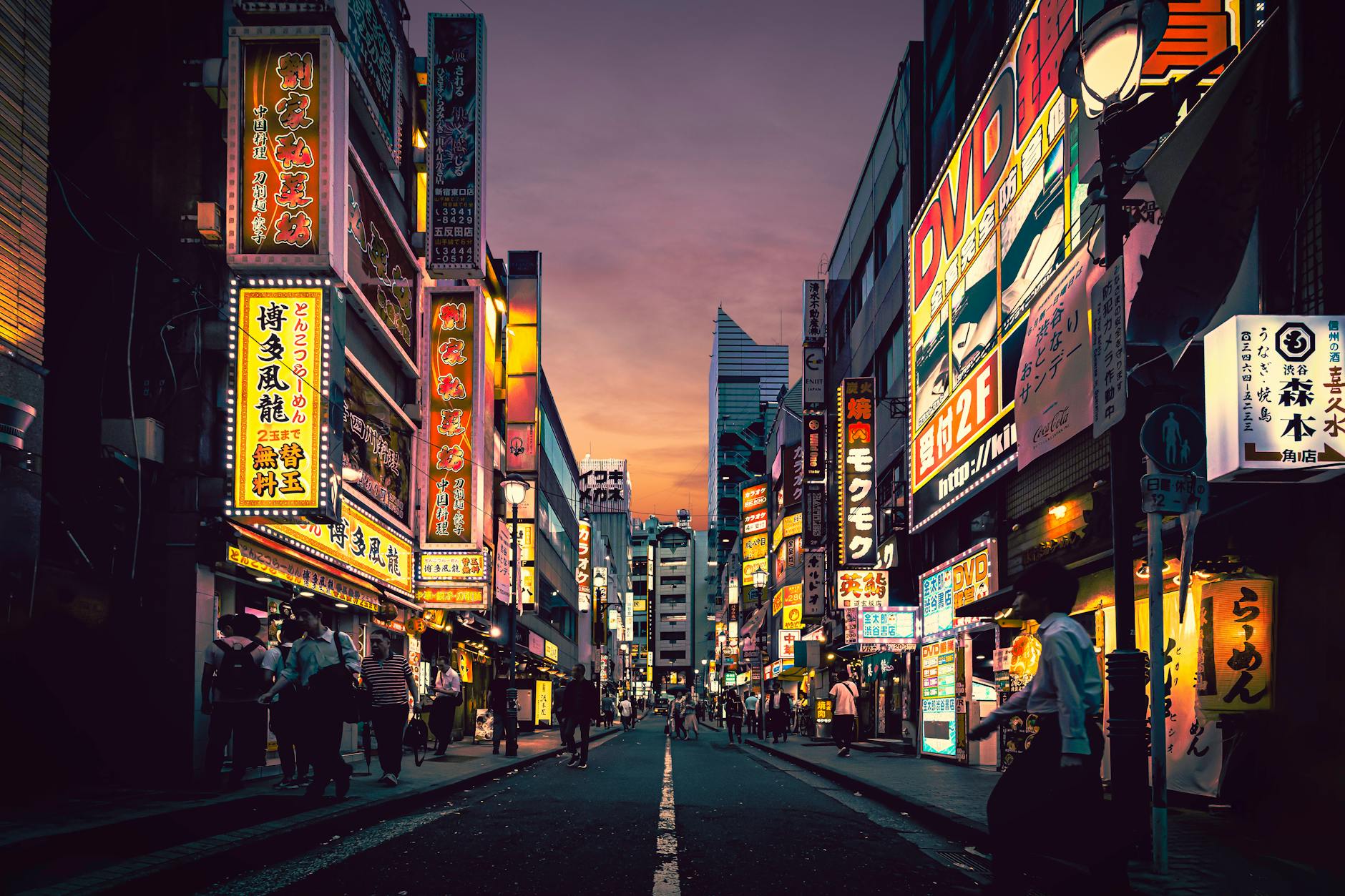
    Explore Unforgettable Tokyo in 2025: A Blend of Tradition and Modernity

    Introduction

    Tokyo, the bustling capital of Japan, stands as a vibrant testament to the fusion of modernity and tradition. Renowned as a global leader in technology, fashion, and culture, the city attracts millions of visitors each year, each eager to witness its eclectic blend of contemporary life and historical significance. Among its many districts, Shibuya and Shinjuku emerge as bustling hubs of commerce and entertainment, while Akihabara offers a unique experience tailored to anime and tech enthusiasts. In contrast, Asakusa remains a charming relic of Japan’s past, home to the illustrious Senso-ji Temple. Beyond these highlights, the city is graced with popular theme parks like Disneyland and DisneySea, which provide a whimsical escape for visitors of all ages. In this article, we will explore these essential facets of Unforgettable Tokyo, uncovering the vibrant tapestry that makes the city a must-visit destination.

    Shibuya and Shinjuku: Business and Entertainment Districts

    Shibuya and Shinjuku are two of Tokyo’s most iconic districts, each pulsating with energy and offering distinctly different experiences. Shibuya is best known for its famous crossing, often referred to as the busiest pedestrian intersection in the world. The sight of thousands of people crossing in multiple directions simultaneously is a hallmark of Tokyo’s vibrant urban life, encapsulating the city’s dynamic spirit. This bustling intersection is surrounded by towering skyscrapers, neon advertisements, and an array of shops and entertainment options that beckon tourists and locals alike.

    The shopping scene in Shibuya is diverse and captivating, with everything from luxury brands to quirky boutiques. Notable landmarks include Shibuya 109, a shopping complex that has become a fashion icon in its own right, showcasing the latest trends and styles popular among Tokyo’s youth. Each floor is dedicated to different fashion retailers, designed to cater to varying tastes, making it a must-visit for fashion enthusiasts seeking the latest urban styles.

    After shopping, visitors can explore the area’s entertainment options. The neighborhood is known for its vibrant nightlife, with countless bars, izakayas, and clubs that come alive after dark. Whether it’s enjoying unique themed cafes, karaoke joints, or live music events, Shibuya’s nightlife offers something for everyone. Those looking for a more low-key experience can relax in one of the local cafés, sipping matcha lattes while observing the world go by.

    Just a short train ride away lies Shinjuku, another key district that embodies Tokyo’s bustling atmosphere. Known as a major commercial and administrative center, Shinjuku is home to some of the tallest skyscrapers in the city, including the iconic Tokyo Metropolitan Government Building, which offers free observation decks with stunning views of the metropolis. Visitors can admire the sprawling cityscape stretching out before them, capturing the vastness and beauty of Tokyo’s urban landscape.

    Shinjuku is also famous for its diverse dining options, offering everything from traditional Japanese cuisine to international fare. The Golden Gai area, with its narrow alleys and tiny bars, provides an intimate space for socializing and experiencing local culture. Here, visitors can enjoy drinks and conversation in cozy surroundings, meeting both locals and fellow travelers.

    For those seeking entertainment, Shinjuku boasts a variety of options, including traditional kabuki theatre at the Shinjuku Theater and modern cinemas showcasing the latest film releases. The infamous Robot Restaurant offers a uniquely Japanese experience, combining a dazzling array of lights, robots, and performances that leave audiences spellbound. This eclectic mix of activities ensures that Shinjuku is a dynamic destination for both daytime exploration and nighttime revelry.

    In conclusion, Shibuya and Shinjuku represent the heartbeat of Tokyo, seamlessly blending fashion, technology, and entertainment. The districts offer a glimpse into the vibrant energy of the city, where modernity coexists with cultural heritage. Exploring these areas immerses visitors in the pulse of Tokyo, delivering unforgettable experiences that embody the spirit of this iconic metropolis.

    Akihabara: A Paradise for Anime, Manga, and Electronics Lovers

    Akihabara, often referred to as “Electric Town,” is a district in Tokyo that has carved a niche for itself as the epicenter of otaku culture. This vibrant neighborhood is a haven for anime, manga, and video game enthusiasts, boasting an array of shops, cafes, and arcades that cater to every whim. A visit to Akihabara is akin to stepping into a dream world, where the lines between reality and pop culture blur.

    The primary attraction in Akihabara is its numerous electronics stores that showcase the latest gadgets, gaming consoles, and computer components. Major retailers like Yodobashi Camera and Sofmap draw crowds eager to explore the newest technology and electronics. In this district, visitors can find anything from cutting-edge appliances to obscure components hard to come by elsewhere, making it a paradise for tech aficionados.

    For those more interested in anime and manga, Akihabara offers an unparalleled selection of merchandise. Shops like Animate, Mandarake, and Toranoana act as treasure troves, housing an impressive collection of manga, figures, and collectibles. Each shop is meticulously organized, allowing fans to browse through volumes of their favorite series, discover new titles, and acquire limited-edition goods. The excitement of encountering rare items or exclusive merchandise adds to the thrill of the shopping experience.

    Akihabara is also known for its themed cafes, where fans can immerse themselves in the stories and characters they adore. For example, maid cafes present a whimsical experience where waitresses, dressed in French maid uniforms, serve food and drinks while engaging in playful interactions with patrons. This unique concept creates an entertaining and interactive atmosphere, embodying the distinct charm of otaku culture. Other themed establishments, such as anime cafes and gaming bars, further deepen the connection between visitors and their favorite pop culture icons.

    Furthermore, Akihabara is home to numerous arcades that offer a range of gaming experiences. With floors filled with both classic and modern games, these arcades provide an opportunity for visitors to indulge in nostalgic gaming or try their hand at the latest competitive titles. From claw machines filled with plush toys to competitive rhythm games, the arcade culture in Akihabara is lively and inviting, encouraging both locals and tourists to join in the fun.

    In addition to its commercial offerings, Akihabara hosts various events, including anime and gaming conventions that attract enthusiasts from around the world. These gatherings celebrate fandom and creativity, allowing fans to connect, share their passions, and participate in cosplay parades. The anime and gaming culture thrives on community engagement, and Akihabara serves as a focal point for these subcultures to flourish.

    It’s worth noting that Akihabara has also seen an evolution in recent years, with the rise of integrated experiences combining gaming, art, and technology. Attractions like VR experience centers and immersive art installations allow visitors to engage with their favorite franchises in entirely new ways, showcasing Tokyo’s innovative spirit.

    In conclusion, Akihabara stands out as a vibrant and essential destination for anyone interested in anime, manga, and technology. Its diverse range of shops, cafes, and entertainment options creates an unparalleled atmosphere that celebrates pop culture while fostering community engagement among fans. A visit to Akihabara promises to be an unforgettable adventure, where the allure of technology and creativity coalesce to form an enchanting experience.

    Asakusa: A Traditional District with Senso-ji Temple

    Asakusa is a district in Tokyo that offers travelers a glimpse into the city’s rich cultural heritage, showcasing its historical roots and traditions. The centerpiece of Asakusa is the illustrious Senso-ji Temple, which stands as Tokyo’s oldest and most significant temple, attracting millions of visitors each year. The area surrounding the temple is steeped in history, making it a must-see for those seeking to experience Japan’s spiritual and cultural essence.

    Senso-ji Temple was founded in the year 628 AD and has since become a symbol of Tokyo. Dedicated to Kannon, the Buddhist goddess of mercy, the temple attracts not only worshippers but also tourists marveling at its stunning architecture and serene atmosphere. The approach to the temple is marked by Nakamise Street, a bustling shopping avenue leading to the temple’s entrance. Lined with stalls selling traditional snacks, souvenirs, and handicrafts, Nakamise Street enhances the experience of visiting Senso-ji by immersing visitors in the sights and scents of local culture.

    As one approaches the grand Kaminarimon Gate, adorned with a massive red lantern, the anticipation builds. This gate serves as the official entrance to Senso-ji and is one of the most photographed landmarks in Tokyo, symbolizing the connection between the spiritual and the earthly. Upon passing through the gate, visitors continue along the path of Nakamise Street, where they can sample local delights like ningyo-yaki (small cakes filled with red bean paste) and senbei (rice crackers). The vibrant energy of the market adds a sense of excitement to the journey toward the temple.

    Once at Senso-ji, the breathtaking architecture of the main hall (Hondo) captivates visitors. The intricate details and vibrant colors evoke a sense of reverence and peace. Visitors often engage in traditional rituals upon entering, such as purifying themselves at the water basin (temizuya) before offering prayers or making wishes. The atmosphere inside the temple is tranquil, allowing guests to reflect and appreciate the spirituality of the space.

    Adjacent to Senso-ji, the Asakusa Shrine provides insight into Shinto practices and represents the coexistence of Buddhism and Shintoism in Japan. With its wooden structures and serene gardens, the shrine offers a stark contrast to the busy market outside, allowing visitors to explore a calm environment dedicated to honoring Japan’s natural spirits.

    Asakusa is not only about spiritual experiences; it also serves as a hub for cultural celebrations. The Sanja Matsuri, one of Tokyo’s largest festivals, takes place each May and honors the founders of Senso-ji. During this lively event, energetic parades, traditional dances, and portable shrines (mikoshi) fill the streets, captivating both locals and visitors alike. This festival allows guests to immerse themselves in the rich cultural tapestry that Asakusa has to offer.

    While in Asakusa, visitors can also explore nearby attractions, including the Tokyo Skytree, the tallest structure in Japan. The Skytree offers breathtaking views of the city and serves as a striking contrast to the historic charm of Asakusa. The juxtaposition of old and new encapsulates Tokyo’s essence, bridging its cultural heritage with its technological advancements.

    In summary, Asakusa is a jewel of tradition in a modern metropolis, with Senso-ji Temple serving as its crown. The district attracts those seeking spiritual fulfillment, cultural enrichment, and a taste of Japan’s history. From savory snacks along Nakamise Street to the serene beauty of the temples, Asakusa invites visitors to slow down and reflect on the values and traditions that define Japan, creating an unforgettable experience that resonates long after leaving.

    Disneyland and DisneySea: Theme Parks Loved by Tourists

    Tokyo Disneyland and DisneySea are two spectacular theme parks located in the Tokyo Disney Resort, attracting millions of visitors who seek enchantment and entertainment. As the first Disney park built outside the United States, Tokyo Disneyland opened its gates in 1983, and it was later complemented by the unique DisneySea, which debuted in 2001. Both parks are meticulously designed, offering distinct experiences that cater to guests of all ages.

    Tokyo Disneyland is an enchanting realm where classic Disney magic comes to life. Modeled after Disneyland in California, it features iconic attractions, beloved characters, and immersive themed lands. From the moment visitors step through the ornate entrance gate, they are transported into a world of wonder, characterized by meticulously manicured gardens and whimsical architecture. The park encapsulates the essence of fantasy, inviting guests to explore the various themed lands, including Adventureland, Fantasyland, and Tomorrowland.

    Attractions like “It’s a Small World,” “Space Mountain,” and “Pirates of the Caribbean” transport visitors into stories filled with adventure and nostalgia. Parades and live performances, featuring beloved Disney characters, occur throughout the day, creating joyful moments that delight both children and adults. The nighttime spectacular, “Dreaming Up!” illuminates the sky with a dazzling display of fireworks and music, wrapping guests in a sense of wonder as they conclude their day at the park.

    One of the unique aspects of Tokyo Disneyland is its attention to detail and guest experience. The park prides itself on providing unparalleled hospitality, reflected in the cleanliness, organization, and friendliness of the staff, known as Cast Members. This dedication to creating a magical atmosphere ensures that visitors can focus on enjoyment, free from worries about logistics or hassles.

    Just adjacent to Disneyland lies Tokyo DisneySea, a park unlike any other in the world. Drawing inspiration from maritime exploration, DisneySea presents a unique blend of adventure and imagination, making it a must-visit for fans and newcomers alike. Each port of call in DisneySea offers a distinct theme, showcasing intricate details and stunning designs.

    The Mediterranean Harbor is the entrance hub, where guests are greeted with stunning vistas of Venetian-inspired architecture and gondolas gliding along the water. This picturesque setting creates a magical ambiance, perfect for leisurely strolls or dining at themed restaurants. The Aquatopia attraction offers guests a playful experience as they navigate a waterway in small, spinning vehicles.

    One of the standout attractions in DisneySea is “Tower of Terror,” a thrilling drop ride with an atmospheric storyline. Visitors are taken on an eerie journey through the haunted hotel, culminating in a heart-pounding plunge that leaves them exhilarated. Additionally, “Toy Story Mania!” immerses guests in a 4D gaming experience, showcasing Disney’s ability to combine innovation with beloved characters.

    DisneySea’s unique offerings extend beyond rides; it hosts spectacular shows featuring water, fire, and light spectacles. The highlight is “Iridescent,” a dazzling nighttime show that combines music and visuals, leaving guests in awe of the magical storytelling presented before them. The distinctive atmosphere of DisneySea creates an enchanting experience, unlike common amusement parks.

    Traveling to Tokyo Disneyland and DisneySea is not only about enjoying rides and entertainment; it’s also about creating lifelong memories. Families and friends can bond over shared experiences, laughter, and pure joy as they interact with beloved characters and immerse themselves in the magical environments. The parks foster a sense of community and connection among guests, all unified by the spirit of Disney.

    In conclusion, Tokyo Disneyland and DisneySea represent the epitome of theme park magic, offering immersive experiences that captivate visitors of all ages. Each park possesses a unique charm, blending traditional Disney storytelling with distinctive Japanese hospitality. Whether exploring nostalgic attractions at Disneyland or embarking on a maritime adventure at DisneySea, visitors leave with unforgettable memories that embody the joy and wonder of the Disney experience.

    Hidden Gems: Exploring Off-the-Beaten-Path Attractions in Tokyo

    While Tokyo boasts an array of famous landmarks and tourist attractions, it also harbors hidden gems waiting to be discovered. These lesser-known sites contribute to the city’s diverse landscape, offering unique experiences that showcase the authentic essence of Tokyo. Exploring these off-the-beaten-path attractions allows visitors to engage with local culture, history, and creativity, often away from the bustling crowds.

    One such hidden gem is the Yanaka district, a quaint neighborhood that survived the bombings of World War II, preserving the essence of old Tokyo. Characterized by its narrow streets, traditional wooden houses, and local shops, Yanaka evokes a nostalgic atmosphere. Visitors can wander through the Yanaka Cemetery, home to centuries-old tombstones and cherry blossom trees, creating a serene space for reflection and enjoyment of nature. The district offers a blend of history and modernity, with small cafes and galleries showcasing local artisans.

    Another gem is the Nezu Shrine, a peaceful oasis in the midst of the city. This Shinto shrine is known for its stunning torii gates that create picturesque pathways, especially enchanting during the azalea festival in spring. The tranquility of Nezu Shrine allows visitors to escape the chaos of the city, providing a spiritual retreat where one can appreciate the beauty of traditional Japanese architecture and nature.

    Kagurazaka, once a geisha district, is another hidden treasure that captures a sense of nostalgia and elegance. This charming neighborhood is lined with narrow alleys, traditional ryotei (Japanese dining establishments), and historic buildings. Walking through Kagurazaka, visitors can immerse themselves in the ambiance of old Tokyo while enjoying unique dining experiences, from kaiseki dinners to casual izakayas. The area also hosts cultural events and performances, allowing guests to experience Japan’s artistic heritage.

    Obsessed with modernity, Tokyo is also home to innovative art spaces such as teamLab Borderless in Odaiba. This digital art museum blurs the lines between physical and digital worlds, featuring immersive installations that engage the senses. It allows visitors to explore a realm of creativity where art is constantly evolving, making it an unforgettable experience. Nature enthusiasts can also explore the nearby Odaiba Seaside Park, which provides stunning views of the Rainbow Bridge and Tokyo Bay.

    For a taste of unique retail experiences, the neighborhood of Shimokitazawa delights visitors with its bohemian culture. Known for its vintage shops, cozy cafes, and live music scene, Shimokitazawa exudes a laid-back vibe that stands apart from the urban rush. Exploring its alleys, visitors often stumble upon thrift stores brimming with eclectic clothing, unique vinyl records, and artisanal goods, allowing for truly one-of-a-kind shopping.

    Additionally, the Tokyo Metropolitan Government Building offers another hidden opportunity for breathtaking views of the city. While many tourists flock to more famous observation decks, this venue provides free access to two observation floors, where visitors can enjoy spectacular views, including landmarks such as the Tokyo Skytree and Mount Fuji on clear days.

    In conclusion, Tokyo is a city filled with hidden gems that captivate the senses and enrich the travel experience. Exploring these lesser-known attractions allows visitors to engage with the authentic spirit of Tokyo, creating deeper connections with its culture and history. From tranquil old neighborhoods to innovative art installations, these hidden treasures showcase the city’s multifaceted identity, inviting travelers to venture off the beaten path and discover the true essence of Tokyo.

    Conclusion

    Tokyo serves as a magnificent window into Japan’s unique blend of modernity and tradition, with neighborhoods such as Shibuya, Shinjuku, and Akihabara exemplifying the city’s vibrant urban landscape and technology. At the same time, places like Asakusa uphold the deep-rooted cultural heritage that defines the nation. The magical allure of theme parks, Disneyland, and DisneySea adds a whimsical element, appealing to visitors of all ages.

    However, Tokyo possesses many hidden gems, inviting exploration beyond the usual tourist destinations. These off-the-beaten-path attractions allow travelers to engage with the city from a more intimate perspective, showcasing the beauty, culture, and authenticity that characterize Tokyo.

    Whether you’re drawn to the hustle and bustle of city life, fascinated by subcultures, or yearning for a taste of history, Tokyo caters to every desire. Its rich tapestry of experiences ensures that every visitor leaves with lasting memories and a deeper appreciation for the multifaceted nature of this extraordinary metropolis.

  • The Meiji Period: a complete guide to understanding the Era that transformed Japan into a modern power
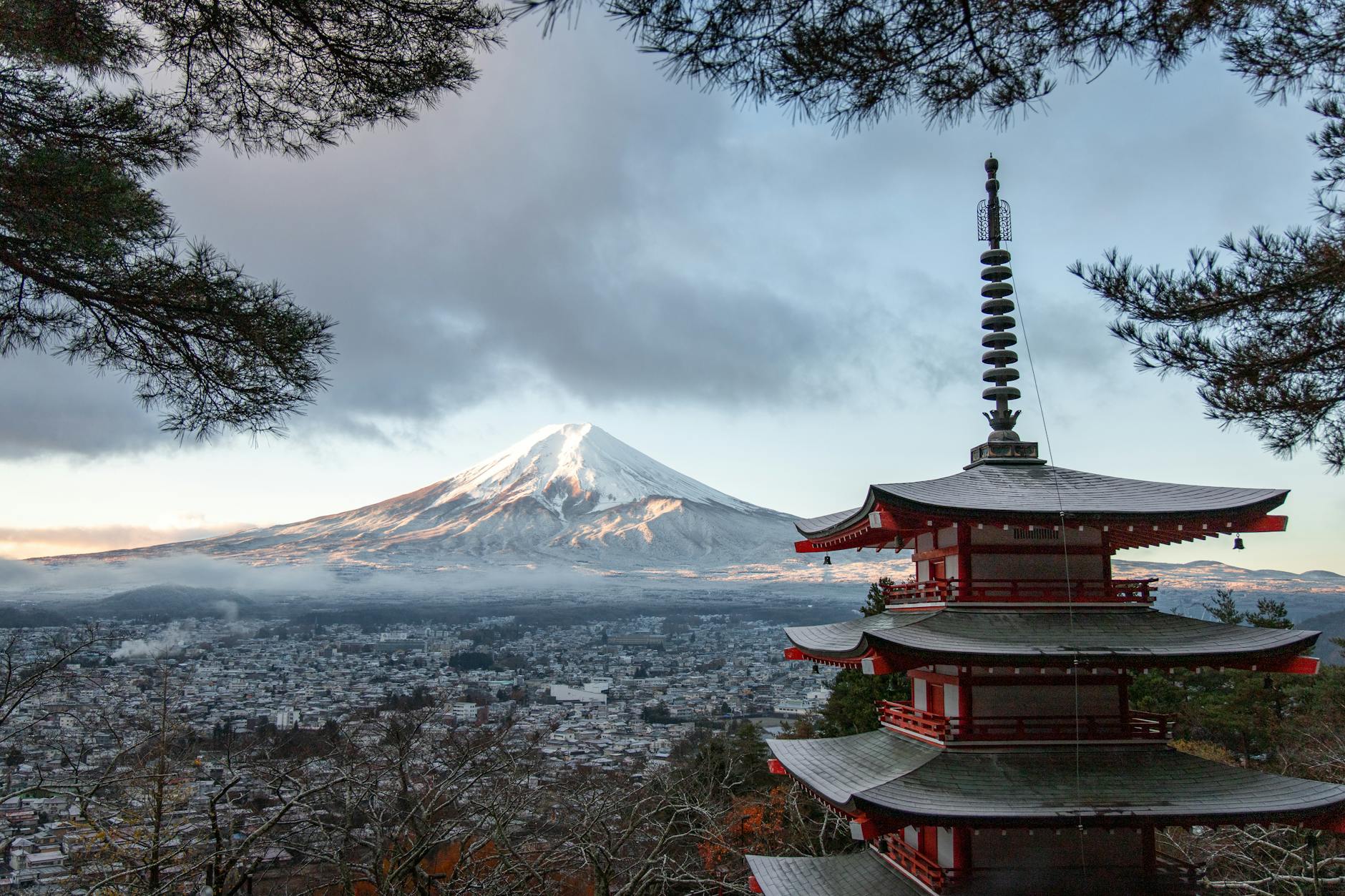
    The Meiji Period: a complete guide to understanding the Era that transformed Japan into a modern power

    Introduction

    The Meiji period (1868-1912) represents a crucial chapter in Japanese history, marked by the nation’s dramatic transformation from a feudal society to a modern industrialized state. The Meiji Restoration in 1868 ended over 200 years of Tokugawa Shogunate rule and restored the power of the Emperor. This ushered in a period of rapid modernization, during which Japan adopted Western technologies, institutions, and cultural practices, while still maintaining a unique identity. The reforms introduced during this time not only reshaped Japan’s political, economic, social, and military systems but also established the foundations for its future emergence as a global power. The legacy of the Meiji period continues to influence Japan today, making it one of the most dynamic and advanced nations in the world. This article explores the key aspects of the Meiji era and how its reforms helped transform Japan into a modern state.

    Overthrow of Feudalism and the Rise of Imperial Power in Japan

    The Meiji Restoration, which began in 1868, marked the end of the Tokugawa Shogunate and the restoration of imperial power under Emperor Meiji. Prior to this, Japan had been under a feudal system ruled by powerful regional warlords, known as daimyos, and the military dictatorship of the shoguns. The Tokugawa Shogunate had maintained a policy of isolation from the rest of the world for over two centuries, which had both preserved Japan’s unique culture but also kept it technologically and militarily behind other nations.

    The Restoration was driven by both internal and external pressures. Domestically, many of the samurai and other elite classes were dissatisfied with the stagnation of the Tokugawa Shogunate. The Shogunate’s inability to address the challenges posed by a growing population, financial instability, and the threat of foreign intervention, especially from Western powers, created a fertile ground for reform. The arrival of U.S. Commodore Matthew Perry in 1853 with a fleet of “black ships” and a demand for trade opened Japan’s eyes to the need for modernization, as Western nations were far more advanced technologically and militarily.

    The discontent with the Shogunate led to the formation of the Meiji Restoration Movement, which was primarily led by younger samurai from domains like Satsuma, Choshu, and Tosa. These leaders, many of whom had witnessed the destruction of traditional feudal norms by Western powers, sought to replace the Shogunate system with a centralized imperial government. The movement was initially supported by key elements of the military, and after a series of battles, the last Shogun, Tokugawa Yoshinobu, surrendered in 1867. In 1868, the Emperor Meiji was formally restored to power, marking the end of centuries of feudal rule and the beginning of a new political era.

    The shift to imperial rule, however, was not just a symbolic gesture. The new imperial government quickly moved to centralize power and establish a modern, bureaucratic state. The Tokugawa shoguns’ power had been decentralized, with local warlords maintaining significant autonomy. In contrast, the new Meiji government sought to consolidate authority in the hands of the Emperor and the central government. This centralization of power was essential for implementing the sweeping reforms that followed and helped to lay the groundwork for Japan’s transformation into a modern nation.

    This period also saw the dissolution of the samurai class, the official end of the feudal system, and the disbanding of the han (feudal domains) in favor of a more modern prefecture system. The creation of a centralized government enabled Japan to quickly implement modern policies, such as adopting a Western-style constitution, strengthening the economy, and reforming the military. The Meiji Restoration was the catalyst for a profound transformation, setting Japan on a path toward becoming a major global power.

    Political Reforms on the Meiji Era and the Establishment of a Centralized Government and Modern State Institutions

    Following the restoration of imperial power, the Meiji government quickly focused on centralizing control and creating a modern political framework that would allow for the swift modernization of Japan. The political reforms of the Meiji period were vital in transitioning Japan from a fragmented feudal system to a unified, modern state. Key reforms included the establishment of a centralized government, the introduction of a new constitution, and the creation of democratic institutions, although limited in scope.

    One of the earliest political actions of the new Meiji government was the establishment of a centralized bureaucracy. The Han system (feudal domains) was abolished, and prefectures were created, with centralized control under the new government. This shift allowed the government to implement reforms across the entire nation and gain control over the country’s resources, which were essential for industrialization. Key figures like Ito Hirobumi, Kido Takayoshi, and Okubo Toshimichi played significant roles in the restructuring of the government.

    The Meiji government also sought to introduce a constitution and legal framework based on Western models. In 1889, Japan adopted the Meiji Constitution, which created a bicameral legislature (the Imperial Diet), consisting of the House of Peers and the House of Representatives. The constitution was modeled after Prussian and Western legal systems, but it preserved the Emperor’s central power. This constitution was an important step toward creating a modern legal system and establishing Japan’s commitment to governance based on rule of law, albeit under an imperial system.

    Japan and Meiji Period
    The Meiji Restoration in 1868 ended over 200 years of Tokugawa Shogunate rule and restored the power of the Emperor. | Photo by Pierre Blaché on Pexels.com

    However, despite the appearance of democratic reforms, the political system remained heavily dominated by the oligarchs of the Meiji government, and the Emperor maintained significant authority. The Imperial Family retained control over the military, and the prime minister was chosen from among the oligarchs. Though the Diet was established to represent the people, it was largely limited in its powers, with decision-making still concentrated in the hands of the elite.

    The establishment of a national system of education and the creation of a military draft were also key elements of the political reforms. Japan’s first national education system was introduced in the 1870s, influenced by Western models. The system aimed to provide universal education, creating an educated population capable of participating in the workforce and military. The establishment of conscription helped build a modern army that would play a critical role in Japan’s subsequent military expansion.

    Despite the top-down nature of many of these political reforms, they laid the foundation for Japan’s rapid transformation into a modern state. The political changes created the structure necessary for future economic and military successes, setting the stage for Japan’s rise as a world power by the early 20th century.

    Japan’s Industrialization and Economic Growth: The Shift from Agrarian to Industrial Society

    The industrialization of Japan during the Meiji Restoration is one of the most remarkable aspects of the era. In a span of just a few decades, Japan transformed from a feudal agrarian economy to one of the leading industrial powers in the world. The Meiji government played a crucial role in encouraging industrial development by modernizing infrastructure, adopting Western technologies, and building key industries, such as textiles, mining, and heavy industry.

    The first priority for the Meiji government was to modernize Japan’s infrastructure. This involved building a nationwide railroad network to connect major cities and enable the transportation of goods and people across the country. The introduction of modern transportation systems helped facilitate trade and the movement of raw materials, which in turn supported industrial growth. Additionally, telegraph lines were established, enabling faster communication across the country.

    The government also invested heavily in key industries like textiles, mining, shipbuilding, and steel production. The government directly funded the construction of factories and developed industries that were crucial for the modernization of the economy. For example, Japan’s first steel plant, Yawata Steel Works, was established with the help of foreign expertise and technology. The government provided loans, land, and resources to foster the development of these industries, and later privatized many of them, allowing private companies to take over the operations.

    Watch the video about the Emperor Meiji and learn more about the Meiji Period

    The adoption of Western technology and expertise was a key element of the Meiji industrialization process. The government invited foreign experts to Japan to help teach Japanese workers and engineers how to build modern factories and machines. Western nations, particularly Britain, Germany, and the United States, provided Japan with essential technologies, and Japan quickly adopted these innovations to enhance its industrial base.

    Textile manufacturing was one of the first industries to be modernized. Japan had long been known for its silk production, but the introduction of Western-style factories allowed for mass production of textiles, including cotton. The cotton spinning industry became the backbone of Japan’s early industrial economy, with the establishment of large textile mills such as the Tamagawa Cotton Mill.

    By the end of the 19th century, Japan had rapidly industrialized, and its economy was transitioning from agrarian to industrial. New industries were established, and traditional industries were modernized. The creation of these new industries, combined with Japan’s growing infrastructure, provided the foundation for the nation’s rise as an industrial powerhouse in the 20th century.

    Educational and Social Reforms during the Meiji period: Building a Modern Society in Japan

    One of the most important contributions of the Meiji period was the establishment of a modern educational system. The Meiji government recognized that Japan’s transformation into a modern state required a well-educated population that could contribute to the workforce, military, and society. Thus, a nationwide educational system was developed, influenced by Western models but uniquely adapted to Japanese needs.

    The introduction of universal education was one of the most significant reforms. In 1872, the Education Ministry was established, and the First National Education System was created. Education was made compulsory for children, marking the beginning of public schooling in Japan. The government emphasized the importance of practical education in the sciences and mathematics, as these disciplines were essential for industrial and technological development.

    Alongside this, the Meiji government sought to create a system that promoted loyalty to the Emperor and the nation. The education system integrated moral education alongside academic learning, teaching students to value loyalty, discipline, and respect for authority. The education system was instrumental in creating a cohesive national identity and fostering a sense of patriotism among the Japanese people.

    At the same time, social reforms were also taking place. The government began to shift Japan away from traditional feudal structures, particularly through the abolition of the class system. The samurai class, once at the top of the social hierarchy, was disbanded, and many samurai were integrated into the modern workforce. This was part of a broader social revolution that allowed the emergence of new classes, such as businessmen, farmers, and industrial workers, which were crucial to Japan’s modernization.

    Furthermore, women’s rights began to be addressed, albeit in limited ways. Women began to receive formal education, which was a step toward their eventual role in Japan’s changing society. However, full gender equality remained a distant goal for much of the Meiji period.

    Overall, the educational and social reforms laid the foundation for Japan’s modernization. By creating a highly educated workforce, the government ensured that Japan could keep pace with the rapidly changing world, while social reforms helped build the foundation for a more cohesive and unified society.

    Military Modernization in Meiji Restoration: Strengthening Japan’s Defense and International Influence

    Military modernization was another key element of the Meiji Restoration. The Meiji government recognized that in order to protect Japan’s sovereignty and pursue an ambitious modernization agenda, it needed a modern military capable of defending against external threats and asserting Japan’s power on the world stage. The government set out to reform Japan’s military by incorporating Western military practices and technologies.

    One of the first steps was the establishment of a modern conscription system. In 1873, the Meiji government passed the Military Service Law, which introduced mandatory military service for all Japanese men. This move was designed to build a modern, well-trained, and disciplined army, capable of defending the country and projecting power abroad. The conscription system ensured that Japan could maintain a large and effective fighting force.

    The Meiji government also sought to modernize Japan’s military technology. Western military advisors were invited to Japan, and the Japanese military adopted Western-style uniforms, tactics, and weaponry. The army was reorganized into a modern structure, and new technologies, such as rifles, artillery, and warships, were introduced.

    The Navy also underwent significant modernization. Under the leadership of figures like Ito Hirobumi and Saigo Takamori, Japan began to build a modern navy, which would become one of the most powerful in Asia. The construction of modern warships, the establishment of naval academies, and the training of officers in Western military techniques helped Japan establish naval dominance in East Asia.

    Japan’s military modernization played a significant role in its ability to assert itself internationally. The military reforms allowed Japan to defeat China in the First Sino-Japanese War (1894-1895) and Russia in the Russo-Japanese War (1904-1905), establishing Japan as a major military power and gaining control of territories like Taiwan and Korea. These victories not only enhanced Japan’s prestige but also solidified its position as a rising global power.

    Conclusion

    The Meiji period was a transformative time for Japan, marking the transition from a feudal society to a modern industrialized nation. The reforms introduced during this era helped shape the country into a major global power. Political centralization, industrialization, military modernization, and educational advancements laid the groundwork for Japan’s success in the 20th century. The nation’s commitment to adopting Western technologies, while maintaining its cultural identity, proved to be a critical factor in its rapid modernization. Japan’s rise as an industrial and military power, alongside its commitment to modern governance, set it on a path to become one of the most influential countries in the world. The legacy of the Meiji period continues to shape Japan’s economic and political structures, as it remains a global leader today. The era is a testament to the remarkable adaptability and resilience of Japan in the face of enormous challenges.

    If you want to know more about the Meiji Period check also our article The Meiji Restoration: A great transformational Era in Japan’s History (2025 update)

    Watch also

  • Kyoto’s Hidden Gems: Temples and Healing Waters 2025
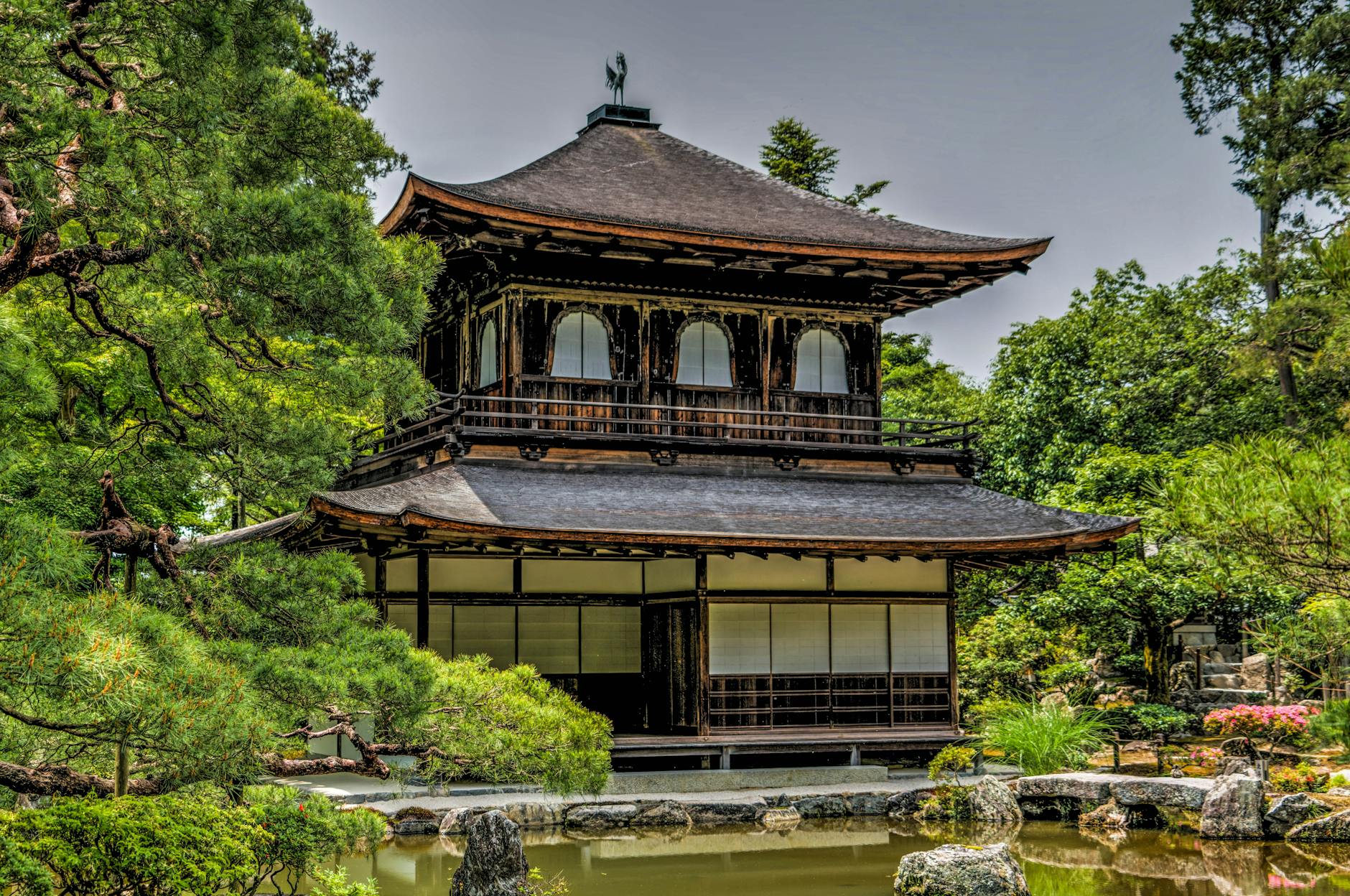
    Kyoto’s Hidden Gems: Temples and Healing Waters 2025

    Introduction

    Kyoto, Japan, is a city that effortlessly intertwines history, culture, and tranquility, making it a perfect destination for those seeking relaxation. Renowned for its picturesque landscapes, the city offers traditional onsen (hot spring baths), serene Zen gardens, and tranquil temples that create an atmosphere of peace and rejuvenation. Visitors to Kyoto can immerse themselves in a unique blend of ancient practices and natural beauty that promotes healing and inner calm. With a focus on mindfulness, Kyoto provides an opportunity to unwind and reconnect with nature and oneself. Whether soaking in an onsen while surrounded by lush greenery or meditating in a Zen garden, visitors will discover the transformative power of relaxation in this magical city. In the following sections, we will delve deeper into the various aspects of relaxation that Kyoto has to offer, exploring how each element contributes to an unparalleled experience of rejuvenation and peace.

    The Healing Properties of Onsen (Hot Spring Baths)

    Kyoto’s onsen baths are more than just a delightful way to experience Japanese culture; they are steeped in history and are known for their therapeutic benefits. The geothermal waters of these hot springs are rich in minerals, believed to heal various ailments while also providing a profound sense of relaxation. Some of the most popular onsens in and around Kyoto include Kurama Onsen and Arashiyama Onsen, both of which offer stunning natural surroundings that enhance the rejuvenating experience.

    As visitors enter the onsen, they are greeted with a traditional ambiance that encourages a ritual of relaxation. Upon arrival, guests typically partake in a pre-soaking routine. This involves thoroughly washing their bodies at designated wash stations, ensuring cleanliness and respect for others sharing the facility. Following this cleansing ritual, individuals are ready to immerse themselves in the hot spring waters.

    The warmth of the onsen water helps to alleviate muscle tension and promote blood circulation. Those suffering from chronic pain or fatigue often find relief as they soak in the soothing heat. The mineral content in these waters varies by location, contributing to diverse benefits. For instance, sulfur-rich baths may aid in detoxification, while calcium and magnesium can support healthy skin and relaxation.

    While soaking in the onsen, visitors are encouraged to embrace the tranquil surroundings. Many onsen are situated in picturesque locations, surrounded by forests, mountains, or streams. The peaceful atmosphere, combined with the healing effects of the warm waters, creates a serene environment conducive to mindfulness and inner peace.

    Moreover, the onsen experience is more than just physical relaxation; it also fosters social connections. Traditionally, onsen are communal spaces where friends and families gather to share moments of joy and laughter. This element of community contributes to mental well-being, allowing individuals to forge connections with others while embracing the culture of relaxation.

    To enhance the onsen experience, many facilities offer additional amenities such as traditional meals, massage services, and outdoor bathing options. These features allow visitors to immerse themselves more deeply in the relaxation process, culminating in a true retreat from the hustle and bustle of modern life.

    In summary, the onsen culture in Kyoto presents a holistic approach to relaxation that merges physical, mental, and social elements. The therapeutic properties of the mineral-rich waters, combined with the tranquil settings of these baths, make for an unparalleled experience of rejuvenation. Visitors are not only able to relieve stress and reconnect with themselves but also enjoy the rich traditions of Japanese bathing culture. Whether one is a seasoned onsen enthusiast or a first-time visitor, the experience promises to rejuvenate the body and spirit.

    Exploring Zen Gardens: A Path to Serenity

    Zen gardens, or “karesansui,” are an essential part of Japanese culture and philosophy, deeply intertwined with the principles of Zen Buddhism. In Kyoto, the practice of creating and tending to these gardens offers a unique opportunity to connect with nature and cultivate a sense of inner peace. Unlike traditional gardens that flourish with vibrant flowers and lush greenery, Zen gardens are minimalist, emphasizing simplicity, balance, and tranquility.

    The fundamental aspect of a Zen garden layout is its use of rocks, gravel, and sand, often representing natural elements such as mountains, rivers, and seas, arranged in a way that evokes a sense of harmony. Raked gravel simulates flowing water, creating a meditative surface that invites peaceful contemplation. Visitors find themselves drawn to these meticulously designed spaces, as each element within the garden serves a purpose, encouraging a deep reflection on one’s surroundings and thoughts.

    One of the most iconic Zen gardens in Kyoto is Ryoan-ji, known for its rock garden designated as a UNESCO World Heritage site. Visitors to Ryoan-ji gaze upon the carefully placed rocks, each selected to provoke thought and encourage introspection. The garden’s simplicity allows observers to appreciate the beauty of nature while fostering an environment conducive to meditation.

    As individuals engage with a Zen garden, they often find that the act of observation transforms into a form of meditation. The experience of taking in the various elements—the textures of the gravel, the shapes of the rocks, and the surrounding landscapes—becomes a means of self-exploration. These gardens serve as a reminder of the importance of mindfulness and being present in the moment, guiding visitors toward a path of tranquility and clarity.

    Practicing Zen garden design can also be therapeutic in itself. Many visitors participate in workshops or guided experiences, allowing them to create their own miniature versions of these gardens. Engaging in the physical act of raking gravel or arranging stones encourages a meditative state, as participants focus their minds on the task at hand. This creative expression nurtures a deeper connection with nature, reminding individuals of the beauty that can be found even in simplicity.

    The concept of Ma, or negative space, is paramount in Zen gardens. It emphasizes the importance of what is not present, prompting visitors to acknowledge the emptiness that promotes peace and introspection. This philosophy resonates strongly with the practice of meditation, where the absence of noise and distractions becomes essential for deep reflection.

    In addition to physical serenity, Zen gardens foster emotional well-being. By engaging with the elements of the garden, individuals can experience a sense of release and relief from everyday stresses. The gardens invite visitors to pause, breathe, and embrace the stillness that surrounds them. This escape from the chaos of life allows for a reconnection with oneself and an opportunity to cultivate gratitude for the present moment.

    Overall, Zen gardens in Kyoto represent a harmonious blend of nature, art, and philosophy. They embody the essence of tranquility and serve as gateways to mindfulness and self-awareness. Visitors seeking serenity will find that these gardens offer more than just beautiful scenery; they provide a deeply personal journey into relaxation and introspection, encouraging individuals to embrace the art of stillness in their lives.

    The Spiritual Essence of Temples in Kyoto

    Kyoto is home to some of the most revered temples in Japan, serving as beacons of spirituality, history, and culture. Each temple tells a story, reflecting the city’s rich heritage while offering visitors an opportunity for introspection and a place to find solace. Among the numerous temples, Kinkaku-ji (the Golden Pavilion), Ginkaku-ji (the Silver Pavilion), and Kiyomizu-dera stand out as iconic destinations, drawing millions of visitors each year.

    Kinkaku-ji is a stunning Zen temple covered in gold leaf, surrounded by serene gardens and a reflective pond. As visitors approach, they are struck by the temple’s breathtaking beauty, especially when mirrored in the tranquil waters. The gold glistens under the sunlight, creating an ethereal atmosphere that seems to transcend time. Stepping into the gardens surrounding Kinkaku-ji, guests often find themselves enveloped by the serenity of the space, allowing them to reflect on their own inner peace while soaking in the beauty of their surroundings.

    Ginkaku-ji, on the other hand, embraces the philosophy of “wabi-sabi,” highlighting the beauty in imperfection and the passage of time. The temple’s understated elegance invites visitors to slow down, ponder the transient nature of life, and appreciate the simplicity of their environment. Its beautifully designed gardens feature meticulously raked sand and carefully placed stones, creating a harmonious setting that fosters contemplation. Many visitors arrive at Ginkaku-ji seeking solace, as the tranquil atmosphere encourages mindfulness and self-reflection.

    Kiyomizu-dera, a UNESCO World Heritage site, is famed for its wooden stage that juts out over the hillside, offering panoramic views of the cherry blossoms in spring and the vibrant foliage in autumn. The temple, dedicated to Kannon, the goddess of mercy, is a pilgrimage site for many who seek comfort and healing through spiritual practices. Visitors often participate in the tradition of drinking from the Otowa Waterfall, where each stream is believed to provide different benefits—love, wisdom, or longevity. This ritual reinforces the interconnectedness of physical healing, spirituality, and psychological well-being, as individuals reflect on their desires and intentions.

    Aside from the architectural beauty and historical significance of Kyoto’s temples, they also provide an environment for visitors to engage in spiritual practices such as meditation, chanting, and mindfulness. Many temples offer workshops and retreats focused on fostering inner peace through traditional Buddhist practices, inviting individuals to immerse themselves in a deeper understanding of their spirituality.

    The ambiance within these temples fosters an atmosphere of quiet reverence. As guests wander through the sacred spaces, they often find themselves contemplating their place in the world, encouraging personal growth and self-discovery. The simple act of being present in these peaceful surroundings helps to cultivate gratitude and appreciation for the beauty of life.

    Furthermore, the significance of rituals and ceremonies held in these temples enhances the spiritual journey of visitors. Whether it’s participating in a ceremonial tea, attending morning prayers, or observing seasonal festivals, these experiences enrich the relationship individuals have with their surroundings and deepens their understanding of Japanese culture.

    In conclusion, the temples of Kyoto are sanctuaries of peace that resonate with spiritual essence and cultural heritage. Each temple encapsulates the beauty of serenity while encouraging visitors to embark on their own journey of self-discovery and reflection. The intertwining of history, spirituality, and natural beauty creates an environment where individuals can find solace and a greater understanding of themselves amidst the busyness of life.

    Traditional Japanese Tea Ceremony: A Moment of Peace

    The Japanese tea ceremony, or “chanoyu,” is not merely about drinking tea; it is a profound ritual that embodies the principles of harmony, respect, purity, and tranquility. In Kyoto, this art form is elevated to an experience of mindfulness and grace, where the act of preparing and serving matcha (powdered green tea) becomes a meditative practice that promotes relaxation and connection with the present.

    The tea ceremony often takes place in a traditional tea room, designed to be a tranquil space that extends a warm invitation to guests. The simplicity of the room, with its tatami mats and minimalist decor, encourages participants to leave behind the chaos of the outside world and immerse themselves in the moment. The careful selection of tea utensils, flowers, and seasonal décor adds to the aesthetic beauty of the experience, as every aspect is curated to promote peace and mindfulness.

    As the tea master prepares the matcha, every movement is deliberate and infused with intention. The act of whisking the tea is a rhythmic motion that encourages focus and presence. Guests watch in silence, captivated by the graceful motions and the transformation of the powdered tea into a frothy beverage. This ritualistic approach fosters a deep appreciation for the simplicity of the moment, allowing individuals to reflect on their thoughts and feelings.

    Participating in a tea ceremony also promotes a sense of connection among participants. Guests are encouraged to engage with one another, sharing their impressions of the tea and expressing gratitude for the experience. This exchange of appreciation fosters a sense of community and belonging, enhancing the overall sense of well-being.

    Moreover, the tea ceremony serves as a reminder of the importance of “ichi-go ichi-e,” a Japanese philosophy that emphasizes the uniqueness of every encounter. Each ceremony is a once-in-a-lifetime experience, encouraging participants to be fully present and recognize the beauty of the moment. This principle encourages individuals to cultivate mindfulness and to appreciate the fleeting nature of life, allowing for personal growth and reflection.

    The calming effects of matcha also contribute to the relaxing ambiance of the ceremony. Rich in antioxidants and known for its calming properties, the consumption of matcha promotes relaxation and mental clarity. As participants savor the tea, they may find themselves in a state of tranquility, allowing for deeper introspection.

    Additionally, many tea ceremonies incorporate seasonal elements that enrich the experience. The selection of tea, snacks, and decor often reflects the changing seasons, creating a strong connection to nature. This alignment with the rhythms of the natural world encourages guests to find peace in their surroundings and embrace the beauty of life’s transitions.

    Overall, the traditional Japanese tea ceremony in Kyoto embodies the essence of tranquility and mindfulness. It serves as an educational experience that promotes relaxation and self-reflection while fostering a sense of connection with others. By participating in this ritual, individuals can cultivate a greater appreciation for simplicity and beauty, ultimately enhancing their journey toward inner peace.

    Local Cuisine: Nourishing the Body and Soul

    Kyoto is not only renowned for its historic sites and tranquil surroundings; it is also celebrated for its exquisite local cuisine that emphasizes seasonal ingredients and traditional preparation methods. The culinary experience in Kyoto, particularly through kaiseki dining, reflects the philosophy of balance and harmony, offering nourishment not just for the body but also for the soul.

    Kaiseki, a multi-course Japanese dining experience, presents an artful arrangement of dishes that showcase the season’s best produce. Utilizing local ingredients such as fresh vegetables, fish, and tofu, kaiseki chefs create elegantly prepared dishes that pay homage to the flavors of Kyoto. Each course is meticulously crafted, ensuring a balance of taste, texture, color, and presentation. This focus on aesthetics elevates the dining experience, inviting guests to savor not just the flavors but the beauty of their meal as well.

    The experience of dining kaiseki is inherently mindful. Each dish is presented one at a time, allowing diners to fully engage with the flavors and textures as they partake in their meal. The slow pace at which the meal unfolds encourages participants to appreciate every bite and to be present in the moment, reinforcing a sense of tranquility and mindfulness.

    Kyoto’s cuisine also emphasizes the use of seasonal ingredients, which highlights a deep connection to nature and the changing seasons. Chefs take great care to select ingredients that are at their peak flavor, reflecting the abundance of local produce. This seasonal approach not only enhances the taste of the dishes but also fosters a sense of harmony between the meal and the natural world.

    Furthermore, Kyoto is known for its traditional specialty of yudofu, or boiled tofu, often enjoyed in serene settings such as teahouses or restaurants with views of picturesque gardens. Yudofu embodies simplicity, showcasing the delicate flavor of tofu paired with light, flavorful dipping sauces. This dish invites diners to appreciate the gentle flavors while promoting a sense of well-being through nourishing, wholesome ingredients.

    Sweets also hold a special place in Kyoto’s culinary offerings. Traditional wagashi confections, made from ingredients such as sweet bean paste and rice flour, are often enjoyed with tea. These treats are crafted with care and attention to detail, embodying the seasonal themes and artistic flare that characterize Kyoto’s culinary heritage. Sharing these sweets during a tea ceremony creates a sense of community and reinforces the connections between food, nature, and mindfulness.

    In addition to enhancing well-being through flavor, Kyoto’s local cuisine promotes healthy eating practices and a balanced diet. With an emphasis on fresh, seasonal ingredients and careful preparation, meals are often crafted to nourish the body and promote overall health. This culinary philosophy aligns perfectly with the city’s emphasis on relaxation and self-care.

    In conclusion, local cuisine in Kyoto serves as a nourishing experience that transcends simple sustenance. Through kaiseki dining, yudofu, and traditional wagashi, visitors discover the beauty of mindful eating while forging a deeper connection with nature and oneself. The culinary delights of Kyoto invite individuals to slow down, appreciate the flavors of the season, and embrace the art of nourishment for both body and soul.

    Conclusion

    Kyoto, Japan, is a treasure trove of experiences that profoundly promote relaxation and rejuvenation. The city’s traditional onsen, serene Zen gardens, tranquil temples, immersive tea ceremonies, and flavorful local cuisine create a holistic environment that nurtures the body, mind, and spirit. Each aspect of Kyoto’s culture encourages visitors to step away from the hurried pace of modern life and embrace the art of mindfulness and tranquility.

    Through the healing waters of onsen, individuals find solace and relief from stress, while Zen gardens invite reflection and self-discovery amidst nature’s beauty. The spiritual essence found in Kyoto’s majestic temples fosters a deeper connection with oneself and the world around us, paving the way for personal growth and insight. The traditional tea ceremony offers a moment to engage fully with the present, while the local cuisine nourishes both body and soul, celebrating the essence of mindful eating.

    Visiting Kyoto is not just a journey through a culturally rich city; it is an opportunity for profound transformation and relaxation. Those seeking refuge from the daily grind will find that Kyoto offers a sanctuary for rejuvenation and self-care. By immersing in its traditions and serene landscapes, visitors can connect with the essence of peace, allowing them to return home with renewed vitality and clarity. Kyoto is, without a doubt, a destination that perfectly embodies relaxation and tranquility, making it a must-visit for anyone yearning for an escape into serenity.

  • The Meiji Restoration: history and facts of a great transformational Era in Japan

    The Meiji Restoration: history and facts of a great transformational Era in Japan

    Introduction

    In 1868, Japan embarked on a journey that would reshape its destiny and transform it from a feudal society into a modern industrial power. This pivotal moment in history, known as the Meiji Restoration, marked the beginning of the Meiji Era (1868-1912), a period of profound political, social, and economic change that laid the foundation for Japan’s emergence as a global power in the 20th century.

    The Meiji Restoration was not just a series of reforms; it was a revolutionary shift that touched nearly every aspect of Japanese life. It signaled the end of the Tokugawa shogunate, a feudal military government that had ruled Japan for over two centuries, and the restoration of the emperor to a central role in governance. But perhaps more importantly, it represented Japan’s embrace of modernization in response to external pressures and internal challenges. This era witnessed the rapid adoption of Western technology, industrialization, and a new political structure, fundamentally altering Japan’s position in the world.

    Japan before the Meiji Restoration: a Closed Nation

    To fully appreciate the impact of the Meiji Restoration, it’s important to understand the state of Japan in the centuries leading up to it. For over 250 years, Japan had been under the rule of the Tokugawa shogunate, which maintained a strict policy of isolation, or sakoku, that limited foreign influence. Japan’s ports were closed to nearly all foreign nations, with limited exceptions such as the Dutch and Chinese, who were allowed minimal trade. This isolationist policy was designed to preserve Japan’s traditional way of life and protect it from the destabilizing effects of Western colonialism and religious influence, particularly from European missionaries.

    However, while Japan remained politically and culturally isolated, the world around it was changing. European powers, as well as the United States, were expanding their influence across Asia through trade, diplomacy, and military power. By the mid-19th century, Japan’s isolation was no longer sustainable. The growing presence of Western powers in East Asia, combined with domestic unrest, posed significant challenges to the Tokugawa regime.

    The arrival of Commodore Perry and the opening of Japan: the start of Meiji Era

    In 1853, a fleet of American warships, commanded by Commodore Matthew Perry, arrived in Edo Bay (modern-day Tokyo) with a demand for Japan to open its ports to trade. The display of military force by the United States was a stark demonstration of the technological and industrial advances that Japan had missed during its centuries of isolation. The Tokugawa shogunate, realizing that it could not resist Western military power, reluctantly agreed to Perry’s demands, leading to the signing of the Treaty of Kanagawa in 1854. This opened Japan to foreign trade and marked the beginning of the end for the Tokugawa shogunate.

    The opening of Japan exposed its people to the stark reality of how far behind they had fallen in terms of technology, military power, and industry compared to the West. This realization sparked intense debate within Japan about the future of the nation. Many samurai and intellectuals believed that in order to preserve Japan’s sovereignty, the country would need to modernize and adopt Western technologies, institutions, and practices. This growing consensus ultimately paved the way for the Meiji Restoration.

    Meiji Restoration Era
    The Meiji Restoration was a period of enormous economic growth and social transformations

    The Meiji Restoration and the return to Imperial Rule

    The Meiji Restoration of 1868 was more than just a transfer of power from the Tokugawa shogunate to Emperor Meiji; it was a comprehensive effort to rebuild Japan from the ground up. One of the most significant changes was the abolition of the feudal system. Under the Tokugawa regime, Japan had been divided into domains controlled by local lords, who ruled over a rigid class system, with the samurai class at the top. The Meiji government abolished these domains and replaced them with a centralized government that reported directly to the emperor. This was a crucial step in unifying the country and creating a strong, centralized state capable of directing national policy.

    The Emperor Meiji, although a symbolic figurehead during much of the Restoration, became a potent symbol of national unity and progress. The rallying cry of the time, “Fukoku Kyohei” (Enrich the country, strengthen the military), captured the spirit of the era: Japan would modernize and build its military power to defend itself from foreign domination.

    Rapid Modernization: Catching Up with the West

    One of the hallmarks of the Meiji Era was Japan’s rapid modernization, driven by an intense desire to avoid the fate of other Asian countries, such as China, which had been subjugated by Western powers. Japanese leaders embarked on a systematic process of adopting and adapting Western technologies, education systems, political institutions, and military practices. However, unlike in many other countries, Japan’s modernization was not imposed from the outside but was largely a deliberate, internal effort.

    Key areas of modernization during the Meiji Restoration Era included:

    1. Industrialization: Japan’s leaders recognized that industrial growth was essential to building a strong and independent nation. The government promoted industrialization by investing in infrastructure such as railways, telegraph lines, and ports. They also established factories and shipyards, which helped Japan’s transition from an agrarian economy to an industrial one. By the turn of the century, Japan had developed a modern industrial base, with industries ranging from textiles to steel production.
    2. Military Reforms: A modern military was seen as critical to Japan’s survival in a world dominated by imperial powers. The Meiji government introduced conscription in 1873, creating a modern, Western-style army. Samurai privileges were abolished, and the military adopted European training methods, weaponry, and organizational structures. By the early 20th century, Japan had built a powerful navy and modern army that would later prove instrumental in its victories over China and Russia.
    3. Education: The Meiji government recognized that modernization required an educated populace. A national education system was established, with universal primary education made compulsory by the 1870s. The curriculum was designed to instill not only literacy and numeracy but also loyalty to the emperor and a sense of national identity. By 1907, Japan had achieved one of the highest literacy rates in the world.
    4. Political Reforms: Japan’s leaders sought to create a political system that balanced Western democratic ideals with Japan’s own traditions. The Meiji Constitution, promulgated in 1889, established a constitutional monarchy with an elected parliament, the Diet, although real power remained in the hands of the emperor and a small group of oligarchs. This system, while not fully democratic, provided a framework for political participation and stability as Japan continued to modernize.
    5. Cultural and Social Changes: The Meiji government also sought to reshape Japanese society. The class system was officially abolished, and samurai, farmers, artisans, and merchants were granted equal legal status. Western dress, customs, and architecture became fashionable, particularly among the elite. While Japan maintained many of its traditional cultural practices, there was a strong push to adopt elements of Western culture that were seen as symbols of modernity.

    The Meiji Restoration consequences

    The consequences of the Meiji Restoration were far-reaching and set the stage for Japan’s emergence as a major global power in the 20th century. Some of the key outcomes of this transformative period include:

    1. The Emergence of Japan as an Imperial Power: By the late 19th century, Japan had not only modernized its economy and military but had also begun to assert itself as a regional power. In 1895, Japan defeated China in the First Sino-Japanese War, gaining control of Taiwan and Korea. In 1905, Japan shocked the world by defeating Russia in the Russo-Japanese War, becoming the first Asian nation to defeat a European power in modern history. These victories signaled Japan’s arrival as an imperial power and foreshadowed its future ambitions in the Asia-Pacific region.
    2. Economic Transformation: The Meiji government’s focus on industrialization laid the foundation for Japan’s transformation into a global economic power. By the early 20th century, Japan had developed a diversified industrial base, with growing sectors in textiles, steel, and shipbuilding. This industrial growth helped lift millions out of poverty and positioned Japan as a leading industrial nation by the mid-20th century.
    3. Social Change and Class Mobility: The abolition of the feudal system and the introduction of modern education and industrialization led to significant social changes. The rigid class structure of the Tokugawa era was replaced by a more fluid social system, where individuals had greater opportunities for upward mobility. The samurai class, once the ruling elite, lost its privileged status, and new opportunities emerged for farmers, merchants, and industrial workers to improve their social standing.
    4. Cultural Hybridization: The Meiji Era was a time of cultural hybridization, as Japan adopted many aspects of Western culture while maintaining its own traditions. Western-style education, fashion, and architecture became popular, but traditional arts, such as tea ceremonies, calligraphy, and sumo wrestling, continued to flourish. This blending of Western and Japanese influences created a unique cultural identity that continues to define Japan today.
    5. Challenges and Conflicts: Despite its many successes, the Meiji Restoration also brought significant challenges. Rapid modernization created social tensions, particularly among former samurai who had lost their status and livelihood. The Satsuma Rebellion of 1877, led by disaffected samurai, was one of the most notable instances of resistance to the new order, though it was ultimately crushed by the government. Additionally, Japan’s imperial ambitions would later lead to conflicts with neighboring countries, culminating in its participation in World War II.

    Conclusion: A Lasting Legacy of the Meiji Restoration

    The Meiji Restoration was a turning point in Japanese history, marking the beginning of Japan’s transformation from an isolated feudal society into a modern, industrialized nation. The changes initiated during this period set Japan on a path toward becoming a major global power, with far-reaching consequences for the country and the world.

    While the Meiji Era brought immense progress, it also set the stage for some of the darker chapters in Japan’s history, including its imperial expansion and militarism in the early 20th century. Nevertheless, the legacy of the Meiji Restoration is one of remarkable resilience, adaptability, and ambition a period when Japan reinvented itself and laid the foundation for its future as one of the world’s leading nations.

    If you want to learn more about the Meiji Restoration Era, check also our article The Meiji Period: a guide to understand Japan’s Shift to Modern Power.

    Watch also

  • The arrival of the Portuguese in Japan: A Collision of Cultures and the Dawn of a New Era

    The arrival of the Portuguese in Japan: A Collision of Cultures and the Dawn of a New Era

    Introduction

    In the 16th century, Japan was introduced to the world beyond its shores, primarily due to the arrival of Portuguese explorers and traders. This initiative marked a significant turning point in Japanese history, as it opened a gateway for cultural exchange, trade, and the introduction of new technologies. The Portuguese not only brought goods such as textiles and spices but also firearms, which would forever change the landscape of Japanese warfare. Furthermore, they introduced Christianity, an ideology that would shape cultural dynamics in the region for years to come. The relationship between the Portuguese and the Japanese was rich and complex, leading to both collaboration and conflict. This article explores the multifaceted impact of Portuguese arrival in Japan and its enduring legacy on Japanese culture.

    The historical context of the Portuguese arrival in Japan

    The arrival of the Portuguese in Japan in the mid-16th century was a significant event driven by a combination of factors, including exploration, trade interests, and geopolitical dynamics. The Age of Discovery had set the stage for European powers to look beyond their shores, seeking new trade routes and opportunities for wealth. Portugal, one of the pioneering maritime nations, ventured into Asia, spurred by the desire to dominate spice trade and to access goods that were highly sought after in Europe.

    In 1543, the Portuguese first set foot on Japanese soil when a shipwrecked crew landed on the island of Tanegashima. This fortuitous event marked the beginning of an era of interaction between two vastly different cultures. The motivations behind the Portuguese expeditions were rooted in the quest for trade and the spread of Christianity. They sought to establish a foothold in the lucrative Asian markets, and Japan represented an unexplored opportunity.

    Initial interactions between Portuguese traders and Japanese were characterized by curiosity and exchange. While the Portuguese were eager to learn about Japanese customs, the Japanese were equally intrigued by the foreigners’ appearance, language, and technological advancements. Over time, this initial curiosity evolved into complex diplomatic relationships, as both sides negotiated terms of trade and cultural interaction.

    The religious dimension of the Portuguese arrival should not be overlooked. Jesuit missionaries quickly followed the traders, aiming to spread Christianity throughout Japan. They found a receptive audience among certain Japanese warlords and peasants, leading to the establishment of numerous Christian communities. This religious influence would later spark significant reactions from traditionalist factions within Japan, leading to conflicts that would shape the future of foreign relations in the region.

    Ultimately, understanding the context of Portuguese arrival is crucial to appreciating the impacts they had on Japanese society, trade, and warfare. This period of interaction would not only reshape Japan but also leave an indelible mark on its cultural identity.

    Impact on Local Trade and Japanese Economy

    The arrival of the Portuguese in Japan brought about a seismic shift in the local economy, marked by the introduction of new trade goods, the establishment of trade networks, and economic collaborations that had lasting implications. Before the Portuguese arrived, Japan was largely self-sufficient, relying on its domestic resources and achievements. However, the infusion of foreign goods and commodities transformed the fabric of Japanese commerce.

    One of the most famous products introduced by the Portuguese was the matchlock gun, known as “tanegashima” in Japan. This firearm was a game-changer, not only representing a new means of warfare but also becoming a key trading item. Along with firearms, the Portuguese traded various goods, including textiles, glassware, and other luxury items that were previously unattainable for the Japanese aristocracy. This influx of new products altered consumption patterns and created demand for foreign goods among the samurai class and merchants.

    As Portuguese ships began to arrive consistently, Nagasaki emerged as a pivotal trading hub. The city, chosen for its natural harbor and strategic location, became a focal point for commerce between Japan and Portuguese traders. The establishment of trade connections allowed for the exchange of information and culture, leading to improved navigation techniques and the advent of new agricultural practices. The Portuguese introduced new crops, including sweet potatoes and tobacco, which eventually became staples in Japanese agriculture.

    Furthermore, the trade networks established by the Portuguese had wider implications beyond immediate economic benefits. They marked the beginning of globalization influences in Japan, as foreign trade connected the Japanese with markets and cultures beyond their own. This connection facilitated not only the exchange of goods but also ideas and technologies, which would continue to influence Japan’s cultural evolution for centuries.

    The economic impacts of Portuguese trade reached far beyond the immediate benefits of imported goods. The backdrop of increasing demand for firearms stimulated domestic production, as Japanese artisans learned to manufacture their own matchlocks to meet the expanding needs of feudal lords during the ongoing conflicts of the Sengoku period. This provided an impetus for technological advancement in metallurgy and craftsmanship, transforming the local economy.

    In conclusion, the introduction of Portuguese traders revolutionized Japanese trade and economic structures. Their presence cultivated a dynamic exchange of goods, information, and cultural influence that would shape the development of Japan in the centuries to follow.

    Cultural Exchange: Art, Religion and Technology

    The arrival of the Portuguese in Japan initiated a vibrant cultural exchange that introduced new artistic, religious, and technological influences into Japanese society. As the Portuguese established trade and diplomatic relationships, they inadvertently facilitated a significant blend of cultures that would leave an indelible mark on Japan.

    One of the most visible aspects of this cultural exchange was the introduction of Western religious beliefs and practices. Jesuit missionaries, recognizing Japan’s openness to new ideas, began arriving shortly after the Portuguese traders. They found interest particularly among the samurai class, some of whom converted to Christianity. The missionaries sought to spread their faith while also documenting Japanese culture, language, and customs, leading to a wealth of knowledge about Japan being sent back to Europe.

    As these missionaries built churches and established communities, they introduced not only religious teachings but also Western art forms. This fusion of styles resulted in new artistic expressions that combined European techniques with traditional Japanese aesthetics. The influence of Western painting manifested in various ways, such as the use of oil paints and perspective techniques that were previously unfamiliar to Japanese artists. This exchange of artistic styles significantly contributed to the evolution of Japanese visual culture.

    Furthermore, the Portuguese played a pivotal role in the dissemination of new technologies in Japan. The introduction of firearms radically altered the landscape of warfare in the country. However, it wasn’t just firearms that made an impact; various mechanical technologies were introduced, including watches and timekeeping devices. These innovations were not merely practical; they also captured the fascination of Japanese artisans, encouraging them to explore and adapt these techniques.

    In addition to artistic and technological influences, the Portuguese also introduced new culinary elements that blended with existing Japanese cuisine. The introduction of ingredients such as tomatoes, sugar, and various spices led to the development of new dishes and flavors. This culinary exchange created a unique fusion that has endured throughout Japanese cuisine, even to this day.

    The Portuguese presence in Japan also fostered cross-cultural dialogues that allowed for philosophical exchange. As the Japanese engaged with European views on governance, ethics, and worldview, layers of thought previously unexamined began to emerge, challenging traditional Japanese perceptions and ideologies.

    In conclusion, the cultural exchange catalyzed by the Portuguese arrival in Japan resulted in profound transformations that echoed through the realms of religion, art, technology, and cuisine. This interaction fostered a hybrid culture that enriched Japan, broadening its worldview and leaving a legacy that would shape its future encounters with the outside world.

    Military Influence: The Introduction of Firearms in Japan

    The military significance of the Portuguese arrival in Japan cannot be overstated. The introduction of firearms marked a turning point in Japanese warfare, forever altering how conflicts were approached and executed during a time characterized by internal strife and power struggles.

    Before the arrival of the Portuguese, Japanese warfare primarily relied on traditional tactics that emphasized the use of swords, spears, and cavalry maneuvers. However, with the introduction of the matchlock gun, or tanegashima, warfare underwent a revolution. The tanegashima was relatively easy to use and became an effective weapon against the heavily armored samurai. Its introduction required a reevaluation of military tactics, leading to the integration of firearm units into samurai armies.

    The initial response of Japanese warlords to firearms was a mix of skepticism and intrigue. While some feudal leaders saw the potential of incorporating gunpowder weaponry into their arsenals, others were hesitant, preferring traditional methods of combat. However, as battles raged on and defeats mounted, the effectiveness of firearms compelled even traditionalists to adapt. The Portuguese not only supplied matchlocks but also shared the necessary gunpowder and training methods, which facilitated the rapid dissemination and adoption of this technology across feudal Japan.

    As firearms became more prevalent, the role of warfare in Japanese society shifted. Battles became bloodier, requiring innovative strategies and command structures. Warlords who effectively integrated firearms into their forces often gained significant advantages over their rivals. The Battles of Nagashino in 1575, where Tokugawa Ieyasu’s forces utilized modern firearm tactics, were crucial in demonstrating the effectiveness of firearms in achieving decisive victories.

    Moreover, the introduction of firearms catalyzed a reevaluation of social hierarchies within the military. Samurai, who had prided themselves on their martial skills, found themselves compelled to adapt to this new form of warfare. As a consequence, the importance placed on individual skill diminished compared to the collective firepower of troops. This transition altered the social fabric of the samurai class, provoking debates about honor, loyalty, and the evolving nature of warfare.

    The military influence of Portuguese firearms can be seen as a precursor to Japan’s eventual unification under the Tokugawa shogunate. During the Sengoku period, the widespread adoption of firearms contributed to the centralization of power by enabling warlords to consolidate their territories through decisive military engagements. The resulting stability allowed for the flourishing of trade and cultural exchange during the Edo period.

    In conclusion, the introduction of firearms by the Portuguese had a profound military influence on Japan. It marked a revolutionary shift in warfare, prompting social changes and affecting the very structure of power dynamics within the feudal landscape of Japan. The transformation catalyzed by this military technology would resonate throughout Japanese history and contribute to the eventual unification of the nation.

    Long-Term Consequences in Japan of Portuguese Influence

    The long-term consequences of the arrival of the Portuguese in Japan are integral to understanding the trajectory of Japanese history and its interactions with the wider world. Although the initial relationship flourished during the 16th century, various factors led to a decline in Portuguese influence by the early 17th century, yet the effects of their presence shaped Japan’s development for generations to come.

    As the Portuguese merchants and Jesuit missionaries established their foothold, they fundamentally changed Japan’s perception of the outer world. However, the rise of nationalist sentiment and the consolidation of power by the Tokugawa shogunate led to a period of isolation known as Sakoku. By the early 1630s, the shogunate’s policies aggressively sought to expel foreign influences and restrict trade to maintain internal stability. While these actions curtailed Portuguese presence, the ideas, technologies, and cultural exchanges initiated in the previous century left an indelible mark.

    One significant long-term consequence was the impact of Portuguese trade on Japanese economic practices. The commercial networks established during their time laid the groundwork for future trade systems. Even after the Portuguese were largely expelled, Japan maintained a controlled trading relationship with the Dutch, among others, which kept the flows of goods and learning alive. Japanese merchants, inspired by their earlier interactions with the Portuguese, adapted trading methods that would benefit their economy during the Edo period.

    The technological advances brought about by the Portuguese, particularly in shipbuilding and navigation, also had enduring implications. Although Japan entered a period of isolation, the initial contact with European techniques spurred further developments. It encouraged Japanese craftsmen to innovate, merging traditional methods with newly acquired knowledge, eventually leading to the creation of uniquely Japanese inventions.

    Furthermore, the introduction of Christianity by the Portuguese initiated intricate dynamics within Japanese religious practice. Although Christianity experienced severe persecution following the shogunate’s isolationist policies, it laid the foundation for a dual yet profound dialogue between traditional Japanese beliefs and newfound faith. The influence of Western ideologies persisted quietly, eventually resurfacing with the opening of Japan in the mid-19th century.

    Japan’s cultural landscape was also significantly affected. The art forms and styles introduced by the Portuguese began evolving within the context of Japanese culture. Traditional art forms incorporated Western techniques, leading to new schools of thought and aesthetic sensibilities in painting, sculpture, and theater reflecting this synthesis of influences.

    In conclusion, while the immediate Portuguese presence in Japan waned, the long-term consequences of their arrival resonated across multiple dimensions of Japanese society. From economic practices to cultural transformations, the influences established during the 16th century permeated through periods of isolation and ultimately contributed to the Japan we recognize today. The legacy of this early cross-cultural engagement exemplifies the complex interplay between isolation and globalization, shaping Japan’s identity in the modern world.

    Conclusion

    In retrospect, the arrival of the Portuguese in Japan represented a watershed moment that initiated profound transformations across cultural, economic, and military sectors. The initial interactions paved the way for dynamic exchanges that introduced new technologies, artistic influences, and religious practices to Japan, culminating in a richer, more complex cultural identity. Despite the subsequent decline of Portuguese influence as Japan entered a more isolationist era, the impacts of that early engagement lingered, shaping Japan’s trajectory throughout its history.

    The fusion of Japanese customs with Portuguese innovations illustrates a unique period of global interaction that defied the confines of distance and cultural differences. The consequences of this exchange are evident in contemporary Japanese society, which continues to reflect vestiges of that initial engagement. As the layers of history unfold, it becomes clear that the connections made during the Portuguese presence in Japan enriched not only Japanese culture but also contributed to a legacy of cultural exchange that resonates across the centuries.

    If you want also to read our article about the Meiji Restoration in Japan just click the link The Meiji Restoration: A great transformational Era in Japan’s History (2025 update).

    Sources

    • “A History of Japan 1582-1941: External Pressure and Internal Crisis” by I. F. G. Quigley
    • “The Portuguese Colonial Empire 1415-1825” by Charles R. Boxer
    • “Japan and the Dutch 1600-1850” by Jan Eastgate
    • “Introduction to Modern Japan” by Jonah S. Sudborough
    • “The Jesuits: A History from Ignatius to the Present” by John W. O’Malley
    • Scholarly journals, articles, and primary sources from the web and libraries related to historical trade, cultural exchanges, and military techniques in Japan.