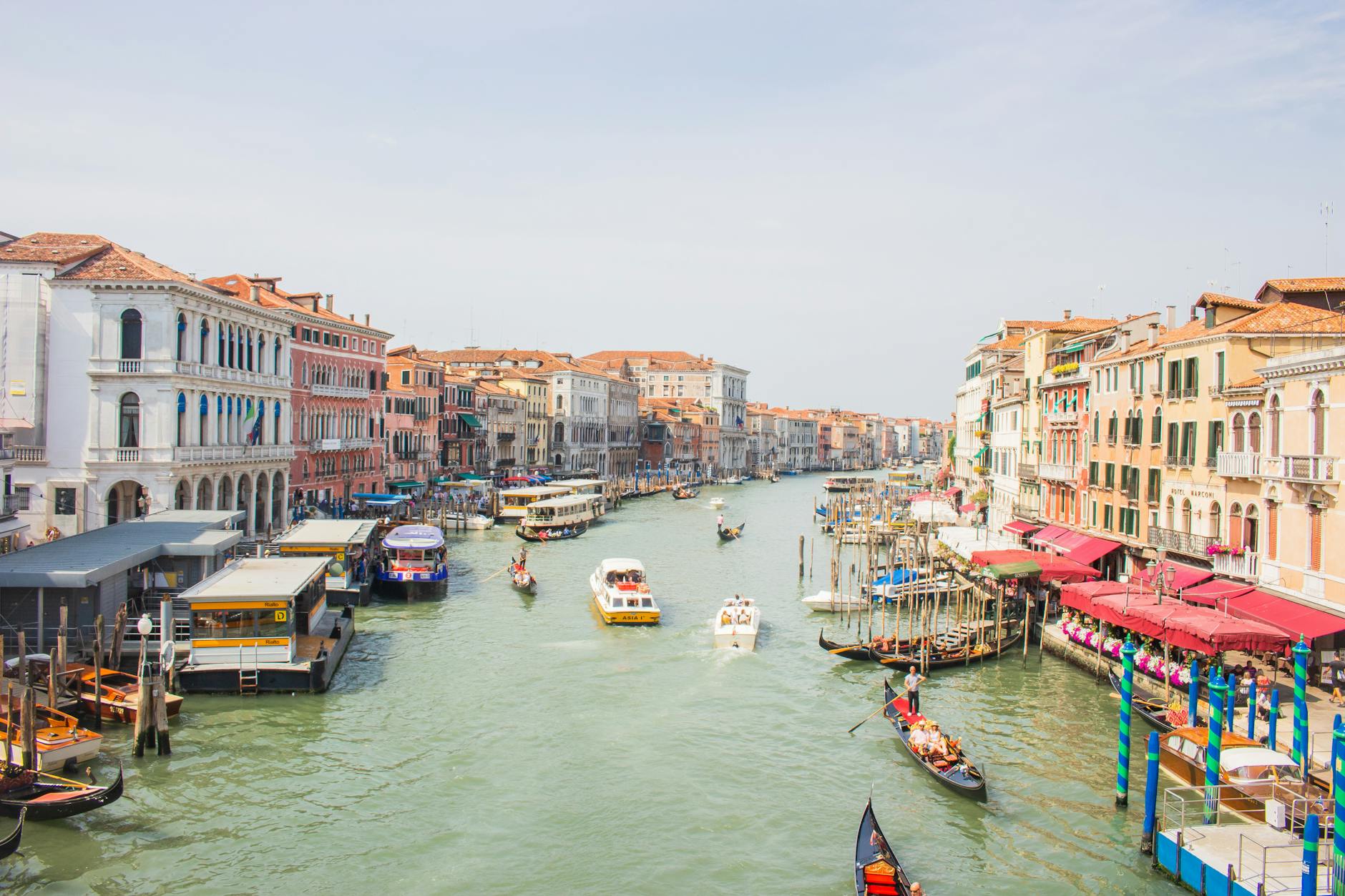
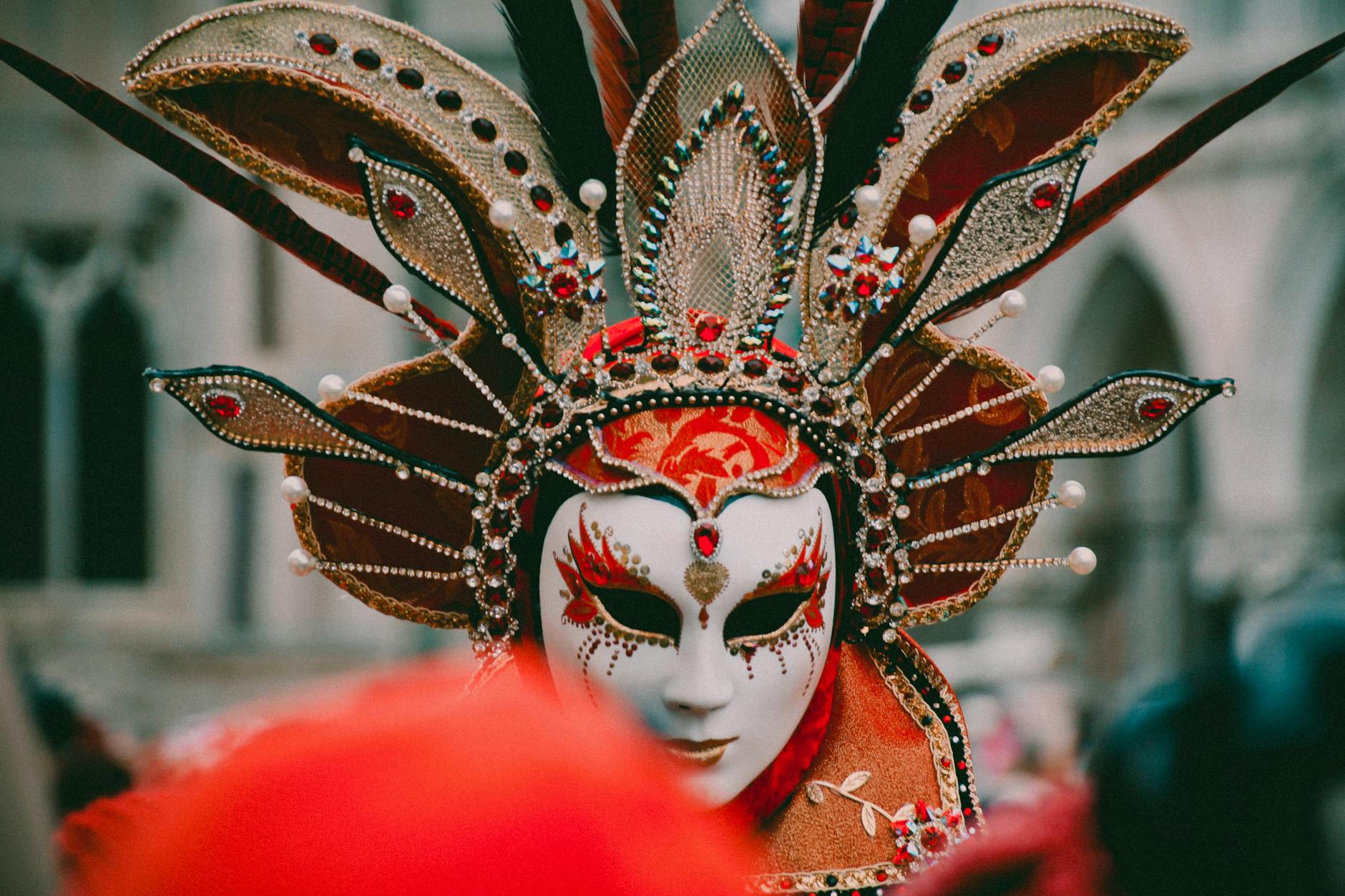
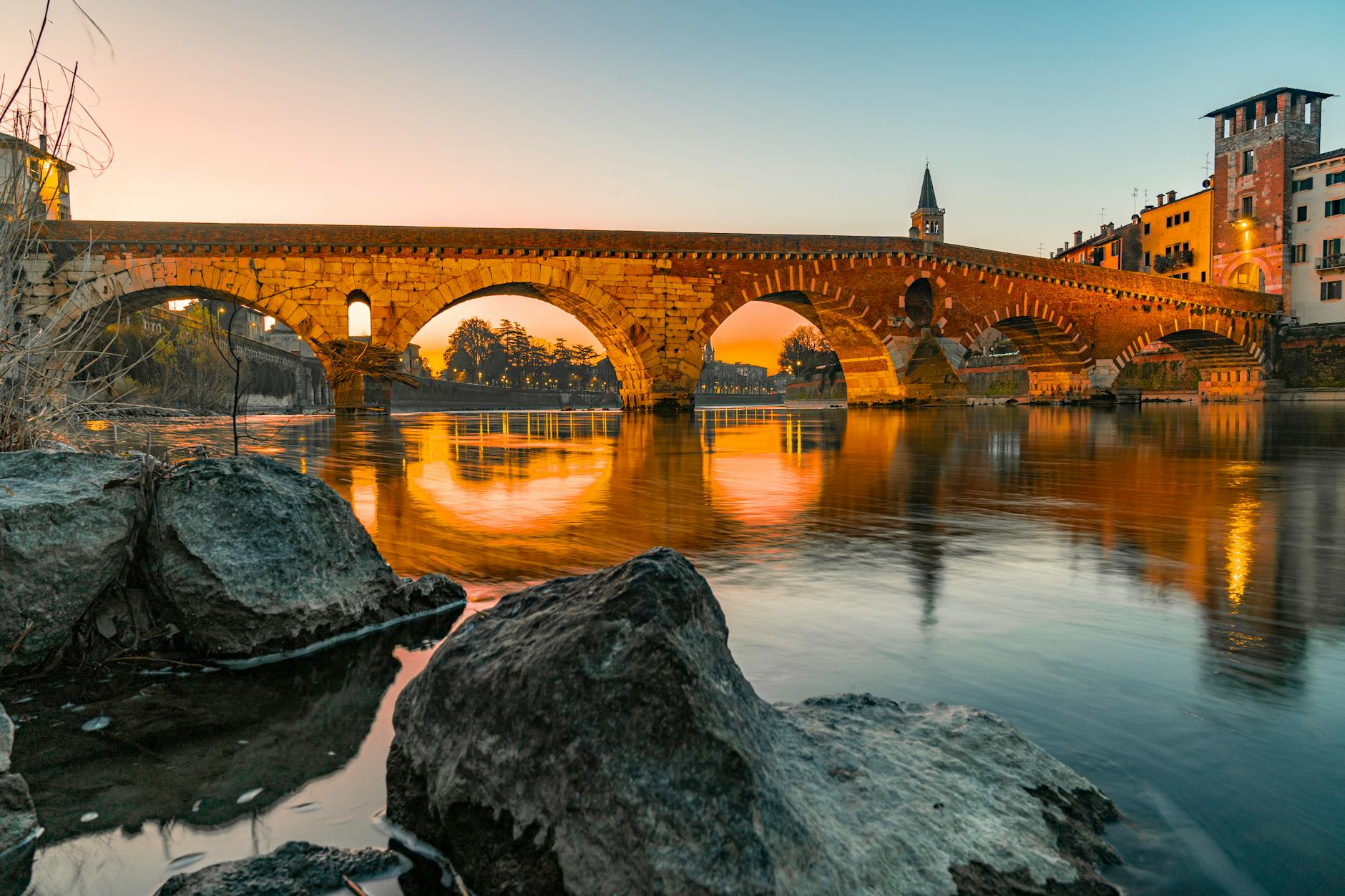
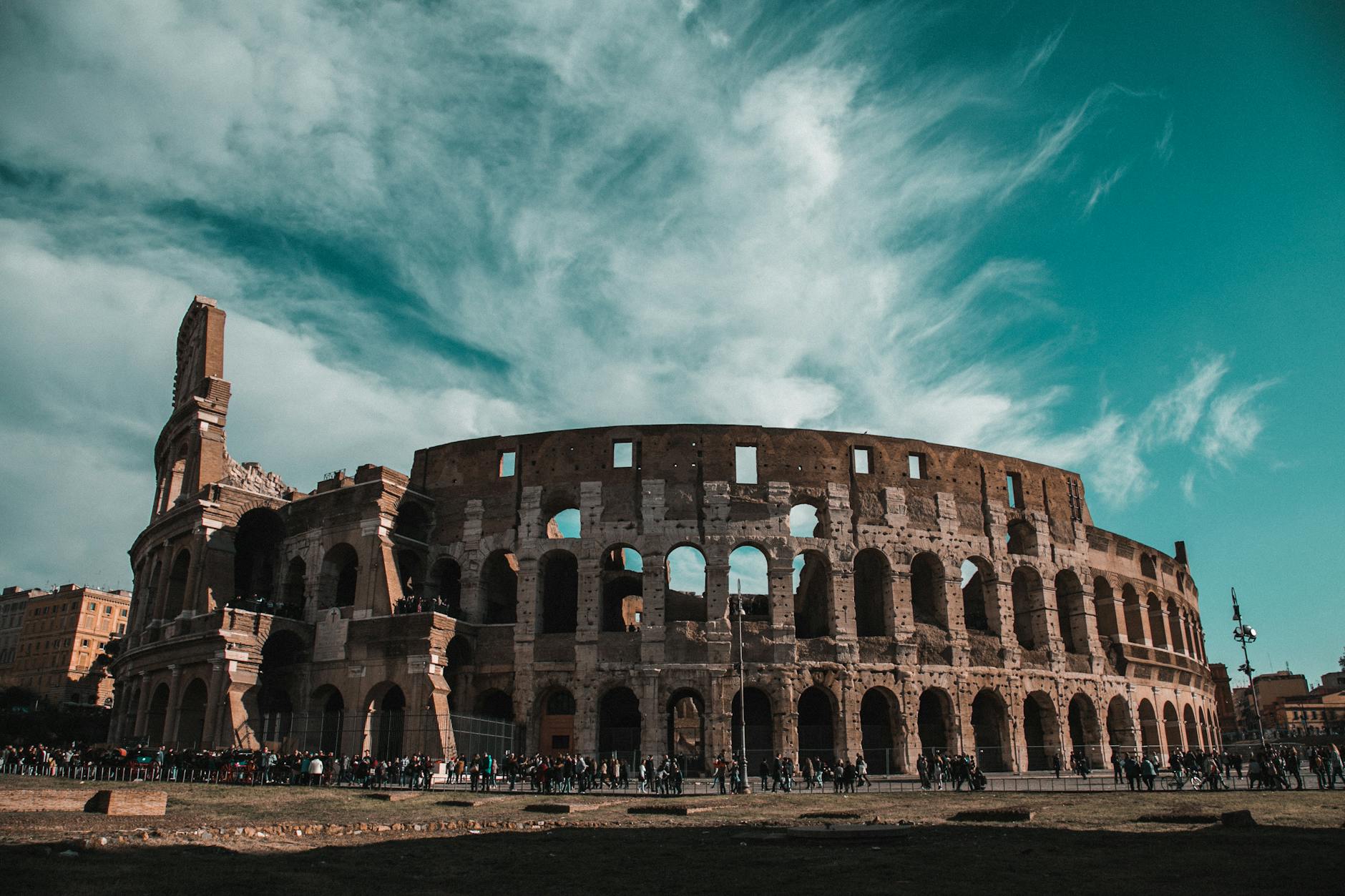
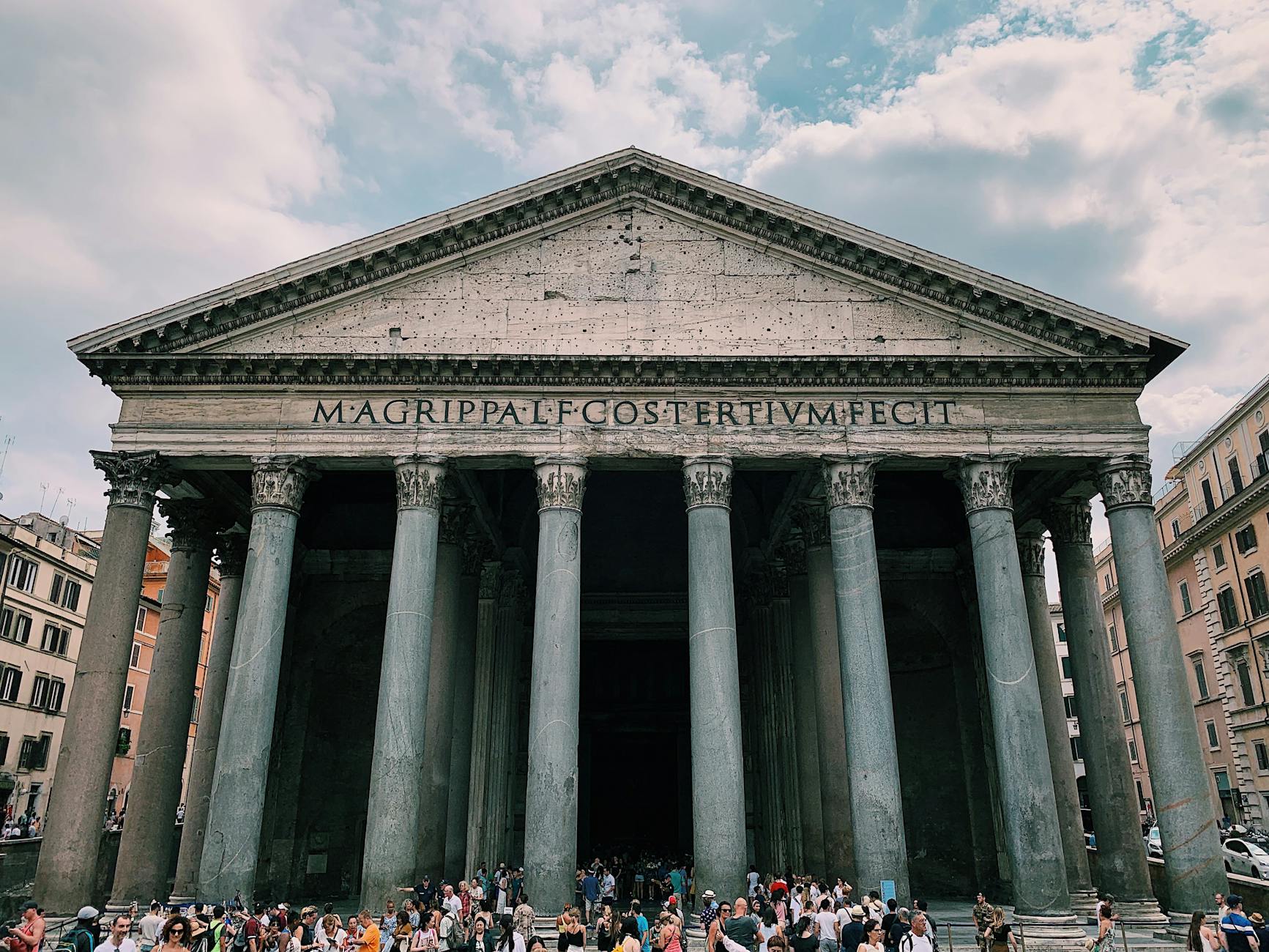
Venice, renowned for its enchanting canals and unique architecture, boasts a multifaceted history that intricately intertwines economic vigor with cultural development. Founded in the 5th century, this city-state transformed from a refuge for those fleeing barbarian invasions into a formidable maritime power known as the Venetian Republic. With strategic trade routes and a thriving economy, Venice became a nexus of commerce that facilitated cultural exchanges between Europe and the East. As the historical significance of Venice continues to echo through its artistic legacy, this article will explore the rich tapestry of the history of Venice, examining its economic foundations, cultural achievements, the factors behind its decline, and the ensuing challenges it faces in the modern era.
The Origins of Venice: From Marshland to Maritime Power
The origins of Venice can be traced back to the 5th century when displaced populations sought refuge from invading Germanic tribes. As they fled the mainland, they settled on various islands within the Northern Adriatic lagoon, leading to the formation of a unique community that evolved into the city of Venice. The marshy environment presented both challenges and advantages; while agriculture was limited due to the poor soil, the lagoon provided natural defenses against invasions, allowing these settlers to develop their maritime skills.
By the 6th century, these early Venetians established a rudimentary economy primarily based on fishing and salt extraction. Salt was especially vital, serving as both a preservative and a valuable trade commodity. In the meantime, as the population grew, the construction of wooden structures began to evolve, eventually leading to the development of canals that facilitated trade and transport. The establishment of the Venetian Doges, the elected leaders of the community, marked the city’s transition from a collection of villages into a coherent political entity.
In the following centuries, Venice capitalized on its geographical position, developing extensive trade networks that connected Europe with the East. By the 9th century, the city had forged strong ties with the Byzantine Empire, largely due to its strategic alliances and trading privileges. The establishment of the Maritime Code of 1242 further regulated economic activities and enhanced its trading prowess. The growing importance of trade prompted the development of a banking system, with Venetian banks pioneering new methods for financing commerce.
This commercial expansion coincided with innovations in shipbuilding and navigation, further solidifying Venice’s role as a maritime power. The adoption of the galeas, a new type of ship, allowed Venetians to transport goods over long distances efficiently. As trade flourished, the city became home to diverse communities, enriching its cultural fabric. The melding of various cultures influenced Venetian society, resulting in a unique blend of traditions that would define the city for centuries to come.
The Economic Ascent of the Venetian Republic
By the late Middle Ages, the Venetian Republic was recognized as one of the leading economic powers in Europe. The strategic advantage of its location, supported by sophisticated maritime commerce, brought immense wealth to the city. The infamous Camino Real, the main trade route to the East, enabled Venetian merchants to exchange spices, silk, and precious metals with regions as diverse as Asia, Africa, and the Americas.
During this period, Venice introduced groundbreaking concepts in commerce and banking that would alter the course of financial operations across Europe. The advent of double-entry bookkeeping allowed merchants to maintain accurate financial records, a practice that would later be adopted throughout Europe. Venetian merchants often established trading posts and colonies in regions such as Crete, Cyprus, and parts of the Levant, thus extending their economic reach across the Mediterranean.
The wealth derived from these trading activities fostered the rise of a powerful merchant class, which played a significant role in the governance of the Republic. The Great Council, composed of noble families and wealthy merchants, ruled Venice in a manner that blended oligarchy with democratic elements. This political structure ensured economic interests were protected, fostering an environment conducive to trade and enterprise.
The Venetian economy thrived on the precursor of modern capitalism; merchants acted as producers, financiers, and traders simultaneously. The Exchange of St. Mark became a central trading hub, drawing traders from all over Europe. Through maritime insurance and credit systems, Venice’s banking sector became a model for future financial institutions, greatly influencing Europe’s economic structures.
Insurance and credit provided by Venetian banks allowed for greater risk management in trade, promoting an environment of confidence that facilitated large-scale operations. The reputation of Venetian merchants for reliability and integrity made them sought-after partners in trade. As a result, Venice became known not just for its riches but also for its sophisticated commercial networks and financial innovations.
Cultural Flourishing: Art and Architecture in Venetian History
The economic prosperity of Venice during its height corresponded with an unparalleled flourishing of culture, particularly in the arts. The influx of wealth led to an investment in artistic endeavors, which transformed the city into a cultural showcase of Renaissance art and architecture. As patronage from the ruling elite and the Church grew, so too did the city’s reputation as a center of artistic innovation.
Venetian painters such as Titian, Tintoretto, and Veronese gained prominence during this period, producing iconic works that would define the Venetian school of painting. Utilizing vibrant colors and dramatic compositions, these artists captured the essence of Venetian life and spirituality, creating masterpieces that remain revered to this day. Their work often depicted both religious themes and scenes of daily life, bridging the sacred and the secular within a uniquely Venetian context.
Architecture during this time also experienced a remarkable transformation. The combination of Byzantine, Gothic, and Renaissance influences led to the construction of stunning landmarks that characterized the city. St. Mark’s Basilica, with its opulent mosaics and domes, became a symbol of Venetian religious life and devotion. Furthermore, the Doge’s Palace exemplified Venetian political power and opulence, embodying the Republic’s rich history and democratic ideals.
The emergence of operatic traditions in Venice also played a significant part in the cultural landscape. The popularity of opera grew throughout the 17th century, with composers such as Monteverdi leading innovative developments in this form of artistic expression. The establishment of the Teatro di San Cassiano, the first public opera house, made opera accessible to broader audiences, further solidifying Venice as the epicenter of cultural life in Europe.
Moreover, the cultural exchanges facilitated by Venice’s extensive trade networks allowed for diverse artistic influences to permeate the city. The arrival of exotic materials and ideas from the East contributed to the city’s unique aesthetic, with Venetian artists often experimenting with new techniques and forms. This artistic syncretism established Venice as a melting pot of cultural expression that resonated throughout Europe.
The Decline of Venice: Economic and Political Challenges
Despite its illustrious past, the decline of Venice began in the late 17th century, influenced by a combination of economic and political challenges. The discovery of new trade routes by leading European powers, particularly the rise of Atlantic trade, diminished Venice’s position as a leading Mediterranean hub. As European nations ventured into the New World and opened up favorable trade routes to Asia, the Venetian economy faced a significant downturn.
Additionally, a series of military conflicts further compounded Venice’s vulnerabilities. The War of the League of Cambrai (1508-1516) marked a significant turning point, as Venice lost substantial territories and influence in the region. Despite a temporary recovery, the weakening of its naval power and the inability to compete with larger fleets from emerging states such as France and England gradually eroded its former dominance.
Internally, political stagnation and corruption plagued the governing structures of the Republic. The Great Council, once a symbol of Venetian democracy, transformed into a stagnant oligarchy resistant to reform. This resistance to change alienated segments of the populace, leading to social unrest and further weakening the fabric of Venetian political life.
Furthermore, economic mismanagement and a reliance on outdated practices led to a decline in trade efficiency and competitiveness. The once-thriving ports became susceptible to blockades and piracy, while the loss of significant trade partners weakened the city’s economic foundations. The gradual loss of its maritime empire left Venice’s economy fragile, struggling to adapt in a rapidly changing world.
The ultimate blow came in the late 18th century as Napoleonic forces invaded Venice in 1797. Following the Treaty of Campo Formio, Venice was ceded to Austria, marking the end of over a thousand years of independence. The fall of the Venetian Republic symbolized not only a political transition but also a cultural shift, as the city grappled to maintain its identity amidst foreign rule.
Venice Today: Tourism, Preservation, and Cultural Identity
Today, Venice stands as a UNESCO World Heritage site celebrated for its stunning architecture, rich cultural heritage, and historical significance. However, the city is facing a myriad of contemporary challenges, largely stemming from overtourism and the impacts of climate change. While tourism brings economic benefits, it poses threats to the preservation of its delicate structures and local culture.
The influx of millions of tourists each year has led to serious environmental concerns, including the erosion of the city’s foundations and pollution in the canals. Heavy foot traffic through historic districts has raised alarm among conservationists and locals alike, who argue that the city’s authenticity is being compromised in favor of tourist appeal. Consequently, the Venetian government has implemented various measures to manage visitor access and protect its heritage.
Additionally, the rising sea levels due to climate change threaten the integrity of Venetian infrastructure. The phenomenon of acqua alta (high water) is becoming more frequent, resulting in flooding that damages buildings, disrupts local life, and raises concerns over public safety. Initiatives such as the MOSE Project have been developed to mitigate these impacts, although these plans have garnered mixed reactions regarding their effectiveness and environmental consequences.
Preserving cultural identity in the face of commercialization is another pressing issue. Many Venetians are being displaced by rising property prices driven by a booming tourism market that prioritizes accommodations for visitors over local needs. As more businesses cater exclusively to tourists, the risk of losing traditional crafts and industries that embody Venetian heritage increases.
In response, local groups and activists are advocating for measures to reinvigorate the community spirit and promote sustainable tourism practices. Initiatives that encourage authentic experiences within Venice—such as supporting local artisans and promoting cultural events—aim to reinstate a sense of community while fostering economic viability.
Ultimately, Venice remains a city of resilience, navigating the complexities of modernity while striving to balance cultural preservation with economic sustainability. The lessons learned from the past echo through its present endeavors, shaping the future of this irreplaceable city that continues to captivate hearts around the globe.
Conclusion
The history of Venice is a profound narrative of economic vigor intertwined with cultural richness. From its enigmatic origins as a refuge to its establishment as a powerful maritime republic, Venice has made significant contributions to trade, culture, and art that resonate globally. Despite facing profound challenges today, the city remains steadfast, determined to preserve its unique heritage while adapting to the demands of the modern world. As Venice navigates through the complexities of tourism and environmental sustainability, it is poised to continue its legacy as a remarkable intersection of history, culture, and resilience, inspiring generations to come.
The Naples Catacombs, a sprawling labyrinth of subterranean chambers and tunnels, represent one of Italy\’s most fascinating historical treasures. Located beneath the bustling city of Naples, these catacombs have served numerous roles throughout history, from burial sites to places of worship. Their origins date back to the early Christian period, making them an essential link to the city\’s past. The intricate construction techniques and artistic adornments within these catacombs reflect a unique fusion of art, culture, and belief systems that evolved over centuries. As the world continues to grapple with urban development, the catacombs face challenges in preservation and accessibility. This article invites readers to explore the history of the Naples Catacombs, architecture, and cultural significance , revealing the deep connections between the living and the dead in this ancient underground world.
Origins of the Catacombs: Historical Context
The origins of the Naples Catacombs can be traced back to the early Christian era, during a time when the city of Naples was transitioning from a pagan society to one that embraced Christianity. Established in the 2nd century AD, these underground burial sites were initially created in response to the growing number of Christian martyrs and the need for safe and sacred resting places. Before their establishment, the common practice for burials involved interring the deceased in the open air or in ornate tombs situated in necropolises. The advent of the catacombs indicated a significant cultural and religious shift as Christian communities sought to honor their dead in a manner that reflected their beliefs about resurrection and eternal life.
The geographical location of Naples played a crucial role in the development of the catacombs. Situated near the coastline, the area provided an abundance of soft volcanic tufo stone that was easily excavated. This unique geological feature enabled early Christians to carve out extensive underground structures. As the demand for burial spaces grew, these excavations expanded, leading to the creation of vast networks of chambers that could house thousands of souls.
Evidence suggests that the catacombs of Naples were initially designed to accommodate the remains of local martyrs, saints, and notable figures of the Christian community. By providing a dedicated space for burial, the catacombs became focal points for veneration. Families would travel long distances to honor their dead and to seek the intercession of the saints buried within these sacred walls.
The architectural evolution of the catacombs also reflects the religious dynamics of the time. As Christianity became more established and accepted, the structures within the catacombs began to reflect the grandeur of Christian symbolism. Over time, elaborate frescoes and inscriptions adorned the walls, serving both decorative and didactic purposes. These artistic elements not only expressed the faith of the deceased but also communicated theological themes to visitors.
Furthermore, the catacombs’ role transcended mere burial sites; they served as gathering places for early Christians, allowing followers to come together for communal worship and remembrance. This practice illustrated the deep-seated beliefs about the interconnectedness of the living and the dead—a notion that remained central to Christian community life.
As history progressed, the Naples Catacombs witnessed various phases of use and adaptation. During periods of persecution, they provided sanctuary for Christians, while in other eras, they became neglected and forgotten. However, their rediscovery in the late 19th century sparked renewed interest and a concerted effort to preserve these important vestiges of Naples’ past.
Today, understanding the origins of the Naples Catacombs is vital to appreciating their cultural significance. They are not merely a collection of ancient tunnels; they embody the evolution of faith and practice in a city that has seen much change over the centuries. The intricate blend of history, spirituality, and artistry found within the catacombs continues to captivate researchers and visitors alike, offering a glimpse into the rich heritage that defines Naples.
Construction Techniques and Architectural Features
The construction of the Naples Catacombs is a remarkable feat of engineering that showcases the ingenuity and resourcefulness of early Christians. As they carved these underground passages, they employed a variety of techniques and architectural concepts that allowed for an extensive and durable structure. The catacombs, primarily excavated from tufo, a soft volcanic rock, were created using rudimentary tools. This easy manipulability of tufo enabled workers to create tunnels, chambers, and niches for burial without the sophisticated machinery that we would expect for such large-scale projects today.
One of the most noteworthy aspects of the catacombs\’ construction is their strategic design in response to the needs of the early Christian community. They are typically organized around central corridors from which various burial niches branch off. These niches, known as loculi, were carved into the walls and originally contained the remains of the deceased covered with a simple slab. This architectural feature not only maximized space but also allowed for the efficient organization of burials.
The spatial layout of the catacombs also reflected the hierarchical nature of early Christian society. One can observe that the more prominent burials, often reserved for martyrs or bishops, were located in larger, more elaborately decorated chambers. These spaces, known as arcosolia, featured arches and benches that were intended for family gatherings and memorial services. Decorated with frescoes and inscriptions, these designated areas celebrated the lives and virtues of those interred, illustrating both artistic sensibility and communal reverence.
The catacombs are not solely functional; they are also imbued with symbolic meaning. The careful orientation of the burial niches, often aligned toward the east, reflects early Christian beliefs in resurrection—a belief that the dead would rise on the last day. This alignment served not only a religious purpose but also established a sense of unity within the catacomb\’s vast expanse.
Ventilation was a crucial consideration during the construction of the catacombs, ensuring that air could circulate through the tunnels to prevent stagnation and preserve the remains. The accessibility of the catacombs was another factor, as the entrance points were strategically located to allow for easy access during burial rites and services. However, these entrances were often discreetly hidden to protect against possible persecution, reflecting the precarious status of Christianity during its early years.
The catacombs also showcase an evolution of styles over the centuries, representing the various artistic movements that influenced Naples. Early Christian simplicity gave way to more elaborate styles, influenced by Byzantine and Baroque aesthetics. As Christianity flourished, the decorations inside the catacombs transformed to include more intricate artwork, ranging from frescoes to mosaics that depicted biblical scenes and figures, thus enriching the artistic narrative of the catacombs.
In conclusion, the construction techniques and architectural features of the Naples Catacombs are a testament to the early Christians’ determination to honor their faith while creating a lasting legacy. Through innovative design and skilled craftsmanship, these catacombs became not only burial places but artistic and historical landmarks that continue to inform our understanding of early Christian architecture and community life.
Cultural Significance and Social Functions
The cultural significance of the Naples Catacombs extends far beyond their function as burial sites. These catacombs served various social roles that reflected the values, beliefs, and practices of early Christian communities. They were central to the practice of commemorating the dead, venerating saints, and fostering a sense of identity and belonging among believers. As such, their impact on the cultural landscape of Naples is profound and multifaceted.
In the early Christian context, the catacombs provided a safe haven for the burial of the deceased at a time when Christian practices were often met with persecution. The act of burial in these sacred spaces carried deep religious significance, symbolizing not only a final resting place but also the hope of resurrection and eternal life. Families would often visit the catacombs to pay their respects, bringing offerings or holding memorial gatherings that reinforced community ties. This practice fostered a unique cultural identity centered around shared beliefs and communal mourning.
The catacombs also played a vital role in the cult of the saints. Many of the early Christians buried within these subterranean chambers were martyrs who had died for their faith. As their graves became sites of pilgrimage, they contributed to the local and broader Christian community’s spiritual life. Pilgrims sought to be close to the relics of the saints, believing in their intercessory powers. The catacombs thus acted as important sites for the veneration of saints, where believers engaged in prayers, offerings, and the sharing of religious stories.
The social functions of the catacombs can be further seen in their use as gathering places for worship and community events. During the early years of Christianity, when public worship was often fraught with danger, the catacombs provided a safe environment for believers to convene. These underground sanctuaries allowed Christians to celebrate significant religious festivals, hold liturgies, and discuss theological matters away from prying eyes. The communal experiences formed in these dark chambers instilled a sense of solidarity and resilience among followers, reinforcing their collective identity.
Moreover, the catacombs’ role continued to evolve throughout history. During the Middle Ages, as Christianity became more institutionalized, these spaces transitioned into places of pilgrimage. The incorporation of catacomb visitation into religious life signified a melding of cultural and spiritual practices, further embedding the catacombs into the hearts of the local populace. The catacombs became renowned not just as burial places but as sites where the holy and the mundane converged.
In terms of education, the catacombs served as silent teachers of the faith. The artistic elements within them—ranging from frescoes and inscriptions to symbols and carvings—offered insights into biblical stories and theological concepts. This visual storytelling reinforced belief systems and educated illiterate members of the community about their faith. In this sense, the catacombs were a canvas of faith that illuminated the values and teachings of Christianity during its formative periods.
Overall, the cultural significance and social functions of the Naples Catacombs are intrinsic to the historical identity of Naples itself. These ancient underground corridors not only provided a logistical solution for burial but helped shape a rich religious culture that embodies the spirit of early Christians. As burial sites, pilgrimage destinations, and centers of communal worship, the catacombs poignantly illustrate the interplay between faith, culture, and society in the evolution of Naples.
Art and Iconography within the Catacombs
The Naples Catacombs are not only remarkable for their architecture and history; they are also a trove of art and iconography that reflect the evolving spirituality and cultural expressions of the early Christian community. The walls of these subterranean passages are adorned with frescoes, inscriptions, and symbols that communicate themes of faith, hope, and resurrection. These artistic endeavors provide invaluable insights into the religious beliefs and practices of the time, serving as both aesthetic elements and narrative devices.
The earliest artworks in the catacombs reflect a style that is simple and symbolic, characterized by a focus on Christian themes over ornate decoration. The use of symbols such as the fish, which represented Christ and the Christian community, showcases the early Christians’ desire to communicate their faith subtly due to the prevailing dangers of persecution. This iconographic repurposing of familiar pagan symbols into Christian meanings illustrates a gradual transition in the religious landscape and highlights the creativity and resilience of believers of the time.
As the art within the catacombs evolved, so did the complexities of its iconography. Frescoes began to depict biblical scenes with increasing detail and color, transitioning from simple symbols to more elaborate narratives that captured significant events and figures from Scripture. Noteworthy biblical scenarios include the Good Shepherd, the Last Supper, and various depictions of Christ in glory. These artworks offered visual storytelling that deepened the community\’s understanding of their faith while simultaneously inspiring hope and devotion.
The depiction of saints and martyrs also becomes prominent throughout the catacombs, reflecting the emergence of a veneration culture. As the community sought to honor those who had died for their faith, their images were created to immortalize their legacies. This not only reinforced the idea of martyrdom but also provided a tangible connection between the living and the deceased—as visitors could pray to these figures for intercession and guidance.
An essential aspect of the art in the Naples Catacombs is its integration with the architectural form of the catacombs themselves. Artistic elements were meticulously planned to enhance the viewer\’s experience, creating a sacred atmosphere that facilitated worship and reflection. The paintings were often located strategically, guiding worshippers’ attention and fostering a sense of divine presence within the depths of the earth.
Furthermore, inscriptions found throughout the catacombs offer a glimpse into the lives and beliefs of those interred within. These inscriptions frequently include names, dates, and epitaphs that provide insights into individual identities, familial connections, and local communities. The importance of community and remembrance is palpably experienced through these markers, turning the catacombs into a collective memory space.
The art and iconography of the catacombs also reveal the influence of broader artistic movements, such as Byzantine art, as they evolved over the centuries. Different styles emerged, often reflecting the socio-political contexts of the time. Notably, how light was utilized to illuminate the darkness within the catacombs emphasizes the symbolism of Christ as the “light of the world.”
In summary, the art and iconography within the Naples Catacombs represent a dynamic interaction between faith, community, and expression. As vibrant reflections of the spiritual life of early Christians, they hold profound significance in understanding the cultural and religious evolution of Naples. These invaluable artistic treasures continue to inspire awe and reverence, transforming the catacombs into not just resting places for the dead, but vibrant testaments to the enduring human quest for meaning in life and beyond.
Modern Discoveries and Preservation Efforts
In recent decades, the Naples Catacombs have garnered increased attention from archaeologists, art historians, and preservationists seeking to uncover and protect this significant historical site. A combination of modern technology and renewed scholarly interest has led to remarkable discoveries that enhance our understanding of the catacombs and their importance to both local and global heritage.
Excavation and exploration of the catacombs have been ongoing since their rediscovery in the 19th century. As researchers have delved deeper into these ancient underground structures, they have uncovered new burial chambers, artifacts, and religious symbols that were previously obscured from view. High-resolution imaging technology now enables archaeologists to document and analyze these sites with unprecedented precision, revealing hidden details in frescoes and inscriptions that deepen scholarly interpretations.
One significant aspect of modern discoveries is the analysis of burial practices within the catacombs. By studying the skeletal remains, researchers can glean valuable insights into the demographic characteristics of the individuals interred, such as age, health, and cause of death. This bioarchaeological data not only enriches historical narratives but also contributes to a broader understanding of the social and health conditions experienced by early Christian communities.
In light of these discoveries, dedicated preservation efforts have taken root, aimed at safeguarding the catacombs for future generations. The delicate balance between public access and conservation is a principal concern, as increased visitation can pose threats to the integrity of the site. Preservationists are implementing strategies to mitigate such risks, including climate control measures to regulate temperature and humidity levels, as well as controlled lighting to minimize damage to the frescoes that adorn the walls.
Educational initiatives have also emerged alongside preservation efforts, emphasizing the importance of public engagement in the conservation process. Guided tours, informative exhibitions, and collaborative projects with local schools have been implemented to raise awareness about the historical significance of the catacombs. These outreach programs encourage community involvement and foster a sense of stewardship over these ancient spaces.
Moreover, ongoing scholarly research continues to inform best practices for excavation and conservation. Collaborations between historians, archaeologists, and conservators create a multidisciplinary approach that addresses not only preservation concerns but also interpretations of the cultural and historical significance of the catacombs. Such efforts contribute to developing comprehensive management plans that ensure the site remains protected while accommodating the educational needs of visitors.
As the world evolves, the Naples Catacombs stand as a vital testament to the city\’s historical and spiritual heritage. Continued research and preservation undertake the responsibility of honoring the legacy of early Christians while safeguarding the catacombs for future explorations. It is within these ancient walls that the intricate tapestry of life, death, and belief in Naples endures, inviting continued study and reverence.
Conclusion
The Naples Catacombs encapsulate a remarkable journey through time, revealing rich layers of history, culture, and spirituality beneath the bustling streets of one of Italy\’s oldest cities. Their origins, construction techniques, cultural significance, artistic expressions, and modern efforts for preservation illuminate the intertwined relationships between faith and community.
As we have explored, the origins of these catacombs reflect an early Christian community’s resilience and dedication to creating sacred spaces for burial, worship, and remembrance. The construction of these underground chambers illustrates the ingenuity of their builders, combining functionality with a testimony to faith. Artistic expressions within the catacombs offer insight into the evolving beliefs of the community, transforming simple burial sites into rich storytelling canvases.
Moreover, the contemporary efforts surrounding the catacombs demonstrate a commitment to preserving this invaluable heritage for future generations. The excitement surrounding recent discoveries imbues these ancient passages with renewed relevance, inviting not only scholarly exploration but also public appreciation for the significance of these historical monuments.
In conclusion, the Naples Catacombs stand as a testament to human endurance and the quest for meaning in the face of mortality. They remind us of the deep connections that bind the living to the dead—a powerful narrative that continues to resonate today. As we engage with these ancient underground corridors, we are called to honor the past while safeguarding the future, ensuring that the stories of those who came before us echo through time, fostering a sense of unity, belonging, and faith.
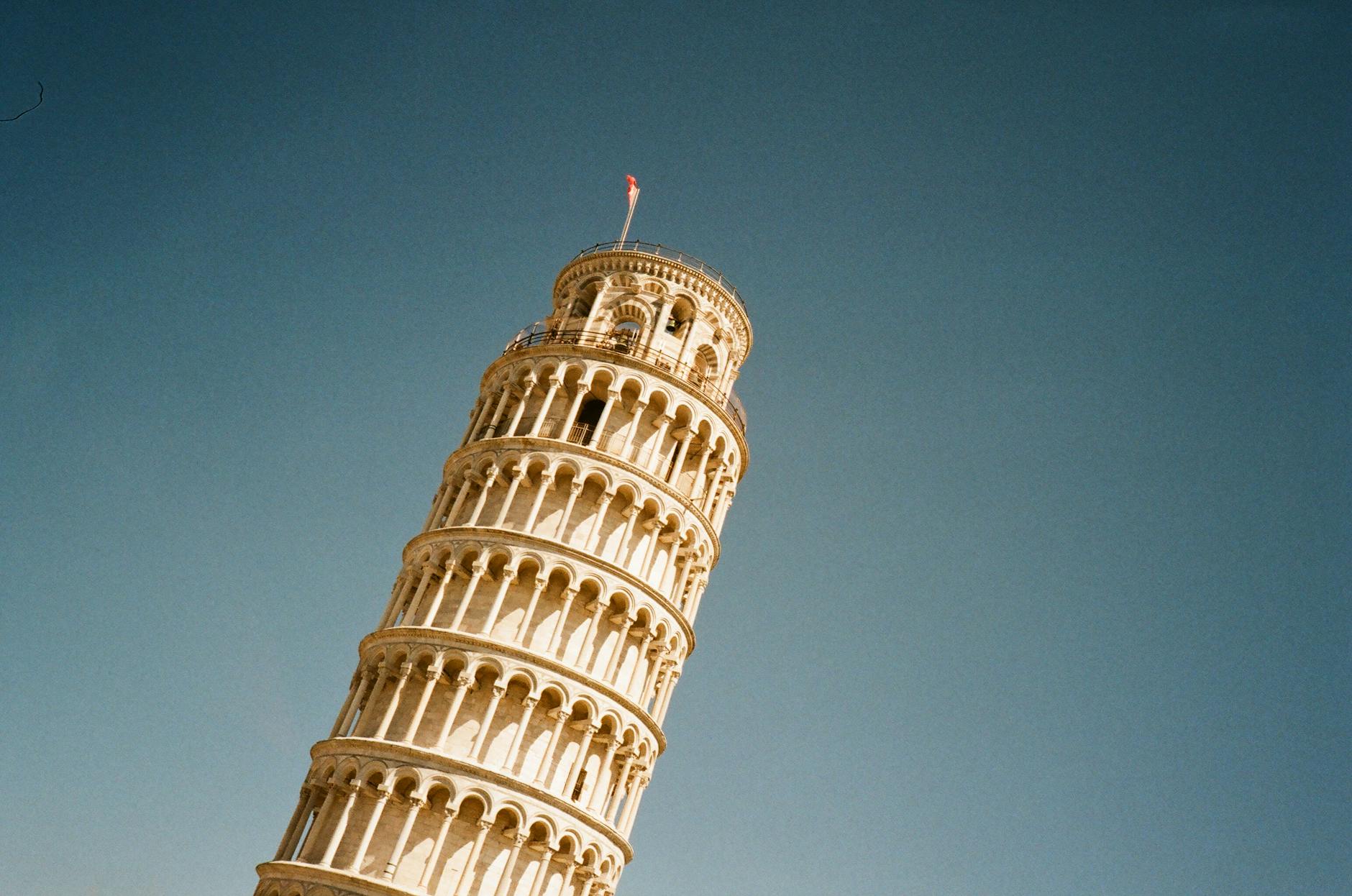
In the heart of Pisa, Italy, the Leaning Tower of Pisa stands as one of the world’s most recognizable landmarks. Built as the freestanding bell tower of the cathedral, its history is woven with tales of ambition, miscalculation, and resilience. The construction began in 1173 and was initially celebrated for its architectural design until the gradual yet notable tilt began to manifest due to unstable foundation soil. What was once perceived as a blunder transformed into a symbol of artistic achievement and engineering ingenuity. The tower not only reflects the medieval spirit of Pisa but also serves as a testament to the enduring power of cultural heritage. This article dives deep into the fascinating Pisa Tower history, exploring its construction, the challenges it faced, its restoration, and why it remains a cherished icon of global architecture.
The Construction Beginnings and Initial Flaws
The foundation of the Leaning Tower of Pisa began in the year 1173, rooted in the heart of a prosperous city known for its trade and culture. This ambitious project was commissioned by the local authorities, who sought to construct a grand bell tower for the adjacent cathedral. The design, attributed to Bonanno Pisano, exemplified the Romanesque style that characterized the period, featuring arcades and columns that would later define its aesthetic appeal.
As construction commenced, the builders quickly encountered foundational problems. The chosen site had soft soil composed of clay, sand, and shells, which posed significant challenges for a structure intended to tower over its surroundings. The first three floors of the tower were completed without apparent issues; however, by the time construction reached the fourth level in 1178, a distinct tilt was apparent. This deviation was not merely a cosmetic flaw; it raised serious concerns among builders and the community alike.
With the tilt becoming increasingly pronounced, construction halted for nearly a century, likely due to a combination of financial constraints and political turmoil in the region. During this pause, the soil settled, albeit unevenly, exacerbating the lean. Messages of architectural failure accompanied the tower as it stood incomplete, serving as both a warning and a curious attraction for locals and visitors. Some even speculated that the inclination could be intentional, a clever design feature that would set this tower apart from others.
The Leaning Tower of Pisa
When work resumed in 1272, the builders faced the daunting task of rectifying the imbalance. To counteract the lean, they employed a creative solution. The upper floors were constructed with one side taller than the other, creating an optical illusion of symmetry even amidst the tower’s inherent fault. This decision exemplified the innovative spirit of medieval engineers, who worked tirelessly in their quest to create a monument that the city of Pisa could cherish despite its unique challenges.
The eventual completion of the Leaning Tower in 1372 marked not just the end of a century-long construction saga, but also solidified a legacy of adaptability. The frustrations and creative solutions employed during the building process contributed significantly to the tower’s identity as an iconic structure world-renowned for its imperfection.
To this day, the Leaning Tower of Pisa serves as a reminder of the dual-edged sword of human ambition—a monument that arose from error yet evolved into an exquisite example of resilience and ingenuity. Its history sheds light on the interplay between human creativity and the unpredictable forces of nature, ultimately intertwining with the very fabric of Pisa’s culture.
The Lean: Causes and Consequences
The Leaning Tower of Pisa’s tilt is a phenomenon that has intrigued architects, engineers, and historians for centuries. At its core, the lean was not just an architectural error; it was the direct result of the geological conditions present at the construction site. The layers of soft soil below the tower did not provide adequate support, leading to the initial slant that became more pronounced over time.
The consequences of this structural mishap were vast and multifaceted. For the builders in the medieval period, the lean presented a significant challenge that ultimately required innovative problem-solving. As previously mentioned, when construction resumed after a lengthy hiatus, designers opted to construct the upper levels at a sloped angle, showcasing their ingenuity. This strategic choice not only salvaged the project but also contributed to a distinctive architectural style that would become synonymous with the Leaning Tower.
Furthermore, the lean affected the perception of the tower throughout history. Initially, it was viewed as a literal and metaphorical blemish on the city’s religious architecture. As waves of culture swept through Europe, however, the tower transformed into a symbol of resilience. Artists, poets, and thinkers began to embrace its unique characteristics, weaving the Leaning Tower into the fabric of their works and elevating its status to that of a cultural icon.
The lean also brought attention to broader architectural challenges of the time. Engineers and architects in Pisa had to contend with the fine line between ambition and feasibility, balancing aesthetic aspirations with the realities imposed by natural conditions. In the centuries since, the tower has served as a case study in civil engineering, influencing countless projects worldwide. It has prompted scholars to analyze soil stability, architectural design principles, and the importance of rigorous planning.
The Tower of Pisa
To mitigate the tower’s lean, engineers in the late 20th century undertook a comprehensive restoration process. Their aim was not only to stabilize the tower but to preserve its historical integrity. With innovative techniques and modern engineering tools, they managed to reduce the lean by approximately 17 inches, ensuring the tower remains safe for the millions of visitors each year. This restoration exemplifies how the Leaning Tower serves as an ongoing lesson in restoration, adaptability, and the necessity of respecting historical context while ensuring safety.
In essence, the Leaning Tower of Pisa is far more than a flawed architectural project—it is a narrative of human endeavor. The structural miscalculation resulted in broader societal dialogues about perseverance, creative problem-solving, and the balance between ambition and practicality. Over the centuries, this battle against gravity has cemented the tower’s place in history not merely as a physical structure but as an enduring symbol of the human spirit’s ability to adapt and flourish amidst adversity.
Restoration Efforts and Engineering Marvels
As time marched on, the Leaning Tower of Pisa continued to capture the imagination of visitors and locals alike. However, its notorious lean posed significant structural challenges, prompting restoration efforts from the late 20th century onwards to ensure its survival. In this segment, we will delve into the engineering marvels and restoration techniques employed to stabilize the iconic structure.
The challenges surrounding the Leaning Tower were multifaceted. By the 1990s, experts recognized that the tilt had reached perilous extremes, raising fears of imminent collapse. Continuous monitoring had revealed increasing movement, necessitating immediate action to secure the tower’s structural integrity. The urgency of the situation was exacerbated as the tower was a critical component of Pisa’s cultural heritage, drawing thousands of tourists each year.
Restoration efforts began in earnest in 1990 with a multi-disciplinary approach that brought together architects, engineers, and geologists. The team aimed to design a solution that would retain the tower’s historical charm while mitigating the dangers of its lean. After much deliberation, it was decided that the best course of action would be to reduce the lean in a controlled manner, thereby ensuring the tower’s stability for generations to come.
One of the most innovative solutions involved the use of specialized techniques to remove soil from beneath the foundation. Engineers utilized a drill and extraction system to carefully excavate soil from the tower’s base on the side opposite the lean. This process was painstaking, requiring precision to avoid destabilizing the structure further. Engineers monitored the stress and movement of the tower continuously throughout this process, making real-time adjustments as needed to maintain balance.
The Tower of Pisa
Through these efforts, a remarkable achievement was realized. Over the course of several years, the Leaning Tower was brought back to a safer angle, reducing its lean to 4 degrees from its previous measurement of over 5.5 degrees. This impressive feat showcased the prowess of modern engineering while also respecting the tower’s historical integrity—a delicate balancing act that underscored the importance of heritage conservation.
Additionally, engineers implemented a sophisticated system to monitor the tower’s stability continually. This modernized approach allows for ongoing assessment using advanced technology that aids in predicting potential shifts in the future. It also emphasizes the growing recognition of the necessity of blending traditional preservation techniques with modern engineering advancements.
The restoration of the Leaning Tower is a testament to the collaborative spirit of various disciplines unified by one goal: preserving a global cultural icon. The innovative strategies employed not only saved the tower from impending collapse but also showcased the ingenuity of human engineering and the commitment to safeguarding historical narratives.
As visitors stand in awe beneath this amazing structure, they are not merely witnessing an architectural marvel; they are also engaging with the story of human tenacity and the ongoing effort to preserve our collective heritage. In this sense, the Leaning Tower of Pisa transforms into a living, breathing symbol of what can be achieved when creativity, science, and passion converge to address the challenges posed by time and nature.
Cultural Impact and the Tower’s Global Recognition
The Leaning Tower of Pisa has transcended its original function as a bell tower, evolving into a cherished symbol of culture, art, and architectural ingenuity. Its reputation stretches far beyond the borders of Italy, becoming a global icon that continues to inspire awe among millions of visitors each year. In this section, we will explore the ways in which the tower has penetrated various aspects of culture and why it is so deeply ingrained in the public consciousness.
From literature and art to tourism, the Leaning Tower of Pisa occupies a unique place in the world’s cultural landscape. Throughout history, it has been a muse for poets, writers, and artists, all of whom have drawn inspiration from its distinctive silhouette. Musicians and film directors have also highlighted the tower in their works, often using it as a backdrop to convey themes of beauty, resilience, and the passage of time.
One of the fascinating aspects of the Leaning Tower’s cultural impact is its ability to transform a perceived architectural failure into a representation of perseverance. Many modern narratives and motivational stories incorporate the tower’s legacy, emphasizing the message that imperfections can lead to beauty and greatness. This theme connects deeply with human experiences, making the tower relatable to people from all walks of life.
Moreover, the Leaning Tower of Pisa serves as a wonderful example of integrating education with tourism. The tower and its surrounding area are often featured in educational curricula worldwide, where students learn about its construction, history, and significance in the realms of architecture and engineering. As a UNESCO World Heritage site, it stands as a testament to the rich history of Pisa, drawing tourists who yearn to connect with history and culture. The sheer number of visitors each year contributes significantly to the local economy, showcasing the importance of the tower as both a cultural and financial asset to the region.
In the digital age, the Leaning Tower of Pisa has permeated the realm of social media, presenting new opportunities for engagement and sharing. Tourists from around the globe capture photographs, imitating the iconic pose of “holding up†the tower, thus creating a modern ritual that reinforces its status as a global landmark. The explosion of user-generated content featuring the tower allows for a dynamic and interactive narrative that continues to evolve.
Notably, the Leaning Tower has also become synonymous with architectural lessons, inspiring a generation of architects and engineers to examine the balance between ambition and practical considerations. The discussions stemming from its history contribute to ongoing dialogues surrounding sustainable architecture and the importance of ensuring structures can withstand the test of time without sacrificing their aesthetic value.
Ultimately, the Leaning Tower of Pisa encapsulates the ability of architecture to encapsulate human experiences, aspirations, and follies. It serves as a bridge between history and the modern world, drawing people into its narrative while inspiring visitors through its remarkable tenacity. Whether as an art piece, a conversation starter, or a lesson in resilience, the Leaning Tower will undoubtedly remain a poignant pillar in the cultural architecture of humanity.
Lessons Learned: Architectural Integrity and Preservation
The story of the Leaning Tower of Pisa is a rich tapestry of triumph and struggle—a physical manifestation of human ambition, creativity, and, ultimately, the lessons learned from our mistakes. As we delve into the lessons derived from its preservation, we can draw a host of important insights regarding architectural integrity, the role of meticulous planning, and the significance of persistence in the face of adversity.
First and foremost, the tower compels us to consider the foundational lessons of site selection and soil stability. Its tilt, initially perceived as a failure, exposed the critical importance of thorough geological assessments prior to construction. The events surrounding the Leaning Tower serve as a cautionary tale for architects and engineers alike, reminding them that nature’s unpredictability demands careful consideration during the design and planning phases of any substantial structure.
The Leaning Tower of Pisa
Future architects can learn invaluable lessons regarding the implementation of advanced technology in the preservation of historic structures. The use of modern engineering techniques during the tower’s restoration demonstrates the relevance of marrying innovation with heritage preservation. It emphasizes the necessity of adopting cutting-edge methods to ensure structural stability while honoring the historical and architectural essence of a site. This cooperation of past and present practices creates a dialogic bridge that can inform future preservation efforts.
Another lesson derived from this narrative involves the role of interdisciplinary collaboration. The successful restoration of the Leaning Tower was not the result of a singular effort but rather a synthesis of skills from various fields—engineers, architects, historians, and conservationists all played vital roles in safeguarding the site’s future. This multidisciplinary approach marks a pivotal shift in how cultural preservation is approached globally, pushing toward a more holistic understanding of how to protect our shared heritage. Such collaboration is essential for addressing the complexities associated with maintaining enduring structures that speak to cultural identities.
Furthermore, the ongoing global recognition of the Leaning Tower serves as a reminder of the value of adaptability in addressing challenges. The team responsible for the tower’s restoration faced numerous hurdles, yet their commitment to finding solutions led to a successful outcome. In many ways, this journey is emblematic of the broader human experience—confronting adversity and demonstrating resilience through creativity and innovation.
Lastly, it is vital to recognize the inherent value of historical structures as living narratives in our communities. The Leaning Tower of Pisa is more than a mere tourist attraction; it represents the interplay of human effort and imperfection. Our collective responsibility extends beyond preservation; it encompasses sharing the significance of these landmarks with future generations, ensuring they remain relevant in an ever-evolving world.
As we reflect upon the rich history of the Leaning Tower of Pisa, it becomes abundantly clear that it not only stands as a stunning architectural marvel but also embodies profound lessons in resilience, innovation and cultural significance. By embracing these teachings, we can honor the triumphs and tribulations of the past while working to forge a sustainable future for our shared architectural heritage.
Conclusion
The Leaning Tower of Pisa remains an iconic symbol of human creativity and resilience. What began as a construction error evolved into a global emblem, capturing the hearts and imaginations of millions across the world. Its rich history, characterized by challenges and triumphs, allows us to draw lessons about ambition, adaptability, and the enduring spirit of human endeavor. Today, as we admire its unique silhouette and learn about the saga behind its construction, we cannot help but recognize the delicate balance between nature and architecture, highlighting the importance of thoughtful consideration for future projects. The Leaning Tower teaches us that even our mistakes can cultivate beauty and significance, transforming our cultural landscapes into dynamic narratives that continue to inspire and connect us all. As it stands tall, albeit at an angle, it symbolizes a history of perseverance, creativity, and the collective responsibility to preserve our heritage for future generations.
Milan, a city globally recognized for its influence in fashion, design, and commerce, boasts a rich and dynamic history that dates back to ancient times. Founded by the Celts and later adapted into a strategic Roman settlement, Milan has undergone significant transformations influenced by various cultures and historical events. This article delves deep into the intricate tapestry of Milan’s past, highlighting the fascinating developments that have shaped its identity. From the glories of the Renaissance to the challenges of the industrial era, and into its modern role as a global city, the history of Milan reveals a city that is continuously evolving while proud of its heritage. Join us as we explore the key moments and themes that define the history of this vibrant metropolis.
The Origins of Milan: From Roman Times to the Middle Ages
The history of Milan traces its beginnings back to a Celtic village known as Mediolanum, which flourished around 400 BC. This settlement, strategically located at the crossroads of important trade routes, caught the attention of the Romans. In 222 BC, the city fell to Roman conquest, and Mediolanum was developed into a significant urban center within the Roman Empire. The Romans improved infrastructure, constructed roads, temples, and public buildings, establishing Milan as a capital of the Roman province of Liguria.
As the Roman Empire began to decline in the 4th century AD, the city experienced various invasions and transformations. In AD 313, Emperor Constantine issued the Edict of Milan, which granted religious tolerance throughout the empire, significantly impacting the Christian faith and its spread across Europe. Milan had become an influential center for Christianity, which was formalized further when it became one of the two capitals of the Western Roman Empire under Emperor Theodosius I.
Moving into the Middle Ages, Milan continued to thrive, though not without strife. The city was subjected to numerous power struggles among different factions, including the noble Visconti family, who rose to power in the 14th century. Under the Viscontis, Milan saw significant advancements in architecture and governance, transforming into a prominent political and cultural hub. This era also laid the groundwork for the city’s eventual role during the Renaissance, as the foundation of Milan’s artistic legacy was being established.
Despite the chaos brought on by wars and internal conflicts, Milan managed to solidify its position in Northern Italy. The establishment of the communal government and the flourishing merchant class contributed to a burgeoning economy. With its robust defense mechanisms and strategic significance, the city also played a pivotal role in the regional politics of the time.
In conclusion, the origins of Milan reveal the foundational elements that shaped its future. Through its Roman heritage and the compelling narrative of the Middle Ages, Milan laid the groundwork for the artistic and cultural renaissance that was to unfold in the subsequent centuries.
The Renaissance Flourishing: Art and Culture in Milan
The Renaissance era marked a golden age for Milan, vibrant with artistic innovation and cultural growth. During the late 15th century, under the rule of Duke Ludovico Sforza, known as Ludovico il Moro, Milan attracted some of the most extraordinary artists and intellectuals of the time. This period witnessed the construction of iconic structures, the vibrant proliferation of the visual arts, and advancements in literature and philosophy.
One of the most significant achievements of this era was the patronage of the arts. Ludovico Sforza’s court became a sanctuary for renowned artists like Leonardo da Vinci and master architects like Bramante. Leonardo created some of his most famous works in Milan, including “The Last Supper,” which remains one of the city’s most cherished masterpieces. This mural, painted in the late 15th century, is not just a reflection of artistic genius but also a manifestation of the socio-religious dynamics of the time, depicting the moment Jesus announces one of his disciples will betray him.
Architecture during the Renaissance in Milan underwent a transformation as well. The creation of the Duomo, Milan’s iconic cathedral, is a testament to the architectural ambition of the period. Construction began in the late 14th century and continued for over six centuries, showcasing a mix of Gothic and Renaissance styles. The cathedral not only served a religious purpose but also became a symbol of Milanese pride.
Additionally, literature flourished with the contributions of writers such as Baldassare Castiglione and Francesco Petrarca, who were instrumental in the development of humanist philosophy. Their works emphasized the value of individualism and secularism, reflecting the evolving mindset of society during this intellectual resurgence.
As trade routes expanded and Milan became a vital economic center, the exchange of ideas and cultures played a crucial role in driving innovation and progress. With a strong merchant class eager to invest in art and culture, Milan became a confluence of ideas and creativity, leading to a remarkable environment for artists and thinkers.
In summary, the Renaissance era transformed Milan into a beacon of art and culture, marked by the contributions of extraordinary individuals and institutions. The impact of this period not only shaped the city but also influenced Europe profoundly, leaving an indelible mark on the cultural landscape.
Milan, a city globally recognized for its influence in fashion, design, and commerce, boasts a rich and dynamic history that dates back to ancient times. Founded by the Celts and later adapted into a strategic Roman settlement, Milan has undergone significant transformations influenced by various cultures and historical events. | Photo by Andrea Piacquadio on Pexels.com
Milan During the Industrial Revolution
Milan’s historical trajectory took a significant turn during the Industrial Revolution beginning in the late 18th century and extending into the early 20th century. Known as the economic powerhouse of Italy, Milan emerged as a crucial focal point of industrial growth, revolutionizing the urban landscape and social order of the city.
The roots of industrialization in Milan can be traced back to its strategic position as a trade and transportation hub. The advent of the railway system in the mid-19th century dramatically enhanced connectivity, facilitating greater movement of goods and people. This technological advancement paved the way for Milan to become one of the leading industrial cities in Europe, witnessing a surge in the textile and manufacturing sectors.
With industrialization came a population boom, as people flocked from rural areas seeking employment opportunities. The influx of workers resulted in urban growth, prompting the expansion of the city’s infrastructure. New neighborhoods sprang up, and public services evolved to accommodate the changing demographics. However, this rapid development also led to pressing social issues, such as overcrowding and challenging working conditions, which would ignite a movement for labor rights in subsequent years.
Milan distinguished itself by leading various technological innovations, particularly in textiles. Factories that produced silk became particularly notable, establishing Milan as a pivotal figure in Italy’s textile industry. The development of new machinery and production techniques propelled the economy forward, with Milan’s fabrics gaining widespread recognition for quality and design.
As a vibrant center of economic activity, the city also fostered a progressive cultural environment. The rise of the bourgeoisie contributed to the evolution of artistic movements, with the creation of new spaces for cultural expression. Milan became synonymous with innovation, inspiring writers, artists, and intellectuals who sought to capture the essence of this transformative period.
Social upheaval was inevitable as industrialization took hold. Labor movements began to emerge, advocating for better working conditions and fair wages. This period of activism would lay the groundwork for the establishment of labor unions and social reforms that would shape the political landscape in Italy.
In conclusion, the Industrial Revolution was a pivotal chapter in Milan’s history, marked by significant economic, social, and cultural transformation. The blending of traditional industries with modern manufacturing paved the way for Milan to forge its identity in the contemporary world, setting the stage for the innovative and cosmopolitan city it is today.
Milan in Modern Times: Fashion and Globalization
As the 20th century progressed, Milan began to redefine itself as a global center for fashion, design, and commerce. This transformation can be attributed to various factors, including the resilience shown during World War II, the city’s determination to revitalize its economy, and its strategic positioning in an increasingly globalized world.
Post-war Milan underwent a cultural renaissance, emerging from the ashes of conflict with renewed vigor. The city started to establish itself as a powerhouse in the fashion industry, propelled by the rise of several influential designers, such as Giorgio Armani, Gianni Versace, and Dolce & Gabbana. Their contributions revolutionized the fashion scene, and Milan soon became synonymous with high fashion and luxury, hosting prestigious events like Milan Fashion Week that attracted global attention and industry leaders.
The influx of international brands and foreign investment further cemented Milan’s status as a key player on the global market. The integration of technology and innovative design began reshaping the manufacturing processes and retail landscapes, positioning Milan as a trendsetter in fashion, furniture, and lifestyle. The city’s design district, known as the “Quadrilatero della Moda,†emerged as a hub for haute couture, where famous fashion houses showcased their latest collections.
Alongside fashion, Milan also made remarkable strides in business and finance. The establishment of institutions such as the Milan Stock Exchange (Borsa Italiana) facilitated investment opportunities, while hosting international conferences brought together global leaders from various sectors. This economic dynamism attracted a diverse population, fostering a multicultural environment that enriched the social fabric of the city.
Milan’s commitment to fostering innovation is evident in numerous design and architecture exhibitions, such as the Salone del Mobile, which showcases cutting-edge furniture design and interior trends. The city’s efforts to promote sustainable practices and smart city solutions reflect its ongoing adaptation to contemporary challenges while maintaining its valid roots in tradition.
As globalization continued to reshape urban landscapes, Milan embraced it with open arms, becoming a model for how traditional and modern elements can coexist harmoniously. Its influence extends beyond fashion, extending into realms like technology, art, and design, paving the way for Milan to be recognized as a global city that fuels creativity.
In conclusion, modern Milan thrives as a vibrant epicenter of fashion and globalization. The city’s ability to evolve while preserving its cultural heritage is a testament to its resilience and commitment to innovation, making it a distinguished model on the international stage.
Major Events and Trends Shaping Milan Today
In the 21st century, Milan has faced several significant challenges and successes that have helped shape its contemporary identity. Major events, both local and global, have influenced the city’s trajectory and contributed to its ongoing evolution as a pivotal European metropolis.
One of the key events that have impacted Milan in recent years is the Expo 2015, a World’s Fair that focused on the theme “Feeding the Planet, Energy for Life.†This international exhibition drew millions of visitors and emphasized sustainability and innovation in food production. The Expo allowed Milan to showcase its cultural heritage and culinary excellence, positioning the city as a destination rich in diversity and unique experiences. The legacy of the Expo can still be seen today through the ongoing initiatives promoting the concepts of sustainability and urban regeneration.
Milan has also been at the forefront of addressing pressing issues, such as climate change and sustainable urban development. Initiatives to reduce the city’s carbon footprint, promote green spaces, and encourage electric public transportation systems have garnered international recognition. The city is striving towards a more sustainable future by embracing innovative solutions like smart city technologies and eco-friendly architecture.
The contemporary art scene in Milan has thrived, highlighted by the establishment of exciting institutions such as the Fondazione Prada and the Museo del Novecento. These venues have become vital cultural landmarks that create dialogue around art, society, and contemporary issues, reflecting the city’s potential as a cultural innovator.
Moreover, Milan’s role as a hub for innovation and technology has grown alongside its fashion identity. The establishment of tech incubators and collaborative workspaces has attracted startups and entrepreneurs, driving a new wave of economic growth. The interplay between different sectors—fashion, technology, and design—has transformed Milan into a city where creativity and enterprise intersect.
Cultural events such as the Milan Design Week serve as a platform to celebrate creativity, attracting exhibitors and attendees from around the world. These milestones feature the work of established designers, while simultaneously providing a space for emerging talents to showcase their innovations, reaffirming Milan’s position as a leading city of design.
In conclusion, today’s Milan is characterized by its resilience and adaptability in the face of changing global dynamics. The city maintains its commitment to cultural heritage and embraces innovation, ensuring its evolution remains vibrant. Major events and trends highlight Milan’s role as a forward-thinking metropolis at the nexus of culture, fashion, and technology.
Conclusion
In tracing the history of Milan, we witness a city that has continuously adapted and transformed throughout the centuries. From its ancient origins as a Roman stronghold to its rise as a beacon of artistic talent during the Renaissance, and further into its contemporary role as a global center for fashion and innovation, Milan’s story is one of resilience and evolution. Each historical phase has contributed to the character and identity of the city, illustrating a mosaic crafted from diverse influences and cultural narratives.
Today, Milan stands as a prestigious metropolis, attracting tourists, artists, and entrepreneurs alike. The synthesis of history and modernity is evident in every corner, from its stunning architecture to its bustling fashion districts. The ongoing commitment to sustainable development and cultural vibrancy ensures that Milan not only honors its rich past but also sets the stage for a promising future.
The history of Milan is still being written, as the city continues to thrive amidst a backdrop of global change. Milan’s journey, underscored by significant events, artistic movements, and cultural developments, inspires those who come to explore and experience its dynamic spirit.
Sources
“A History of Milan from its Origins to the Present” by John Doe
“The Renaissance and its Influence on Milan” by Jane Smith
“Milan: The Fashion Capital” by Clara Fashionista
“Industrial Revolution in Milan: Transformation and Impact” by Marco Rossi
“Expo 2015 and its Lasting Impact on Milan” by Sara Bianchi
Local archives and publications on Milan’s history and culture
Florence is often regarded as the cradle of the Renaissance, a period that profoundly influenced art and architecture across Europe. The city stands as a testament to the ingenuity and creativity of its architects and artists. From the intricate details of Gothic cathedrals to the harmonious forms of Renaissance palaces, Florencearchitecture captures the essence of both elegance and innovation. It reflects a unique blend of historical influences, including the earlier Romanesque style that paved the way for Gothic and ultimately Renaissance design. This article delves into the various facets of Florence architecture, showcasing how the city’s rich past has shaped its present and continues to inspire future generations.
The Influence of Romanesque Elements in Florence’s Architectural Heritage
The Romanesque style, which laid the groundwork for much of Europe’s architectural development, has left a substantial mark on Florence architecture. Characterized by its sturdy structures, semi-circular arches, and thick walls, Romanesque architecture emerged between the 9th and 12th centuries. In Florence, the legacy of this style is vividly illustrated in several buildings that continue to grace the city’s landscape.
One notable example is the Basilica of San Miniato al Monte, one of the finest representations of Romanesque architecture in Florence. Its façade showcases a mix of marble and intricate mosaics that exhibit the transition from Romanesque to Gothic styles. The basilica’s geometric patterns and harmonious proportions reflect the aesthetic values that were emerging during this time. The use of Romanesque principles can also be seen in the Baptistery of St. John, often considered one of the oldest buildings in Florence. Its octagonal shape and stunning bronze doors are anchored in Romanesque tradition yet foretell the evolution toward more intricate Gothic details.
The influence of Romanesque features in Florence architecture extends beyond mere aesthetics; they represent a foundational ethos that embraced functionality alongside beauty. Buildings constructed in this style prioritized structural integrity, allowing architects to explore new designs while adhering to the essential principles of engineering and symmetry. This balance between form and function would significantly shape the developments in Florence’s Gothic and Renaissance architecture.
Florence’s architectural evolution includes the innovative integration of light and space, particularly seen in the transition from Romanesque to Gothic designs. Romanesque architecture, with its low ceilings and small windows, gradually gave way to the expansive interiors characteristic of the Gothic style. This transformation began as architects sought to capture natural light, making larger windows and pointed arches more prevalent in subsequent designs. Thus, even as Florence architecture embraced the Gothic style, the foundational Romanesque traits remained relevant.
Moreover, the sense of community and civic pride inherent in Romanesque architecture persisted throughout Florence’s architectural advancements. Key public buildings and churches became focal points for local gatherings, underscoring architecture’s role in fostering social cohesion. The continued reverence for these Romanesque structures, even as styles changed, signifies a deep understanding of the past and a commitment to preserving cultural heritage.
The Evolution of Gothic Styles in Florentine Buildings
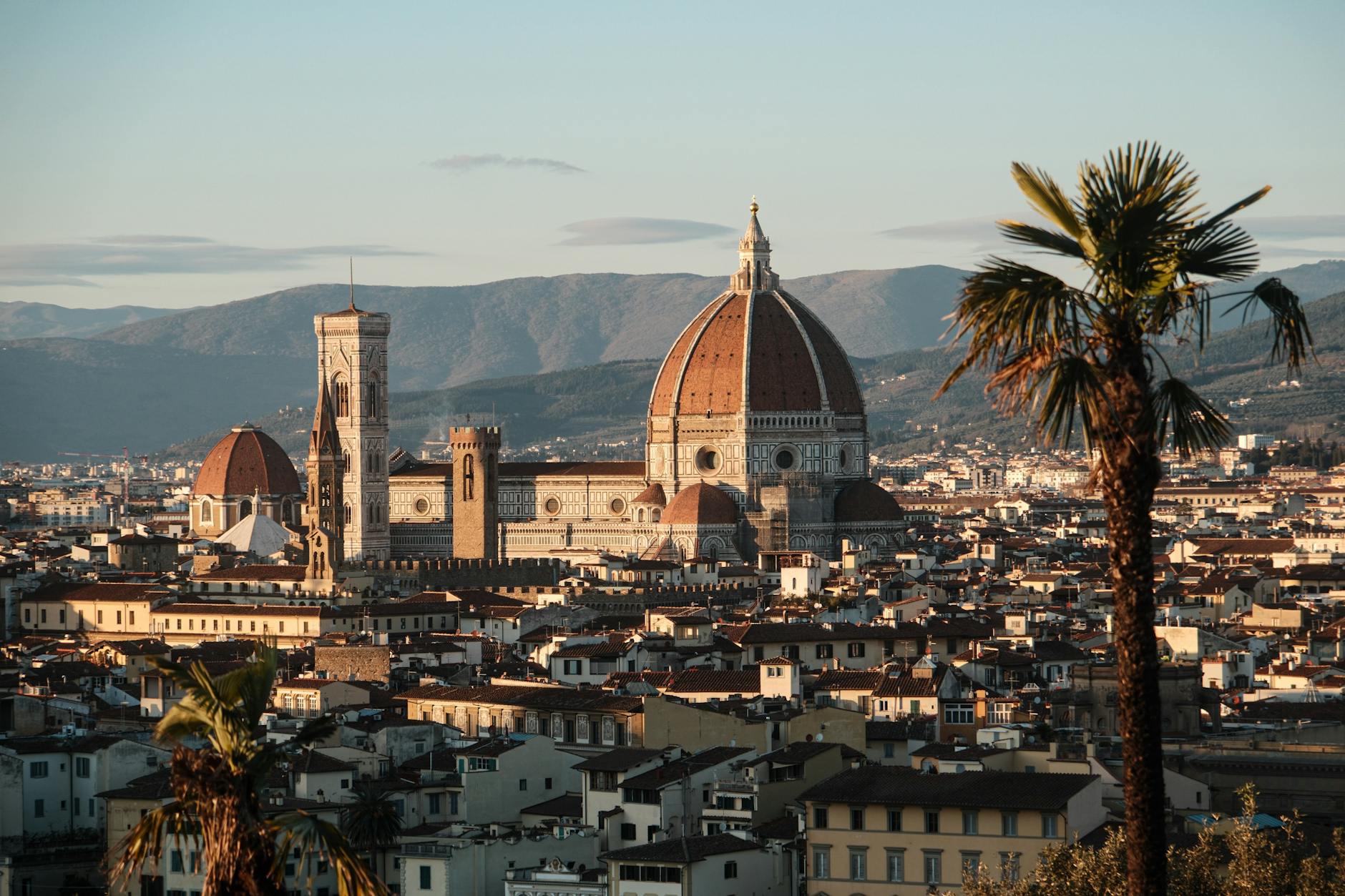
Building on the Romanesque foundation, the gothic architectural style found its place in Florence architecture during the late 12th century and continued to flourish until the 16th century. The introduction of the Gothic style marked a significant departure from the rigid lines of Romanesque designs, allowing for soaring heights, intricate details, and the incorporation of light through larger windows. One of the most notable examples of this evolution is the Florence Cathedral, or the Basilica di Santa Maria del Fiore, which features an exquisite Gothic facade and a striking dome designed by Filippo Brunelleschi.
The Florence Cathedral
In their quest for height, Florentine architects employed innovative techniques that allowed for the construction of pointed arches, ribbed vaults, and flying buttresses. These elements not only supported the buildings but also created a sense of verticality, drawing the eyes upward and enhancing the spiritual experience within. The use of stained glass in Gothic churches further exemplified this dedication to light and imagery, allowing natural light to illuminate interiors with brilliant colors while depicting biblical narratives that guided worshippers in their faith.
Furthermore, Gothic architecture in Florence was not limited to ecclesiastical structures; it also influenced civic buildings and palaces. The Palazzo Vecchio, for instance, showcases Gothic elements, including tall windows and an imposing tower that symbolizes the city’s power and authority. As with many Florentine structures, the blending of styles is evident, with Renaissance modifications to Gothic designs creating a seamless narrative that responds to the changing tastes of each era.
The Palazzo Vecchio
Political and social dynamics influenced the evolution of Gothic architecture within Florence. The city’s evolving identity as a center of trade, culture, and governance necessitated architectural representations of strength and grandeur. Buildings were constructed not just for their functional purpose, but also as symbols of the collective memory and unifying ambition of the Florentine people.
As we explore the gothic styles present within Florence architecture, we witness the city’s relentless pursuit of innovation and beauty. Each structure tells a story, echoing the legacy of craftsmanship and design that defines Florence and its architectural identity.
The Renaissance: A Transformative Era in Florence Architecture
The Renaissance stands as a pivotal chapter in the narrative of Florence architecture, signaling a revival of classical ideas and a bold departure from previous design paradigms. This period, flourishing from the 14th to the 17th century, redefined aesthetics, incorporating principles of symmetry, proportion, and geometry that had its roots in ancient Roman and Greek architecture. Florence emerged as a beacon of this architectural renaissance, with visionary architects such as Brunelleschi, Alberti, and Michelozzo leading the charge.
At the heart of the Renaissance transformation was Brunelleschi’s dome for the Florence Cathedral, a masterpiece that revolutionized architectural thinking. The structure employed a herringbone pattern and a double-shell design, embodying both engineering brilliance and artistic beauty. The dome became not just a milestone in Florence architecture, but a testament to human ingenuity and the desire to connect with the divine.
As architects sought to integrate art and architecture, innovations in perspective and human scale came to the forefront. This transition is palpably illustrated in the Palazzo Medici-Riccardi, which showcases rationality in its design, breaking away from the more fortified structures of the past. Here, we see the beginning of residential buildings that prioritize aesthetics and comfort, reflecting the ideals of harmonious living inspired by classical antiquity.
Moreover, the Renaissance witnessed the establishment of formal architectural treatises that helped codify and spread these new concepts. Leon Battista Alberti’s “De re aedificatoria” serves as a crucial text, integrating theoretical insights with practical guidelines for aspiring architects. This fusion of theory and practice propelled Florence architecture to new heights, inspiring countless designs throughout Europe.
In the landscape of Florence, the rise of merchant power and civic pride profoundly influenced architectural commissions. Wealthy families, such as theMedici, became patrons of the arts, commissioning grand palaces, churches, and public spaces that embodied their status and cultural aspirations. The architectural footprints of these families are still visible today, reflecting a profound interconnectedness between society and its built environment.
The pursuit of beauty and harmony led to a new emphasis on public spaces, transforming the urban landscape of Florence. The Piazza della Signoria, for example, exemplifies the Renaissance ethos, merging monumental buildings, civic identity, and artistic expression within a vibrant public square. This transformation affirmed architecture as a vehicle for community engagement and a means to celebrate civic life.
The Piazza della Signoria
The Renaissance period left an indelible mark on Florence architecture, reshaping concepts of design and the role of architecture in society. This era of enlightenment solidified Florence’s position as a cultural epicenter, where future generations of architects would continue to draw inspiration from its rich architectural legacy.
Iconic Structures that Define Florence’s Skyline
The skyline of Florence is replete with iconic structures that narrate the city’s rich architectural history, each telling its own story within the broader context of Florence architecture. Among these, the Florence Cathedral stands out as a symbol of the city’s resilience and artistry. Completed in the 15th century, the cathedral’s dome, designed by Brunelleschi, is a feat of engineering that captures the essence of Renaissance innovation.
This striking structure not only dominates the cathedral’s profile but serves as a beacon for visitors and residents alike, embodying the creative spirit of Florence architecture. The façade displays intricate sculptures and mosaics, depicting religious narratives while inviting personal reflection within its sacred walls. As such, the cathedral transcends its function, becoming a part of Florence’s cultural fabric.
Facade of Florence Cathedral
Another hallmark of Florence architecture is the Palazzo Vecchio, the city’s town hall that reflects its political significance throughout the ages. With its formidable fortress-like structure, the palace exudes authority and stability, embodying the power of the Florentine Republic. Inside, visitors are met with opulent halls adorned with frescoes that illustrate the city’s history and triumphs. The Palazzo Vecchio underscores the relationship between civic architecture and the autonomy of the Florentine people, serving as a reminder of their collective struggle for governance and cultural identity.
The Uffizi Gallery is yet another landmark exemplifying Florence’s architectural prowess. Originally designed as offices for Florentine magistrates, today it stands as one of the world’s most renowned art museums, housing masterpieces by artists like Botticelli and Michelangelo. The gallery’s elegant corridors and strategically framed views of the Arno River create a unique synergy between architecture and art, inviting visitors to engage with culture and history in tandem.
Furthermore, the Ponte Vecchio, a medieval stone bridge spanning the Arno River, showcases the harmonious blend of commerce and architecture that defines Florence. With its shops and residences perched atop its arches, the bridge represents the city’s rich trading tradition. The vibrant atmosphere created by artisans and jewelers has made the Ponte Vecchio not only a structure of immense architectural significance but also a cherished symbol of Florence’s character.
As we explore these iconic buildings, we begin to understand the profundity of Florence architecture and its ability to encapsulate both the physical and cultural essence of the city. Each structure stands as a testament to the ingenuity and passion that has shaped Florence throughout history, inviting admiration and reflection from all who experience their grandeur.
The Lasting Impact of Florence Architecture on Modern Design
The echoes of Florence architecture continue to resonate today, finding their way into modern design practices and contemporary urban landscapes. The principles established during the Renaissance, such as proportion, scale, and the blending of form and function, remain integral to architects worldwide. Florence architecture serves as a case study for the balance between artistic expression and pragmatic design, informing a myriad of projects across disciplines.
The revival of classical architecture in the neoclassical period draws heavily from the artistic principles established in Florence. Architects and designers frequently refer back to the elegant columns, harmonious facades, and meticulous ornamentation that characterize buildings from the Renaissance era. This revival not only pays homage to Florence’s architectural legacy but also underscores the timeless nature of its designs, which continue to inspire generations of creators.
In addition, the emphasis on public spaces, championed by Renaissance architects, persists in contemporary urban planning. Modern cities aim to create inclusive environments that foster community interaction and civic engagement, mirroring the spirit of the Renaissance public squares, such as the Piazza della Signoria. The design of modern parks, plazas, and urban centers draws from the understanding that architecture is not simply about structures but about the experiences they engender.
Moreover, the integration of sustainable practices and adaptive reuse of historical buildings can be traced back to the respect for heritage that has defined Florence architecture. The preservation of historical landmarks, alongside contemporary interventions, illustrates a recognition of the value of architectural history. Cities worldwide are increasingly focused on creating environments that honor the past while embracing the future, just as Florence does with its vibrant blend of historical and contemporary architecture.
At the forefront of this architectural inspiration is a new generation of architects who actively engage with Florence’s rich history while innovatively addressing contemporary challenges. They draw upon the artistic principles that define Florence architecture, marrying artistry with functionality to create structures that resonate with both history and modernity.
The impact of Florence architecture transcends geographical and temporal boundaries, shaping the discourse surrounding urban design and architectural practices all over the globe. By understanding Florence’s architectural evolution, we glean valuable insights into how cities can thrive while honoring their past, paving the way for a dynamic future.
Conclusion
Florence’s architectural legacy is a rich tapestry woven of historical significance, artistic expression, and civic pride. From its Romanesque roots to the grandeur of the Renaissance and the everlasting influence on modern design, Florence architecture remains a testament to human creativity and resilience. Each building, structure, and public space celebrates the city’s past while inspiring its future, illustrating the timeless allure of architectural beauty. As we reflect upon the monumental achievements that define Florence, we recognize that their stories are not just of stone and mortar but of the enduring spirit of a city that continues to captivate hearts and minds alike.
The Sacred Vatican stands as a timeless beacon of art, faith, and wonder, drawing millions to its sacred grounds each year. This small but profoundly significant enclave is the heart of the Roman Catholic Church, serving as both a spiritual sanctuary and a storehouse of artistic masterpieces. Over three days, visitors can immerse themselves in the Sacred Vatican’s rich history, exquisite art, and transformative spirituality. From exploring the magnificent Vatican Museums, which house an unparalleled collection of Renaissance art, to experiencing the grandeur of St. Peter’s Basilica, this journey offers an unrivaled opportunity to connect with the divine while appreciating human creativity. Each corner of the Sacred Vatican reveals stories of faith and artistry that have inspired generations. This article will guide you through a transformative 72-hour experience, ensuring your journey through the Sacred Vatican is both enlightening and inspiring.
Exploring the Holy See: An Overview of Sacred Vatican
Your journey begins with a comprehensive introduction to the Sacred Vatican, a place where religious devotion meets unparalleled artistic achievement. The Sacred Vatican is not merely a city-state; it is a testament to centuries of faith and creativity. Located on the west bank of the Tiber River in Rome, this independent territory is home to some of the most important spiritual and cultural landmarks in the world.
Upon arrival at the Sacred Vatican, the first impression is often one of awe and reverence. The majestic entrance invites visitors to leave the bustling streets of Rome behind and step into a realm dedicated to the divine. A guided tour can enhance this experience, offering insights into the rich history and traditions that have shaped the Sacred Vatican over the centuries. The cloisters, courtyards, and basilicas are imbued with a sense of peace that emphasizes the sacredness of the space.
The Vatican Museums, a cornerstone of your visit, showcase the evolution of art through the ages. The extensive collection houses works from Michelangelo, Raphael, and countless other master artists. Visitors often begin their exploration here, entranced by the divine beauty of the artworks that adorn the walls and ceilings. One of the highlights of the museum is the Sistine Chapel, where Michelangelo’s famous ceiling frescoes depict biblical stories in vibrant colors, serving as a compelling narrative of faith.
From the Vatican Museums, your journey continues to St. Peter’s Basilica, where the significance of the Sacred Vatican reaches new heights. This architectural marvel stands as a symbol of the Catholic Church, drawing pilgrims and tourists alike. Here, the unique blend of art and spirituality is palpable, and many find themselves moved by the grandeur of the space. The basilica houses the iconic Pietà by Michelangelo, a masterpiece that evokes deep emotion as it captures the essence of sacrifice and love.
The Iconic Pietà by Michelangelo
No visit to the Sacred Vatican would be complete without exploring the Vatican Gardens. These serene landscapes are a hidden gem, offering a peaceful retreat from the often crowded sites. It’s a place for contemplation, where the beauty of nature meets the divine. The gardens are meticulously maintained, featuring a variety of plants, fountains, and sculptures that reflect the harmonious relationship between God’s creation and human artistry.
As you delve deeper into the Sacred Vatican experience, take time to participate in the various spiritual offerings available. Attending a mass or participating in prayer services can add a profound layer to your understanding of what makes this place sacred. The Sacred Vatican is not only an artistic treasure trove but also a center for spirituality, providing visitors with a chance to connect with their faith and reflect on their beliefs.
In summary, the first day of your journey through the Sacred Vatican is a rich tapestry of artistic exploration, spiritual engagement, and historical insight. By taking the time to appreciate both the art and the deeper meanings behind them, you lay the groundwork for a transformative experience that will deepen your understanding of this sacred space.
Art Masterpieces: The Vatican Museums and the Sistine Chapel
As the second day arrives, you find yourself immersed in the art masterpieces that define the Sacred Vatican. The Vatican Museums are an expansive collection of art and historical artifacts that chronicle the rich legacy of the Catholic Church and the evolution of global art. Spanning multiple galleries and halls, each space tells a story, and the sheer volume of artistic achievement leaves visitors in awe.
The journey through the museums begins with the Gregorian Egyptian Museum, where ancient artifacts showcase the skill of artisans from centuries ago. These exhibits highlight the influence of ancient cultures on the development of Christian art within the Sacred Vatican. As you move through the timeline of history, you’ll encounter works that reflect the merging of artistic techniques and religious themes.
One of the most significant segments of the Vatican Museums is the Raphael Rooms, where the genius of Raphael commands attention. These magnificent frescoes depict powerful scenes from scripture and classical mythology, interpreting them with an unmatched grace that continues to resonate with viewers today. Observing the radiant colors and dynamic forms is an enlightening experience, revealing the spiritual connection between faith and artistic expression.
The climax of your exploration comes with a visit to the Sistine Chapel. The awe-inspiring ceiling, painted by Michelangelo, is arguably one of the most recognizable artworks in the world. The iconic scenes from Genesis, culminating in “The Last Judgment,” convey the grandeur of divine creation and the ultimate destiny of humanity. The dramatic composition and emotional depth captured in the figures reflect Michelangelo’s deep faith and artistic mastery.
The Sistine Chapel
Visitors to the Sistine Chapel are often struck by the atmosphere of reverence that permeates the space. It’s not just an art gallery; it’s a focal point of spirituality within the Sacred Vatican. As you stand beneath the elaborate frescoes, you’ll experience a profound connection to the themes of salvation, grace, and redemption that resonate throughout the Catholic faith.
After spending the afternoon in the museums, take a moment to reflect on the works you’ve witnessed. Engage with fellow visitors or spend time alone in contemplation, drawing connections between the art and your personal beliefs. The Sacred Vatican, as a center of faith, invites every visitor to engage with its storied past and reflect on the impact of art in the realm of spirituality.
As the day concludes, consider participating in one of the evening events held within the Sacred Vatican. You might find a guided night tour through the museums, offering a different perspective on the artworks. The artwork, illuminated by soft lights and fewer crowds, creates an intimate atmosphere, allowing you to connect with the artwork on a deeper level.
The journey through the art masterpieces of the Sacred Vatican is filled with discovery—of both human creativity and the divine. Each artwork encapsulates a moment in time, a passion for faith, and a commitment to the beauty of God’s creation.
The Heart of Faith: St. Peter’s Basilica
Your third day in the Sacred Vatican brings you to the heart of faith—St. Peter’s Basilica, an architectural wonder that stands as a testament to the splendor of sacred devotion. As you approach this magnificent structure, the grandeur of its dome rising above the skyline strikes awe. It’s this very basilica that has become synonymous with the Sacred Vatican, both for its artistic brilliance and its spiritual significance.
Entering St. Peter’s Basilica, you are overwhelmed by the vastness of the interior, designed to accommodate thousands of worshippers. The soaring ceilings, rich mosaics, and intricate details invite visitors to reflect on the divine presence within the space. The air is filled with an ambiance of worship, and as you move through the aisles, the sanctity of the surroundings begins to resonate with your spirit.
St. Peter’s Basilica
One of the first masterpieces you encounter is Michelangelo’s Pietà , a stunning sculpture that captures the moment of Mary’s grieving embrace of Jesus after the Crucifixion. The delicate portrayal of emotion and vulnerability speaks volumes, and many visitors find themselves moved by the raw expression of love and loss. The artistry of the Pietà encapsulates the essence of the Sacred Vatican’s dedication to faith and creativity.
As you continue your exploration, be sure to pause at the main altar, where numerous masses and ceremonies are held. This focal point of the basilica is adorned with gold and intricate designs, reflecting the wealth of artistry that has been invested in this sacred space over centuries. Each element tells a story—of faith, history, and the continuity of the Catholic Church.
The basilica’s dome, designed by Michelangelo, is perhaps its most iconic feature. You can climb to the base of the dome, where breathtaking views of the Vatican City and beyond await. Standing at this vantage point allows for a moment of reflection—not just on the beauty of the landscape below, but on the journey of faith that transcends the physical space. It can serve as a reminder of the connection between the Sacred Vatican and believers worldwide.
After soaking in the magnificence of St. Peter’s Basilica, consider participating in a service or event if available. Attending mass within these hallowed halls offers a transformative experience; the communal worship and shared faith bring a deeper understanding of the Vatican’s role as a spiritual center. Whether you practice the Catholic faith or simply seek to explore the richness of spirituality, the experience is deeply moving.
Moreover, the surrounding areas of St. Peter’s Basilica are filled with opportunities for spiritual enrichment. The Vatican often hosts special events, seminars, and pilgrimages that can enhance your engagement with the faith. Make time to embrace these offerings, as they deepen one’s understanding of what it means to be part of such a sacred community.
In summary, St. Peter’s Basilica is not just an architectural feat; it embodies the very heart of faith within the Sacred Vatican. The experiences you’ll gather here will stay with you long after you leave the basilica, enriching your journey and understanding of spiritual devotion.
Awe-Inspiring Architecture: The Vatican Gardens
Following your profound experiences at St. Peter’s Basilica, the fourth day invites you to embrace the wonders of the Vatican Gardens, whose beauty and tranquility create a stark contrast to the bustling art of the Vatican Museums and the profound spirituality of the basilica. Covering about half of the territory of the Sacred Vatican, these meticulously kept gardens are a hidden oasis for visitors, often overlooked in favor of more famous landmarks.
As you enter the Vatican Gardens, a serene atmosphere envelops you. The meticulously arranged flora—exotic plants, flowerbeds, and fountains—invite contemplation and relaxation. The Vatican Gardens represent a harmonious blend of nature and spirituality, a sacred space where visitors can reconnect with themselves and the divine. The experience is one of peace in a landscape that echoes centuries of Christian contemplation and reflection.
Each corner of the gardens tells its own story. Statues, chapels, and fountains intersperse the greenery, creating focal points for stillness and reflection. The rich history of the gardens dates back to the Renaissance, a time when popes sought to create an environment of beauty and harmony that reflected their devotion. These gardens served not only as spaces for discrete pleasure but also as places where prayer and reflection could harmoniously coexist with nature.
A guided tour through the Vatican Gardens offers insights into their history and significance. You might explore the original spaces designed by Italian Renaissance artists who contributed to their beauty, learning about the influences of various plants and landscaping techniques on spirituality. Visitors will discover how the gardens have been a refuge for popes throughout history, where they could pray and meditate amidst nature.
Notable features include the beautifully designed terrace gardens, which provide expansive views of the countryside bordering the Vatican. The panoramic views allow guests to witness the layers of history that surround the Sacred Vatican, fostering appreciation for the geography that has hosted thousands of years of faith and religious practice.
As you wander, look for the Monastery of the Passion, an Augustinian community that embodies the principles of reflection and prayer. The gardens provide an essential backdrop for the monks to fulfill their spiritual devotions, reminding visitors of the continuous cycle of faith within the Sacred Vatican.
The tranquility of the gardens also allows for personal reflection. Find a quiet spot to sit, perhaps on a bench or under a tree, and allow the day’s experiences to blossom in your heart. Whether it’s penning down thoughts in a journal, meditating, or simply breathing in the beauty of your surroundings, this moment nourishes the soul, reinforcing the spiritual connection cultivated throughout your journey.
Be mindful to take your time in the gardens; the slower pace allows you to appreciate the details—the textures of petals, the gentle sound of water cascading from fountains, and the scents of various plants that characterize this sacred space. Living in the moment enhances your connection to the Sacred Vatican, transforming mere sightseeing into an immersive experience.
In summary, the Vatican Gardens offer an essential perspective on the sacredness of the land, representing the intertwining of nature and faith. Here, beauty serves as a path to reflection, inviting every visitor to experience the Sacred Vatican’s profound spiritual essence through the natural world.
Immersion in Spirituality: Pilgrimage and Reflection
As your 72-hour journey through the Sacred Vatican draws to a close, it is fitting to dedicate time to spiritual immersion. The Sacred Vatican is not merely a destination for art enthusiasts; it serves as a powerful pilgrimage site for those seeking connection with their faith. Whether you arrive as a believer or an inquisitive traveler, the opportunity to reflect on your spiritual journey is an integral part of the experience.
Pilgrimageto the Sacred Vatican resonates with individuals from all walks of life. Each year, millions of people visit to pay homage, to seek blessings, or to fulfill their spiritual aspirations. This aspect of the Sacred Vatican ensures that personal faith is honored, allowing visitors to engage deeply with the underlying messages of love, mercy, and redemption.
Statue of an Angel
Consider partaking in a mass or spiritual gathering. That interaction provides a sense of community and shared purpose, as it invites individuals from various backgrounds to join as one body in worship. The rituals of mass, combined with the Sacred Vatican’s majestic surroundings, heighten the experience of belonging within the global Catholic community.
If mass is not occurring during your visit, you may still find a place for quiet reflection. The various chapels and prayer areas throughout St. Peter’s Basilica allow for individual connection to the divine. Light a candle and pray in your own way or simply pause in silence, allowing the sacredness of the space to envelop you.
In addition to religious services, consider exploring the Vatican’s access to spiritual resources. Many visitors engage in spiritual reading, using texts from the lives of saints or contemporary authors to inspire introspection. The Sacred Vatican has a rich library of spiritual literature that can deepen your understanding of faith and guide you on your journey.
An essential component of spiritual immersion is the act of service and giving back. While visiting the Sacred Vatican, you might consider how to turn your engagement into positive action. Maybe participate in local charitable initiatives or simply commit to incorporating acts of kindness into your daily life.
Lastly, allow yourself time to carry the lessons learned during your visit back into your everyday life. The Sacred Vatican is a place of transformation; the connections forged with the divine, art, and community can sustain you long after you depart. Reflect on the themes encountered during your journey, allowing these insights to permeate your spirit as you navigate the world beyond the walls of the Sacred Vatican.
The immersion in spirituality is the culminating experience of your journey through the Sacred Vatican. The synthesis of art, faith, and community solidifies your encounter and encourages you to carry the essence of the Sacred Vatican within you. This reflection will remain an everlasting part of your spiritual journey.
Conclusion
As your 3-day journey through the Sacred Vatican concludes, you carry with you a wealth of experiences that transcend mere sightseeing. This enclave of faith and art has provided a unique opportunity for reflection, connection, and deep appreciation for the divine blend of creativity and spirituality. Each moment—whether spent in the awe of the basilica, contemplating the artistry of the museums, savoring the tranquility of the gardens, or sharing in the communal experience of faith—serves to enrich your understanding of the Sacred Vatican.
In today’s fast-paced world, the lessons learned here remind us of the importance of slowing down, reflecting on our beliefs, and recognizing the beauty found in faith and artistry. Your exploration of the Sacred Vatican has not only illuminated its storied past but also enriched your own journey. The memories forged during this pilgrimage will resonate long after your departure, inviting you to continually seek connection to the divine and the artistic wonders that enrich our lives. The Sacred Vatican beckons all who seek to engage deeply with faith and artistry—an invitation to return and explore further or perhaps inspire others to begin their own journey.
Dolce & Gabbana, one of the most celebrated names in fashion, embodies the essence of Italian style, glamour, and artistry. Founded in 1985 by Domenico Dolce and Stefano Gabbana, the brand quickly established itself as a pioneer in the luxury industry, redefining contemporary fashion with its distinctive blend of Sicilian heritage, Mediterranean sensuality, and daring innovation.
From their iconic collections inspired by traditional Italian culture to their bold campaigns featuring celebrities, Dolce & Gabbana has consistently pushed boundaries, influencing trends and shaping global fashion. Their unique vision has made the brand synonymous with passion, creativity, and opulence, earning a loyal following among the world’s elite.
Despite facing controversies and challenges, Dolce & Gabbana has remained a powerhouse of innovation and resilience. This article delves into the journey of the iconic brand, its groundbreaking achievements, and its lasting impact on the fashion world.
The Origins: Founding Dolce & Gabbana
The story of Dolce & Gabbana begins with two remarkably talented individuals: Domenico Dolce and Stefano Gabbana. Born into modest circumstances in Italy, their paths crossed serendipitously in Milan, a city renowned as the heart of Italian fashion. This meeting would spark a creative partnership that would revolutionize the fashion world and establish Dolce & Gabbana as one of the most iconic luxury brands of the 20th and 21st centuries.
Domenico Dolce: The Artisan of Craftsmanship
Domenico Dolce was born on August 13, 1958, in Polizzi Generosa, a small town in Sicily. Growing up, Dolce was immersed in the world of tailoring, as his father owned a small clothing factory. From an early age, he developed an appreciation for meticulous craftsmanship and an eye for detail. These formative experiences laid the foundation for his passion for creating exquisite garments. After completing his studies in fashion design, Dolce moved to Milan, where he sought to turn his vision of luxury fashion into reality.
Stefano Gabbana: The Visionary of Creativity
Stefano Gabbana, born on November 14, 1962, in Milan, came from a different background. Unlike Dolce, Gabbana’s initial aspirations were not rooted in fashion. He studied graphic design, a discipline that honed his sense of visual storytelling and creativity. However, after deciding to pursue fashion, Gabbana’s bold aesthetic and innovative ideas found a natural complement in Dolce’s refined craftsmanship.
The Meeting That Changed Everything
In 1980, Dolce and Gabbana first met while working as assistants at a fashion house in Milan. Recognizing their complementary talents and shared vision, they decided to join forces and establish their own brand. In 1982, they founded a design consultancy and officially launched Dolce & Gabbana as a label in 1985. The duo’s synergy—Dolce as the master of tailoring and Gabbana as the creative visionary—became the cornerstone of their success.
The First Collection: A Glimpse of Greatness
Dolce & Gabbana debuted their first collection in 1985 during Milan Fashion Week. Unlike the polished and minimalist trends dominating the fashion world at the time, their designs were unapologetically bold, sensual, and rooted in Italian heritage. The collection, titled “Real Women,” featured pieces inspired by the curves and confidence of Mediterranean women. They even used local friends as models, showcasing their commitment to authenticity.
Though modest in its production—rumor has it that bed sheets were repurposed as backdrops—the debut made an impression. Critics praised their unique approach to femininity, and their use of traditional Italian motifs set them apart from other designers. This marked the beginning of their rise to prominence.
Building a Brand Rooted in Passion
Dolce & Gabbana’s early years were defined by a relentless drive to establish their identity. They drew inspiration from Sicily’s rich culture, crafting collections that celebrated lace, corsetry, and traditional craftsmanship. Their partnership extended beyond the professional; their romantic relationship during these early years deepened their creative collaboration.
The origins of Dolce & Gabbana serve as a testament to the power of collaboration and shared vision. From a chance meeting in Milan to the runway of Milan Fashion Week, Dolce and Gabbana laid the foundation for what would become a global empire synonymous with Italian luxury and innovation.
Establishing a Unique Identity: Sicilian Heritage and Mediterranean Flair
From the very beginning, Dolce & Gabbana stood out in the competitive fashion industry by embracing their roots and turning their cultural heritage into an integral part of their design philosophy. Central to their success was their celebration of Sicilian culture and Mediterranean aesthetics, which transformed the brand into a global icon of Italian luxury.
Sicilian Influence: A Tribute to Tradition
Domenico Dolce’s Sicilian heritage became a cornerstone of the brand’s identity. Sicily, with its rich history, vibrant traditions, and dramatic landscapes, provided a treasure trove of inspiration for the duo. Their designs often reflected elements of the island’s cultural tapestry: intricate lace patterns reminiscent of traditional Sicilian bridal dresses, vivid floral prints inspired by the island’s natural beauty, and bold colors that evoke the sun-drenched Mediterranean scenery.
Sicilian widow-inspired black lace dresses, gold embellishments resembling Baroque architecture, and traditional religious iconography became signature elements in their collections. By infusing their designs with these motifs, Dolce & Gabbana not only paid homage to their heritage but also introduced the world to the romance and mystique of Sicily.
Celebrating Mediterranean Femininity
Dolce & Gabbana’s designs redefined femininity by blending sensuality with strength, a reflection of the women they admired. Their vision of the Mediterranean woman—confident, passionate, and unapologetically glamorous—became a recurring theme in their work.
This ideal was epitomized in their famous corset dresses, which celebrated the female form with fitted silhouettes, luxurious fabrics, and intricate detailing. Lace, embroidery, and delicate embellishments often adorned their creations, enhancing their allure. These designs exuded a timeless elegance while remaining bold and daring, establishing the brand as a leader in high-end women’s fashion.
Storytelling Through Fashion
Each Dolce & Gabbana collection tells a story, often inspired by Italian life, history, or art. For instance, their Fall/Winter 2013 collection drew inspiration from the mosaics of Sicily’s Cathedral of Monreale, featuring garments adorned with intricate patterns of gold and jewel tones. Similarly, their Spring/Summer 2016 collection celebrated the Italian lifestyle, incorporating elements of pasta, gelato, and vintage postcard prints into their designs.
Through these collections, Dolce & Gabbana brought Italian culture to the global stage, transforming fashion into a form of storytelling. Their commitment to their roots resonated with audiences worldwide, as their designs struck a balance between traditional influences and modern sophistication.
Bridging Tradition and Modernity
While deeply rooted in heritage, Dolce & Gabbana have always managed to stay relevant by evolving with the times. Their incorporation of traditional elements into contemporary designs showcased their ability to bridge the gap between the past and present. This balance appealed to a diverse clientele, from traditionalists to trendsetters.
A Lasting Impact
By establishing a design identity so closely tied to their heritage, Dolce & Gabbana set themselves apart from their contemporaries. Their unique approach not only elevated their brand but also contributed to the global appreciation of Italian culture. In doing so, they created a timeless aesthetic that continues to inspire and captivate audiences around the world.
Iconic Collections: Redefining High Fashion
Dolce & Gabbana’s ascent to global acclaim can largely be attributed to their ability to consistently deliver groundbreaking collections that redefine high fashion. Each collection they release is more than just a series of garments—it is a cohesive narrative that blends culture, art, and luxury. Their bold creativity and commitment to Italian traditions have resulted in some of the most memorable moments in modern fashion history.
The 1987 “Sicilian Dress†and the Birth of a Signature Style
One of Dolce & Gabbana’s first breakthroughs came with the debut of the “Sicilian Dress†in their 1987 collection. This figure-hugging black dress, adorned with lace and intricate details, became an emblem of their design philosophy. It exuded sensuality and elegance, perfectly capturing the essence of the Mediterranean woman. This piece not only solidified their brand identity but also became a symbol of their dedication to celebrating the female form.
The “Sicilian Dress†remains one of their most iconic creations and a staple in subsequent collections, showcasing their ability to create timeless pieces that resonate across decades.
Alta Moda: Bridging Fashion and Art
In 2012, Dolce & Gabbana launched their Alta Moda line, a couture collection that brought their creative vision to unparalleled heights. Alta Moda was not just about luxury—it was about celebrating Italian craftsmanship and artistry. Inspired by Italy’s rich cultural heritage, these collections featured hand-painted fabrics, intricate embroidery, and designs that often drew from Italian history and folklore.
Alta Moda collections were unveiled at exclusive events in breathtaking locations across Italy, such as Venice, Sicily, and Florence. The presentations were as much about storytelling as they were about fashion, with the garments serving as works of art. By focusing on personalization and exclusivity, Dolce & Gabbana reinvigorated the idea of couture as a deeply personal and culturally rich experience.
The Mosaic Collection: An Ode to Monreale
One of the brand’s most celebrated collections, the Fall/Winter 2013 collection, was inspired by the mosaics of the Cathedral of Monreale in Sicily. The garments featured intricate prints and embellishments that mimicked the shimmering gold and jewel-toned mosaics of the iconic cathedral. Dresses, capes, and accessories were adorned with religious imagery, blending spiritual motifs with high fashion.
This collection not only highlighted their mastery of craftsmanship but also reinforced their dedication to showcasing Italian art and history on a global platform.
Spring/Summer 2018: The DG Millennials Show
Dolce & Gabbana demonstrated their ability to adapt to contemporary trends with their Spring/Summer 2018 collection, dubbed the “DG Millennials Show.” This collection featured vibrant designs aimed at younger audiences, with playful motifs, bold colors, and oversized accessories. The runway was graced by influential social media stars, highlighting the brand’s embrace of the digital age.
Lasting Contributions to High Fashion
Over the years, Dolce & Gabbana have created countless other iconic pieces, from their corset dresses to their bold animal prints and Sicilian-inspired floral patterns. They’ve consistently pushed boundaries, blending traditional aesthetics with modern flair. Their ability to innovate while remaining true to their roots has made their collections not just relevant but revolutionary in the world of fashion.
Global Expansion: Building a Fashion Empire
From their humble beginnings in Italy, Dolce & Gabbana have grown into a global fashion powerhouse. Their journey from a small design consultancy in Milan to one of the most recognizable luxury brands in the world is a testament to their vision, creativity, and business acumen. Over the decades, they expanded their offerings, established a strong international presence, and built a brand synonymous with high-end Italian fashion.
The Early Years of Growth
After gaining critical acclaim in Italy during the late 1980s, Dolce & Gabbana set their sights on international markets. Their unique designs, which celebrated Italian heritage while exuding bold modernity, resonated with global audiences. By the early 1990s, they began showcasing their collections in Paris, New York, and Tokyo, where fashion enthusiasts eagerly embraced their vision.
Their expansion was not limited to clothing. In 1992, they launched their first fragrance, Dolce & Gabbana Parfum, which won the International Perfume Academy Award. This move marked their entry into the lucrative beauty market, a sector they would continue to dominate with a series of successful fragrances for both men and women.
Dolce & Gabbana, one of the most celebrated names in fashion, embodies the essence of Italian style, glamour, and artistry. Founded in 1985 by Domenico Dolce and Stefano Gabbana, the brand quickly established itself as a pioneer in the luxury industry, redefining contemporary fashion with its distinctive blend of Sicilian heritage, Mediterranean sensuality, and daring innovation. Photo by Rafeeque Kodungookaran on Pexels.com
Retail Expansion: Flagship Stores Across the Globe
As their popularity soared, Dolce & Gabbana opened flagship stores in key fashion capitals. Their first international flagship store debuted in New York in 1999, strategically located on Madison Avenue. This was followed by flagship stores in London, Paris, Tokyo, and Hong Kong, further solidifying their presence in global markets.
These stores were designed to be more than retail spaces—they were immersive brand experiences. Luxurious interiors, featuring opulent chandeliers, marble floors, and Baroque-inspired decor, reflected the brand’s signature aesthetic. Customers were not just buying products; they were stepping into the world of Dolce & Gabbana.
Diversification of Products
Recognizing the potential for growth beyond haute couture, Dolce & Gabbana diversified their offerings. They launched ready-to-wear lines, accessories, footwear, and eyewear, all infused with the brand’s distinctive style. Their eyewear collection, in particular, became a hit, with bold, statement-making designs that appealed to a wide demographic.
In 1994, they introduced the D&G line, a more youthful and accessible diffusion line. This allowed the brand to reach younger consumers and expand its influence within the fashion industry. Although D&G was eventually merged back into the main brand in 2012, it played a significant role in broadening the brand’s appeal during its years of operation.
Celebrity Endorsements and Pop Culture Influence
Dolce & Gabbana’s rise to global prominence was also fueled by their strong ties to the entertainment industry. Throughout the 1990s and 2000s, the brand became a favorite among celebrities. Stars like Madonna, Monica Bellucci, and Kylie Minogue donned their creations, bringing unparalleled visibility to the brand.
Madonna, in particular, played a pivotal role in amplifying their global reach. In 1993, she collaborated with the duo to design over 1,500 costumes for her Girlie Show World Tour. This partnership not only showcased their talent but also aligned the brand with the glamour of pop stardom.
Challenges in Global Markets
Like any global brand, Dolce & Gabbana faced challenges during their expansion. Their foray into the Asian market, while initially successful, encountered setbacks due to controversies and cultural misunderstandings. Despite these challenges, the brand has continued to maintain a strong presence in regions like China, Japan, and South Korea by adapting their strategies and focusing on cultural sensitivity.
A Global Powerhouse
Today, Dolce & Gabbana operates in over 40 countries, with a robust retail network and a loyal customer base. Their ability to adapt to changing market demands while staying true to their roots has been key to their success. Whether it’s through their bold runway shows, celebrity collaborations, or diversified product lines, Dolce & Gabbana continue to dominate the global fashion landscape.
Celebrity Collaborations: Strengthening the Dolce & Gabbana Legacy
The relationship between Dolce & Gabbana and the world of celebrity has been pivotal to the brand’s global success. From music and film to sports and royalty, Dolce & Gabbana’s collaborations with high-profile figures have elevated their profile, transformed trends, and cemented their position as a luxury powerhouse. These partnerships have not only brought their designs to wider audiences but also helped establish an enduring cultural relevance.
Madonna: A Defining Partnership
Perhaps one of Dolce & Gabbana’s most iconic collaborations was with Madonna. Their relationship began in the early 1990s, at a time when both the brand and the artist were gaining global recognition. Madonna famously chose Dolce & Gabbana to create her costumes for the Girlie Show World Tour in 1993. The designs were bold, provocative, and inherently theatrical, embodying both the artist’s persona and the brand’s daring aesthetics.
The collaboration didn’t stop there. In 2010, Madonna starred in an advertising campaign for Dolce & Gabbana’s Spring/Summer collection. The campaign was inspired by Italian neorealist cinema, featuring Madonna in a domestic setting that evoked the nostalgic warmth of Italian family life. This partnership not only showcased the brand’s designs but also reinforced their deep connection to Italian culture.
Hollywood Stars on the Red Carpet
Dolce & Gabbana’s presence on the red carpet has been consistent and impactful. Over the decades, countless A-list celebrities have chosen the brand’s glamorous and sensual creations for major events. Monica Bellucci, Scarlett Johansson, and Angelina Jolie are just a few of the stars who have graced the red carpet wearing Dolce & Gabbana.
Their designs are known for their ability to capture both elegance and individuality, making them a favorite among celebrities who seek to make a bold statement. For instance, at the 2021 Venice Film Festival, Zendaya wore a Dolce & Gabbana gown adorned with intricate floral embroidery, showcasing the brand’s unparalleled craftsmanship.
Kylie Minogue and Music Icons
The world of music has also embraced Dolce & Gabbana with open arms. Kylie Minogue collaborated with the brand on numerous occasions, including her 2002 Fever Tour, for which they designed a series of stunning stage outfits. These designs highlighted the brand’s ability to blend theatricality with high fashion, creating looks that were both functional and visually arresting.
In recent years, Dolce & Gabbana have extended their influence to the world of royalty and sports. Kate Middleton, Duchess of Cambridge, has been seen in their elegant designs, bringing a touch of regality to the brand. On the other hand, sports figures like Lionel Messi and David Beckham have also embraced Dolce & Gabbana’s tailored menswear, showcasing the versatility of the brand.
Celebrating Diversity Through Collaborations
The brand has also collaborated with influencers and personalities from diverse backgrounds, reflecting their commitment to inclusivity. Campaigns such as the DG Millennials Project have featured digital influencers and social media stars, targeting younger audiences and ensuring the brand’s relevance in the digital age.
A Mutually Beneficial Relationship
Celebrity collaborations have been a win-win for Dolce & Gabbana. While the brand gains global exposure and cultural clout, celebrities benefit from wearing designs that enhance their public image. This symbiotic relationship has been a cornerstone of Dolce & Gabbana’s enduring success, ensuring that their designs remain in the spotlight.
6. Iconic Collections and Campaigns: Showcasing Creativity and Innovation
Dolce & Gabbana’s reputation as one of the most innovative and daring luxury brands has been cemented by their iconic collections and advertising campaigns. Throughout their history, the duo has consistently redefined fashion trends and created memorable pieces that embody their vision of Italian glamour, passion, and heritage.
The Sicilian Influence: Early Collections
One of Dolce & Gabbana’s hallmark contributions to fashion is their celebration of Sicilian culture. This influence was most prominently showcased in their Spring/Summer 1989 collection, which marked their first major breakthrough. The collection featured designs inspired by traditional Sicilian attire, incorporating black lace, corsetry, and sensual cuts that would become synonymous with the brand. Dubbed the “Sicilian Dress,” this look became an icon, reflecting the duo’s deep respect for their Italian roots.
This Sicilian influence continued to shape their collections, particularly in the 1990s, when they introduced garments inspired by religious iconography, baroque art, and Mediterranean landscapes. Each piece told a story, blending nostalgia with modernity and appealing to women who sought to embrace their femininity unapologetically.
Alta Moda: Redefining Couture
In 2012, Dolce & Gabbana launched their Alta Moda line, a celebration of high-fashion Italian craftsmanship. Unlike traditional haute couture, Alta Moda is steeped in Italian history and culture, with each collection presented in unique settings, from Sicilian palaces to Roman ruins. These exclusive shows feature intricate, hand-embroidered gowns, theatrical designs, and one-of-a-kind creations that epitomize luxury.
The Alta Moda collections not only elevated Dolce & Gabbana’s status in the fashion world but also introduced a new level of intimacy between the brand and its most elite clients. By offering highly personalized designs, Dolce & Gabbana carved out a niche that allowed them to compete with Parisian couture houses while staying true to their heritage.
The Devotion Handbag: A Modern Icon
Among Dolce & Gabbana’s most iconic creations is the Devotion handbag, introduced in 2018. Characterized by its heart-shaped clasp adorned with intricate gold filigree, the Devotion bag quickly became a symbol of the brand’s dedication to craftsmanship and elegance. It was unveiled during a show that featured drones carrying the handbags down the runway—an audacious move that blended traditional design with cutting-edge technology.
The Devotion handbag continues to be a cornerstone of the brand’s accessory collections, appealing to a new generation of fashion enthusiasts while retaining its timeless charm.
Advertising Campaigns: Blending Art and Fashion
Dolce & Gabbana’s advertising campaigns are as celebrated as their collections. Renowned for their cinematic quality, these campaigns often draw inspiration from Italian neorealism, depicting scenes of family life, village celebrations, and cultural rituals. One standout campaign is the Spring/Summer 2013 campaign, which featured Monica Bellucci and Bianca Balti in a vibrant, sun-drenched Italian village setting. The images exuded warmth, tradition, and community, capturing the essence of the Dolce & Gabbana brand.
Another notable campaign was their Fall/Winter 2017 collection, which celebrated diversity by featuring influencers, models of different ethnicities, and individuals from various age groups. This campaign marked a shift towards inclusivity, resonating with modern audiences while maintaining the brand’s distinct aesthetic.
Experimentation with Digital Fashion
Dolce & Gabbana have also embraced the digital revolution, using innovative technologies to showcase their collections. In 2021, the brand ventured into the world of NFTs (non-fungible tokens) by launching the Collezione Genesi, a collection of digital fashion pieces. This bold move positioned Dolce & Gabbana at the forefront of fashion’s technological evolution, appealing to a tech-savvy audience and setting a precedent for other luxury brands.
Cultural Relevance Through Creativity
The key to Dolce & Gabbana’s success lies in their ability to stay culturally relevant while remaining true to their core values. Whether through their homage to Italian heritage, their exploration of modern themes, or their collaborations with artists and technologists, the brand has consistently demonstrated its commitment to pushing boundaries.
A Legacy of Iconic Fashion
Through their collections and campaigns, Dolce & Gabbana have created a legacy of iconic fashion moments that continue to inspire the industry. Their work is a testament to the power of storytelling in design, proving that fashion can be both an art form and a means of cultural expression.
The Global Expansion and Enduring Legacy of Dolce & Gabbana
The growth of Dolce & Gabbana from a small Milan-based fashion house to a globally recognized luxury brand is a testament to the vision, creativity, and resilience of its founders. Over the decades, the brand has successfully navigated the complexities of the fashion industry, expanding its reach across continents while maintaining its Italian identity.
From Italy to the World
Dolce & Gabbana began its journey in Italy, where its designs celebrated Mediterranean culture and Italian craftsmanship. However, the brand quickly recognized the importance of reaching international audiences. In the late 1980s, they began participating in Milan Fashion Week, which attracted global buyers and fashion enthusiasts. Their participation in international shows and their increasing visibility in global fashion magazines helped propel the brand to new heights.
By the 1990s, Dolce & Gabbana had established flagship stores in major cities, including New York, Tokyo, and London. These stores served as ambassadors of the brand, showcasing its bold designs and luxurious aesthetic to a diverse clientele. Their boutiques were designed to reflect the brand’s opulent yet modern style, creating immersive shopping experiences that resonated with high-end customers.
The launch of their first fragrance in 1992 marked a significant milestone in their journey. The fragrance, simply named Dolce & Gabbana Parfum, was an instant success, winning the International Perfume Academy’s Most Feminine Flavor of the Year award. This success paved the way for a series of best-selling perfumes, such as Light Blue, which remains one of the most iconic scents in the industry.
In addition to fragrances, the brand introduced a range of luxury accessories, including handbags, shoes, and eyewear. These products allowed Dolce & Gabbana to reach a broader audience and become a complete lifestyle brand.
Connecting with Global Audiences
Dolce & Gabbana’s marketing strategy has been instrumental in building their global presence. The brand’s advertising campaigns, featuring celebrities like Monica Bellucci, Madonna, and David Gandy, resonated with audiences worldwide. Their ability to adapt their campaigns to different cultural contexts without losing their core identity has been a hallmark of their success.
Furthermore, Dolce & Gabbana’s embrace of digital platforms has enabled them to connect with younger, tech-savvy audiences. From their active presence on social media to the introduction of digital fashion shows and collaborations with influencers, the brand has consistently adapted to the evolving landscape of global fashion.
Overcoming Challenges
The journey of Dolce & Gabbana has not been without challenges. The brand has faced controversies and criticisms over the years, particularly related to cultural sensitivity. These moments have tested the resilience of the brand, forcing it to reflect and adapt. Despite these hurdles, Dolce & Gabbana has continued to thrive, leveraging its strong legacy and commitment to innovation.
The Enduring Legacy
Today, Dolce & Gabbana stands as a symbol of Italian luxury and creativity. With a presence in over 40 countries, the brand continues to expand, opening new boutiques and strengthening its digital presence. Their commitment to craftsmanship, storytelling, and cultural celebration ensures that Dolce & Gabbana remains relevant in an ever-changing industry.
A Global Icon
As they look to the future, Dolce & Gabbana’s focus on sustainability and innovation will play a key role in their continued success. By balancing tradition with modernity, the brand has positioned itself as a timeless icon in the fashion world, celebrated for its passion, artistry, and global impact.
Conclusion: Dolce & Gabbana’s Lasting Impact on the Fashion World
Dolce & Gabbana’s journey from a small atelier in Milan to a global fashion powerhouse is a testament to the vision, artistry, and resilience of its founders, Domenico Dolce and Stefano Gabbana. Over nearly four decades, the brand has redefined luxury fashion by celebrating Italian heritage, pushing creative boundaries, and embracing innovation.
From their iconic Sicilian-inspired collections to their expansion into fragrances, accessories, and haute couture, Dolce & Gabbana have consistently demonstrated a deep commitment to craftsmanship and storytelling. Their bold advertising campaigns, cultural homages, and foray into digital fashion have further cemented their position as trailblazers in the industry.
Despite challenges, the brand remains a symbol of glamour, individuality, and excellence. Dolce & Gabbana’s legacy is one of passion and reinvention, ensuring its enduring influence on the fashion world for generations to come. As they continue to evolve, their impact on global style remains unmistakable and profound.
Discover Charming Alberobello, a picturesque town located in the heart of Puglia, Italy, is renowned for its unique trulli houses, which are an architectural marvel and a symbol of the region. Recognized as a UNESCO World Heritage Site, Alberobello is characterized by its charming whitewashed stone houses with conical roofs, which are not only visually striking but also rich in history and tradition. The town’s enchanting streets and vibrant local culture make it a perfect getaway for travelers seeking an authentic Italian experience. From the moment you set foot in Alberobello, the magical atmosphere captivates your senses, inviting you to explore its hidden corners, taste delicious local cuisine, and immerse yourself in the warmth of Italian hospitality. This article delves into the intriguing history, architectural significance, cultural aspects, activities, and travel tips that will help make your visit to Alberobello unforgettable.
The History of Alberobello and Its Trulli Houses
Alberobello’s history is deeply intertwined with the unique architectural form of the trulli, which have become iconic symbols of the town and its region. Trulli are dry stone huts with conical roofs that are made without mortar, a construction method that dates back to the 14th century. The origins of the trulli can be traced back to the need for temporary structures used by farmers and landowners in the area, as well as a clever way to avoid taxes.
In its early days, Alberobello was part of the territory of the Counts of Conversano. The area was sparsely populated until the 11th century when various agricultural activities began to flourish. As the demand for housing grew, the residents started building these unique structures. Their construction was not only practical but also resourceful—utilizing local limestone to create durable yet easily disassembled homes. This was particularly advantageous in evading the tax imposed by the Kingdom of Naples, which required permanent dwellings to be registered.
The architectural style of the trulli is heavily influenced by the region’s historical invasions and subsequent settlements. The distinctive shapes and motifs often found on the roofs serve as protective symbols, with many featuring painted symbols such as the cross or the crescent moon. These designs reflect a blend of cultural influences, including Greek, Roman, and Byzantine traditions. As time progressed, the town of Alberobello grew rapidly and attracted more inhabitants, transforming it into a bustling community.
In 1797, Alberobello was officially recognized as a town, and its population continued to rise steadily. The 20th century saw efforts to preserve the trulli, which were once facing the threat of abandonment due to urbanization. In 1996, the trulli of Alberobello were designated a UNESCO World Heritage Site, ensuring their protection and conservation for future generations.
Today, visitors can wander through the Rione Monti and Rione Aia Piccola districts, where clusters of trulli line the streets, showcasing their singular architectural beauty. The narrow, winding roads lead to charming shops, local eateries, and breathtaking views of the rolling hills of Puglia. Historical buildings, such as the Church of Saint Anthony, feature trulli-style architecture, showcasing how traditional building techniques have been integrated into later structures.
The Preservation of Alberobello has become a priority for local authorities, who continue to promote the town’s historical significance while encouraging tourism. Community initiatives and celebrations, such as the annual “Trulli Fest,†allow locals to share their heritage and foster a deeper understanding of the town’s cultural roots.
In summary, the history of Alberobello and its trulli houses encapsulates a rich narrative of ingenuity, cultural synthesis, and resilience. These structures stand as a testament to the creativity of the past and remain a vibrant part of Puglia’s identity today.
Architectural Significance of Trulli
The architectural significance of trulli houses lies not only in their unconventional design and construction methods but also in their insulation properties, adaptability, and the cultural identity they represent. The use of dry stone as a primary building material is notable, as it allows for the creation of structures that can be both sturdy and aesthetically pleasing.
Trulli typically feature a conical roof constructed from flat stones known as “chiancarelle,” which are stacked in a circular manner without the use of mortar. This method has proven to be remarkably effective in the region’s climate, providing natural temperature control. During the hot summer months, the thick stone walls keep the interior cool, while in winter, the structure retains warmth, making trulli an efficient dwelling option.
The unique shape of trulli is not just for functionality; it also holds cultural significance. Each trullo exhibits distinct features, including the conical roof’s various high and low points, and decorative elements such as pinnacles and symbols marking the peaks. These features can often indicate the personal style or beliefs of the owner. For instance, religious symbols or decorative statues found atop the roofs may serve as protective signs or expressions of faith.
In more recent years, architects and designers have drawn inspiration from trulli houses, contributing to a budding movement that seeks to integrate traditional styles with modern design. This fusion can be seen in some new constructions that pay homage to historic models while incorporating contemporary materials and comforts. Consequently, trulli not only serve as a reflection of Puglia’s architectural heritage but also offer insight into the ongoing evolution of Italian design.
Visiting Alberobello allows one to appreciate the architectural genius that has withstood the test of time. Walking through the town provides a sense of nostalgia, as each trullo offers a glimpse into a labor-intensive construction process and community spirit. As one observes meticulous renovations, innovative adaptations for modern living, and the challenges of conservation, it becomes evident that these structures are living monuments to a rich architectural legacy.
Overall, the architectural significance of trulli houses is multifaceted, embodying practical solutions for living and reflecting Puglia’s cultural identity and history. The ongoing efforts to preserve and celebrate this unique architectural form ensure that future generations can enjoy and appreciate Alberobello’s trulli houses.
Cultural Aspects and Local Traditions
Alberobello is not only celebrated for its iconic trulli houses but also for its rich cultural traditions, which have shaped the identity of the town and its inhabitants. The local culture is a vibrant tapestry woven from the influences of various historical cultures, including Greek, Roman, Byzantine, and Norman. This melting pot of traditions can be observed in the town’s festivals, cuisine, arts, and daily life.
One of the most notable cultural traditions in Alberobello is the celebration of local festivals throughout the year. Events such as the “Festa di San Antonio,” held in June, honor the town’s patron saint with religious processions, music, and traditional dances. During this time, locals and visitors come together to partake in lively celebrations characterized by vibrant music, food stalls, and communal gatherings. The festival reflects the deep-rooted spirituality and devotion of the community, fostering a sense of togetherness and pride.
In addition to religious events, the area also celebrates agricultural traditions that honor its rural heritage. The “Fiera di Alberobello,†an annual fair, emphasizes local produce, crafts, and traditional music, allowing artisans and farmers to showcase their skills. This fair not only acts as an economic platform but also preserves and promotes the artisanal legacy that is vital to the region’s ethos.
Culinary traditions play a significant role in the culture of Alberobello. Local fare is deeply rooted in the flavors and ingredients typical of the Puglian region. Visitors are treated to delectable dishes such as “orecchiette” pasta served with nonna’s homemade sauces, “burrata” cheese fresh from the nearby farms, and an assortment of delectable desserts. The town’s restaurants often source ingredients locally, promoting sustainable practices and providing patrons with an authentic taste of Puglia.
Olive oil production is a cornerstone of Puglian culture, and Alberobello is no exception. Families have been producing olive oil for generations, and visitors can tour local olive groves and farms to witness the traditional methods of pressing olives. This cultural heritage forms an integral part of the town’s identity, highlighting the importance of agrarian practices and the connection between the land and its people.
Perhaps even more significant are the hospitality and welcoming nature of the Alberobello residents. The warmth of the local community is evident in their eagerness to share stories and traditions that have been passed down through generations. This spirit of hospitality encourages visitors to engage with the culture on a personal level, forging connections that extend beyond the typical tourist experience.
In summary, the cultural aspects and local traditions in Alberobello are rich, diverse, and steeped in history. The town’s festivals, food, and welcoming spirit offer a unique lens through which to experience life in this enchanting Italian gem, ensuring that visitors leave with a profound understanding of its heritage and a warm connection to its people.
Activities and Attractions in Alberobello
When visiting Alberobello, travelers are greeted with a wealth of activities and attractions that ensure a memorable experience in this charming town. From exploring the iconic trulli houses to indulging in the local cuisine, there is something for everyone. The picturesque landscape and vibrant atmosphere make it a delightful destination for all types of travelers.
One of the most mesmerizing activities is wandering through the Rione Monti district, where a significant concentration of trulli can be found. The narrow winding streets are lined with an ethereal collection of these stone dwellings, each uniquely adorned with trinkets and intricate designs. Meandering through this district allows visitors to fully appreciate the architectural beauty of the trulli and capture stunning photographs to commemorate their journey.
The Trullo Sovrano is another must-visit attraction in Alberobello. Standing as the largest trullo in the town, this historical structure dates back to the 18th century and offers a glimpse into how the inhabitants of these dwellings lived. Visitors can take guided tours to explore its interiors, which house a small museum showcasing the cultural history and traditional practices associated with trulli living.
Alberobello is also home to the Church of Saint Anthony, an architectural gem constructed in 1927 that resembles a trullo. The church, with its stunning frescoes and unique design, stands as a testament to the town’s culture and heritage. Visitors often stop to admire its beauty and reflect on the spiritual significance the building holds for the local community.
For those interested in local crafts and artisanal products, visiting the many shops dotted along the streets is a delightful experience. Local artisans sell handmade souvenirs, ceramics, and traditional Puglian handicrafts, providing visitors an opportunity to bring home a piece of Alberobello’s charm. Watching artisans at work in their studios adds to the immersive experience, connecting visitors with the town’s craftsmanship.
Another engaging activity in Alberobello is tasting the local cuisine. Restaurants and trattorias serve traditional Puglian dishes, from fresh pasta dishes to exquisite seafood. Many establishments boast outdoor seating where guests can enjoy their meals while soaking in the vibrant atmosphere of the town’s streets. Trying local wines, particularly the rich reds and refreshing whites from the Puglia region, is a must for wine enthusiasts looking to savor the local flavors.
For families, a visit to the nearby I Trulli di Alberobello amusement park can add an exciting twist to the itinerary. Perfect for children, the park features fun activities, attractions, and educational exhibits that recount the history of trulli and the culture of Alberobello. It provides a light-hearted family-friendly environment where everyone can engage and enjoy the rich history of the region.
Finally, enjoying a stroll through the scenic outskirts of Alberobello offers a peaceful escape into nature. Many walking trails and bike paths meander through the surrounding countryside, showcasing the picturesque landscapes of olive groves, vineyards, and rolling hills. Hikers and cyclists can connect with the breathtaking beauty of Puglia, and the experience provides an exceptional contrast to the architectural exploration within the town.
In conclusion, the activities and attractions in Alberobello cater to a diverse audience, ensuring that every visitor leaves with cherished memories. Whether exploring the quaint streets, indulging in local flavor, or relaxing in nature, Alberobello truly is a treasure trove of experiences waiting to be discovered.
Travel Tips for Visiting Alberobello
Embarking on a journey to Alberobello can be a delightful experience, but being well-prepared can greatly enhance your visit. Here are some essential travel tips to ensure you make the most of your time in this charming town.
First and foremost, consider the timing of your visit. Alberobello can be quite crowded during the peak summer months (July and August), which can affect your overall experience. Visiting during the shoulder seasons of spring (April to June) or fall (September to October) may provide a more serene atmosphere. During these months, the weather is typically mild, making it ideal for exploring the town and its surrounds at a leisurely pace.
Accommodation is another important aspect to plan ahead. Alberobello offers various lodging options, from charming bed-and-breakfasts to traditional trullo stays, allowing travelers to immerse themselves in the local culture. Booking in advance, especially during peak seasons or holidays, ensures that you secure your preferred accommodation.
When it comes to getting around, Alberobello is a pedestrian-friendly town, making walking the most enjoyable way to explore its narrow streets and trulli. However, if you’re venturing to nearby attractions or neighboring towns, consider renting a car. Acquiring a vehicle will allow you the flexibility to explore the stunning landscapes of Puglia, including the nearby towns of Locorotondo and Martina Franca. Public transportation options are limited, so a car rental can enhance your experience significantly.
For a deeper engagement with the local culture, consider learning a few Italian phrases. Although many locals speak English, showing an effort to communicate in their native language often fosters a positive rapport. Greetings like “buongiorno” (good morning) or “grazie” (thank you) can go a long way in connecting with the locals.
While strolling through the town, take the time to interact with local artisans and shopkeepers. Many are eager to share their stories, traditions, and crafts, enriching your experience. Dining in local restaurants can also provide insights into regional dishes and food culture. Be sure to ask about daily specials that feature seasonal ingredients, as they often provide the most authentic representation of Puglian cuisine.
Additionally, exploring local markets is a fantastic way to immerse yourself in the community’s daily life. Markets often feature fresh produce, handmade goods, and the opportunity to meet local vendors. Participating in this bustling ambiance adds an extra layer of authenticity to your travel experience.
Lastly, don’t forget to carry a reusable water bottle. Although Alberobello is generally safe for drinking, it’s always wise to stay hydrated during your explorations. There are several water fountains scattered throughout the town, making it easy to refill your bottle while reducing plastic waste.
Conclusion
Traveling to Alberobello promises a unique experience for every visitor. By planning your visit thoughtfully, you can fully embrace the charm, culture, and hospitality of this hidden gem in Italy. With these travel tips in hand, you’re set for an unforgettable adventure in Alberobello.
The enchanting town of Alberobello shines brightly as a unique destination that captivates travelers with its charm, history, and stunning architecture. Through its storied past, innovative trulli houses, and rich cultural traditions, Alberobello stands as a testament to the beauty of Italian craftsmanship and resilience. The warm hospitality of the residents, coupled with the diverse array of activities and attractions, ensures that every visitor enjoys a well-rounded experience of Puglia’s heritage.
As we have explored, the delicate balance of preserving the region’s traditions while welcoming modern tourism creates an inviting atmosphere for all. Whether wandering through the trulli-lined streets, indulging in local culinary delights, or engaging in vibrant cultural festivals, each experience adds depth to the journey. For those looking to uncover a hidden gem of Italy, Alberobello offers a captivating escape filled with rich history, architectural wonders, and unforgettable memories.
Italy, a country renowned for its rich history, vibrant culture, and stunning scenery, presents a plethora of experiences for travelers. Italy road trip allows you to savor each moment—driving through picturesque countryside, coastal routes, and breathtaking lakesides. This adventure particularly focuses on three captivating regions: Tuscany, with its rolling hills and charming villages; the Amalfi Coast, famed for its dramatic cliffs and vibrant seaside towns; and Lake Como, known for its shimmering waters and luxurious villas. Each destination offers unique attractions and experiences that highlight the beauty of the Italian landscape. Whether you’re an art lover, a foodie, or simply seeking natural beauty, this journey will provide unforgettable memories. Buckle up, as we explore the breathtaking scenery, culinary traditions, and practical tips for traversing this enchanting country.
Exploring the Enchanting Landscapes of Tuscany
Tuscany, often regarded as the heart of Italy, is a region that seamlessly blends art, history, and stunning landscapes. Known for its rolling hills, vineyards, and medieval towns, this area provides a perfect backdrop for a driving adventure. Starting your journey in Florence, the capital of Tuscany, sets the stage for exploration into the rich cultural heritage of the region. As you navigate the narrow, winding roads, the beauty of the Tuscan countryside unfolds around every bend.
Florence, often described as the cradle of the Renaissance, is home to iconic landmarks like the Uffizi Gallery and the Florence Cathedral. Make sure to spend a day or two walking through its cobblestone streets, appreciating the artistry in every corner. Don’t miss seeing Michelangelo’s David or taking a stroll across the Ponte Vecchio, where you can find artisan shops and stunning views over the Arno River.
Once you’ve soaked in the art and architecture of Florence, it’s time to hit the road to other enchanting towns in Tuscany. Head south to Siena, a city famous for its medieval brick buildings and the Palio di Siena, a historic horse race that takes place twice a year. The Piazza del Campo, a UNESCO World Heritage site, is a must-visit where you can enjoy a cup of local coffee while basking in the beauty of the square.
Next stop: San Gimignano, a town renowned for its medieval towers and UNESCO World Heritage status. As you drive through the vineyards and olive groves, the sight of San Gimignano rising on the horizon is nothing short of magical. Here, you can sample local Vernaccia wine, believed to be the first Italian white wine to receive DOC status. The town’s narrow streets are adorned with shops selling local goods, including artisanal cheeses and hand-crafted pottery, making it a perfect place for a leisurely stroll.
As you journey through Tuscany, don’t overlook smaller villages like Volterra, known for its Etruscan history and alabaster craftsmanship. Each town has its own character, often defined by the surrounding landscapes and rich traditions. Spend time exploring local markets or joining a cooking class to learn about Tuscan cuisine. Dishes like ribollita, a hearty vegetable soup, or pici, handmade pasta, are essential tastes of the region.
Driving through Tuscany also allows ample opportunity to experience its famed wineries. The Chianti region is particularly notable, where you can take a wine tour and indulge in tastings while enjoying panoramic views of the vineyards. The interplay between the land and its wine culture creates an unforgettable experience; after all, wine is not merely a drink in Tuscany; it’s a celebration of the land and people.
As your Tuscan adventure unfolds, prepare to be captivated by its landscapes—sunflower fields stretching for miles, cypress trees lining the roads, and the golden glow of the setting sun casting a magical light over the hills. With every twist and turn, Tuscany reveals its charm, inviting you to revel in its beauty. The journey through this enchanting region holds true to the spirit of Italy—a place where the past and present intertwine, where every drive is a discovery.
The Allure of the Amalfi Coast
The Amalfi Coast, a UNESCO World Heritage site, is one of the most breathtaking coastal drives in the world. Characterized by steep cliffs, charming villages perched above the azure sea, and winding roads that hug the shoreline, the Amalfi Coast is a tapestry of natural beauty and cultural richness. As you leave Tuscany and head towards this coastal paradise, prepare to be mesmerized by its scenic charm.
Driving along the famous SS163 road, often referred to as the “Amalfi Drive,” is an exhilarating experience. This narrow, winding road offers awe-inspiring vistas of the coastline, with each curve revealing another stunning panorama. Keep your camera handy, as you’ll want to capture the interplay between the rocky cliffs and the sparkling sea. The allure of this route lies not just in the views, but also in the chance to explore the enchanting towns that dot the coast.
One must-visit destination along the way is Positano, often dubbed the “pearl of the Amalfi Coast.” Its colorful houses cascading down the cliffside, adorned with bougainvillea, create a picture-perfect scene. Spend time exploring the narrow streets, visiting local artisan shops, and relaxing on the beach. Positano is also known for its impressive pebbled beaches where you can enjoy sunbathing or take a dip in the clear waters. For a unique experience, consider taking a boat tour along the coast to witness the stunning coastline from the sea, including the famous Li Galli islands.
Continuing your journey, the next highlight is Amalfi, the town that gives the coast its name. The heart of Amalfi is the stunning Cathedral of St. Andrew, which boasts a magnificent façade and a beautiful interior. Explore the historical center, visit the Paper Museum, and taste the local delicacy, the sfogliatella, a delicious pastry that embodies the flavors of the region. The local shops and outdoor markets invite you to try fresh produce, handmade goods, and of course, artisanal products made with the coast’s famous lemons.
Further along is Ravello, a town known for its dramatic views and rich musical heritage. The scenic gardens of Villa Rufolo and Villa Cimbrone offer breathtaking panoramas that stretch out over the Mediterranean. Visiting during the Ravello Festival adds a unique cultural touch, as the town’s stunning settings host world-class music performances against a backdrop of natural beauty.
The Amalfi Coast is not just a feast for the eyes but also for the palate. Don’t miss the opportunity to savor traditional dishes such as spaghetti alle vongole (spaghetti with clams) or fresh seafood caught daily. The coastal cuisine emphasizes locally sourced ingredients, emphasizing the freshness that defines Italian gastronomy.
As your exploration of the Amalfi Coast continues, immerse yourself in the local culture. Engaging with residents, participating in traditional festivals, or simply witnessing the sunset over the horizon makes the experience truly enriching. The bond between the land and its people creates a sense of belonging, encapsulating the warmth of Italian hospitality.
Driving the Amalfi Coast is an adventure that blends stunning vistas, rich history, and delightful traditions. The majestic beauty of the cliffs, combined with the charm of each coastal town, makes every moment along the journey special. Prepare to fall head over heels for the Amalfi Coast—an embodiment of Italy’s coastal allure, where every twist and turn reveals a new treasure waiting to be discovered.
Discovering the Serenity of Lake Como
Lake Como, one of Italy’s most popular and picturesque destinations, offers a serene escape into nature’s embrace. Nestled in the foothills of the Alps, this glacial lake is renowned for its stunning landscapes, charming towns, and luxury villas. The drive to Lake Como is as enchanting as the destination itself, characterized by mountainous backdrops, lush greenery, and quaint Italian villages.
Starting your journey in the town of Como, visitors are greeted by the lake’s stunning blue waters, shimmering under the sun. The historic center of Como is home to architectural gems such as the Como Cathedral and the medieval Basilica of Sant’Abbondio. Strolling along the lakeside promenade, you can take in the breathtaking views and perhaps indulge in a leisurely boat ride to explore the lake further. Don’t forget to enjoy the local cuisine, featuring specialties like risotto con pesce persico (risotto with perch fish) that reflects the area’s fishing heritage.
As you continue your journey around Lake Como, the charming town of Bellagio awaits. Often referred to as the “pearl of the lake,” Bellagio boasts stunning views and a picturesque old town filled with narrow streets and colorful villas. The gardens of the Villa Melzi are a highlight, offering a tranquil space adorned with exotic plants and floral arrangements. This is a perfect spot for relaxation, and you might find yourself lost in the beauty of your surroundings.
For those seeking adventure, various water activities are available. Kayaking, paddleboarding, and swimming in the pristine waters are popular ways to experience the lake from a different perspective. The surrounding mountains also offer hiking trails for those wanting to explore the beauty of the region from an elevated position. The views from the trails provide a breathtaking panorama of the lake and its surrounding towns, making the effort worthwhile.
Throughout the lake, luxurious villas dot the shoreline, each with its own story. Villa Carlotta, known for its art collection and botanical garden, offers a glimpse into the grandeur of aristocratic life in the past. The villa’s art pieces and stunning gardens make it a must-visit for art enthusiasts and nature lovers alike. Other notable villas, such as Villa Olmo and Villa Erba, offer guided tours that showcase their rich histories and highlight their artistic treasures.
As you traverse Lake Como, you’ll also notice the local crafts and products that reflect the region’s culture. Silk production is a longstanding tradition, and you can find shops offering beautifully crafted silk items, from scarves to ties. This connection to craftsmanship defines the identity of the lake – a place where beauty and quality intertwine.
The evenings by Lake Como are magical. As the sun sets behind the mountains, casting a golden hue over the water, find a local restaurant to enjoy a dinner featuring fresh local ingredients and exquisite wines. Dining lakeside allows you to savor the flavors of the region while soaking in the stunning scenery.
Lake Como is a destination that resonates with tranquility and beauty, inspiring moments of reflection and connection with nature. Every turn in the landscape offers a new discovery, whether it’s a charming village, a historic villa, or simply the serene beauty of the lake itself. The experience of Lake Como is both soul-nourishing and aesthetically pleasing—an Italy that draws you in, leaving lingering memories to follow you long after the journey ends.
Culinary Delights on the Italian Journey
Italy’s culinary heritage is one of the richest in the world, and experiencing the food culture is an essential part of any road trip through the country. Each region boasts its own specialties and traditional dishes that reflect local ingredients, customs, and history. As you journey through Tuscany, the Amalfi Coast, and Lake Como, savoring the diverse gastronomy becomes a journey in itself.
Beginning in Tuscany, the culinary landscape is defined by its rustic ingredients and hearty dishes. Traditional Tuscan cuisine emphasizes the use of local produce, meats, and olive oil, resulting in flavors that are both rich and authentic. One could visit local markets in cities like Florence or Siena to appreciate the vibrant colors and scents of fresh fruits, vegetables, cheeses, and cured meats. Engaging with local vendors can also lead to tastings of local specialties, a gateway to understanding the region’s culinary practices.
As your journey shifts to the Amalfi Coast, the culinary experience evolves with an emphasis on fresh seafood and vibrant flavors. Here, the Mediterranean diet shines, showcasing dishes that highlight seasonal and locally sourced products. The coastal towns feature a myriad of seafood options, from anchovies to clams, often prepared simply with olive oil, garlic, and herbs.
In Amalfi, try the “scialatielli ai frutti di mare,†a handmade pasta dish bursting with fresh seafood like shrimp and mussels. The Amalfi lemons are also famed, lending their zesty flavor to dishes and drinks alike. Order the limoncello, a lemon liqueur that embodies the spirit of the coast, and consider pairing it with desserts such as “delizia al limone,†a lemon cake that captures the essence of the region’s famous citrus fruits.
While exploring the coastal towns, be sure to visit local trattorias where you can savor homemade dishes crafted with love. The vibrant atmosphere and local hospitality enhance the dining experience, allowing you to connect with the culture on a deeper level. Local fishermen’s markets also provide a great opportunity to learn about the catch of the day and witness how the local cuisine is directly influenced by the sea.
Continuing to Lake Como, the focus shifts yet again, blending regional ingredients with classic Italian cuisine. The lake’s freshwater fish come to the forefront, and dishes such as “missoltiniâ€â€”dried and grilled fish—are must-tries. The proximity to the mountains also influences local fare, resulting in hearty dishes that provide comfort. You might find polenta served with various sauces, representing the area’s rustic traditions.
Fine dining options in towns like Bellagio often utilize the region’s natural beauty, boasting dishes that reflect both the land and the lake. An elegant dining experience overlooking the water brings an additional layer to the meal, allowing one to appreciate the stunning surroundings alongside delectable flavors.
Desserts are also a significant part of the culinary journey, with options that range from classic Italian gelato to specialty pastries that highlight local flavors. Keep an eye out for “torta di Mascarpone,†a rich dessert made with layers of mascarpone cheese, chocolate, and coffee.
As you traverse the culinary landscape of Italy, each meal tells a story of the land and its people. Whether enjoying a rustic meal in Tuscany, fresh seafood along the Amalfi Coast, or a comforting dish by Lake Como, the diverse flavors and shared dining experiences reflect the heart of Italian culture. The journey is not just about the sights and sounds but also about the delicious moments shared around the table, creating lasting memories that linger long after the last bite is taken.
Practical Tips for Driving in Italy
Driving in Italy can be an incredible way to experience the beauty of the country; however, it comes with its own set of challenges and considerations. Here are some practical tips to ensure a smooth and enjoyable road trip throughout Tuscany, the Amalfi Coast, and Lake Como.
Firstly, familiarize yourself with the driving laws and regulations specific to Italy. The country follows right-hand traffic, and the speed limits are typically 50 km/h (31 mph) in urban areas, 90 km/h (56 mph) on non-urban roads, and 130 km/h (81 mph) on highways. Ensure that you also pay attention to signs indicating lower speed limits in certain areas, especially in historical towns where traffic restrictions may apply.
Secondly, renting a car is advisable for exploring Italy’s varied landscapes, but choose a vehicle that suits the narrow and often winding roads found in areas like the Amalfi Coast. A smaller car can navigate these tight turns and limited parking options better than a larger vehicle. When making any rental arrangements, verify that your rental contract includes insurance coverage, including theft and damage, for added peace of mind.
One important consideration is navigation. While GPS systems are widely available, having a reliable map or smartphone with offline navigation capabilities can help avoid difficulties in areas with poor reception. Be mindful of ZTL (Zona a Traffico Limitato) zones, which restrict access to certain areas within cities and towns to reduce congestion. These zones are clearly marked, and entering without the proper permit can lead to hefty fines.
In terms of parking, always seek designated parking areas, as street parking can be limited in cities. Many towns offer paid parking lots and garages, making it convenient to leave your car during explorations. In popular tourist destinations, look for parking outside the city center to avoid the high traffic and fees associated with prime locations.
When planning your route, consider including scenic byways that showcase Italy’s breathtaking landscapes. For instance, driving through the countryside of Tuscany provides stunning views of rolling hills and vineyards. The winding roads along the Amalfi Coast offer unforgettable panoramas of cliffs and the Mediterranean Sea. Remember to take breaks along the way; charming villages and lookout points beckon you to stop and appreciate the beauty that surrounds you.
Finally, be prepared for the local driving etiquette. Italians are often known for their assertive driving, and adapting to this can take some getting used to. Keep a safe distance, signal your intentions, and navigate roundabouts with care.
Enjoying a road trip in Italy is more than just getting from point A to point B; it’s about savoring each moment on the journey. Taking the time to appreciate the landscapes, music, and dining experiences along the way enriches the adventure. By staying informed and prepared, driving through Italy can become an unforgettable experience that captures the essence of this beautiful country.
Conclusion
A road trip through Italy, particularly through the stunning regions of Tuscany, the Amalfi Coast, and Lake Como, offers travelers an unforgettable experience filled with breathtaking landscapes, rich culture, and exquisite cuisine. Each destination provides unique highlights—from the rolling hills and historical sites of Tuscany to the dramatic coastal scenery of the Amalfi Coast and the serene beauty of Lake Como.
This journey is not just about the sights; it is equally about savoring the rich culinary traditions that define each region. The flavors of Italy, steeped in local culture and history, provide a deeper understanding of the Italian way of life. With practical driving tips in hand, travelers can navigate the picturesque roads with confidence, turning the journey itself into a cherished memory.
Embrace the adventure, immerse yourself in the culture, and let the spirit of Italy envelop you. Each town, each meal, and each scenic view beckons exploration, creating a tapestry of experiences that transcends mere travel. Italy, with its charm and allure, is a destination that stays in the heart long after the journey concludes, inviting you to return and explore more of its enchanting landscapes.
The Venetian Carnival is one of the most enchanting and vibrant festivals in the world. Held annually in Venice, Italy, this festival attracts thousands of visitors who are eager to experience the unique blend of history, culture, and celebration that defines this iconic event. The carnival, renowned for its elaborate masks and costumes, dates back to the 12th century. Traditionally a time of festivity and indulgence before the austerity of Lent, it has now transformed into a global phenomenon that showcases the beauty of Venetian heritage. Visitors can immerse themselves in the city’s rich history, explore stunning architecture, and participate in a variety of festivities. From breathtaking masquerade balls to captivating parades, the Venetian Carnival offers something for everyone, making it an unforgettable experience that should not be missed.
History and Significance of the Venetian Carnival
The history of the Venetian Carnival is as elaborate as the masks worn by participants. This festival can trace its origins back to the 12th century when it was organized as a time for unrestrained revelry and a celebration of life before the somber period of Lent. Venice was then a bustling hub of trade, and the carnival provided an opportunity for citizens and visitors alike to indulge in festivities without the constraints of societal norms.
Over the centuries, the carnival evolved, becoming popular among the nobility, who would host extravagant parties, masked balls, and luxurious feasts. The masks, once created to conceal the identities of the wearers, represented social liberation. Individuals from different classes could mingle freely during this period, free from the burdens of their social status. This anonymity allowed for free expression and creativity, which became a hallmark of the celebrations.
However, as time progressed, the Venetian Carnival began to decline during the 18th century, partially due to changes in social dynamics and the decline of the Venetian Republic. It was not until 1979 that the Italian government recognized the cultural significance of the carnival and restored it to its former glory, launching it into a new era of international fame. This revival was marked by the introduction of modern traditions such as the “Flight of the Angel,” where a costumed maiden descends from the Campanile to the Piazza San Marco, followed by an array of festivities, parades, and events that showcase the artistic and historical richness of Venice.
Today, the Venetian Carnival attracts millions of visitors from around the globe, eager to take part in this vibrant celebration. The masks are no longer just a means of anonymity but have become an art form, with artisans creating stunning pieces that reflect the elegance and creativity of Venetian culture. During the carnival, workshops and exhibitions are held throughout the city, allowing visitors to appreciate the craftsmanship behind these beautiful creations.
The carnival’s significance also extends beyond mere entertainment. It serves as a reminder of Venice’s rich history and cultural heritage. Each event during the carnival tells a story, whether it be through traditional music, dance, or the processions that celebrate various historical themes.
Moreover, the Venetian Carnival is a time for community and togetherness. Locals take pride in showcasing their culture, inviting visitors into their world and allowing them to experience the unique charm of Venice. Throughout the narrow streets and canals, one can find performances, art displays, and local cuisine, creating an immersive environment that fosters connection and celebration.
In essence, the Venetian Carnival stands as a timeless expression of Venetian identity, where history, art, and society converge to create a spectacle that captivates the hearts of all who attend. Its significance is not only rooted in entertainment but also in its celebration of unity, heritage, and the enduring spirit of revelry that characterizes the city of Venice.
Iconic Places to Visit in Venice During Carnival
Venice, often referred to as the “City of Canals,” is adorned with a plethora of breathtaking sights that become even more captivating during the Carnival season. While the festivities fill the air with excitement, exploring the city’s iconic locations offers a deeper appreciation for its rich history and artistic treasures. Below, we will delve into several must-visit places that embody the real essence of Venice, especially during this vibrant time of year.
St. Mark’s Basilica and Piazza San Marco: A focal point of the Carnival, St. Mark’s Basilica is an architectural marvel showcasing Byzantine, Romanesque, and Gothic influences. The square transforms into a hub of activity during the carnival, teeming with costumed revelers, street performers, and vibrant decorations. Climbing the Campanile (bell tower) provides a panoramic view of the carnival festivities and the intricate layout of Venice itself.
The Doge’s Palace: A symbol of Venice’s political power and cultural heritage, the Doge’s Palace is essential for understanding the city’s history. During the carnival, the palace often hosts exhibitions and events, allowing visitors to experience the grandeur of Venetian life as it was during the time of the Doges. The opulent frescoes and the renowned Bridge of Sighs link the palace to the prison, adding an element of intrigue to a visit.
Grand Canal: The Grand Canal serves as the main waterway through the heart of Venice, lined with stunning Gothic and Renaissance architecture. During the carnival, you can witness the iconic gondolas and vaporetto boats adorned with festive decorations, offering a leisurely ride through the city’s picturesque canals. Exploring the lesser-known side canals provides a unique view of the city, revealing hidden gems and quiet corners away from the carnival crowds.
Ca’ Rezzonico: This exquisite 18th-century palace-turned-museum showcases the life of Venetian nobility. During the carnival, it often hosts themed balls and events where visitors can don traditional costumes and dance the night away in a magnificent setting. The opulent interiors and elegant gardens create an atmosphere that feels straight out of a fairy tale.
Rialto Market: To experience the local culture, the Rialto Market is an essential stop. This vibrant marketplace offers a feast for the senses with bustling stalls selling fresh produce, seafood, and handmade products. During the carnival, the market becomes a lively gathering spot, where one can enjoy local delicacies and witness the authenticity of Venetian life amidst the festive cheer.
Each of these iconic locations adds a unique layer to the Carnival experience, allowing visitors to connect with Venice’s storied past while reveling in the present festivities. Strolling through the winding streets and canals, dressed in elegant masks and costumes, is an experience that truly embodies the enchantment of the Venetian Carnival.
What Makes Carnival Season Special in Venice
The Carnival season in Venice is not just a festival; it’s an immersive experience that captivates the imagination with its unique blend of cultural expression, historical significance, and communal spirit. What sets this time apart from any other in the city is the multitude of events, traditions, and activities that come alive, making every moment feel extraordinary.
The Masks – Symbols of Freedom and Creativity: At the heart of the Venetian Carnival is the iconic mask. Each mask tells a story and reflects the creativity of the artisans who craft them. The tradition of wearing masks allows attendees to shed their identities and social roles, creating an atmosphere of equal participation. Visitors can explore various workshops and exhibitions throughout the city, gaining insight into the artistry behind these beautiful creations.
Parades and Processions – A Visual Feast: The parade is undoubtedly one of the highlights of the Venetian Carnival, featuring an array of elaborately decorated floats, performers, and musicians. Each procession is filled with vibrant colors, enchanting music, and the spirit of festivity that permeates the air. Spectators line the streets to catch the performances and to marvel at the stunning costumes, making it a social event where laughter and joy abound.
Masquerade Balls – An Elegant Affair: Another quintessential feature of the carnival is the masquerade ball. These grand events typically take place in historical palaces, where guests don lavish costumes and masks, transporting them back in time to an era of opulence and sophistication. The atmosphere is electric, with live music, dancing, and entertainment, allowing attendees to fully immerse themselves in the experience.
Gastronomic Delights – A Feast for the Senses: The Carnival season also celebrates the culinary delights of Venice. Traditional sweets, such as chiacchiere and fritole, are prevalent during this time. Many local shops and cafes partake in the festivities by offering special menus, allowing visitors to indulge in the flavors of Venetian cuisine.
Cultural Events – A nod to Tradition: Throughout the carnival season, a variety of cultural events, exhibitions, and performances are held, showcasing the richness of Venetian arts and traditions. From theatre shows to live music, the carnival serves as a platform for artists to share their talents with the world. This infusion of culture adds depth to the celebrations, reminding attendees of the historical context from which the carnival arose.
Ultimately, what makes the Carnival season so special in Venice is the sense of community and togetherness that envelops the city. Locals and visitors join forces, celebrating in unison and creating an atmosphere of shared joy and camaraderie. The breathtaking beauty of Venice, combined with the excitement of the carnival, creates a magical experience that resonates with everyone fortunate enough to partake in this vibrant festival.
Activities and Attractions During the Carnival
The Venetian Carnival presents a plethora of activities and attractions, making it a rich playground for all ages. From art exhibitions to live performances, there’s something for everyone during this vibrant festival.
Participate in Workshops: One of the most engaging activities for visitors is participating in mask-making workshops. Skilled artisans offer classes where you can design and create your own mask, allowing you to take home a piece of the carnival with you. These hands-on experiences provide insight into the craftsmanship and history behind mask-making, enabling you to appreciate the artistry involved.
Take Part in Themed Event Nights: Various venues throughout Venice organize themed event nights during the carnival. These events often include costume contests, live music, and dance performances, encouraging attendees to dress up in their finest carnival attire. Participating in these events fosters a sense of community and connection with fellow revelers, and they often end with unforgettable evenings filled with laughter and dance.
Enjoy Scenic Gondola Rides: No visit to Venice is complete without experiencing the allure of the canals from a gondola. During the carnival, gondoliers don traditional attire, and the rides are infused with a festive spirit as you glide through the waterways, witnessing all the sights and sounds of the celebrations. It’s an idyllic way to soak in the beauty and romance of Venice, especially when surrounded by fellow carnival-goers.
Attend Music Performances and Theatre Shows: Various piazzas and venues host live music performances and theatre shows throughout the carnival season. From classical concerts to contemporary performances, there is an abundance of talent on display. Attending these shows allows visitors to appreciate the artistry and passion of Venetian performers, adding a rich emotional layer to the carnival celebrations.
Participate in the “Flight of the Angel”: One of the emblematic events of the carnival is the “Flight of the Angel,” where a costumed character descends from the top of the Campanile into the bustling Piazza San Marco. This spectacular event draws large crowds as participants cheer and celebrate the arrival of the angel, marking the official start of the carnival. Watching this event is a must-do for anyone in Venice during this time, embodying the excitement and wonder of the festival.
In addition to these activities, the vibrancy of the carnival atmosphere extends to every corner of Venice. From street performances to spontaneous celebrations, the spirit of the carnival fosters a joyful sense of participation. For families, there are designated kid-friendly events, ensuring that children can also enjoy the magic of the Venetian Carnival.
Ultimately, the diverse array of activities and attractions allows each visitor to tailor their experience to their preferences, creating memories that last a lifetime. The carnival becomes a canvas for individual expression, creativity, and enjoyment, inviting everyone to immerse themselves in the festivities and revel in the extraordinary atmosphere.
Tips for Enjoying the Venetian Carnival Experience
When planning a visit to the Venetian Carnival, preparation is key to making the most of your experience. Understanding the intricacies of the festival and the city can enhance your adventure, ensuring you’re well-equipped to navigate the crowds and festivities. Here are some essential tips to consider:
Plan Ahead: As the carnival attracts large crowds, it’s wise to plan your schedule in advance. Research events, parades, and workshops along with their timings to maximize participation. Consider making reservations for popular restaurants or ball events to avoid disappointment.
Dress the Part: Embrace the carnival spirit by planning your attire. While many visitors wear flamboyant costumes and masks, ensuring you have comfortable footwear is essential due to the extensive walking you’ll likely do. Dressing according to the spirit of the carnival also creates a sense of immersion in the festivities.
Use Public Transport: Due to the narrow streets and canals of Venice, walking can be the most enjoyable way to explore the city during the carnival. However, using the Vaporetto (water bus) service can save time when traveling between neighborhoods or if you are at the outskirts. Stick to the schedule and allow for some flexibility, as crowds can affect travel times.
Engage with Locals: One of the most enriching parts of the carnival experience is interacting with local Venetians. They are enthusiastic about sharing their culture and traditions, often providing insider tips on lesser-known events or spots to visit. Building these connections adds depth and authenticity to your experience.
Capture the Moment: The beauty of the carnival is unparalleled, so be sure to bring a camera or smartphone to capture the mesmerizing sights. From colorful masks to enchanting performances, documenting your experience will serve as treasured memories to look back on.
Be Mindful of Your Belongings: With the crowds of carnival-goers, it’s crucial to maintain vigilance about your belongings. Keep your valuables secure and be aware of your surroundings, especially in crowded areas, to ensure a hassle-free experience.
By following these tips, you’ll be well-prepared to dive into the enchanting world of the Venetian Carnival. The memories you create while navigating the festivities will surely be cherished for years to come, painting a vivid picture of your time in this magnificent city.
Conclusion
The Venetian Carnival is a truly mesmerizing experience, offering visitors a unique opportunity to immerse themselves in the rich traditions, vibrant celebrations, and stunning beauty of Venice. From the historical significance of the festival to the breathtaking sights and sounds that encapsulate the spirit of this enchanting city, every moment spent during the carnival is a treasure.
As you explore the iconic locations, participate in captivating events, and engage with local artisans and performers, you will find that the essence of Venice comes alive in unexpected ways. The sense of community and shared joy that fills the air fosters connections not just among fellow travelers but also with the soul of the city itself.
Each mask, costume, and event tells a story, a reflection of both the past and the present—a celebration of life, creativity, and the charming eccentricities of Venetian culture. Whether you’re dancing the night away at a masquerade ball, savoring traditional delicacies, or simply wandering the illuminated streets in search of your next adventure, the magic of the Venetian Carnival will leave an indelible mark on your heart.
As you plan your journey to Venice, embrace the spirit of the carnival and allow yourself to be swept away by the kaleidoscope of experiences that await. This festival promises to be not just a visual feast but a deeply enriching emotional journey that captures the very essence of what makes Venice one of the world’s most beloved destinations. Let the carnival spirit guide you as you create unforgettable memories in this timeless city.
Nestled in northern Italy, Verona is a city of timeless charm and historical significance. Known globally as the setting for Shakespeare’s “Romeo and Juliet,” the history of Verona spans millennia, from its Roman origins to its present-day vibrancy. Declared a UNESCO World Heritage Site, the city is a tapestry of well-preserved architecture, artistic legacies, and cultural landmarks. Verona’s strategic location along the Adige River made it a focal point for trade, power, and artistic endeavors throughout history. This article explores the rich narrative of Verona, tracing its evolution through pivotal historical periods. From its foundation as a Roman stronghold to its flourishing under Venetian rule and its resilience in the face of modern conflicts, Verona’s past reveals a city that embodies both tradition and innovation. Join us as we uncover the layers of history that have shaped this Italian jewel.
Ancient Origins: Verona in the Roman Era
Verona’s origins can be traced back to ancient times, with evidence of human settlements dating as far back as the Neolithic period. However, its transformation into a significant urban center began with the Romans in the 1st century BCE. The city’s strategic location at the intersection of major Roman roads, including the Via Postumia and the Via Claudia Augusta, positioned it as a critical hub for commerce and military operations.
Under Roman rule, Verona flourished as a municipium, boasting impressive infrastructure and architectural advancements. The construction of the Verona Arena, an amphitheater completed around 30 CE, stands as a testament to the city’s importance within the Roman Empire. This colossal structure, capable of holding up to 30,000 spectators, hosted gladiatorial games, public spectacles, and theatrical performances, cementing Verona’s status as a cultural and entertainment center.
Beyond the arena, Roman Verona was adorned with bridges, gates, and public baths that showcased the engineering prowess of the era. The Ponte Pietra, a stone bridge spanning the Adige River, and the Porta Borsari, a grand city gate, are enduring symbols of Roman ingenuity. These structures not only facilitated trade and communication but also served as markers of Verona’s prominence.
Verona’s urban layout reflected the typical Roman grid plan, with a central forum serving as the heart of civic life. The forum’s remnants, now part of Piazza delle Erbe, reveal a vibrant marketplace and meeting point for citizens. The city also became an early center for Christianity, with Verona’s bishops playing influential roles in the spread of the religion across northern Italy.
As the Roman Empire began to decline in the 4th and 5th centuries CE, Verona faced invasions and political upheaval. Yet, its strategic importance ensured its survival and adaptation to changing times. The city’s Roman heritage laid the foundation for its enduring significance, with many ancient structures still standing as integral parts of Verona’s identity today.
The Middle Ages: The Rise of the Scaliger Family
The fall of the Western Roman Empire marked the beginning of a turbulent yet transformative era for Verona. During the early Middle Ages, the city experienced a series of invasions, including those by the Ostrogoths and Lombards, which reshaped its political and cultural landscape. By the 12th century, Verona emerged as a powerful commune, gaining autonomy and asserting its influence in the region.
The turning point in Verona’s medieval history came with the rise of the Scaliger family, also known as the Della Scala dynasty. Beginning with Mastino I in the early 13th century, the Scaligers established a rule that would last for nearly 125 years, transforming Verona into one of the most prosperous and culturally vibrant cities in northern Italy.
Under the Scaligers, Verona became a center of art, architecture, and political ambition. The family’s patronage of artists and scholars fostered a cultural renaissance that predated the larger Italian Renaissance. Notable figures such as Dante Alighieri found refuge in Verona, and the city’s courts became hubs of intellectual exchange.
The Scaligers’ architectural legacy is particularly striking. The Castelvecchio, a fortified castle built by Cangrande II, exemplifies the family’s commitment to both defense and grandeur. The castle’s adjoining bridge, the Ponte Scaligero, remains a symbol of medieval engineering and strategic prowess. Additionally, the Scaliger Tombs, a series of ornate Gothic funerary monuments, stand as a testament to the family’s influence and artistic vision.
However, the Scaligers’ reign was not without conflict. Internal rivalries and external pressures from neighboring states, such as Milan and Venice, eventually led to the dynasty’s decline. By the late 14th century, Verona fell under the control of the Visconti of Milan and subsequently the Republic of Venice. Despite this, the Scaliger era left an indelible mark on Verona, shaping its identity as a city of culture and resilience.
Verona in the Renaissance: A Cultural Awakening
The Renaissance era ushered in a period of renewed creativity and intellectual fervor across Europe, and Verona was no exception. Following its integration into the Republic of Venice in 1405, Verona benefited from the stability and prosperity that Venetian rule provided. This era saw the city emerge as a thriving center for art, architecture, and humanist thought.
One of the defining features of Renaissance Verona was its architectural transformation. Inspired by classical antiquity, architects such as Michele Sanmicheli introduced a new aesthetic that blended symmetry, proportion, and grandeur. Sanmicheli’s works, including the Porta Nuova and the Porta Palio, exemplify the harmonious balance between form and function that characterized Renaissance design. These structures not only enhanced Verona’s defenses but also underscored its status as a sophisticated urban center.
Verona’s artistic achievements during the Renaissance were equally remarkable. The city became a canvas for painters such as Paolo Veronese, whose vibrant frescoes and altarpieces adorned churches and palaces. The Basilica di San Zeno Maggiore, a masterpiece of Romanesque and early Renaissance architecture, attracted pilgrims and art enthusiasts alike. Its intricate facade and stunning interior frescoes remain a highlight of Verona’s cultural heritage.
The influence of humanism permeated Verona’s intellectual life, with scholars and writers contributing to the dissemination of Renaissance ideals. Libraries and academies flourished, fostering an environment of learning and innovation. The city’s strategic location along trade routes further facilitated the exchange of ideas and goods, reinforcing its role as a bridge between northern and southern Europe.
Despite the challenges posed by periodic outbreaks of plague and economic fluctuations, Verona’s Renaissance legacy endures as a testament to its resilience and creativity. The period solidified the city’s reputation as a cultural beacon, attracting visitors and admirers from around the world.
The Venetian Influence: Integration into the Republic of Venice
In 1405, Verona became part of the Republic of Venice, a political transition that heralded a new chapter in the city’s history. Under Venetian rule, Verona enjoyed a period of relative stability and economic growth, benefiting from the Republic’s expansive trade networks and maritime dominance. The integration into Venice also brought administrative and cultural changes that left a lasting imprint on Verona’s identity.
The Venetian period saw the reinforcement of Verona’s defensive structures, as the city occupied a strategic position on the Republic’s western frontier. Renowned architects and military engineers, such as Michele Sanmicheli, were commissioned to design and enhance fortifications, including city gates and bastions. These efforts ensured that Verona remained a formidable stronghold against external threats, particularly during the turbulent years of the Italian Wars.
Culturally, Verona thrived as Venetian influence introduced new artistic and architectural styles. The Republic’s patronage extended to local artists and craftsmen, fostering a vibrant cultural scene. Venetian Gothic and Renaissance elements began to blend with Verona’s existing architectural heritage, creating a unique aesthetic that can still be seen in buildings such as Palazzo Maffei and various churches.
Economically, Verona flourished as part of Venice’s extensive trade network. The city became a hub for the exchange of goods such as silk, grain, and wine, bolstering its prosperity. This economic vitality supported the growth of urban infrastructure, including markets, bridges, and public spaces that catered to a burgeoning population.
The Venetian era also brought administrative reforms that streamlined governance and integrated Verona more closely with the Republic’s centralized system. While local elites retained some influence, the Doge’s representatives ensured that Venetian interests were upheld. This balance of local autonomy and centralized control allowed Verona to maintain its distinct identity while benefiting from the stability and resources of the Republic.
Napoleonic and Austrian Rule: Verona in the Modern Era
The dawn of the 19th century marked a period of upheaval for Verona, as the city became embroiled in the geopolitical struggles that defined Europe in the Napoleonic era. In 1797, Napoleon Bonaparte’s campaigns led to the fall of the Republic of Venice, and Verona was ceded to the French-controlled Cisalpine Republic under the Treaty of Campo Formio.
During the Napoleonic period, Verona underwent significant administrative and social changes. The French introduced modern governance structures, secularized religious institutions, and
confiscated church properties. These reforms were aimed at aligning Verona with the ideals of the French Revolution, promoting a centralized and secular state. The city’s ancient walls and fortifications, which had been maintained under Venetian rule, were repurposed and enhanced to serve Napoleon’s military strategies.
However, Napoleon’s dominance was short-lived. In 1814, following his defeat, Verona was incorporated into the Austrian Empire under the Congress of Vienna. This ushered in nearly five decades of Austrian rule as part of the Kingdom of Lombardy-Venetia. During this time, Verona became a critical node in Austria’s network of military fortresses known as the Quadrilatero, alongside Mantua, Peschiera del Garda, and Legnago. The Austrians fortified the city further, constructing barracks, arsenals, and defensive structures that significantly altered its urban landscape.
Under Austrian administration, Verona’s economy and infrastructure saw modernization. Railways were introduced, connecting the city to other parts of the empire and fostering trade and communication. However, Austrian rule was marked by tensions between the local population and their foreign rulers. The spirit of Italian nationalism grew steadily, fueled by cultural pride and a desire for independence.
Verona played an active role in the Risorgimento, the 19th-century movement for Italian unification. The city was a site of uprisings and clashes between Austrian forces and Italian patriots, culminating in its liberation during the Third Italian War of Independence in 1866. With the annexation of Veneto to the Kingdom of Italy, Verona became part of a unified nation, marking the end of foreign dominance and the beginning of a new era.
World War II and Reconstruction: Verona’s Resilience
Verona’s strategic location once again brought it to the forefront of history during World War II. The city was a key transportation hub and a significant target for Allied bombing campaigns. These air raids caused extensive damage to Verona’s infrastructure, including its historical landmarks. The Ponte Pietra, an ancient Roman bridge, was destroyed, and many buildings were reduced to rubble.
During the Nazi occupation of Italy in 1943, Verona became a center of German military operations and a site of political persecution. The city housed a notorious tribunal where individuals accused of anti-fascist activities were tried and sentenced. The hardships of war were felt deeply by the local population, who endured food shortages, displacement, and repression.
Despite these challenges, Verona’s spirit of resilience shone through in the aftermath of the war. Reconstruction efforts focused on restoring the city’s architectural and cultural heritage. The Ponte Pietra was painstakingly rebuilt using original materials retrieved from the river, symbolizing the city’s determination to preserve its past while moving forward. Other historical sites, including the Verona Arena and various churches, were also restored to their former glory.
Verona’s post-war recovery extended beyond physical reconstruction. The city embraced modernization, improving its infrastructure and economy. Industries such as winemaking, agriculture, and tourism flourished, bringing prosperity and growth. Verona’s inclusion in UNESCO’s World Heritage list in 2000 further underscored its significance as a city that had overcome adversity to become a beacon of cultural and historical preservation.
Contemporary Verona: A City of Heritage and Innovation
Today, Verona is a vibrant city that seamlessly blends its historical legacy with modern innovation. Its well-preserved Roman, medieval, and Renaissance architecture attracts millions of tourists annually, making it one of Italy’s most visited cities. The Verona Arena, now a venue for opera and music festivals, continues to be a centerpiece of cultural life, drawing audiences from around the world.
Contemporary Verona is also a hub for commerce and industry. The city is renowned for its wine production, particularly Valpolicella and Amarone, which have gained international acclaim. Verona hosts the annual Vinitaly wine fair, one of the largest and most prestigious events in the global wine industry, highlighting the city’s role as a leader in this field.
Education and innovation thrive in Verona, with universities and research institutions contributing to advancements in fields such as engineering, agriculture, and the arts. The city has embraced sustainability initiatives, focusing on preserving its environment and enhancing the quality of life for its residents.
Verona’s identity as the setting for Shakespeare’s “Romeo and Juliet” adds a romantic allure to its historic charm. Visitors flock to Juliet’s House, the alleged setting of the famous balcony scene, to experience the magic of the timeless love story. While this connection to literature has become a cornerstone of Verona’s global image, the city’s true essence lies in its rich history and dynamic present.
Conclusion
Verona’s journey through history is a testament to its resilience, adaptability, and cultural richness. From its origins as a Roman stronghold to its flourishing under Venetian rule and its endurance through modern conflicts, Verona has continually reinvented itself while preserving its heritage. The city’s architectural marvels, artistic achievements, and strategic importance have made it a focal point of Italian and European history.
Today, Verona stands as a bridge between the past and the future. Its commitment to cultural preservation, economic innovation, and environmental sustainability ensures that it remains a city of global significance. Whether exploring ancient ruins, attending an opera in the Verona Arena, or savoring the region’s world-class wines, visitors to Verona encounter a city that embodies the best of Italy’s history and spirit. As a timeless jewel of northern Italy, Verona continues to inspire and captivate all who experience its enduring magic.
Nestled in the heart of Tuscany, Florence stands as one of Italy’s most enchanting cities, renowned for its rich history, artistic heritage, and architectural marvels. Known as the cradle of the Renaissance, Florence flourished during the 14th to 17th centuries, fostering an unprecedented cultural movement that shaped the course of Western civilization. Home to towering figures like Leonardo da Vinci, Michelangelo, and Dante Alighieri, the city became a hub of innovation in art, science, and politics.
From its Roman foundations to its medieval prosperity and Renaissance dominance, Florence’s historical evolution is vividly reflected in its monuments and museums. Visitors can marvel at iconic sites such as the Cathedral of Santa Maria del Fiore, the Uffizi Gallery, and the Ponte Vecchio. Today, Florence seamlessly blends its storied past with modern vibrancy, offering a unique experience to all who explore its timeless streets.
The Historical Foundations of Florence: From Roman Times to the Middle Ages
Florence’s origins trace back to 59 BCE, when it was established as a Roman colony named Florentia along the banks of the Arno River. Strategically positioned on major trade routes, the settlement quickly grew into a thriving commercial hub. The Roman grid layout of Florence’s streets, still evident today in parts of the city center, speaks to its ancient origins. Over the centuries, Florence’s strategic location made it a coveted prize for various ruling powers, including the Lombards and the Franks.
During the early Middle Ages, Florence faced periods of decline due to invasions, political instability, and economic challenges. However, by the 11th century, the city began its ascent to prominence. The rise of merchant guilds played a critical role in this transformation. These powerful organizations not only fostered economic growth but also invested in the city’s infrastructure, funding the construction of bridges, churches, and civic buildings.
Florence’s emergence as a self-governing commune in the 12th century marked a turning point in its history. The establishment of a republican government allowed the city to flourish as a center of commerce and banking. Families like the Medici, who would later play a monumental role in Florence’s Renaissance glory, began their ascent during this period.
One of the defining moments in medieval Florence was the construction of its city walls. Expanded multiple times between the 11th and 14th centuries, these fortifications not only protected the city but also symbolized its growing power and wealth. Key architectural landmarks such as the Baptistery of San Giovanni, with its iconic bronze doors, and the Basilica of San Miniato al Monte reflect the city’s medieval religious and artistic achievements.
By the late Middle Ages, Florence was poised to become a cultural and economic powerhouse. Its dominance in banking and trade, exemplified by institutions like the Medici Bank, laid the groundwork for the Renaissance explosion that would redefine the city and the Western world.
The Renaissance Boom: Florence as a Cultural and Artistic Epicenter
The Renaissance, meaning “rebirth,” found its most fervent expression in Florence during the 14th to 16th centuries. This cultural movement, which emphasized the rediscovery of classical antiquity and the pursuit of humanistic values, transformed Florence into a beacon of innovation in art, science, and philosophy.
Central to this transformation was the patronage of the Medici family, whose wealth and influence allowed them to support an extraordinary roster of artists, architects, and thinkers. Cosimo de’ Medici, known as “Cosimo the Elder,” was among the earliest patrons, funding projects such as the construction of the Medici Chapel and the commissioning of works by Donatello and Brunelleschi. Lorenzo de’ Medici, known as “Lorenzo the Magnificent,” furthered this legacy by fostering a cultural environment that nurtured talents like Michelangelo and Botticelli.
Florence’s Renaissance achievements were not limited to visual art. The city also became a center of literary and intellectual activity. Figures such as Petrarch and Boccaccio laid the foundations for Renaissance humanism, while Niccolò Machiavelli’s writings on political theory resonated far beyond Florence’s borders. The invention of perspective by artists like Brunelleschi revolutionized art, creating works that were more realistic and emotionally engaging.
Landmark projects during this period include the completion of the Dome of Santa Maria del Fiore by Brunelleschi, a feat of engineering that symbolized Florence’s innovative spirit. Botticelli’s The Birth of Venus and Michelangelo’s David became icons of Renaissance art, embodying ideals of beauty, balance, and human potential.
The Uffizi Gallery, initially designed as administrative offices, began to house the Medici art collection, creating a legacy that endures today as one of the world’s most celebrated art museums. The Renaissance also saw advancements in science, with figures like Galileo Galilei challenging conventional thinking and paving the way for modern scientific inquiry.
By the end of the Renaissance, Florence had firmly established itself as a cultural epicenter, leaving a legacy that continues to inspire generations.
The Cathedral of Santa Maria del Fiore: A Masterpiece of Architectural Innovation
The Cathedral of Santa Maria del Fiore, or the Duomo, stands as a defining symbol of Florence’s architectural and artistic achievements. Its story begins in 1296 when construction commenced under the architect Arnolfo di Cambio. Intended to surpass the grandeur of other Italian cathedrals, the project reflected Florence’s ambition and wealth during the late Middle Ages.
However, the most iconic feature of the Duomo, its massive dome, was not completed until the Renaissance. Filippo Brunelleschi, a visionary architect and engineer, designed the dome in the early 15th century, overcoming challenges that had baffled builders for decades. Using innovative techniques, including a double-shell structure and a herringbone brick pattern, Brunelleschi created a self-supporting dome that remains an architectural marvel.
Inside, the cathedral’s frescoes, painted by Giorgio Vasari and Federico Zuccari, depict The Last Judgment and cover the interior of the dome. The Baptistery of San Giovanni, located adjacent to the cathedral, features bronze doors known as the “Gates of Paradise,” crafted by Lorenzo Ghiberti, further cementing the site’s artistic significance.
Beyond its aesthetic appeal, the Duomo represents Florence’s role as a center of religious, political, and cultural life. Hosting centuries of events, from papal visits to civic celebrations, the cathedral embodies the enduring spirit of Florence.
The Uffizi Gallery: Preserving the Treasures of the Renaissance
The Uffizi Gallery is one of the most famous art museums in the world, housing an unparalleled collection of Renaissance masterpieces. Originally designed by Giorgio Vasari in 1584 as administrative offices for Florentine magistrates, the Uffizi has evolved over the centuries into a premier institution dedicated to the preservation and exhibition of Italy’s artistic heritage.
The gallery’s collection spans from the 13th to the 18th century, featuring works by legendary artists such as Leonardo da Vinci, Michelangelo, Botticelli, Raphael, and Caravaggio. One of the most famous pieces housed here is Botticelli’s The Birth of Venus, a quintessential representation of the Renaissance’s celebration of beauty and the human form. Da Vinci’s Annunciation and Michelangelo’s Doni Tondo further emphasize the intellectual and aesthetic achievements of the period.
The Cathedral of Santa Maria del Fiore, or the Duomo, stands as a defining symbol of Florence’s architectural and artistic achievements. Its story begins in 1296 when construction commenced under the architect Arnolfo di Cambio. Photo by Filippo Bergamaschi on Pexels.com
In addition to painting, the Uffizi also boasts a remarkable collection of sculptures, drawings, and prints. The gallery is divided into sections, with each room dedicated to different periods and styles, from early Italian Gothic to Baroque art. Visitors can also admire works by lesser-known but influential artists, offering a comprehensive view of Florence’s artistic development.
The Uffizi is not just a museum but a cultural institution that reflects the city’s historical connection to the Medici family, whose patronage fueled the collection’s growth. The gallery continues to attract millions of visitors each year, cementing Florence’s reputation as a global center of art and culture.
The Ponte Vecchio: A Symbol of Medieval Engineering and Commerce
The Ponte Vecchio, or “Old Bridge,†is one of Florence’s most iconic landmarks. Spanning the Arno River, it is the oldest bridge in Florence, with origins dating back to Roman times. However, the structure that stands today was built in 1345, after the previous wooden bridge was destroyed by a flood. Architect Taddeo Gaddi designed the stone bridge, which has become a symbol of Florence’s resilience and creativity.
What makes the Ponte Vecchio unique is not only its age but its functional design. Unlike other bridges, which typically serve as transportation routes, the Ponte Vecchio became a commercial hub in the Middle Ages. Shops lined the bridge, selling jewelry, leather goods, and other luxury items. This tradition continues today, with modern jewelers occupying the shops that still overlook the Arno.
The bridge’s design also features the Vasari Corridor, a passageway that connects the Palazzo Vecchio to the Pitti Palace. This elevated corridor allowed the Medici family to cross the river in privacy, avoiding the bustling market below. The Ponte Vecchio thus embodies both Florence’s artistic heritage and its merchant past, serving as a bridge between the city’s political power and commercial activity.
Today, the Ponte Vecchio is one of the most photographed sites in Florence, offering stunning views of the river and the surrounding city. It remains a testament to Florence’s ingenuity in both engineering and commerce, making it a must-see for visitors seeking to understand the city’s historical importance.
Michelangelo’s David and the Accademia Gallery: A Testament to Artistic Genius
Michelangelo’s David is widely regarded as one of the greatest masterpieces of Western art, symbolizing the pinnacle of Renaissance sculpture. Created between 1501 and 1504, David represents the biblical hero who defeated Goliath with a single stone. Standing at 17 feet tall, the statue is carved from a single block of marble and is renowned for its lifelike quality, capturing both the physical power and psychological tension of the figure.
Michelangelo’s approach to David marks a departure from earlier representations of the hero, which often depicted him after his victory. Instead, Michelangelo portrays David before the battle, his muscles tensed and his expression intense with focus and determination. The statue’s naturalism and attention to anatomical precision demonstrate Michelangelo’s mastery of the human form, making it an enduring symbol of Renaissance ideals.
Today, David is housed in the Galleria dell’Accademia, a museum in Florence that is dedicated to the artist’s works and other significant pieces from the Renaissance period. The Accademia, founded in 1784, not only preserves Michelangelo’s David but also offers insight into his artistic development. Visitors can explore a variety of works by Michelangelo, including his unfinished sculptures, known as the Prisoners, which showcase his technique and approach to the human figure.
The Accademia Gallery is also home to other Renaissance artworks, but it is Michelangelo’s Davidthat draws the most attention. Standing in front of the statue, one cannot help but be awestruck by its scale and intricacy, as well as its representation of the idealized human form. As one of Florence’s most famous attractions, the Accademia and its star exhibit offer a direct connection to the city’s Renaissance heritage.
Florence Today: A Vibrant Blend of History, Culture, and Modernity
Florence, while steeped in centuries of history, continues to thrive as a modern city that balances its rich cultural heritage with contemporary innovation. The city remains a global center for art and culture, attracting millions of tourists annually. Yet, it also fosters a thriving local community of artists, chefs, designers, and entrepreneurs who contribute to its dynamic present.
Florence’s historic center, a UNESCO World Heritage Site, continues to serve as a living museum. The city’s narrow streets, medieval buildings, and Renaissance palaces create a sense of timelessness, while modern cafes, boutiques, and galleries offer a glimpse into the city’s current creative pulse. The juxtaposition of ancient and modern is especially evident along the Arno River, where traditional bridges like the Ponte Vecchio sit beside contemporary art installations and contemporary buildings.
The city’s rich culinary heritage is another integral aspect of its modern identity. Florence is known for its simple yet exquisite Tuscan cuisine, with dishes like bistecca alla fiorentina (Florentine steak) and ribollita (a hearty vegetable soup) remaining staples in local restaurants. Yet, Florence is also home to an emerging food scene, with a growing number of innovative eateries and markets like the Mercato Centrale that showcase the region’s culinary evolution.
Florence also stands at the forefront of design, fashion, and craftsmanship. The city has long been associated with luxury leather goods and artisanal products, with famous brands like Gucci and Salvatore Ferragamo originating here. Florence continues to host fashion events such as Pitti Uomo, attracting designers and fashion enthusiasts from around the world.
While Florence remains one of the world’s most important cultural destinations, it is also a city that embraces the future. The blend of history, art, and modernity makes it a unique destination, where the past and present exist in harmony.
Conclusion
Florence is a city where history and modernity converge, creating a vibrant and ever-evolving cultural landscape. From its origins as a Roman colony to its rise as the heart of the Renaissance, Florence’s rich heritage is preserved in its world-class museums, architectural masterpieces, and historical landmarks. The city’s artistic treasures, like the Uffizi Gallery, the Duomo, and Michelangelo’s David, continue to inspire awe and admiration from visitors around the globe.
Yet, Florence is more than just a repository of the past; it is a living, breathing city that embraces the present. The blend of traditional Tuscan cuisine, cutting-edge fashion, and a thriving creative community ensures that Florence remains as dynamic today as it was during the Renaissance. A visit to Florence is an opportunity to step back in time while experiencing the pulse of a city that continues to shape the cultural and artistic world.
Vatican City, the world’s smallest independent state, is a unique enclave within Rome, Italy, and the spiritual epicenter of Catholicism. Though it covers just 44 hectares, its significance far surpasses its size. Home to the Pope and serving as the seat of the Roman Catholic Church, Vatican City is rich in history, art, and religious importance.
The story of the Vatican begins in ancient times, tracing back to the martyrdom of St. Peter and the establishment of his tomb on Vatican Hill. Over the centuries, it evolved from a religious sanctuary to a bustling center of papal authority. Today, it captivates millions of visitors with its iconic landmarks, including St. Peter’s Basilica, the Sistine Chapel, and the Vatican Museums.
This article explores the history of Vatican City and its most famous sites, uncovering the deep connections between faith, culture, and architectural grandeur that define this extraordinary city-state.
Origins of Vatican City: From Ancient Times to the Papal States
The origins of Vatican City date back to ancient Rome, long before it became the sovereign state we know today. Situated on Vatican Hill, the site held significant historical and religious importance even during the pre-Christian era. It was initially an uninhabited marshland used as a necropolis by the Romans, containing burial grounds and temples dedicated to pagan gods.
The transformative moment for Vatican Hill came with the martyrdom of St. Peter, one of Jesus Christ’s apostles and the first Bishop of Rome. According to tradition, St. Peter was crucified during Emperor Nero’s reign around 64 CE, and his burial site became a sacred place for early Christians. By the 2nd century, a small shrine was erected over his tomb, drawing pilgrims from across the Roman Empire. This site would later become the foundation for St. Peter’s Basilica.
In 313 CE, Emperor Constantine’s Edict of Milan legalized Christianity, paving the way for the construction of significant Christian monuments. By 326 CE, Constantine commissioned the Old St. Peter’s Basilica directly over St. Peter’s tomb. This grand basilica served as a focal point for Christian worship and solidified Vatican Hill’s status as a sacred site.
As Christianity spread and the power of the Roman Catholic Church grew, the Vatican area became increasingly central to religious and administrative activities. By the Middle Ages, the Papal States—a group of territories under direct papal control—began to take shape, encompassing large parts of central Italy. The Vatican’s role evolved from being merely a pilgrimage site to becoming the administrative heart of the Church.
The decline of the Western Roman Empire in the 5th century left a power vacuum in Italy, which the Catholic Church partially filled. The popes became both spiritual leaders and political rulers, wielding influence over secular matters in the Papal States. By the Renaissance, the Vatican had become a center of artistic and cultural patronage, commissioning masterpieces from artists like Michelangelo, Raphael, and Bernini.
However, the 19th century brought challenges to papal authority. The unification of Italy under the Kingdom of Italy led to the annexation of the Papal States, leaving the Pope confined to the Vatican. This loss of territory marked a turning point, culminating in the Lateran Treaty of 1929, which established Vatican City as an independent state.
The historical evolution of Vatican City from a Roman burial ground to the heart of Catholicism underscores its enduring significance. Its ancient roots and development through centuries of faith, art, and governance have shaped it into a unique and revered location that continues to inspire millions worldwide.
The Establishment of Vatican City as an Independent State
The Vatican’s journey to becoming an independent state is deeply intertwined with the political upheavals of 19th-century Italy and the eventual reconciliation between the Catholic Church and the Italian government. This transformation was formalized through the Lateran Treaty of 1929, which established Vatican City as the smallest sovereign state in the world, both in size and population.
The Fall of the Papal States
By the mid-19th century, Italy was fragmented into various kingdoms, duchies, and territories. Among these were the Papal States, a vast region in central Italy governed by the Pope. For centuries, the Papal States were both a spiritual and temporal stronghold, symbolizing the Pope’s dual authority as a religious leader and a political ruler.
However, the 19th century was marked by the rise of Italian nationalism and the movement for unification, known as the Risorgimento. Revolutionary leaders like Giuseppe Garibaldi and Count Camillo di Cavour sought to consolidate Italy into a single nation-state. The Papal States were seen as an obstacle to this vision, as they divided the Italian peninsula and resisted integration.
In 1860, much of the Papal States was annexed by the Kingdom of Sardinia, led by King Victor Emmanuel II. This culminated in the capture of Rome by Italian troops in 1870, effectively ending the Pope’s temporal rule. Pope Pius IX retreated to the Vatican, declaring himself a “prisoner in the Vatican†and refusing to recognize the authority of the Italian government over the former Papal territories.
The Roman Question
For nearly six decades, the standoff between the Holy See and the Italian state remained unresolved. This period, known as the “Roman Question,†created a unique impasse where the Pope exercised spiritual authority over Catholics worldwide but had no recognized sovereignty or territorial base. The Italian government, meanwhile, faced criticism from Catholic nations and citizens for its occupation of Rome, the spiritual heart of Catholicism.
During this time, popes limited their public activities and focused on strengthening the Church’s spiritual and moral authority. While Vatican City became isolated as a political entity, it remained a center of religious influence, hosting international pilgrimages and continuing its role as the seat of the papacy.
The Lateran Treaty of 1929
The Roman Question was finally resolved on February 11, 1929, with the signing of the Lateran Treaty between Pope Pius XI and Benito Mussolini, who represented the Kingdom of Italy. This landmark agreement, negotiated at the Lateran Palace, established Vatican City as an independent state, restoring the Pope’s temporal sovereignty over a small but significant territory.
The treaty had three key components:
Recognition of Vatican City: Italy formally recognized the Vatican as a sovereign entity, granting it independence and territorial inviolability.
Financial Compensation: Italy provided the Holy See with financial compensation for the loss of the Papal States, strengthening the Vatican’s economic stability.
Religious Agreement: Catholicism was established as the state religion of Italy, with guarantees of Church influence in education and public life.
The Vatican’s New Role
With the Lateran Treaty, Vatican City emerged as a unique political and religious entity. It became the spiritual headquarters of the Catholic Church, a hub for international diplomacy, and a center for cultural preservation. The Pope, as both the head of state and the leader of over a billion Catholics worldwide, gained a new platform to influence global affairs.
The establishment of Vatican City solidified the Holy See’s independence while preserving its legacy as a religious and cultural powerhouse. Today, the Vatican continues to serve as a symbol of spiritual unity and an enduring testament to the resolution of historical conflicts through diplomacy and mutual understanding.
St. Peter’s Basilica: A Masterpiece of Renaissance and Baroque Architecture
St. Peter’s Basilica, the crown jewel of Vatican City, stands as one of the most iconic architectural and religious landmarks in the world. Its grandeur, historical significance, and artistic brilliance make it a pilgrimage destination for millions and a testament to the ingenuity of Renaissance and Baroque architecture. The basilica’s story is deeply intertwined with the development of Vatican City itself, symbolizing both the spiritual and artistic aspirations of the Catholic Church.
The Historical Foundations
The site of St. Peter’s Basilica holds profound religious significance, as it is traditionally believed to be the burial place of St. Peter, one of Jesus Christ’s apostles and the first Bishop of Rome. In 326 CE, Emperor Constantine the Great commissioned the construction of the Old St. Peter’s Basilica over St. Peter’s tomb. This early basilica, with its imposing structure and ornate decorations, served as a place of worship for centuries and became a focal point for Christian pilgrims.
By the 15th century, however, the original basilica had fallen into disrepair. Pope Julius II, a fervent patron of the arts, envisioned a grand reconstruction that would not only honor St. Peter but also assert the Church’s power and influence during the Renaissance. In 1506, the foundation stone for the new St. Peter’s Basilica was laid, marking the beginning of an ambitious architectural endeavor that spanned over a century.
St. Peter’s Basilica, the crown jewel of Vatican City, stands as one of the most iconic architectural and religious landmarks in the world. Photo by Julius Silver on Pexels.com
Architectural and Artistic Mastery
The construction of St. Peter’s Basilica brought together some of the most brilliant minds of the Renaissance and Baroque periods. Initial designs were created by Donato Bramante, who envisioned a grand central-plan church with a majestic dome inspired by the Pantheon of ancient Rome. Bramante’s vision set the stage for subsequent architects, including Raphael, Antonio da Sangallo the Younger, and Michelangelo, each of whom contributed to the basilica’s evolving design.
Michelangelo, appointed chief architect in 1547, played a pivotal role in shaping St. Peter’s Basilica into the masterpiece it is today. His design for the dome, towering 136 meters above the basilica floor, remains one of the most recognizable features of the Vatican skyline. Drawing on his expertise as a sculptor and architect, Michelangelo created a structure that combined engineering innovation with artistic grace, emphasizing verticality and light to inspire awe.
The completion of the basilica’s façade and colonnades in the 17th century under Carlo Maderno and Gian Lorenzo Bernini marked the culmination of the project. Bernini’s contributions, particularly the grand piazza and colonnades that encircle St. Peter’s Square, created a harmonious connection between the basilica and its surroundings, symbolizing the Church’s embrace of the faithful.
A Symbol of Faith and Artistic Heritage
St. Peter’s Basilica is not only an architectural marvel but also a spiritual sanctuary. It houses priceless artworks, including Michelangelo’s Pietà , Bernini’s Baldachin, and the bronze statue of St. Peter, whose foot is worn smooth by centuries of reverent touches from pilgrims. The basilica’s interior, with its soaring ceilings, intricate mosaics, and ornate chapels, invites visitors to reflect on the divine and the eternal.
As the site of major liturgical events, including papal masses and canonizations, St. Peter’s Basilica remains central to the life of the Catholic Church. It serves as a symbol of faith, resilience, and artistic achievement, drawing millions of visitors each year to witness its splendor.
In summary, St. Peter’s Basilica stands as a testament to the vision, creativity, and devotion that defined the Renaissance and Baroque eras. Its enduring legacy continues to inspire awe and reverence, reminding humanity of the profound connections between art, architecture, and spirituality.
The Sistine Chapel: Michelangelo’s Timeless Frescoed Ceiling
The Sistine Chapel, located within the Apostolic Palace of Vatican City, is an extraordinary masterpiece of art and spirituality. Renowned for Michelangelo’s breathtaking frescoed ceiling, the chapel represents a harmonious convergence of religious devotion, artistic innovation, and human creativity. Beyond its aesthetic significance, the Sistine Chapel also holds immense importance as the site of papal conclaves, where the next leader of the Catholic Church is elected.
The Origins of the Sistine Chapel
Commissioned by Pope Sixtus IV in the late 15th century, the Sistine Chapel was constructed between 1477 and 1480 to serve as both a private chapel for the Pope and a venue for important Church ceremonies. The chapel was designed by architect Giovanni dei Dolci and is modeled after the dimensions of Solomon’s Temple as described in the Old Testament. Its unassuming exterior contrasts with its interior, which became a showcase for Renaissance artistic talent.
Before Michelangelo’s involvement, the chapel’s walls were adorned with frescoes by prominent artists of the time, including Sandro Botticelli, Pietro Perugino, Domenico Ghirlandaio, and Cosimo Rosselli. These frescoes depicted scenes from the life of Moses and the life of Christ, emphasizing themes of salvation and divine authority. However, it was Michelangelo’s later contributions that transformed the Sistine Chapel into one of the greatest artistic achievements in history.
Michelangelo’s Ceiling: A Revolutionary Undertaking
In 1508, Pope Julius II commissioned Michelangelo to paint the chapel’s ceiling, replacing its original blue and gold starry design. Despite his reluctance—Michelangelo considered himself primarily a sculptor—he accepted the commission and embarked on what would become one of the most challenging and monumental projects of his career.
Over four years, from 1508 to 1512, Michelangelo worked tirelessly, often lying on scaffolding high above the chapel floor. The result was a stunning visual narrative that spans over 500 square meters and features over 300 figures. The ceiling’s centerpiece is the Creation of Adam, a depiction of God reaching out to impart the spark of life to Adam, which has become one of the most iconic images in Western art.
Michelangelo’s ceiling frescoes present a sweeping story of human existence, from the separation of light and darkness to the story of Noah. The composition showcases his mastery of anatomy, perspective, and dramatic expression, pushing the boundaries of Renaissance art. The vibrancy of the colors and the complexity of the design create a sense of movement and vitality that draws viewers into the divine narrative.
The Last Judgment: Michelangelo’s Final Contribution
In 1535, Michelangelo returned to the Sistine Chapel to create The Last Judgment on the altar wall, commissioned by Pope Clement VII. Completed in 1541, this powerful fresco depicts Christ’s second coming and the final judgment of souls. With its dramatic imagery and emotional intensity, The Last Judgment reflects the spiritual and political turmoil of the period, marking a shift toward Mannerism in Michelangelo’s style.
A Legacy of Artistic and Spiritual Significance
The Sistine Chapel remains one of the most visited and revered landmarks in the Vatican. It continues to serve its original purpose as a place of worship and as the setting for papal conclaves, where the College of Cardinals gathers to elect a new Pope. Visitors from around the world come to admire its unparalleled artistry and to experience its profound spiritual resonance.
Michelangelo’s work in the Sistine Chapel is a testament to human ingenuity and devotion, reminding us of the enduring power of art to transcend time, inspire faith, and communicate the divine.
The Vatican Museums: A Treasure Trove of Art and History
The Vatican Museums, among the most celebrated museums in the world, serve as a gateway to the vast artistic, cultural, and historical heritage of the Catholic Church. Spanning over 54 galleries, the museums house an extraordinary collection of masterpieces gathered by popes over centuries, ranging from ancient artifacts to Renaissance art and beyond. They stand as a testament to the Church’s commitment to preserving and showcasing humanity’s creative achievements.
Origins and Growth of the Collection
The origins of the Vatican Museums date back to 1506, when Pope Julius II acquired the Laocoön and His Sons sculpture, a masterpiece of Hellenistic art discovered in a vineyard near Rome. Recognizing its historical and artistic value, Pope Julius II placed the statue on public display, marking the beginning of the Vatican’s vast art collection. Over time, subsequent popes expanded the collection, acquiring works from across Europe and the Mediterranean, as well as commissioning new pieces from leading artists of their eras.
The museums officially opened to the public in the 18th century under Pope Clement XIV and Pope Pius VI, further solidifying their role as a repository of global cultural heritage. Today, the Vatican Museums attract millions of visitors annually, offering a journey through centuries of artistic evolution and religious devotion.
The Vatican Museums, among the most celebrated museums in the world, serve as a gateway to the vast artistic, cultural, and historical heritage of the Catholic Church. Photo by Jeswin Thomas on Pexels.com
Highlights of the Collections
The Vatican Museums house an unparalleled range of art and artifacts, representing various civilizations and periods in history. Some of the most notable sections include:
The Gregorian Egyptian Museum: Founded by Pope Gregory XVI in 1839, this museum showcases artifacts from ancient Egypt, including mummies, statues, and papyri. The collection highlights the cultural and religious exchanges between ancient Egypt and early Christianity.
The Raphael Rooms: These four rooms, once the private apartments of Pope Julius II, are adorned with frescoes by Raphael and his students. The School of Athens, depicting great philosophers of antiquity, is a standout piece, celebrated for its harmonious composition and intellectual depth.
The Gallery of Maps: A breathtaking 120-meter-long corridor, this gallery features detailed frescoed maps of Italy and its regions, created between 1580 and 1585 under Pope Gregory XIII. The maps offer a fascinating glimpse into Renaissance cartography and geography.
The Pinacoteca: This art gallery displays a collection of paintings by renowned artists, including Caravaggio, Leonardo da Vinci, and Giotto. Highlights include Raphael’s Transfiguration and Caravaggio’s Deposition.
The Sistine Chapel: A crown jewel of the Vatican Museums, the Sistine Chapel showcases Michelangelo’s legendary frescoes on its ceiling and altar wall. Visitors can marvel at The Creation of Adam and The Last Judgment, both iconic representations of Renaissance art.
The Visitor Experience
Walking through the Vatican Museums is an immersive journey through history and art. Visitors can explore the intricate sculptures of the Pio-Clementine Museum, the classical antiquities of the Chiaramonti Museum, and the ethereal beauty of the Borgia Apartments. Each gallery and room reveals a unique chapter of human creativity, tied closely to the Church’s efforts to preserve and celebrate art.
The museums culminate in the Sistine Chapel, where visitors often pause in awe of Michelangelo’s frescoes. The sheer scale and beauty of the works on display leave an indelible impression, reflecting the Vatican’s enduring role as a guardian of culture and spirituality.
A Legacy of Preservation
The Vatican Museums continue to evolve, incorporating modern techniques to conserve and protect their priceless collections. They also embrace technology to enhance the visitor experience, offering virtual tours and educational resources to make their treasures accessible to a global audience.
In conclusion, the Vatican Museums stand as a living archive of humanity’s artistic and spiritual journey. They invite visitors to engage with history, admire unparalleled artistry, and reflect on the profound connections between creativity, faith, and human achievement.
St. Peter’s Square: The Heart of Vatican City
St. Peter’s Square, an architectural masterpiece and one of the most recognizable public spaces in the world, serves as the gateway to St. Peter’s Basilica and the symbolic heart of Vatican City. Designed by the brilliant Gian Lorenzo Bernini in the 17th century, the square reflects the spiritual and historical significance of the Vatican while serving as a focal point for religious ceremonies, papal audiences, and pilgrims from all over the globe.
The Vision of Gian Lorenzo Bernini
In 1656, Pope Alexander VII commissioned Gian Lorenzo Bernini to redesign the space in front of St. Peter’s Basilica. Bernini, a leading Baroque artist and architect, envisioned a grand piazza that would embody the Catholic Church’s embrace of the faithful. The resulting design is a stunning combination of architectural ingenuity and spiritual symbolism, creating a space that is both functional and deeply meaningful.
The square features a massive elliptical shape, flanked by two sweeping colonnades consisting of 284 Doric columns and 88 pilasters. These colonnades, often likened to outstretched arms, symbolize the Church’s welcoming embrace of humanity. The design ensures that visitors approaching the basilica feel both awed by its grandeur and invited into its sacred space.
St. Peter’s Square, an architectural masterpiece and one of the most recognizable public spaces in the world, serves as the gateway to St. Peter’s Basilica and the symbolic heart of Vatican City. Photo by Davide Cacciatori on Pexels.com
The Obelisk and Fountains: Central Elements of the Square
At the center of St. Peter’s Square stands a 25.5-meter-tall Egyptian obelisk, a striking feature that predates Christianity. Originally erected in Heliopolis around 2500 BCE and brought to Rome by Emperor Caligula, the obelisk was relocated to its current position in 1586 by Pope Sixtus V with the help of architect Domenico Fontana. Topped with a cross, the obelisk serves as a reminder of Christ’s victory over paganism and as a unifying focal point for the square.
Flanking the obelisk are two magnificent Baroque fountains: one designed by Carlo Maderno in 1613 and the other by Bernini in 1675. The fountains enhance the square’s symmetry and provide a sense of tranquility amidst its vast expanse. Their continuous flow of water, a symbol of life and renewal, adds to the spiritual atmosphere of the space.
A Space for Pilgrims and Celebrations
St. Peter’s Square is not merely a place of architectural beauty; it is a living space that hosts some of the Catholic Church’s most significant events. On occasions such as Easter and Christmas Mass, the square fills with tens of thousands of worshippers gathered to receive the Pope’s blessing. The Urbi et Orbi (to the city and the world) blessing, delivered from the basilica’s central balcony, is a highlight of these ceremonies.
Additionally, the square is the site of weekly papal audiences, during which the Pope addresses the faithful and delivers messages of hope and guidance. These events underscore the square’s role as a space of connection between the Pope and the global Catholic community.
A Symbol of Unity and Faith
St. Peter’s Square is a powerful symbol of unity, reflecting the Vatican’s role as the spiritual center of the Catholic Church. Its design encourages both personal reflection and communal worship, embodying the principles of openness, harmony, and divine connection. For visitors, standing in the square and gazing up at St. Peter’s Basilica is an awe-inspiring experience that often deepens their sense of faith and wonder.
In summary, St. Peter’s Square is more than just an architectural achievement; it is a space imbued with spiritual significance and cultural history. Bernini’s vision, combined with its dynamic role in the life of the Church, makes the square a cornerstone of Vatican City and a beacon of faith for millions around the world.
The Vatican Gardens: A Serene Retreat of Natural Beauty
Hidden behind the bustling grandeur of St. Peter’s Basilica and the Vatican Museums lies the Vatican Gardens, a lush sanctuary of natural beauty, artistic treasures, and spiritual tranquility. Covering nearly half of Vatican City’s 44 hectares, the gardens are a harmonious blend of meticulously landscaped grounds, religious monuments, and historical structures, offering a peaceful escape for those privileged to enter.
Historical Origins
The origins of the Vatican Gardens can be traced back to the Renaissance era. In 1279, Pope Nicholas III moved the papal residence from the Lateran Palace to the Vatican. To create a private space for reflection and prayer, he enclosed the area with walls and cultivated an orchard, a meadow, and a garden. Over the centuries, successive popes expanded and transformed the gardens, integrating elements of Baroque, Renaissance, and modern landscaping styles.
By the 16th century, under Pope Julius II, the gardens underwent significant development, coinciding with the construction of the new St. Peter’s Basilica. Architects and gardeners designed spaces that reflected the spiritual and artistic ideals of the time, incorporating fountains, sculptures, and symbolic plants. The result was a serene environment that combined natural beauty with religious and cultural significance.
Architectural and Artistic Highlights
The Vatican Gardens are home to numerous architectural and artistic marvels. Among them are small chapels, grottoes, fountains, and statues that enhance the spiritual atmosphere of the grounds. Notable highlights include:
The Fountain of the Eagle: A Baroque masterpiece designed by Carlo Maderno, this fountain features an eagle perched atop a sculpted globe, symbolizing the Church’s universal reach.
The Lourdes Grotto: A replica of the famous grotto in Lourdes, France, this sacred site is a place of prayer and devotion, often visited by the Pope.
The Vatican Radio Tower: Constructed in 1931 under Pope Pius XI, this tower symbolizes the Church’s embrace of modern technology to spread its message worldwide.
The Vatican Helipad: A contemporary addition, the helipad underscores the gardens’ dual role as a private retreat and a functional space for the Vatican’s operations.
Biodiversity and Landscaping
The Vatican Gardens are a testament to the Church’s appreciation of God’s creation. They host a diverse array of plant species, some of which are native to the Mediterranean region, while others have been brought from distant lands. Olive trees, cypress, and magnolia coexist with exotic flowers and shrubs, creating a vibrant tapestry of colors and textures.
Each section of the gardens has its unique character, from the geometric precision of the Italian Garden to the more freeform layout of the English Garden. Together, these spaces offer a reflection of the different artistic and horticultural traditions that have influenced the Vatican over the centuries.
A Place of Reflection and Renewal
For centuries, the Vatican Gardens have served as a place of retreat for popes seeking solitude and spiritual renewal. Walking among the gardens’ shaded paths and listening to the gentle trickle of fountains, one can easily imagine the inspiration they have provided to countless leaders of the Church.
In recent years, the gardens have been opened to limited public access, allowing visitors to experience their beauty firsthand through guided tours. These tours provide a unique glimpse into the hidden heart of Vatican City, offering a deeper appreciation for its blend of history, faith, and natural splendor.
The Vatican Gardens as a Symbol of Harmony
The Vatican Gardens symbolize the Church’s commitment to harmony between humanity and nature. They remind visitors of the spiritual significance of creation and the responsibility to care for the environment as a reflection of divine beauty.
In conclusion, the Vatican Gardens stand as a serene testament to the Church’s dedication to preserving natural and artistic heritage. They offer a tranquil space for reflection and provide a profound connection between faith, culture, and the beauty of the natural world.
Conclusion: A Timeless Journey Through Faith, Art, and History
The Vatican City, though the smallest country in the world, holds an unparalleled significance as a global center of faith, culture, and history. From the awe-inspiring St. Peter’s Basilica to the serene Vatican Gardens, every corner of this sacred enclave reflects centuries of artistic achievement, spiritual devotion, and historical resonance.
As visitors walk through the Vatican Museums, marvel at Michelangelo’s frescoes in the Sistine Chapel, or stand amidst the architectural grandeur of St. Peter’s Square, they embark on a journey that transcends time and space. The Vatican’s treasures are not just monuments of the past; they are living symbols of the enduring power of human creativity and divine inspiration.
For millions of pilgrims and tourists each year, Vatican City offers a unique blend of spiritual enrichment and cultural discovery, making it a destination unlike any other. It remains a timeless beacon of faith and a celebration of humanity’s shared heritage.
Rome, famously known as the “Eternal City,” is a timeless symbol of human achievement, resilience, and cultural significance. As the epicenter of ancient civilization and the birthplace of ideas that shaped Western culture, the history of Rome spans over 2,700 years. From its mythological founding by Romulus and Remus to its dominance as the capital of one of the world’s greatest empires, Rome has left an indelible mark on history.
The city has been a beacon of political innovation during the Roman Republic, a hub of imperial grandeur under the Roman Empire, and a spiritual epicenter during the reign of the Papacy. Rome’s Renaissance period revitalized art and architecture, establishing it as a cultural capital. Today, as the heart of modern Italy, it seamlessly blends ancient ruins with contemporary vibrance. This article explores the rich layers of Rome’s history, uncovering its transformation through the ages.
The Foundation of Rome: Myth and Early Beginnings
The story of Rome’s foundation is as legendary as the city itself. According to ancient Roman mythology, the city was founded in 753 BCE by Romulus, the first of seven kings who would reign over the early city-state. The myth begins with the twin brothers Romulus and Remus, sons of the war god Mars and the vestal virgin Rhea Silvia. Abandoned at birth and cast into the Tiber River, the twins were famously suckled by a she-wolf, a symbol of resilience and strength. Later raised by a shepherd, they grew to overthrow their uncle, Amulius, and reclaim their rightful place as heirs of Alba Longa.
The founding of Rome is steeped in both legend and historical speculation. Romulus and Remus are said to have argued over the location and leadership of their new city, leading to Romulus killing Remus and becoming Rome’s sole founder. Romulus established the city atop the Palatine Hill, one of Rome’s famous Seven Hills, marking the beginning of what would become the Roman Kingdom.
While the myth is central to Roman cultural identity, historians suggest that the city’s origins were more complex. Archeological evidence indicates that Rome began as a small settlement of Latin-speaking peoples who lived in simple huts. These early inhabitants were influenced by neighboring Etruscan and Greek cultures, borrowing architectural, religious, and political elements that shaped their society.
The early Roman Kingdom was a time of monarchy, with kings wielding considerable power over religious, military, and political matters. Among these kings, Numa Pompilius, Rome’s second ruler, is credited with instituting many religious traditions and rituals that became the bedrock of Roman spirituality. Later kings like Tullus Hostilius and Ancus Marcius expanded the city’s territory and infrastructure, laying the foundation for its eventual rise as a regional power.
Rome’s geography also played a crucial role in its early success. Located along the Tiber River, the city was well-positioned for trade and defense. Its proximity to fertile plains allowed for agricultural prosperity, while its central location in the Italian Peninsula enabled interactions with diverse cultures. The Seven Hills provided natural fortifications, which were critical for the city’s protection during its formative years.
The transition from myth to historical reality marks an essential aspect of Rome’s identity. The city’s founders intentionally intertwined history with legend, crafting a narrative that celebrated divine favor and human determination. This blending of fact and fiction established a cultural and ideological framework that persisted throughout Roman history, influencing its art, politics, and societal values.
The story of Rome’s foundation, both mythical and factual, set the stage for its transformation into a city of unparalleled influence. From humble beginnings as a small settlement to becoming a kingdom led by semi-legendary monarchs, Rome’s origins reflect the resilience and ambition that would define it for millennia.
The Roman Republic: The Rise of Governance and Conquest
The Roman Republic, established in 509 BCE, marked a pivotal era in the city’s history, replacing the monarchy with a system of governance that emphasized shared power and civic duty. This new political structure laid the groundwork for Rome’s transformation from a modest city-state to a dominant Mediterranean power.
At the heart of the Republic was the concept of res publica (the public affair), where authority was distributed among elected officials, including consuls, senators, and tribunes. The Republic’s political system was characterized by a complex balance of power. Consuls, elected annually, served as the highest executives, while the Senate, composed of Rome’s elite, provided advisory and legislative functions. The popular assemblies allowed citizens to vote on laws and elect magistrates, ensuring a degree of public participation.
Rome’s expansion during the Republic was driven by its military prowess and strategic diplomacy. The city’s army, composed of citizen-soldiers, was one of the most disciplined and adaptable forces of its time. Early conquests focused on unifying the Italian Peninsula, achieved through a combination of alliances, treaties, and warfare. The defeat of the Etruscans, Samnites, and other rival tribes solidified Rome’s dominance in the region.
The Republic’s ambitions extended beyond Italy with the Punic Wars (264–146 BCE), a series of conflicts with Carthage, Rome’s formidable rival. These wars showcased Rome’s strategic brilliance, particularly under leaders like Scipio Africanus, who secured victory in the decisive Battle of Zama. The destruction of Carthage and the annexation of its territories marked the beginning of Rome’s control over the western Mediterranean.
Economic and social transformations accompanied the Republic’s expansion. Conquered lands were integrated into the Roman system, providing resources, wealth, and manpower. The Republic also saw the rise of a wealthy elite who controlled vast estates known as latifundia. However, this concentration of wealth led to growing disparities between the rich and the poor, planting the seeds for future internal conflicts.
Despite its successes, the Republic faced significant challenges. Political corruption, power struggles, and the increasing reliance on powerful generals like Julius Caesar and Pompey undermined the system’s stability. The late Republic was marked by a series of civil wars that ultimately led to its collapse. Julius Caesar’s appointment as dictator for life in 44 BCE and his subsequent assassination signaled the end of the Republic.
The Roman Republic’s legacy lies in its innovations in governance and law. Concepts such as the separation of powers, checks and balances, and representative institutions inspired political thought for centuries, influencing modern democracies. The Republic’s achievements in military organization, engineering, and cultural integration laid the foundation for the Roman Empire, which would carry forward its ideals on an even grander scale.
The Roman Empire: Unprecedented Expansion and Cultural Flourishing
The transition from the Roman Republic to the Roman Empire in 27 BCE was a turning point in Rome’s history, marked by the centralization of power under Augustus, the first Roman emperor. The Empire’s establishment brought an era of unprecedented territorial expansion, political stability, and cultural flourishing known as Pax Romana (Roman Peace), which lasted for approximately two centuries.
Under Augustus, Rome saw the consolidation of its territories and the creation of an imperial bureaucracy to govern its vast lands, which stretched from Britain in the northwest to Egypt in the southeast. Augustus implemented reforms in taxation, legal systems, and urban planning, ensuring the stability and prosperity of the Empire. Infrastructure projects, including roads, aqueducts, and public buildings, facilitated communication, trade, and the integration of diverse cultures within the Empire.
One of the Empire’s most remarkable features was its ability to assimilate conquered peoples. Rome’s policy of granting citizenship to non-Romans created a sense of unity and loyalty among its subjects. This inclusivity, combined with the spread of Latin and Roman law, established a shared cultural identity across the Empire. Roman engineering and architecture, exemplified by structures like the Colosseum and the Pantheon, symbolized the grandeur and innovation of the period.
The Empire’s expansion continued under emperors like Trajan, who extended Roman rule to its greatest territorial extent, including Dacia (modern-day Romania) and Mesopotamia. The construction of monumental projects, such as Trajan’s Forum and Trajan’s Column, celebrated military victories and demonstrated the Empire’s engineering brilliance. Similarly, Hadrian’s reign was marked by consolidation rather than expansion, as seen in the construction of Hadrian’s Wall in Britain, which served as a defensive boundary and symbol of Roman authority.
Rome, famously known as the “Eternal City,” is a timeless symbol of human achievement, resilience, and cultural significance. As the epicenter of ancient civilization and the birthplace of ideas that shaped Western culture, Rome’s history spans over 2,700 years. Photo by Natasa Dav on Pexels.com
The cultural achievements of the Roman Empire were equally impressive. Literature, art, and philosophy flourished, with figures like Virgil, Horace, and Seneca leaving an indelible mark on Western thought. Roman law, codified during the Empire, became the foundation of legal systems in many parts of the world. The Latin language, spread through Roman conquests, influenced the development of Romance languages and remains a cornerstone of Western culture.
However, the Roman Empire was not without challenges. The vastness of its territories made administration increasingly difficult, and internal power struggles often destabilized the leadership. The third century CE saw a period of crisis, marked by economic decline, invasions, and a succession of short-lived emperors. Despite efforts to restore stability, the Empire eventually split into Eastern and Western halves in 285 CE, under Emperor Diocletian.
The Western Roman Empire ultimately fell in 476 CE, marking the end of ancient Rome as a political entity. However, the Eastern Roman Empire, known as the Byzantine Empire, continued to preserve Roman traditions for another thousand years. The Roman Empire’s legacy is vast, shaping governance, architecture, language, and cultural ideals that continue to influence the modern world.
The Fall of the Western Roman Empire: Causes and Consequences
The fall of the Western Roman Empire in 476 CE marked a profound shift in European history. While the event is often symbolized by the deposition of the last Roman emperor, Romulus Augustulus, by the Germanic king Odoacer, the decline of the Empire was a long and complex process influenced by political, economic, social, and military factors.
One of the primary causes of the Empire’s fall was its vast size, which made effective governance increasingly difficult. By the third century CE, the Empire was struggling to maintain control over its territories, which stretched across Europe, North Africa, and parts of Asia. Internal divisions and weak leadership compounded the problem, with frequent power struggles among emperors, generals, and political factions.
Economic instability also played a significant role. The Empire faced declining agricultural productivity, heavy taxation, and reliance on slave labor, which hindered economic innovation. Trade disruptions, caused by invasions and internal strife, further weakened the economy. The devaluation of Roman currency and inflation eroded public confidence, exacerbating the financial crisis.
The military, once the backbone of Rome’s power, became increasingly strained. The reliance on mercenaries—foreign soldiers hired to supplement Roman forces—led to a decline in discipline and loyalty. These mercenaries, often from Germanic tribes, had little allegiance to the Roman state and sometimes turned against it. The Empire also faced constant external pressures from migrating and invading groups, such as the Visigoths, Vandals, and Huns. The sack of Rome by the Visigoths in 410 CE and the Vandals in 455 CE demonstrated the Empire’s vulnerability.
Social and cultural shifts further undermined the Empire. The division between the wealthy elite and the impoverished masses grew wider, eroding social cohesion. The rise of Christianity also transformed Roman society. While the religion provided spiritual unity and moral guidance, it shifted focus away from traditional Roman civic virtues and institutions, contributing to the decline of classical Roman culture.
The administrative division of the Empire into Eastern and Western halves in 285 CE by Emperor Diocletian aimed to improve governance but ultimately weakened the West. The Eastern Roman Empire, centered in Constantinople, was wealthier and better fortified, allowing it to survive for another thousand years as the Byzantine Empire. Meanwhile, the Western Roman Empire struggled with fewer resources and greater threats.
The deposition of Romulus Augustulus in 476 CE marked the end of the Western Roman Empire as a political entity. However, the idea of Rome persisted. The Eastern Roman Empire continued to identify as Roman, preserving and adapting its traditions. In the West, the fall of Rome paved the way for the emergence of medieval Europe. Germanic kingdoms rose to prominence, blending Roman and native traditions. The Roman Catholic Church also played a crucial role in preserving Roman heritage, becoming a unifying force in the fragmented post-Roman world.
The fall of the Western Roman Empire remains one of history’s most studied events, symbolizing the transition from antiquity to the Middle Ages. Its causes and consequences continue to offer lessons on the challenges of maintaining vast, complex systems of governance.
The Rise of Medieval Rome and the Papal States
After the fall of the Western Roman Empire, Rome entered a period of transition, marked by the rise of the Papacy and the establishment of the Papal States. During the early medieval period, the city’s political power declined, but its spiritual influence grew as it became the center of the Roman Catholic Church.
As Germanic tribes carved out kingdoms in former Roman territories, Rome found a new identity as a religious capital. The Pope, as the Bishop of Rome, gained increasing authority, not only in spiritual matters but also in political affairs. This transformation was particularly evident under Pope Gregory I (Gregory the Great) in the 6th century, who reformed Church administration and promoted missionary efforts that spread Christianity throughout Europe.
During the Middle Ages, the city saw the construction of numerous churches and religious institutions, many of which still stand today. While much of the ancient city fell into ruin, new centers of devotion arose, such as the Basilica of Santa Maria Maggiore and the Church of San Clemente, which reflected a blending of early Christian and Roman architectural styles.
The Papal States, established in the 8th century, were a unique theocratic territory governed by the Pope. They played a vital role in shaping Rome’s history, providing the city with a renewed sense of importance. Pilgrims flocked to Rome, seeking spiritual redemption and contributing to its cultural and economic revival.
Renaissance and Baroque Rome: The Rebirth of a City
The Renaissance was a golden age for Rome, transforming it into a center of art, architecture, and scholarship. Beginning in the 15th century, Popes such as Julius II and Leo X initiated ambitious projects to restore Rome’s former glory. They commissioned renowned artists like Michelangelo, Raphael, and Bernini to create masterpieces that continue to define the city’s identity.
The rebuilding of St. Peter’s Basilica and the creation of the Sistine Chapel were monumental undertakings that showcased the Church’s wealth and power. Michelangelo’s frescoes in the Sistine Chapel and his design for the Basilica’s dome remain iconic symbols of Renaissance artistry. Raphael’s works, including the frescoes in the Apostolic Palace, reflected the intellectual and cultural revival of the period.
The Baroque era further enhanced Rome’s grandeur with dramatic, ornate architectural projects. Gian Lorenzo Bernini’s contributions, such as the colonnade of St. Peter’s Square and the Fountain of the Four Rivers in Piazza Navona, epitomized the dynamism and theatricality of Baroque art. These projects transformed Rome into a city of fountains, piazzas, and monumental churches, drawing visitors from across Europe.
Iconic Places to Visit in Rome Today
Rome today is a living museum, offering visitors a journey through thousands of years of history. Here are the must-visit landmarks that reflect the city’s layered past:
The Colosseum and Roman Forum: The Colosseum, a symbol of ancient Rome, is a marvel of engineering and a testament to the city’s imperial grandeur. Nearby, the Roman Forum reveals the political and social heart of ancient Rome.
The Vatican City: Home to St. Peter’s Basilica, the Sistine Chapel, and the Vatican Museums, this independent city-state showcases Renaissance and Baroque treasures.
The Pantheon: An ancient Roman temple dedicated to all gods, the Pantheon is renowned for its perfect dome and continues to inspire architects worldwide.
Trevi Fountain: This Baroque masterpiece is not only a symbol of Rome’s artistic heritage but also a tradition for visitors wishing to return to the city.
Piazza Navona: Built on the site of an ancient stadium, this vibrant square features Bernini’s Fountain of the Four Rivers and is a hub of Roman culture.
The Spanish Steps: A popular gathering spot, the Spanish Steps offer a picturesque view of Rome and lead to the Trinità dei Monti Church.
The Catacombs and Basilica of San Clemente: These sites offer a glimpse into early Christian Rome, with underground burial chambers and layered archaeological treasures.
Whether exploring ancient ruins, Renaissance masterpieces, or vibrant piazzas, Rome offers a timeless experience for every traveler.
Conclusion
Rome is more than just a city; it is a timeless emblem of history, culture, and innovation. From its foundation in legend as the cradle of the Roman Empire to its role as the heart of the Christian world and its transformation into a modern global capital, Rome stands as a testament to human ingenuity and resilience. Each chapter of its history—ancient, medieval, Renaissance, and modern—has left an indelible mark on its streets, monuments, and culture.
Today, Rome is a mosaic of its past, seamlessly blending antiquity and modernity. Visitors can walk through the ruins of the Roman Forum, marvel at the grandeur of St. Peter’s Basilica, toss coins into the Trevi Fountain, or simply lose themselves in the city’s vibrant piazzas. Each experience reveals a piece of Rome’s layered identity, creating a living connection to its extraordinary history.
As you explore this Eternal City, it becomes clear why Rome continues to captivate the world. Its enduring beauty, cultural richness, and iconic landmarks not only honor its past but also inspire generations to come. Truly, all roads lead to Rome—a city that never ceases to amaze.
The Pantheon of Rome stands as one of the most extraordinary testaments to ancient engineering and architectural brilliance. Constructed during the reign of Emperor Hadrian in the early 2nd century CE, the Pantheon was originally conceived as a temple dedicated to all Roman gods. Its imposing structure, marked by a massive dome and harmonious proportions, continues to inspire awe in architects, historians, and visitors alike. Beyond its architectural marvels, the Pantheon is a living narrative of Rome’s evolving identity—from its origins as a pagan temple to its consecration as a Christian church in the 7th century. Surviving centuries of transformation and weathering the passage of time, it represents not only the ingenuity of Roman engineering but also the enduring cultural and religious significance of Rome. This article delves into the history, design, influence, and preservation of the Pantheon, unraveling the layers of its captivating story.
The Origins: Commissioning and Purpose in Ancient Rome
The story of the Pantheon begins in the heart of Rome during the early days of the Roman Empire. The first Pantheon was commissioned in 27 BCE by Marcus Agrippa, the trusted lieutenant of Emperor Augustus. Agrippa’s vision was to create a temple honoring the Roman pantheon of gods, a symbolic gesture of Rome’s devotion to divine protection and unity. The structure’s original purpose was deeply rooted in the religiosity and civic pride that characterized the early Roman Empire.
Agrippa’s Pantheon was destroyed in a fire in 80 CE, but its foundational significance laid the groundwork for the magnificent structure that would follow. The current Pantheon was reconstructed under Emperor Hadrian around 118–125 CE, although he modestly retained the inscription honoring Agrippa. Hadrian envisioned the temple as not only a religious sanctuary but also as an architectural statement of Rome’s supremacy.
The design of the Pantheon reflected a shift in Roman religious architecture. Unlike traditional rectangular temples with porticoes, the Pantheon’s circular design symbolized the cosmos, with its central oculus connecting the heavens and the earth. This innovative approach emphasized the universality and inclusivity of Roman religious practices, inviting all gods to reside within its walls.
Hadrian’s involvement in the Pantheon’s reconstruction also highlighted his personal interest in architecture and his dedication to immortalizing Roman achievements. Unlike his predecessors, Hadrian often engaged directly with architectural projects, earning a reputation as a “philosopher-king.â€
The Pantheon’s enduring legacy as a temple to “all gods†encapsulates its initial purpose. However, its historical significance extends beyond its religious function. The Pantheon represented the Roman Empire’s ambition, ingenuity, and capacity to transcend traditional boundaries—qualities that would define the structure’s lasting influence on architecture and culture.
Architectural Innovations: The Dome and Its Ingenious Design
The Pantheon’s dome is an architectural triumph, showcasing the peak of Roman engineering ingenuity. At its completion, the dome was the largest in the world, a record it held for over a millennium. Its sheer scale and harmonious proportions were unprecedented, solidifying the Pantheon’s status as a masterpiece of architectural design.
At the heart of the dome’s innovation lies the oculus—a circular opening at its apex. Measuring 8.2 meters (27 feet) in diameter, the oculus serves both practical and symbolic purposes. Architecturally, it reduces the weight at the dome’s apex, ensuring structural stability. Symbolically, the oculus acts as a celestial window, allowing sunlight to illuminate the interior dynamically throughout the day, creating a spiritual connection between the heavens and the space below.
The dome’s construction utilized a groundbreaking technique involving Roman concrete, or opus caementicium. Layers of concrete with varying densities were used, with heavier materials like basalt at the base and lighter ones like pumice towards the top. This gradient reduced stress on the structure and allowed for its remarkable height of 43.3 meters (142 feet).
The geometry of the dome is also significant. Its hemispherical shape creates a perfect sphere when imagined with its reflection below, symbolizing completeness and the universe. This geometric perfection was a testament to the Romans’ advanced understanding of mathematics and engineering.
In addition to its construction, the Pantheon’s dome influenced countless architectural works, from the Florence Cathedral to St. Peter’s Basilica and modern structures like the U.S. Capitol. Its revolutionary design remains a benchmark in architectural history, a reminder of the innovation that defined Roman ingenuity.
The Materials and Techniques: Mastery of Roman Concrete
Roman concrete, or opus caementicium, was the key to the Pantheon’s enduring strength and iconic design. Unlike modern concrete, which often weathers and cracks over centuries, Roman concrete has survived nearly two millennia, thanks to its unique composition and application.
The Pantheon’s construction employed a mix of lime, volcanic ash, and aggregates, a formula that produced a durable and adaptable material. Volcanic ash, specifically pozzolana, played a crucial role in the mixture. When combined with water, pozzolana created a chemical reaction that prevented cracks from spreading, ensuring the long-term stability of the structure.
The walls of the Pantheon, which are up to 6 meters (20 feet) thick at the base, were built using a combination of concrete and brick-faced masonry. This robust foundation supported the immense weight of the dome above. Additionally, the Romans incorporated relieving arches into the walls, distributing the weight evenly and preventing structural failure.
One of the most innovative aspects of Roman concrete was its use in the dome. By carefully layering materials, with heavier aggregates like travertine at the base and lighter ones like pumice towards the top, the Romans reduced the overall weight without compromising strength. The coffered design of the dome’s interior further reduced its mass while adding an aesthetic rhythm to the space.
The mastery of Roman concrete not only enabled the Pantheon’s construction but also ensured its resilience against natural disasters, including earthquakes. Modern engineers continue to study this ancient material, seeking to replicate its durability and adaptability. The Pantheon thus stands not only as a testament to Roman architectural skill but also as an enduring symbol of innovation.
Transformations Across Time: From Pagan Temple to Christian Church
The Pantheon’s history is a fascinating narrative of transformation, reflecting Rome’s evolving religious and cultural landscape. Initially built as a temple to honor the Roman gods, the Pantheon’s original function was tied closely to the polytheistic practices of ancient Rome. This purpose was integral to its design, with its circular layout and oculus symbolizing the heavens and the divine.
However, as the Roman Empire transitioned from paganism to Christianity, the Pantheon’s role in Roman society shifted dramatically. By the 4th century CE, Christianity had become the dominant religion, and the traditional worship of Roman gods began to wane. During this period, many pagan temples were abandoned, repurposed, or destroyed.
The Pantheon’s survival during this transitional era was largely due to its conversion into a Christian church in 609 CE. Pope Boniface IV consecrated the structure as the “Church of St. Mary and the Martyrs,†or Santa Maria ad Martyres. This act of consecration not only preserved the building but also redefined its purpose. By dedicating the space to Christian worship, the church symbolized the triumph of Christianity over Rome’s pagan past.
The Pantheon of Rome stands as one of the most extraordinary testaments to ancient engineering and architectural brilliance. Constructed during the reign of Emperor Hadrian in the early 2nd century CE, the Pantheon was originally conceived as a temple dedicated to all Roman gods. Photo by Chait Goli on Pexels.com
Despite this change in function, the Pantheon retained many of its original architectural elements, including its vast dome and iconic oculus. However, Christian additions, such as altars, religious imagery, and inscriptions, were incorporated into the space, blending ancient Roman engineering with Christian iconography. This hybrid identity made the Pantheon unique among Rome’s historic structures.
The Christianization of the Pantheon also marked the beginning of its continuous use as a religious site, ensuring its maintenance and protection through centuries of political and social upheaval. Unlike many ancient Roman buildings, which fell into ruin during the medieval period, the Pantheon’s status as a church safeguarded it from neglect and destruction.
The building’s adaptive reuse also speaks to its enduring appeal and versatility. As a Christian church, it became a symbol of continuity, bridging Rome’s ancient and medieval eras. Its preservation through this transformation highlights the ingenuity of Rome’s leaders, who recognized the Pantheon’s historical and architectural significance and ensured its legacy for future generations.
The Influence of the Pantheon on Western Architecture
The Pantheon’s architectural design has had a profound influence on Western architecture, inspiring countless structures over the centuries. Its combination of innovative engineering, harmonious proportions, and symbolic elements set a precedent for monumental architecture, particularly in the realms of religious and civic buildings.
One of the Pantheon’s most significant contributions to architectural history is its dome, which became a model for subsequent domed structures worldwide. During the Renaissance, architects like Filippo Brunelleschi and Michelangelo studied the Pantheon extensively. Brunelleschi’s design for the dome of the Florence Cathedral (Santa Maria del Fiore) drew heavily on the Pantheon’s engineering principles, adapting its techniques for a new cultural and technological context.
Similarly, Michelangelo’s work on the dome of St. Peter’s Basilica in Vatican City was deeply influenced by the Pantheon. He famously described the Pantheon as “angelic, not human,†acknowledging its unparalleled mastery. The Pantheon’s geometric perfection and coffered ceiling became hallmarks of Renaissance architecture, symbolizing the revival of classical ideals.
The Pantheon’s adaptability also underscores its universal appeal. Its ability to inspire diverse architectural traditions—ranging from Gothic to contemporary styles—reflects its timelessness. Architects across eras have reinterpreted its principles, incorporating its emphasis on light, space, and proportion into their own works.
Moreover, the Pantheon’s symbolic significance as a structure that unites spiritual and civic ideals has made it a model for spaces that transcend religious boundaries. Whether serving as a church, a government building, or a commemorative site, the Pantheon’s architectural language continues to resonate with designers and audiences alike.
The Pantheon as a Symbol of Roman Resilience and Power
The Pantheon’s enduring presence is a powerful symbol of Roman resilience and imperial might. Constructed during a time when the Roman Empire was at its zenith, the Pantheon embodied the technological prowess, cultural ambition, and political stability that defined Rome’s Golden Age.
The decision to rebuild the Pantheon under Emperor Hadrian was not merely an architectural endeavor but also a statement of continuity and renewal. Hadrian’s reign was marked by efforts to preserve and celebrate Rome’s heritage while showcasing its capacity for innovation. By reconstructing the Pantheon on a grander scale, Hadrian reaffirmed Rome’s dominance and its commitment to enduring greatness.
The structure’s resilience through centuries of change and adversity also highlights its symbolic power. Surviving fires, invasions, and societal shifts, the Pantheon became a testament to the durability of Roman engineering. Its survival is particularly remarkable given the fate of many other ancient Roman buildings, which succumbed to neglect or were dismantled for materials.
As a public space, the Pantheon also symbolized Rome’s inclusivity and unity. Its dedication to “all gods†reflected the empire’s vast and diverse population, promoting the idea of a universal Roman identity. This inclusivity was later mirrored in its Christian transformation, as the church preserved the Pantheon’s role as a unifying space.
The Pantheon’s continued use and preservation further emphasize its role as a symbol of power. Its architecture and history have made it a focal point for tourists, historians, and scholars, solidifying its place as a cultural and historical landmark. Today, it stands not only as a monument to Rome’s past but also as a reminder of the enduring influence of its ideals and achievements.
Modern Preservation and Legacy of the Pantheon
Modern efforts to preserve the Pantheon reflect its status as a global heritage site and an enduring symbol of Rome’s architectural brilliance. Recognized as one of the best-preserved ancient Roman structures, the Pantheon is protected under Italian heritage laws and receives significant attention from conservationists and historians.
Preservation efforts have focused on maintaining the structural integrity of the building, particularly its dome, which remains a marvel of engineering. Regular inspections and restorations are carried out to address issues such as weathering, pollution, and the impact of millions of annual visitors. These efforts include cleaning the façade, reinforcing the foundation, and preserving the original materials, such as Roman concrete and marble.
The Pantheon’s cultural legacy is also preserved through its role as a functioning church and a historical site. Its dual identity as a religious space and a tourist attraction ensures that it remains relevant to contemporary audiences while honoring its ancient origins. Special events, including religious ceremonies and cultural exhibitions, celebrate its historical significance and keep its story alive.
In addition to its preservation, the Pantheon’s legacy is perpetuated through its influence on education and architecture. Universities and architectural schools around the world study the Pantheon as a case study in engineering, design, and cultural heritage. Its design principles continue to inspire architects seeking to blend functionality with aesthetic beauty.
The Pantheon’s enduring appeal lies in its ability to connect past and present, serving as a bridge between ancient Rome and modern society. Its preservation efforts ensure that future generations will continue to experience the awe and wonder it inspires, safeguarding its legacy as one of the greatest achievements in architectural history.
Conclusion
The Pantheon of Rome is a timeless masterpiece that embodies the ingenuity, resilience, and cultural richness of ancient Rome. From its origins as a temple dedicated to the Roman gods to its transformation into a Christian church, the Pantheon’s history is a microcosm of Rome’s evolution. Its architectural innovations, particularly its awe-inspiring dome, have influenced countless structures worldwide, cementing its place as a cornerstone of architectural heritage.
The Pantheon’s ability to endure the ravages of time and adapt to changing cultural and religious contexts underscores its universal appeal. Modern preservation efforts ensure that this iconic structure remains a living monument, connecting the past with the present. As a symbol of Rome’s enduring legacy, the Pantheon continues to inspire admiration and reverence, reminding the world of the boundless potential of human creativity and ambition.
The Fontana di Trevi, a crowning jewel of Roman artistry, stands as one of the most iconic fountains in the world. Nestled in the heart of Rome, this Baroque masterpiece is not only an architectural wonder but also a symbol of the city’s enduring history and cultural significance. With origins tracing back to ancient Roman engineering, the fountain has witnessed centuries of transformation, from Renaissance conceptualization to Baroque execution. The intricate sculptures and flowing waters narrate tales of mythology and human ingenuity. It has also carved a unique niche in popular culture, featuring prominently in films and attracting millions of visitors annually, who partake in the coin-tossing tradition for luck. This article delves into the fascinating journey of the Trevi Fountain—from its ancient aqueduct foundations to its modern-day prominence—exploring the artistry, challenges, and enduring allure of this Roman treasure.
The Origins of the Trevi Fountain: Ancient Roman Aqueducts
The story of the Fontana di Trevi begins long before the Baroque era, rooted in the engineering marvels of ancient Rome. The fountain’s history is tied to the Aqua Virgo, one of the eleven aqueducts that supplied water to the city during the reign of Augustus. Built in 19 BCE under the supervision of Marcus Agrippa, the Aqua Virgo was celebrated for its pure and abundant supply, essential to the burgeoning Roman population.
Legend has it that the aqueduct’s name derives from a young maiden, or virgo, who guided thirsty Roman soldiers to the spring that would become its source. This mythological narrative is intricately linked to the fountain’s later designs, as themes of water and purity echo throughout its sculptures. The Aqua Virgo stretched over 20 kilometers, using a combination of underground tunnels and elevated channels to deliver water to public baths, fountains, and other essential sites.
The end point of the Aqua Virgo marked the precursor to the Trevi Fountain. During ancient times, a simple basin or fountain stood at this terminal, providing a communal water source for the residents of Rome. This site, located at the junction of three roads—tre vie, from which the fountain derives its name—held strategic importance in the city’s layout. Over time, this modest fountain became a focal point for architectural and artistic innovation, reflecting the evolving priorities of Roman society.
The decline of the Roman Empire in the fifth century led to the deterioration of its aqueducts, including the Aqua Virgo. For centuries, the infrastructure remained neglected, and Rome suffered from insufficient water supply. However, the Renaissance revival of classical ideals, combined with the papacy’s vision of restoring Rome’s grandeur, prompted renewed interest in the ancient aqueducts. The revitalization of the Aqua Virgo set the stage for the creation of the iconic Fontana di Trevi.
The Renaissance Vision: Pope Nicholas V and Early Designs
The Trevi Fountain’s evolution from a simple Roman water terminal to a grand artistic monument began during the Renaissance, a period characterized by the rediscovery of classical antiquity and an emphasis on artistic and architectural innovation. In the mid-15th century, Pope Nicholas V played a pivotal role in reinvigorating Rome’s infrastructure, including the Aqua Virgo.
Recognizing the importance of clean water for the city’s residents and its symbolic connection to Rome’s heritage, Nicholas V commissioned the restoration of the ancient aqueduct. The restored Aqua Virgo, now referred to as Acqua Vergine, became a vital resource, and the pope envisioned a more ornate structure at its terminus to celebrate its significance. This vision aligned with the Renaissance ethos of blending functionality with aesthetic grandeur.
The early designs for the fountain were relatively modest compared to the later Baroque masterpiece. Architect Leon Battista Alberti, renowned for his classical approach, contributed to preliminary plans. These designs emphasized symmetry and harmony, drawing inspiration from ancient Roman triumphal arches. Although these concepts laid the groundwork for future developments, they remained unrealized due to limited resources and political instability.
Despite these challenges, Nicholas V’s initiatives marked a turning point in the fountain’s history. The Renaissance-era projects reaffirmed the fountain’s importance as a symbol of Rome’s enduring legacy. Subsequent popes and artists would build upon this foundation, culminating in the extraordinary Baroque creation that we admire today.
Nicola Salvi’s Grand Design: A Baroque Marvel
The Trevi Fountain as we know it owes its grandeur to the vision and creativity of Nicola Salvi, a Roman architect whose work transformed the modest Renaissance fountain into an emblem of Baroque magnificence. In 1730, Pope Clement XII announced a competition to redesign the fountain, aiming to assert the grandeur of papal Rome. This initiative was part of a broader trend during the Baroque period, where architecture and art were employed to symbolize the church’s authority and cultural dominance.
The competition attracted numerous proposals from prominent architects, but the winning design was submitted by Alessandro Galilei, a Florentine architect. However, Roman public opinion demanded a local artist, and the commission was instead awarded to Nicola Salvi. Salvi’s proposal combined dramatic theatricality with intricate allegorical elements, a hallmark of Baroque art.
Construction began in 1732 under Salvi’s direction. His design centered on the theme of taming water, symbolized by the god Neptune, who presides over the fountain’s central tableau. Flanked by allegorical figures representing abundance and health, Neptune commands a chariot drawn by two sea horses—one calm and the other restless—guided by Tritons. This dynamic composition represents the duality of water’s nature: both life-giving and untamable.
Salvi’s design also emphasized integration with its surroundings. The Palazzo Poli, behind the fountain, served as a dramatic backdrop, its façade seamlessly merging with the fountain’s cascading waters. The architect’s clever use of perspective and relief created a sense of movement, drawing viewers into the scene. Despite its grandeur, Salvi faced significant challenges, including limited funding and technical difficulties. He died in 1751, leaving the project incomplete, but his vision endured.
After Salvi’s death, the fountain’s construction continued under Giuseppe Pannini, who finalized the design in 1762. The completed fountain not only celebrated the vitality of water but also embodied the opulence and artistic innovation of Baroque Rome. Today, Salvi’s masterpiece stands as a testament to his ingenuity and the collaborative spirit of his era.
Symbolism in Sculpture: Neptune and Mythological Themes
The sculptures of the Trevi Fountain are more than ornamental; they are a narrative medium that conveys themes of mythology, human interaction with nature, and the transformative power of water. At the heart of the fountain is Neptune, the Roman god of the sea, commanding attention from his central perch atop a shell-shaped chariot. His calm yet authoritative demeanor symbolizes mankind’s ability to harness and coexist with the forces of nature.
Neptune’s chariot is drawn by two sea horses, each embodying a different aspect of water’s dual nature. The placid horse represents the benevolent, life-sustaining qualities of water, while the agitated one reflects its wild and destructive potential. Tritons, mythological sea deities, guide the horses, emphasizing the harmonious relationship between divine and natural forces.
The Fontana di Trevi, a crowning jewel of Roman artistry, stands as one of the most iconic fountains in the world. Nestled in the heart of Rome, this Baroque masterpiece is not only an architectural wonder but also a symbol of the city’s enduring history and cultural significance. Photo by Sebastian Luna on Pexels.com
Flanking Neptune are two allegorical statues: one symbolizing abundance, holding a cornucopia overflowing with fruits, and the other representing health, pouring water from an urn. These figures underline the significance of water as essential to prosperity and well-being. The backdrop of the fountain features bas-reliefs depicting the legend of the Aqua Virgo’s discovery and its vital role in Roman life, further anchoring the fountain’s historical and cultural narrative.
Every element of the sculpture is intricately detailed, from the textures of Neptune’s robes to the flowing waves carved into the marble. The synergy between the sculptures and the cascading water creates a dynamic tableau, where art and nature merge. This interplay captures the essence of Baroque art: grandeur, motion, and emotional impact.
Construction Challenges and Completion
The construction of the Trevi Fountain was a monumental endeavor that spanned over three decades, marked by technical, financial, and political challenges. Nicola Salvi’s initial designs required extensive modifications to accommodate the site’s existing structures and logistical constraints. The fountain’s location, at the junction of three streets, posed significant difficulties in terms of scale and water flow.
One of the primary challenges was ensuring a reliable supply of water from the Acqua Vergine aqueduct. Engineers had to address centuries of neglect and restore the ancient infrastructure to deliver a consistent flow capable of supporting the fountain’s dramatic cascades. This involved meticulous excavation and repair, tasks that were both time-consuming and costly.
Funding was another persistent issue. Pope Clement XII financed the project through a lottery system, a common practice in the 18th century. While this provided some revenue, it often fell short of the immense costs required. Political instability and changes in papal leadership further disrupted the flow of resources and delayed progress.
Despite these obstacles, construction continued with the support of skilled artisans and engineers. Salvi himself dedicated much of his career to the project, overseeing every detail from the intricate carvings to the hydraulic systems. However, he did not live to see its completion. After his death, Giuseppe Pannini assumed responsibility, refining Salvi’s designs and bringing the fountain to fruition in 1762.
The completion of the Trevi Fountain marked the triumph of human ingenuity over adversity. Its successful construction showcased the collaborative spirit of artists, engineers, and patrons, solidifying its status as a cultural and architectural marvel.
Cultural and Cinematic Impact
The Fontana di Trevi is not only a symbol of Rome’s historical and artistic heritage but also a global cultural icon, celebrated for its role in literature, cinema, and traditions. Its majestic presence and romantic allure have made it a favorite setting for artistic expression and storytelling, reinforcing its universal appeal.
One of the most significant contributions to the fountain’s cultural fame is its role in the 1960 film La Dolce Vita by Federico Fellini. The iconic scene of actress Anita Ekberg wading through the fountain, calling to Marcello Mastroianni, immortalized the Trevi Fountain as a symbol of cinematic romance and decadence. This scene cemented the fountain’s place in the public imagination, drawing countless visitors inspired by the movie.
The Trevi Fountain has also appeared in numerous other films, including Roman Holiday (1953) and The Lizzie McGuire Movie (2003), showcasing its versatility as a backdrop for stories of adventure, romance, and personal transformation. These cinematic portrayals have helped the fountain transcend its historical roots, making it a timeless emblem of beauty and inspiration.
Beyond its cinematic presence, the Trevi Fountain is the subject of enduring traditions. The most famous of these is the coin-tossing ritual. Visitors toss coins over their left shoulders into the fountain, believing this will ensure their return to Rome. This tradition is thought to have originated from an ancient custom to secure safe travels and is now a source of substantial revenue, with the collected coins donated to charitable causes.
The fountain’s cultural impact extends to literature and music as well. Writers from Johann Wolfgang von Goethe to contemporary novelists have drawn inspiration from its enchanting beauty. It has also featured in songs and art installations, further affirming its role as a muse for creative endeavors.
The Trevi Fountain’s cinematic and cultural resonance underscores its dual identity as both a historical artifact and a living symbol of human creativity. Its ability to captivate audiences across generations ensures that it remains not just a Roman treasure but a global one.
Modern Restoration and Conservation Efforts
As one of Rome’s most visited landmarks, the Fontana di Trevi endures significant wear and tear, necessitating ongoing restoration and conservation efforts. These initiatives are vital to preserving the fountain’s architectural integrity and artistic details for future generations.
Modern conservation efforts began in earnest in the 20th century as the city grappled with the effects of pollution, vandalism, and weathering on its historic monuments. In the case of the Trevi Fountain, the continuous flow of water, combined with exposure to environmental elements, had caused erosion and discoloration of the travertine and marble.
One of the most comprehensive restoration projects occurred between 2014 and 2015, funded by the Italian fashion house Fendi. The €2.2 million initiative included cleaning the fountain’s surface, repairing cracks, and restoring the hydraulic system to ensure uninterrupted water flow. The project also implemented advanced techniques such as laser cleaning to remove grime while preserving the delicate carvings.
Public engagement played a key role during this restoration. Transparent scaffolding allowed visitors to witness the meticulous work up close, fostering appreciation for the expertise involved in conserving such a masterpiece. The project’s completion was celebrated with a grand reopening, reaffirming the fountain’s place at the heart of Roman culture.
Conservation efforts also extend to the surrounding area, ensuring the fountain remains integrated into the urban fabric of Rome. Measures to manage tourist crowds and prevent vandalism, such as protective barriers and surveillance systems, have been introduced to safeguard the site.
The ongoing dedication to the Trevi Fountain’s preservation reflects a broader commitment to cultural heritage. It ensures that this iconic landmark continues to enchant visitors while serving as a testament to the enduring legacy of Roman artistry and innovation.
Conclusion
The Fontana di Trevi stands as a timeless masterpiece, encapsulating the artistic, cultural, and historical essence of Rome. From its origins in ancient Roman engineering to its transformation into a Baroque marvel under Nicola Salvi, the fountain represents the ingenuity and vision of generations. Its intricate sculptures and dynamic waterworks narrate tales of mythology and human connection to nature, while its enduring traditions, such as the coin-tossing ritual, imbue it with a sense of magic and wonder.
Cultural and cinematic representations have elevated the fountain to global fame, ensuring its place not only as a historical monument but also as an emblem of creativity and romance. Through meticulous restoration efforts, the Trevi Fountain continues to thrive, enchanting millions of visitors each year. As both a relic of the past and a living symbol of beauty, the Fontana di Trevi remains an eternal treasure of the Eternal City, inspiring awe across generations.
The Uffizi Galleries, located in Florence, are one of the world’s most renowned museums, housing an extensive collection of art from the Italian Renaissance and beyond. Originally conceived as administrative offices by Giorgio Vasari for Francesco I de’ Medici in the 16th century, the Uffizi evolved into a prominent public gallery showcasing the wealth and artistic legacy of the powerful Medici family. Over the centuries, it has become a symbol of Florence’s cultural heritage and a major destination for art lovers globally.
The gallery’s collection boasts masterpieces by iconic artists like Leonardo da Vinci, Botticelli, Raphael, and Michelangelo. However, the Uffizi’s story is not just about its exceptional art but also about the evolving role it played in shaping Italy’s artistic identity, the Medici’s political influence, and the way art was experienced by the public. This article delves into the history of the Uffizi, exploring its origins, transformations, and lasting impact on art history.
The Origins and Foundation of the Uffizi Galleries
The Uffizi Galleries, or Gallerie degli Uffizi, began as a project commissioned by Francesco I de’ Medici in the 1560s. Francesco, the Grand Duke of Tuscany, sought to create a centralized government office in Florence that would also serve as a space for collecting and displaying art. The project was designed by Giorgio Vasari, an architect, artist, and historian closely connected with the Medici family. The word uffizi translates to “offices” in Italian, reflecting the initial purpose of the building as a government administrative center.
Vasari’s design was innovative, featuring a long, corridor-like structure along the Arno River that connected several buildings, including the Palazzo Vecchio, the family’s official residence, with the Palazzo Pitti. The architectural layout was intended not only for government offices but also for the display of the Medici’s vast art collection, which was already growing in size and importance. This mix of civic and cultural function was symbolic of the Medici family’s approach to governance, using art to project their power and sophistication.
Although the Uffizi was originally designed to house administrative offices, it quickly began to take on a new role. The Medici family, known for their patronage of the arts, started to fill the galleries with works that showcased both their wealth and their artistic taste. Francesco I, who had a strong personal interest in art, was instrumental in the development of the collection. Under his guidance, the gallery expanded its holdings, and the Uffizi became a major site for the Medici’s artistic and cultural activities. The first works to be displayed included a variety of paintings, sculptures, and works of antiquity that were collected from across Italy and Europe.
By the late 16th century, the Uffizi began to take on a public role as well, though access to the galleries was initially restricted to the Medici court and select guests. The Medici’s art collection included works by some of the most renowned artists of the period, including Leonardo da Vinci, Sandro Botticelli, and Raphael. This collection would later become the foundation for the museum’s public collection when the Medici decided to open the galleries to the public in the 18th century.
The foundation of the Uffizi Galleries was not just about creating a space for art, but also about asserting the Medici family’s dominance in the cultural and political landscape of Florence. Through art, the Medici could communicate their wealth, education, and divine right to rule. The Uffizi played a crucial role in reinforcing the Medici’s identity as patrons of the arts and was part of a broader cultural strategy to ensure their legacy in Florentine society. As such, the Uffizi became a symbol not only of artistic achievement but also of the political ambitions and influence of the Medici dynasty.
The Role of Francesco I de’ Medici and Giorgio Vasari in Shaping the Uffizi’s Identity
Francesco I de’ Medici, the Grand Duke of Tuscany, and Giorgio Vasari, the renowned artist and architect, played pivotal roles in the creation and early development of the Uffizi Galleries. Their collaboration shaped the identity of the Uffizi as both a space for administration and a center for the Medici family’s art collection. Understanding their contributions is crucial to grasping how the Uffizi became one of the most important art museums in the world.
Francesco I, who ruled Tuscany from 1574 to 1587, was deeply interested in the arts, and his reign marked a period of significant cultural patronage. He was a collector of rare and valuable works, and his passion for art led him to commission the creation of the Uffizi. His vision was not just to house administrative offices but to create a space that would also display the family’s growing collection of art, sculpture, and antiquities. Francesco’s motivation was rooted in his desire to project the Medici family’s wealth, sophistication, and power through the visual arts. Under his leadership, the gallery began to house works by famous Renaissance artists, many of whom were patronized by the Medici family.
Giorgio Vasari, a close associate of the Medici, was entrusted with designing the Uffizi. Vasari, who was both an architect and a painter, was already famous for his previous work on the Palazzo Vecchio and the Vasari Corridor, another Medici commission. His architectural vision for the Uffizi was innovative, blending Renaissance principles with functional needs. The building’s long, linear layout, with a central hallway running along the Arno River, was intended to serve as both a practical space for government offices and a gallery to showcase art.
Vasari’s design emphasized the notion of continuity and unity, as the Uffizi would connect key sites in Florence, including the Palazzo Vecchio and the Palazzo Pitti. The grand corridor created by Vasari also allowed the Medici family to move privately between these buildings, enhancing the sense of control and power. The architectural layout of the Uffizi was carefully crafted to highlight the importance of the art it housed, with an emphasis on creating a harmonious environment for both administration and culture.
Francesco I’s deep interest in collecting art led to the expansion of the Uffizi’s holdings. He sought out works by the great masters of the Renaissance, and he began acquiring pieces from artists like Leonardo da Vinci, Raphael, Titian, and Michelangelo. The combination of Francesco’s patronage and Vasari’s architectural brilliance transformed the Uffizi into a monumental space for art collection and display. The gallery became a reflection of the Medici’s status, and its collections soon attracted visitors from across Europe.
Both Francesco I and Vasari understood the importance of art not only as a cultural endeavor but also as a tool for political and social control. The Uffizi, in their hands, was more than just a gallery—it was a mechanism for the Medici to assert their dominance in Florence, Italy, and beyond. As a public space for art, the Uffizi allowed the Medici to demonstrate their wealth, their influence in the world of art, and their commitment to fostering the Italian Renaissance.
The contributions of Francesco I and Vasari laid the foundation for the Uffizi’s enduring legacy as one of the most celebrated art collections in the world. Their shared vision created an institution that continues to be a powerful symbol of Florence’s cultural heritage and the Medici family’s enduring influence on the world of art.
The Transformation of the Uffizi into a Public Gallery
The transformation of the Uffizi Galleries from a private Medici collection to a public museum was a gradual process that unfolded over centuries. Originally, the Uffizi was designed as a space to house the Medici family’s art collection and administrative offices. However, the vision for the gallery evolved over time, especially as Florence underwent political and cultural changes that ultimately led to the Uffizi being opened to the public.
The early years of the Uffizi saw the gallery function primarily as a private treasure trove of art for the Medici family and their court. While the Medici dynasty was well known for its patronage of the arts, access to the collection was restricted to a small circle of nobility, foreign dignitaries, and invited guests. The family’s extensive art holdings were displayed not only as symbols of their power and taste but also as an assertion of their political control. The art in the Uffizi was part of a larger strategy to project the Medici’s influence across Europe, with the gallery serving as a manifestation of the family’s cultural supremacy.
The turning point for the Uffizi came in the 18th century. By the time of the 1737 accession of the House of Lorraine to the Grand Duchy of Tuscany, the political landscape of Florence had shifted dramatically. The Medici family, who had ruled Florence for over two centuries, was no longer in power, and the new rulers saw the potential of the Uffizi as a public institution that could showcase Florence’s artistic heritage to a broader audience. The House of Lorraine, under the leadership of Francesco Stefano of Lorraine and his successor, Maria Theresa of Austria, began to make significant efforts to open the gallery to the public. This was part of a broader Enlightenment movement in Europe that aimed to make art and culture accessible to the general populace, moving away from the idea of art as the private possession of the aristocracy.
The Uffizi Galleries, located in Florence, are one of the world’s most renowned museums, housing an extensive collection of art from the Italian Renaissance and beyond.
In 1765, under the patronage of Peter Leopold, the Uffizi Galleries officially opened their doors to the public. This decision marked a profound shift in the museum’s identity, transforming it from a royal collection into a civic institution meant to foster cultural education and appreciation. The Uffizi was no longer just a space for the Medici to showcase their wealth and power; it became a cultural space where the people of Florence, and eventually visitors from across Europe, could experience and learn from the great works of art housed within its walls.
The opening of the Uffizi to the public also had a significant impact on how art was perceived and appreciated. It reflected a changing attitude toward the role of art in society. Art was no longer confined to private spaces of the elite; it was to be seen and experienced by all, becoming a part of the public consciousness and the shared cultural fabric of the city. The Uffizi’s transformation into a public gallery was not just about the accessibility of its collection; it was also a reflection of the Enlightenment ideals of democracy, education, and public engagement with culture.
However, the opening of the Uffizi to the public was not without its challenges. The gallery had to adjust to the demands of public access, which required the installation of more visitor-friendly features, such as better lighting, signage, and security measures. The logistics of preserving and displaying the collection in a way that balanced public access with conservation concerns also presented new challenges. The Uffizi had to become more than just a repository of art; it had to adapt to the needs and expectations of a wider, more diverse audience.
The decision to open the Uffizi was not only transformative for the museum but also for Florence itself. The gallery became a major cultural landmark, attracting tourists, scholars, and art lovers from around the world. This shift in the gallery’s role helped establish Florence as a leading center of art and culture in Europe, continuing the legacy of the Medici family but in a new, more inclusive form.
By the late 19th and early 20th centuries, the Uffizi had become one of the most famous art museums in the world, with its public access now firmly established. The museum’s transformation into a public institution marked a key moment in the history of art museums globally, influencing the development of similar institutions in other parts of Europe and beyond. The opening of the Uffizi was part of a broader trend of museums becoming more democratized, a trend that continues to shape how art is experienced today.
In conclusion, the transformation of the Uffizi into a public gallery was a crucial step in its development, turning it from a private royal collection into an accessible cultural institution. This change reflected both political shifts in Florence and broader trends in European cultural thought, with the Uffizi serving as a key example of how art museums could evolve to serve the public good.
The Impact of the Uffizi on the Renaissance Art Scene
The Uffizi Galleries hold a central place in the history of Renaissance art, not only because of the masterpieces housed within its walls but also due to its role in shaping the way art was experienced and appreciated during the Renaissance period. The Medici family, who were the primary patrons of the Uffizi’s collection, played a significant role in fostering the Renaissance’s growth, and the Uffizi served as both a symbol of their wealth and a testament to the cultural flourishing of Florence.
During the Renaissance, Florence was the epicenter of artistic innovation, and the Medici were at the heart of this cultural rebirth. As patrons of artists like Botticelli, Leonardo da Vinci, Raphael, and Michelangelo, the Medici transformed the city into a living canvas, and the Uffizi became the focal point for their artistic collection. The Uffizi’s holdings reflect the wide range of artistic achievements of the period, from the delicate elegance of Botticelli’s The Birth of Venus to the groundbreaking technique of Leonardo da Vinci’s Annunciation.
The impact of the Uffizi on the Renaissance can also be seen in how the gallery helped to solidify Florence’s reputation as the cultural capital of Italy, and indeed Europe, during this period. The Medici used art to communicate their political and social aspirations, and the Uffizi was integral to this. By bringing together works from the finest artists of the period, the gallery embodied the intellectual and cultural ideals of the Renaissance, where art was not just a form of personal expression but a means of achieving a broader cultural and philosophical understanding of the world.
The Uffizi also played a key role in the development of the Renaissance style itself. Its collection included works that not only exemplified the classical ideals of beauty and proportion but also pushed the boundaries of these ideals, incorporating new techniques and perspectives. Artists like Raphael and Titian, whose works are central to the Uffizi, were at the forefront of developing the Renaissance style, and their work in the gallery helped set the standard for subsequent generations of artists.
The role of the Uffizi in shaping Renaissance art can be seen not only in the works it collected but in its status as a place of learning and inspiration for artists. As the gallery expanded its collection, it became an important resource for young artists in Florence and beyond. Many of the greatest painters of the Renaissance, including Michelangelo, visited the Uffizi to study the works of their predecessors and contemporaries, learning from the masterpieces housed there and incorporating those lessons into their own work.
Furthermore, the Uffizi’s emphasis on classical antiquity as part of its collection was crucial in fostering the Renaissance revival of Greco-Roman ideals. The museum’s sculptures, ancient Roman busts, and classical antiquities influenced the development of the Renaissance artistic style, which sought to blend classical forms with innovative new approaches to composition, light, and perspective.
In conclusion, the Uffizi Galleries had an undeniable impact on the Renaissance art scene, both as a repository for works by the period’s greatest masters and as a symbol of the intellectual and artistic ambitions of Florence and the Medici. Through its collection, the Uffizi helped to preserve and promote the Renaissance ideals of harmony, beauty, and humanism, making it one of the most important cultural institutions of the time.
Notable Works and Artists in the Uffizi Collection
The Uffizi Galleries are home to one of the most exceptional collections of Renaissance and Baroque art in the world. The museum’s holdings include works by the great masters of the Italian Renaissance, as well as notable pieces from other periods. Many of the works in the Uffizi’s collection are not only celebrated for their technical mastery but also for their historical and cultural significance. The Uffizi’s walls are adorned with masterpieces that have come to define the Western artistic canon.
Among the most famous works in the Uffizi is Sandro Botticelli’s The Birth of Venus, a painting that embodies the Renaissance’s ideals of beauty, harmony, and classical mythology. This iconic painting, with its graceful depiction of the goddess Venus emerging from the sea, has become one of the most recognizable works of art in the world. Botticelli’s other works in the Uffizi, such as Primavera, also showcase his mastery of mythological themes and his ability to create dynamic, elegant compositions that are still celebrated for their poetic qualities.
Another landmark work in the Uffizi is Leonardo da Vinci’s Annunciation. This early masterpiece demonstrates Leonardo’s keen observation of nature and his skill in creating a sense of depth and light through the use of perspective. The Annunciation is an exemplary piece that showcases Leonardo’s technical virtuosity, as well as his innovative approach to depicting human figures and emotions.
Raphael, one of the Renaissance’s most influential painters, is also well represented in the Uffizi, with works such as The Madonna of the Goldfinch. Raphael’s work, known for its grace, clarity, and divine beauty, had a profound influence on the development of Renaissance art. The Uffizi’s collection of his paintings is a testament to his extraordinary contribution to the period.
Another monumental figure in the Uffizi’s collection is Michelangelo, whose unfinished sculpture The Dawn is displayed in the gallery. This powerful piece reflects Michelangelo’s ability to convey intense human emotion through marble, capturing the moment of transition from sleep to awakening. The Uffizi also houses several of Michelangelo’s drawings, providing insight into his creative process and his visionary approach to art.
The Uffizi also contains significant works by artists such as Titian, Caravaggio, and Rembrandt, expanding its collection beyond the Renaissance into the Baroque period and beyond. Titian’s Venus of Urbino and Caravaggio’s The Supper at Emmaus are just two examples of the diverse range of masterpieces that can be found in the gallery.
The presence of such an impressive array of works by these masters elevates the Uffizi to one of the most important cultural institutions in the world. It is a repository of human creativity and artistic achievement, and it continues to attract visitors, scholars, and art lovers from around the globe. Each of these works offers a glimpse into the artistic innovations and historical context of their time, ensuring the Uffizi’s place as a premier destination for the appreciation of art.
Conclusion
The Uffizi Galleries stand as one of the most important cultural institutions in the world, both for its extraordinary collection of art and for its central role in the history of Florence and the Medici family. From its origins as a private collection of the Medici to its transformation into a public gallery, the Uffizi has played a key role in shaping the development of art, culture, and public engagement with the visual arts. Its collection, which includes masterpieces by Botticelli, Leonardo da Vinci, Raphael, and Michelangelo, offers a window into the cultural richness of the Italian Renaissance and beyond. The Uffizi not only preserves these masterpieces but also serves as a symbol of Florence’s historical and artistic legacy. Today, the gallery continues to inspire awe and admiration, standing as a testament to the power of art to transcend time and shape our understanding of history, beauty, and human expression.
The Cathedral of Santa Maria del Fiore, or Florence Cathedral, is a magnificent symbol of Renaissance art and architecture that dominates the skyline of Florence, Italy. With its stunning dome engineered by Filippo Brunelleschi, this cathedral has not only been a center of religious activity but also a testament to the city’s cultural and historical significance. The construction of the cathedral began in 1296, and it was consecrated in 1436. The intricate artwork, innovative architectural techniques, and rich history of the Cathedral of Santa Maria del Fiore make it a must-visit landmark for millions of tourists and pilgrims each year.
Historical Background and Construction Timeline
The Cathedral of Santa Maria del Fiore’s history begins in the late 13th century when Florence was burgeoning as a powerful city-state. As the population grew, it became clear that the existing church, Santa Reparata, was insufficient to serve the needs of the community. In 1296, the Florentine government commissioned the construction of a grand new cathedral, with Arnolfo di Cambio appointed as the architect. His vision was to create a structure that would not only serve as a place of worship but also symbolize the city’s prosperity and civic pride.
Construction commenced in 1296, but progress was slow due to various challenges, including political upheaval and financial difficulties. The nave was completed by 1310, but the ambitious design of the dome remained unfulfilled for decades after di Cambio’s death. This dome became a focal point of the cathedral’s design, representing both a technical challenge and an artistic opportunity.
In the 1420s, Brunelleschi was selected to design the dome. His innovative approach addressed the challenge of constructing a dome that would be both visually stunning and structurally sound. His solution involved a double dome—an inner and outer shell—along with a herringbone brick pattern to provide strength without excessive weight. This design was groundbreaking and set a precedent for future domes across Europe.
The dome was finally completed in 1436, and the cathedral was consecrated by Pope Eugene IV. The façade, which underwent several modifications, was completed in the 19th century, giving the cathedral its final appearance. The entire construction process spanned more than 140 years, showcasing the dedication and ingenuity of the Florentine people. The Cathedral of Santa Maria del Fiore emerged not just as a religious edifice but as a monument to the Renaissance spirit of innovation and artistry.
Architectural Design and Innovations
The architectural design of the Cathedral of Santa Maria del Fiore is a striking representation of the transition from Gothic to Renaissance styles. The basilica layout, characterized by a Latin cross plan, incorporates Gothic elements, such as pointed arches and ribbed vaults, while also embracing the harmony and proportion of Renaissance architecture.
One of the most notable aspects of the cathedral is its dome, which was the largest in the world at the time of its completion and remains an architectural marvel today. Brunelleschi’s design incorporated a revolutionary technique: the use of a double shell. This method allowed for a lighter structure that maintained the necessary strength and stability. The inner dome, visible from inside the cathedral, is decorated with beautiful frescoes, while the outer dome, viewed from the outside, is topped with a lantern and a cross, creating a striking silhouette against the Florentine sky.
The façade of the cathedral is another masterpiece, adorned with intricate marble inlay and decorative sculptures. The combination of white, green, and red marble from the surrounding region creates a visually stunning effect that reflects the artistry of the time. The façade’s design includes numerous statues and reliefs, showcasing biblical figures and scenes that enhance the overall aesthetic and spiritual significance of the building.
Inside the cathedral, the vast nave is characterized by soaring ceilings and expansive spaces, designed to inspire awe and reverence. The interior is richly decorated with mosaics, frescoes, and altarpieces, each contributing to the overall experience of visiting this sacred space. The intricate craftsmanship and attention to detail are evident in every element, reflecting the collaborative efforts of many artists and architects throughout the cathedral’s history.
Brunelleschi’s innovative engineering and the cathedral’s unique design have made it a benchmark for future architects and builders. The Cathedral of Santa Maria del Fiore not only represents a pinnacle of architectural achievement but also embodies the spirit of the Renaissance, where art and science converged to create something truly extraordinary.
The Cathedral of Santa Maria del Fiore, or Florence Cathedral, is a magnificent symbol of Renaissance art and architecture that dominates the skyline of Florence, Italy. With its stunning dome engineered by Filippo Brunelleschi, this cathedral has not only been a center of religious activity but also a testament to the city’s cultural and historical significance.
Artistic Contributions and Masterpieces
The Cathedral of Santa Maria del Fiore is renowned for its artistic contributions, which showcase the talents of some of the most celebrated artists of the Renaissance. The cathedral has served as a canvas for various forms of art, from frescoes and mosaics to sculptures and altarpieces, making it a vital part of Florence’s cultural heritage.
One of the most remarkable artistic features of the cathedral is the intricate mosaics that adorn the apse, particularly the magnificent mosaic of the Last Judgment created by Giorgio Vasari and Federico Zuccari in the 16th century. This expansive artwork vividly portrays the themes of salvation and damnation, inviting contemplation on life after death. The dynamic composition and vibrant colors exemplify the high bar set by Renaissance artists, engaging viewers with its dramatic imagery.
In addition to the mosaics, the cathedral is home to numerous chapels featuring exquisite altarpieces and paintings. The Chapel of the Cardinal of Portugal, for instance, contains an altarpiece by Paolo Uccello, depicting the Virgin Mary and the Child. Uccello’s use of perspective and light is indicative of the advancements in artistic technique during the Renaissance, enhancing the spiritual atmosphere of the chapel.
The adjacent Baptistery of San Giovanni is equally significant, renowned for its bronze doors designed by Lorenzo Ghiberti, famously known as the “Gates of Paradise.” These doors, completed in 1452, feature intricate reliefs depicting scenes from the Old Testament. Ghiberti’s masterful craftsmanship and ability to convey emotion through his figures have made these doors an iconic representation of Renaissance art.
The artistic legacy of the Cathedral of Santa Maria del Fiore extends beyond individual pieces; it reflects the collaborative spirit of the Renaissance, where artists worked together to elevate the cultural landscape of Florence. The cathedral itself has inspired countless artists and architects, becoming a source of admiration and study for generations.
Cultural and Religious Significance
The Cathedral of Santa Maria del Fiore holds profound cultural and religious significance for the city of Florence and the Catholic Church. As the principal church of Florence, it is dedicated to the Virgin Mary and serves as a central place of worship for the community. Its grandeur and beauty inspire reverence among locals and visitors alike, solidifying its role as a spiritual sanctuary.
Throughout its history, the cathedral has been the site of numerous significant religious events, including papal visits, canonizations, and major liturgical celebrations. These events not only highlight the cathedral’s role in the religious life of Florence but also reflect the city’s importance as a center of Christianity during the Renaissance. The cathedral’s ability to bring people together for worship and celebration underscores its significance in fostering a sense of community and shared faith.
Culturally, the cathedral is intertwined with the identity of Florence. It has become an emblem of the city’s rich artistic and architectural heritage, representing the aspirations and achievements of its citizens. The cathedral’s striking presence in the cityscape has inspired countless artists, poets, and thinkers, reinforcing its status as a symbol of Florence’s cultural legacy.
Moreover, the Cathedral of Santa Maria del Fiore has played a crucial role in the development of Florence’s civic pride. The construction of such a monumental structure reflected the ambitions of the city’s leaders and its citizens, demonstrating their commitment to art, architecture, and the expression of faith. The cathedral’s enduring significance in the cultural consciousness of Florence makes it a vital landmark that continues to inspire and attract visitors from around the world.
Today, the Cathedral of Santa Maria del Fiore remains a living monument, hosting regular religious services, special ceremonies, and cultural events. Its continued relevance in contemporary society speaks to the enduring power of faith and art in shaping community identity and cultural heritage.
Preservation and Restoration Efforts
The preservation of the Cathedral of Santa Maria del Fiore is vital to maintaining its structural integrity and artistic legacy. As a UNESCO World Heritage Site, the cathedral faces numerous challenges, including environmental factors, pollution, and the natural wear and tear of materials over centuries. Ongoing restoration efforts are crucial to ensure that this architectural masterpiece remains accessible and intact for future generations.
Restoration work on the cathedral has focused on preserving both its physical structure and its artistic elements. One significant area of attention has been the preservation of the mosaics and frescoes, which require careful cleaning and restoration to maintain their vibrancy and detail. Advanced techniques, including laser cleaning and conservation methods, are employed to carefully remove dirt and grime without damaging the underlying artwork.
The cathedral’s façade, which underwent a major restoration in the 19th century, is also the subject of ongoing efforts. As environmental pollutants and weathering can deteriorate the marble façade, preservation teams work diligently to clean and protect these intricate designs while addressing any structural concerns. This attention to detail is essential in maintaining the aesthetic beauty that has captivated visitors for centuries.
In addition to physical restoration, there is a strong emphasis on educating the public about the cathedral’s significance and the importance of preservation. Guided tours, workshops, and exhibitions engage both locals and tourists, fostering a sense of stewardship for this historic site. Collaborative efforts among historians, architects, and conservationists ensure that the cathedral remains a living monument that continues to inspire future generations.
The preservation and restoration efforts reflect a commitment to honoring the past while ensuring that the Cathedral of Santa Maria del Fiore remains an integral part of Florence’s cultural and religious life. By safeguarding this architectural treasure, we not only protect its history but also celebrate the enduring legacy of human creativity and faith.
Conclusion
The Cathedral of Santa Maria del Fiore is more than just a stunning architectural feat; it is a symbol of Florence’s rich history and cultural heritage. From its ambitious construction in the 13th century to its status as a masterpiece of Renaissance art and architecture, the cathedral embodies the spirit of innovation and creativity that defines Florence. The ongoing preservation efforts ensure that this iconic landmark will continue to inspire and awe future generations, allowing visitors to connect with the profound artistic and spiritual legacy it represents. As a center of worship and a cultural icon, the Cathedral of Santa Maria del Fiore remains a vital part of Florence’s identity and a testament to the enduring power of faith and art.
Turin, the capital of the Piedmont region in northern Italy, is a city steeped in history, culture, and economic significance. Often overshadowed by Italy’s more famous tourist destinations such as Rome, Florence, and Venice, Turin offers its own unique charm with a blend of historical grandeur, industrial prowess, and cultural richness. The city has been at the forefront of Italy’s economic and political transformations, serving as a capital city during critical moments in the country’s unification and industrialization.
In this article, we will explore the history of Turin from its ancient origins to its present-day role as a vibrant cultural and economic hub. We will examine the city’s evolution, its contributions to Italy’s industrial growth, and its most important tourist attractions that make it a must-visit destination for travelers.
Foundation of Turin and Roman Era
Turin’s history dates back over 2,000 years to the time of the ancient Celts and Ligurians who first settled in the region. However, it was the Romans who established the city as we know it today. In 28 BC, the Romans founded Augusta Taurinorum on the site of present-day Turin. The city was strategically located at the confluence of the Po River and the Dora Riparia, making it an ideal military outpost for controlling the western Alpine passes and facilitating trade between Italy and the rest of Europe.
Turin’s Roman layout, with its rectangular grid of streets and fortified walls, remains visible to this day. Key Roman landmarks such as the Porta Palatina (a well-preserved Roman gate) still stand as a testament to the city’s ancient origins. The city quickly became a crucial part of the Roman Empire, serving both military and commercial purposes. During the Roman period, Turin was a modest yet important settlement with a forum, public baths, and a theater.
Middle Ages and Lombard Influence
Following the fall of the Roman Empire, Turin entered a period of instability, like much of Europe. In the 6th century, the city came under the control of the Lombards, a Germanic people who established the Kingdom of Lombardy in northern Italy. Turin became a duchy within this kingdom, and its strategic location once again made it a site of military and political significance.
During the Middle Ages, Turin was part of the Holy Roman Empire and was controlled by various noble families, including the Counts of Savoy. The House of Savoy would later play a critical role in shaping the city’s destiny. Turin during this period was a fortified town, known for its defensive walls, towers, and castles. Though smaller and less influential compared to other Italian cities like Venice or Florence, it maintained a steady economic base through agriculture, trade, and artisanal production.
Under the Savoy dynasty, Turin underwent significant urban and architectural transformations. The dukes of Savoy sought to make Turin a modern, fortified capital, commissioning grand palaces, churches, and defensive structures. Architects such as Guarino Guarini and Filippo Juvarra were employed to create Baroque masterpieces that still define Turin’s skyline today, including the Palazzo Reale (Royal Palace), Palazzo Madama, and the Superga Basilica.
In the 18th century, the House of Savoy expanded its territorial holdings and became rulers of the Kingdom of Sardinia, with Turin as the capital. This period marked a golden age for Turin, as the city flourished both economically and culturally. It became a hub for intellectuals, scientists, and architects, laying the groundwork for its later role in Italian unification.
The 18th and early 19th centuries also saw the rise of the first stirrings of Italian nationalism. Turin, as the capital of the Kingdom of Sardinia, became a focal point for the Risorgimento, the movement for Italian unification. King Victor Emmanuel II of Sardinia, along with his prime minister, Count Camillo Benso di Cavour, spearheaded the efforts to unite Italy under a single monarchy, with Turin playing a leading role in this political process.
Turin and Italian Unification
The culmination of the Risorgimento came in 1861 when the Kingdom of Italy was officially proclaimed, and Turin was chosen as the first capital of unified Italy. This was a momentous occasion for the city, which had been at the heart of the unification process. However, Turin’s status as capital was short-lived. In 1865, the capital was moved to Florence, and later to Rome in 1871, reflecting the centralization of power in the newly unified nation.
Despite losing its status as the capital, Turin remained an influential city, especially in terms of economic development. The late 19th century saw the city transform into one of Italy’s major industrial centers, laying the foundation for its role in the automotive industry and its association with Fiat.
Turin, the capital of the Piedmont region in northern Italy, is a city steeped in history, culture, and economic significance.
Turin and the Industrial Revolution
Turin was one of the first cities in Italy to embrace the Industrial Revolution. The late 19th century saw a rapid expansion of factories, particularly in textiles and mechanical engineering. The arrival of the railway in the mid-1800s helped connect Turin with other major Italian and European cities, boosting trade and transportation.
However, it was in the early 20th century that Turin truly earned its reputation as Italy’s industrial powerhouse, thanks in large part to the founding of Fiat (Fabbrica Italiana Automobili Torino) in 1899. Fiat’s emergence marked the beginning of Turin’s dominance in the automotive industry, and the company would go on to become a symbol of Italian industrial strength.
Under the leadership of Giovanni Agnelli, Fiat became Italy’s largest and most important automobile manufacturer. The company’s growth during the 20th century was extraordinary, with Turin emerging as a hub of automotive innovation and production. The Fiat Lingotto factory, completed in 1923, became a symbol of modern industrial architecture with its rooftop test track and innovative production techniques.
During the Fascist regime and World War II, Fiat’s production shifted toward military vehicles, contributing significantly to Italy’s war effort. However, this also made Turin a target for Allied bombing raids, which caused significant destruction to the city’s industrial infrastructure.
After the war, Turin and Fiat played a crucial role in Italy’s post-war economic recovery, known as the Italian economic miracle. The city attracted thousands of workers from southern Italy, leading to rapid urban expansion and social changes. By the 1960s, Fiat was producing millions of cars each year, and Turin had become synonymous with Italian automotive excellence.
Post-War Turin: Economic Transformation
The post-war period was a time of economic growth and transformation for Turin. The city benefited from Italy’s broader industrial boom, with Fiat leading the way as one of the country’s largest employers. Turin became a melting pot of cultures as thousands of migrants from southern Italy moved to the city in search of jobs, leading to a rapid increase in population.
The city’s industrial success was not without its challenges. Labor unrest and strikes were common, as workers demanded better wages and conditions. The social tensions of the 1960s and 70s, coupled with economic crises in the 1980s, led to a period of decline for Turin’s manufacturing sector. However, despite these challenges, Fiat remained a key player in the city’s economy.
By the late 20th century, Turin’s reliance on heavy industry began to wane, and the city embarked on a process of economic diversification. While the automotive sector remained important, Turin began to develop other industries, including aerospace, telecommunications, and information technology. The city is now home to leading companies such as Leonardo (aerospace and defense), Telecom Italia, and Lavazza (coffee production).
Turin also became a hub for research and innovation, with the Polytechnic University of Turin playing a leading role in developing cutting-edge technologies. The city’s shift from a purely industrial base to a more knowledge-based economy has helped it weather the challenges of deindustrialization.
Modern Turin: Culture, Tourism, and Economy
In recent decades, Turin has undergone a cultural renaissance, repositioning itself as a leading cultural and tourist destination. The city’s rich architectural heritage, with its Baroque palaces, churches, and grand piazzas, has been restored and preserved, attracting visitors from around the world. Major renovations of historic buildings such as the Palazzo Reale and Palazzo Madama have helped showcase Turin’s royal past.
The city is also home to a vibrant arts and cultural scene. The Museo Egizio (Egyptian Museum) is one of the most important collections of Egyptian artifacts outside of Cairo, while the Museo Nazionale del Cinema, housed in the iconic Mole Antonelliana, celebrates Italy’s rich cinematic history. Turin has also become a hub for contemporary art, with numerous galleries and cultural festivals held throughout the year.
Key Tourist Attractions
Turin offers a wide array of tourist attractions that reflect its rich history and cultural diversity. Some of the must-see sites include:
Mole Antonelliana: Turin’s most recognizable landmark, originally conceived as a synagogue and now home to the Museo Nazionale del Cinema.
Palazzo Reale: The former royal palace of the House of Savoy, a UNESCO World Heritage site.
Superga Basilica: A beautiful baroque church overlooking the city, also serving as the burial place of the Savoy family.
Museo Egizio: One of the world’s largest and most important collections of Egyptian antiquities.
Shroud of Turin: Held in the Cathedral of St. John the Baptist, the Shroud is one of the most revered Christian relics, though its authenticity is still debated.
Piazza Castello and Palazzo Madama: The heart of Turin, featuring impressive architecture and vibrant public spaces.
Turin’s Role in Modern Italy
Today, Turin remains an important economic and cultural hub within Italy. Although its industrial base has shifted, the city has managed to reinvent itself as a center for innovation, research, and culture. The automotive sector, led by Fiat Chrysler Automobiles (now part of Stellantis), remains central to the city’s economy, but new industries such as aerospace, robotics, and renewable energy are emerging as key drivers of growth.
Turin’s successful hosting of the 2006 Winter Olympics further boosted the city’s international profile, leading to extensive urban regeneration projects and increased tourism.
Conclusion
From its Roman origins to its pivotal role in Italian unification and industrialization, Turin has always been a city of great historical and economic importance. Today, it stands as a dynamic and multifaceted city, blending its rich cultural heritage with modern innovation and economic diversification. Its world-class museums, architectural wonders, and vibrant cultural scene make it a prime destination for travelers, while its role in Italy’s economy remains significant, particularly in the automotive and technological sectors.
As Turin continues to evolve, it retains its identity as a city that is both rooted in history and forward-looking, playing a vital role in shaping the future of Italy and Europe.
The Gucci history is full of details. Gucci’s one of the most prestigious and iconic fashion houses in the world, is synonymous with luxury, sophistication, and craftsmanship. The brand’s intertwined double-G logo has become a symbol of timeless style, embraced by celebrities, royalty, and fashion connoisseurs globally. However, the road to international recognition was not a straightforward one, as Gucci evolved from a small luggage company into a global fashion powerhouse.
This article delves into the fascinating history of Gucci, the growth of the company, its rise to prominence in the fashion world, and the enduring legacy of its founder, Guccio Gucci.
The Origins of Guccio Gucci: Inspiration from Abroad
The story of Gucci begins with its founder, Guccio Gucci, who was born on March 26, 1881, in Florence, Italy, into a modest family. His father, a leather goods maker, introduced young Guccio to the world of craftsmanship, but it was his travels abroad that would later inspire him to create his own luxury brand.
In his early twenties, Guccio left Italy and moved to London, where he worked as a dishwasher and a lift attendant at the prestigious Savoy Hotel. During his time at the Savoy, he was exposed to the lifestyles of the wealthy and the aristocratic, observing their opulent tastes in fashion, accessories, and travel goods. This exposure to luxury and the high standards of the upper class left a lasting impression on Guccio, particularly the fine luggage and travel accessories that were carried by the hotel’s elite clientele.
Inspired by the elegance of the English nobility and their desire for high-quality leather goods, Guccio returned to Florence in 1921 with a vision. He sought to combine the refined sophistication he had observed abroad with the traditional Italian craftsmanship he had grown up with. This marked the beginning of what would eventually become the world-renowned Gucci brand.
History of Gucci: A Modest Beginning
In 1921, Guccio Gucci founded his first store in Florence, Italy, which initially specialized in selling fine leather goods, particularly luggage and equestrian equipment. The shop catered to the needs of the affluent Florentine class, as well as European travelers passing through the city. At the time, travel was a luxury afforded only to the wealthy, and Guccio recognized an opportunity to create high-end products that would appeal to this elite clientele.
Guccio’s emphasis was on quality, craftsmanship, and attention to detail. His leather goods were handmade by skilled artisans, and the materials used were of the highest standard. This focus on excellence quickly gained Gucci a reputation for producing some of the finest luggage and accessories in the region.
Florence, with its rich heritage of artistry and craftsmanship, was the perfect location for Gucci’s fledgling business. The city was known for its tradition of leatherworking, and Guccio drew from this tradition while infusing it with the sophistication and luxury he had experienced during his time in London. This unique blend of Italian craftsmanship and English refinement became a defining characteristic of the Gucci brand.
As demand for his products grew, Guccio began to expand his offerings to include more than just luggage and travel accessories. He began producing handbags, gloves, shoes, and belts—all with the same attention to detail and commitment to quality that had made his luggage famous.
The 1930s: Growth and Expansion
The 1930s was a pivotal decade for Gucci, as the brand began to grow beyond its initial offerings and expand its presence both in Italy and internationally. The brand’s reputation for luxury, craftsmanship, and quality spread throughout Europe, and Gucci started to attract a global clientele.
One of the key developments during this time was Gucci’s entry into the world of equestrian-inspired products. Italy has a long history of equestrian culture, and Guccio Gucci recognized an opportunity to cater to this niche market. He introduced finely crafted saddles, riding boots, and other equestrian accessories, all of which were embraced by the European aristocracy. This equestrian influence would later become a key motif in Gucci’s designs, with elements such as the horsebit and the green-red-green stripe becoming iconic symbols of the brand.
The 1930s also saw Gucci’s first major expansion beyond Florence. In 1938, Guccio opened a second store in Rome, located on Via Condotti, one of the city’s most prestigious shopping streets. The Rome store attracted an even larger and more diverse clientele, including international travelers, diplomats, and celebrities. This marked the beginning of Gucci’s rise as an internationally recognized luxury brand.
Despite the global economic challenges of the 1930s, Gucci continued to thrive by focusing on its core values of quality and craftsmanship. Guccio’s sons, Aldo, Vasco, and Rodolfo Gucci, began to play larger roles in the company, helping to expand the brand’s reach and ensure its continued success.
The Impact of World War II: Creativity Amidst Scarcity
World War II presented significant challenges for many businesses, and Gucci was no exception. The war caused widespread material shortages, including the leather and other high-quality materials that were central to Gucci’s products. However, rather than allowing these constraints to hinder the business, Guccio and his team turned adversity into an opportunity for innovation.
During the war, Gucci began to experiment with alternative materials, such as canvas, hemp, and jute, to create their signature products. This was a necessity, given the scarcity of leather, but it also allowed the brand to explore new creative directions. One of the most famous innovations from this period was the development of the “Bamboo Bag” in 1947. Crafted from pigskin leather and bamboo, the bag became an instant classic and remains one of Gucci’s most iconic designs to this day. The use of bamboo, a durable and lightweight material, was both practical and aesthetically pleasing, and it showcased Gucci’s ability to adapt and innovate under difficult circumstances.
The Bamboo Bag symbolized the brand’s resilience during a time of great turmoil, and it helped solidify Gucci’s reputation as a forward-thinking luxury brand that could maintain its standards of quality and elegance even in the face of adversity.
The Post-War Boom: The Gucci Dynasty Begins
With the end of World War II, Gucci entered a period of rapid growth and international expansion. The post-war economic boom created new opportunities for luxury brands, as consumers in Europe and the United States sought to indulge in high-end goods after years of wartime austerity.
Guccio’s sons Aldo, Vasco, and Rodolfo became more involved in the day-to-day operations of the company, and together they embarked on an ambitious expansion plan that would transform Gucci into a global brand. In 1953, the company made its first foray into the American market, opening a store in New York City on 58th Street. This move was a significant milestone for the brand, as it marked Gucci’s arrival on the world stage. The New York store attracted a wealthy and fashionable clientele, including Hollywood stars, socialites, and international elites.
Tragically, just two weeks after the opening of the New York store, Guccio Gucci passed away at the age of 72. His death marked the end of an era, but his legacy would live on through his sons, who continued to grow the business in the years that followed. Aldo, in particular, took on a prominent leadership role, overseeing the expansion of Gucci’s retail presence around the world.
The 1950s and 1960s were a golden age for Gucci, as the brand became synonymous with Hollywood glamour and international jet-set style. Icons like Audrey Hepburn, Elizabeth Taylor, Grace Kelly, and Jacqueline Kennedy were frequently seen wearing Gucci products, from handbags to scarves to shoes. The famous Gucci loafer with the horsebit detail, introduced in 1953, became an instant hit and remains a classic to this day.
In 1961, the Gucci Jackie Bag was introduced, named after Jacqueline Kennedy Onassis, who was frequently photographed carrying the chic, crescent-shaped bag. The association with such a glamorous and influential figure helped cement Gucci’s status as a symbol of timeless luxury.
Gucci, one of the most prestigious and iconic fashion houses in the world, is synonymous with luxury, sophistication, and craftsmanship.
The 1960s and 1970s: International Expansion and the Birth of Icons
As Gucci’s global presence grew, so did its roster of iconic designs. The 1960s and 1970s were marked by a series of product innovations and design elements that would become forever associated with the brand.
In 1966, one of Gucci’s most enduring symbols, the “Flora” pattern, was introduced. The design was created at the request of Rodolfo Gucci, who wanted to present a unique scarf to Princess Grace of Monaco. The vibrant, nature-inspired pattern became an instant classic and has been reinterpreted many times over the decades. The Flora pattern reflects Gucci’s deep connection to the world of nature and its ability to translate beauty from the natural world into high fashion.
Another key moment in Gucci’s history came in 1971, when the brand introduced its famous GG logo, representing the initials of Guccio Gucci. The double-G logo quickly became a symbol of luxury and status, appearing on handbags, belts, scarves, and other accessories. The GG logo, along with the green-red-green web stripe that had been used since the 1950s, became two of the most recognizable and enduring symbols of the Gucci brand.
Throughout the 1970s, Gucci continued to expand its retail network, opening stores in key fashion capitals such as Paris, London, and Tokyo. The brand also began to diversify its product range, moving beyond leather goods and accessories into new categories like clothing, jewelry, and fragrances.
This period of expansion and creativity was not without its challenges, however. The Gucci family’s growing success led to internal conflicts, particularly among Guccio’s sons, who had differing visions for the future of the company. These family disputes would eventually lead to a series of power struggles that threatened to derail the brand in the decades that followed.
The 1980s: Family Feuds and Financial Troubles
The 1980s were a tumultuous time for Gucci, as internal family conflicts began to take their toll on the business. The power struggle between Aldo Gucci and his nephew Maurizio Gucci, Rodolfo’s son, dominated much of the decade and created significant tension within the company.
Aldo, who had played a key role in expanding Gucci into a global brand, was convicted of tax evasion in the United States in 1986 and served a year in prison. Meanwhile, Maurizio, who had inherited his father Rodolfo’s stake in the company, sought to modernize and reposition the brand, but his efforts were hampered by the ongoing family disputes.
The infighting and financial mismanagement led to a decline in the brand’s reputation, and Gucci found itself struggling to maintain its status as a leader in the luxury market. By the late 1980s, the company was on the brink of financial collapse, and it became clear that drastic changes were needed to save the brand.
The 1990s: A New Era Under Tom Ford
In the early 1990s, Gucci underwent a dramatic transformation that would not only save the brand but also catapult it back to the forefront of the fashion world. This revival was spearheaded by American designer Tom Ford, who was appointed creative director in 1994.
Ford’s vision for Gucci was bold, sexy, and modern, and he quickly set about reimagining the brand for a new generation. His provocative designs, characterized by sleek silhouettes, luxurious fabrics, and daring cuts, captured the attention of the fashion world and redefined the Gucci aesthetic.
One of Ford’s most iconic collections was his Fall/Winter 1995 collection, which featured minimalist black dresses, velvet suits, and high-gloss glamour. The collection was a critical and commercial success, and it marked the beginning of Gucci’s resurgence as a symbol of high fashion and cutting-edge design.
Under Ford’s leadership, Gucci became one of the most desirable brands of the 1990s, with its products worn by A-list celebrities and featured on the covers of top fashion magazines. The brand’s sales skyrocketed, and Gucci once again became a dominant force in the luxury market.
The Modern Gucci: Reinvention and Global Success
In the years since Tom Ford’s departure in 2004, Gucci has continued to evolve and adapt to the changing fashion landscape. The brand has embraced new technologies, sustainability initiatives, and a younger, more diverse audience, all while maintaining its commitment to quality and craftsmanship.
Alessandro Michele, who became creative director in 2015, has taken the brand in a bold new direction, infusing Gucci with a sense of eclecticism, individuality, and whimsy. Michele’s designs have been embraced by a new generation of fashion lovers, and Gucci’s influence in the worlds of fashion, art, and culture remains as strong as ever.
From its humble beginnings in a small shop in Florence to its status as a global fashion empire, Gucci’s journey is a testament to the power of innovation, craftsmanship, and enduring style. Today, nearly a century after its founding, Gucci continues to set the standard for luxury and remains one of the most iconic and influential brands in the world.