Berlin, the capital of Germany, is a city rich in history and cultural significance. From its humble medieval beginnings as a trading settlement to its rise as the capital of Prussia, Berlin has been at the center of many pivotal moments in European history. The city’s 20th-century narrative is particularly dramatic, encompassing two world wars, the rise and fall of the Berlin Wall, and its eventual reunification. Today, Berlin stands as a vibrant metropolis known for its cultural diversity, innovative spirit, and historical landmarks. This article explores the fascinating history of Berlin through five key chapters, tracing its evolution from its origins to its status as a modern global city.
Early Beginnings: Medieval Foundations of Berlin
Berlin’s history begins in the 12th century with the establishment of two small settlements, Berlin and Cölln, located on opposite banks of the Spree River. These settlements were first mentioned in historical records in 1237, a date often regarded as Berlin’s founding year. Situated at the crossroads of important trade routes, the area quickly developed into a significant center for commerce and craftsmanship.
In the 13th and 14th centuries, Berlin and Cölln grew in prominence as members of the Hanseatic League, a powerful economic alliance of trading cities in Northern Europe. The league facilitated economic growth and cultural exchange, helping Berlin establish its reputation as a bustling trading hub. The settlements merged in the early 15th century, forming a single municipality that laid the groundwork for the Berlin we know today.
The rise of the Margraviate of Brandenburg in the 15th century further elevated Berlin’s status. The city became the residence of the Hohenzollern family, who would later play a crucial role in shaping German and European history. During this period, Berlin began to expand its infrastructure, including the construction of defensive walls and public buildings, signaling its emergence as a regional power.
Berlin’s medieval period was also marked by the growth of its cultural and religious institutions. The establishment of churches, guilds, and markets fostered a sense of community among its residents. By the late Middle Ages, Berlin had become an essential regional hub, attracting merchants and artisans from across Europe. The influence of trade routes connected the city to the Baltic Sea, further enhancing its economic and political significance.
Additionally, the city witnessed early forms of self-governance as town councils were established to manage affairs. These councils laid the foundation for a tradition of civic involvement that would persist through Berlin’s history. The medieval era was also a time of challenges, including plagues and conflicts, which tested the resilience of Berliners and shaped the city’s character.
The Rise of Prussian Power and Berlin’s Role
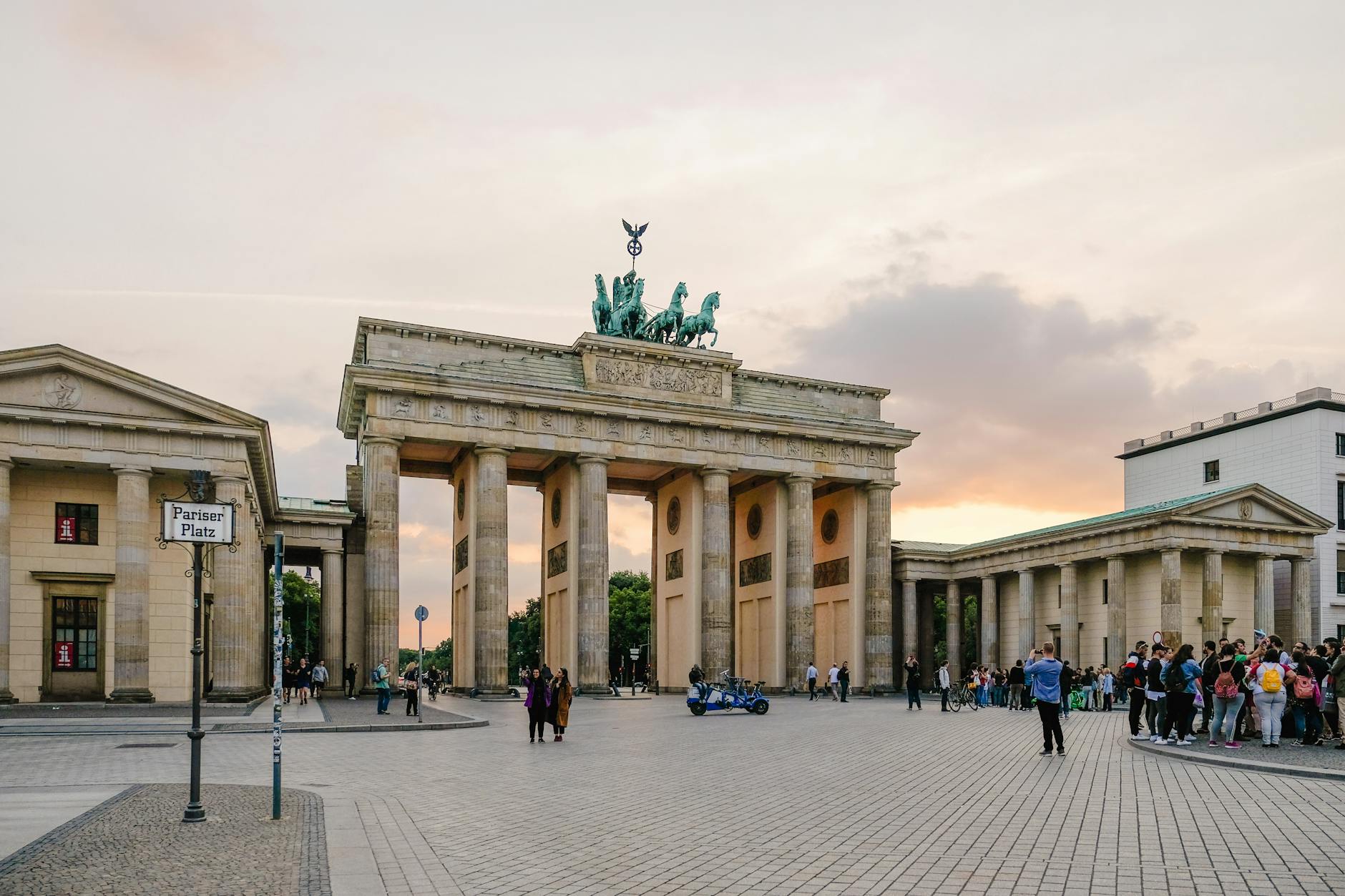
The 17th and 18th centuries marked a transformative era for Berlin as it became the capital of the Kingdom of Prussia. Under the rule of the Hohenzollern monarchs, particularly Frederick the Great, Berlin evolved into a cultural, intellectual, and political epicenter. This period saw the construction of iconic landmarks such as the Brandenburg Gate and the Charlottenburg Palace, which symbolized the city’s growing prominence.
Frederick the Great’s vision for Berlin as a cultural capital led to significant investments in the arts and sciences. The city became a hub for the Enlightenment, attracting leading thinkers, artists, and scientists. Figures such as philosopher Immanuel Kant and composer Carl Philipp Emanuel Bach contributed to Berlin’s cultural renaissance. The founding of institutions like the Berlin Academy of Sciences and the expansion of the University of Berlin highlighted the city’s commitment to education and innovation.
Prussia’s military and economic strength during this time positioned Berlin as a key player on the European stage. Industrial advancements began to take root, with the introduction of textile manufacturing and early mechanical innovations. These developments were complemented by urban planning efforts that expanded Berlin’s infrastructure. The creation of parks, avenues, and public spaces reflected the growing importance of civic pride and functionality in urban design.
Berlin’s industrialization in the 19th century further cemented its status as a metropolis. The development of railways, factories, and urban infrastructure transformed the city into an economic powerhouse. Berlin’s population grew rapidly, and it became a melting pot of cultures and ideas. The city’s architectural landscape also evolved, with the construction of grand boulevards, theaters, and museums reflecting its newfound prosperity. Innovations in public transport, such as horse-drawn trams, made the city more accessible and interconnected.
As the capital of a unified Germany in 1871, Berlin entered a new chapter of growth and influence. It became a center for political power, hosting the German Reichstag and numerous diplomatic missions. The city’s dynamic environment attracted intellectuals and innovators, solidifying its reputation as a leading European capital. The cultural institutions established during this time, including opera houses and art galleries, reinforced Berlin’s status as a hub of creativity and intellectual activity.
Berlin in the 20th Century: Two World Wars and Division
The 20th century brought profound challenges and upheavals to Berlin. During World War I, the city faced economic hardship and social unrest, which culminated in the abdication of Kaiser Wilhelm II and the establishment of the Weimar Republic in 1919. Despite political instability, Berlin in the 1920s became a cultural hotspot known for its vibrant arts scene, nightlife, and progressive attitudes. The era, often called the “Golden Twenties,†saw the flourishing of cabaret, cinema, and avant-garde art movements that defined Berlin’s unique character.
The rise of the Nazi Party in 1933 marked a dark chapter in Berlin’s history. As the capital of Nazi Germany, the city became the epicenter of Adolf Hitler’s regime. Propaganda was heavily centralized in Berlin, with institutions such as the Reich Ministry of Public Enlightenment and Propaganda shaping public opinion. World War II brought widespread destruction to Berlin, with Allied bombings reducing much of the city to rubble. The war ended in 1945 with Berlin occupied by Allied forces and subsequently divided into four sectors controlled by the United States, the United Kingdom, the Soviet Union, and France.
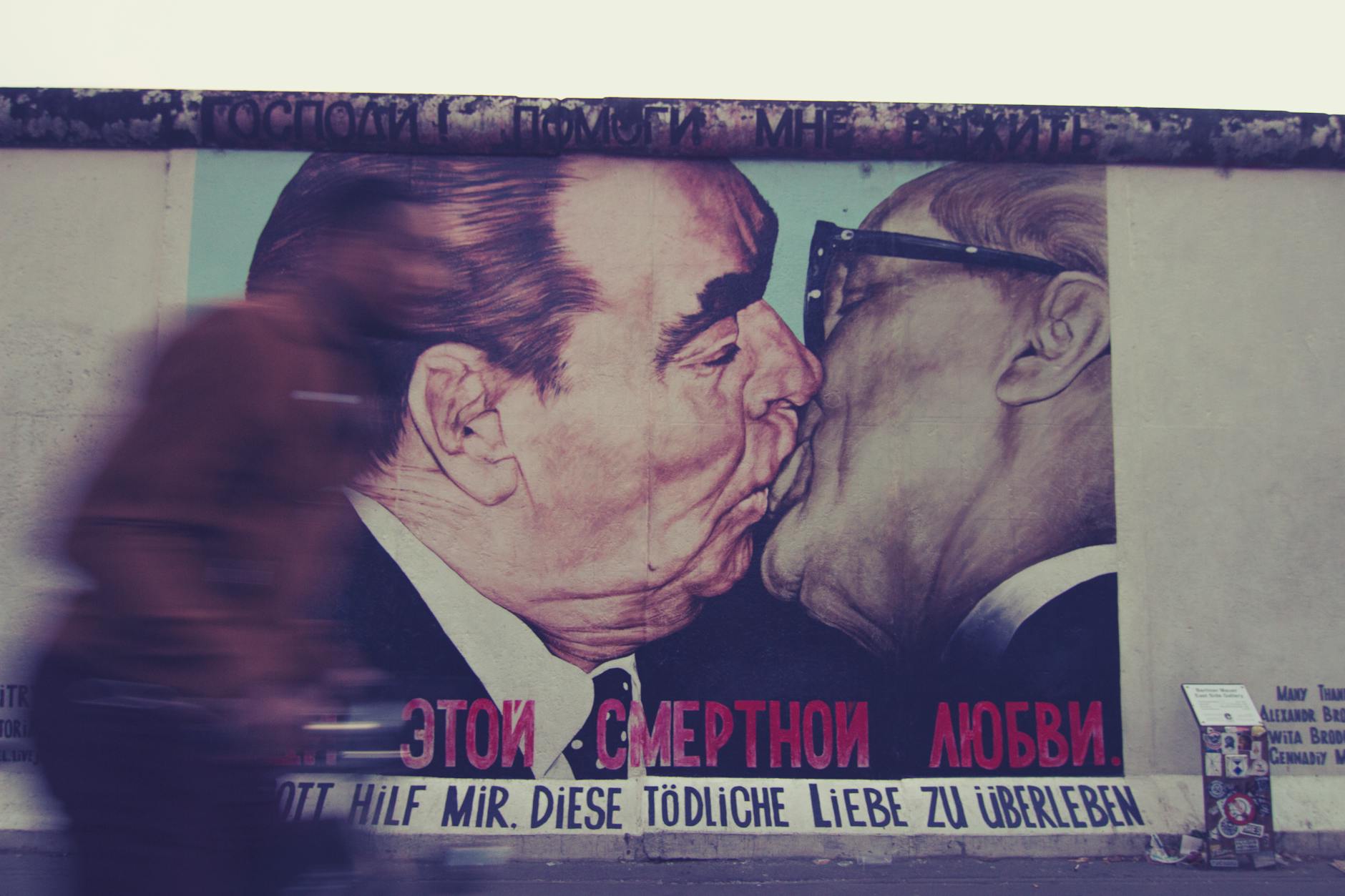
The Cold War era saw the division of Berlin into East and West, culminating in the construction of the Berlin Wall in 1961. The wall became a symbol of the ideological divide between the communist Eastern Bloc and the democratic West. Life in East Berlin was marked by strict government control and limited freedoms, while West Berlin flourished as a beacon of democracy and culture. The wall not only divided families and friends but also became a focal point of international tension. Despite the challenges, Berliners on both sides of the wall demonstrated resilience and a longing for unity.
Cultural life in West Berlin thrived, with the city hosting international film festivals and becoming a haven for artists and intellectuals. Meanwhile, in East Berlin, the Stasi secret police maintained tight control over daily life. Efforts to escape to the West, often at great personal risk, underscored the deep desire for freedom and reunification. By the late 1980s, political changes in the Soviet Union and growing protests in East Germany set the stage for the wall’s fall.
Berlin, the capital of Germany, is a city rich in history and cultural significance. From its humble medieval beginnings as a trading settlement to its rise as the capital of Prussia, Berlin has been at the center of many pivotal moments in European history. | Photo by anna-m. w. on Pexels.com
The Fall of the Wall and Reunification
The fall of the Berlin Wall on November 9, 1989, was a watershed moment in modern history. It signaled the end of the Cold War and the beginning of Germany’s reunification. The reunified Berlin became the capital of Germany once again in 1991, symbolizing a new era of unity and progress.
The years following reunification were marked by extensive efforts to rebuild and reintegrate the city. Landmark projects included the reconstruction of historical sites such as the Reichstag, now home to the German Bundestag, and the development of modern infrastructure. Berlin’s transformation into a global city was further accelerated by its cultural revival and the influx of creative talent from around the world.
Berlin’s reintegration into the global community was exemplified by its hosting of international events and summits. The city embraced its role as a bridge between Eastern and Western Europe, fostering dialogue and collaboration. The blending of old and new became a hallmark of Berlin’s identity, as historic landmarks stood alongside cutting-edge architecture and vibrant urban spaces. Efforts to heal the scars of division included initiatives to memorialize the history of the Berlin Wall, such as the Berlin Wall Memorial and the East Side Gallery.
Reunification also brought challenges, including economic disparities between the former East and West. The process of integrating two distinct systems required significant investments in infrastructure, education, and social programs. Over time, Berlin emerged as a model of resilience, demonstrating how a divided city could overcome its past and forge a shared future.
Modern Berlin: A Cultural and Political Hub
Today, Berlin is a city that celebrates its history while embracing innovation and modernity. Its cultural landscape is unparalleled, boasting over 170 museums, including the renowned Museum Island, a UNESCO World Heritage Site. The Pergamon Museum, with its collection of ancient artifacts, and the Neues Museum, home to the iconic bust of Nefertiti, are just two examples of the city’s rich cultural offerings.
Berlin’s arts scene is also vibrant, with countless galleries, theaters, and music venues. The Berlinale, or Berlin International Film Festival, is one of the most prestigious film events in the world, attracting filmmakers and audiences from across the globe. Street art thrives in areas like Kreuzberg and Friedrichshain, where graffiti-covered buildings and murals tell the story of Berlin’s countercultural movements.
The city’s political significance is reflected in landmarks like the Reichstag building, where the German parliament convenes. Its glass dome, designed by architect Norman Foster, symbolizes transparency and democracy. Berlin also hosts embassies, international organizations, and think tanks, solidifying its role as a global diplomatic hub.
Berlin’s economic renaissance is fueled by its reputation as a center for startups and technology. The city is often referred to as the “Silicon Allee,” attracting entrepreneurs, investors, and innovators from around the world. Co-working spaces, accelerators, and tech conferences like Tech Open Air make Berlin a magnet for creative talent and cutting-edge ideas.
Education and research are also pillars of modern Berlin. Institutions like Humboldt University and the Technical University of Berlin are leaders in academics and innovation. The city’s emphasis on sustainability is evident in its green initiatives, from extensive cycling paths to urban gardening projects.
Berlin’s multicultural character is one of its most defining features. With residents from over 190 countries, the city embraces diversity through festivals, cuisine, and cultural events. Areas like Neukölln and Wedding showcase a fusion of traditions, where Turkish kebab shops exist alongside Vietnamese eateries and Ethiopian coffee houses.
Despite its modern successes, Berlin remains deeply connected to its history. Memorials such as the Holocaust Memorial, the Topography of Terror, and the Stolpersteine (stumbling stones) scattered across the city ensure that the past is not forgotten. These sites serve as powerful reminders of the city’s commitment to remembering its complex history while striving for a future defined by unity and progress.
Conclusion
Berlin’s story is one of resilience, transformation, and innovation. From its medieval roots to its rise as the capital of Prussia, from the devastation of two world wars to the division and reunification of the 20th century, the city has consistently reinvented itself. Today, Berlin stands as a global symbol of creativity, cultural diversity, and political significance.
The city’s ability to embrace change while preserving its history makes it a unique and inspiring destination. Visitors are drawn to its iconic landmarks, thriving arts scene, and dynamic neighborhoods, while residents continue to shape its future through innovation and inclusion. Berlin is more than just a city; it is a testament to the enduring spirit of its people and a beacon of hope for what can be achieved through resilience and unity.
Whether walking along the remnants of the Berlin Wall, exploring the vibrant streets of Kreuzberg, or standing beneath the Brandenburg Gate, one can feel the echoes of history intertwined with the pulse of modern life. Berlin’s journey is far from over, and its legacy continues to inspire the world.
Berlin, the capital of Germany, is a city that perfectly encapsulates a blend of rich history, vibrant culture, and modern life. Known for its artistic spirit and diverse population, Berlin attracts millions of tourists each year. From the iconic Brandenburg Gate to the remnants of the Berlin Wall, the city serves as a living testament to both its past and present. Despite its historical significance, Berlin has a reputation for being a relatively affordable destination compared to other European capitals, making it an ideal location for travelers seeking both excitement and value. In this article, we will explore five compelling reasons why Berlin should be at the top of your travel bucket list, delving into its rich history, flourishing arts and culinary scenes, and beautiful green spaces.
Rich History and Cultural Heritage
Berlin’s history is a tapestry woven with stories of triumph, defeat, struggle, and resilience. Once divided by the infamous Berlin Wall, the city has transformed into a symbol of unity and freedom. Visitors can explore numerous historical sites that provide insights into the complex past of Berlin. Notably, the Brandenburg Gate stands as a monumental marvel, representing the reunification of East and West Berlin. Built in the 18th century, it has witnessed countless historical events, making it a must-visit for anyone traveling through the city.
Another profound site is the East Side Gallery, a remaining stretch of the Berlin Wall that has been transformed into an open-air gallery. Here, over 100 artists from around the world have painted murals that echo themes of peace, freedom, and hope. The gallery serves not only as an artistic haven but also as a powerful reminder of the city’s divided past.
Berlin is also home to the Holocaust Memorial, formally known as the Memorial to the Murdered Jews of Europe. This poignant site features 2,711 concrete slabs arranged in a grid pattern, creating an unsettling yet contemplative atmosphere. Visitors often recount feelings of isolation as they navigate the uneven pathways, prompting reflections on the atrocities of the Holocaust and its lasting impact on society.
The Museum Island, a UNESCO World Heritage Site, presents a stunning collection of museums that showcase art and artifacts from various eras and cultures. These institutions include the Pergamon Museum, known for its stunning architectural reconstructions, and the Neues Museum, which houses an impressive collection of Egyptian artifacts, including the famous Bust of Nefertiti. The island’s central location along the Spree River makes it a picturesque spot for both learning and leisure.
In addition to these historical landmarks, Berlin boasts a rich tapestry of cultural influences that have shaped its identity. The city’s diverse population has contributed to a multicultural atmosphere, where different languages, traditions, and festivals coexist. Events such as the Berlinale Film Festival, one of the most prestigious film festivals globally, draw filmmakers and fans from around the world, further enriching the cultural fabric of the city.
Berlin’s historical significance is often best perceived through its vibrant street life. The city is dotted with remnants of its past, from Soviet-era architecture in former East Berlin to the neoclassical structures crafted during the Prussian Empire. Moving through neighborhoods like Mitte and Kreuzberg, visitors can observe statues, plaques, and modern artwork that coexist with age-old buildings, narrating the story of a city in constant evolution.
In summary, Berlin’s rich history and cultural heritage are woven into the very fabric of the city. Every corner and every street speaks to the spirit of resilience and reinvention. As you walk through its streets, you can feel the profound historical narratives that have shaped not just Berlin, but the world at large. A visit to this remarkable city is an invitation to explore the depths of human experience, celebrate diversity, and appreciate the progress that continues to unfold in this thriving metropolis.
Vibrant Arts Scene
Berlin has established itself as a global center for the arts, attracting creative minds from all corners of the world. This vibrant arts scene pulsates through the city, manifesting itself in galleries, theaters, music venues, and street art. The eclectic nature of Berlin’s artistic expression lends an atmosphere of innovation and experimentation that is hard to find elsewhere.
One of the defining features of Berlin’s arts scene is its plethora of contemporary art galleries. Areas such as Mitte and Kreuzberg are filled with spaces that showcase both established and emerging artists. Galleries like the Hamburger Bahnhof, a former railway station turned museum, house impressive collections of modern and contemporary art. Exhibitions rotate frequently, providing visitors with fresh perspectives and innovative works that challenge conventional boundaries. The city’s commitment to the arts is evident, as many galleries offer free admission or sliding scale pricing, making art accessible to everyone.
Street art plays a significant role in Berlin’s artistic identity. The city’s walls are adorned with colorful murals, thought-provoking graffiti, and inspiring installations. Artists like Banksy and local talents have left their marks, transforming public spaces into open-air galleries that invite dialogue and reflection. The famous Kreuzberg district is particularly renowned for its street art, where guided tours and self-exploration reveal hidden gems that might otherwise go unnoticed. These vibrant displays often address social and political issues, acting as a visual commentary on the city’s history and current events.
Berlin is also a hub for performance art and theater, with numerous venues showcasing a wide range of productions. The Berliner Ensemble, founded by the legendary playwright Bertolt Brecht, continues to present thought-provoking plays that resonate with contemporary audiences. The city’s commitment to progressive and experimental theater is evident in smaller venues and alternative performance spaces, where boundary-pushing artists explore new forms of expression. Whether it’s a classic play, contemporary dance, or immersive theater, there’s always something exciting happening in Berlin’s theaters.
Music is an integral part of Berlin’s cultural landscape as well. The city has earned a reputation as one of the world’s electronic music capitals, with legendary clubs such as Berghain and Sisyphos attracting visitors from around the globe. The pulsating rhythms of techno and house music resonate through the streets, creating an exhilarating atmosphere that draws music lovers to experience the nightlife. However, Berlin’s music scene is not limited to electronic genres; it also embraces classical music, rock, jazz, and indie. Events like the Fête de la Musique celebrate music in all its forms, fostering a spirit of community and creativity.
Berlin hosts various art festivals and events throughout the year, further enriching its arts scene. The Berlin Art Week, for example, unites galleries, artists, and collectors, transforming the city into a vibrant hub of creativity. This event showcases various disciplines, from visual art to performance, inviting participation and engagement from the public. These festivals create a sense of excitement and anticipation, encouraging both locals and tourists to immerse themselves in the artistic pulse of the city.
In conclusion, Berlin’s vibrant arts scene is a testament to the city’s ability to embrace creativity in all its forms. From contemporary art galleries and street murals to cutting-edge theater and eclectic music venues, Berlin offers a diverse tapestry of artistic expression that resonates with both residents and visitors. This dynamic environment fosters innovation, encourages dialogue, and showcases the passions of countless artists drawn to the city’s unique energy. Whether you are an art enthusiast or a casual observer, Berlin’s creative spirit is sure to leave an indelible mark on your heart.
Diverse Culinary Experience
Berlin’s culinary scene is a microcosm of its rich cultural diversity, offering a gastronomic adventure that reflects the city’s mix of traditions and influences. You’ll find everything from traditional German dishes to international cuisines, making each meal an opportunity to explore the world on your plate. The city’s food landscape is as varied as its residents, and this diversity is one of the main reasons why Berlin should be on your travel itinerary.
One iconic dish that represents Berlin’s culinary heritage is the currywurst. This German fast food staple consists of a grilled sausage sliced and served with a spicy tomato-based sauce and curry powder. Often paired with fries, it has become a beloved street food, with numerous vendors and eateries specializing in their own versions. The popularity of currywurst has led to the establishment of currywurst museums and even festivals, showcasing its significance in Berlin’s food culture.
For a deeper taste of history, visitors can enjoy traditional German fare in one of Berlin’s countless restaurants and beer gardens. Dishes such as schnitzel, sauerbraten, and spätzle are often prepared with a modern twist, offering a nod to the past while embracing contemporary culinary trends. Pairing these hearty meals with local beers further enhances the experience, as Berlin is home to numerous breweries producing a variety of craft beers. Enjoying a meal in a traditional beer garden surrounded by the sights and sounds of the city provides an authentic German experience.
Beyond traditional German cuisine, Berlin offers a vibrant array of international food options. The city’s multicultural makeup has led to an explosion of flavors from around the globe. For instance, the Turkish community has established some of the best döner kebab stalls, where succulent meat is served in a flatbread with fresh vegetables and tangy sauces. The popularity of döner has made it a staple of Berlin’s fast-food scene.
In addition to Turkish cuisine, Berlin boasts a thriving Asian food scene. From sushi bars to Vietnamese pho shops, you can find a wealth of Asian culinary delights throughout the city. The traditional street food market offers an excellent way to sample various dishes, with vendors representing different cultures and cooking styles. The Markthalle Neun in Kreuzberg is a perfect example of this diversity, where you can enjoy everything from artisanal cheeses to handmade pasta and exotic spices.
Vegetarians and vegans will find a welcoming haven in Berlin’s culinary landscape, as the city is renowned for its plant-based options. Many restaurants embrace sustainability, sourcing local and organic ingredients to create inventive dishes that cater to diverse dietary preferences. Vegan cafes and eateries are increasingly popular, showcasing flavorsome alternatives that challenge the notion of what plant-based food can be. Dishes like vegan currywurst or plant-based burgers demonstrate that you can indulge without compromising taste.
Food markets and festivals also play a significant role in showcasing Berlin’s culinary diversity. The Street Food Thursday event at Markthalle Neun, for example, brings together local chefs and food purveyors, allowing visitors to sample exciting street food from around the world. These events create a sense of community, celebrating the vibrant culinary talents that make Berlin a melting pot of flavors.
In conclusion, Berlin’s diverse culinary experience is one of the key attractions of the city, offering something for everyone. From traditional German dishes to international cuisines, every meal tells a story about the city’s cultural melting pot. With its vibrant street food scene, numerous food markets, and welcoming cafes, Berlin invites travelers to embark on an unforgettable gastronomic journey. For food lovers, exploring the culinary landscape of this dynamic city is not just a necessity; it’s an adventure of discovery that will stay with you long after your visit.
Beautiful Parks and Green Spaces
One of the most remarkable aspects of Berlin is its abundance of parks and green spaces, providing a refreshing contrast to the city’s bustling urban environment. These parks offer not only picturesque landscapes but also a plethora of outdoor activities, making them ideal spots for relaxation, recreation, and social interaction. With over 2,500 parks and gardens, Berlin is often considered one of the greenest cities in Europe, allowing visitors to experience nature without leaving the city’s heart.
One of the most famous parks in Berlin is Tiergarten, a sprawling urban oasis situated in the city center. Covering 520 acres, it’s the perfect place for a leisurely stroll or a vigorous run. Visitors can discover charming pathways lined with mature trees, tranquil lakes, and grassy meadows where locals often gather to picnic or socialize. The park is also home to significant monuments, such as the iconic Victory Column, which provides panoramic views of the city for those willing to climb its many steps. With its peaceful ambiance and abundance of natural beauty, Tiergarten beckons both residents and travelers alike to enjoy some respite amid the hustle and bustle of city life.
For those seeking a more recreational atmosphere, Tempelhofer Feld offers a unique experience. This former airport has been transformed into a massive public park where visitors can engage in various outdoor activities such as cycling, skating, kite flying, and picnicking. The vast open spaces make it a popular destination for families and friends looking to spend time outdoors. Tempelhofer Feld serves not only as a park but also as a symbol of Berlin’s creative spirit, with art installations and community events finding their home in this vast green expanse. The combination of history and leisure makes it a must-visit for anyone wanting to embrace the city’s outdoor lifestyle.
Another noteworthy park is Volkspark Friedrichshain, the oldest park in Berlin, where visitors can find beautiful gardens, scenic walking paths, and even a charming fairy tale fountain. The park offers a fantastic place for outdoor sports, featuring basketball courts, football fields, and play areas for children. In the summer months, the park hosts open-air movies and various events, making it a lively gathering spot for the community. Its blend of leisure and cultural experiences showcases the city’s commitment to promoting a balanced lifestyle for its residents.
Berlin’s Botanical Garden is another gem worth discovering. Spread across 43 hectares, this expansive garden houses an impressive collection of over 20,000 plant species from around the globe. With beautifully manicured flowerbeds and themed gardens, it’s an excellent place for plant lovers and nature enthusiasts to immerse themselves in the tranquil beauty of flora. The garden’s greenhouses, which replicate different climate zones, are also fascinating to explore, featuring exotic plants and flowers. The serenity of the Botanical Garden provides an ideal backdrop for contemplation and relaxation, allowing visitors to escape the city’s rush.
One cannot talk about Berlin’s green spaces without mentioning Park am Gleisdreieck, an innovative park that showcases the city’s creative approach to urban planning. This former industrial area has been transformed into a vibrant green space featuring playgrounds, sports facilities, and spaces for socializing. It serves as a model for the integration of nature within urban environments, inviting people to connect with both nature and each other. The park also incorporates sustainable practices, promoting biodiversity and ecological awareness among visitors.
In conclusion, Berlin’s beautiful parks and green spaces are a vital part of the city’s identity, enriching the lives of its residents and visitors. These urban oases offer a range of recreational opportunities while providing tranquil settings to escape the hustle and bustle of city life. From the historical charm of Tiergarten to the innovative landscapes of Park am Gleisdreieck, Berlin’s parks invite you to relax, explore, and experience the immense beauty of nature within an urban environment. Embracing the city’s green spaces is one of the best ways to truly appreciate the multifaceted character of Berlin.
Affordability for Travelers
Travel costs can often deter potential tourists from visiting major cities, but Berlin stands out as a remarkably affordable destination. Unlike many other European capitals, Berlin offers an impressive range of budget-friendly options that allow travelers to enjoy everything the city has to offer without breaking the bank. This affordability sets Berlin apart, making it an attractive choice for young backpackers, families, and those looking for an enriching experience at an economical price point.
One of the key aspects contributing to Berlin’s affordability is its diverse accommodation options. Travelers can find budget hostels, charming guesthouses, and even affordable hotels that cater to various preferences. Hostels in Berlin often feature communal kitchens, making it easy for guests to prepare their meals and save on dining expenses. With convenient public transportation, navigating the city from more affordable neighborhoods is also straightforward, further enhancing the cost-effectiveness of a trip to Berlin.
Dining out in Berlin can be inexpensive if you know where to look. While there are high-end restaurants that cater to fine dining experiences, the city is brimming with street food stalls, casual eateries, and food markets that offer delicious meals at pocket-friendly prices. The renowned currywurst stalls and Turkish döner kebab shops serve savory meals at a fraction of the cost of a sit-down restaurant. Additionally, many local cafes and bistros offer daily lunch specials, providing hungry diners with hearty meals for a reasonable price. Exploring the diverse food scene in Berlin does not have to strain your budget, allowing you to sample a wide range of dishes without overspending.
Transportation in Berlin is another area where affordability shines. The city’s extensive and reliable public transportation network, which includes buses, trams, and the U-Bahn, makes it easy to traverse the city without the need for a car. A single ticket to travel across the public transport system is reasonably priced, and multi-day passes offer further savings for those planning to explore extensively. This efficient transit system enables travelers to reach various attractions, neighborhoods, and experiences seamlessly, making it an indispensable part of a budget-friendly trip.
Berlin is also home to countless free or low-cost attractions, making the city a treasure trove for travelers on a budget. Many historical sites, parks, and museums carry little to no admission fees. For instance, exploring the Berlin Wall’s remnants, visiting the Holocaust Memorial, or wandering through the vibrant neighborhoods of Kreuzberg and Friedrichshain can all be done at no cost. Several museums participate in ‘Museum Sundays,’ where visitors can enter for free on the first Sunday of each month, providing a fantastic opportunity to immerse oneself in Berlin’s artistic and historical offerings.
Furthermore, the city encourages a thriving culture of events and festivals throughout the year—many of which are free to attend. Local markets such as the Turkish Market at Maybachufer and the flea markets offer not just a chance to shop for unique crafts and vintage finds but also live music, entertainment, and an authentic taste of local life. Events like the Carnival of Cultures or the Festival of Lights are celebrated on the streets at no cost, showcasing the diversity and creativity of the city.
In conclusion, Berlin’s affordability makes it a highly appealing travel destination for a wide range of visitors. From diverse accommodation options and budget-friendly dining to accessible public transportation and numerous free attractions, Berlin offers an enriching experience without the financial strain associated with many other European capitals. Visitors can immerse themselves in the city’s vibrant culture, history, and culinary delights while still being mindful of their budgets. Berlin proves that an incredible travel experience doesn’t have to come with a hefty price tag, making it a perfect destination for conscious travelers seeking adventure and discovery.
Conclusion
Berlin stands out as a captivating travel destination that seamlessly blends its rich history, vibrant culture, diverse culinary scene, beautiful parks, and affordability in an inviting manner. Each facet of the city tells a unique story, inviting travelers to engage with its past and present while experiencing a variety of artistic expressions. The historic sites, from the Brandenburg Gate to the remnants of the Berlin Wall, serve as poignant reminders of the city’s transformative journey, encouraging reflection on themes of resilience and unity.
Additionally, Berlin’s flourishing arts scene provides an exciting backdrop for exploration, showcasing creativity through galleries, performance art, and street art that challenges conventional boundaries. The culinary landscape, infused with both traditional German fare and international influences, ensures that every meal is an opportunity for discovery and delight. As visitors explore the city’s many parks and green spaces, they will find a refreshing escape from urban life and an invitation to connect with nature and the local community.
Bayerische Motoren Werke AG, universally known as BMW, stands as a hallmark of luxury, performance, and engineering precision in the automotive world. Founded in 1916 as a manufacturer of aircraft engines, BMW history from aviation to automobiles is a testament to resilience and innovation. Renowned for its iconic vehicles, such as the 3 Series, the M3, and the i8, BMW consistently pushes the boundaries of what cars can achieve, both on the road and the racetrack.
BMW’s commitment to technological advancement has fostered its reputation as the “Ultimate Driving Machine,” combining engineering excellence with elegant design. With a strong heritage in motorsport and a visionary approach toward sustainability, BMW has not only revolutionized the automotive industry but also cemented its influence on global culture. This article delves into BMW’s history, its engineering achievements, iconic models, and its roadmap toward shaping the future of mobility.
Founding and Early History of BMW: The Roots as an Aviation Engine Manufacturer
Bayerische Motoren Werke (BMW) originated from a convergence of German engineering ingenuity and industrial necessity during the early 20th century. Officially established in 1916, BMW’s initial focus was on manufacturing aircraft engines—a pursuit tied to the technological demands of World War I. The company was born out of the merger of two companies: Rapp Motorenwerke, founded by Karl Rapp, and Gustav Otto’s Flugmaschinenfabrik. This fusion marked the start of BMW’s legacy in precision engineering and innovation.
The iconic blue and white BMW logo, designed in 1917, symbolized its aviation heritage. Often interpreted as a spinning aircraft propeller against a blue sky, the emblem traces its inspiration to the Bavarian state flag. The brand quickly gained recognition for creating high-performance engines, such as the BMW IIIa, a six-cylinder aircraft engine known for its efficiency and reliability.
However, BMW’s focus on aviation engines faced significant challenges after the Treaty of Versailles in 1919, which prohibited Germany from producing aircraft. This forced the company to diversify its product offerings. BMW began manufacturing industrial engines, agricultural equipment, and, eventually, motorcycles. In 1923, the company launched the R32 motorcycle, which featured a flat-twin boxer engine and shaft drive—technological hallmarks that would define BMW’s engineering ethos for decades.
This adaptive spirit set the stage for BMW’s entry into automotive manufacturing. By the late 1920s, the acquisition of Fahrzeugfabrik Eisenach enabled BMW to build its first car, the BMW 3/15. These formative years underscored BMW’s resilience, paving the way for its emergence as a leader in the automotive industry.
Transition to Automotive Excellence: BMW’s Entry into Car Manufacturing and Early Successes
The transition from motorcycles to automobiles marked a pivotal chapter in BMW’s history. In 1928, the company acquired Fahrzeugfabrik Eisenach, a German automaker known for producing small cars under the Dixi brand. This acquisition provided BMW with the technical expertise and facilities needed to embark on car production. The first car to bear the BMW badge, the BMW 3/15, was essentially a licensed version of the British Austin 7.
Despite being a modest vehicle, the 3/15 was a commercial success, showcasing BMW’s ability to adapt and compete in the evolving automotive landscape. This early foray into car manufacturing positioned BMW to experiment with design and performance innovations. In the 1930s, BMW expanded its lineup, introducing models like the BMW 303, which featured the brand’s first inline-six engine and the iconic kidney-shaped grille that remains a signature design element to this day.
The BMW 328, introduced in 1936, solidified the company’s reputation as a builder of performance-oriented cars. Its lightweight construction, advanced aerodynamics, and powerful engine made it a dominant force in motorsport, earning accolades such as victory at the 1938 Mille Miglia. The 328 not only laid the foundation for BMW’s future sports cars but also demonstrated the company’s engineering capabilities on a global stage.
By the onset of World War II, BMW had firmly established itself as a producer of high-quality vehicles, though its focus temporarily shifted back to aviation engines and military equipment. Post-war reconstruction would bring challenges and opportunities that would redefine BMW’s automotive journey.
Engineering Innovations: BMW’s Reputation for Technical Mastery and Automotive Breakthroughs
At the heart of BMW’s success lies its relentless pursuit of engineering excellence. From its earliest days, the company prioritized innovation, developing technologies that have often redefined industry standards. One of BMW’s most significant engineering contributions is its inline-six engine, renowned for its smooth performance and reliability. Introduced in the 1930s and continually refined over decades, this engine became a cornerstone of the brand’s identity.
During the 1960s, BMW launched the Neue Klasse (New Class) series, a collection of compact sedans and coupes that revolutionized the company’s fortunes. Models like the BMW 1500 and 2002 introduced advanced suspension systems, responsive steering, and efficient engines, setting benchmarks for driving dynamics. The 2002, in particular, became an icon, blending practicality with performance and paving the way for the modern sports sedan.
BMW also pioneered turbocharging in the 1970s with the BMW 2002 Turbo, Europe’s first mass-produced turbocharged car. This technological leap underscored the company’s commitment to pushing the boundaries of automotive performance. In the 1980s, BMW continued to innovate with the introduction of advanced electronic systems, such as anti-lock braking systems (ABS) and digital engine management, enhancing both safety and efficiency.
More recently, BMW’s innovations in electrification and connectivity have positioned the brand at the forefront of modern automotive technology. The launch of the BMW i sub-brand in 2013 marked a new era, with the BMW i3 and i8 demonstrating the company’s expertise in sustainable mobility and cutting-edge design. These achievements highlight BMW’s ability to integrate tradition with modernity, ensuring its continued relevance in a rapidly evolving industry.
The Iconic Models: A Closer Look at the Most Celebrated Cars in BMW’s History
BMW’s legacy is intricately tied to its portfolio of iconic models, each embodying the brand’s commitment to performance, luxury, and innovation. Among these, the BMW 3 Series stands as a beacon of success. Introduced in 1975, the 3 Series revolutionized the sports sedan market, blending engaging driving dynamics with everyday practicality. Over its generations, this model has consistently set benchmarks, cementing BMW’s reputation as the “Ultimate Driving Machine.”
Another standout is the BMW M3, which debuted in 1986. As a high-performance version of the 3 Series, the M3 quickly became a motorsport legend, winning numerous championships and setting the standard for performance sedans. The E30 M3, in particular, remains an icon among car enthusiasts for its balanced handling and race-bred engineering.
In the realm of luxury, the BMW 7 Series represents the pinnacle of the brand’s technological prowess. Launched in 1977, the flagship sedan has consistently introduced groundbreaking features, including advanced driver-assistance systems, innovative suspension technologies, and industry-firsts like gesture control. The 7 Series combines opulence with cutting-edge innovation, making it a symbol of modern luxury.
BMW started in 1916 as an aircraft engine manufacturer and evolved into a symbol of luxury automotive performance. Photo by Danila Perevoshchikov on Pexels.com
BMW’s venture into sports cars also deserves recognition. The BMW Z8, unveiled in 1999, is a prime example of the brand’s ability to merge retro-inspired design with modern engineering. Inspired by the legendary BMW 507 of the 1950s, the Z8 featured a powerful V8 engine and remains a collector’s favorite.
The brand’s foray into electrification brought the BMW i8 to the forefront. As a plug-in hybrid sports car, the i8 exemplifies BMW’s vision for sustainable performance. With its futuristic design, lightweight carbon-fiber construction, and eco-friendly credentials, the i8 stands as a testament to BMW’s innovative spirit.
These models, among others, showcase BMW’s versatility and enduring appeal, reflecting the company’s ability to cater to diverse markets while maintaining its core values of performance and luxury.
BMW’s Motorsport Heritage: The Brand’s Influence in Racing and Performance Vehicles
BMW’s motorsport heritage is a cornerstone of its identity, showcasing the brand’s engineering prowess and competitive spirit. The journey began in the 1930s with the BMW 328, a lightweight sports car that dominated racing events, including the prestigious Mille Miglia. This early success set the stage for decades of motorsport innovation.
The creation of BMW’s M division in 1972 marked a significant milestone. Tasked with developing high-performance vehicles, BMW Motorsport GmbH transformed the brand’s racing aspirations into reality. The first product of this division, the BMW 3.0 CSL, affectionately nicknamed the “Batmobile,” became a legend on the track and the street. Winning multiple European Touring Car Championships, the 3.0 CSL cemented BMW’s status as a motorsport powerhouse.
The M division continued to innovate, giving birth to the M1 in 1978. As BMW’s first mid-engine sports car, the M1 was designed for Group 4 racing but also became a limited-production road car. Its striking design by Giorgetto Giugiaro and powerful inline-six engine made it an icon of the era.
BMW’s commitment to motorsport extended beyond cars. The brand achieved significant success in motorcycle racing and even Formula 1. In the 1980s, BMW-powered cars competed in F1, with the Brabham-BMW team winning the 1983 World Championship. This era highlighted BMW’s engineering versatility and competitiveness at the highest level.
Today, BMW continues to excel in motorsport, participating in DTM, endurance racing, and electric racing series like Formula E. This enduring legacy underscores the company’s philosophy: that racing is not only a proving ground for innovation but also a way to connect with enthusiasts worldwide.
Sustainability and Future Visions: BMW’s Commitment to Eco-Friendly Technologies and Innovation
BMW’s dedication to sustainability represents a significant evolution in its approach to automotive engineering and design. As the global automotive industry pivots toward a greener future, BMW has emerged as a leader, demonstrating how luxury and performance can coexist with environmental responsibility.
This journey began in earnest with the launch of BMW’s “EfficientDynamics†program in 2007. The initiative aimed to reduce fuel consumption and emissions across the company’s lineup without compromising performance. Technologies such as regenerative braking, lightweight materials, and turbocharged engines became integral to BMW’s vehicles, setting a new standard for eco-friendly innovation.
In 2013, BMW took a bold step by introducing its dedicated electric vehicle sub-brand, BMW i. The BMW i3, an all-electric city car, was a milestone in sustainable design. Its lightweight carbon-fiber-reinforced plastic (CFRP) construction, combined with a zero-emissions drivetrain, exemplified the brand’s ability to merge sustainability with cutting-edge technology. Similarly, the BMW i8 redefined the hybrid sports car segment with its futuristic aesthetics and performance credentials.
BMW’s commitment to sustainability extends beyond its vehicles. The company has invested heavily in green manufacturing practices, such as utilizing renewable energy at its production facilities and adopting circular economy principles to minimize waste. By 2030, BMW aims to reduce COâ‚‚ emissions per vehicle by 40% compared to 2019 levels, a testament to its long-term vision for climate neutrality.
The development of the Neue Klasse platform, set to debut in the mid-2020s, highlights BMW’s focus on the future. Designed exclusively for electric vehicles, the platform will feature advanced battery technologies, increased range, and seamless digital integration. These innovations underscore BMW’s determination to remain at the forefront of sustainable mobility, ensuring its relevance in an increasingly eco-conscious world.
Global Influence and Cultural Impact: How BMW Has Shaped Automotive Trends and Culture
BMW’s influence extends far beyond its engineering achievements and sales figures. The brand has become a cultural symbol, representing sophistication, performance, and innovation. Its global reach and aspirational image have made it a cornerstone of automotive culture and a trendsetter in the industry.
The company’s “Ultimate Driving Machine†slogan, introduced in 1974, encapsulates its philosophy of delivering unparalleled driving pleasure. This ethos has resonated with enthusiasts worldwide, fostering a loyal community of BMW owners and fans. BMW Car Clubs, present in nearly every country, celebrate this shared passion, organizing events, rallies, and exhibitions that underscore the brand’s cultural significance.
BMW’s presence in popular media has further cemented its cultural impact. Iconic models like the BMW Z3 and Z8 gained widespread recognition after being featured in James Bond films, enhancing the brand’s association with luxury and adventure. The company’s innovative designs and cutting-edge technologies have also made it a favorite in video games, television, and advertising.
Beyond its consumer appeal, BMW has influenced broader automotive trends. The success of the BMW 3 Series, for instance, redefined the sports sedan segment, inspiring competitors to emulate its balance of performance and practicality. Similarly, BMW’s advancements in connectivity and infotainment systems have set benchmarks for the industry, shaping expectations for modern vehicles.
BMW’s cultural impact also reflects its commitment to societal progress. The brand actively supports art, music, and design through initiatives like the BMW Art Car Project, which has collaborated with renowned artists including Andy Warhol and Jeff Koons. These endeavors showcase BMW’s dedication to creativity and its role as a cultural pioneer.
As a global ambassador for German engineering and innovation, BMW continues to influence automotive culture and inspire future generations.
Conclusion
BMW’s legacy as a leader in the automotive industry is a testament to its relentless pursuit of innovation, performance, and sustainability. From its origins as an aircraft engine manufacturer to its evolution into a global automotive powerhouse, BMW has consistently redefined what it means to create the “Ultimate Driving Machine.” Its engineering excellence, exemplified by iconic models like the 3 Series, M3, and i8, has set benchmarks for performance and luxury.
Beyond vehicles, BMW’s commitment to sustainability and green innovation positions it as a pioneer in shaping the future of mobility. Its influence in motorsport, coupled with its cultural resonance through media and art, underscores its enduring global impact.
As BMW continues to embrace new challenges and opportunities, it remains a symbol of progress and ambition, inspiring car enthusiasts and setting the standard for the automotive world in the 21st century and beyond.
Hugo Boss, a name synonymous with refined elegance and modern style, has carved a unique place in the global fashion industry. Founded in 1924 in Metzingen, Germany, by its eponymous creator, the brand’s journey is one of resilience, reinvention, and innovation. From its early beginnings as a manufacturer of workwear to its rise as a symbol of luxury and sophistication, the history of Hugo Boss reflects the evolution of fashion over the decades.
However, the brand’s history is not without controversy. Its role during World War II remains a subject of scrutiny, yet it is also a testament to the company’s ability to rebuild and transform in the post-war years. Today, Hugo Boss is a global powerhouse known for its menswear, womenswear, fragrances, and accessories, blending timeless craftsmanship with contemporary trends. This article explores the milestones that have defined Hugo Boss’s legacy, highlighting its impact on the fashion industry and its cultural significance.
The Founding Era: Hugo Boss in 1924
The story of Hugo Boss began in 1924, when the brand’s founder, Hugo Ferdinand Boss, established a modest workshop in Metzingen, a small town in southern Germany. Metzingen, known for its textile industry, provided an ideal environment for Boss to realize his entrepreneurial ambitions. Initially, the company specialized in producing durable workwear, raincoats, and uniforms, catering primarily to local businesses and workers.
The timing of the company’s founding was challenging. Germany in the 1920s was marked by economic instability, hyperinflation, and the aftermath of World War I. For small businesses like Hugo Boss, survival required adaptability and ingenuity. Boss leveraged his understanding of textile production and a commitment to quality to establish a reputation for reliability and craftsmanship.
Despite the economic hurdles, the brand managed to secure a foothold in the competitive market. The workshop’s focus on functional, high-quality garments resonated with customers who valued practicality and durability during uncertain times. This early emphasis on precision and attention to detail would later become hallmarks of the Hugo Boss identity.
However, the Great Depression of the 1930s posed new challenges for the fledgling business. The global economic downturn led to reduced demand for clothing, forcing many small manufacturers to close their doors. Hugo Boss, like many others, struggled to stay afloat, leading to financial restructuring and a reorientation of the business. These early trials tested the resilience of the brand, laying the foundation for its future growth and adaptability.
While these initial years were marked by modest achievements, they set the stage for Hugo Boss’s evolution. The brand’s focus on quality and its ability to navigate economic adversity would become defining traits, enabling it to emerge stronger in the decades to come. As the company transitioned through these formative years, it began to expand its offerings, setting the stage for a more ambitious future.
World War II and the Controversial Chapter
Hugo Boss’s involvement during World War II represents one of the most controversial and scrutinized periods in the brand’s history. Like many German businesses at the time, the company became entangled with the political and economic landscape shaped by the Nazi regime.
In the early 1930s, Hugo Ferdinand Boss joined the National Socialist German Workers’ Party (Nazi Party), a decision that aligned the company with the regime’s demands and economic opportunities. As World War II unfolded, Hugo Boss became a contracted supplier for the German government, manufacturing uniforms for the Wehrmacht, SS, and other Nazi organizations. This partnership was financially advantageous for the business, enabling it to recover from the economic struggles of the Great Depression and expand its operations.
However, this growth came at a significant ethical and humanitarian cost. Historical investigations have revealed that Hugo Boss utilized forced labor during the war, employing prisoners of war and individuals from occupied territories under harsh and exploitative conditions. These practices were consistent with broader wartime policies in Germany but have since been acknowledged as serious violations of human rights.
Following the war, Hugo Ferdinand Boss faced legal repercussions for his affiliation with the Nazi regime. In 1946, he was fined and stripped of his right to run the company, although he retained partial ownership until his death in 1948. This period marked a turning point for the business, as it struggled to rebuild its reputation and redefine its identity in the post-war era.
The company’s wartime history remained a largely untold story until the early 21st century, when independent research commissioned by Hugo Boss shed light on its past. In 2011, the company published a formal acknowledgment of its role during World War II, expressing regret for its actions and commitment to transparency. This move was part of a broader effort to confront historical accountability while focusing on ethical and sustainable practices in the modern era.
Despite this dark chapter, Hugo Boss managed to recover and reestablish itself as a prominent player in the fashion industry. The acknowledgment of its wartime activities highlights the complex legacy of the brand, underscoring the importance of facing historical truths while striving for progress. This period, though troubling, serves as a reminder of the responsibilities businesses have in shaping ethical practices and preserving human dignity.
Post-War Reconstruction and Brand Reinvention
The end of World War II marked a period of significant transformation for Hugo Boss. With Hugo Ferdinand Boss no longer in control of the company, the business passed to his son-in-law, Eugen Holy, who took the reins in a challenging economic and social climate. Germany, devastated by the war, faced a lengthy process of rebuilding, and businesses like Hugo Boss had to reinvent themselves to survive.
Eugen Holy shifted the focus of the company from military contracts to civilian clothing, laying the groundwork for a new era of growth. The transition required significant adjustments in production, as the company needed to repurpose its facilities and retrain its workforce to meet the demands of a changing market. The post-war years also saw an emphasis on restoring the brand’s reputation, distancing itself from its controversial wartime activities.
During the 1950s, Hugo Boss began to specialize in men’s suits, a decision that would ultimately define its identity in the global fashion industry. The company’s commitment to quality tailoring and classic designs resonated with the growing demand for formalwear in a recovering Europe. By focusing on craftsmanship and timeless style, Hugo Boss established itself as a trusted name in menswear, gaining a loyal customer base.
The brand’s reinvention was further supported by Germany’s economic resurgence during the post-war period, known as the Wirtschaftswunder (economic miracle). As prosperity returned, consumers increasingly sought high-quality, fashionable clothing, creating new opportunities for growth. Hugo Boss capitalized on this trend, expanding its operations and investing in modern production techniques to enhance efficiency and precision.
By the late 1960s, Hugo Boss had gained a reputation as a leading manufacturer of men’s formalwear in Germany. Its success set the stage for international expansion and diversification in the decades to follow. The company’s ability to adapt to changing circumstances and rebuild its brand identity demonstrated remarkable resilience, ensuring its place in the competitive world of fashion.
This period of reinvention not only shaped the future of Hugo Boss but also laid the foundation for its evolution into a global fashion powerhouse. It exemplifies the importance of innovation and adaptability in overcoming challenges and seizing new opportunities.
The Evolution into a Global Fashion Powerhouse
The transformation of Hugo Boss from a regional menswear manufacturer into a global fashion powerhouse began in the late 20th century. Under the leadership of Eugen Holy’s sons, Jochen and Uwe Holy, the company embarked on a period of bold expansion and diversification. Their vision aimed to position Hugo Boss as an international symbol of luxury, elegance, and modernity.
Strategic International Expansion
In the 1970s, Hugo Boss made its first moves into international markets, targeting affluent consumers in Europe and North America. This expansion was bolstered by Germany’s strong export economy and the growing popularity of European fashion brands abroad. Hugo Boss’s tailored suits, known for their precision and sophistication, became a favorite among business professionals and celebrities alike.
By the 1980s, Hugo Boss had firmly established itself as a global leader in men’s formalwear. The company leveraged high-profile marketing campaigns, including sponsorships of sporting events such as Formula 1 racing and partnerships with influential figures. These efforts helped to elevate the brand’s image, associating it with success, power, and elite lifestyles.
The Introduction of Franchising and Licensing
A key strategy in Hugo Boss’s growth was the use of franchising and licensing agreements. This approach allowed the company to expand rapidly without the significant costs and risks associated with owning and operating retail locations. Licensees were responsible for producing and distributing Hugo Boss products in various regions, ensuring that the brand reached new markets while maintaining consistent quality and branding.
This model also enabled Hugo Boss to diversify its product offerings beyond suits. By the 1980s and 1990s, the brand had introduced a range of casual wear, accessories, and fragrances. These new categories allowed Hugo Boss to appeal to a broader audience while retaining its core focus on quality and sophistication.
Diversification and Innovation
As the company expanded, it introduced several sub-brands to cater to different segments of the market. The creation of BOSS Black, BOSS Orange, and BOSS Green offered consumers distinct styles and price points, ranging from classic formalwear to casual and sportswear. These sub-brands helped Hugo Boss maintain its luxury appeal while reaching younger and more diverse demographics.
Hugo Boss also embraced innovation in its designs and production processes. The company invested heavily in research and development, incorporating advanced materials and technologies to improve the comfort, durability, and functionality of its garments. This commitment to innovation ensured that the brand remained at the forefront of fashion trends while preserving its reputation for quality.
Challenges and Successes
Despite its successes, Hugo Boss faced challenges in navigating the complexities of the global market. Competition from other luxury brands and the need to adapt to changing consumer preferences required constant vigilance and strategic agility. Additionally, the brand worked to balance its rapid growth with maintaining its identity and heritage.
By the end of the 20th century, Hugo Boss had cemented its status as a global fashion icon. Its presence in over 100 countries, coupled with its reputation for exceptional craftsmanship and style, reflected the company’s remarkable journey from a small German workshop to an international leader in luxury fashion.
This era of expansion and diversification marked a turning point for Hugo Boss, establishing it as a brand that could compete on the world stage while staying true to its values of quality and sophistication.
Hugo Boss in the 21st Century: Diversification and Sustainability
As the 21st century unfolded, Hugo Boss entered a new phase of its evolution, driven by diversification, innovation, and a commitment to sustainability. The brand sought to redefine itself in a rapidly changing world, responding to shifting consumer preferences, technological advancements, and increasing demands for corporate responsibility.
Expanding Product Offerings
One of the defining strategies of Hugo Boss in the 21st century has been its diversification into new product categories and markets. Building on its established reputation for menswear, the company expanded its focus on womenswear, launching tailored collections that embodied the same elegance and quality as its men’s line. The introduction of chic dresses, business suits, and casual apparel for women allowed Hugo Boss to appeal to a broader customer base.
The brand also enhanced its portfolio of accessories, including watches, eyewear, footwear, and leather goods. These offerings complemented its core fashion lines and contributed to the brand’s image as a complete lifestyle brand. In addition, the continued success of its fragrance division, in collaboration with leading perfumers, solidified Hugo Boss as a key player in the luxury fragrance market.
Hugo Boss, a name synonymous with refined elegance and modern style, has carved a unique place in the global fashion industry. Founded in 1924 in Metzingen, Germany, by its eponymous creator, the brand’s journey is one of resilience, reinvention, and innovation.
Digital Transformation and E-Commerce
Recognizing the growing importance of digital platforms, Hugo Boss invested heavily in e-commerce and digital marketing strategies. Its online store, launched in the early 2000s, became a cornerstone of its retail strategy, allowing the brand to reach global consumers directly. The company also embraced social media, using platforms like Instagram, Facebook, and TikTok to connect with younger audiences and showcase its collections in innovative ways.
Hugo Boss has incorporated cutting-edge technologies into its operations, from AI-driven inventory management to virtual reality showrooms. These innovations have enhanced customer experiences, making shopping more personalized and immersive. Additionally, the brand has partnered with influencers and celebrities, leveraging their platforms to amplify its reach and cultural relevance.
Commitment to Sustainability
In recent years, Hugo Boss has prioritized sustainability, aligning its operations with global efforts to combat environmental challenges. The company introduced initiatives aimed at reducing its carbon footprint, such as transitioning to renewable energy in its production facilities and minimizing waste through circular fashion practices.
Hugo Boss has also made strides in sourcing sustainable materials, including organic cotton, recycled polyester, and eco-friendly dyes. The brand’s Responsibility program outlines ambitious goals, such as achieving climate neutrality and ensuring fair labor practices throughout its supply chain.
Additionally, Hugo Boss has embraced transparency, publishing detailed sustainability reports and engaging in collaborations with organizations like the Better Cotton Initiative (BCI). These efforts reflect the company’s acknowledgment of its role in fostering a more sustainable fashion industry.
Navigating Industry Challenges
The 21st century has presented unique challenges for Hugo Boss, including economic downturns, evolving fashion trends, and the global impact of the COVID-19 pandemic. During the pandemic, the brand adapted by accelerating its digital transformation and launching casual and athleisure collections to meet the demand for comfortable, work-from-home apparel.
Despite these challenges, Hugo Boss has remained resilient, driven by its ability to innovate and adapt. The company’s focus on customer-centric strategies, sustainability, and digital growth has positioned it for continued success in an increasingly competitive industry.
A Vision for the Future
Looking ahead, Hugo Boss aims to strengthen its global presence and appeal to new generations of consumers. The brand’s dedication to balancing heritage with modernity, quality with innovation, and luxury with responsibility underscores its commitment to enduring relevance.
This era of diversification and sustainability has not only reinforced Hugo Boss’s leadership in the fashion world but also demonstrated its capacity to evolve in harmony with societal and environmental priorities.
Signature Collections and Iconic Styles
Hugo Boss has long been celebrated for its ability to create timeless yet contemporary collections that resonate across generations. The brand’s signature styles, rooted in impeccable tailoring and modern aesthetics, have become synonymous with sophistication and versatility. Over the years, Hugo Boss has consistently adapted its designs to reflect changing trends while maintaining its core commitment to quality and elegance.
The Power Suit: A Hugo Boss Hallmark
The tailored suit is arguably the most iconic offering from Hugo Boss, representing the brand’s identity as a leader in menswear. From its early days in the 1950s, Hugo Boss established itself as a go-to name for business professionals seeking expertly crafted formalwear. Its suits, characterized by clean lines, precision cuts, and premium fabrics, embody the ideal blend of tradition and modernity.
The introduction of the BOSS Black line further solidified the brand’s association with power dressing. This collection focused on timeless business attire, appealing to executives and entrepreneurs who valued style as a reflection of their success. The Hugo Boss suit became a status symbol, worn by politicians, celebrities, and influential figures worldwide.
Diversification into Casual and Athleisure Wear
Recognizing the growing demand for relaxed and versatile clothing, Hugo Boss expanded its repertoire to include casual and athleisure wear. The BOSS Orange line, introduced in the early 2000s, offered a more laid-back approach to fashion, featuring denim, knitwear, and contemporary accessories. This line appealed to younger, trend-conscious consumers seeking comfort without compromising style.
The BOSS Green collection marked the brand’s foray into sportswear, blending athletic functionality with luxury aesthetics. Its polo shirts, performance jackets, and golf-inspired pieces became staples for individuals embracing active lifestyles. By catering to both formal and casual needs, Hugo Boss positioned itself as a comprehensive lifestyle brand.
Iconic Collaborations and Limited Editions
Hugo Boss has also elevated its brand through strategic collaborations and limited-edition releases. Partnerships with renowned designers, artists, and organizations have allowed the brand to explore creative boundaries while reaching new audiences. For instance, collaborations with Formula 1 and prestigious golf tournaments have reinforced its connection to elite sports and high-performance lifestyles.
The limited-edition capsule collections often feature bold designs and innovative concepts, showcasing the brand’s ability to experiment while staying true to its essence. These exclusive releases generate excitement among loyal customers and collectors, enhancing Hugo Boss’s appeal as a dynamic and trendsetting brand.
Women’s Collections: Elegance Redefined
While Hugo Boss initially focused on menswear, its expansion into women’s fashion has been equally impactful. The women’s collections mirror the sophistication and attention to detail that define the brand’s menswear. From tailored blazers and trousers to flowing dresses and statement coats, Hugo Boss offers versatile options for modern women navigating both professional and personal spheres.
The brand’s ability to create pieces that transition seamlessly from office settings to social events has made it a favorite among working professionals. Additionally, its women’s eveningwear, characterized by sleek silhouettes and luxurious materials, has become a popular choice for red carpet events and special occasions.
Timeless Appeal and Modern Relevance
One of Hugo Boss’s greatest strengths lies in its ability to balance timeless appeal with contemporary relevance. Its designs are often understated, favoring classic colors and minimalist aesthetics that never go out of style. At the same time, the brand incorporates modern elements, such as bold patterns, innovative fabrics, and tailored fits that reflect current trends.
This duality ensures that Hugo Boss remains a staple in wardrobes around the world, appealing to consumers who value enduring style and adaptability. Whether it’s a perfectly tailored suit, a relaxed weekend outfit, or an eye-catching accessory, Hugo Boss continues to set the standard for refined fashion.
Marketing Excellence and Global Brand Recognition
Hugo Boss has distinguished itself not only through its impeccable craftsmanship and innovative designs but also through its strategic marketing efforts. Over the decades, the brand has mastered the art of positioning itself as a symbol of sophistication, power, and modern luxury. Through high-profile advertising campaigns, celebrity endorsements, and global sponsorships, Hugo Boss has achieved unparalleled brand recognition across continents.
High-Profile Advertising Campaigns
From its earliest days as a luxury brand, Hugo Boss recognized the importance of compelling advertising to establish its identity. The company has consistently launched campaigns that resonate with its target audience, blending aspirational themes with visual elegance.
Hugo Boss campaigns often feature striking imagery, iconic models, and sleek designs that highlight the brand’s core values of confidence and sophistication. These advertisements frequently showcase its tailored suits and versatile collections, appealing to professionals, fashion enthusiasts, and trendsetters alike.
The brand’s transition into digital marketing in the 21st century further amplified its reach. Leveraging platforms like Instagram, YouTube, and TikTok, Hugo Boss engages with a global audience, using dynamic content to highlight its collections and connect with younger demographics.
Celebrity Endorsements and Influencer Collaborations
The use of celebrity endorsements has been a cornerstone of Hugo Boss’s marketing strategy. High-profile figures from the worlds of film, music, and sports have served as brand ambassadors, associating Hugo Boss with success and cultural relevance.
In the 1990s and 2000s, celebrities such as Gerard Butler and Ryan Reynolds appeared in campaigns, embodying the modern, confident persona that Hugo Boss represents. More recently, collaborations with social media influencers have allowed the brand to reach a digitally savvy audience. These partnerships showcase how Hugo Boss seamlessly bridges its heritage of luxury with contemporary appeal.
Sponsorships and Strategic Partnerships
Hugo Boss has long been associated with elite sports and global events, leveraging these platforms to enhance its brand visibility. One of its most notable sponsorships has been in Formula 1 racing, where Hugo Boss partnered with leading teams, including McLaren and later Mercedes-AMG Petronas. This association with speed, precision, and excellence aligns perfectly with the brand’s values.
In addition to motorsports, Hugo Boss has sponsored prestigious golf tournaments, sailing events, and marathons. These sponsorships underscore the brand’s versatility and its connection to high-performance lifestyles. The partnerships are carefully curated to reinforce Hugo Boss’s identity as a brand that celebrates ambition and achievement.
Hugo Boss Fragrance Campaigns
Fragrances have become a significant aspect of Hugo Boss’s global presence, supported by some of its most memorable advertising efforts. Campaigns for iconic scents like BOSS Bottled and The Scent often feature narratives of ambition, romance, and self-assurance, resonating with audiences worldwide.
The fragrance campaigns are known for their cinematic quality and international appeal, starring celebrities such as Chris Hemsworth and Jamie Dornan. These advertisements play a pivotal role in maintaining Hugo Boss’s image as a lifestyle brand that embodies elegance and confidence.
Global Presence and Cultural Impact
Today, Hugo Boss enjoys a presence in over 100 countries, with flagship stores in major fashion capitals such as New York, Paris, and Tokyo. Its omnichannel strategy, combining physical retail, e-commerce, and social media engagement, ensures that the brand remains accessible to a diverse global audience.
The brand’s cultural impact extends beyond fashion. Hugo Boss’s alignment with art, music, and philanthropy reflects its commitment to creativity and social responsibility. Collaborations with artists and support for cultural initiatives have further elevated its standing as a progressive and forward-thinking brand.
Future Marketing Directions
Looking ahead, Hugo Boss continues to innovate in its marketing strategies. With a focus on sustainability, the brand has incorporated environmentally conscious themes into its campaigns, appealing to eco-aware consumers. Additionally, investments in virtual reality and augmented reality experiences offer new ways for customers to interact with the brand.
Hugo Boss’s marketing excellence has been instrumental in its journey from a regional menswear manufacturer to a globally recognized luxury brand. By embracing creativity, strategic partnerships, and cutting-edge technologies, the brand remains a powerful force in the ever-evolving world of fashion.
Conclusion
Hugo Boss has navigated a remarkable journey from its origins as a small German tailoring business to a globally recognized luxury brand. Through decades of innovation, strategic expansion, and a consistent commitment to quality, the brand has evolved into a symbol of sophistication, power, and modern elegance.
From the creation of iconic suits to the diversification into casual wear, fragrances, and accessories, Hugo Boss has continually redefined what it means to be a leader in the fashion industry. Its dedication to crafting timeless, high-quality products has earned it a loyal following among consumers worldwide.
Equally important to its success has been its visionary marketing strategies. By aligning with high-profile endorsements, global sponsorships, and digital innovations, Hugo Boss has maintained a strong presence across diverse markets. The brand’s ability to adapt to changing consumer preferences, all while staying true to its legacy, underscores its enduring relevance in an ever-evolving world of fashion.
Looking to the future, Hugo Boss is poised to continue building on its legacy, focusing on sustainability, inclusivity, and cutting-edge design. The brand’s commitment to elegance, craftsmanship, and modernity ensures that Hugo Boss will remain at the forefront of global fashion for generations to come.
Berlin, the capital of Germany, has long been a symbol of resilience, cultural dynamism, and historical change. The history of Berlin started in the 13th century, and it evolved from a small trading post into one of Europe’s most vibrant and influential cities. As the capital of Prussia and later Germany, Berlin witnessed periods of remarkable growth and intense conflict, from the rise of the Nazi regime to the devastation of World War II and the ensuing Cold War. This article explores Berlin’s journey through these defining moments, shedding light on the events and transformations that have shaped the city’s unique identity and enduring spirit.
Founding and Early Development
Berlin’s origins date back to the 13th century, when two small settlements, Berlin and Cölln, were established along the River Spree. Located at the crossing of two major trade routes, the area quickly developed as a center for commerce and culture, attracting merchants, artisans, and traders from surrounding regions. By 1307, the two towns formed a union, marking the first step toward Berlin’s growth as a significant urban center.
Throughout the medieval period, Berlin grew in both size and prominence, benefiting from its favorable location for trade. In 1415, the region came under the control of Frederick I, who established the Margraviate of Brandenburg. This event marked the beginning of Berlin’s association with the Hohenzollern dynasty, which would later shape its political and cultural landscape. Under Hohenzollern rule, Berlin saw the construction of significant landmarks, including the Marienkirche and the Stadtschloss, or City Palace, which became symbols of the city’s growing stature.
The Protestant Reformation in the 16th century had a profound impact on Berlin, aligning it with the religious and political shifts that swept through Europe. The adoption of Protestantism under Elector Joachim II brought religious reform and increased autonomy from the Catholic Church, fostering a sense of independence that became a defining characteristic of the city. As Berlin continued to expand, it developed a unique identity as a place of innovation, trade, and governance.
By the 17th century, Berlin had solidified its role as the center of the Brandenburg-Prussian state, positioning itself for further growth in the coming eras. The city’s development was marked by cultural and economic prosperity, which laid the foundation for its transformation into a major European capital in the centuries that followed.
Berlin in the Prussian and Imperial German Eras
The 18th and 19th centuries marked a period of profound change for Berlin as it became the capital of the Kingdom of Prussia. Under the rule of Frederick the Great in the mid-18th century, Berlin flourished as a center of arts, education, and military power. Frederick’s vision transformed the city with architectural masterpieces, including the Berlin State Opera and the Brandenburg Gate, which remains an iconic symbol of the city today.
As Prussia expanded its influence in Europe, Berlin’s population and importance grew. The Industrial Revolution brought rapid urbanization, transforming Berlin into an economic powerhouse. Factories, railways, and modern infrastructure turned the city into one of Europe’s leading industrial centers, attracting workers from across Germany and beyond. This period of growth continued into the formation of the German Empire in 1871, when Berlin was declared the imperial capital of a newly unified Germany.
With its new status, Berlin underwent massive development, becoming a hub for politics, science, and the arts. The city’s universities, theaters, and scientific institutions attracted scholars and artists, establishing Berlin as a beacon of intellectual and cultural achievement. However, this era was also marked by social and political tensions, as industrialization brought about economic disparities and demands for political reform. Despite these challenges, Berlin’s status as the heart of the German Empire solidified its role as a major European capital.
By the early 20th century, Berlin was at the height of its power, a symbol of Germany’s unity and ambition. However, the political upheaval and eventual outbreak of World War I would soon bring about drastic changes, setting the stage for a turbulent new chapter in the city’s history.
Weimar Republic and the Rise of Nazi Berlin
After Germany’s defeat in World War I, Berlin became the capital of the Weimar Republic, a period marked by both cultural blossoming and political turmoil. The city emerged as a global hub for art, theater, and intellectual thought, symbolizing the avant-garde spirit of the 1920s. Known for its vibrant nightlife, Berlin attracted artists, writers, and performers who pushed the boundaries of creativity and self-expression, making it one of the most progressive cities in Europe.
However, the economic instability and political divisions that plagued the Weimar Republic also affected Berlin. Hyperinflation, unemployment, and street violence became common, as various political factions, including communists and right-wing extremists, vied for power. Amid this unrest, Adolf Hitler’s Nazi Party gained support by exploiting the city’s discontent, and in 1933, Hitler was appointed Chancellor of Germany, marking the end of the Weimar era.
Berlin, the capital of Germany, has long been a symbol of resilience, cultural dynamism, and historical change. Founded in the 13th century, it evolved from a small trading post into one of Europe’s most vibrant and influential cities.
Under Nazi rule, Berlin transformed into the nerve center of the Third Reich. The city’s architectural landscape was reshaped to reflect Nazi ideology, with grandiose plans by architect Albert Speer to make Berlin the capital of a new world empire, Germania. During this period, Berlin also became a site of oppression, with systematic persecution of Jews, political dissidents, and other groups. The city’s Jewish population, once a vibrant part of its cultural fabric, faced brutal repression, leading to the tragic events of the Holocaust.
World War II brought devastating consequences for Berlin, as Allied bombings destroyed much of the city’s infrastructure. By 1945, Berlin was a city in ruins, marking the end of the Nazi regime and the beginning of a new, divided chapter in its history. The fall of Berlin in 1945 was symbolic of the larger collapse of Nazi Germany, leaving the city scarred but poised for reconstruction and change.
Division, the Berlin Wall, and the Cold War
After World War II, Berlin became the focal point of Cold War tensions between the Soviet Union and the Western Allies. Divided into four occupation zones controlled by the United States, the United Kingdom, France, and the Soviet Union, Berlin quickly became a microcosm of the ideological divide between East and West. In 1949, the establishment of the German Democratic Republic (East Germany) and the Federal Republic of Germany (West Germany) formalized this division, with East Berlin as the capital of East Germany and West Berlin remaining a democratic enclave within the communist state.
In 1961, the construction of the Berlin Wall physically divided the city, separating families, friends, and communities. The Wall became a powerful symbol of the Cold War, representing the stark division between communist and capitalist ideologies. For nearly three decades, the Berlin Wall dominated the city’s landscape, with escape attempts from East Berlin often ending in tragedy.
Life in Berlin was dramatically different on each side of the Wall. West Berlin thrived as a center of culture, innovation, and freedom, while East Berlin, under the control of the socialist government, struggled with economic hardships and restrictions on personal freedoms. The Berlin Wall became a focal point of international attention, with political leaders like U.S. President John F. Kennedy famously declaring “Ich bin ein Berliner†as a statement of solidarity with the people of Berlin.
The Cold War tensions began to thaw in the late 1980s, and on November 9, 1989, the Berlin Wall fell, marking a turning point in history. The reunification of Berlin and Germany soon followed, symbolizing the end of the Cold War and the beginning of a new era for the city.
Reunification and Modern Berlin
The fall of the Berlin Wall was a pivotal moment in Berlin’s history, leading to the reunification of Germany in 1990. Berlin was once again named the capital of Germany, and a massive reconstruction effort began to unify the city’s infrastructure, economy, and society. This period of transformation saw Berlin emerge as a vibrant, cosmopolitan metropolis, attracting people from all over the world.
In the years following reunification, Berlin embraced its multicultural identity, becoming a hub for art, music, and technology. Iconic landmarks like the Brandenburg Gate, once located in the shadow of the Wall, were restored as symbols of unity and freedom. The city also undertook significant economic development, with modern skyscrapers and business districts rising alongside historic buildings, creating a unique blend of old and new.
Berlin’s cultural scene flourished, with events like the Berlinale film festival, the Berlin Philharmonic, and its numerous museums and galleries attracting millions of visitors each year. The city also became a center for political and social movements, reflecting its role as a place of progressive thought and activism.
Today, Berlin stands as a testament to resilience and reinvention. It is a city that has confronted and overcome immense challenges, from war and division to economic hardship. The story of Berlin is one of transformation and hope, embodying the enduring spirit of a city that has always managed to rebuild, renew, and redefine itself.
Conclusion
Berlin’s history is a tapestry of triumphs, tragedies, and transformations. From its medieval roots to its role as the capital of a unified Germany, Berlin has been shaped by the forces of politics, war, culture, and resilience. Each era in the city’s history has left an indelible mark, creating a metropolis that reflects both the hardships and hopes of its people. Today, Berlin stands as a symbol of unity and progress, a city that embraces its past while looking toward the future. Its journey serves as a reminder of the resilience of human spirit and the power of a city to continuously reinvent itself.
Montblanc, renowned for its luxury writing instruments, has become an enduring symbol of elegance, craftsmanship, and innovation. The history of Montblanc started in Germany in the early 20th century, where the company began as a small business dedicated to creating quality pens, but soon evolved into an international icon with its Meisterstück collection, which redefined the standards of writing excellence. Throughout its history, Montblanc has consistently integrated innovation with tradition, expanding into watches, leather goods, and accessories, while maintaining its commitment to quality and sustainability. This article explores Montblanc’s journey, from its origins to its pioneering role in luxury, revealing the brand’s dedication to artistry and timeless sophistication.
Founding and Early Years: The Beginnings of Montblanc
The story of Montblanc began in 1906, when three visionary entrepreneurs in Hamburg, Germany—Alfred Nehemias, Claus-Johannes Voss, and August Eberstein—founded the Simplo Filler Pen Company. Driven by a passion for high-quality craftsmanship and inspired by the precision engineering of Swiss watchmaking, they set out to create superior fountain pens that would stand out in both function and design. These early years were characterized by a dedication to innovation and an ambition to revolutionize the writing experience.
In an era when writing instruments were primarily utilitarian, Montblanc sought to elevate the art of writing with meticulously crafted pens that not only performed reliably but also embodied elegance and sophistication. In 1909, the company introduced its first pen collection, which featured a simple yet refined design. This collection, named “Rouge et Noir,†represented a pivotal moment for Montblanc, showcasing a unique mechanism that prevented ink spills—a major advancement at the time. The Rouge et Noir series was met with enthusiasm, helping the company establish a reputation for quality and innovation.
In 1910, the founders decided to rename the brand Montblanc, inspired by the highest peak in the Alps, Mont Blanc. This name was chosen to symbolize the brand’s aspiration to achieve the pinnacle of quality and craftsmanship. The Montblanc logo, featuring a white star representing the snow-capped peak of Mont Blanc, was introduced shortly after and became an instantly recognizable symbol of luxury and precision. This emblem underscored Montblanc’s commitment to producing the finest writing instruments, positioning it as a leader in the industry.
Throughout the 1910s and 1920s, Montblanc expanded its product line and refined its manufacturing processes. The brand became known for its attention to detail, quality materials, and rigorous quality control. As the company gained popularity in Europe, it also began to develop its signature style, focusing on sleek designs and innovative features that set its products apart from competitors. The growth of Montblanc during this period can be attributed to its relentless pursuit of excellence, which would become a cornerstone of its brand identity.
The 1930s saw Montblanc introduce its iconic Meisterstück (German for “Masterpieceâ€) collection, which would later become synonymous with luxury writing instruments. By this time, Montblanc had firmly established itself as a leader in the market, known for its reliability, design elegance, and high standards. The Meisterstück line quickly gained popularity among writers, professionals, and collectors, becoming a cultural symbol of success and refinement.
Montblanc’s early years laid a solid foundation for what would become a legacy of excellence. The founders’ vision and dedication to quality positioned Montblanc as a premier name in writing instruments. Over the decades, Montblanc’s commitment to craftsmanship and innovation has remained unwavering, making it a brand that not only celebrates tradition but also continually pushes the boundaries of luxury and performance.
The introduction of the Meisterstück collection in 1924 marked a defining moment for Montblanc and set a new standard for luxury writing instruments. Translating to “Masterpiece†in German, the Meisterstück was designed to embody the pinnacle of elegance, quality, and functionality. The collection’s sleek design, combined with Montblanc’s commitment to using the finest materials and craftsmanship, established the Meisterstück as a cultural icon and a symbol of success.
The Meisterstück’s design was minimalistic yet refined, characterized by its signature black resin barrel, gold-plated accents, and the distinctive Montblanc emblem on the cap. This emblem, representing the snow-covered peak of Mont Blanc, became synonymous with quality and prestige. The pen’s design was both timeless and modern, appealing to a sophisticated clientele who valued quality and understated elegance.
Beyond aesthetics, the Meisterstück offered a superior writing experience, which contributed significantly to its success. Montblanc introduced advanced nib technology that provided smooth, precise writing with every stroke. The Meisterstück nib was hand-crafted from solid gold and required skilled artisans to shape, polish, and test each nib individually. This meticulous process ensured that every pen met Montblanc’s high standards of quality and performance. The use of precious metals and high-grade resin not only enhanced the pen’s durability but also contributed to its luxurious feel, distinguishing it from ordinary writing instruments.
The Meisterstück quickly gained popularity among professionals, writers, and intellectuals, establishing itself as a status symbol. Over the years, it became more than just a writing instrument; it was a symbol of accomplishment, creativity, and aspiration. Prominent figures, including politicians, authors, and business leaders, favored the Meisterstück, and its reputation grew beyond Europe to reach a global audience. The pen’s enduring appeal lies in its ability to transcend trends, offering a design that remains relevant and stylish regardless of changing fashion.
Montblanc has continuously innovated within the Meisterstück line, introducing limited editions and collaborations that pay homage to cultural icons, literary figures, and historical events. These limited editions often feature intricate engravings, unique materials, and design elements that make each piece a work of art. Collectors eagerly seek these editions, viewing them as investments and expressions of individual taste and sophistication.
The Meisterstück’s enduring legacy is a testament to Montblanc’s dedication to quality, innovation, and design excellence. Nearly a century after its introduction, the Meisterstück remains one of the most coveted writing instruments in the world, celebrated for its craftsmanship and the unparalleled writing experience it offers. As Montblanc expands into new markets and adapts to modern tastes, the Meisterstück stands as a timeless symbol of the brand’s heritage and its commitment to excellence.
Technological Advancements and Innovation in Writing Instruments
Throughout its history, Montblanc has embraced technological advancements, continuously improving the functionality and durability of its writing instruments. As early as the 1900s, Montblanc introduced innovations that addressed common issues with traditional fountain pens, such as ink spillage and inconsistent ink flow. These early breakthroughs established Montblanc as an innovator, dedicated to refining the writing experience.
In the mid-20th century, Montblanc revolutionized the industry with the introduction of a piston-filling mechanism that allowed for easier and more efficient ink refilling. This design replaced traditional ink cartridges, reducing waste and providing a more seamless writing experience. The piston-filling system became a signature feature of Montblanc pens, offering users a convenient and reliable way to fill their pens with ink. This innovation not only improved functionality but also reflected Montblanc’s commitment to craftsmanship, as each pen required precise engineering and skilled assembly.
Montblanc, renowned for its luxury writing instruments, has become an enduring symbol of elegance, craftsmanship, and innovation. Founded in Germany in the early 20th century, Montblanc began as a small company dedicated to creating quality pens, but soon evolved into an international icon with its Meisterstück collection, which redefined the standards of writing excellence.
Montblanc’s research and development teams have continued to push the boundaries of writing technology, incorporating new materials and manufacturing techniques. For instance, the brand has explored the use of high-tech resins and metal alloys to create pens that are both lightweight and durable. These materials provide a comfortable grip, reduce hand fatigue, and enhance the pen’s overall performance. Montblanc’s engineers work closely with artisans to ensure that each pen not only meets technical standards but also aligns with the brand’s aesthetic values.
In recent years, Montblanc has also embraced digital technology, creating products that blend traditional craftsmanship with modern functionality. The Montblanc Augmented Paper, introduced in 2016, is an example of this innovation. This device allows users to write with a Montblanc pen on specially designed paper, and the content is automatically digitized and stored on a mobile app. This combination of analog and digital technologies provides a seamless transition from handwritten notes to digital records, appealing to professionals who value the tactile experience of writing but also require digital convenience.
Montblanc’s commitment to innovation extends to sustainability. The brand has implemented eco-friendly practices, such as using recycled materials in packaging and developing environmentally friendly inks. Montblanc is also exploring ways to reduce its carbon footprint and minimize waste in its production processes. This dedication to sustainable innovation aligns with Montblanc’s mission to create products that are not only beautiful and functional but also responsible.
As Montblanc looks to the future, it continues to explore new technologies that enhance the writing experience while respecting the brand’s heritage. The balance between tradition and innovation is at the core of Montblanc’s philosophy, enabling the brand to remain relevant in an ever-evolving market. Montblanc’s technological advancements have not only improved the quality of its products but have also reinforced its reputation as a leader in luxury and innovation.
Expansion Beyond Writing: Montblanc’s Foray into Luxury Goods
In the late 20th century, Montblanc began expanding its portfolio beyond writing instruments, venturing into the world of luxury goods to reach a broader audience. Recognizing its potential to become a lifestyle brand, Montblanc launched collections of high-quality leather goods, watches, jewelry, and fragrances, each crafted with the same dedication to precision and quality that defined its pens. This diversification allowed Montblanc to evolve from a writing instrument specialist into a full-fledged luxury brand.
Montblanc’s entry into the watch industry, in particular, marked a significant expansion. In 1997, the brand launched its first timepieces, introducing the Montblanc Meisterstück Watch Collection. Drawing inspiration from the precision engineering that had defined Montblanc’s pens, the watches were crafted in the Swiss tradition, with intricate mechanics and a commitment to excellence. Montblanc acquired the Minerva watchmaking company, a prestigious Swiss manufacturer with a history dating back to 1858. With this acquisition, Montblanc gained access to Minerva’s expertise in high-precision chronographs, allowing the brand to produce watches that rival the craftsmanship of established Swiss watchmakers.
Montblanc’s leather goods collection also exemplified the brand’s expansion. The leather products, including wallets, briefcases, and bags, are crafted in Montblanc’s Pelleteria in Florence, Italy, using high-quality materials and artisanal techniques. Like Montblanc’s writing instruments, these leather goods are designed to last, with each piece meticulously crafted to ensure durability and elegance. Montblanc’s leather products appeal to those who appreciate understated luxury and functional design, offering timeless pieces that complement the brand’s aesthetic.
Jewelry was another area where Montblanc ventured, developing collections that emphasized simplicity and sophistication. Montblanc jewelry features clean lines and elegant designs, often incorporating materials like sterling silver, onyx, and diamonds. These pieces are crafted to be both stylish and versatile, suitable for daily wear or special occasions. Montblanc’s jewelry collections have appealed to a diverse clientele, offering pieces that range from classic to contemporary, all bearing the brand’s commitment to quality.
With fragrances, Montblanc sought to create scents that captured the essence of its brand identity—elegant, sophisticated, and timeless. The fragrances, both for men and women, have become popular additions to Montblanc’s product range, adding another dimension to the brand’s lifestyle appeal. Scents like Montblanc Legend and Montblanc Explorer have garnered acclaim for their refined, lasting compositions that reflect Montblanc’s standards of luxury.
Montblanc’s strategic diversification allowed it to cultivate a global lifestyle brand that extends well beyond writing instruments. Each new product line embodies the qualities that define Montblanc—craftsmanship, timeless design, and a dedication to quality. The expansion into luxury goods has not only strengthened Montblanc’s brand presence but also allowed it to create a cohesive luxury experience for its customers. Today, Montblanc’s diverse offerings serve as symbols of refinement and accomplishment, making the brand a staple in the world of luxury.
Montblanc Today: Sustainability and Commitment to Craftsmanship
In recent years, Montblanc has emphasized sustainability, reflecting a growing awareness of environmental and social responsibility within the luxury industry. The brand recognizes that quality craftsmanship goes hand-in-hand with a commitment to sustainable practices, ensuring that Montblanc’s legacy is not only defined by excellence but also by ethical responsibility. This commitment has led Montblanc to adopt environmentally conscious policies in both its manufacturing processes and product materials.
One area of focus for Montblanc’s sustainability efforts is the reduction of its carbon footprint. Montblanc’s production facilities are designed to minimize waste and energy consumption, incorporating eco-friendly practices wherever possible. The brand has implemented recycling programs and energy-efficient systems to reduce its environmental impact. For example, Montblanc has invested in renewable energy sources and technologies that lower greenhouse gas emissions in its production processes, aligning with the global push for carbon neutrality.
Montblanc is also committed to using sustainably sourced materials in its products. In its leather goods collection, Montblanc ensures that the leather is sourced from suppliers who adhere to ethical and environmental standards. The brand has also introduced eco-friendly packaging solutions, reducing the use of plastic and adopting recyclable materials. This initiative aligns with Montblanc’s broader goal of minimizing its environmental footprint while still delivering high-quality luxury products to its customers.
The brand’s commitment to craftsmanship remains central to its philosophy, and Montblanc takes pride in preserving traditional artisanal techniques in its production. Each Montblanc pen, watch, or leather accessory undergoes a meticulous crafting process that involves skilled artisans and state-of-the-art technology. Montblanc’s artisans undergo rigorous training to master the techniques required for creating its products, ensuring that every item bearing the Montblanc emblem meets the brand’s high standards. This dedication to craftsmanship not only upholds Montblanc’s reputation for quality but also supports the preservation of traditional skills in a rapidly evolving industry.
In addition to environmental sustainability, Montblanc is dedicated to social responsibility. The brand actively supports charitable initiatives, particularly those focused on education and literacy, which align with its identity as a purveyor of writing instruments. The Montblanc Cultural Foundation, established in 1992, promotes arts and culture, supporting initiatives that encourage creativity and literacy around the world. Through partnerships and sponsorships, Montblanc funds programs that provide educational resources and cultural opportunities to underserved communities, reinforcing the brand’s belief in the transformative power of writing and the arts.
Today, Montblanc stands as a luxury brand that prioritizes both excellence and sustainability. By embracing eco-friendly practices and fostering social responsibility, Montblanc ensures that its legacy of quality is sustainable in every sense of the word. This commitment to a holistic approach to luxury sets Montblanc apart, appealing to a modern clientele who value not only elegance and craftsmanship but also ethical and environmental integrity. Montblanc’s focus on sustainability is a testament to its dedication to building a future that respects both people and the planet, ensuring that the brand’s values endure for generations to come.
Conclusion
Montblanc’s journey from a Hamburg-based pen manufacturer to an international luxury brand is a story of innovation, quality, and resilience. With each new product line and technological advancement, Montblanc has upheld its commitment to excellence, continually redefining the standards of luxury. Today, Montblanc is more than a brand; it represents a legacy of craftsmanship and a dedication to sustainable practices that resonate with modern values. As Montblanc moves forward, it remains rooted in tradition while embracing the future, ensuring that its products will continue to inspire and symbolize achievement for generations to come.