Tag: Florence

  • Florence Architecture: The Birthplace of Renaissance and the Legacy of Gothic Elegance
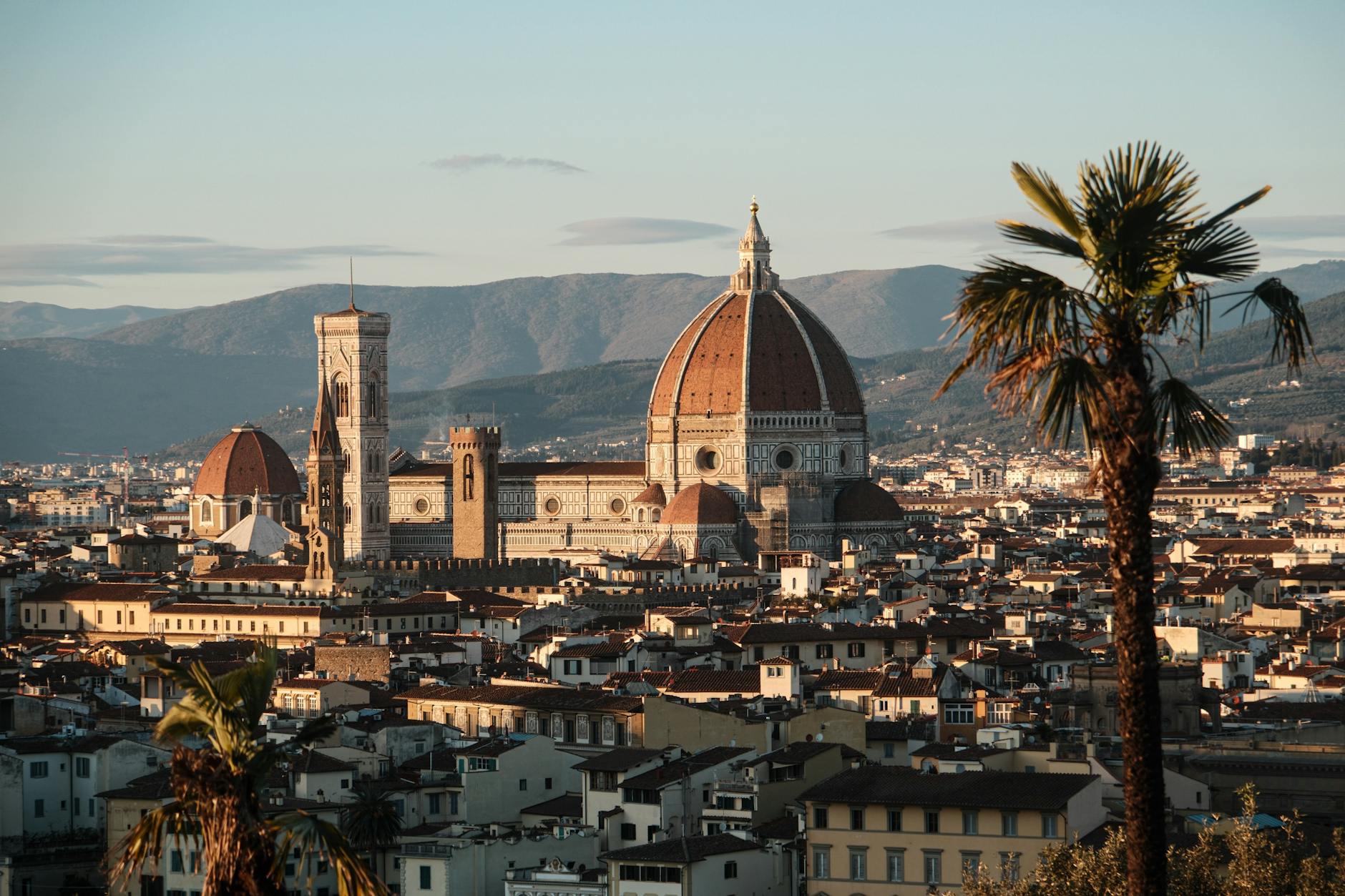
    Florence Architecture: The Birthplace of Renaissance and the Legacy of Gothic Elegance

    Introduction

    Florence is often regarded as the cradle of the Renaissance, a period that profoundly influenced art and architecture across Europe. The city stands as a testament to the ingenuity and creativity of its architects and artists. From the intricate details of Gothic cathedrals to the harmonious forms of Renaissance palaces, Florence architecture captures the essence of both elegance and innovation. It reflects a unique blend of historical influences, including the earlier Romanesque style that paved the way for Gothic and ultimately Renaissance design. This article delves into the various facets of Florence architecture, showcasing how the city’s rich past has shaped its present and continues to inspire future generations.

    The Influence of Romanesque Elements in Florence’s Architectural Heritage

    The Romanesque style, which laid the groundwork for much of Europe’s architectural development, has left a substantial mark on Florence architecture. Characterized by its sturdy structures, semi-circular arches, and thick walls, Romanesque architecture emerged between the 9th and 12th centuries. In Florence, the legacy of this style is vividly illustrated in several buildings that continue to grace the city’s landscape.

    One notable example is the Basilica of San Miniato al Monte, one of the finest representations of Romanesque architecture in Florence. Its façade showcases a mix of marble and intricate mosaics that exhibit the transition from Romanesque to Gothic styles. The basilica’s geometric patterns and harmonious proportions reflect the aesthetic values that were emerging during this time. The use of Romanesque principles can also be seen in the Baptistery of St. John, often considered one of the oldest buildings in Florence. Its octagonal shape and stunning bronze doors are anchored in Romanesque tradition yet foretell the evolution toward more intricate Gothic details.

    The influence of Romanesque features in Florence architecture extends beyond mere aesthetics; they represent a foundational ethos that embraced functionality alongside beauty. Buildings constructed in this style prioritized structural integrity, allowing architects to explore new designs while adhering to the essential principles of engineering and symmetry. This balance between form and function would significantly shape the developments in Florence’s Gothic and Renaissance architecture.

    Florence’s architectural evolution includes the innovative integration of light and space, particularly seen in the transition from Romanesque to Gothic designs. Romanesque architecture, with its low ceilings and small windows, gradually gave way to the expansive interiors characteristic of the Gothic style. This transformation began as architects sought to capture natural light, making larger windows and pointed arches more prevalent in subsequent designs. Thus, even as Florence architecture embraced the Gothic style, the foundational Romanesque traits remained relevant.

    Moreover, the sense of community and civic pride inherent in Romanesque architecture persisted throughout Florence’s architectural advancements. Key public buildings and churches became focal points for local gatherings, underscoring architecture’s role in fostering social cohesion. The continued reverence for these Romanesque structures, even as styles changed, signifies a deep understanding of the past and a commitment to preserving cultural heritage.

    The Evolution of Gothic Styles in Florentine Buildings

    Building on the Romanesque foundation, the gothic architectural style found its place in Florence architecture during the late 12th century and continued to flourish until the 16th century. The introduction of the Gothic style marked a significant departure from the rigid lines of Romanesque designs, allowing for soaring heights, intricate details, and the incorporation of light through larger windows. One of the most notable examples of this evolution is the Florence Cathedral, or the Basilica di Santa Maria del Fiore, which features an exquisite Gothic facade and a striking dome designed by Filippo Brunelleschi.

    low angle shot of concrete buildings
    The Florence Cathedral

    In their quest for height, Florentine architects employed innovative techniques that allowed for the construction of pointed arches, ribbed vaults, and flying buttresses. These elements not only supported the buildings but also created a sense of verticality, drawing the eyes upward and enhancing the spiritual experience within. The use of stained glass in Gothic churches further exemplified this dedication to light and imagery, allowing natural light to illuminate interiors with brilliant colors while depicting biblical narratives that guided worshippers in their faith.

    Furthermore, Gothic architecture in Florence was not limited to ecclesiastical structures; it also influenced civic buildings and palaces. The Palazzo Vecchio, for instance, showcases Gothic elements, including tall windows and an imposing tower that symbolizes the city’s power and authority. As with many Florentine structures, the blending of styles is evident, with Renaissance modifications to Gothic designs creating a seamless narrative that responds to the changing tastes of each era.

    horse with carriage near people and building
    The Palazzo Vecchio

    Political and social dynamics influenced the evolution of Gothic architecture within Florence. The city’s evolving identity as a center of trade, culture, and governance necessitated architectural representations of strength and grandeur. Buildings were constructed not just for their functional purpose, but also as symbols of the collective memory and unifying ambition of the Florentine people.

    As we explore the gothic styles present within Florence architecture, we witness the city’s relentless pursuit of innovation and beauty. Each structure tells a story, echoing the legacy of craftsmanship and design that defines Florence and its architectural identity.

    The Renaissance: A Transformative Era in Florence Architecture

    The Renaissance stands as a pivotal chapter in the narrative of Florence architecture, signaling a revival of classical ideas and a bold departure from previous design paradigms. This period, flourishing from the 14th to the 17th century, redefined aesthetics, incorporating principles of symmetry, proportion, and geometry that had its roots in ancient Roman and Greek architecture. Florence emerged as a beacon of this architectural renaissance, with visionary architects such as Brunelleschi, Alberti, and Michelozzo leading the charge.

    At the heart of the Renaissance transformation was Brunelleschi’s dome for the Florence Cathedral, a masterpiece that revolutionized architectural thinking. The structure employed a herringbone pattern and a double-shell design, embodying both engineering brilliance and artistic beauty. The dome became not just a milestone in Florence architecture, but a testament to human ingenuity and the desire to connect with the divine.

    As architects sought to integrate art and architecture, innovations in perspective and human scale came to the forefront. This transition is palpably illustrated in the Palazzo Medici-Riccardi, which showcases rationality in its design, breaking away from the more fortified structures of the past. Here, we see the beginning of residential buildings that prioritize aesthetics and comfort, reflecting the ideals of harmonious living inspired by classical antiquity.

    Moreover, the Renaissance witnessed the establishment of formal architectural treatises that helped codify and spread these new concepts. Leon Battista Alberti’s “De re aedificatoria” serves as a crucial text, integrating theoretical insights with practical guidelines for aspiring architects. This fusion of theory and practice propelled Florence architecture to new heights, inspiring countless designs throughout Europe.

    In the landscape of Florence, the rise of merchant power and civic pride profoundly influenced architectural commissions. Wealthy families, such as the Medici, became patrons of the arts, commissioning grand palaces, churches, and public spaces that embodied their status and cultural aspirations. The architectural footprints of these families are still visible today, reflecting a profound interconnectedness between society and its built environment.

    The pursuit of beauty and harmony led to a new emphasis on public spaces, transforming the urban landscape of Florence. The Piazza della Signoria, for example, exemplifies the Renaissance ethos, merging monumental buildings, civic identity, and artistic expression within a vibrant public square. This transformation affirmed architecture as a vehicle for community engagement and a means to celebrate civic life.

    fountain of neptune in florence
    The Piazza della Signoria

    The Renaissance period left an indelible mark on Florence architecture, reshaping concepts of design and the role of architecture in society. This era of enlightenment solidified Florence’s position as a cultural epicenter, where future generations of architects would continue to draw inspiration from its rich architectural legacy.

    Iconic Structures that Define Florence’s Skyline

    The skyline of Florence is replete with iconic structures that narrate the city’s rich architectural history, each telling its own story within the broader context of Florence architecture. Among these, the Florence Cathedral stands out as a symbol of the city’s resilience and artistry. Completed in the 15th century, the cathedral’s dome, designed by Brunelleschi, is a feat of engineering that captures the essence of Renaissance innovation.

    This striking structure not only dominates the cathedral’s profile but serves as a beacon for visitors and residents alike, embodying the creative spirit of Florence architecture. The façade displays intricate sculptures and mosaics, depicting religious narratives while inviting personal reflection within its sacred walls. As such, the cathedral transcends its function, becoming a part of Florence’s cultural fabric.

    intricate facade of florence cathedral
    Facade of Florence Cathedral

    Another hallmark of Florence architecture is the Palazzo Vecchio, the city’s town hall that reflects its political significance throughout the ages. With its formidable fortress-like structure, the palace exudes authority and stability, embodying the power of the Florentine Republic. Inside, visitors are met with opulent halls adorned with frescoes that illustrate the city’s history and triumphs. The Palazzo Vecchio underscores the relationship between civic architecture and the autonomy of the Florentine people, serving as a reminder of their collective struggle for governance and cultural identity.

    The Uffizi Gallery is yet another landmark exemplifying Florence’s architectural prowess. Originally designed as offices for Florentine magistrates, today it stands as one of the world’s most renowned art museums, housing masterpieces by artists like Botticelli and Michelangelo. The gallery’s elegant corridors and strategically framed views of the Arno River create a unique synergy between architecture and art, inviting visitors to engage with culture and history in tandem.

    Furthermore, the Ponte Vecchio, a medieval stone bridge spanning the Arno River, showcases the harmonious blend of commerce and architecture that defines Florence. With its shops and residences perched atop its arches, the bridge represents the city’s rich trading tradition. The vibrant atmosphere created by artisans and jewelers has made the Ponte Vecchio not only a structure of immense architectural significance but also a cherished symbol of Florence’s character.

    As we explore these iconic buildings, we begin to understand the profundity of Florence architecture and its ability to encapsulate both the physical and cultural essence of the city. Each structure stands as a testament to the ingenuity and passion that has shaped Florence throughout history, inviting admiration and reflection from all who experience their grandeur.

    The Lasting Impact of Florence Architecture on Modern Design

    The echoes of Florence architecture continue to resonate today, finding their way into modern design practices and contemporary urban landscapes. The principles established during the Renaissance, such as proportion, scale, and the blending of form and function, remain integral to architects worldwide. Florence architecture serves as a case study for the balance between artistic expression and pragmatic design, informing a myriad of projects across disciplines.

    The revival of classical architecture in the neoclassical period draws heavily from the artistic principles established in Florence. Architects and designers frequently refer back to the elegant columns, harmonious facades, and meticulous ornamentation that characterize buildings from the Renaissance era. This revival not only pays homage to Florence’s architectural legacy but also underscores the timeless nature of its designs, which continue to inspire generations of creators.

    In addition, the emphasis on public spaces, championed by Renaissance architects, persists in contemporary urban planning. Modern cities aim to create inclusive environments that foster community interaction and civic engagement, mirroring the spirit of the Renaissance public squares, such as the Piazza della Signoria. The design of modern parks, plazas, and urban centers draws from the understanding that architecture is not simply about structures but about the experiences they engender.

    Moreover, the integration of sustainable practices and adaptive reuse of historical buildings can be traced back to the respect for heritage that has defined Florence architecture. The preservation of historical landmarks, alongside contemporary interventions, illustrates a recognition of the value of architectural history. Cities worldwide are increasingly focused on creating environments that honor the past while embracing the future, just as Florence does with its vibrant blend of historical and contemporary architecture.

    At the forefront of this architectural inspiration is a new generation of architects who actively engage with Florence’s rich history while innovatively addressing contemporary challenges. They draw upon the artistic principles that define Florence architecture, marrying artistry with functionality to create structures that resonate with both history and modernity.

    The impact of Florence architecture transcends geographical and temporal boundaries, shaping the discourse surrounding urban design and architectural practices all over the globe. By understanding Florence’s architectural evolution, we glean valuable insights into how cities can thrive while honoring their past, paving the way for a dynamic future.

    Conclusion

    Florence’s architectural legacy is a rich tapestry woven of historical significance, artistic expression, and civic pride. From its Romanesque roots to the grandeur of the Renaissance and the everlasting influence on modern design, Florence architecture remains a testament to human creativity and resilience. Each building, structure, and public space celebrates the city’s past while inspiring its future, illustrating the timeless allure of architectural beauty. As we reflect upon the monumental achievements that define Florence, we recognize that their stories are not just of stone and mortar but of the enduring spirit of a city that continues to captivate hearts and minds alike.

    Travel Guide Video

    How to Plan Your Magical Day in Florence – a Travel Guide
  • Top Attractions in Florence: A Guide to Renaissance Wonders

    Top Attractions in Florence: A Guide to Renaissance Wonders

    Introduction

    Nestled in the heart of Tuscany, Florence stands as one of Italy’s most enchanting cities, renowned for its rich history, artistic heritage, and architectural marvels. Known as the cradle of the Renaissance, Florence flourished during the 14th to 17th centuries, fostering an unprecedented cultural movement that shaped the course of Western civilization. Home to towering figures like Leonardo da Vinci, Michelangelo, and Dante Alighieri, the city became a hub of innovation in art, science, and politics.

    From its Roman foundations to its medieval prosperity and Renaissance dominance, Florence’s historical evolution is vividly reflected in its monuments and museums. Visitors can marvel at iconic sites such as the Cathedral of Santa Maria del Fiore, the Uffizi Gallery, and the Ponte Vecchio. Today, Florence seamlessly blends its storied past with modern vibrancy, offering a unique experience to all who explore its timeless streets.

    The Historical Foundations of Florence: From Roman Times to the Middle Ages

    Florence’s origins trace back to 59 BCE, when it was established as a Roman colony named Florentia along the banks of the Arno River. Strategically positioned on major trade routes, the settlement quickly grew into a thriving commercial hub. The Roman grid layout of Florence’s streets, still evident today in parts of the city center, speaks to its ancient origins. Over the centuries, Florence’s strategic location made it a coveted prize for various ruling powers, including the Lombards and the Franks.

    During the early Middle Ages, Florence faced periods of decline due to invasions, political instability, and economic challenges. However, by the 11th century, the city began its ascent to prominence. The rise of merchant guilds played a critical role in this transformation. These powerful organizations not only fostered economic growth but also invested in the city’s infrastructure, funding the construction of bridges, churches, and civic buildings.

    Florence’s emergence as a self-governing commune in the 12th century marked a turning point in its history. The establishment of a republican government allowed the city to flourish as a center of commerce and banking. Families like the Medici, who would later play a monumental role in Florence’s Renaissance glory, began their ascent during this period.

    One of the defining moments in medieval Florence was the construction of its city walls. Expanded multiple times between the 11th and 14th centuries, these fortifications not only protected the city but also symbolized its growing power and wealth. Key architectural landmarks such as the Baptistery of San Giovanni, with its iconic bronze doors, and the Basilica of San Miniato al Monte reflect the city’s medieval religious and artistic achievements.

    By the late Middle Ages, Florence was poised to become a cultural and economic powerhouse. Its dominance in banking and trade, exemplified by institutions like the Medici Bank, laid the groundwork for the Renaissance explosion that would redefine the city and the Western world.

    The Renaissance Boom: Florence as a Cultural and Artistic Epicenter

    The Renaissance, meaning “rebirth,” found its most fervent expression in Florence during the 14th to 16th centuries. This cultural movement, which emphasized the rediscovery of classical antiquity and the pursuit of humanistic values, transformed Florence into a beacon of innovation in art, science, and philosophy.

    Central to this transformation was the patronage of the Medici family, whose wealth and influence allowed them to support an extraordinary roster of artists, architects, and thinkers. Cosimo de’ Medici, known as “Cosimo the Elder,” was among the earliest patrons, funding projects such as the construction of the Medici Chapel and the commissioning of works by Donatello and Brunelleschi. Lorenzo de’ Medici, known as “Lorenzo the Magnificent,” furthered this legacy by fostering a cultural environment that nurtured talents like Michelangelo and Botticelli.

    Florence’s Renaissance achievements were not limited to visual art. The city also became a center of literary and intellectual activity. Figures such as Petrarch and Boccaccio laid the foundations for Renaissance humanism, while Niccolò Machiavelli’s writings on political theory resonated far beyond Florence’s borders. The invention of perspective by artists like Brunelleschi revolutionized art, creating works that were more realistic and emotionally engaging.

    Landmark projects during this period include the completion of the Dome of Santa Maria del Fiore by Brunelleschi, a feat of engineering that symbolized Florence’s innovative spirit. Botticelli’s The Birth of Venus and Michelangelo’s David became icons of Renaissance art, embodying ideals of beauty, balance, and human potential.

    The Uffizi Gallery, initially designed as administrative offices, began to house the Medici art collection, creating a legacy that endures today as one of the world’s most celebrated art museums. The Renaissance also saw advancements in science, with figures like Galileo Galilei challenging conventional thinking and paving the way for modern scientific inquiry.

    By the end of the Renaissance, Florence had firmly established itself as a cultural epicenter, leaving a legacy that continues to inspire generations.

    The Cathedral of Santa Maria del Fiore: A Masterpiece of Architectural Innovation

    The Cathedral of Santa Maria del Fiore, or the Duomo, stands as a defining symbol of Florence’s architectural and artistic achievements. Its story begins in 1296 when construction commenced under the architect Arnolfo di Cambio. Intended to surpass the grandeur of other Italian cathedrals, the project reflected Florence’s ambition and wealth during the late Middle Ages.

    However, the most iconic feature of the Duomo, its massive dome, was not completed until the Renaissance. Filippo Brunelleschi, a visionary architect and engineer, designed the dome in the early 15th century, overcoming challenges that had baffled builders for decades. Using innovative techniques, including a double-shell structure and a herringbone brick pattern, Brunelleschi created a self-supporting dome that remains an architectural marvel.

    Inside, the cathedral’s frescoes, painted by Giorgio Vasari and Federico Zuccari, depict The Last Judgment and cover the interior of the dome. The Baptistery of San Giovanni, located adjacent to the cathedral, features bronze doors known as the “Gates of Paradise,” crafted by Lorenzo Ghiberti, further cementing the site’s artistic significance.

    Beyond its aesthetic appeal, the Duomo represents Florence’s role as a center of religious, political, and cultural life. Hosting centuries of events, from papal visits to civic celebrations, the cathedral embodies the enduring spirit of Florence.

    The Uffizi Gallery: Preserving the Treasures of the Renaissance

    The Uffizi Gallery is one of the most famous art museums in the world, housing an unparalleled collection of Renaissance masterpieces. Originally designed by Giorgio Vasari in 1584 as administrative offices for Florentine magistrates, the Uffizi has evolved over the centuries into a premier institution dedicated to the preservation and exhibition of Italy’s artistic heritage.

    The gallery’s collection spans from the 13th to the 18th century, featuring works by legendary artists such as Leonardo da Vinci, Michelangelo, Botticelli, Raphael, and Caravaggio. One of the most famous pieces housed here is Botticelli’s The Birth of Venus, a quintessential representation of the Renaissance’s celebration of beauty and the human form. Da Vinci’s Annunciation and Michelangelo’s Doni Tondo further emphasize the intellectual and aesthetic achievements of the period.

    Cathedral of Santa Maria del Fiore - the Duomo, Florence, Italy
    The Cathedral of Santa Maria del Fiore, or the Duomo, stands as a defining symbol of Florence’s architectural and artistic achievements. Its story begins in 1296 when construction commenced under the architect Arnolfo di Cambio. Photo by Filippo Bergamaschi on Pexels.com

    In addition to painting, the Uffizi also boasts a remarkable collection of sculptures, drawings, and prints. The gallery is divided into sections, with each room dedicated to different periods and styles, from early Italian Gothic to Baroque art. Visitors can also admire works by lesser-known but influential artists, offering a comprehensive view of Florence’s artistic development.

    The Uffizi is not just a museum but a cultural institution that reflects the city’s historical connection to the Medici family, whose patronage fueled the collection’s growth. The gallery continues to attract millions of visitors each year, cementing Florence’s reputation as a global center of art and culture.

    The Ponte Vecchio: A Symbol of Medieval Engineering and Commerce

    The Ponte Vecchio, or “Old Bridge,” is one of Florence’s most iconic landmarks. Spanning the Arno River, it is the oldest bridge in Florence, with origins dating back to Roman times. However, the structure that stands today was built in 1345, after the previous wooden bridge was destroyed by a flood. Architect Taddeo Gaddi designed the stone bridge, which has become a symbol of Florence’s resilience and creativity.

    What makes the Ponte Vecchio unique is not only its age but its functional design. Unlike other bridges, which typically serve as transportation routes, the Ponte Vecchio became a commercial hub in the Middle Ages. Shops lined the bridge, selling jewelry, leather goods, and other luxury items. This tradition continues today, with modern jewelers occupying the shops that still overlook the Arno.

    The bridge’s design also features the Vasari Corridor, a passageway that connects the Palazzo Vecchio to the Pitti Palace. This elevated corridor allowed the Medici family to cross the river in privacy, avoiding the bustling market below. The Ponte Vecchio thus embodies both Florence’s artistic heritage and its merchant past, serving as a bridge between the city’s political power and commercial activity.

    Today, the Ponte Vecchio is one of the most photographed sites in Florence, offering stunning views of the river and the surrounding city. It remains a testament to Florence’s ingenuity in both engineering and commerce, making it a must-see for visitors seeking to understand the city’s historical importance.

    Michelangelo’s David and the Accademia Gallery: A Testament to Artistic Genius

    Michelangelo’s David is widely regarded as one of the greatest masterpieces of Western art, symbolizing the pinnacle of Renaissance sculpture. Created between 1501 and 1504, David represents the biblical hero who defeated Goliath with a single stone. Standing at 17 feet tall, the statue is carved from a single block of marble and is renowned for its lifelike quality, capturing both the physical power and psychological tension of the figure.

    Michelangelo’s approach to David marks a departure from earlier representations of the hero, which often depicted him after his victory. Instead, Michelangelo portrays David before the battle, his muscles tensed and his expression intense with focus and determination. The statue’s naturalism and attention to anatomical precision demonstrate Michelangelo’s mastery of the human form, making it an enduring symbol of Renaissance ideals.

    Today, David is housed in the Galleria dell’Accademia, a museum in Florence that is dedicated to the artist’s works and other significant pieces from the Renaissance period. The Accademia, founded in 1784, not only preserves Michelangelo’s David but also offers insight into his artistic development. Visitors can explore a variety of works by Michelangelo, including his unfinished sculptures, known as the Prisoners, which showcase his technique and approach to the human figure.

    The Accademia Gallery is also home to other Renaissance artworks, but it is Michelangelo’s David that draws the most attention. Standing in front of the statue, one cannot help but be awestruck by its scale and intricacy, as well as its representation of the idealized human form. As one of Florence’s most famous attractions, the Accademia and its star exhibit offer a direct connection to the city’s Renaissance heritage.

    Florence Today: A Vibrant Blend of History, Culture, and Modernity

    Florence, while steeped in centuries of history, continues to thrive as a modern city that balances its rich cultural heritage with contemporary innovation. The city remains a global center for art and culture, attracting millions of tourists annually. Yet, it also fosters a thriving local community of artists, chefs, designers, and entrepreneurs who contribute to its dynamic present.

    Florence’s historic center, a UNESCO World Heritage Site, continues to serve as a living museum. The city’s narrow streets, medieval buildings, and Renaissance palaces create a sense of timelessness, while modern cafes, boutiques, and galleries offer a glimpse into the city’s current creative pulse. The juxtaposition of ancient and modern is especially evident along the Arno River, where traditional bridges like the Ponte Vecchio sit beside contemporary art installations and contemporary buildings.

    The city’s rich culinary heritage is another integral aspect of its modern identity. Florence is known for its simple yet exquisite Tuscan cuisine, with dishes like bistecca alla fiorentina (Florentine steak) and ribollita (a hearty vegetable soup) remaining staples in local restaurants. Yet, Florence is also home to an emerging food scene, with a growing number of innovative eateries and markets like the Mercato Centrale that showcase the region’s culinary evolution.

    Florence also stands at the forefront of design, fashion, and craftsmanship. The city has long been associated with luxury leather goods and artisanal products, with famous brands like Gucci and Salvatore Ferragamo originating here. Florence continues to host fashion events such as Pitti Uomo, attracting designers and fashion enthusiasts from around the world.

    While Florence remains one of the world’s most important cultural destinations, it is also a city that embraces the future. The blend of history, art, and modernity makes it a unique destination, where the past and present exist in harmony.

    Conclusion

    Florence is a city where history and modernity converge, creating a vibrant and ever-evolving cultural landscape. From its origins as a Roman colony to its rise as the heart of the Renaissance, Florence’s rich heritage is preserved in its world-class museums, architectural masterpieces, and historical landmarks. The city’s artistic treasures, like the Uffizi Gallery, the Duomo, and Michelangelo’s David, continue to inspire awe and admiration from visitors around the globe.

    Yet, Florence is more than just a repository of the past; it is a living, breathing city that embraces the present. The blend of traditional Tuscan cuisine, cutting-edge fashion, and a thriving creative community ensures that Florence remains as dynamic today as it was during the Renaissance. A visit to Florence is an opportunity to step back in time while experiencing the pulse of a city that continues to shape the cultural and artistic world.

  • Exploring the Uffizi Galleries: Art, History, and Renaissance Legacies

    Exploring the Uffizi Galleries: Art, History, and Renaissance Legacies

    Introduction

    The Uffizi Galleries, located in Florence, are one of the world’s most renowned museums, housing an extensive collection of art from the Italian Renaissance and beyond. Originally conceived as administrative offices by Giorgio Vasari for Francesco I de’ Medici in the 16th century, the Uffizi evolved into a prominent public gallery showcasing the wealth and artistic legacy of the powerful Medici family. Over the centuries, it has become a symbol of Florence’s cultural heritage and a major destination for art lovers globally.

    The gallery’s collection boasts masterpieces by iconic artists like Leonardo da Vinci, Botticelli, Raphael, and Michelangelo. However, the Uffizi’s story is not just about its exceptional art but also about the evolving role it played in shaping Italy’s artistic identity, the Medici’s political influence, and the way art was experienced by the public. This article delves into the history of the Uffizi, exploring its origins, transformations, and lasting impact on art history.

    The Origins and Foundation of the Uffizi Galleries

    The Uffizi Galleries, or Gallerie degli Uffizi, began as a project commissioned by Francesco I de’ Medici in the 1560s. Francesco, the Grand Duke of Tuscany, sought to create a centralized government office in Florence that would also serve as a space for collecting and displaying art. The project was designed by Giorgio Vasari, an architect, artist, and historian closely connected with the Medici family. The word uffizi translates to “offices” in Italian, reflecting the initial purpose of the building as a government administrative center.

    Vasari’s design was innovative, featuring a long, corridor-like structure along the Arno River that connected several buildings, including the Palazzo Vecchio, the family’s official residence, with the Palazzo Pitti. The architectural layout was intended not only for government offices but also for the display of the Medici’s vast art collection, which was already growing in size and importance. This mix of civic and cultural function was symbolic of the Medici family’s approach to governance, using art to project their power and sophistication.

    Although the Uffizi was originally designed to house administrative offices, it quickly began to take on a new role. The Medici family, known for their patronage of the arts, started to fill the galleries with works that showcased both their wealth and their artistic taste. Francesco I, who had a strong personal interest in art, was instrumental in the development of the collection. Under his guidance, the gallery expanded its holdings, and the Uffizi became a major site for the Medici’s artistic and cultural activities. The first works to be displayed included a variety of paintings, sculptures, and works of antiquity that were collected from across Italy and Europe.

    By the late 16th century, the Uffizi began to take on a public role as well, though access to the galleries was initially restricted to the Medici court and select guests. The Medici’s art collection included works by some of the most renowned artists of the period, including Leonardo da Vinci, Sandro Botticelli, and Raphael. This collection would later become the foundation for the museum’s public collection when the Medici decided to open the galleries to the public in the 18th century.

    The foundation of the Uffizi Galleries was not just about creating a space for art, but also about asserting the Medici family’s dominance in the cultural and political landscape of Florence. Through art, the Medici could communicate their wealth, education, and divine right to rule. The Uffizi played a crucial role in reinforcing the Medici’s identity as patrons of the arts and was part of a broader cultural strategy to ensure their legacy in Florentine society. As such, the Uffizi became a symbol not only of artistic achievement but also of the political ambitions and influence of the Medici dynasty.

    The Role of Francesco I de’ Medici and Giorgio Vasari in Shaping the Uffizi’s Identity

    Francesco I de’ Medici, the Grand Duke of Tuscany, and Giorgio Vasari, the renowned artist and architect, played pivotal roles in the creation and early development of the Uffizi Galleries. Their collaboration shaped the identity of the Uffizi as both a space for administration and a center for the Medici family’s art collection. Understanding their contributions is crucial to grasping how the Uffizi became one of the most important art museums in the world.

    Francesco I, who ruled Tuscany from 1574 to 1587, was deeply interested in the arts, and his reign marked a period of significant cultural patronage. He was a collector of rare and valuable works, and his passion for art led him to commission the creation of the Uffizi. His vision was not just to house administrative offices but to create a space that would also display the family’s growing collection of art, sculpture, and antiquities. Francesco’s motivation was rooted in his desire to project the Medici family’s wealth, sophistication, and power through the visual arts. Under his leadership, the gallery began to house works by famous Renaissance artists, many of whom were patronized by the Medici family.

    Giorgio Vasari, a close associate of the Medici, was entrusted with designing the Uffizi. Vasari, who was both an architect and a painter, was already famous for his previous work on the Palazzo Vecchio and the Vasari Corridor, another Medici commission. His architectural vision for the Uffizi was innovative, blending Renaissance principles with functional needs. The building’s long, linear layout, with a central hallway running along the Arno River, was intended to serve as both a practical space for government offices and a gallery to showcase art.

    Vasari’s design emphasized the notion of continuity and unity, as the Uffizi would connect key sites in Florence, including the Palazzo Vecchio and the Palazzo Pitti. The grand corridor created by Vasari also allowed the Medici family to move privately between these buildings, enhancing the sense of control and power. The architectural layout of the Uffizi was carefully crafted to highlight the importance of the art it housed, with an emphasis on creating a harmonious environment for both administration and culture.

    Francesco I’s deep interest in collecting art led to the expansion of the Uffizi’s holdings. He sought out works by the great masters of the Renaissance, and he began acquiring pieces from artists like Leonardo da Vinci, Raphael, Titian, and Michelangelo. The combination of Francesco’s patronage and Vasari’s architectural brilliance transformed the Uffizi into a monumental space for art collection and display. The gallery became a reflection of the Medici’s status, and its collections soon attracted visitors from across Europe.

    Both Francesco I and Vasari understood the importance of art not only as a cultural endeavor but also as a tool for political and social control. The Uffizi, in their hands, was more than just a gallery—it was a mechanism for the Medici to assert their dominance in Florence, Italy, and beyond. As a public space for art, the Uffizi allowed the Medici to demonstrate their wealth, their influence in the world of art, and their commitment to fostering the Italian Renaissance.

    The contributions of Francesco I and Vasari laid the foundation for the Uffizi’s enduring legacy as one of the most celebrated art collections in the world. Their shared vision created an institution that continues to be a powerful symbol of Florence’s cultural heritage and the Medici family’s enduring influence on the world of art.

    The Transformation of the Uffizi into a Public Gallery

    The transformation of the Uffizi Galleries from a private Medici collection to a public museum was a gradual process that unfolded over centuries. Originally, the Uffizi was designed as a space to house the Medici family’s art collection and administrative offices. However, the vision for the gallery evolved over time, especially as Florence underwent political and cultural changes that ultimately led to the Uffizi being opened to the public.

    The early years of the Uffizi saw the gallery function primarily as a private treasure trove of art for the Medici family and their court. While the Medici dynasty was well known for its patronage of the arts, access to the collection was restricted to a small circle of nobility, foreign dignitaries, and invited guests. The family’s extensive art holdings were displayed not only as symbols of their power and taste but also as an assertion of their political control. The art in the Uffizi was part of a larger strategy to project the Medici’s influence across Europe, with the gallery serving as a manifestation of the family’s cultural supremacy.

    The turning point for the Uffizi came in the 18th century. By the time of the 1737 accession of the House of Lorraine to the Grand Duchy of Tuscany, the political landscape of Florence had shifted dramatically. The Medici family, who had ruled Florence for over two centuries, was no longer in power, and the new rulers saw the potential of the Uffizi as a public institution that could showcase Florence’s artistic heritage to a broader audience. The House of Lorraine, under the leadership of Francesco Stefano of Lorraine and his successor, Maria Theresa of Austria, began to make significant efforts to open the gallery to the public. This was part of a broader Enlightenment movement in Europe that aimed to make art and culture accessible to the general populace, moving away from the idea of art as the private possession of the aristocracy.

    The Uffizi Galleries, located in Florence, are one of the world’s most renowned museums, housing an extensive collection of art from the Italian Renaissance and beyond.

    In 1765, under the patronage of Peter Leopold, the Uffizi Galleries officially opened their doors to the public. This decision marked a profound shift in the museum’s identity, transforming it from a royal collection into a civic institution meant to foster cultural education and appreciation. The Uffizi was no longer just a space for the Medici to showcase their wealth and power; it became a cultural space where the people of Florence, and eventually visitors from across Europe, could experience and learn from the great works of art housed within its walls.

    The opening of the Uffizi to the public also had a significant impact on how art was perceived and appreciated. It reflected a changing attitude toward the role of art in society. Art was no longer confined to private spaces of the elite; it was to be seen and experienced by all, becoming a part of the public consciousness and the shared cultural fabric of the city. The Uffizi’s transformation into a public gallery was not just about the accessibility of its collection; it was also a reflection of the Enlightenment ideals of democracy, education, and public engagement with culture.

    However, the opening of the Uffizi to the public was not without its challenges. The gallery had to adjust to the demands of public access, which required the installation of more visitor-friendly features, such as better lighting, signage, and security measures. The logistics of preserving and displaying the collection in a way that balanced public access with conservation concerns also presented new challenges. The Uffizi had to become more than just a repository of art; it had to adapt to the needs and expectations of a wider, more diverse audience.

    The decision to open the Uffizi was not only transformative for the museum but also for Florence itself. The gallery became a major cultural landmark, attracting tourists, scholars, and art lovers from around the world. This shift in the gallery’s role helped establish Florence as a leading center of art and culture in Europe, continuing the legacy of the Medici family but in a new, more inclusive form.

    By the late 19th and early 20th centuries, the Uffizi had become one of the most famous art museums in the world, with its public access now firmly established. The museum’s transformation into a public institution marked a key moment in the history of art museums globally, influencing the development of similar institutions in other parts of Europe and beyond. The opening of the Uffizi was part of a broader trend of museums becoming more democratized, a trend that continues to shape how art is experienced today.

    In conclusion, the transformation of the Uffizi into a public gallery was a crucial step in its development, turning it from a private royal collection into an accessible cultural institution. This change reflected both political shifts in Florence and broader trends in European cultural thought, with the Uffizi serving as a key example of how art museums could evolve to serve the public good.

    The Impact of the Uffizi on the Renaissance Art Scene

    The Uffizi Galleries hold a central place in the history of Renaissance art, not only because of the masterpieces housed within its walls but also due to its role in shaping the way art was experienced and appreciated during the Renaissance period. The Medici family, who were the primary patrons of the Uffizi’s collection, played a significant role in fostering the Renaissance’s growth, and the Uffizi served as both a symbol of their wealth and a testament to the cultural flourishing of Florence.

    During the Renaissance, Florence was the epicenter of artistic innovation, and the Medici were at the heart of this cultural rebirth. As patrons of artists like Botticelli, Leonardo da Vinci, Raphael, and Michelangelo, the Medici transformed the city into a living canvas, and the Uffizi became the focal point for their artistic collection. The Uffizi’s holdings reflect the wide range of artistic achievements of the period, from the delicate elegance of Botticelli’s The Birth of Venus to the groundbreaking technique of Leonardo da Vinci’s Annunciation.

    The impact of the Uffizi on the Renaissance can also be seen in how the gallery helped to solidify Florence’s reputation as the cultural capital of Italy, and indeed Europe, during this period. The Medici used art to communicate their political and social aspirations, and the Uffizi was integral to this. By bringing together works from the finest artists of the period, the gallery embodied the intellectual and cultural ideals of the Renaissance, where art was not just a form of personal expression but a means of achieving a broader cultural and philosophical understanding of the world.

    The Uffizi also played a key role in the development of the Renaissance style itself. Its collection included works that not only exemplified the classical ideals of beauty and proportion but also pushed the boundaries of these ideals, incorporating new techniques and perspectives. Artists like Raphael and Titian, whose works are central to the Uffizi, were at the forefront of developing the Renaissance style, and their work in the gallery helped set the standard for subsequent generations of artists.

    The role of the Uffizi in shaping Renaissance art can be seen not only in the works it collected but in its status as a place of learning and inspiration for artists. As the gallery expanded its collection, it became an important resource for young artists in Florence and beyond. Many of the greatest painters of the Renaissance, including Michelangelo, visited the Uffizi to study the works of their predecessors and contemporaries, learning from the masterpieces housed there and incorporating those lessons into their own work.

    Furthermore, the Uffizi’s emphasis on classical antiquity as part of its collection was crucial in fostering the Renaissance revival of Greco-Roman ideals. The museum’s sculptures, ancient Roman busts, and classical antiquities influenced the development of the Renaissance artistic style, which sought to blend classical forms with innovative new approaches to composition, light, and perspective.

    In conclusion, the Uffizi Galleries had an undeniable impact on the Renaissance art scene, both as a repository for works by the period’s greatest masters and as a symbol of the intellectual and artistic ambitions of Florence and the Medici. Through its collection, the Uffizi helped to preserve and promote the Renaissance ideals of harmony, beauty, and humanism, making it one of the most important cultural institutions of the time.

    Notable Works and Artists in the Uffizi Collection

    The Uffizi Galleries are home to one of the most exceptional collections of Renaissance and Baroque art in the world. The museum’s holdings include works by the great masters of the Italian Renaissance, as well as notable pieces from other periods. Many of the works in the Uffizi’s collection are not only celebrated for their technical mastery but also for their historical and cultural significance. The Uffizi’s walls are adorned with masterpieces that have come to define the Western artistic canon.

    Among the most famous works in the Uffizi is Sandro Botticelli’s The Birth of Venus, a painting that embodies the Renaissance’s ideals of beauty, harmony, and classical mythology. This iconic painting, with its graceful depiction of the goddess Venus emerging from the sea, has become one of the most recognizable works of art in the world. Botticelli’s other works in the Uffizi, such as Primavera, also showcase his mastery of mythological themes and his ability to create dynamic, elegant compositions that are still celebrated for their poetic qualities.

    Another landmark work in the Uffizi is Leonardo da Vinci’s Annunciation. This early masterpiece demonstrates Leonardo’s keen observation of nature and his skill in creating a sense of depth and light through the use of perspective. The Annunciation is an exemplary piece that showcases Leonardo’s technical virtuosity, as well as his innovative approach to depicting human figures and emotions.

    Raphael, one of the Renaissance’s most influential painters, is also well represented in the Uffizi, with works such as The Madonna of the Goldfinch. Raphael’s work, known for its grace, clarity, and divine beauty, had a profound influence on the development of Renaissance art. The Uffizi’s collection of his paintings is a testament to his extraordinary contribution to the period.

    Another monumental figure in the Uffizi’s collection is Michelangelo, whose unfinished sculpture The Dawn is displayed in the gallery. This powerful piece reflects Michelangelo’s ability to convey intense human emotion through marble, capturing the moment of transition from sleep to awakening. The Uffizi also houses several of Michelangelo’s drawings, providing insight into his creative process and his visionary approach to art.

    The Uffizi also contains significant works by artists such as Titian, Caravaggio, and Rembrandt, expanding its collection beyond the Renaissance into the Baroque period and beyond. Titian’s Venus of Urbino and Caravaggio’s The Supper at Emmaus are just two examples of the diverse range of masterpieces that can be found in the gallery.

    The presence of such an impressive array of works by these masters elevates the Uffizi to one of the most important cultural institutions in the world. It is a repository of human creativity and artistic achievement, and it continues to attract visitors, scholars, and art lovers from around the globe. Each of these works offers a glimpse into the artistic innovations and historical context of their time, ensuring the Uffizi’s place as a premier destination for the appreciation of art.

    Conclusion

    The Uffizi Galleries stand as one of the most important cultural institutions in the world, both for its extraordinary collection of art and for its central role in the history of Florence and the Medici family. From its origins as a private collection of the Medici to its transformation into a public gallery, the Uffizi has played a key role in shaping the development of art, culture, and public engagement with the visual arts. Its collection, which includes masterpieces by Botticelli, Leonardo da Vinci, Raphael, and Michelangelo, offers a window into the cultural richness of the Italian Renaissance and beyond. The Uffizi not only preserves these masterpieces but also serves as a symbol of Florence’s historical and artistic legacy. Today, the gallery continues to inspire awe and admiration, standing as a testament to the power of art to transcend time and shape our understanding of history, beauty, and human expression.

  • Santa Maria del Fiore: A Renaissance Masterpiece in Florence (2025 update)

    Santa Maria del Fiore: A Renaissance Masterpiece in Florence (2025 update)

    Introduction

    The Cathedral of Santa Maria del Fiore, or Florence Cathedral, is a magnificent symbol of Renaissance art and architecture that dominates the skyline of Florence, Italy. With its stunning dome engineered by Filippo Brunelleschi, this cathedral has not only been a center of religious activity but also a testament to the city’s cultural and historical significance. The construction of the cathedral began in 1296, and it was consecrated in 1436. The intricate artwork, innovative architectural techniques, and rich history of the Cathedral of Santa Maria del Fiore make it a must-visit landmark for millions of tourists and pilgrims each year.

    Historical Background and Construction Timeline

    The Cathedral of Santa Maria del Fiore’s history begins in the late 13th century when Florence was burgeoning as a powerful city-state. As the population grew, it became clear that the existing church, Santa Reparata, was insufficient to serve the needs of the community. In 1296, the Florentine government commissioned the construction of a grand new cathedral, with Arnolfo di Cambio appointed as the architect. His vision was to create a structure that would not only serve as a place of worship but also symbolize the city’s prosperity and civic pride.

    Construction commenced in 1296, but progress was slow due to various challenges, including political upheaval and financial difficulties. The nave was completed by 1310, but the ambitious design of the dome remained unfulfilled for decades after di Cambio’s death. This dome became a focal point of the cathedral’s design, representing both a technical challenge and an artistic opportunity.

    In the 1420s, Brunelleschi was selected to design the dome. His innovative approach addressed the challenge of constructing a dome that would be both visually stunning and structurally sound. His solution involved a double dome—an inner and outer shell—along with a herringbone brick pattern to provide strength without excessive weight. This design was groundbreaking and set a precedent for future domes across Europe.

    The dome was finally completed in 1436, and the cathedral was consecrated by Pope Eugene IV. The façade, which underwent several modifications, was completed in the 19th century, giving the cathedral its final appearance. The entire construction process spanned more than 140 years, showcasing the dedication and ingenuity of the Florentine people. The Cathedral of Santa Maria del Fiore emerged not just as a religious edifice but as a monument to the Renaissance spirit of innovation and artistry.

    Architectural Design and Innovations

    The architectural design of the Cathedral of Santa Maria del Fiore is a striking representation of the transition from Gothic to Renaissance styles. The basilica layout, characterized by a Latin cross plan, incorporates Gothic elements, such as pointed arches and ribbed vaults, while also embracing the harmony and proportion of Renaissance architecture.

    One of the most notable aspects of the cathedral is its dome, which was the largest in the world at the time of its completion and remains an architectural marvel today. Brunelleschi’s design incorporated a revolutionary technique: the use of a double shell. This method allowed for a lighter structure that maintained the necessary strength and stability. The inner dome, visible from inside the cathedral, is decorated with beautiful frescoes, while the outer dome, viewed from the outside, is topped with a lantern and a cross, creating a striking silhouette against the Florentine sky.

    The façade of the cathedral is another masterpiece, adorned with intricate marble inlay and decorative sculptures. The combination of white, green, and red marble from the surrounding region creates a visually stunning effect that reflects the artistry of the time. The façade’s design includes numerous statues and reliefs, showcasing biblical figures and scenes that enhance the overall aesthetic and spiritual significance of the building.

    Inside the cathedral, the vast nave is characterized by soaring ceilings and expansive spaces, designed to inspire awe and reverence. The interior is richly decorated with mosaics, frescoes, and altarpieces, each contributing to the overall experience of visiting this sacred space. The intricate craftsmanship and attention to detail are evident in every element, reflecting the collaborative efforts of many artists and architects throughout the cathedral’s history.

    Brunelleschi’s innovative engineering and the cathedral’s unique design have made it a benchmark for future architects and builders. The Cathedral of Santa Maria del Fiore not only represents a pinnacle of architectural achievement but also embodies the spirit of the Renaissance, where art and science converged to create something truly extraordinary.

    The Cathedral of Santa Maria del Fiore, or Florence Cathedral, is a magnificent symbol of Renaissance art and architecture that dominates the skyline of Florence, Italy. With its stunning dome engineered by Filippo Brunelleschi, this cathedral has not only been a center of religious activity but also a testament to the city’s cultural and historical significance.

    Artistic Contributions and Masterpieces

    The Cathedral of Santa Maria del Fiore is renowned for its artistic contributions, which showcase the talents of some of the most celebrated artists of the Renaissance. The cathedral has served as a canvas for various forms of art, from frescoes and mosaics to sculptures and altarpieces, making it a vital part of Florence’s cultural heritage.

    One of the most remarkable artistic features of the cathedral is the intricate mosaics that adorn the apse, particularly the magnificent mosaic of the Last Judgment created by Giorgio Vasari and Federico Zuccari in the 16th century. This expansive artwork vividly portrays the themes of salvation and damnation, inviting contemplation on life after death. The dynamic composition and vibrant colors exemplify the high bar set by Renaissance artists, engaging viewers with its dramatic imagery.

    In addition to the mosaics, the cathedral is home to numerous chapels featuring exquisite altarpieces and paintings. The Chapel of the Cardinal of Portugal, for instance, contains an altarpiece by Paolo Uccello, depicting the Virgin Mary and the Child. Uccello’s use of perspective and light is indicative of the advancements in artistic technique during the Renaissance, enhancing the spiritual atmosphere of the chapel.

    The adjacent Baptistery of San Giovanni is equally significant, renowned for its bronze doors designed by Lorenzo Ghiberti, famously known as the “Gates of Paradise.” These doors, completed in 1452, feature intricate reliefs depicting scenes from the Old Testament. Ghiberti’s masterful craftsmanship and ability to convey emotion through his figures have made these doors an iconic representation of Renaissance art.

    The artistic legacy of the Cathedral of Santa Maria del Fiore extends beyond individual pieces; it reflects the collaborative spirit of the Renaissance, where artists worked together to elevate the cultural landscape of Florence. The cathedral itself has inspired countless artists and architects, becoming a source of admiration and study for generations.

    Cultural and Religious Significance

    The Cathedral of Santa Maria del Fiore holds profound cultural and religious significance for the city of Florence and the Catholic Church. As the principal church of Florence, it is dedicated to the Virgin Mary and serves as a central place of worship for the community. Its grandeur and beauty inspire reverence among locals and visitors alike, solidifying its role as a spiritual sanctuary.

    Throughout its history, the cathedral has been the site of numerous significant religious events, including papal visits, canonizations, and major liturgical celebrations. These events not only highlight the cathedral’s role in the religious life of Florence but also reflect the city’s importance as a center of Christianity during the Renaissance. The cathedral’s ability to bring people together for worship and celebration underscores its significance in fostering a sense of community and shared faith.

    Culturally, the cathedral is intertwined with the identity of Florence. It has become an emblem of the city’s rich artistic and architectural heritage, representing the aspirations and achievements of its citizens. The cathedral’s striking presence in the cityscape has inspired countless artists, poets, and thinkers, reinforcing its status as a symbol of Florence’s cultural legacy.

    Moreover, the Cathedral of Santa Maria del Fiore has played a crucial role in the development of Florence’s civic pride. The construction of such a monumental structure reflected the ambitions of the city’s leaders and its citizens, demonstrating their commitment to art, architecture, and the expression of faith. The cathedral’s enduring significance in the cultural consciousness of Florence makes it a vital landmark that continues to inspire and attract visitors from around the world.

    Today, the Cathedral of Santa Maria del Fiore remains a living monument, hosting regular religious services, special ceremonies, and cultural events. Its continued relevance in contemporary society speaks to the enduring power of faith and art in shaping community identity and cultural heritage.

    Preservation and Restoration Efforts

    The preservation of the Cathedral of Santa Maria del Fiore is vital to maintaining its structural integrity and artistic legacy. As a UNESCO World Heritage Site, the cathedral faces numerous challenges, including environmental factors, pollution, and the natural wear and tear of materials over centuries. Ongoing restoration efforts are crucial to ensure that this architectural masterpiece remains accessible and intact for future generations.

    Restoration work on the cathedral has focused on preserving both its physical structure and its artistic elements. One significant area of attention has been the preservation of the mosaics and frescoes, which require careful cleaning and restoration to maintain their vibrancy and detail. Advanced techniques, including laser cleaning and conservation methods, are employed to carefully remove dirt and grime without damaging the underlying artwork.

    The cathedral’s façade, which underwent a major restoration in the 19th century, is also the subject of ongoing efforts. As environmental pollutants and weathering can deteriorate the marble façade, preservation teams work diligently to clean and protect these intricate designs while addressing any structural concerns. This attention to detail is essential in maintaining the aesthetic beauty that has captivated visitors for centuries.

    In addition to physical restoration, there is a strong emphasis on educating the public about the cathedral’s significance and the importance of preservation. Guided tours, workshops, and exhibitions engage both locals and tourists, fostering a sense of stewardship for this historic site. Collaborative efforts among historians, architects, and conservationists ensure that the cathedral remains a living monument that continues to inspire future generations.

    The preservation and restoration efforts reflect a commitment to honoring the past while ensuring that the Cathedral of Santa Maria del Fiore remains an integral part of Florence’s cultural and religious life. By safeguarding this architectural treasure, we not only protect its history but also celebrate the enduring legacy of human creativity and faith.

    Conclusion

    The Cathedral of Santa Maria del Fiore is more than just a stunning architectural feat; it is a symbol of Florence’s rich history and cultural heritage. From its ambitious construction in the 13th century to its status as a masterpiece of Renaissance art and architecture, the cathedral embodies the spirit of innovation and creativity that defines Florence. The ongoing preservation efforts ensure that this iconic landmark will continue to inspire and awe future generations, allowing visitors to connect with the profound artistic and spiritual legacy it represents. As a center of worship and a cultural icon, the Cathedral of Santa Maria del Fiore remains a vital part of Florence’s identity and a testament to the enduring power of faith and art.