Tag: Fashion
-
Dolce Gabbana History: From Milan to Global Fame

Dolce & Gabbana, founded by Domenico Dolce and Stefano Gabbana in 1985, has become a pivotal force in the luxury fashion industry by merging Sicilian heritage with Mediterranean flair. Renowned for bold designs that celebrate femininity, the brand gained acclaim through iconic collections like the “Sicilian Dress” and the Alta Moda line. Their global expansion saw flagship stores in major cities and successful ventures into fragrances and accessories. Celebrity collaborations, notably with Madonna, enhanced their visibility. Despite facing controversies, Dolce & Gabbana’s resilience and innovative spirit have solidified their enduring legacy as symbols of Italian glamour and artistry in fashion.
-
Understanding Louis Vuitton History: Icons of Luxury

Louis Vuitton, established in 1854 in Paris, has transcended its origins as a trunk-making business to become a global luxury icon, known for its iconic designs and innovation. The brand expanded its offerings, introducing products like the Speedy bag and the Monogram Canvas under Georges Vuitton. Collaborations with artists and streetwear brands have kept it culturally relevant, bridging high fashion with contemporary movements. Embracing sustainability and digital innovation, Louis Vuitton has adapted to modern market demands while retaining its heritage of craftsmanship. Today, it stands as a symbol of sophistication and cultural influence in the luxury industry, continuously shaping trends.
-
The Legacy of Dior: Transforming Luxury Fashion
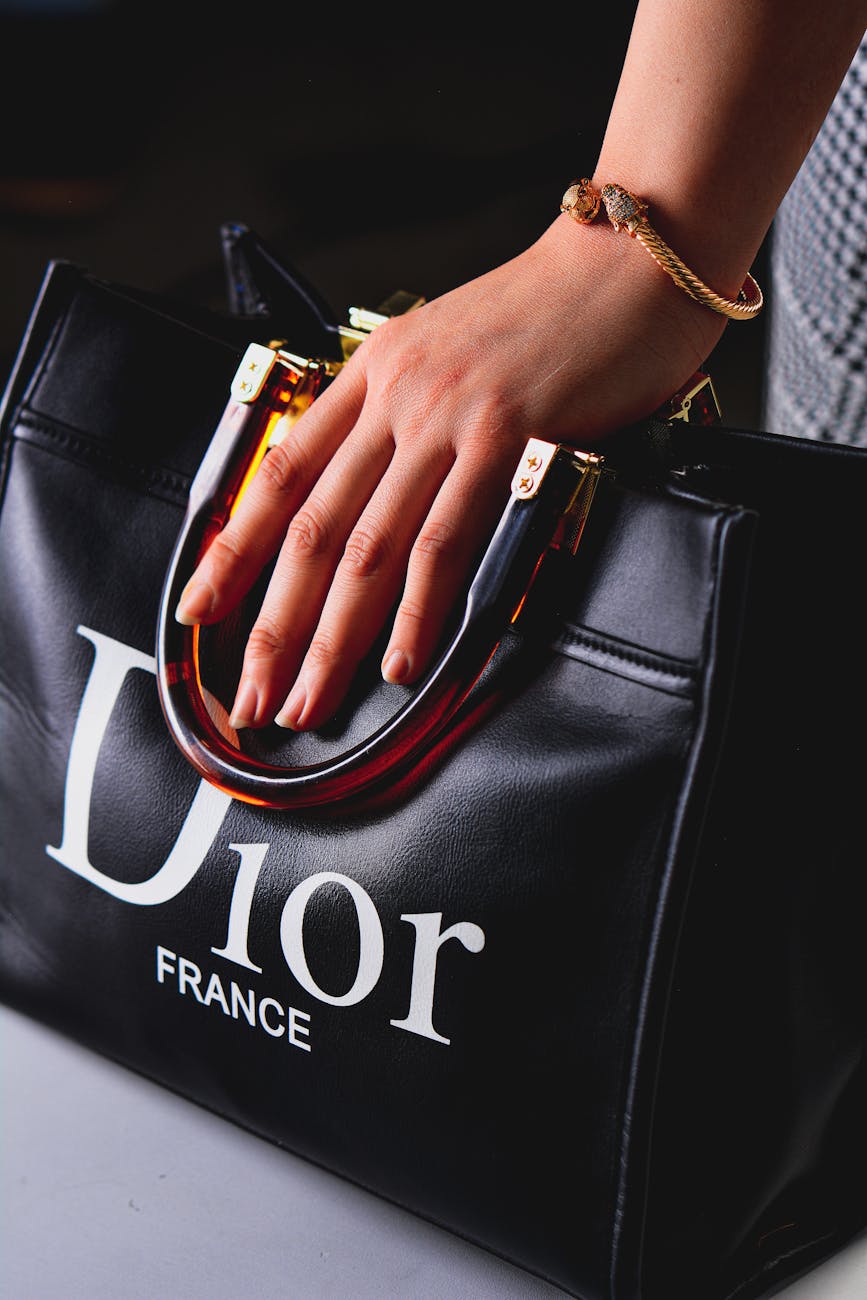
Founded in 1946, the House of Dior revolutionized the fashion industry by introducing the “New Look” in 1947, symbolizing liberation and femininity after World War II. Christian Dior’s innovative designs emphasized craftsmanship and luxurious fabrics, quickly establishing the brand as a leader in haute couture. The brand’s expansion included global boutiques and diverse offerings beyond clothing, like perfumes and accessories. In the 21st century, Dior embraced digital transformation, sustainability, and inclusivity, ensuring its relevance amid changing consumer preferences. Dior’s legacy, defined by artistry and adaptability, continues to influence future designers and reshapes luxury fashion’s trajectory.
-
The Fast Fashion Evolution: the history of how Zara changed the retail industry
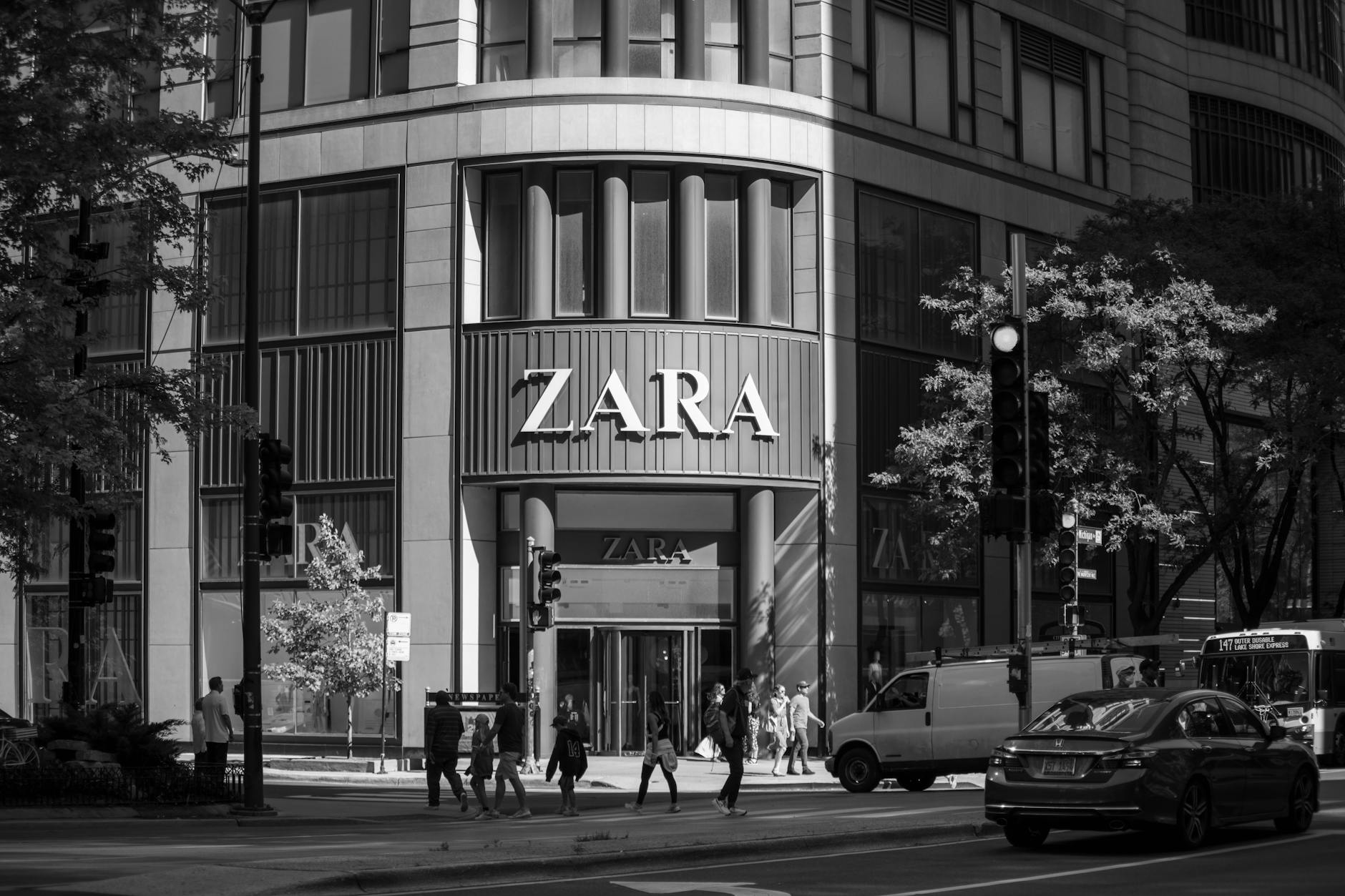
Zara, founded in 1975 by Amancio Ortega and RosalÃa Mera in Spain, has evolved from a small store into a global fashion giant, pioneering the fast fashion model. By emphasizing speed and efficiency, Zara quickly adapts to trends, introducing new styles within weeks and maintaining a strong supply chain through regional manufacturing. Its innovative approach led to significant international expansion, with over 2,000 stores in over 90 countries. Despite recent pressure for sustainable practices, Zara aims to reduce its environmental impact by incorporating eco-friendly materials and promoting circular fashion. Nonetheless, it must balance profitability with sustainability amidst increasing competition and…
-
Yves Saint Laurent: Revolutionizing Fashion History

Yves Saint Laurent is a monumental figure in the fashion industry, known for his profound influence and innovative designs that redefined style and gender norms. Born in Algeria, he gained early recognition under Christian Dior, eventually becoming head designer at 21. In 1961, he founded his eponymous brand, celebrated for iconic pieces like the Mondrian dress and Le Smoking tuxedo, which liberated women’s fashion. A pioneer of ready-to-wear fashion, his work embraced cultural diversity and inclusivity, inspiring countless designers to challenge societal norms. Saint Laurent’s legacy persists, shaping modern fashion’s approach to art, identity, and individual expression.
-
The History of Chanel: From Coco to Modern Luxury

Chanel, founded by Coco Chanel in 1910, transcends mere branding to embody sophistication, innovation, and elegance. Originating with minimalist designs, Chanel liberated women from restrictive fashion norms, exemplified by the creation of the iconic Chanel No. 5 fragrance and the Little Black Dress. Chanel’s journey reflects her resilience and influence on global fashion, bolstered by the contributions of Karl Lagerfeld and later Virginie Viard, who emphasized sustainability and inclusivity. Chanel redefined luxury with practical elegance and contemporary relevance, shaping an enduring legacy. The brand is a testament to artistry and the transformative power of vision, continuing to inspire across generations.
-
The History of Hugo Boss: A Legacy of Fashion Reinvention

Hugo Boss, established in 1924 in Germany, has evolved from a workwear manufacturer into a global luxury fashion powerhouse. The brand overcame early economic struggles, transitioned during WWII, and faced scrutiny for its past collaboration with the Nazi regime. Post-war, under new leadership, it shifted focus to menswear, gaining prominence in formalwear during Europe’s economic recovery. In the late 20th century, it expanded internationally and diversified into casual wear and fragrances. Today, Hugo Boss prioritizes sustainability and digital innovations while maintaining its reputation for quality and elegance, solidifying its position as a leader in the fashion industry.