Tag: Egypt

  • The History of Abu Simbel: Exploring the Rock-Temples of Ramses II

    The History of Abu Simbel: Exploring the Rock-Temples of Ramses II

    Introduction

    Abu Simbel, a stunning complex of ancient temples carved into solid rock, stands as a testament to the grandeur of Pharaoh Ramses II, one of Egypt\’s most celebrated rulers. Located on the banks of Lake Nassar in southern Egypt, these monumental structures were built during the 13th century BCE to commemorate Ramses II’s victory at the Battle of Kadesh and to honor the gods Ra-Horakhty and Amun. The site features two temples: the Great Temple, dedicated to Ramses II himself, and the smaller Temple of Nefertari, dedicated to his favorite wife. The temples are not just architectural marvels but also hold deep historical and cultural significance, reflecting the power and divinity attributed to the pharaohs of ancient Egypt. In the following sections, we will delve into the fascinating Abu Simbel history, exploring its construction, architectural splendor, religious importance, and the significant efforts taken to preserve this world heritage site for future generations.

    The Construction of Abu Simbel

    The construction of the temples at Abu Simbel was an extraordinary engineering achievement of its time, commissioned by Ramses II around 1264 BCE as part of a larger campaign to solidify his legacy and power. The decision to carve the temples directly into the mountainside was both symbolic and practical, aimed at making a grand statement about his might and connection to the divine. The complex was designed to align with the sun during the equinoxes, highlighting the advanced understanding of astronomy and architectural design possessed by ancient Egyptian builders.

    The project employed thousands of skilled artisans, laborers, and craftsmen, illustrating the extensive resources and workforce commanded by Ramses II. Historical records suggest that the construction took nearly two decades to complete, with meticulous planning that involved skilled quarrying techniques to extract the rock and carve the intricate hieroglyphs and statues that adorn the temple walls.

    At the heart of the Great Temple, the colossal statues of Ramses II stand guard, each towering at about 20 meters high. These statues are not mere decorative elements; they serve a deeper purpose, symbolizing the pharaoh\’s divine status and his role as an intermediary between the gods and the Egyptian people. Each statue is surrounded by intricate carvings that depict the pharaoh’s conquests, religious rituals, and the adoration of the gods, emphasizing the divine connection that empowered his rule.

    The construction of the temple complex also had a significant impact on the regional politics of ancient Egypt. It was strategically located to present a formidable sight to travelers entering Egypt from the south. By showcasing his power through such monumental architecture, Ramses II aimed to intimidate potential adversaries while simultaneously fostering a sense of national pride among his people. The positioning of the temples near the borders of the Egyptian Empire was a calculated move to reinforce the idea of Ramses as a protector of his realm.

    Despite the ambitious nature of the project, the construction faced several challenges, including the rocky terrain and the harsh climate of southern Egypt. Workers had to navigate the obstacles presented by the environment while maintaining precision in their carving and layout. The ingenuity of the architects is evident in the way they harmonized the natural landscape with their artistic vision, creating a seamless integration between nature and human craftsmanship.

    Numerous inscriptions found in the temples provide insight into the logistics of the construction process, including the organization of labor and the materials used. They reveal that the project not only involved local resources but also incorporated elements sourced from various parts of the Egyptian empire, showcasing Ramses II’s ability to mobilize resources on an unprecedented scale.

    In conclusion, the construction of Abu Simbel was not merely an architectural endeavor but a manifestation of Ramses II’s power and vision. It symbolized the pharaoh\’s ambition to immortalize his reign while reinforcing his divine connection and authority over the kingdom. Through the labor of thousands and the blend of art, engineering, and grandeur, the temples at Abu Simbel continue to captivate and inspire those who visit, serving as a timeless reminder of ancient Egypt\’s glorious past.

    Architectural Features of the Temples

    One of the most striking aspects of the temples at Abu Simbel is their architectural features, which showcase a remarkable fusion of art, engineering, and symbolic representation. Carved directly into the mountainside, the temples are not only monumental in their scale but also intricate in their design, reflecting the sophisticated craftsmanship of the ancient Egyptians.

    The Great Temple, dedicated to Ramses II, stands as a magnificent example of New Kingdom architecture. The façade is adorned with four colossal statues of Ramses himself, seated majestically on thrones, each measuring an impressive 20 meters in height. These statues, flanked by smaller figures representing various deities and family members, convey the grandeur of the pharaoh and his divine right to rule. The symmetry of the façade is also notable, with the four statues perfectly aligned, demonstrating the ancient Egyptians\’ understanding of architectural proportion and balance.

    As visitors enter the Great Temple, they are greeted by a vast hypostyle hall supported by a series of intricately decorated columns. These columns feature detailed carvings depicting scenes of Ramses engaging in battles, making offerings to the gods, and receiving tribute, emphasizing the divine connection that pharaohs maintained with their deities. The ceiling of the hall is equally impressive, adorned with celestial motifs that reflect the sky and the importance of the sun in Egyptian cosmology.

    Beyond the hypostyle hall, the temple continues to reveal its architectural wonders, leading to the inner sanctum where four seated figures of the most significant deities are housed—Amun, Ra-Horakhty, Ptah, and a deified representation of Ramses II himself. This inner chamber, illuminated only during the equinoxes, represents the culmination of the temple\’s design, where both the divine and the mortal realms intersect.

    The smaller Temple of Nefertari, dedicated to Ramses II’s beloved wife, is equally masterful, illustrating the importance of women in ancient Egyptian society. Although smaller in scale, the temple features exquisite carvings and paintings that celebrate Nefertari\’s beauty and grace. The façade showcases six statues—two of Ramses alongside four of Nefertari—each radiating elegance. Inside, the walls are adorned with images of the queen interacting with various deities, reinforcing her status and significance within the divine hierarchy.

    \"stunning
    The Abu Simbel

    Both temples exhibit a unique combination of Egyptian architectural styles, including the use of rock-cut architecture, which was revolutionary for its time. This method involved meticulous cutting and carving directly into the rock, allowing for the creation of complex interiors accompanied by artistic decorations that have withstood the test of time. The artists and architects employed techniques that not only ensured durability but also facilitated the intricate detailing that is characteristic of the temples’ interior spaces.

    The alignment of the temples with astronomical phenomena accentuates their architectural brilliance. The main axis of the Great Temple is oriented such that at certain times of the year, the rising sun illuminates the inner sanctuary, symbolizing the divine power of the sun god. This phenomenon not only reflects the Egyptians\’ profound relationship with the sun but also illustrates their advanced understanding of celestial movements.

    The preservation of Abu Simbel\’s architectural features has been a testament to the ingenuity of ancient engineers and artists. Despite the challenges posed by water erosion and natural decay over centuries, concerted efforts to preserve the integrity of the temples have ensured that they continue to stand as a symbol of Egypt’s illustrious heritage.

    In conclusion, the architectural features of Abu Simbel are a remarkable interplay of artistry, engineering prowess, and spiritual significance. The grandeur of the temples, through their colossal statues, intricate carvings, and astronomical alignments, serves as a permanent reminder of Ramses II’s legacy and the artistic achievements of ancient Egypt. The enduring beauty and craftsmanship of these temples continue to draw visitors from around the world, adding to their rich historical narrative.

    The Temples\’ Religious Significance

    The temples at Abu Simbel hold immense religious significance that transcends their physical grandeur. Dedicated to the worship of the gods and the glorification of Ramses II, these magnificent structures reflect the spiritual beliefs and practices of ancient Egyptians, illustrating the interplay between religion and power in their society.

    Central to the religious significance of the temples is the concept of divine kingship, which was a cornerstone of ancient Egyptian belief. Ramses II positioned himself not only as a ruler but also as a living god, drawing parallels between his achievements and those of the deities he venerated. The Great Temple is dedicated primarily to the solar deity Ra-Horakhty, the creator god Amun, and the deified Ramses himself. This triad symbolizes the connection between the pharaoh and the divine, reinforcing his role as a mediator between the gods and the people.

    The temple’s layout embodies significant religious themes. Visitors who entered the Great Temple were guided through a series of chambers that revealed various aspects of the divine narrative. The hypostyle hall, adorned with reliefs illustrating battle scenes and offerings to the gods, served as a visual testament to Ramses’ divine favor and his efforts to maintain cosmic order. Each relief was carefully crafted to communicate messages of power, piety, and the omnipresence of the gods in the everyday lives of the ancient Egyptians.

    A critical ritual conducted in the temples was the festival of the sun, which occurred during the equinoxes. During this time, the inner sanctuary would be illuminated by the sun’s rays, casting light upon the statues of the deities housed within. This event symbolized the rebirth of the sun and reaffirmed the Egyptians\’ belief in the cyclical nature of life, death, and renewal—a central tenet of their religious philosophy. The careful alignment of the temple with celestial events underscores the Egyptians’ deep understanding of astronomy and its importance in their religious practices.

    Moreover, the presence of smaller shrines within the temples dedicated to various gods indicates the syncretic nature of Egyptian religion. The smaller Temple of Nefertari, dedicated to the goddess Hathor, represents the importance of love, motherhood, and music among the religious beliefs of the time. Nefertari’s association with divine elements served to elevate her status and solidify her role as a key figure within the religious landscape of ancient Egypt. The temple’s walls are rich with vibrant paintings and inscriptions that celebrate her, reinforcing the connection between queenship and divine favor.

    The rituals performed within these sacred spaces were not solely for the benefit of the ruling elite but also served the broader populace. They provided a connection between the gods and the people, fostering a sense of community and shared identity. Festivals, prayers, and offerings created an ongoing dialogue with the divine, and the temples acted as focal points for worship and celebration. The ability of the pharaoh to maintain this connection was paramount for the stability and prosperity of the kingdom, illustrating the intertwined nature of religion and politics in ancient Egyptian society.

    \"statues
    The Abu Simbel

    The temples also served as educational spaces for priests and worshippers, where religious teachings were imparted through art and architecture. The depictions of divine narratives and hymns engraved on the walls were meant to educate the populace about their beliefs and cultivate a sense of reverence for the gods and the pharaoh. Religious education was crucial in perpetuating the social order, ensuring that generations understood their roles within the cosmic framework established by the ancient Egyptians.

    In summary, the religious significance of the temples at Abu Simbel extends far beyond their grand architectural features. They embody the beliefs and practices of a civilization that revered its gods and the divine right of its rulers. Through the careful orchestration of rituals, artistic expression, and the alignment of celestial events, Abu Simbel stands as a testament to the profound religious devotion and cultural sophistication of ancient Egypt. The legacy of these temples continues to resonate today, reminding us of a time when faith, power, and artistry converged in the creation of lasting monuments to the divine.

    The Rescue Mission of the 1960s

    In the 1960s, the legacy of Abu Simbel faced a significant threat due to the construction of the Aswan High Dam, which would lead to the flooding of large areas along the Nile, including the site of the temples. Recognizing the immense cultural and historical value of Abu Simbel, a monumental international effort was initiated to save these ancient wonders from the rising waters.

    The rescue mission, spearheaded by UNESCO, began in earnest in 1960 when it became evident that the temples were in danger. The plan involved one of the most ambitious engineering feats of the time, aiming to dismantle the temples and relocate them to higher ground. This operation was unprecedented in scale, representing both a scientific challenge and a testament to the dedicated leadership of international collaboration.

    A team of architects, engineers, and archaeologists from around the world came together to devise a strategy for the relocation. The first step in this process was to meticulously document the temples in their original state, using advanced technology for three-dimensional mapping and photography. These records would serve as a guide for reassembling the temples in their new location, ensuring that the historical integrity of the site was maintained.

    Once documentation was complete, a detailed plan was put into action. The temples were carefully cut into large blocks of rock, each weighing several tons. Remarkably, the cutting involved precise techniques that allowed for minimal damage, as for centuries these temples had withstood the test of time and natural elements. The workers operated with utmost care, striving to honor the artistry and craftsmanship that characterized the structures during their original construction.

    The transportation of these massive stone blocks was another monumental task. A specialized transport system was developed to move the stones to the new site, approximately 200 meters above the original location. This involved creating a complex network of roads and pulleys, along with custom-built ferries that could navigate the surrounding waters. The collaboration of engineers and workers ensured that each block arrived safely and could be reassembled accurately at the new site.

    By 1968, the relocation process was complete. The temples were reconstructed at a site known as New Abu Simbel, where they were positioned to preserve their alignment with the sun during the important equinox dates. The new location allowed for the temples to remain an active site of historical significance and cultural pride, reflecting the enduring legacy of Ramses II and the religious practices of ancient Egypt.

    The international community applauded the successful rescue mission, which not only demonstrated the power of cooperation in preserving cultural heritage but also highlighted the impact of modern engineering techniques. The Abu Simbel operation set a precedent for future preservation projects around the world, showcasing how technology and cultural awareness can work hand in hand to safeguard our collective history.

    Furthermore, the rescue mission left a lasting impact on tourism in Egypt. Abu Simbel quickly became a must-visit destination for travelers eager to witness the grandeur of the temples and learn about their dramatic rescue from the waters of Lake Nassar. The temples attract millions of visitors each year, contributing to the economic development of the region and providing a means for cultural exchange and appreciation.

    In conclusion, the remarkable rescue mission of the 1960s serves as a powerful reminder of the importance of preserving our shared cultural heritage. Through international cooperation and innovative engineering, the temples of Abu Simbel were saved from potential destruction, allowing future generations to experience the magnificence of Ramses II\’s legacy. This monumental effort not only safeguarded a vital piece of history but also reaffirmed the commitment of humanity to honor and protect the wonders of the past.

    Abu Simbel Today: Tourism and Preservation Efforts

    Today, Abu Simbel stands as a symbol of resilience and cultural pride, attracting tourists from around the globe who come to marvel at the grandeur of the temples and learn about their rich history. The profound beauty and historical significance of these structures have made them a powerhouse in Egypt’s tourism industry, contributing to both local economies and the preservation of Egypt’s ancient heritage.

    The tourism industry surrounding Abu Simbel has grown significantly since the successful relocation of the temples in the 1960s. Daily tours and organized excursions allow visitors to explore the intricacies of the temples while experiencing the stunning landscape of Lake Nassar. This has not only fostered a deeper appreciation of ancient Egyptian civilization but has also created economic opportunities for local communities, including tours, accommodations, and local crafts.

    However, the increase in tourism also poses challenges in maintaining the integrity of the site and ensuring its long-term preservation. Environmental factors, such as rising water levels and weathering, continue to threaten the structures. As a result, ongoing preservation efforts are crucial to safeguard the temples from decay. Experts are continuously assessing the site and implementing conservation measures to mitigate damage and protect the intricate carvings and artwork from the effects of time and tourism.

    In addition to physical preservation, there is a concerted effort to promote awareness and education regarding the importance of Abu Simbel and its cultural heritage. Educational programs are designed to engage local communities and visitors, emphasizing responsible tourism practices. This includes respecting the sites, understanding their significance, and promoting sustainable tourism that benefits the local economy without compromising the integrity of the site.

    \"an
    The Abu Simbel

    International collaborations continue to play a vital role in the ongoing preservation of Abu Simbel. UNESCO and various cultural organizations are dedicated to ensuring that the site receives the attention and resources necessary for its maintenance. Research initiatives, technological advancements, and expert consultations contribute to developing effective preservation strategies, drawing on lessons learned from the successful relocation project of the 1960s.

    Moreover, efforts to digitize and document the temples have expanded, allowing for virtual experiences that make the history of Abu Simbel more accessible to a global audience. This technological approach enables schools and institutions to incorporate the site into educational curricula, fostering a broader understanding of ancient Egyptian civilization and the significance of cultural preservation.

    In conclusion, Abu Simbel today symbolizes a harmonious balance between tourism, preservation, and education. While the splendor of Ramses II’s temples continues to attract visitors from around the world, the ongoing efforts to protect and preserve this remarkable heritage site remind us of our collective responsibility to honor and safeguard the past. By promoting awareness and engaging with local and international communities, Abu Simbel can continue to thrive as a beacon of ancient history for generations to come.

    Conclusion

    The history of Abu Simbel is a remarkable narrative of artistry, devotion, and resilience that transcends its physical grandeur. From the impressive construction of the temples during Ramses II\’s reign to the daring rescue mission of the 1960s, Abu Simbel serves as a testament to the ingenuity of ancient Egyptian civilization and the enduring impact of that legacy on contemporary society. The grandeur of these rock-hewn temples encapsulates not only the power and divinity of the pharaoh but also the deep-rooted beliefs that shaped the spiritual landscape of ancient Egypt.

    As we explored, the architectural brilliance and religious significance of the temples reflect the profound cultural heritage that continues to resonate today. In the face of modern challenges, ongoing preservation efforts play a crucial role in safeguarding this world heritage site, ensuring that Abu Simbel remains a source of inspiration and knowledge for future generations.

    Through responsible tourism and heightened awareness, we can continue to appreciate the historical significance of Abu Simbel while fostering a commitment to preserving our shared cultural heritage. As visitors from around the globe journey to this extraordinary site, they not only witness the magnificence of ancient Egyptian engineering and artistry but also partake in a rich narrative that connects us all to a timeless past. Abu Simbel stands not only as a monument to Ramses II but as a reminder of our collective responsibility to honor and protect the treasures of our history.

    Abu Simbel: Secrets of the Nile Colossus – Documentary Video

    Abu Simbel: Secrets of the Nile Colossus – Full Documentary

  • The History of Monastery of St. Catherine: Exploring the World’s Oldest Active Christian Monastery
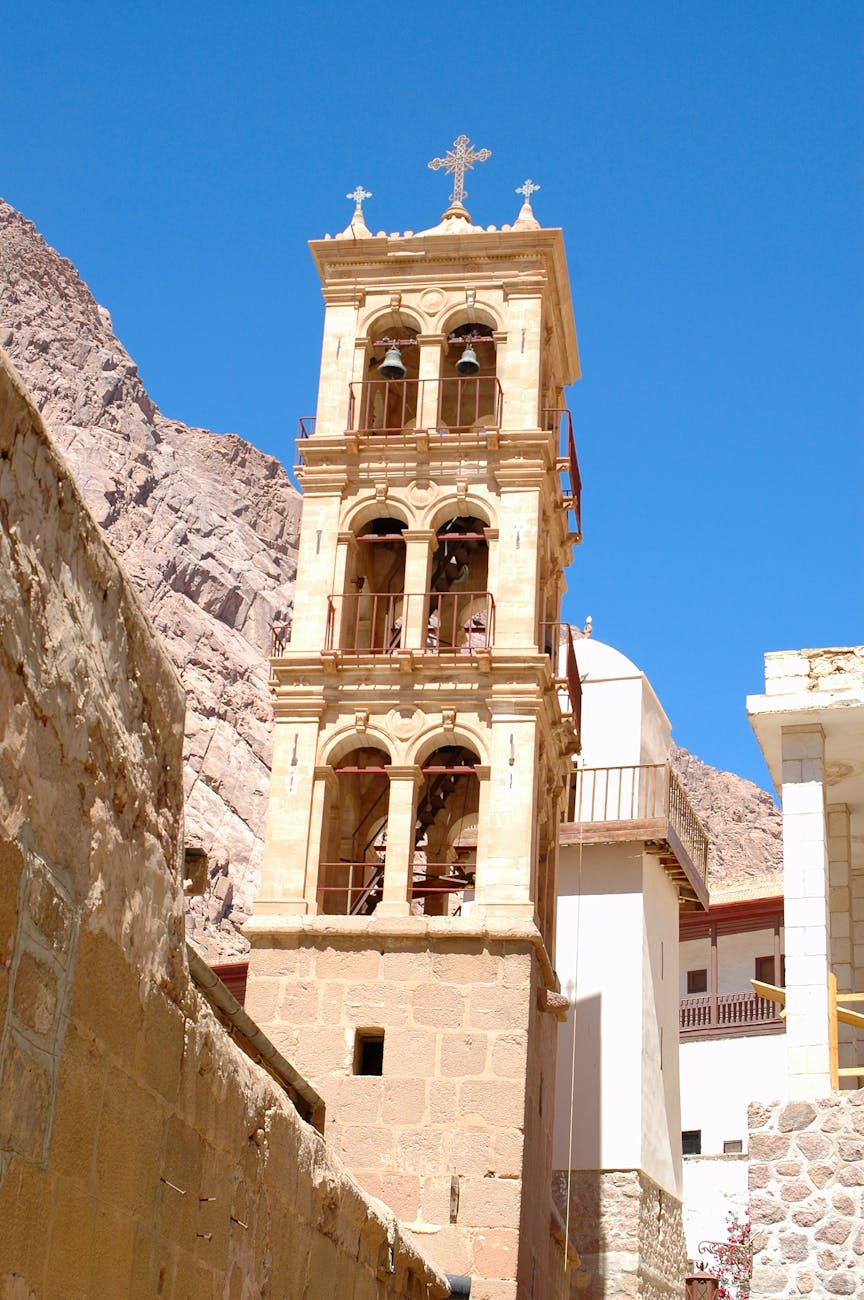
    The History of Monastery of St. Catherine: Exploring the World’s Oldest Active Christian Monastery

    Introduction

    The Monastery of St. Catherine, nestled at the foot of Mount Sinai in Egypt, stands not only as a radiant beacon of faith but also as a testament to centuries of history. Founded in the 6th century, this ancient site is recognized as the world’s oldest active Christian monastery, offering a unique glimpse into the early Christian experience and the development of monastic life. Housing an extensive collection of manuscripts, artifacts, and artworks, the monastery has long been a pilgrimage destination for believers and historians alike. Throughout its history, it has faced numerous challenges, from natural disasters to political upheaval, yet it remains a thriving center for monastic life, preserving its spiritual legacy and cultural heritage. This article will explore the intricate layers of history, art, religious practices, and the ongoing preservation efforts that define the Monastery of St. Catherine.

    Historical Significance of the Monastery

    The historical significance of the Monastery of St. Catherine extends far beyond its ancient walls and sacred grounds. Founded by Emperor Justinian I in the 6th century, the monastery was built to protect the site where, according to Christian tradition, Moses encountered the burning bush. This connection to biblical history imbues the monastery with a rich spiritual narrative that attracts pilgrims across the globe, turning it into a sacred sanctuary for reflection and worship.

    The early days of the monastery were marked by its role as a center of Christian scholarship. With the rise of monasticism, figures like St. Anthony and St. Benedict inspired a way of life dedicated to prayer, study, and community. The Monastery of St. Catherine embraced these ideals, offering a haven for monks who sought solitude in a harsh desert environment. This commitment to divine reflection played a pivotal role in shaping early Christian thought, with the monks here contributing significantly to theological discourse and the preservation of classical texts.

    Through the centuries, the monastery has survived numerous challenges, including invasions and conflicts that threatened its very existence. During the Islamic conquests of the 7th century, the monastery stood firm, negotiating its rights and privileges under Muslim rule, a rare example of coexistence in a time of upheaval. The monastery\’s enduring presence amidst these turbulent changes speaks volumes about its historical resilience. Significant figures, including famous scholars and pilgrims such as John of Damascus and Helena, have fortified its historical narrative, contributing to its longstanding significance in the Christian world.

    In addition to its spiritual importance, the monastery has served as a critical point of cultural exchange. The vast collection of manuscripts housed within its library—one of the oldest in the world—illustrates the transmission of knowledge throughout centuries. These texts included works not only of Christian doctrine but also of philosophy, science, and literature from the classical world. The monastery thus played an integral role in the preservation of ancient knowledge through the Dark Ages, acting as a crucial bridge between ancient and modern civilizations.

    Throughout its illustrious history, the Monastery of St. Catherine has been a focal point for scholarly studies, religious practice, and cultural dialogue. Its strategic location in one of the oldest trade routes further facilitated the interaction between diverse cultures, making it a melting pot of ideas and beliefs. Consequently, the monastery has become a symbol of continuity and faith, harmonizing its rich historical foundation with the spiritual needs of its visitors. Today, the ongoing dedication of the monks, alongside global interest, continues to keep its vibrant history alive, making it a vital part of our cultural and religious heritage.

    Architectural Features and Artworks

    The architectural features of the Monastery of St. Catherine undeniably reflect its historical depth and spiritual intention. Constructed over a period of time that began in the 6th century, the monastery showcases a blend of Byzantine architecture infused with local influences. The complex design includes fortified walls, austere yet beautiful cloisters, and inviting chapels that encapsulate the serenity of the surrounding landscape.

    One of the defining elements of the monastery is its impressive fortification. Built primarily for protection against raiders and camel drivers, the high stone walls encase a sprawling complex that includes living quarters for monks, a church, and various communal spaces. The strategic placement at the foot of Mount Sinai not only enhances its spiritual ambiance but also offers a natural fortress, lending historical significance to its architectural choices.

    Within the monastery, the Church of the Transfiguration stands out as the crowning jewel of Byzantine architecture. With its breathtaking mosaics and intricate frescoes depicting biblical scenes and figures, the interior invites visitors to explore the spiritual and artistic grandeur of the site. Dating back to the 6th century, the church demonstrates early Christian artistry with its detailed craftsmanship and vibrant colors that have relatively withstood the ravages of time.

    The monastery also hosts a remarkable collection of icons, many of which date back to the early centuries of Christianity. These religious artworks serve not only as objects of veneration but also as historical artifacts that provide insight into the evolution of iconography and artistic expression within the Christian tradition. Icon paintings, characterized by their vivid colors and devotional themes, present scenes from the life of Christ, the Virgin Mary, and various saints, serving as a crucial means of connecting the faithful with the divine.

    In addition to religious artworks, the monastery holds an invaluable library containing over 3,000 manuscripts, among the oldest and most important in the world. These manuscripts range from biblical texts to works on philosophy, medicine, and science, highlighting the intellectual pursuits of the monastic community. Many of these texts are written in Greek, Arabic, and other languages, which underscores the monastery\’s role as a vital center for scholarship and its interaction with diverse cultures throughout history.

    The blend of architectural beauty and artistic richness found within the Monastery of St. Catherine exemplifies the intersection of faith, culture, and history. As both a spiritual refuge and a testament to human creativity, the monastery stands as an enduring symbol of devotion, community, and heritage, inviting individuals to contemplate its beauty and significance while seeking solace and inspiration within its sacred walls.

    Religious Practices and Community Life

    Religious practices and community life at the Monastery of St. Catherine are deeply rooted in centuries-old traditions that reflect the essence of monastic existence. Guided by the Rule of St. Basil, the monks dedicate their lives to prayer, communal worship, and service, embodying the ideals of humility, faith, and fellowship.

    Daily routines within the monastery revolve around the liturgical calendar, with structured prayer times marking the rhythm of monastic life. Beginning before dawn, the community gathers for the first prayer, known as the Midnight Office. This early morning service sets the tone for the day, inviting the monks to lift their spirits in devotion and prepare their hearts for the coming hours. As daylight breaks, the monks continue with the Divine Office, a series of prayers, hymns, and chants that punctuate the day, allowing them to remain continually engaged in spiritual communion.

    The centerpiece of religious life at the monastery is the celebration of the Eucharist. The Divine Liturgy, a magnificent expression of worship, draws both monks and visitors to partake in the holy sacrament. The church’s ambiance, enriched with the fragrant incense and soft lighting, enhances the spiritual experience and fosters a sense of unity. During these services, the community is reminded of the importance of spiritual nourishment and the deep-rooted connections forged through shared faith and tradition.

    Additionally, the monks engage in daily lectures and teachings, reflecting on theological texts and the lives of the saints. This pursuit of knowledge is not purely academic; it deepens their understanding of faith and encourages personal growth. Through discussions, they explore the meaning of scripture and how it applies to their lives, reinforcing the notion that religious practice is not an isolated activity but rather a lifelong journey toward spiritual maturity and enlightenment.

    Community life is further enriched by the practice of hospitality. The Monastery of St. Catherine welcomes pilgrims and travelers from across the globe, creating a warm and inviting atmosphere. The monks provide accommodations, meals, and guidance, fostering a sense of belonging among visitors. This openness demonstrates the monastery\’s commitment to sharing its spiritual heritage and providing a sanctuary for those seeking solace and reflection.

    Furthermore, the monks participate in various forms of labor as a way of embodying the monastic ideal of \”ora et labora,\” which means \”pray and work.\” By engaging in activities such as agriculture, manuscript preservation, and crafts, the community sustains itself while also contributing to the broader needs of the historical and geographical context. This labor not only supports their monastic existence but also allows them to maintain a harmonious relationship with the surrounding environment.

    In summary, the religious practices and community life at the Monastery of St. Catherine represent a rich tapestry of devotion, shared experiences, and meaningful interaction with both the divine and the world. The harmonious balance between prayer, study, and service shapes the lives of the monks and all who visit, ensuring that the spiritual legacy of this ancient sanctuary endures for generations to come.

    Preservation Efforts and Challenges

    The preservation of the Monastery of St. Catherine encompasses a wide range of efforts aimed at safeguarding its historical, cultural, and spiritual heritage. Given its status as one of the oldest active Christian monasteries in the world, this sanctuary faces unique challenges in maintaining its physical structure and the invaluable artifacts housed within.

    One of the primary challenges is the harsh desert environment surrounding the monastery. With extreme temperatures, sandstorms, and potential seismic activity, the monastery’s ancient walls endure constant wear. To combat these natural elements, restoration efforts have been implemented over the years. Experts closely monitor the structural integrity of the buildings, using advanced techniques to reinforce and restore deteriorated areas while preserving their historical authenticity.

    Additionally, the monastery\’s rich collection of manuscripts and artworks requires meticulous care. The library, containing unique manuscripts that date back to the early Christian era, has engaged specialists in conservation to ensure optimal preservation methods. Digital archiving projects have been initiated to create electronic versions of these documents, allowing for broader access while simultaneously reducing physical handling. Through collaboration with international institutions, the monastery has been able to secure funding, knowledge, and resources necessary for effective conservation.

    Another layer of preservation is the commitment to maintaining the spiritual practices that have defined the monastery for centuries. The monastic community remains dedicated to fostering an environment that nurtures religious observance and communal life. By upholding the traditions and disciplines of monasticism, the monks safeguard not just the physical space but also the spirit of the monastery, ensuring that it continues to function as a living testament to Christian faith.

    While these efforts demonstrate a strong commitment to preservation, the monastery faces ongoing challenges stemming from geopolitical tensions in the region. Political instability and changes in travel patterns have created fluctuations in visitor numbers, impacting the financial resources available for maintenance. To counteract this, the monastery has worked diligently to expand its outreach and secure partnerships with various organizations. Initiatives such as educational programs, ecotourism, and cultural exchanges not only draw visitors but also foster an appreciation for the site\’s historical value.

    Furthermore, engaging local communities and fostering relationships with neighboring villages has proven essential. The monastery actively participates in initiatives that benefit both its residents and surrounding populations, establishing a sense of shared responsibility for the preservation of cultural heritage. By intertwining their efforts with those of local communities, the monastery strengthens its ties to the broader context, ensuring that the preservation of its heritage remains a collective goal.

    To summarize, the preservation efforts of the Monastery of St. Catherine are multifaceted and ongoing, addressing both physical and intangible aspects of its heritage. While challenges persist, the commitment of the monastic community, collaborations with experts, and outreach programs reflect a resolve to ensure that this ancient sanctuary remains a testament to faith, history, and human creativity.

    The Monastery\’s Role in Modern Times

    In modern times, the Monastery of St. Catherine continues to play a multifaceted role as a spiritual haven, a cultural landmark, and a center for dialogue. With its rich historical legacy and ongoing traditions, the monastery stands as a bridge between the past and the present, sustaining its relevance in an ever-evolving world.

    As a spiritual haven, the monastery remains a vital destination for pilgrims and visitors seeking a profound encounter with faith. Individuals from various backgrounds and denominations travel to the monastery to experience its serene environment and participate in liturgical services. The opportunity to commune with the divine in such an ancient space fosters a deep sense of connection, allowing individuals to engage in reflection, prayer, and spiritual rejuvenation. The monks maintain their welcoming spirit, providing hospitality while guiding visitors through the monastery’s sacred spaces, enriching their understanding of Christian faith and monastic traditions.

    Culturally, the monastery serves as a repository of heritage and knowledge. The extensive manuscript collection housed within its library represents a treasure trove for scholars and researchers. As interest in historical texts continues to grow, the monastery collaborates with academic institutions to digitize and share its manuscripts, thus broadening access to its rich intellectual legacy. This collaboration not only preserves the texts but also encourages deeper engagement with the histories and philosophies contained within them, fostering a renaissance of curiosity about early Christian thought.

    Moreover, in an increasingly interconnected world, the Monastery of St. Catherine has embraced its potential to be a catalyst for cross-cultural dialogue. The site has hosted conferences and workshops that promote discussions on faith, heritage, and the shared values among different religious traditions. By fostering interfaith dialogue, the monastery exemplifies the power of collaboration and understanding, helping to bridge divides and encourage respect in a world often overshadowed by differences.

    Additionally, the monastery remains committed to environmental stewardship, participating in sustainable practices that respect its surrounding desert ecosystem. Initiatives aimed at conservation and responsible tourism reflect a holistic approach to the preservation of both the monastery’s heritage and the natural environment. By educating visitors about the importance of sustainability and the delicate balance of life in the desert, the monastery reinforces its role as a responsible entity in modern society.

    Further, the challenges of geopolitical tensions remind us of the enduring need for places of peace and sanctuary. In a rapidly changing world fraught with conflict and uncertainty, the monastery stands as a testament to the possibility of coexistence and cultural exchange. Its enduring legacy serves as a reminder of the importance of spiritual connection and communal harmony, encouraging individuals to reflect on their shared humanity.

    In conclusion, the Monastery of St. Catherine retains its significance in modern times by providing a sanctuary for spiritual exploration, acting as a repository of cultural knowledge, fostering cross-cultural dialogue, and promoting environmental sustainability. As it embraces the complexities of contemporary life, the monastery continues to inspire generations, inviting all to explore the richness of its history and the depth of its faith.

    Conclusion

    The Monastery of St. Catherine, as the world\’s oldest active Christian monastery, encapsulates a remarkable journey through time, rich with history, faith, and culture. Its historical significance, architectural splendor, vibrant religious practices, efforts for preservation, and adaptability in modern times work in harmony to create an enduring legacy. The resilience of the monastic community stands as a testament to the strength of faith, while the monastery itself serves as a refuge for those seeking spiritual nourishment and connection.

    Through centuries of trials and tribulations, the monastery has maintained its role as a sanctuary, drawing visitors from all over the globe. The profound sense of peace and reverence nurtured within its walls resonates with pilgrims, scholars, and adventurers alike. As individuals engage with the living history of St. Catherine, they partake in a rich tapestry of devotion that transcends time and unites people from diverse backgrounds.

    Moving forward, the ongoing challenges of preservation, cultural exchange, and environmental stewardship underscore the importance of safeguarding this vital heritage. The Monastery of St. Catherine remains a beacon of hope, illustrating the power of faith and community to endure amidst the complexities of the modern world. As individuals continue to seek solace and inspiration within its ancient walls, the monastery\’s enduring legacy will undoubtedly thrive, inspiring future generations to explore the depths of their own spirituality and the rich heritage of humanity.

    The Monastery of St. Catherine – Island of Faith in Sinai, Egypt | Treasures of the World Video

    The Monastery of St. Catherine – Island of Faith in Sinai, Egypt | Treasures of the World
  • Pyramids of Giza History: Unraveling the Mysteries of Egypt’s Ancient Wonders

    Pyramids of Giza History: Unraveling the Mysteries of Egypt’s Ancient Wonders

    Introduction

    The Pyramids of Giza stand as monumental testaments to the ingenuity and ambition of ancient Egyptian civilization. Constructed over four thousand years ago, these architectural wonders have captivated scholars, historians, and tourists alike. The three pyramids—Khufu, Khafre, and Menkaure—are not merely tombs; they embody the profound spiritual and cultural values of a society deeply intertwined with the afterlife. Despite centuries of study, much about these structures remains shrouded in mystery, from their construction techniques to their purpose. This article delves into the history of the Pyramids of Giza, exploring their architectural brilliance, the historical context of their creation, the workforce behind them, their rich symbolism, and the modern-day discoveries that continue to unveil the secrets of these ancient monuments.

    The Architectural Marvels of the Pyramids

    The Pyramids of Giza are remarkable not just for their size, but for their precision and beauty. The Great Pyramid of Khufu, the largest of the three, originally stood at an astonishing height of approximately 146.6 meters (481 feet) and was the tallest manmade structure in the world for over three millennia. It was constructed with an estimated 2.3 million blocks of stone, some weighing as much as 15 tons each. The pyramid’s base covers an area of 13 acres, and its sides are oriented to the four cardinal points with incredible accuracy. The alignments reflect a sophisticated understanding of astronomy and geometry, suggesting that the ancient Egyptians possessed advanced mathematical skills.

    The architectural design of the pyramids evolved over time. Initially, the step pyramid was the favored form, exemplified by the Pyramid of Djoser, designed by Imhotep around 2670 BCE. This design laid the groundwork for the smooth-sided pyramids that would follow. Khufu’s pyramid is a culmination of these architectural experiments, showcasing a transition from simple structures to an awe-inspiring icon of engineering.

    Lines of massive stones were meticulously quarried and crafted to fit together without the use of mortar, a feat of precision that still astounds modern engineers. The pyramid was originally encased in Tura limestone, which would have made it shine brilliantly in the sunlight, but much of this outer casing has since eroded or been repurposed in other buildings. Inside, the pyramid features a complex series of chambers and passageways, including the King’s Chamber and the Grand Gallery, designed to protect the pharaoh’s body and his burial goods for the afterlife.

    The Pyramid of Khafre, although slightly shorter than Khufu’s, appears taller due to its elevated placement on a rocky outcrop. It retains some of its original casing stones at the apex, giving us a glimpse into its past grandeur. The Mortuary Temple adjacent to Khafre’s pyramid is decorated with reliefs that exhibit the artistry of ancient Egyptian artisans, further emphasizing the intricate relationship between architecture and the cultural values of the time.

    The Pyramids of Giza’s design not only emphasizes their purpose as tombs but also as cosmic symbols. Their arrangement resembles the constellation Orion, which was significant in Egyptian mythology, revealing the spiritual aspirations tied to the pyramids’ construction. The fact that these structures have withstood the test of time is a testament to the engineering expertise of their builders and their profound connection to the divine.

    In conclusion, the Pyramids of Giza represent the pinnacle of ancient Egyptian architecture, showcasing a blend of advanced engineering, artistry, and spiritual significance. They continue to inspire admiration and intrigue, serving as a bridge between humanity’s past and present, while leaving us with questions about the ancient civilization that crafted these monumental structures.

    The Historical Context of the Pharaohs

    The pyramids of Giza were constructed during the Fourth Dynasty of Egypt’s Old Kingdom, a period marked by significant political and cultural advancements. At the helm of this era were the pharaohs, regarded as divine rulers who acted as intermediaries between the gods and their subjects. The construction of the pyramids was not merely a reflection of the pharaohs’ wealth; it demonstrated their authority, stability of the state, and commitment to the afterlife, which was central to Egyptian internal belief systems.

    The reign of Pharaoh Khufu, who commissioned the Great Pyramid, is often characterized by grand projects and a centralized bureaucracy. His pyramid aimed to ensure his immortality and demonstrate his divine right to rule. Historical records suggest that Khufu’s reign witnessed extensive trade, enabling the acquisition of necessary resources like cedar wood from Lebanon, which was crucial for constructing ships used in transporting stone blocks. This trade network highlights the interconnectedness of regions surrounding Egypt, showcasing its prominence in the ancient world.

    Pharaohs were seen as gods on earth; their lives were interconnected with the realms of the divine. The pyramids served as a means to achieve immortality in the afterlife, where pharaohs hoped to join the sun god Ra. This ideology laid the foundation for pyramid construction, as pharaohs sought to leave monumental legacies that reflected their divine status. The emphasis on afterlife rituals led to the belief that monuments like the pyramids would provide a safe passage for their souls and safeguard their possessions for eternity.

    The social structure during the Fourth Dynasty further illustrates the historical context of the pyramid-building era. Skilled laborers, artisans, and masons were recruited to work on these grand projects. Contrary to the popular belief that slaves built the pyramids, evidence suggests that a workforce comprised of skilled laborers who were well-fed and housed near the pyramid sites contributed to this realization. These workers participated willingly in pyramid construction, partaking in seasonal work that coincided with the Nile’s flooding, which caused agricultural labor demands to lessen.

    The societal importance of the pyramids and the collective effort required for their construction fostered a culture of unity and purpose among the Egyptian populace. As they contributed to these monumental structures, they too felt a connection to the divine, reinforcing their belief in their rulers and the stability of the state under their leadership.

    This historical context illustrates that the pyramids were not just tombs, but reflections of an intricate society with deeply rooted religious beliefs, governance, and social structure. Pharaohs like Khufu and Khafre played a central role in these developments, and the pyramids stand testament to the political ambitions and spiritual convictions of their reigns.

    Construction Techniques and Labor Force

    The construction of the Pyramids of Giza has long been a subject of fascination and speculation. Ancient civilizations faced enormous logistical challenges in assembling such monumental structures, and recent archaeological discoveries suggest that skilled laborers, rather than slaves, were integral to this process. Understanding the construction techniques and the workforce involved provides crucial insights into the ingenuity of ancient Egyptian engineers.

    The primary building material for the pyramids was limestone, with granite used for the chambers. Quarries located nearby supplied the bulk of these resources. Recent studies reveal that the stones were transported using sledges covered with water to reduce friction, which made the hauling process significantly easier. This ingenious method demonstrates an understanding of physics that many would underestimate in regard to ancient engineering practices.

    The construction of the Great Pyramid of Khufu, for instance, involved a sophisticated technique known as the “step-by-step” approach, where blocks were laid in successive levels. The use of ramps remains a major topic of debate among historians and archaeologists. Various theories assess whether straight ramps, zigzagging ramps, or circular ramps were used to move stone blocks into position. Each suggested method illustrates a remarkable level of planning and organization, with the workforce required to execute these strategies.

    The labor force consisted of thousands of workers who were divided into teams. Evidence from workers’ camps unearthed at Giza demonstrates that laborers were organized into crews of about 20 to 30 men, responsible for specific tasks. These crews were further grouped into larger teams, which stimulated a sense of camaraderie and purpose. Contrary to the popular belief of slave-driven labor, these workers received wages and provisions, thus indicating that they were skilled laborers and not just forced laborers.

    Moreover, worker’s quarters discovered near the Giza plateau illustrate that they were provided with adequate living conditions and care. The findings of fish bones, bread, and pots suggest the workforce had a well-rounded diet. This insight challenges previously held notions and points toward a labor structure that valued skilled individuals for their contributions. The laborers participated in pyramid construction during the annual flood season when agricultural work was diminished, allowing for a communal effort towards monumental projects.

    Ultimately, the construction of the pyramids was more than just an engineering challenge; it was a feat that encapsulated the cooperative spirit and organizational capabilities of ancient Egyptian society. The technical advancements, detailed planning, and skilled labor culminated in structures that continue to exert awe today. It is a testament to a civilization that was advanced in not only architecture but also social structure, revealing a society that could mobilize a vast workforce for a common goal.

    The Symbolism and Cultural Significance

    The Pyramids of Giza are steeped in rich symbolism, making them not merely architectural marvels but also powerful representations of ancient Egyptian beliefs about life, death, and the afterlife. As monumental tombs for the pharaohs, these structures encapsulate the spiritual aspirations and cultural values of a society that held the afterlife in the highest regard.

    In ancient Egypt, the belief in an afterlife was paramount. The pharaohs, viewed as divine beings, were expected to navigate the transition into the afterlife successfully. The pyramids were designed not just as burial sites, but as vehicles for eternal existence. Each pyramid represents a cosmic mountain, symbolizing the primordial mound from which creation began. This symbolic association with life and rebirth is intimately connected to the cult of the sun god Ra, who was believed to journey through the underworld each night and be reborn each day.

    The architecture of the pyramids was imbued with layers of meaning. The orientation of the pyramids towards the cardinal points and their alignment with the stars emphasizes the importance of celestial bodies in the context of Egyptian spirituality. The arrangement of the pyramids at Giza is said to mirror the three stars of Orion’s Belt, a constellation associated with Osiris, the god of the afterlife. This alignment reinforces the belief that the pharaoh would ascend to the heavens in the company of gods after his death.

    Inside the pyramids, intricate chambers were often adorned with inscriptions, spells, and symbolic reliefs known as the Pyramid Texts. These texts served a dual purpose: they were meant to guide the pharaoh through the challenges of the afterlife and to invoke protection from deities. The presence of various artifacts, including offerings and tools, underlined the Egyptians’ belief in the necessity of providing for the deceased in the afterlife, ensuring they had everything they needed to thrive beyond death.

    Furthermore, the pyramids reflect the socio-political structure of the era. They embodied the pharaoh’s power, wealth, and divine right to rule. Each pyramid was a testament to a ruler’s legacy, cementing their place in the collective memory of Egyptian society. The grandeur of the pyramids not only instilled a sense of national pride but also strengthened the subjects’ loyalty to their leader, as they believed their immortal ruler would intervene for their welfare in the afterlife.

    The cultural significance of the pyramids extends beyond their role as tombs. They were centerpieces of a rich tapestry of mythological narratives, religious rituals, and artistic expression. The association of the pyramids with cosmic cycles reiterates Egypt’s deep engagement with the natural world, emphasizing the connection between life on earth and the divine.

    In essence, the symbolism and cultural significance of the Pyramids of Giza showcase a civilization deeply engaged with the mysteries of existence. More than mere tombs, these monumental structures are reflections of a comprehensive belief system that influenced the lives of countless individuals throughout ancient Egyptian history. The enduring nature of the pyramids serves as a reminder of humanity’s perpetual quest for meaning, legacy, and a connection to the divine.

    Modern Discoveries and Continuing Mysteries

    The Pyramids of Giza continue to intrigue scholars, archaeologists, and enthusiasts alike, with each new discovery shedding light on this ancient civilization’s complexity. Recent advancements in technology, coupled with ongoing archaeological efforts, have unveiled insights that challenge our understanding of their construction, purpose, and significance. While much has been learned, the antiquity of these monuments still holds deep mysteries that provoke inquiry and imagination.

    One of the most groundbreaking discoveries in recent years was the application of non-invasive scanning techniques, such as muon tomography and 3D scanning. These methods allow researchers to detect hidden cavities within the pyramids without physically altering them. A prominent example is the scan that revealed a hidden void above the Grand Gallery within Khufu’s pyramid. This void, not yet fully understood, opens up new possibilities for further exploration and excavation, indicating that there could be as yet undiscovered chambers awaiting researchers’ inquiries.

    Archaeological work around the Giza plateau has also uncovered the existence of workers’ villages and burial grounds, providing insight into the lives of those who constructed the pyramids. These findings challenge the long-held belief that slaves built these monuments. Instead, they suggest that a community of skilled laborers, artisans, and support staff contributed to the construction, illustrating the cooperative spirit that defined ancient Egyptian society.

    Furthermore, the use of advanced imaging technologies has allowed scholars to analyze the materials used in pyramid construction better. Chemical analysis of the limestone and granite used reveals details about quarrying locations, transportation methods, and even trade routes. For instance, evidence of stones quarried from specific regions indicates extensive trade networks throughout the ancient Mediterranean, facilitating the pyramid project’s success.

    Despite significant advances, many aspects of the pyramids remain enigmatic. Archaeologists continue to debate the precise methods of construction used to transport massive stones and the business logistics behind them. The absence of detailed records during the time leads to speculation and various theories, fostering ongoing dialogue about how such monumental projects were organized and executed.

    Modern explorations also touch upon the pyramids’ potential alignment with celestial bodies, leading to hypotheses regarding their astronomical significance. Researchers increasingly perceive the pyramids’ orientations as intentional, potentially guiding the deceased pharaohs to join the stars or the afterlife. This intersection of architecture and astronomy invites continued investigation into the Egyptians’ understanding of the cosmos.

    Lastly, the ethnicity and identities of the people who built the pyramids remain relatively obscure. While it is clear that the workforce was primarily Egyptian, there are questions about the extent of outside influence or participation in these monumental endeavors. Understanding the diverse contributions of various cultures can redefine the narrative surrounding Egypt’s ancient history.

    The modern discoveries surrounding the Pyramids of Giza exemplify the fusion between ancient achievements and contemporary exploration. As technology and research advance, we move closer to understanding the lives of the ancient Egyptians who built these wonders. While many questions remain, the spirit of inquiry surrounding the pyramids captures the essence of humanity’s pursuit of knowledge, inspiring future generations to unravel the mysteries of the past.

    Conclusion

    The Pyramids of Giza are not merely remnants of a forgotten past but are vibrant monuments reflecting the complexity of ancient Egyptian civilization. Their architectural brilliance, rich symbolism, and deep cultural significance are testaments to a society that mastered the art of construction and revered the afterlife. As modern discoveries continue to enlighten our understanding of these marvels, we find ourselves not only drawn to their grandeur but also compelled to explore the mysteries they still hold. The pyramids serve as a reminder of humanity’s eternal quest to comprehend the unknown, honor our past, and seek connections with the divine. Through ongoing exploration and discovery, the Pyramids of Giza remain a beacon of history, inviting us to unravel the secrets of Egypt’s ancient wonders.

    Secrets of the Pyramids Reveald: History Video

    History’s Greatest Mysteries: Unlocking the Secrets of Egypt’s Pyramids