Tag: economy

  • The History of Oil Shocks: A Global Perspective

    The History of Oil Shocks: A Global Perspective

    Introduction

    The history of oil shocks has profoundly impacted the global economy, international relations, and energy policies. Characterized by sudden spikes or drops in oil prices, these shocks occurred due to various geopolitical, economic, and environmental factors. Starting with the first oil shock in 1973, triggered by the OAPEC embargo, the world witnessed how oil dependencies led to economic recessions, inflation, and a reevaluation of energy strategies. Subsequent shocks, including the Iranian Revolution in 1979 and the 2008 financial crisis, further demonstrated the precarious balance between oil supply and geopolitical tensions. Through analyzing these pivotal events, we can understand the far-reaching effects of oil shocks on a global scale.

    The First Oil Shock of 1973: Causes and Consequences

    The year 1973 marks a significant turning point in the history of oil shocks. Before this year, oil was relatively cheap and abundant, fueling the post-World War II economic boom. However, the political landscape in the Middle East was shifting rapidly, laying the groundwork for the first oil shock. The Yom Kippur War in October of that year ignited tensions between Israel and a coalition of Arab nations led by Egypt and Syria. In response to Western support for Israel, the Organization of Arab Petroleum Exporting Countries (OAPEC) decided to impose an oil embargo against nations perceived as supporting Israel, including the United States and several European countries.

    The embargo led to an immediate spike in oil prices from about $3 per barrel to nearly $12 per barrel by early 1974. As prices soared, the effects rippled through the global economy, resulting in substantial inflation and economic stagnation in oil-dependent nations. Countries that had previously enjoyed robust growth suddenly faced crises as fuel costs skyrocketed. The energy crisis forced governments to reconsider their energy policies, leading to a push towards conservation and alternative energy sources.

    The unfolding crisis revealed the vulnerability of nations heavily reliant on imported oil. The United States, which had been primarily dependent on domestic oil production, found itself in a precarious position, as it suddenly had to contend with the realization that foreign oil supplies could be cut off. This vulnerability instigated a series of policy changes aimed at reducing dependence on foreign oil, including the establishment of the Strategic Petroleum Reserve.

    In the broader geopolitical context, the 1973 oil shock intensified existing tensions between the West and the Arab world. It underscored the critical role of oil in global politics, demonstrating how access to energy resources could be leveraged as a political tool. Consequently, Western nations began to avert their eyes from the Middle East, exploring other energy sources, such as coal, nuclear, and renewables, albeit cautiously.

    The impact of the oil shock was not limited to immediate economic concerns; it also caused significant shifts in consumer behavior and transportation policies. Citizens in oil-dependent nations began to reassess their consumption habits, gravitating toward smaller, fuel-efficient vehicles. The automotive industry’s landscape started changing, with manufacturers focusing on developing cars that catered to the new economic realities.

    In the years following the shock, several essential reforms were enacted in response to the vulnerabilities exposed during the crisis. Energy conservation programs were initiated, leading to improved efficiencies and technological innovations. Governments worldwide began to invest heavily in research and development in alternative energy options, seeking to diversify their energy portfolios to reduce reliance on oil.

    The legacy of the 1973 oil shock extends far beyond its immediate impacts. It initiated a paradigm shift in the perception of oil as a critical resource, influencing the foreign policies of powerful nations and reshaping global power dynamics. The direct consequences of the embargo highlighted the need for international cooperation in energy security, paving the way for future dialogues on energy relationships among nations.

    Ultimately, the first oil shock served as a wake-up call for the entire world. It illustrated the fragility of economies tied to oil dependency and marked the beginning of a new era. This crisis underscored how interconnected global markets were, as the ripple effects of decisions made in one corner of the world could send shockwaves through economies globally.

    The Iranian Revolution and the Second Oil Shock of 1979

    The Iranian Revolution of 1979, which led to the overthrow of the Pahlavi monarchy and the establishment of the Islamic Republic, represented another critical moment in the history of oil shocks. The revolution caused a significant disruption in Iran’s oil production, contributing to a new and dramatic spike in oil prices shortly after the 1973 oil shock had subsided. As the largest oil producer in the Persian Gulf, Iran supplied a significant portion of the world’s crude oil, and any disruptions significantly impacted global oil markets.

    The revolution was not just an internal affair; it had international implications. Following the establishment of the new regime, Iranian oil exports dropped precipitously from approximately 6 million barrels per day (bpd) to less than 1 million bpd. This severe decline in output triggered fears of future oil shortages, resulting in increased panic within the global oil market.

    As prices began to rise, countries heavily dependent on oil imports faced challenges similar to those seen during the first oil shock. Within months, oil prices surged again, reaching near $40 per barrel by mid-1980. The sudden increase had extensive ramifications, driving inflation rates sky-high and causing widespread economic disruptions, particularly in Western nations.

    During this period, governments scrambled to devise strategies to mitigate the impending crisis. Economic policies aimed at controlling inflation began to take shape, but the inflationary spiral proved challenging to contain. Central banks raised interest rates, which compounded the struggles of already burdened economies. The oil shock of the late 70s led to two severe recessions in the United States and numerous European nations, resulting in significant job losses and provisions for government assistance programs.

    The second oil shock also served to heighten geopolitical tensions in the Middle East. The United States, in particular, sought to maintain a foothold in the region, fearing the spread of revolutionary movements. The Iranian Revolution sparked concerns over the stability of oil-producing nations and led to intensified diplomatic efforts to secure oil supplies from other regions.

    In response to the crisis, OPEC attempted to stabilize prices and production levels by collaborating with member countries. However, the internal divisions within OPEC became prominent, leading to various national interests complicating consensus decisions. As a result, oil prices remained volatile, and the international and national implications of the Iranian Revolution continued to unfold for years.

    One significant outcome of the 1979 oil shock was the acceleration of energy conservation programs and initiatives globally. Governments began to invest heavily in alternative energy sources, such as solar, wind, and biofuels. The idea of energy independence gained traction, leading to several policy changes aimed at reducing dependency on foreign oil and promoting domestic energy production. This transformative phase marked a shift toward sustainability that has become increasingly significant in contemporary energy discussions.

    The oil shocks of the 1970s fundamentally altered the global economy’s relationship with oil, emphasizing its significance in both economic stability and geopolitical strategy. By navigating the complex interplay between energy needs and political relationships, countries adapted and reevaluated their energy strategies for future resilience.

    The 1980s and 1990s: Volatility in the Oil Market

    The 1980s and 1990s were characterized by significant instability and volatility in the oil market, shaped by ongoing geopolitical tensions and shifting economic landscapes. Following the impact of the two oil shocks in the 1970s, the world grappled with the consequences of those crises, leading to an ongoing evolution of the oil market.

    In the early 1980s, the oil market experienced a downturn in prices as production increased and demand grew sluggish due to economic recessions worldwide. Several factors contributed to this price drop, including the newfound emphasis on energy conservation practices initiated during the previous oil shocks. The United States, having sought to enhance energy efficiency, successfully reduced its dependence on foreign oil, with alternative energy sources beginning to gain traction.

    By 1986, OPEC faced significant challenges; the organization struggled to maintain price stability as non-OPEC producers, particularly those from the North Sea and Alaska, ramped up production. The combination of increased supply and lower demand led to an oil price crash, with prices plummeting to around $10 per barrel. This tremendous drop caused severe financial distress for oil-dependent nations, many of which relied heavily on oil revenues to support their economies. The crises exacerbated debt situations for numerous countries, particularly in Latin America, leading to demanding structural adjustment programs imposed by international financial institutions like the International Monetary Fund (IMF).

    The late 1980s and early 1990s also saw geopolitical upheaval that continued to perturb the oil market. The Gulf War of 1990-1991, triggered by Iraq’s invasion of Kuwait, resulted in a brief spike in oil prices as markets reacted to the uncertainty surrounding oil supplies from the region. The conflict reaffirmed the strategic significance of Middle Eastern oil in global energy policies, with the United States and its allies amongst those ensuring that oil flow remained uninterrupted.

    In response to the uncertain environment, the energy sector began to see significant advancements in technology, with oil exploration moving into deeper offshore waters and more remote regions. The growing capability of producers to locate and extract oil from previously unreachable reserves encouraged new exploration and investment, leading to increased supply and pressure on oil prices.

    By the mid-1990s, a semblance of stability returned to the oil market due to rising global demand, particularly from emerging markets such as China. The Asian economic boom provided new opportunities for oil producers, leading to a resurgence of oil prices as demand soared. Moreover, the volatility of the 1980s offered lessons that informed future OPEC strategies. The organization increasingly centralized its production quotas, recognizing the necessity of cohesive cooperation among member nations to stabilize prices.

    The ongoing evolution of the oil market also resulted in the emergence of new players, including Russia and various Central Asian nations. The dissolution of the Soviet Union opened new markets and resulted in the reconfiguration of energy geographies. The discovery of significant oil reserves in the Caspian region emphasized the shifting landscape of global oil production.

    Throughout the 1980s and 1990s, the constant oscillation of oil prices reflected the precarious balance between supply and demand, compounded by geopolitical tensions. Lesson learned from the oil shocks paved the way for more adaptive, resilient strategies among oil-rich nations, service companies, and technologically driven industries, shaping the current dynamics we see within the oil market today.

    The Post-9/11 Era: Geopolitical Tensions and Oil Prices

    The attacks on September 11, 2001, initiated a new and complex era in the history of oil shocks. Following the tragedy, the global geopolitical landscape shifted dramatically, and the ramifications were felt acutely in the oil market. In the aftermath of 9/11, U.S. foreign policy emphasized combating terrorism, particularly within the Middle East, where the interplay between geopolitics and oil would yet again create a volatile environment.

    The first major impact on oil prices post-9/11 was the invasion of Afghanistan in late 2001 and the subsequent war in Iraq in 2003. The goal of securing stability in the region and protecting oil interests intensified concerns over supply chains, as markets reacted to escalating tensions. Oil prices experienced fluctuations as fears of potential disruptions grew.

    The Iraq War led to significant analysis regarding oil and its relationship with national security and foreign policy. Proponents of the invasion argued it was crucial to dismantle Saddam Hussein’s regime to stabilize oil supplies, framing control over oil as integral to America’s national interests. The conflict resulted in a considerable rise in oil prices, driven by fears of instability in a key oil-producing region.

    In the subsequent years leading to the 2008 financial crisis, the interplay of geopolitical tensions and oil prices continued. As global demand for oil surged, driven particularly by growing economies like China and India, prices hit unprecedented levels. By mid-2008, oil prices soared to around $140 per barrel, marking a significant peak, underscoring both the demand dynamics and the fragile state of geopolitical peace in oil-rich regions.

    The adverse effects of skyrocketing oil prices resulted in increased inflation, affecting transportation and consumer markets globally. Industries heavily reliant on oil grappled with soaring operational costs, prompting many companies to rethink their supply chains and explore alternative energy sources.

    As the year progressed, the global economy encountered grave challenges, exacerbated by the escalating financial crisis. The housing market collapse and subsequent credit crunch triggered a downturn in consumer spending, fundamentally shifting the balance of demand. Oil prices plummeted, collapsing from their mid-2008 highs to under $50 per barrel by early 2009.

    The period following 9/11 vividly illustrated how geopolitical events directly impacted oil markets, prompting many nations to reassess their energy strategies. Ongoing concerns over energy security and the need for diversification accelerated investments in renewable energy sources, with heightened awareness surrounding environmental impacts.

    The war on terror also stimulated discussions related to energy independence and national security, shaping policies toward enhancing domestic energy sources. The United States began to emphasize energy exploration, leading to advancements in technologies such as hydraulic fracturing, which expanded access to previously untapped resources, shifting the dynamics of the global oil landscape.

    The post-9/11 era crystallized the relationship between geopolitics, energy security, and economic stability, emphasizing that the international oil market remains deeply intertwined with global political events. As governments, consumers, and industries navigated this complex landscape, the repercussions of geopolitical decisions resonated throughout the energy sector, leaving an indelible imprint on future market dynamics.

    The 2008 Financial Crisis and Its Impact on Oil Prices

    The financial crisis of 2008 represented one of the most significant challenges to the global economy in recent history, but it was also an inflection point for the oil market. In the years leading up to the crisis, soaring oil prices revealed the interconnectedness of financial systems and energy markets, compounded by thematic vulnerabilities such as speculative trading and geopolitical dynamics.

    As the crisis unfolded, it brought to light the unsustainable path that had characterized the growth-driven economy in previous years. The financial turmoil led to widespread uncertainty and panic throughout global markets, ultimately culminating in a drastic decrease in oil demand and production levels. The unprecedented collapse of major financial institutions had immediate repercussions, forcing governments to intervene on a massive scale.

    In the wake of the financial crisis, consumer behavior shifted dramatically. Nations confronted significant economic downturns, leading to reduced consumer expenditure and travel. This decreased demand for oil brought prices crashing down from the record highs witnessed just months earlier. By early 2009, crude oil prices fell below $50 per barrel, leading to considerable fallout for oil producers and economies heavily reliant on oil revenues.

    The abrupt price decline had extensive ramifications, further exacerbating challenges for oil-producing nations. Many countries dependent on oil exports found their revenues decimated, leading to budgetary imbalances and increased risks of political instability. Major oil-exporting nations such as Venezuela, Russia, and Nigeria began to feel the pressure, grappling with economic woes due to an over-reliance on oil revenue.

    In anticipation of potential future crises, OPEC and other global oil producers faced the pressing need to adapt and rethink their strategies. With demand projections uncertain and pricing volatility apparent, many countries reformulated their energy policies, now seeking diversification and seeking alternative sources of energy – trends that echoed through the aftermath of previous oil shocks.

    The financial crisis prompted a newfound urgency among Western nations to reassess their energy dependencies. The economic fallout and consequences of rising oil prices reinforced the discourse on energy independence, with conversations shifting toward developing sustainable energy practices. Federal policies and regulations began advocating for increased investment in renewables, which remain critical in shaping energy strategies today.

    Emerging markets also played a significant role in the evolving oil narrative during this period. The continued economic expansion of nations like China and India saw a recovery in oil demand towards the end of the decade. By 2010, as the global economy stabilized, oil prices began to rebound, emphasizing the inherent volatility and complexities concerned with oil as a critical resource.

    The 2008 financial crisis underscored the deep-rooted relationship between the financial and energy sectors and highlighted how external shocks could reverberate through traditional energy landscapes. With lessons learned, countries adapted their approaches to energy, treasury, and fiscal management, highlighting the ongoing transformation in the wake of crisis-driven realities.

    Conclusion

    The history of global oil shocks vividly illustrates the intricate relationship between oil prices, geopolitics, and economic stability. From the first shock in 1973 to the seismic events following 9/11 and the 2008 financial crisis, countries have continuously reevaluated their energy strategies, revealing ongoing vulnerabilities tied to oil dependencies. This enduring legacy of oil shocks has prompted a broader dialogue about energy independence, sustainability, and the importance of diversifying energy portfolios. Understanding these historic tensions and shifts positions nations to make informed choices for future energy challenges, paving the way for a more sustainable energy future.

    Sources Consulted

    • Yergin, Daniel. The Prize: The Epic Quest for Oil, Money & Power. Free Press, 1990.
    • IEA. (2022). “World Energy Outlook.” Retrieved from IEA Official Website
    • BP. (2022). “Statistical Review of World Energy.” Retrieved from BP Official Website
    • U.S. Energy Information Administration. (2022). “Historical Energy Price Data.” Retrieved from EIA Official Website

  • The History of the Bilderberg Group: An In-Depth Exploration

    The History of the Bilderberg Group: An In-Depth Exploration

    Introduction

    The Bilderberg Group, established in 1954, has long intrigued politicians, journalists, and conspiracy theorists alike. This exclusive assembly of influential leaders from various sectors, including politics, business, and academia, meets annually to discuss pressing global issues. Though the group claims its meetings foster frank and open discussions, the secretive nature of these gatherings has led to widespread speculation about their true motives and the agendas they pursue. This article delves into the intricate history of the Bilderberg Group, exploring its origins, prominent figures, significant meetings, controversies, and its role in today’s society.

    Origins and Formation of the Bilderberg Group

    The Bilderberg Group was founded in 1954 as a response to the geopolitical tensions that characterized the post-World War II era. The initial idea sprang from the necessity of fostering dialogue between North America and Europe, amid the looming threat of Soviet expansion during the Cold War. The first conference was held at the Hotel de Bilderberg in Oosterbeek, Netherlands, which ultimately gave the group its name.

    In the early stages, notable figures such as Prince Bernhard of the Netherlands played a pivotal role in the establishment of the group. Prince Bernhard invited influential politicians and businessmen from across Europe and North America, fostering an environment conducive to open dialogue and cooperation. Attendees at the inaugural meeting included prominent leaders such as US Secretary of State Dean Acheson and future Canadian Prime Minister Pierre Trudeau.

    The founders designed the Bilderberg Group to remain discreet, allowing participants to share opinions and insights freely without the constraints of public scrutiny or media pressure. This objective of confidentiality remains a cornerstone of the group’s gatherings, contributing to the persistent speculation about its activities.

    As the group gained traction, it attracted more influential members, including finance ministers, central bank governors, and key figures from multinational corporations. Over the years, the Bilderberg Group has maintained a selective membership policy, ensuring that only those who wield considerable power or influence are invited to participate.

    The agenda for these meetings typically focuses on a wide range of issues, including economic challenges, political dynamics, environmental concerns, and security threats. This breadth of topics reflects the interconnectedness of global affairs and the group’s desire to address contemporary challenges collaboratively.

    In addition to its focus on transatlantic relations, the Bilderberg Group has also evolved to incorporate discussions on emerging global powers, such as China and India, hinting at the changing dynamics of international relations in the 21st century. As global issues become increasingly complex, the need for dialogue and collaboration through platforms like the Bilderberg Group is ever more pronounced.

    However, the secretive nature of the group has also invited criticism and skepticism. Critics argue that the Bilderberg Group operates as an elitist network that influences global policymaking behind closed doors, far removed from democratic accountability. This has led to a proliferation of conspiracy theories and public distrust regarding the group’s true intentions.

    Throughout its history, the Bilderberg Group has remained committed to its founding principles of fostering open dialogue and building relationships among influential leaders. Although many details of their discussions remain classified or undisclosed, the existence of the group itself has significant implications for global governance and political dynamics.

    Key Figures and Their Influence

    The Bilderberg Group has played host to numerous influential figures across various domains, shaping its agenda and discussions over the years. This section will delve into the biographies and contributions of some key figures who have made a lasting impact on the group’s direction and influence.

    Prominent political leaders have regularly attended the meetings, including Bill Clinton, Margaret Thatcher, and Tony Blair. Each of these leaders brought their unique perspectives and experiences to the discussions. For example, Clinton’s participation in the group offered insights into American politics during a time of significant economic change and international conflict, particularly relating to trade policies and foreign aid initiatives.

    Business magnates and CEOs of major corporations have also been pivotal in the discussions within the Bilderberg Group. Figures such as Henry Kissinger and David Rockefeller have contributed to shaping the narratives surrounding globalization and corporate influence in politics. Their participation underscores the intersection of business and politics, revealing how economic power can impact political agendas.

    In recent years, the group has seen participation from tech industry leaders, such as Eric Schmidt, former CEO of Google. As technology continues to advance and reshape society, their insights into digital innovation and security concerns have become increasingly relevant to the group’s discourse.

    Furthermore, influential economists and thought leaders often engage in discussions surrounding global financial stability. Their perspectives on monetary policy and economic governance provide essential context for understanding the challenges faced by nations in an interconnected global economy.

    The interplay between these figures and their expertise highlights the multifaceted nature of the Bilderberg Group’s discussions. While the group strives to maintain confidentiality, the influence of these key figures on policymaking and international relations cannot be understated. Their contributions help to paint a more comprehensive picture of the contemporary challenges the world faces, informing the debates occurring within the group.

    The Bilderberg Group serves as a unique forum for these leaders to engage in candid dialogue, allowing for the exchange of ideas and strategies that often transcend national borders. This collaborative atmosphere fosters an environment where pressing global issues can be addressed, albeit away from public eyes. However, the question remains: to what extent does this informal dialogue shape the policies that influence millions of lives worldwide?

    While the secrecy surrounding attendees and discussions fuels speculation, the historical significance of key figures participating in the Bilderberg Group continues to shape our understanding of global governance. Their ideas, shared within the confines of this exclusive assembly, contribute to a broader dialogue on the challenges and opportunities of contemporary society.

    Significant Meetings and Their Outcomes

    The significance of the Bilderberg Group extends beyond its membership as the outcomes of its meetings have often impacted global events and policy directions. This section will explore several pivotal meetings and their consequential decisions throughout history.

    One of the earliest significant meetings occurred in 1956 when discussions revolved around the Suez Crisis, which highlighted geopolitical tensions arising from nationalization moves by Egyptian President Gamal Abdel Nasser. The attendees analyzed the crisis and its implications on Western interests, foreshadowing future diplomatic strategies and military alliances that were to emerge in the subsequent decades.

    Fast forward to the late 1960s, and we find the Bilderberg Group convening amidst the tumultuous backdrop of the Vietnam War. The meetings during this period focused on finding a peaceful resolution to the conflict, emphasizing diplomacy and negotiations over military engagement. This approach ultimately influenced the decision-making processes of member states, contributing to diplomatic resolutions that would later unfold on the world stage.

    The group also played a notable role in shaping perspectives on European integration. Meetings during the 1980s provided a platform for discussing the implications of the European Economic Community, which eventually evolved into the modern-day European Union. By sharing insights on economic collaboration, participants helped pave the way for an unprecedented level of cooperation among European nations, influencing Europe’s political landscape.

    As globalization gained momentum in the 1990s, the Bilderberg Group addressed the need for policies that could facilitate international trade and strengthen transatlantic ties. The meetings during this time focused on the World Trade Organization and emerging markets, reflecting the changing dynamics of global economies. The subsequent policies discussed within these gatherings directly contributed to the acceleration of free trade agreements and international partnerships.

    Moreover, the repercussions of the 2008 financial crisis were a significant topic of discussion during the group’s meetings in subsequent years. Attendees deliberated over financial regulations needed to restore economic stability, underscoring the importance of collaboration among nations in response to global economic challenges. The crisis revealed vulnerabilities inherent in the global financial system and reinforced the need for policymakers to work together to mitigate future risks.

    Through these significant meetings, the Bilderberg Group has consistently acted as a catalyst for dialogue around critical issues affecting both its member nations and the world. The outcomes of their discussions have often resulted in influential policy decisions and frameworks that drive cooperation and stability among countries.

    While the confidentiality surrounding these meetings continues to fuel speculation about the group’s ultimate motives, the tangible impact of their discussions on global affairs highlights the importance of venues for dialogue among powerful leaders. The Bilderberg Group’s legacy can be assessed not only in the ideas exchanged over the years but also in the decisions made that ultimately shape our modern world.

    Criticism and Controversies Surrounding the Group

    Despite its constructive aims, the Bilderberg Group has faced a myriad of criticisms and controversies over its decades-long existence. The group’s secretive nature has led many to question its influence on global politics, resulting in various conspiracy theories and public mistrust.

    One major criticism stems from the lack of transparency surrounding the organization’s meetings. Many argue that the closed-door discussions allow a select few individuals to shape global policy without any checks or balances. This perceived lack of accountability raises concerns about democratic processes and fair representation, especially when decisions made by powerful leaders can significantly impact the lives of ordinary citizens.

    Conspiracy theorists often amplify these concerns by alleging that the Bilderberg Group operates as a shadow government, manipulating events from behind the scenes. Claims that members are part of a global elite working to establish a one-world government add to the group’s mystique and notoriety. While such theories lack credible evidence, they reflect the broader public distrust of powerful institutions and the fear of losing national sovereignty.

    Moreover, the group has been criticized for its perceived bias toward capitalist interests. Many point out that key figures in the finance sector often dominate the guest list, resulting in discussions that tend to prioritize the needs of multinational corporations over those of individual nations or citizens. This creates an impression that the organization’s primary focus is on perpetuating the interests of the global elite, abandoning the working class in the process.

    Instances of protests and public demonstrations during Bilderberg meetings underline the growing discontent with the group’s influence. Activists from various organizations have taken to the streets to voice their concerns, calling for greater accountability and a reevaluation of the power dynamics surrounding global governance. Such protests serve as a reminder of the societal divisions and frustrations that arise when citizens feel excluded from critical decision-making processes.

    Another area of controversy lies in the allegations of ethical breaches within the group. Critics argue that the informal nature of the gatherings permits leaders to engage in discussions that could lead to conflicts of interest. For instance, corporate leaders may utilize insights gained from these meetings to further their commercial interests, potentially jeopardizing national policies meant to protect the public.

    Despite these criticisms, supporters of the Bilderberg Group assert that the dialogue fostered within its meetings is essential for addressing complex global challenges. They argue that informal discussions can lead to more innovative solutions to pressing problems, as the relaxed environment allows for candid exchanges of information and perspectives.

    While the Bilderberg Group remains a topic of controversy, it also functions as a platform for influential leaders to engage in necessary dialogue regarding the pressing issues facing our world. As debates surrounding transparency and accountability continue, the group’s future role in global governance remains to be seen.

    The Bilderberg Group in Contemporary Society

    In the contemporary landscape, the relevance of the Bilderberg Group has come under scrutiny as new global challenges arise. This section explores how the group adapts to the changing dynamics of international politics and its significance in today’s world.

    As globalization deepens, the need for collaborative solutions to complex issues becomes increasingly clear. The Bilderberg Group serves as a crucial platform for discussions around emerging challenges, such as climate change, cybersecurity, and geopolitical instability. While critics may question the effectiveness of its secretive gatherings, the complexity of the problems at hand necessitates a space for candid dialogue among influential figures.

    Climate change has emerged as an urgent topic for discussion in recent Bilderberg meetings. The collective participation of leaders across various sectors stimulates discourse surrounding sustainability initiatives and environmental initiatives on a global scale. The group’s capacity to convene such diverse expertise provides an opportunity for collaborative efforts in tackling environmental crises that transcend national borders.

    With the advent of technology and the increasing reliance on digital systems, cybersecurity has become another pivotal focus of recent discussions. As digital threats pose risks to national security and economic stability, the Bilderberg Group has created a forum for leaders in the tech industry, policymakers, and security experts to deliberate on strategies for safeguarding against cyber threats. This collaborative atmosphere fosters a comprehensive approach to addressing the intricacies of cyber governance.

    Furthermore, the rise of populism and nationalism globally has also prompted the group to reconsider its role. With many countries experiencing a shift towards more isolationist policies, the Bilderberg Group emphasizes the need for maintaining open channels of communication and fostering international relationships. Engaging in discussions surrounding diplomacy and multilateralism reflects the group’s commitment to promoting cooperation in an increasingly fragmented world.

    As the geopolitical landscape evolves, the economic implications of these changes are significant. The rise of emerging economies has shifted the balance of power, making it essential for influential leaders to reassess their priorities and strategies. The Bilderberg Group offers a platform for leaders to share insights and address the challenges presented by shifting economic paradigms, ensuring that collaboration remains at the forefront of discussions.

    In summary, the Bilderberg Group continues to shape contemporary discourse on global challenges by providing a venue for influential leaders to engage in meaningful dialogue. While it faces criticism and skepticism, the effectiveness of its gatherings in fostering collaboration cannot be overlooked. As the world grapples with increasingly complex issues, the necessity for platforms that bring together diverse perspectives continues to grow. The Bilderberg Group’s evolution will serve as a significant indicator of how we adapt to the challenges ahead.

    Conclusion

    The history of the Bilderberg Group is a complex tapestry woven from threads of influential figures, significant meetings, and mounting criticisms. Founded with the intention of fostering open dialogue between leaders across sectors, the group has managed to navigate the shifting currents of global politics for nearly seven decades. The persistent secretive nature of its meetings continues to raise eyebrows, prompting numerous conspiracy theories and criticisms regarding its impact on democracy.

    However, it is undeniable that the group’s role in shaping discourse around pressing global issues remains crucial. As it adapts to contemporary challenges, from climate change to cybersecurity, the Bilderberg Group serves as an essential platform for fostering collaboration among leaders who wield considerable influence over policy decisions worldwide.

    Ultimately, the legacy of the Bilderberg Group will be defined by its ability to navigate the delicate balance between secrecy and accountability. As the world continues to change, it will be vital to assess the implications of the discussions that occur within this exclusive assembly and the decisions that emerge from them. The ongoing debates surrounding the group’s influence ensure that it will remain a subject of both scrutiny and intrigue for years to come.

    Sources Consulted

  • The Economic Impact of World War II: A Historical Overview
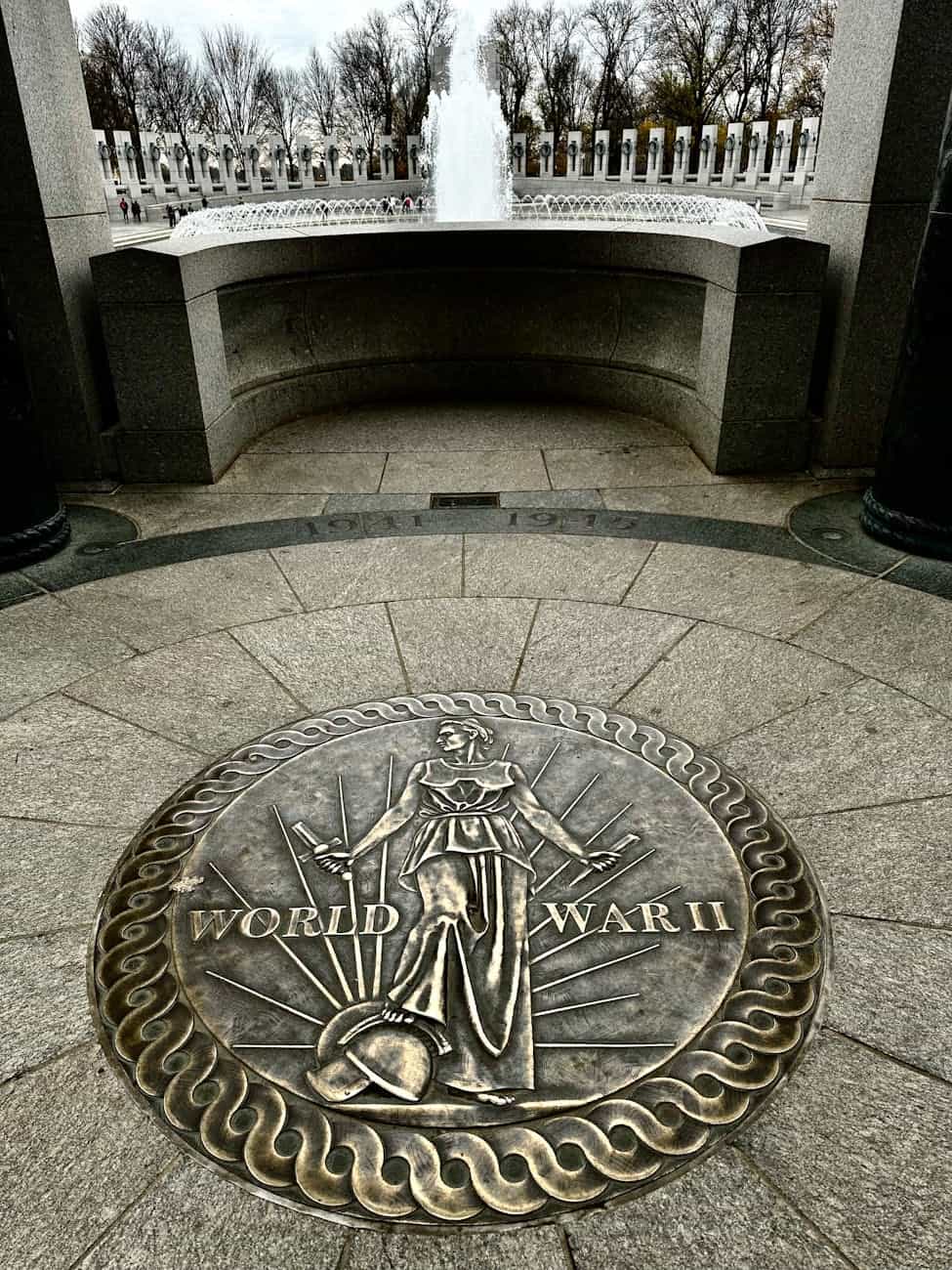
    The Economic Impact of World War II: A Historical Overview

    Introduction

    World War II, fought from 1939 to 1945, was a monumental struggle that reshaped global dynamics and economies. With nations directly involved in combat and countless others affected by its far-reaching outcomes, the ramifications of this conflict extended well beyond the battlefield. Economies around the world suffered profound transformations, as wartime efforts necessitated shifts in production, labor, and financial priorities. The economic impact of World War II was complex, initiating both immediate disruptions and fostering long-term recovery and growth. This article will delve into the various economic effects wrought by the war, exploring the pre-war economic landscape, immediate consequences of military engagements, post-war recovery strategies, and the persistent changes that have persisted into contemporary global capitalism.

    The Economic Landscape Before World War II

    Before the onset of World War II, the global economy was marked by significant instability and transformation. The aftermath of World War I had fostered severe economic consequences, namely the Great Depression, which began in 1929. This worldwide economic downturn drastically impacted many nations, leading to widespread unemployment, deflationary pressures, and a retreat from international trade. In the United States, the stock market crash marked the start of a decade-long struggle, characterized by economic hardship and slow recovery.

    As countries grappled with the consequences of the Great Depression, they began to reconsider their economic policies and international relations. Germany, for instance, faced extreme economic hardship and hyperinflation, which ultimately gave rise to Adolf Hitler and the National Socialist Party. The economic turmoil fostered an environment where aggressive nationalistic and militaristic sentiments could thrive. The inability of the League of Nations to effectively address various economic crises further exacerbated pre-war tensions.

    In contrast, the Soviet Union adopted a centrally planned economy under Joseph Stalin, focusing on rapid industrialization and militarization. The Great Purge of the late 1930s decimated the political elite, but the state’s focus on heavy industries meant that the USSR could substantially increase its military output. A military-first approach positioned the nation starkly against capitalist economies, setting the stage for future conflict.

    Britain and France, both striving to recover from their World War I debts and navigating the consequences of the Great Depression, sought to maintain their colonial empires. However, for them, the economic pressures limited their military readiness and ability to engage in effective responses to German expansionism during the late 1930s. With sweeping changes in the global economic landscape as nations turned inward and adopted protectionist policies, the stage for confrontation was being meticulously set.

    In Asia, Japan’s aggressive imperial ambitions were fueled by economic necessity. With limited natural resources to support its growing industrial economy, Japan sought to expand its influence through military conquests in China and beyond. The quest for resources and strategic territory led to increased militarization and fueled tensions with Western powers.

    The interwar period demonstrated the critical link between economic conditions and political behaviors, which set the stage for World War II. The drastic changes occurring within economies shaped alliances and rivalries, and as the world staggered toward war, the unresolved economic struggles of the pre-war era served as a bitter precursor to global conflict.

    The War’s Immediate Economic Consequences

    World War II brought about an array of immediate economic consequences for warring nations and their respective economies, profoundly affecting production, employment, and government spending. As nations transitioned toward total war, the prioritization of military output resulted in substantial shifts in industrial capabilities.

    Countries engaged in the war rapidly converted civilian industries to meet the demands of the military. In the United States, for instance, the War Production Board was established to oversee the war effort. Manufacturing operations that once produced automobiles and consumer goods were transformed to supply war materials, such as munitions, tanks, and aircraft. This shift not only mobilized the workforce but also boosted economic activity. Factories ran 24/7 to meet war demands, leading to a significant increase in employment rates — particularly among women who entered the workforce in unprecedented numbers.

    In Europe, the poignant destruction of infrastructure posed enormous challenges for many nations engaged in conflict. Cities and industrial centers faced relentless bombardments, which devastated their economic bases. The direct costs of warfare, coupled with the devastation of key economic areas, led to crippling debt and fiscal challenges. For example, Germany faced immense resource depletion while the Allied bombing campaigns systematically dismantled the industrial capabilities of their enemies.

    The war also presented opportunities for innovation and technology development. Advances in engineering were crucial for wartime logistics and combat, resulting in breakthroughs that would later contribute to post-war economic boom periods in various countries. Technologies developed during the war, including radar, synthetic rubber, and jet engines, had lasting impacts on civilian industries.

    However, the immediate post-war period also introduced challenges. As soldiers returned home and demobilization began, economies strove to transition from war conditions back to peacetime. Governments faced the dual challenge of reintegrating returning veterans into the workforce while simultaneously managing the inflationary pressures that arose from pent-up consumer demand and reduced supplies of goods.

    In conclusion, the immediate economic consequences of World War II were profound. The war catalyzed change, rescued economies from the depths of the Great Depression, and pushed nations to innovate. Yet, this transition was not without challenges, as the devastation left in the war’s wake illustrated the tenuous balance between wartime production and peacetime economic sustainability.

    Post-War Economic Recovery and the Marshall Plan

    Following the conclusion of World War II, the European landscape was characterized by widespread destruction and need for recovery. The devastation wrought by warfare necessitated a concerted effort for rebuilding economies and societies battered by conflict. One of the most significant strategies for post-war recovery was the Marshall Plan, officially known as the European Recovery Program, which was implemented by the United States in 1948.

    The Marshall Plan aimed to provide significant financial aid to European nations to facilitate the recovery of their economies, stabilize their governments, and prevent the spread of communism. This initiative emerged from the recognition that economic instability could lead to political extremism, which had contributed to the rise of fascist regimes before the war. By investing in European economies, the U.S. sought not only to foster stability but also to create a strong trading partner in the wake of the war.

    Over four years, the Marshall Plan allocated approximately $13 billion (equivalent to around $140 billion today) to help rebuild Western European economies. The funds were used for various purposes, including infrastructure reconstruction, agricultural recovery, and industrial revitalization. While countries like Germany were initially seen as adversaries, the U.S. understood the importance of their recovery both politically and economically, leading to substantial investments in the country as well.

    The results of the Marshall Plan were striking. It is widely credited with significantly accelerating economic recovery in Western Europe, assisting nations in their efforts to rebuild infrastructure and industries. By 1952, European economies were not only restored but demonstrated robust growth, often surpassing pre-war levels.

    Furthermore, the economic revival helped to solidify political ties between Western nations and the United States. This partnership would ultimately lay the groundwork for future economic collaboration and military alliances, such as NATO. The shared experience of recovery fostered a sense of unity in the region, despite ideological divides.

    However, the Marshall Plan was not without criticism. Some argued that it reinforced American economic dominance and created economic dependencies among European nations. The Soviet Union viewed the initiative as a means of exerting control over Europe and consequently barred Eastern Bloc countries from participation. This division further entrenched the ideological divide between Eastern and Western Europe during the Cold War.

    Ultimately, the Marshall Plan represented a pivotal moment in the post-war era, illustrating the interplay between economic recovery and political stability while solidifying the role of the United States as a global superpower. It also represented an era of cooperation that would redefine international relations in the latter half of the 20th century.

    Long-Term Global Economic Changes After World War II

    The conclusion of World War II did not merely mark the end of military conflict; it heralded significant long-term changes in the global economic landscape. The war had irrevocably altered the dynamics of power and trade, leading to the rise of new economic paradigms and international relationships.

    One of the most significant shifts was the emergence of the United States as a leading global economic power. With most of Europe and parts of Asia left in ruins, the U.S. emerged from the war relatively unscathed; its industrial base was intact, and its economy had thrived during wartime production. This newfound economic strength positioned the United States as a pivotal actor on the world stage, leading to the establishment of institutions like the International Monetary Fund (IMF) and the World Bank to facilitate global economic cooperation and stability.

    At the same time, the war’s aftermath accelerated the decline of colonial empires. Nations in Asia, Africa, and the Middle East sought autonomy and independence, challenging colonial powers that had weakened during the conflict. The decolonization movement fundamentally changed global trade patterns, as newly independent nations established their own economic priorities, often emphasizing self-sufficiency and resource nationalism.

    The establishment of the Bretton Woods system in 1944 further shaped the post-war economic environment. By creating fixed exchange rates based on the U.S. dollar, which was backed by gold, this system promoted international trade growth and financial stability. The agreement aimed to foster collaboration among nations while preventing the devaluation pressures that had characterized the interwar years. As global trade expanded, economies became more interconnected, interdependence rising through networks of goods, services, and capital.

    Additionally, the war spurred technological advancements that would shape various industries. The Cold War emphasis on competition between the U.S. and the Soviet Union saw significant drives for innovation in sectors such as aerospace, telecommunications, and computers. Military spending and research during the Cold War prompted advancements that ultimately found numerous civilian applications and contributed to the rise of expansive post-war economies.

    Labor markets also underwent significant transformations as a result of World War II. The war facilitated greater workforce participation from women and minority groups, which reshaped societal roles and expectations. Post-war recovery often involved addressing labor rights and the introduction of stronger social safety nets, as economies recognized the necessity of a stable and healthy workforce.

    As the world entered the latter half of the 20th century, the economic fabric woven during post-war recovery would set the stage for both prosperity and conflict. The legacy of World War II remained evident as nations navigated complex relationships built on shared experiences of recovery, ideologies of competition, and a commitment to fostering economic growth in an increasingly interconnected world.

    The Impact of War on Industry and Labor Markets

    World War II had profound and lasting effects on industry and labor markets, fundamentally altering workforce dynamics and production capabilities in engaging nations. The transition to a war economy shifted industrial production toward military needs, thereby changing long-standing economic structures and labor patterns.

    At the onset of the war, countries scrambled to mobilize their economies, leading to the rapid industrialization of various sectors. In the United States, factories that once produced consumer goods pivoted to producing wartime materials, such as ships, aircraft, and munitions. This transition not only increased production capabilities but also resulted in shifts in labor forces, enabling previously excluded demographics to enter the workforce. Women, in particular, became a crucial part of this labor mobilization effort, exemplified by the iconic image of “Rosie the Riveter” representing women’s contributions to industry.

    As millions of men were drafted into military service, women filled roles that were traditionally male-dominated, taking on jobs in manufacturing, engineering, and other vital areas. This shift began to change cultural attitudes about gender roles in the workforce. Post-war, many women sought to keep their jobs or continue their involvement in the workforce, which eventually contributed to the feminist movements of the 1960s and 1970s.

    The need for wartime production also stimulated technological innovations in industry. Industries adopted more advanced production techniques and more efficient operational practices to expedite manufacturing processes. For instance, assembly lines that sped up production were further refined during this period, laying the groundwork for post-war industrial efficiency.

    However, the transition back to a peacetime economy following the war proved to be a complex challenge. As soldiers returned from service, the economy faced the difficulty of reintegrating a large number of workers. The government established programs to assist returning veterans, leading to initiatives that eventually culminated in the G.I. Bill of Rights. This legislation provided millions of returning soldiers with access to education and housing, facilitating their transition to civilian life.

    The post-war era also saw the growth of labor unions as workers sought to protect their rights in a rapidly changing economic landscape. Union movements gained significant leverage, leading to widespread calls for better wages, benefits, and working conditions. The labor strife that characterized the post-war period underscored the tensions that frequently arise in the context of economic recovery.

    Moreover, the war emphasized the importance of a well-educated workforce. Governments recognized the need to invest in education and training to develop skills necessary for the evolving job market. This commitment to education would ultimately influence the design of labor policies and social programs in the latter half of the 20th century.

    In summary, World War II reshaped the industrial landscape and labor markets across the globe. From the integration of women into the workforce to the establishment of labor rights and educational reform, the war’s impact on industry was profound and enduring, laying a foundation for the economic and social transformations that followed in its wake.

    Conclusion

    World War II was a pivotal moment in history that deeply influenced the global economy, leaving an extensive legacy that shapes our present. The war catalyzed economic changes, altered labor dynamics, and pushed nations toward greater collaboration and recovery. Although the immediate impacts were characterized by destruction and hardship, the eventual recovery facilitated by programs like the Marshall Plan illustrated the potential for renewal and growth in the post-war world.

    As countries rebuilt, they were confronted with the challenge of transitioning back to peacetime economies. The lessons learned from this turbulent period fostered technological innovations, altered labor market dynamics, and reshaped global trade patterns, setting the stage for decades of growth and competition. The interconnectedness born from wartime cooperation became a cornerstone of the modern international economy.

    Reflecting upon the lessons of World War II can help us understand present economic challenges, guiding us as we navigate our way through complex global dynamics. The impacts of the war are not merely historical; they continue to resonate within our current socio-economic context. The interplay of economics and warfare remains an essential consideration as nations strive toward peace and recovery in an ever-evolving global landscape.

    Sources Consulted