Tag: Crisis
-
The History of World War I: Economic Impacts and Consequences
World War I, from 1914 to 1918, was a pivotal global conflict that reshaped nations politically, socially, and economically. Driven by nationalism, militarism, and alliances, it transformed economies as countries mobilized resources for war. Industrial advancements occurred, with women entering the workforce in unprecedented numbers, challenging gender norms. Post-war, harsh reparations devastated economies, particularly in Germany, leading to hyperinflation and contributing to the Great Depression. Shifts in global trade emerged, with the U.S. gaining economic power as European nations weakened. The war\’s lessons on economic stability and international cooperation continue to influence modern economic policies and relations.
-
The Black Tuesday: A Turning Point in Financial History
On October 29, 1929, known as Black Tuesday, the U.S. stock market experienced a catastrophic crash, signaling the start of the Great Depression. This event followed a decade of economic growth during the Roaring Twenties, characterized by rampant speculation and a widening gap between the stock market and the real economy. Panic selling ensued as stock prices plummeted, resulting in significant financial distress for banks, businesses, and everyday citizens. Initial government responses were inadequate, prompting later reforms, including the creation of the SEC. Ultimately, Black Tuesday reshaped American economic policies and highlighted the need for regulatory oversight to prevent future…
-
The COVID-19 pandemic Economic Crisis: a historical analysis of its impact on the Global Economy

The COVID-19 pandemic, originating in late 2019, triggered a profound global economic crisis. As nations grappled with public health and economic disruptions, lockdowns caused massive job losses, particularly in sectors like travel and hospitality. Governments responded with significant fiscal measures, including stimulus packages, to protect businesses and individuals. The long-term repercussions include accelerated digital transformation, shifts in labor markets, and heightened economic inequalities. Lessons learned emphasize the need for robust public health infrastructure, diversified supply chains, and equitable recovery efforts. As economies recover, resilience, adaptability, and inclusivity will be critical in facing future challenges.
-
The 1970s Stagflation Crisis: Causes, History, and Economic Impact

The 1970s stagflation crisis marked a pivotal moment in economic history, characterized by slow growth, high unemployment, and rising inflation. This unprecedented scenario defied classical economic theories, particularly the Phillips Curve, which suggested a trade-off between inflation and unemployment. Factors such as oil crises and structural economic shifts contributed to a complex policy environment where traditional Keynesian responses fell short. The government’s strategies, including monetary tightening and wage controls, often exacerbated the situation. The crisis reshaped public sentiment, fostered political movements, and underscored the importance of adaptable economic policies, influencing future U.S. economic strategies and discussions on equity.
-
The History of Hyperinflation and the crash of German Mark
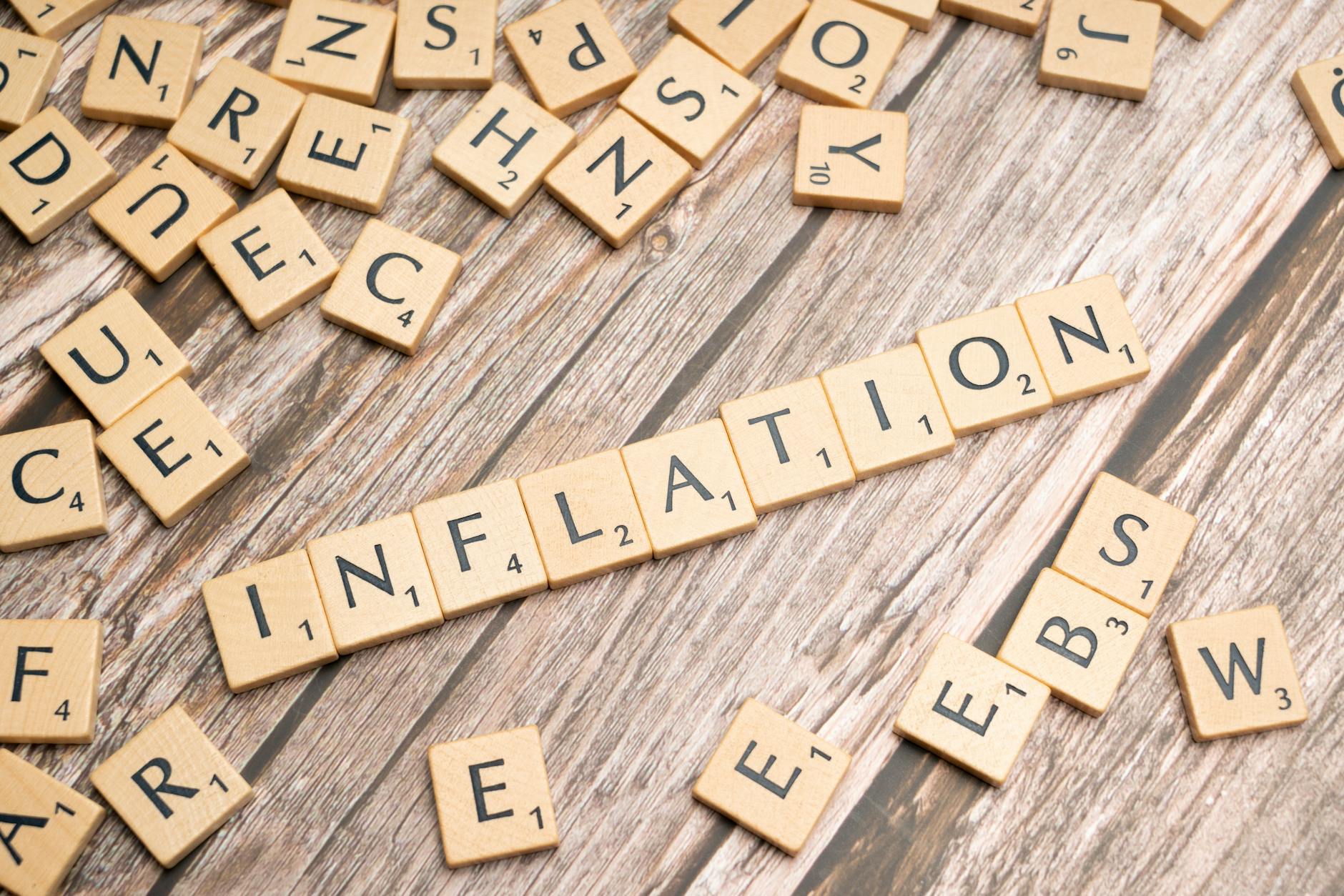
Hyperinflation in Germany during the early 1920s, particularly associated with the Weimar Republic, illustrated the severe consequences of rapid price increases and currency devaluation. Triggered by harsh reparations from the Treaty of Versailles, government attempts to print money led to an economic crisis. The resulting hyperinflation obliterated the value of the German Mark, causing widespread poverty and discontent, eroding public trust in institutions. This period highlighted the interplay between economic policies and political stability, facilitating the rise of extremist movements. The lessons from this crisis serve as a warning for modern economic management and the importance of sound fiscal policies.
-
The history of 1907 Financial Crisis: The Unseen Hand of J.P. Morgan

The 1907 Financial Crisis unveiled significant weaknesses in the American banking system, featuring widespread bank runs and stock market turmoil. J.P. Morgan emerged as a critical figure, organizing efforts among bankers to stabilize the financial landscape by pooling resources and restoring public confidence. The crisis prompted calls for regulatory reforms, culminating in the establishment of the Federal Reserve System in 1913, which aimed to provide monetary stability and prevent future financial disasters. This pivotal event reshaped banking practices, emphasizing the need for oversight and intervention, and established lasting legacies concerning financial regulation and consumer protection, reflected in ongoing debates about…
-
The 2008 Collapse of Lehman Brothers: A Turning Point in Financial History

The collapse of Lehman Brothers in September 2008 marked a pivotal moment in global finance, highlighting the systemic vulnerabilities within financial systems. Founded in 1850, Lehman expanded aggressively into mortgage-backed securities but failed to adequately manage risks, especially as housing markets declined. Internal warnings were ignored, culminating in its bankruptcy filing, which triggered a global financial crisis. The immediate fallout included severe stock market declines and a liquidity crisis, sparking widespread regulatory reforms, such as the Dodd-Frank Act, aimed at preventing similar collapses. Lehman’s demise serves as a profound reminder of the need for robust risk management and oversight in…
-
The History of Argentina’s Crisis: A complete guide

Argentina’s economic crises have unfolded over decades, significantly impacting its society and political landscape. Starting in the 1980s, the transition from military rule led to rampant inflation and soaring debt. The 1990s saw neoliberal reforms that, while initially stabilizing the economy, culminated in the catastrophic crisis of 2001. This period marked a dramatic shift, leading to widespread poverty and social unrest. Recovery efforts in the 2000s hinted at progress through state intervention and social programs but were marred by inflation and political challenges. Presently, Argentina grapples with high inflation, debt burdens, and social inequality, pressing for inclusive growth and sustainable…
-
The Sovereign Debt Crisis in the European Union: complete guide 2011-2015

The sovereign debt crisis in the EU, starting in 2011, arose from excessive debt from the 2008 financial crisis, affecting countries like Greece, Portugal, and Ireland. Greece’s inability to meet its obligations led to a €110 billion bailout, sparking public protests against austerity measures. Subsequent bailouts for Portugal and Ireland included similar austerity conditions. The crisis prompted significant EU interventions, including the establishment of the European Stability Mechanism and the ECB’s Outright Monetary Transactions program. Lessons learned emphasize the need for solidarity among member states, comprehensive recovery strategies prioritizing social welfare, and enhanced economic governance to prevent future crises.