Tag: Cities

  • 3-Day Charming Edinburgh Itinerary: Explore Scotland’s Capital

    3-Day Charming Edinburgh Itinerary: Explore Scotland’s Capital

    Introduction

    Edinburgh, the capital of Scotland, is a city drenched in history and culture, offering a unique blend of ancient heritage and modern vibrancy. From its iconic castle perched high on Castle Rock to the charming streets of the Old Town, Edinburgh beckons visitors with its enchanting allure. In just three days, you can experience the essential sights and attractions that make this city a must-visit destination. Delve into the heart of Scotland’s history as you navigate through cobbled streets, explore majestic castles, and indulge in its world-renowned culinary offerings. Whether you’re a history buff, a nature lover, or a food enthusiast, Edinburgh provides an array of experiences that cater to every traveler’s taste. This guide will walk you through the top highlights and hidden gems to ensure your visit to this magnificent city is truly unforgettable.

    Exploring Edinburgh Castle

    Edinburgh Castle dominates the skyline of Scotland’s capital, standing as a symbol of Scottish heritage and a testament to the city’s fascinating history. Perched atop Castle Rock, a volcanic rock that has provided natural protection for centuries, the castle has been a royal residence since at least the 12th century. As you approach the castle, the impressive fortifications and dramatic views over the city set the stage for a day of exploration.

    Inside the castle, visitors are greeted with a wealth of historical artifacts. The Crown Jewels of Scotland, displayed in the Crown Room, are an absolute must-see. These ornate jewels, which include the Crown, Sceptre, and Sword of State, were used in the coronation of Scottish kings and queens, embodying the country’s rich regal history. Similarly, the Stone of Destiny, an ancient symbol of Scottish monarchy, is another highlight within the castle. The stone has a storied past, having been used in the crowning of Scottish monarchs for centuries before being taken by the English and finally returned to Scotland.

    Beyond the jewels, Edinburgh Castle also houses the National War Museum of Scotland, which showcases an extensive collection of military artifacts. The exhibits narrate tales of bravery and sacrifice, reflecting Scotland’s martial history. Visitors can also explore the Great Hall, an impressive structure adorned with weapons and armor that serves as a glance into the medieval past. The Great Hall, built in the 16th century, still serves as a venue for formal functions and ceremonial occasions, making it an architectural highlight in its own right.

    Walking through the castle grounds, you’ll come across St. Margaret’s Chapel, the oldest surviving building in Edinburgh, dating back to the 12th century. This small and serene chapel is a quiet refuge and offers visitors a moment of reflection amid the bustling sightseeing. At the heart of the castle, the iconic Half-Moon Battery presents stunning panoramic views of the city, making for an excellent photo opportunity.

    The daily one o’clock gun firing is another exciting spectacle that draws crowds to the castle. A tradition that dates back to 1861, the firing of the cannon serves as a time signal for the citizens of Edinburgh and continues to be a popular attraction for visitors.

    After taking in the castle’s numerous sites, visitors can relax at the café located within the castle grounds, offering a selection of light refreshments and cakes, perfect for recharging after a busy morning exploring.

    In conclusion, Edinburgh Castle is more than just a monumental structure; it serves as a symbol of Scotland’s enduring spirit and rich history. From the stunning architecture to the fascinating exhibitions, a visit to the castle is an essential part of any trip to Edinburgh. Designating several hours for your exploration here will not only enhance your understanding of Scotland’s past but also leave you with lasting memories of this iconic landmark.

    Strolling Down the Royal Mile

    The Royal Mile is often regarded as the heart of Edinburgh, connecting the iconic Edinburgh Castle at the top with the Palace of Holyroodhouse at the bottom. This historic thoroughfare is not just a street; it is a living testament to the city’s vibrant past and cultural significance. Lined with an array of shops, restaurants, and attractions, a stroll down the Royal Mile offers a true sense of the city’s character and charm.

    As you embark on your journey along the Royal Mile, you’ll find a mixture of contemporary shops and traditional Scottish merchandise. The cobbled streets are filled with souvenir shops where you can find tartan scarves, Scottish shortbread, and locally crafted whisky. The pleasant ambiance of street performers and musicians adds flair and vibrancy to your exploration. You might witness talented buskers showcasing folk music, dancers, and other artistic performances, making your stroll even more enjoyable.

    Every few steps, you’ll encounter stunning architecture and historical sites. One notable attraction is St. Giles’ Cathedral, also known as the High Kirk of Edinburgh. With its iconic crown steeple and stunning stained glass windows, this medieval church is an architectural marvel. Visitors can step inside to admire the church’s beautiful interior, hear the symphony of the organ, or simply enjoy a moment of quietness.

    Another highlight along the Royal Mile is the Real Mary King’s Close, an eerie yet captivating site that takes you underground to explore the hidden alleyways and tenements of Old Town. This guided tour reveals the everyday lives of those who lived here in the 17th century and delves into the tales of the plague and its impact on Edinburgh. The experience provides a unique perspective on the city’s history that many visitors cherish.

    As you continue along the Royal Mile, don’t forget to stop by the Heart of Midlothian, a heart-shaped mosaic set in the pavement that marks the location of the old Royalty Theatre. This site is a popular spot for tourists taking photos, but it carries an interesting legend: it is said that spitting on the heart will give good fortune or even ensure a successful visit to the nearby football match.

    A significant aspect of the Royal Mile is the plethora of pubs and eateries available for dining experiences. You could indulge in traditional Scottish fare or discover unique food offerings from various cuisines. A visit to a local pub provides the perfect opportunity to enjoy a meal and sample a pint of local whisky or ale. Many establishments also feature live music, enhancing the authentic Scottish vibe you’re bound to love.

    As you approach the Abbey at the end of the Royal Mile, you reach the Palace of Holyroodhouse, the official residence of the Scottish monarch. This opulent palace welcomes visitors to explore its magnificent rooms, expansive gardens, and an insight into royal life. The juxtaposition of the historical castle at one end of the Royal Mile with the regal palace at the other beautifully encapsulates the breadth of Scotland’s regal history.

    In conclusion, a stroll down the Royal Mile is an essential part of any visit to Edinburgh. This historic street weaves a narrative of Scotland’s past and present, revealing a treasure trove of sights, sounds, and flavors along the way. With each step, you’ll uncover the rich history and cultural depth that this beloved thoroughfare has to offer, leaving you with a deeper appreciation of Edinburgh’s vibrant heritage.

    Discovering Holyrood Palace

    Holyrood Palace, the official residence of the British monarch in Scotland, stands at the foot of the Royal Mile and is an essential landmark for any visitor to Edinburgh. This stunning palace is rich in history, architecture, and resplendent gardens, making it a captivating place to explore. The royal residence has served as the heart of Scottish monarchy for centuries, and its significance is felt throughout the palace’s corridors and opulent rooms.

    Upon entering Holyrood Palace, visitors are greeted with a sense of grandeur as they navigate through the magnificent entrance hall adorned with portraits of the royal family. The layout of the palace tells the story of Scotland’s rich history, with each room brimming with tales of kings and queens, battles, and political decisions that shaped the nation.

    One of the most striking areas within the palace is the State Apartments. These lavish rooms are used for official functions and state visits, showcasing intricate wallpapers, period furniture, and stunning art collections. The Throne Room, with its regal decor, is particularly breathtaking, making it a highlight of the tour. The attention to detail found in every corner of the palace reflects the royal essence that has persisted throughout history.

    Equally significant are the ruins of the old chapel, once part of a 12th-century abbey. The Chapel Royal is an elegant yet solemn site that offers visitors a glimpse into the spiritual history of the palace. Exploring this area provides a reflective moment amidst the grandeur of the palace, highlighting the connection between religious and royal authority throughout Scottish history.

    While much of Holyrood Palace is devoted to historical exhibitions, it also features beautiful gardens that add a natural beauty to the royal complex. The Palace Gardens are meticulously landscaped, showcasing flowering plants, neat hedges, and serene pathways perfect for a leisurely stroll. The backdrop of the palace creates a stunning visual experience, especially during spring when blossoms abound.

    The palace and its grounds are also steeped in tragic history, particularly regarding Mary, Queen of Scots. Her story is intricately tied to Holyrood; her chambers are a significant part of the tour. The life she led and the trials she faced are depicted through exhibitions and narrations that bring her tumultuous reign to life. The dramatic and romantic stories of Mary, along with the political intrigues surrounding her, capture the imaginations of many visitors.

    Additionally, the site hosts various temporary exhibitions that delve deeper into specific historical themes, allowing guests to continually discover something new even if they’ve visited before. The exhibitions often tackle important topics related to Scotland’s monarchy, independence, and notable figures, contributing to a broader understanding of the nation’s history.

    Holyrood Palace is also known for hosting public events, state ceremonies, and the annual garden party during the summer, which provides a glimpse of royal life in contemporary Scotland. Planning your visit around these events can enhance your experience and offer unique insight into modern-day monarchy.

    In summary, a visit to Holyrood Palace enriches any trip to Edinburgh. It serves as a splendid reminder of Scotland’s royal heritage while offering a blend of stunning architecture, lush gardens, and heartfelt historical narratives. The journey through this iconic residence provides visitors with a deep appreciation for the royal history that continues to shape the country today.

    Climbing Arthur’s Seat

    Arthur’s Seat is an iconic landmark that dominates the Edinburgh skyline and a must-visit destination for anyone looking to experience the natural beauty of Scotland’s capital. This extinct volcano, situated in Holyrood Park, rises to a height of 251 meters (823 feet) and provides both locals and visitors with picturesque views of the city, the Firth of Forth, and beyond. It’s an exhilarating adventure that combines history, geology, and stunning landscapes.

    The trek to the summit of Arthur’s Seat is both rewarding and invigorating. A well-marked path leads hikers through varied terrain, allowing you to immerse yourself in the natural environment. As you begin your ascent, you’ll notice the rugged landscape and lush flora that thrive around the volcanic rock. The surrounding area is teeming with wildlife, and it’s not uncommon to spot small birds and other creatures as you make your way up the trail.

    As you climb higher, the panoramic views become increasingly spectacular. Midway along the path, several vantage points offer breathtaking perspectives of Edinburgh. From here, you can admire the sprawling cityscape, the impressive Edinburgh Castle silhouetted against the sky, and the distant hills that frame the horizon. The sight is particularly enchanting during sunrise or sunset when the city bathes in warm, golden hues.

    Reaching the summit of Arthur’s Seat is a triumphant experience. Once at the top, you are greeted with a 360-degree view of the surrounding landscapes. On a clear day, you can see as far as the Pentland Hills, the North Sea coastline, and even the highlands in the distance. There’s something profoundly serene about standing at the peak of an ancient volcano, surrounded by nature’s untouched beauty.

    While the ascent to the top can be challenging for some, there are various routes available that cater to a range of fitness levels. From a gentle climb to a steeper incline, everyone can find a suitable path. Make sure to wear comfortable shoes and carry water for the journey. Once you reach the summit, take your time to soak in the scenery, snap photographs, and enjoy the tranquility of your surroundings.

    The historical significance of Arthur’s Seat adds an intriguing layer to your hike. Ancient legends associate the site with King Arthur and the Knights of the Round Table. Many believe that the hill was the inspiration for Camelot, adding a sense of mystique to the already captivating landscape. Additionally, archaeological evidence suggests that the area was inhabited by our ancestors as far back as pre-history. The ruins of a hillfort at the top reinforce the notion that this site was once an essential hub for early settlers.

    For those who wish to explore further, the surrounding Holyrood Park offers additional walking and cycling trails, including the spectacular Salisbury Crags. These dramatic cliffs alongside Arthur’s Seat provide additional opportunities for exploration and breathtaking views. Birdwatching, picnicking, or simply relaxing amidst the lush greenery is another way to appreciate the natural beauty of the park.

    In conclusion, climbing Arthur’s Seat is a not-to-be-missed experience when visiting Edinburgh. It combines physical activity with breathtaking scenery and rich history, creating an unforgettable outdoor adventure. Whether you are seeking solitude in nature or an exhilarating workout, this iconic landmark invites you to connect with the rugged beauty of Scotland. Your journey to the summit will leave you with lasting memories and a deeper appreciation for the stunning landscapes that define this incredible city.

    Enjoying Edinburgh’s Culinary Scene

    Edinburgh’s culinary scene is a vibrant tapestry of traditional Scottish flavors, modern innovations, and international influences, making it an exciting destination for food lovers. From quaint cafes to Michelin-starred restaurants, the city offers a diverse range of dining experiences that cater to every palate and budget. Discovering Edinburgh’s food culture is an adventure that reflects its history and the creativity of its chefs.

    One cannot visit Scotland without experiencing its iconic dishes. Haggis, often referred to as Scotland’s national dish, is a savory dish made from sheep’s offal mixed with oatmeal, spices, and seasonings. It is traditionally served with neeps (turnips) and tatties (potatoes) and is a must-try for visitors looking for an authentic taste of Scottish heritage. Many restaurants across the city prepare this dish, with some even offering a modern twist on this classic recipe.

    Besides haggis, traditional fare also includes Cullen skink, a hearty smoked fish soup, and the scrumptious Scottish salmon. Restaurants and pubs throughout the city pride themselves on serving fresh, locally sourced seafood that celebrates Scotland’s coastal roots. Exploring markets such as the Edinburgh Farmers’ Market, held every Saturday, offers an opportunity to discover a wealth of local produce, artisan foods, and handmade goods, enabling visitors to sample the region’s culinary bounty.

    Apart from local dishes, Edinburgh is teeming with a multicultural food scene. The presence of diverse communities in the city has resulted in a flourishing array of international cuisine. From Indian to Italian, Thai to Mediterranean, the culinary options stretch far beyond traditional Scottish fare. A visit to Leith, a vibrant area along the waterfront, introduces a myriad of global restaurants that offer something for every taste. Here, you can find world-class dining experiences alongside casual eateries, all contributing to the rich tapestry of the city’s food culture.

    For those looking for a more unique experience, dining in one of Edinburgh’s historic pubs is a great way to enjoy both the local cuisine and the lively atmosphere. Many pubs offer a selection of traditional dishes alongside a wide range of local beers and whiskies. The warm, cozy ambiance of these establishments makes them perfect for savoring a meal while experiencing the convivial spirit of the city.

    As you explore Edinburgh’s culinary offerings, don’t miss the opportunity to indulge in its renowned whisky culture. Scotland is famed for its Scotch whisky, and single malt whiskies are celebrated across the city. Many bars and distilleries offer tasting sessions where you can learn about the whisky-making process and savor some of the finest expressions of Scotland’s national drink. The Scotch Whisky Experience, located near the Royal Mile, provides an interactive journey through the history of whisky, alongside tastings and insightful presentations.

    For those with a sweet tooth, Edinburgh boasts numerous patisseries and bakeries offering delicious treats. Treat yourself to a piece of tablet, a traditional Scottish sweet made from sugar, condensed milk, and butter that melts in your mouth. Alternatively, visit one of the many local shops for freshly baked scones or cakes served with clotted cream—a delightful afternoon treat.

    In conclusion, Edinburgh’s culinary scene is as diverse as it is delightful. From traditional Scottish dishes to international flavors and creative gastronomic experiences, the city offers an abundance of choices for every food enthusiast. Embracing the culinary landscape of Edinburgh provides not only a taste of the local culture but also the opportunity to embark on a gastronomic adventure that reflects Scotland’s depth and creativity.

    Conclusion

    Edinburgh is a city that effortlessly encapsulates history, culture, and natural beauty, making it an ideal destination for a short getaway. In just three days, visitors can explore a wealth of attractions, from the majestic Edinburgh Castle to the tranquil heights of Arthur’s Seat. Each experience enriches one’s understanding of Scotland’s heritage while offering unique insights into its modern identity.

    As you traverse the Royal Mile, the heart of the city, you absorb the vibrant atmosphere, filled with shops, street performers, and architectural wonders, making every step an adventure in itself. The fine historical tapestry woven throughout the city is beautifully showcased in the majestic Holyrood Palace, where centuries of royal history converge.

    Culinary enthusiasts will delight in the diverse food scene that Edinburgh has to offer, savoring traditional Scottish dishes alongside international cuisine that reflects the city’s vibrant cultural makeup. Whether sampling haggis or enjoying a fine whisky, every meal becomes a celebration of local flavors.

    Ultimately, Edinburgh invites travelers to embark on a transformative journey that connects them with Scotland’s past and present. As your time in this historic capital draws to a close, the memories made will linger long after your departure, leaving you with an appreciation for the city’s charm. Each moment spent in Edinburgh is an opportunity to discover, indulge, and connect—making it a destination that deserves to be explored and cherished.
  • Magical Prague Weekend Getaway 2025: Food, Culture & Nightlife

    Magical Prague Weekend Getaway 2025: Food, Culture & Nightlife

    Introduction

    Prague, the capital of the Czech Republic, is a city where history and modernity intertwine in captivating ways. With its stunning architecture, rich cultural heritage, and vibrant atmosphere, it offers an array of experiences that cater to all types of travelers. Whether you’re wandering through its cobblestone streets, visiting its world-renowned landmarks, or savoring local cuisines, Prague promises a memorable weekend getaway. This beautiful city boasts a wealth of must-see sights like the iconic Charles Bridge and Prague Castle, alongside hidden gems such as cozy cafes and galleries that reveal the city’s artistic heartbeat. Additionally, you can immerse yourself in Czech flavors, from hearty dishes to delightful pastries. This guide will explore the iconic sights, lesser-known treasures, delectable food, cultural engagements, and lively markets that make Prague weekend truly unforgettable.

    Iconic Landmarks and Historical Sites

    Prague is often referred to as the “City of a Hundred Spires,” a nickname that reflects the city’s rich history and stunning skyline. A visit to Prague would be incomplete without exploring its most iconic landmarks, which serve as the backbone of its cultural and historical identity. One of the most prominent sites is Prague Castle, which is not only the largest ancient castle in the world but also a UNESCO World Heritage site. This magnificent complex, sitting atop a hill overlooking the city, features a mix of architectural styles from Gothic to Baroque, with intricate details and expansive gardens. Visitors can explore St. Vitus Cathedral, where Czech kings were crowned, and revel in the breathtaking views of the city from its vantage point.

    Next, the Charles Bridge, adorned with 30 statues of saints, connects the Old Town with the Lesser Town. Built in the 14th century, this pedestrian-only bridge offers a unique ambiance with street performers, artists, and vendors lining its path. As you cross the bridge, take time to appreciate the intricate carvings and the stunning views of the Vltava River.

    Moving on, the Old Town Square is the heartbeat of Prague, surrounded by historic buildings like the Gothic-style Týn Church and the vibrant baroque St. Nicholas Church. Here, you’ll find the famous Astronomical Clock, which puts on its hourly show, drawing crowds to witness the animated figures that signal the passage of time. The square is also a great spot to enjoy a coffee or meal while soaking in the atmosphere.

    Don’t miss the Jewish Quarter (Josefov), a poignant reminder of the city’s historical Jewish community. Wander through the well-preserved sites, such as the Old Jewish Cemetery and the numerous synagogues, including the stunning Spanish Synagogue, which showcases Moorish Revival architecture.

    Another must-see is the Vyšehrad, a historic fort situated on a hill offering panoramic views of the city and the Vltava River. The site holds great significance in Czech history and legend, housing the Cemetery of Vyšehrad where many notable Czechs are buried, including composer Antonín Dvořák and architect Alphonse Mucha.

    In addition to these iconic spots, take some time to stroll through the Lesser Town (Malá Strana), known for its baroque buildings and intimate charm. One of its highlights is the picturesque Wallenstein Gardens with beautifully manicured lawns, fountains, and statues that offer a peaceful retreat from the bustling city.

    The landmarks of Prague are more than mere attractions; they narrate stories of the past, reflect the resilience of the people, and showcase the beauty of various artistic movements through the centuries. Each monument serves as a reminder of the city’s rich tapestry of history and culture, making them essential stops for anyone looking to experience the essence of Prague.

    Quaint Neighborhoods and Hidden Gems

    Prague is a city of neighborhoods, each with its own unique character and charm. While iconic attractions are plentiful, venturing off the beaten path unveils a treasure trove of quaint locales and hidden gems that offer a more authentic perspective of the city. One such neighborhood is Vinohrady, known for its beautiful parks, stunning architecture, and local vibe. The area is dotted with trendy cafes, bars, and restaurants, making it a favorite among locals and expats alike. Stroll through Riegrovy Sady, a large park offering lovely views of the city skyline and a lively atmosphere where locals gather for picnics and outdoor activities.

    Another hidden gem is Žižkov, a district renowned for its bohemian spirit and vibrant nightlife. This area is home to the iconic Žižkov Television Tower, which stands as a striking landmark. Climbing to its observation deck rewards visitors with panoramic views and a unique experience of seeing the city from above. In Žižkov, you can explore quirky pubs, such as the famed U Z latec, known for its impressive selection of Czech beers and traditional dishes. The neighborhood’s artistic vibe comes alive through its street art, making it a perfect locale for those who appreciate creativity in urban spaces.

    For a glimpse into the Prague of yesteryear, venture to Malá Strana and wander through its labyrinth of cobblestone streets and breathtaking baroque architecture. Here, the Kampa Island provides a peaceful escape, where you can admire the famous Friedrich Oerter statues scattered around the lush parks. Visit the John Lennon Wall, a ever-evolving graffiti wall that celebrates peace and love. It is a backdrop for many visitors who wish to leave their mark while appreciating the spirit of community and hope.

    Furthermore, the Letná Park offers stunning views of the city and is a local favorite for enjoying a leisurely afternoon. Visitors can find pathways lined with blooming cherry trees, and even a beer garden where they can relax with a cold Czech lager while taking in the beauty of Prague.

    If you’re looking for unique shopping opportunities, don’t miss the HoleÅ¡ovice district. This area has transitioned from industrial roots to a contemporary hub filled with art galleries, design shops, and creative spaces. The DOX Centre for Contemporary Art is a highlight, showcasing thought-provoking exhibitions that challenge conventional perspectives.

    Exploring these quaint neighborhoods and hidden gems allows travelers to connect more deeply with Prague’s essence. Rather than sticking to the main tourist trail, these areas unveil the vibrant spirit of the city through its locals, artistic expressions, and cozy atmospheres. Each hidden corner tells a story waiting to be discovered, revealing the soul of Prague beyond its renowned landmarks.

    Culinary Delights: Traditional Czech Cuisine

    One of the most delightful aspects of visiting Prague is indulging in its traditional cuisine. Czech food is hearty, flavorful, and often influenced by its neighboring countries, creating a unique culinary experience. Start your gastronomic journey with Svíčková, a beloved Czech dish. This creamy sauce made from root vegetables accompanies marinated beef, served alongside dumplings that are a staple in Czech meals. Each bite is rich in flavors, combining the savory taste of the meat with the slightly sweet and tangy sauce.

    Another must-try dish is Goulash, a warming stew that has its roots in Hungarian cuisine but has been embraced by the Czech people. The Czech version is thicker and often served with bread or dumplings, making it a satisfying meal for any day of the week. Goulash variations can be found across many traditional bistros and restaurants, each with its own unique twist.

    When it comes to traditional Czech beer, you would be remiss not to delve into some of the finest brews the country has to offer. The Czech Republic has a proud brewing heritage, and brands like Pilsner Urquell and Budweiser Budvar are just the beginning. Visiting a local pilsner brewery or historic tavern is essential to fully appreciate the craftsmanship of Czech beer. The unique purity and taste stem from local ingredients and traditional brewing methods.

    If you’re looking for a lighter fare, try Trdelník, a sweet pastry that has gained popularity among tourists. While its origins can be traced back to Hungary and Slovakia, it has become a favorite treat in Prague. The pastry is made from rolled dough that is wrapped around a stick, baked over an open flame, and coated with sugar and walnuts. Vendors often fill it with ice cream, chocolate, or fruit, creating a delightful, Instagram-worthy dessert.

    For those keen on exploring the local markets, Naplavka Farmers’ Market is an excellent stop on a Saturday morning. Located along the riverside, this market is bustling with vendors offering fresh produce, artisanal bread, handmade crafts, and delectable street food. It’s the perfect spot to savor traditional Czech pastries like Koláče, filled with fruit, cheese, or poppy seeds. Here, you can also find food stalls serving up options from various cuisines, highlighting the diversity of flavors embraced in Prague.

    Don’t overlook the influence of modernity on Czech cuisine. Many contemporary restaurants are offering a fusion of traditional dishes with modern techniques and ingredients. Places like Field and La Degustation prioritize local sourcing while elevating classic meals into artful presentations on the plate. The interpretation of Czech classics in innovative ways adds new layers to the culinary scene.

    Finally, a visit to Prague wouldn’t be complete without indulging in some local sweets. Palác or Chimney Cakes are often found at festivals and markets and are a crowd favorite. These circular pastries are cooked on cylindrical spits, creating a hollow center that is often filled with various toppings.

    Culinary experiences in Prague are more than just nourishment; they unveil the historical influences and the culture of its people. Each meal tells a story, allowing you to savor the essence of Czech heritage while enjoying the convivial and hospitable atmosphere that accompanies every dining experience. Whether it’s a multi-course meal in an upscale restaurant or the simplicity of street food, Prague’s culinary landscape is a journey worth embarking upon.

    Cultural Experiences: Museums, Galleries, and Theatres

    Prague boasts a vibrant cultural scene that art enthusiasts and history buffs will find irresistible. Home to an eclectic mix of museums, galleries, and theatres, the city celebrates both its historical legacy and contemporary arts. Start your cultural exploration at the National Museum, one of the most significant museums in the Czech Republic. Located at the top of Wenceslas Square, this architectural gem has recently undergone renovations, making its impressive exhibits more accessible to the public. The museum houses extensive collections ranging from natural history to the rich tapestry of Czech culture and history.

    For a more contemporary twist, the DOX Centre for Contemporary Art is a must-visit. Located in the Holešovice district, this innovative space hosts rotating exhibitions featuring both established and emerging artists, addressing social and political themes through various art forms. Its commitment to fostering dialogue through art makes it a unique cultural hub in Prague.

    Art lovers should also explore the Veletržní Palace, home to the National Gallery’s modern art collection. Discover works by renowned Czech artists such as FrantiÅ¡ek Kupka and Otto Gutfreund, alongside international pieces that resonate with the global art scene. This venue provides a thought-provoking experience that highlights the evolution of art through the ages.

    The rich theatrical tradition of Prague is something to behold, with performances ranging from opera to ballet and even puppetry, a significant part of Czech culture. The State Opera House is an architectural masterpiece where visitors can catch world-class performances, showcasing both classical operas and contemporary works. The charm and acoustics of this venue add a touch of grandeur to each performance, truly making it a memorable night out.

    Another prominent venue is the National Theatre, which represents the Czech nation’s cultural heritage. Here, one can experience opera, ballet, and drama, all in a historically significant setting that dates back to the late 19th century. The theatre often conducts guided tours, providing insight into its rich history, stunning architecture, and the artistry that has taken place within its walls.

    For a more alternative experience, delve into the Žižkov Theatre, known for its innovative productions and unique interpretations of classic plays. This vibrant cultural spot encourages local artists and experimental performances, giving visitors a taste of Prague’s cutting-edge art scene.

    Lastly, don’t forget about the Franz Kafka Museum, dedicated to the life and works of the renowned writer born in Prague. Set against the backdrop of the historic Old Town, the museum offers a fascinating glimpse into Kafka’s bohemian lifestyle and the literary movements of the time. Interactive exhibits and archives allow visitors to explore the profound themes that permeated Kafka’s work, making it an intimate experience for literature enthusiasts.

    Cultural experiences in Prague are multifaceted and deeply enriching. By immersing oneself in the city’s museums, galleries, and theatres, visitors gain not only a better understanding of Czech history and creativity but also a glimpse of the vibrant artistic dialogue that shapes contemporary Prague.

    Local Markets and Nightlife Scene

    As the sun sets, Prague transforms into a vibrant city filled with life, energy, and innumerable options for nightlife and entertainment. The local markets and diverse nightlife scene reflect the city’s unique character, providing visitors with a plethora of experiences to create lasting memories.

    During the day, markets provide a lively atmosphere, with stalls brimming with fresh produce, artisanal goods, and unique souvenirs. The Havelské Tržiště, located in the city center, is one of the oldest markets in Prague. Here, visitors can find everything from handmade crafts to traditional Czech snacks. As you explore, be sure to sample the local delicacies, such as trdelník or sweet pastries, and chat with local vendors who provide insight into their crafts.

    In stark contrast to the bustling day, the Naplavka Farmers’ Market comes alive with activity on Saturday mornings, offering an eclectic mix of food, drinks, and social interaction. This vibrant riverside market is a great place to mingle, sample local beers, and enjoy live music while indulging in the delicious offerings from various food stalls.

    As night falls, Prague’s nightlife begins to spark. For a traditional Czech experience, head to the countless beer gardens scattered throughout the city. Many of them have an inviting atmosphere, where locals and visitors alike gather for friendly conversations. One popular spot is the Letná Beer Garden, set in Letná Park, which offers stunning views of the city along with expertly crafted beer selections. Here, you can unwind and enjoy the relaxed social scene.

    If you’re looking to dance the night away, the Roxy stands out as one of Prague’s most famous nightclubs. Housed in a former theatre, this venue hosts incredible DJ sets and live performances that attract music enthusiasts from around the world. The eclectic mix of music genres ensures there’s something for everyone, and the art-filled space adds character to the party experience.

    For those craving live performances, the JazzDock is a must-visit. Situated along the Vltava River, this intimate venue showcases local and international jazz talents, providing a cozy space for music lovers. The ambiance, combined with great cocktails and views of the river, makes for a perfect night out.

    Another noteworthy venue is U Černého Vola, famed for its spirited atmosphere and traditional aesthetic. This popular bar is situated in the Old Town and often features live music events, creating a vibrant nightlife experience that resonates with both locals and tourists.

    If cocktails are your preference, explore the cocktail bars in the city, such as Hemingway Bar, where bartenders are true artists, crafting bespoke drinks and classic recipes using high-quality ingredients. The sophisticated ambiance and knowledgeable staff make this a perfect place to enjoy a refined night out.

    As your night winds down, consider taking a late-night stroll through the beautifully lit streets of Prague. The ambiance is magical as the landmarks shimmer under the stars, creating picturesque moments that perfectly encapsulate the city’s romantic allure.

    With diverse local markets and dynamic nightlife options, Prague offers experiences that encompass both cultural depth and modern energy. Each night out rewards visitors with delightful surprises, creating cherished memories of a vibrant city that comes alive after dark.

    Conclusion

    A weekend in Prague promises a whirlwind of captivating experiences that blend history, culture, and flavors. From the iconic landmarks that tell the tales of centuries past to the hidden gems that showcase the city’s artistic essence, every corner of Prague has something unique to offer. Whether you’re indulging in traditional Czech cuisine, immersed in the local culture through museums and theaters, or enjoying the vibrant nightlife, each moment contributes to the enchanting charm of this city. Traveling through its quaint neighborhoods and local markets reveals the pulse of Prague, fostering a deep connection with its rich heritage. As you depart, the memories of stunning views, delightful flavors, and warm encounters with locals will linger long after you’ve left, urging you to return to this captivating destination that truly captivates the heart.

  • Unforgettable 5 Days in Rome: A Guide to Art, Food, and History

    Unforgettable 5 Days in Rome: A Guide to Art, Food, and History

    Introduction

    Rome, often referred to as the “Eternal City,” is a treasure trove of history, culture, and culinary delights waiting to be explored. With a perfect blend of ancient ruins, breathtaking art, and vibrant street life, a visit to Rome promises an unforgettable experience that spans centuries of human achievement. In just five perfect days, travelers can immerse themselves in the distinct neighborhoods, historical landmarks, and local traditions that define this remarkable city. From the grandeur of the Colosseum to the spiritual essence of the Vatican, every corner of Rome tells a story. This guide offers a structured itinerary that highlights the must-see attractions while also encouraging adventure beyond the typical tourist trail. Whether you are a history buff, an art lover, or a foodie, there is something for everyone in Rome, making it a destination that captivates the heart and mind.

    Day One: The Ancient Heart of Rome

    The first day in Rome is all about diving into the city’s ancient history, where every stone whispers tales of glory, power, and sometimes treachery. The day typically begins at the iconic Colosseum, a marvel of engineering that has stood for nearly 2,000 years. As you step inside, you can’t help but imagine the roar of the crowd, the athletes, and the history that unfolded in this vast amphitheater. Guided tours often provide insights into the games that took place here, the architecture, and the significance of the Colosseum in ancient Roman society.

    After exploring the Colosseum, a short walk will take you to the Roman Forum, the heart of political life in ancient Rome. Here, you can wander among the ruins of temples, basilicas, and public spaces that were once bustling with citizens engaged in commerce, politics, and social gatherings. Notable landmarks within the Forum include the Temple of Saturn, the Arch of Titus, and Via Sacra, the main street that connected the Forum to the Colosseum. A knowledgeable guide can help bring these ruins to life, sharing stories of the great leaders and events that shaped Roman history.

    Next, head to Palatine Hill, the legendary birthplace of Rome and the site of lavish palaces belonging to emperors such as Augustus and Tiberius. The panoramic views from Palatine Hill are breathtaking, providing a unique perspective of the Forum and Circus Maximus. As you stroll through the gardens and remnants of opulent villas, you’ll understand why this hill is steeped in myth and history.

    For lunch, consider dining at a nearby trattoria, savoring traditional Roman dishes like Cacio e Pepe or Saltimbocca alla Romana. The atmosphere here is casual yet vibrant, allowing you to relax and recharge for the afternoon ahead.

    In the afternoon, make your way to the Piazza Venezia, where you will encounter the stunning Altar of the Fatherland (Altare della Patria), an enormous monument dedicated to King Victor Emmanuel II. Climbing to the terrace can provide another fantastic view of the city. After taking in the grand architecture, stroll through the bustling streets to your next destination, the Capitoline Museums. Home to a remarkable collection of ancient Roman art and artifacts, these museums allow you a closer look at the art that once adorned this great civilization. Don’t miss the famous Capitoline Wolf, which symbolizes Rome’s legendary founding.

    As your day comes to a close, find your way to the Campo de’ Fiori for dinner. This lively square is home to a market by day and a popular dining spot by night, with numerous restaurants offering everything from pizzas to gourmet meals. Enjoy a glass of local wine and reflect on the sights and stories you’ve encountered throughout your day.

    To wrap up your first evening, consider taking a leisurely stroll across the Ponte Sisto, where you can enjoy the illuminated scenery of Rome. The views of the Tiber River and distant ruins create a magical backdrop as day turns to night, marking the perfect end to a day steeped in the ancient essence of Rome.

    Day Two: The Vatican and Spiritual Exploration

    Day Two revolves around the Vatican City, an independent enclave steeped in religious importance and cultural heritage. Start your exploration early by heading to St. Peter’s Basilica, one of the largest and most impressive churches in the world. The grandeur of its architecture will leave you in awe as you gaze up at the magnificent dome designed by Michelangelo. To fully appreciate the basilica, consider booking a guided tour that highlights the artwork and historical significance, including the impressive tombs of popes and marvel at the stunning mosaics that adorn the ceilings.

    After your tour of St. Peter’s, take some time to wander through St. Peter’s Square, designed by Bernini, which serves as a vibrant gathering place for pilgrims and tourists alike. Look closely at the Colonnade; the 284 Doric columns symbolize the embrace of the Church, inviting visitors into its fold. You might find you are captivated by the atmosphere here, especially when the Pope addresses the public.

    Next, make your way to the Vatican Museums, which house one of the world’s most important art collections. Be prepared to spend a few hours here, as the museums are expansive and filled with incredible artworks from artists such as Raphael and Michelangelo. Don’t miss the Sistine Chapel, where the ceiling painted by Michelangelo is often regarded as one of the finest masterpieces of Renaissance art. The Last Judgment on the altar wall is equally mesmerizing, providing a deep sense of spiritual resonance. It’s advisable to book your tickets in advance to avoid long lines, allowing more time to explore the treasures within.

    As lunchtime approaches, venture to a nearby café for a traditional Italian meal. Whether it’s a simple plate of pasta or a fresh Caprese salad, enjoy the flavors of local cuisine, reflecting on the morning’s experience.

    Post-lunch, dedicate your afternoon to a visit to Castel Sant’Angelo, which served as a mausoleum, fortress, and papal residence. Climb to the top for yet another panoramic view of Rome. The history of this castle, with its ties to emperors and popes, captures the evolution of Roman power and influence over the centuries. The museum housed within details the rich history and significant artifacts from different periods, creating a compelling narrative that ties into your Vatican experience.

    In the early evening, consider walking along the Tiber River, where you might find picturesque views and the chance to witness the softer side of the city as the sun begins to set. The reflection of the buildings on the water creates a dreamlike quality, perfect for contemplation after a day of deep exploration.

    Conclude your day with dinner in the Trastevere neighborhood, known for its charming streets and eclectic dining options. Here, you can enjoy a warm atmosphere, perhaps dining at a family-run trattoria that serves traditional Roman dishes or sampling the vibrant street food.

    This second day in Rome not only brings you closer to the heart of Catholicism but also allows you to feel part of the rich tapestry of history that defines this iconic city.

    Day Three: Art and Architecture in Trastevere

    On Day Three, immerse yourself in the vibrant neighborhood of Trastevere, which boasts a bohemian atmosphere, narrow cobblestone streets, and authentic Roman lifestyle. Start your exploration at the Basilica di Santa Maria in Trastevere, one of the oldest churches in Rome, renowned for its stunning mosaics. The church’s façade is breathtaking, while the interior gleams under soft light, showcasing intricate artwork that tells stories of early Christianity.

    After soaking in the atmosphere within the basilica, meander through the backstreets of Trastevere. Your walk should include the Piazza di Santa Maria, where you can grab a coffee at one of the nearby outdoor cafés and people-watch. The square is often filled with locals and travelers alike, reflecting a rich cultural blend.

    Next, head to the Villa Farnesina, a Renaissance villa that houses impressive frescoes by artists such as Raphael. The ornate design and well-maintained gardens offer a peaceful escape from the busy streets, allowing visitors to appreciate the artistry of the period. Each room presents a fascinating glimpse into the life of the wealthy Roman nobles who once inhabited this space.

    For lunch, enjoy a meal at a local trattoria, indulging in classic Roman fare. Typical dishes include Pasta alla Gricia or a refreshing Insalata Caprese to keep your energy levels high. Pair it with a local wine to complement your culinary experience.

    In the afternoon, visit the Orto Botanico (Botanical Garden) for a moment of serenity amidst nature. The garden spans several hectares and showcases a wide variety of plant species. It’s a great place to relax before continuing your adventure through Trastevere.

    Next, delve into contemporary art at the nearby MACRO (Museum of Contemporary Art of Rome). Although not located directly in Trastevere, it is within a short distance and offers a contrasting experience to the classical art throughout the city. The museum features works from both Italian and international artists, showcasing modern interpretations and innovative exhibits.

    As the sun begins to set, head back to Trastevere, where the evening comes alive with music, laughter, and a warm ambiance. Visit the Ponte Sisto to take in the sunset views over the Tiber, providing a picturesque backdrop to your day’s adventures.

    Dinner options abound in Trastevere, with everything from pizza al taglio to elegant dining establishments. Opt for a restaurant that specializes in Roman cuisine, sampling local specialties such as Artichokes alla Romana (Roman-style artichokes) or Carciofi Cacio e Pepe (artichokes with cheese and pepper). The bustling squares and lively streets make for the perfect dining atmosphere, perhaps even leading to a local gelato shop for dessert afterward.

    End your day by exploring the nightlife of Trastevere. With its lively bars and youthful vibe, you may find that the neighborhood transforms into a galley of sounds and lights, where you can enjoy a drink and continue to soak in the vibrant culture that defines this beautiful corner of Rome.

    Day Four: Culinary Delights and Local Markets

    On Day Four, indulge your senses with the culinary magic of Rome, combining a love for food with the city’s cultural experiences. Begin your day with a visit to markets where locals shop for fresh produce, meats, cheeses, and baked goods. Start at the Campo de’ Fiori Market, a lively hub that draws chefs and residents alike. Strolling through stalls packed with vibrant fruits and vegetables, you’ll encounter vendors passionately sharing stories about their products.

    As you sample local olives, cheeses, or freshly baked bread, interact with the vendors who are often more than willing to share recipes or cooking tips. This market is vibrant, making early morning a great time to interact with local shoppers and immerse yourself in daily Roman life.

    For lunch, pick up ingredients from the market and consider joining a cooking class, where you can learn to prepare traditional Roman dishes. Many local chefs offer classes that focus on making pasta from scratch, providing not only a delicious result but also a memorable and hands-on experience.

    After your class, devour the fruits of your labor, indulging in the dishes you’ve created while gaining insight into the culinary history of Rome. Enjoy how the use of fresh, local ingredients plays a crucial role in Roman cuisine, making each meal a reflection of both the history and culture of the region.

    In the afternoon, continue your culinary journey with a visit to a nearby gelateria. Sampling authentic Italian gelato is a must while in Rome, and with flavors ranging from traditional pistachio to unique berry blends, it’s a delightful treat to cool off and recharge.

    Next, embark on a food tour through one of Rome’s vibrant neighborhoods. These tours typically lead you through various culinary stops, each representing a different aspect of Roman cuisine—like pastries, coffee, wine, and street food. You can find favorites such as Supplì (fried rice balls) and Porchetta sandwiches, often served at family-run establishments with histories intertwined with the community.

    Dinner that evening can be a continuation of your culinary explorations. Opt to dine in the Jewish Ghetto, known for its unique blend of Roman and Jewish cuisine. Taste dishes such as Carciofi alla Giudia (Jewish-style artichokes) and Fried Zucchini Flowers, which are local delicacies that showcase historical influences in Roman cooking.

    As you savor your evening meal, take a moment to appreciate not just the flavors but the stories behind each dish. Engage in conversations with locals who frequent these dining spots, enhancing your understanding of the city’s rich culinary culture.

    Conclude your evening with a stroll along the Tiber or find a cozy wine bar where you can experience the convivial atmosphere of an Italian evening. Perhaps indulge in another gelato or a final glass of wine as you reflect on your immersive culinary explorations throughout this remarkable city.

    Day Five: Hidden Gems and Scenic Walks

    As your time in Rome draws to a close on Day Five, immerse yourself in some hidden gems that reflect the quieter, lesser-known sides of the city. Start your day in Testaccio, a neighborhood often underappreciated by tourists, that hosts a rich assortment of culinary delights and local culture. Explore the Testaccio Market, where you can browse fresh produce, specialty shops, and street food stalls.

    While at the market, taste local delicacies such as Trapizzino or visit a nearby bakery to sample freshly made Maritozzo, a delightful cream-filled bun that is a Roman staple. This district is known as the birthplace of Roman cuisine, although it remains a well-kept secret.

    Continue your exploration at the Cimitero Acattolico (Non-Catholic Cemetery), a serene and beautiful resting place for poets and artists such as John Keats and Percy Bysshe Shelley. The cemetery is flanked by stunning cypress trees and elaborate tombstones, providing a peaceful atmosphere for reflection.

    After absorbing the beauty of this tranquil space, take a short walk to the Aventine Hill, famed for its beautiful gardens and stunning vistas of the city. One of the highlights here is Giardino degli Aranci (Orange Garden). As you stroll through, the fragrant orange trees and mesmerizing views of St. Peter’s Basilica make it a delightful escape from the bustling streets below.

    Following your morning of hidden treasures, make your way back towards the center and prepare for an afternoon visit to the Galleria Borghese. This art gallery is set within the exquisite Villa Borghese gardens and homes breathtaking masterpieces by Caravaggio, Raphael, and Bernini. Advance reservations are recommended, as the gallery limits visitors to ensure an intimate experience with the artwork.

    Immerse yourself in the beauty and intricate detail of Baroque art, and explore the stunning gardens that surround the villa. A scenic walk through the gardens also provides a moment to relax amidst nature, a refreshing change from the historical sites.

    As the day winds down, consider visiting the Spanish Steps, a popular gathering place that is particularly lovely in the early evening. Climb to the top of the steps for one last panoramic view of the city as the sun sets, casting warm colors over the landscape.

    For your last dinner in Rome, choose a restaurant that highlights regional specialties, perhaps in Monti, a neighborhood that has a vibrant food scene. Here, you can forge lasting memories over a meal, accompanied by lively discussions about your Roman adventures. Select a dish that resonates with you, and toast to the experiences you’ve had and the culture you’ve embraced throughout your five-day journey.

    As the evening comes to a close, take one last leisurely stroll through the streets, perhaps returning to any favorite spots or indulging in one final gelato. Let the essence of Rome, with its rich history, stunning architecture, and vibrant culture, linger in your heart as you prepare to bid goodbye to this incredible city.

    Conclusion

    As your five-day exploration of Rome comes to a close, the city leaves an indelible mark on your heart and soul. The blend of ancient history, vibrant culture, and unforgettable culinary delights creates an experience that truly embodies the spirit of the Eternal City. From revisiting iconic sites like the Colosseum and St. Peter’s Basilica to uncovering the charm of neighborhoods like Trastevere and Testaccio, each day offers a unique tapestry of discoveries.

    Every corner of Rome tells a story—stories of emperors, artists, and everyday Romans who have shaped this city over millennia. The culinary adventure, too, enriches your understanding of the culture, showcasing the importance of food and fellowship in Roman life. As you savor traditional dishes and indulge in local flavors, you realize that food is not just sustenance; it is a connection to the past and a celebration of the present.

    Traveling through Rome is like stepping into a living museum where every step reveals layers of history and culture waiting to be uncovered. Whether you find joy in art, architecture, or gastronomy, Rome invites you to engage with its essence, making an indelible imprint on your wanderlust-filled soul. As you reflect on your journey, you’ll carry memories of the Eternal City with you long after your departure, ensuring that a piece of Rome lives on in your heart.

  • Rio de Janeiro History: A Journey Through Time

    Rio de Janeiro History: A Journey Through Time

    Introduction

    Rio de Janeiro, often referred to simply as Rio, is a city that embodies the spirit of Brazil through its vibrant culture, stunning landscapes, and rich history. Rio de Janeiro history started in 1565 by the Portuguese, and the city has evolved from a small settlement into one of the largest cities in South America. The city played a pivotal role in Brazil’s colonial history and later blossomed into a cultural hub known for its music, food, and festivals. In this article, we will delve into the multifaceted history of Rio de Janeiro, exploring its indigenous roots, colonial past, and its journey through significant cultural and political changes. From the majestic Sugarloaf Mountain to the lively Copacabana beach, we will uncover the events that shaped this extraordinary city, illustrating its remarkable resilience and spirit.

    The Indigenous Influence and Early Settlements

    The area that is now Rio de Janeiro was originally inhabited by indigenous tribes, including the Tupi and Guarani people. Their rich culture, traditions, and connection to the land laid the foundation for the city that would emerge in centuries to come. The Tupi, known for their agricultural practices and social structures, thrived along the coastal regions, utilizing the abundant natural resources.

    In the early 16th century, before the Portuguese established a foothold in the region, European explorers had begun to chart the Brazilian coastline. However, it wasn’t until 1565 that Estácio de Sá and his men formally founded the city of Rio de Janeiro. The site was chosen strategically, located within a naturally sheltered bay surrounded by lush mountains, which offered a ripe environment for settlement and defense against potential enemies.

    Upon their arrival, the Portuguese encountered the local indigenous populations, leading to complex interactions. The early years of the settlement were marked by conflicts as the colonizers sought to assert their control over the land. The indigenous groups resisted, leading to skirmishes and a struggle for dominance. This period was significant in the shaping of Rio’s future as settlers began to establish their own communities, setting the stage for deeper colonization.

    As the city grew, the Portuguese began to import enslaved Africans to work on sugar plantations and in urban settings. These enslaved individuals contributed significantly to the development of the region, bringing their own cultural practices, beliefs, and skills. The synthesis of indigenous, African, and European cultures would eventually define Rio’s unique identity. The blending of these influences manifested in music, dance, religion, and cuisine, creating a rich tapestry that would continue to evolve over centuries.

    The settlement of Rio de Janeiro was not merely a starting point for colonization; it also laid the groundwork for what would become one of the most significant urban centers in the Americas. During this early period, the establishment of Jesuit missions was crucial in the conversion and education of the indigenous peoples. Jesuits played a vital role in the cultural exchange, teaching literacy and agricultural techniques. However, their presence was also a source of conflict, as they opposed the enslavement of indigenous people.

    Throughout the late 16th century, the city continued to flourish, with the growth of commerce and trade. The strategic location of Rio de Janeiro allowed it to serve as a key port for goods traveling between Europe and the Americas. The bustling activity of the port attracted settlers and traders from various backgrounds, further enhancing the cultural diversity of the nascent city.

    As we transition into the next phase of Rio’s history, it is essential to recognize how these early interactions laid the foundation for a multi-ethnic society. The legacy of the indigenous peoples and the resultant cultural amalgamation would resonate throughout the city’s evolution, influencing everything from its architecture to its artistic expressions.

    Colonial Era: The Establishment of the City

    The arrival of the Portuguese in the 16th century marked the beginning of a new era in Rio de Janeiro’s history. Established as a strategic port city, Rio was initially viewed through the lens of its economic potential. The choice of location at the entrance of Guanabara Bay was fortuitous; it provided not only natural beauty but also a protective harbor ideal for trade. The colonial era was characterized by conflicts with indigenous tribes and the establishment of the sugar cane industry, which would come to dominate Brazil’s economy.

    Initially inhabited by a mixture of Portuguese settlers and indigenous peoples, the city’s early growth was fraught with challenges. The settlers faced resistance from the Tupi and Guarani tribes, leading to violent confrontations. However, as the number of settlers increased, alliances were sometimes formed, resulting in a complicated relationship that oscillated between cooperation and conflict.

    By the late 17th century, Rio de Janeiro began to emerge as an important economic hub, largely due to the burgeoning sugar trade. As the economy expanded, so did the influx of enslaved Africans, who provided the labor force necessary for the sugar plantations. This created a deeply entrenched system of slavery that would have profound implications for Brazilian society and its culture.

    The social structure of colonial Rio was hierarchically stratified, with Portuguese colonizers and their descendants often at the top of the social ladder. The enslaved Africans and indigenous populations were relegated to the margins, facing marginalization and exploitation. However, the blending of cultures began to take root, with enslaved Africans contributing their knowledge of agriculture and their rich cultural traditions, which began to permeate the broader society.

    The colonial era also saw significant infrastructure developments, driven by the need for better trade routes and urban planning. The construction of roads, buildings, and churches reflected European architectural styles while also incorporating local materials and aesthetics. These developments would leave a lasting imprint on the city’s landscape, establishing a city that was both functional and visually striking.

    The impact of religion during this period cannot be overlooked. The Catholic Church played a pivotal role in the lives of the settlers and enslaved individuals alike. Churches and missions provided social services, education, and spiritual guidance, shaping the cultural life of Rio. The influence of the church can still be seen in the many historic churches that dot the city today.

    As the 18th century approached, the economic landscape began to shift yet again with the discovery of gold in the nearby regions of Minas Gerais. This led to an influx of wealth into Rio de Janeiro, further solidifying its status as the colonial capital of Brazil. The city became the center of a flourishing trade network, attracting merchants and artisans from various parts of the world.

    In summary, the colonial era was fundamentally about establishing control, economic exploitation, and cultural production that would shape the identity of Rio de Janeiro. The experiences of indigenous peoples, enslaved Africans, and European settlers intertwined, creating a complex social fabric that set the foundation for the city’s future.

    The Golden Age: Cultural and Economic Flourishing

    As Rio de Janeiro transitioned into the 18th century, it was poised on the brink of considerable change. The discovery of gold in the interior of Brazil led to a period often referred to as the “Golden Age” of Rio, marked by significant economic growth and a cultural renaissance. This period would profoundly shape the social and economic landscape of the city, positioning it as a central player in both Brazilian and global contexts.

    The influx of gold seekers and fortune hunters from all over Portugal and beyond transformed the city into a bustling cosmopolitan center. The population boomed, leading to an increased demand for goods, services, and housing. This surge in economic activity attracted merchants, artisans, and laborers, resulting in a diverse cultural mosaic. As wealth flowed into the city, the local elite began to invest in various cultural, artistic, and architectural projects.

    Architectural developments during this golden age were ambitious, reflecting both local tastes and European influences. Baroque and neoclassical styles dominated the city’s skyline, with the construction of grand churches, palaces, and public buildings. Notable structures from this period include the Cathedral of São Sebastião and the Royal Palace. These buildings not only showcased the city’s newfound wealth but also served as symbols of power and authority during this prosperous time.

    Cultural expressions flourished as well. Rio became a hub for artistic and literary movements, with a vibrant community of writers, musicians, and artists contributing to the cultural landscape. The city hosted numerous cultural events and festivals, which celebrated both European traditions and local customs. Music genres like samba and choro began to emerge, drawing inspiration from African, indigenous, and Portuguese roots. These musical forms would come to define Rio’s identity and continue to resonate far beyond its borders.

    Education also saw significant advancements during the golden age. The establishment of educational institutions fostered a climate of intellectual curiosity and inquiry. Advancements in science, philosophy, and the arts proliferated as schools and universities began to attract scholars and students alike. This intellectual ferment contributed to a growing sense of national identity and pride among the citizens of Rio.

    The Brazilian independence movement, gaining momentum during the late 18th and early 19th centuries, was inextricably linked to the socio-economic changes of this golden age. The wealth that flowed into Rio, coupled with its burgeoning middle class, fostered an environment of political consciousness and reformist ideas. Intellectuals and activists began to question colonial rule and advocate for greater autonomy from Portugal, setting the stage for the eventual independence of Brazil.

    However, this period was not without its challenges. The rapid economic growth led to stark social inequalities. The elite’s wealth contrasted sharply with the poverty experienced by the working class and enslaved populations. Discontent simmered beneath the surface, as the harsh realities of life for many clashed with the opulence surrounding them. This tension would bubble over in the coming decades as demands for social justice and reform became increasingly vocal.

    In conclusion, the golden age of Rio de Janeiro marked a pivotal chapter in the city’s history. It was a time of wealth and cultural flourishing, but also of social struggles and contradictions. This period laid the groundwork for the city’s modern identity, instilling a blend of affluence, cultural richness, and a burgeoning sense of national pride.

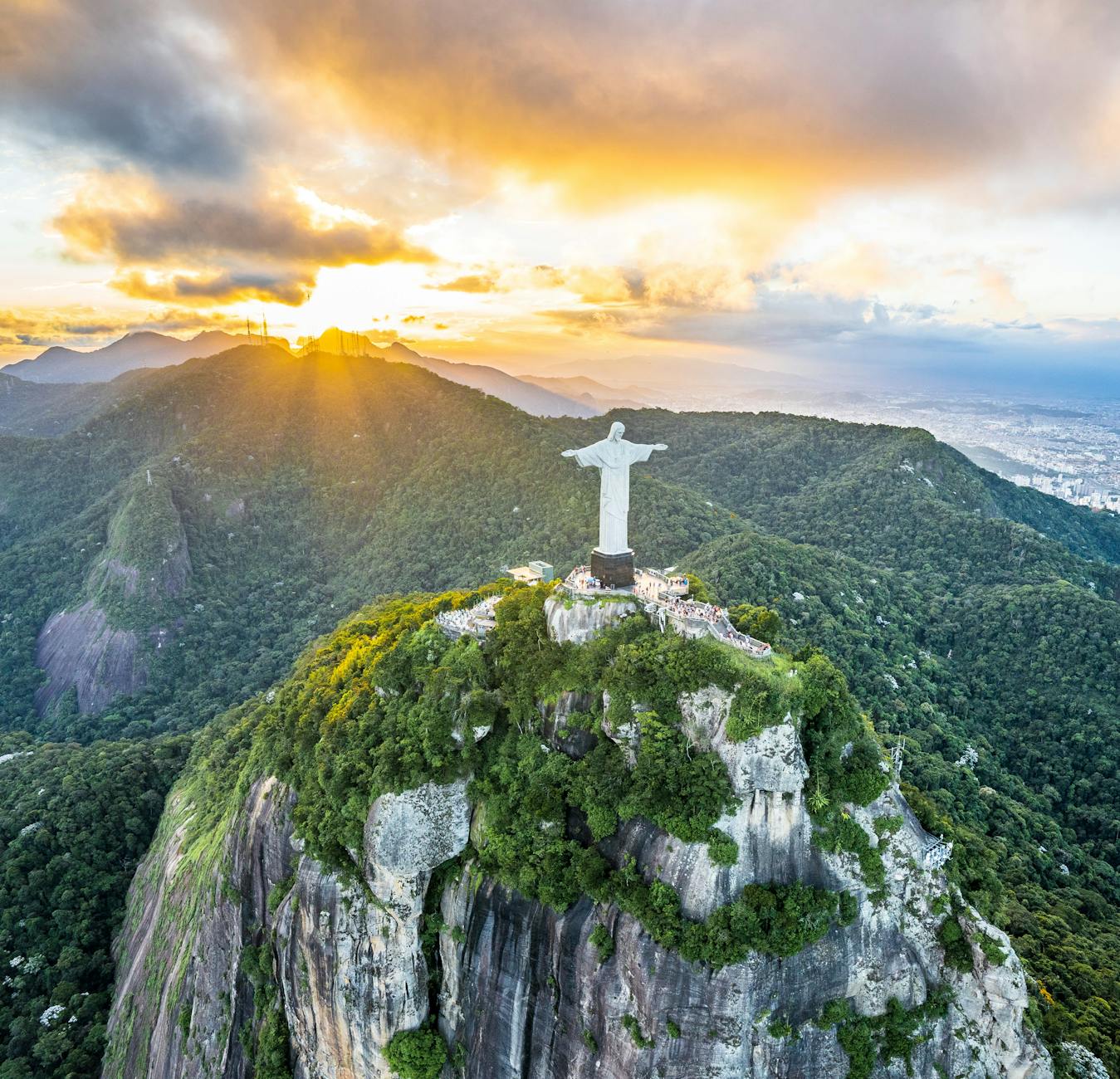
    Rio de Janeiro History
    Rio de Janeiro history started in 1565 by the Portuguese, and the city has evolved from a small settlement into one of the largest cities in South America.
    Photo by Aline Cardoso on Pexels.com

    Transition to Modernity: The 19th and 20th Centuries

    The 19th and early 20th centuries were transformative periods in Rio de Janeiro’s history, characterized by profound political, social, and cultural shifts. This era ushered in modernization and urbanization that would help shape the future of the city and its inhabitants. The backdrop to this transformation was painted with the interplay of national independence, abolitionism, and the influx of immigrants.

    In 1822, Brazil declared its independence from Portugal, and with it, Rio de Janeiro became the capital of the newly established Brazilian Empire under Emperor Pedro I. This period of independence marked a significant shift in the political landscape of the nation, as the center of power shifted from colonial authorities to Brazilian leaders. The city’s status as the capital facilitated the growth of national institutions and modernization efforts, which were necessary for the young nation to assert itself on the global stage.

    The shift from monarchy to a republic in 1889 further impacted Rio’s trajectory. The republic brought about various reforms aimed at alleviating social inequality and modernizing the economy. Investments in infrastructure flourished as the government prioritized urban development, resulting in the expansion of public services, transportation networks, and housing. Innovations in sanitation and public health also became focal points for the city, alleviating some of the pressing issues it faced as its population grew exponentially.

    However, the transition to modernity was not without strife. The abolition of slavery in 1888 brought about significant social change but also revealed underlying tensions within society. The freed enslaved individuals often faced systemic racism and exclusion, forcing many into impoverished neighborhoods and informal economies. The issues stemming from unequal access to opportunities contributed to rising social unrest and demands for better living conditions and rights.

    The demographic landscape of Rio changed dramatically as waves of European immigrants arrived throughout the late 19th and early 20th centuries. Italians, Germans, and Spaniards settled in various neighborhoods, further enriching the city’s cultural fabric. This influx of immigrants contributed to the diversification of customs, culinary practices, and languages spoken in Rio. The convergence of different cultural influences facilitated artistic movements that would define the city, such as modernist literature and tropicalismo in the musical spheres.

    Culturally, Rio thrived during this period. The city became a significant center for the arts, promoting cinematic, literary, and theatrical movements. The establishment of the Brazilian Academy of Letters in 1897 emphasized the importance of a national literary identity, giving rise to noteworthy authors who explored themes of identity and belonging. Art deco architecture flourished as a prosperous middle class sought to represent their cultural sentiments through architecture and public spaces, exemplified in the construction of the Municipal Theatre and other iconic buildings.

    The rise of samba as a popular music genre during this period coincided with the birth of the famed Carnival celebrations that Rio is now known for. The fusion of African rhythms, European melodies, and local traditions created a vibrant celebration that attracted locals and tourists alike. Carnival evolved from a small community festival into a symbol of national pride, showcasing the diverse cultural identities that coexist within Rio.

    The early 20th century also witnessed political turmoil, with a series of coups and social movements arising from the demands of labor rights and political reforms. Students, workers, and intellectuals mobilized, advocating for social changes that would address the inequities faced by the underprivileged. Their efforts in pursuit of social justice laid the groundwork for future movements dedicated to equality.

    In conclusion, the transition to modernity in Rio de Janeiro during the 19th and early 20th centuries was a defining period of transformation. The city emerged as a center of political and cultural significance, while also grappling with deep-seated social issues. The legacy of this era would continue to resonate, influencing subsequent generations to grapple with issues of class, race, and identity that challenge the city even today.

    Contemporary Rio: Challenges and Triumphs

    Rio de Janeiro in the 21st century represents a multifaceted city, balancing its rich history with the pressing challenges of modernization and urban development. While the city is celebrated for its natural beauty, cultural vibrancy, and festive spirit, it also faces significant issues such as economic disparities, violence, and environmental degradation. This contemporary landscape requires understanding both the triumphs and tribulations that characterize Rio today.

    Economic inequality remains one of the most pressing challenges facing Rio de Janeiro. Despite being one of the wealthiest cities in Brazil, the wealth distribution is highly skewed, with stark contrasts visible between affluent neighborhoods and favelas (informal settlements). The legacy of systemic inequalities persists, and many residents in favelas lack access to essential services, such as healthcare, education, and employment opportunities. Efforts to address these disparities have been slow and often hampered by political instability and corruption.

    Gun violence and crime further complicate the social fabric of Rio. Homicide rates have remained high, and armed gangs exert control over many areas of the city, particularly favelas. These challenges are exacerbated by the drug trade, poverty, and lack of resources for community development. Responding to these issues requires nuanced approaches that prioritize community engagement, economic opportunities, and comprehensive violence prevention programs.

    On the other hand, Rio’s cultural and artistic scenes continue to thrive. The city remains a hotspot for music, dance, art, and festivals that celebrate its diverse heritage. The annual Carnival, drawing millions of locals and tourists alike, has solidified Rio’s reputation on the global stage. Local samba schools and cultural groups keep alive the rhythms and traditions that define the city, fostering a sense of identity and unity among its residents.

    Cultural investments and initiatives have gained momentum in recent years, promoting programs that aim to uplift marginalized communities. Educational programs, cultural exchanges, and initiatives that focus on social inclusion have emerged as vital players in addressing inequality and fostering community identity. These grassroots movements illustrate the resilience of Rio’s people, united in their quest for social change.

    Additionally, the development of sustainable practices is gaining traction in contemporary Rio. Urban planning efforts that prioritize green space, recycling, and public transportation are essential in addressing the city’s environmental challenges. As climate change increasingly poses risks to coastal cities, Rio is working to develop strategies for sustainable urban environments that enhance quality of life for all residents. Programs aimed at revitalizing waterfront areas and increasing public access to parks are underway, demonstrating a commitment to preserving the city’s natural beauty.

    The hosting of major international events like the 2014 FIFA World Cup and the 2016 Summer Olympics propelled Rio into the global spotlight, but these events also triggered debates about the impacts on local communities. While these events brought investment and attention, they also raised concerns over the forced displacement of residents and the prioritization of profits over community welfare. The lessons learned from these high-profile events continue to shape urban policies in Rio, emphasizing the need for inclusivity and accountability.

    In the face of these ongoing challenges, the spirit of Rio de Janeiro endures. The resilience of its people to navigate adversity, celebrate their culture, and advocate for change is a testament to the city’s character. While the future may present uncertainties, the potential for growth, cultural fusion, and social transformation remains alive in the heart of Rio.

    Conclusion

    The history of Rio de Janeiro is a tapestry woven from the threads of its indigenous roots, colonial past, and modern struggles. From its origins as a coastal settlement to its rise as a vibrant cultural hub, the city reveals the complexities of identity and resilience. The historical events of the past — from the interactions between indigenous peoples and European settlers to the challenges posed by slavery and social inequality — shape the contemporary realities of Rio de Janeiro.

    As we reflect on the journey of this remarkable city, it is imperative to recognize the ongoing challenges that persist, such as economic disparities, violence, and environmental issues. The triumphs of Rio, exemplified through its cultural richness, artistic expressions, and community resilience, stand in stark contrast to these struggles, emphasizing the need for collective action toward a more equitable future.

    In understanding Rio’s history, we gain insight into the social dynamics that continue to evolve, illuminating paths toward progress and unity. As Rio de Janeiro moves forward, its ability to embrace both its challenges and triumphs will determine the trajectory of its identity, paving the way for future generations to celebrate and build upon the legacy established by those before them.

    Sources

    • “A History of Brazil” by E. Bradford Burns
    • “Rio de Janeiro: A Cultural History” by John Dickie
    • “The Brazilian Economy: Growth and Development” by Werner Baer
    • “Samba: Resistance in Motion” by Marc A. Schade-Poulsen
    • “The favelas of Brazil: an overview” by G. B. F. W. Rodrigues
    • Official websites of Rio de Janeiro cultural institutions and government cultural initiatives

  • Unraveling Lisbon History: Key Events and Cultural Transformations

    Unraveling Lisbon History: Key Events and Cultural Transformations

    Introduction

    Lisbon, the capital of Portugal, is a vibrant city characterized by its rich history and diverse cultural heritage. This cosmopolitan metropolis, perched on the banks of the Tagus River, has witnessed numerous civilizations that have shaped its identity over millennia. From the early Phoenician settlements to the strategic importance it held during the Age of Discovery, Lisbon’s narrative is both intricate and captivating. The city has evolved through challenges, including natural disasters and political upheaval, yet it remains a testament to resilience and innovation. This article aims to delve deep into the various epochs of Lisbon’s history, exploring its transformation from a humble trading post to a significant player on the global stage, and elucidating the elements that contribute to its unique charm today.

    The Foundations of Lisbon: Early Settlements and Influences

    Lisbon’s history can be traced back to ancient times, significantly marked by its geographical location along crucial maritime routes. The earliest known inhabitants of the region were the Phoenicians, who established a trading settlement around 1200 BC. This settlement, known as Alis Ubbo, was ideally positioned for trade with various Mediterranean cultures, serving as a gateway for goods such as metals, textiles, and spices.

    Following the Phoenicians, the city saw the arrival of the Romans around 200 BC. Under Roman rule, Lisbon, then called Olissippo, flourished as a significant administrative and economic center. The city’s layout was transformed with the introduction of Roman architecture, including temples, amphitheaters, and aqueducts. The Romans skillfully adapted the natural landscape, constructing roads that enhanced connectivity with other regions of the Iberian Peninsula. The Roman influence is still evident today in Lisbon, particularly in its archaeological sites that showcase this rich heritage.

    Interestingly, Lisbon’s history during the Roman period is also marked by the syncretism of cultures. The city became a melting pot of various traditions, as it was a hub for trade and cultural exchange. The arrival of the Visigoths in the early 5th century heralded a new chapter, leading to the decline of Roman influence. The city faced various challenges, including invasions and internal strife, resulting in a gradual transformation of its social and political structures.

    In the 8th century, the Umayyad conquest brought the Moors to Lisbon, significantly impacting its culture and architectural landscape. The city’s Islamic period was characterized by the cultivation of knowledge, art, and scientific progress. The foundations laid during these early settlements paved the way for Lisbon’s future prominence as a cultural and economic center.

    The early history of Lisbon is thus foundational in understanding its evolution. The blend of Phoenician, Roman, and later Islamic influences set the stage for the vibrant tapestry of cultures that would define the city. These early interactions not only shaped the physical infrastructure but also contributed to the societal dynamics that would characterize Lisbon for centuries to come.

    Lisbon under Roman Rule: The Transformation of a City

    Under Roman rule, particularly during the first four centuries of the Common Era, Lisbon underwent a remarkable transformation that elevated it from a local settlement to a significant urban center. The Romans recognized the strategic importance of Lisbon’s location along the Tagus River, which provided an accessible route to the Atlantic Ocean, thus enhancing its status as a commercial hub.

    Roman administration introduced various developments in urban planning in Lisbon, most notably in the construction of roads, public buildings, and civil infrastructure. Olissippo was laid out in a grid pattern, a hallmark of Roman city planning, with a forum at its center. This forum served as the political, social, and economic heartbeat of the city, where citizens could gather to engage in commerce and public discourse. Surrounding the forum were essential structures such as temples dedicated to Roman deities, baths for public hygiene, and amphitheaters for entertainment, showcasing the Romans’ commitment to public life.

    The Roman influence also extended to the city’s architecture, evident in the remnants of buildings like the Temple of Diana. This temple, although primarily a ruin now, reflects the grandeur of Roman religious architecture. The extensive aqueduct system constructed during this period significantly improved water supply and sanitation, demonstrating advanced engineering that would not be equaled in Europe until many centuries later.

    Culturally, the Roman presence injected a new dynamic into Lisbon. The Romanization process led to the introduction of the Latin language, which gradually replaced the local dialects. Over time, this shift contributed to the evolution of the Portuguese language, with Latin roots forming the basis of many contemporary terms used today.

    Though Roman rule faced challenges, including revolts and invasions by various tribes, the legacy of the Roman Empire in Lisbon endured. The city remained a vital outpost even after the fall of the Western Roman Empire in the 5th century, with its infrastructure and cultural foundations continuing to influence subsequent generations.

    The legacy of Roman Lisbon highlights the city’s adaptability and resilience. This era played a crucial role in shaping the identity of Lisbon, blending indigenous customs with Roman innovations. As we explore the subsequent historical developments, the impacts of this early era remain palpable, underscoring the importance of these foundations in the city’s enduring appeal and significance.

    The Moorish Era: Cultural Flourishing and Architectural Marvels

    With the arrival of the Moors in the 8th century, Lisbon entered a new era characterized by cultural flourishing and architectural innovation. The conquest of the city in 711 AD marked a significant transformation, as the Moors established themselves in the Iberian Peninsula, bringing with them advancements in various spheres, particularly in science, art, and architecture.

    Under Moorish rule, which lasted until the mid-12th century, Lisbon became known as Al-Ushbuna, a thriving center of trade and culture. This period saw the introduction of new agricultural techniques and crops, including citrus fruits, rice, and various spices that are now integral to Portuguese cuisine. The Moorish influence on agriculture was profound, resulting in a more diverse and productive landscape, which enhanced the city’s economy.

    Architecturally, the Moors left an indelible mark on Lisbon’s skyline. The famous Castelo de São Jorge, originally a Moorish castle, served both as a military stronghold and a royal residence. Its strategic position on a hill provided a defensive advantage and allowed for stunning panoramic views of the city. The castellan fortifications were an embodiment of Islamic architectural principles, incorporating intricate designs and elements reminiscent of the grandeur of the Moorish Empire.

    Further exemplifying the architectural brilliance of this era is the Alfama district, one of the oldest neighborhoods in Lisbon. Characterized by narrow winding streets, traditional houses, and vibrant tile work, Alfama retains much of its Moorish heritage. The use of azulejos—decorative ceramic tiles—can be traced back to this period, as these colorful tiles adorned buildings, telling stories of the city’s diverse cultural tapestry.

    Culturally, the Moorish period catalyzed significant intellectual and artistic achievements. Scholars and thinkers from various regions converged in Lisbon, exchanging ideas and knowledge. This environment of learning fostered advancements in mathematics, astronomy, and philosophy, profoundly influencing Portuguese thought. The legacy of this intellectual pursuit is still apparent in contemporary Portuguese cultural expressions, evident in literature, art, and music.

    The end of the Moorish rule in Lisbon came in 1147 when Afonso I of Portugal captured the city during the Reconquista. Despite being displaced, the Moors’ contributions to the city remained visible, influencing its culture and architecture well into the future. The intermingling of Christian and Islamic traditions created a unique cultural synthesis that would shape Lisbon’s identity for centuries to come.

    The Moorish era is thus a defining chapter in Lisbon’s history. The period not only enabled the city to prosper economically and culturally but also laid the groundwork for the rich architectural heritage that continues to attract visitors today. As Lisbon evolved, the influences from this era would permeate its fabric, contributing to the city’s resilience and enduring appeal.

    The Age of Discovery: Lisbon as a Global Maritime Power

    The Age of Discovery, spanning the 15th to the 17th centuries, marked a transformative period for Lisbon, establishing it as a pivotal maritime power. This era was characterized by the exploration of new trade routes, the establishment of overseas colonies, and an unprecedented expansion of global commerce. Lisbon emerged as the epicenter of this expansion, facilitating the exchange of goods, cultures, and ideas between Europe, Africa, Asia, and the Americas.

    Portugal, driven by ambitious explorers such as Vasco da Gama and Henry the Navigator, sought to discover new lands and trade routes. Lisbon became the launchpad for numerous expeditions as navigators departed from its shores in search of spices, gold, and other valuable commodities. The establishment of a trading empire expanded Portugal’s influence significantly, turning Lisbon into a bustling hub for merchants and traders from around the world. The city’s strategic location along the Atlantic coast enhanced its importance as a transit point for goods heading to and from Europe.

    The wealth generated during this period led to immense growth in Lisbon’s economy, which transformed the city’s social and cultural landscape. With an influx of riches from the colonies, the city became a melting pot of diverse cultures and traditions. The appearance of new goods and luxuries from distant lands enriched everyday life for many Lisbon inhabitants, leading to a vibrant atmosphere of prosperity and creativity.

    This economic boom spurred architectural advancements, as the city sought to showcase its newfound wealth through grand buildings and monuments. The Jerónimos Monastery and the Tower of Belém, both constructed during this period, exemplify the Manueline architectural style—a fusion of Gothic and Renaissance elements enriched by influences from Portugal’s overseas discoveries. These structures not only celebrate the wealth of the nation but also serve as a testament to the city’s maritime prowess.

    Simultaneously, the Age of Discovery fostered a climate of intellectual curiosity and innovation. Lisbon became a center for cartography and navigation, with scholars and mapmakers collaborating to chart new territories. The Portuguese were pioneers in maritime technology, developing navigational instruments that would later be adopted by other seafaring nations. This period of exploration not only expanded geographical knowledge but also facilitated cultural exchanges that had lasting impacts on the world.

    However, the prosperity of the Age of Discovery was not without its darker side. The quest for resources often led to the exploitation and colonization of indigenous populations, raising ethical questions about the consequences of such expansionist policies. This complex legacy remains integral to the understanding of Lisbon’s history and its role in global trade.

    The Age of Discovery solidified Lisbon’s position as a critical player in world history. The wealth, cultural exchange, and architectural advancements that characterized this period laid the foundation for Lisbon’s modern identity. As we continue to explore the city’s story, the indelible marks left by the Age of Discovery continue to resonate within its streets and communities.

    Modern Lisbon: Rebuilding, Revolution, and Resilience

    The 20th century ushered in a series of transformative events for Lisbon, characterized by reconstruction, political upheaval, and resilience. The devastating earthquake of 1755 marked a turning point, leading to significant changes in urban planning and architectural styles. The earthquake, which resulted in widespread destruction, prompted a reimagining of the city. Under the guidance of figures such as the Marquês de Pombal, Lisbon was rebuilt with a focus on modernity and improved infrastructure. The Pombaline architecture that emerged during this period combined functionality with neoclassical elements, reflecting the city’s determination to recover from catastrophe.

    As the century progressed, Lisbon played a crucial role in the political landscape of Portugal. The Republican Revolution of 1910 transformed the monarchy into a republic, altering the fabric of the nation. Lisbon served as a backdrop for political movements and civil unrest as citizens sought to shape their governance and sociopolitical identity. The Salazar dictatorship, which lasted from the 1930s to the 1970s, brought about significant changes in daily life and suppressed dissidence. During this period, Lisbon witnessed a mix of oppression and cultural expression, as artists and intellectuals navigated a regime marked by censorship.

    The Carnation Revolution of 1974 marked another pivotal moment in Lisbon’s history, symbolizing a peaceful transition to democracy. Citizens took to the streets, advocating for freedom and an end to authoritarian rule. The revolution was marked by the iconic imagery of red carnations, symbolizing hope and change. The subsequent democratization fostered an environment of cultural revival, embracing diverse identities and perspectives.

    As Lisbon entered the 21st century, it continued to navigate the challenges and opportunities posed by globalization. The city underwent significant urban renewal, leading to revitalization of neighborhoods and adaptation to modern needs. Lisbon’s economic resilience was tested during the European debt crisis, yet the city emerged stronger, fostering a spirit of innovation and entrepreneurship. Today, Lisbon is celebrated for its vibrant tech scene, artistic endeavors, and commitment to sustainability.

    The modern narrative of Lisbon is one of resilience, creativity, and evolution. While challenges remained—such as housing crises and preservation of cultural heritage—the city has embraced its identity as a dynamic and inclusive metropolis. The blending of historical legacies with contemporary influences exemplifies Lisbon’s capacity for adaptation, making it a unique place of convergence for diverse cultures and ideas.

    Lisbon’s journey through the ages is a testament to its enduring spirit. The city has navigated through natural disasters, political upheaval, and economic challenges, each shaping its character. As we reflect on Lisbon’s modern era, we see a city that honors its past while embracing a vibrant future.

    Conclusion

    Lisbon’s history is a rich tapestry woven from diverse cultural influences, transformative events, and indomitable resilience. From its early settlements and Roman foundations to the flourishing of the Moorish era, the city’s evolution has been marked by significant epochs that have contributed to its unique character. The Age of Discovery established Lisbon as a vital maritime power, propelling the city into a prominent role on the global stage. In modern times, Lisbon has demonstrated remarkable adaptability, navigating challenges while celebrating its heritage.

    Today, Lisbon stands as a vibrant city, with a proud cultural and historical legacy that continues to inspire both residents and visitors alike. The interplay of past and present creates a harmonious blend that defines the city’s charm and allure. As Lisbon continues to evolve, its history serves as a foundation for innovation and creativity, inviting all who wander through its streets to become part of its ongoing story.

    Sources

    • “Lisbon: A Cultural History” by Mark D. McGarvie
    • “The History of Portugal” by David Birmingham
    • “Lisbon: City of the Sea” by Sarah McCoy
    • “A History of Modern Portugal” by James F. Brown
    • “The Age of Discoveries: Navigating the World” by Richard S. Dunn

  • Captivating Barcelona 2025: Top Attractions and Hidden Gems

    Captivating Barcelona 2025: Top Attractions and Hidden Gems

    Introduction

    Barcelona, a vibrant metropolis bursting with life, art, and culture, beckons travelers to explore its diverse offerings. Renowned for its stunning architecture, iconic landmarks, and rich history, the city seamlessly blends modernity with tradition. From the moment you step on its sun-kissed streets, the allure of Barcelona enchants every visitor. This city is not only famous for its breathtaking views, such as the Sagrada Família and Park Güell, but it also houses charming neighborhoods and hidden gems that tell a story of their own. Whether you’re wandering through the narrow alleyways of the Gothic Quarter or savoring tapas in a local eatery, Barcelona 2025 promises a delightful experience for every traveler. In this article, we will delve into the must-see attractions and uncover the hidden treasures that make Barcelona one of the most beloved destinations in the world.

    The Architectural Wonders of Antoni Gaudí

    Antoni Gaudí stands as one of the most influential figures in the world of architecture, with his creations leaving an indelible mark on the city of Barcelona. His unique style, deeply influenced by nature, religious symbolism, and Catalan culture, presents a visual feast for onlookers. Among his most celebrated works is the Sagrada Família, an extraordinary basilica that has been under construction since 1882. Its towering spires and intricate facades reflect Gaudí’s dedication to his craft, and each element tells a story from the Bible, showcasing his profound spirituality. Visitors often describe the interior as a wonderland, with towering columns that resemble trees, creating a mesmerizing play of light and shadow that changes with the time of day.

    Another notable masterpiece is Park Güell, originally conceived as a residential project, which evolved into a public park filled with whimsical structures. Here, you can wander through colorful mosaics, admire the courtyards adorned with serpentine benches, and enjoy panoramic views of the city. The park is a testament to Gaudí’s ability to merge nature with architecture, demonstrating his belief that buildings should harmonize with their surroundings.

    Other remarkable sites include Casa Batlló and Casa Milà (La Pedrera), both showcasing his ability to bend conventional design rules. Casa Batlló, famous for its organic shapes and vibrant tile work, embodies the essence of Gaudí’s imaginative vision. Casa Milà, with its undulating stone facade and wrought-iron balconies, invites visitors to explore its rooftop, where you’ll find a surreal landscape of chimneys and sculptures that appear almost alive.

    Gaudí’s work is not only limited to structures; it also extends to urban planning, as seen in his designs for the Güell Park, which emphasizes the importance of green spaces within an urban environment. His legacy continues to inspire architects and artists worldwide, encouraging them to push boundaries and see beauty in the unconventional. A visit to Barcelona would be incomplete without immersing yourself in Gaudí’s architectural wonders, which challenge the traditional notions of architecture and create a lasting impact on all who encounter them.

    The Gothic Quarter: A Journey Through History

    The Gothic Quarter, or Barri Gòtic, is the heart of Barcelona, steeped in history that dates back to Roman times. As you stroll through its labyrinthine streets, you can feel the weight of centuries upon you, with Gothic architecture enveloping the visitor in a unique atmosphere. This neighborhood is a veritable time capsule, where every corner reveals remnants of the past, from ancient Roman walls to medieval palaces.

    At the center of the Gothic Quarter lies the Cathedral of Santa Eulàlia, a stunning example of Catalan Gothic architecture. The cathedral is dedicated to the co-patron saint of Barcelona and boasts an impressive façade adorned with intricate carvings and gargoyles. Inside, the tranquility of the cloisters, with their serene gardens and the famous geese, draws visitors into a world of peace and reflection. To explore this sacred space is to walk through the spiritual heart of the city.

    As you continue to wander, the Plaça del Rei invites you to discover its royal history. The medieval square is surrounded by significant buildings, including the Palau Reial Major, the former residence of the counts of Barcelona. Here, you can see the remnants of the ancient city’s importance, with interpretations of its storied past housed in the Museu d’Historia de Barcelona. This museum allows you to journey through time, showcasing artifacts from the Roman settlement of Barcino to the present day.

    The Gothic Quarter is not just a historical site, but a living neighborhood. Its narrow, winding streets are filled with trendy boutiques, artisan shops, and inviting cafes, where locals and tourists alike gather to enjoy the vibrant atmosphere. You can take a break with a coffee or indulge in some traditional Catalan pastries while watching the world go by. As night falls, the area comes alive with an array of bars and restaurants that exude an eclectic energy, echoing the sounds of laughter and conversation.

    Another hidden treasure of the Gothic Quarter is the Jewish Quarter, or El Call, which offers a glimpse into Barcelona’s rich and complex history. This area is characterized by its narrow streets and historical significance, as it was once home to one of the largest Jewish communities in medieval Spain. Here, you can visit the ancient Sinagoga Major de Barcelona, one of the oldest synagogues in Europe, which serves as a poignant reminder of the past.

    Exploring the Gothic Quarter of Barcelona offers a captivating journey through time. The juxtaposition of ancient structures and modern life creates a unique atmosphere that enchants every visitor. It is a testament to the city’s cultural heritage and serves as a reminder of the many stories waiting to be uncovered within its historic walls.

    The Lively La Rambla: Heart of the City

    La Rambla, the famous tree-lined boulevard in the heart of Barcelona, is often considered the city’s beating heart. Stretching approximately 1.2 kilometers from Plaça de Catalunya to the Christopher Columbus Monument at Port Vell, this vibrant street is a hub of activity, attracting both locals and tourists. The lively atmosphere is palpable, with street performers, artists, and entertainers filling the area, offering an eclectic mix of sights and sounds.

    The walk along La Rambla is an experience in itself, as you pass by a diverse array of shops, cafes, and kiosks. Here, you’ll find everything from artisan crafts to souvenirs, allowing you to take a piece of Barcelona home. The famous La Boqueria Market, one of the oldest and most colorful markets in Europe, is not to be missed. As you enter, the rich aromas of fresh fruits, spices, and local delicacies envelop you, beckoning you to explore further. A visit to La Boqueria is a feast for the senses, and indulging in a fresh juice or a tapa is a must as you soak in the vibrant market atmosphere.

    Along La Rambla, you’ll also encounter the vibrant street art culture that has flourished in Barcelona. The dynamic murals and graffiti that adorn buildings serve as an expression of the city’s artistic soul. Be sure to pause and appreciate the works of local artists, which often portray powerful social messages or whimsical themes.

    As you stroll further down La Rambla, you’ll reach Plaça Reial, a lively square that serves as a gathering place for both locals and tourists. Surrounded by palm trees and beautiful porticoed buildings, the square is dotted with cafes and restaurants where you can grab a bite to eat or simply enjoy a drink while people-watching. The energy of this square is infectious, especially in the evenings when live music and performances light up the scene.

    As you approach the end of La Rambla, you’ll find the Columbus Monument, a tribute to Christopher Columbus’ first voyage to the Americas. Climbing to the top of the monument provides sweeping views of the harbor and cityscape, allowing visitors to appreciate the expansive beauty of Barcelona from a new vantage point. The area also connects to the waterfront, where you can take leisurely strolls along the promenade and enjoy the sights of the Mediterranean Sea.

    Despite its popularity, La Rambla retains a certain charm that reflects the lively spirit of Barcelona. It serves as a gateway to explore nearby neighborhoods like El Raval, where you can discover trendy art galleries, creative spaces, and an array of international cuisine. This vibrant boulevard encapsulates the essence of Barcelona, inviting you to experience the city’s dynamic culture, history, and everyday life.

    Hidden Gems: Off-the-Beaten-Path Locations

    While Barcelona boasts numerous well-known attractions, there exists a treasure trove of hidden gems that offer a more intimate glimpse into the city’s true spirit. Venturing off the beaten path allows you to discover unique neighborhoods and captivating sites often overlooked by tourists. One such hidden gem is the Bunkers del Carmel, an abandoned anti-aircraft bunker that offers breathtaking panoramic views of Barcelona. Originally built during the Spanish Civil War, the site has become a popular spot for locals to gather, especially during sunset. The sweeping vistas of the city skyline and the Mediterranean coast render it a perfect backdrop for photography enthusiasts.

    Another remarkable yet lesser-known attraction is the Laberint d’Horta, Barcelona’s oldest garden. This romantic neoclassical park features a maze of trimmed hedges, waterfalls, and sculptures, providing visitors with a peaceful escape from the city’s hustle and bustle. Walking through the labyrinth is an enchanting experience, often accompanied by the sounds of birds singing and the gentle rustle of leaves. The gardens are an ideal spot for a leisurely stroll or a picnic, allowing you to immerse yourself in nature and unwind.

    In the bustling neighborhood of Gràcia, you’ll find charming plazas filled with bohemian cafes, artisanal shops, and vibrant street art. The local atmosphere in Gràcia is welcoming and relaxed, providing a stark contrast to the more tourist-heavy areas of the city. Visiting Plaça del Sol, a lively square often frequented by locals, offers a taste of daily life in Barcelona. Enjoy a glass of wine or a coffee while absorbing the atmosphere and mingling with locals who flock to the square to unwind.

    Another under-the-radar gem in Barcelona is the beautiful Recinte Modernista de Sant Pau, a UNESCO World Heritage site. This impressive complex is one of the most significant examples of Catalan modernism and consists of stunning pavilions adorned with mosaics, sculptures, and stained glass. Once a hospital, it now serves as a cultural center, hosting various exhibitions and events. Exploring the grounds provides insight into the innovative architecture of the early 20th century, and the beautifully landscaped gardens offer a serene escape from the bustling city.

    For art lovers, the Museu Nacional d’Art de Catalunya (MNAC) is another hidden gem deserving of attention. Situated in the Palau Nacional, the museum houses an extensive collection of Catalan art from the Romanesque period to the mid-20th century. The grand architecture of the building itself is a work of art, and the panoramic terrace offers stunning views over the city and the magical fountains of Montjuïc.

    Exploring these hidden gems unveils a different side of Barcelona, allowing visitors to experience the city’s rich culture and charm beyond the popular attractions. These locations are not only serene and less crowded but also encourage authentic connections with the local community, enriching your overall experience of this captivating city.

    Culinary Delights: Exploring Barcelona’s Food Scene

    Barcelona’s culinary scene is a vibrant tapestry of flavors that reflects its rich cultural heritage and diverse culinary influences. From traditional Catalan dishes to avant-garde gastronomy, the city is a gastronomic paradise for food enthusiasts. One of the first stops for any culinary adventure in Barcelona should be exploring the traditional markets. La Boqueria, located just off La Rambla, is a sensory explosion, showcasing an array of fresh produce, cured meats, seafood, and artisanal cheeses. The vibrant stalls offer the chance to taste local delicacies such as jamón ibérico, fresh seafood tapas, and an assortment of fruits.

    Tasting tapas is an essential part of the Barcelona culinary experience. These small plates are perfect for sharing and often highlight seasonal ingredients sourced from local farms. Some must-try tapas include patatas bravas (fried potatoes served with spicy sauce), pan con tomate (bread rubbed with ripe tomatoes and drizzled with olive oil), and escalivada (roasted vegetables). Many bars and restaurants offer tapas, but one of the best experiences can be found in traditional taverns, where locals gather to enjoy good food and conversation.

    For those seeking a more upscale dining experience, Barcelona is home to several Michelin-starred restaurants that showcase innovative culinary techniques and creative presentations. One shining star is El Celler de Can Roca, consistently ranked among the best restaurants in the world. The Roca brothers craft a menu that emphasizes Catalan flavors while incorporating modern techniques, creating dishes that tantalize the palate and ignite the senses. Reservations are highly sought after, making it a must-try for those willing to indulge in a culinary journey.

    Exploring different neighborhoods can also reveal hidden culinary gems, where you can find local eateries serving heartfelt dishes inspired by family recipes. In districts like Gràcia and El Born, impromptu food tours unveil vibrant street food stalls and small bistros that serve extraordinary food at affordable prices. Discovering these locales offers a more authentic experience and allows you to connect with the local culture.

    Additionally, Barcelona is a city that embraces international cuisine. You can find everything from delicious Argentinian empanadas to mouthwatering Japanese sushi. As a melting pot of cultures, the city celebrates culinary diversity, and many restaurants don’t hesitate to incorporate global influences into their menu. The food scene reflects this fusion, creating unique dishes that are hard to resist.

    Completing your food adventure should involve sampling the famous Catalan dessert, crema catalana, a rich custard topped with a layer of caramelized sugar. Many local bakeries and restaurants take pride in crafting this delightful treat, and its creamy texture paired with the crisp crust makes it an enticing finish to any meal.

    Exploring Barcelona’s food scene is not just about the dishes; it’s about the experience of sharing and celebrating meals together. Whether it’s a bustling market, a cozy village tavern, or an elegant restaurant, every meal evokes a sense of belonging that resonates with the region’s rich culinary tradition. This feast of flavors is sure to leave a lasting impression on anyone fortunate enough to savor the delights of Barcelona.

    Conclusion

    Barcelona is a city that captivates the heart and soul of every traveler. Its blend of rich history, mesmerizing architecture, and vibrant culture creates a unique atmosphere that beckons exploration. From the awe-inspiring works of Antoni Gaudí to the enchanting streets of the Gothic Quarter, each corner of the city tells a story waiting to be uncovered. The lively atmosphere of La Rambla, the charm of hidden gems, and the culinary delights offer a glimpse into the diverse experiences that await anyone who visits.

    By exploring both iconic attractions and lesser-known spots, visitors gain a deeper understanding of what makes Barcelona truly special. The city invites you to indulge in its art, culture, and gastronomy, inviting you to create your own memories. As you wander through its streets, engage with locals, and savor delectable dishes, you’ll find that Barcelona is more than just a destination; it’s an experience that stays with you long after you leave. So, whether it’s your first visit or a return trip, Barcelona’s beauty awaits to be discovered anew.

  • The history of Lisbon: A Cultural Capital Shaped by History (2025 update)

    The history of Lisbon: A Cultural Capital Shaped by History (2025 update)

    Introduction

    Lisbon, the vibrant capital of Portugal, boasts a history as deep and fascinating as its picturesque landscapes. Perched along the Tagus River, it has witnessed the rise and fall of empires, weathered natural disasters, and experienced rebirths that shaped its unique character. From its origins in ancient times, through its golden age as a hub of maritime exploration, to the challenges and transformations of the modern era, Lisbon has consistently adapted, retaining its historical charm while embracing progress. This article delves into the defining history of Lisbon, exploring how each era has left an indelible mark on this captivating city.

    Foundations of Lisbon: Ancient Origins and Early Civilizations

    Lisbon’s ancient roots stretch back thousands of years, with evidence suggesting human settlement in the area as early as 1200 BCE. The region, nestled between the Atlantic Ocean and the Tagus River, was ideally suited for trade and exploration, which attracted a variety of ancient peoples. Among the earliest known settlers were the Phoenicians, seafaring traders from what is now Lebanon. They established a trading post here, calling it “Olissipo,” and laid the foundations for Lisbon’s future as a major port city. The strategic importance of Olissipo was twofold: it offered easy access to the Mediterranean and acted as a gateway to the Atlantic, crucial for both commerce and defense.

    Following the Phoenicians, the Greeks and Carthaginians also sought influence over Lisbon. Each brought unique cultural contributions, blending with indigenous traditions to create a cosmopolitan atmosphere. By the time the Romans arrived in the 2nd century BCE, Olissipo was a thriving settlement with advanced infrastructure and connections across the ancient world. Under Roman rule, Lisbon, then part of the Roman province of Lusitania, flourished as a regional center. The Romans invested heavily in its development, constructing roads, public baths, temples, and an amphitheater, fragments of which can still be seen in Lisbon’s archaeological sites today. They also integrated the city into the vast Roman trade network, establishing routes that linked Lisbon to distant parts of the Empire.

    With the decline of Roman authority in the 5th century CE, Lisbon faced waves of invasions from the Suebi, Visigoths, and later the Moors. The Visigoths took control of the city after the fall of Rome, marking a period of relative obscurity in its history. However, this period of instability was transformed in 711 CE, when the Moors, or Islamic Berber and Arab forces from North Africa, conquered the Iberian Peninsula. They introduced a period of cultural and technological advancement that would influence Lisbon for centuries. Under Moorish rule, Lisbon, renamed “Al-Ushbuna,” became a fortified and prosperous city. The Moors brought innovations in irrigation, architecture, and sciences, enhancing Lisbon’s infrastructure and laying the groundwork for its later prosperity.

    This era continued until 1147, when the city was reclaimed by Christian forces led by Afonso I, the first King of Portugal. The Siege of Lisbon, one of the key battles of the Reconquista, restored the city to Christian control and marked a new chapter in Lisbon’s history. Under Portuguese rule, Lisbon’s development accelerated, and it gradually emerged as a significant port. The influence of previous civilizations, however, remained visible in the city’s architecture, culture, and even language, creating a unique tapestry that still characterizes Lisbon today.

    Lisbon in the Age of Discovery: A Maritime Empire Emerges

    Lisbon’s prominence soared during the Age of Discovery, a period that spanned the 15th and 16th centuries. Positioned strategically on the Atlantic coast, Lisbon became the launchpad for expeditions that reshaped the world. This era began with Prince Henry the Navigator, a visionary who spearheaded Portugal’s maritime endeavors. His investment in navigation, cartography, and shipbuilding set the stage for Lisbon’s transformation into a thriving hub of exploration. From Lisbon’s ports, explorers like Vasco da Gama set sail, discovering sea routes to Asia that would establish Portugal as a global trading power.

    As Portuguese explorers reached new lands, Lisbon flourished with the wealth of foreign goods. Spices, silk, gold, and other treasures flowed into the city, sparking an economic and cultural renaissance. The influx of riches funded grand architectural projects, including the Jerónimos Monastery and the Tower of Belém, which stand as testaments to Lisbon’s glory during this era. These structures symbolized Portugal’s achievements and provided spiritual support to sailors embarking on dangerous journeys.

    Lisbon’s influence extended beyond trade; it became a melting pot of cultures and ideas. Scholars, artists, and merchants from across Europe and beyond gathered in the city, fostering an intellectual climate that encouraged innovation. This vibrant exchange contributed to advancements in science, art, and literature, solidifying Lisbon’s reputation as a leading European capital.

    However, Lisbon’s golden age was not without challenges. The wealth and success of Portugal’s maritime empire attracted envy and competition from other European powers. Conflicts with Spain, France, and England tested Lisbon’s resilience, ultimately leading to a decline in Portuguese dominance. Despite these challenges, the legacy of the Age of Discovery endures in Lisbon’s identity, with landmarks and cultural influences that reflect its extraordinary role in shaping the modern world.

    The Devastating 1755 Earthquake and Lisbon’s Rebirth

    On November 1, 1755, Lisbon experienced one of the most catastrophic earthquakes in European history. The quake, estimated at a magnitude of 8.5-9.0, struck in the early hours, catching the city unprepared. Buildings crumbled, fires broke out, and a massive tsunami followed, obliterating much of the city’s infrastructure and claiming tens of thousands of lives. The disaster devastated Lisbon’s economy and left an indelible mark on the Portuguese psyche.

    In the aftermath, the Marquis of Pombal, Portugal’s Prime Minister, led an ambitious reconstruction effort. He implemented a series of radical reforms, introducing new building codes and an innovative grid layout for the city center, known as the Baixa Pombalina. The redesigned city incorporated earthquake-resistant features, a groundbreaking approach for the time. This effort not only restored Lisbon but also symbolized Portugal’s resilience.

    The earthquake’s impact was profound, influencing Europe’s intellectual and philosophical landscape. Thinkers like Voltaire referenced the tragedy in their writings, using it as a catalyst to question prevailing beliefs about religion, science, and human suffering. Lisbon’s reconstruction ultimately marked a new era of modernization, setting a precedent for urban planning and disaster response.

    Lisbon in Modernity: Industrialization, Revolution, and Transformation

    In the 19th and early 20th centuries, Lisbon, like much of Europe, underwent profound transformations as industrialization took hold and political changes reshaped the city. During this period, Portugal faced economic difficulties and political instability, which left Lisbon as a focal point for both progress and discontent. Factories, railways, and new infrastructure began to modernize the city, yet the social divide between the working class and the elite widened, setting the stage for upheaval.

    Industrialization brought both growth and challenges. Lisbon’s port was modernized, expanding trade routes and facilitating the transport of goods produced in and around the city. Factories emerged, attracting laborers from rural areas and leading to urban population growth. However, working conditions in these factories were often harsh, and as industrialized Lisbon expanded, so did the call for social reform. The city saw the rise of workers’ movements advocating for better conditions, wages, and rights.

    Lisbon tram operated by Carris
    Lisbon, the vibrant capital of Portugal, boasts a history as deep and fascinating as its picturesque landscapes. In the image you can see a representation of one of its popular trams.

    Politically, Lisbon was a hotbed of revolutionary thought. In 1910, the Portuguese monarchy was overthrown, and Lisbon witnessed the establishment of the Portuguese First Republic. The monarchy’s collapse marked a decisive break from centuries of royal rule, but the Republic struggled with internal conflicts, corruption, and economic challenges. In 1926, these challenges led to a military coup, and by 1933, António de Oliveira Salazar’s Estado Novo regime was established. Salazar’s authoritarian rule, which lasted for decades, imposed strict control over Lisbon’s cultural and political life, stifling dissent and limiting civil liberties.

    While Lisbon remained constrained by the Estado Novo, modernity continued to reshape the city. Infrastructure development projects brought electricity, expanded public transportation, and improved the city’s overall connectivity. These advancements set the foundation for Lisbon’s later economic expansion. However, under Salazar, many artistic and intellectual pursuits were subject to censorship, creating an atmosphere of tension between the state and the people.

    The tipping point came in 1974 with the Carnation Revolution, a bloodless coup that overthrew the Estado Novo and restored democracy to Portugal. Led by the Armed Forces Movement, a group of left-leaning military officers, the revolution was widely supported by the population and marked the end of Salazar’s dictatorship. Citizens took to the streets in Lisbon, waving red carnations as a symbol of peace and solidarity. The revolution led to the establishment of the Third Republic, bringing newfound freedom to Lisbon and marking a period of social reform and economic transformation.

    With Portugal’s transition to democracy and its entry into the European Economic Community in 1986, Lisbon embraced modernization and integration with Europe. The city began a phase of rapid development, with investments in public services, infrastructure, and tourism. This era redefined Lisbon as a vibrant European capital, open to the world and eager to shed its authoritarian past.

    Lisbon Today: Cultural Renaissance and Global Influence

    In recent decades, Lisbon has enjoyed a cultural and economic renaissance, reasserting itself as one of Europe’s most dynamic capitals. The city has capitalized on its rich history, unique architecture, and vibrant cultural heritage to become a leading tourist destination, drawing millions of visitors from around the world each year. The rise of tourism has been instrumental in revitalizing the city’s economy, bringing newfound energy to its historic neighborhoods and cultural institutions.

    Lisbon’s architecture remains one of its most distinct features, with neighborhoods like Alfama, Baixa, and Bairro Alto offering a mix of Moorish, medieval, and Pombaline styles. The blend of old and new architecture has inspired a thriving art and design scene, as creatives draw from Lisbon’s history and landscape to craft unique works. The city is now home to a growing number of art galleries, design studios, and cultural festivals, attracting artists and innovators from across Europe and beyond.

    Additionally, Lisbon has invested heavily in modernization projects to enhance its global standing. The city hosted the World Expo in 1998, which spurred significant urban development along the eastern waterfront, leading to the creation of the Parque das Nações. This area, once an industrial zone, was transformed into a modern district with a large aquarium, museums, and event spaces. The success of this project demonstrated Lisbon’s capacity for transformation and signaled its commitment to a sustainable future.

    Culinary culture has also seen a revival in Lisbon, with Portuguese cuisine gaining international recognition. A new wave of chefs and restaurateurs has redefined traditional dishes, blending local ingredients with global techniques. Restaurants, cafes, and food markets throughout the city celebrate Portugal’s rich gastronomic heritage, while innovative culinary experiences continue to attract food enthusiasts from around the world.

    Today, Lisbon also stands as a hub for technology and innovation, becoming one of Europe’s emerging centers for startups and tech conferences. The annual Web Summit, one of the world’s largest technology conferences, relocated to Lisbon in 2016, drawing thousands of entrepreneurs, investors, and tech enthusiasts to the city each year. This event has helped position Lisbon as a key player in Europe’s digital economy, fostering a startup-friendly environment and attracting international investment.

    Lisbon’s current role on the global stage is one of a city that embraces its heritage while continuously evolving. It exemplifies resilience and adaptability, retaining its unique charm and traditions as it advances into the 21st century. The city’s enduring appeal lies in its ability to celebrate both its historical legacy and its vibrant, modern identity, making Lisbon a fascinating destination and a dynamic place to live and work.

    Conclusion

    Lisbon’s history is a testament to resilience, adaptation, and cultural richness. From its ancient origins through the trials of the Age of Discovery, the devastation of the 1755 earthquake, and the revolutions that reshaped it, Lisbon has evolved into a city of both tradition and innovation. Today, Lisbon balances its storied past with a forward-looking approach, making it a hub of art, technology, and tourism. As it continues to grow on the global stage, Lisbon remains a city defined by its heritage, diversity, and enduring spirit, inviting the world to explore its past while shaping a vibrant future.

  • The great History of San Francisco: From Indigenous Lands to a Global Metropolis

    The great History of San Francisco: From Indigenous Lands to a Global Metropolis

    Introduction

    San Francisco is one of the most iconic cities in the United States, renowned for its diverse culture, progressive attitudes, technological innovations, and scenic beauty. Situated on a peninsula surrounded by the Pacific Ocean and San Francisco Bay, the city’s history is deeply intertwined with pivotal moments in American and global history. From its Indigenous roots to its development as a modern metropolis, San Francisco has always been at the center of transformation, growth, and innovation.

    Indigenous Roots: The Ohlone People

    Before European explorers arrived, the area now known as San Francisco was home to the Ohlone people, who lived in the Bay Area for thousands of years. The Ohlone were not a single tribe, but a collection of different groups who shared linguistic and cultural similarities. These Indigenous peoples lived in harmony with the natural environment, developing sustainable ways to live off the land, the bay, and the Pacific Ocean.

    The Ohlone relied on hunting, fishing, and gathering, creating a rich diet based on the region’s abundant resources, including acorns, shellfish, and small game. Their societies were organized around small villages, and they practiced a deep spiritual connection to the land, water, and animals. This period of Ohlone presence is the longest and most stable chapter of the region’s history, and despite the significant disruptions that would come later, the Ohlone people maintain a cultural presence in the region to this day.

    However, the arrival of Spanish explorers in the 18th century would irrevocably alter the lives of the Ohlone, as European colonialism brought disease, land dispossession, and cultural disruption.

    The Arrival of the Spanish: Mission San Francisco de Asís

    In 1769, the first Spanish expedition led by Gaspar de Portolá passed through the San Francisco Bay Area. This expedition, part of Spain’s broader efforts to colonize California, marked the beginning of a new era. Within a few years, Spanish missionaries, under the leadership of Father Junípero Serra, established a series of missions along the California coast, including Mission San Francisco de Asís, commonly known as Mission Dolores, in 1776.

    The mission system was designed to convert Indigenous populations to Christianity and integrate them into the Spanish colonial economy. Indigenous people were brought into the mission system, where they were taught European agricultural techniques and religious practices. However, the missions also disrupted Indigenous life, leading to the loss of traditional customs, the spread of European diseases, and the forced labor of Indigenous populations.

    During this period, the Presidio of San Francisco, a military outpost, was established to defend the Spanish settlements and missions from foreign powers and Indigenous uprisings. Despite these efforts, the settlement that would eventually become San Francisco remained small and relatively isolated from the major centers of power in Mexico and Spain.

    Mexican Independence and the Rise of Yerba Buena

    In 1821, Mexico gained independence from Spain, and California became a Mexican territory. The new Mexican government enacted a series of reforms that secularized the missions, redistributing much of their land to private individuals in the form of ranchos. This marked the end of the mission era and the beginning of a new phase in the region’s development.

    One of the key developments during the Mexican period was the growth of a small trading village known as Yerba Buena, located on the shores of San Francisco Bay. The name “Yerba Buena” refers to a native herb that grew abundantly in the area, and the settlement served as a modest outpost for trade between Mexico and other Pacific nations.

    Yerba Buena’s population was small, with only a few hundred residents by the mid-1840s. The settlement’s growth was slow, hindered by its geographic isolation and the lack of infrastructure. However, it was strategically positioned on one of the world’s greatest natural harbors, which would soon play a critical role in its transformation into a global city.

    The U.S. Conquest and the Gold Rush: Rapid Transformation

    In 1846, as part of the Mexican-American War, the United States claimed California. On July 9, 1846, the American flag was raised over Yerba Buena, marking the beginning of U.S. control over the region. Just a year later, in 1847, Yerba Buena was renamed San Francisco, reflecting its growing importance as a gateway to the Pacific.

    The following year, in 1848, an event occurred that would change the course of San Francisco’s history forever: the discovery of gold at Sutter’s Mill. The California Gold Rush triggered one of the largest human migrations in history, drawing hundreds of thousands of people from around the world to California in search of fortune.

    San Francisco, as the primary port city near the goldfields, exploded in population and importance. Within a matter of months, the small town of fewer than 1,000 residents became a bustling metropolis, with a population of over 25,000 by 1850. People from all over the United States, Europe, Latin America, and Asia converged on San Francisco, creating a melting pot of cultures and nationalities.

    The Gold Rush brought extraordinary wealth to some, but for most, it was a grueling and often disappointing endeavor. Those who did not strike it rich in the goldfields often found work in the rapidly growing economy of San Francisco, which was becoming a hub of banking, shipping, and commerce. The rise of businesses like Levi Strauss & Co., which supplied miners with durable clothing, and Wells Fargo, which provided banking services, helped establish the city’s commercial foundation.

    At the same time, San Francisco gained a reputation for lawlessness and vice, with gambling halls, saloons, and brothels becoming common fixtures in the city’s rapidly expanding neighborhoods. The city also became known for its corruption and crime, as the lack of formal governance in the chaotic Gold Rush environment allowed for the rise of vigilante justice and private security forces.

    Despite these challenges, the Gold Rush laid the foundation for San Francisco’s future as a major urban center. The wealth generated by the gold economy spurred the construction of infrastructure, including roads, railways, and public buildings, while the city’s strategic location on the Pacific Ocean made it a key player in international trade.

    San Francisco, United States of America
    San Francisco is one of the most iconic cities in the United States, renowned for its diverse culture, progressive attitudes, technological innovations, and scenic beauty.

    San Francisco in the Late 19th Century: Growth and Innovation

    In the decades following the Gold Rush, San Francisco continued to grow and evolve, solidifying its status as the leading city on the West Coast. The completion of the transcontinental railroad in 1869 connected San Francisco to the rest of the United States, allowing for the rapid movement of people and goods and further enhancing the city’s role as a commercial hub.

    The late 19th century was also a time of innovation in San Francisco. One of the city’s most famous features, the cable car system, was introduced in the 1870s to help residents navigate the city’s notoriously steep hills. The cable cars not only provided practical transportation but also became an iconic symbol of San Francisco’s ingenuity and adaptability.

    San Francisco’s cultural life also flourished during this period. The city became a center of art, literature, and performance, attracting writers, artists, and musicians from around the world. Golden Gate Park, one of the largest urban parks in the United States, was developed in the 1870s, providing a space for recreation and cultural activities.

    At the same time, San Francisco was becoming increasingly diverse, with significant populations of Chinese, Italian, Irish, and German immigrants settling in the city. Chinatown, established during the Gold Rush, became the largest Chinese community outside of Asia and a vital part of the city’s economy and cultural identity. The Chinese Exclusion Act of 1882, which severely restricted Chinese immigration to the United States, was a response to growing anti-Chinese sentiment in San Francisco and other parts of the country, but despite this, the Chinese community remained resilient.

    The city also played a role in shaping labor movements in the United States. San Francisco’s working-class population, many of whom were immigrants, were involved in labor strikes and political movements advocating for better working conditions and fair wages. The city’s maritime workers, in particular, were at the forefront of these struggles, laying the groundwork for labor activism that would continue into the 20th century.

    The Earthquake and Fire of 1906: Catastrophe and Rebuilding

    San Francisco’s rapid growth and prosperity were dramatically interrupted on April 18, 1906, when a powerful earthquake struck the city. The earthquake, estimated to be between 7.8 and 8.2 on the Richter scale, caused widespread devastation, collapsing buildings, destroying infrastructure, and igniting fires that raged for days. Over 3,000 people died in the disaster, and nearly 80% of the city was destroyed, making it one of the deadliest and most destructive natural disasters in American history.

    The destruction of San Francisco in 1906 was a monumental challenge, but it also presented an opportunity for the city to rebuild and modernize. Within a few years, much of the city had been reconstructed, with new buildings, streets, and infrastructure. The rebuilding effort was driven by a combination of public and private investment, and it reshaped the city’s landscape in significant ways. Landmark structures such as City Hall and the Ferry Building were built during this period, and the city’s iconic street grid was redesigned to accommodate future growth.

    The earthquake and fire also underscored the importance of disaster preparedness and urban planning. In the years following the disaster, San Francisco made significant investments in its infrastructure, including water supply systems and earthquake-resistant building designs, to mitigate the impact of future natural disasters.

    The World Wars and Economic Growth in the 20th Century

    The early 20th century was a period of growth and industrialization for San Francisco. The Panama-Pacific International Exposition, held in 1915, celebrated the city’s recovery from the earthquake and showcased its role as a gateway to the Pacific. The exposition also highlighted San Francisco’s burgeoning reputation as a center of innovation, with exhibits on emerging technologies and industries.

    During World War I and World War II, San Francisco became a major hub for the U.S. military, particularly for operations in the Pacific Theater. The city’s shipyards produced a significant portion of the naval vessels used in both wars, and the port of San Francisco was a key point of departure for troops and supplies heading to the Pacific front.

    The post-war era brought new challenges and opportunities for San Francisco. The city’s economy shifted from industrial production to services and finance, with a growing emphasis on banking, tourism, and technology. The construction of the Golden Gate Bridge in 1937 and the Bay Bridge in 1936 enhanced the city’s connectivity and solidified its role as a major transportation hub.

    The mid-20th century also saw significant social and political movements take root in San Francisco. The city became a center of progressive politics and countercultural movements, including the Beat Generation in the 1950s, the civil rights movement, and the anti-Vietnam War protests of the 1960s. San Francisco’s Haight-Ashbury neighborhood became the epicenter of the hippie movement, and the city became synonymous with the ideals of peace, love, and social change.

    The LGBTQ+ Rights Movement and the Rise of Silicon Valley

    In the 1970s and 1980s, San Francisco emerged as a global leader in the fight for LGBTQ+ rights. The city’s Castro District became a symbol of gay liberation, and activists like Harvey Milk, the first openly gay elected official in California, played a crucial role in advancing LGBTQ+ rights in the United States. San Francisco’s Pride Parade, one of the largest in the world, continues to celebrate the city’s role as a champion of equality and diversity.

    At the same time, San Francisco’s economy was being transformed by the rise of the technology industry. Silicon Valley, located just south of San Francisco, became the global epicenter of the tech revolution, and the city became home to a growing number of technology companies, entrepreneurs, and innovators. The dot-com boom of the 1990s and the rise of social media in the 2000s further cemented San Francisco’s status as a global technology hub.

    Modern Challenges and the Future of San Francisco

    As the 21st century progresses, San Francisco continues to face both opportunities and challenges. The city’s status as a global center of innovation and technology has brought wealth and prosperity, but it has also led to significant social and economic disparities. Rising housing costs, gentrification, and homelessness are among the most pressing issues facing the city today.

    Despite these challenges, San Francisco remains a dynamic and resilient city, known for its progressive values, cultural diversity, and entrepreneurial spirit. Whether navigating the impacts of climate change, addressing social inequality, or continuing to lead in technological innovation, San Francisco’s future promises to be as transformative as its past.

    Watch the short video below to know more about San Francisco!

  • The Rich History of Mumbai: Seven Islands to Commercial Hub (2025 update)

    The Rich History of Mumbai: Seven Islands to Commercial Hub (2025 update)

    Introduction

    Mumbai, often referred to as the financial capital of India, is a bustling metropolis with a rich and complex history. What was once a small group of seven islands has evolved into one of the most populous cities in the world, a global hub for finance, trade, and entertainment. This transformation over several centuries was driven by a confluence of geographical, political, and economic factors that shaped Mumbai into the city we know today. This article delves into the early history of Mumbai, the influence of colonial powers, and the city’s rise as a commercial powerhouse.

    The Seven Islands: Mumbai’s Geographical Beginnings

    Mumbai’s origins can be traced back to the seven islands that comprised the region: Bombay, Colaba, Old Woman’s Island, Mahim, Mazagaon, Parel, and Worli. These islands were originally inhabited by indigenous communities like the Kolis, who lived off fishing and farming. The earliest recorded history of the islands dates back to the 3rd century BCE, when the region was part of the Maurya Empire under Emperor Ashoka. During this time, the islands were known for their Buddhist presence, with several rock-cut caves like the ones in Kanheri and Elephanta serving as places of worship and meditation.

    Mumbai’s geographical location, on the western coast of India facing the Arabian Sea, made it strategically significant for trade. Yet, in its early days, the islands were largely ignored by major powers due to their swampy, uninhabitable nature, and a lack of fresh water sources. However, this was soon to change as regional powers, and eventually European colonizers, realized the potential of these islands as a trading post.

    Early Influence: Hindu and Muslim Dynasties

    The seven islands came under various Indian dynasties during the first millennium CE. The Silhara dynasty, which ruled from the 9th to the 13th centuries, significantly shaped the early history of Mumbai. The Silharas built several temples, fortifications, and settlements across the islands, many of which still exist in ruins today. Their reign saw the islands being used as a stopover for sea trade, although the development of a significant port was still a long way off.

    By the 14th century, the islands were under the control of the Gujarat Sultanate, a powerful Muslim dynasty that ruled over large parts of western India. The Sultanate saw the islands’ strategic value in controlling sea routes, and as a result, they fortified them. However, it was under the Sultanate that the islands’ isolation began to diminish, and the groundwork was laid for the transformation into a more interconnected region.

    The Portuguese Era: Bombay Comes into Focus

    In 1534, the islands came under Portuguese control following the defeat of the Gujarat Sultanate. The Portuguese referred to the islands as “Bombaim,” meaning “Good Bay” in Portuguese, highlighting the natural harbor’s significance. They established a foothold on the islands, building fortifications and introducing Catholicism through missionaries. The Portuguese built several churches, some of which, like St. Andrew’s Church in Bandra, still stand today as testaments to their rule.

    During their time, the Portuguese leased the islands to various merchants and landlords, mainly Parsis, Jews, and other communities that migrated to the region for trade. The most significant contribution of the Portuguese, however, was their role in bringing Bombay to the attention of other European powers. The islands became a bone of contention between the Portuguese and other European nations, especially the British, who were rapidly expanding their empire in India.

    Mumbai, often referred to as the financial capital of India, is a bustling metropolis with a rich and complex history.

    The British Takeover: A Turning Point in Mumbai’s History

    The turning point in Mumbai’s history came in 1661 when King Charles II of England married Catherine of Braganza, the daughter of the King of Portugal. As part of Catherine’s dowry, the Portuguese ceded the islands of Bombay to the British crown. Initially, the British did not recognize the potential of the islands and even attempted to lease them to the East India Company for a modest fee. However, in 1668, the East India Company took over control of Bombay, and this marked the beginning of a new era.

    The British, unlike the Portuguese, had a grander vision for the islands. They saw Bombay’s potential as a major port, particularly as a counterbalance to the more established Portuguese port of Goa. The East India Company began constructing infrastructure, including fortifications and docks. They also encouraged migration to the islands by offering land grants and other incentives to traders, craftsmen, and laborers. As a result, Bombay began to grow rapidly, attracting a diverse population of Parsis, Gujaratis, Muslims, and Jews.

    Reclamation and Urban Development: The Birth of Modern Mumbai

    One of the most significant challenges faced by the British in Bombay was the islands’ geography. The seven islands were separated by creeks and marshlands, making it difficult to develop a cohesive city. To overcome this, the British embarked on an ambitious series of land reclamation projects. The most notable of these was the Hornby Vellard project, initiated in 1782 by William Hornby, then Governor of Bombay. The project involved the construction of embankments to prevent flooding and connect the islands.

    Over the next century, several other reclamation projects were undertaken, transforming the once fragmented islands into a continuous landmass. By the mid-19th century, the British had succeeded in creating a unified city, which they began to develop as a major commercial hub. They built infrastructure such as roads, railways, and docks to support the growing trade, particularly in cotton and opium, which were the main exports from Bombay.

    The arrival of the Great Indian Peninsula Railway in 1853, which connected Bombay to the hinterland, was another game-changer for the city’s development. It facilitated the movement of goods and people, further fueling the city’s growth.

    The Cotton Boom and Bombay’s Rise as a Commercial Hub

    Bombay’s real rise to prominence came during the American Civil War (1861-1865), when cotton supplies from the southern United States were cut off. This led to a massive surge in demand for Indian cotton, and Bombay, with its well-established port and rail connections, became the epicenter of the global cotton trade. The cotton boom brought immense wealth to the city, leading to the construction of grand public buildings, banks, and institutions, many of which still dominate Mumbai’s skyline today.

    Prominent Indian merchants, especially from the Parsi community, such as Jamsetjee Jejeebhoy and David Sassoon, played a crucial role in Bombay’s rise as a commercial hub. They invested heavily in the city’s development, building schools, hospitals, and libraries. The wealth generated during this period laid the foundation for Bombay’s transformation into a modern city.

    Political Movements and the Struggle for Independence

    As Bombay grew in economic stature, it also became a center for political activity, particularly in the late 19th and early 20th centuries. The city played a key role in the Indian independence movement, with leaders like Bal Gangadhar Tilak using the city as a base for organizing protests and rallies against British rule. The Quit India Movement in 1942, which was launched by Mahatma Gandhi, saw massive participation from Bombay’s citizens.

    Bombay’s cosmopolitan nature made it a melting pot of ideas, and it became home to both moderate and radical voices in the independence struggle. The city’s working-class neighborhoods, particularly the textile mill areas, became hotbeds of union activity and protests against colonial policies.

    Post-Independence Mumbai: A Global City

    With India’s independence in 1947, Bombay’s importance as a commercial and cultural hub only grew. The city became the capital of the state of Maharashtra and continued to attract migrants from all over India, contributing to its rapid urbanization. In 1995, the city’s name was officially changed from Bombay to Mumbai, reflecting its Marathi heritage and honoring the local deity Mumbadevi.

    Today, Mumbai is one of the world’s largest and most dynamic cities, known for its stock exchange, Bollywood film industry, and thriving business community. It continues to be a symbol of India’s progress and resilience, a city that has embraced its past while constantly evolving.

    Conclusion

    The foundation of Mumbai is a story of transformation—of islands that once seemed insignificant becoming the heart of a global city. From its early days as a small fishing community to its role as a British trading post and eventual rise as an economic powerhouse, Mumbai’s history is a testament to its strategic importance and the resilience of its people. Today, it stands as a vibrant, diverse city, a microcosm of India itself, shaped by centuries of migration, commerce, and cultural exchange.

  • The History of Brasília: A Brazil’s Capital Reshaped by Vision (2025 update)

    The History of Brasília: A Brazil’s Capital Reshaped by Vision (2025 update)

    Introduction

    Brasília, the capital of Brazil, stands as a remarkable testament to mid-20th-century urban planning. Founded in 1960, it was envisioned to promote the country’s development and integrate the vast territories of Brazil. Designed by the innovative architect Oscar Niemeyer and urban planner Lúcio Costa, Brasília’s layout resembles an airplane, signaling a break from traditional city planning. The city’s creation was not just an architectural endeavor; it represented a bold political decision aiming to shift the focus of Brazil from the coastal cities to the interior. As the city evolved, it became not only the seat of government but also a unique cultural and social melting pot, reflecting the complexities of Brazilian identity. This article delves into the multifaceted history of Brasília, shedding light on its formation, growth, and the ongoing challenges it faces today.

    The Birth of Brasília: Planning and Design

    The inception of Brasília was primarily the brainchild of President Juscelino Kubitschek, who envisioned a bold plan to facilitate movement and encourage settlement in Brazil’s interior. Recognizing that Brazil’s development was lopsided, heavily concentrated along the Atlantic coast, Kubitschek sought to stimulate growth in the central region by establishing a new capital. The location chosen was strategic; it was relatively central, providing equal access to all regions of the country, thus symbolizing the heart of Brazil.

    In 1956, the Brazilian government commissioned renowned architect Oscar Niemeyer and urban planner Lúcio Costa to bring this vision to life. Niemeyer’s design for the governmental buildings brought an artistic and modern flair that utilized concrete and glass to create flowing, organic forms. Lúcio Costa’s planning for the city showcased a bold and innovative layout: the city plan resembled an airplane in flight, with the central axis serving as the main thoroughfare and distinct sectors designated for various functions such as residential, commercial, and governmental purposes.

    The design incorporated green spaces as a critical aspect of urban life, providing residents a visual respite and contributing to environmental sustainability. However, it faced criticism for being overly utopian and disconnected from the realities of daily life. Critics argued that the city’s design, while aesthetically impressive, was impractical for its users, raising concerns about the social interactions it fostered.

    Despite these criticisms, the groundbreaking ceremony for Brasília took place on April 21, 1957. This date was symbolic, coinciding with the anniversary of the city of Tiradentes, a national hero who symbolizes Brazilian independence. The aggressive timeline set by Kubitschek aimed to complete the city in just 41 months, a task that posed significant construction challenges yet fostered intense nationwide involvement in its development, drawing workers from across Brazil to partake in building the capital.

    The city officially inaugurated on September 7, 1960, coincided with Brazil’s Independence Day. Brasília’s architectural marvels quickly drew attention, with its National Cathedral and the Congress building becoming iconic representations of modern Brazilian architecture. The government made extensive efforts to promote the city, attracting not only government officials but also artists, intellectuals, and citizens seeking new opportunities.

    Through careful planning and execution, Brasília emerged as a symbol of national progress, innovation, and decisiveness. The combination of its unique architectural features and thoughtful urban planning transformed it into a magnet for new ideas and cultural movements, playing a crucial role in shaping Brazil’s identity and aspirations for modernity.

    Construction Challenges and Milestones

    The construction of Brasília was a monumental task, fraught with challenges that tested the limits of engineering, logistics, and the will of the people involved. The swift timeline imposed by President Kubitschek required ingenuity and flexibility from construction teams, workers, and planners alike. Initially, the government faced difficulties in acquiring the necessary land in the central plateau, dealing with various landowners and negotiating as the project moved forward.

    Once the land was secured, the construction teams encountered a myriad of practical challenges. The harsh climate of the Brasília region, marked by dry seasons and heavy rains, meant that construction techniques had to be adapted continuously to prevent delays. The promise of decent wages attracted workers from across the nation, leading to a significant influx into the new capital’s construction sites. This labor, often unskilled, required extensive training and management to maintain efficiency and safety standards, as many were inexperienced in urban construction.

    Technologically, the project was ambitious. Brasília’s construction employed cutting-edge techniques for its time, including reinforced concrete and innovative prefabrication methods that allowed for rapid assembly of residential and commercial buildings. The construction of monumental buildings like the Palácio da Alvorada, the official residence of the President, and the National Congress of Brazil symbolized a new era in Brazilian architecture and public life.

    Despite these advances, the project was not without its controversies. Many questioned the allocation of resources in building a capital poised to represent national unity, especially given Brazil’s ongoing social disparities. Critics pointed out that many citizens could have benefited from funds directed toward social programs rather than a new capital. These debates often became politically charged, with citizens voicing their opinions through demonstrations and writings that depicted Brasília as a luxury reserved for the elite.

    Furthermore, environmental concerns arose as construction disturbed local ecosystems. The rapid expansion into the surrounding landscape raised alarms among environmentalists and indigenous rights advocates. The government responded with promises of creating parks and incorporating green spaces, but the lasting ecological impact of such a large-scale construction project remained contentious.

    Against all odds, the construction of Brasília was officially completed in under four years, with significant milestones achieved along the way. The inauguration of the city showcased not only the architectural prowess of its buildings but also the collective determination and labor of everyone involved. It marked a turning point in Brazilian history, not only as a capital but as a living experiment in urban planning, modernization, and national identity.

    Cultural Development and Identity

    Following its establishment, Brasília began to develop its unique cultural identity, which has been shaped by its diverse population and the influences brought by its residents from all over Brazil. The city attracted artists, intellectuals, and professionals who were drawn to its innovative spirit and opportunities for a fresh start. Over the years, Brasília evolved into a vibrant cultural hub, hosting numerous events and institutions that contributed to its rich cultural landscape.

    One of the fundamental aspects of Brasília’s cultural identity is its architecture and urban design, which reflects the ideals of modernism. The sleek lines and bold structures of Niemeyer’s buildings not only function as government spaces but also as art forms that embody the creative aspirations of Brazil. Some notable cultural landmarks include the National Museum of the Brazilian Republic, which offers exhibitions that celebrate Brazilian art and history, and the Teatro Nacional, a concert hall that showcases local and international performances. These venues have fostered a love for the arts among residents and contribute significantly to the cultural vibrancy of the city.

    In addition to arts and architecture, Brasília has seen a blossoming of various cultural festivals that celebrate both its unique identity and the broader diversity of Brazilian culture. The city hosts events like the Brasília Music Festival, which draws international musicians and showcases various genres, including classical, jazz, and popular Brazilian music. Local celebrations, such as the Festa Junina, integrate traditional Brazilian customs that resonate with residents who come from different regions, embodying a blend of cultural influences.

    Moreover, Brasília has increasingly become a platform for discussing social issues through urban art and street performances. The city is home to vibrant murals and graffiti that reflect the political and social concerns of its citizens, addressing themes such as inequality, identity, and the environment. This burgeoning street art scene reflects the conversations and conflicts present within Brasília, fostering a sense of community and promoting dialogue among its residents.

    The city’s educational institutions play a crucial role in shaping its cultural identity. The presence of universities and research centers has attracted a young and dynamic population, encouraging an environment of intellectual discourse and innovation. These institutions contribute to the city’s modernization narrative by engaging students in critical discussions about the future of Brasília and Brazil as a whole.

    However, the cultural development of Brasília is not without its challenges. The city often faces criticism for its lack of social cohesion, with stark contrasts between affluent and marginalized communities. As urban migration continues, the risk of cultural homogenization rises, posing a threat to the unique identities brought by its diverse inhabitants. Addressing these disparities is vital for fostering a rich and inclusive cultural landscape that stays true to the ideals upon which Brasília was built.

    In conclusion, the cultural identity of Brasília reflects its unique history, architectural grandeur, and the interactions of its diverse populace. As the city continues to grow and evolve, it remains a canvas for artistic expression and a dynamic participant in the broader cultural conversations shaping Brazil today.

    Political Significance and Role

    Brasília’s establishment as the capital of Brazil was not merely a geographic relocation of power but a deliberate strategy to change the political landscape of the nation. The city’s formation symbolized a new era of governance, aimed at centralizing political activity and fostering a sense of national unity. From its inception, Brasília has served as a stage for significant political developments, including hosting legislative battles, diplomatic negotiations, and social movements.

    The very design of Brasília reflected the aspirations of a modern and progressive nation. By relocating the capital from the coastal cities to the interior, the government aimed to integrate the vast and often neglected regions of Brazil, thus promoting decentralization of power. Brasília emerged as a symbol of the Brazilian elite’s desire for a more forward-looking society, signifying the country’s commitment to development and modernization.

    The city is home to key governmental institutions, including the Brazilian National Congress, the Presidential Palace, and the Supreme Federal Court, each remarkable not just for their architectural style but also their operational significance. The National Congress, with its iconic dome and bowl-shaped structures, symbolizes the power of legislative oversight. The Presidential Palace (Palácio da Alvorada) stands as a monument to executive power, while the Supreme Federal Court safeguards the rule of law, making Brasília the epicenter of Brazilian politics.

    As a political hub, Brasília has witnessed some of Brazil’s most critical historical events and decisions. The city played a central role during the military dictatorship from 1964 to 1985, serving as a strategic base for the government. The concrete edifices of Brasília became the backdrop for social upheavals, grassroots activism, and the fight for democracy, as citizens took to the streets to demand greater civil rights and social justice.

    More recently, Brasília has faced political challenges that reflect broader societal issues. The city has been the site of numerous protests, including those advocating for education, health care, and social justice. These movements have highlighted the gaps between government promises and the realities faced by ordinary citizens, revealing the inherent tensions within a rapidly modernizing society. The National Congress has become a focal point for debates on corruption, economic inequality, and governance, with citizens increasingly demanding accountability from their leaders.

    Moreover, Brasília has also emerged as a center for foreign diplomacy and international relations. Its geographic position makes it accessible for navigating discussions between countries, and the diplomatic corps is actively engaged in bilateral negotiations on issues ranging from trade agreements to environmental protections. The city houses several embassies and international organizations, making it a melting pot of cultures and ideologies.

    As Brasília continues to evolve, its political significance remains pivotal to the greater narrative of Brazil. The ongoing dialogues about governance, representation, and equity reflect the aspirations of a nation seeking to redefine itself in a globalized world. In navigating the complexities of modern politics, Brasília stands at the forefront, embodying both the triumphs and challenges of Brazilian society.

    Contemporary Challenges and Future Prospects

    While Brasília has fulfilled many of its founding aspirations, the city faces contemporary challenges that reflect the broader issues confronting Brazil as a whole. The rapid urbanization and population growth in Brasília have strained infrastructure, exacerbated social inequalities, and tested the city’s governance models. These challenges necessitate innovative solutions to foster sustainable growth and ensure that Brasília continues to fulfill its role as a national symbol of progress.

    One of the most pressing issues is urban planning and infrastructure development. Brasília was designed for a population of around 140,000, but as of recent estimates, the population has surpassed 3 million. This boom has led to increased traffic congestion, inadequate public transportation, and a shortage of affordable housing. Many residents are now forced to live in satellite cities, leading to a fragmented metropolitan area that blurs the lines of urban identity and makes it difficult to manage public services effectively.

    The city’s urban sprawl has also raised environmental concerns, particularly regarding deforestation and habitat loss in surrounding areas. The delicate balance between development and conservation presents ongoing challenges for policymakers, who must weigh the thirst for expansion against the need to protect the natural environment. Sustainable urban planning practices, including increasing green spaces and promoting eco-friendly construction, have become integral to addressing these concerns.

    Social inequality remains a critical issue in Brasília, as marginalized communities struggle to access basic services such as education, healthcare, and employment opportunities. The stark disparities between affluent neighborhoods and impoverished areas underscore the urgent need for inclusive policies that promote social mobility and cohesive community building. Programs targeting education and employment initiatives can help bridge the gap, ensuring that all residents have an equal stake in the city’s growth.

    Political instability continues to impact Brasília, reflecting broader national concerns about governance and corruption. As citizens demand greater accountability from their leaders, the city has become a focal point for political movements advocating for transparency and active civic participation. Engaging citizens in the political process through dialogue and action is vital for rebuilding trust and fostering a more inclusive governance model.

    Despite these challenges, Brasília’s future holds significant potential. The city’s rich cultural landscape, bolstered by its unique architecture and diverse population, positions it as a vibrant center for innovation and creativity. As it navigates the complexities of urbanization and social equity, Brasília can leverage its strengths by fostering collaboration among community leaders, government authorities, and civil society organizations.

    Moreover, the global shift toward smart cities—utilizing technology to improve urban living—provides opportunities for Brasília to modernize its infrastructure and public services. By investing in public transportation, energy efficiency, and digital connectivity, the city can enhance the quality of life for its residents while setting an example for sustainable urban development in Brazil and beyond.

    In conclusion, while Brasília grapples with the challenges of contemporary urban life, its resilience and capacity for innovation provide hope for a brighter future. By embracing its historical narrative and envisioning an inclusive and sustainable path forward, Brasília can continue to thrive as a beacon of progress and modernity in Brazil.

    Conclusion

    The history of Brasília is a remarkable narrative of ambition, innovation, and resilience. From its visionary planning and construction challenges to its evolving cultural identity and political significance, the city epitomizes Brazil’s aspirations for modernity and national unity. As Brasília faces contemporary challenges such as urbanization, inequality, and political complexities, the city’s future lies in the hands of its residents and leaders who embrace the principles of inclusivity, sustainability, and active civic engagement. By recognizing its unique heritage and fostering a collaborative environment, Brasília can continue to grow as a vibrant capital that embodies the hopes and dreams of Brazil’s diverse population. Ultimately, Brasília not only reflects the historical journey of a nation but also serves as a canvas for its ongoing transformation, standing tall as a testament to the possibilities of human endeavor and creativity.

    Sources

    • “Brasília: A História da Capital do Brasil” – Historical analysis by local historians
    • “Oscar Niemeyer: The Man Who Built Brasília” – Biographical book about the architect
    • “Urban Planning and the Politics of Brasília” – Journal article on urban studies
    • “Cultural Life in Brasília” – Reports on arts and cultural practices in the city
    • “Challenges in Urban Development: The Case of Brasília” – Academic paper on modern city challenges
    • Brasília Government official website for current policies and urban development updates