Tag: China
-
The History of the China-Taiwan Conflict
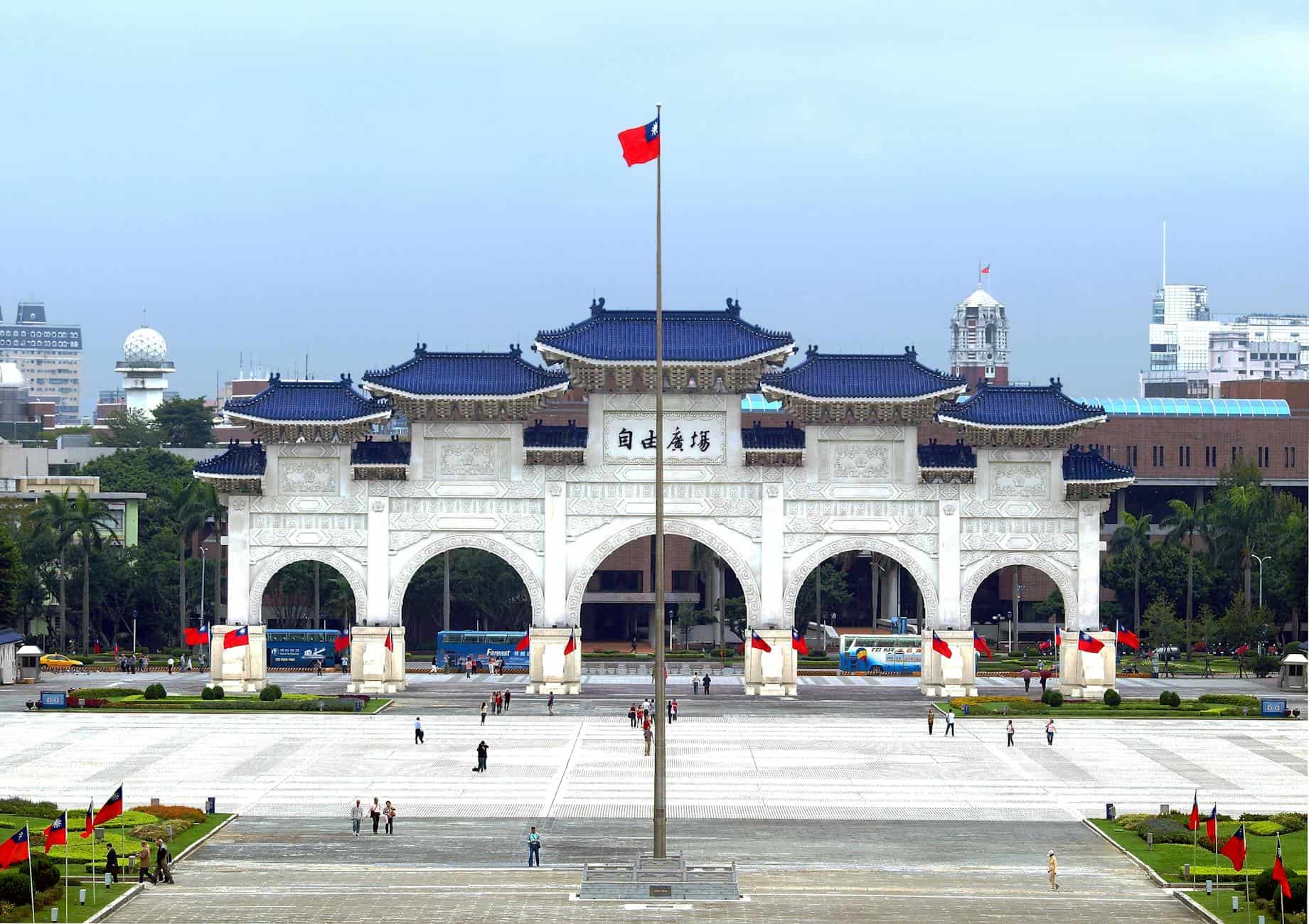
The China-Taiwan conflict, rooted in historical events over a century, has evolved through shifting ideologies and identities. After the Chinese Civil War in 1949, the Kuomintang retreated to Taiwan, establishing an authoritarian regime while asserting claims over the mainland. As Taiwan transitioned towards democracy in the late 20th century, a distinct Taiwanese identity emerged, often opposing unification with China. Internationally, the situation became complex, especially after the 1971 UN recognition of the People’s Republic of China, isolating Taiwan diplomatically. Tensions have escalated under Xi Jinping’s leadership, with Taiwan strengthening ties with the US, while its future remains uncertain amid rising…
-
The Complex Dynamics of USA-China Relations Over Taiwan
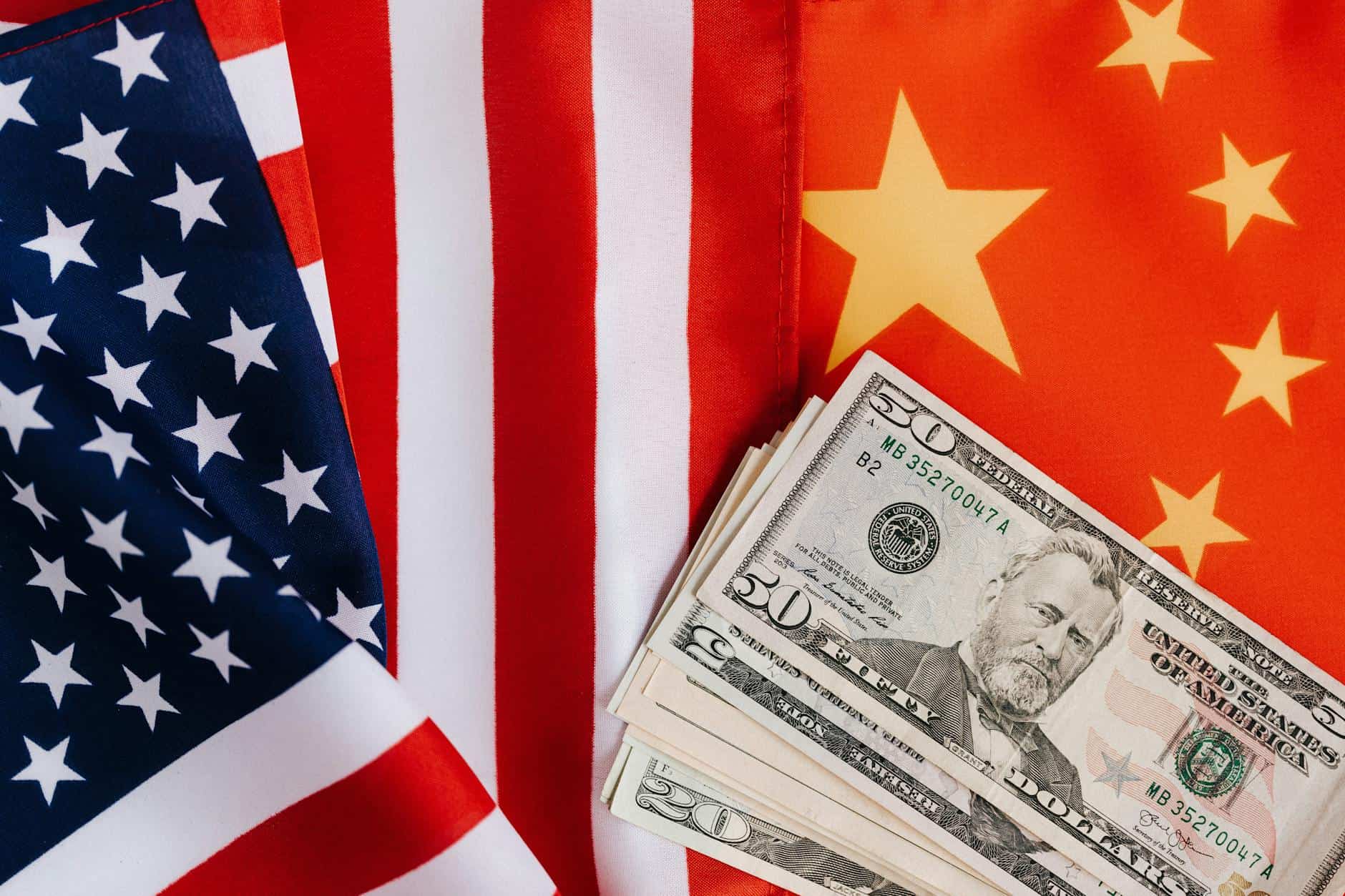
The relationship between the USA and China regarding Taiwan is complex, evolving through historical, political, economic, and military dimensions. The USA has supported Taiwan, especially post-1949, while China considers it a breakaway province. Recent political developments, particularly under President Tsai Ing-wen, have strengthened Taiwan’s identity, prompting increased military tension. Taiwan’s strategic role in global semiconductor manufacturing adds further economic implications to the relationship. Future prospects are fraught with uncertainty, balancing military dynamics, diplomatic ties, and economic interdependence. Ultimately, maintaining peace requires ongoing dialogue and respect for Taiwan’s sovereignty amidst rising tensions between the superpowers.
-
History of China: A Journey Through Time
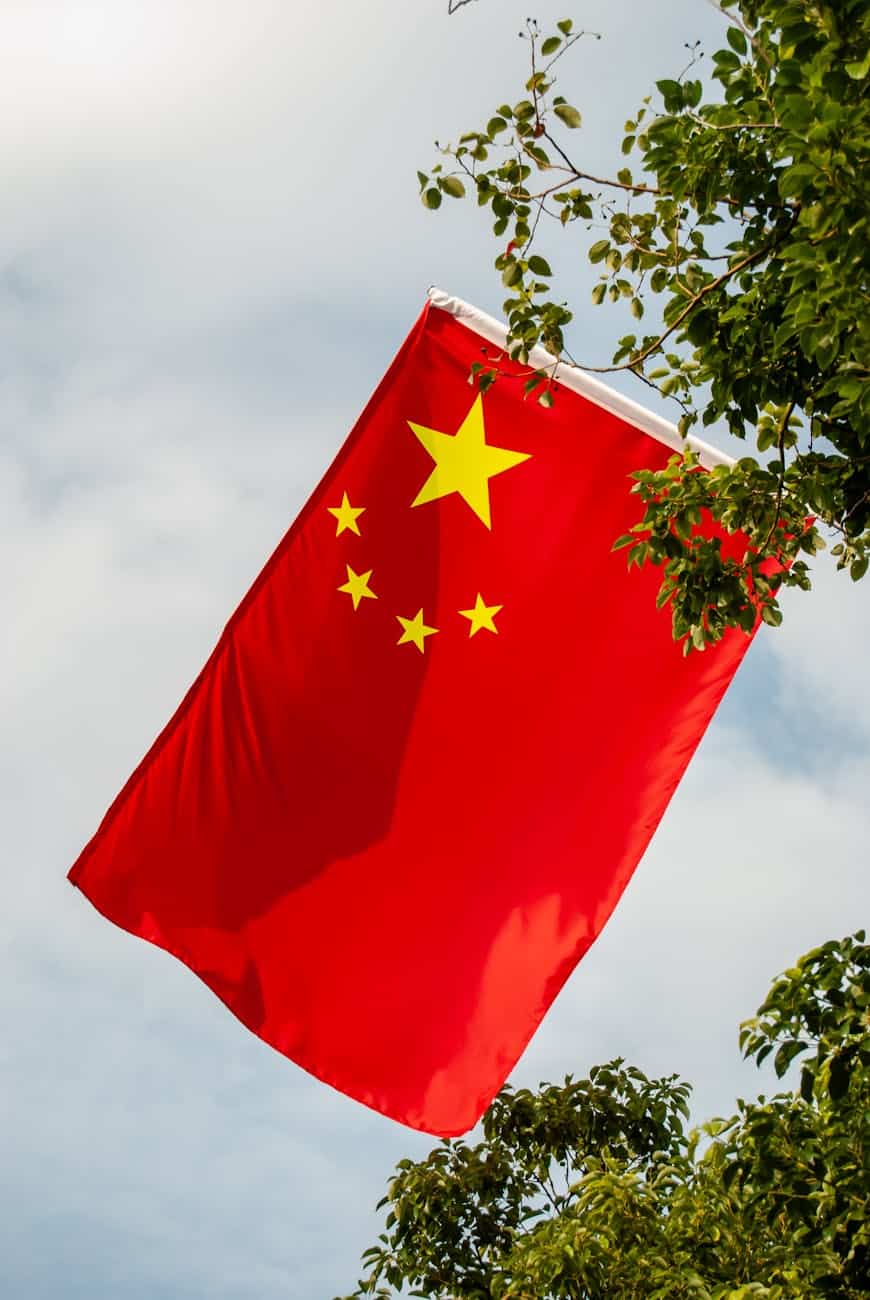
The history of China spans over 5,000 years, detailing its evolution from ancient agrarian societies to a global power. Early settlements along the Yellow River laid the foundations for complex governance systems and philosophies, with the Shang and Zhou dynasties significantly influencing Chinese thought through Confucianism and Daoism. The imperial era, marked by the rise and fall of dynasties such as the Han, Tang, and Qing, showcased cultural and technological advancements. The 19th and 20th centuries brought turmoil, with imperialism and internal strife, leading to the establishment of the People’s Republic of China in 1949. Contemporary China now faces the…
-
The Evolution of China’s Space Program: A Journey Through Time

China’s Space Program has evolved significantly since its inception in the early 1950s, transitioning from initial rocketry and satellite development to a prominent role in global space exploration. The establishment of the China Academy of Launch Vehicle Technology and subsequent achievements, such as launching satellites and the Shenzhou human spaceflight missions, showcased China’s technological progress and strategic ambitions. Notable milestones include the Mars rover Tianwen-1 and the Tiangong space station, enabling international collaborations. China’s future aspirations involve deeper space exploration and sustainable practices, reaffirming its commitment to scientific advancement and global cooperation in the realm of aerospace.
-
The History of the Belt and Road Initiative: A Comprehensive Overview
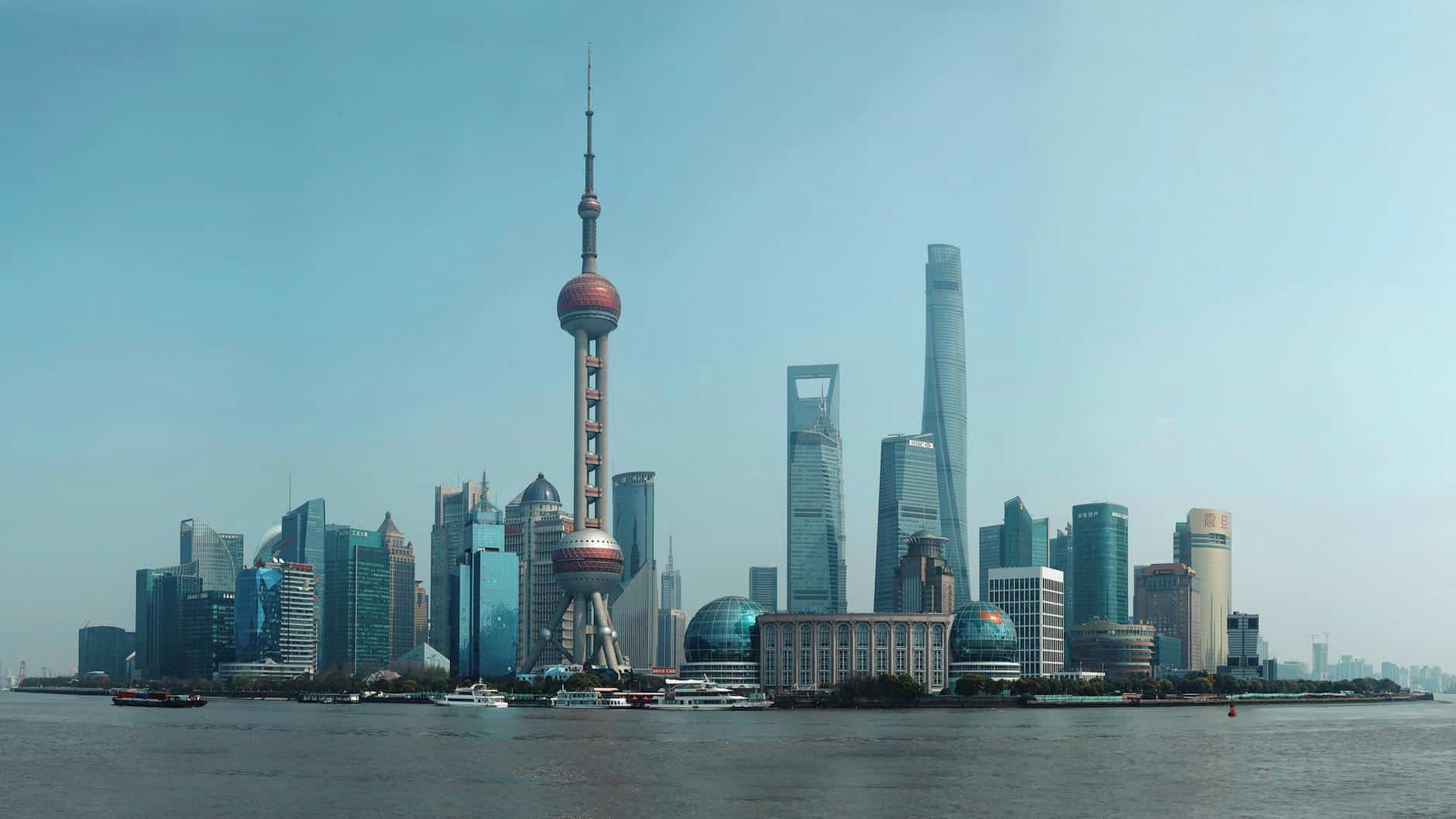
The Belt and Road Initiative (BRI), initiated by China in 2013, seeks to enhance global trade and economic growth through extensive infrastructure projects linking Asia, Europe, and Africa. It aims to modernise the Silk Road trade routes and strengthen China’s geopolitical influence by fostering regional connectivity and economic cooperation. Key projects like the China-Pakistan Economic Corridor illustrate its potential economic impact, yet the initiative faces criticism over debt sustainability, environmental implications, and transparency issues. The future of the BRI will depend on its ability to adapt to these challenges while promoting sustainability, inclusivity, and technological innovation in a changing global…
-
Qin Shi Huang Mausoleum History: Unveiling China’s First Emperor and His Terracotta Army
The Qin Shi Huang Mausoleum, built for China\’s first emperor in the 3rd century BCE, is crucial in understanding ancient Chinese civilization. It houses the renowned Terracotta Army, a vast collection of clay figures symbolizing the emperor\’s ambition for immortality. Qin Shi Huang unified China, implementing significant reforms, but his authoritarian methods fostered dissent. The mausoleum\’s construction involved hundreds of thousands of laborers under harsh conditions, highlighting the complexities of his legacy. Both the mausoleum and the Terracotta Army represent advanced artistry and engineering, offering insights into social structures, cultural beliefs, and the interplay of power and authority in ancient…
-
The History of Liangzhu Tombs: Uncovering the Legacy of China’s Neolithic Civilization

The Liangzhu Tombs in Jiangsu, China, dating back to 3300-2300 BCE, showcase the sophistication of Neolithic civilization, revealing advances in agriculture and social structures. Initial discoveries in the late 1920s were expanded through large-scale excavations starting in 2009, highlighting complex burial practices and social hierarchies marked by stratified tombs containing jade artifacts. The architecture reflects impressive craftsmanship and advanced societal organization. The site, recognized as a UNESCO World Heritage Site in 2019, emphasizes the need for preservation and offers insights into cultural identity and historical narratives in China. Ongoing research continues to unveil its significant legacy.
-
The Great Wall of China History: The Story Behind the World’s Longest Wall
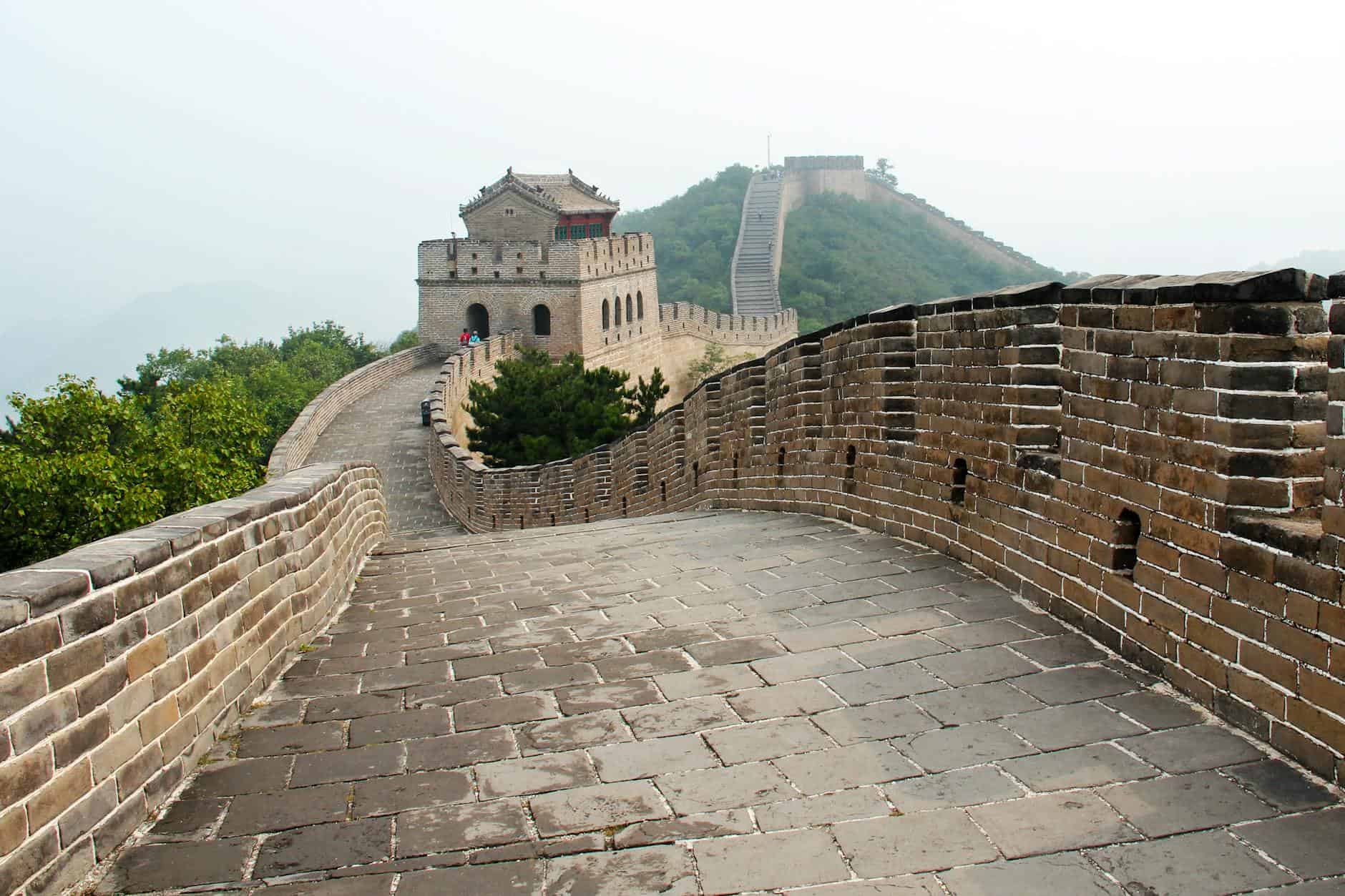
The Great Wall of China, an iconic symbol of Chinese civilization, spans over 13,000 miles and has a history exceeding 2,000 years. Initially built for defense against invasions, particularly from nomadic tribes, it saw significant enhancements during the Qin and Ming Dynasties. The wall represents a blend of military strategy, cultural identity, and resilience, influencing literature and art throughout Chinese history. Modern preservation efforts face challenges from erosion, urbanization, and tourism, emphasizing the need for sustainable practices. As a UNESCO World Heritage Site, the Great Wall continues to embody national pride and serves as a focal point for cultural exchange…
-
Architecture of Beijing: From Forbidden City to Temple of Heaven
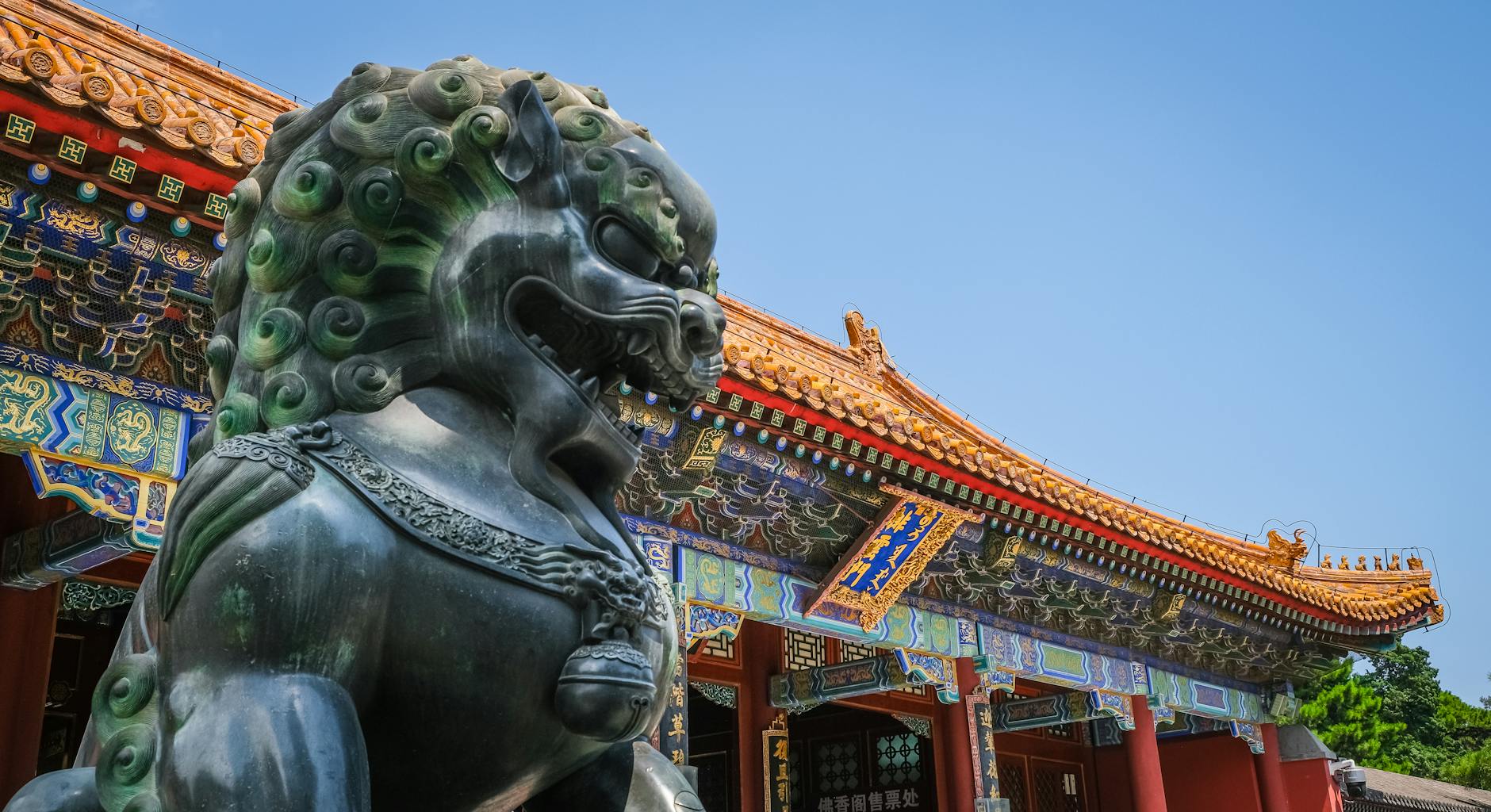
Beijing’s architecture is a remarkable blend of history and modernity, showcasing its rich cultural heritage through iconic landmarks like the Forbidden City and the Temple of Heaven. These structures embody the political and spiritual narratives of Chinese civilization, reflecting the evolution of aesthetic principles over centuries. The Forbidden City, a symbol of imperial power, features strict design hierarchies and feng shui principles, while the Temple of Heaven represents the harmony between earth and heaven in ancient cosmology. As the city modernizes, it grapples with preserving its historical identity amidst urbanization, embracing innovative designs that fuse traditional elements with contemporary needs.
-
The amazing history of the Economic Development of China

The economic development of China has evolved over millennia, transitioning from ancient agriculture to a global powerhouse. Early advancements in agriculture during dynasties set a foundation for trade and governance. Colonialism disrupted these systems but also spurred modernization efforts. Under Mao Zedong, initiatives like the Great Leap Forward aimed for rapid industrialization but resulted in catastrophic failures. Reform under Deng Xiaoping in the late 1970s embraced market-oriented policies, leading to significant growth and urbanization. Today, China faces challenges such as transitioning to domestic consumption, environmental issues, and international trade tensions, while pursuing innovation and global collaborations for sustainable development.
-
Brilliant Shanghai 2025: Discover the Soul of a Global Powerhouse
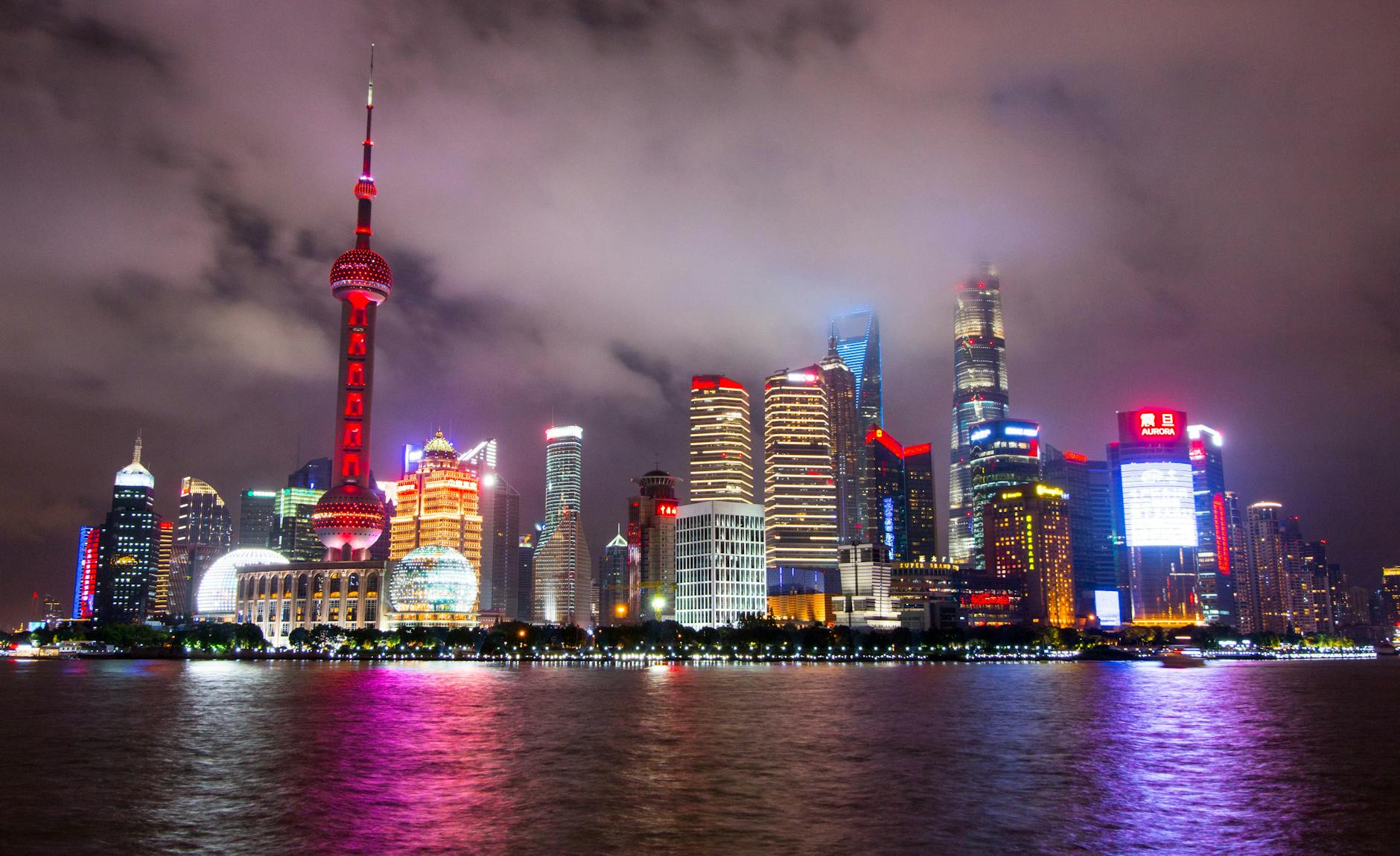
Shanghai is a dynamic city exemplifying the fusion of tradition and modernity, reflecting China’s economic and cultural depth. Historically a fishing village, it transformed into an international trade hub, blending Eastern and Western influences that shape its identity today. The city’s rich cultural landscape thrives through a diverse arts scene and culinary experiences, from traditional Shanghainese dishes to international cuisines. With a focus on innovation, Shanghai is emerging as a leader in technology and sustainability. Its future is bright, driven by ambitions in finance and culture, and a commitment to education, reinforcing its role as a global powerhouse.
-
Experience Amazing Macao: History, Casinos, and More 2025
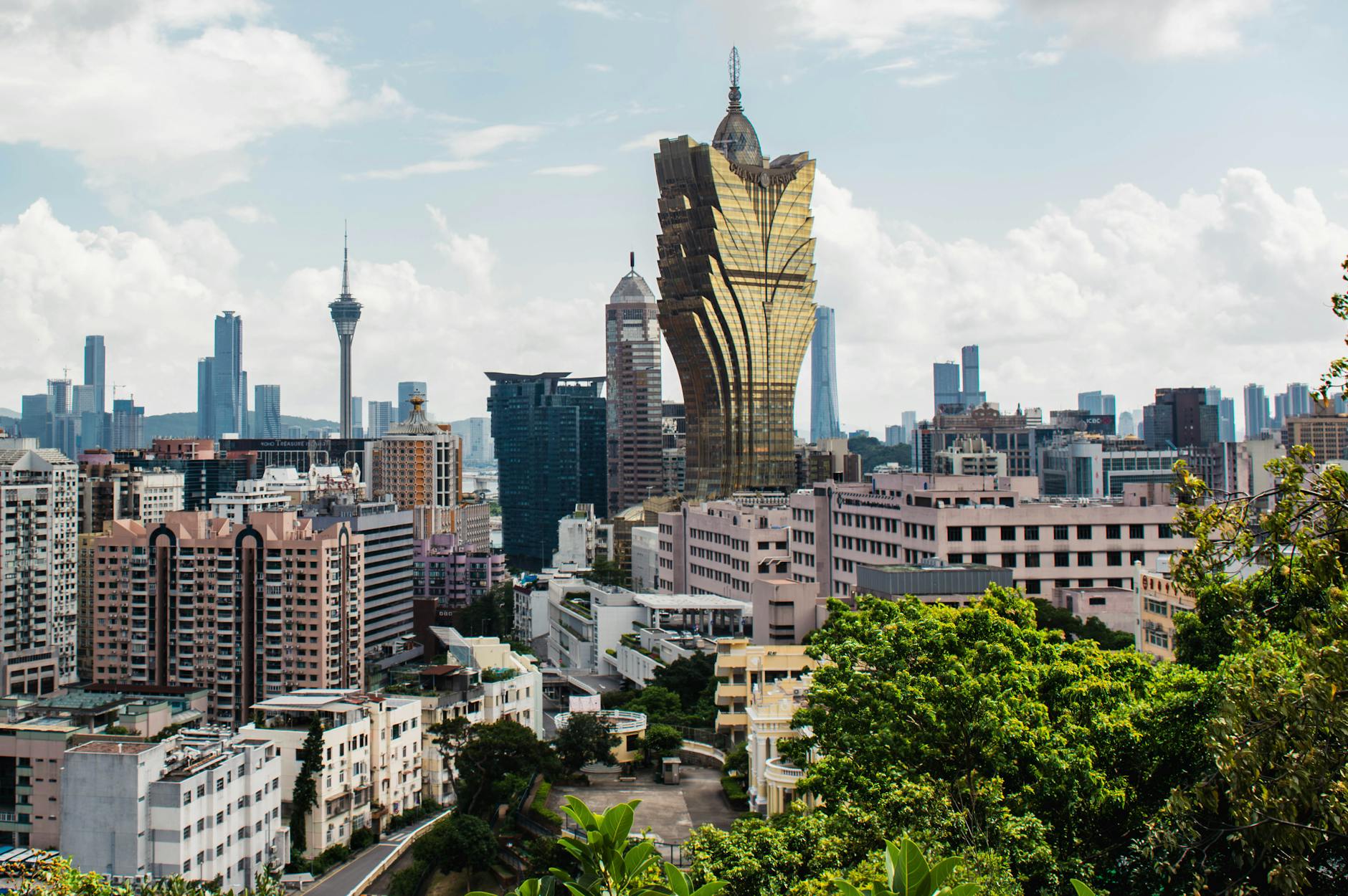
Macao, known as “China’s Las Vegas,” melds glamour with cultural richness. Originating as a fishing village, its historical tapestry weaves Portuguese and Chinese influences, evident in architecture and customs. The vibrant casino scene combines gambling with opulent entertainment and fine dining, drawing millions yearly. Culinary offerings range from iconic Portuguese egg tarts to spicy Macanese dishes, reflecting the city’s diverse heritage. Museums, temples, and festivals like the Macao Arts Festival highlight its cultural depth. Beyond gaming, outdoor activities and local markets offer adventure and immersion, making Macao a unique destination that balances modernity with its storied past and cultural flavors.
-
Discover Dynamic Hong Kong in 2025: A Fusion of Tradition and Modernity
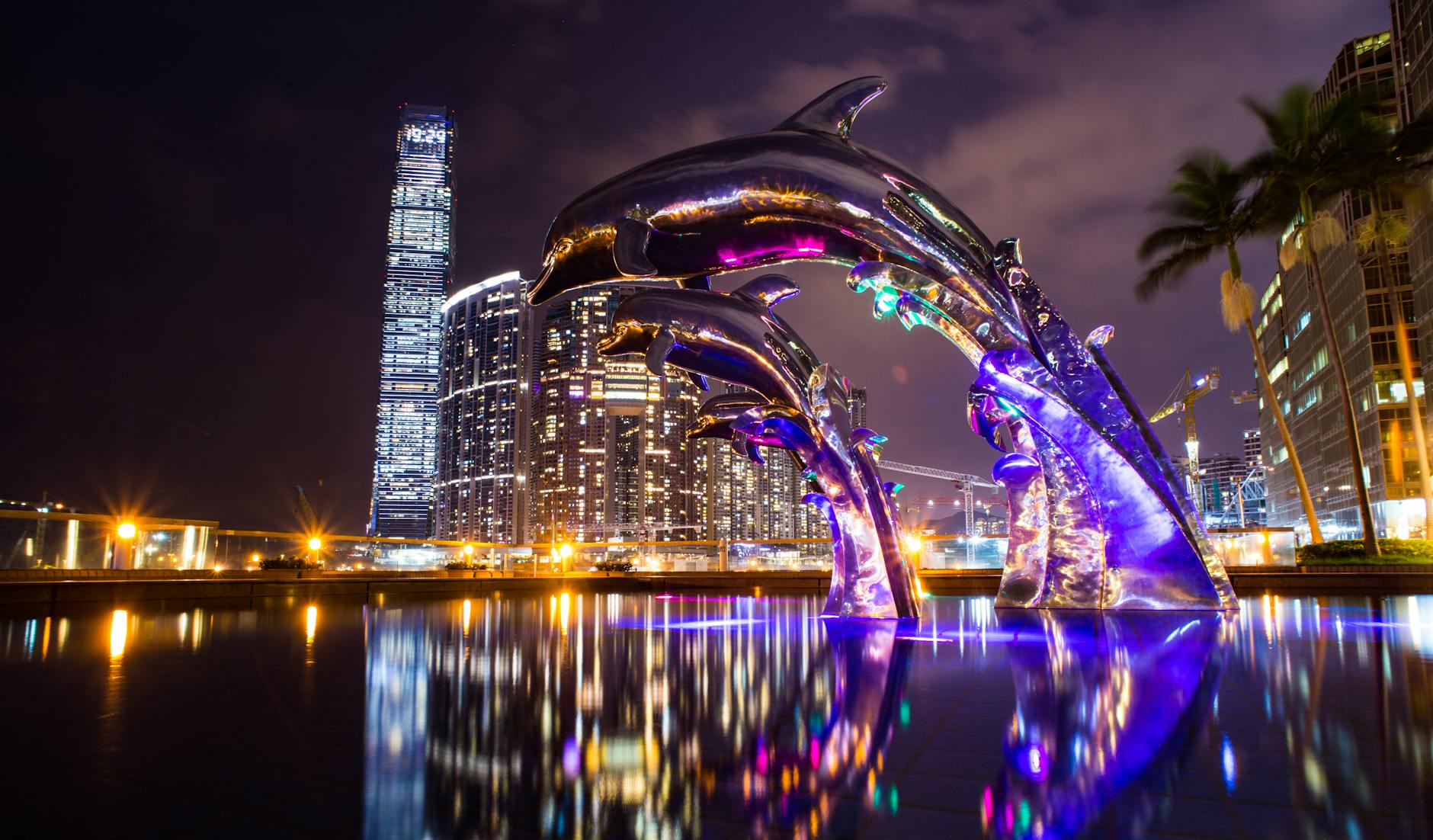
Hong Kong presents a captivating blend of tradition and modernity, forming a vibrant tapestry of experiences. Over five days, visitors can explore its rich cultural heritage through temples and traditional markets, embodying the city’s deep-rooted history. The urban landscape, dominated by iconic skyscrapers, showcases cutting-edge architecture and reflects economic ambitions. Renowned for its culinary diversity, Hong Kong offers a fusion of flavors, from traditional dim sum to innovative international dishes. Nature retreats like Victoria Park and hiking trails also provide serene escapes. As Hong Kong advances in technology and innovation, it maintains a delicate balance with its cultural roots, shaping…
-
The Portuguese Arrival in China: A Historical Overview

The arrival of Portuguese explorers in China during the 16th century initiated a transformative era of trade and cultural exchange. Motivated by the pursuit of new routes and commodities, key figures like Jorge Ãlvares and Jesuit missionary Matteo Ricci established significant connections. The Portuguese introduced valuable goods and silver, reshaping China’s economy, while also incorporating Western scientific knowledge into Chinese culture. Despite initial skepticism, interactions evolved into cooperation, fostering both economic and religious exchanges. The legacy of Portuguese influence persists, notably through Macau as a cultural and trade hub. This period profoundly reshaped Sino-European relations and global trade dynamics.
-
The amazing Turin, Italy: A Historical and Economic Journey (2025 update)

Turin, the capital of the Piedmont region in northern Italy, is a city steeped in history, culture, and economic significance. Often overshadowed by Italy’s more famous tourist destinations such as Rome, Florence, and Venice, Turin offers its own unique charm with a blend of historical grandeur, industrial prowess, and cultural richness. The city has been at the forefront of Italy’s economic and political transformations, serving as a capital city during critical moments in the country’s unification and industrialization.
-
Discovering the amazing Potala Palace: A UNESCO Heritage Site (2025 update)

Perched atop the Marpo Ri hill at an altitude of 3,700 meters (12,100 feet) above sea level, the Potala Palace is one of the most iconic symbols of Tibet and Tibetan Buddhism. This ancient structure, dominating the skyline of Lhasa, has served not only as the residence of the Dalai Lamas but also as a sacred site of immense religious and political significance. Its unique blend of spiritual, political, and architectural marvels has made the Potala Palace a UNESCO World Heritage Site and one of the most revered landmarks in Asia.
-
The Tower Bridge: A Marvel of Victorian Engineering and Architecture (2025 update)
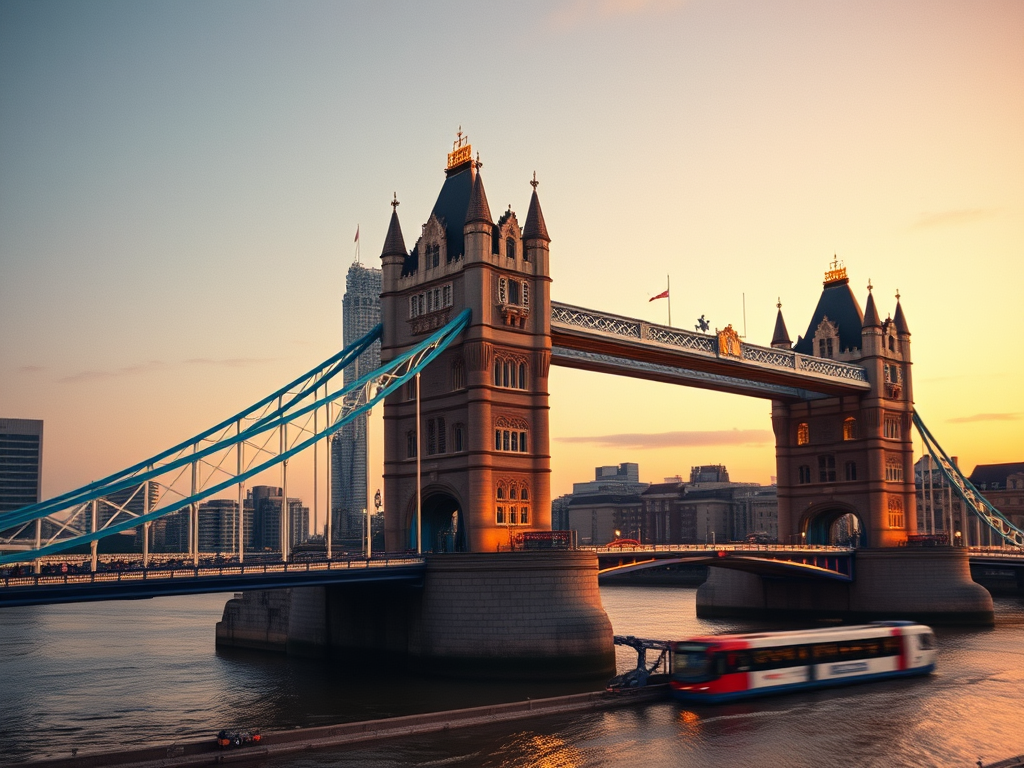
The Tower Bridge is one of the most iconic landmarks in London, instantly recognizable by its twin Gothic towers and bascules that open to allow ships to pass through. Since its completion in 1894, the bridge has stood as a symbol of British innovation, merging architectural beauty with cutting-edge engineering. Its unique combination of function and form has made it a global icon of London and a testament to Victorian ingenuity.
-
The great history of the Xia Dynasty: The First Chinese Dynasty (2025 update)
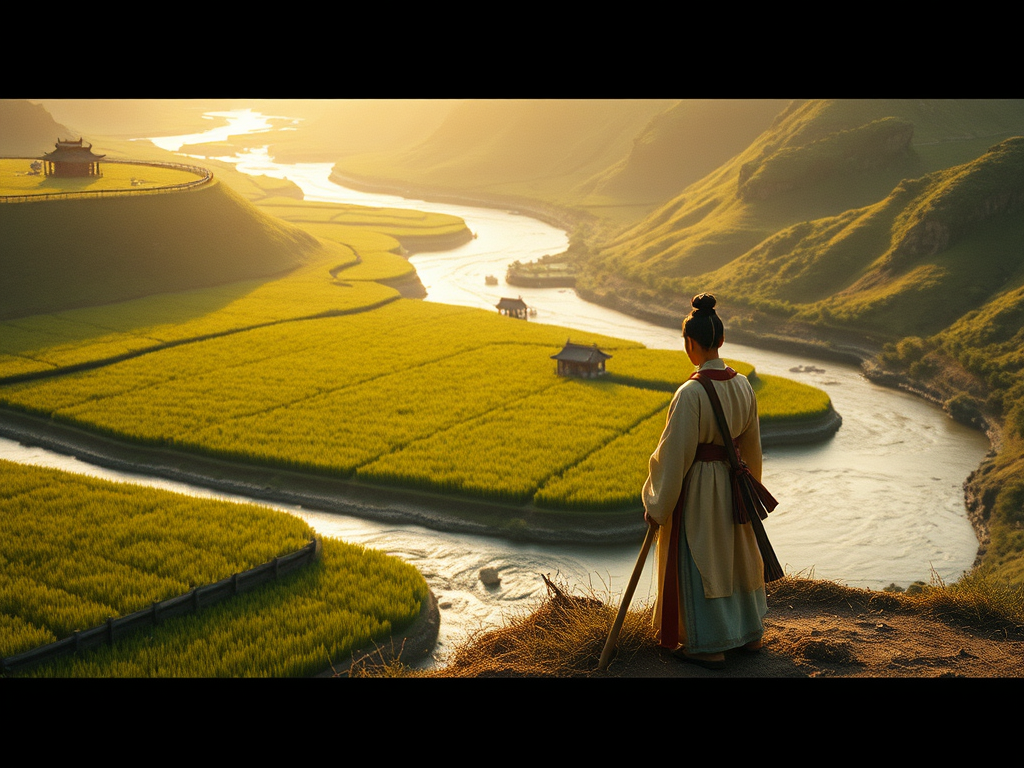
The Xia Dynasty, founded around the 21st century BCE, is considered China’s first dynasty, rooted in a blend of myth and limited historical evidence. It transitioned from semi-nomadic lifestyles to organized agricultural societies, with Yu the Great’s flood control marking its legendary origins. The dynasty established a centralized monarchy and a council of nobles, influencing governance structures for future dynasties. Cultural advancements included irrigation, bronze metallurgy, and ancestor worship, shaping social norms and artistic expressions. However, environmental challenges and internal power struggles led to its decline, paving the way for the Shang Dynasty. The Xia’s legacy profoundly impacted Chinese civilization.